
Custom tuck boxes give small products a clean retail face without the cost of rigid packaging. Choose straight tuck, reverse tuck, or auto-bottom styles in 12pt to 24pt board, then add windows, foil stamping, and full-color printing that earns a second look on the shelf. Order any quantity with zero MOQ, free design support, and free shipping across the USA.

Custom reverse tuck boxes from Pioneer Custom Boxes help supplement, cosmetic, skincare, food, pharmacy, hardware and ecommerce brands package products at a lower unit cost. Choose SBS or kraft board from 14pt to 24pt, custom sizes, windows, inserts, foil, lamination, logo printing, free design support, no MOQ and free USA shipping.
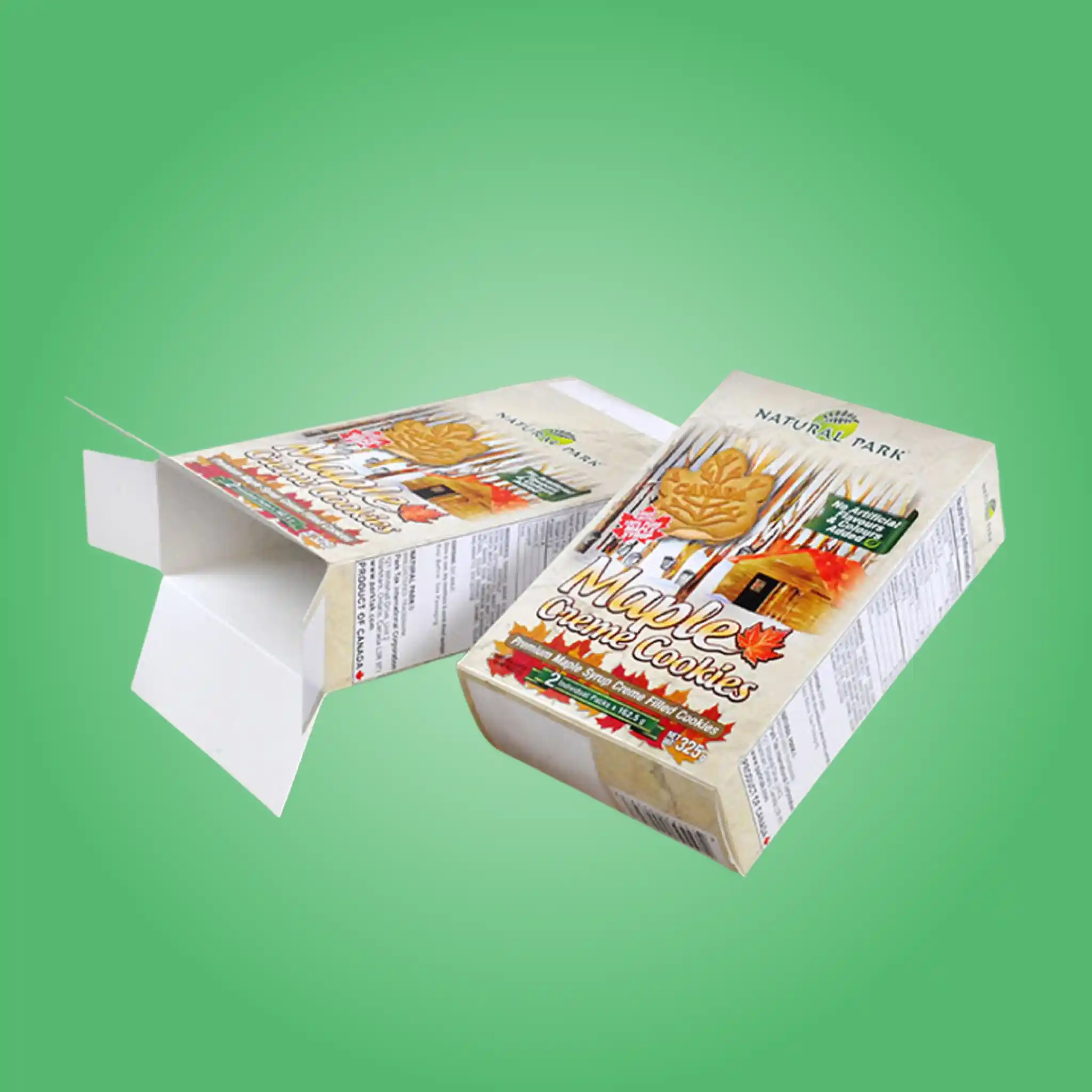
Custom seal end tuck boxes from Pioneer Custom Boxes help food, cereal, pharmacy, hardware, detergent and pet brands package products with glued ends, tamper evidence and high line speed. Choose SBS, CRB or kraft board, barrier liners, sift-proof seals, tear perforations, windows, logo printing, free design support, no MOQ and free USA shipping.
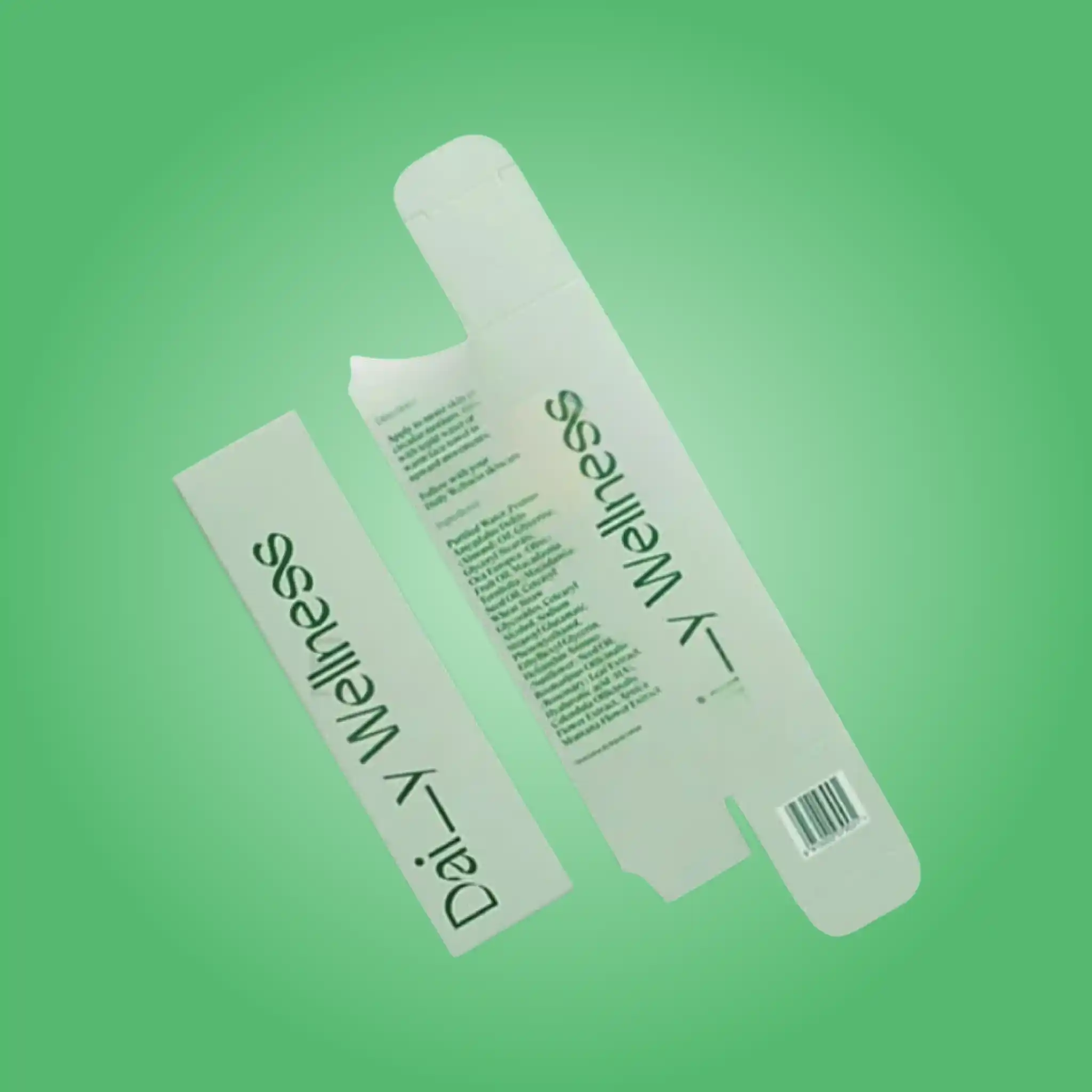
Custom straight tuck boxes from Pioneer Custom Boxes help cosmetic, skincare, supplement, candle, soap, food and ecommerce brands package products with a completely clean front panel. Choose SBS or kraft board from 14pt to 24pt, custom sizes, windows, inserts, foil, soft touch lamination, logo printing, free design support, no MOQ and free USA shipping.
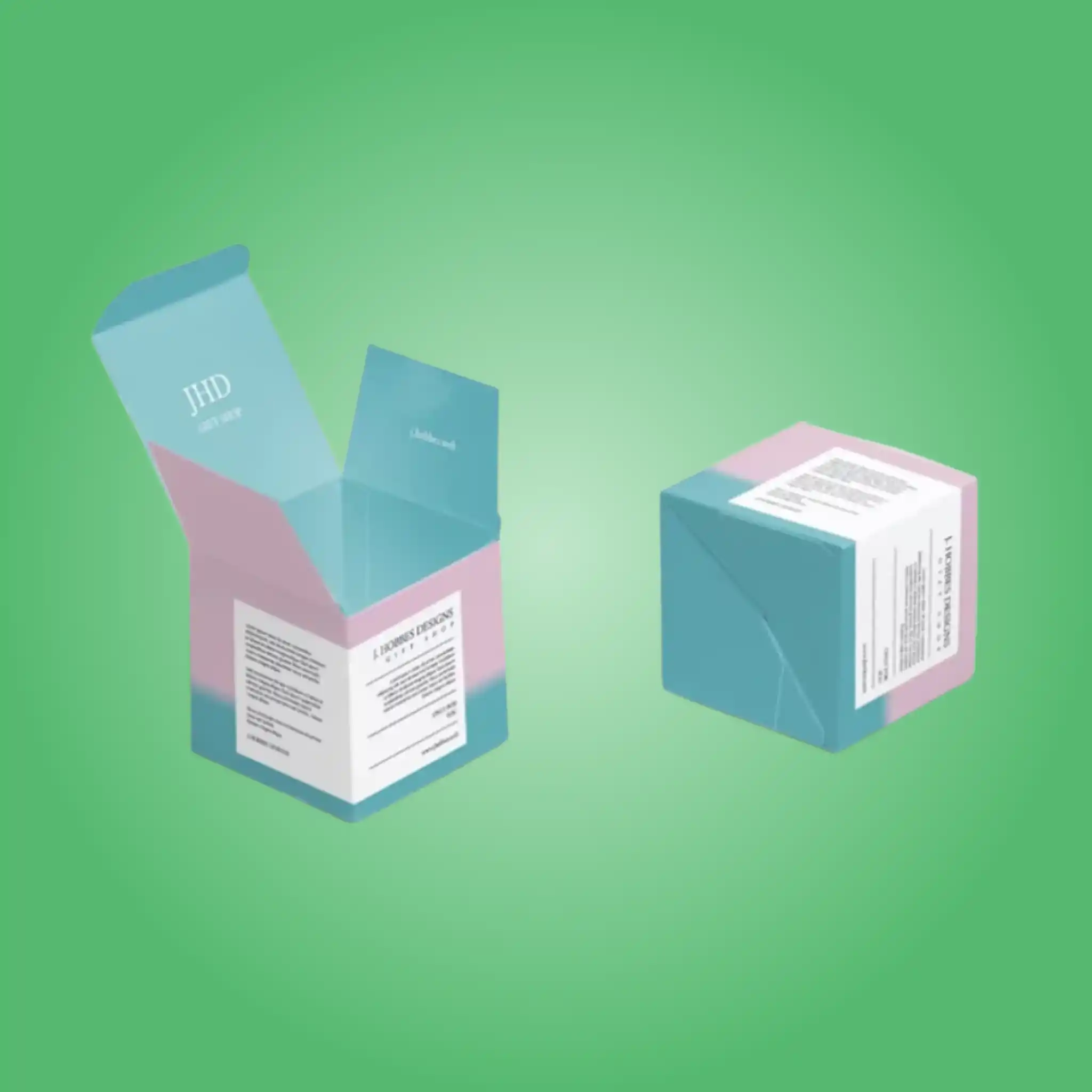
Custom tuck end boxes from Pioneer Custom Boxes help cosmetic, skincare, supplement, food, candle, soap, electronics and ecommerce brands package products without tape or glue. Choose straight tuck, reverse tuck, auto-lock or roll end styles in SBS, kraft, CRB or E-flute, with windows, inserts, foil, lamination, free design support, no MOQ and free USA shipping.
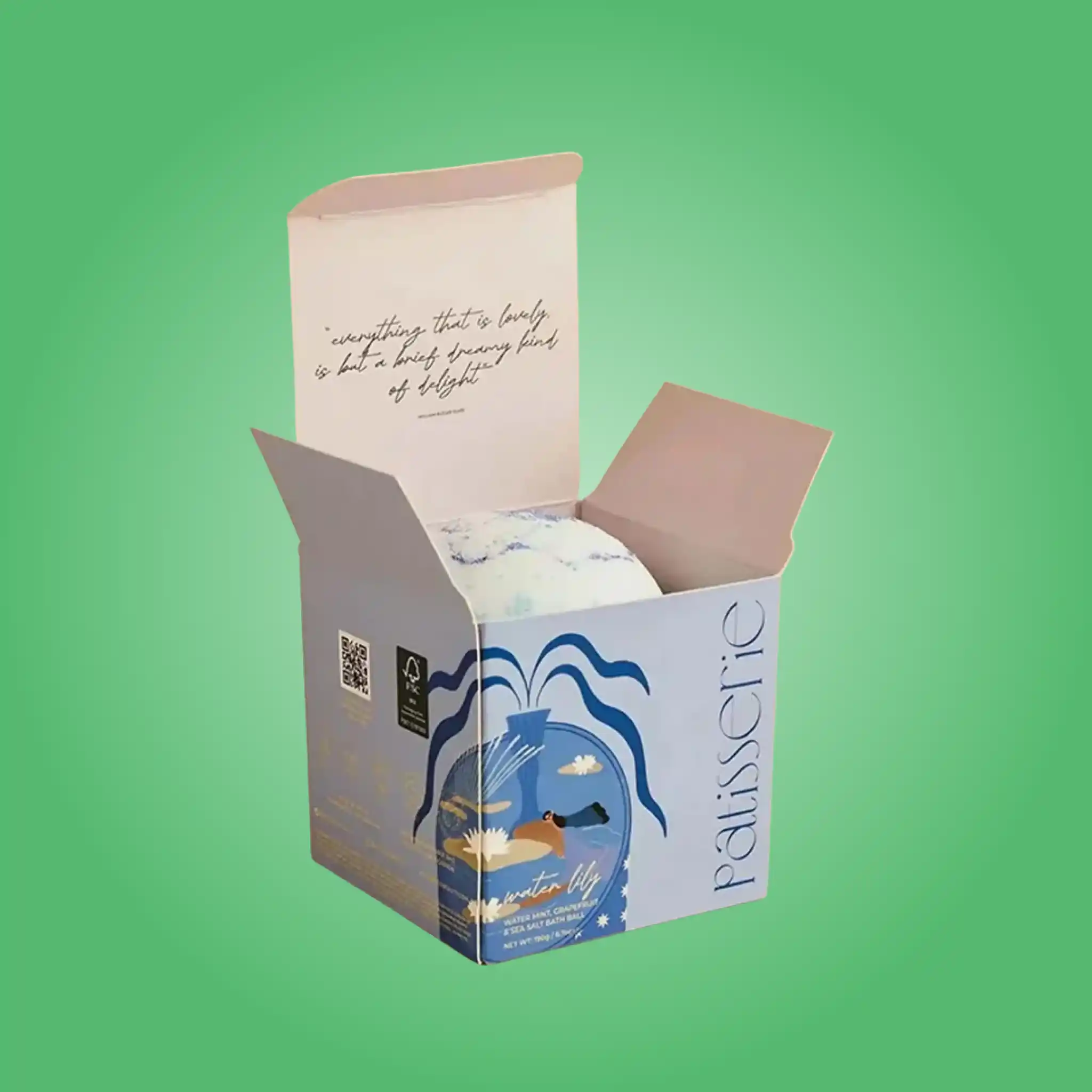
Custom tuck top boxes from Pioneer Custom Boxes help candle, home fragrance, food, bakery, hardware, gift and ecommerce brands package heavier products safely. Choose auto-lock or snap lock bases in SBS, kraft, CRB or E-flute board, with collar inserts, windows, foil, lamination, logo printing, free design support, no MOQ and free USA shipping.
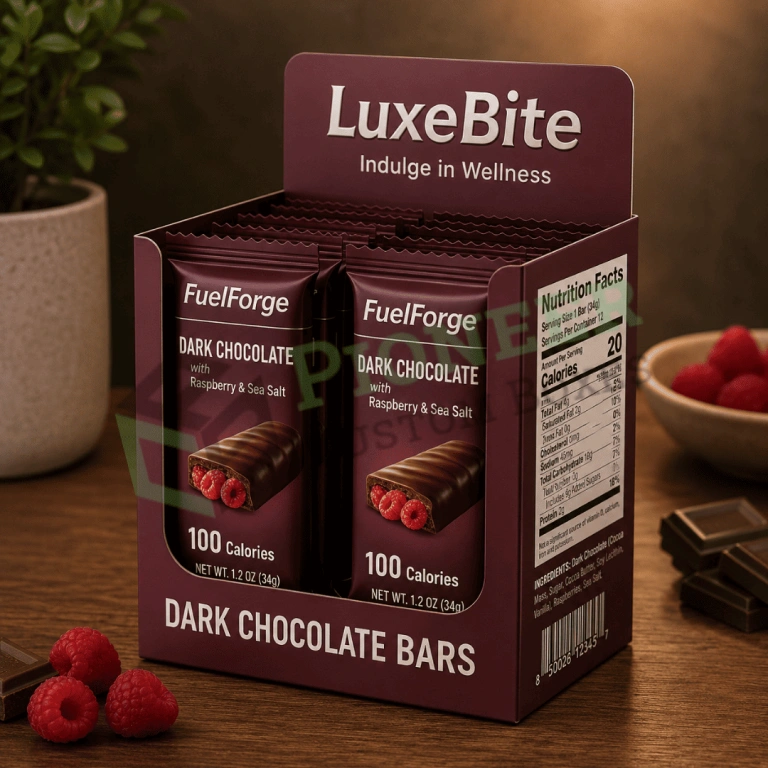
Flat tuck display boxes help retail, cosmetic, food, wellness, stationery, toy, and small product brands present products with a foldable structure, front display panel, strong branding space, and easy shelf placement. Choose custom flat tuck display packaging with cardboard stock, kraft stock, SBS paperboard, CMYK or PMS printing, die-cut windows, perforation options, matte coating, gloss coating, Spot UV, foil accents, inserts, custom sizes, and wholesale display packaging across the USA.
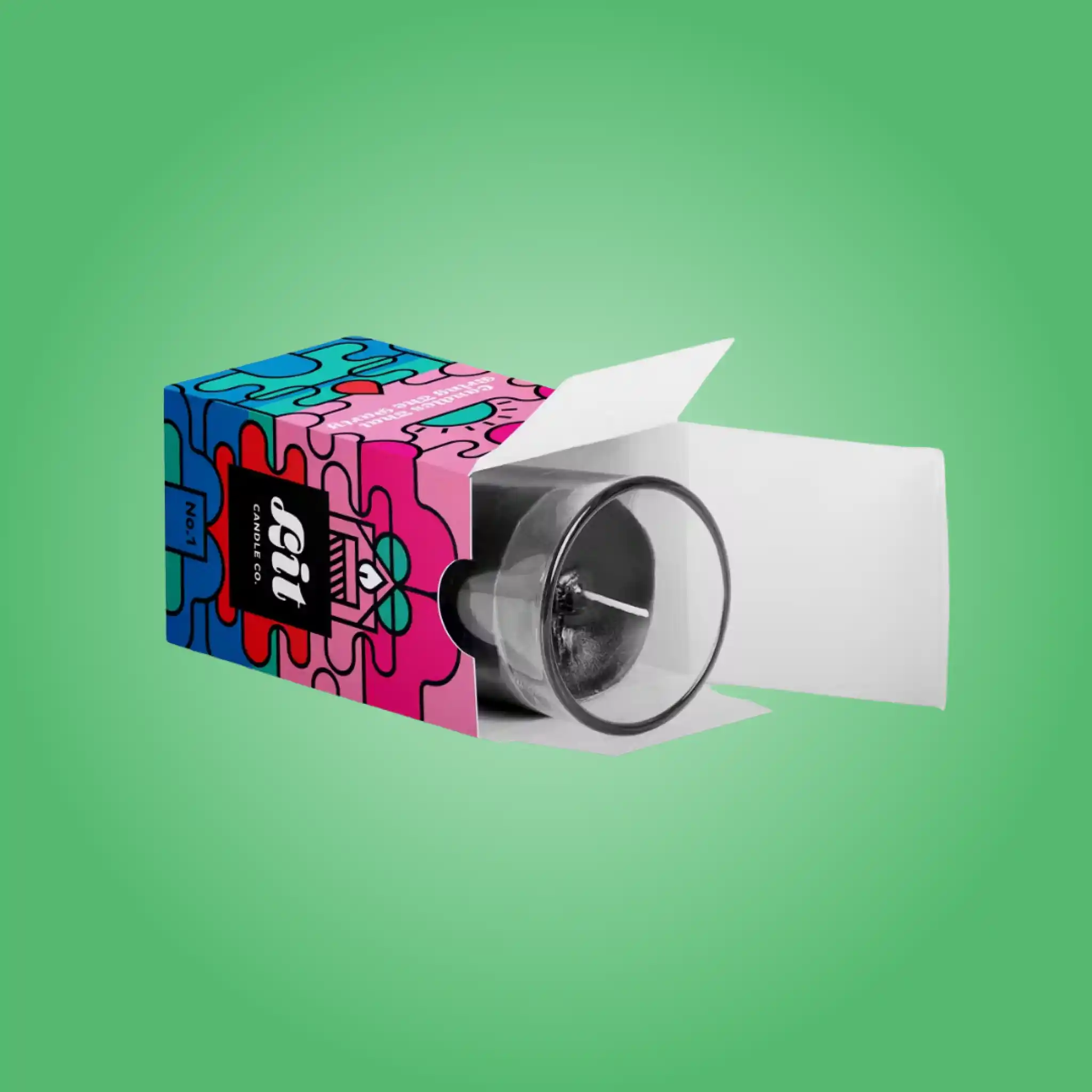
Reverse tuck candle boxes from Pioneer Custom Boxes help candle makers, home fragrance brands, gift companies and ecommerce sellers package filled glass vessels safely. Choose SBS, kraft, CRB or E-flute board from 18pt to 24pt, collar inserts, windows, foil stamping, soft touch lamination, logo printing, free design support, no MOQ and free USA shipping.

Roll end tuck front boxes from Pioneer Custom Boxes help subscription, beauty, apparel, gifting, food and ecommerce brands present products with a full lid opening and a printed interior. Choose E-flute, B-flute, kraft or SBS board, custom sizes, fitted trays, dividers, foil, coatings, free design support, no MOQ and free USA shipping.
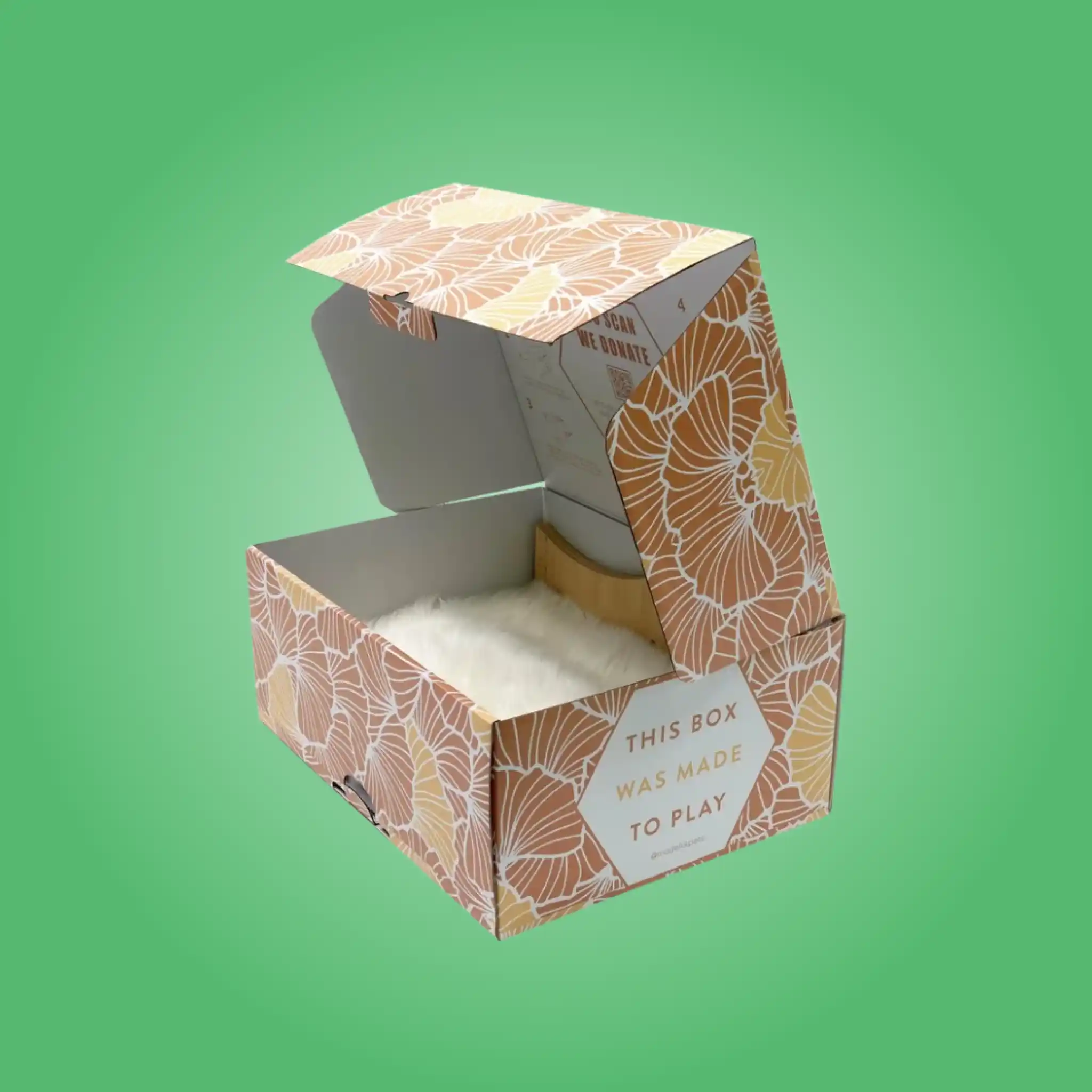
Tuck top mailer boxes from Pioneer Custom Boxes help beverage, candle, electronics, coffee, homeware, hardware and ecommerce brands ship heavier products without tape. Choose pre-glued auto-lock or snap lock bases in 32 to 51 ECT corrugated, white top or kraft liners, with collars, partitions, pulp cradles, printed interiors, free design support, no MOQ and free USA shipping.
Custom tuck boxes carry more retail products than any other folding carton style. They ship flat, they assemble by hand in seconds, and they cost far less than rigid packaging. Yet they still hold full color artwork across every panel. That combination explains their popularity with cosmetics brands, supplement labels, candle makers and food producers across the United States.
Pioneer Custom Boxes manufactures these cartons in house. We cut our own dies, run our own presses, and finish every order under one roof. No broker sits between you and the production floor. Because of that structure, we quote lower, we move faster, and we answer technical questions with real answers. You also start with zero minimum order quantity, so a fifty piece test run costs you nothing extra in setup.
This page explains every decision you will face. You will learn how each tuck style closes, which board weight matches your product, how offset and digital printing differ, and what CMYK, PMS and RGB actually mean for your brand colors. Read it once, then request a free quote with confidence.
The word tuck describes the closure, not the shape. Flaps tuck into the body instead of gluing shut. Where those flaps enter, and which direction they face, defines the style. That single detail changes assembly speed, print alignment and shelf strength. So choose deliberately rather than by name recognition.
A straight tuck end carton opens at the top and the bottom from the same side. Both flaps fold toward the back panel. As a result, the front face stays completely clean. Nothing interrupts your primary artwork, and no flap edge shows through the display panel. Premium skincare and fragrance brands prefer this style for exactly that reason. Explore our custom straight tuck boxes when the front panel must look flawless.
A reverse tuck end carton flips one flap. The top flap folds toward the back, while the bottom flap folds toward the front. This layout nests more efficiently on the press sheet. Consequently it wastes less board, and it prices lower per unit. The trade off appears as a faint score line on the front bottom edge. Most buyers accept that. Our reverse tuck boxes remain the volume favorite for supplements and household goods.
Seal end cartons glue shut on both ends rather than tucking. Automated lines fill them, then seal them at speed. They resist tampering better than any tuck variant. Food, pharmaceutical and personal care packers choose them when product security matters. Review our seal end tuck boxes if you run automated filling equipment.
Tuck end boxes cover the broad family where both ends tuck closed. Tuck top boxes tuck only at the lid, while the base locks or glues. Bakeries, gift retailers and hardware brands rely on both. Compare our custom tuck end boxes against our custom tuck top boxes before you commit to a dieline.
Roll end tuck front cartons wrap the board around itself, creating double thick side walls. That extra layer resists crushing during transit. Subscription brands ship in them without a secondary carton. See our roll end tuck front boxes for ecommerce ready protection.
Flat tuck display cartons include a tear away front or an integrated header. Retailers open the case, fold the panel back, and place the whole unit on a counter. No separate display stand appears on your invoice. Our flat tuck display boxes suit impulse buy items near the register.
Some products need a purpose built version. Candle makers order deeper cartons with reinforced bases, so glass vessels stay upright. Our reverse tuck candle boxes handle that weight. Shippers who want a corrugated version choose tuck top mailer boxes instead, since those survive carrier handling without an outer box.
| Style | Front Panel | Assembly Speed | Board Efficiency | Best Fit |
|---|---|---|---|---|
| Straight Tuck End | Completely clean | Fast by hand | Standard | Cosmetics, fragrance |
| Reverse Tuck End | One faint score | Fastest by hand | Highest, lowest cost | Supplements, retail volume |
| Seal End | Clean, glued ends | Machine filled | Standard | Food, pharma, tamper evidence |
| Roll End Tuck Front | Clean, thick walls | Moderate | Uses more board | Ecommerce, subscription |
| Flat Tuck Display | Header or tear panel | Moderate | Standard | Counter displays, impulse buys |
Size drives cost more than any other specification. A quarter inch of extra width multiplies across ten thousand pieces. Therefore we measure your product before we quote. Always record length, then width, then depth, in that order. Length runs left to right across the front panel. Width runs front to back. Depth runs bottom to top.
Measure the product itself, not a box you already own. Then add roughly one sixteenth of an inch on each internal dimension. That clearance lets the product slide in without buckling the board. Tight cartons tear during filling, and loose cartons rattle on the shelf. Our design team checks these numbers free of charge before production starts.
The sizes below cover the requests we receive most often. Treat them as starting points, since every dieline we cut is custom. We build any dimension you need, from a one inch lip balm sleeve to a fourteen inch electronics carton.
| Product Type | Typical Size (L x W x D, inches) | Suggested Board |
|---|---|---|
| Lip balm, mascara, small vials | 1 x 1 x 3.5 | 14pt SBS |
| Serum and dropper bottles | 1.5 x 1.5 x 4.5 | 16pt SBS |
| Supplement and capsule bottles | 2.5 x 2.5 x 5 | 18pt SBS |
| Soap bars and bath bombs | 3.5 x 2.5 x 1.25 | 16pt kraft |
| Candles in glass jars | 3.5 x 3.5 x 4.5 | 20pt to 24pt |
| Tea, coffee and snack pouches | 5 x 2 x 7 | 18pt SBS |
| Electronics and accessories | 6 x 4 x 2 | 24pt or E-flute |
Board choice decides how your carton feels in a customer hand. It also decides whether the box survives a warehouse stack. We stock four families, and we recommend by product weight rather than by price.
Solid bleached sulphate is the retail standard. Its clay coated surface holds ink tightly, so photographs reproduce sharply. Twelve point board suits featherweight items such as false lashes. Sixteen point handles most cosmetics. Eighteen point carries supplement bottles safely. Twenty four point feels almost rigid, and premium brands choose it for that reason.
Uncoated kraft delivers a natural brown surface with visible fiber. Organic skincare, artisan soap and specialty food brands lean on that look. Ink sits into the fiber rather than on top, so colors read softer and warmer. Browse our custom kraft boxes if sustainability sits at the center of your brand story.
E-flute adds a thin fluted layer between two liners. It measures about one sixteenth of an inch thick. That structure absorbs impact, so heavier or fragile goods travel safely. Ceramics, glassware and small appliances all benefit. The board still folds into a tuck carton, so you keep the retail silhouette.
Silver and gold metallized boards create a mirror finish under transparent ink. Vape brands, confectionery makers and holiday gift lines use them for shelf impact. These stocks cost more, so we usually suggest them for limited editions rather than core lines.
Printing decides how your artwork transfers onto board. Two processes cover almost every order we run. Each one wins in a different scenario, so we match the process to your quantity and your color needs rather than to a fixed price list.
Offset printing transfers ink from a plate to a rubber blanket, then onto the board. Plate setup takes time, yet the press then runs thousands of sheets per hour. Because of that, unit cost drops sharply above roughly one thousand pieces. Offset also reproduces fine gradients and small type with exceptional accuracy. Brands with strict color standards choose it, since the press operator can adjust ink density across the run. Metallic inks, fluorescent inks and precise Pantone matches all belong to offset.
Digital printing skips plates entirely. Files go straight to the press, so production starts within hours. Short runs therefore cost far less than they would on offset. Fifty boxes and five hundred boxes carry nearly the same setup burden, which is almost none. Digital also allows variable data, so each carton can carry a different code, flavor name or regional label. Startups testing a new SKU should begin here, then move to offset once volume grows.
We will tell you honestly which process fits your order. If digital saves you money at your quantity, we quote digital. Volume alone does not decide it, since color complexity matters too.
Color confusion causes more reprints than any other issue. Three systems appear in packaging conversations, and they behave differently. Understanding them protects your brand identity and your budget.
CMYK builds color from cyan, magenta, yellow and black inks. The press lays tiny dots of each, and your eye blends them. This system reproduces photographs and complex illustrations beautifully. It covers a wide range at a low cost, so most full color cartons print in CMYK. However it struggles with very bright oranges, deep navies and clean pastels. Those shades shift slightly between print runs.
PMS uses premixed inks rather than blended dots. A Pantone number names an exact recipe, so the ink arrives already the right color. Consequently the shade stays identical across every run, every year. Brands with a signature color rely on this. Think of a specific corporate red or a distinctive teal. Each spot color adds a press unit, so PMS costs more than CMYK. Many clients combine both, printing photographs in CMYK and the logo in one PMS ink.
RGB mixes red, green and blue light, so it belongs to screens rather than presses. Your monitor shows RGB, and so does your phone. Printing cannot reproduce every RGB color, because ink reflects light instead of emitting it. Therefore we convert your files to CMYK or PMS before production. Send artwork in RGB and bright screen colors will dull noticeably. Our prepress team converts and flags any shade that shifts, so you approve the printed result rather than the screen version.
Finishing happens after printing, and it separates a forgettable carton from a memorable one. Customers judge quality through touch within seconds of picking a product up. So invest here even on a modest budget.
Lamination bonds a thin film over the printed sheet. Gloss film deepens colors and reflects light, which suits vivid consumer brands. Matte film scatters light and produces a calm, modern surface. Both films resist scuffing during shipping, and both add moisture protection. Matte shows fingerprints slightly more, so darker matte cartons benefit from a protective coating.
Soft touch coating creates a velvet like surface. Fingers register it immediately, and the sensation reads as premium. Skincare, fragrance and luxury supplement brands order it constantly. It pairs beautifully with spot gloss, since the contrast between velvet and shine draws the eye straight to your logo.
Spot UV applies a glossy varnish to selected areas only. We might coat your logo, a product name or a decorative pattern. The surrounding matte surface then makes that element pop. Spot UV costs little, yet it lifts perceived value more than almost any other finish.
Foil stamping presses metallic film onto the board with a heated die. Gold, silver, rose gold, copper and holographic foils are all available. Foil catches store lighting from across an aisle. Use it on brand names and seals rather than large fields, since restraint reads as luxury.
Embossing raises an area of board, while debossing presses it down. Both create a tactile mark that survives handling. Combine embossing with foil and your logo gains height, shine and shadow together. Artisan and heritage brands use this pairing often.
Beyond finishing, structural add-ons solve practical retail problems. Choose the ones that answer a real need, since each option adds cost.
A die-cut window lets shoppers see the product without opening the carton. We cover the opening with clear PET or PVC film. Food, candles and toys sell better this way, because visibility builds trust. Shaped windows in a logo outline cost slightly more, yet they double as branding.
Inserts hold the product still inside the box. Paperboard inserts fold from the same stock and recycle easily. Foam and molded pulp inserts cradle fragile items more firmly. Multi-cavity dividers organize sample sets and gift kits neatly.
Retailers with pegboard fixtures need a hanging hole. A euro slot punches directly into an extended top panel. Alternatively we add a reinforced plastic hang tab for heavier items. Confirm the fixture type with your buyer before we cut the die.
Perforated lines let customers open cartons cleanly without scissors. Tear strips do the same with a pull ribbon. Both features protect your artwork during opening, which matters when customers photograph the moment.
Different sectors ask for different details, so our recommendations shift by industry. The patterns below come from orders we run every week.
Beauty buyers judge products on packaging before they read a single claim. Straight tuck cartons in 16pt board with soft touch lamination dominate this space. Ingredient panels and batch codes need clear space, so we plan those zones during design. Many clients pair these cartons with our custom cosmetic boxes for larger sets.
Supplement brands must fit a Supplement Facts panel, a serving size and required disclaimers. We lay out that panel legibly rather than shrinking it into a corner. Reverse tuck cartons in 18pt board hold standard bottles securely. Tamper evidence matters here, so seal end versions appear often.
Food packaging needs food grade board and food safe inks. We supply both, and we document them for your compliance file. Windows help enormously with baked goods and chocolates. Grease resistant coatings protect the exterior when the product carries oils.
Candle vessels are heavy relative to their size. Thicker board and reinforced bases therefore matter. Kraft stock suits handmade positioning, while metallized stock suits gifting lines. Deep cartons also protect glass from chipping during transit.
Cables, chargers and small devices need snug inserts and a clear spec panel. E-flute cartons absorb drops better than plain paperboard. Barcode placement matters, since retail scanners need a flat, unlaminated read zone.
Regulated products carry state specific labeling rules that change frequently. We build generous panel space so required warnings fit without crowding. Child resistant closures can integrate into the structure where your state demands them. Your compliance advisor confirms the wording, and we build the space it needs.
We manufacture in the United States and ship to all fifty states. Regional demand differs, and our production planning reflects that.
Beauty and wellness brands in Los Angeles, San Diego and San Francisco order high volumes of soft touch cosmetic cartons. New York City and New Jersey clients tend to need fast turnarounds for retail launches. Texas businesses in Houston, Dallas and Austin request kraft and food grade cartons for growing food brands. Florida clients in Miami, Orlando and Tampa order window cartons for confectionery and gift markets.
Meanwhile Chicago and the wider Midwest send steady supplement and household goods work. Seattle, Portland and Denver clients ask for recycled content and sustainability documentation more often than any other region. Atlanta, Charlotte and Nashville support a fast growing personal care sector. Boston and Philadelphia clients frequently need pharmaceutical grade documentation.
Wherever your warehouse sits, delivery costs you nothing extra. We ship free across the continental United States, and we deliver to homes, studios, 3PL facilities and distribution centers alike.
Most packaging suppliers force a minimum order of one thousand units or more. That policy punishes new brands and it wastes cash on inventory. We removed it entirely. Order fifty cartons to test a design, then reorder ten thousand once the product sells. Your per unit price still drops as volume rises, so growth rewards you naturally.
Standard production runs eight to ten business days after you approve the digital proof. Rush production runs four to six business days when a launch date cannot move. Complex finishing such as foil stamping combined with embossing may add two days. We confirm your exact timeline in writing before the order enters production, and we update you if anything changes.
Shipping across the United States is free on every order, regardless of quantity. No fuel surcharge appears at checkout, and no hidden handling fee follows later. The quote you approve is the amount you pay.
Our in house design team supports every order at no charge. Send your dimensions and we return a free dieline within one business day. That dieline maps every fold, glue tab and bleed area on one flat sheet. Your designer then places artwork with complete confidence.
Have no artwork at all? Many clients arrive with only a logo, and that is enough. Our designers build the full layout, position legal panels correctly, and place barcodes where scanners read them reliably. You review a digital proof, request revisions, and approve only when the design looks right.
We accept AI, PSD, PDF and high resolution TIFF files. Vector artwork prints sharpest, especially for logos and small legal text. Raster images should reach 300 DPI at final size. Our prepress team checks resolution, spot colors and bleed on every file before the press runs.
A Colorado skincare brand came to us after two failed print runs elsewhere. Their serum cartons arrived with visible creasing across the front panel. The previous supplier had used a reverse tuck die on 14pt board. The bottom flap score sat directly through their product photograph.
We changed two things. First we switched them to a straight tuck end structure, which moved both flaps to the back. Second we stepped the board up to 16pt, which resisted the buckling caused by their heavy glass bottle. Soft touch lamination then hid the remaining micro texture entirely.
The result showed up quickly. Their retail partner accepted the packaging without comment, and customer complaints about damaged boxes stopped. Their per unit cost rose by four cents, yet they eliminated a reprint that had cost thousands. Small structural decisions carry outsized financial weight.
Tuck cartons look simple, and that simplicity hides how much a few specification choices move the price. Nearly every variable below sits within your control.
Carton size leads, because board is priced by area. Removing a quarter inch of unnecessary clearance from each dimension cuts material on every unit you will ever order, and it usually improves how the product sits inside as well. We measure your product rather than working from a rounded figure.
Caliper follows. Moving from 16pt to 24pt raises material cost noticeably and makes the carton feel substantially more solid. Heavier board belongs where weight or stacking genuinely demands it, and a lightweight cosmetic carton gains nothing from 24pt.
Finishing sits third and is where budgets quietly disappear. Each lamination, foil or spot UV pass adds a step through the plant. Spot color count follows, since every Pantone ink occupies its own press unit. Quantity finishes the list, because plate and setup costs spread across the run and digital printing removes them entirely on short runs.
| Cost Driver | Impact | How to Reduce It |
|---|---|---|
| Carton dimensions | Highest | Measure precisely and remove excess clearance |
| Board caliper | High | Match thickness to real product weight |
| Finishing passes | High | One strong finish rather than three competing |
| Spot color count | Moderate | CMYK artwork with one Pantone brand color |
| Windows and inserts | Moderate | Keep them where they help the sale |
| Number of SKUs | High | One structure, vary only the printed panel |
| Order quantity | Moderate | Digital for short runs, offset above a thousand |
Folding cartons show defects clearly, and retailers reject them for faults a shipping box would survive. Every order passes a documented check before leaving our floor.
| Check | What We Verify | Why It Matters |
|---|---|---|
| Dimensional accuracy | Internal fit against the approved dieline | A tight carton buckles during filling |
| Tuck flap fit | Flap seats fully without forcing | A loose flap opens on a shelf |
| Score and crease quality | Clean folds with no cracking | Cracked creases expose white board edges |
| Glue bond strength | Side seam pull test | A failed seam opens in transit |
| Print registration | Artwork aligned to cut and fold lines | Misregistration is visible on shelf |
| Color match | Pantone against a physical draw-down | Brand color must hold across reorders |
| Lamination adhesion | Edge lift and corner bond | Peeling film reaches the customer looking cheap |
| Foil adhesion | Tape test on stamped areas | Lifting foil ruins premium positioning |
| Window film bond | Adhesion and optical clarity | Cloudy or lifting film fails inspection |
| Barcode readability | Scan test on a flat matte area | Gloss finishes cause checkout failures |
If anything fails, we remake it rather than ship it.
Start from what you sell and how the carton is filled. Those two answers narrow the specification faster than any catalog.
| If You Sell | Choose This Style | Caliper | Key Feature |
|---|---|---|---|
| Serums and dropper bottles | Straight tuck end | 16pt SBS | Clean front panel, no visible flap |
| Creams and jars | Reverse tuck end | 18pt SBS | Economical and quick to fill |
| Supplements and capsules | Straight tuck with insert | 18pt SBS | Panel space for required text |
| Bakery and confectionery | Seal end carton | 18pt food board | Machine-fill compatible |
| Soap and bath bars | Tuck with window | 16pt kraft or SBS | Product visible on shelf |
| Candles | Roll end tuck front | 18pt to 20pt | Sturdy walls, gift presentation |
| Electronics accessories | Tuck with paperboard tray | 18pt SBS | Insert holds the item |
| Peg-hung retail items | Tuck with hang tab | 18pt SBS | Euro slot reinforced |
| Cannabis and CBD products | Straight tuck, CR where required | 18pt SBS | Reserved compliance panels |
| Sample and travel sizes | Slim tuck carton | 14pt to 16pt | Low cost at volume |
When a product sits between two rows, choose the heavier caliper. A carton that arrives creased costs a refund and a review, both of which dwarf the price difference.
Buyers usually choose a tuck style by appearance, and the filling method should carry equal weight in that decision.
Hand filling favors reverse tuck ends and open structures that stay square on a bench. Staff can hold the carton with one hand and insert the product with the other, which sounds trivial and becomes significant across a few hundred units.
Machine filling changes every priority. Cartoning equipment needs tight dimensional tolerances, consistent board stiffness and glue tabs positioned within a narrow range. Seal end cartons dominate here, because they run through automated lines cleanly. Send us your equipment details and we build the dieline to those requirements rather than to a generic template.
Product weight matters as much as method. A heavy jar in a light carton bows the panels during filling, and the operator then forces it, which cracks the score. We size caliper against the loaded product rather than against the empty box.
Fill line height deserves a mention too. Leaving too much headroom lets the product move and the carton collapse under stacking, while too little makes filling slow and frustrating. We aim for the smallest clearance that still fills easily.
Tuck cartons are the workhorse of retail packaging, and most brands reorder the same structure for years while their product range keeps changing.
We keep your dieline, board specification, Pantone references and print files on record permanently. Reorders run against that stored specification rather than being rebuilt, so your hundredth carton matches your first and your cartons still stack correctly with existing stock.
Running many products through one structure is where this saves the most. We hold a single die and vary only the printed panel, so a ten-product range shares one tooling cost and one proven fit. Adding a product later costs plates rather than tooling, and the range stays visually coherent on a shelf.
When a formulation or a regulation changes your panel copy, we version the file with a date, show you exactly what differs from the previous run, and leave every other element identical. Nothing changes silently between batches, and you keep a dated record if a retailer or an auditor ever asks.
Paperboard absorbs and releases moisture with the surrounding air, and that property causes most of the carton problems that appear after delivery rather than before it.
Cartons stored in a damp room soften and buckle during filling. Cartons stored somewhere very dry become brittle, and creases crack when folded. A stable indoor environment between roughly forty and sixty percent relative humidity keeps board behaving predictably, and that is the single most useful thing most brands can do to protect what they already bought.
Keep pallets off bare concrete, since concrete wicks moisture upward into the bottom cases. Leave shrink wrap intact until you need the stock, store flat cartons lying down rather than on edge, and rotate older cases forward so nothing sits for years.
None of this needs equipment. It needs a dry indoor space and a little rotation discipline.
The same errors recur across this category, and each one is avoidable at the dieline stage.
Under-specifying caliper leads the list. A carton that feels adequate empty collapses once loaded and stacked, and the failure appears during filling rather than at delivery. Specify against the loaded weight and the stack height.
Artwork placed across the glue seam is second. Every glued carton has a manufacturer joint, alignment across it is never perfect, and logos positioned there look slightly wrong on every unit.
Choosing a straight tuck when the line runs seal end cartons is third, and it usually surfaces after the first pallet reaches the filling floor.
Placing a barcode over gloss lamination or foil causes scan failures at checkout, and retailers escalate that quickly. Keep codes flat, matte and high in contrast with proper quiet zones.
Finally, approving artwork without a physical sample leaves a fold running through a product photograph. A sample costs very little compared with a reprint, and we build one whenever a structure is new to you.
We are a direct manufacturer, not a reseller. Your order runs on our presses, gets finished by our team, and ships from our floor. That control removes markup, and it removes the delays that appear when work passes between companies.
You get zero minimum order quantity, free design support, free dielines and free shipping across the United States. You also get honest technical guidance, even when the honest answer costs us a little revenue. B2B buyers value that consistency, and small businesses value the access it gives them.
Ready to move forward? Send your dimensions and quantity, and our team will price your custom tuck boxes within hours. Order now, or get a free quote and let us build the dieline first.
Written by the Pioneer Custom Boxes Editorial Team · Published September 2026 · Last updated September 2026 · Reviewed by our packaging production team