
Custom pharma boxes have to fit a leaflet, carry dosage text legibly, and show clearly if anyone opened them. Choose tuck-end or auto-bottom cartons with tamper-evident seals, then plan panel space for barcodes, batch numbers, and required warnings. Order any quantity with zero MOQ, free design support, and free shipping across the USA.

Custom Bandage Boxes built for clean retail presentation, product protection, and barcode-ready labeling. Choose folding cartons, dispenser-style boxes, corrugated shippers, and kit packaging with sharp printing and consistent fit.

Custom food supplement boxes designed for trust, clarity, and retail performance. Choose folding cartons, bottle boxes, sachet cartons, kit packaging, and corrugated shippers with premium printing and secure inserts.
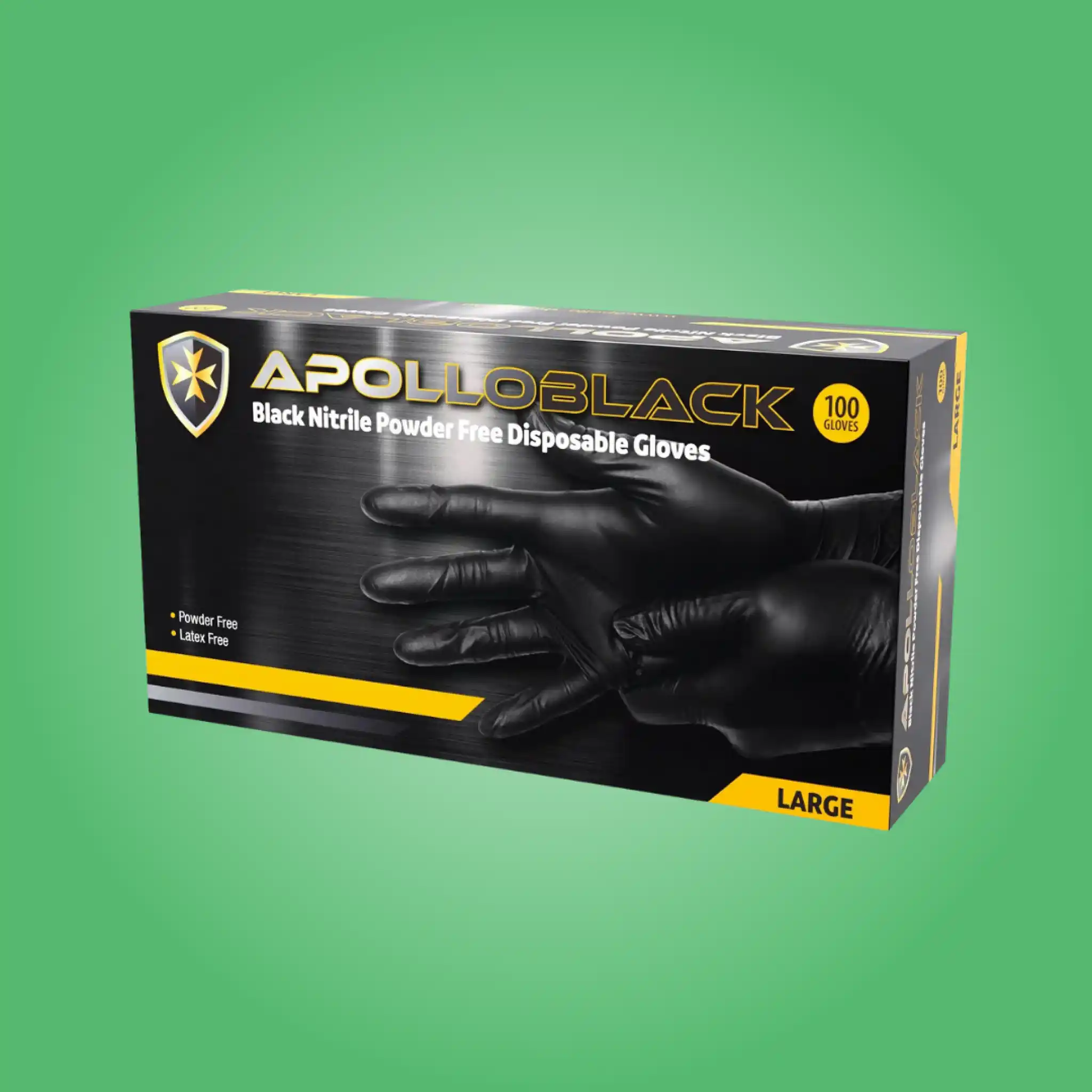
Get custom gloves boxes in the USA made for clean dispensing, strong protection, and professional presentation. We offer fully customized sizing, materials, add-ons, and printing options like offset and digital with CMYK or PMS colors. Request a quote from Pioneer Custom Boxes and upgrade your glove packaging today.

Custom health care boxes help medical, wellness, diagnostic, pharma, sanitizer, syrup, personal care, and retail health brands package products with clean labeling, stronger protection, and professional shelf presentation. Choose custom healthcare packaging, health product packaging, custom pulse oximeter boxes, health box packaging, mental health subscription box packaging, inserts, CMYK or PMS printing, barcode panels, matte coating, gloss coating, tamper-aware layouts, and USA-wide packaging support.
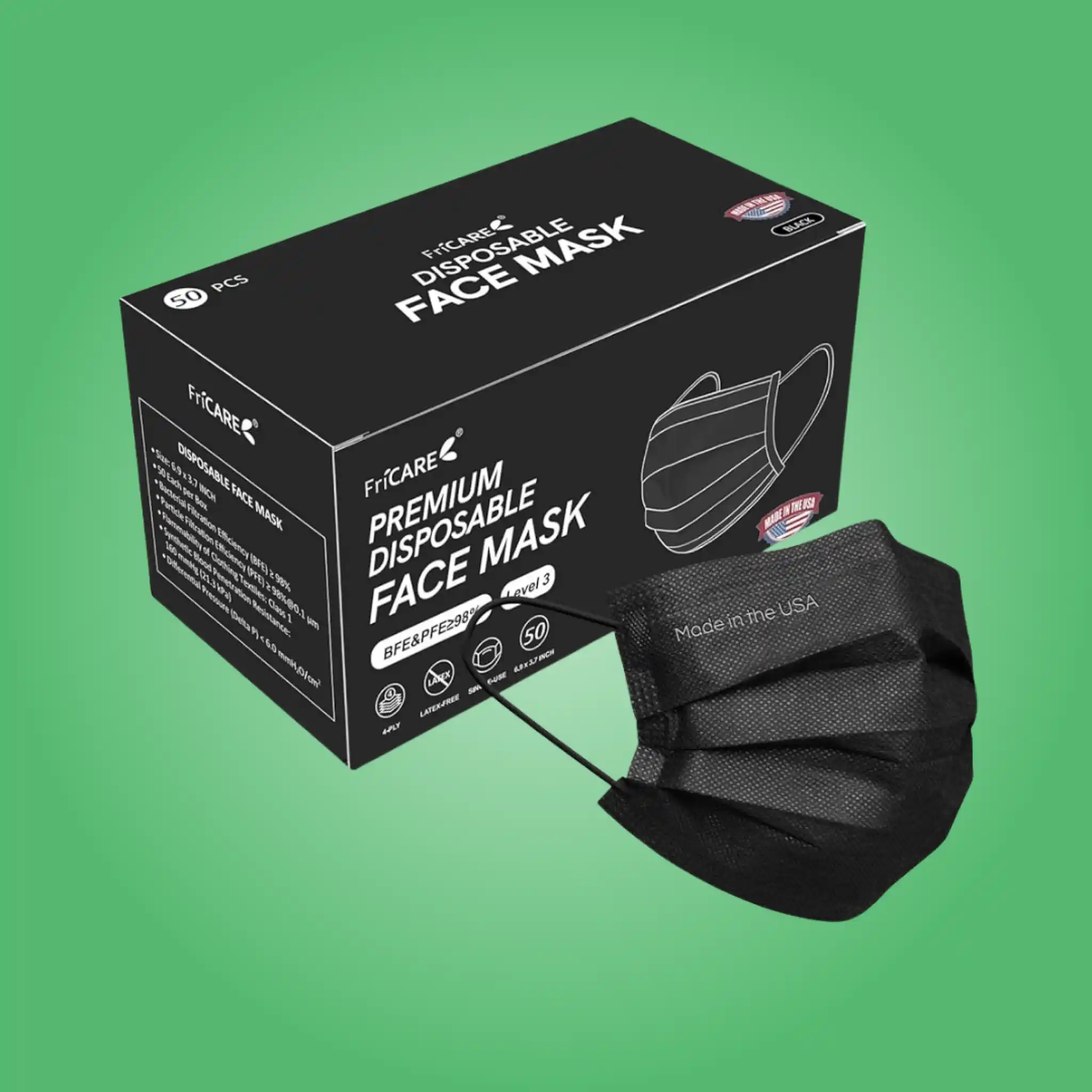
Custom health care mask boxes in the USA that keep PPE packaging clean, protective, and shelf-ready. Customized sizes, materials, printing options, and premium finishes to match your brand and compliance needs. Get mask packaging built for hospitals, pharmacies, clinics, and US retail markets.
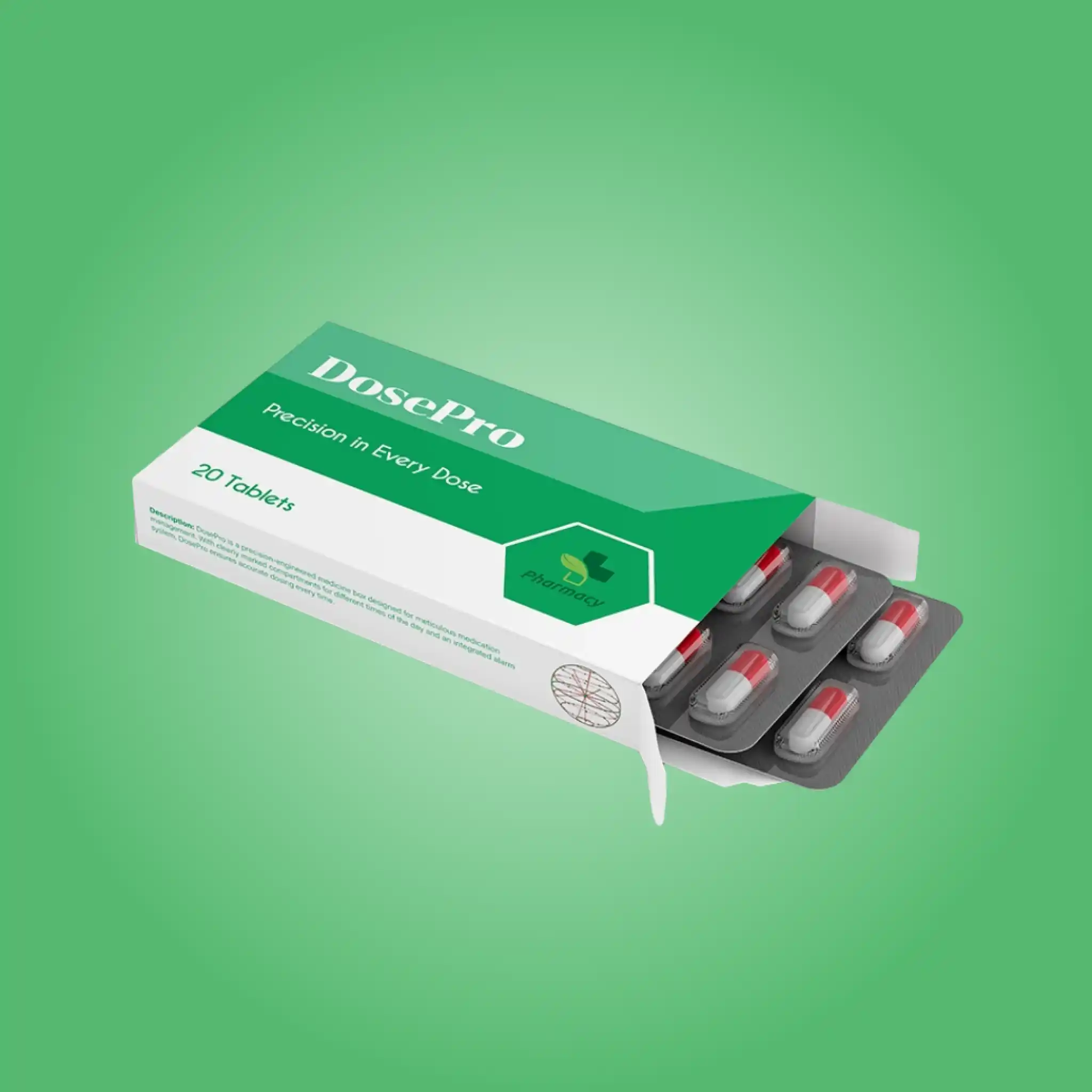
Custom medicine boxes combine structured box styles, high-quality printing, and durable materials for real-world distribution. We offer full customization from tuck-end cartons to auto-lock bottoms, with finishes and add-ons that improve performance. Pioneer Custom Boxes helps you package medicine products with authority and consistency in the US market.

Custom pill boxes with clean structure, sharp printing, and pharmacy-ready presentation. We customize box styles, sizing, materials, and finishes to protect pills, capsules, and bottles during storage and shipping. Get premium pill packaging designed to build trust and sell confidently across the US market.
Custom printed pharma boxes in the USA designed to protect medicines and present your brand with pharmacy-level trust. We produce folding cartons for bottles, blister packs, droppers, and kits with premium stocks, clean printing, and finish options. Pioneer Custom Boxes delivers retail-ready pharmaceutical packaging that stays structured, readable, and shelf-credible across the US.
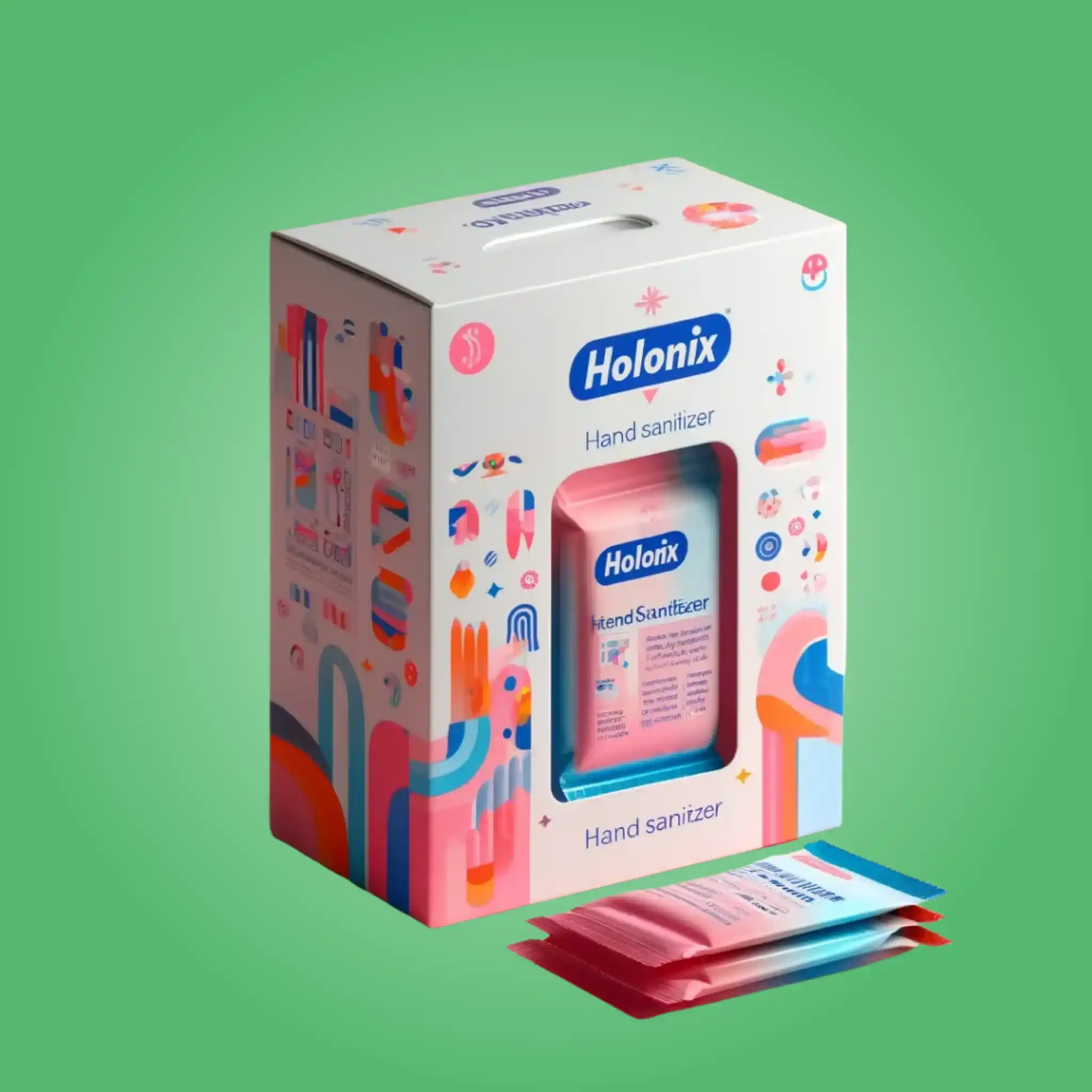
Custom sanitizer boxes in the USA designed to protect bottles, maintain a clean presentation, and boost retail shelf trust. We produce packaging for spray, pump, pocket, and travel sanitizers with premium stocks, sharp printing, and finishing options. Pioneer Custom Boxes delivers sanitizer packaging that looks hygienic, structured, and ready for nationwide US distribution.
Pioneer Custom Boxes manufactures custom pharma boxes engineered for safety, clarity, and retail compliance. Choose folding cartons, blister cartons, bottle boxes, corrugated shippers, kit boxes, and insert-ready formats with precise printing and tight tolerances.
We support MOQs in the USA, provide transparent cost estimation in the USA, and deliver dependable lead time in the USA. Get free shipping across the USA and request a quote today.
Pharma packaging succeeds when it does three things well: protects product integrity, communicates information clearly, and looks trustworthy in retail environments. Generic pharma copy does not rank or convert. Specs and execution do.
Pioneer Custom Boxes builds pharma packaging for USA-facing brands that need consistent production, clean print, and reliable structure across multiple SKUs.
Use this section as a specification checklist. It reduces back-and-forth and helps you quote faster.
Packaging formats include Folding cartons (standard OTC and retail pharma), Blister pack cartons (blister card + leaflet-ready), Bottle boxes (drop-in insert support), Multi-pack cartons (two or more units), Sample and trial-size cartons, Kit and combo boxes (device + accessories + leaflet), and Corrugated shipper cartons (bulk distribution).
Structure and closure options include Straight tuck end (STE), Reverse tuck end (RTE), Auto-lock bottom (crash lock), Seal-end cartons, Sleeve + tray designs, and Two-piece rigid kits (premium wellness bundles).
Size and tolerance control include Custom dimensions for exact product fit, Insert-fit precision for bottles, blister packs, vials, and droppers, and Consistent folding and glue alignment for clean shelf presentation.
Folding cartons dominate retail pharma because they balance cost, print clarity, and SKU management.
Best for
Tablets, capsules, and powders, OTC products and wellness items, Bottle cartons with inserts, and Multi-SKU product families.
If you want purpose-built carton layouts, explore Custom Medicine Boxes for retail-ready presentation and label-heavy designs.
Blister products often require leaflet space, precise fit, and consistent internal alignment.
Best for
Blister cards, Leaflet or instruction inserts, Multi-language packaging, and Shelf-facing compliance information.
Many brands standardize tablet and capsule packaging through Custom Pill Boxes to maintain consistent structure across SKUs.
Corrugated packaging supports bulk movement and reduces damage during warehouse handling.
Best for
Bulk fulfillment, B2B distribution, Multi-unit packs, and Warehouse storage and transit.
Kits require compartments, inserts, and stable structure to keep items organized.
Best for
Medical devices with accessories, Wellness kits, Promotional sampling kits, and Subscription or replenishment packs.
Material choice impacts protection, print clarity, and cost. We recommend materials based on how your product ships and how it displays.
Common board options include SBS paperboard (clean print, premium retail look), C1S/C2S boards (coated surfaces for sharp graphics), Kraft boards (eco-forward look, natural branding), and Corrugated (shipping strength for distribution).
Thickness and strength considerations include Thicker boards improve rigidity and shelf feel, Corrugated grades improve crush resistance for shipping, and Insert-compatible stocks reduce movement and rattle.
Pharma packaging earns trust through clarity. We design print execution around legibility, scanning, and consistency.
Printing options include Full-color CMYK printing, PMS / Pantone matching for consistent brand colors, Inside and outside printing, and SKU-based artwork variations for multiple strengths and variants.
Readability and layout controls include High-contrast text support, Consistent barcode placement zones, Clear hierarchy for warnings, dosage, and instructions, and Space planning for regulatory panels and batch labeling.
Finishes should support durability and clean presentation. We recommend finishes that reduce scuffing and protect print during distribution.
Finish options include Matte lamination (premium, glare control), Gloss lamination (vibrant shelf pop), Aqueous coating (clean protection), Soft-touch lamination (premium kits), and Spot UV (controlled emphasis for branding).
We avoid unnecessary decoration when clarity matters more than shine.
Inserts prevent product movement and reduce breakage. They also improve unboxing clarity for kits.
Insert options include Paperboard inserts for bottles and vials, Partitioned compartments for multi-units, Blister retention structures, and Leaflet and instruction holders.
For tablet and capsule products, Custom Pill Boxes help keep carton size and insert strategy consistent across the product line.
Some brands ship pharma items alongside PPE and clinical supplies. If your distribution includes gloves, Custom Gloves Boxes support shelf-ready presentation and bulk shipping.
This link stays inside healthcare supply packaging only to protect topical relevance.
MOQ depends on format, board choice, number of SKUs, and insert complexity. We support MOQs in the USA that fit both early product launches and scaled distribution.
MOQ changes with include Carton structure and size, Number of SKU artwork variations, Insert production and assembly requirements, and Finishes and coatings.
Lead time in the USA depends on complexity, approvals, and volume. Simple cartons move faster. Insert-heavy kits require extra steps.
Lead time depends on include Artwork approval timeline, Insert production and assembly, Finishing requirements, and Shipping destination within the USA.
We confirm timelines before production so you can plan inventory confidently.
We ship custom pharma boxes across the USA with packing methods that protect corners, edges, and print quality during transit.
We offer free shipping across the USA to help you control logistics costs.
Print quality carries unusual weight in this category, because so much of the printed content is regulated rather than decorative. Small type has to stay legible after folding, gluing and handling.
Offset transfers ink from a metal plate to a rubber blanket and then onto the board. Plate setup takes time, yet the press then runs thousands of sheets an hour, so unit cost falls sharply at pharmaceutical volumes. Offset holds fine detail with the accuracy this sector needs, which matters when dosage text and warning statements are set at six or seven point. Press operators hold density steady across the run, so the last carton reads as clearly as the first.
Digital printing uses no plates, so short runs start within hours at far lower cost. Clinical trial packaging, sample runs and regional variants all suit it. Its real advantage here is variable data, which lets each carton carry a different batch number, market code or language without a separate print run. Brands managing many low-volume SKUs often find digital cheaper overall even at moderate quantities.
CMYK builds color from four inks laid as fine dots, and it handles product imagery economically. PMS uses premixed Pantone inks, so a color stays identical across every run, which matters when color itself distinguishes one strength or formulation from another on a pharmacy shelf. Color-coded dosage ranges are common, and drift between batches creates a genuine dispensing risk rather than a cosmetic one. RGB belongs to screens, so we convert every RGB file to CMYK or Pantone before production and flag any shade that shifts.
Three requirements shape pharmaceutical cartons more than any design decision, and all three have to be planned structurally rather than added later.
Many markets require braille on medicine cartons, and it is embossed rather than printed. That means the carton needs clear space where no fold, glue seam or heavy graphic interferes, because braille dots flatten under a crease. We reserve that zone on the dieline. Board caliper matters too, since lighter stock does not hold the dot height reliably.
Serialized codes identify individual packs for supply chain traceability. The printed area needs to be flat, matte and consistently positioned so scanners read it at every checkpoint. Gloss lamination, foil and texture all cause read failures, so we keep that zone clear of finishing. Where codes are applied inline during filling, we confirm the panel position works with your equipment before cutting the die.
Tamper-evident features prove a pack has not been opened. Options include glued end flaps that tear visibly, perforated opening tabs, and seals across the closure. The choice affects the structure, so it belongs in the specification from the start. A carton designed without it cannot be retrofitted cleanly.
To be clear about responsibility: we manufacture the packaging and build the space and structure your requirements need. Your regulatory affairs team confirms which rules apply in your markets and supplies the exact content. Send us that specification and we lay it out precisely.
Quotes here vary for reasons that rarely appear on the quote itself. Understanding the drivers lets you control cost without touching anything regulated.
Panel space leads, because required content is fixed and the carton must accommodate it legibly. A box sized tightly forces either smaller type, which regulators may reject, or a redesign late in the process. Planning generously at the dieline stage costs nothing.
Board caliper follows. Braille needs enough thickness to hold dot height, and bottle cartons need enough stiffness to resist bowing. Specifying heavier board across an entire range when only some SKUs need it is the most common avoidable cost in this category.
Print complexity comes third. Multi-language cartons and color-coded strength variants both add press units or separate runs. Where a family shares a structure, printing variants together in one run usually costs far less than scheduling them separately. Quantity and inserts finish the list.
| Cost Driver | Impact | How to Reduce It |
|---|---|---|
| Panel space and carton size | Highest | Plan required content before sizing the box |
| Board caliper | High | Match thickness to braille and product weight per SKU |
| Language and variant count | High | Print family variants together in one scheduled run |
| Spot colors for coding | Moderate | Limit coded colors to what dispensing actually needs |
| Inserts and leaflet space | Moderate | Fold leaflets to a size the standard carton already fits |
| Order quantity | Moderate | Consolidate SKUs sharing a dieline |
Pharmaceutical packaging is inspected by your quality team, and often by a regulator afterwards. Every order passes a documented check before it leaves our floor.
| Check | What We Verify | Why It Matters |
|---|---|---|
| Dimensional accuracy | Internal fit against the approved dieline | Blister cards and bottles must seat cleanly |
| Braille dot height | Embossing depth and position | Flattened dots fail readability requirements |
| Code scannability | Serialized code read on a flat matte area | Traceability fails if scanning fails |
| Type legibility | Point size and contrast on required text | Illegible dosage text is a safety issue |
| Color match | Pantone against a physical draw-down | Color often distinguishes strength or formulation |
| Score and fold quality | Clean folds with no cracking | Cracked scores compromise tamper evidence |
| Glue and seal integrity | End flap adhesion | Tamper evidence depends on a proper bond |
| Insert and leaflet fit | Leaflet folds and sits without forcing | A leaflet that will not fit stops a packing line |
If anything fails, we remake it rather than ship it.
| If You Package | Structure | Board | Critical Feature |
|---|---|---|---|
| Tablets in blister cards | Blister carton, leaflet-ready | 18pt SBS | Leaflet space and braille zone |
| Bottles and liquids | Tuck carton with insert | 18pt to 20pt | Recessed insert, tamper seal |
| Vials and ampoules | Tray or partition carton | 20pt with insert | Shock protection |
| OTC retail products | Straight tuck carton | 16pt to 18pt | Shelf-facing panel, barcode |
| Devices and combination kits | Two-piece or sleeve and tray | Rigid or E-flute | Multi-cavity insert |
| Samples and trial sizes | Compact tuck carton | 14pt to 16pt | Full required text at small size |
| Bulk and distribution | Corrugated shipper | 32 ECT or higher | Case labeling and stacking |
| Multi-language markets | Any of the above | As required | Expanded panel or leaflet |
Where a product sits between two rows, choose the option with more panel space. Running out of room for required content is the most expensive mistake available in this category.
Pharmaceutical packaging changes are controlled events rather than casual updates, and your supplier has to work that way too.
We keep your dieline, board specification, Pantone references, braille layout and print files on record permanently. Routine reorders run against that stored specification, so nothing drifts between batches. When content changes, we version the file, document exactly what differs from the previous revision, and keep every other element identical.
That record matters for audit as much as for design. If a regulator or a distribution partner asks which packaging revision shipped in a given period, you have a dated specification rather than a reconstruction. We can also hold superseded revisions on file so a recall investigation can identify exactly which artwork was in circulation.
We manufacture in the United States and ship to all fifty states, and the work differs noticeably by region.
New Jersey and Pennsylvania clients send the highest volume of regulated pharmaceutical work, reflecting the concentration of manufacturers there, and they usually arrive with the most detailed specifications. North Carolina and Massachusetts clients skew toward clinical trial and biotech packaging, where small runs and variable data matter more than volume pricing.
California brands often package supplements and OTC wellness products, where retail presentation carries as much weight as compliance. Texas and Florida clients frequently need distribution-grade shippers alongside retail cartons, because they serve wide regional territories. Midwest clients in Illinois and Indiana send steady OTC and generic work with long, consistent reorder cycles.
Wherever you operate, shipping across the continental United States is free, and we deliver to manufacturing sites, packaging lines, 3PL facilities and distribution centers.
A generics packer in New Jersey came to us mid-launch with a packing line problem. Their cartons were correct, their leaflets were correct, and the two would not go together at line speed.
The leaflet had been designed to a folded size that fit the carton on paper, with about a millimeter of clearance. In practice the folded edge sprang slightly, and the leaflet caught on the carton wall roughly one time in six. The line stopped constantly and operators were inserting by hand.
We rebuilt the carton two millimeters deeper on the leaflet axis and moved the glue seam away from the insertion edge. Nothing about the printed content changed, so no regulatory resubmission was needed. Line stoppages ended and the launch stayed on schedule. Fit tolerance is invisible on a drawing and decisive on a line, which is why we ask about your packing equipment before cutting a die.
Every dieline we cut is custom, and pharmaceutical fit tolerances are tighter than most categories. Treat these as starting points for a conversation rather than a catalog.
| Application | Typical Size (L x W x D, inches) | Board | Critical Detail |
|---|---|---|---|
| Blister card, 10 tablets | 3.5 x 2.5 x 0.5 | 18pt SBS | Leaflet clearance |
| Blister card, 30 tablets | 4 x 3 x 1 | 18pt SBS | Braille zone on end panel |
| Tablet bottle, 60 count | 2.25 x 2.25 x 4.5 | 18pt SBS | Recessed insert |
| Liquid bottle, 100ml | 2 x 2 x 5 | 20pt SBS | Tamper-evident end flaps |
| Dropper bottle, 30ml | 1.5 x 1.5 x 4.25 | 18pt SBS | Shock insert for glass |
| Vial pack, five vials | 4 x 2.5 x 2 | 20pt with partition | Individual cavities |
| Device and combination kit | 8 x 6 x 2.5 | Rigid or E-flute | Multi-cavity tray |
| Sample or trial carton | 2 x 1.5 x 2.5 | 16pt SBS | Full required text at small size |
| Distribution shipper | 16 x 12 x 10 | 32 ECT double wall | Case labeling panel |
Send the actual product where possible. A blister card springs slightly after forming, and a leaflet folds thicker than its paper spec suggests, so real samples produce a die that works on a line rather than only on paper.
Solid bleached sulphate is the pharmaceutical standard, because its coated surface holds small type crisply and it folds without cracking. Sixteen point suits lightweight retail cartons, eighteen point covers most blister and bottle work, and twenty point handles heavier liquids. Its consistency between batches matters as much as its appearance, since a packing line is calibrated to a specific caliper.
Braille needs board with enough thickness and fiber structure to hold the embossed dot height through handling. Lighter stocks flatten, and a flattened dot fails readability. Where braille is required we normally specify eighteen point as a minimum, and we test dot height on the actual production stock rather than assuming.
Recycled fiber is straightforward on outer plies and on shipper cartons. Direct contact with medicines is another matter, and virgin board is usually specified for primary cartons. We tell you exactly how each layer is built so your sustainability reporting is accurate rather than optimistic.
Shippers protect cartons through distribution, and pharmaceutical distribution involves more handling checkpoints than most. We specify by real load and stack height rather than defaulting to a grade, and we size cases so cartons do not shift, because movement inside a case abrades printed surfaces and damages corners.
Most pharmaceutical packaging problems appear on the packing line rather than on the shelf, and almost all of them come down to fit.
A folded leaflet springs open slightly, and that spring is what jams a line. The folded dimension on the artwork is not the dimension the machine handles. We size the carton around the leaflet as it actually behaves, with clearance on the insertion axis, and we keep glue seams away from the edge the leaflet passes.
Glass fails when it can move. A recessed board insert holds a bottle at the shoulder so the neck never bears load, and partitions keep vials from striking each other. For anything glass we size the cavity to the actual container, since bottle dimensions vary between suppliers more than specifications suggest.
Blister cards need clearance without slack. Too tight and the card buckles during insertion, too loose and it slides, which abrades the print and can crack the blister seal. A millimeter decides it, which is why we ask for real cards rather than drawings.
Cartons behave differently by hand and on a machine. Feed direction, glue tab geometry and score depth all affect whether a carton erects cleanly at speed. Tell us your equipment before we cut the die and we design for it. Retrofitting a carton to a line after production is expensive and slow.
Volume and consistency dominate. These clients reorder the same cartons for years, so stored specifications and batch-to-batch stability matter more than design flexibility. Offset printing and standardized structures across a SKU family keep unit cost low.
Small quantities, frequent changes and strict traceability define this work. Digital printing with variable data suits it, because each arm of a study may need distinct coding. Documentation and version control matter more here than anywhere else.
These sit between pharmaceutical rigor and retail presentation. The carton has to carry a supplement facts panel legibly while still competing visually on a shelf. Finishing choices matter more than in prescription work, though panel legibility still comes first.
Devices need protective inserts and often multi-component kits. Structural design carries more weight than printing, and sterile barrier requirements may govern the whole build. We work to your specification rather than proposing a structure first.
Line compatibility is the priority, because these clients run many products through shared equipment. Consistent caliper, reliable erection at speed and predictable case counts matter more than any individual carton feature.
Environmental improvement is constrained here by requirements that come first, and pretending otherwise helps nobody.
Recycled fiber works well on shippers and outer cartons, and we can state exact percentages. Primary cartons in direct contact with medicines usually require virgin board, so the honest gain sits in secondary and distribution packaging rather than the primary pack.
Coating choice offers real room to improve. Water based coatings keep cartons inside the paper recycling stream where lamination would not, and they perform adequately for most pharmaceutical applications. Foil and metallized finishes are rare in this sector anyway, which helps.
We supply material specifications rather than claim wording. Environmental claims on medicine packaging carry regulatory exposure, and the responsibility for phrasing sits with your regulatory team. Accurate facts about fiber, coating and adhesive serve you better than a general statement.
Cartons waiting for a production run are inventory, and pharmaceutical inventory has conditions attached.
Board absorbs moisture from the air, and moisture changes caliper. A carton that has softened in storage feeds differently through a packing line than the one you validated, which is how a line that ran perfectly last quarter starts jamming. Store cartons in a controlled environment, off the floor and away from exterior walls.
Embossed braille flattens under sustained compression. Stacking pallets too high, or leaving a heavy pallet on top of carton stock for months, reduces dot height enough to fail a readability check. Limit stack height on braille cartons and rotate stock rather than letting it sit.
Colored panels fade unevenly when stock sits near a window or under strong lighting for long periods. In a category where color can indicate strength or formulation, uneven fade across a batch is a genuine problem rather than a cosmetic one. Keep stock covered and out of direct light.
Coatings and adhesives perform best within about a year. We date-code production runs on request so your team rotates accurately, and we can supply a certificate of conformance per run for your batch records.
A quote comes back faster and more accurately when four things arrive together, and pharmaceutical quotes stall more often than any other category for want of them.
Send the product first, physically where possible. A blister card, a bottle, a leaflet folded as it will actually be folded. Drawings are a starting point, but fit tolerances here are tight enough that real samples prevent a second die.
Send your regulatory specification second. Which markets, which languages, whether braille is required, whether serialization applies, and what tamper evidence you need. We build space and structure around that rather than guessing and revising.
Send your line details third. Whether cartons are erected by hand or by machine, what equipment, and what feed direction. A carton that erects cleanly at speed is a design decision, not luck.
Send quantity and reorder rhythm last. Launch volumes, expected annual usage and how often artwork is likely to change all shape whether offset or digital serves you better. Our team then returns a free dieline and a written quote within one business day.
In regulated packaging a mistake is rarely cosmetic, and it is almost never cheap. The same few errors account for most of the reprints we see.
Sizing the carton before the leaflet is finalized leads the list. A patient information leaflet folds to a specific footprint, and that footprint decides the minimum internal dimensions. Designing the carton first and discovering the leaflet does not fit is how launches slip by weeks.
Placing artwork over the Braille area is second. Braille must be embossed on a flat panel with adequate clearance, and heavy ink coverage or varnish in that zone interferes with the dots. We reserve the Braille panel on the dieline before artwork is placed.
Positioning a serialization code where it cannot be read reliably is third. Vision systems need consistent contrast and a flat surface, and a code printed over gloss varnish or too near a fold fails verification intermittently, which is worse than failing outright.
Under-specifying caliper for automated cartoning is a quieter error. Board that is slightly too flexible jams a feeder, and a line stoppage costs far more per hour than the entire packaging run.
Finally, approving artwork without a physical mock-up containing the real leaflet and the real product. That single check catches fit, legibility and folding problems together, and it takes days rather than the weeks a reprint costs.
We are the packaging manufacturer, and being precise about that boundary serves you better than vague reassurance.
We build the structure, reserve the panels your labeling requires, hold tolerances that suit your cartoning line, and document every specification so your quality team has records rather than assurances. We produce change-controlled versions with dates, and we retain samples from each run.
Your regulatory affairs team owns the content: the wording, the required statements, the leaflet copy, and which markets apply. Your quality team owns approval and any validation your processes require. Send us the approved specification and we execute it exactly, then flag anything in the design that appears to conflict with a reserved zone before the press runs.
That division works because each side does what it does well. We never draft regulatory content, and you never have to become a packaging engineer to get a carton that runs cleanly.
Some pharmaceutical products travel under temperature control, and packaging has to work alongside that system rather than against it.
Cartons entering refrigerated distribution face condensation when they move between temperatures. Moisture softens uncoated board and can lift laminates at the edges, so we specify moisture-resistant stocks and coatings for products that cycle in and out of cold storage. That specification costs little and prevents cartons arriving visibly degraded.
Insulated shippers are a separate component, and we build the secondary packaging to hold both the product and the coolant in fixed positions. A gel pack that shifts during transit leaves part of the shipment outside its temperature window, and a fitted insert removes that risk entirely.
Ambient distribution has its own demands. Warehouse stacking, long dwell times and variable humidity all act on board over months, so we specify caliper against the real stack height rather than the theoretical one. Cartons at the bottom of a pallet carry the whole load for the entire storage period.
Tell us your distribution conditions along with your product specification, and we will build both the primary carton and the shipper around them.
If you need pharma packaging that looks trustworthy, reads clearly, and holds up through distribution, Pioneer Custom Boxes will manufacture it for your brand.
Request a quote today and get expert guidance on formats, boards, inserts, and SKU management.
Written by the Pioneer Custom Boxes Editorial Team · Published September 2026 · Last updated September 2026 · Reviewed by our packaging production team