
Custom cigarette boxes need to survive a pocket and still look sharp at the counter. Choose crush-resistant board in hinged-lid, slide-out tray, or flip-top styles, then add foil stamping, embossing, and spot UV that catches the light behind the register. Order any quantity with zero MOQ, free design support, and free shipping across the USA.

Blank cigarette boxes made for brands that want clean packaging now and full customization later. Pioneer Custom Boxes delivers rigid, retail-ready cartons that hold shape, stack cleanly, and feel premium in-hand. Get blank cigarette packaging built for labels, stamps, wraps, and fast inventory needs.

Custom cigar boxes built to your vitola, with Spanish cedar lining and a humidity pack seat. Choose rigid slide top, hinged lid, magnetic closure, two piece, drawer and sleeve, single tube, folding carton or printed wood grain construction. We print offset, digital or screen on greyboard, linen and specialty wraps in CMYK, PMS or metallic ink, then finish with foil stamping, embossing, spot UV or soft touch. Our design team lays out your required warning panel at no charge. Zero minimum order quantity, free design support and free shipping across the United States. Standard production runs ten to twelve business days, with rush service available. Get a free quote or order now.
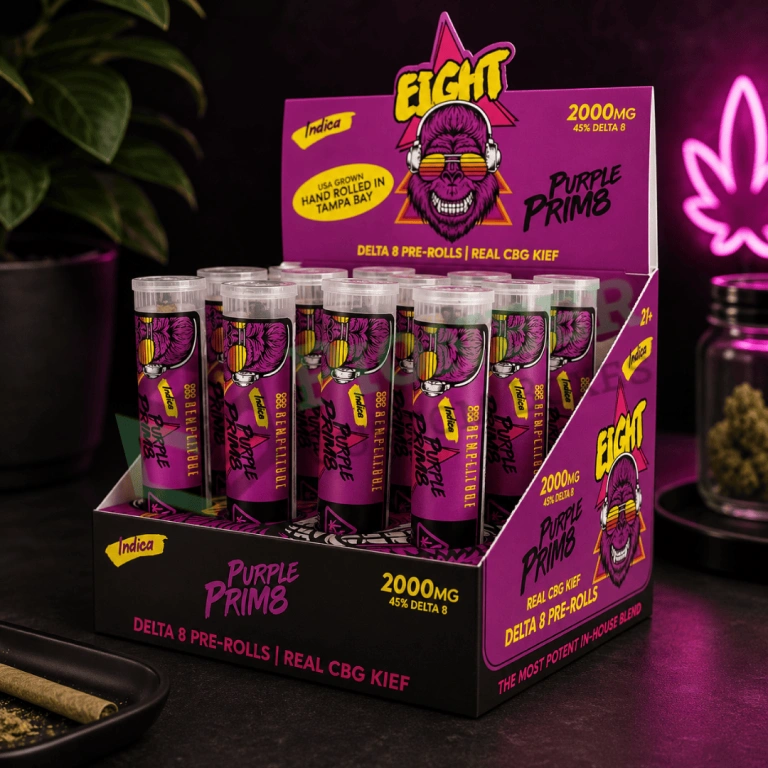
Custom Delta 8 boxes from Pioneer Custom Boxes help hemp, CBD, smoke shop, wellness, vape, edible, tincture, and retail brands package Delta 8 products with custom sizing, durable stock, sharp printing, barcode zones, QR panels, warning space, and free shipping across the USA.
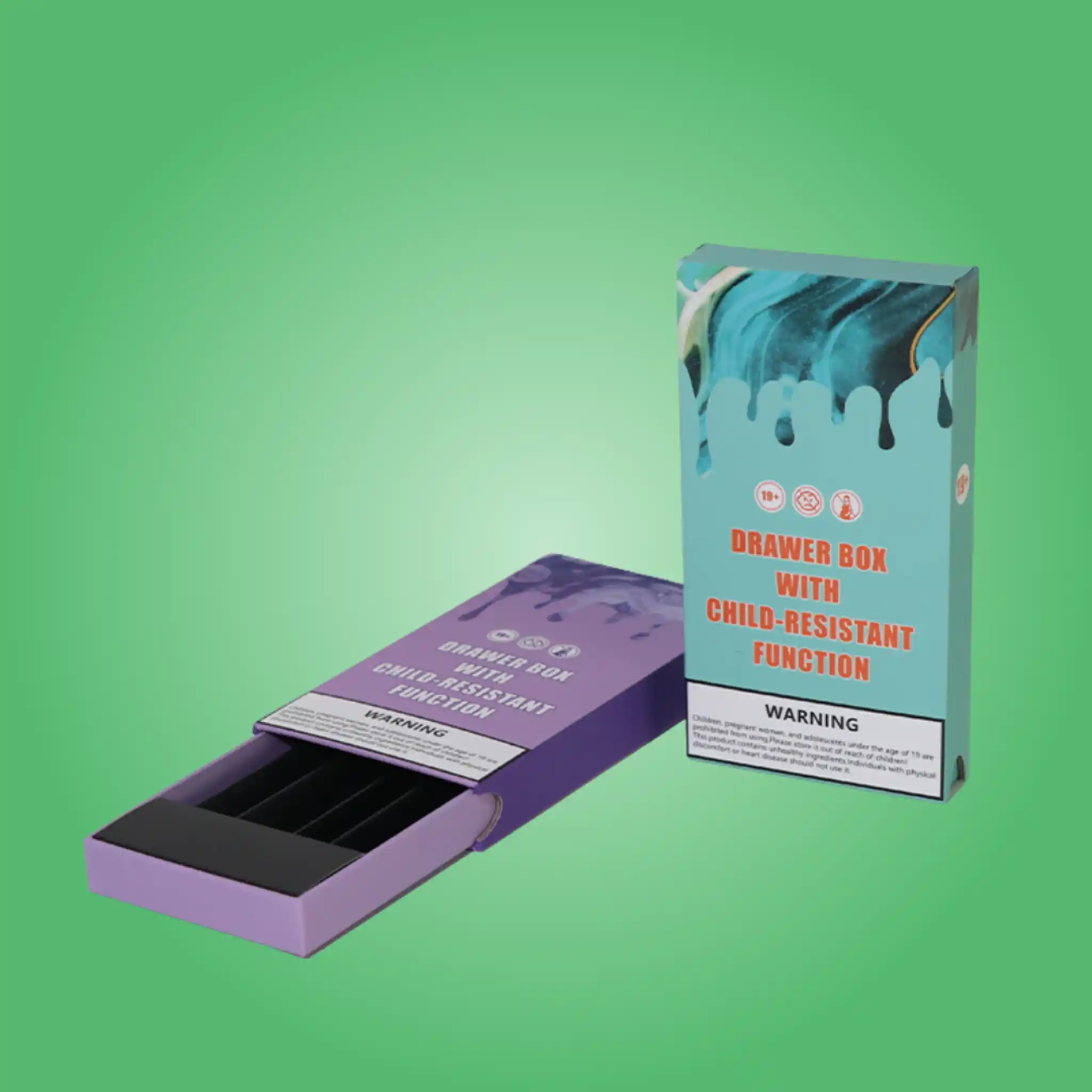
Custom drawer cigarette boxes designed to deliver a premium slide-out unboxing and stronger shelf presence. Pioneer Custom Boxes manufactures rigid, tight-fit drawer packaging that feels collectible and supports higher-end retail positioning. Order drawer cigarette boxes built for boutique brands, limited drops, and premium multipacks.

Premium custom e cigarette boxes in the USA designed for brands that want stronger checkout presentation and safer shipping protection. We create structured vape packaging with sharp print quality, controlled sizing, and upgrade finishes that increase perceived value instantly. Order e cigarette boxes that look clean, modern, and retail-ready across the US market.
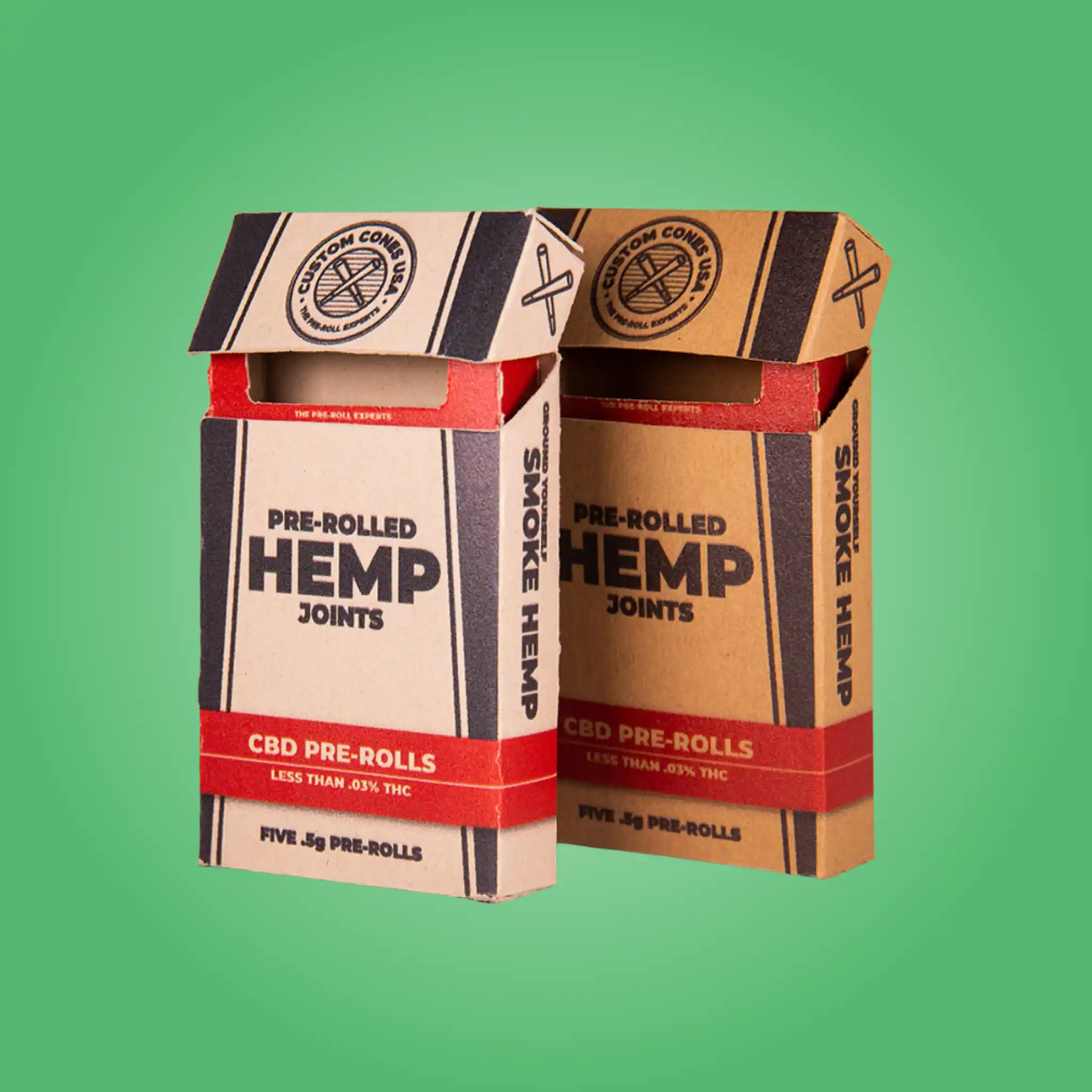
Custom kraft cigarette boxes in the USA made for brands that want a natural premium look with stronger retail presence. Pioneer Custom Boxes manufactures rigid kraft cartons with tight sizing, clean folds, and controlled printing that stays sharp during daily handling. Order kraft cigarette packaging built to feel boutique, minimal, and shelf-ready across the US market.
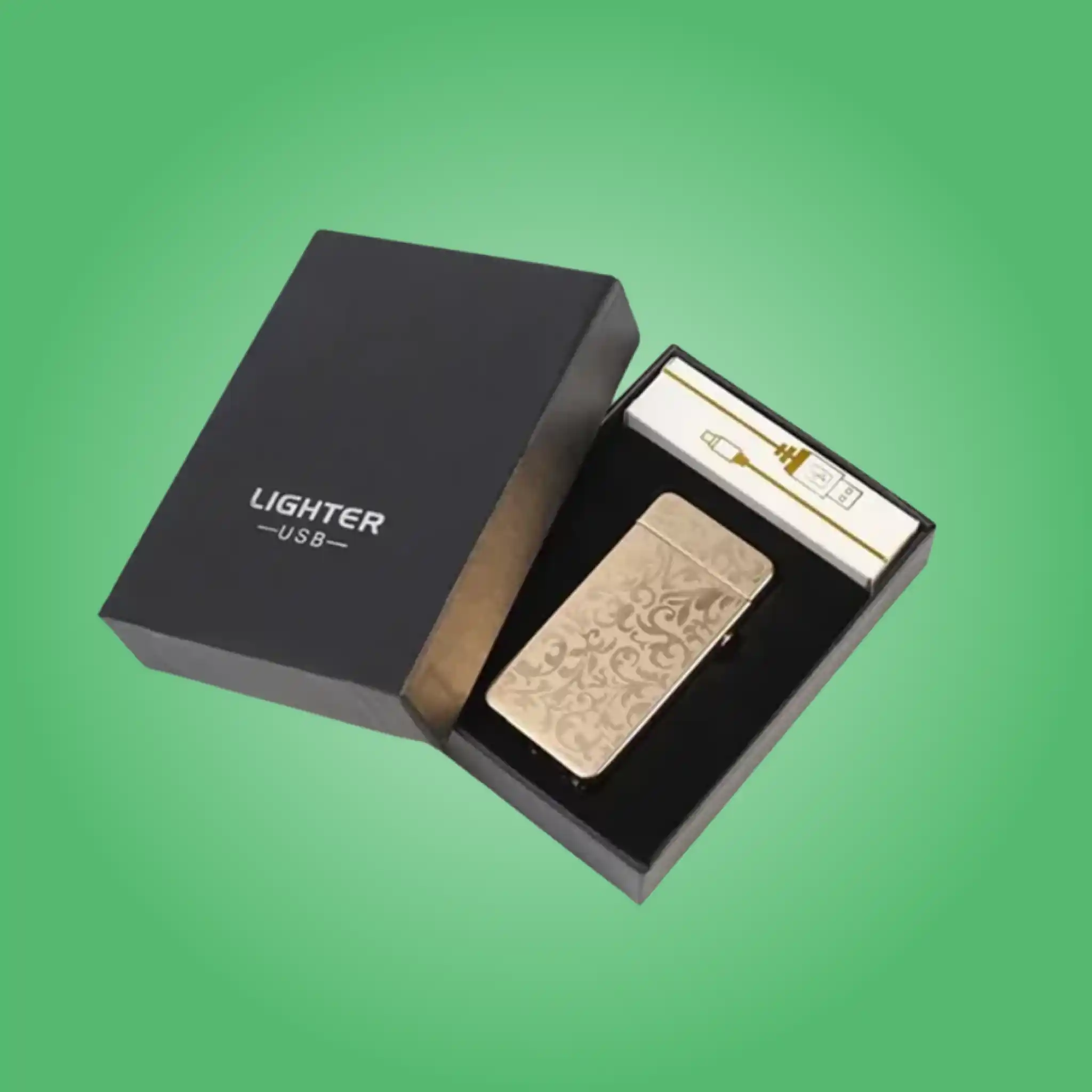
Custom lighter boxes from Pioneer Custom Boxes merchandise lighters where they actually sell, for lighter brands, promotional suppliers, convenience distributors, smoke shops and cannabis accessory brands. Choose counter display units, printed sleeves, blister cards, multi-packs or rigid gift boxes in SBS, kraft, E-flute or litho laminated board, with free design support, zero MOQ and free USA shipping.

Custom pre roll joints boxes from Pioneer Custom Boxes protect fragile cones and carry every required compliance panel for licensed cannabis brands. Choose single tube cartons, slim joint boxes, multi-packs or rigid presentations in SBS, kraft, recycled or barrier-lined board, with certified child-resistant constructions, die-cut cone trays, tamper seals, free design support, zero MOQ and free USA shipping.
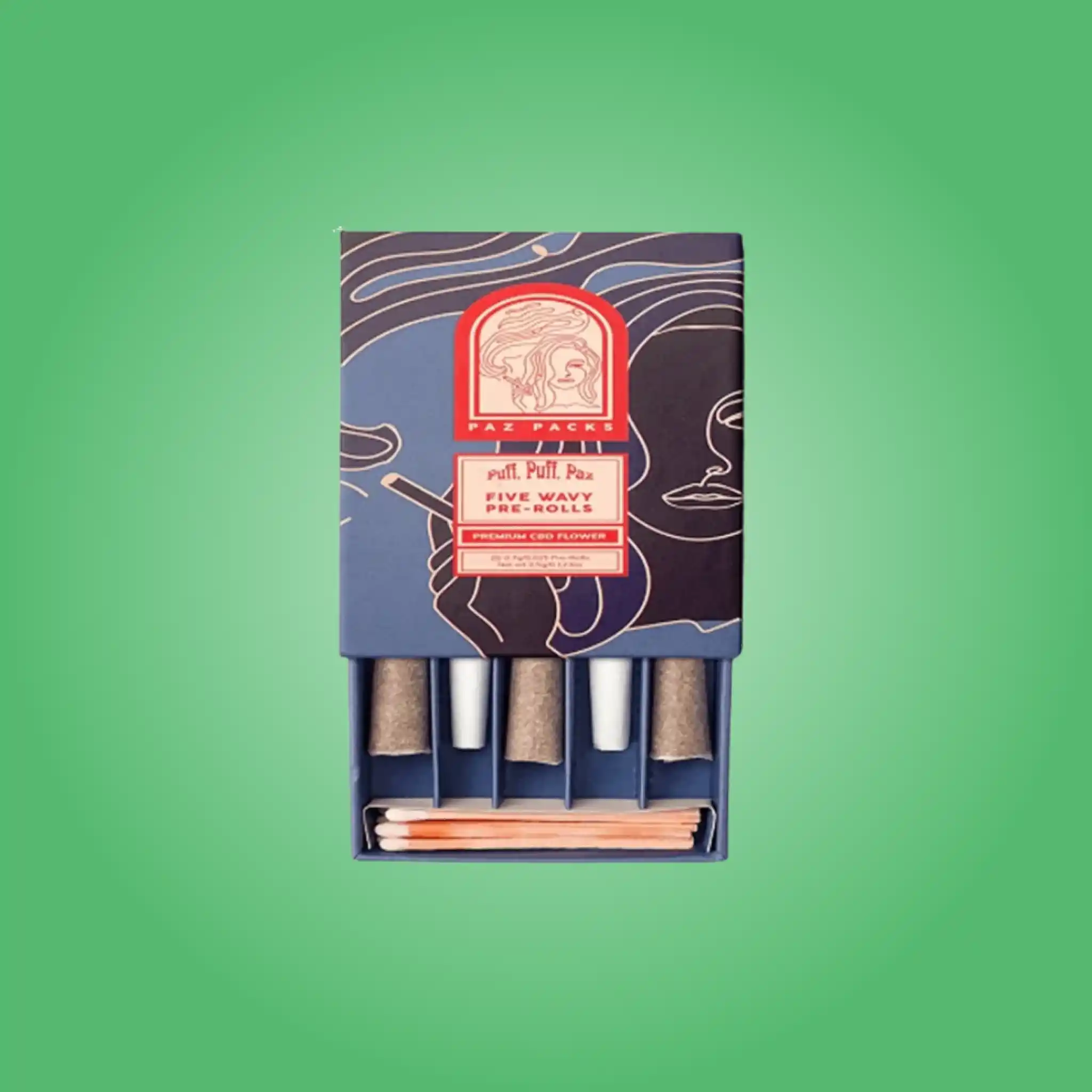
Custom sleeve cigarette boxes made to instantly upgrade your pack into a premium retail-ready presentation. Pioneer Custom Boxes manufactures tight-fit sleeve packaging with clean structure, sharp printing, and premium finishes that feel high-value in-hand. Get sleeve cigarette packaging built for boutique brands, limited drops, and stronger checkout impact.
Cigarette packaging sells the product before it gets opened. In retail, customers see the box for seconds, but that moment decides perception. Pioneer Custom Boxes manufactures custom cigarette boxes in the USA with clean structure, sharp printing, and finishes that make your brand look premium on shelves and at checkout.
If you want packaging that protects cigarettes, keeps the box rigid, and presents your branding with authority, we build cartons that look controlled, consistent, and retail-ready across the US.
A cigarette box is a branding asset. It needs to hold shape in pockets, stay tight at the edges, and keep print looking clean after handling.
Four qualities separate packaging that sells from packaging that merely contains. Rigid structure comes first, because crushed corners destroy perceived value instantly. Tight lid closure follows, since a lid that stays crisp after three hundred openings signals real manufacturing quality. Clear printing matters third, as small type and fine rules reveal weak press work immediately. Finish restraint completes the set, because the best packaging improves how a pack feels without shouting.
We build against all four at once. Our custom sleeve cigarette boxes and drawer style cigarette boxes show how structure alone can change a shelf impression. Brands testing a market without artwork often start with blank cigarette boxes, then add printing once the format proves itself.
The box style you choose affects how premium your product looks and how customers interact with it.
Flip-top cigarette boxes are one of the most recognizable styles. They feel structured, open smoothly, and present branding well.
The hinged lid remains the format American consumers recognize instantly. An inner frame supports the lid and controls the closing action. Board weight then decides how the pack resists pocket pressure. We normally recommend 300 to 350 gsm SBS for this style, since lighter stock bows across the front panel within days.
Slide-style cigarette packaging creates a more premium unboxing experience. It works well for boutique cigarette brands and limited editions.
Slide boxes separate into an outer sleeve and an inner tray. That motion feels deliberate, and boutique brands use it to slow the moment down. The tray also protects contents better than a hinged lid during transit. Printing runs across both pieces, so the sleeve and the tray can carry different artwork entirely.
Some brands use soft packs for convenience but still want a printed outer carton for shelf presentation. This approach allows flexibility while maintaining premium branding.
If you want packaging that stays minimal but still looks premium, pairing your line with Blank Cigarette Boxes gives you a clean base style for retail-ready cartons.
Soft packs use flexible board wrapped in film, which lowers cost per unit noticeably. They suit high volume value lines where price drives the decision. An outer carton then protects ten packs during distribution and creates a second branding surface for retail displays. We print both together so colors match exactly across the set.
Sizing affects protection and shelf fit together. A tight fit stops movement inside the pack, and it keeps the corners sharp through daily handling. We therefore build every die around your exact cigarette length, rod diameter and pack count. Inner paper wrap adds a fraction of an inch, so we account for that during the dieline stage. Multipack cartons then get sized around the finished pack rather than around the rods.
The formats below cover the requests we receive most often across the United States market. Each remains fully adjustable, since every die we cut is custom.
| Format | Typical Pack Size (L x W x D, mm) | Common Count | Suggested Stock |
|---|---|---|---|
| King size flip-top | 85 x 55 x 22 | 20 | 300 to 350 gsm SBS |
| 100s flip-top | 100 x 55 x 22 | 20 | 300 to 350 gsm SBS |
| Slim and super slim | 97 x 45 x 17 | 20 | 300 gsm SBS |
| Compact 10 count | 85 x 45 x 15 | 10 | 300 gsm SBS |
| Slide and shell | 88 x 57 x 24 | 20 | 350 gsm or rigid |
| Multipack carton | 230 x 115 x 55 | 10 packs | 350 gsm or E-flute |
Material choice impacts how long the box holds shape during daily handling.
SBS cardstock gives a smooth surface for crisp printing and premium finishes.
Solid bleached sulphate carries a clay coated surface that holds ink tightly. Photographs, gradients and fine linework all reproduce sharply on it. We stock 300, 320 and 350 gsm weights for cigarette packs. Heavier board resists bowing, so premium lines usually sit at the top of that range.
Kraft works for brands that want a rougher, organic look while keeping the structure reliable.
Uncoated kraft shows visible fiber and a warm brown tone. Ink settles into the surface rather than sitting on top, so colors read softer. Brands built on natural or organic positioning choose it deliberately. Our custom kraft cigarette boxes pair that stock with a matte finish for a consistent handmade impression.
Rigid presentation packaging works best for limited runs and premium collector-style cigarette cartons.
Rigid construction wraps thick chipboard in printed paper, producing a box that does not flex at all. Limited editions, collector releases and gift sets justify the added cost. The format also supports magnetic closures and ribbon pulls. Compare it against our wider rigid box range before committing to a structure.
Cigarette packaging sits inches from the customer eye, so print quality shows immediately. Small type, thin rules and tight registration all reveal weak printing. We therefore match the press to your run size and your color requirements rather than to a standard price sheet.
Offset printing transfers ink from a metal plate to a rubber blanket, then onto the board. Plate setup costs time up front, yet the press then runs thousands of sheets each hour. Unit cost consequently falls sharply above roughly one thousand packs. Offset also holds fine detail with exceptional accuracy, which matters for filigree patterns, seals and small legal text. Press operators adjust ink density across the run, so pack one thousand matches pack ten thousand. Choose offset for national distribution and for strict brand color standards.
Digital printing skips plates completely. Your file goes straight to the press, so production begins within hours. Short runs therefore cost far less than they would on offset. A fifty pack test and a five hundred pack launch carry almost identical setup burden. Digital also supports variable data, so each pack can carry a different code, market name or limited edition number. New brands should start here, then move to offset once volume justifies plates.
We recommend honestly based on your quantity. If digital saves you money at your volume, we quote digital and say so.
Three color systems appear in packaging conversations, and each behaves differently on press. Understanding them protects both your brand identity and your budget.
CMYK builds every shade from cyan, magenta, yellow and black inks. The press lays microscopic dots of each color, and your eye blends them into a continuous image. This system reproduces photographs, gradients and complex illustrations at low cost. Most full color cigarette packs therefore print in CMYK. However it struggles with very bright oranges, deep navies and clean pastels, and those shades drift slightly between runs.
PMS uses premixed inks rather than blended dots. A Pantone number names an exact ink recipe, so the color arrives already correct. The shade then stays identical across every run and every year. Brands built on one signature color depend on this consistency. Each spot color occupies a press unit, so PMS costs more than CMYK. Many clients combine both, printing imagery in CMYK and the brand mark in a single Pantone ink.
RGB mixes red, green and blue light, so it belongs to screens rather than presses. Monitors and phones display RGB, and ink cannot reproduce every color that light can create. We therefore convert your artwork to CMYK or Pantone before production begins. Files sent in RGB lose brightness when converted, especially in vivid greens and blues. Our prepress team converts, then flags any shade that shifts noticeably, so you approve the printed outcome rather than a screen preview.
Finishing happens after printing, and it decides how the pack feels between the fingers. Customers handle cigarette packs many times each day, so surface durability matters as much as appearance.
Lamination bonds a thin protective film across the printed sheet. Gloss film deepens colors and reflects store lighting. Matte film scatters light and produces a calm, modern surface. Both films resist scuffing and moisture, which extends how long a pack looks new in a pocket. Matte shows fingerprints slightly more, so dark matte designs benefit from an added protective coating.
Soft touch coating creates a velvet like surface that fingers register instantly. The sensation reads as premium, and it separates boutique brands from commodity packs. Soft touch pairs especially well with a glossy accent, because the contrast draws attention straight to your logo.
Spot UV applies glossy varnish to selected areas only. We commonly coat a logo, a crest or a decorative border. The surrounding matte surface then makes that element stand out sharply. Spot UV adds little cost, yet it lifts perceived value more than almost any other finish.
Foil stamping presses metallic film onto the board using a heated die. Gold, silver, copper, rose gold and holographic foils are all available. Foil catches light from across a counter display. Restraint works best here, so we usually recommend foil on the brand mark rather than across large fields.
Embossing raises an area of the board, while debossing presses it downward. Both create a tactile mark that survives repeated handling. Combining embossing with foil gives your logo height, shine and shadow at once. Heritage and boutique tobacco brands often choose that pairing for limited editions.
Some tobacco brands sell both cigarettes and cigars. The packaging system should look consistent across products.
If you also sell cigars, match your catalog with Custom Cigar Boxes for a unified premium presentation.
Cigar packaging follows different rules than cigarette packaging. Length varies widely, and the product tolerates far less crushing. Rigid or heavy walled structures therefore dominate this segment. Hinged lids with magnetic closures feel appropriate at premium price points, while sleeve and tray builds suit mid tier lines. Our custom cigar boxes support single stick sleeves through to twenty count humidor style presentations.
Interior fittings matter more here than almost anywhere else. Paperboard dividers keep sticks from rubbing, and molded pulp trays hold irregular shapes securely. We size those fittings around your actual product rather than a generic template. Brands running both cigarettes and cigars usually standardize their color system across the two lines, so the shelf reads as one family.
Lighters often sell as add-ons in tobacco retail. Matching your lighter packaging to your cigarette boxes improves brand recognition.
If you sell accessories, align your packaging with Custom Lighter Boxes for a consistent retail look.
Accessory packaging deserves the same care as the primary product. A well built lighter carton sits beside the register and converts an impulse decision into a second sale. We produce hanging cards, small tuck cartons and window boxes for this purpose. Our custom lighter boxes handle standard and refillable formats alike.
Vapor and alternative product lines follow the same logic. Device packaging needs a snug insert, a clear specification panel and a flat barcode area. Our custom e-cigarette boxes address those requirements directly. Brands running pre-roll formats often order matching cartons so the whole range shares one visual system.
Tobacco packaging carries mandatory labeling in the United States, and those requirements consume real estate. Federal rules reserve a defined portion of the principal display panels for health warnings. Several states then add their own requirements on top. Designs that ignore this reality get rejected late, and late rejections cost a full reprint.
We plan for the warning area during the dieline stage rather than after artwork approval. Your layout therefore reserves clean, unobstructed space at the correct proportion. We keep that zone free of foil, embossing and heavy texture, because those finishes reduce legibility. Barcode placement follows the same logic, since scanners need a flat, matte read area.
To be clear about our role, we manufacture packaging and we build the space your labeling requires. Your regulatory counsel or compliance consultant confirms the exact wording, rotation schedule and proportions that apply to your product and your states. Send us that specification and we will lay it out precisely. We will also flag any design element that appears to encroach on a reserved panel, so problems surface before the press runs.
The visible box is only half the structure. An inner frame supports the lid and keeps the flip-top closing crisply through hundreds of openings. Without that frame, lids loosen within days and the pack feels cheap. We include a properly sized inner frame on every hinged lid order.
Inner foil or metallized paper wraps protect the contents from moisture and preserve aroma. We supply plain, printed and embossed liner options. Printed liners create a second branding surface that customers see every time they open the pack. Many boutique brands use that surface for a short message or a pattern.
Tear tape runs around the outer film and opens the pack cleanly. We match tape color to your design, and we can print your brand name along the tape. These small details cost very little, yet they signal manufacturing quality immediately.
We manufacture in the United States and ship to all fifty states. Demand patterns differ by region, and our production planning reflects those differences.
Clients in North Carolina, Virginia and Kentucky sit close to the traditional tobacco belt, and they usually order high volume flip-top runs with strict color standards. California and Colorado brands request matte and soft touch finishes far more often, since boutique positioning dominates those markets. New York and New Jersey buyers frequently need fast turnarounds around retail resets.
Meanwhile Texas clients in Houston, Dallas and San Antonio order multipack cartons alongside single packs. Florida brands in Miami and Tampa lean toward foil accents and bold color. Illinois, Ohio and Michigan buyers tend to prioritize structural consistency across long repeat runs. Washington and Oregon clients ask about recycled content more than any other region.
Wherever your distribution center sits, shipping costs you nothing extra. We deliver free across the continental United States, to warehouses, 3PL facilities and offices alike.
Most packaging suppliers demand a minimum order of one thousand units or more. That policy blocks new brands and it ties up cash in inventory nobody has sold yet. We removed the minimum entirely. Order fifty packs to validate a design, then reorder fifty thousand once distribution grows. Your per unit price still falls as volume rises, so scale rewards you naturally.
Standard production runs eight to ten business days after you approve the digital proof. Rush production runs four to six business days when a launch date cannot move. Rigid style builds and combined foil plus embossing may add two days. We confirm your timeline in writing before the order enters production, and we notify you immediately if anything shifts.
Shipping across the United States is free on every order, whatever the quantity. No fuel surcharge appears later, and no handling fee follows the invoice. The number you approve is the number you pay.
Our in house design team supports every order at no charge. Send your cigarette dimensions and pack count, and we return a free dieline within one business day. That dieline maps every fold, glue tab, bleed area and reserved panel on a single flat sheet. Your designer then places artwork with complete confidence.
Arriving with only a logo is common, and it is enough. Our designers build the full layout, position required panels correctly, and place barcodes where scanners read them reliably. You review a digital proof, request revisions, and approve only when the design looks right to you.
We accept AI, PSD, PDF and high resolution TIFF files. Vector artwork prints sharpest, particularly for logos and small legal text. Raster images should reach 300 DPI at final print size. Our prepress team checks resolution, spot colors, bleed and panel clearance on every file before the press runs.
A boutique brand in Oregon came to us after customer complaints about loose lids. Their previous supplier had omitted the inner frame to save a few cents per pack. Lids drooped open inside pockets, and product fell out. Retailers began returning stock within a month.
We rebuilt the structure with two changes. First we added a correctly sized inner frame, which restored the crisp closing action. Second we stepped the outer board from 280 gsm to 320 gsm, which stopped the front panel from bowing. Matte lamination then protected the surface from pocket wear.
Their returns stopped within the next distribution cycle. Unit cost rose by roughly three cents, while the reprint they avoided would have cost thousands. Structural details rarely appear on a quote comparison, yet they decide whether packaging survives real use.
These formats cover most of what we produce for tobacco brands. Every die is cut to your measured product, so treat the table as a reference rather than a limit.
| Format | Typical Size (inches) | Board | Structure |
|---|---|---|---|
| King size, twenty count | 3.4 x 2.2 x 0.85 | 18pt SBS | Flip-top hinged lid |
| King size, ten count | 3.4 x 1.2 x 0.85 | 18pt SBS | Flip-top or slide |
| 100s, twenty count | 3.9 x 2.2 x 0.85 | 18pt SBS | Flip-top hinged lid |
| Slim, twenty count | 3.7 x 1.8 x 0.7 | 16pt to 18pt | Slide box |
| Super slim, twenty count | 3.7 x 1.6 x 0.6 | 16pt | Slide box |
| Soft pack outer | 3.5 x 2.3 x 0.9 | 16pt | Sleeve over foil wrap |
| Premium limited edition | 3.5 x 2.3 x 0.9 | Rigid or 24pt | Magnetic or rigid slide |
| Cigar five-pack | 6 x 3.5 x 1 | 20pt | Lid and base with tray |
| Lighter display carton | 5 x 4 x 2 | 18pt | Counter display |
| Retail carton of ten packs | 9 x 4.5 x 3.5 | 20pt or E-flute | Sleeve or tuck carton |
Send your product dimensions, pack count and state list, and we return a free dieline with regulatory panels already reserved.
Quotes in this category differ more than buyers expect, and structure rather than decoration usually explains the gap.
Structure leads. A flip-top hinged lid involves more die complexity, more folds and a more demanding glue pattern than a simple slide box, so it costs more to produce. It also delivers the feel most customers associate with an established brand, which is why it dominates the category despite the price difference.
Regulatory panel space comes second and is easy to underestimate. Required warning coverage occupies a defined share of specific faces, and a pack sized without allowing for it either fails review or forces a larger box after artwork approval. Planning that space early costs nothing.
Finishing sits third. Soft touch coating with a foil logo costs noticeably more than matte lamination alone, and both read as premium at a checkout counter. Board caliper, inner liner choice and quantity finish the list, and each behaves as it does across packaging generally.
| Cost Driver | Impact | How to Reduce It |
|---|---|---|
| Box structure | Highest | Slide box where the brand position allows |
| Regulatory panel planning | High if handled late | Reserve required space at the dieline stage |
| Finishing passes | High | One foil hit on the logo rather than full coverage |
| Board caliper | Moderate | 18pt suits most twenty-count packs |
| Inner liner and wrap | Moderate | Specify the barrier your product genuinely needs |
| Spot color count | Moderate | CMYK artwork plus one Pantone brand color |
| Order quantity | Moderate | Consolidate variants sharing one die |
Tobacco packaging is handled dozens of times by a single customer and inspected closely by distributors, so every order passes a documented check before leaving our floor.
| Check | What We Verify | Why It Matters |
|---|---|---|
| Hinge durability | Repeated open and close cycles on the lid | A lid that loosens ruins the brand impression |
| Lid alignment | Lid closes square with an even reveal | Uneven closure reads as cheap immediately |
| Dimensional accuracy | Internal fit against the approved dieline | A tight pack crushes contents, a loose one rattles |
| Glue bond strength | Seam and hinge pull test | Failed seams open in a pocket |
| Warning panel legibility | Type size, contrast and coverage area | Non-compliant packs cannot be distributed |
| Panel position | Required text on the correct faces | Placement rules are enforced |
| Score and fold quality | Clean folds with no cracking | Cracked scores expose white board edges |
| Foil adhesion | Tape test on stamped areas | Lifting foil undermines premium positioning |
| Color match | Pantone against a physical draw-down | Brand color must hold across every run |
| Barcode readability | Scan test on a flat matte area | Retailers reject unscannable packs |
If anything fails, we remake it rather than ship it.
Tobacco is sensitive to moisture in both directions, and packaging plays a real part in how a product holds condition on a shelf.
Paperboard absorbs and releases moisture with the surrounding air. A pack stored in a humid warehouse softens, loses stiffness and prints less crisply on a reorder, while very dry storage makes board brittle so hinges crack after a few openings. A stable indoor environment protects both the pack and the product inside it.
The inner liner does the real barrier work. Foil-laminated paper limits moisture exchange and holds aroma inside the pack, which is why nearly every established brand uses one. Where a brand prefers a plastic-free position, greaseproof and metallized paper alternatives exist, and we specify them alongside the carton rather than as an afterthought.
For your own stock, keep pallets off bare concrete, leave shrink wrap intact until needed and rotate older cases forward. None of this needs equipment, and it protects the money already spent on packaging.
Tobacco brands reorder the same pack for years, and regulations change during those years, so version control matters more here than in most categories.
We keep your dieline, board specification, liner choice, Pantone references and print files on record permanently. Reorders run against that stored specification, so the pack a customer buys next year feels identical to the one they bought last year.
When required warning copy changes, we version the artwork with a date, show you exactly what differs from the previous run, and leave every other element untouched. If a distributor or a regulator asks which packaging version shipped in a given period, you have a dated record rather than a guess.
For brands running several variants, we hold one structure and vary only the printed panel and color. The range stays coherent behind a counter, and unit cost falls because tooling is shared across every variant.
The same errors recur in this category, and each one is avoidable before tooling is cut.
Sizing the pack before confirming regulatory coverage leads the list. Required warnings occupy a defined share of specific faces, and that requirement cannot be satisfied by shrinking type. Confirm the specification first, then size the box around both the product and the text.
Under-specifying board for a hinged lid is second. A flip-top opens hundreds of times, and a caliper chosen for print quality alone produces a hinge that softens within a week. We specify board against the number of open and close cycles the pack will actually see.
Ignoring the inner liner is third. Without a moisture barrier the product dries out on a shelf, and customers blame the tobacco rather than the packaging that failed to protect it.
Placing a barcode over foil or gloss causes scan failures at checkout, and retailers escalate that quickly. Keep codes on flat matte areas with proper quiet zones.
Finally, approving a flip-top from a flat render. Hinge feel, lid resistance and the sound a pack makes when it closes are the entire tactile signature of this format, and none of them survive a screen. We build a physical sample before you commit.
Start from your price position and how the product is displayed. Those two answers narrow the specification quickly.
| If You Sell | Choose This Structure | Board | Finish That Suits It |
|---|---|---|---|
| Mainstream twenty-count packs | Flip-top hinged lid | 18pt SBS | Matte lamination with foil logo |
| Value and economy lines | Slide box | 16pt SBS | Single matte coating |
| Slim and super slim lines | Slide box | 16pt to 18pt | Soft touch with foil |
| Premium and limited editions | Rigid or heavy flip-top | Rigid or 24pt | Soft touch, emboss and foil |
| Natural and additive-free positioning | Flip-top on kraft | 18pt kraft | Uncoated with one or two inks |
| Cigar and small-batch lines | Lid and base with tray | 20pt or rigid | Foil on a dark wrap |
| Soft pack products | Printed sleeve over foil wrap | 16pt | Matte with spot UV |
| Retail cartons of ten | Sleeve or tuck carton | 20pt or E-flute | Matching artwork to the pack |
| Lighter and accessory upsells | Counter display carton | 18pt | Bright print, clear pricing panel |
When two rows apply, choose the sturdier structure. In this category the pack is handled constantly, and a box that degrades within days undoes whatever the artwork achieved.
Cigarette packaging is judged by hand, so approving one from a screen misses almost everything that matters.
A digital proof comes first and confirms artwork position, warning panel placement and how graphics wrap around each face. That step is free and usually returns within a day.
A physical sample follows for any new structure. We cut and assemble your actual pack, apply your artwork and send it to you. You then open and close the lid twenty times, feel the hinge resistance, and see how the pack sits in a hand and on a shelf. Those few minutes prevent the expensive discoveries that only appear at volume.
Samples take three to five business days, and we build them before tooling is committed. The pack you approve is therefore the pack you receive, which is the entire point of the exercise.
We manufacture cigarette packaging that holds shape, prints cleanly, and keeps a premium feel across repeat runs. Our focus stays on structural durability, clean printing, and finishing choices that improve retail presentation.
Share your cigarette size, pack count, box style preference, and artwork. We will recommend the best structure, material, printing method, and finish for your cigarette packaging in the US market. Order now, or get a free quote and let our team build the dieline first.
Written by the Pioneer Custom Boxes Editorial Team · Published September 2026 · Last updated September 2026 · Reviewed by our packaging production team