
Custom mailer boxes have to survive the truck and still look good on camera when your customer opens them. Choose E-flute or B-flute corrugated, print edge to edge inside and out, then add tear strips and a matte or gloss finish that makes the unboxing worth filming. Order any quantity with zero MOQ, free design support, and free shipping across the USA.

Stop FBA damage and high dimensional weight charges. Our custom Amazon boxes are engineered for stacking, handling, and delivery. FBA compliant, logo-ready, and tested for real fulfillment center conditions. Get a free compliance check.
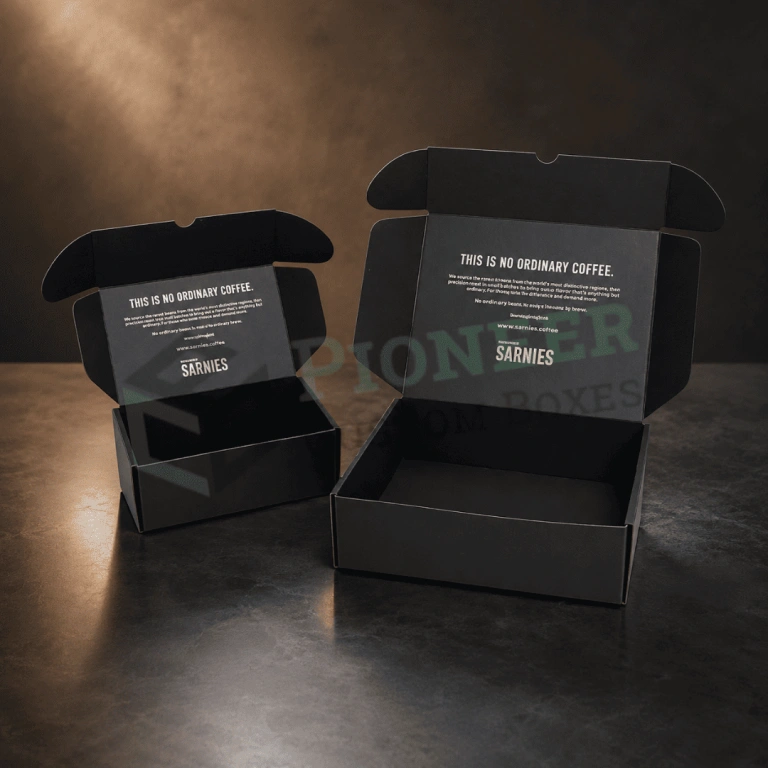
Custom Black Shipping Boxes from Pioneer Custom Boxes help ecommerce, subscription, gift, apparel, cosmetic, stationery, jewelry, candle, and retail brands ship products with stronger protection and a premium black presentation. Choose custom sizes, black mailer styles, corrugated board, E-flute, B-flute, inserts, inside printing, matte or gloss finishes, free design support, no MOQ, and free USA shipping.
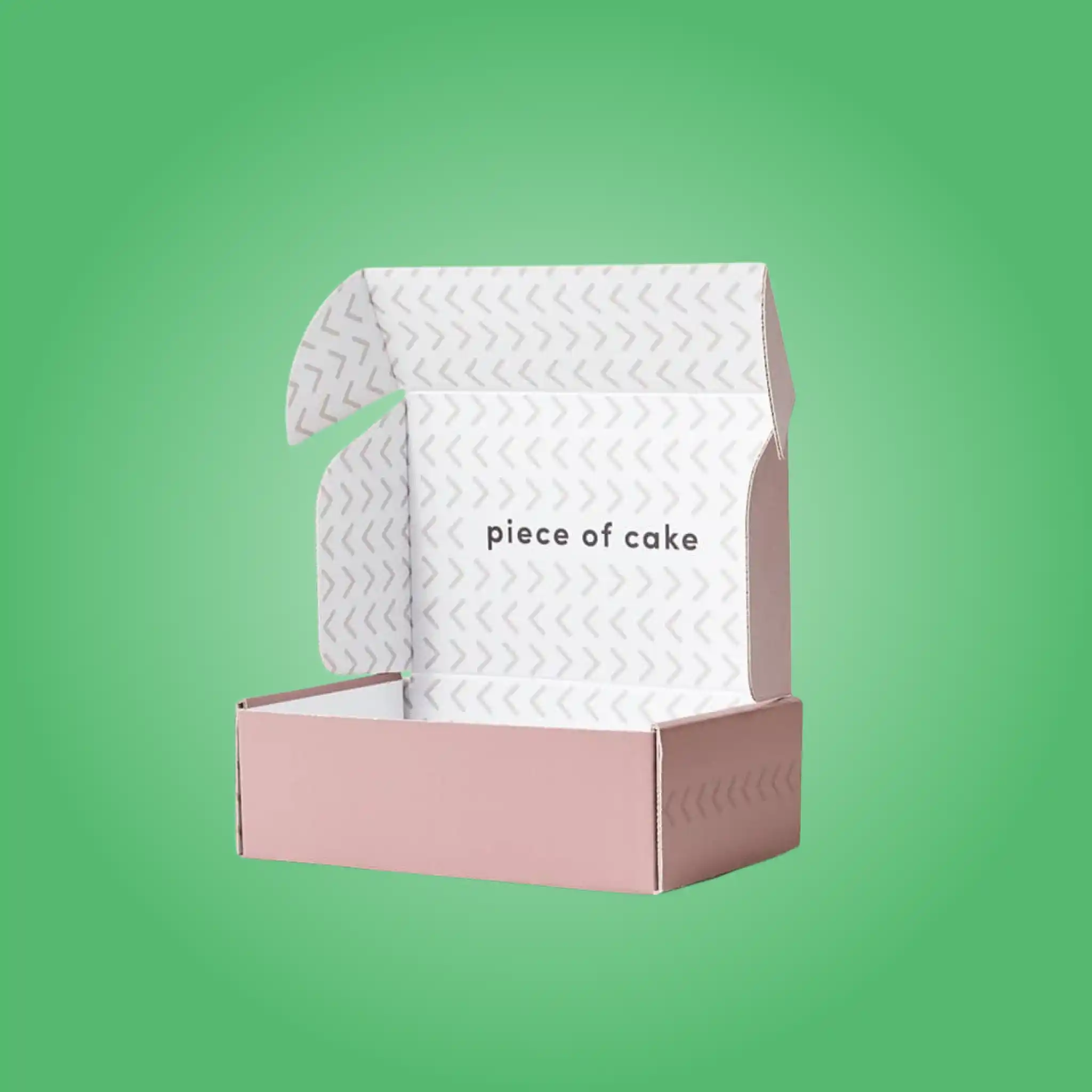
Custom ear lock mailer boxes with self-locking side flaps that secure without tape or adhesives. The interlocking design resists crushing and prevents opening during transit. Choose E-flute, B-flute, or C-flute based on product weight. ECT rated, custom printed, and available with inserts.
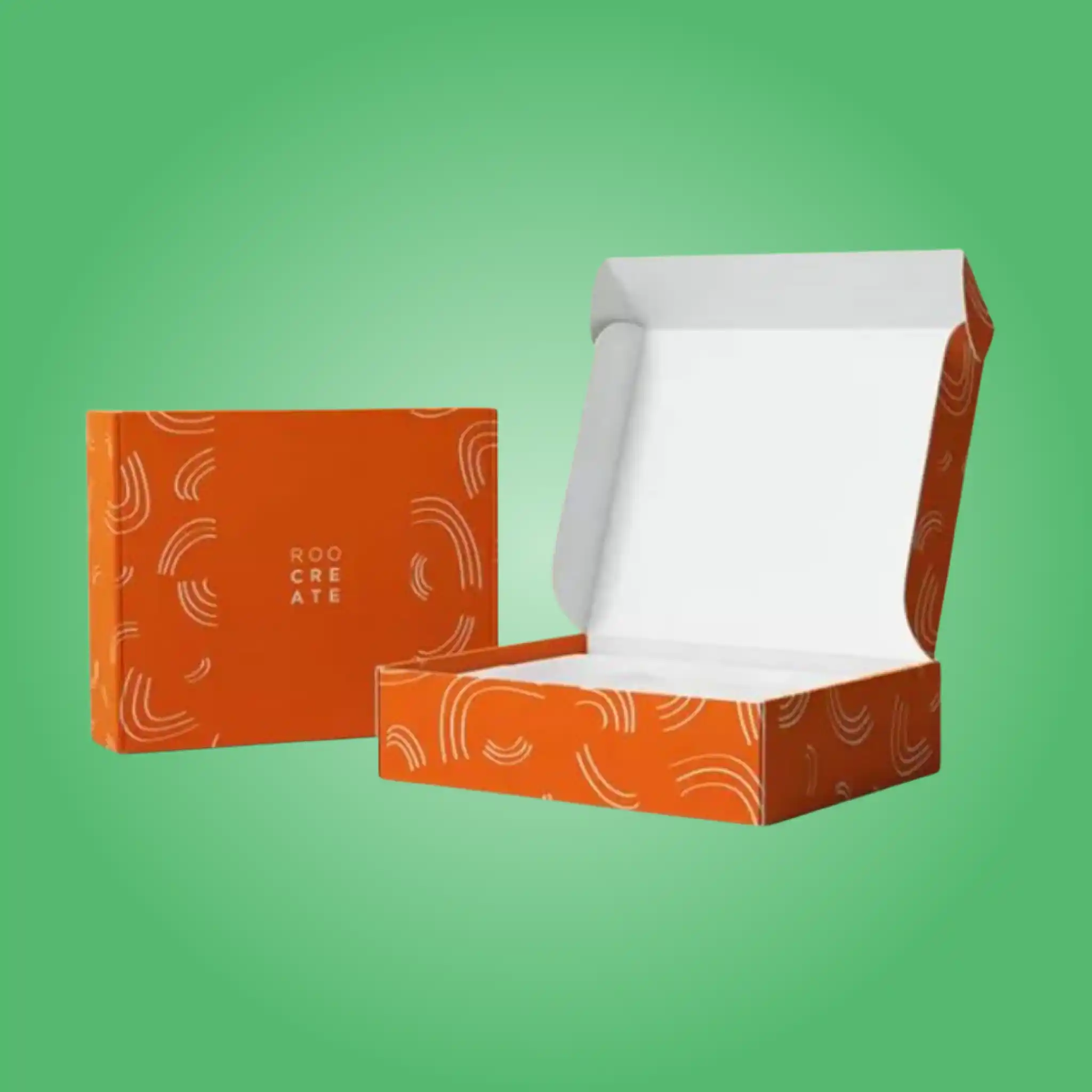
Custom full color mailer boxes from Pioneer Custom Boxes help beauty, apparel, food, electronics, subscription and direct-to-consumer brands ship packaging that prints like retail. Choose litho lamination, digital or HD flexo on white top, bleached or kraft liners, with printed interiors, lamination, spot UV, foil, free design support, no MOQ and free USA shipping.
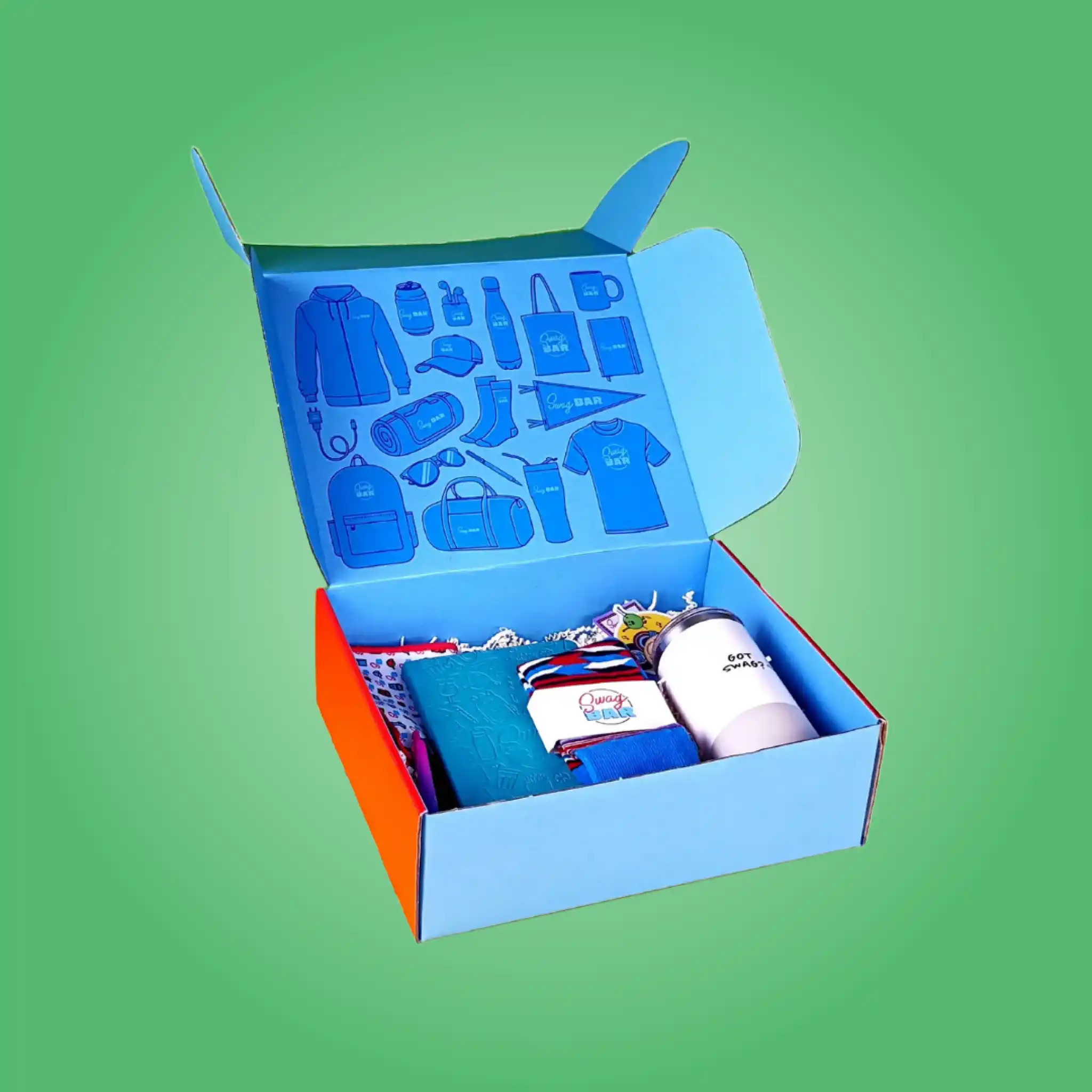
Custom luxury mailer boxes from Pioneer Custom Boxes help jewelry, watch, beauty, fragrance, apparel, electronics and premium gifting brands ship packaging that justifies the price point. Choose collapsible rigid, magnetic closure or litho laminated E-flute construction with flocked cavities, molded trays, soft touch lamination, foil stamping, free design support, no MOQ and free USA shipping.
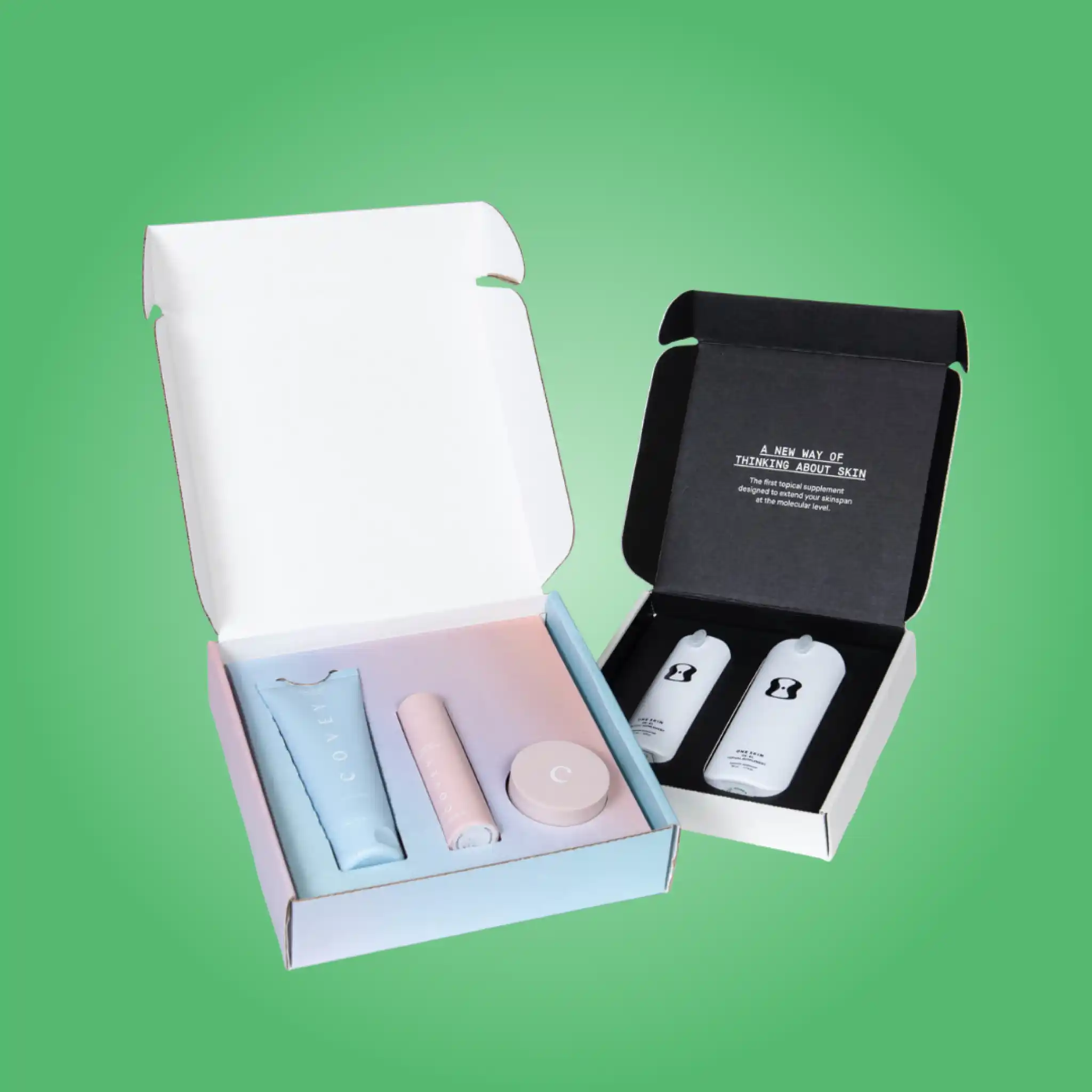
Custom mailer boxes with inserts from Pioneer Custom Boxes help cosmetic, glassware, candle, electronics, ceramics and subscription brands cut damage rates in transit. Choose die-cut corrugated trays, partitions, molded pulp cradles, paperboard platforms or foam, designed on one dieline with the box, with free design support, no MOQ and free USA shipping.
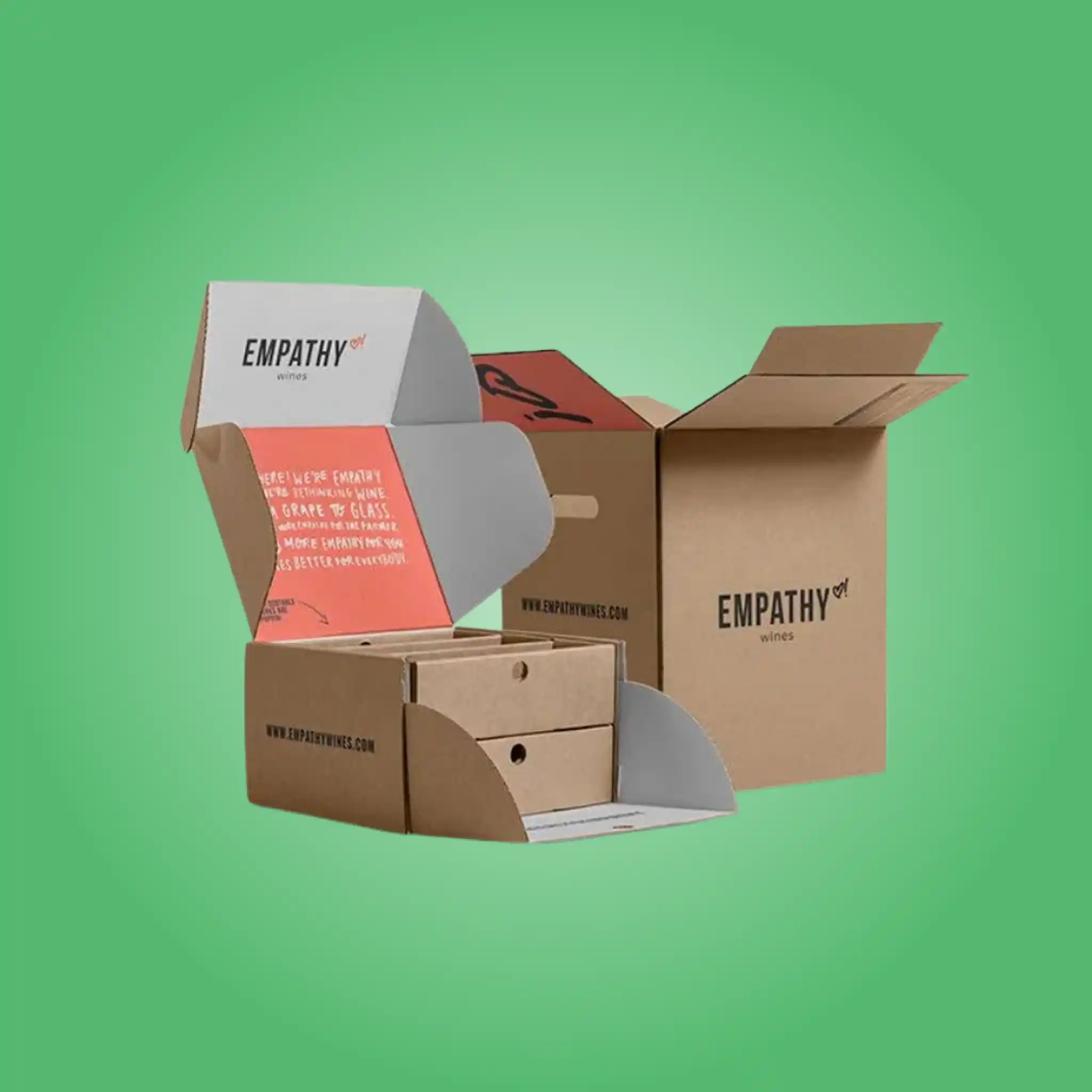
Custom shipping boxes from Pioneer Custom Boxes help ecommerce, subscription, wholesale, food, hardware and homeware brands ship products safely at a lower freight cost. Choose 32 to 51 ECT single or double wall corrugated, RSC, mailer, full overlap or telescope styles, partitions, pulp trays, flexo or litho printing, free design support, no MOQ and free USA shipping.
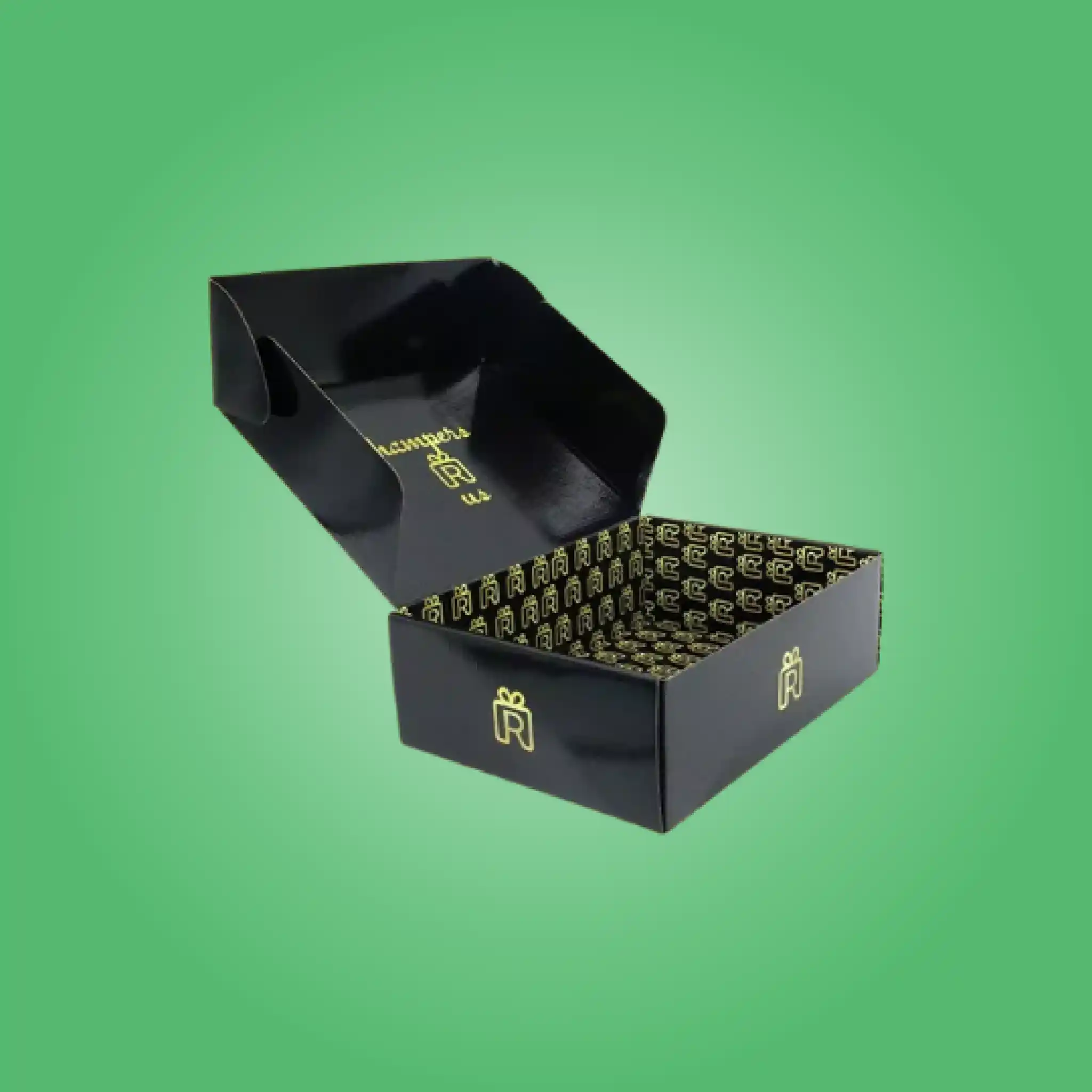
Custom shoulder mailer boxes from Pioneer Custom Boxes help jewelry, watch, fragrance, premium skincare, technology, spirits and collector brands present products in three-part rigid construction with a flush lid and a slow, controlled close. Choose 2mm to 3mm greyboard with printed, textured, soft touch or leatherette wraps, flocked cavities, molded cradles, foil, blind debossing, free design support, no MOQ and free USA shipping.
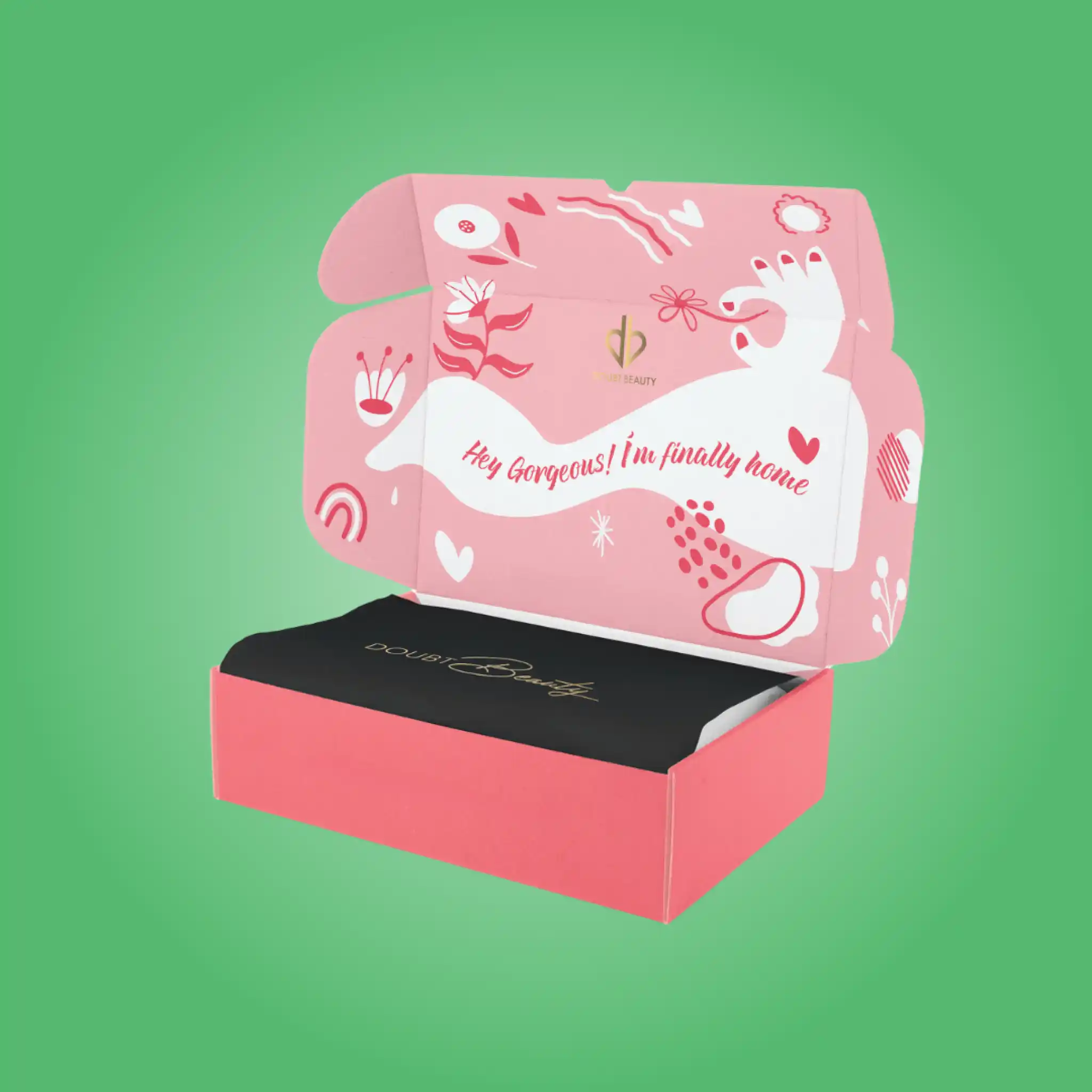
Custom subscription boxes from Pioneer Custom Boxes help beauty, snack, coffee, book, pet, wellness and lifestyle subscription brands ship a monthly experience that survives the parcel network. Choose E-flute or B-flute corrugated, white top or natural kraft liners, printed interiors, fitted trays, dividers, tear strips, free design support, no MOQ and free USA shipping.
Businesses do not select custom mailer boxes with logo based on appearance alone. They choose them because packaging directly affects how products survive transit and how customers experience delivery. When packaging fails, the issue rarely comes from design. It comes from poor structure, incorrect sizing, or weak material selection.
At Pioneer Custom Boxes, we manufacture custom mailer box solutions for brands that require consistent performance across every shipment. Whether you need custom printed mailer boxes for retail delivery or custom shipping boxes for nationwide distribution, each box is engineered based on product weight, shipping distance, and handling conditions.
👉 Request a quote or sample to evaluate structure, material, and print quality before production.
Most packaging failures occur after dispatch. Boxes collapse under stacking pressure, products shift due to excess internal space, or edges weaken during handling. These failures increase return rates and damage brand trust.
Custom mailing boxes solve these issues through structural integrity. The interlocking design maintains shape under vertical load, while the corrugated medium absorbs impact. When dimensions match the product correctly, internal movement decreases significantly, which reduces damage and improves delivery consistency.
For businesses shipping at scale, this translates into lower operational losses and stronger customer retention.
| Product Type | Recommended Flute | Key Advantage | Typical Application |
| Lightweight products | E-Flute (~1.6mm) | High print clarity | Apparel, books, retail displays |
| Standard shipments | B-Flute (~2.5mm) | Balanced durability | Cosmetics, electronics, daily DTC |
| Heavy / fragile items | C-Flute (~3.5mm) | Maximum protection | Glass, tools, fragile goods |
Most businesses rely on B-flute because it delivers consistent protection without increasing shipping weight. E-flute works best when presentation matters more than strength. C-flute becomes necessary when product weight or fragility increases risk during transit.
| Specification | Details |
| Material Options | Corrugated (E/B/C-flute), Paperboard (16pt–24pt) |
| Board Grades | 125#-275# test; ECT 23-44 |
| Print Quality | Up to 1200 DPI, CMYK + PMS |
| Finishes | Matte, gloss, soft-touch, aqueous coating |
| Customizations | Embossing, debossing, foil stamping, spot UV |
| Structural Styles | RETF, RETT, reinforced, custom shoulder mailer boxes |
| MOQ | Flexible based on production requirements |
| Turnaround | Standard and expedited timelines available |
| Sustainability | Fully recyclable; FSC-certified options available |
ECT (Edge Crush Test) measures stacking strength and determines how well a box resists compression during transit.
| Flute Type | Thickness | Print Quality | Protection Level | Recommended Use |
| E-Flute | ~1.6mm | Excellent | Light | Apparel, books, retail displays |
| B-Flute | ~2.5mm | High | Medium | Cosmetics, electronics, daily DTC |
| C-Flute | ~3.5mm | Moderate | High | Glass, tools, fragile goods |
Material selection should reflect shipping conditions rather than visual preference. Lightweight packaging benefits from E-flute for presentation. Standard shipments depend on B-flute for balanced performance. Heavy or fragile products require C-flute.
For advanced shipping needs, many businesses integrate custom corrugated mailer boxes or expand into custom corrugated boxes for bulk handling.
Brands often misunderstand customization. It is not limited to visual design—it directly improves performance.
Structural adjustments ensure the box fits the product precisely, reducing movement and material waste. Custom mailer boxes with inserts provide internal protection by stabilizing products during transit. This becomes essential for electronics, cosmetics, and bundled items.
Custom printed mailing boxes allow brands to maintain consistent identity across shipments, while finishes such as matte or soft-touch coatings improve durability and presentation.
👉 Upload your artwork for a free preflight check and structural review.
Incorrect sizing increases dimensional weight, which directly raises shipping costs.
Mailer boxes follow:
Length × Width × Height (L × W × H)
Accurate sizing reduces internal movement, improves protection, and minimizes shipping expenses. This is one of the most effective ways to optimize custom shipping box performance without changing materials.
The correct packaging choice depends on product behavior during shipping. Lightweight items require less structural support and benefit from E-flute or paperboard. Standard products perform best with B-flute. Fragile or high-value items require C-flute.
Businesses with recurring deliveries often align packaging systems with custom subscription boxes to maintain consistency across shipments.
Food and delivery operations rely on custom take out mailer boxes to maintain structure and protect contents during transit. Marketplace sellers use custom amazon boxes to standardize packaging and meet fulfillment requirements.
Retail brands use mailer boxes custom-built for apparel, cosmetics, and electronics where both protection and presentation matter.
Most brands describe what they want by look rather than by structure, which makes quoting slower than it needs to be. These are the four styles that cover almost every mailer we produce, and knowing the name shortens the conversation considerably.
| Style | How it closes | Best suited to | Relative cost |
|---|---|---|---|
| Roll end tuck front | Front tuck flap with side wings | Ecommerce, subscription boxes | Standard |
| Roll end tuck top | Top tuck with dust flaps | Taller products, bottles | Standard |
| Book wrap mailer | Folds around and seals flat | Books, prints, flat goods | Lowest |
| Rigid mailer | Lift-off lid or magnetic close | Luxury and gifting | Highest |
Roll end tuck front is the default for a reason. It assembles without tape, it protects the corners well, and it opens cleanly toward the customer, which is why nearly every unboxing video features one. Book wrap costs least and ships flattest, but it suits flat products only.
Corrugated board takes ink differently from flat carton stock, so the printing method changes both cost and appearance. Three approaches cover almost everything we run.
Flexo prints directly onto the corrugated sheet using flexible plates. It handles solid colors, logos and text cleanly, and it costs least at volume. Fine photographic detail softens slightly, because the fluted surface absorbs ink unevenly. Flexo suits high-volume shipping mailers where durability matters more than gradient artwork.
Litho-lamination prints a paper sheet on an offset press, then mounts that sheet onto the corrugated board. The result carries retail-quality photography and gradients while keeping corrugated strength. It costs more and adds a day or two, so it suits mailers that double as retail packaging or premium subscription boxes.
Digital prints straight onto the board without plates, which removes setup cost entirely. Short runs, seasonal editions and regional variants stay affordable. Digital also supports variable data, so each box can carry a different name, code or message. We quote all three methods on request so you can weigh cost against how the box will actually be seen.
CMYK builds color from cyan, magenta, yellow and black laid in fine dots. It reproduces photographs and gradients well and costs less than spot color, because it uses four standard inks. On natural kraft board it shifts warmer, since the brown surface shows through, so we proof on your chosen stock rather than white paper.
PMS uses pre-mixed inks matched to a numbered standard, so a brand color reproduces exactly on every run. That consistency matters most for subscription brands, where a customer sees the same box arrive month after month and any drift is noticeable. We often print artwork in CMYK and the logo in PMS, which protects the brand color without paying spot rates across the whole design.
RGB is a screen space rather than a print space. Designers work in RGB, so files convert to CMYK or PMS before we print, and colors that glow on a monitor frequently sit outside what ink on corrugated can reach. Our team converts your artwork, flags every shade that will shift, and returns a corrected proof as part of free design support.
The inside of a mailer is the most under-used surface in ecommerce packaging. Customers see it at the exact moment they are most engaged, and a plain brown interior wastes that attention entirely.
Interior printing costs less than most brands assume, because it prints in the same pass as the exterior on litho-laminated and digital builds. A printed inner panel carrying a thank-you message, a discount code for the next order, or care instructions turns packaging into a marketing surface that has already been paid for.
Practical detail matters here. Dark interior colors show scuffing from the product moving in transit, so we usually recommend mid-tone or patterned interiors rather than solid black. Tell us what you want the customer to see first, and we will position it on the panel that faces them when the flap opens.
We ship custom mailer boxes to every state, and the specification shifts by what a brand sends. Apparel and accessory brands in California and New York order lighter E-flute mailers with printed interiors, because their products are soft and the unboxing carries the brand. Supplement and cosmetics brands in Florida, Texas and Utah choose sturdier B-flute with fitted inserts, since glass and bottles need real protection.
Subscription businesses in Illinois, Colorado and Georgia order in scheduled batches, so we hold dielines on file and keep board grades consistent between runs. Distance matters too: a mailer traveling coast to coast passes through more handling than one moving within a state, and we adjust board grade accordingly. Shipping stays free anywhere in the continental United States.
We run a zero MOQ policy on custom mailer boxes, so a new store can order a small batch to photograph and test before committing to volume. Established brands use the same policy for seasonal editions and product launches.
Standard production takes 10 to 12 business days once you approve the proof. Mailers with litho-lamination, interior printing, fitted inserts, or specialty finishes take 12 to 15 business days. Rush production is available when a launch date moves, and we will tell you honestly whether your deadline is achievable before you pay anything.
Shipping is free across the USA on every order, with no minimum threshold. Design support costs nothing either: send your product dimensions, and we will build the dieline and a 3D mockup so you see the mailer before it exists. Order now or get a free quote to start.
Corrugated is already one of the most recycled materials in the United States, which gives mailer boxes an advantage over poly mailers before any other choice is made. What varies is how easily your specific build re-enters that stream.
Coatings decide most of it. Aqueous coating and water-based inks keep a box fully recyclable through standard curbside collection. Gloss lamination and plastic film windows do not, because the plastic layer has to be separated first and rarely is. If recyclability is part of your brand promise, choose aqueous over lamination and let the board texture carry the finish.
FSC-certified board is available on request and documents that the fiber came from responsibly managed forests. Sizing matters as much as material: a box cut close to the product uses less board and needs less void fill, which cuts both cost and waste in the same decision. We flag oversized dimensions during design rather than quoting what you asked for and staying quiet.
A skincare brand shipping glass serum bottles came to us with a damage rate close to five percent, which was costing more in replacements than their packaging budget. They were using a thin E-flute mailer with loose paper void fill.
We changed two things. The board moved to B-flute for the extra cushioning depth, and we added a die-cut insert that held each bottle in a fixed position rather than letting them shift against each other. Unit cost rose by a modest amount per box.
Damage dropped to under one percent across the following quarter. The replacement savings covered the packaging increase several times over, and their support team stopped fielding breakage emails. The lesson generalizes: with fragile products, the cheapest box is rarely the cheapest outcome.
A mailer box only performs as well as what holds the product still inside it. Empty space is where damage happens, because a product that can move will move, and it will land against a corner eventually.
Loose paper void fill costs least and suits soft or robust goods such as apparel and accessories. It is recyclable and quick to pack, but it settles during transit, so a box that looked full when sealed can arrive with the product loose at one end. Use it where breakage is not the risk.
Die-cut card inserts cost slightly more and solve that problem outright, because each item sits in a fixed position. They add no meaningful weight, they recycle with the box, and they make the opening look considered rather than casual. For most ecommerce brands shipping anything rigid, this is the right default.
Foam and molded pulp go further again. Foam suits electronics, glass and instruments where impact protection matters most, while molded pulp gives comparable protection with a recyclable, plastic-free profile that suits sustainability-led brands. Both add two to three days to production because the insert is tooled to your product.
Tell us what you ship and how it breaks, and we will recommend honestly, including when loose fill is genuinely enough and the insert would be money wasted.
The closure decides how your mailer opens, and it also decides how it travels. A standard roll end tuck top folds shut with front tabs. Those tabs hold well for lightweight goods under three pounds. Heavier orders need help, so we add a strip of permanent adhesive along the closing flap. The customer pulls a liner, presses the flap, and the box seals without tape.
Tear strips change the first three seconds of the unboxing. We die-cut a perforated ribbon into the front panel during converting. Your customer pulls that ribbon and the lid lifts cleanly. No box cutter comes near your printed artwork. Beauty brands and subscription boxes ask for this feature most often, because damaged lids photograph badly on social media.
Apparel, footwear and consumer electronics carry high return rates. A second adhesive strip solves that problem inside the same box. Your customer opens the first seal, keeps the goods they want, then seals the rest with the second strip. The mailer travels back to your warehouse intact. You avoid shipping a replacement carton, and you cut reverse logistics cost on every return.
Some products need a rigid feel rather than an adhesive seal. Locking tabs answer that need. We score two small wings into the side panels, and those wings slot into matching cuts. The lid then resists lifting during transit. Dust flaps sit behind the tabs and block powder, crumbs and small parts from escaping. Coffee roasters and supplement brands rely on both details.
Good packaging starts with a correct file, so our design team removes that hurdle before you pay anything. Tell us the product dimensions and we send a free dieline within one business day. That dieline shows every fold, glue tab and bleed area on a single flat sheet. Your designer drops artwork straight onto it, and nothing lands in a crease.
We accept AI, PSD, PDF and high resolution TIFF files. Vector art prints sharpest, especially for logos and small legal text. Raster images should sit at 300 DPI at final print size. Anything lower will soften once we scale it. Our prepress team checks resolution, spot colors and bleed on every file, then flags problems before the press runs.
Many small businesses arrive with a logo and nothing else. That is enough for us. Our in house designers build the full layout, place your brand marks, and lay out ingredient panels or barcodes where regulators expect them. This service costs nothing, and it carries no order minimum. You review a digital proof, request changes, and approve only when the design looks right.
After approval we send a 3D digital proof, and larger runs can add a physical sample. Production then takes eight to ten business days for most mailer orders. Rush timelines run four to six days when your launch date cannot move. Shipping across the United States stays free, and we deliver to warehouses, 3PL facilities and residential addresses alike. Order now, or request a free quote and our team will price your exact size within hours.
Many brands weigh a printed mailer against a cheaper flexible option. The unit price tells only part of that story. Damage rates, return rates and brand recall all move the real number. So compare the three formats on total delivered cost rather than on the invoice line alone.
Poly mailers cost the least and weigh almost nothing. They suit soft goods such as t-shirts, leggings and towels. However they offer no crush protection, and printing quality stays limited. Photo grade artwork simply will not hold on a stretched plastic film. Retailers also face growing state level pressure on single use plastics, which affects long term sourcing plans.
Padded envelopes add cushioning for books, jewelry and small electronics. They still lack rigid walls, so a stacked pallet can compress the contents. Most padded mailers mix paper with bubble film, and that mix complicates curbside recycling. Print area remains small, so branding usually stops at a logo stamp.
A corrugated mailer costs more per unit, yet it protects the product on every side. Full color printing covers the entire exterior and the interior too. Customers photograph these boxes and post them, which turns packaging into earned marketing. Retail buyers also accept corrugated mailers for shelf ready display, while they reject flexible mailers outright. Brands shipping breakable, premium or gift ready goods almost always land here.
Choose the format that matches your product weight, fragility and margin. Our team reviews your shipping data and recommends honestly, even when a poly mailer wins. Get a free quote and we will compare both options side by side for your exact volume.
These dimensions cover most ecommerce categories we supply, measured internally as length by width by height. Every die is cut to your product, so use the table as a reference rather than a menu.
| Product Type | Typical Size (inches) | Board | Notes |
|---|---|---|---|
| Jewelry and small accessories | 6 x 4 x 2 | 32 ECT E-flute | Insert recommended |
| Cosmetics and skincare sets | 8 x 6 x 3 | 32 ECT E-flute | Printed interior |
| Books and media | 9 x 6 x 2 | 32 ECT E-flute | Snug fit prevents sliding |
| Apparel, single item | 10 x 8 x 3 | 32 ECT E-flute | Lightweight, low dimensional weight |
| Apparel, multiple items | 12 x 9 x 4 | 32 ECT single wall | Room for tissue and card |
| Subscription boxes | 10 x 8 x 4 | 32 ECT E-flute | Interior print, tear strip |
| Footwear | 13 x 9 x 5 | 32 ECT single wall | Fits a standard shoe box |
| Home and kitchen goods | 14 x 10 x 6 | 44 ECT single wall | Heavier contents |
| Electronics | 11 x 8 x 4 | 44 ECT single wall | Foam or pulp insert |
| Fragile glassware | 12 x 10 x 8 | 44 ECT double wall | Partitioned insert |
Send your product dimensions and weight, and we return a free dieline within one business day with carrier thresholds already checked.
Mailer pricing is straightforward once you know the variables, and the largest of them is not the box itself.
Dimensions lead, and they cost you twice. Board is priced by area, so a smaller mailer costs less outright. A smaller mailer also ships cheaper, because carriers bill on volume as well as weight. For most ecommerce brands the freight saving from right-sizing exceeds the material saving by a wide margin.
Board grade follows. E-flute prints beautifully and suits light goods, while 44 ECT single wall and double wall step up for heavier or fragile contents. Over-specifying wastes money on every parcel, and under-specifying produces damage claims, so we match grade to your actual loaded weight.
Print method sits third. One or two flexo colors on kraft costs a fraction of litho lamination, and many successful brands print a single color inside and out. Interior printing adds cost only when it needs a second pass, so we quote it explicitly. Quantity finishes the list in the usual way.
| Cost Driver | Impact | How to Reduce It |
|---|---|---|
| Box dimensions | Highest combined with freight | Size to the product, remove dead air |
| Board grade | High | Match ECT to real loaded weight |
| Print method | High | One or two flexo colors on kraft |
| Interior printing | Moderate | Single color inside instead of full coverage |
| Inserts and void fill | Moderate | Right-size the box so filler is unnecessary |
| Tear strips and closures | Moderate | Add where returns volume justifies it |
| Order quantity | Moderate | Consolidate to two or three core sizes |
For an ecommerce brand, shipping usually costs several times what the box costs. Packaging decisions therefore move the larger number, and a few inches decide the outcome.
Carriers bill parcels on dimensional weight whenever volume implies more than actual weight. A light product in a generous mailer gets charged as though it were heavy, on every single order, forever. Trimming a mailer to fit its contents removes that penalty permanently.
Oversize thresholds sit beyond that. Once length plus girth crosses a published limit, a surcharge applies regardless of weight. A box a half inch under the line ships at standard rates and a box a half inch over does not, so we check finished dimensions against current thresholds during dieline review and flag anything sitting close.
Height is usually the easiest dimension to reduce. Most brands add height for reassurance rather than necessity, and removing an inch often keeps a parcel inside a lower rate band. We test that against your real product rather than guessing.
Send us your carrier and your typical order profile, and we will size the mailer against those rate bands before you approve anything.
Mailers are assembled by your team and opened by your customer, so they get judged twice. Every order passes a documented check before leaving our floor.
| Check | What We Verify | Why It Matters |
|---|---|---|
| Assembly test | A mailer folded and locked by hand | Slow assembly is real labor cost per order |
| Lock and tab fit | Side wings and dust flaps seat correctly | Loose tabs pop open in transit |
| Dimensional accuracy | Internal fit against the approved dieline | A tight mailer damages contents during packing |
| Score and fold quality | Clean folds with no cracked liner | Cracked scores weaken the whole structure |
| Print registration | Artwork aligned to cuts and folds | Misalignment shows on the front panel |
| Interior print quality | Coverage and color on inside panels | The interior is what the customer photographs |
| Adhesive strip performance | Peel and seal test on return strips | A failed return strip creates a support ticket |
| Tear strip function | Clean opening without tools | A ragged tear ruins the unboxing moment |
| Color match | Pantone against a physical draw-down | Brand color must hold across reorders |
| Barcode readability | Scan test on a flat area | Labels must scan at every handoff |
If anything fails, we remake it rather than ship it.
Start from what you ship and how fragile it is. Those two answers point at a specification faster than any catalog.
| If You Ship | Choose This Board | Insert | Key Feature |
|---|---|---|---|
| Apparel and soft goods | 32 ECT E-flute | Tissue or none | Low dimensional weight |
| Cosmetics and skincare | 32 ECT E-flute | Paperboard platform | Printed interior |
| Jewelry and small items | 32 ECT E-flute | Die-cut foam or pulp | Snug fit, no movement |
| Books and stationery | 32 ECT E-flute | None needed | Tight fit prevents sliding |
| Subscription boxes | 32 ECT E-flute | Divider tray | Tear strip and interior print |
| Electronics | 44 ECT single wall | Foam or molded pulp | Impact absorption |
| Glass and ceramics | 44 ECT double wall | Partitioned insert | Isolation between items |
| Heavier home goods | 44 ECT single wall | Corrugated pads | Stack and crush resistance |
| Frequent-return categories | 32 ECT E-flute | Paperboard platform | Double adhesive return strip |
When two rows apply, choose the stronger board. A damaged arrival costs a replacement, a return shipment and usually a review, all of which dwarf the board difference.
Ecommerce brands reorder mailers constantly, so reorder speed and consistency matter more than any single first order.
We keep your dieline, board specification, print files and Pantone references on record permanently. Reorders run against that stored specification, so your mailers stack identically in your pack station and your brand color sits in the same place on every run.
Seasonal artwork is where this pays off. Keep one structure all year and change only the printed panels for a holiday campaign, and each run costs less because the die already exists. We version every artwork change with a date so your records stay clear.
Inventory timing deserves a plan too. Mailers take real warehouse space, so we usually suggest holding six to ten weeks of cover and reordering at about four weeks remaining. That absorbs a demand spike without tying up cash or floor space, and it matters most heading into a peak season.
The same handful of errors recur across ecommerce brands, and each is avoidable before a die is cut.
Buying one size for everything leads the list. It simplifies the pack station and inflates dimensional weight on every small order, while forcing void fill into the gap. Two or three sizes matched to real product clusters almost always costs less overall.
Adding height for reassurance is second, and it is the most common way brands cross a carrier rate band without noticing.
Under-specifying board for fragile items is third. E-flute prints beautifully and does not protect glassware, and the damage claims arrive weeks after the saving was booked.
Skipping interior print for a brand that sells on unboxing is a missed opportunity rather than an error, though it is one customers notice. A single color inside costs very little and changes the moment the box opens.
Finally, approving a mailer without folding one by hand. Assembly speed is real labor at ecommerce volumes, and a structure that takes three seconds longer costs more than the board ever will.
Most suppliers can produce packaging. The difference appears in how that packaging performs after it leaves the facility.
Pioneer Custom Boxes manufactures best custom mailer boxes with controlled production, ensuring consistent structure, accurate color, and reliable performance across every order. Each packaging solution is developed based on real shipping conditions, including weight, handling, and transit requirements.
This approach helps businesses reduce damage, control costs, and maintain a consistent brand experience at scale.
👉 Request a quote today and get packaging built for performance, not guesswork.
Written by the Pioneer Custom Boxes Editorial Team · Published August 2026 · Last updated August 2026 · Reviewed by our packaging production team