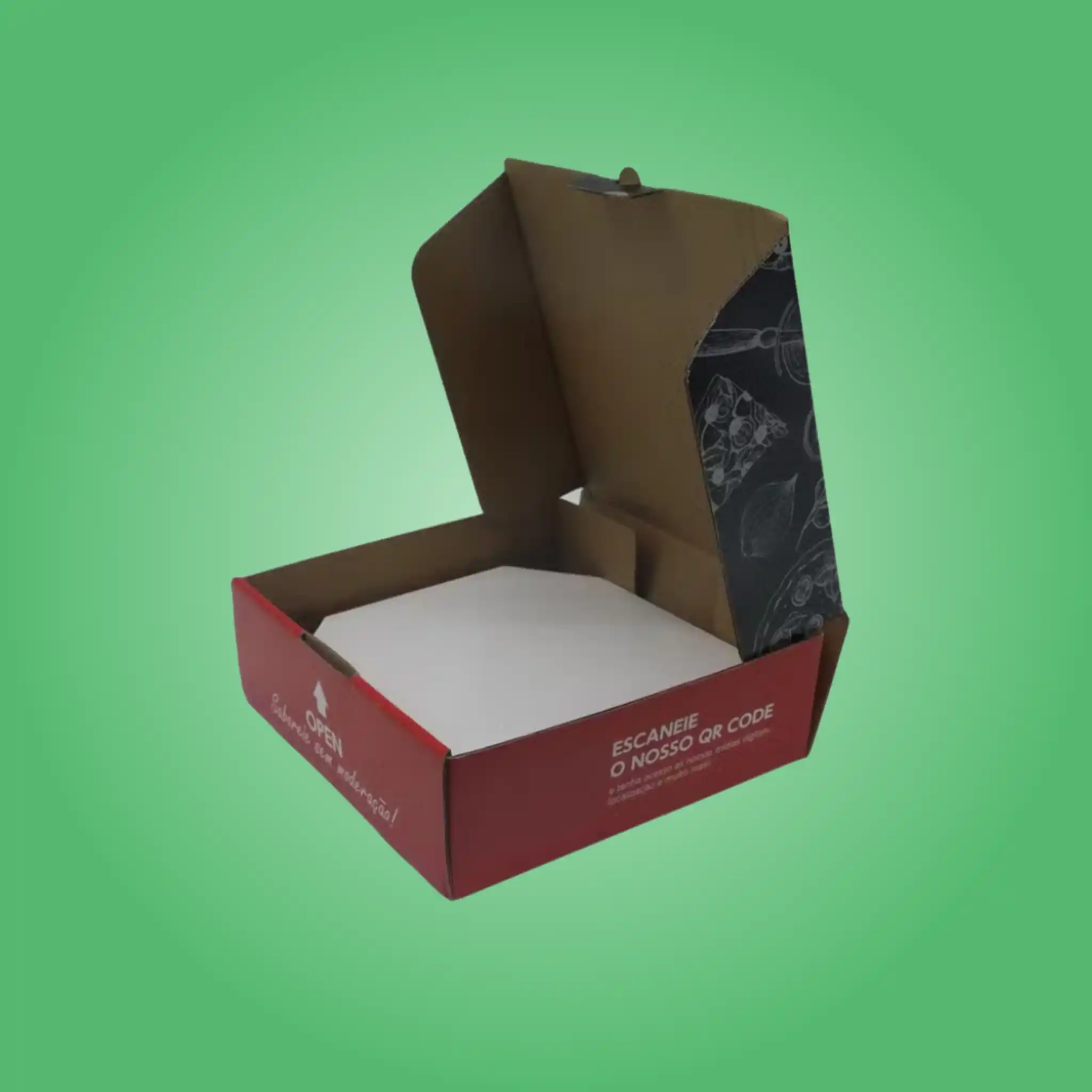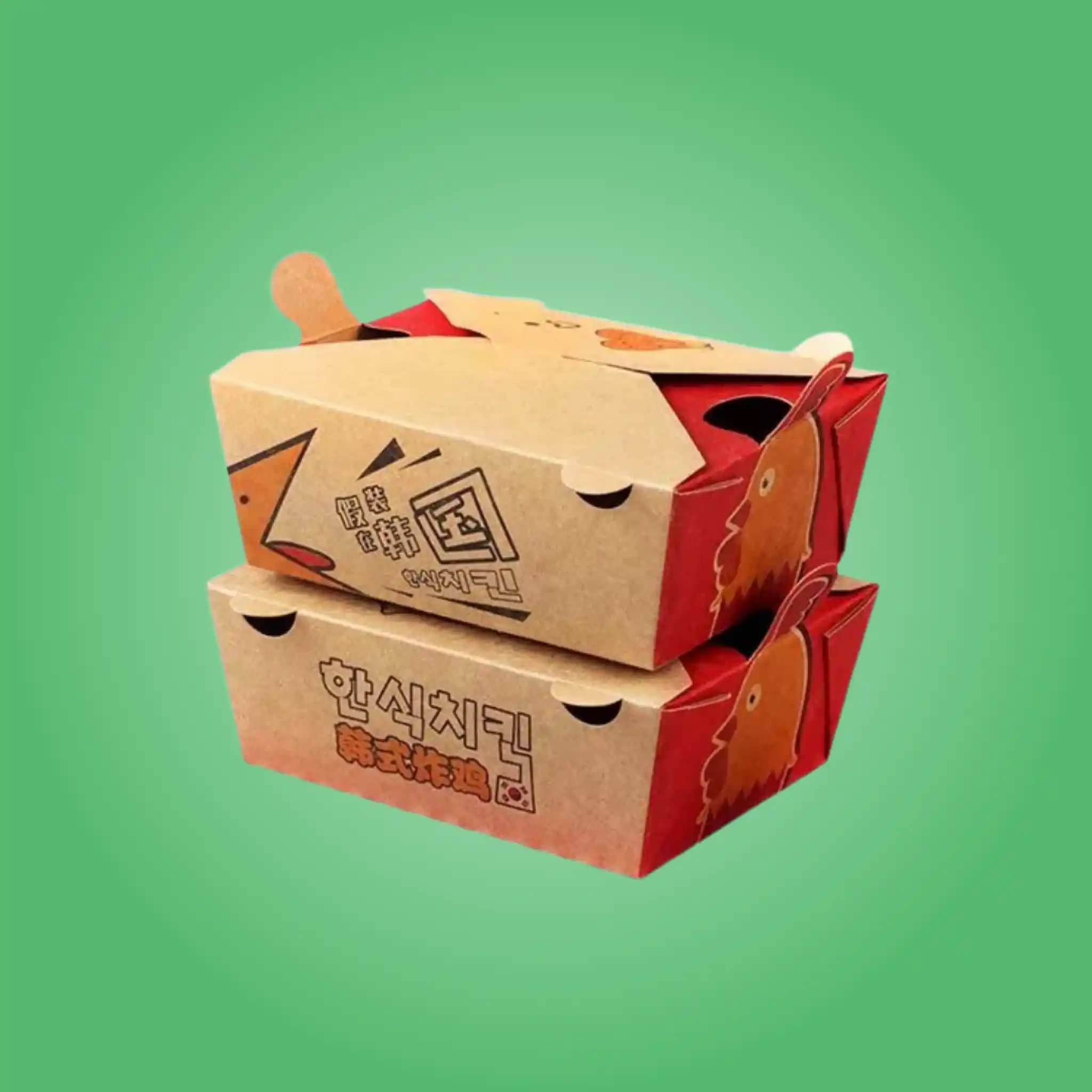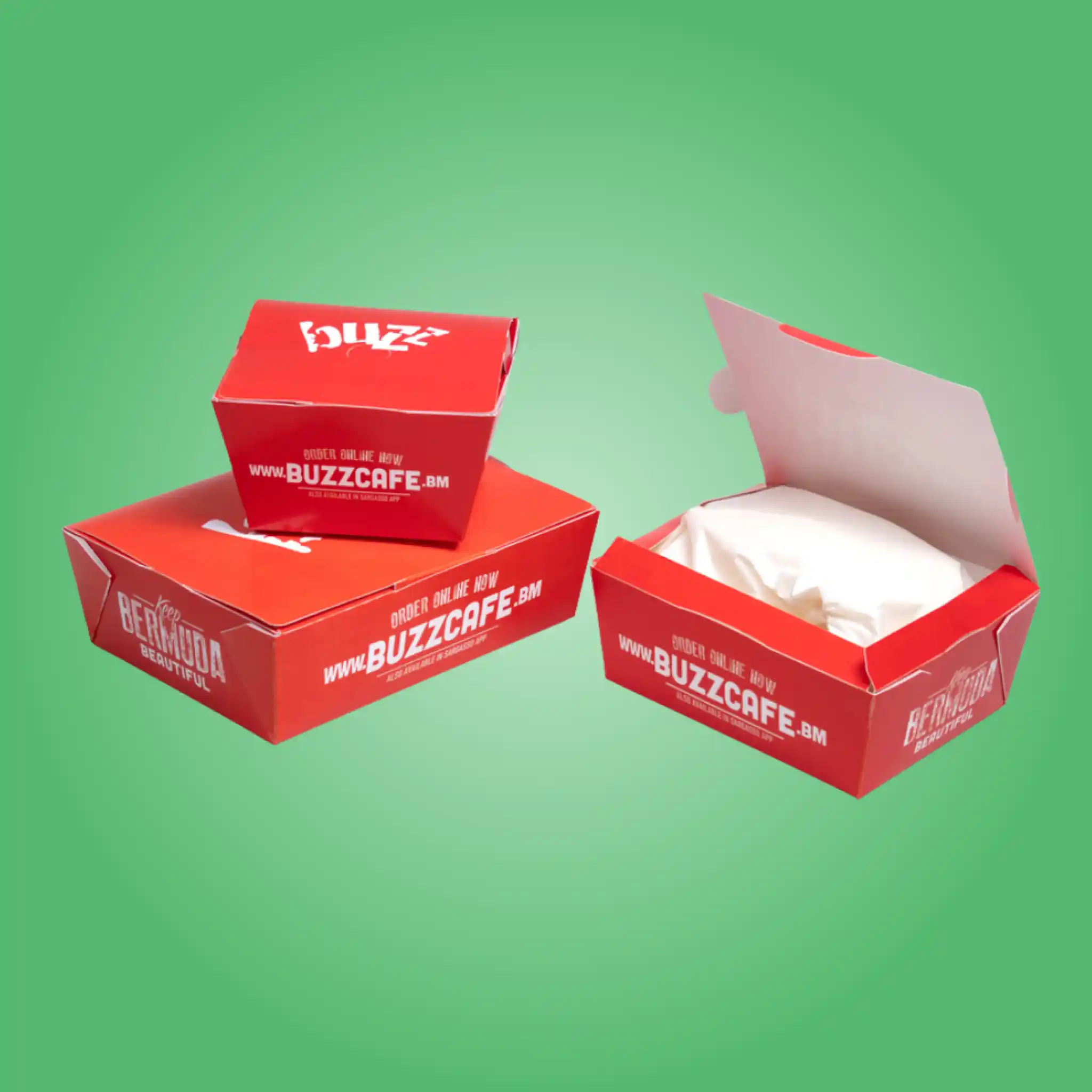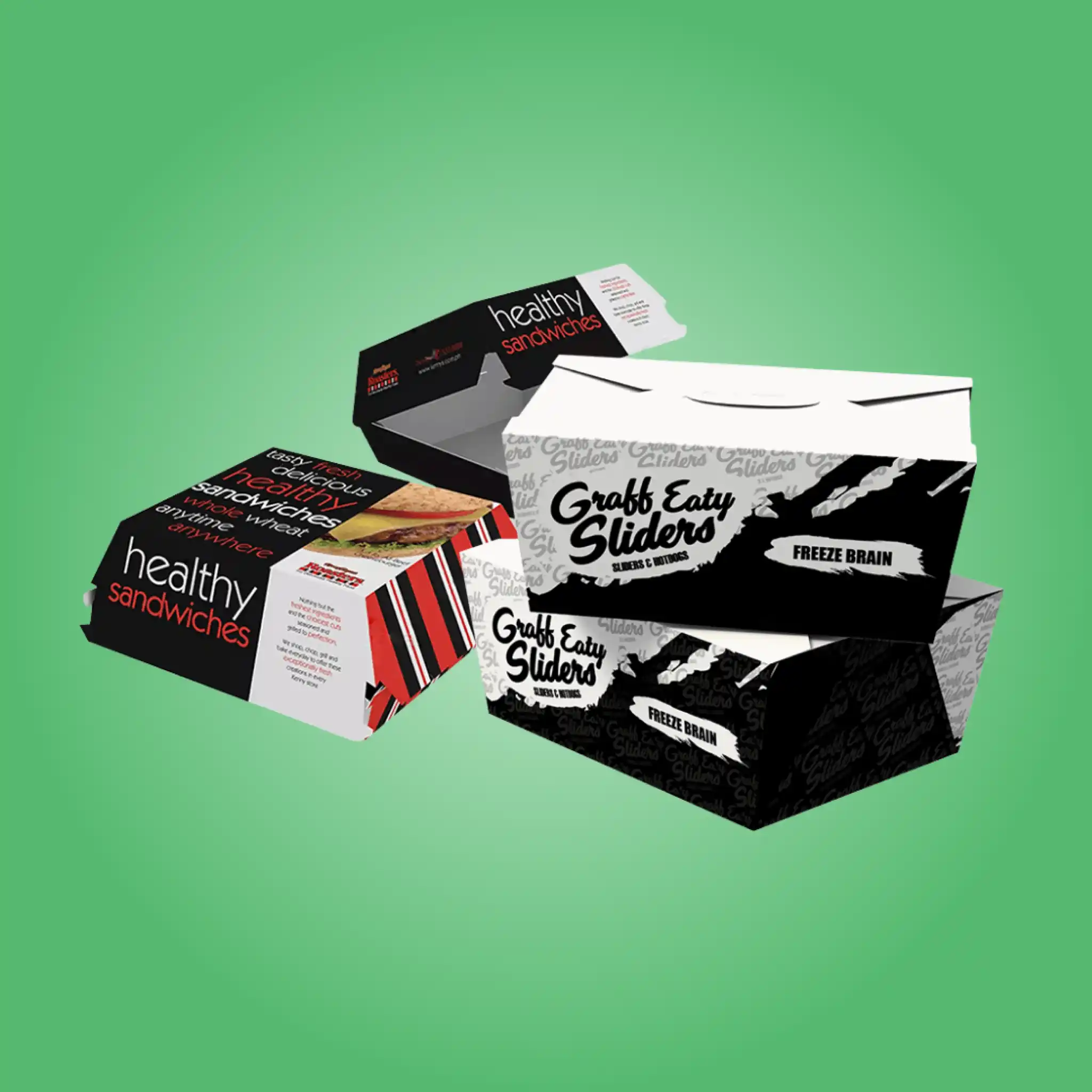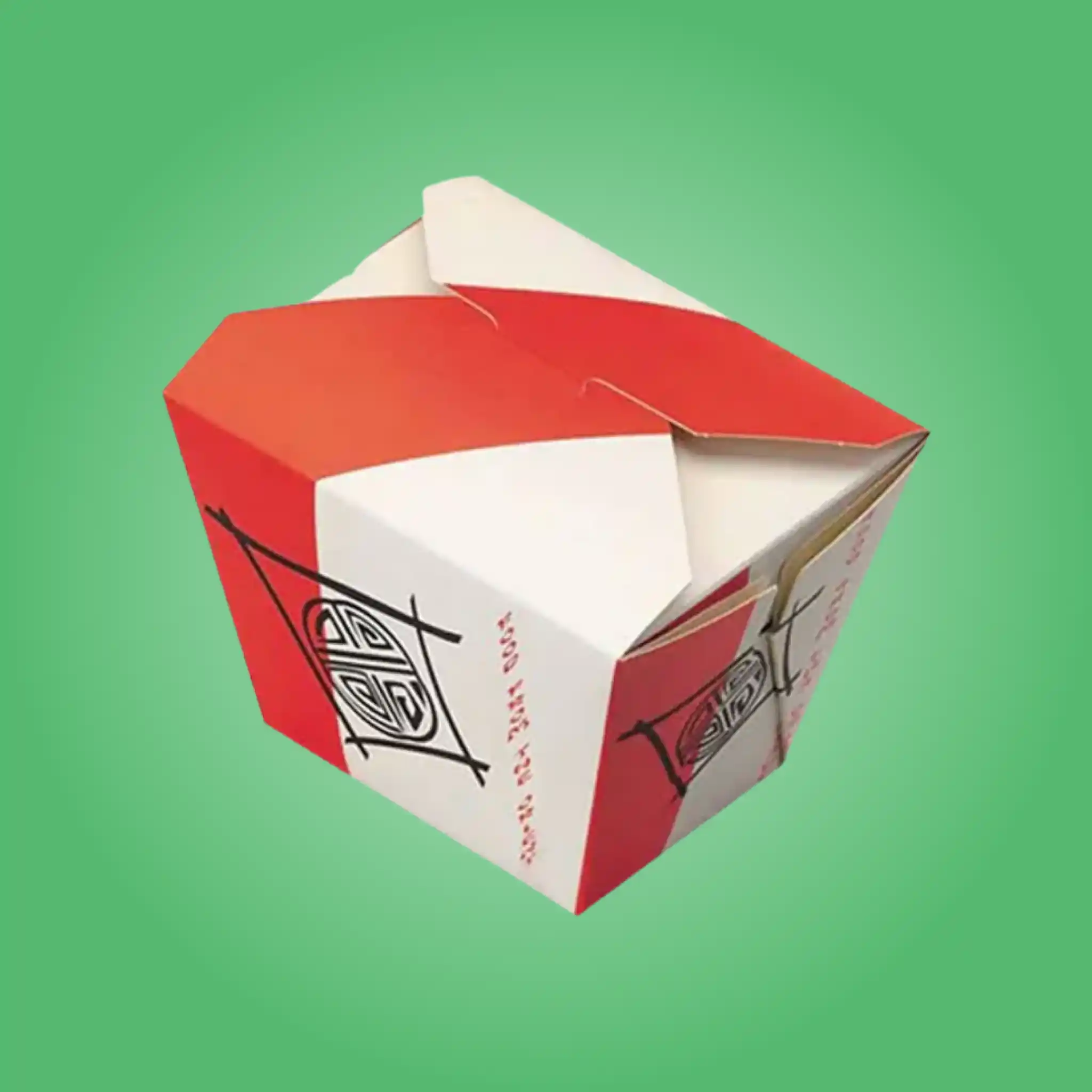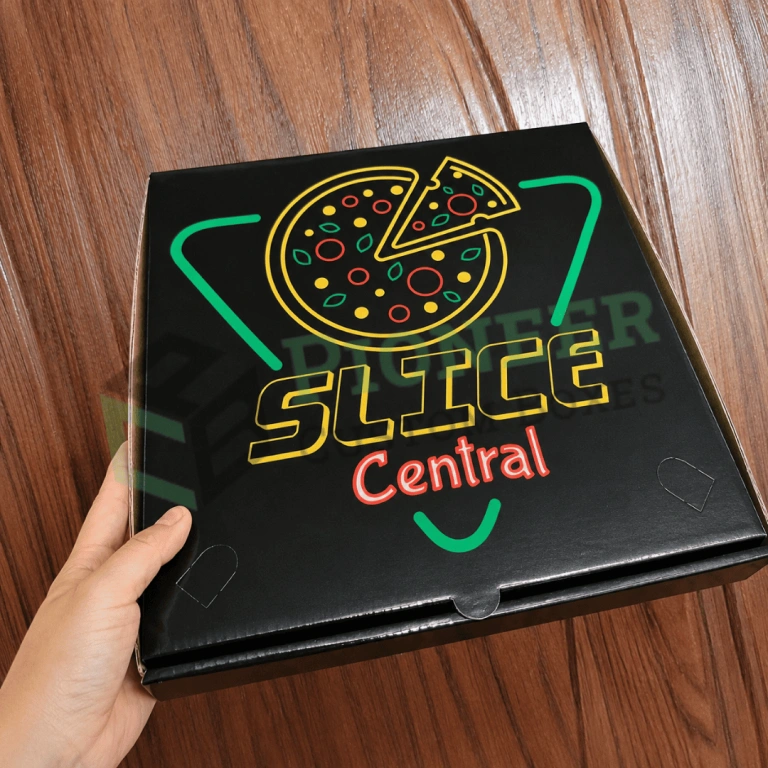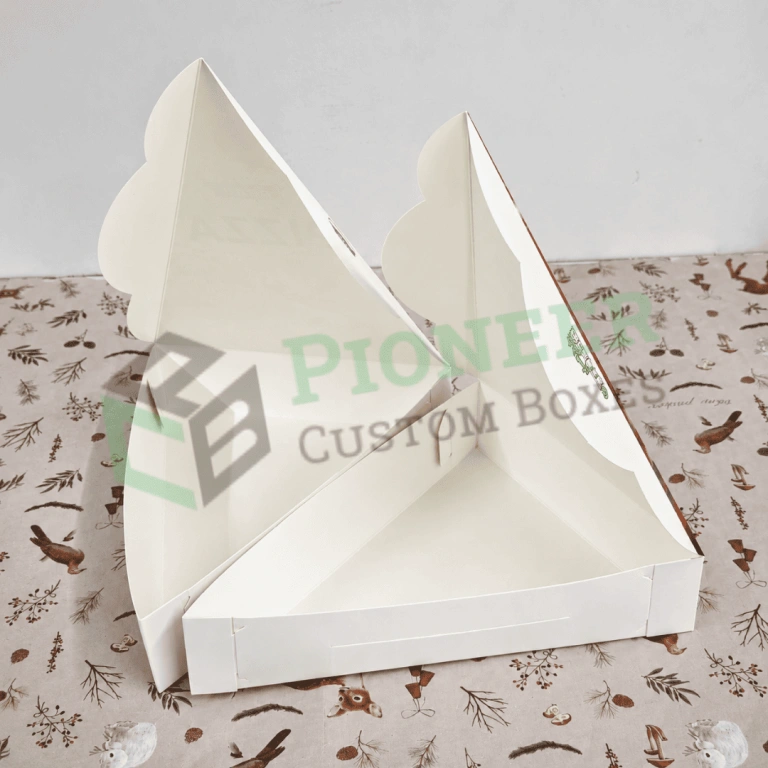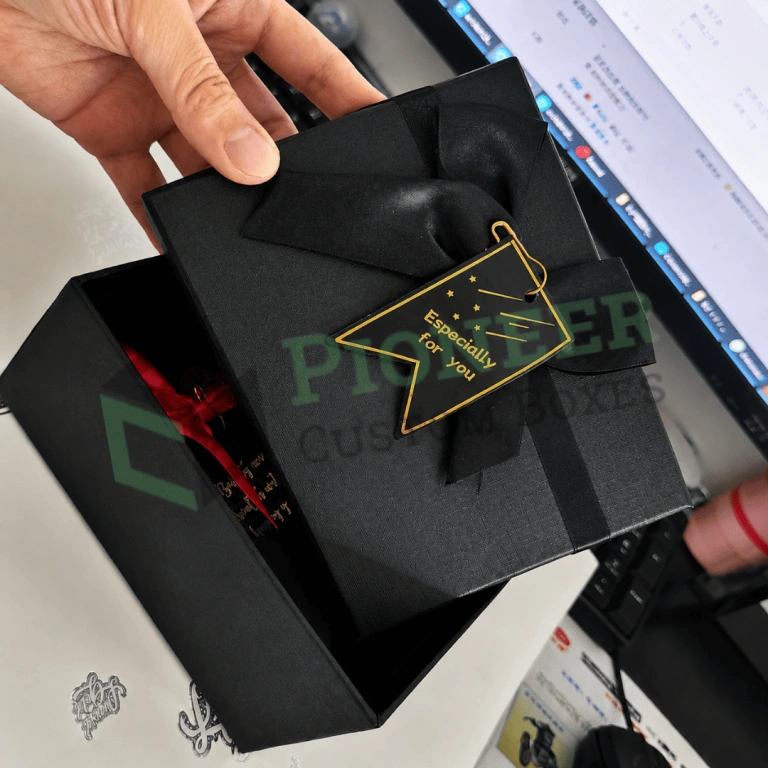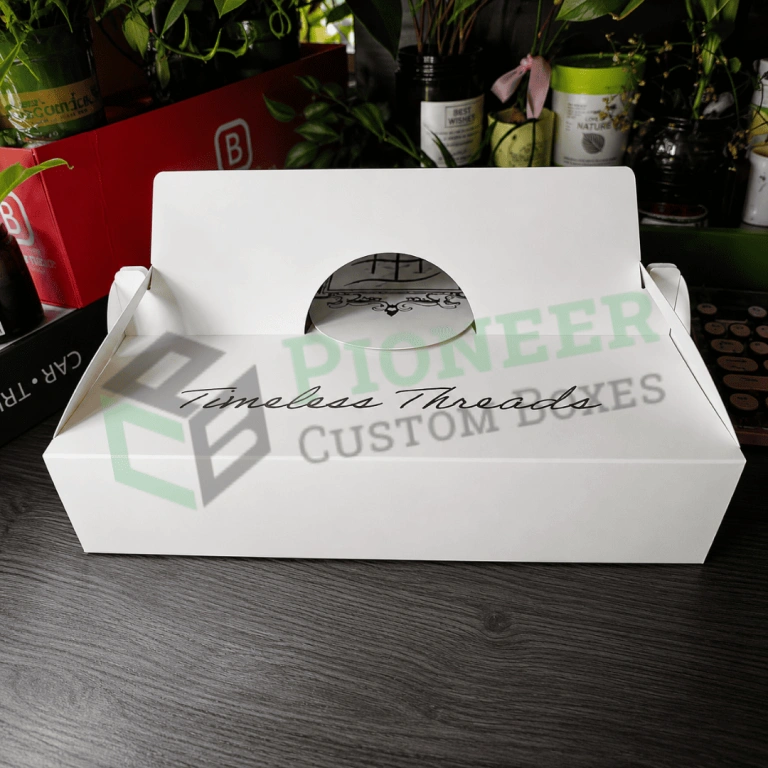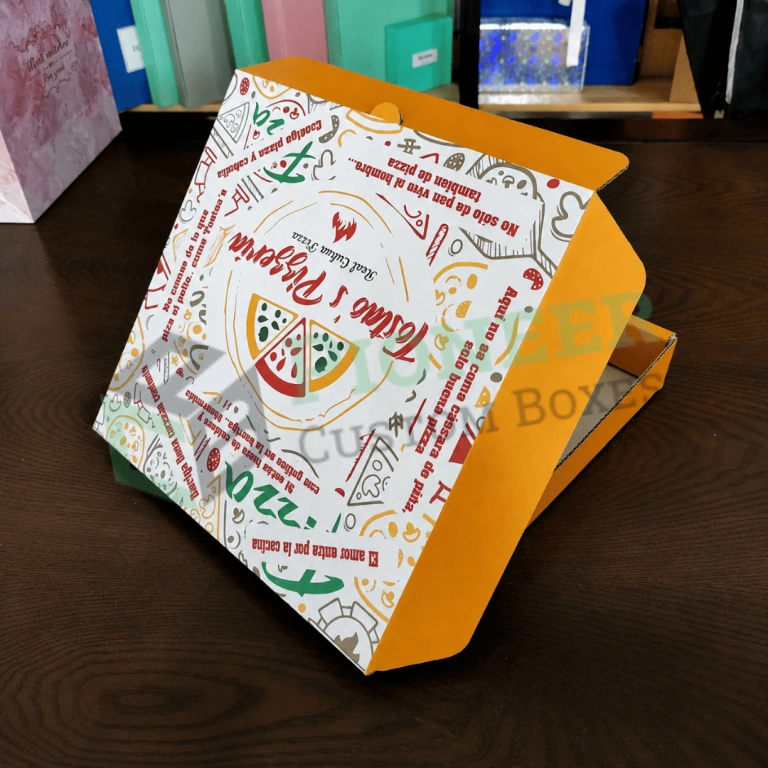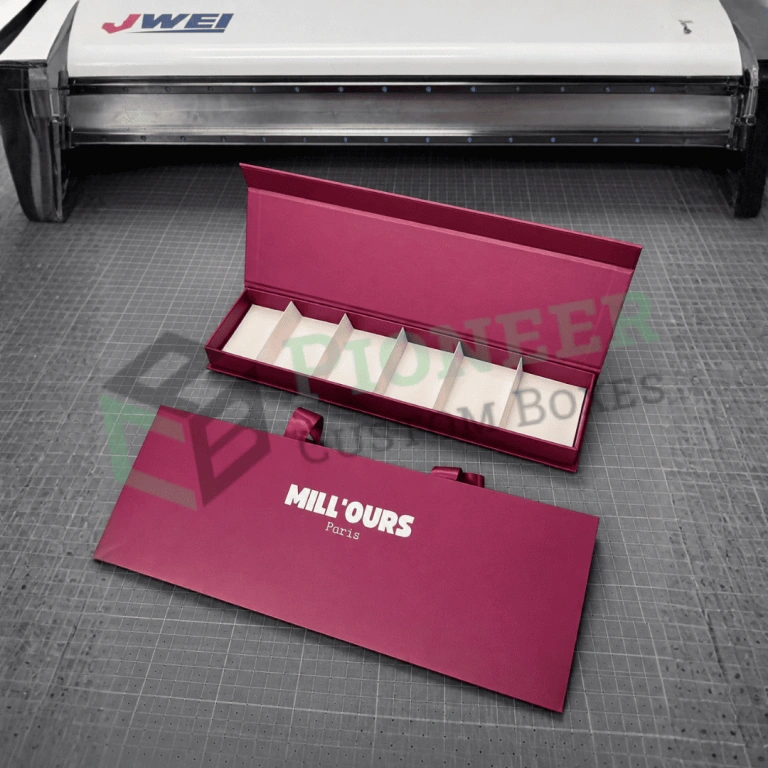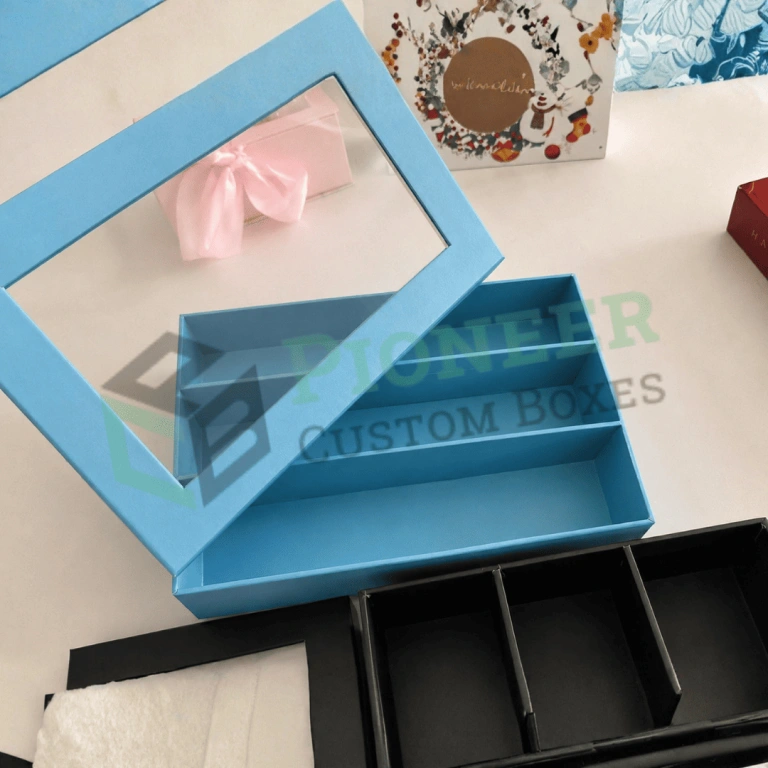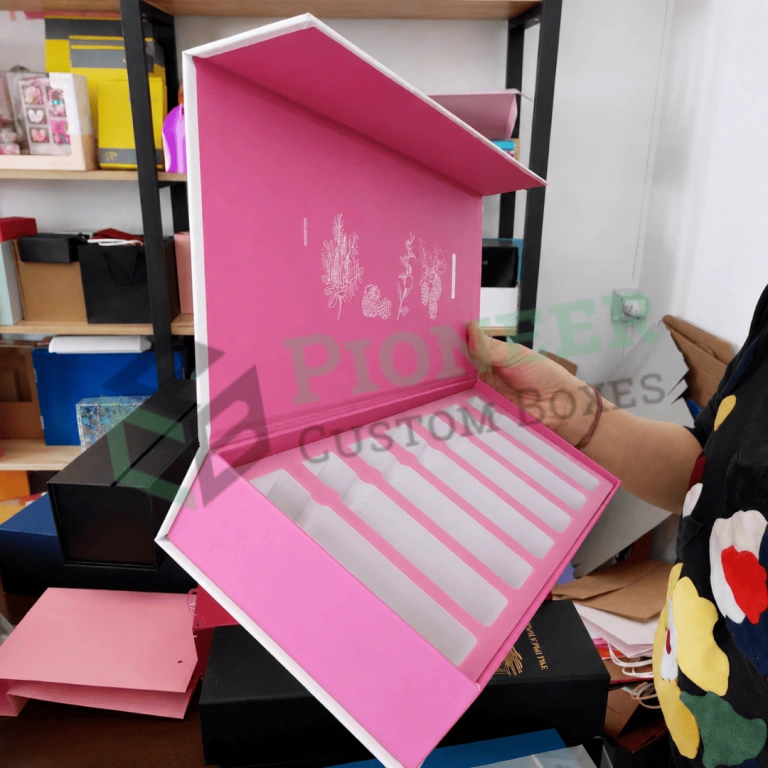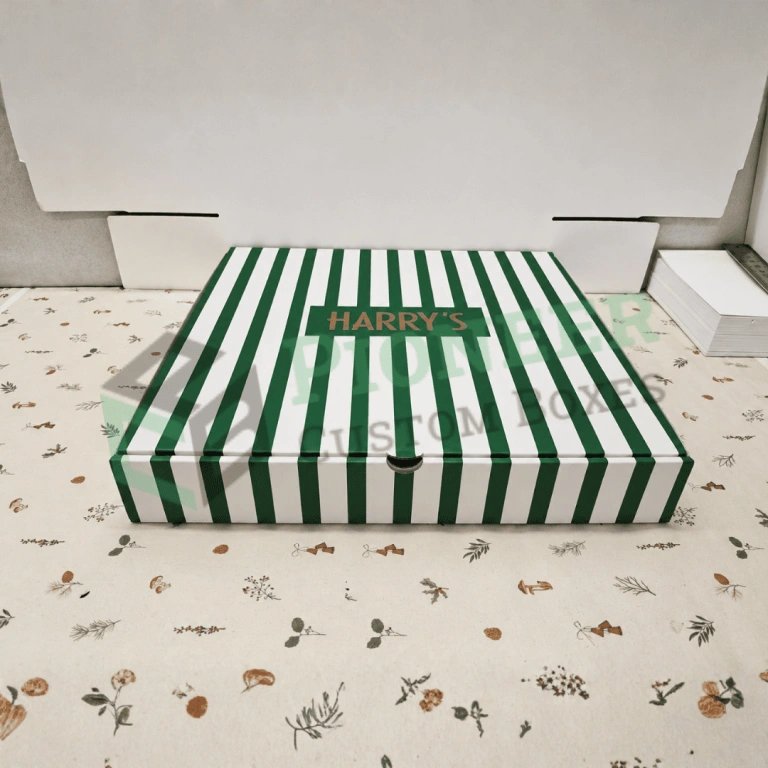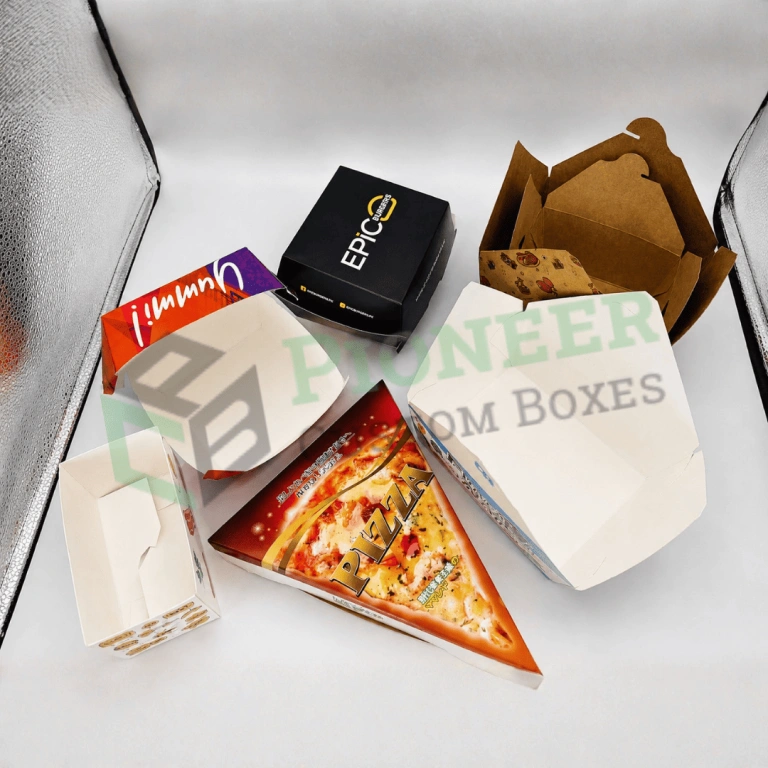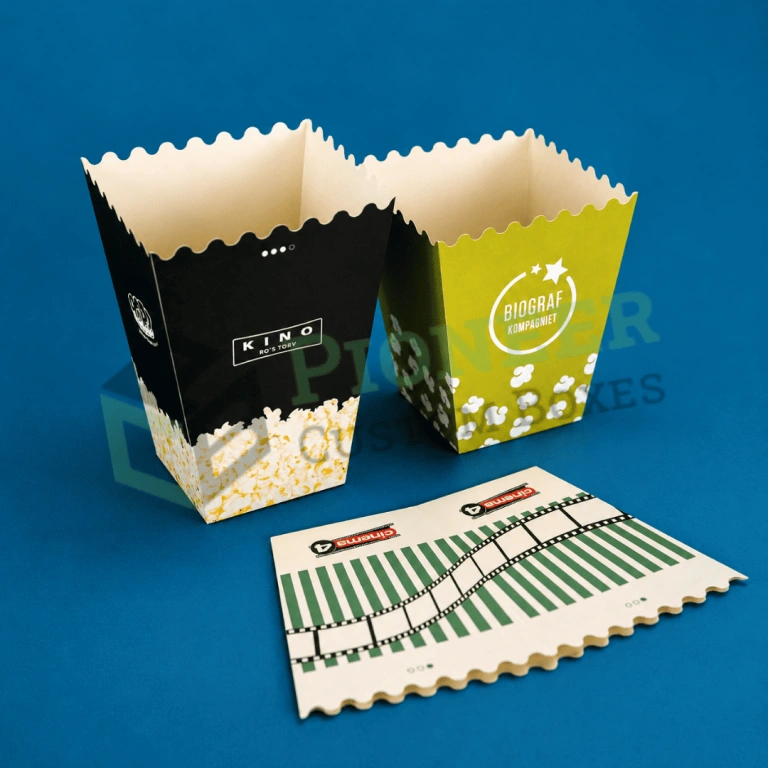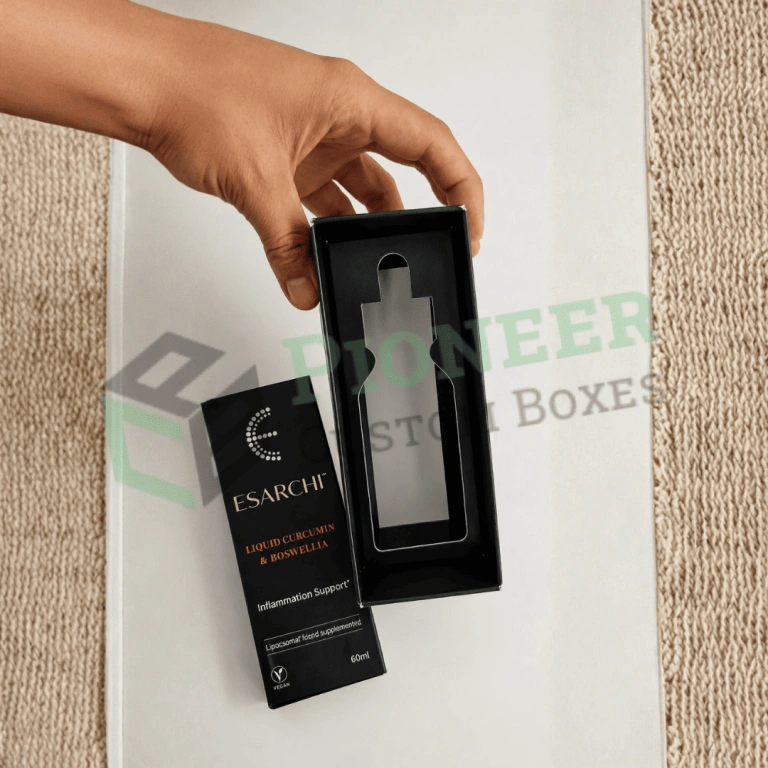
Custom takeout mailer boxes from Pioneer Custom Boxes help restaurants, ghost kitchens, fast casual chains, bakeries, caterers and meal kit brands deliver food in the condition it left the kitchen. Choose food grade SBS, kraft or corrugated with grease-resistant or barrier coatings, venting, dividers, handles, tamper seals, free design support, no MOQ and free USA shipping.
A takeout mailer box has to do something ordinary packaging never faces: hold hot, greasy or moist food through a journey while keeping the food in the condition the kitchen sent it. The clock is running the whole time, and the customer judges the result against what they would have eaten in the restaurant.
Three forces work against you. Steam condenses and softens whatever it touches. Grease migrates through untreated board and stains the exterior. Heat escapes, and a meal that arrives lukewarm reads as a failure regardless of how it was cooked.
Packaging can address all three, and the answers are specific rather than general. Ventilation releases steam without dumping heat. Grease-resistant treatment blocks oil migration without a plastic layer. Board thickness and flute structure provide genuine insulation. Getting those three right is most of what separates a good takeout box from a complaint.
Pioneer Custom Boxes manufactures takeout packaging in the United States with zero minimum order quantity, free dielines, free design support and free shipping nationwide. We supply food grade board and food safe inks as standard, and we document both for your compliance file.
Every complaint about delivered food traces back to one of these, and each has a structural answer.
Hot food releases steam continuously. In a sealed box that steam condenses on the lid and drips back onto the food, softening anything crisp from above while trapped moisture softens it from below. The food is fine when it leaves the kitchen and disappointing on arrival.
Ventilation solves most of it. Correctly sized and positioned holes let steam escape while retaining enough heat, and the right number depends on your food and your delivery time. Too few trap moisture, too many let the meal cool. We position vents against your actual menu rather than copying a standard pattern.
Oils travel through untreated board and appear as dark patches on the exterior, usually at the seams first. A stained box reads as unhygienic even though nothing is wrong with the food. Grease-resistant treatment on the interior stops the migration without adding a plastic layer, which keeps the box recyclable.
Worth being precise here: grease resistance is a performance property, not a safety one. It stops oil moving through board. It does not by itself make packaging food safe, and we specify each property separately so nothing is assumed.
Corrugated flutes trap air, and that air layer is genuine insulation. A heavier flute keeps food hot noticeably longer than thin board, which is why long delivery radii justify a stronger board even when strength alone would not. Light-colored board also loses heat marginally more slowly than dark printed surfaces.
Tell us your average delivery time and your typical menu items, and we will specify venting, treatment and board around those numbers rather than around a generic assumption.
Every die is cut to your actual portion. These formats cover most of what we produce for restaurants, ghost kitchens and food delivery brands.
| Menu Item | Typical Size (inches) | Board | Key Feature |
|---|---|---|---|
| Burger and hot sandwich | 5 x 5 x 3 | 18pt grease resistant | Vent holes in the lid |
| Fries and fried sides | 4 x 3 x 5 | 16pt grease resistant | Open top, fast assembly |
| Rice and noodle bowl | 6 x 6 x 3 | 18pt with barrier | Leak-resistant base |
| Full meal with sides | 9 x 6 x 3 | 18pt with barrier | Divider compartments |
| Salad and cold items | 7 x 5 x 3 | 16pt moisture resistant | Window optional |
| Wraps and burritos | 8 x 3 x 3 | 18pt grease resistant | Snug fit prevents rolling |
| Dessert and pastry | 6 x 6 x 3 | 18pt SBS | Clear window |
| Family meal box | 12 x 9 x 4 | E-flute grease resistant | Handle, multiple compartments |
| Multi-item delivery carrier | 14 x 10 x 6 | E-flute | Integrated handle, divider |
| Meal kit shipper | 13 x 10 x 8 | B-flute with liner | Insulation and coolant cavity |
Size to the actual portion rather than a rounded figure. An oversized box lets food slide, which is the most common cause of a meal arriving rearranged, and it costs more in board on every single order.
Food contact packaging carries obligations ordinary retail cartons do not, and buyers increasingly ask for paperwork rather than assurances.
We supply food grade board and food safe inks as standard for direct contact applications, and we document both for your compliance file. That documentation matters when a health inspector, a delivery platform or a franchise auditor asks what your packaging is made from. Having it on hand turns a stressful question into a two-minute answer.
Grease resistance and food safety are separate specifications, and they get confused constantly. We list each one explicitly on your quote so nothing is implied.
Labeling requirements sit with you and your regulatory advisor, and they vary by product and by state. Allergen declarations, ingredient information and nutritional content all need planned space where they apply. We lay those zones out at the dieline stage rather than squeezing them in after artwork approval, because a late change to a required panel usually means a reprint.
Tamper evidence has become a practical requirement rather than an option in delivery. Platforms and customers both expect to see that a bag or box has not been opened between the kitchen and the door. A tamper-evident seal or a tear strip costs very little and prevents a category of dispute that is otherwise impossible to resolve.
For meal kits and anything shipping through a parcel network rather than a courier, temperature control becomes a separate discipline involving insulated liners and coolant cavities. We build those into the dieline rather than leaving your team to improvise with loose materials.
Board and treatment choice decides whether a box survives contact with your food, and over-specifying here is as costly as under-specifying.
Bleached board with a clay-coated printing surface and food safe certification. It prints beautifully, folds cleanly and suits dry and moderately moist items. We run 16pt for lighter portions and 18pt to 20pt where weight or moisture demands it.
A treatment applied to the food contact surface that blocks oil migration. It is the correct specification for burgers, fried items, pizza-style products and anything with visible oil. It costs more than plain board and less than a full barrier, and for most menu items it is the right answer.
A heavier treatment that blocks both moisture and grease, suited to saucy dishes, rice bowls and anything wet. Full barrier coating costs considerably more than a targeted grease-resistant treatment, so apply it to the items that genuinely need it rather than across a whole menu.
Natural brown food grade board suits artisan, health-focused and sustainable positioning at a lower cost than bleached stock. It takes grease-resistant treatment identically. Colors print warmer and white will not read as white, so kraft designs use one or two bold inks.
Corrugated becomes the right answer for heavier family meals, multi-item carriers and anything shipping rather than being carried. The flute layer also provides genuine insulation, which is why long delivery times justify it independently of strength.
Grease resistance historically relied on chemistry now facing regulation in several states. We supply PFAS-free grease-resistant board as standard and can supply certified compostable structures where your market requires them. We document exactly what your treatment is, since this is an area where accurate claims genuinely matter.
The discipline worth applying is to match treatment to the dish. A dry pastry needs plain food grade board. A burger needs grease resistance. A curry needs full barrier. Specifying the highest grade across a whole menu is the most common overspend in this category.
Takeout packaging is discarded within the hour, which changes the economics of printing more than most buyers expect.
Flexo prints from flexible plates and handles bold graphics and solid colors economically. One or two colors on kraft is the standard for high-volume takeout, and it costs a fraction of full-color work. For a box that goes in the bin after one meal, this is usually the right answer.
Digital prints without plates, so short runs, seasonal menus, limited-time offers and new location launches all become affordable. A restaurant opening a second site can print five hundred boxes carrying that address with no setup charge.
Offset gives the finest detail and the most consistent color, and it suits retail-facing food packaging sold on a shelf rather than delivered. Where your packaging competes visually at point of sale, it earns its cost.
CMYK reproduces food photography convincingly on a white surface, which matters for retail packaging and matters less for delivery boxes the customer has already ordered from.
Pantone inks print identically on every run and reproduce more cleanly on kraft and corrugated than a four-color build. Almost every recognizable food brand uses spot colors, and flexo handles two or three economically.
RGB is a screen color space and cannot be printed. Your delivery app listing, website and social images all live in RGB, and conversion shifts saturated colors noticeably. We convert and show you the printed result, so the box matches the brand customers saw when they ordered.
One practical note. Heavy ink coverage across a whole takeout box costs real money at volume and does very little, because customers recognize a logo rather than a fully printed panel.
Delivery imposes requirements a counter service never does, and these features address them specifically.
| Feature | What It Solves | Best Suited To |
|---|---|---|
| Vent holes | Releases steam without dumping heat | Hot and fried items |
| Auto-lock base | Assembles in one motion during a rush | All high-volume operations |
| Leak-resistant base seal | Stops sauce escaping at the seams | Bowls, curries, saucy dishes |
| Internal dividers | Keeps components separate in transit | Combo meals and multi-item orders |
| Integrated handle | Lets couriers carry without tipping | Family meals and large orders |
| Tamper-evident seal | Shows the box was not opened in transit | All delivery platform orders |
| Tear strip | Opens cleanly without tools | Sealed meal boxes |
| Stacking lip | Boxes stack without crushing the one below | Multi-order courier bags |
| Clear window | Shows the product without opening | Desserts, salads, retail-facing food |
| Insulated liner and coolant cavity | Holds temperature over long journeys | Meal kits and parcel-shipped food |
Stacking deserves particular attention for delivery. Couriers carry several orders at once in an insulated bag, and a box without a stacking lip crushes the food underneath it. A small structural detail prevents a category of complaint that most restaurants blame on the courier.
Assembly speed is the other feature worth paying for. Staff build these boxes during the busiest twenty minutes of the day, and an auto-lock base that snaps square in one motion instead of needing four flaps folded saves several seconds per order. Across a Friday evening that is real capacity.
Restaurant margins are thin and packaging is consumed on every single order, so cost per unit matters more here than in almost any category.
Board treatment leads. Plain food grade board, grease-resistant and full barrier sit at very different price points, and applying the highest grade across a whole menu is the most common overspend we see. Match the treatment to each dish.
Box dimensions come second, because board is priced by area and takeout boxes are mostly area. Sizing to the actual portion rather than a rounded figure saves on every order forever, and it stops food sliding.
Print colors are third. One or two colors on kraft costs a fraction of full-color work, and for a box discarded within the hour that trade is usually easy. Structure and quantity finish the list.
| Cost Driver | Impact | How to Reduce It |
|---|---|---|
| Board treatment grade | Highest | Grease resistance only where oils are present |
| Box dimensions | High | Size to the real portion, not a rounded figure |
| Number of ink colors | High at volume | One or two colors on kraft |
| Structural features | Moderate | Handles and windows only where they earn it |
| Number of sizes stocked | Moderate | Consolidate to three or four core sizes |
| Assembly time | Hidden labor cost | Auto-lock base pays for itself in a rush |
| Order quantity | Moderate | Order in pallet quantities where storage allows |
The two savings most restaurants overlook are consolidating to fewer box sizes and paying slightly more for a faster base. Both reduce total cost while the unit price on a quote suggests otherwise.
Takeout packaging is assembled under time pressure and judged by a customer minutes later, so inspection tests how it performs rather than how it looks.
| Check | What We Verify | Why It Matters |
|---|---|---|
| Food grade materials | Board and ink certification on delivered stock | Direct contact compliance depends on it |
| Grease resistance | Coating coverage and edge penetration | Stains appear at the seams first |
| Leak resistance | Base seal tested with liquid | Sauce escaping ruins the whole order |
| Assembly speed | Fold and lock action timed by hand | Staff build these during a service rush |
| Vent placement | Hole position and size against the specification | Wrong venting means soggy or cold food |
| Loaded base strength | Filled box lifted and carried | A dropped meal is a refund and a review |
| Stacking test | Boxes stacked as a courier would carry them | Crushing is blamed on the courier, not the box |
| Score and fold quality | Clean folds with no cracking | Cracked scores leak and weaken under heat |
| Window film bond | Adhesion and anti-fog performance | Fogged film hides the product |
| Color match | Pantone against a physical draw-down | Brand color must hold across reorders |
For any new takeout structure we assemble a box, load it with a weight matching your portion, and stack it. If anything fails, we remake it rather than ship it.
Restaurants running their own delivery use them across the whole menu, and their priority is consistency: the same food should arrive in the same condition whether it is carried three blocks or fifteen.
Ghost kitchens and delivery-only brands rely on packaging more heavily than anyone, because it is the entire physical presence of the brand. There is no dining room doing the work, so the box carries it alone.
Fast casual chains need packaging that assembles quickly during peak service, stacks safely in courier bags and stays consistent across many locations. One structure with a printed panel that varies by location is the usual answer.
Meal kit and prepared food subscription businesses face a different problem entirely, since their food travels through a parcel network rather than with a courier. Insulation, coolant cavities and longer temperature holds all become necessary.
Bakeries and dessert businesses need window boxes and structures that protect decoration, where the visual condition on arrival is the product.
Catering operations carry large volumes in vehicles rather than parcels, so handles, stackability and a flat stable base matter more than crush ratings.
Grocery and retail-facing prepared food needs full labeling space, barcode areas and packaging that competes visually at a chilled counter rather than arriving at a door.
Food packaging generates more visible waste than almost any other category, and customers notice.
Paperboard and corrugated both recycle where they are not contaminated with food, and moderate grease contamination is now accepted by many municipal programs though rules still vary by city. What genuinely blocks recycling is plastic lamination and wax coating, so we avoid both and use greaseproof treatments that keep the board in the paper stream.
PFAS regulation is an active area, and several states have restricted the chemistry historically used for grease resistance. We supply PFAS-free grease-resistant board as standard, and we document exactly what your treatment is so your claims stay accurate as rules change.
Certified compostable structures are available where your market or your municipality requires them. Compostable is not the same as recyclable and the two can conflict, so we will tell you plainly which route suits your local waste infrastructure rather than selling the label.
Right-sizing helps more than any material swap. A box cut to your portion uses less board on every order, and it stops food sliding, which improves the product and the footprint together. We print clear disposal guidance on your packaging so customers act correctly rather than guessing.
These errors recur across food businesses of every size, and each is avoidable before a die is cut.
Buying one box size for a varied menu leads the list. It simplifies the shelf and wastes board on every smaller portion, while letting those portions slide during delivery. Three or four sizes matched to real portions almost always costs less overall and improves the product.
Specifying full barrier coating across the whole menu is second and is the most common overspend. A dry pastry does not need what a curry needs, and the price difference is significant at volume.
Skipping ventilation is third and causes more complaints than any other packaging decision. Trapped steam softens everything, and a few correctly placed holes solve it completely.
Choosing a structure that assembles slowly is a hidden cost that never appears on a quote. Three extra seconds per box during a Friday rush is capacity you are paying for in labor.
Ignoring stacking means food arrives crushed by the order above it in a courier bag, and the restaurant usually blames the courier rather than the box.
Finally, approving a design without loading and stacking a physical sample. Leak resistance, base strength and stacking behavior are physical properties that a drawing cannot show.
A fast casual brand came to us with consistent reviews mentioning soggy fries on deliveries over fifteen minutes. Their kitchen had not changed and their fryer was fine.
Their combo meal shipped in a single compartment box with two small vents near one edge. Steam from the burger had nowhere to go and condensed onto the fries sitting beside it, and the thin board provided almost no insulation across a twenty minute drive.
We rebuilt it with an internal divider separating hot fried items from the sandwich, moved the vents to four evenly spaced along both long sides, switched to grease-resistant board and stepped up to E-flute for the insulation the flute provides. Their branding stayed identical in the same two spot colors.
Texture complaints in their delivery reviews dropped substantially over the following quarter, and their staff reported meals arriving hotter on the longest routes. Cost per box rose about five cents, which a single avoided refund covers many times over.
Ordering runs through four steps and our team carries the technical work in each one.
First, tell us what you serve and how far it travels. Your menu items, your average delivery time and your portion sizes decide venting, treatment and board, and those three answers matter more than any dimension you could send.
Second, we return a free dieline and a written quote within one business day. Where your menu spans dry and saucy items, we will usually propose two specifications rather than one, because a single grade across everything wastes money.
Third, you approve a digital proof, and for takeout we strongly recommend a physical sample. Load it with real food, close it, stack it and time your staff assembling it. Samples take three to five business days.
Fourth, we produce and ship. Standard production runs eight to twelve business days, rush production runs four to six, and shipping across the United States costs nothing. Reorders run straight against your stored specification.
Three things make custom takeout packaging workable for a single location as well as a chain, and none carry a hidden charge.
Zero minimum order quantity means an independent restaurant orders what it needs rather than committing to a pallet. Digital printing covers short runs with no plate cost, so branded packaging is achievable from the first order rather than only at scale.
Free design support covers structural work, vent placement, treatment selection and artwork preparation. We build the dieline around your portions, specify the grade each dish needs, and prepare print-ready files. If you have no artwork at all, we can lay out a clean design from your signage or menu.
Free shipping applies across the United States on every order, rush production included. We manufacture domestically, so a new location launch or a seasonal menu change never waits at a port.
We are a direct manufacturer rather than a broker. We cut our own dies, run our own presses and finish every order in house, which is why we can quote quickly, adjust a specification mid-conversation and stand behind what leaves our floor.
On food packaging that control matters because the properties that decide success are physical. Grease resistance, leak resistance, venting and stacking behavior all have to be tested rather than claimed, and we test them with a loaded sample before approving a run.
Tell us your menu, your delivery times and your weekly volume, and we will return a free dieline and a written quote for custom takeout mailer boxes within one business day. Order now, or get a free quote and we will specify the right grade for each dish rather than one grade for everything.
| Box Style | Custom Takeout Mailer Boxes |
| Dimension (L + W + H) | All Custom Sizes & Shapes |
| Quantities | No Minimum Order Required |
| Paper Stock | 10pt to 28pt (60lb to 400lb) Eco-Friendly Kraft, E-flute Corrugated, Bux Board, Cardstock |
| Printing | No Printing, CMYK, CMYK + 1 PMS color, CMYK + 2 PMS colors |
| Finishing | Gloss Lamination, Matte Lamination, Gloss AQ, Gloss UV, Matte UV, Spot UV, Embossing, Foiling |
| Included Options | Die Cutting, Gluing, Scored, Perforation |
| Additional Options | Eco-Friendly, Recycled Boxes, Biodegradable |
| Proof | Flat View, 3D Mock-up, Physical Sampling (On request) |
| Turnaround | 4 – 8 Business Days, RUSH |
| Shipping | FLAT |
Every great product deserves packaging that turns heads. Here's how we make it happen — step by seamless step.
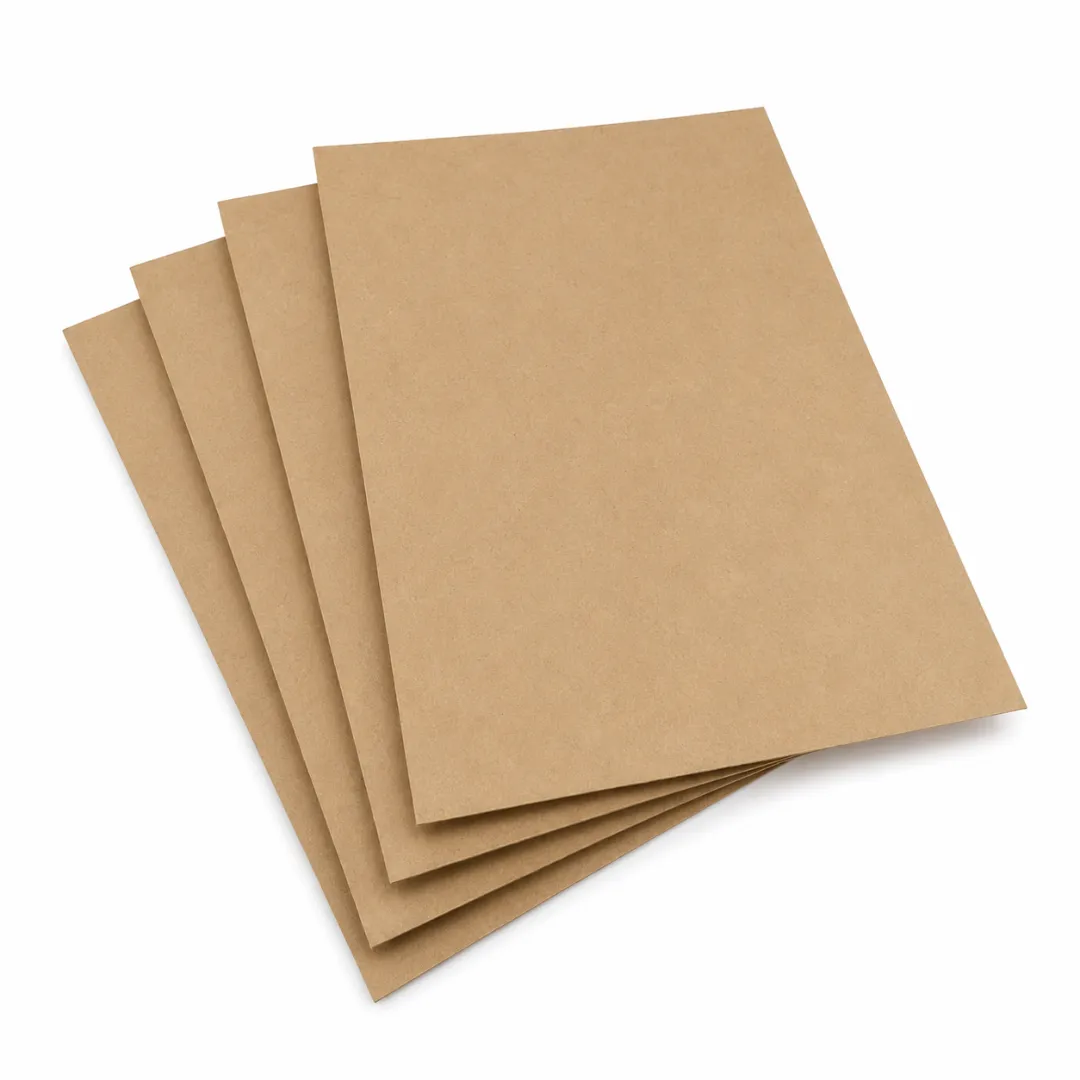
Kraft paper is a strong, durable and reliable material that is widely used across many different industries.
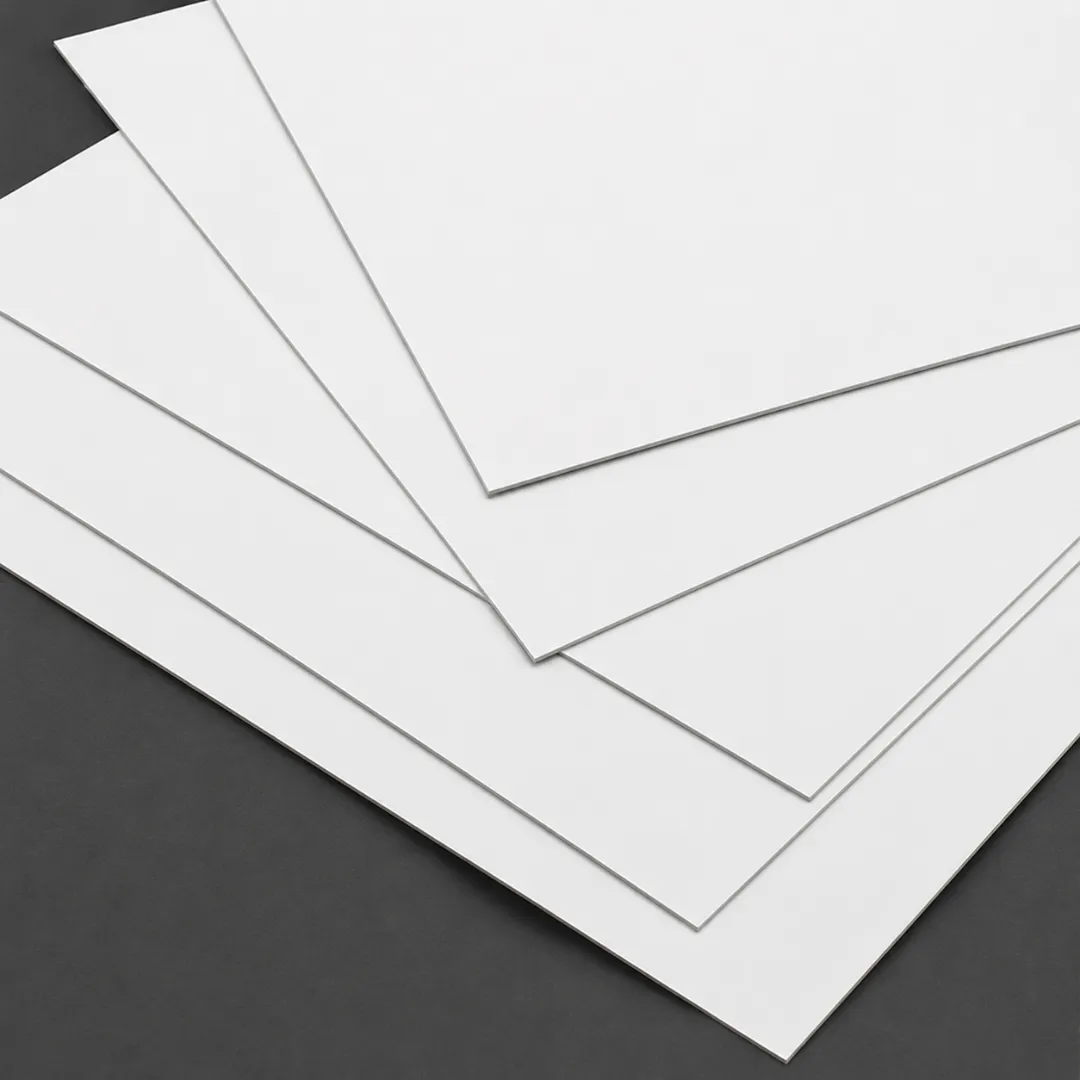
We use cardboard material with the least environmental impact and minimizes waste generation.
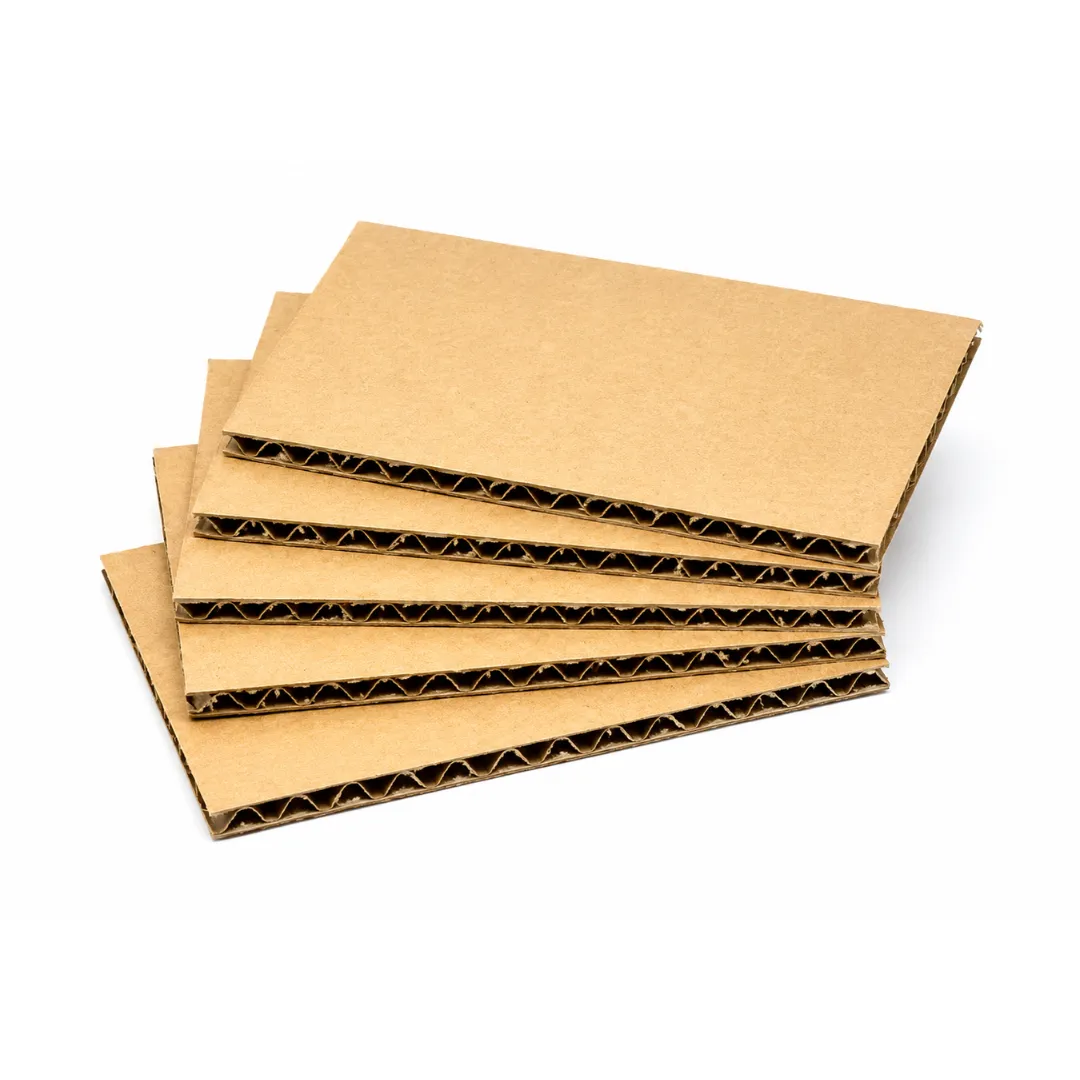
Corrugated material is easy to customize, cost effective and sustainable. It is also great for branding purposes.
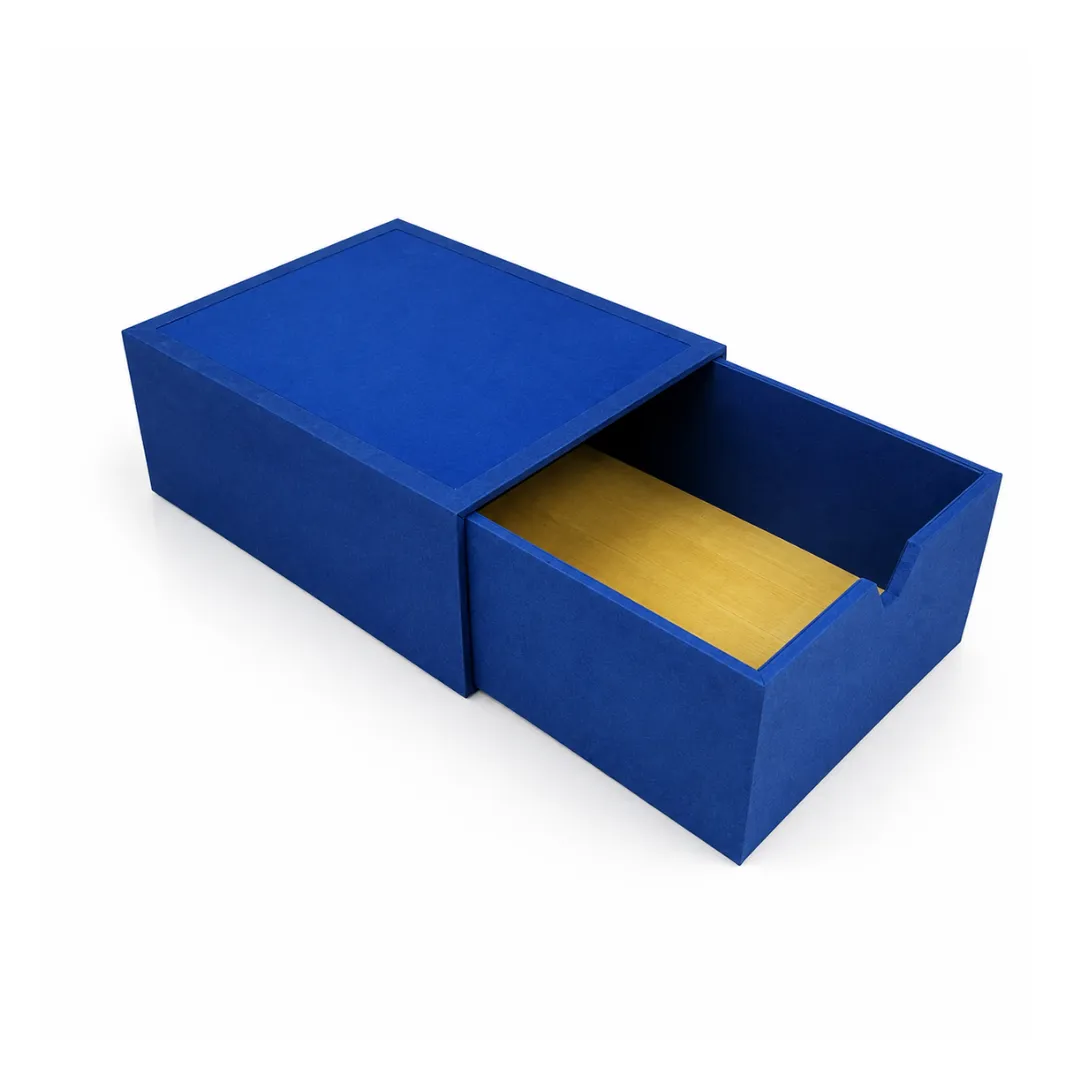
Rigid is highly protective, affordable and recyclable material. These boxes provide maximum protection.
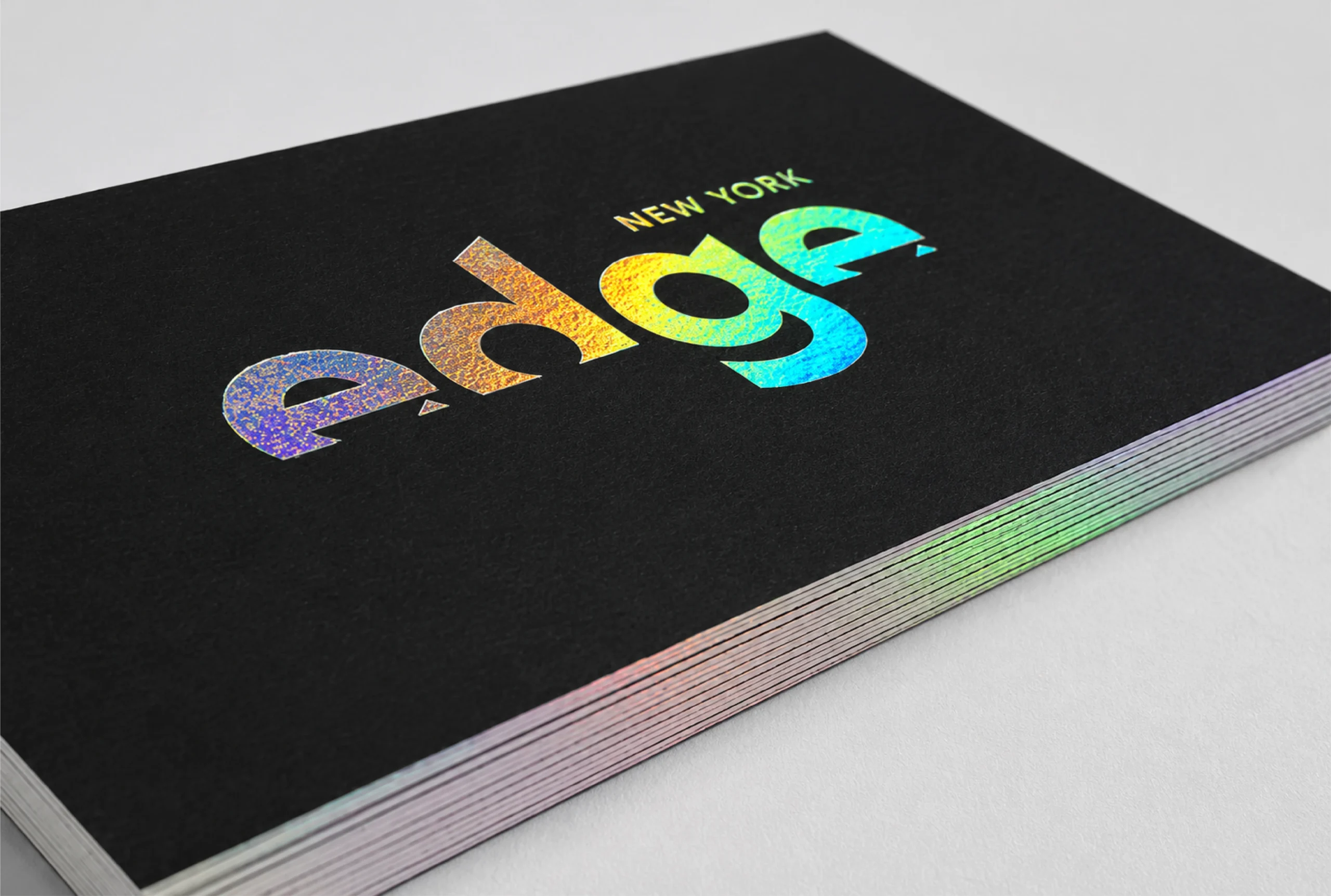
Holographic foil diffracts light and reveals the colors of the rainbow at various angles.
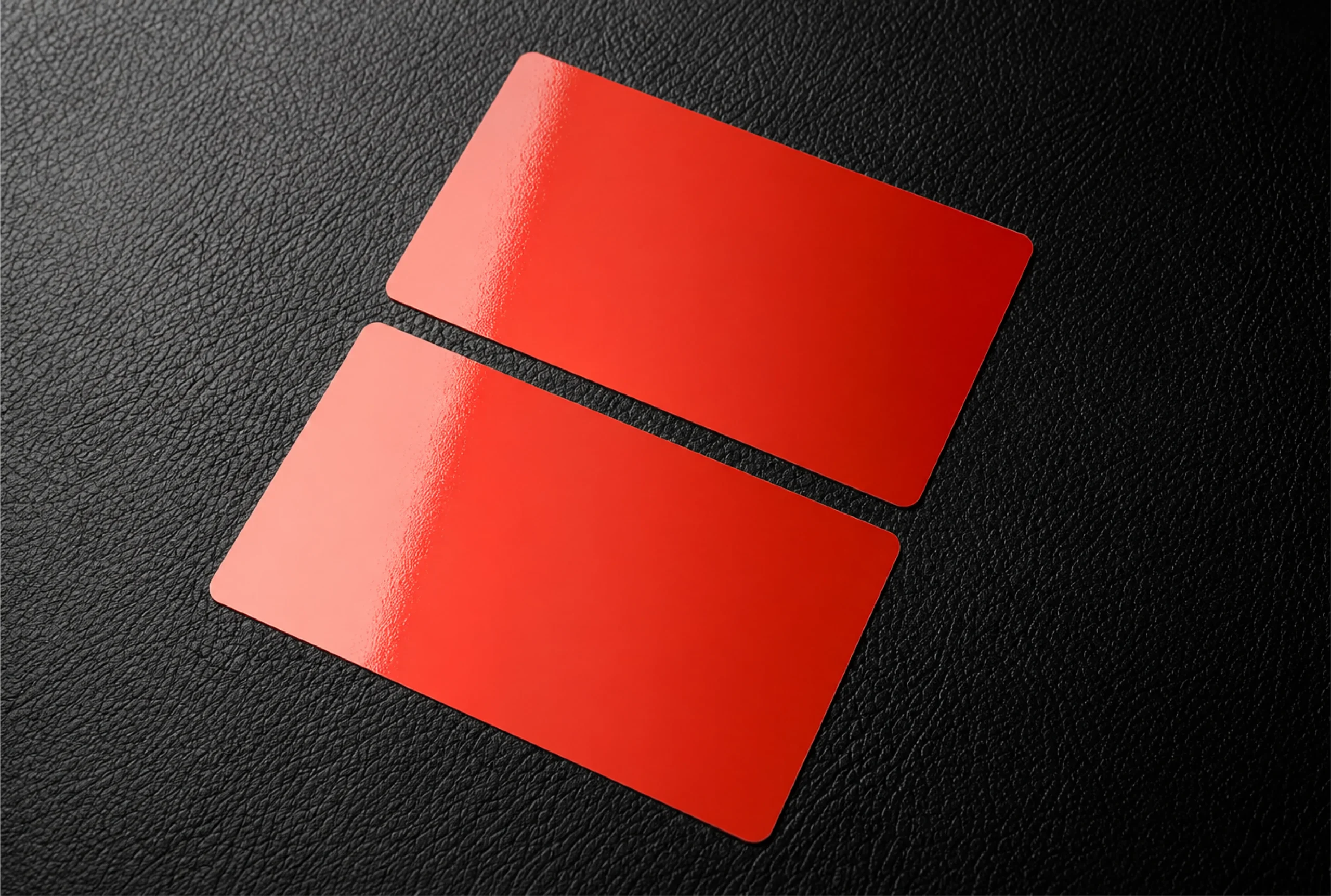
Our glossy finishing gives your packaging an extra layer of shine.
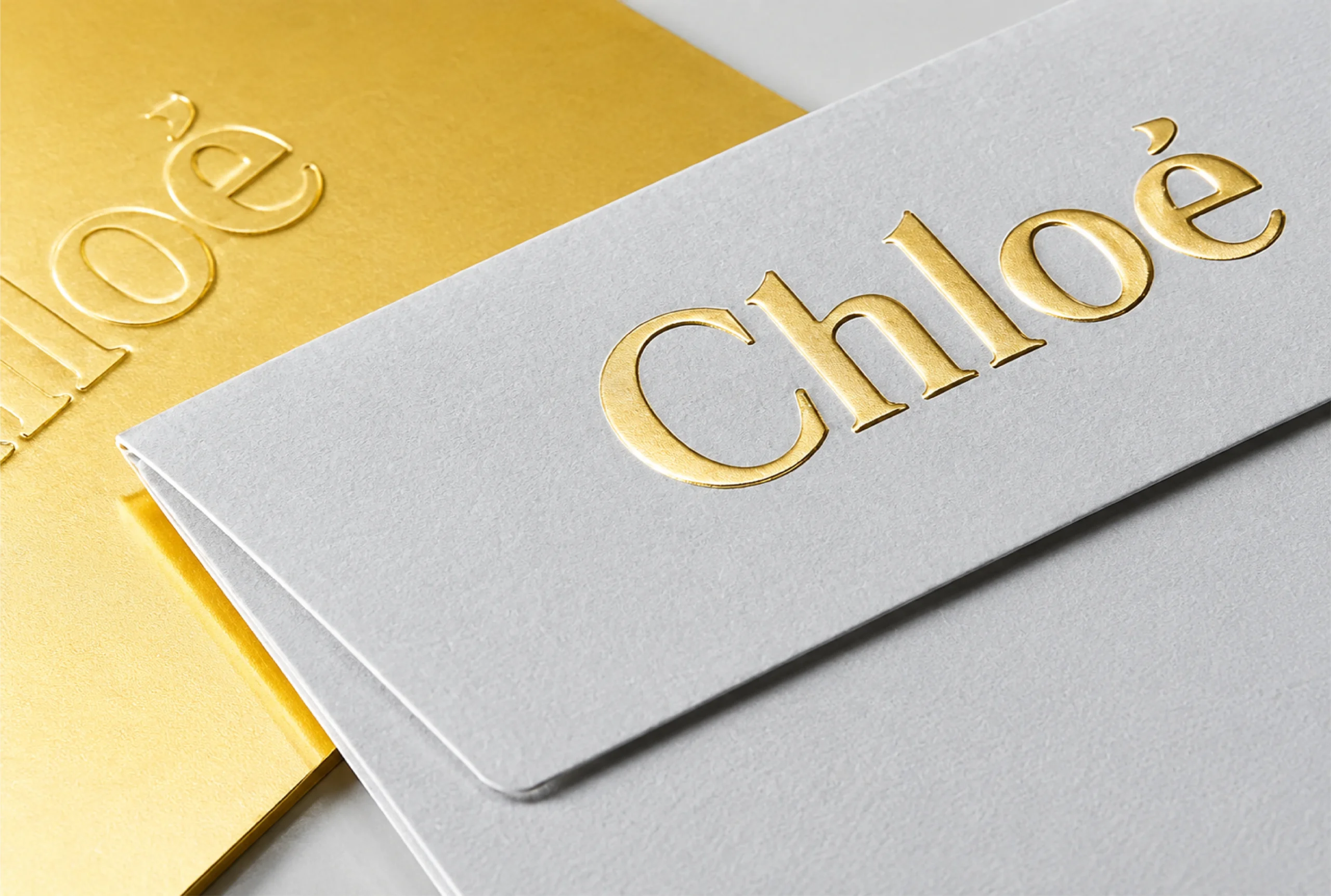
Decorate a wide range of your product packaging with our foil stamping.

With our embossing technique, we transfer the finest details of your product on packaging.
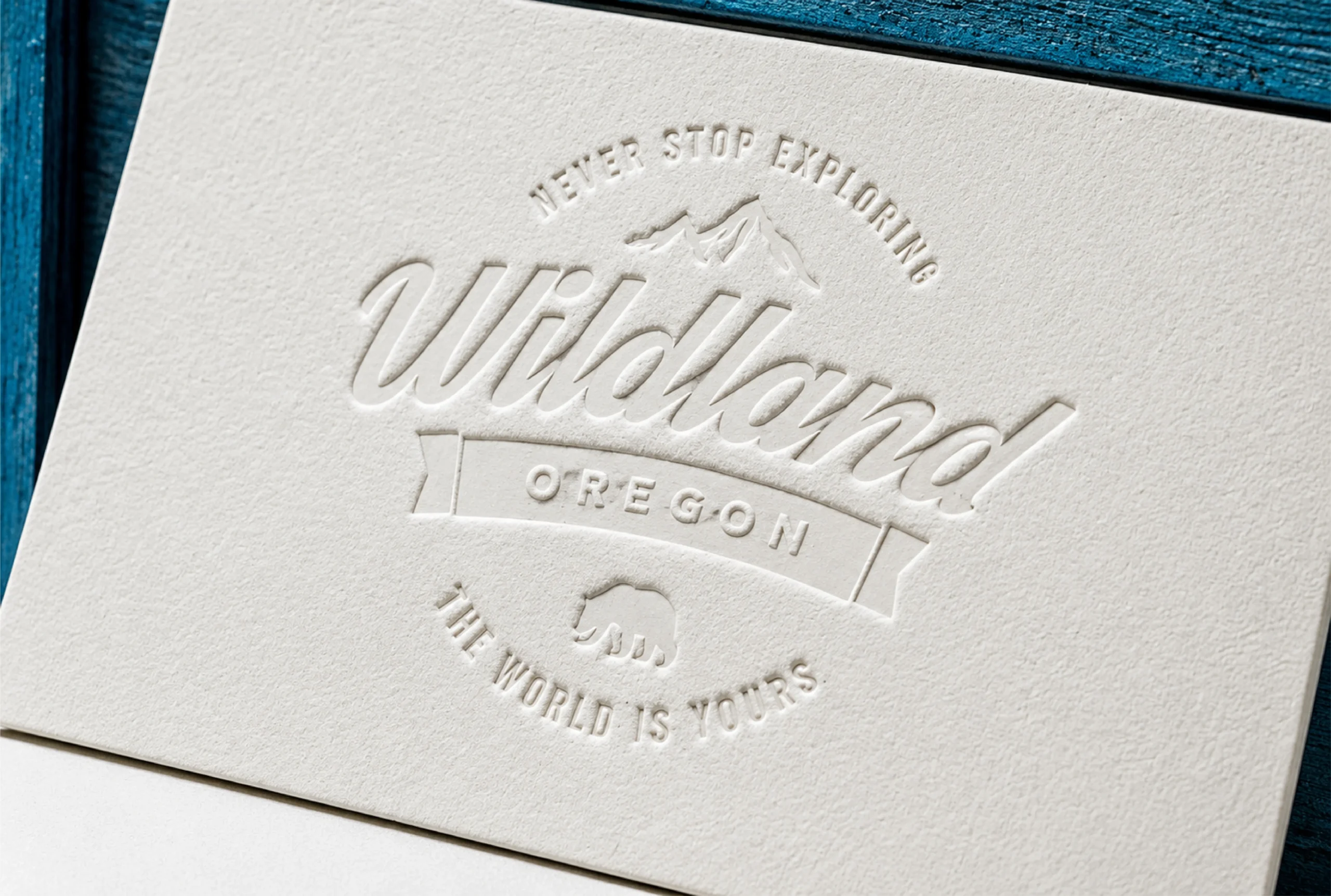
We use debossing technique to add unique graphics into your packaging.
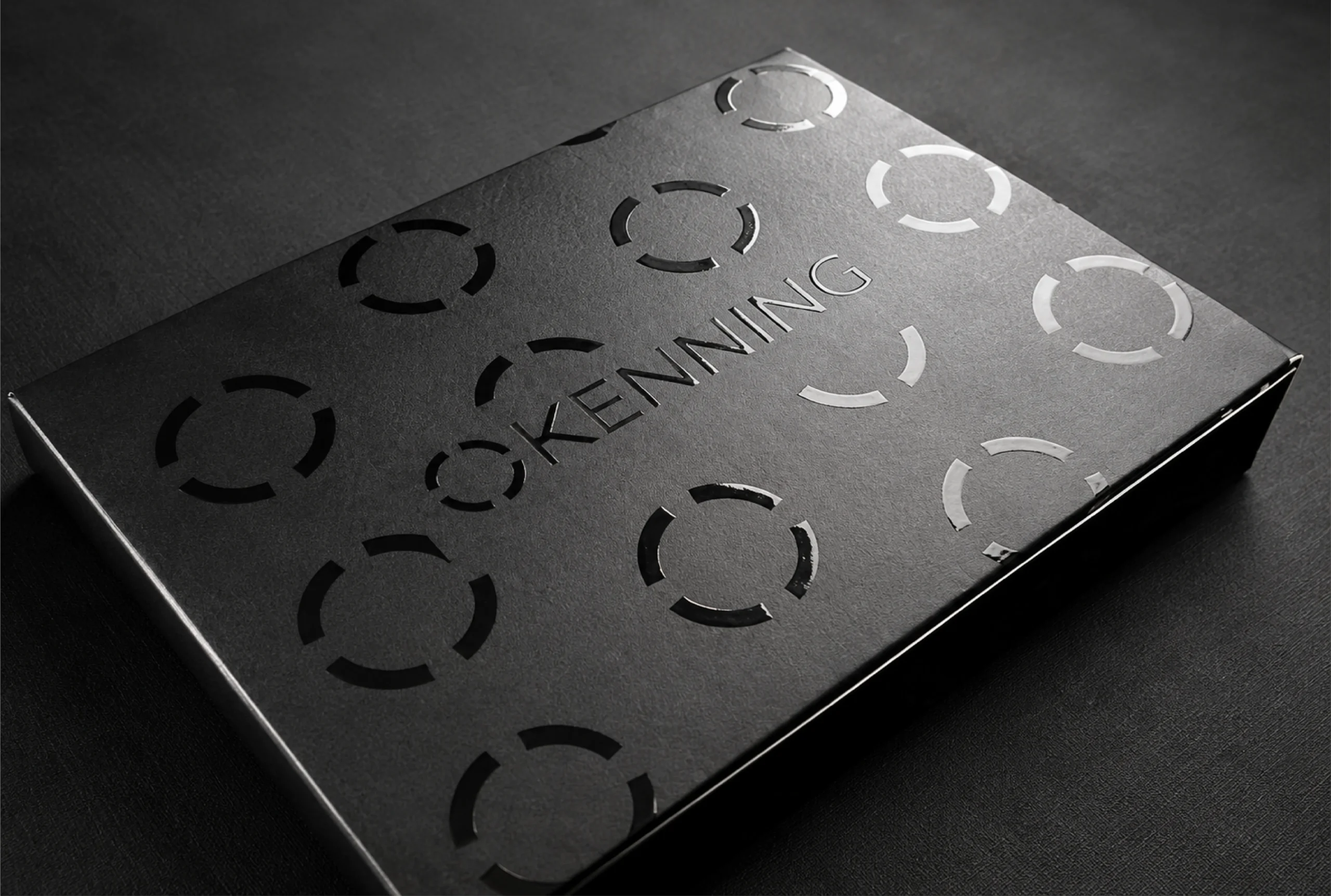
Our high-gloss UV coating gives light and shine to cure the printed material's varnish.
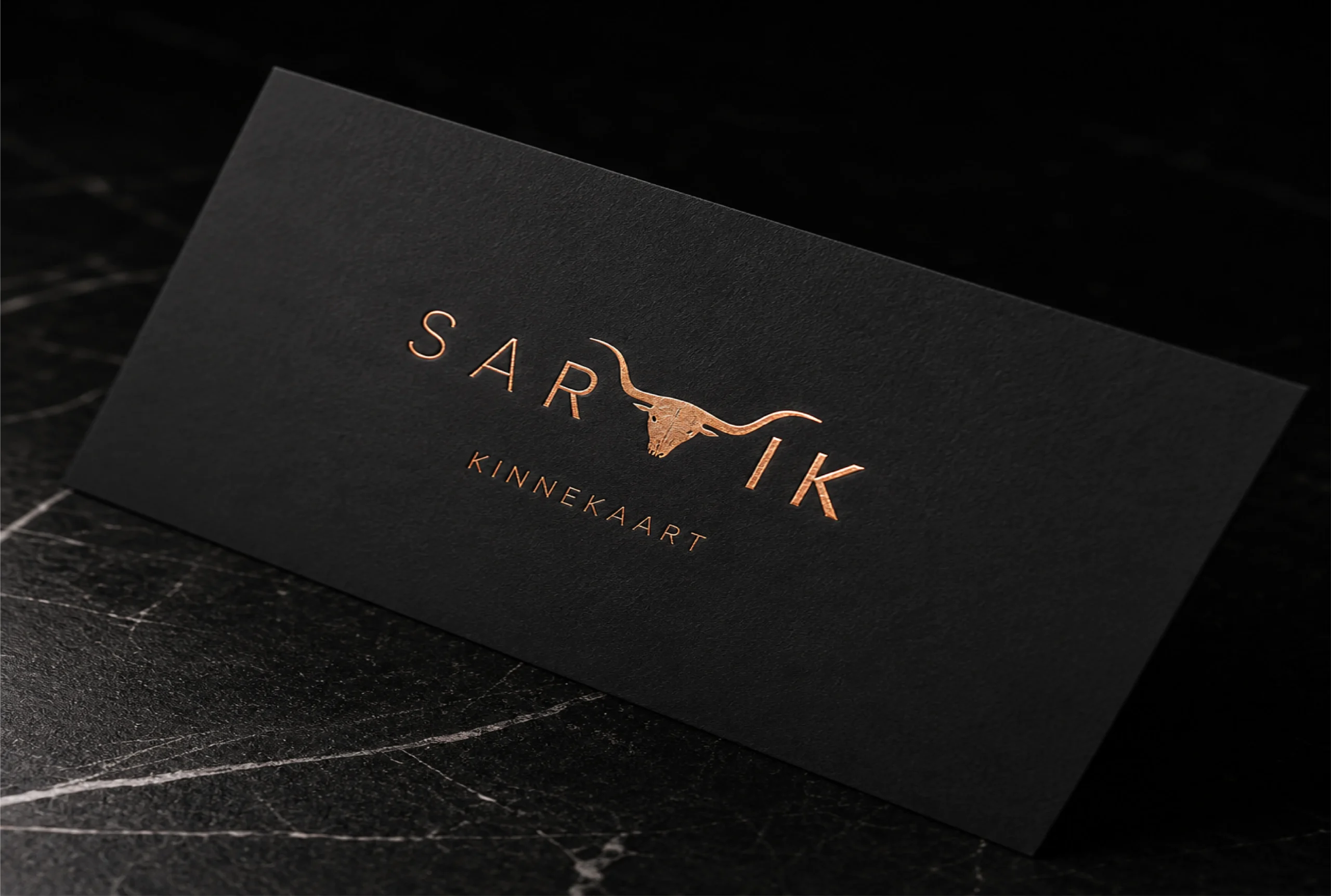
We add additional layer of protection with soft touch lamination from toner chipping.
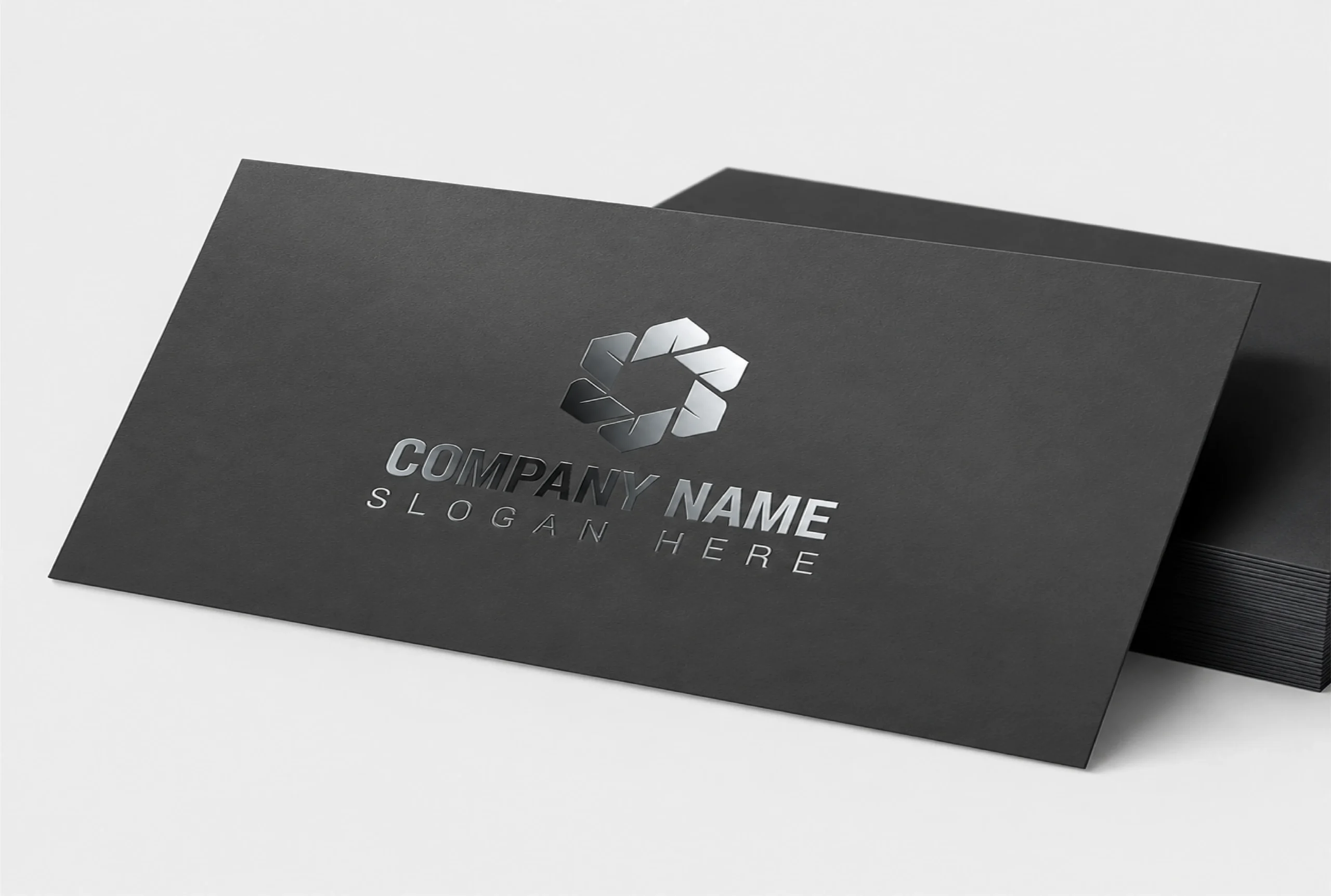
With our matte finish, fingerprints and smudges will now be less visible on the packaging.

Stop FBA damage and high dimensional weight charges. Our custom Amazon boxes are engineered for stacking, handling, and delivery. FBA compliant, logo-ready, and tested for real fulfillment center conditions. Get a free compliance check.
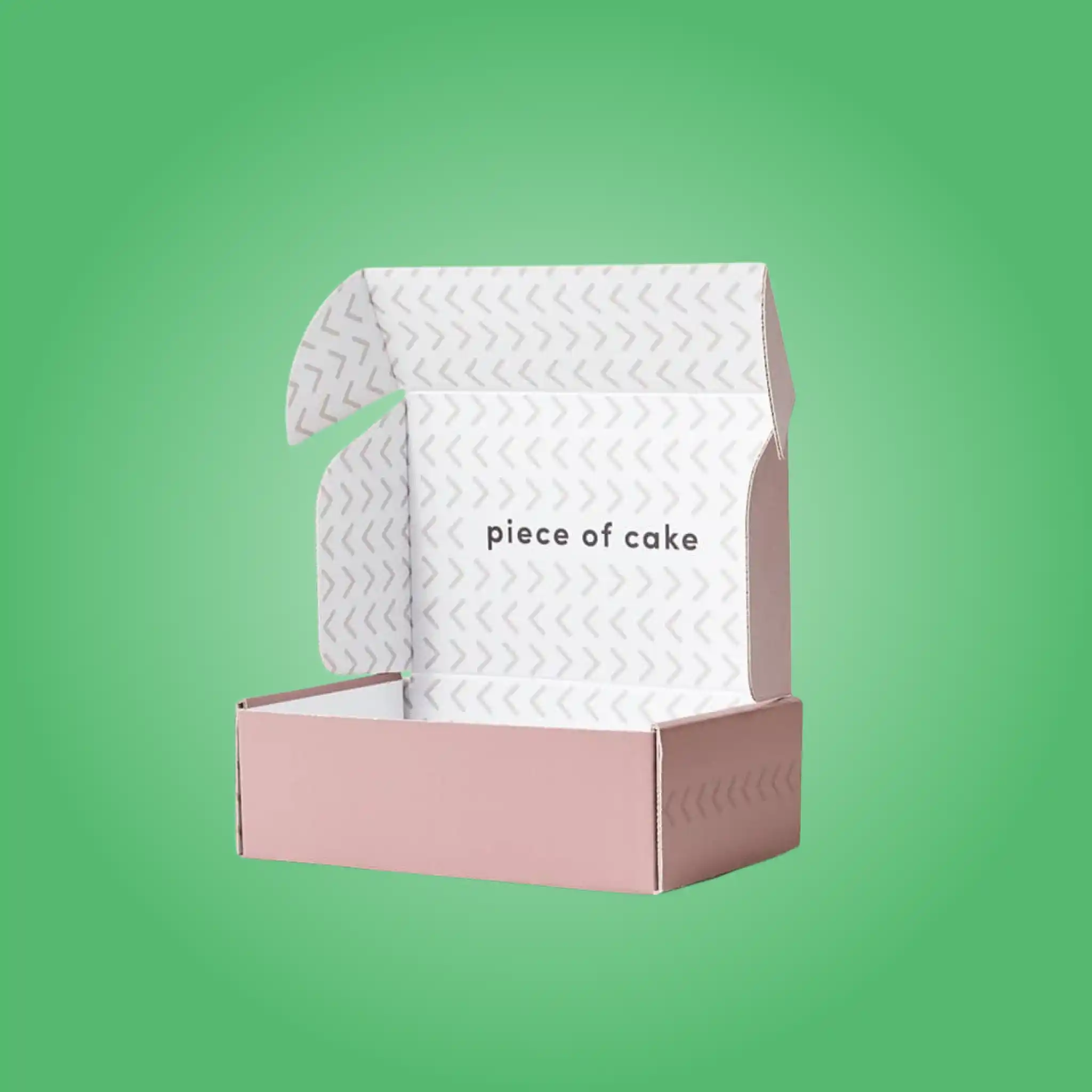
Custom ear lock mailer boxes with self-locking side flaps that secure without tape or adhesives. The interlocking design resists crushing and prevents opening during transit. Choose E-flute, B-flute, or C-flute based on product weight. ECT rated, custom printed, and available with inserts.
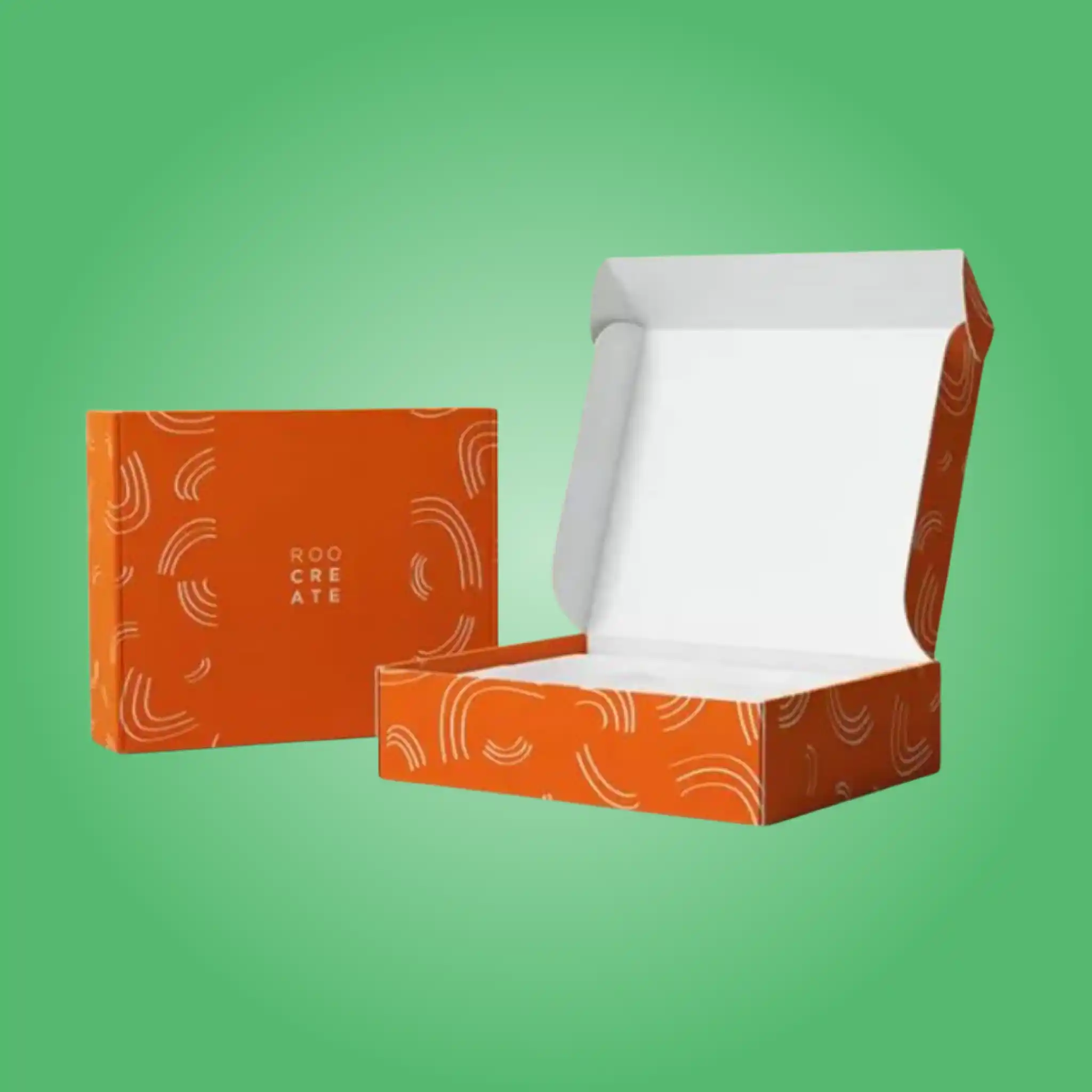
Custom full color mailer boxes from Pioneer Custom Boxes help beauty, apparel, food, electronics, subscription and direct-to-consumer brands ship packaging that prints like retail. Choose litho lamination, digital or HD flexo on white top, bleached or kraft liners, with printed interiors, lamination, spot UV, foil, free design support, no MOQ and free USA shipping.
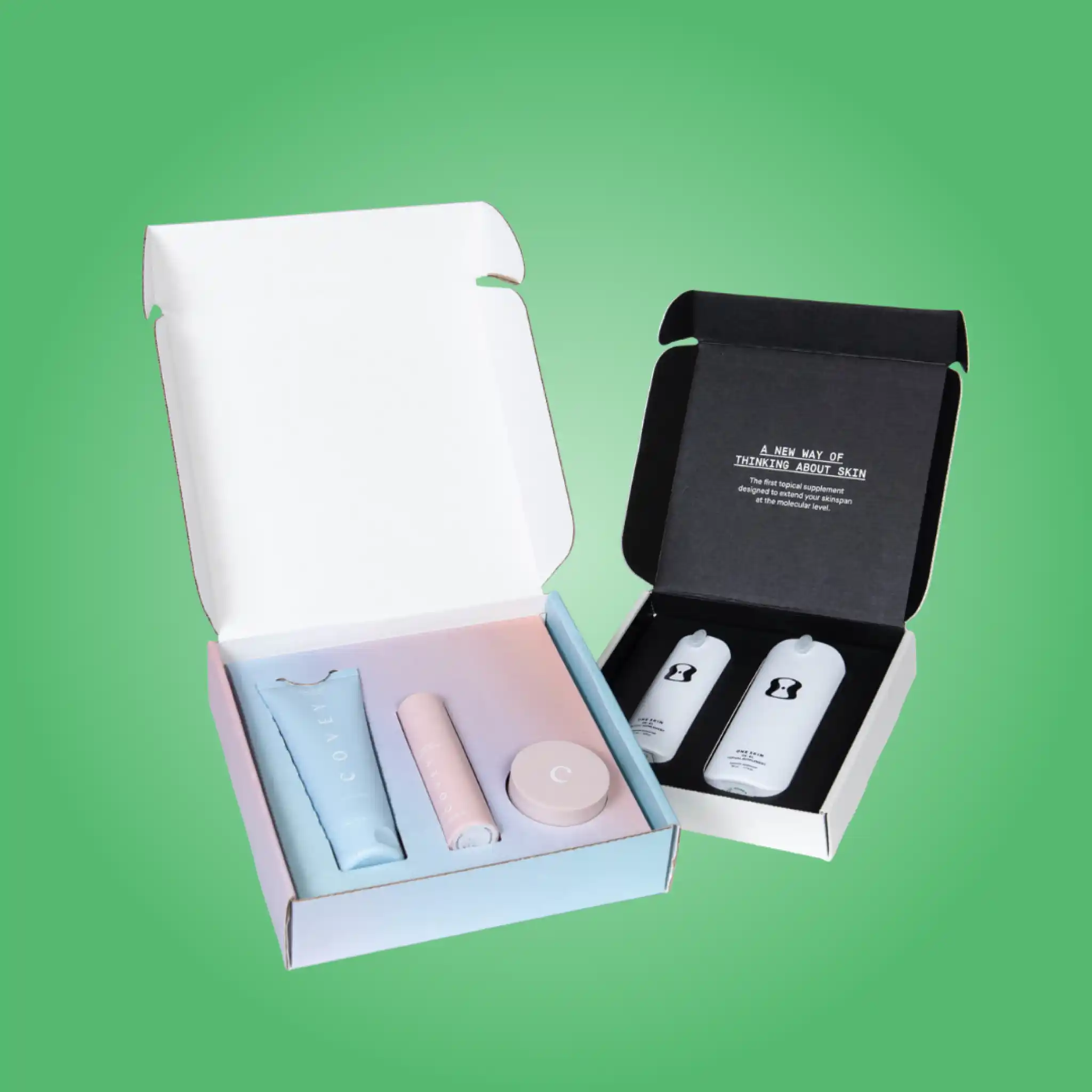
Custom mailer boxes with inserts from Pioneer Custom Boxes help cosmetic, glassware, candle, electronics, ceramics and subscription brands cut damage rates in transit. Choose die-cut corrugated trays, partitions, molded pulp cradles, paperboard platforms or foam, designed on one dieline with the box, with free design support, no MOQ and free USA shipping.