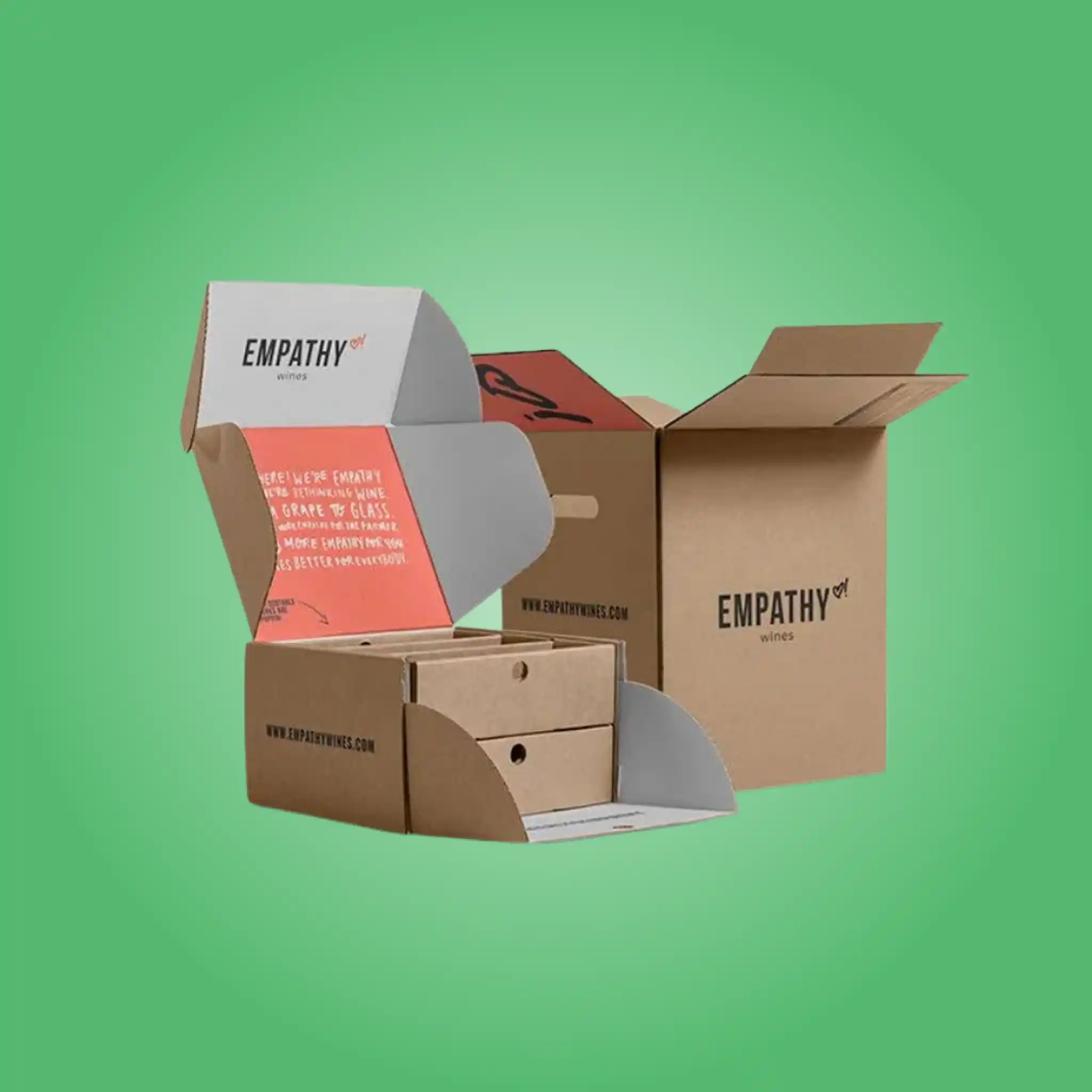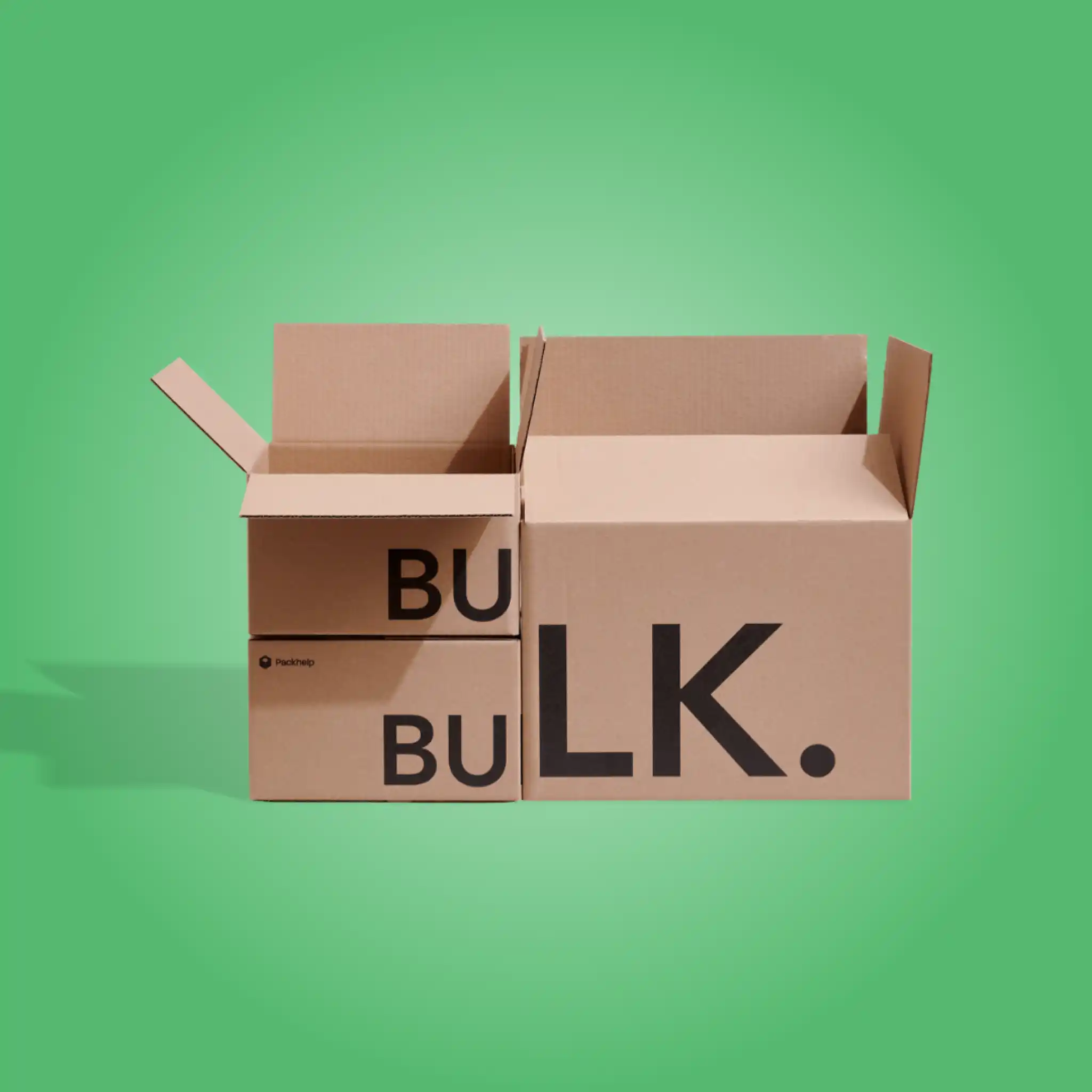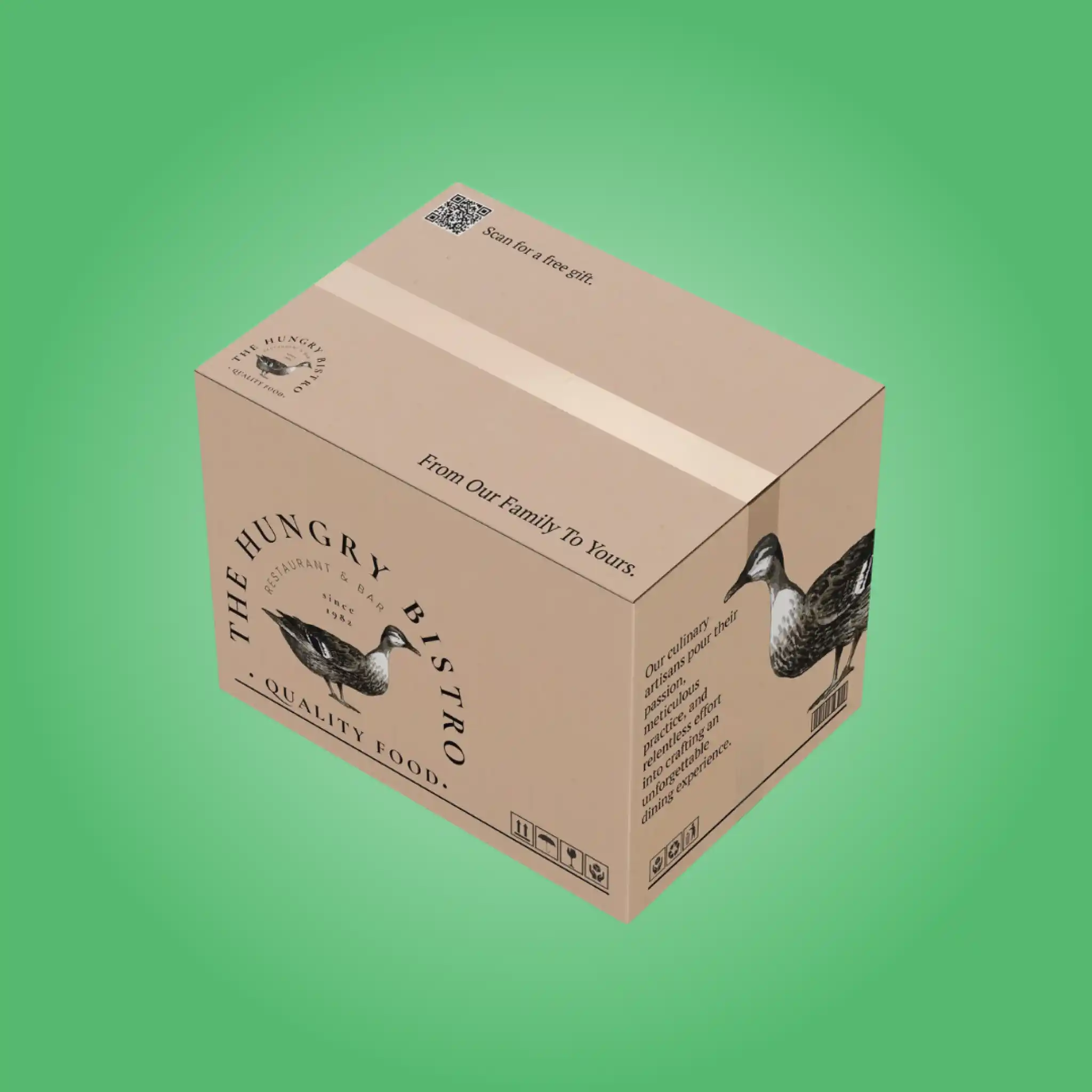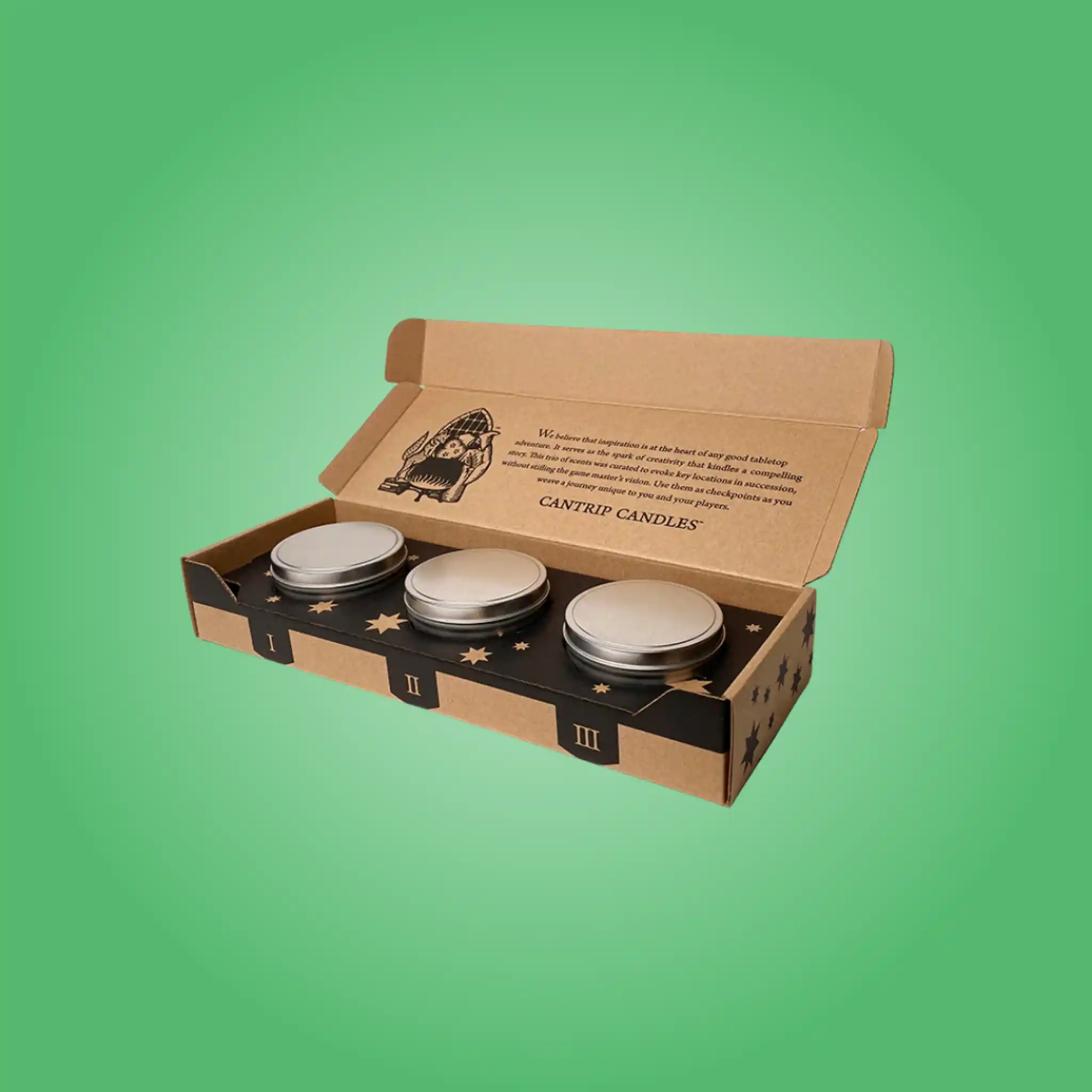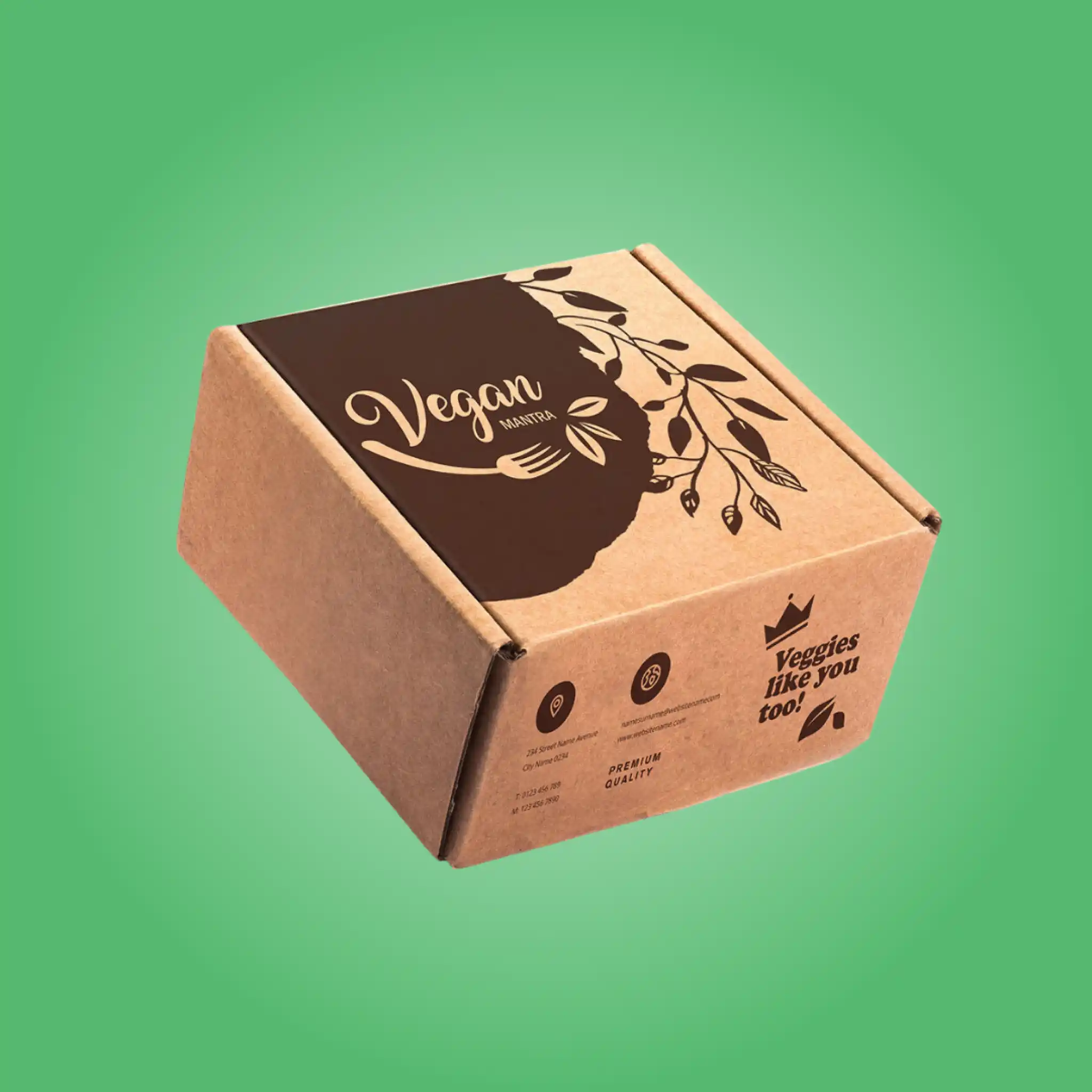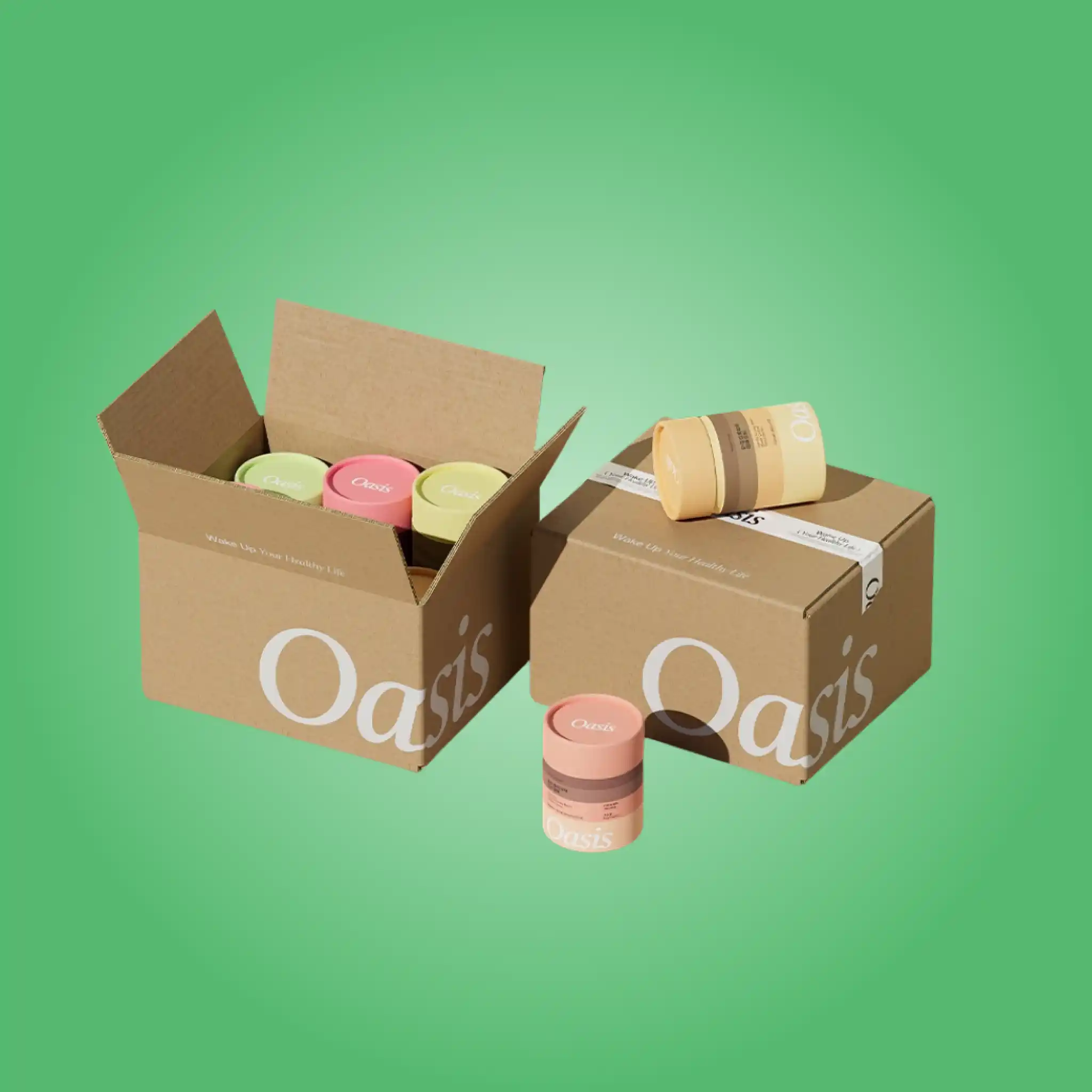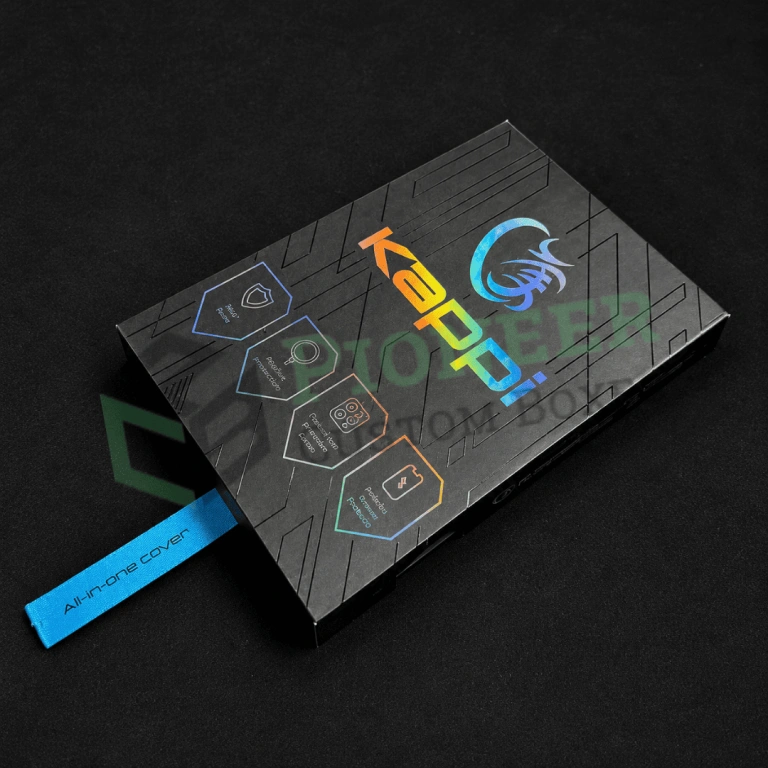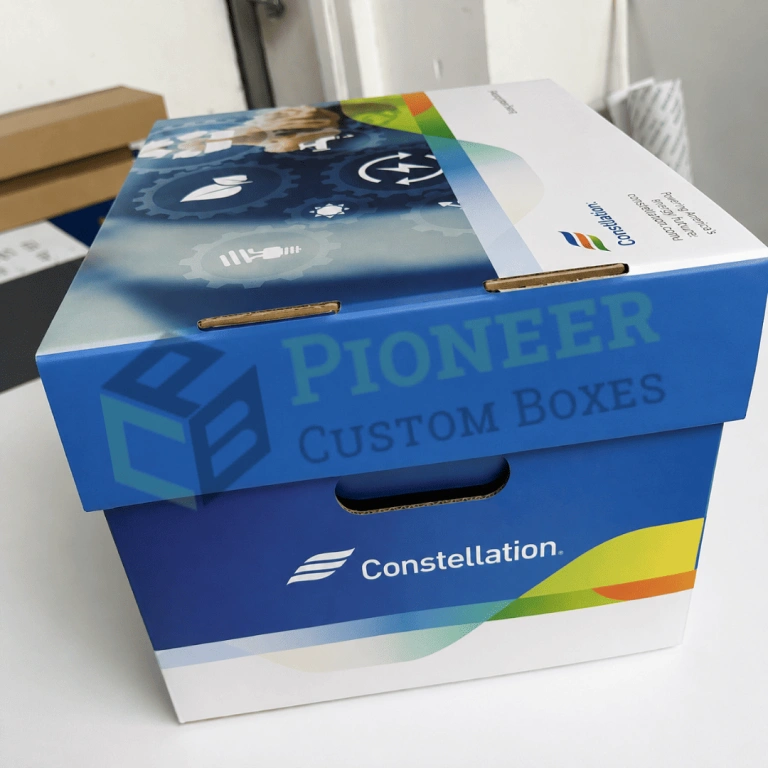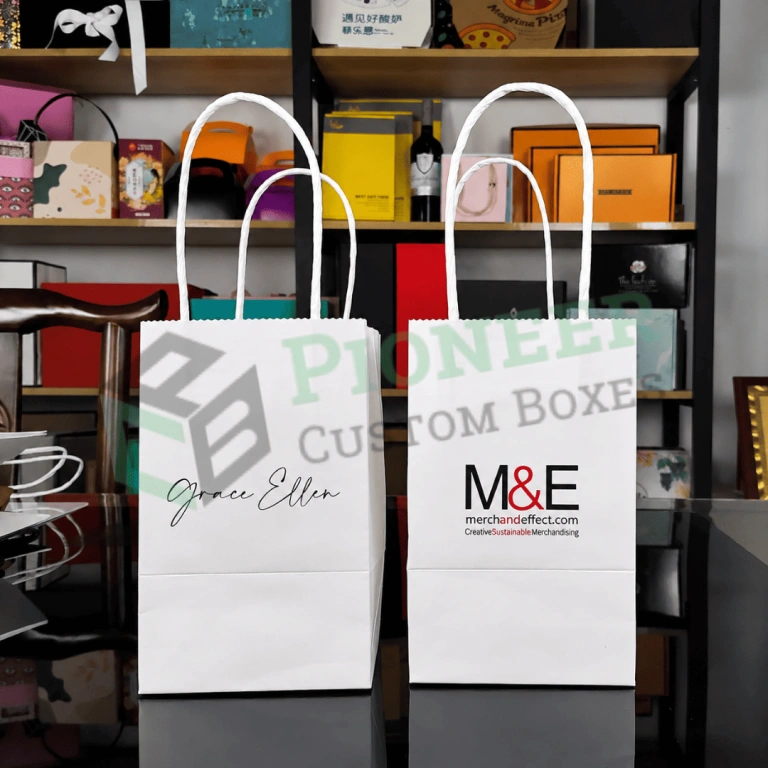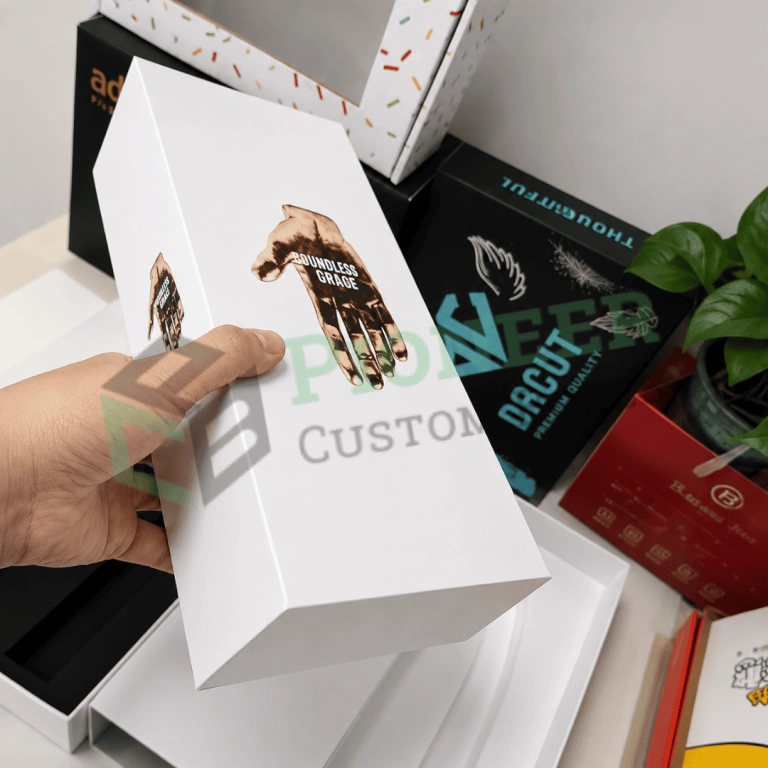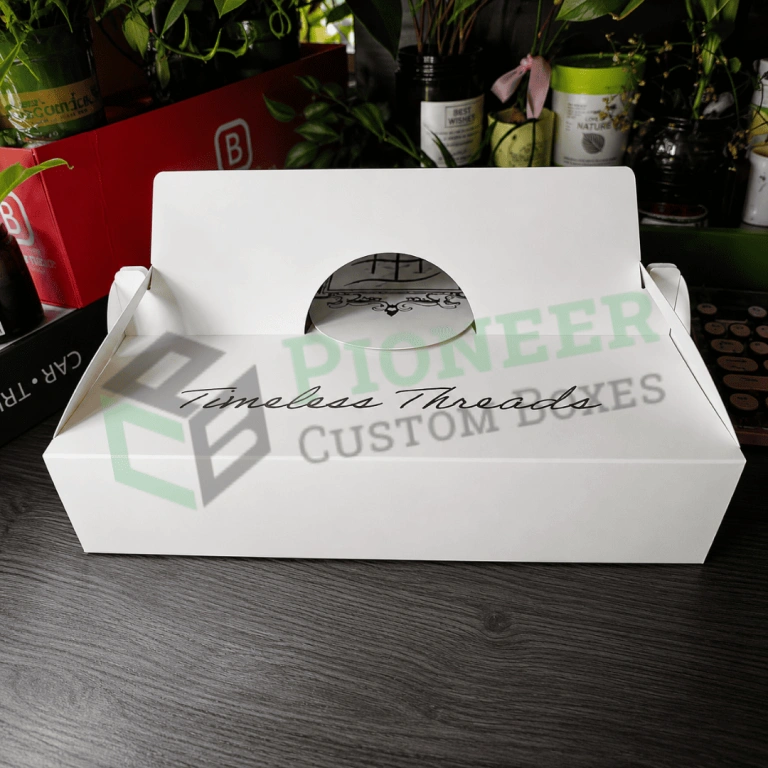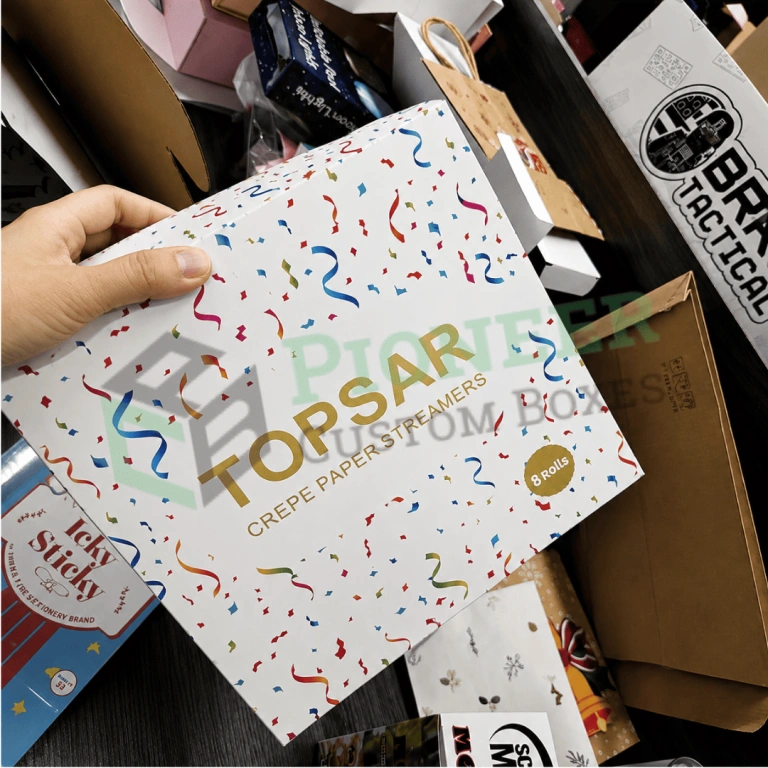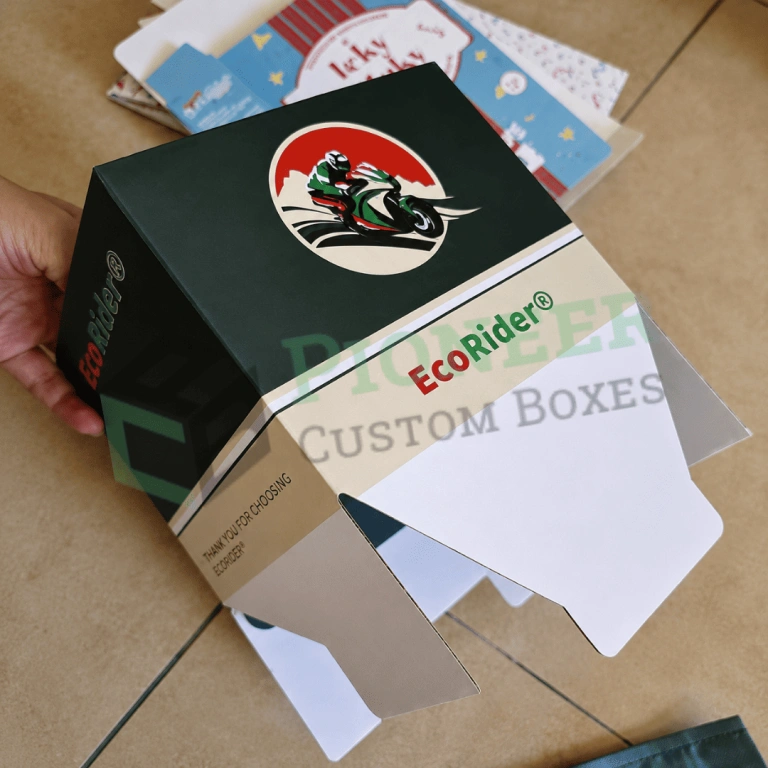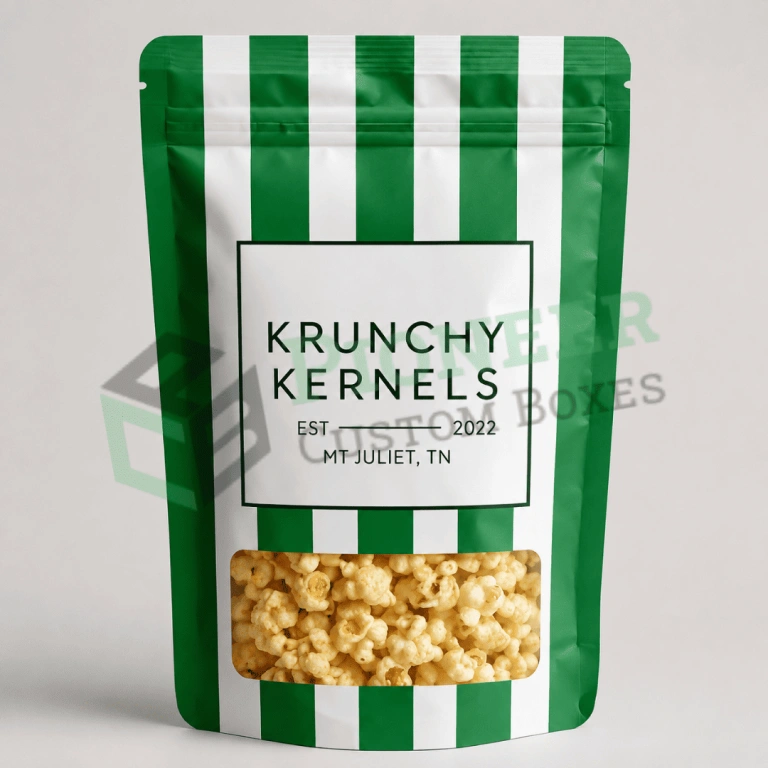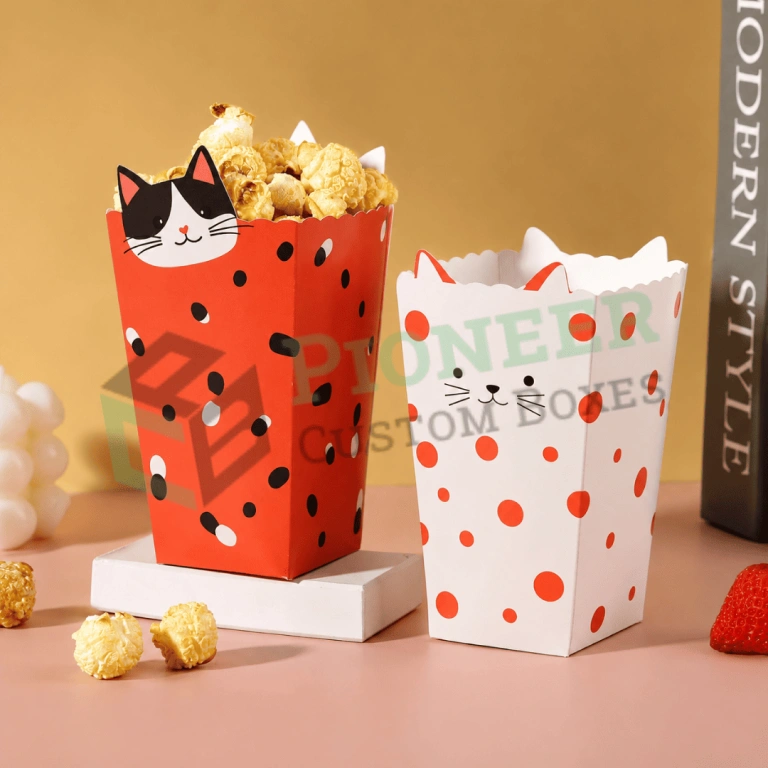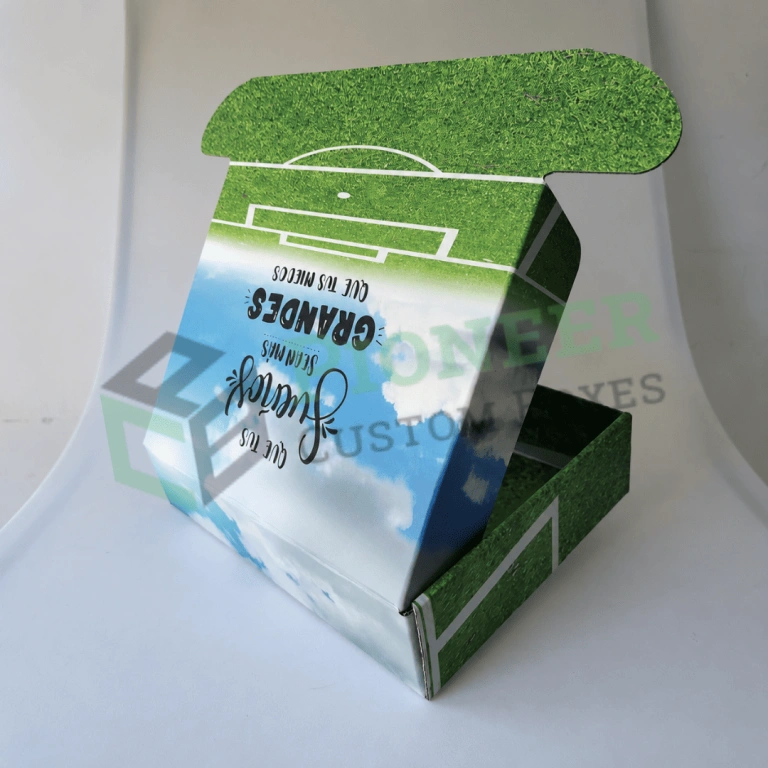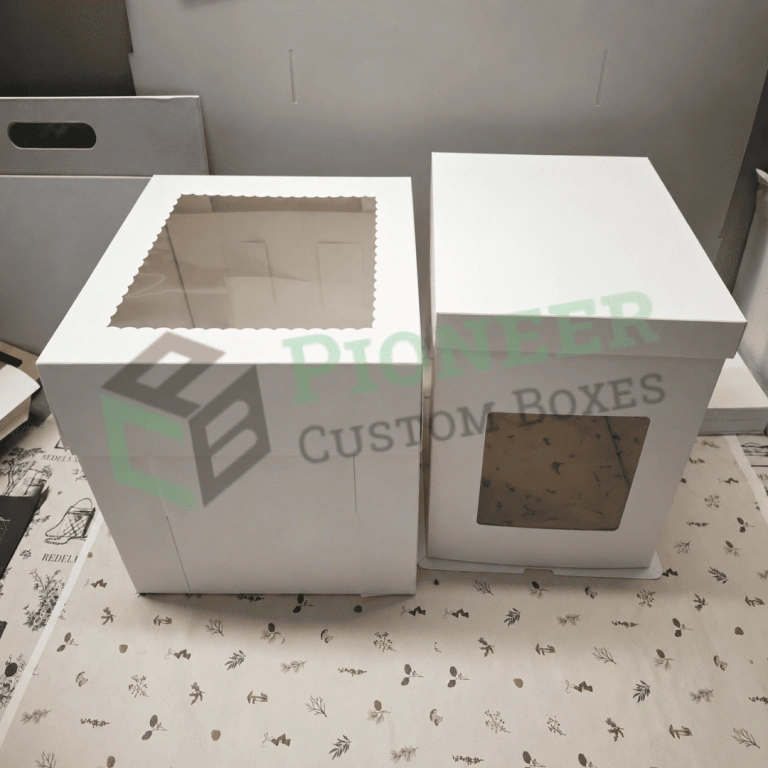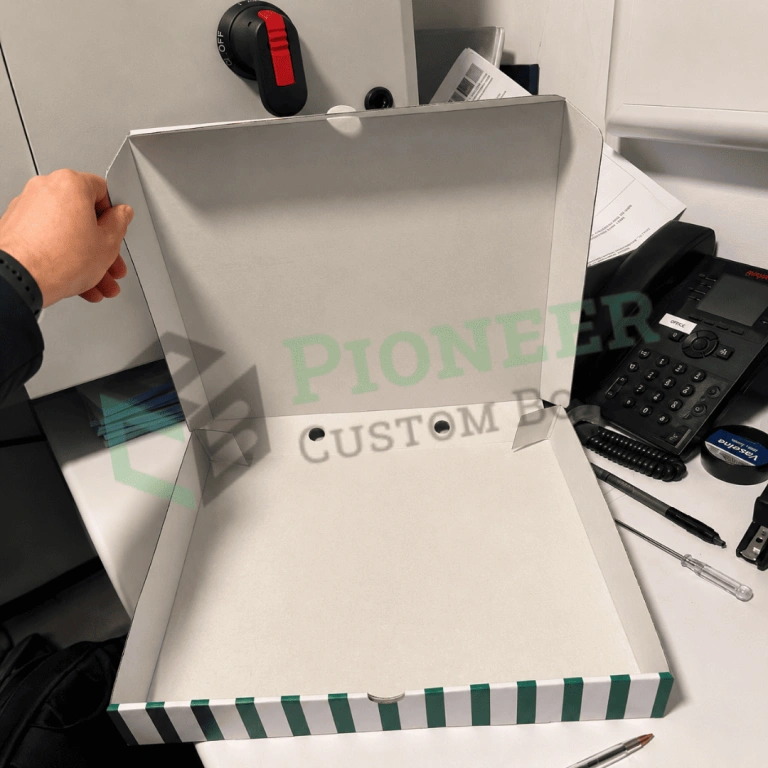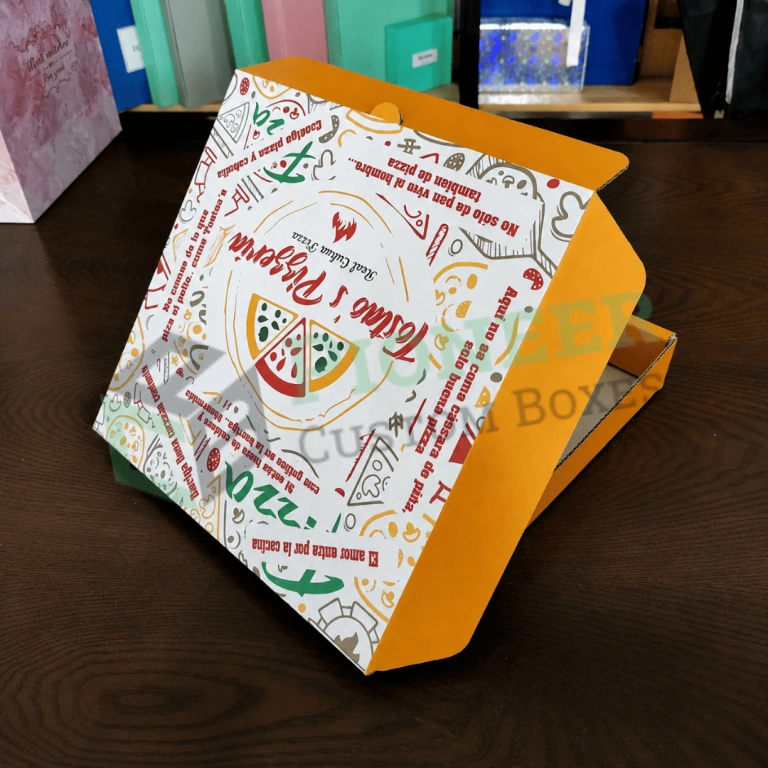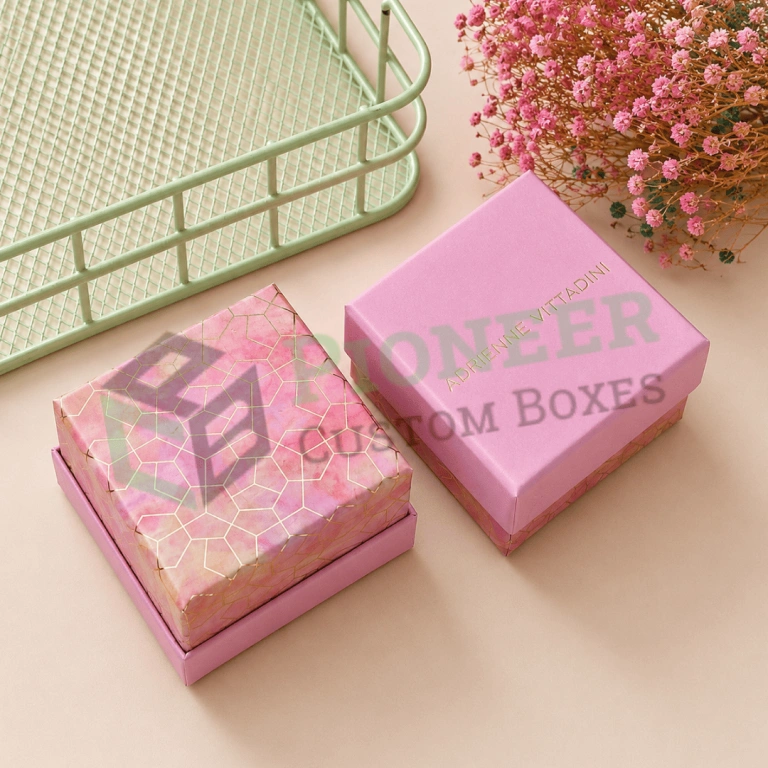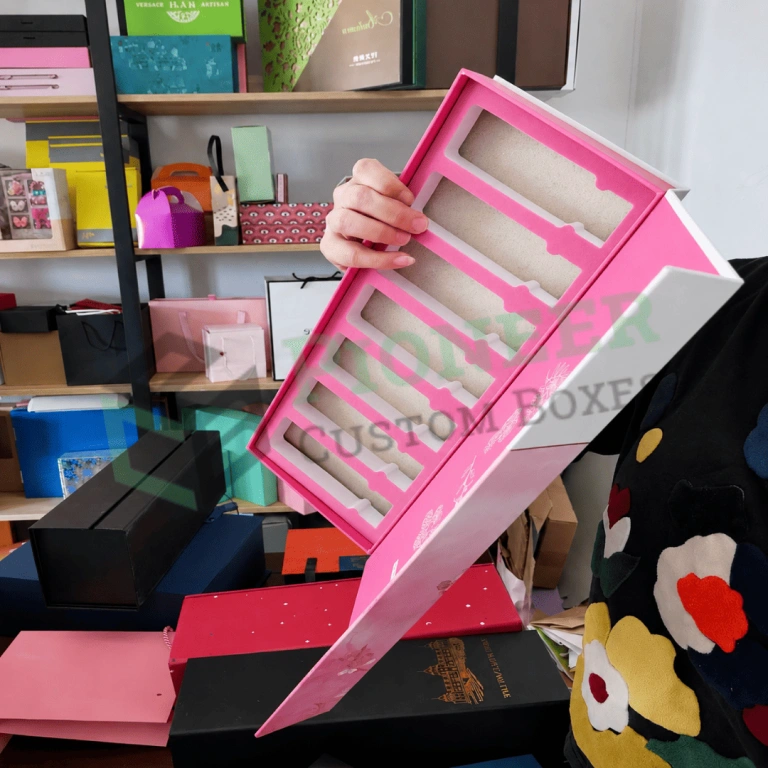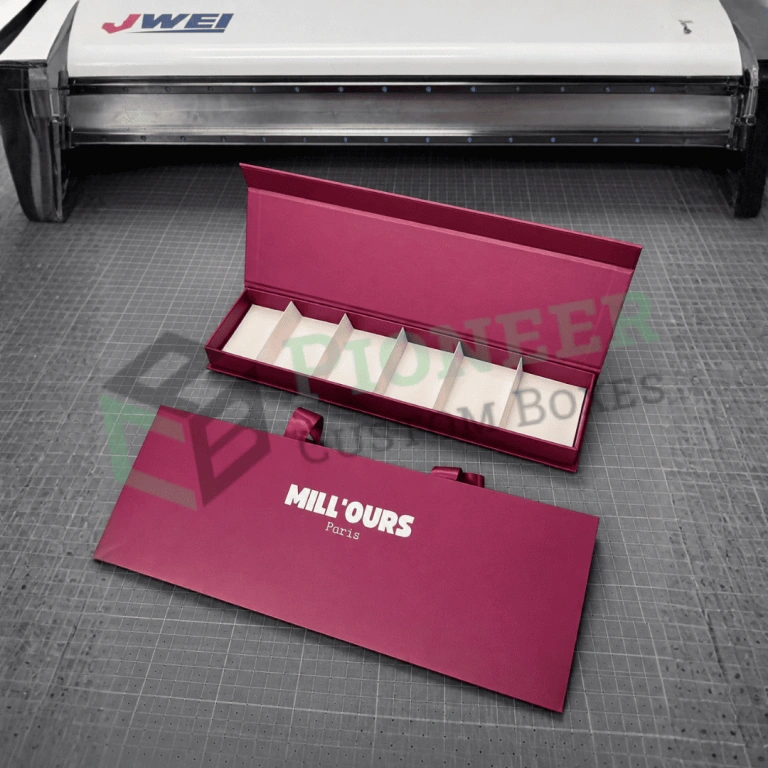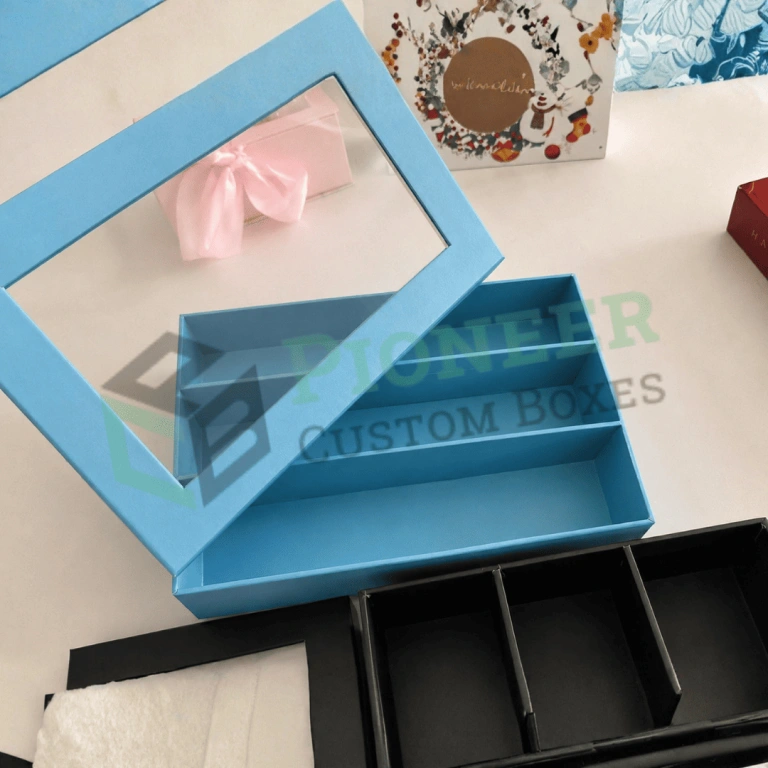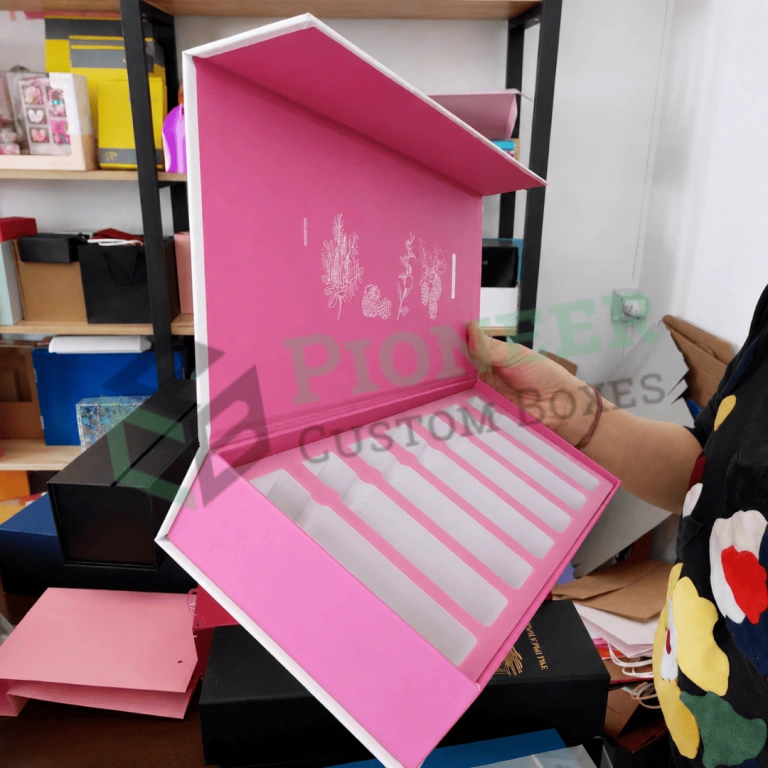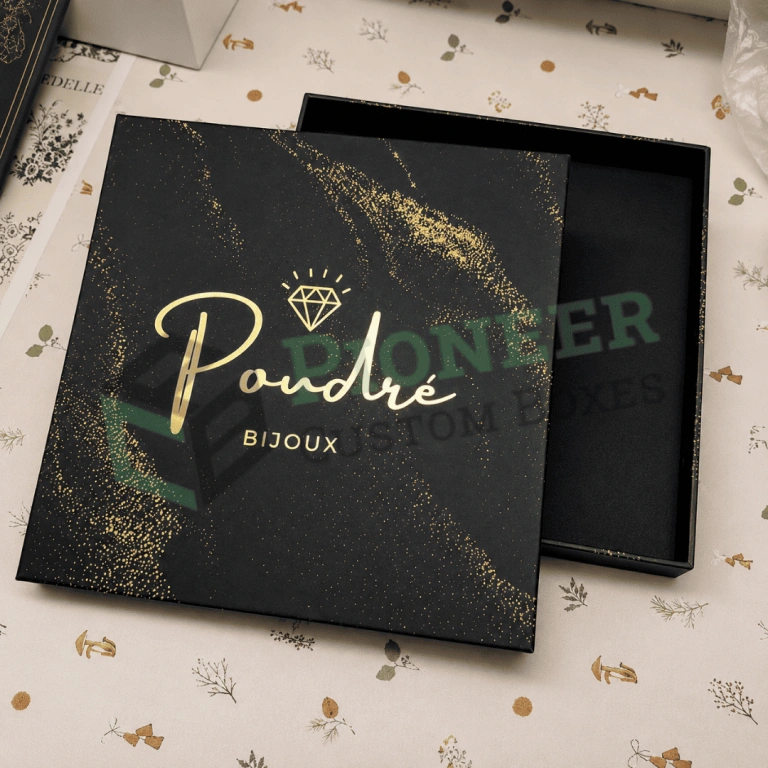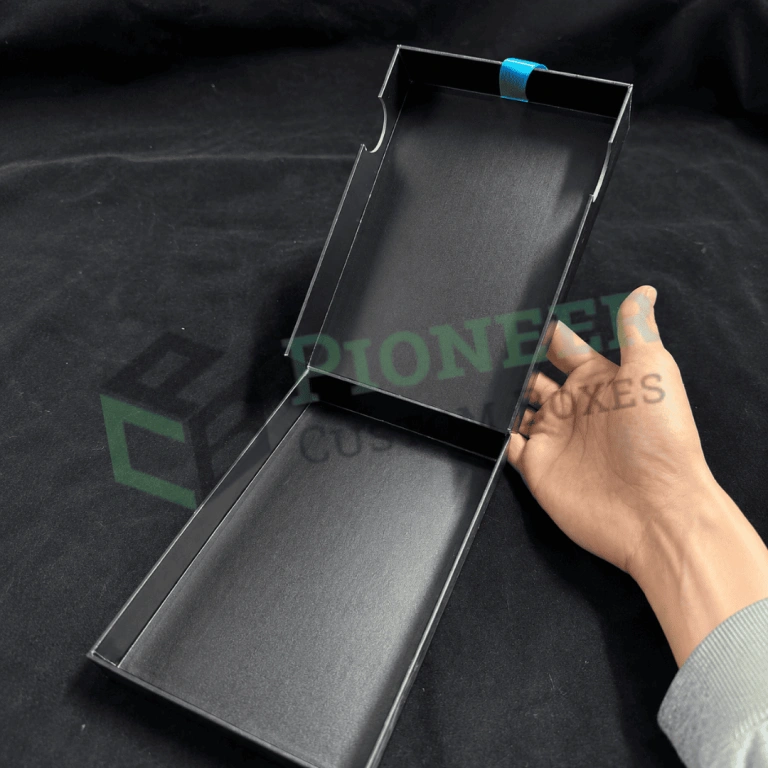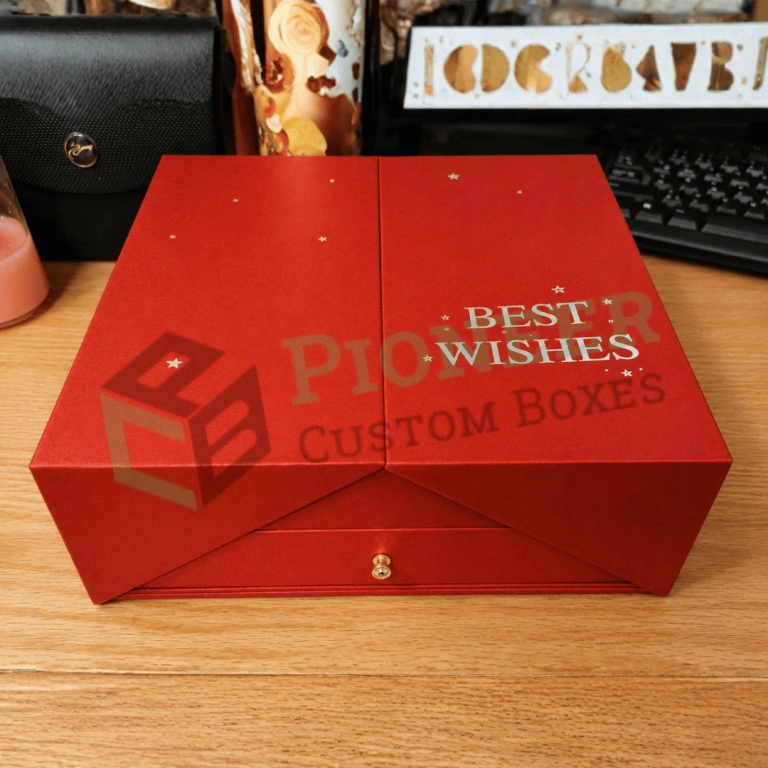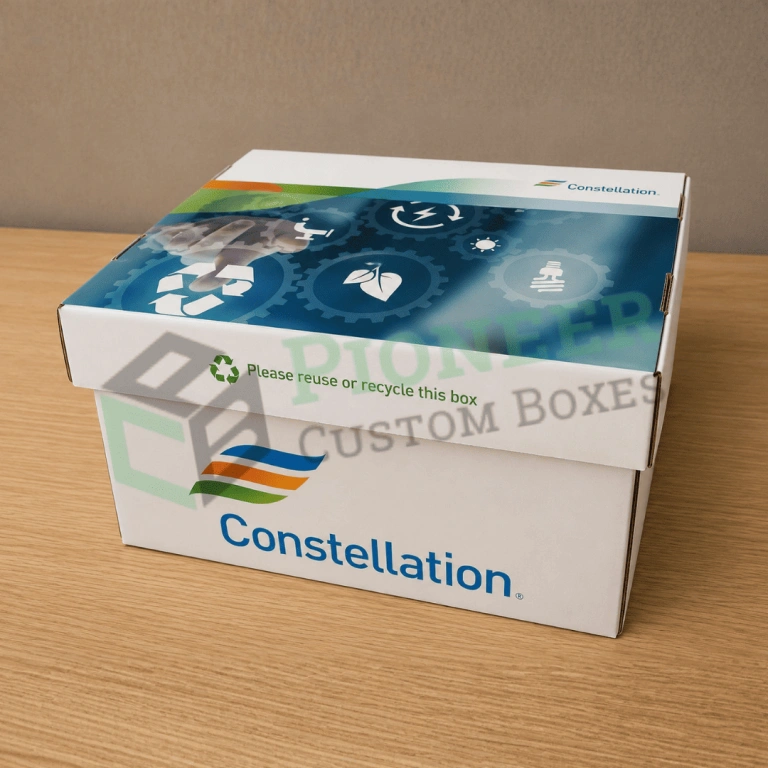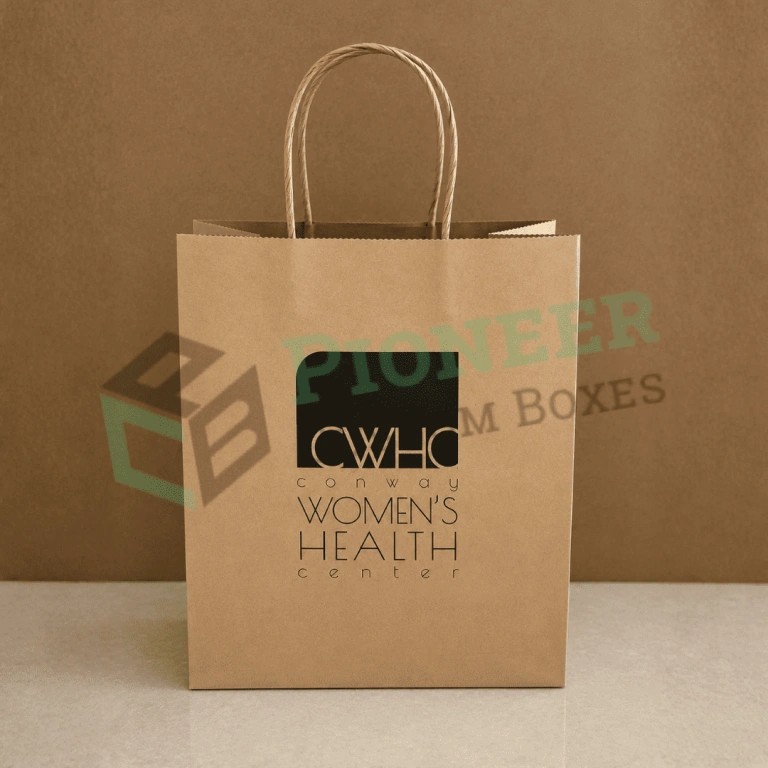
Custom shipping boxes from Pioneer Custom Boxes help ecommerce, subscription, wholesale, food, hardware and homeware brands ship products safely at a lower freight cost. Choose 32 to 51 ECT single or double wall corrugated, RSC, mailer, full overlap or telescope styles, partitions, pulp trays, flexo or litho printing, free design support, no MOQ and free USA shipping.
Custom shipping boxes have one job that outranks everything else: the product has to arrive intact. Everything else, including how the box looks, sits underneath that. A shipping box that photographs beautifully and arrives crushed has failed completely.
That job is harder than most buyers expect. A parcel is handled between ten and twenty times between your floor and a customer door. It gets dropped, stacked, conveyed, sorted and occasionally thrown. The box has to survive all of it while costing as little as possible, because shipping cost scales with every order you take.
The good news is that almost every variable is controllable. Board grade, box style, dimensions, insert design and pallet fit are all decisions made before a die is cut, and getting them right lowers both damage rates and freight cost at the same time.
Pioneer Custom Boxes manufactures corrugated shipping boxes in the United States with zero minimum order quantity, free dielines, free design support and free shipping nationwide. We cut our own dies and run our own presses, so the box is built around your product and your carrier.
Corrugated strength gets quoted two different ways, and buyers who confuse them either overpay or watch pallets collapse. Both numbers appear on the box maker certificate printed on one flap of every case we produce.
ECT measures how much vertical force the board withstands on its edge, expressed in pounds per inch. That figure predicts stacking performance directly, so it is the number that matters when boxes sit on a pallet or a warehouse rack. A 32 ECT single wall box handles ordinary parcel shipping comfortably, while heavier contents and taller stacks move you to 44 ECT and then into double wall.
Burst measures resistance to puncture and rupture, expressed in pounds per square inch. It matters most for irregular or heavy contents that press outward against the walls, and freight carriers still reference it frequently. Many buyers request a burst rating out of habit when edge crush actually describes their situation better.
The fluted layer between liners does the cushioning. E-flute is thin and prints well, suiting light retail-facing shipping. B-flute resists puncture and suits canned and boxed goods. C-flute balances strength and cushioning and is the general shipping standard. Double wall combines two flutes for heavy freight.
| Board Specification | Typical Max Load | Best Application | Stack Guidance |
|---|---|---|---|
| 32 ECT single wall | Up to 65 lb | Standard parcel shipping | Three to four boxes high |
| 44 ECT single wall | Up to 95 lb | Heavier retail goods | Four to five boxes high |
| 48 ECT double wall | Up to 120 lb | Bulk and wholesale | Five to six boxes high |
| 51 ECT double wall | Up to 140 lb | Equipment and hardware | Palletized freight |
| 200 lb burst single wall | Up to 65 lb | General freight | Moderate stacking |
| 275 lb burst double wall | Up to 95 lb | Irregular heavy items | Palletized freight |
Real stacking strength also falls over time and with humidity. A box tested dry and fresh loses a meaningful share of its compression strength after weeks in a damp warehouse, which is why boxes that tested fine can still fail in storage. We build margin into every specification rather than quoting the laboratory maximum.
Structures differ in how they assemble, how they close and how much labor they demand. Choosing correctly saves more money than most material decisions.
The RSC is the workhorse of American shipping. All flaps run the same length, the outer flaps meet in the middle, and it ships flat then folds in seconds. It uses board efficiently because there is almost no trim waste, which is exactly why it costs less than every other style. Choose it unless something specific about your product demands otherwise.
An FOL has outer flaps that overlap completely, doubling the board across the top and bottom. That doubling resists rough handling and adds real stacking strength where the load concentrates. Heavy or dense products ship in FOL boxes for exactly this reason.
The mailer folds from one blank, locks without tape and opens with a clean front tuck. Ecommerce brands favor it because assembly takes one motion and the interior can be printed. It uses more board than an RSC of the same volume, trading material cost for speed and presentation.
An HSC has no top flaps and pairs with a separate telescoping lid. Warehouse and inventory operations use it because contents stay accessible and lids stack predictably.
Two pieces, a base and a lid that slides over it, accommodating products of varying height without new tooling. Framed artwork, equipment and irregular items ship this way frequently.
A tray with a printed sleeve gives retail presentation and shipping protection in one package. Shelf-ready cases and beverage multipacks use it.
| Style | Assembly | Board Efficiency | Best For |
|---|---|---|---|
| Regular slotted container | Fast with tape | Highest | General shipping and wholesale |
| Full overlap container | Moderate | Lower | Heavy or dense contents |
| Die-cut mailer | Fastest, no tape | Moderate | Ecommerce and subscriptions |
| Half slotted with lid | Fast | Moderate | Warehouse and inventory |
| Telescope box | Moderate | Lower | Variable height products |
| Tray and sleeve | Moderate | Moderate | Retail-ready delivery |
These dimensions cover most of what we produce, measured internally as length by width by height. Every die is cut to your exact product.
| Application | Typical Size (inches) | Board | Style |
|---|---|---|---|
| Small ecommerce order | 8 x 6 x 4 | 32 ECT single wall | RSC |
| Books and media | 9 x 6 x 2 | 32 ECT E-flute | Mailer or book wrap |
| Apparel and softgoods | 12 x 9 x 3 | 32 ECT E-flute | Die-cut mailer |
| Shoes and footwear | 13 x 9 x 5 | 32 ECT single wall | RSC |
| Home goods | 16 x 12 x 10 | 44 ECT single wall | RSC |
| Glassware and fragile | 12 x 10 x 8 | 44 ECT double wall | RSC with partitions |
| Wholesale case | 18 x 12 x 12 | 44 ECT single wall | RSC |
| Heavy hardware | 20 x 16 x 14 | 48 ECT double wall | Full overlap |
| Bulk distribution | 24 x 18 x 18 | 51 ECT double wall | RSC, pallet-fitted |
| Equipment and machinery | 30 x 20 x 20 | 51 ECT double wall | Telescope box |
Send your product dimensions and loaded weight and we return a free dieline within one business day, with pallet fit and carrier thresholds already checked.
For most businesses shipping regularly, freight costs more across a year than the boxes themselves. Packaging decisions therefore move the larger number, and a few inches decide the outcome.
Carriers bill parcels on dimensional weight whenever volume implies more than actual weight. A light product in a generous box gets charged as though it were heavy, on every shipment, permanently. Trimming a box to fit its contents removes that penalty for the life of the product, and the saving compounds quietly for years.
Oversize thresholds sit just beyond that. Once length plus girth crosses a published limit, a surcharge applies to every parcel regardless of weight. A box a half inch under the line ships at standard rates permanently, and a box a half inch over does not. We check finished dimensions against current thresholds during dieline review and flag anything sitting close.
Pallet fit governs freight and warehousing together. A standard pallet measures forty by forty-eight inches, and boxes that tile cleanly across it waste nothing. Boxes an inch too wide leave a gap on every layer, which becomes wasted trailer space on every truck. We calculate boxes per layer and per pallet before quoting, and we will suggest a small dimensional change when it improves the pattern.
Void fill is the last piece and the most visible to customers. A box sized to its contents needs almost none, which cuts material cost, packing labor and the impression of waste that customers increasingly dislike.
Send us your carrier, your typical order profile and your pallet constraints, and we will size the box against all three before you approve anything.
Every corrugated box we produce carries a box maker certificate printed on one flap. That stamp states the construction, the strength rating, the maximum gross weight and the size limit, and freight carriers read it when a claim is filed.
Shipping above the stated weight usually voids a claim, so we specify board that clears your actual loaded weight with margin and print the certificate to match. That single detail decides whether a damage claim succeeds or fails.
Drop and compression testing goes further. Parcel networks handle a box many times, and one that survives a single drop can still fail on the fifth. Brands shipping fragile or high value goods often run ISTA sequence testing before a launch, and we build test samples for that purpose. Most clients instead ship a small pilot batch, which works well for lower risk products.
| Requirement | What It Covers | Why It Matters |
|---|---|---|
| Box maker certificate | Construction, rating, weight limit | Freight claims depend on it |
| Edge crush test | Vertical stacking strength | Sets safe pallet stack height |
| Mullen burst test | Puncture and rupture resistance | Common on heavy freight |
| ISTA drop sequence | Simulated parcel handling | Predicts damage before launch |
| Length plus girth | Carrier oversize threshold | Crossing it adds a fee per parcel |
| Pallet footprint | Boxes per layer and per pallet | Wasted space raises freight cost |
Tell us your carrier and your loaded weight, and we confirm all of this before you approve anything.
Corrugated prints differently from folding board, and knowing why prevents disappointment at proof stage.
Flexo prints directly onto corrugated from flexible plates. It handles bold graphics, solid colors and clear type economically, and it is the standard for shipping boxes. The fluted structure under the liner means pressure varies slightly across the surface, so very fine detail and delicate gradients reproduce less crisply than on flat board. Design for that and flexo looks excellent.
A sheet is printed offset then bonded to the corrugated board, giving photographic detail on a structural box. Retail-ready displays and premium ecommerce mailers use this route. It costs more than direct flexo and looks substantially better.
Digital prints directly onto the board without plates, so setup cost disappears and short runs, seasonal artwork and regional variants become practical. It also allows different artwork within one production run.
Kraft liner tints every ink printed on it. Bright colors turn warmer and muted, and white ink cannot be printed in a way that reads as white. White top liner gives a neutral base for accurate color at a modest premium, and fully bleached board costs more again. We print your artwork on both when the decision matters, because seeing it settles the question in a minute.
One practical note. Heavy ink coverage across a whole shipping box costs real money and does very little, because customers recognize a logo rather than a fully printed panel. Two well-placed colors on kraft consistently outperform full coverage on cost per impression.
A strong box protects against crushing from outside. Movement inside causes a different category of damage and needs its own answer.
Corrugated inserts are the most common solution and the easiest to recycle. Die-cut pads, partitions and suspension frames hold a product in position using the same board as the box, so nothing extra enters the waste stream. Partitions work particularly well for glass, bottles and multiple units traveling together, because each item is isolated from its neighbors.
Molded pulp cradles curved and irregular shapes that flat board cannot hold. It absorbs impact well, stacks predictably in your packing area, and recycles alongside the box. Most brands moving away from foam land here once they compare samples.
Foam inserts still earn their place for heavy or precision items. Die-cut foam holds equipment securely, and suspension packaging keeps a fragile product floating between two membranes so no impact reaches it directly.
Void fill is the weakest option and the most common. Loose fill and air pillows stop movement, but they add packing labor, cost per shipment forever, and customers increasingly dislike them. A box sized correctly with a fitted insert usually costs less across a year than the same box plus filler.
| Protection Method | Best For | Recyclable With Box | Relative Cost |
|---|---|---|---|
| Corrugated partitions | Bottles, jars, multiple units | Yes | Low |
| Die-cut corrugated pads | Flat and layered goods | Yes | Low |
| Molded pulp tray | Curved and irregular shapes | Yes | Moderate |
| Die-cut foam | Heavy or precision items | No | High |
| Suspension packaging | Highly fragile electronics | Partly | High |
| Air pillows and loose fill | Filling unavoidable gaps | No | Ongoing per shipment |
Send us the product and we will design the insert into the same dieline, so both parts arrive matched rather than approximately compatible.
Shipping box pricing looks opaque until you know the variables, and nearly all of them sit within your control.
Board grade leads, because every step up in ECT or into double wall adds material. Over-specifying is the most common waste we see, and it repeats on every unit forever. We match board to your loaded weight and your real stack height rather than to a comfortable guess.
Dimensions follow, and they matter twice. Board is priced by area, so a smaller box costs less outright. A smaller box also ships cheaper, because carriers bill on volume as well as weight. Removing an inch from a dimension often saves more in freight than in board.
Style comes third. An RSC wastes almost no board, while a die-cut mailer of the same volume uses noticeably more. Print method sits fourth, since one or two flexo colors cost a fraction of full-color litho lamination. Quantity finishes the list, as plate and setup costs spread across the run.
| Cost Driver | Impact | How to Reduce It |
|---|---|---|
| Board grade and wall count | Highest | Specify to real load, not to habit |
| Box dimensions | Highest combined with freight | Size to the product and remove dead air |
| Box style | High | Use an RSC unless something demands otherwise |
| Print method and colors | Moderate | One or two flexo colors on kraft |
| Insert type | Moderate | Corrugated partitions instead of foam |
| Void fill consumption | Ongoing | Right-size so filler is unnecessary |
| Pallet fit | Indirect but large | Design boxes to tile with no wasted footprint |
The largest saving available to most businesses is running two or three box sizes matched to real product clusters instead of one generous size for everything. It sounds like added complexity and almost always costs less overall.
A shipping box fails in ways that only appear under load, so inspection has to test function rather than appearance. Every order passes a documented check before leaving our floor.
| Check | What We Verify | Why It Matters |
|---|---|---|
| Board grade verification | Delivered stock against the specification | Substituted board fails under load |
| Edge crush confirmation | Rating matches the printed certificate | Freight claims depend on accuracy |
| Dimensional accuracy | Internal fit against the approved dieline | A tight box damages contents during packing |
| Score and fold quality | Clean folds with no cracked liner | Cracked scores collapse under compression |
| Glue and joint strength | Manufacturer joint pull test | A failed joint opens in transit |
| Flap alignment | Outer flaps meet correctly when closed | Gaps let dust and moisture in |
| Assembly test | A box built by hand from the run | Confirms real-world assembly speed |
| Insert seating | The real insert placed in the finished box | A tray that will not seat is useless |
| Print registration | Artwork aligned to cuts and folds | Misregistration is visible on a pallet |
| Barcode readability | Scan test on a flat area | Warehouses reject unscannable cases |
If anything fails, we remake it rather than ship it.
Ecommerce brands of every size use them, and for most the box is the only physical object a customer associates with the purchase. Right-sizing matters most here, because dimensional weight is charged on every order and compounds across a year.
Subscription businesses use printed shipping boxes as their primary brand touchpoint, usually E-flute mailers with printed interiors. The box arrives alone, is opened deliberately and is frequently photographed.
Wholesale and distribution operations care about pallet fit and stacking above everything else. Their cost sits in freight and warehouse space, so a case that tiles cleanly across a pallet is worth more than a cheaper case that wastes a gap on every layer.
Manufacturers shipping hardware, equipment and automotive parts need burst resistance and double wall construction, because dense contents press outward and concentrate weight on the base.
Food and beverage businesses need moisture-resistant grades and partition inserts, since bottles and jars traveling together break each other far more often than they break against the box.
Furniture, homeware and ceramics brands use telescope boxes and double wall construction with molded pulp cradles, where a single breakage costs more than a whole run of packaging.
Apparel and softgoods brands use the lightest specifications available, because their contents are light and their cost is almost entirely dimensional weight rather than protection.
Corrugated loses strength in damp air, and most warehouse failures trace back to storage rather than to the box specification.
Board absorbs moisture from the surrounding air, and a box stored in humid conditions can lose a substantial share of its compression strength. That is why a pallet that stacked safely in January sometimes buckles in August. Keeping stock in a stable indoor environment protects the strength you paid for.
Keep pallets off bare concrete, because concrete wicks moisture upward into the bottom cases. Leave shrink wrap intact until stock is needed. Store flat blanks lying down rather than standing on edge, since upright storage curls the leading edge and makes assembly slower. Rotate older stock forward so nothing sits for years absorbing whatever the room offers.
None of this needs special equipment. A dry indoor space and a little rotation discipline keeps corrugated performing exactly as specified.
Corrugated is among the most recycled packaging materials in the United States, and its recovery rate is genuinely high rather than aspirational.
Standard kraft corrugated moves through curbside and commercial recycling without difficulty. Recycled content liners lower the footprint further and cost less than virgin board, which is an unusual case of the greener option also being the cheaper one. Water-based coatings preserve recyclability where plastic lamination would compromise it.
Right-sizing is the largest sustainability lever available and the one most often ignored. A box cut to the product uses less board, needs less void fill, and occupies less trailer space, so it reduces material and transport emissions at the same time. We treat that as a design objective on every dieline.
Inserts are where most shipping boxes lose recyclability. Corrugated partitions and molded pulp recycle with the box while foam does not, and for most contents pulp achieves what foam would. Soy-based inks are available on request, and we print recycling guidance so the box reaches the right stream.
The same handful of errors recur, and each is avoidable before a die is cut.
Oversizing leads. Buyers round dimensions up for safety, then pay in board, in void fill and in dimensional weight on every shipment. Measure the product, add the clearance it genuinely needs, and stop.
Under-specifying board is next, and it appears only after boxes stack. Hand weight tells you nothing about compression under four identical boxes. Specify against stack height rather than against how the box feels empty.
Buying one box size for everything is third. It simplifies the packing station and wastes money on every order that does not fill it. Two or three sizes matched to real product clusters almost always costs less overall.
Placing artwork across the manufacturer joint is a quieter mistake. Every glued case has that seam, alignment across it is never perfect, so logos and critical text belong elsewhere.
Barcodes printed over dark flexo coverage or a fluted ridge fail to scan at receiving, and a rejection there costs far more than the fix. Keep codes on flat, high-contrast areas with proper quiet zones.
Finally, approving a case without assembling one by hand. A slow fold or an awkward lock is real labor cost repeated on every order, and it is invisible on a drawing.
A home goods retailer shipped every order in one generous box size. It simplified their packing station and quietly cost them a fortune.
Their box measured two inches larger than their most common product in every direction. That volume pushed most parcels past the dimensional weight break, and it also required void fill in nearly every shipment. We built three sizes instead of one, each cut to a real product cluster, and dropped the board from 44 ECT to 32 ECT on the lightest of the three.
Freight per order fell by roughly nineteen percent. Void fill consumption dropped by more than half, and packing time per order fell because staff stopped cutting and stuffing filler.
The board saving was the smallest of the three gains, which is usually how this works. Most brands assume the box is the cost and discover that the air inside it was.
Ordering runs through four steps and our team carries the technical work at each one.
First, tell us what you ship. Product dimensions, loaded weight, how the boxes stack and which carrier you use give us everything we need. If you have the product but no measurements, send photographs and we work it out with you.
Second, we return a free dieline and a written quote within one business day. The dieline maps every panel, score, flap and glue tab on one flat sheet, and we confirm pallet fit and carrier thresholds at the same time.
Third, you approve a digital proof, and we recommend a physical sample for any new structure. Assembling one by hand and loading it tells you things a screen cannot, particularly about packing speed.
Fourth, we produce and ship. Standard production runs eight to twelve business days, rush production runs four to six, and shipping across the United States is free. Zero minimum order quantity applies throughout, so a small proving run follows the same process as a full pallet program.
Three things make custom shipping boxes practical for a business of any size, and none of them carry a hidden charge.
Zero minimum order quantity means you order what you actually need. A growing ecommerce brand can order a hundred boxes to test a new size before committing to a pallet program.
Free design support covers structural work, insert design, pallet fit calculation and artwork preparation. We build the dieline, check your dimensions against carrier thresholds and prepare print-ready files. If you work with a designer, we supply a layered template marked with fold lines, bleed and safety margins.
Free shipping applies across the United States on every order, rush production included. We manufacture domestically, so lead times stay short and nothing waits at a port before a peak season.
We are a direct manufacturer rather than a broker. We cut our own dies, run our own presses and finish every order in house, which is why we can quote quickly, adjust a specification mid-conversation and stand behind what leaves our floor.
On shipping boxes that control matters because strength is a manufacturing property rather than a design one. We verify board grade against the certificate we print, and we test assembly and load before approving a run.
Send us your product dimensions, your loaded weight and your carrier, and we will return a free dieline and a written quote for custom shipping boxes within one business day. Order now, or get a free quote and we will size the box around what you actually ship.
| Box Style | Custom Shipping Boxes |
| Dimension (L + W + H) | All Custom Sizes & Shapes |
| Quantities | No Minimum Order Required |
| Paper Stock | 10pt to 28pt (60lb to 400lb) Eco-Friendly Kraft, E-flute Corrugated, Bux Board, Cardstock |
| Printing | No Printing, CMYK, CMYK + 1 PMS color, CMYK + 2 PMS colors |
| Finishing | Gloss Lamination, Matte Lamination, Gloss AQ, Gloss UV, Matte UV, Spot UV, Embossing, Foiling |
| Included Options | Die Cutting, Gluing, Scored, Perforation |
| Additional Options | Eco-Friendly, Recycled Boxes, Biodegradable |
| Proof | Flat View, 3D Mock-up, Physical Sampling (On request) |
| Turnaround | 4 – 8 Business Days, RUSH |
| Shipping | FLAT |
Every great product deserves packaging that turns heads. Here's how we make it happen — step by seamless step.
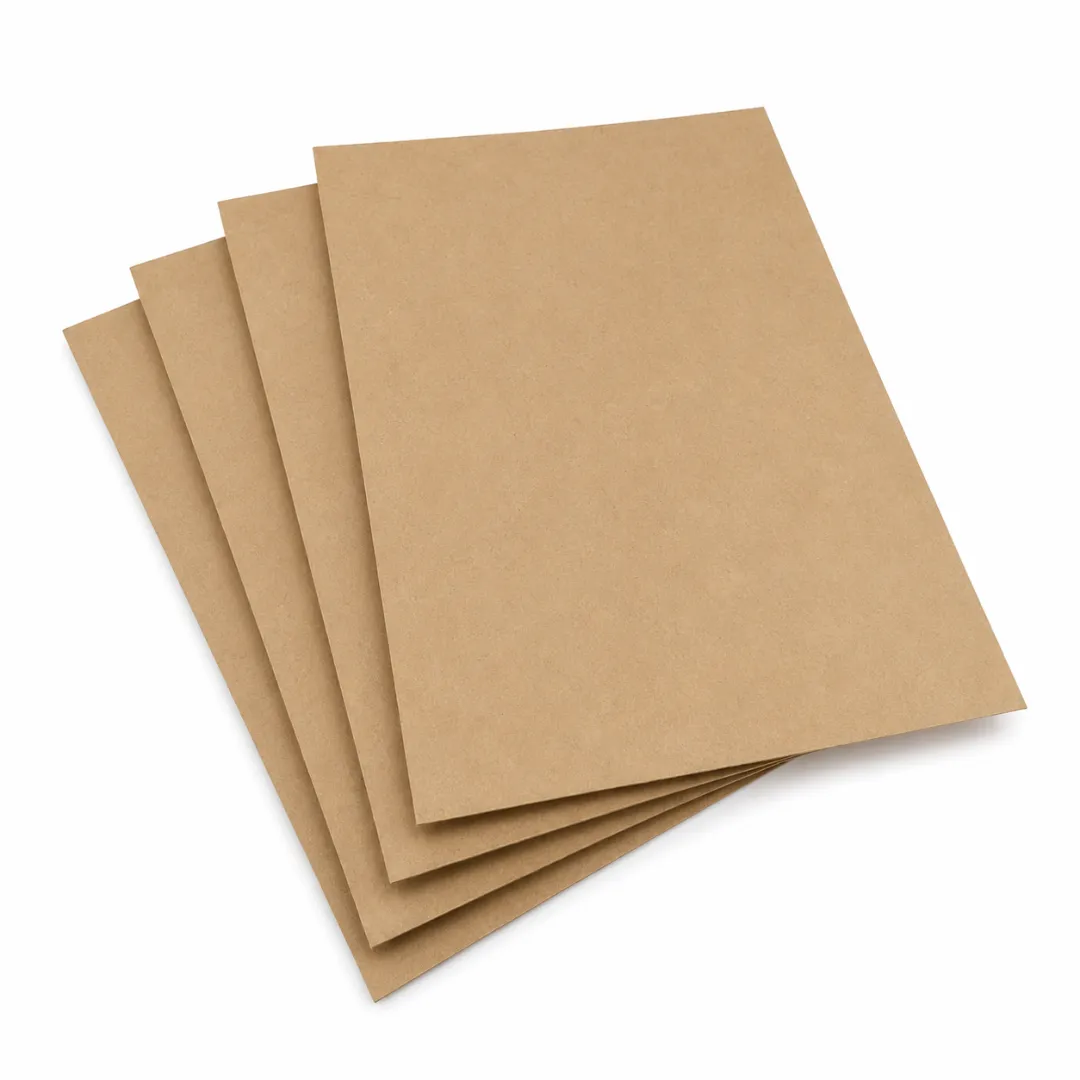
Kraft paper is a strong, durable and reliable material that is widely used across many different industries.
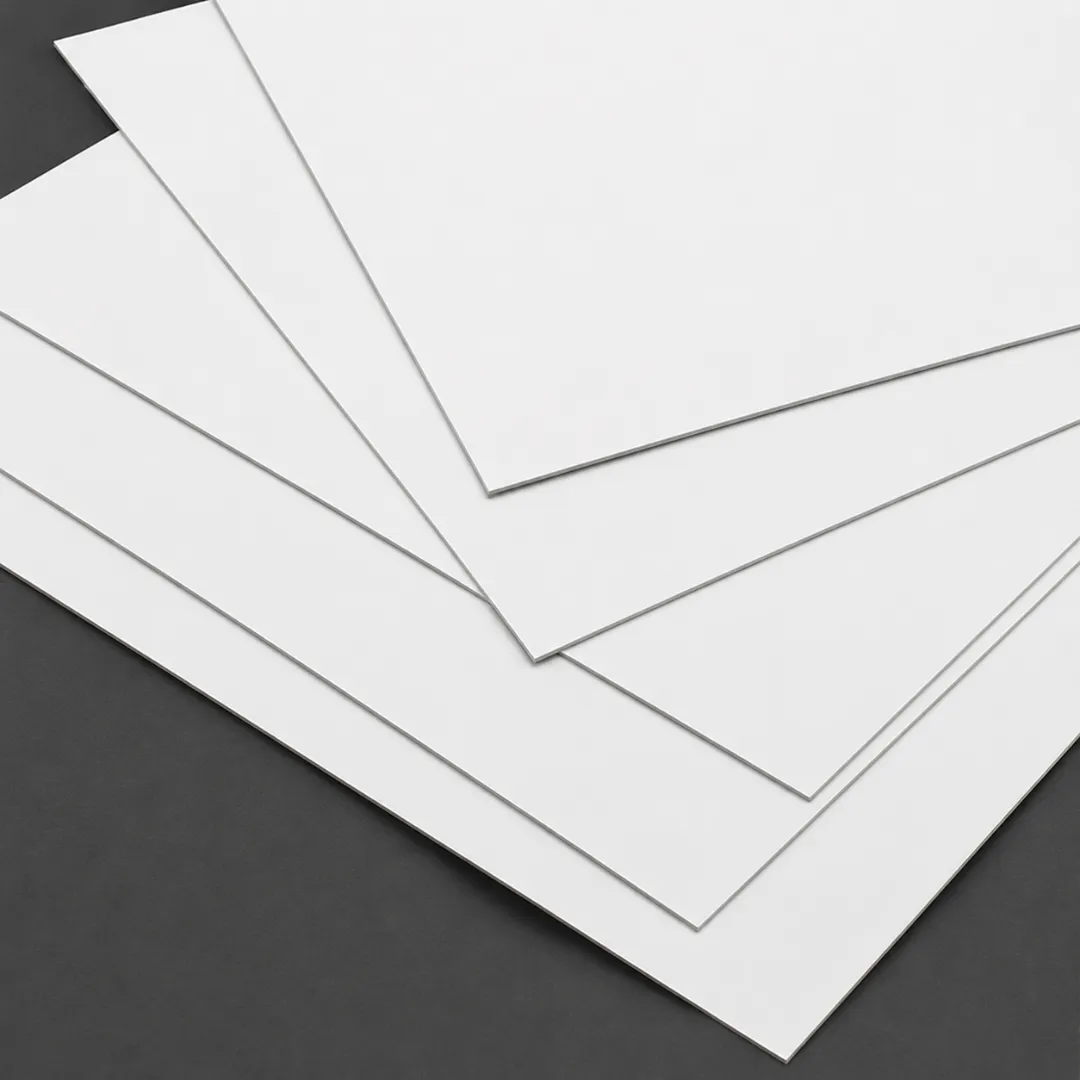
We use cardboard material with the least environmental impact and minimizes waste generation.
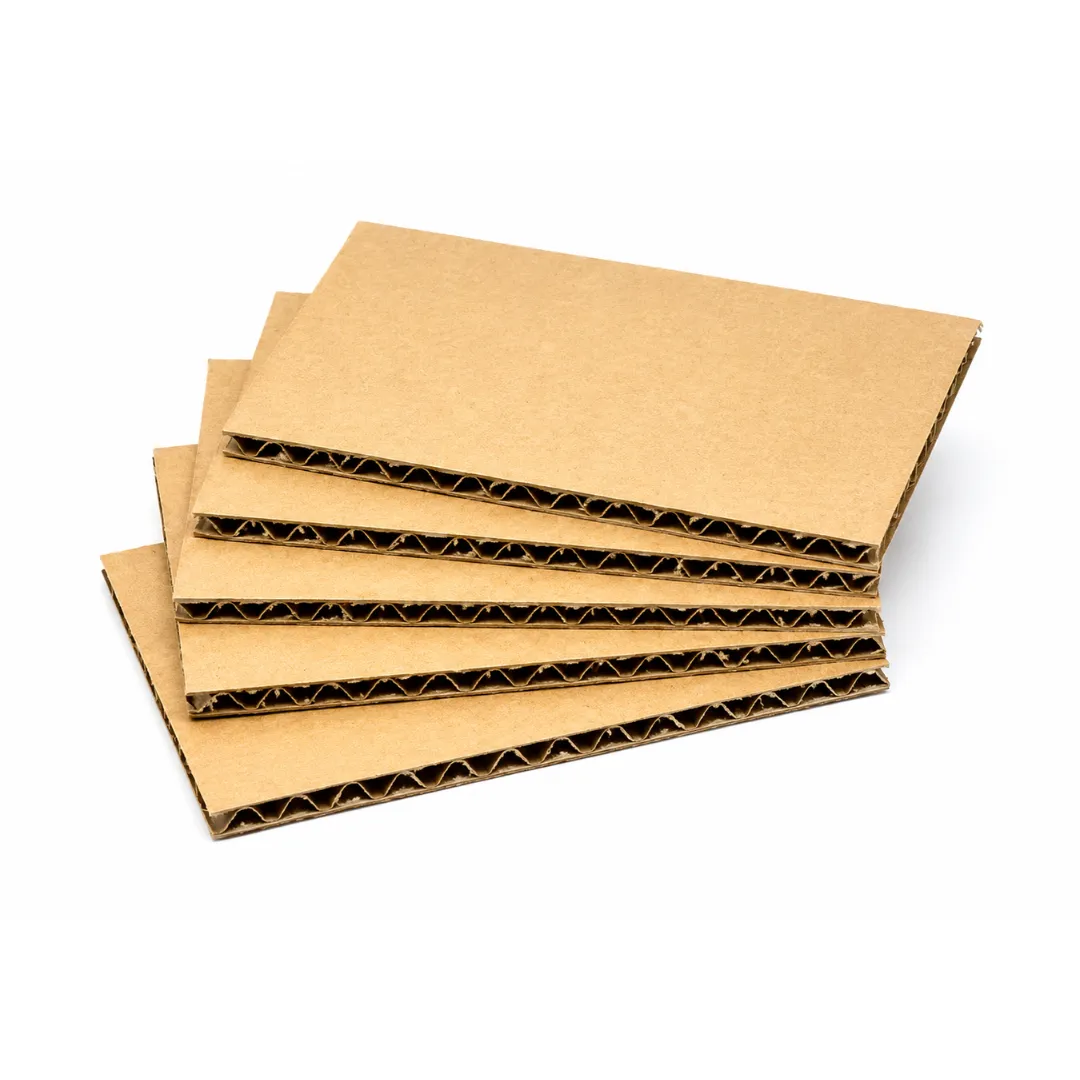
Corrugated material is easy to customize, cost effective and sustainable. It is also great for branding purposes.
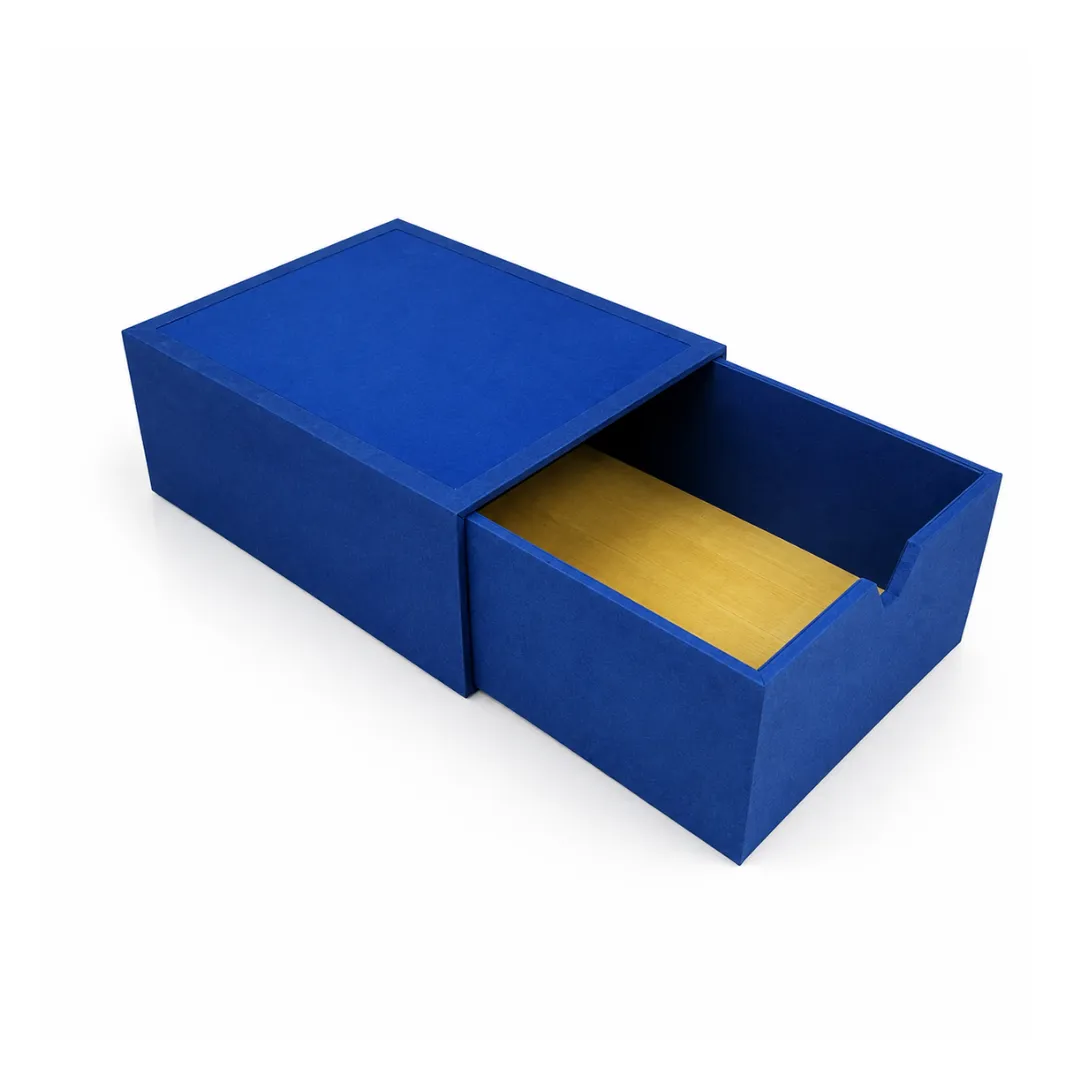
Rigid is highly protective, affordable and recyclable material. These boxes provide maximum protection.
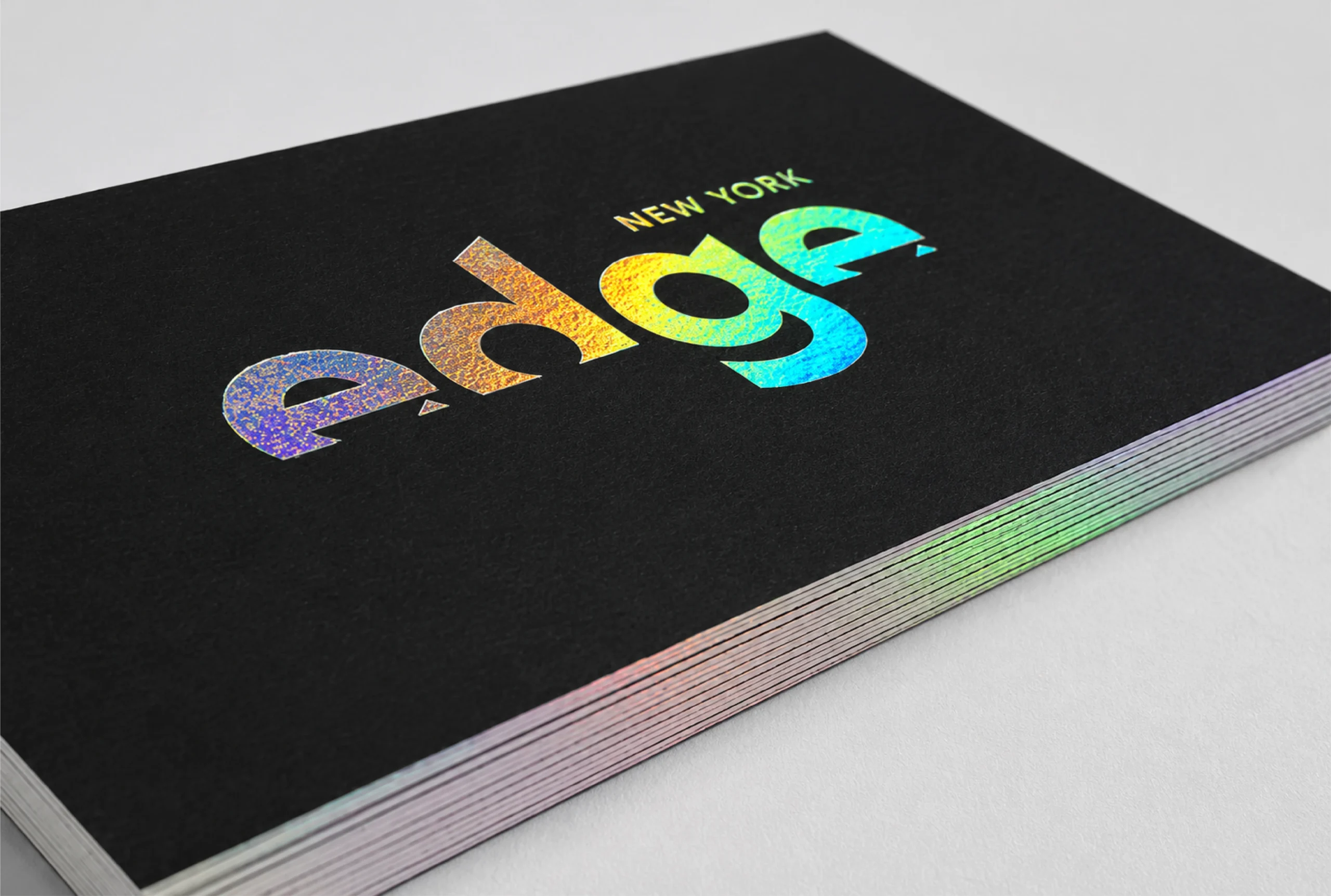
Holographic foil diffracts light and reveals the colors of the rainbow at various angles.
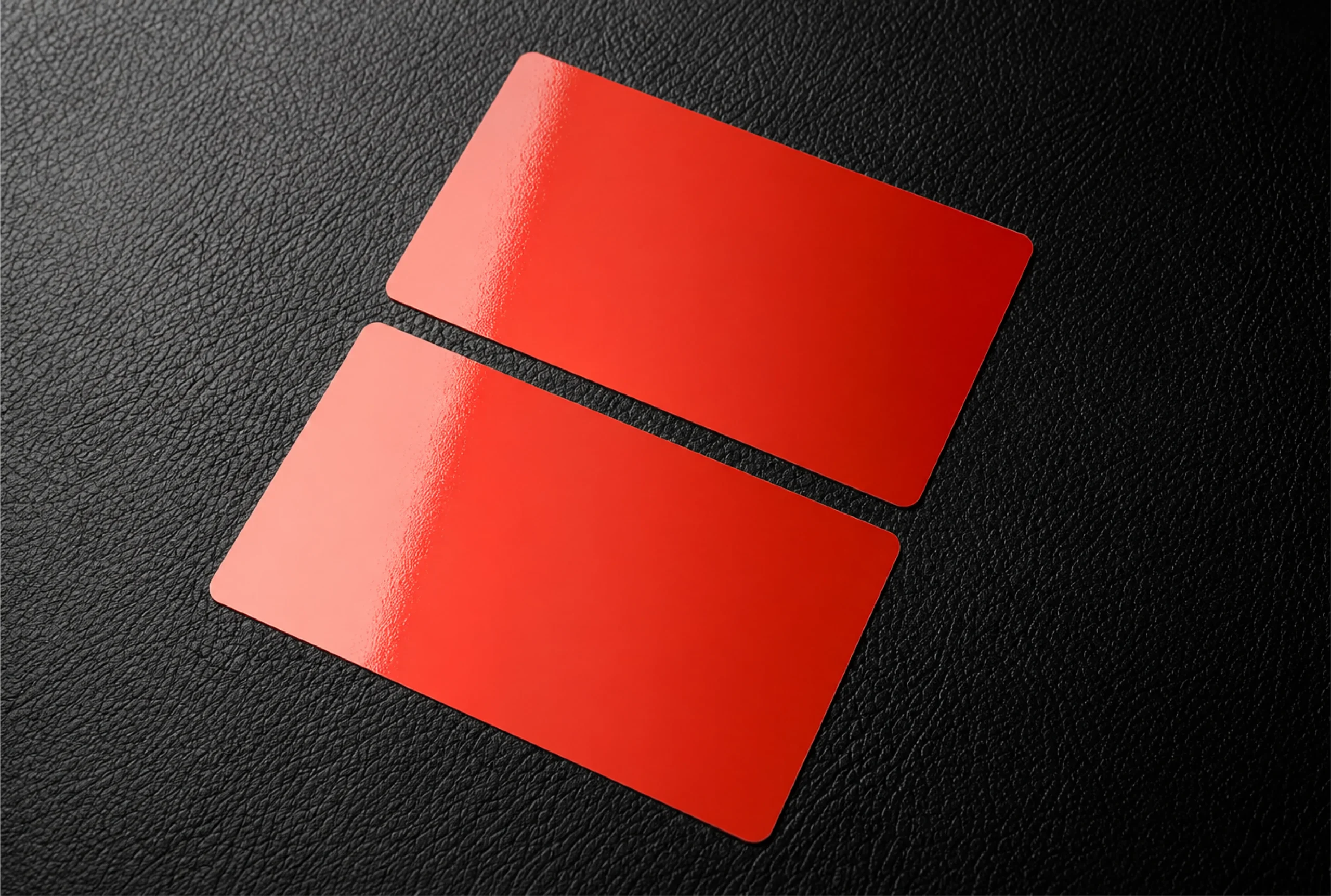
Our glossy finishing gives your packaging an extra layer of shine.
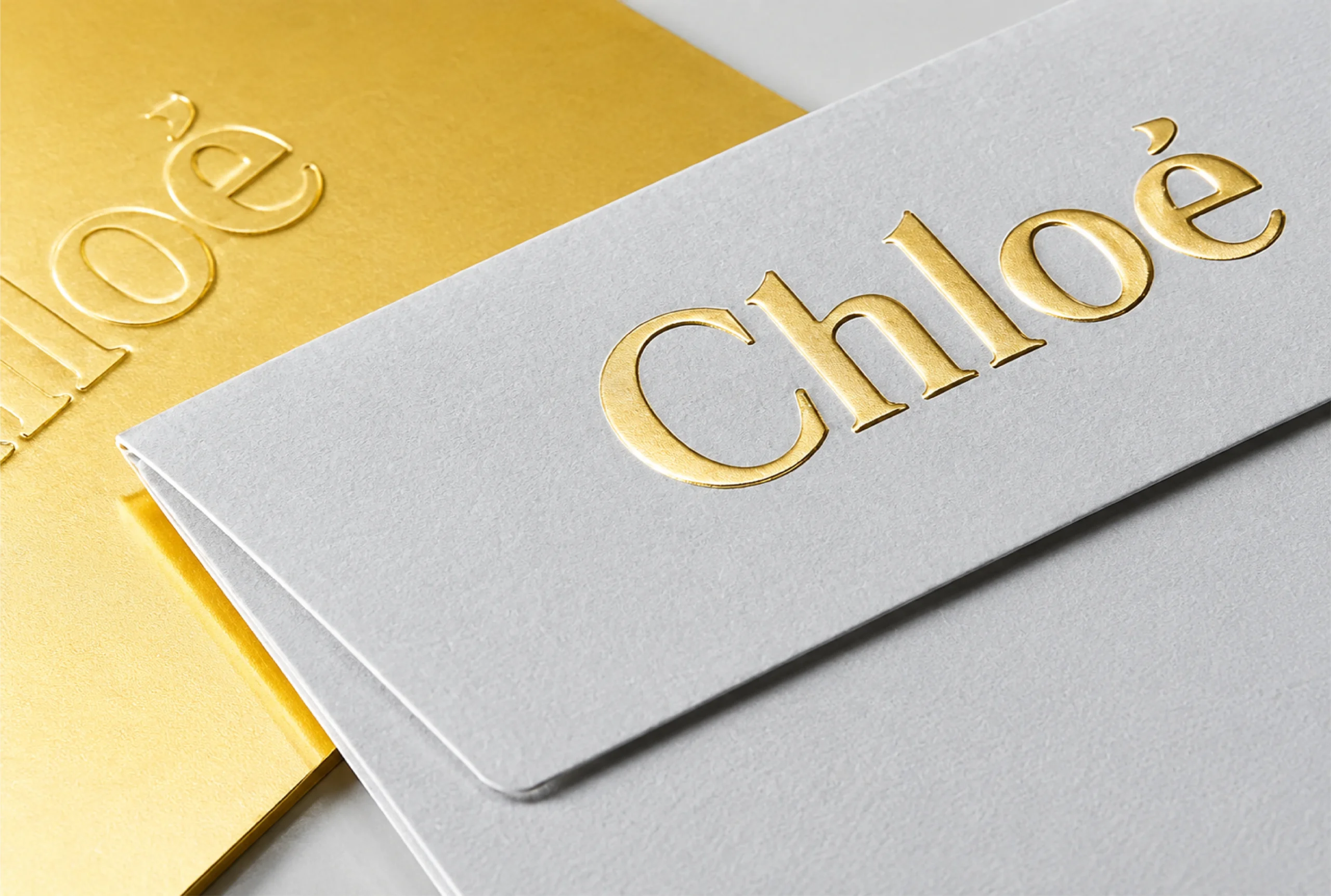
Decorate a wide range of your product packaging with our foil stamping.

With our embossing technique, we transfer the finest details of your product on packaging.
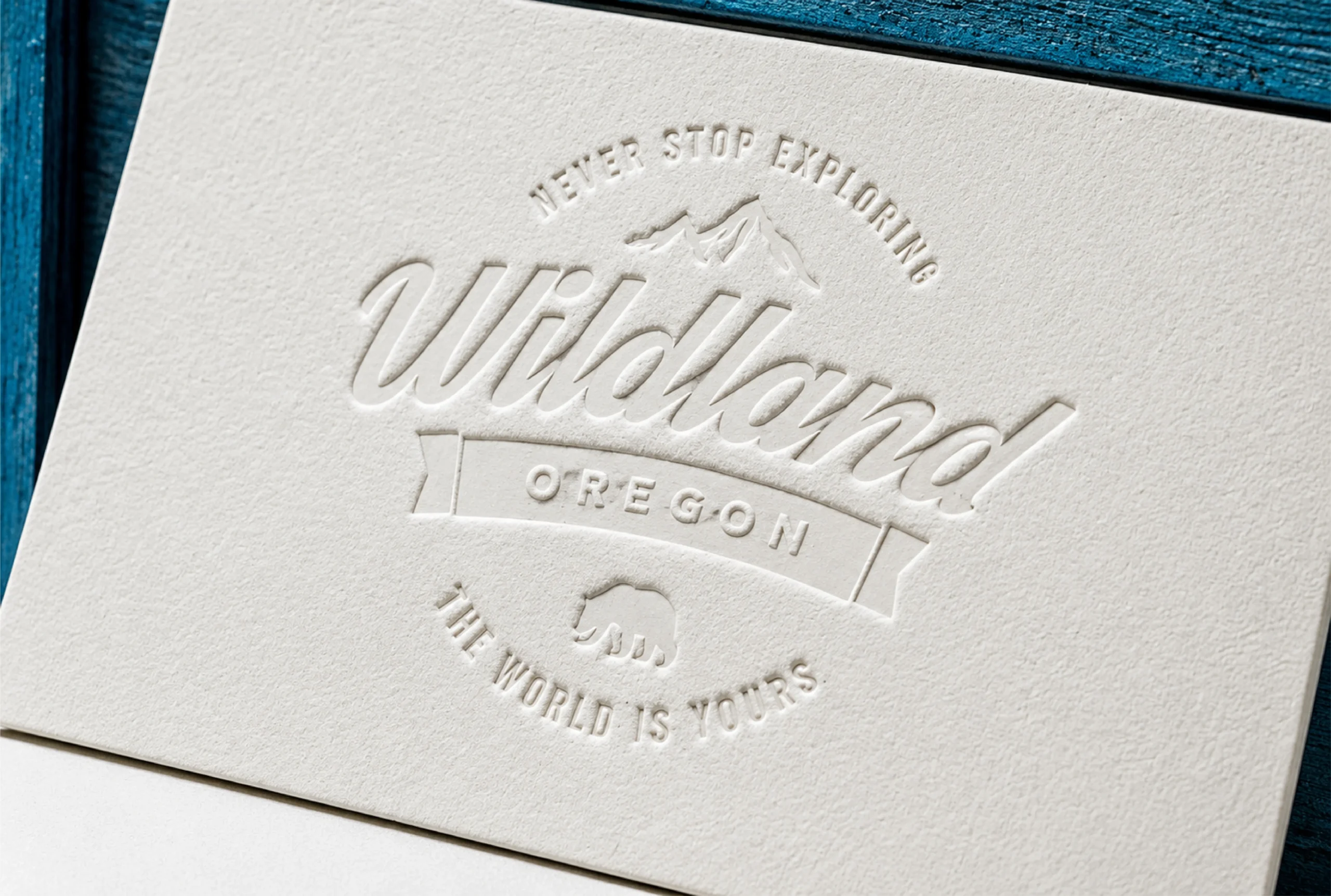
We use debossing technique to add unique graphics into your packaging.
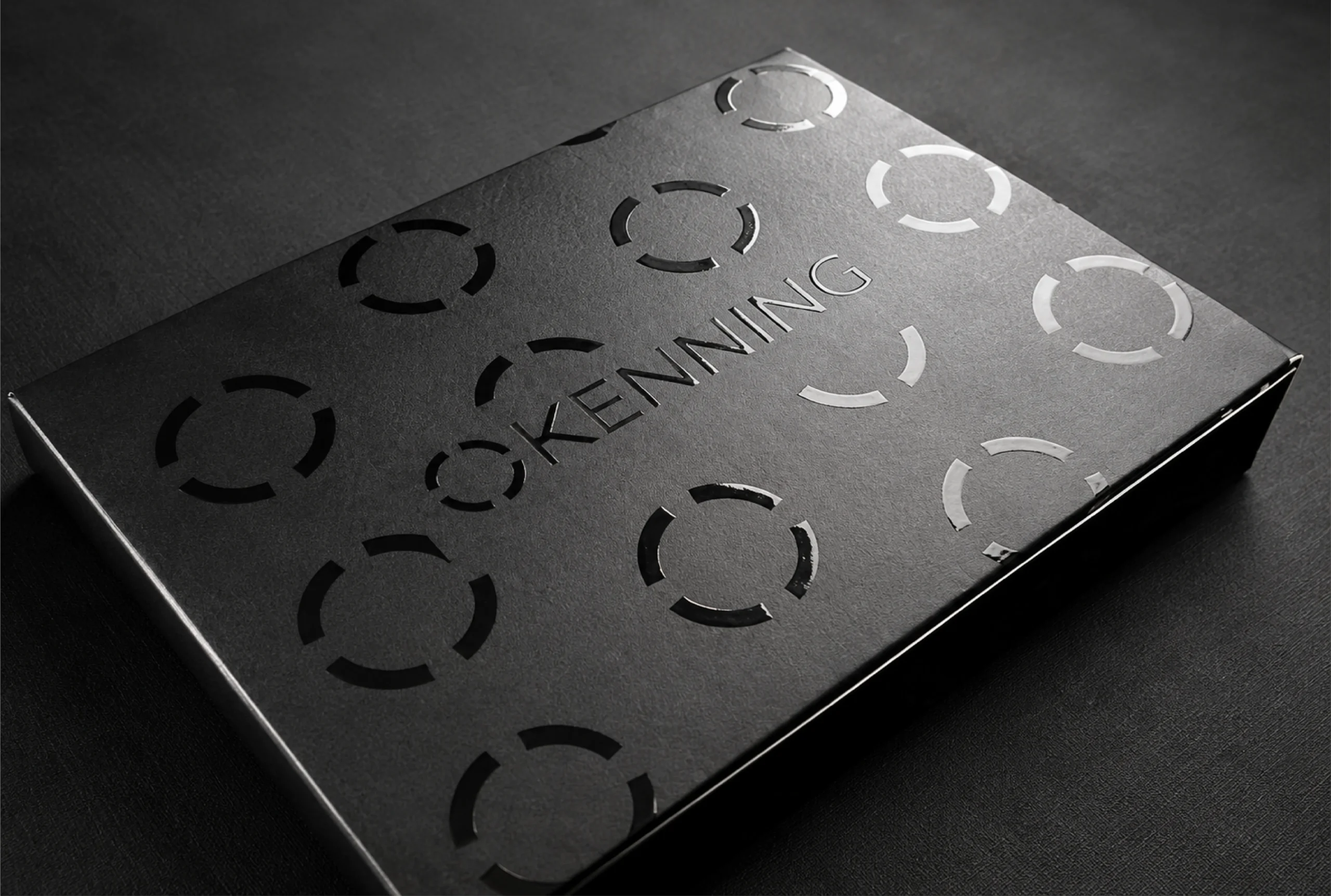
Our high-gloss UV coating gives light and shine to cure the printed material's varnish.
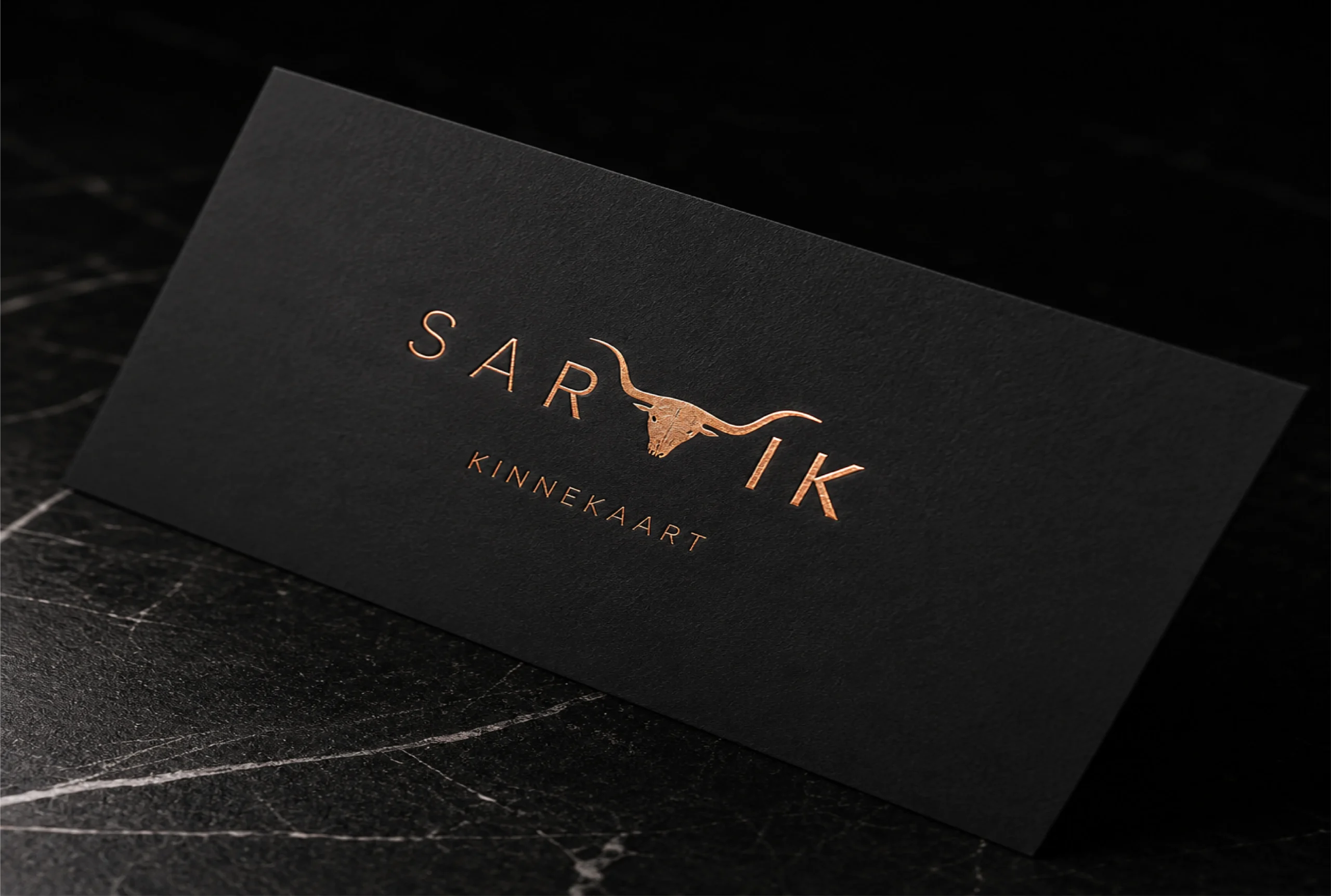
We add additional layer of protection with soft touch lamination from toner chipping.
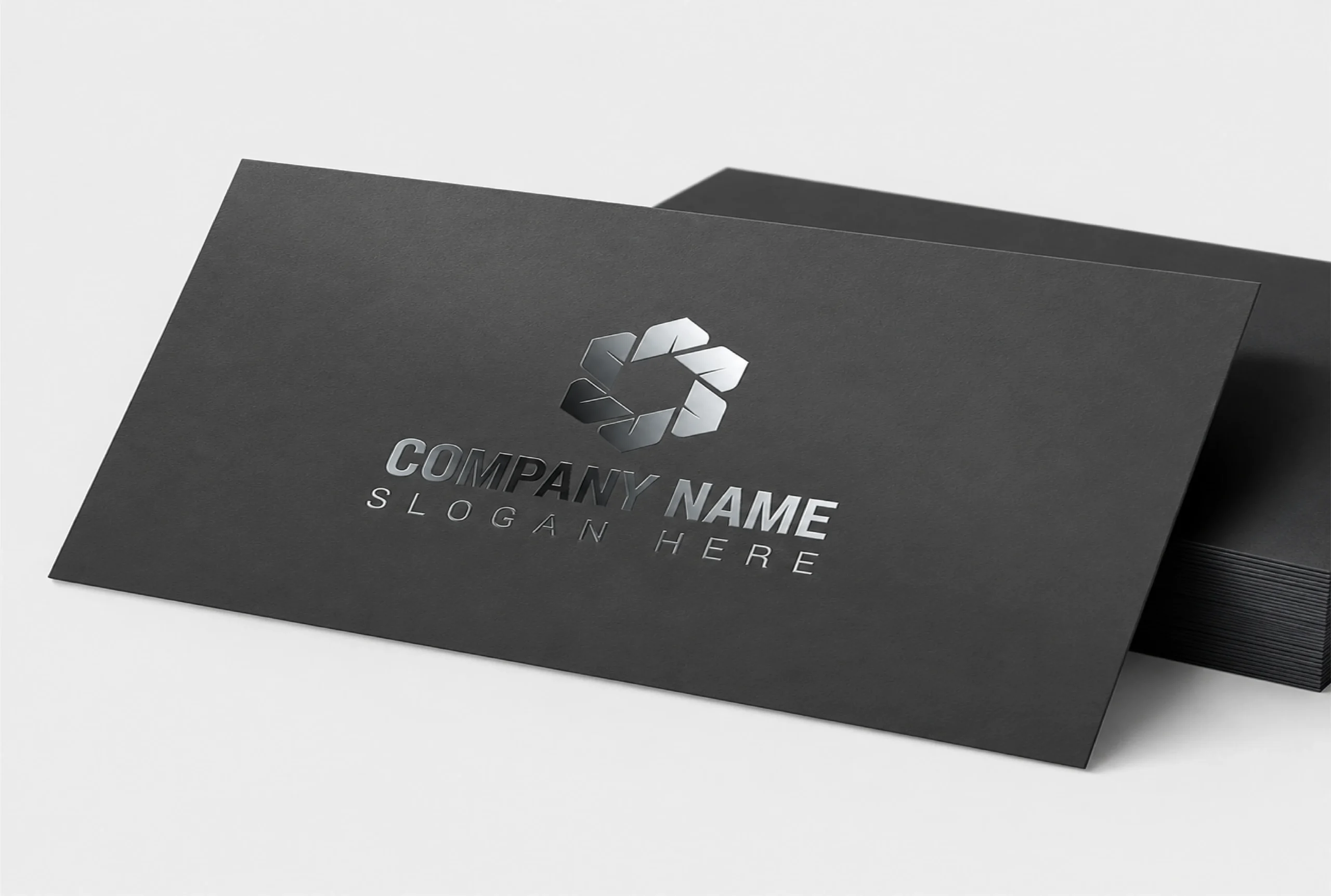
With our matte finish, fingerprints and smudges will now be less visible on the packaging.
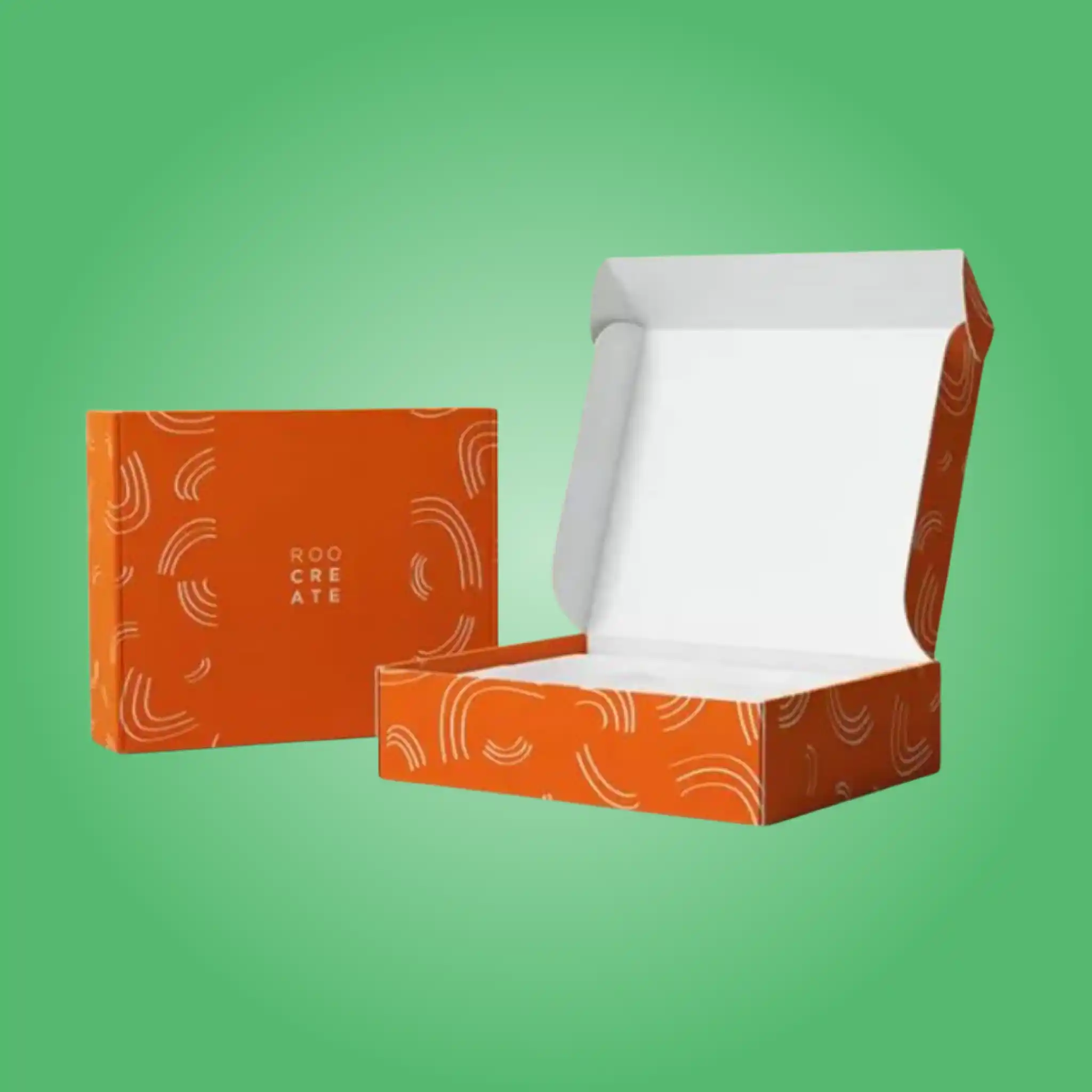
Custom full color mailer boxes from Pioneer Custom Boxes help beauty, apparel, food, electronics, subscription and direct-to-consumer brands ship packaging that prints like retail. Choose litho lamination, digital or HD flexo on white top, bleached or kraft liners, with printed interiors, lamination, spot UV, foil, free design support, no MOQ and free USA shipping.
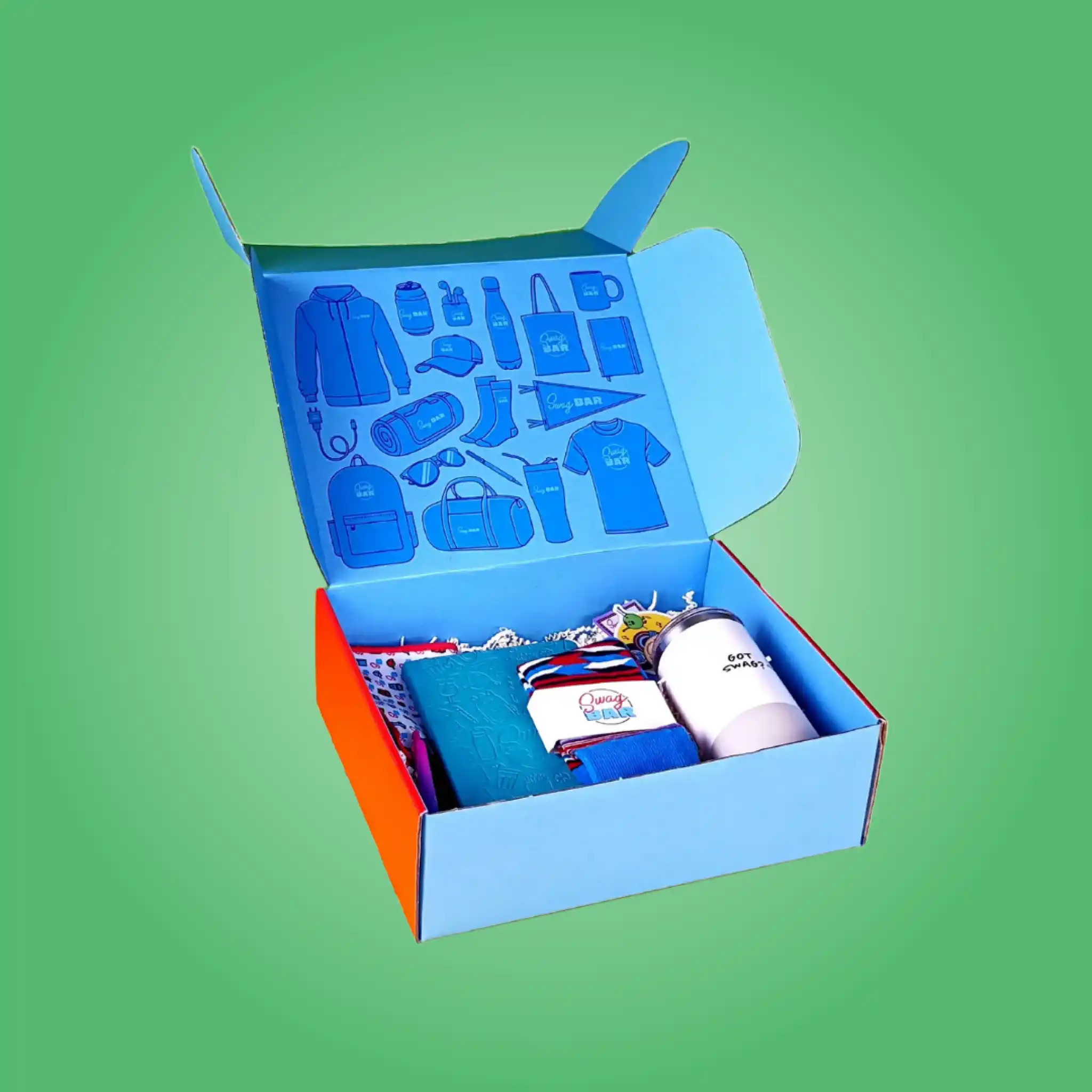
Custom luxury mailer boxes from Pioneer Custom Boxes help jewelry, watch, beauty, fragrance, apparel, electronics and premium gifting brands ship packaging that justifies the price point. Choose collapsible rigid, magnetic closure or litho laminated E-flute construction with flocked cavities, molded trays, soft touch lamination, foil stamping, free design support, no MOQ and free USA shipping.
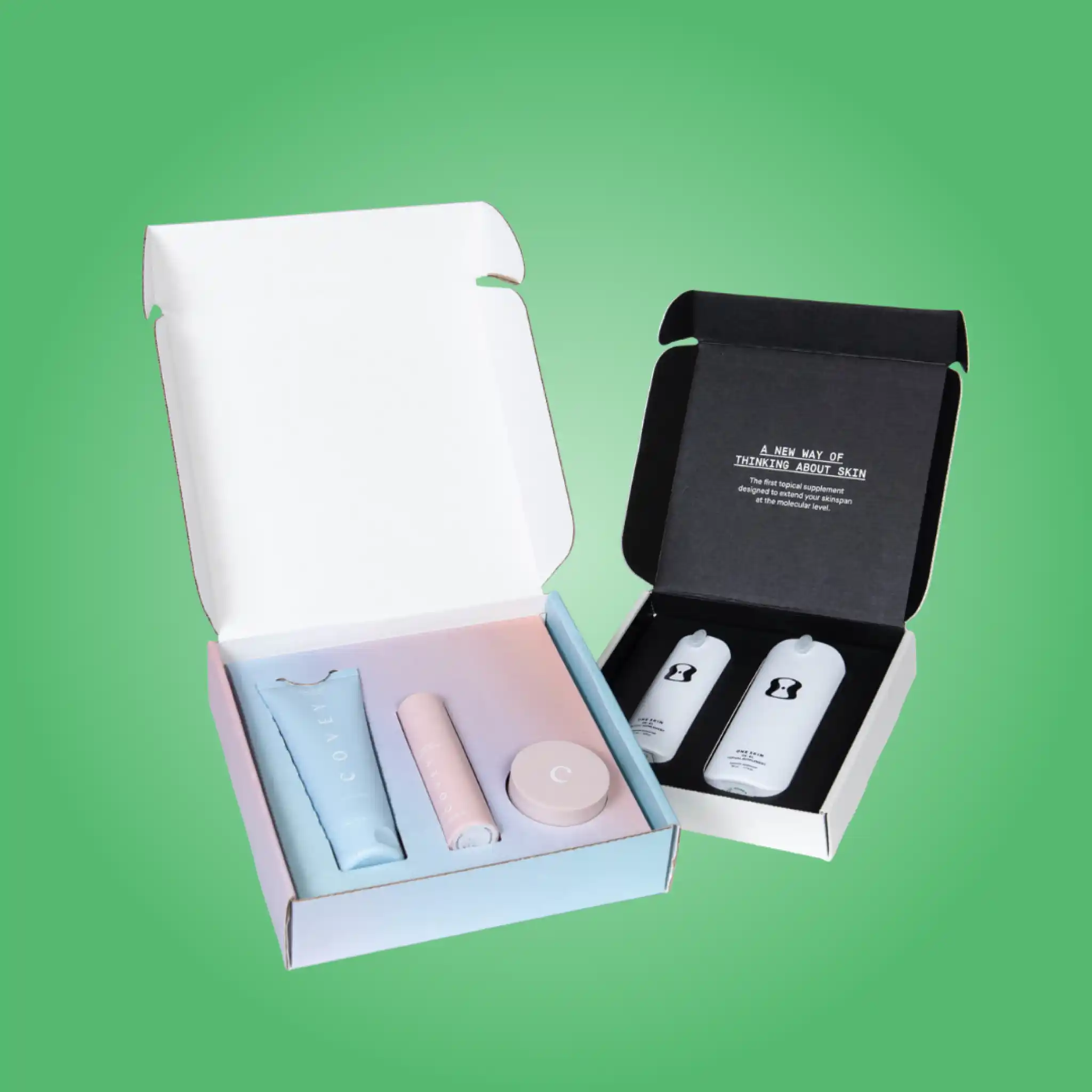
Custom mailer boxes with inserts from Pioneer Custom Boxes help cosmetic, glassware, candle, electronics, ceramics and subscription brands cut damage rates in transit. Choose die-cut corrugated trays, partitions, molded pulp cradles, paperboard platforms or foam, designed on one dieline with the box, with free design support, no MOQ and free USA shipping.
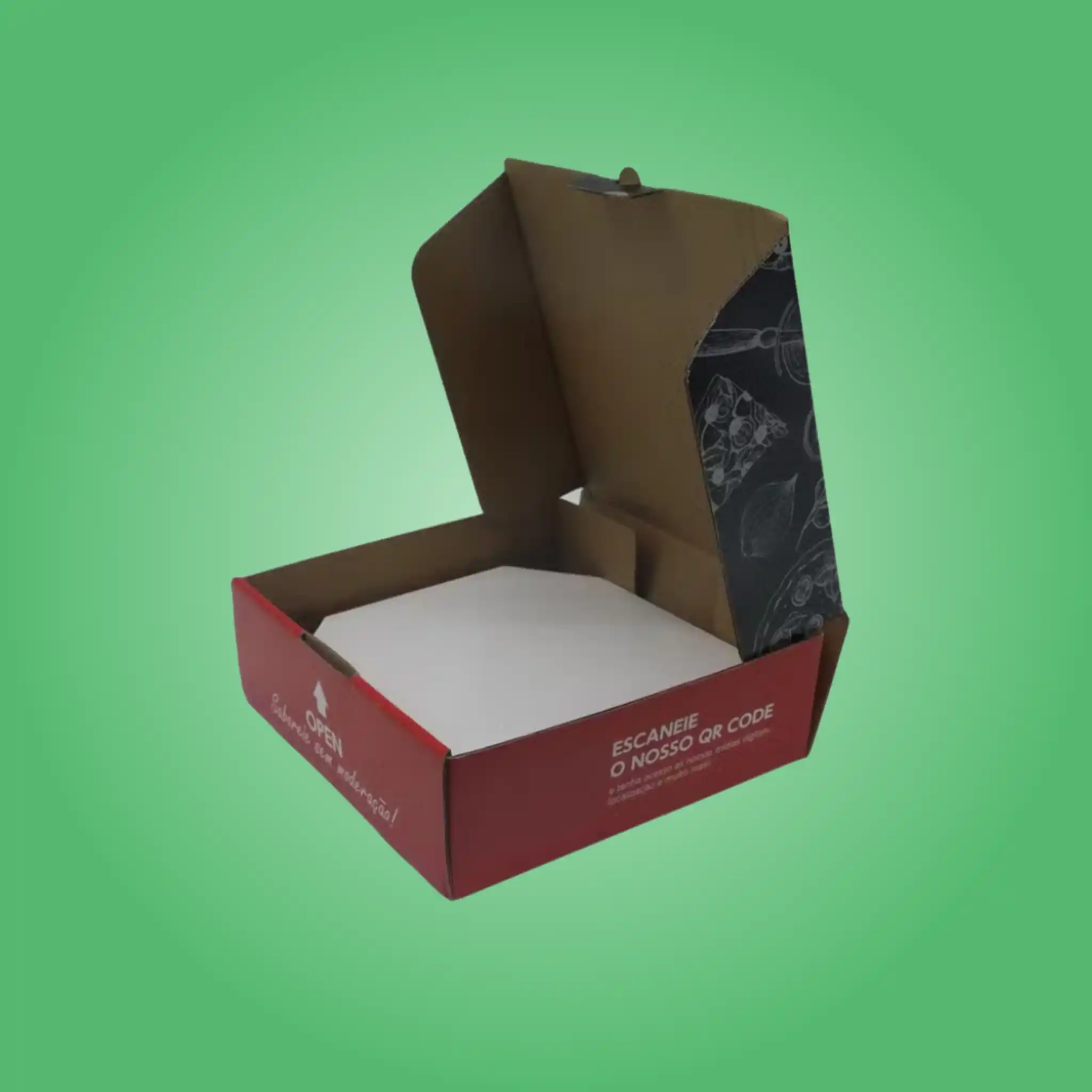
Custom takeout mailer boxes from Pioneer Custom Boxes help restaurants, ghost kitchens, fast casual chains, bakeries, caterers and meal kit brands deliver food in the condition it left the kitchen. Choose food grade SBS, kraft or corrugated with grease-resistant or barrier coatings, venting, dividers, handles, tamper seals, free design support, no MOQ and free USA shipping.