Custom Food Boxes (USA) – Food‑Safe, Printed & Manufacturer‑Direct
Pioneer Custom Boxes manufactures custom food boxes built for safety, freshness, and brand impact.
We produce food‑grade packaging with grease resistance, secure closures, and high‑quality printing for restaurants and food brands across the USA.
Get MOQs in the USA, precise cost estimation in the USA, dependable lead time in the USA, and free shipping across the USA.
What Makes Food Packaging Different From Regular Packaging
Food packaging must protect taste, temperature, and hygiene. Unlike general product boxes, food boxes require material selection, coatings, and construction that meet handling and safety expectations.
Pioneer Custom Boxes designs food packaging that resists grease, handles heat, and maintains structural integrity during delivery across the USA.
Food Box Categories We Manufacture
We manufacture food boxes for multiple service models, including dine‑in, takeout, delivery, and retail distribution.
Quick‑Service & Takeout Food Boxes
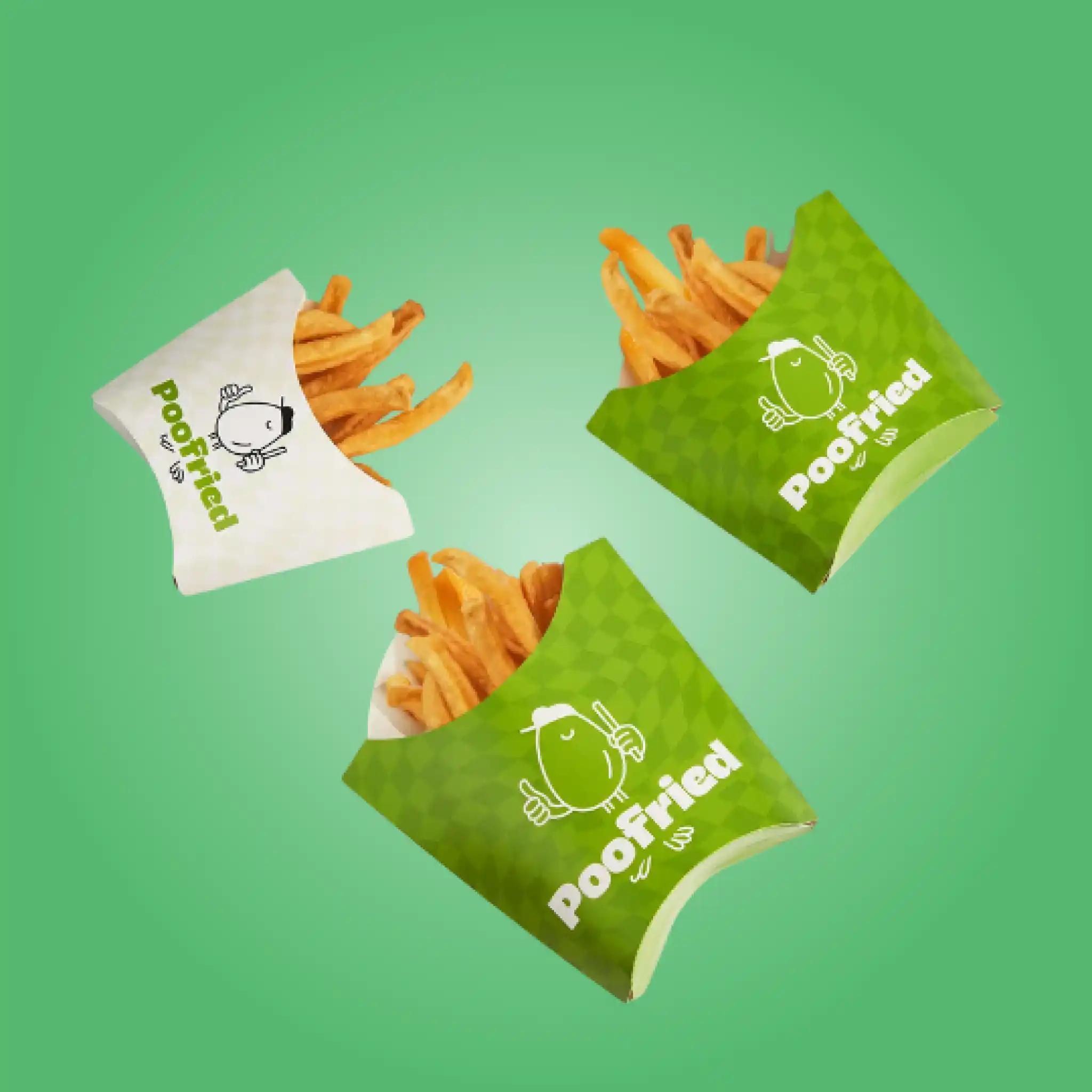
Takeout packaging must be sturdy, easy to assemble, and reliable during transit. These boxes support fast‑paced food operations.
Best for
These suit restaurants and food chains, takeout and delivery services, food trucks and pop-ups, and any operation serving combo meals or portioned servings.
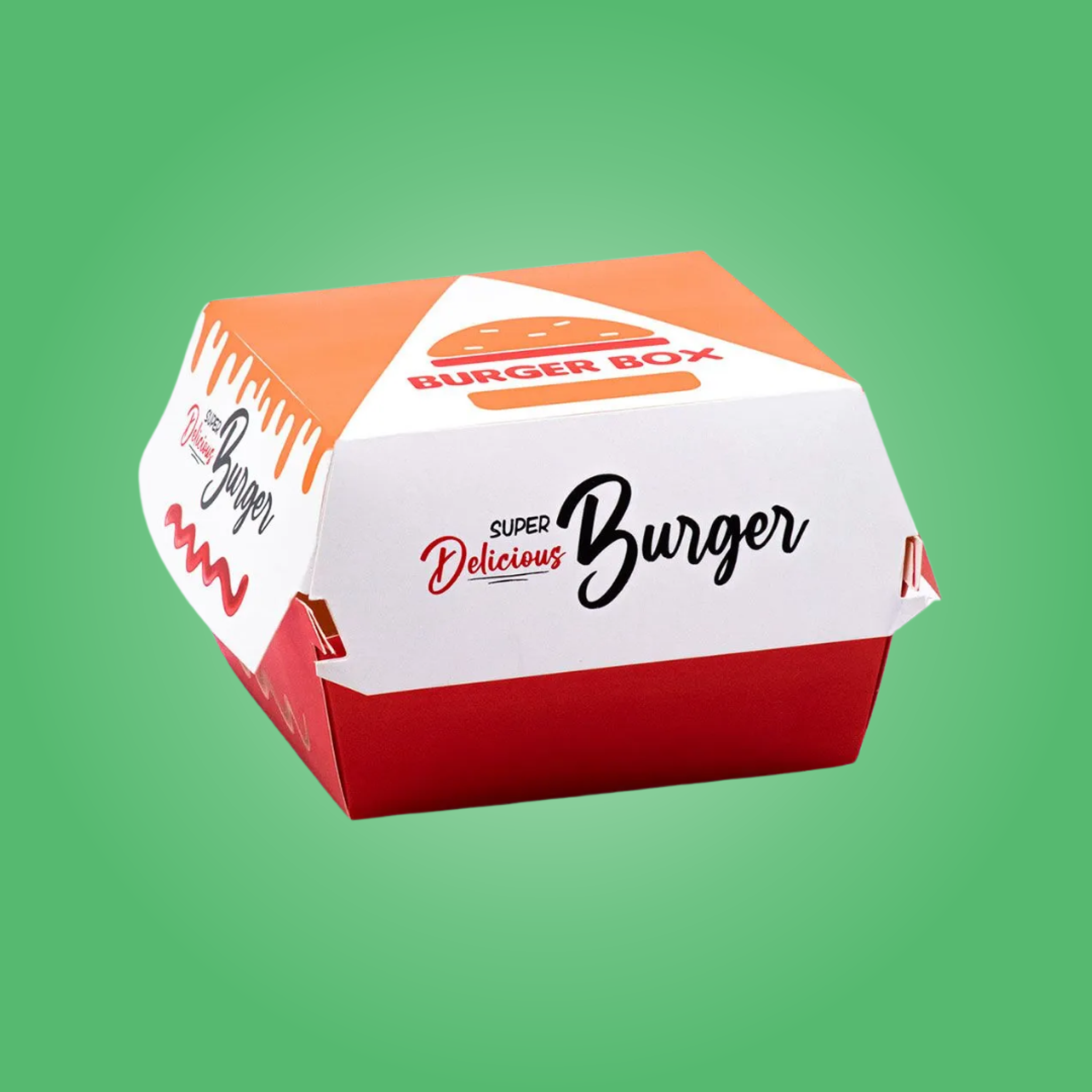
Many QSR brands rely on custom burger boxes when packaging hot meals that need structure and grease resistance.
Beverage & Combo Packaging
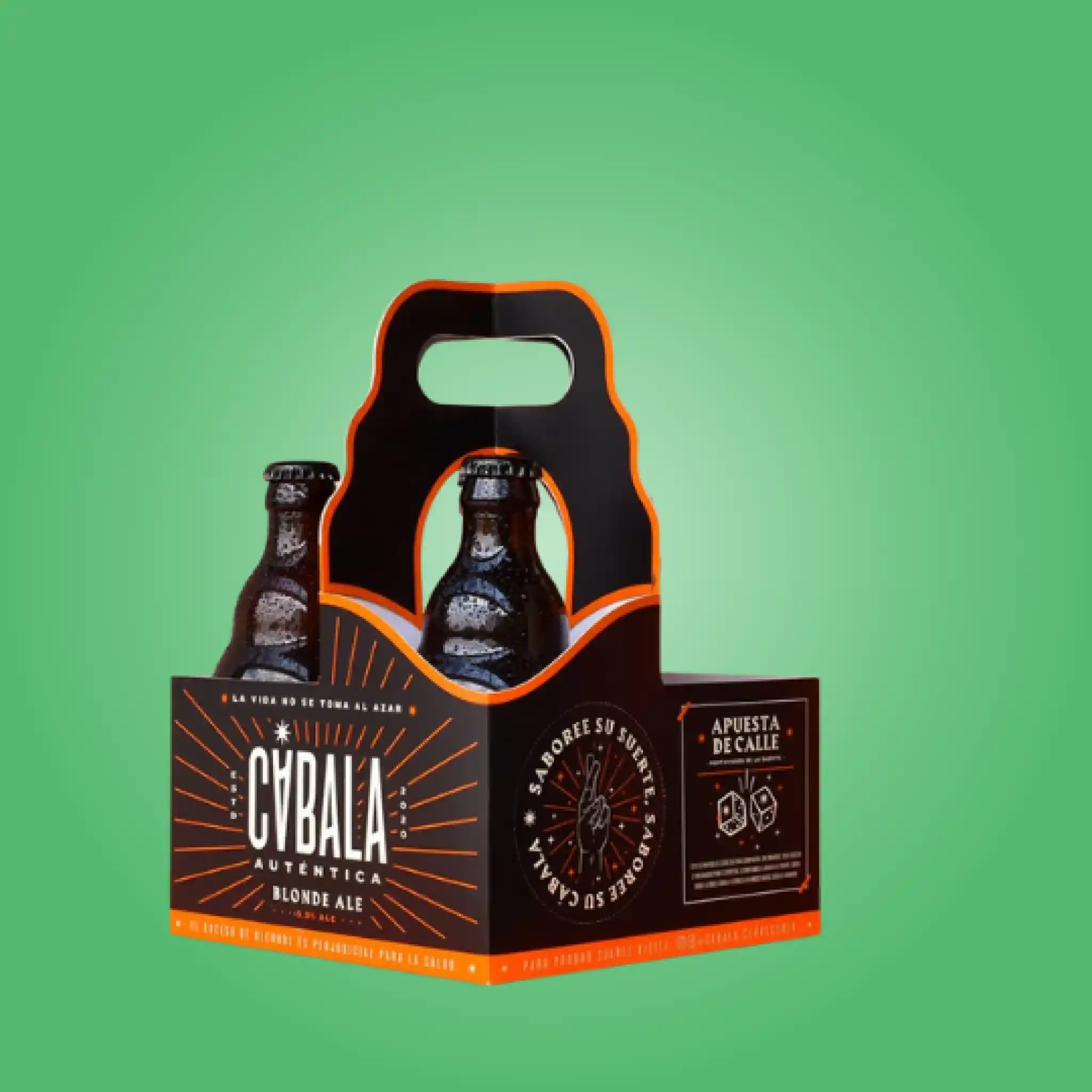
Food brands often package drinks alongside meals. Beverage packaging must prevent spills while maintaining presentation.
Best for
They work well for cold and hot drink packaging, meal combo programs, and event or catering services.
Food brands frequently pair meals with drinks using custom beverage boxes designed for secure cup placement.
Retail & Shelf‑Ready Food Boxes
Retail food packaging requires clean printing, accurate sizing, and compliance with handling standards.
Best for
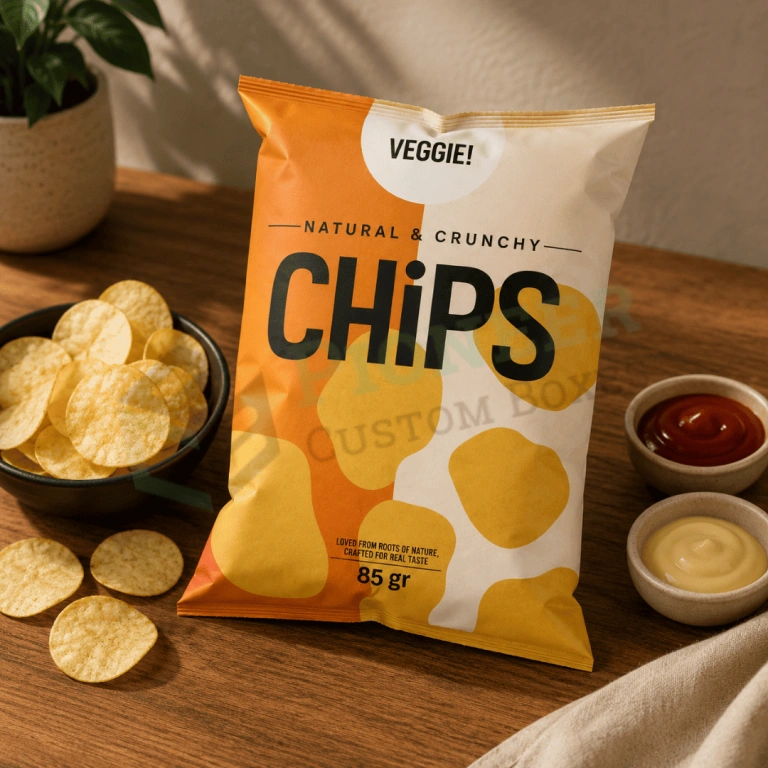
They suit dry foods and cereals, snack packaging, retail food brands, and subscription food products.
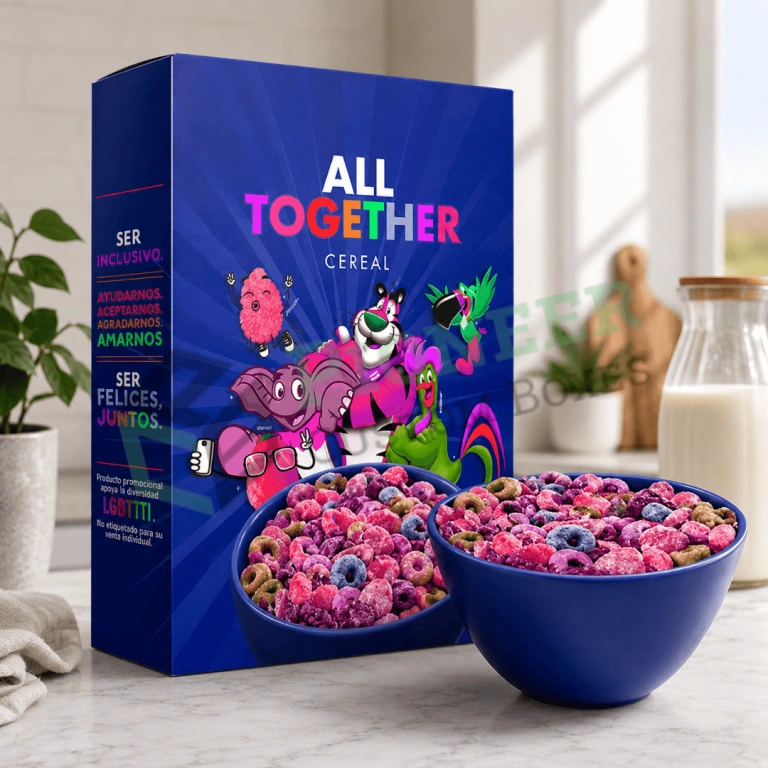
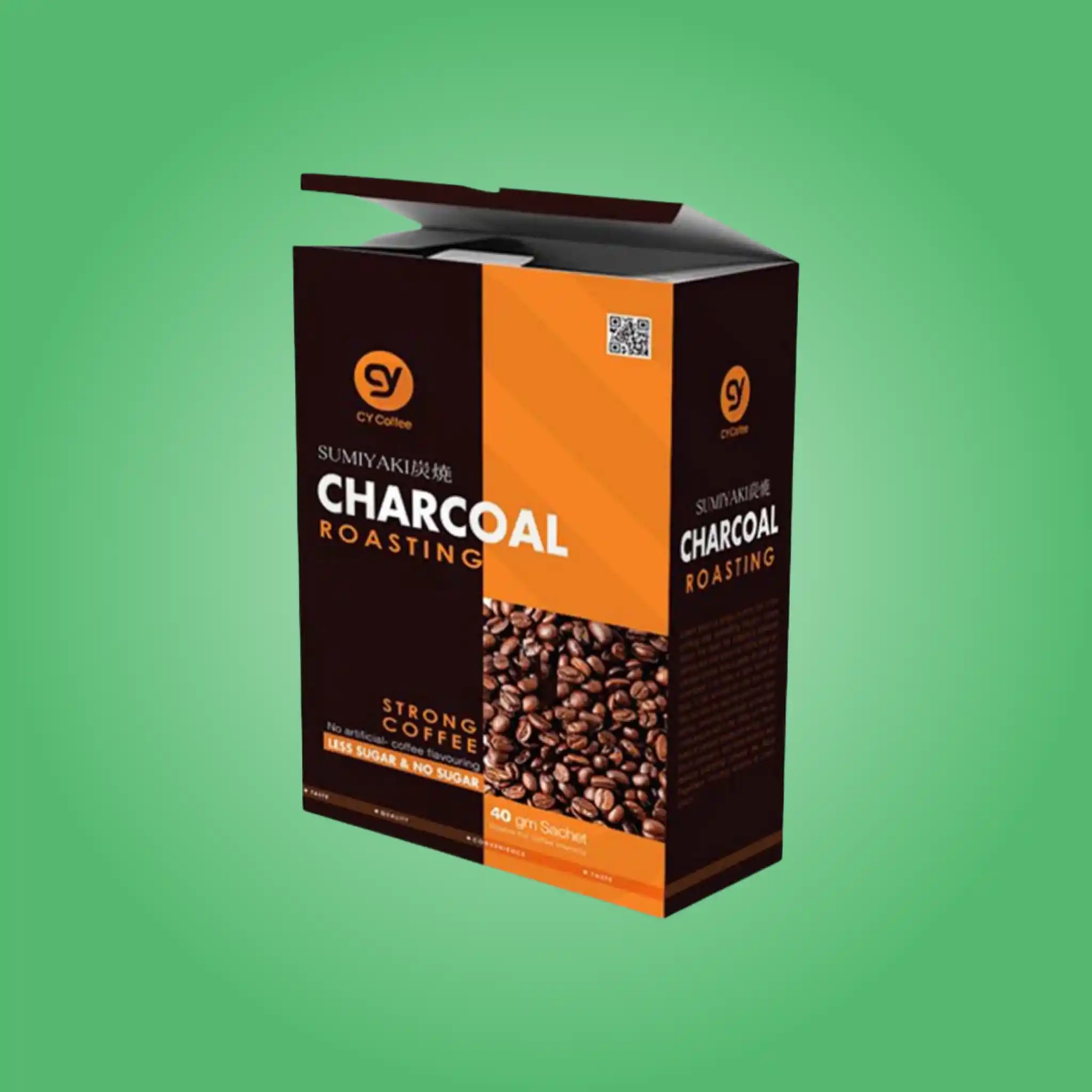
Retail‑focused food brands often choose custom cereal boxes for shelf visibility and consistent branding.
Food‑Safe Materials & Coatings (USA Standards)
We manufacture food boxes using materials that support direct and indirect food contact.
Material options
We run SBS paperboard for clean printing and rigidity, kraft paperboard for a natural presentation, corrugated board for bulk and heavier food packaging, and cardstock for lighter retail cartons.
Food‑grade coatings
Coating choices include grease-resistant treatments, moisture-resistant barriers, heat-safe inner linings, and eco-friendly options where your program calls for them.
We select materials based on food type, temperature, and handling conditions.
Structural Design & Functionality (Built for Real Use)
Food boxes must perform during real service conditions. Poor structure leads to leaks, collapse, and customer complaints.
Functional design features
Functional details include secure locking tabs and tuck closures, ventilation for hot food, reinforced bases for heavier meals, and easy-open designs that speed up service.
Our structural designs focus on speed of assembly and reliability in high‑volume environments.
Printing & Branding for Food Boxes
Food packaging acts as a branding surface during delivery and consumption. Clean printing improves brand recognition and trust.
Printing options
Printing options cover full-color CMYK, PMS Pantone matching for exact brand shades, printing on the inside as well as the outside, and minimal-ink designs where a lighter environmental footprint matters.
Finish options
Finishes include matte or gloss coating, spot UV accents, and limited foil applications for retail food packaging.
We balance visual appeal with food safety requirements.
Offset Printing
Offset printing transfers ink from a metal plate to a rubber blanket, then onto the board. Setup takes time, yet the press then runs thousands of sheets an hour. Unit cost therefore falls sharply above roughly one thousand cartons. Offset holds fine detail accurately, which matters for nutrition panels and small legal type. Chains ordering nationally almost always land here.
Digital Printing
Digital printing needs no plates, so production starts within hours. Short runs cost far less than they would on offset, and fifty cartons carry nearly the same setup as five hundred. Digital also supports variable data, letting each carton show a different flavor, location or date. Independent restaurants and seasonal menu items suit it well.
Flexographic Printing
Flexo prints directly onto corrugated board using flexible plates. It handles bold logos and solid colors economically at volume, though it cannot match offset for photographic detail. Pizza boxes and bulk shippers normally print this way, because they need legible branding rather than imagery.
CMYK, PMS and RGB Explained
CMYK builds color from cyan, magenta, yellow and black dots, and it reproduces photography cheaply. On kraft board those dots sit over a brown ground, so colors read warmer and darker than on white stock. PMS uses premixed Pantone inks instead, so a signature shade stays identical across every run and covers kraft far better. RGB belongs to screens rather than presses, and we convert RGB files to CMYK or Pantone before production, flagging any shade that shifts noticeably.
Use Cases for Custom Food Boxes in the USA
Food brands across the USA rely on custom food boxes for daily operations and growth.
Common use cases
Common use cases run from restaurant takeout and delivery through fast-food chains, bakery and dessert packaging, beverage and meal combos, and retail or subscription food products.
We support nationwide distribution to California, Texas, Florida, New York, Illinois, and other key markets.
Our MOQs in the USA (Designed for Food Businesses)
Food businesses require flexibility. We offer MOQs in the USA that support new launches and established operations.
MOQ depends on
Your minimum depends on box size and structure, material and coating selection, printing coverage, and how often you reorder.
We help you choose MOQs that align with sales volume and storage capacity.
Cost Estimation in the USA for Food Boxes
Cost estimation in the USA depends on material choice, coatings, printing, and quantity.
Pricing factors include
Pricing follows box dimensions and structure, food-safe coating requirements, printing method and ink coverage, and your order quantity and shipping region.
Share your food type, box style, and quantity to receive an accurate quote.
Two quotes for the same carton can differ sharply, and the reason is almost always a specification detail. Size leads, because board is priced by area, and a carton sized to the actual portion rather than a rounded number saves material on every unit. Board and barrier grade follow, since grease-resistant and moisture-resistant stocks cost more than plain board.
Coating type is the driver most often over-bought. A full barrier coating costs considerably more than a targeted grease-resistant treatment, and many menu items only need the latter. Print method comes next, and for containers discarded after one meal, one-color flexo on kraft often sells just as well as full-color litho. Quantity and structural extras finish the list, and we price windows, handles and dividers separately so you can drop what does not earn its place.
| Cost Driver |
Impact |
How to Reduce It |
| Carton dimensions |
Highest |
Size to the real portion, not a rounded figure |
| Board and barrier grade |
High |
Apply grease resistance only where oils are present |
| Coating type |
High |
Targeted treatments rather than full barrier |
| Print method |
Moderate |
One or two colors on kraft for high-turnover items |
| Structural extras |
Moderate |
Windows and handles only where they drive the sale |
| Order quantity |
Moderate |
Consolidate menu sizes into fewer runs |
Lead Time in the USA (Production & Delivery)
Lead time in the USA depends on box complexity and order volume. Food packaging schedules often require consistency.
Lead time depends on
Lead time depends on how quickly artwork is approved, material availability, the coating and finishing steps involved, and your delivery location.
We confirm production timelines before order approval.
Shipping Across the USA (Free Nationwide Delivery)
We ship custom food boxes across the USA using protective packaging to prevent damage.
We offer free shipping across the USA, helping food brands manage operational costs.
How to Order Custom Food Boxes from Pioneer Custom Boxes
- Share your food type, box style, and quantity
- Submit artwork or request design support
- Approve the dieline and print proof
- We manufacture and quality‑check your food boxes
- We ship your order anywhere in the USA
Food Safety, Compliance and What We Document
Food contact packaging carries obligations ordinary cartons do not, and buyers increasingly ask for paperwork rather than assurances.
We supply food grade board and food safe inks as standard for direct contact applications, and we document both for your compliance file. That documentation matters when a health inspector, a retail buyer or a co-packer asks what your packaging is made from. Having it on hand turns a stressful question into a two-minute answer.
Grease resistance is a performance property rather than a safety one, and the two get confused constantly. A grease-resistant coating stops oils migrating through the board and staining the exterior. It does not by itself make packaging food safe. We specify each property separately so nothing is assumed on either side.
Labeling sits with you and your regulatory advisor, and requirements change by product and by state. Allergen declarations, net weight, ingredient lists and nutrition panels all need planned space. We lay that space out at the dieline stage rather than squeezing it in after artwork approval, because late changes to a required panel usually mean a reprint.
Quality Checks Before Your Food Order Ships
Every food packaging order passes a documented check before it leaves our floor.
| Check |
What We Verify |
Why It Matters |
| Food grade materials |
Board and ink certification on delivered stock |
Direct contact compliance depends on it |
| Grease resistance |
Coating coverage and edge penetration |
Stains appear at the seams first |
| Dimensional accuracy |
Internal fit against the approved dieline |
Portions must sit flat without forcing |
| Score and fold quality |
Clean folds with no cracking |
Cracked scores leak and weaken under heat |
| Assembly speed |
Fold and lock action by hand |
Staff assemble these during service rush |
| Vent placement |
Hole position and size where specified |
Trapped steam ruins texture |
| Window film bond |
Adhesion and clarity on window cartons |
Peeling film fails hygiene expectations |
| Barcode readability |
Scan test on a flat matte area |
Retail food items need reliable scanning |
If anything fails, we remake it rather than ship it.
Choosing the Right Food Box: A Decision Guide
Menu item first, packaging second. This guide moves from what you serve to what you should order.
| If You Serve |
Structure |
Board |
Key Feature |
| Burgers and hot sandwiches |
Clamshell or tuck top carton |
18pt grease resistant |
Vent holes |
| Fries and fried sides |
Scoop carton or cup |
16pt grease resistant |
Open top for speed |
| Pastries and bakery items |
Window carton |
18pt SBS |
Clear PET window |
| Full meals and rice dishes |
Gable box or deep carton |
18pt with barrier |
Integrated handle |
| Salads and cold items |
Window box or bowl carton |
16pt SBS |
Moisture resistance |
| Pizza and flat items |
Corrugated flat box |
B-flute or E-flute |
Vents and stacking strength |
| Retail packaged snacks |
Printed tuck carton |
16pt to 18pt SBS |
Barcode and nutrition panel |
| Frozen and chilled retail |
Coated carton |
18pt moisture resistant |
Freezer-stable coating |
When an item sits between two rows, choose the sturdier option. A carton that fails during delivery costs a refund and a review, and both dwarf the price difference.
Reorders and Consistency Across Locations
Restaurants reorder constantly, so consistency matters more here than in almost any other category. We keep your dieline, board specification and print files on record, and reorders run against that stored specification. Your cartons stack with the ones already in your stockroom, and branding sits in the same position on every run.
For groups running several locations or a changing seasonal menu, we can hold one structural template and vary only the printed panel. That keeps the range visually consistent and lowers unit cost, because the die already exists.
A Real Example: Cutting Soggy Crust Complaints
A fried chicken operator in Georgia was getting steady complaints that food arrived soggy. Their cartons were sealed tight with no ventilation, so steam had nowhere to go during a fifteen minute delivery.
We changed two details. First we added a pattern of small vents on the lid, sized to release steam without letting heat drop too fast. Second we moved them to a grease-resistant board, because oil had been softening the base and making the problem look worse.
Complaints about soggy food fell away within a month, and their delivery ratings improved without any change to the recipe. Unit cost rose by under two cents. Ventilation is the cheapest fix in food packaging and the one most often left out.
Written by the Pioneer Custom Boxes Editorial Team · Published September 2026 · Last updated September 2026 · Reviewed by our packaging production team
Common Food Box Sizes to Start From
Every dieline we cut is custom, so treat these as starting points. They cover the requests we receive most often across restaurant and retail food work.
| Application |
Typical Size (L x W x D, inches) |
Suggested Board |
Key Detail |
| Single burger or sandwich |
5 x 5 x 3 |
18pt grease resistant |
Vent holes on lid |
| Fries, medium |
3 x 2 x 5 |
16pt grease resistant |
Open scoop top |
| Two-item combo meal |
9 x 6 x 3 |
18pt with barrier |
Internal divider |
| Bakery, six cupcakes |
9 x 6 x 4 |
18pt SBS |
Insert with cupcake wells |
| Cake, eight inch |
10 x 10 x 5 |
E-flute or 18pt |
Window and locking base |
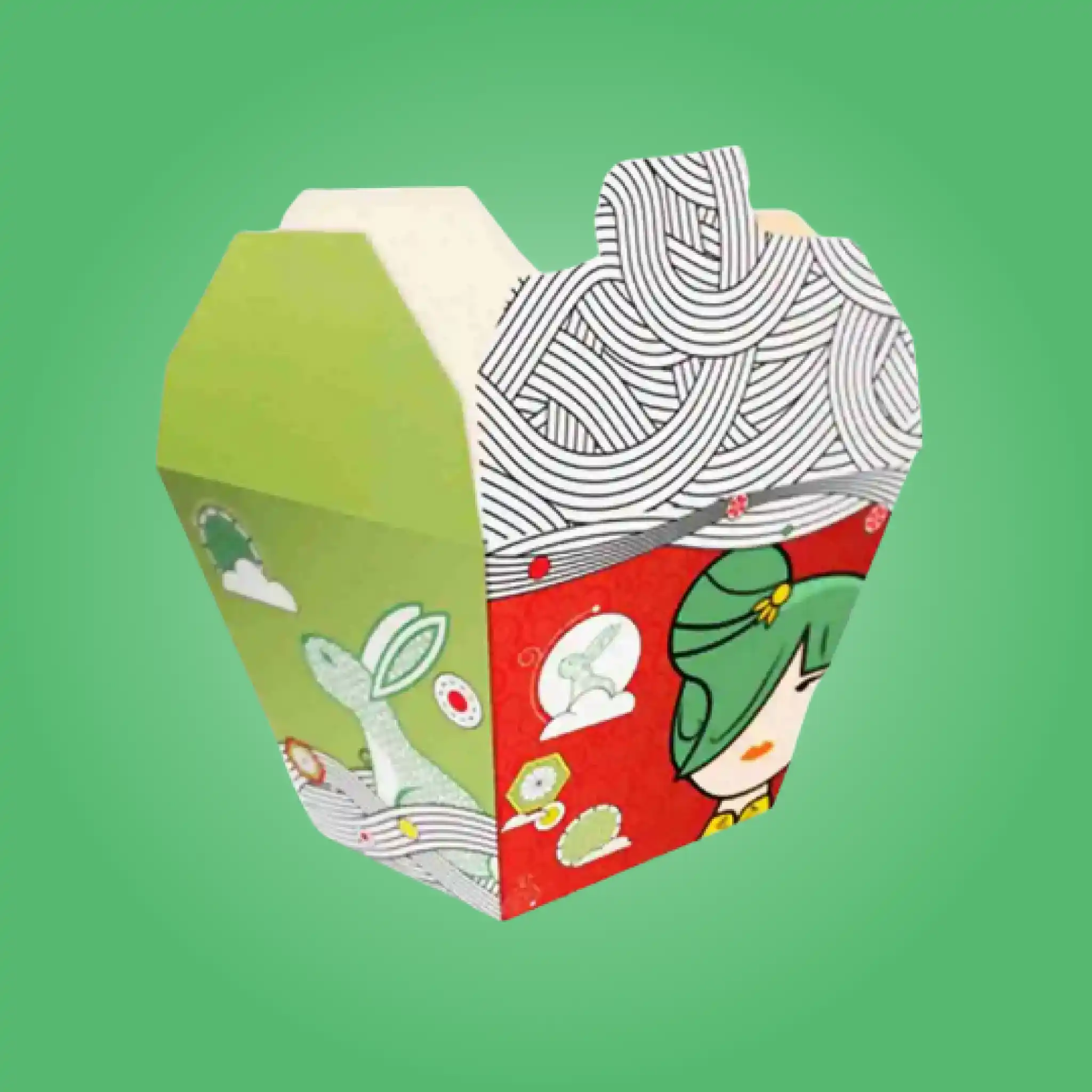
| Noodle or rice meal |
4.5 x 3.5 x 4 |
18pt with barrier |
Leak-resistant fold |
| Gable takeout box |
4 x 4 x 7 |
18pt grease resistant |
Integrated handle |
| Retail cereal or snack |
8 x 2.5 x 11 |
18pt SBS |
Nutrition panel space |
| Catering tray carton |
18 x 12 x 4 |
B-flute |
Reinforced base |
Measure the portion rather than an existing box, then add roughly a quarter inch of clearance so staff can load it quickly during a rush. Our design team checks those figures free of charge before we cut anything.
Materials Explained: What Each Board Does for Food
Board choice for food packaging balances four things at once: contact safety, grease resistance, structural strength and cost. Each stock trades them differently.
SBS Paperboard
Solid bleached sulphate carries a clay coated surface that holds ink sharply, so it suits retail food packaging where the carton sells the product. It takes food grade coatings well and stays rigid at 16pt to 18pt. Most bakery, snack and frozen retail cartons run on it.
Kraft Paperboard
Uncoated kraft shows natural fiber and reads as honest and unprocessed, which suits artisan and health-focused food brands. It costs less than SBS. Ink sits into the fiber rather than on top, so colors read softer, and one or two color designs usually work better on it than photography.
Corrugated Board
Corrugated adds a fluted layer for strength and light insulation. E-flute keeps a printable surface while adding rigidity, and B-flute carries more weight for catering and bulk. Pizza, catering trays and anything stacked during service belong here.
Grease-Resistant and Barrier Stocks
These are standard boards treated to slow oil and moisture migration. Grease resistance stops staining from fried and oily foods. Moisture barriers protect against condensation from hot or chilled items. We apply them selectively, because treating an entire range when only two menu items need it wastes money.
Assembly Speed and Service Reality
A carton that takes forty seconds to fold is a problem at seven o clock on a Friday. Assembly time rarely appears on a quote, yet it shapes labor cost more than the packaging price does.
Auto-lock bottoms snap into shape in one motion and need no tape, which suits high-volume service. Regular slotted bases cost less but need an extra step. For a food truck doing three hundred covers a night, the faster base pays for itself many times over.
Flat packing matters equally. Cartons ship and store flat, so a small stockroom holds far more than it would assembled. We size case packs around your storage rather than around a standard count, which keeps your back-of-house workable.
Custom Food Boxes for Operators Across the United States
We manufacture in the United States and ship to all fifty states, and regional patterns differ noticeably.
New York and New Jersey operators order the highest volumes of slice and quick-service packaging, driven by counter service. California brands in Los Angeles and the Bay Area lean toward compostable and recycled stocks more than any other region. Texas clients in Houston, Dallas and Austin order heavily for barbecue and large-portion formats that need reinforced bases.
Meanwhile Chicago and the Midwest send steady bakery and deep-dish work. Florida operators in Miami, Orlando and Tampa request moisture barriers more often, because humidity there softens untreated board quickly. Seattle and Portland buyers ask for compostability documentation as a matter of course.
Wherever your kitchen sits, delivery costs nothing extra. We ship free across the continental United States to restaurants, commissaries, ghost kitchens and distribution facilities.
Sustainability, Compostability and Honest Claims
Food packaging attracts environmental scrutiny more than most categories, partly because it is single use. Specifics protect you better than slogans.
Recycled Content
Most kraft and corrugated stock we run carries post consumer recycled fiber, and we can state the exact percentage for your order. Note that food contact rules limit recycled content on surfaces touching food directly, so recycled fiber often sits on the outer ply with a virgin inner layer. We will tell you exactly how your carton is built.
What Breaks Recyclability
Plastic lamination and PE liners both take a carton out of the paper stream, because separating film from fiber is impractical at scale. Water based and dispersion coatings avoid that while still resisting grease. Grease contamination itself also matters, since heavily soiled cartons get rejected at many facilities regardless of material.
Compostable Options
Compostable builds avoid plastic windows, foil and synthetic adhesives. We swap PET windows for cellulose film and use starch based glues where the structure allows. Certification requirements vary by state and by facility, so we tell you precisely what the structure contains and let your certifier confirm the rest.
Making Claims Safely
We supply material facts, not marketing wording. Environmental claims on food packaging draw regulatory attention, and the responsibility sits with you. Accurate specifics about fiber, coating and adhesive protect you far better than a broad claim about being green.
Storage, Shelf Life and Handling Before Use
Cartons sitting in a stockroom for months are still working packaging, and how they are stored decides whether they perform when used.
Humidity is the main risk. Board absorbs moisture from the air, and damp cartons lose rigidity and fold poorly. Store them off the floor, away from exterior walls and clear of dish areas. In humid regions we recommend ordering in smaller, more frequent batches rather than holding a year of stock.
Odor transfer is the risk operators forget. Paperboard picks up strong smells from cleaning chemicals and stored ingredients, and it passes them to food. Keep cartons away from detergent storage entirely. Grease-resistant coatings do not block odor.
Rotation matters too. Use older stock first, because coatings and adhesives perform best within about a year. We date-code production runs on request so your team can rotate accurately rather than guessing.
Food Packaging by Business Type
The same menu item needs different packaging depending on who is serving it and how it reaches the customer. These are the patterns we see most often.
Restaurants and Quick Service
Speed governs everything here. Cartons must assemble in one motion, stack on a pass, and survive a heat lamp without softening. We favor auto-lock bases and vented lids for this work, and we keep printing simple because these boxes are seen for minutes rather than displayed.
Ghost Kitchens and Delivery-Only Brands
With no dining room, the packaging is the entire physical brand. That raises the value of interior printing and a well finished exterior, because the box is the only thing the customer touches. Leak resistance matters more than usual too, since delivery times run longer than counter pickup.
Bakeries and Dessert Shops
Visibility sells here, so windows earn their cost. Structures need to protect delicate decoration, which usually means a taller carton than the item strictly requires and an insert that stops sliding. Grease resistance protects against butter migration on pastries.
Food Trucks and Pop-Ups
Storage space is the binding constraint. Flat-packed cartons that assemble fast and nest tightly are worth more than any premium finish. We size case packs deliberately small for this segment so a truck can restock without carrying a pallet.
Caterers and Event Services
Volume and transport dominate. Catering cartons need reinforced bases, stacking strength and often handles, because staff carry several at once across a venue. Presentation still matters at the point of serving, so a clean printed exterior pays off.
Retail and Packaged Food Brands
This is where regulatory panels, barcodes and shelf fit become decisive. The carton has to satisfy a retail buyer before it ever reaches a shopper. Printing quality matters most in this segment, and litho lamination or offset on SBS is usually the right call.
Meal Kits and Subscription Food
These ship rather than travel locally, so they face carrier handling and longer transit. Insulation, leak containment and secondary packaging all matter. The unboxing also carries brand weight, since subscribers open these repeatedly and often photograph them.
Delivery Performance: What Happens Between Kitchen and Door
Most food packaging complaints trace to the twenty minutes after the lid closes. Understanding what happens in that window explains almost every design decision we recommend.
Steam is the first problem. Hot food releases moisture continuously, and a sealed carton traps it against the food. Fried items go soft, bread goes tough, and the customer blames the kitchen. Vents solve this, and their size and placement matter: too few and steam stays, too many and the food cools before arrival.
Grease migration is second. Oils wick into untreated board over roughly ten to fifteen minutes, weakening the base exactly where the food sits heaviest. A grease-resistant treatment slows that enough to cover a normal delivery radius. For longer routes, a barrier board is the safer specification.
Movement is third and the most visible. Food that slides arrives looking rearranged even when nothing is damaged. Sizing the carton close to the portion solves most of it, and a divider or insert handles the rest. This is why we measure the portion rather than working from a catalog size.
Stacking is the one operators forget. Delivery bags hold several orders, and the bottom carton carries the rest. A lid that flexes lets the stack press into the food. Reinforced lids and a slightly heavier board fix it at very low cost.
| Problem in Transit |
What Causes It |
The Structural Fix |
| Soggy crust or bread |
Trapped steam |
Vent pattern sized to the item |
| Stained, weak base |
Grease migration |
Grease-resistant or barrier board |
| Food rearranged on arrival |
Excess space inside |
Carton sized to the portion, plus dividers |
| Crushed lid, squashed food |
Stacking in delivery bags |
Reinforced lid and heavier board |
| Leaks through the seam |
Sauce and score line contact |
Leak-resistant fold and coated seams |
| Food cold on arrival |
Over-venting or thin board |
Fewer vents, corrugated for insulation |
We work through this list with you before cutting a die, because every one of these is cheaper to prevent than to discover after a thousand deliveries.
Windows, Handles, Inserts and Other Add-Ons
Add-ons on food packaging should solve a service or selling problem. Each one adds cost, so we recommend by what your operation actually needs rather than by what is available.
Product Windows
A die-cut window covered with clear film lets customers see the food without opening the box. Bakery, dessert and retail food brands gain the most, because appearance drives the purchase. Choose PET film for clarity and heat tolerance, and cellulose film where compostability matters. Keep windows away from the greasiest contact points, since oil clouds the film.
Handles and Carry Features
Integrated handles let customers carry a meal one-handed, which matters for takeout and event service. A die-cut handle costs almost nothing but weakens the panel it sits in, so we reinforce that area. Gable-style tops build the handle into the structure itself and carry more weight safely.
Inserts and Dividers
Dividers keep components separate so a sauce does not soak a bun and fries do not mix with salad. Paperboard dividers fold from the same stock and recycle with the box. Molded pulp trays hold irregular shapes such as cupcakes or eggs securely. Sizing matters here more than material, because a loose cavity defeats the purpose.
Vents and Steam Control
Vent holes release steam so crusts stay crisp. Their size and pattern should match the food: fried items need more airflow, while soups and rice need very little. We test vent patterns against your actual menu item rather than applying a default, because over-venting cools food too quickly.
Tamper-Evident Features
Delivery platforms increasingly expect tamper evidence, and some cities require it. Options range from a simple perforated tab that tears on opening to an adhesive seal across the closure. Both are inexpensive, and both remove a category of customer complaint you cannot otherwise answer.
Interior Printing
Printing inside the lid costs little and gives you a message the customer reads while eating. Reheating instructions, a QR code for reordering, a thank you or a social handle all work. For delivery brands with no dining room, this is often the highest-return print decision available.
What to Send Us Before We Quote
A quote comes back faster and more accurately when four things arrive together, and most delays trace to one of them missing.
Send the menu item first, described plainly. Tell us what it is, roughly how heavy a full portion runs, and whether it goes out hot, cold or frozen. If you have the dimensions, send those too, and if you do not, describe the item and we will work the sizing out with you. A photograph of the food in its current packaging often tells us more than measurements do.
Send your service model second. Counter pickup, delivery radius, retail shelf or catering transport each change the specification, and a carton built for a five-minute handoff behaves differently over a thirty-minute drive.
Send your quantity and reorder rhythm third. A one-time event order and a weekly standing order price very differently, and knowing the pattern lets us recommend a run size that lowers your unit cost without leaving you holding stock.
Send artwork or a logo last, along with any Pantone references and your required panel copy. If none of that exists yet, say so, and our design team builds it from scratch at no charge. We would rather start from nothing than rework a file that was built without a dieline.
Food Packaging Mistakes That Cost Money
The same errors recur across food businesses of every size, and each is avoidable before a die is cut.
Buying a full barrier coating when a targeted grease treatment would serve leads the list. Barrier coatings cost considerably more and belong on genuinely wet or oily items, while most menu items need only grease resistance on the panels that actually contact food.
Skipping ventilation is second, and it is the most common cause of texture complaints. Hot food releases steam, trapped steam softens everything it touches, and a few correctly placed vents solve it entirely without letting the food go cold.
Ordering one container size for a varied menu is third. It simplifies the shelf and wastes board on every smaller portion, while letting those portions slide during delivery. Two or three sizes matched to real portions usually costs less overall.
Choosing a structure that assembles slowly is a hidden cost. Staff build these during a service rush, and three extra seconds per container is real capacity lost every evening. We time assembly on a physical sample.
Finally, placing a barcode or a label over a gloss finish. Retail food items need reliable scanning, and gloss defeats it. Keep those areas flat and matte.
Catering, Events and Volume Service
Feeding a room is a different problem from feeding one customer, and packaging for it follows different rules.
Catering containers travel in vehicles rather than parcel networks, so handles, stackability and a flat stable base matter more than crush ratings. Trays with fitted lids work well because staff carry several at once without stack pressure reaching the food.
Portion consistency drives the specification. A container sized to your standard portion means every guest receives the same presentation, and it stops staff improvising with whatever is on the shelf. We size dies to the portion your kitchen actually plates.
Labeling matters more at events than in a restaurant, because guests choose without asking questions. Clear allergen and dietary marking on the lid answers those questions silently, and we reserve that panel space on the dieline.
For recurring catering programs we keep your structures on file and hold stock arrangements where volume justifies it, so a booking confirmed at short notice does not become a packaging problem.
Get a Quote for Custom Food Boxes in the USA
If you need food‑safe packaging that performs during real service conditions, Pioneer Custom Boxes will manufacture your custom food boxes.
Request a quote today to get expert guidance on materials, structure, and coatings.