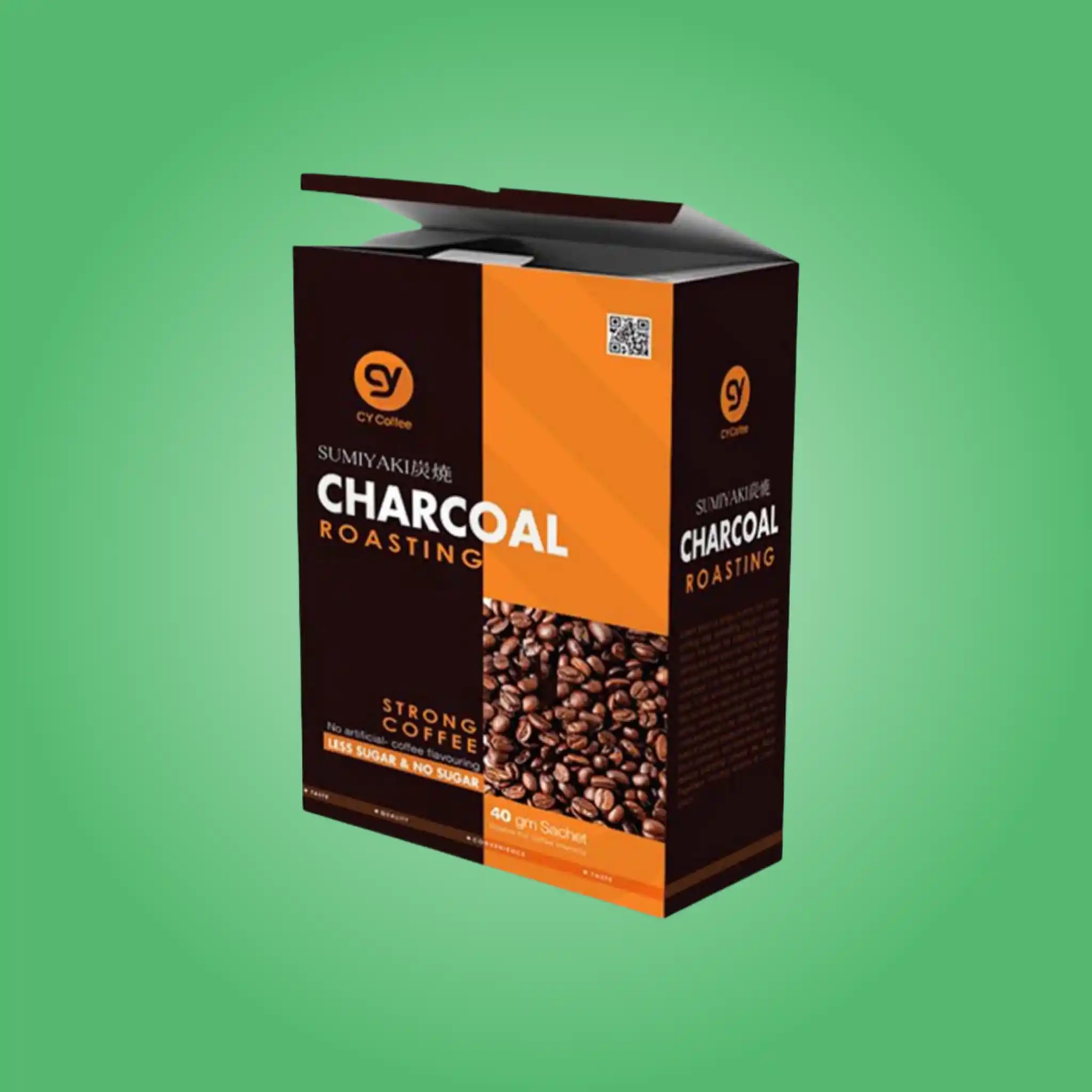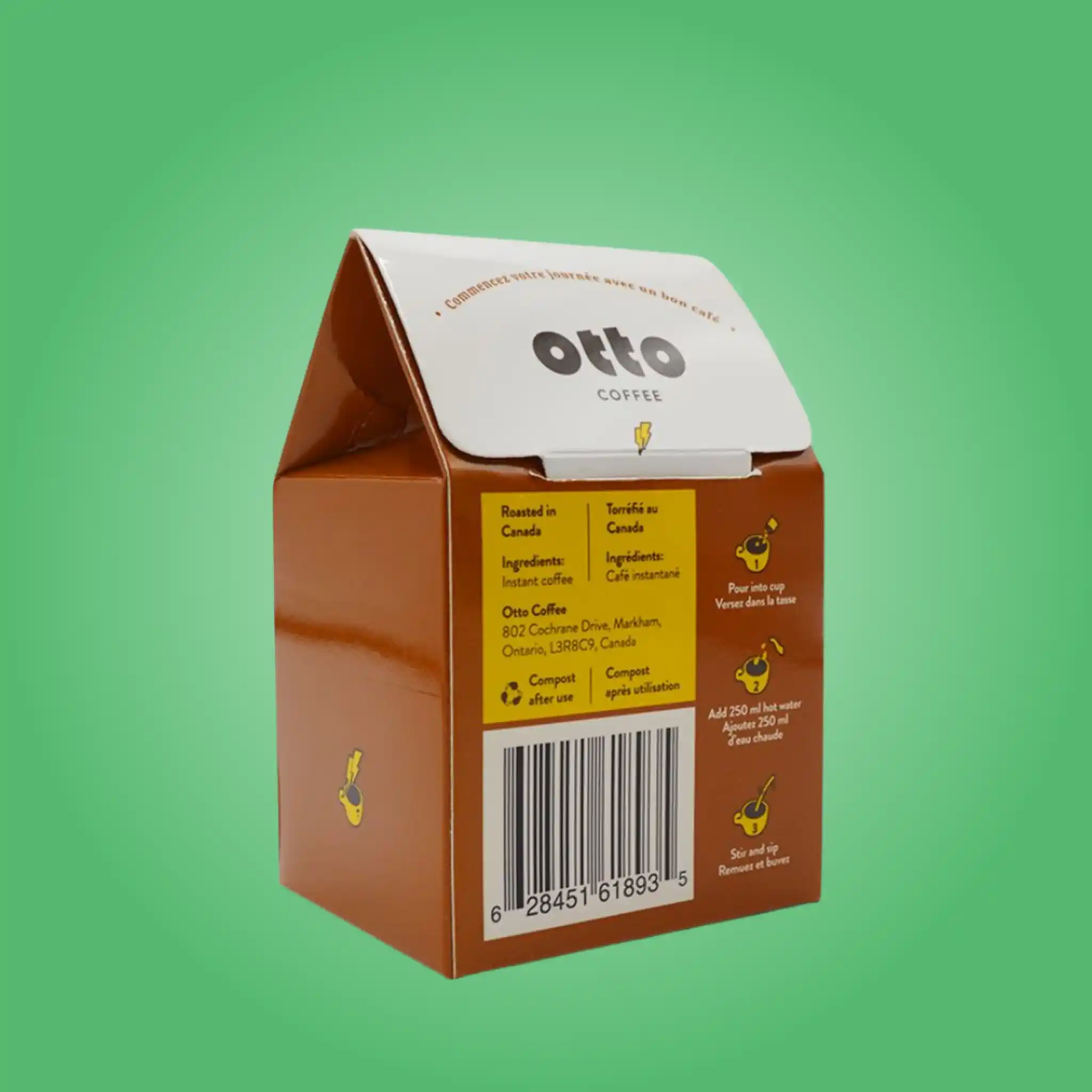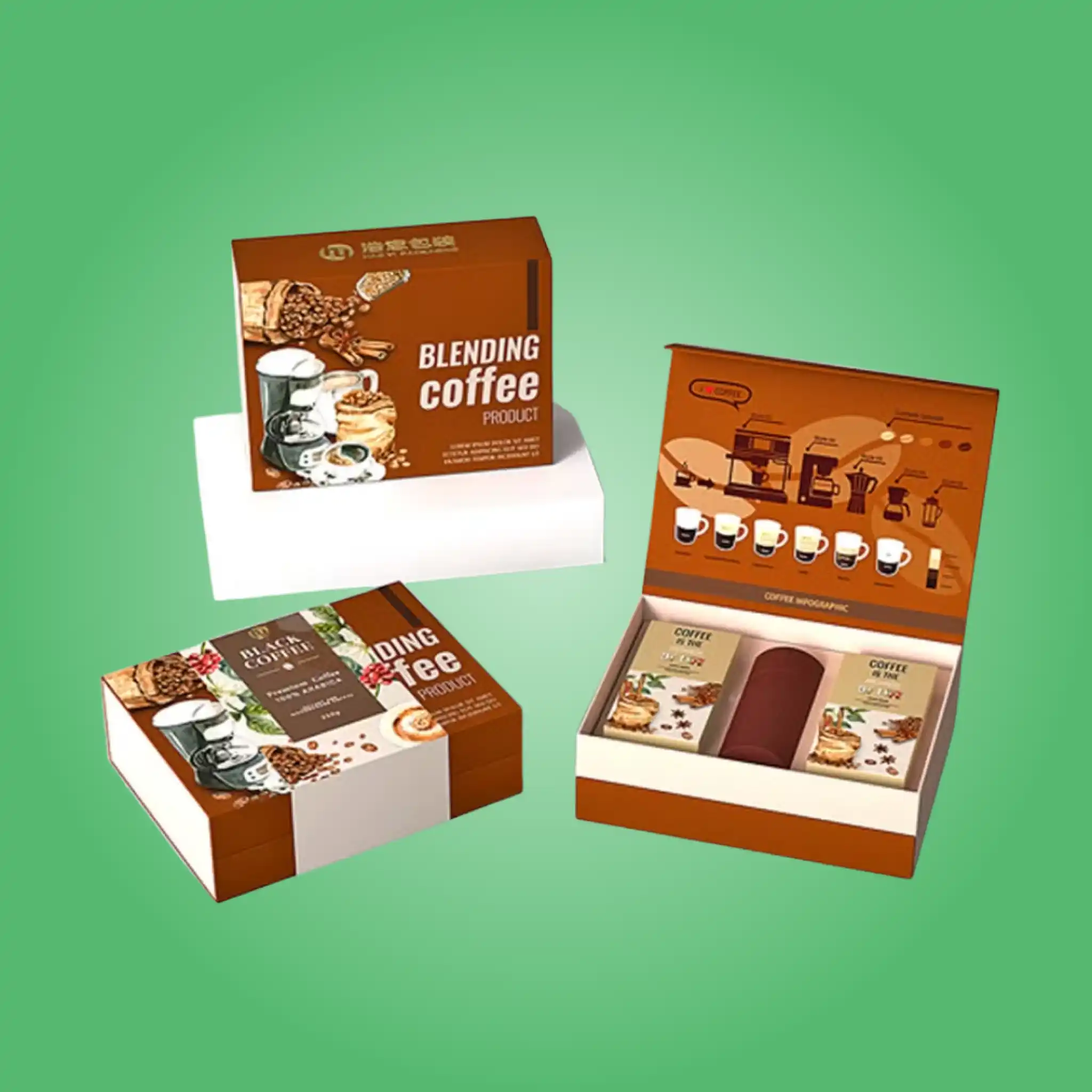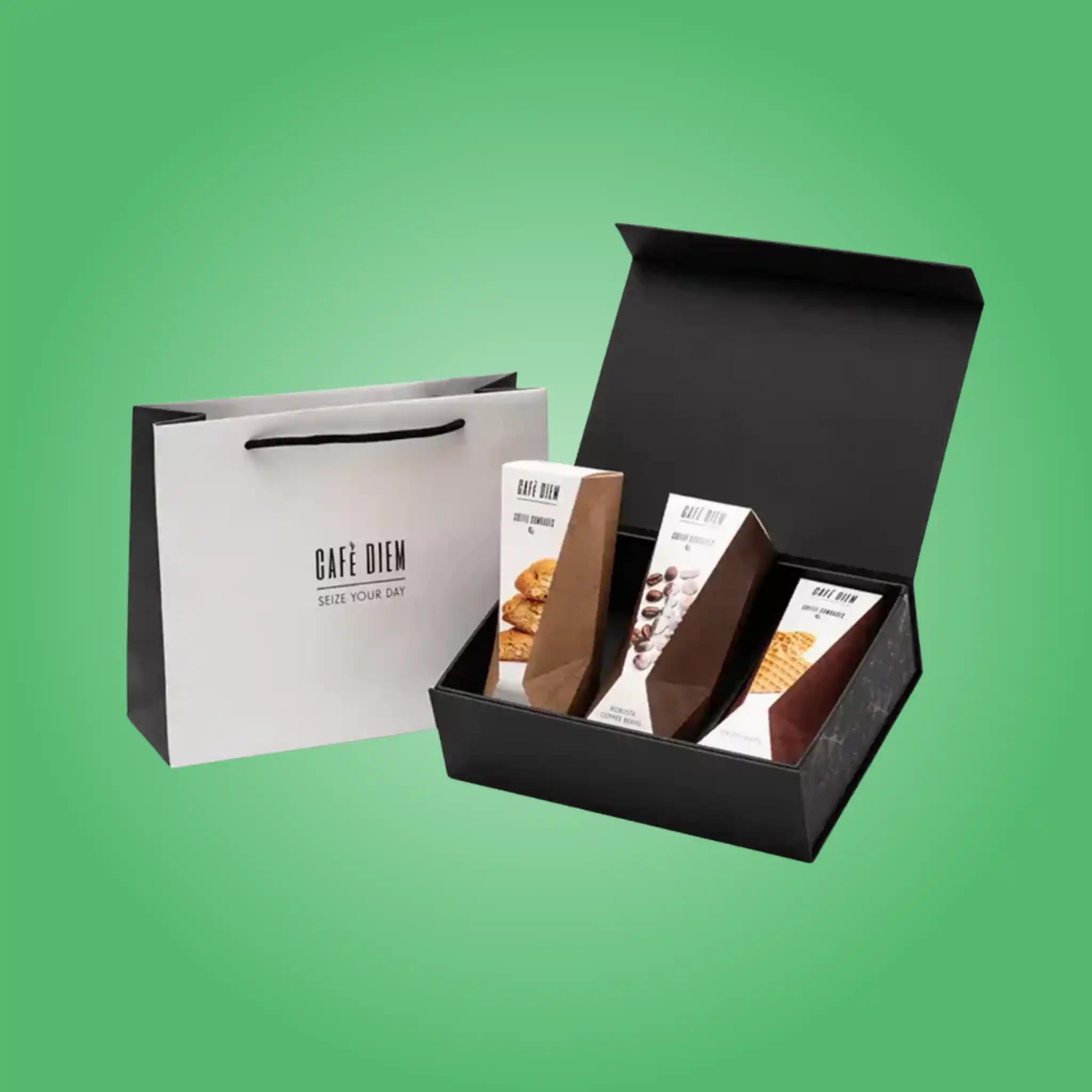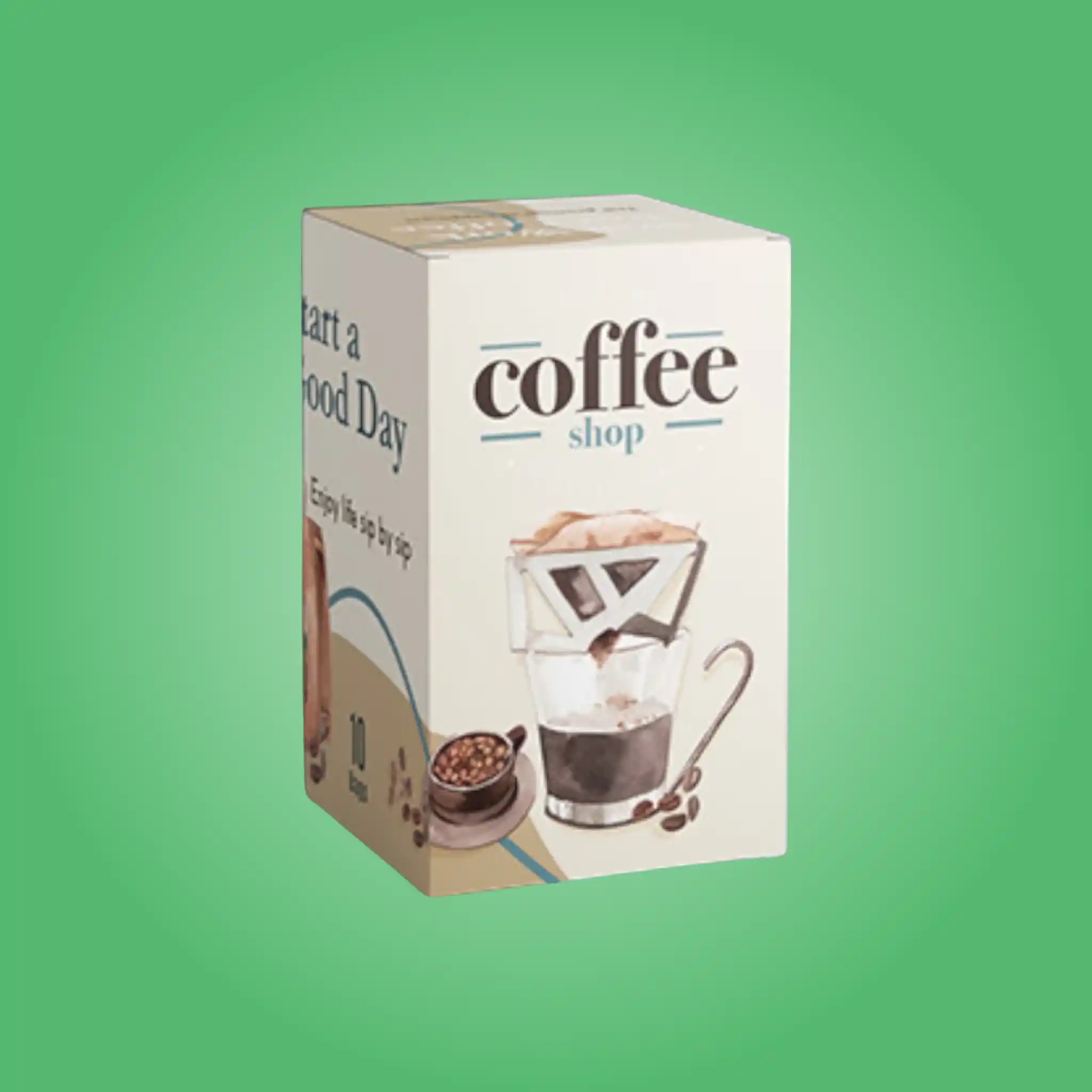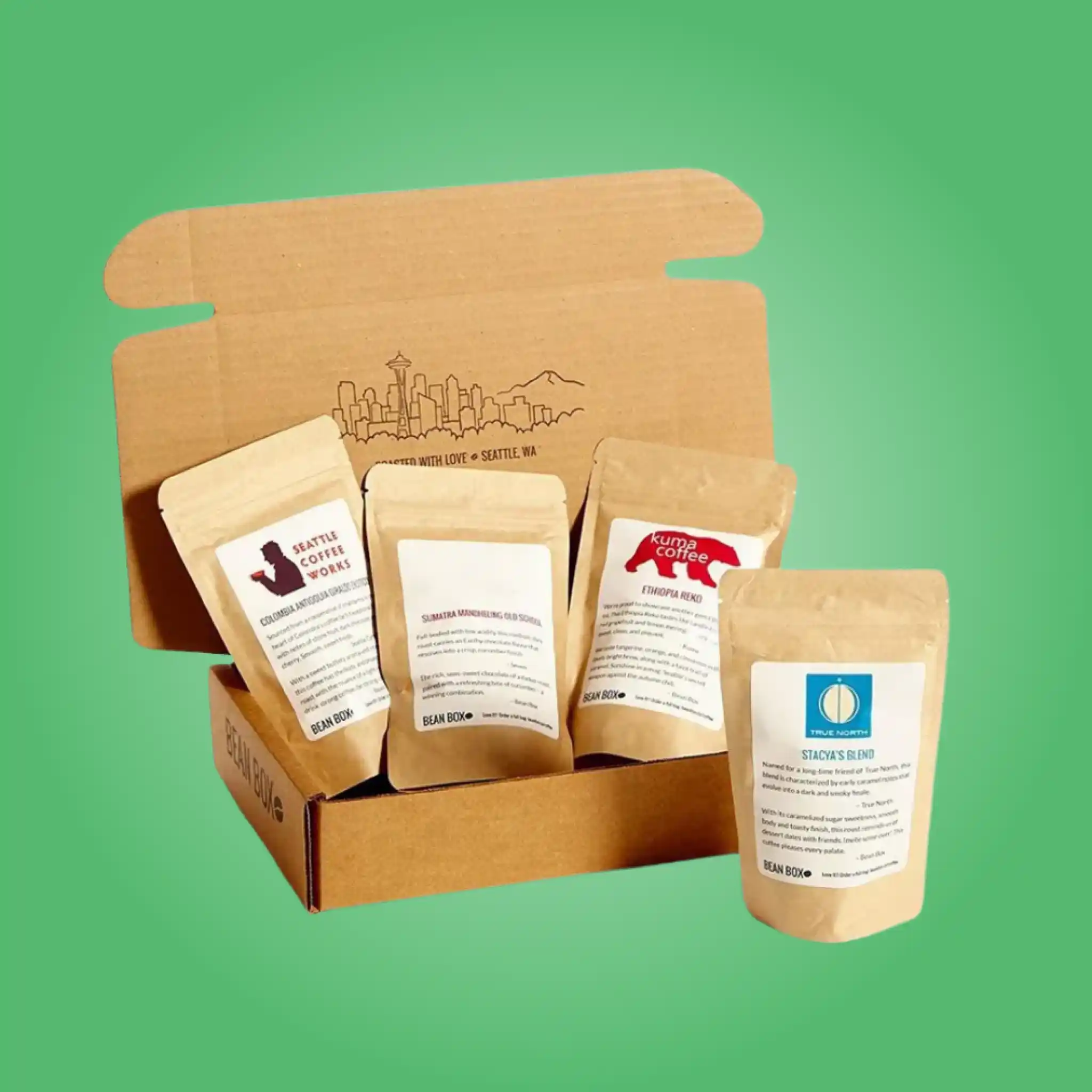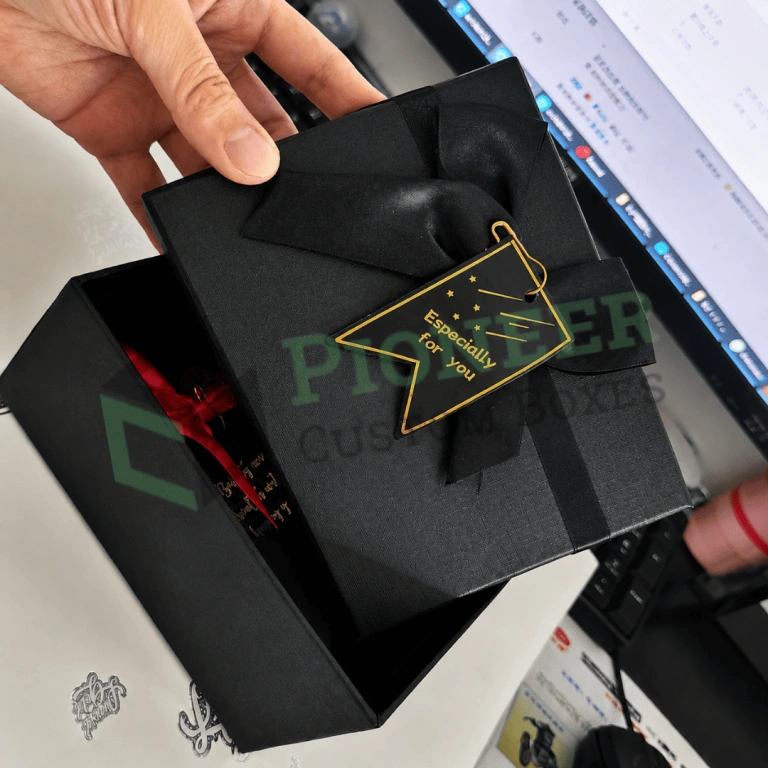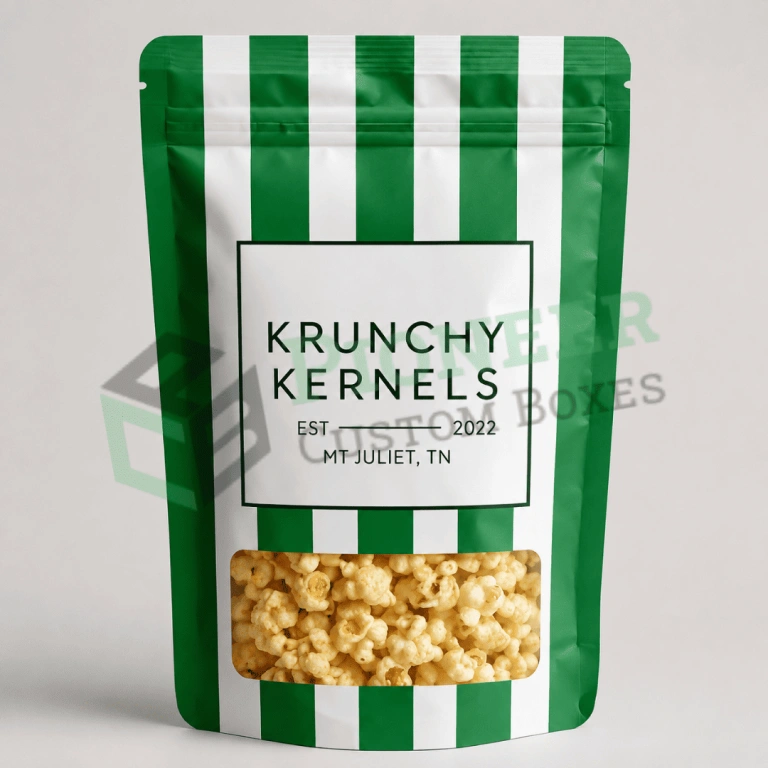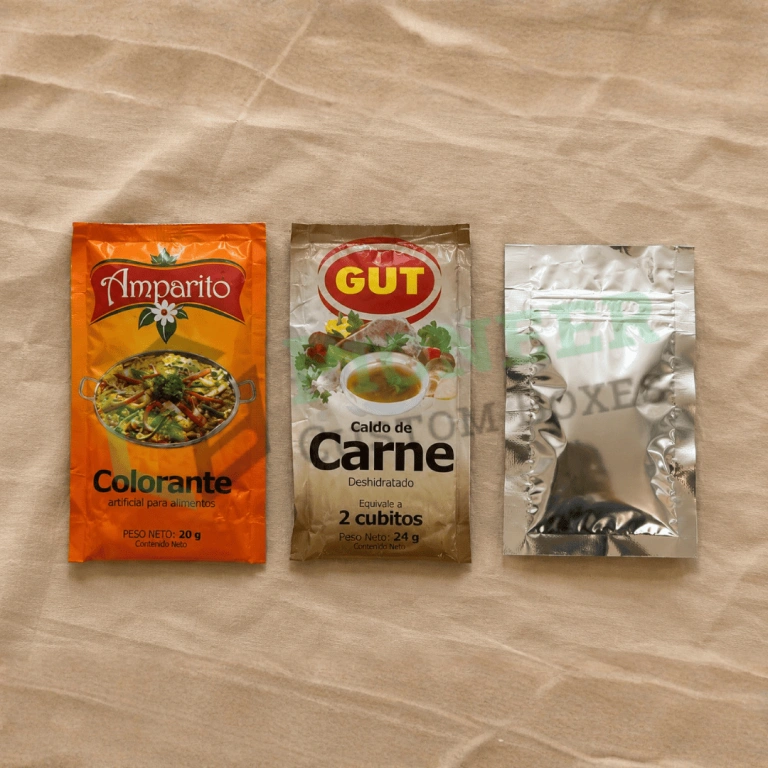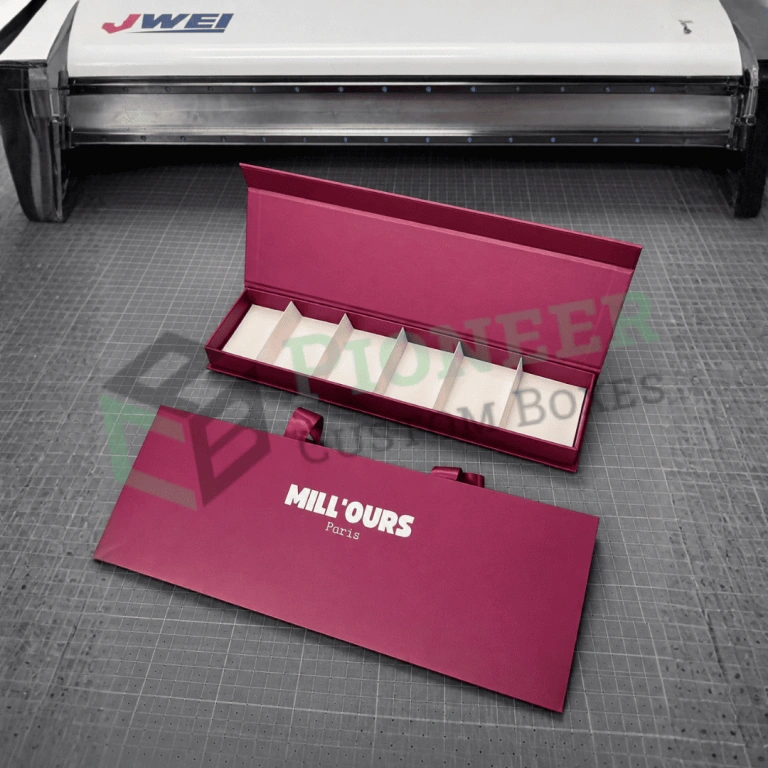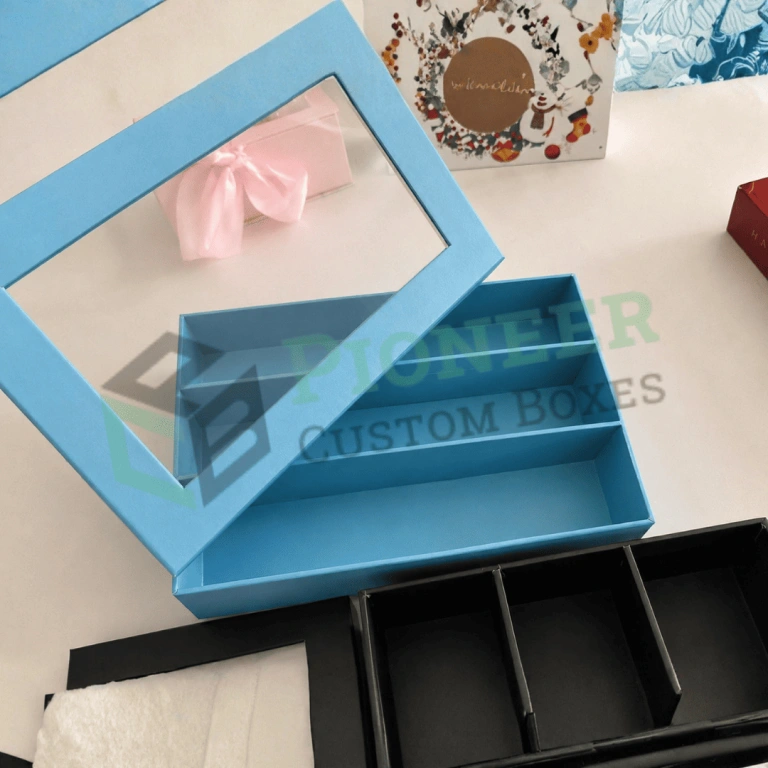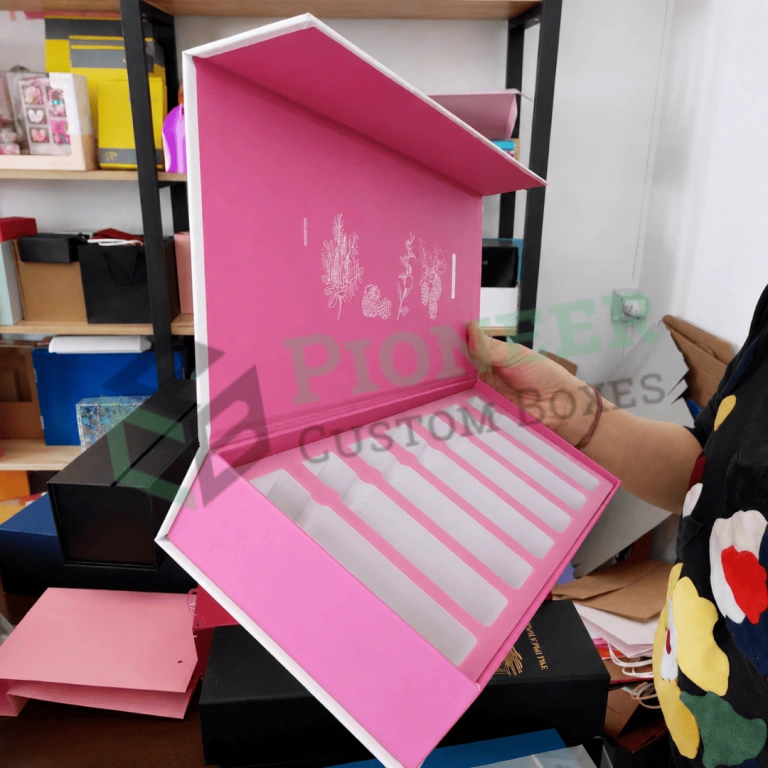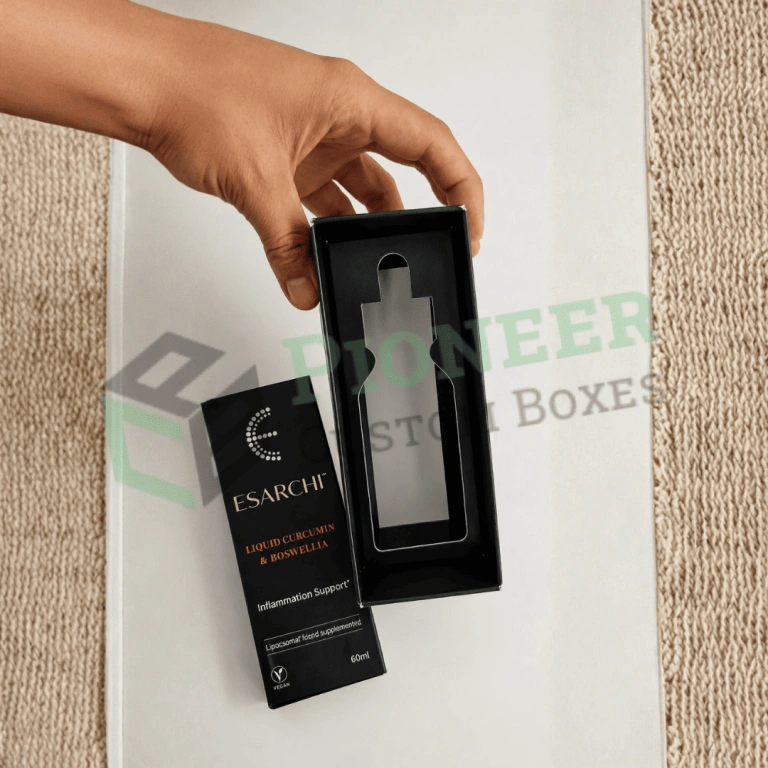
Custom coffee boxes from Pioneer Custom Boxes are cut to your packed, valved bag rather than a flat one, so cartons close cleanly and coffee keeps degassing. Choose single bag cartons, subscription mailers, gift boxes, capsule cartons or wholesale cases in SBS, kraft, recycled or grease-resistant board, with valve clearance, roast date panels, free design support, zero MOQ and free USA shipping.
Custom coffee boxes are printed cartons and mailers built around a product that is still changing chemically after it is packed. Pioneer Custom Boxes manufactures them across the United States with zero minimum order quantity and free shipping.
Coffee is unusual among packaged goods because freshness is measurable and customers can taste the difference. Roasted beans release carbon dioxide for days, and oxygen degrades the oils that carry flavor.
That chemistry sets the first rule. A carton sits around a sealed bag rather than replacing it, so packaging design here is about protecting, presenting and shipping that bag rather than containing the coffee itself.
Weight is the second constraint. A twelve ounce bag is light, but a subscription box holding four of them, or a case of twenty-four, becomes a real load that thin board will not carry.
Presentation carries the third. Specialty coffee sells on origin, roast date and story, and the panel space needed to tell that story competes directly with required label information.
We manufacture custom printed coffee boxes for specialty roasters, subscription services, grocery brands, cafés, hotel and office suppliers and private label packers. Moreover we cut our own dies and run our own presses, so we build the carton around your actual bag or capsule.
Order wholesale coffee packaging in any quantity you need. There is no minimum order, design support costs nothing, and shipping across the United States stays free on every order. Searching for coffee boxes near me usually returns brokers, and we are the factory those brokers buy from.
Structure follows the format inside and the way the order reaches the customer. Both vary widely in this category.
A printed folding carton holding one sealed bag of ground or whole bean coffee. It gives a soft bag a rigid shelf presence, stands upright in a tight facing and protects the valve from being pressed during handling.
A corrugated mailer sized to hold one to four bags with tasting notes and a card. It ships alone through a parcel network, so it needs crush resistance and a satisfying opening in equal measure.
A rigid or wrapped box holding bags, a brewing accessory and printed cards. Holiday gifting drives a large share of roaster revenue, and the box is what justifies the price.
A carton holding pods or capsules in a fitted arrangement. Count clarity matters more than anything else here, because customers buy on pods per box and compare prices that way.
A slim carton for single-serve pour-over sachets. Travel and hotel programs use these heavily, and the format is growing quickly in specialty retail.
A small fitted box holding three to six sample bags. It is a customer acquisition tool rather than a sale, so cost per unit dominates the specification.
A corrugated shipping case holding retail units for cafés and grocery distribution. Case count, pallet fit and print legibility matter more than shelf appeal.
A printed tray shipping flat and holding a dozen or more retail cartons. It turns a café counter or a grocery end cap into a branded block.
| Box Type | Holds | Primary Channel | Why Choose It |
|---|---|---|---|
| Single bag carton | One 8oz to 16oz bag | Retail shelf | Gives a soft bag rigid presence |
| Subscription mailer | One to four bags plus cards | Direct to consumer | Survives parcel transit, opens well |
| Coffee gift box | Bags plus accessories | Gifting and seasonal | Justifies a premium price point |
| Single serve carton | Pods or capsules | Retail and office supply | Count clarity drives the purchase |
| Drip bag carton | Pour-over sachets | Travel, hotel and specialty | Slim format for a growing segment |
| Tasting flight box | Three to six samples | Acquisition and events | Low unit cost, high conversion |
| Wholesale case | Multiple retail units | Café and grocery supply | Pallet efficiency and durability |
| Counter display unit | Twelve or more cartons | Café and grocery retail | Turns a facing into a branded block |
Send us a filled, sealed bag. A packed bag holds pressure and shape that an empty one does not, and that difference changes the die.
Every die is cut to your bag, capsule or sachet. These formats cover the coffee packaging we produce most often.
| Contents | Typical Box Size (inches) | Board | Insert |
|---|---|---|---|
| 8oz bag, single | 3.5 x 2.25 x 8 | 18pt SBS | None, tight fit |
| 12oz bag, single | 4 x 2.5 x 9 | 18pt to 20pt | None, tight fit |
| 16oz bag, single | 4.5 x 2.75 x 10 | 20pt SBS | None, tight fit |
| Two bag subscription mailer | 9 x 6 x 3 | 32 ECT E-flute | Card divider |
| Four bag subscription mailer | 10 x 8 x 4 | 32 ECT E-flute | Die-cut divider |
| Three bag tasting flight | 7.5 x 3 x 3.5 | 18pt with tray | Three-cavity tray |
| Twelve capsule carton | 4.25 x 3.25 x 3 | 18pt SBS | Fitted tray |
| Twenty-four capsule carton | 6.5 x 4.25 x 3.25 | 20pt SBS | Fitted tray |
| Ten drip bag carton | 5 x 3.5 x 1.75 | 16pt to 18pt | None |
| Coffee gift box, two bags plus accessory | 11 x 7 x 4 | Rigid or E-flute | Fitted tray |
| Wholesale case, six 12oz bags | 13 x 9 x 10 | 44 ECT B-flute | None |
Send the filled bag rather than the supplier specification. A sealed bag with gas inside sits wider than a flat one, and a carton cut to the flat dimension will not close.
This is the technical heart of the category, and it explains why coffee cartons behave unlike any other food packaging we produce.
Roasted coffee releases carbon dioxide for several days after roasting. That gas has to escape, which is why coffee bags carry a one-way valve rather than a plain seal.
The valve changes the carton brief immediately. It sits proud of the bag face, and a tight die that presses on it can restrict the gas or crack the seal around it. We cut clearance for the valve position rather than for the flat bag.
Oxygen works in the other direction and it is the real enemy. It oxidizes the aromatic oils that carry flavor, and a bag that has been pressed, folded or pierced in a carton loses its barrier entirely.
Light matters less than brands expect, but it is not irrelevant. Sustained fluorescent exposure on a retail shelf degrades exposed beans, which is one reason a carton around a clear-window bag is genuinely useful.
Oil migration is the quiet fourth factor. Dark roasts carry surface oils that wick into uncoated board over weeks, leaving a translucent shadow on the panel. A coated inner face prevents it entirely.
Roast date is the final consideration and it is a packaging decision as much as a marketing one. Specialty buyers look for it, and a carton needs a clear area for variable coding that will not sit across a graphic.
None of this makes coffee packaging expensive. It makes the specification precise, and specifying it correctly costs the same as specifying it wrongly.
Board selection balances a specialty aesthetic against oil resistance and shipping strength. Each grade answers that balance differently.
Solid bleached sulphate is the default for printed retail cartons. Its bright clay-coated face reproduces origin photography and fine type cleanly, and the coating stops dark roast oils shadowing through the panel.
Natural brown board for craft, single origin and small-batch positioning. It costs less than bleached stock and reads as unprocessed, which suits the category well. It absorbs oil quickly though, so we specify a coated inner face on dark roasts.
CRB carries recycled fiber beneath a coated printing surface and prices below SBS. High-volume grocery ranges use it constantly, and it supports a recycled content claim that specialty buyers actively check.
Fluted board for subscription mailers and gift boxes traveling alone. It absorbs parcel impacts, and litho lamination gives it full retail print quality on the outside.
Heavier flutes for wholesale cases and café supply. A case of six sixteen ounce bags is a serious load on a pallet, and single-wall board flexes under it in transit.
Greyboard at 2mm or heavier, wrapped in litho-printed paper. Holiday gift sets and equipment bundles use it, and the weight in the hand justifies a premium price.
Board with a coating engineered to resist oil migration. It matters most on dark roasts and on any carton holding an unbagged product such as loose drip sachets.
Available across every grade above. Specialty coffee buyers scrutinize sourcing harder than almost any audience, so we document what your board contains under recognized Forest Stewardship Council chain of custody rather than leaving you to assume it.
| Material | Caliper or Weight | Oil Resistance | Best For | Relative Cost |
|---|---|---|---|---|
| SBS paperboard | 18pt to 24pt | Good | Most printed retail cartons | Moderate |
| Kraft paperboard | 18pt to 24pt | Needs a coated inner face | Craft and single origin | Lower |
| Coated recycled board | 18pt to 22pt | Good | High-volume grocery ranges | Lower |
| E-flute corrugated | 32 ECT typical | Moderate | Subscription mailers and gifts | Moderate |
| B-flute and double wall | 44 ECT and above | Moderate | Wholesale cases and café supply | Moderate |
| Rigid chipboard with wrap | 2mm and above | Good with coated wrap | Gift sets and bundles | Highest |
| Grease-resistant coated board | 18pt plus coating | Excellent | Dark roasts and loose sachets | Higher |
| FSC-certified stock | Any of the above | As per base grade | Documented sustainable sourcing | Small premium |
One consistency point. Roasters sell ranges, and cartons from a range sit together on a shelf and in a subscription box. We run every carton in a range on the same stock so the whites match across origins.
Specialty coffee competes on identity, so print has to carry origin, roast and story across a narrow panel.
Offset holds the finest detail and the steadiest color across a run. Origin photography, altitude and varietal text and tasting note panels all sit small, and offset keeps them legible. The economics favor it past roughly a thousand cartons per design.
Digital prints without plates, which suits coffee unusually well. Single origins rotate with the harvest, and a roaster running fifteen origins can print each in small quantities against one shared die with no plate cost per variant.
Flexo prints corrugated mailers and wholesale cases economically. It handles solids and line work well, though it reproduces fine gradients less faithfully than offset does.
An offset sheet laminated onto corrugated board. Subscription mailers and gift boxes use it when they need fluted strength with retail print quality outside.
Digital presses can change text between individual cartons. Origin, roast date, lot number and tasting notes can print inline rather than being applied as a sticker later, which removes a step from the packing room.
A practical note on rotating origins. Most roasters change offerings faster than they reorder packaging, so we build one die per bag size and print variants digitally rather than cutting a die per origin.
Finish decides how the carton reads on a shelf and how well it resists the oils coffee carries.
A flat, low-glare surface that suits the earthy palettes specialty roasters favor. It hides handling marks on a carton customers pick up repeatedly in a store, and it costs little.
A water-based protective layer applied inline on press. It seals the print surface, resists scuffing through distribution and holds up against incidental oil contact. We apply it as standard on grocery work.
High shine with deep color saturation. It makes origin photography sing on a shelf and in listing images, though it shows fingerprints on frequently handled cartons.
Hot foil in gold, copper, silver or colored finishes. A foil logo on a matte carton is the most efficient premium cue available on a narrow bag box.
Raised or recessed detail, usually registered to a foil element. It works well on rigid gift lids and on wider carton faces, and it reads poorly on a slim single bag box.
Selective gloss against a matte field. Used behind a logo or a map graphic it adds depth without adding another color to the run.
A velvet hand feel with genuine premium signal, used mostly on gift sets. It complicates recycling, so we offer a matte alternative wherever that would achieve a similar result.
Restraint wins. One foil element on a matte carton reads as more expensive than four stacked finishes, and it costs a fraction as much.
Roasters use color to separate origins and roast levels, so consistency does real work at the shelf.
CMYK builds every shade from cyan, magenta, yellow and black. It reproduces origin photography, illustrated maps and gradients accurately, and it costs the least. Deep browns and muted earth tones sit at the edge of what CMYK holds run to run.
Pantone inks arrive pre-mixed and print identically every time. Most roasters use a color to identify each blend or roast level, and those colors must stay distinguishable across years of reordering. Spot inks guarantee that.
RGB is a screen color space and no press prints it directly. Your website, subscription emails and marketplace listings all live in RGB, and conversion shifts color noticeably. We convert with proper profiles and show the printed result on your actual board first.
One point specific to ranges. A customer comparing two bags from the same roaster spots color drift a single carton would never reveal, so any shade that identifies a roast level belongs in PMS.
Each option below either protects the bag, satisfies a requirement or earns its place on a shelf.
| Feature | What It Does | Best Suited To |
|---|---|---|
| Valve clearance cut | Stops the die pressing on the one-way valve | Every carton holding a valved bag |
| Roast date panel | Clear area for variable coding | Specialty and single origin ranges |
| Window cut-out | Shows the bag artwork or the beans | Retail shelf and gift presentation |
| Die-cut bag divider | Keeps bags upright and apart | Subscription and tasting boxes |
| Tasting card slot | Seats a printed note card cleanly | Subscription programs |
| Capsule or pod tray | Holds pods in a counted arrangement | Single serve cartons |
| Tear strip opening | Opens cleanly without a knife | Subscription mailers |
| Grease-resistant inner coating | Stops dark roast oils shadowing through | Dark roasts and loose sachets |
| Foil stamped logo | Premium cue on a narrow panel | Specialty and gift ranges |
| QR code panel | Links to origin, farm or brew guide | Specialty storytelling |
| Barcode panel | Scannable code for shelf listings | Grocery and distributor supply |
| Counter display tray | Turns a facing into a branded block | Cafés and grocery end caps |
Choose deliberately rather than comprehensively. Most single bag cartons need valve clearance, a coated inner face, a roast date area and one premium cue, and little beyond that returns its cost.
Coffee packaging carries real labeling obligations, and the carton is usually where they land.
Food contact matters wherever the product touches the board directly. Sealed bags remove that concern, while loose drip sachets, unbagged pods and sample scoops do not.
Where contact occurs, the materials have to be suitable for the purpose. FDA guidance on packaging and food contact substances sets the framework, and we specify coatings and inks that meet it rather than assuming a food-safe grade.
Standard food labeling applies to the retail unit. Net weight, ingredient statement where applicable, responsible party details and an allergen statement where relevant all need legible space somewhere on the package.
Origin and sourcing claims carry their own scrutiny. Single origin, direct trade and certification marks all invite questions, and each certifying body sets its own rules for using its logo.
Decaffeinated products deserve particular care, since process claims such as Swiss Water or sugarcane methods are often trademarked and governed by license agreements.
Environmental wording creates exposure too. Compostable is a specific technical claim rather than a general virtue, and vague recyclability language is risky in a category where buyers genuinely check.
We lay out compliance panels as part of free design support and flag anything that looks like it crosses a line before the die is cut. We manufacture packaging rather than provide legal advice, so confirm your obligations formally.
Board area is a modest part of the price on a carton this size. Other variables dominate the quote.
Structure leads. A slim folding carton around a single bag and a rigid gift box for the same coffee sit at completely different price points, and the gap widens as volume falls.
Number of separate dies matters more here than in most categories, because origins rotate. Fifteen origins on fifteen dies is expensive, whereas fifteen origins on two shared dies with different print is not.
Corrugated grade drives subscription cost. Moving from 32 ECT to a heavier flute adds real money per unit, and it is worth it only where the drop testing shows a genuine failure.
Inserts and dividers rank next. A simple scored divider costs little, while a die-cut tray with fitted cavities costs several times more and is often unnecessary.
Finishing sits below those. Soft touch and foil look excellent on a gift box and are largely wasted on a wholesale case that a customer never sees.
Right-sizing affects freight as well as material. Carriers price by volume as well as weight, so an oversized subscription mailer costs money on every parcel rather than once at the factory.
The overspend we correct most often is an oversized subscription mailer. Trimming an inch in each direction often pays for the packaging itself in freight savings.
Valves, oils and parcel transit mean we test these cartons physically rather than visually.
Coffee cartons are checked against a filled, sealed and gassed bag rather than a flat one, because that difference is what stops a carton closing on a filling line.
A packed bag holds carbon dioxide and sits noticeably wider than the same bag laid flat, so we seat a real sealed bag and close the carton the way production would. A die cut to the flat dimension looks correct on a drawing and jams in practice.
Valve clearance is the check that protects the product rather than the pack. A one-way valve sits proud of the bag face, and a carton pressing on it restricts degassing or cracks the seal around it, so we confirm the die clears the valve position specifically.
Oil migration takes time to appear, so we hold coated board against a dark roast and assess it afterward rather than immediately. Surface oils wick into untreated fiber and leave a translucent shadow that customers read as a defect rather than a characteristic.
Subscription mailers take a drop test on corners and faces, since those ship alone. We also open every tear strip by hand, because a strip that fails ruins the one moment a direct-to-consumer brand gets to make an impression, and we scan barcodes from the printed carton since a failed scan blocks a shelf listing outright.
We load a sample of every new coffee carton with your actual sealed bag before approving a run. Valve position and packed bag width cannot be predicted from a specification sheet alone.
Coffee reaches customers through several very different routes, and each one rewrites the specification.
Specialty retail and café shelves reward vertical presence. Cartons stand in tight facings, so panel stiffness and a legible origin line matter more than elaborate finishing does.
Grocery distribution pushes toward case efficiency and scan reliability. Buyers ask about cartons per case, pallet fit and barcode placement before they ask about the roast.
Subscription programs change the priority entirely, because the box arrives without a salesperson and is opened as an event. Crush resistance, a clean tear strip and room for a tasting card all carry the experience.
Office and hospitality supply favors plainer packaging and count clarity. Cost per serving decides the purchase, and nothing sits on display.
Gifting concentrates sharply into the fourth quarter and justifies rigid construction, because the price point supports it and the recipient expects weight.
Café wholesale needs durability above all. Cases move by hand through back doors and storerooms, and a case that splits creates a mess a barista has to clean up.
Most roasters sell through at least three of these at once. The workable answer is a small set of shared structures with different print, rather than separate packaging per channel.
Specialty coffee buyers scrutinize packaging claims harder than almost any audience, so materials here have to survive inspection.
Paperboard recovers well through existing programs, and EPA figures for paper and paperboard recovery show it as the most recovered packaging stream in the country.
The honest complication in coffee is the bag itself. Most barrier bags are multi-layer laminates that curbside programs do not accept, and no carton around them changes that. We say so plainly rather than letting a recyclable carton imply a recyclable package.
That makes the carton the part a roaster can genuinely improve. Uncoated or aqueous-coated board recovers cleanly, while a plastic laminate on the carton removes that advantage for a marginal gain in appearance.
Subscription programs offer the biggest single win. A right-sized mailer with a paperboard divider uses less material, cuts dimensional weight and removes plastic void fill entirely.
Certification wording deserves care as well. Compostable carries a specific technical meaning and depends on facilities the customer may not have, so we recommend accurate claims over ambitious ones.
These errors repeat across roasters of every size, and each one is avoidable before a die is cut.
Cutting the die to a flat bag leads the list. A sealed bag holds gas and sits noticeably wider, so the carton will not close on the packing line.
Ignoring valve position is second and quietly damages the product. A die that presses on the valve restricts degassing, and the coffee arrives flat.
Using uncoated board for dark roasts is third. Surface oils wick into the fiber over weeks and leave a translucent shadow that customers read as a defect.
Cutting a separate die for every origin wastes real money. Most roasters use two or three bag sizes, so two or three dies cover a full rotating menu.
Oversizing subscription mailers costs on every parcel rather than once. Dimensional weight is charged by volume, and an extra inch in each direction is expensive at scale.
Leaving no clear area for roast date forces a sticker over artwork. Specialty buyers look for that date, and a label slapped across a graphic undermines the whole presentation.
Finally, implying the whole package is recyclable because the carton is. Barrier bags usually are not, and overstated claims invite exactly the scrutiny this audience applies.
A specialty roaster came to us holding nine dies for a menu that changed four times a year.
Their packaging spend behaved like tooling rather than material. Every new origin meant a new die, new plates and a minimum order, so retired coffees left them with obsolete cartons in the storeroom.
We rebuilt the program around two dies covering their 12 ounce and 16 ounce bags, cut to the packed width with clearance around the valve. Origin artwork then moved entirely to digital printing.
Their menu could rotate whenever the harvest did, and reorders dropped to whatever each origin actually needed. Roast date and lot number began printing inline rather than being stickered in the packing room.
We also switched their dark roast line to a coated inner face, because oil shadowing had been generating returns on their most popular coffee.
Tooling spend fell by roughly seventy percent in the first year. Obsolete packaging effectively disappeared, and the labeling step left the packing room entirely.
We manufacture domestically and ship free to every state, so harvest launches hold and nothing waits at a port.
Our coffee customers include specialty roasters, subscription services, grocery brands, cafés, hotel and office suppliers, and private label packers.
We produce for busy coffee markets in Seattle, Portland, San Francisco, Los Angeles, Denver, Chicago, New York and Miami. We also supply smaller roasters across Washington, Oregon, California, Colorado, Texas, North Carolina and New England.
Climate changes the recommendation more than roasters expect. Humid southeastern warehouses make a coated inner face worth specifying, while dry western storage is more forgiving of uncoated stock.
Seasonality matters too. Holiday gifting concentrates volume sharply into the fourth quarter, so we plan production windows with roasters well before the rush rather than during it.
Wherever you trade, the terms stay identical. Zero minimum order quantity, free design support, free shipping and a written specification with every order.
Ordering runs through four steps, and our team handles the technical work at each one.
First, send a filled, sealed bag with its valve in place, plus your bag sizes and how the product reaches the customer. Retail shelf, subscription and wholesale each need genuinely different specifications.
Second, we return a free dieline and a written quote within one business day. Folding carton and corrugated options are costed separately, so you can see the difference rather than being defaulted to the expensive one.
Third, you approve a digital proof and we recommend a physical sample. Pack it with real bags, seal it and drop it from waist height before you commit to a run. Samples reach you in three to five business days.
Fourth, we produce and ship. Standard production runs eight to twelve business days, rush production runs four to six, and shipping anywhere in the United States costs nothing.
Three commitments make custom coffee packaging workable for a single roaster as well as a national brand, and none carry a hidden charge.
Zero minimum order quantity means you order what you need. Digital printing carries no plate cost, so a new origin can launch in small quantities and repeat only if it sells.
Free design support covers the dieline, valve clearance, divider engineering, label panel layout and artwork preparation. If you have no artwork at all, our team can build a clean design from your existing branding.
Free shipping applies across the United States on every order, rush production included. We manufacture domestically, so a seasonal release never waits in a customs queue.
We are a direct manufacturer rather than a broker. We cut our own dies, run our own presses and finish every order in house, which is why we quote quickly and stand behind what leaves our floor.
On coffee packaging the deciding properties are physical. Packed bag width, valve clearance, oil resistance and parcel survival all have to be tested rather than claimed, and we test them with your actual sealed bag before approving a run.
You also get the paperwork. Every order ships with a specification naming the board, the caliper, the coating and the finishing, so your own food safety records stay accurate under audit.
Send us a sealed bag, your range and your channels, and we will return a free dieline and a written quote for custom coffee boxes within one business day. Order now, or get a free quote and we will cut the die to your packed bag rather than to a flat one.
| Box Style | Custom Coffee Boxes |
| Dimension (L + W + H) | All Custom Sizes & Shapes |
| Quantities | No Minimum Order Required |
| Paper Stock | 10pt to 28pt (60lb to 400lb) Eco-Friendly Kraft, E-flute Corrugated, Bux Board, Cardstock |
| Printing | No Printing, CMYK, CMYK + 1 PMS color, CMYK + 2 PMS colors |
| Finishing | Gloss Lamination, Matte Lamination, Gloss AQ, Gloss UV, Matte UV, Spot UV, Embossing, Foiling |
| Included Options | Die Cutting, Gluing, Scored, Perforation |
| Additional Options | Eco-Friendly, Recycled Boxes, Biodegradable |
| Proof | Flat View, 3D Mock-up, Physical Sampling (On request) |
| Turnaround | 4 – 8 Business Days, RUSH |
| Shipping | FLAT |
Every great product deserves packaging that turns heads. Here's how we make it happen — step by seamless step.
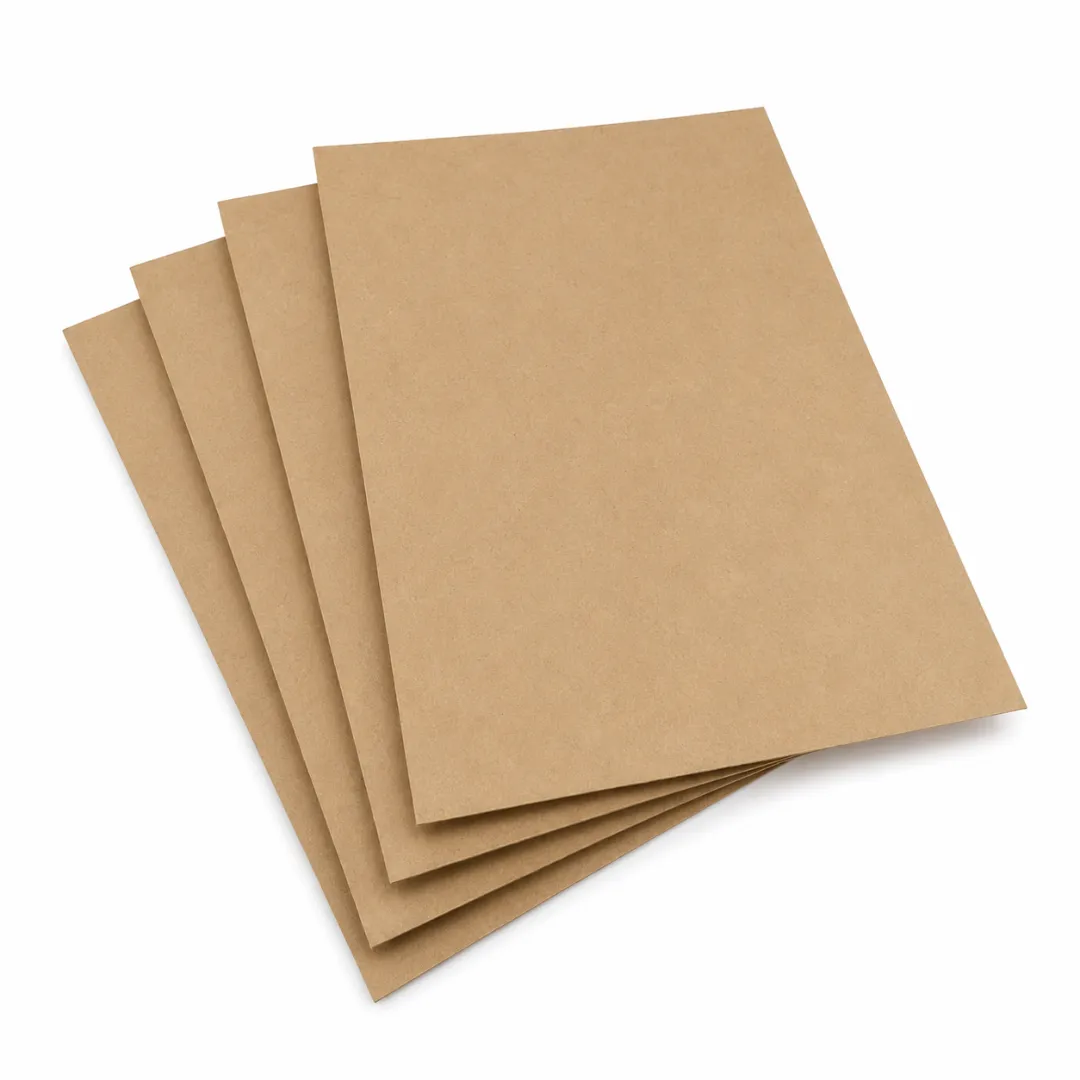
Kraft paper is a strong, durable and reliable material that is widely used across many different industries.
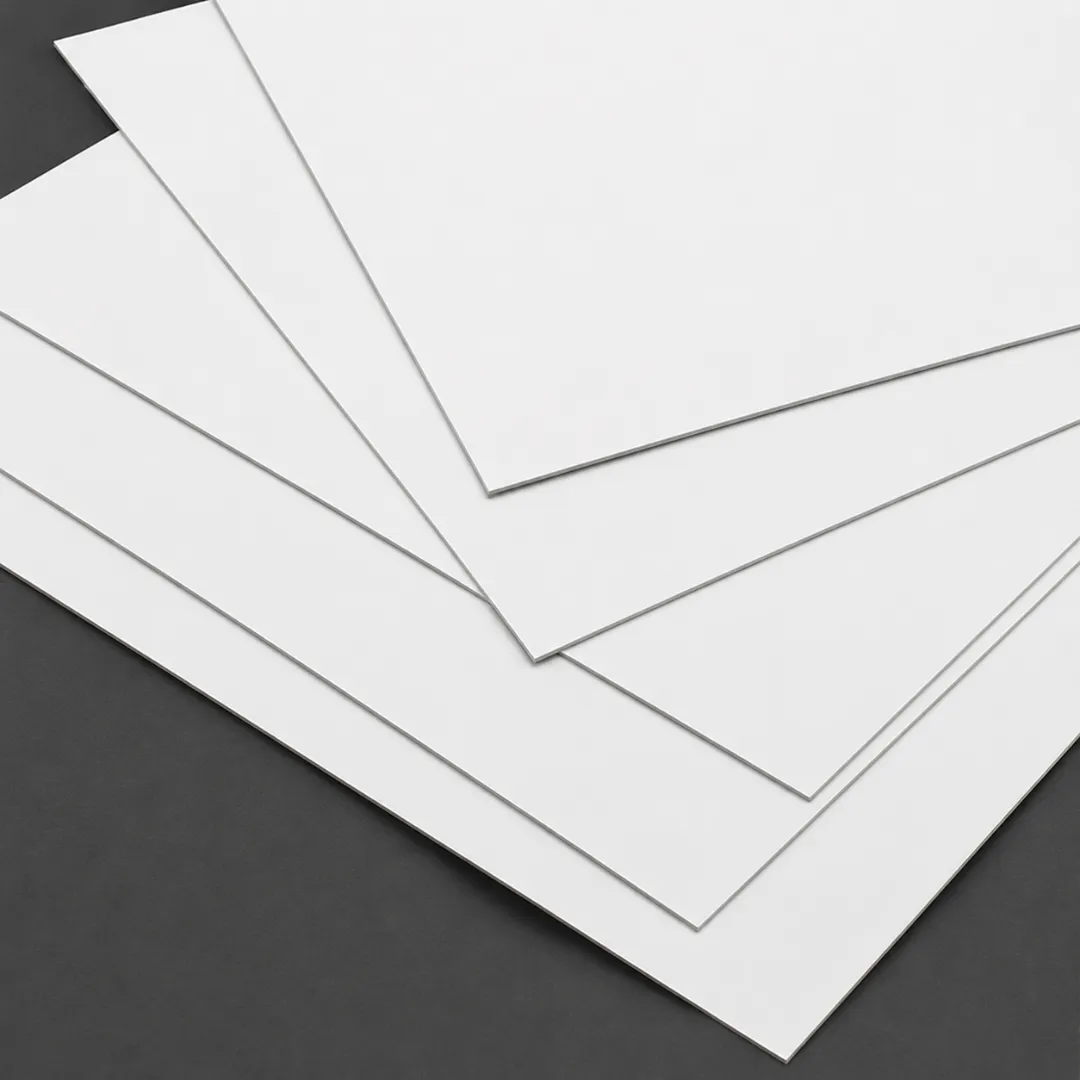
We use cardboard material with the least environmental impact and minimizes waste generation.
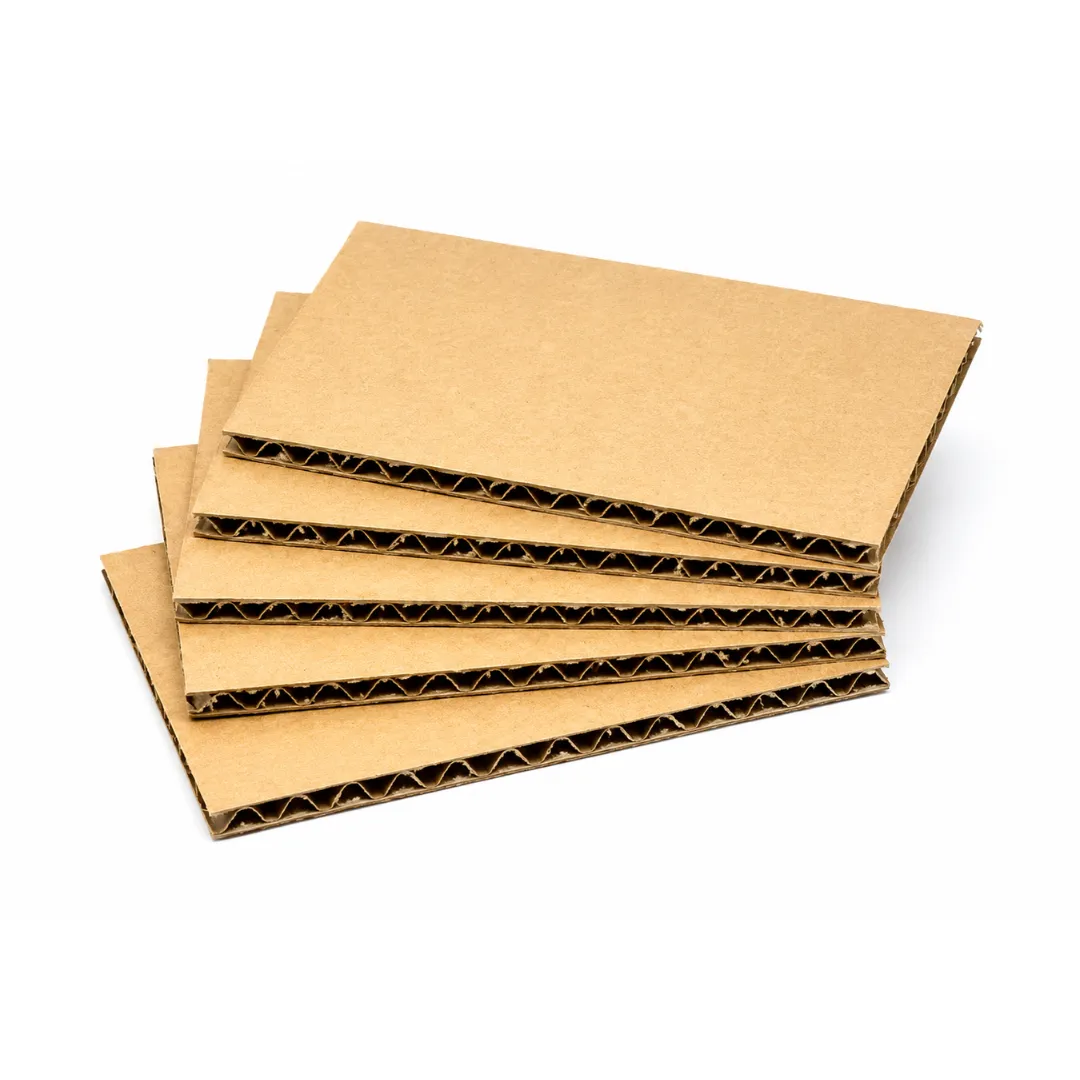
Corrugated material is easy to customize, cost effective and sustainable. It is also great for branding purposes.
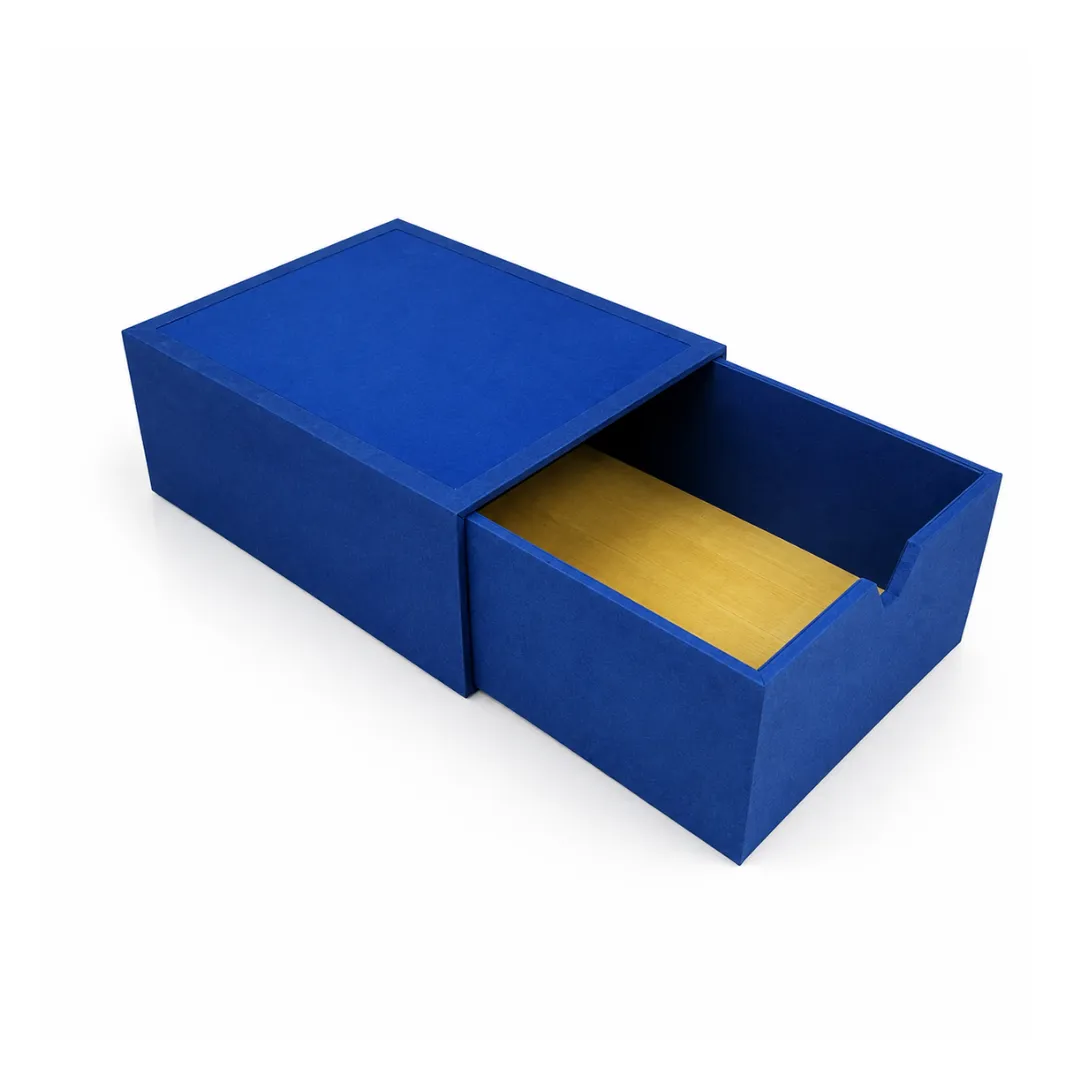
Rigid is highly protective, affordable and recyclable material. These boxes provide maximum protection.
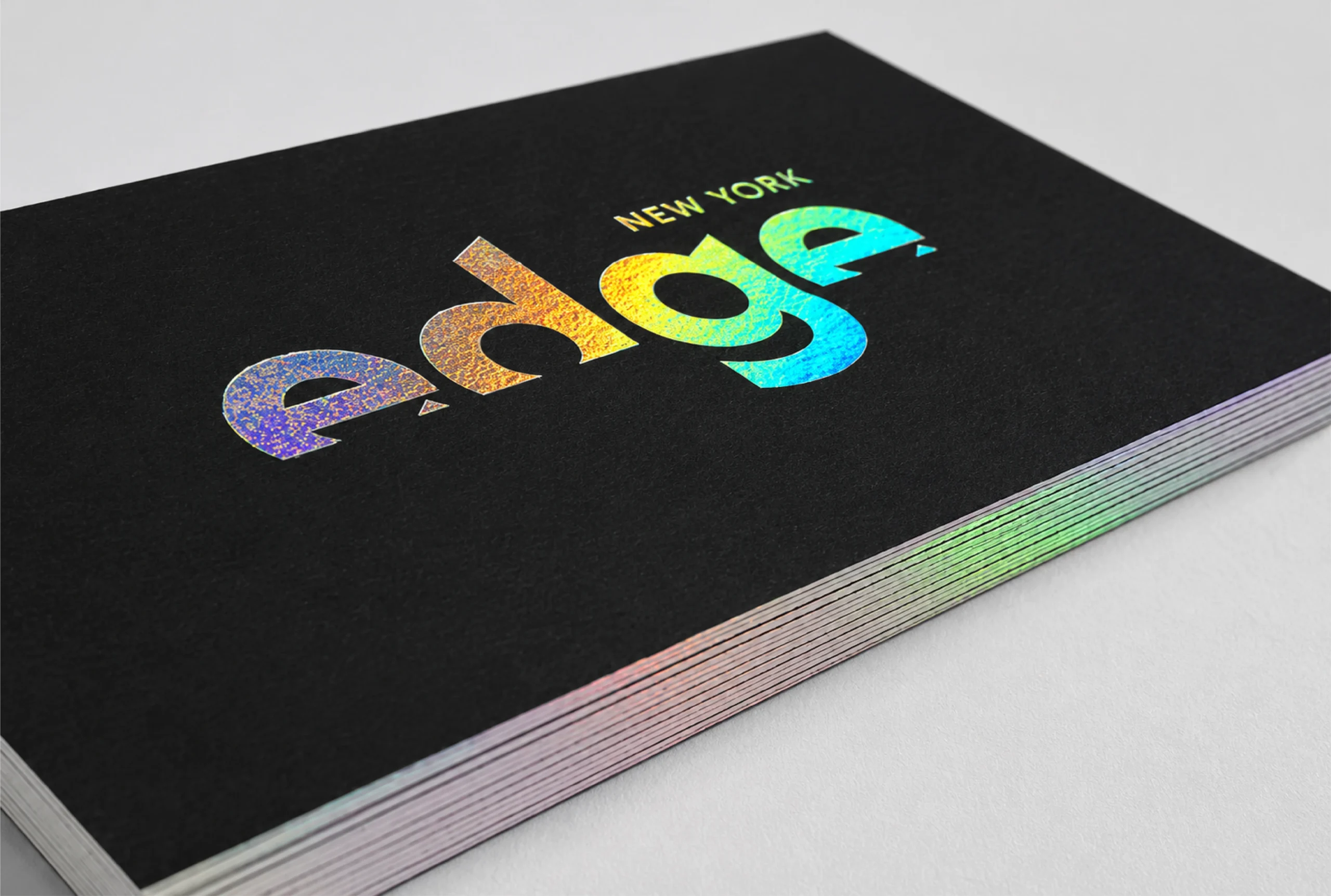
Holographic foil diffracts light and reveals the colors of the rainbow at various angles.
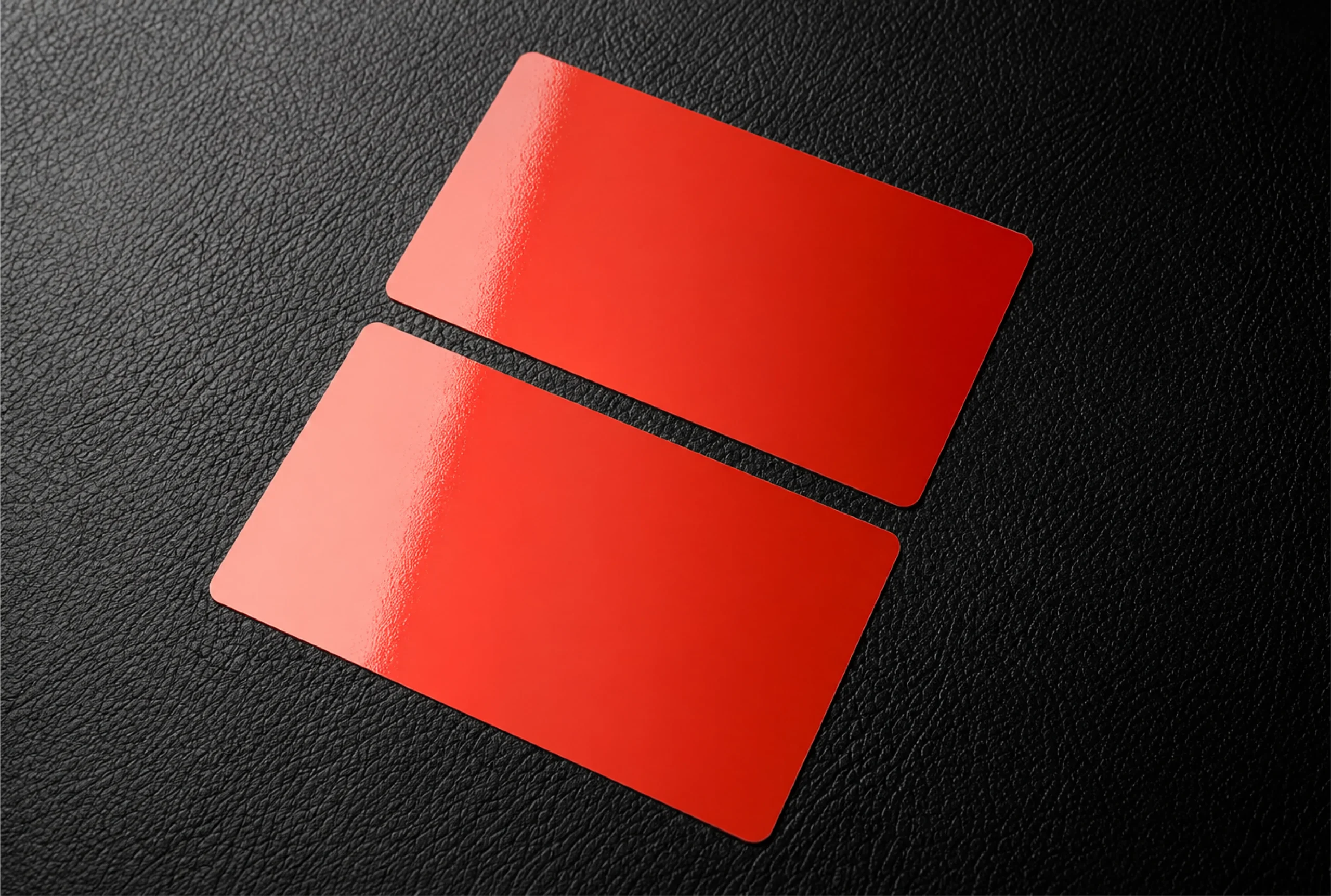
Our glossy finishing gives your packaging an extra layer of shine.
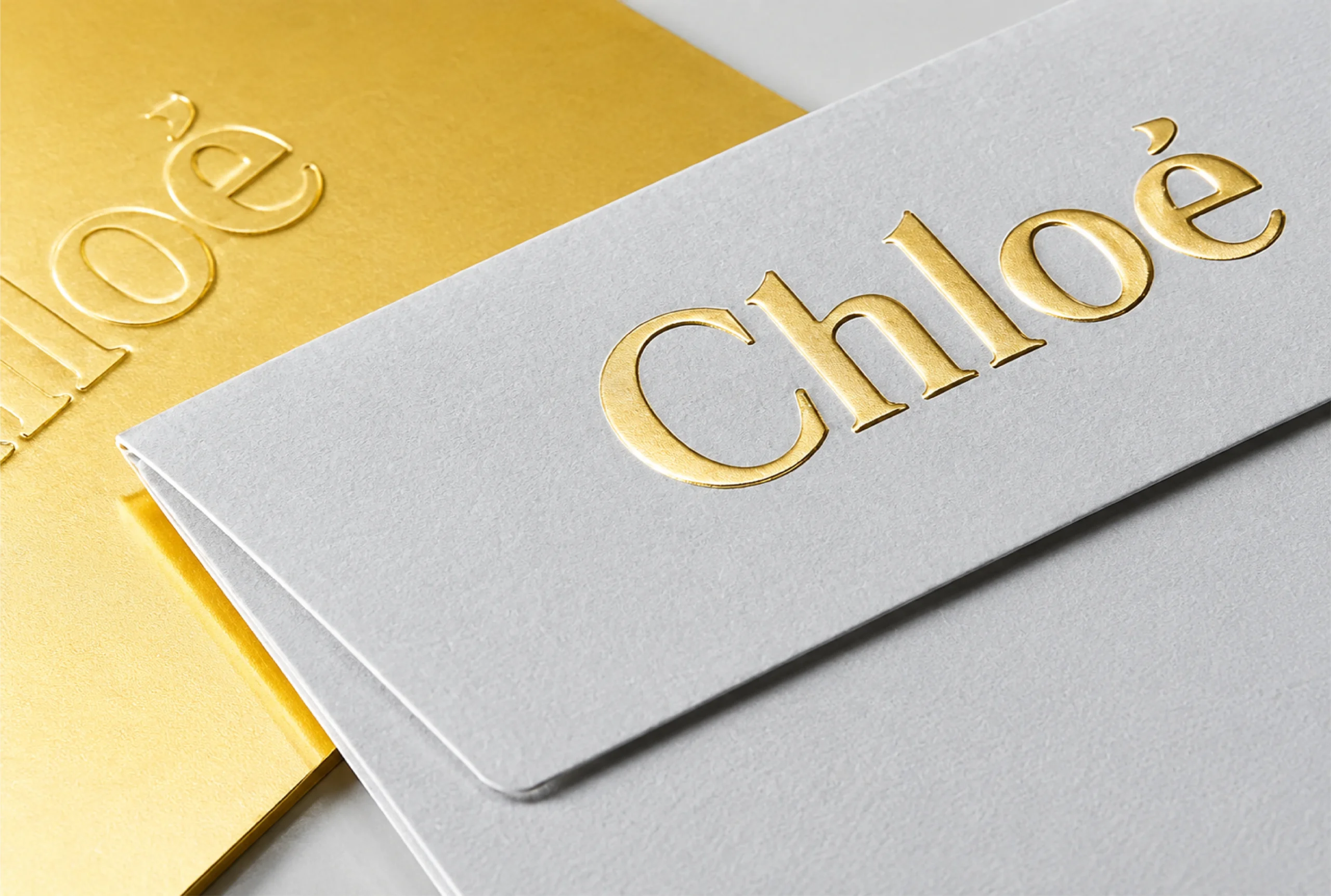
Decorate a wide range of your product packaging with our foil stamping.

With our embossing technique, we transfer the finest details of your product on packaging.
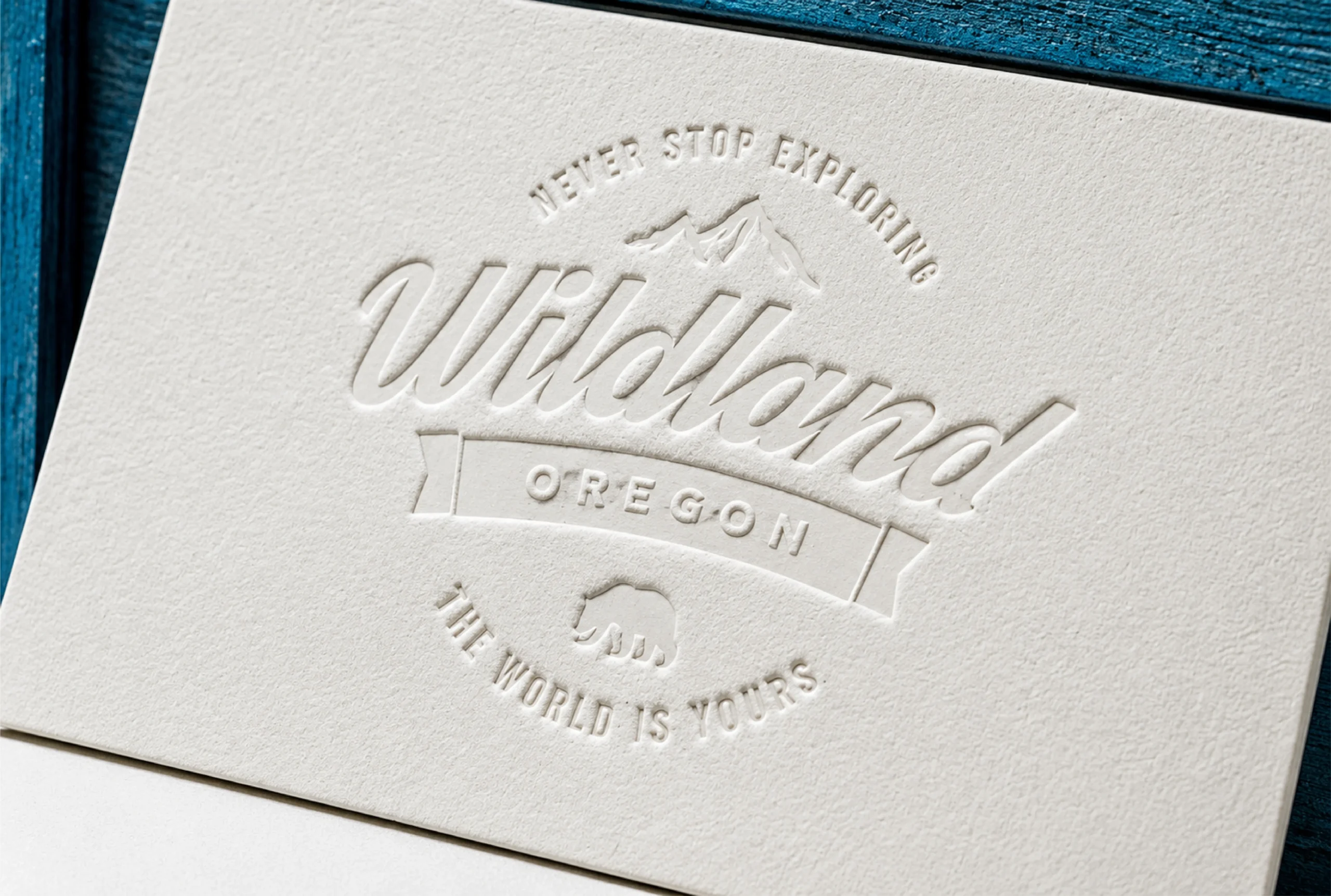
We use debossing technique to add unique graphics into your packaging.
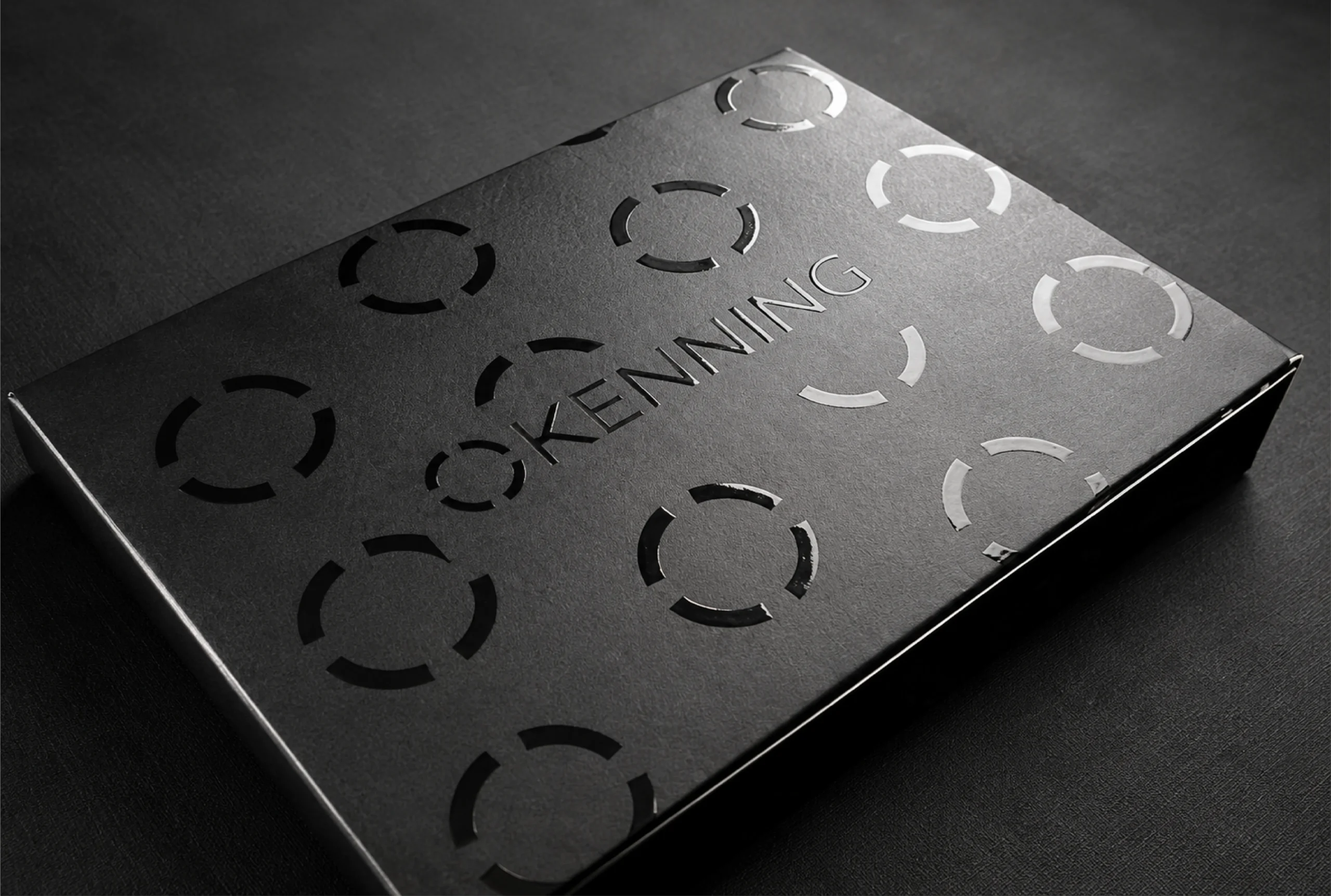
Our high-gloss UV coating gives light and shine to cure the printed material's varnish.
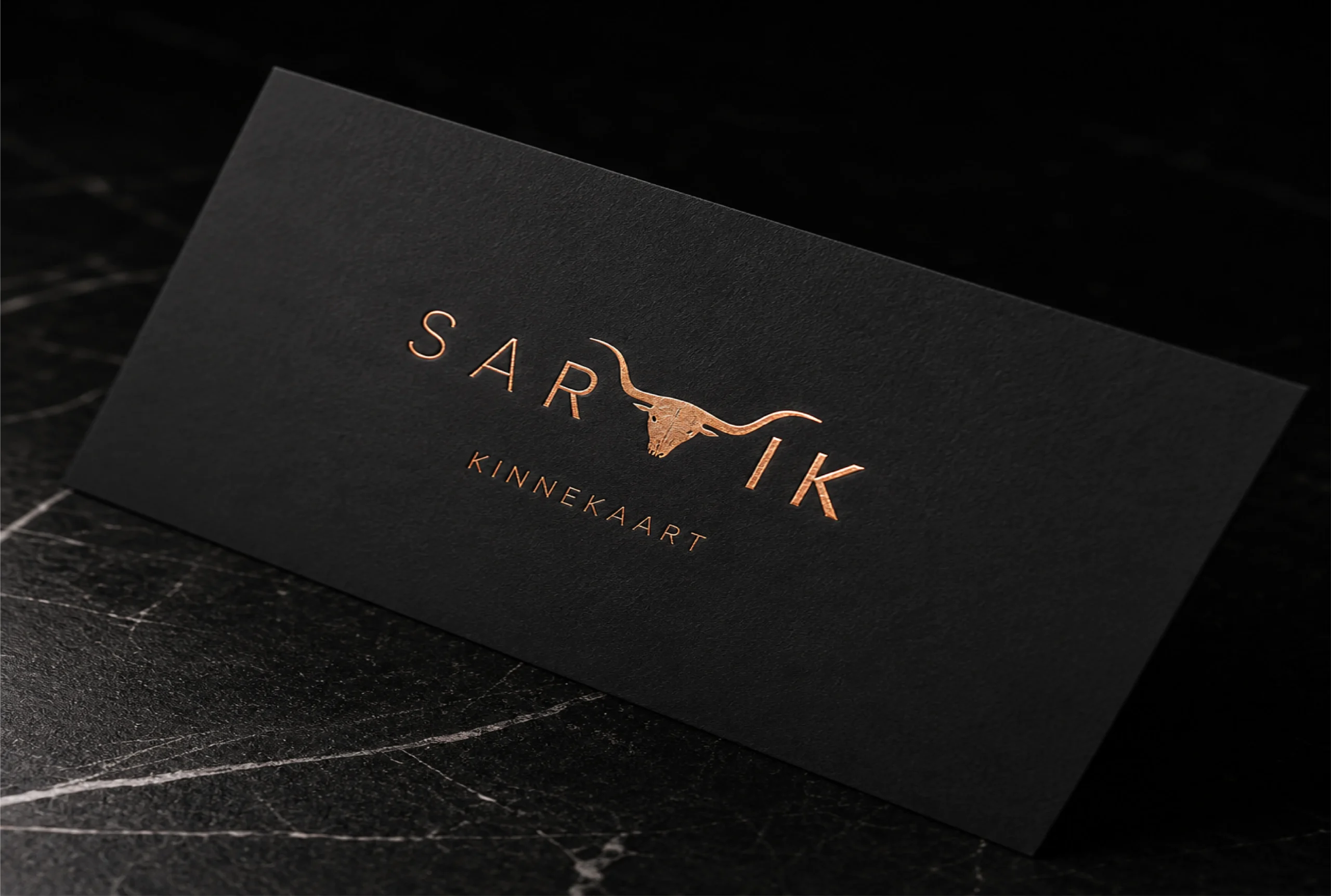
We add additional layer of protection with soft touch lamination from toner chipping.
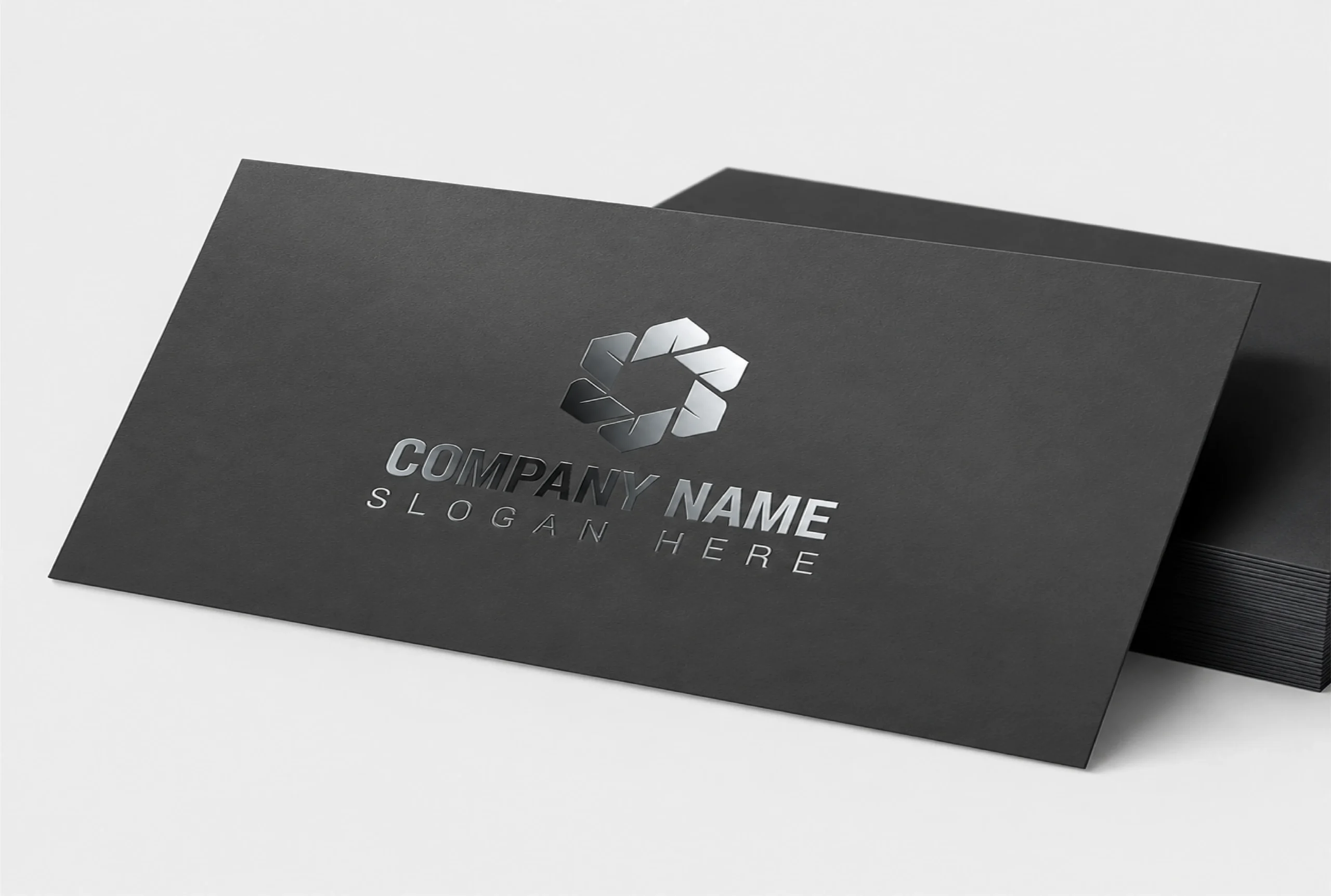
With our matte finish, fingerprints and smudges will now be less visible on the packaging.
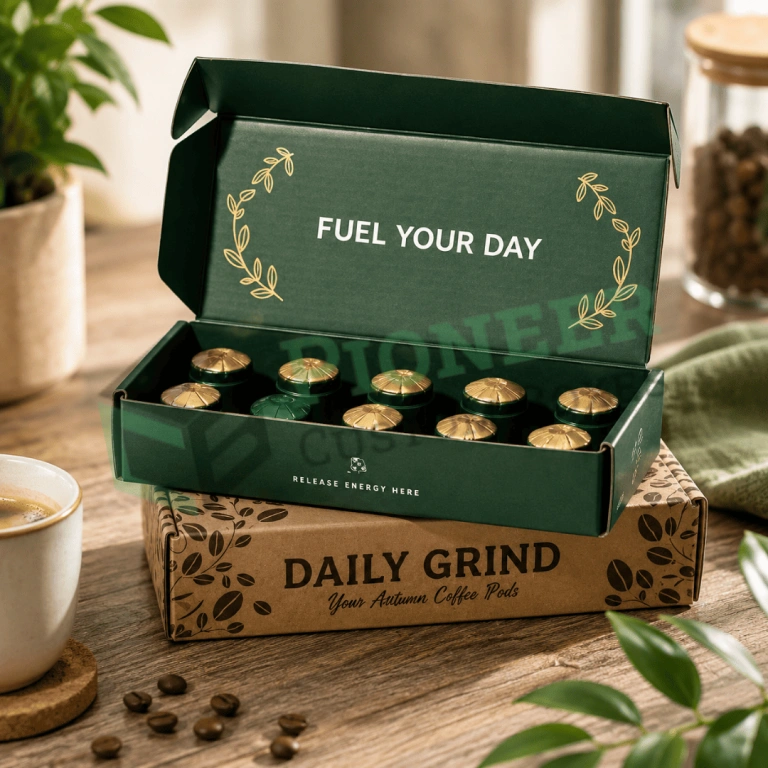
Custom coffee pod boxes keep pods organized, protected, and easy to recognize on shelves or during delivery. Designed for espresso pods, flavored capsules, variety packs, and subscription coffee products, they help brands present roast details clearly while protecting pods from crushing, movement, and poor retail display.
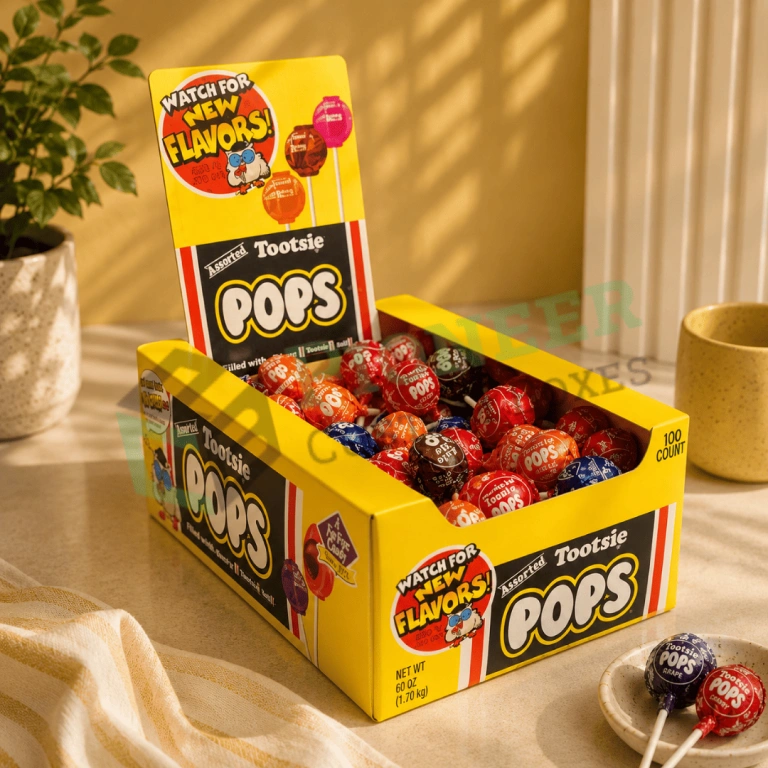
Custom lollipop boxes protect candy heads, sticks, and wrappers while making lollipops look bright, clean, and ready for retail. They work well for single lollipops, party favors, counter displays, gift packs, custom lollipop wrappers, and wholesale candy packaging.
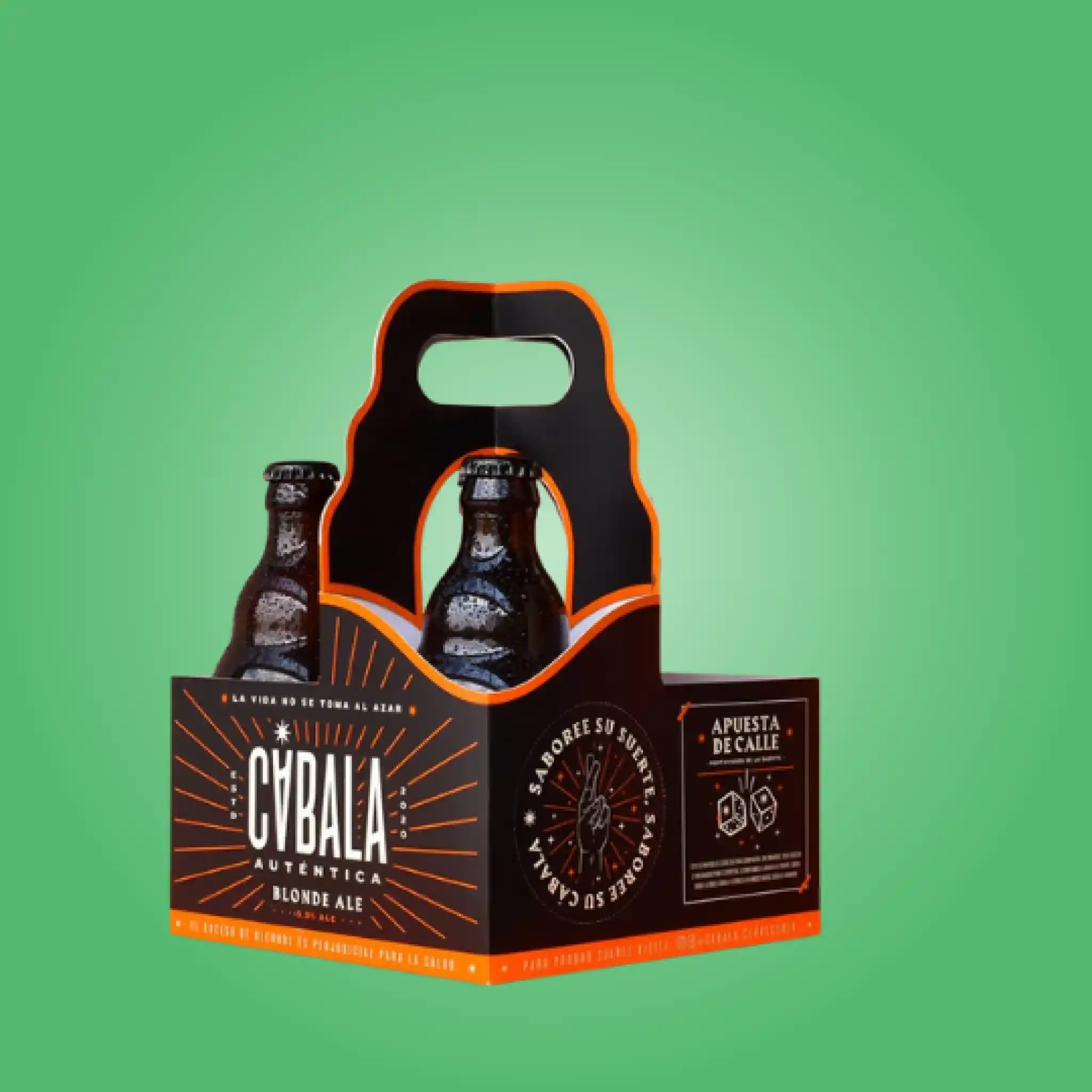
Custom Beverage Boxes designed to carry drinks safely during transport and presentation.
We produce spill‑resistant, food‑safe beverage packaging with strong structures, custom inserts, and high‑quality printing.
Get MOQs in the USA, accurate cost estimation in the USA, dependable lead time in the USA, and free shipping across the USA.
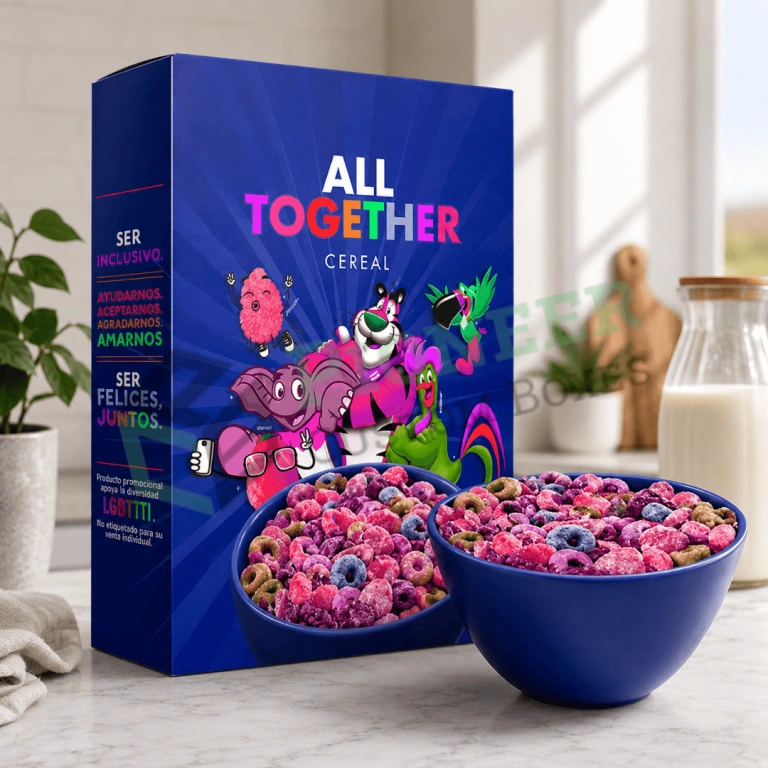
Custom cereal boxes from Pioneer Custom Boxes win a crowded grocery shelf and hold shape from the pallet to the table. Choose tuck-end cartons, auto-lock bottoms, family sizes, window cartons, multipack outers or subscription shippers in SBS, coated recycled board, kraft or E-flute, with sealed barrier liners, nutrition panel layout, free design support, zero MOQ and free USA shipping.