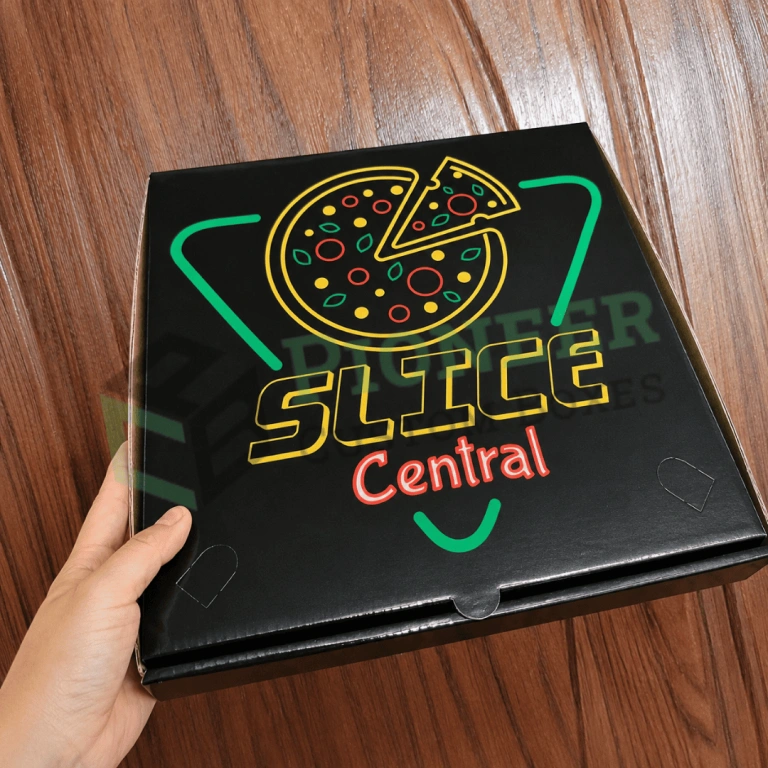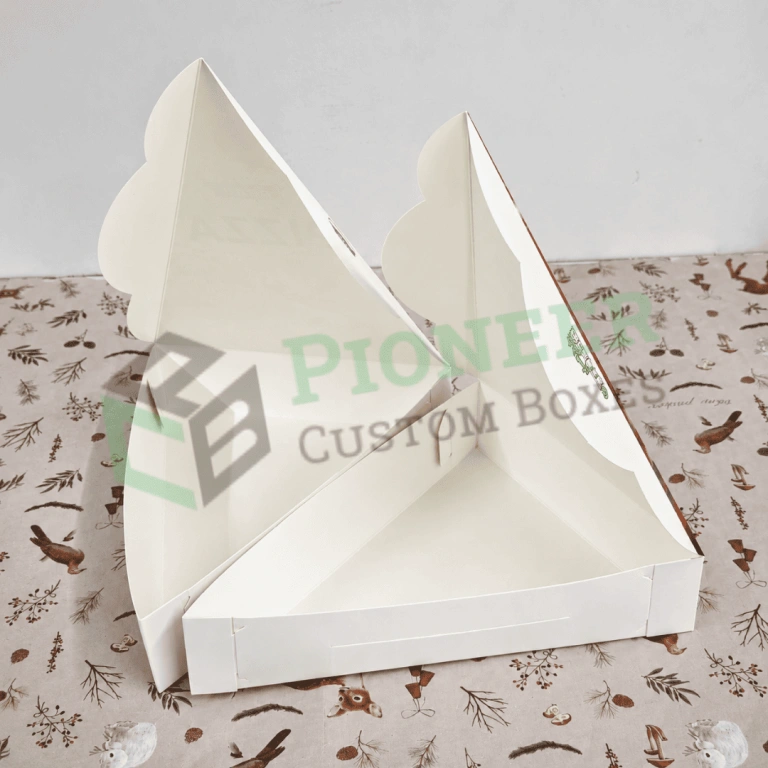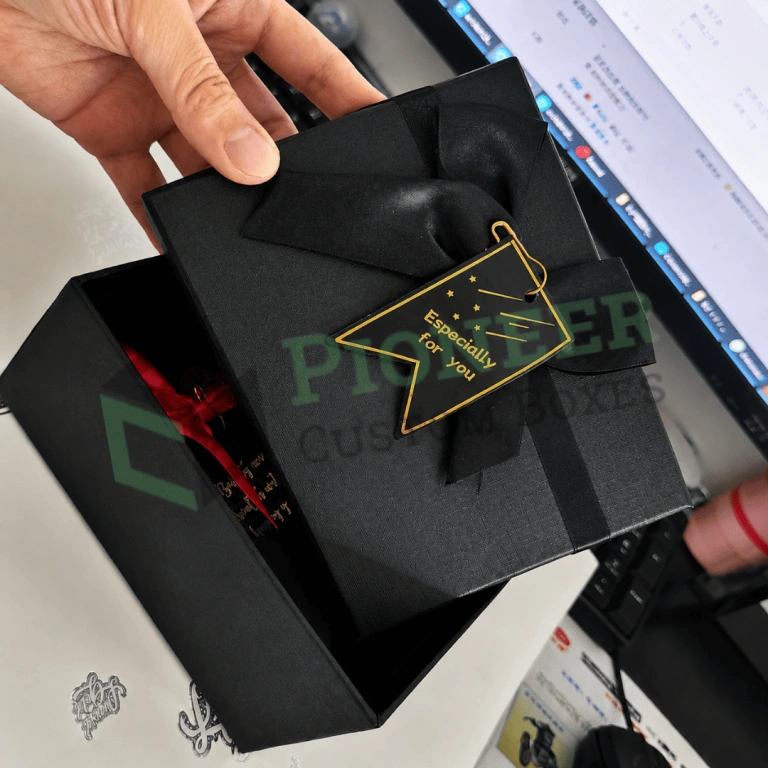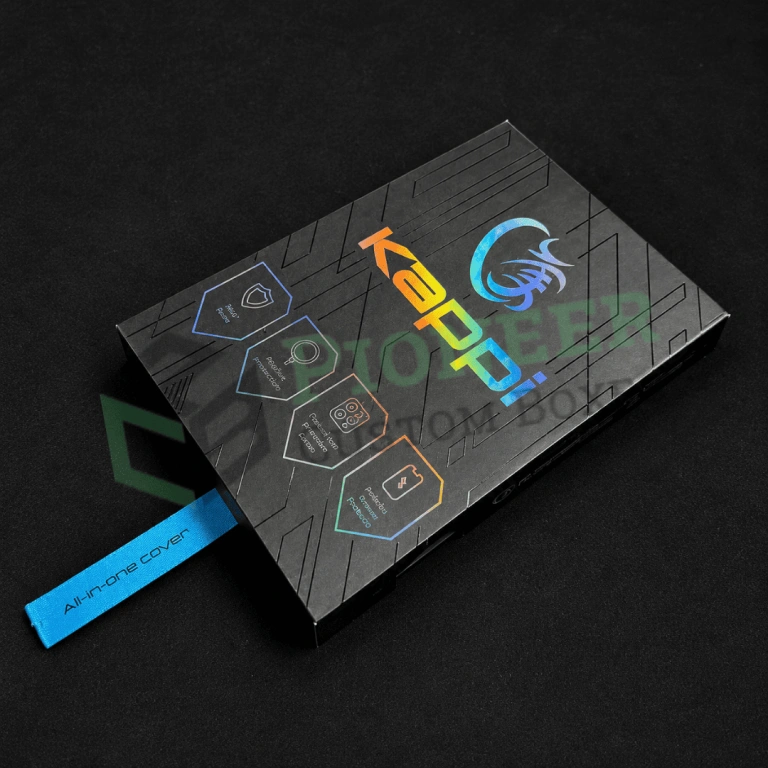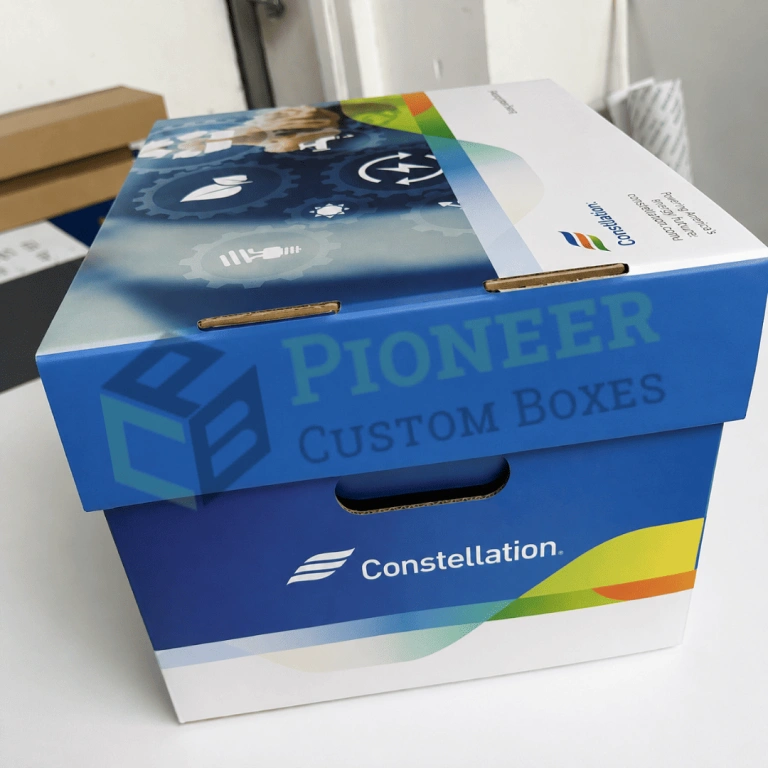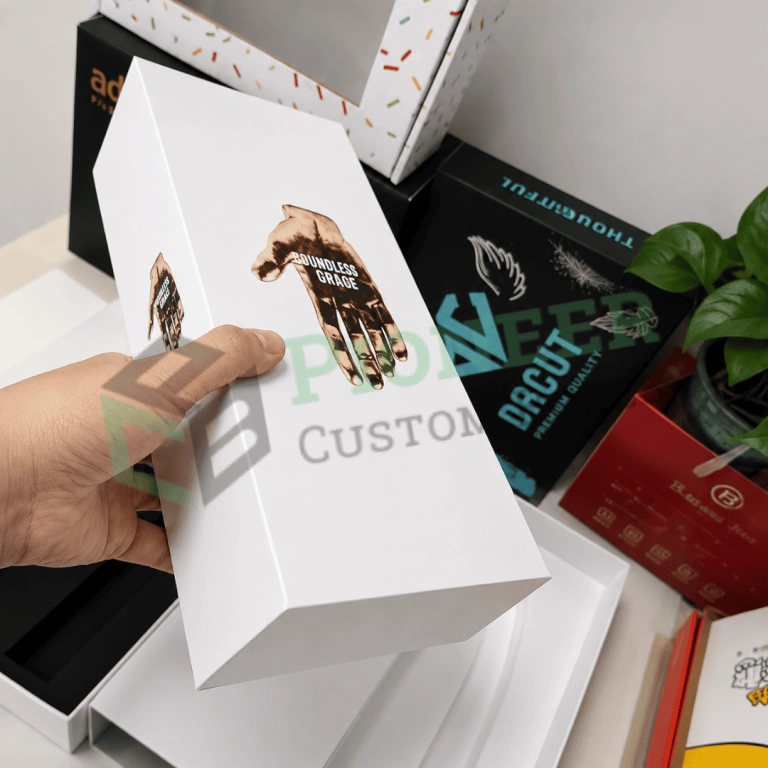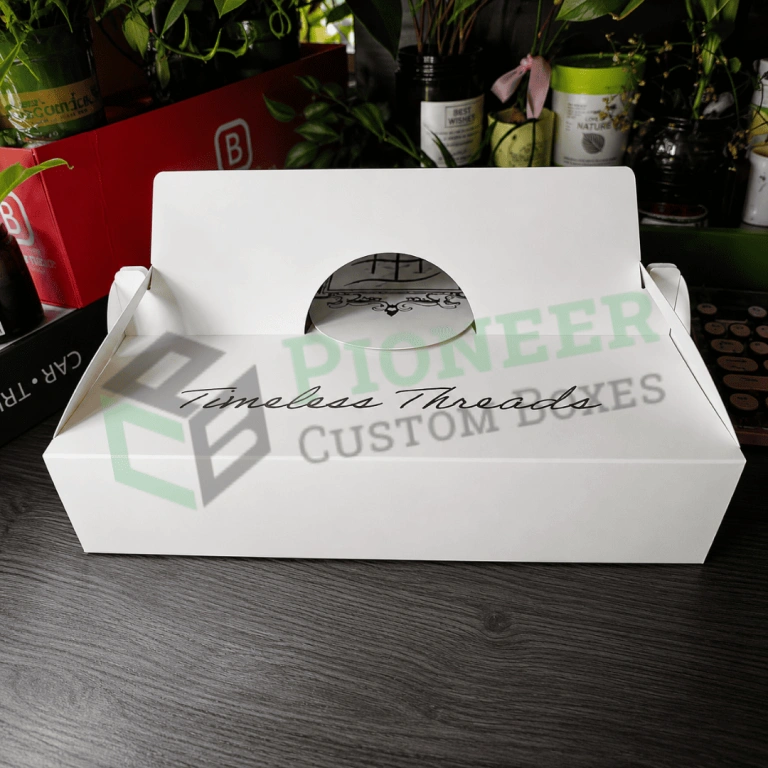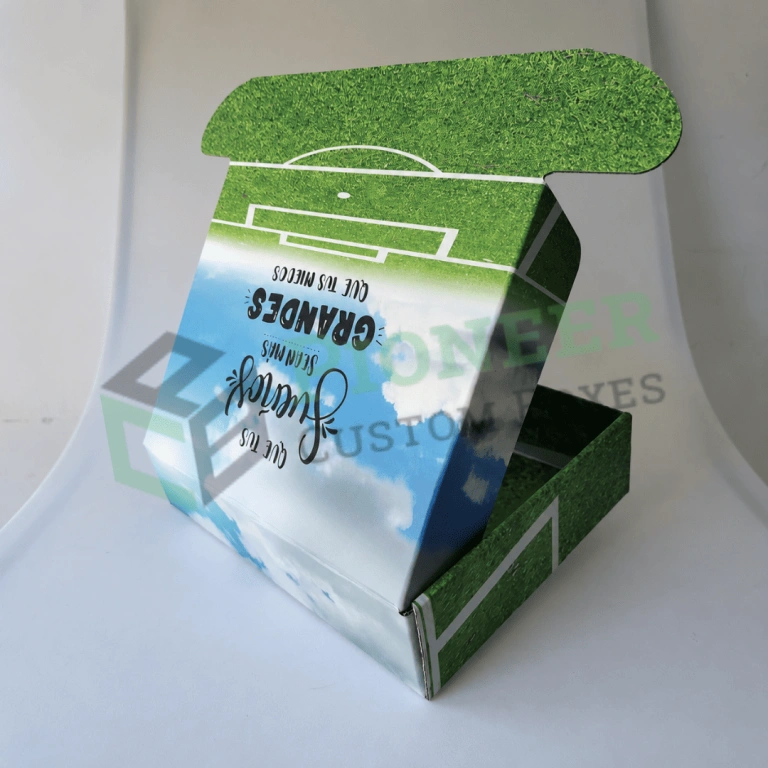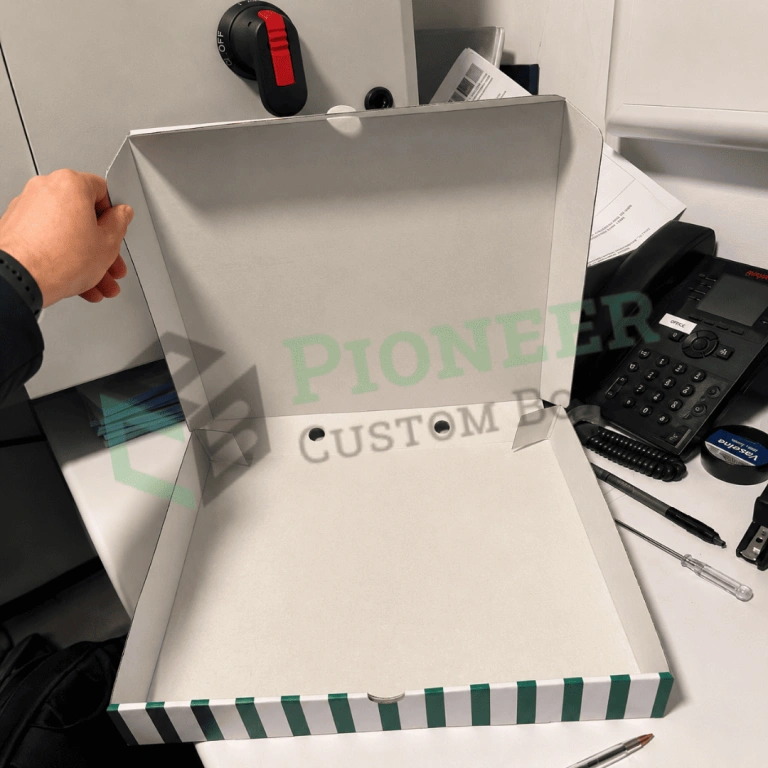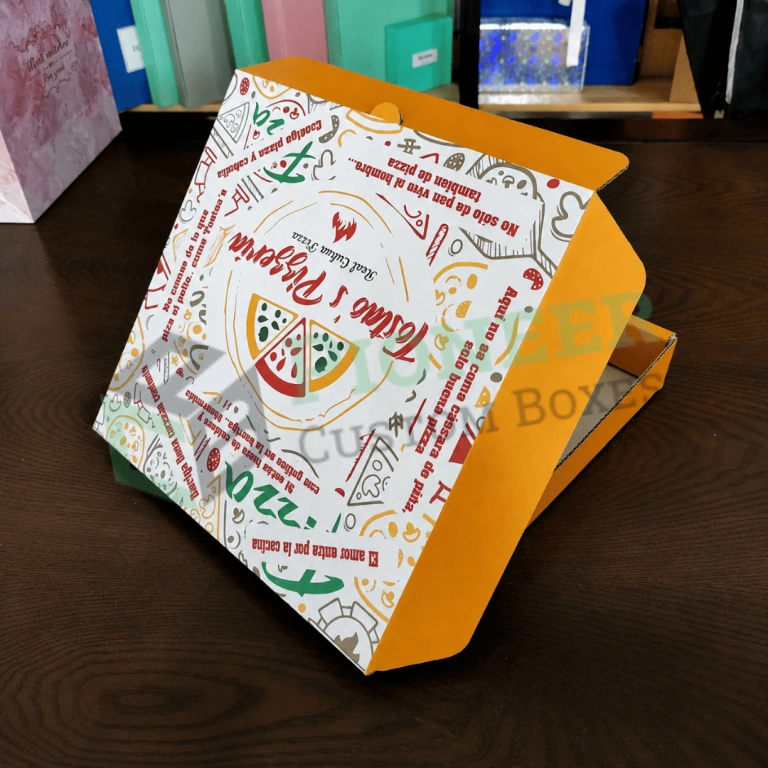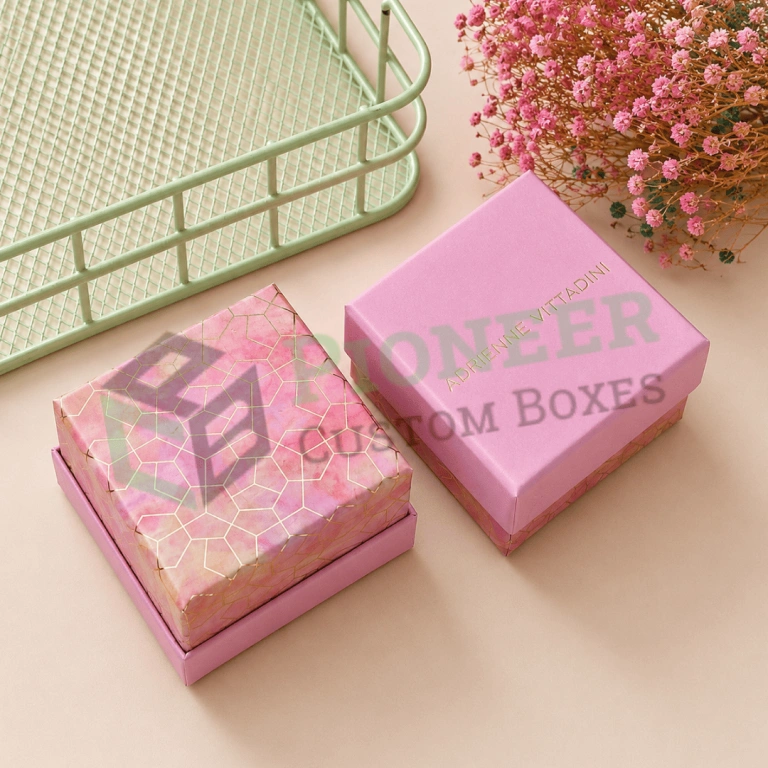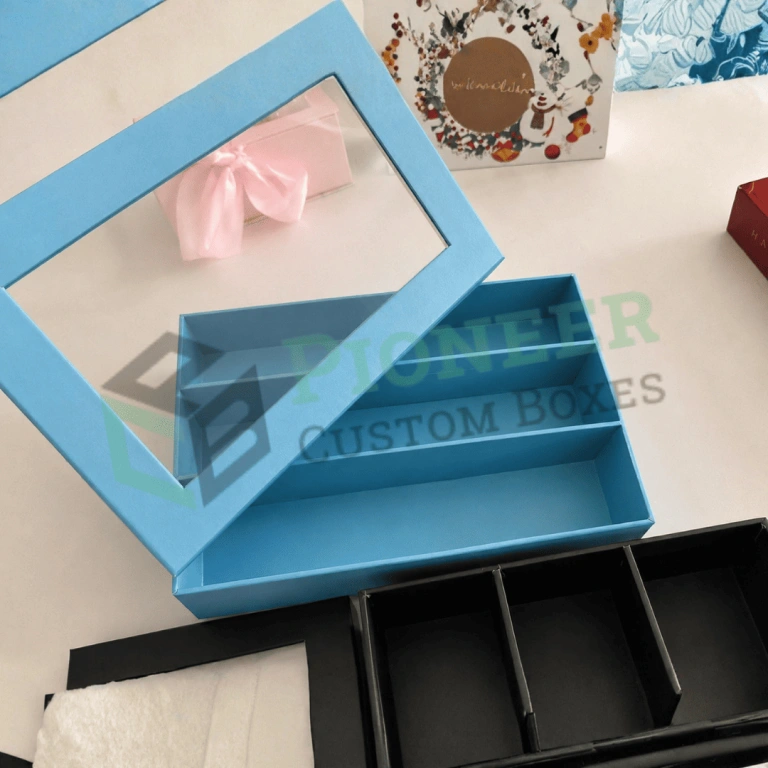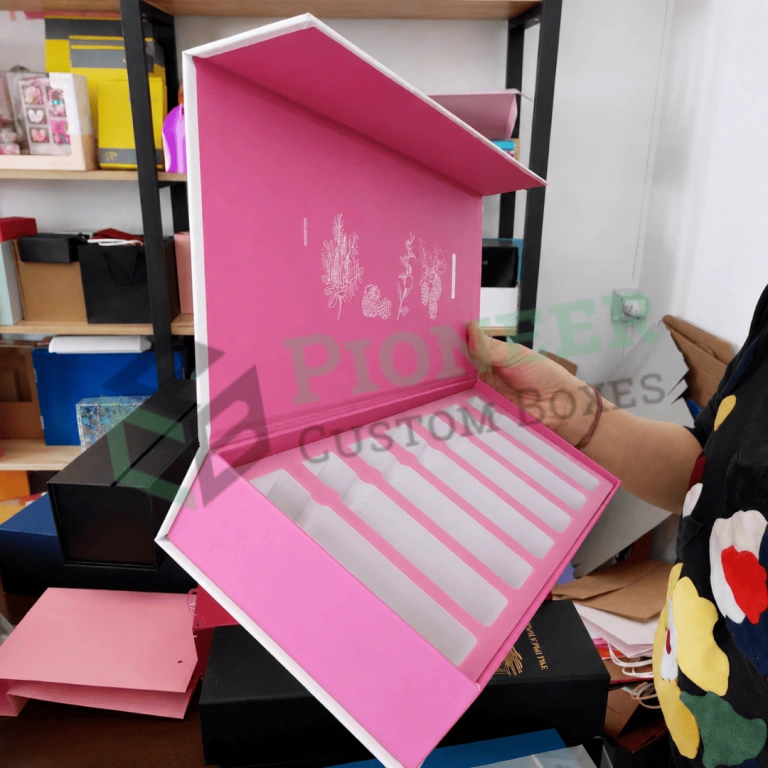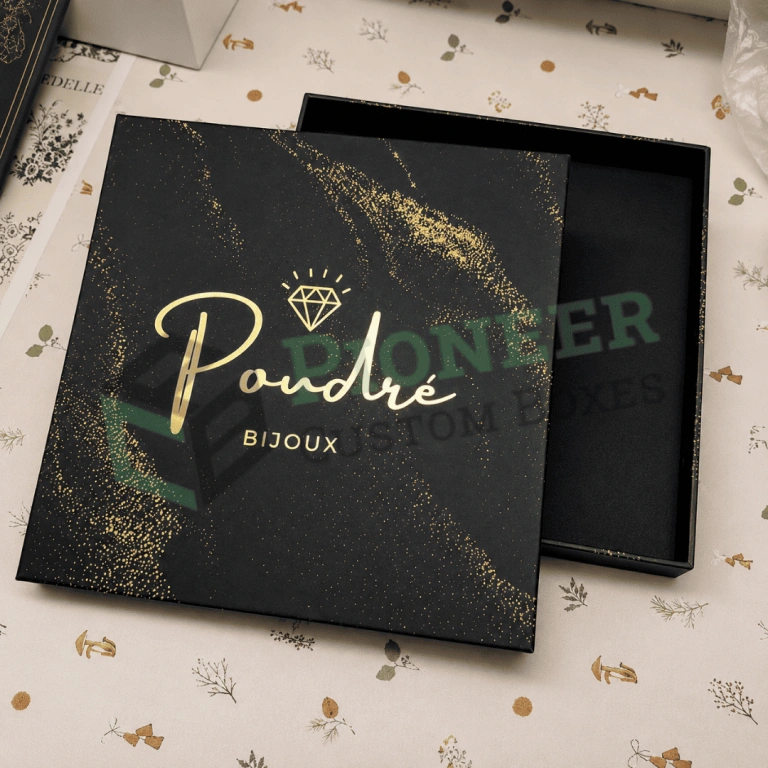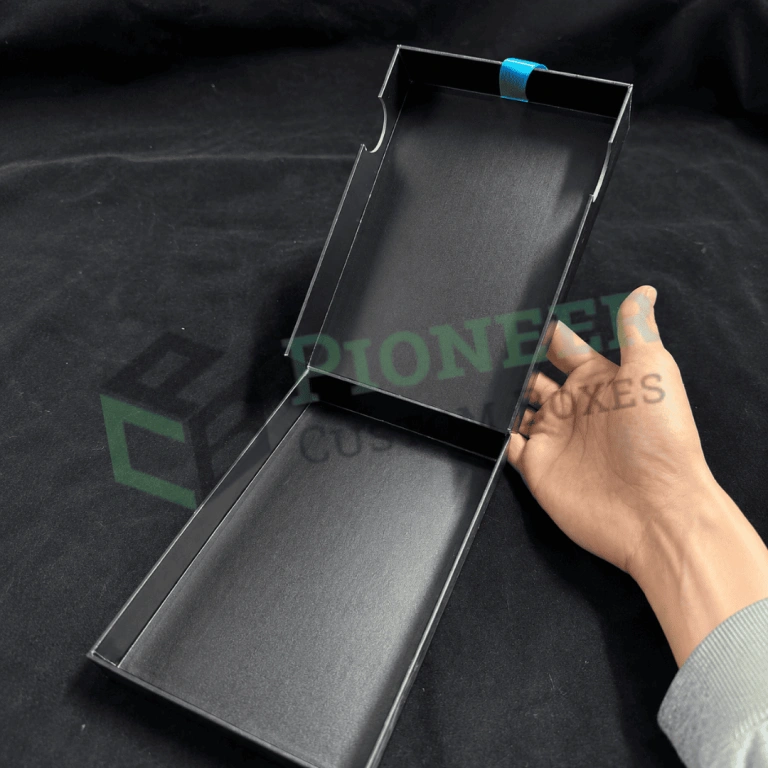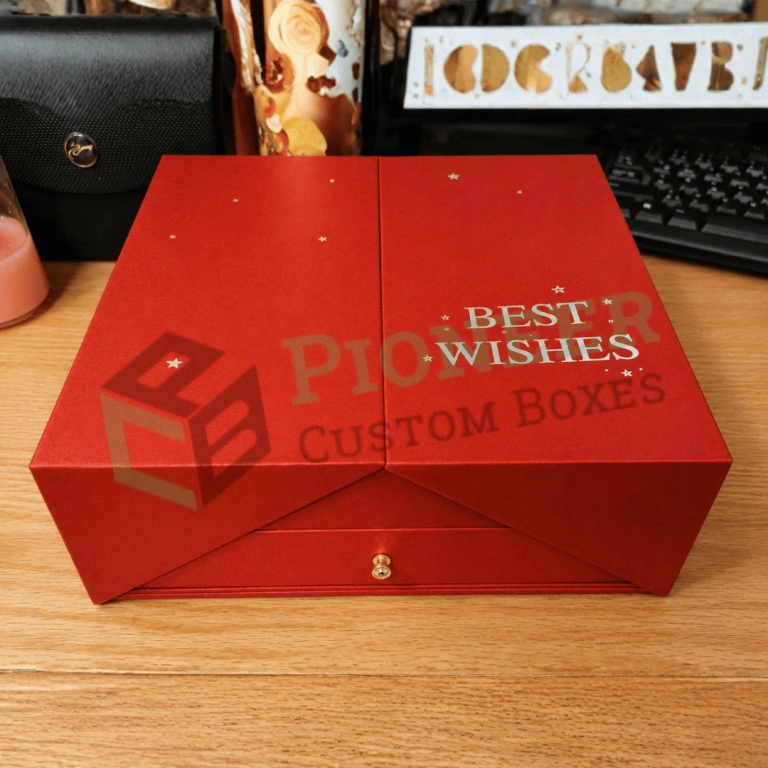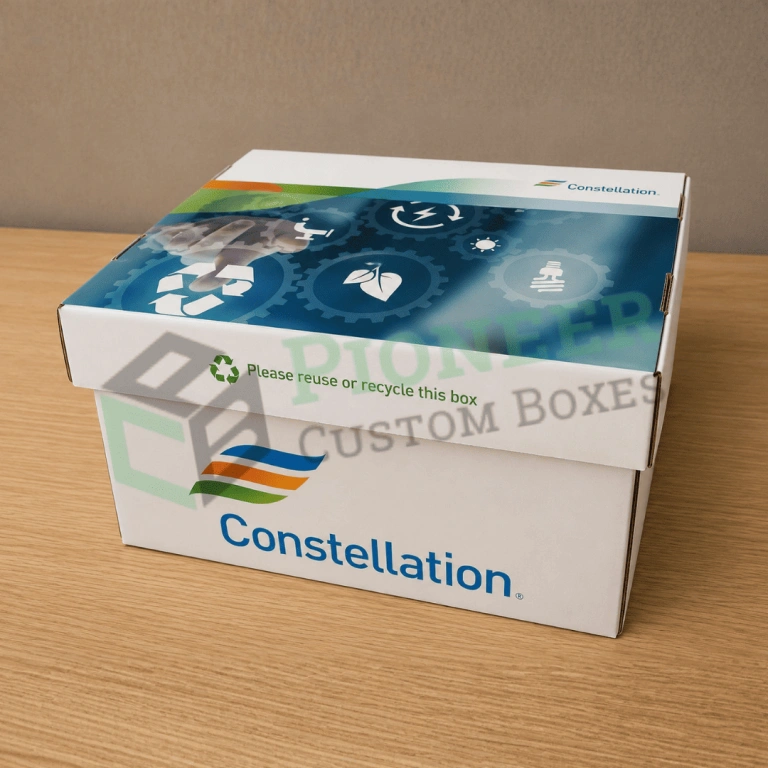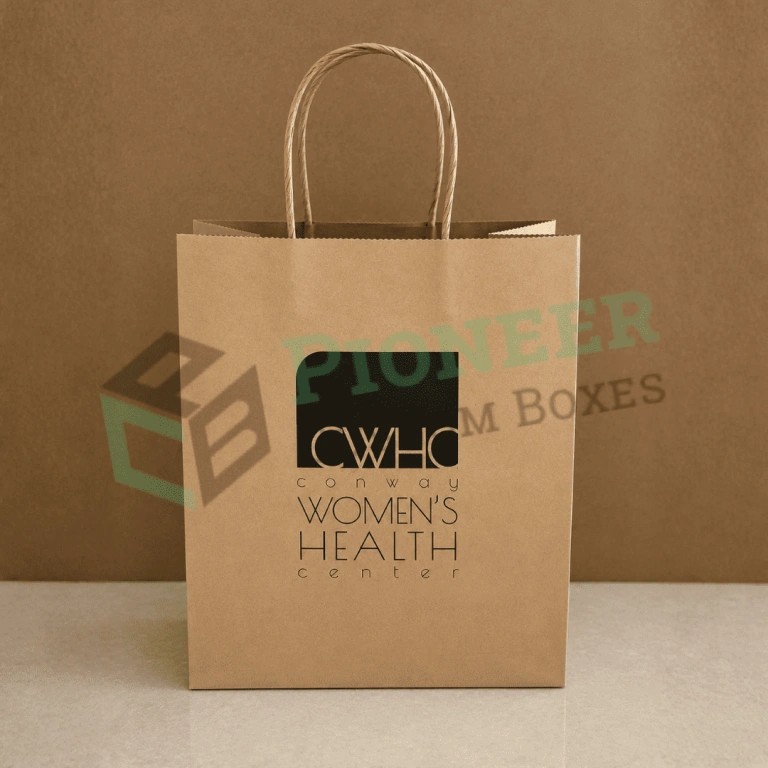
Custom subscription boxes from Pioneer Custom Boxes help beauty, snack, coffee, book, pet, wellness and lifestyle subscription brands ship a monthly experience that survives the parcel network. Choose E-flute or B-flute corrugated, white top or natural kraft liners, printed interiors, fitted trays, dividers, tear strips, free design support, no MOQ and free USA shipping.
A subscription mailer box is not a shipping container that happens to have a logo on it. It is the only physical contact your business has with a subscriber, it arrives on a schedule they anticipate, and it is opened deliberately rather than torn into. That changes what the box has to do.
The commercial job is retention. A subscriber who enjoys opening the box renews, posts about it, and stays past the months when the contents are less exciting. A box that arrives dented, opens awkwardly or looks identical to a plain shipper does none of that work.
The operational job runs alongside it. The same box has to survive a parcel network alone, assemble fast enough for a fulfillment push where a whole month ships in days, store flat between cycles, and cost little enough that shipping does not consume the subscription margin.
Pioneer Custom Boxes manufactures subscription mailer boxes in the United States with zero minimum order quantity, free dielines, free design support and free shipping nationwide. We hold your die permanently, so monthly artwork changes cost plates rather than tooling.
Most subscription boxes use a die-cut mailer or a roll end tuck front structure, and both share the property that makes them right for this job: the lid opens fully and the contents stay arranged.
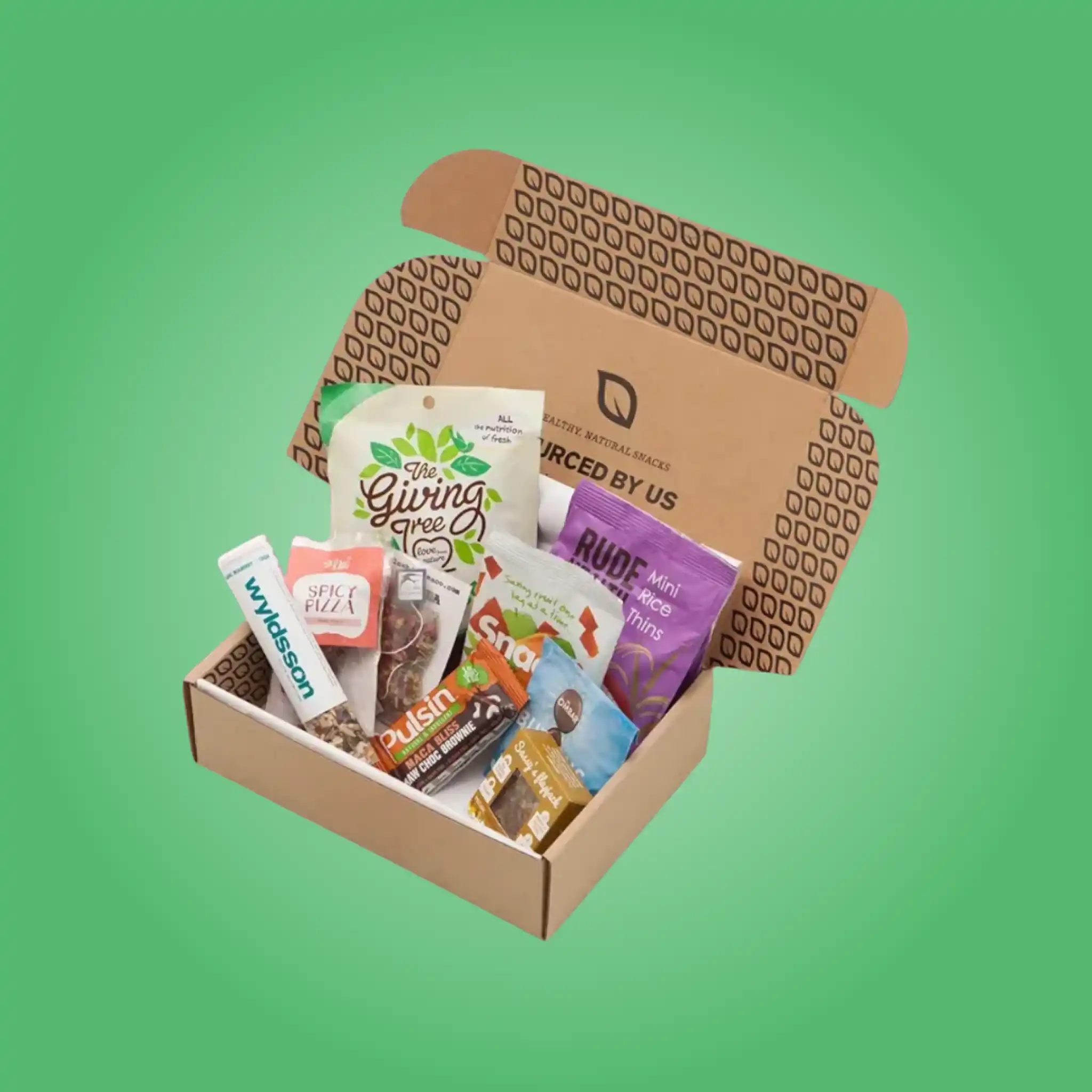
That full opening is the whole point. A subscriber lifts the lid and sees the month laid out rather than tipping items into their lap. Everything you arranged during fulfillment is still where you put it, which is what makes the moment photographable.
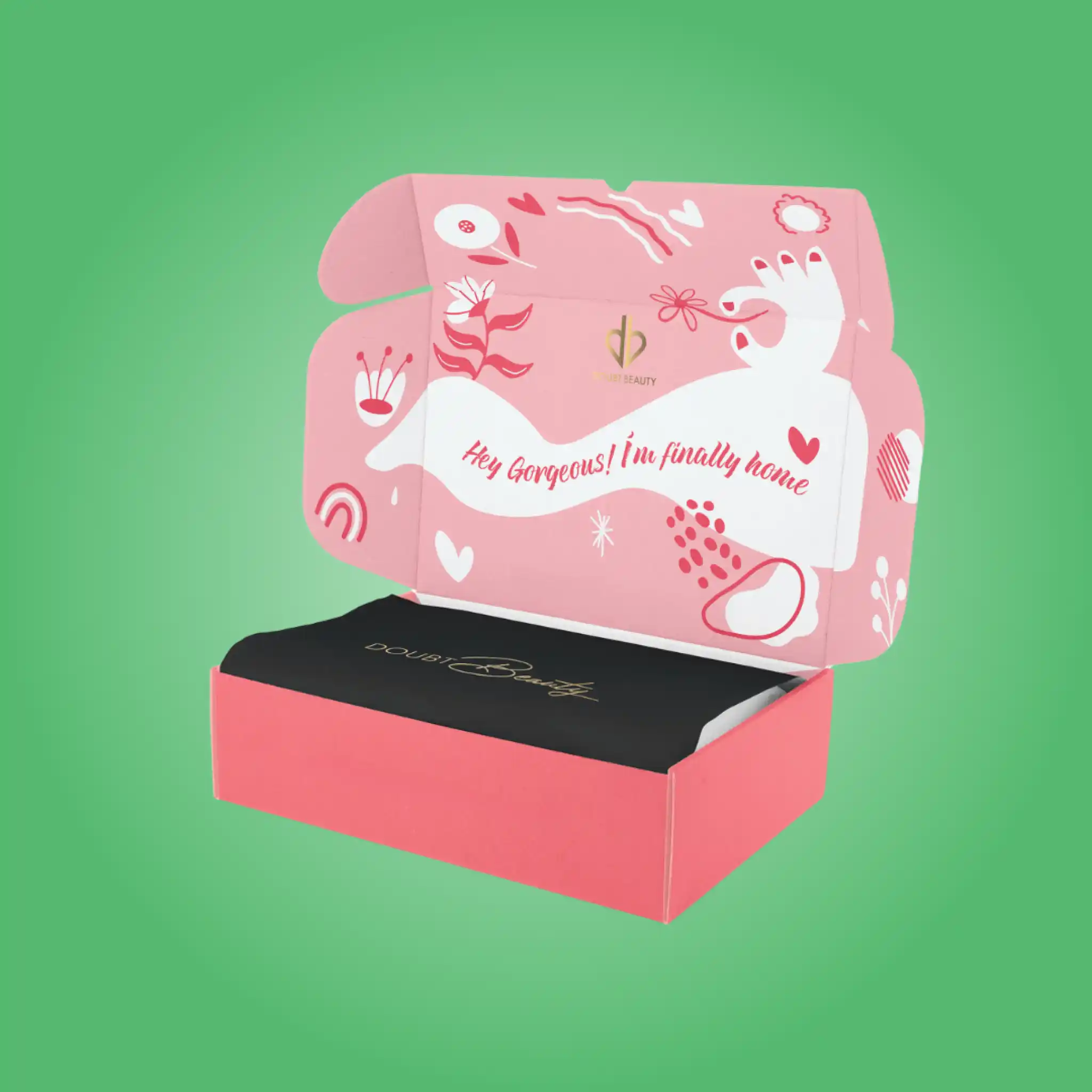
The inside of the lid faces the subscriber directly at that moment, and it is the single most valuable printed area on the box. A message, a pattern, a monthly theme or a simple thank you costs very little relative to the box and does more for retention than most brands expect. Leaving it unprinted is the most common missed opportunity in this category.
Side wings and a front tuck flap lock the structure without tape. That matters twice: assembly is faster during a fulfillment push, and the subscriber opens the box without needing a knife, which protects both the contents and the experience.
A tear strip adds tamper evidence and a satisfying opening motion. It also stops subscribers cutting into the box and damaging the printed interior they were meant to see.
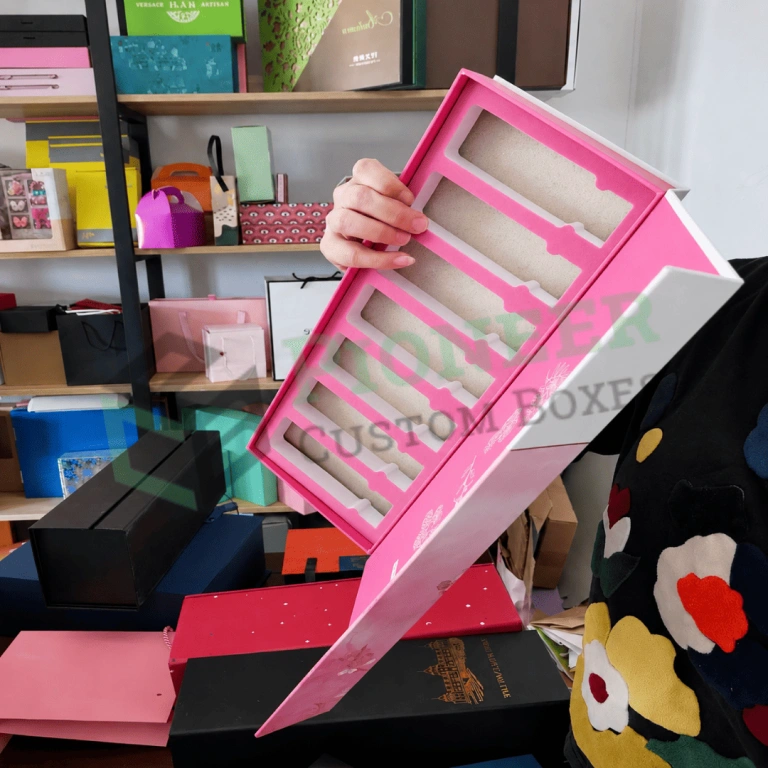
We design the box and its insert on the same dieline, so the tray, dividers and box are matched rather than approximately compatible, and you pay one tooling charge instead of two.
Every die is cut to your contents layout. These formats show what subscription businesses order most often across categories.
| Box Type | Typical Size (inches) | Board | Note |
|---|---|---|---|
| Beauty sample box | 8 x 6 x 2 | 32 ECT E-flute | Fits sachets and minis |
| Standard beauty box | 9 x 6 x 2.5 | 32 ECT E-flute | Most common format |
| Snack and food box | 10 x 8 x 3 | 32 ECT E-flute | Divider tray |
| Coffee subscription | 9 x 6 x 4 | 32 ECT E-flute | Fits two 12 oz bags |
| Book and stationery box | 10 x 7 x 3 | 32 ECT E-flute | Rigid enough to prevent bending |
| Lifestyle and gift box | 12 x 9 x 4 | 32 ECT E-flute | Multi-cavity insert |
| Apparel subscription | 12 x 9 x 3 | 32 ECT E-flute | Tissue and belly band |
| Pet subscription box | 11 x 8 x 4 | 32 ECT E-flute | Mixed item sizes |
| Wellness and supplement | 9 x 7 x 3 | 32 ECT E-flute | Fitted tray for bottles |
| Kids and craft box | 12 x 9 x 3 | 32 ECT E-flute | Printed interior activity |
| Premium quarterly box | 13 x 10 x 4 | B-flute | Heavier contents, more items |
Size to your largest planned month rather than your average. Changing box size mid-program costs tooling and breaks the visual consistency subscribers notice immediately.
Subscription boxes hold a changing set of items, which makes sizing a different problem from packaging a single product.
Start by laying out a representative month as you want it to appear when the lid opens. That arrangement sets the internal footprint, not the individual items. Most brands find at this point that a different layout uses a noticeably smaller box.
Depth is decided by the tallest item plus clearance for the lid to close. Where one product is much taller than the rest, ask whether it can lie flat, because a single tall item forces depth on the entire box and depth is what drives shipping cost every month.
Plan for variation. Your contents change monthly, so size to the largest realistic month rather than the average, and use the insert to adapt within that footprint. A tray with different cavity layouts printed for different months is far cheaper than a new box.
Leave room for the insert itself. A tray adds material thickness on every wall it touches, and a box cut to bare contents will not accept it once it exists.
Every dimension we quote is internal, measured to the inside faces. On E-flute the board thickness is meaningful, so sending external dimensions produces a box your contents will not fit.
A subscription box has no outer shipper protecting it, so the board is doing presentation and protection at the same time.
E-flute is the default for subscription boxes and covers the large majority of what we produce in this category. The fluted layer gives real crush resistance through a parcel network while the outer liner still prints well enough for brand artwork. At 32 ECT it handles typical subscription contents comfortably.
B-flute is thicker and stronger, and it earns its place when contents are heavy or fragile. Coffee subscriptions with multiple bags, wine and spirits boxes, and quarterly boxes with more items usually need it. It prints more coarsely, so bold graphics work better than fine detail.
A white outer liner over a kraft structure gives accurate color reproduction on the exterior while keeping cost below fully bleached board. For subscription brands whose artwork carries photography or precise brand colors, this is usually the right specification.
Plain brown kraft costs the least and suits sustainable, artisan and wellness positioning. Colors print warmer and white will not read as white, so kraft subscription boxes typically use one or two bold inks outside with the full-color work saved for the printed interior.
Recycled content liners cost less than virgin board and lower the footprint, which is unusual and worth using. Subscription customers scrutinize packaging waste more than most, so we document exactly what your board contains rather than leaving you to assume.
One consideration specific to this format. Because the box ships alone, the exterior takes abrasion from conveyors and other parcels. A scuffed box arriving at a subscriber undermines the whole experience, so we test rub resistance on the printed surface before approving a run.
Subscription businesses change artwork more often than almost any other packaging buyer, and print method is what makes that affordable or prohibitive.
Digital prints directly onto the board with no plates, which is transformative for this category. A brand changing artwork every month pays no plate cost per version, can run different artwork within a single production order, and can test two designs against each other. For most subscription businesses under a few thousand boxes a month, digital is simply the correct answer.
Flexo prints from flexible plates and handles bold graphics and solid colors economically. Where a subscription brand keeps a consistent exterior design and changes only an inserted card, flexo at volume is considerably cheaper per box. Plates last for many runs, so a stable design gets cheaper the longer you use it.
A sheet printed offset and bonded to corrugated, giving photographic quality on a structural box. Premium and quarterly subscription boxes use this where the exterior carries imagery. It costs more than direct flexo and looks substantially better.
A common and effective strategy is a stable printed exterior in one or two flexo colors, with the monthly variation carried by the printed interior, an inserted card or a belly band. That keeps the box recognizable on a doorstep while letting each month feel different, and it is the cheapest route to both.
Subscribers see your box repeatedly, which makes color consistency a retention issue rather than a production detail. Drift that a one-time buyer would never notice is obvious to someone comparing this month against last.
CMYK builds color from cyan, magenta, yellow and black separations. On a white top liner it reproduces photography and gradients accurately and costs the least. On natural kraft it shifts warmer and loses brightness, which is why kraft subscription boxes usually avoid full-color imagery on the exterior.
Pantone inks arrive pre-mixed and print identically on every run. For a subscription brand this matters commercially, because a spot brand color holds across twelve boxes a year while a CMYK build can drift between production batches. Spot colors also print more cleanly on corrugated than a four-color build.
RGB is a screen color space and cannot be printed. Your website, unboxing photography and social assets all live in RGB, and conversion shifts saturated colors noticeably. We handle the conversion and show you the printed result on your actual board before the full run, so the box a subscriber receives matches the one they saw when they signed up.
We keep your Pantone references permanently and match every reorder against a retained physical sample rather than a generic standard. That is what keeps month twelve looking like month one.
Everything inside the box is doing retention work, and it is where a modest budget goes furthest.
| Element | What It Does | Relative Cost |
|---|---|---|
| Printed lid interior | First thing seen when the box opens | Low, highest impact |
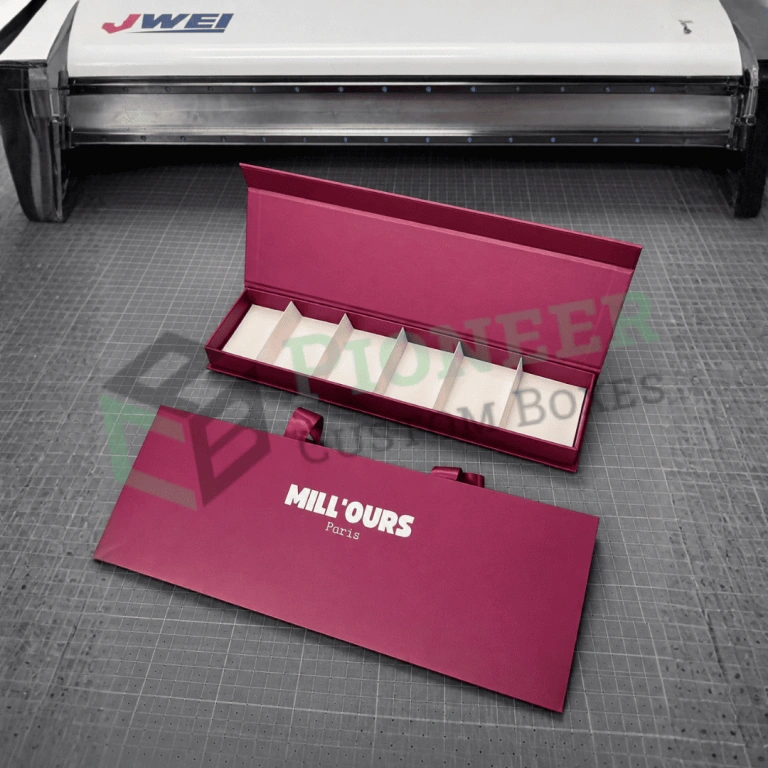
| Corrugated divider | Separates items into compartments | Low |
| Fitted paperboard tray | Holds items in a set arrangement | Moderate |
| Molded pulp tray | Cradles fragile or irregular items | Moderate |
| Belly band | Holds tissue or apparel in place | Low |
| Printed tissue or wrap | Adds a layer before the reveal | Low |
| Monthly insert card | Explains the contents, carries a code | Very low |
| Tear strip | Clean opening and tamper evidence | Low |
| Ribbon pull | Lifts a hero item out cleanly | Moderate |
The printed interior is the one element we would never advise cutting. It costs a fraction of the box and it is the part subscribers photograph and share, which is free acquisition for a business whose whole model depends on referral and retention.
The monthly insert card deserves a mention as the cheapest variable element available. It lets every month feel different without touching the box, and it carries referral codes, contents explanations and next-month teasers that keep subscribers engaged.
For fragile contents, a fitted tray does more than void fill ever will. It stops movement entirely rather than filling space around it, and it recycles with the box where loose fill does not.
Shipping is usually the largest single cost in a subscription business after the contents themselves, and it is charged on every box, every month, forever. That repetition is what makes packaging dimensions so consequential here.
Carriers bill on dimensional weight whenever volume implies more than actual weight. A light beauty box in a generous size is charged as though it were heavy, on every shipment, permanently. Trimming the box to its contents removes that penalty for the life of the program.
Depth is the dimension subscription brands over-specify most, usually for reassurance rather than necessity. An inch of unnecessary depth adds volume across the whole footprint and frequently pushes a box into a higher rate band. Laying one tall item flat in a fitted tray often drops the whole program down a tier.
Oversize thresholds sit beyond that. Once length plus girth crosses a published limit, a surcharge applies to every parcel regardless of weight. We check finished dimensions against current carrier thresholds during dieline review and flag anything sitting close to a line.
Run the arithmetic across a year rather than per box. A saving of a dollar per shipment on a thousand subscribers is twelve thousand dollars annually, which usually dwarfs every other packaging decision on the table.
Send us your carrier, your subscriber count and a representative month of contents, and we will size the box against those rate bands before you approve anything.
This category has a distinct cost profile because the box repeats monthly and the artwork changes.
Box dimensions lead, and they cost you twice over. Board is priced by area so a smaller box costs less outright, and a smaller box ships cheaper every month. For most subscription businesses the freight saving from right-sizing exceeds the material saving comfortably.
Print strategy is second and is specific to this model. Changing the full exterior every month is expensive. Keeping a stable printed exterior and varying an insert card, a belly band or the printed interior achieves the same felt novelty at a fraction of the cost.
Flute grade is third. E-flute suits most subscription contents, and moving to B-flute should respond to real weight rather than general caution. Insert type and quantity finish the list.
| Cost Driver | Impact | How to Reduce It |
|---|---|---|
| Box dimensions | Highest, material plus monthly freight | Size to a real contents layout, cut depth |
| Print strategy | High | Stable exterior, vary the insert card monthly |
| Flute grade | High | E-flute unless weight genuinely demands B |
| Exterior finishing | Moderate | Aqueous coating instead of lamination |
| Insert type | Moderate | Corrugated divider instead of pulp or foam |
| Printed interior | Low cost, high impact | Keep it, it is the best value on the box |
| Order frequency | Moderate | Order several months at once against one setup |
Ordering three or six months of boxes in one production run instead of monthly is usually the easiest saving available, since setup costs spread across the whole quantity and you avoid repeated minimums.
A subscription box is judged at the moment it opens and again by the photograph a subscriber posts, so inspection covers both.
| Check | What We Verify | Why It Matters |
|---|---|---|
| Assembly test | A box built by hand from the run | Fulfillment pushes ship a month in days |
| Lock and tab fit | Side wings and front tuck seat correctly | A box that pops open loses contents |
| Dimensional accuracy | Internal fit against the approved dieline | Contents and insert must both fit |
| Insert seating | The real tray placed in the finished box | A tray that will not seat is useless |
| Interior print quality | Coverage and registration inside the lid | The interior is what gets photographed |
| Exterior scuff resistance | Rub test on the printed surface | The box ships alone through conveyors |
| Score and fold quality | Clean folds with no cracked liner | Cracked scores weaken the walls |
| Color match | Pantone against a retained sample | Subscribers compare against last month |
| Tear strip function | Opens cleanly without tools | A ragged tear ruins the moment |
| Label area suitability | Shipping label adheres cleanly | Labels lift off gloss varnish |
If anything fails, we remake it rather than ship it.
The structure is broadly similar across categories, and the priorities inside it differ considerably.
Beauty and cosmetics subscriptions ship many small items of mixed size, so a fitted tray with varied cavities does most of the work. Contents are light, which makes dimensional weight the dominant cost and depth reduction the biggest lever.
Snack and food subscriptions need dividers to stop items shifting and crushing each other, and food-safe liners where anything contacts the board directly. Contents are irregular, so a tray designed for one month rarely suits the next, and a simple divider grid usually beats a fitted tray here.
Coffee subscriptions carry real weight in a small footprint, so B-flute earns its cost. Bags need to sit upright rather than sliding, and a divider does that better than filler.
Book and stationery subscriptions have a specific failure mode: corner bending. The box needs enough rigidity that a dropped parcel does not crease a cover, which usually means a snug fit and a stiffer board rather than more cushioning.
Pet subscriptions mix heavy and light items in one box, so a tray that keeps the heavy items from moving onto the light ones matters more than cushioning either individually.
Wellness and supplement subscriptions ship bottles that roll, and a fitted tray with round cavities solves that completely. Kids and craft subscriptions get opened by children, so the printed interior and a clean tear strip do more work here than anywhere else.
Tell us your category and a representative month, and we will design the insert around how your contents actually vary rather than around a single snapshot.
Subscription fulfillment is bursty. A whole month ships in a few days, then nothing, then it repeats. Packaging has to suit that rhythm rather than a steady flow.
Assembly speed matters disproportionately during a push. A die-cut mailer locks without tape in one motion, and across a thousand boxes that is the difference between a comfortable day and a long one. We time an assembly sample from every new die and give you a real figure.
Flat storage between cycles is the second requirement. Blanks stack in a fraction of the space assembled boxes occupy, so you can hold three or six months of stock without renting more room. That also lets you order in larger runs and spread setup costs.
Ordering ahead is usually worth it. Setup costs spread across a larger quantity, you avoid repeated minimums, and you are insulated from a subscriber surge that would otherwise leave you waiting on production during a peak month.
Where volumes justify it, we can hold stock and release it against a schedule, so your storeroom carries one month while we hold the rest. That arrangement suits growing programs that have outgrown their space but not their forecast.
Tell us your monthly volume and how many people pack, and we will recommend a run size and a release schedule that fits your cash flow as well as your space.
Subscription customers scrutinize packaging waste more closely than almost any other buyer, partly because they receive a box every month and see the cumulative effect.
Corrugated recycles through standard curbside programs across the United States. Keeping the box recyclable is mostly about what you add. Aqueous coatings preserve recyclability while plastic lamination complicates it, so we recommend coating unless the exterior genuinely needs film protection.
Recycled content liners cost less than virgin board and lower the footprint, which makes the greener choice the cheaper one. Kraft avoids bleaching entirely and suits the aesthetic many subscription brands want anyway.
Inserts are where boxes usually lose recyclability. A corrugated divider or a molded pulp tray recycles alongside the box, while foam and plastic trays do not. For most subscription contents, pulp achieves the protection foam would.
Right-sizing remains the largest lever and the one subscribers see most directly. A box with visible empty space and a handful of air pillows generates complaints regardless of what the board is made of. A box cut to its contents needs no filler at all, which is both cheaper and better received.
These errors recur across subscription brands, and each compounds because the box repeats every month.
Over-specifying depth leads the list and is the single most expensive habit in the category, because depth drives dimensional weight on every shipment for the life of the program.
Leaving the lid interior unprinted is the most common missed opportunity. It is the first thing a subscriber sees, the part they photograph, and it costs a fraction of the box.
Changing the full exterior artwork every month is expensive and rarely necessary. Subscribers recognize the box on a doorstep, and a stable exterior with a varying insert card achieves the same novelty far more cheaply.
Sizing to an average month rather than the largest one forces a mid-program box change, which costs tooling and breaks the visual consistency subscribers notice.
Relying on air pillows instead of a fitted insert generates complaints about waste and costs money on every shipment, while a tray solves the movement completely and recycles with the box.
Applying gloss varnish where the shipping label goes causes labels to lift in transit and turns into a delivery failure. We reserve a matte label area during dieline planning.
Finally, approving from a flat render. This box exists for how it opens, and that experience does not exist on a screen.
A monthly beauty subscription came to us with shipping costs growing faster than their subscriber base. Their box was well designed and simply larger than it needed to be.
Their contents laid out flat in a footprint about an inch narrower than the box allowed, and the depth had been set by one tall serum bottle that could safely lie on its side. The box was B-flute where E-flute would have carried the weight comfortably, and the interior was unprinted.
We rebuilt the dieline around their actual contents layout, dropped the depth by an inch by laying the serum flat in a fitted corrugated tray, moved to 32 ECT E-flute, and added a printed interior on the lid. The exterior artwork stayed identical so subscribers would still recognize it.
The parcels moved into a lower dimensional weight band, which cut shipping cost meaningfully on every box, every month. Material cost fell as well because the box was smaller and the flute lighter. The printed interior cost a fraction of the saving, and their subscribers began posting unboxing photographs in noticeably higher numbers.
Ordering runs through four steps and our team carries the technical work in each one.
First, send a representative month rather than only a size. Photographs of the contents laid out as you want subscribers to see them, plus the combined weight, tell us more than dimensions and usually produce a smaller and cheaper box.
Second, we return a free dieline covering the box and the insert, plus a written quote, within one business day. We check carrier dimensional thresholds at the same time and flag anything sitting close to a rate band.
Third, you approve a digital proof, and we strongly recommend a physical sample. Load it with a real month, open it the way a subscriber would, and photograph it. Samples take three to five business days.
Fourth, we produce and ship. Standard production runs eight to twelve business days, rush runs four to six, and shipping across the United States costs nothing. We hold your die permanently, so future months need only plates or a new insert card.
Three things make custom subscription boxes practical from launch through scale, and none carry a hidden charge.
Zero minimum order quantity means a new subscription business can launch with a hundred boxes rather than committing to a pallet before it has subscribers. Digital printing covers those runs with no plate cost, so your first boxes look like your hundredth.
Free design support covers the box, the insert, your contents layout and artwork preparation. We build the dieline, size the interior around what you actually send, and prepare print-ready files. If you work with a designer, we supply a layered template marked with fold lines, bleed, safety margins and the interior print area.
Free shipping applies across the United States on every order, rush production included. We manufacture domestically, so a monthly cycle never waits at a port and a subscriber surge can be met in weeks rather than months.
We are a direct manufacturer rather than a broker. We cut our own dies, run our own presses and finish every order in house, which is why we can quote quickly, adjust a specification mid-conversation and stand behind what leaves our floor.
For subscription brands that control matters month to month. Artwork changes reach press without going through intermediaries, a die adjustment happens in days rather than weeks, and reorders match against a retained sample so month twelve looks like month one.
Send us a representative month of contents, the combined weight and your subscriber count, and we will return a free dieline and a written quote for custom subscription boxes within one business day. Order now, or get a free quote and we will size the box around what you are actually sending.
| Box Style | Custom Subscription Boxes |
| Dimension (L + W + H) | All Custom Sizes & Shapes |
| Quantities | No Minimum Order Required |
| Paper Stock | 10pt to 28pt (60lb to 400lb) Eco-Friendly Kraft, E-flute Corrugated, Bux Board, Cardstock |
| Printing | No Printing, CMYK, CMYK + 1 PMS color, CMYK + 2 PMS colors |
| Finishing | Gloss Lamination, Matte Lamination, Gloss AQ, Gloss UV, Matte UV, Spot UV, Embossing, Foiling |
| Included Options | Die Cutting, Gluing, Scored, Perforation |
| Additional Options | Eco-Friendly, Recycled Boxes, Biodegradable |
| Proof | Flat View, 3D Mock-up, Physical Sampling (On request) |
| Turnaround | 4 – 8 Business Days, RUSH |
| Shipping | FLAT |
Every great product deserves packaging that turns heads. Here's how we make it happen — step by seamless step.
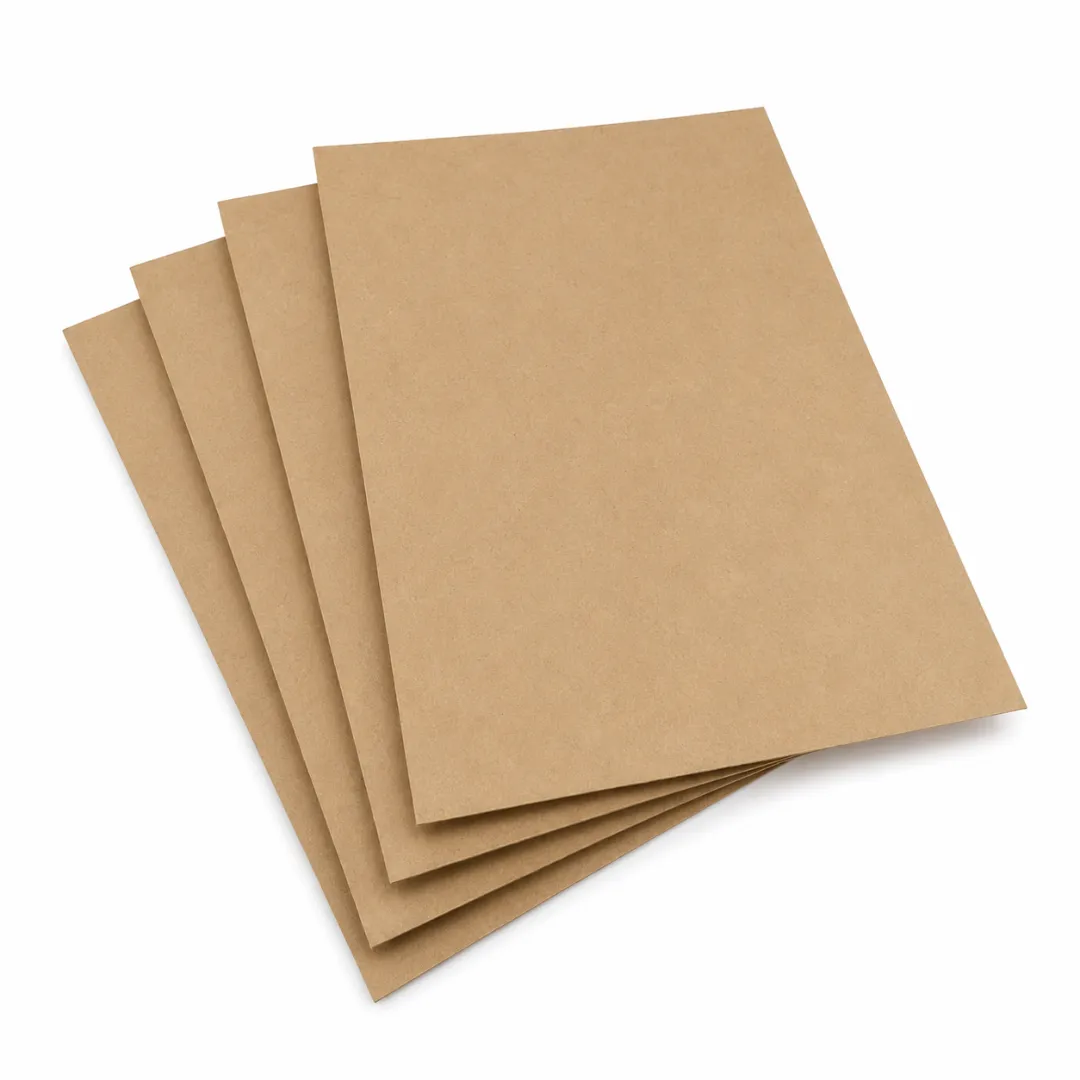
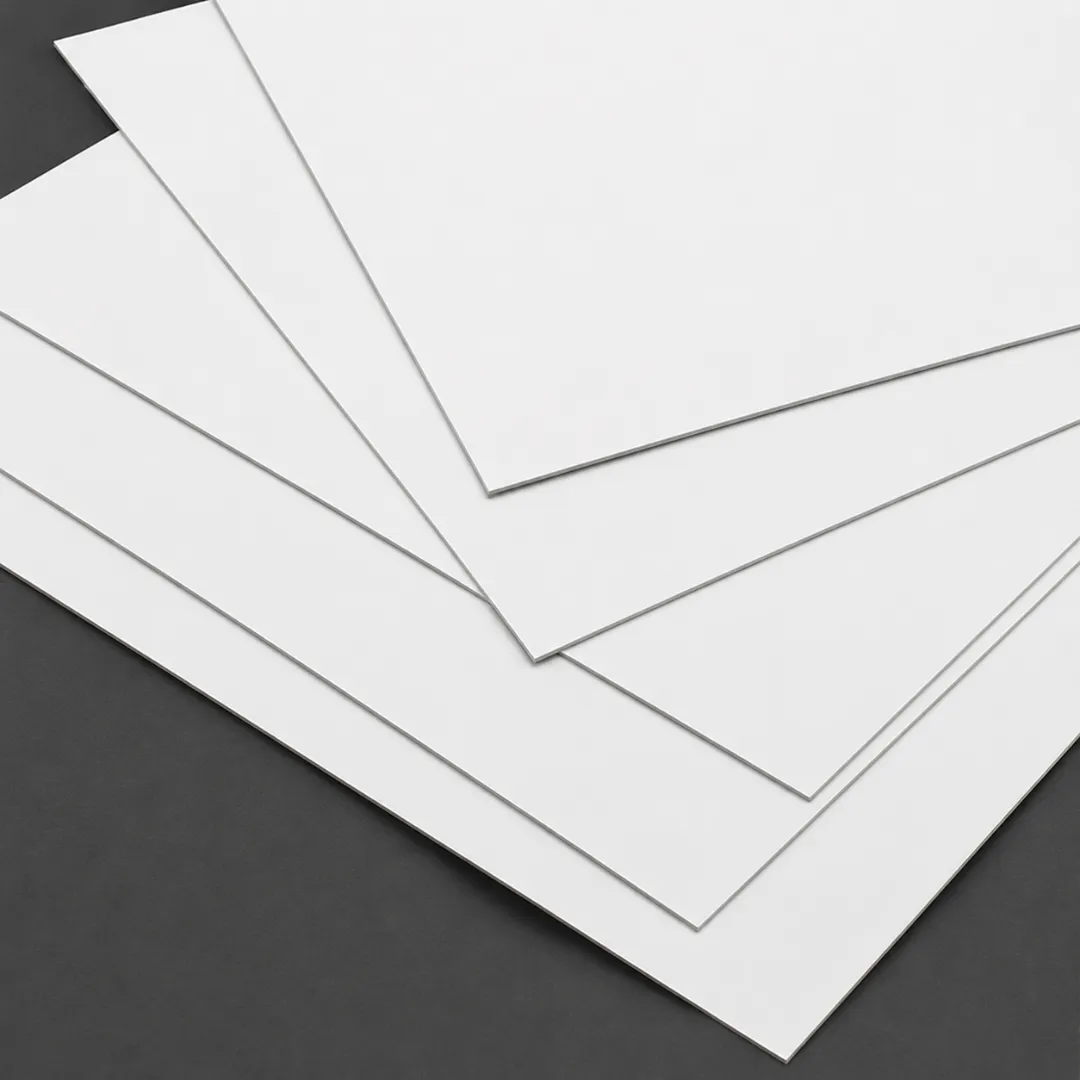
Kraft paper is a strong, durable and reliable material that is widely used across many different industries.
We use cardboard material with the least environmental impact and minimizes waste generation.
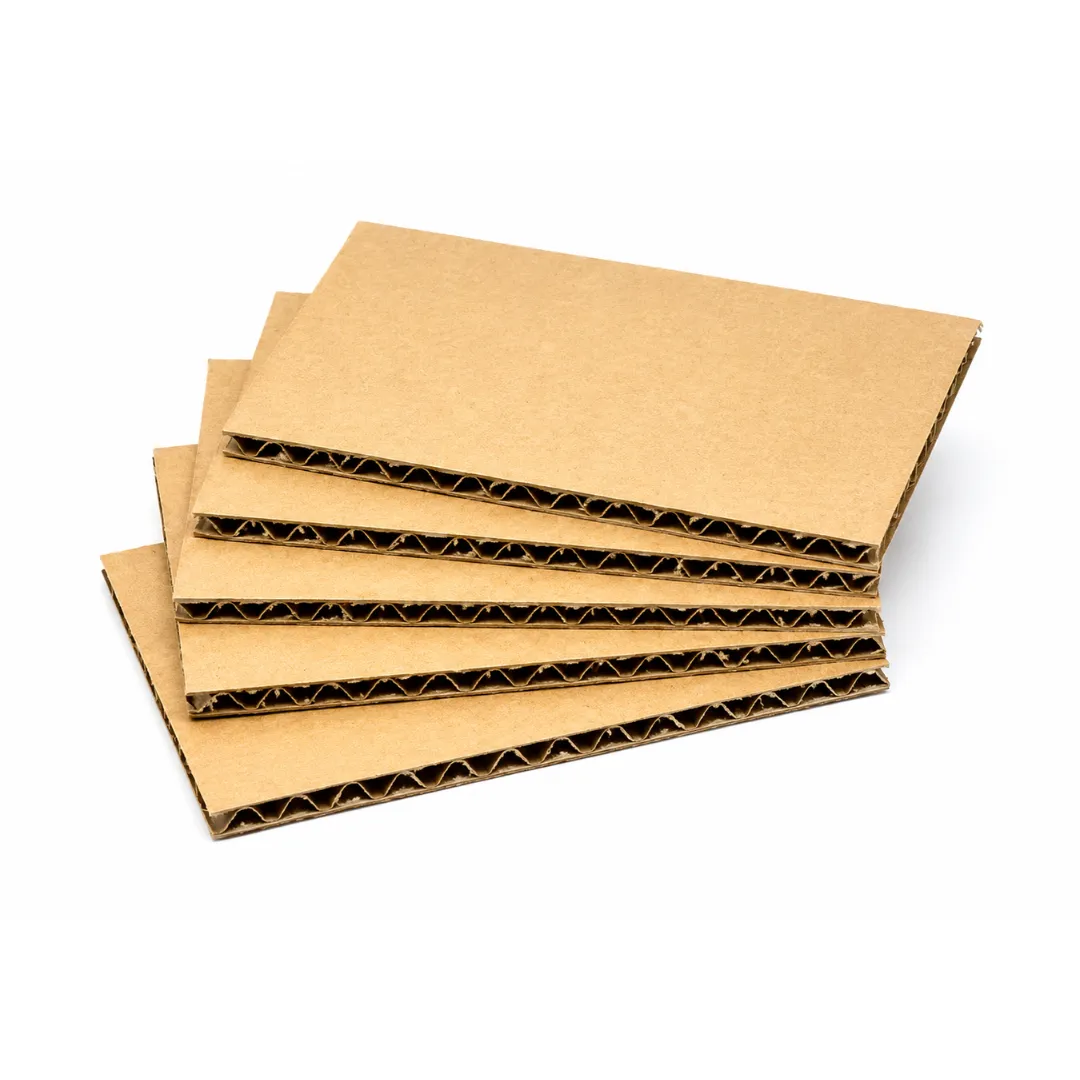
Corrugated material is easy to customize, cost effective and sustainable. It is also great for branding purposes.
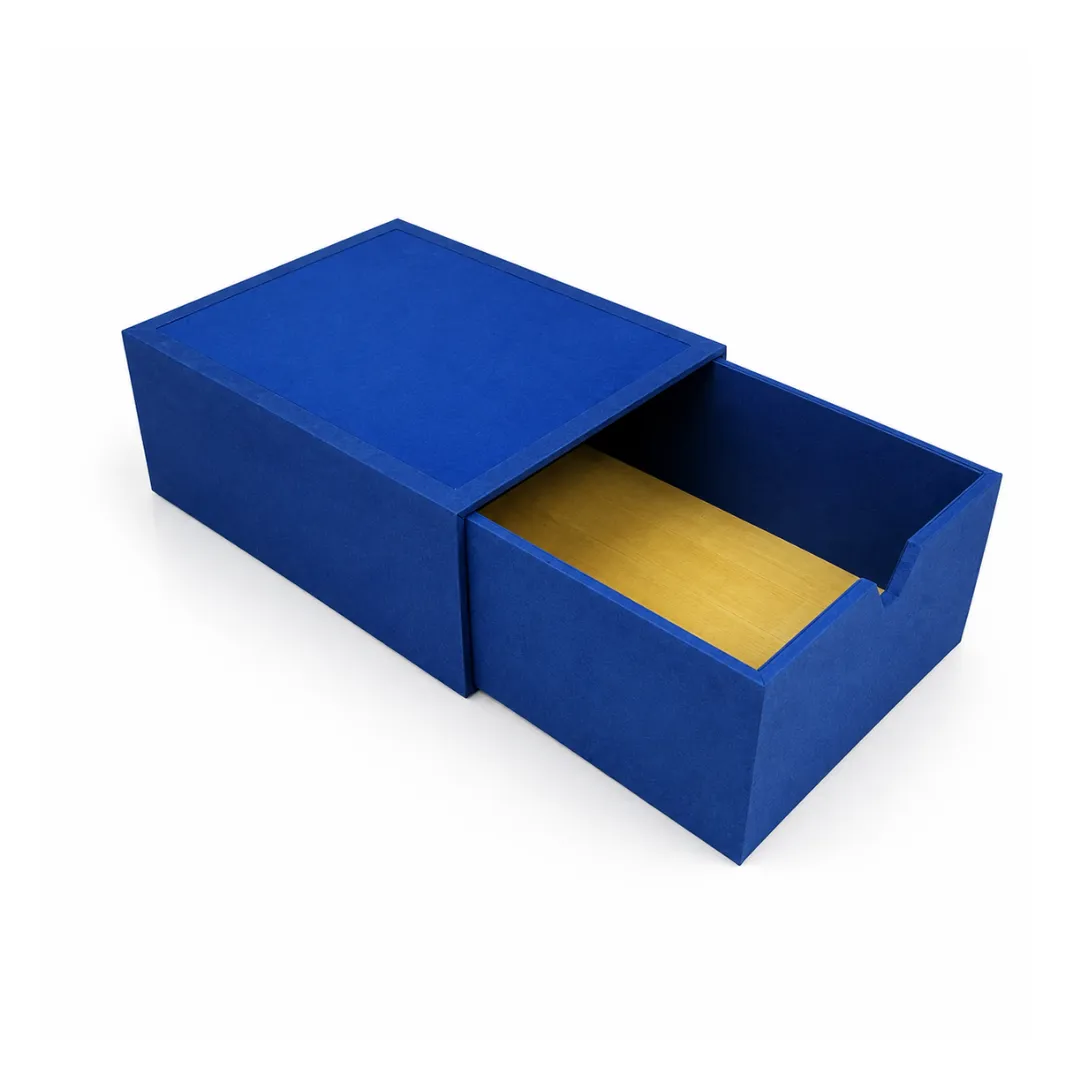
Rigid is highly protective, affordable and recyclable material. These boxes provide maximum protection.
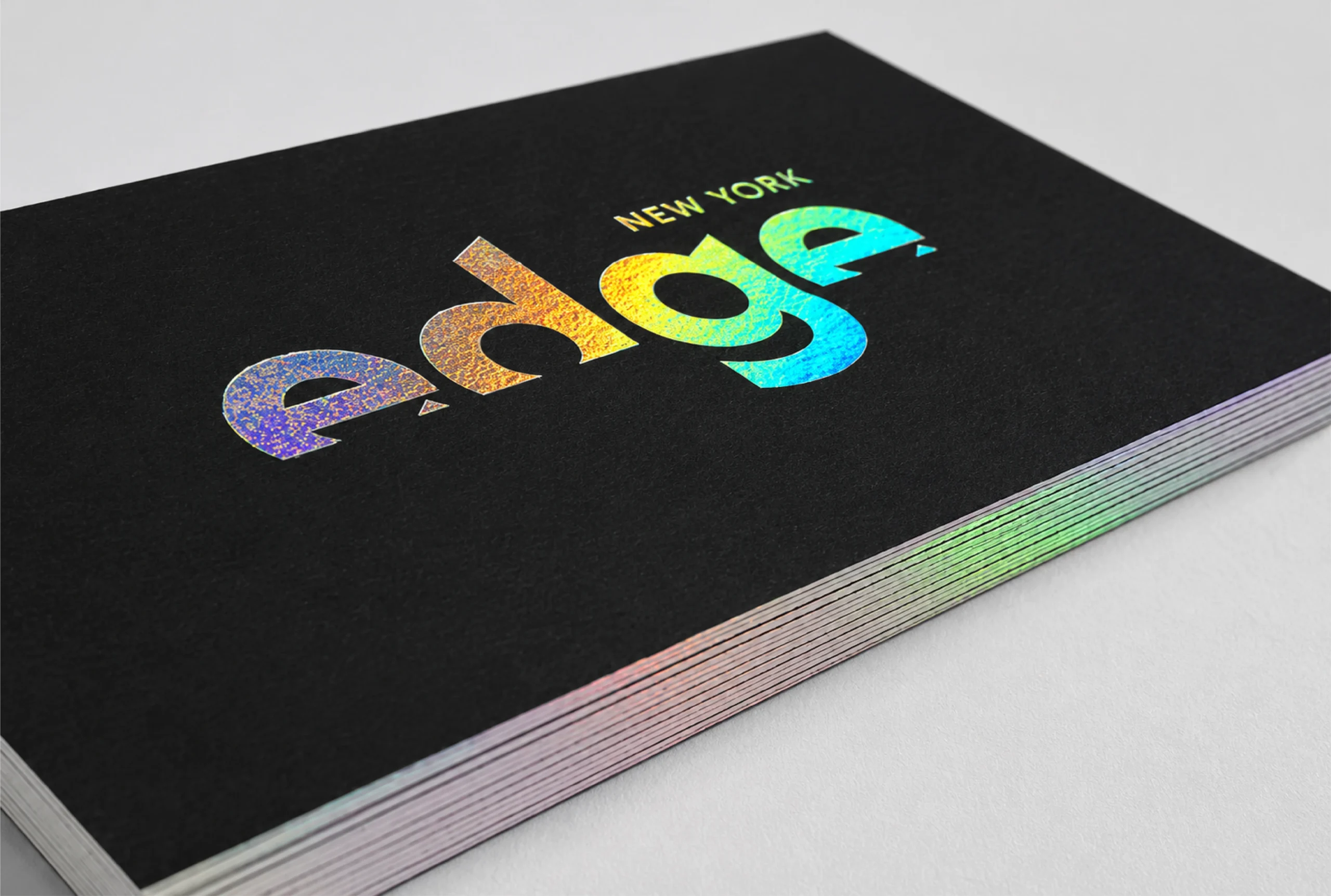
Holographic foil diffracts light and reveals the colors of the rainbow at various angles.
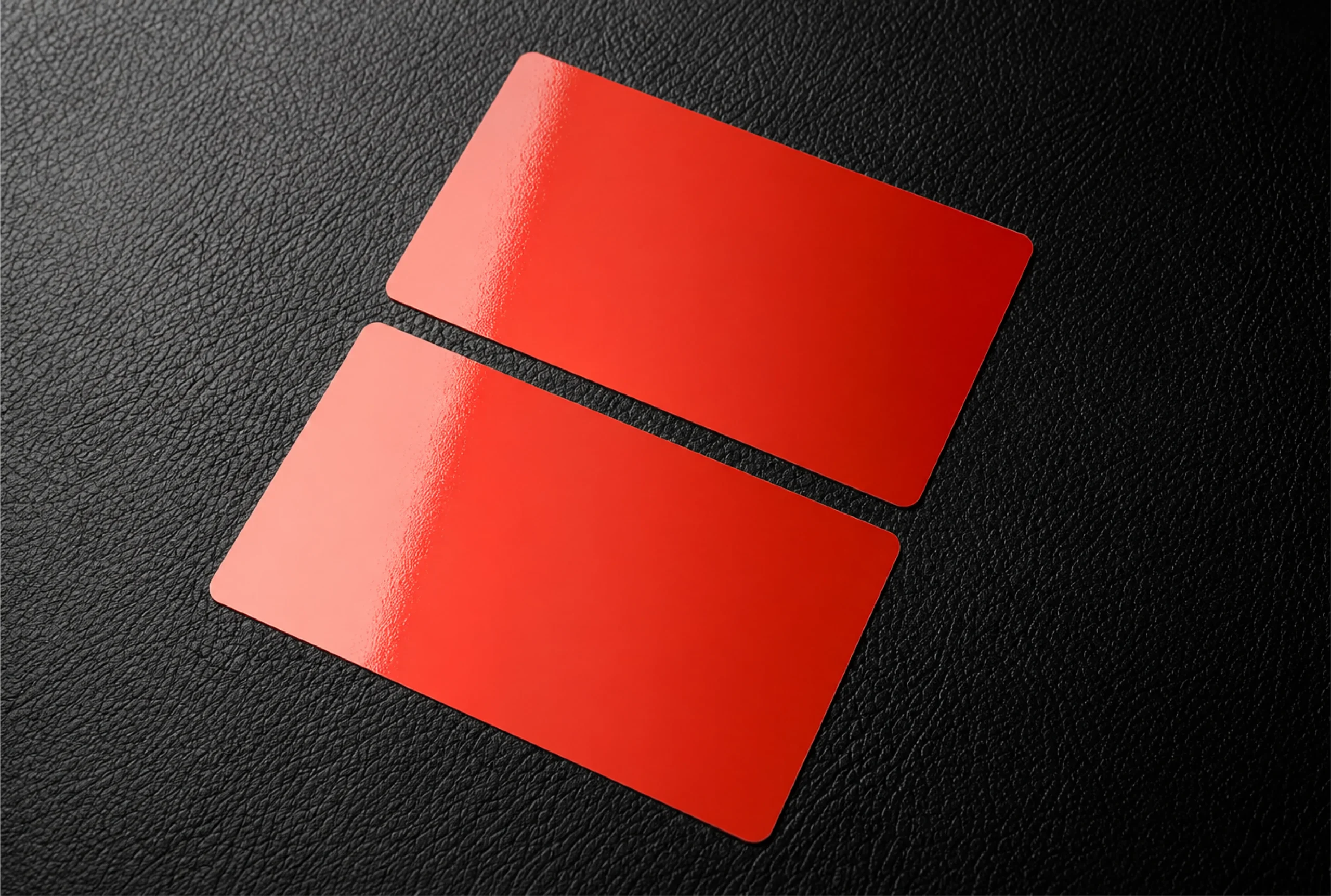
Our glossy finishing gives your packaging an extra layer of shine.
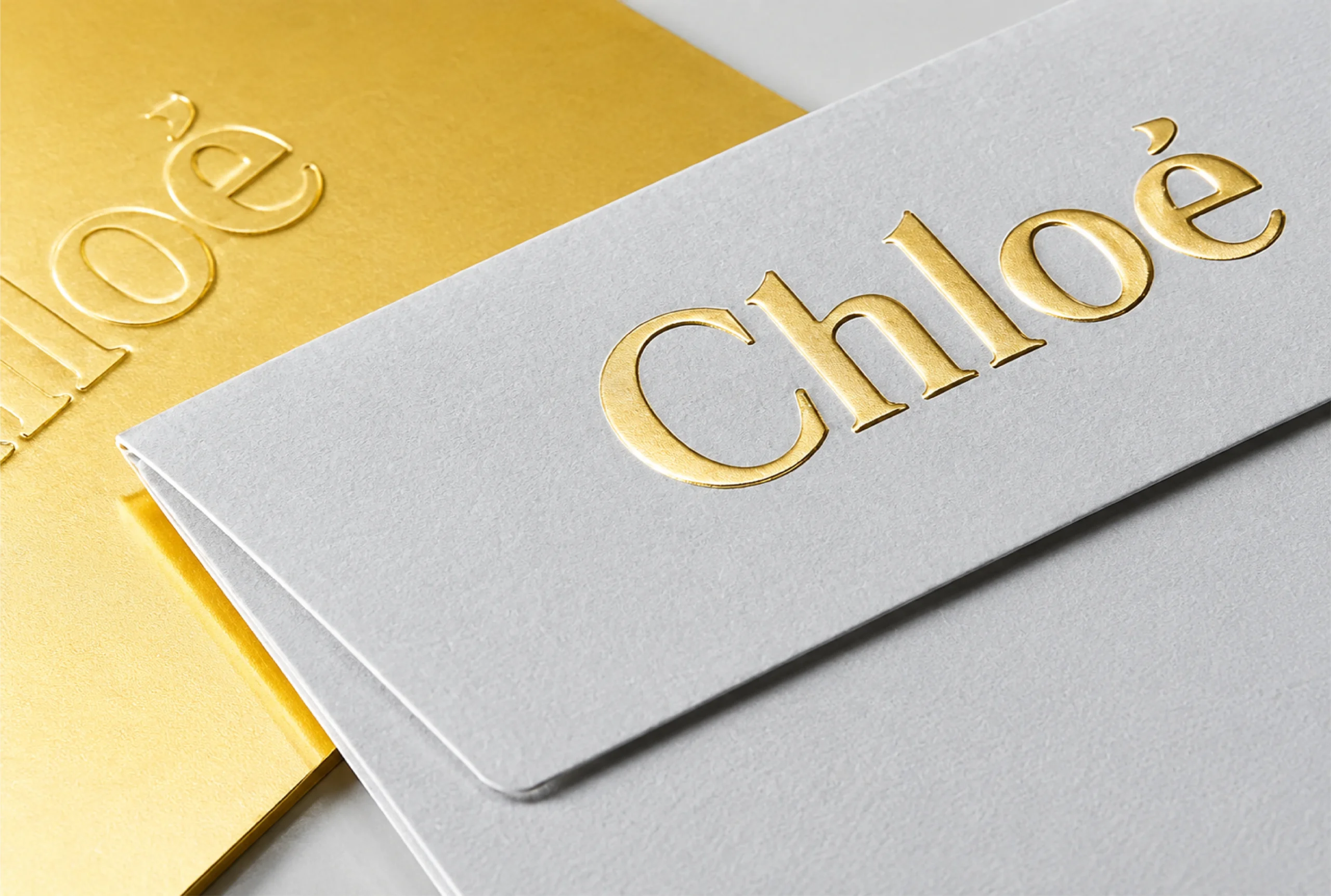
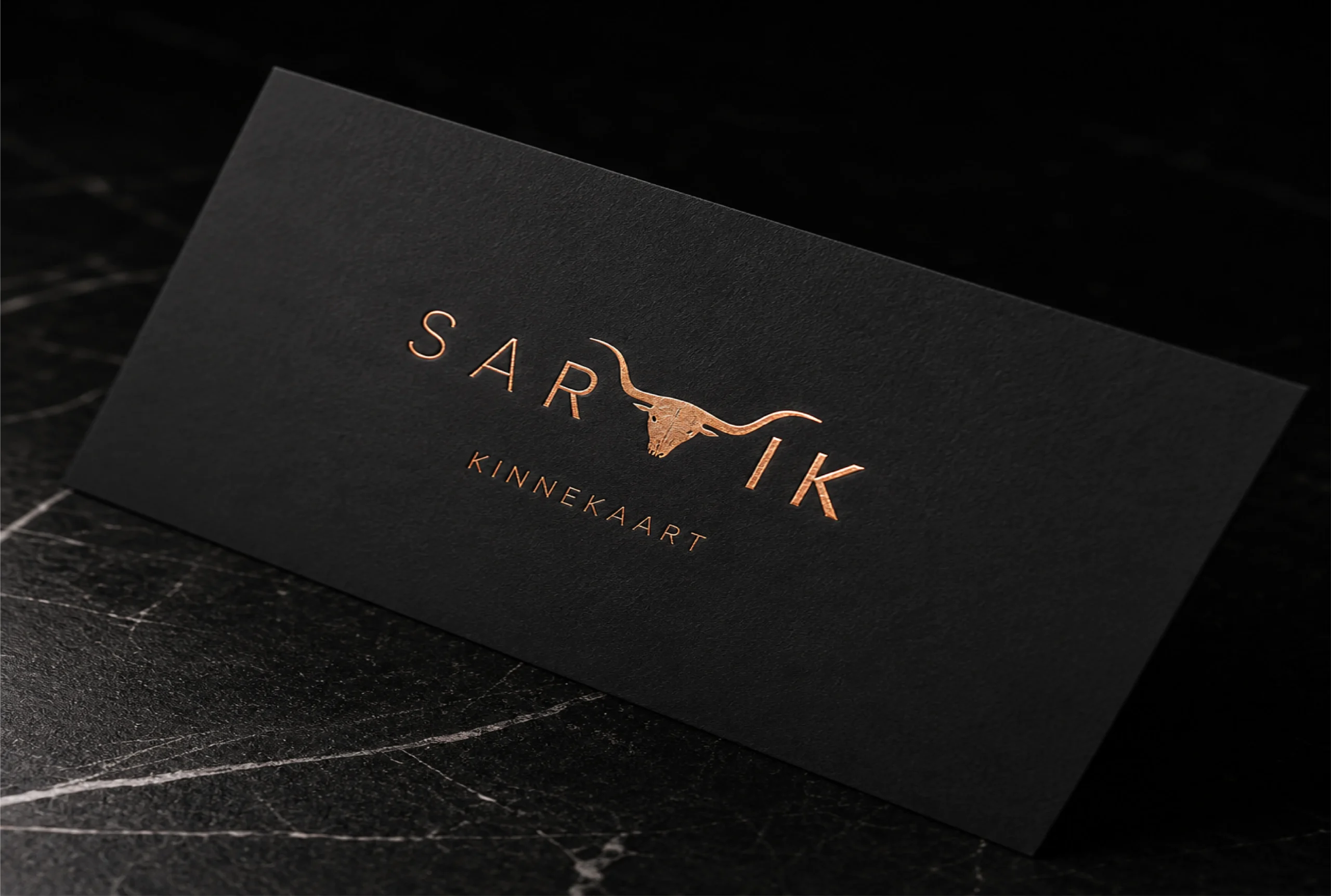
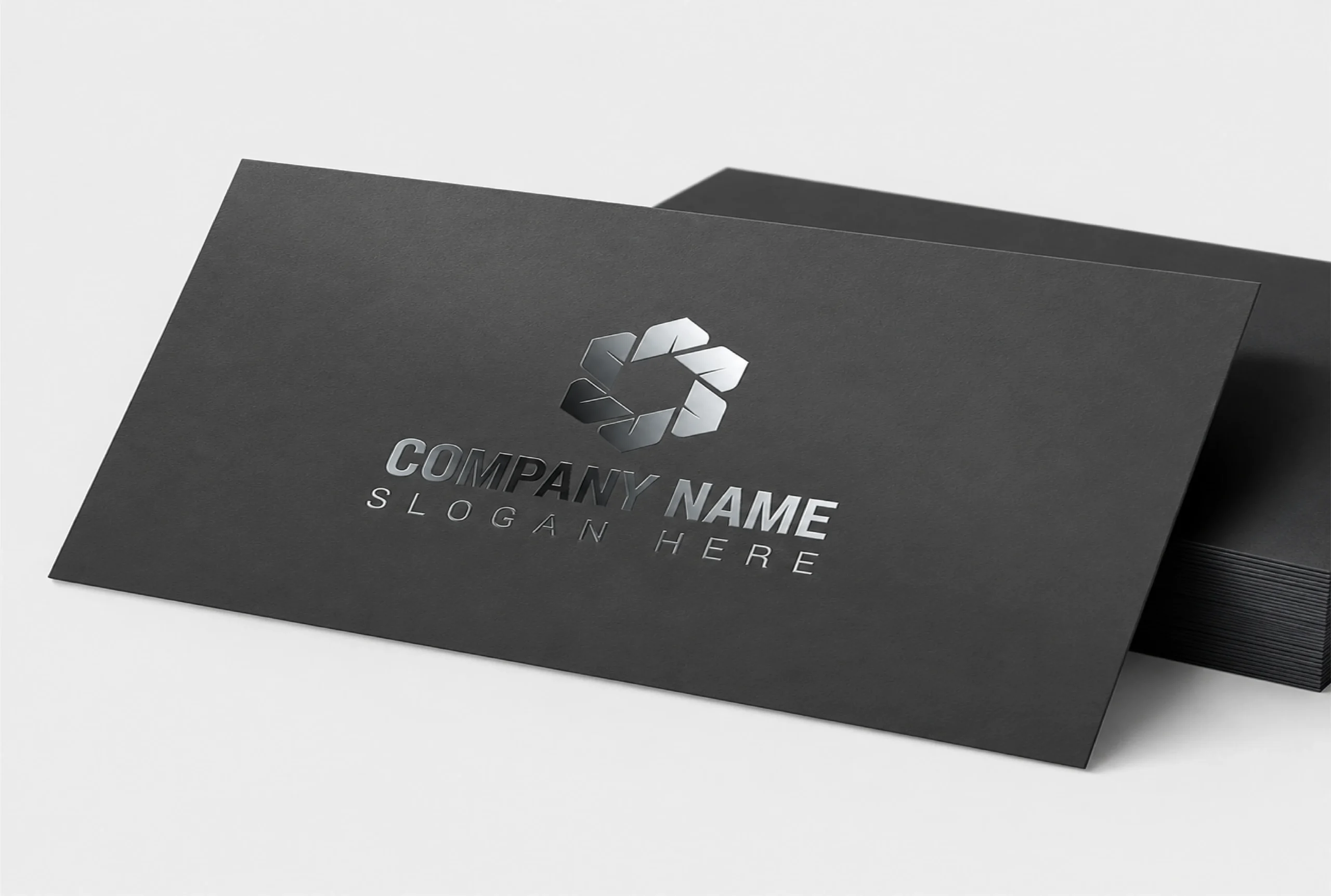
Decorate a wide range of your product packaging with our foil stamping.

With our embossing technique, we transfer the finest details of your product on packaging.
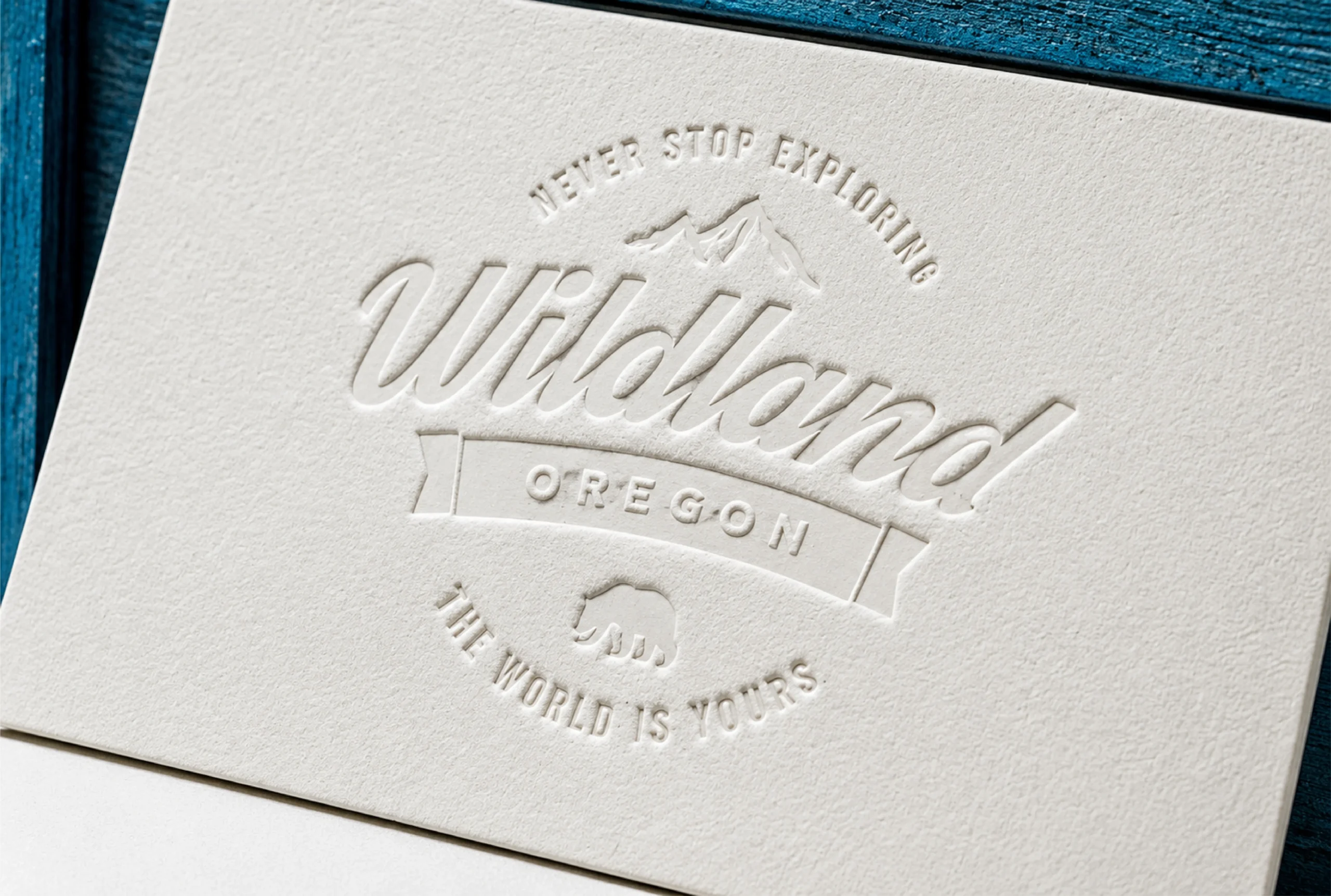
We use debossing technique to add unique graphics into your packaging.
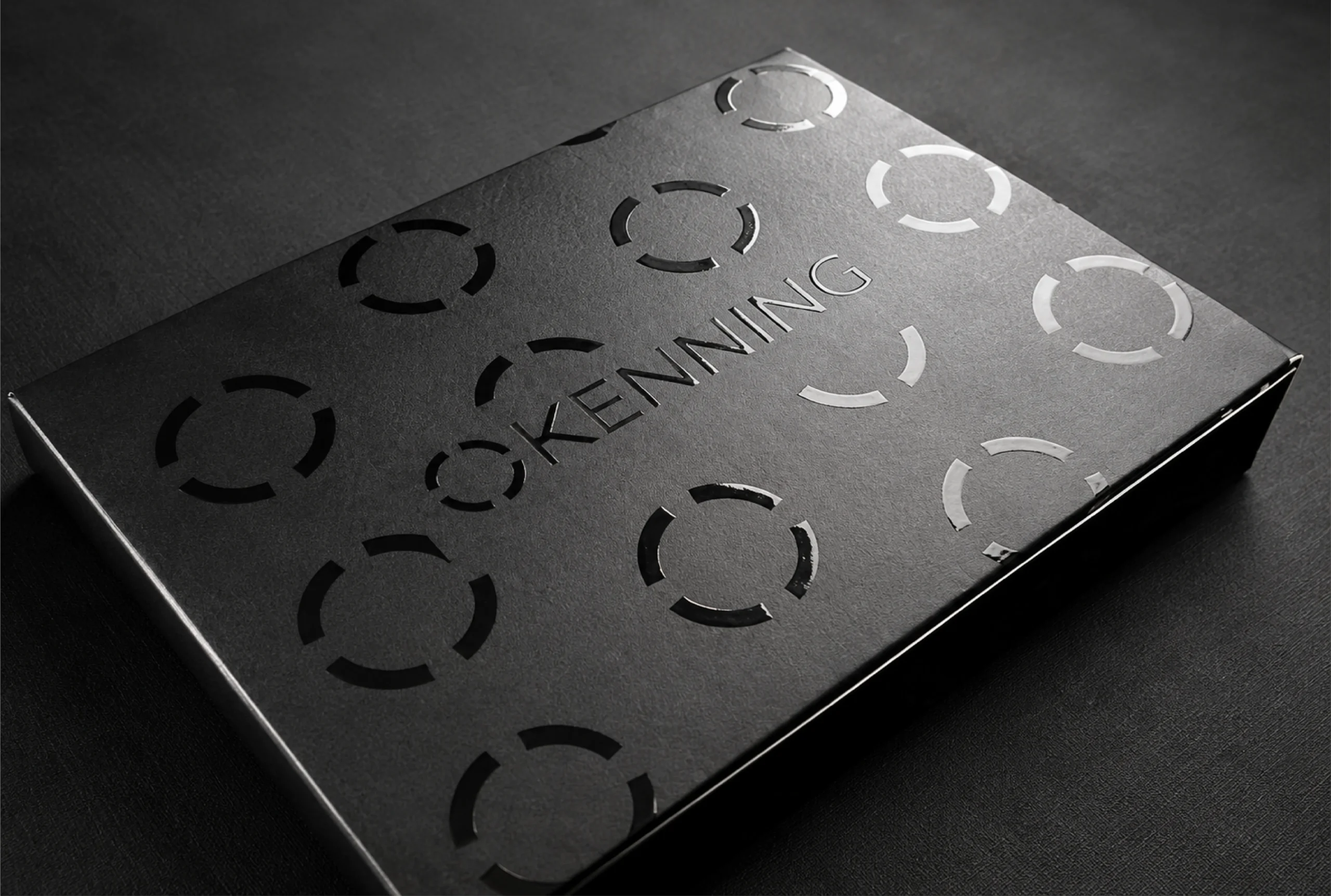
Our high-gloss UV coating gives light and shine to cure the printed material's varnish.
We add additional layer of protection with soft touch lamination from toner chipping.
With our matte finish, fingerprints and smudges will now be less visible on the packaging.
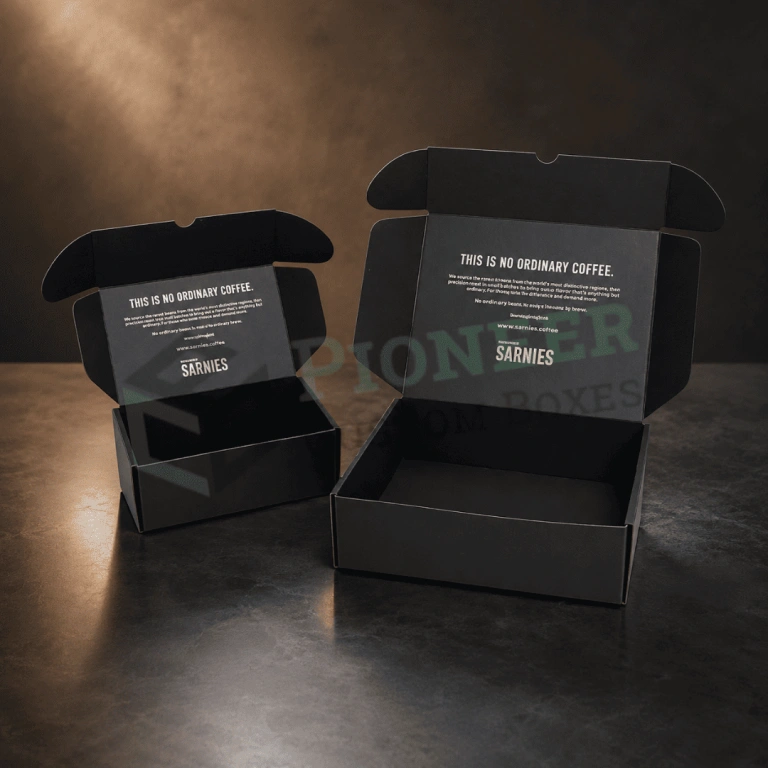
Custom Black Shipping Boxes from Pioneer Custom Boxes help ecommerce, subscription, gift, apparel, cosmetic, stationery, jewelry, candle, and retail brands ship products with stronger protection and a premium black presentation. Choose custom sizes, black mailer styles, corrugated board, E-flute, B-flute, inserts, inside printing, matte or gloss finishes, free design support, no MOQ, and free USA shipping.
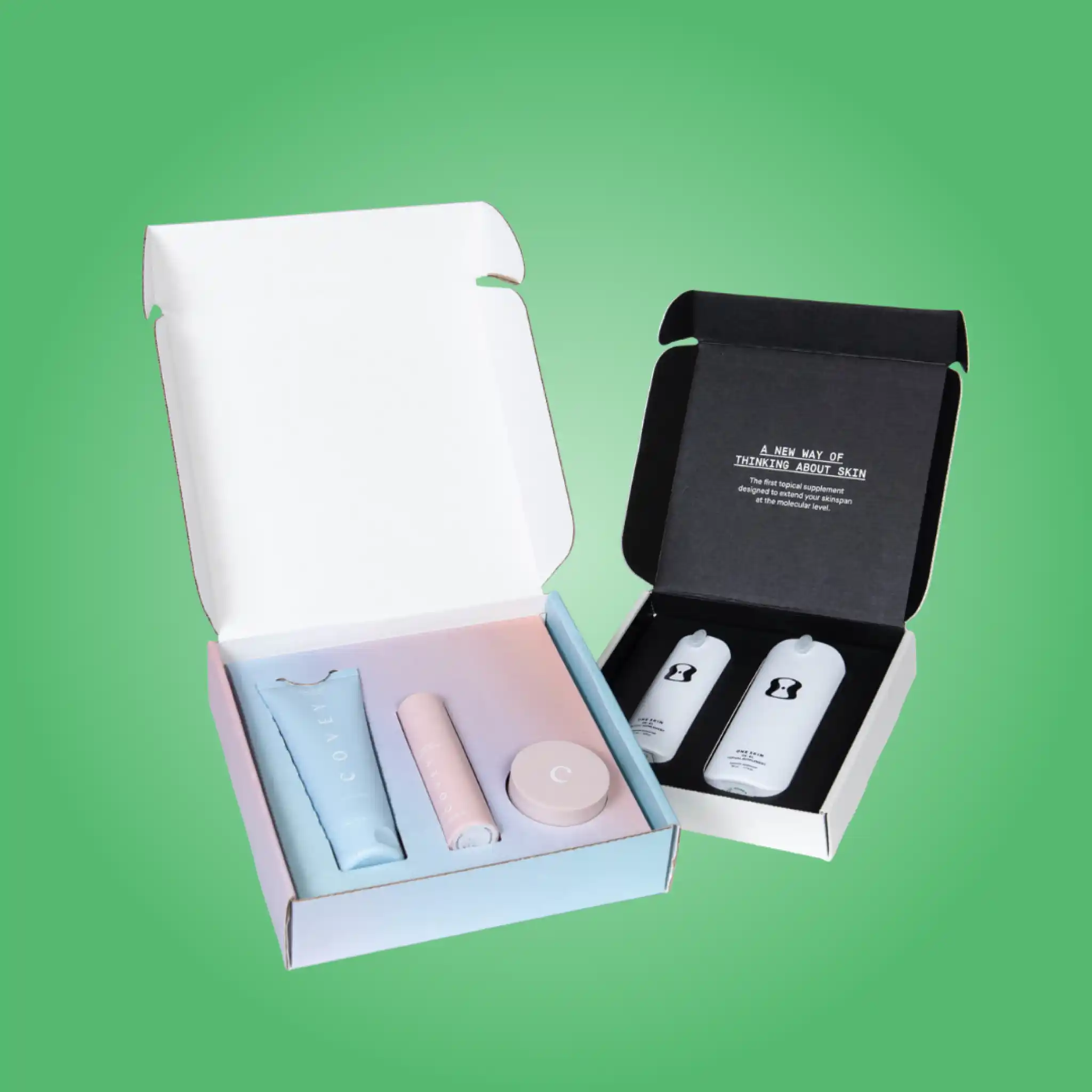
Custom mailer boxes with inserts from Pioneer Custom Boxes help cosmetic, glassware, candle, electronics, ceramics and subscription brands cut damage rates in transit. Choose die-cut corrugated trays, partitions, molded pulp cradles, paperboard platforms or foam, designed on one dieline with the box, with free design support, no MOQ and free USA shipping.
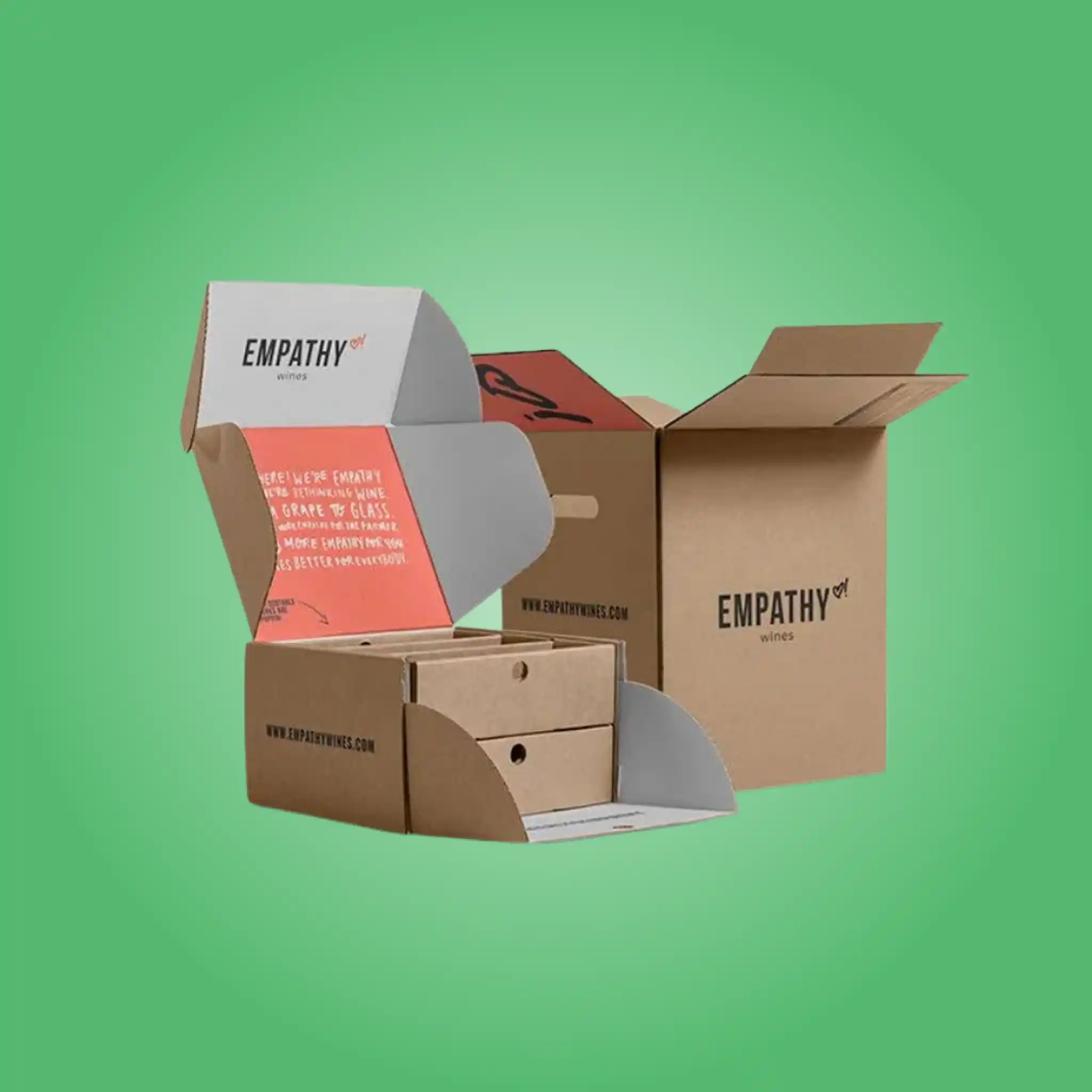
Custom shipping boxes from Pioneer Custom Boxes help ecommerce, subscription, wholesale, food, hardware and homeware brands ship products safely at a lower freight cost. Choose 32 to 51 ECT single or double wall corrugated, RSC, mailer, full overlap or telescope styles, partitions, pulp trays, flexo or litho printing, free design support, no MOQ and free USA shipping.
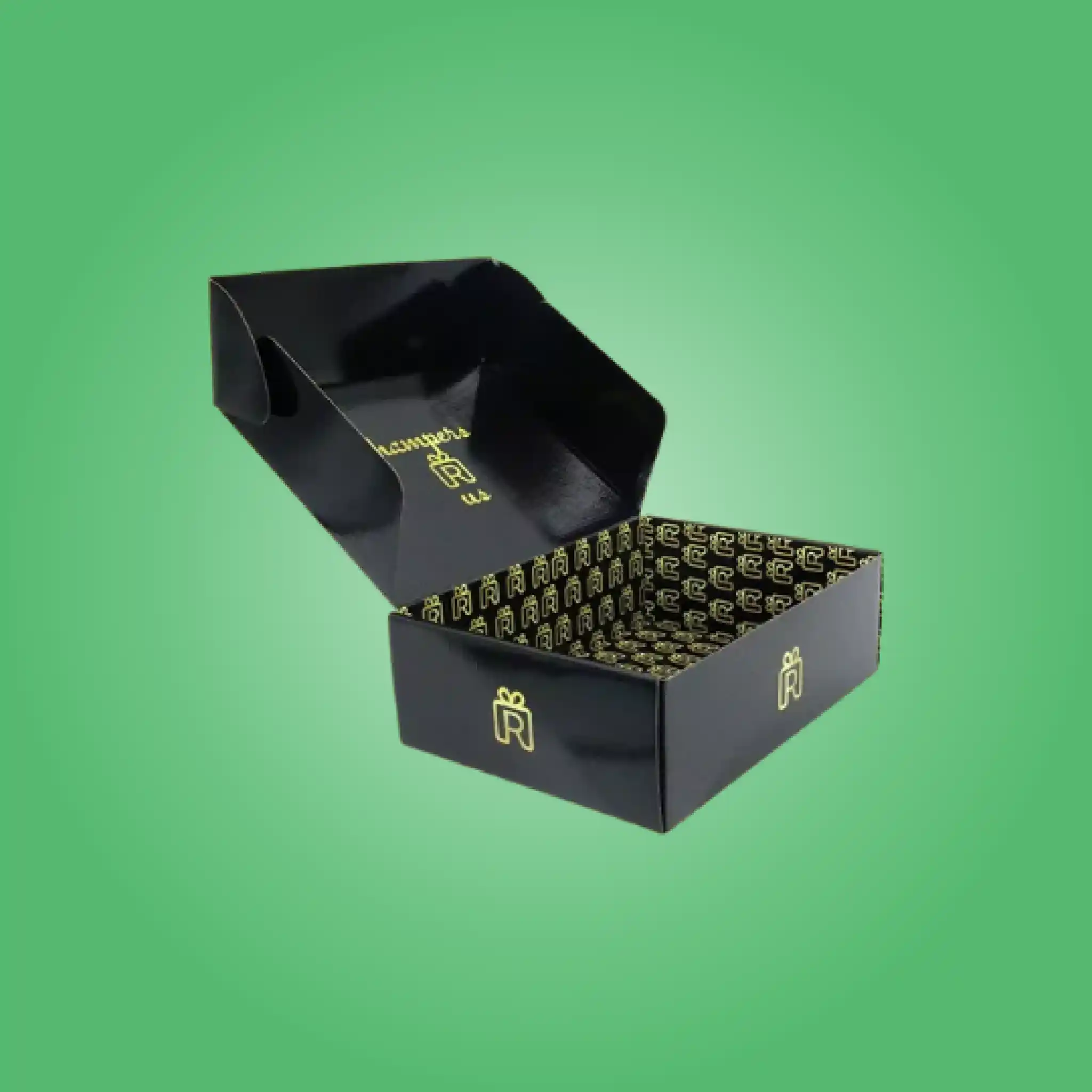
Custom shoulder mailer boxes from Pioneer Custom Boxes help jewelry, watch, fragrance, premium skincare, technology, spirits and collector brands present products in three-part rigid construction with a flush lid and a slow, controlled close. Choose 2mm to 3mm greyboard with printed, textured, soft touch or leatherette wraps, flocked cavities, molded cradles, foil, blind debossing, free design support, no MOQ and free USA shipping.