
Custom cardboard boxes cover the widest range of jobs in packaging, from retail cartons to shipping cases. Pick the board weight and flute that suit the product, then add full-color printing, fitted inserts, and hand holes so the box works as hard as it looks. Order any quantity with zero MOQ, free design support, and free shipping across the USA.

Custom cardboard boxes with inserts provide secure product placement, enhanced protection, and organized presentation for shipping and retail packaging. Designed with precision-fit cardboard or foam inserts, these boxes prevent movement, reduce damage, and elevate unboxing experiences across industries.
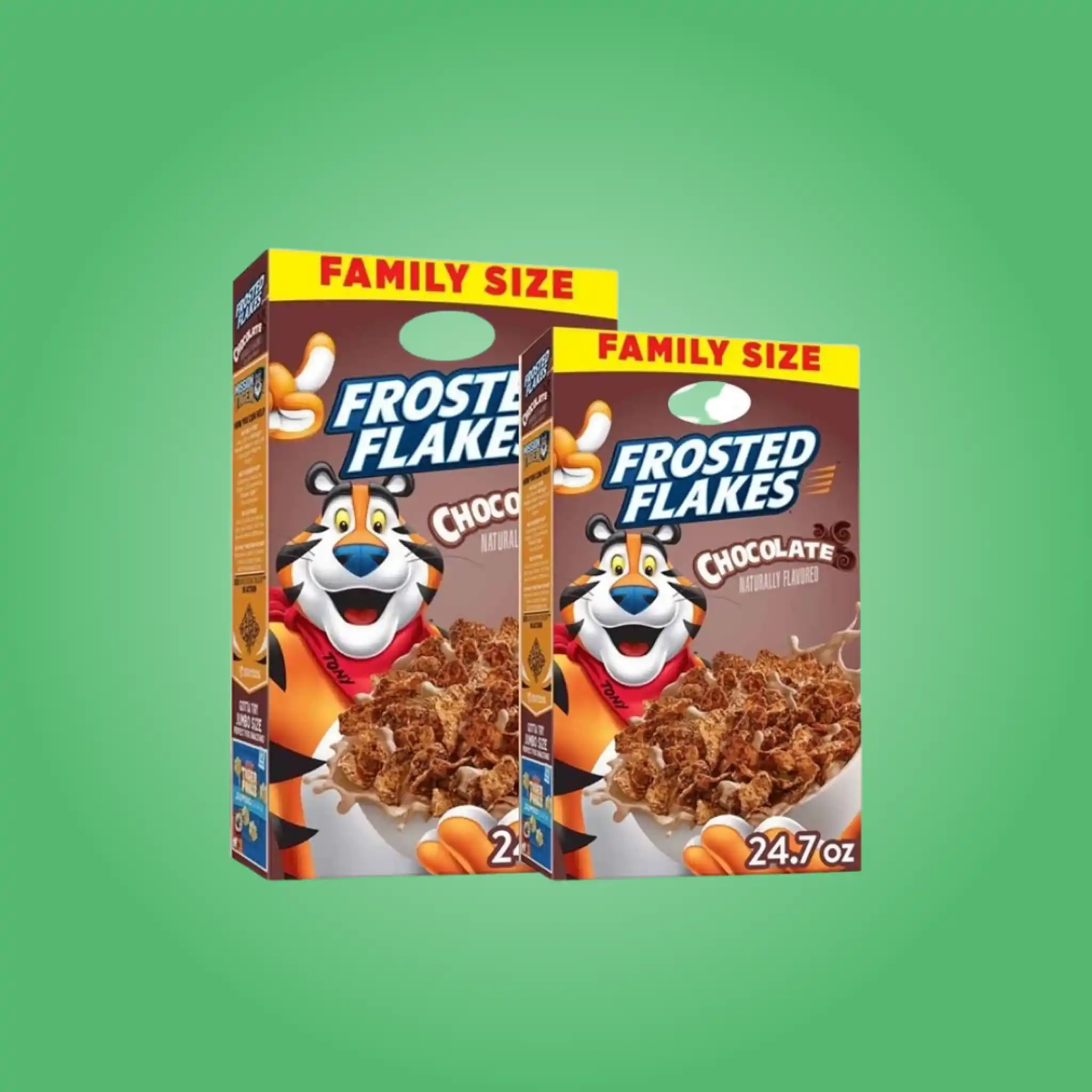
Custom cardboard cereal boxes are designed to protect dry food products while maximizing shelf visibility and brand impact. Built with food-grade materials and precision printing, these boxes combine structural strength, vibrant graphics, and secure packaging performance for retail and wholesale distribution.
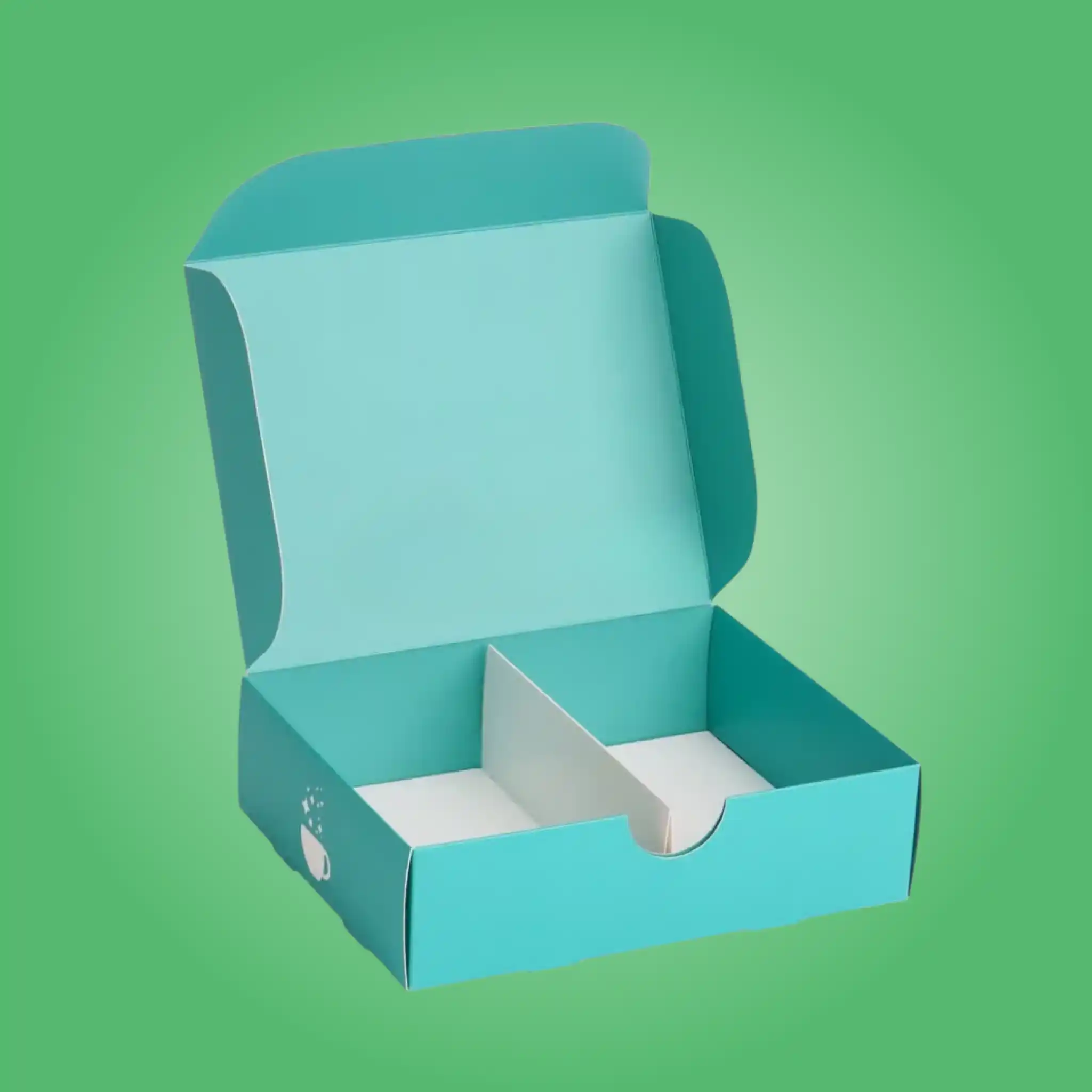
Custom cardboard divider boxes provide structured compartmentalization for secure shipping and organized product presentation. Designed with precision-cut box dividers and durable cardboard partitions, these packaging solutions prevent movement, reduce damage, and enhance protection for fragile and multi-item products.

Custom cardboard drawer boxes combine a premium slide-out experience with durable structural protection. Designed for retail, cosmetics, jewelry, and luxury products, these boxes enhance presentation while maintaining secure and organized packaging performance.
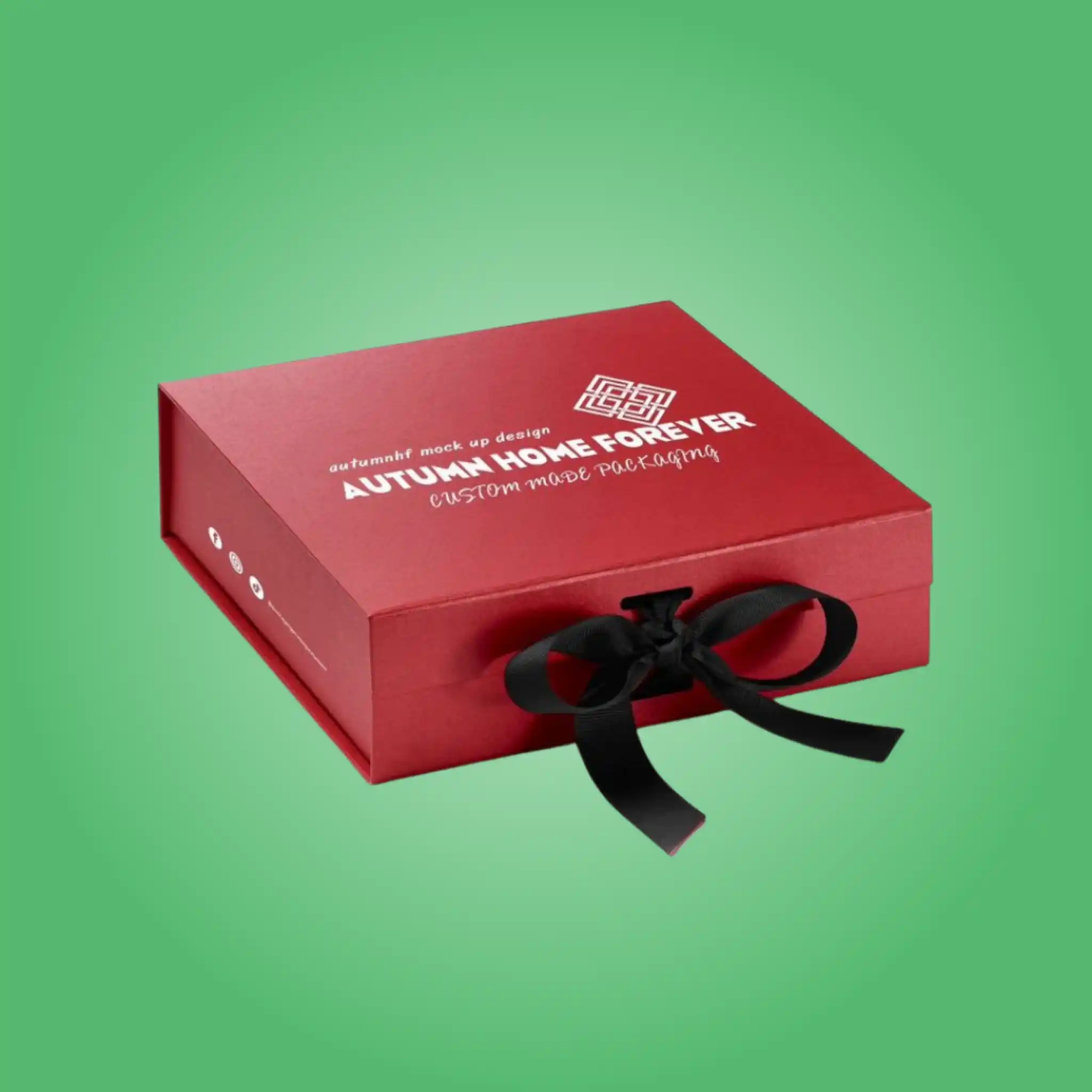
Custom cardboard gift boxes protect your products while elevating presentation for retail, gifting, and seasonal launches. Built with premium cardboard, kraft, or corrugated stock, these boxes support vibrant printing, luxury finishes, and precision sizing for a high-end unboxing experience.
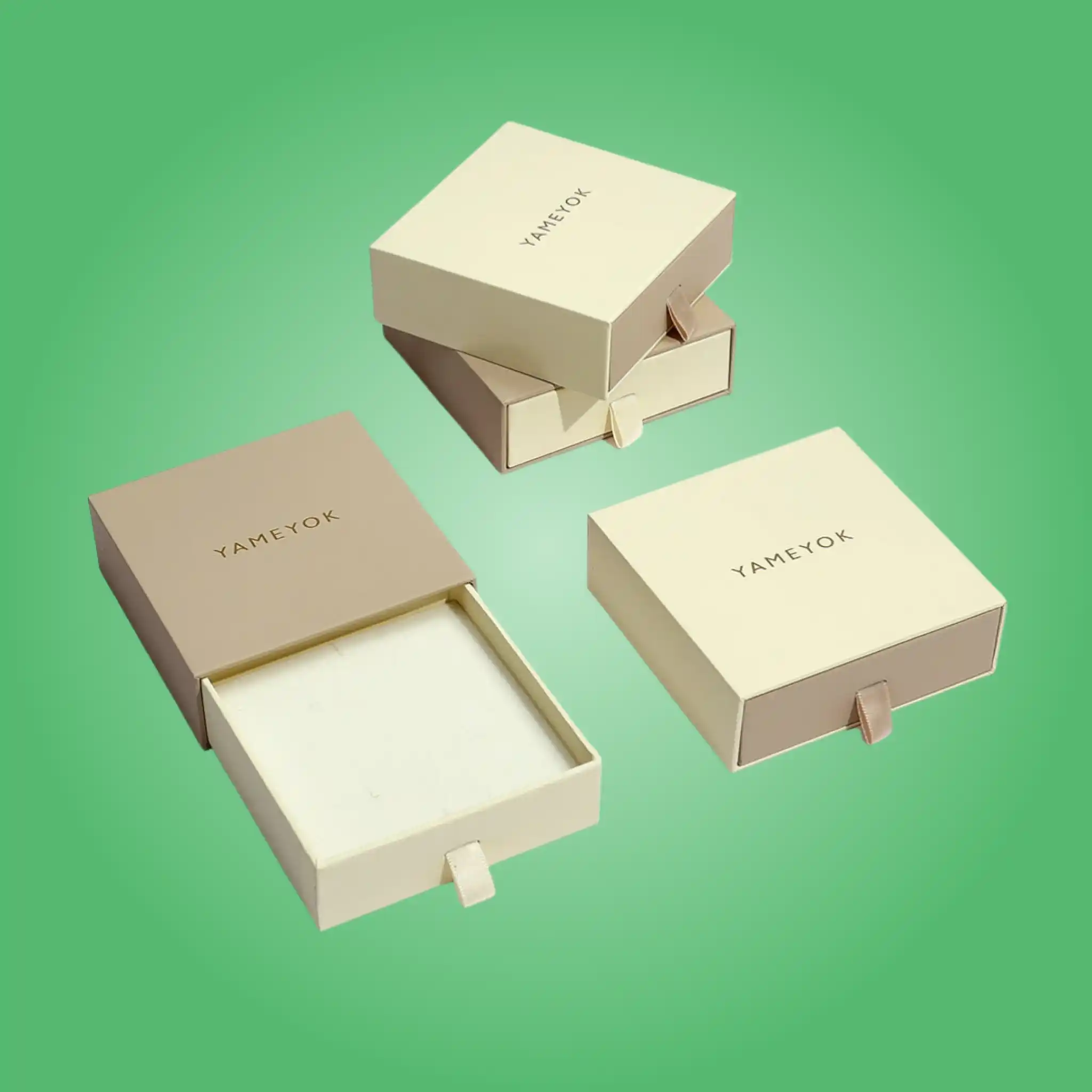
Custom cardboard jewelry boxes are designed to protect delicate pieces while enhancing presentation and brand value. Manufactured with premium board, precision inserts, and luxury finishes, these boxes deliver secure storage and a memorable unboxing experience for retail and gifting.
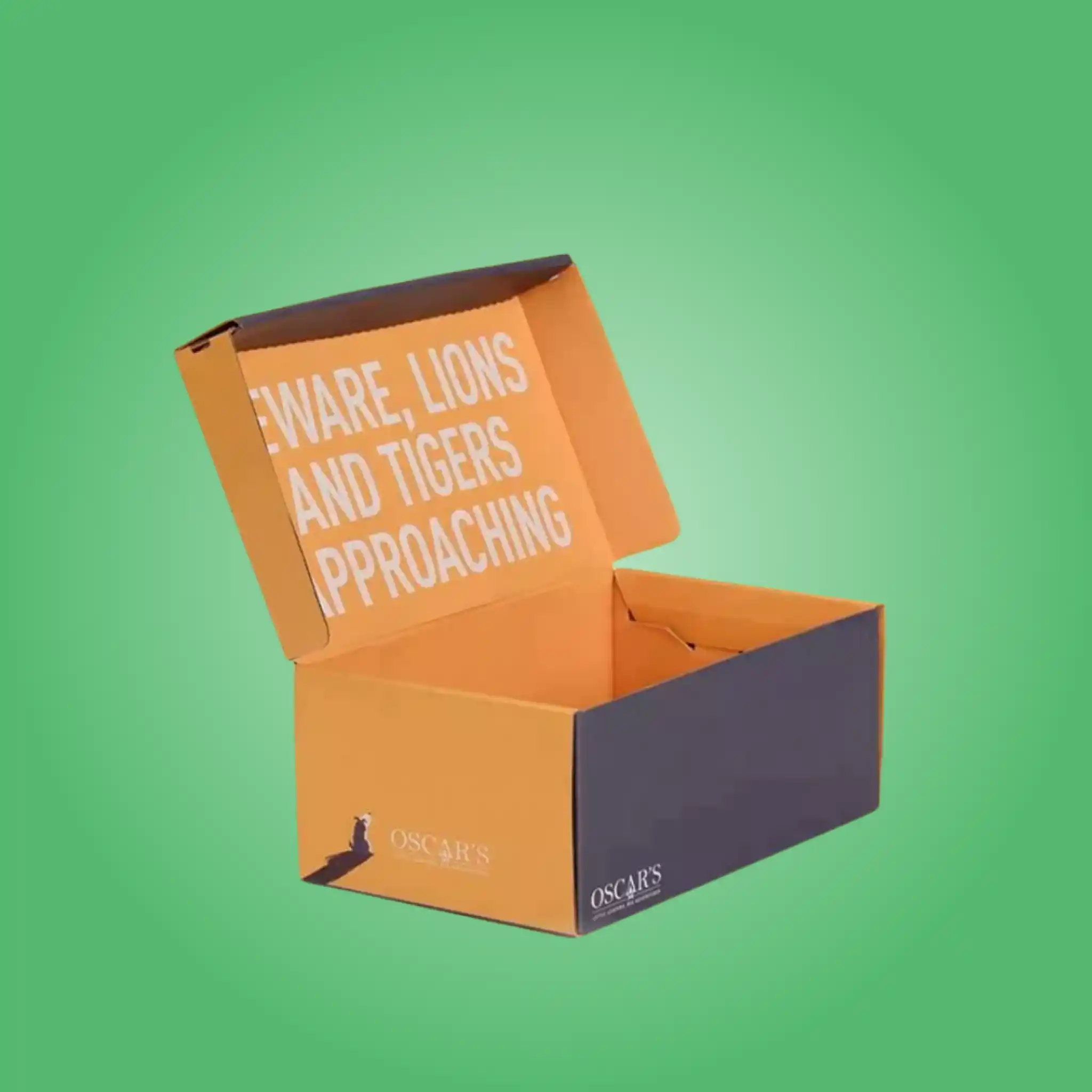
Custom cardboard shoe boxes protect footwear, improve shelf presentation, and strengthen brand value. Built in standard and custom shoe box dimensions, these boxes support premium printing, sturdy materials, and shipping-safe performance for modern shoe brands.
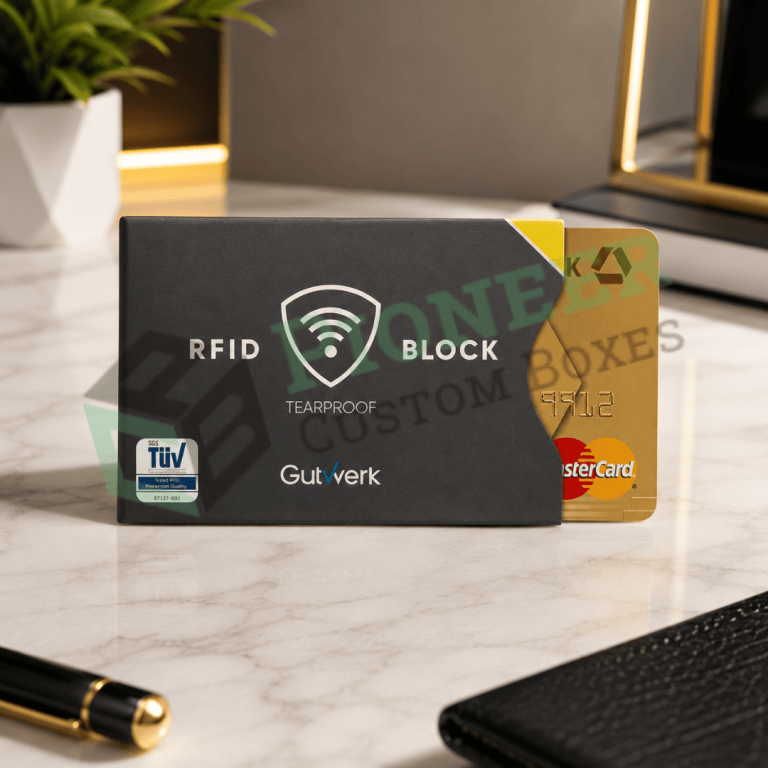
Pioneer Custom Boxes manufactures custom credit card sleeves for banks, credit unions, retail gift cards, loyalty cards, ID cards, hotel key cards, membership cards, insurance cards, access cards, and branded card kits that need accurate sizing, protective materials, clean printing, optional RFID shielding, and professional presentation.
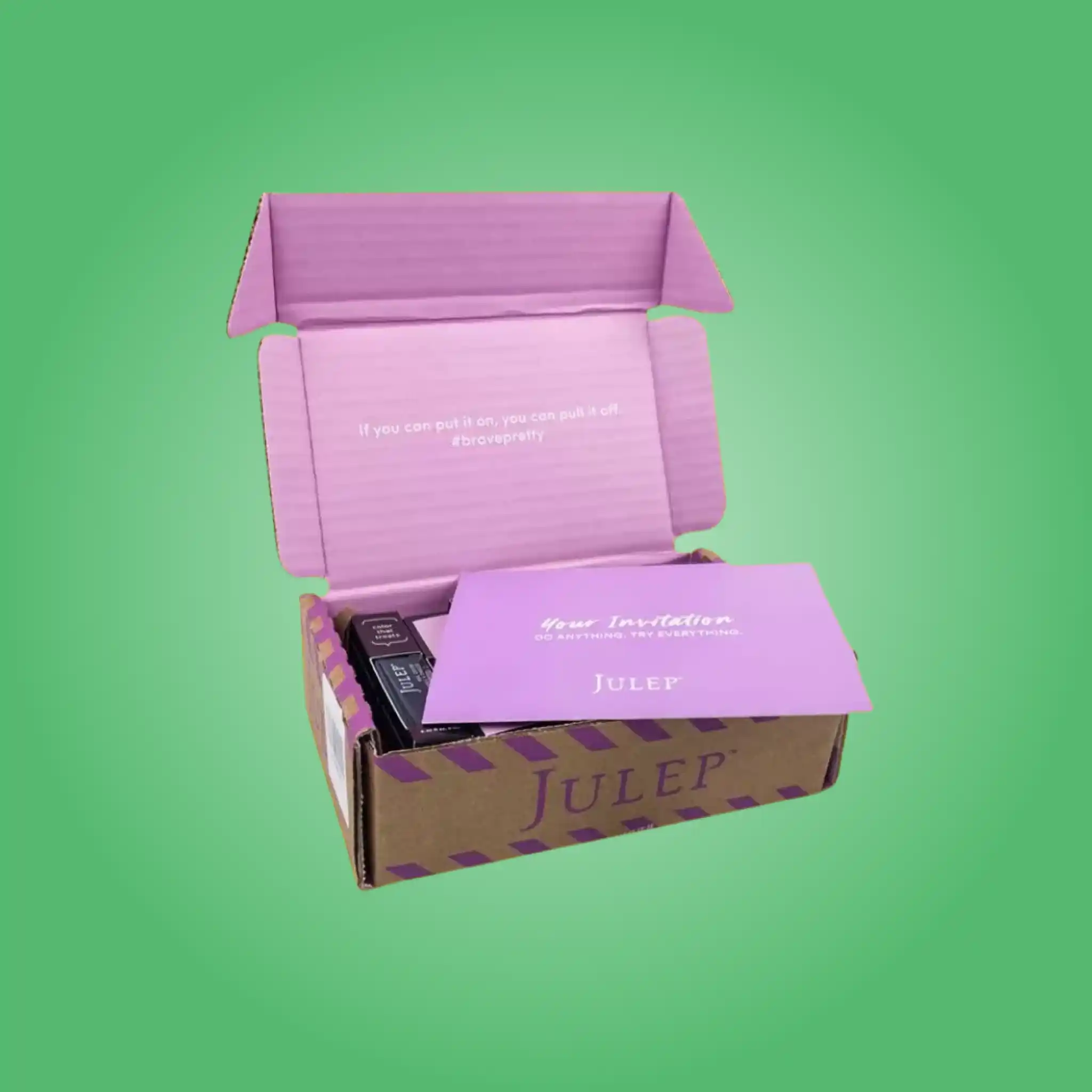
Custom mailer cardboard boxes are built for secure shipping, branded presentation, and efficient fulfillment. Manufactured with durable corrugated structures and precision folding designs, these boxes protect products in transit while delivering a premium unboxing experience.
Custom cardboard boxes should do two jobs at once. They must protect your product during handling and shipping. They must also make your brand look established at first glance.
When the structure, material, and print are chosen correctly, custom cardboard boxes reduce damage, improve presentation, and help buyers trust what they are purchasing.
Pioneer Custom Boxes manufactures custom cardboard packaging for B2B brands, startups, wholesalers, and growing eCommerce sellers across the USA.
You get zero minimum order quantity, free design services, free shipping nationwide, and flexible lead times. If you need packaging that performs and converts, this category covers the options that matter.
A box becomes custom when it matches your product and your workflow. That includes the exact dimensions, the right board grade, and a closure that holds during transit. It also includes print quality that stays consistent from run to run.
For many brands, custom cardboard packaging boxes are the fastest way to upgrade perception without raising logistics costs.
If you have ever dealt with crushed corners, loose fits, or faded prints, you already know why custom matters. You control the structure, the strength, and the finish. As a result, you control the customer experience.
Material choice is the main driver of performance. Paperboard works best for lightweight retail packaging with a smooth surface.
Corrugated board adds a fluted layer, which improves impact resistance and stacking strength. The right choice depends on product weight, fragility, and shipping distance.
A stronger board is not always the best board. Overbuilding can waste money and add shipping weight. Underbuilding increases returns and damages.
We match board grade to your risk level so your custom cardboard box performs without unnecessary cost.
Size mistakes cause most shipping problems. Oversized boxes allow movement, which increases scuffs and breakage. Undersized boxes stress seams and corners. The best packaging fits the product with controlled clearance.
We produce custom size cardboard boxes based on your exact product dimensions and packing method.
Our team also provides dielines that align panels correctly and keep closure lines clean. This precision improves packing speed and reduces void fill.
Printing is where packaging becomes marketing. With professional custom cardboard box printing, you can place your logo, instructions, compliance details, and brand messaging directly on the box. This supports trust at delivery and consistency on shelves.
Digital printing is ideal for short runs, fast updates, and quick testing. Offset printing is ideal for higher volumes and fine detail.
We print in CMYK for full-color graphics and offer Pantone matching for strict brand color control.
If you want custom printed cardboard boxes that look consistent across SKUs, print method and surface choice must work together.
Finishes protect the surface and elevate presentation. Matte finishes create a clean, modern look. Gloss finishes increase color vibrancy and contrast. Soft-touch lamination adds a premium feel that supports higher price positioning.
For impact-driven branding, you can add foil stamping, embossing, debossing, or spot UV. These upgrades work best when used selectively on logos and key elements. Done correctly, they make customized cardboard boxes look premium without looking excessive.
Retail packaging needs structure and clarity. It must hold shape on shelves and communicate value fast. Custom retail boxes are designed for clean edges, strong branding space, and consistent product presentation.
These boxes suit cosmetics, electronics, supplements, and specialty goods. They also support clear labeling and strong unboxing appeal. If you sell in stores, retail structure is often the first upgrade to consider.
Food brands need a familiar format with strong branding space. Custom cardboard cereal boxes deliver that standard shape while supporting clear product messaging.
These boxes work well for dry goods, mixes, and packaged consumer items. They also support consistent panel layout for ingredients and nutrition information. With accurate printing, your packaging looks regulated and trustworthy.
Some products fail in transit because the inner item moves. Inserts solve that problem by locking products into place. Custom cardboard boxes with inserts reduce impact damage, prevent scuffs, and improve presentation.
Inserts are useful for fragile products, multi-part kits, electronics, and premium sets. They also reduce the need for extra filler materials. If protection and unboxing order matter, inserts are a smart upgrade.
Footwear packaging must stack well and stay clean. Custom cardboard shoe boxes use stable panels and reliable closure designs to support retail and warehouse handling.
They also provide consistent branding space for logos and sizing details. If your brand relies on repeat purchases, packaging consistency matters. Shoe boxes help you keep that consistency across inventory cycles.
Warehousing demands durability and dimensional consistency. Custom storage boxes support repeated handling, long-term stacking, and organized inventory systems.
If your packaging needs to double as storage, board grade and structure become more important than print. Still, light branding and labels can improve pick accuracy. This saves time and reduces fulfillment mistakes.
Display packaging turns packaging into merchandising. Custom cardboard display boxes are built to present products clearly while keeping them organized.
They work well for retail counters, promotions, and high-impulse categories. A strong display design increases visibility and can lift unit sales without changing the product itself.
Packaging projects often fail because timelines slip or files are not production-ready. We reduce that friction with free design support. We prepare dielines, check artwork alignment, and finalize print-ready files.
About the lead times, we offer flexible lead times based on your box style and printing needs. We also provide free shipping across the USA. If you are looking for custom cardboard boxes near me, nationwide delivery gives you reliable access without local sourcing limits. That means fewer vendors and more consistent quality.
You should not need large volumes to start packaging. We offer zero minimum order quantity for custom cardboard boxes so startups and small businesses can launch without overbuying.
Free design services help you move faster and avoid expensive errors. You get expert guidance on structure, sizing, printing, and finishes. That support improves results and saves time.
Cardboard is not one material. The grade you choose decides whether a box survives a warehouse stack or collapses under the third layer, and it is the single largest lever on both cost and performance.
Single wall places one fluted layer between two liners. It handles most retail and light shipping work comfortably. A 32 ECT single wall board carries roughly thirty to forty pounds and stacks three or four high safely. It also folds flat for storage, which matters when you buy ahead of a season.
Double wall adds a second fluted layer, roughly doubling compression resistance. A 44 ECT board carries around eighty pounds and stacks considerably higher. Heavy inventory, tools and anything palletized needs this grade. The board costs more per sheet, yet it prevents the collapse that ruins a full pallet rather than a single box.
Flute size changes thickness, cushioning and print surface at the same time. B-flute measures about an eighth of an inch and balances strength with a printable face. C-flute runs slightly thicker and improves stacking. E-flute is thin and smooth, so it prints beautifully but carries less weight. BC double wall combines two profiles for maximum strength. We match the flute to your load rather than defaulting to one grade for everything.
Two ratings describe strength and buyers frequently confuse them. Edge Crush Test, written as ECT, measures how much force the board edge resists before crushing, so it predicts stacking performance directly. Bursting Test, written as a pound figure such as 200#, measures puncture resistance, which matters more for rough handling than for shelving. For storage and stacking, buy on ECT.
| Board Grade | Typical Load Per Box | Safe Stack Height | Best Use |
|---|---|---|---|
| 26 ECT single wall | 20 lb | 2 to 3 boxes | Light retail, apparel |
| 32 ECT single wall | 35 lb | 3 to 4 boxes | General shipping and storage |
| 44 ECT double wall | 80 lb | 5 to 6 boxes | Books, tools, dense goods |
| 48 ECT double wall | 100 lb | 6 or more | Warehouse and pallet loads |
| Triple wall | 250 lb plus | Pallet grade | Industrial and machinery |
Humidity reduces board strength substantially, so unconditioned warehouses and damp storage need a grade above the calculation suggests. Sustained load matters too: board relaxes over time, so a box holding weight for two years needs roughly thirty percent more capacity than one shipped next week.
Flexo prints directly onto corrugated board using flexible plates. It handles bold logos, solid colors and large text economically once quantities pass a few thousand. Fine detail and photography sit outside its comfortable range. Most shipping cartons and warehouse boxes print this way, because they need legible branding rather than imagery.
Litho lamination prints a paper sheet offset, then bonds that sheet to corrugated board. The result carries photographic quality across the full surface. Retail-facing boxes, display packaging and premium ecommerce cartons use it. The extra step raises cost, so we recommend it when customers see the box rather than only warehouse staff.
Digital printing needs no plates, so short runs begin within hours and cost far less. It also supports variable data, letting each box carry a different code, location or date. Businesses ordering department-specific or seasonal cartons benefit directly.
CMYK builds color from cyan, magenta, yellow and black laid as fine dots, and it reproduces photographs and gradients at low cost. On uncoated kraft corrugated those dots spread slightly and colors read darker and warmer than on white board. We compensate during prepress, and litho lamination removes the problem entirely.
PMS uses premixed inks rather than blended dots, so a Pantone number arrives as an exact recipe and holds identical across runs. Consistency is the real benefit for cardboard, because these programs reorder for years and a brand color that drifts between batches looks careless on a stack of boxes. Solid Pantone ink also covers kraft board far better than four-color dots.
RGB describes light on screens rather than ink on board, so we convert every RGB file to CMYK or Pantone before production. The shift is most noticeable in bright blues and greens. Our prepress team flags any shade that changes enough to matter, so you approve the printed result rather than a screen preview.
Quotes vary for reasons that rarely appear on the quote. Knowing the drivers lets you cut cost without cutting performance.
Size leads, because board is priced by area. Shaving an inch off each dimension can reduce material use by close to ten percent, and that saving repeats on every unit. It also lowers your dimensional weight, which for ecommerce often saves more in freight than it does in board.
Board grade comes second. Moving from single wall to double wall adds roughly forty percent to material cost, so specify it only where the load genuinely demands it. Over-specification across a whole range is the most common avoidable expense we see.
Print method is third. One-color flexo costs a fraction of litho lamination, and many programs need only a logo and a label panel. Paying for photographic printing on a box that lives in a warehouse wastes money. Quantity follows, since plate and setup costs spread across the run, and structural extras finish the list.
| Cost Driver | Impact | How to Reduce It |
|---|---|---|
| Box dimensions | Highest | Measure contents precisely, remove excess clearance |
| Board grade | High | Match ECT to real load rather than over-specifying |
| Print method and colors | High | One or two colors where boxes are not customer facing |
| Order quantity | Moderate | Consolidate annual needs into fewer runs |
| Structural add-ons | Moderate | Keep only features your handling requires |
| Coatings | Low to moderate | Apply only where humidity is a genuine risk |
Every die we cut is custom, so treat these as starting points. They cover the requests we receive most often.
| Application | Typical Size (L x W x D, inches) | Board | Key Detail |
|---|---|---|---|
| Small ecommerce shipper | 8 x 6 x 4 | 32 ECT single wall | Tuck top, tape-free option |
| Standard mailer | 12 x 9 x 4 | 32 ECT E-flute | Interior print, tear strip |
| Apparel box | 14 x 10 x 3 | E-flute | Lift-off lid or mailer style |
| Shoe box | 13 x 8 x 5 | E-flute | Ventilation, stackable lid |
| Cereal or dry goods carton | 8 x 2.5 x 11 | 18pt SBS | Food-safe, nutrition panel |
| Display box, countertop | 10 x 8 x 6 | E-flute | Tear-away front |
| Storage and archive | 15 x 12 x 10 | 32 ECT | Reinforced hand holes |
| Heavy goods shipper | 18 x 18 x 16 | 44 ECT double wall | Glued base |
| Bulk warehouse box | 24 x 18 x 18 | 48 ECT double wall | Water resistant coating |
Measure the product rather than an existing box, then add roughly a quarter inch of clearance on each internal dimension. Our design team checks the numbers free of charge before we cut anything.
Every cardboard order passes a documented check before it leaves our floor.
| Check | What We Verify | Why It Matters |
|---|---|---|
| Dimensional accuracy | Internal size against the approved dieline | Contents must fit without forcing |
| Board grade | ECT certification on delivered stock | Stacking safety depends on it |
| Score and fold quality | Clean folds with no cracking | Cracked scores fail under load |
| Glue and joint strength | Manufacturer joint and base seams | Bases drop out when joints are weak |
| Print registration | Color alignment and panel position | Misregistration looks unprofessional |
| Hand hole reinforcement | Flap presence and tear resistance | Unreinforced holes tear under weight |
| Stack test | Compression against the rated load | Confirms real stacking capacity |
| Assembly action | Fold and lock by hand | Slow assembly costs labor every day |
If anything fails, we remake it rather than ship it.
| If You Are Packing | Structure | Board | Key Feature |
|---|---|---|---|
| Light ecommerce goods | Tuck top mailer | 32 ECT E-flute | Interior print, return seal |
| Apparel and soft goods | Mailer or lift-off lid | E-flute | Tissue and belly band |
| Fragile or glass items | Shipper with insert | 44 ECT double wall | Molded pulp or foam |
| Retail shelf products | Litho laminated carton | E-flute | Full color print, barcode |
| Food and dry goods | Food-safe carton | 18pt SBS | Nutrition panel, liner |
| Point-of-sale display | Display box with header | E-flute | Tear-away front |
| Records and archive | Lidded storage box | 32 ECT | Index panel, hand holes |
| Heavy tools or parts | Double wall shipper | 44 to 48 ECT | Glued base, reinforced corners |
If your situation sits between two rows, choose the stronger option. Under-specifying costs more than over-specifying, because a failure damages the contents as well as the box.
For anything shipped, the box affects your freight bill as much as your packaging bill, and often by more.
Carriers price by dimensional weight, which is calculated from the box volume rather than the actual weight. A box larger than the product means paying to move air on every single shipment. Reducing each dimension by an inch can move a package into a lower band, and that saving repeats forever.
Board choice interacts with this. A thicker board adds a little volume and a lot of protection, so the calculation is between freight cost and damage rate rather than between two prices. We usually recommend measuring your actual damage rate before deciding, because brands routinely over-specify board to solve a problem that was really about void fill.
Void fill deserves the same scrutiny. A product that moves inside its box arrives damaged regardless of board grade. A fitted insert or a correctly sized box removes the need for most filler, which cuts material cost and improves how the unboxing looks.
Corrugated is among the most recycled materials in the United States, which makes cardboard an easy environmental win when specified sensibly.
Most board we run carries substantial post-consumer recycled content, and we can state the exact percentage for reporting. Higher recycled content shows slightly more color variation between batches, which most buyers accept readily on shipping cartons.
What breaks recyclability is what you add. Plastic lamination takes a box out of the paper stream, and heavy wax coatings do the same. Water based coatings resist moisture while keeping the box curbside recyclable, and we default to them wherever performance allows. Reducing box size also reduces material at source, which beats any recycling claim.
We manufacture in the United States and ship to all fifty states.
California and Texas clients send the highest ecommerce shipper volumes. New York and New Jersey businesses order heavily for retail and apparel. Florida clients request moisture-resistant coatings more than most, because humidity degrades untreated board quickly. Midwest clients in Illinois, Ohio and Michigan send steady industrial and parts packaging work, usually in double wall grades.
Wherever your facility sits, shipping across the continental United States is free, and we deliver to warehouses, 3PL facilities, retail stockrooms and homes.
A homeware brand in Arizona shipped a mid-size product in a stock box that was the closest available size rather than the right one. The product sat with roughly two inches ofempty space on two sides, filled with paper.
We cut a die two inches smaller on both axes. Nothing else changed, and the same board grade was retained. The smaller footprint dropped their packages into a lower dimensional weight band with their carrier.
Their freight cost per shipment fell by just over a dollar, and their filler use dropped by about two thirds. Across their annual volume the saving substantially exceeded what they spend on packaging in total. Custom sizing pays for itself fastest in freight, not in board.
Written by the Pioneer Custom Boxes Editorial Team · Published September 2026 · Last updated September 2026 · Reviewed by our packaging production team
The RSC is the standard shipping box, with flaps meeting in the middle on top and bottom. It uses board efficiently and costs the least of any shipper, which is why it dominates warehouse use. It needs tape on both ends, so assembly takes longer than the alternatives.
An auto-lock base folds into shape in one motion and locks without tape. It costs slightly more per unit and saves substantial labor at volume. For a team packing hundreds of boxes daily, the labor saving usually exceeds the extra unit cost within weeks.
A mailer folds from one piece with a tuck-in lid and no tape. It ships flat, assembles in seconds, and gives a clean interior surface for printing. Ecommerce brands choose it because the customer opens it without a knife, which protects both the product and the artwork.
A separate lid gives full access and stacks flush, which suits apparel, gifting and storage. It uses more board than a single-piece structure, so cost rises, but presentation improves noticeably.
Assembly time rarely appears on a quote and often exceeds the price difference between structures. A five second fold against a forty second one, across a thousand boxes, is roughly ten hours of labor. We ask how your team packs before recommending a structure, because the cheapest box on paper is frequently the most expensive in practice.
Flat-packed cardboard is inventory, and how it is stored determines whether it performs when used.
Humidity is the main risk. Board absorbs moisture from the air, and damp board loses rigidity, folds poorly and jams automated equipment. Store stock off the floor, away from exterior walls and clear of loading doors. In humid regions, order smaller batches more often rather than holding a year of stock.
Compression matters too. Flat cardboard stored under heavy pallets develops set creases that make boxes fold crookedly. Limit stack height on stored blanks and rotate stock so older material gets used first.
Coatings and adhesives perform best within about a year of production. We date-code runs on request so your team can rotate accurately rather than guessing which pallet arrived first.
Cardboard boxes travel through networks that apply real force, and carriers publish rules that decide whether your shipment moves cleanly or gets surcharged. Knowing those rules before you approve a dieline saves money on every single shipment afterward.
Start with the box maker certificate. Corrugated sheets carry a printed stamp on one flap that states the board construction, the edge crush or burst rating, the maximum gross weight and the size limit. Freight carriers read that stamp when a claim gets filed. If your box ships loaded above its stated weight and something arrives crushed, the claim usually fails. We specify board that clears your actual loaded weight with margin, then print the certificate to match.
Drop and compression testing come next. Parcel networks handle boxes many times, and a package that survives one drop can still fail on the fifth. Brands shipping fragile or high value goods often run ISTA sequence testing before a launch. We build test samples for that purpose and adjust board grade or insert design based on the results. Most clients skip formal testing and instead ship a small pilot batch, which works well for lower risk products.
Carrier dimension rules deserve equal attention. Major parcel networks apply oversize charges once length plus girth crosses published thresholds, and those charges repeat on every parcel. A box that measures a half inch under the limit ships at standard rates forever. A box a half inch over does not. We check your finished dimensions against current carrier thresholds during the dieline stage and flag anything sitting close to a line.
| Requirement | What It Covers | Why It Matters to You |
|---|---|---|
| Box maker certificate | Board grade, ECT or burst, weight limit | Freight claims depend on it |
| Edge crush test rating | Vertical stacking strength | Decides pallet and warehouse stacking height |
| Mullen burst rating | Resistance to puncture and rupture | Common for heavier freight shipments |
| ISTA drop sequence | Simulated parcel handling | Predicts damage before a full launch |
| Length plus girth | Carrier oversize threshold | Crossing it adds a fee to every parcel |
| Pallet footprint fit | How boxes tile on a standard pallet | Wasted pallet space raises freight cost |
Send us your product weight and your carrier, and we confirm all of this before you approve anything.
Ordering runs through four steps, and our team handles the technical work in each one. You never need packaging expertise to get a correct box.
First, tell us what you are shipping or displaying. Send product dimensions and weight, your quantity, and a note about how the box travels. If you have the product but no measurements, describe it and we work the sizing out with you. Photographs help more than most buyers expect.
Second, we return a free dieline and a written quote within one business day. The dieline maps every panel, fold, score, glue tab and bleed area on one flat sheet. Your designer places artwork onto that file rather than guessing where a fold lands. We charge nothing for this, and the file stays yours.
Third, you approve a digital proof. We show artwork in position on the actual structure, so you see how the print wraps around corners and where the seam sits. Order a physical sample whenever the structure is new to you, because a folded box reads very differently from a flat screen image. Samples are especially worth it for retail and display work.
Fourth, we produce and ship. Standard production runs eight to twelve business days, rush production runs four to six, and shipping across the United States costs nothing. You get tracking as soon as the pallet or parcels leave our floor.
Zero minimum order quantity applies throughout. Order fifty boxes to test a launch, then scale to fifty thousand once the product proves itself. Nothing about the process changes between those two orders.
Most cardboard buyers reorder the same box for years, so consistency matters more than any single first order.
We keep your dieline, board specification, ink references and print files on record permanently. Reorders run against that stored specification rather than being rebuilt, which means box number ten thousand matches box number one. Your cases still tile on the same pallet, still fit the same shelf, and still carry your brand color in the same position.
Timing deserves planning too. Cardboard takes shelf space, so ordering a year of stock rarely makes sense for smaller businesses. We usually recommend holding six to ten weeks of cover and reordering when stock drops to about four weeks. That window absorbs a demand spike without tying up cash or warehouse floor.
When something genuinely changes, we version it. A new product size, a revised barcode, an updated recycling mark or a fresh campaign panel all get logged as a new version with a date. We then tell you exactly what differs from the previous run, so nothing changes silently. If a distributor asks which packaging version shipped in a given quarter, you have a dated record instead of a guess.
For brands running several SKUs, we can hold one structure and vary only the printed panel. That keeps your whole range consistent on a shelf while lowering unit cost, because the die already exists and only the plates change.
The same few errors show up again and again, and every one of them is avoidable at the dieline stage.
Oversizing leads the list. Buyers round dimensions up for safety, then pay for the extra board and the extra void fill on every order. Worse, oversized boxes often cross a carrier threshold and collect a surcharge forever. Measure the product, add the clearance the item actually needs, and stop there.
Under-specifying board comes second. A box that holds fine on your bench can collapse under four identical boxes on a pallet. Stacking load, not hand weight, decides board grade. We ask how high your cases stack in a warehouse before recommending anything.
Ignoring the seam is a quieter mistake. Every glued box has a manufacturer joint, and artwork placed across that joint rarely aligns perfectly. Keeping logos and critical text away from the seam avoids a defect that no press can fix later.
Placing a barcode on a glossy or heavily printed area causes scan failures at retail. Barcodes belong on a flat matte area with strong contrast and adequate quiet zone. Retailers reject packaging over this regularly, and a rejection at receiving costs far more than the fix.
Finally, buyers approve artwork without a physical sample and discover a fold running through a product photograph. A sample costs almost nothing compared with a reprint. We recommend one whenever the structure is new, and we build it before you commit to a full run.
Buyers usually treat the liner color as a style choice, yet it changes print behavior, cost and even perceived value.
Kraft liner carries a natural brown tone that reads as honest and unfussy. Inks printed on kraft shift warmer, so a bright blue turns slightly muted and a pure white simply cannot be printed. Designers work with that instead of against it, using one or two bold colors and letting the brown carry the rest. Kraft also costs less than bleached stock, which makes it the practical default for shippers and for brands positioning around sustainability.
White liner gives you a neutral base, so photographic imagery and precise brand colors reproduce accurately. Retail cartons and display packaging usually need that accuracy, because a shelf full of competitors punishes a muddy print. Bleached board costs more per square foot and shows scuffing more readily during transit, so retail boxes often pair it with a protective coating.
White top kraft sits between the two. The outer liner is white for printing while the inner structure stays kraft, which keeps most of the print quality at a lower price than fully bleached board. Many ecommerce brands land here once they compare samples side by side.
We print samples on all three when a decision matters. Seeing your own artwork on each substrate settles the question in a minute, and it costs you nothing.
If you want packaging that protects products and strengthens brand credibility, choose custom cardboard boxes. Get a free quote now and request free design support today. Order now with zero MOQ and free USA shipping.