
Custom chocolate boxes protect truffles, bars, bonbons, and gift assortments while making them look worth every dollar. Choose rigid, tuck-end, or drawer styles, then add fitted inserts, foil stamping, and full-color printing that matches your brand. Order any quantity you need with zero MOQ, free design support, and free shipping across the USA.
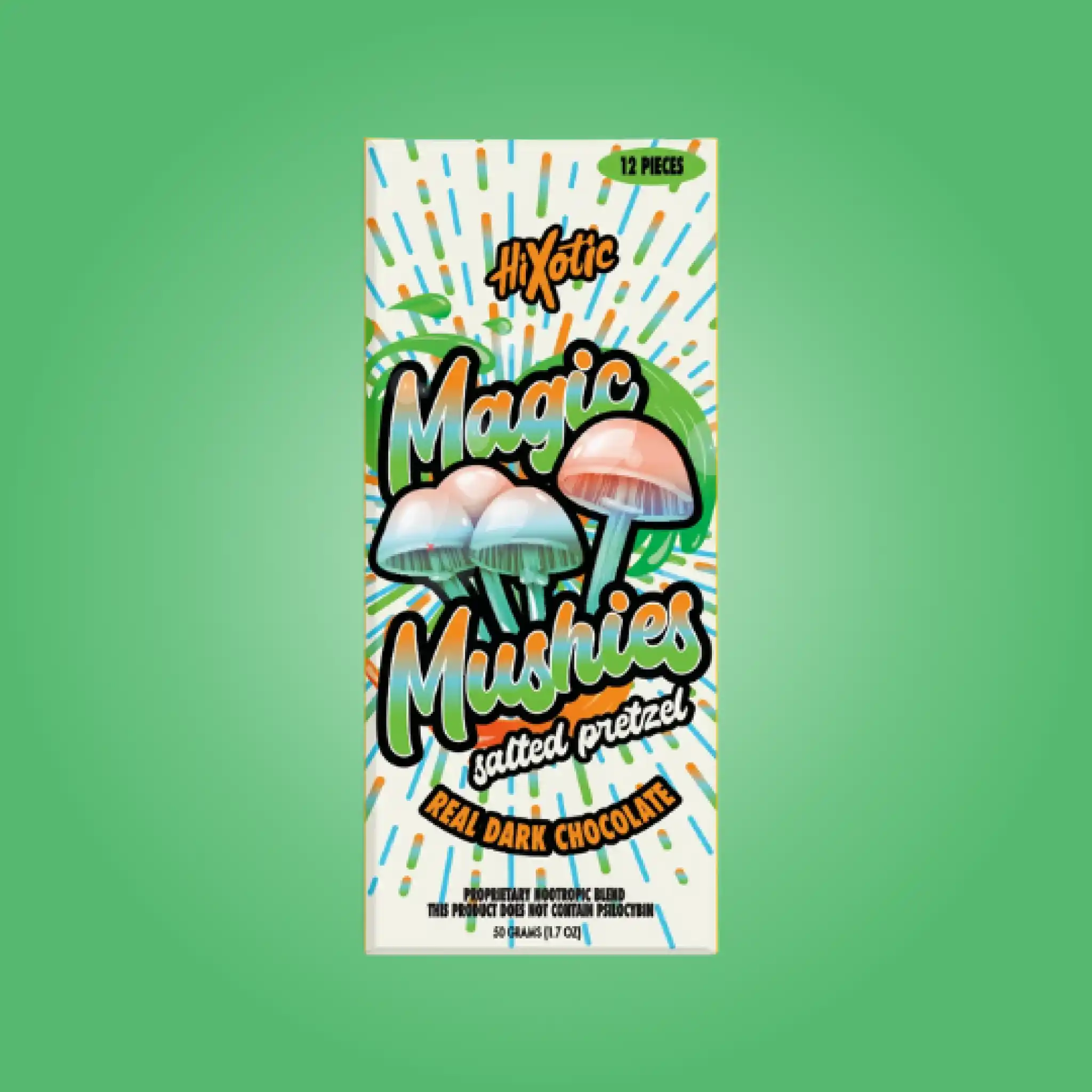
Mushroom chocolate bars need sturdy, premium packaging that protects ingredients and elevates brand identity. Pioneer Custom Boxes designs custom-fit cartons, luxury finishes, and secure structures built for US retail and shipping. Your mushroom chocolate bars stay safe, compliant, and visually impressive across every distribution channel in the USA.
Low-quality boxes impact your reputation. We are talking about custom chocolate boxes that turn browsers into buyers. For example, one-time customers become loyal fans.
Life is like a box of chocolates. But your packaging should not be a gamble. Every chocolate box that leaves your facility carries your reputation. Make it count.
We work with Pantone Matching System (PMS) spot colors to nail your brand’s exact shades. We ensure color fidelity across all runs with a spectrophotometer to measure and maintain a Delta E (ΔE) of less than 2.0.
We offer hot foil stamping in gold or silver. This process uses a heated die and pressure to transfer metallic foil, providing a rich, premium feel. We can also apply Spot UV coating using a digital varnish machine.
We build our boxes with FDA-approved food-grade paperboard. We use materials with a high Cobb value for water absorption and a low Moisture Vapor Transmission Rate (MVTR) to keep your chocolates completely safe. We add a grease-proof coating with a fluorocarbon-free solution.
This stops oils from bleeding through the walls. We can also include a moisture barrier layer using a polyethylene extrusion coating. This ensures your chocolates stay fresh and protected. The sturdy material maintains its form perfectly, with a high bending stiffness to resist deformation.
We craft creative and tailored packaging solutions. For instance, a clear window cutout is precision-cut with a high-speed automated die-cutter. We also create fitted inserts using thermoforming for plastic or molded pulp for a sustainable option.
These cradle each chocolate in its own spot. Therefore, nothing shifts or breaks during transport. Plus, we can install a magnetic snap closure using hidden neodymium magnets. This delivers a satisfying, high-end opening experience.
Let’s get real about what happens to cheap packaging. Your beautiful chocolates turn into expensive disasters during shipping. Broken pieces. Melted messes. Angry customers demanding refunds. Our rigid boxes, kraft, and cardboard packaging protect your chocolate every single time. We conduct drop tests and compression tests to measure packaging performance against real-world stresses.
Low-grade packaging kills profit margins faster than you can say “customer complaint.” Our rigid boxes, kraft, and cardboard packaging protect your chocolate. Every single time. We use custom-molded pulp and EVA foam inserts with a measured Shore Hardness. These lock each piece in place. There is no more shifting during shipping. No more crushed corners on your premium truffles.
UV exposure destroys flavor and texture before customers even open the package. Our paperboard and kraft materials shield against harmful rays. Custom coatings prevent that embarrassing color fading that screams “old inventory.”
We test for lightfastness using a xenon arc lamp to simulate UV exposure. Our packaging keeps your chocolate gift boxes fresh in tough climates. Your subscription box customers will notice the difference immediately.
Non-compliant packaging shuts down businesses overnight. Every material we use meets FDA-approved food contact standards. Period. Your Valentine’s Day chocolate box, mushroom chocolate bar packaging or Godiva chocolate box alternative will pass every inspection.
Most suppliers demand massive quantities that bleed small businesses dry. We flip that script completely. Low minimum order quantities let you scale smart, not broke, provided that you work with suppliers who understand small business challenges.
Affordable yet premium materials such as cardboard and kraft make your packaging attractive. Your chocolate gift box competes with industry giants while protecting your margins.
Standard boxes waste space and money. Every chocolate box we create perfectly fits your specific products. These include individual bars, bulk slabs, assorted chocolate box collections, and delicate truffles.
Tuck-end, two-piece, drawer-style, and window boxes create memorable moments.
Bland packaging disappears on crowded displays. Our vibrant offset printing and digital printing make your brand impossible to ignore. Full-color printing means every detail pops with crystal clarity.
Premium finishes like embossing, debossing, foil stamping give a premium look. Your heart chocolate box or best chocolate gift boxes become conversation starters.
Custom inserts made from EVA foam, molded pulp keep every piece stays perfectly positioned.
Gift-friendly packaging includes magnetic closures. We also offer luxury gift wrapping. This turns your chocolate subscription box into an event customers anticipate monthly. It’s especially great for special occasions when presentation matters most.
Rigid boxes built with multi-layer paperboard stop external damage cold. Your high-end box with chocolates reaches customers perfectly. Ready for premium display.
Gold foil stamping and embossing scream luxury pricing. Upscale customers expect packaging that matches product quality. Period.
Kraft boxes are made from recycled materials. The natural look attracts eco-conscious consumers. They pay more for aligned values.
Natural aesthetics help your box with chocolate to be prominent. Artificial-looking competitors flood the space. Premium brands differentiate through smart material choices, particularly when targeting environmentally aware customers.
Corrugated cardboard handles bulk shipping without compromising protection. Multi-layered design absorbs shock. Prevents crushing during transit.
Perfect for subscription services. Large-scale deliveries too. Your chocolate box reaches customers undamaged. Customer satisfaction stays high across all order sizes, provided that you choose materials built for shipping abuse.
Rigid cardboard and corrugated cardboard materials handle shipping abuse that destroys weak packaging. Custom foam inserts prevent movement that causes damage.
Moisture and heat resistance keeps products fresh during temperature extremes. UV-resistant coatings maintain appearance and quality. Your reputation stays protected.
All materials meet FDA regulations for food safety automatically. No guesswork. No compliance nightmares. We will help your business stay protected. On the condition that you choose suppliers who prioritize regulatory compliance from the start.
Clear labeling accommodation means nutritional facts, ingredient lists, and warnings display properly. Both local and federal regulations are covered completely.
Custom shapes, vibrant printing, and luxury finishes make your products impossible to ignore in retail settings. Your box of chocolate becomes the obvious choice.
Maintain brand consistency for all your products. Use custom logos, colors, and typography. This builds strong recognition. Such recognition boosts sales. Always ensure high quality at every customer touchpoint.
Share your vision with our design team or submit existing designs for consultation. We refine every detail until your packaging exceeds expectations, in the event that modifications improve functionality or visual appeal.
Get accurate pricing based on specifications, quantities, and customization needs. Detailed production timelines mean your box of chocolate reaches you exactly when needed for seasonal promotions or product launches.
Once approved, production begins immediately. We handle everything from start to finish, making certain your custom chocolate boxes exceed every expectation.
Chocolate is one of the most demanding products in food packaging. It melts, it absorbs odors, it releases cocoa butter that stains ordinary board, and it bruises under very little pressure. Material choice therefore does more work here than in almost any other category.
SBS is the standard for printed chocolate cartons. The bright white surface reproduces photography and brand colors accurately, and the food grade coating holds up against cocoa butter migration. We run 16pt for lightweight bars and 18pt to 24pt for assortment boxes that carry weight. SBS takes foil and embossing cleanly, which matters because chocolate buyers judge a box before they taste anything.
Kraft delivers a natural brown surface that suits bean-to-bar, single origin and organic positioning. It costs less than bleached board and signals sustainability without a single word of copy. Kraft does need a food safe barrier for direct contact, and we apply one as standard. Bright colors shift warmer on kraft, so most craft makers print one or two bold inks and let the substrate carry the rest.
Rigid boxes use thick greyboard wrapped in printed paper, and they are the format luxury chocolatiers choose. The walls resist crushing, the lid closes with weight, and the interior holds a fitted tray without flexing. Rigid construction costs several times a folding carton, so it earns its place on higher price points and gift assortments rather than on everyday bars.
Corrugated protects chocolate through parcel networks where presentation boxes alone fail. E-flute prints well and adds real crush resistance, while B-flute suits heavier multi-box shipments. Subscription brands usually pair a printed corrugated shipper with a lighter inner carton, so the customer opens something attractive while the carrier only ever touches the tougher box.
Chocolate absorbs surrounding odors readily, and paperboard alone does not stop that. Foil liners, greaseproof paper and food grade films all block odor transfer while keeping cocoa butter off the printed exterior. We specify the liner alongside the carton so the two work together rather than being chosen separately.
| Material | Best For | Typical Caliper | Key Strength |
|---|---|---|---|
| SBS food grade board | Printed bars and cartons | 16pt to 24pt | Accurate color, clean folds |
| Kraft board | Craft and organic lines | 16pt to 20pt | Natural look, lower cost |
| Rigid greyboard | Luxury assortments and gifts | 2mm to 3mm | Crush resistance and weight |
| E-flute corrugated | Ecommerce and subscriptions | 1.5mm | Print quality plus protection |
| B-flute corrugated | Bulk and wholesale shipping | 3mm | Stacking strength |
| Foil or greaseproof liner | Direct contact with product | N/A | Blocks odor and oil migration |
Print method decides both how your box looks and what it costs, so we explain each option separately rather than quoting one blended price.
Offset uses metal plates to transfer ink through a rubber blanket onto the sheet. It delivers the sharpest detail, the smoothest gradients and the most consistent color across a long run, which is why national confectionery brands rely on it. Plate setup carries an upfront cost, so offset becomes economical once quantities pass roughly one thousand pieces. Above that point, unit cost drops steadily as the run grows.
Digital prints directly from your file with no plates at all. That removes the setup cost entirely, so short runs, seasonal editions and test launches all become affordable. Digital also allows variable data, meaning each box can carry a different flavor name, batch code or personalized message within one run. Color consistency is excellent today, though very large solid areas still reproduce more evenly on offset.
Flexo prints from flexible plates and suits corrugated shipping boxes rather than fine retail cartons. It handles large simple graphics economically, so brands use it for outer shippers and bulk cases where the box protects rather than sells.
Color decides shelf recognition, and the three systems below serve different purposes. Choosing correctly prevents the disappointment of a brand color that shifts between batches.
CMYK builds color from cyan, magenta, yellow and black separations. It reproduces photographs, cocoa textures and rich brown tones convincingly, and it costs the least because four inks cover the whole image. CMYK cannot reliably hit certain vivid or metallic shades, so brands with a distinctive signature color usually add a spot ink alongside it.
The Pantone Matching System uses pre-mixed inks, so a specified shade prints identically on every run and on every substrate. Chocolate brands with a recognized house color should specify PMS for that element. We keep your Pantone references on file and match against a physical draw-down before the press runs, which keeps year five matching year one.
RGB is a screen color space, not a print one. Your website, social posts and product photography all live in RGB, and those values must be converted before printing. Deep saturated screen colors often shift when converted, so we run the conversion ourselves and show you the printed result before production. Send artwork in CMYK or with Pantone references wherever possible.
Finishing is where chocolate packaging earns its price point. Each option below runs as a separate pass through the plant, so we price them individually and you keep only the ones that pay for themselves.
Hot foil presses metallic film onto the board under heat and pressure. Gold and silver dominate confectionery, though copper and holographic foils suit specific brands. A single foil hit on the logo costs a fraction of foil across a full panel, and shoppers read the two almost identically. Foil sits best on matte surfaces, where the contrast makes it shine.
Embossing raises an area of board, debossing presses it down. Both create texture that a customer feels before they consciously notice it, and that tactile moment is exactly what luxury chocolate sells. Combining a deboss with foil produces the crisp jeweled effect seen on premium truffle boxes.
Spot UV applies high gloss varnish to chosen areas only. Against a matte background it makes cocoa imagery look wet and rich, which drives appetite appeal on shelf. Keep it away from barcodes, because gloss causes scan failures at checkout.
Soft touch film gives the box a velvet surface that feels considerably more expensive than it costs. It also resists fingerprints, which matters for gift boxes handled repeatedly in store. Most premium assortment boxes we produce use soft touch as their base finish.
A clear food safe window lets shoppers see the product without opening anything, and visible chocolate sells itself. We patch windows with PET film sealed to the aperture, and we can supply frosted or shaped windows for a more distinctive look.
Magnetic closures, ribbon pulls and grosgrain ties transform an ordinary box into a gift. They add cost per unit, so most brands reserve them for holiday and bridal ranges rather than the everyday line.
The outer box handles presentation. The interior components decide whether every piece arrives intact and correctly positioned.
| Add-On | What It Does | Best Suited To |
|---|---|---|
| Molded pulp tray | Cradles each piece in its own cavity | Truffles and filled assortments |
| Vacuum-formed PET tray | Precise cavities with a clear finish | Uniform pralines and bonbons |
| Paperboard divider | Separates rows without plastic | Bars and squares |
| Foil or glassine liner | Blocks odor and cocoa butter | All direct contact applications |
| Padded insert | Absorbs shock in transit | Ecommerce and subscription boxes |
| Tamper-evident seal | Shows the box has not been opened | Retail and gifting |
| Ice pack cavity | Holds a coolant in summer shipping | Warm-weather ecommerce |
These dimensions cover most confectionery formats we produce. Treat them as starting points, because we cut every die to your exact piece count and piece size at no extra charge.
| Format | Typical Size (inches) | Structure | Notes |
|---|---|---|---|
| Single chocolate bar | 6 x 3 x 0.5 | Sleeve or tuck carton | Foil-wrapped bar inside |
| Large tablet bar | 7.5 x 4 x 0.6 | Straight tuck end | Room for origin storytelling |
| Four-piece truffle box | 4 x 4 x 1.5 | Two-piece with tray | Popular wedding favor size |
| Nine-piece assortment | 6 x 6 x 1.5 | Rigid lid and base | Molded tray with cavities |
| Sixteen-piece assortment | 8 x 8 x 1.75 | Rigid with ribbon | Standard gift price point |
| Twenty-four-piece box | 10.5 x 8 x 1.75 | Rigid, two layers | Divider between layers |
| Bonbon sampler | 5 x 3 x 1.25 | Drawer style | Slide-out reveal |
| Hot cocoa bomb pack | 6 x 6 x 3 | Window carton | Clear window and cushioning |
| Subscription shipper | 9 x 7 x 3 | Corrugated mailer | Printed interior, insulation |
| Wholesale case | 16 x 12 x 8 | B-flute RSC | Holds twelve retail boxes |
Send your piece dimensions and count, and we return a free dieline sized precisely to them within one business day.
Two quotes for the same box can differ sharply, and the reason is almost always a specification detail. Knowing which variables move the price lets you protect the product without overspending on presentation.
Construction leads. A rigid box costs several times a folding carton, because rigid boxes are assembled by hand from thick greyboard and wrapped in printed paper. That weight is what customers associate with luxury, so it earns its cost on gift assortments. For everyday bars, a well finished folding carton reads almost as well for a fraction of the price.
The insert comes second and surprises most buyers. A molded tray with individual cavities often costs more than the outer box on small orders, because each cavity is tooled to your exact piece. Paperboard dividers cost far less and work well for bars and squares. Vacuum-formed PET sits between the two.
Finishing is third, and it is where confectionery budgets disappear quickly. Foil, embossing and soft touch each add a press pass. Quantity finishes the list, since plate and setup costs spread across the run and rigid boxes involve real hand assembly time.
| Cost Driver | Impact | How to Reduce It |
|---|---|---|
| Rigid vs folding construction | Highest | Reserve rigid for gift and premium lines |
| Insert type and cavity count | High | Paperboard dividers where the shape allows |
| Finishing passes | High | One foil hit on the logo rather than full panels |
| Board caliper | Moderate | Match thickness to the loaded weight |
| Spot color count | Moderate | CMYK imagery plus one Pantone brand color |
| Order quantity | Moderate | Combine flavors sharing one structure into a single run |
| Seasonal rush production | Moderate | Order holiday packaging by early autumn |
Chocolate fails in transit more often than any other confectionery product, and the failure is usually visible rather than dangerous. Packaging cannot refrigerate anything, yet it changes the outcome considerably.
Fat bloom appears when cocoa butter melts and recrystallizes on the surface as a pale film. Sugar bloom appears when condensation dissolves surface sugar. Both look like spoilage to a customer even though the chocolate is safe, and both drive refund requests. Insulating board, tight closures and a liner that limits air exchange all slow the temperature swings that cause bloom.
Corrugated performs better than folding board here, because the fluted layer traps air and buffers heat. Brands shipping through summer often specify an insulated liner and a cavity for a coolant pack, then ship early in the week so nothing sits in a depot over a weekend. We size that cavity into the dieline rather than leaving staff to improvise.
Odor absorption deserves equal attention. Cocoa butter takes on surrounding smells easily, and uncoated recycled board carries a papery scent that transfers within days. A food grade liner between the chocolate and the board removes that risk completely, and we include one on every direct contact structure.
Light matters over longer shelf lives. Ultraviolet exposure degrades flavor compounds, so a fully enclosed carton protects better than an open display tray. Where a window sells the product, keeping it modest in size preserves most of that protection.
Confectionery packaging gets inspected by buyers, by retailers and by customers opening a gift, so every order passes a documented check before it leaves our floor.
| Check | What We Verify | Why It Matters |
|---|---|---|
| Food safe materials | Board and ink certification on delivered stock | Direct contact compliance depends on it |
| Tray and cavity fit | A real piece seated in each cavity | Loose pieces slide and scuff in transit |
| Dimensional accuracy | Internal fit against the approved dieline | A tight box bruises soft centers |
| Lid alignment | Lid closes square with even gaps | Uneven gaps read as poor quality at once |
| Foil adhesion | Tape test on stamped areas | Lifting foil ruins premium positioning |
| Color match | Pantone against a physical draw-down | House colors must hold across seasons |
| Score and fold quality | Clean folds with no cracking | Cracked scores expose white board edges |
| Window film bond | Adhesion and clarity on window cartons | Peeling film fails hygiene expectations |
| Barcode readability | Scan test on a flat matte area | Gloss finishes cause checkout failures |
If anything fails, we remake it rather than ship it.
Start from what you sell and where it sells, not from a catalog image. This guide moves from your product to the specification you should request.
| If You Sell | Choose This Structure | Material | Key Feature |
|---|---|---|---|
| Single origin bars | Sleeve over foil wrap | 18pt kraft or SBS | Origin storytelling panel |
| Filled truffles and bonbons | Rigid lid and base | Rigid with molded tray | Individual cavities |
| Wedding and event favors | Small two-piece box | 16pt SBS | Ribbon and foil monogram |
| Holiday assortments | Rigid with magnetic lid | Rigid, soft touch | Seasonal artwork panel |
| Hot cocoa bombs | Window carton with cushioning | 18pt SBS | Clear window, padded insert |
| Subscription boxes | Printed corrugated mailer | E-flute | Insulation and printed interior |
| Retail multipacks | Printed tuck carton | 18pt SBS | Barcode and nutrition panel |
| Corporate gifting | Rigid drawer or lid and base | Rigid with wrap | Logo foil, custom insert |
| Wholesale and distribution | B-flute regular slotted case | B-flute corrugated | Stacking strength |
When your product sits between two rows, choose the sturdier option. A bloomed or bruised assortment becomes a refund and a review, and both cost far more than the packaging difference.
Confectionery revenue concentrates into a handful of weeks, and packaging lead times decide whether you capture those weeks or watch them pass.
Valentine deliveries need artwork approved before Christmas, because presses across the country fill in January. Easter follows quickly, and spring shipping brings the first real temperature risk of the year. The autumn holiday window is the largest of all, so we ask holiday clients to confirm structures by late summer and artwork by early autumn.
A practical approach separates the structure from the season. Keep one die and one board specification all year, then change only the printed panel for each holiday. Your die is already cut, your fit is already proven, and each seasonal run costs less than starting fresh. It also protects you when a season sells faster than forecast, since a repeat run needs plates rather than tooling.
Rush production runs four to six business days when a season moves faster than planned. We hold capacity for existing clients through peak periods, and shipping across the United States remains free even on rush orders.
We manufacture in the United States and ship free to every state, which keeps lead times short and avoids the customs delays that catch importers during peak season.
Craft chocolate makers in Portland, Seattle and the Bay Area order kraft sleeves and minimal single origin packaging. Chicago and New York chocolatiers lean toward rigid gift assortments with foil and soft touch. Southern brands in Texas, Georgia and Florida ask about heat protection first, so we specify insulated shippers and coolant cavities for their summer months. Wedding favor businesses order small quantities year round, and zero minimum order quantity is exactly why they can.
Wherever you operate, you work with the same team from dieline through delivery. Nothing gets handed to a broker, and nothing waits on a container.
A subscription chocolatier came to us after a difficult June. Their boxes shipped in a plain folding carton inside a thin mailer, and roughly one shipment in six arrived bloomed. Refunds were climbing, and reviews mentioned melted product repeatedly.
We changed three things. The inner carton gained a foil liner and a molded tray, so pieces stopped sliding and absorbing odor. The outer mailer moved to printed E-flute with an insulated liner and a cavity sized for a coolant pack. Finally we reduced the box depth by three quarters of an inch, which removed dead air and kept the parcel inside the carrier dimension threshold.
Complaints dropped to under one percent through the following summer. Packaging cost rose about eleven cents per box, while refunds and replacement shipments fell far more than that. The printed interior also produced a noticeable rise in customers sharing unboxing photos, which the brand had not anticipated.
Chocolate brands reorder for years, and inconsistency shows badly when old and new boxes sit together on a counter.
We keep your dieline, tray tooling, board specification, Pantone references and print files on record permanently. Reorders run against that stored specification, so your tenth run matches your first. When a recipe changes and your ingredient or allergen panel has to be updated, we version the file, show you exactly what differs from the previous run, and leave every other element untouched.
That versioning matters for traceability as well as design. If a retailer or an inspector asks which packaging version shipped in a given period, you have a dated record rather than a recollection.
For makers running many flavors, we hold one structure and vary only the printed panel. Your range stays visually consistent on a shelf, each flavor still stands apart, and unit cost falls because the die and the tray already exist.
Chocolate buyers care about sourcing, and that concern extends naturally to the box. Sustainability claims must hold up, though, because shoppers in this category read labels closely.
Paperboard and corrugated both recycle through standard curbside programs across most of the United States. Kraft board made from recycled fiber lowers the footprint further and looks the part without any greenwashing. Where a barrier is genuinely needed, we prefer water-based and greaseproof treatments over plastic lamination, since coated board stays recyclable while laminated board often does not.
Plastic trays are the usual weak point. A vacuum-formed PET cavity protects delicate bonbons beautifully, yet it complicates disposal. Molded pulp trays achieve similar protection for many shapes and recycle alongside the carton. We show clients both options with real samples, because the tactile difference decides the choice more than any specification sheet.
Soy-based inks, unbleached fiber and a printed recycling instruction all cost very little to specify. We add the correct disposal guidance to your panel so customers do the right thing, and we keep those claims accurate rather than decorative.
A few errors recur across this category, and every one of them is avoidable before a die is cut.
Sizing a cavity to the design rather than the finished piece leads the list. Hand-finished chocolates vary slightly, so a cavity cut to a perfect drawing traps some pieces and lets others rattle. We size cavities against physical samples of your actual production.
Skipping the liner is the second. Board smells faint to us and strong to chocolate, and odor transfer shows up weeks later in a customer complaint that nobody traces back to packaging.
Placing a barcode over gloss or foil causes scan failures at checkout, and retailers push back hard on that. Keep codes on flat matte areas with adequate quiet zones.
Finally, brands approve seasonal artwork without a physical sample and discover a fold running through a product photograph. A sample costs almost nothing next to a reprint, and we build one whenever the structure is new to you.
The right box also depends on how you make and pack the product, not only on how it sells.
Hand-packed operations need boxes that assemble fast and stay open while staff fill them. A two-piece rigid base sits flat on a bench and accepts pieces quickly, whereas a deep tuck carton fights the person filling it. Where volume is small and labor is your own time, assembly speed is a real cost worth optimizing.
Machine-filled lines need the opposite priorities. Tolerances tighten, glue tabs must sit within a narrow range, and carton stiffness has to survive a feeder. Send us your equipment details and we build the dieline to those specifications rather than to a generic template.
Bulk and wholesale add a third pattern. Retail boxes travel inside a case, so the case dimensions should tile cleanly on a standard pallet with no wasted footprint. We check that fit during the dieline stage, because a case one inch too wide costs freight on every pallet you ever ship.
Tell us your piece count, your packing method and your monthly volume, and we will recommend a structure that suits all three rather than only the shelf.
Is life like a box of chocolates? Maybe. But your packaging does not have to be unpredictable. Partner with professionals who understand that every chocolate box chocolate represents your brand promise to customers. Zero Setup Fees.
Tell us your piece count, your dimensions and your quantity, and we will send a free dieline and a written quote within one business day. Zero minimum order quantity applies, design support costs nothing, and shipping across the United States is free. Order now, or request a free quote and we will help you specify the right box the first time.