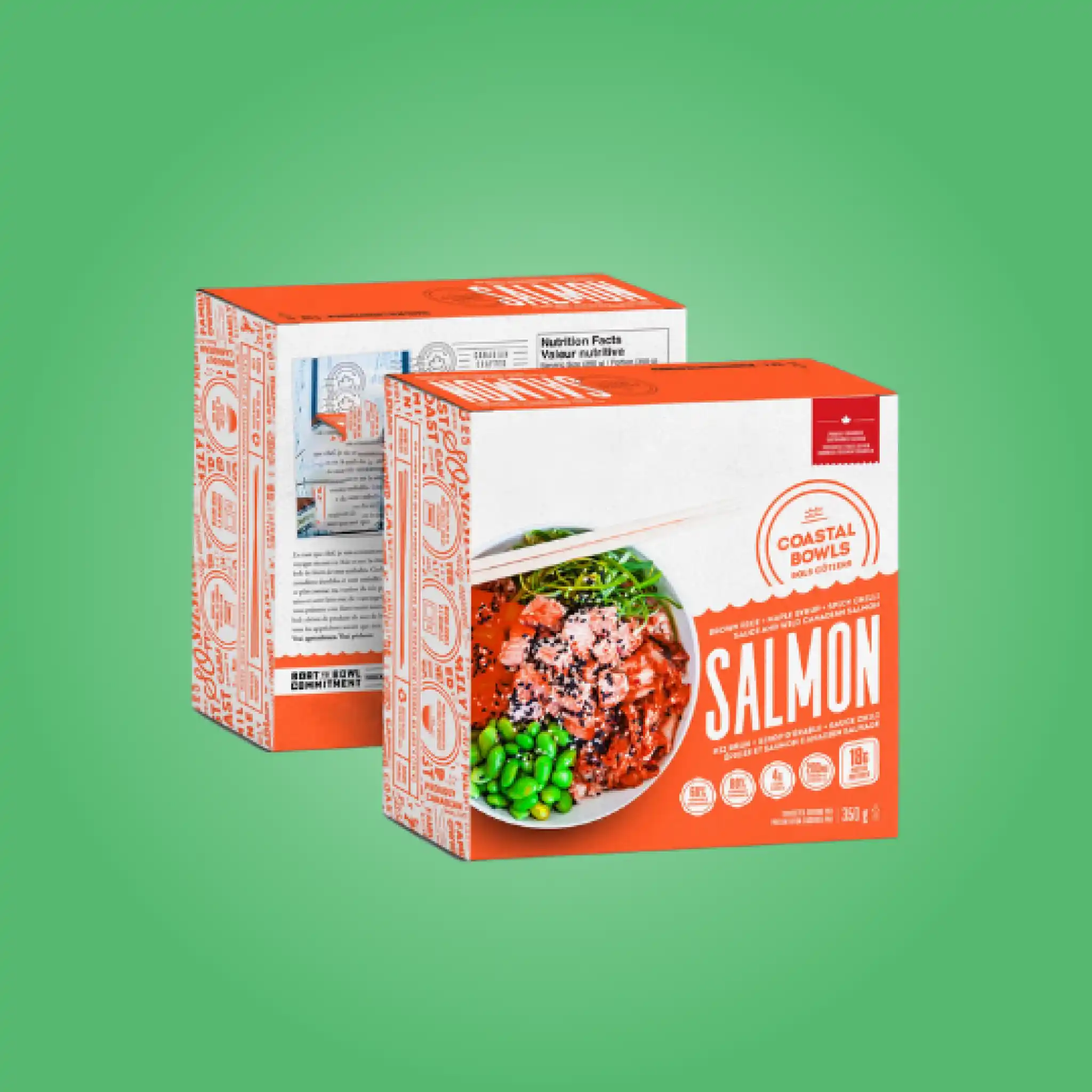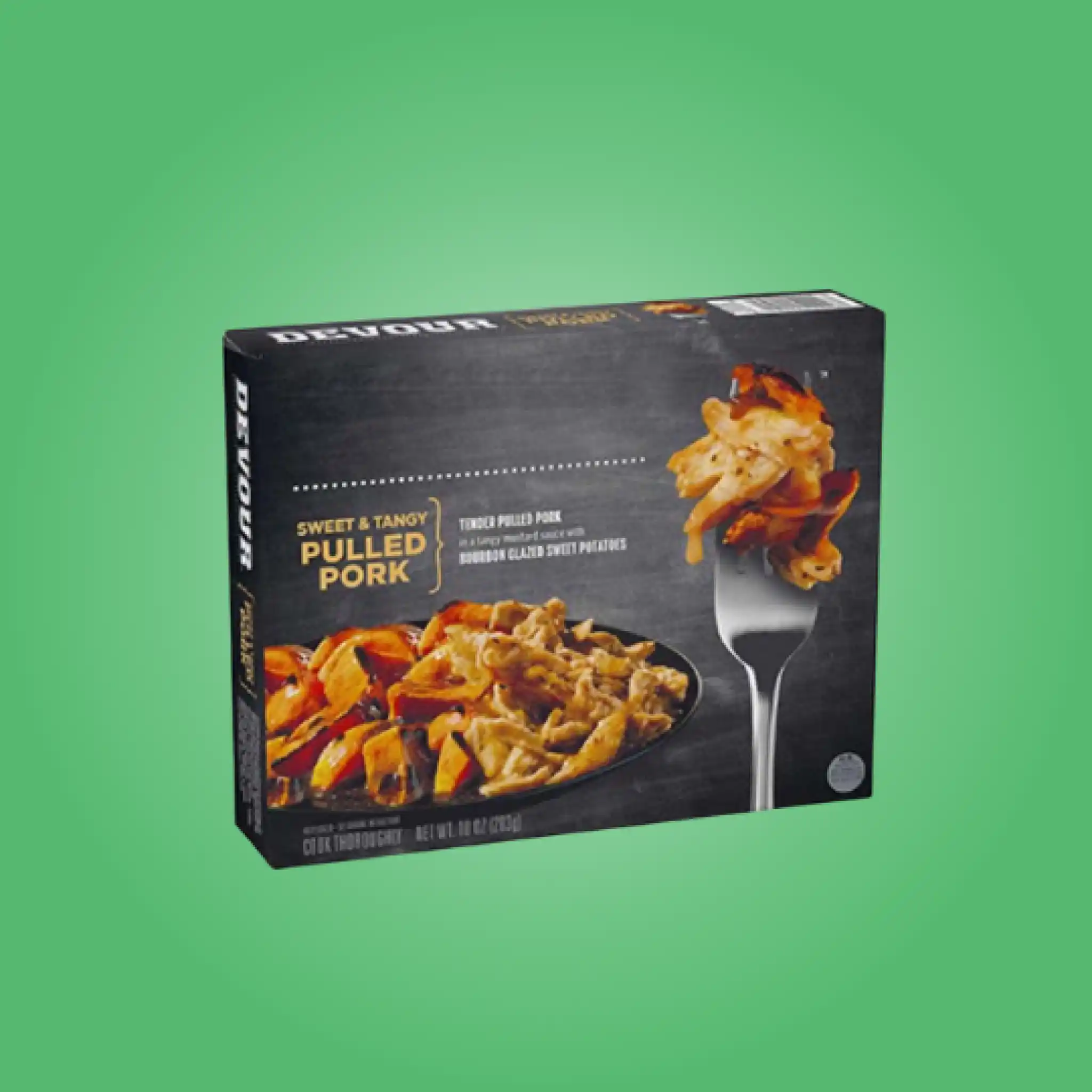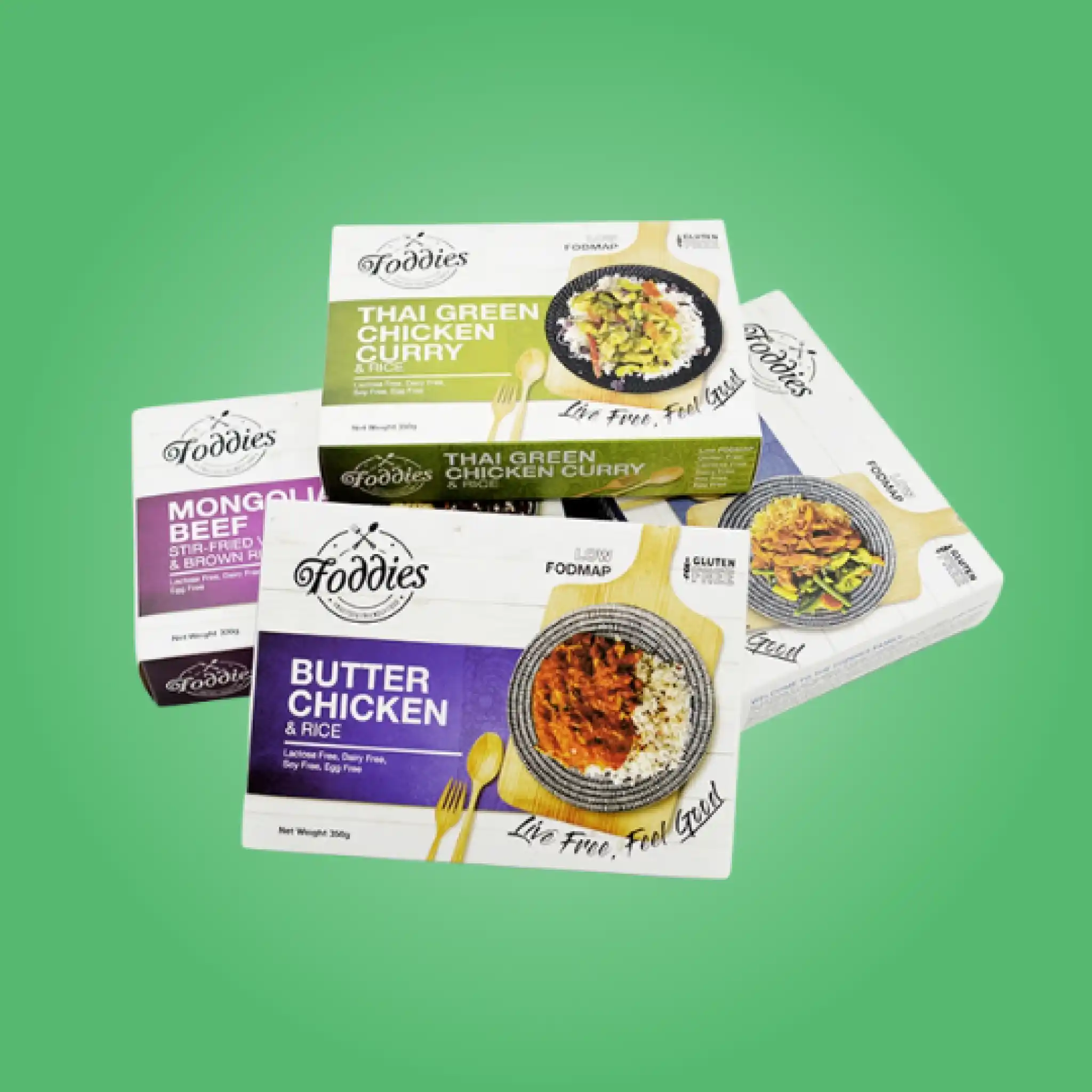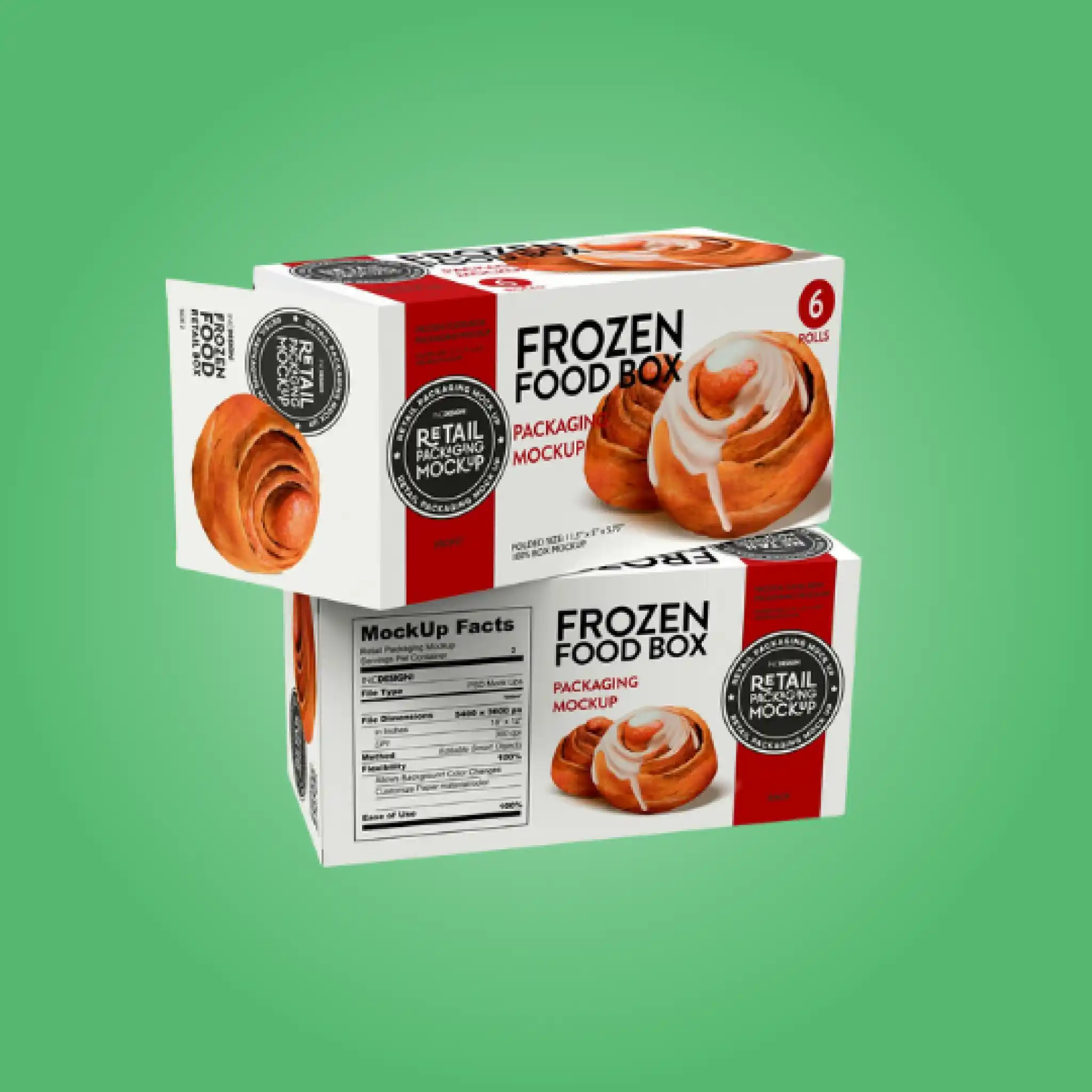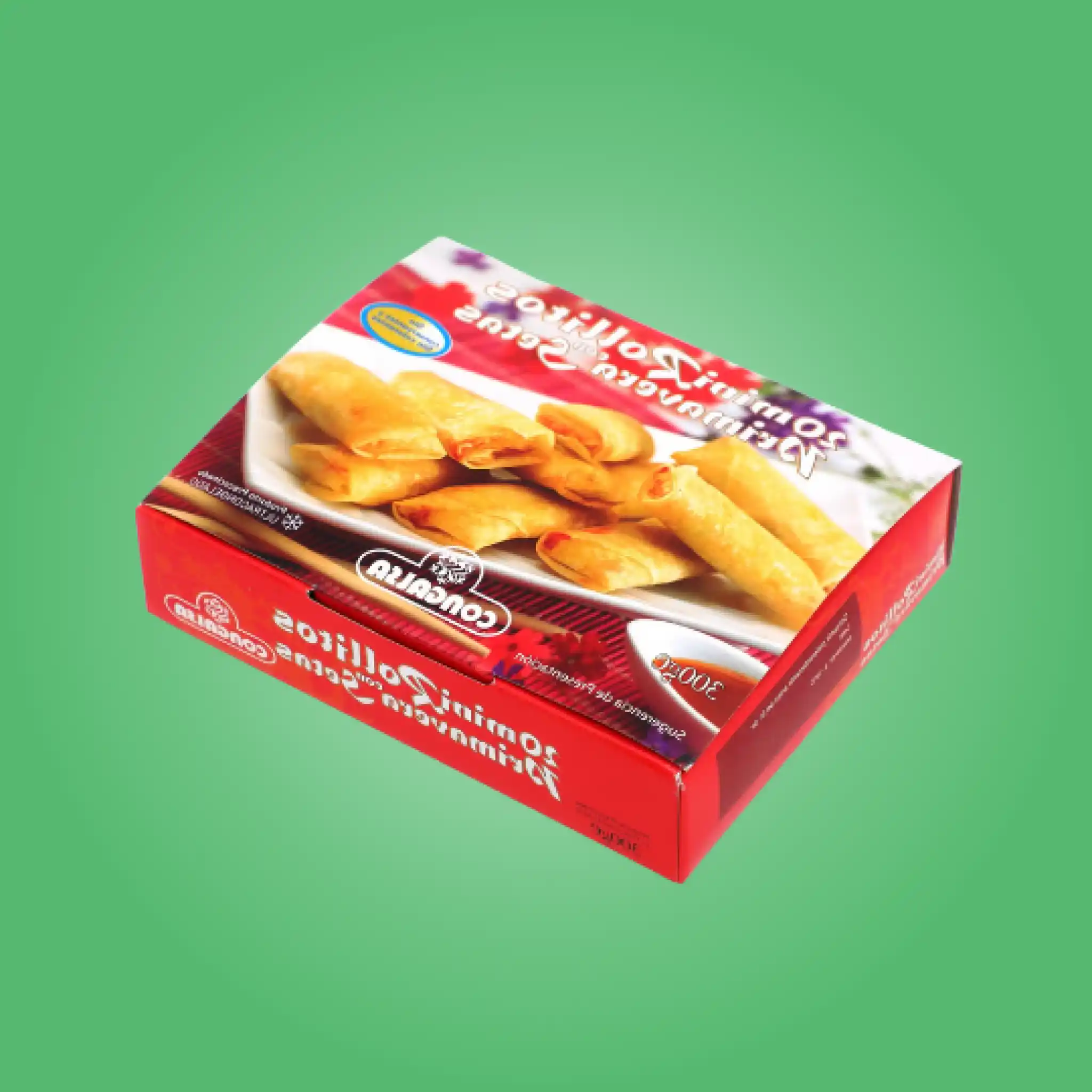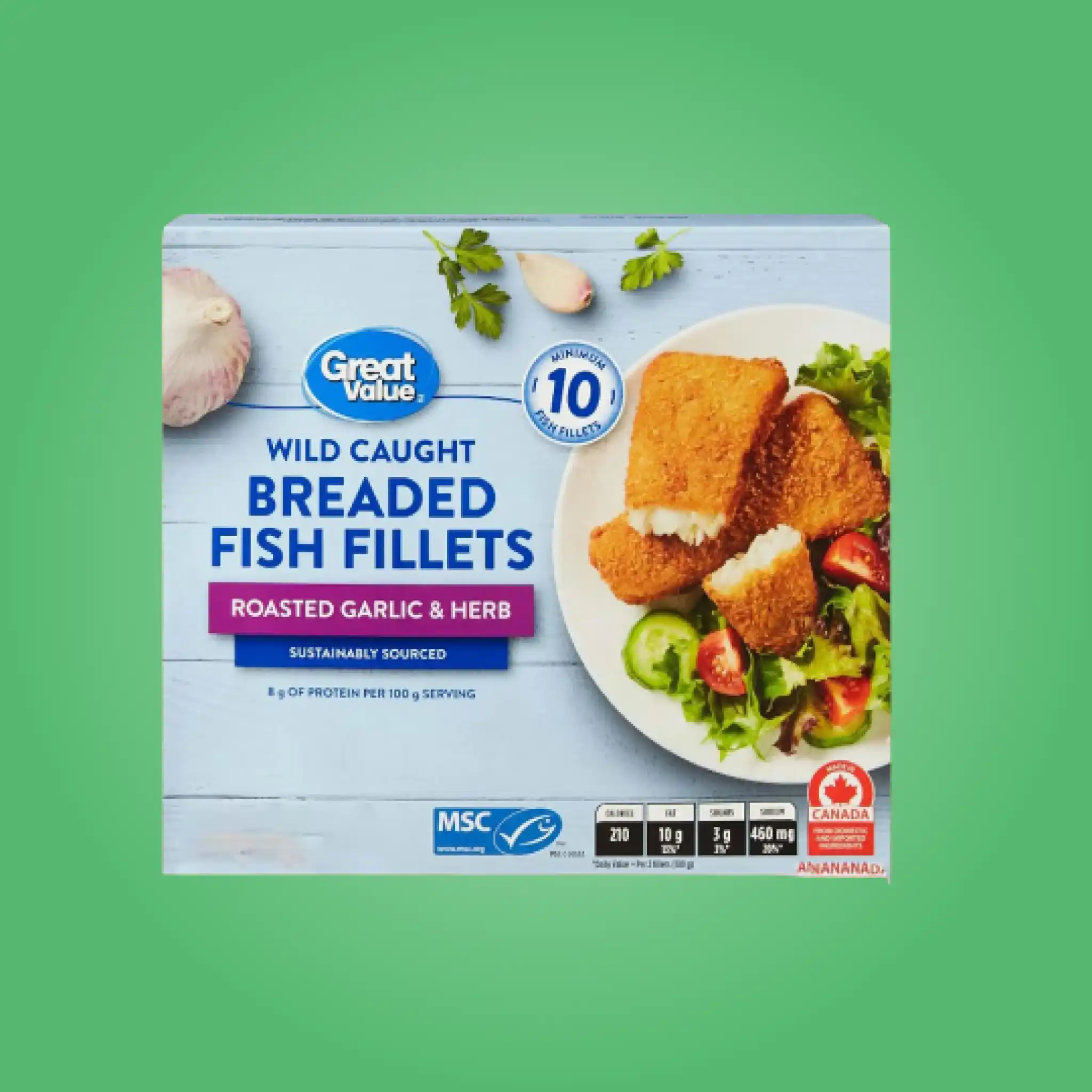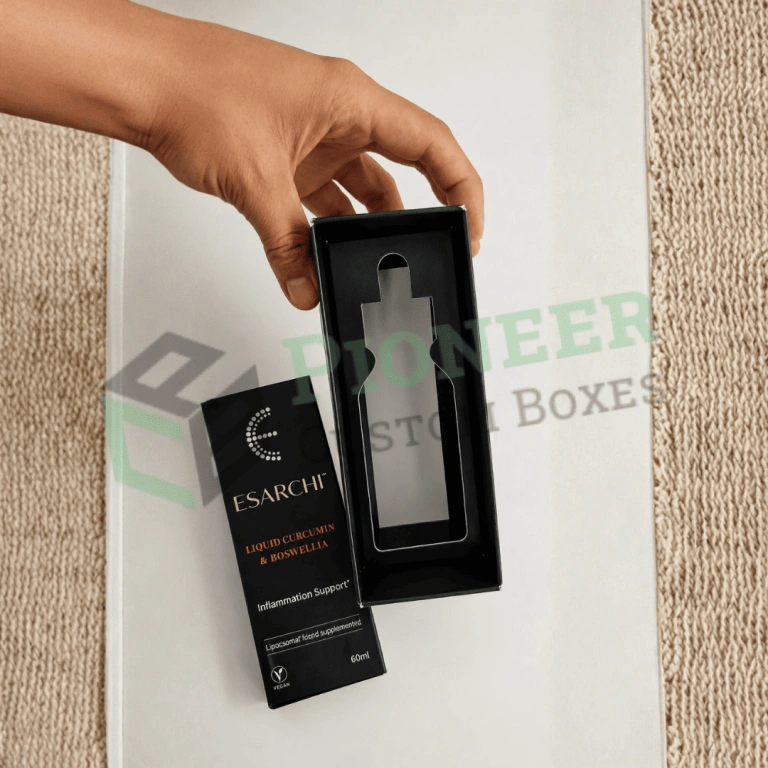
Custom frozen food boxes specified for the temperature they actually live at, with moisture barrier coatings and cold resistant adhesives as standard. Choose straight tuck, reverse tuck, seal end, lined carton, ice cream pint and tub, window front, coated corrugated freezer case or insulated direct ship construction. We print offset, digital or flexo on moisture resistant SBS, CCNB, PE coated and water based barrier board. Add sealed polypropylene or metallized liners against freezer burn, microwave steam vents, cooking instruction and allergen panels and easy open features. Every frozen order is cold flex tested and seam tested at your actual temperature before it ships. Zero minimum order quantity and free delivery direct to your co-packer.
Freezer packaging fails in ways ordinary cartons never face. Condensation soaks into board, adhesives turn brittle below freezing, inks crack when a carton is folded cold, and a box that looked perfect in a warm warehouse arrives limp after a night in a freezer aisle. We manufacture custom frozen food boxes directly in the United States, specified for the temperature they actually live at. Order fifty boxes or fifty thousand, because we hold no minimum order quantity.
Frozen meal brands use these for retail freezer cases. Ice cream and dessert brands use them for pints and novelty formats. Meat and seafood processors use them for portioned packs. Direct to consumer meal kits use them inside insulated shippers. Each pattern needs a different barrier, and we build all of them on the same food safe lines.
Every specification below is explained separately. Read the section that matches your product, then request a free quote. Our design team draws your dieline at no charge, whatever quantity you order.
Structure decides how the box survives moisture, how it stacks in a freezer case and how fast a line can fill it. Here are the formats we produce most often.
The standard frozen retail carton, closing with flaps tucked top and bottom. It ships flat, runs on automated cartoning equipment and costs the least. Most frozen meals and entrees use it.
Flaps tuck from opposite directions, which holds the closure more securely as board softens with moisture. Worth choosing where cartons sit in a case for extended periods.
Glued flaps at both ends rather than tucked, giving a fully closed carton with no gaps. The seal resists moisture ingress far better than a tuck, which matters for long frozen shelf life.
A sealed film bag inside a printed carton. This is the only construction that gives a genuine moisture and freezer burn barrier for unwrapped product. Loose frozen items such as vegetables and fries use it.
A round or tapered carton with a separate lid, coated for direct contact with a wet frozen product. Barrier coating is not optional here, because the product melts against the board.
A die-cut opening shows the product. It is popular in premium frozen but it interrupts the barrier and fogs with condensation, so it suits shorter shelf life products rather than long storage.
A wax alternative coated corrugated case built to survive freezer humidity. This is the case that carries retail cartons to the store, and ordinary corrugated fails at it.
An outer corrugated box with insulating liner for meal kits and direct to consumer frozen. It has to hold temperature for a carrier transit rather than sit in a controlled freezer.
,,,,,,,,
| Box Style | Closure | Moisture Barrier | Best Application |
|---|---|---|---|
| Straight tuck end | Top and bottom tuck flaps | Coating only | Frozen meals and entrees |
| Reverse tuck end | Opposing tuck flaps | Coating only | Extended case display |
| Seal end carton | Glued both ends | Good, no gaps | Long frozen shelf life |
| Carton with liner bag | Carton plus sealed film | Full barrier | Loose frozen product |
| Ice cream pint or tub | Separate lid, coated | Full direct contact | Frozen desserts |
| Window front carton | Tuck with PET film | Interrupted | Premium, shorter shelf life |
| Corrugated freezer shipper | Taped or glued case | Coated for humidity | Cold chain distribution |
| Insulated direct ship box | Taped with liner | Thermal rather than moisture | Meal kits and DTC |
Tell us the product, the target frozen shelf life and whether the box sits in a retail case or ships to a home. Those three inputs drive the whole specification. Our team then recommends a structure and sends the drawing free of charge.
Every material touching the food follows the same food safe discipline as our wider food boxes line. What changes in frozen is the barrier and the adhesive, not the underlying compliance standard.
Frozen formats are driven by freezer case geometry as much as by portion size, because retailers merchandise to fixed shelf depths. These dimensions cover the orders we run most often.
,,,,,,,,,,
| Size (L x W x H, inches) | Typical Contents | Common Use |
|---|---|---|
| 6 x 4 x 1.5 | Single serve entree | Frozen meals |
| 8 x 6 x 1.75 | Family entree or pizza | Frozen dinners |
| 9 x 6 x 2 | Multi portion meal | Family frozen meals |
| 7 x 5 x 2.5 | 1 lb loose product with liner | Vegetables and fries |
| 4 x 4 x 4.5 | Pint format | Ice cream and gelato |
| 3.5 x 3.5 x 3.5 | Half pint or novelty | Premium desserts |
| 10 x 7 x 2 | Portioned meat or seafood | Protein packs |
| 12 x 9 x 2.5 | Large family format | Value and club retail |
| 16 x 12 x 10 | Corrugated freezer case | Cold chain distribution |
| 12 x 12 x 12 | Insulated direct ship | Meal kits and DTC frozen |
Send us the freezer case depth you are merchandising into as well as the product dimensions. Retailers allocate fixed shelf depth, and a carton an inch too deep gets rejected at listing regardless of how good the product is. That constraint decides the footprint more often than the food does.
Everything that goes wrong with frozen packaging traces back to water moving where you did not want it. Four mechanisms matter, and each has a different fix.
Condensation is the first and most visible. A carton moved from a freezer into warm air collects moisture on its surface within seconds, and uncoated board absorbs that water and loses stiffness fast. A carton that goes through several of these cycles between processing, distribution and home ends up soft and stained. A moisture resistant coating stops the board absorbing it.
Freezer burn is the second, and it damages the product rather than the box. It happens when moisture sublimates out of frozen food and refreezes elsewhere, which dries and discolors the surface. Only a genuine sealed barrier prevents it, which means a liner bag or a fully sealed coated carton rather than a tuck end alone.
Adhesive failure is the third and the one that surprises people. Standard carton glue becomes brittle at freezer temperatures and can release entirely. We specify cold resistant adhesives rated for the temperature your carton actually lives at rather than assuming room temperature performance.
Ink and coating cracking is the fourth. Board becomes less flexible cold, and a carton folded or handled at low temperature can crack along score lines, splitting the printed surface. Choosing the right coating and scoring depth for cold handling prevents it.
Tell us the lowest temperature the carton will see and how many freeze and thaw cycles it goes through. Those two numbers change the material specification more than anything else in this category.
Material choice matters more in frozen than in any other food category, because the failure modes are physical rather than cosmetic. A board that works at room temperature can be useless at minus twenty. Every substrate we run is food safe, and our suppliers follow the FDA food contact substance requirements for direct contact packaging.
Solid bleached sulfate with a moisture barrier coating is the workhorse of frozen retail. The coating stops condensation soaking into the fiber, and the bright white surface still prints photographs cleanly. Most frozen meal cartons run 18pt to 22pt.
CCNB costs less than SBS and performs adequately with a barrier coating. High volume value frozen lines use it. Print quality sits slightly below SBS, which shows on small nutrition type.
A PE layer laminated to the board gives a strong moisture barrier and allows direct contact with wet product. Ice cream cartons and tubs use it because the product melts against the surface. It does complicate recycling.
Modern water based barrier coatings have largely replaced traditional wax. They resist moisture comparably while keeping the carton repulpable, which matters increasingly for retailer sustainability requirements.
The standard inner bag for loose frozen product. It gives a genuine moisture and freezer burn barrier at reasonable cost and stays flexible at freezer temperature, which many films do not.
Blocks oxygen, moisture and light together. Long frozen shelf life and products sensitive to oxidation justify it. Cost sits above standard polypropylene.
Corrugated cases in a freezer absorb humidity and lose compression strength rapidly. A coated case resists that. Traditional wax worked but killed recyclability, so modern coated alternatives have replaced it in most supply chains.
Not a board, but a specification that decides whether your carton stays glued. Standard adhesives turn brittle below freezing. We specify adhesives rated for your actual temperature range as a matter of course on frozen work.
,,,,,,,,
| Material | Typical Spec | Barrier Level | Best Application |
|---|---|---|---|
| Moisture resistant SBS | 18pt to 22pt | Surface moisture | Frozen meals and entrees |
| Clay coated news back | 18pt to 24pt | Surface moisture | High volume value lines |
| PE coated board | 18pt to 24pt | Direct wet contact | Ice cream and desserts |
| Water based barrier coating | Surface treatment | Surface moisture, recyclable | Sustainability led brands |
| Polypropylene liner | Sealed inner bag | Full, prevents freezer burn | Loose frozen product |
| Metallized barrier film | Sealed inner bag | Full plus oxygen and light | Long frozen shelf life |
| Coated corrugated case | 1.5 mm to 7 mm wall | Humidity resistant | Cold chain distribution |
| Cold resistant adhesive | Specification | Structural at low temp | Every frozen carton |
Frozen packaging carries mandatory nutrition and cooking instruction copy in a category where appetite appeal sells hard. Both demands land on the same small panel. We print in house on offset, digital and flexo equipment.
Offset holds the finest detail and the steadiest color across long runs. Nutrition panels, cooking instructions and allergen statements all stay legible, and food photography reproduces at the quality this category demands. Above roughly a thousand cartons it usually costs less per unit too.
Digital skips plates entirely, which removes setup cost and makes short runs affordable. Frozen lines often carry many varieties, and digital means six flavors does not mean six plate sets. Variable data also handles batch and lot codes within the run.
Flexo prints economically on corrugated freezer cases and on liner film. Keep artwork bold, since fine detail softens against the flute and on film.
This matters more in frozen than elsewhere. A barrier coating applied over ink behaves differently than ink applied over a coated board, and getting the order wrong can cause the coating to lift or the ink to crack cold. We specify the sequence against your board and your temperature range rather than using one default.
Retail frozen cartons run on the same presses as the rest of our paperboard packaging range. That keeps color identical between a frozen carton and an ambient SKU from the same brand sitting two aisles apart.
Finishing in frozen has to work wet and cold rather than just look good dry. Several finishes that perform well elsewhere fail outright here, so the list is shorter and the reasoning matters more.
Not decorative, structural. This is the coating that stops condensation soaking into the board across freeze and thaw cycles. Almost every frozen carton needs it, and skipping it is the most common false economy in the category.
Gloss film resists moisture extremely well and makes food photography snap, which matters in a freezer case where everything competes. It does complicate recycling, so weigh it against retailer requirements.
Matte gives a premium restrained look and handles moisture comparably to gloss. Premium and natural frozen brands use it to differentiate from the glossy mainstream shelf.
A water based sealer that adds scuff resistance and some moisture resistance while keeping the carton recyclable. For frozen it usually needs pairing with a proper barrier coating rather than used alone.
Spot UV cures glossy varnish over selected artwork. It survives cold well and adds contrast on a matte carton. Keep spot areas away from score lines, because varnish on a fold cracks more readily when cold.
Foil works in frozen and premium lines use it, but it needs testing at temperature. Foil on a carton that flexes cold can lift at the edges. We sample before committing a run.
Both work, with a caveat. Embossed areas have slightly thinner board, which under repeated freeze and thaw becomes a weak point if the emboss is deep. Keep it shallow on frozen work.
Windows show the product but interrupt the barrier and fog with condensation, so they suit shorter shelf life. Steam vents matter for microwave ready formats and need positioning where the film will not seal shut.
A freezer case is a visually crowded environment behind glass that frosts. Color has to work harder here than on an open shelf. We support three systems.
CMYK mixes cyan, magenta, yellow and black to build full color. Food photography drives purchase in frozen more than in almost any category, because the customer cannot see or smell the product. This system is effectively mandatory for appetite appeal.
PMS refers to the Pantone Matching System, where each ink arrives premixed to one exact formula. Brand colors stay identical across varieties and reorders, which matters when a range sits together in a case. Many frozen brands run process for the food image plus a spot for the brand block.
RGB describes light, so screens and design software use it natively. We accept RGB artwork and convert it during prepress. Food imagery is exactly where conversion shifts hurt most, because appetite appeal depends on accurate color. Send files early and we proof before printing.
Freezer doors frost and fog, which flattens contrast and mutes color. Designs that read beautifully on a monitor can disappear behind glass. Bold blocks, strong contrast and a clear brand mark survive that far better than subtle gradients, and we will tell you when a design is at risk.
Add-ons here are mostly functional rather than decorative, because frozen packaging has real jobs to do. Review the table, then read the notes below it.
,,,,,,,,,
| Add-On | What It Does | Best Suited For | Lead Time Impact |
|---|---|---|---|
| Moisture barrier coating | Stops condensation soaking the board | Almost every frozen carton | None |
| Sealed liner bag | Prevents freezer burn on the product | Loose frozen product | Adds two days |
| Cold resistant adhesive | Keeps glued seams closed below freezing | Every frozen carton | None |
| Microwave steam vent | Lets steam escape during cooking | Microwave ready meals | None once tooled |
| Cooking instruction panel | Prints required preparation copy | All prepared frozen food | None |
| Nutrition and allergen panel | Prints required label copy | All retail frozen | None |
| Die-cut window | Shows the product in the case | Premium, shorter shelf life | None once tooled |
| Easy open tear feature | Opens cleanly with cold hands | Consumer convenience | None once tooled |
| Coated corrugated case | Survives freezer humidity in distribution | Cold chain shipping | Adds one day |
Cold resistant adhesive is the specification most often overlooked and the one that causes the most dramatic failures. Standard carton glue becomes brittle below freezing and seams can release entirely, which means cartons opening in a distribution case. It costs essentially nothing to specify correctly and it is not optional on frozen work.
Easy open features matter more in frozen than people expect, because customers open these boxes with cold, sometimes wet hands. A carton that requires precise finger work gets torn open, and a torn carton cannot be resealed for the leftover portion.
Microwave steam vents need careful placement. Positioned wrongly they seal shut under a film lid or let the product dry out. We place them against your actual cooking instructions rather than by convention.
The corrugated case is part of the specification rather than an afterthought. Ordinary corrugated absorbs freezer humidity and loses compression strength fast, which is how a pallet of frozen product arrives with crushed lower cases. Coated board solves it.
Frozen food carries the full set of packaged food requirements plus a few of its own. We build compliance into the layout rather than leaving it to you.
Every surface touching the food uses food grade material. This matters especially in frozen because product often contacts the carton directly as it thaws. Where a coating provides that contact surface, it has to be rated for it. Documentation ships with your order on request.
Packaged retail food requires a Nutrition Facts panel in a defined format, and major allergens must appear clearly. Frozen cartons also carry cooking instructions competing for the same space, so we reserve the panel areas at dieline stage.
Prepared frozen food needs clear preparation instructions, and for products requiring thorough cooking those instructions carry real safety weight. Our designers set them at a legible size rather than shrinking them to fit artwork.
Frozen products carry handling statements telling the consumer to keep the product frozen until preparation. Placement and prominence matter for both compliance and actual food safety.
Lot codes and best before dates need a printable area that survives freezer conditions. Coated surfaces can reject some inkjet coders, so we specify a coding panel appropriate to your line equipment rather than leaving you to discover the problem at filling.
Two quotes for the same frozen carton can differ by half, and in this category the cheap quote is often the one that fails cold. Here is where the money actually goes.
This is the largest lever and the one that decides whether the pack works. A surface moisture coating costs modestly. A PE coated board costs more. A sealed liner bag adds a whole material and a sealing operation. Match the barrier to your actual shelf life and whether product contacts the board, rather than defaulting to the maximum or, worse, the minimum.
Frozen cartons need more stiffness than ambient ones because moisture softens board. Moving from 18pt to 22pt raises material cost and stops cartons going limp in a case. This is rarely the place to economize.
Frozen lines carry many flavors and formats, and on offset each design means its own plate set. A twelve variety range is twelve print runs, not one. Digital removes the penalty at moderate volume, which is why many frozen brands run digital despite decent total quantity.
Frozen sells on appetite appeal, which means full process printing and often heavy coverage. That costs more than a two color design, and in this category it is usually worth it. Where it is not is on secondary panels, and simplifying those saves real money.
Coated freezer corrugated costs meaningfully more than standard, and buyers quoting only the retail carton get surprised. Ask for the case alongside the cartons from the start so the total number stops moving.
The distribution case is a separate specification from the retail carton, and ordinary board fails in freezer humidity. Our corrugated boxes range covers coated freezer cases, and we quote them alongside your cartons rather than afterward.
Every order moves through a fixed inspection sequence, and frozen work carries extra checks that ambient packaging does not need.
First, prepress compares your artwork against the dieline. We check bleed, resolution, fold clearance and the legibility of nutrition, allergen and cooking instruction copy. On a frozen carton those three compete for the same panel, and undersized regulatory text can cost you a retail listing.
Second, the press operator pulls a sheet at startup and matches it to the approved proof. Food photography gets checked under standardized lighting, because appetite appeal is the product in this category.
Third, we test coating adhesion and cold flex on samples from the run. A sample gets chilled to your specified temperature and flexed along the score lines. Ink or coating that cracks cold gets caught here rather than in a distribution center.
Fourth, we test the glue seams cold. Cartons from the run are held at freezer temperature and then stressed at the seams. This is the check that catches an adhesive specified for room temperature, and it is the failure that causes the most expensive recalls in frozen packaging.
Fifth, where a liner is used, we test seal integrity. A poorly sealed liner gives no freezer burn protection at all, and the failure only appears weeks later when product quality has already degraded.
Finally, packing counts, wraps and labels every carton. You receive the count you ordered, and often a small overage at no charge.
The same category covers very different operations. Knowing which pattern matches yours helps you specify correctly the first time.
Retail freezer case placement, high variety counts and heavy competition on appetite appeal. Moisture coated SBS with full process printing dominates. The number of varieties usually pushes these brands toward digital printing at moderate volume.
Direct wet contact between product and board, which makes PE coating or equivalent mandatory rather than optional. Pint and tub formats carry their own structural requirements and their own filling line constraints.
Portioned frozen protein with strict labeling requirements and often a liner for freezer burn protection. Case strength matters because these are heavy products moving through cold distribution.
Loose product that suffers badly from freezer burn, which makes a sealed liner the core of the specification. High volume and price competitive, so CCNB board and efficient printing matter.
A completely different problem. The box has to hold temperature through a carrier transit rather than sit in a controlled freezer, which means insulation and coolants rather than barrier coatings. Transit time drives everything.
Products that expand or release moisture as they thaw, which affects both the barrier and the headspace in the carton. Cooking instructions carry more weight because preparation is part of the product.
Running multiple brands across shared lines, which means cartons must suit existing cartoning equipment exactly. We specify against your line rather than in the abstract, because a carton that does not run is worthless however well printed.
Larger formats going to kitchens rather than consumers. Presentation matters far less, case strength and clear identification matter far more. Coated corrugated does most of the work.
Frozen packaging has a genuine tension between barrier performance and recyclability, and pretending otherwise helps nobody. There are real improvements available, and some claimed ones that do not survive scrutiny. Paperboard recovers at a high rate where it stays free of plastic layers, and the EPA publishes containers and packaging recycling data that documents the stream.
The biggest genuine win is replacing traditional wax coated corrugated with modern water based barrier coatings. Wax killed recyclability outright. The newer coatings resist freezer humidity comparably while keeping the case repulpable, and most cold chains have already made this switch.
On retail cartons, water based barrier coatings can replace PE lamination for products that do not contact the board directly. Where product does contact the board, as with ice cream, that substitution does not work yet, and claiming otherwise would be dishonest.
Liner films are the hardest part. A sealed film bag is what prevents freezer burn, and no fiber based alternative matches it yet for long frozen shelf life. Compostable films exist and work for shorter timelines, so match them to an honest shelf life rather than to a marketing goal.
Finally, right-sizing matters here as everywhere. Frozen distribution is energy intensive, and every unnecessary cubic inch is refrigerated across the whole chain. Cutting carton size reduces material, freight and refrigeration load together.
Most problems start in the specification rather than on the press, and frozen is unforgiving because the failures appear after the product has already shipped.
The first mistake is specifying a carton at room temperature performance. Adhesives turn brittle below freezing, board loses stiffness as it absorbs condensation and inks crack when folded cold. Tell us the lowest temperature the carton will see and how many freeze and thaw cycles it goes through.
The second mistake is skipping the moisture barrier coating to save cost. An uncoated carton absorbs condensation on every temperature transition and arrives soft and stained. This is the most common false economy in the category and it is visible to the customer.
The third mistake is relying on a tuck end carton to prevent freezer burn. A tuck closure has gaps, and gaps mean moisture movement. Loose frozen product needs a sealed liner bag, and no caliper of board substitutes for it.
The fourth mistake is ignoring the freezer case depth when sizing. Retailers allocate fixed shelf depth, and a carton an inch too deep gets rejected at listing no matter how good the product is. Confirm the depth before the dieline, not after.
The fifth mistake is quoting only the retail carton when the product also needs a coated corrugated case. Ordinary corrugated fails in freezer humidity, and the coated version costs meaningfully more. Ask for both together.
The sixth mistake is designing for a monitor rather than a frosted freezer door. Subtle gradients and low contrast designs disappear behind fogged glass. Bold blocks and strong contrast survive, and we will flag a design that is at risk.
Direct to consumer frozen is a different problem again, because the box holds temperature through a carrier transit rather than sitting in a controlled freezer. Our shipping boxes range covers insulated construction for meal kits and home delivery.
A real pattern explains this better than theory. Here is a job we run constantly for growing frozen brands.
A frozen meal brand needs cartons for a six variety line, 5,000 per variety. Meals are single serve, microwave prepared, sitting in retail freezer cases for up to nine months. Branding calls for full color food photography plus a consistent brand block across all six.
Our team specifies a 6 by 4 by 1.5 inch straight tuck end carton in 20pt moisture resistant coated SBS, sized to the retailer freezer case depth confirmed at quote stage. Cold resistant adhesive is specified as standard. A microwave steam vent sits on the top panel clear of the cooking film. The brand block prints as a PMS spot alongside four color process for the food image.
At 5,000 per variety the job runs digital rather than offset, because six designs would otherwise mean six plate sets. We send digital proofs within twenty four hours and physical samples of all six. The brand chills samples to minus twenty, flexes them along the scores and stresses the glue seams. Nothing cracks or releases.
Printing and die cutting run across days four through nine, with gluing and packing on days ten and eleven. Free shipping moves the pallets on day eleven, delivered directly to their co-packer, inside the standard ten to twelve business day window.
We manufacture in the United States and ship to every state with no freight charge. That matters in frozen, because your packaging often ships to a co-packer rather than to you, adding a leg most buyers do not budget for.
East Coast brands in New York, Boston, Philadelphia, Washington and Atlanta usually receive orders within two transit days. Midwest clients in Chicago, Detroit, Minneapolis, Columbus and Kansas City see similar timing, which matters here because so much American frozen food processing sits in the Midwest.
Texas and Southeast markets including Dallas, Houston, Austin, Miami, Charlotte and Nashville also fall inside that window. West Coast delivery to Los Angeles, San Francisco, Seattle, Portland, Denver, Phoenix and Las Vegas typically runs three to four transit days.
Co-packers and contract freezers set their own receiving requirements, and they are usually stricter than general warehouses. Send us the address, the pallet specification and any labeling the facility requires, and we deliver directly so your cartons arrive ready to run on the filling line.
Ordering takes four steps and very little of your time. Most clients finish the whole sequence inside two business days.
Start by telling us the product, the target frozen shelf life and the lowest temperature the carton will see. That single message gives our team enough to quote, because those three inputs decide the barrier and the adhesive. Send it through the quote form or call us at +1 440 262 2345.
Next, our designers build a free dieline and a layout proof. You pay nothing for structural design, whatever your quantity. Send a logo and your cleared label copy, and our team reserves space for nutrition, allergen and cooking instruction panels, positions any steam vent and specifies the coating order. Revisions stay free until you approve.
Then approve the digital proof and request physical samples. We strongly recommend cold testing every frozen job. Chill a sample to your actual temperature, flex it along the scores and stress the glue seams before you commit to a run.
Finally, we print, cut, glue and ship. Standard production runs ten to twelve business days, and rush service compresses that to six to eight days when your deadline demands it. Shipping is free anywhere in the United States, including delivery straight to your co-packer.
We hold no minimum order quantity at all. Order five hundred cartons per variety to test a line or five hundred thousand for national distribution. This matters in frozen because varieties multiply quickly, and digital printing lets you launch six flavors without six plate sets.
Our in house design team works on your artwork and your structure at no charge. They build the dieline, size regulatory and cooking copy for legibility, position steam vents against your actual instructions, specify cold resistant adhesive and check the design reads through frosted freezer glass. You receive print ready files you can keep.
Tell us what you freeze and how long it sits. We will price the carton honestly, tell you plainly when you do not need a liner and quote the coated corrugated case alongside the cartons so the number stops moving. Get a free quote now, or order now.
Brands running ambient and frozen lines together often want one visual system across both. Our retail boxes cover the shelf stable SKUs, and running everything through one supplier keeps your brand block identical across the store.
We manufacture directly, so nothing about your order passes through a broker. That control shows up in ways you can measure.
First, pricing stays honest because no middleman margin sits on top. Second, quality stays consistent because our own operators run every press, die and gluer, and every frozen order gets cold flex tested and seam tested at your actual temperature before it ships. Third, timelines hold because we schedule your job on our own equipment rather than someone else floor.
Add the practical commitments and the picture completes itself. Zero minimum order quantity, free nationwide shipping, delivery direct to your co-packer, free structural design, cold resistant adhesives as standard and ten to twelve day production. Every order carries a full reprint guarantee if a carton leaves here wrong.
Frozen food brands and processors across America already package with us. Call +1 440 262 2345 and speak with a real production specialist today.
| Box Style | Custom Frozen Food Boxes |
| Dimension (L + W + H) | All Custom Sizes & Shapes |
| Quantities | No Minimum Order Required |
| Paper Stock | 10pt to 28pt (60lb to 400lb) Eco-Friendly Kraft, E-flute Corrugated, Bux Board, Cardstock |
| Printing | No Printing, CMYK, CMYK + 1 PMS color, CMYK + 2 PMS colors |
| Finishing | Gloss Lamination, Matte Lamination, Gloss AQ, Gloss UV, Matte UV, Spot UV, Embossing, Foiling |
| Included Options | Die Cutting, Gluing, Scored, Perforation |
| Additional Options | Eco-Friendly, Recycled Boxes, Biodegradable |
| Proof | Flat View, 3D Mock-up, Physical Sampling (On request) |
| Turnaround | 4 – 8 Business Days, RUSH |
| Shipping | FLAT |
Every great product deserves packaging that turns heads. Here's how we make it happen — step by seamless step.
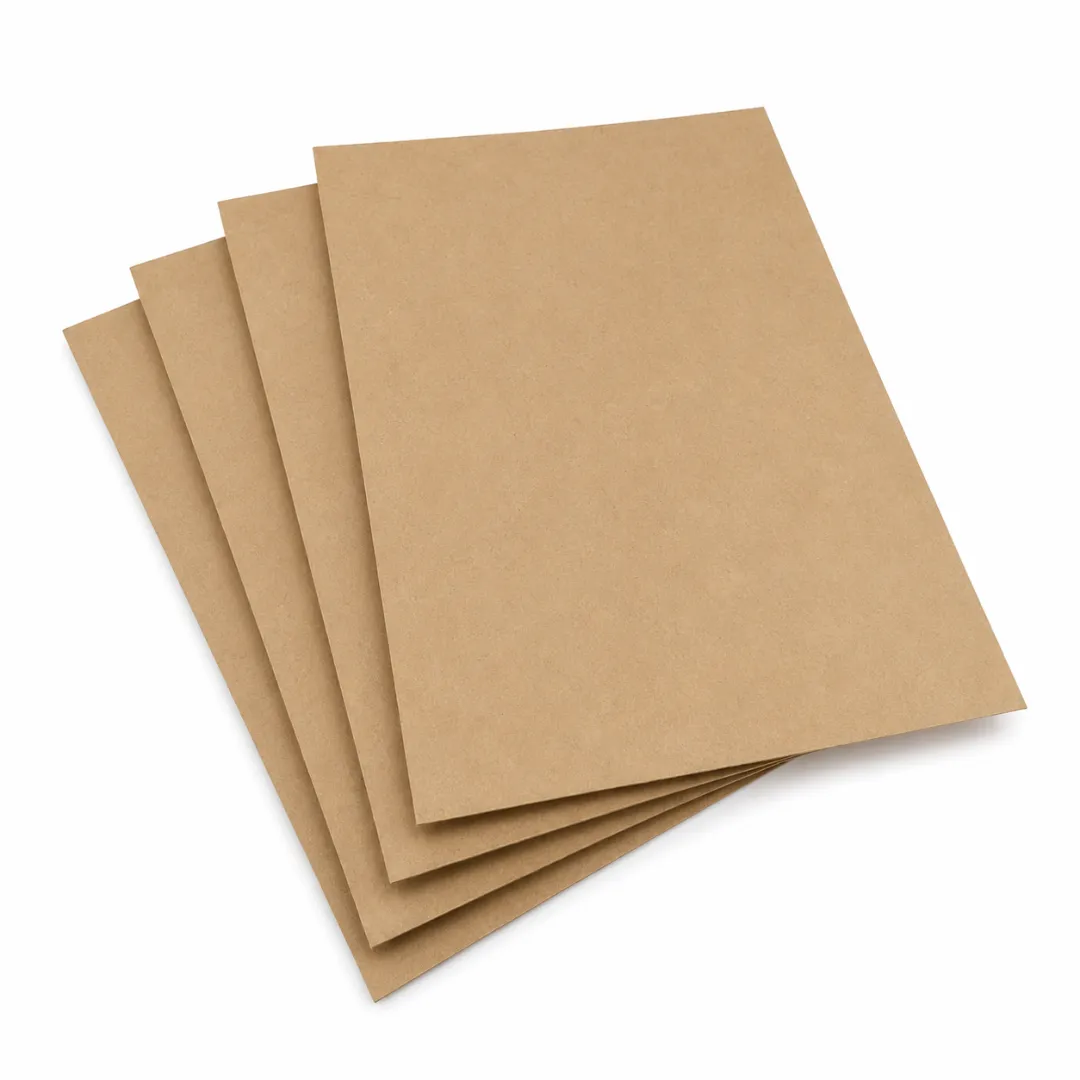
Kraft paper is a strong, durable and reliable material that is widely used across many different industries.
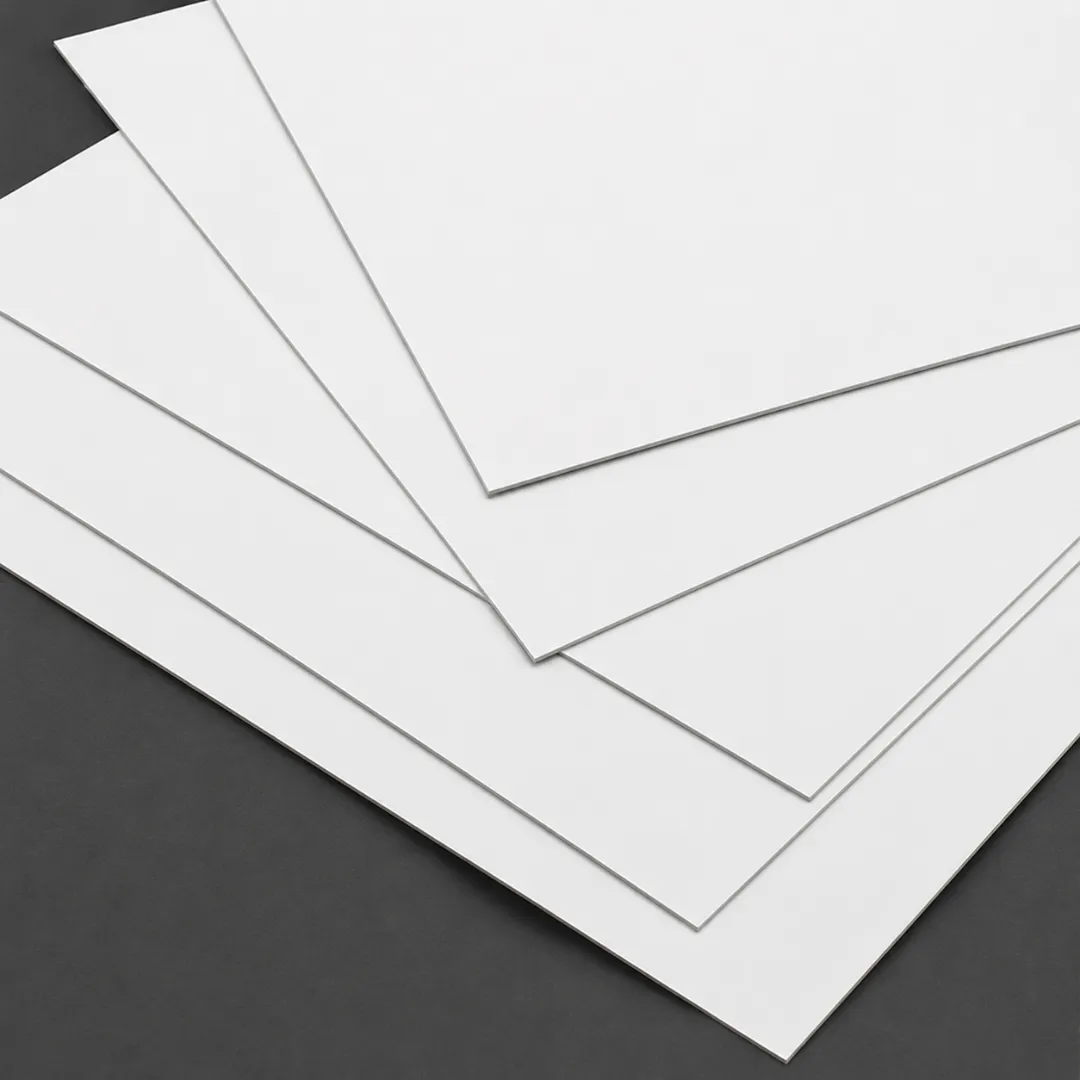
We use cardboard material with the least environmental impact and minimizes waste generation.
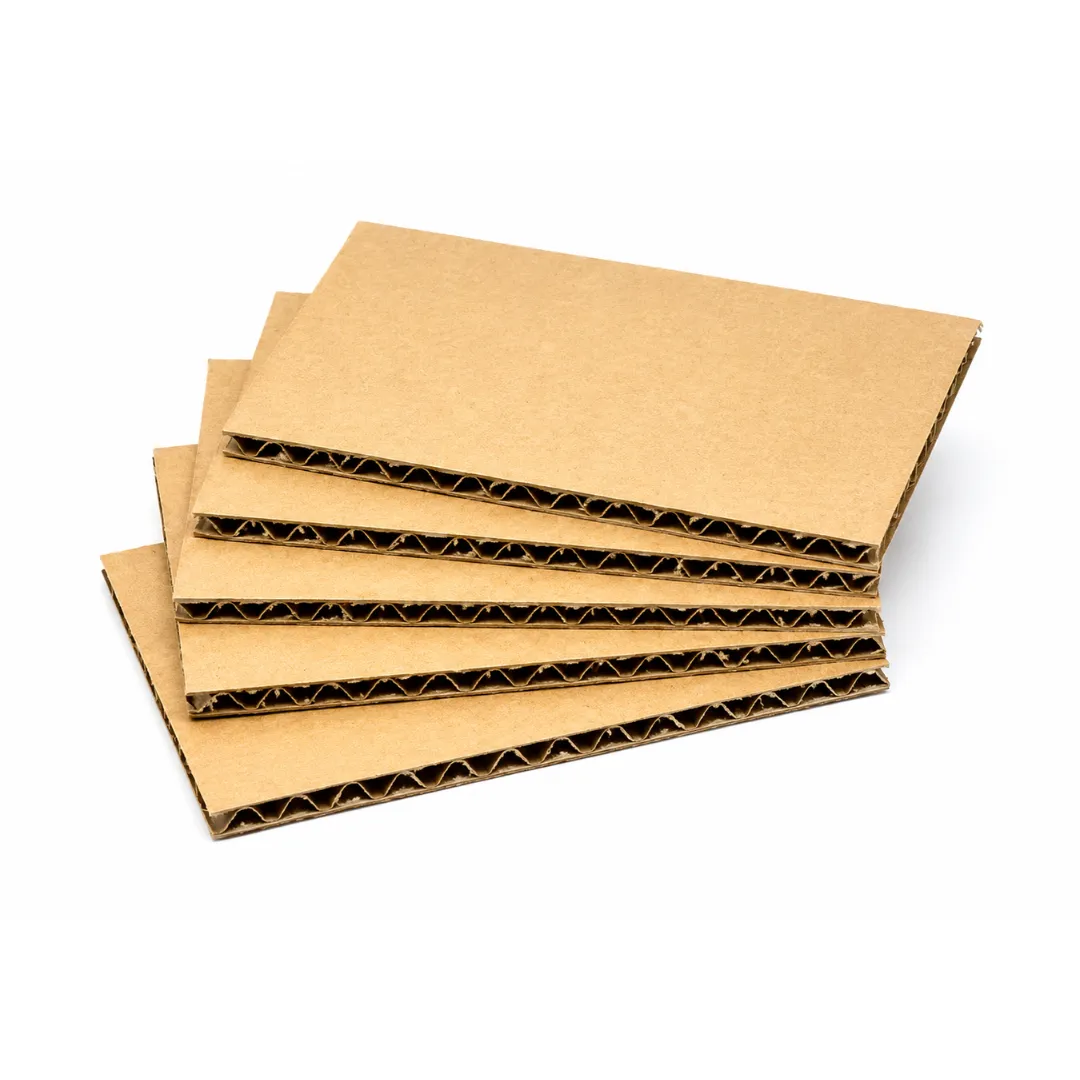
Corrugated material is easy to customize, cost effective and sustainable. It is also great for branding purposes.
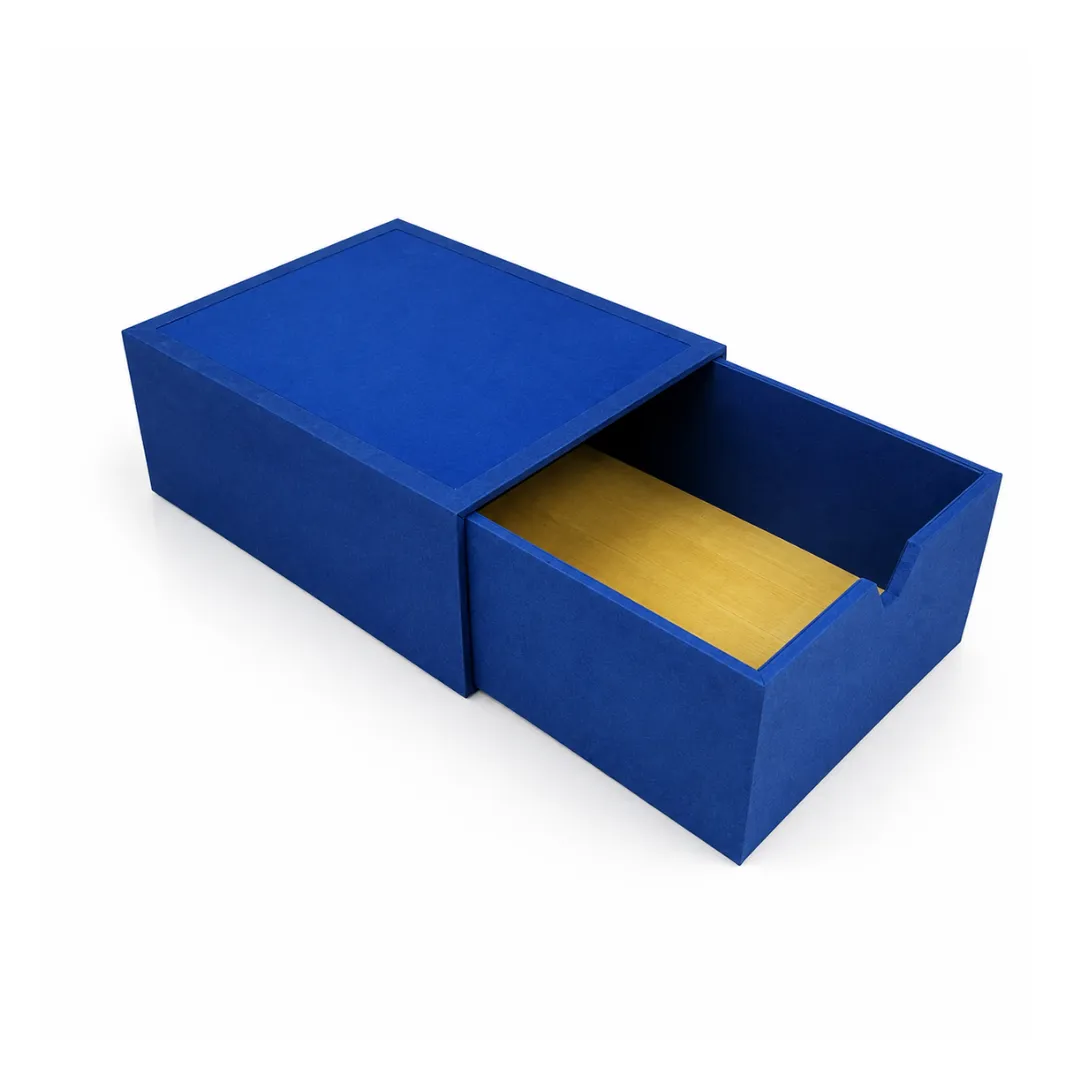
Rigid is highly protective, affordable and recyclable material. These boxes provide maximum protection.
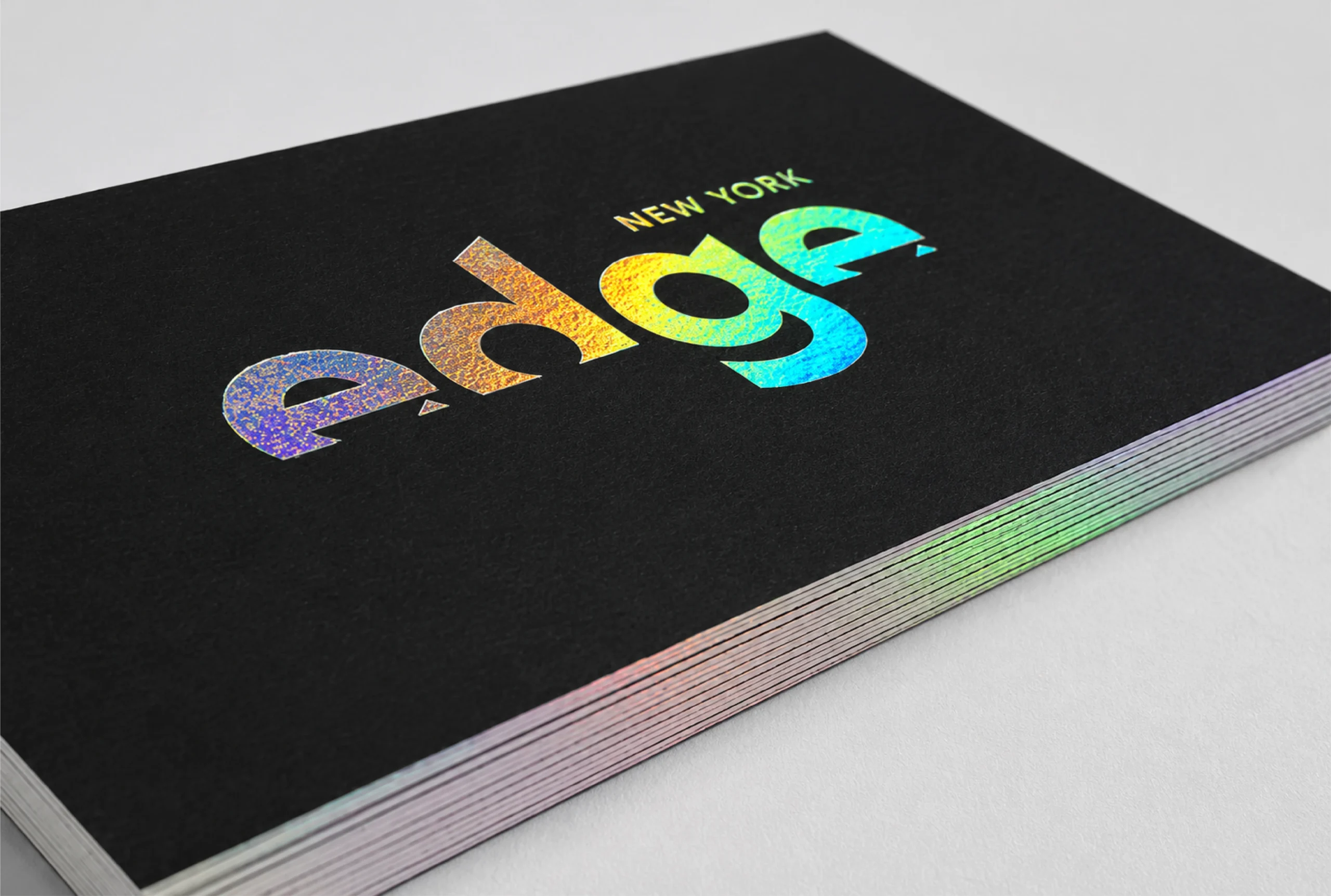
Holographic foil diffracts light and reveals the colors of the rainbow at various angles.
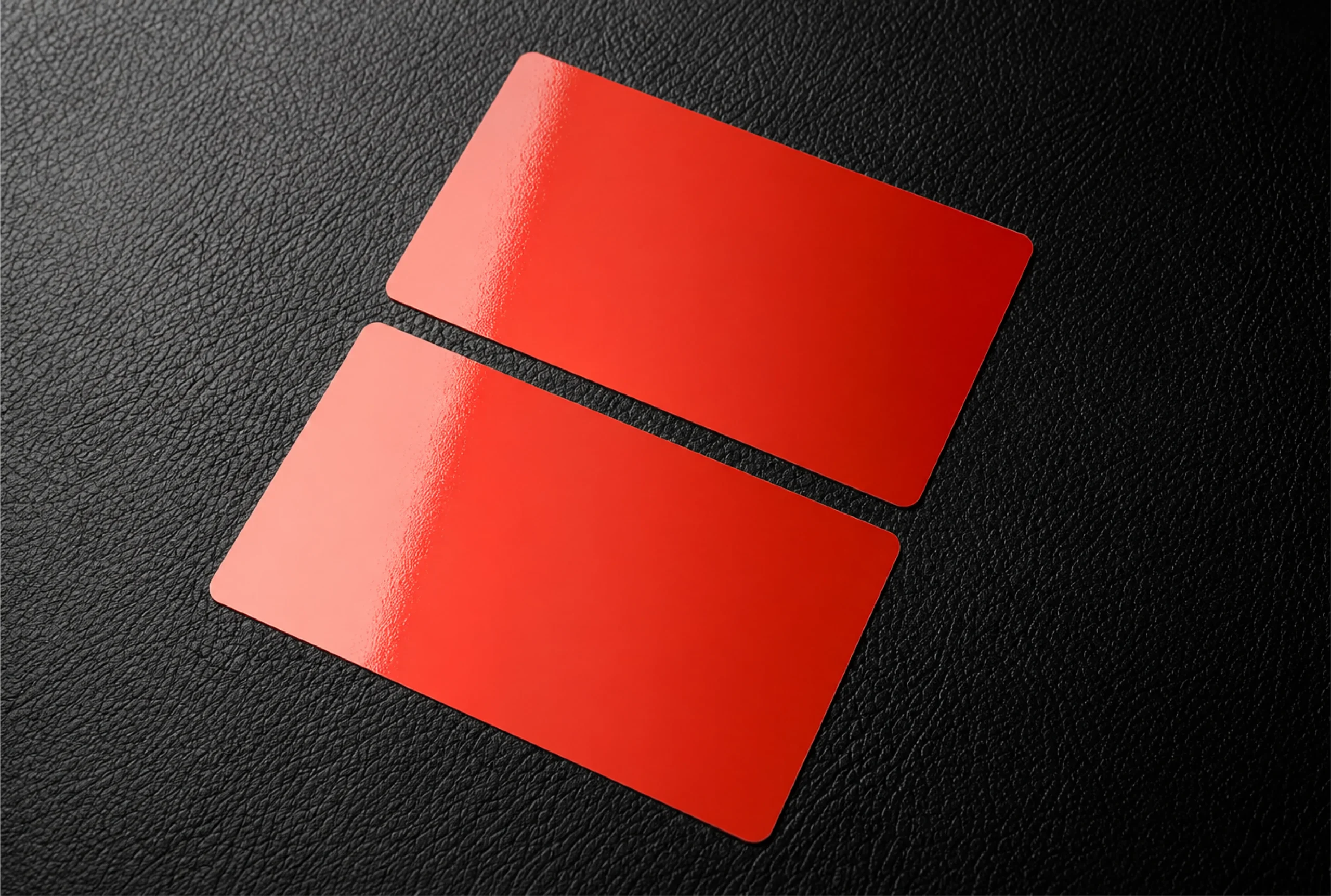
Our glossy finishing gives your packaging an extra layer of shine.
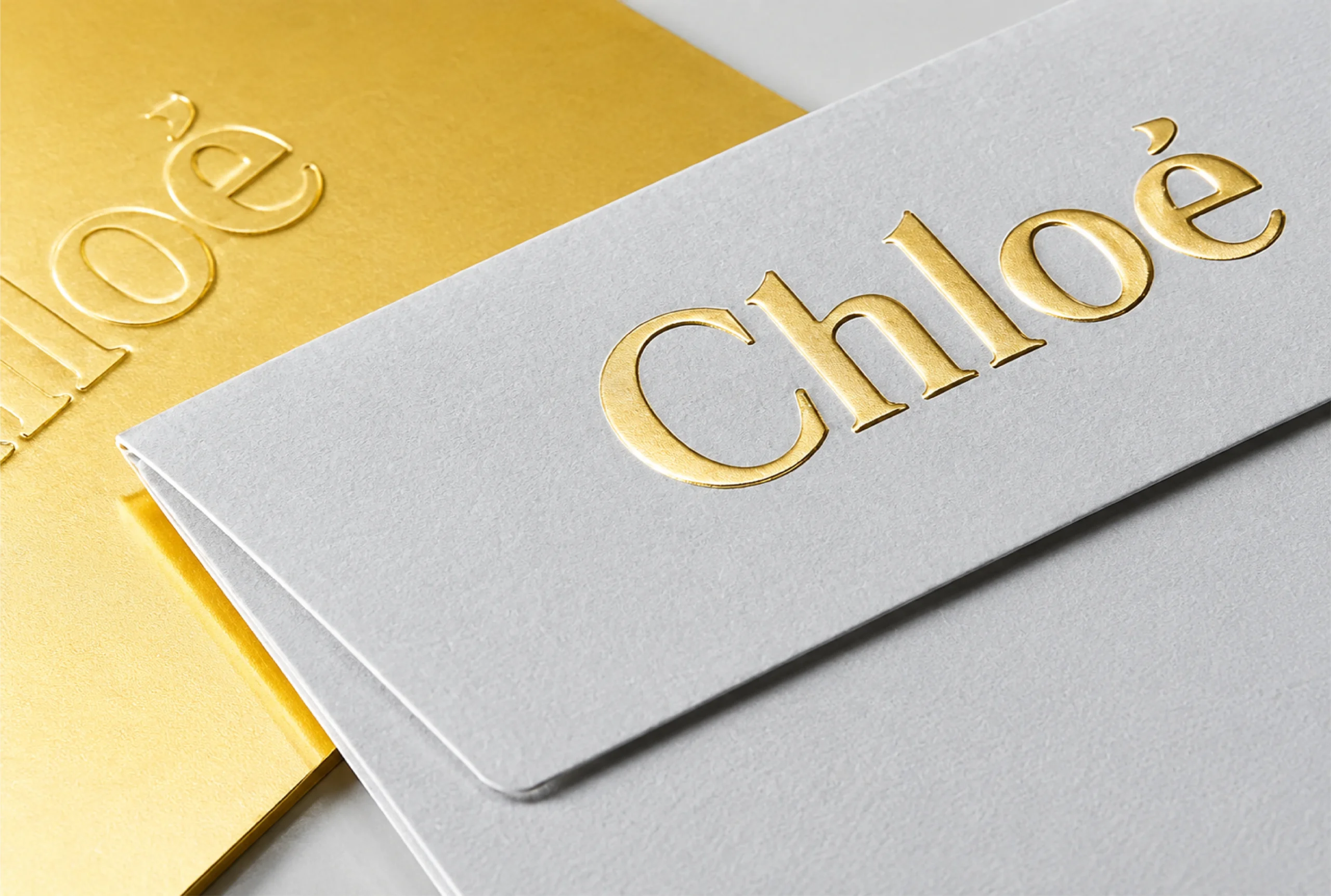
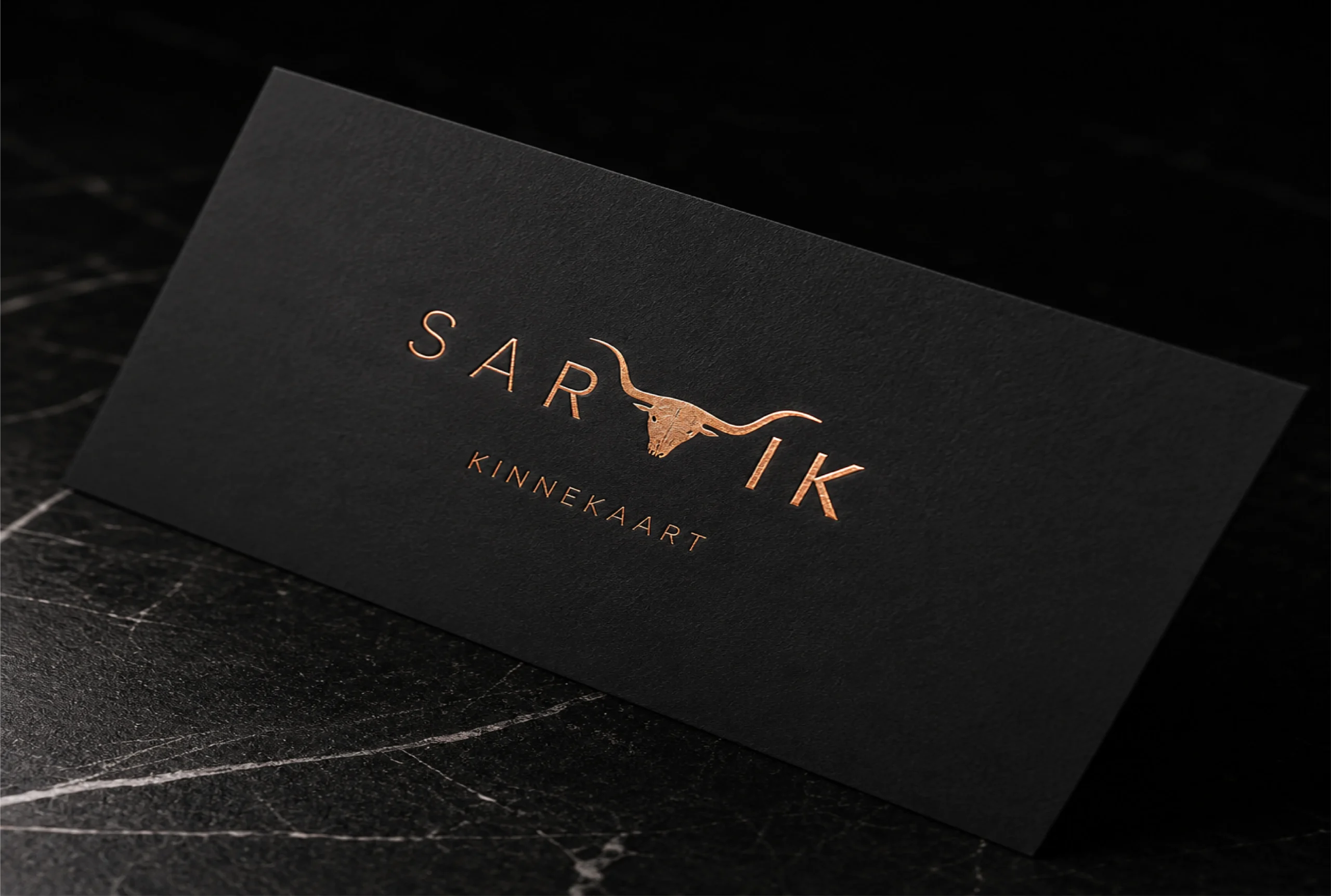
Decorate a wide range of your product packaging with our foil stamping.

With our embossing technique, we transfer the finest details of your product on packaging.
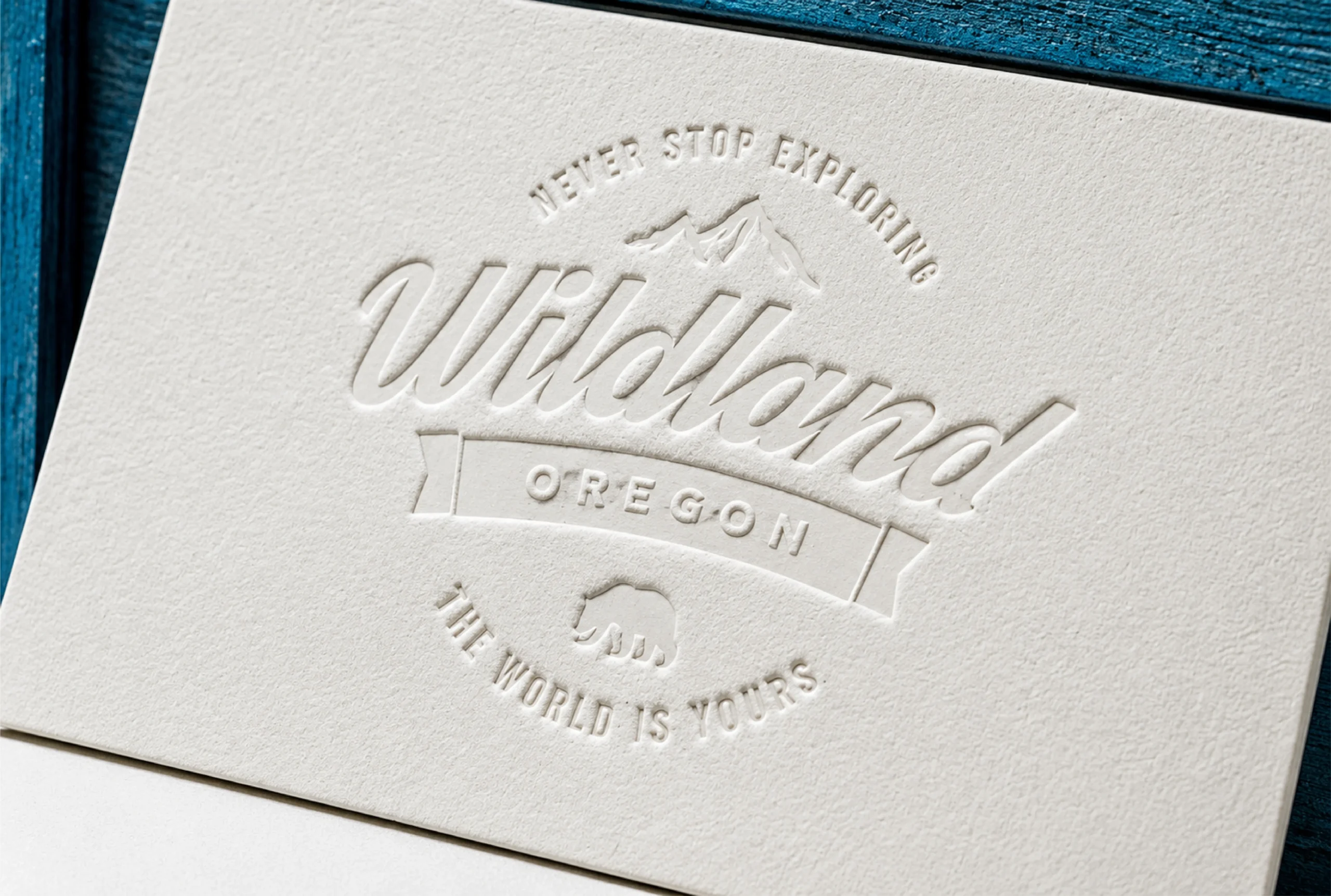
We use debossing technique to add unique graphics into your packaging.
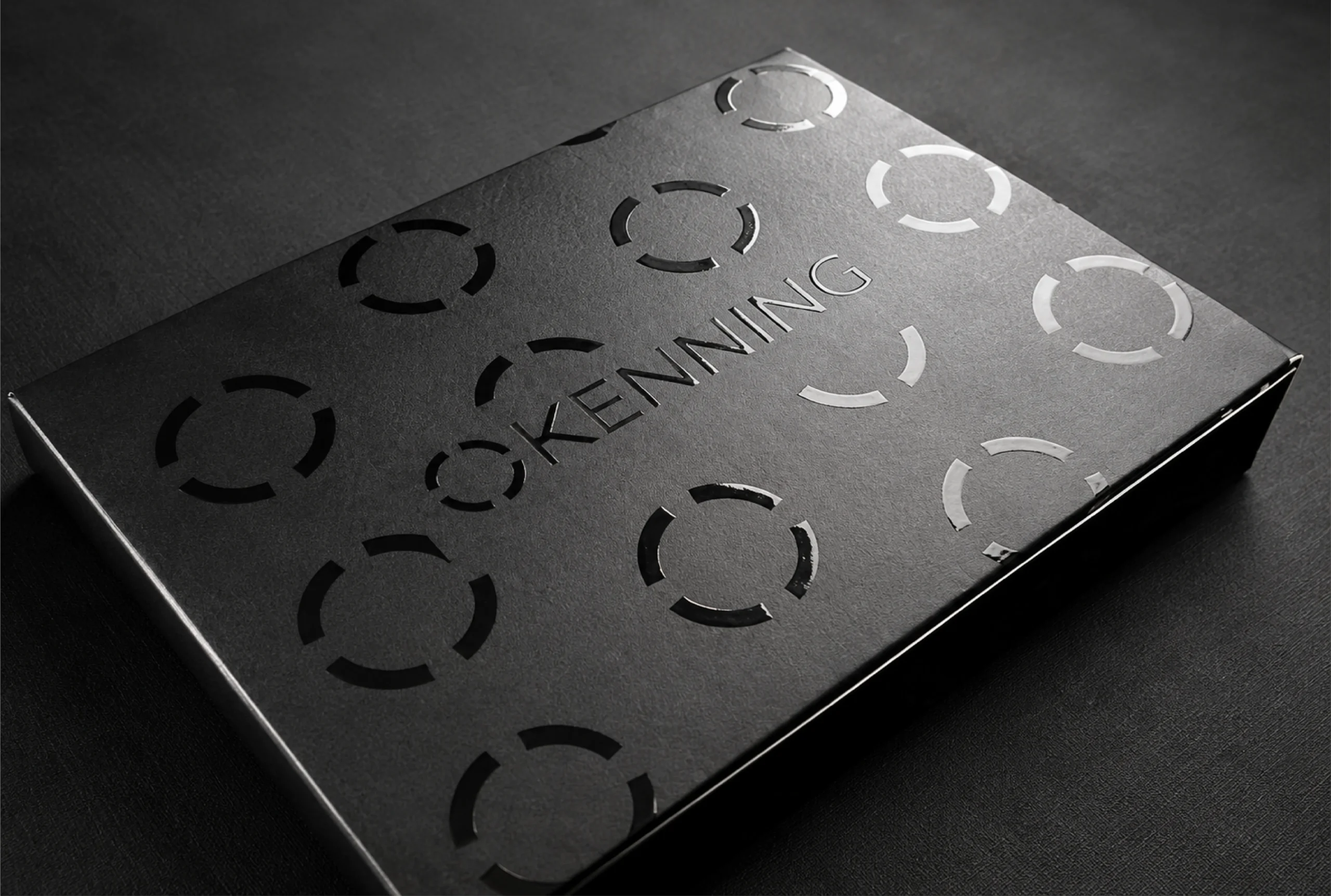
Our high-gloss UV coating gives light and shine to cure the printed material's varnish.
We add additional layer of protection with soft touch lamination from toner chipping.
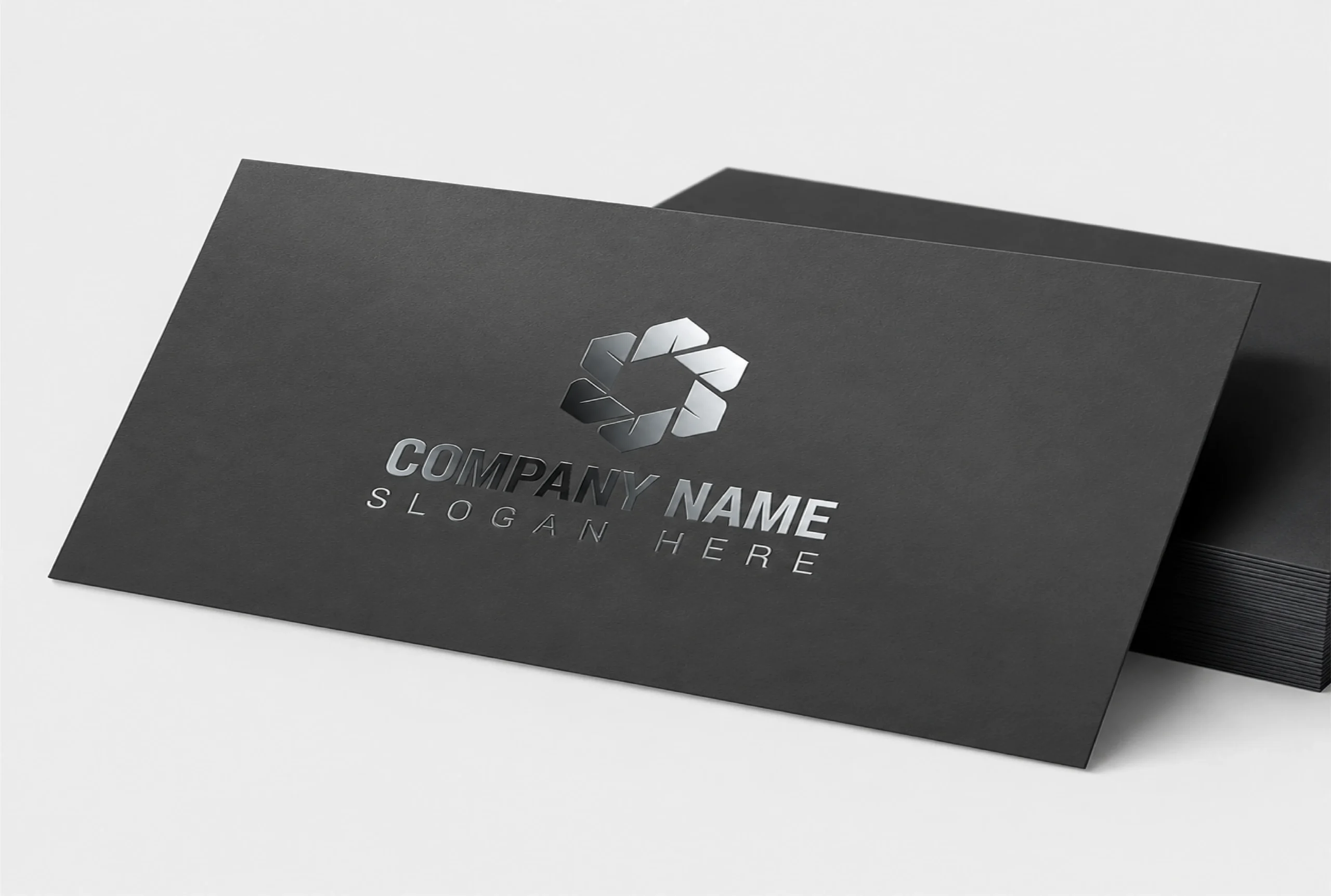
With our matte finish, fingerprints and smudges will now be less visible on the packaging.
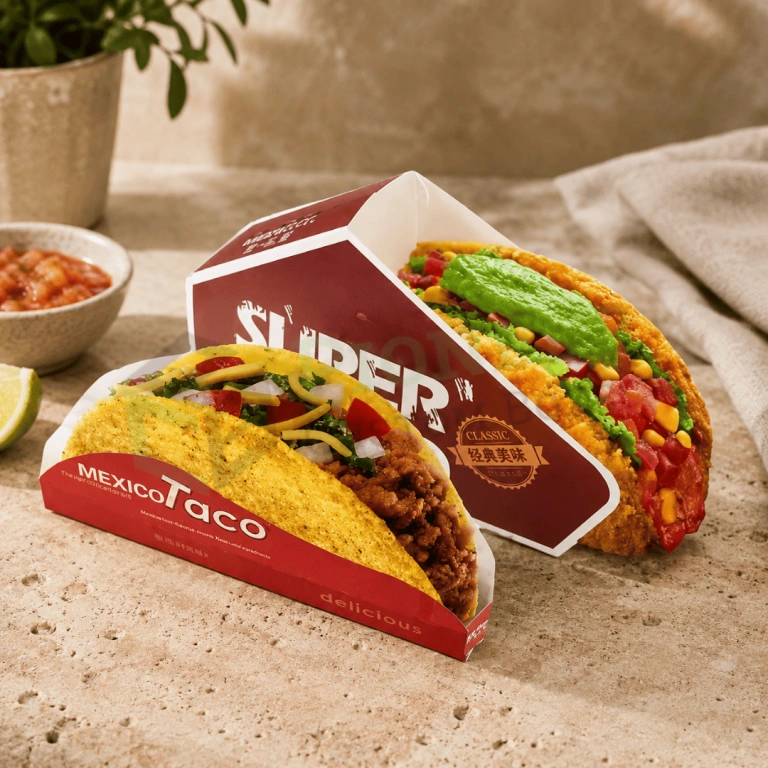
Custom Taco Boxes from Pioneer Custom Boxes help restaurants, food trucks, taco shops, caterers, meal-kit brands, and retail food companies package tacos with better structure, grease control, freshness, and branding. Choose custom sizes, W-shaped dividers, vented designs, handle boxes, food-safe material direction, logo printing, no MOQ, free design support, and free shipping across the USA.
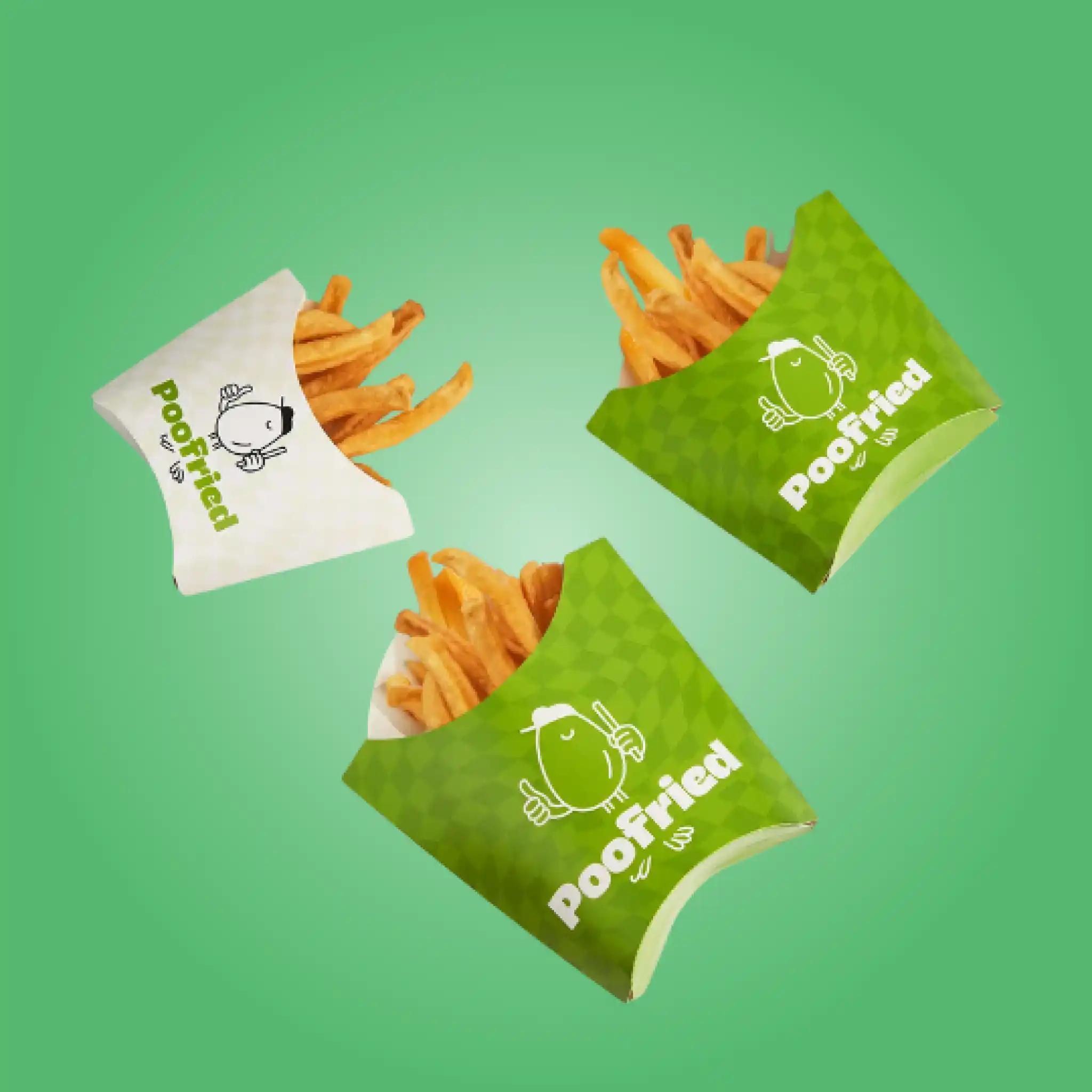
Custom French fries boxes designed for hot food service, grease control, and fast handling.
We produce food-safe fry packaging with secure folds, ventilation options, and high-quality printing for brands across the USA.
Get MOQs in the USA, accurate cost estimation in the USA, reliable lead time in the USA, and free shipping across the USA.
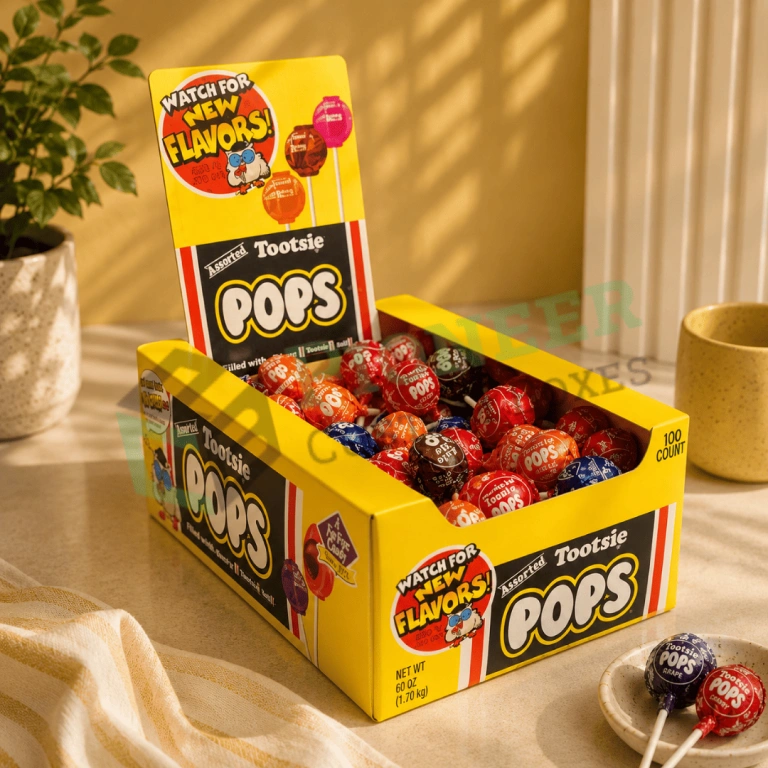
Custom lollipop boxes protect candy heads, sticks, and wrappers while making lollipops look bright, clean, and ready for retail. They work well for single lollipops, party favors, counter displays, gift packs, custom lollipop wrappers, and wholesale candy packaging.
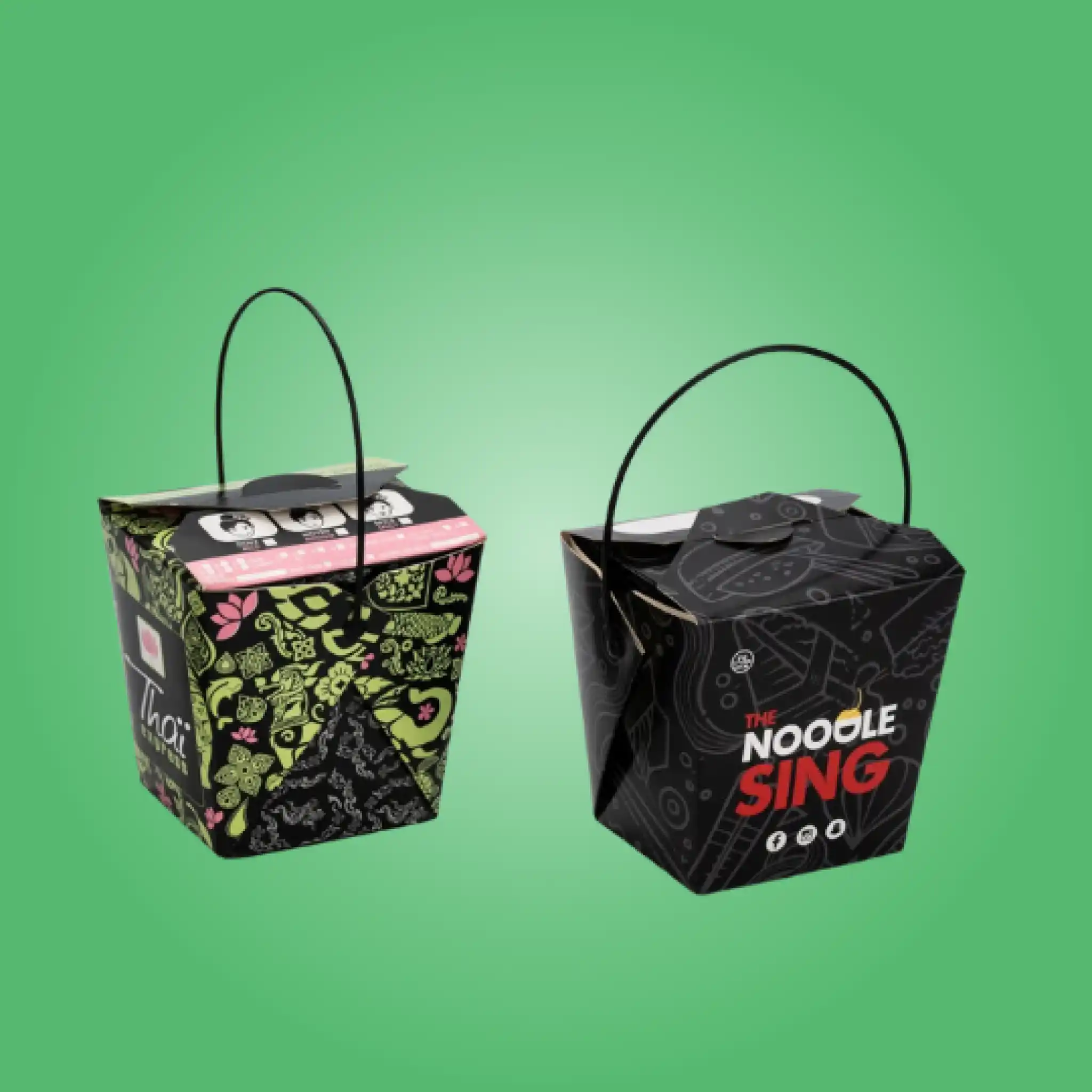
Custom takeout boxes engineered for food safety, heat retention, and spill resistance.
We produce secure, easy-to-assemble takeout packaging with food-grade materials, custom printing, and reinforced structures.
Get MOQs in the USA, accurate cost estimation in the USA, dependable lead time in the USA, and free shipping across the USA.