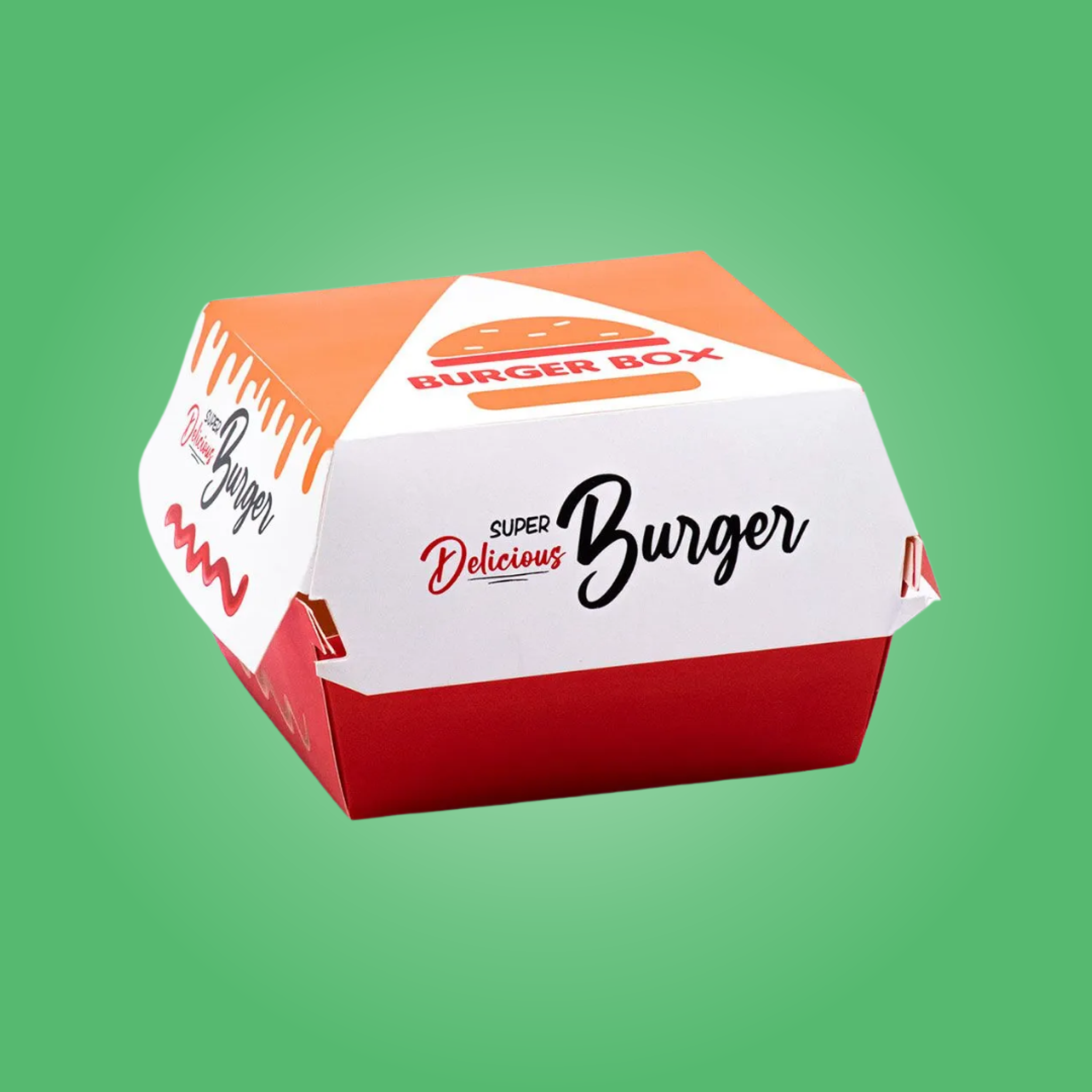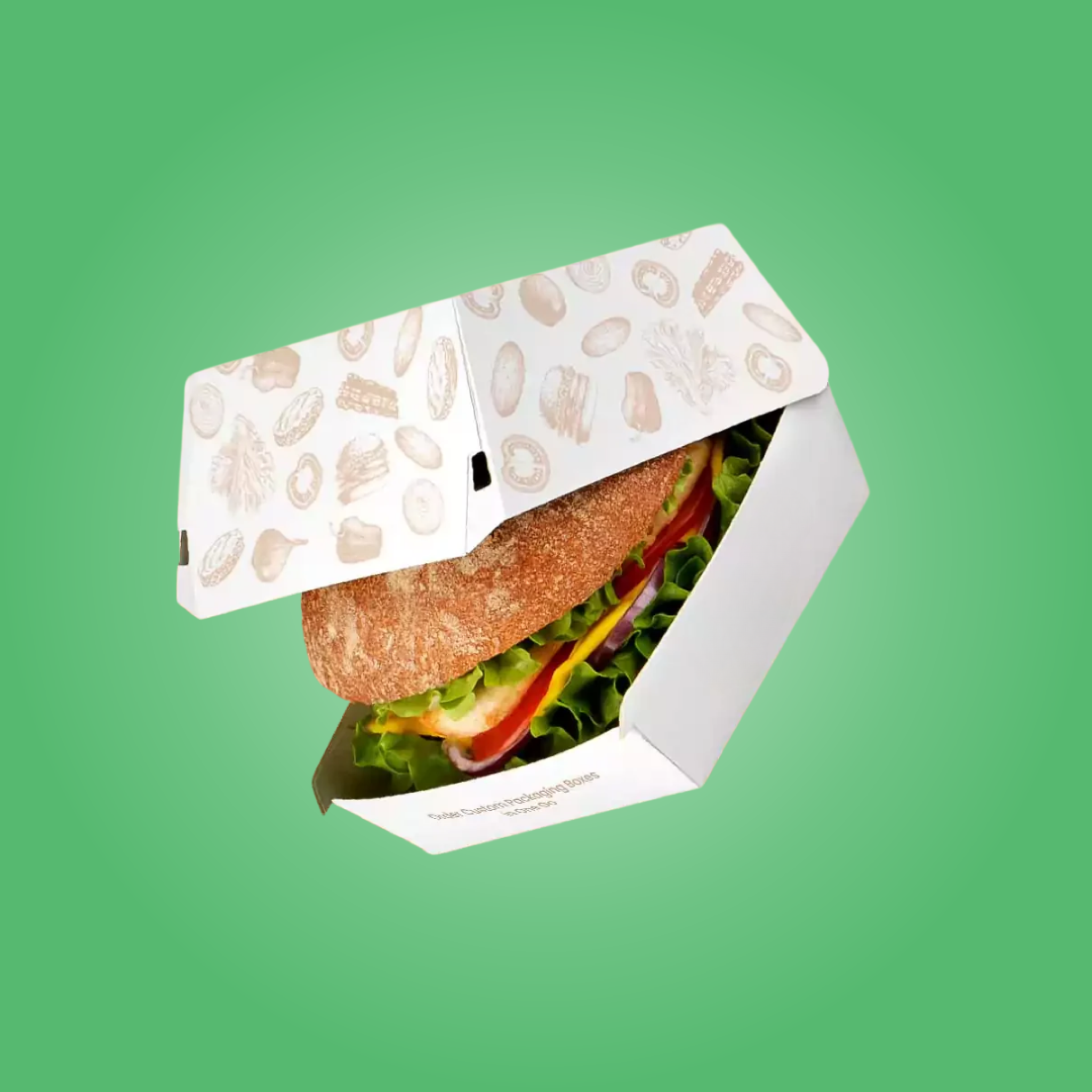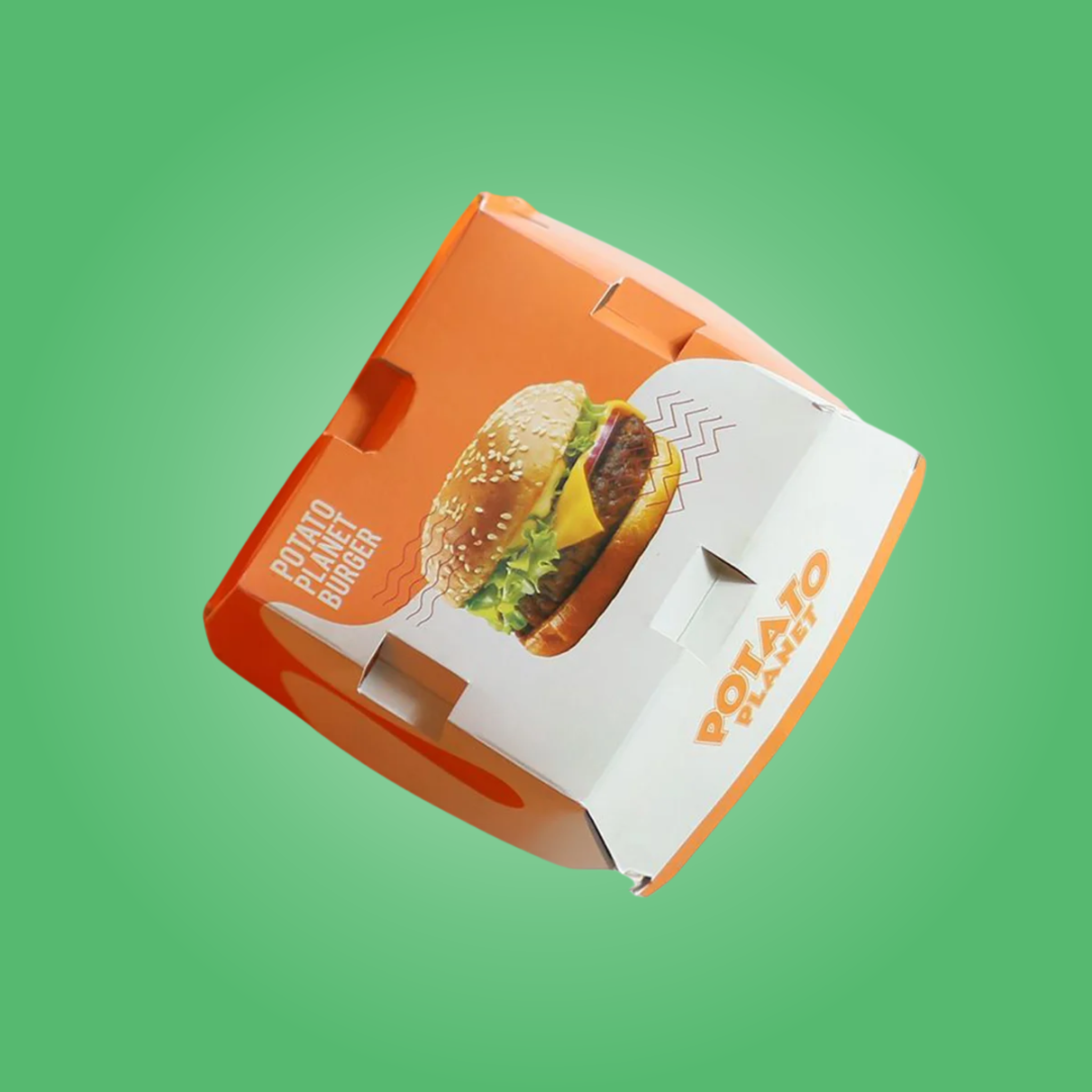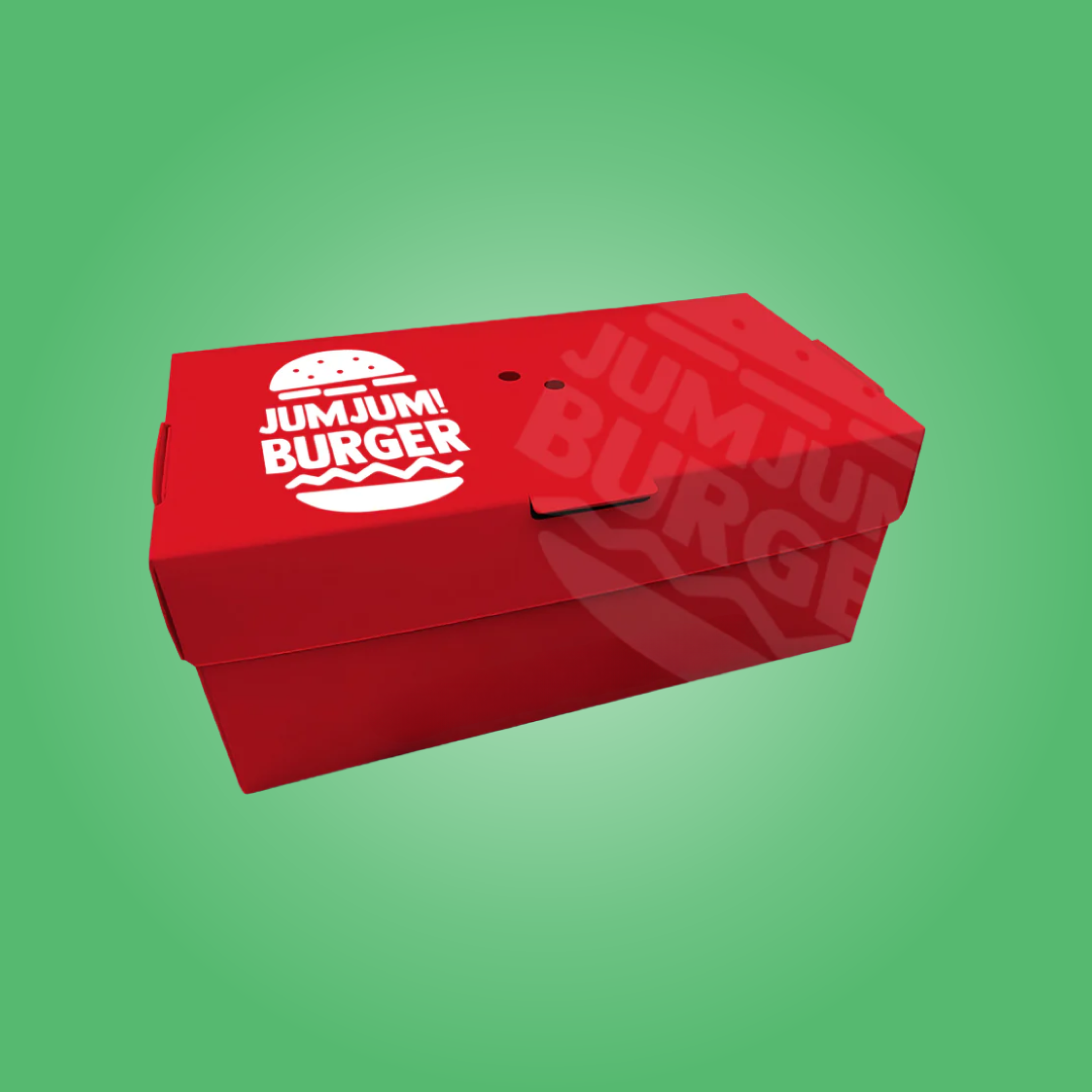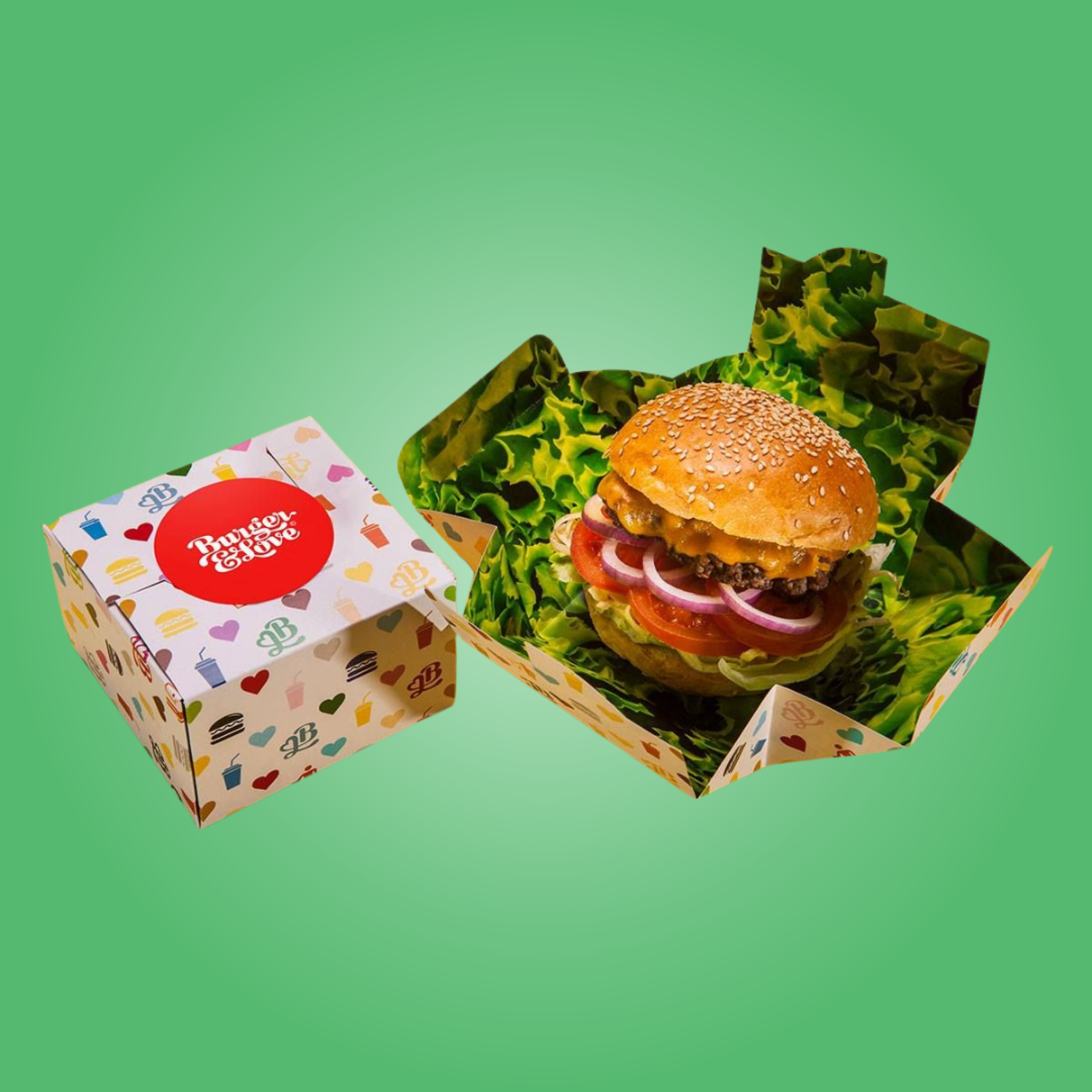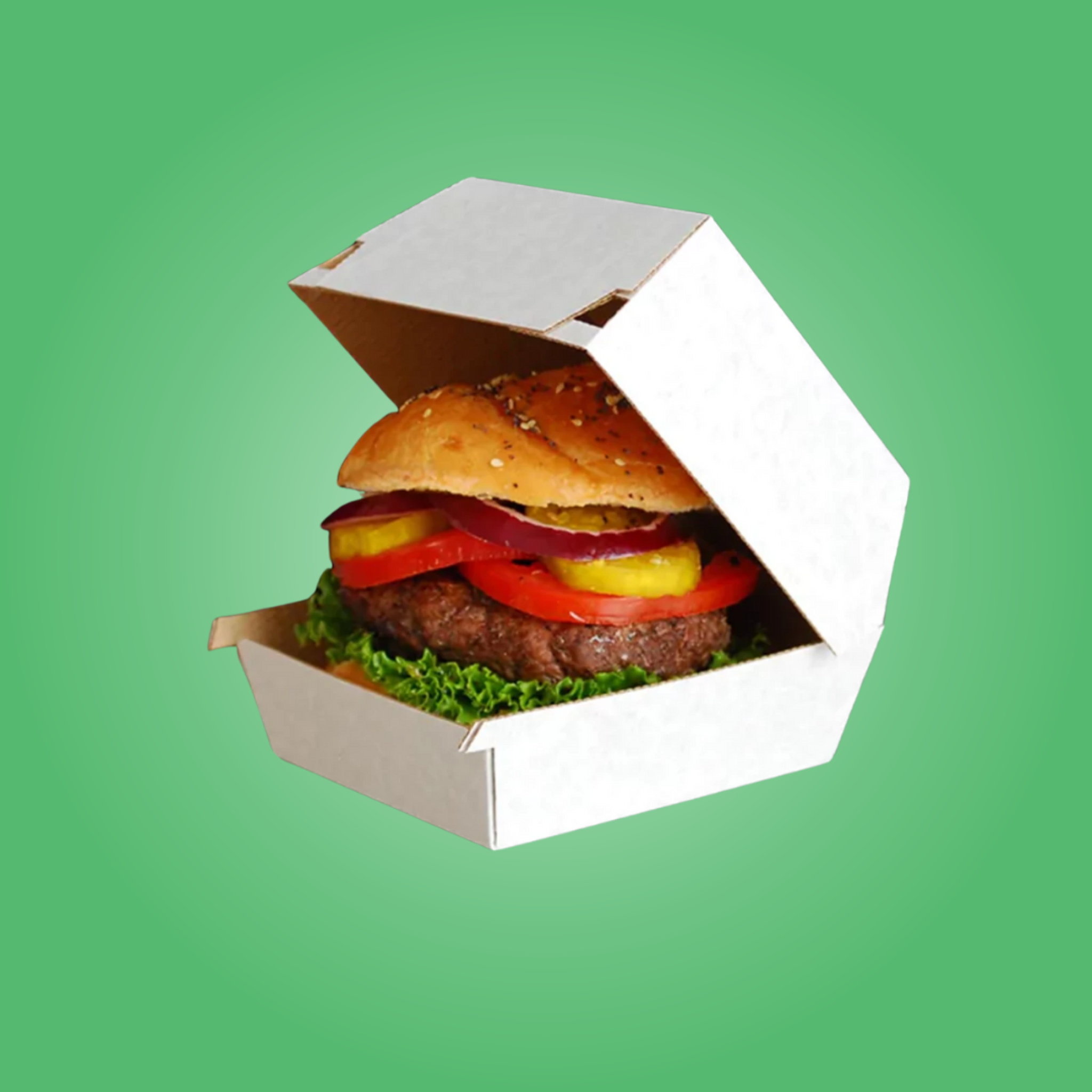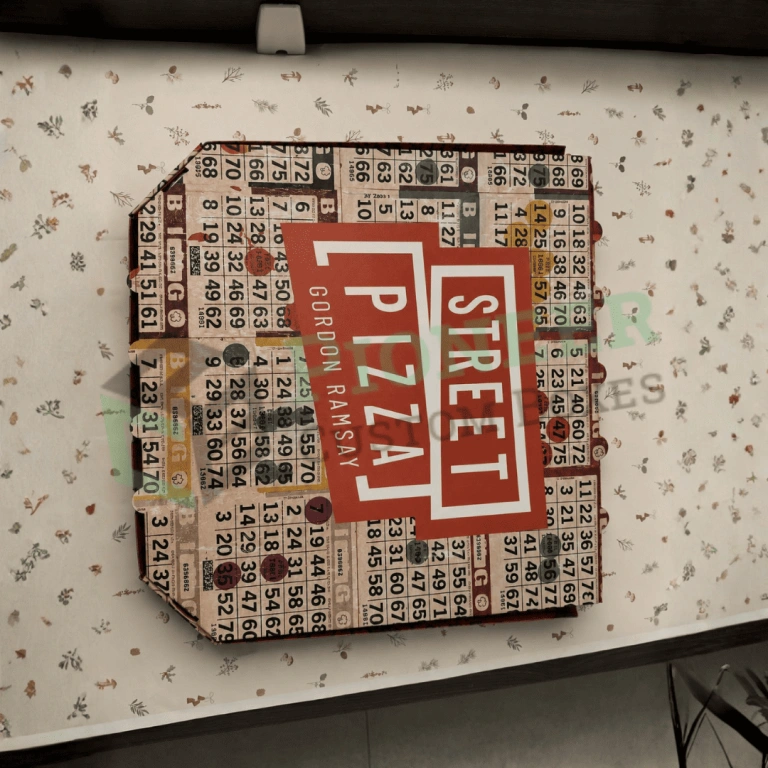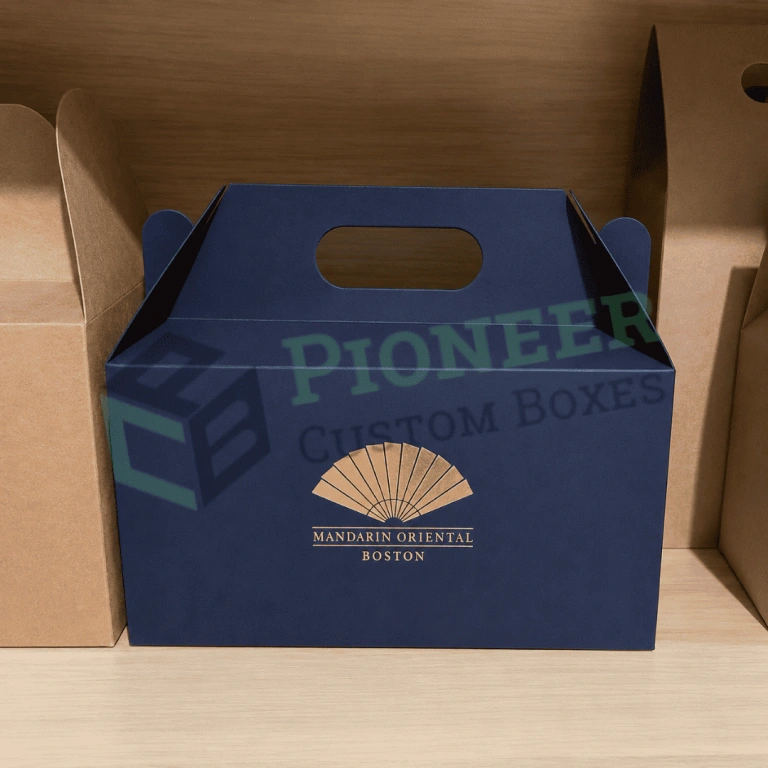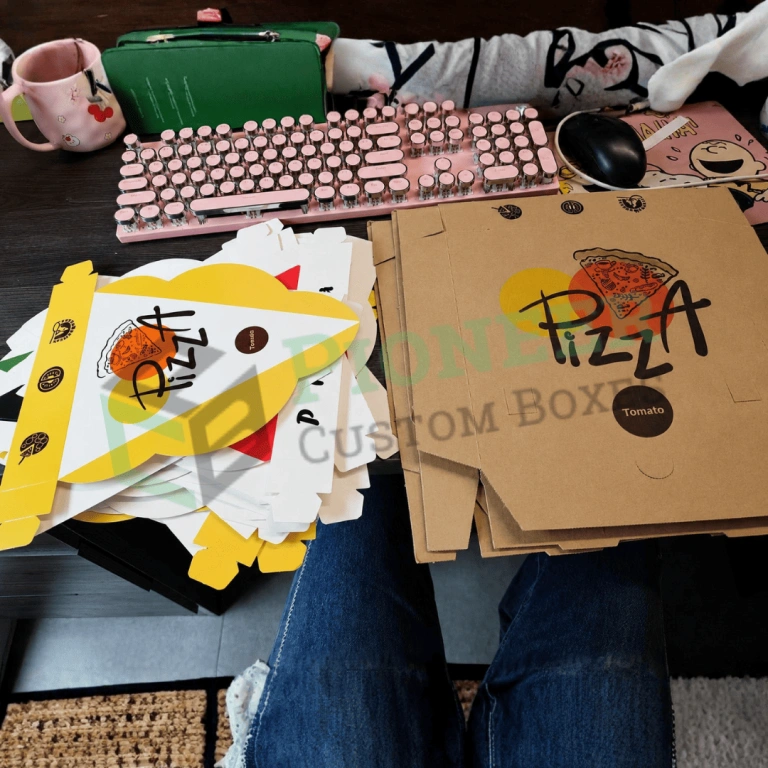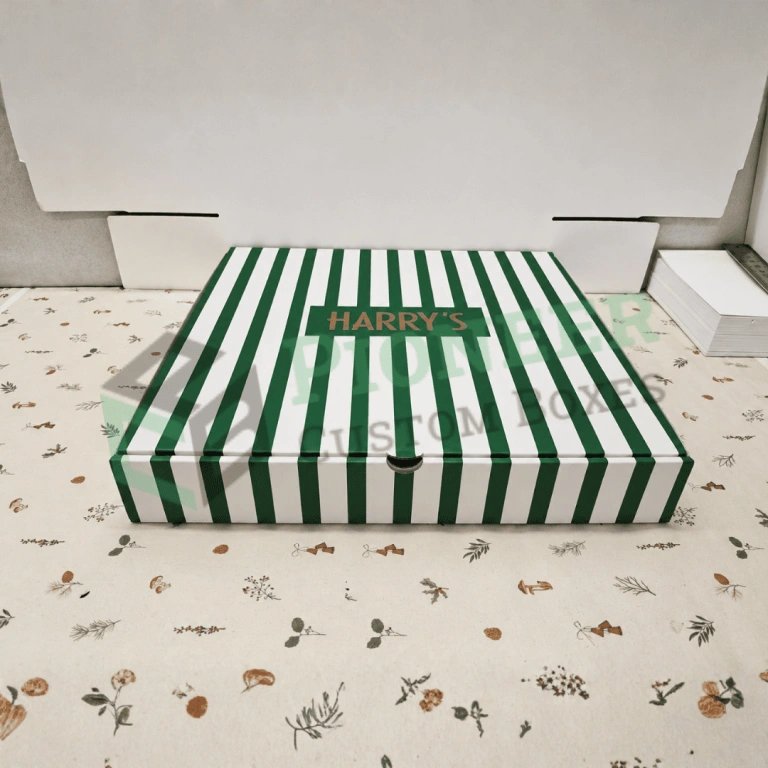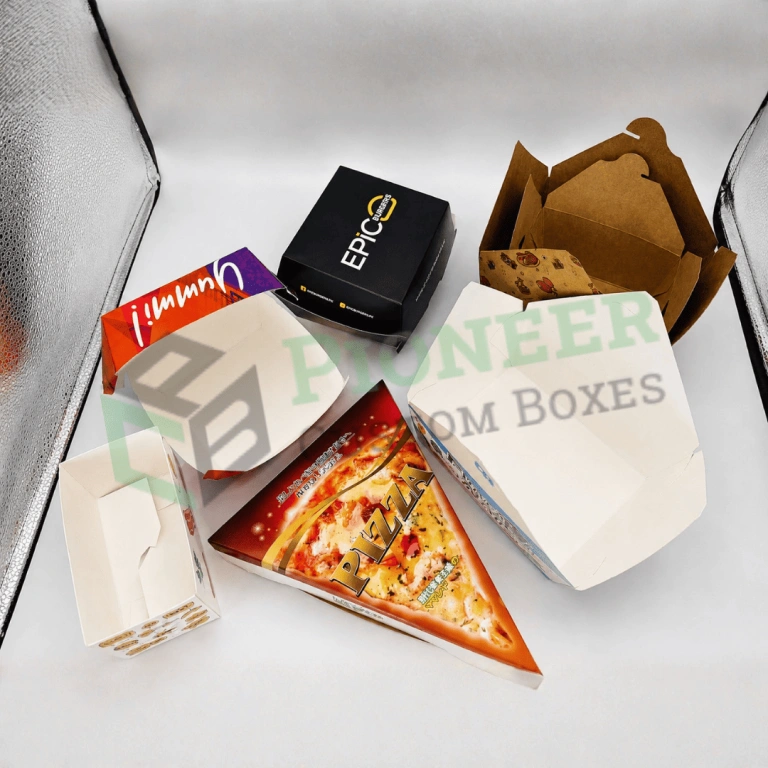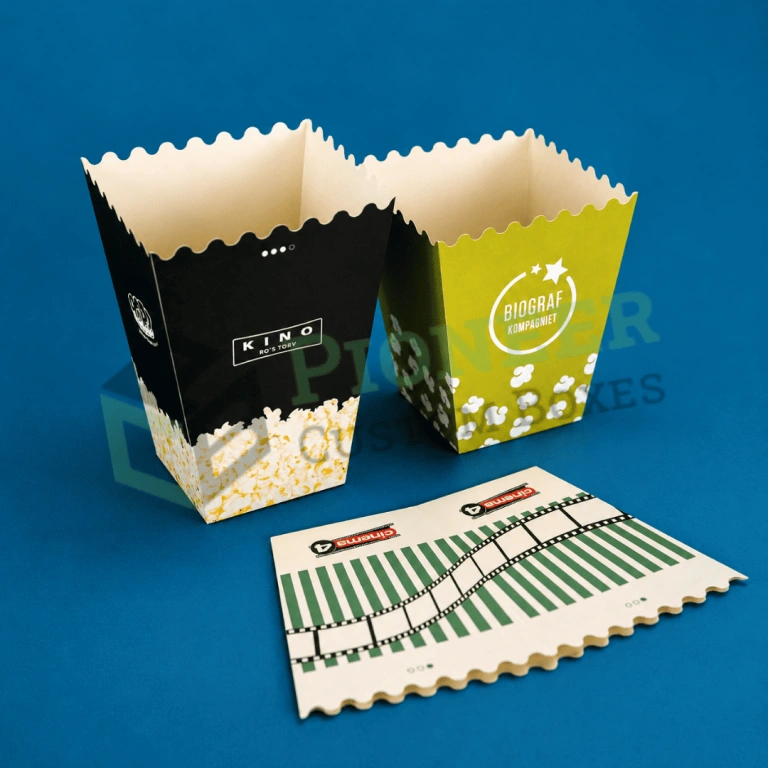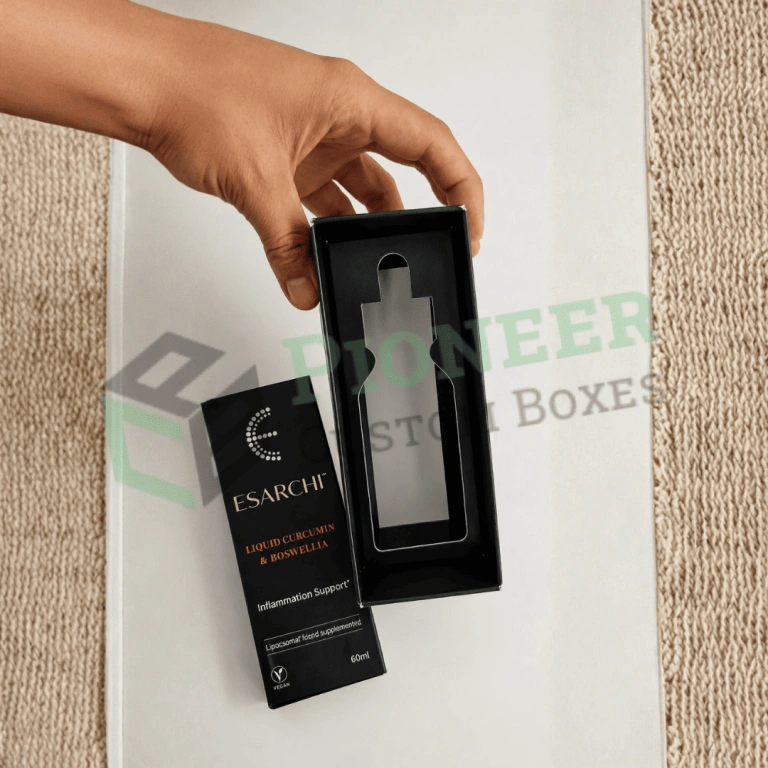
Custom burger boxes from Pioneer Custom Boxes keep the bun crisp and the build intact through counter service, delivery and catering. Choose clamshells, tuck-top cartons, tall double-stack boxes, combo meal boxes or corrugated catering cases in grease-resistant SBS, kraft, recycled board or molded fiber, with side venting, ribbed bases, PFAS-free barriers, free design support, zero MOQ and free USA shipping.
Custom burger boxes are printed cartons engineered around heat, steam and grease rather than around graphics alone. Pioneer Custom Boxes manufactures them across the United States with zero minimum order quantity and free shipping.
A burger is the hardest sandwich to package well. It arrives hot, it releases steam from three directions and it carries grease that attacks ordinary board within minutes.
Steam is the first enemy and it works fast. A sealed box traps moisture against the bun, and a toasted brioche turns soft within four minutes. Customers describe that as a soggy burger and they blame the kitchen rather than the packaging.
Grease is the second. Beef fat, melted cheese and sauce all migrate into uncoated fiber, and a translucent patch on a printed panel reads as cheap even when the food is excellent.
Structure is the third and it decides whether the build survives. A tall double stack compresses under its own lid, and a box with too little headroom flattens a burger that took the kitchen real skill to assemble.
We manufacture custom printed burger boxes for independent restaurants, burger chains, ghost kitchens, food trucks, sports venues, catering operations and food service distributors. Moreover we cut our own dies and run our own presses, so we build the carton around your actual build height.
Order wholesale burger packaging in any quantity you need. There is no minimum order, design support costs nothing, and shipping across the United States stays free on every order. Searching for burger boxes near me usually returns brokers, and we are the factory those brokers buy from.
Structure follows the build height, the service speed and whether the order travels. All three vary widely.
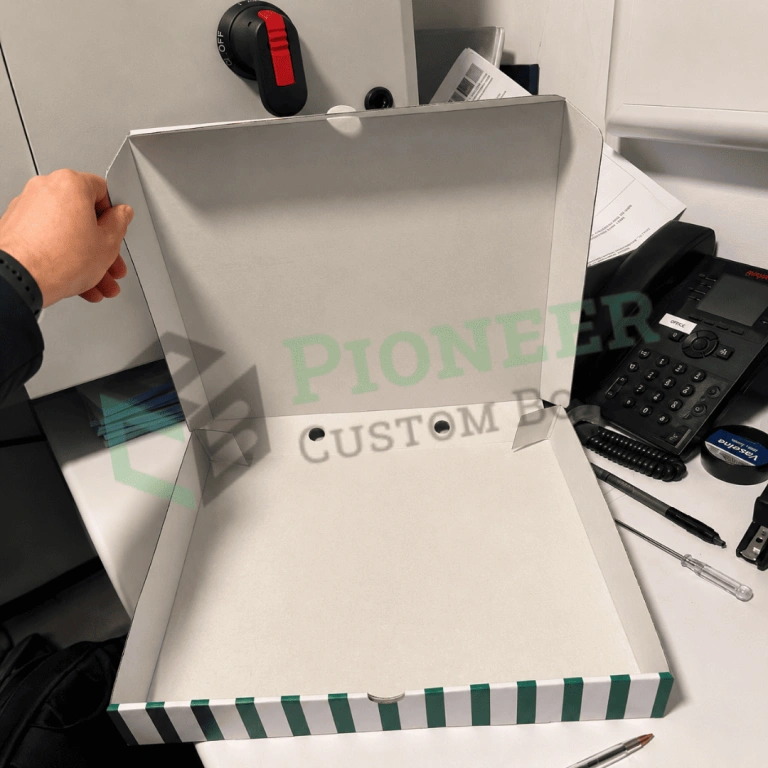
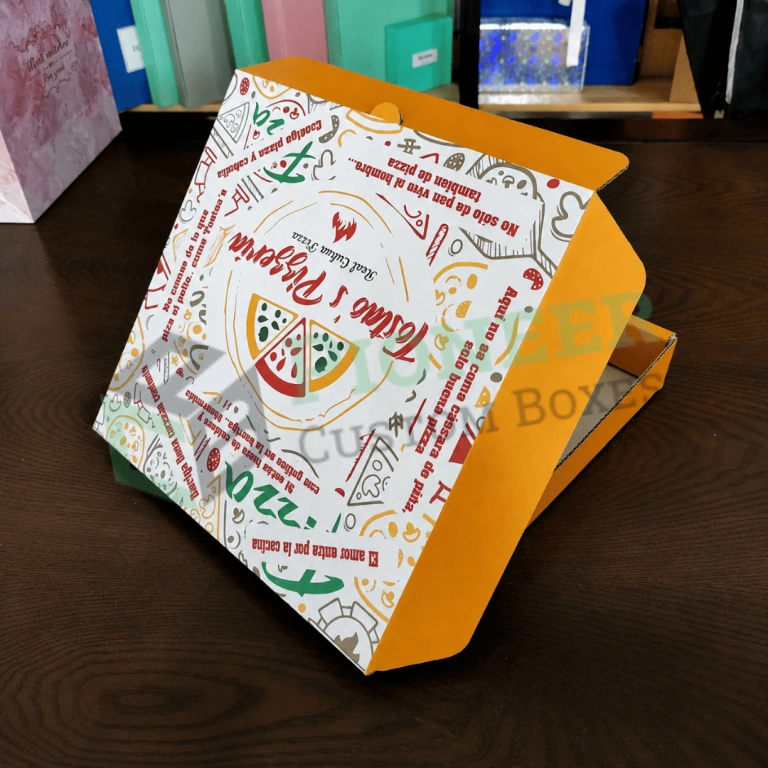
The standard single-piece box with a hinged lid, folded from one blank. Staff assemble it in seconds during a rush, and it holds a standard build securely. This is the default for most quick service operations.
A separate lid tucking into a printed base. It prints more cleanly than a clamshell across the full lid face, and it suits premium and smash burger brands presenting a considered product.
A deeper clamshell built for double and triple patty builds. Headroom is the whole point, because a lid resting on the top bun compresses the build before the customer opens it.
A shallow box holding two to four sliders in a fitted arrangement. Portion separation matters more than height, since sliders slide and arrive stacked against each other otherwise.
A larger carton holding a burger, fries and a side in separate compartments. Venue and catering programs use it heavily, and the divider stops fries steaming the bun.
A vented box built for delivery rather than counter service. Longer transit means more steam, so venting and a raised base do most of the work here.
A printed carry box with a handle, holding a small burger and a side. It doubles as a branded item a child takes home, which is why the print quality matters more than the structure.
A fluted case holding a dozen or more boxed burgers for events and office catering. It has to carry real weight without flexing while staff move it by hand.
| Box Type | Build Suited | Service Style | Why Choose It |
|---|---|---|---|
| Clamshell | Standard single patty | Quick service counter | Fastest to assemble in a rush |
| Tuck-top carton | Premium single or double | Casual and premium dining | Cleaner print across the lid |
| Tall double stack | Double and triple patty | Any | Headroom stops lid compression |
| Slider box | Two to four sliders | Shareable and bar service | Portion separation and stability |
| Combo meal box | Burger plus sides | Venues and catering | Divider stops fries steaming the bun |
| Delivery box | Any build | Third party delivery | Venting handles longer transit |
| Kids meal box | Small burger plus side | Family dining | Doubles as a branded takeaway item |
| Corrugated catering case | Twelve or more boxes | Events and office catering | Carries weight without flexing |
Send us your actual burger, or a photograph beside a ruler. Menu descriptions understate build height constantly, and height is the dimension that decides the die.
Every die is cut to your build. These formats cover the burger packaging we produce most often, and they answer the sizing questions we are asked most.
| Build | Typical Box Size (inches) | Board | Venting |
|---|---|---|---|
| Slider, single | 3.5 x 3.5 x 2.5 | 16pt to 18pt | Minimal |
| Four slider box | 7.5 x 7.5 x 2.5 | 18pt with dividers | Side vents |
| Standard single patty | 4.75 x 4.75 x 3.25 | 18pt grease resistant | Side vents |
| Quarter pound single | 5 x 5 x 3.5 | 18pt grease resistant | Side vents |
| Double patty | 5 x 5 x 4.25 | 20pt grease resistant | Side and lid vents |
| Triple stack | 5.25 x 5.25 x 5 | 20pt or E-flute | Side and lid vents |
| Smash burger, wide | 6 x 6 x 3 | 18pt grease resistant | Side vents |
| Burger and fries combo | 9 x 6 x 3.5 | 20pt with divider | Compartment vents |
| Kids meal carry box | 7 x 5 x 4 | 18pt with handle | Side vents |
| Delivery single, vented | 5 x 5 x 3.75 | 20pt grease resistant | Full venting |
| Catering case, twelve boxes | 16 x 12 x 10 | 32 ECT E-flute | Case vents |
Measure the finished burger rather than the recipe. A build gains height from a thick tomato slice or a generous sauce layer, and a die cut to the recipe will crush the result.
This is the technical heart of the category, and it explains almost every complaint a burger brand receives about its packaging.
Start with steam, because it ruins the product fastest. A hot patty and a toasted bun both release moisture, and a sealed box condenses it straight back onto the crust.
Venting solves that, and vent placement matters more than vent count. Vents on the upper side walls release rising steam without letting the burger cool from below, which is the balance to aim for.
Too much venting causes the opposite problem. A heavily perforated box drops the burger below serving temperature within ten minutes, and cold is a worse complaint than soft.
Grease is the second problem and it is a materials question. Uncoated board wicks fat into the fiber, and the translucent patch appears within minutes of service.
Grease-resistant board solves it without lining the box in plastic. Modern treatments achieve the barrier within the fiber itself, and we specify those rather than a poly coating that blocks recycling.
Collapse is the third problem and it is purely dimensional. A lid that rests on the top bun compresses the build during carry, and the customer opens a burger that looks nothing like the menu photograph.
Headroom of a quarter to a half inch above the build solves it. That clearance costs almost nothing in board and it protects the single thing the customer judges first.
A raised or ribbed base adds one more improvement. Lifting the bottom bun off the floor of the box keeps rendered fat away from it, which is where sogginess starts in a delivery order.
Board selection balances grease resistance, rigidity under heat and cost per unit. Volume is high in this category, so every fraction of a cent matters.
Solid bleached sulphate treated to resist fat migration. It is our default for printed burger boxes, because the bright surface prints well and the treatment holds through a full service window without a plastic liner.
CCKB prints on a coated white face and leaves a natural kraft interior. It costs less than full SBS and suits brands running a heavier print load on the outside only.
Natural brown board for craft, smash and better-burger positioning. It reads as unprocessed and costs less than bleached stock, though it needs a grease-resistant treatment to survive a beef patty.
CRB carries recycled fiber beneath a coated printing surface and sits below SBS on cost. High-volume chains use it constantly, and it supports a recycled content claim customers increasingly look for.
Fluted board for tall stacks, combo boxes and catering cases. The flute adds insulation as well as strength, which holds serving temperature noticeably longer on a delivery order.
Recycled fiber pressed into a formed clamshell. It handles heat and grease well, it composts where facilities exist, and it suits brands that want a visibly sustainable package.
Treatments that resist grease without per- and polyfluoroalkyl substances. The market has moved decisively here, and every grease-resistant board we supply for food contact uses a PFAS-free barrier.
Available across every grade above. Food service buyers increasingly ask for sourcing documentation, so we document what your board contains under recognized Forest Stewardship Council chain of custody rather than leaving you to assume it.
| Material | Caliper or Weight | Grease Resistance | Heat Retention | Best For |
|---|---|---|---|---|
| Grease-resistant SBS | 18pt to 20pt | Excellent | Moderate | Most printed burger boxes |
| Clay-coated kraft back | 18pt to 20pt | Good with treatment | Moderate | Cost-conscious printed runs |
| Kraft paperboard | 18pt to 20pt | Needs treatment | Moderate | Craft and smash positioning |
| Coated recycled board | 18pt to 20pt | Good with treatment | Moderate | High-volume chain programs |
| E-flute corrugated | 32 ECT typical | Good | High | Tall stacks, combos and catering |
| Molded fiber | Formed clamshell | Excellent | High | Visible sustainability positioning |
| PFAS-free barrier board | Any of the above | Excellent | As per base grade | All food contact work |
| FSC-certified stock | Any of the above | As per base grade | As per base grade | Documented sourcing |
One note on caliper. Burger boxes are handled hot and with one hand, so board that feels adequate cold can flex noticeably in service. We test with a hot filled sample rather than an empty one.
Burger packaging runs at high volume and gets seen for seconds, so print has to land the brand instantly and cost almost nothing per unit.
Flexo is the volume workhorse here. It prints bold solids, logos and line work economically at the quantities a chain consumes, and it runs directly on kraft and coated board alike.
Offset holds the finest detail and the steadiest color across a run. Brands using photography, gradients or fine illustrated artwork choose it, and the economics work past roughly a thousand boxes per design.
Digital prints without plates, which suits independents and limited runs. A single restaurant can order branded boxes in small quantities, and a chain can print a seasonal promotion without new plates.
An offset sheet laminated onto corrugated board. Combo boxes and catering cases use it when they need fluted strength with full retail print quality outside.
One economy worth knowing. A single-color flexo box on kraft with a strong logo often outperforms full-color artwork on the same shelf, and it costs a fraction as much per unit.
Finish here is about function first. A burger box is handled hot, with grease on the customer fingers, for about ten minutes.
Not a decorative finish but the most important one. The barrier sits within the fiber, resists fat migration and keeps the printed panel clean through a full service window.
A flat, low-glare coating that hides handling marks and grease fingerprints. It suits craft and better-burger positioning, and it costs very little.
A water-based protective layer applied inline. It seals the print surface, resists scuffing through distribution and remains compatible with paper recycling streams.
High shine with deep color saturation. It photographs strongly for delivery app listings, though it shows grease marks faster than matte does.
No surface finish at all beyond the grease barrier. It reads as honest and unprocessed, which is exactly the positioning many smash burger brands want.
Ink systems chosen for food contact suitability rather than appearance. We use them as standard on food packaging, and they print as strongly as conventional systems.
We avoid plastic lamination on burger boxes entirely. It resists grease well and it removes the box from paper recycling, which is a poor trade in a category this visible.
Burger brands compete on instant recognition, and a box seen for ten seconds has to land the brand color exactly.
CMYK builds every shade from cyan, magenta, yellow and black. It reproduces food photography and illustrated artwork accurately, and it costs the least. Bold reds and yellows, which this category lives on, sit at the edge of what CMYK reproduces faithfully.
Pantone inks arrive pre-mixed and print identically every time. Burger brands lean heavily on a single signature color, and spot ink is the only way to hold it across years of reordering and across different board grades.
RGB is a screen color space and no press prints it directly. Delivery app listings, menu boards and social posts all live in RGB, and conversion shifts color noticeably. We convert with proper profiles and show the printed result on your actual board first.
One point specific to this category. Kraft board shifts every color warmer, so a red that looks right on white board prints noticeably browner on kraft. We proof on your actual stock rather than on a standard sheet.
Each option below either protects the build, speeds up service or earns its place in a delivery bag.
| Feature | What It Does | Best Suited To |
|---|---|---|
| Side wall venting | Releases steam without cooling the base | Every hot burger box |
| Raised or ribbed base | Lifts the bun clear of rendered fat | Delivery and longer transit |
| Extra headroom | Stops the lid compressing the build | Double and triple stacks |
| Tuck lock closure | Stays shut inside a delivery bag | Third party delivery orders |
| Tamper-evident seal | Shows the order was never opened | Delivery apps and ghost kitchens |
| Internal divider | Separates fries from the burger | Combo and meal boxes |
| Carry handle | Lets a customer walk out one-handed | Kids meals and takeaway |
| Grease-resistant barrier | Stops fat staining the printed panel | Every burger box |
| Order label panel | Blank area for a name or ticket sticker | High-volume and delivery service |
| Stackable lid profile | Lets boxes stack without crushing | Catering and venue service |
| QR code panel | Links to menu, loyalty or feedback | Brand building at low cost |
| Corrugated catering case | Carries a dozen boxes without flexing | Events and office catering |
Choose deliberately rather than comprehensively. Most burger boxes need a grease barrier, correct headroom and side venting, and very little beyond that returns its cost at volume.
A burger box is direct food contact packaging, so the materials carry obligations that decorative packaging never does.
Everything touching the food has to be suitable for that purpose. Board, coatings, adhesives and inks are all in scope, and a food-safe claim from a supplier is not the same as documented suitability.
Grease-proofing chemistry is where this category changed most. Many traditional treatments relied on PFAS, and the FDA market phase-out of PFAS grease-proofing substances removed those from the food contact market. Every barrier board we supply is PFAS-free.
That matters commercially as well as legally. Several states now restrict PFAS in food packaging independently, so a national brand running one specification needs the PFAS-free grade regardless of where it operates.
Ink systems follow the same logic. We use soy and water-based inks on food contact work, and we keep print off interior panels wherever the food sits directly against the board.
Allergen and nutrition information rarely sits on the box itself in this category, since menus change. Where a brand does print it, the panel has to stay legible after handling rather than only on the proof.
Environmental wording carries its own exposure. Compostable is a specific technical claim that depends on facilities the customer may not have, and recyclable is undermined entirely by a plastic lamination.
We supply food contact documentation with every order and specify PFAS-free barriers as standard. We manufacture packaging rather than provide legal advice, so confirm your state obligations formally.
Volume is high and margins per unit are thin, so small specification choices compound into real money here.
Board caliper leads, because it multiplies across every unit. Moving from 18pt to 20pt across a million boxes is a substantial annual number, and it is worth it only where the build genuinely needs it.
Structure comes second. A one-piece clamshell folds from a single blank, while a separate lid and base carries two dies and more board. The clamshell wins on cost almost every time.
Print approach ranks next. Flexo at volume costs a fraction of offset per unit, and a strong single-color design on kraft often outperforms full-color artwork anyway.
Number of sizes matters more than brands expect. Five builds on five dies is expensive, whereas five builds sharing two heights is not, and customers rarely notice the difference.
Venting, headroom and grease barriers cost very little and prevent the complaints that cost real money. These are the wrong places to economize.
Consolidating across your wider range helps too. Operators buying burger boxes alongside the rest of their food boxes usually secure better pricing on both, because the runs share stock and setup.
The saving we recommend most often is consolidating build heights. Two dies covering a five-item burger menu usually costs less than the fifth die alone.
Heat, grease and one-handed handling mean we test these boxes with real food rather than visually.
Everything we check on a burger box happens with real hot food inside it, because board behaves differently once heat and steam are in the picture. A carton that feels rigid empty and cold can flex noticeably in a packer hand two minutes after a burger goes in.
The venting balance is the check that decides whether the product arrives right. We close a filled box, leave it ten minutes and look at the bun crust, then measure the internal temperature over the same period. Those two readings pull against each other, and the correct specification is the one that keeps the crust dry without dropping the burger below serving temperature.
Grease resistance gets tested against the real thing rather than a standard oil. Beef fat and sauce behave differently from lab reagents, so we hold a treated panel against both and check the printed face for staining afterward.
Structure gets a harder look than most food packaging receives. We stack filled boxes the way a venue would, drop a closed box as a delivery driver would, and check every score for cracking, since a cracked fold leaks grease straight onto a customer hands.
Finally we fold each new box by hand and time it. A structure that takes three seconds longer than the last one costs a busy kitchen real money across a year of service, and staff will quietly abandon a carton that fights them during a rush.
We fold every new burger box by hand and time it. A structure that takes three seconds longer costs a busy kitchen real money across a year of service.
Burgers reach customers through several routes, and each one changes what the box has to do.
Counter service rewards assembly speed above everything. A box that folds in two seconds rather than five saves genuine labor across a lunch rush, and staff will quietly abandon a structure that fights them.
Third party delivery changes the priority entirely. The order travels twenty minutes in an insulated bag, so venting, a secure closure and a tamper seal matter far more than shelf appeal.
Ghost kitchens sit at the extreme of that. The box is the only physical brand contact the customer ever has, so print quality carries the entire brand impression.
Food trucks and stadium service need one-handed handling. Customers eat standing up, so a box that opens cleanly and holds together matters more than elaborate structure.
Catering and office programs need stackability and case handling. Boxes travel by the dozen, and a case that flexes means crushed burgers on arrival.
Dine-in service uses the box as presentation rather than protection. A tuck-top carton reads more considered than a clamshell on a table, and it is worth the difference at a higher price point.
Operators running a broader menu gain from standardizing early. Matching your burger boxes to the rest of your takeout packaging keeps board grades and print consistent, and it simplifies reordering considerably.
Most burger operators serve at least three of these at once. The workable answer is one grease-resistant structure per build height with venting suited to the longest journey.
Burger packaging is consumed in enormous volume and discarded within minutes, so material choices carry real weight here.
Paperboard recovers well through existing programs, and EPA figures for paper and paperboard recovery show it as the most recovered packaging stream in the country.
The decisive choice is the grease barrier. A plastic lamination resists fat well and removes the box from paper recycling entirely, while a modern PFAS-free treatment achieves the barrier within the fiber and keeps recovery intact.
Molded fiber suits brands wanting a visible commitment. It handles heat and grease, it composts where facilities exist, and customers recognize it instantly as a non-plastic choice.
Right-sizing matters more than it appears. An oversized box uses more board across millions of units, and it lets the burger move during transit, which damages the product as well as wasting material.
We recommend accurate claims over ambitious ones. Compostable depends on facilities many customers cannot access, and overstating it invites criticism a food brand does not need.
These errors repeat across burger operators of every size, and each one is avoidable before a die is cut.
Sealing the box completely leads the list. It feels protective and it steams the bun soft within four minutes, which customers blame on the kitchen rather than the packaging.
Over-venting is the opposite error and it is just as damaging. A heavily perforated box drops the burger below serving temperature, and cold food generates worse reviews than soft bread.
Sizing to the recipe rather than the finished build is third. Menu descriptions understate height constantly, and a lid resting on the bun compresses the product the customer judges on sight.
Skipping the grease barrier to save a fraction of a cent costs far more in perception. A stained panel reads as cheap regardless of how good the food is.
Laminating the box in plastic for grease resistance is a poor trade. It works, and it removes the box from paper recycling in a category customers scrutinize.
Cutting a separate die for every menu item wastes real money. Most burger menus share two or three build heights, and customers never notice the consolidation.
Finally, choosing a structure that folds slowly. Staff will work around it, assembly quality will drop during a rush, and the cost appears as labor rather than as packaging.
A regional burger chain approached us after delivery reviews began describing soggy buns, while dine-in reviews stayed strong.
The difference pointed straight at transit. Their box was an unvented clamshell that worked perfectly for a two-minute walk to a table and failed across a twenty-minute delivery run.
Condensation was collecting on the lid and dripping back onto the bun, while rendered fat pooled under the bottom bun on the flat base.
We made three changes and left their artwork untouched. Side wall vents released the rising steam, a ribbed base lifted the bottom bun clear of the fat, and we added a quarter inch of headroom so the lid stopped touching the build.
We also moved them from an unvented single die to two heights, since their double stack had been crushed inside a box built for a single patty.
Delivery reviews mentioning sogginess fell away across the following two months. Unit cost rose by roughly half a cent, and their delivery order volume grew because the ratings recovered.
We manufacture domestically and ship free to every state, so kitchens never run short and nothing waits at a port.
Our burger customers include independent restaurants, regional chains, ghost kitchens, food trucks, sports and entertainment venues, caterers and food service distributors.
We supply high-volume programs in Los Angeles, New York, Chicago, Houston, Atlanta, Las Vegas, Miami and Philadelphia. We also serve smaller operators across California, Texas, Florida, Georgia, Arizona, Nevada, Ohio and the Carolinas.
Climate changes the recommendation more than operators expect. Humid Gulf Coast summers make venting balance harder, because ambient moisture slows evaporation and a box that works in Denver will not behave the same way in Houston.
Delivery share matters too. A market where most orders travel needs venting and closure security specified differently from one where most customers eat in.
Wherever you trade, the terms stay identical. Zero minimum order quantity, free design support, free shipping and a written specification with every order.
Ordering runs through four steps, and our team handles the technical work at each one.
First, send us your actual burger or a photograph beside a ruler, plus your service mix. Counter, dine-in and delivery each need genuinely different venting.
Second, we return a free dieline and a written quote within one business day. Board grades are costed separately, so you can see what caliper actually buys you rather than being defaulted upward.
Third, you approve a digital proof and we strongly recommend a physical sample. Fill it with a real hot burger, leave it ten minutes and check the bun before you commit to a run.
Fourth, we produce and ship. Standard production runs eight to twelve business days, rush production runs four to six, and shipping anywhere in the United States costs nothing.
Three commitments make custom burger packaging workable for a single food truck as well as a national chain, and none carry a hidden charge.
Zero minimum order quantity means you order what you need. Digital printing carries no plate cost, so a new restaurant can open with branded boxes rather than plain stock it plans to replace later.
Free design support covers the dieline, venting layout, headroom calculation and artwork preparation. If you have no artwork at all, our team can build a clean design from your existing signage.
Free shipping applies across the United States on every order, rush production included. We manufacture domestically, so a new location opening never waits in a customs queue.
We are a direct manufacturer rather than a broker. We cut our own dies, run our own presses and finish every order in house, which is why we quote quickly and stand behind what leaves our floor.
On burger packaging the deciding properties are physical. Venting balance, grease resistance, headroom and fold speed all have to be tested rather than claimed, and we test them with a real hot burger before approving a run.
You also get the food contact paperwork. Every order ships with a specification naming the board, the barrier, the ink system and the treatment, so your own food safety records stay accurate under inspection.
Send us your burger, your service mix and your volumes, and we will return a free dieline and a written quote for custom burger boxes within one business day. Order now, or get a free quote and we will balance the venting for your longest delivery run rather than for a walk to the table.
| Box Style | Burger Boxes |
| Dimension (L + W + H) | All Custom Sizes & Shapes |
| Quantities | No Minimum Order Required |
| Paper Stock | 10pt to 28pt (60lb to 400lb) Eco-Friendly Kraft, E-flute Corrugated, Bux Board, Cardstock |
| Printing | No Printing, CMYK, CMYK + 1 PMS color, CMYK + 2 PMS colors |
| Finishing | Gloss Lamination, Matte Lamination, Gloss AQ, Gloss UV, Matte UV, Spot UV, Embossing, Foiling |
| Included Options | Die Cutting, Gluing, Scored, Perforation |
| Additional Options | Eco-Friendly, Recycled Boxes, Biodegradable |
| Proof | Flat View, 3D Mock-up, Physical Sampling (On request) |
| Turnaround | 4 – 8 Business Days, RUSH |
| Shipping | FLAT |
Every great product deserves packaging that turns heads. Here's how we make it happen — step by seamless step.
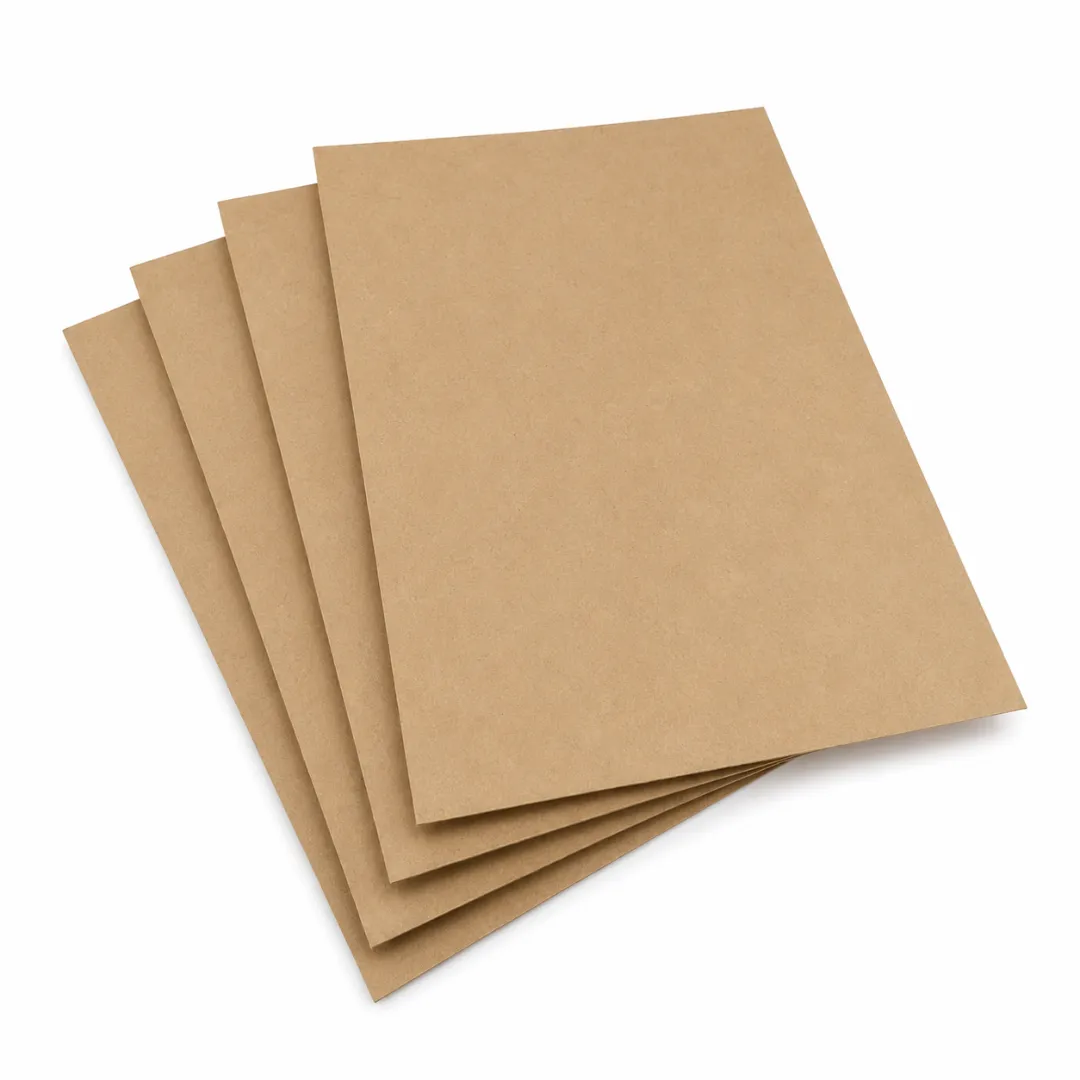
Kraft paper is a strong, durable and reliable material that is widely used across many different industries.
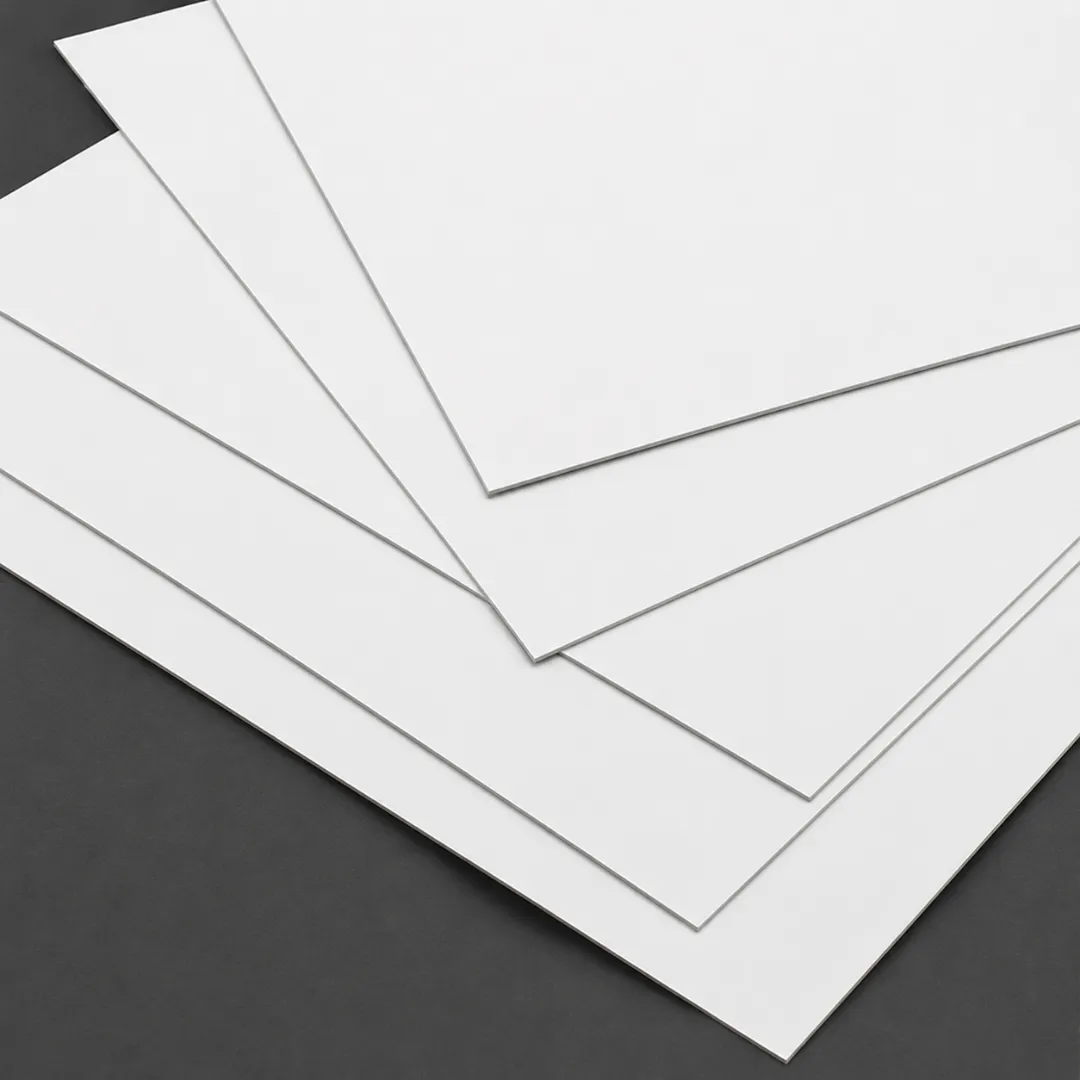
We use cardboard material with the least environmental impact and minimizes waste generation.
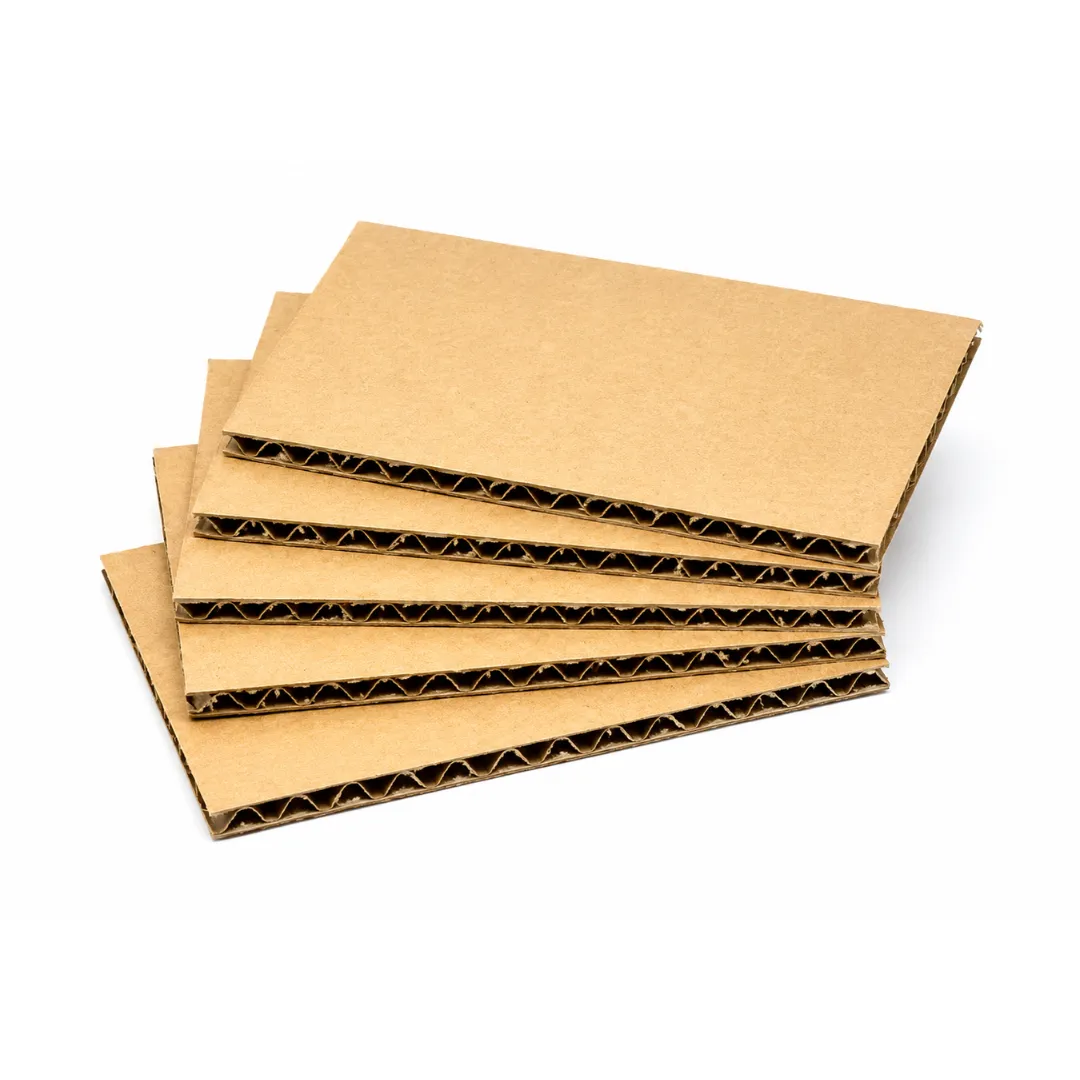
Corrugated material is easy to customize, cost effective and sustainable. It is also great for branding purposes.
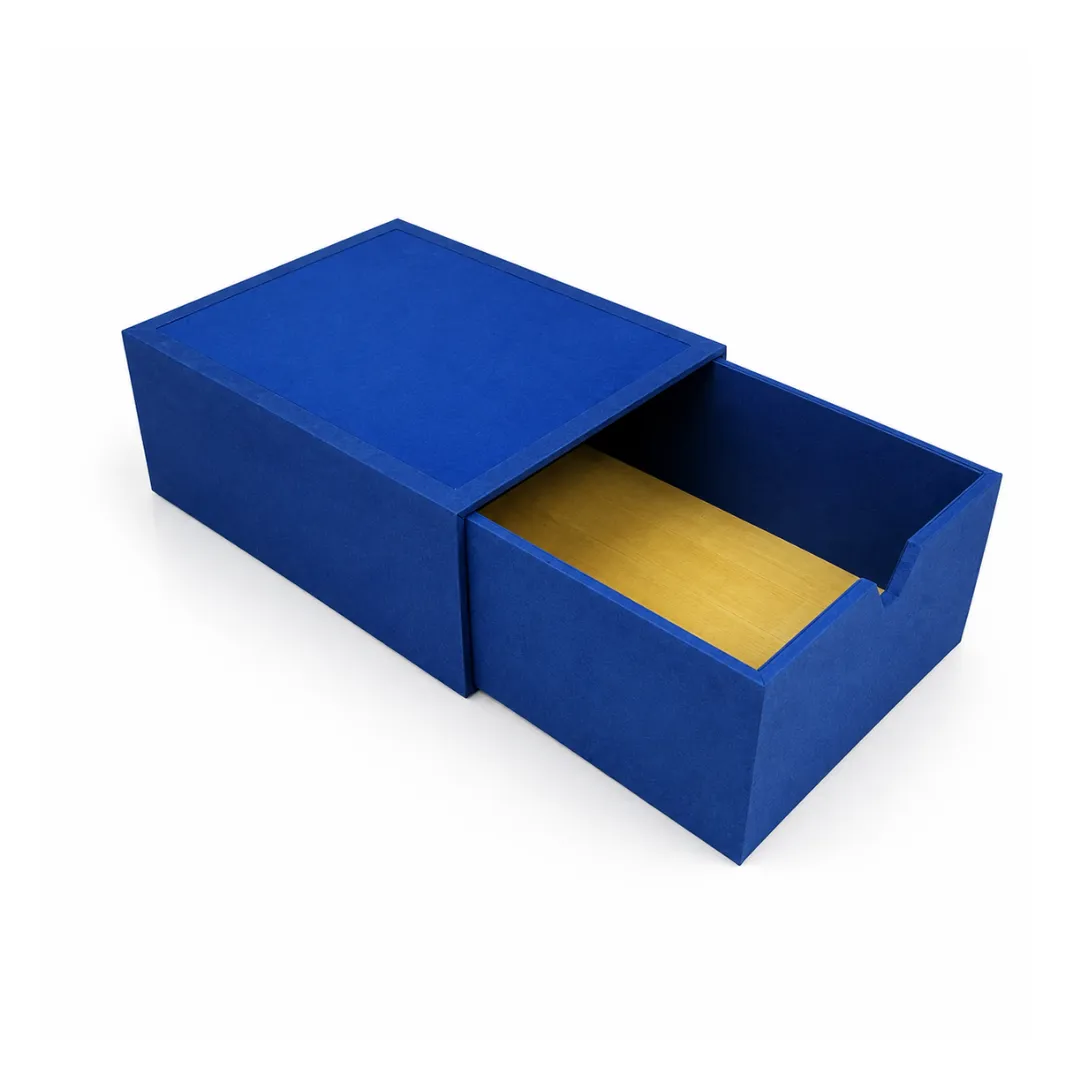
Rigid is highly protective, affordable and recyclable material. These boxes provide maximum protection.
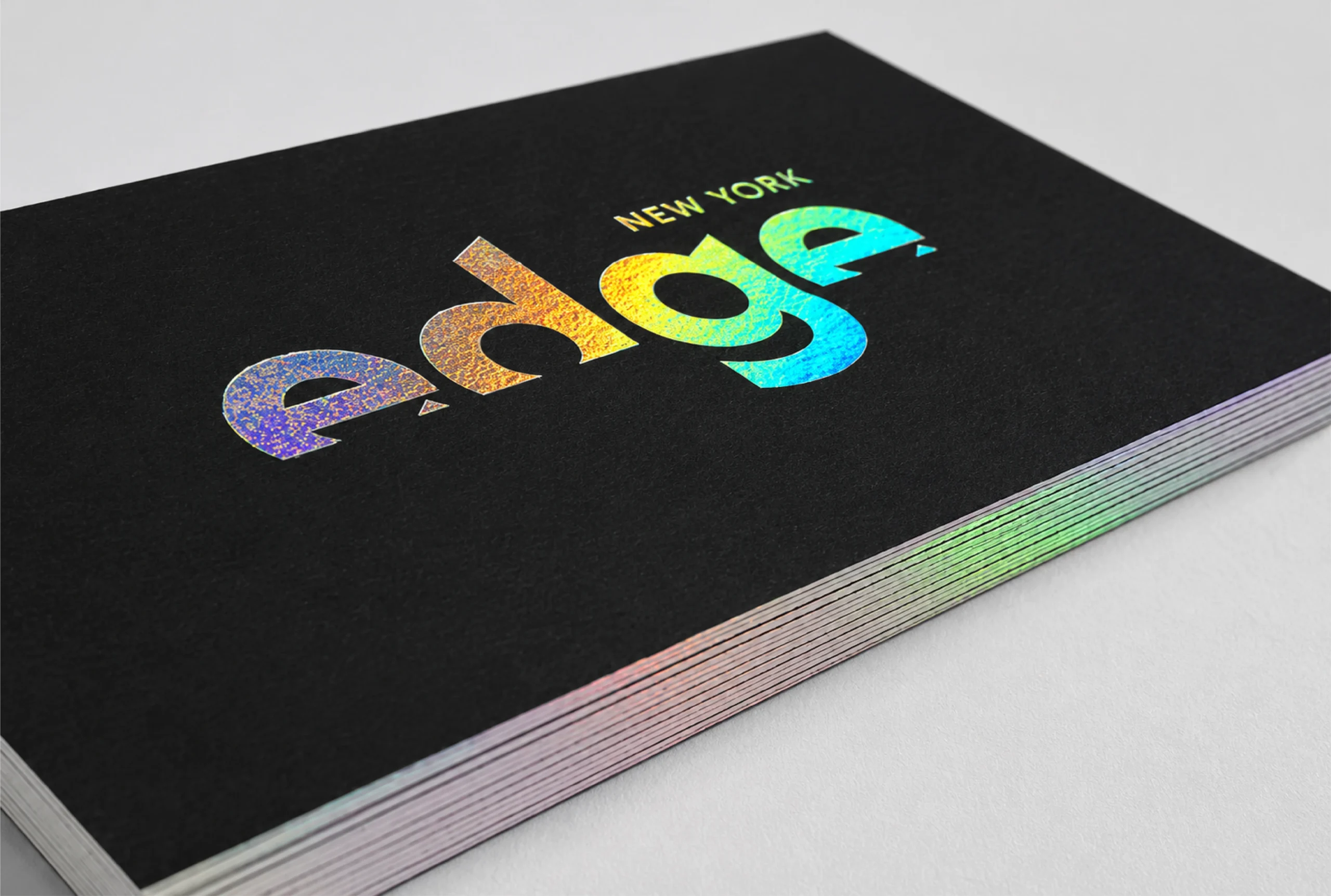
Holographic foil diffracts light and reveals the colors of the rainbow at various angles.
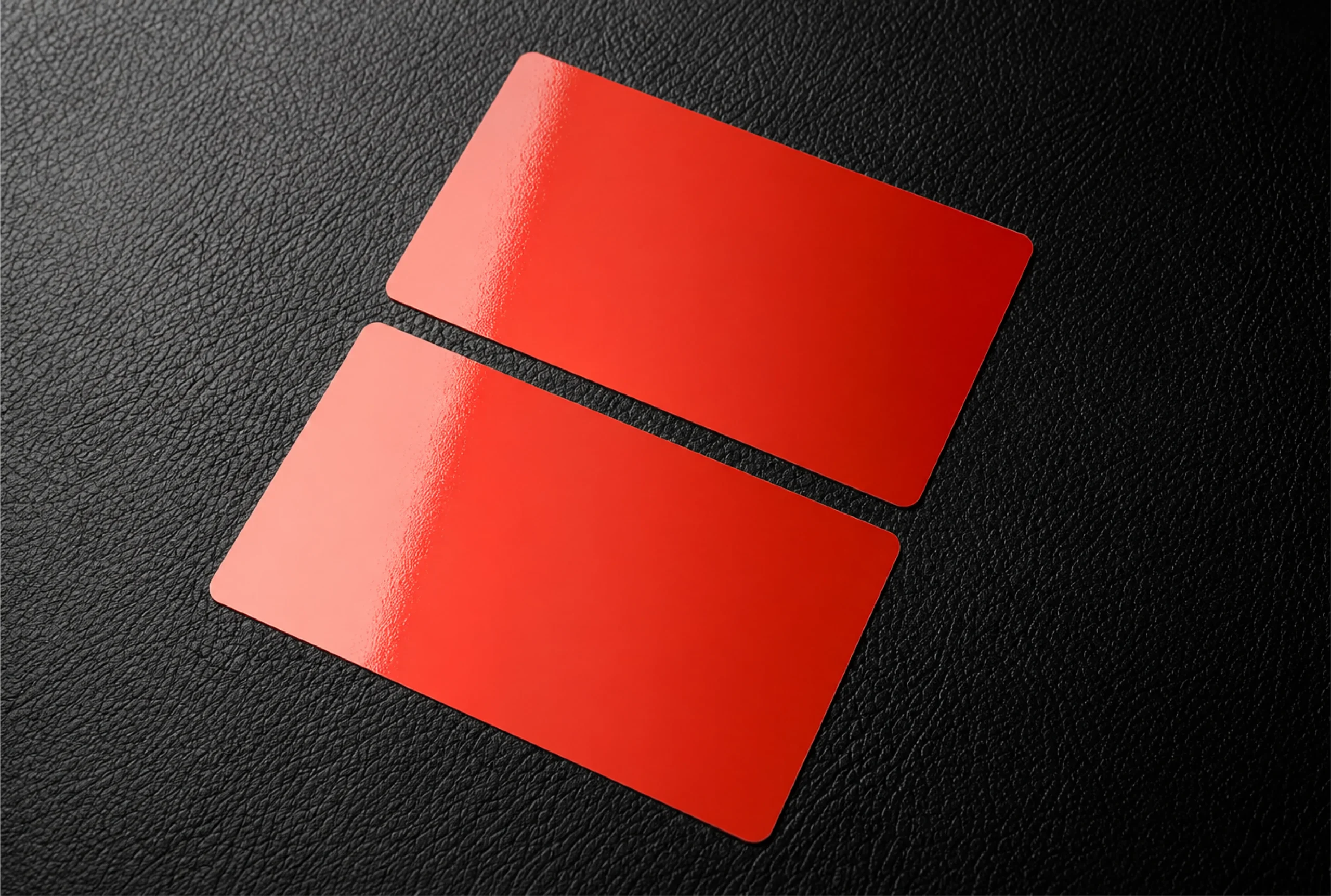
Our glossy finishing gives your packaging an extra layer of shine.
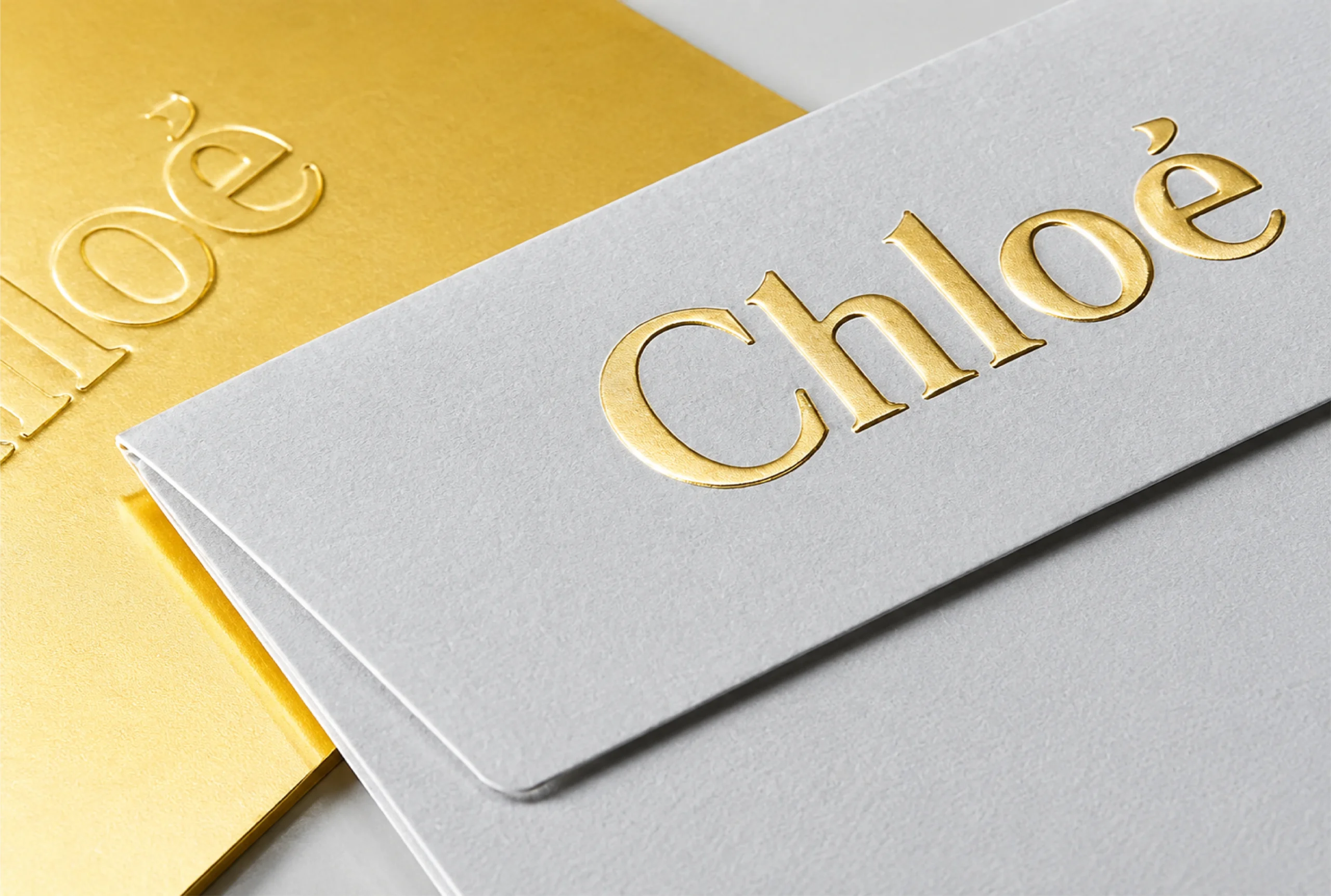
Decorate a wide range of your product packaging with our foil stamping.

With our embossing technique, we transfer the finest details of your product on packaging.
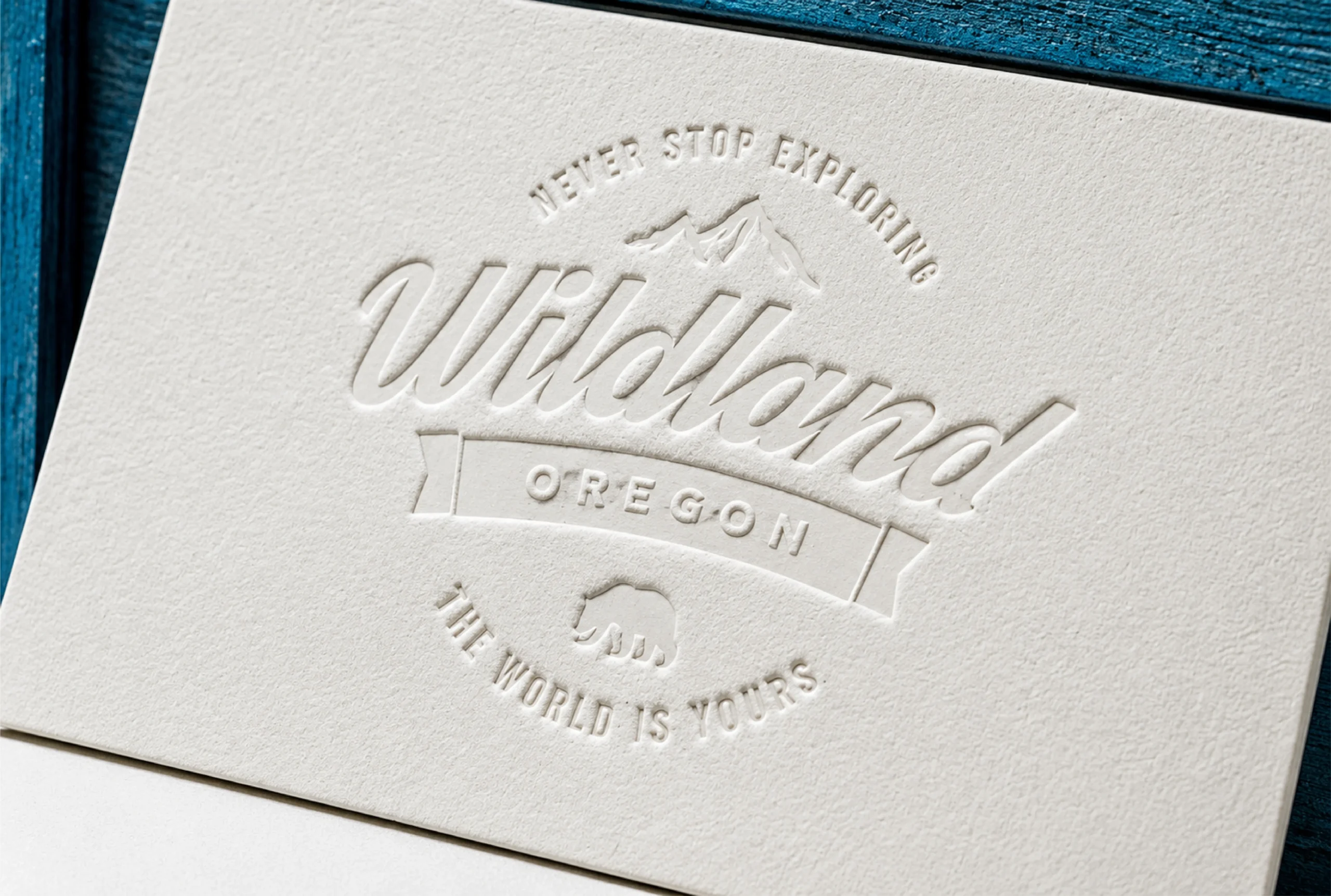
We use debossing technique to add unique graphics into your packaging.
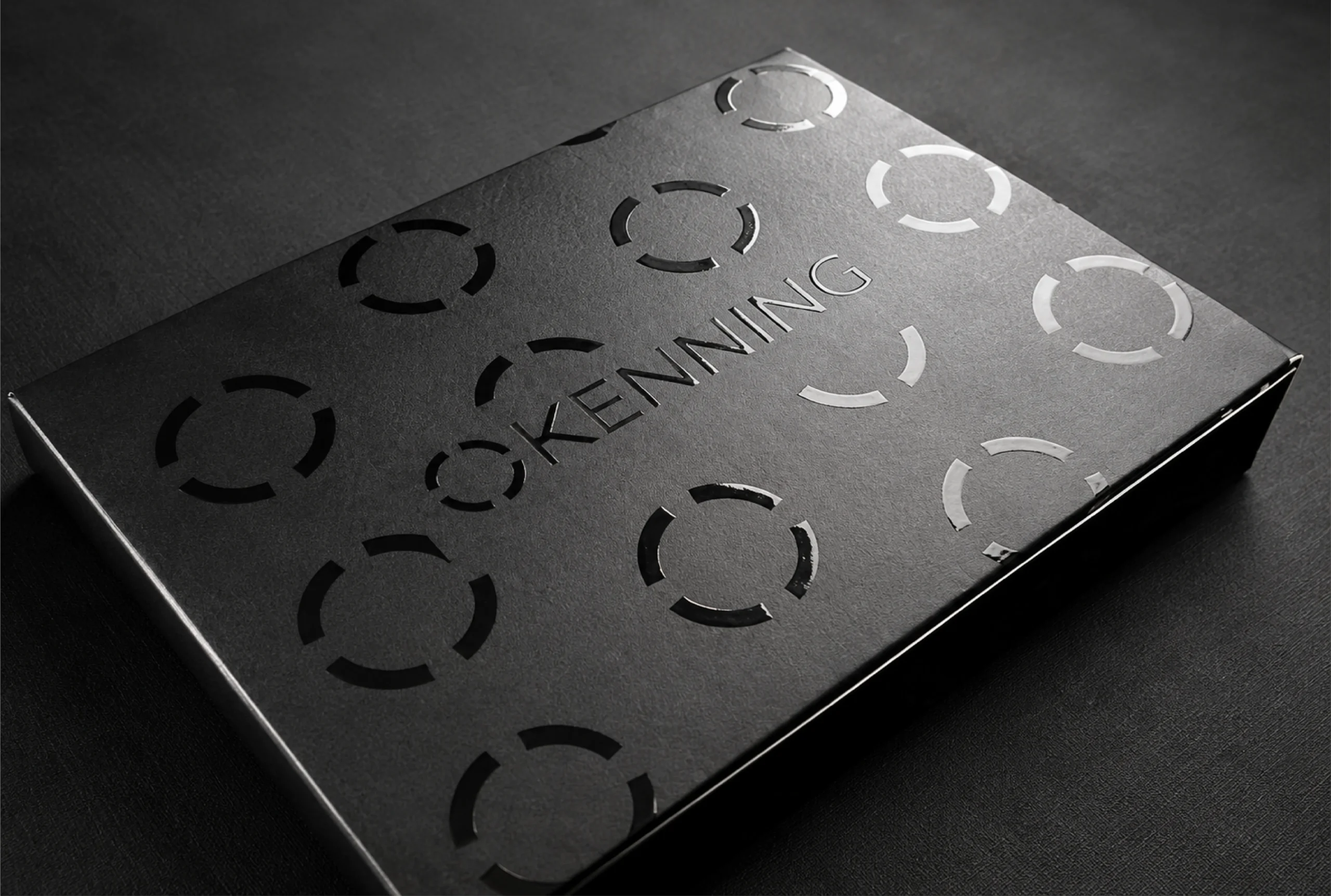
Our high-gloss UV coating gives light and shine to cure the printed material's varnish.
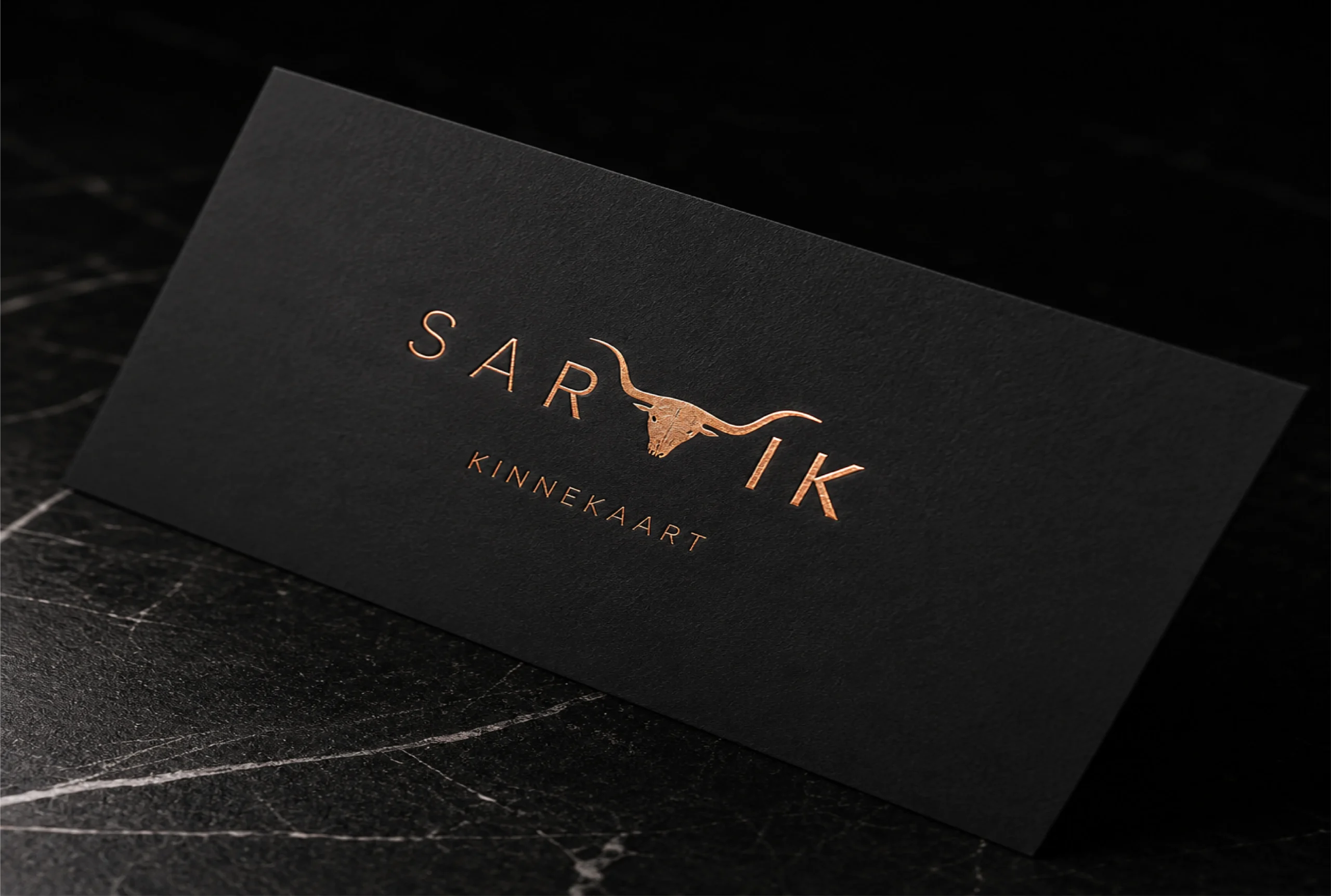
We add additional layer of protection with soft touch lamination from toner chipping.
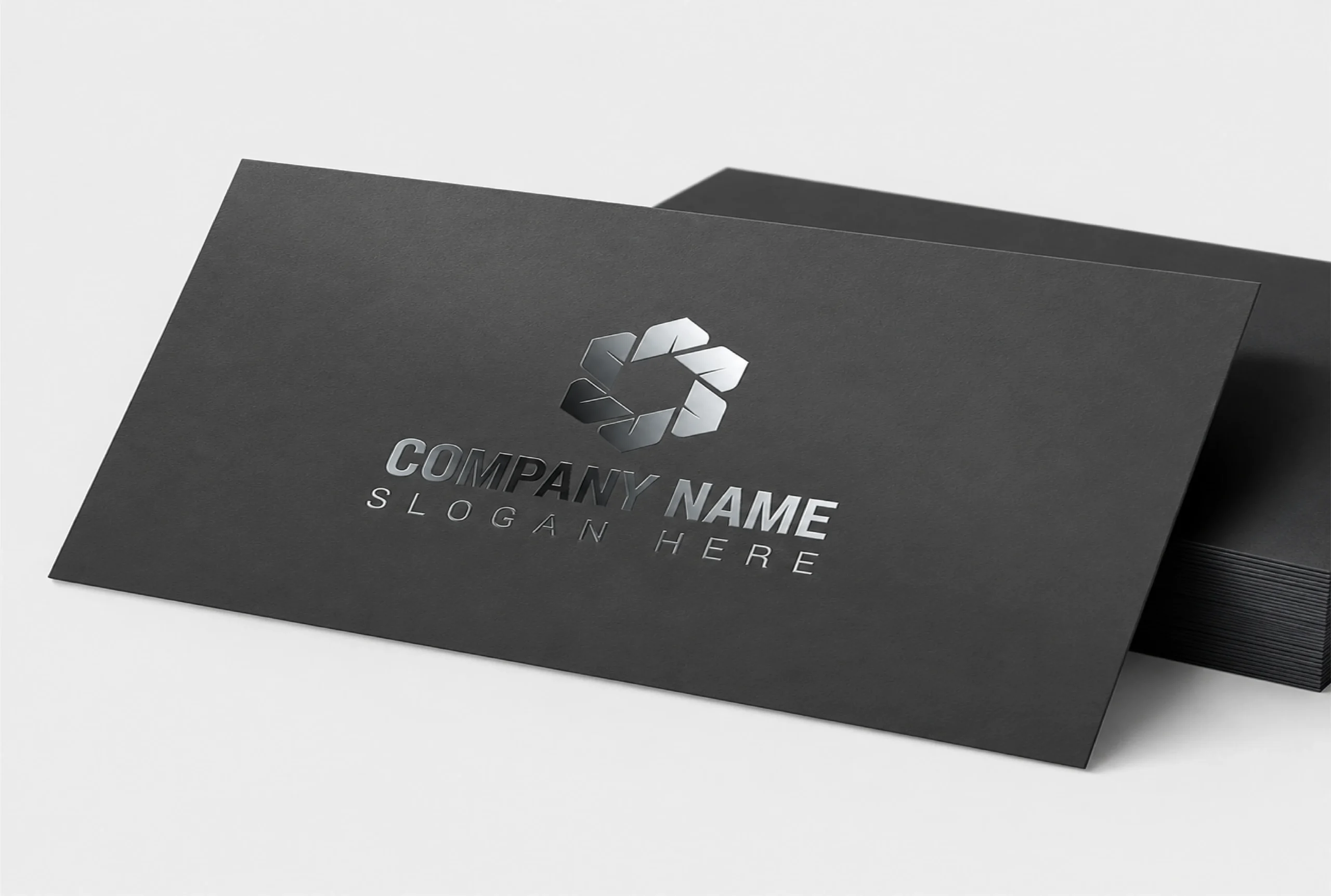
With our matte finish, fingerprints and smudges will now be less visible on the packaging.
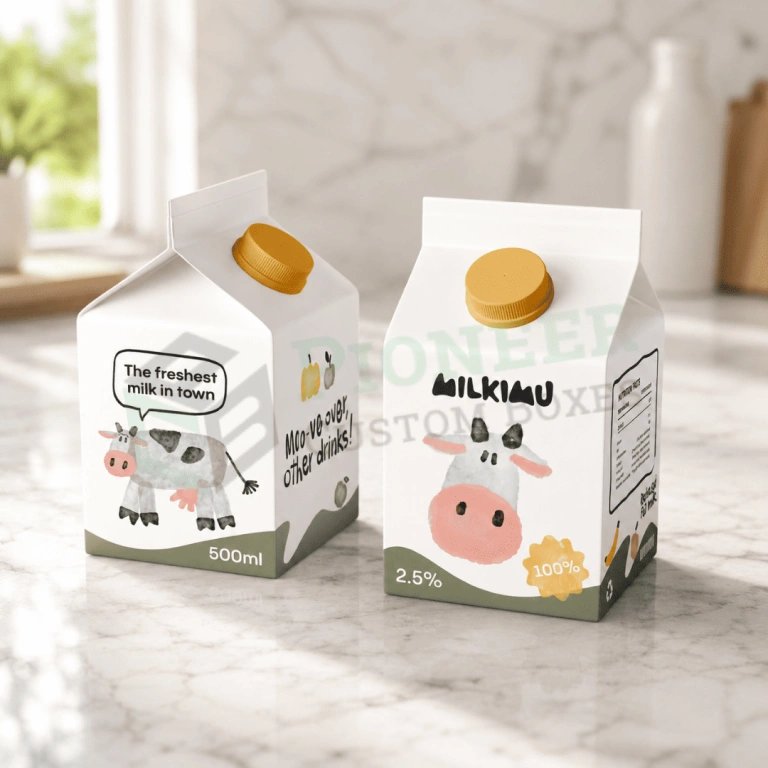
Custom Milk Carton packaging helps dairy brands, chocolate milk sellers, flavored milk companies, plant-based drink brands, school milk programs, cafés, meal-kit companies, and beverage startups create branded cartons with better shelf appeal, clear labeling, and stronger product presentation. Pioneer Custom Boxes manufactures custom milk cartons, mini milk cartons, paper milk cartons, cardboard milk carton styles, blank milk carton options, gable-top carton directions, case-pack packaging, retail cartons, and dairy transport packaging with custom sizes, CMYK printing, PMS color matching, nutrition-panel space, barcode zones, coating guidance, and food-contact material planning. Order with zero MOQ, free design support, flexible lead times, and free shipping across the USA.
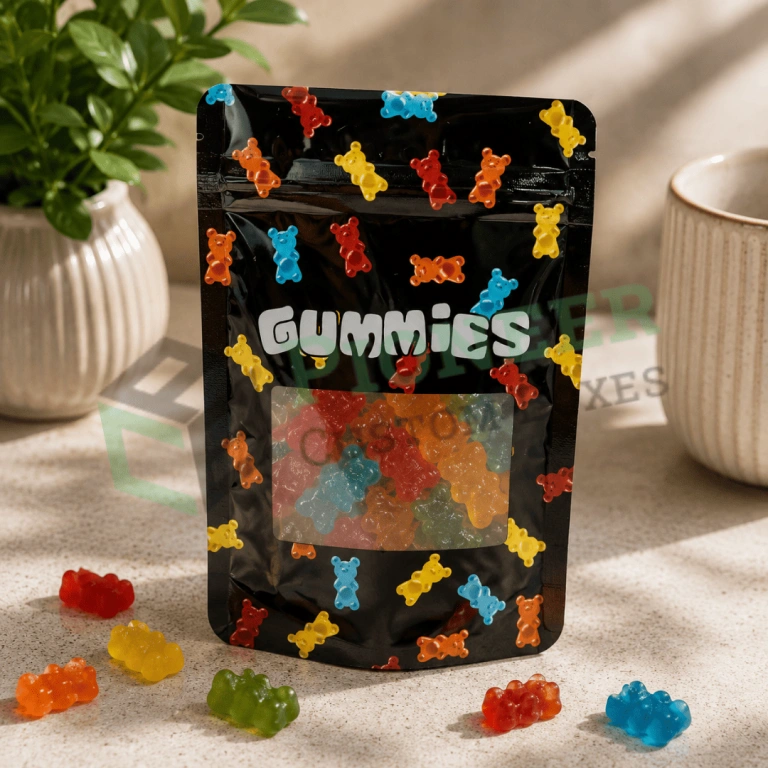
Custom Gummy Bags from Pioneer Custom Boxes help candy brands, confectionery startups, snack companies, ecommerce sellers, promotional suppliers, and retail food businesses create gummy bags that protect texture, show flavor, preserve freshness, and make candy look colorful, soft, and ready to buy.
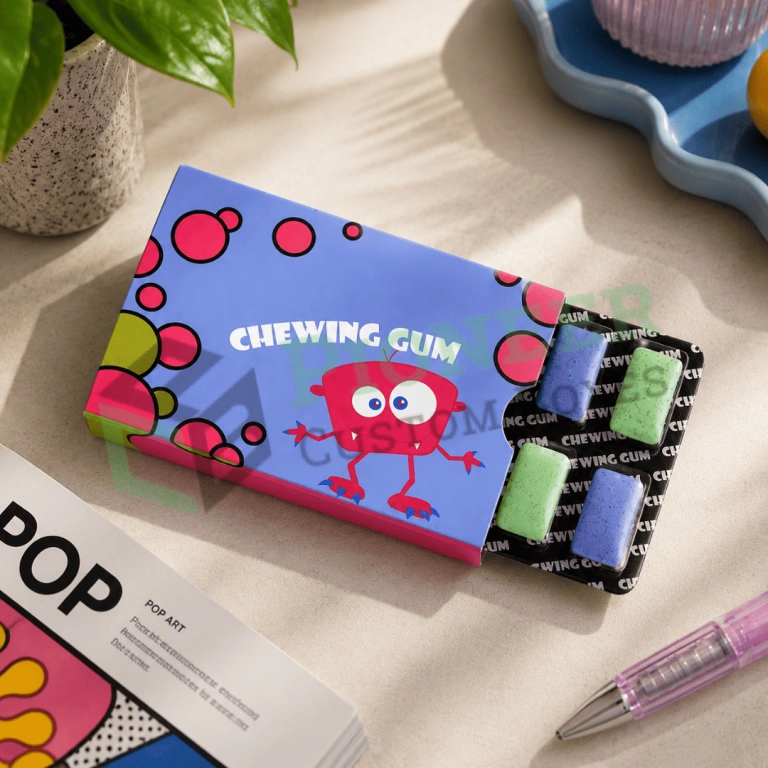
Gum packaging keeps chewing gum, bubble gum, and flavored gum products fresh, organized, and ready for retail display. Custom gum boxes, containers, sleeves, and cartons help brands protect flavor, improve shelf appeal, and create memorable packaging for everyday candy buyers.
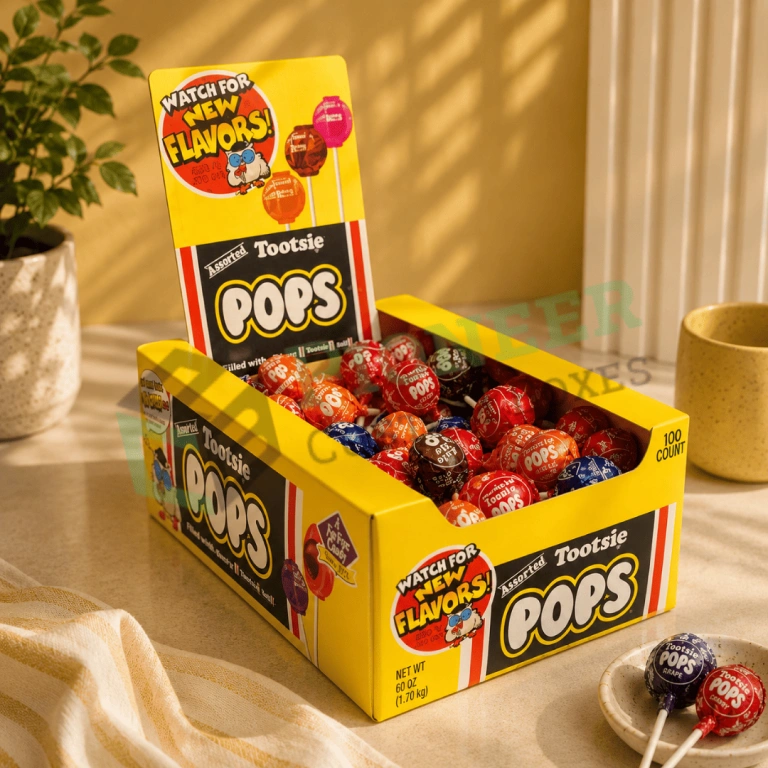
Custom lollipop boxes protect candy heads, sticks, and wrappers while making lollipops look bright, clean, and ready for retail. They work well for single lollipops, party favors, counter displays, gift packs, custom lollipop wrappers, and wholesale candy packaging.