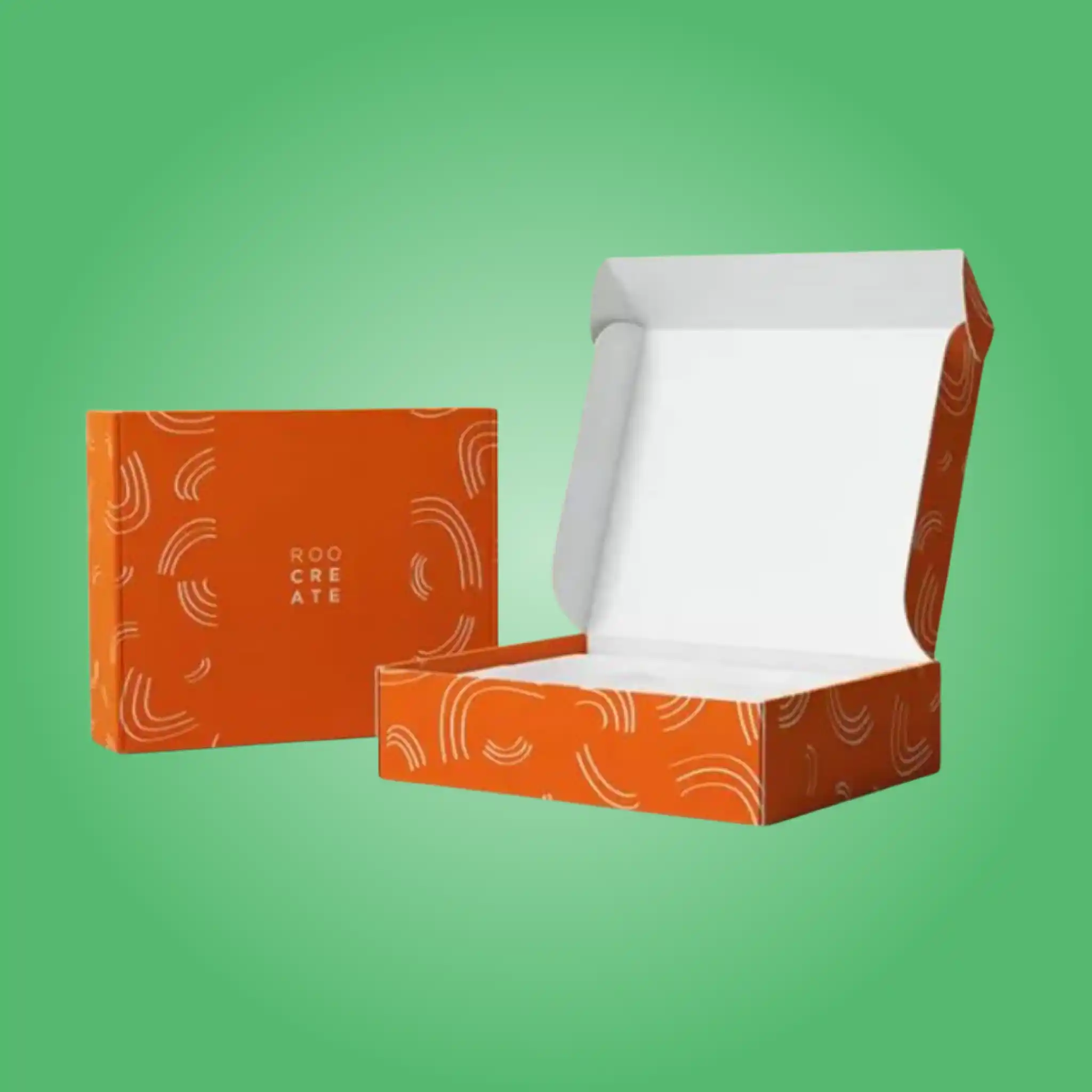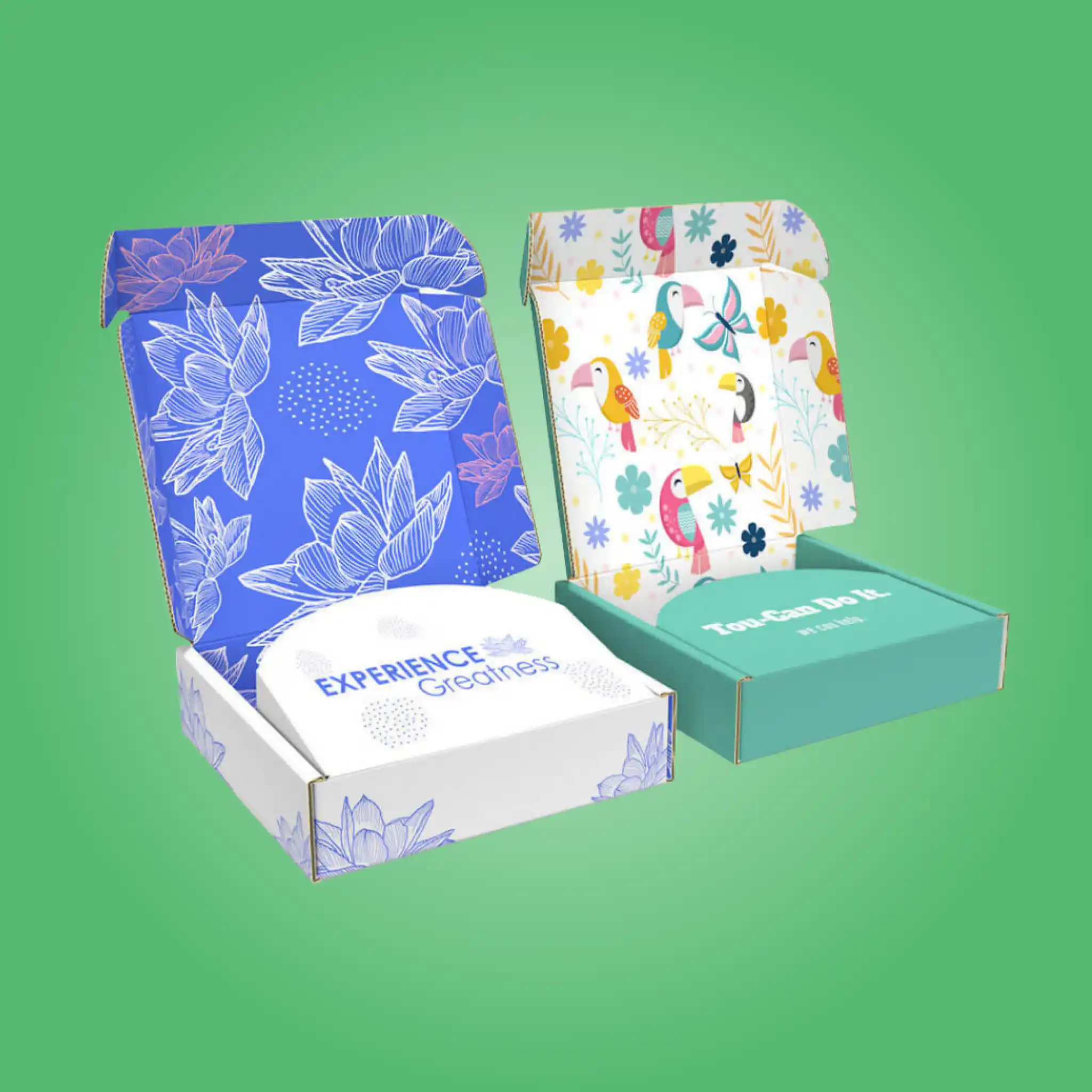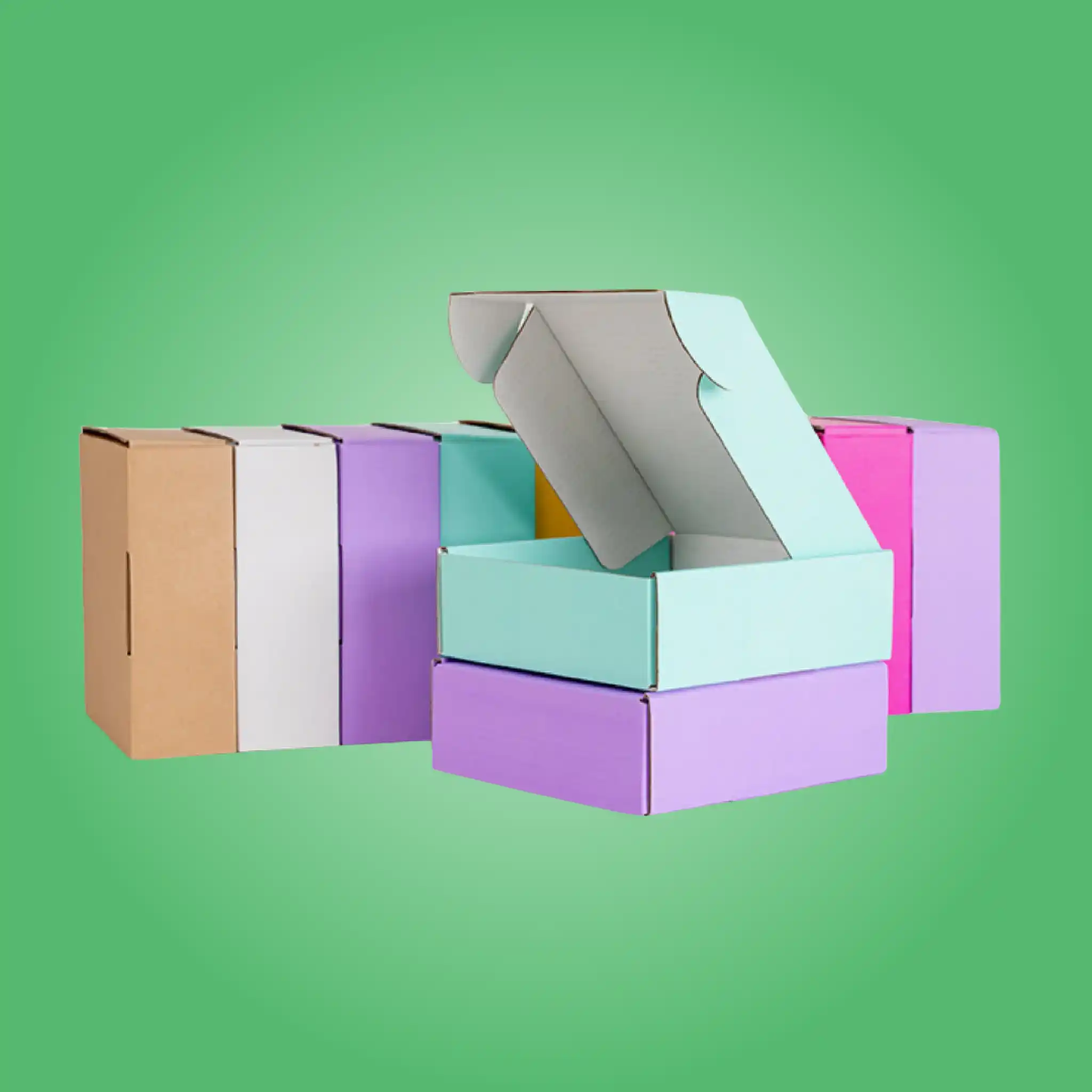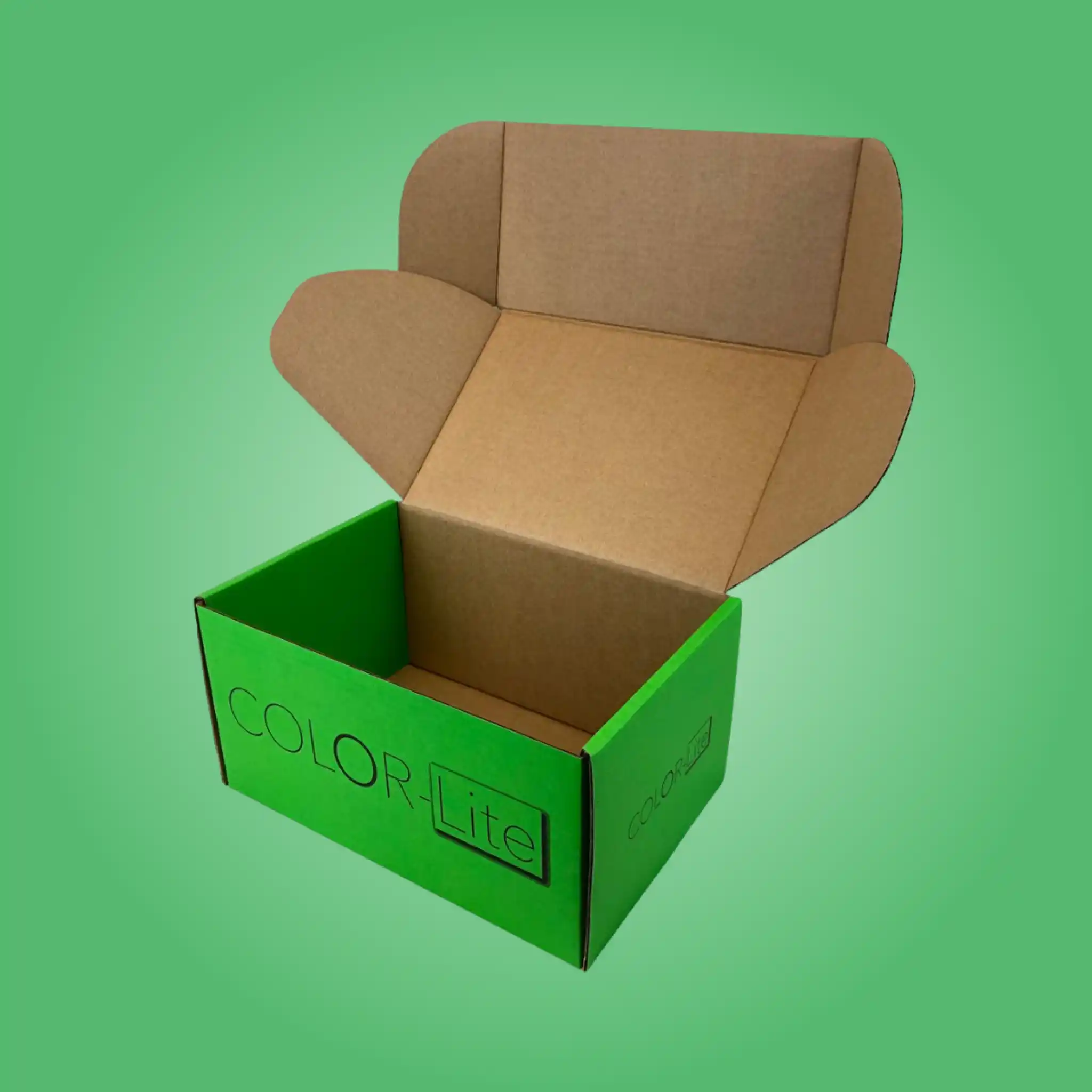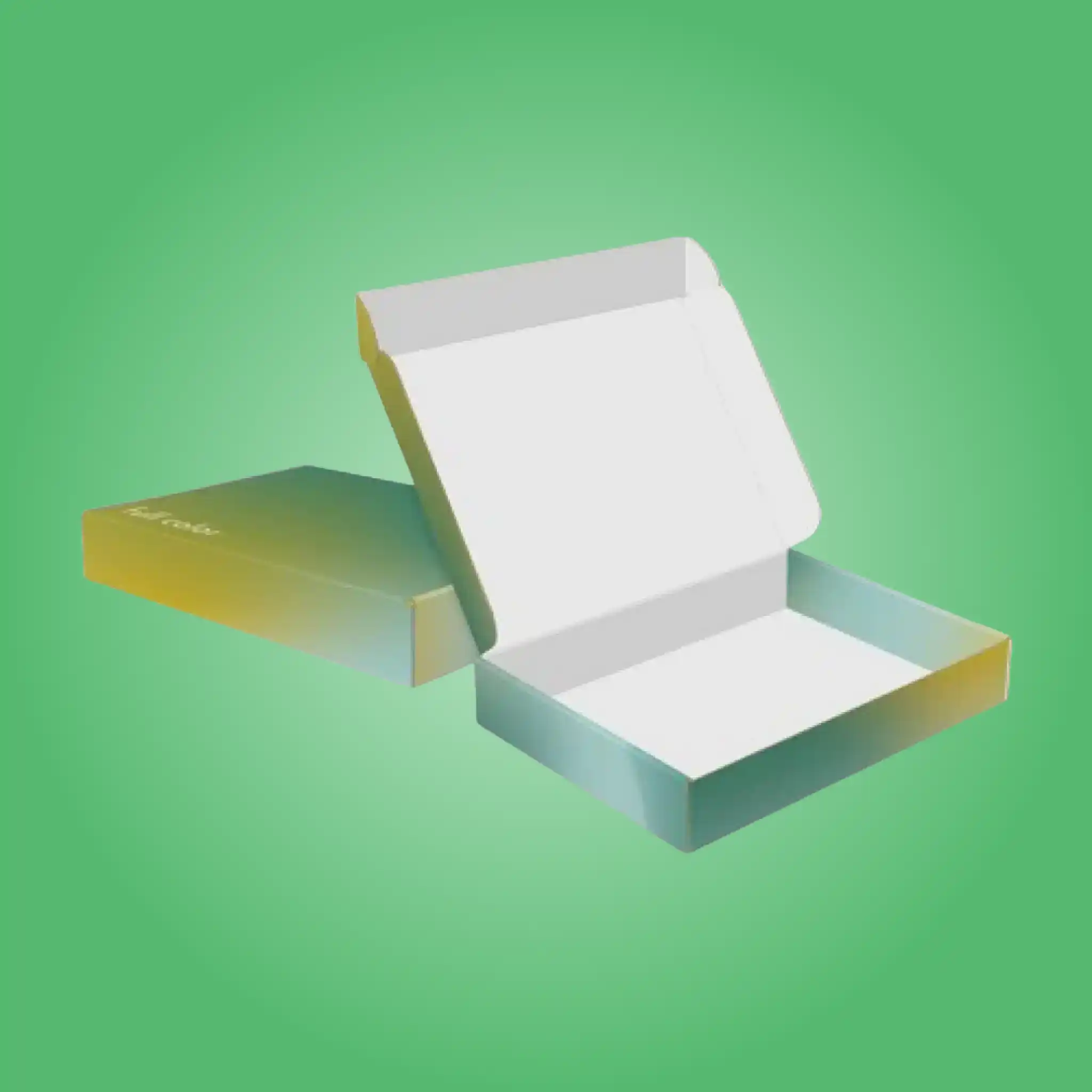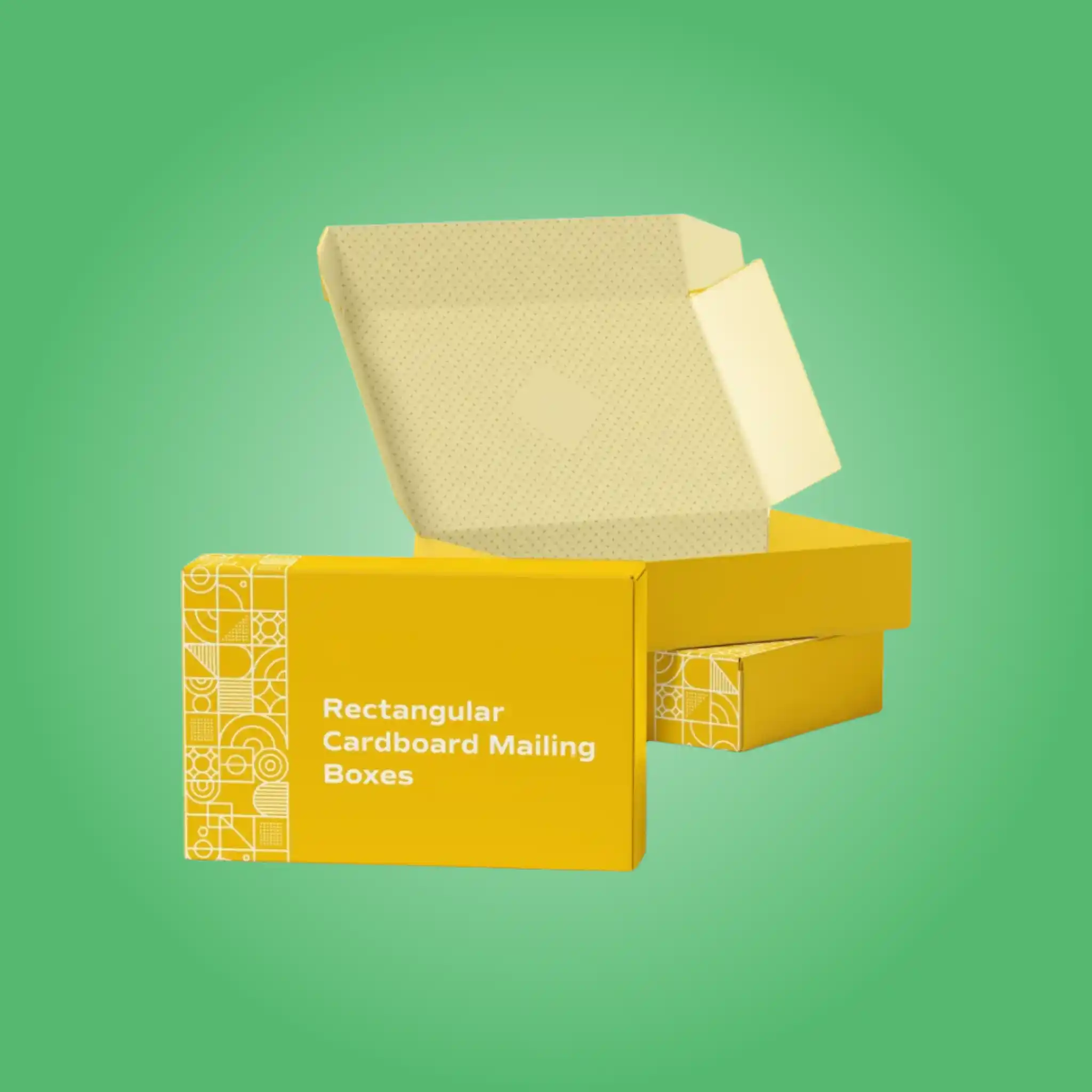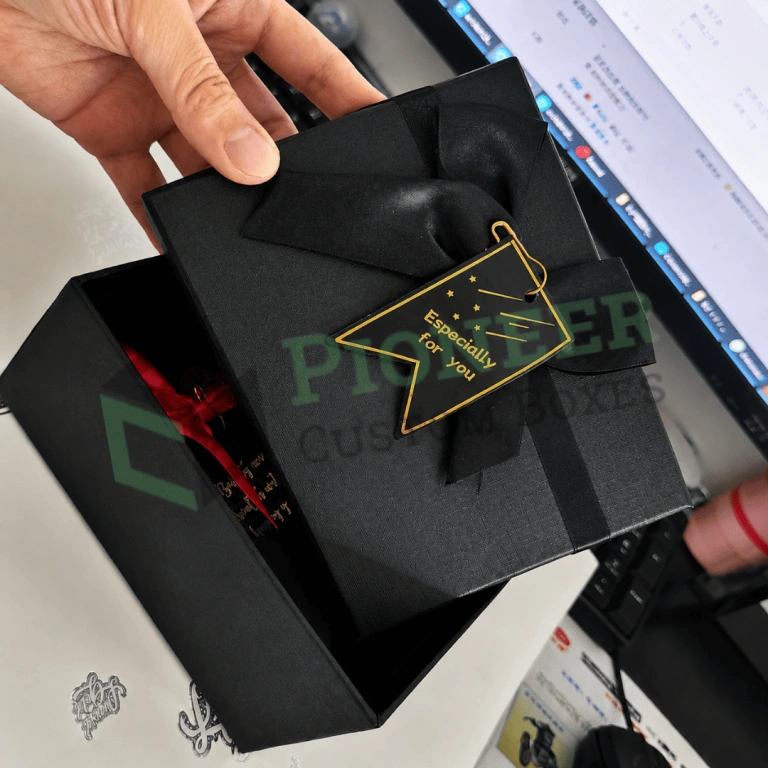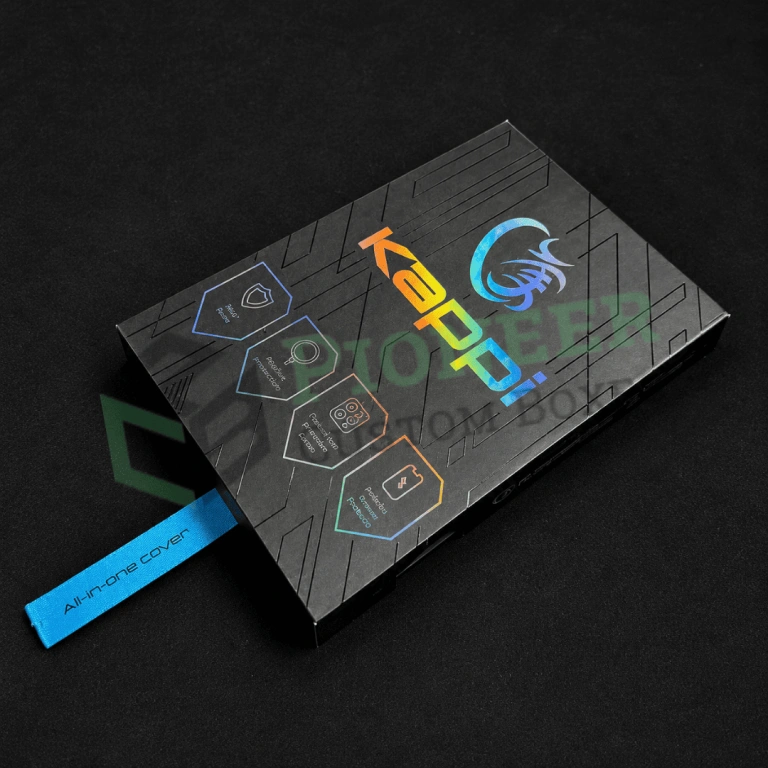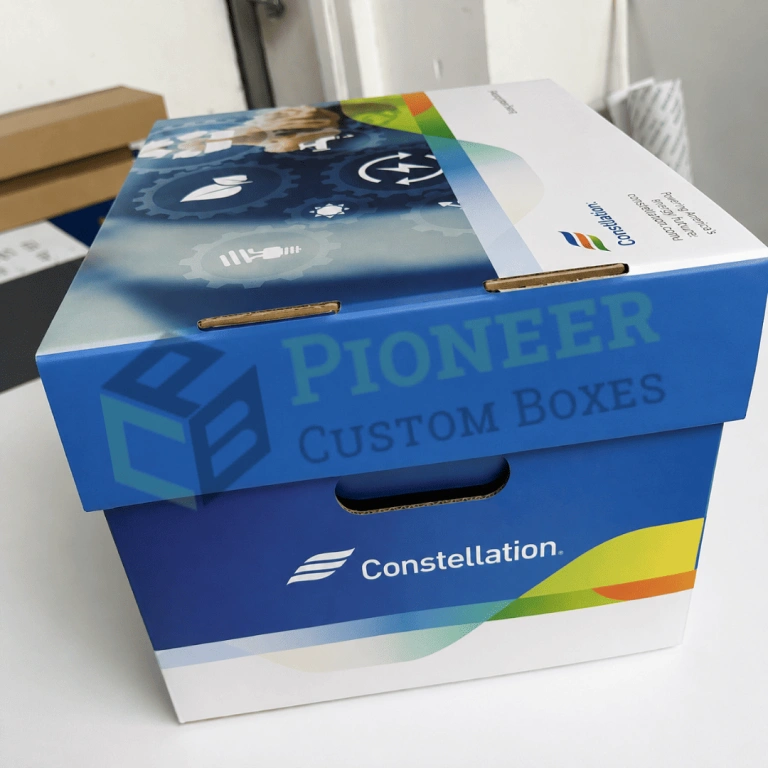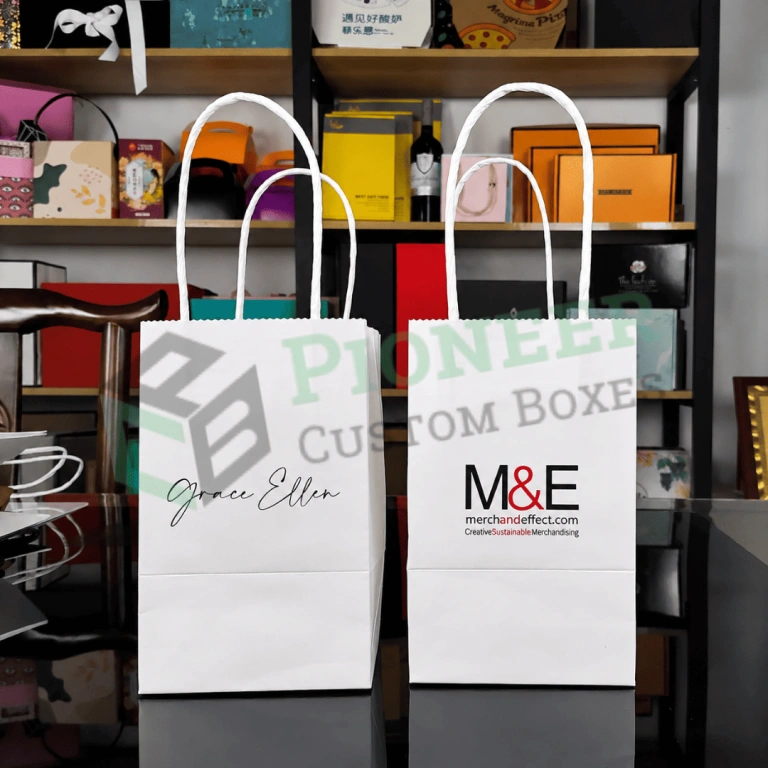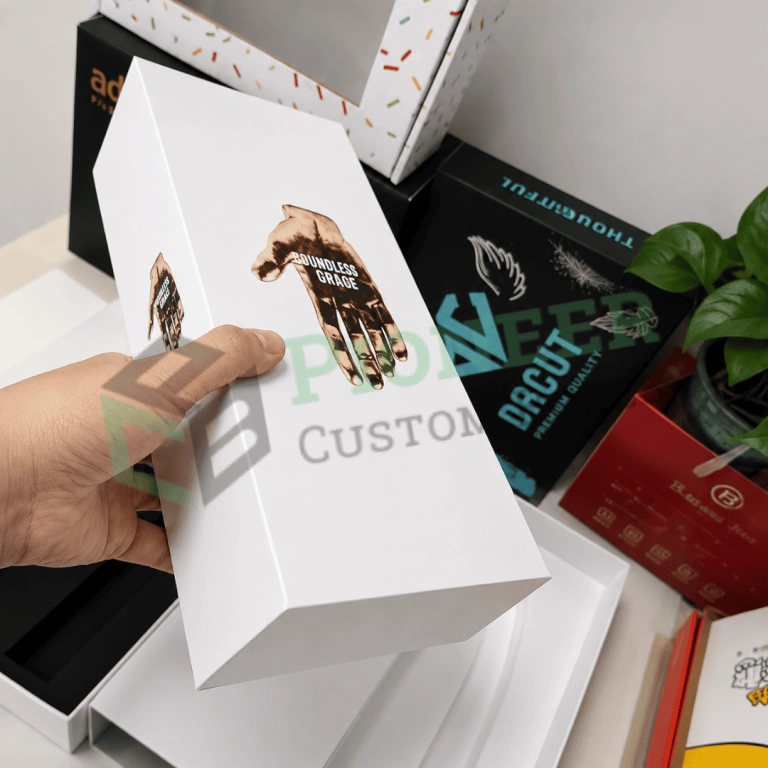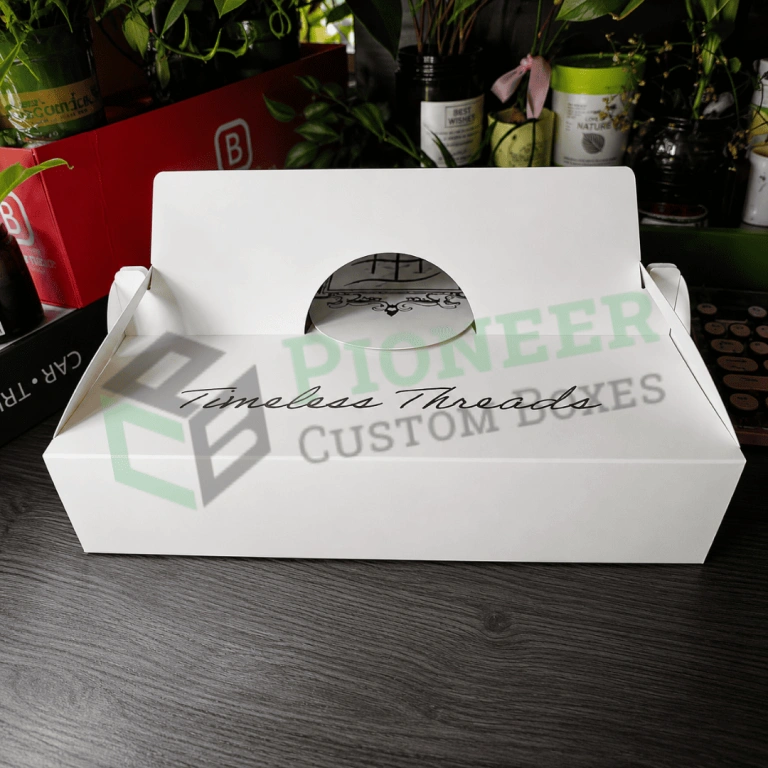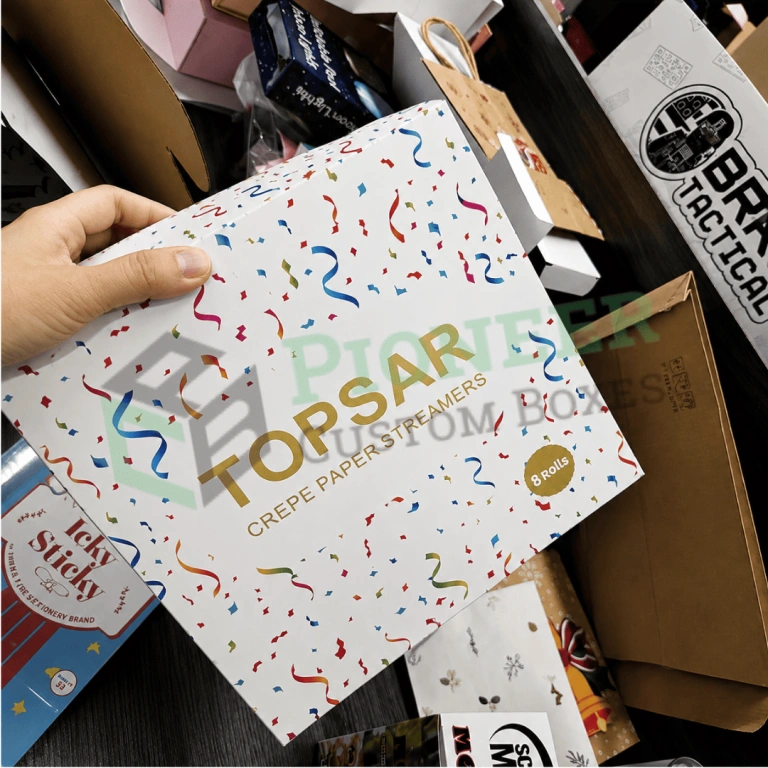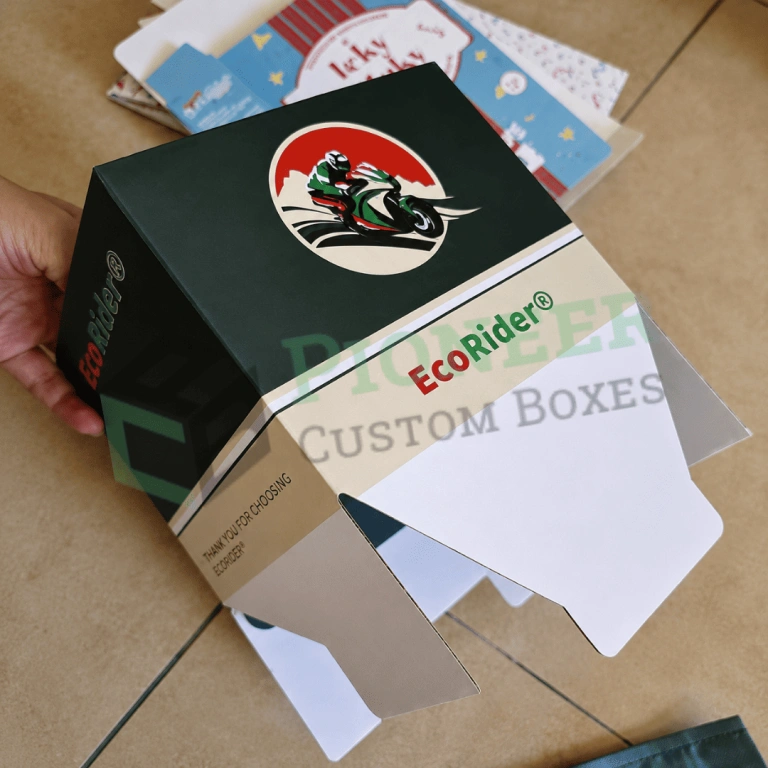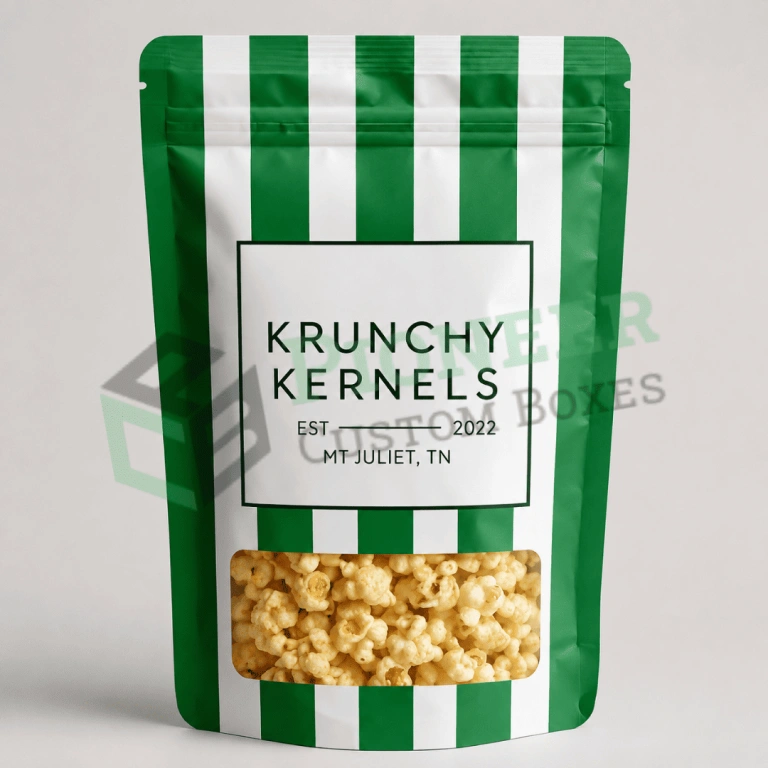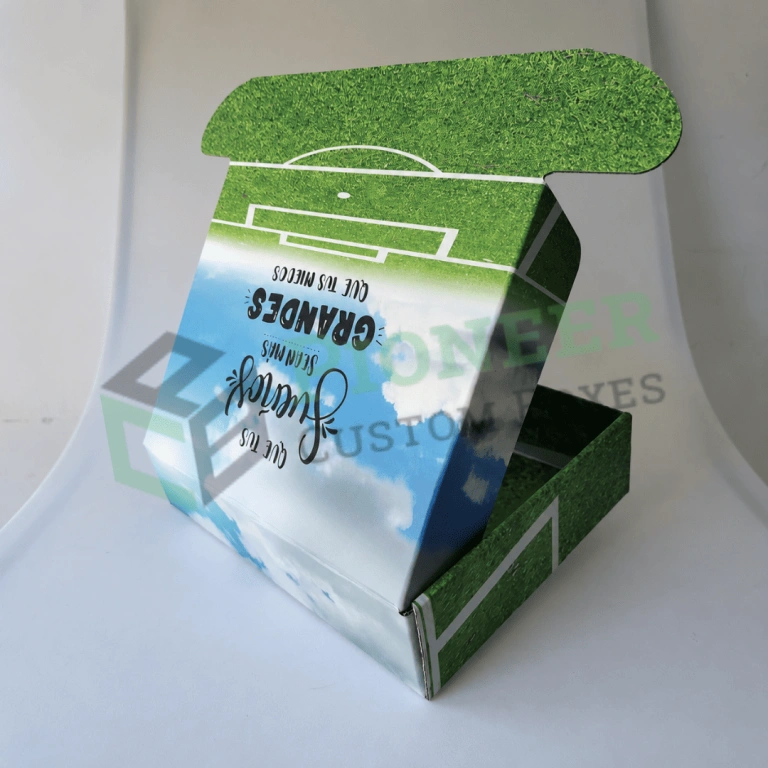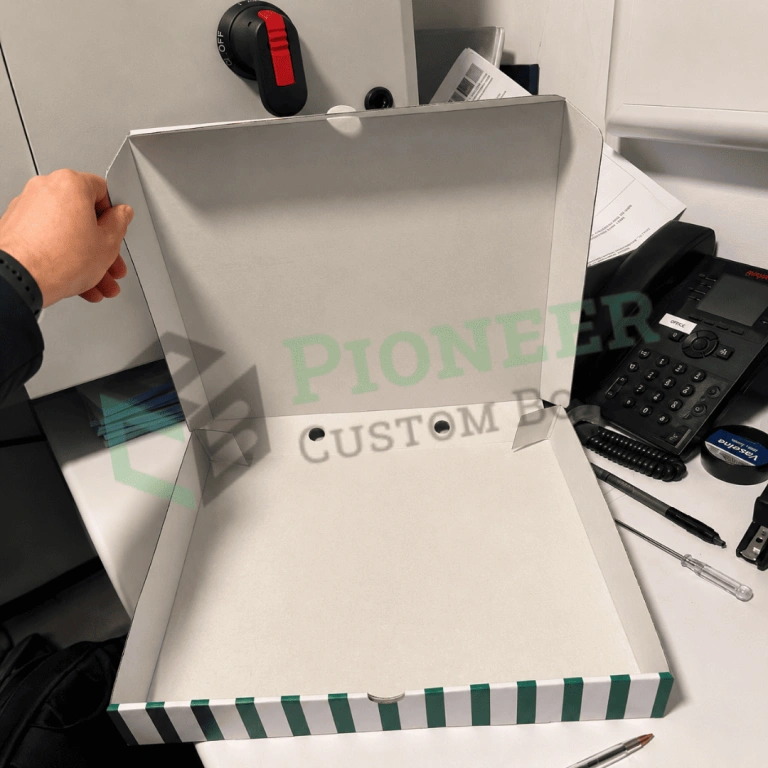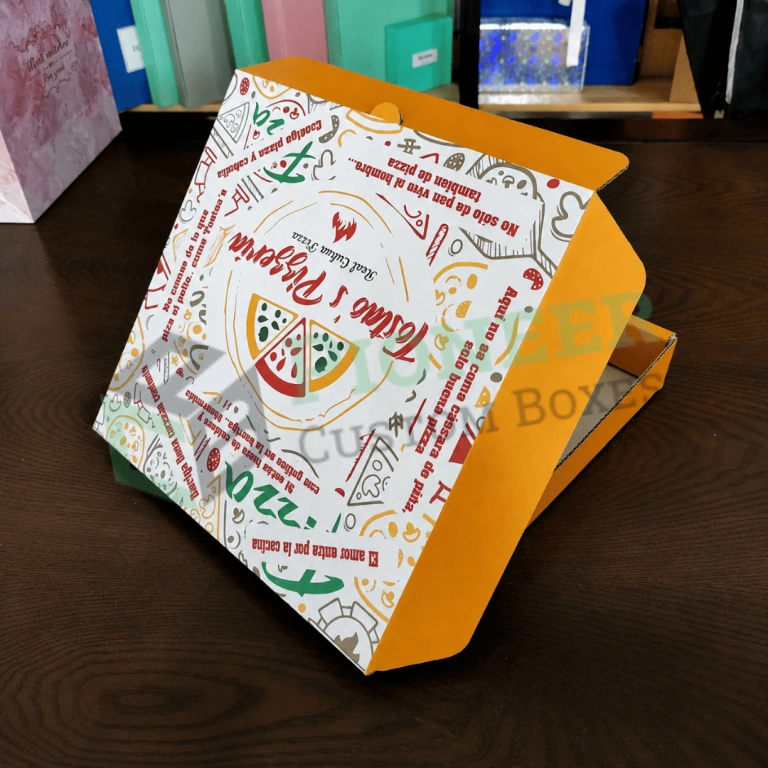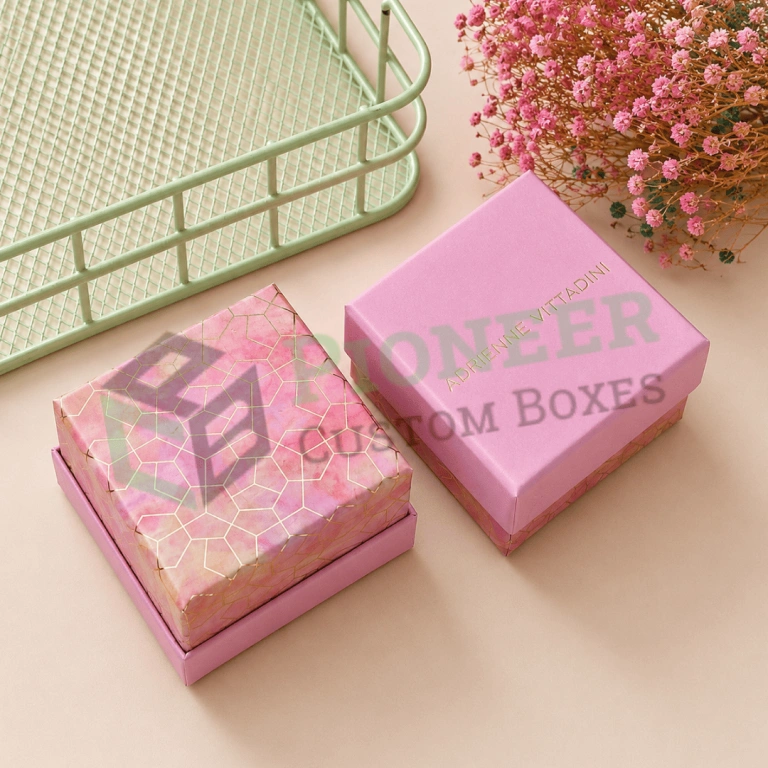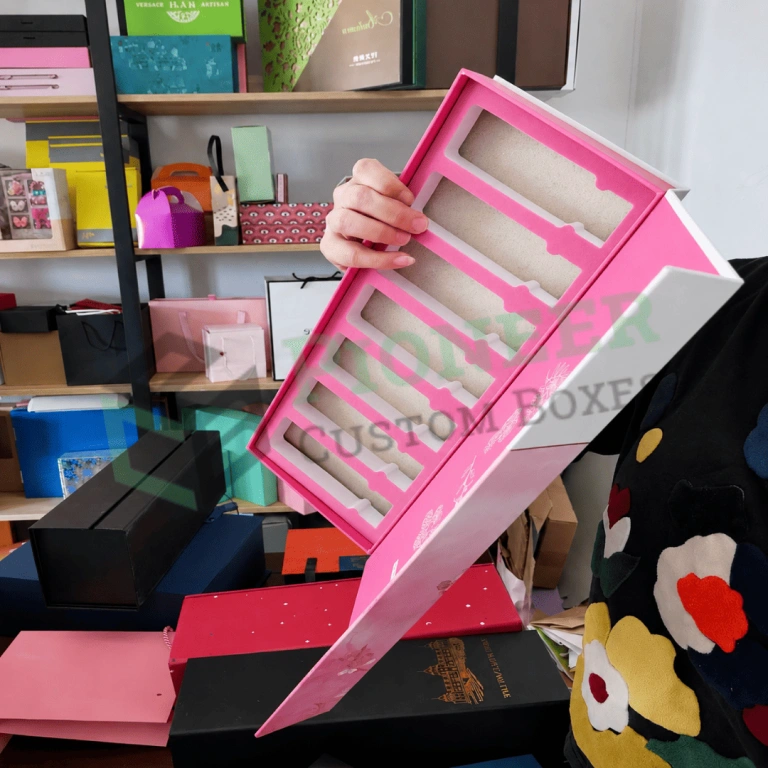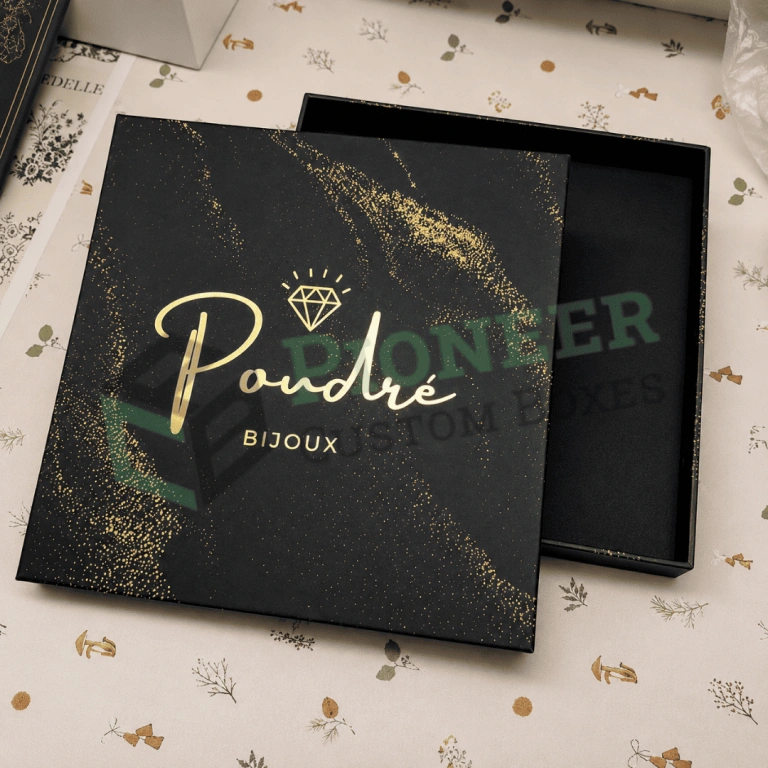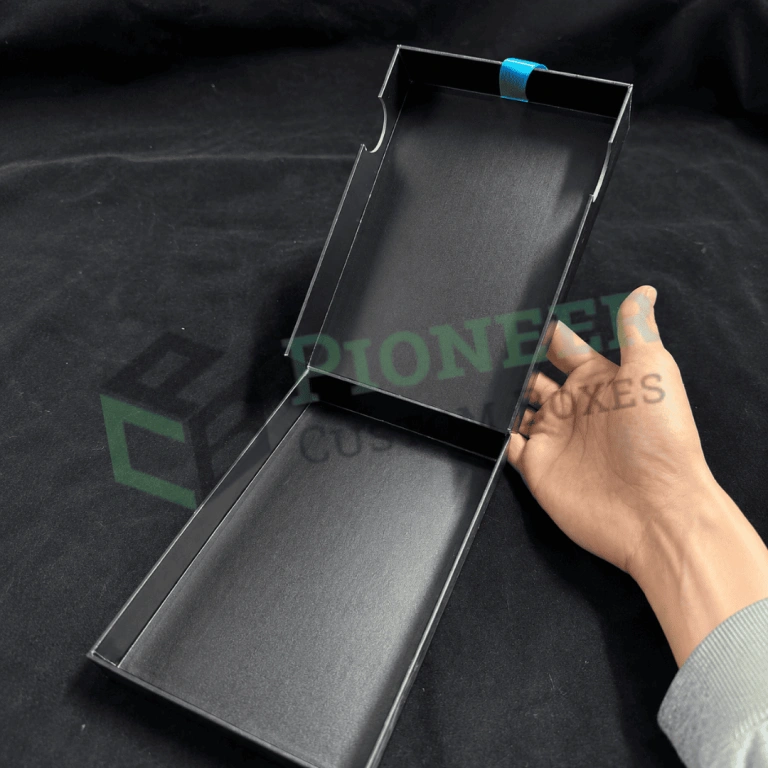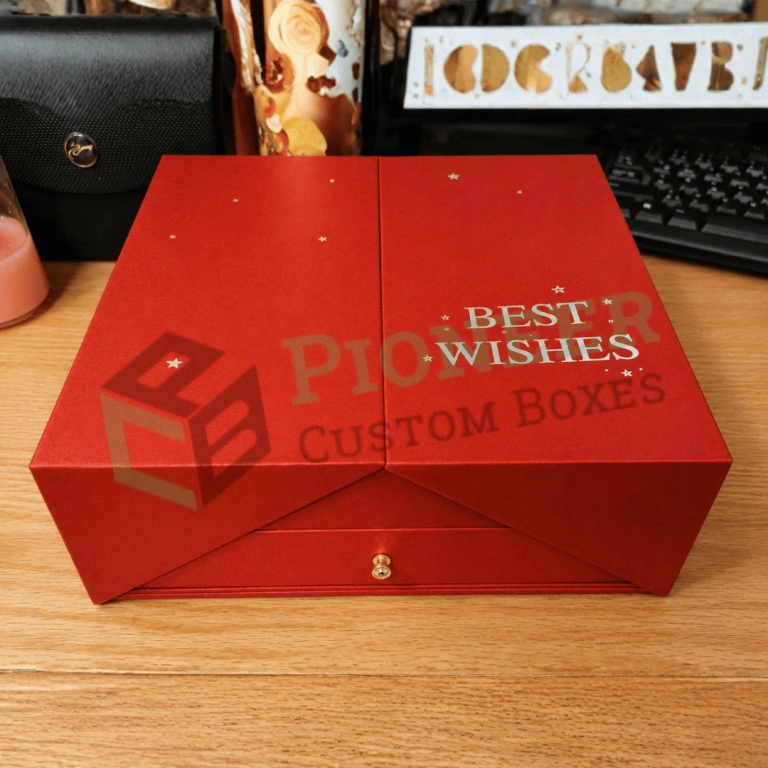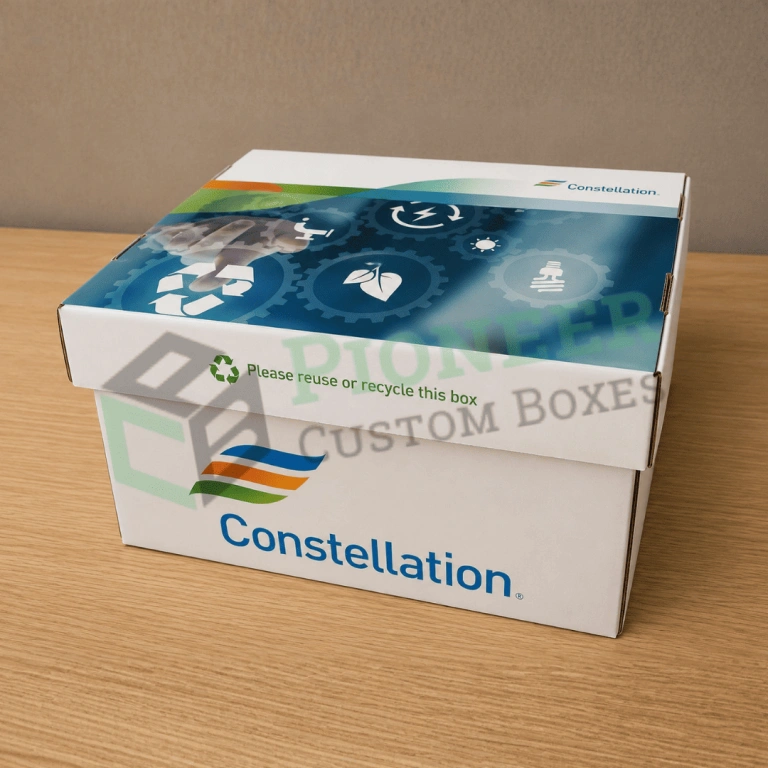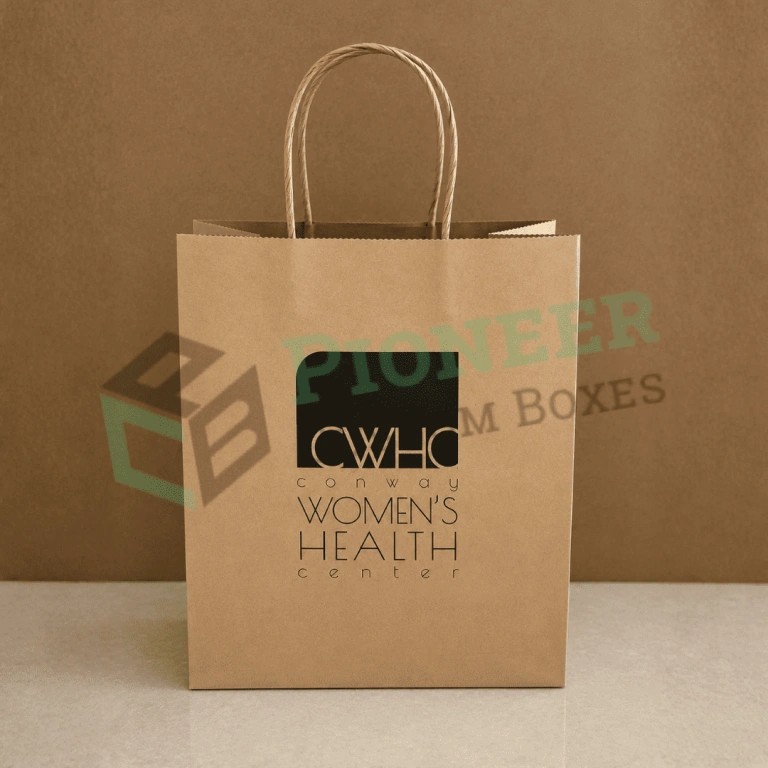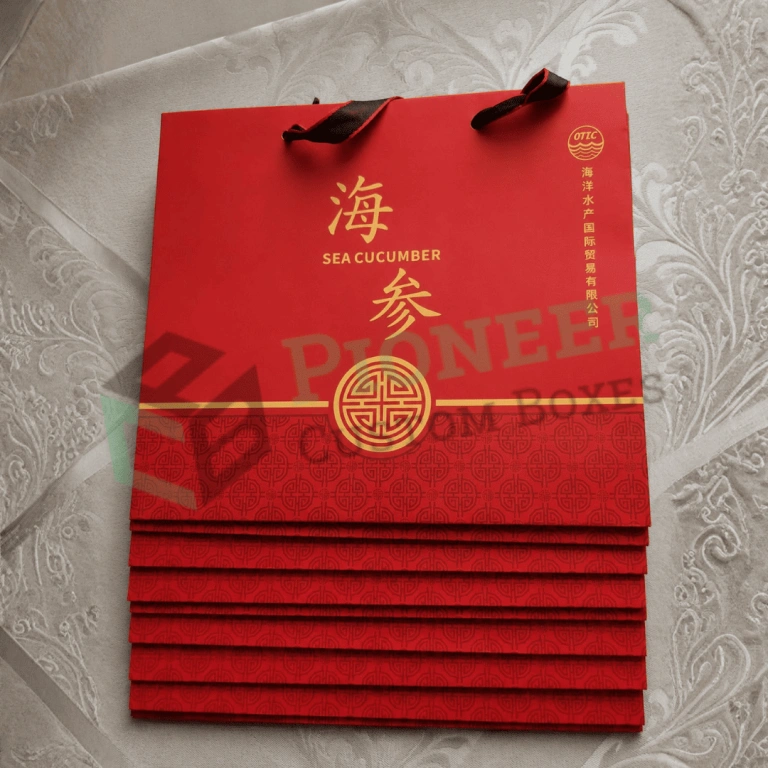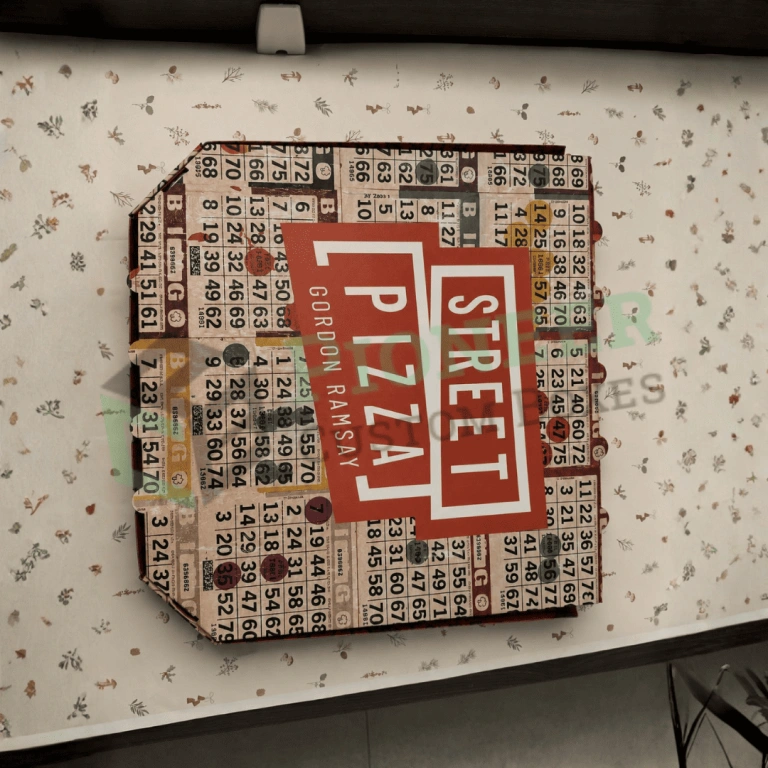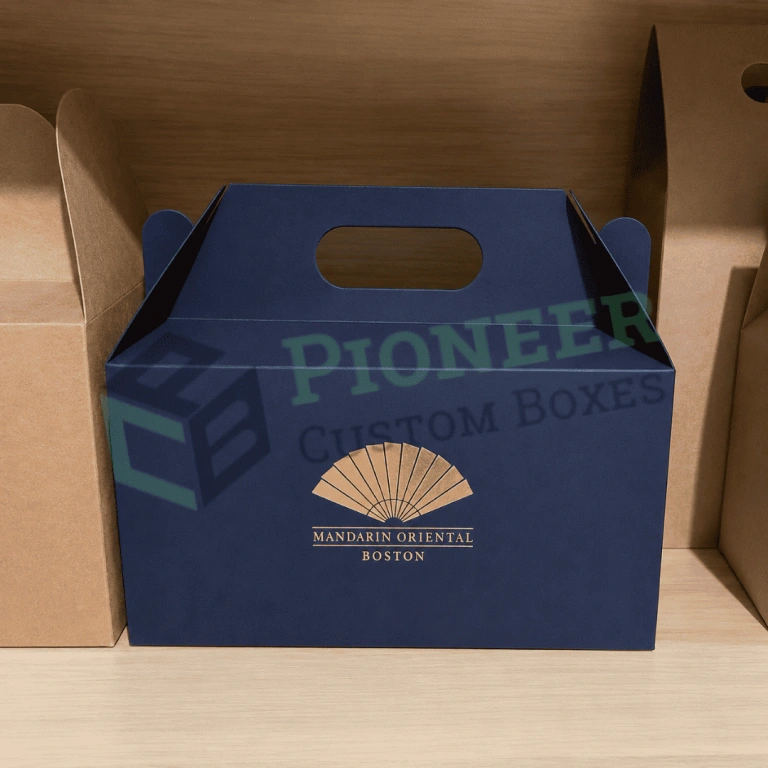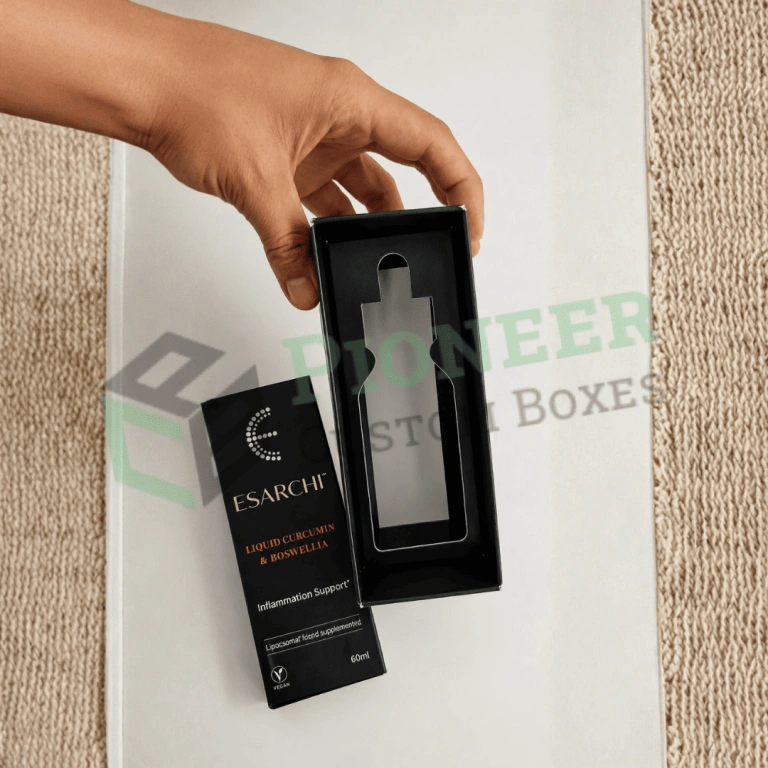
Custom full color mailer boxes from Pioneer Custom Boxes help beauty, apparel, food, electronics, subscription and direct-to-consumer brands ship packaging that prints like retail. Choose litho lamination, digital or HD flexo on white top, bleached or kraft liners, with printed interiors, lamination, spot UV, foil, free design support, no MOQ and free USA shipping.
Full color mailer boxes carry photographic artwork across the whole box rather than a logo in one or two flat inks. Getting that right on corrugated is a genuine technical problem, because the fluted structure underneath the printed liner is not a flat surface, and pressure varies across it as the board goes through a press.
That is why a full color mailer costs more than a standard printed one and why the printing method matters more than any other decision on the project. Choose the wrong route and photography arrives soft, banded or washed out. Choose correctly and a corrugated shipping box reproduces imagery as cleanly as a retail carton.
The commercial argument is straightforward. For direct-to-consumer brands the mailer is the only physical object the customer receives, it is opened deliberately, and it is photographed. Full color artwork turns a shipping container into the product experience.
Pioneer Custom Boxes produces full color mailers in the United States with zero minimum order quantity, free dielines, free design support and free shipping nationwide. We run litho lamination and digital in house, so we can quote both honestly against your artwork and your volume.
Three routes produce full color on a corrugated mailer, and they differ enormously in quality and cost. Choosing between them is the central decision of the project.
A paper sheet is printed offset at full retail quality, then bonded to the corrugated board. Because the sheet is printed flat before lamination, you get the same detail, gradient smoothness and color accuracy as a folding carton. This is the highest quality route available and it is what national brands use when a shipping box needs to look like retail packaging.
It costs more than direct printing because it involves two processes and an extra material. It also produces the most premium surface, since the litho sheet can carry gloss or matte lamination, spot UV and foil in ways bare corrugated cannot.
Digital presses print directly onto the corrugated board with no plates. Quality has improved substantially and now handles photography convincingly, particularly on a white top liner. Setup cost disappears entirely, which makes short runs, seasonal artwork and multiple design variants genuinely affordable.
Very large areas of a single flat color still lay down marginally less evenly than litho, and heavy full-coverage designs use a lot of ink, which affects cost at volume. For most direct-to-consumer brands under a few thousand boxes per run, digital is the right answer.
Modern flexo with fine anilox rolls and high-resolution plates prints far better than flexo did a decade ago, and it handles four-color process work acceptably at high volume. It is the cheapest per unit at scale and the least forgiving of fine detail. Where a design is bold and graphic rather than photographic, HD flexo often delivers what a brand actually needs at a fraction of the cost.
| Method | Photo Quality | Setup Cost | Best Volume | Notes |
|---|---|---|---|---|
| Litho lamination | Highest | High | Above 2,000 | Retail-grade, supports foil and spot UV |
| Digital | High | None | Any, ideal under 2,000 | Variable artwork, no plates |
| HD flexography | Moderate | Moderate | Above 5,000 | Best cost at scale, bold designs |
On corrugated the liner is your printing surface, and it changes color reproduction more than any setting on the press.
A bleached white outer liner over a kraft structure. This is the standard substrate for full color mailers, because a neutral white base lets CMYK reproduce accurately. It costs more than plain kraft and considerably less than fully bleached board, and for most full color work it is the correct specification.
White on both the outer and inner liner. It gives the brightest whites and the cleanest color, and it means the inside of the box is white too, which matters when the interior is printed. It costs the most of the three.
Brown board tints every ink printed on it. Bright colors turn warmer and muted, whites cannot be printed as white, and photography loses contrast across the whole image. Full color on kraft is possible and it will never look like full color on white. Where a brand wants both the kraft aesthetic and photographic artwork, white top is the answer rather than natural kraft.
The practical rule is simple. If your artwork contains photography, skin tones, product imagery or precise brand colors, specify white top as a minimum. If your artwork is bold flat graphics, natural kraft costs less and often looks better.
We print your actual artwork on each liner option and send you the samples. Seeing the same design on white top and on natural kraft settles the decision in under a minute, and it costs you nothing.
Every die is cut to your product. These formats show what we produce most often for direct-to-consumer brands using full color artwork.
| Application | Typical Size (inches) | Board | Print Route |
|---|---|---|---|
| Jewelry and small accessories | 6 x 4 x 2 | 32 ECT E-flute white top | Digital |
| Cosmetics and skincare set | 8 x 6 x 3 | 32 ECT E-flute white top | Digital or litho |
| Apparel single item | 12 x 9 x 3 | 32 ECT E-flute white top | Litho lamination |
| Subscription box | 10 x 8 x 3 | 32 ECT E-flute white top | Digital |
| Footwear | 13 x 9 x 5 | 32 ECT single wall | Litho lamination |
| Electronics and devices | 11 x 8 x 4 | 32 ECT E-flute white top | Litho lamination |
| Food and gourmet gift | 11 x 8 x 5 | B-flute white top | Litho lamination |
| Home and kitchen goods | 14 x 11 x 6 | 44 ECT single wall | HD flexo |
| Retail-ready shipper | 12 x 9 x 4 | 32 ECT E-flute white top | Litho lamination |
| Premium gift mailer | 10 x 8 x 3 | E-flute with litho sheet | Litho with soft touch |
Send your product dimensions, your artwork and your quantity, and we return a free dieline with a printed sample recommendation within one business day.
Full color work makes color management matter far more than it does on a one or two color box, so these three systems need careful handling.
CMYK builds every color from cyan, magenta, yellow and black separations, and it is the working color space for all full color printing. It reproduces photography, skin tones, product imagery and gradients convincingly on a white liner. Certain vivid, neon and metallic shades sit outside the achievable range, which is why a brand with a signature color often adds a spot ink alongside the four-color build.
Supply artwork in CMYK at 300 dpi at final size. Images upscaled from web resolution will look acceptable on a screen and soft on a printed box, and this is the most common artwork problem we return to clients.
Pantone inks arrive pre-mixed and print identically on every run. In a full color job a spot color is normally added as a fifth ink to hold a brand color that CMYK cannot reach accurately. That fifth unit adds cost, and for a brand recognized by a specific color it is usually worth it. We store your references permanently and match against a physical draw-down printed on your actual board.
RGB is a screen color space and cannot be printed. Photography, renders, website assets and social images all originate in RGB, and conversion to CMYK shifts saturated colors noticeably, most visibly in bright blues, greens and oranges. We run that conversion with proper profiles rather than a default setting, and we show you the printed outcome before the full run.
The gap between screen and print is the single largest source of disappointment on full color projects. A physical proof on your actual substrate removes it, and we treat that proof as a standard step rather than an upsell.
Full color artwork benefits from finishing more than flat graphics do, because a coating changes how the whole image reads.
Gloss film raises color saturation and contrast substantially, which makes photography look vivid and rich. It also protects the printed surface from the abrasion a parcel network delivers. It shows fingerprints, and it complicates recyclability, so we specify it where the imagery genuinely benefits.
Matte film gives a soft, premium surface and reduces glare, which suits muted palettes and photography with subtle tonal work. It makes spot UV and foil stand out sharply by contrast. It scuffs more visibly than gloss on very dark colors, so we sometimes add a scuff-resistant layer underneath.
A velvet surface that feels considerably more expensive than it costs. On a full color premium mailer it adds a tactile dimension to imagery that is already doing visual work, and it resists fingerprints well.
A water-based coating protects the surface at far lower cost than lamination and keeps the box fully recyclable. Color saturation improves less than with gloss film, and for high-volume boxes discarded soon after opening it is frequently the sensible choice.
High-gloss varnish on selected areas creates contrast against a matte background. On full color artwork it works well to lift a product image or a logo out of a busy design. Keep it clear of the shipping label area, since labels lift off gloss varnish.
Metallic foil adds an accent that no printed ink can reproduce, and it requires a laminated litho surface to apply cleanly. On a premium full color mailer a single foil hit on the logo is usually enough.
One structural note. Embossing crushes the flute on corrugated and weakens the panel, so on full color mailers we achieve texture with spot UV or soft touch rather than with embossing.
A full color mailer that is only printed outside is doing half its job, because the customer sees the exterior for a moment on a doorstep and the interior for as long as they are unpacking.
Interior printing is where full color earns its cost most clearly. A pattern, a photograph, a message or a brand world printed inside the lid faces the customer at the moment of opening, and it is the part that appears in photographs people share.
Litho lamination handles interior printing cleanly, because the litho sheet can be applied to either face. Digital printing can print both sides directly. HD flexo can print the interior at additional cost, though registration across both faces is less precise.
A practical approach for cost-conscious brands is a full color exterior with a single strong color inside. It costs a fraction of full-coverage interior printing and still transforms the opening moment relative to bare kraft.
The inside faces of the side walls are usually visible too, and they are frequently forgotten in artwork. We mark every visible interior surface on the dieline so your designer can decide deliberately rather than discovering blank panels at proof stage.
Where budget is tight, an inserted printed card achieves much of the same effect at very low cost and can change between runs without touching the box.
Full color work has a distinct cost profile, and the largest variables are not the ones most buyers expect.
Print method leads by a wide margin. Litho lamination, digital and HD flexo can differ by a factor of several on the same box, and the right choice depends on volume and on how much photographic quality your artwork genuinely needs. We quote all three where they are viable rather than steering you to one.
Ink coverage is second and is specific to full color. A design covering every panel edge to edge uses substantially more ink than one with white space, and on digital presses ink is a real per-unit cost. Designs with breathing room frequently print better and cost less.
Liner grade is third. White top costs more than natural kraft and less than fully bleached, and it is the right choice for most full color work. Box dimensions, finishing and quantity finish the list.
| Cost Driver | Impact | How to Reduce It |
|---|---|---|
| Print method | Highest | Digital under 2,000, HD flexo above 5,000 |
| Ink coverage | High on digital | Leave white space rather than full bleed everywhere |
| Liner grade | Moderate to high | White top rather than fully bleached |
| Box dimensions | High, material plus freight | Size to the product, reduce depth |
| Lamination versus coating | Moderate | Aqueous coating unless imagery needs film |
| Interior printing | Moderate | One strong color inside instead of full coverage |
| Spot color as fifth ink | Moderate | Only where CMYK cannot reach your brand color |
The most common overspend we see is litho lamination on a run of five hundred boxes. At that quantity digital produces a comparable result with no setup cost, and the saving is substantial.
Full color work is judged on color accuracy and surface quality, so inspection is stricter here than on a flat-graphic box.
| Check | What We Verify | Why It Matters |
|---|---|---|
| Color match to draw-down | Printed sheet against an approved physical proof | Screen approval is not a color standard |
| Registration across panels | Artwork aligned to cuts, folds and panel edges | Full bleed shows any drift immediately |
| Image resolution on press | Detail and sharpness on the printed board | Upscaled images look soft only once printed |
| Lamination bond | Edge lift and corner adhesion | Peeling film ruins a premium impression |
| Litho sheet adhesion | Bond between printed sheet and corrugated | Delamination is the classic litho failure |
| Flute show-through | Surface evenness across printed areas | Washboarding shows on large flat colors |
| Scuff resistance | Rub test on the printed surface | The box ships alone through conveyors |
| Interior print quality | Coverage and registration on inside faces | The interior is what gets photographed |
| Assembly and lock fit | Box built by hand from the run | Assembly speed is real labor cost |
| Label area suitability | Shipping label adheres cleanly | Labels lift off gloss varnish |
Flute show-through, sometimes called washboarding, deserves a specific note. Large flat areas of solid color can reveal the ridges of the flute underneath. Litho lamination almost eliminates it, digital reduces it, and design choices help too, so we flag artwork likely to show it before production rather than after.
Direct-to-consumer brands across almost every category use them, because the mailer is the only physical touchpoint and full color is what makes it feel like a product rather than a shipping container.
Beauty and cosmetics brands lead, since their category is intensely visual and their customers photograph packaging routinely. Product imagery, brand worlds and printed interiors all do commercial work here.
Apparel and footwear brands use litho laminated mailers for premium lines, where a box that looks like retail packaging supports the price point and the box frequently gets reused or kept.
Food and gourmet gift businesses use full color for appetite appeal, since photography of the product sells it in a way flat graphics cannot.
Electronics and device brands use full color mailers with staged interiors, where the box supports an unboxing experience the category has trained customers to expect.
Subscription businesses use them where their model depends on shareability, though many run a stable full color exterior and vary the interior card to control cost.
Retail brands shipping direct alongside wholesale use them as retail-ready shippers, where one box works on a shelf and in a parcel network. That dual use is where litho lamination pays for itself most clearly.
Full color work has more environmental trade-offs than flat printing, and most of them are manageable.
Corrugated recycles through standard curbside programs. What complicates that is film lamination, so where recyclability matters we recommend aqueous coating instead. Color saturation is slightly lower and the box stays in the paper stream.
Ink coverage matters more than most buyers realize. A design with white space uses less ink, prints more reliably and costs less, and it frequently looks more considered than an edge-to-edge photograph.
Recycled content is available in white top and kraft liners, and it lowers footprint at similar or lower cost. Fully bleached board carries the highest processing footprint of the three, so we specify it only where the artwork genuinely needs it.
Soy-based and water-based inks are available on request across all three print methods. We document exactly what your board, coating and inks are, so any environmental claim you publish is accurate rather than assumed.
These errors recur on full color projects and each one is avoidable before production.
Supplying low-resolution artwork leads the list. Images taken from a website look fine on a screen and soft on a printed box. Supply 300 dpi at final size, and if the source does not exist at that resolution, tell us early so we can plan around it.
Approving color from a screen is second and causes more disappointment than anything else. Monitors are backlit and boxes are not, RGB and CMYK reach different colors, and the substrate changes both. A physical proof on your actual board is the only meaningful approval.
Specifying litho lamination at low volume is the most common overspend. Under about two thousand boxes, digital typically produces a comparable result with no setup cost at all.
Designing edge-to-edge full bleed everywhere increases ink cost, increases the risk of flute show-through and often looks busier than intended. White space costs less and frequently reads better.
Placing the shipping label area over gloss varnish causes labels to lift in transit, which becomes a delivery failure. We reserve a matte label zone during dieline planning.
Finally, printing full color on natural kraft and expecting white board results. Kraft tints everything. If the artwork needs accuracy, the answer is white top liner rather than a heavier ink load.
A skincare brand selling both wholesale and direct came to us with a problem of consistency. Their retail carton was printed offset on white board and looked excellent. Their shipping mailer was flexo-printed on kraft and looked like a different brand entirely.
Customers buying direct were receiving something visibly cheaper than the same product bought in a store, which was undermining the price point they had worked to establish.
We moved the mailer to litho lamination on a white top E-flute board, printed with the same CMYK values and the same spot brand color as their retail carton, matched against a shared physical draw-down. We added a single color printed interior and reserved a matte label area.
The two packages now read as one brand. Their direct channel unit cost rose, and their average order value rose further, because the packaging stopped arguing against the price. They also began reusing the same artwork file across both formats, which removed a recurring design cost.
Ordering runs through four steps, and on full color work the proof stage matters more than anywhere else.
First, send your product dimensions, your quantity and your artwork, even in draft form. Seeing the artwork lets us recommend a print method honestly rather than guessing, because a bold graphic design and a photographic one belong on different presses.
Second, we return a free dieline and a written quote within one business day, usually quoting two print routes so you can see the quality and cost trade-off directly.
Third, you approve a printed proof on your actual board rather than a screen proof. This is the step that prevents the color disappointment this category is prone to. Physical proofs take three to five business days.
Fourth, we produce and ship. Standard production runs eight to twelve business days, rush production runs four to six, and shipping across the United States costs nothing. We keep your color standard and print files on record so reorders match rather than drift.
Three things make full color mailer boxes achievable for brands of any size, and none carry a hidden charge.
Zero minimum order quantity means a small brand can order a hundred full color mailers. Digital printing makes that genuinely viable rather than technically possible, since there is no plate or lamination setup to absorb.
Free design support covers the dieline, artwork preparation, color conversion with proper profiles and a check on image resolution before anything reaches a press. If you work with a designer, we supply a layered template marked with fold lines, bleed, safety margins, visible interior surfaces and the reserved label area.
Free shipping applies across the United States on every order, rush production included. We manufacture domestically, so a color correction after the first proof happens in days rather than weeks.
We are a direct manufacturer rather than a broker. We run litho lamination and digital printing in house, which means we can quote both routes honestly against your artwork and your volume rather than steering you toward whichever one we happen to own.
That also means color is managed by the people who print the box. We convert your files with proper profiles, proof on your actual substrate, and hold your color standard for reorders so batch ten matches batch one.
Send us your product dimensions, your quantity and your artwork, and we will return a free dieline, a written quote and a print method recommendation for custom full color mailer boxes within one business day. Order now, or get a free quote and we will show you what your design will actually look like on board.
| Box Style | Custom Full Color Mailer Boxes |
| Dimension (L + W + H) | All Custom Sizes & Shapes |
| Quantities | No Minimum Order Required |
| Paper Stock | 10pt to 28pt (60lb to 400lb) Eco-Friendly Kraft, E-flute Corrugated, Bux Board, Cardstock |
| Printing | No Printing, CMYK, CMYK + 1 PMS color, CMYK + 2 PMS colors |
| Finishing | Gloss Lamination, Matte Lamination, Gloss AQ, Gloss UV, Matte UV, Spot UV, Embossing, Foiling |
| Included Options | Die Cutting, Gluing, Scored, Perforation |
| Additional Options | Eco-Friendly, Recycled Boxes, Biodegradable |
| Proof | Flat View, 3D Mock-up, Physical Sampling (On request) |
| Turnaround | 4 – 8 Business Days, RUSH |
| Shipping | FLAT |
Every great product deserves packaging that turns heads. Here's how we make it happen — step by seamless step.
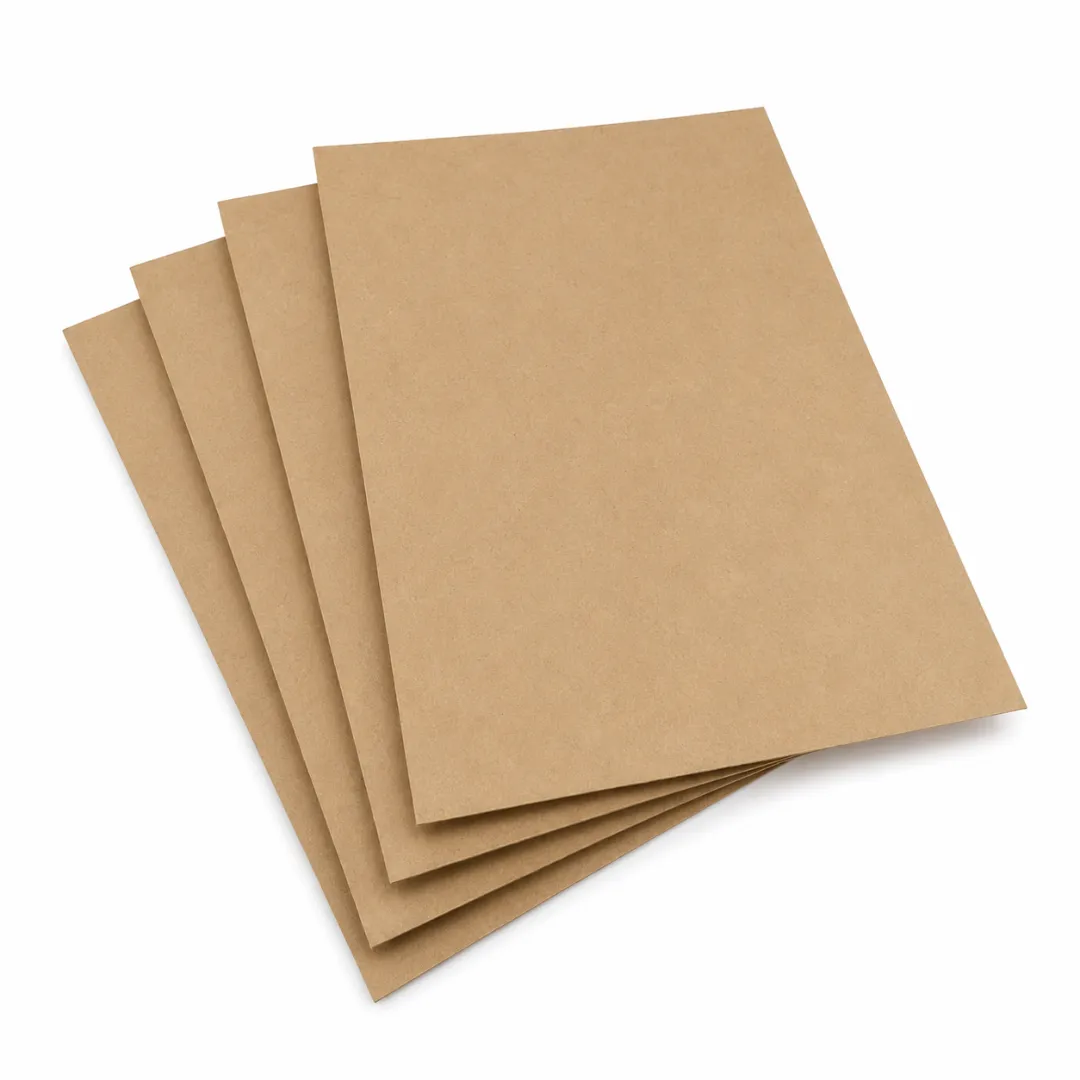
Kraft paper is a strong, durable and reliable material that is widely used across many different industries.
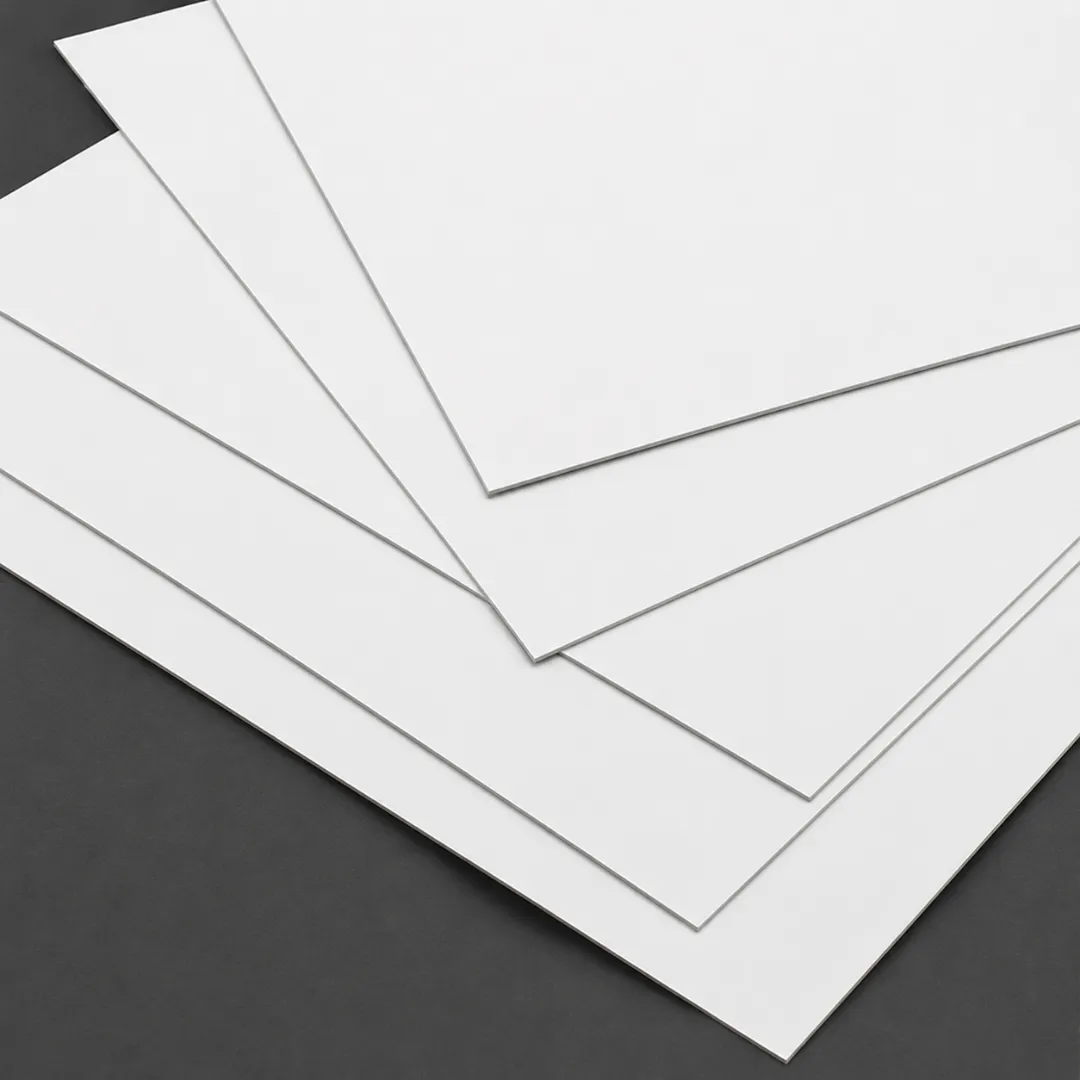
We use cardboard material with the least environmental impact and minimizes waste generation.
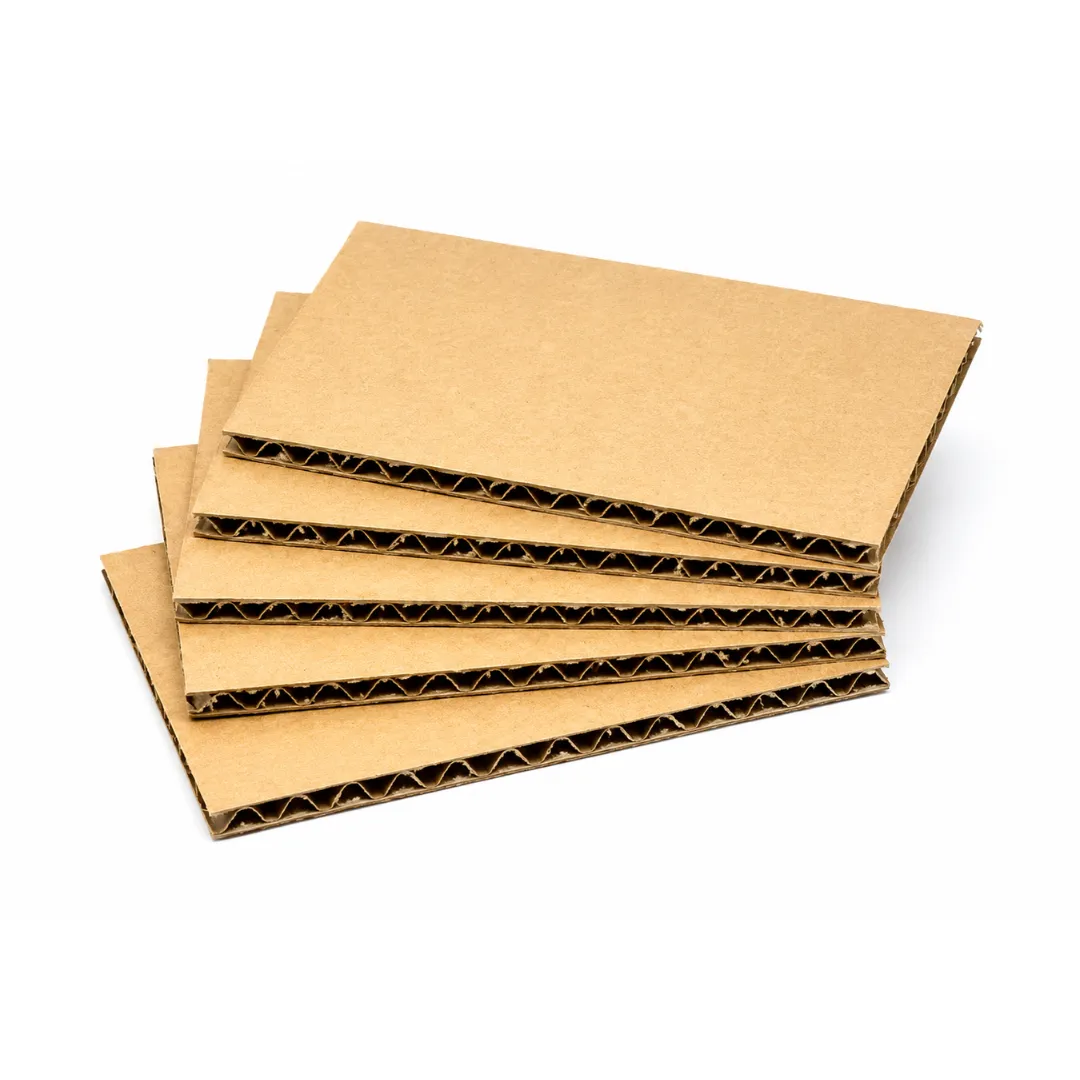
Corrugated material is easy to customize, cost effective and sustainable. It is also great for branding purposes.
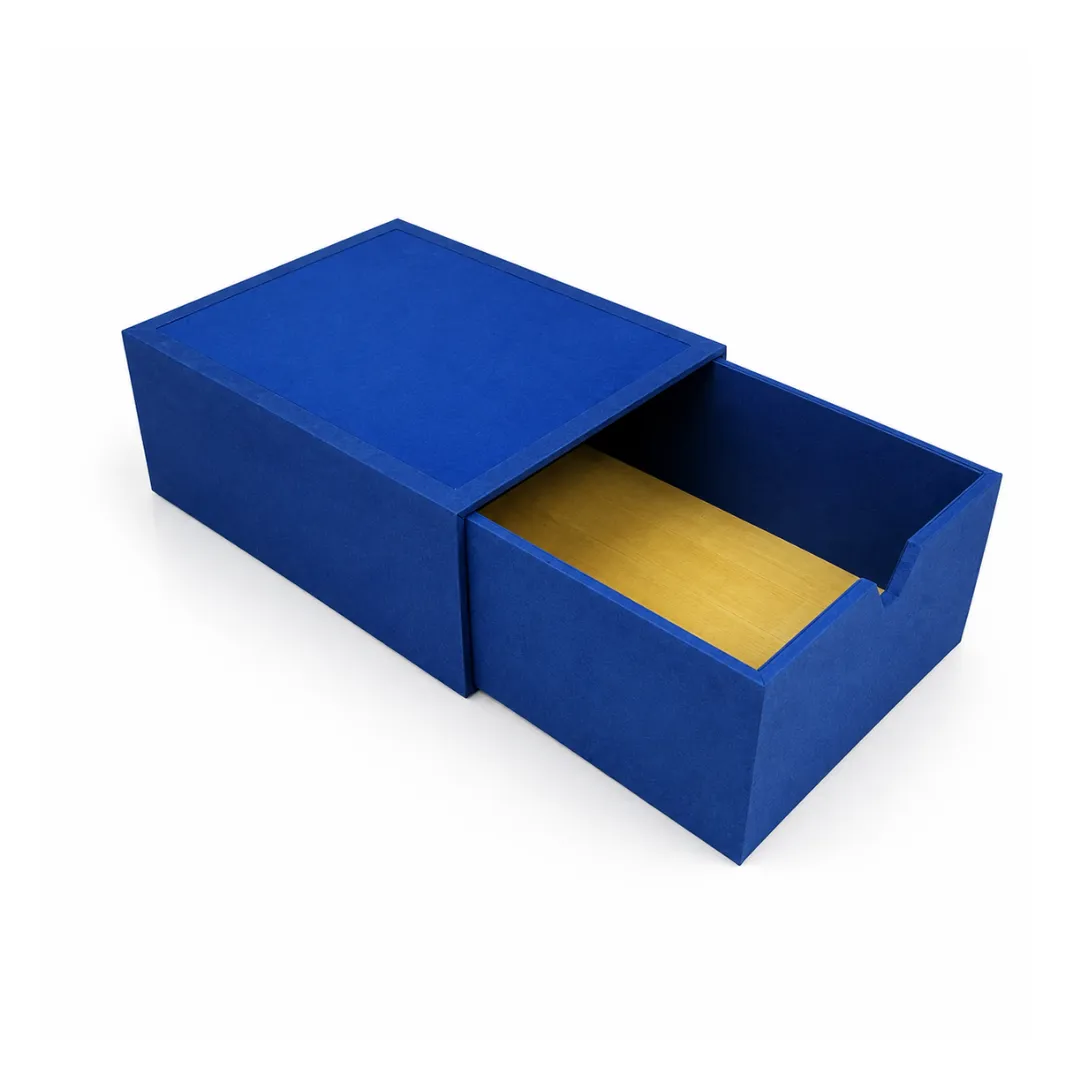
Rigid is highly protective, affordable and recyclable material. These boxes provide maximum protection.
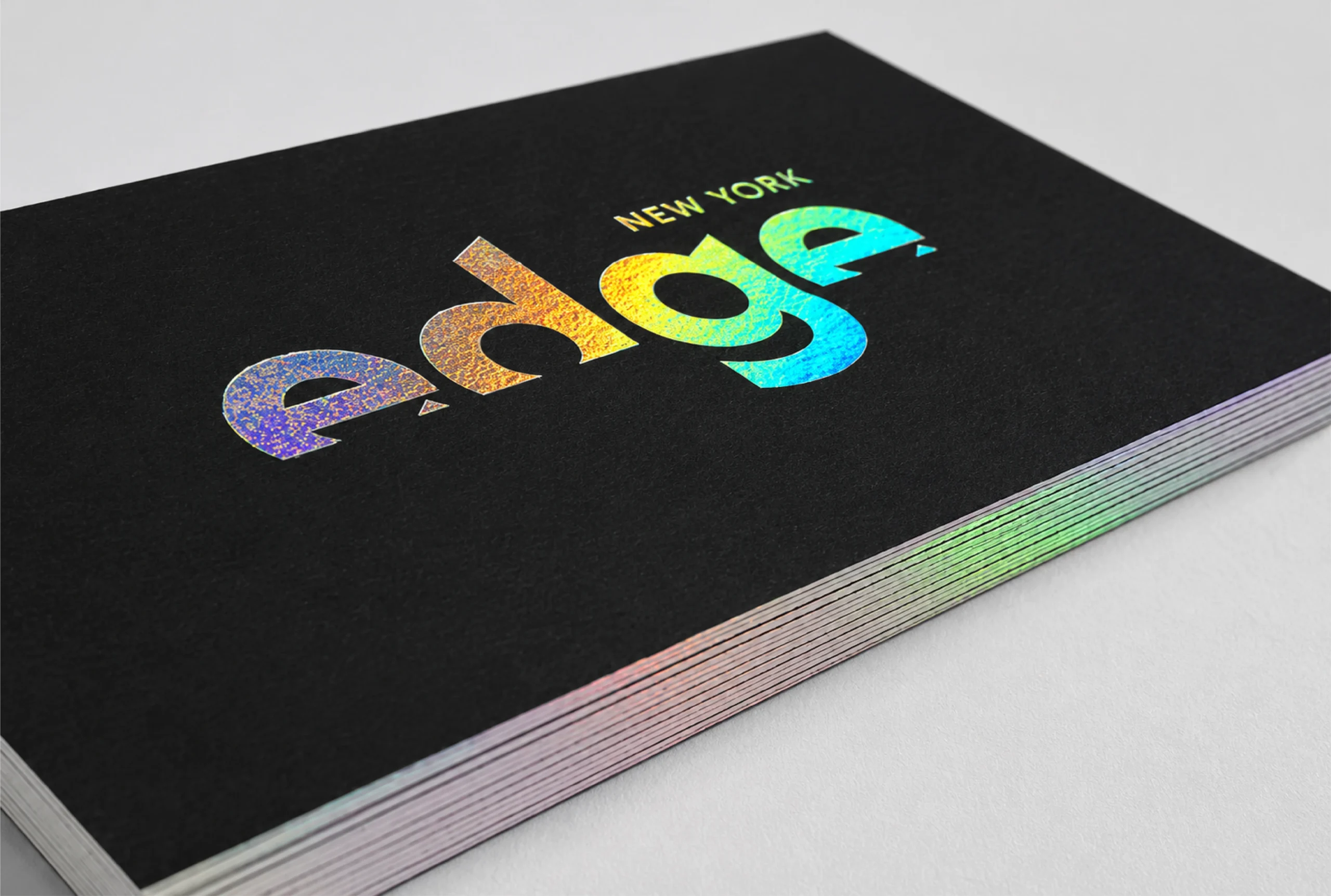
Holographic foil diffracts light and reveals the colors of the rainbow at various angles.
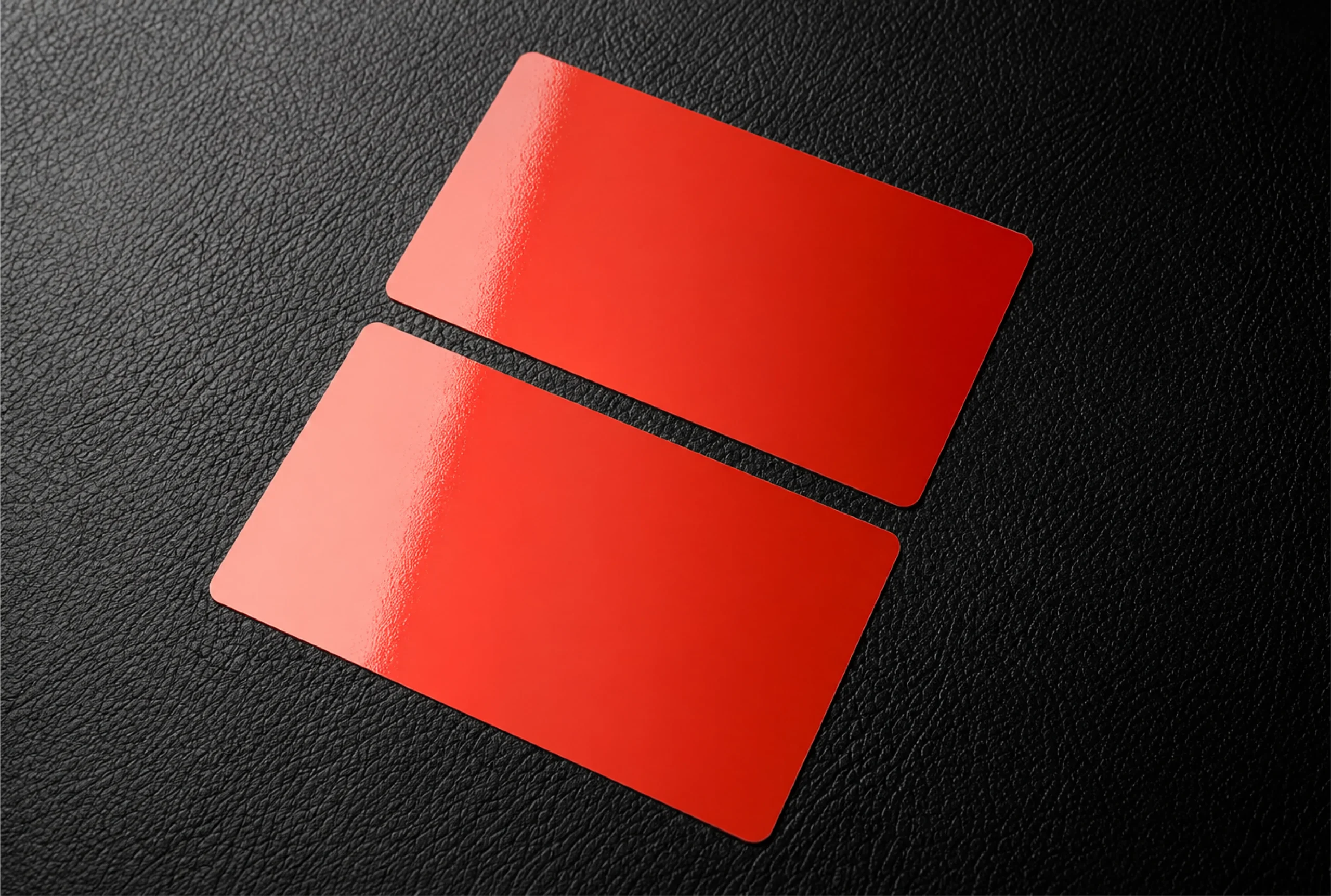
Our glossy finishing gives your packaging an extra layer of shine.
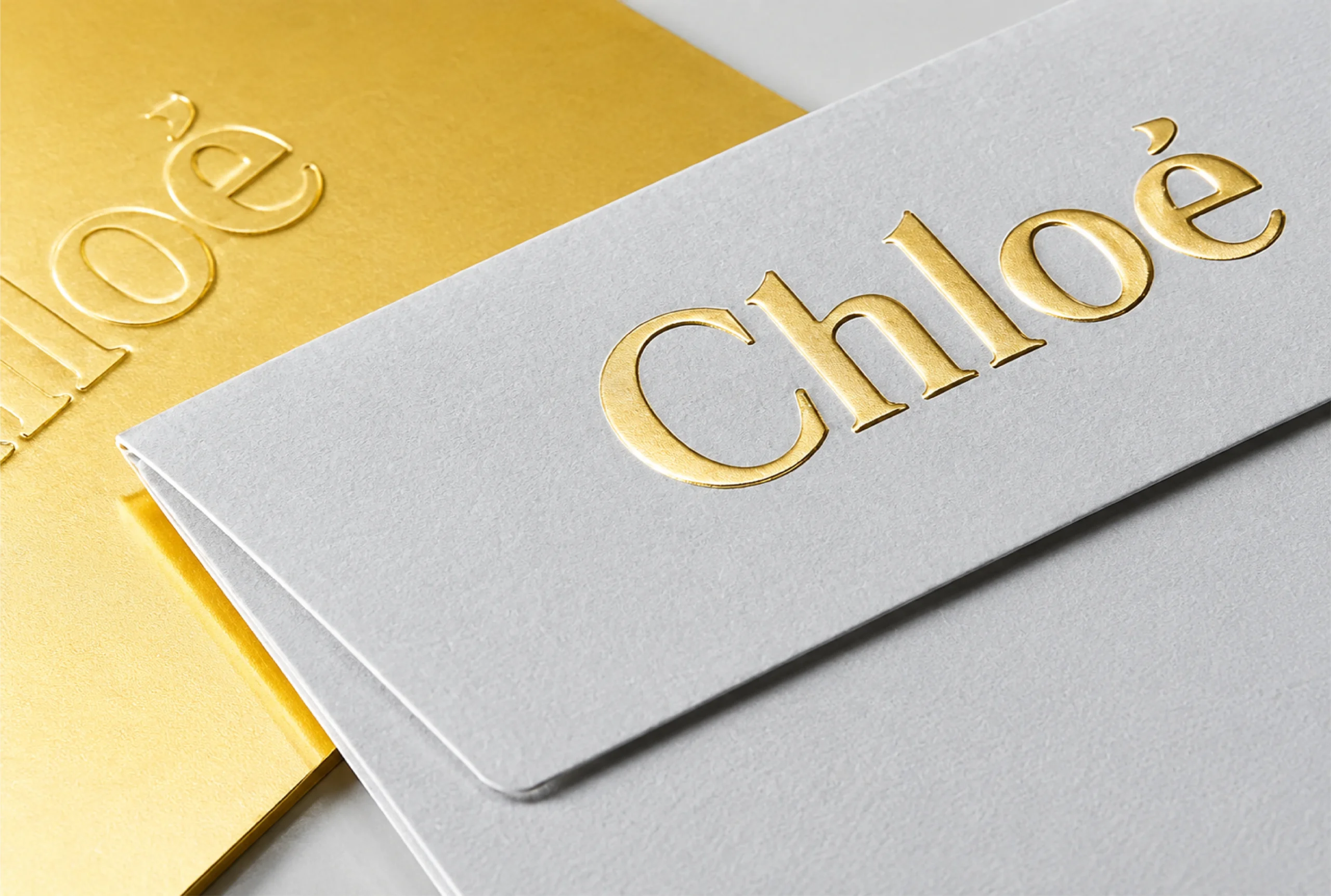
Decorate a wide range of your product packaging with our foil stamping.
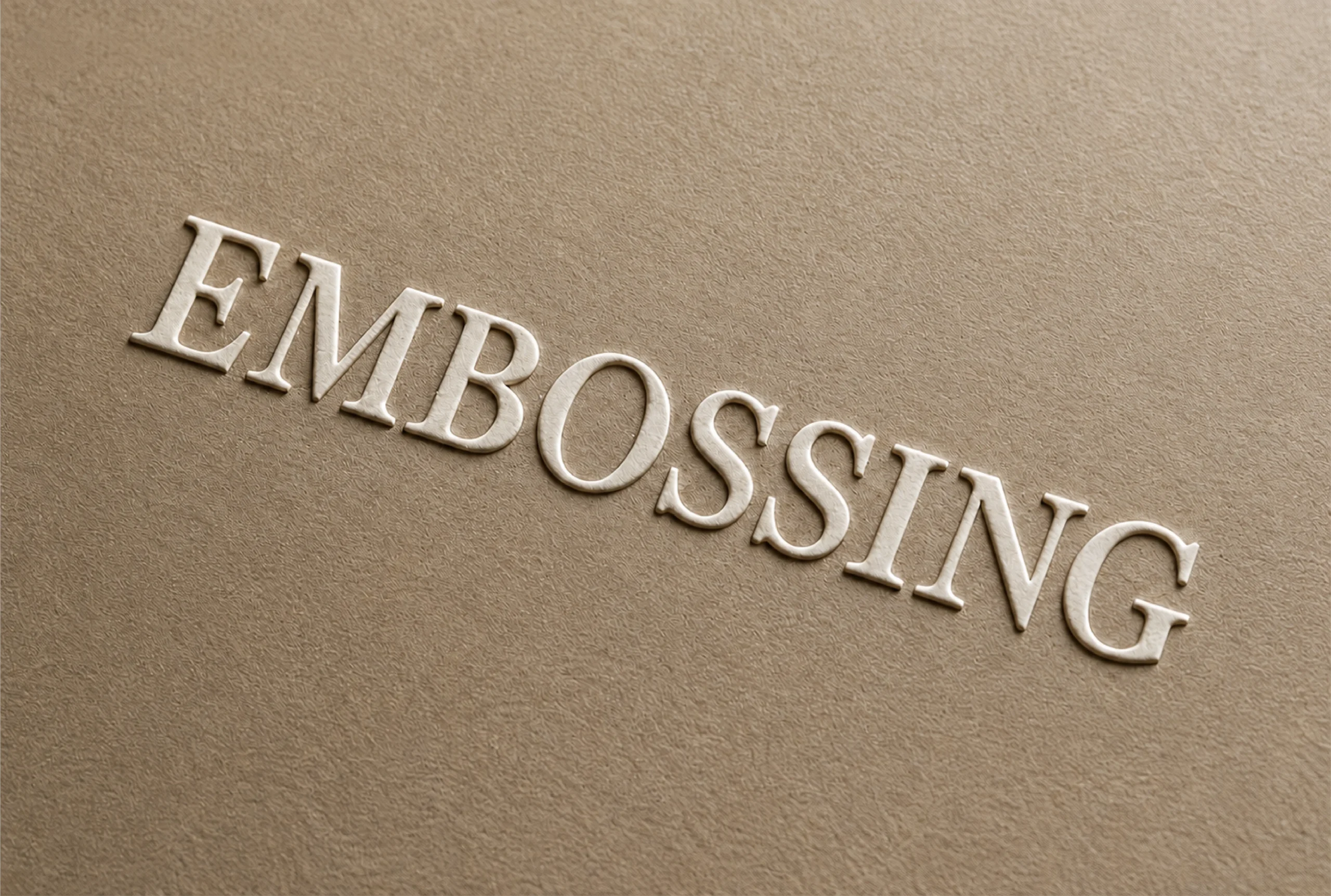
With our embossing technique, we transfer the finest details of your product on packaging.
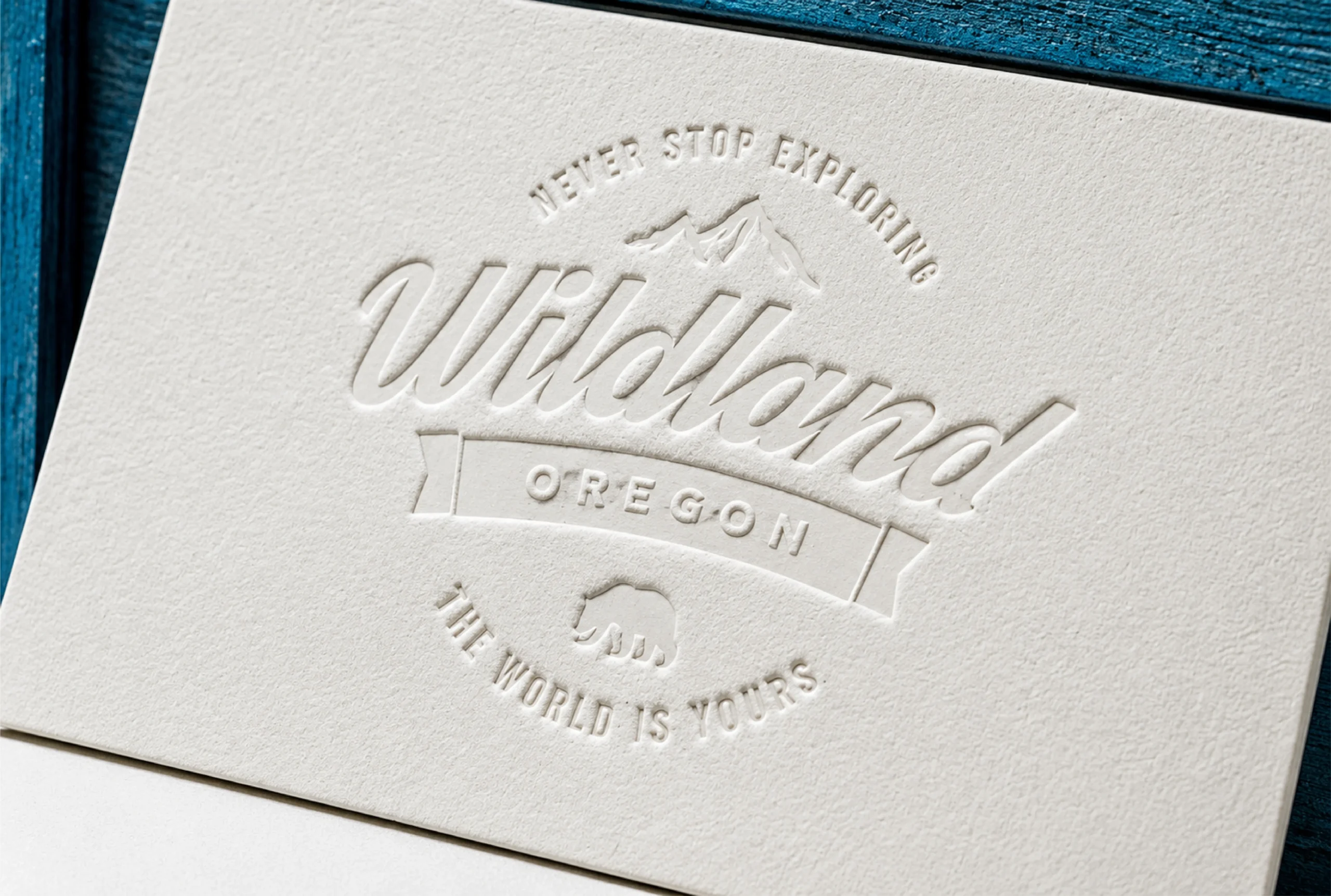
We use debossing technique to add unique graphics into your packaging.
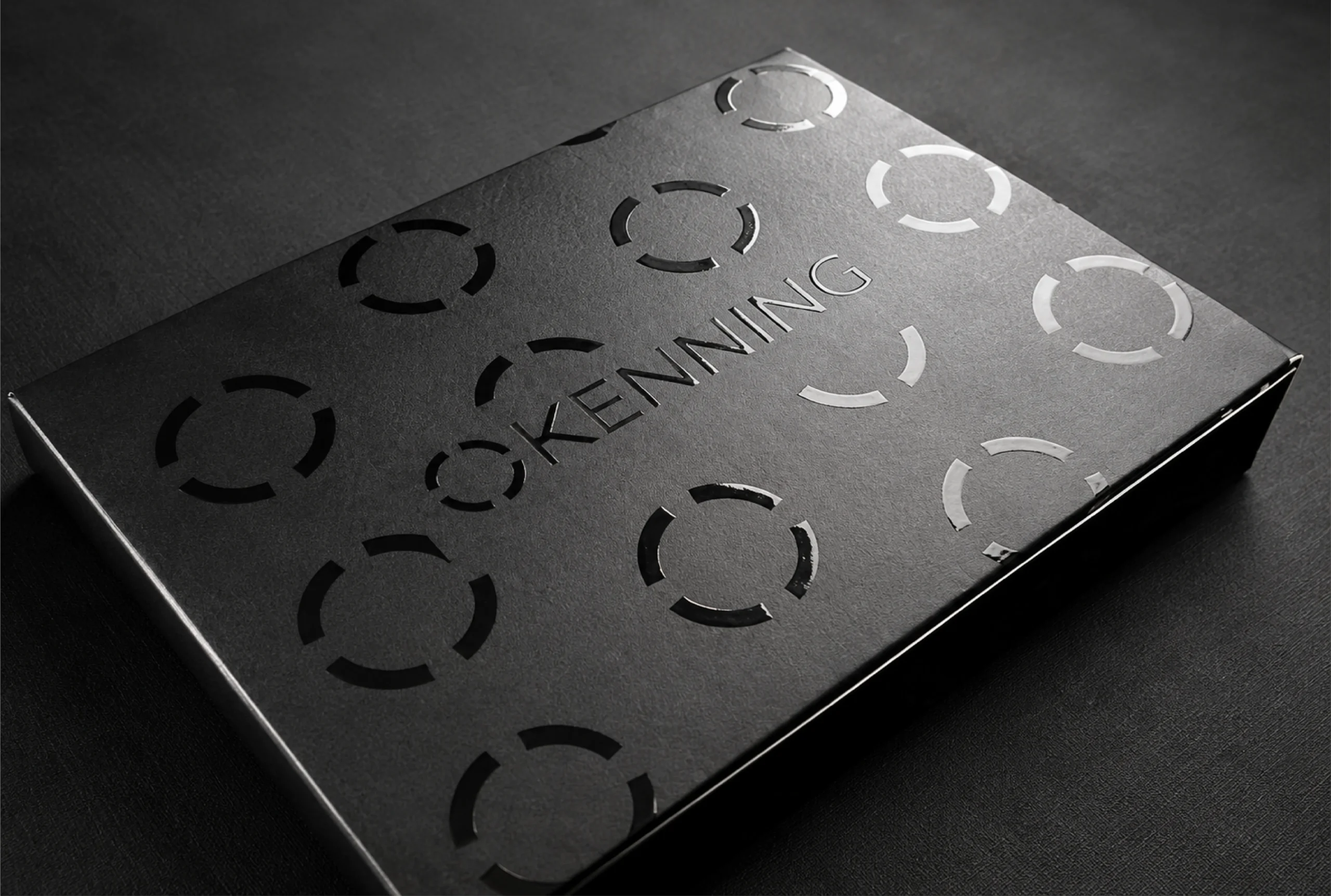
Our high-gloss UV coating gives light and shine to cure the printed material's varnish.
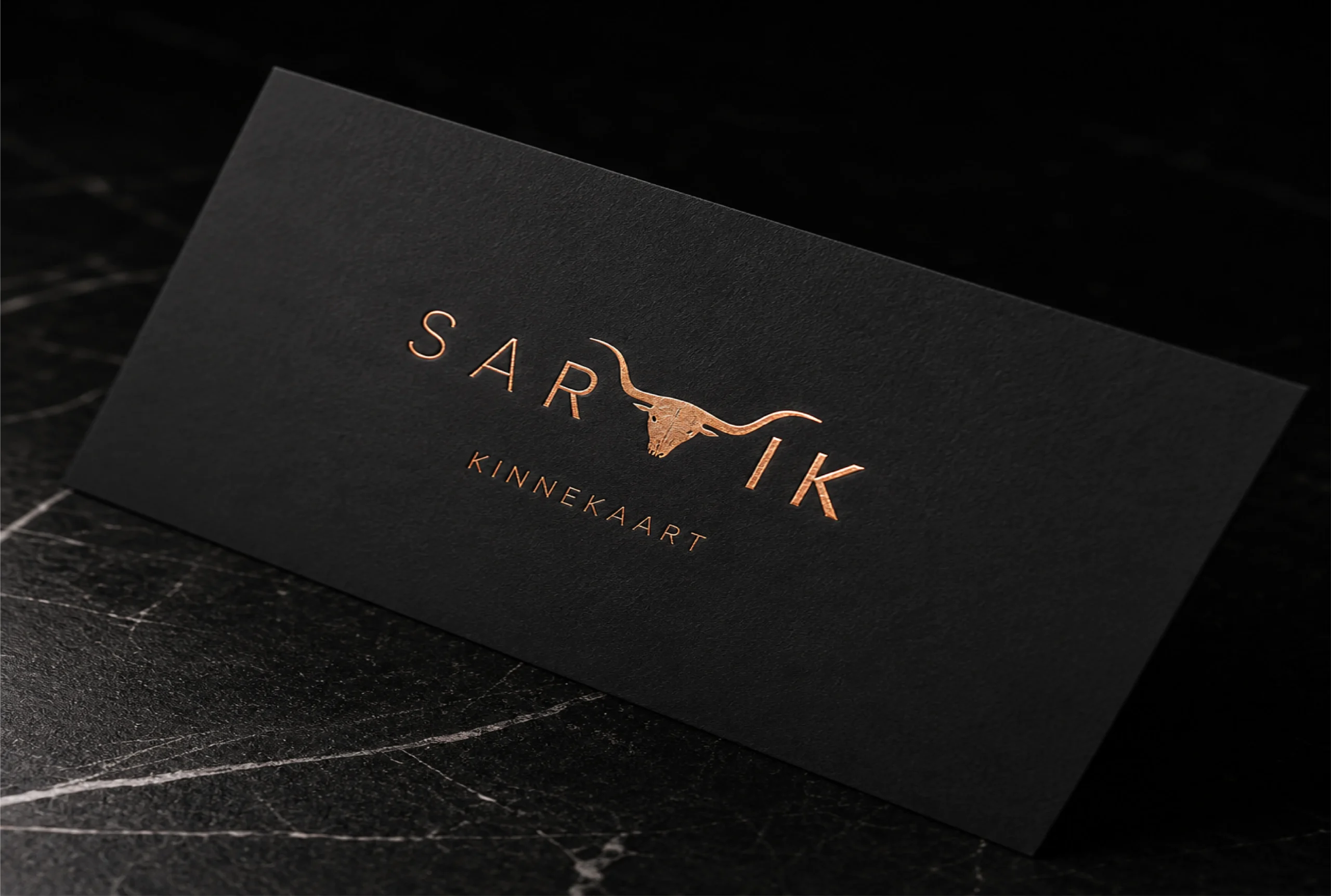
We add additional layer of protection with soft touch lamination from toner chipping.
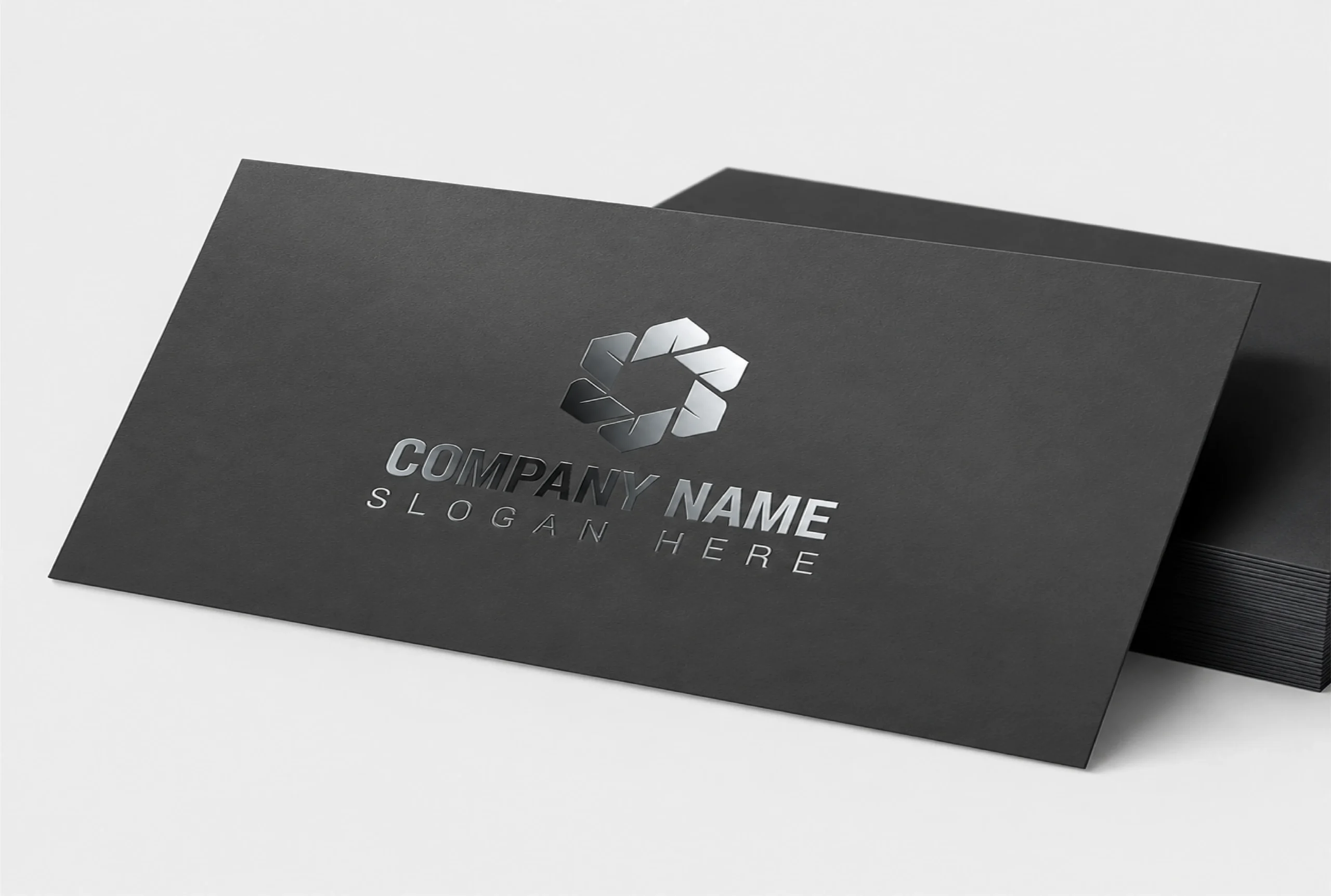
With our matte finish, fingerprints and smudges will now be less visible on the packaging.
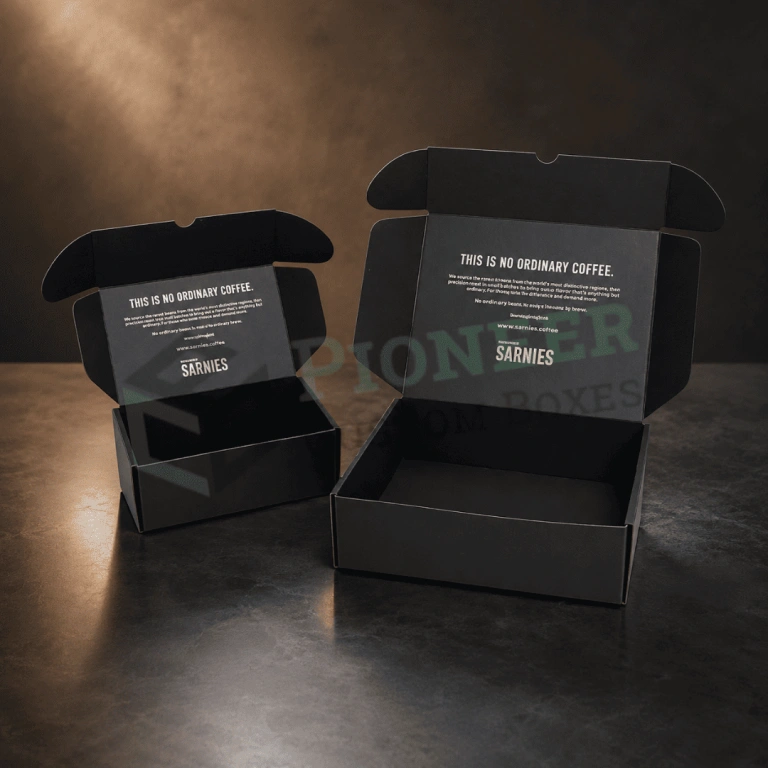
Custom Black Shipping Boxes from Pioneer Custom Boxes help ecommerce, subscription, gift, apparel, cosmetic, stationery, jewelry, candle, and retail brands ship products with stronger protection and a premium black presentation. Choose custom sizes, black mailer styles, corrugated board, E-flute, B-flute, inserts, inside printing, matte or gloss finishes, free design support, no MOQ, and free USA shipping.
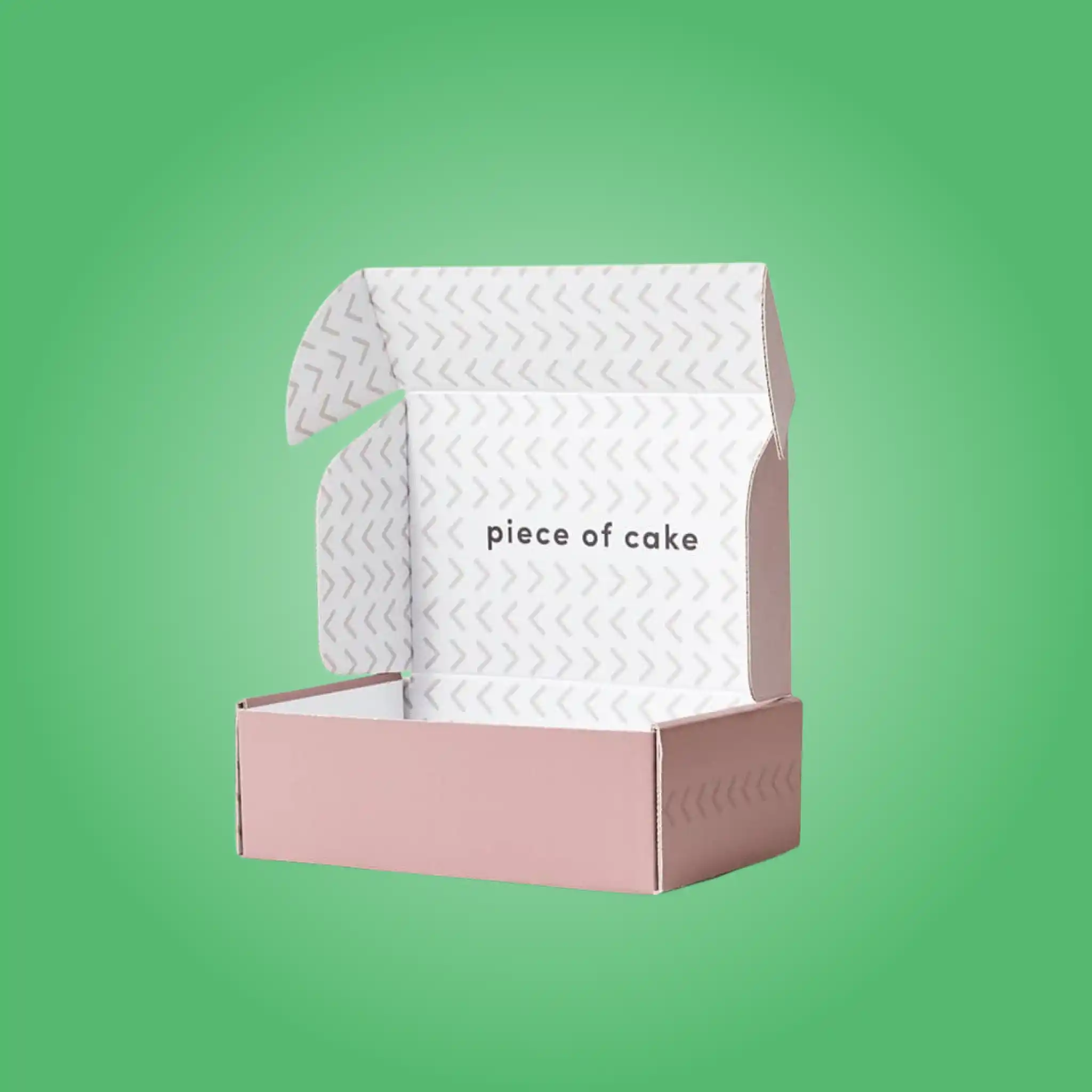
Custom ear lock mailer boxes with self-locking side flaps that secure without tape or adhesives. The interlocking design resists crushing and prevents opening during transit. Choose E-flute, B-flute, or C-flute based on product weight. ECT rated, custom printed, and available with inserts.
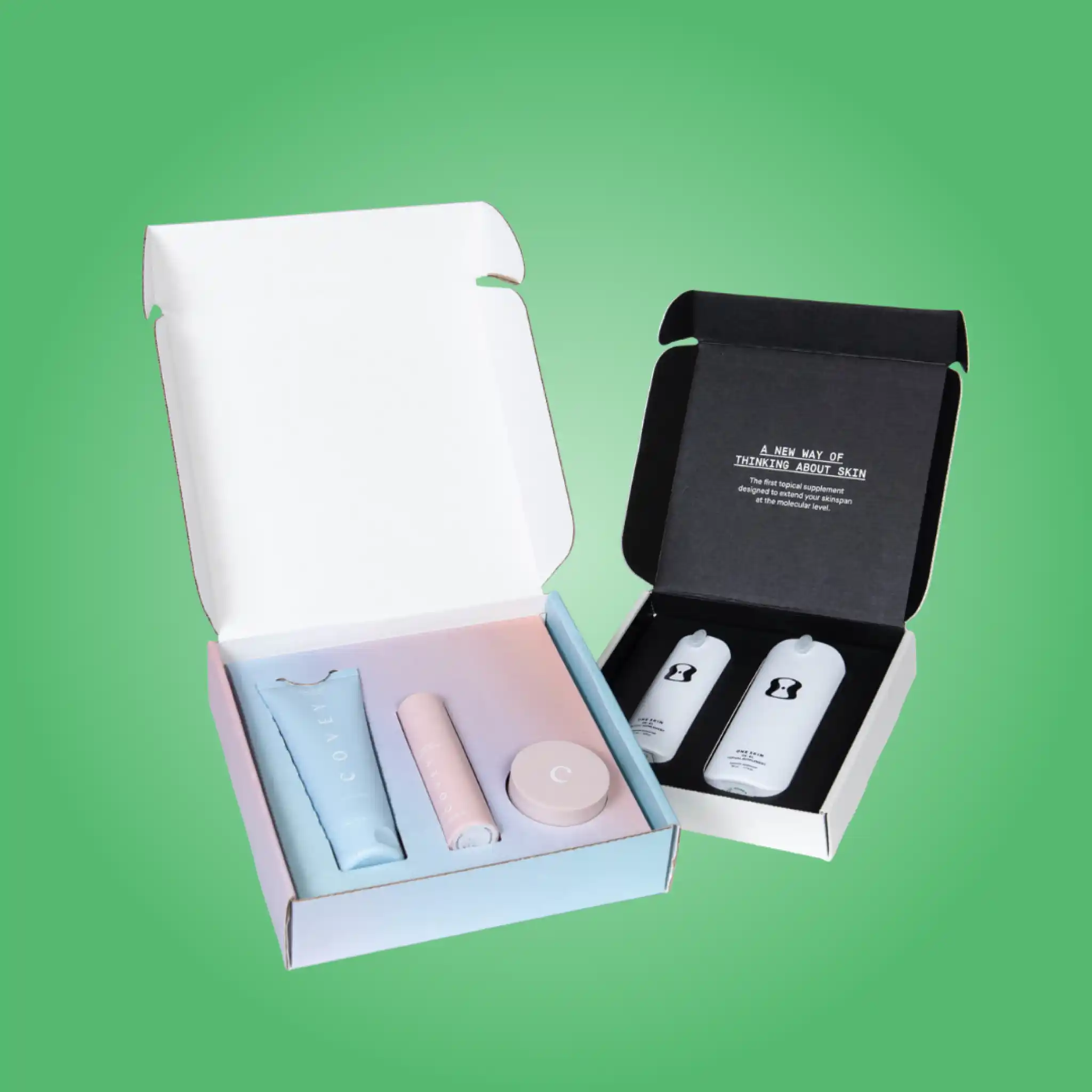
Custom mailer boxes with inserts from Pioneer Custom Boxes help cosmetic, glassware, candle, electronics, ceramics and subscription brands cut damage rates in transit. Choose die-cut corrugated trays, partitions, molded pulp cradles, paperboard platforms or foam, designed on one dieline with the box, with free design support, no MOQ and free USA shipping.
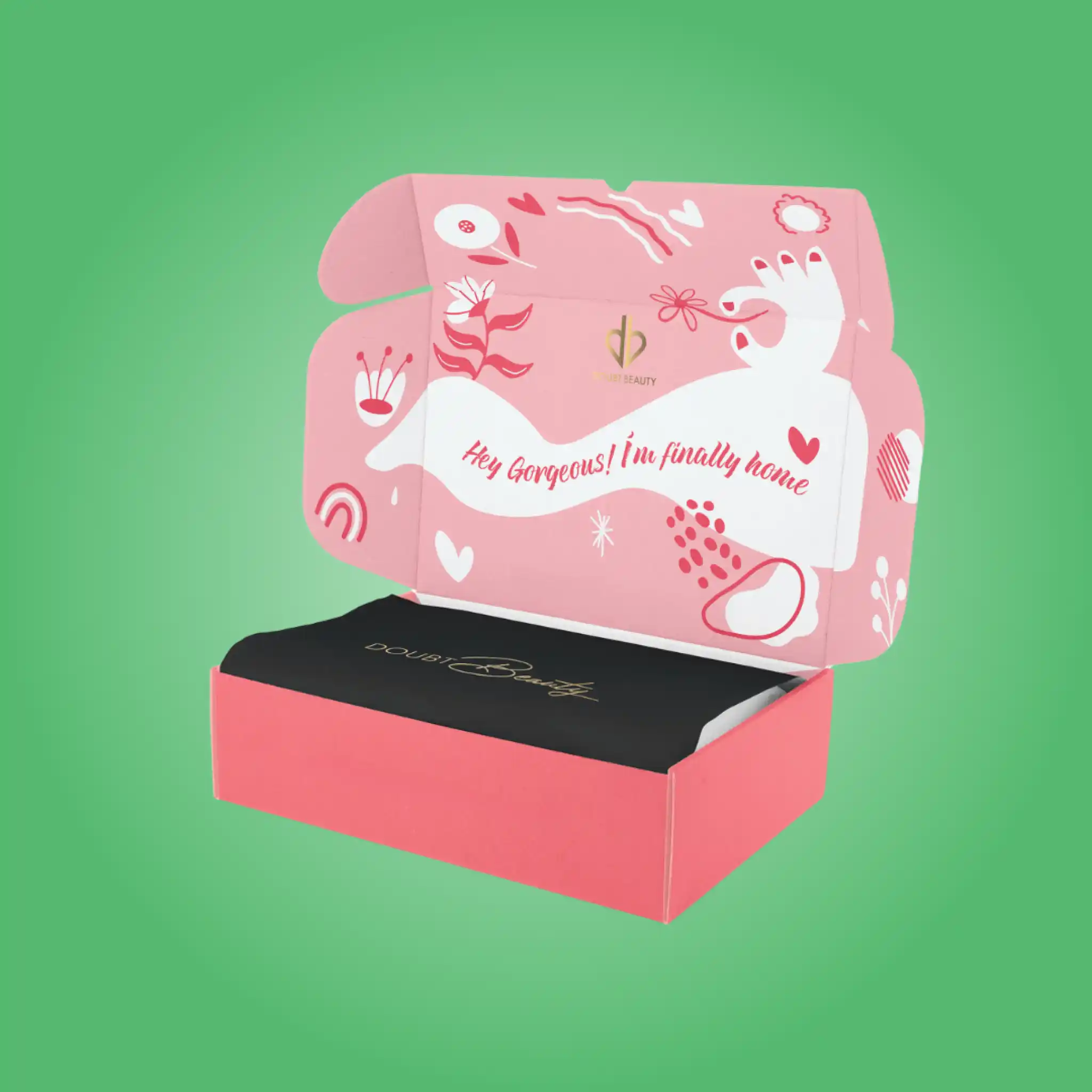
Custom subscription boxes from Pioneer Custom Boxes help beauty, snack, coffee, book, pet, wellness and lifestyle subscription brands ship a monthly experience that survives the parcel network. Choose E-flute or B-flute corrugated, white top or natural kraft liners, printed interiors, fitted trays, dividers, tear strips, free design support, no MOQ and free USA shipping.