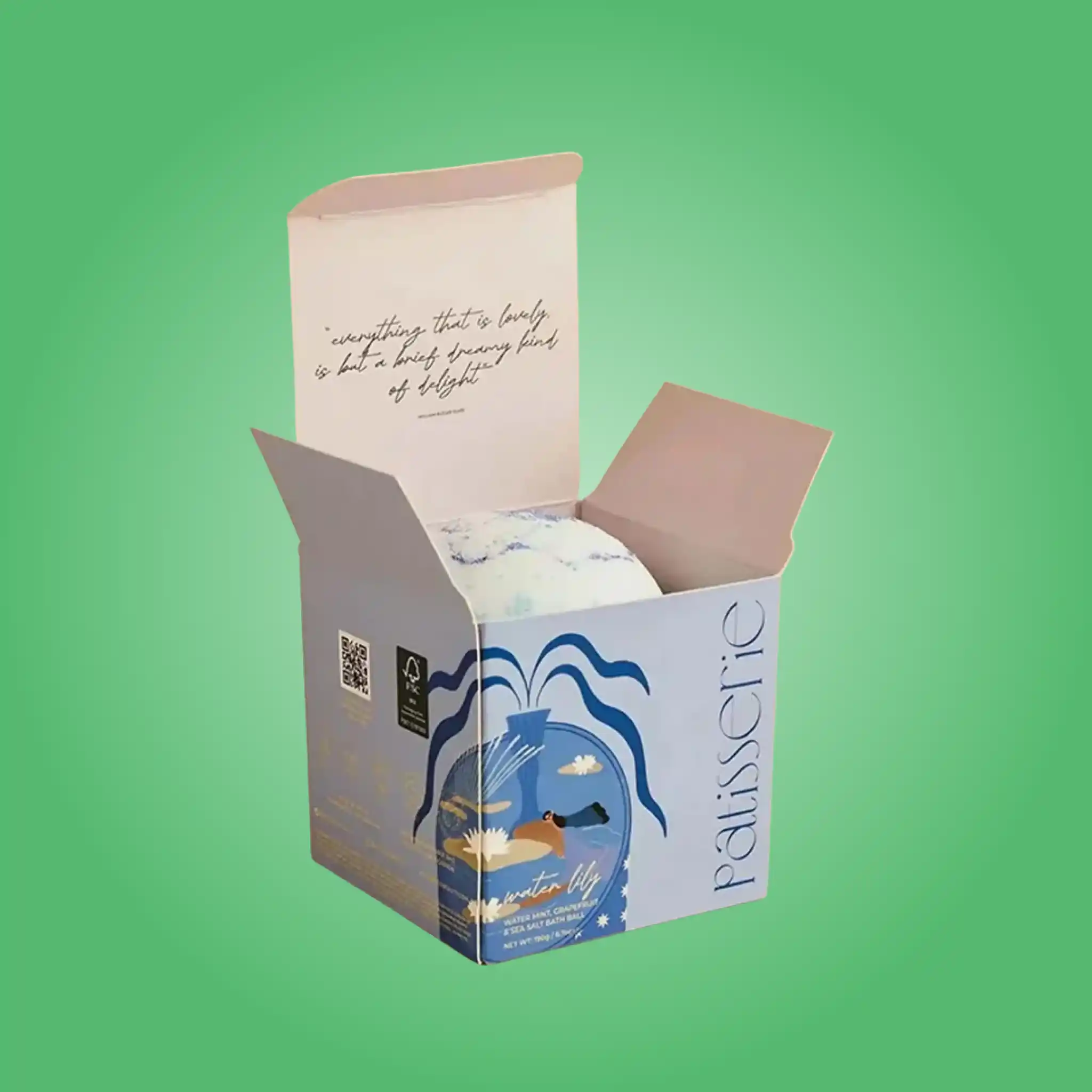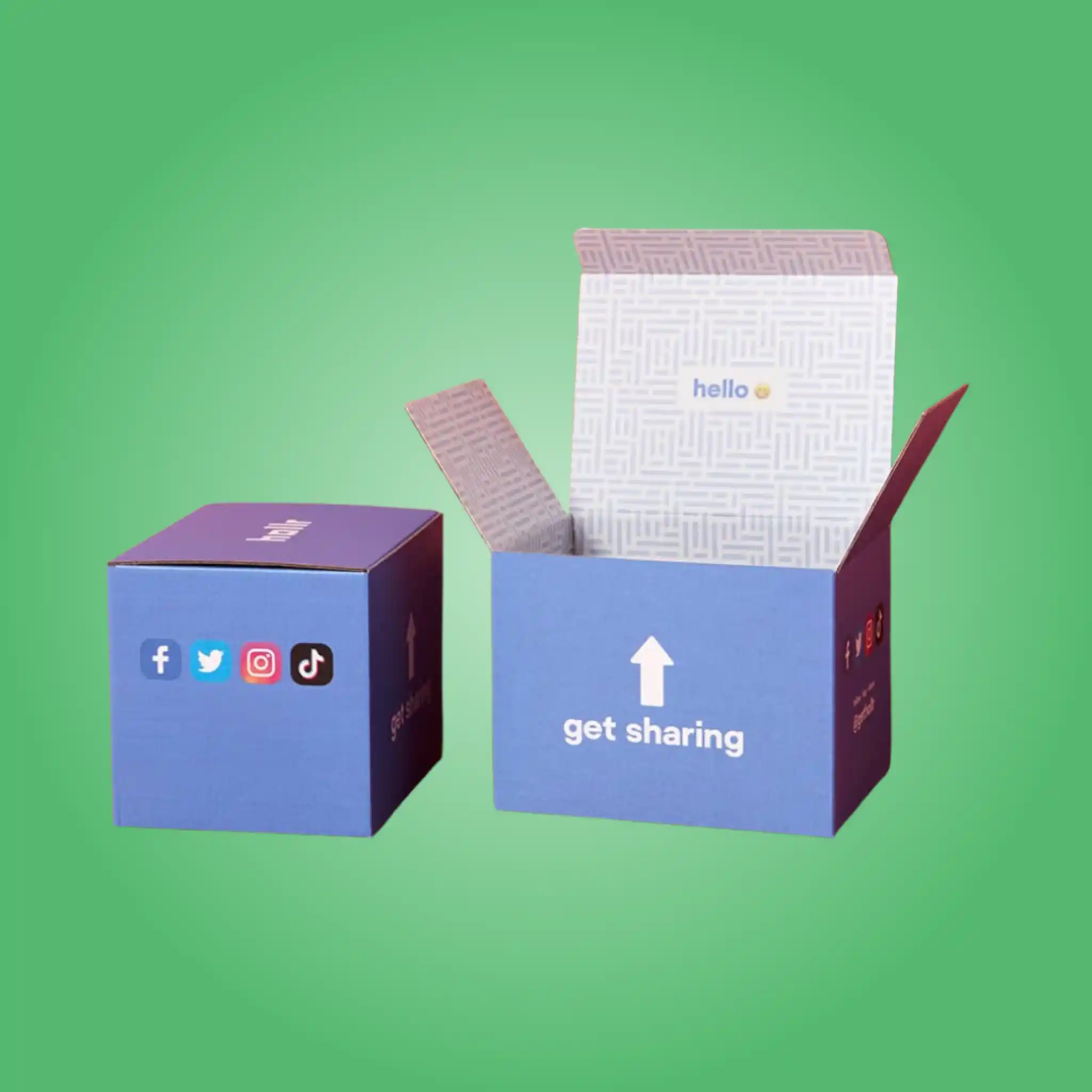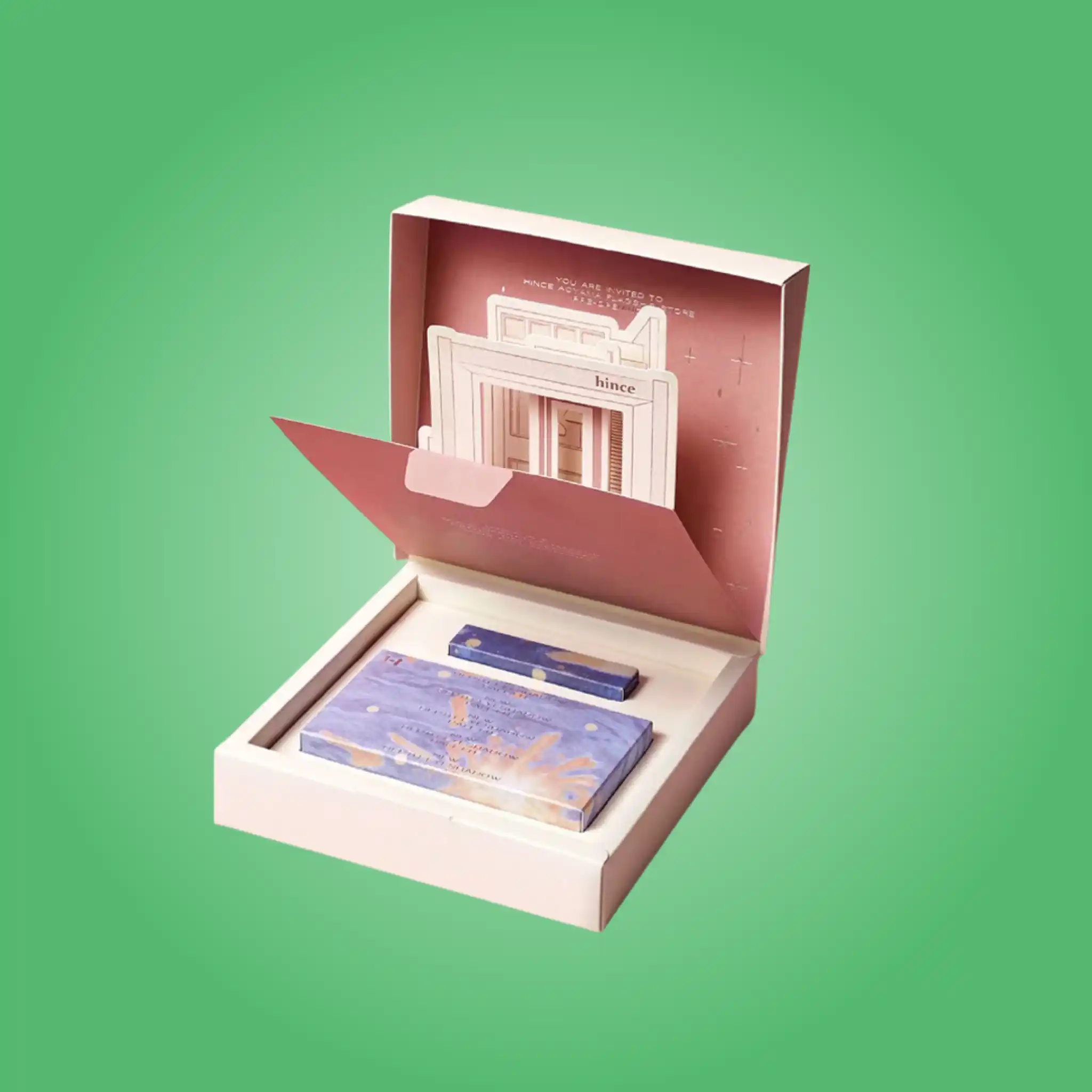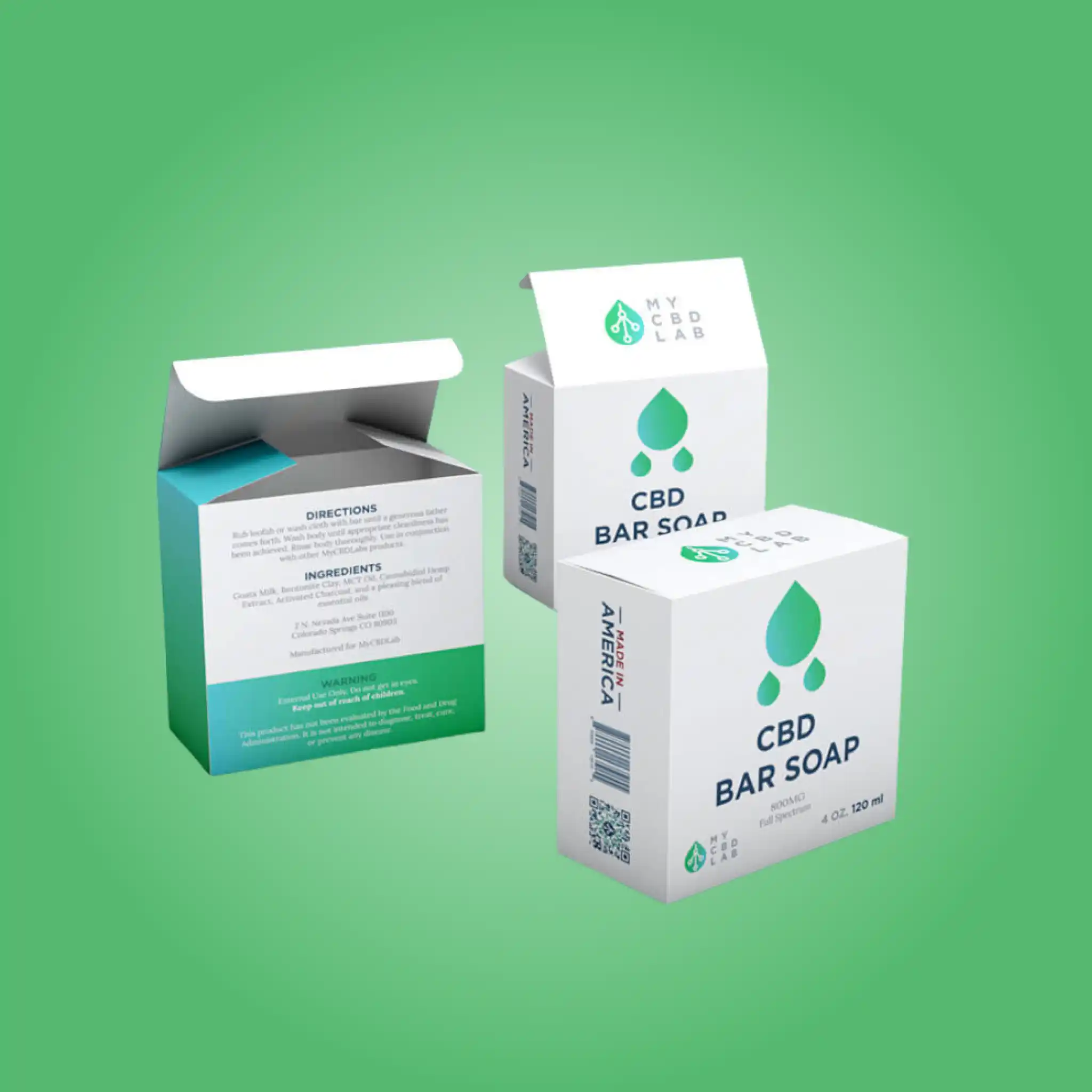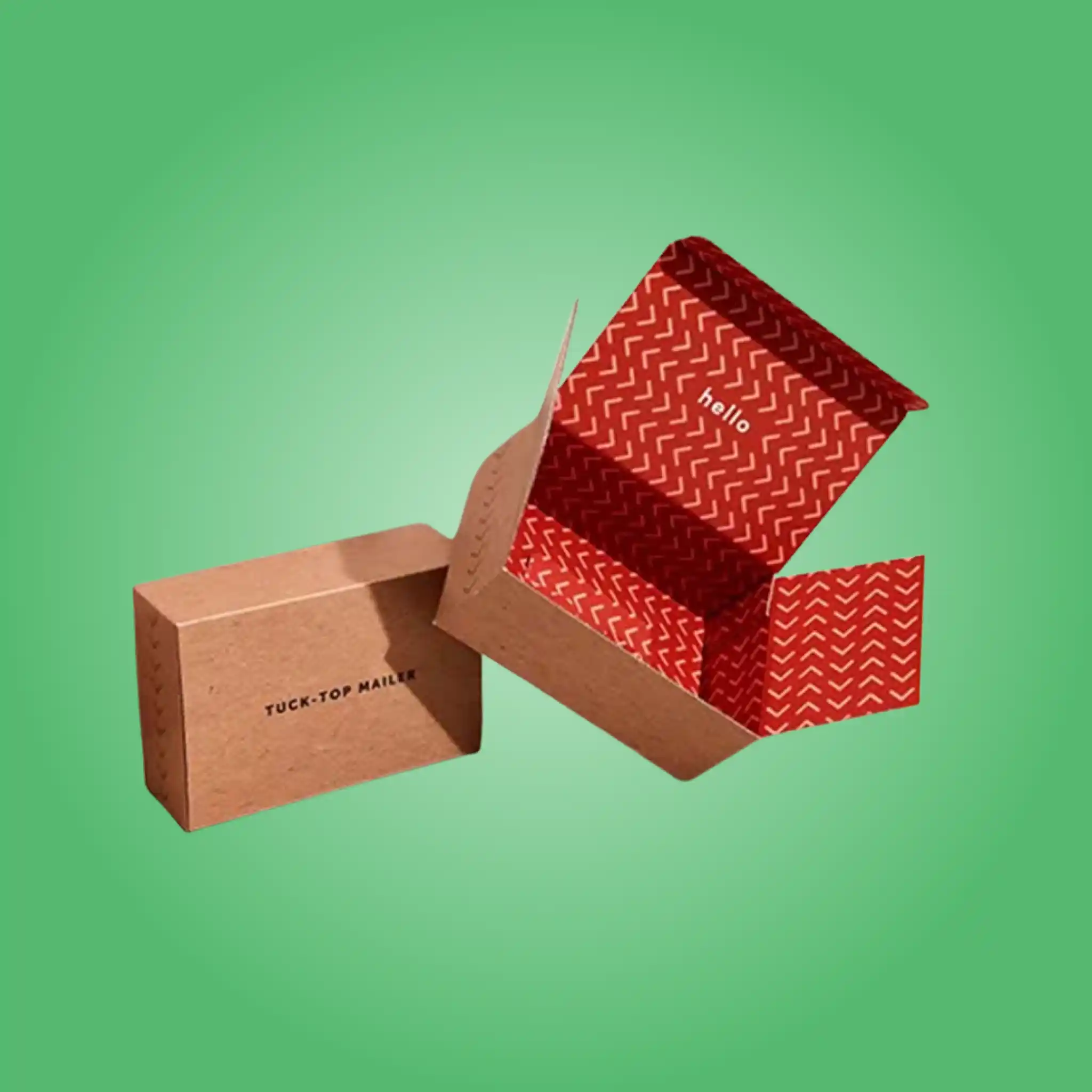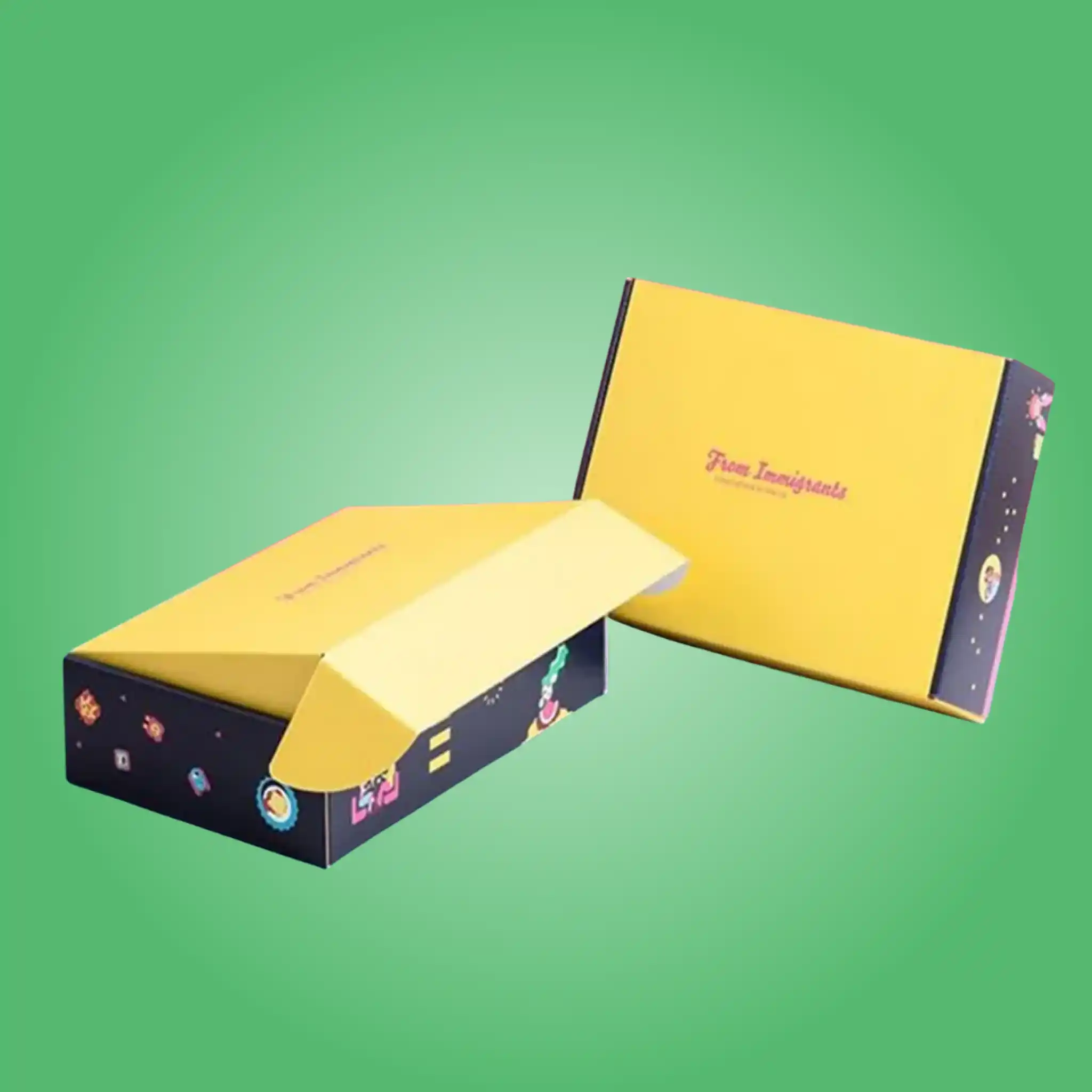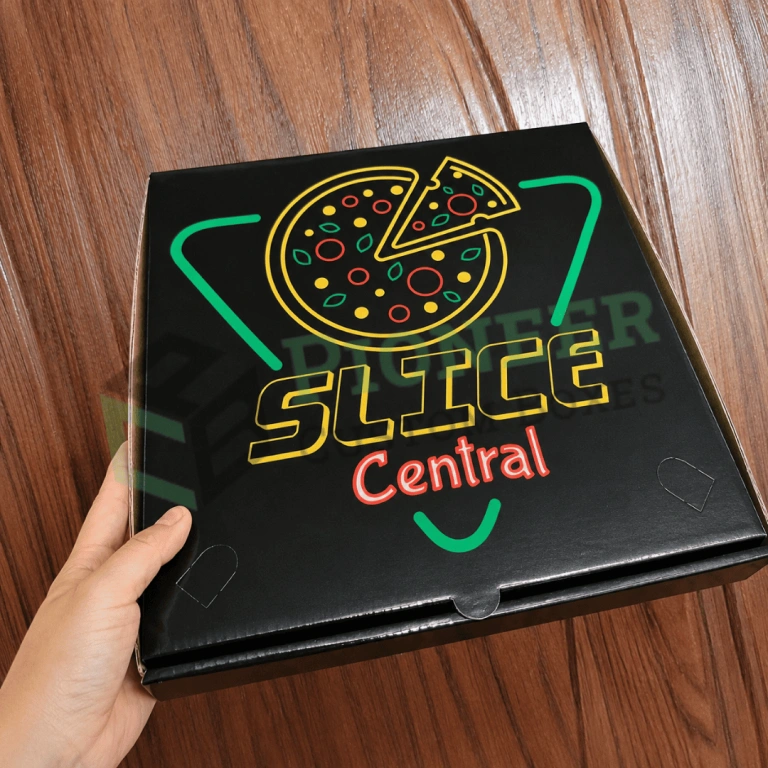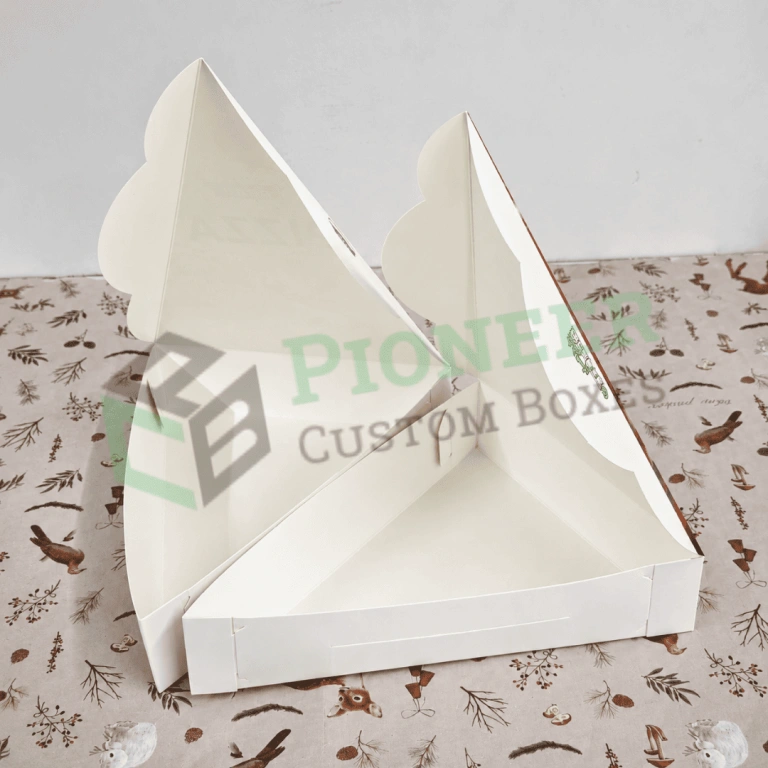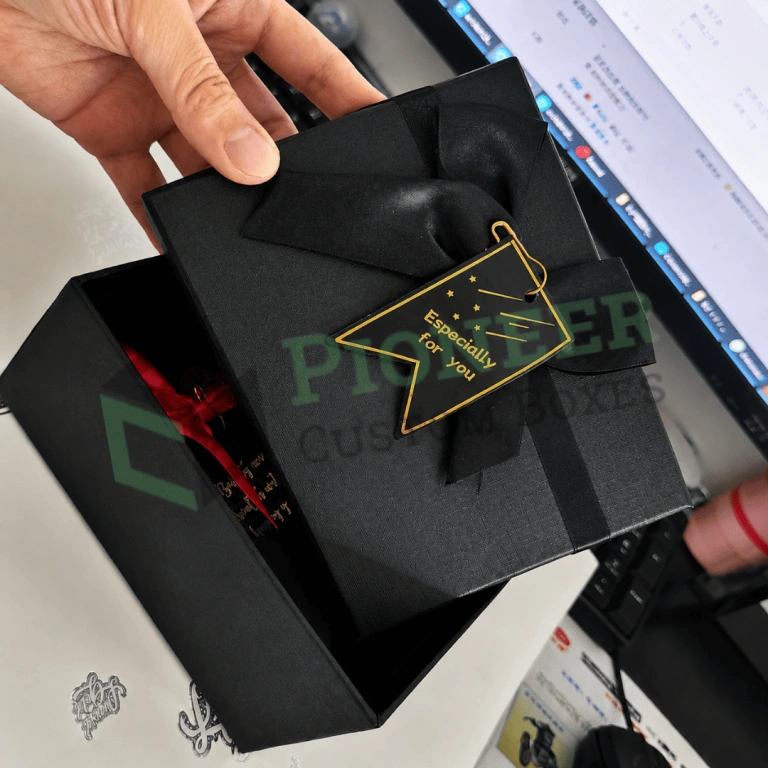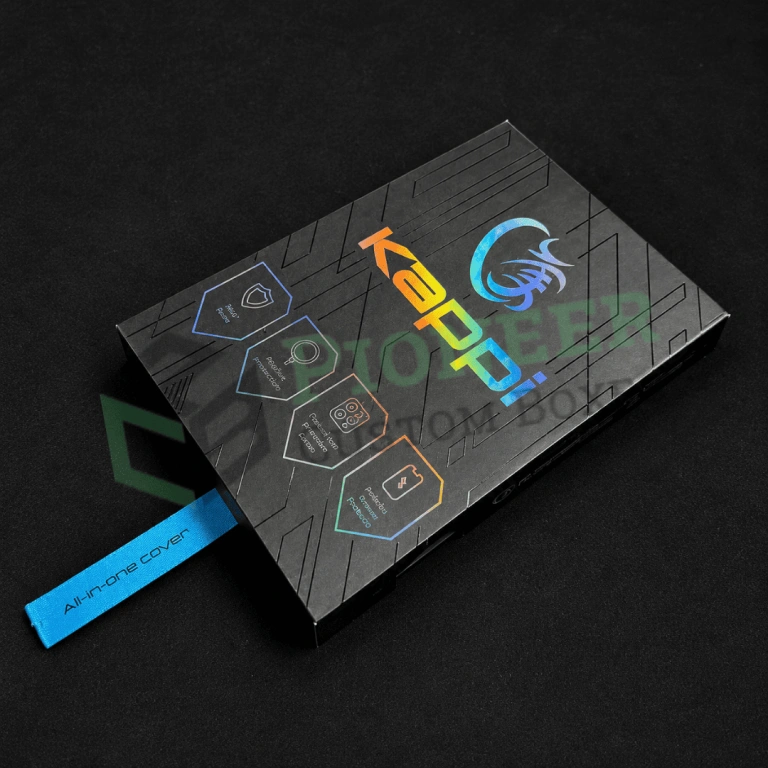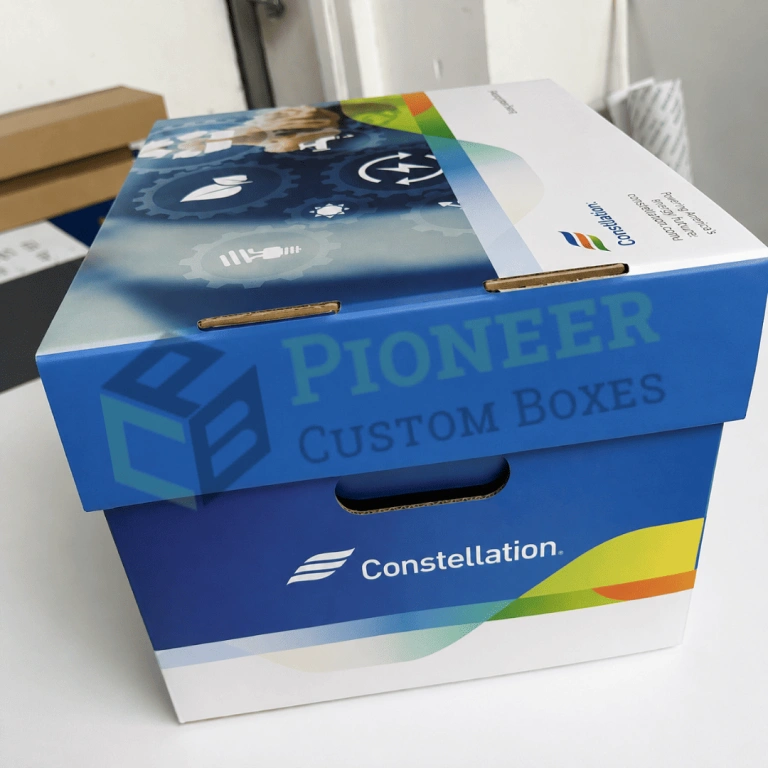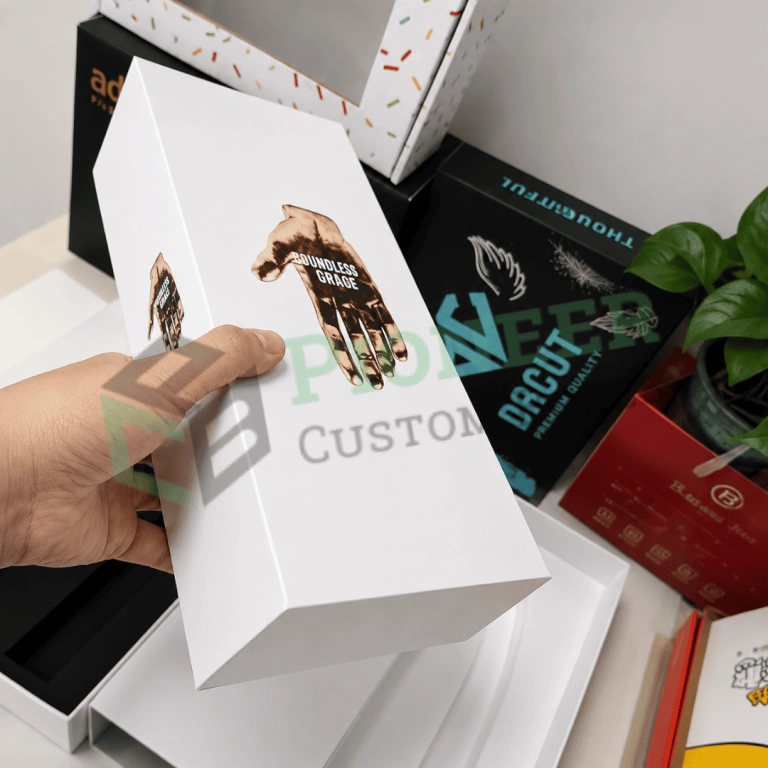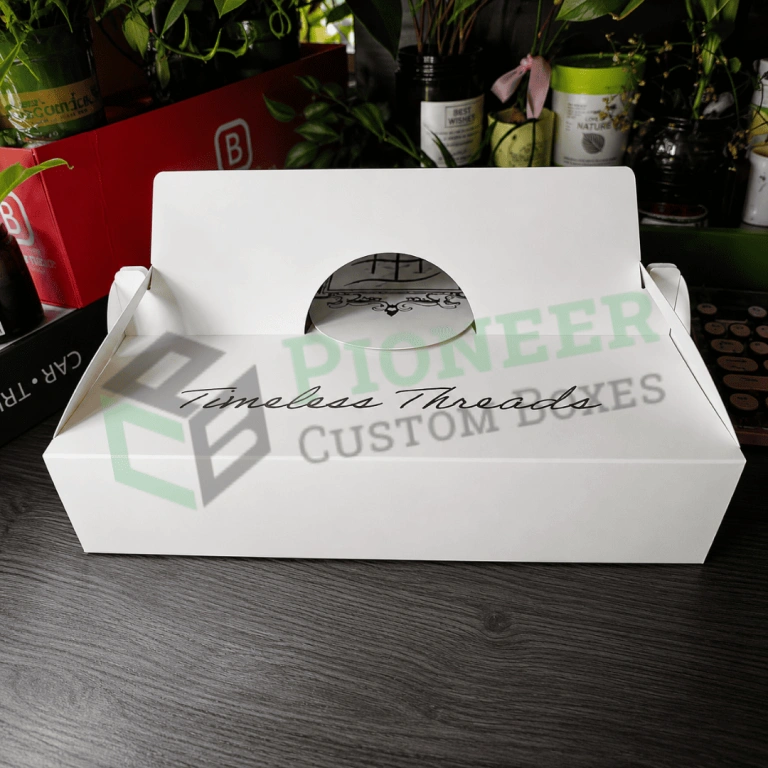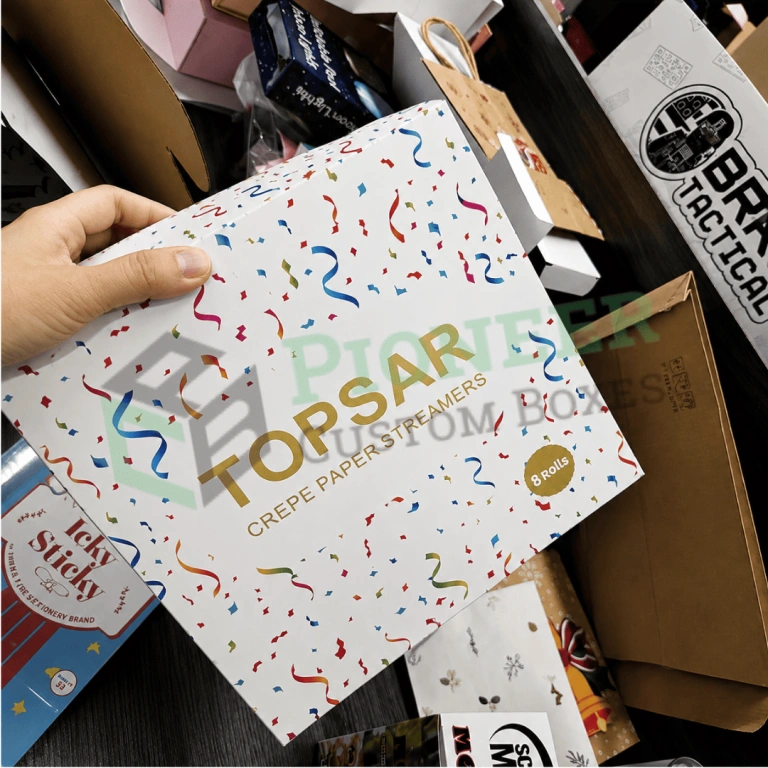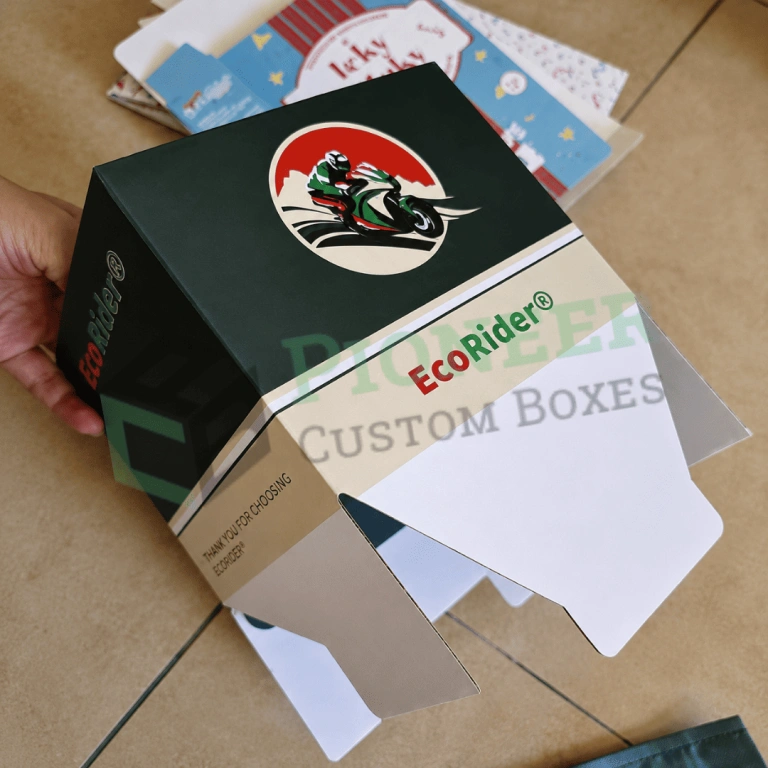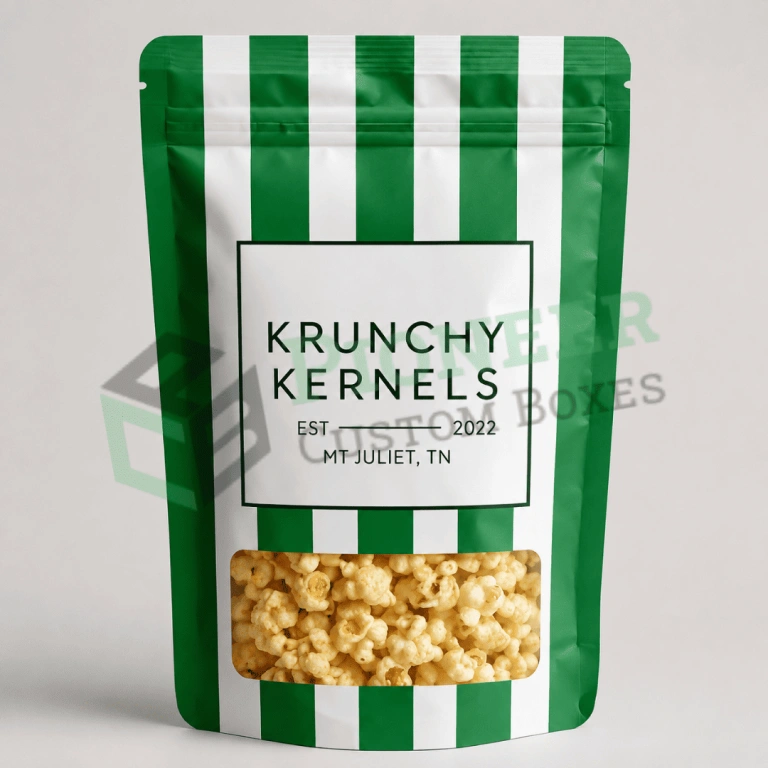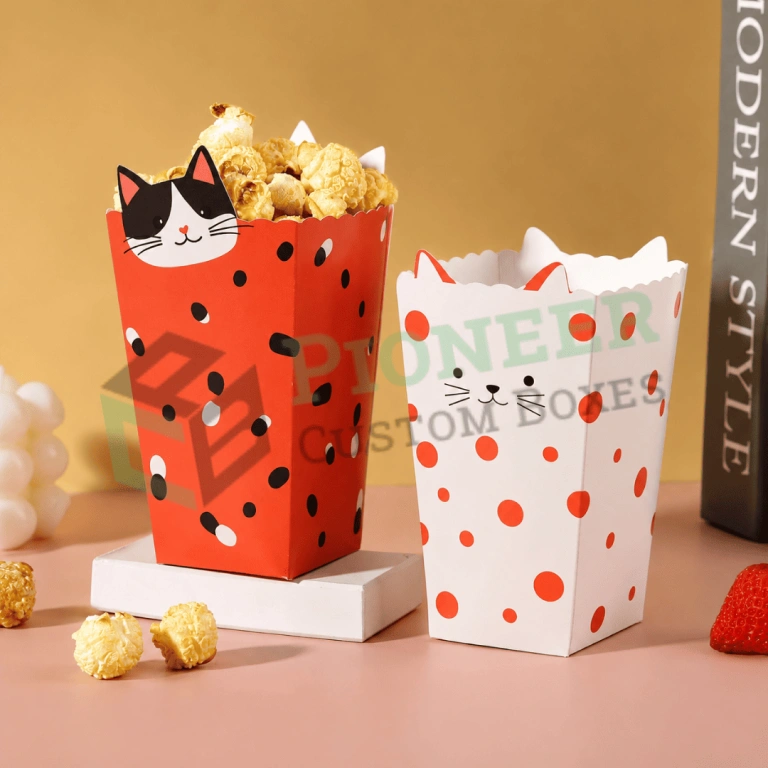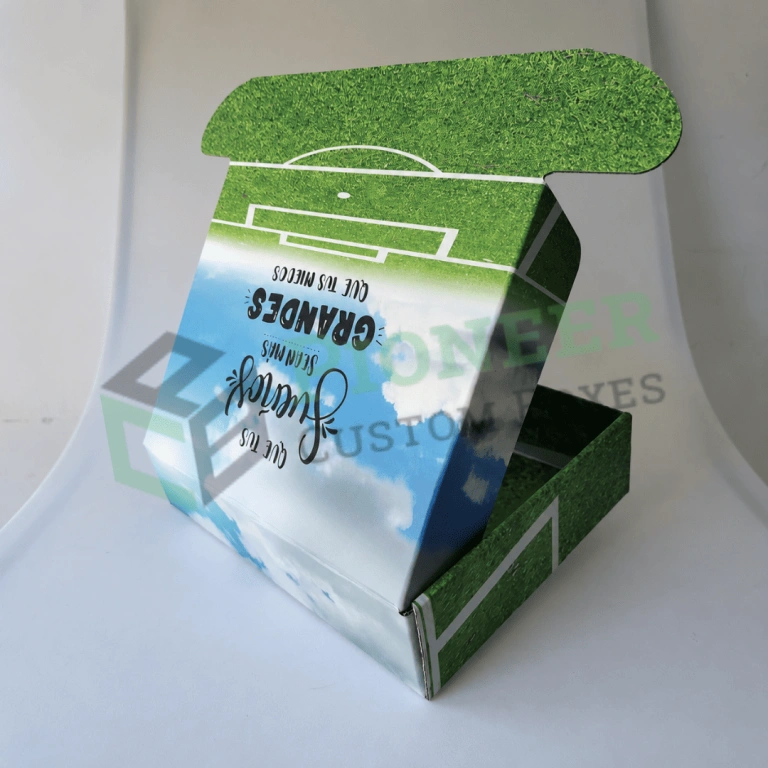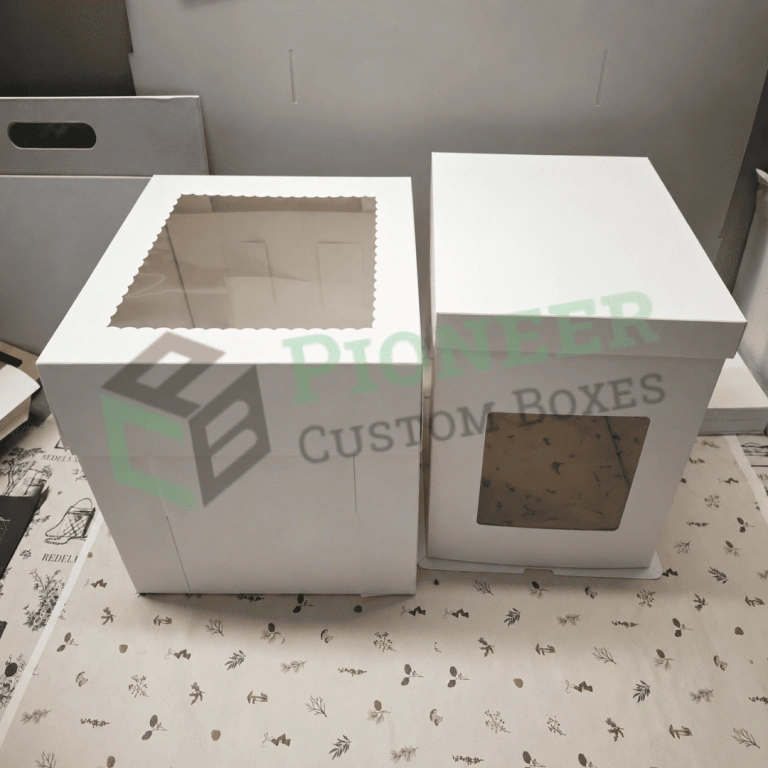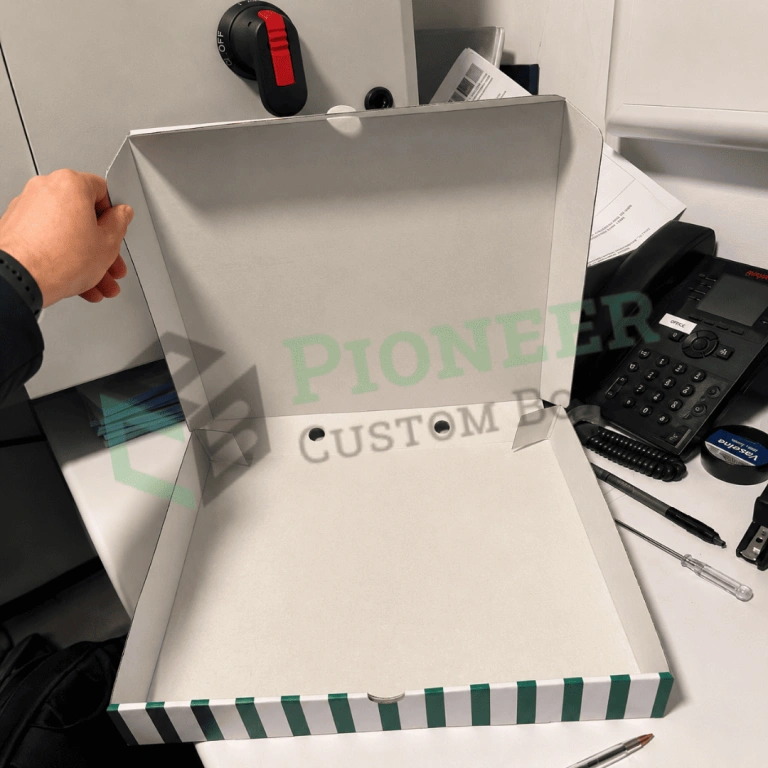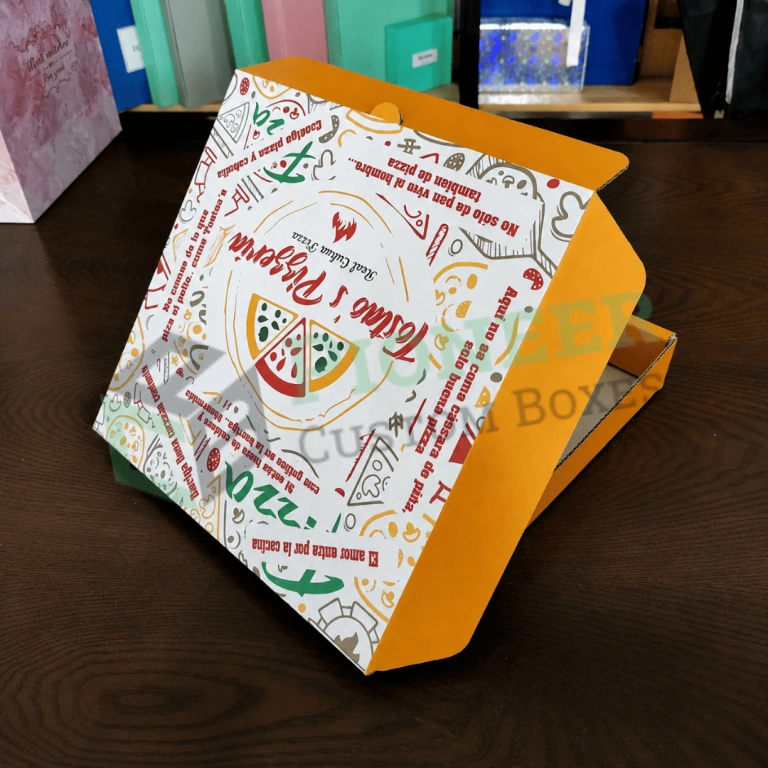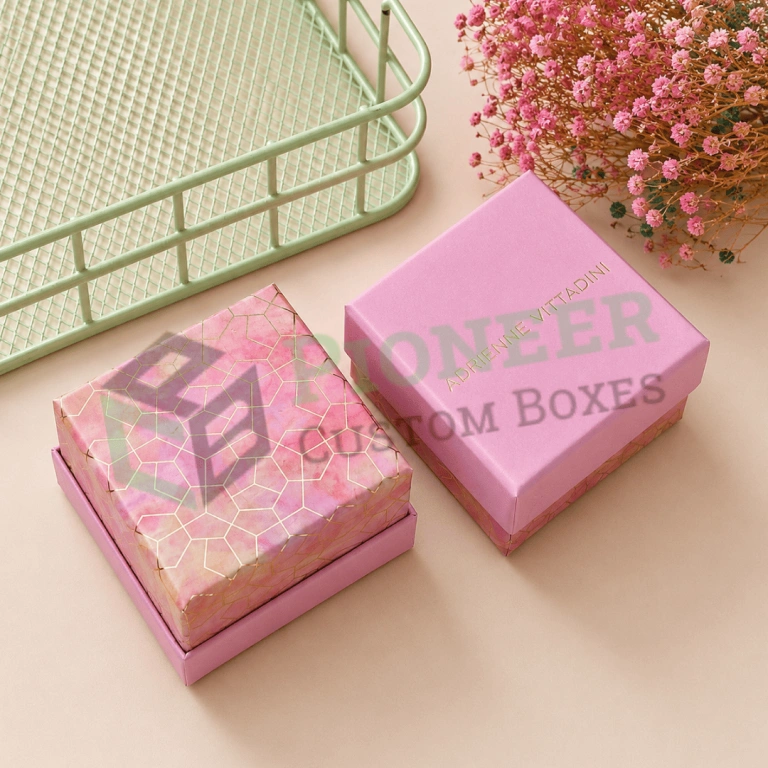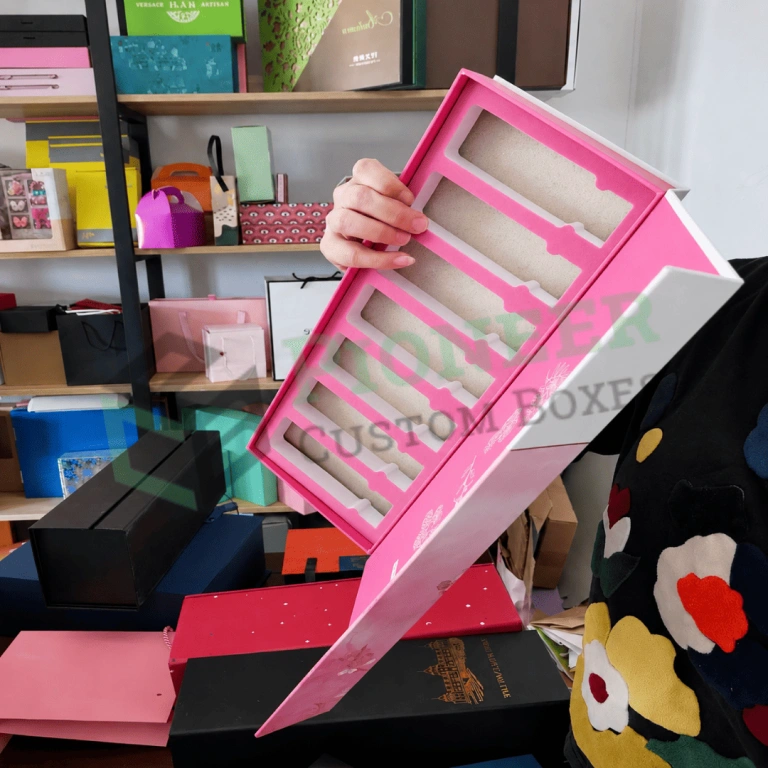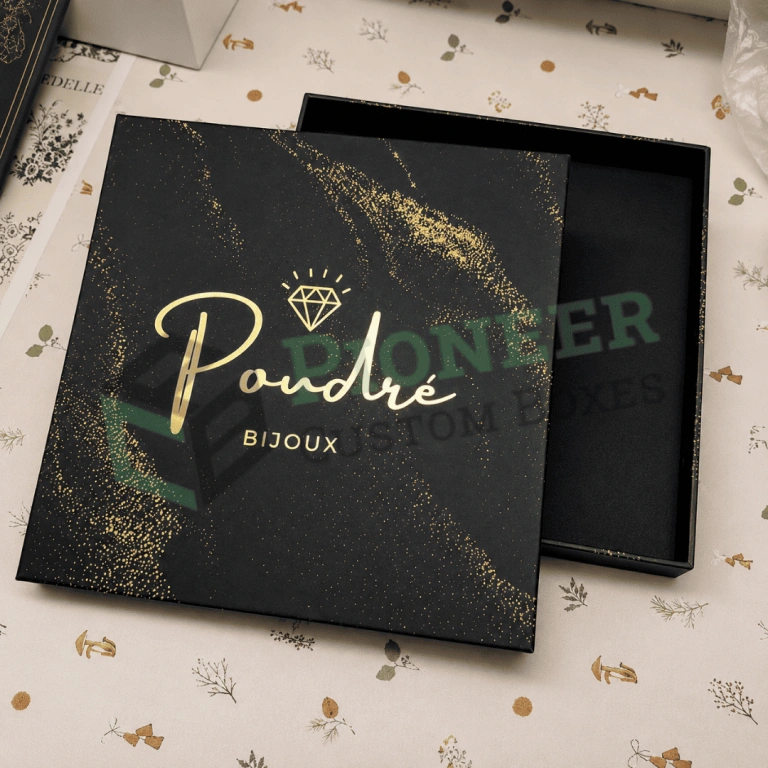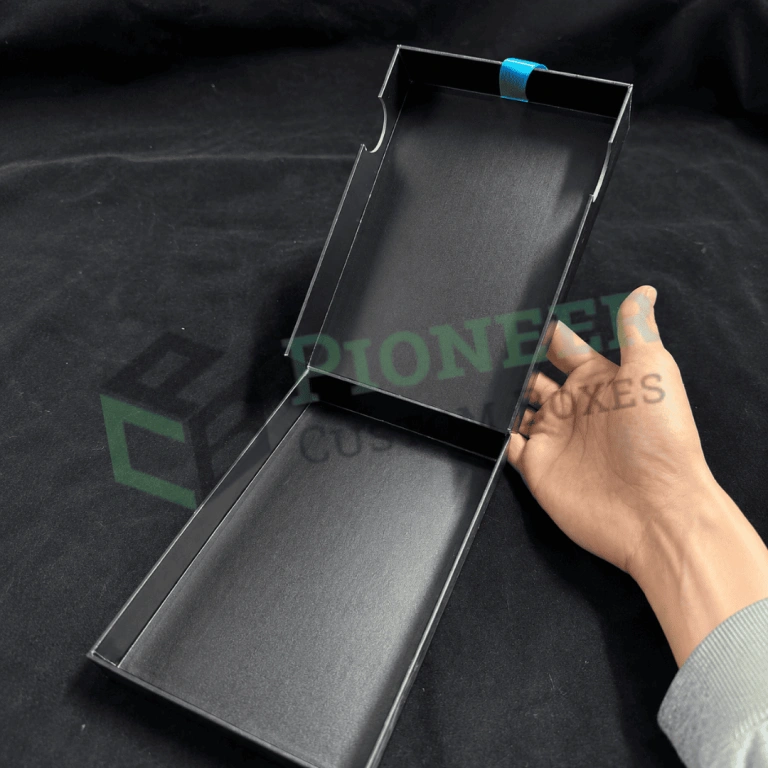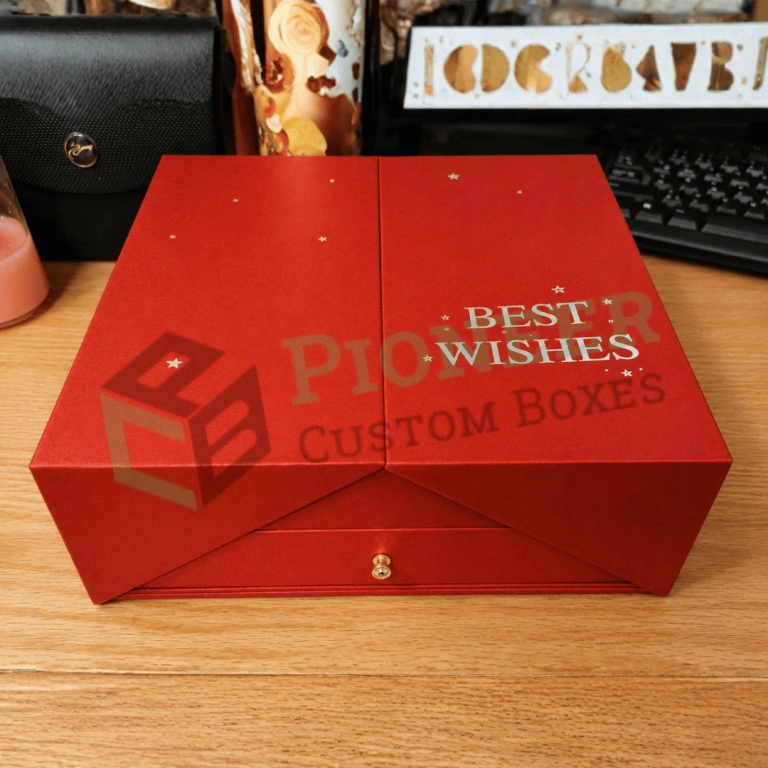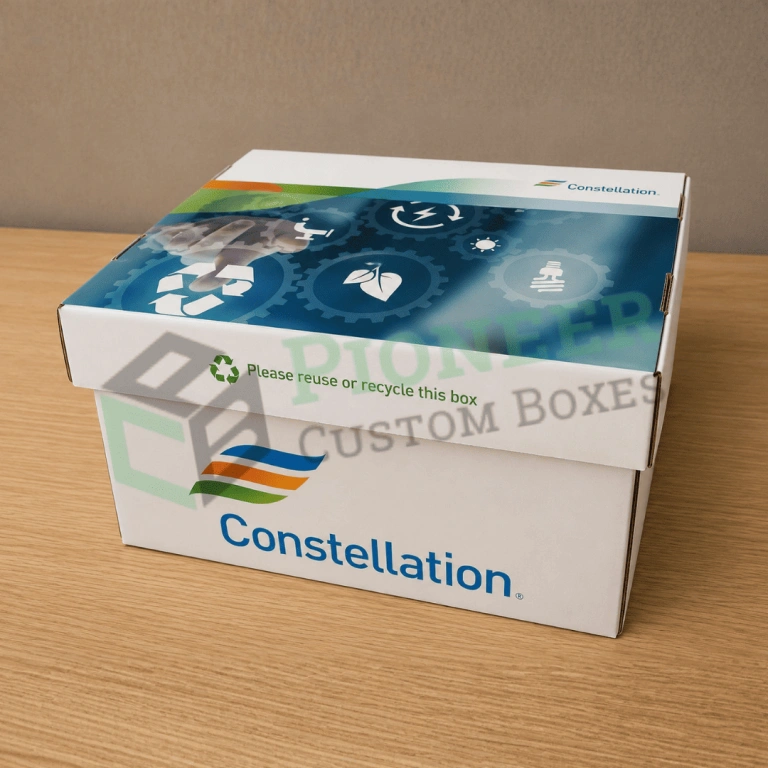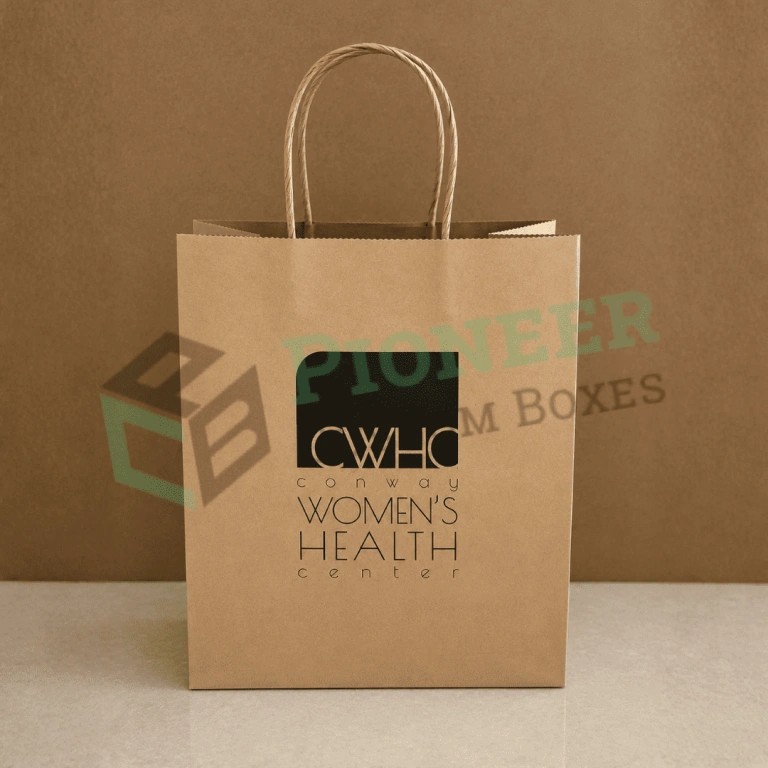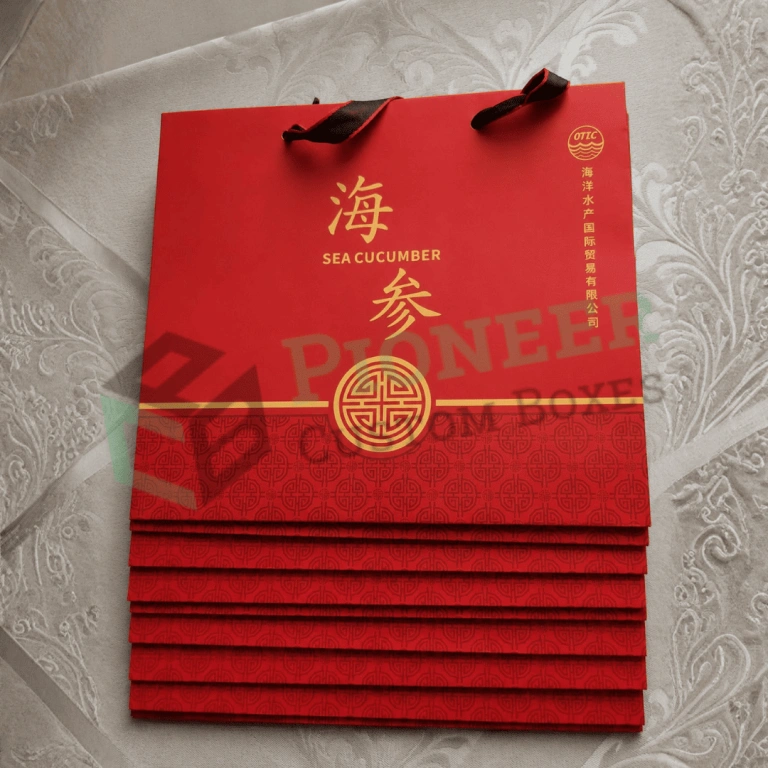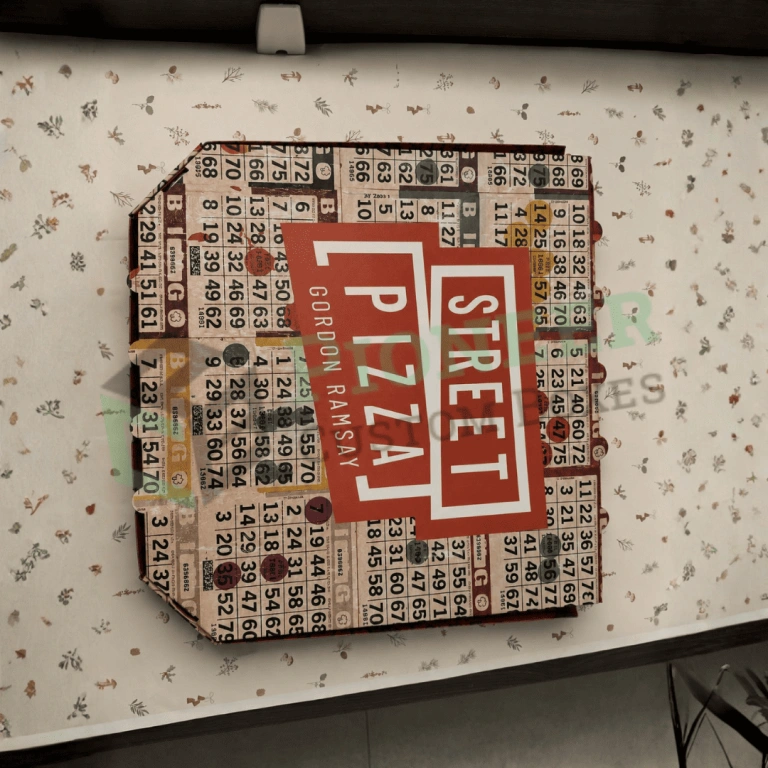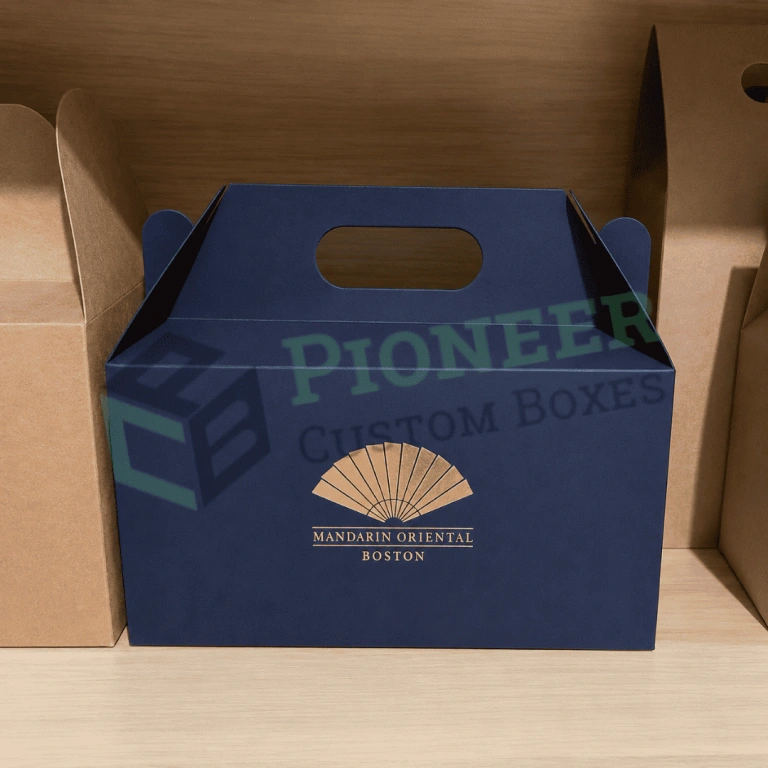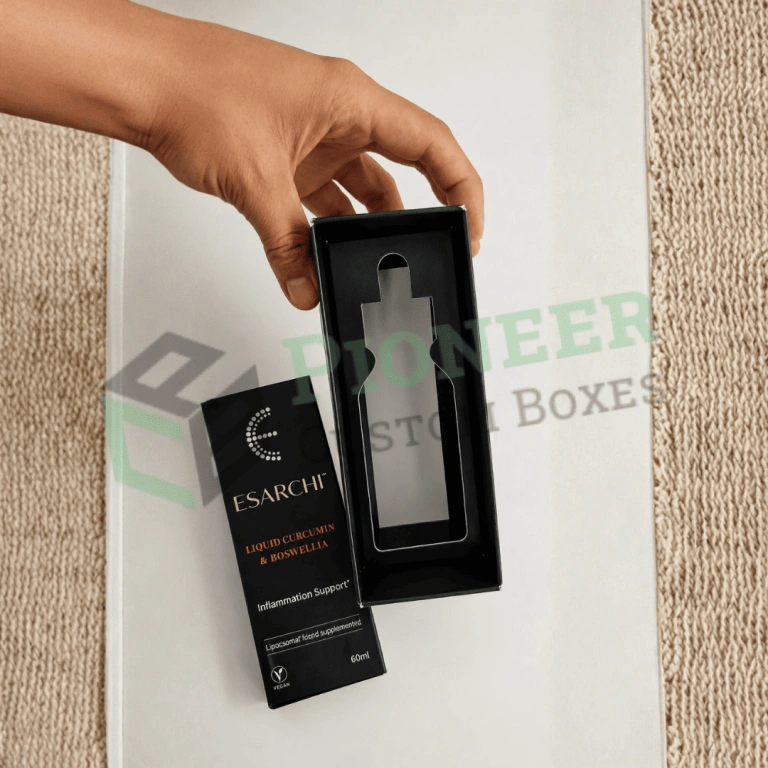
Custom tuck top boxes from Pioneer Custom Boxes help candle, home fragrance, food, bakery, hardware, gift and ecommerce brands package heavier products safely. Choose auto-lock or snap lock bases in SBS, kraft, CRB or E-flute board, with collar inserts, windows, foil, lamination, logo printing, free design support, no MOQ and free USA shipping.
Custom tuck top boxes close with a tucking lid at the top and a purpose-built structural base underneath. That combination is the reason the style exists. The top stays easy to open and close by hand, while the bottom carries weight that a plain tuck flap would not hold.
Most tuck top cartons pair with one of two bases. An auto-lock bottom arrives pre-glued and snaps square in a single motion, giving the strongest base in the folding carton family. A snap lock bottom is folded and interlocked by hand, using less board at the cost of a few seconds per carton.
The practical result is a carton that suits candles in glass, filled jars, hardware, bottled products and anything a plain reverse tuck would strain to hold. It also assembles far faster than any other structure once an auto-lock base is specified, which matters to every business packing by hand.
Pioneer Custom Boxes manufactures tuck top cartons in the United States with zero minimum order quantity, free dielines, free design support and free shipping nationwide. We cut our own dies and run our own presses, so the carton is built around your product and your packing station.
The base is where a tuck top carton succeeds or disappoints, and the choice is decided by labor rather than by appearance. Both look identical once assembled.
The base panels are pre-glued in our plant so the carton arrives flat with the bottom already assembled in a collapsed state. Squaring the carton pops the base into a locked position automatically, in roughly one second, with no folding at all. It is the strongest base available in a folding carton, because the interlocking panels overlap and share the load across the whole footprint.
It uses more board than a snap lock and carries a gluing operation, so the unit cost is higher. For any operation assembling more than a few hundred cartons a week, that cost is recovered many times over in labor.
The base ships flat and unglued. Your team folds four interlocking flaps in sequence, and friction holds them closed. It uses less board, costs less per unit, and takes roughly six to eight seconds per carton to assemble.
It suits lower volumes, lighter products and operations where labor time genuinely is not the constraint. It is also the right choice when storage space is very tight, since unglued blanks pack flatter.
A conventional tuck flap at the base. It is the cheapest and the weakest, appropriate only for light products where nothing is straining the carton. We will tell you honestly when your product is too heavy for it rather than letting you discover it after delivery.
| Base Type | Assembly Time | Load Capacity | Board Used | Best For |
|---|---|---|---|---|
| Auto-lock bottom | About one second | Highest | More | Volume hand packing, heavy items |
| Snap lock bottom | Six to eight seconds | High | Less | Lower volumes, moderate weight |
| Plain tuck bottom | Two to three seconds | Lowest | Least | Light products only |
Every die is cut to your measured product. These formats show what we produce most often in this style, weighted toward the heavier products that justify a structural base.
| Application | Typical Size (inches) | Caliper | Recommended Base |
|---|---|---|---|
| Candle in glass vessel | 3.5 x 3.5 x 4 | 20pt SBS | Auto-lock |
| Large three-wick candle | 4.5 x 4.5 x 5 | 24pt SBS | Auto-lock |
| Cream and cosmetic jar | 3 x 3 x 3 | 18pt SBS | Snap lock |
| Bottled sauce or oil | 3 x 3 x 9 | 20pt SBS | Auto-lock |
| Supplement bottle | 2.5 x 2.5 x 5 | 18pt SBS | Snap lock |
| Hardware and fasteners | 5 x 3 x 2 | 20pt to 24pt | Auto-lock |
| Mug or ceramic item | 4.5 x 4 x 4.5 | E-flute | Auto-lock |
| Gift and hamper set | 9 x 6 x 4 | 20pt or E-flute | Auto-lock |
| Bakery and food item | 8 x 8 x 3 | 18pt food board | Auto-lock |
| Apparel and softgoods | 10 x 8 x 2 | 20pt SBS | Snap lock |
| Subscription box | 9 x 6 x 3 | E-flute | Auto-lock |
Send your product dimensions, the loaded weight and your weekly volume, and we return a free dieline with a base recommendation within one business day.
Sizing on a tuck top carton has one extra consideration the other tuck styles do not: the base has to carry the load without bowing.
Every dimension we quote is internal, measured to the inside faces of the assembled carton. Board has real thickness, so an 18pt carton finishes about a millimeter larger externally on each axis. Sending external dimensions produces a carton the product will not fit, and it is the most common sizing error we correct.
Footprint matters more than height for base strength. A tall narrow carton concentrates weight on a small base area, so a candle in a heavy glass vessel needs either a wider footprint or a heavier caliper than the same weight spread across a broader box. We calculate that rather than guessing.
Clearance around the product should be one to two millimeters per side for rigid items. More than that lets the product shift, and on a heavy item that movement hammers the base every time the carton is handled.
Height needs controlled headroom so the top tuck closes without pressing down on the product. A carton cut exactly to product height cracks scores as staff force the flap over a lid or a wick.
Send us the product itself where you can, or at minimum its filled weight. Measuring and weighing it here removes every assumption about which base you need.
Board choice matters more on this style than on lighter tuck cartons, because the base is doing structural work rather than simply closing.
Solid bleached sulfate is the standard for printed tuck top cartons. The bright white clay-coated surface reproduces photography and brand colors accurately and takes lamination, foil and spot UV cleanly. We rarely go below 18pt on this style, because the products that need a structural base are by definition heavy enough to demand real caliper. Candles and filled jars usually sit at 20pt to 24pt.
Kraft gives a natural brown surface suited to artisan candle, soap and food positioning at a lower cost than bleached board. It performs identically on strength at the same caliper. Inks print warmer and white will not read as white, so kraft designs use one or two bold colors, often with a single foil hit.
E-flute is the right answer once weight passes what paperboard can carry comfortably, or when the carton ships alone through a parcel network. Mugs, ceramics, multi-item gift sets and subscription boxes almost always run E-flute with an auto-lock base. It prints well and adds genuine crush resistance.
CRB uses recycled fiber with a coated printing surface and sits below SBS on cost. It suits high-volume tuck top work where the printing surface matters more than absolute brightness, and the recycled content supports a genuine sustainability position.
Every option above is available with post-consumer recycled content and FSC certification. We document exactly what your board contains so any claim you publish is accurate rather than assumed.
The rule on this style is simple. Specify caliper against the filled weight and the stack height, not against the empty carton. A base that holds in your hand can bow under four identical cartons on a pallet, and that failure appears in a warehouse rather than on your bench.
Print method decides both appearance and unit cost, and we quote each separately.
Offset runs from metal plates and delivers the sharpest detail and the most consistent color across a long run. It is the right economics once quantities pass roughly one thousand cartons, and the plate charge is a one-time cost per design. For candle and gift brands running a coordinated range, offset holds color consistency across every product in the set.
Digital prints straight from the file with no plates, so setup cost disappears entirely and short runs become genuinely affordable. It also supports variable data, so one production run can carry different scents, sizes or seasonal artwork on individual cartons. For a candle maker with twelve fragrances, digital on one shared die is usually the cheapest route to a complete range.
Flexo suits E-flute corrugated tuck tops and outer shipping cases, where large simple graphics reproduce economically on a fluted surface. Fine detail reproduces better with litho lamination if the carton needs photographic quality on corrugated.
Where an E-flute tuck top needs retail-quality photography, we print a sheet offset and bond it to the corrugated board. That gives you the print quality of folding board with the strength of corrugated, at a higher cost than direct flexo.
Three color systems matter, and mixing them up causes more disappointment than anything that happens on press.
CMYK builds every color from cyan, magenta, yellow and black separations. It reproduces photography and gradients convincingly and costs the least, since four inks cover the whole design. Vivid, pastel and metallic shades sit outside its achievable range, so brands with a signature color normally add one spot ink alongside CMYK artwork.
Pantone inks arrive pre-mixed and print identically on every run and across board types. Candle, gift and home fragrance ranges usually depend on color to distinguish scents, and PMS is what stops two adjacent shades drifting toward each other between batches. Each spot ink occupies its own press unit, so the count affects cost directly. We store your references permanently and match against a physical draw-down before every run.
RGB is a screen color space and cannot be printed directly. Websites, marketplace listings and social assets all live in RGB, and conversion shifts saturated colors, most noticeably in bright blues and greens. We run that conversion ourselves and show you the printed outcome before the full run.
Finishing runs as separate passes through the plant, so we price each individually. On a tuck top carton one consideration is specific: the base needs bare board where auto-lock panels glue, so coatings must leave those areas clear. We plan that on the dieline and it never shows.
Matte film gives a soft, restrained surface that resists scuffing and makes foil stand out sharply by contrast. It is the most common base finish on premium candle and gift cartons.
Gloss raises color saturation and makes photography look vivid under retail lighting, while resisting moisture and handling. It shows fingerprints, so it suits busy artwork more than large flat dark panels.
Soft touch produces a velvet surface that feels considerably more expensive than it costs and resists fingerprints well. On a gift-oriented tuck top it does real work, because the customer holds the box before they open it.
A water-based gloss or matte coating protects the printed surface at far lower cost than lamination and keeps the carton fully recyclable. It also interferes far less with the glue bond on an auto-lock base.
Hot foil presses metallic film into the board under heat and pressure. A single hit on the logo costs a fraction of full coverage and reads almost identically. Gold and copper suit warm artisan ranges, while silver suits clean modern positioning.
Spot UV applies high-gloss varnish to chosen areas, creating contrast you can see and feel against matte lamination. Keep it clear of barcodes and any glue lane.
Raised or recessed detail adds texture customers register through touch. On tuck tops we keep embossing away from the base panels, since deformed board affects how the auto-lock seats.
A structural base holds the carton together. Inserts hold the product still inside it, and on heavy items that matters just as much.
| Add-On | What It Does | Best Suited To |
|---|---|---|
| Paperboard collar insert | Holds a jar or vessel centered | Candles and cosmetic jars |
| Corrugated pad base | Adds a second layer under the product | Heavy glass and ceramics |
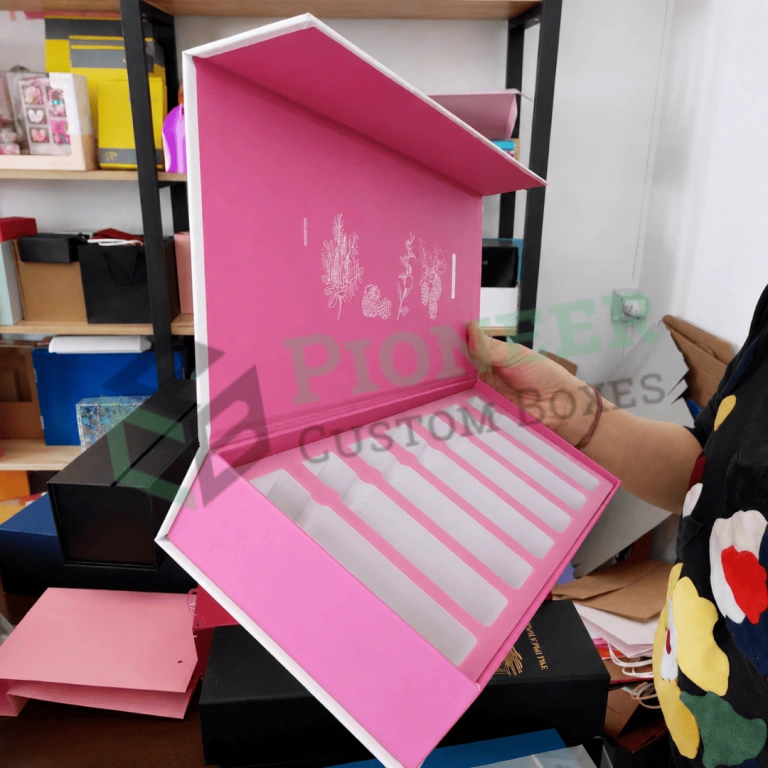
| Multi-cavity divider | Separates several items | Gift and variety sets |
| Molded pulp tray | Cradles irregular shapes | Ceramics and fragile goods |
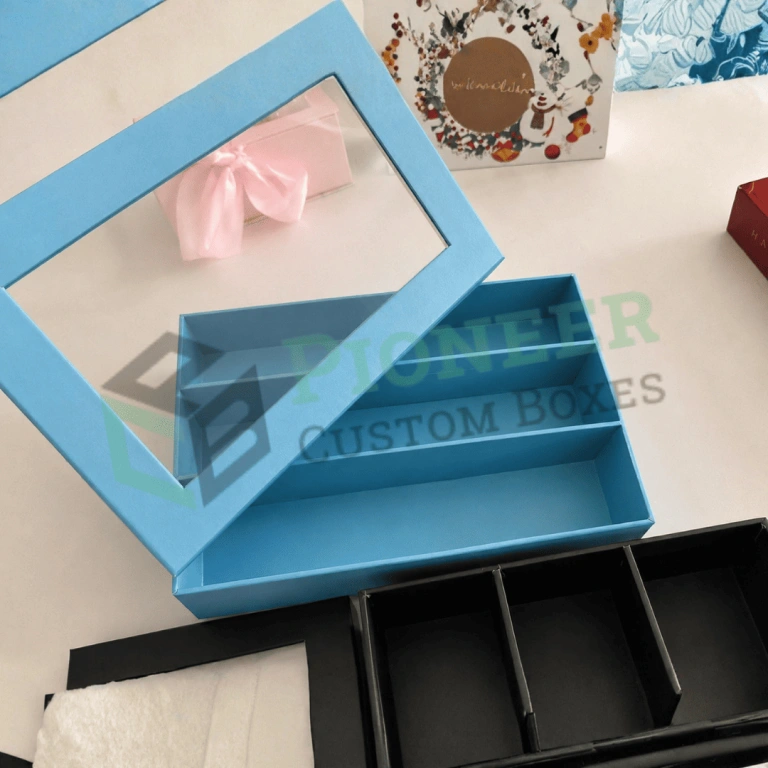
| Die-cut window | Shows the product without opening | Soap, food, candles |
| Reinforced hang tab | Allows peg display without tearing | Small hardware and accessories |
| Tear strip | Opens cleanly without tools | Subscription and sealed goods |
| Printed interior | Extends the unboxing moment | Gift and direct-to-consumer brands |
| Ribbon pull | Lifts the product out cleanly | Premium gift presentation |
For candles specifically, a collar insert is worth its cost almost every time. It stops the vessel sliding, protects the printed panels from being scuffed from the inside, and keeps the wick centered when the carton is handled.
On this style the base choice is a cost driver in its own right, which is unusual and worth understanding before you compare quotes.
Base type leads. An auto-lock bottom uses more board and carries a gluing operation, so it costs more per carton than a snap lock. That difference is small and real. Set against it is roughly six seconds of labor saved on every single carton your team assembles, which for most businesses repays the difference many times over within weeks.
Carton dimensions come next, because board is priced by area, and tuck top cartons tend to be larger than the average folding carton. Removing a quarter inch of unnecessary clearance from each dimension cuts material on every unit forever.
Caliper is third and it is not optional on this style. The products that need a structural base are heavy, and going lighter to save a fraction of a cent produces bowed bases and crushed cartons in a warehouse. Finishing, spot color count and quantity finish the list.
| Cost Driver | Impact | How to Reduce It |
|---|---|---|
| Base type | High, but repays in labor | Auto-lock above a few hundred units a week |
| Carton dimensions | Highest | Measure precisely and remove excess clearance |
| Board caliper | High | Match to filled weight and stack height, not lower |
| Material choice | High | Paperboard until weight demands E-flute |
| Finishing passes | Moderate to high | Aqueous coating instead of lamination at volume |
| Inserts | Moderate | Paperboard collar instead of molded pulp where possible |
| Order quantity | Moderate | Digital under a thousand, offset above |
The largest saving available to most candle and gift brands is running one die across several products and changing only the printed panel. The tooling exists, the base is already proven for the weight, and every variant shares the setup.
A tuck top carton fails at the base, and that failure only appears once the carton is loaded. Inspection therefore tests function rather than appearance.
| Check | What We Verify | Why It Matters |
|---|---|---|
| Auto-lock function | Base snaps square from flat, first time | A base that needs coaxing loses the speed advantage |
| Base load test | Filled carton lifted and carried by hand | The base must hold your real product weight |
| Base glue bond | Pull test to fiber tear on locked panels | A peeled bond drops the product |
| Dimensional accuracy | Internal fit against the approved dieline | A tight carton buckles during filling |
| Top tuck fit | Tab seats fully without forcing | A loose top opens in a bag |
| Score and crease quality | Clean folds with no cracking | Cracked creases weaken the base |
| Assembly timing | Cartons built by hand from the run | Assembly speed is real labor cost |
| Print registration | Artwork aligned to cut and fold lines | Misregistration is visible at eye level |
| Color match | Pantone against a physical draw-down | Ranges shown together reveal any drift |
| Barcode readability | Scan test on a flat matte area | Retailers reject unscannable cartons |
We load every new tuck top design with a weight equivalent to your product and carry it before approving the run. If anything fails, we remake it rather than ship it.
Candle makers are the single largest user of this style. A filled glass vessel is heavy, it is fragile, and it is usually assembled by hand in batches. An auto-lock base solves all three problems at once, which is why almost every candle brand we work with settles here after trying something lighter first.
Home fragrance, diffusers and bath product brands follow for the same reasons. Glass bottles, heavy jars and multi-item sets all need a base that carries weight without the packer thinking about it.
Food and bakery businesses use auto-lock tuck tops constantly, because staff assemble them during a service rush and a base that snaps square in one motion is worth real capacity. Cake boxes, pastry boxes and takeout cartons almost all use this structure.
Hardware, fastener and automotive parts brands use them for load capacity. Dense small items concentrate weight on the base, and a plain tuck bottom simply gives way.
Gift, hamper and corporate gifting businesses use them in E-flute for multi-item sets, usually with a divider insert and a printed interior. The structure handles the weight of several products and still assembles quickly during a seasonal peak.
Subscription businesses use roll end and tuck top structures in E-flute because the box ships alone through a parcel network, and the base is the part that takes the impact when a parcel is dropped.
Ceramics, mugs and homeware brands use them with molded pulp or corrugated inserts, where the base strength and the insert work together to protect a fragile heavy item.
This is the section most buyers skip and most buyers should read, because on a tuck top carton the labor difference outweighs the material difference.
A snap lock base takes roughly six to eight seconds per carton. An auto-lock base takes about one. On five hundred cartons a week that is close to an hour of labor, every week, for the life of the product.
The unit cost difference between the two bases is usually a couple of cents. For almost every business we work with, the auto-lock pays for itself inside the first month and then keeps paying. We say this plainly because the cheaper line on a quote is frequently the more expensive choice overall.
There are genuine exceptions. Very low volumes, extremely tight storage space, or a product light enough that base strength is irrelevant all point toward a snap lock. We will recommend it in those cases rather than defaulting upward.
Pre-assembly is worth planning either way. Many businesses build a stack of cartons before a shift, which works well for auto-lock bases that hold their shape and poorly for structures that need contents to stay square.
Tell us your weekly volume and how many people assemble cartons, and we will cost both options honestly so you can see the whole picture rather than only the unit price.
Paperboard absorbs and releases moisture with the surrounding air, and on this style that directly affects base performance.
Cartons stored in a damp room soften and lose stiffness, so bases bow under weight they held perfectly well on delivery. Cartons stored somewhere very dry become brittle and base creases crack during squaring. A stable indoor environment between roughly forty and sixty percent relative humidity keeps board behaving predictably.
Keep pallets off bare concrete, since concrete wicks moisture upward into the bottom cases. Leave shrink wrap intact until stock is needed and rotate older cases forward. Store flat auto-lock cartons lying down rather than on edge, because standing them upright for months takes a set that makes the base snap less cleanly.
None of this needs equipment. It needs a dry indoor space and a little rotation discipline, and on a weight-bearing carton it directly protects the product inside.
The same errors recur on this style, and each one is avoidable before a die is cut.
Specifying a plain tuck base for a heavy product leads the list. It saves a fraction of a cent and gives way in a customer hand, which turns a packaging saving into a broken candle and a refund.
Choosing a snap lock purely on unit price is second, and it is the most expensive false economy in this category. Six seconds per carton is invisible on a quote and very visible in a payroll.
Coating over the auto-lock glue panels is third and is specific to this structure. Adhesive will not bond through varnish or lamination, so we reserve clean glue lanes on the dieline. Brands supplying their own print files need to respect them.
Under-sizing the footprint for a tall product concentrates all the weight on a small base area. Where the shape allows, a slightly wider base carries the same weight with lighter board and costs less overall.
Sending external dimensions instead of internal produces a carton the product will not fit, since board thickness adds to every external measurement.
Finally, approving a design without loading a physical sample. Base performance is a physical property, and lifting a filled sample tells you in two seconds what no drawing can.
A candle brand came to us after a run of complaints about boxes failing as customers carried them out of a store. Two of their retail partners had raised it.
Their carton was a reverse tuck in 16pt board holding a filled twelve-ounce glass vessel. The bottom tuck flap was carrying the entire weight on a single fold, and after a few handlings that fold gave way. Their packing team had also been struggling to assemble the cartons quickly.
We rebuilt it as a tuck top with a pre-glued auto-lock base in 20pt SBS, added a paperboard collar insert to stop the vessel sliding, and kept their artwork completely unchanged. The die footprint went slightly wider to spread the load.
Base failures stopped entirely. Assembly time fell from about eight seconds to one, which returned roughly ninety minutes a week to their team, and the unit cost rose by under four cents. Their retail partners have not raised it since.
Ordering runs through four steps and our team carries the technical work in each one.
First, send your product dimensions, the filled weight and your weekly assembly volume. Those three numbers decide the base type and the caliper, and they are the questions we will ask first if you do not include them.
Second, we return a free dieline and a written quote within one business day, with the base options costed separately so you can see the labor trade-off rather than guessing at it.
Third, you approve a digital proof, and on this style we strongly recommend a physical sample. Load it with your actual product, carry it, and assemble a few by hand. Samples take three to five business days.
Fourth, we produce and ship. Standard production runs eight to twelve business days, rush production runs four to six, and shipping across the United States costs nothing. Reorders skip straight to production against your stored specification.
Three things make custom tuck top boxes practical at any scale, and none of them carry a hidden charge.
Zero minimum order quantity means you order what you actually need. Digital printing covers short runs with no plate cost, so a new candle or food brand can prove a design properly before committing to volume.
Free design support covers structural work, base selection, glue lane planning and artwork preparation. We build the dieline, size the base for your filled weight, position your logo and prepare print-ready files. If you work with a designer, we supply a layered template marked with fold lines, bleed, safety margins and the glue lanes that must stay clear.
Free shipping applies across the United States on every order, rush production included. We manufacture domestically, so lead times stay short and nothing waits at a port before a seasonal launch.
We are a direct manufacturer rather than a broker. We cut our own dies, glue our own auto-lock bases, run our own presses and finish every order in house, which is why we can quote quickly and stand behind what leaves our floor.
On this style that control matters more than usual, because base strength is a manufacturing property. We load-test new designs with a weight matching your product rather than trusting a specification sheet.
Send us your product dimensions, your filled weight and your weekly volume, and we will return a free dieline and a written quote for custom tuck top boxes within one business day. Order now, or get a free quote and we will help you specify the right base the first time.
| Box Style | Custom Tuck Top Boxes |
| Dimension (L + W + H) | All Custom Sizes & Shapes |
| Quantities | No Minimum Order Required |
| Paper Stock | 10pt to 28pt (60lb to 400lb) Eco-Friendly Kraft, E-flute Corrugated, Bux Board, Cardstock |
| Printing | No Printing, CMYK, CMYK + 1 PMS color, CMYK + 2 PMS colors |
| Finishing | Gloss Lamination, Matte Lamination, Gloss AQ, Gloss UV, Matte UV, Spot UV, Embossing, Foiling |
| Included Options | Die Cutting, Gluing, Scored, Perforation |
| Additional Options | Eco-Friendly, Recycled Boxes, Biodegradable |
| Proof | Flat View, 3D Mock-up, Physical Sampling (On request) |
| Turnaround | 4 – 8 Business Days, RUSH |
| Shipping | FLAT |
Every great product deserves packaging that turns heads. Here's how we make it happen — step by seamless step.
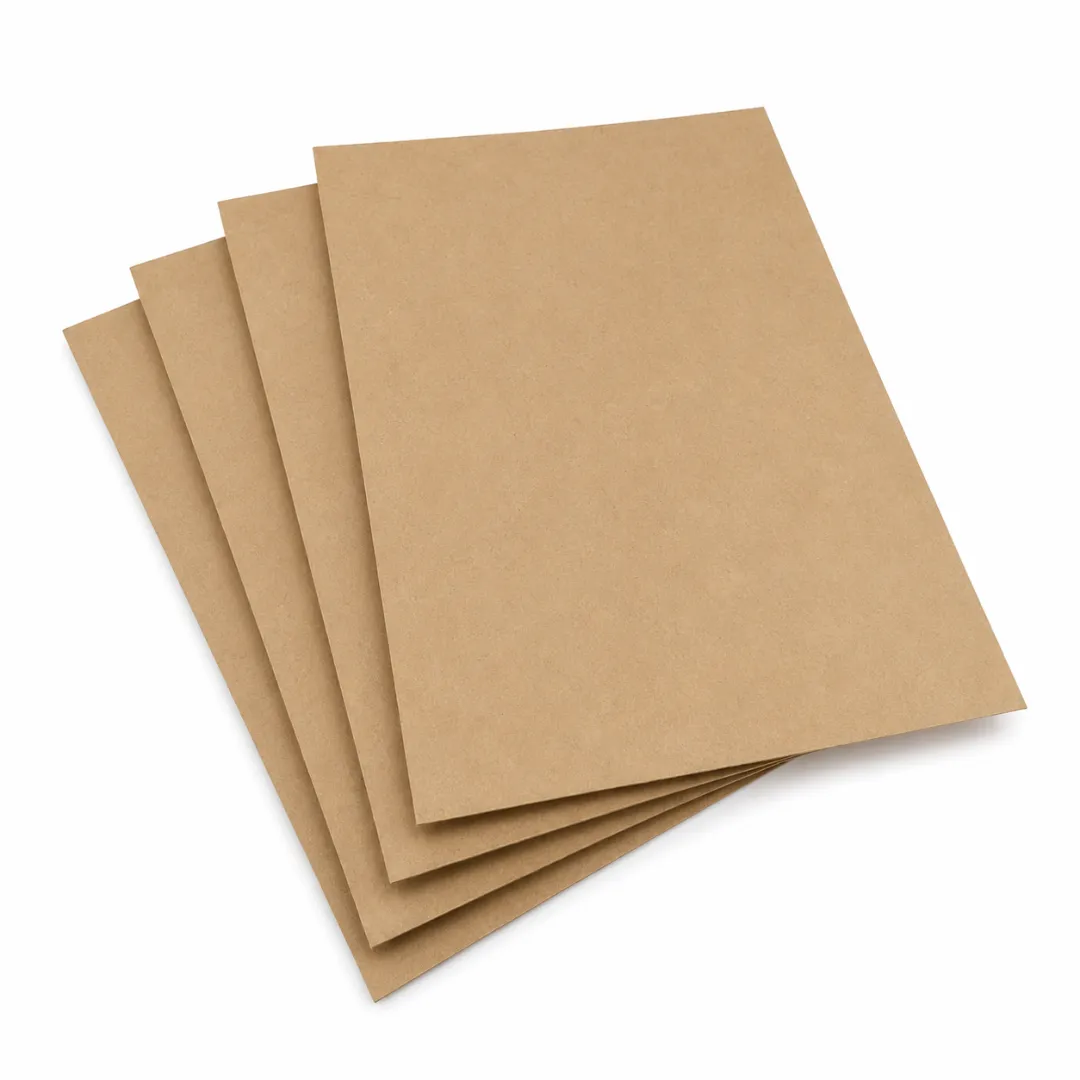
Kraft paper is a strong, durable and reliable material that is widely used across many different industries.
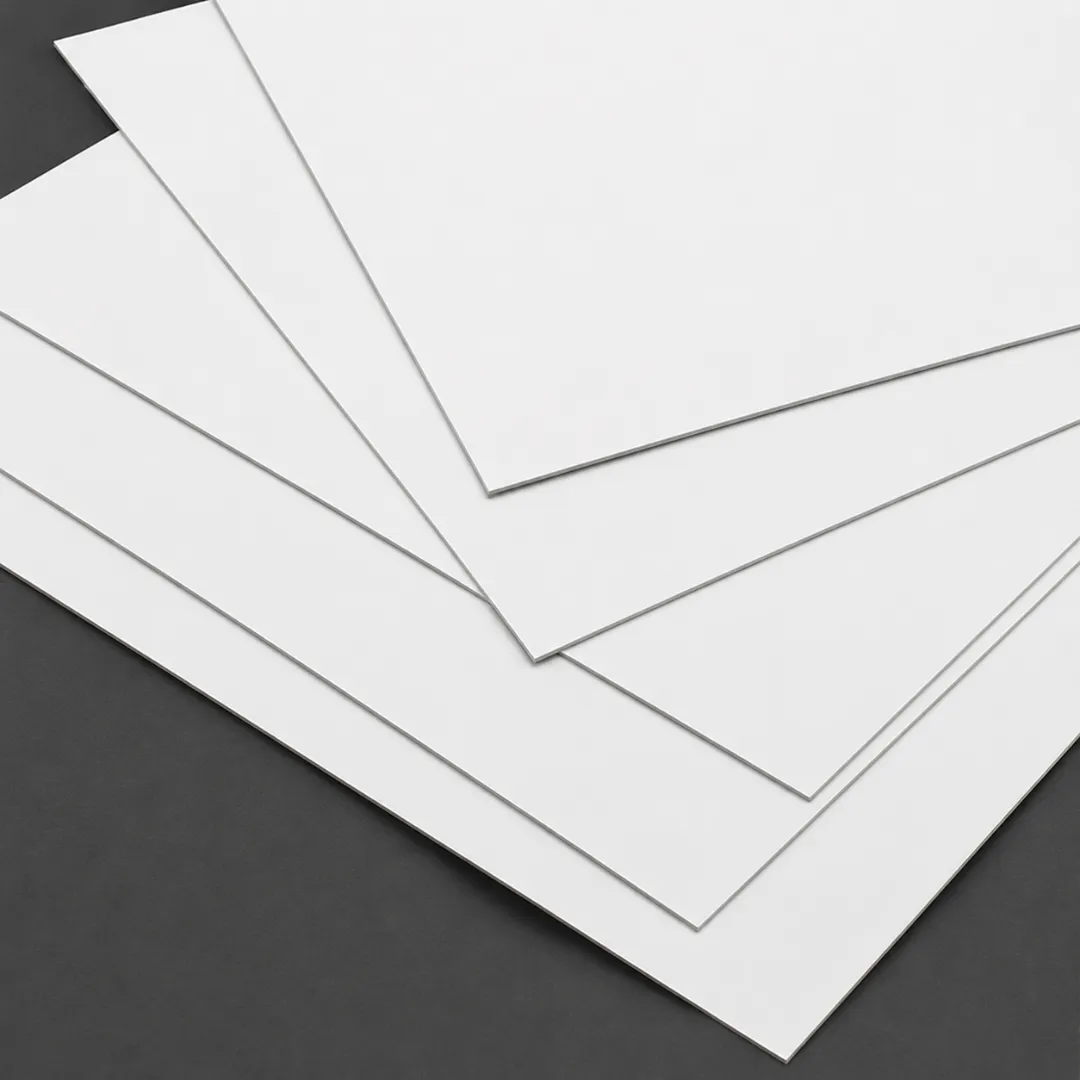
We use cardboard material with the least environmental impact and minimizes waste generation.
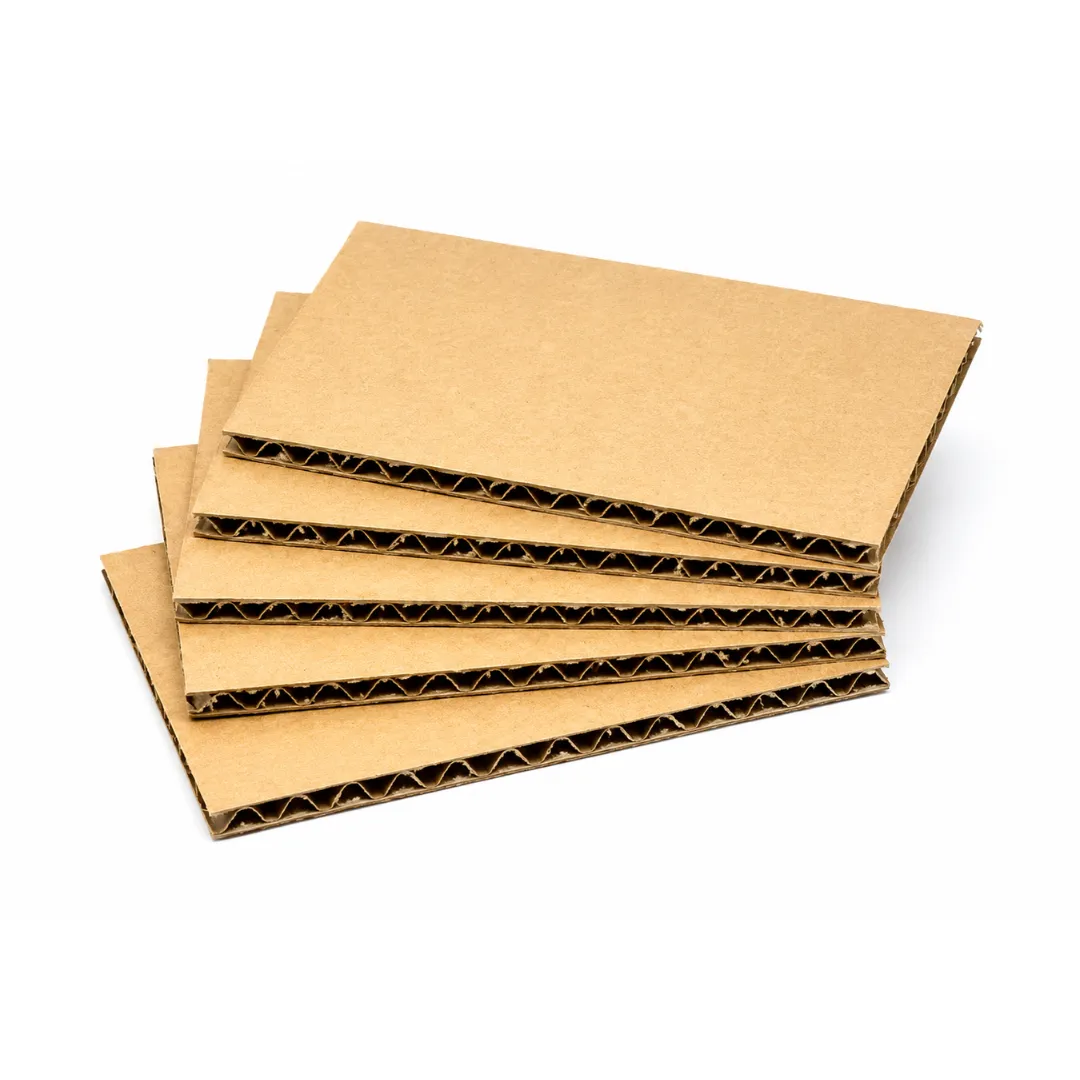
Corrugated material is easy to customize, cost effective and sustainable. It is also great for branding purposes.
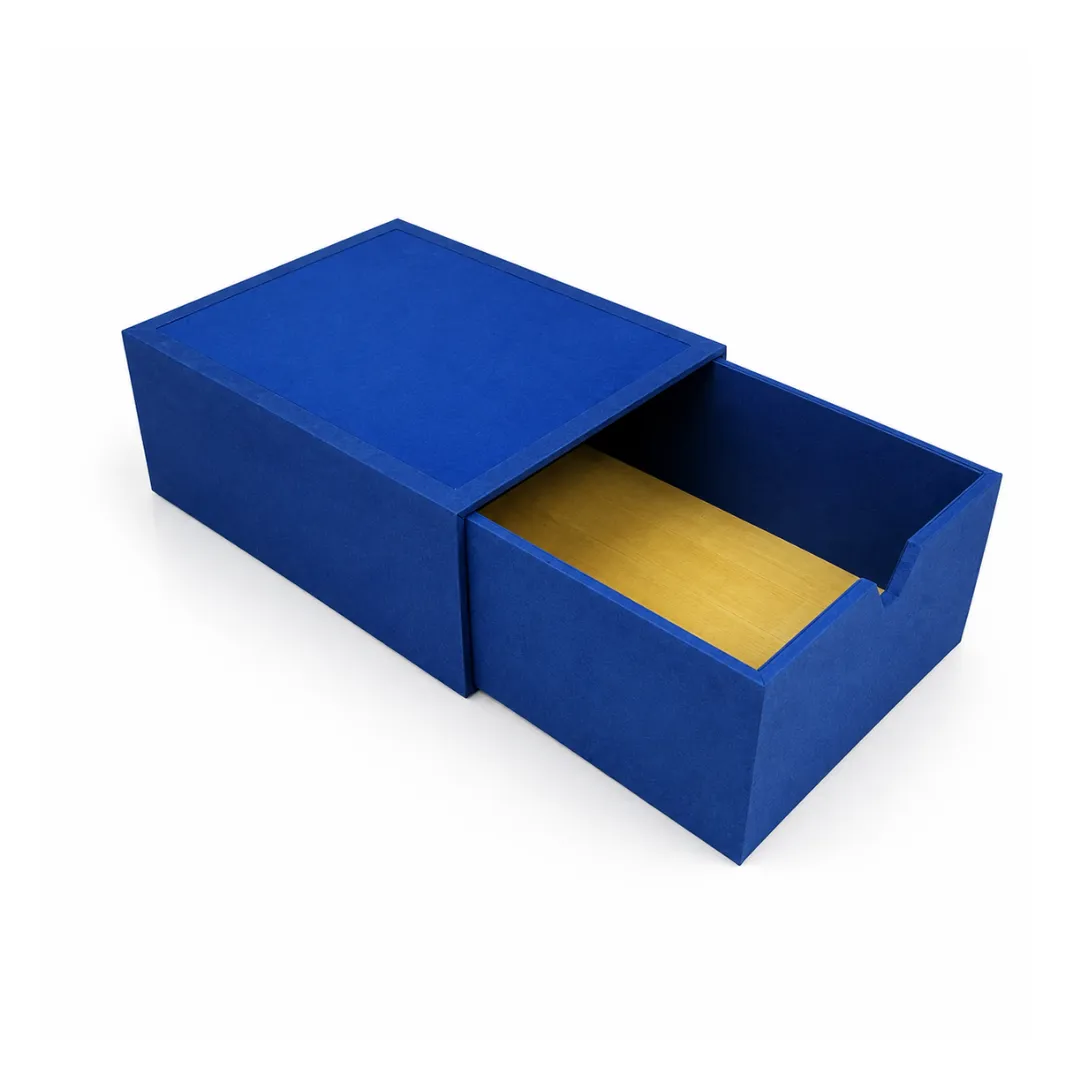
Rigid is highly protective, affordable and recyclable material. These boxes provide maximum protection.
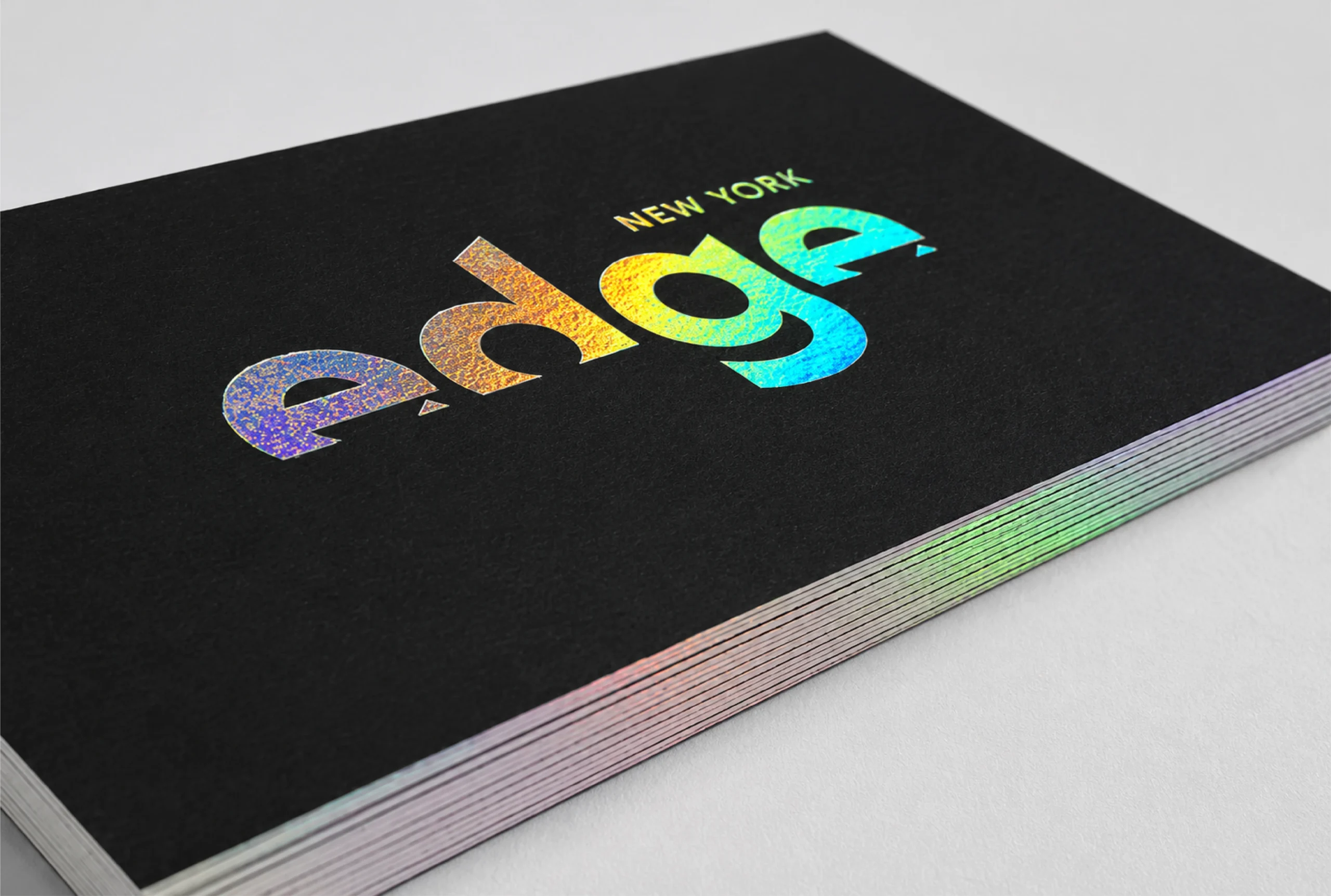
Holographic foil diffracts light and reveals the colors of the rainbow at various angles.
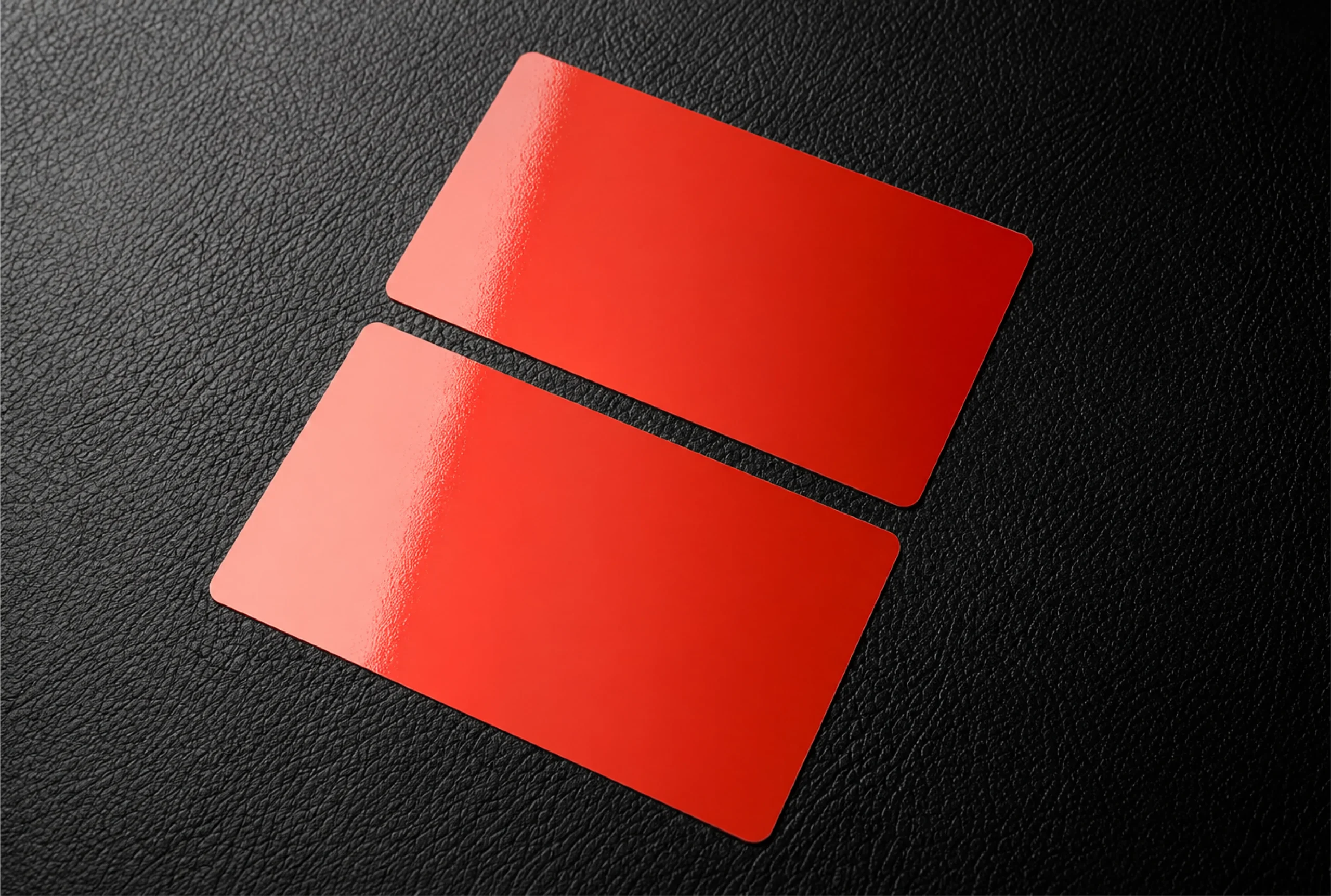
Our glossy finishing gives your packaging an extra layer of shine.
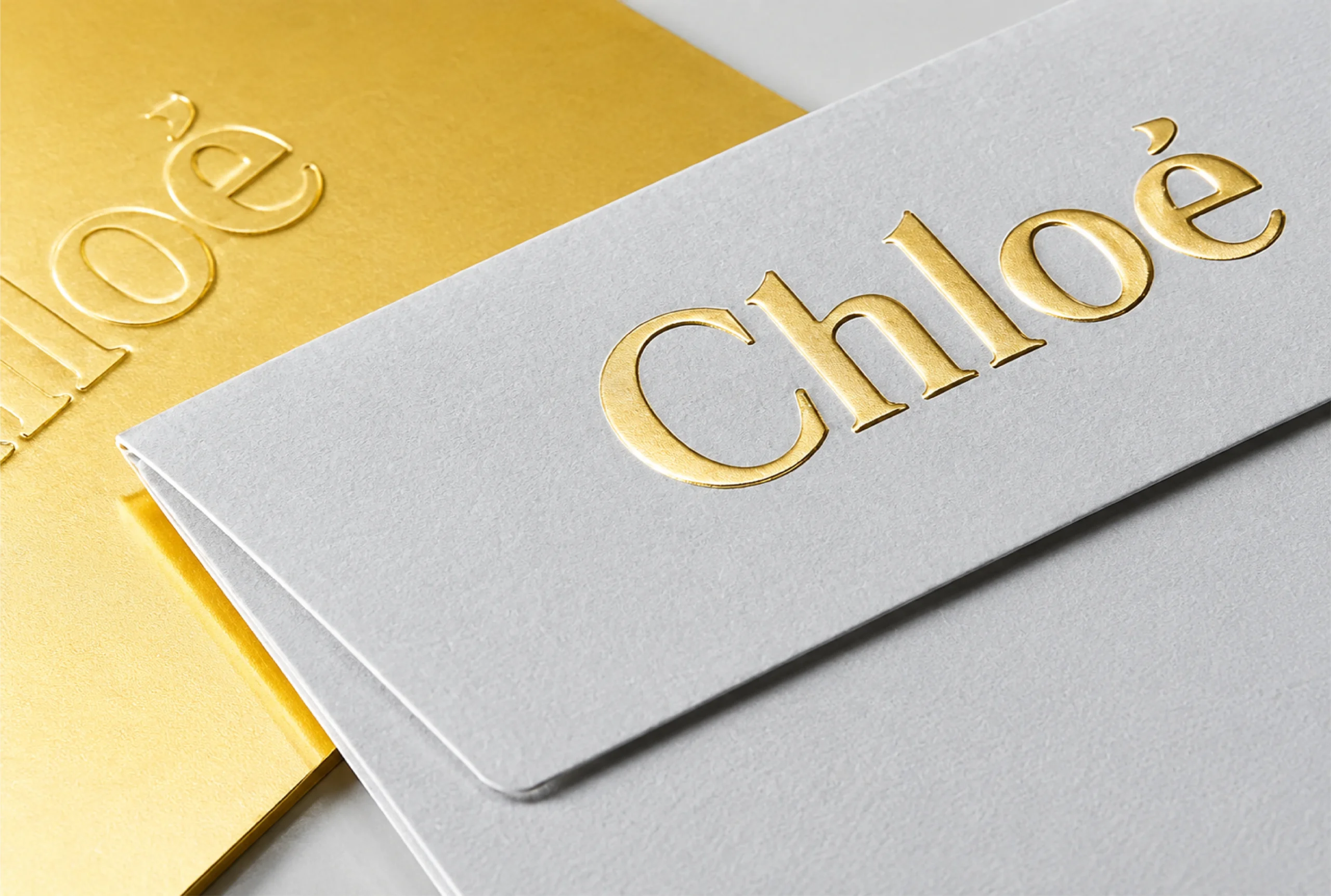
Decorate a wide range of your product packaging with our foil stamping.
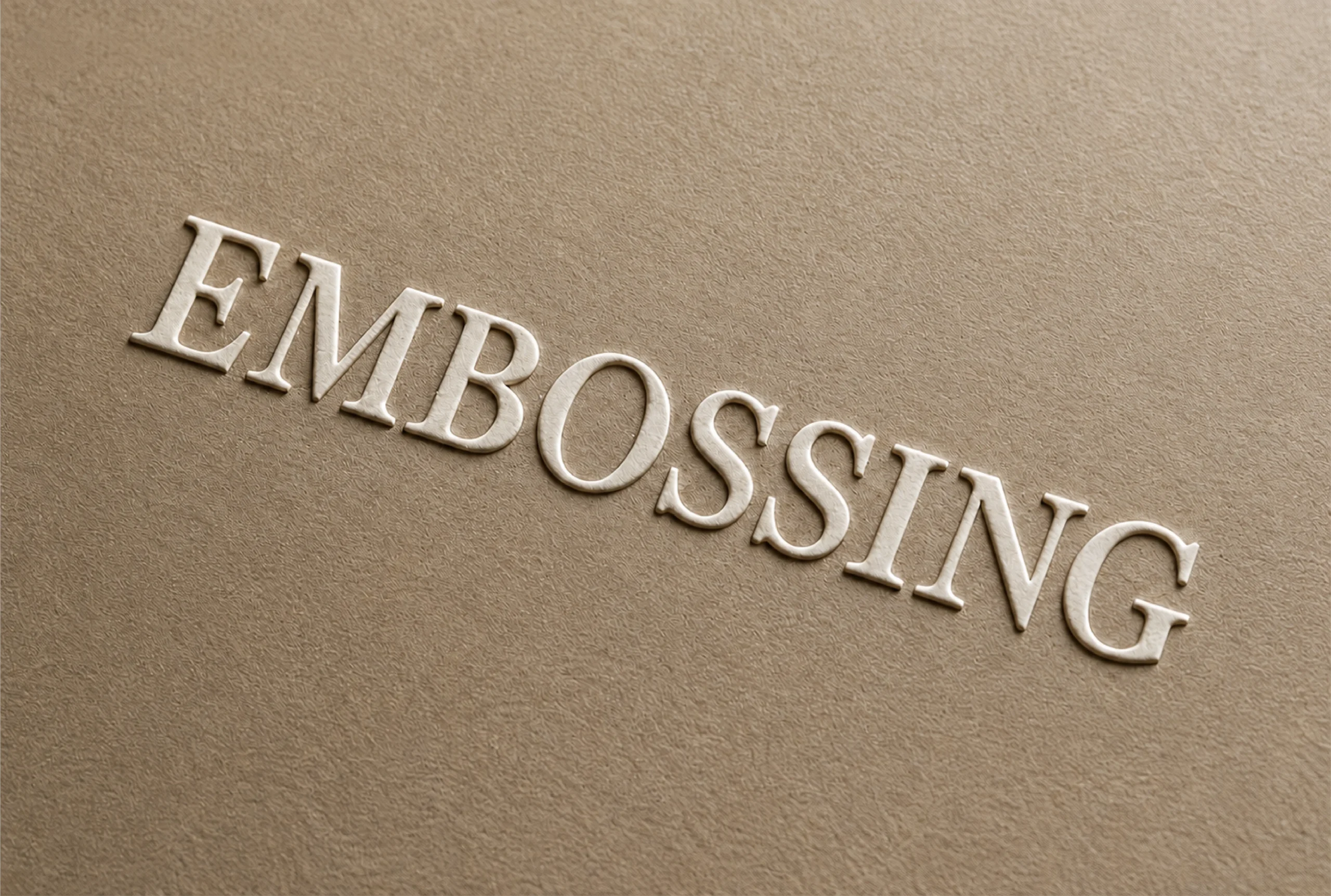
With our embossing technique, we transfer the finest details of your product on packaging.
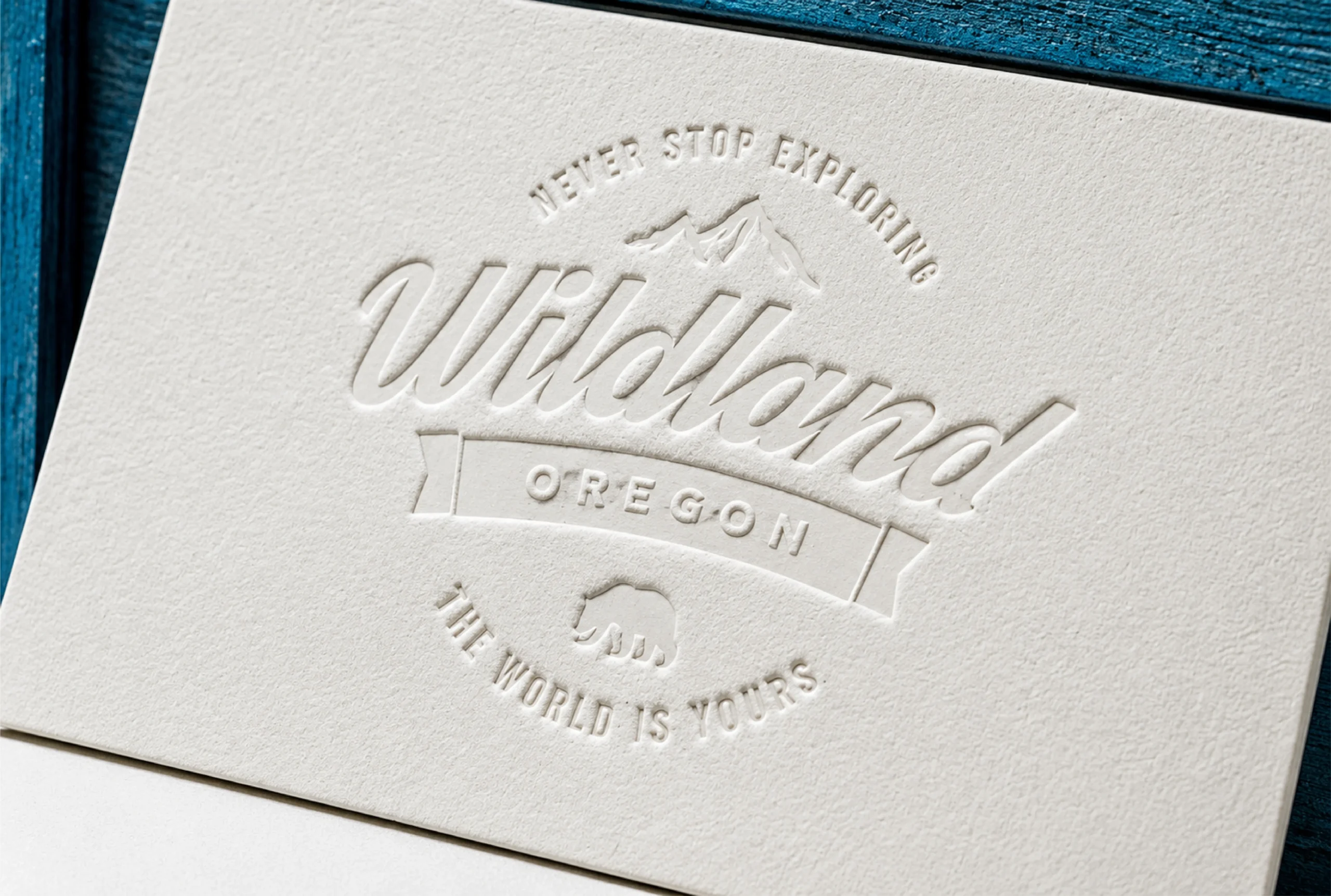
We use debossing technique to add unique graphics into your packaging.
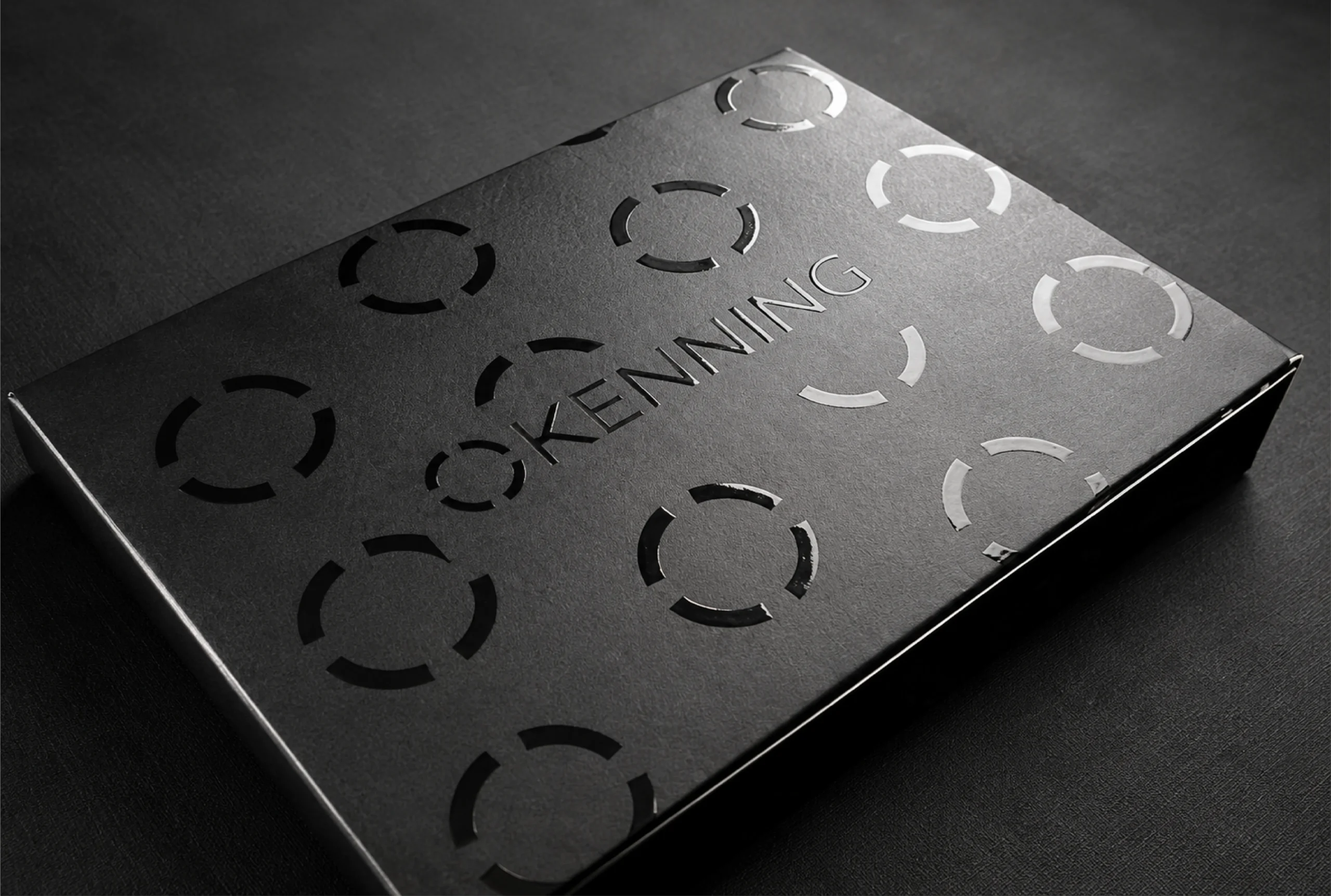
Our high-gloss UV coating gives light and shine to cure the printed material's varnish.
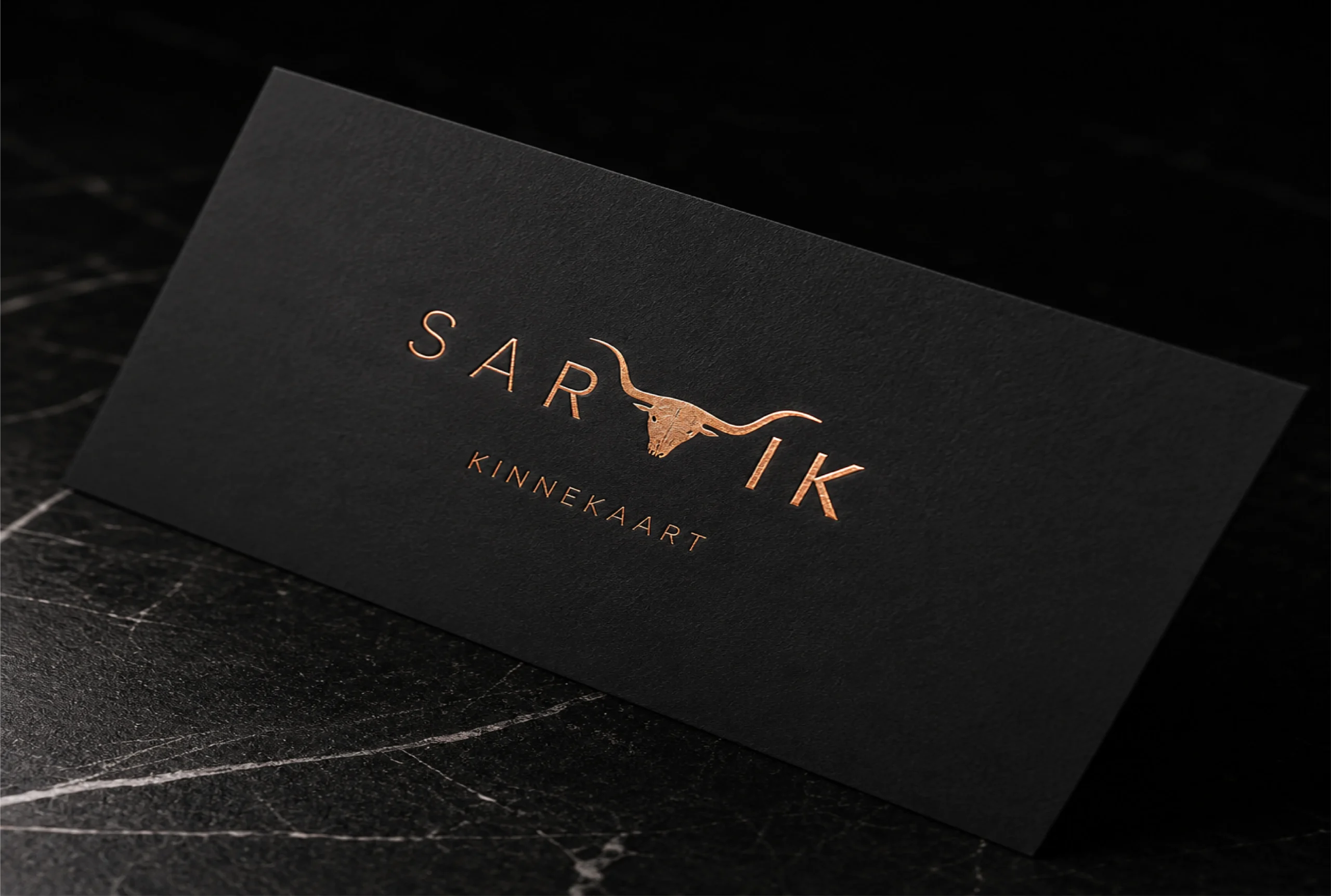
We add additional layer of protection with soft touch lamination from toner chipping.
With our matte finish, fingerprints and smudges will now be less visible on the packaging.

Custom reverse tuck boxes from Pioneer Custom Boxes help supplement, cosmetic, skincare, food, pharmacy, hardware and ecommerce brands package products at a lower unit cost. Choose SBS or kraft board from 14pt to 24pt, custom sizes, windows, inserts, foil, lamination, logo printing, free design support, no MOQ and free USA shipping.
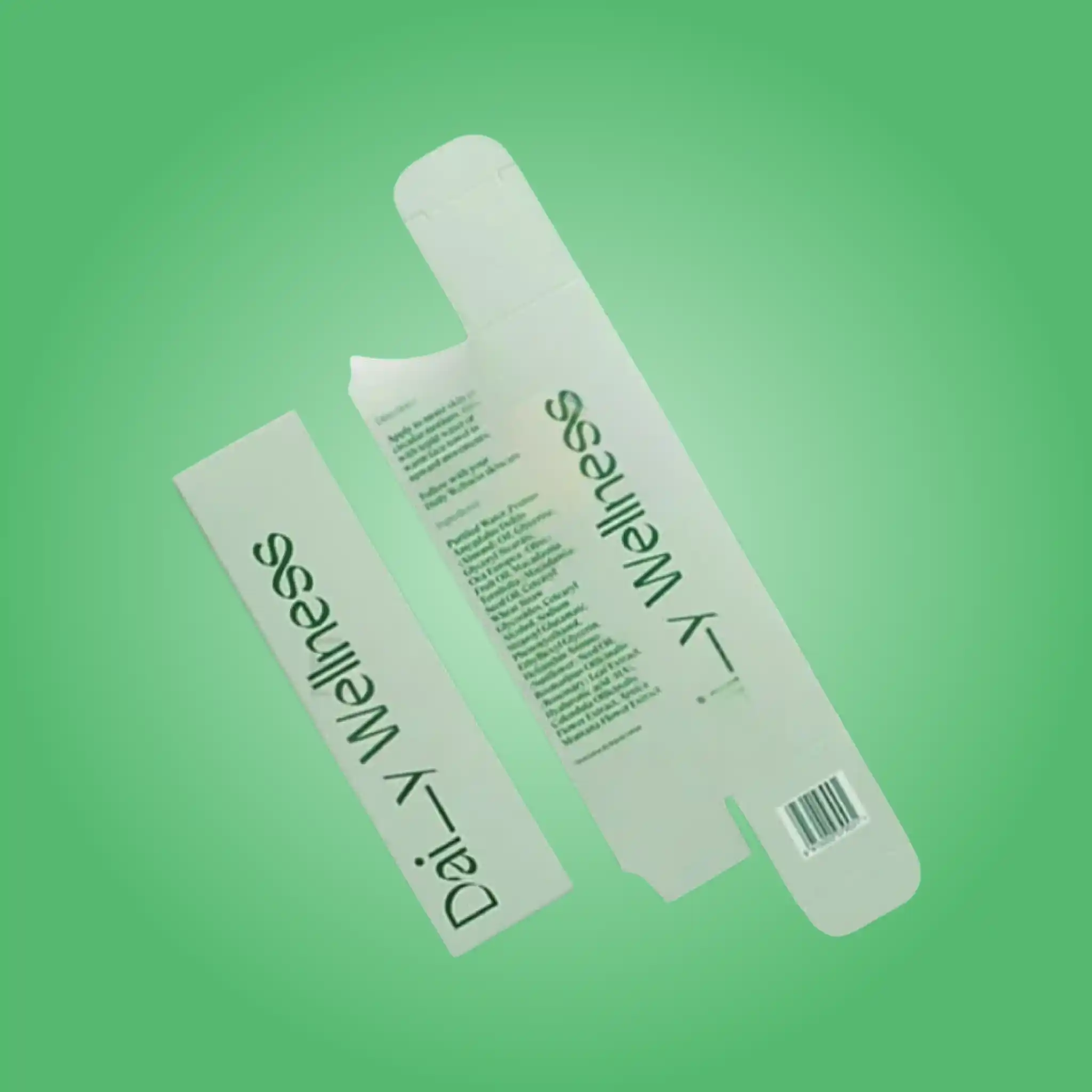
Custom straight tuck boxes from Pioneer Custom Boxes help cosmetic, skincare, supplement, candle, soap, food and ecommerce brands package products with a completely clean front panel. Choose SBS or kraft board from 14pt to 24pt, custom sizes, windows, inserts, foil, soft touch lamination, logo printing, free design support, no MOQ and free USA shipping.
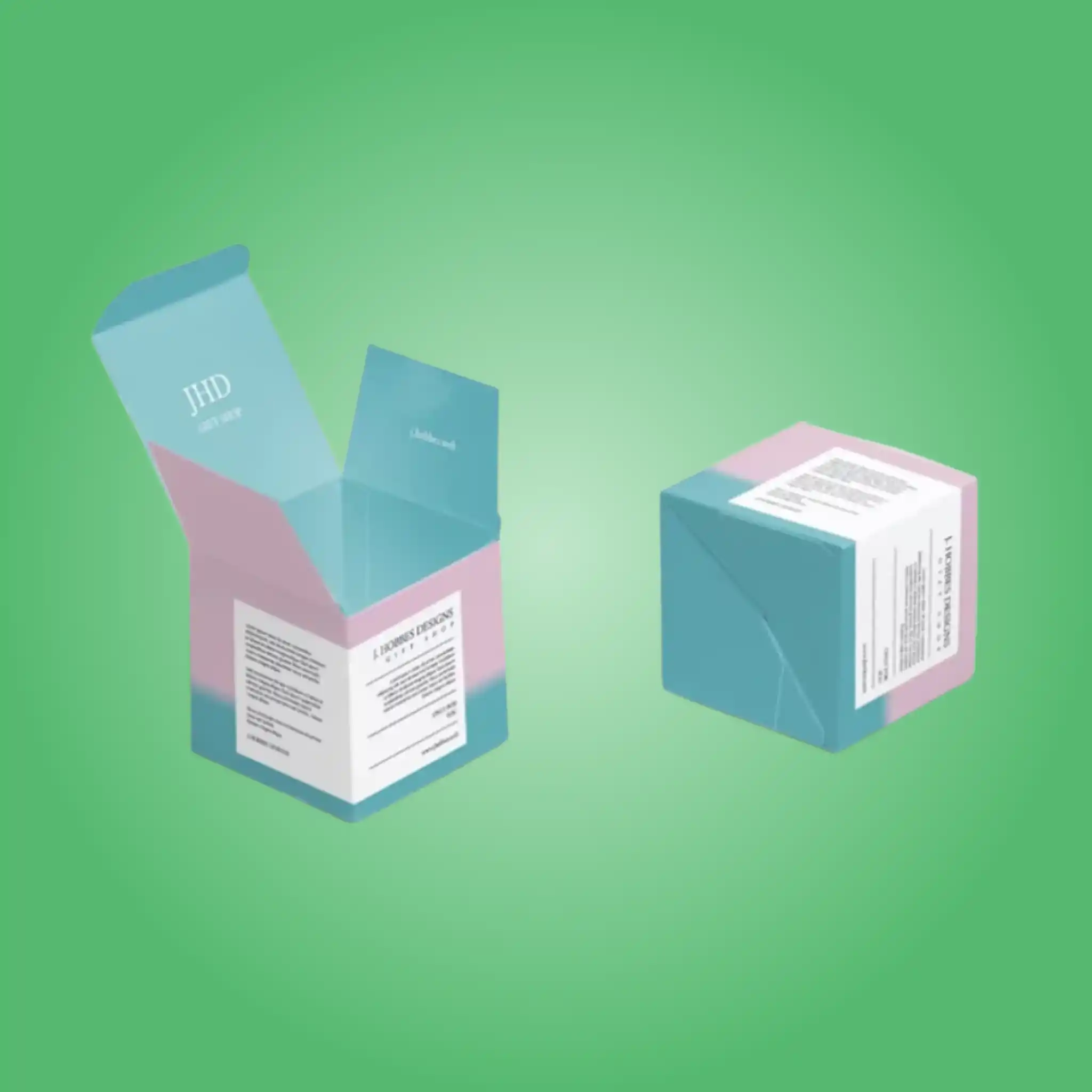
Custom tuck end boxes from Pioneer Custom Boxes help cosmetic, skincare, supplement, food, candle, soap, electronics and ecommerce brands package products without tape or glue. Choose straight tuck, reverse tuck, auto-lock or roll end styles in SBS, kraft, CRB or E-flute, with windows, inserts, foil, lamination, free design support, no MOQ and free USA shipping.
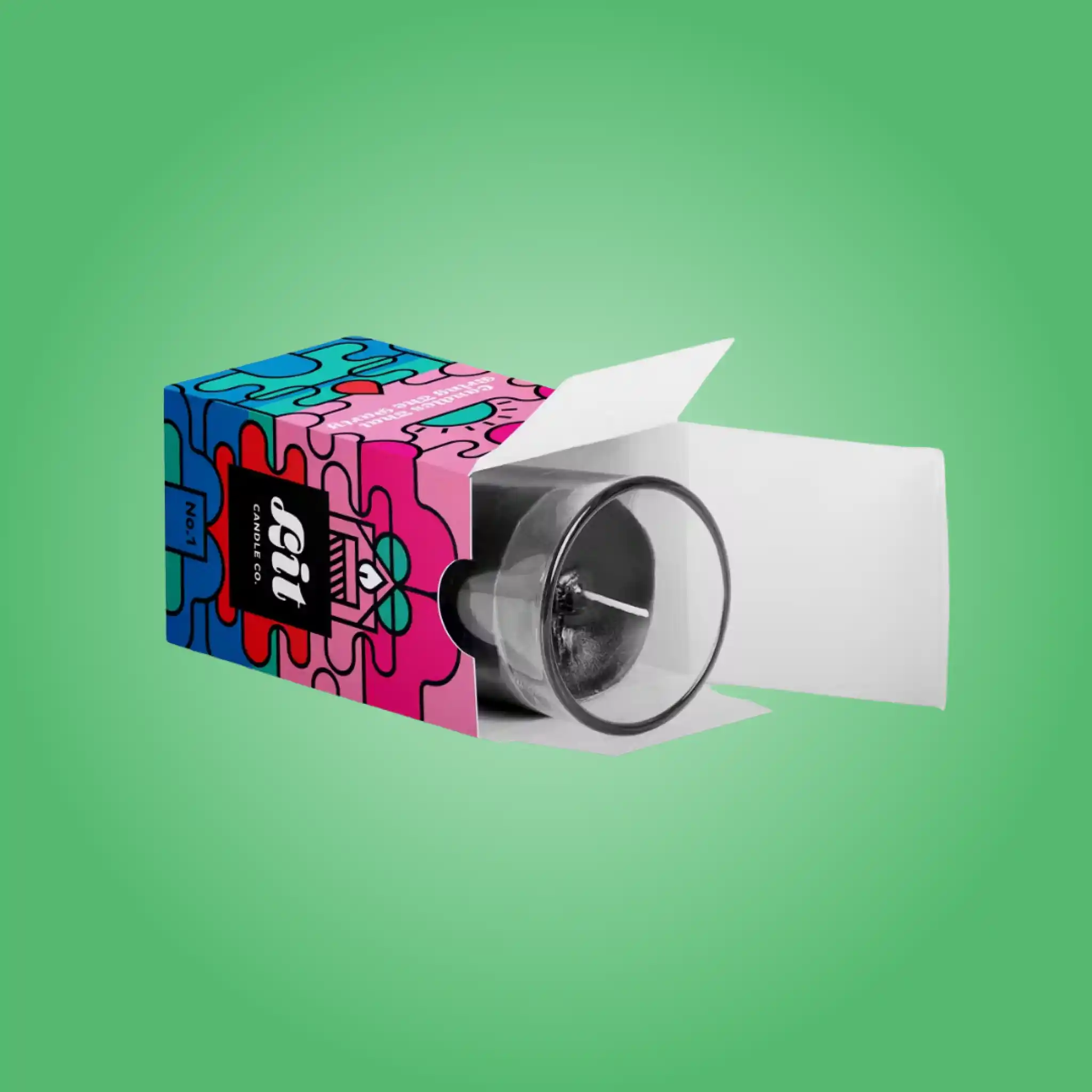
Reverse tuck candle boxes from Pioneer Custom Boxes help candle makers, home fragrance brands, gift companies and ecommerce sellers package filled glass vessels safely. Choose SBS, kraft, CRB or E-flute board from 18pt to 24pt, collar inserts, windows, foil stamping, soft touch lamination, logo printing, free design support, no MOQ and free USA shipping.