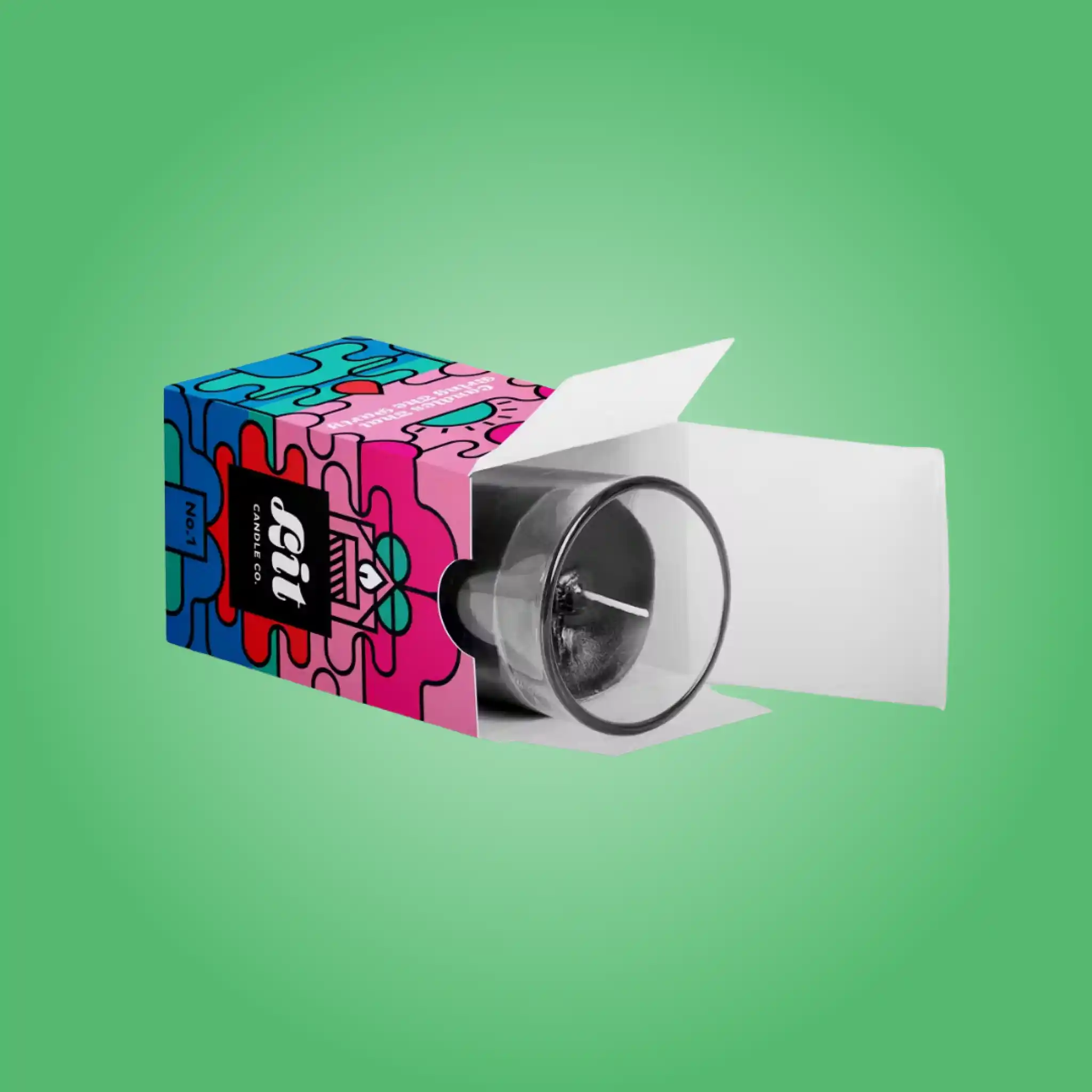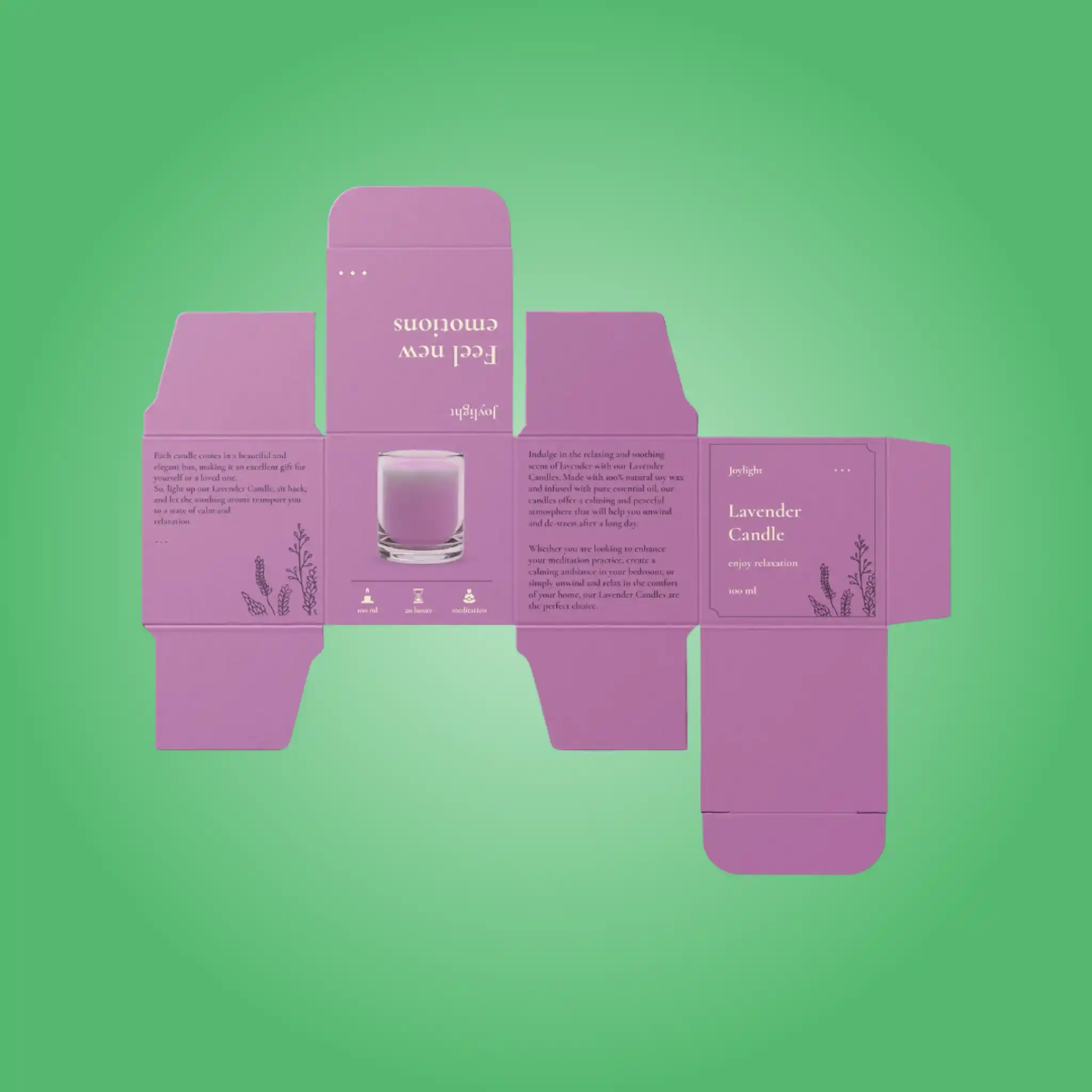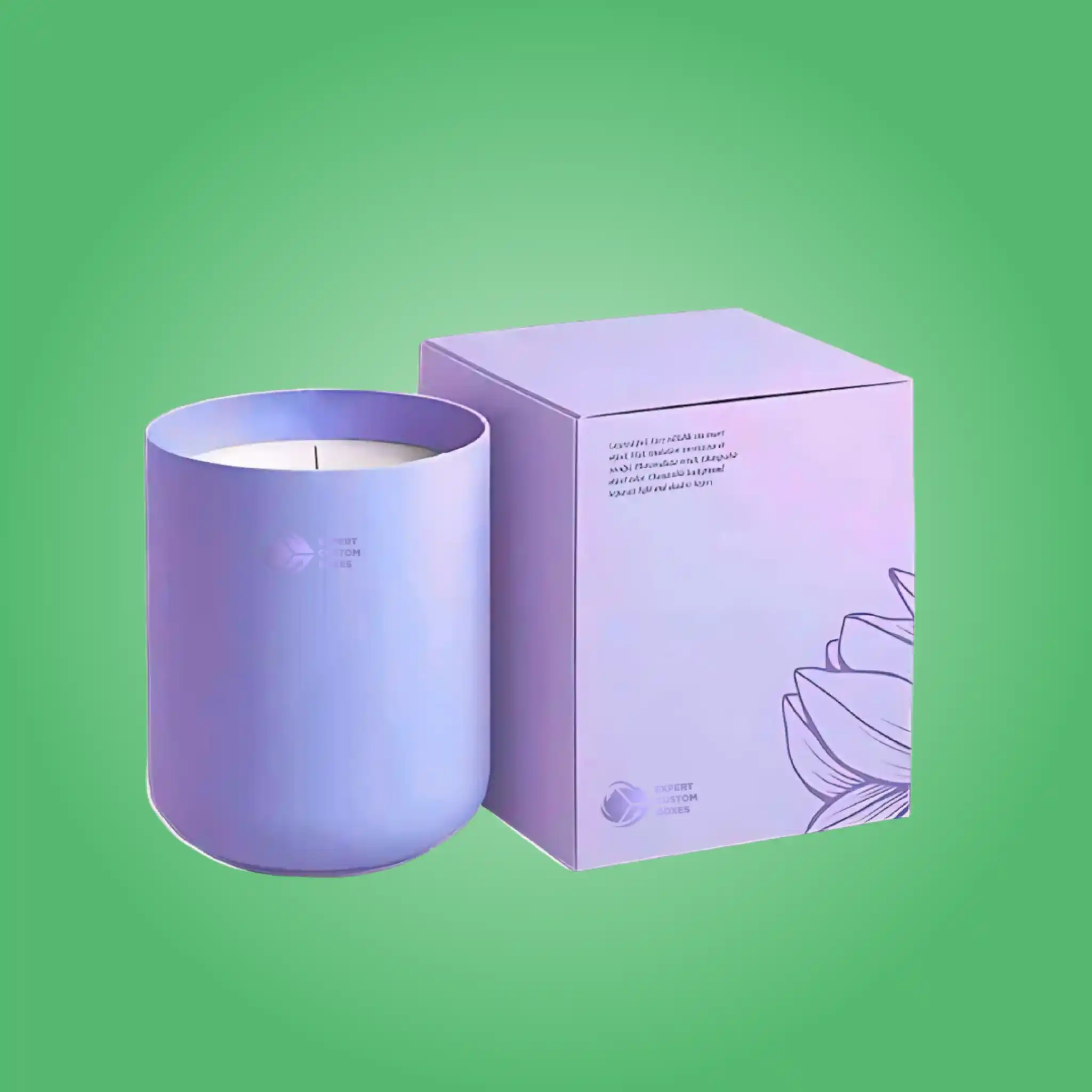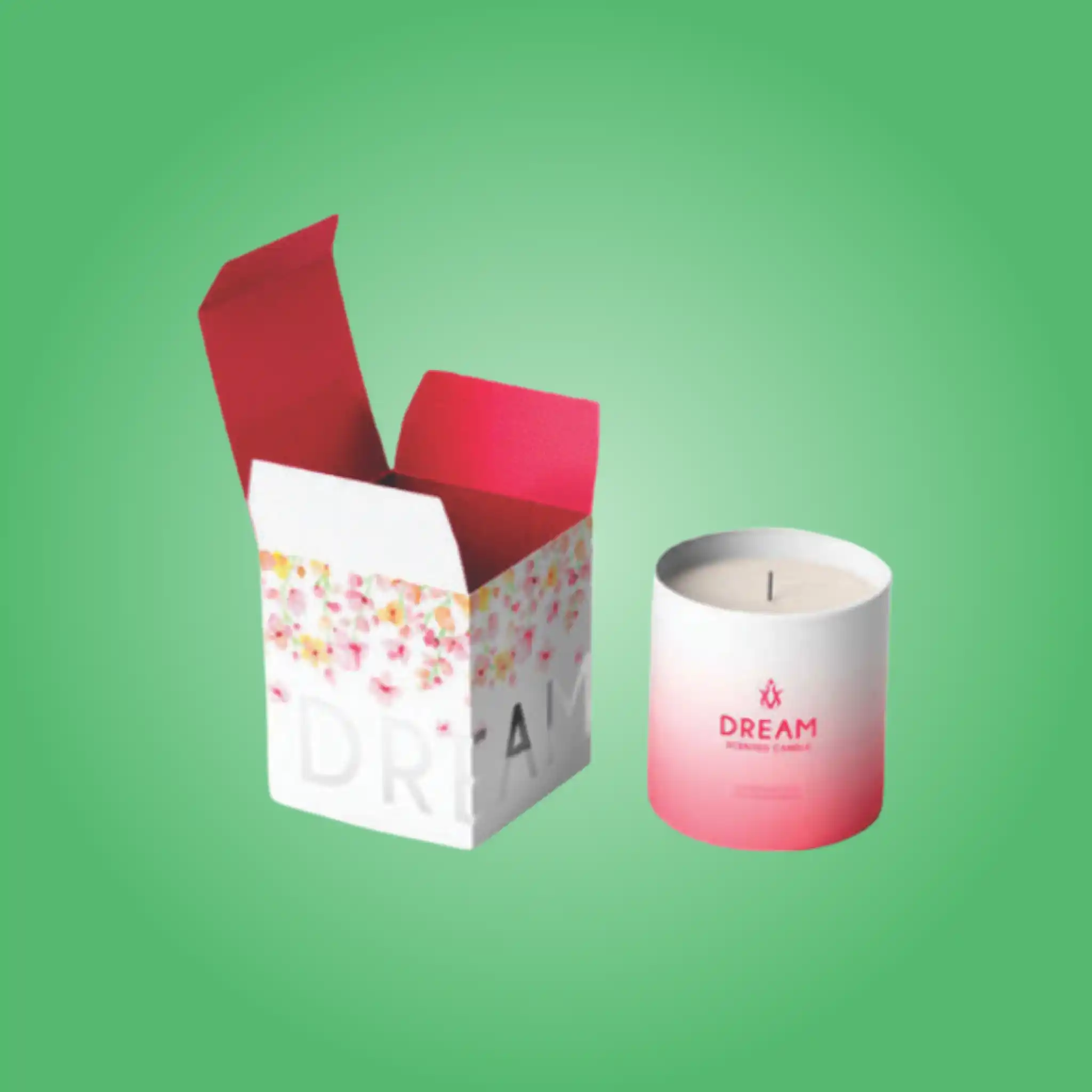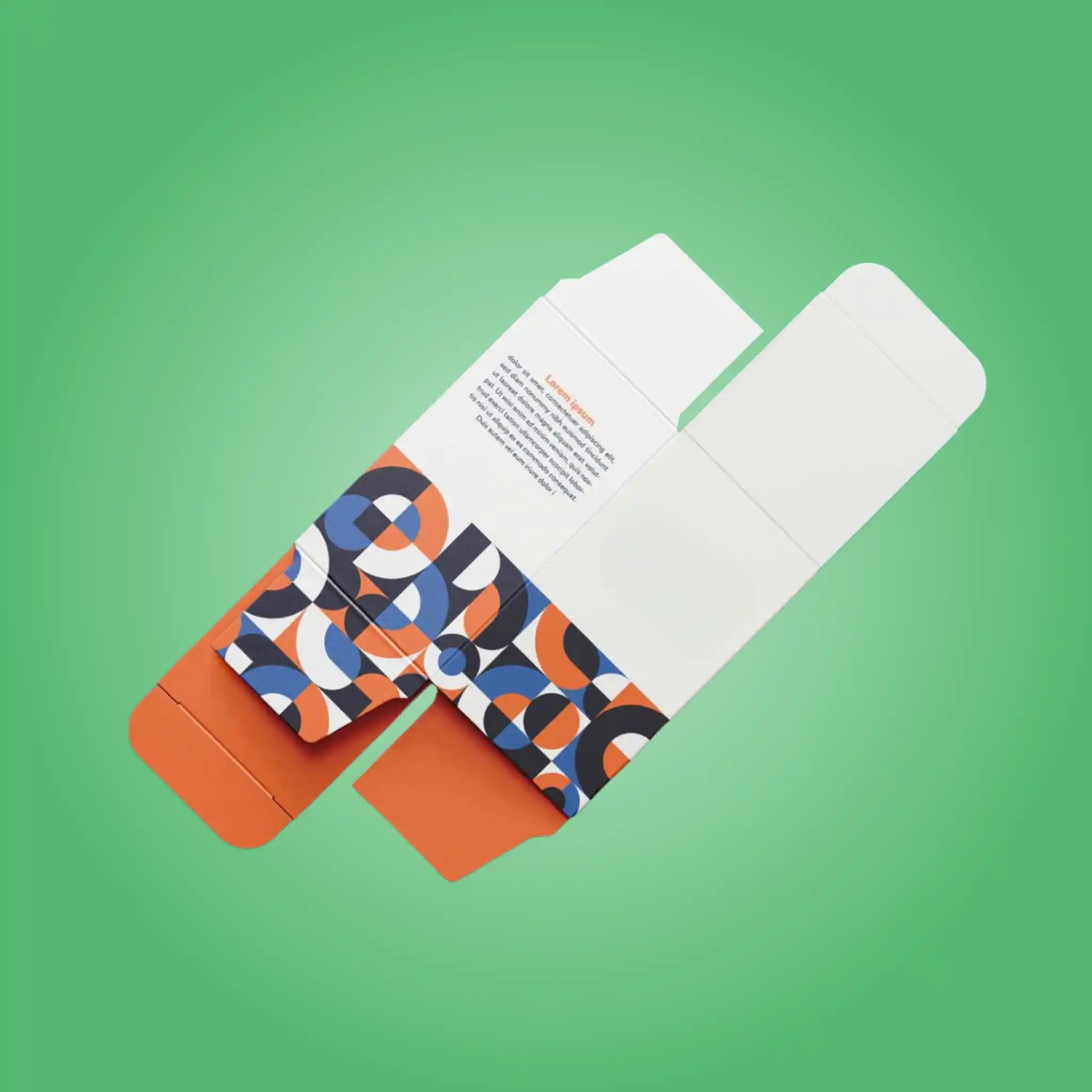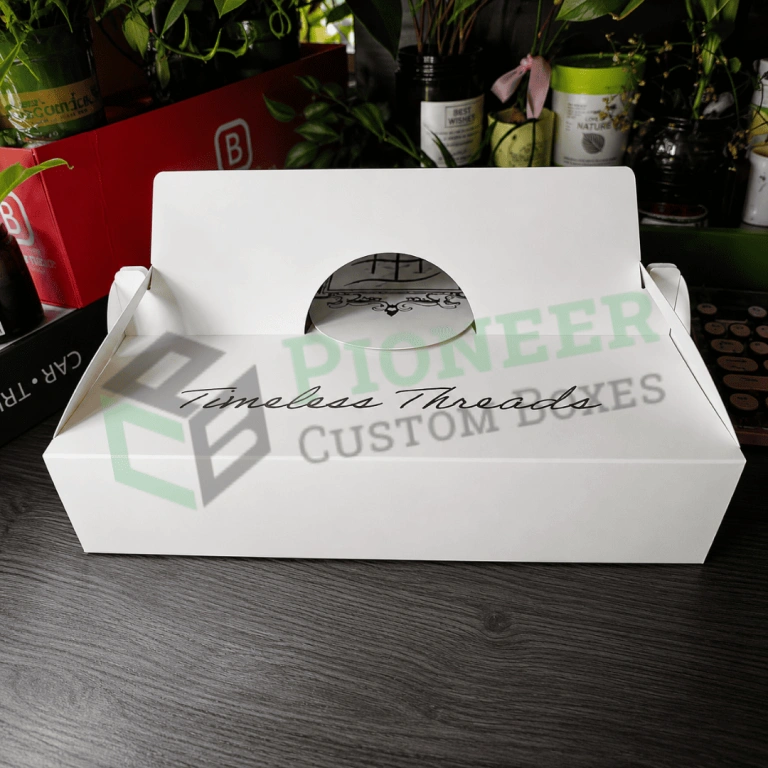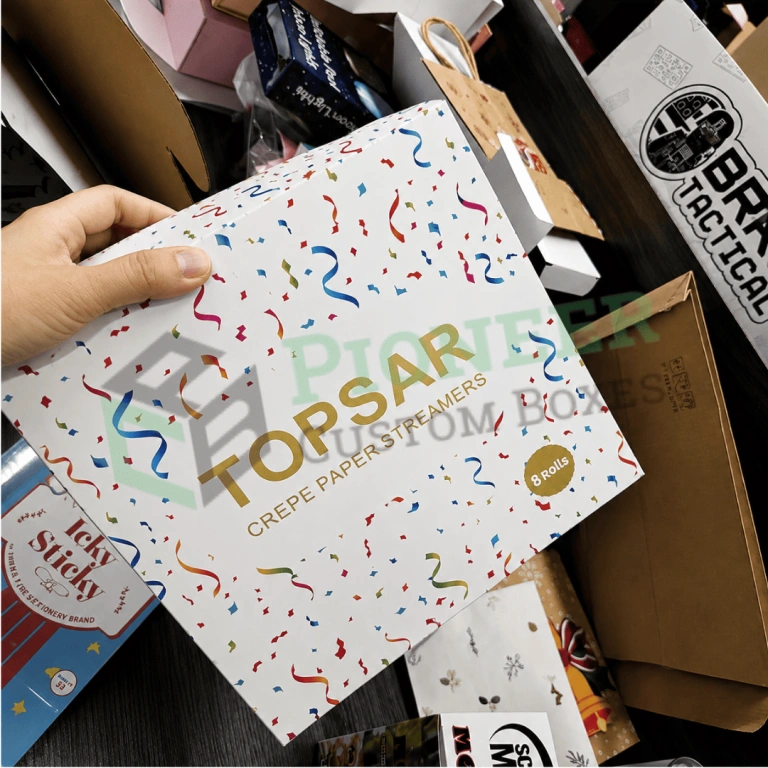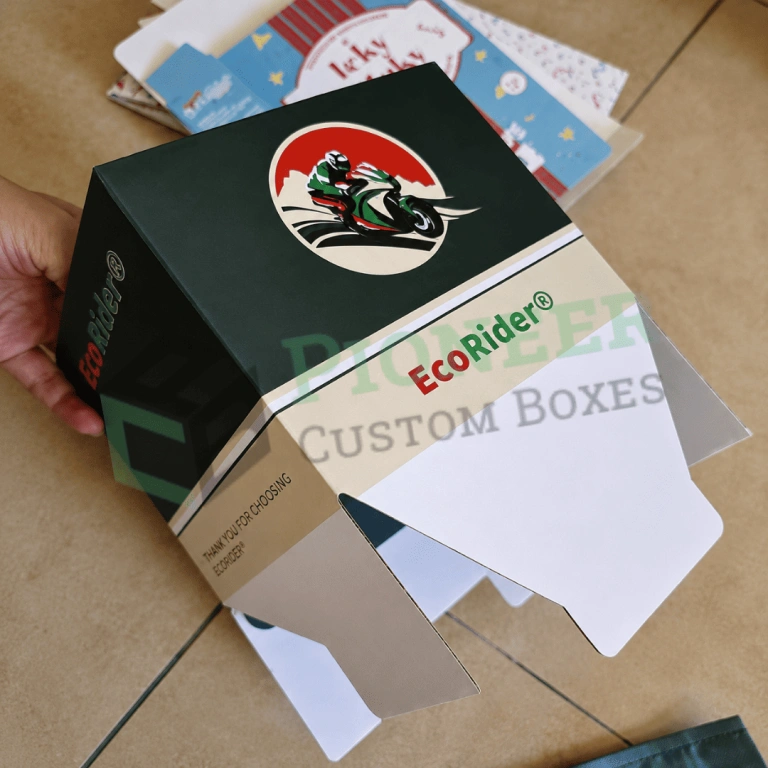
Reverse tuck candle boxes from Pioneer Custom Boxes help candle makers, home fragrance brands, gift companies and ecommerce sellers package filled glass vessels safely. Choose SBS, kraft, CRB or E-flute board from 18pt to 24pt, collar inserts, windows, foil stamping, soft touch lamination, logo printing, free design support, no MOQ and free USA shipping.
Reverse tuck candle boxes close with their end flaps folding in opposite directions, which keeps the blank compact and the unit cost down. For candle makers running several fragrances at moderate volume, that efficiency is exactly what makes a full printed range affordable.
Candles are not a typical carton product, though, and the structure has to account for that. A filled glass vessel is heavy for its size, it is fragile, the wick and lid sit proud of the rim, and the surface scratches if the vessel moves inside the box. Every one of those facts changes the dieline.
We size candle cartons to the vessel after filling rather than to a nominal jar dimension, add controlled headroom above the lid or wick, and specify caliper against the filled weight rather than the empty carton. That is the difference between a box that works and one that cracks at the score after a week.
Pioneer Custom Boxes manufactures reverse tuck candle boxes in the United States with zero minimum order quantity, free dielines, free design support and free shipping nationwide. We cut our own dies and run our own presses, so the carton is built around your vessel.
Candle cartons fail in a small number of predictable ways, and each has a structural answer that costs very little at the dieline stage.
The most common failure. A carton cut with no headroom above the lid forces the packer to press the tuck flap down onto the vessel, and the top score cracks after repeated filling. Two to three millimeters of controlled headroom removes the problem entirely.
A twelve-ounce filled vessel is heavy for a folding carton. On a reverse tuck the bottom flap carries that load on a single fold, and light board gives way after a few handlings. We specify 18pt as a floor and 20pt to 24pt for larger vessels, or recommend a tuck top with an auto-lock base where weight genuinely demands it.
Glass sliding inside a carton scuffs the printed panels from the inside and can chip the vessel rim. A paperboard collar insert holds the vessel centered and costs a fraction of a returned candle.
Wicks that stand proud, and lids with a raised knob, both need clearance the vessel dimensions alone do not reveal. We measure the finished candle as it will be sold, lid on, rather than the empty jar.
A plain tuck springs open in a shipping case or a shopping bag. Friction-lock tuck tabs, cut with small ears that grip the slit, stop that without adding cost to the die.
Send us a finished candle and we will build the dieline around the real object. Measuring it here removes every assumption, and it is the single most useful thing you can do before ordering.
These formats match the vessels candle makers use most often in the United States. Every die is cut to your actual filled candle, so treat the table as a starting point.
| Vessel | Typical Carton Size (inches) | Caliper | Note |
|---|---|---|---|
| 4 oz travel tin | 3 x 3 x 2.5 | 16pt to 18pt | Light enough for a plain tuck base |
| 6 oz small jar | 3.25 x 3.25 x 3.5 | 18pt | Collar insert recommended |
| 8 oz straight-sided jar | 3.5 x 3.5 x 4 | 18pt | Most common single-wick format |
| 9 oz tumbler | 3.5 x 3.5 x 4.25 | 18pt to 20pt | Headroom for lid knob |
| 11 oz apothecary jar | 3.75 x 3.75 x 4.5 | 20pt | Heavier, insert advised |
| 12 oz jar with lid | 4 x 4 x 5 | 20pt | Consider auto-lock base |
| 16 oz three-wick | 4.5 x 4.5 x 5 | 24pt or E-flute | Weight demands heavier board |
| Pillar candle | 3.5 x 3.5 x 7 | 18pt | Tall format, wick clearance |
| Taper pair | 2 x 2 x 11 | 16pt | Slim, insert to prevent movement |
| Two-candle gift set | 7.5 x 4 x 4.5 | 20pt with divider | Divider between vessels |
| Votive multipack | 6 x 4 x 2.5 | 18pt with tray | Multi-cavity insert |
Measure your candle filled and with the lid on, then send those dimensions with the filled weight. We return a free dieline within one business day.
Candle cartons carry more weight per square inch of base than almost any other retail carton, and sizing has to reflect that.
Every dimension we quote is internal, measured to the inside faces of the assembled carton. Board has real thickness, so sending external dimensions produces a carton your vessel will not fit. This is the error we correct most often.
Clearance around the vessel should be one to two millimeters per side. That lets the candle drop in cleanly during packing without rattling afterward. More clearance means movement, and movement against a printed panel scuffs it from the inside over a few weeks in a stockroom.
Headroom above the lid or wick is separate and non-negotiable. Two to three millimeters lets the tuck close without pressing on the vessel. Without it, staff force the flap and the top score cracks, which is the failure candle makers report to us most.
Footprint matters for base strength. A tall narrow carton concentrates the whole filled weight on a small base area. Where the vessel allows, a marginally wider footprint carries the same weight on lighter board and costs less overall.
Caliper follows filled weight rather than jar size. An 8 oz vessel sits comfortably on 18pt. A 16 oz three-wick needs 24pt or E-flute, and at that point a tuck top with an auto-lock base is usually the better structure. We will tell you when your candle has outgrown a reverse tuck rather than selling you one that will fail.
Board choice on a candle carton is doing two jobs at once: carrying a heavy fragile object and presenting a product bought largely on how it looks.
Solid bleached sulfate is the standard for printed candle cartons. The bright white clay-coated surface reproduces the soft colors and photography this category relies on, and it takes soft touch lamination and foil beautifully. We rarely go below 18pt because filled vessels are heavy, and larger candles sit at 20pt to 24pt.
Kraft is extremely well suited to this category. The natural brown surface signals hand-poured, small-batch and natural wax positioning without a word of copy, and it costs less than bleached board. A single gold or copper foil hit on bare kraft is one of the most cost-effective premium looks available, and it is a look candle buyers respond to.
CRB uses recycled fiber with a coated printing surface at a lower cost than SBS. It suits candle makers running high volumes where a good print surface matters more than absolute brightness, and the recycled content supports a genuine sustainability claim.
E-flute becomes the right answer for three-wick candles, heavy vessels and any candle shipping alone through a parcel network. It prints acceptably and adds real crush resistance, which matters because a broken candle is a total loss rather than a cosmetic complaint.
Every option above is available with post-consumer recycled content and FSC certification. Candle buyers ask about materials more than most categories, so we document exactly what your board contains rather than leaving you to assume.
One point specific to candles. Fragrance oils can migrate over long storage periods and mark uncoated board from the inside. Where candles sit in stock for months, a coated inner surface or a collar insert between the vessel and the board prevents that.
| Material | Typical Caliper | Strengths | Best For | Relative Cost |
|---|---|---|---|---|
| SBS paperboard | 14pt to 24pt | Bright white face, sharp print | Retail cartons judged on shelf | Moderate |
| Kraft paperboard | 16pt to 24pt | Natural look, hides marking | Organic and artisan positioning | Lower |
| Coated recycled board | 16pt to 22pt | Recycled content under a print face | High-volume ranges on cost | Lower |
| E-flute corrugated | 32 ECT typical | Impact and crush resistance | Heavier products and parcel shipping | Higher |
| Recycled and FSC-certified stocks | Any grade above | Documented sourcing and content | Brands audited on sustainability | Small premium |
Candle brands typically run many fragrances at moderate volumes, which makes print method a more consequential decision here than in most categories.
Digital prints straight from the file with no plates, so setup cost disappears. For a maker with twelve fragrances, that is the difference between twelve plate sets and none. A single production run can carry every fragrance with different panel artwork and color, and adding a seasonal scent later costs nothing in tooling. For most independent candle brands, digital on one shared die is the correct answer.
Offset runs from metal plates and gives the finest detail and the most consistent color across a long run. Once a fragrance reaches a thousand or more cartons in a single run, offset becomes the better economics and holds color more tightly across reorders. Established candle brands usually run their core fragrances offset and their limited editions digital.
Flexo suits E-flute corrugated candle cartons and outer shipping cases, where bold simple graphics reproduce economically on a fluted surface.
Whichever method, we print your artwork on the actual board before the full run. Soft neutral palettes, which this category uses constantly, shift more visibly than saturated colors, so seeing a physical proof matters more here than most buyers expect.
| Method | Best Quantity | Strengths | Limitations | Use It For |
|---|---|---|---|---|
| Offset printing | 1,000 and above | Finest detail, steadiest color | Plate cost per design | Core retail runs |
| Digital printing | 1 to 1,000 | No plates, unlimited variants | Cost flattens at volume | Launches and wide SKU ranges |
| Flexographic printing | 5,000 and above | Economical on kraft and fluted board | Coarser gradients | Outers, cases and kraft cartons |
Candle ranges are identified by color more than by name, which makes color a commercial decision rather than an aesthetic one.
CMYK builds every color from cyan, magenta, yellow and black separations. It reproduces photography and soft gradients convincingly and costs the least, since four inks cover the whole design. The soft neutrals and muted tones this category favors sit well within CMYK, though very pale shades can drift between production batches.
Pantone inks arrive pre-mixed and print identically on every run. For a candle range where lavender, sage and eucalyptus are distinguished by close shades, spot colors are what stop two fragrances drifting toward each other on a shelf. Each spot ink occupies its own press unit, so the count affects cost. We store your references permanently and match against a physical draw-down before every run.
RGB is a screen color space and cannot be printed. Your website, marketplace listings and lifestyle photography all live in RGB, and conversion shifts saturated colors noticeably. We handle the conversion and show you the printed outcome first, so your carton matches what customers saw online before they ordered.
| Color System | Where It Lives | Consistency Across Runs | Use It For |
|---|---|---|---|
| CMYK | Print, four process inks | Good, drifts on pale and deep tones | Photography and gradients |
| PMS spot | Print, pre-mixed ink | Exact, run after run | Brand colors and range bands |
| RGB | Screens only | Cannot be printed directly | Web and marketplace imagery |
Candles are bought partly on how the packaging feels in the hand, so finishing does real commercial work here rather than decorating.
The most effective single finish in this category. Soft touch gives a velvet surface that reads as expensive immediately, and it resists fingerprints on a box customers pick up and turn over in a store. Most premium candle cartons we produce use it as their base.
Matte film gives a restrained surface that suits natural and botanical positioning, resists scuffing, and makes foil stand out sharply by contrast. It costs less than soft touch and achieves much of the same impression.
Gloss lifts color saturation and suits brighter, more playful ranges. It shows fingerprints on dark panels, so it fits busy artwork better than large flat fields of color.
Gold and copper foil on kraft is close to a signature look for hand-poured candles, and a single hit on the logo costs a fraction of full coverage. Silver suits cleaner modern ranges. Foil sits best against matte or bare kraft where the contrast makes it shine.
Spot UV creates gloss contrast against a matte background and works particularly well on a repeated botanical pattern or a wordmark. Keep it clear of the barcode.
A blind deboss on a plain kraft carton is one of the most understated premium effects available, and it costs less than foil. Customers notice it through touch before they consciously see it.
Where full lamination is unnecessary, an aqueous coating protects the surface at lower cost and keeps the carton fully recyclable. For volume ranges this is frequently the sensible choice.
Restraint reads better here than accumulation. A kraft carton with one foil mark consistently outperforms the same carton carrying foil, spot UV and embossing together.
| Finish | Effect | Durability | Recycling Impact | Best For |
|---|---|---|---|---|
| Matte lamination | Flat, soft, hides handling | High | Complicates recovery | Premium retail cartons |
| Gloss lamination | High shine, deep color | High | Complicates recovery | Bold color-led designs |
| Soft touch lamination | Velvet hand feel | High | Complicates recovery | Prestige positioning |
| Aqueous coating | Sealed, scuff resistant | Moderate | Minimal, stays recyclable | Everyday retail and shipping |
| Foil stamping | Metallic premium cue | High | Minimal at small coverage | Logos and rules |
| Spot UV coating | Selective gloss on matte | Moderate | Minimal | Patterns behind a logo |
| Embossing and debossing | Tactile raised or recessed detail | High | None | Registered detail with foil |
The carton protects the vessel from outside. The insert stops the vessel damaging the carton and itself from inside.
| Add-On | What It Does | Best Suited To |
|---|---|---|
| Paperboard collar insert | Holds the vessel centered and still | Every jar and tumbler candle |
| Corrugated base pad | Adds a second layer under the vessel | Heavier 12 oz and 16 oz candles |
| Multi-cavity divider | Separates candles in a set | Gift sets and votive multipacks |
| Molded pulp cradle | Cradles irregular vessel shapes | Sculptural and non-cylindrical vessels |
| Die-cut window | Shows the wax color and vessel | Retail shelf and gifting |
| Friction lock tucks | Stops the carton springing open | Cartons shipped or bagged loose |
| Printed interior | Adds a message at the moment of opening | Gift and direct-to-consumer sales |
| Tear strip | Opens cleanly without tools | Sealed retail candles |
| Ribbon pull | Lifts the vessel out safely | Premium gift presentation |
The collar insert is the one we recommend almost universally. It costs very little, it stops the printed panels being scuffed from the inside, and it keeps the vessel from taking impact against the carton corners during shipping.
Candle makers usually run several fragrances at moderate volume, which changes which cost levers actually matter.
The number of separate dies leads, and it is the single largest avoidable cost in this category. A maker with ten fragrances tooling ten cartons pays ten setups and never reaches a quantity where unit price improves. One die across the range, with only the printed panel changing, transforms the economics.
Carton dimensions come next, because board is priced by area and candle cartons are relatively large for their contents. Removing unnecessary clearance cuts material on every unit forever.
Caliper is third and should not be cut. Filled vessels are heavy, and a carton that saves a fraction of a cent and then bows produces broken candles, which cost many times the saving. Finishing and quantity finish the list.
| Cost Driver | Impact | How to Reduce It |
|---|---|---|
| Number of separate dies | Highest for multi-fragrance ranges | One die, vary only the printed panel |
| Carton dimensions | High | Size to the filled vessel with lid on |
| Board caliper | High, do not cut this | Match to filled weight, not to jar size |
| Finishing passes | Moderate to high | One foil hit on kraft rather than layered finishes |
| Insert type | Moderate | Paperboard collar rather than molded pulp |
| Print method | Moderate | Digital for many fragrances, offset at volume |
| Order quantity | Moderate | Run the whole range in one production run |
Running an entire fragrance range through one die in a single production run is usually worth more than every other saving on this list combined.
A candle carton fails once it is loaded, so inspection tests it with weight rather than empty. Every order passes a documented check before leaving our floor.
| Check | What We Verify | Why It Matters |
|---|---|---|
| Vessel fit | A real filled vessel seated in the carton | Clearance must be right in both directions |
| Headroom above the lid | Tuck closes without pressing on the candle | Prevents the top score cracking |
| Loaded base test | Filled carton lifted and carried by hand | The base must hold the filled weight |
| Score and crease quality | Clean folds with no cracking | Cracked scores expose white board edges |
| Tuck flap fit | Tabs seat fully without forcing | A loose tuck opens in a bag |
| Insert seating | Collar sits flat and holds the vessel | A loose insert does nothing |
| Glue bond strength | Side seam pull test | A failed seam drops the candle |
| Color match | Pantone against a physical draw-down | Close fragrance shades must stay distinct |
| Foil and lamination adhesion | Tape and edge lift test | Lifting finish ruins premium positioning |
| Barcode readability | Scan test on a flat matte area | Retailers reject unscannable cartons |
We load every new candle carton design with a vessel matching your filled weight and carry it before approving the run. If anything fails, we remake it rather than ship it.
Glass vessels are the most fragile common retail product we package, and a broken candle is a total loss rather than a cosmetic complaint.
For retail distribution the candle carton travels inside a shipping case, and the case does the protective work. We design the case so cartons tile with no gaps, because cartons sliding against each other scuff printed panels and let the glass take impact at the corners.
For direct-to-consumer orders the picture changes entirely. A single candle carton in a parcel network needs an outer shipper with cushioning, or the candle carton itself needs to be E-flute with an insert holding the vessel away from every wall. We will specify which route suits your volumes and your breakage tolerance.
Corner impact is what actually breaks candles. Parcels are dropped on corners far more often than on faces, so the insert matters more than the outer board grade. A collar that holds the vessel centered keeps the glass away from the point of impact, and it does more for breakage rates than moving up a flute grade.
Temperature is the second consideration and is specific to wax. Soft waxes deform above roughly ninety degrees, and a candle that softens and resets arrives with a sunken or cracked surface even though nothing broke. Light-colored board reflects heat better than dark, and for summer shipping we advise against leaving parcels in a vehicle overnight.
Send us your typical shipping route and your current breakage rate, and we will tell you honestly whether the fix is the insert, the outer packaging or the board grade.
The same candle needs different packaging emphasis depending on where it sells, and a reverse tuck carton adapts to all three.
On a retail shelf the front panel does the work. Fragrance name, scent notes and brand mark need to read from a few feet away, and a window showing the wax color helps a customer choose between fragrances they cannot smell through a sealed carton.
Online, the carton is photographed rather than handled, so contrast and legibility at thumbnail size matter more than tactile finish. Matte surfaces photograph more evenly than gloss, which throws hotspots under studio lighting.
At markets and craft fairs, customers pick candles up constantly and often open them to smell the wax. A friction lock and a robust finish matter here, because a carton handled fifty times over a weekend needs to still look new for the person who eventually buys it.
Wholesale accounts add requirements the other channels do not. A scannable barcode on a flat matte area, a clear fragrance identifier, and cases that stack safely on a pallet all become necessary the moment you supply a stockist.
Most candle brands sell through several of these channels at once, which is another argument for one structure across a range. The carton stays consistent while the panel adapts.
Candle buyers scrutinize materials closely, partly because the product itself is often positioned around natural wax and clean ingredients.
Paperboard and corrugated both recycle through standard curbside programs. Keeping the carton recyclable is mostly about what you put on it: aqueous coatings preserve recyclability while plastic lamination complicates it, so for volume ranges we recommend coating unless the finish is doing genuine commercial work.
Recycled content board and unbleached kraft both lower footprint, and kraft carries the natural look this category wants anyway. That alignment is unusual and worth taking advantage of.
Collar inserts cut from the same paperboard as the carton recycle alongside it, where foam does not. For nearly every vessel shape, a paperboard collar achieves what foam would.
Soy-based inks are available on request. We document exactly what your board and coatings are so your marketing claims stay accurate rather than aspirational, which matters in a category where customers read labels.
These errors recur across candle brands of every size, and each one is avoidable before a die is cut.
Measuring the empty jar instead of the finished candle leads the list. Lids, knobs and wicks all add height the jar specification does not mention, and a carton cut to the jar cracks at the score on the first packing run.
Tooling a separate die for every fragrance is the most expensive habit in the category. Ten fragrances rarely need ten dies, and consolidating to one structure with printed panel variations usually cuts unit cost by a third or more.
Going too light on caliper to protect margin produces bowed bases and broken candles, and a single breakage costs more than the board saving across hundreds of units.
Skipping the collar insert is a false economy. Without it the vessel slides, scuffs the printed panels from the inside, and takes corner impact directly during shipping.
Placing a barcode over foil or gloss lamination causes scan failures at wholesale accounts, and stockists escalate that quickly. Keep codes flat and matte.
Finally, approving artwork without a physical sample. Soft neutral palettes shift more than most colors between screen and board, and a fold running through a botanical illustration is invisible on a render.
A candle maker in the Pacific Northwest came to us running ten fragrances, each in a separately tooled carton ordered a few hundred at a time. Their packaging cost per candle was higher than their wax and vessel combined.
The problem was fragmentation rather than price per carton. Ten dies meant ten setups, and no single run reached a quantity where unit cost improved. Their vessels were also identical across the range, so the separate tooling served no purpose at all.
We cut one reverse tuck die sized to their 8 oz vessel with the lid on, printed a shared kraft carton, and used digital printing to vary only the fragrance panel and the color band. We added a paperboard collar insert and a single copper foil hit on the logo, and they ordered the entire range in one production run.
Unit cost fell by roughly forty percent. Their shelf improved as a side effect, because ten coordinated cartons read as a brand while ten different cartons read as a hobby. They now add seasonal fragrances to the same die at no tooling cost, and their breakage complaints stopped after the collar insert went in.
Ordering runs through four steps, and the first one matters more here than in any other category.
First, send us a finished candle if you can, or its filled dimensions with the lid on plus the filled weight. Those numbers decide clearance, headroom, caliper and whether a reverse tuck is even the right structure for your vessel.
Second, we return a free dieline and a written quote within one business day, including the collar insert on the same dieline so both parts are matched. If you run several fragrances, we will quote one shared die alongside separate dies so you can see the difference.
Third, you approve a digital proof, and we strongly recommend a physical sample. Put your actual candle in it, close the tuck, and carry it. Samples take three to five business days and prevent the failures this category is prone to.
Fourth, we produce and ship. Standard production runs eight to twelve business days, rush production runs four to six, and shipping across the United States costs nothing. Reorders and new fragrances run straight against your stored die.
Three things make custom candle packaging workable for a maker at any scale, and none carry a hidden charge.
Zero minimum order quantity means a maker with three fragrances and a market stall orders what they need rather than committing to a pallet. Digital printing covers those short runs with no plate cost, so a full printed range is achievable from the first order.
Free design support covers structural work, insert design, vessel measurement and artwork preparation. We build the dieline around your candle, size the collar, position your logo and prepare print-ready files. If you work with a designer, we supply a layered template marked with fold lines, bleed and safety margins.
Free shipping applies across the United States on every order, rush production included. We manufacture domestically, so a seasonal fragrance launch never waits at a port.
We are a direct manufacturer rather than a broker. We cut our own dies, run our own presses and finish every order in house, which is why we can quote quickly, adjust a specification mid-conversation and stand behind what leaves our floor.
For candles that control matters, because the failures in this category are physical rather than cosmetic. We load-test new designs with a vessel matching your filled weight rather than trusting a drawing.
Send us a candle, or its filled dimensions and weight, and we will return a free dieline and a written quote for reverse tuck candle boxes within one business day. Order now, or get a free quote and we will size the carton around your actual vessel.
| Box Style | Reverse Tuck Candle Boxes |
| Dimension (L + W + H) | All Custom Sizes & Shapes |
| Quantities | No Minimum Order Required |
| Paper Stock | 10pt to 28pt (60lb to 400lb) Eco-Friendly Kraft, E-flute Corrugated, Bux Board, Cardstock |
| Printing | No Printing, CMYK, CMYK + 1 PMS color, CMYK + 2 PMS colors |
| Finishing | Gloss Lamination, Matte Lamination, Gloss AQ, Gloss UV, Matte UV, Spot UV, Embossing, Foiling |
| Included Options | Die Cutting, Gluing, Scored, Perforation |
| Additional Options | Eco-Friendly, Recycled Boxes, Biodegradable |
| Proof | Flat View, 3D Mock-up, Physical Sampling (On request) |
| Turnaround | 4 – 8 Business Days, RUSH |
| Shipping | FLAT |
Every great product deserves packaging that turns heads. Here's how we make it happen — step by seamless step.
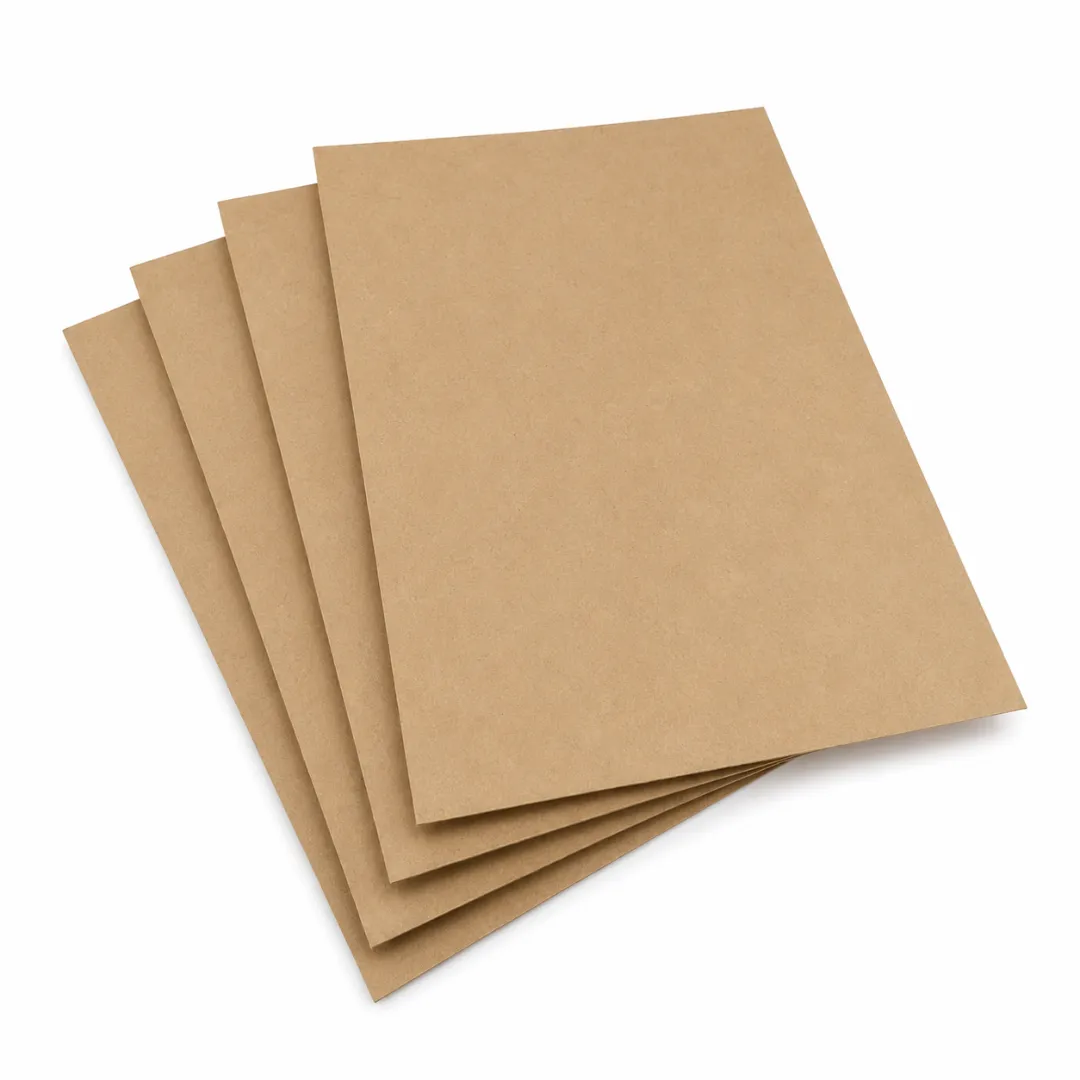
Kraft paper is a strong, durable and reliable material that is widely used across many different industries.
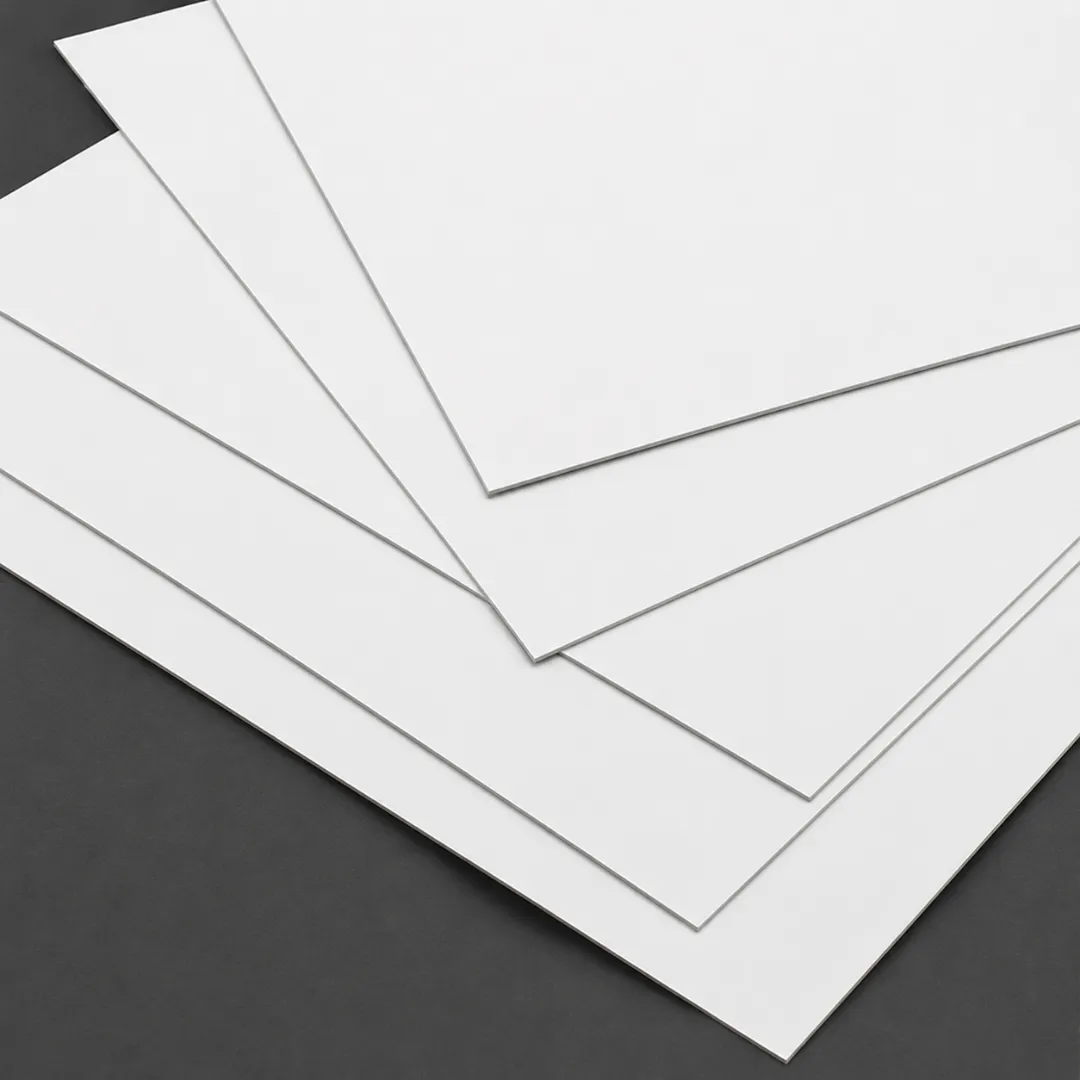
We use cardboard material with the least environmental impact and minimizes waste generation.
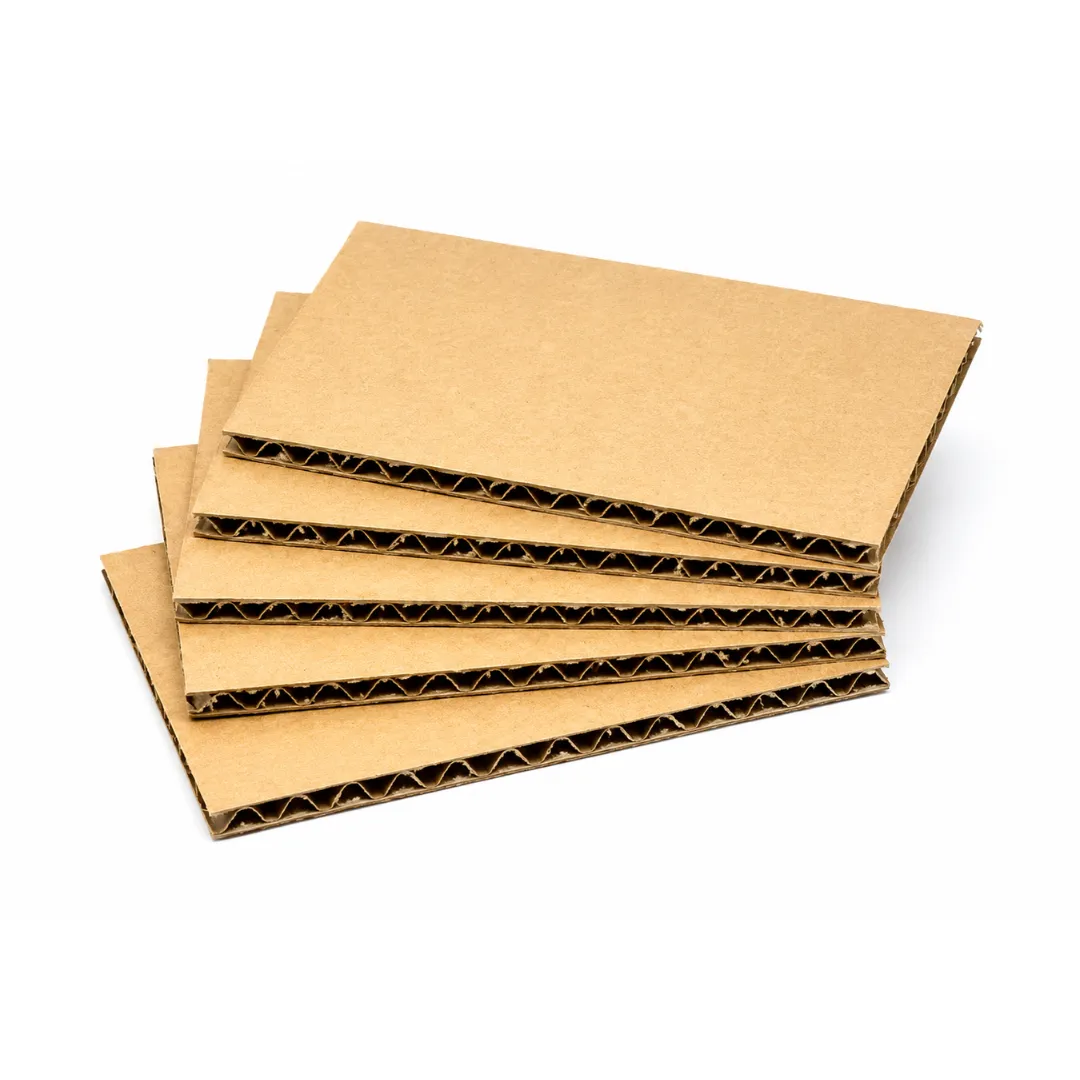
Corrugated material is easy to customize, cost effective and sustainable. It is also great for branding purposes.
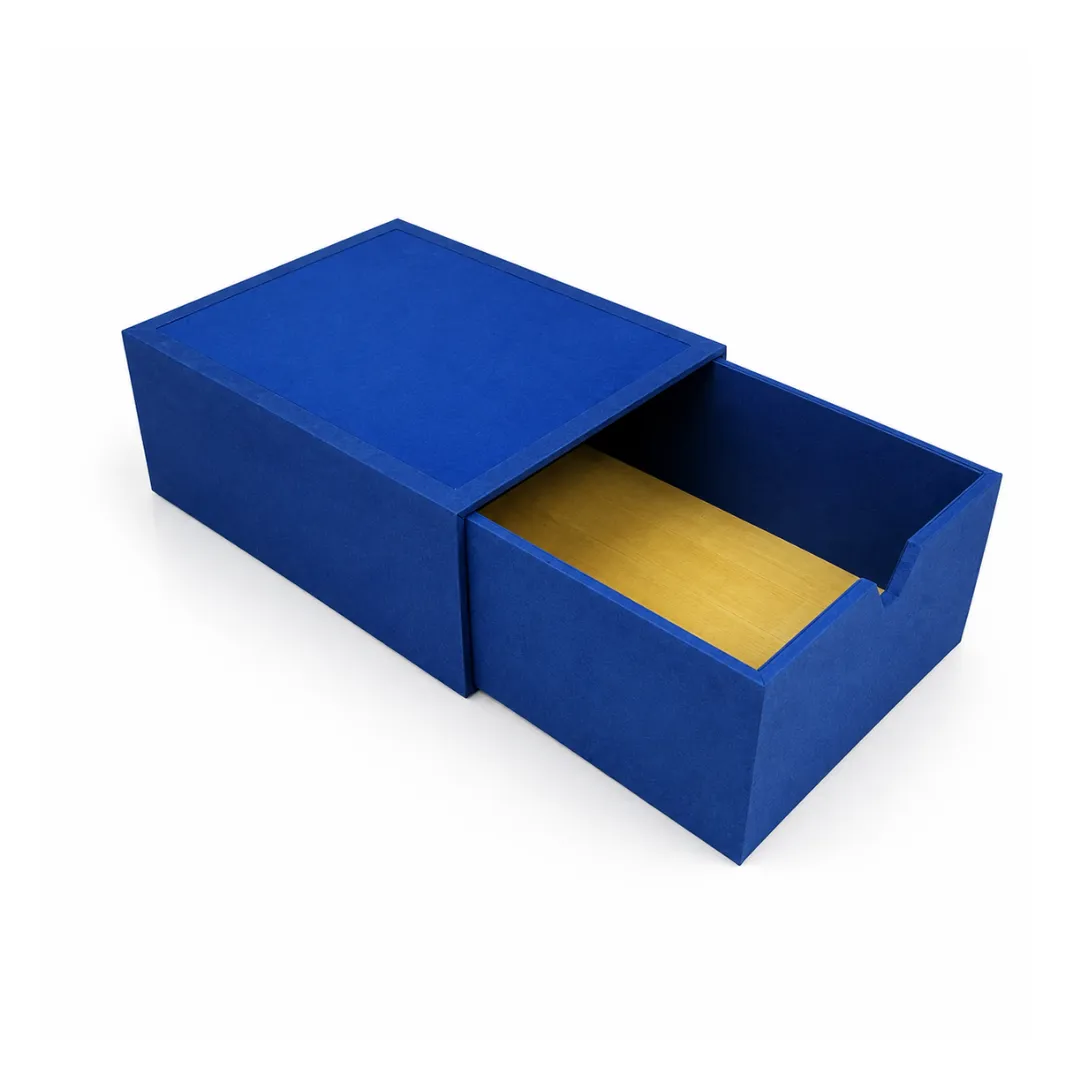
Rigid is highly protective, affordable and recyclable material. These boxes provide maximum protection.
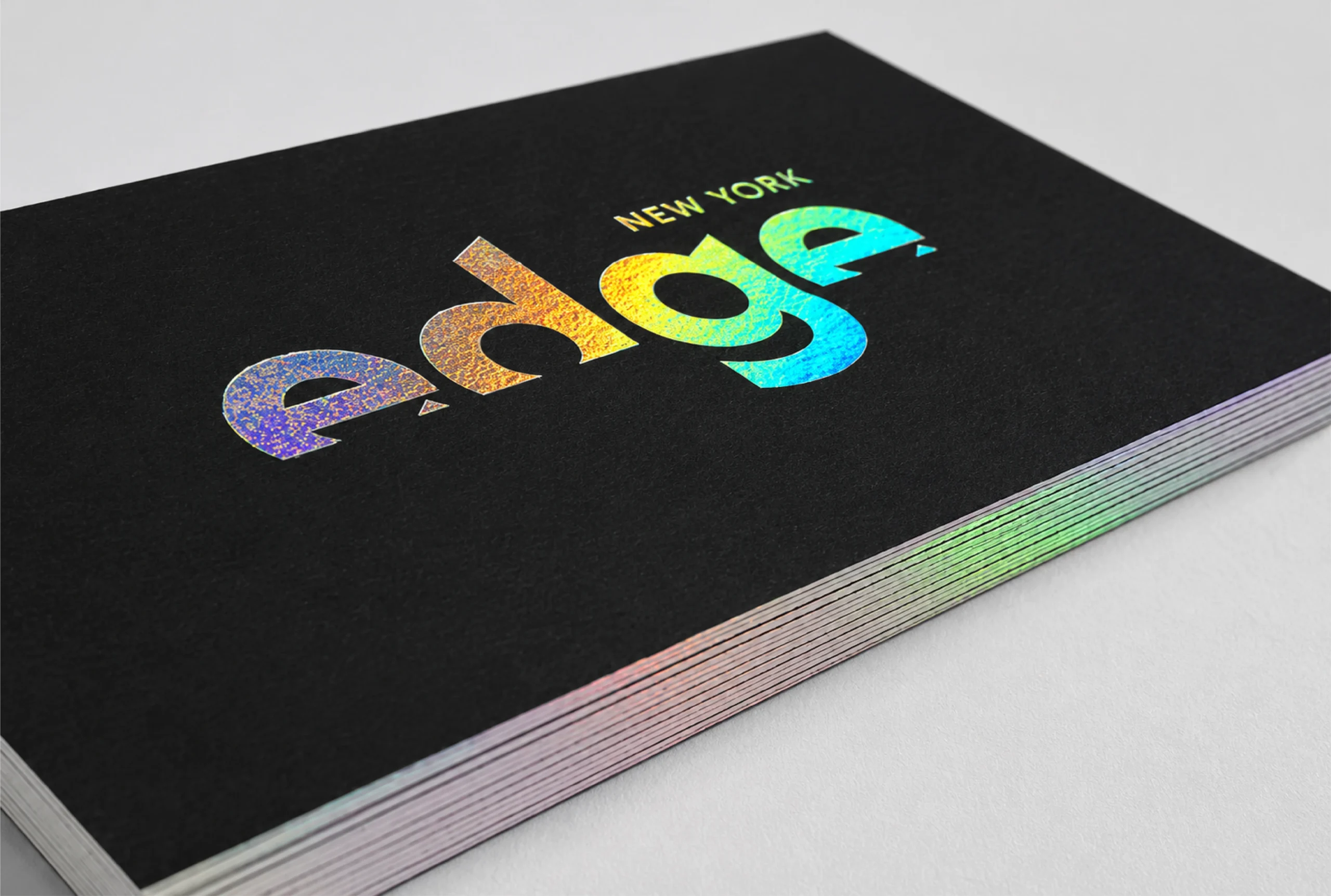
Holographic foil diffracts light and reveals the colors of the rainbow at various angles.
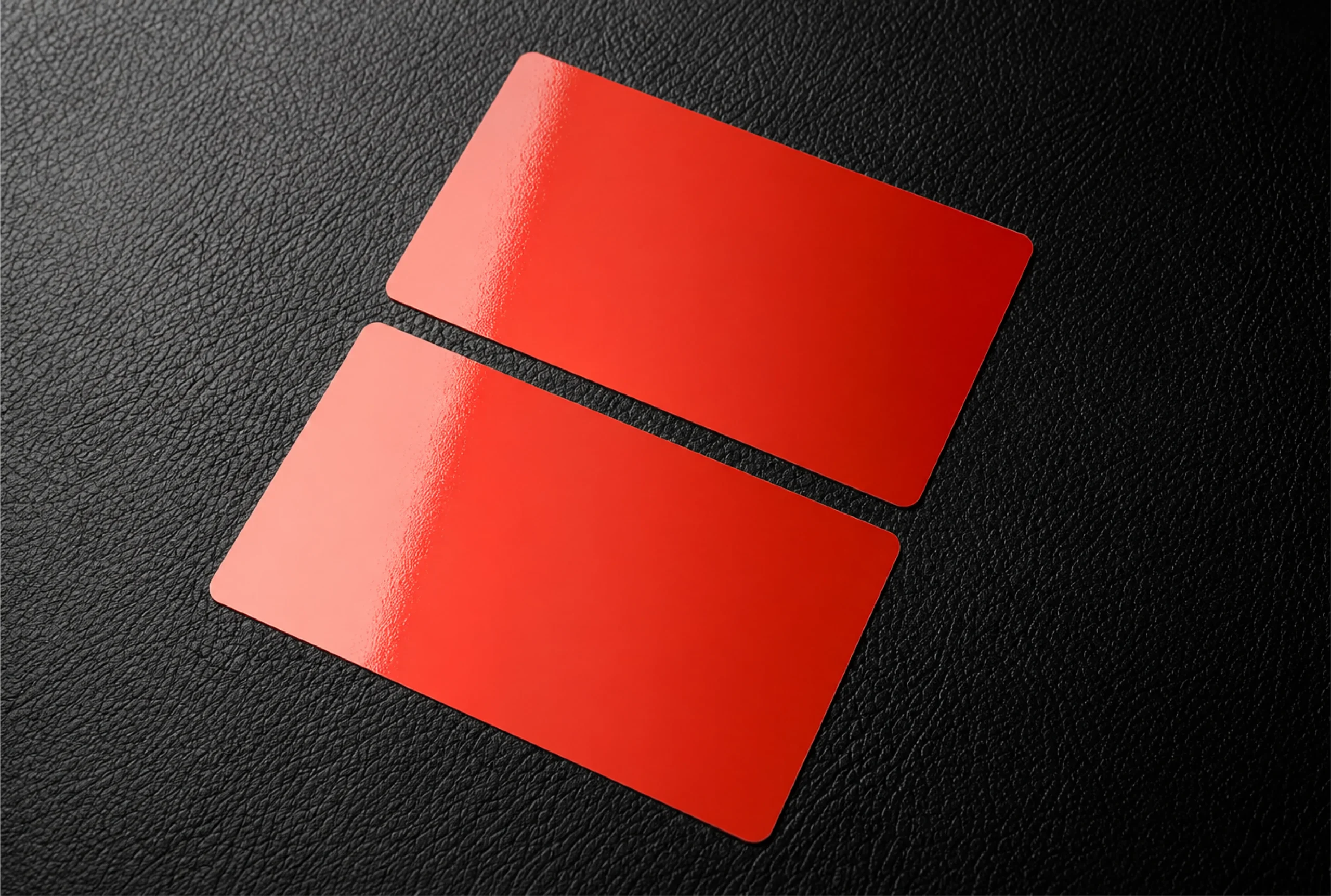
Our glossy finishing gives your packaging an extra layer of shine.
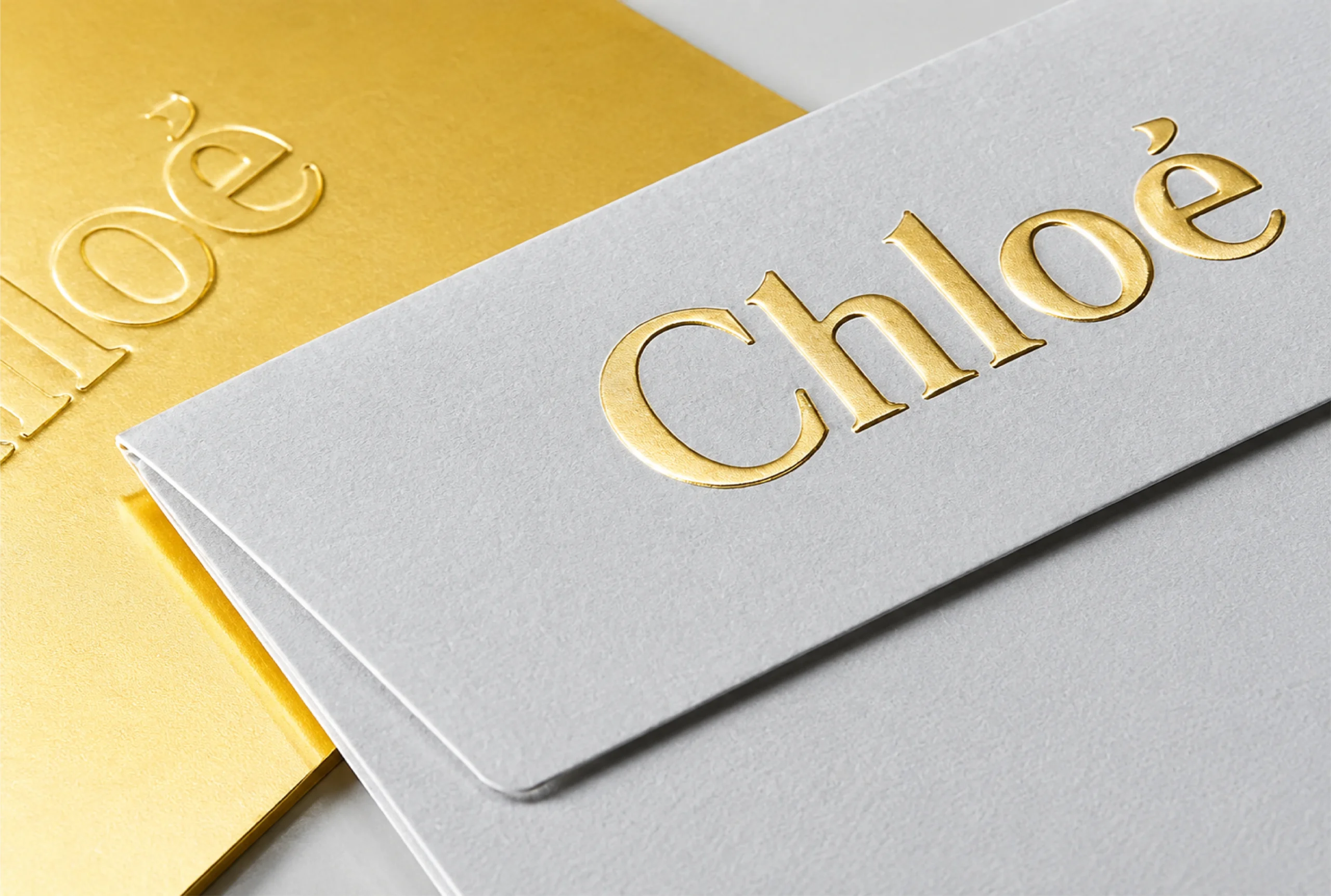
Decorate a wide range of your product packaging with our foil stamping.

With our embossing technique, we transfer the finest details of your product on packaging.
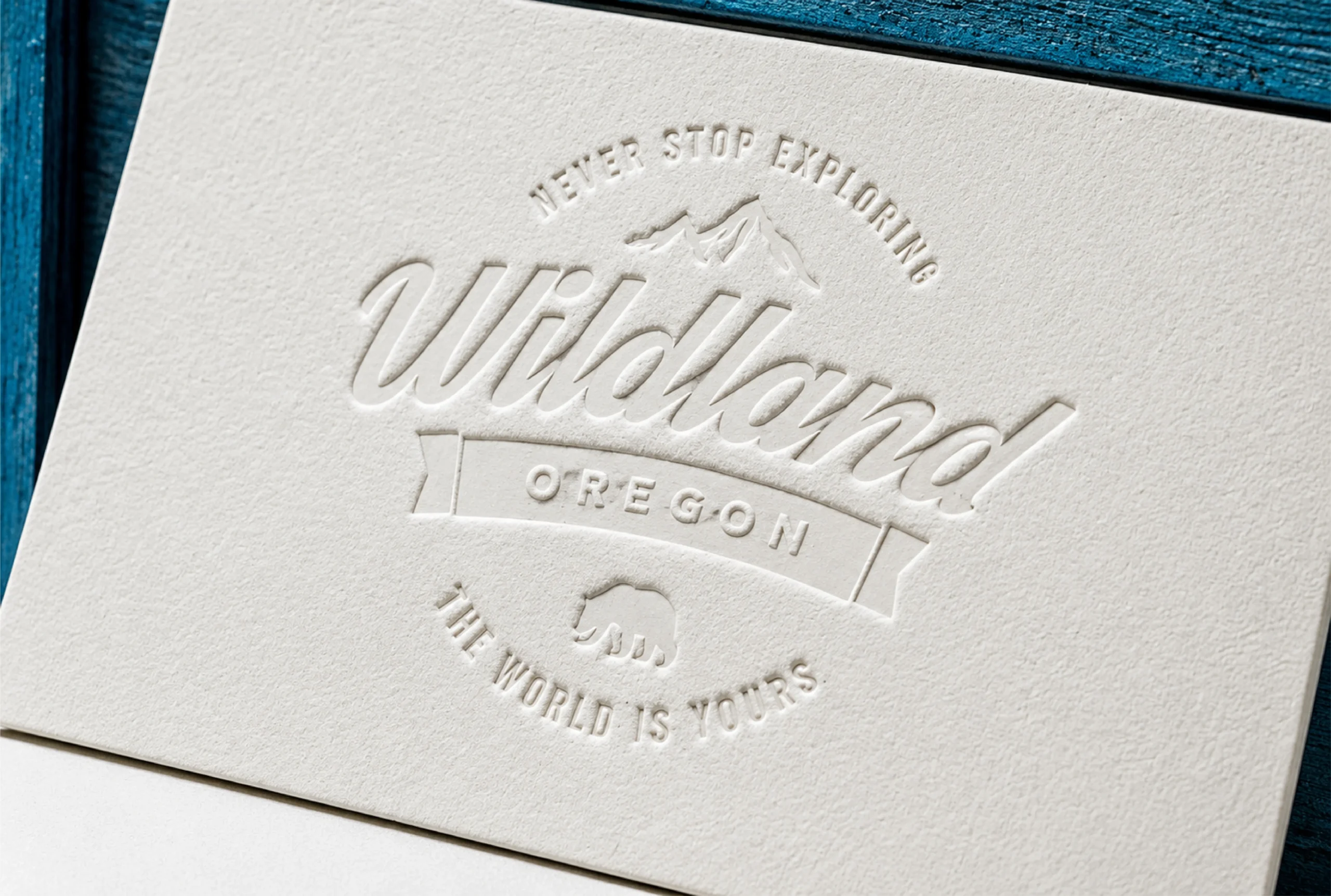
We use debossing technique to add unique graphics into your packaging.
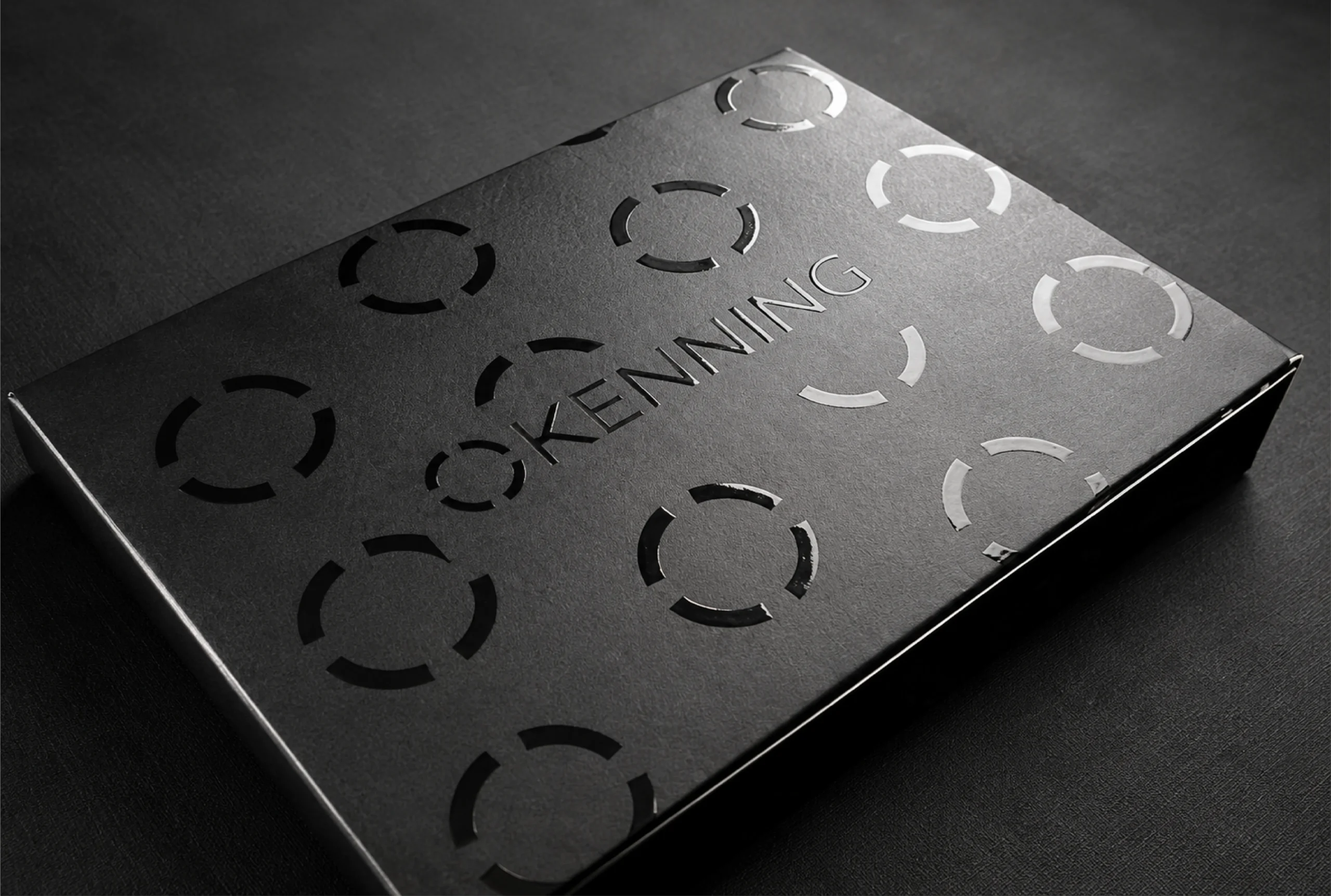
Our high-gloss UV coating gives light and shine to cure the printed material's varnish.
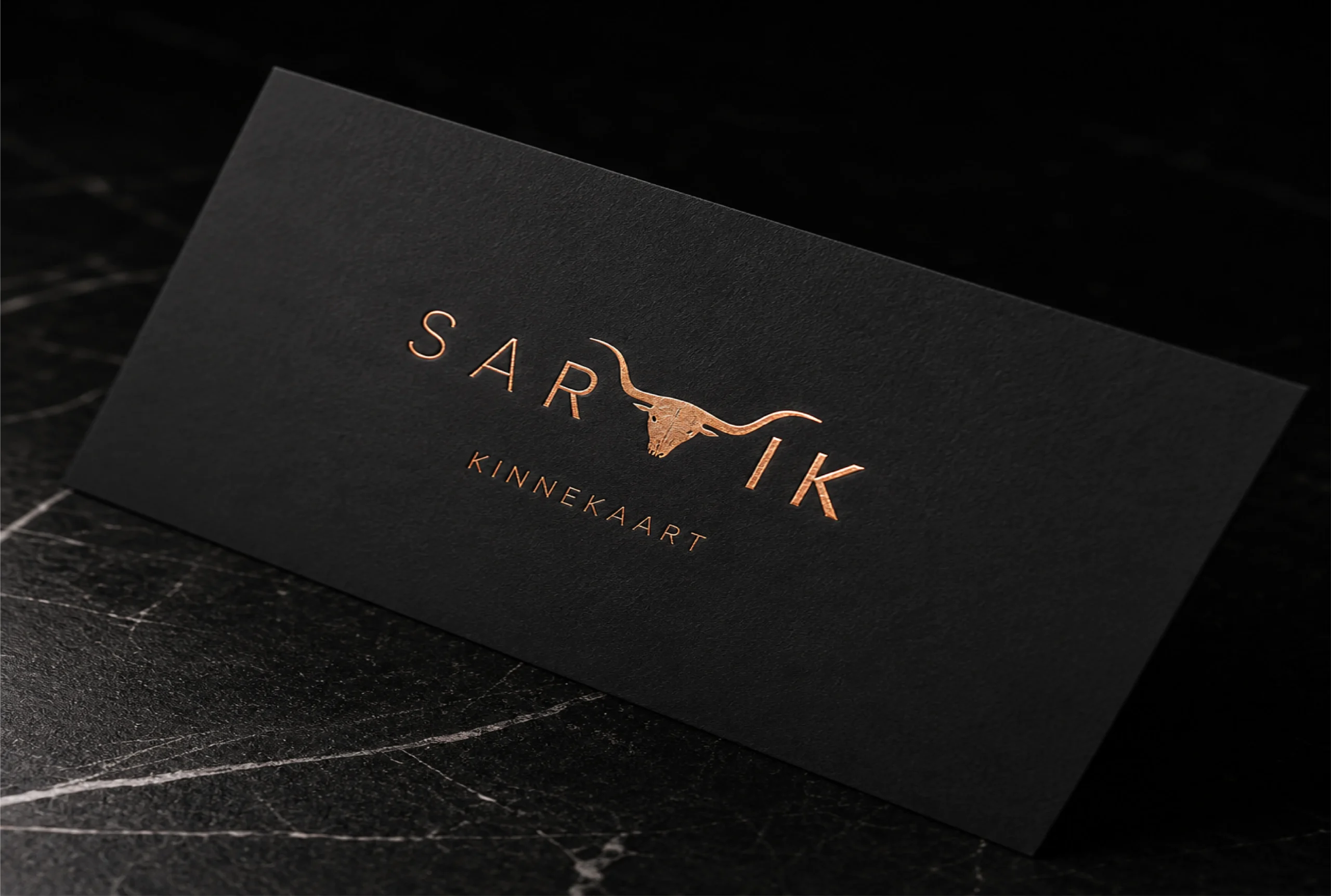
We add additional layer of protection with soft touch lamination from toner chipping.
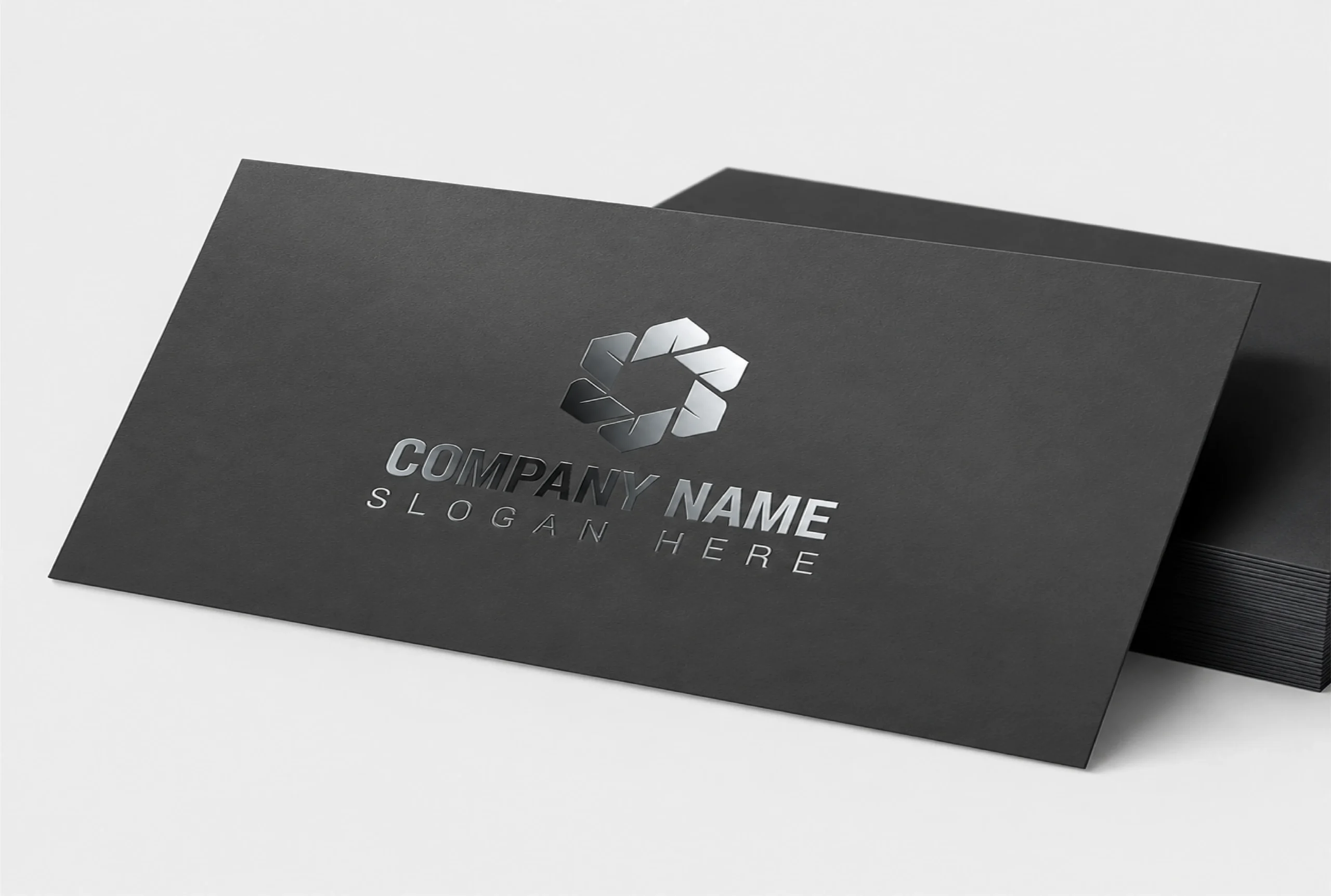
With our matte finish, fingerprints and smudges will now be less visible on the packaging.
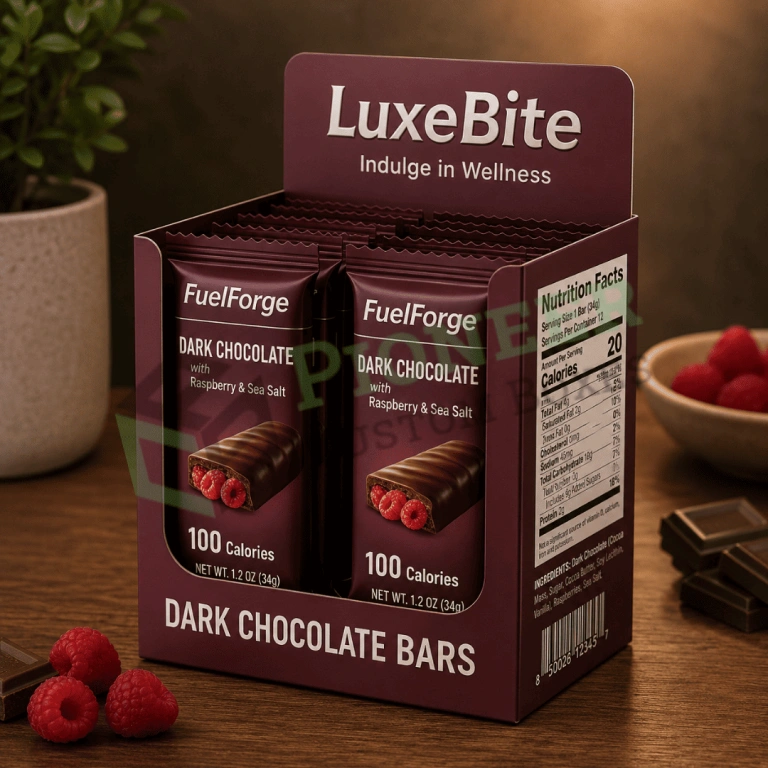
Flat tuck display boxes help retail, cosmetic, food, wellness, stationery, toy, and small product brands present products with a foldable structure, front display panel, strong branding space, and easy shelf placement. Choose custom flat tuck display packaging with cardboard stock, kraft stock, SBS paperboard, CMYK or PMS printing, die-cut windows, perforation options, matte coating, gloss coating, Spot UV, foil accents, inserts, custom sizes, and wholesale display packaging across the USA.
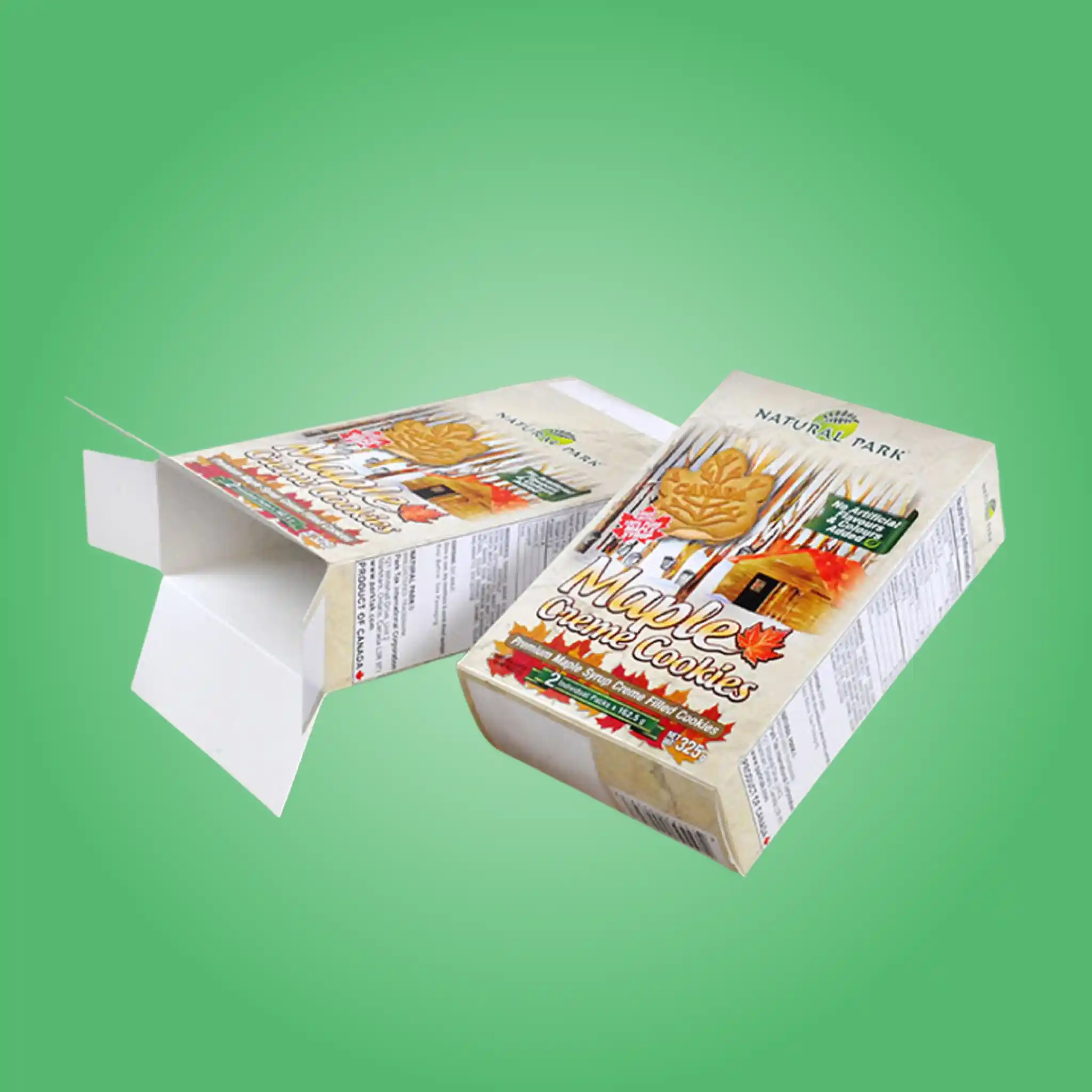
Custom seal end tuck boxes from Pioneer Custom Boxes help food, cereal, pharmacy, hardware, detergent and pet brands package products with glued ends, tamper evidence and high line speed. Choose SBS, CRB or kraft board, barrier liners, sift-proof seals, tear perforations, windows, logo printing, free design support, no MOQ and free USA shipping.

Custom tuck end boxes from Pioneer Custom Boxes help cosmetic, skincare, supplement, food, candle, soap, electronics and ecommerce brands package products without tape or glue. Choose straight tuck, reverse tuck, auto-lock or roll end styles in SBS, kraft, CRB or E-flute, with windows, inserts, foil, lamination, free design support, no MOQ and free USA shipping.

Roll end tuck front boxes from Pioneer Custom Boxes help subscription, beauty, apparel, gifting, food and ecommerce brands present products with a full lid opening and a printed interior. Choose E-flute, B-flute, kraft or SBS board, custom sizes, fitted trays, dividers, foil, coatings, free design support, no MOQ and free USA shipping.