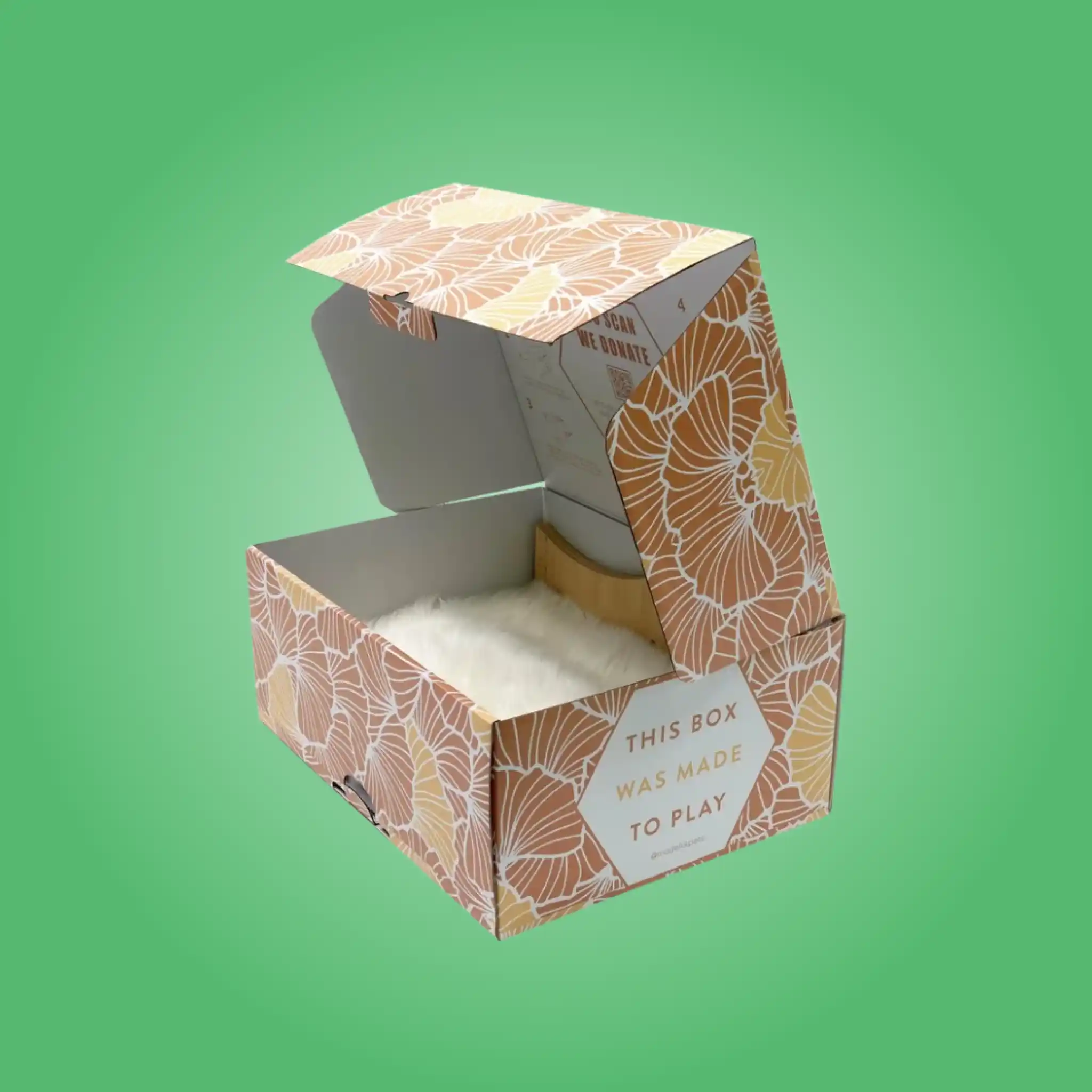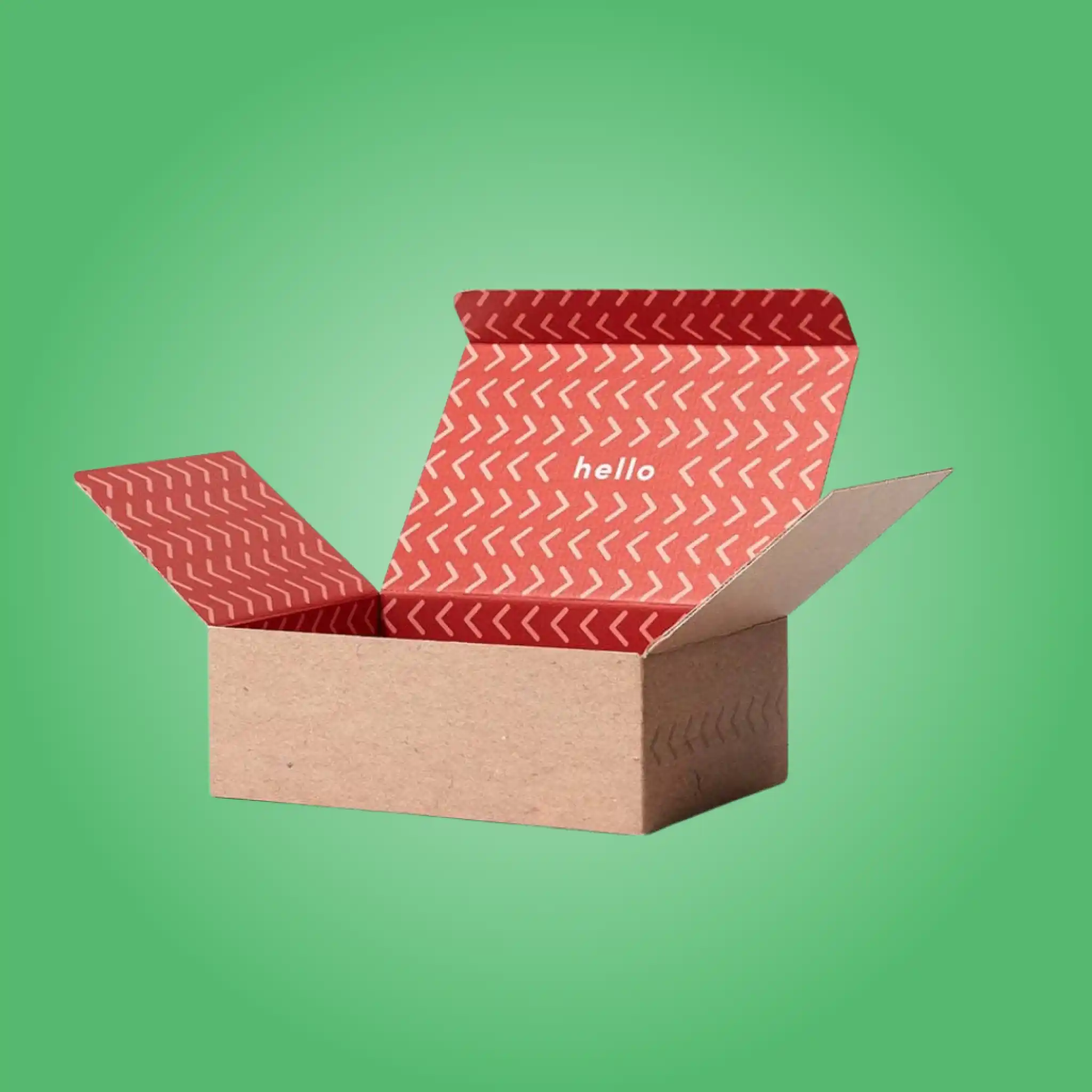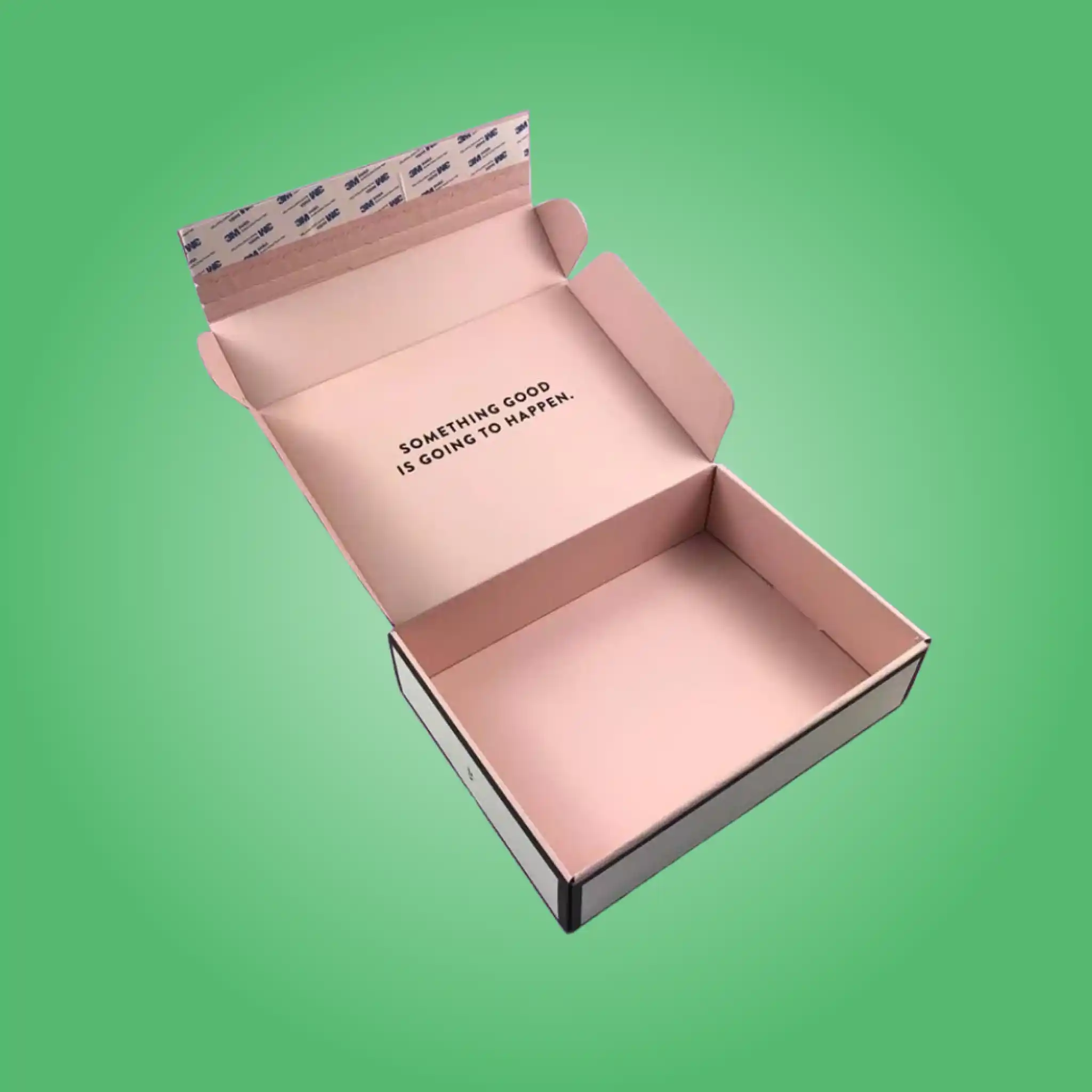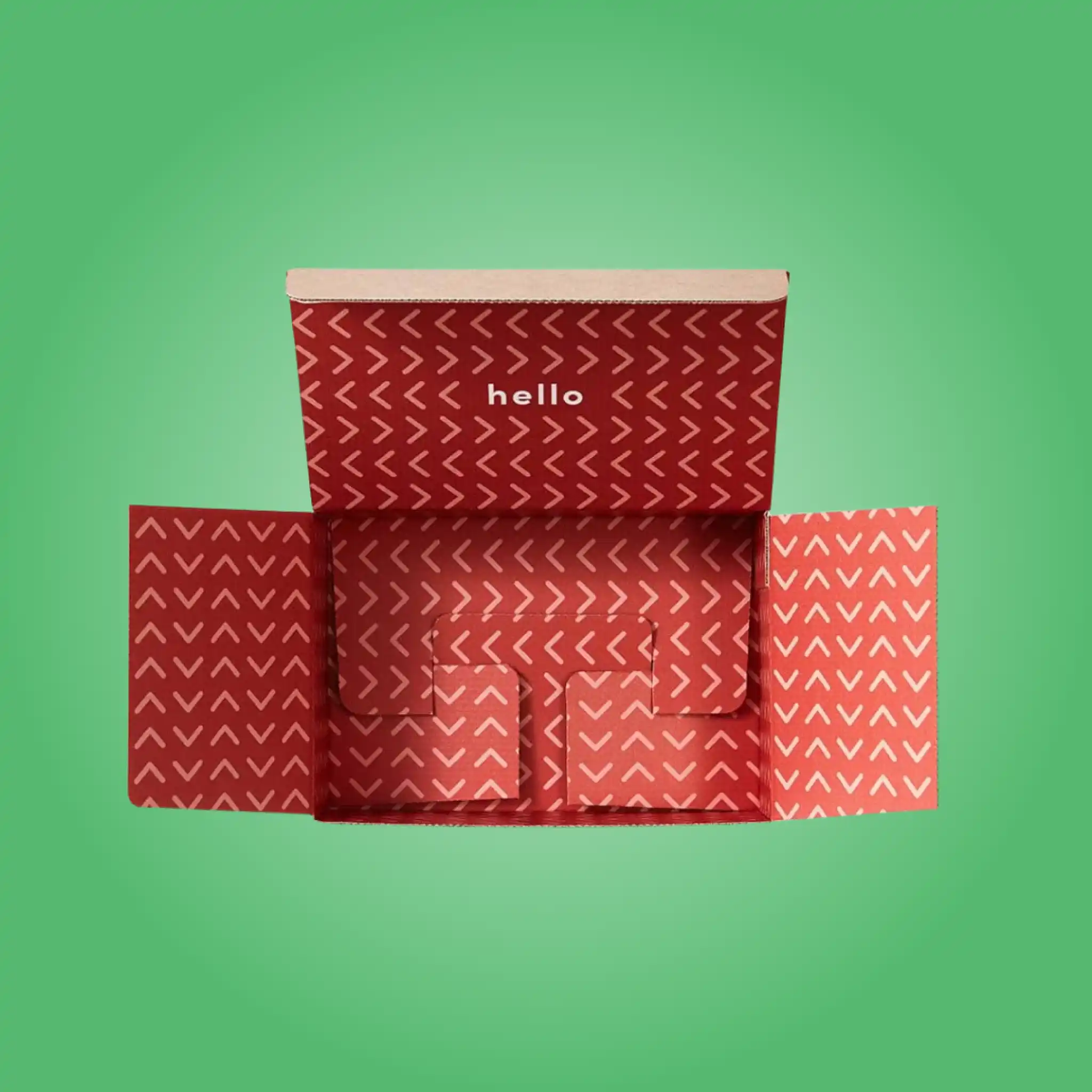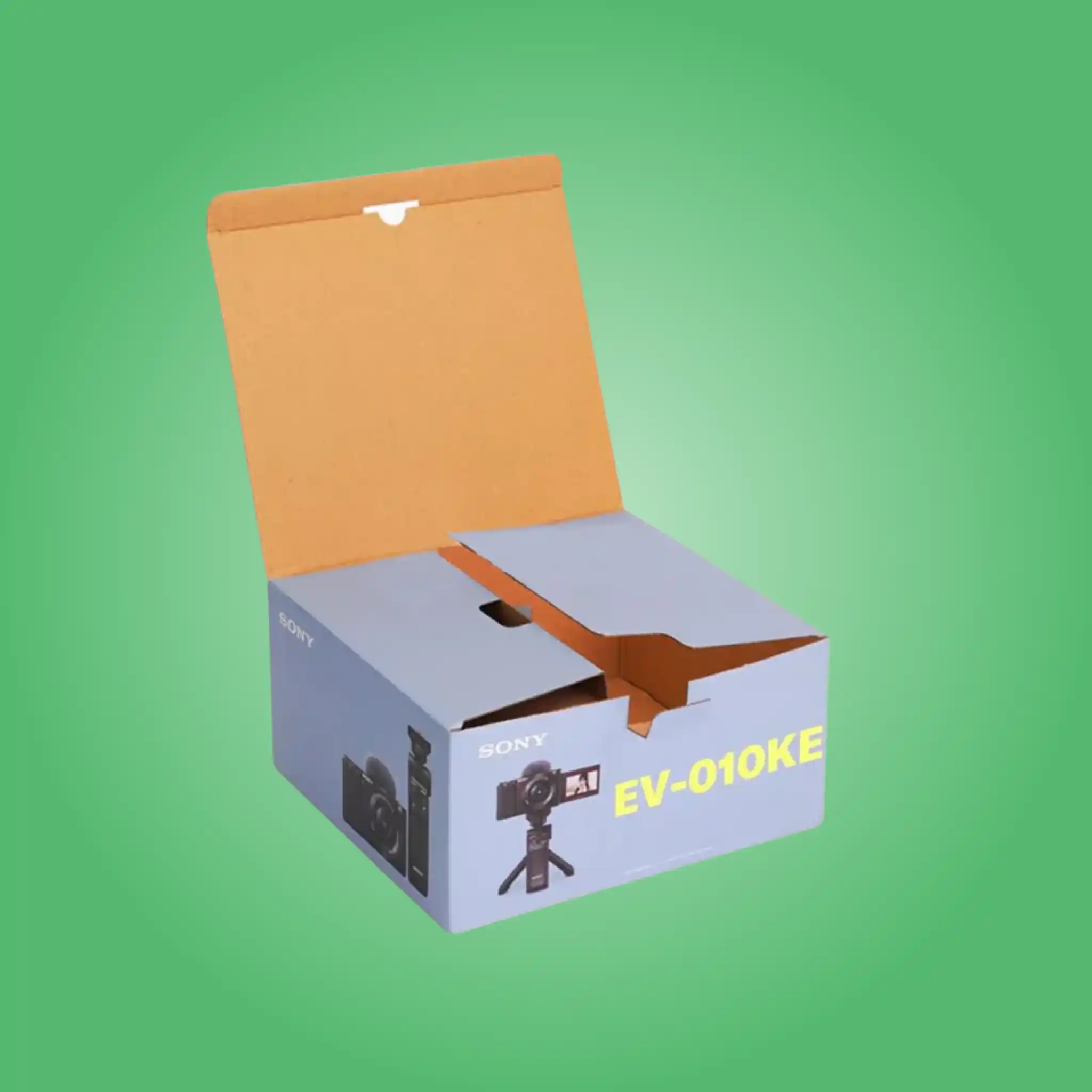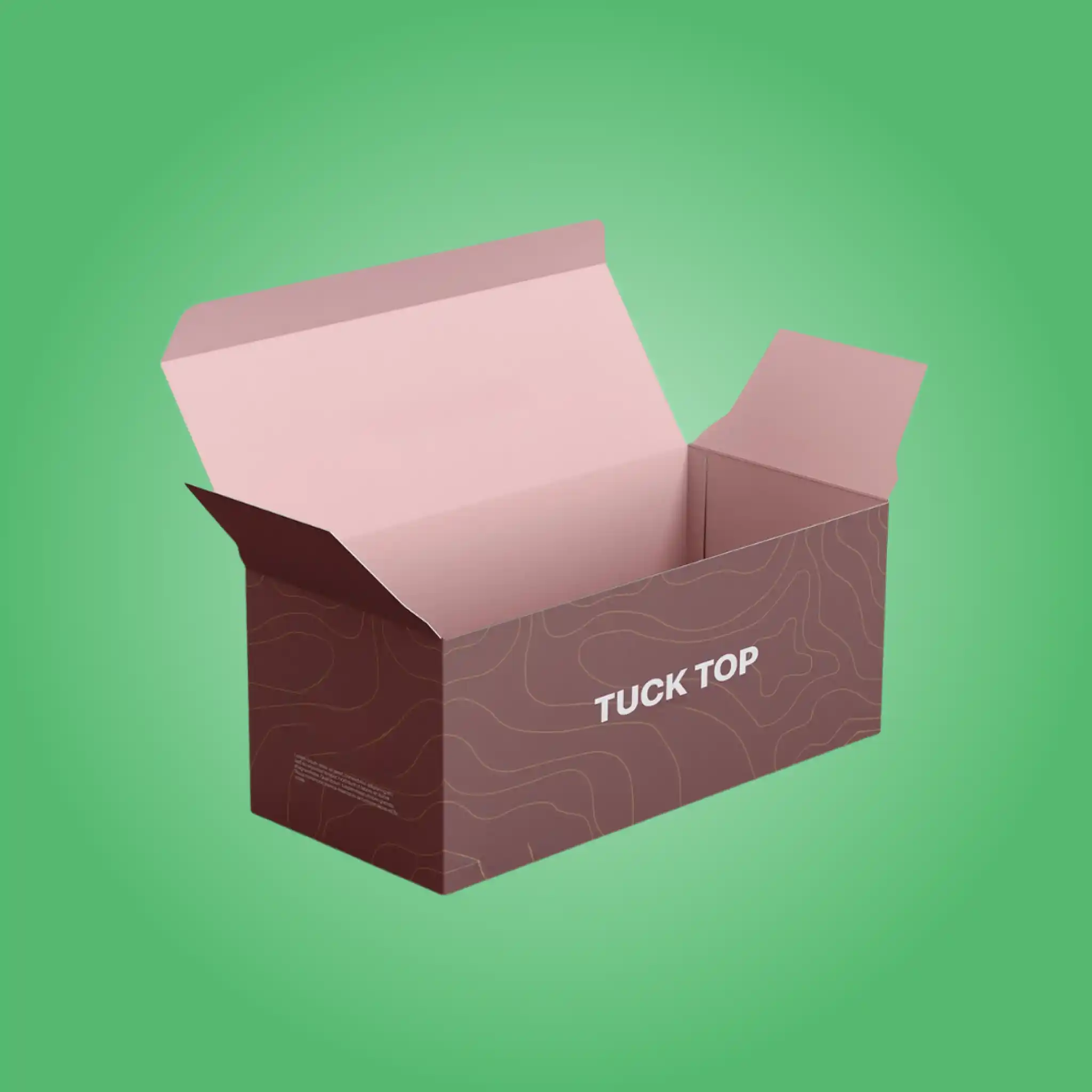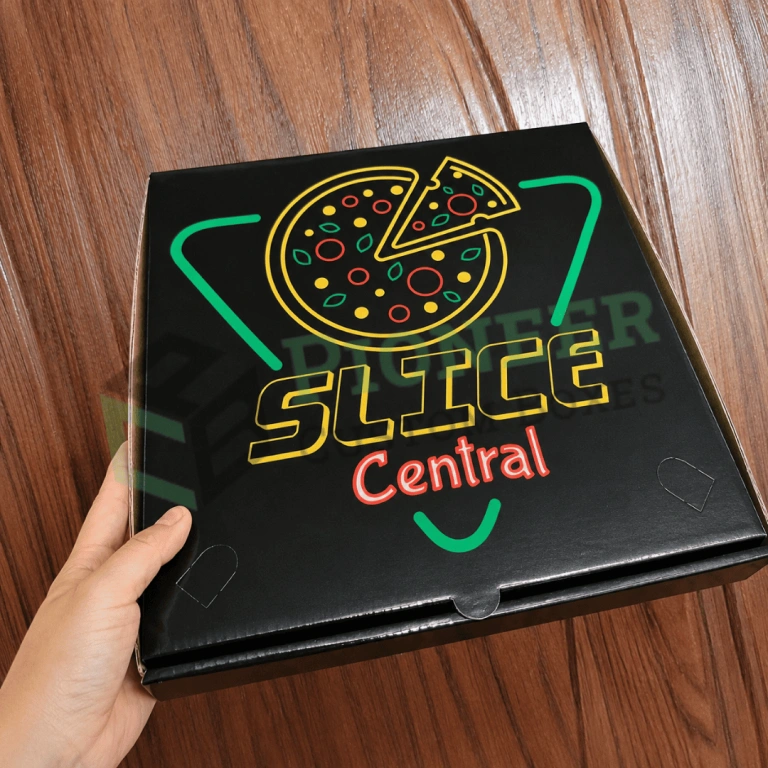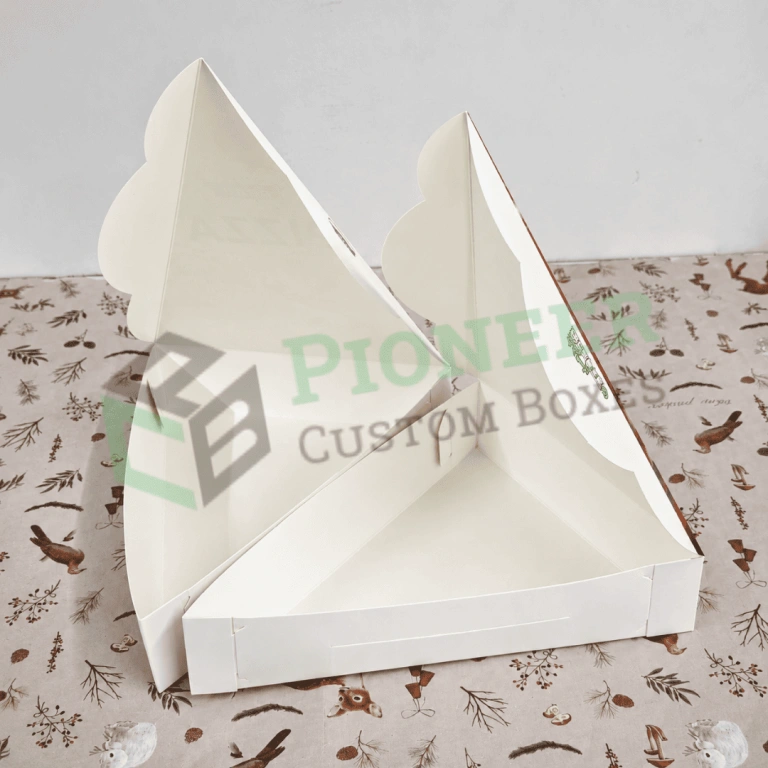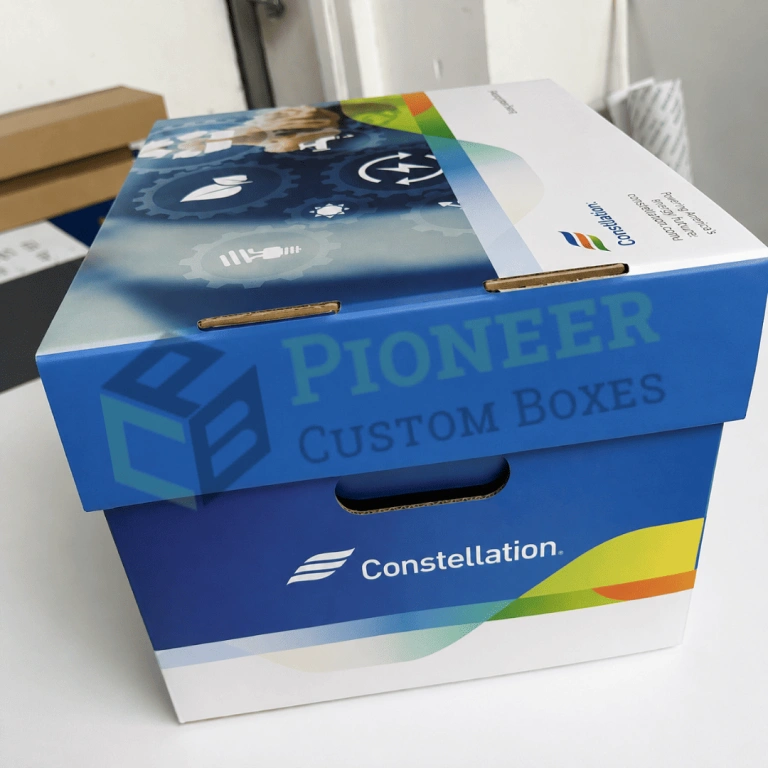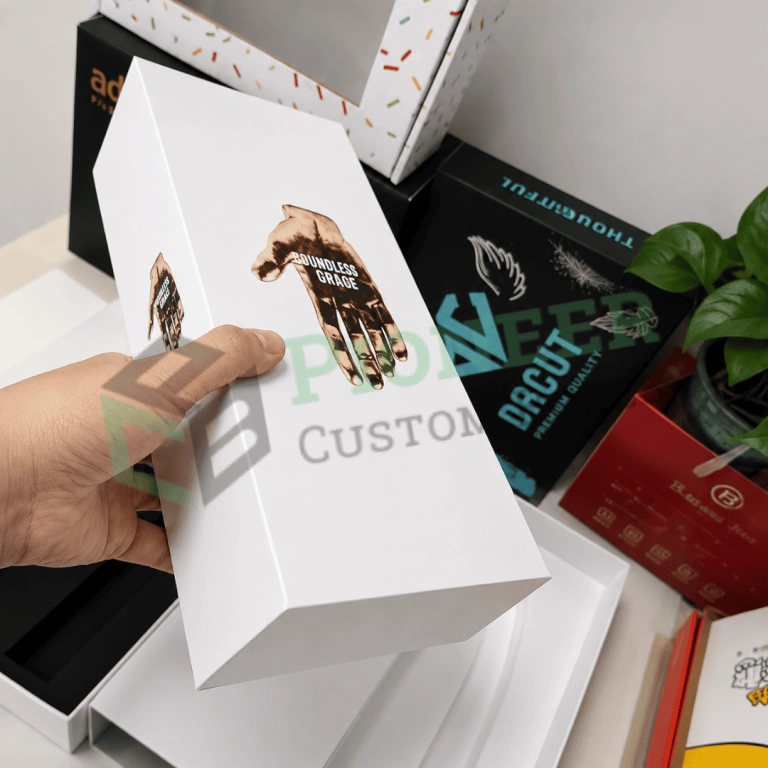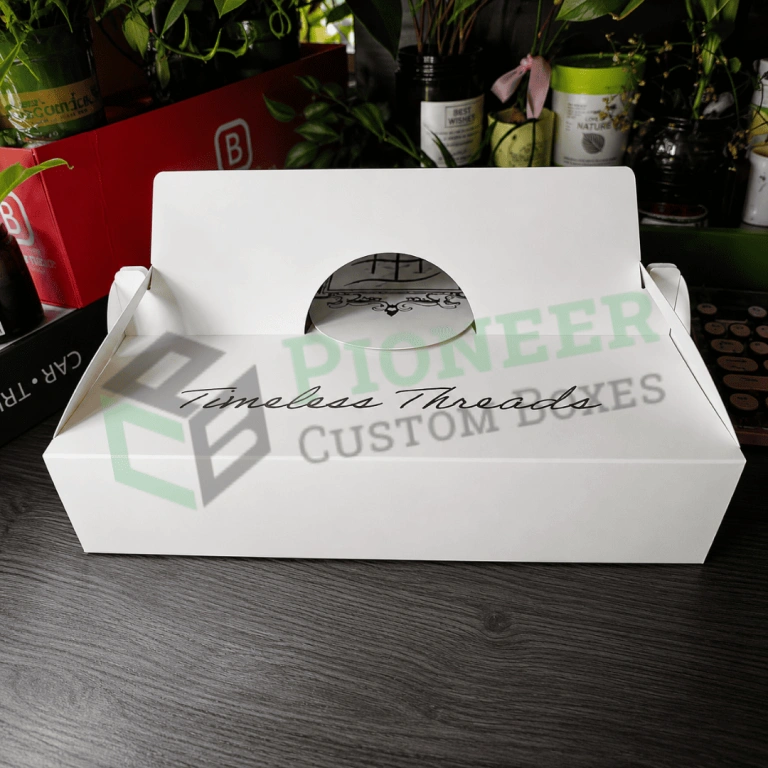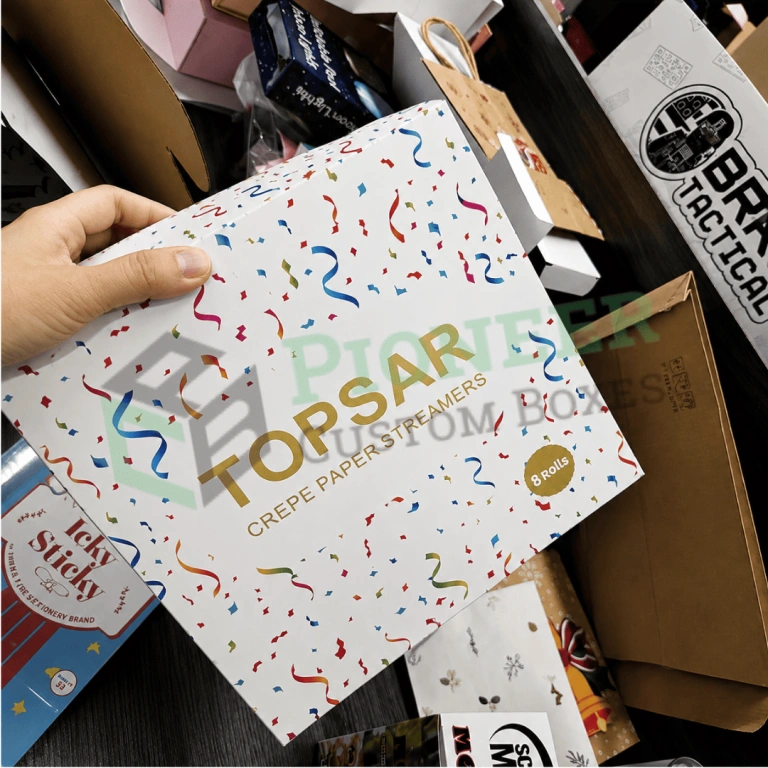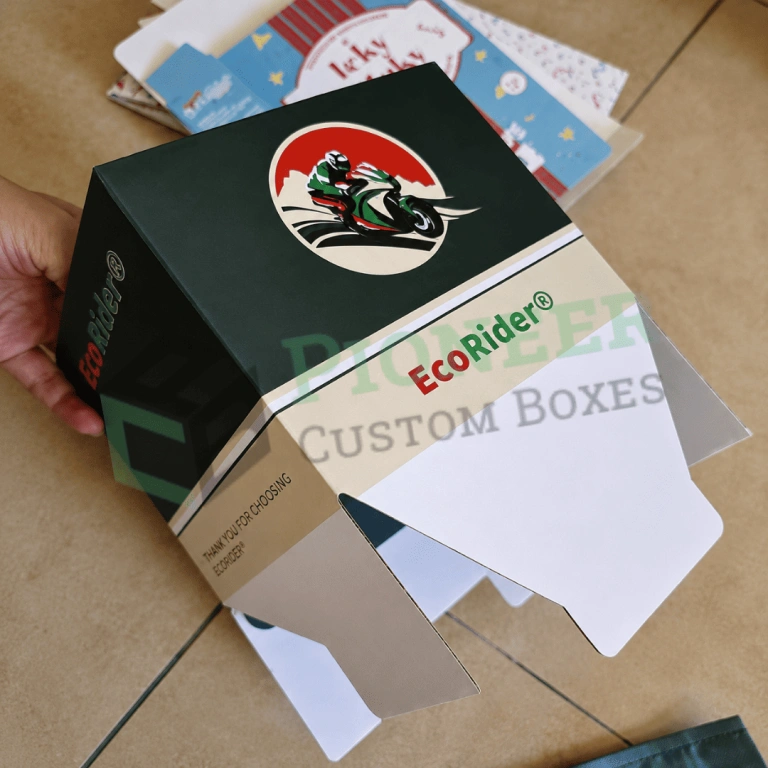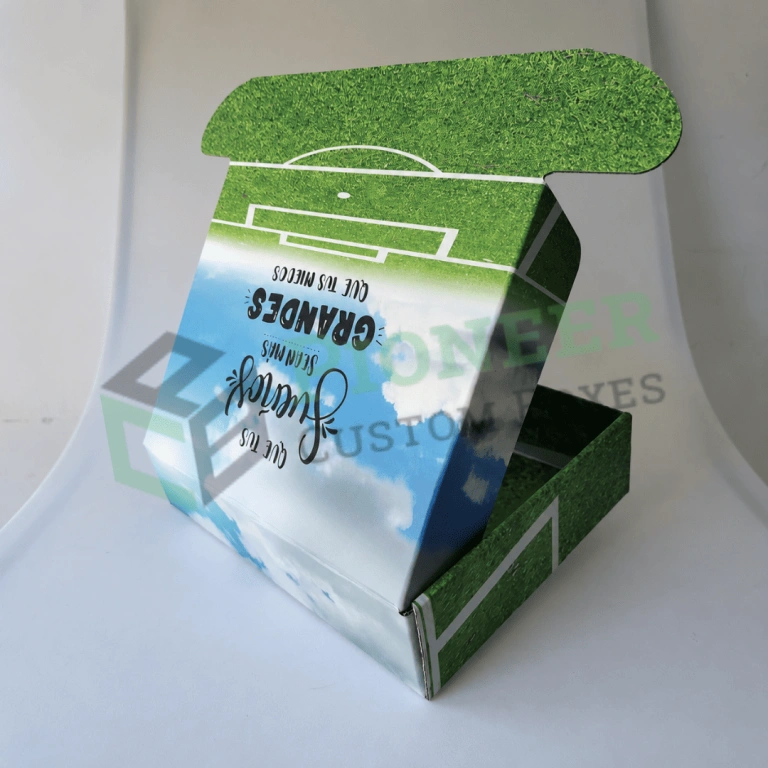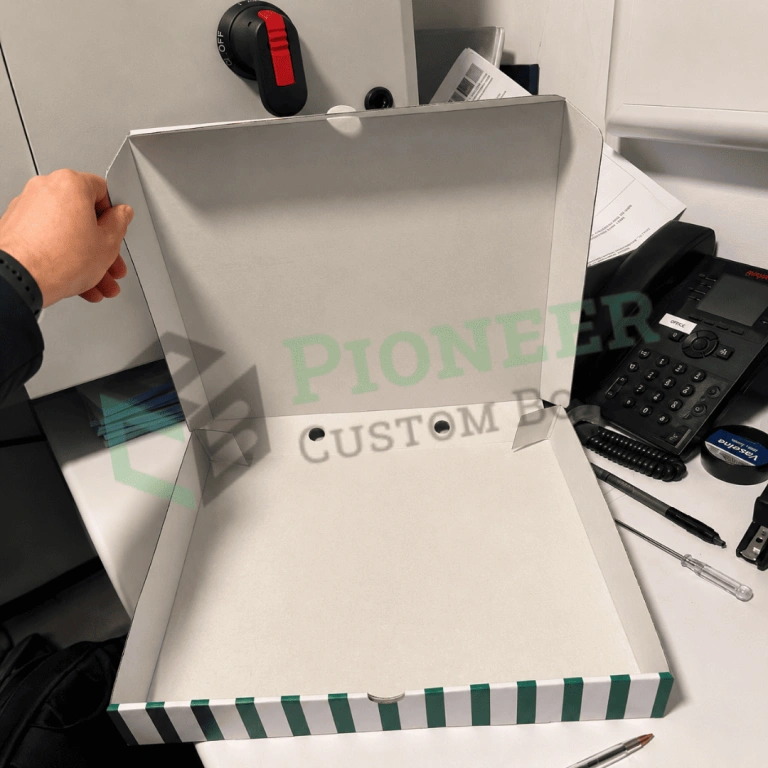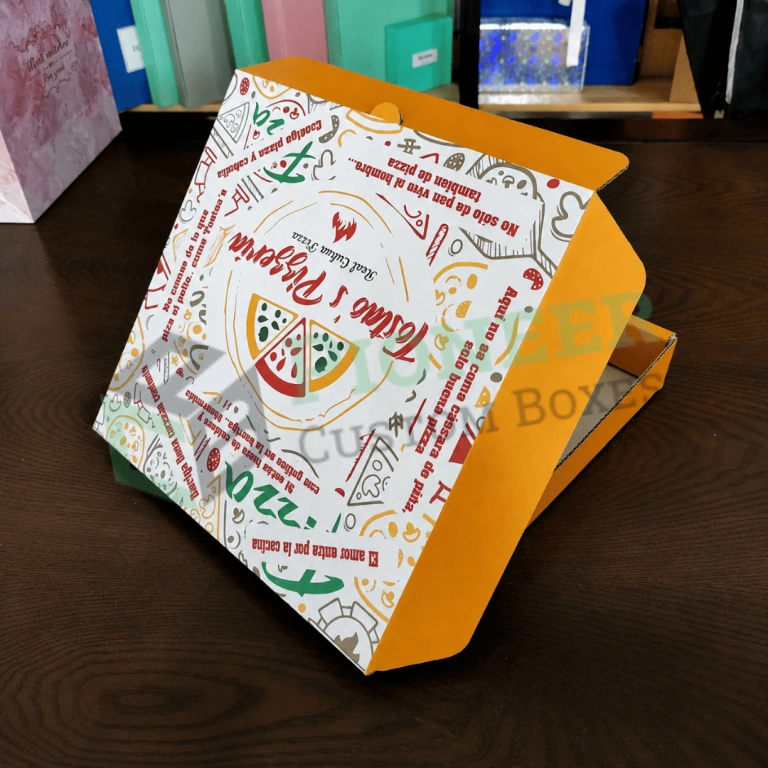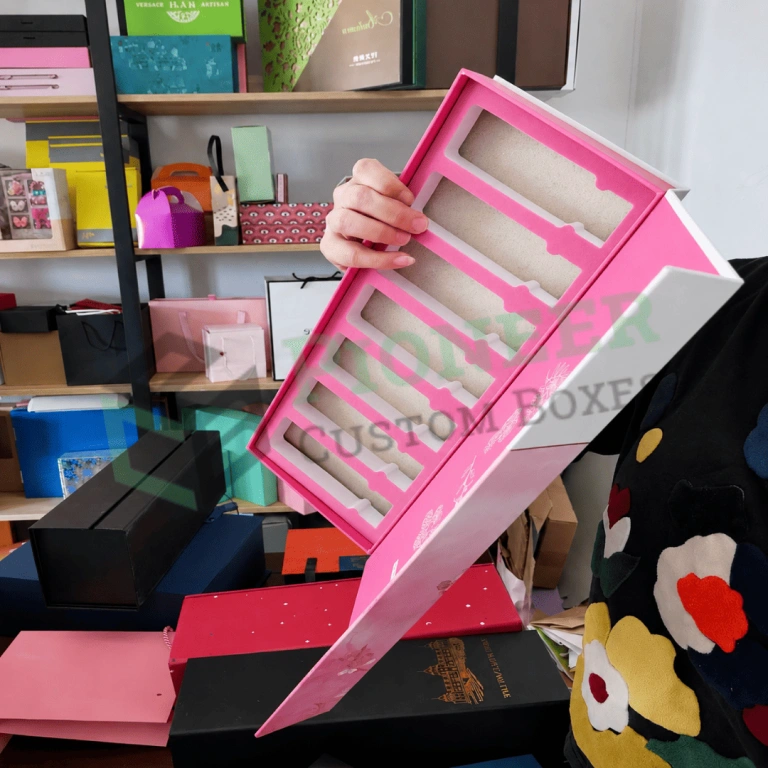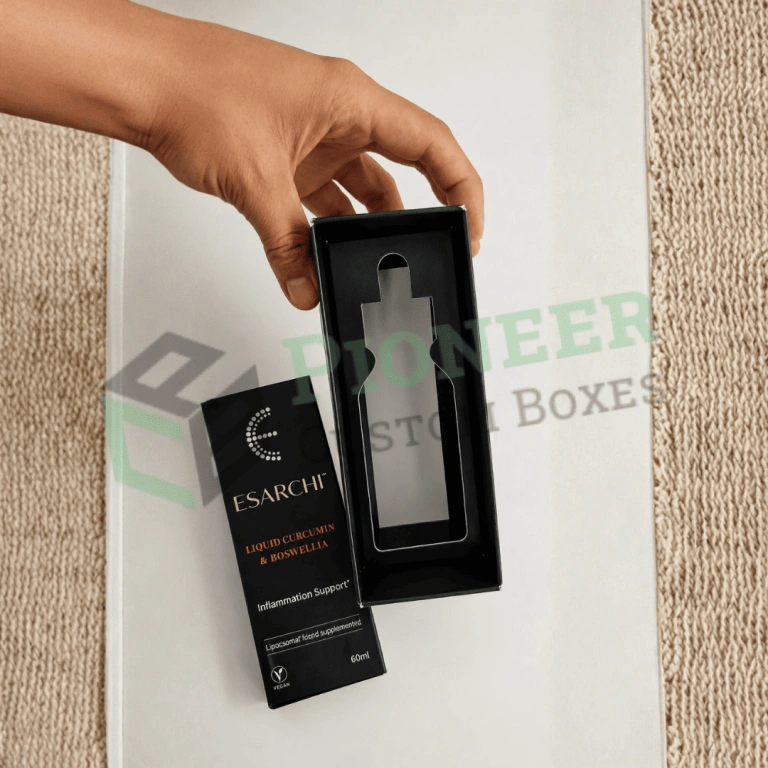
Tuck top mailer boxes from Pioneer Custom Boxes help beverage, candle, electronics, coffee, homeware, hardware and ecommerce brands ship heavier products without tape. Choose pre-glued auto-lock or snap lock bases in 32 to 51 ECT corrugated, white top or kraft liners, with collars, partitions, pulp cradles, printed interiors, free design support, no MOQ and free USA shipping.
A tuck top mailer combines two things ecommerce operations need at once: a base strong enough to carry a loaded box through a parcel network, and a top that closes by hand in a second without tape.
The base is where the design earns its place. Most tuck top mailers use a pre-glued auto-lock bottom that snaps square in a single motion, spreading the load across interlocking panels rather than concentrating it on one folded flap. That is the strongest base available in a folded structure, and it is why the format handles weights that a plain mailer would not.
The top tucks conventionally, so packers close the box without tape, without a dispenser and without a second pair of hands. In a fulfillment operation shipping hundreds of orders a day, that combination of a base that snaps and a top that tucks is measurable throughput.
Pioneer Custom Boxes manufactures tuck top mailers in the United States with zero minimum order quantity, free dielines, free design support and free shipping nationwide. We cut our own dies and glue our own bases, so the lock works first time.
Both ship flat and both close without tape, and they solve different problems once loaded.
A standard die-cut mailer forms its base from the same folding action as its walls, and it locks with side wings and a front tuck. It uses board efficiently, assembles in one motion and suits light to moderate contents. Its weakness is the base under real weight, where the folded panels can splay.
A tuck top mailer separates the two jobs. The base is a dedicated locking structure, usually pre-glued, engineered to carry load. The top is a simple tuck for access. That separation is what lets it hold heavier or denser contents safely.
The trade-off is board and cost. A tuck top mailer uses more material than a die-cut mailer of the same internal volume, and the pre-glued base adds a manufacturing operation. For light apparel or a paperback book, that cost buys you nothing. For a filled glass bottle or a boxed device, it prevents a failure.
| Factor | Tuck Top Mailer | Standard Die-Cut Mailer |
|---|---|---|
| Base strength | Highest in a folded structure | Moderate |
| Assembly time | About one second with auto-lock | One motion, similar |
| Board used | More | Less |
| Best contents weight | Moderate to heavy | Light to moderate |
| Top access | Simple tuck, easy to reopen | Front tuck with side wings |
| Presentation on opening | Good | Better, full lid reveal |
| Typical use | Bottles, devices, dense goods | Apparel, books, cosmetics |
If your contents are light and the unboxing matters most, a die-cut mailer or a roll end tuck front is the better answer, and we will say so. If weight is the constraint, the tuck top base is what solves it.
The base decides whether this structure earns its cost, and the choice is about labor as much as strength.
The base panels are pre-glued in our plant, so the box arrives flat with the bottom already assembled in a collapsed state. Squaring the box pops the base into a locked position automatically, in about one second, with no folding. It is the strongest base available in a folded structure because the interlocking panels overlap and share load across the whole footprint.
It uses more board and carries a gluing operation, so unit cost is higher. For any operation packing more than a few hundred boxes a week, the labor saved recovers that difference quickly.
The base ships flat and unglued, and your team folds four interlocking flaps in sequence. It uses less board, costs less per unit, and takes roughly six to eight seconds per box. It suits lower volumes and lighter contents where labor time genuinely is not the constraint.
A conventional flap base closed with tape. It is cheapest in materials and slowest in practice, since it requires a tape dispenser and a second operation. We rarely recommend it for a mailer, since the whole point of the format is closing without tape.
| Base Type | Assembly Time | Load Capacity | Board Used | Best For |
|---|---|---|---|---|
| Auto-lock bottom | About one second | Highest | More | Volume packing, heavier contents |
| Snap lock bottom | Six to eight seconds | High | Less | Lower volumes, moderate weight |
| Tape-sealed base | Slowest, needs tape | Moderate | Least | Rarely recommended for mailers |
The arithmetic is worth doing rather than assuming. Six seconds saved per box on five hundred boxes a week is close to an hour of labor every week, for the life of the product, against a unit cost difference usually measured in cents.
Every die is cut to your product. These formats show what we produce most often, weighted toward the heavier contents that justify this structure.
| Application | Typical Size (inches) | Board | Base |
|---|---|---|---|
| Single bottle or jar | 5 x 5 x 9 | 32 ECT E-flute | Auto-lock |
| Two to four bottles | 10 x 7 x 9 | 44 ECT single wall | Auto-lock |
| Candle gift set | 9 x 9 x 5 | 32 ECT E-flute | Auto-lock |
| Electronics and devices | 11 x 8 x 4 | 32 ECT E-flute | Auto-lock |
| Supplement and wellness set | 9 x 7 x 4 | 32 ECT E-flute | Snap lock |
| Home and kitchen goods | 13 x 10 x 6 | 44 ECT single wall | Auto-lock |
| Coffee and dry goods | 10 x 8 x 5 | 32 ECT E-flute | Auto-lock |
| Ceramics and homeware | 12 x 10 x 8 | 44 ECT double wall | Auto-lock |
| Hardware and tools | 12 x 9 x 5 | 44 ECT single wall | Auto-lock |
| Mixed multi-item order | 14 x 10 x 6 | 44 ECT single wall | Auto-lock |
Send your product dimensions, the loaded weight and your weekly packing volume. Those three numbers decide the base type and the board, and they are the first things we will ask if they are missing.
A tuck top mailer has no outer shipper protecting it, so board choice is doing protection and presentation at once.
The default for this structure. E-flute prints well enough for brand artwork, adds real crush resistance, and handles loaded weights up to roughly sixty-five pounds when specified correctly. Most tuck top mailers we produce sit here.
A step up for denser contents and taller stacks. Multi-bottle shipments, hardware and heavier homeware need it, and it also improves stacking performance in a warehouse before the boxes ever ship.
Two fluted layers for genuinely heavy or fragile contents. Ceramics, glassware sets and equipment justify it. The auto-lock base becomes more important rather than less as weight increases, since it is carrying the whole load.
A white outer liner for accurate color reproduction, at a modest premium over natural kraft and well below fully bleached board. For brands whose artwork carries photography or precise brand colors, this is the right specification.
Costs the least and suits sustainable and artisan positioning. Colors print warmer and white will not read as white, so kraft mailers usually use one or two bold inks with any full-color work saved for the interior.
One point specific to this structure. Board caliper affects how cleanly the auto-lock base snaps. Board that is too light produces a base that needs coaxing rather than snapping, which loses the speed advantage the structure exists to deliver. We specify caliper against both the load and the lock behavior.
The exterior is what a customer sees on a doorstep, and the interior is what they see when the top tucks open.
Flexo prints directly onto corrugated from flexible plates, handling bold graphics and solid colors economically. It is the standard for mailers printed in one or two brand colors, and plates last across many runs so a stable design gets cheaper the longer you use it.
Digital prints with no plates, removing setup cost entirely and making short runs, seasonal artwork and multiple variants practical. It also allows different artwork within one production run.
A sheet printed offset then bonded to the board, giving photographic quality on a structural box. Premium brands use it where the exterior carries imagery rather than graphics.
CMYK builds color from four separations and reproduces photography accurately on a white top liner. On natural kraft it shifts warmer and loses brightness, so kraft mailers usually use flat graphics.
Pantone inks arrive pre-mixed and print identically on every run, and they reproduce more cleanly on corrugated than a four-color build. A single strong spot color on a mailer is both economical and effective. We store your references permanently and match against a physical draw-down.
RGB is a screen color space and cannot be printed. Your website and product photography live in RGB, and conversion shifts saturated colors noticeably. We convert and show you the printed result on your actual board before the full run.
Printing the inside of the tuck top lid is worth considering. It is visible the moment the box opens, it costs relatively little, and on a structure chosen for function it adds the brand moment the format would otherwise lack.
Two costs dominate a tuck top mailer program, and neither is the price on the quote.
Shipping is the first. Carriers bill on dimensional weight whenever volume implies more than actual weight, so a box larger than its contents is charged as though it were heavy on every order, permanently. Trimming height in particular is the easiest saving, since height adds volume across the whole footprint.
Oversize thresholds sit beyond that. Once length plus girth crosses a published limit, a surcharge applies regardless of weight. We check finished dimensions against current carrier thresholds during dieline review and flag anything sitting close to a line.
Labor is the second and is invisible on a quote. An auto-lock base at one second against a snap lock at seven is six seconds per box, and at ecommerce volumes that is hours per week. We time an assembly sample from every new die and give you a real figure rather than a claim.
Flat storage matters for a growing operation. Tuck top mailers ship and store flat, so you can hold months of stock without renting more space, and ordering in larger runs spreads setup costs.
Send us your carrier, your weekly order volume and how many people pack, and we will cost the whole picture rather than the unit price alone.
This structure has a specific cost profile because the base is a manufactured feature rather than a folding one.
Base type leads. The auto-lock uses more board and carries a gluing operation, so it costs more per box than a snap lock. Set against it is six seconds of labor saved on every single box, which for most operations repays the difference within weeks.
Box dimensions come second and cost twice over, in board area and in dimensional weight on every shipment.
Board grade is third. E-flute covers most contents, and moving to 44 ECT or double wall should respond to real weight rather than general caution. Print method and quantity finish the list.
| Cost Driver | Impact | How to Reduce It |
|---|---|---|
| Base type | High, but repays in labor | Auto-lock above a few hundred boxes a week |
| Box dimensions | Highest, material plus freight | Size to the product, cut height first |
| Board grade | High | E-flute unless weight genuinely demands more |
| Print method | Moderate | Flexo spot colors instead of litho lamination |
| Interior printing | Low cost, good impact | One color inside rather than full coverage |
| Insert type | Moderate | Corrugated tray instead of pulp or foam |
| Order quantity | Moderate | Order several months against one setup |
The most common mistake we correct is a business choosing a snap lock base to save two cents and paying for it several times over in packing labor within the first month.
A tuck top mailer fails at the base under load, and that only appears once the box is filled. Inspection therefore tests function rather than appearance.
| Check | What We Verify | Why It Matters |
|---|---|---|
| Auto-lock function | Base snaps square from flat, first time | A base needing coaxing loses the speed advantage |
| Loaded base test | Filled box lifted and carried by hand | The base must hold your real product weight |
| Base glue bond | Pull test to fiber tear on locked panels | A peeled bond drops the contents |
| Top tuck fit | Tab seats fully without forcing | A loose top opens in transit |
| Dimensional accuracy | Internal fit against the approved dieline | A tight box damages contents during packing |
| Score and fold quality | Clean folds with no cracked liner | Cracked scores weaken the base |
| Assembly timing | Boxes built by hand from the run | Assembly speed is real labor cost |
| Stacking compression | Loaded boxes under stacking weight | Warehouse and trailer stacking is the real test |
| Print registration and color | Artwork aligned, Pantone against draw-down | Exterior is the brand impression |
| Label area suitability | Shipping label adheres cleanly | Labels lift off gloss varnish |
We load every new tuck top design with a weight matching your product and carry it before approving the run. If anything fails, we remake it rather than ship it.
A strong base stops the box failing. An insert stops the contents failing, and on the heavier products that suit this structure both matter.
| Insert Type | What It Does | Best Suited To |
|---|---|---|
| Corrugated collar | Holds a bottle or vessel centered | Single bottles, candles, jars |
| Partition grid | Isolates multiple hard items | Multi-bottle and glassware sets |
| Die-cut corrugated tray | Holds items in fixed positions | Devices, kits, mixed orders |
| Molded pulp cradle | Cradles curved and irregular shapes | Ceramics, homeware, electronics |
| Corrugated base pad | Adds a layer under heavy contents | Dense products on a loaded base |
| Die-cut foam | Precise hold for fragile precision items | Instruments and high-value devices |
| Printed interior | Adds a brand moment on opening | All direct-to-consumer shipments |
Partitions deserve a specific note. Where multiple glass or ceramic items travel together, they break each other far more often than they break against the box wall. A partition grid isolating each unit does more than any board upgrade.
Corner clearance is the principle underneath all of these. Parcels are dropped on corners, and an insert holding the product away from every corner prevents the impact reaching it. That matters more than cushioning volume.
We design the insert on the same dieline as the box, so both parts fit each other and you pay one tooling charge rather than two.
Beverage, sauce and liquid product brands use them for single and multi-bottle shipments, where the base carries real weight and partitions keep the bottles apart.
Candle and home fragrance brands use them for filled glass vessels, usually with a collar insert, since the vessel is heavy and fragile and the auto-lock base handles it safely.
Electronics and device brands use them with fitted trays, where the contents are dense and the box needs to survive a parcel network without an outer shipper.
Coffee and specialty food businesses use them for multi-bag shipments and gift sets, where weight concentrates in a small footprint.
Homeware and ceramics brands use double wall versions with molded pulp cradles, since a single breakage exceeds the packaging cost for a whole run.
Hardware and tool suppliers use them for dense small items that would burst a lighter base, and supplement brands use them for multi-bottle sets where a plain mailer would splay under the weight.
High-volume fulfillment operations across every category use them where packing speed is the constraint, because the auto-lock base is the fastest way to square a box that also carries weight.
Corrugated is among the most recycled packaging materials in the United States, and keeping a tuck top mailer recyclable is mostly about what you add to it.
The box itself, including the pre-glued auto-lock base, recycles through standard curbside programs without difficulty. The glue used is water-based and does not interfere with the paper stream.
Coatings matter more. Aqueous coating preserves recyclability while plastic lamination complicates it, so we recommend coating unless the exterior genuinely needs film protection against abrasion.
Inserts are where these boxes usually lose recyclability. Corrugated collars, partitions and molded pulp all recycle alongside the box, while foam does not. Because this structure suits heavy products, brands often assume foam is required when a pulp cradle or a corrugated partition achieves the same protection.
Recycled content liners cost less than virgin board and lower the footprint, which is an unusual case of the greener choice also being cheaper. Right-sizing remains the largest lever, since a box cut to its contents uses less board, needs no void fill and occupies less trailer space.
These errors recur, and each is avoidable before a die is cut.
Choosing a snap lock base purely on unit price leads the list. Six seconds per box is invisible on a quote and very visible in a payroll, and it repeats on every order for the life of the product.
Under-specifying board so the auto-lock does not snap cleanly is second and is specific to this structure. A base that needs coaxing loses exactly the advantage you paid for.
Coating over the auto-lock glue panels is third. Adhesive will not bond through varnish or lamination, so boxes look fine leaving our floor and fail in your warehouse. We reserve clean glue lanes on the dieline, and brands supplying their own print files need to respect them.
Over-specifying height adds volume across the whole footprint and pushes parcels into higher rate bands, which costs more than the board ever will.
Skipping the insert on heavy or fragile contents means the base holds perfectly and the product still breaks, because corner impact reaches it directly.
Finally, approving without loading and stacking a physical sample. Base performance under weight is a physical property and it cannot be judged from a drawing.
A specialty sauce brand came to us because their packing station had become the constraint on their whole operation. They were shipping around four hundred orders a day and it was taking three people most of an afternoon.
Their box was a standard mailer with a snap lock base, chosen on price. Each base needed four flaps folded and interlocked before a bottle went anywhere near it, and with two bottles per order the base was also splaying slightly under the weight.
We moved them to a tuck top mailer with a pre-glued auto-lock base in 44 ECT single wall, added a corrugated partition separating the bottles, and reduced the box height by an inch because the previous version had unnecessary headroom.
Assembly dropped from roughly eight seconds to one. That returned close to an hour of labor per day, breakage from bottles knocking together stopped entirely, and the height reduction moved most parcels into a lower dimensional weight band. Unit cost rose about four cents and every one of those three savings exceeded it.
Ordering runs through four steps and our team carries the technical work in each one.
First, send your product dimensions, the loaded weight and your weekly packing volume. Those three numbers decide the base type, the board grade and whether this structure is even the right choice for your contents.
Second, we return a free dieline and a written quote within one business day, with the base options costed separately so you can see the labor trade-off rather than guessing at it.
Third, you approve a digital proof, and on this structure we strongly recommend a physical sample. Load it with your actual product, carry it, stack it and have your team assemble a few. Samples take three to five business days.
Fourth, we produce and ship. Standard production runs eight to twelve business days, rush production runs four to six, and shipping across the United States costs nothing. Reorders run straight against your stored specification.
Three things make tuck top mailers practical at any scale, and none carry a hidden charge.
Zero minimum order quantity means you can trial a new size or a different base with a hundred boxes before committing to a full program. For a business currently absorbing damage or slow packing, that trial usually pays for itself immediately.
Free design support covers structural work, base selection, insert design, glue lane planning and artwork preparation. We size the base for your loaded weight, check dimensions against carrier thresholds and prepare print-ready files. If you work with a designer, we supply a layered template marked with fold lines, bleed, safety margins and the glue lanes that must stay clear.
Free shipping applies across the United States on every order, rush production included. We manufacture domestically, so a base adjustment after the first sample happens in days rather than weeks.
We are a direct manufacturer rather than a broker. We cut our own dies, glue our own auto-lock bases, run our own presses and finish every order in house.
On this structure that control is the whole point, because base strength and lock behavior are manufacturing properties rather than design ones. A base that snaps cleanly every time is the result of correct board, correct glue placement and correct die geometry, and we own all three.
Send us your product dimensions, your loaded weight and your weekly volume, and we will return a free dieline and a written quote for tuck top mailer boxes within one business day. Order now, or get a free quote and we will cost both base options honestly so you can see the real total.
| Box Style | Tuck Top Mailer Boxes |
| Dimension (L + W + H) | All Custom Sizes & Shapes |
| Quantities | No Minimum Order Required |
| Paper Stock | 10pt to 28pt (60lb to 400lb) Eco-Friendly Kraft, E-flute Corrugated, Bux Board, Cardstock |
| Printing | No Printing, CMYK, CMYK + 1 PMS color, CMYK + 2 PMS colors |
| Finishing | Gloss Lamination, Matte Lamination, Gloss AQ, Gloss UV, Matte UV, Spot UV, Embossing, Foiling |
| Included Options | Die Cutting, Gluing, Scored, Perforation |
| Additional Options | Eco-Friendly, Recycled Boxes, Biodegradable |
| Proof | Flat View, 3D Mock-up, Physical Sampling (On request) |
| Turnaround | 4 – 8 Business Days, RUSH |
| Shipping | FLAT |
Every great product deserves packaging that turns heads. Here's how we make it happen — step by seamless step.
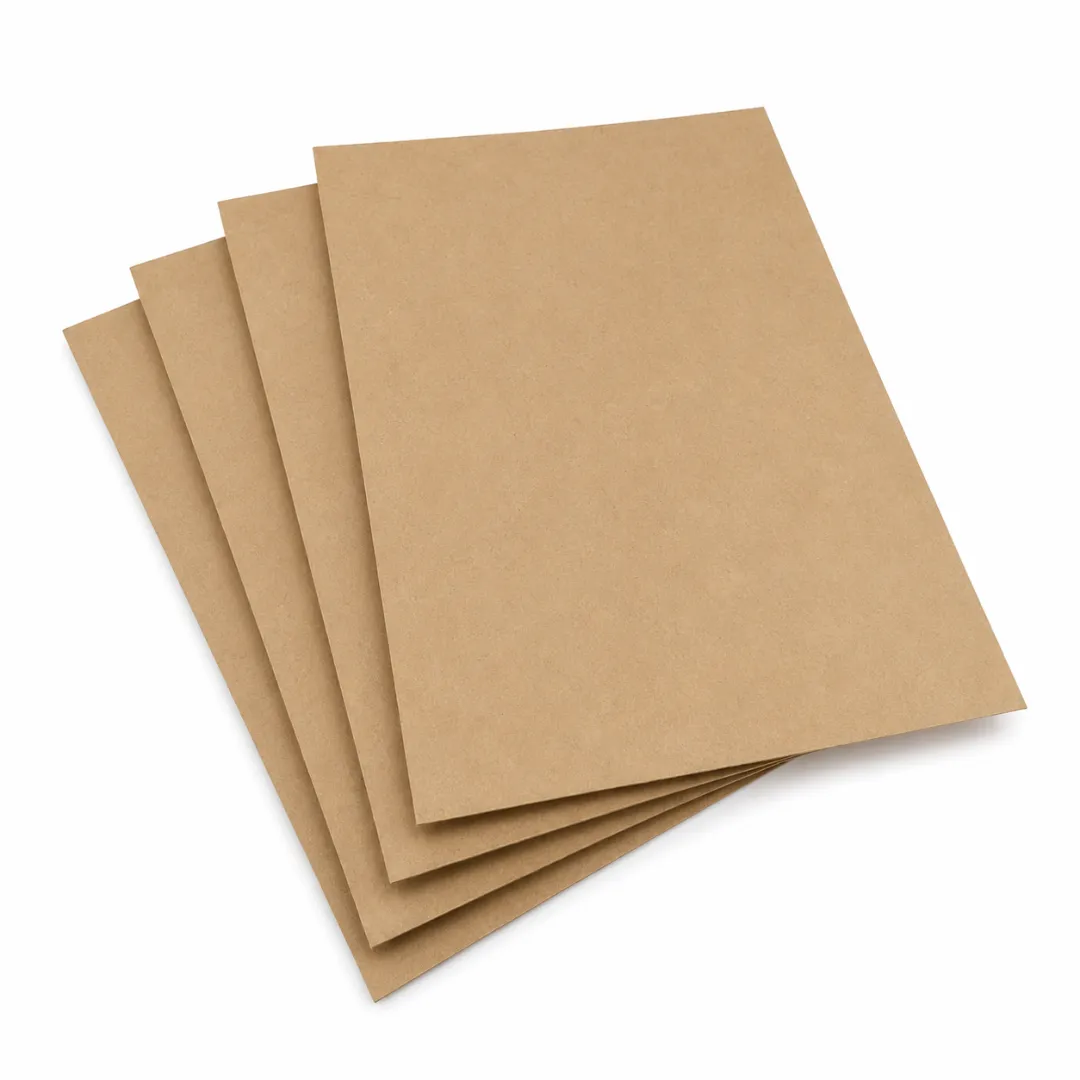
Kraft paper is a strong, durable and reliable material that is widely used across many different industries.
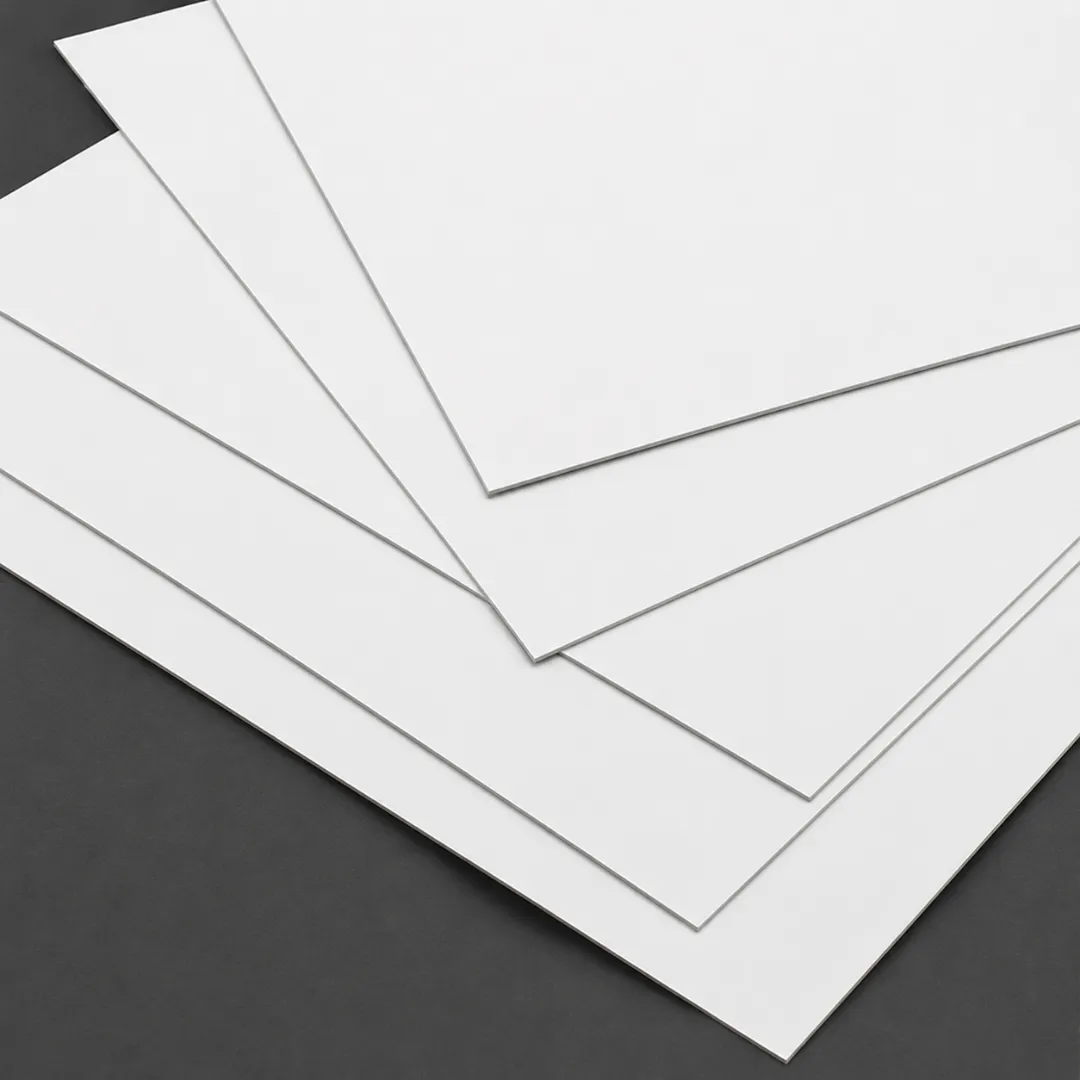
We use cardboard material with the least environmental impact and minimizes waste generation.
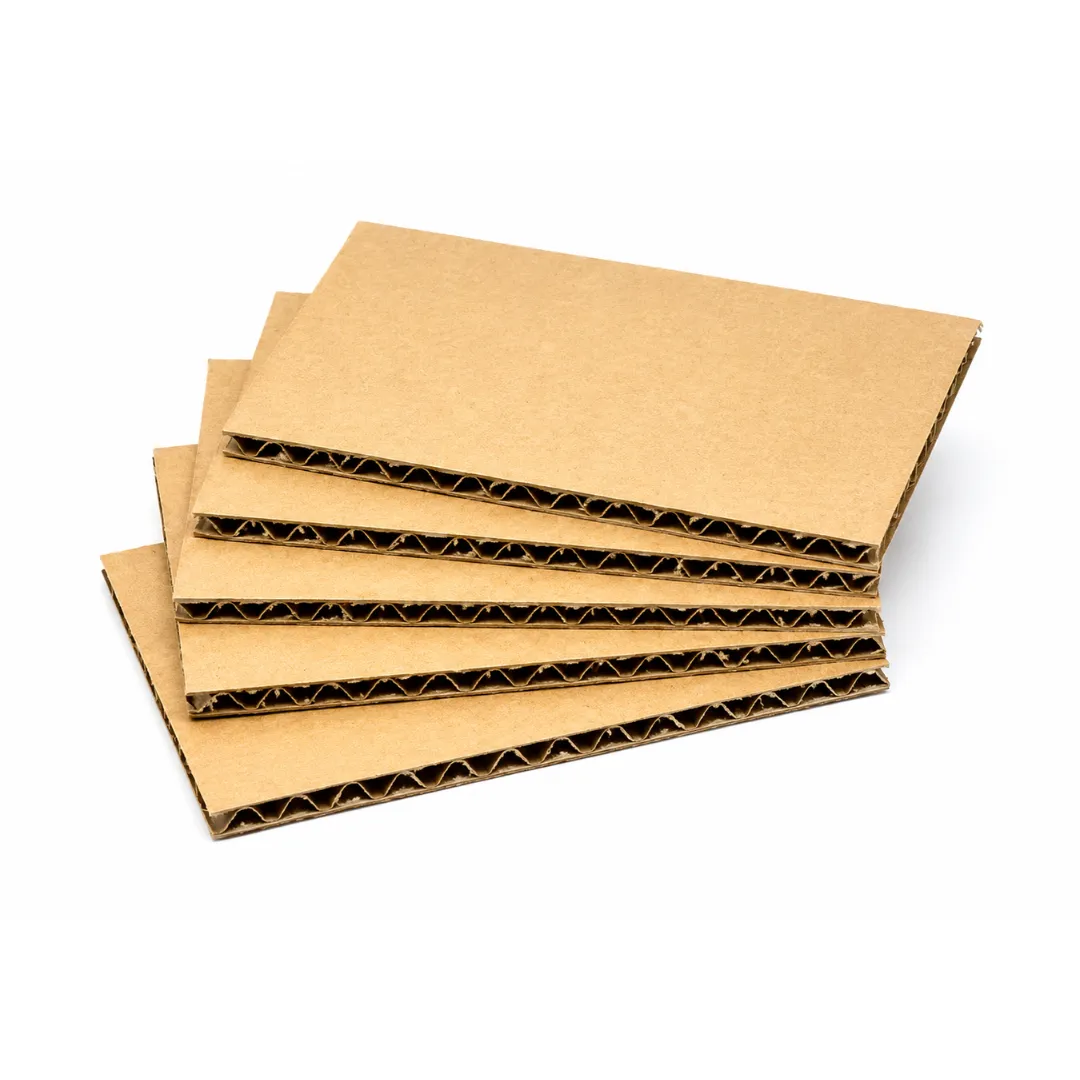
Corrugated material is easy to customize, cost effective and sustainable. It is also great for branding purposes.
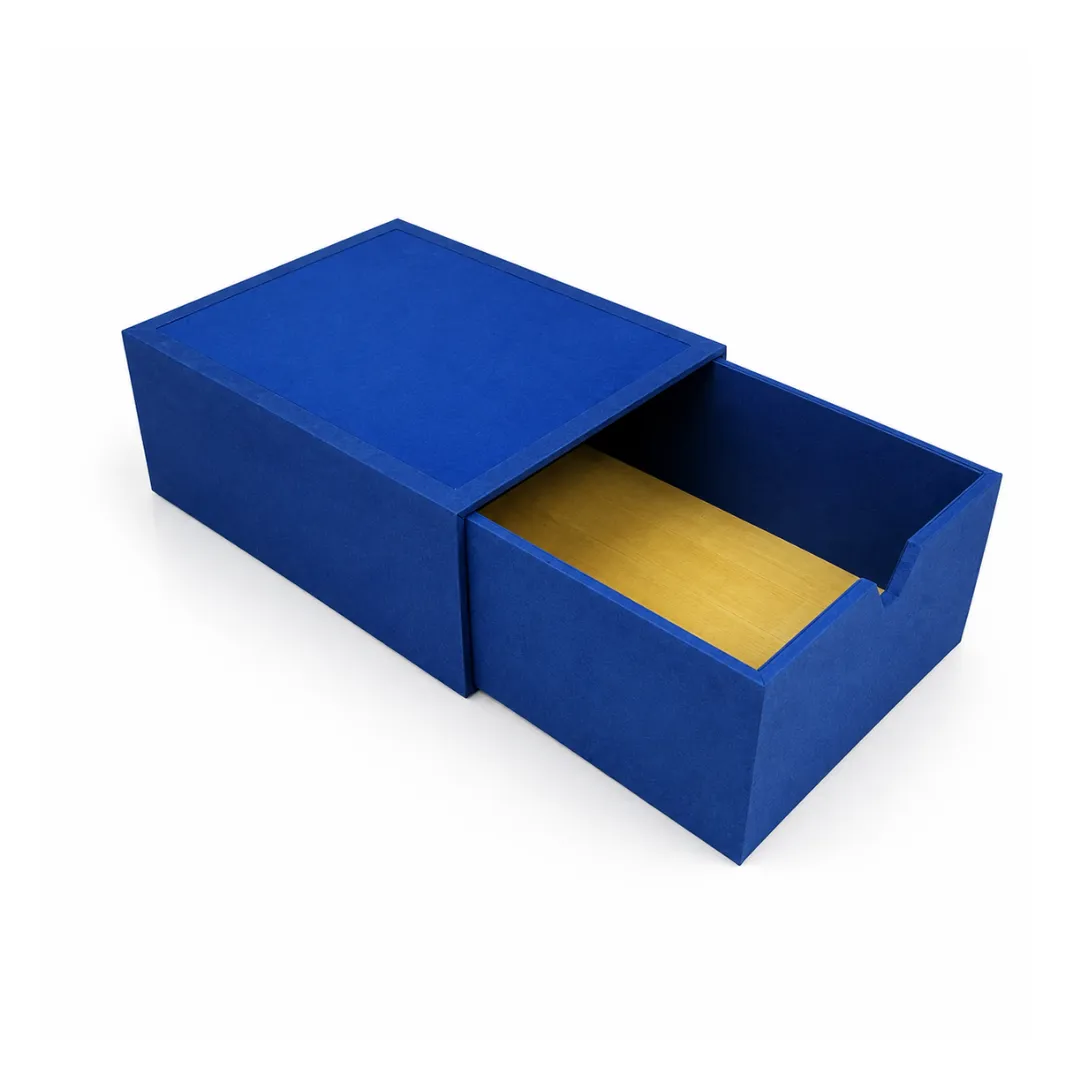
Rigid is highly protective, affordable and recyclable material. These boxes provide maximum protection.
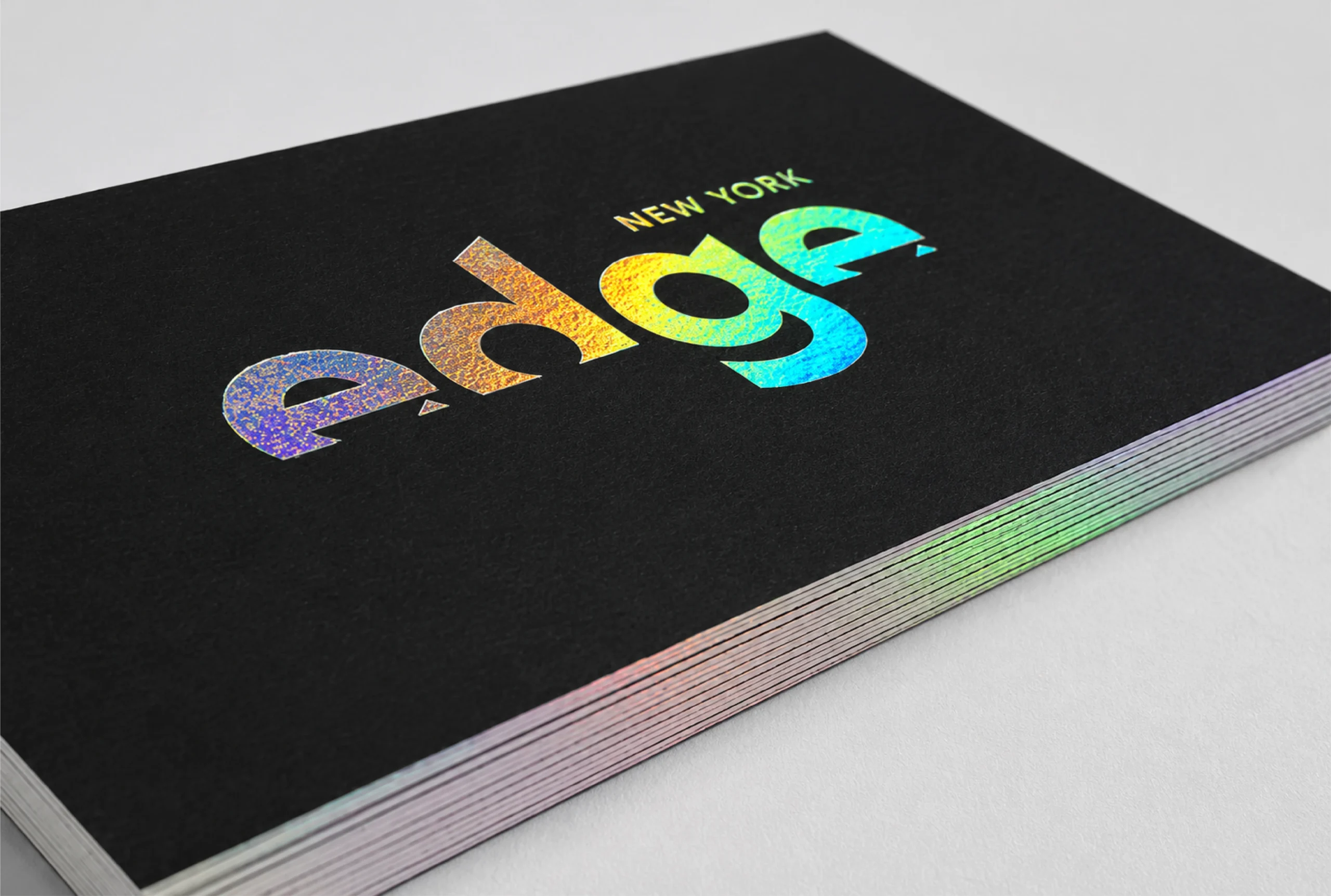
Holographic foil diffracts light and reveals the colors of the rainbow at various angles.
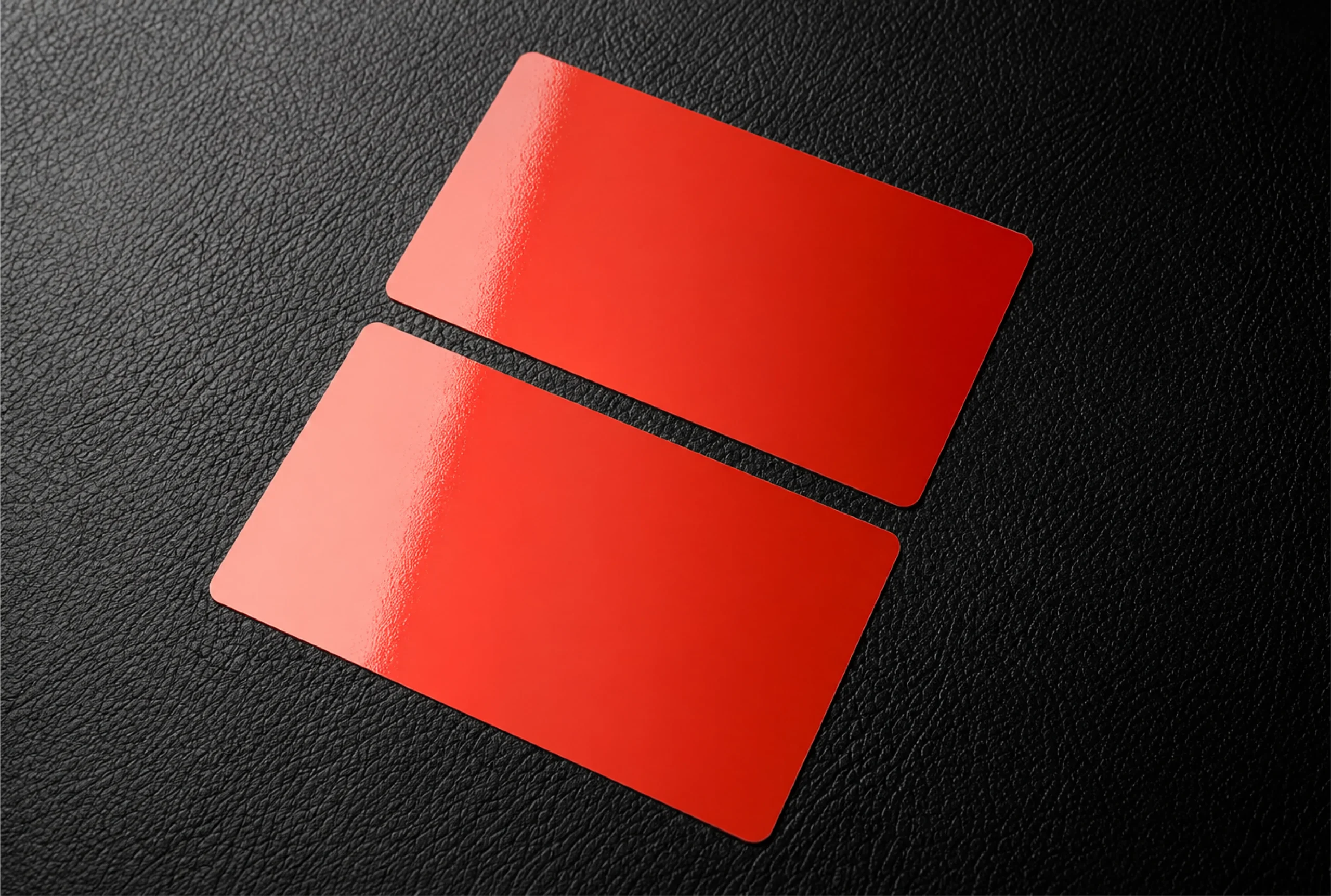
Our glossy finishing gives your packaging an extra layer of shine.
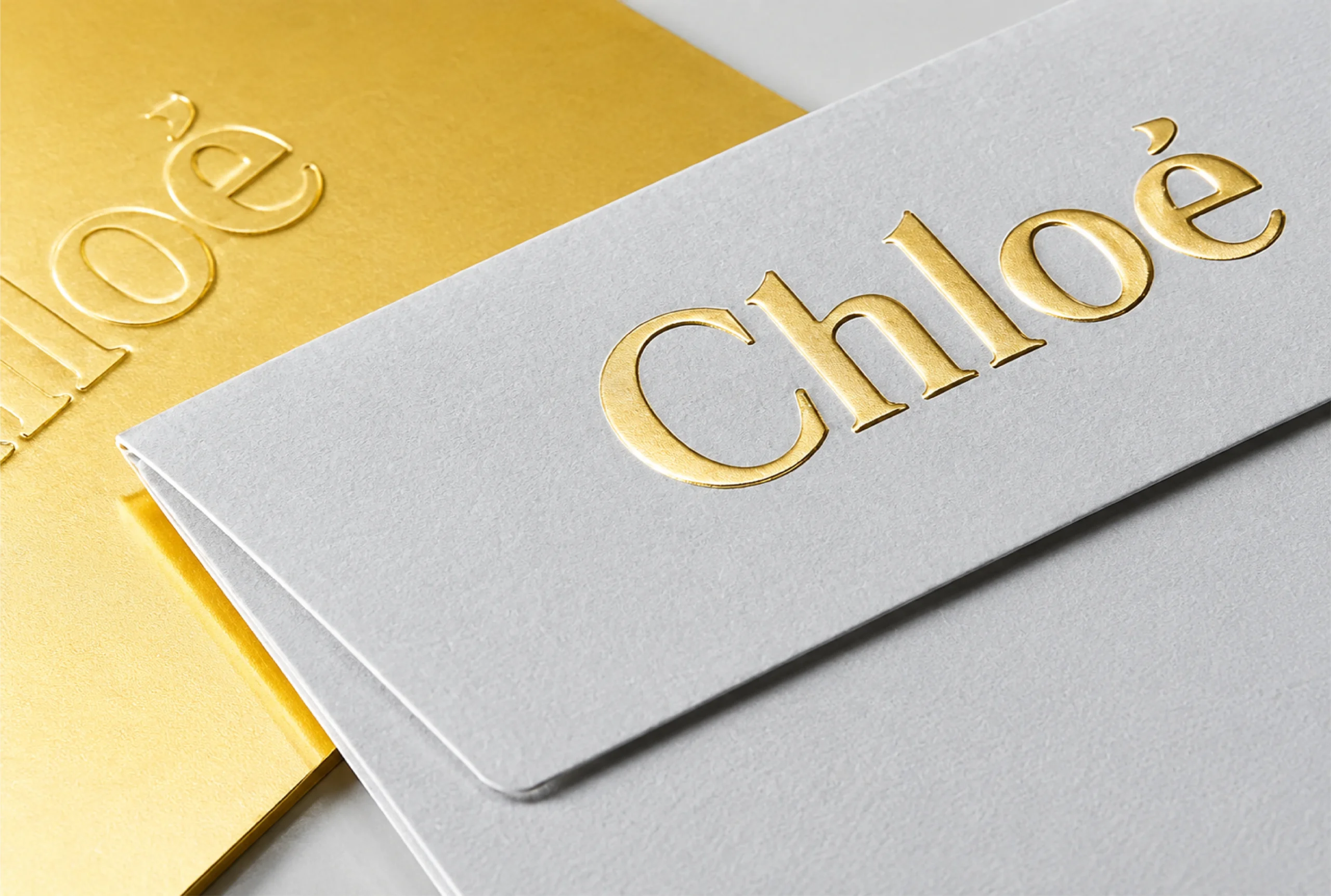
Decorate a wide range of your product packaging with our foil stamping.

With our embossing technique, we transfer the finest details of your product on packaging.
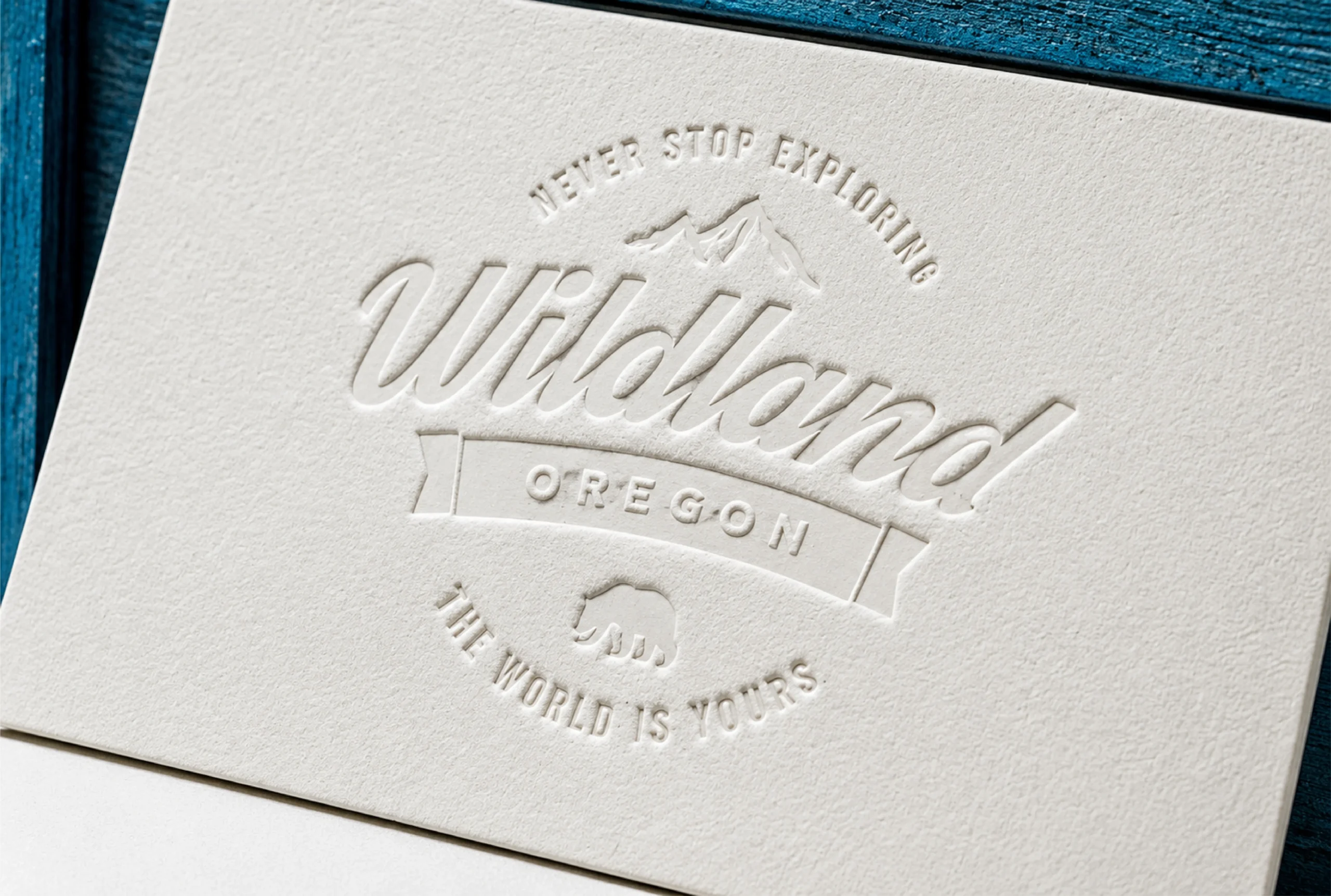
We use debossing technique to add unique graphics into your packaging.
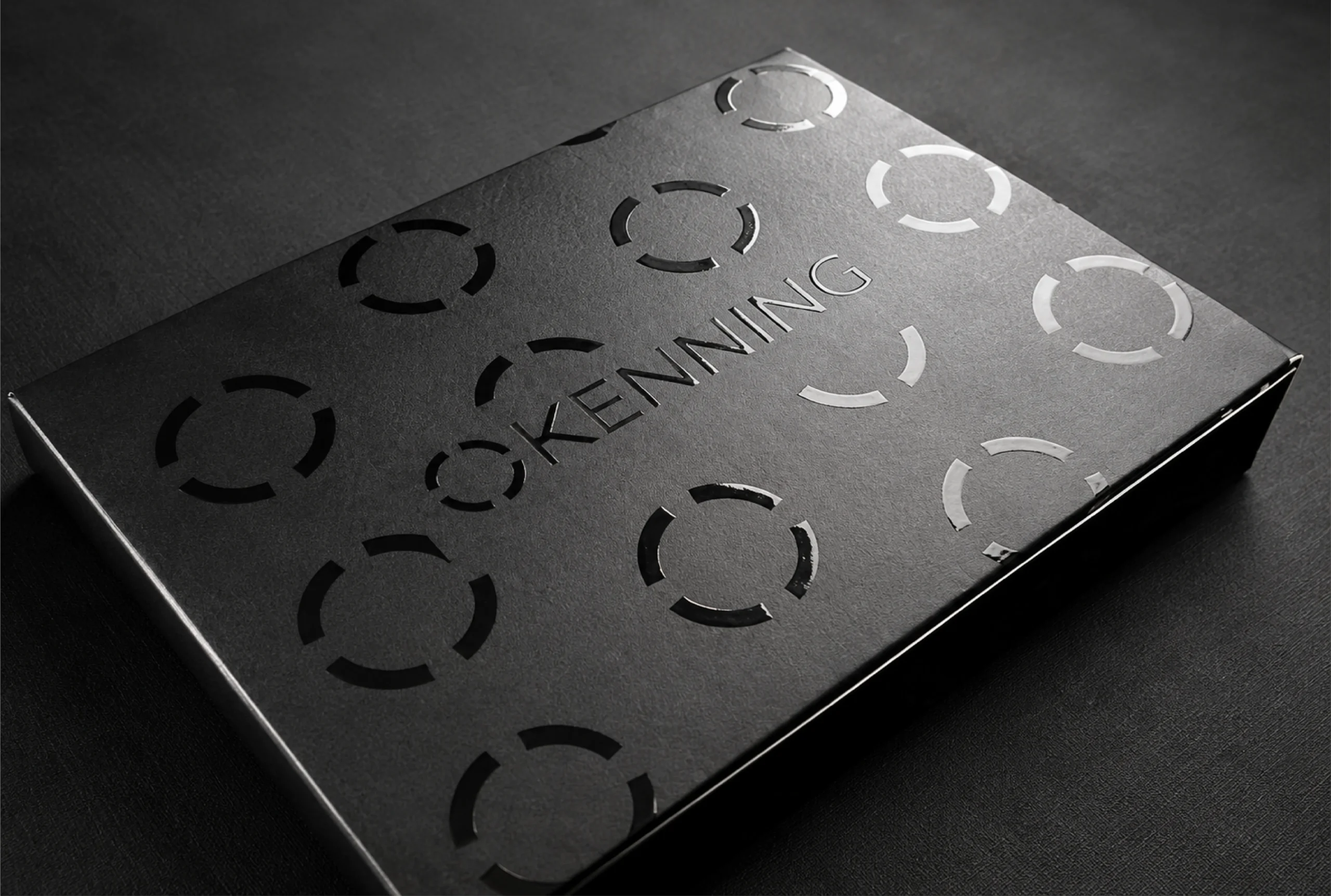
Our high-gloss UV coating gives light and shine to cure the printed material's varnish.
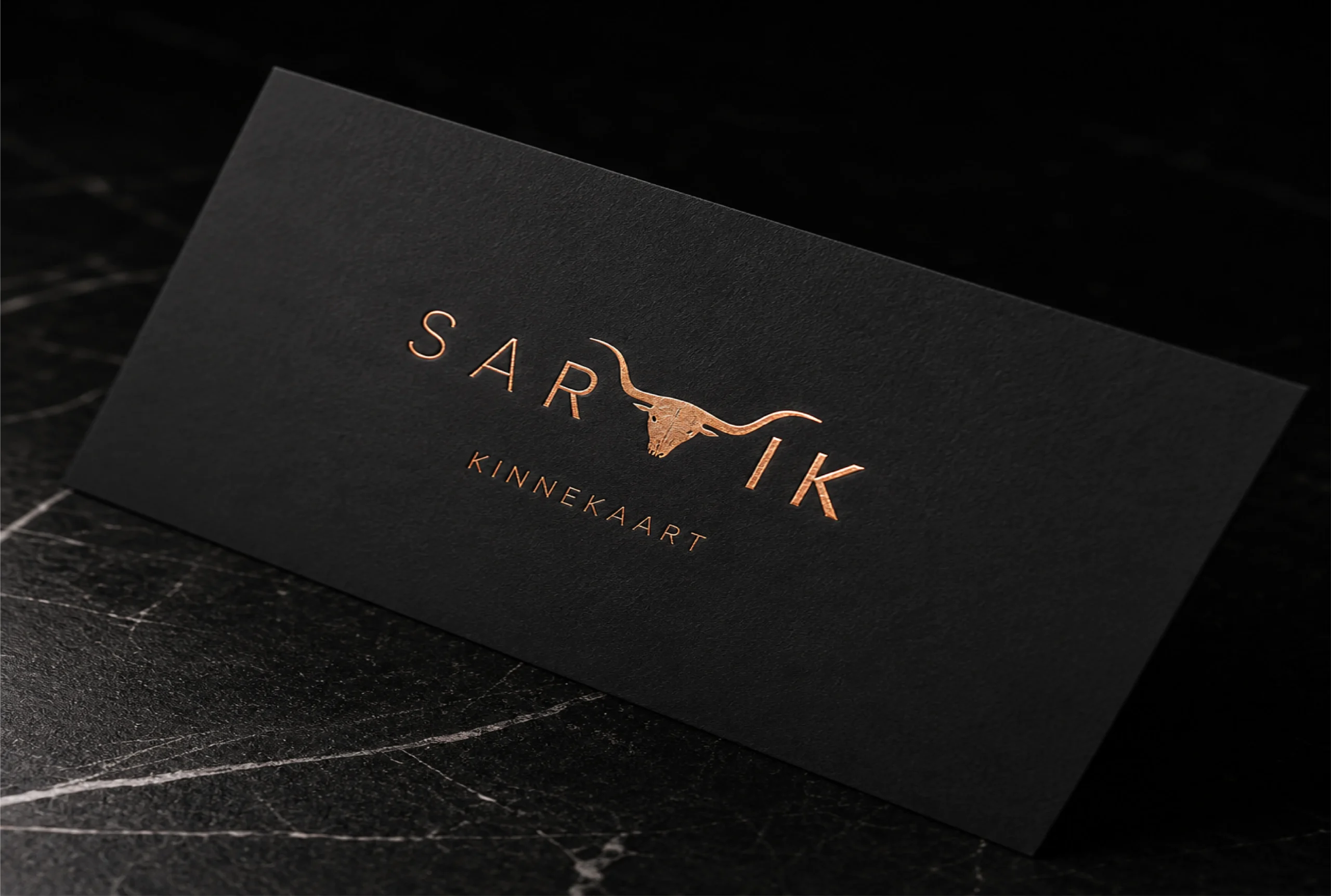
We add additional layer of protection with soft touch lamination from toner chipping.
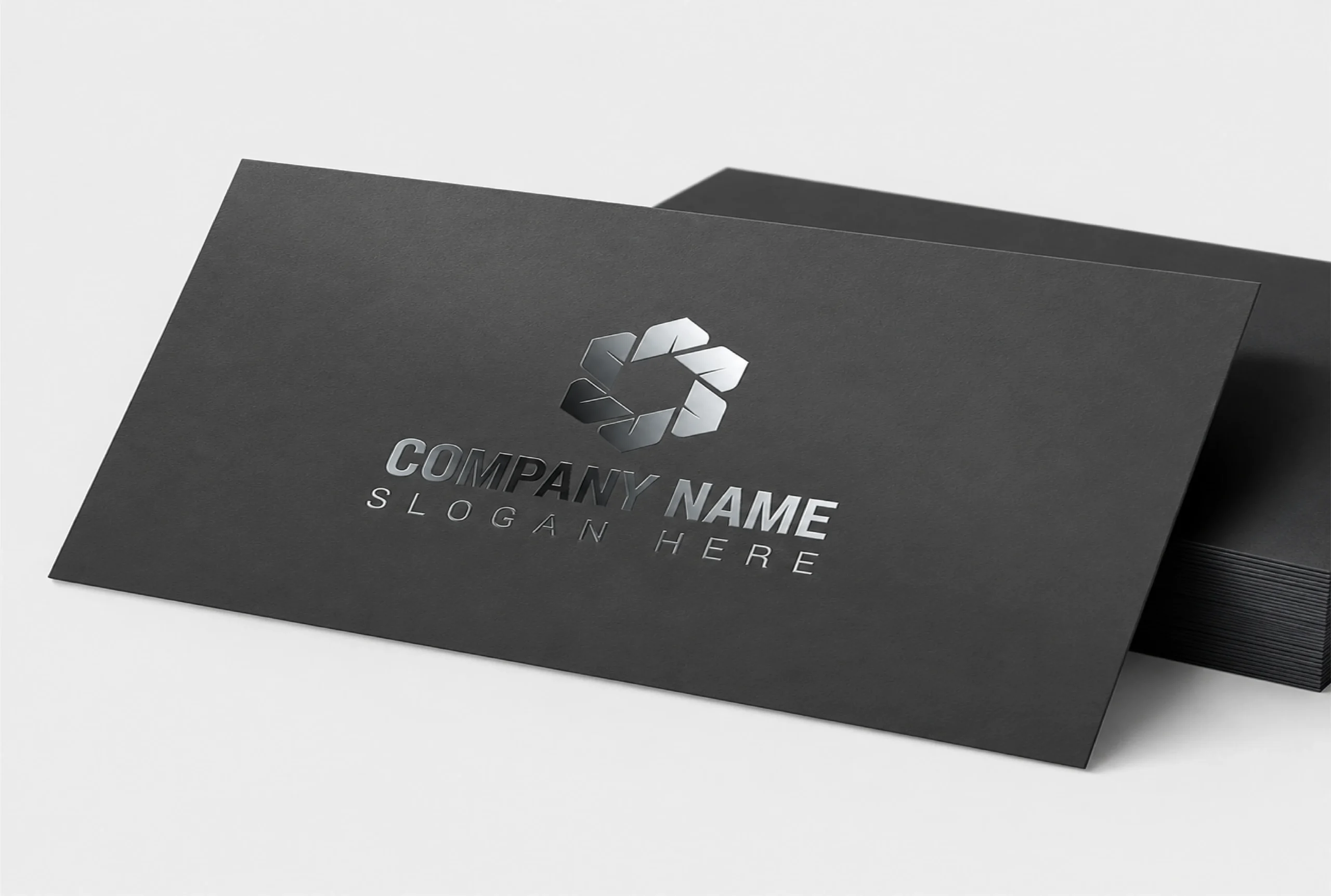
With our matte finish, fingerprints and smudges will now be less visible on the packaging.

Custom reverse tuck boxes from Pioneer Custom Boxes help supplement, cosmetic, skincare, food, pharmacy, hardware and ecommerce brands package products at a lower unit cost. Choose SBS or kraft board from 14pt to 24pt, custom sizes, windows, inserts, foil, lamination, logo printing, free design support, no MOQ and free USA shipping.
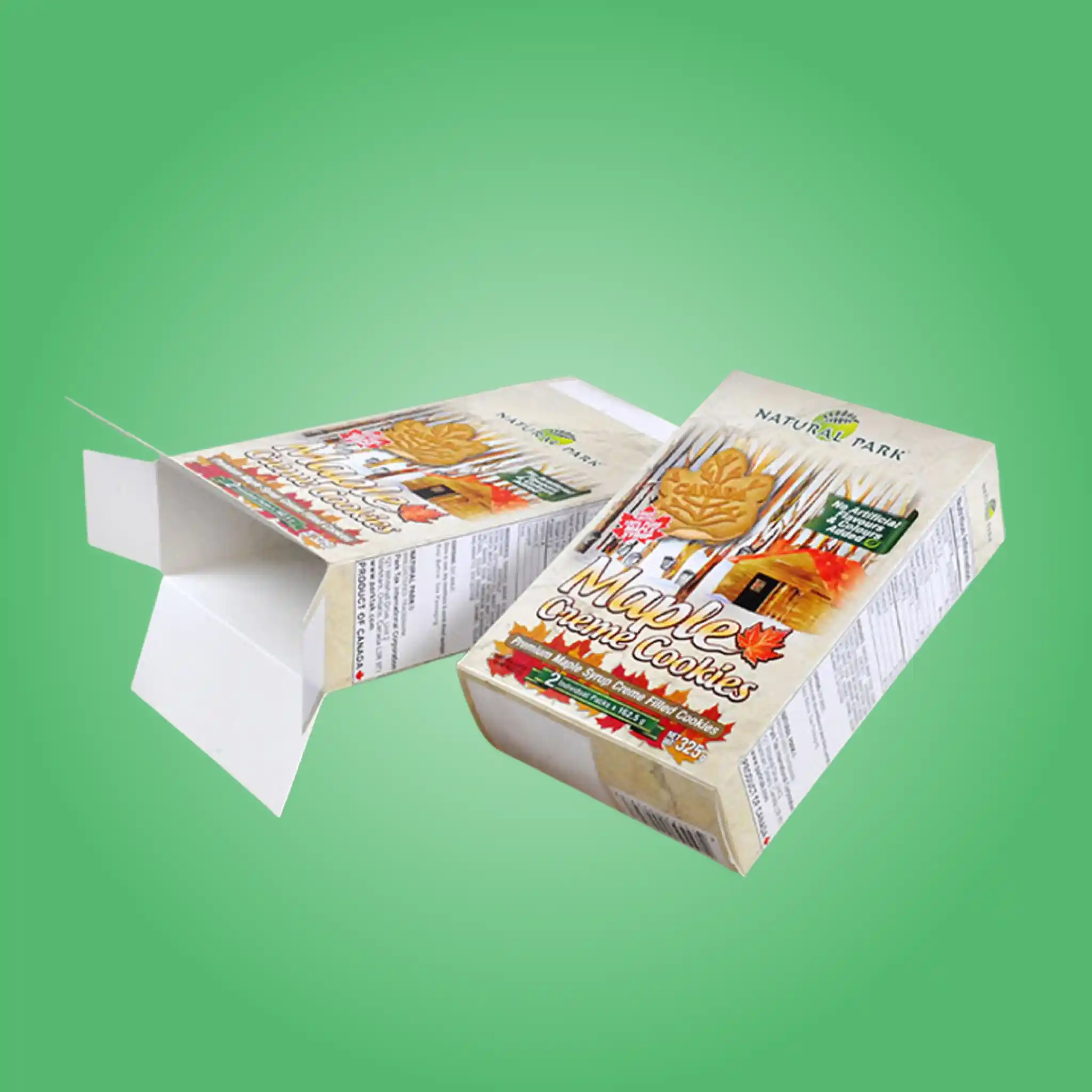
Custom seal end tuck boxes from Pioneer Custom Boxes help food, cereal, pharmacy, hardware, detergent and pet brands package products with glued ends, tamper evidence and high line speed. Choose SBS, CRB or kraft board, barrier liners, sift-proof seals, tear perforations, windows, logo printing, free design support, no MOQ and free USA shipping.
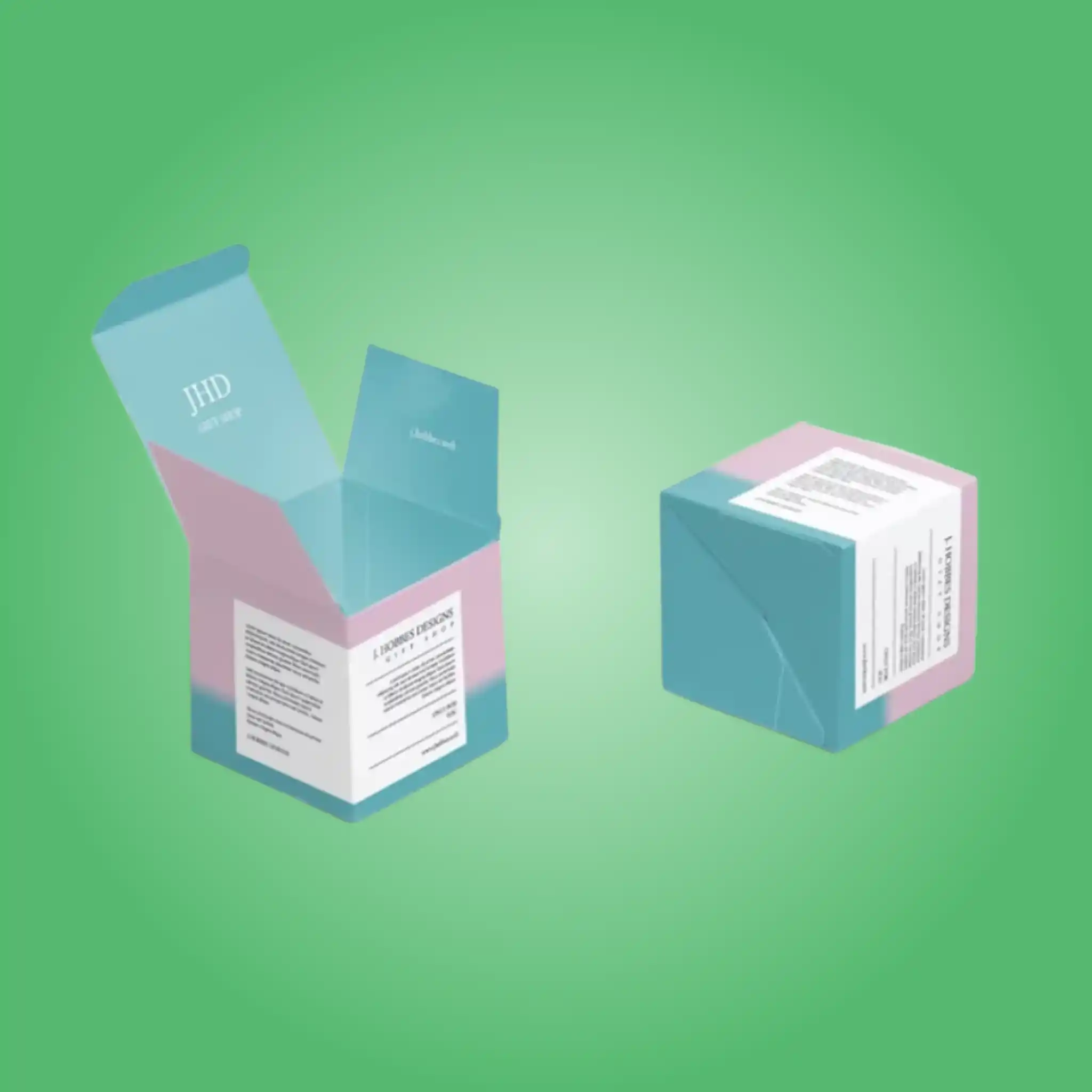
Custom tuck end boxes from Pioneer Custom Boxes help cosmetic, skincare, supplement, food, candle, soap, electronics and ecommerce brands package products without tape or glue. Choose straight tuck, reverse tuck, auto-lock or roll end styles in SBS, kraft, CRB or E-flute, with windows, inserts, foil, lamination, free design support, no MOQ and free USA shipping.
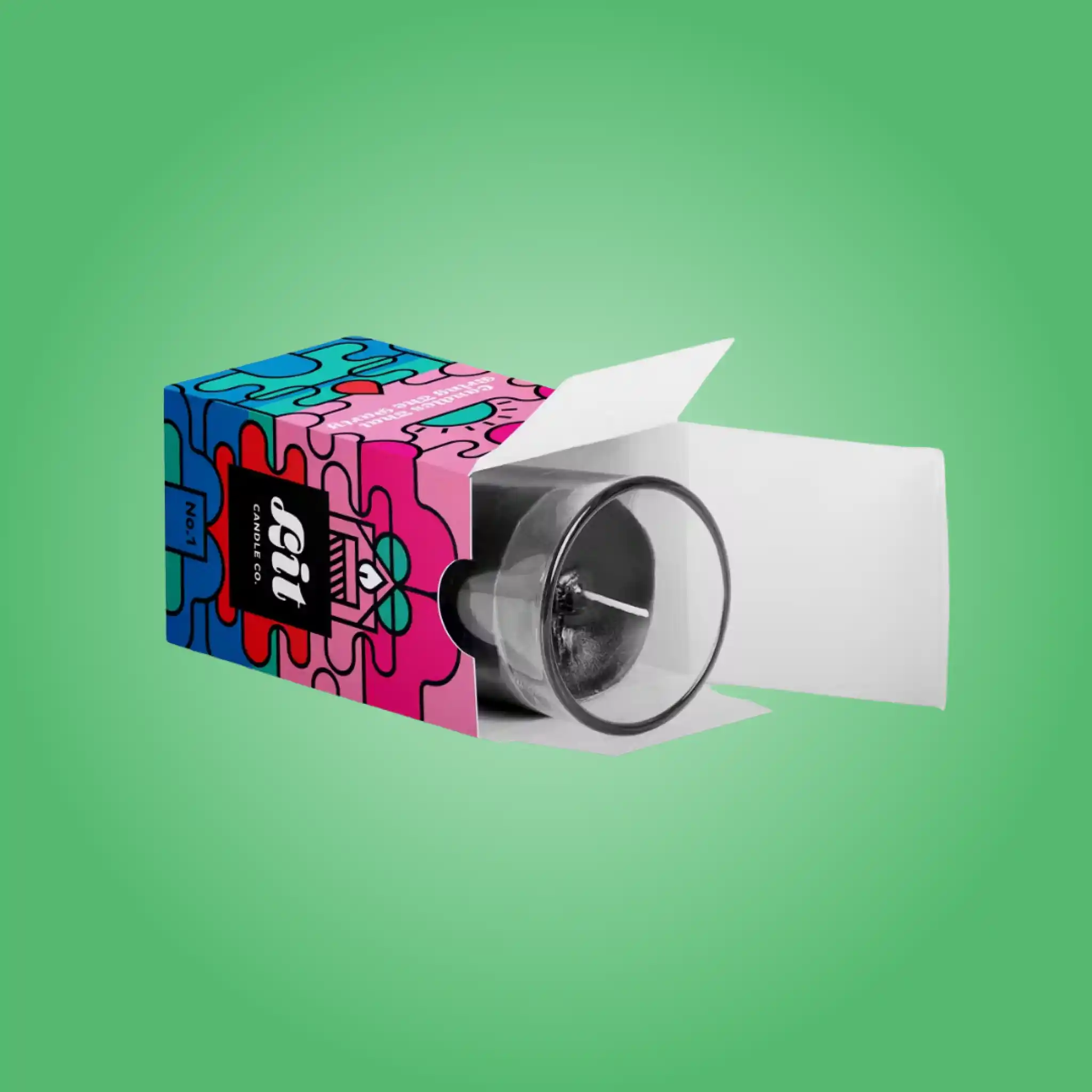
Reverse tuck candle boxes from Pioneer Custom Boxes help candle makers, home fragrance brands, gift companies and ecommerce sellers package filled glass vessels safely. Choose SBS, kraft, CRB or E-flute board from 18pt to 24pt, collar inserts, windows, foil stamping, soft touch lamination, logo printing, free design support, no MOQ and free USA shipping.