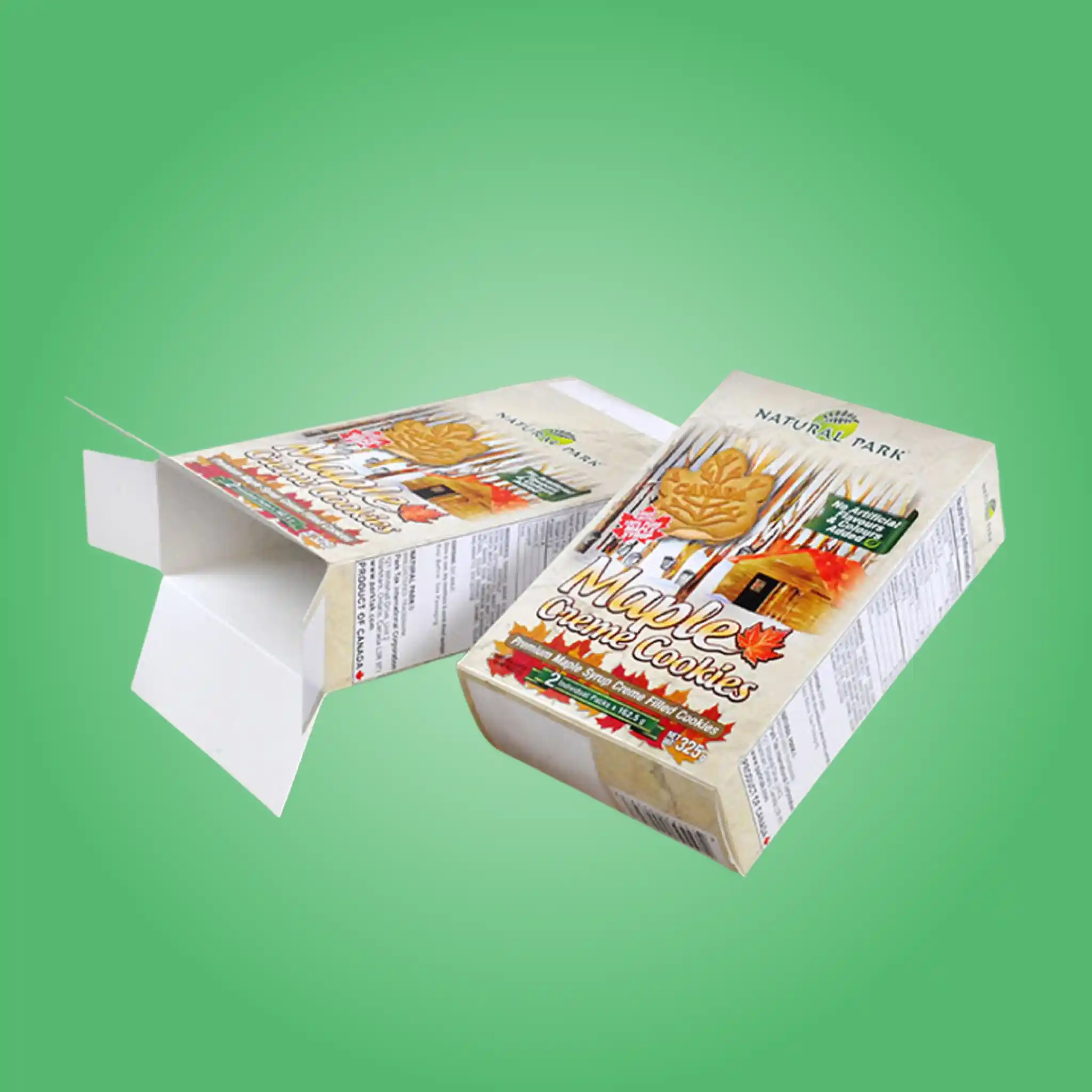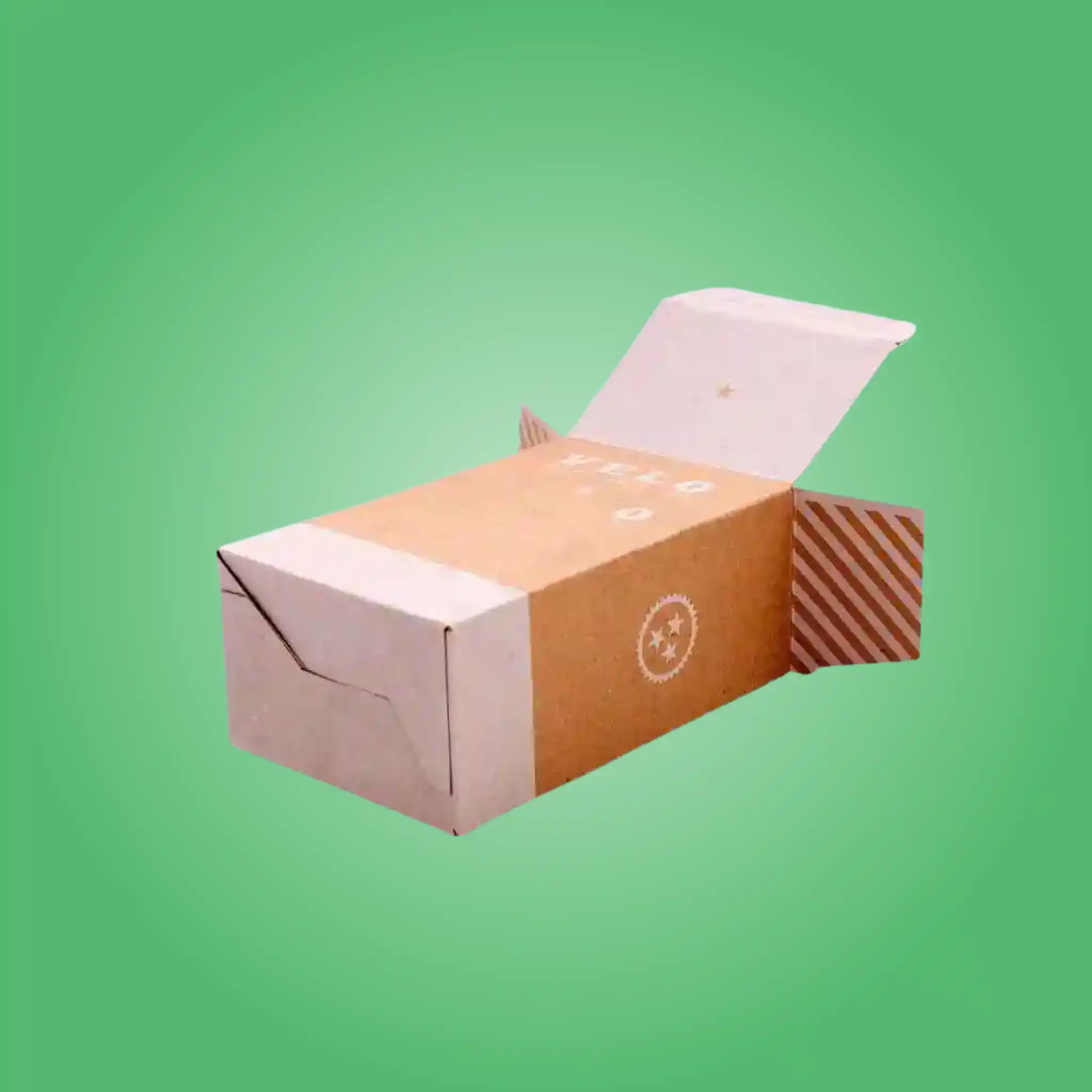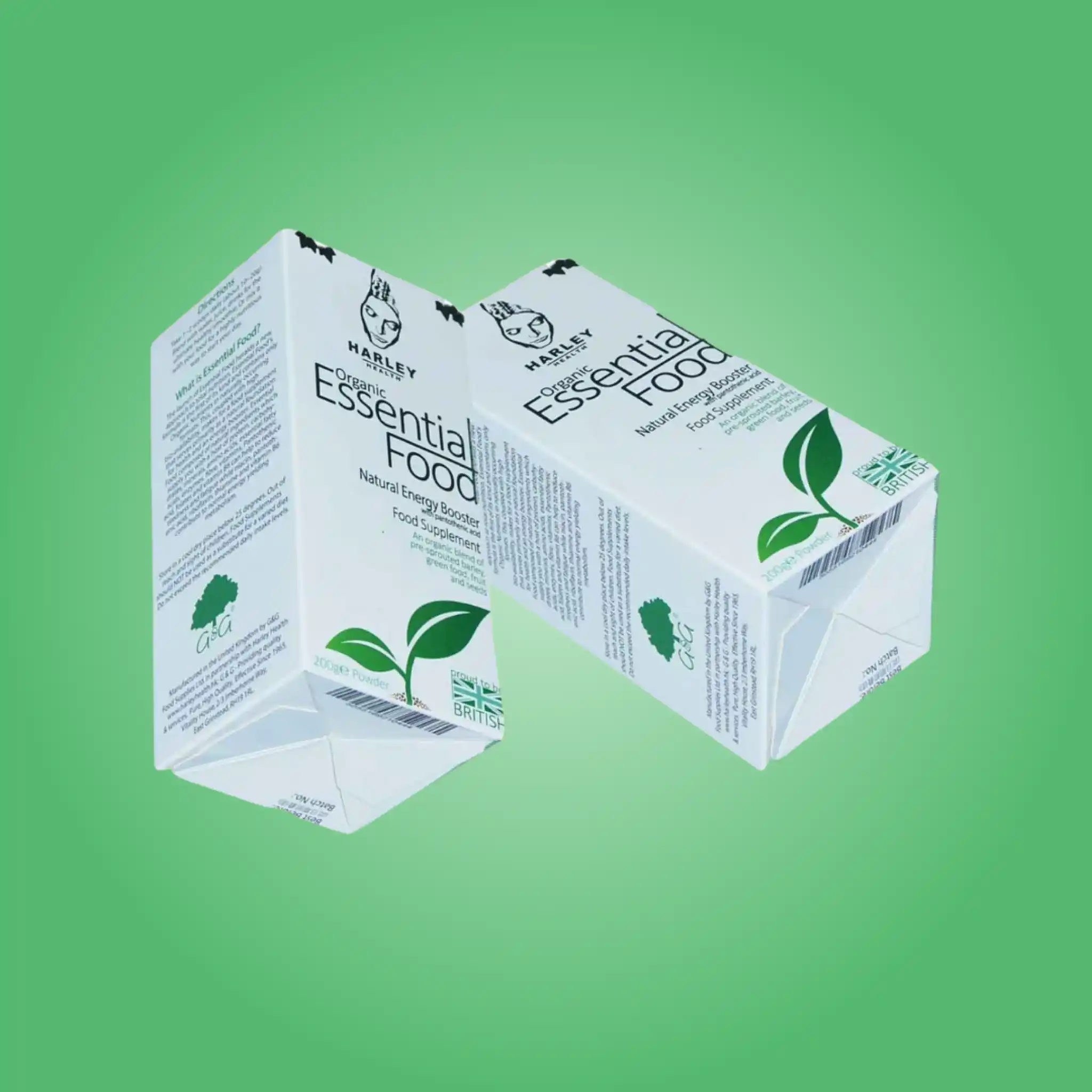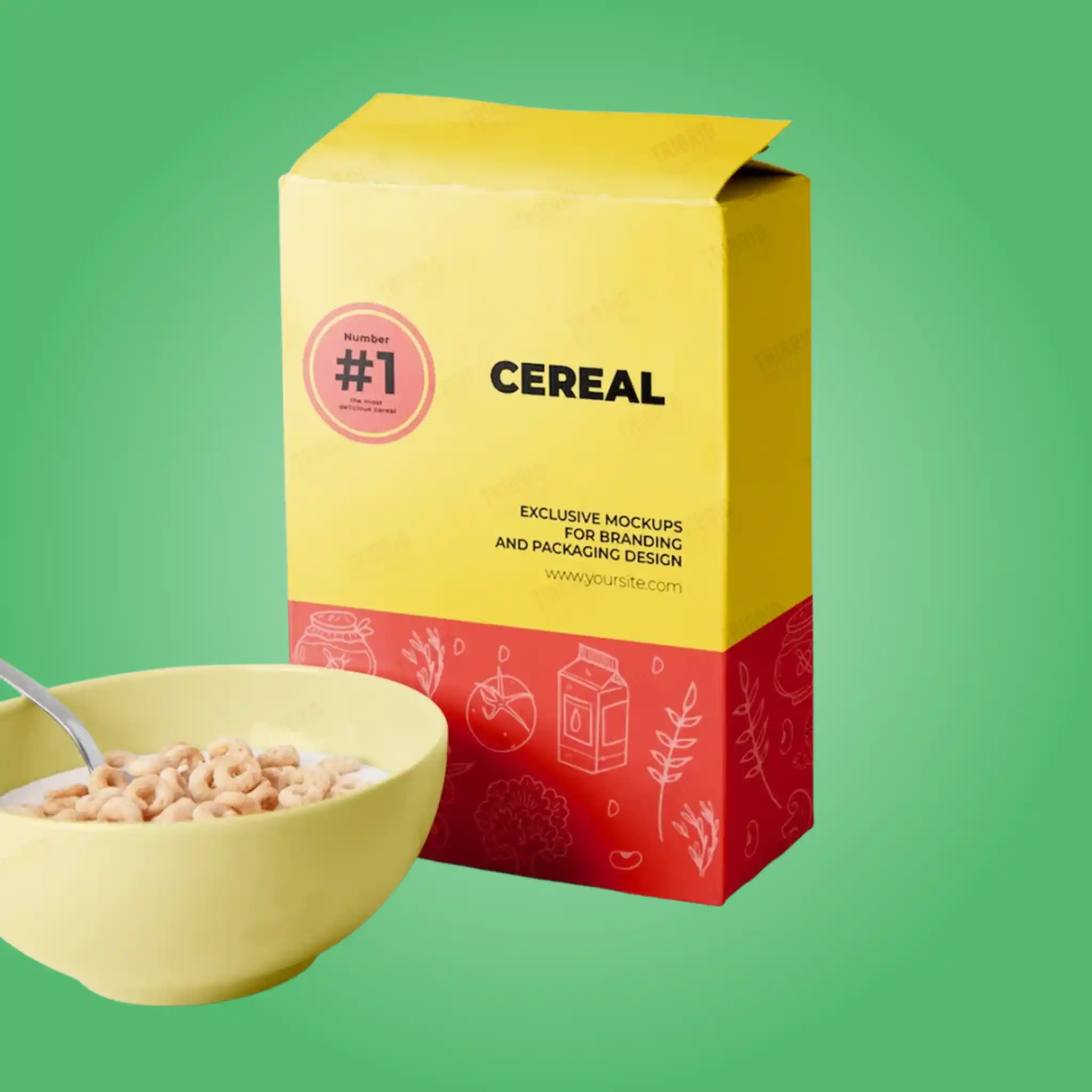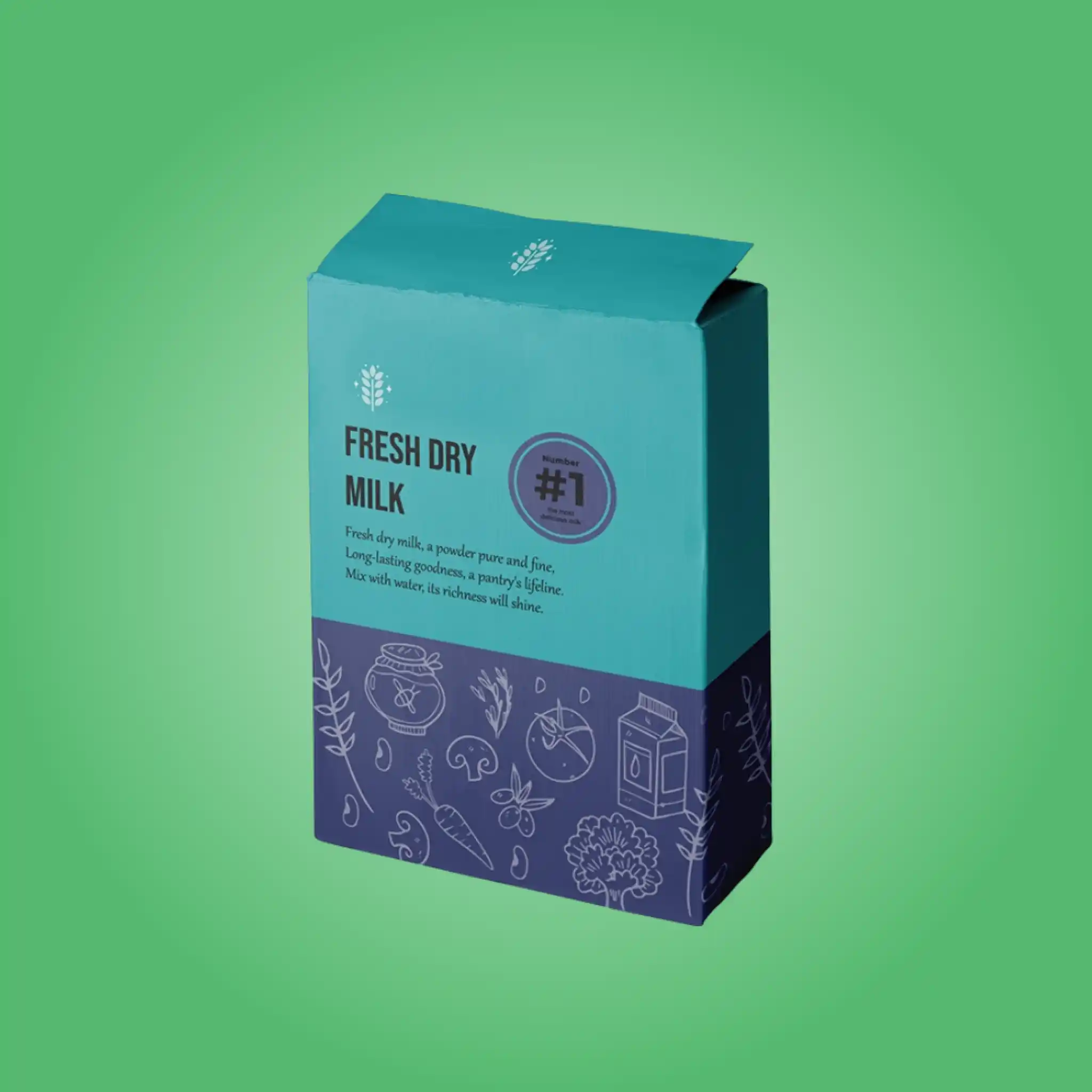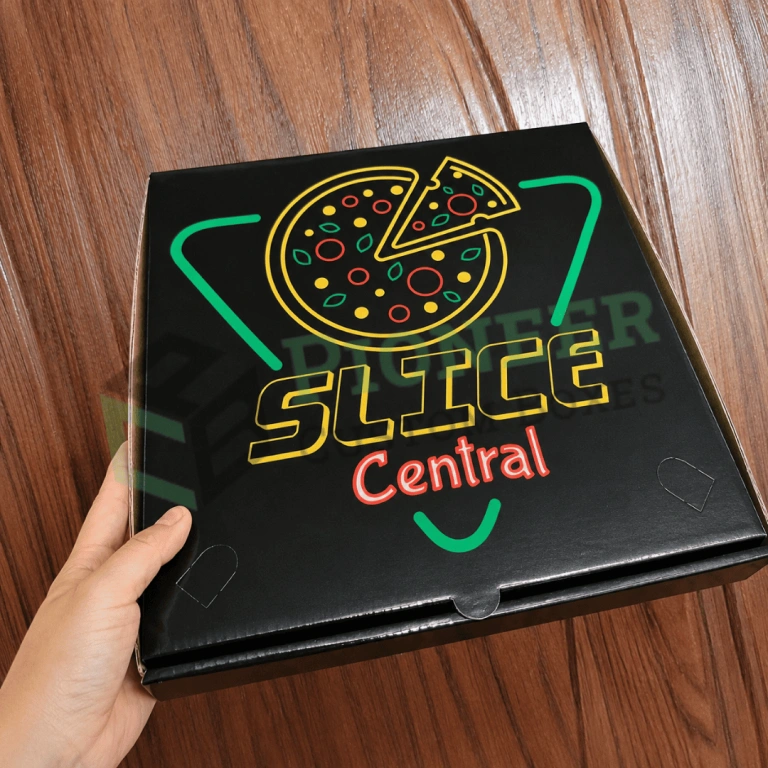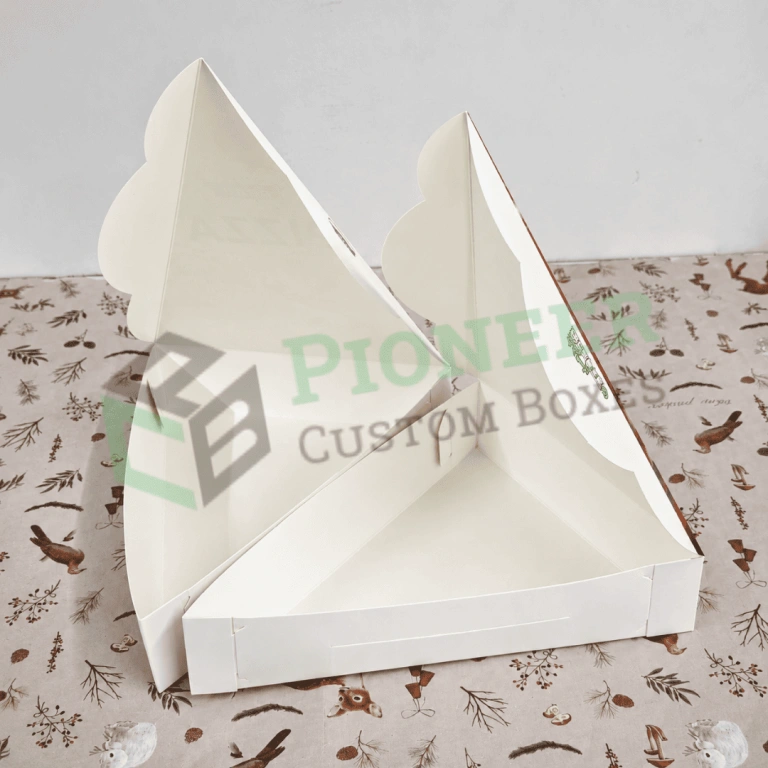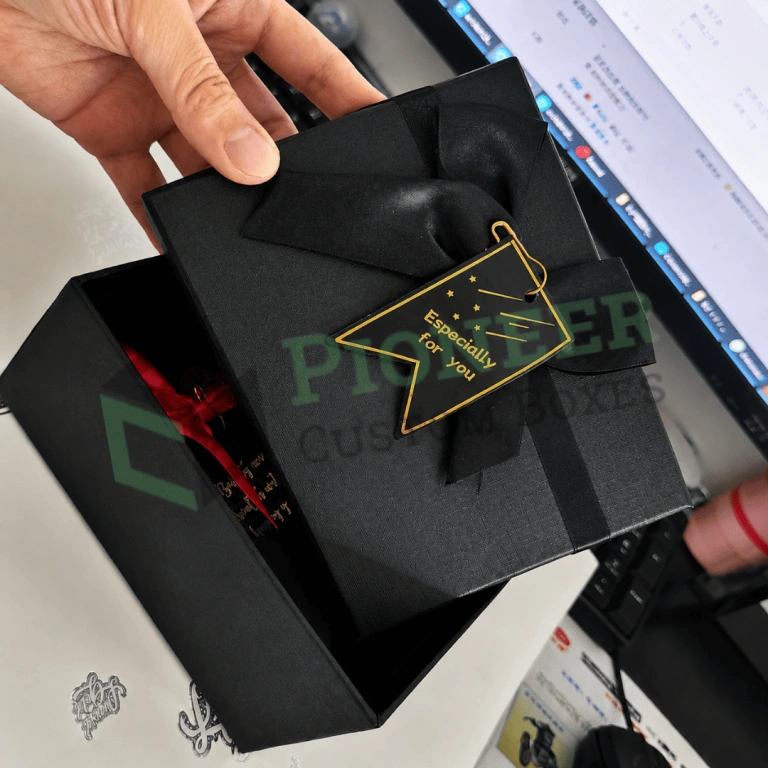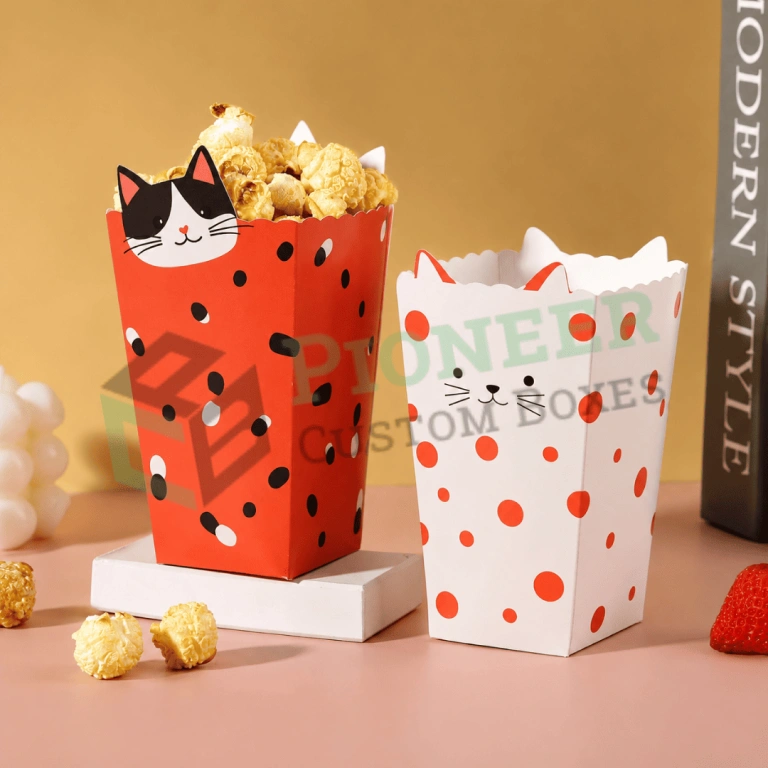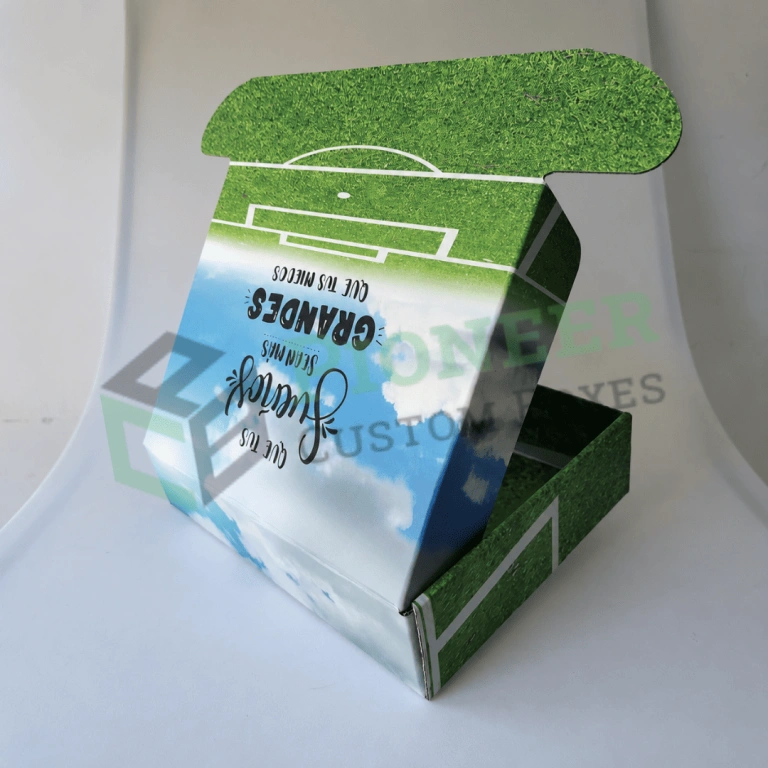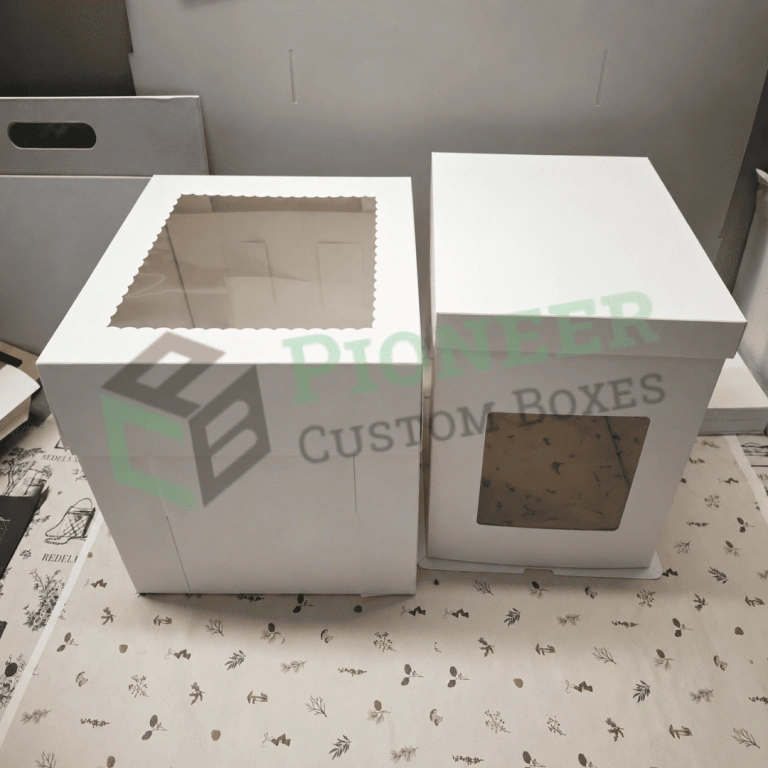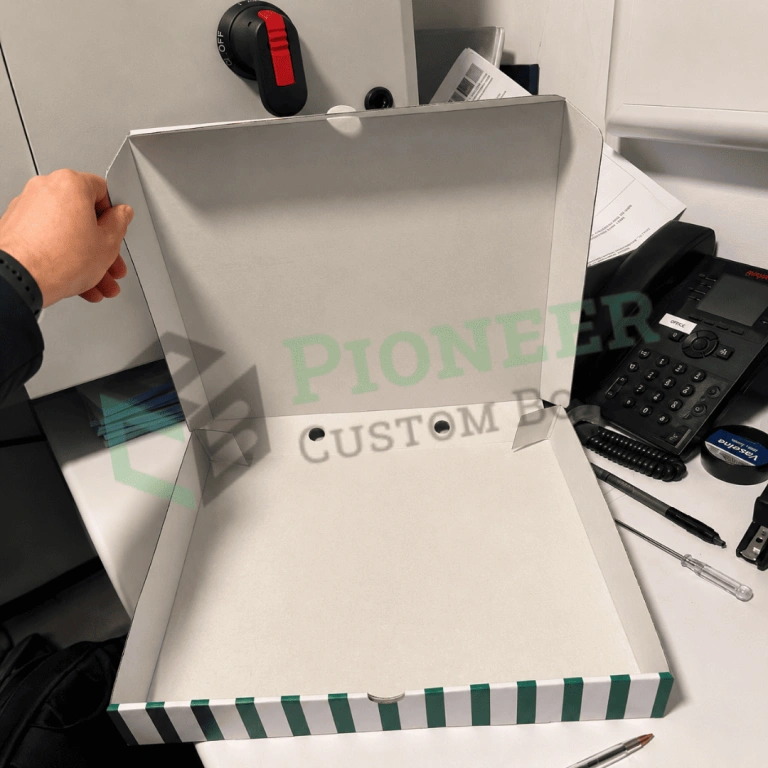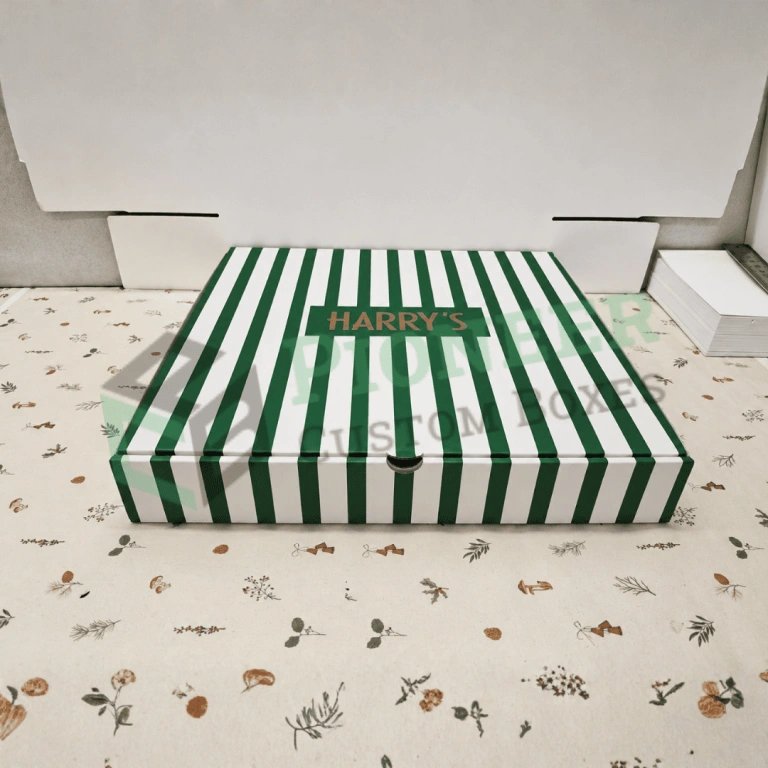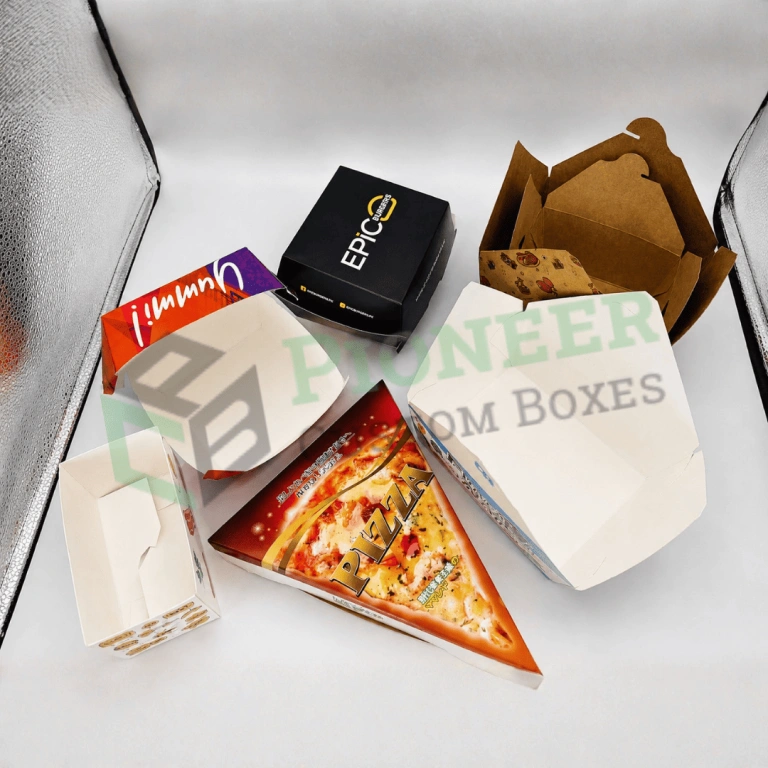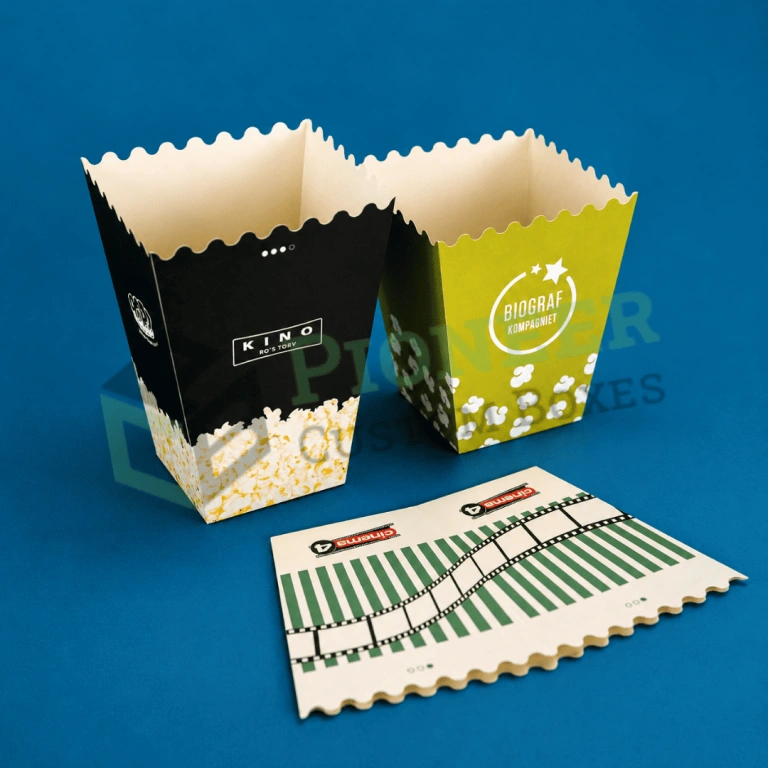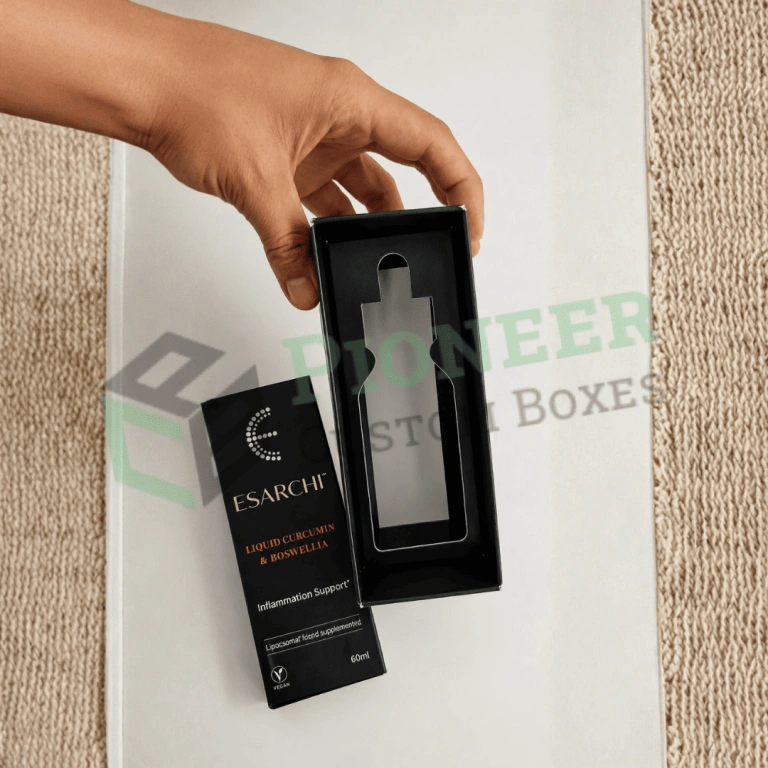
Custom seal end tuck boxes from Pioneer Custom Boxes help food, cereal, pharmacy, hardware, detergent and pet brands package products with glued ends, tamper evidence and high line speed. Choose SBS, CRB or kraft board, barrier liners, sift-proof seals, tear perforations, windows, logo printing, free design support, no MOQ and free USA shipping.
Custom seal end tuck boxes close by gluing the end flaps shut rather than tucking them into a slit. The carton arrives at your filling line flat and pre-glued along the side seam, opens into a sleeve, takes the product, and then both ends are sealed with adhesive. Nothing tucks, and nothing opens without breaking the seal.
That single difference changes what the carton is for. A tuck end carton is designed to be opened and often reclosed. A seal end carton is designed to be filled at speed, to stay closed through distribution, and to show clearly if anyone has opened it. Food, pharmacy, hardware and heavy-fill products all rely on that behavior.
Seal end cartons are also the strongest of the folding carton family. Glued ends distribute load across the whole flap area instead of concentrating it on a tuck tab, so the carton holds heavier contents and stacks more predictably on a pallet.
Pioneer Custom Boxes manufactures seal end cartons in the United States with zero minimum order quantity, free dielines, free design support and free shipping nationwide. We cut our own dies and run our own presses, so the carton is built around your product and your filling equipment.
The carton is produced as a flat blank with four body panels and a glue tab. We apply adhesive to that tab and fold the blank in our own plant, so what arrives is a flat, side-seam-glued sleeve rather than a loose blank you have to form.
At your end, the sleeve is squared into a rectangular tube. Dust flaps fold in at one end, then the two main end flaps fold over them and adhesive bonds the assembly shut. The same process repeats at the other end after filling. On an automated line, hot melt adhesive is applied and compressed in a fraction of a second.
Because the closure is glued rather than tucked, the flap geometry can be simpler and shorter. That means less board per carton than a tuck end of the same internal dimensions, which is a quiet cost advantage most buyers do not expect from a stronger carton.
The end result has no slit, no tab and no gap. Dust, light and moisture all have fewer routes in, and the only way to open the carton is to break the glue bond, which visibly tears the board fiber. That fiber tear is the tamper evidence, and it cannot be faked by resealing.
For products that need a controlled opening, we add a perforated tear line to one end so customers open cleanly without tools while the tamper evidence stays intact.
These two closures solve different problems, and choosing by appearance rather than by function is the most common specification error in this category.
A tuck end carton closes with a tab into a slit. It can be opened and reclosed, it needs no adhesive at your end, and it suits products a customer handles repeatedly. It is also easier to open accidentally, which is exactly what you do not want inside a shipping case.
A seal end carton closes with adhesive. It cannot be opened without breaking the bond, it runs far faster on an automated line, it carries heavier contents safely, and it provides genuine tamper evidence. What it does not do is reclose, so it is wrong for anything a customer dips into repeatedly.
Speed is the decisive factor for most buyers. A seal end carton on a cartoning line closes in a fraction of a second with no mechanical tucking motion, so line rates are substantially higher. For a product running tens of thousands of units a week, that throughput difference outweighs everything else.
| Factor | Seal End | Tuck End |
|---|---|---|
| Closure | Glued shut | Tab into a slit |
| Tamper evidence | Yes, fiber tears on opening | No |
| Reclosable | No | Yes |
| Line speed | Fastest folding carton style | Slower, mechanical tucking |
| Load capacity | Highest | Moderate |
| Board used | Slightly less | Slightly more |
| Needs adhesive at your end | Yes | No |
| Best fit | Food, pharmacy, hardware, heavy fill | Cosmetics, gifts, reclosable retail |
If you fill by hand and have no gluing equipment, a tuck end is the practical choice regardless of the other advantages. We will tell you that plainly rather than selling you a structure you cannot close.
Every die is cut to your measured product. These formats show what we produce most often and are useful reference points before you measure.
| Application | Typical Size (inches) | Caliper | Structural Note |
|---|---|---|---|
| Cereal and dry goods | 8 x 2.5 x 11 | 20pt SBS | Barrier liner inside |
| Pasta and grains | 4 x 2.5 x 9 | 18pt SBS | High-speed line format |
| Frozen and chilled food | 6 x 1.5 x 8 | 18pt moisture resistant | Freezer-stable coating |
| Snack and cracker carton | 7 x 2 x 9 | 18pt food board | Tear perforation |
| Pharmacy and OTC carton | 2 x 1.5 x 4 | 18pt SBS | Tamper evidence required |
| Blister card carton | 4 x 1 x 6 | 18pt SBS | Insert or tray |
| Hardware and fasteners | 5 x 3 x 2 | 20pt to 24pt | Heavier load capacity |
| Powder and detergent | 5 x 3 x 8 | 20pt with liner | Sift-proof end seals |
| Automotive small parts | 6 x 4 x 3 | 24pt | Weight and stacking |
| Bulk refill carton | 9 x 6 x 12 | E-flute | Corrugated for heavy fill |
Send your product dimensions, your fill weight and your line details, and we return a free dieline sized precisely to them within one business day.
Board choice matters more on a seal end carton than on a tuck, because the adhesive has to bond reliably to the surface you specify. We test that bond before production rather than assuming it.
Solid bleached sulfate is the standard for printed seal end cartons. The clay-coated white surface reproduces color accurately and the uncoated reverse takes adhesive well, which matters because glue must bond to the inside face. We run 18pt across most food and pharmacy work and 20pt to 24pt for hardware and heavier fills.
CRB uses recycled fiber with a coated printing surface and costs less than SBS. It suits high-volume dry goods, cereal-style cartons and secondary packaging where the printing surface matters but absolute brightness does not. Bonding is excellent, and the recycled content supports a genuine sustainability position.
Kraft gives a natural brown surface for organic and refill positioning at a lower cost than bleached board. Adhesive bonds very well to uncoated kraft, so seal end cartons in kraft are reliable as well as economical. Inks print warmer and white will not read as white.
Frozen, chilled and oily products need a board that resists moisture migration and grease staining. We specify treated stocks for those applications and confirm that the treatment does not interfere with the glue bond, since some coatings resist adhesive as effectively as they resist water.
For heavy fills and bulk refill cartons, E-flute adds crush resistance while still gluing and printing acceptably. It is the usual answer when a folding carton is being asked to carry more weight than paperboard sensibly can.
One consideration is specific to this style. Glue will not bond through a laminated or heavily varnished surface, so we leave unvarnished glue lanes on the areas that must bond. Those lanes are planned on the dieline before artwork is placed, and they are invisible on the finished carton.
Print method decides appearance and unit cost, and we quote each separately.
Offset runs from metal plates and gives the sharpest detail and the most consistent color across long runs. Seal end cartons are usually high-volume products, so most orders in this style comfortably reach the quantity where offset is the correct economics. The plate charge is one-time per design and unit cost falls steadily as the run grows.
Digital prints straight from the file with no plates, so short runs, product trials and seasonal variants become affordable. It also supports variable data, which suits batch coding and regional variants within one production run. For a new food or supplement product testing the market, digital removes the barrier of plate cost entirely.
Flexo suits corrugated seal end cartons and bulk refill packs, where large simple graphics reproduce economically on a fluted surface. It is rarely used for fine retail folding cartons.
For extremely high volumes with consistent artwork, gravure delivers exceptional consistency, though the cylinder cost only makes sense at national brand scale. We will tell you honestly when your volume does and does not justify it.
Three color systems matter here, and mixing them up causes more disappointment than anything that happens on press.
CMYK builds every color from cyan, magenta, yellow and black separations. It reproduces food photography and product imagery convincingly and costs the least, because four inks cover the whole design. Vivid and metallic shades sit outside its range, so brands with a signature color normally add a spot ink.
Pantone inks arrive pre-mixed and print identically on every run and across board types. For food and pharmacy ranges where several products sit together on a shelf, a spot brand color is what keeps the range looking like one family. Each spot ink occupies its own press unit, so the count affects cost directly. We hold your references permanently and match against a physical draw-down before every run.
RGB is a screen color space and cannot be printed. Websites, listings and social assets live in RGB, and conversion shifts saturated colors, most noticeably in bright blues and greens. We convert and show you the printed result before the full run rather than after.
Finishing on a seal end carton has one constraint no other style has: adhesive must bond to bare board, so finishes have to leave the glue areas clear. We plan that into the dieline, and it never shows on the finished pack.
Lamination protects the printed surface and resists moisture, which matters for chilled and frozen products moving between temperatures. Gloss lifts food photography noticeably, while matte reads as more premium. Both require unvarnished glue lanes on the reverse.
A water-based gloss or matte coating protects the surface at far lower cost than lamination and keeps the carton fully recyclable. For high-volume food cartons discarded soon after purchase, aqueous is usually the right choice, and it interferes with adhesive far less than film lamination.
Spot UV applies high-gloss varnish to selected areas, creating contrast against a matte background. Keep it clear of barcodes and glue lanes. On food cartons it works particularly well over product photography.
Hot foil adds a metallic accent that signals a premium tier within a range. A single hit on the logo costs a fraction of full coverage. Foil cannot sit on a glue lane, so we position it during dieline planning.
Raised or recessed detail adds texture customers notice through touch. On seal end cartons we keep embossing away from the end panels, since deformed board affects how flat the flaps seal.
Not decoration, but worth listing here because it changes the customer experience most. A perforated tear strip lets a customer open a glued carton cleanly without a knife, while the broken fiber still shows the pack was opened.
Structural extras change how the carton performs on your line, in a store and in a customer hand. Each is quoted separately.
| Add-On | What It Does | Best Suited To |
|---|---|---|
| Tear perforation | Opens cleanly without tools | Food and retail cartons |
| Zipper opening feature | Creates a reclosable opening after tearing | Snacks and repeat-use dry goods |
| Sift-proof end seal | Stops fine powder escaping at the flaps | Powders and granules |
| Barrier liner | Blocks moisture, grease and aroma transfer | Cereal, coffee, oily foods |
| Die-cut window | Shows the product without opening | Pasta, grains, confectionery |
| Paperboard insert or tray | Holds contents in position | Blister cards and hardware |
| Hang tab | Allows peg display | Small hardware and accessories |
| Braille or tactile mark | Meets accessibility requirements | Pharmacy and OTC products |
| Batch and lot printing | Variable data during the run | Regulated and traceable products |
Sift-proofing deserves a note. Fine powders escape through the tiny gaps at the corners of a standard end seal, so we specify a modified flap geometry and a continuous glue pattern that closes those gaps completely.
Seal end cartons are usually specified for volume production, so unit cost matters more here than in almost any other style. Nearly every variable sits within your control.
Carton dimensions lead, because board is priced by area, and at high volume a quarter inch of unnecessary clearance is a meaningful annual number rather than a rounding error.
Board grade follows. Barrier and moisture-resistant stocks cost more than plain board, and the discipline is to apply them only where the product genuinely needs them rather than across a whole range. A dry cracker carton and a frozen meal carton should not share a specification.
Sheet yield is third and is invisible to most buyers. Blanks nest on a press sheet, and adjusting a dimension slightly sometimes fits an extra row per sheet. We test nesting before quoting and will suggest a small change when it pays for itself.
Print method, coating choice and quantity finish the list. Aqueous coating instead of lamination is frequently the single easiest saving available at volume.
| Cost Driver | Impact | How to Reduce It |
|---|---|---|
| Carton dimensions | Highest at volume | Size to the product, remove dead space |
| Board and barrier grade | High | Apply barriers only where the product needs them |
| Sheet nesting yield | High | Allow a small dimensional adjustment |
| Coating versus lamination | Moderate to high | Aqueous coating on high-volume cartons |
| Spot color count | Moderate | CMYK artwork plus one Pantone brand color |
| Special features | Moderate | Add sift-proofing and zippers only where needed |
| Order quantity | High | Offset above a thousand, digital below |
A seal end carton fails in ways that only appear after filling, so inspection has to test the bond rather than the appearance. Every order passes a documented check before leaving our floor.
| Check | What We Verify | Why It Matters |
|---|---|---|
| Side seam glue bond | Pull test to fiber tear | A seam failure loses the whole carton |
| Glue lane placement | Unvarnished areas match the dieline | Adhesive will not bond through coating |
| Squaring | Sleeve opens to a true rectangle | Out-of-square sleeves jam a feeder |
| Dimensional accuracy | Internal fit against the approved dieline | A tight carton jams during filling |
| Score and crease quality | Clean folds with no cracking | Cracked creases weaken the end seal |
| Flap alignment | End flaps meet squarely | Misaligned flaps leave sift gaps |
| Board stiffness consistency | Caliper checked across the run | Variable stiffness stops an automated line |
| Print registration | Artwork aligned to cut and fold lines | Misregistration is visible on shelf |
| Color match | Pantone against a physical draw-down | Ranges shown together reveal any drift |
| Barcode readability | Scan test on a flat matte area | Retailers reject unscannable cartons |
If anything fails, we remake it rather than ship it.
Food manufacturers are the largest users by a wide margin. Cereal, pasta, rice, crackers, snacks, baking mixes and frozen meals all run seal end cartons because line speed, sift resistance and a sealed pack matter more than reclosability. A barrier liner inside handles direct product contact and aroma retention.
Pharmacy and over-the-counter products use them because tamper evidence is often a requirement rather than a preference. A glued end that tears fiber when opened is genuine evidence, and it pairs naturally with the panel space and Braille marking those products also need.
Hardware, fastener and automotive parts brands use them for load capacity. Glued ends spread weight across the whole flap rather than concentrating it on a tuck tab, so a seal end carton holds dense contents that would burst a tuck end.
Household chemical and detergent brands use sift-proof seal ends for powders and granules, where a standard end seal would leak product through the corner gaps.
Pet food and treat brands use them for the combination of barrier protection and shelf strength, usually with a resealable zipper feature added so the customer can close the pack after opening.
Contract packers across all of these sectors specify seal ends because their equipment is built around them. If you are working with a co-packer, ask what their line runs before you choose a style, and send us that answer.
This is the section that decides whether a seal end carton works in practice, and it is where we spend the most time before production.
Cartoning equipment needs tight tolerances, consistent board stiffness and a sleeve that squares reliably. Board that varies in caliper across a run causes feeder jams, and a line stoppage costs more per hour than the entire packaging order. We check caliper consistency across the whole run rather than sampling the first pallet.
Adhesive behavior depends on the surface. Hot melt bonds well to uncoated board and poorly to varnish, lamination or heavy ink coverage. We leave clean glue lanes on the inside faces that must bond, planned on the dieline before artwork goes anywhere near it. Brands that skip this step discover it when cartons pop open on a pallet.
Compression time matters too. Hot melt needs a moment of pressure to set, and lines running too fast for the adhesive produce bonds that look closed and fail later. We supply recommended temperature and compression settings for your specific board and adhesive combination.
For hand-filled operations, we can supply cartons with a pre-glued base so your team only seals the top, or specify a tuck base with a glued top for a hybrid that needs no equipment at all.
Send us your line make and model, or your co-packer details, and we build the dieline to those specifications rather than to a generic template.
Paperboard absorbs and releases moisture with the surrounding air, and on a glued carton that property affects the bond as well as the board.
Cartons stored in a damp room soften, lose stiffness and bond less reliably, because moisture in the fiber interferes with adhesive penetration. Cartons stored somewhere very dry become brittle and creases crack during squaring. A stable indoor environment between roughly forty and sixty percent relative humidity keeps both the board and the glue behaving predictably.
Keep pallets off bare concrete, leave shrink wrap intact until stock is needed, store flat sleeves lying down rather than on edge, and rotate older stock forward. Sleeves stored on edge for months take a set that makes them square poorly on a feeder.
None of this needs equipment. It needs a dry indoor space and a little rotation discipline, and on this style it directly protects your line uptime.
The same errors recur on this style, and every one of them is avoidable before a die is cut.
Varnishing or laminating the glue lanes leads the list, and it is specific to this closure. Adhesive will not bond through a coating, so cartons look fine leaving our floor and open on a pallet at your warehouse. We reserve unvarnished lanes on the dieline, and any brand supplying their own print files needs to respect them.
Specifying a seal end when you have no gluing equipment is second. It is a genuinely better carton in most respects, and none of that helps if your team cannot close it. Tell us how you fill before we recommend a structure.
Ignoring sift gaps on powders is third. A standard end seal leaves tiny openings at the flap corners, invisible until fine product starts escaping into the shipping case. Sift-proof geometry solves it completely and costs very little.
Sending external instead of internal dimensions produces a carton the product will not fit, since board thickness adds to every external measurement.
Finally, approving a design without running cartons through your actual line. Squaring behavior, feeder performance and glue set time are all real-world properties. We supply pre-production samples specifically so you can trial them before committing to a full run.
A dry-goods brand came to us after a batch of cartons began popping open in their warehouse. The cartons had been produced elsewhere and looked perfect on delivery.
The cause was straightforward once we examined a sample. Their previous supplier had applied gloss varnish across the full sheet, including the inside faces where the end flaps bond. The adhesive was sitting on varnish rather than bonding into fiber, so the seal held for a day and released under stacking pressure.
We rebuilt the dieline with clean glue lanes on both end flaps and the side seam, kept their artwork identical, and moved them from 16pt to 18pt CRB for better stacking strength at the same cost. We also ran a pull test on production samples to confirm the bond tore fiber rather than peeling clean.
The problem disappeared entirely on the next run, and their warehouse stopped losing product to reopened cartons. The fix cost nothing extra per unit, because it was a planning error rather than a materials one.
Ordering runs through four steps, and our team carries the technical work in each one.
First, send your product dimensions, your fill weight and details of how you close the carton. Whether you run an automated line, use a co-packer or seal by hand changes the specification meaningfully, so tell us early.
Second, we return a free dieline and a written quote within one business day. The dieline maps every panel, crease, glue tab, glue lane and bleed area on one flat sheet, so your designer places artwork with certainty and nothing lands where adhesive needs bare board.
Third, you approve a digital proof, and for this style we strongly recommend pre-production samples you can run through your own line. Samples take three to five business days and catch feeder and glue-set problems before they reach a full run.
Fourth, we produce and ship. Standard production runs eight to twelve business days, rush production runs four to six, and shipping across the United States costs nothing. Reorders skip straight to production against your stored specification.
Three things make custom seal end tuck boxes workable at any scale, and none of them carry a hidden charge.
Zero minimum order quantity means you order what you need. Digital printing covers short runs with no plate cost, so a new food or supplement product can trial its packaging properly before committing to volume production.
Free design support covers structural work, glue lane planning and artwork preparation. We build the dieline, position your logo, reserve required panel space and prepare print-ready files. If you work with a designer, we supply a layered template marked with fold lines, bleed, safety margins and the glue lanes that must stay clear.
Free shipping applies across the United States on every order, rush production included. We manufacture domestically, so lead times stay short and nothing waits at a port before a launch date.
We are a direct manufacturer rather than a broker. We cut our own dies, glue our own side seams, run our own presses and finish every order in house, which is why we can quote quickly and stand behind what leaves our floor.
On seal end cartons that control matters more than usual, because the glue bond is a manufacturing property rather than a design one. We test it, document it and supply the settings you need at your end.
Send us your product dimensions, your fill weight and your line details, and we will return a free dieline and a written quote for custom seal end tuck boxes within one business day. Order now, or get a free quote and we will help you specify the right carton the first time.
| Box Style | Custom Seal End Tuck Boxes |
| Dimension (L + W + H) | All Custom Sizes & Shapes |
| Quantities | No Minimum Order Required |
| Paper Stock | 10pt to 28pt (60lb to 400lb) Eco-Friendly Kraft, E-flute Corrugated, Bux Board, Cardstock |
| Printing | No Printing, CMYK, CMYK + 1 PMS color, CMYK + 2 PMS colors |
| Finishing | Gloss Lamination, Matte Lamination, Gloss AQ, Gloss UV, Matte UV, Spot UV, Embossing, Foiling |
| Included Options | Die Cutting, Gluing, Scored, Perforation |
| Additional Options | Eco-Friendly, Recycled Boxes, Biodegradable |
| Proof | Flat View, 3D Mock-up, Physical Sampling (On request) |
| Turnaround | 4 – 8 Business Days, RUSH |
| Shipping | FLAT |
Every great product deserves packaging that turns heads. Here's how we make it happen — step by seamless step.
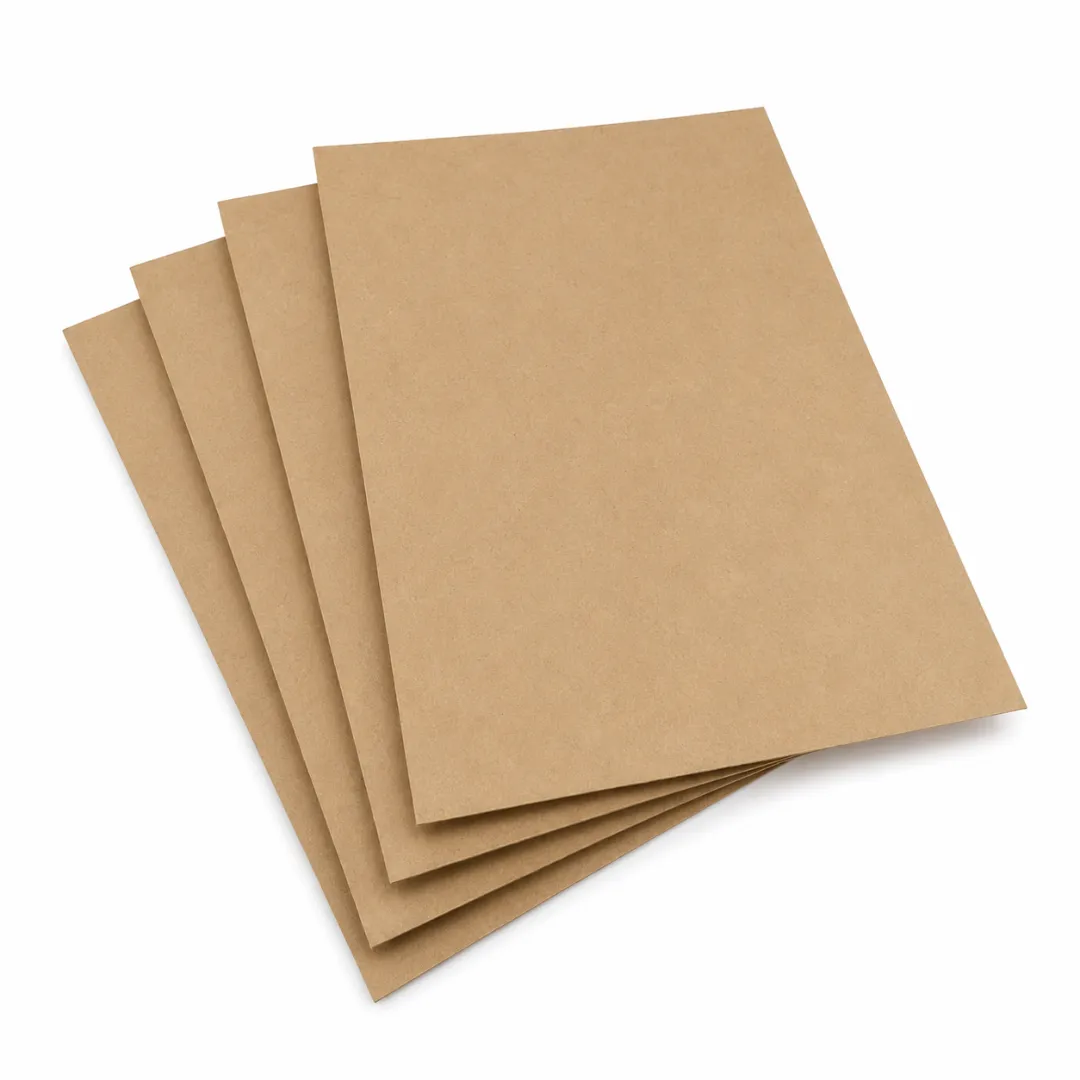
Kraft paper is a strong, durable and reliable material that is widely used across many different industries.
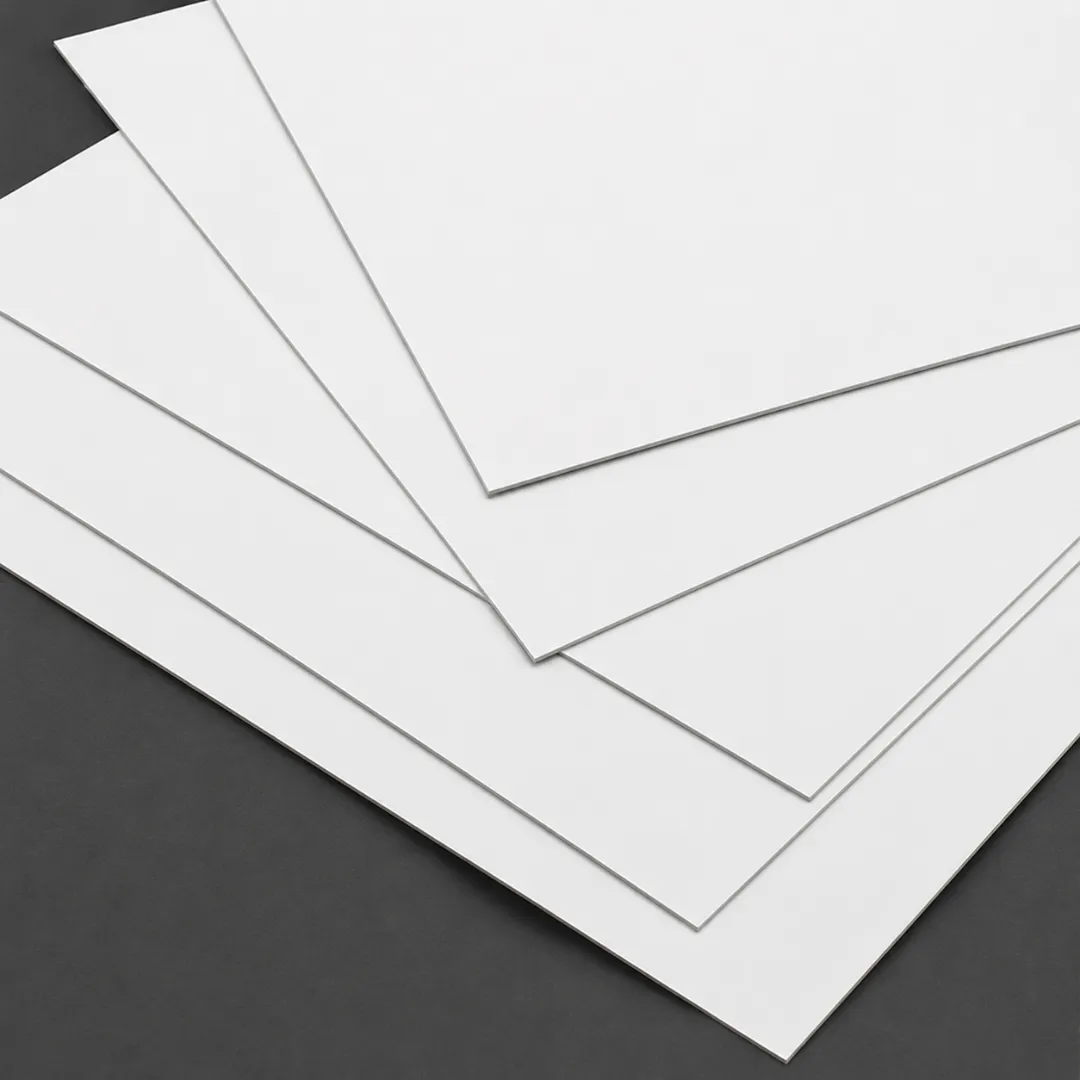
We use cardboard material with the least environmental impact and minimizes waste generation.
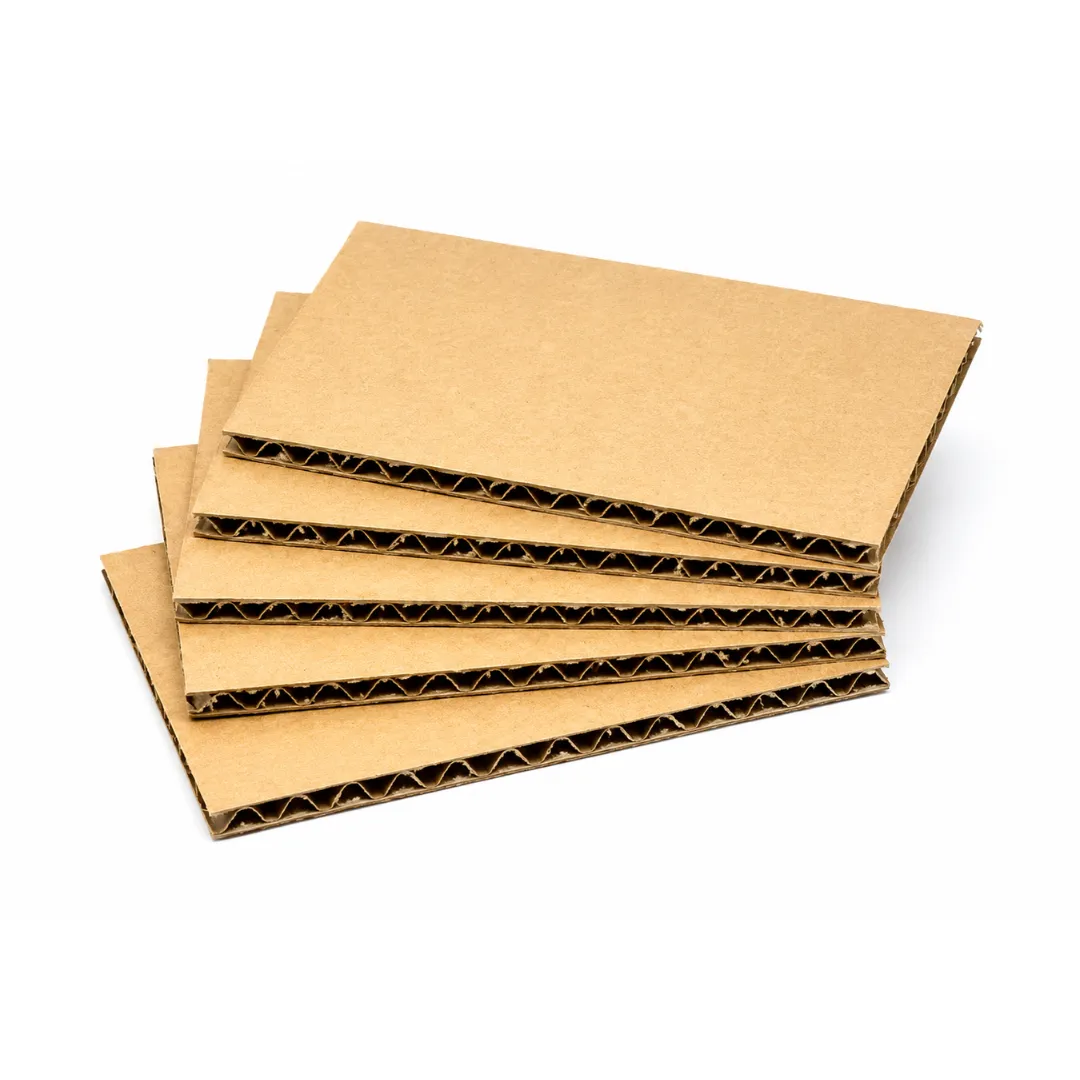
Corrugated material is easy to customize, cost effective and sustainable. It is also great for branding purposes.
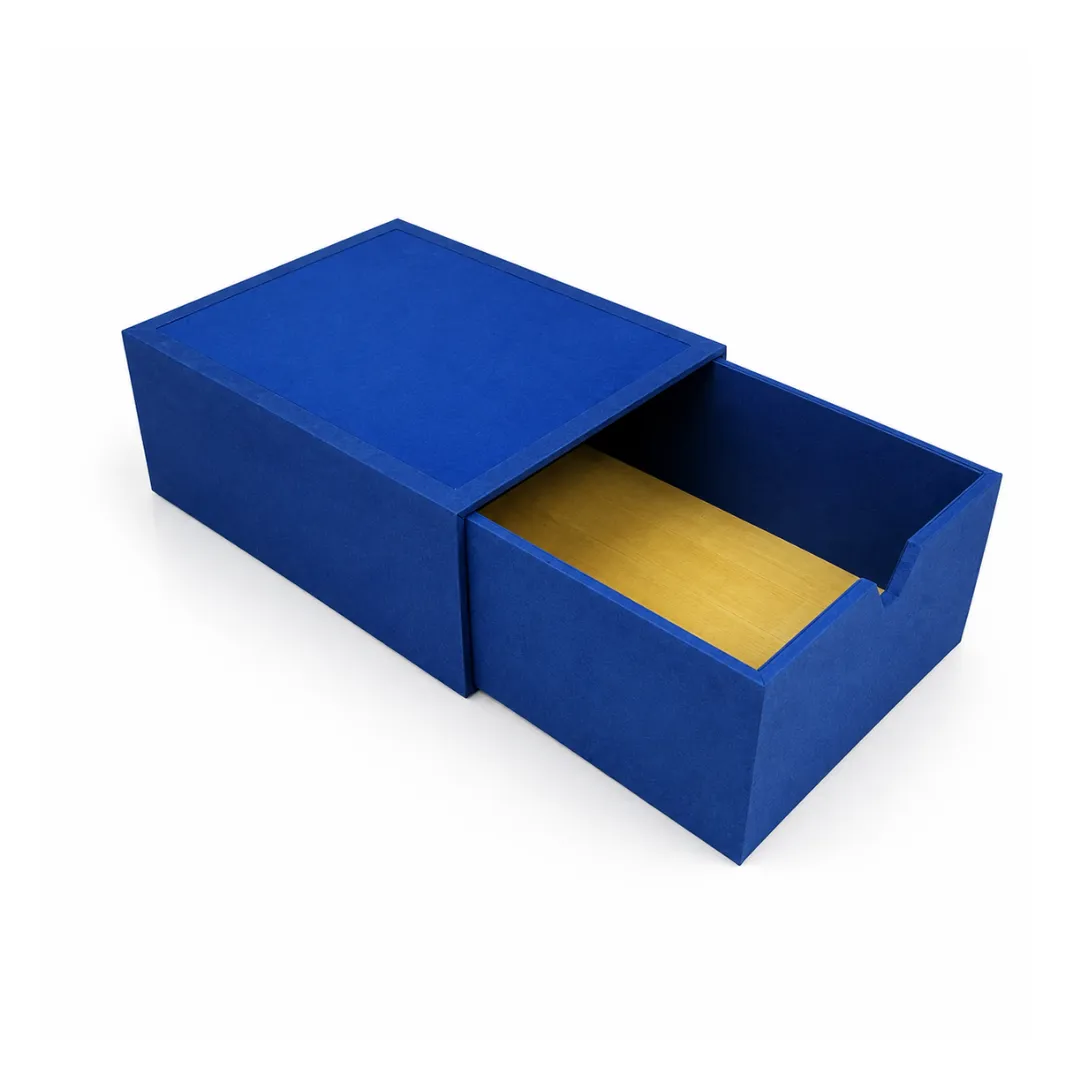
Rigid is highly protective, affordable and recyclable material. These boxes provide maximum protection.
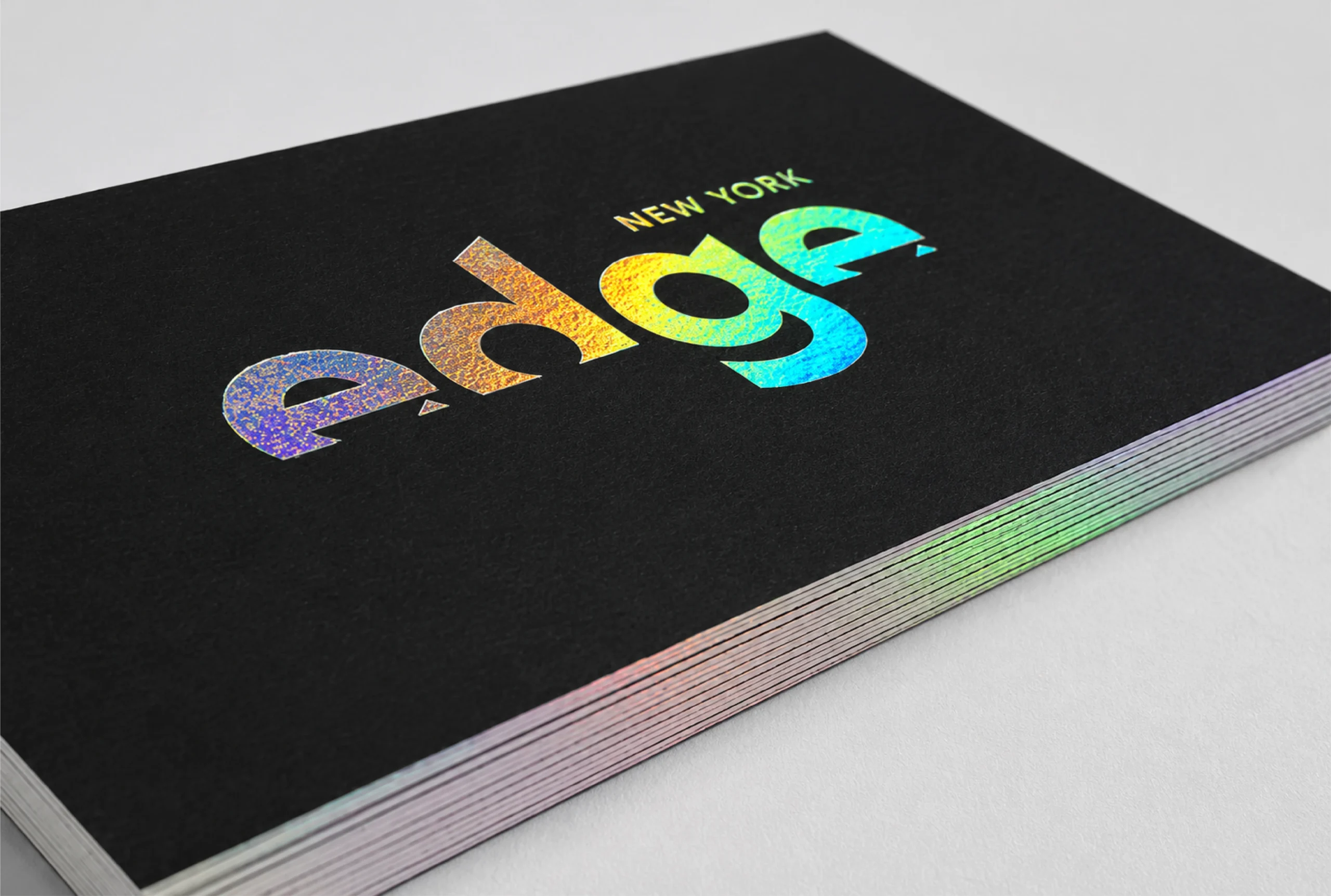
Holographic foil diffracts light and reveals the colors of the rainbow at various angles.
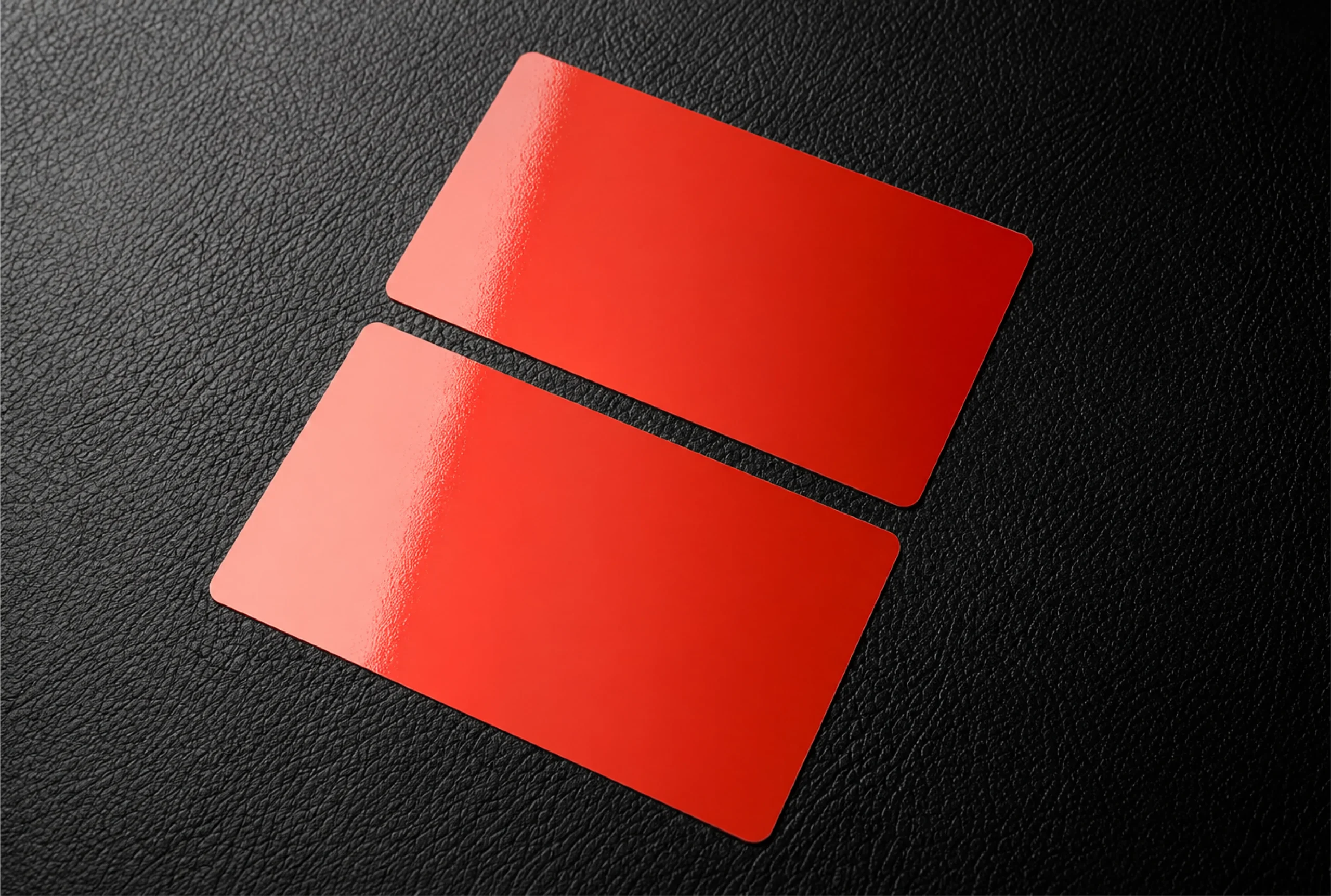
Our glossy finishing gives your packaging an extra layer of shine.
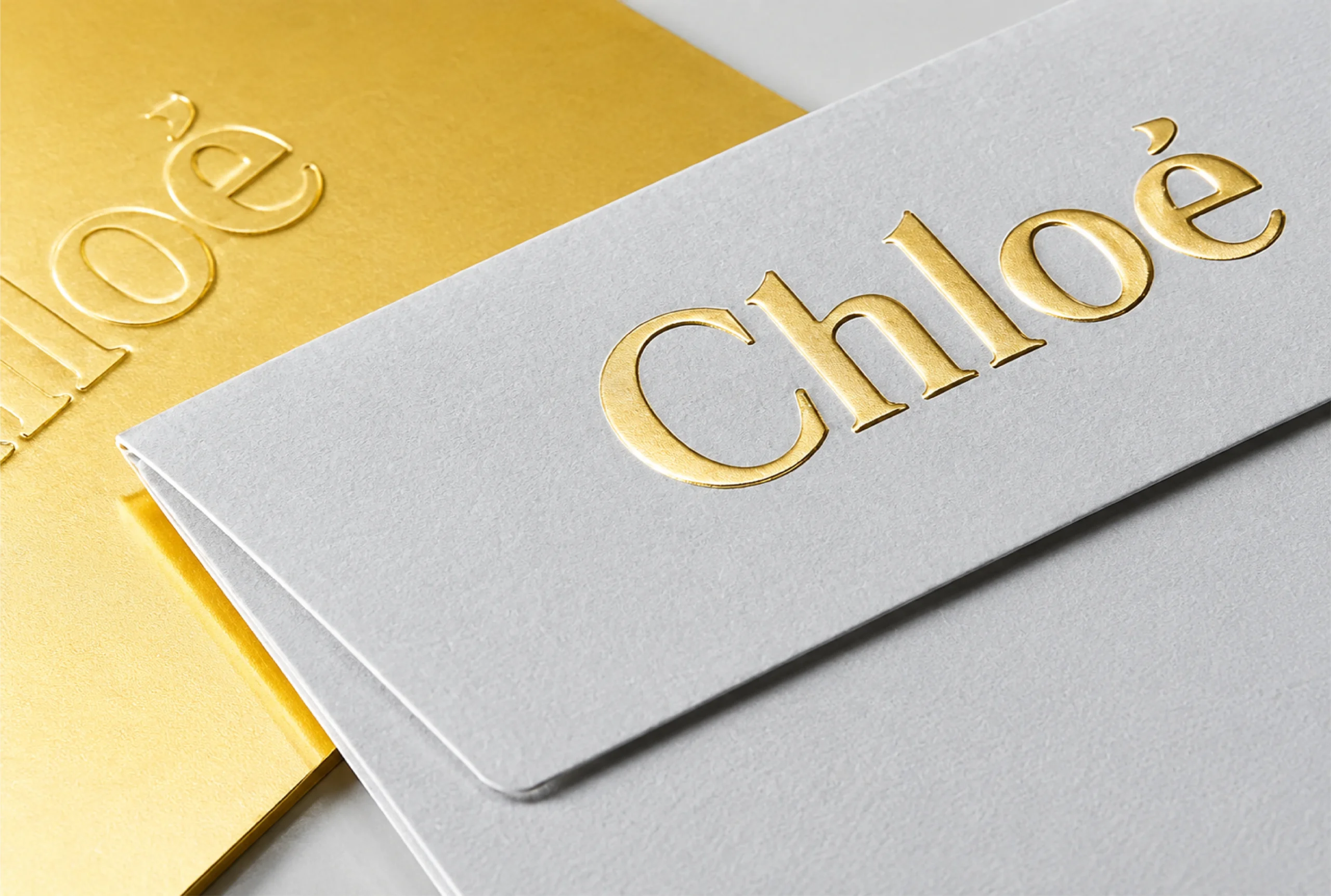
Decorate a wide range of your product packaging with our foil stamping.

With our embossing technique, we transfer the finest details of your product on packaging.
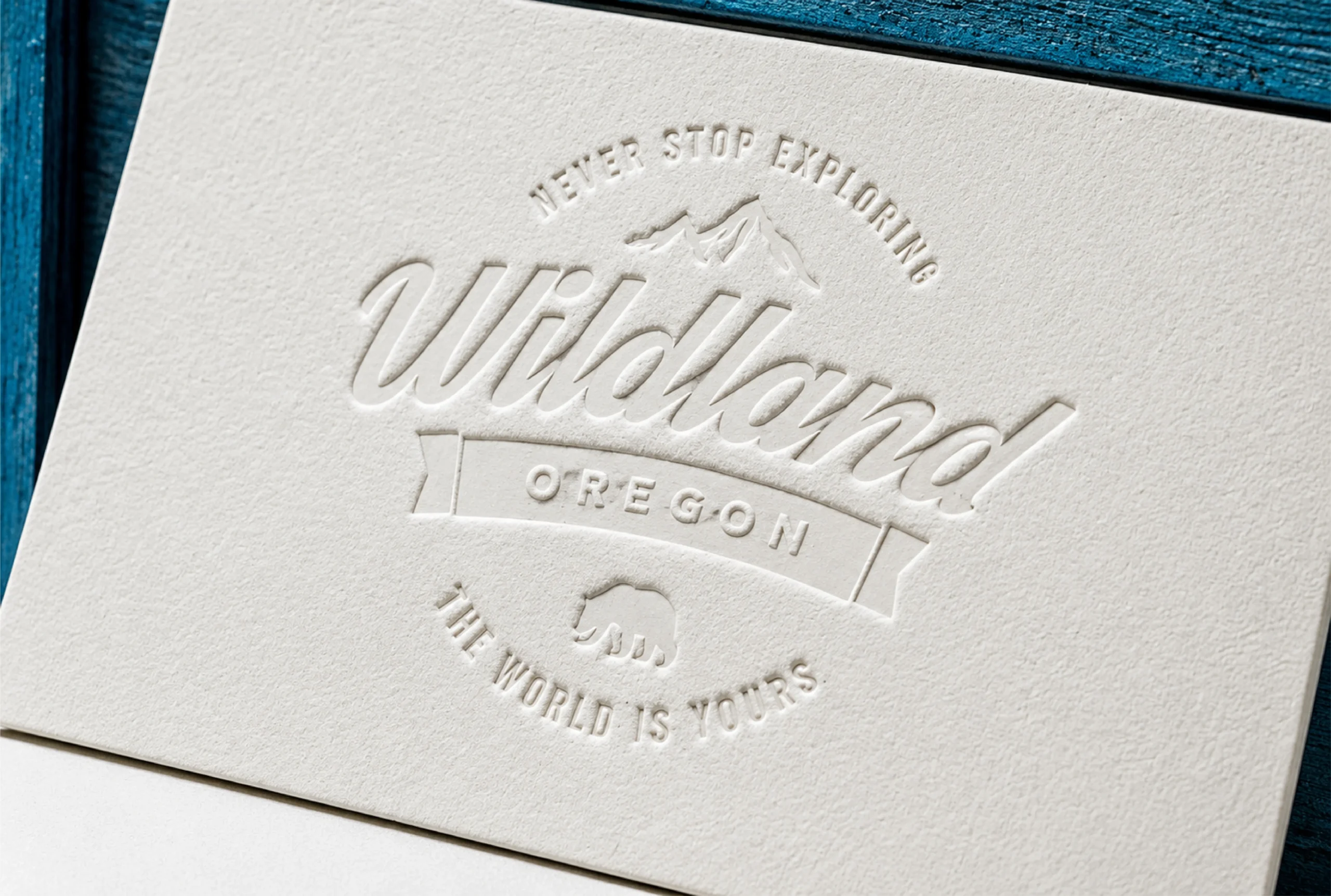
We use debossing technique to add unique graphics into your packaging.
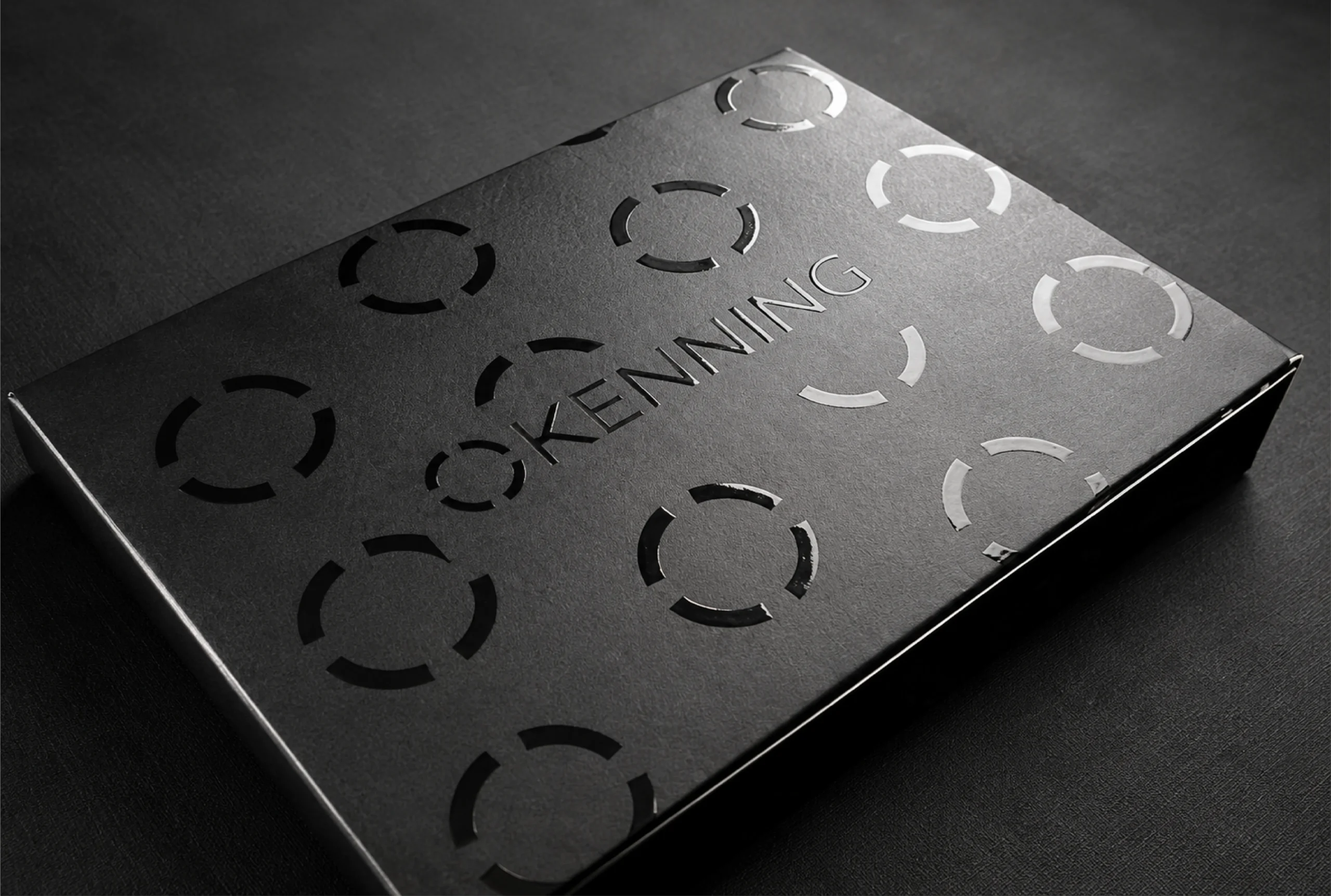
Our high-gloss UV coating gives light and shine to cure the printed material's varnish.
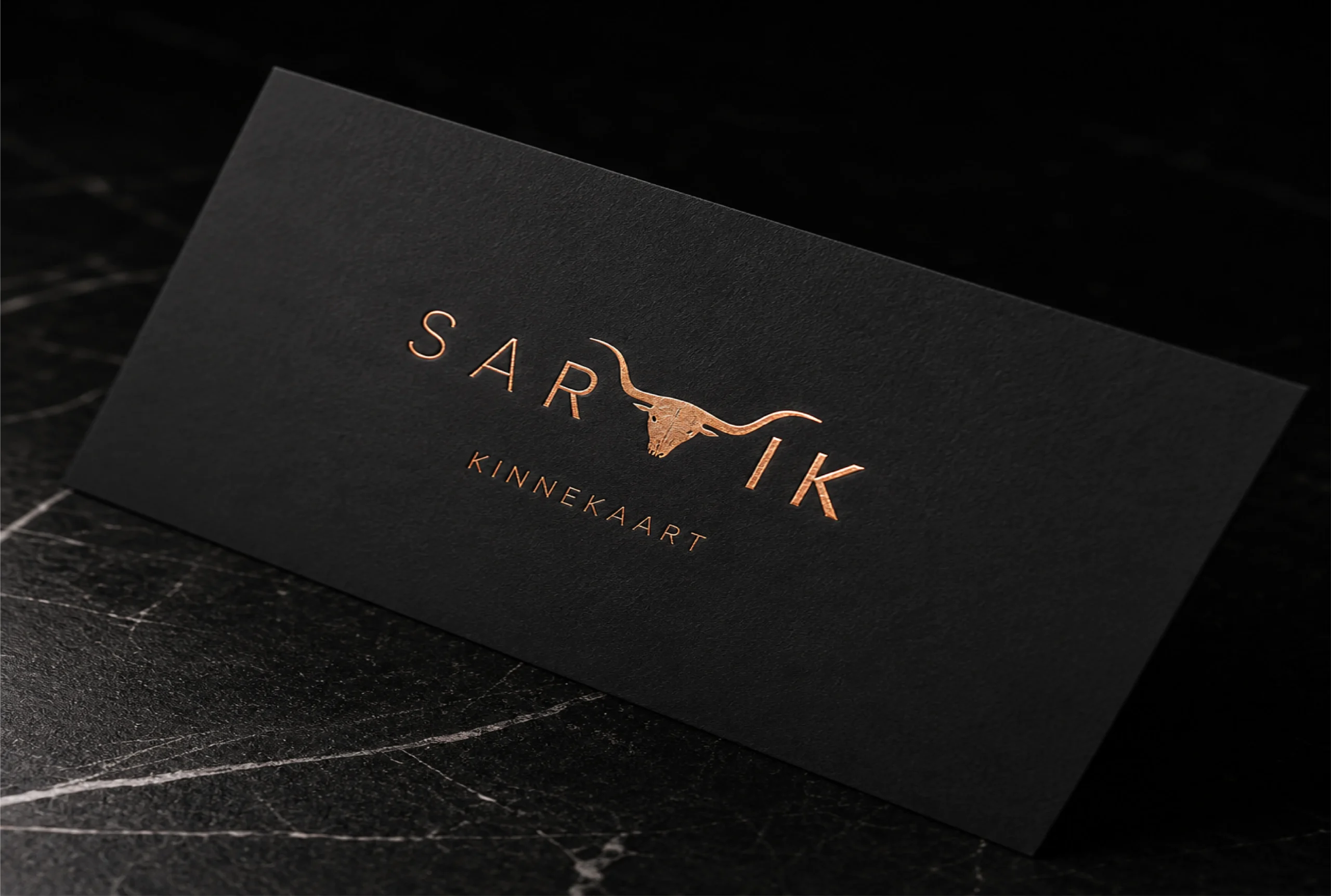
We add additional layer of protection with soft touch lamination from toner chipping.
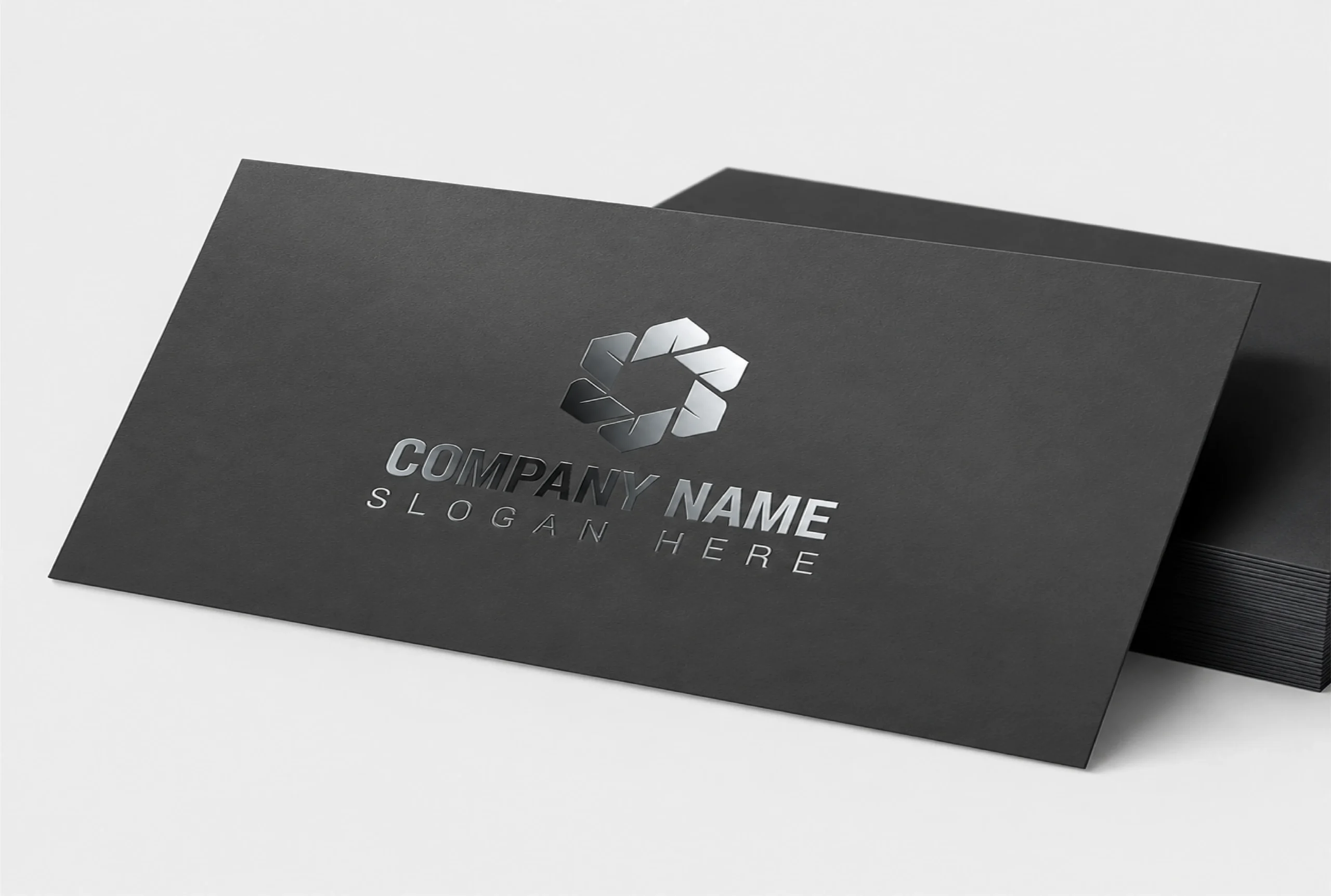
With our matte finish, fingerprints and smudges will now be less visible on the packaging.
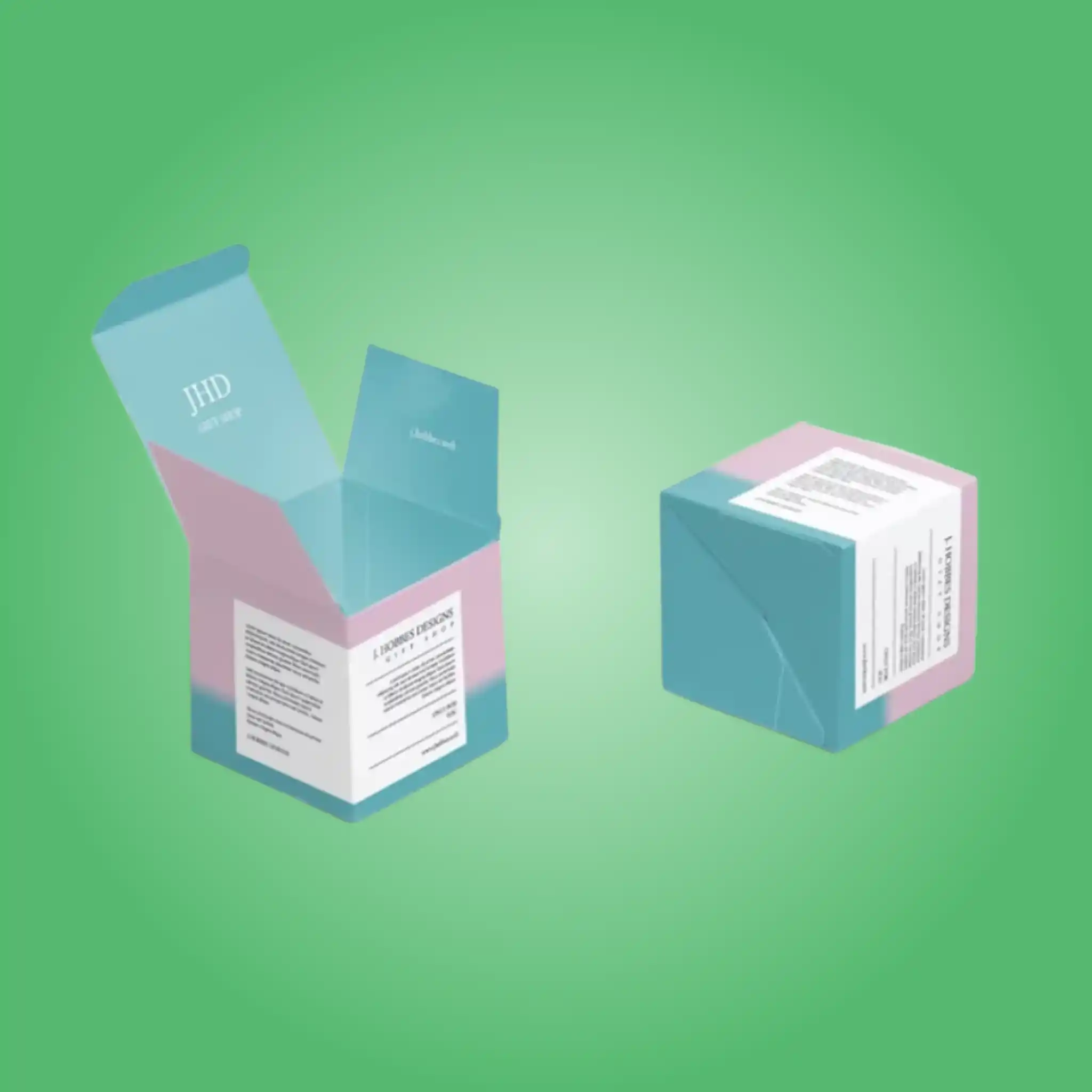
Custom tuck end boxes from Pioneer Custom Boxes help cosmetic, skincare, supplement, food, candle, soap, electronics and ecommerce brands package products without tape or glue. Choose straight tuck, reverse tuck, auto-lock or roll end styles in SBS, kraft, CRB or E-flute, with windows, inserts, foil, lamination, free design support, no MOQ and free USA shipping.
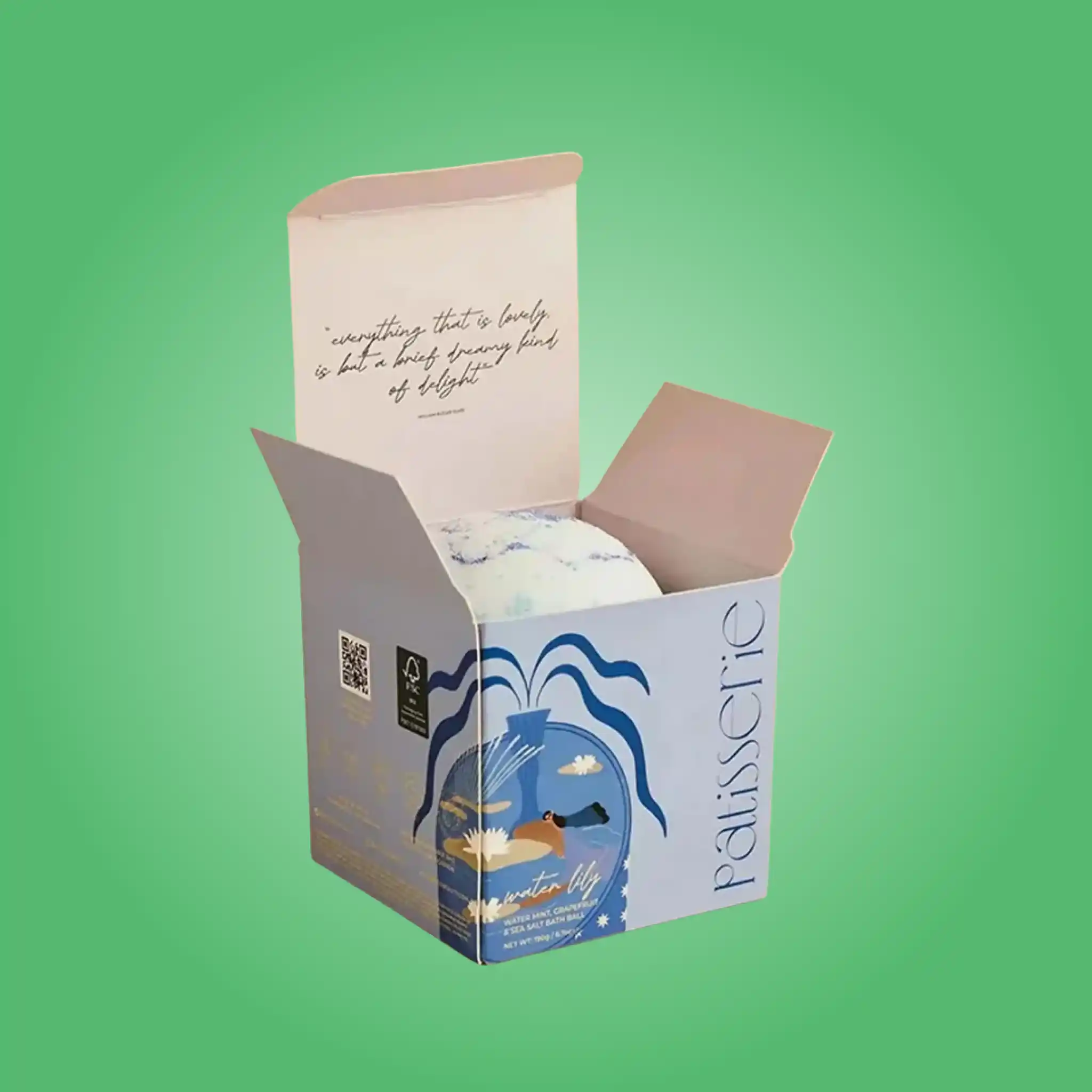
Custom tuck top boxes from Pioneer Custom Boxes help candle, home fragrance, food, bakery, hardware, gift and ecommerce brands package heavier products safely. Choose auto-lock or snap lock bases in SBS, kraft, CRB or E-flute board, with collar inserts, windows, foil, lamination, logo printing, free design support, no MOQ and free USA shipping.
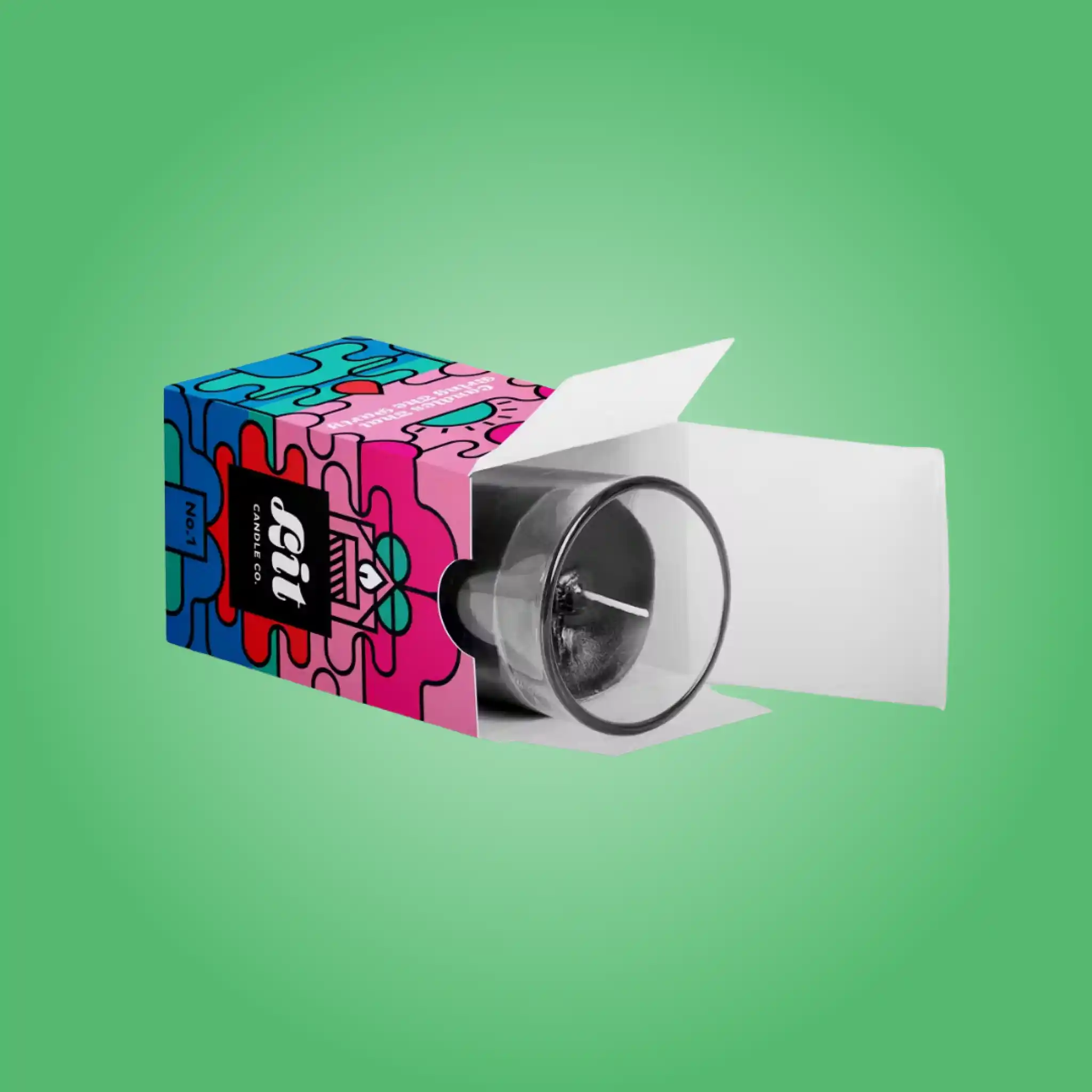
Reverse tuck candle boxes from Pioneer Custom Boxes help candle makers, home fragrance brands, gift companies and ecommerce sellers package filled glass vessels safely. Choose SBS, kraft, CRB or E-flute board from 18pt to 24pt, collar inserts, windows, foil stamping, soft touch lamination, logo printing, free design support, no MOQ and free USA shipping.

Roll end tuck front boxes from Pioneer Custom Boxes help subscription, beauty, apparel, gifting, food and ecommerce brands present products with a full lid opening and a printed interior. Choose E-flute, B-flute, kraft or SBS board, custom sizes, fitted trays, dividers, foil, coatings, free design support, no MOQ and free USA shipping.