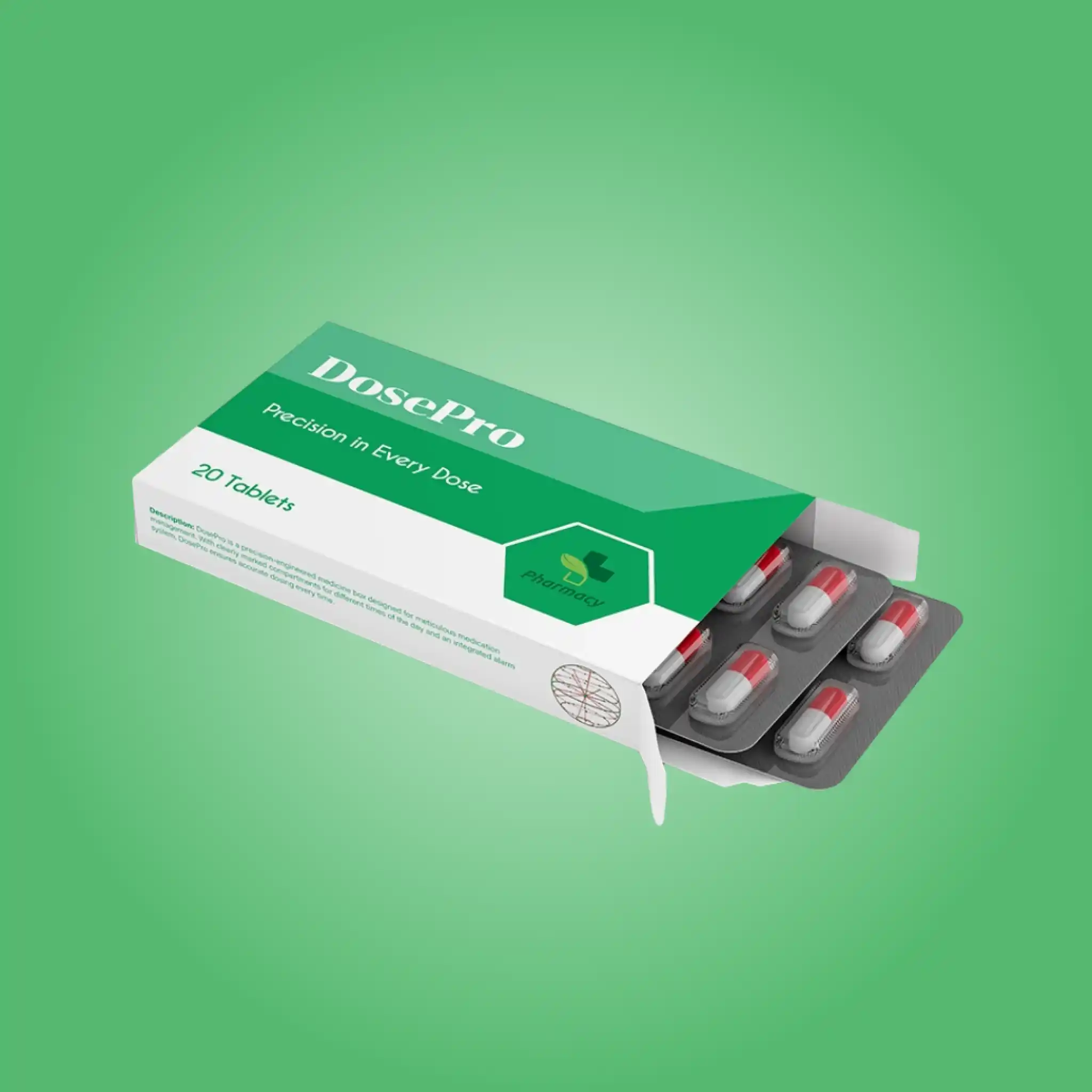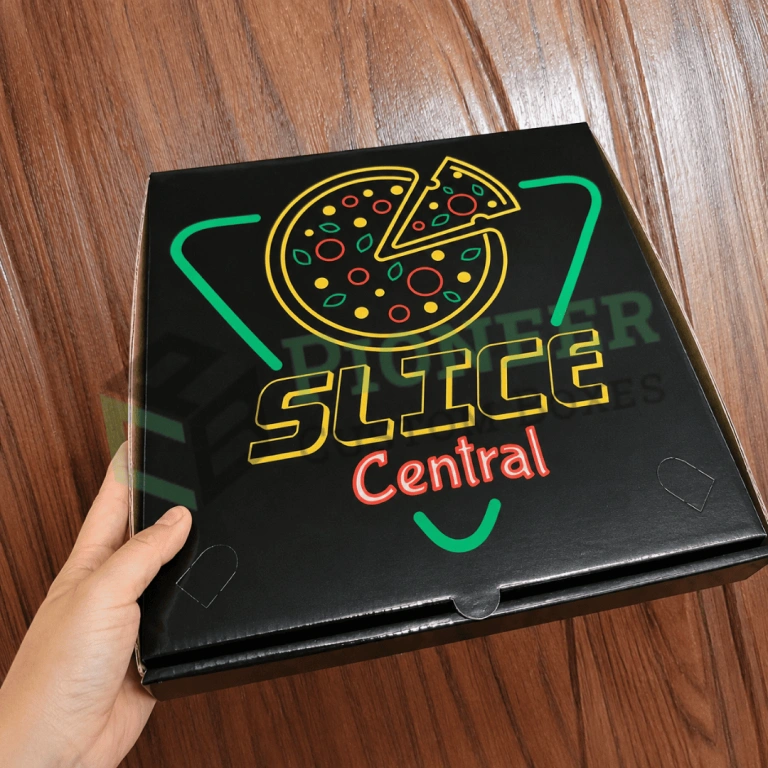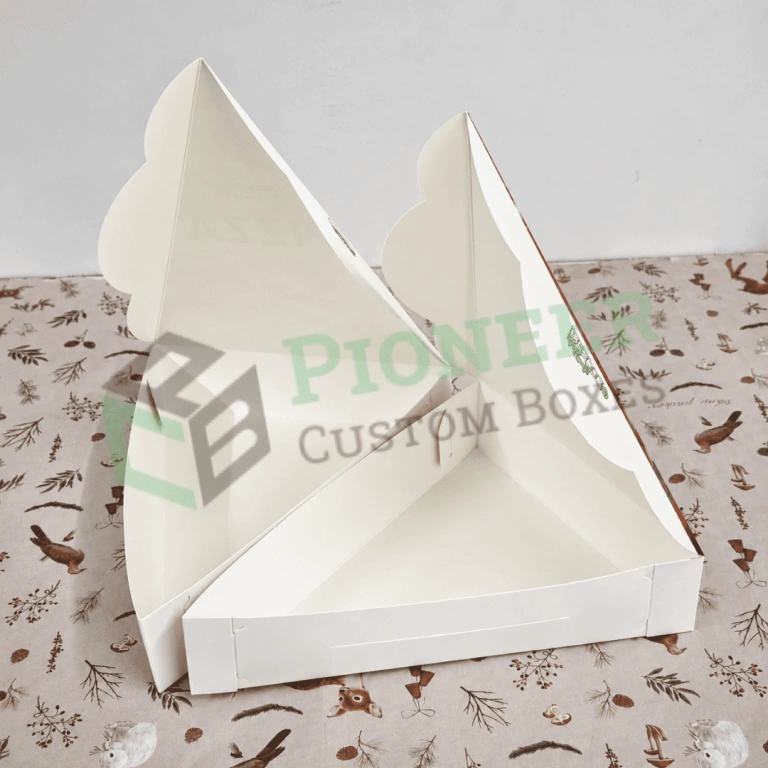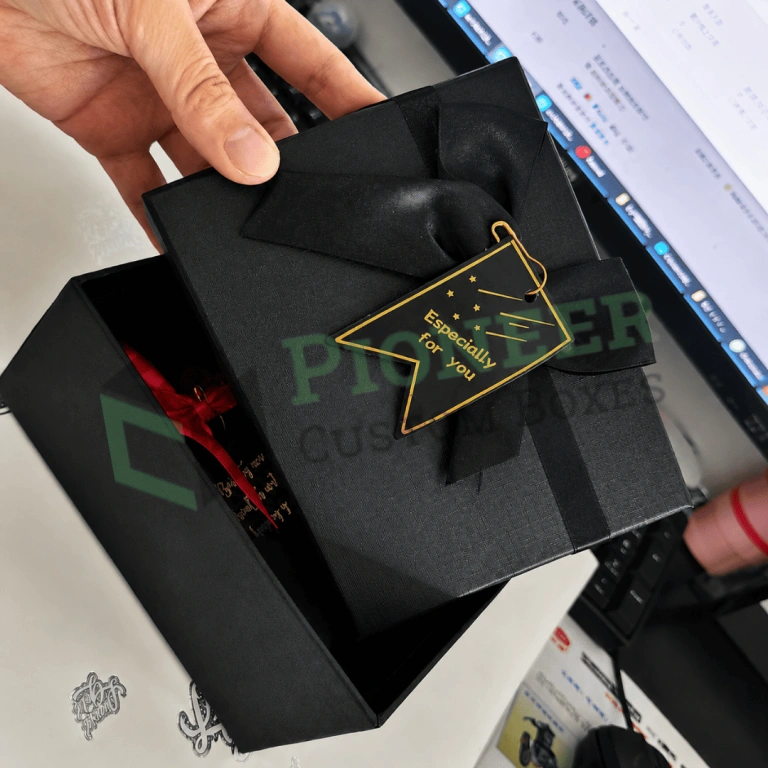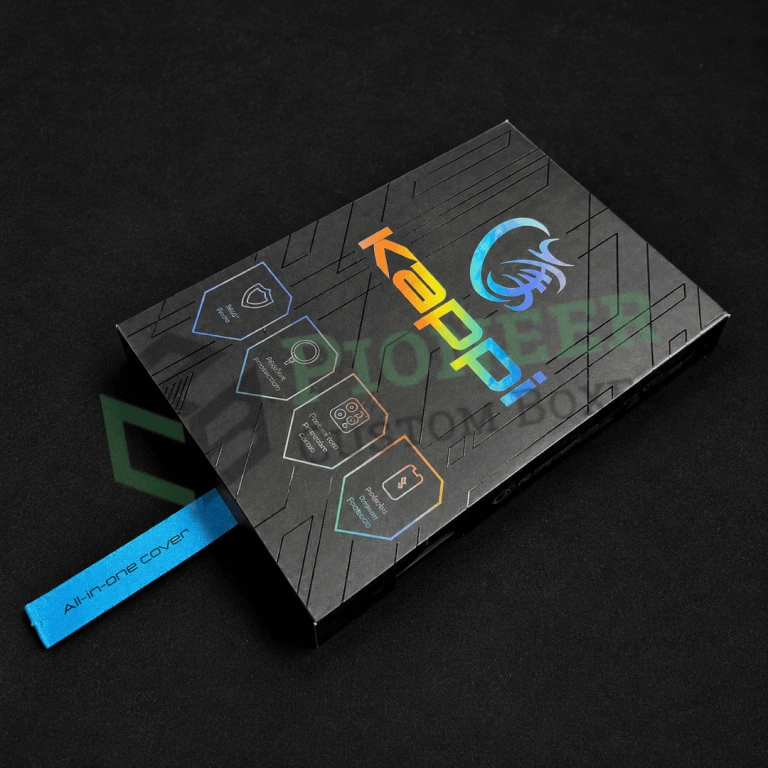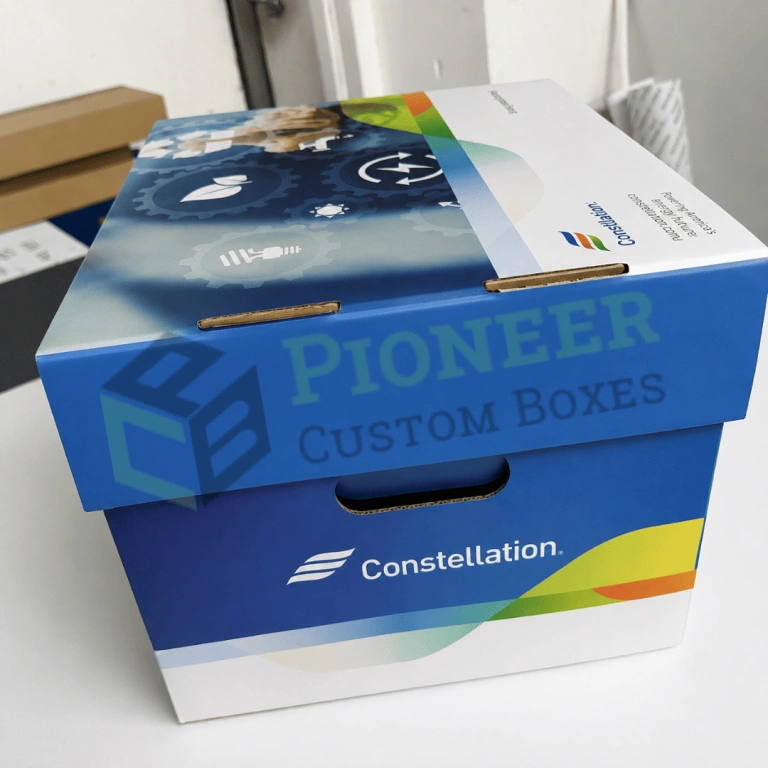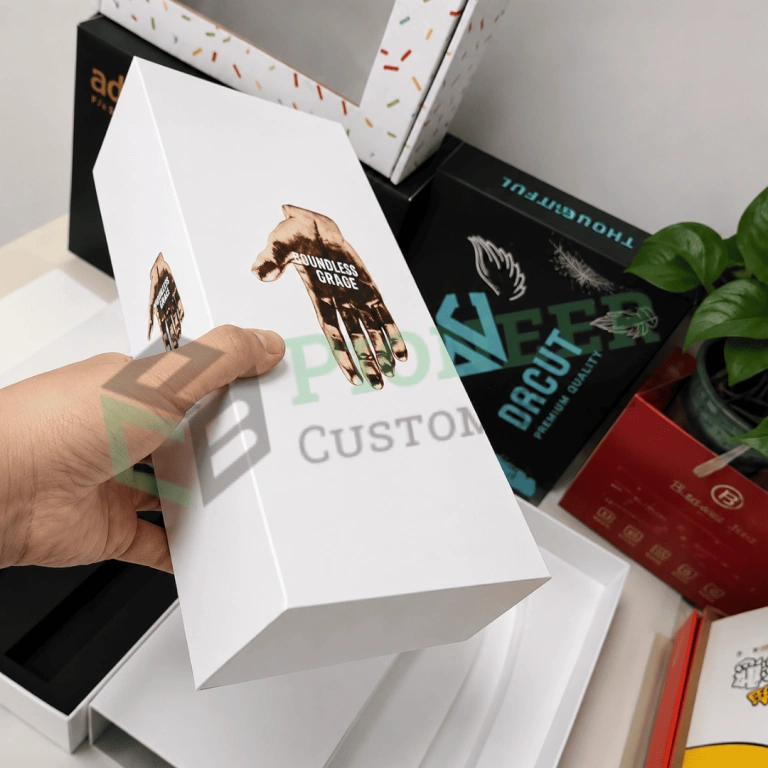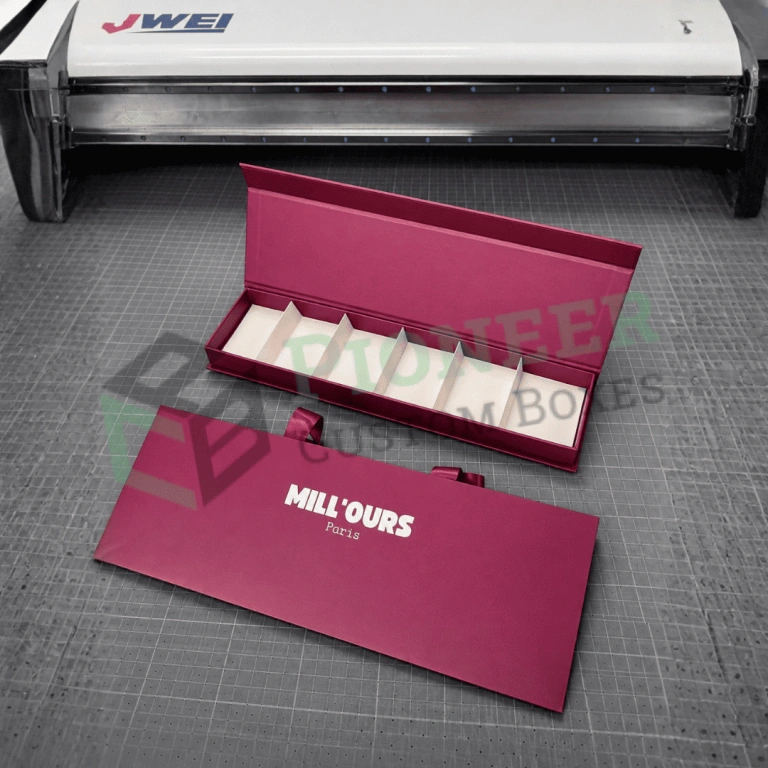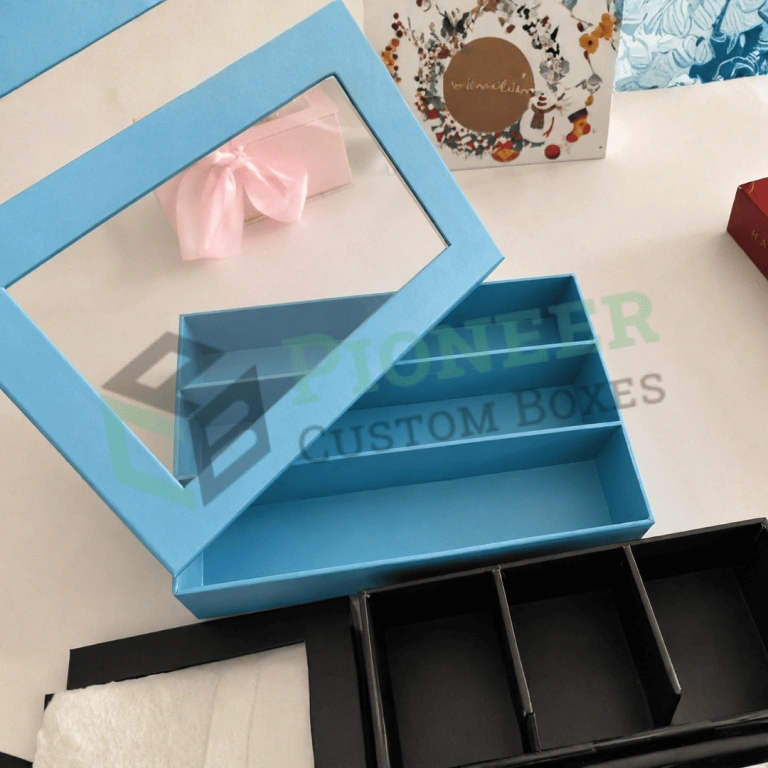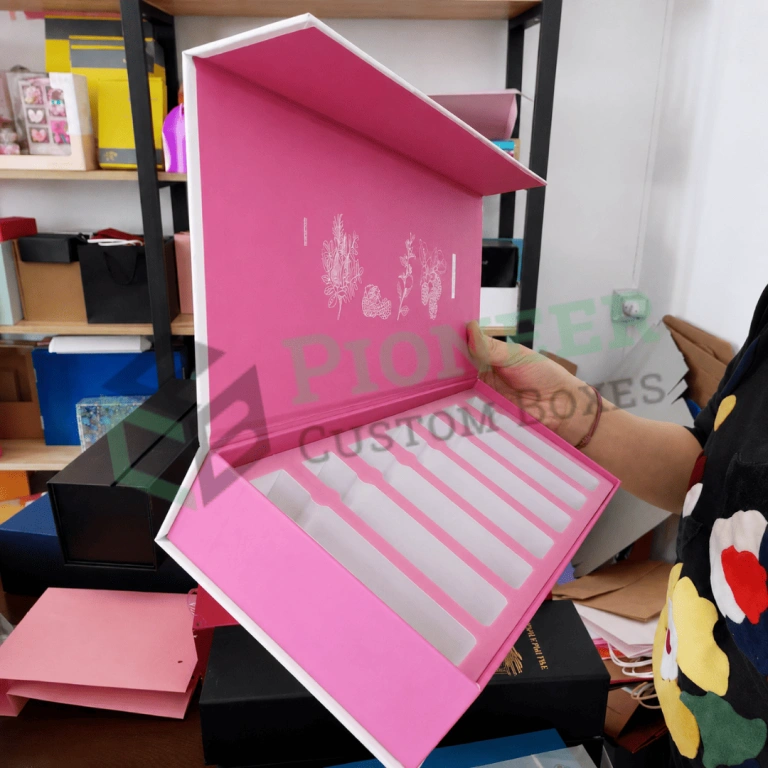
Custom medicine boxes combine structured box styles, high-quality printing, and durable materials for real-world distribution. We offer full customization from tuck-end cartons to auto-lock bottoms, with finishes and add-ons that improve performance. Pioneer Custom Boxes helps you package medicine products with authority and consistency in the US market.
Custom medicine boxes protect the product and carry the legal detail a pharmacist checks first. We manufacture those cartons ourselves in the United States. No broker sits between your artwork and our press. That keeps pricing honest and lets us answer production questions the same day you ask them.
Every order starts at zero minimum. A startup supplement brand can order fifty cartons. A contract packager can order two hundred thousand. Both run on the same presses, with the same tolerances, and both ship free anywhere in the fifty states.
Medicine packaging carries more rules than most retail cartons. Dose text must stay legible. Lot and expiry fields must print cleanly on a fast line. Child-resistant closures must still open for an arthritic hand. We build those constraints into the die line before anyone talks about color.
Below we walk through every specification separately. Styles, sizes, materials, finishing, printing, color systems and add-ons each get their own section. Read the part you need, or call a production specialist at +1 440 262 2345 and skip ahead.
Buyers reach us from three directions. Pharmacy and clinical teams need compliance first. Supplement and wellness brands need shelf presence. Contract packagers need line reliability. We build to whichever priority leads your project.
Because we own the plant, we can change a spec mid-conversation. Move a score line, swap a caliper, add a coder window. Those adjustments take minutes on our own floor rather than a week through a trading company.
Structure decides how your carton behaves on a filling line and in a patient’s hand. The wrong style slows packing or pops open in a shipper. We cut and test each style before you commit to a full run. Our free design service covers that step at no charge.
Both closing flaps fold from the back panel. The front face stays clean and uninterrupted. Pharmacies favor this style for shelf-facing retail medicine. It presents well, though it fills slightly slower than a seal end carton.
The top flap folds from the back and the bottom flap folds from the front. That alternation uses less board and costs less per unit. Hand-packing teams work quickly with it. Expect a visible score line on the face, which matters for premium brands.
Glue closes both ends after filling. The carton becomes tamper-evident once sealed. High-volume pharmaceutical lines run this style almost exclusively. It needs automated equipment, so small manual operations usually choose a tuck end instead.
The base locks itself as you square the carton. Heavier bottles and larger dose counts sit safely on that locked base. Setup takes one motion rather than four tuck folds. Packing crews gain real speed on medium runs.
A printed sleeve slides over a rigid or folding tray. Clinical sample kits and specialty therapies use this format often. It presents beautifully and holds inserts firmly. Material cost runs higher than a single-piece carton.
A folded leaflet attaches to or tucks inside the carton. Prescription products need that leaflet space for full prescribing information. The carton panel stays readable while the legal text travels with the dose.
Still weighing structures? Our tuck end carton styles page compares each folding option in more depth.
| Style | Closure | Best Use | Line Speed |
|---|---|---|---|
| Straight Tuck End | Both flaps from rear | Retail pharmacy shelf | Moderate |
| Reverse Tuck End | Alternating flaps | Budget-sensitive runs | Moderate |
| Seal End | Glued both ends | Automated high volume | Fast |
| Auto-Lock Bottom | Self-locking base | Bottles and heavy counts | Fast |
| Sleeve and Tray | Sleeve over tray | Sample and specialty kits | Slow |
| Booklet Outsert | Tuck with leaflet | Prescription drugs | Moderate |
Size follows the primary container, not the other way round. Measure the bottle, blister card or vial first. Then add clearance for any insert. We build the die line from those numbers and send a flat proof before cutting steel.
Blister packs drive most of our pharmacy work. A standard ten-tablet card needs roughly ninety millimeters of interior length. Two stacked cards need depth, not more length. Getting that distinction right saves board and shipping weight.
Bottle cartons behave differently. A sixty-milliliter syrup bottle needs a snug footprint and generous height. Too much slack lets the bottle rattle and scuff its own label in transit. We spec a two-millimeter clearance as standard.
Vial and syringe kits need the most planning. The carton must hold several components without letting any of them travel. We usually specify a fitted insert rather than a larger box, because empty space causes damage.
Think about the shipper too. A carton sized for a single unit often ships inside a larger master case. Matching your carton footprint to a standard case layout removes voids and cuts freight cost noticeably.
The table below lists the sizes we cut most often. Treat them as starting points. Custom dimensions cost the same, because we make the die either way.
| Contents | Interior Size (L x W x H) | Typical Board | Notes |
|---|---|---|---|
| 10-tablet blister card | 3.5″ x 2.5″ x 0.6″ | 16pt SBS | Single card, tuck end |
| Two stacked blisters | 3.5″ x 2.5″ x 1.1″ | 18pt SBS | Add leaflet space |
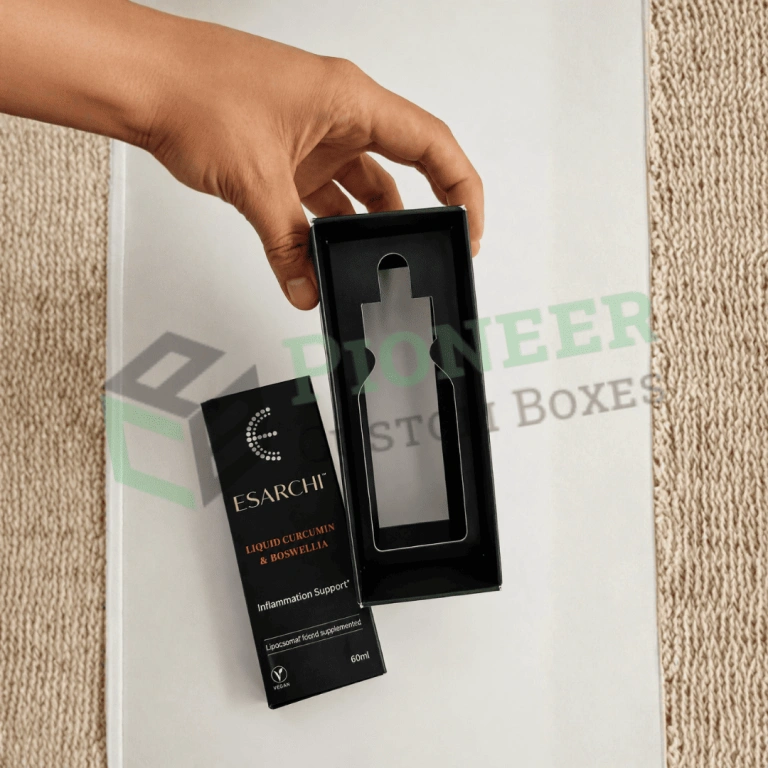
| 30ml dropper bottle | 1.6″ x 1.6″ x 3.9″ | 18pt SBS | Snug fit, no insert |
| 60ml syrup bottle | 2.2″ x 2.2″ x 4.7″ | 20pt SBS | Auto-lock base advised |
| 100-count tablet bottle | 2.8″ x 2.8″ x 5.1″ | 20pt SBS | Heavier closure needed |
| Vial and syringe kit | 6.0″ x 3.5″ x 1.6″ | 22pt or E-flute | Foam or pulp insert |
| Clinical sample kit | 8.0″ x 5.5″ x 2.0″ | E-flute corrugated | Sleeve and tray option |
Board choice affects print fidelity, stiffness and regulatory fit. Pharmaceutical work leans heavily on bleached stock, because dose text must read cleanly at small point sizes. Recycled board absorbs ink differently and can soften fine serif type.
Solid bleached sulfate remains the default for medicine cartons. Its clay-coated surface holds crisp six-point text. It also accepts food-grade and pharmaceutical-grade coatings without yellowing over a two-year shelf life.
Caliper selection matters as much as grade. A 16pt board suits a light blister card. A 100-count tablet bottle needs 20pt or heavier, otherwise the panels bow under load. We test the actual container before recommending a caliper.
Grain direction affects how cleanly a carton folds. Running grain parallel to the main score gives a crisp, square fold. Against the grain, the board cracks along the coating. Our prepress team sets grain automatically on every die line.
Kraft appeals to supplement and wellness brands that want a natural look. It prints beautifully in one or two colors. Fine reversed-out text struggles on kraft, so we usually keep dosage panels on a white flood instead.
Corrugated enters the picture for kits, cold-chain shippers and bulk clinic packs. E-flute gives you print quality close to folding carton with far more crush resistance. You can compare the folding grades on our paperboard stock options page.
| Material | Caliper | Strength | Print Fidelity | Typical Use |
|---|---|---|---|---|
| SBS bleached board | 14pt to 24pt | Medium | Excellent | Prescription and OTC cartons |
| Kraft folding board | 16pt to 24pt | Medium | Good, limited reverse type | Supplement and wellness |
| Recycled CCNB | 18pt to 24pt | Medium | Fair | Secondary and outer packs |
| E-flute corrugated | 1.5mm | High | Good | Kits, clinic bulk, shippers |
| Rigid chipboard | 2mm to 3mm | Very high | Excellent with wrap | Specialty and sample trays |
Certain products legally require child-resistant packaging in the United States. The Poison Prevention Packaging Act sets that standard, and the Consumer Product Safety Commission enforces it. You can read the current scope in the Poison Prevention Packaging Act text.
A compliant carton must resist opening by children under five. It must also stay accessible to adults aged fifty to seventy. Those two requirements pull against each other, which is why design matters so much here.
We build child resistance into the carton itself using push-and-slide trays. A user presses two side tabs and slides the inner tray outward. Small hands rarely coordinate both motions. Older hands manage it with a flat palm.
Locking tuck flaps offer a lighter alternative. A hidden tab catches inside the panel and resists a straight pull. This design deters casual access but does not meet the formal protocol on its own.
Certification testing happens through an accredited lab, not through us. We supply compliant structures and samples for that testing. Tell us early if your product needs certification, because the die line changes substantially.
Senior-friendly performance deserves equal attention. Oversized grip tabs, clear directional arrows and high-contrast instructions all help. We print the opening sequence directly on the tray whenever space allows.
Remember that the carton is only one layer. Many products achieve compliance through the closure on the bottle instead. If your bottle already carries a certified cap, the outer carton may not need the same feature.
We ship to every state at no cost, and regional demand varies more than people assume. Knowing those patterns helps us advise on stock and timing.
New Jersey and Pennsylvania generate heavy pharmaceutical carton volume, driven by established drug manufacturing corridors. Orders from those states lean toward serialized, offset-printed runs with strict Pantone control.
California, Colorado and Florida send us a different mix. Supplement, nutraceutical and wellness brands dominate there. Those projects favor kraft stock, soft touch coating and short digital launch runs.
Texas, Illinois and Ohio bring steady contract packaging work. Line speed and caliper consistency matter most for those buyers, because their cartons feed automated filling equipment every day.
Independent pharmacies order from everywhere, including smaller markets like Boise, Omaha and Charleston. Zero minimum order is what makes that possible. A compounding pharmacy can order one hundred cartons without penalty.
Wherever you sit, lead times stay the same. We quote from our own plant rather than a broker network. A Nevada clinic sees the same schedule as a New Jersey manufacturer.
Finishing changes how a carton feels and how long it survives handling. Each option serves a different purpose, so we treat them individually rather than bundling them.
A thin film bonds to the printed surface. Colors deepen and the carton resists moisture from damp hands. Pharmacy counters see a lot of hand contact, so gloss earns its cost there.
The same film arrives with a flat finish. Text contrast improves under fluorescent retail lighting. Matte also hides minor scuffs better than gloss across a long shelf life.
This coating gives a velvet surface that signals premium positioning. Specialty therapies and high-end supplements use it frequently. It marks more easily than laminate, so pair it with careful shipper design.
A water-based layer seals the ink without plastic film. Recycling streams accept it readily. Protection sits below lamination, which suits shorter shelf lives and inner cartons.
Gloss varnish lands on selected areas only. Brands use it on logos and strength indicators. Keep it away from dose text, because the shine can reduce legibility at an angle.
Metallic foil and raised debossing add tactile hierarchy. Use them sparingly on medicine cartons. Regulatory panels must stay flat and readable, so decorate the brand face instead.
Our broader pharmaceutical packaging range shows these finishes applied across different dose formats.
We run two printing processes in house. Each suits a different order profile, and we recommend based on quantity rather than margin.
Offset transfers ink from plates to a blanket, then onto board. Color stays consistent across tens of thousands of cartons. Fine text holds its edges at six points, which matters for dosage panels and warnings.
Plate setup carries a fixed cost. That cost spreads thinner as volume rises. Beyond roughly two thousand units, offset almost always wins on price. It also unlocks true Pantone matching for strict brand palettes.
Digital prints straight from the file with no plates. Short runs become affordable, and proofs arrive faster. Launch batches, clinical trial packaging and regional variants all suit digital well.
Variable data printing is the real advantage here. Each carton can carry a unique lot code, serial number or language variant. Serialization programs rely on that capability constantly.
Digital does have limits. Very large solid areas can show slight banding. Metallic and fluorescent inks stay outside its range. For those effects we move the job to offset and explain the cost difference first.
Ask three questions. How many cartons? How exact must the brand color be? Does each unit need unique data? Volume and Pantone accuracy point to offset. Unique data and speed point to digital.
We often split a project. A digital launch batch proves the market, then an offset run follows at volume. Artwork stays identical, and we manage the color match between the two processes ourselves.
Color behaves differently in each system. Mixing them up causes most of the mismatch complaints we see from new brands. Here is how each one works on our presses.
Four process inks build nearly every shade through overlapping dots. Photographic imagery and gradients need CMYK. Expect slight drift between separate print runs, because ink density varies with press conditions.
Pantone inks arrive premixed to an exact formula. A brand blue stays identical across runs, presses and years. Pharmaceutical brands often lock their strength-coding colors to PMS for that reason.
Each spot color occupies its own press unit. Two spot colors cost less than full process on simple designs. Combining four-color process with two spots raises cost but delivers both imagery and exact brand color.
RGB belongs to screens, not presses. Monitors emit light, while board reflects it. Bright RGB greens and blues cannot reproduce in ink. We convert your RGB files and flag any shift before printing.
Send us artwork in CMYK or with PMS references wherever possible. Our prepress team handles conversion free of charge and returns a proof for approval.
Add-ons solve movement, visibility and tamper problems. Choose them against a real failure risk, not out of habit. Each one changes tooling or line speed somewhat.
Inserts stop vials and bottles from shifting. Pulp inserts suit sustainability-minded brands and recycle easily. Foam protects fragile glass better during long freight routes. Folded paperboard inserts cost least and work well for blister stacks. Our custom inserts page covers the fitting process in detail.
Windows let a pharmacist confirm contents without opening the carton. Clear PET film seals behind a die-cut aperture. Keep windows away from light-sensitive compounds, because UV exposure degrades some actives.
Tamper-evident features range from glued flaps to perforated tear strips. Perforation gives a visible, irreversible break. Patients notice it immediately, which is exactly the point.
Braille embossing adds accessibility and, in some export markets, legal compliance. It presses into the board without ink. Keep it clear of fold lines, because a crease flattens the dots.
Hanging tabs suit retail wellness products sold on pegs. The tab must be die-cut from the same panel and reinforced. A torn tab on a pharmacy peg costs you the sale entirely.
| Add-On | Function | Cost Impact | Notes |
|---|---|---|---|
| Paperboard insert | Holds blister stacks | Low | Fully recyclable |
| Pulp insert | Cushions bottles | Medium | Molded to shape |
| Foam insert | Protects glass vials | Medium to high | Best for freight |
| PET window | Content visibility | Low | Avoid for light-sensitive drugs |
| Tear strip | Tamper evidence | Low | Clear visual break |
| Braille embossing | Accessibility | Medium | Required in some export markets |
| Leaflet outsert | Prescribing information | Medium | Attaches or tucks inside |
A beautiful carton fails if the text does not comply. We do not provide regulatory advice, but we do build artwork that respects the rules your team supplies.
Drug labeling in the United States follows detailed content and format requirements. The FDA prescription drug labeling resources set out what each panel must carry. Share those requirements with us early.
Leave dedicated clear space for lot number and expiry date. Inline printers and laser coders need a matte, uncoated zone. Varnish or laminate in that area causes smearing and rejected batches.
Barcodes need quiet margins and sufficient contrast. We verify barcode grades before release rather than after. A failed scan at a distributor costs far more than the check.
Serialization adds a unique identifier to every saleable unit. Plan panel space for that code from the first draft. Retrofitting it later usually forces a full artwork revision.
Minimum type size deserves early attention. Warning text set below six points becomes hard to read under pharmacy lighting. We flag anything that small and suggest a panel rearrangement instead.
Braille is mandatory on medicine cartons in several export markets. Even if you only sell domestically now, leaving space for it costs nothing today. Adding it later means new tooling.
Language variants multiply panel demands quickly. Spanish-language text is increasingly standard across US retail pharmacy. Plan the layout for two languages from the start rather than squeezing one in later.
Four variables move price more than anything else. Understanding them lets you trim cost without weakening the carton.
Quantity matters most. Setup costs spread across the run, so unit price drops sharply as volume climbs. The steepest savings appear between five hundred and five thousand units.
Board caliper comes second. Moving from 24pt to 18pt cuts material cost and shipping weight together. Do that only where the primary container does not need the extra stiffness.
Color count follows. A two-color design on white board costs far less than four-color process with spot varnish. Many pharmacy cartons look sharper in two colors anyway.
Finishing and add-ons finish the list. Soft touch coating, foil and molded inserts each add a pass or a part. Our health care packaging team will price two or three configurations so you can compare honestly.
Freight is already handled. Shipping costs you nothing anywhere in the United States, with no order threshold. That removes the variable that usually surprises buyers at checkout.
Tooling is a one-time cost, and we absorb it on repeat runs. Your second order of the same carton skips die charges entirely. Brands that reorder quarterly feel that saving quickly.
One warning on false economy. Dropping caliper too far to save money produces crushed cartons at the distributor. Replacing a damaged batch costs far more than the board you saved.
We inspect at four points rather than once at the end. Catching a drift early costs minutes. Catching it after binding costs a whole run.
Prepress checks begin before any plate exists. We confirm bleed, trim, fold allowance and minimum text size. Dose text below five points gets flagged and raised with you.
Press-side checks run during the print itself. Operators pull sheets at intervals and read density against the approved proof. Spot colors get measured, not eyeballed.
Die-cut and fold checks follow. We assemble cartons from the running stock and test the closure by hand. A tuck that needs force today will fail on a packing line next month.
Final inspection samples the finished batch before packing. We check glue adhesion, barcode grade and coating integrity. Nothing ships without that sign-off.
Glue testing matters more than most buyers realize. A seal end carton that opens in transit ruins the batch. We pull sealed samples and force them apart to confirm fiber tear rather than clean separation.
We also keep a retained sample from every production run. If a question arises six months later, we can compare against the exact carton we shipped. That record costs us little and settles disputes quickly.
Our customer mix runs wider than most people expect. Each group needs something slightly different from the same press.
Independent pharmacies order small compounding runs. They value zero minimums above everything else, because their formulations change often.
Supplement and nutraceutical brands form our largest group. They need shelf appeal alongside compliant panels. Many of them also buy vitamin and supplement cartons from us in parallel.
Contract manufacturers and packagers order in volume and care about line performance. For them, consistent caliper and reliable glue tabs matter more than finish.
Clinics, veterinary practices and telehealth brands sit in the middle. They want professional presentation without a six-figure commitment. Zero minimum order makes that possible.
Veterinary medicine deserves a mention of its own. Dose formats vary enormously between species, and carton sizes follow. We cut short runs of many sizes rather than forcing one compromise box.
Telehealth and subscription brands think in cohorts. They often need several language or dosage variants in small quantities. Digital printing with variable data handles that economically.
Hospital and compounding pharmacies care about traceability above appearance. Clear lot panels, reliable barcodes and consistent caliper matter far more than foil. We design accordingly.
Pharmaceutical packaging faces a real tension. Barrier protection and recyclability often pull in opposite directions, and pretending otherwise helps nobody.
Folding cartons recycle well on their own. Paperboard enters standard municipal streams across most of the United States. That is the easy part.
Laminated film complicates it. A plastic laminate bonded to board can disqualify the carton from some recycling facilities. Aqueous coating avoids that problem while giving less protection.
Foil stamping and PET windows create the same conflict. Both add small amounts of non-paper material. Keeping them small and localized helps, though it does not fully resolve the issue.
Recycled content is easier to improve than coating. CCNB board carries high post-consumer fiber and still folds well. It prints less sharply, so we reserve it for outer and secondary cartons.
Right-sizing may be the biggest lever of all. A carton cut to the actual container uses less board and less freight. We routinely shave ten percent off material simply by remeasuring the bottle.
We will tell you honestly which combination recycles cleanly. Sometimes the greener option protects the product less well. That trade-off belongs to you, and you deserve accurate information to make it.
Digital runs typically ship in six to eight business days after proof approval. Offset runs take ten to twelve business days. Add two to three days for soft touch coating, foil or molded inserts.
Rush production is available on most folding carton styles. Tell us your dated requirement and we will confirm feasibility before you pay anything.
Shipping is free across the United States on every order, with no threshold. We quote one number and that number is what you pay.
There is no minimum order quantity. Order fifty cartons to test a formulation or two hundred thousand for a national launch. Pricing scales, but access does not change.
Our design team prepares your die line and proof free of charge. If you only have a sketch and a bottle, that is enough to start. Compare structures on our window carton options page while you decide.
Ready to move? Get a free quote today. Or call +1 440 262 2345 and speak with a production specialist about your dose format.
No. We print from one carton upward with zero minimum order. Small compounding pharmacies and national brands use the same presses and the same quality checks.
No, child resistance is an engineered feature you request. We build push-and-slide trays and locking tuck structures for it. Formal certification happens at an accredited third-party lab.
Digital orders ship within six to eight business days after you approve the proof. Offset orders take ten to twelve business days. Special finishing adds two to three days.
Yes. We can print variable data digitally, or leave a coated-free panel for your inline coder. Tell us which method your filling line uses.
Send vector artwork as AI, EPS or print-ready PDF at 300 DPI. Include fonts as outlines and specify CMYK or Pantone values. Our prepress team checks everything free before printing.
We manufacture in the United States and sell direct. That means no broker markup, no overseas lead time surprises and no guessing about who actually makes your cartons.
Zero minimum order lets you test before you commit. Free nationwide shipping keeps the quoted price honest. Free design and prepress mean you never pay to find out whether an idea works.
Our team understands pharmaceutical constraints specifically. We protect coder panels, verify barcode grades and flag text that sits too small to read. Those checks happen as standard, not on request.
Order now, or get a free quote and a physical sample before you decide. Call +1 440 262 2345 and speak with a real production specialist.
| Box Style | Custom Medicine Boxes |
| Dimension (L + W + H) | All Custom Sizes & Shapes |
| Quantities | No Minimum Order Required |
| Paper Stock | 10pt to 28pt (60lb to 400lb) Eco-Friendly Kraft, E-flute Corrugated, Bux Board, Cardstock |
| Printing | No Printing, CMYK, CMYK + 1 PMS color, CMYK + 2 PMS colors |
| Finishing | Gloss Lamination, Matte Lamination, Gloss AQ, Gloss UV, Matte UV, Spot UV, Embossing, Foiling |
| Included Options | Die Cutting, Gluing, Scored, Perforation |
| Additional Options | Eco-Friendly, Recycled Boxes, Biodegradable |
| Proof | Flat View, 3D Mock-up, Physical Sampling (On request) |
| Turnaround | 4 – 8 Business Days, RUSH |
| Shipping | FLAT |
Every great product deserves packaging that turns heads. Here's how we make it happen — step by seamless step.
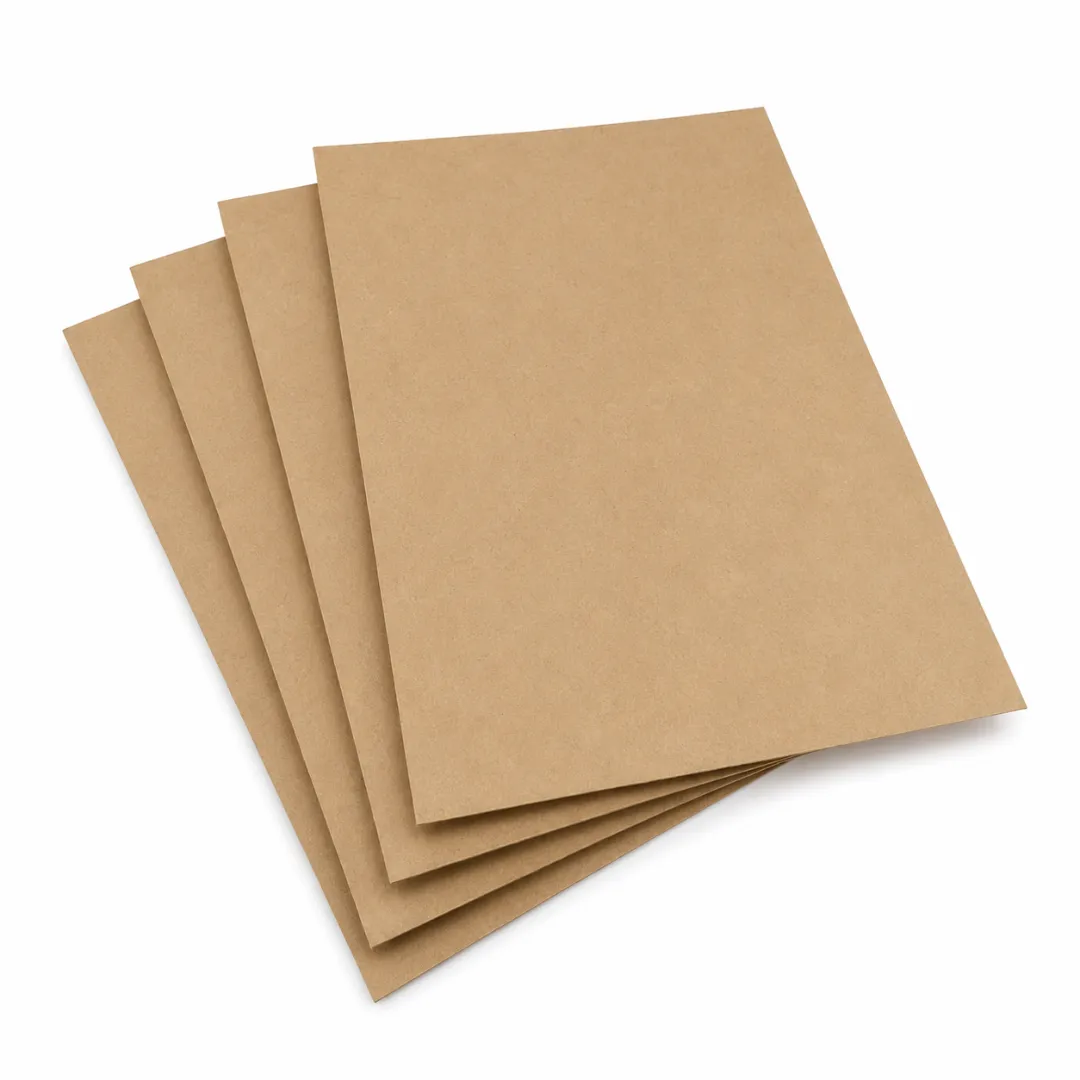
Kraft paper is a strong, durable and reliable material that is widely used across many different industries.
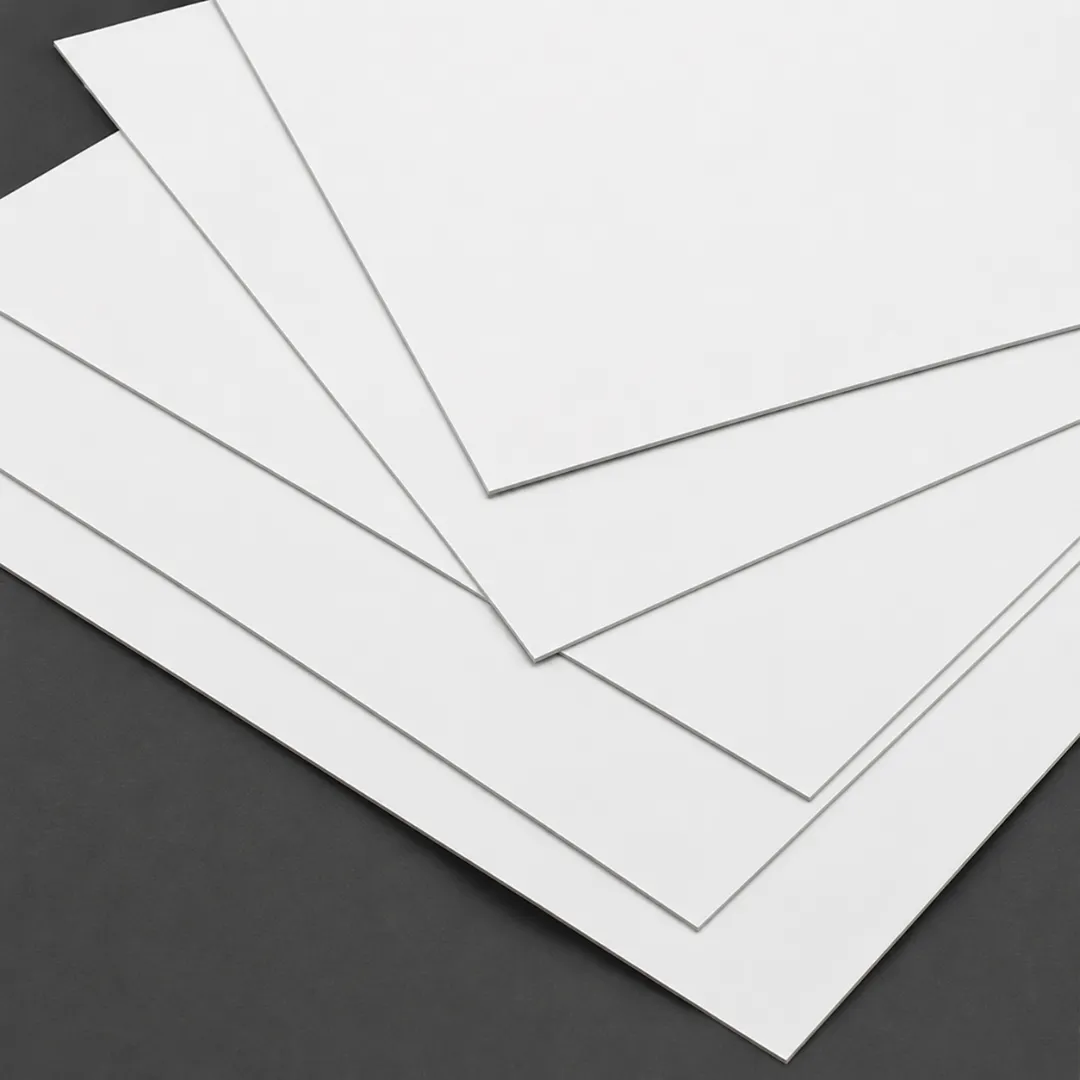
We use cardboard material with the least environmental impact and minimizes waste generation.
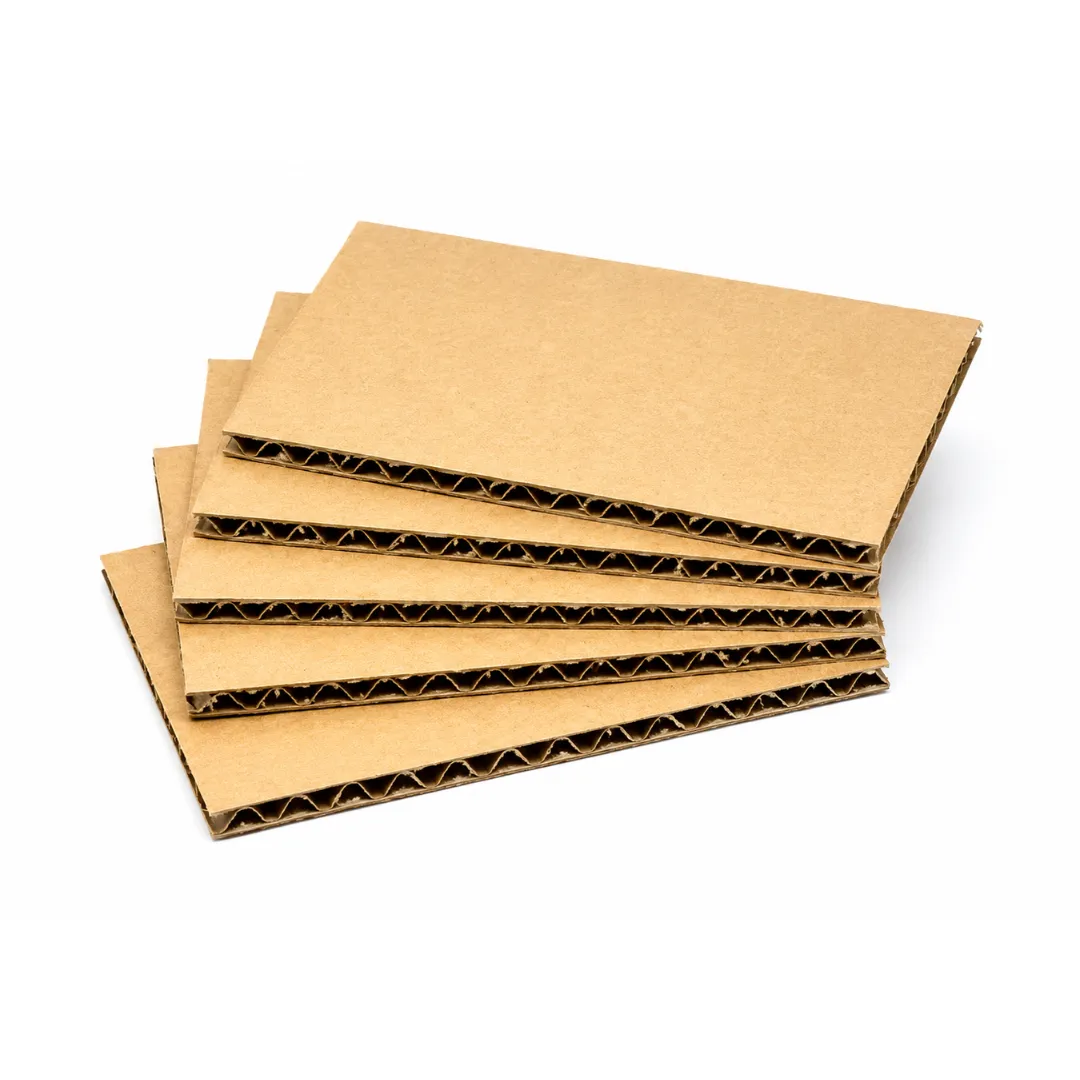
Corrugated material is easy to customize, cost effective and sustainable. It is also great for branding purposes.
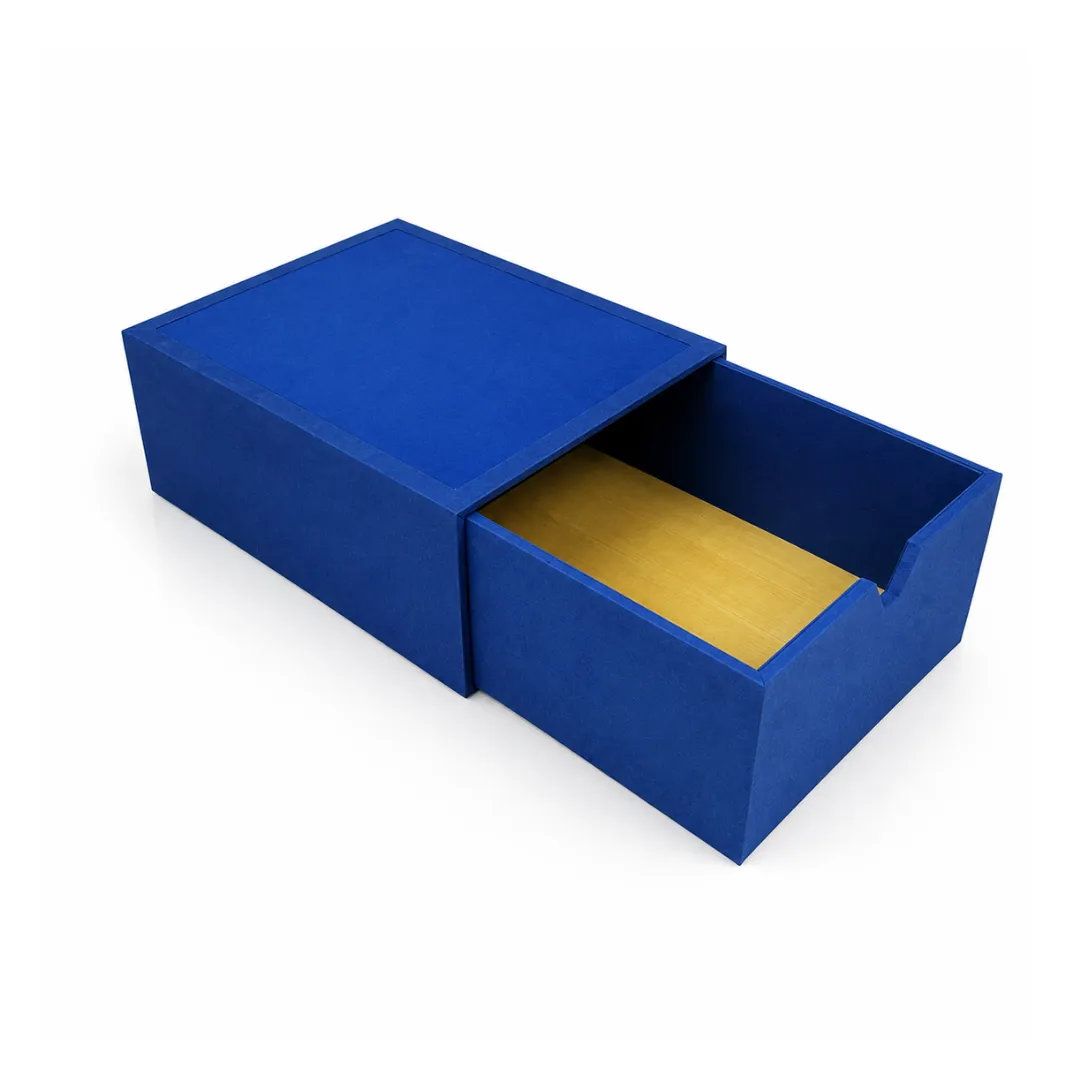
Rigid is highly protective, affordable and recyclable material. These boxes provide maximum protection.
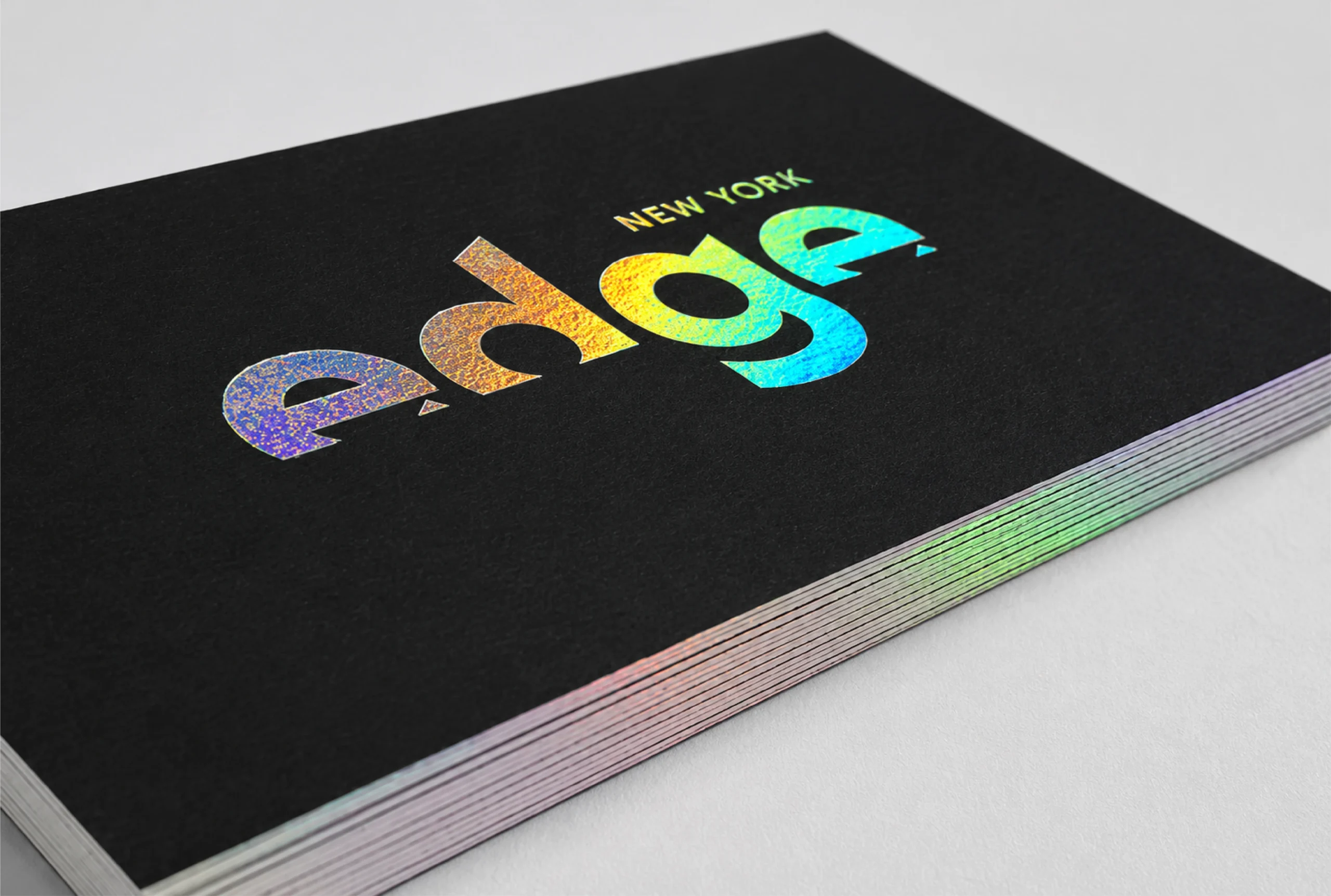
Holographic foil diffracts light and reveals the colors of the rainbow at various angles.
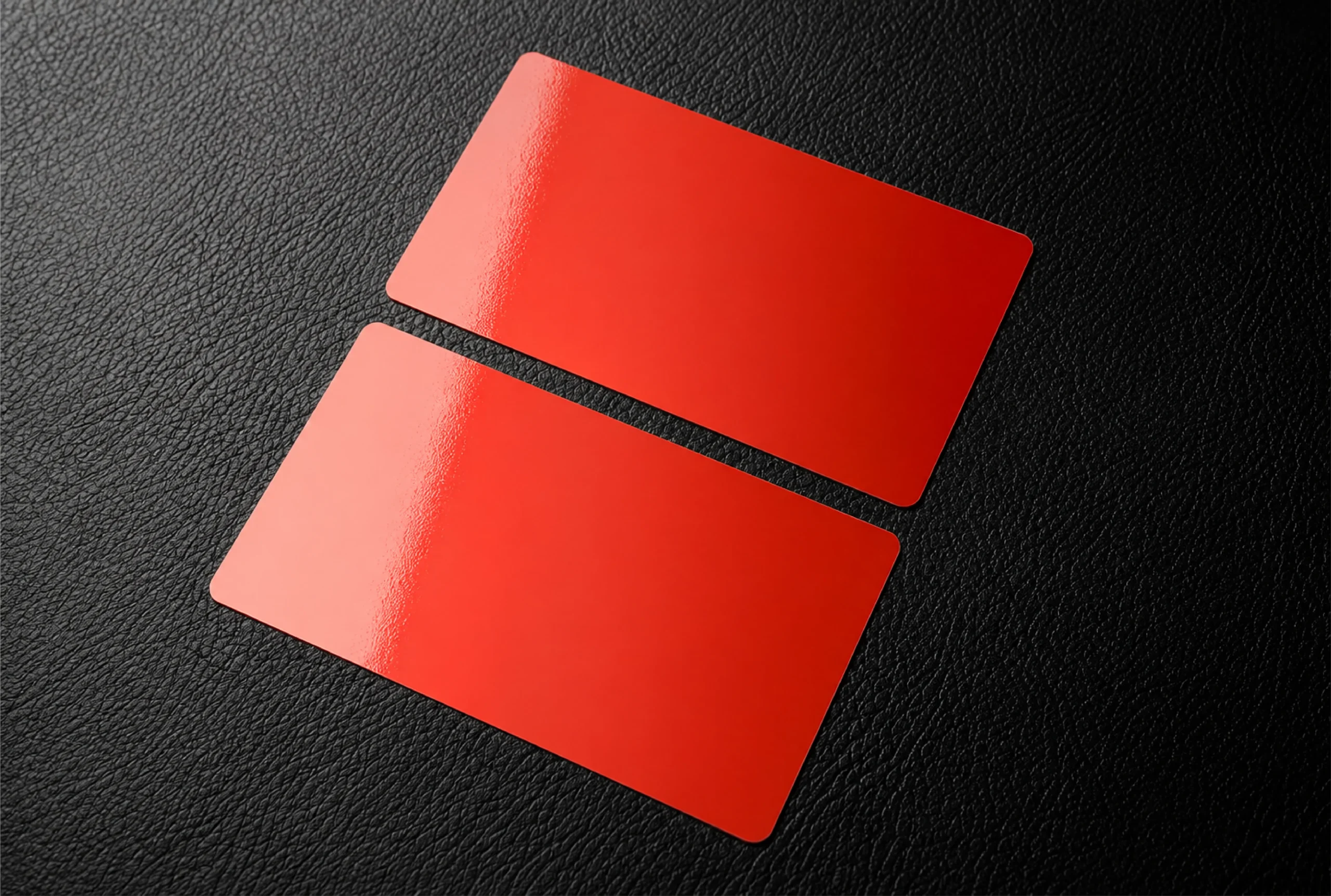
Our glossy finishing gives your packaging an extra layer of shine.
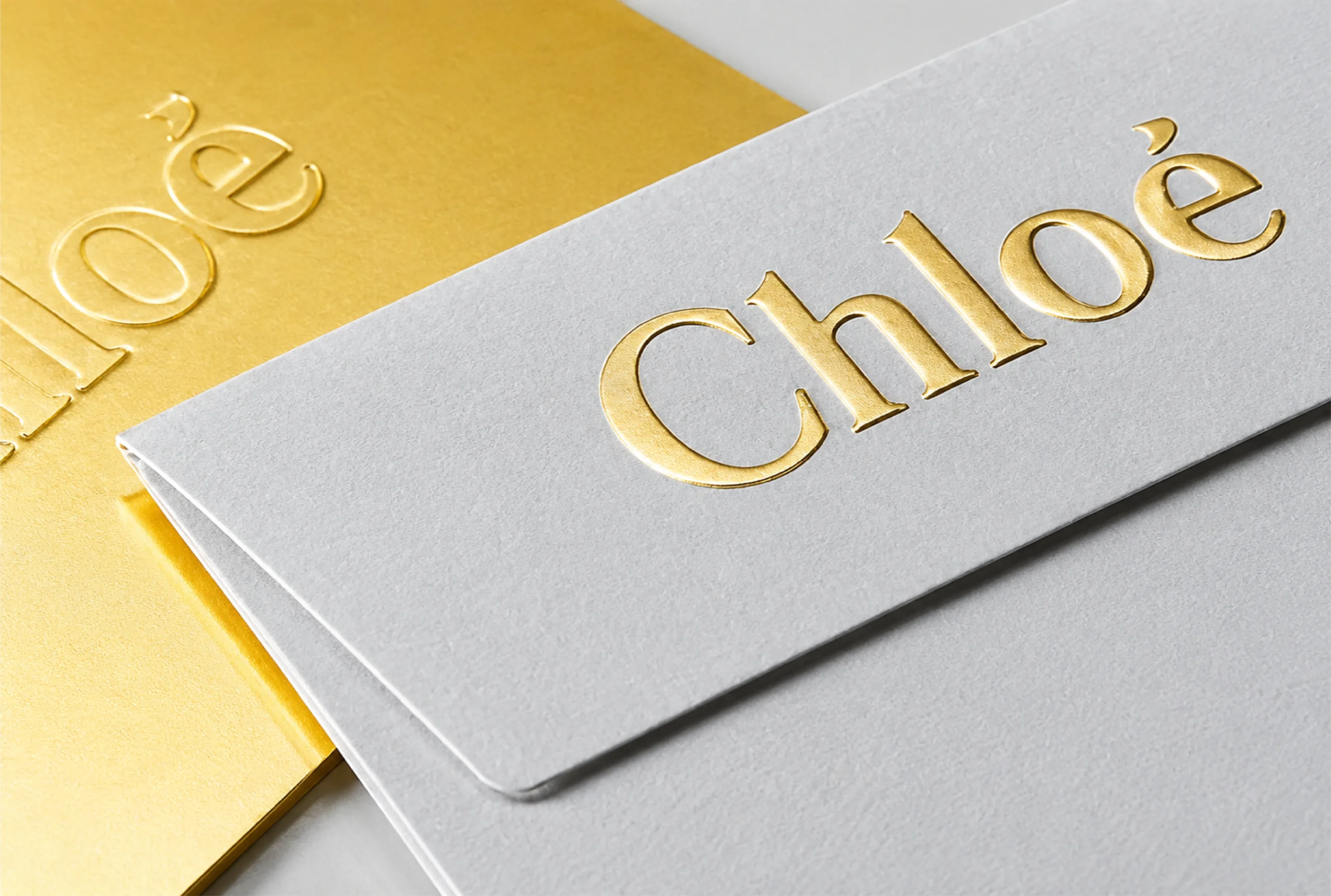
Decorate a wide range of your product packaging with our foil stamping.

With our embossing technique, we transfer the finest details of your product on packaging.
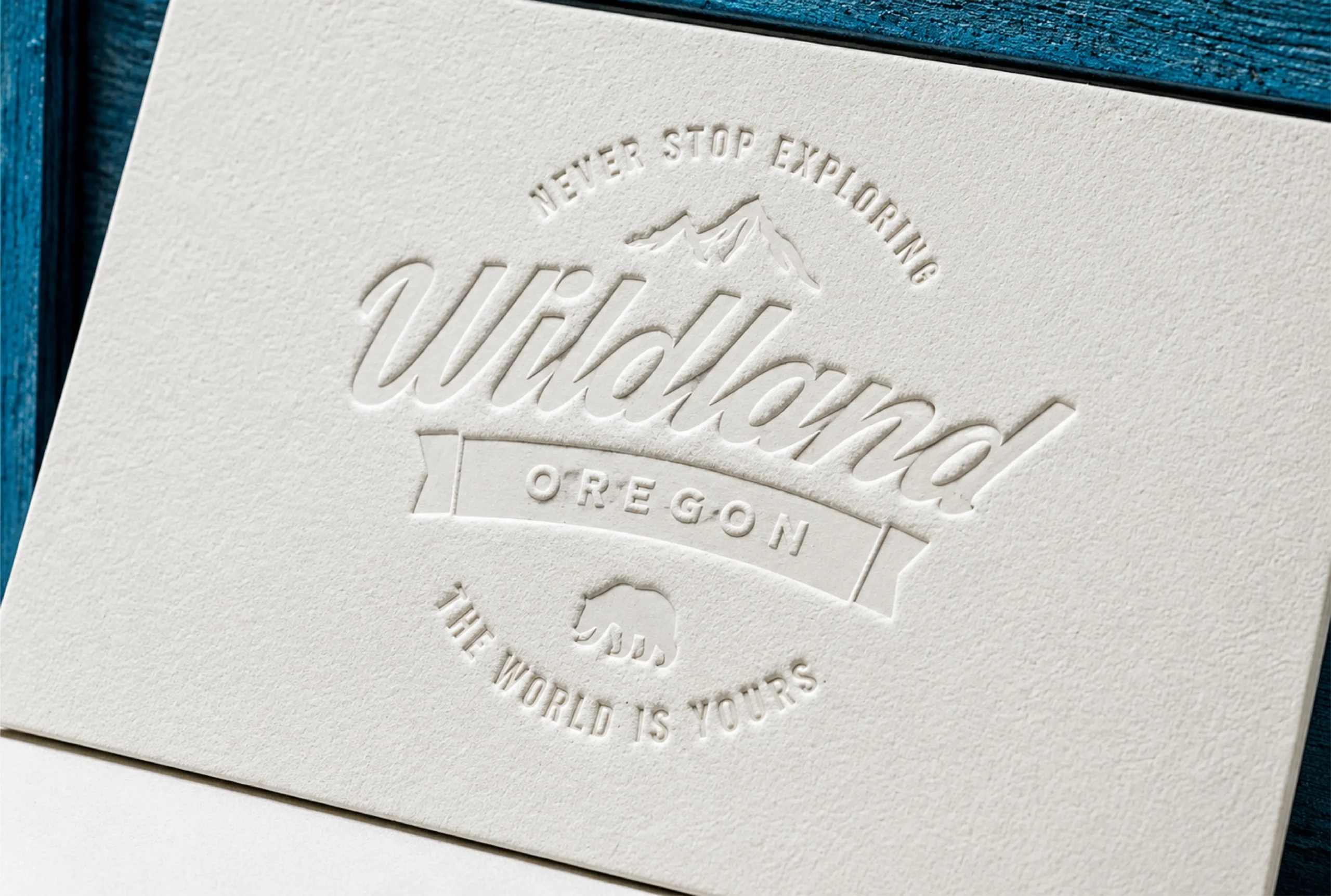
We use debossing technique to add unique graphics into your packaging.
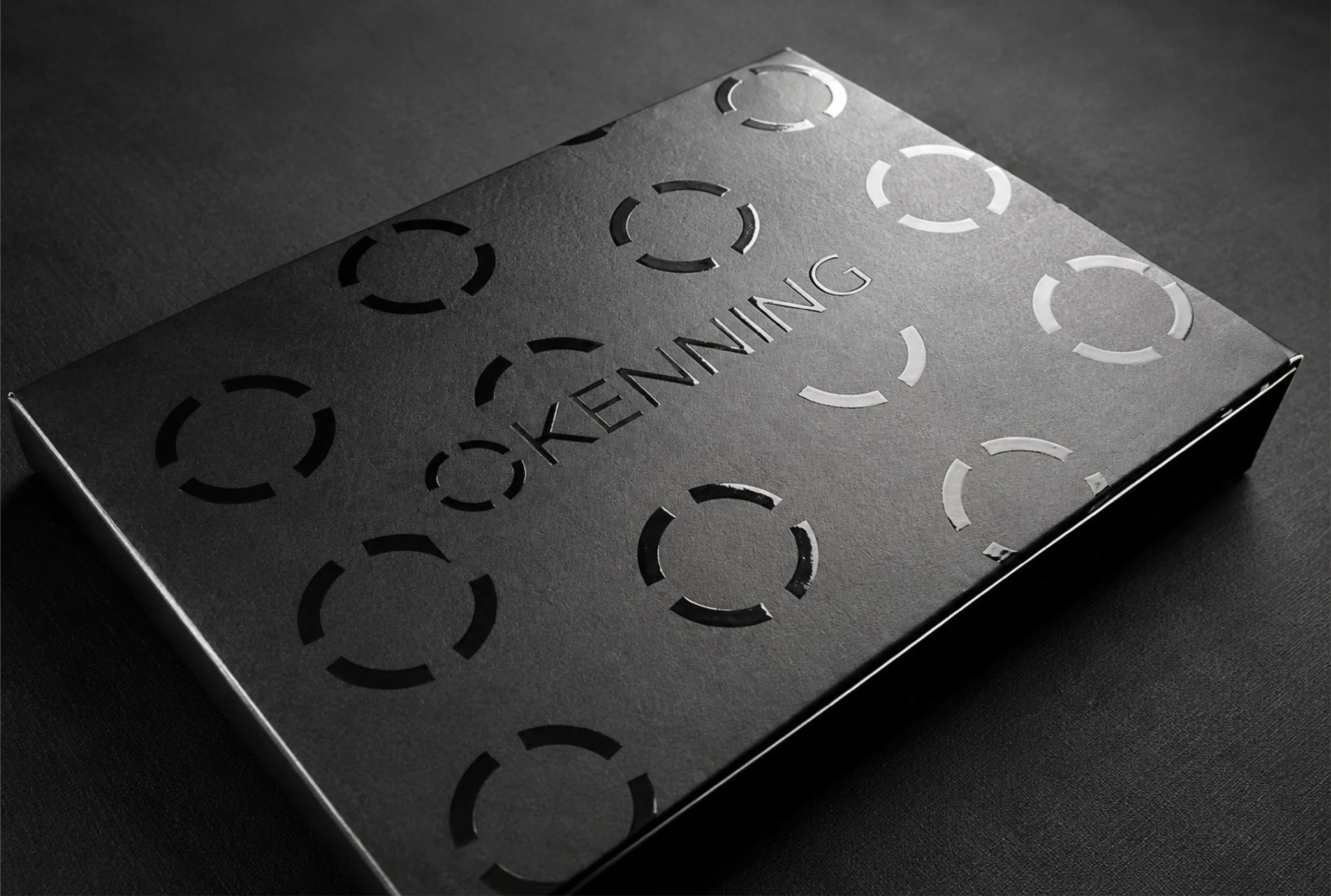
Our high-gloss UV coating gives light and shine to cure the printed material's varnish.
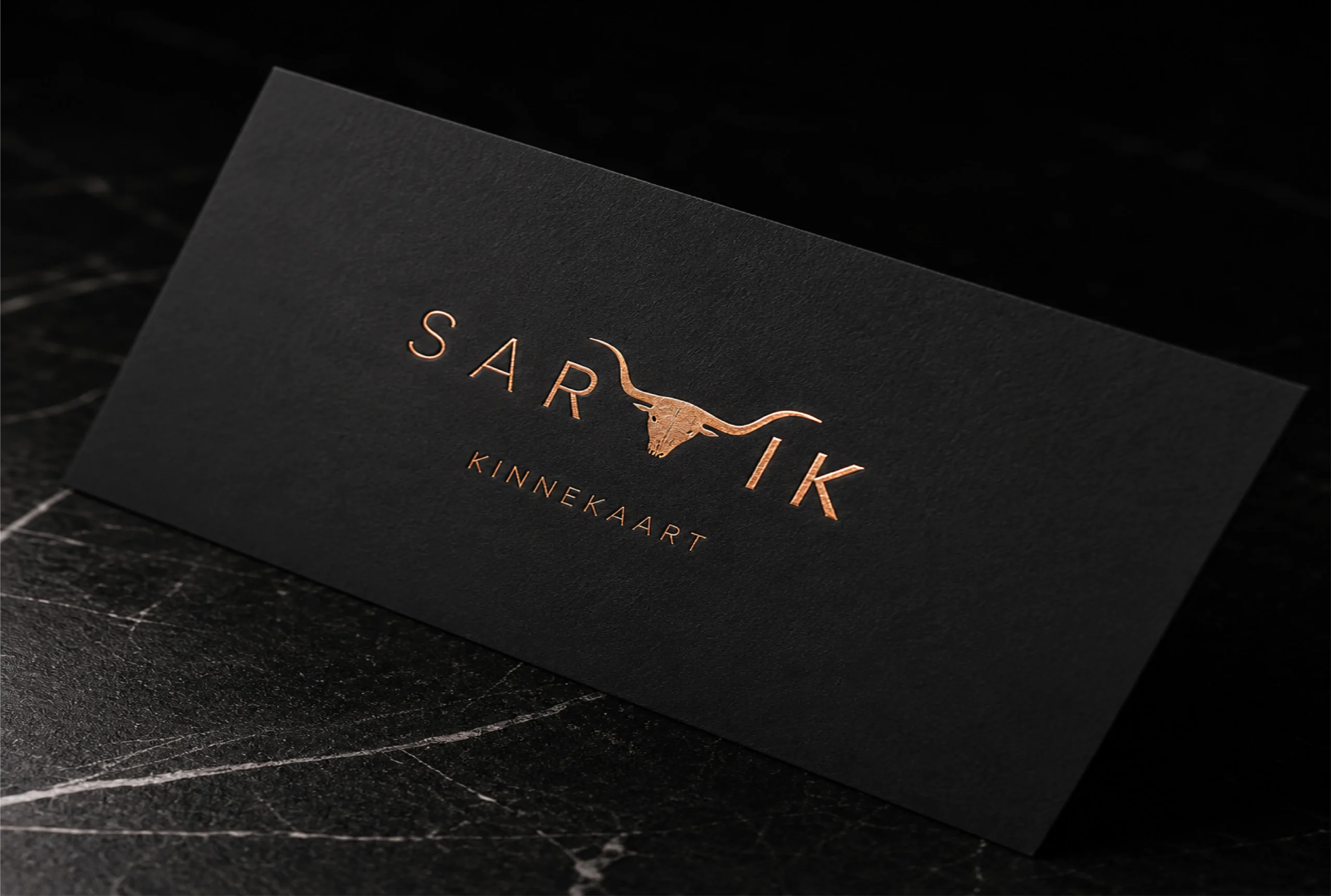
We add additional layer of protection with soft touch lamination from toner chipping.
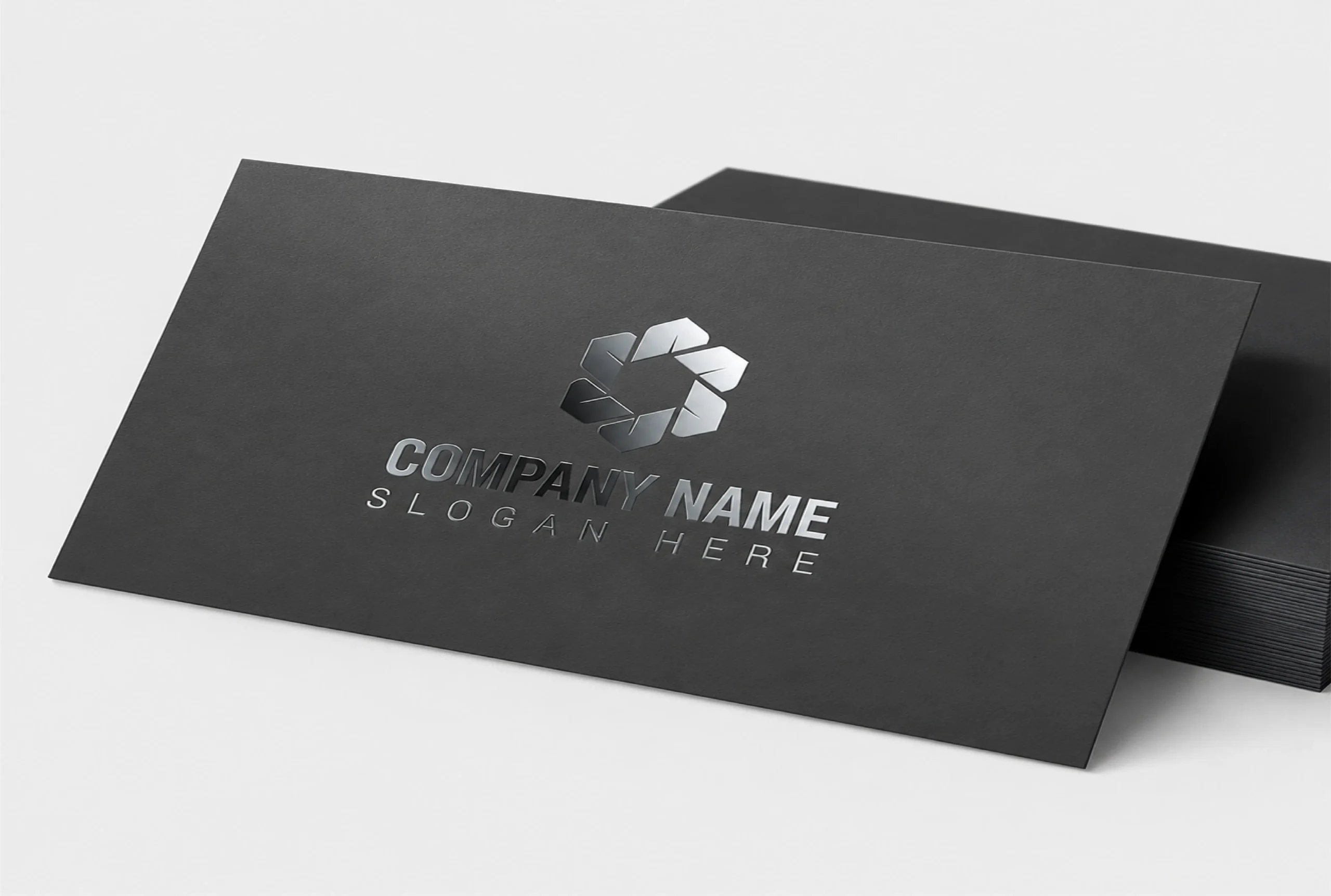
With our matte finish, fingerprints and smudges will now be less visible on the packaging.
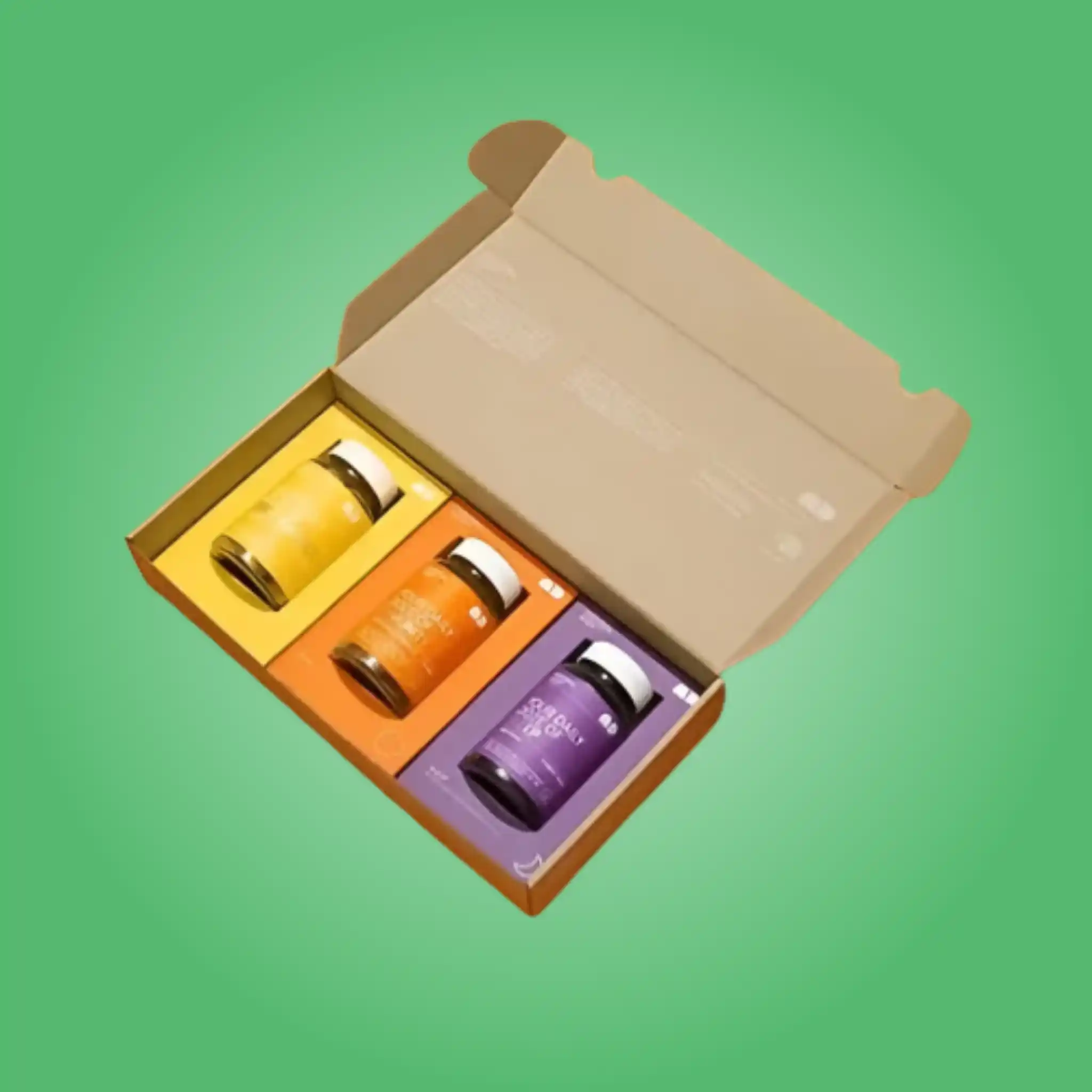
Custom food supplement boxes designed for trust, clarity, and retail performance. Choose folding cartons, bottle boxes, sachet cartons, kit packaging, and corrugated shippers with premium printing and secure inserts.

Custom pill boxes with clean structure, sharp printing, and pharmacy-ready presentation. We customize box styles, sizing, materials, and finishes to protect pills, capsules, and bottles during storage and shipping. Get premium pill packaging designed to build trust and sell confidently across the US market.

Custom serum boxes in the USA made to protect glass droppers and elevate your brand’s luxury shelf presence. We produce premium skincare packaging with tight sizing, soft-touch finishes, and print accuracy that keeps your product looking high-end. Pioneer Custom Boxes delivers retail-ready serum packaging that feels premium in-hand and ships safely across the US.

Custom surgical face mask boxes in the USA designed to keep masks flat, protected, and shelf-ready for pharmacies and clinics. We produce packaging for 10-pack, 50-pack, and bulk formats with strong structure, clean printing, and organized panels. Pioneer Custom Boxes delivers mask cartons that store neatly, ship safely, and look trusted across the US market.