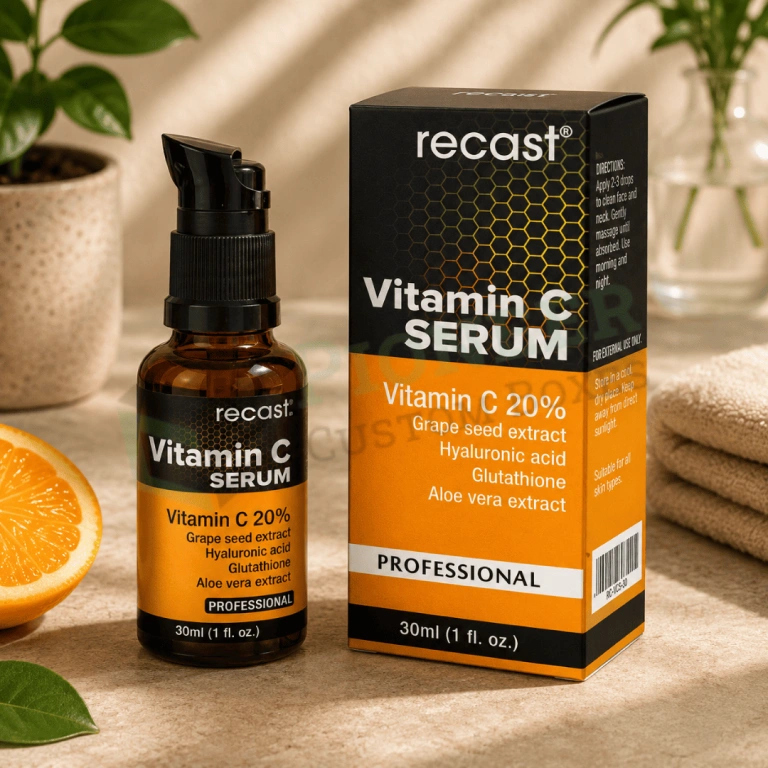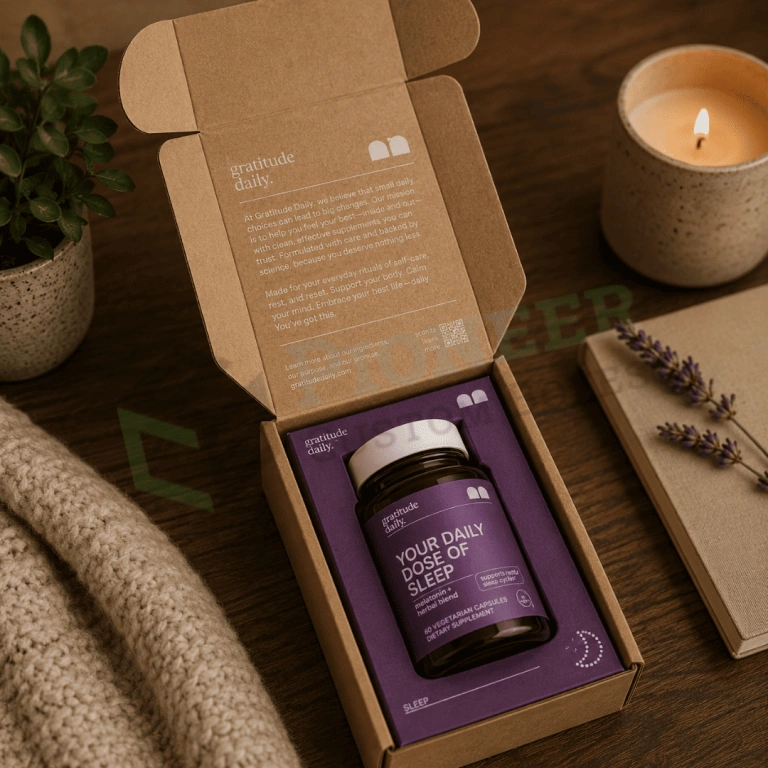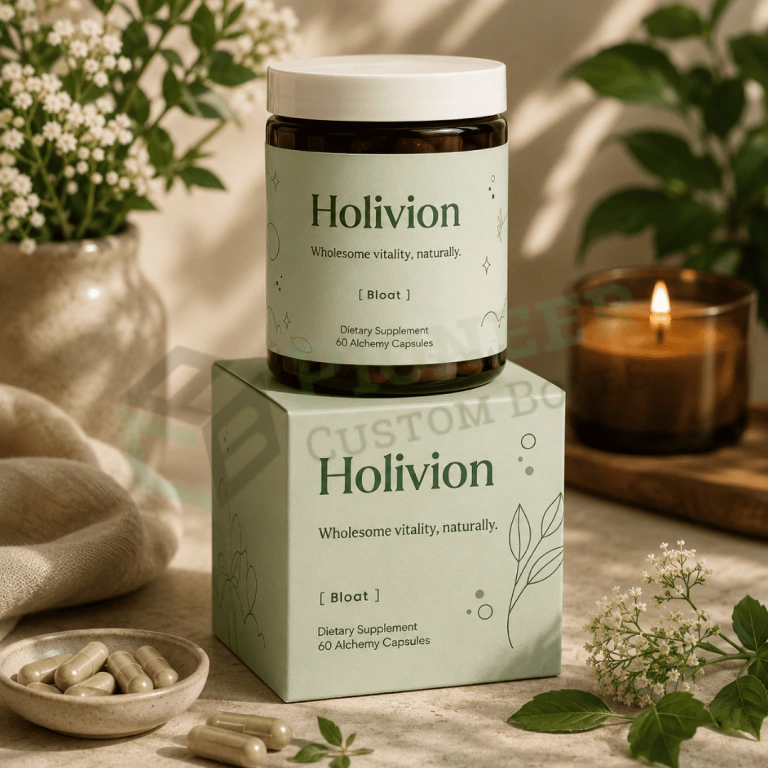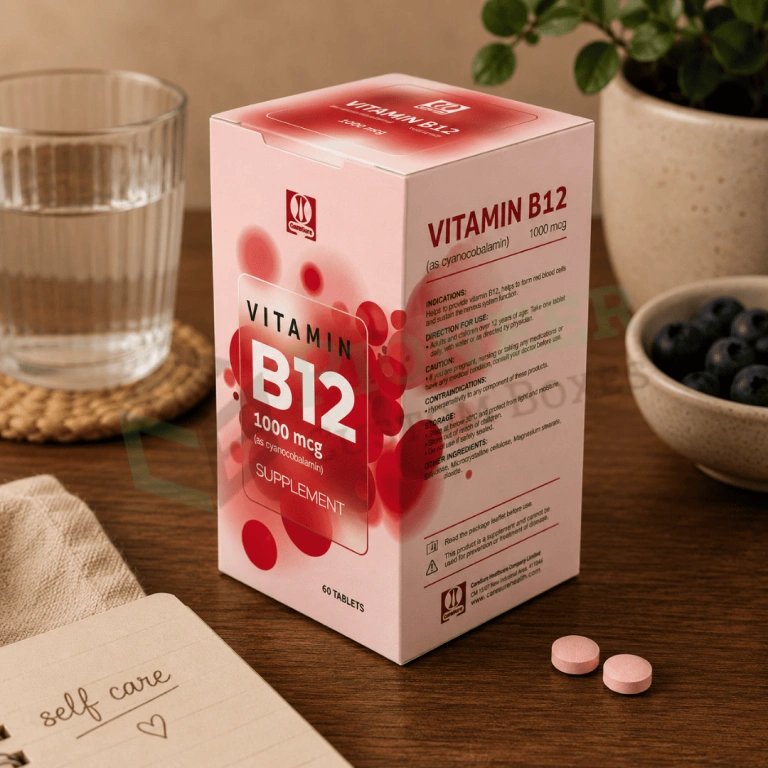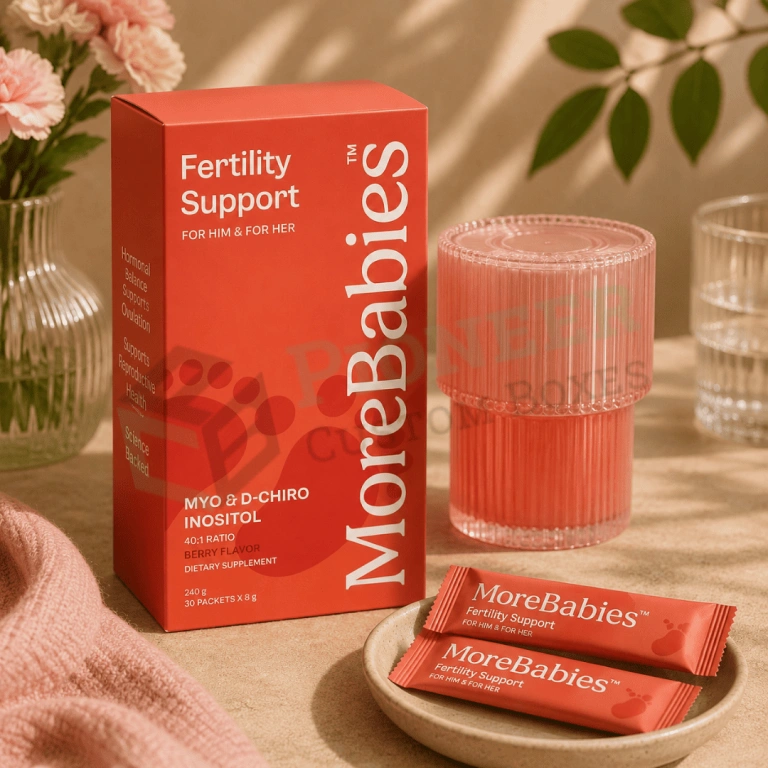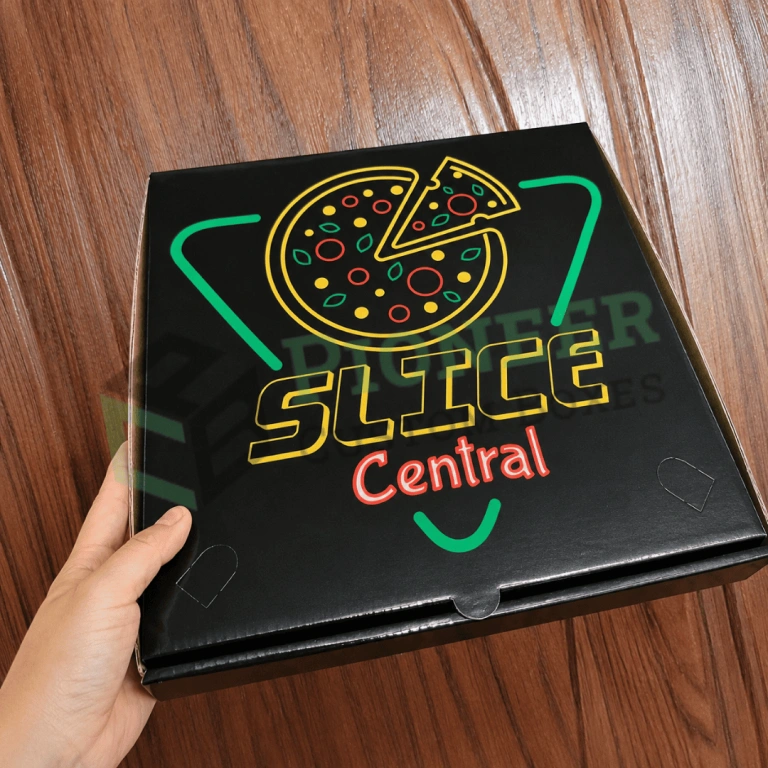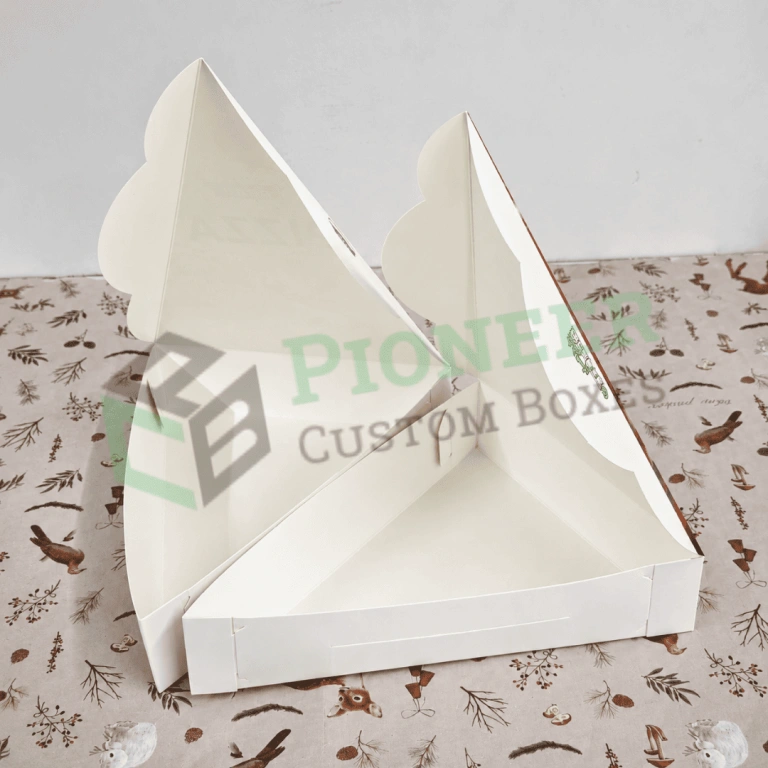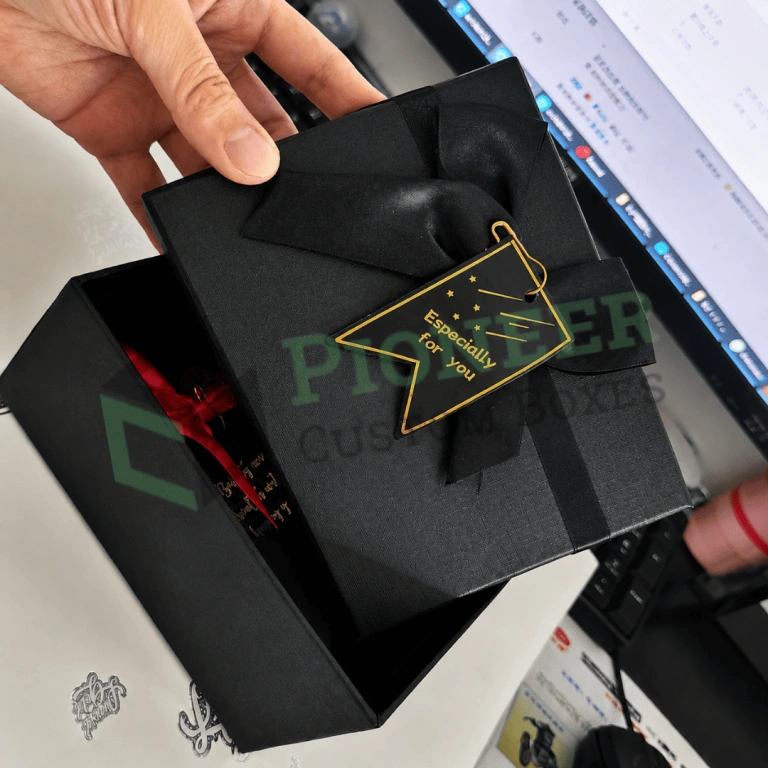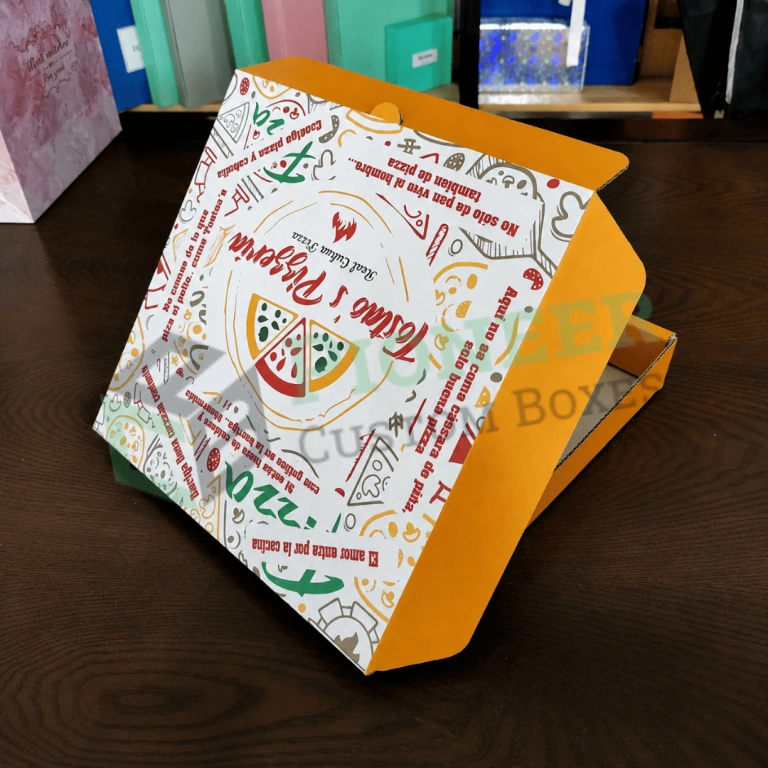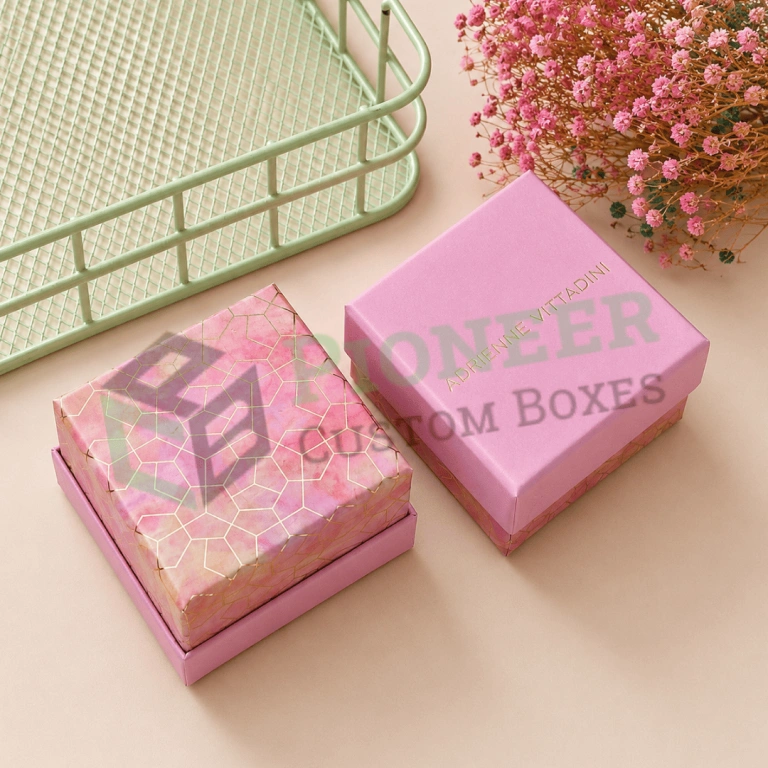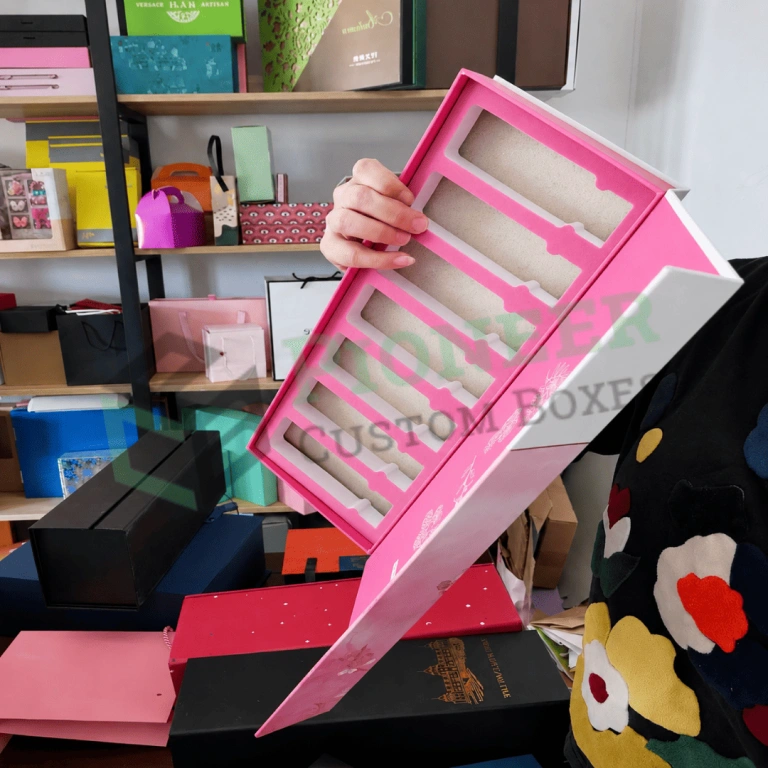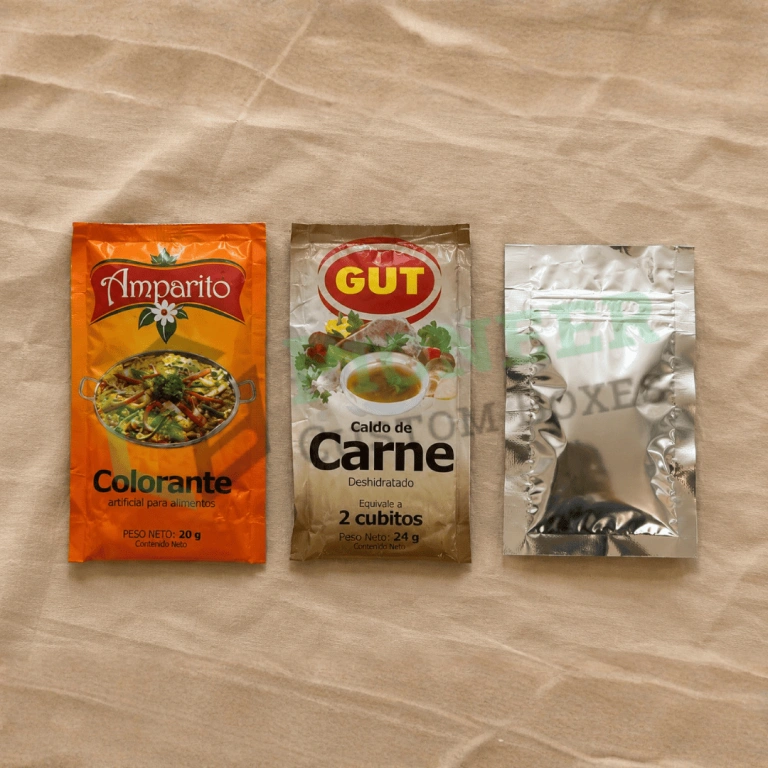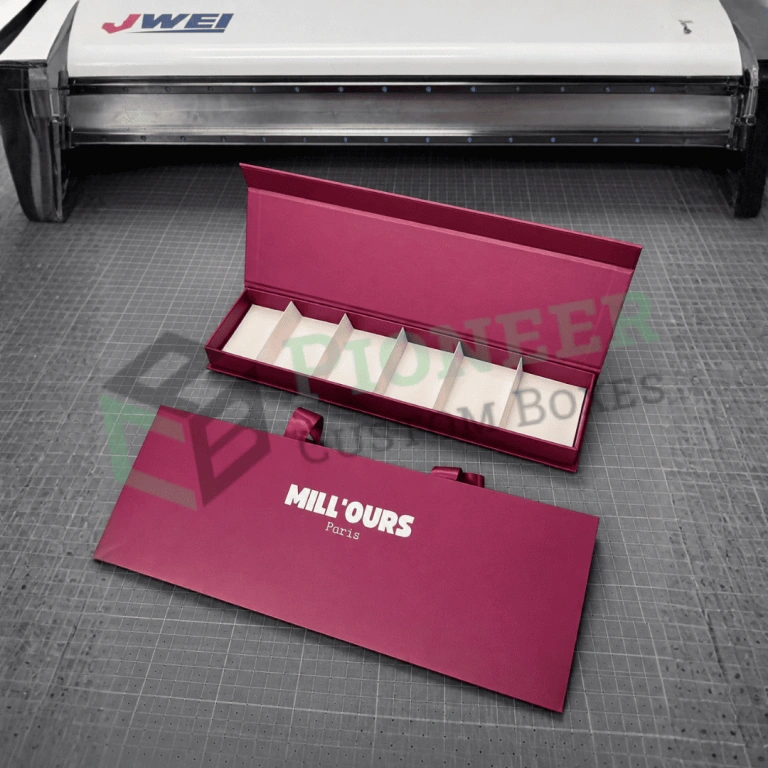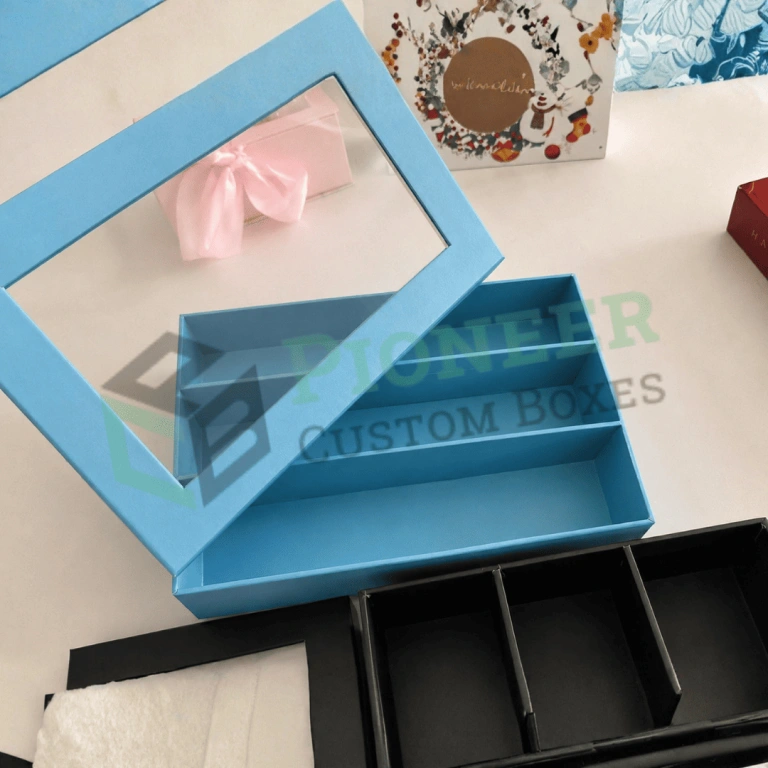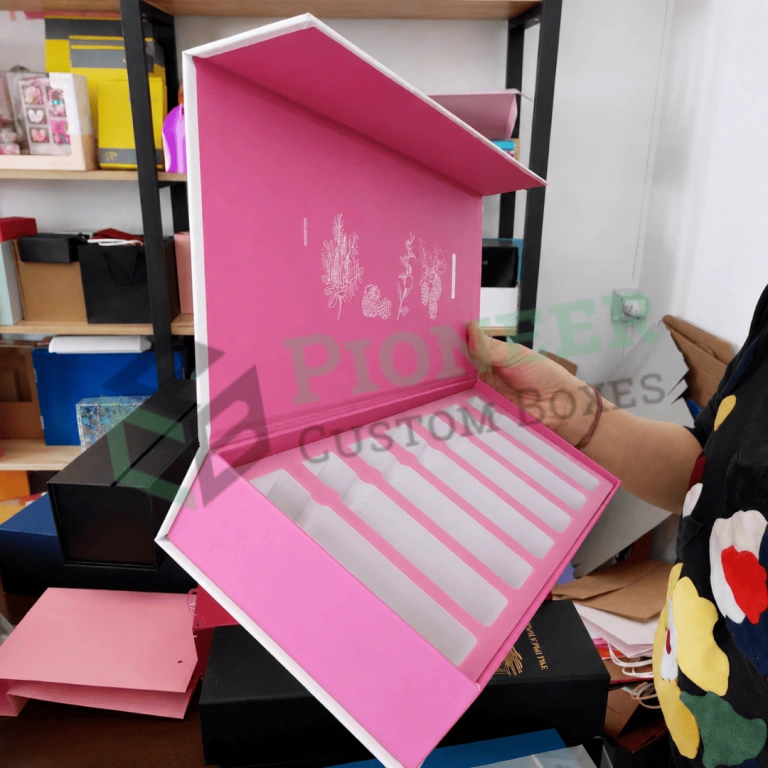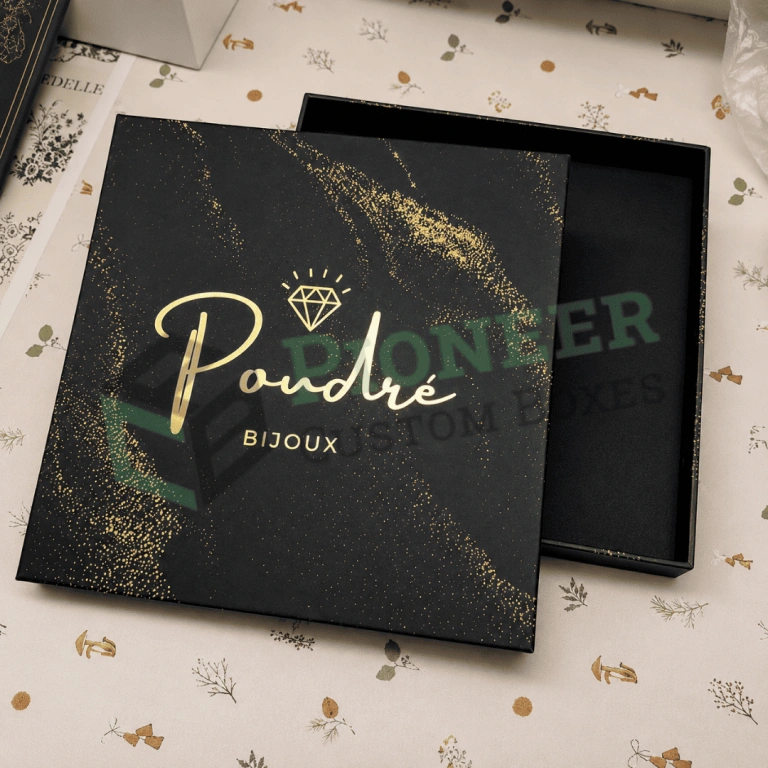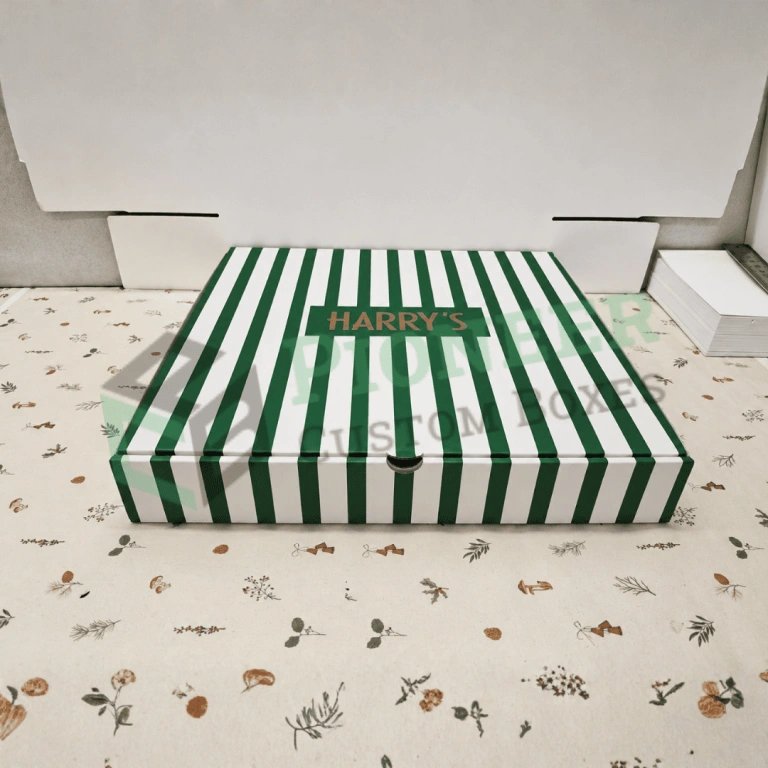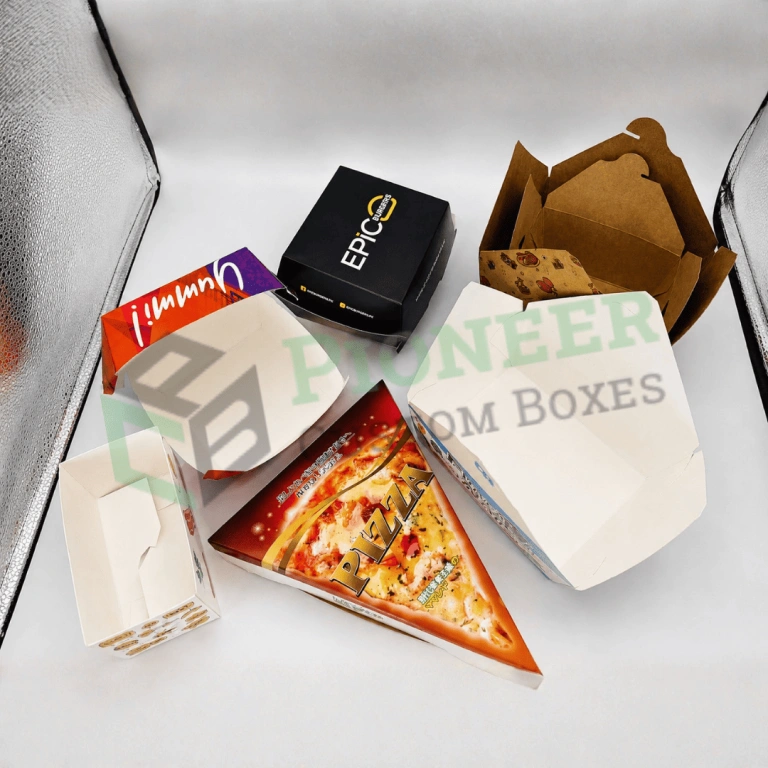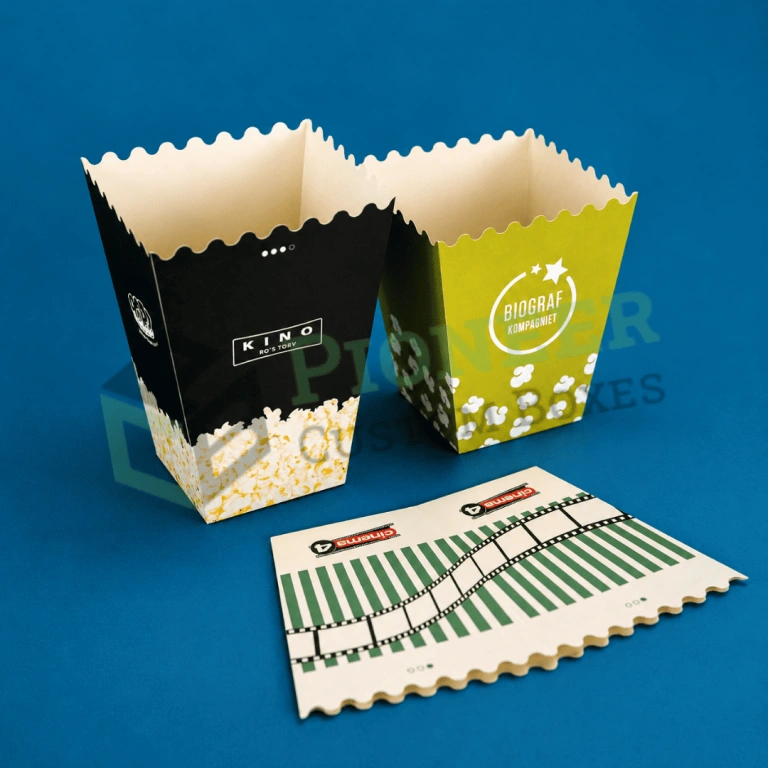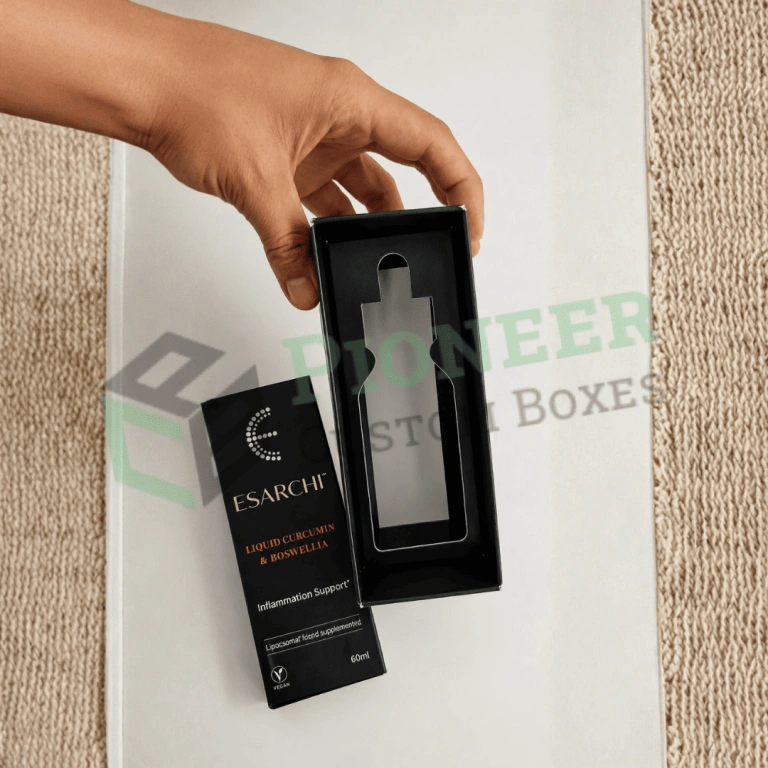
Custom vitamin packaging from Pioneer Custom Boxes blocks light, holds the bottle so the seal is never stressed, and gives the supplement facts panel the space it legally needs. Choose bottle cartons, blister wallets, sachet cartons, daily regimen boxes, rigid boxes or subscription mailers in SBS, recycled board, kraft or E-flute, with free design support, zero MOQ and free USA shipping.
Custom vitamin packaging is printed cartons engineered around a product that degrades, a label that is heavily regulated and a shopper deciding on trust. Pioneer Custom Boxes manufactures it across the United States with zero minimum order quantity and free shipping.
Supplements are unusual among consumer goods because the buyer cannot evaluate the product directly. They judge the brand instead, and the carton is most of what they have to judge.
That places real weight on print quality and structure. A carton that feels thin or prints unevenly undermines a health claim in a way that no amount of copy repairs.
Stability is the second constraint and it is genuinely technical. Many active ingredients degrade under light, heat or humidity, and the carton adds a barrier the bottle alone does not provide.
Label real estate is the third and it is the one brands underestimate most. Supplement facts panels, ingredient lists, disclaimers and dosage instructions all compete for space with the brand itself.
We manufacture custom printed vitamin packaging for supplement brands, nutraceutical startups, private label manufacturers, contract fillers, practitioners, pharmacies and subscription services. Moreover we cut our own dies and run our own presses, so we build the carton around your actual bottle, blister or sachet.
Order wholesale supplement packaging in any quantity you need. There is no minimum order, design support costs nothing, and shipping across the United States stays free on every order. Searching for vitamin packaging near me usually returns brokers, and we are the factory those brokers buy from.
Structure follows the dosage form, the price point and where the product is sold. All three vary widely in this category.
A printed folding carton around a plastic or glass supplement bottle. It blocks light, provides far more printable area than a bottle label and gives a soft-shouldered bottle a rigid shelf presence.
A folding wallet holding one or more blister cards. Dosage clarity is the advantage here, since the customer can see at a glance how many days remain.
A carton holding sealed powder sachets or stick packs. Greens powders, electrolyte and collagen products use this format heavily, and count clarity drives the purchase.
A carton holding pre-portioned daily packets. Personalized supplement programs run on this, and it commands a higher price because it removes the customers own sorting work.
A base and lid in wrapped greyboard for premium and practitioner ranges. It reads as clinical and considered, and it suits products selling above roughly sixty dollars.
A carton around a jar or pouch of gummies. Moisture matters more here than in tablet products, because gummies stick and soften in humid storage.
A corrugated mailer holding one or several products for direct shipping. It travels alone through a parcel network and is opened as an experience rather than unpacked as a delivery.
A carton holding several bottles as a stack or regimen. Bundles raise order value sharply, and the divider has to stop the bottles knocking together.
| Format | Dosage Form | Primary Channel | Why Choose It |
|---|---|---|---|
| Bottle carton | Tablets and capsules | Retail and online | Light barrier plus print area |
| Blister wallet | Tablets and capsules | Pharmacy and practitioner | Dosage clarity at a glance |
| Sachet carton | Powders and sticks | Retail and direct | Count clarity drives the purchase |
| Daily pack box | Mixed regimens | Personalized subscriptions | Removes the customers sorting work |
| Two-piece rigid | Any | Premium and practitioner | Clinical, considered presentation |
| Gummy carton | Gummies and chewables | Retail and family ranges | Moisture control matters most |
| Subscription mailer | Any | Direct to consumer | Survives transit, opens as an experience |
| Multipack carton | Multiple bottles | Bundles and regimens | Raises average order value |
Send us the filled bottle or sealed sachet with its closure fitted. Bottle shoulders and cap heights vary between suppliers, and both decide the die.
Every die is cut to your container. These formats cover the supplement packaging we produce most often.
| Container or Count | Typical Carton Size (inches) | Board | Insert |
|---|---|---|---|
| 30cc bottle, 30 capsules | 1.8 x 1.8 x 3.3 | 18pt SBS | None, tight fit |
| 60cc bottle, 60 capsules | 2 x 2 x 4 | 18pt SBS | None, tight fit |
| 100cc bottle, 90 capsules | 2.3 x 2.3 x 4.5 | 18pt to 20pt | Optional collar |
| 150cc bottle, 120 capsules | 2.6 x 2.6 x 5 | 20pt SBS | Optional collar |
| 250cc bottle, 180 capsules | 3 x 3 x 5.5 | 20pt SBS | Collar recommended |
| Single blister card wallet | 3.5 x 2.5 x 0.5 | 16pt to 18pt | None |
| Thirty stick pack carton | 5 x 3 x 5.5 | 18pt SBS | Divider |
| Thirty daily packet box | 6 x 4 x 4 | 20pt or rigid | Fitted tray |
| Gummy jar carton | 3.25 x 3.25 x 5 | 20pt SBS | None, tight fit |
| Three bottle bundle | 6.5 x 2.3 x 4.5 | 20pt with tray | Three-cavity tray |
| Subscription mailer, two bottles | 8 x 6 x 4 | 32 ECT E-flute | Die-cut fitment |
Send the filled container rather than a supplier specification sheet. Bottle tolerances vary between manufacturers, and a carton cut to a catalog dimension often will not accept the bottle you actually receive.
This is the technical heart of the category, and it explains why the carton matters beyond appearance.
Light degrades several common actives. Vitamin B2, vitamin A, vitamin D and many botanical extracts lose potency under sustained ultraviolet and visible light exposure.
The bottle handles part of that and the carton finishes the job. Amber and opaque bottles block a great deal, and an opaque printed carton removes the remainder entirely during storage and transit.
Moisture is the second and more aggressive factor. Hygroscopic ingredients pull water from the air, and once a tablet absorbs moisture it can soften, discolor or lose potency well before its printed date.
The closure and desiccant carry most of that work rather than the carton. Our role is to hold the bottle securely so the seal is never stressed, and to avoid packaging that traps humidity around it.
Gummies deserve separate attention because they are the most sensitive common format. They soften, stick together and bloom in humid storage, so the inner container and the storage guidance matter more than any carton feature.
Heat accelerates everything. Warehouse and delivery vehicle temperatures regularly exceed what a stability study assumed, and probiotics and oil-based softgels suffer most.
Oxygen matters for oils specifically. Fish oil, flaxseed and other omega products go rancid on exposure, and customers detect that immediately by smell.
None of this makes packaging expensive. It makes the specification deliberate, and we ask what is in the formula before recommending a structure rather than after.
Board selection balances a clinical, trustworthy appearance against light blocking and structural reliability.
Solid bleached sulphate is the default for printed supplement cartons. The bright clay-coated face reproduces the clean whites and precise type this category relies on, and it blocks light completely.
CRB carries recycled fiber beneath a coated printing surface and prices below SBS. High-volume ranges use it, and it supports a recycled content claim that wellness buyers genuinely check.
Natural brown board for botanical, herbal and whole-food supplement positioning. It signals natural formulation without a word of copy, and it prints best with dark inks or a single strong color.
Greyboard at 2mm or heavier, wrapped in litho-printed paper. Premium, practitioner and clinical ranges use it, and the weight in the hand supports a higher price point.
Fluted board for subscription mailers and bundles traveling alone. It absorbs parcel impacts, and litho lamination gives it full retail print quality outside.
Board with a coated inner face. It matters for sachet and stick pack cartons where humidity control around the product is part of the specification.
Recycled fiber pressed into cavity trays. It replaces plastic fitments in bundles and daily packs, recycles with the carton and suits brands whose customers scrutinize plastic content.
Available across every grade above. Supplement buyers scrutinize sourcing harder than most audiences, so we document what your board contains under recognized Forest Stewardship Council chain of custody rather than leaving you to assume it.
| Material | Caliper or Weight | Light Blocking | Best For | Relative Cost |
|---|---|---|---|---|
| SBS paperboard | 18pt to 24pt | Complete | Most printed bottle cartons | Moderate |
| Coated recycled board | 18pt to 22pt | Complete | High-volume ranges on cost | Lower |
| Kraft paperboard | 18pt to 24pt | Complete | Botanical and herbal positioning | Lower |
| Rigid chipboard with wrap | 2mm and above | Complete | Premium and practitioner ranges | Highest |
| E-flute corrugated | 32 ECT typical | Complete | Subscription mailers and bundles | Moderate |
| Barrier-lined board | 18pt plus liner | Complete | Sachet and stick pack cartons | Higher |
| Molded pulp | Formed tray | Not a print surface | Plastic-free cavity fitments | Moderate |
| FSC-certified stock | Any of the above | Complete | Documented sustainable sourcing | Small premium |
One consistency point. Supplement brands sell ranges, and a customer taking four products from the same brand sees four cartons together. We run every carton in a range on the same stock so the whites match exactly.
Supplement cartons carry dense regulated type alongside brand design, so print has to stay legible at small sizes.
Offset holds the finest detail and the steadiest color across a run. Supplement facts panels sit at very small point sizes, and offset keeps them crisp where coarser methods fill in. The economics favor it past roughly a thousand cartons per design.
Digital prints without plates, which suits this category unusually well. Supplement brands run wide SKU ranges, and a brand with thirty products can print each in small quantities against a handful of shared dies.
Flexo prints corrugated mailers, shipping cases and high-volume outers economically. It handles solids and line work well and reproduces fine type less faithfully than offset.
An offset sheet laminated onto corrugated board. Subscription mailers and premium bundles use it when they need fluted strength with retail print quality outside.
Digital presses can change content between cartons. Personalized regimen packs, practitioner-labeled products and batch or lot coding all print inline rather than requiring a separate labeling step.
A practical note on wide ranges. Most supplement brands use three or four bottle sizes across thirty products, so three or four dies with digital print cover the whole catalog.
Finish here signals credibility more than luxury. A supplement carton has to feel clinical and careful rather than decorative.
A flat, low-glare surface that reads as considered and modern. It dominates the premium supplement aisle, it hides handling marks and it photographs cleanly for listings.
A water-based protective layer applied inline on press. It seals the print surface, resists scuffing through distribution and stays compatible with paper recycling.
High shine with strong color depth. It suits mainstream and value ranges and reads as less premium than matte in this particular category.
Selective gloss against a matte field. Used behind a logo or an ingredient graphic it adds depth without adding another color to the run.
Hot foil in gold, silver or colored finishes. It is highly effective on premium and practitioner ranges, and it should be used once rather than across multiple elements.
Raised or recessed detail, usually registered to a logo. It adds a tactile cue at the moment the customer picks the carton up, which is when the purchase is generally decided.
A velvet hand feel with real premium signal. It complicates recycling, so we present a matte laminate as the alternative wherever it will achieve a similar result.
Restraint matters more here than in most categories. Supplement buyers read heavy decoration as marketing rather than quality, and a clean matte carton with one foil element consistently outperforms a busier one.
Supplement brands lean on restrained, clinical palettes, and restrained color is the hardest kind to hold consistently.
CMYK builds every shade from cyan, magenta, yellow and black. It reproduces ingredient photography, botanical illustration and soft gradients accurately, and it costs the least. Pale clinical neutrals sit at the edge of what CMYK holds run to run.
Pantone inks arrive pre-mixed and print identically every time. Most supplement ranges use a color to identify each product or category, and those colors must stay distinguishable across years of reordering. Spot inks are the only reliable way to guarantee that.
RGB is a screen color space and no press prints it directly. Your website, marketplace listings and practitioner portals all live in RGB, and conversion shifts color noticeably. We convert with proper profiles and show the printed result on your actual board first.
One point specific to ranges. A customer taking four products from the same brand sees drift that a single carton would never reveal, so any shade identifying a product line belongs in PMS.
Each option below either protects the product, satisfies a requirement or supports the shoppers decision.
| Feature | What It Does | Best Suited To |
|---|---|---|
| Tamper-evident seal | Shows the carton was never opened | Every retail supplement listing |
| Batch and expiry panel | Clear area for variable coding | Every regulated product |
| Braille embossing | Accessible product identification | Pharmacy and practitioner ranges |
| Leaflet or insert slot | Seats a folded information leaflet | Dense dosage or interaction detail |
| Paperboard bottle collar | Seats the bottle shoulder securely | 100cc bottles and larger |
| Die-cut tray | Holds bottles upright and apart | Bundles and regimen boxes |
| Blister card retention | Holds cards flat without creasing | Blister wallet formats |
| Barrier inner coating | Controls humidity around sachets | Stick packs and powder formats |
| QR code panel | Links to lab results and sourcing | Transparency-led brands |
| Barcode panel | Scannable code for shelf listings | Retail and distributor supply |
| Child-resistant construction | Restricts access where required | Iron-containing and specified products |
| Corrugated shipping outer | Absorbs impact around the carton | Anything shipping alone |
Choose deliberately rather than comprehensively. Most bottle cartons need a tight die, a tamper seal, a clear batch panel and a legible facts panel, and little beyond that returns its cost.
Dietary supplements are among the most heavily labeled consumer products, and the carton carries almost all of it.
The supplement facts panel is the governing constraint. Serving size, servings per container, each nutrient with its amount and daily value, and the other ingredients statement all need legible space in a prescribed format.
That panel drives layout more than any design decision. Brands that design a front panel first and fit compliance information afterward routinely discover the carton is too small, which is the most expensive fix in this category.
Structure and function claims carry their own requirement. A claim about supporting a body function must be accompanied by the disclaimer stating the product is not intended to diagnose, treat, cure or prevent disease.
That disclaimer has placement and legibility rules of its own, and it cannot be reduced to fine print tucked into a corner.
Food contact suitability applies wherever the product touches packaging directly. Bottles and sachets are the contact material in most formats, and FDA guidance on packaging and food contact substances sets the framework for anything the product meets.
Allergen information matters more than brands expect. Soy, dairy, fish gelatin, shellfish-derived glucosamine and wheat all appear routinely in supplement formulations.
Child-resistant packaging applies to specific products rather than the category. Iron-containing supplements are the clearest case, and the requirement attaches to the complete package rather than the concept.
Certification marks add another layer. Third-party testing seals, organic certification and non-GMO verification each carry usage rules set by the body that owns the mark.
We lay out facts panels and disclaimers as part of free design support and flag anything that looks like it crosses a line before the die is cut. We manufacture packaging rather than provide regulatory advice, so confirm your obligations with qualified counsel.
These cartons are small, so board area contributes little. Other variables dominate the quote.
Number of separate dies leads, because supplement ranges are unusually wide. Thirty products on thirty dies is expensive, whereas thirty products on four shared dies with different print is not.
Structure comes second. A folding carton and a wrapped rigid box for the same 60cc bottle sit at completely different price points, and rigid earns its cost only above a premium price.
Print approach ranks next. Offset at volume costs far less per carton than digital, while digital removes plate charges entirely for a brand still building its range.
Finishing sits below those. Soft touch and foil suit a practitioner range and are largely wasted on a value multivitamin competing on price.
Inserts and collars cost little and prevent real problems. A bottle moving inside a carton stresses the closure, which is exactly what a moisture-sensitive product cannot tolerate.
Consolidating across your wider range helps too. Brands ordering supplement cartons alongside the rest of their retail packaging usually secure better pricing on both, because the runs share stock and setup.
Child-resistant construction, where required, carries tooling and testing behind it. That cost sits in the die rather than the board, so standardizing one certified structure matters.
The saving we recommend most often is die consolidation. A thirty-product range usually needs four dies, and the difference funds better board and a proper finish across everything.
Regulated labeling, sensitive contents and long shelf life mean we check these cartons systematically rather than visually.
Supplement cartons carry regulated text and a moisture-sensitive product, so we check them systematically rather than glancing at a proof. Two failures matter more than the rest, and both are invisible until the run is finished.
The first is the supplement facts panel at final printed size. Type that reads cleanly on screen closes up on press, and an illegible facts panel is a compliance problem rather than a print complaint. We check the structure and function disclaimer the same way, since placement and legibility rules apply to it as much as presence does.
The second is fit with a real filled bottle and its cap fitted. Closure height is what cracks top scores on a first packing run, and a bottle that moves inside the carton stresses the seal that is doing the moisture control. We invert and shake a loaded carton to confirm the bottle stays seated.
Batch and expiry coding gets applied and read the way production would apply it, because a code printed over artwork is unreadable and that is discovered at the worst possible moment.
Where a formulation requires child-resistant construction we open and reclose the certified mechanism repeatedly, since certification covers the complete package rather than the closure alone. We also drop a packed carton on its corners and faces, because supplement bottles increasingly travel alone through parcel networks rather than on a pallet.
We check every supplement facts panel at final printed size rather than on screen. Type that reads cleanly on a proof can close up on press, and an illegible facts panel is a compliance problem rather than a print complaint.
Supplements reach customers through several very different routes, and each one rewrites the specification.
Retail shelf rewards clarity above all. Shoppers scan for a specific ingredient and dose, so those have to be readable from a distance before any brand storytelling registers.
Online and marketplace listings change the priority entirely. The product travels alone, the customer never touches it before buying, and the unboxing is the first physical brand contact.
Subscription programs need consistent dimensions and a reliable opening experience. A carton that changes size between batches complicates fulfillment for everyone involved.
Practitioner and clinical channels favor restrained, clinical presentation. Credibility outweighs shelf appeal, and rigid construction supports the price these ranges command.
Pharmacy supply pushes toward blister formats and dosage clarity. Regulatory expectations are higher and presentation matters less.
Private label and contract filling needs fast die turnaround and reliable reordering, because the brand owner is usually working to a launch date they do not control.
Brands selling a wider catalog gain from standardizing early. Matching your supplement cartons to your wider pharma packaging keeps board grades and print consistent across the range.
Most supplement brands sell through at least three of these at once. The workable answer is a small set of shared structures with different print and finishing per channel.
Wellness buyers scrutinize packaging claims harder than almost any audience, so materials here have to survive inspection.
Paperboard recovers well through existing programs, and EPA figures for paper and paperboard recovery show it as the most recovered packaging stream in the country.
The honest complication is the bottle. Most supplement bottles are HDPE or PET and recycle through separate streams, and a recyclable carton claim should not be read as covering the whole package.
We recommend saying that plainly. A carton marked recyclable with a note directing the bottle elsewhere respects the customer and avoids the criticism vague claims attract.
The weak point brands can actually fix is the fitment. A plastic tray in a bundle undermines an otherwise clean carton, and a die-cut paperboard tray or molded pulp solves it at similar cost.
Right-sizing matters more than it appears. A carton cut to the real bottle uses less board, holds the container more securely and reduces the void that invites slack fill criticism.
Ink coverage is a genuine lever too. Full flood coverage across every panel costs more, uses more ink and complicates de-inking during recycling.
These errors repeat across supplement brands of every size, and each one is avoidable before a die is cut.
Designing the front panel before laying out the supplement facts panel leads the list. Required information takes more space than brands expect, and retrofitting it into approved artwork is the most expensive fix here.
Omitting or shrinking the structure and function disclaimer is second. It is a compliance problem rather than a design choice, and placement rules apply as much as presence does.
Cutting a separate die for every product is the biggest avoidable expense. Most ranges use three or four bottle sizes, and differentiation belongs in the print.
Sizing to a supplier catalog rather than a real bottle is a recurring surprise. Bottle tolerances vary between manufacturers, and a carton cut to a published figure often will not accept the bottle that arrives.
Ignoring cap height produces cracked top scores on the first packing run. The bottle fits and the closure does not.
Leaving no clear area for batch and expiry coding forces a label over artwork, which looks like an afterthought on a product sold on trust.
Finally, assuming the carton controls stability. Light blocking is real, and moisture control belongs to the closure and desiccant rather than the box around them.
A supplement brand approached us carrying twenty-two separate dies across a thirty-product catalog.
Their packaging behaved like tooling rather than material. Every new formulation triggered a new die, new plates and a minimum order, so discontinued products left obsolete cartons in storage.
The underlying problem was that dies had been cut reactively. Each product had been specified on its own, and nobody had looked across the range to find how few bottle sizes were actually in use.
There were four. We rebuilt the program around four dies covering 60cc, 100cc, 150cc and 250cc bottles, and moved all thirty artworks to digital printing.
We also standardized their supplement facts panel position across the range, which shortened artwork preparation for every new launch that followed.
Tooling spend fell by roughly seventy-five percent in the first year. More importantly, launching a new formulation stopped being a packaging project and became an artwork file.
We manufacture domestically and ship free to every state, so launch dates hold and nothing waits at a port.
Our supplement customers include vitamin and nutraceutical brands, sports nutrition companies, private label manufacturers, contract fillers, practitioners, pharmacies and subscription services.
We produce for brands in Los Angeles, New York, Salt Lake City, Denver, Austin, Miami, Phoenix and Boston, and we supply smaller producers across Utah, California, Colorado, Texas, Florida, Arizona and the Carolinas.
Utah deserves specific mention, since a large share of the country supplement manufacturing and direct sales activity is based there. We are set up for the fast reorder cycles that industry runs on.
Climate changes the recommendation as well. Humid southeastern warehousing raises the humidity control requirement on sachet and gummy formats, while dry mountain west storage is more forgiving.
Wherever you trade, the terms stay identical. Zero minimum order quantity, free design support, free shipping and a written specification with every order.
Ordering runs through four steps, and our team handles the technical work at each one.
First, send a filled container with its closure fitted, plus your full product range and your channels. Tell us which formulations are light sensitive, oil based or iron containing, since all three change the specification.
Second, we return a free dieline and a written quote within one business day. We will also tell you how few dies your range actually needs, which is usually the largest saving available.
Third, you approve a digital proof and we recommend a physical sample. Check the supplement facts panel at printed size and run a carton through your packing process before committing.
Fourth, we produce and ship. Standard production runs eight to twelve business days, rush production runs four to six, and shipping anywhere in the United States costs nothing.
Three commitments make custom supplement packaging workable for a startup as well as a national brand, and none carry a hidden charge.
Zero minimum order quantity means you order what you need. Digital printing carries no plate cost, so a new brand can launch six products in small quantities and scale only what sells.
Free design support covers the dieline, supplement facts panel layout, disclaimer placement, collar engineering and artwork preparation. If you have no artwork at all, our team can build a clean design from your existing branding.
Free shipping applies across the United States on every order, rush production included. We manufacture domestically, so a retailer listing date never depends on a customs queue.
We are a direct manufacturer rather than a broker. We cut our own dies, run our own presses and finish every order in house, which is why we quote quickly and stand behind what leaves our floor.
On supplement packaging the deciding properties are precision. Bottle fit, cap clearance, facts panel legibility and coding area all have to be verified rather than assumed, and we check them with your actual filled bottle before approving a run.
You also get the paperwork. Every order ships with a specification naming the board, the caliper, the coating and the finishing, so your own quality records stay accurate under audit.
Send us a filled bottle, your product range and your channels, and we will return a free dieline and a written quote for custom vitamin packaging within one business day. Order now, or get a free quote and we will show you how few dies your range actually needs.
| Box Style | Custom Vitamin Packaging |
| Dimension (L + W + H) | All Custom Sizes & Shapes |
| Quantities | No Minimum Order Required |
| Paper Stock | 10pt to 28pt (60lb to 400lb) Eco-Friendly Kraft, E-flute Corrugated, Bux Board, Cardstock |
| Printing | No Printing, CMYK, CMYK + 1 PMS color, CMYK + 2 PMS colors |
| Finishing | Gloss Lamination, Matte Lamination, Gloss AQ, Gloss UV, Matte UV, Spot UV, Embossing, Foiling |
| Included Options | Die Cutting, Gluing, Scored, Perforation |
| Additional Options | Eco-Friendly, Recycled Boxes, Biodegradable |
| Proof | Flat View, 3D Mock-up, Physical Sampling (On request) |
| Turnaround | 4 – 8 Business Days, RUSH |
| Shipping | FLAT |
Every great product deserves packaging that turns heads. Here's how we make it happen — step by seamless step.
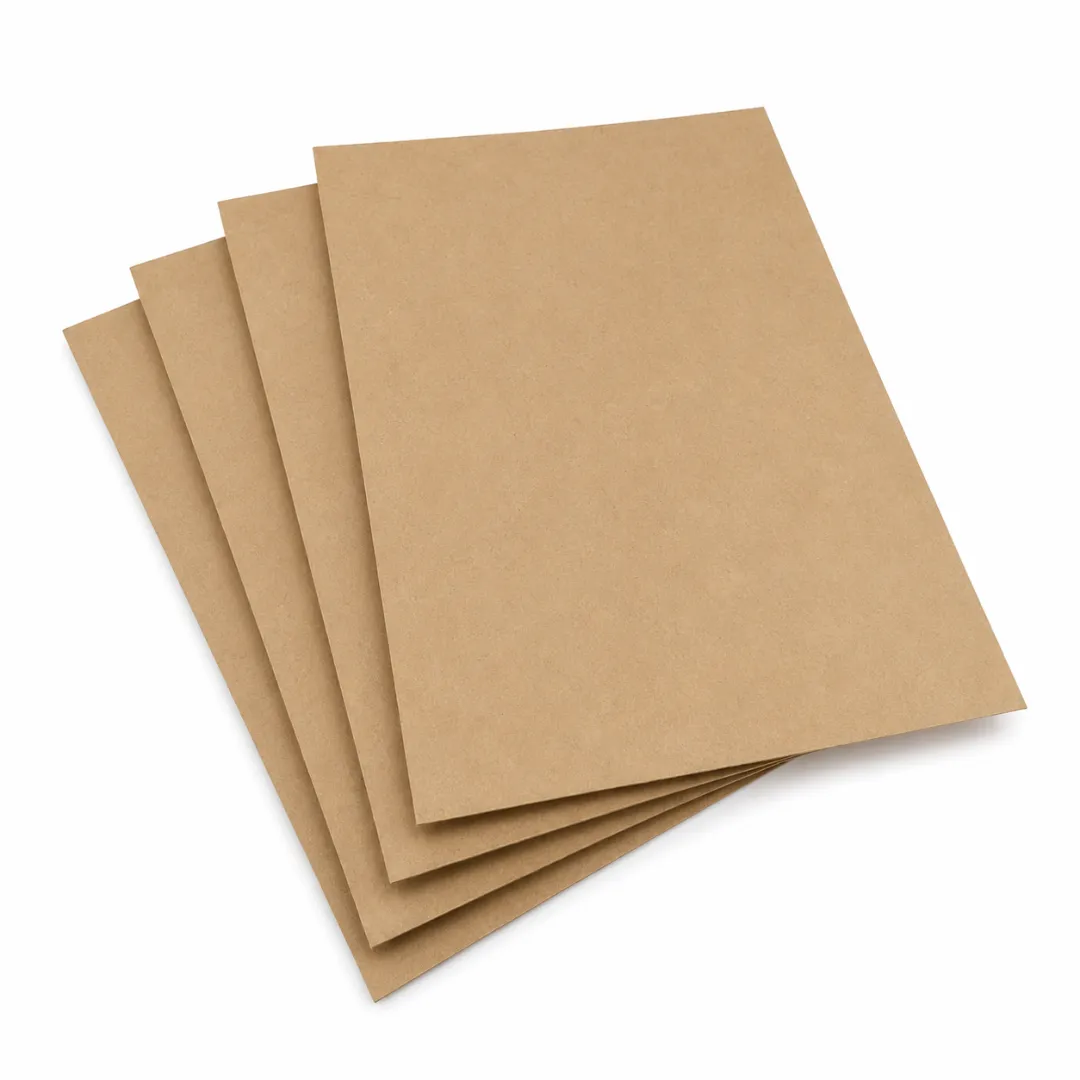
Kraft paper is a strong, durable and reliable material that is widely used across many different industries.
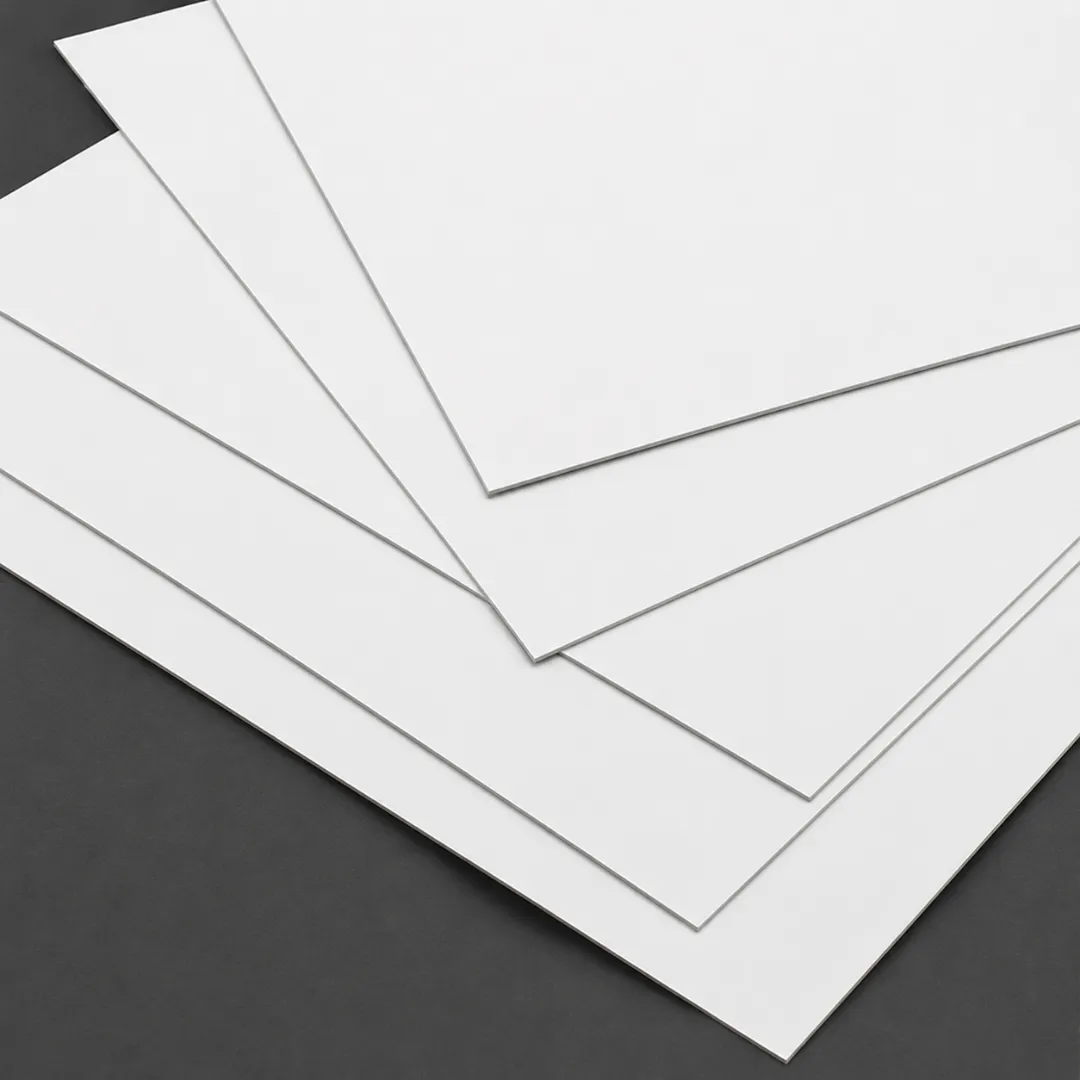
We use cardboard material with the least environmental impact and minimizes waste generation.
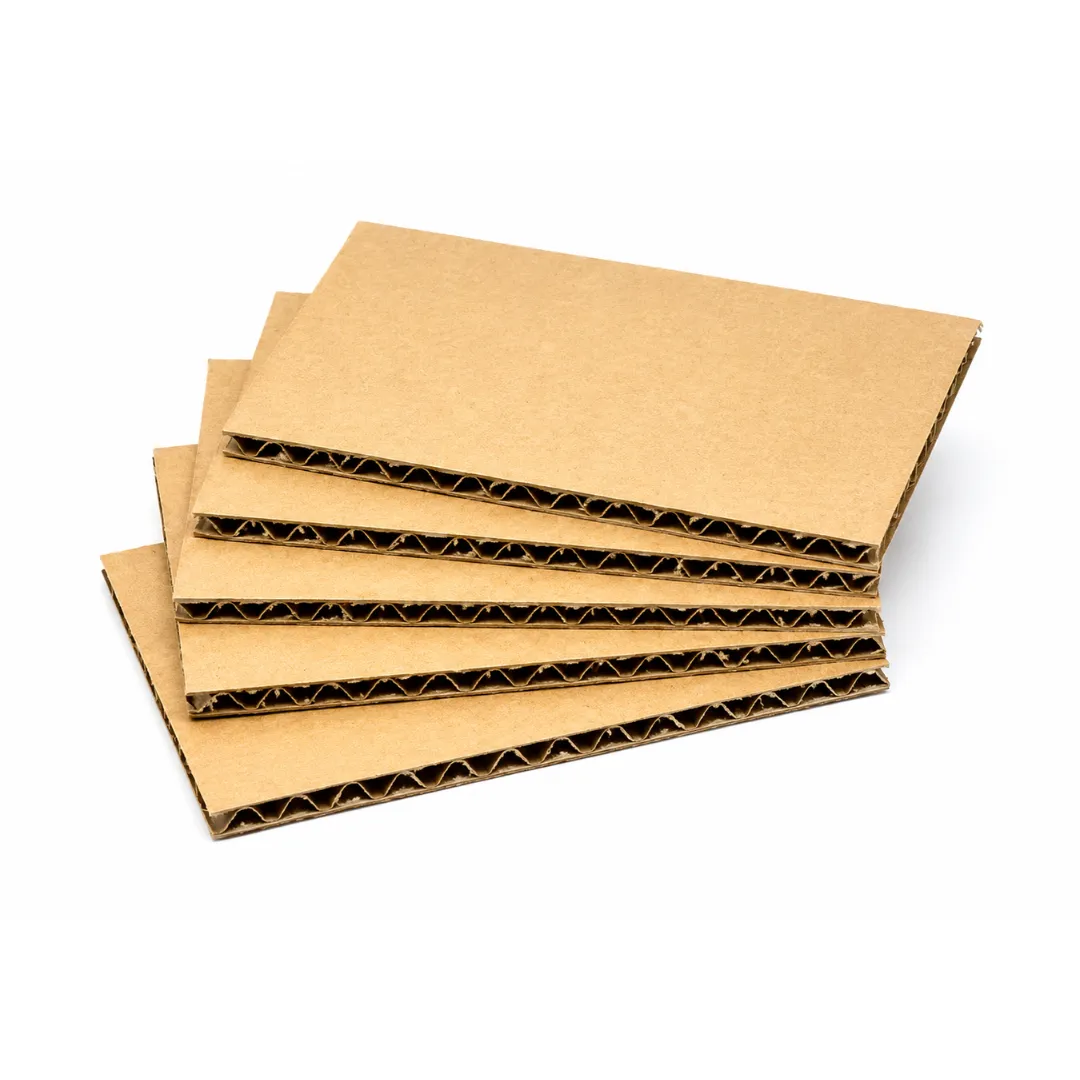
Corrugated material is easy to customize, cost effective and sustainable. It is also great for branding purposes.
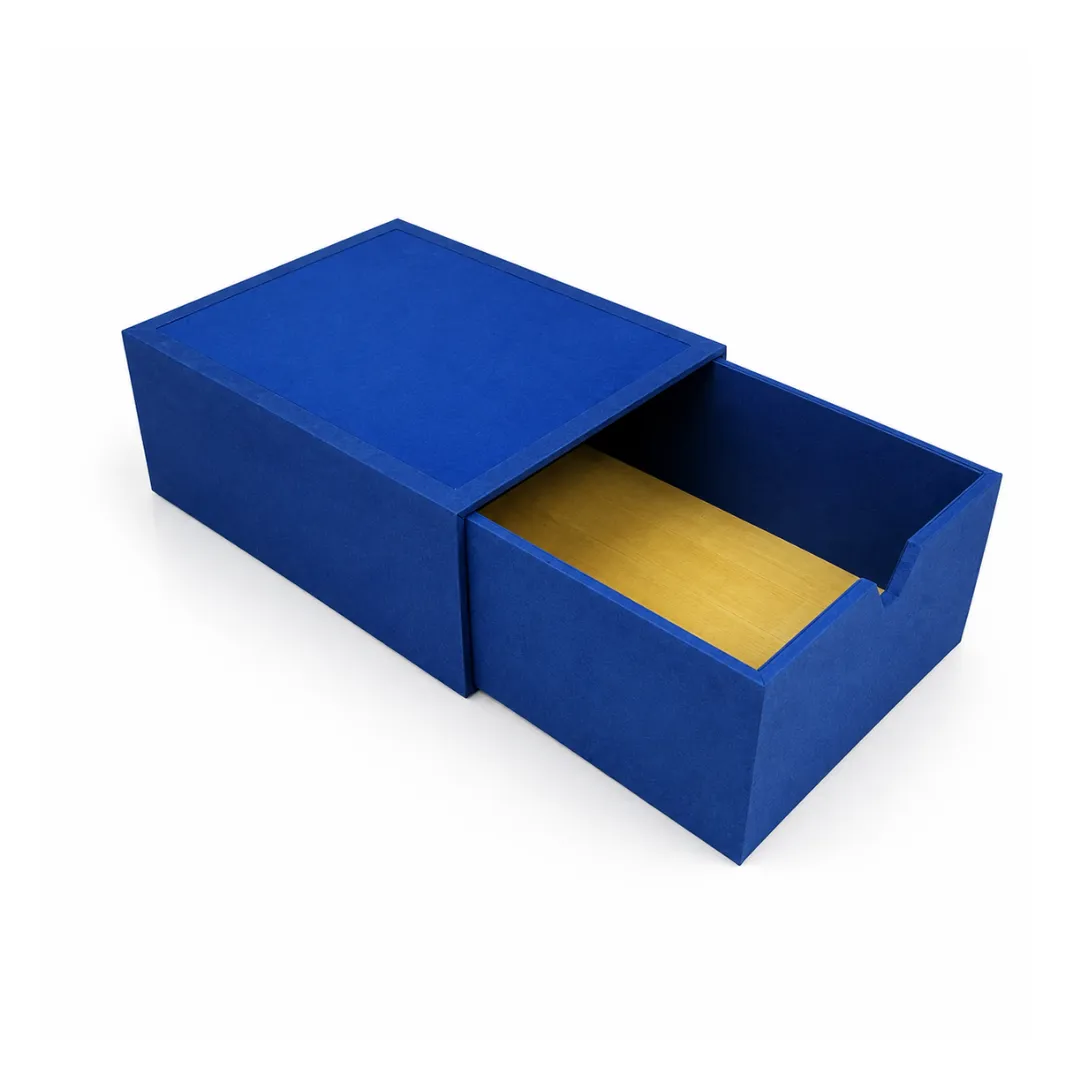
Rigid is highly protective, affordable and recyclable material. These boxes provide maximum protection.
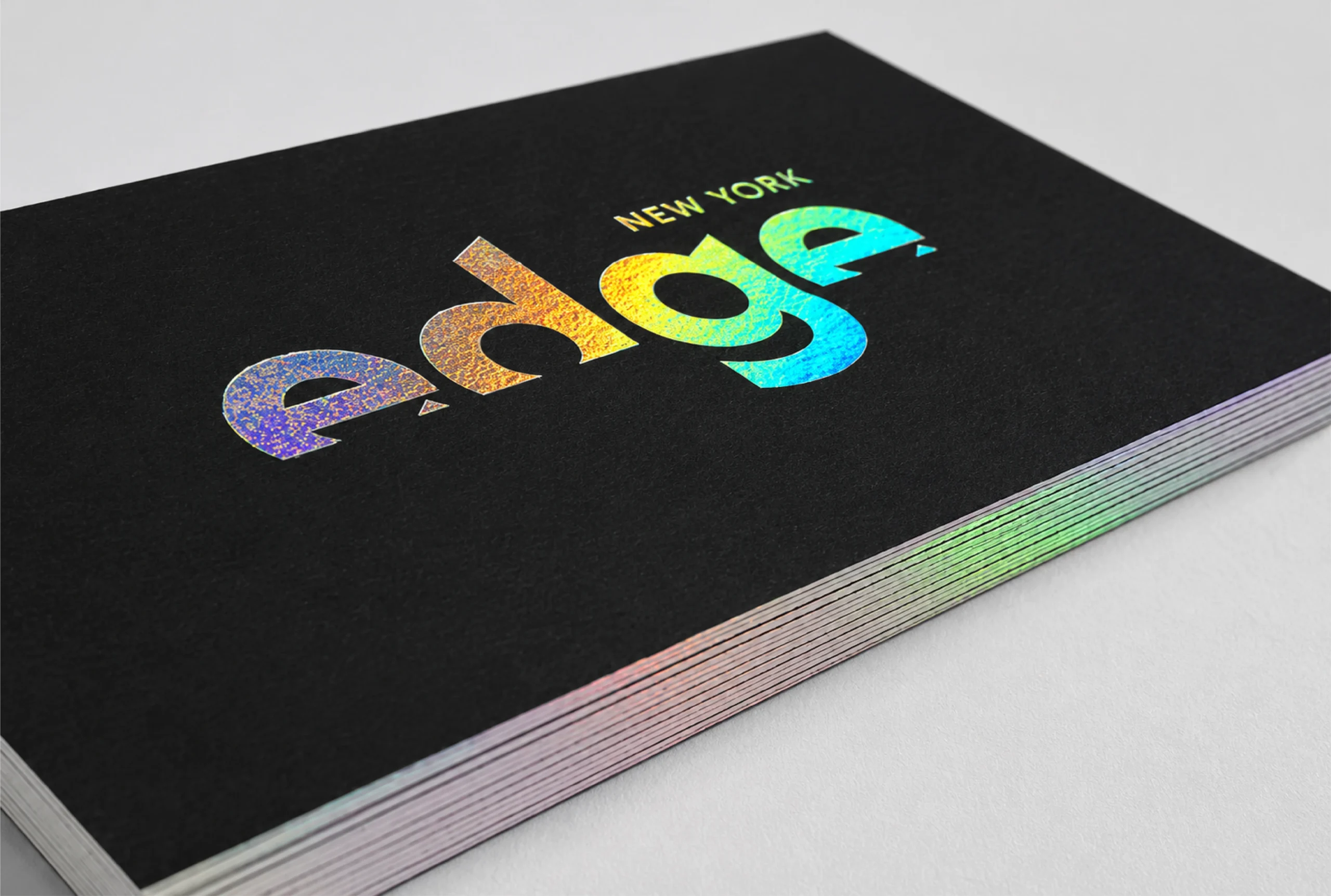
Holographic foil diffracts light and reveals the colors of the rainbow at various angles.
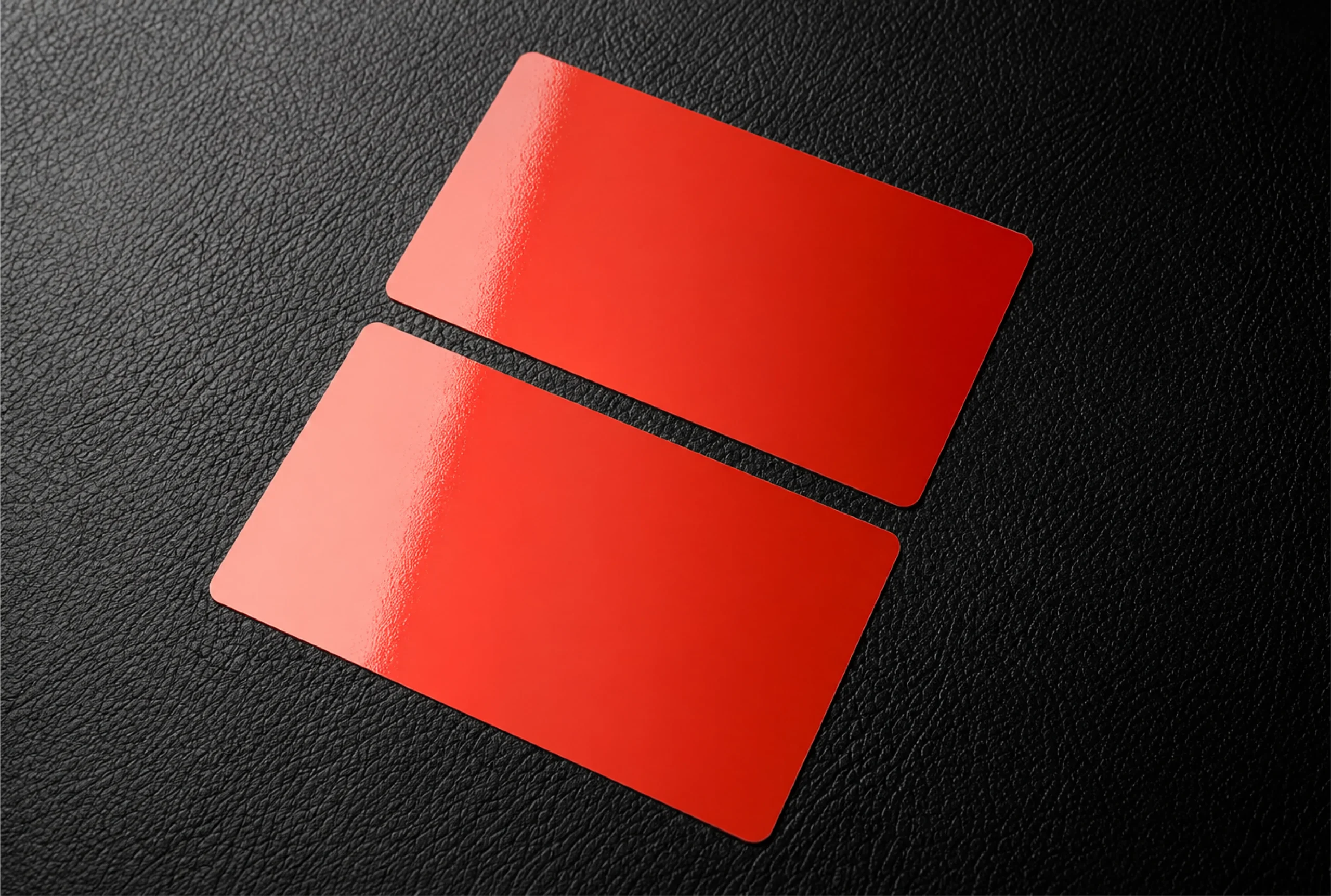
Our glossy finishing gives your packaging an extra layer of shine.
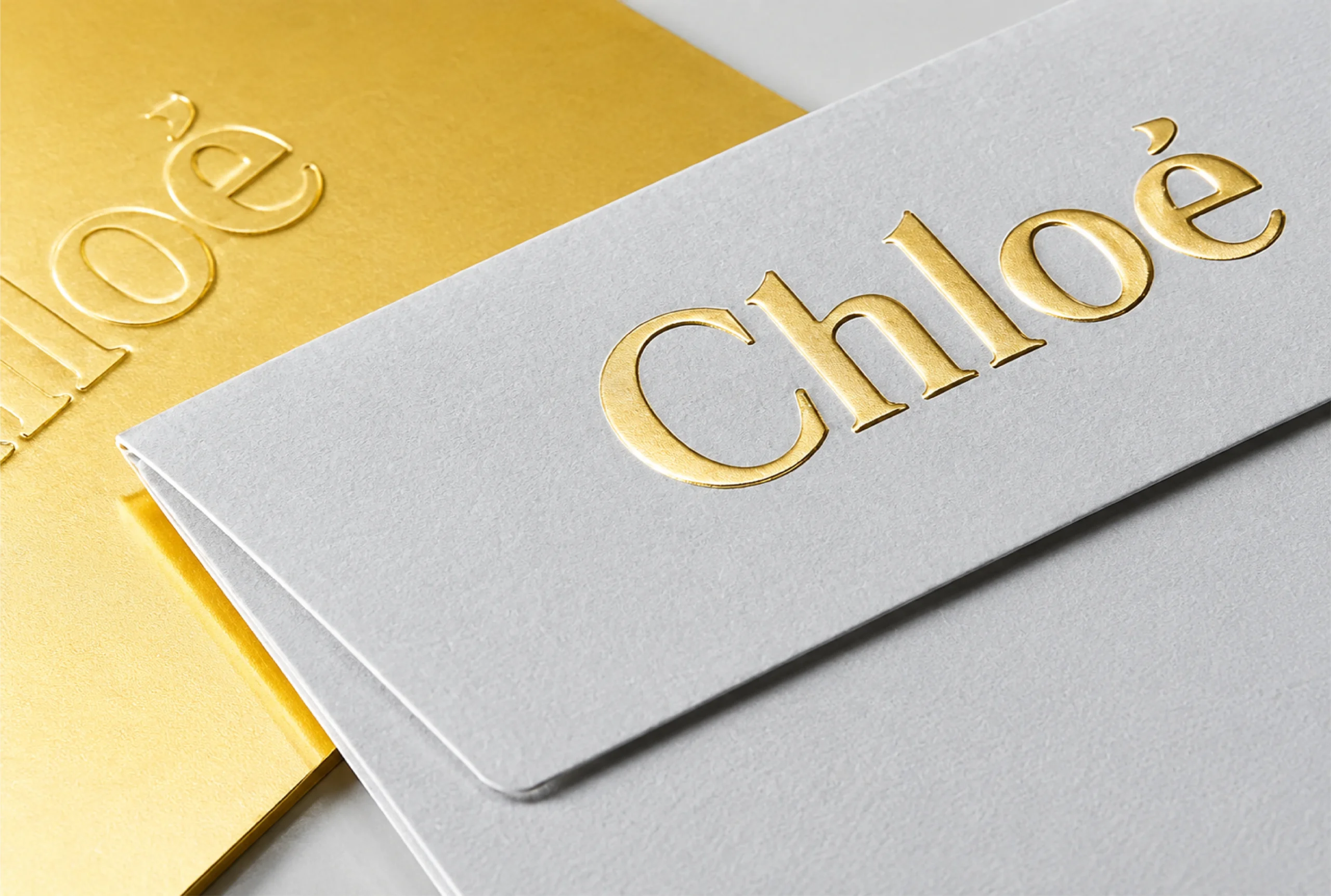
Decorate a wide range of your product packaging with our foil stamping.

With our embossing technique, we transfer the finest details of your product on packaging.
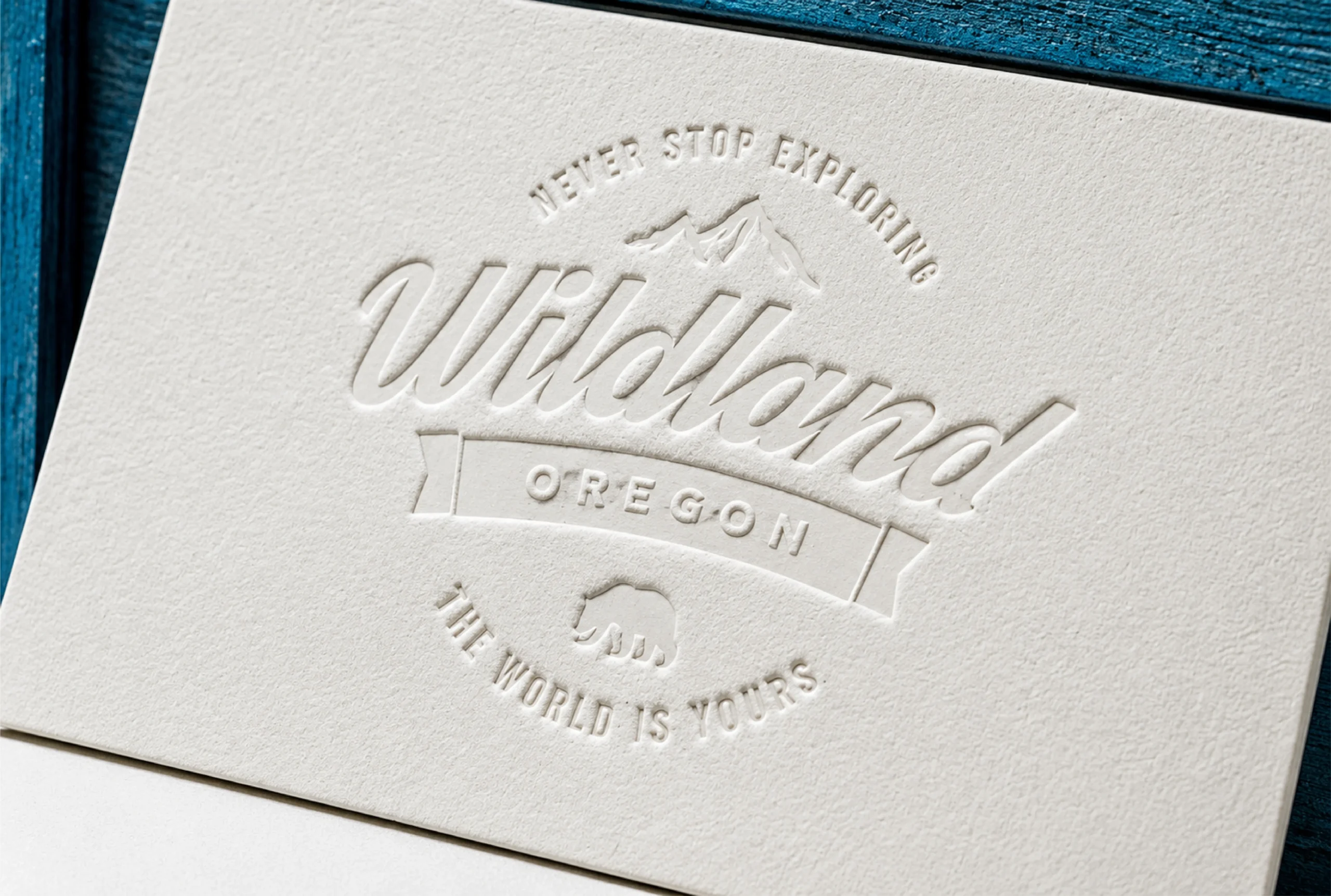
We use debossing technique to add unique graphics into your packaging.
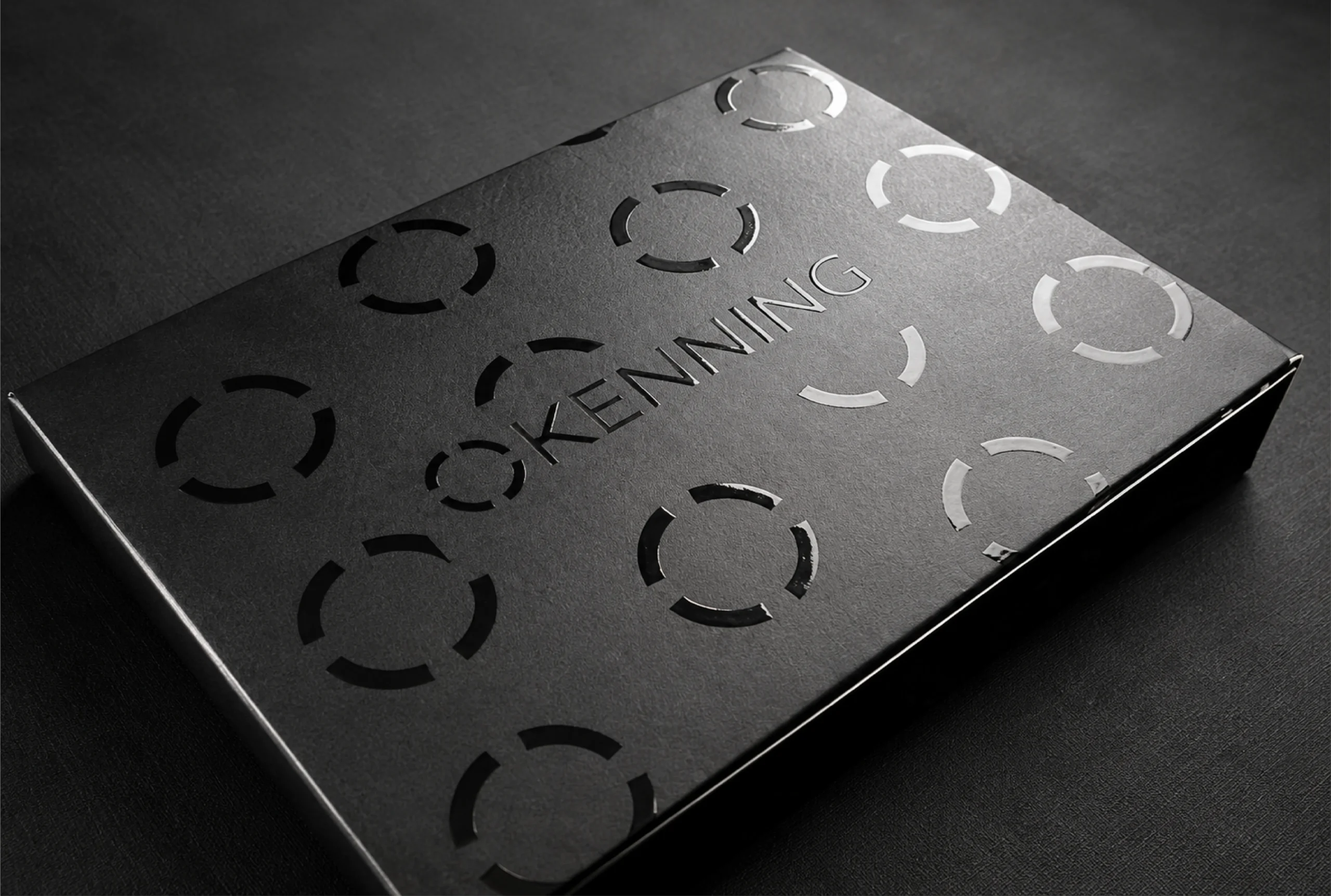
Our high-gloss UV coating gives light and shine to cure the printed material's varnish.
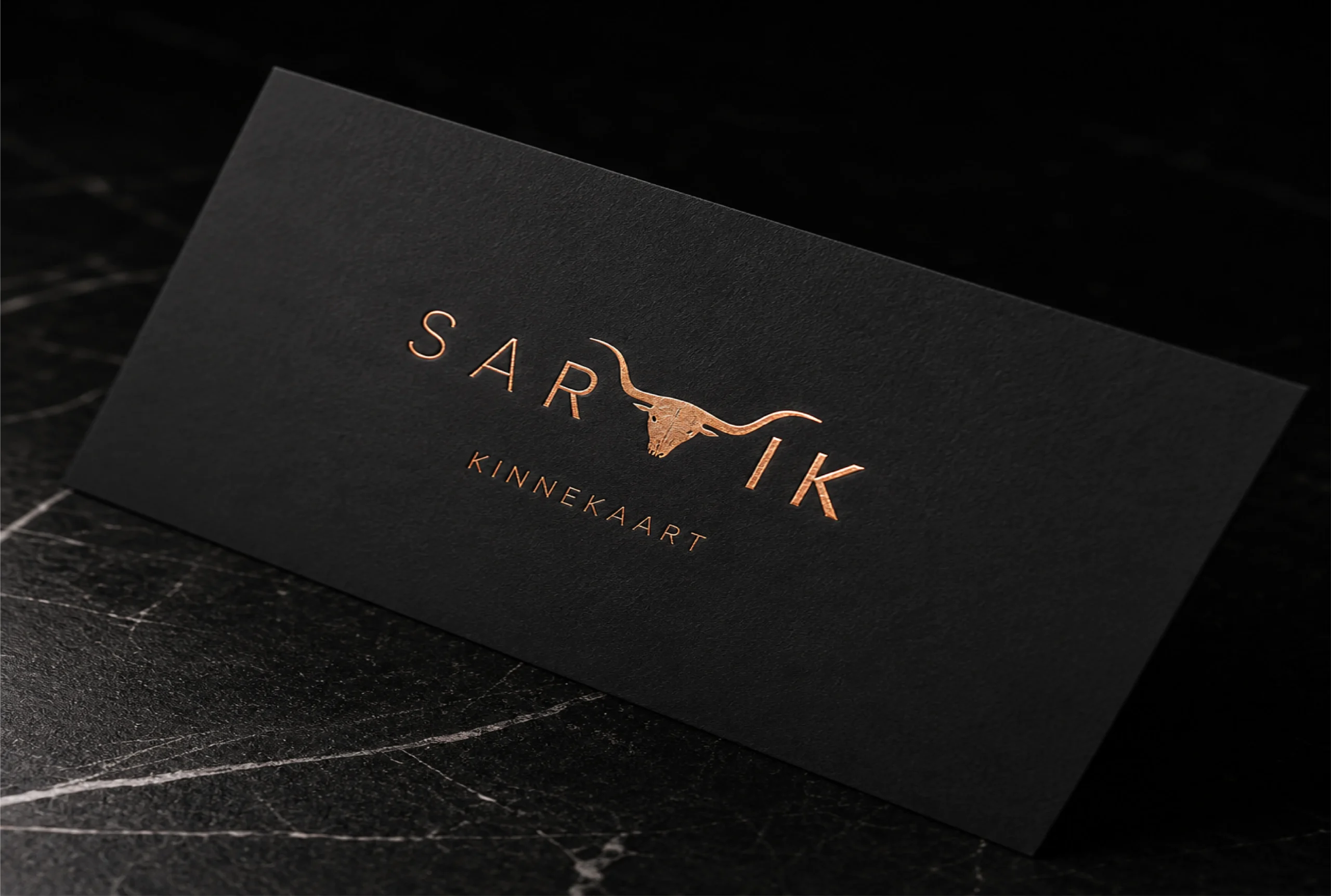
We add additional layer of protection with soft touch lamination from toner chipping.
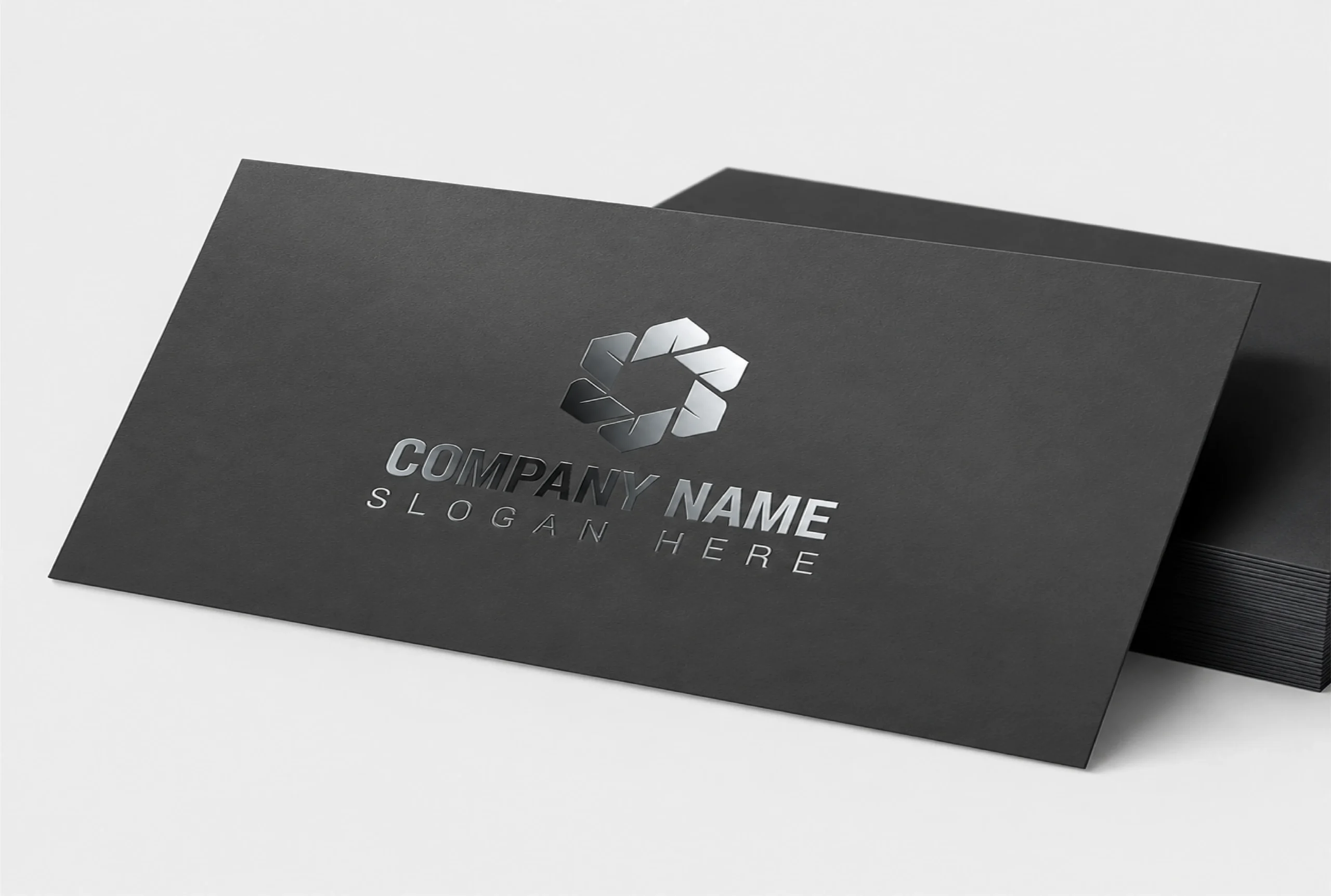
With our matte finish, fingerprints and smudges will now be less visible on the packaging.
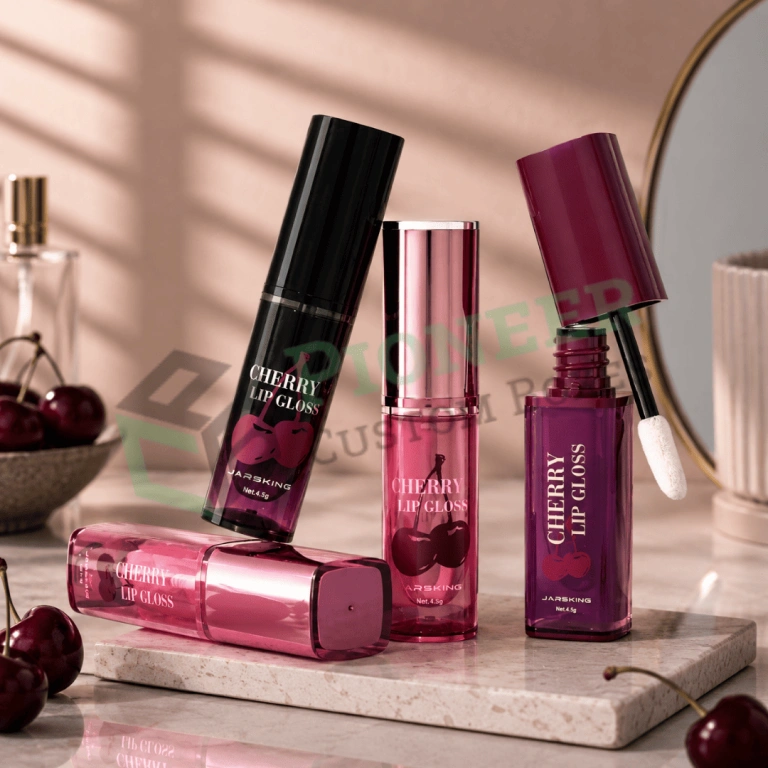
Custom lip gloss tubes packaging helps beauty, skincare, cosmetics, private label, and retail brands package gloss products with clean cartons, branded boxes, accurate label space, and premium shelf appeal. Choose custom gloss tube packaging, personalized lip gloss tubes presentation, empty lip gloss tubes wholesale box support, lip gloss tubes wholesale cartons, lip gloss containers wholesale packaging, printed boxes, inserts, labels, CMYK or PMS colors, matte finishes, gloss finishes, foil effects, and USA-wide cosmetic packaging support.

Custom eyeliner boxes protect delicate applicators while delivering sharp, premium branding for US beauty shelves. Pioneer Custom Boxes engineers precise structures, luxury finishes, and tailored inserts that secure every eyeliner style, liquid, gel, pencil, or felt-tip. These custom boxes elevate presentation, strengthen product stability, and create a refined unboxing experience.

Custom cream boxes from Pioneer Custom Boxes help skincare, cosmetic, clean beauty and personal care brands package glass jars, tubes, airless pumps and regimen sets without cracked scores or scuffed panels. Choose SBS, kraft or CRB board from 14pt to 24pt, collar and platform inserts, soft touch lamination, foil stamping, reserved ingredient panels, free design support, no MOQ and free USA shipping.

Custom hair extension boxes from Pioneer Custom Boxes help hair, wig, clip-in and salon supply brands package bundles without kinks or tangling. Choose long window boxes, hanging packs, rigid presentation boxes or tubes in SBS, kraft, E-flute or greyboard, with anti-static window film, weft cards, length stiffeners, soft touch, foil, free design support, no MOQ and free USA shipping.