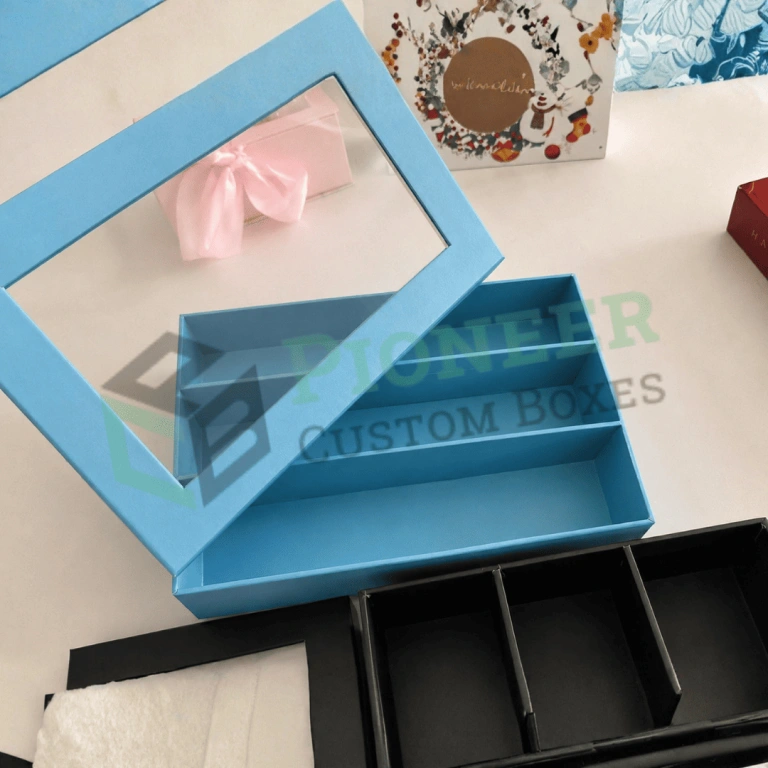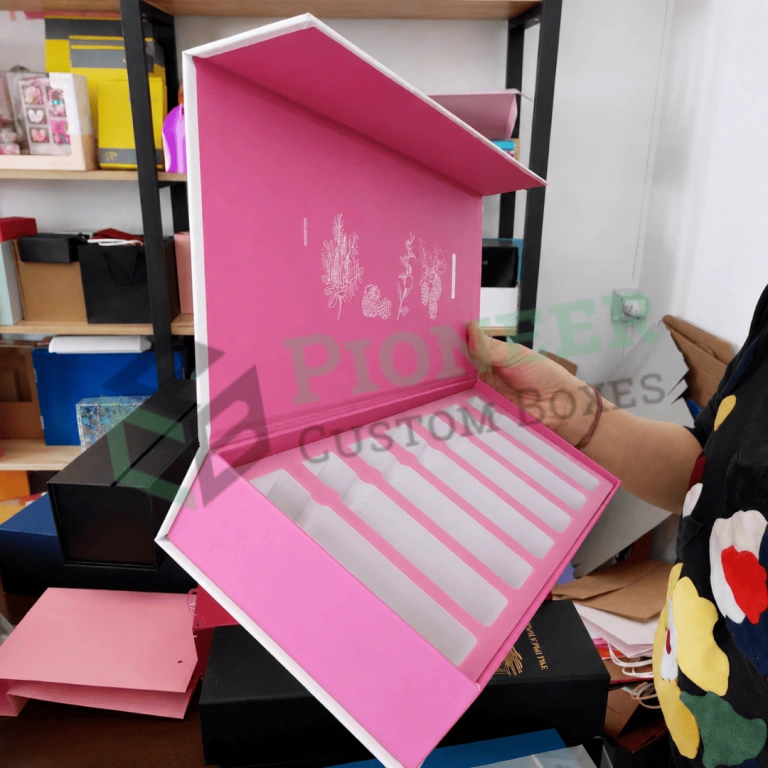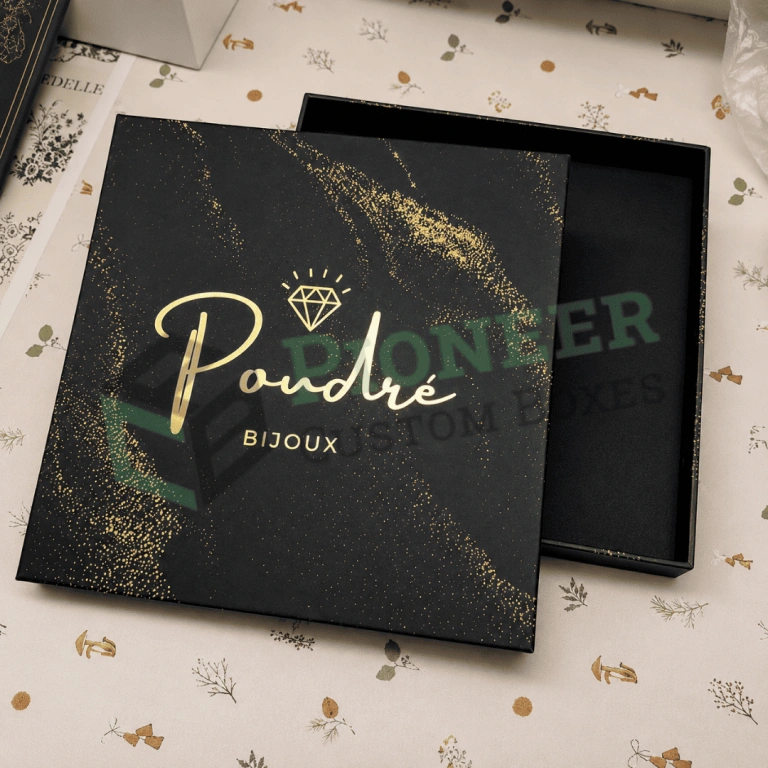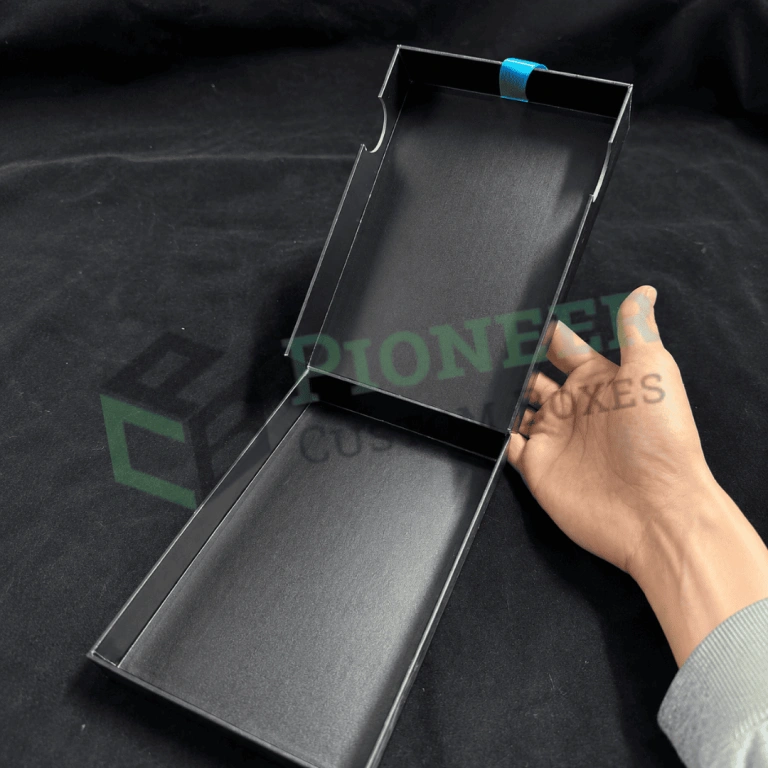
Custom hair extension boxes from Pioneer Custom Boxes help hair, wig, clip-in and salon supply brands package bundles without kinks or tangling. Choose long window boxes, hanging packs, rigid presentation boxes or tubes in SBS, kraft, E-flute or greyboard, with anti-static window film, weft cards, length stiffeners, soft touch, foil, free design support, no MOQ and free USA shipping.
Hair extension packaging has an unusual job. The product is long, soft, expensive and bought almost entirely on perceived quality, and the box has to communicate that quality while keeping a bundle straight, tangle-free and undamaged through storage and shipping.
Length is the constraint that shapes everything. Extensions run from twelve inches to thirty or more, and a box that folds or compresses a bundle creates kinks that a customer reads as poor quality even when the hair itself is excellent. Packaging in this category succeeds by keeping hair straight and presented.
Perceived value matters more here than in most retail categories, because customers cannot easily assess hair quality by looking at a photograph. The box carries a substantial share of the purchase decision, particularly online, which is why this sector invests in finishes that other categories at similar price points do not.
Pioneer Custom Boxes manufactures hair extension packaging in the United States with zero minimum order quantity, free dielines, free design support and free shipping nationwide. We cut our own dies and run our own presses, so a box is built around your actual bundle lengths.
The right structure depends on bundle length, whether hair is wefted, clipped or bonded, and how you sell.
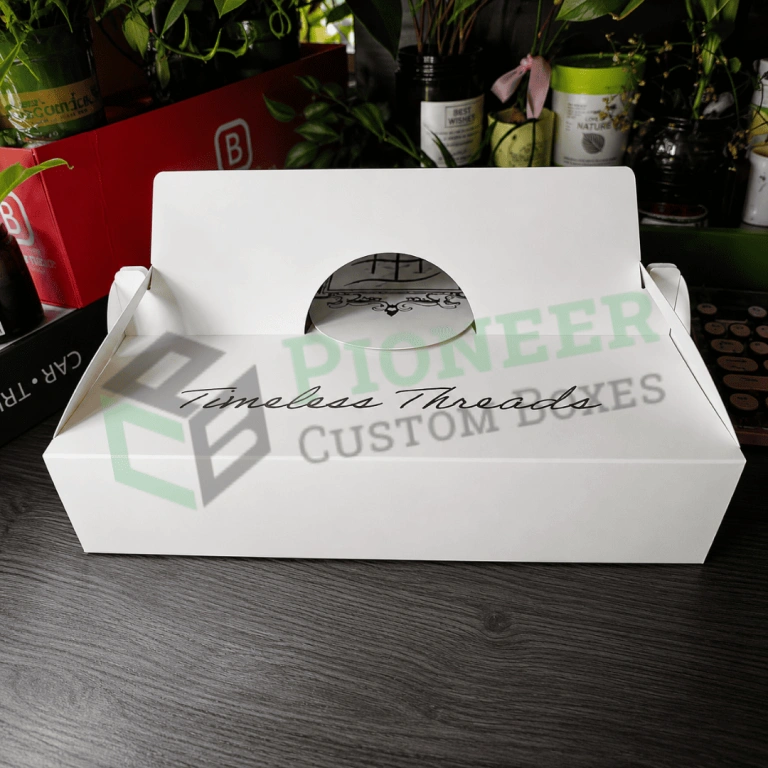
The most common retail format. A long shallow box holds a bundle flat and straight, with a die-cut window showing the color and texture. It stacks well on a shelf, protects the full length, and lets a customer assess the hair without opening anything.
A hinged or folded structure with an integrated hanger, designed for peg display in salons and beauty supply retail. Hair hangs its full length behind a window, which shows length and movement better than a flat box does.
A lid and base or sleeve and tray in rigid greyboard, for premium and luxury extension brands. It reads as expensive immediately, protects the bundle completely, and is frequently kept by customers for storage.
A cylindrical container holding hair rolled rather than flat. It uses less shelf space for the length, and it suits curly and wavy textures that flat packing would compress.
A flexible pouch with a printed board header, common at lower price points and for wholesale bundles. It costs the least, offers the least protection, and works where the hair is sold on price rather than presentation.
Clip-in sets contain multiple wefts of varying widths, so the box needs compartments or a card that holds each weft in order. Presenting a set as an organized system rather than a bundle of pieces materially affects how it is perceived.
Tell us your bundle lengths, the textures you sell and where you sell them, and we will recommend the structure that suits all three rather than defaulting to the most common one.
Sizing here follows bundle length above everything else. These formats cover the lengths and set types we produce most often.
| Product | Typical Size (inches) | Caliper | Feature |
|---|---|---|---|
| 12 to 14 inch bundle | 15 x 5 x 1.5 | 18pt SBS | Window, flat pack |
| 16 to 18 inch bundle | 19 x 5 x 1.5 | 18pt SBS | Window, flat pack |
| 20 to 22 inch bundle | 23 x 5 x 1.5 | 18pt to 20pt | Window, reinforced length |
| 24 to 26 inch bundle | 27 x 5 x 2 | 20pt SBS | Window, stiffener insert |
| 28 to 30 inch bundle | 31 x 6 x 2 | 20pt or E-flute | Stiffener, longer format |
| Clip-in set, 7 pieces | 14 x 10 x 2 | 20pt with insert | Compartment card |
| Tape-in set | 12 x 8 x 1 | 18pt SBS | Fitted card holder |
| Curly or wavy bundle | 14 x 8 x 3 | 18pt SBS | Deeper box, no compression |
| Wig or closure box | 12 x 10 x 4 | 20pt or rigid | Form insert to hold shape |
| Rigid presentation box | 24 x 6 x 2.5 | 2mm greyboard | Lid and base or sleeve |
| Hanging retail pack | 20 x 5 x 1 | 18pt SBS | Reinforced hanger, window |
Send us your bundle lengths and textures and we return a free dieline for each length within one business day. Where you sell several lengths, we will show you how to share a die across them.
This is the technical heart of hair extension packaging, and it is where most failures happen.
Bending is the first enemy. A bundle folded to fit a shorter box develops a kink at the fold that persists after washing, and customers attribute that to hair quality rather than to packaging. Boxes must accommodate full length without compression, which is why box length rather than width or depth drives this category.
Long boxes flex, and that flex causes its own problems. A thirty-inch box in light board bows in the middle when handled, which pressures the hair inside. A stiffener insert running the length of the box, or a step up in caliper, prevents it and costs very little.
Tangling comes from movement. Hair sliding inside a box during transit tangles at the ends, and a bundle that arrives tangled is frequently returned. A fitted card, a tie or a fabric band holding the weft at the top keeps the bundle organized through handling.
Moisture is a genuine risk that many brands overlook. Hair absorbs humidity, and a bundle stored in damp conditions can develop odor and lose its finish. A moisture-resistant board or a sealed inner pouch protects it, particularly for stock held over long periods.
Compression damages texture. Curly and wavy hair packed into a flat box loses definition, and customers see a different product from the one photographed. Those textures need a deeper box or a tube, and packing them flat to save shelf space is a false economy.
For clip-in and tape-in sets, organization is protection. Wefts that shift and tangle around each other in a loose box arrive as a knot, and a compartment card holding each piece in order prevents it entirely.
Board choice balances a long unsupported span against a product bought on perceived quality.
The standard for printed extension boxes. The bright white surface reproduces the rich colors and hair photography this category relies on, and it takes soft touch, foil and spot UV cleanly. We run 18pt to about twenty inches of length and step to 20pt or 24pt beyond that, because a long box needs stiffness the shorter formats do not.
For the longest formats and for boxes shipping alone, E-flute adds rigidity across a long span and real crush resistance. It prints acceptably and it stops the bowing that light board develops at thirty inches.
For premium and luxury extension brands. It gives the weight customers associate with high-quality hair, it holds a long span without flexing, and it is frequently kept and reused for storage, which extends brand presence long after purchase.
Natural brown for brands positioning around natural or ethically sourced hair. It costs less than bleached stock, though it reproduces hair color photography poorly, so it suits designs using flat graphics rather than product imagery.
Worth specifying where stock is held for long periods or shipped through humid regions. Hair absorbs moisture, and packaging that manages it protects the product through storage.
PET film behind a die-cut aperture lets customers see color and texture while keeping the hair enclosed. Anti-static films are available and worth considering, since static causes flyaway strands that make hair look poorer than it is through a window.
Caliper here is a span decision rather than a load one. The box carries almost no weight and it does have to remain flat and unbent across a long dimension, which is a different requirement from most retail packaging and the reason light board fails in this category.
Color reproduction matters unusually much here, because customers use the box to judge the shade they are buying.
Offset gives the finest detail and the most consistent color across a run, which matters when a customer compares a printed shade swatch against hair visible through a window. It is the right economics past roughly a thousand boxes per design.
Digital prints without plates, which suits this category well because brands carry many shade and length variants. Each combination can be printed in small quantities without a plate set, and variable data can carry shade numbers and length codes within one run.
CMYK reproduces hair photography convincingly on white board. Its limitation matters here more than usual, because natural hair tones include subtle warm browns and blondes that sit at the edge of the four-color range and can shift between runs.
Pantone inks print identically on every run. For brands whose shade system is color-coded on the packaging, spot inks are what keep shade six looking different from shade seven consistently across a year of production.
RGB is a screen color space and cannot be printed. Your website shade charts live in RGB, and conversion shifts tones noticeably. That gap is a real commercial problem in this category, because a customer who orders a shade seen online and receives packaging showing a different tone loses confidence before opening the box. We convert with proper profiles and show you printed samples.
A practical recommendation. Where your packaging carries shade indication, print the swatch as a spot color rather than a CMYK build, and match it against physical hair samples rather than a screen. That single step prevents most shade-related complaints.
This is a category where finishing does measurable commercial work, because customers judge hair quality partly through the packaging around it.
The most effective single finish here. A velvet surface reads as premium immediately, and for a product customers cannot assess by touch through a window, the tactile quality of the box stands in for it.
A restrained surface that photographs without glare, which matters because this category sells heavily through images. It also makes foil stand out sharply.
Lifts saturated color and suits brighter, more commercial positioning. It shows fingerprints on dark boxes, and dark boxes are common in this sector.
Gold and rose gold foil are close to category conventions in hair extensions, and a single hit on the logo signals price point efficiently. It works best against matte or soft touch.
Gloss varnish on a matte surface, effective on a logo or a pattern. Keep it away from the barcode.
Texture that customers feel when handling the box. On a long box, a debossed pattern across the face also stiffens the panel slightly, which is a small structural bonus.
| Feature | What It Does | Best Suited To |
|---|---|---|
| Die-cut window | Shows color and texture unopened | All retail formats |
| Anti-static window film | Prevents flyaway strands at the window | Straight and silky textures |
| Length stiffener insert | Stops long boxes bowing | 20 inch and longer bundles |
| Fitted weft card | Holds the bundle top, prevents tangling | All bundle formats |
| Compartment card | Organizes clip-in and tape-in sets | Multi-piece sets |
| Reinforced hanger | Peg display without tearing | Salon and beauty supply retail |
| Shade and length panel | Identifies the variant clearly | Brands with many SKUs |
| Moisture-resistant liner | Protects hair in humid storage | Long stock holding periods |
| Resealable closure | Lets customers store hair in the box | Premium and reusable positioning |
The resealable or reusable closure deserves attention. Customers store extensions between wears, and a box designed to be reused keeps your brand in a drawer for months. That is unusually long brand presence for a packaging decision that costs very little.
Brands in this category usually carry many SKUs across length and shade, and that variety is where cost accumulates rather than in the unit price.
The number of separate dies leads. A brand running five lengths across eight shades does not need forty boxes, it needs five dies with shade varied by printing. Consolidating that way is almost always the largest available saving.
Box length is second, because board is priced by area and these boxes are long. Sizing precisely to your bundle rather than rounding up saves on every unit, and a bundle that fits without excess space also travels better.
Caliper is third and should not be cut below what the span requires. A long box in light board bows and pressures the hair, which produces the exact complaint the packaging exists to prevent.
Finishing follows, then the window and any insert, then quantity.
| Cost Driver | Impact | How to Reduce It |
|---|---|---|
| Number of separate dies | Highest across a range | One die per length, vary shade by printing |
| Box length | High | Size to the actual bundle, do not round up |
| Board caliper | High, do not cut below span needs | Match caliper to length, not to the shortest box |
| Finishing passes | Moderate | Soft touch plus one foil hit |
| Window and film type | Moderate | Standard PET unless static is a problem |
| Insert and stiffener | Moderate | Combine the stiffener and weft card into one part |
| Order quantity | Moderate | Run all lengths in one production order |
The single most useful saving in this category is combining the stiffener and the weft-holding card into one die-cut component. It costs the same as either one alone and does both jobs.
Extension packaging fails in ways that only appear once hair is inside it, so inspection tests the loaded box.
| Check | What We Verify | Why It Matters |
|---|---|---|
| Length fit | A full-length bundle laid flat inside | Bending creates kinks customers blame on hair |
| Span rigidity | Loaded box held at both ends and at the center | Long boxes bow and pressure the contents |
| Window film clarity | Optical clarity and even bond around the aperture | Customers judge shade through this window |
| Anti-static performance | Film tested against a hair sample | Static flyaways make good hair look poor |
| Weft card retention | Bundle held at the top through handling | Movement causes tangling at the ends |
| Hanger strength | Reinforced tab under repeated hanging | Unreinforced hangers tear on the first hook |
| Shade panel color match | Printed swatch against a physical hair sample | Screen-matched swatches mislead customers |
| Score and fold quality | Clean folds with no cracking | Long scores crack more readily than short ones |
| Closure security | Box stays closed when handled and inverted | An opening box exposes the product |
| Barcode readability | Scan test on a flat matte area | Beauty supply retailers reject unscannable packs |
We check the shade panel against physical hair rather than against a screen, because that is the comparison a customer actually makes. If anything fails, we remake it rather than ship it.
The same hair needs different packaging emphasis depending on the channel, and most brands sell through more than one.
Salons and stylists buy on performance and consistency rather than on presentation, and they store stock in back rooms. Clear length and shade identification on the box end matters most here, because a stylist is picking from a stacked shelf rather than browsing.
Beauty supply retail is a peg and shelf environment. Hanging formats with reinforced tabs, clear windows and strong shade coding perform best, and packaging competes directly against dozens of similar products at arm length.
Online direct-to-consumer is where presentation carries the most weight. The customer cannot touch the hair, so the box does the reassurance work, and the unboxing is frequently photographed and shared. Soft touch, foil and a considered interior earn their cost in this channel more than any other.
Wholesale and bulk supply prioritizes cost and protection over presentation, often using pouches with printed headers. Even here, protecting length and preventing tangling remains necessary, since damaged stock is returned.
Brands selling through several of these channels usually benefit from one structure with different finishing levels rather than entirely separate packaging. The die is shared, and the retail version adds finishes the wholesale version omits.
This category uses a lot of plastic historically, and customers increasingly notice.
Paperboard and corrugated both recycle through standard programs. What complicates it here is the window film and any plastic pouch, which are the elements most often added without much thought.
Recyclable and compostable window films exist and behave similarly to standard PET. They cost slightly more, and for a brand positioning around ethical sourcing they close an obvious gap between the message and the packaging.
Recycled content board and FSC-certified stocks are available across every grade we run. Because ethical sourcing is already part of the conversation in this sector, documentation matters, and we record exactly what your board contains.
Reusability is a genuine sustainability argument here rather than a stretch. Customers store extensions between wears, and a box designed to be reused stays in use for months or years rather than being discarded after one opening. Designing for that is both a marketing advantage and a real reduction in waste.
These errors recur across extension brands, and each one is avoidable before a die is cut.
Using one box length for several bundle lengths leads the list. Folding a twenty-two inch bundle into an eighteen inch box creates a kink that survives washing, and the customer returns the hair rather than the packaging.
Under-specifying caliper on long boxes is second. A thirty-inch box in 18pt bows in the middle, and that flex pressures the hair and looks flimsy on a shelf.
Tooling a separate box for every shade is third and is the most common waste. Shade varies by printing, not by structure, and a brand with forty SKUs usually needs five dies.
Matching a printed shade swatch to a screen rather than to physical hair produces packaging that misrepresents the product, which generates returns and undermines trust in a category built on it.
Packing curly and wavy textures flat to save shelf space compresses the curl pattern, and the customer receives visibly different hair from the one photographed.
Finally, skipping the weft card. Hair sliding loose inside a box tangles at the ends during transit, and a tangled bundle arriving at a customer is very frequently returned regardless of its actual quality.
An extension brand came to us with a return rate that had climbed steadily as they added longer lengths. Customers were reporting kinks and waves in hair sold as straight.
They ran three box lengths across seven bundle lengths, so their longest bundles were being folded to fit. The fold sat roughly two-thirds down the length, which is exactly where it is most visible when hair is worn, and it did not wash out.
We built dies for each of their seven lengths, sharing artwork so the range stayed coherent, and added a combined stiffener and weft card that held the bundle at the top and prevented the box bowing. The longest two lengths moved from 18pt to 20pt board.
Returns for hair quality fell by more than half over the following two quarters. Their packaging cost per unit rose slightly because they now carried seven dies rather than three, and the reduction in returns exceeded that difference many times over in the first month.
Ordering runs through four steps and our team carries the technical work in each one.
First, send your bundle lengths, textures and the number of shades you carry. Length drives the dies, texture drives the depth, and shade count tells us how much can be handled by printing rather than tooling.
Second, we return free dielines and a written quote within one business day, showing how few dies your range actually needs alongside the option of one per SKU.
Third, you approve a digital proof, and for this product we strongly recommend a loaded physical sample. Put a real bundle inside, hold the box at both ends, and look at the shade through the window. Samples take three to five business days.
Fourth, we produce and ship. Standard production runs eight to twelve business days, rush production runs four to six, and shipping across the United States costs nothing. New shades run against your stored dies with only the printing changing.
Three things make custom extension packaging workable for a new brand as well as an established one, and none carry a hidden charge.
Zero minimum order quantity means a brand launching with three lengths can order properly branded boxes rather than buying generic stock packaging. Digital printing covers those runs with no plate cost, so a full shade range is achievable from the first order.
Free design support covers structural work, length and span calculation, insert design, window placement and artwork preparation including shade swatch matching against physical hair. If you have no artwork, we can lay out a clean design from your existing brand materials.
Free shipping applies across the United States on every order, rush production included. We manufacture domestically, so adding a length or a shade never waits at a port.
We are a direct manufacturer rather than a broker. We cut our own dies, run our own presses and finish every order in house, which is why we can quote quickly, adjust a specification mid-conversation and stand behind what leaves our floor.
For this category the practical benefit is span and color. We test long boxes loaded rather than empty, and we match printed shade panels against physical hair samples rather than against a monitor, because those are the two things that decide whether a customer keeps the product.
Send us your bundle lengths, textures and shade count, and we will return free dielines, a written quote and a recommendation on how few dies your range needs for custom hair extension boxes within one business day. Order now, or get a free quote and we will build a loaded sample you can inspect.
| Box Style | Custom Hair Extension Boxes |
| Dimension (L + W + H) | All Custom Sizes & Shapes |
| Quantities | No Minimum Order Required |
| Paper Stock | 10pt to 28pt (60lb to 400lb) Eco-Friendly Kraft, E-flute Corrugated, Bux Board, Cardstock |
| Printing | No Printing, CMYK, CMYK + 1 PMS color, CMYK + 2 PMS colors |
| Finishing | Gloss Lamination, Matte Lamination, Gloss AQ, Gloss UV, Matte UV, Spot UV, Embossing, Foiling |
| Included Options | Die Cutting, Gluing, Scored, Perforation |
| Additional Options | Eco-Friendly, Recycled Boxes, Biodegradable |
| Proof | Flat View, 3D Mock-up, Physical Sampling (On request) |
| Turnaround | 4 – 8 Business Days, RUSH |
| Shipping | FLAT |
Every great product deserves packaging that turns heads. Here's how we make it happen — step by seamless step.
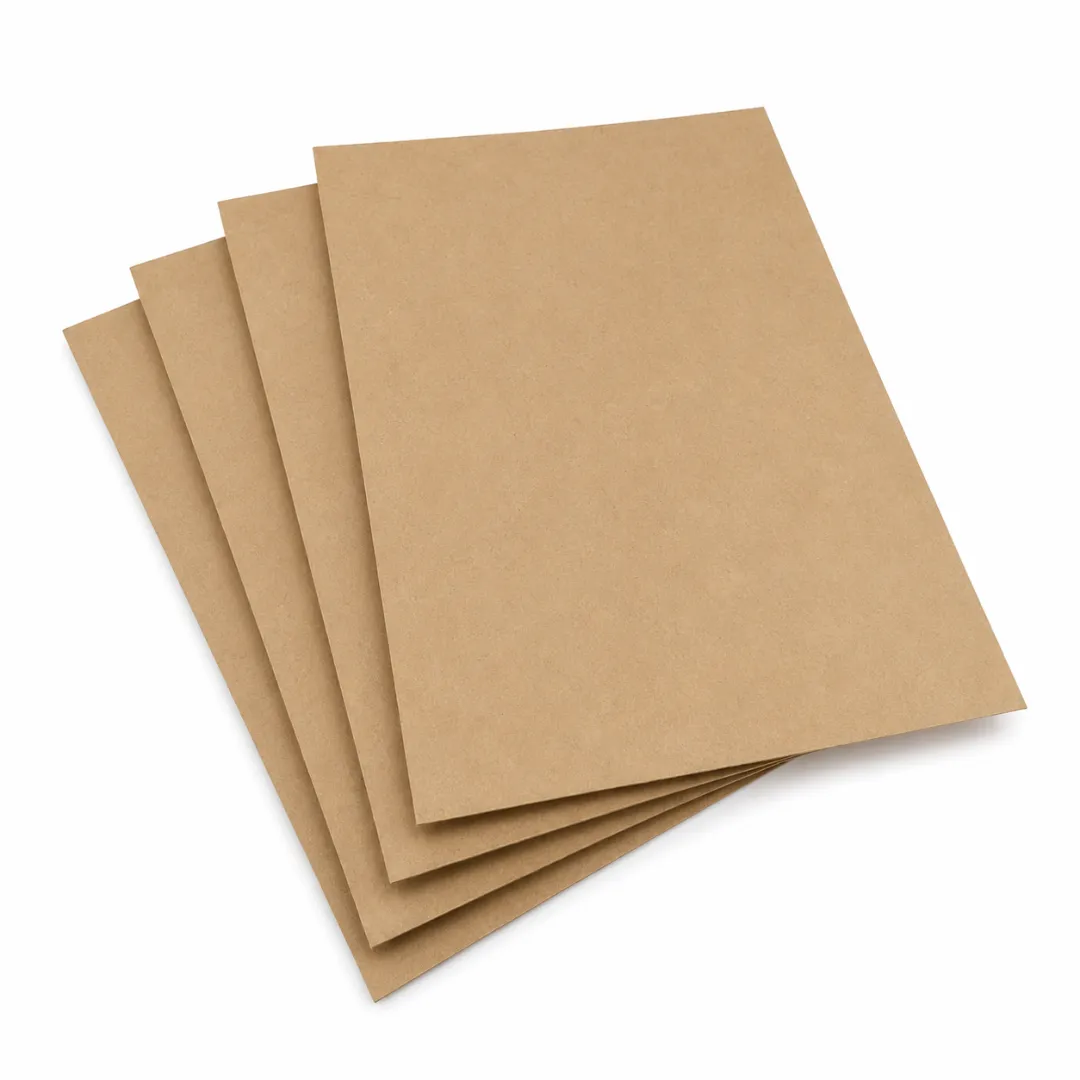
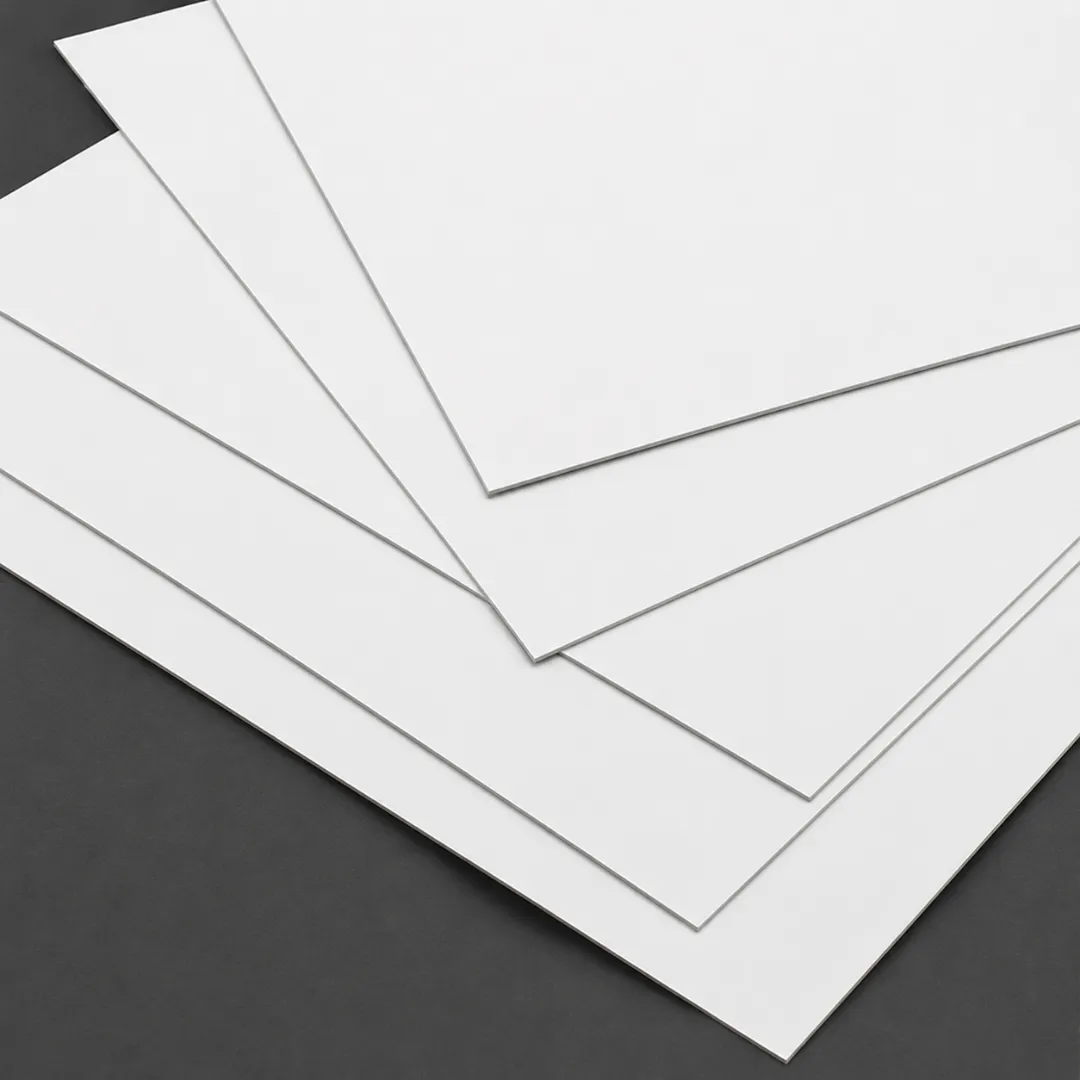
Kraft paper is a strong, durable and reliable material that is widely used across many different industries.
We use cardboard material with the least environmental impact and minimizes waste generation.
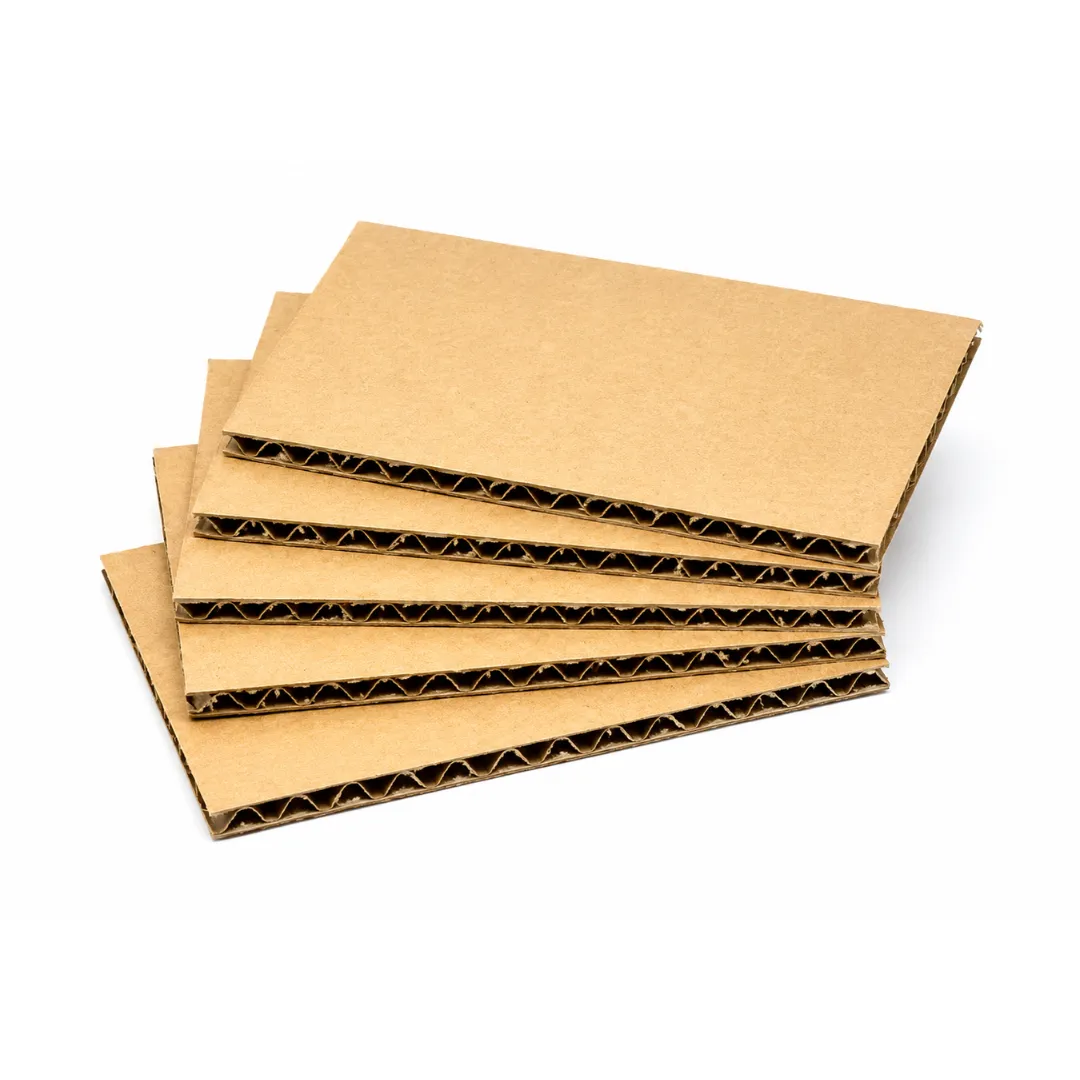
Corrugated material is easy to customize, cost effective and sustainable. It is also great for branding purposes.
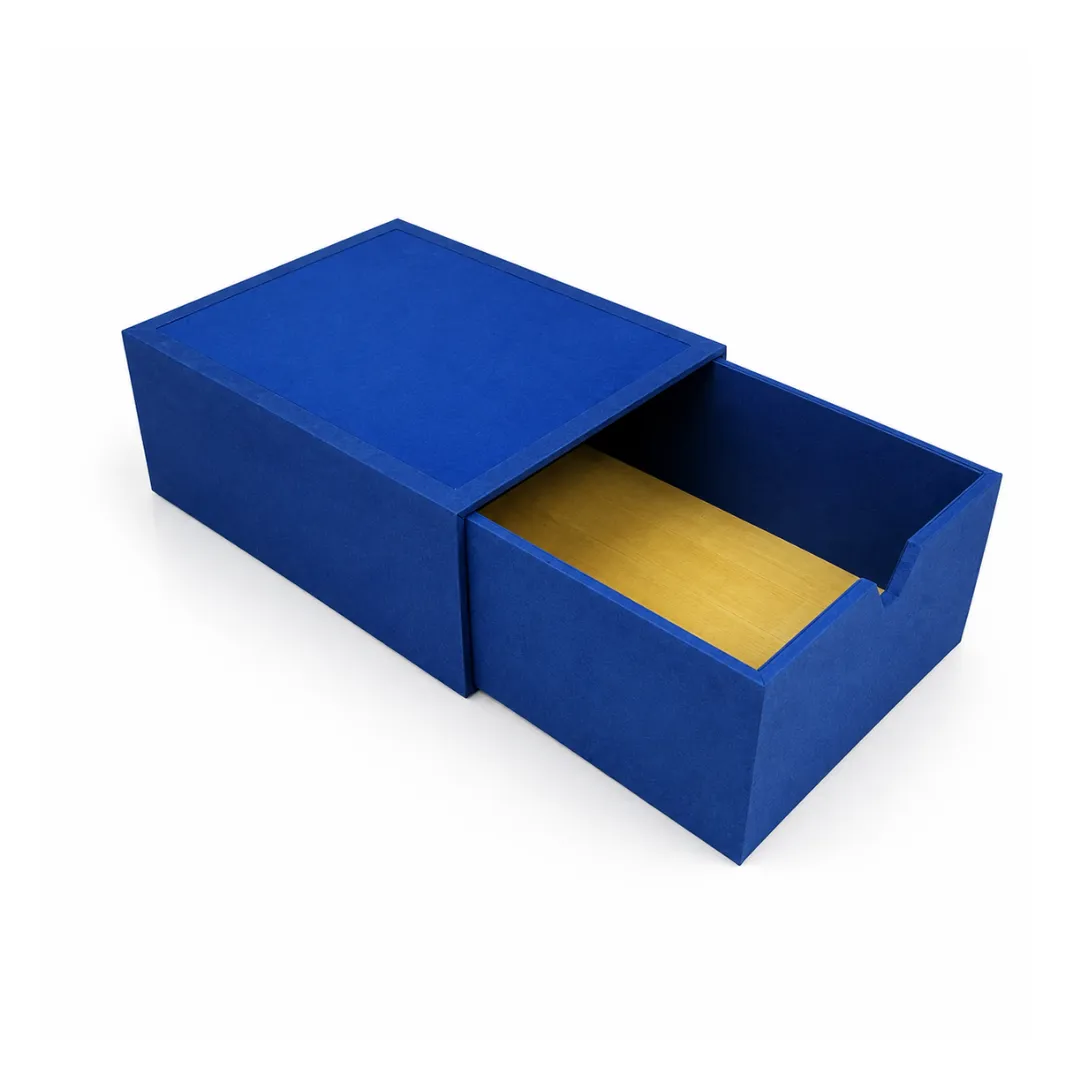
Rigid is highly protective, affordable and recyclable material. These boxes provide maximum protection.
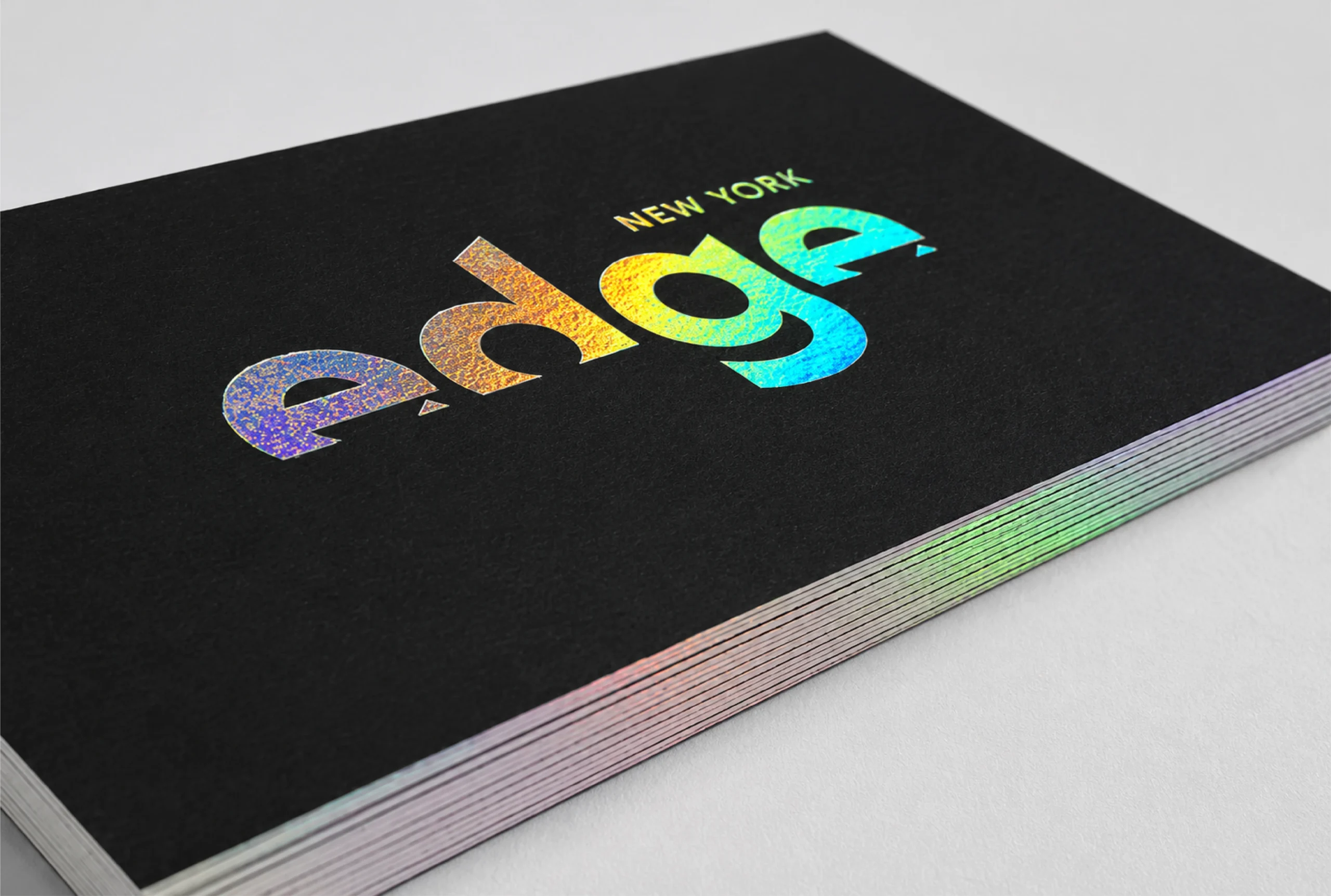
Holographic foil diffracts light and reveals the colors of the rainbow at various angles.
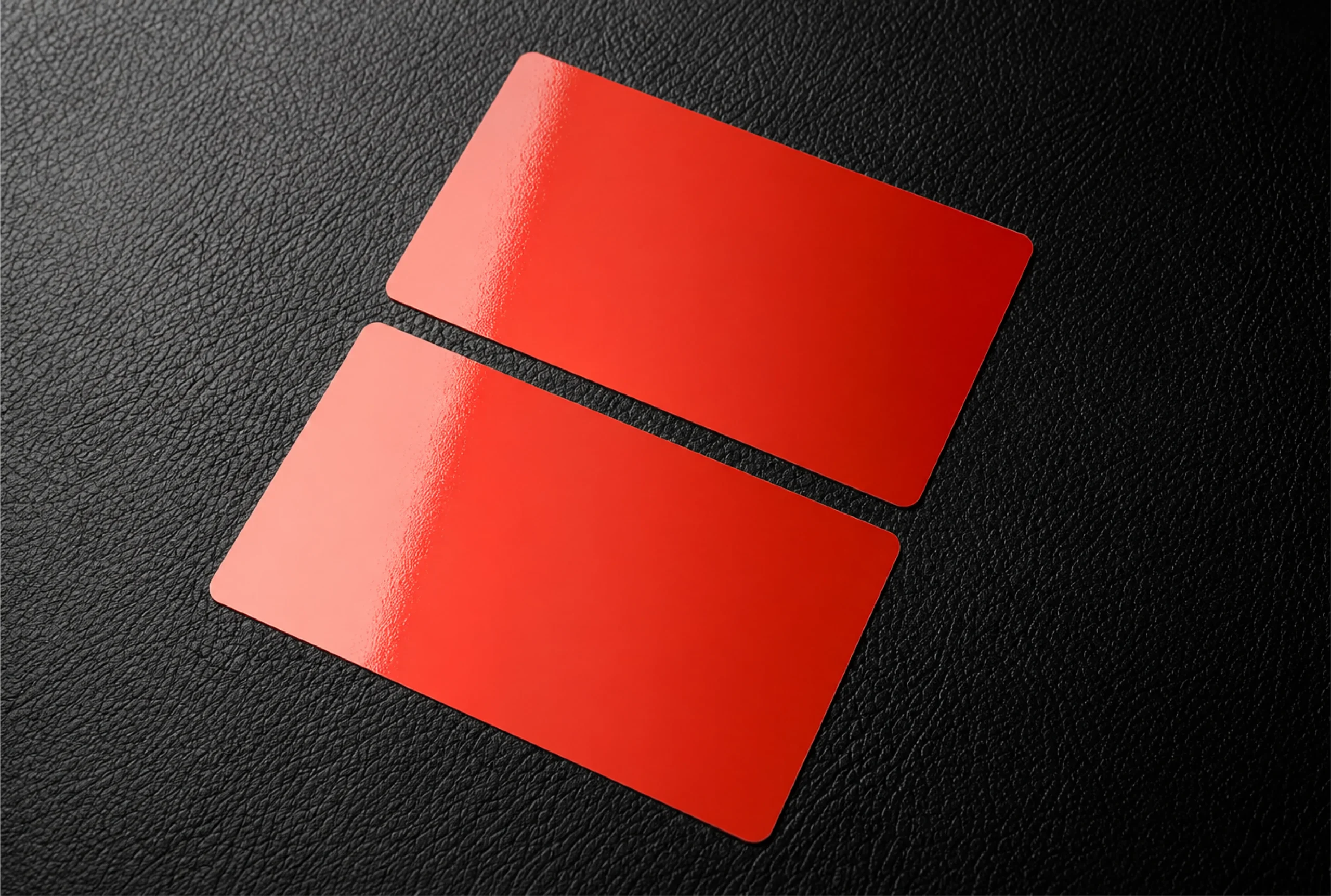
Our glossy finishing gives your packaging an extra layer of shine.
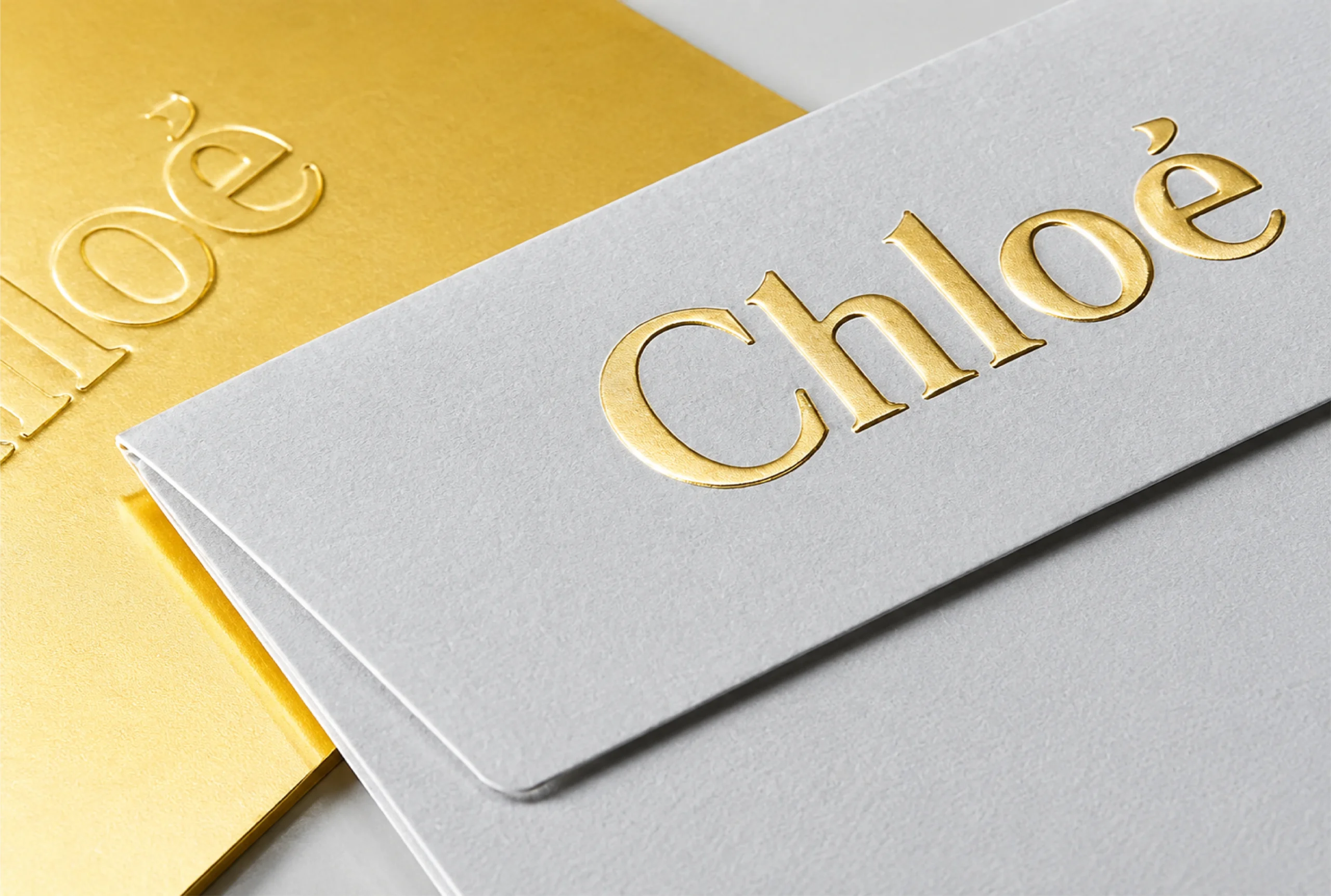
Decorate a wide range of your product packaging with our foil stamping.

With our embossing technique, we transfer the finest details of your product on packaging.
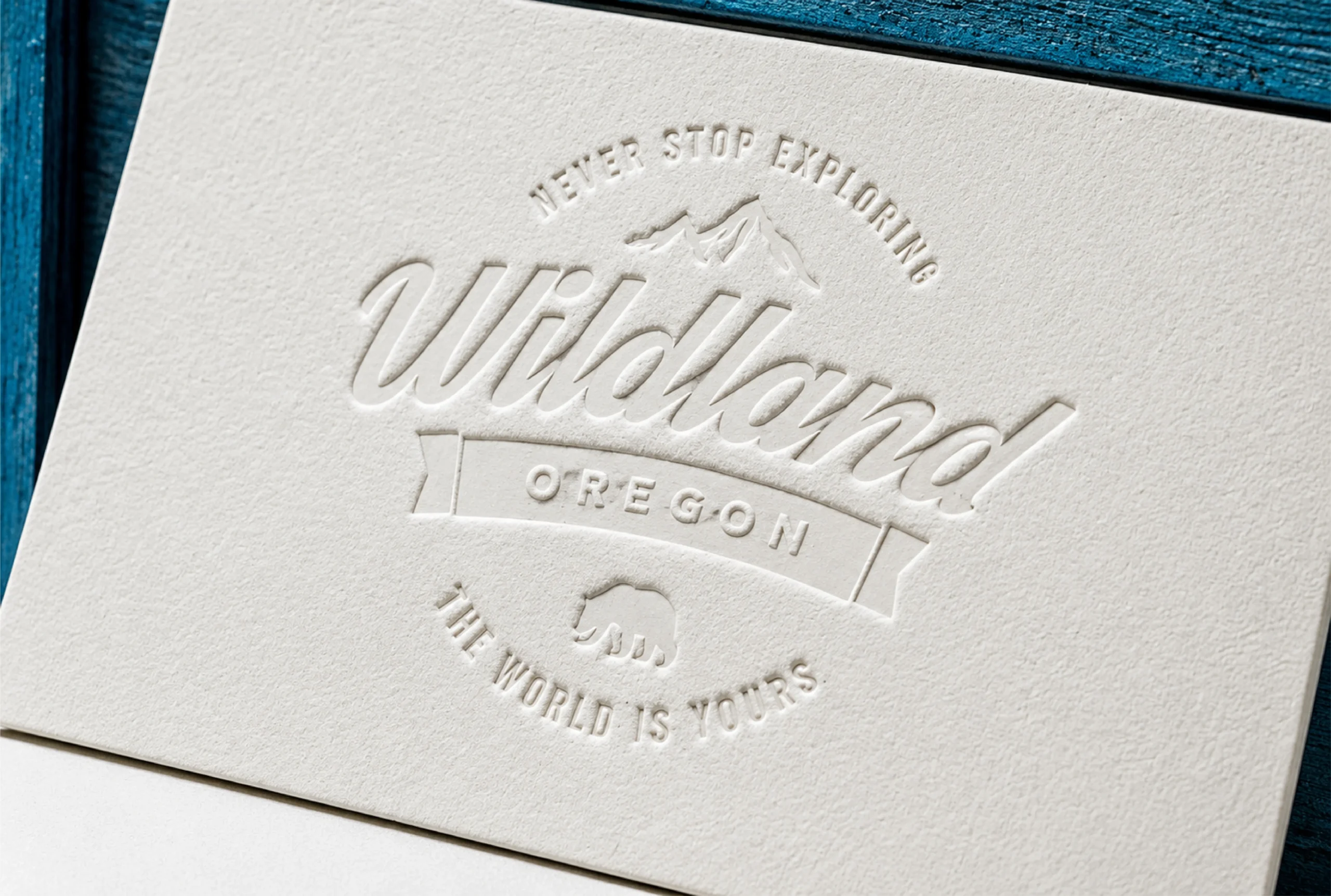
We use debossing technique to add unique graphics into your packaging.
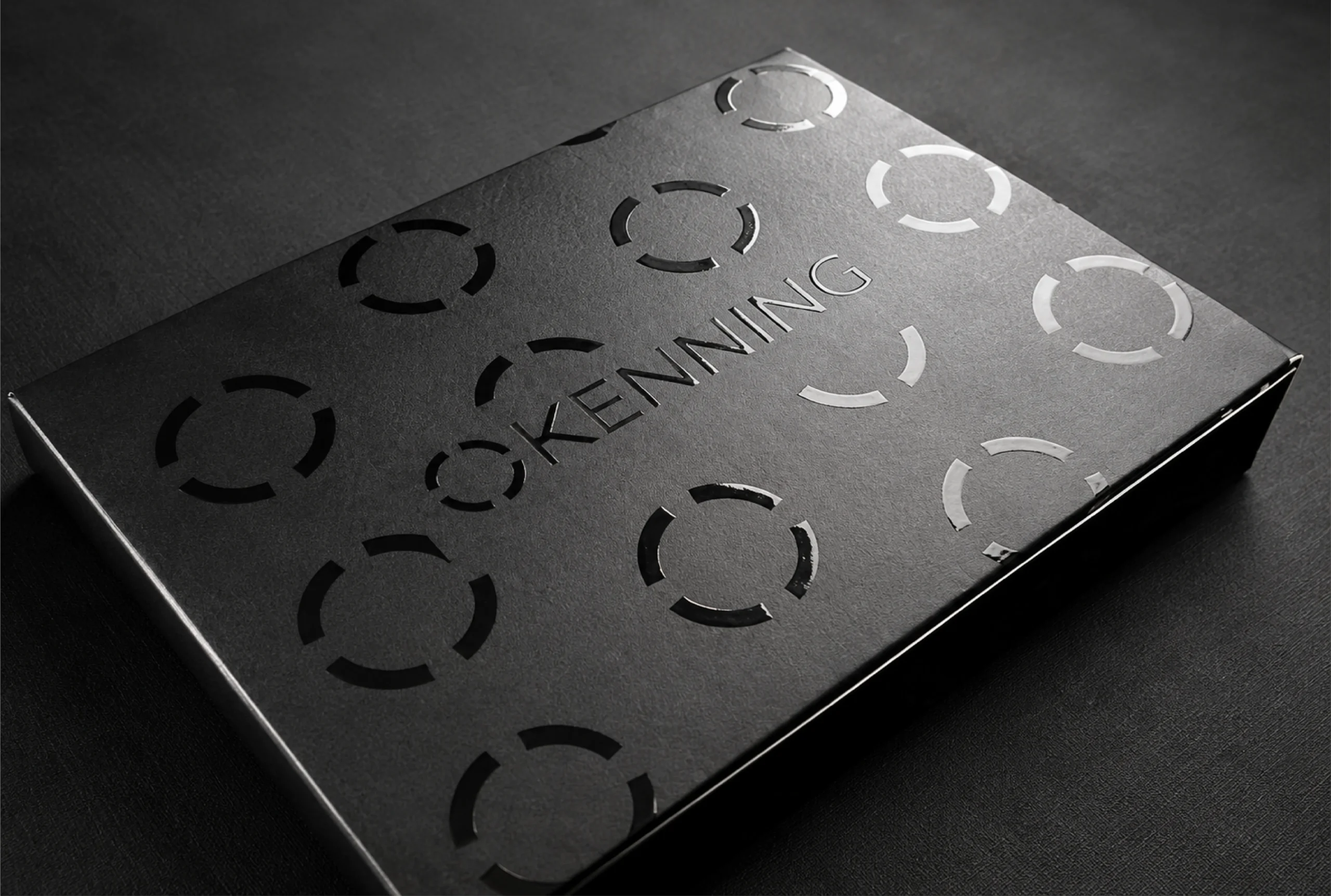
Our high-gloss UV coating gives light and shine to cure the printed material's varnish.
We add additional layer of protection with soft touch lamination from toner chipping.
With our matte finish, fingerprints and smudges will now be less visible on the packaging.

Custom eye shadow boxes protect delicate pigments while showcasing your palette with exceptional precision and style. Pioneer Custom Boxes engineers premium structures, inserts, and finishes that elevate visual impact and safeguard every pan during US retail and shipping. These bespoke boxes enhance unboxing, strengthen brand identity, and present your eye shadow collections with true professional quality.

Custom eyeliner boxes protect delicate applicators while delivering sharp, premium branding for US beauty shelves. Pioneer Custom Boxes engineers precise structures, luxury finishes, and tailored inserts that secure every eyeliner style, liquid, gel, pencil, or felt-tip. These custom boxes elevate presentation, strengthen product stability, and create a refined unboxing experience.

Custom lip balm boxes manufactured by Pioneer Custom Boxes deliver precise fit, strong protection, and premium branding for tubes, tins, and multipack balms. These tailored cartons elevate presentation, reinforce ingredient messaging, and ensure every balm stays secure through retail display and nationwide US shipping.

Custom perfume boxes from Pioneer Custom Boxes present heavy glass flacons for fragrance houses, indie perfumers, private label brands, gift set producers and beauty retailers. Choose wrapped rigid, magnetic closure, drawer or folding carton builds with foil stamping, embossing, fitted cradles, cellophane overwrap, free design support, zero MOQ and free USA shipping.