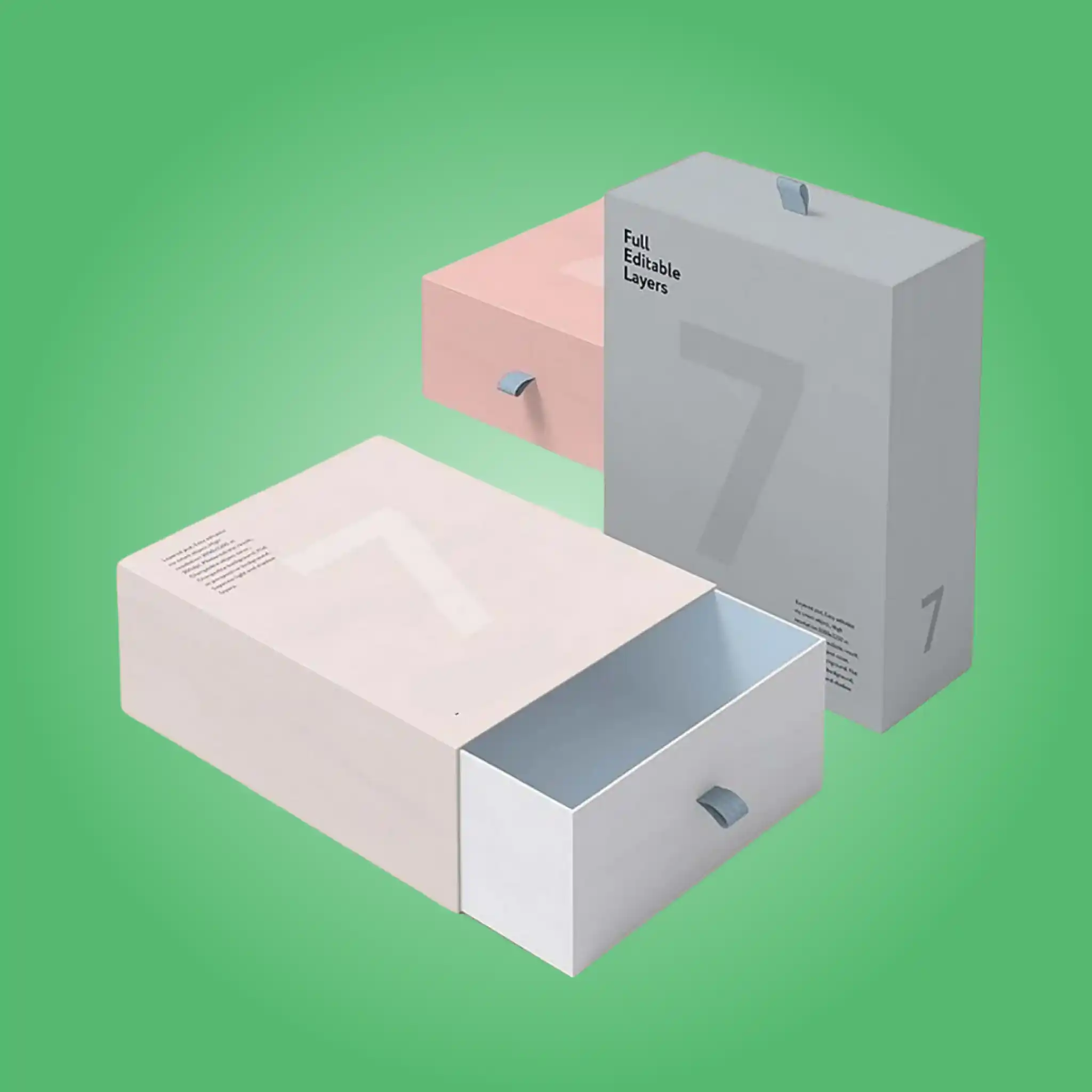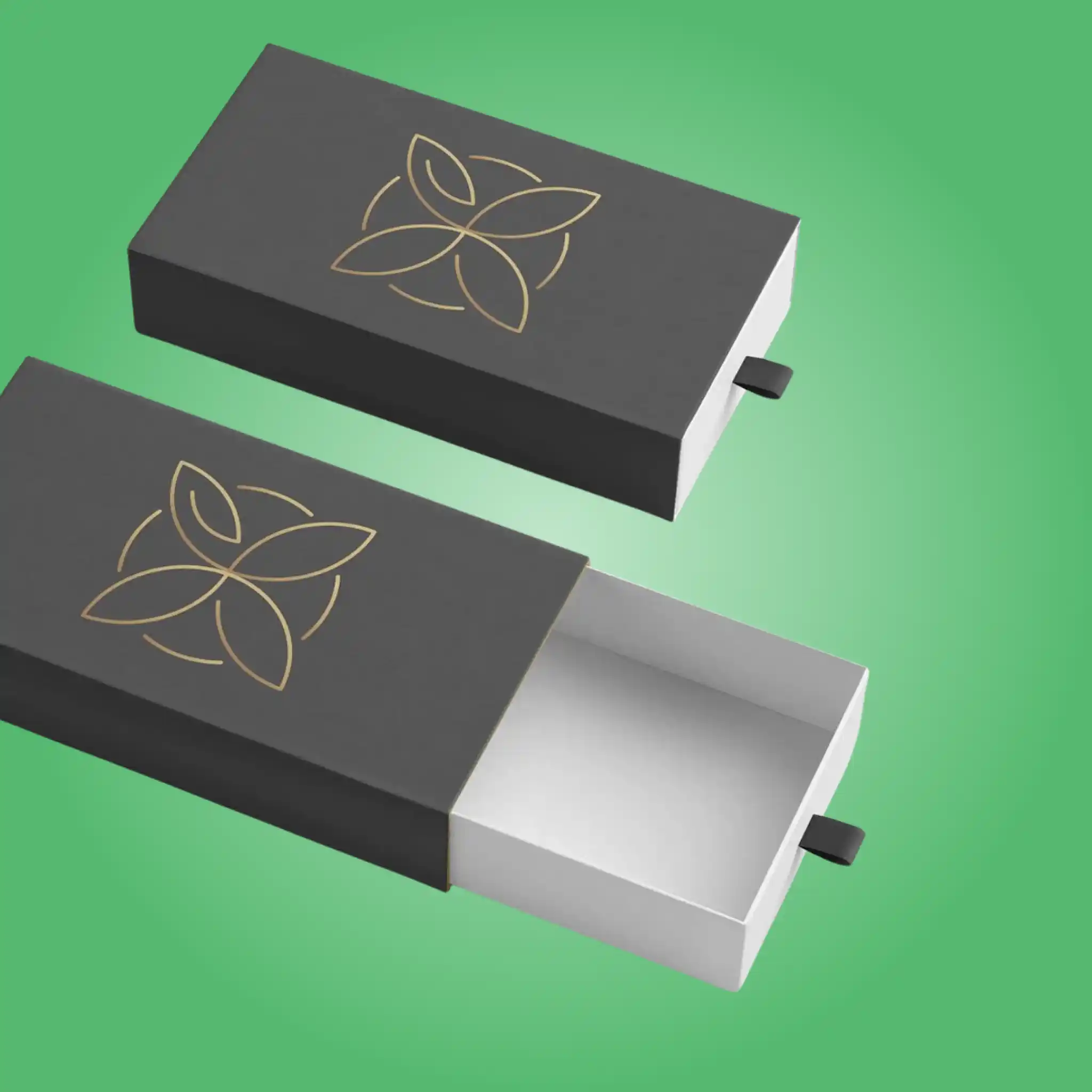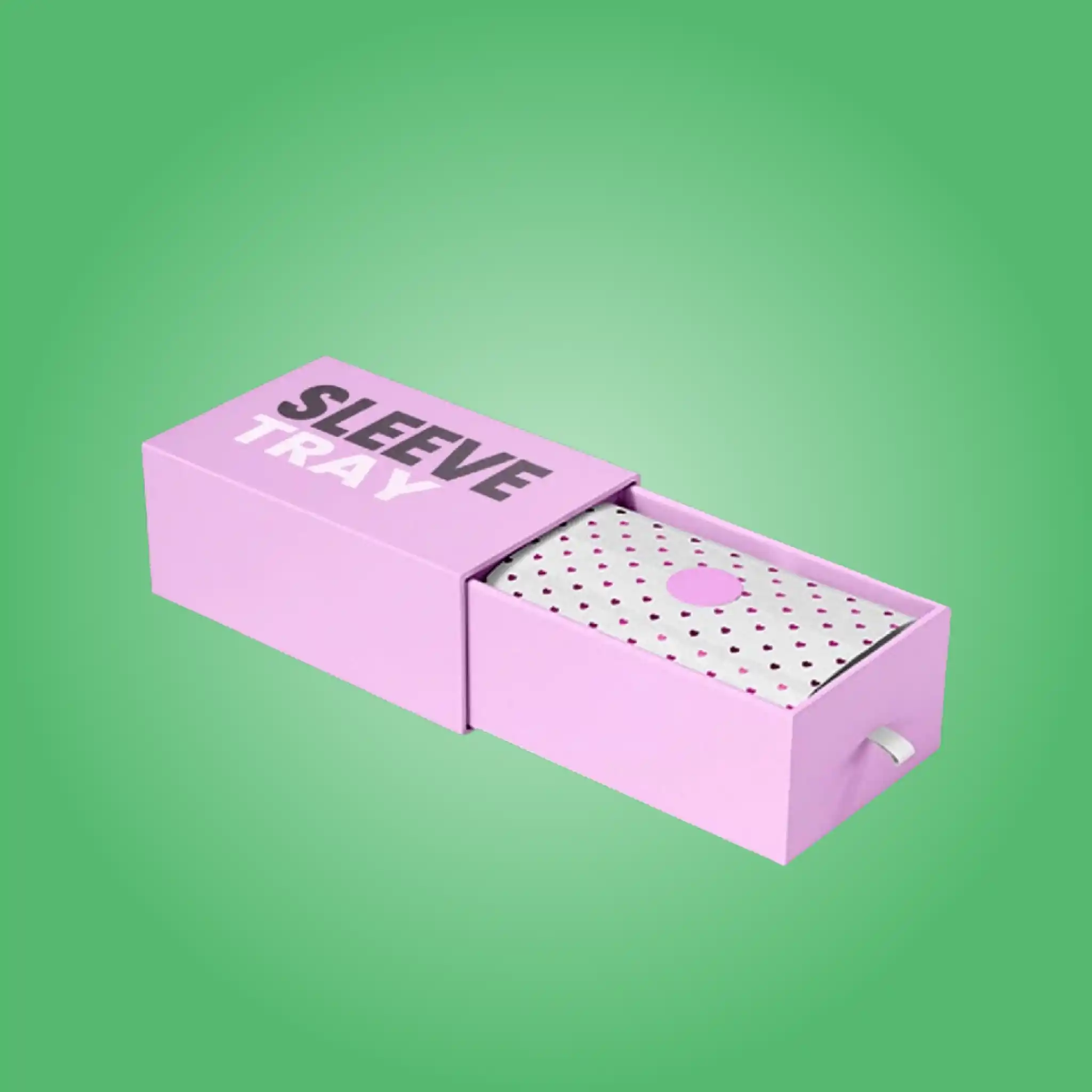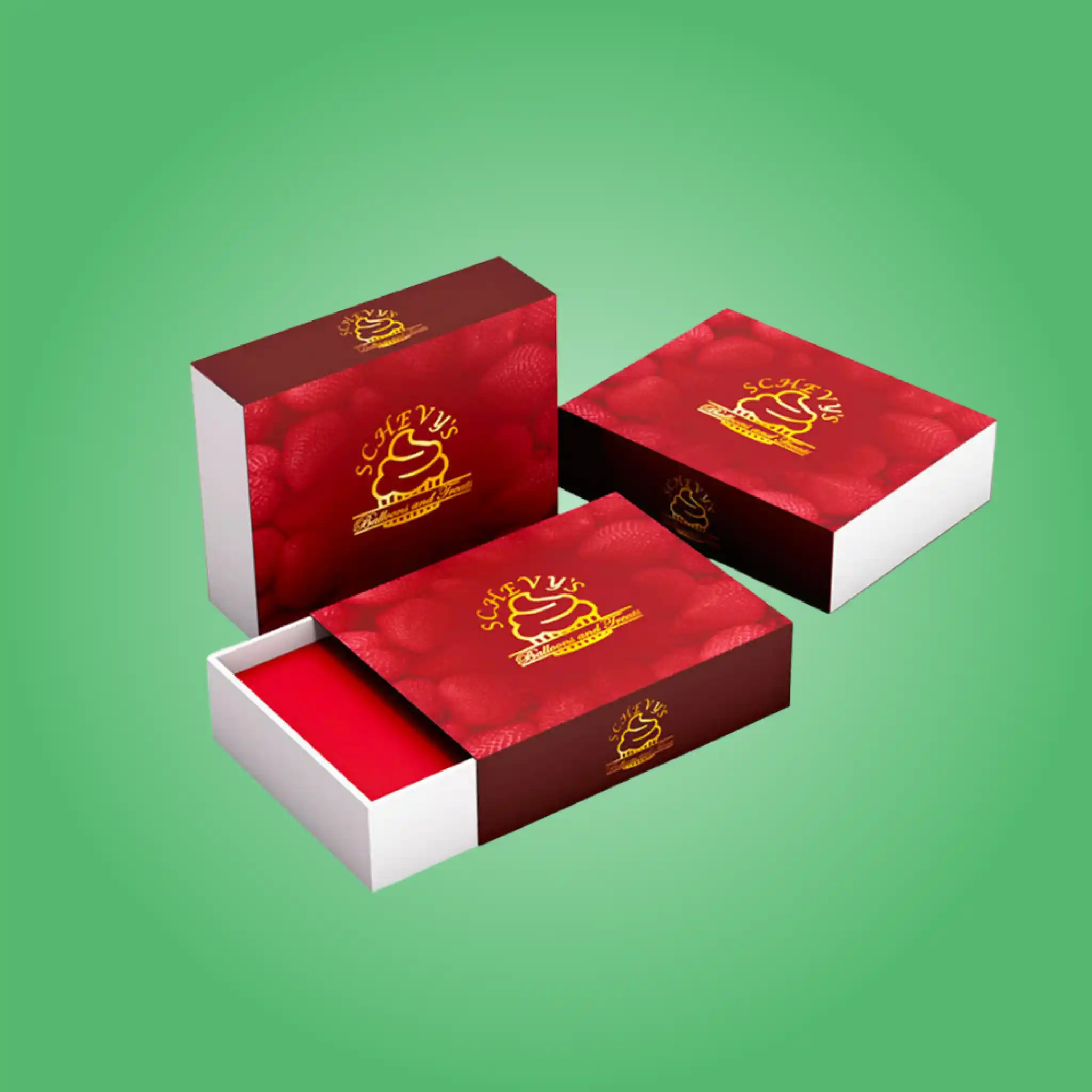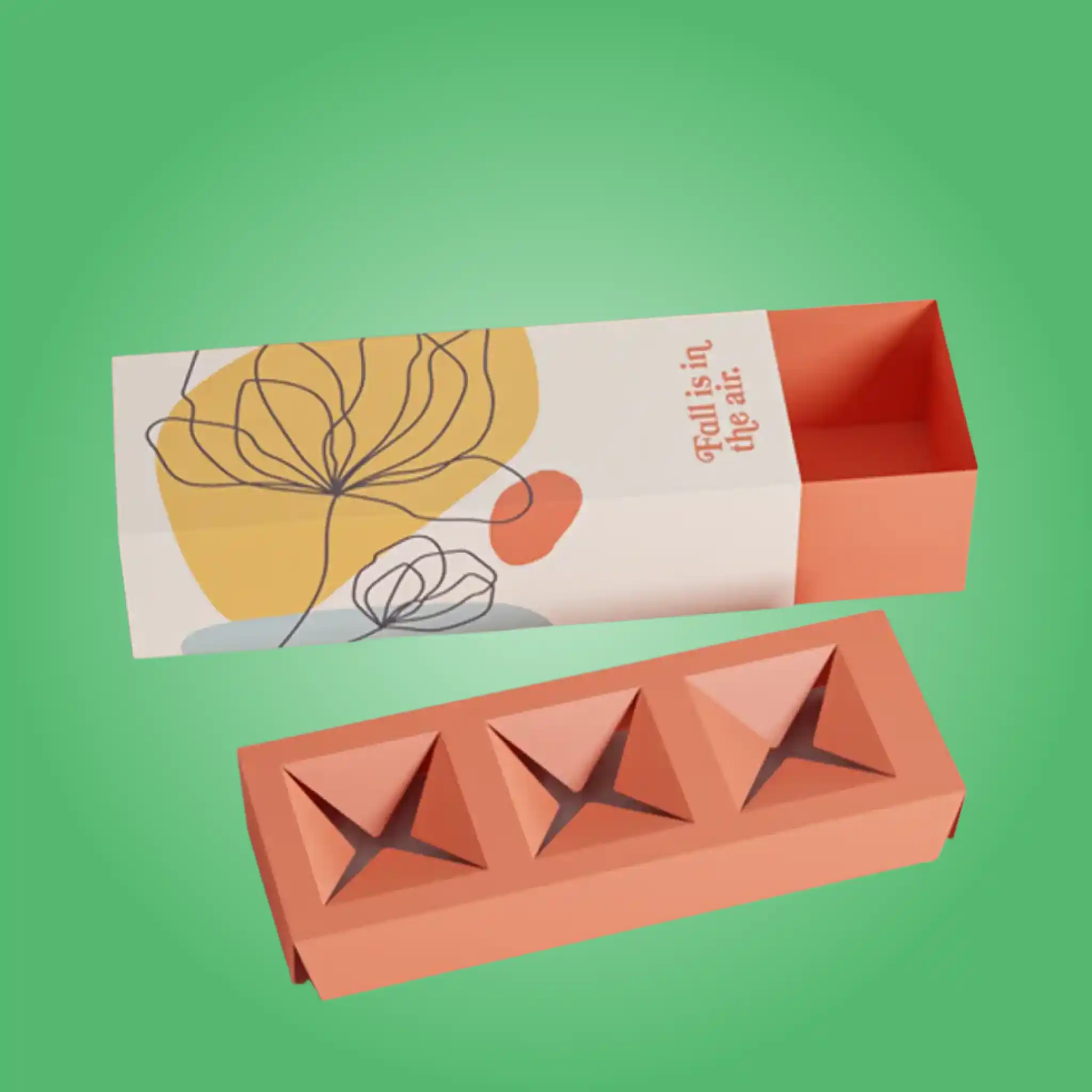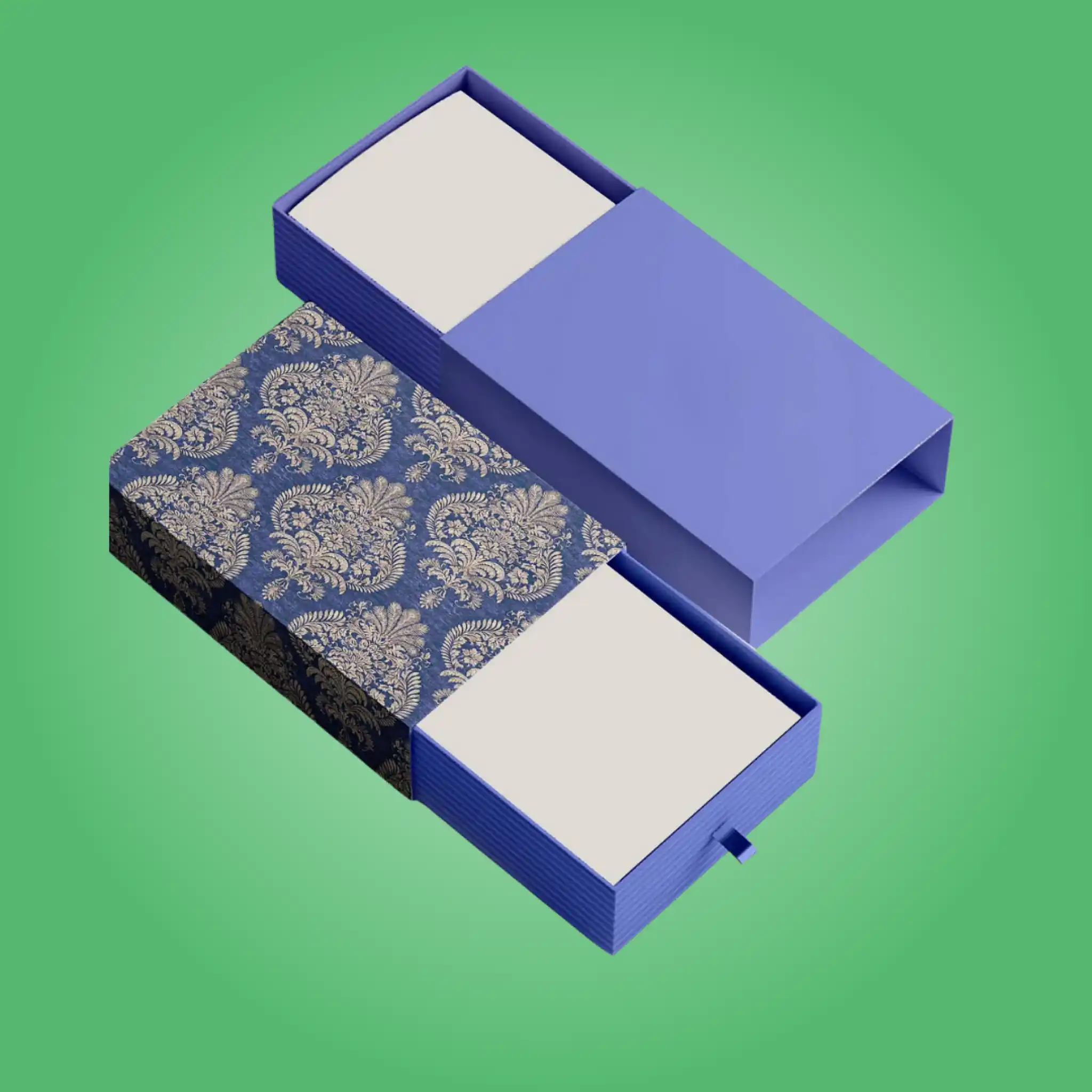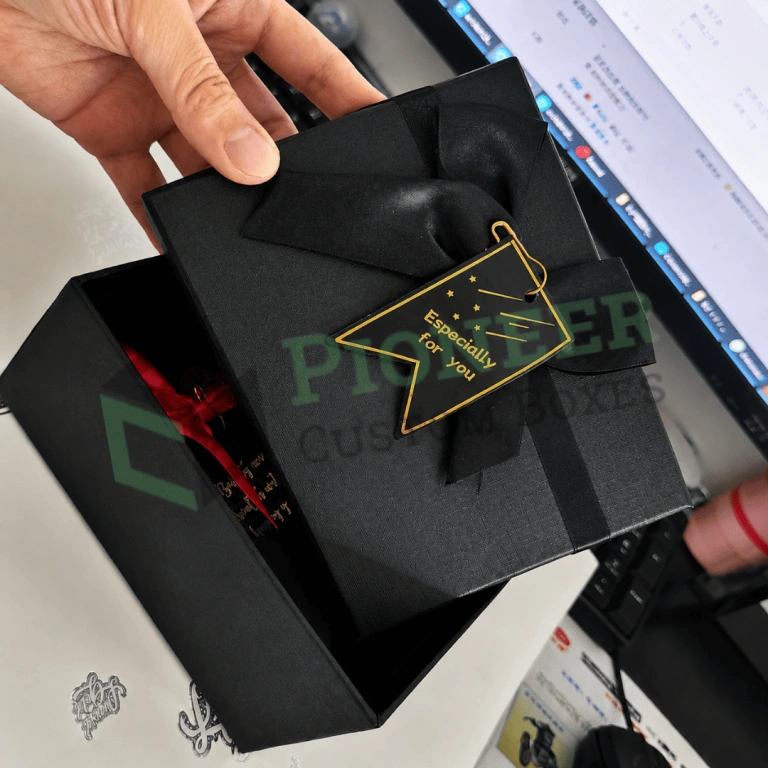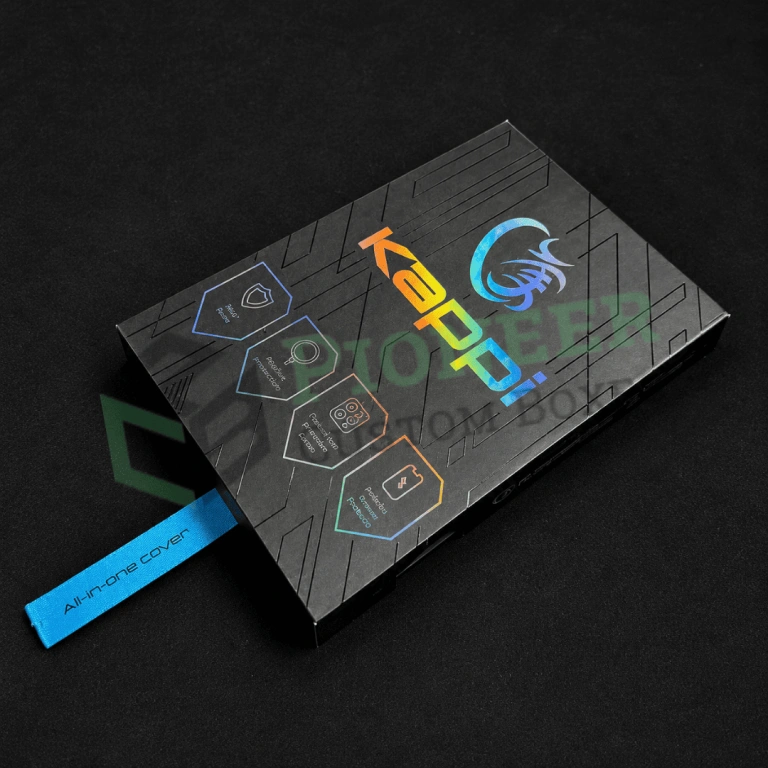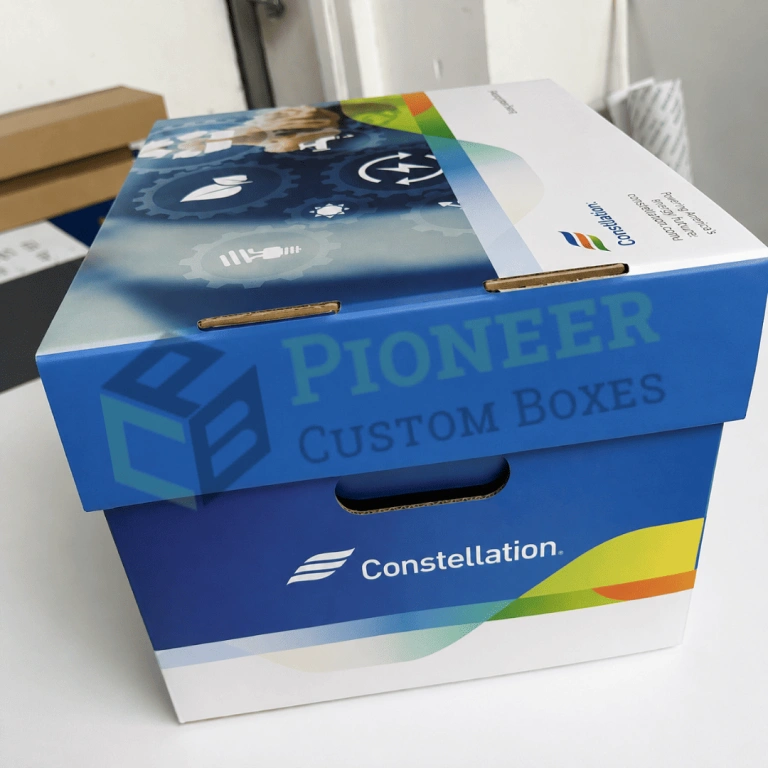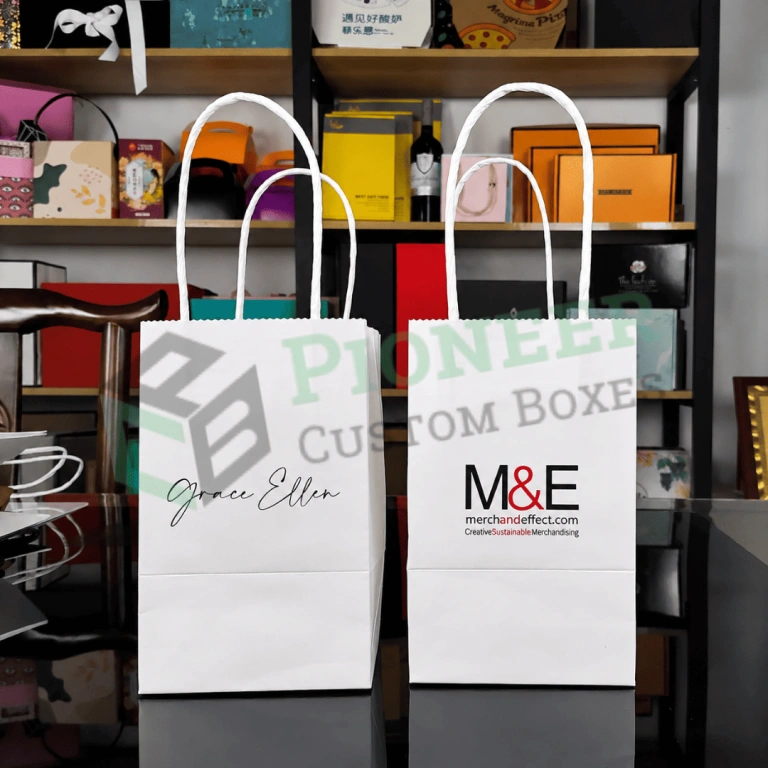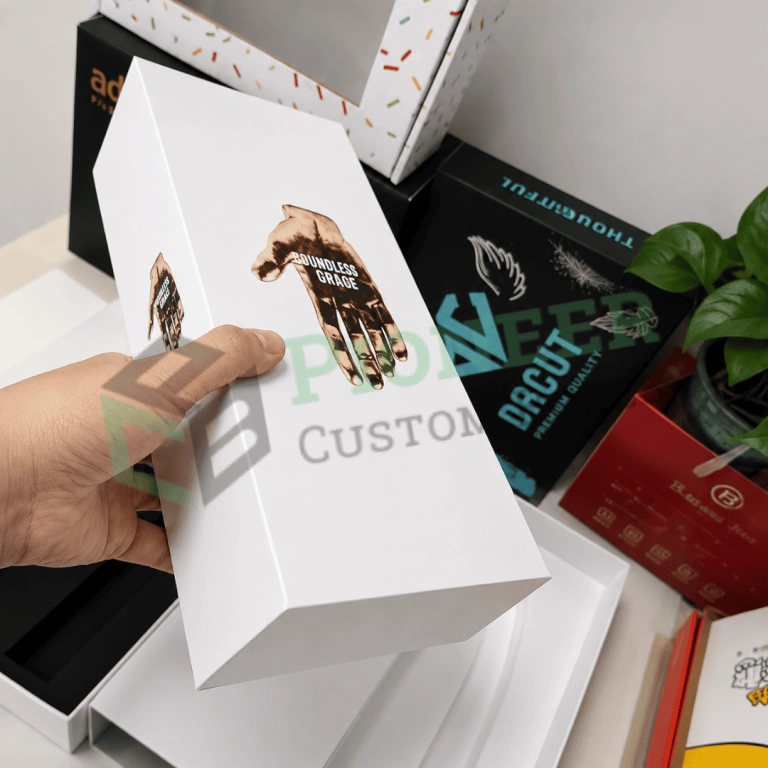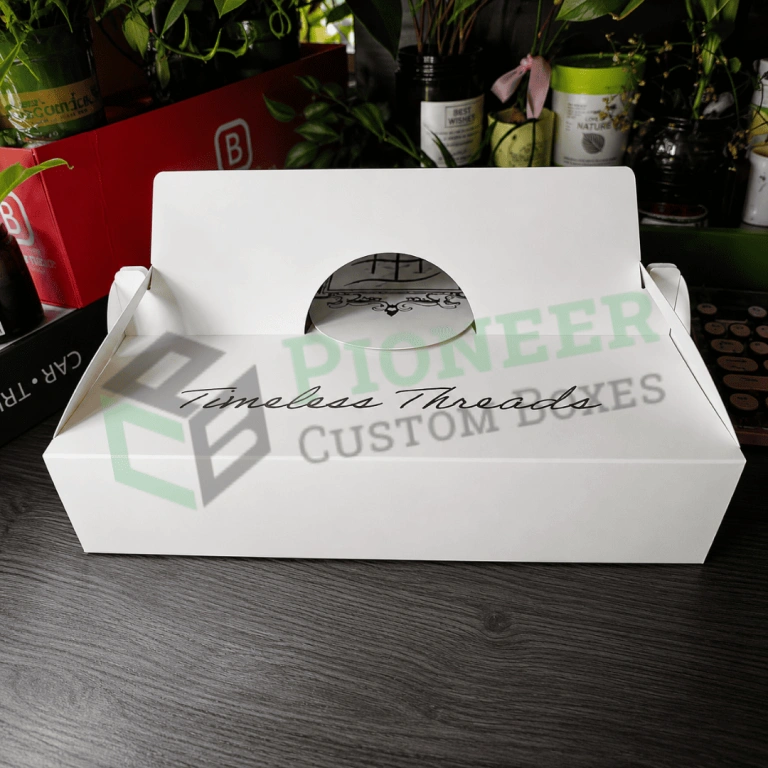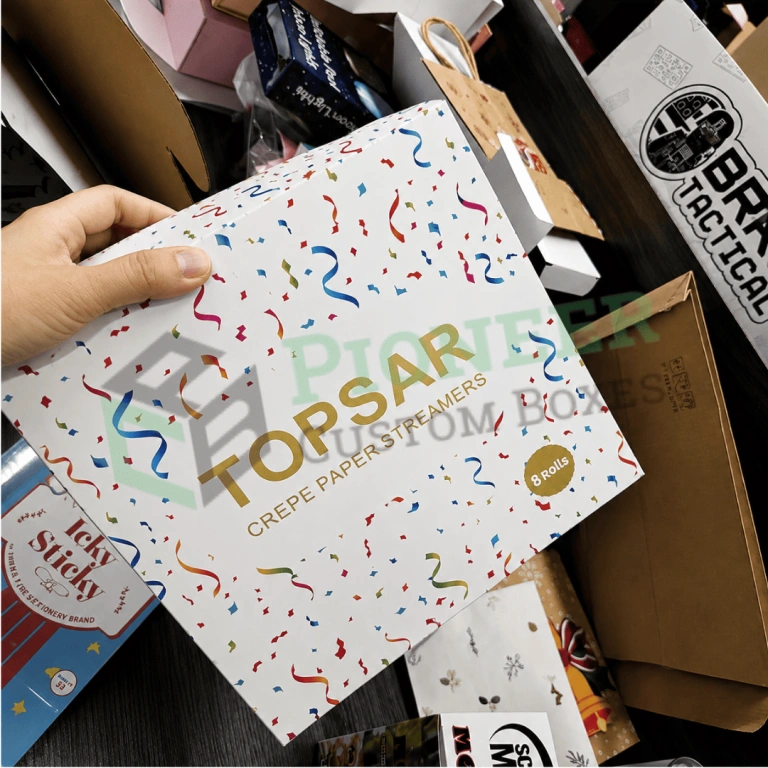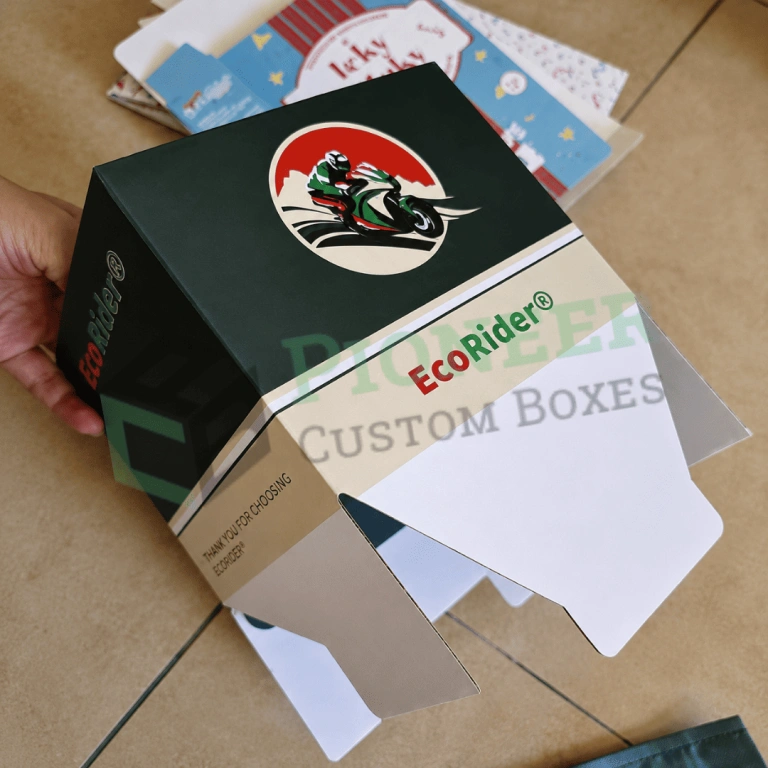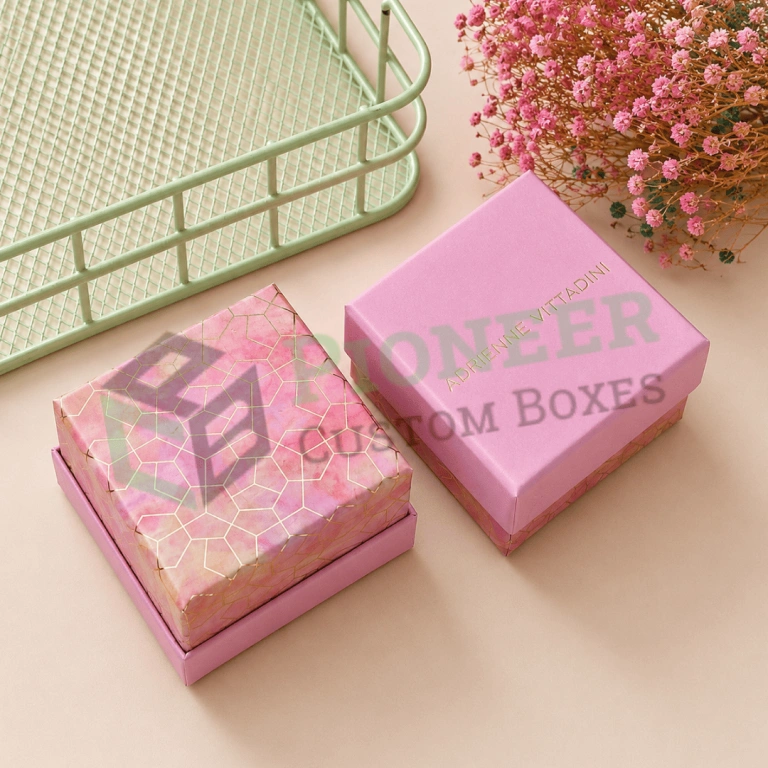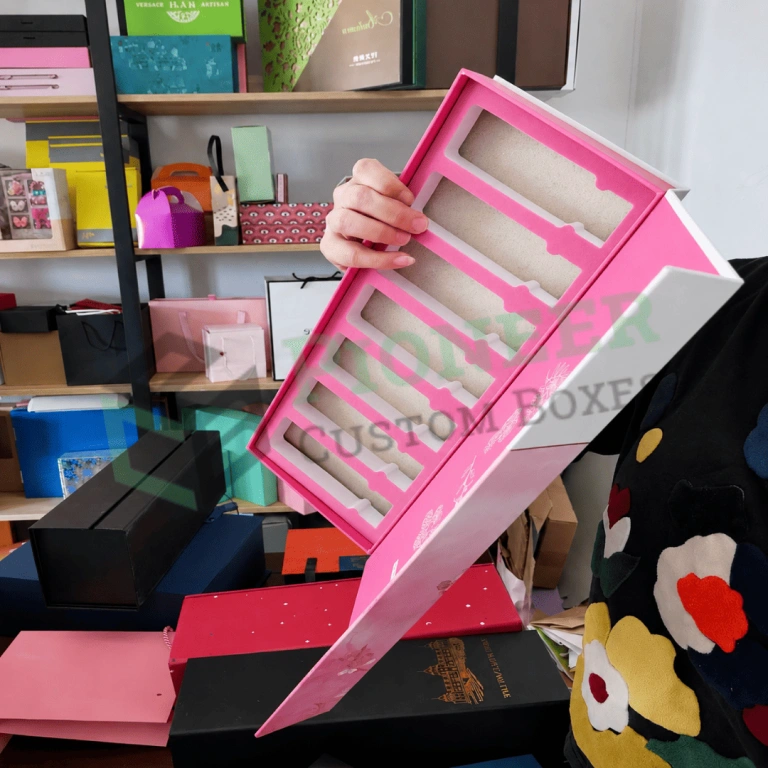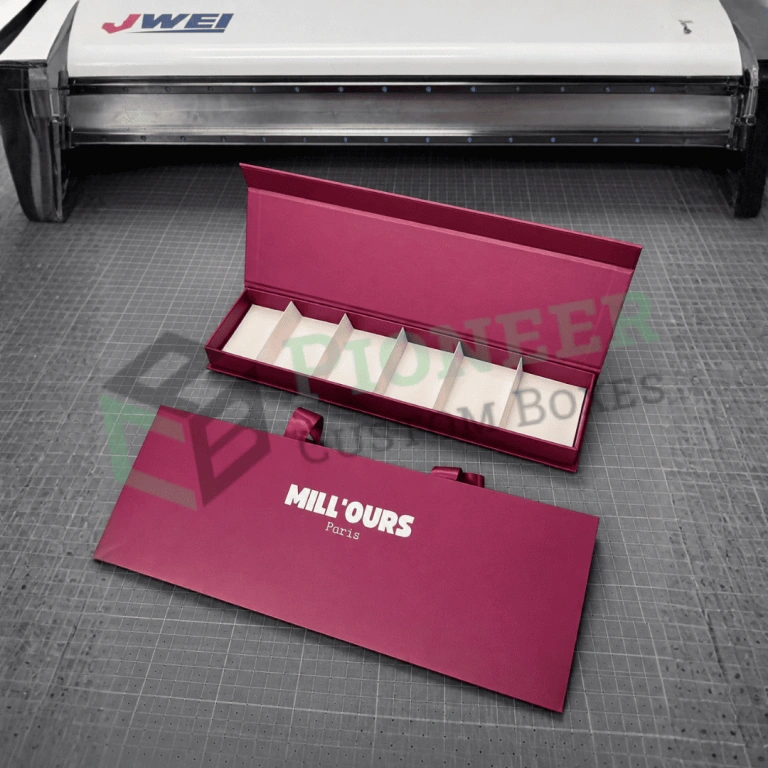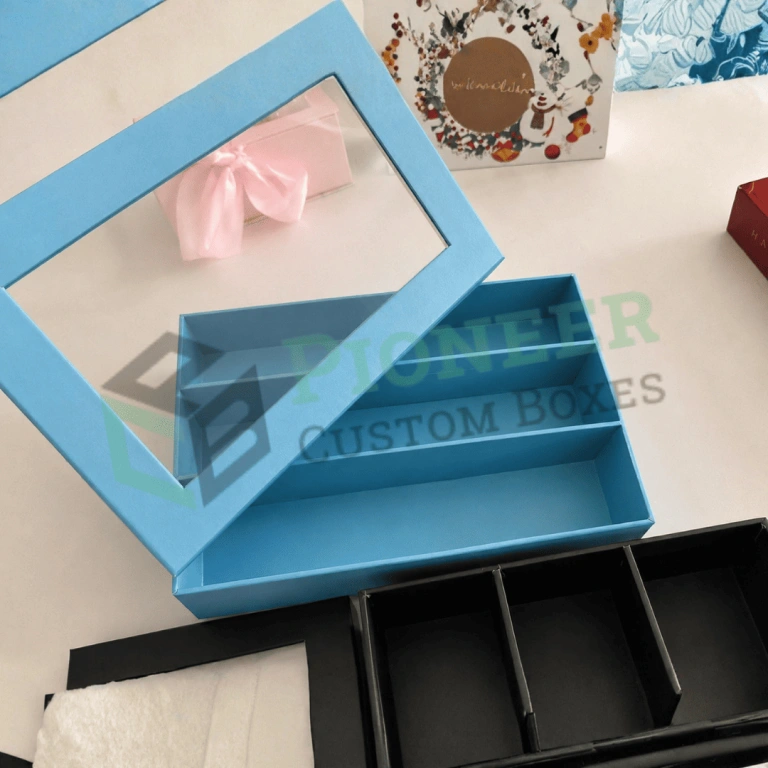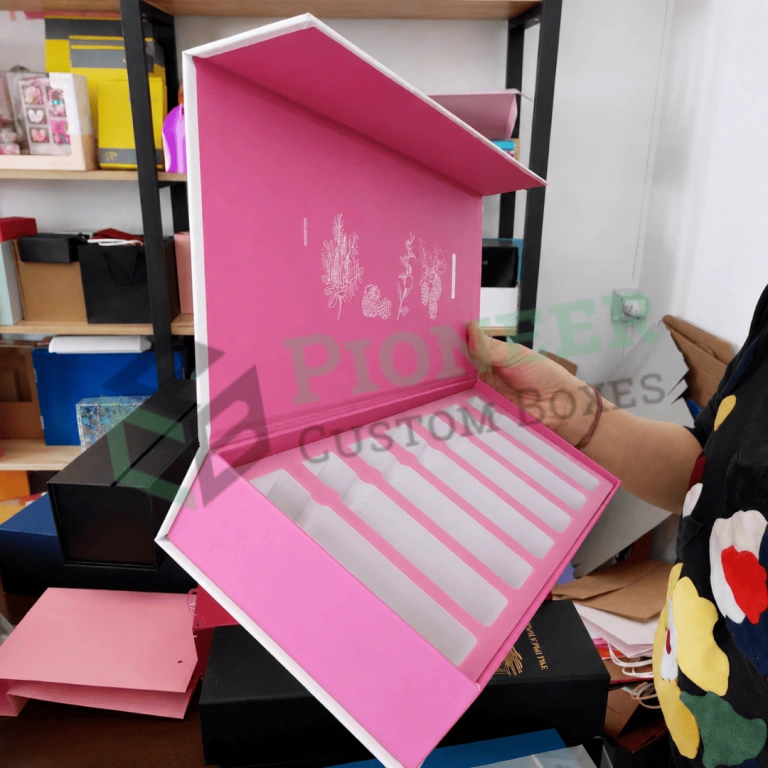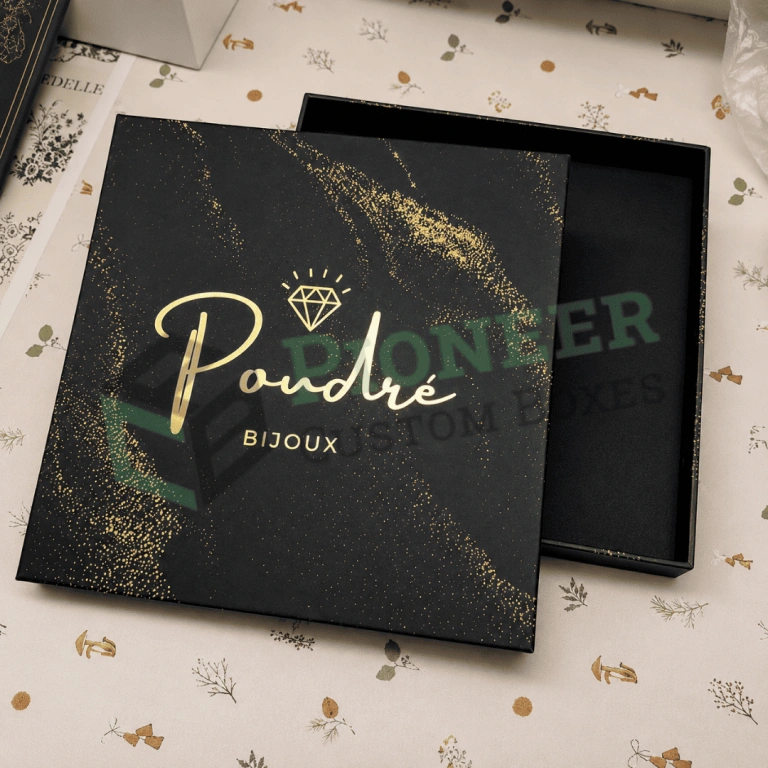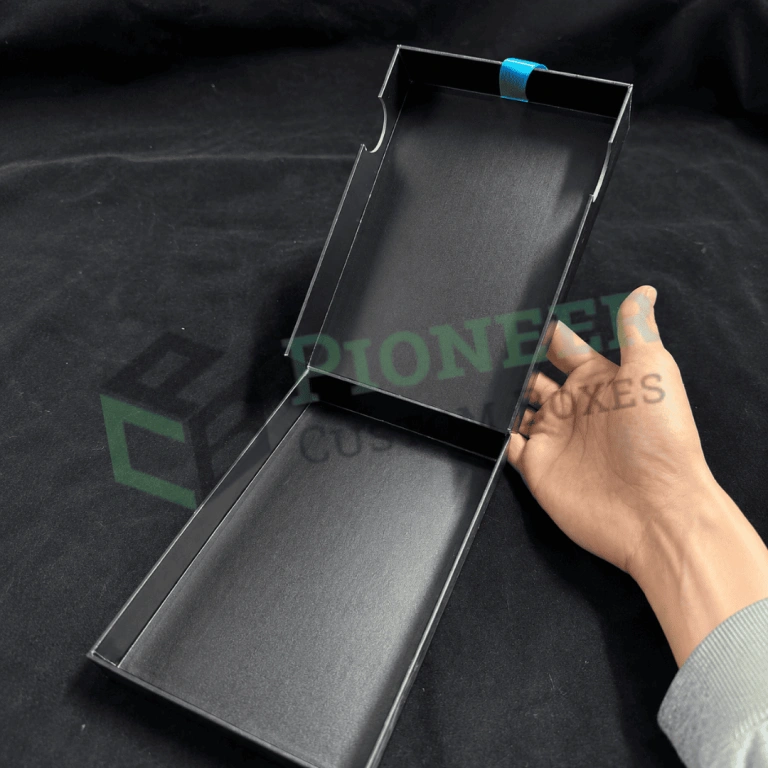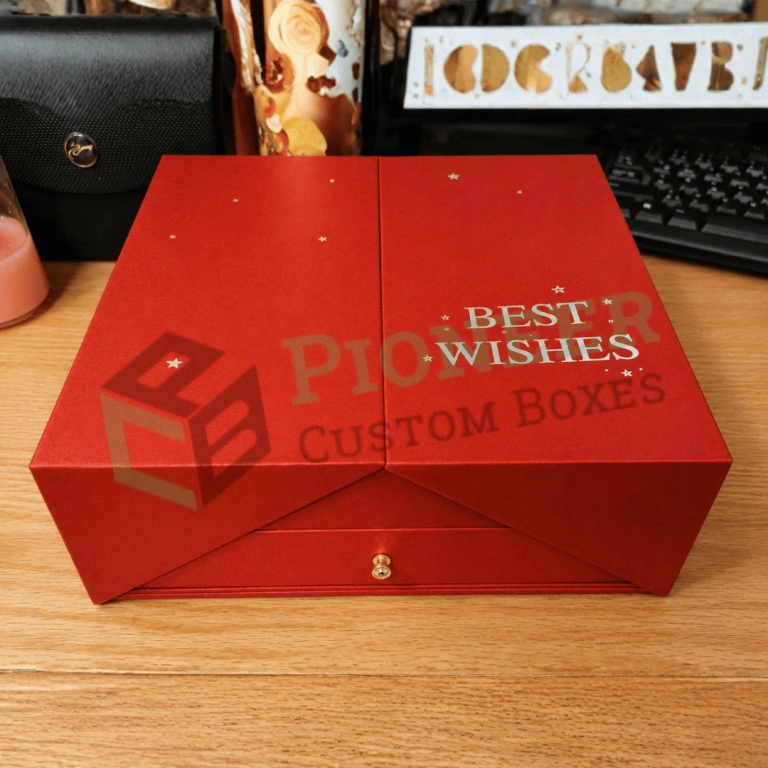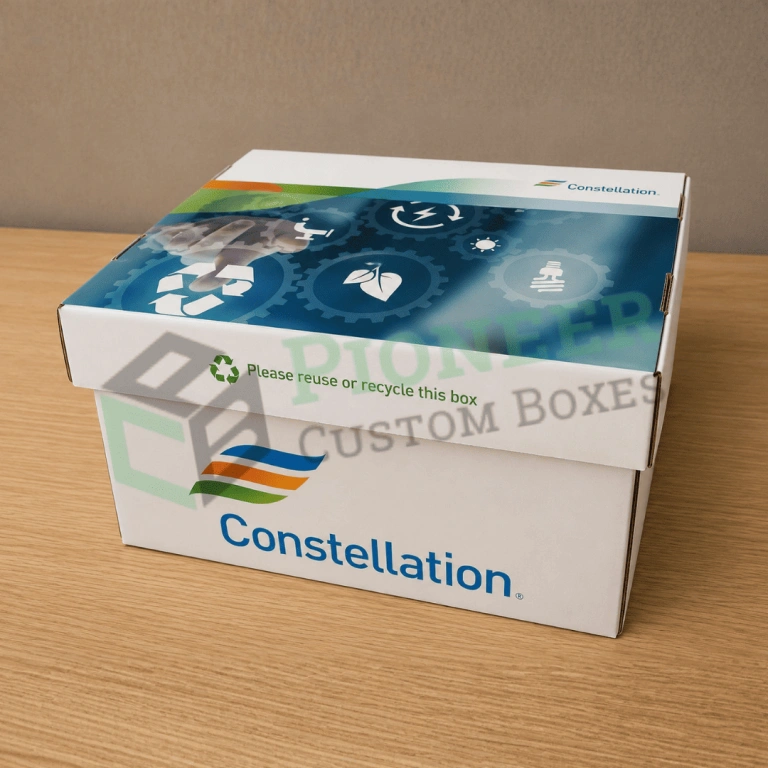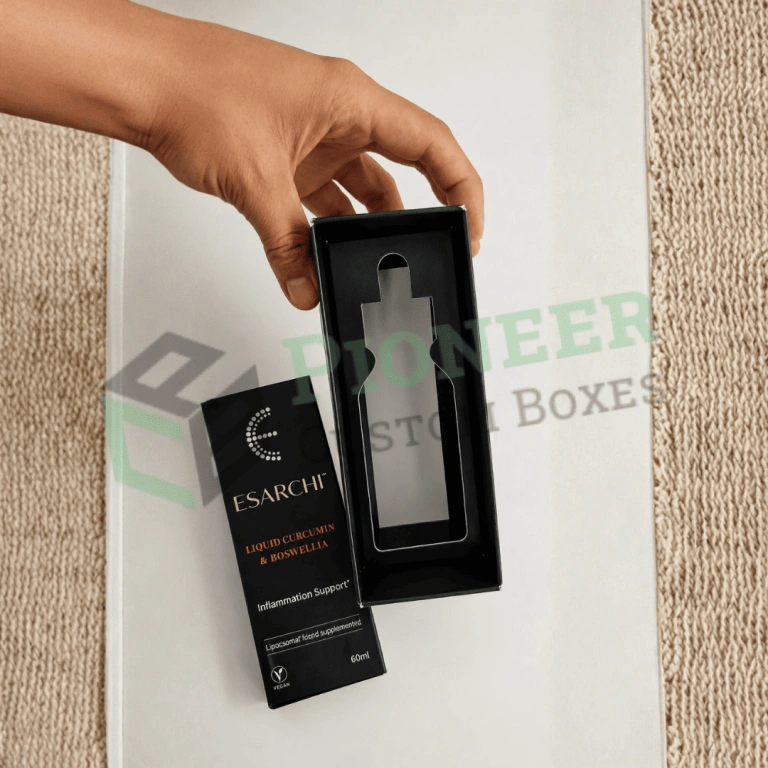
Rigid boxes with sleeve and tray from Pioneer Custom Boxes help technology, cosmetic, fragrance, jewelry, confectionery and premium gifting brands present products with a sliding reveal. Choose 2mm to 3mm greyboard trays with printed, textured or soft touch sleeves, foam, flocked or molded pulp inserts, foil stamping, free design support, no MOQ and free USA shipping.
A rigid box with a sleeve and tray is built from two components that work as one. A rigid tray holds the product, and a printed sleeve slides over it like a jacket. Pulling the sleeve away reveals the tray and the product together, in a single deliberate motion.
That motion is the reason the format exists. A lid lifts off and shows you the contents. A sleeve slides away and presents them, and the difference in how those two actions feel is the whole commercial argument for the structure. Technology, cosmetics and premium gifting brands use it heavily for exactly this reason.
It also solves a practical problem elegantly. The sleeve carries all the printing, so artwork changes require a new sleeve rather than new tray tooling. For a brand running seasonal variants or multiple SKUs on one product size, that separation is a genuine cost advantage.
Pioneer Custom Boxes manufactures sleeve and tray boxes in the United States with zero minimum order quantity, free dielines, free design support and free shipping nationwide. We build both components in house so the sliding fit is controlled rather than approximated.
This structure lives or dies on one measurement: the clearance between the tray and the sleeve.
The tray is rigid greyboard, typically 2mm, wrapped in paper. It has a base and four walls, and the product sits inside it, usually held by a fitted insert. The tray can be plain, wrapped in a solid color, or printed, and it is often left deliberately understated because the sleeve is doing the visual work.
The sleeve is a separate open-ended band, usually folding carton rather than rigid, printed with your full artwork. It slides over the tray and holds by friction alone.
The clearance between them is the craft. Too tight and the sleeve binds, scuffs the tray as it slides and eventually tears at the leading edge. Too loose and it falls off in a bag or a shipping box, which undoes the presentation entirely. That tolerance shifts with board caliper, wrap thickness and lamination, so we set it for your specific specification rather than to a standard figure.
A well-made sleeve moves with slight, even resistance the whole way and stops cleanly at the end. Achieving that consistently is what separates a considered sleeve and tray box from one that feels loose.
Optional features change the interaction. A thumb notch cut into the sleeve makes it easier to start the slide. A ribbon pull under the tray lifts the product out. A partial sleeve covering only part of the tray creates a deliberate reveal of one edge before the customer even slides it.
Every box is built to your product. These formats show what we produce most often in this structure.
| Application | Typical Size (inches) | Tray Board | Insert |
|---|---|---|---|
| Smartphone or small device | 6.5 x 3.5 x 1.5 | 2mm greyboard | Die-cut foam or pulp |
| Headphones and audio | 8 x 7 x 3 | 2mm greyboard | Molded pulp cradle |
| Cosmetic palette | 8 x 6 x 1 | 2mm greyboard | Fitted paperboard tray |
| Skincare set | 9 x 7 x 2.5 | 2mm greyboard | Multi-cavity insert |
| Fragrance | 4 x 4 x 5 | 2mm greyboard | Molded cradle |
| Watch or jewelry | 6 x 5 x 2 | 2mm greyboard | Flocked foam cavity |
| Premium confectionery | 9 x 9 x 1.5 | 2mm greyboard | Molded tray |
| Stationery and pen set | 8 x 4 x 1.5 | 2mm greyboard | Foam channel |
| Corporate gift set | 12 x 9 x 3 | 2.5mm greyboard | Fitted tray with wells |
| Subscription premium tier | 11 x 8 x 3 | 2mm greyboard | Divider tray |
Send us your product and we will build the tray around it and the sleeve around the tray, with the sliding tolerance set for the materials you choose.
The two components use different materials, and choosing each independently produces a better result than matching them.
Dense chipboard formed into a tray and wrapped. 2mm suits most products, and 2.5mm to 3mm adds substance for larger boxes or heavier contents. The tray provides the weight customers associate with quality, and it is the component doing the structural work.
The tray can be wrapped in printed paper, a solid uncoated color, textured stock or fabric. Many brands wrap the tray in a plain deep color and let the printed sleeve carry all the artwork, which is both cheaper and usually more elegant.
The sleeve is normally folding board rather than rigid, because it needs to be thin enough to slide and stiff enough to hold its shape. 18pt suits small sleeves, and larger ones move to 20pt or 24pt to prevent bowing.
For larger boxes where a folding carton sleeve would flex, a corrugated sleeve gives rigidity without excessive thickness. It costs more and prevents the bowing that spoils a large sleeve.
Because the sleeve is printed flat before folding, it accepts the full range of finishing: soft touch lamination, foil, spot UV and embossing all apply cleanly. The tray wrap can use textured or uncoated stocks that could never run through a press.
A frequent and effective combination is a plain dark-wrapped tray with a soft touch printed sleeve carrying a foil mark. The tray provides weight and restraint, the sleeve provides the brand, and the contrast between the two is part of the effect.
Because the sleeve is printed flat and folded afterward, you get the full quality range of sheet printing with none of the constraints a formed box imposes.
Offset delivers the finest detail, the smoothest gradients and the most consistent color across a run. Sleeves are the ideal candidate for it, since they are flat sheets at the point of printing. Plate cost is a one-time charge per design.
Digital prints with no plates, which suits this structure unusually well. Because artwork lives entirely on the sleeve, a brand can run one tray specification and produce many sleeve variants digitally, each in small quantities, without tooling for any of them.
For corrugated sleeves on larger boxes, a litho-printed sheet bonded to the board gives retail print quality with the rigidity a large sleeve needs.
CMYK builds color from four separations and reproduces photography and gradients accurately on a coated sleeve. Deep saturated colors, which this category uses heavily, sit at the edge of its range, so a signature color is usually better as a spot ink.
Pantone inks arrive pre-mixed and print identically on every run. On a premium structure where sleeve variants sit together on a shelf, spot colors are what keep a range coherent. Deep blacks and rich navies in particular should be spot rather than four-color composites, since composites shift between runs.
RGB is a screen color space and cannot be printed. Renders and website imagery live in RGB, and conversion shifts saturated colors noticeably. We convert with proper profiles and show you a printed sleeve sample before production.
One consideration specific to this structure. Artwork that wraps continuously around the sleeve must align at the join, and the sleeve is a closed band so the seam is always visible somewhere. We mark the seam position on the dieline so your designer places it deliberately rather than discovering it at proof.
Finishing on this format divides naturally between the two components, and they are usually treated differently on purpose.
The most common premium choice. A velvet sleeve sliding over a smoother tray creates a tactile contrast at the moment of opening that customers register without articulating.
Matte suits restrained positioning and makes foil stand out sharply. Gloss lifts saturated color and photography. Both protect the sleeve from the abrasion of sliding, which matters because the sleeve is handled far more than a lid.
Metallic film pressed into the sleeve. A single hit on the logo is usually enough, and foil on a matte sleeve against a plain tray is a combination that consistently works.
Gloss varnish on selected areas of a matte sleeve, creating contrast that catches light as the sleeve slides. It suits a pattern or a wordmark well.
Texture on the sleeve is felt during the slide itself, which is unusual and effective. On the tray wrap, a blind deboss reads as understated and costs little.
The tray interior is fully visible once the sleeve is off, and leaving it as bare greyboard undoes the whole structure. It can be wrapped to match, wrapped in a contrast color or flocked for a soft surface.
Restraint suits this format. The sleeve already creates a reveal, and heavy decoration on top of a well-executed slide tends to compete with it rather than add to it.
The tray is a frame for the insert, and once the sleeve is off the insert is the entire visual composition.
| Insert Type | What It Does | Best Suited To |
|---|---|---|
| Die-cut foam | Precise hold with the tightest fit | Devices, instruments, watches |
| Flocked foam | Soft-surfaced cavity | Jewelry and premium small goods |
| Molded pulp cradle | Cradles curved shapes, recyclable | Headphones, fragrance, ceramics |
| Fitted paperboard tray | Arranges a multi-item set | Cosmetic and gift sets |
| Corrugated divider | Separates items economically | Subscription and multi-item boxes |
| Ribbon pull | Lifts the product from a deep tray | Single hero products |
| Layered inserts | Accessories hidden beneath the main item | Technology and kit packaging |
| Printed insert surface | Adds a message under the product | Gift and premium positioning |
Layering is worth highlighting because this structure suits it particularly well. The main product sits in the top layer, and accessories, documentation or a second item live in a compartment beneath. Because the sleeve reveals everything at once, that hidden second layer creates a genuine discovery rather than a listed contents.
Insert depth relative to the tray matters for presentation. A product sitting slightly proud of the tray rim reads as offered, while one sunk deep inside reads as stored. We set that height deliberately rather than to whatever the foam thickness happens to produce.
This structure has a useful cost property that most rigid formats do not, and it is worth understanding before you compare quotes.
Component separation is the advantage. All the artwork lives on the sleeve, which is a folding carton and therefore cheap to reprint. The tray, which carries the tooling and the hand assembly cost, stays unchanged across every variant. A brand running six SKUs on one product size pays for one tray specification and six inexpensive sleeves.
Tray construction leads the cost. Rigid greyboard is cut, formed and wrapped by hand, and that labor is the single largest element. Greyboard thickness and wrap material follow.
The insert is third and frequently exceeds the tray cost on small runs, because a flocked or die-cut foam cavity is tooled to your exact product. Molded pulp and paperboard cost substantially less.
Sleeve specification is fourth and is where most brands overspend unnecessarily, since a sleeve is a simple folding carton and does not need premium construction to look premium.
| Cost Driver | Impact | How to Reduce It |
|---|---|---|
| Tray construction and wrap | Highest | Plain color wrap, let the sleeve carry the artwork |
| Insert type | High on small runs | Molded pulp or paperboard instead of flocked foam |
| Greyboard thickness | Moderate | 2mm suits most products convincingly |
| Sleeve finishing | Moderate | Soft touch plus one foil hit, nothing more |
| Number of sleeve variants | Low, this is the advantage | Run many sleeves against one tray |
| Shipping volume | Moderate | Trays nest, sleeves ship flat |
| Order quantity | Moderate | Hand assembly means volume helps less than usual |
The most useful thing to know about this format is that variants are cheap. If you are choosing between structures and expect to run seasonal or multi-SKU artwork, sleeve and tray is frequently the least expensive premium option across a year, even where a single unit quote looks higher.
On this structure the sliding fit is the product, so inspection is largely a set of tolerance and behavior checks.
| Check | What We Verify | Why It Matters |
|---|---|---|
| Slide tolerance | Sleeve moves with even resistance the full length | Binding tears the sleeve, loose falls off |
| Sleeve retention | Sleeve stays on when the box is inverted and shaken | A sleeve that slips off in a bag ruins the reveal |
| Repeat slide test | Sleeve removed and replaced many times | Scuffing appears only after repeated use |
| Tray squareness | True right angles on all four walls | An out-of-square tray binds the sleeve unevenly |
| Wrap adhesion | Paper bond at corners, edges and turn-ins | Lifting wrap is the classic rigid fault |
| Sleeve seam alignment | Artwork aligns at the sleeve join | The seam is always visible somewhere |
| Insert fit | The real product seated in the cavity | Movement contradicts the price point |
| Tray interior finish | Fully wrapped, no bare greyboard | The interior is exposed once the sleeve is off |
| Foil and lamination adhesion | Tape and edge lift test on the sleeve | The sleeve is handled more than a lid |
| Color match | Pantone against a physical draw-down | Sleeve variants must read as one range |
The repeat slide test is the one that matters most and the one most suppliers skip. A sleeve that fits beautifully on the first removal and scuffs the tray by the fifth is a sleeve that will disappoint a customer who keeps the box. If anything falls outside tolerance, we remake it rather than ship it.
Consumer technology uses this structure more than any other sector. Phones, headphones, wearables and accessories are almost universally packaged this way, and the format has trained customers to expect a sleeve slide as part of a technology purchase.
Premium cosmetics and skincare use it for sets and palettes, where the tray arranges several items and the sleeve carries the seasonal or collection artwork. The variant economics suit a category that changes packaging frequently.
Fragrance brands use it for single bottles with a molded cradle, where the slide is a slower and more deliberate reveal than lifting a lid.
Watch and jewelry brands use it for mid-tier products, where the presentation is considered but the price point does not support a shoulder box.
Premium confectionery uses shallow trays with molded inserts, and the sleeve carries the flavor and seasonal information that changes between runs.
Corporate gifting and technology accessories use it for multi-item kits, where layered inserts let a set be revealed in sequence rather than all at once.
Subscription businesses at the premium tier use it for quarterly or annual boxes, where the tray persists and the sleeve changes with each edition.
Across all of these, the common factor is a brand that changes artwork more often than it changes product dimensions.
A sleeve and tray box needs thought about transit, because the sleeve is the vulnerable component.
The sleeve carries all the printing and finishing, sits on the outside, and is held by friction. In a parcel network it scuffs against other surfaces and can work partly off the tray, and a partly-slid sleeve arriving at a customer looks careless.
For direct-to-consumer shipping we recommend an outer shipper sized to hold the box without movement, so the carrier never touches the sleeve. It costs more in materials and freight and it protects both the finish and the fit.
Where the box must ship alone, options exist. A slightly tighter slide tolerance, a paper band around the closed box, or a small tamper sticker all keep the sleeve in position. The band also adds a step to the opening, which some brands prefer anyway.
For retail distribution the shipping case does the work, and we design cases so boxes tile without gaps. Sleeves scuffing against each other in a loose case is a common and avoidable source of damage.
Trays nest for shipping and sleeves ship flat, so inbound freight for this structure is considerably better than for a fully assembled rigid box, which is one of its quieter advantages.
These errors recur, and each is avoidable before tooling is cut.
Carrying a slide tolerance over from a previous specification leads the list. The clearance shifts with tray wrap thickness, sleeve caliper and lamination, so a tolerance developed for a matte laminated sleeve will bind on a soft touch one. It has to be recalculated for each combination.
Leaving the tray interior as bare greyboard is second. The interior is fully exposed the moment the sleeve comes off, which is the moment the packaging exists for, and unwrapped board undoes the whole impression.
Over-specifying the sleeve is third and is a common waste. A sleeve is a folding carton, and it looks premium through printing and finishing rather than through construction. Rigid sleeves cost considerably more and are rarely necessary.
Ignoring the sleeve seam in artwork produces a join through a logo or a product image. The sleeve is a closed band, so a seam exists somewhere, and it should be placed deliberately.
Shipping without an outer box lets the sleeve work partly off the tray in transit, and a half-slid sleeve arriving at a customer reads as damaged.
Finally, approving from a render. The slide is the product, and its resistance and evenness cannot be judged from an image.
A skincare brand came to us running nine SKUs, each in its own separately tooled rigid lid and base box. Every artwork change meant new tooling, and their packaging cost had become the reason they hesitated before launching a new variant.
Their nine products shared almost identical dimensions. The separate tooling was serving no structural purpose at all, it was simply how the packaging had grown up alongside the range.
We rebuilt it as one rigid tray in 2mm greyboard, wrapped in a plain deep green, with a fitted paperboard insert. Nine printed sleeves in 20pt board carried the individual product artwork, each with soft touch lamination and a foil mark.
Unit cost fell by roughly forty-five percent across the range. More importantly for them, launching a tenth product now costs a sleeve rather than a tooling program, so they released two additional variants in the following year that they had previously shelved on packaging cost alone.
Ordering runs through four steps, and the sample stage is genuinely necessary on this structure.
First, send your product and tell us how many artwork variants you expect to run. That second answer matters more here than in any other format, because the variant economics are the main reason to choose it.
Second, we return free dielines for both the tray and the sleeve, plus a written quote, within one business day. We quote the tray once and sleeves separately so you can see the cost of adding variants.
Third, we produce a physical sample and you evaluate the slide by hand. Remove and replace the sleeve repeatedly, load the tray with your product, and check the resistance feels even. Samples take five to seven business days because the tolerance is set during that build.
Fourth, we produce and ship. Production runs twelve to eighteen business days depending on wrap and finishing, since tray assembly is by hand. Sleeves run faster, so additional sleeve variants ordered later turn around more quickly than the original.
Three things make this structure accessible before you are at scale, and none carry a hidden charge.
Zero minimum order quantity means you can produce a hundred boxes to launch a product properly. It also means a sleeve variant can be run in very small quantities against an existing tray, which is what makes limited editions and seasonal artwork practical.
Free design support covers the tray, the sleeve, the insert, the slide tolerance calculation for your specific materials, and artwork preparation including seam placement. We will also tell you when a simpler structure suits your price point better.
Free shipping applies across the United States on every order. We manufacture domestically, so a tolerance adjustment or a new sleeve variant happens in days rather than weeks on an overseas cycle.
We are a direct manufacturer rather than a broker. We cut, wrap and assemble trays in house and print sleeves in house, which matters on this structure because the two components have to be made to fit each other.
The slide tolerance is not a specification you can send to two separate suppliers and hope for. It is set during the build, verified by hand on samples, and it depends on how a particular board, wrap and lamination behave together.
Send us your product and the number of artwork variants you expect to run, and we will return free dielines, a written quote and a sample plan for rigid boxes with sleeve and tray within one business day. Order now, or get a free quote and we will show you what the variant economics look like across a year.
| Box Style | Rigid Boxes with Sleeve and Tray |
| Dimension (L + W + H) | All Custom Sizes & Shapes |
| Quantities | No Minimum Order Required |
| Paper Stock | 10pt to 28pt (60lb to 400lb) Eco-Friendly Kraft, E-flute Corrugated, Bux Board, Cardstock |
| Printing | No Printing, CMYK, CMYK + 1 PMS color, CMYK + 2 PMS colors |
| Finishing | Gloss Lamination, Matte Lamination, Gloss AQ, Gloss UV, Matte UV, Spot UV, Embossing, Foiling |
| Included Options | Die Cutting, Gluing, Scored, Perforation |
| Additional Options | Eco-Friendly, Recycled Boxes, Biodegradable |
| Proof | Flat View, 3D Mock-up, Physical Sampling (On request) |
| Turnaround | 4 – 8 Business Days, RUSH |
| Shipping | FLAT |
Every great product deserves packaging that turns heads. Here's how we make it happen — step by seamless step.
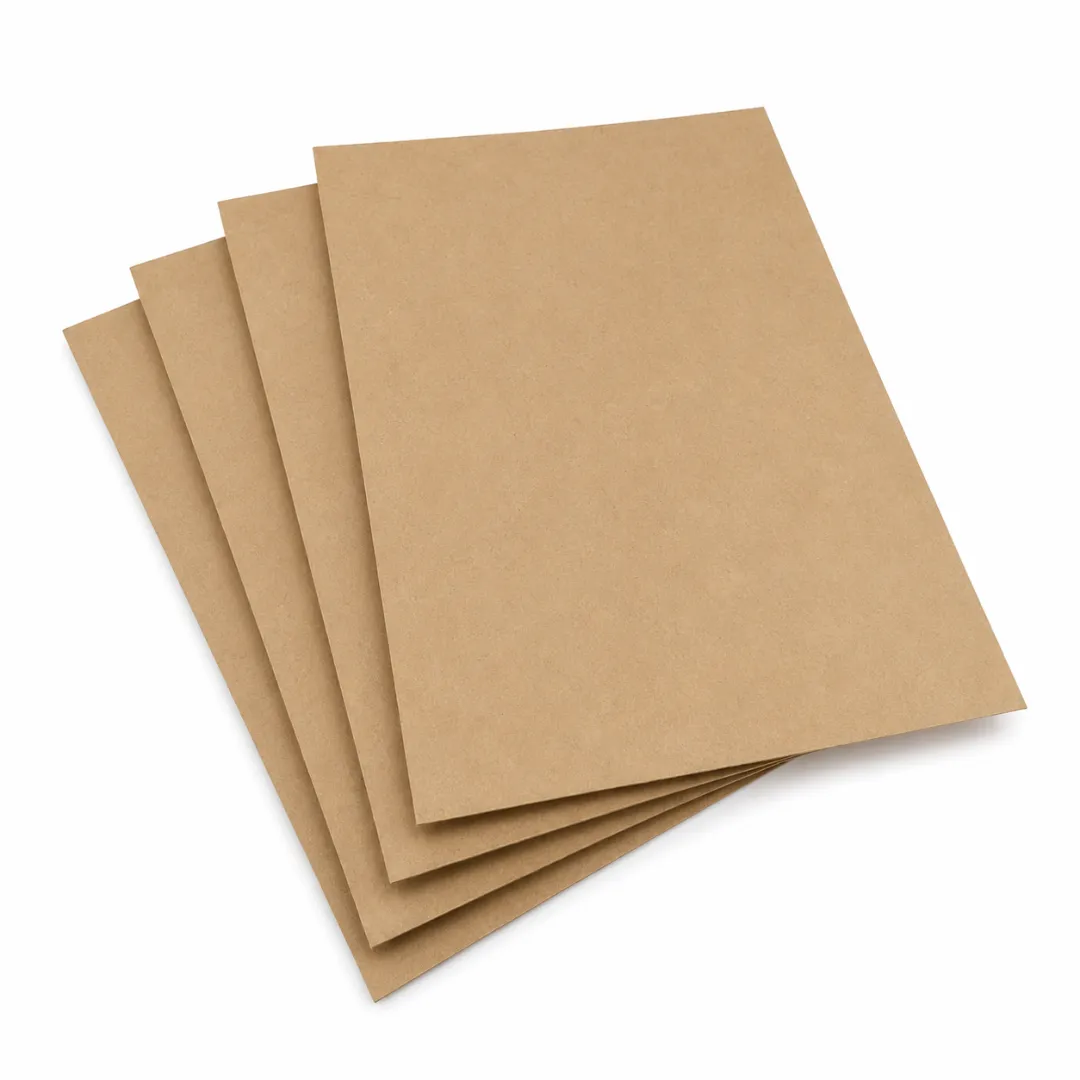
Kraft paper is a strong, durable and reliable material that is widely used across many different industries.
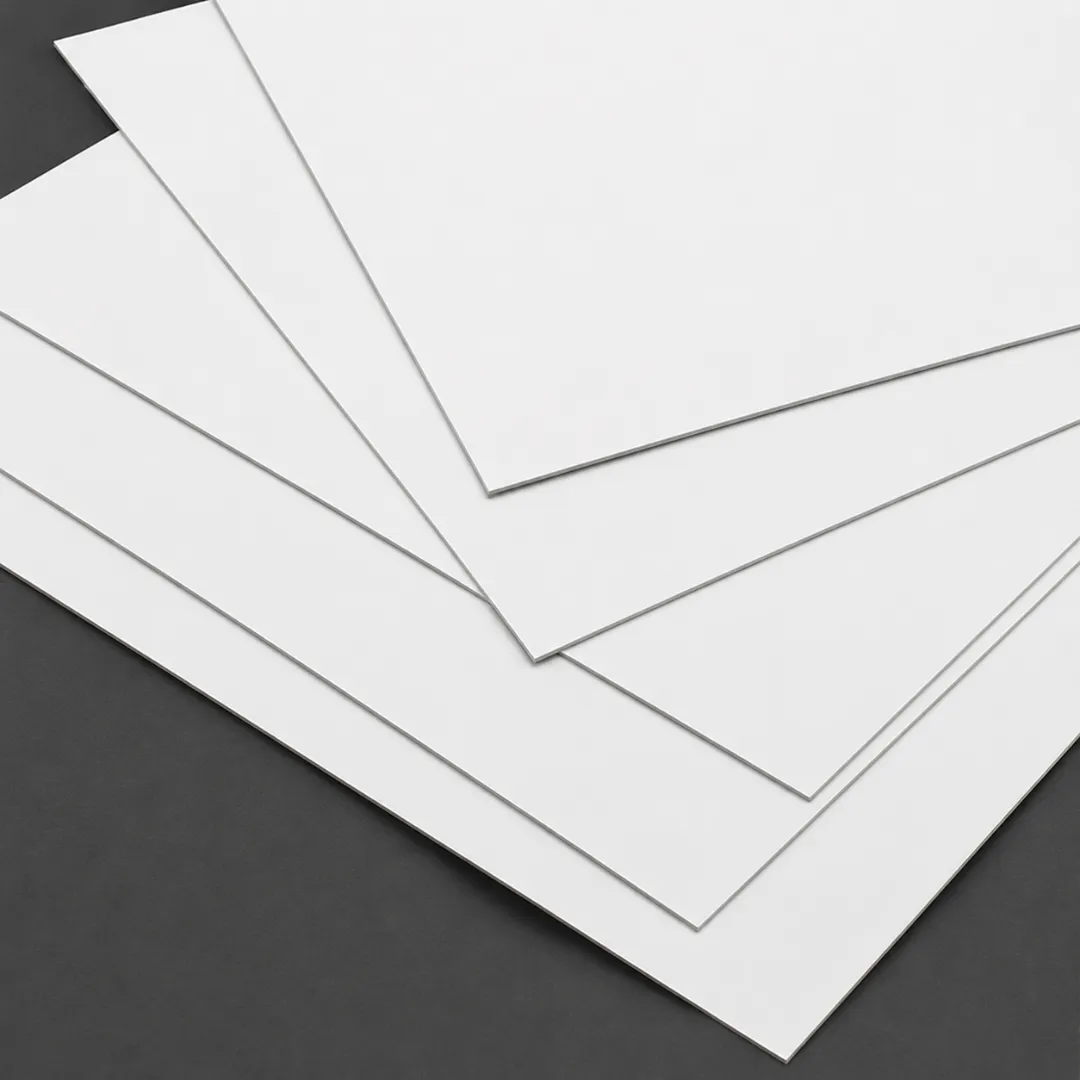
We use cardboard material with the least environmental impact and minimizes waste generation.
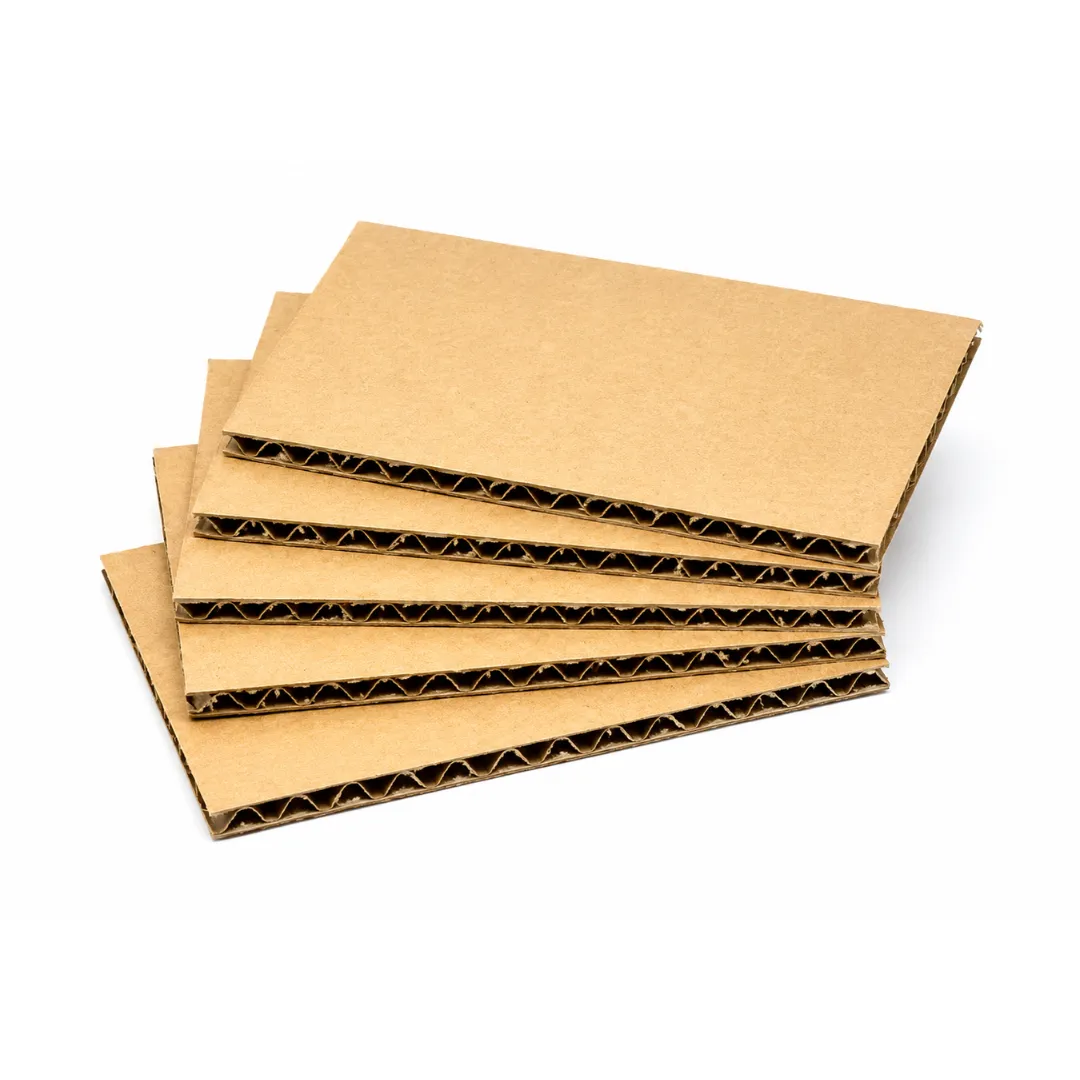
Corrugated material is easy to customize, cost effective and sustainable. It is also great for branding purposes.
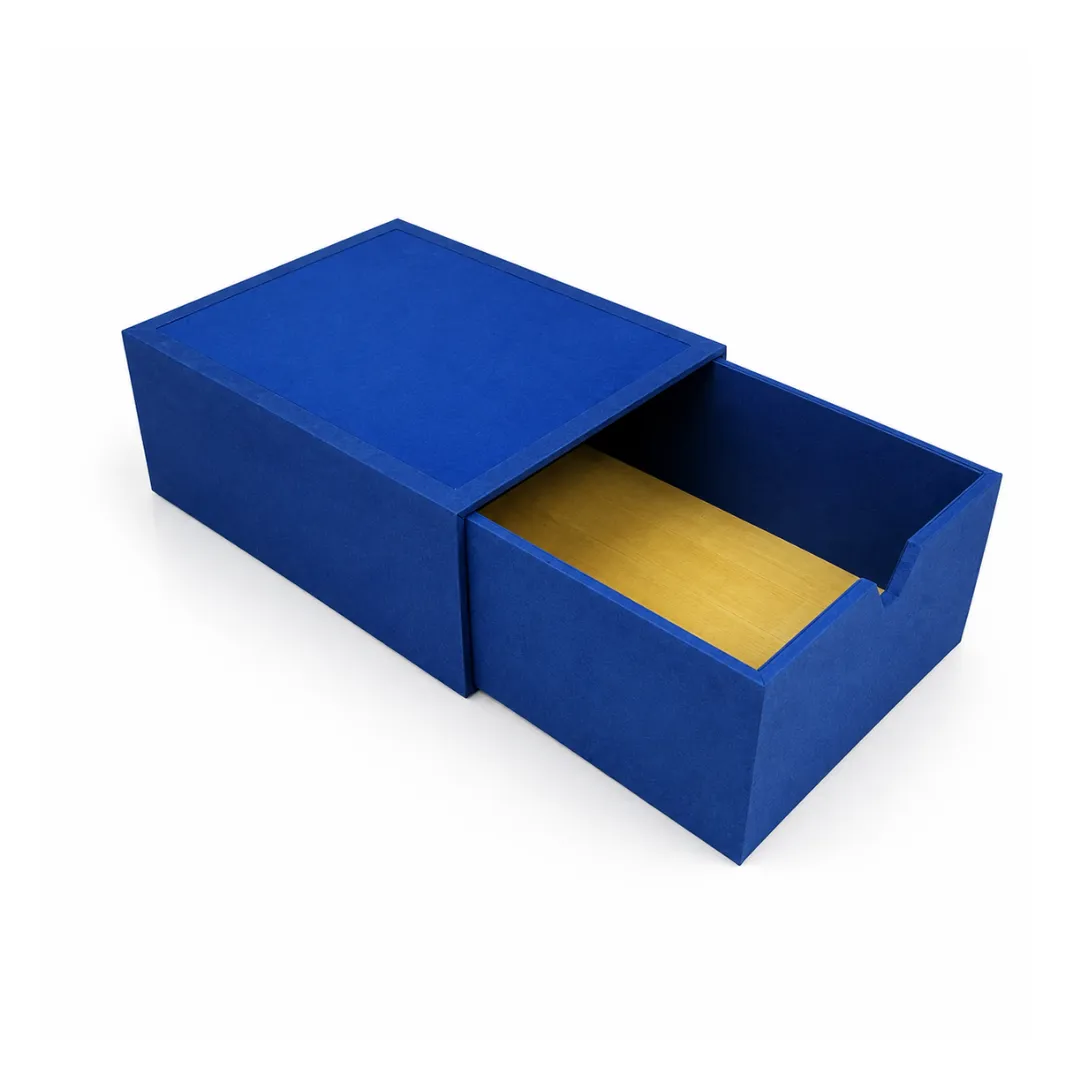
Rigid is highly protective, affordable and recyclable material. These boxes provide maximum protection.
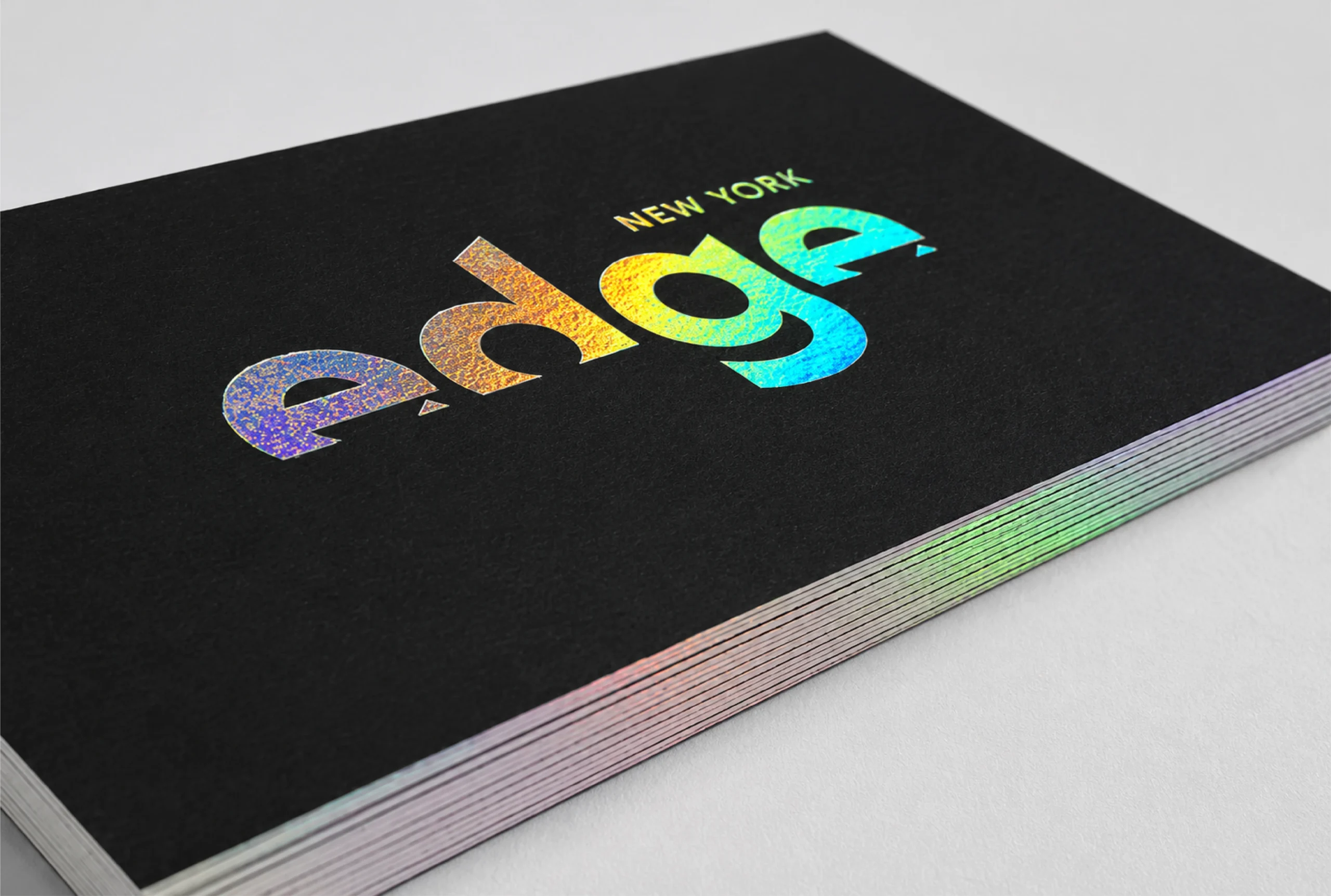
Holographic foil diffracts light and reveals the colors of the rainbow at various angles.
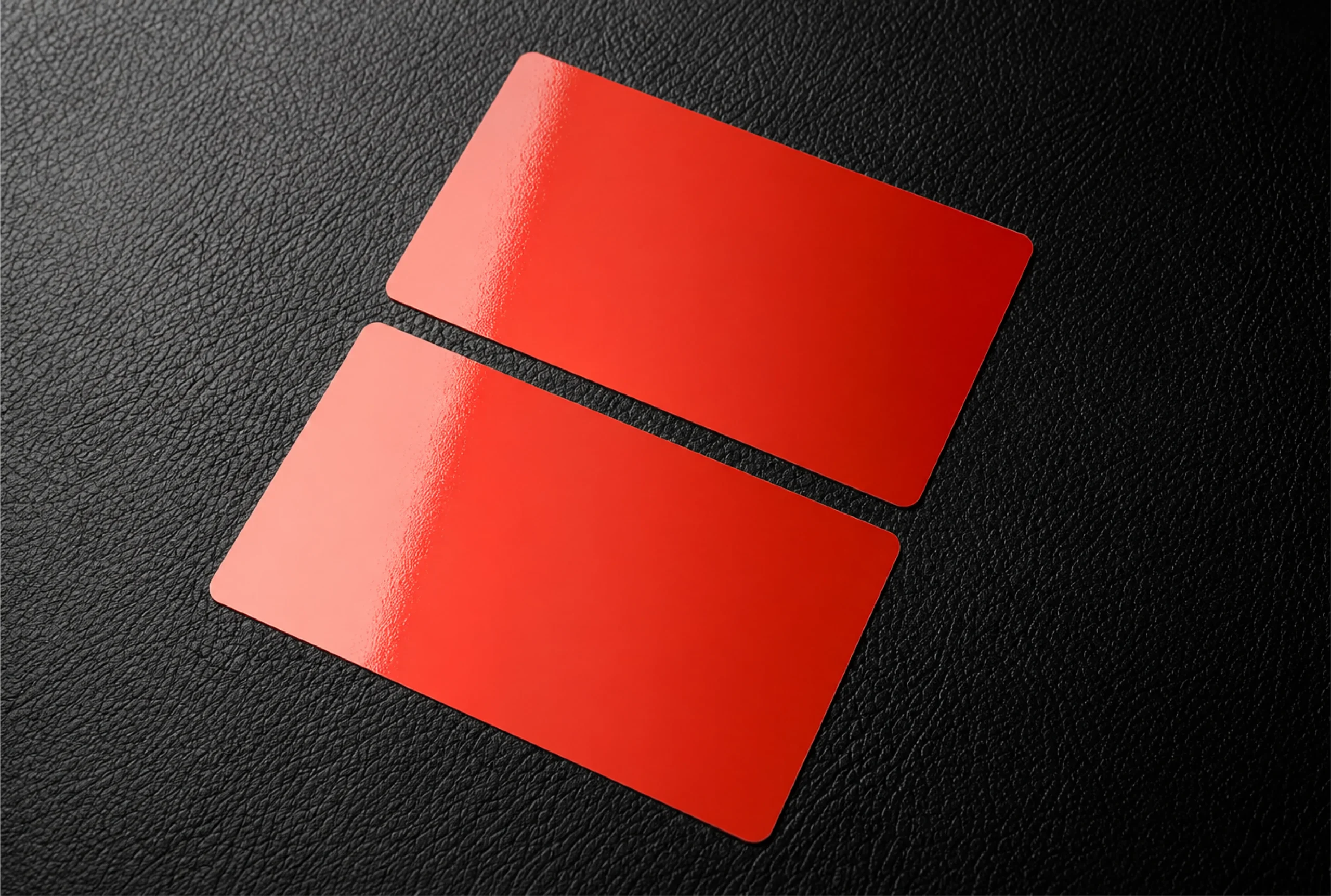
Our glossy finishing gives your packaging an extra layer of shine.
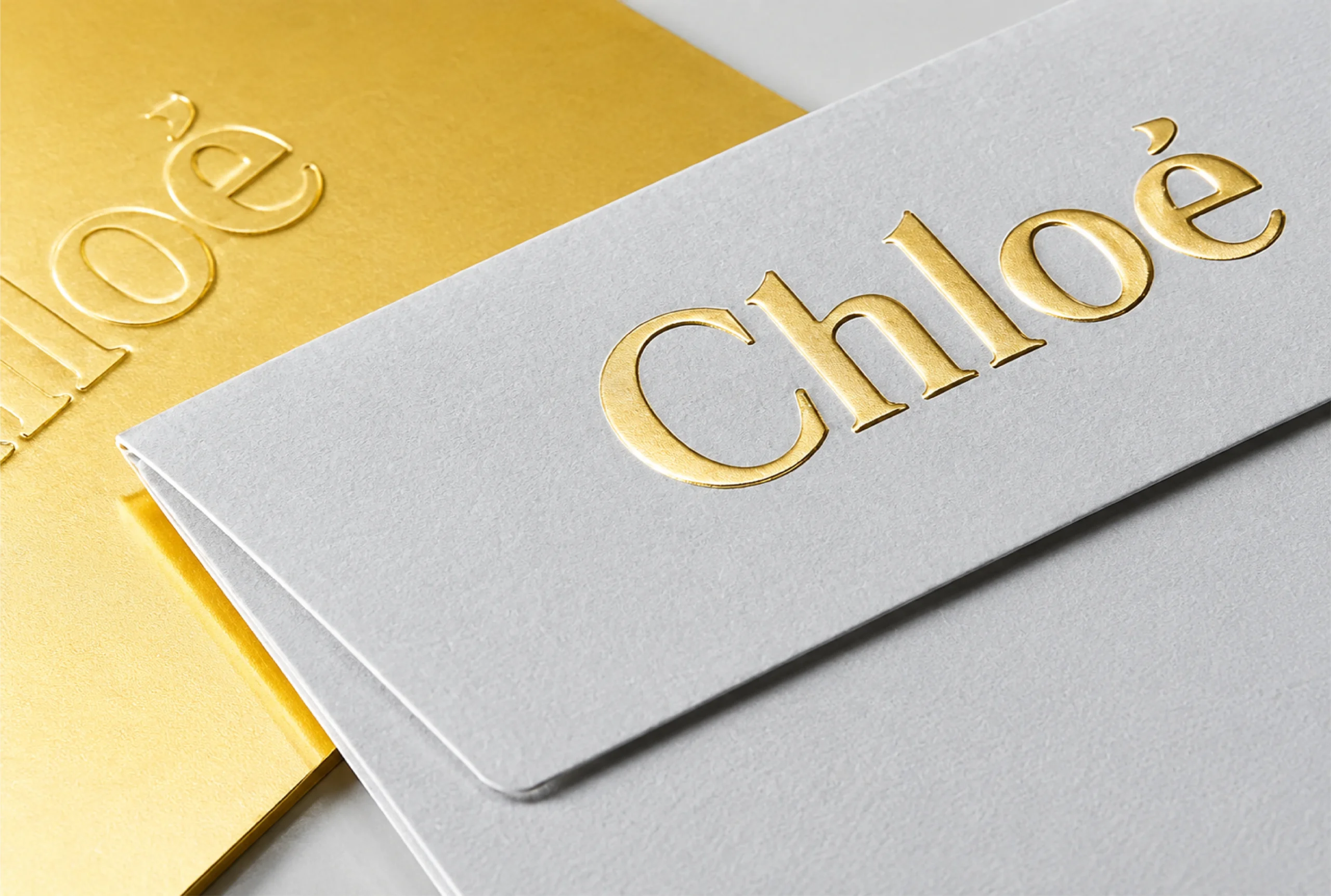
Decorate a wide range of your product packaging with our foil stamping.

With our embossing technique, we transfer the finest details of your product on packaging.
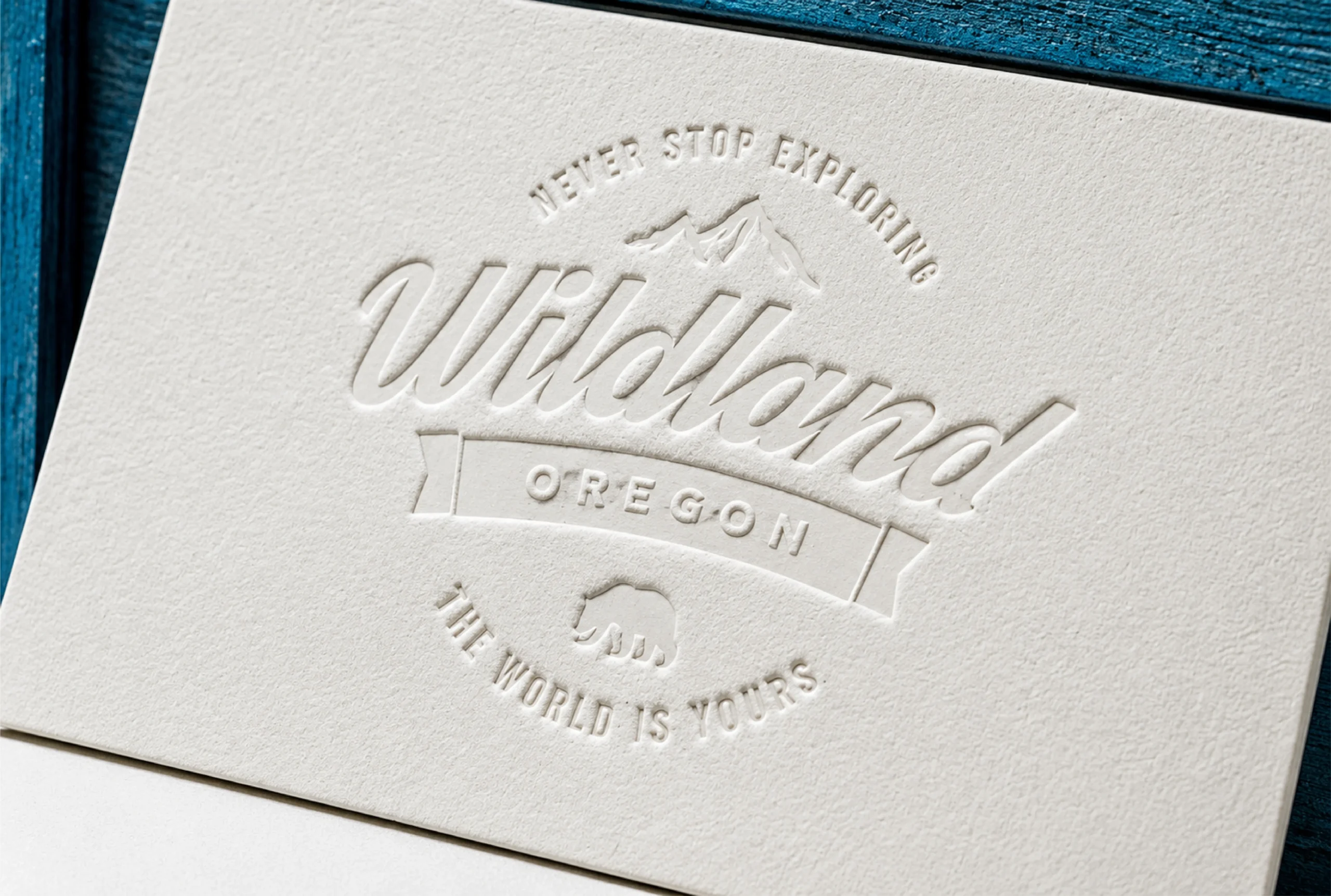
We use debossing technique to add unique graphics into your packaging.
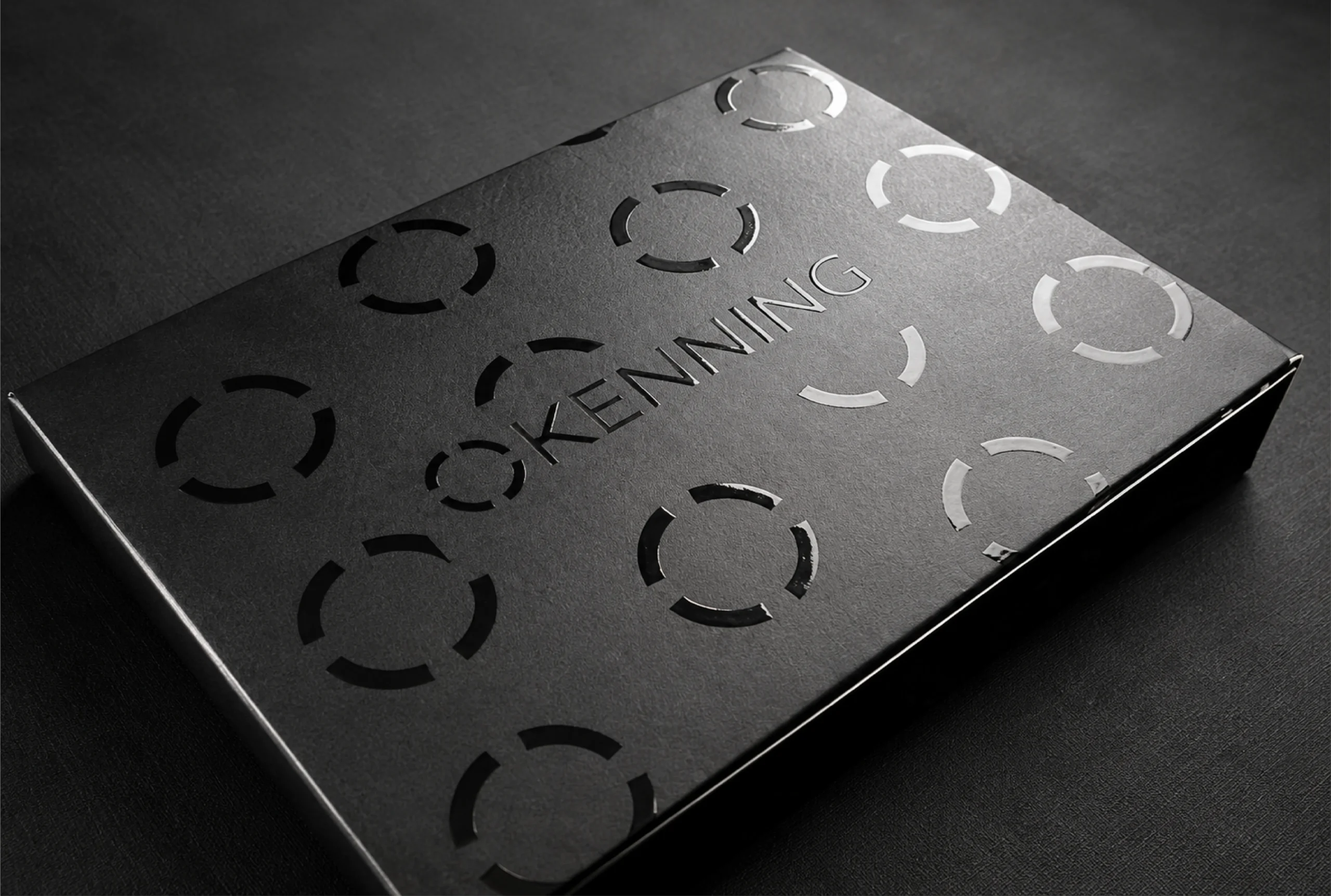
Our high-gloss UV coating gives light and shine to cure the printed material's varnish.
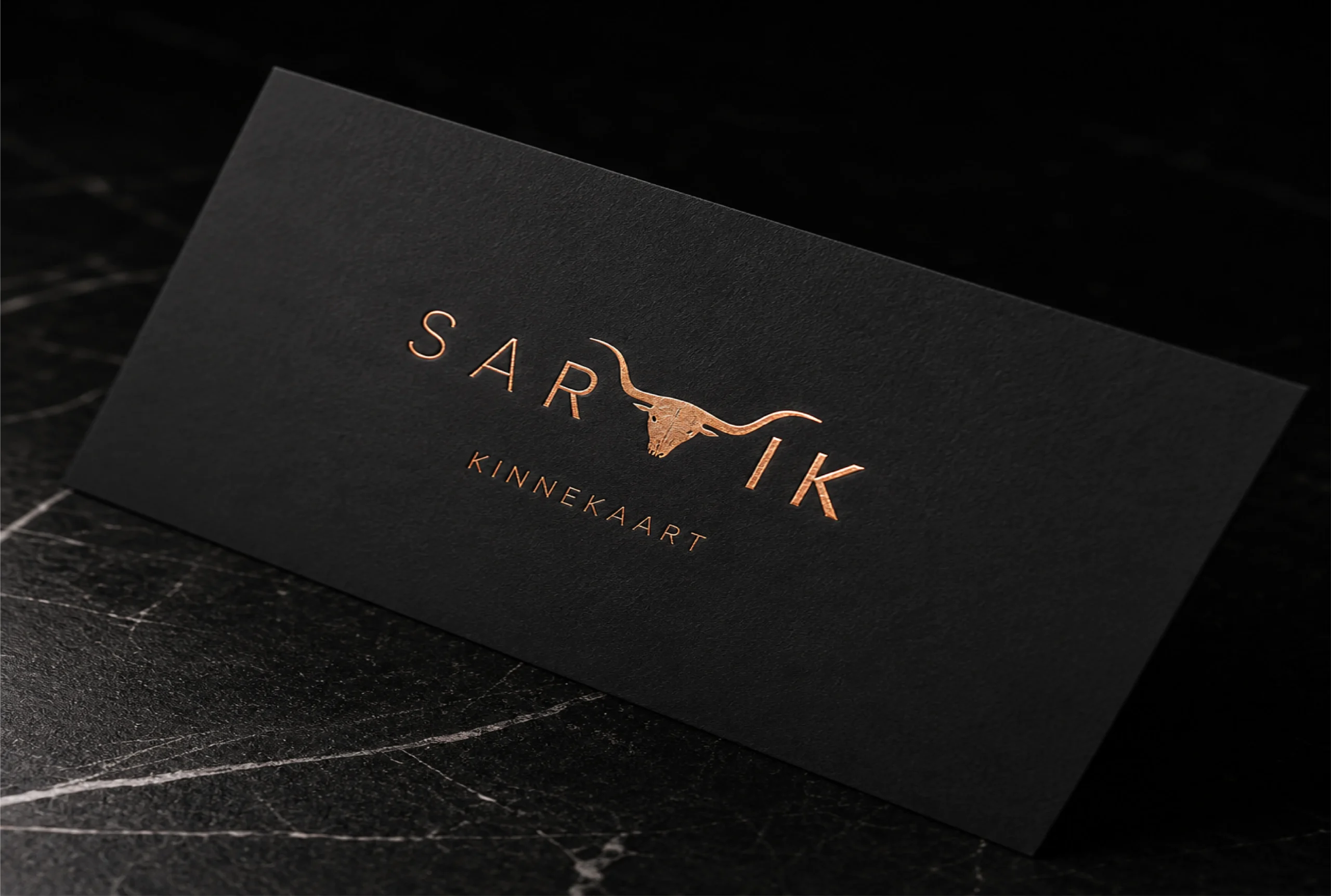
We add additional layer of protection with soft touch lamination from toner chipping.
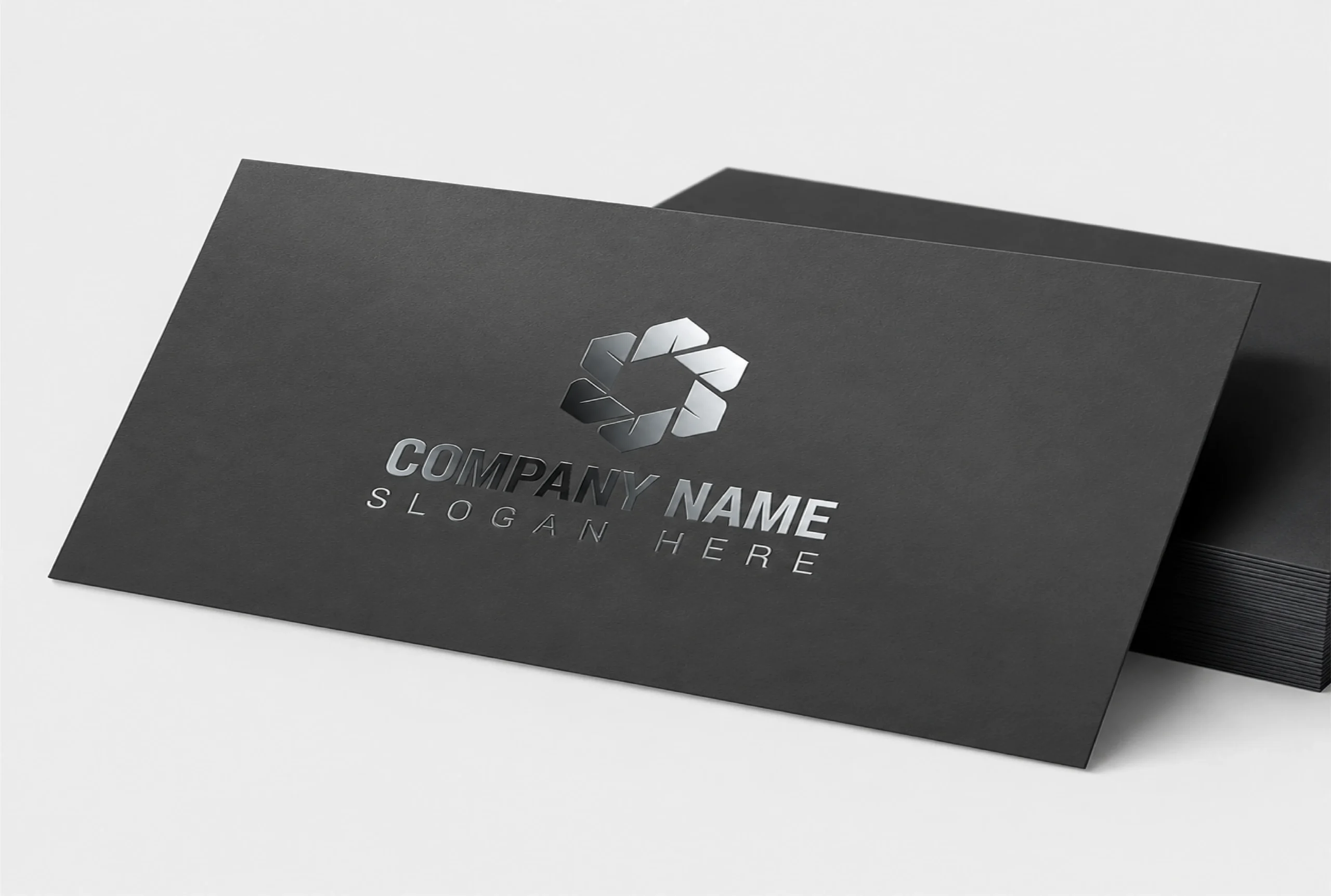
With our matte finish, fingerprints and smudges will now be less visible on the packaging.
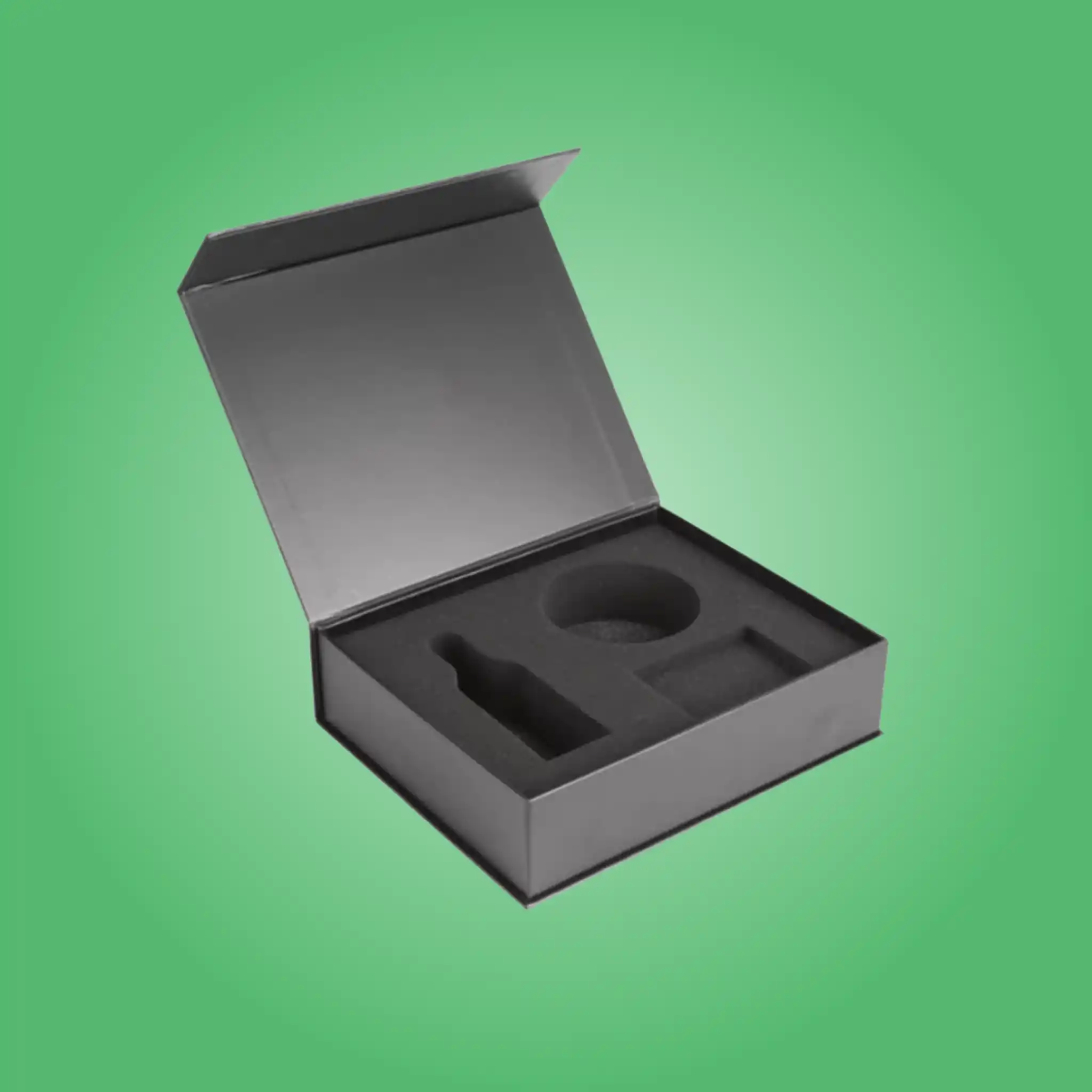
Make a statement with our elegant flap-open boxes. Their secure design and high-end feel are perfect for luxury items. Enjoy free design support and materials that truly impress.
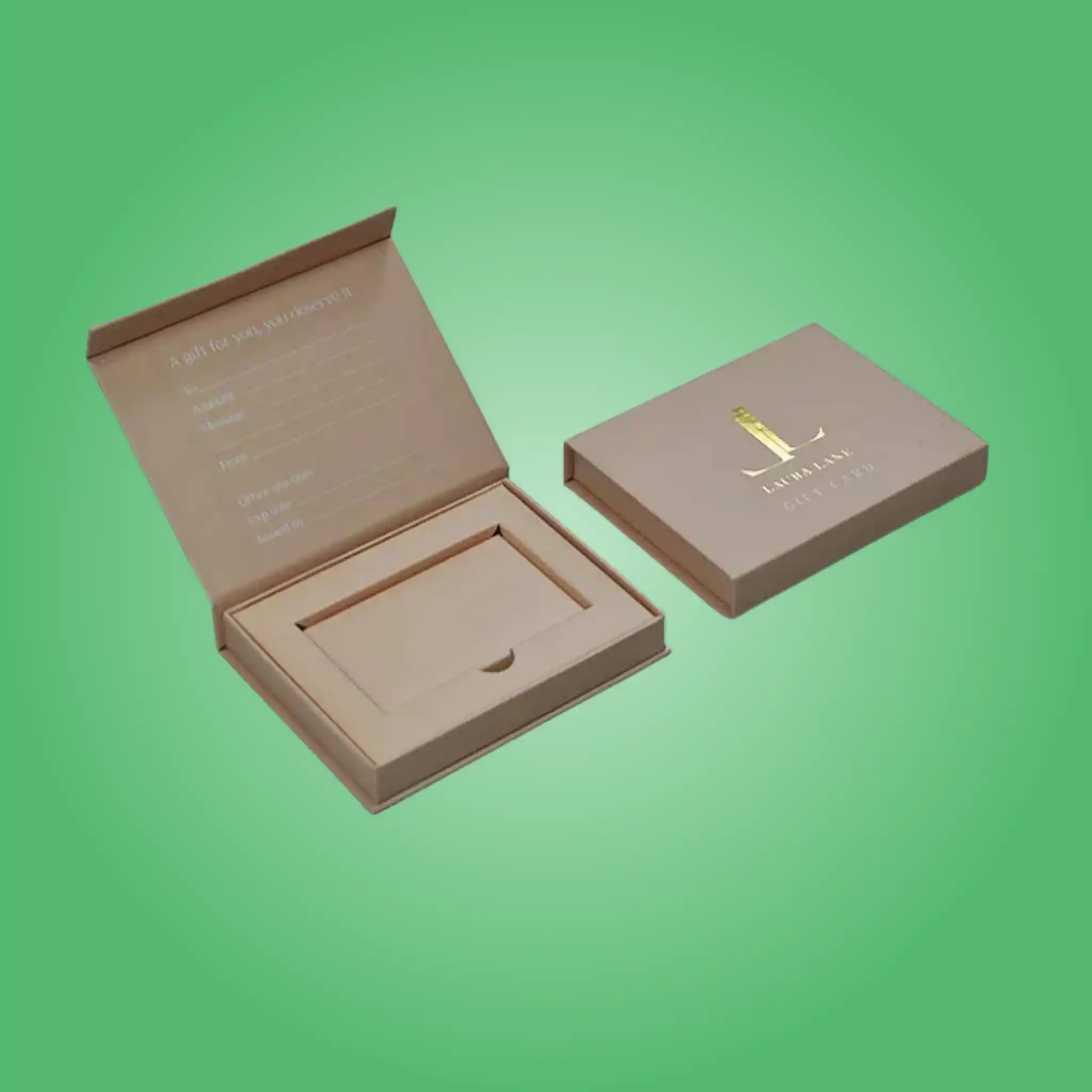
Present your items with curated flair. Our rigid boxes and custom inserts offer superior protection and a premium unboxing experience. We deliver quality materials and free shipping right to your door.
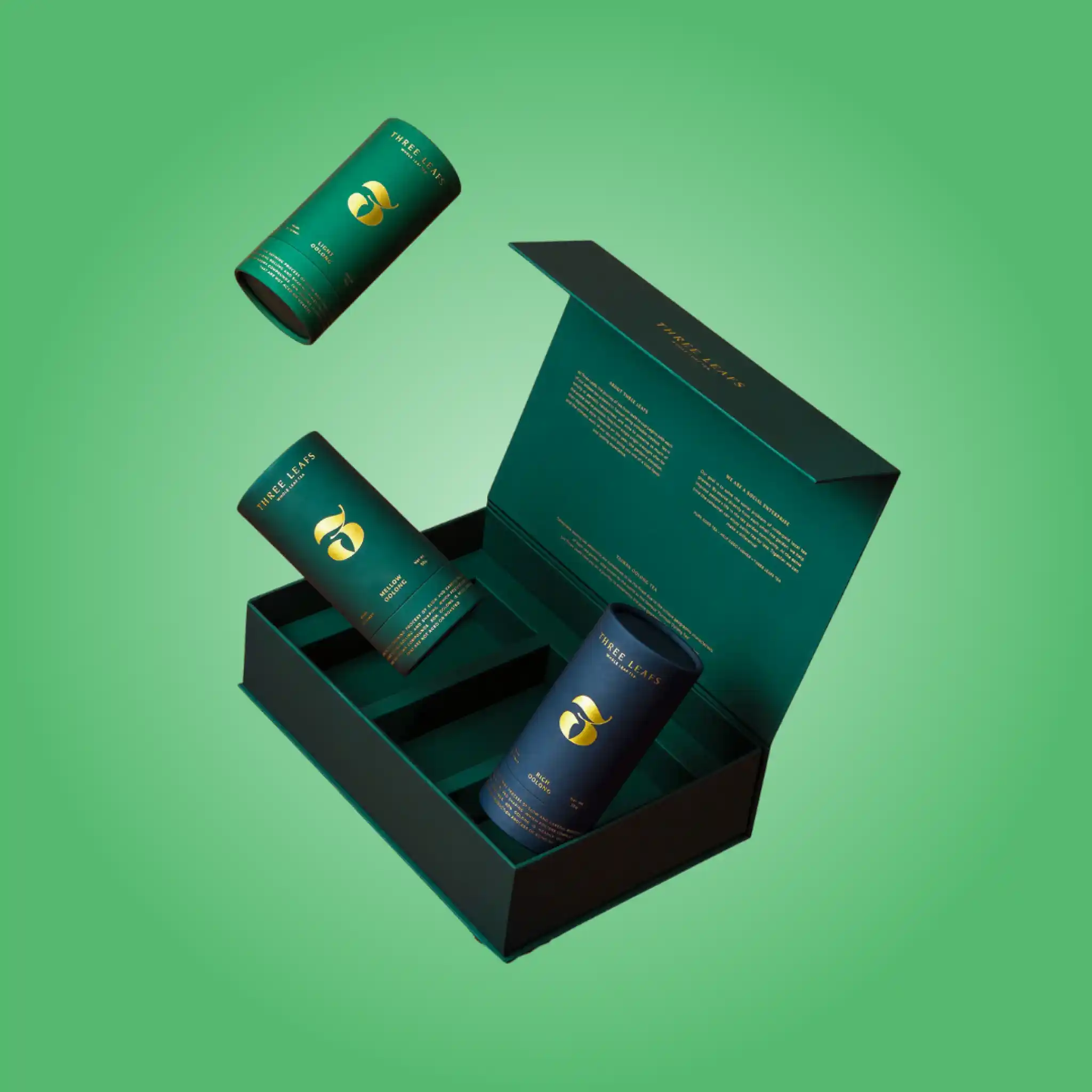
Get organized with Custom Rigid Boxes with magnetic closures. These strong boxes have custom compartments to protect your items. We offer premium finishes, speedy turnarounds, and bulk discounts for all your retail needs.
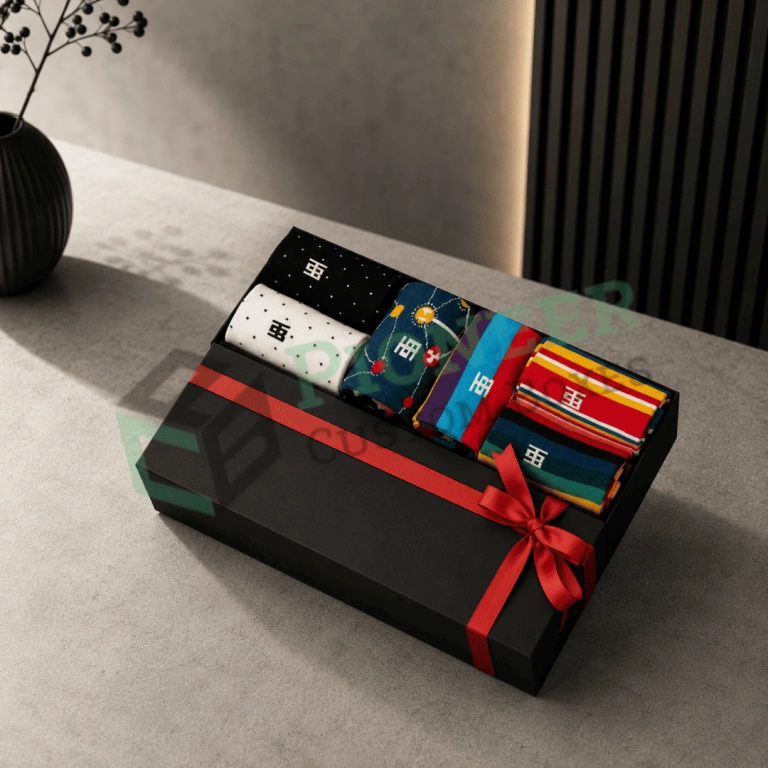
Custom booklet boxes from Pioneer Custom Boxes pair a printed carton with a folded leaflet engineered as one component, so required information fits without crowding the front panel. Choose glued booklets, die-cut pockets, multi-page labels, concertina or map folds and saddle-stitched manuals, with free fold planning, free design support, zero MOQ and free USA shipping.