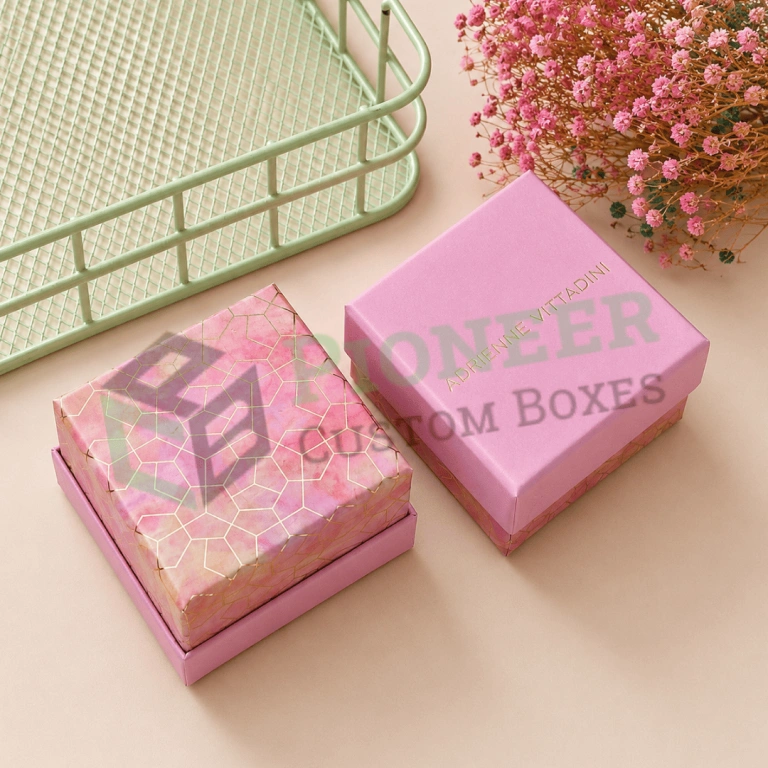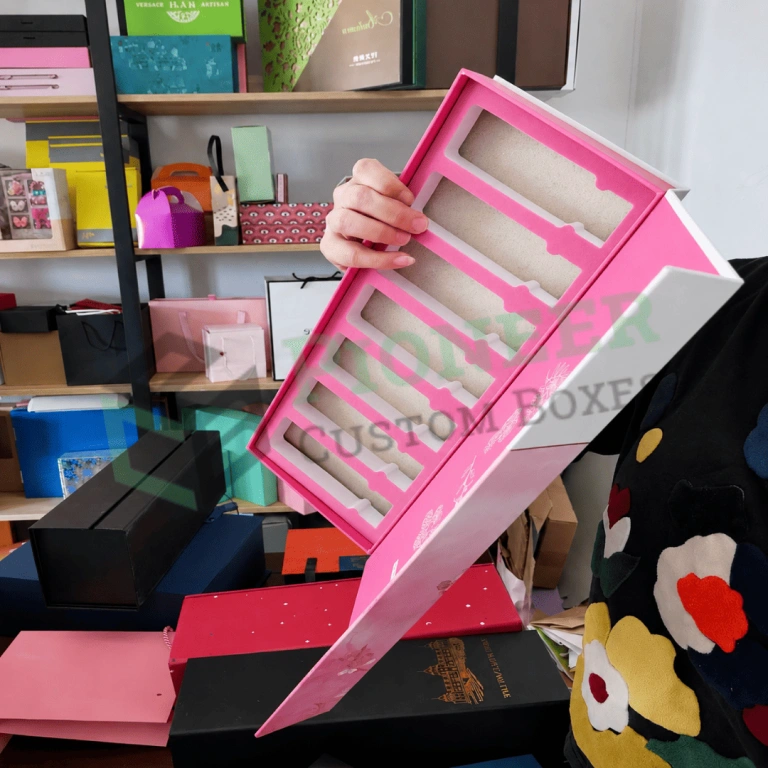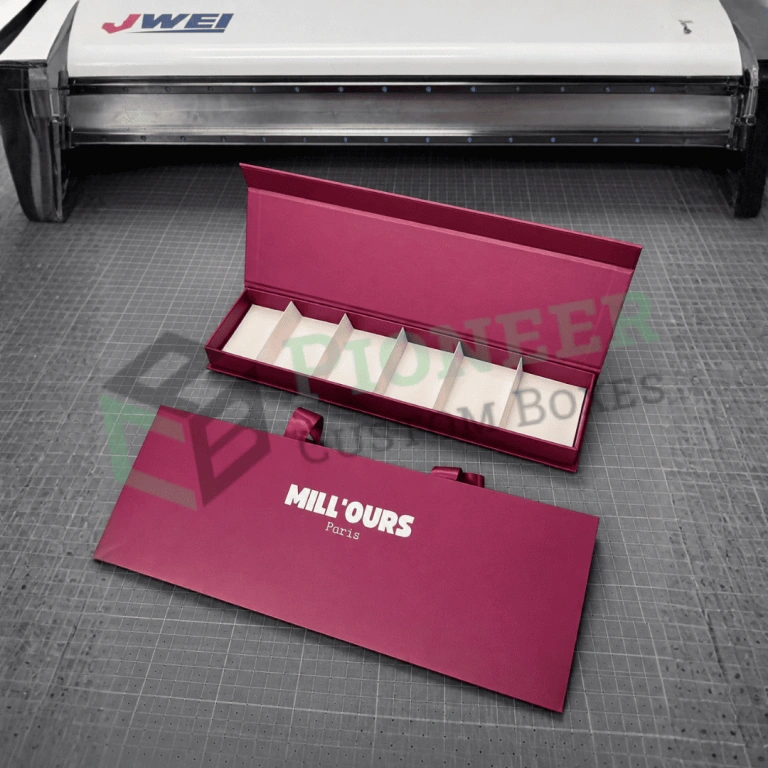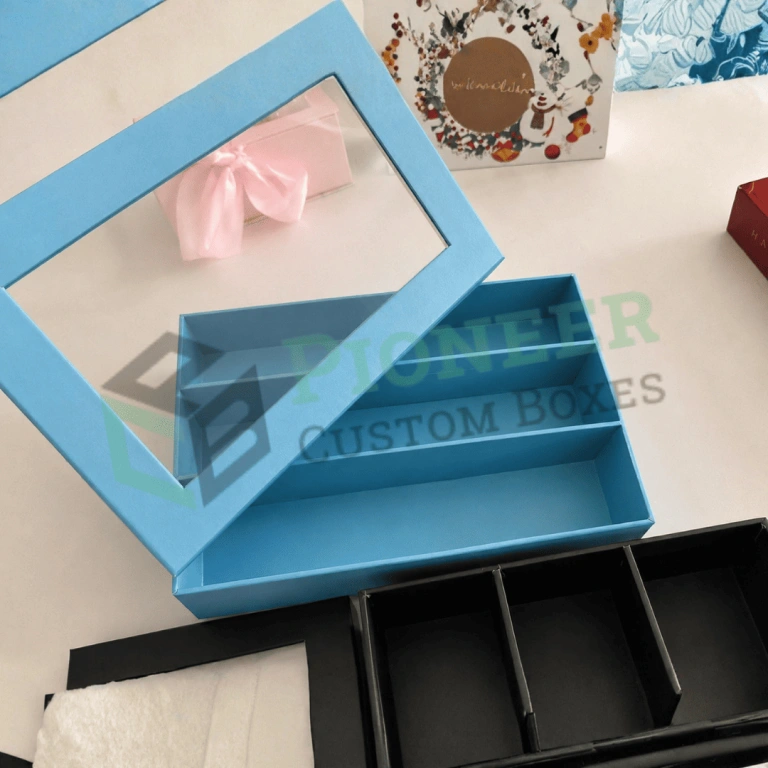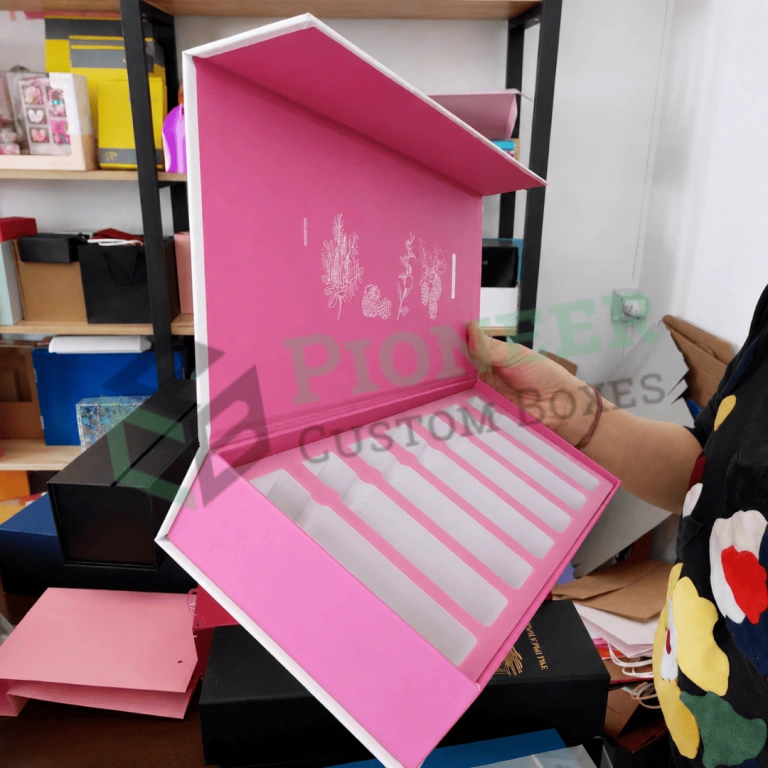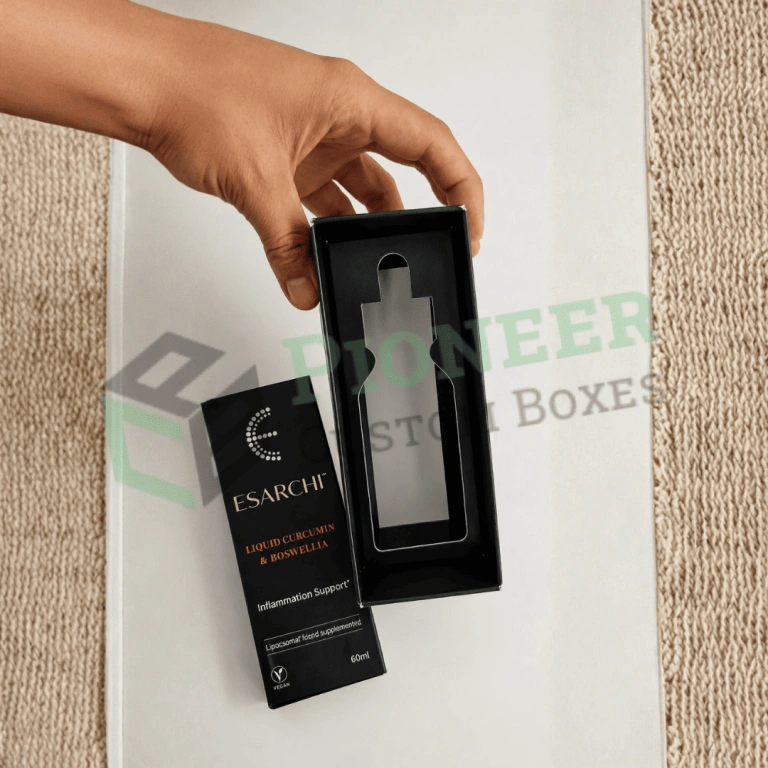
Custom cream boxes from Pioneer Custom Boxes help skincare, cosmetic, clean beauty and personal care brands package glass jars, tubes, airless pumps and regimen sets without cracked scores or scuffed panels. Choose SBS, kraft or CRB board from 14pt to 24pt, collar and platform inserts, soft touch lamination, foil stamping, reserved ingredient panels, free design support, no MOQ and free USA shipping.
A cream box carries a heavy, awkward product and is expected to look effortless doing it. Glass jars are dense for their size, tubes bend and roll, airless pumps are tall and unstable, and all of them are bought partly on how the packaging around them looks on a shelf or in a photograph.
Weight is the constraint brands consistently underestimate. A 50ml glass cream jar with a metal or heavy acrylic lid weighs far more than its size suggests, and a carton specified on print quality alone bows during filling. The operator forces the product in, the score cracks, and scrap begins on the first production run.
Required panel content is the second constraint. Cosmetic labeling needs ingredient declarations at a legible size, and discovering that after artwork approval is one of the most expensive mistakes available in this category.
Pioneer Custom Boxes manufactures skincare cartons in the United States with zero minimum order quantity, free dielines, free design support and free shipping nationwide. We cut our own dies and run our own presses, so the carton is built around your actual container.
Cream products come in several container types and each one changes the carton.
The heaviest common skincare container and the one most likely to break a light carton. Straight tuck or reverse tuck in 18pt or heavier, and for larger jars a tuck top with an auto-lock base. A collar insert stops the jar sliding and scuffing the printed panels from inside.
Lighter than glass and more prone to scratching. The carton itself is less structurally demanding, and an insert matters more, since a scratched jar is visibly damaged in a way a scratched glass one is not.
Tubes roll, bend and are difficult to keep upright inside a carton. A slim tuck carton sized closely to the tube prevents movement, and a paperboard platform keeps it presented rather than lying loose.
Tall and narrow with a high center of gravity. The carton needs enough height clearance for the actuator and a footprint that does not let the bottle tip inside during handling.
Small tuck cartons at 14pt to 16pt, usually sold in multiples or as part of a set. Cost per unit dominates because volumes are high and the product is a sample.
A larger carton with a fitted insert holding several products in a set arrangement. These sell as gifts and as routines, and the insert does presentation work as well as protection.
Increasingly common as brands offer refills for a primary container. Refill cartons are usually simpler and lighter, and they benefit from clearly signaling that they are a refill rather than the full product.
Send us the filled container and we will build the carton around it. Measuring a real filled unit removes every assumption about weight and clearance.
Every die is cut to your container. These formats cover the skincare packaging we produce most often.
| Container | Typical Carton Size (inches) | Caliper | Insert |
|---|---|---|---|
| 15ml eye cream jar | 1.75 x 1.75 x 2 | 16pt SBS | Optional collar |
| 30ml cream jar | 2.25 x 2.25 x 2.5 | 18pt SBS | Collar recommended |
| 50ml glass jar | 2.75 x 2.75 x 3 | 18pt SBS | Collar insert |
| 100ml glass jar | 3.25 x 3.25 x 3.5 | 20pt SBS | Collar insert |
| 30ml airless pump | 1.75 x 1.75 x 5 | 18pt SBS | Platform insert |
| 50ml airless pump | 2 x 2 x 5.5 | 18pt SBS | Platform insert |
| Cream tube, 50ml | 1.75 x 1.25 x 6 | 16pt SBS | Snug fit |
| Cream tube, 100ml | 2 x 1.5 x 7 | 16pt to 18pt | Snug fit |
| Travel and sample size | 1.25 x 1.25 x 2 | 14pt SBS | None |
| Two-product regimen set | 6 x 3 x 4 | 18pt with insert | Two-cavity tray |
| Four-product gift set | 8 x 6 x 3 | 18pt or rigid | Multi-cavity tray |
Send us the filled container weight along with the dimensions. Weight decides caliper, and it is the number most often missing from a request.
Skincare cartons fail during filling far more often than in transit, and that failure is decided before printing.
Every dimension we quote is internal, measured to the inside faces of the assembled carton. Board has real thickness, so an 18pt carton finishes about a millimeter larger externally on each axis. Sending external dimensions produces a carton your jar will not fit, and it is the most common sizing error we correct.
Clearance around a rigid container should be one to two millimeters per side. That lets the jar drop in cleanly without rattling afterward. More clearance means movement, and a glass jar moving inside a carton scuffs the printed panels from the inside over a few weeks in a stockroom.
Height clearance above the lid or actuator is separate and non-negotiable. Two to three millimeters lets the tuck close without pressing down on the container. Without it, staff force the flap and the top score cracks, which is the failure skincare brands report to us most often.
Caliper follows the filled weight rather than the container size. A 30ml jar in light glass sits comfortably on 18pt. A 100ml jar with a heavy acrylic lid needs 20pt, and at that point a tuck top with an auto-lock base is frequently the better structure.
Footprint matters for tall products. An airless pump concentrates weight high in a narrow carton, and a marginally wider base carries it more stably than a taller narrower one.
Send us the filled container. Measuring and weighing it here removes every assumption and costs you nothing but postage.
Board choice balances a heavy product against packaging judged on how premium it looks.
The default for printed skincare cartons. The bright white clay-coated surface reproduces the soft palettes and precise brand colors this category relies on, and it takes soft touch, foil and spot UV cleanly. We run 16pt for light tubes and sachets, 18pt across most jars, and 20pt to 24pt for heavier containers.
Natural brown for clean beauty, refill and botanical positioning. It costs less than bleached stock and signals natural formulation without a word of copy. Colors print warmer and white will not read as white, so kraft designs use one or two bold inks, often with a single foil hit.
CRB with recycled fiber and a coated printing surface, below SBS on cost. It suits high-volume ranges and supports a genuine recycled content claim in a category where customers check.
Available across every grade. Clean beauty customers scrutinize material claims more than most, so we document exactly what your board contains rather than leaving you to assume.
For heavier sets, gift boxes and any carton shipping alone through a parcel network without an outer box.
Because skincare cartons are frequently seen in ranges, board consistency across a set matters. We produce all cartons in a range on the same stock so the whites match, which is more visible than most brands expect when products sit together.
Skincare lives on subtle color, and this is a category where color management decides whether packaging looks premium or slightly off.
Offset gives the finest detail, the smoothest gradients and the most consistent color across a run. Skincare palettes are frequently pale and subtle, and those are exactly the colors that drift most between production batches, so offset consistency matters here more than in bolder categories.
Digital prints without plates, which suits brands running many SKUs at moderate volumes. A skincare range with twelve products can print each in small quantities against shared structures with no plate cost per variant.
CMYK reproduces photography and gradients accurately on white board and costs the least. Very pale neutrals and soft pastels, which this category uses constantly, sit at the edge of what CMYK holds consistently, so a signature pale shade is usually better as a spot ink.
Pantone inks arrive pre-mixed and print identically on every run. If customers recognize your brand by a color, that color belongs in PMS. We store references permanently and match against a physical draw-down before every run, which keeps batch twelve matching batch one on a shelf of your own products.
RGB is a screen color space and cannot be printed. Your website and social imagery live in RGB, and conversion shifts colors noticeably. We convert with proper profiles and show you the printed outcome first.
One point specific to skincare. Ranges are displayed together, and a customer comparing two products from the same brand notices color drift that a single product would never reveal. Specifying core brand colors as spot inks is the single most effective way to prevent that.
Skincare is bought partly on how the packaging feels, so finishing does measurable commercial work in this category.
The most effective single finish in skincare. A velvet surface reads as expensive the moment a customer picks the carton up, and for a product whose benefits cannot be verified on a shelf, that tactile signal carries real weight.
A restrained surface suiting clinical, botanical and minimalist positioning. It photographs without glare, which matters because this category sells heavily through images, and it makes foil stand out sharply.
Lifts color saturation and suits brighter, more commercial ranges. It shows fingerprints, so it works better on busy artwork than on the large flat pale panels skincare often uses.
A single foil hit on the logo costs a fraction of full coverage and reads almost identically. Rose gold and silver dominate skincare, and foil sits best against matte or soft touch where the contrast makes it shine.
Gloss varnish on selected areas against a matte background, effective on a botanical pattern or a wordmark. Keep it clear of the barcode and any required text panel.
Texture registered through touch before conscious thought. A blind deboss on an uncoated or matte carton is understated and costs less than foil.
Protection at lower cost than lamination while keeping the carton fully recyclable, which matters for clean beauty brands where a plastic laminate contradicts the positioning.
Restraint performs better here than accumulation. Skincare customers associate quiet packaging with clinical credibility, and a carton carrying four finishes frequently reads as less premium than one carrying a single well-chosen treatment.
This is the requirement most often discovered too late in skincare, and it is entirely avoidable.
Cosmetic products carry ingredient declarations, and those declarations have minimum legibility requirements. A full ingredient list is frequently long, and it cannot be shrunk to fit a carton that was sized around the container alone.
We reserve panel space at the dieline stage before artwork is placed. Your designer then works around a fixed area rather than discovering a conflict at proof, and the carton is sized correctly the first time.
Additional content may apply depending on your claims and your markets: net contents, period after opening symbols, batch identification, manufacturer details, warnings for specific ingredients, and country of origin. Each takes space and each has its own legibility threshold.
To be clear about responsibility, we manufacture the packaging and build the space your labeling requires. Your regulatory advisor confirms the exact wording, the required symbols and which rules apply to your markets. Send us that specification and we lay it out precisely, then flag any design element that appears to encroach on a reserved panel before the press runs.
Batch and expiry printing is worth planning too. Variable data during the run costs very little and looks considerably more professional than a hand-applied sticker.
Skincare brands typically carry many SKUs at moderate volumes, and that shape decides which savings actually matter.
The number of separate dies leads. A brand with twelve products in four container sizes needs four dies, not twelve, with product identity carried by printing. Consolidating that way is nearly always the largest available saving.
Carton dimensions come second, because board is priced by area. Removing unnecessary clearance saves on every unit and improves how the product sits inside.
Caliper is third and should follow filled weight rather than being trimmed. A carton that bows during filling produces scrap that dwarfs the board saving.
Finishing is fourth and is where skincare budgets disappear fastest, since soft touch plus foil plus spot UV is three passes. Spot color count and quantity finish the list.
| Cost Driver | Impact | How to Reduce It |
|---|---|---|
| Number of separate dies | Highest across a range | One die per container size, vary the printing |
| Carton dimensions | High | Measure the filled container, remove excess clearance |
| Board caliper | High, do not trim below filled weight | Match to the filled container, not the empty one |
| Finishing passes | High | Soft touch plus one foil hit, nothing more |
| Spot color count | Moderate | CMYK artwork plus one Pantone brand color |
| Insert type | Moderate | Paperboard collar rather than molded or foam |
| Order quantity | Moderate | Run the whole range in one production order |
For a brand adding products regularly, sharing one die across a container size is worth more than any other decision, because each new product then costs plates rather than tooling.
Skincare cartons are inspected closely by retail buyers and by customers, and they fail during filling. Every order passes a documented check before leaving our floor.
| Check | What We Verify | Why It Matters |
|---|---|---|
| Container fit | A real filled container seated in the carton | Clearance must be right in both directions |
| Height clearance | Tuck closes without pressing the lid or actuator | Prevents the top score cracking during filling |
| Loaded stability | Filled carton stood upright and handled | Tall containers tip inside loose cartons |
| Score and crease quality | Clean folds with no cracking | Cracked scores expose white board edges |
| Glue bond strength | Side seam pull test | A failed seam opens on a shelf |
| Ingredient panel legibility | Type size and contrast on required text | Regulators and customers both need to read it |
| Color match | Pantone against a physical draw-down | Ranges displayed together reveal any drift |
| Finish adhesion | Tape test on foil and lamination edges | Lifting finish ruins premium positioning |
| Insert seating | Collar sits flat and holds the container | A loose insert does nothing |
| Barcode readability | Scan test on a flat matte area | Retailers reject unscannable cartons |
We check color across every carton in a range together rather than individually, because that is how a customer sees them. If anything fails, we remake it rather than ship it.
These errors recur, and each one is avoidable before a die is cut.
Sizing the carton before confirming ingredient panel requirements leads the list. The list cannot be shrunk below a legibility threshold, so a carton designed around the jar alone frequently has to grow after artwork approval, which means starting again.
Specifying caliper on appearance rather than filled weight is second. A carton chosen for how it prints bows around a glass jar during filling, the operator forces it, and the score cracks on the first run.
Cutting the carton exactly to container height is third. Without headroom the tuck presses onto the lid or actuator, and the top score cracks. Two to three millimeters solves it.
Skipping the collar insert on glass jars lets the container slide, scuffing the printed panels from the inside during weeks in a stockroom.
Tooling a separate die for every product when four container sizes would cover a twelve-product range is the largest quiet waste in this category.
Finally, approving artwork without a physical sample. Soft touch and foil photograph nothing like they feel, and pale palettes shift more between screen and board than saturated ones.
A skincare brand came to us with two problems they thought were unrelated. Their cartons were cracking at the top score during filling, and their packaging cost per unit was higher than they could justify at their price point.
Both traced to the same origin. They had tooled a separate carton for each of their nine products, all in 14pt board chosen to keep cost down, and each carton had been cut to the exact height of its container with no headroom.
We measured their range and found nine products across three container sizes. We cut three dies in 18pt SBS, added three millimeters of headroom and two millimeters of width clearance, and added a paperboard collar for the two glass jars. Product identity moved entirely to printing.
Scrap during filling dropped below one percent from around seven. Unit cost fell by roughly thirty percent despite the heavier board, because three dies across nine products reached quantities that nine separate dies never could. They have since added two products at plate cost alone.
Ordering runs through four steps and our team carries the technical work in each one.
First, send us the filled container, or its dimensions with the lid on plus the filled weight. Also send your ingredient list, because its length decides whether the carton you have in mind is large enough.
Second, we return a free dieline and a written quote within one business day, with the ingredient panel already reserved. If you run several products, we will show you how few dies your range actually needs.
Third, you approve a digital proof, and we recommend a physical sample. Put the real container inside, close the tuck, and look at the finish under retail lighting. Samples take three to five business days.
Fourth, we produce and ship. Standard production runs eight to twelve business days, rush production runs four to six, and shipping across the United States costs nothing. New products in the range run against your stored dies.
Three things make custom skincare cartons workable for an indie brand as well as an established one, and none carry a hidden charge.
Zero minimum order quantity means a brand launching three products can order properly branded cartons rather than using stock packaging. Digital printing covers those runs with no plate cost.
Free design support covers structural work, container measurement, ingredient panel reservation, insert design and artwork preparation. If you work with a designer, we supply a layered template marked with fold lines, bleed, safety margins and the reserved regulatory panel.
Free shipping applies across the United States on every order, rush production included. We manufacture domestically, so adding a product to your range never waits at a port.
We are a direct manufacturer rather than a broker. We cut our own dies, run our own presses and finish every order in house, which is why we can quote quickly, adjust a specification mid-conversation and stand behind what leaves our floor.
For skincare the practical benefits are color and fit. We match brand colors against physical draw-downs and check every carton in a range together, and we build cartons around filled containers rather than around drawings.
Send us your filled container, its weight and your ingredient list, and we will return a free dieline and a written quote for custom cream boxes within one business day. Order now, or get a free quote and we will show you how few dies your range actually needs.
| Box Style | Custom Cream Boxes |
| Dimension (L + W + H) | All Custom Sizes & Shapes |
| Quantities | No Minimum Order Required |
| Paper Stock | 10pt to 28pt (60lb to 400lb) Eco-Friendly Kraft, E-flute Corrugated, Bux Board, Cardstock |
| Printing | No Printing, CMYK, CMYK + 1 PMS color, CMYK + 2 PMS colors |
| Finishing | Gloss Lamination, Matte Lamination, Gloss AQ, Gloss UV, Matte UV, Spot UV, Embossing, Foiling |
| Included Options | Die Cutting, Gluing, Scored, Perforation |
| Additional Options | Eco-Friendly, Recycled Boxes, Biodegradable |
| Proof | Flat View, 3D Mock-up, Physical Sampling (On request) |
| Turnaround | 4 – 8 Business Days, RUSH |
| Shipping | FLAT |
Every great product deserves packaging that turns heads. Here's how we make it happen — step by seamless step.
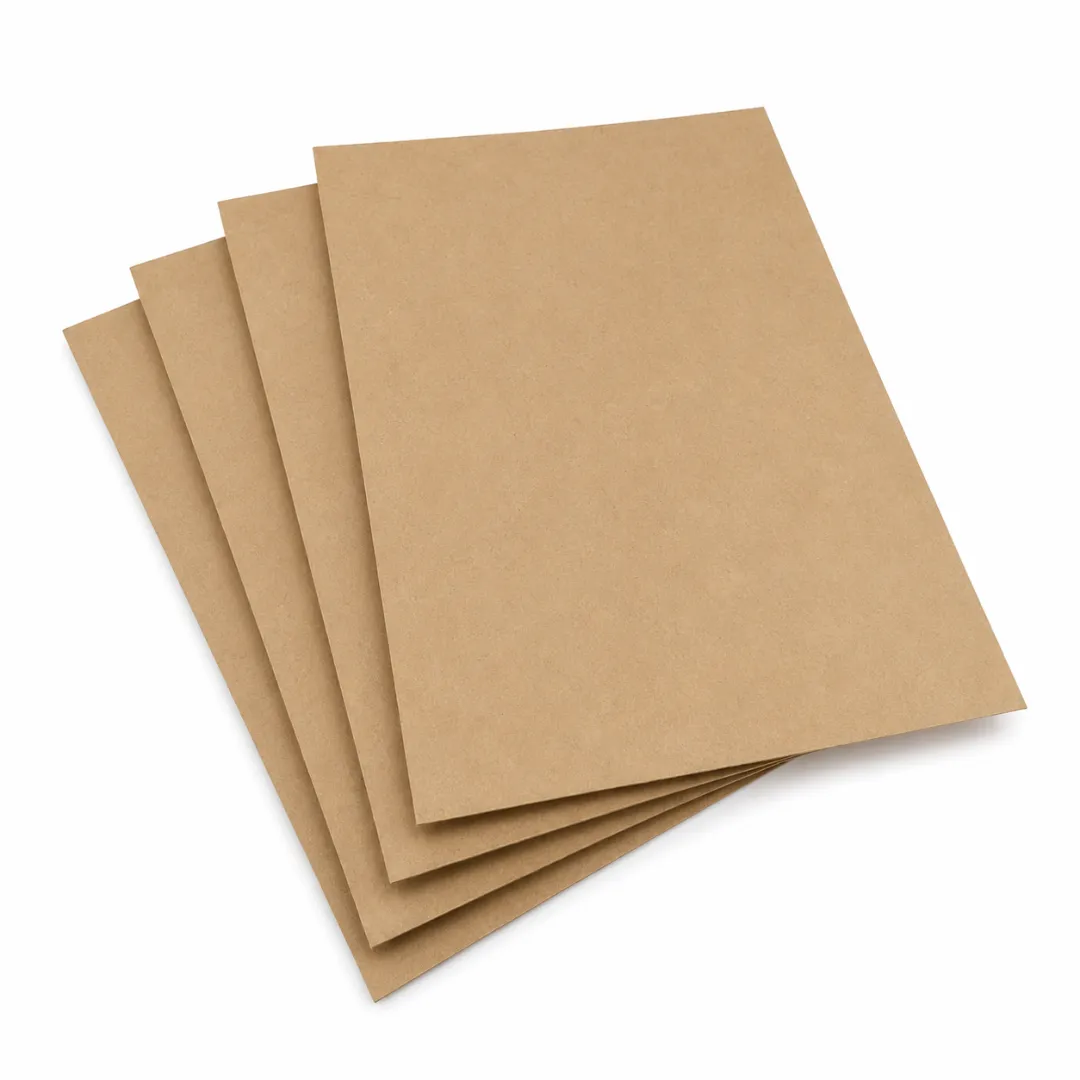
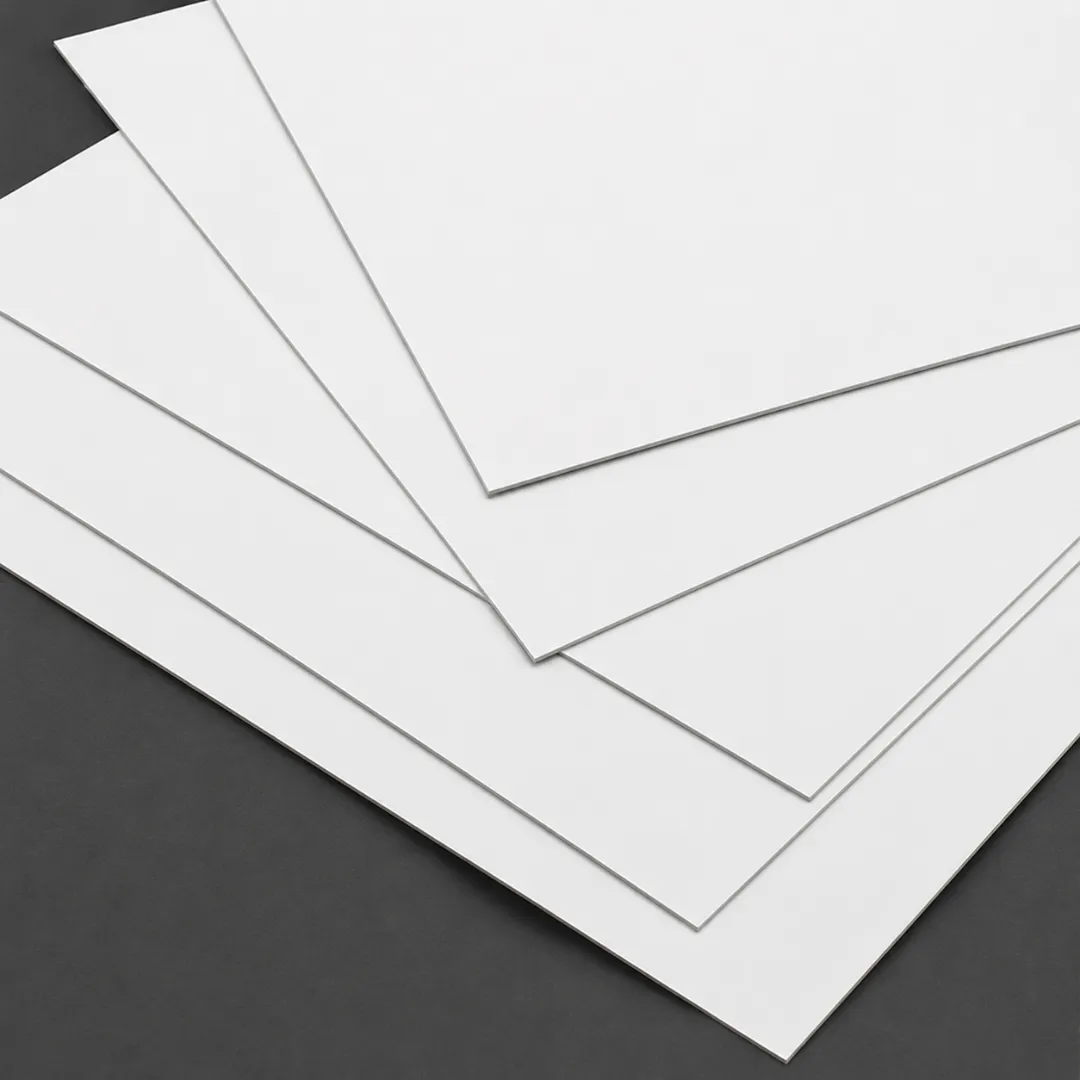
Kraft paper is a strong, durable and reliable material that is widely used across many different industries.
We use cardboard material with the least environmental impact and minimizes waste generation.
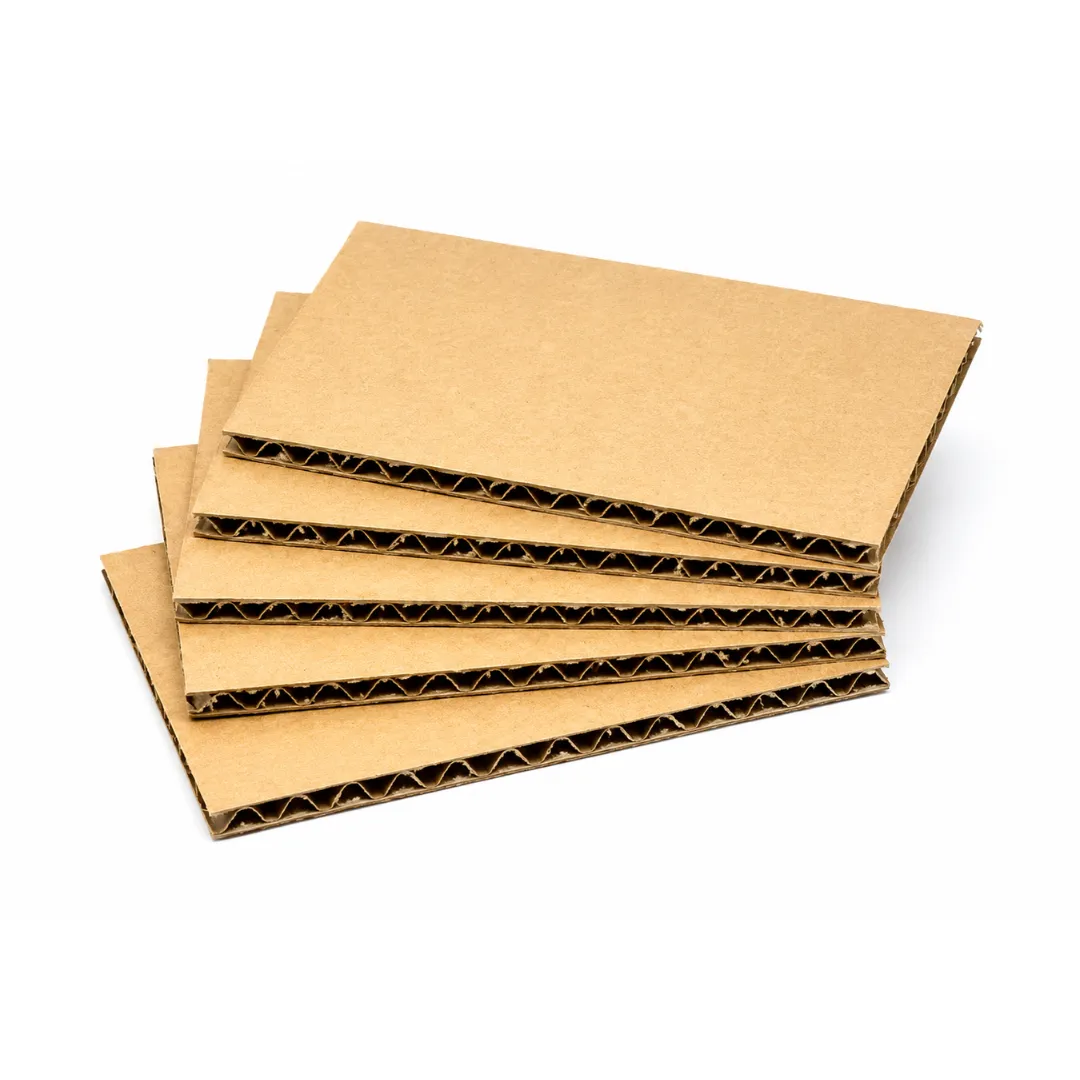
Corrugated material is easy to customize, cost effective and sustainable. It is also great for branding purposes.
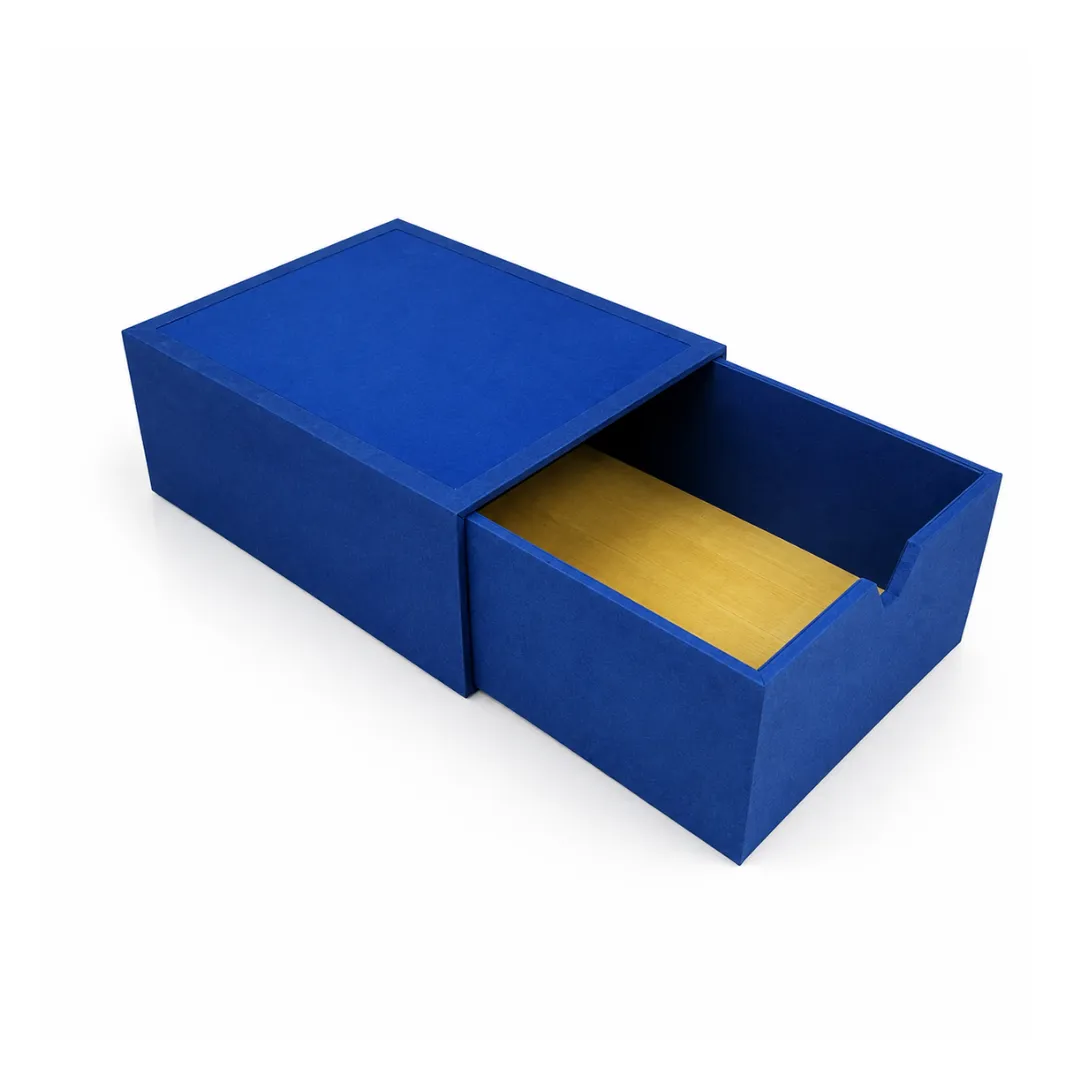
Rigid is highly protective, affordable and recyclable material. These boxes provide maximum protection.
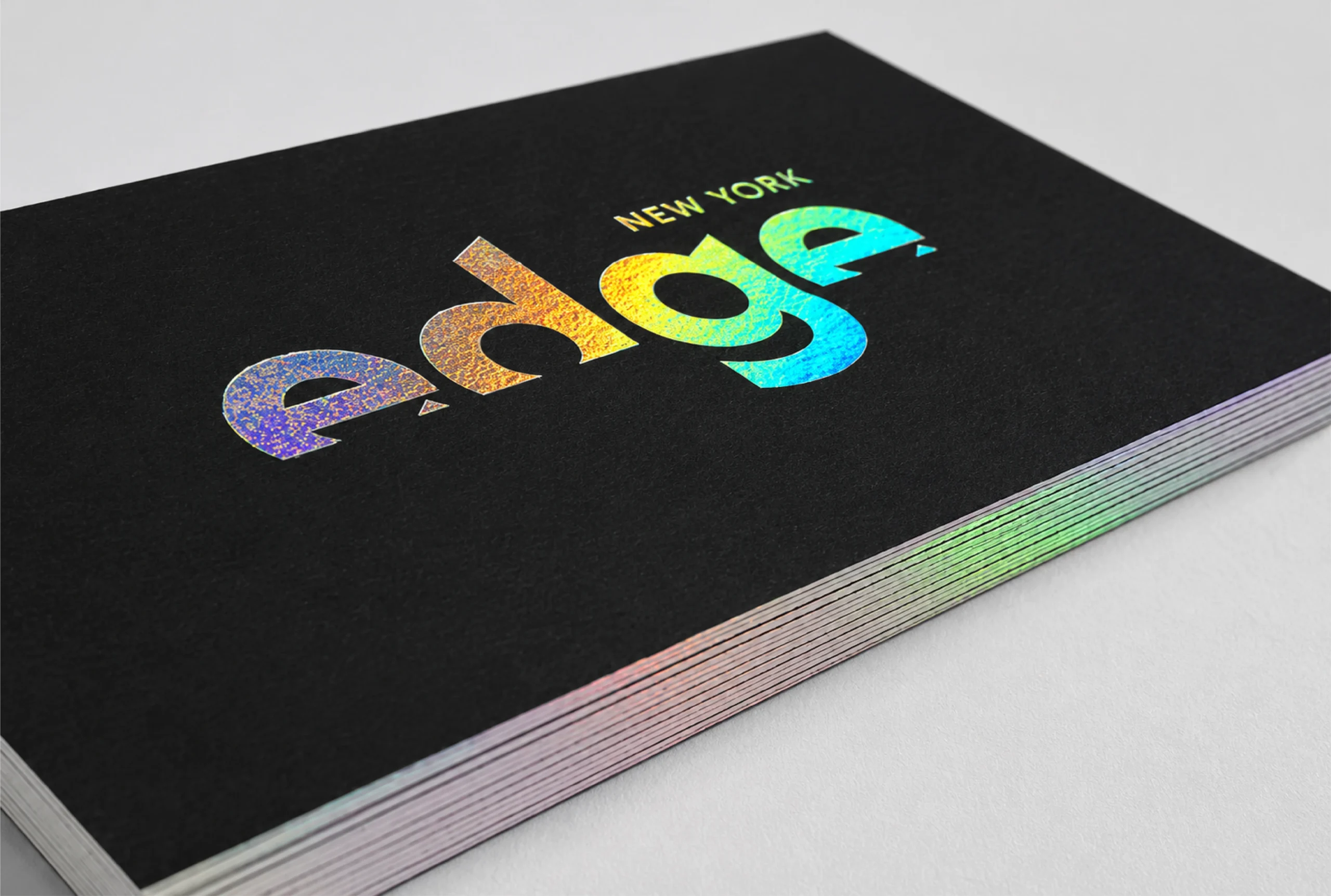
Holographic foil diffracts light and reveals the colors of the rainbow at various angles.
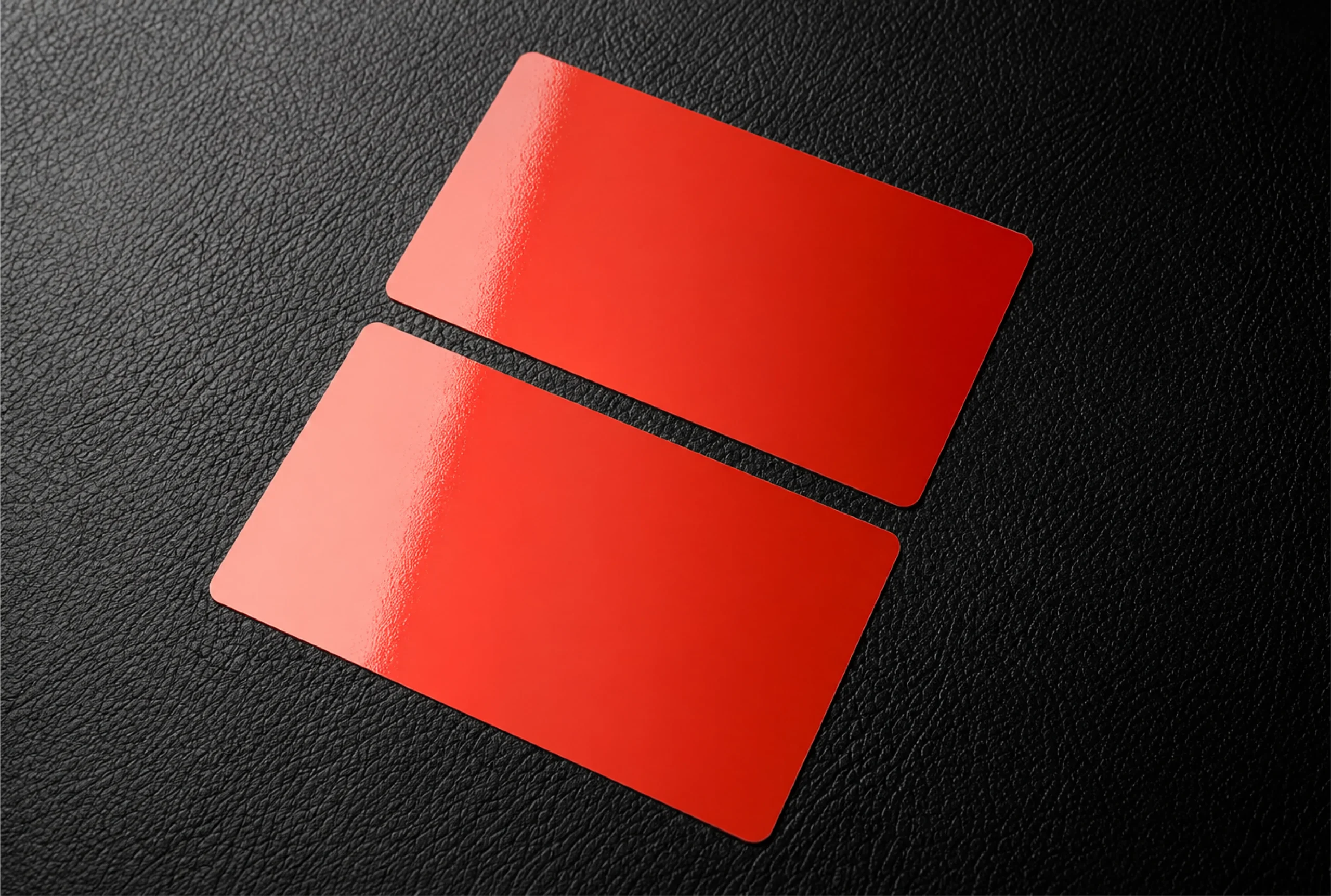
Our glossy finishing gives your packaging an extra layer of shine.
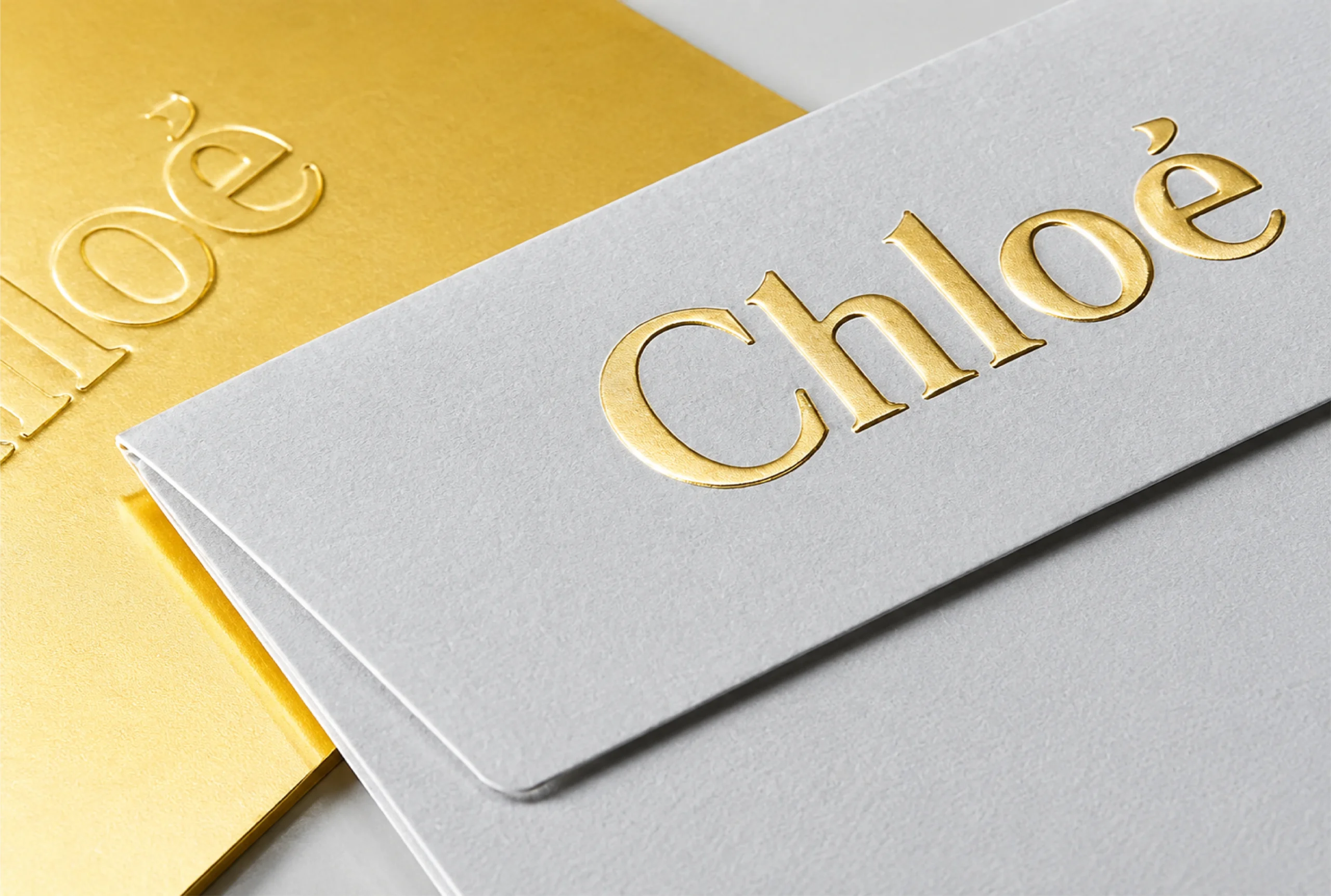
Decorate a wide range of your product packaging with our foil stamping.
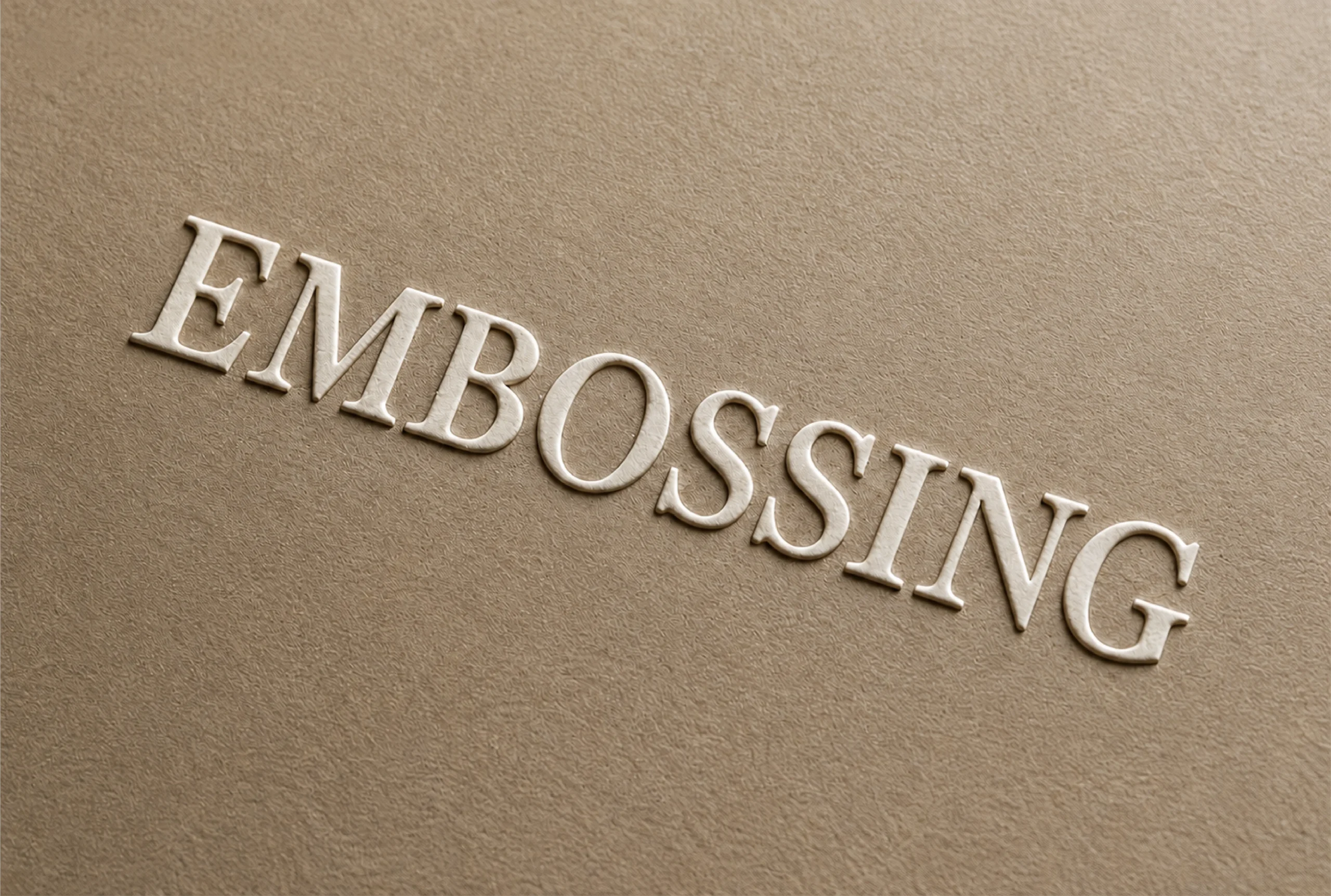
With our embossing technique, we transfer the finest details of your product on packaging.
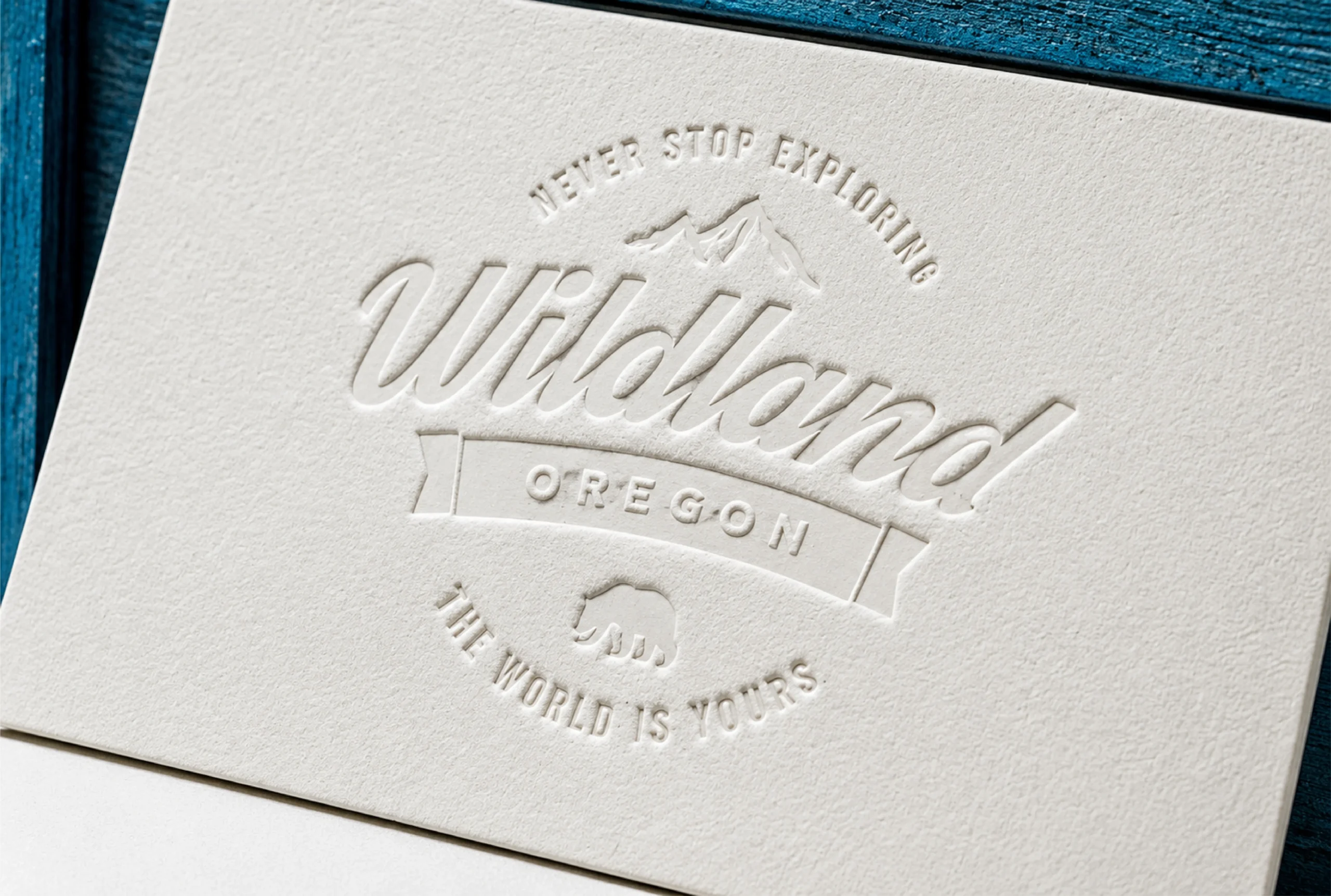
We use debossing technique to add unique graphics into your packaging.
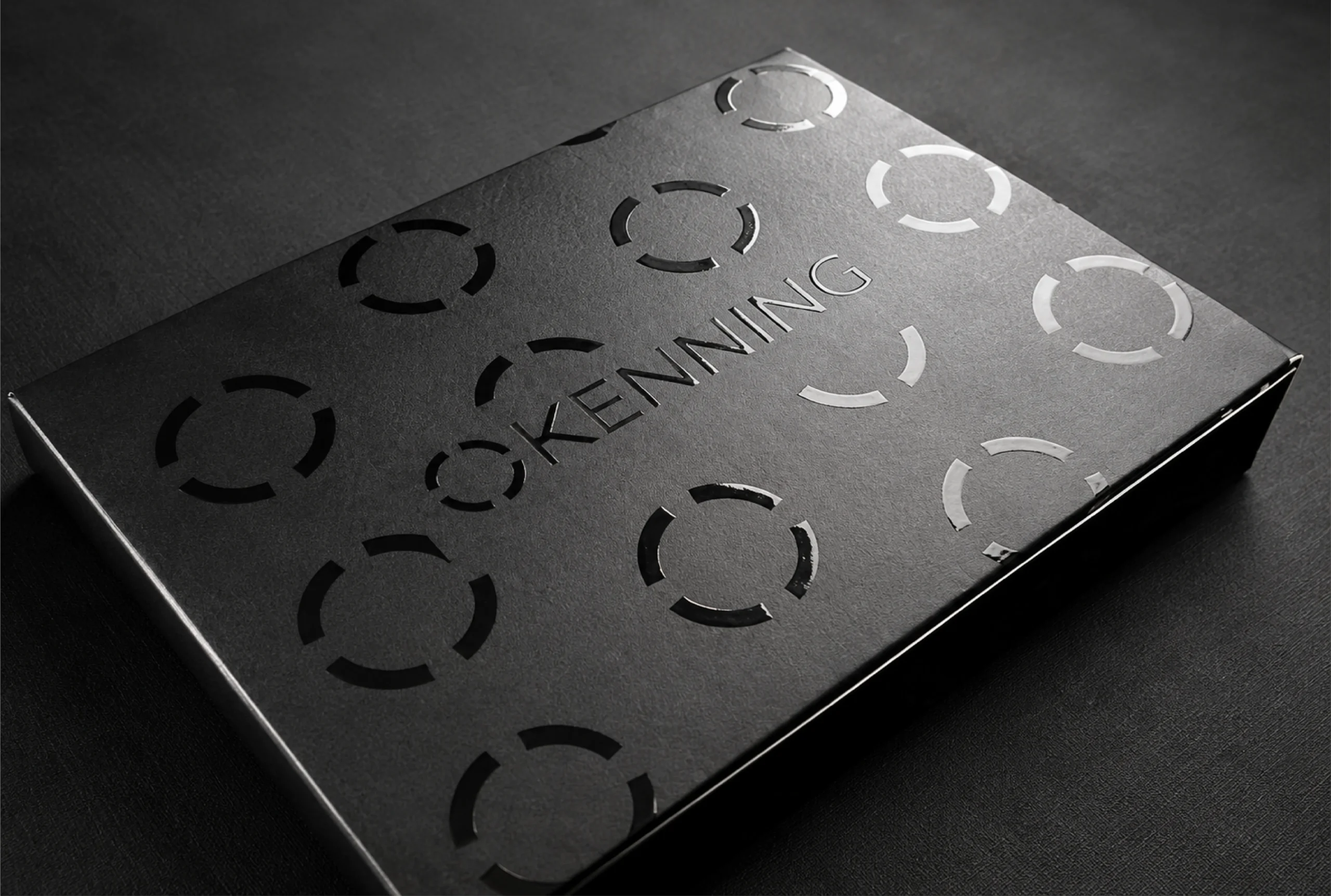
Our high-gloss UV coating gives light and shine to cure the printed material's varnish.
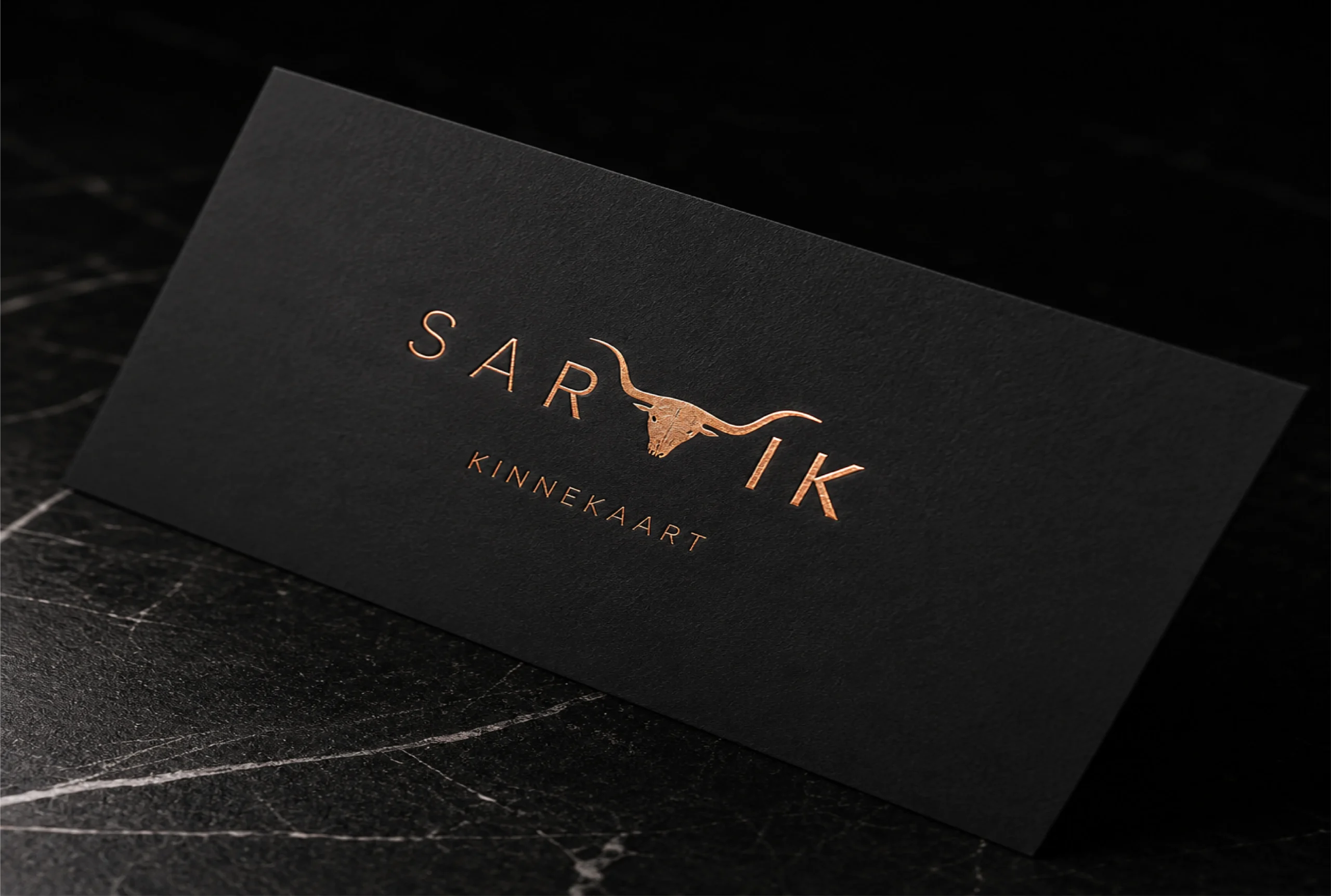
We add additional layer of protection with soft touch lamination from toner chipping.
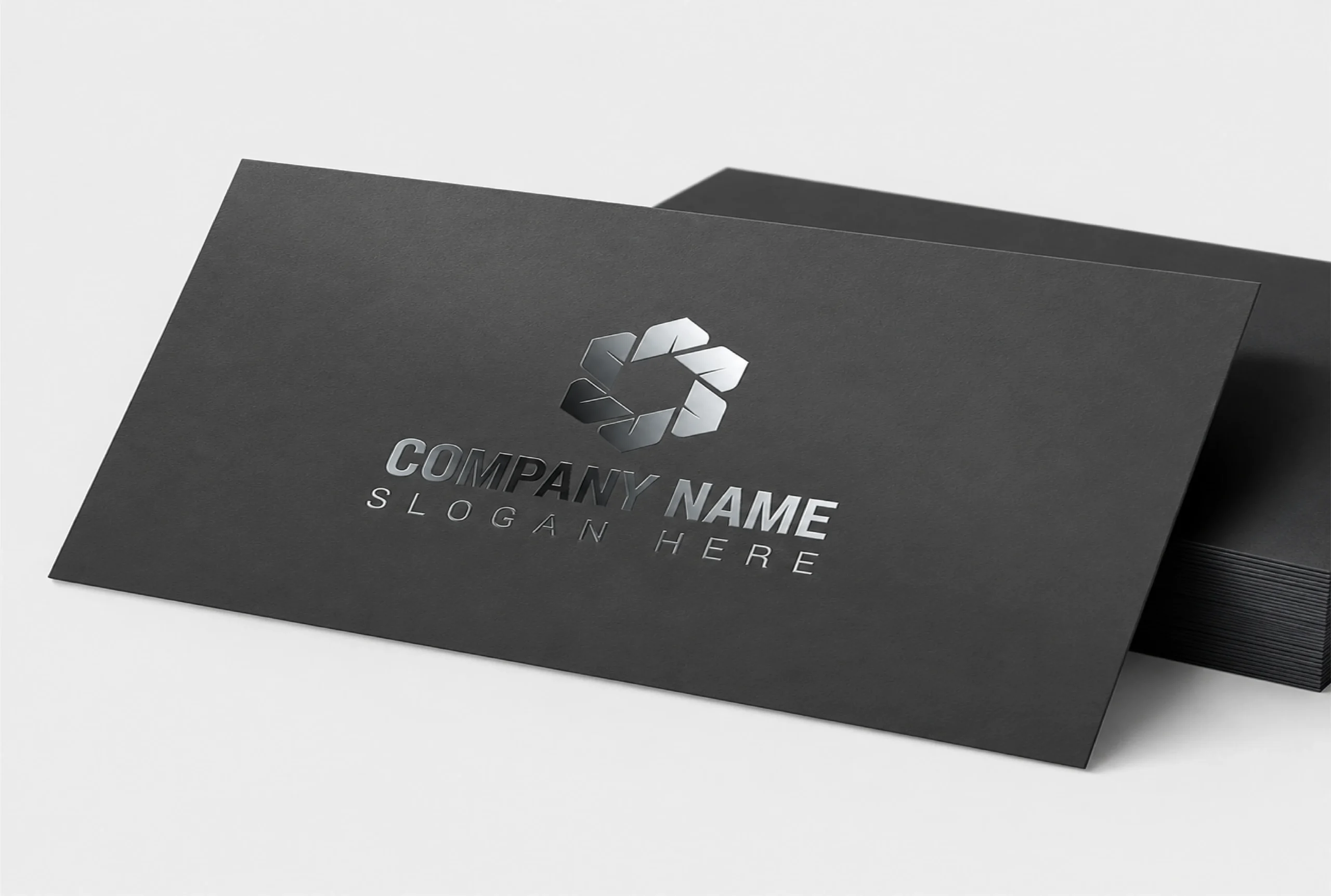
With our matte finish, fingerprints and smudges will now be less visible on the packaging.
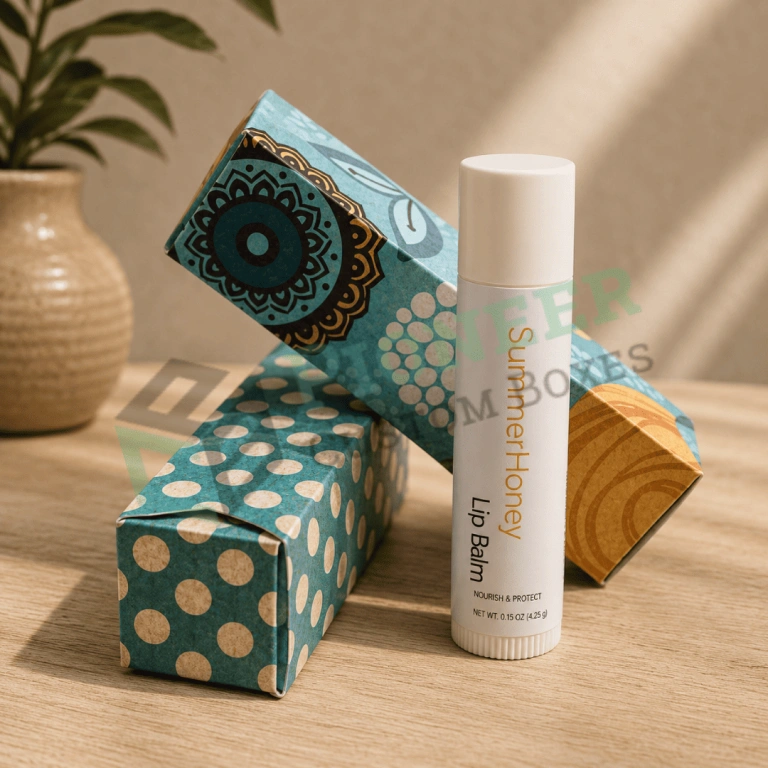
Custom chapstick packaging from Pioneer Custom Boxes helps lip care, skincare, cosmetic, wellness, pharmacy, and ecommerce brands package lip balm sticks, tubes, jars, tins, multipacks, sample packs, SPF lip balms, medicated lip care products, and retail lip balm sets with custom sizing, durable stock, printed panels, inserts, barcode zones, and free shipping across the USA.

Cosmetics boxes with window designs reveal the true product while preserving a refined, premium exterior. Pioneer Custom Boxes engineers precision-cut window structures that highlight shade accuracy, applicator detail, and overall product quality. These custom windowed boxes elevate shelf presence, strengthen buyer confidence, and enhance every unboxing experience across the USA.

Custom eyeliner boxes protect delicate applicators while delivering sharp, premium branding for US beauty shelves. Pioneer Custom Boxes engineers precise structures, luxury finishes, and tailored inserts that secure every eyeliner style, liquid, gel, pencil, or felt-tip. These custom boxes elevate presentation, strengthen product stability, and create a refined unboxing experience.

Custom lip balm boxes manufactured by Pioneer Custom Boxes deliver precise fit, strong protection, and premium branding for tubes, tins, and multipack balms. These tailored cartons elevate presentation, reinforce ingredient messaging, and ensure every balm stays secure through retail display and nationwide US shipping.