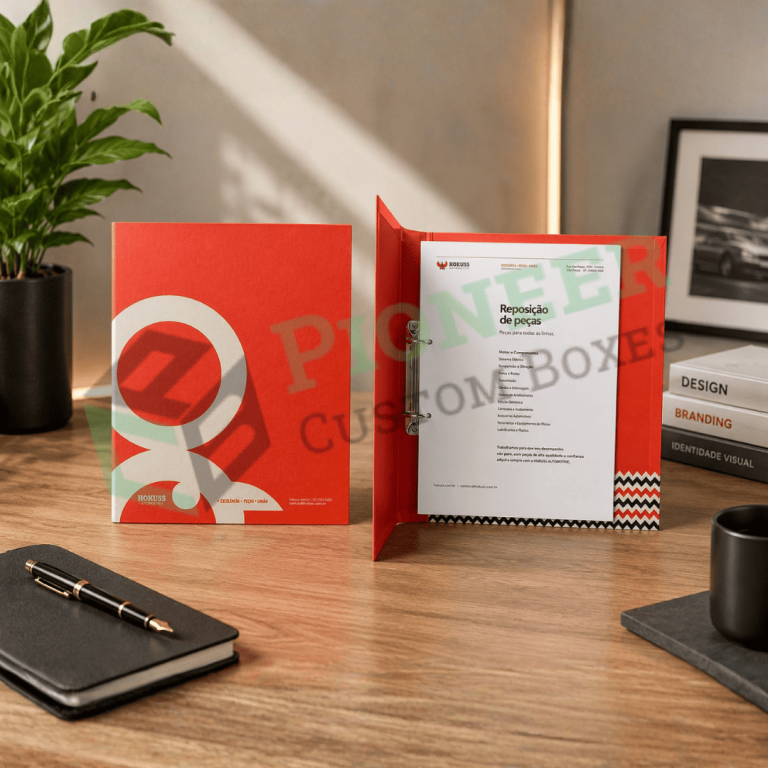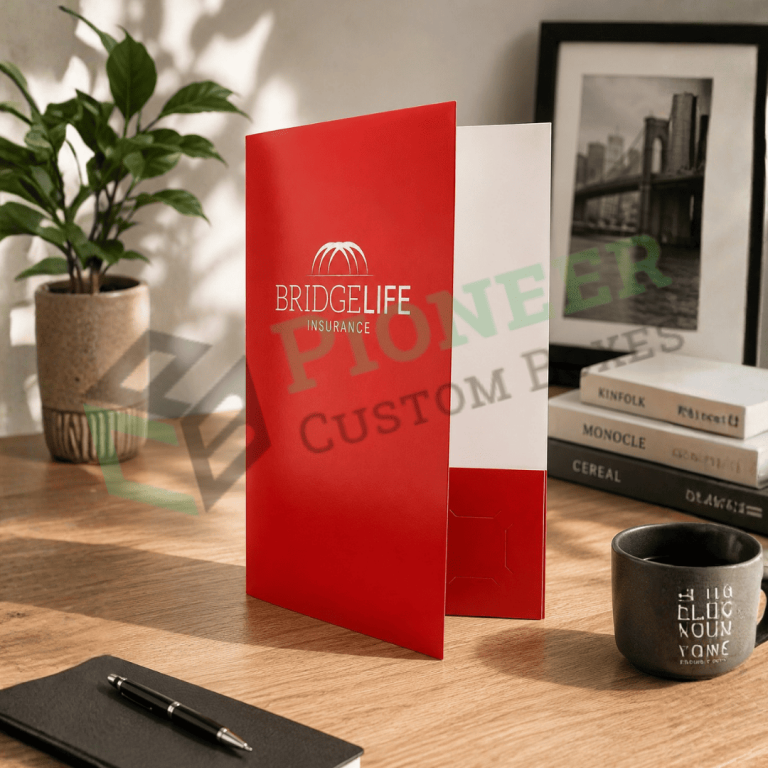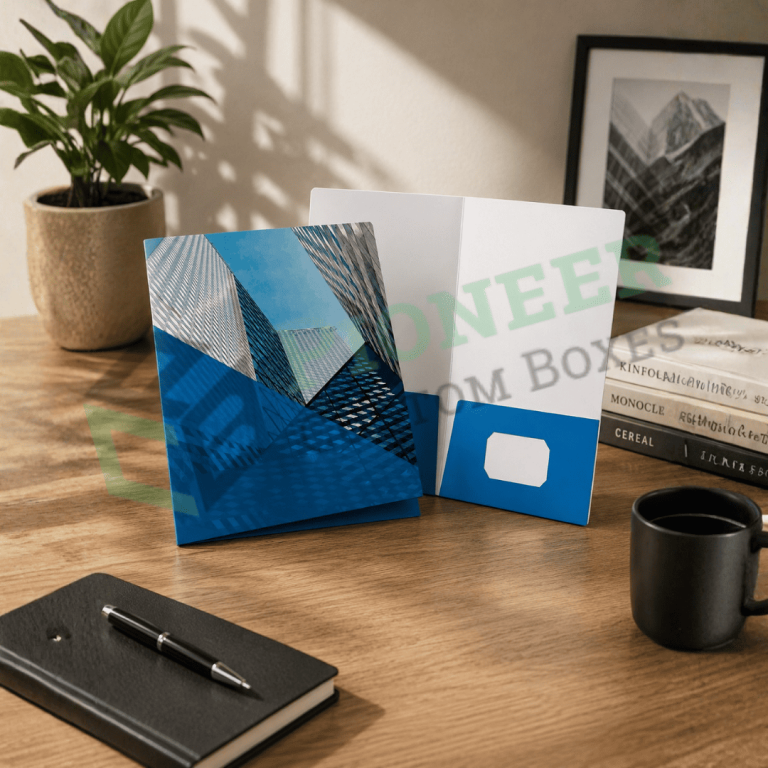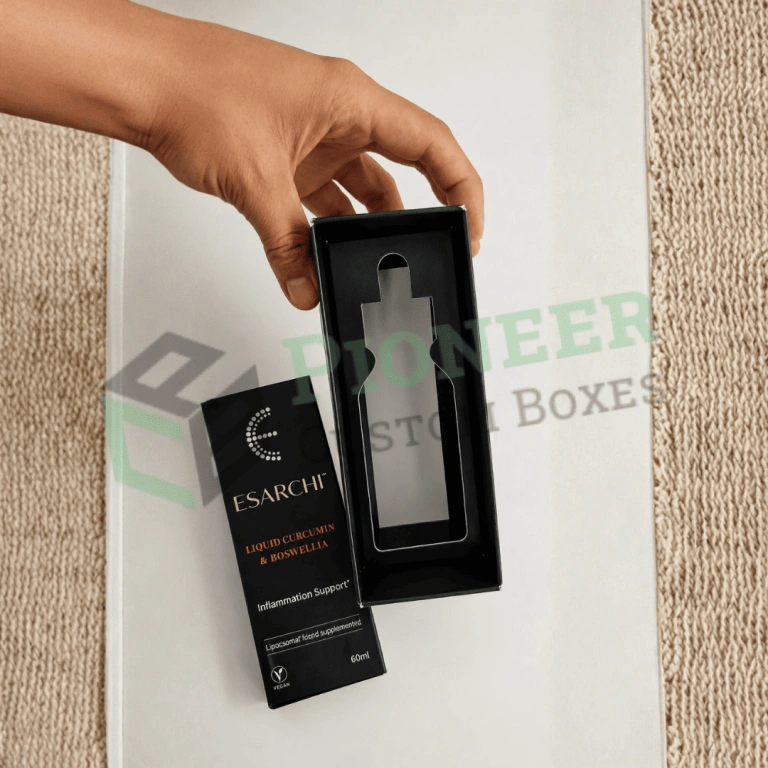
Custom folders with brads built to your exact page count and paper size. Choose 12pt to 18pt board, one or two pockets, business card slits, index tabs and a reinforced spine. We print offset or digital in CMYK, PMS or metallic ink, then finish with gloss, matte, soft touch, spot UV or foil. Zero minimum order quantity, free design support and free shipping across the United States. Standard production runs ten to twelve business days, with rush service available. Get a free quote or order now.
Custom folders with brads are printed presentation folders fitted with metal fasteners that hold punched pages in a fixed sequence. Pioneer Custom Boxes manufactures them across the United States with zero minimum order quantity and free shipping.
The brad is what separates this format from an ordinary pocket folder. Loose sheets in a pocket slide, reorder themselves and fall out when the folder is tilted, and none of that is acceptable when the document has to be read in sequence.
That makes the format the default wherever page order carries meaning. Legal filings, medical records, proposals, training manuals, tax documents and school portfolios all depend on the reader encountering page four after page three.
Fastener position is the first real decision and it is less obvious than it looks. A center-mounted brad suits a document read straight through, while a side-mounted fastener suits one that will be flipped through repeatedly like a reference manual.
Paper capacity is the constraint brands underestimate. A standard brad holds roughly fifty to seventy sheets comfortably, and pushing past that either bends the prongs or tears the punch holes on the pages themselves.
We manufacture custom printed folders with brads for law firms, medical practices, accounting and tax offices, consultancies, schools and universities, real estate agencies, and corporate training departments. Moreover we cut our own dies and run our own presses, so the fastener position is set to your document rather than to a stock template.
Order wholesale presentation folders in any quantity you need. There is no minimum order, design support costs nothing, and shipping across the United States stays free on every order. Searching for folders with brads near me usually returns office suppliers reselling generic stock, and we are the factory that prints them to your own specification.
Structure follows how thick the document is, how often it gets handled and whether anything travels alongside the fastened pages.
One fastener on the center spine holding punched pages in sequence. It is the simplest and least expensive configuration, and it suits documents read straight through from front to back.
A fastener on one side and a pocket on the other. The pocket takes loose material that should not be punched, such as a business card, a cheque or a removable summary sheet.
Fastener in the center with pockets on both inside panels. It is the most common configuration in professional practice, because most documents arrive as a fastened core plus supporting material.
The fastener moves to the left edge so pages turn like a book rather than a report. Reference manuals and training material use this, since it survives repeated flipping better than a center mount.
A folder with an additional board layer or a cloth strip along the fastener edge. It is the answer for documents opened hundreds of times, because the fastener edge is always what fails first.
A folder with a scored spine that widens as pages are added. It handles documents that grow over time, such as a case file or a patient record.
The same configurations cut for fourteen inch paper. Legal practice runs on this size, and a letter size folder holding legal pages is the single most common ordering error we correct.
A die-cut window on the front panel revealing a title page beneath. It removes the need to print a name on the folder itself, which suits practices producing many individually titled documents.
| Configuration | Typical Capacity | Best Suited To | Why Choose It |
|---|---|---|---|
| Single center brad | 50 to 70 sheets | Sequential reports | Lowest cost, simplest structure |
| Brad with one pocket | 50 to 70 sheets | Proposals with loose material | Holds unpunched items alongside |
| Brad with two pockets | 50 to 70 sheets | Professional practice | Fastened core plus supporting papers |
| Side-mounted fastener | 50 to 70 sheets | Manuals and reference material | Survives repeated page turning |
| Reinforced edge | 70 to 100 sheets | Heavily handled documents | Fastener edge outlasts the folder |
| Expanding gusset | 100 sheets and above | Case files and records | Grows as the document grows |
| Legal size | 50 to 70 legal sheets | Legal practice | Correct length for legal paper |
| Window front | 50 to 70 sheets | Individually titled documents | Title shows without printing the folder |
Tell us your page count and your paper weight together. Seventy sheets of 20lb bond and seventy sheets of 32lb presentation stock are very different thicknesses, and the fastener has to suit the thicker of the two.
Some buyers need the folder to ship or store flat rather than sit on a desk. In that case our custom folder boxes hold stacks of finished folders without crushing the corners. Ask our team to quote both together and you save on freight.
Every folder is cut to your paper size and page count. These formats cover the presentation folders we produce most often.
| Document Type | Folder Size (inches) | Capacity | Fastener Position |
|---|---|---|---|
| Letter, standard report | 9 x 11.75 | 50 to 70 sheets | Center spine |
| Letter, with two pockets | 9 x 11.75 | 50 sheets plus loose | Center spine |
| Letter, reference manual | 9 x 11.75 | 60 sheets | Left edge |
| Legal filing | 9.5 x 14.75 | 50 to 70 sheets | Center spine |
| Legal, expanding | 9.5 x 14.75 | 100 sheets and above | Center spine, gusset |
| A4 international | 8.75 x 12 | 50 to 70 sheets | Center spine |
| Half letter, compact | 6 x 9 | 30 to 40 sheets | Center spine |
| Tabloid, folded plans | 12 x 18 | 40 sheets | Left edge |
| Medical record, reinforced | 9 x 11.75 | 70 to 100 sheets | Center, reinforced |
| Student portfolio | 9 x 11.75 | 40 sheets plus artwork | Center plus pocket |
| Training manual, heavy use | 9 x 11.75 | 60 sheets | Left edge, reinforced |
Add a quarter inch to your paper dimension in both directions as a starting point. A folder cut exactly to letter size leaves pages proud of the edge, and those edges are the first thing to dog-ear in a briefcase.
This is the technical heart of the format, and almost every complaint traces back to one of three things.
Capacity is the first. A standard two-inch brad holds roughly fifty to seventy sheets of ordinary bond, and beyond that the prongs no longer fold flat against the stack. Forcing more in bends the metal permanently and the folder never closes properly again.
Paper weight changes that number more than page count does. Seventy sheets of 20lb bond is a comfortable stack, while seventy sheets of 32lb presentation paper is nearly half again as thick and needs a longer fastener from the start.
Punch alignment is the second failure and the most frustrating one. Standard two-hole punch spacing is 2.75 inches center to center in the United States, and a fastener set to any other spacing means every page has to be repunched.
We set fastener spacing to your actual punch rather than to a catalog standard. If your office punch produces a different spacing, we match it, because the alternative is a folder that cannot accept the documents it was bought for.
The third failure is structural and it is always the spine. A folder is opened and closed hundreds of times, and every one of those cycles flexes the board exactly where the fastener is riveted through it.
That is why fastener edge reinforcement matters on anything heavily handled. An additional board ply or a cloth strip along that edge outlasts the rest of the folder several times over, and it costs very little compared with reprinting.
Board caliper carries the rest of the load. Too light and the folder buckles when held at one edge with a full document inside, too heavy and the score line cracks rather than folding cleanly. The workable range sits between 12pt and 18pt for most page counts.
Fastener finish is a smaller detail with a real consequence. Uncoated steel prongs can mark paper over years in humid storage, so archival documents are better served by a coated or plated fastener.
Board selection here balances a professional surface against a structure that gets opened and closed for years.
Solid bleached sulphate is the default. Its bright clay-coated face carries the clean, type-led artwork professional practices use, and it scores cleanly along the spine rather than cracking.
C2S prints on both faces, which matters whenever the inside panels carry printed content. Training materials and proposals with printed inner covers need it, and it costs marginally more than single-sided stock.
C1S prints on the outer face and leaves the inside uncoated. It costs less and it accepts a pen annotation on the inner panel, which practices handling live case notes genuinely value.
Board carrying post-consumer fiber under a coated print surface. Institutional and government buyers frequently require a stated recycled percentage, and this grade satisfies that without any visible compromise.
Uncoated brown stock for practices wanting an understated, non-corporate look. It takes a pen or stamp well, though it reproduces photography poorly and suits type-led design.
Textured papers with a woven or matte surface. Law firms and consultancies use these where the folder is part of the impression, and the texture hides handling marks unusually well.
An additional board layer or a fabric strip along the fastener edge. It is not a print surface but it is the single most effective way to extend the life of a heavily used folder.
Available across every grade above. Institutional and public sector buyers increasingly require sourcing documentation, so we document what your board contains under recognized Forest Stewardship Council chain of custody rather than leaving you to assume it.
| Material | Caliper | Durability | Print Quality | Best For |
|---|---|---|---|---|
| SBS paperboard | 12pt to 18pt | Good | Excellent | Most printed presentation folders |
| Coated two sides | 12pt to 18pt | Good | Excellent both faces | Printed inner covers |
| Coated one side | 12pt to 18pt | Good | Excellent outer only | Folders annotated by hand |
| Recycled content | 12pt to 18pt | Good | Very good | Institutional and government buyers |
| Kraft and natural | 14pt to 18pt | Good | Type-led only | Understated professional look |
| Linen and felt finish | 14pt to 18pt | Good | Very good, textured | Law firms and consultancies |
| Reinforcing ply or cloth | Added layer | Excellent | Not a print surface | Heavily handled documents |
| FSC-certified stock | Any of the above | As per base | As per base | Documented sustainable sourcing |
One point on caliper that catches people out. A folder that feels reassuringly heavy empty can crack at the score once a full document forces the spine open, so we specify caliper against your actual page count rather than against how it feels in the hand.
Presentation folders are a low-quantity, high-visibility item, which pushes the economics in an unusual direction.
Digital prints without plates and dominates this category for good reason. Most practices order in hundreds rather than thousands, and digital removes the plate charge that would otherwise make short runs uneconomical.
Offset holds the finest detail and the steadiest color, and it becomes the better choice past roughly a thousand folders per design. Firms ordering annually at volume see a real unit saving once they cross that line.
Digital presses change content between individual folders. Client names, case numbers, office addresses and course titles all print inline, which turns a generic folder into a personalised one at no extra press pass.
Hot foil applied after printing. It is the traditional mark of a professional practice folder and it reads as considered rather than decorative, particularly in gold or blind on a textured stock.
A practical note on quantity. Because digital carries no plate cost, a firm can print fifty folders for a single major client presentation without the economics collapsing, and that is the reason this format suits professional practice so well.
Printing decisions carry across the rest of our paperboard packaging range as well. The same presses, inks and proofing steps apply, so a folder and a matching carton stay visually identical.
Finishing decides how your folder feels in a buyer hand. It also decides how long the folder survives a briefcase. We run every finish in house, so you never pay a middleman markup. Below we explain each option separately, because each one solves a different problem.
Gloss lamination lays a thin clear film over the printed sheet. Colors jump forward and photographs gain depth. The film also blocks fingerprints, coffee rings and light scuffing. Sales teams pick gloss when the folder travels to trade shows. However, gloss shows scratches on very dark backgrounds, so pair it with mid-tone artwork.
Matte lamination uses the same film with a diffused surface. Glare disappears under conference room lighting. Text therefore reads cleanly from an angle, which matters during a pitch. Law firms and consultancies favor matte for that reason. Keep in mind that matte mutes bright reds slightly, so we lift saturation during prepress.
Soft touch adds a velvet texture that people notice immediately. Buyers slow down and handle the folder longer. That extra second builds the premium impression you paid for. We recommend soft touch for investor decks and luxury brand kits. The film costs more than gloss, yet it shifts perception more than any other finish.
Spot UV cures a glossy varnish onto selected artwork only. Your logo shines while the surrounding matte field stays flat. That contrast reads as craftsmanship rather than decoration. Designers often run spot UV over a matte laminate for maximum separation. We register the varnish plate tightly, so edges stay crisp at small type sizes.
Foil stamping presses metallic leaf into the board with heat. Gold, silver, copper, rose gold and holographic foils all run here. Foil survives handling far better than metallic ink. Real estate brokerages and awards programs use foil on folder covers constantly. Because a die carries the image, keep foil artwork bold rather than hairline thin.
Embossing raises your logo above the board surface. Debossing presses it below. Both create shadow, and shadow creates depth that ink alone cannot fake. Blind embossing skips ink entirely, which looks confident on heavy uncoated stock. We cut a brass die for each job and keep it on file for reprints.
Aqueous coating is a water based sealer applied on press. It guards against scuffing at a lower cost than film. The folder also stays fully recyclable, which many procurement teams now require. Schools, hospitals and government buyers therefore specify aqueous often.
Some brands want the board to look like board. An uncoated folder feels honest and takes pen ink well. Architects, nonprofits and craft food brands lean this way. Remember that uncoated stock absorbs ink, so colors sit roughly ten percent softer.
Color choice drives brand recognition more than any other print decision. We support three color systems, and each one serves a different goal. Our prepress team tells you which system fits your artwork before we print. That review costs you nothing.
CMYK builds every shade from cyan, magenta, yellow and black. Four plates mix on press to create full color photographs and gradients. This system handles product shots, team portraits and complex illustrations beautifully. It also keeps cost low, because four plates cover unlimited colors. Slight shifts can occur between runs, so we send a proof whenever your artwork carries brand critical tones.
PMS refers to the Pantone Matching System. Each PMS ink arrives premixed to one exact formula. Your corporate blue therefore prints identically in January and in November. Banks, franchises and healthcare networks rely on PMS for that consistency. Spot inks also reach colors that CMYK simply cannot hit, including true orange and deep navy.
RGB describes light rather than ink, so screens use it natively. Designers often hand us RGB files straight from their layout software. We convert those files to CMYK during prepress and flag any color that will shift. Bright RGB greens and electric blues shift the most. Send your file early and we show you the converted result before production starts.
Metallic inks carry real metal pigment, so they catch light across the whole sheet. Fluorescent inks push brightness beyond normal process range. Both run as spot colors on our presses. Choose them when a folder must stand out on a crowded table.
Add-ons turn a plain fastener folder into a working tool. Each one answers a specific complaint we hear from buyers. Review the table, then read the notes below it. Our design team adds any of these at no design charge.
,,,,,,,,,
| Add-On | What It Does | Best Suited For | Lead Time Impact |
|---|---|---|---|
| Business card slits | Holds a card at 30 or 45 degrees inside the pocket | Sales kits, realtor listing packets | None |
| Rounded corners | Trims sharp corners to a quarter inch radius | Folders handled daily by patients or students | None |
| Index tab cuts | Adds labeled tabs along the right edge | Medical charts, legal case files | Adds one day |
| Reinforced spine strip | Bonds a second board layer behind the fasteners | Folders carrying 60 or more sheets | Adds one day |
| Expanding gusset | Builds a quarter to one inch capacity fold | Closing packets and audit binders | Adds one day |
| Die-cut front window | Opens a shaped view to the first page | Product launch kits and school enrollment packs | Adds one day |
| CD or USB hub | Mounts a disc hub or foam USB seat in the pocket | Photographers, training providers | Adds two days |
| Pen loop or elastic closure | Secures a pen or wraps the folder shut | Field teams and conference giveaways | Adds two days |
| Sequential numbering | Prints a unique number on every folder | Regulated file sets and controlled documents | Adds one day |
Business card slits sound small, yet they change the handoff. Your card stays with the proposal instead of falling out on a desk. We cut the slits at an angle, so the card sits visible above the pocket line. Standard slits accept a 3.5 by 2 inch card without bending it.
Index tabs matter whenever someone searches the folder rather than reads it. A nurse finds intake forms in one motion. An attorney flips straight to exhibits. We print tab labels in the same pass as the cover, so nothing peels later.
Reinforced spine strips solve the single most common failure we see. Fasteners tear out when the board behind them is too thin for the load. Bonding a second layer doubles the tear resistance at that line. Order the reinforcement whenever your folder will carry more than sixty sheets.
Sequential numbering helps regulated teams prove chain of custody. Every folder carries a unique identifier printed during production. Auditors can then match a physical file to a log entry instantly.
A folder fails in three predictable places. The brad tears out. The pocket splits at the glue line. The cover creases and never flattens again. We engineer against all three before a job reaches the press.
Punch holes concentrate stress into a small area. Board fiber direction therefore matters enormously. We run the grain parallel to the spine, so the sheet resists tearing across the punch line. Heavier calipers extend that resistance further. An 18pt board with a reinforcing strip handles daily use for years.
Pocket seams carry weight every time someone lifts the folder. Water based adhesives bond cleanly to uncoated board. Laminated stock needs a different adhesive, because film resists standard glue. We match adhesive to substrate automatically, so your pockets hold.
A clean score lets the folder close flat without cracking the printed surface. Heavy laminated boards crack when the score is too shallow. Our finishing team sets score depth by caliper rather than by habit. You therefore get a spine that stays sharp after a hundred openings.
Schools, clinics and public agencies often request documentation with the order. We supply recycled content percentages, chain of custody details and ink safety statements on request. Our boards meet the heavy metal limits set by state toxics in packaging laws. Ask for the paperwork at quote stage and we attach it to your invoice.
Folders eventually retire into archive storage once a project closes. Many clients pair their order with banker storage boxes sized for letter and legal files. Matching the two at quote stage keeps the whole records system consistent.
Buyers often ask why two folder quotes differ so widely. The answer usually sits in four places. Understand them and you control your own budget. We walk every client through these levers before quoting.
Caliper is the single largest cost lever. Moving from 12pt to 16pt raises material cost by roughly a third. That jump buys real rigidity, so judge it against how the folder gets used. A one-time event handout rarely needs 16pt. A patient chart certainly does.
Each spot color adds a plate and a wash-up on press. Two PMS colors therefore cost less than full process printing. Many strong folder designs use two spot colors plus the board texture. Ask our team to mock that version alongside your full color file.
Lamination adds a pass. Foil adds a die and a pass. Spot UV adds a plate and a pass. Stacking three finishes triples the handling. Choose one hero finish and let it carry the design. That discipline saves money and usually looks better.
Digital printing wins under roughly 500 folders, because it skips plates. Offset wins above that point, because plate cost spreads across the run. The crossover shifts with color count, so we price both ways and show you the comparison. Nothing stops you from ordering 100 folders with us, since we hold no minimum.
A standard folder die costs you nothing here, because we already own it. A custom shape needs new tooling. We keep that die on file afterward, so your reorder skips the charge entirely. Tell us at quote stage if you plan to reorder, and we plan the tooling accordingly.
Every order passes a fixed inspection sequence. We built the sequence around the failures that actually generate complaints. Nothing ships until each check clears.
First, our prepress team proofs the file against your supplied artwork. We compare fonts, bleed, image resolution and fastener clearance. Text sitting under a brad is the most common file error we catch. We flag it and move the copy before plates go on press.
Second, a press operator pulls a sheet at the start of the run and matches it to the approved proof. Spot colors get read with a spectrophotometer. Process work gets compared under standardized lighting. The operator repeats that pull every few thousand sheets.
Third, the finishing team tests a folder from each skid. They load sixty sheets onto the brads and lift the folder by its spine. Any tearing at the punch line stops the run immediately. They also open and close the folder twenty times to confirm the score holds.
Fourth, we check pocket adhesion by hand. A finished pocket should resist a firm pull without lifting at the corner. Weak corners usually mean adhesive mismatched to a laminated surface, so we correct the adhesive and rerun the affected skid.
Finally, our packing team counts, wraps and labels each carton. Folders travel face to face with board separators, so laminated surfaces never rub. You receive the count you ordered, and often a small overage at no charge.
Fastener folders serve very different buyers for very different reasons. Knowing which pattern matches your team helps you specify correctly the first time. Here are the use cases we print most often.
Legal files must stay in order, because page sequence carries meaning. Brads lock exhibits in position through discovery and trial. Attorneys usually specify legal size folders, two pockets and index tabs. Many firms also add sequential numbering for controlled case sets.
Patient charts move between intake, exam rooms and billing every day. Fasteners keep forms from scattering during that journey. Clinics generally choose rounded corners, heavy board and a wipeable laminate. Color coded covers help staff grab the right chart without reading it.
Enrollment packets, IEP files and athletic paperwork all travel home with families. A brad folder survives a backpack far better than a paper clip. Districts often order in school colors with the mascot foil stamped on the cover. Zero minimums let a single campus order without waiting for a district run.
Listing presentations need to look expensive and arrive intact. Agents pair soft touch lamination with a foil logo and business card slits. The buyer keeps the folder on a kitchen counter for weeks, so the brand stays visible.
Closing packets run thick, so capacity matters more than looks here. Advisors choose expanding gussets, reinforced spines and 18pt board. PMS printing keeps the corporate color identical across every branch office.
Grant applications, board packets and donor reports all suit fastener folders. Budgets run tight, so most nonprofits pick uncoated recycled board with two spot colors. That combination looks intentional and costs very little.
Job site paperwork takes abuse that office files never see. Contractors specify 18pt board, gloss lamination and reinforced punch lines. A pen loop keeps a marker with the folder, which crews appreciate.
Several of these buyers also order rigid archive containers from our storage boxes range. Folders handle the active file, while the container handles the year it spends in a records room.
Procurement teams now ask environmental questions on almost every quote. We answer them directly rather than with slogans. Paperboard already recycles at one of the highest rates of any packaging material, and the EPA reports recycling data for paper and paperboard each year.
Start with the board itself. We stock recycled content grades alongside virgin fiber, and both print well. Recycled chipboard suits internal file folders where appearance matters less. Coated recycled board handles customer facing work without a visible fiber speck problem.
Next consider the finish. Aqueous coating keeps a folder fully repulpable, so it goes into standard paper recycling. Plastic laminate does not, because the film separates poorly at the mill. Choose aqueous whenever your buyer has a recycling mandate.
Inks matter less than most people assume, yet they still count. Our soy and vegetable based inks deink cleanly during repulping. Metallic and fluorescent inks do not, so use them sparingly on recyclable jobs.
Finally, think about quantity. Overordering wastes more material than any coating decision. Because we hold no minimum order quantity, you can print what you actually need. Reorder later at the same per unit logic rather than warehousing three years of folders.
Most folder problems start in the artwork file, not on the press. We catch them during prepress, yet catching them earlier saves you a day. Review this list before you send files.
The first mistake is placing text or a logo directly behind the fastener strip. Brads sit on the center spine or along one edge, so that zone disappears once the hardware goes in. Keep live copy at least half an inch clear of every punch hole.
The second mistake is designing a pocket folder without accounting for the pocket overlap. Artwork on the lower third of the inside panel vanishes behind the pocket. Our template shows the covered area in gray, so download it before you design.
The third mistake is choosing board that is too light for the load. A 10pt folder holding sixty sheets bends permanently within a week. Match caliper to sheet count rather than to price. We advise on that pairing free of charge.
The fourth mistake is supplying RGB artwork and expecting screen accuracy. Bright blues and greens shift noticeably when they convert to CMYK. Send RGB by all means, but review our converted proof before you approve.
The fifth mistake is skipping bleed. Ink must extend an eighth of an inch past every trim edge. Without bleed, trimming variance leaves a white sliver along the folder edge. That sliver ruins an otherwise clean cover.
The sixth mistake is ordering a single quantity without testing the design. Order a small run first, since we set no minimum. Handle it, load it and show it to your team. Then scale the reorder with confidence.
Numbers explain this better than description does. Here is a real pattern we run constantly for a mid-size accounting firm.
The firm needs 750 tax season folders. Each folder must hold roughly forty pages of client returns. Branding calls for two PMS colors on a white cover with matte lamination. The partners want business card slits and one right hand pocket.
Our team specifies 14pt C1S board, which prints sharply on the white side and stays rigid enough for forty sheets. Two spot colors keep the plate count low. Matte lamination controls glare in a conference room. A single center brad holds the return, and the pocket carries loose receipts.
At 750 units the job crosses onto our offset press, because plate cost spreads efficiently. We send a digital proof within twenty four hours and a physical sample on request. The firm approves on day two.
Production runs across days three through seven. Finishing, fastener insertion and packing take days eight and nine. Free shipping moves the cartons out on day nine, and the firm receives them inside the standard ten to twelve business day window. Reorders skip prepress entirely, so the following year ships faster.
We manufacture in the United States and ship to every state at no freight charge. That matters for folders, because freight on bulky paperboard adds up quickly. Our routing sends your cartons from the facility closest to your delivery point.
East Coast clients in New York, Boston, Philadelphia, Washington and Atlanta typically receive orders within two transit days. Midwest buyers in Chicago, Detroit, Minneapolis, Columbus and Kansas City see similar timing. Texas and Southeast markets including Dallas, Houston, Austin, Miami, Charlotte and Nashville also fall inside that window.
West Coast delivery to Los Angeles, San Francisco, Seattle, Portland, Phoenix, Denver, San Diego and Las Vegas usually runs three to four transit days. We quote Alaska and Hawaii individually, since carriers price those lanes differently.
Local buyers often ask whether a nearby print shop would be faster. Sometimes it is, for twenty folders tomorrow. For anything beyond that, our in house presses, dies and finishing lines beat a broker every time. You also deal with the people who actually run the machines.
We also pack and ship the folders in cartons built for paper goods. Our stationery shipping boxes protect laminated covers from scuffing in transit, and you can order them alongside your folders.
Ordering here takes four steps and very little of your time. Most clients finish the whole sequence inside two business days.
Start by telling us the sheet count, the size and roughly how many folders you need. That single message gives our team enough to quote. Send it through the quote form or call us at +1 440 262 2345.
Next, our designers prepare a free dieline and a layout proof. You pay nothing for design work, even if you order once. Send a logo and a rough idea, and our team builds the rest. Revisions stay free until you approve.
Then approve the digital proof, or request a physical sample first. Samples let you feel the caliper and test the fastener under real load. We recommend a sample whenever the folder will carry a heavy file.
Finally, we print, finish and ship. Standard production runs ten to twelve business days, and rush service compresses that to six to eight days when your deadline demands it. Shipping is free anywhere in the United States, with no fuel surcharge and no handling fee.
We hold no minimum order quantity at all. Order twenty five folders for one clinic or twenty five thousand for a national rollout. Small businesses use that flexibility to test a design before committing budget. Large accounts use it to pilot a regional variant.
Our in house design team works on your file at no charge. They fix bleed, adjust fastener clearance, convert color spaces and rebuild low resolution logos. You receive print ready art you can keep. Nothing about that service is conditional on order size.
Tell us what your folder must hold and how it will travel. We will price it honestly and show you where to save. Get a free quote now, or order now and let our team handle everything from dieline to doorstep.
We manufacture directly, so nothing about your order passes through a broker. That control shows up in three ways you can measure.
First, pricing stays honest because no middleman margin sits on top. Second, quality stays consistent because our own operators run every press, die and laminator. Third, timelines hold because we schedule your job on our own equipment rather than someone else floor.
Add the practical commitments and the picture completes itself. Zero minimum order quantity, free nationwide shipping, free design support, ten to twelve day standard production and rush service when you need it. Every order also carries a full reprint guarantee if a folder leaves here wrong.
Thousands of American businesses already print their folders with us. Call +1 440 262 2345 and speak with a real production specialist today.
| Box Style | Custom Folder With Brads |
| Dimension (L + W + H) | All Custom Sizes & Shapes |
| Quantities | No Minimum Order Required |
| Paper Stock | 10pt to 28pt (60lb to 400lb) Eco-Friendly Kraft, E-flute Corrugated, Bux Board, Cardstock |
| Printing | No Printing, CMYK, CMYK + 1 PMS color, CMYK + 2 PMS colors |
| Finishing | Gloss Lamination, Matte Lamination, Gloss AQ, Gloss UV, Matte UV, Spot UV, Embossing, Foiling |
| Included Options | Die Cutting, Gluing, Scored, Perforation |
| Additional Options | Eco-Friendly, Recycled Boxes, Biodegradable |
| Proof | Flat View, 3D Mock-up, Physical Sampling (On request) |
| Turnaround | 4 – 8 Business Days, RUSH |
| Shipping | FLAT |
Every great product deserves packaging that turns heads. Here's how we make it happen — step by seamless step.
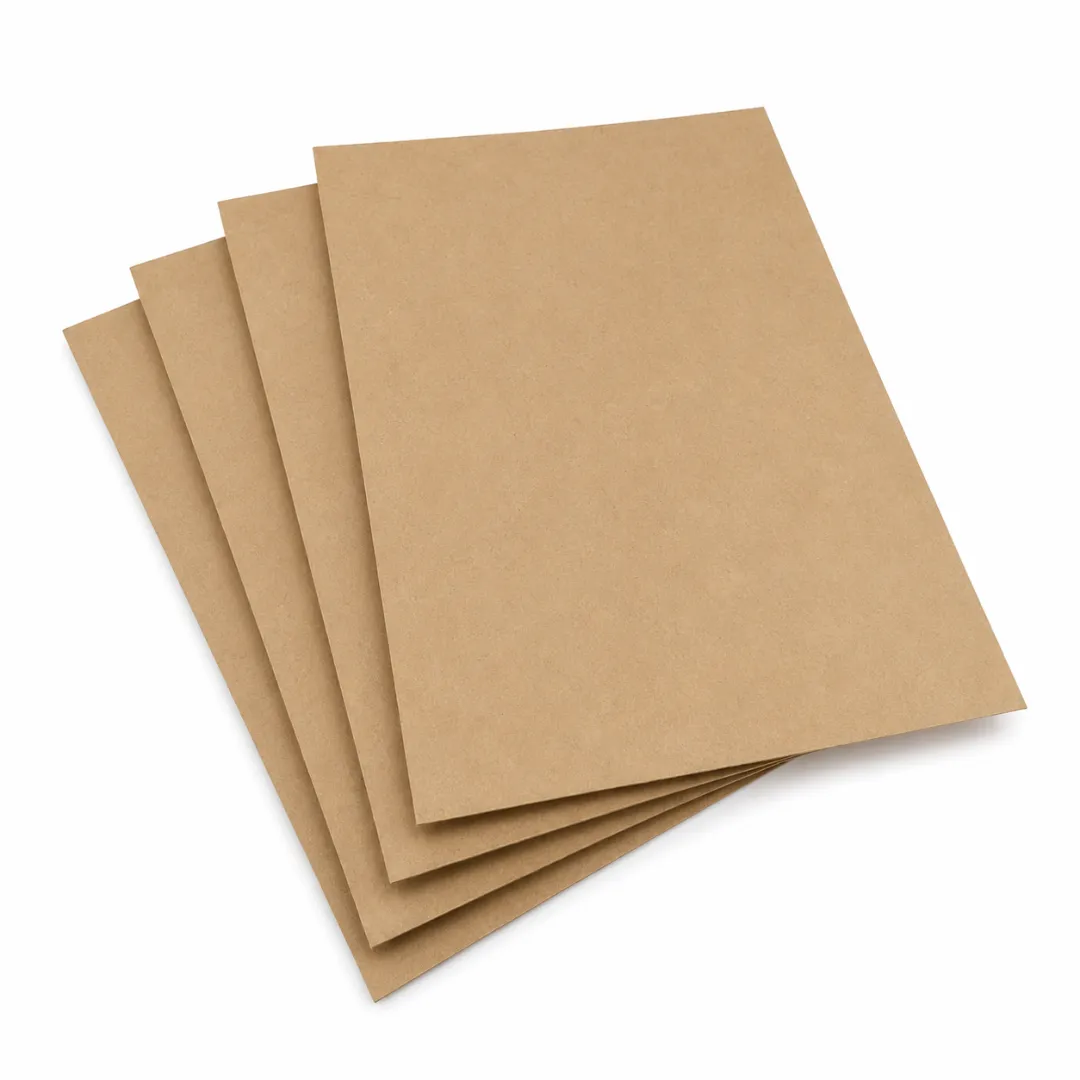
Kraft paper is a strong, durable and reliable material that is widely used across many different industries.
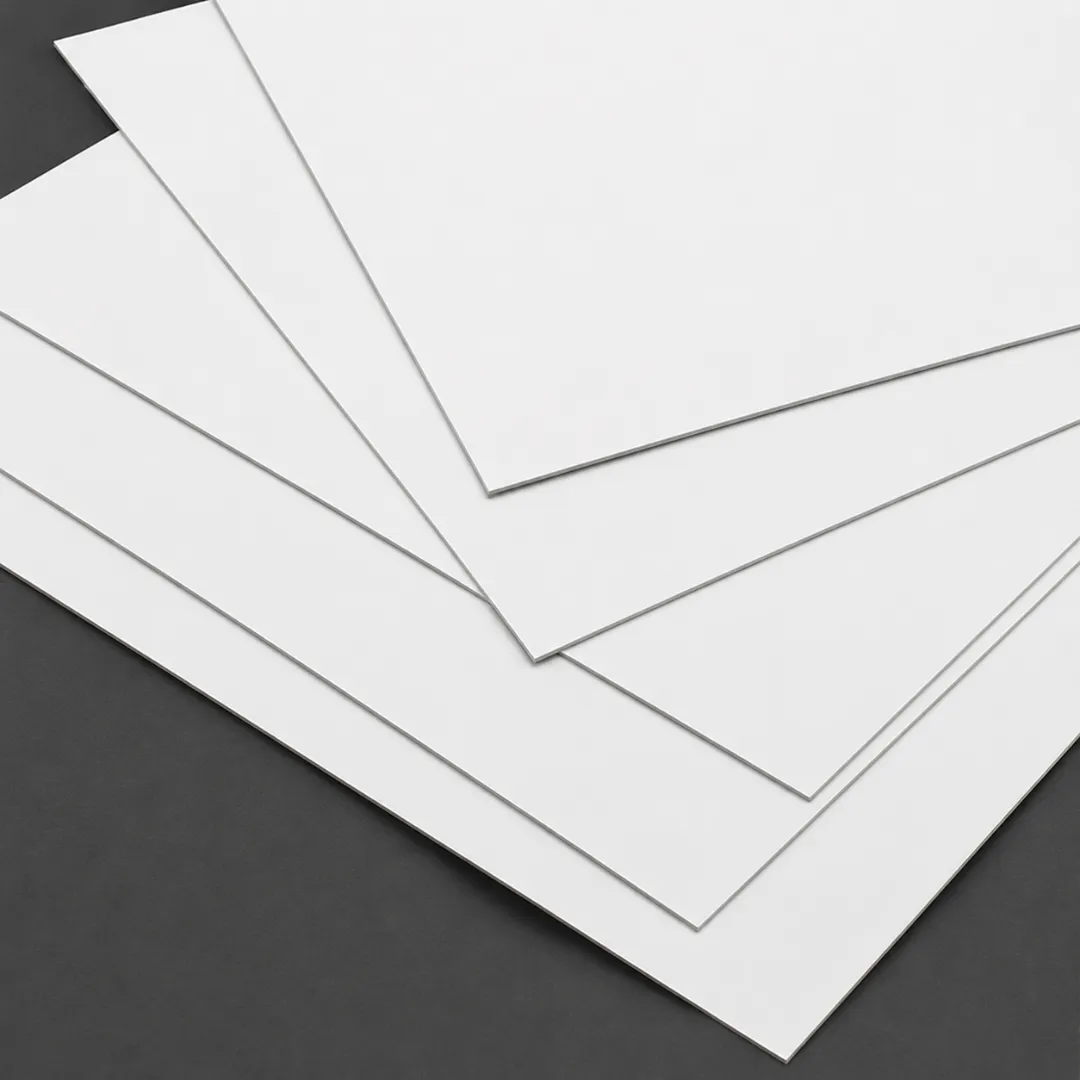
We use cardboard material with the least environmental impact and minimizes waste generation.
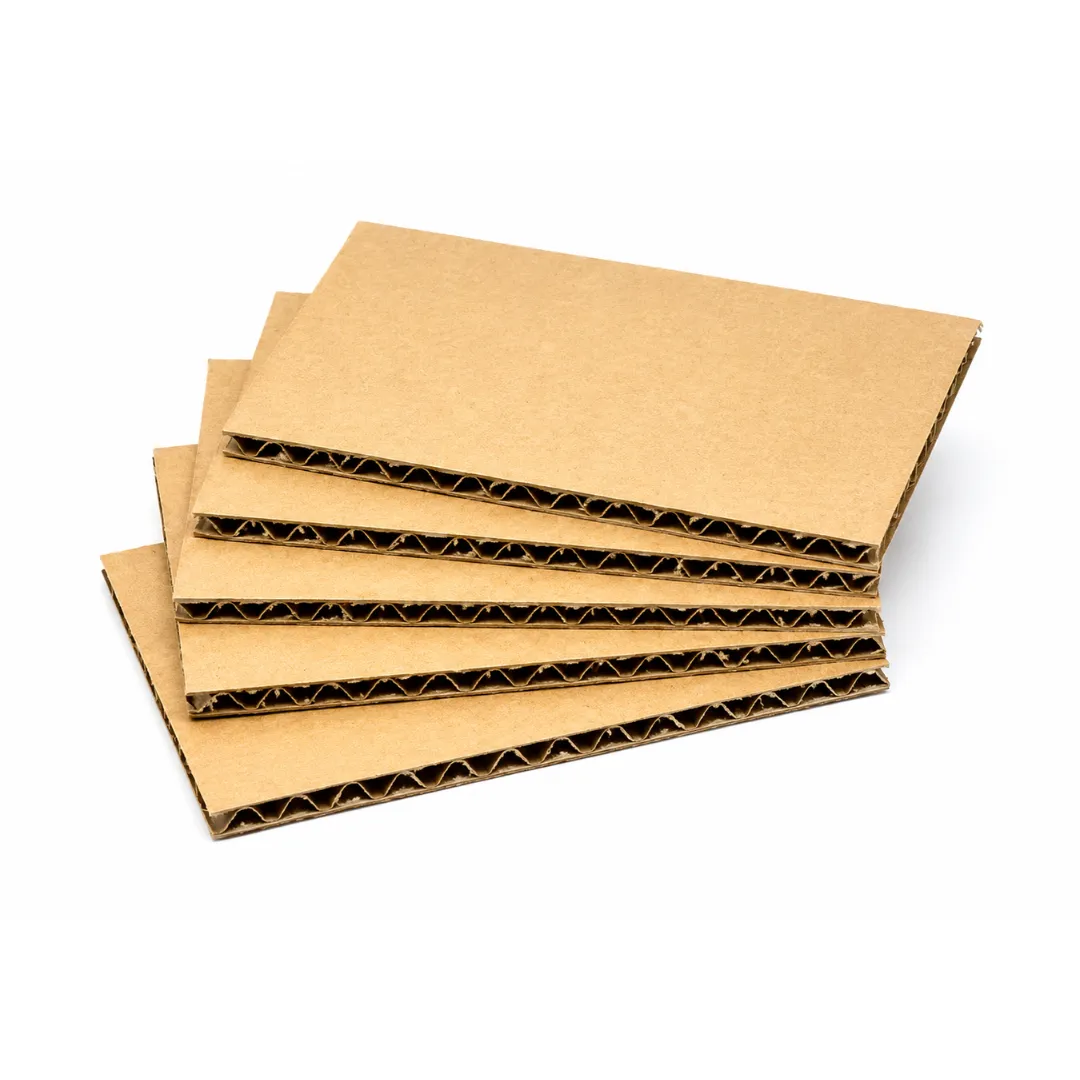
Corrugated material is easy to customize, cost effective and sustainable. It is also great for branding purposes.
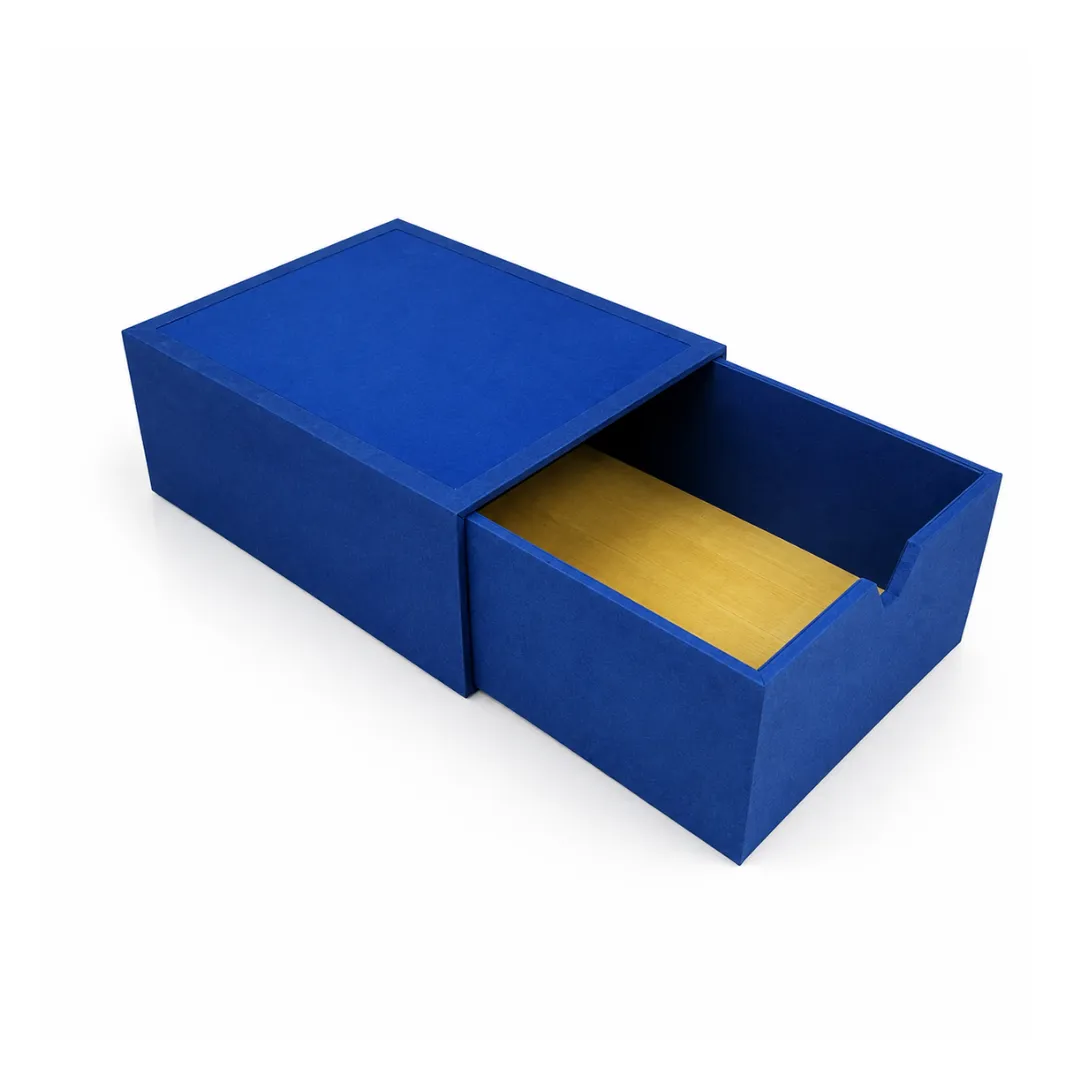
Rigid is highly protective, affordable and recyclable material. These boxes provide maximum protection.
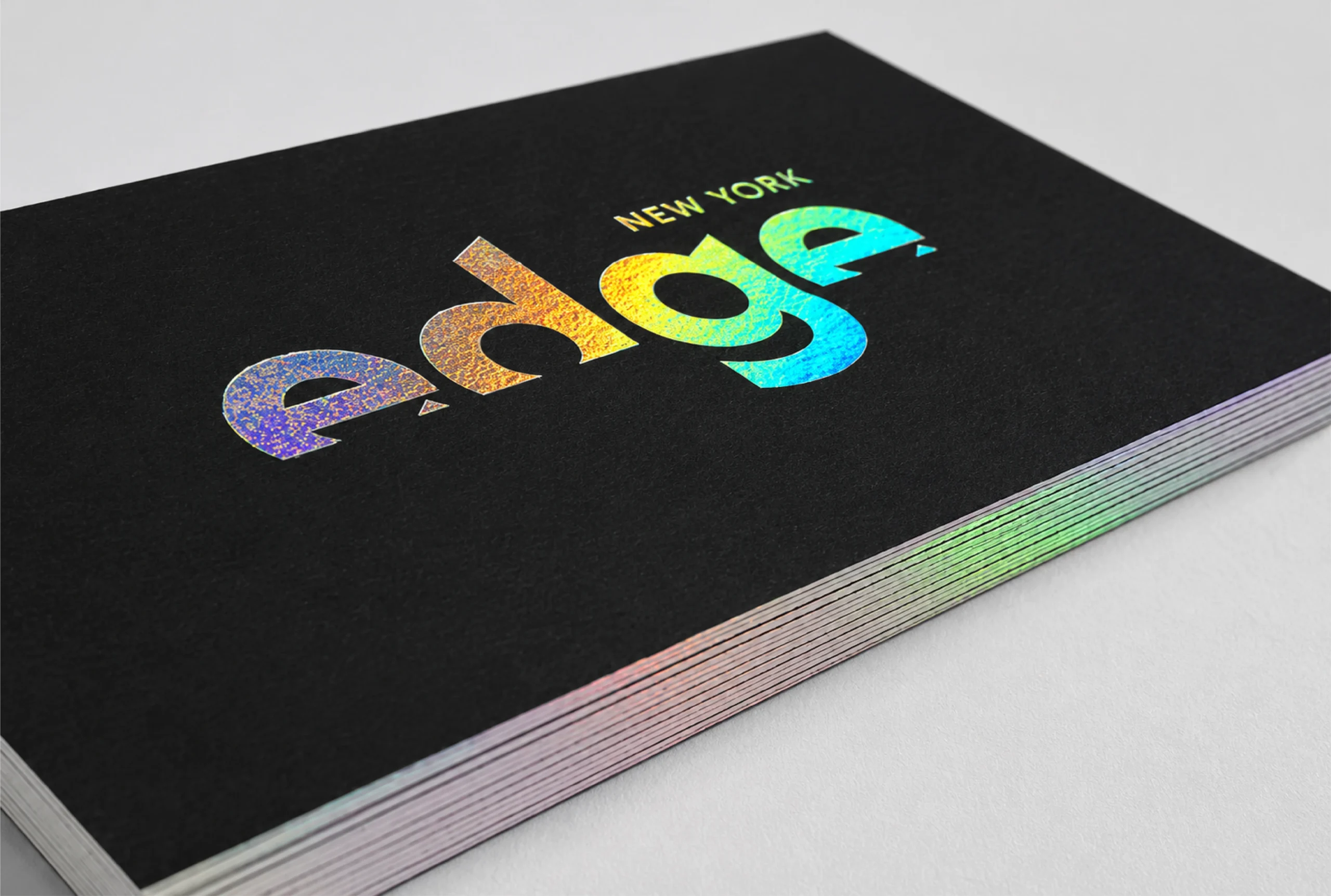
Holographic foil diffracts light and reveals the colors of the rainbow at various angles.
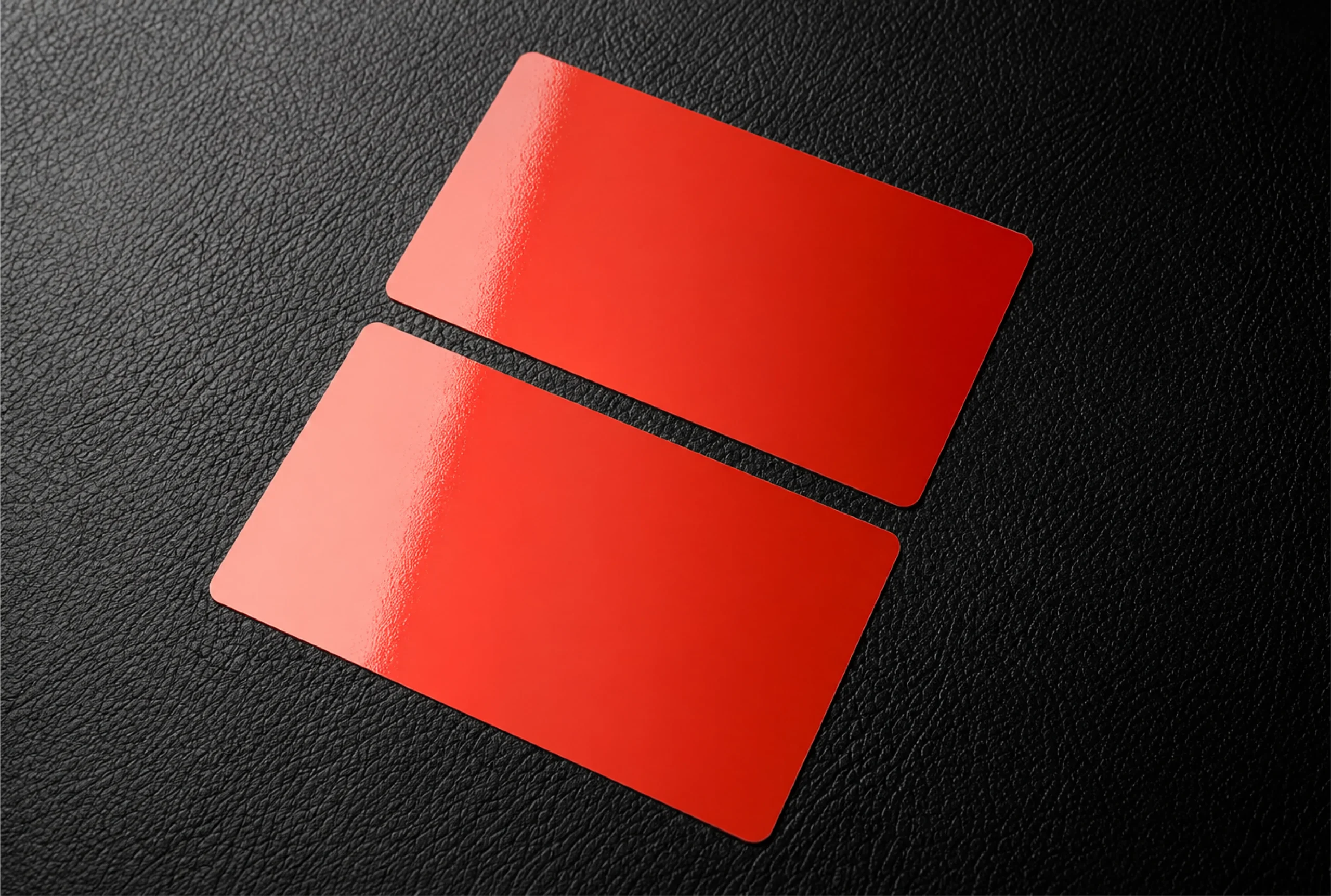
Our glossy finishing gives your packaging an extra layer of shine.
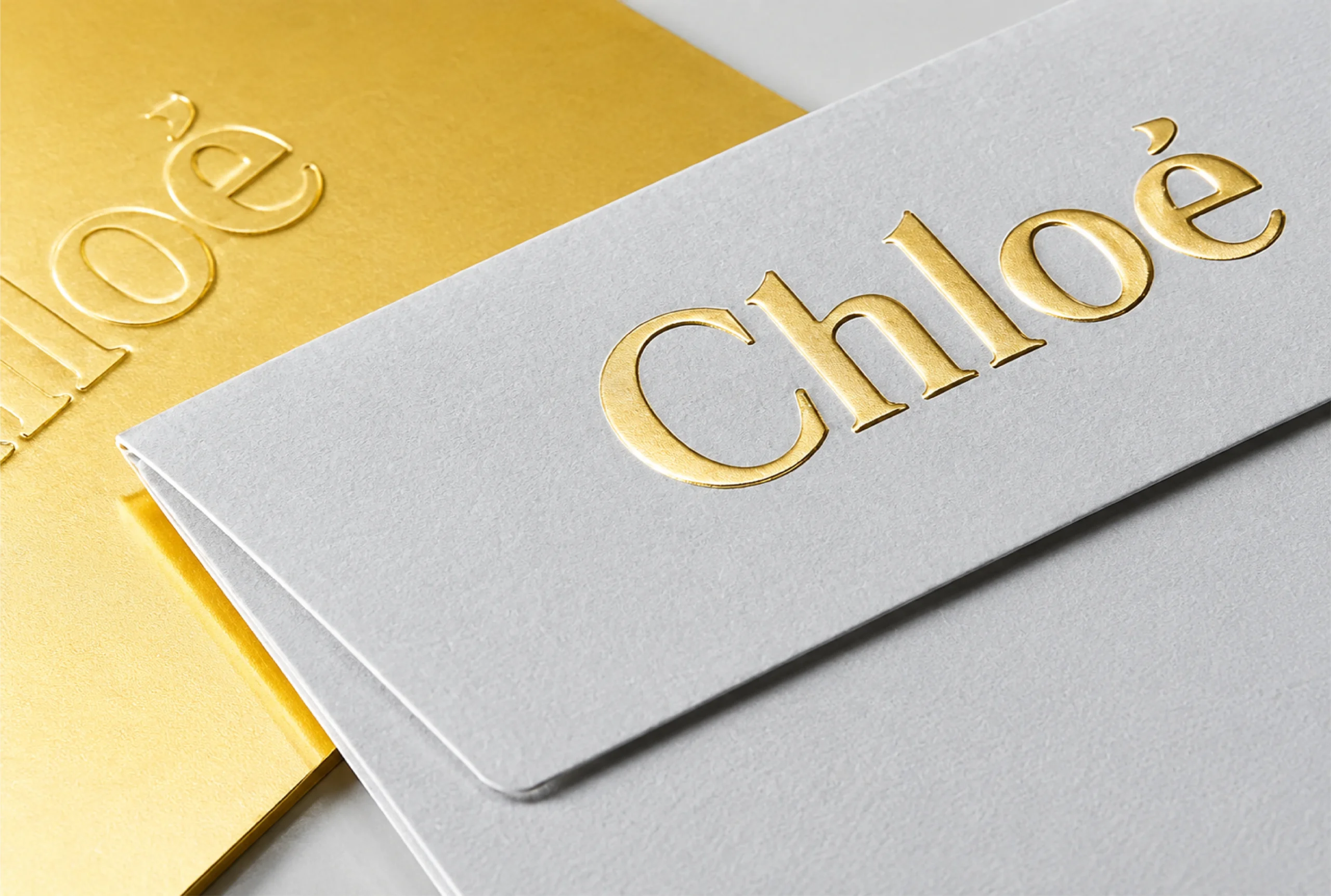
Decorate a wide range of your product packaging with our foil stamping.

With our embossing technique, we transfer the finest details of your product on packaging.
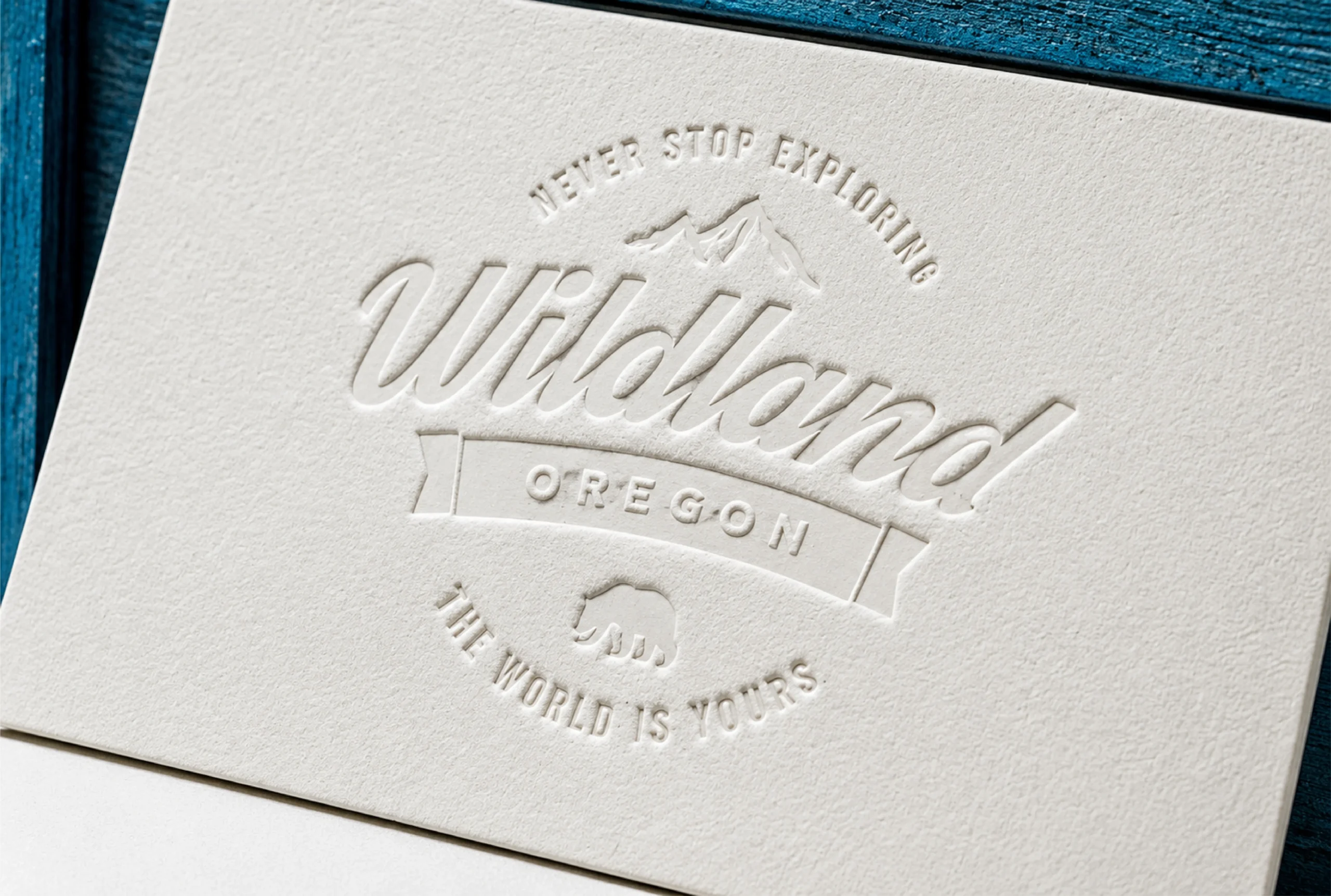
We use debossing technique to add unique graphics into your packaging.
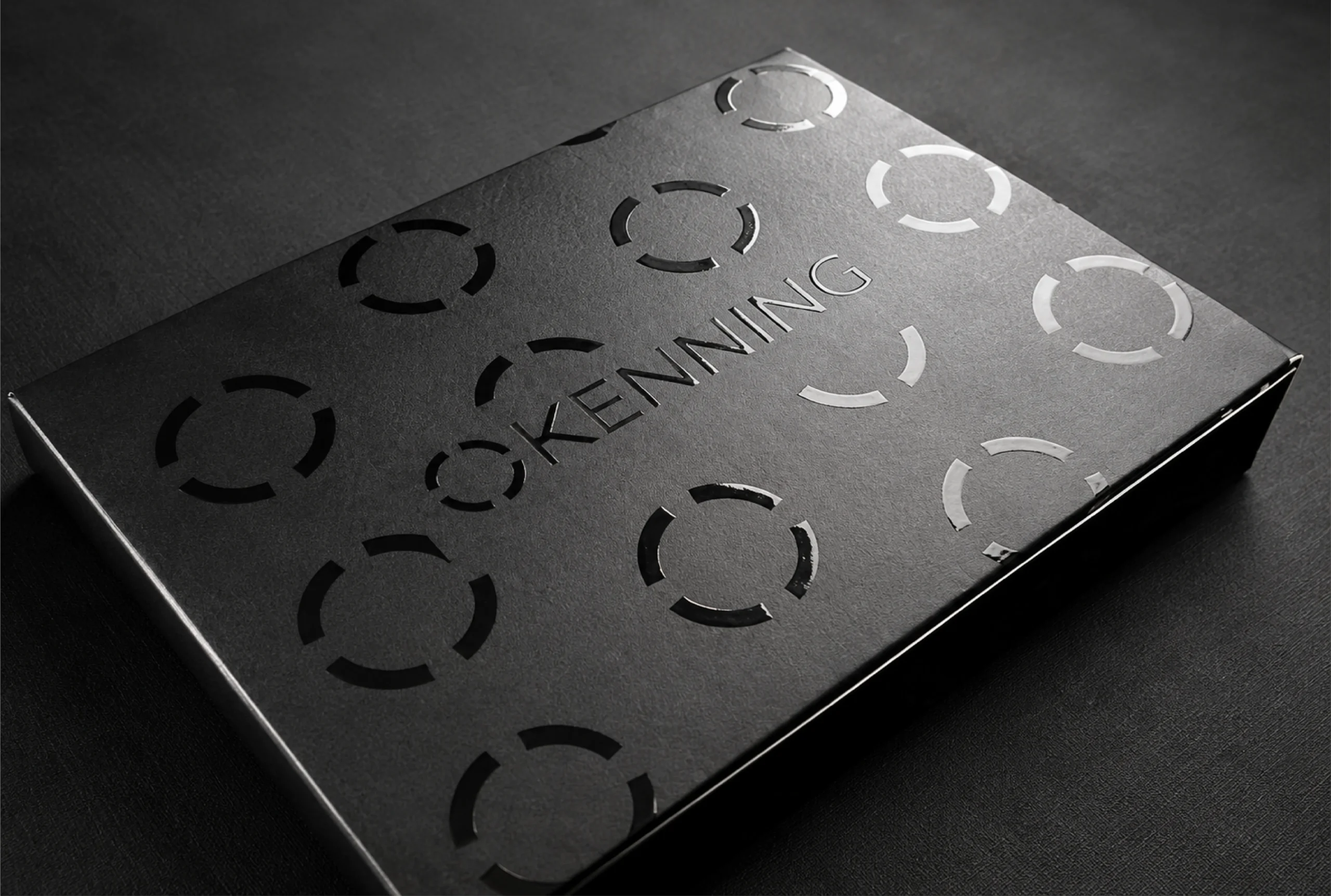
Our high-gloss UV coating gives light and shine to cure the printed material's varnish.
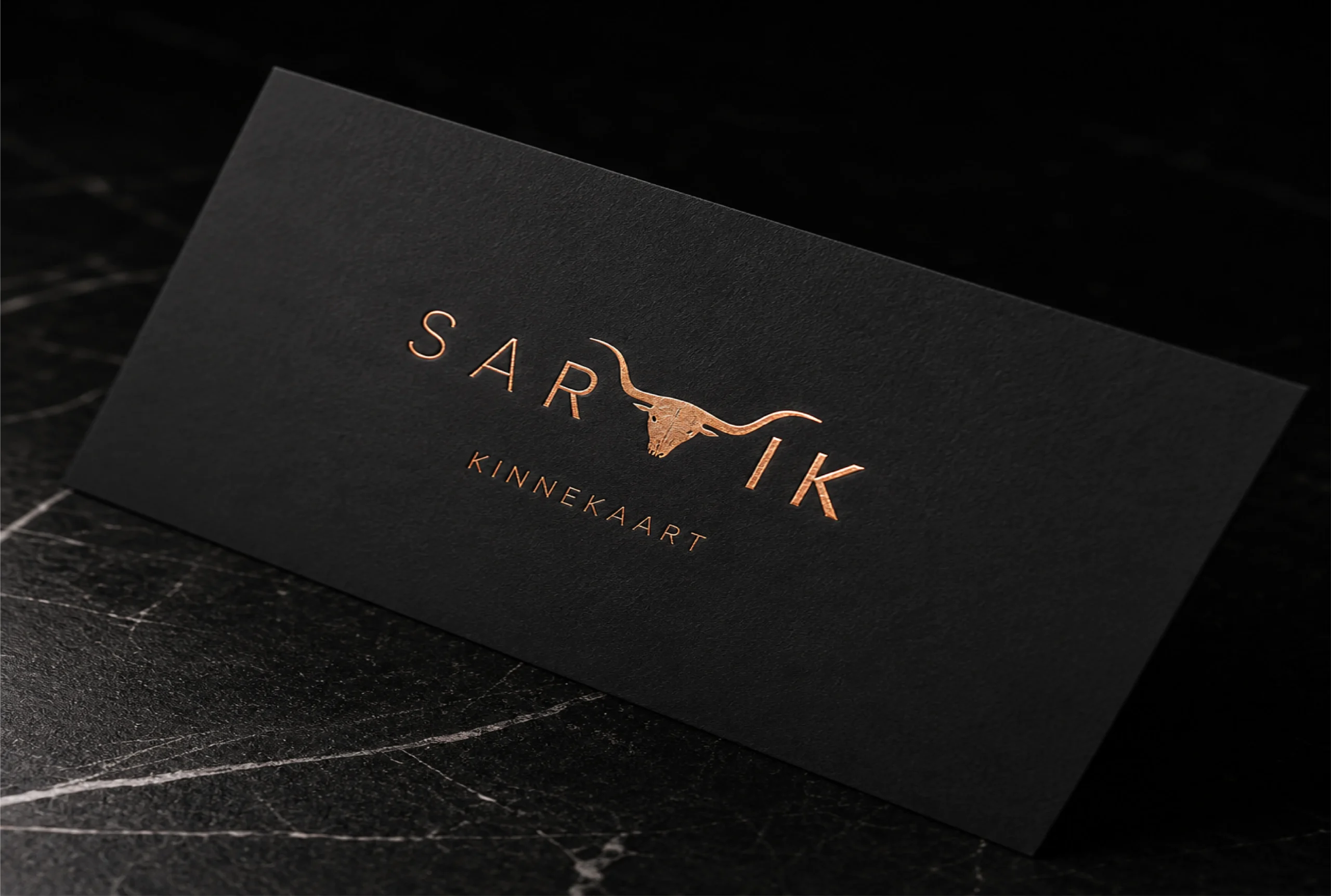
We add additional layer of protection with soft touch lamination from toner chipping.
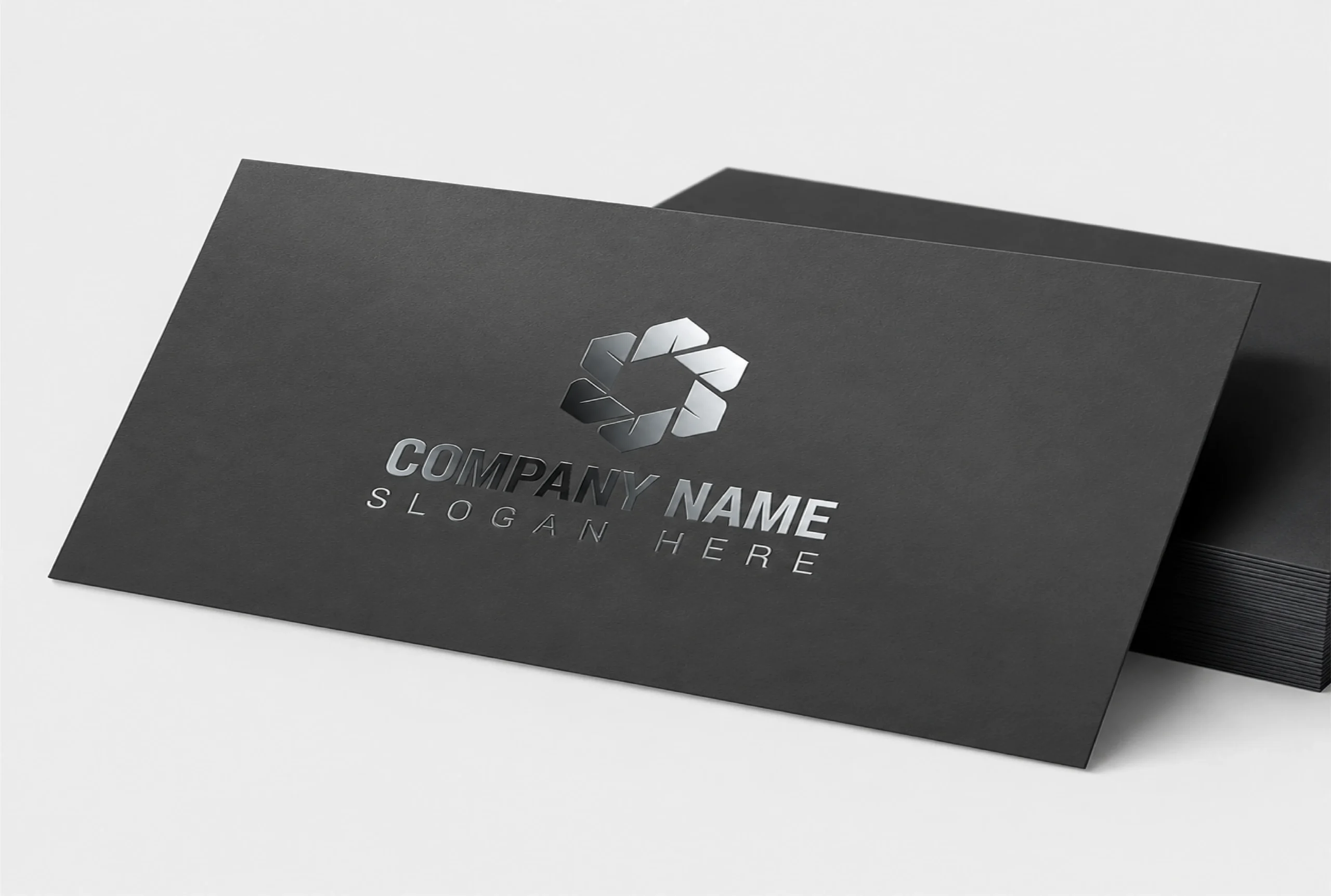
With our matte finish, fingerprints and smudges will now be less visible on the packaging.
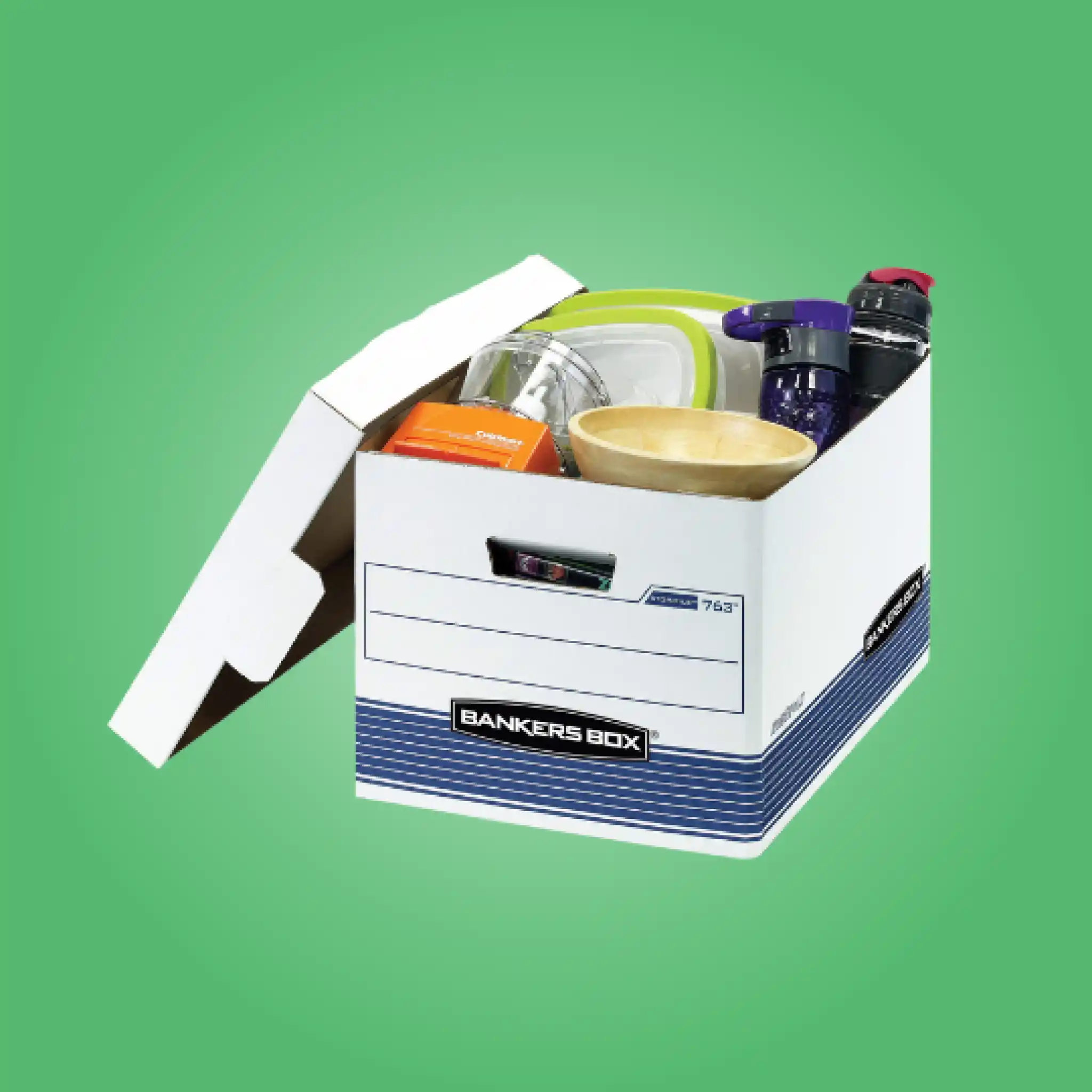
Pioneer Custom Boxes manufactures custom banker storage boxes for offices, law firms, banks, accountants, schools, healthcare departments, warehouses, and records teams that need strong corrugated file boxes, accurate bankers box dimensions, printed record fields, durable handles, archive-ready sizing, and organized document storage.
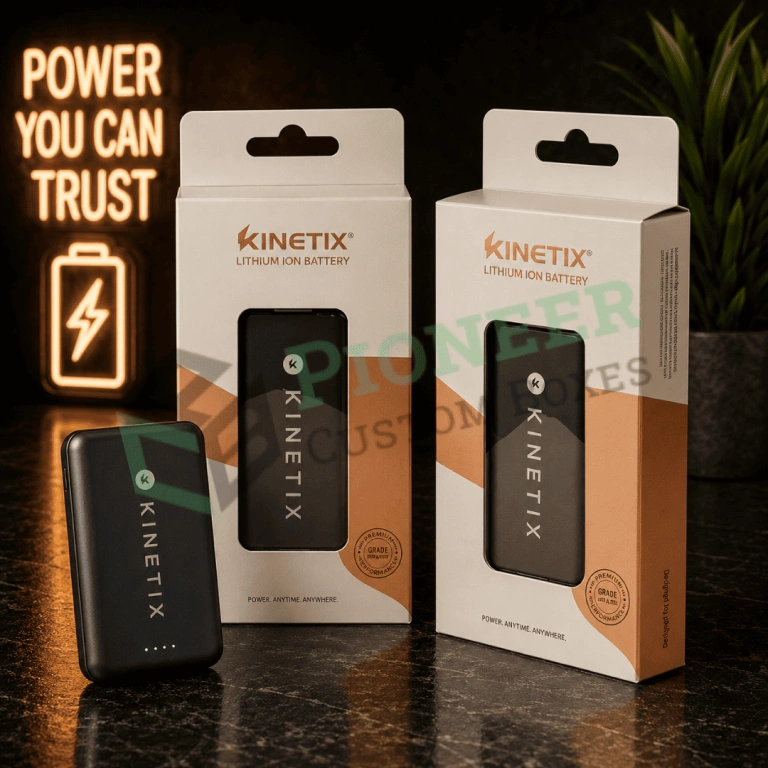
Custom mobile battery packaging from Pioneer Custom Boxes helps phone accessory brands, electronics retailers, repair shops, replacement battery suppliers, ecommerce sellers, and wholesale distributors package mobile batteries with durable custom boxes, secure inserts, barcode zones, warning space, QR panels, branded printing, and free shipping across the USA.

Custom shoe boxes specified against stockroom compression rather than transit alone, because that is where shoe boxes actually fail. Choose two piece lid and base, telescoping, front opening display, drawer and sleeve, magnetic rigid, corrugated shipping, window front or small format construction in E, B, C or double wall board. We print flexo, digital or litho-laminated on kraft or white top liner, inside and out. Add die-cut windows, printed size and SKU panels, barcodes, handles, ventilation holes, return adhesive strips and reinforced corners. We build a free dieline for every size in your range and store your signature color so it matches season after season. Zero minimum order quantity and free shipping across the United States.