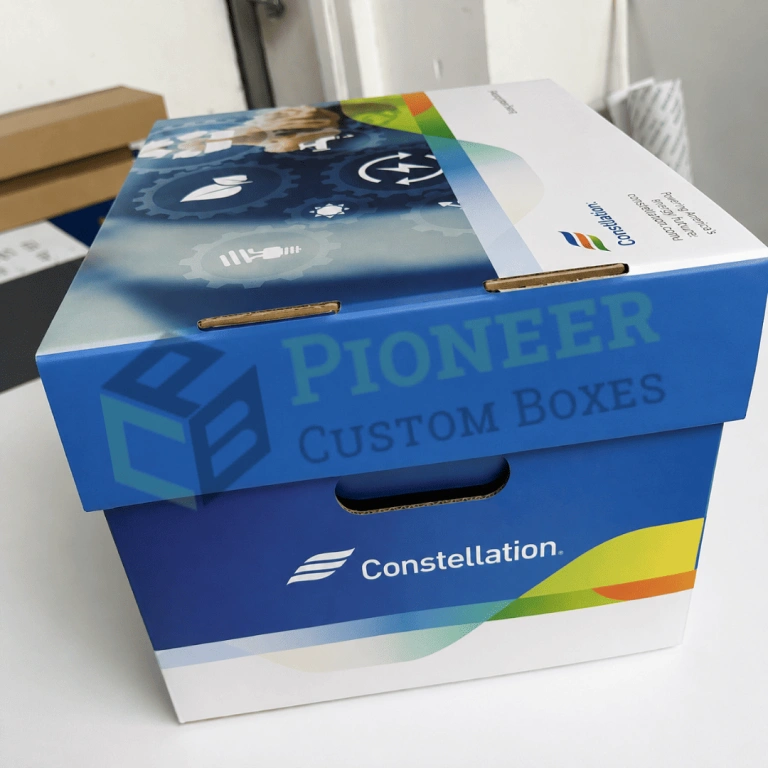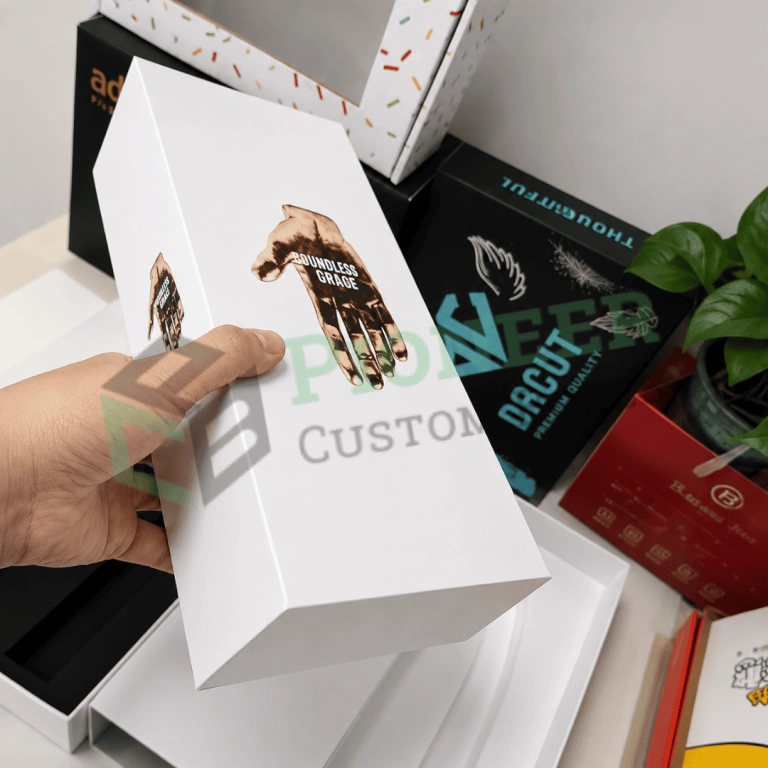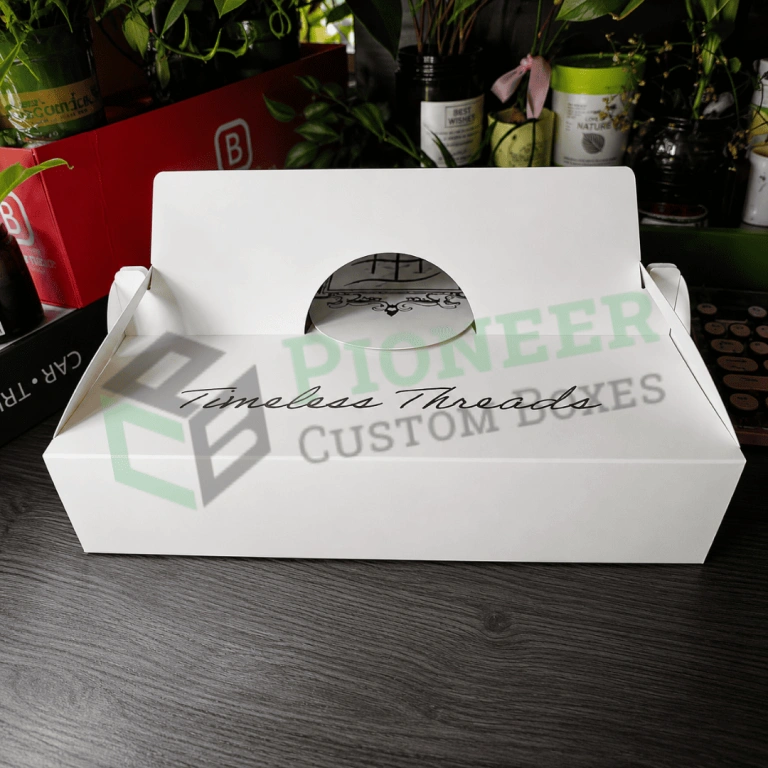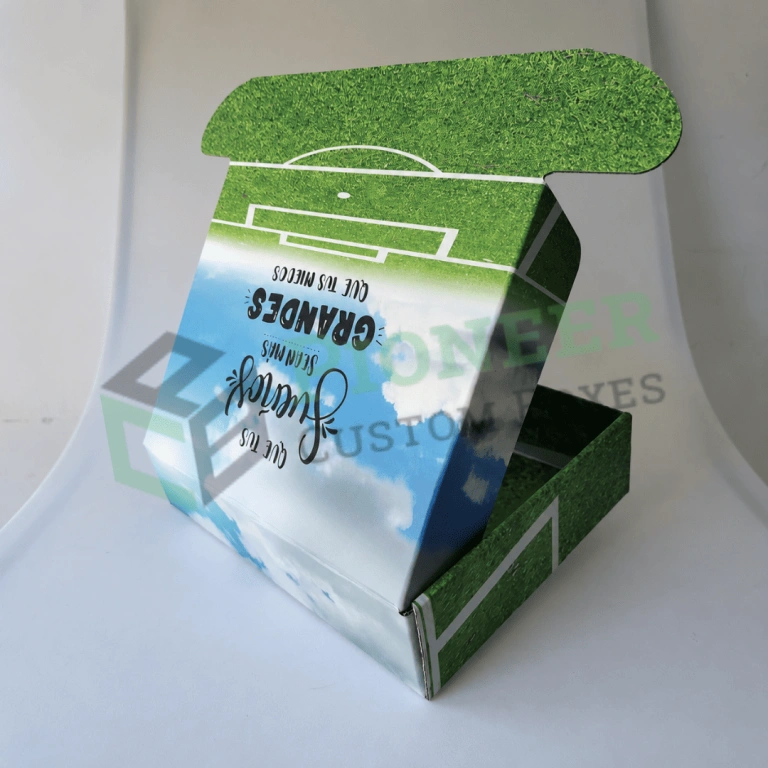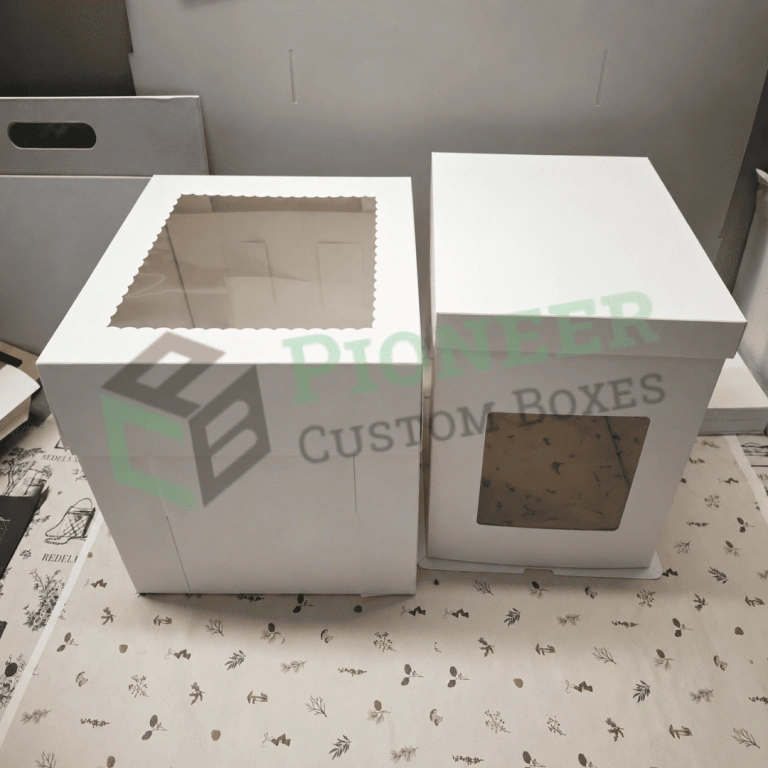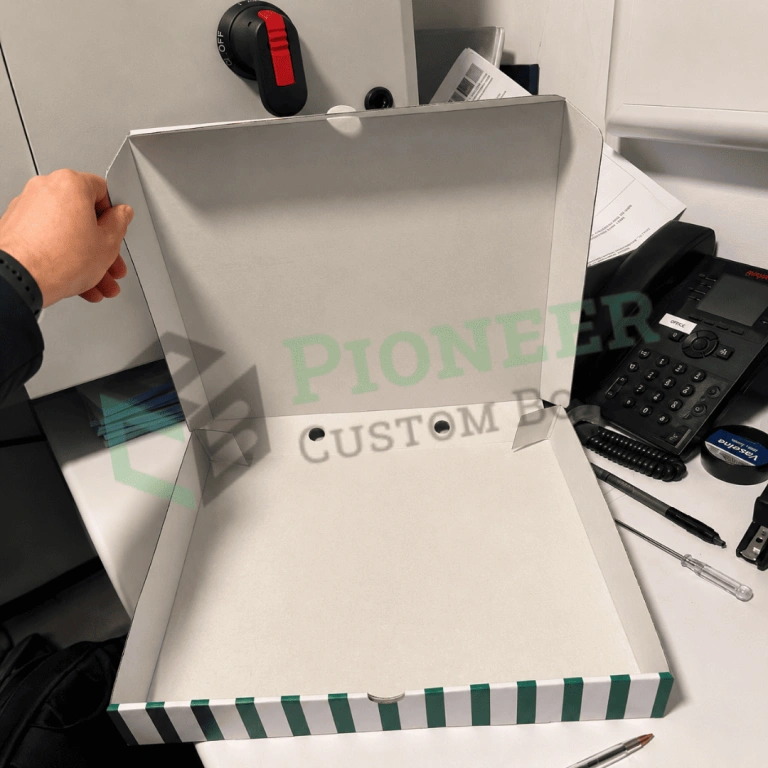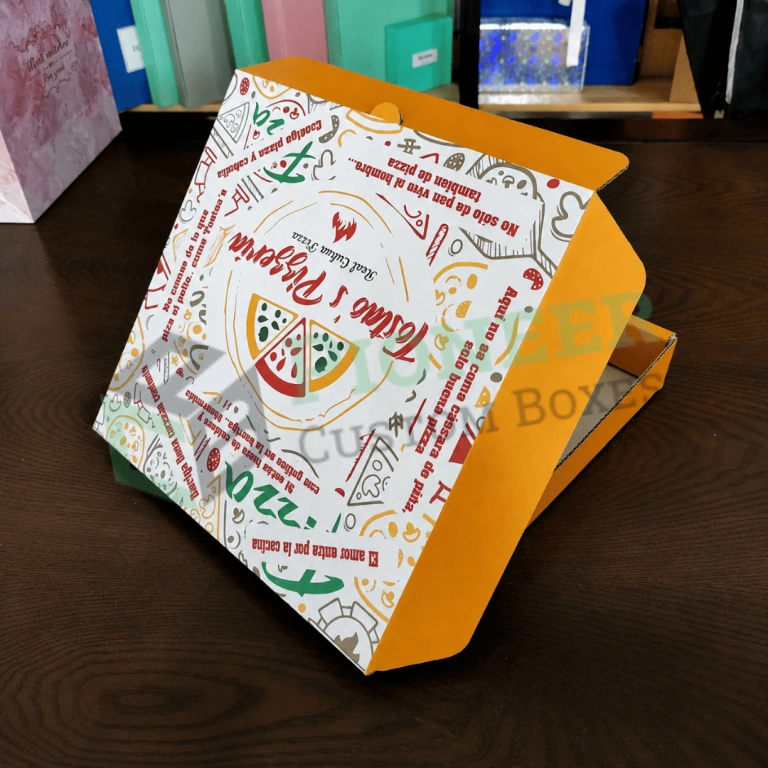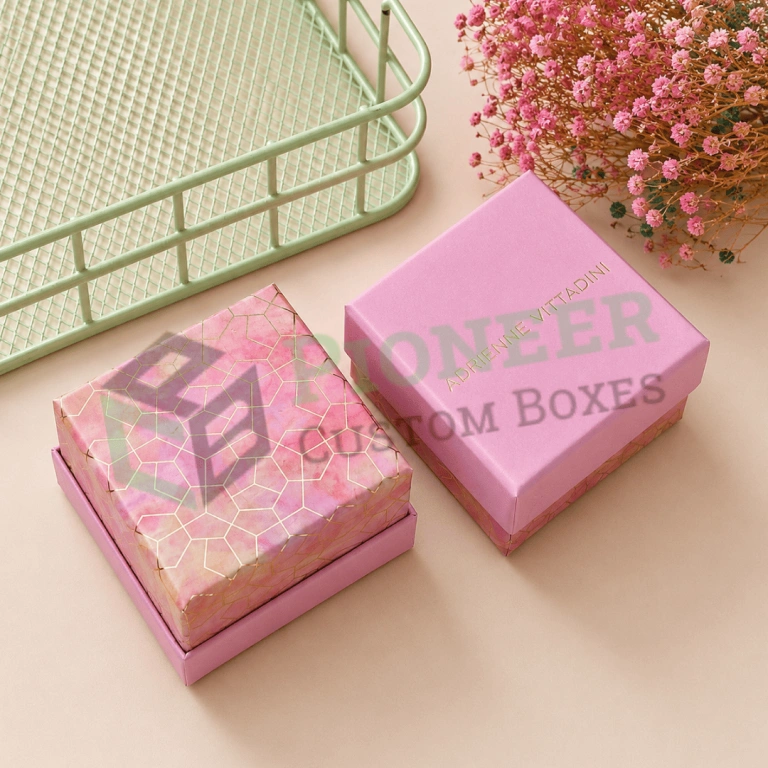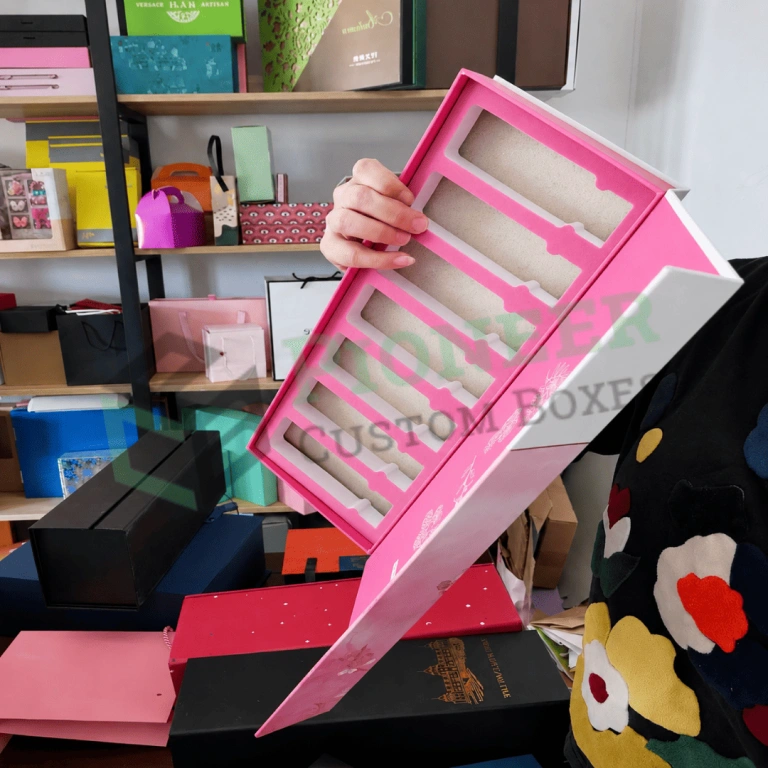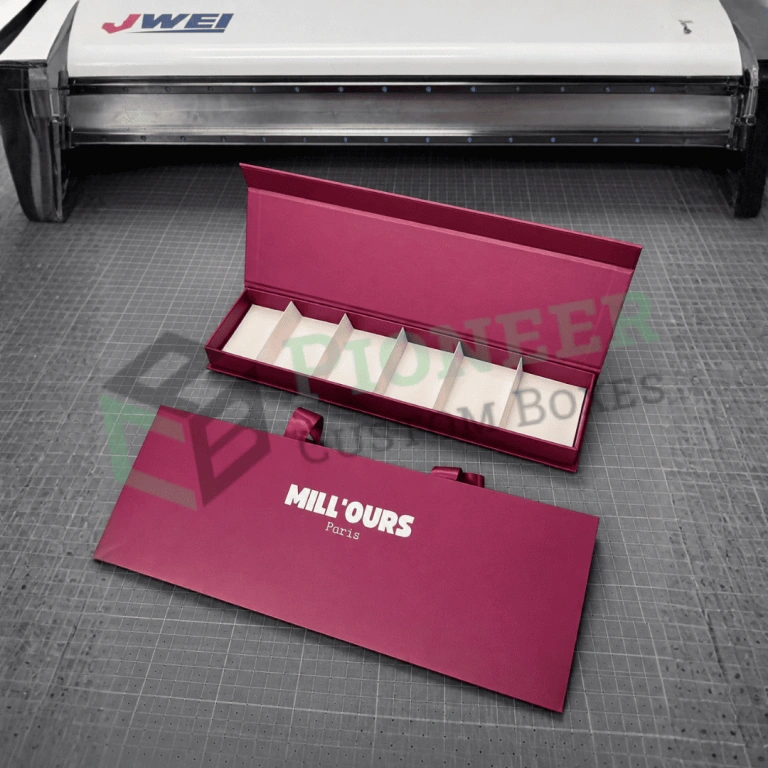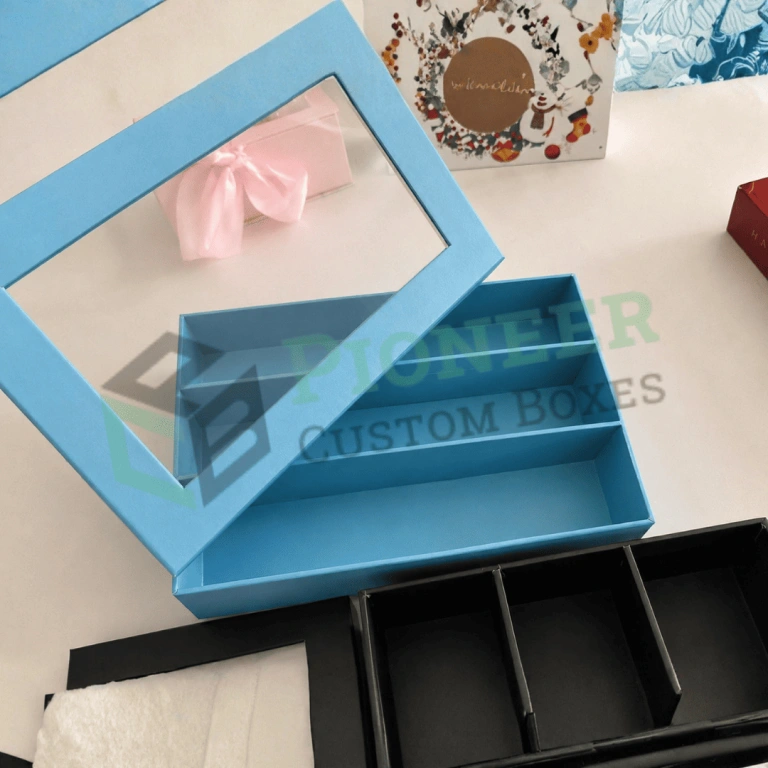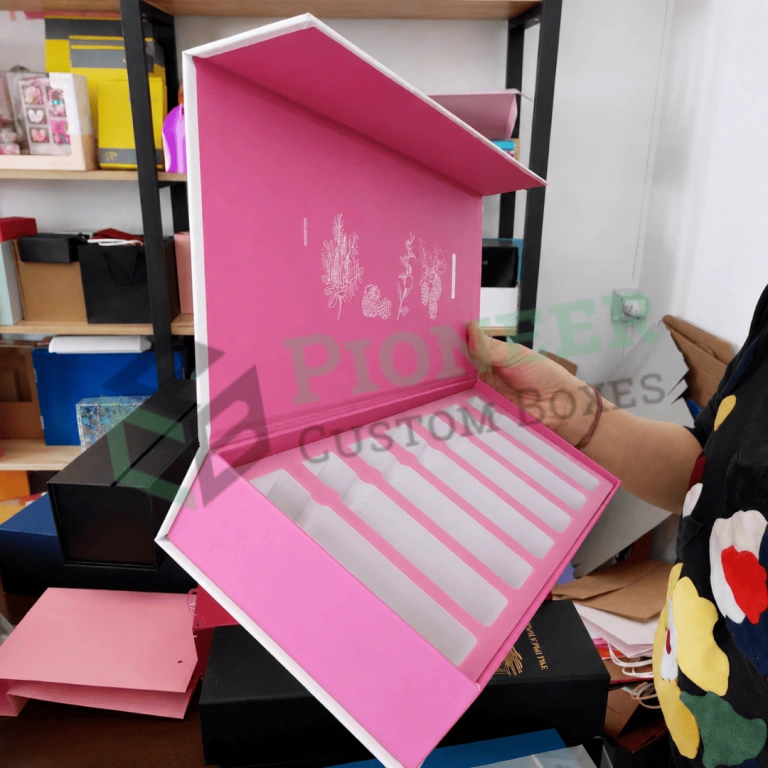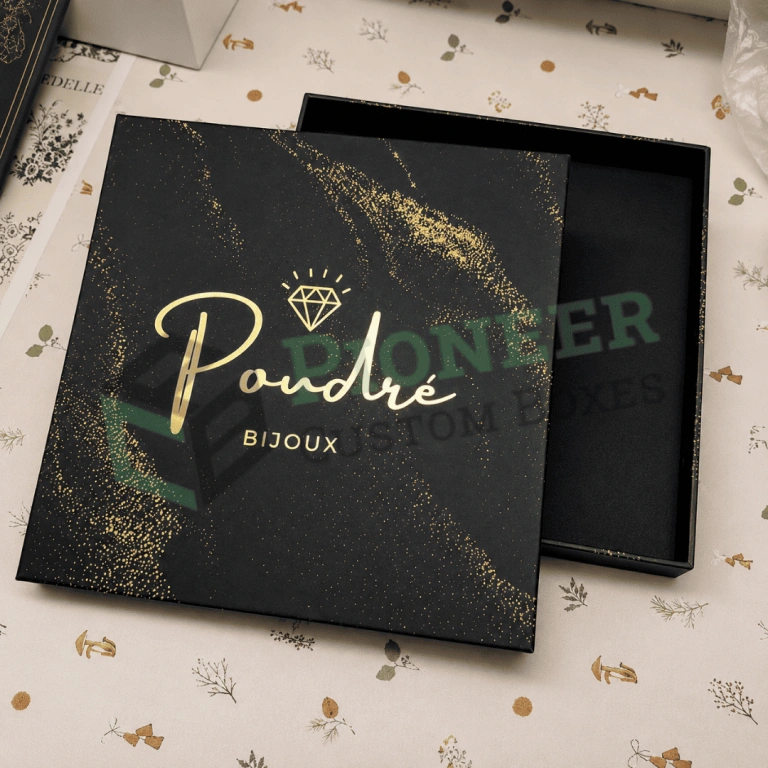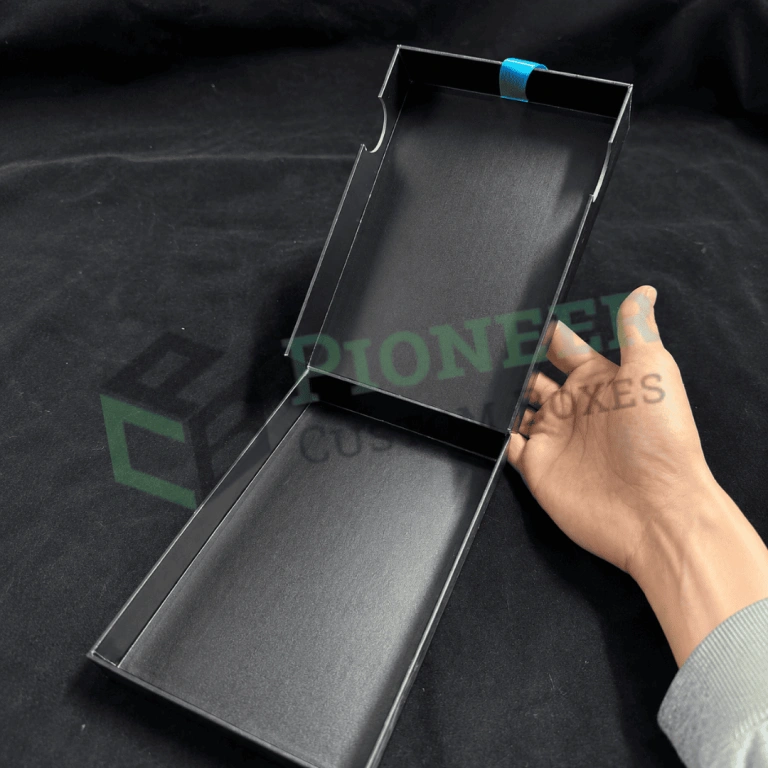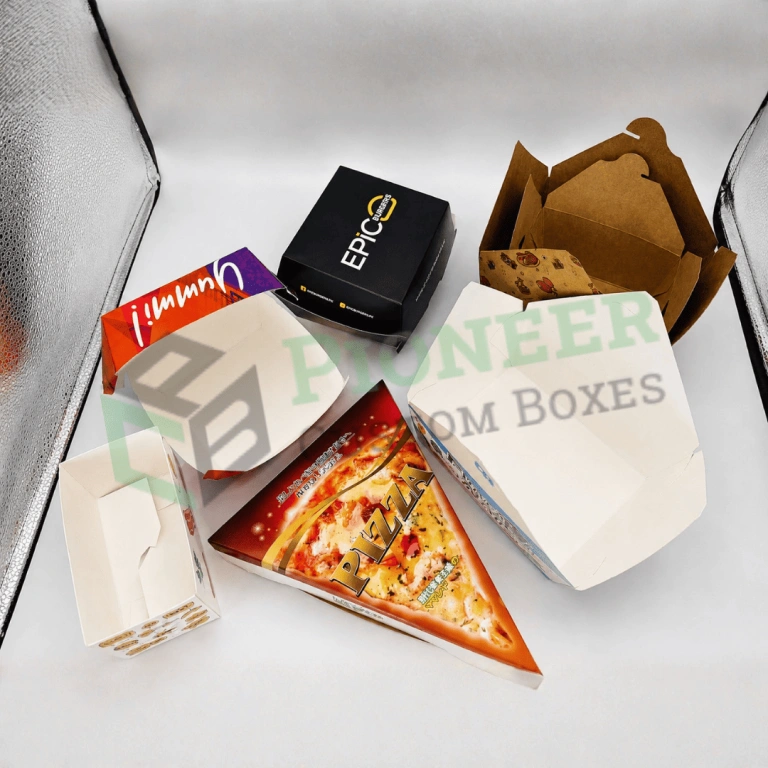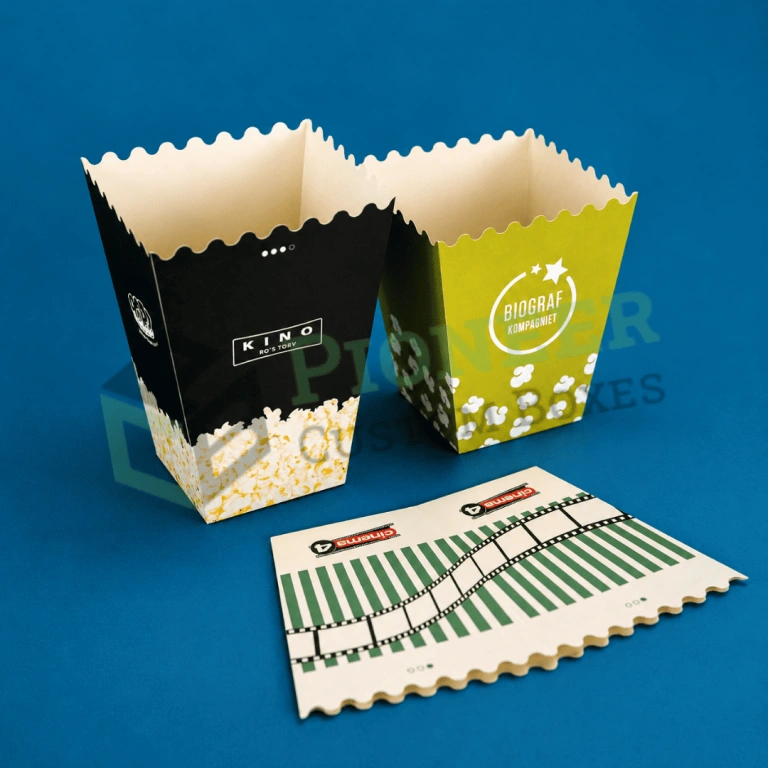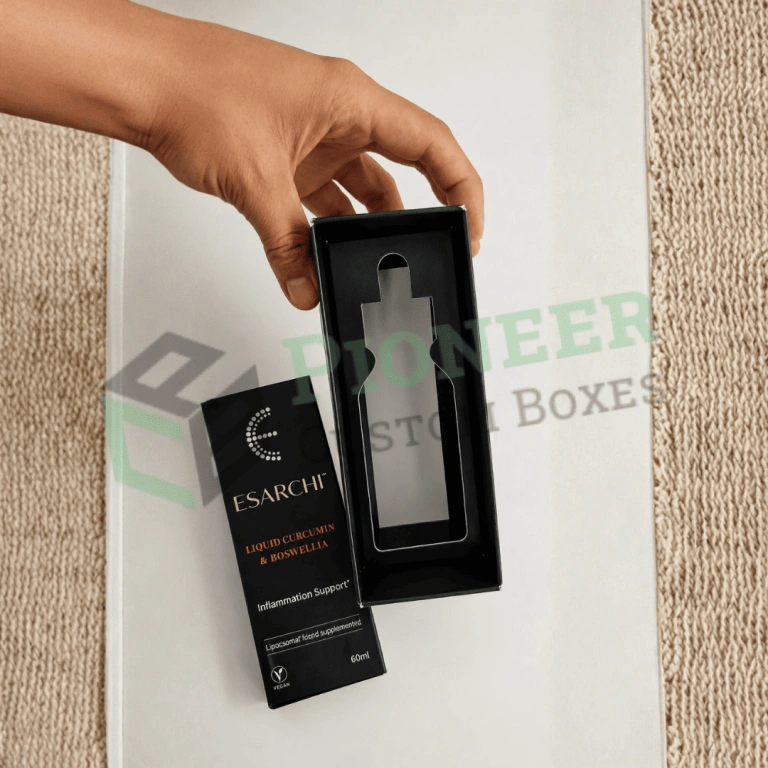
Custom shoe boxes specified against stockroom compression rather than transit alone, because that is where shoe boxes actually fail. Choose two piece lid and base, telescoping, front opening display, drawer and sleeve, magnetic rigid, corrugated shipping, window front or small format construction in E, B, C or double wall board. We print flexo, digital or litho-laminated on kraft or white top liner, inside and out. Add die-cut windows, printed size and SKU panels, barcodes, handles, ventilation holes, return adhesive strips and reinforced corners. We build a free dieline for every size in your range and store your signature color so it matches season after season. Zero minimum order quantity and free shipping across the United States.
A shoe box carries an unusual burden. It has to survive a stockroom where it sits stacked ten high for months, it has to open and close hundreds of times during try-ons, and on a resale market the box condition itself affects the price of what is inside. Very little packaging is asked to do all three. We manufacture custom shoe boxes directly in the United States, so you control the structure, the board and the print. Order fifty boxes or fifty thousand, because we hold no minimum order quantity.
Footwear brands use these for retail and direct shipping. Independent boutiques use them for house labels. Resellers and consignment stores use them as replacements for damaged originals. Each pattern needs a different specification, and we build all of them on the same lines.
Every specification below is explained separately. Read the section that matches your product, then request a free quote. Our design team draws your dieline at no charge, whatever quantity you order.
Structure decides how the box stacks, how it opens and whether it survives the stockroom. Here are the formats we produce most often.
The classic shoe box, with a separate lid lifting off a matching base. It stacks perfectly, opens in one motion and is what customers expect a shoe box to be. Most footwear retail runs on this structure.
A lid that extends most of the way down the base rather than sitting shallow on top. The overlap adds real strength at the corners and handles taller boots. It also reads as more premium because the walls look thicker.
A box with a hinged or removable front panel, so the shoe can be shown without lifting a lid. Retail displays and sneaker collectors both value this, because the box becomes part of the presentation.
An inner tray slides out of an outer sleeve. Premium and limited edition footwear uses this for the reveal, and the sleeve gives a large uninterrupted panel for artwork.
A wrapped rigid box with concealed magnets. Luxury and collaboration releases use it. Customers keep these permanently, which is exactly the point on a limited drop.
A single box that works as both retail packaging and shipper, printed inside and out. Direct to consumer brands use it to avoid double boxing, which cuts material and freight together.
A die-cut opening shows the shoe without opening the box. Stockrooms find the right pair faster, and retail displays sell without handling. Film is optional and often skipped.
A reduced footprint for childrens footwear and small sizes. Using a full size box for a toddler shoe wastes board and stockroom space, and the difference adds up quickly across a range.
,,,,,,,,
| Box Style | Closure | Stacking | Best Application |
|---|---|---|---|
| Two piece lid and base | Lift-off lid | Excellent | Standard footwear retail |
| Telescoping box | Deep overlapping lid | Excellent | Boots and premium lines |
| Front opening display | Hinged or removable panel | Good | Retail display and collectors |
| Drawer and sleeve | Sliding inner tray | Good | Limited editions |
| Magnetic rigid box | Concealed magnets | Good | Luxury and collaborations |
| Corrugated shipping box | Taped or locking | Very good | Direct to consumer |
| Window front box | Lift-off lid with opening | Excellent | Stockroom and display |
| Kids and small format | Lift-off lid | Excellent | Childrens footwear |
Tell us the largest shoe size in the range, the style and whether the box ships directly to customers. Those three inputs drive the whole specification. Our team then recommends a structure and sends the drawing free of charge.
Board grade, flute choice and edge crush ratings work the same way across every structure we build. Our wider corrugated boxes range uses the identical specification logic, so a retail shoe box and the case that ships it share one board decision.
Shoe boxes have to fit the largest size in a range rather than an average, because one box design usually serves the whole run. These dimensions cover the orders we run most often.
,,,,,,,,,,
| Size (L x W x H, inches) | Fits Up To | Common Use |
|---|---|---|
| 9 x 5 x 3 | Toddler and small kids | Childrens footwear |
| 11 x 6.5 x 4 | Kids and small womens | Youth ranges |
| 12 x 7 x 4 | Womens up to US 9 | Standard womens footwear |
| 13 x 7.5 x 4.5 | Womens up to US 11, mens to 9 | Unisex ranges |
| 13.5 x 8 x 5 | Mens up to US 12 | Standard mens footwear |
| 14.5 x 9 x 5 | Mens up to US 14 | Extended sizing |
| 13 x 8 x 6 | Mid height boots | Ankle and chelsea boots |
| 14 x 9 x 8 | Tall boots | Knee height footwear |
| 13.5 x 8 x 5.5 | Chunky sneakers | High volume silhouettes |
| 15 x 10 x 6 | Oversize and specialty | Work boots and athletic |
Measure the largest shoe in the range inside its tissue, not the bare shoe. Wrapping adds real bulk, and a box sized to a naked shoe will not close once the pair is wrapped and stuffed. Chunky sneaker silhouettes also need more height than their length suggests, which catches brands out regularly.
The stockroom is where shoe boxes actually fail, and it is the use case buyers think about least. A box that looks fine on a shelf can be crushed under eight others within a season.
Compression load is the core problem. A stack ten boxes high puts the entire column weight on the bottom box, and that box carries it continuously for months rather than briefly in transit. Edge crush rating predicts this directly, and it is the number to specify against rather than board thickness alone.
Humidity makes it worse in a way most specifications ignore. Corrugated loses meaningful compression strength as it absorbs moisture, and stockrooms are frequently humid. A grade that holds in a dry warehouse can sag in a damp one, so describe the storage environment rather than only the product.
Creep is the third factor and the least understood. Board under constant load deforms slowly over time, which engineers call creep. A stack that holds firm on day one can sag noticeably after three months. Long storage genuinely needs a higher grade than short transit does.
Lid depth affects strength more than it looks. A shallow lid sitting on top of a base contributes almost nothing structurally. A telescoping lid that extends most of the way down doubles the wall material at the corners, which is where compression failure starts.
Tell us your stack height and how long boxes sit in storage. Our team specifies the grade against that rather than guessing, because this is the failure that quietly costs retailers the most.
Board choice decides stacking strength, print quality and whether the box survives repeated opening. Shoe boxes get handled more than almost any retail package, so durability carries unusual weight here. Our board specifications follow the corrugated standards the Fibre Box Association publishes for the industry.
A fine fluted layer between two liners at roughly a sixteenth of an inch. It prints well and folds crisply, which suits printed retail shoe boxes. Stacking strength is modest, so keep it to lower stack heights or lighter footwear.
Thicker than E-flute with noticeably better crush resistance. This is the workhorse grade for retail shoe boxes, balancing print quality against the compression a stockroom applies.
The best stacking strength available in single wall. Heavy boots, tall stacks and long storage all justify it. Print detail softens against the taller flute, so keep artwork bold or laminate.
Two fluted layers between three liners. Work boots, heavy footwear and warehouse storage at height use it. Cost rises meaningfully, so specify it against real load rather than caution.
An offset printed sheet laminates onto corrugated, giving retail print quality with corrugated strength. Premium footwear brands use this for boxes that carry full color photography and still survive a stockroom.
Thick compressed chipboard wrapped in printed paper. Luxury and collaboration releases use it. It does not stack as efficiently as corrugated and costs several times more, so it suits limited runs rather than core ranges.
Natural brown kraft costs less than bleached liner, hides scuffing well and suits sustainable positioning. Sneaker brands in particular have moved toward unbleached kraft as a deliberate aesthetic.
A bleached outer surface for photographic printing. It shows scuffs more readily, which matters on a box handled repeatedly, so pair it with a coating or laminate if the box lives in retail.
,,,,,,,,
| Material | Typical Rating | Stack Height | Best Application |
|---|---|---|---|
| Single wall E-flute | 32 ECT | Up to 4 boxes | Printed retail, light footwear |
| Single wall B-flute | 32 ECT | Up to 8 boxes | Standard retail shoe boxes |
| Single wall C-flute | 44 ECT | Up to 12 boxes | Boots and long storage |
| Double wall BC-flute | 48 ECT and above | 12 plus boxes | Work boots and warehouses |
| Litho-laminated board | 32 ECT base | Up to 8 boxes | Premium photographic print |
| Rigid greyboard | Not rated by ECT | Low stacks | Luxury and collaborations |
| Kraft liner | Surface layer | Scuff tolerant | Sustainable positioning |
| White top liner | Surface layer | Shows scuffing | Full color retail print |
Shoe boxes carry branding that customers keep in a closet for years, so print quality has a longer life here than in most packaging. We print in house on flexo, digital and litho-lamination lines.
Flexo prints directly onto corrugated from flexible plates. It is the most economical route and handles one to three spot colors well. Most volume footwear packaging is printed this way, and a bold two color design on kraft looks deliberate rather than cheap.
An offset sheet prints at retail quality then laminates onto corrugated. Photographic imagery, gradients and fine type all survive. Premium footwear brands use this when the box carries product photography or complex artwork.
Digital skips plates entirely, which removes setup cost and makes short runs affordable. This matters for collaborations, seasonal drops and boutique house labels where volumes never justify plates. Variable data also allows numbered limited editions.
The inside of a shoe box lid is prime unused space. A printed message, a brand story or a pattern turns opening the box into part of the purchase, and it costs very little when run alongside the exterior.
Unbleached brown liner has become a deliberate aesthetic in footwear rather than a budget choice. Our kraft boxes range covers it across every structure, and our prepress team will show you a printed kraft sample before you approve artwork.
Finishing on a shoe box has to survive handling rather than just look good on day one. A box that scuffs in the stockroom reaches the customer already tired. Here is what actually holds up.
Matte film protects the surface through repeated handling and gives a restrained, premium look. It is the most common choice on mid and upper tier footwear, because it hides fingerprints from try-on handling.
Gloss deepens color and makes product photography snap. It resists moisture well, which matters in humid stockrooms. Fingerprints show more than on matte, so it suits boxes handled less.
Soft touch creates a velvet surface that signals price instantly. Limited editions and luxury collaborations use it. Cost is highest among the films, and it marks more easily, so reserve it for boxes customers keep rather than stockroom stock.
A water based sealer that adds scuff resistance while keeping the box fully recyclable. For direct to consumer brands whose boxes get recycled rather than kept, this is usually the right answer.
Spot UV cures glossy varnish over selected artwork only. A glossy logo against a matte lid reads as deliberate. It works best on litho-laminated surfaces rather than directly on kraft liner.
Foil presses metallic leaf into the surface. Collaborations, anniversary releases and luxury lines use it to mark that this box is different from the core range. It needs a flat laminated surface to register cleanly on corrugated.
Embossing raises a logo above the surface, debossing presses it in. On corrugated the effect is softer than on rigid board because the flute compresses, so test a sample before committing a full run.
Windows let stockroom staff identify a pair without opening. Handles help with heavy boot boxes. Vents allow airflow that reduces moisture buildup during long storage. All three cut in the same pass as the outline.
Footwear is a category where box color becomes brand shorthand. Customers recognize certain boxes across a room, and that recognition took decades to build. We support three systems.
PMS refers to the Pantone Matching System, where each ink arrives premixed to one exact formula. Footwear is the clearest example of why this matters. A signature box color has to be identical across every season and every factory run, or the whole equity leaks away. Flexo on kraft handles one to three spot colors economically.
CMYK mixes cyan, magenta, yellow and black to build full color. Product photography and complex artwork need it, and litho lamination delivers it at retail quality. Slight variation between runs is normal, so we proof anything brand critical.
RGB describes light, so screens and design software use it natively. We accept RGB artwork and convert it during prepress. Kraft liner warms every color on top of the conversion shift, which is why a bright box on screen can land muted on brown board. Send files early and we proof on your actual substrate.
One design usually serves a whole size run, but the panel proportions change as the box gets larger. Artwork scaled naively ends up with logos too small on kids boxes and too large on extended sizes. Our prepress team adjusts each size rather than scaling one file.
Add-ons here split between making the stockroom work and making the purchase feel considered. Review the table, then read the notes below it.
,,,,,,,,,
| Add-On | What It Does | Best Suited For | Lead Time Impact |
|---|---|---|---|
| Die-cut window | Identifies the pair without opening | Stockrooms and retail display | None once tooled |
| Size and SKU label panel | Prints size data in a fixed position | All multi-size ranges | None |
| Barcode printing | Prints retail scan codes in place | Wholesale and chain retail | None |
| Die-cut handle | Makes heavy boot boxes liftable | Work boots and tall styles | None once tooled |
| Ventilation holes | Reduces moisture buildup in storage | Long term stockroom storage | None once tooled |
| Interior printing | Turns the lid into brand space | Direct to consumer brands | None |
| Tissue and wrap | Frames the shoe on opening | Premium and gift purchases | Adds one day |
| Reinforced corner construction | Doubles board where stacks crush first | Tall stacks and long storage | Adds one day |
| Return adhesive strip | Lets customers reseal for returns | Direct to consumer footwear | None |
The size and SKU panel is the most operationally valuable feature here and the one most often left to a sticker. Printing size data in a fixed position on the end panel means stockroom staff find a pair by scanning a shelf rather than pulling boxes, and it removes a labeling step from your warehouse entirely.
Ventilation holes are worth more than they sound for anyone storing stock through a season. Trapped moisture in a sealed box encourages mildew on leather and degrades adhesives. A few small holes cost nothing once the die exists and they let a box breathe.
Return adhesive strips have become close to expected in direct to consumer footwear, because fit uncertainty makes returns routine rather than exceptional. A second strip lets the customer reseal the original box, which keeps the shoe protected on the way back and reduces the damage that makes a return unsellable.
Reinforced corners address exactly where compression failure begins. Doubling board at the four corners is far more efficient than raising the grade of the whole box, and it targets the actual failure point rather than adding material everywhere.
Footwear is unusual in that the packaging itself has resale value. Understanding that changes how you specify a box, particularly at the premium end.
On sneaker resale platforms, a pair with a damaged or missing box sells for meaningfully less than an identical pair with the original box intact. That means your packaging is part of the asset your customer is buying, not a wrapper around it.
Boxes kept for years face different stresses than boxes discarded immediately. Laminated surfaces hold color and resist the abrasion of being moved between closets. Uncoated kraft scuffs faster but ages in a way some brands actively want.
Direct to consumer brands increasingly ship the retail box alone rather than inside an outer carton. That halves material and freight but demands a box that survives a carrier network, which means a higher grade and a closure that does not rely on a loose lid.
A retail stockroom holds hundreds of near identical boxes. End panel printing, windows and color coding by size or style all cut the time staff spend finding a pair. That time is a real cost in a busy store.
A shoe box that gets reused for storage rather than recycled is, in practice, the lowest impact outcome available. Footwear packaging is reused more than almost any other category, so building something worth keeping does genuine environmental good.
Two quotes for the same shoe box can differ by half. The gap sits in a handful of places, and each one is under your control.
Grade is the largest recurring cost and the one most often over-specified. A 48 ECT double wall box holding a pair of sneakers wastes money on every unit forever. Match the grade to your actual stack height and storage duration rather than to caution.
Using one box size for a whole size run is simpler but wastes board on small sizes. Two or three sizes across a range cuts material meaningfully, and the saving compounds because footwear runs in high unit counts. Kids ranges in adult boxes is the clearest example of avoidable waste.
Flexo with one or two colors on kraft is the economical baseline. Each additional color adds a plate. Litho lamination multiplies cost several times over, because it adds a full offset print and a lamination step, so reserve it for boxes where photography genuinely carries the brand.
A telescoping lid uses noticeably more board than a shallow one. It also strengthens the box considerably. This is a real trade rather than a waste, but it should be a decision rather than an accident, and buyers are often quoted one without realizing.
Footwear has a cost driver most categories do not. A range in eight sizes is eight dielines rather than one, and on flexo each needs its own plates. Digital printing removes that penalty at moderate volume, which is why boutique and collaboration work usually runs digital.
Brands shipping the retail box alone need it specified for a carrier network rather than a stockroom. Our shipping boxes range is built around carrier handling, and our team will tell you which set of rules should govern your order.
Every order moves through a fixed inspection sequence built around the failures that actually generate complaints.
First, prepress compares your artwork against the dieline for every size in the range. We check bleed, resolution, barcode quiet zones and whether logo proportions still work at the smallest and largest box. Artwork scaled naively across sizes is the issue we catch most often here.
Second, the press operator pulls a sheet at startup and matches it to the approved proof. Signature box colors get read with a spectrophotometer and checked against your stored standard rather than only against this run, because footwear brand colors have to match across seasons.
Third, we scan every printed barcode with a verifier. A code that fails at a retail point of sale stops a transaction, and a code that fails at a distribution center can reject an entire shipment.
Fourth, the converting team folds and assembles a sample from each skid, then checks lid fit. A lid too tight jams during try-ons, and a lid too loose falls off in a stockroom. The tolerance between those is small and it changes with board caliper.
Fifth, we load a finished box with weight matching a pair of shoes and apply compression to your specified stack height. The bottom box must hold. If it buckles, the grade was wrong and we upgrade before anything ships.
Finally, packing counts, bands and labels every bundle. You receive the count you ordered, and often a small overage at no charge.
The same box serves very different operations. Knowing which pattern matches yours helps you specify correctly the first time.
Core ranges in high volume across multiple sizes. Signature box color is often the most valuable brand asset in the packaging, which makes PMS printing and a stored color standard non-negotiable. Stack strength gets specified against retail stockrooms rather than transit.
Drops rather than continuous ranges, with collectors who keep boxes permanently. Limited edition treatments, numbered boxes and interior printing all earn their cost because the box is part of what is being collected.
Small volumes, high design ambition, tight budgets. Digital printing and our zero minimum policy solve exactly this. A boutique can run two hundred boxes across three sizes and look established immediately.
Shipping the retail box alone rather than double boxing, which demands a higher grade and a secure closure. Return adhesive strips matter enormously here, because footwear returns are routine rather than exceptional.
Heavy product, tall stacks, long warehouse storage. Double wall board and die-cut handles both appear. Durability outranks presentation almost entirely in this segment.
Smaller boxes, brighter print, and a real opportunity to cut board waste that many brands miss by using adult sizes. Print carries more weight here because the box often becomes a toy or storage container.
Replacement boxes for pairs whose originals were damaged or lost. Box condition affects resale price directly, so these buyers care about accurate sizing and clean construction more than branding.
Chunky silhouettes needing more height than length suggests, often with ventilation for materials that trap moisture. Technical presentation on the box supports the technical story of the product.
Footwear packaging has moved faster on sustainability than most categories, partly because the volumes make small changes worth real money. Corrugated recovers at one of the highest rates of any packaging material, and the EPA publishes containers and packaging recycling data that documents it.
Start with the board. Most corrugated already carries substantial recycled fiber, and higher recycled grades often cost less. For a shoe box the print demands rarely require virgin liner, so this is an easy win.
Then look at coatings. Aqueous keeps a box fully repulpable while plastic lamination does not. A brand shipping direct to consumers, where boxes get recycled rather than kept, should think hard before laminating.
Right-sizing across a range is the underused lever. Running kids footwear in adult boxes wastes board on every single unit, and multiple box sizes across a range cut material meaningfully at footwear volumes.
Finally, the single box approach deserves consideration. Shipping a retail box directly rather than inside an outer carton removes an entire layer of packaging from every direct order. It demands a stronger box, but the net material saving is substantial.
And remember that shoe boxes are reused more than almost any other package. A box sturdy enough to become closet storage keeps material in use for years, which beats recycling it after one trip home.
Most problems start in the specification rather than on the press. We catch what we can during prepress, yet catching them earlier saves you days.
The first mistake is measuring the bare shoe rather than the wrapped pair. Tissue and stuffing add real bulk, and a box sized to a naked shoe will not close once the pair is packed properly. Measure what actually goes in the box.
The second mistake is specifying against transit rather than storage. Shoe boxes fail in stockrooms under sustained compression far more often than they fail in a truck. Tell us the stack height and how long boxes sit, because creep under constant load is a different problem than a single drop.
The third mistake is using one box size for an entire size range. It simplifies ordering and wastes board on every small size forever. At footwear volumes two or three sizes across a range pays for the extra dielines quickly.
The fourth mistake is scaling one artwork file across every box size. Logos end up too small on kids boxes and swimming on extended sizes. Each size needs its own layout adjustment, and we do that as part of free design support.
The fifth mistake is shipping a retail box directly without upgrading the grade or the closure. Single boxing saves real money, but only if the box is specified for it. A loose lift-off lid on a carrier network arrives open.
The sixth mistake is skipping the size and SKU panel and relying on stickers. A printed end panel removes a warehouse labeling step entirely and makes stockroom picking dramatically faster. It costs nothing to print.
Limited editions and collaborations usually move to wrapped construction. Our rigid boxes carry a weight and finish corrugated cannot match, which matters when collectors keep the box as part of the purchase.
A real pattern explains this better than theory. Here is a job we run constantly for growing footwear brands.
A sneaker brand needs boxes for a range spanning US 5 to US 13, roughly 20,000 units a year. Stock sits eight boxes high in retail stockrooms for up to a season. Branding calls for a signature PMS color on kraft with a printed interior lid message.
Our team specifies two box sizes rather than one, both in B-flute at 32 ECT, which comfortably holds an eight box stack. The smaller size covers US 5 to 8 and the larger covers 8.5 to 13, cutting board waste across the lower half of the range. A die-cut end panel carries size and SKU, and ventilation holes reduce moisture during long storage.
Printing runs flexo in one spot color plus a single interior color, which keeps plate count low across both sizes. We send digital proofs within twenty four hours and physical samples of both sizes. The brand stacks a test column for two weeks and confirms no deformation.
Production runs across days four through nine, with converting and bundling on days ten and eleven. Free shipping moves the pallets on day eleven, inside the standard ten to twelve business day window. The second box size cuts material cost across roughly half the range, and the printed end panel removes a labeling step from their warehouse entirely.
We manufacture in the United States and ship to every state with no freight charge. That matters for footwear, because shoe boxes are bulky for their weight and freight often rivals material cost.
East Coast brands in New York, Boston, Philadelphia, Washington and Miami usually receive orders within two transit days. Midwest clients in Chicago, Detroit, Minneapolis, Columbus and Kansas City see similar timing. Texas and Southeast markets including Dallas, Houston, Austin, Atlanta, Charlotte and Nashville also fall inside that window.
West Coast delivery to Los Angeles, San Francisco, Portland, Seattle, Denver, Phoenix and Las Vegas typically runs three to four transit days. Portland and Los Angeles carry particular weight in American footwear, and we ship into both constantly.
Third party fulfillment centers and retail distribution centers both set their own receiving requirements. Send us the address, the pallet specification and any labeling the facility needs, and we deliver directly on your behalf so your boxes arrive ready to receive.
Ordering takes four steps and very little of your time. Most clients finish the whole sequence inside two business days.
Start by telling us the largest shoe in the range, the style and your stockroom stack height. That single message gives our team enough to quote, because those three inputs decide the size and the grade. Send it through the quote form or call us at +1 440 262 2345.
Next, our designers build a free dieline for every size in the range and a layout proof. You pay nothing for structural design, whatever your quantity. Send a logo and your size run, and our team adjusts the artwork proportions per size rather than scaling one file. Revisions stay free until you approve.
Then approve the digital proof and request physical samples. We recommend samples at both ends of the size range, plus a stack test if boxes sit in storage. Load a column and leave it for a week before you commit.
Finally, we print, convert and ship. Standard production runs ten to twelve business days, and rush service compresses that to six to eight days when a launch date moves. Shipping is free anywhere in the United States, with no fuel surcharge and no handling fee.
We hold no minimum order quantity at all. Order two hundred boxes for a boutique house label or two hundred thousand for a national range. This matters particularly in footwear, where a size run multiplies your dieline count and digital printing lets you cover every size at low volume before committing to plates.
Our in house design team works on your artwork and your structure at no charge. They build a dieline per size, adjust logo proportions across the range, specify board grade against your stack height, position size and SKU panels and verify barcode quiet zones. You receive print ready files you can keep.
Tell us what you make and how it sits in a stockroom. We will price the box honestly, tell you plainly when a second box size would save more than it costs and show you where grade is over-specified. Get a free quote now, or order now and let our team handle everything from dieline to doorstep.
Accessories, apparel and shoe care products often ship alongside footwear in the same range. Our retail boxes cover those SKUs, and running everything through one supplier keeps your signature color identical across the whole line.
We manufacture directly, so nothing about your order passes through a broker. That control shows up in ways you can measure.
First, pricing stays honest because no middleman margin sits on top, and at footwear volumes that margin is substantial. Second, quality stays consistent because our own operators run every press, die and converting line, and every shoe box order gets compression tested to your actual stack height before it ships. Third, timelines hold because we schedule your job on our own equipment rather than someone else floor.
Add the practical commitments and the picture completes itself. Zero minimum order quantity, free nationwide shipping, a free dieline for every size in your range, stored color standards so your signature box matches season after season, and ten to twelve day standard production. Every order carries a full reprint guarantee if a box leaves here wrong.
Footwear brands, boutiques and retailers across America already package with us. Call +1 440 262 2345 and speak with a real production specialist today.
| Box Style | Custom Shoe Boxes |
| Dimension (L + W + H) | All Custom Sizes & Shapes |
| Quantities | No Minimum Order Required |
| Paper Stock | 10pt to 28pt (60lb to 400lb) Eco-Friendly Kraft, E-flute Corrugated, Bux Board, Cardstock |
| Printing | No Printing, CMYK, CMYK + 1 PMS color, CMYK + 2 PMS colors |
| Finishing | Gloss Lamination, Matte Lamination, Gloss AQ, Gloss UV, Matte UV, Spot UV, Embossing, Foiling |
| Included Options | Die Cutting, Gluing, Scored, Perforation |
| Additional Options | Eco-Friendly, Recycled Boxes, Biodegradable |
| Proof | Flat View, 3D Mock-up, Physical Sampling (On request) |
| Turnaround | 4 – 8 Business Days, RUSH |
| Shipping | FLAT |
Every great product deserves packaging that turns heads. Here's how we make it happen — step by seamless step.
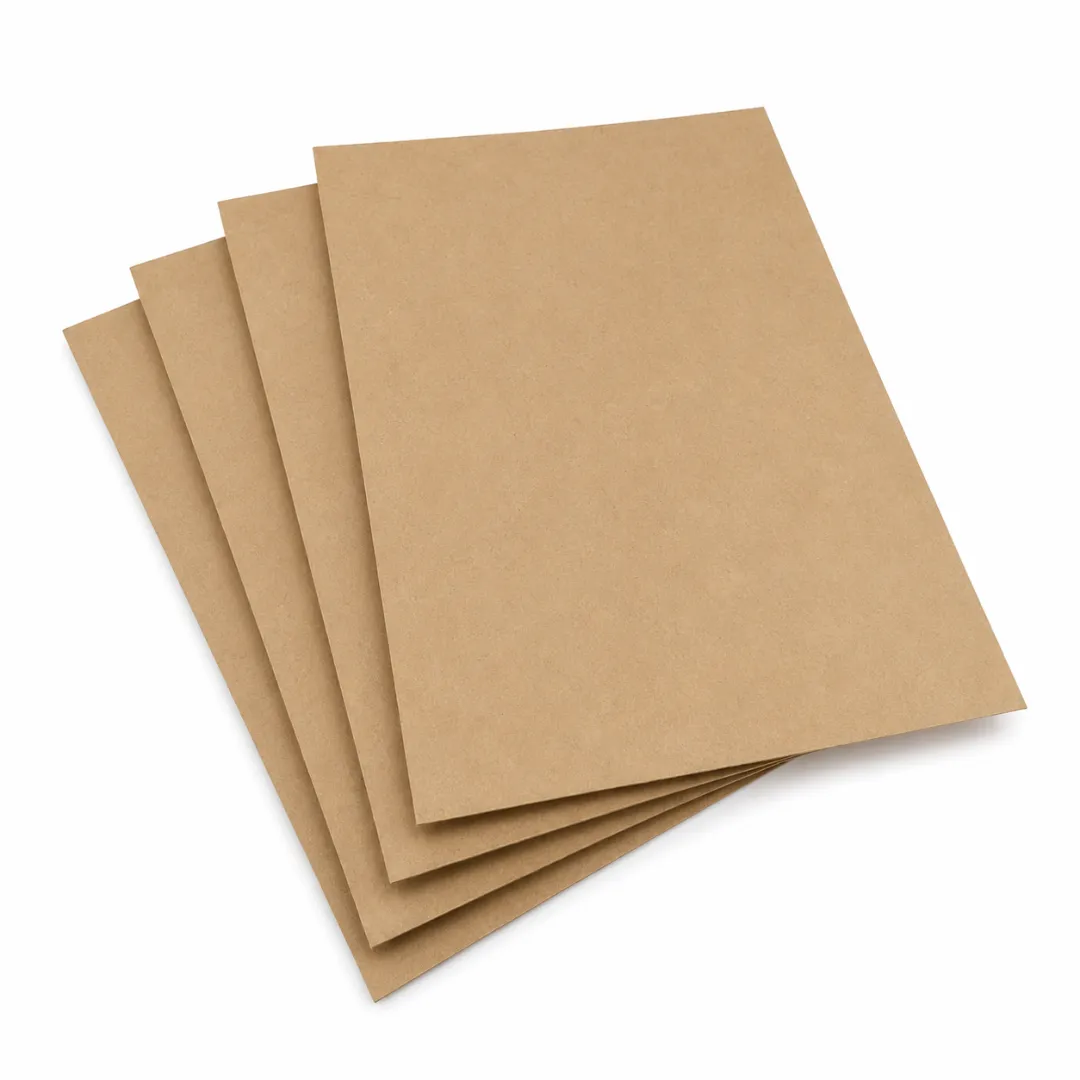
Kraft paper is a strong, durable and reliable material that is widely used across many different industries.
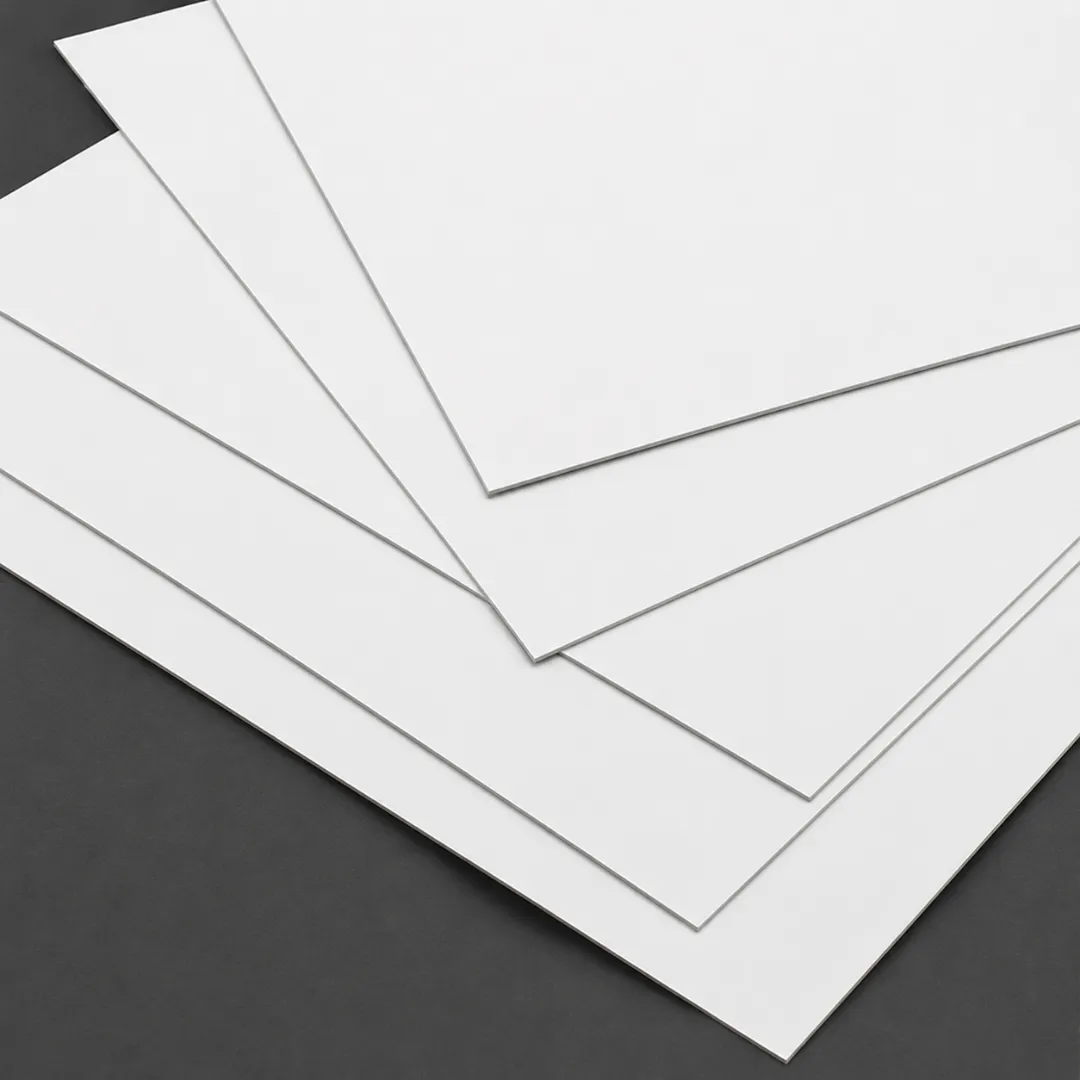
We use cardboard material with the least environmental impact and minimizes waste generation.
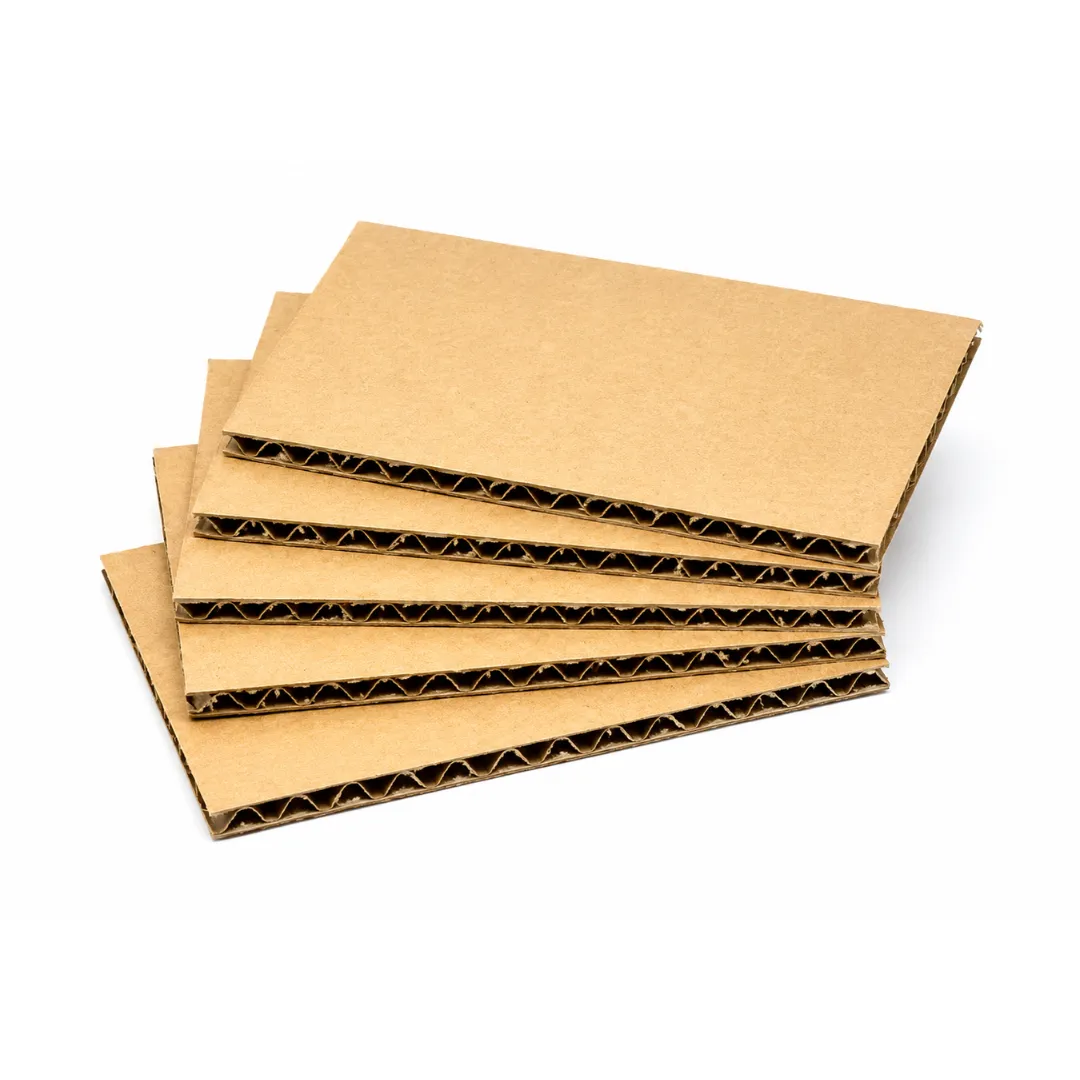
Corrugated material is easy to customize, cost effective and sustainable. It is also great for branding purposes.
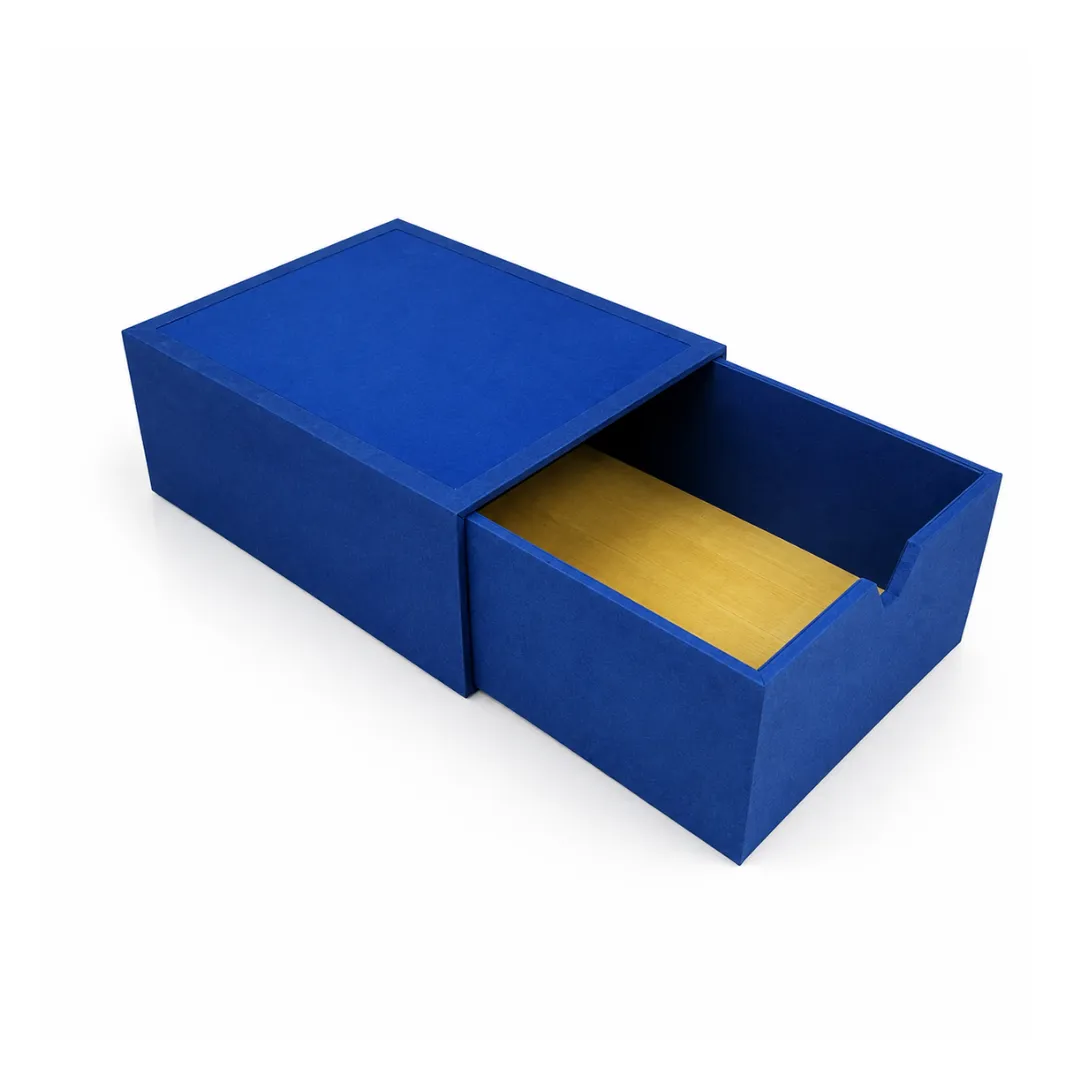
Rigid is highly protective, affordable and recyclable material. These boxes provide maximum protection.
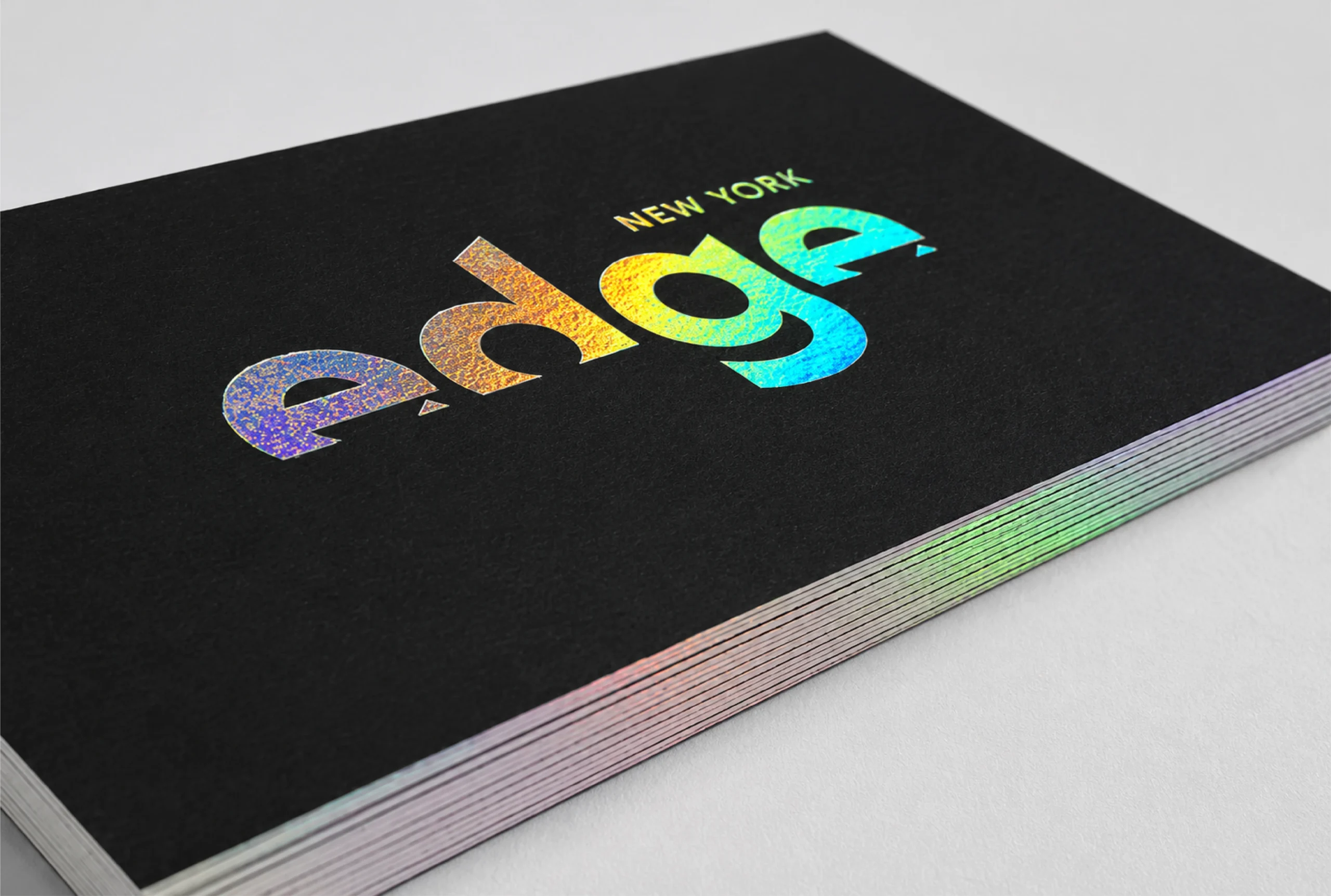
Holographic foil diffracts light and reveals the colors of the rainbow at various angles.
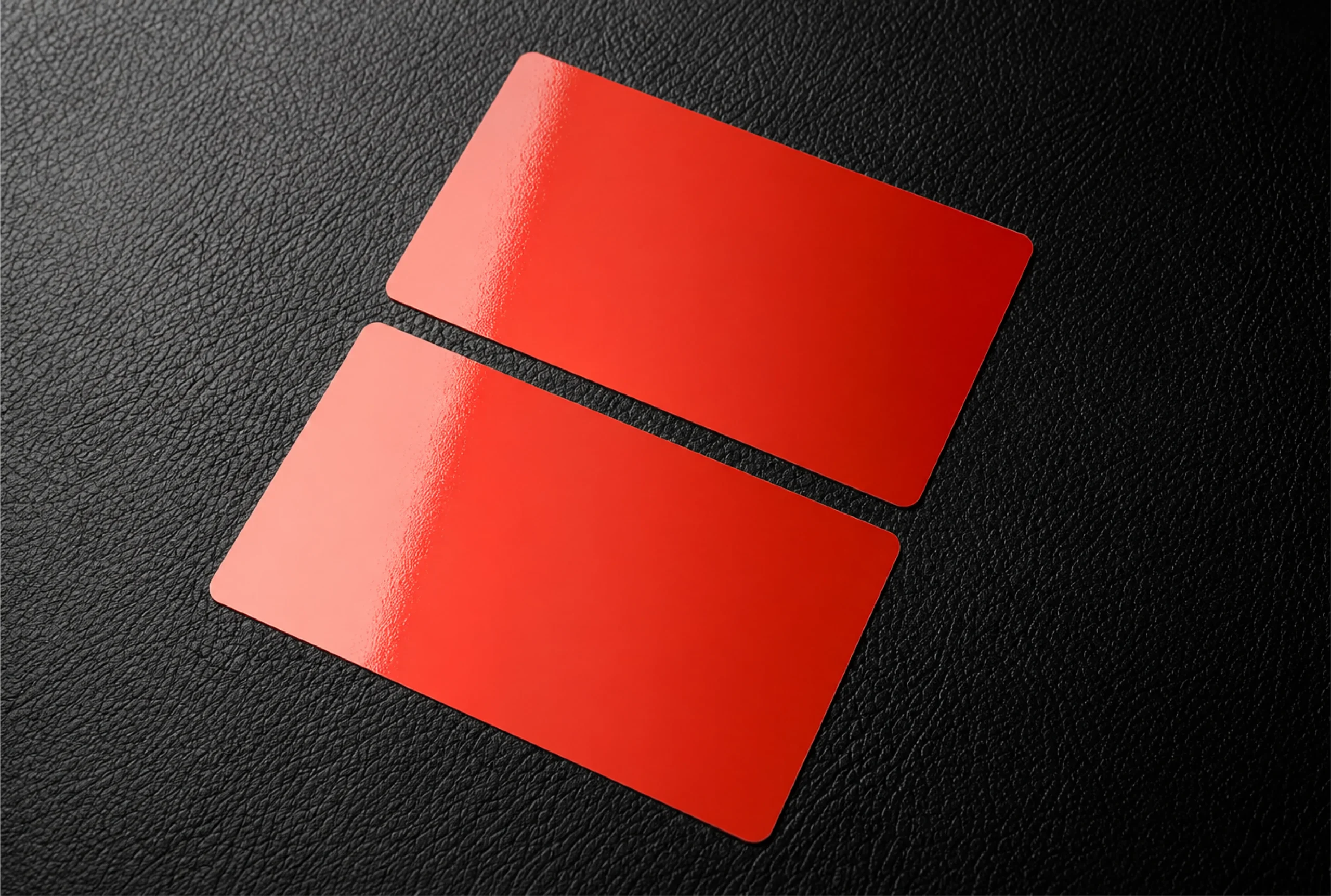
Our glossy finishing gives your packaging an extra layer of shine.
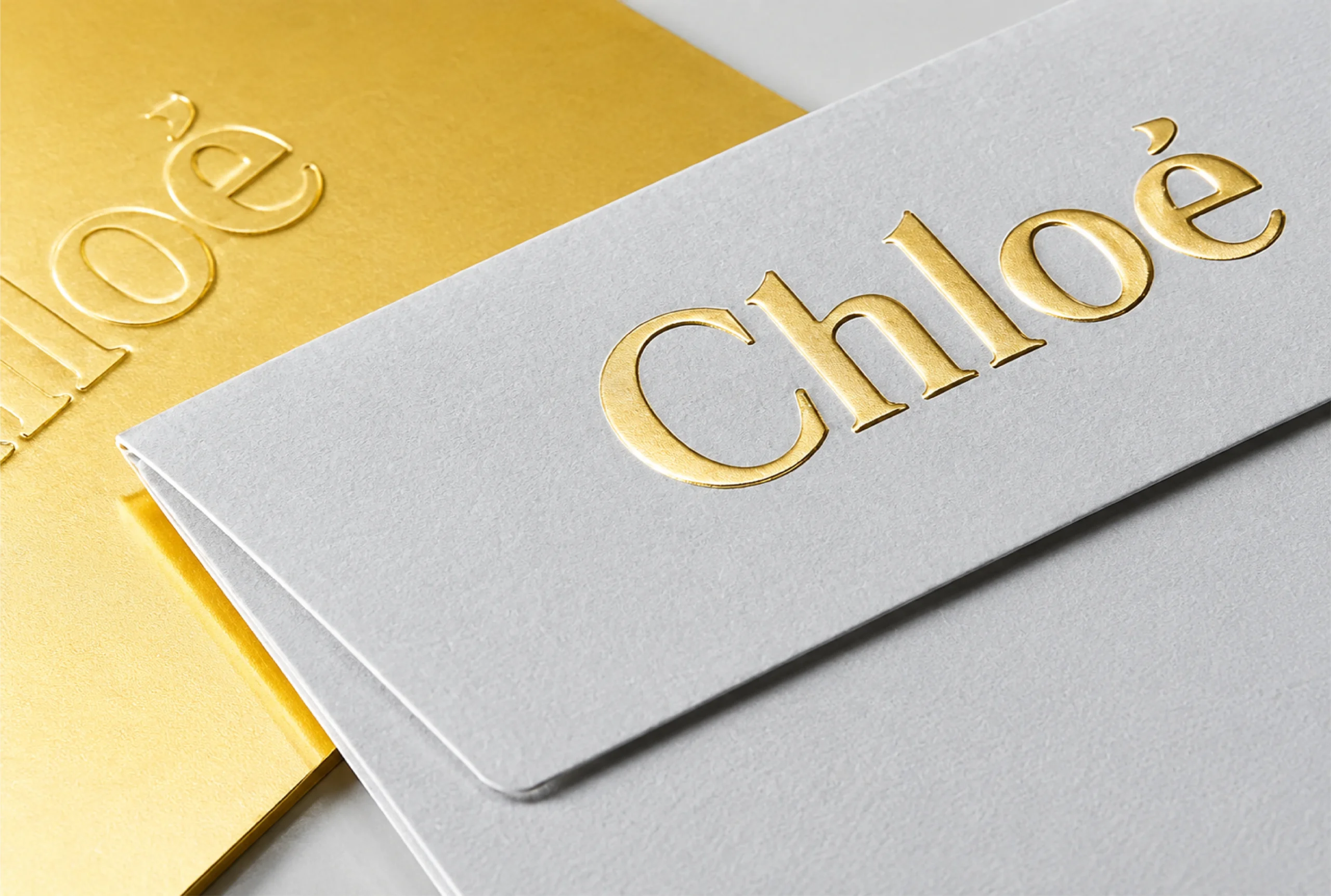
Decorate a wide range of your product packaging with our foil stamping.
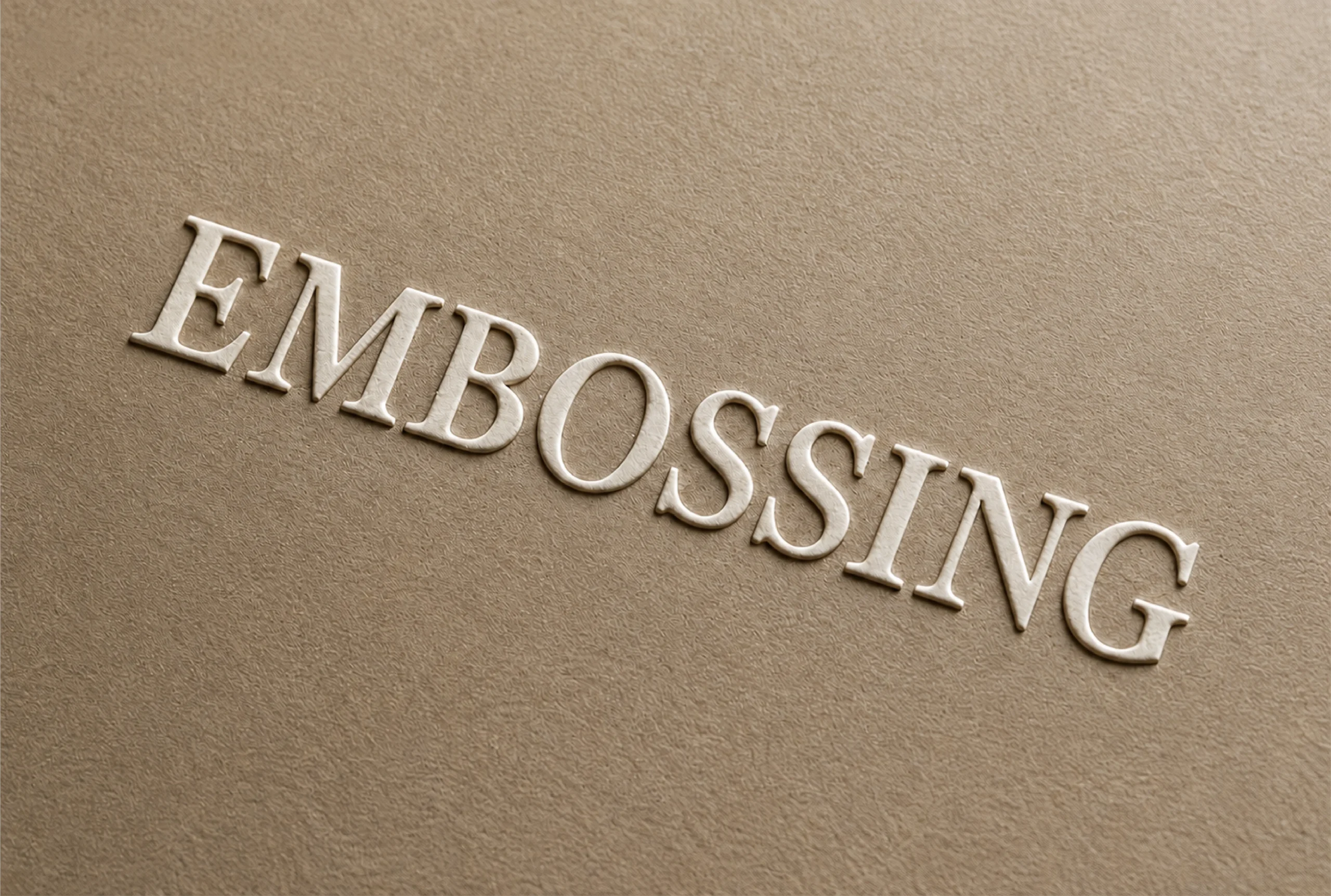
With our embossing technique, we transfer the finest details of your product on packaging.
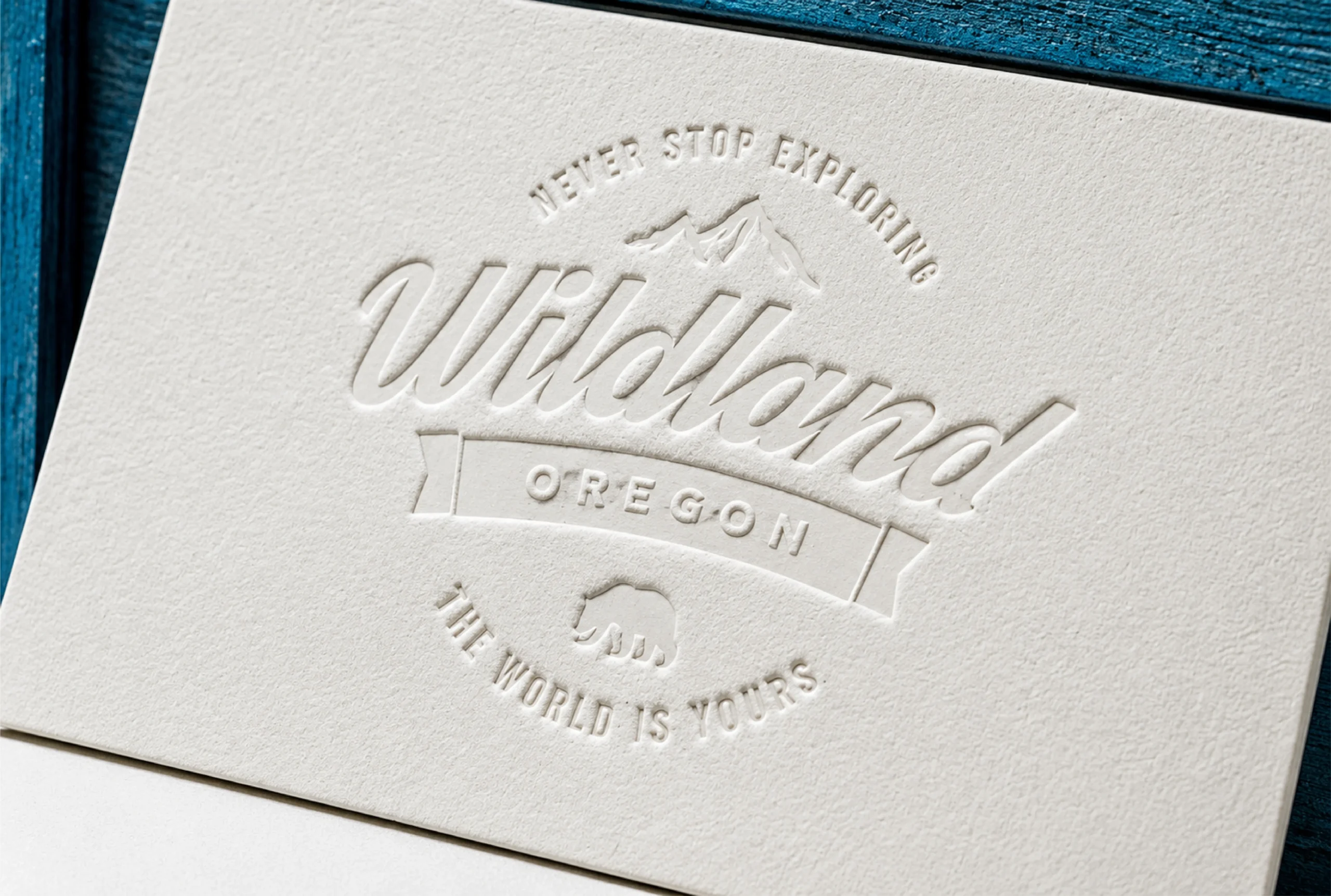
We use debossing technique to add unique graphics into your packaging.
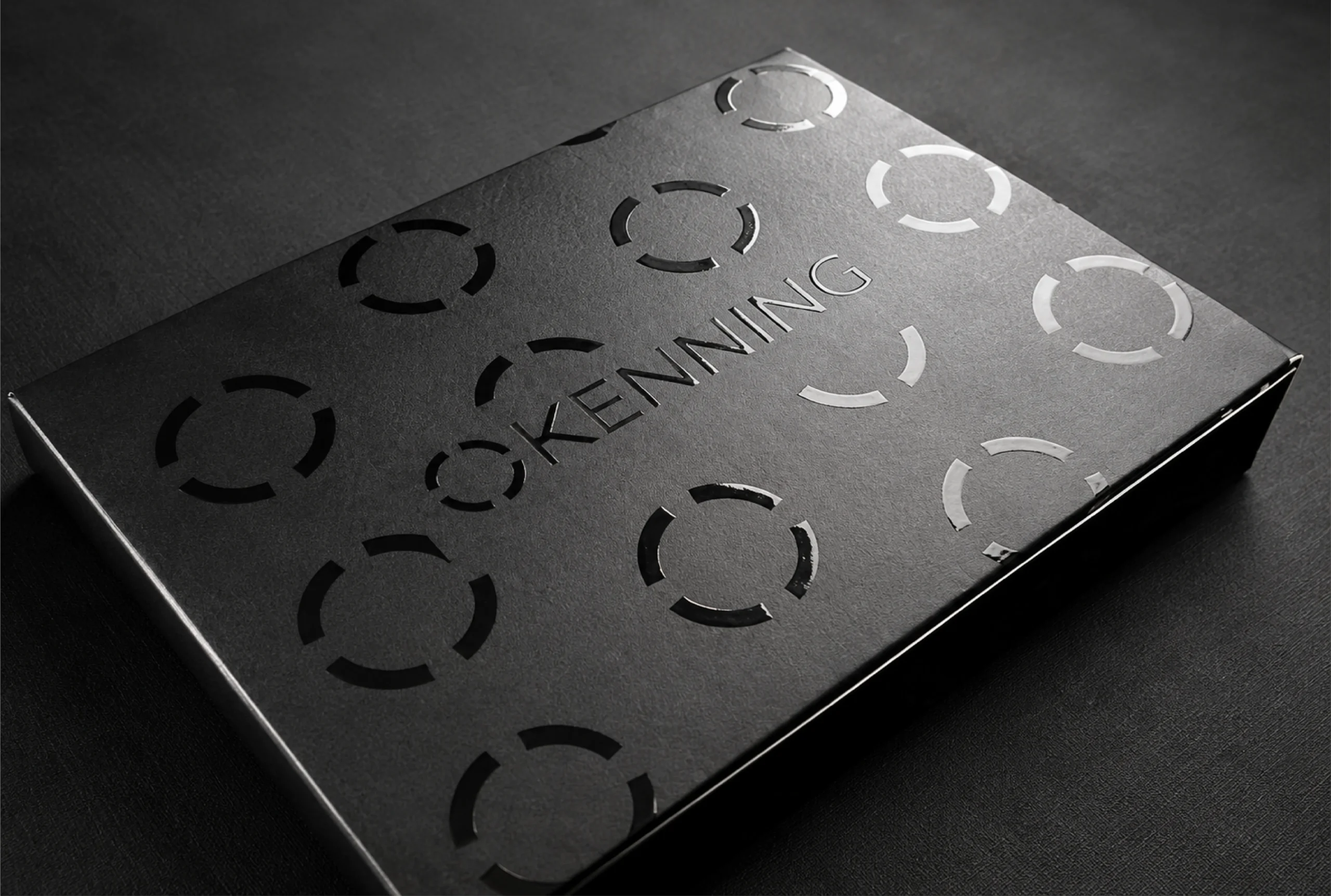
Our high-gloss UV coating gives light and shine to cure the printed material's varnish.
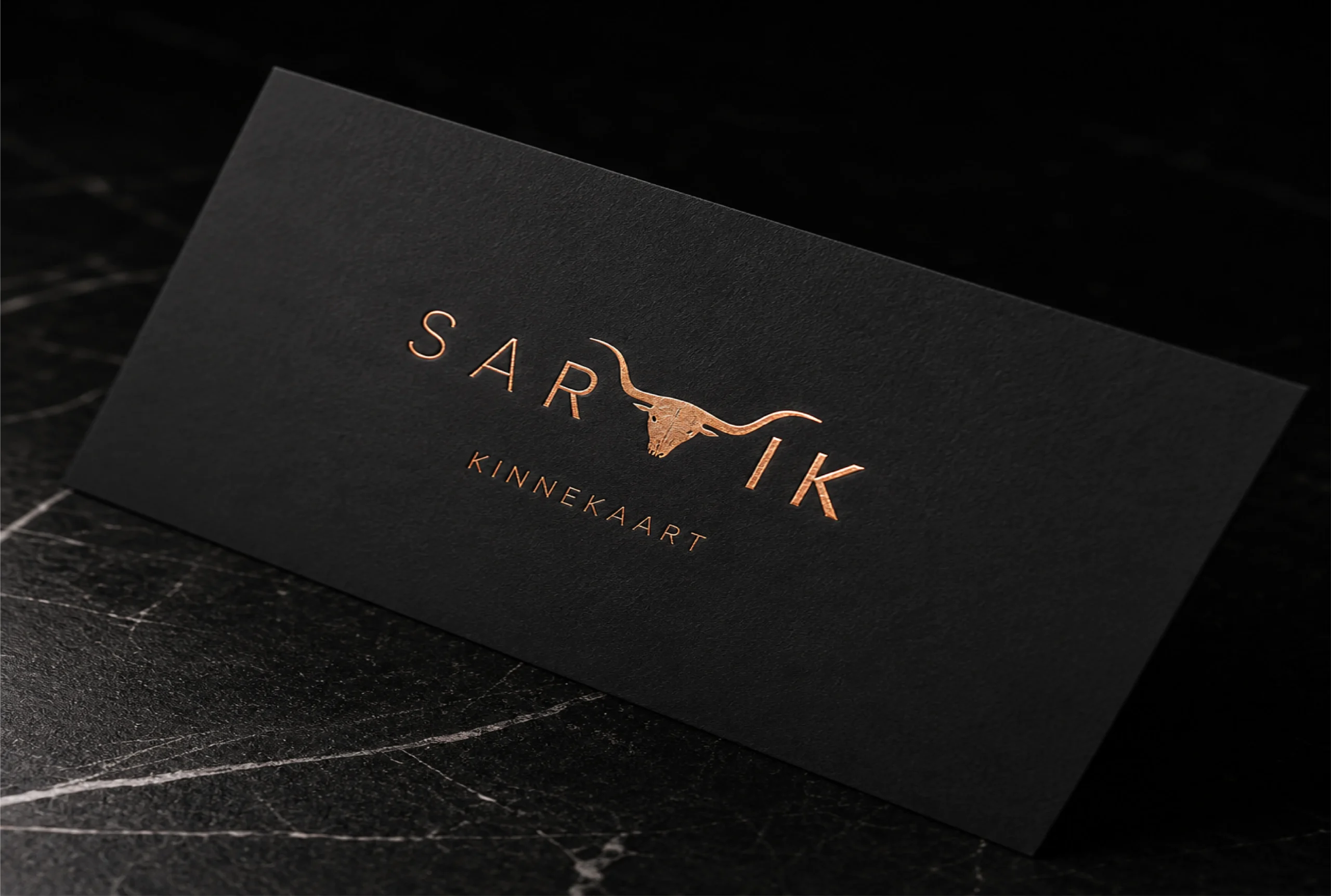
We add additional layer of protection with soft touch lamination from toner chipping.
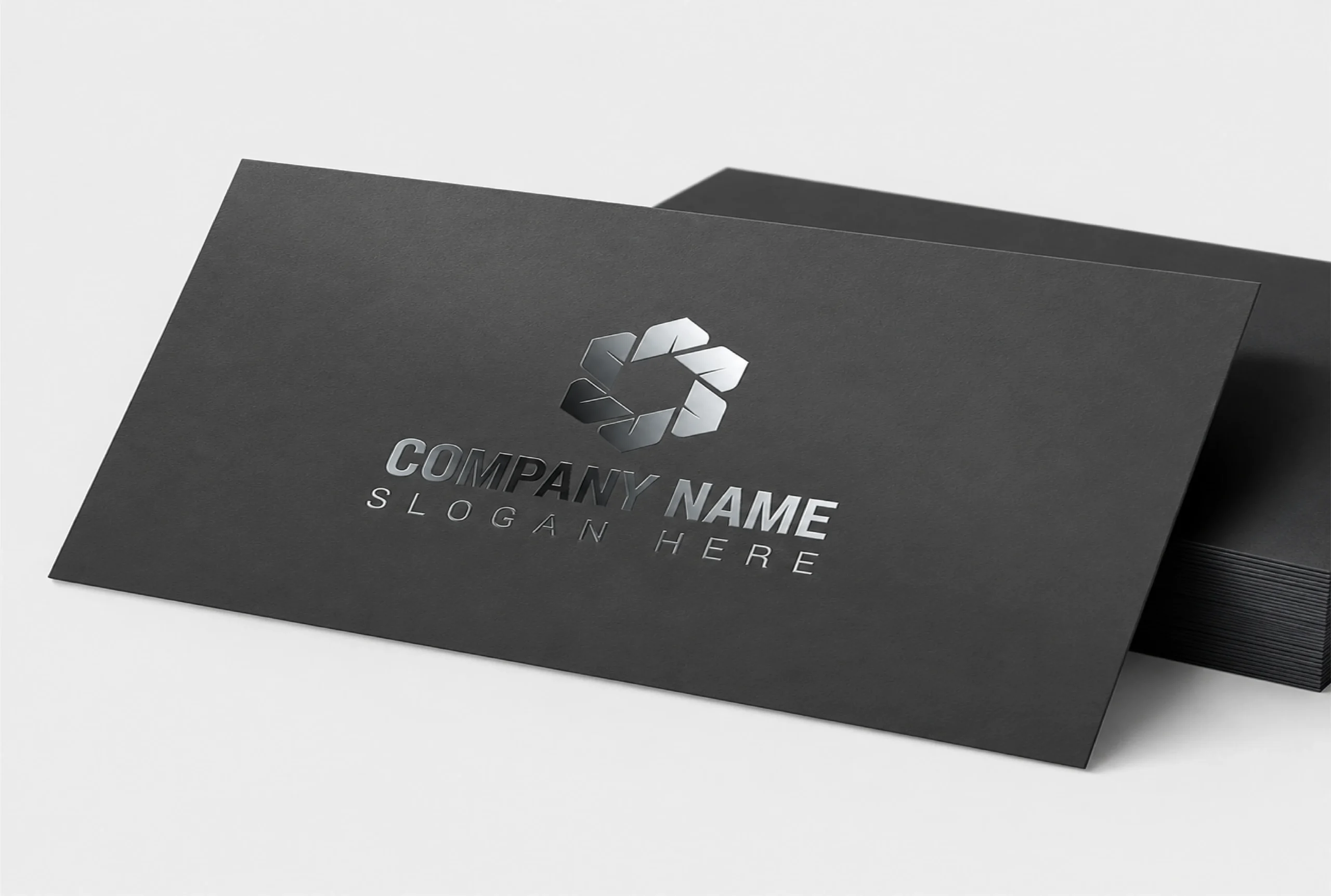
With our matte finish, fingerprints and smudges will now be less visible on the packaging.
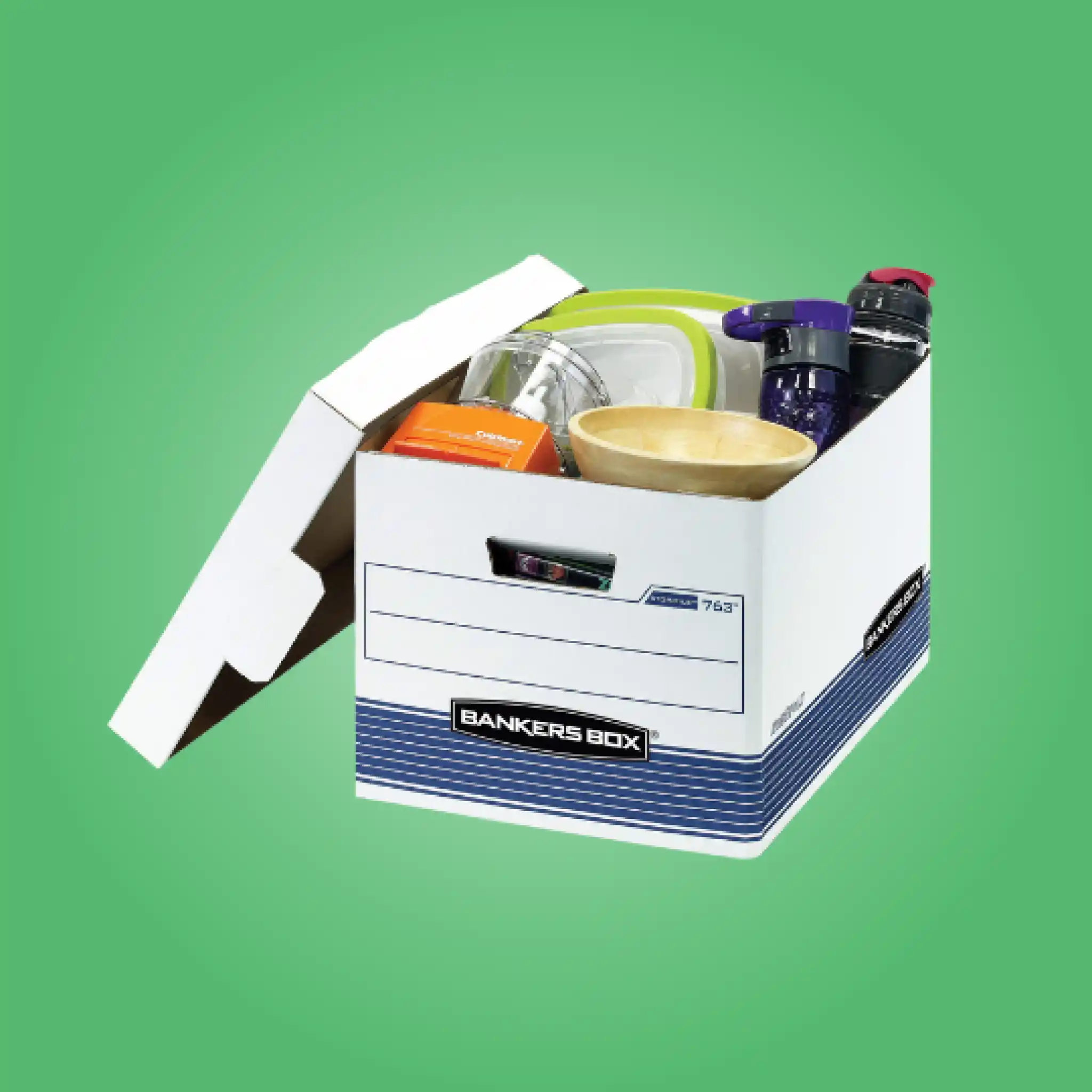
Pioneer Custom Boxes manufactures custom banker storage boxes for offices, law firms, banks, accountants, schools, healthcare departments, warehouses, and records teams that need strong corrugated file boxes, accurate bankers box dimensions, printed record fields, durable handles, archive-ready sizing, and organized document storage.
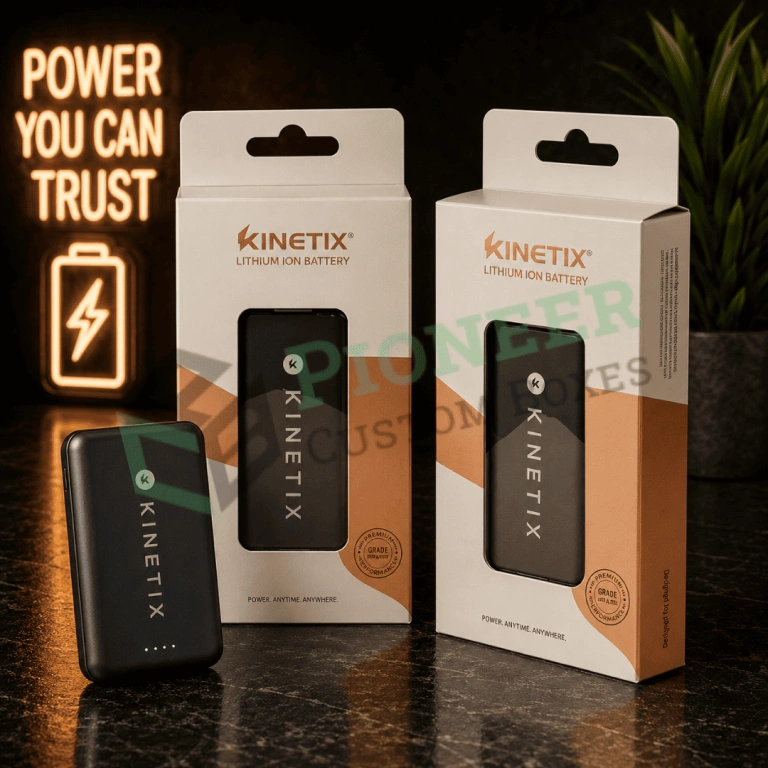
Custom mobile battery packaging from Pioneer Custom Boxes helps phone accessory brands, electronics retailers, repair shops, replacement battery suppliers, ecommerce sellers, and wholesale distributors package mobile batteries with durable custom boxes, secure inserts, barcode zones, warning space, QR panels, branded printing, and free shipping across the USA.
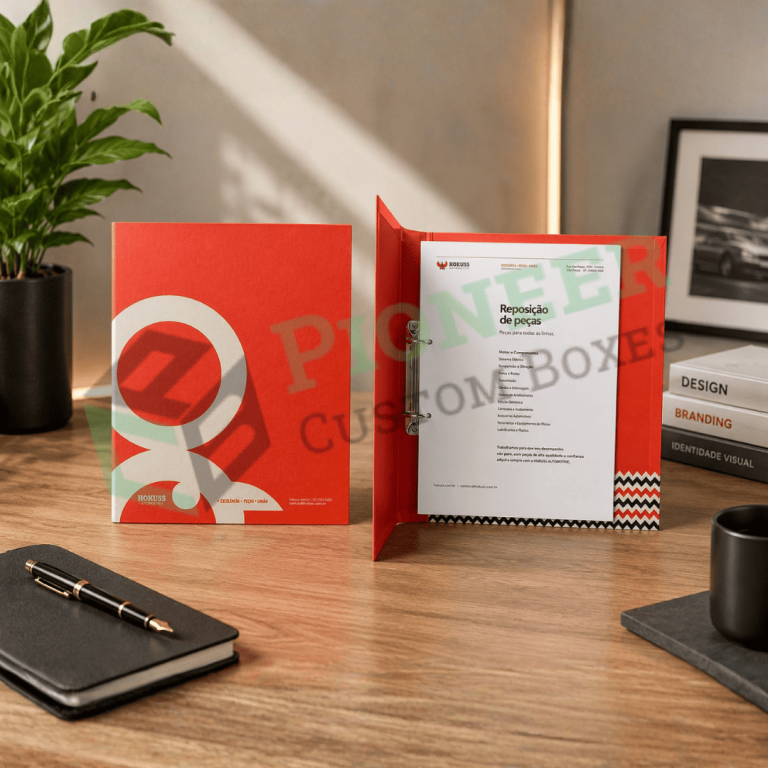
Custom folders with brads built to your exact page count and paper size. Choose 12pt to 18pt board, one or two pockets, business card slits, index tabs and a reinforced spine. We print offset or digital in CMYK, PMS or metallic ink, then finish with gloss, matte, soft touch, spot UV or foil. Zero minimum order quantity, free design support and free shipping across the United States. Standard production runs ten to twelve business days, with rush service available. Get a free quote or order now.