Skip to content
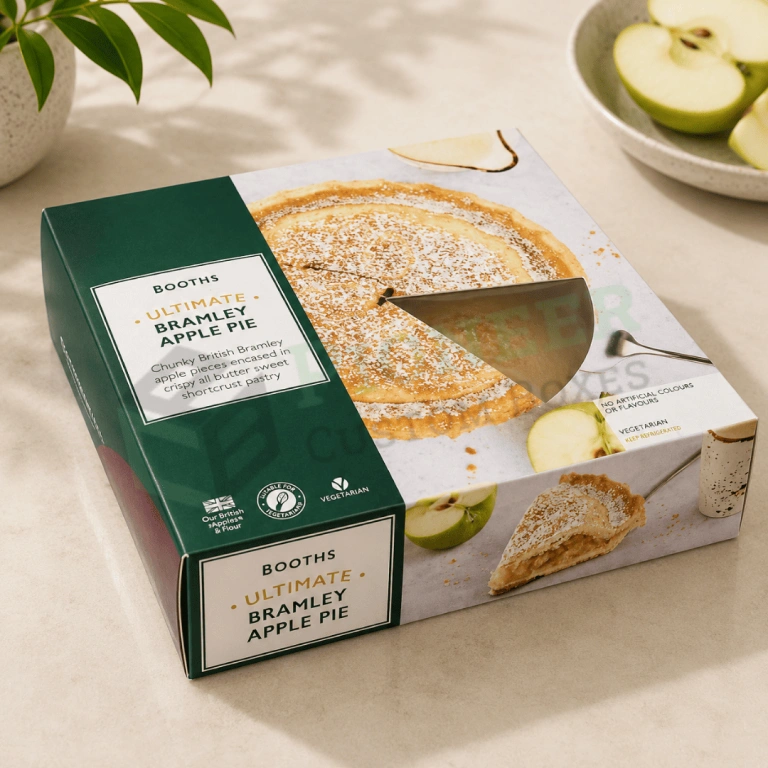
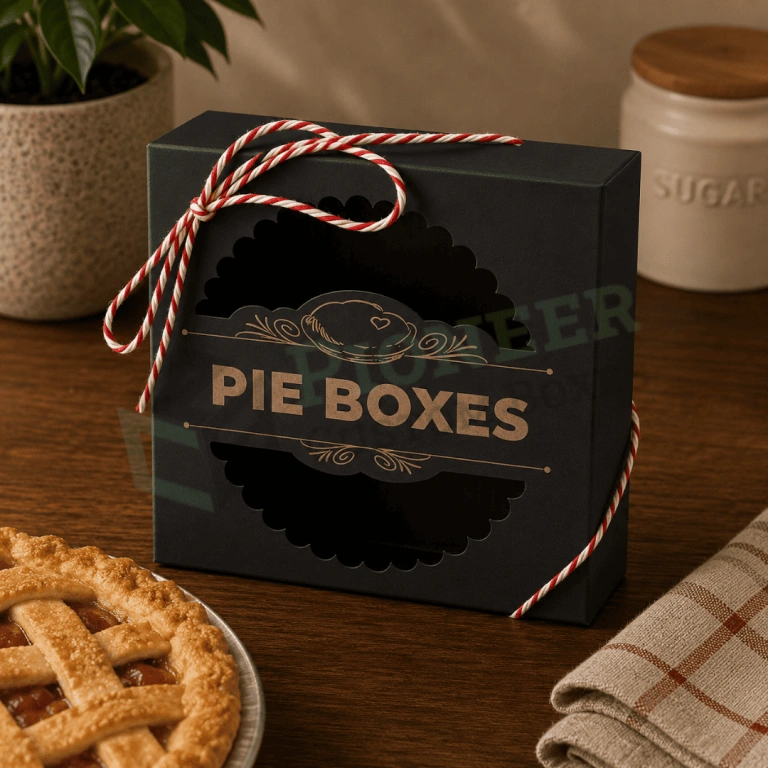
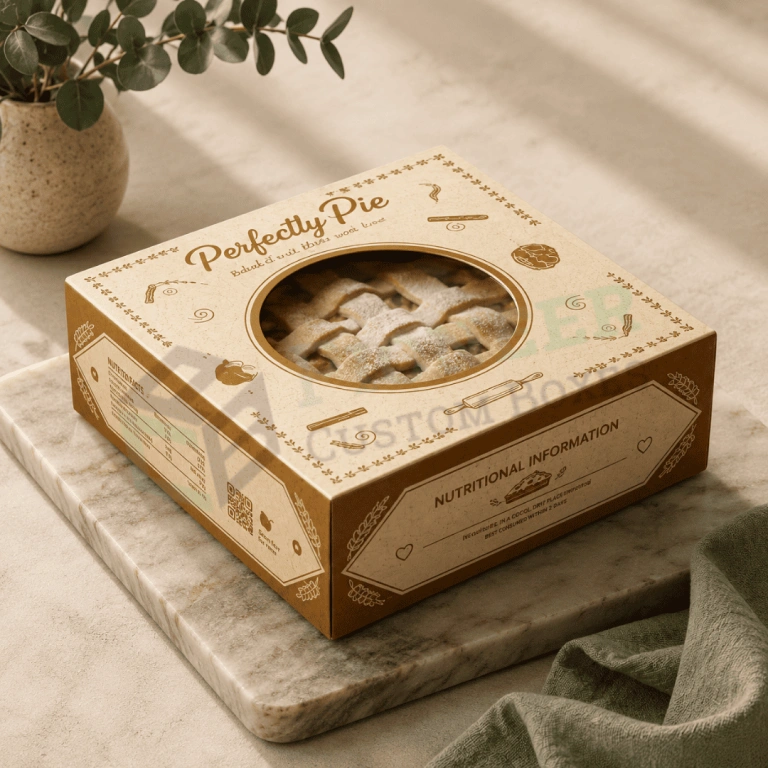
 Custom pie boxes protect whole pies, mini pies, pie slices, hand pies, tart-style desserts, bakery gifts, seasonal pies, and retail dessert orders with strong bases, proper lid clearance, food-safe material direction, window options, grease-aware liners, inserts, handles, and branded printing. These boxes can be customized for pie diameter, crust height, filling depth, slice count, delivery method, retail display, bakery counters, holiday gifting, and ecommerce shipping.
Custom pie boxes need to protect the crust, support the weight, and keep the filling presentation clean. A pie is not a flat pastry. It has a delicate crust, a heavy base, a raised edge, a filling surface, and sometimes cream, crumble, fruit, lattice, meringue, or decorative toppings. If the box is too shallow, the lid can touch the top. If the base is weak, the pie can bend. If the box is too loose, the dessert can slide during pickup or delivery.
A strong pie box should be planned around the finished dessert, not only the pan size. The right structure depends on pie diameter, crust height, filling type, topping profile, board strength, window placement, grease or moisture exposure, and how the customer receives the product.
Pioneer Custom Boxes creates custom pie boxes for bakeries, dessert shops, cafés, pie brands, restaurants, catering companies, holiday gift sellers, farmers market vendors, ecommerce bakeries, and wholesale dessert businesses across the USA. We help with box size, paperboard thickness, corrugated support, windows, inserts, handles, printing, finishes, label areas, and shipping support.
We offer zero MOQ, free design service, free shipping across the USA, and flexible lead times. Call (855) 466-6990 or email sales@pioneercustomboxes.com to discuss your pie size, box style, material, artwork, quantity, and launch timeline.
Pie packaging fails when the box is chosen only by diameter. A 9-inch pie can still need different packaging depending on crust height, filling weight, topping style, and whether the pie is packed in a tin, tray, or board.
A fruit pie may need moisture-aware planning. A cream pie may need top clearance. A lattice pie may need the window placed carefully so the lid does not flex into the crust. A pecan pie may be dense and heavy, so the base needs support. A slice box needs a different shape than a whole pie box. A pie in a box should arrive looking like it was placed carefully, not dropped into a loose carton.
The best packaging answers practical questions before production:
Will the base hold the weight?
Will the lid clear the crust and topping?
Will the pie slide during pickup or delivery?
Will the window show the product without weakening the lid?
Will the material handle grease, butter, moisture, or filling residue?
Will the box look gift-ready for holidays and bakery displays?
If the box fails one of these questions, the customer notices before tasting the pie.
Pie boxes should match the dessert format. Whole pies, mini pies, slices, hand pies, and gift sets need different dimensions and closures.
| Pie Product Type | Better Box Direction | Why It Works |
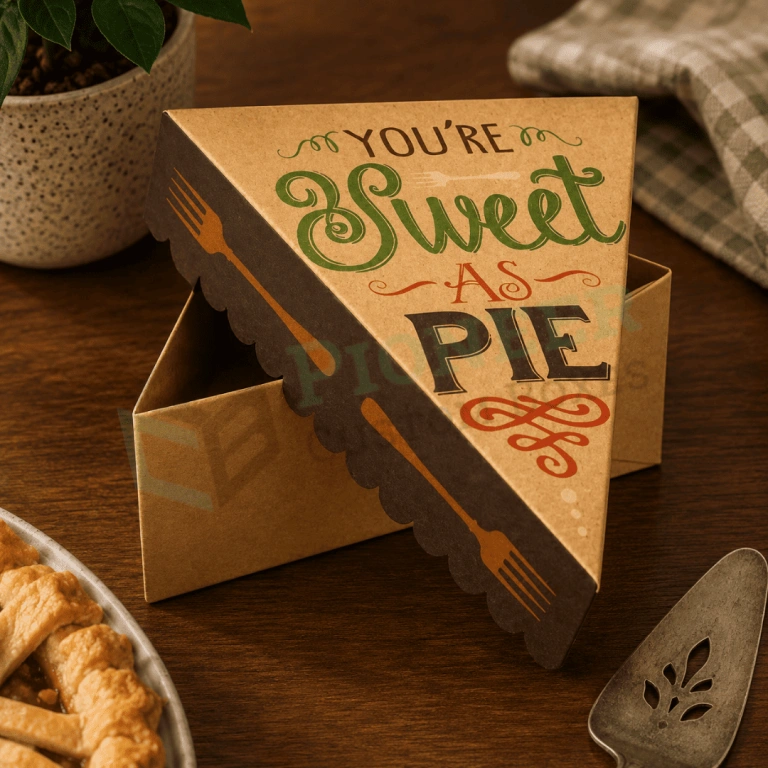
| Single pie slice | Triangle slice box or compact tuck carton | Keeps one slice secure and easy to serve |
| Mini pie | Small square or round-support box | Protects crust and filling in small portions |
| 6-inch pie | Compact bakery box with base support | Good for personal pies and gifts |
| 8-inch pie | Standard pie box with lid clearance | Works for small bakery and retail orders |
| 9-inch pie | Strong paperboard or corrugated bakery box | Common size with better weight support |
| 10-inch pie | Reinforced base with deeper lid | Helps larger pies stay stable |
| Deep-dish pie | Taller box with strong sidewalls | Protects crust height and filling depth |
| Cream pie | Extra lid clearance and secure closure | Prevents top contact and smearing |
| Holiday pie gift | Printed box with handle, label, or message card | Improves seasonal presentation |
| Shipped pie order | Inner pie box plus outer shipper | Adds transit protection |
This table gives a planning direction. Final size should be based on the finished pie, not only the pan. Measure the full diameter, crust edge, topping height, tin depth, and how much clearance the lid needs.
Many bakeries sell pies beside brownies, bars, blondies, and rich dessert squares. These products need different structures because brownies are dense, often oily, and usually packed in squares or slabs.
For dense bakery desserts, Custom Brownie Boxes can support brownie gift sets, retail dessert boxes, bakery counters, corporate sweets, and ecommerce dessert packaging.
This matters because a pie box should support round or slice-based desserts, while brownie packaging needs flat structure, grease-aware planning, and portion organization. A bakery can keep one brand style but use different boxes for each dessert type.
A top-ranking pie packaging page should answer every buyer question clearly. Pie boxes are not generic bakery boxes. They need base strength, lid clearance, moisture planning, and the right shape for whole pies or slices.
| Specification | Available Direction | Why It Matters for Pie Packaging |
| Material | SBS paperboard, kraft paperboard, cardboard, corrugated stock, rigid-style direction for gifts | Matches pie weight, brand look, and sales channel |
| Board thickness | 14pt, 16pt, 18pt, 20pt, 22pt, 24pt, E-flute corrugated support | Helps prevent base bending and lid collapse |
| Box style | One-piece bakery box, tuck-top box, auto-lock bottom, tray and lid, sleeve, window box, handle box, mailer-style box | Matches counter sales, gifting, delivery, or shipping |
| Pie format | Whole pie, mini pie, slice, hand pie, tart, deep-dish pie, pie sampler | Controls shape, depth, and insert needs |
| Insert options | Slice insert, pie board support, tray insert, divider, cavity tray, paperboard base | Reduces sliding and improves presentation |
| Window style | Top window, corner window, die-cut window, full bakery window, no-window premium lid | Shows the dessert while protecting the top |
| Liner direction | Grease-aware liner, parchment support, coated paperboard direction, tray liner | Helps manage butter, crust oil, and filling moisture |
| Closure | Tuck flap, lock tab, sleeve, handle closure, two-piece lid, mailer fold | Controls carry strength and opening experience |
| Printing | CMYK, PMS matching, logo print, seasonal artwork, inside printing, QR code space | Builds brand and holiday value |
| Finish | Matte, gloss, soft-touch matte, spot UV, foil stamping, embossing, debossing | Adds retail, gift, or premium bakery appeal |
| Label space | Ingredients, allergen note, flavor label, date sticker, barcode, reheating/storage note | Supports retail and customer clarity |
| Add-ons | Handle, message card, ribbon area, belly band, sticker seal, coupon insert | Improves gifting and repeat orders |
| Shipping support | Inner pie box, corrugated outer shipper, corner support, case-pack carton | Helps protect delivery and ecommerce orders |
The FDA explains that food-contact packaging can involve components such as adhesives, coatings, colorants, and substances applied to packaging surfaces. Bakeries should match materials, liners, coatings, and windows to the intended product use. FDA food packaging information
Pioneer can help with structure and material direction, while final food-contact suitability should match the pie type, filling, temperature, storage method, and serving conditions.
A pie box needs a stronger base than many dessert boxes because the weight spreads across the bottom. A weak base can bend during pickup, which may crack the crust or shift the filling. This is especially important for fruit pies, pecan pies, custard pies, and larger holiday pies.
A better box may need heavier paperboard, corrugated support, an inner board, or a tray-style base. For pies in tins, the box should fit the tin without leaving too much movement. For pies on boards, the board and box should work together so the dessert does not slide.
The base should be tested with the actual finished pie. An empty box may feel strong, but the real test is how it carries the full dessert.
Pie shops often sell cookies, bars, mini desserts, and seasonal sweets beside pies. Cookies need different packaging because they can break, stack, crumble, or need individual compartments.
For cookie packaging, Custom Cookie Boxes can support single cookies, cookie sets, bakery gift boxes, retail cookie packaging, and dessert bundles.
This link belongs here because pie brands often build mixed dessert menus. Pie boxes protect round or slice-based products, while cookie boxes protect smaller baked goods that need stack control and clean display.
A window can help sell pies because customers want to see the crust, filling, topping, or slice texture. But window placement should follow structure, not only appearance.
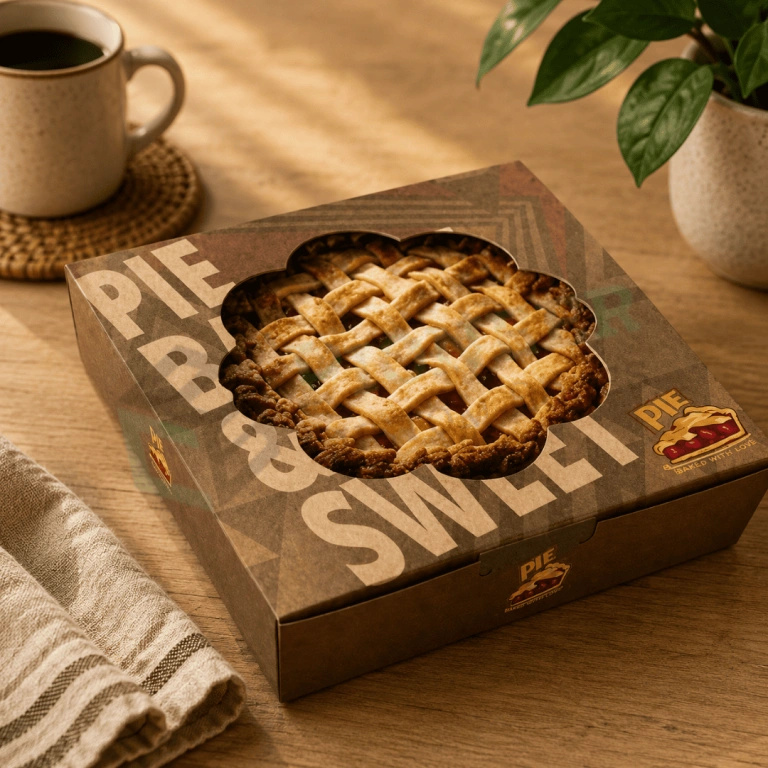
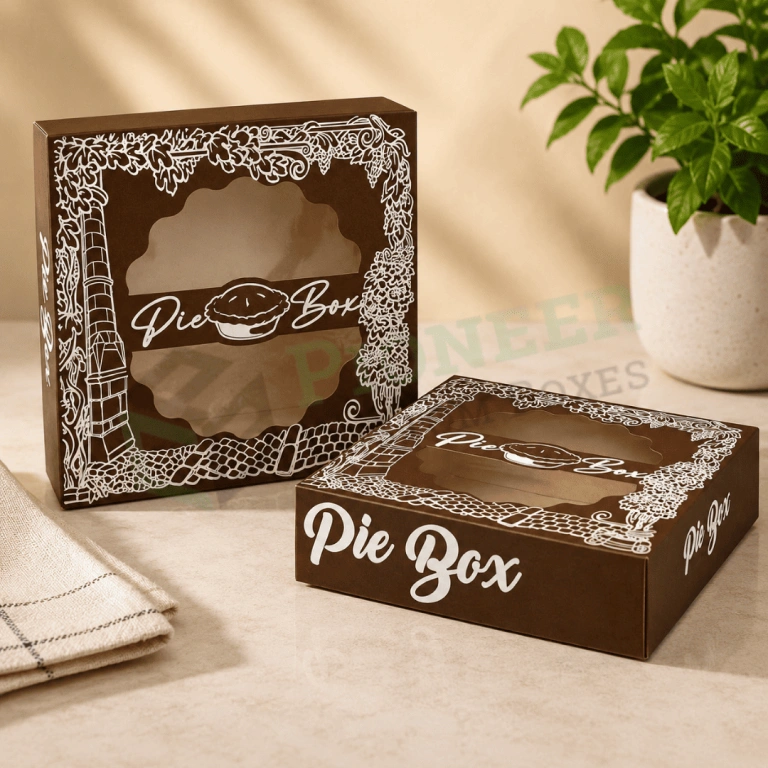
A top window works well for whole pies when the lid has enough clearance and does not press into the crust. A corner window can show the filling while keeping more board strength. A no-window lid may work better for premium holiday gifts because the reveal happens when the box is opened. Slice boxes may use a small front or top window to show flavor without weakening the package.
The window should never touch cream, meringue, fruit topping, or crumb topping. It should also avoid areas where stacking pressure may cause lid flex. A beautiful window is only useful if the pie still looks clean when the customer opens it.
Searches like “pie in a box” and “pies in a box” often come from buyers thinking about a complete presentation. They are not only asking for a container. They want the dessert to look ready to carry, gift, serve, or deliver.
Pickup orders need easy carry strength. Delivery orders need sliding control and secure closure. Retail orders need clean flavor labels and barcode space. Holiday pie boxes need seasonal artwork, gift messaging, and stacking support. Catering orders may need case-pack cartons and consistent sizing for multiple pies.
A piebox that works for counter pickup may not be enough for ecommerce shipping. A shipped pie may need an inner bakery box, outer corrugated shipper, cold pack planning if required, and movement control. The packaging should match the sales channel.
Bakeries that sell pies often sell frosted cupcakes, mini cakes, and other decorated desserts. These products need height clearance and cavity inserts because frosting can smear if the box is too shallow.
For frosted bakery products, Custom Cupcake Boxes can support single cupcakes, dozen cupcakes, cupcake gift sets, bakery displays, and event orders.
This connection helps a bakery build one dessert packaging system. Pie boxes need base strength and crust protection. Cupcake boxes need cavity support and frosting clearance. Both can share the same brand design while using product-specific structures.
Pie packaging must handle more than dry bakery presentation. Butter crusts, fruit fillings, custards, creams, and sugar syrups can create grease or moisture transfer. If the material is not selected correctly, the box may stain, soften, or lose structure.
Fruit pies may need moisture-aware lining or tray direction. Cream pies may need lid clearance and temperature planning. Pecan pies may need stronger base support because of density. Hand pies may need grease-aware sleeves or compact cartons. Slice boxes may need careful liner placement so the filling does not mark the paper.
Packaging should be tested with the real product, especially if the pie is warm, chilled, sticky, oily, or heavy. A box that looks clean and empty may perform differently when filled.
Donuts and pies may share the same bakery counter, but their packaging needs differ. Donuts need height clearance for icing, glaze, sprinkles, and toppings. Pies need base support and crust protection.
For topped bakery products, Custom Donut Boxes can support single donuts, half-dozen boxes, dozen boxes, mini donuts, and bakery gift packaging.
This internal link fits naturally because dessert shops often need packaging for several product lines. The brand can look consistent, but the structure should change based on product shape and damage risk.
Pie packaging ideas should support the product’s selling moment. A farmers market pie may work well in kraft stock with a simple logo label. A premium bakery may choose white paperboard, a window lid, and clean seasonal printing. A holiday pie program may need handles, message cards, and strong stacking support. An ecommerce pie brand may need an inner pie box and a corrugated shipper.
Useful customization ideas include:
The best idea is not always the most decorative one. It is the structure that helps the pie arrive clean, stable, and ready to serve.
Pies are often part of larger sweet programs. A bakery may sell pie slices with cookies, brownies, donuts, cupcakes, chocolates, and seasonal sweets. These assortments need gift-ready packaging and organized presentation.
For broader dessert gifting, Custom Sweet Boxes can support mithai, chocolates, bakery sweets, dessert samplers, corporate gifts, and event packaging.
This matters when a bakery sells mixed dessert boxes. Pie packaging handles whole pies and slices, while sweet boxes can organize smaller dessert assortments and gift sets.
Pies sell heavily during holidays, especially Thanksgiving, Christmas, Easter, summer fruit seasons, weddings, and family gatherings. Seasonal packaging should make the order feel gift-ready while still protecting the dessert.
Holiday pie boxes may need stronger handles, clear flavor labels, printed seasonal artwork, message cards, reheating instructions, or stacking support for pickup rushes. A bakery selling hundreds of holiday pies should also consider packing speed. A beautiful box that is slow to assemble can create problems during peak production.
For Christmas and Thanksgiving orders, simple branded artwork can work better than overdesigned packaging. A clean logo, warm colors, flavor sticker, and strong window can make the product look premium without slowing fulfillment.
Many bakeries want kraft, recyclable, compostable, or eco-friendly pie boxes. These claims should be handled carefully. Kraft color does not automatically make packaging recyclable or compostable. Windows, coatings, liners, adhesives, inks, and food residue can affect recovery.
The FTC Green Guides help businesses avoid misleading environmental marketing claims, including recyclable, recycled, compostable, and broad eco-friendly claims. FTC Green Guides
Pioneer can discuss kraft stock, recyclable paperboard directions where available, window-free boxes, right-sized packaging, and reduced material use. Final claims should match the selected material, supplier documentation, and local recycling or composting access.
Before ordering a large run, test the box with the real pie. Place the finished pie inside the box. Carry it like a customer. Stack it like a bakery shelf. Put it in a delivery bag or case carton if that is how orders move. Open it after 20 to 30 minutes and check for sliding, crust damage, lid contact, base bending, moisture marks, and window fogging.
For holiday orders, test assembly speed. For delivery, test stacking and movement. For slices, test whether the filling touches the sidewall. For cream pies, test lid clearance. For heavy pies, test the base.
A flat dieline cannot prove pie performance. Filled-product testing gives better answers.
A bakery may start with plain white boxes and flavor stickers. The pies sell, but the packaging does not build much brand memory. Holiday orders look generic. Delivery boxes bend. Gift customers do not feel the product is premium enough.
A stronger setup uses custom pie boxes with the right base strength, lid clearance, window placement, printed branding, flavor labels, handles, and case-pack support. The bakery can then sell mini pies, slices, whole pies, holiday pies, gift pies, and shipped pies under one packaging system.
The recipe may stay the same, but the customer’s perception changes because the packaging feels intentional.
Pioneer Custom Boxes supports bakeries, pie shops, dessert brands, cafés, restaurants, farmers market sellers, holiday gift companies, caterers, ecommerce bakeries, and wholesale dessert suppliers.
Our zero MOQ policy helps brands test custom pie boxes, mini pie boxes, slice boxes, window boxes, kraft boxes, holiday pie packaging, and gift packaging before scaling. Larger buyers can order wholesale pie packaging for daily bakery sales, seasonal campaigns, catering, retail shelves, and repeat production.
You can order packaging for whole pies, pie slices, mini pies, hand pies, tarts, deep-dish pies, cream pies, fruit pies, pecan pies, boxed pies, and dessert assortments. We can also support windows, inserts, handles, sleeves, labels, case-pack cartons, and shipping boxes.
Get a Free Quote Now or call (855) 466-6990 to discuss your custom bakery packaging project.
Pioneer Custom Boxes helps bakeries and dessert brands create packaging that protects crust, supports weight, improves presentation, and fits real selling channels. We help with box sizing, board selection, base strength, lid clearance, window placement, insert planning, grease-aware liner direction, printing, finish selection, label space, case-pack support, and shipping protection.
We offer zero MOQ, free design service, free shipping across the USA, and flexible lead times. Standard production timing depends on quantity, box style, material, inserts, windows, printing method, finish, artwork approval, and order complexity.
Whether you need custom pie boxes, a pie box, pies box packaging, pie in a box packaging, pies in a box packaging, or branded bakery pie packaging, Pioneer can help you build the right setup.
Order Now, call (855) 466-6990, or email sales@pioneercustomboxes.com to start your custom pie packaging project.
Written by: Pioneer Custom Boxes Editorial Team
Reviewed for packaging accuracy and commercial intent by: Pioneer Custom Boxes Packaging Team
Last Updated: July 2026
| Box Style | Custom Pie Boxes |
| Dimension (L + W + H) | All Custom Sizes & Shapes |
| Quantities | No Minimum Order Required |
| Paper Stock | 10pt to 28pt (60lb to 400lb) Eco-Friendly Kraft, E-flute Corrugated, Bux Board, Cardstock |
| Printing | No Printing, CMYK, CMYK + 1 PMS color, CMYK + 2 PMS colors |
| Finishing | Gloss Lamination, Matte Lamination, Gloss AQ, Gloss UV, Matte UV, Spot UV, Embossing, Foiling |
| Included Options | Die Cutting, Gluing, Scored, Perforation |
| Additional Options | Eco-Friendly, Recycled Boxes, Biodegradable |
| Proof | Flat View, 3D Mock-up, Physical Sampling (On request) |
| Turnaround | 4 – 8 Business Days, RUSH |
| Shipping | FLAT |
Every great product deserves packaging that turns heads. Here's how we make it happen — step by seamless step.
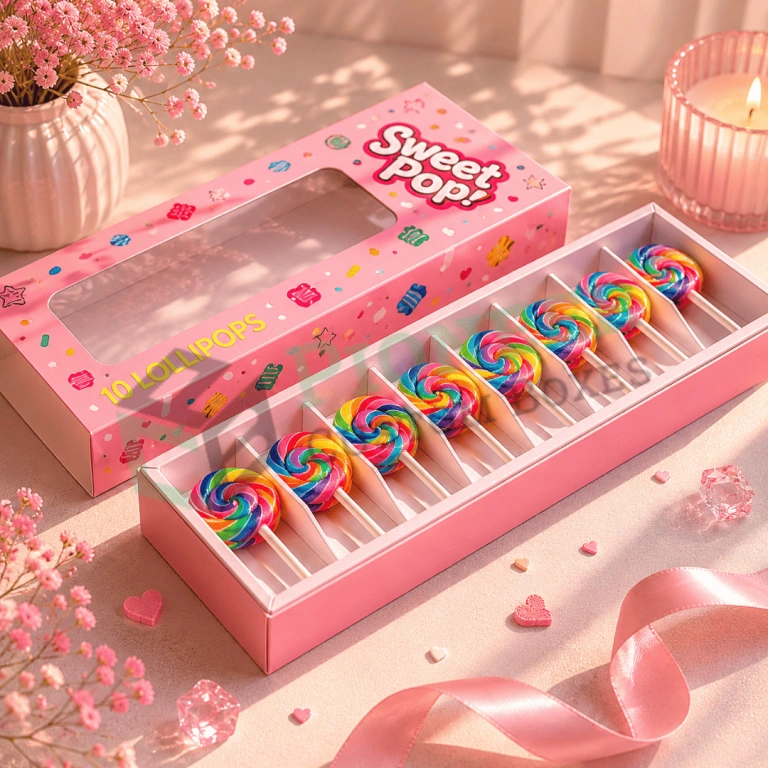
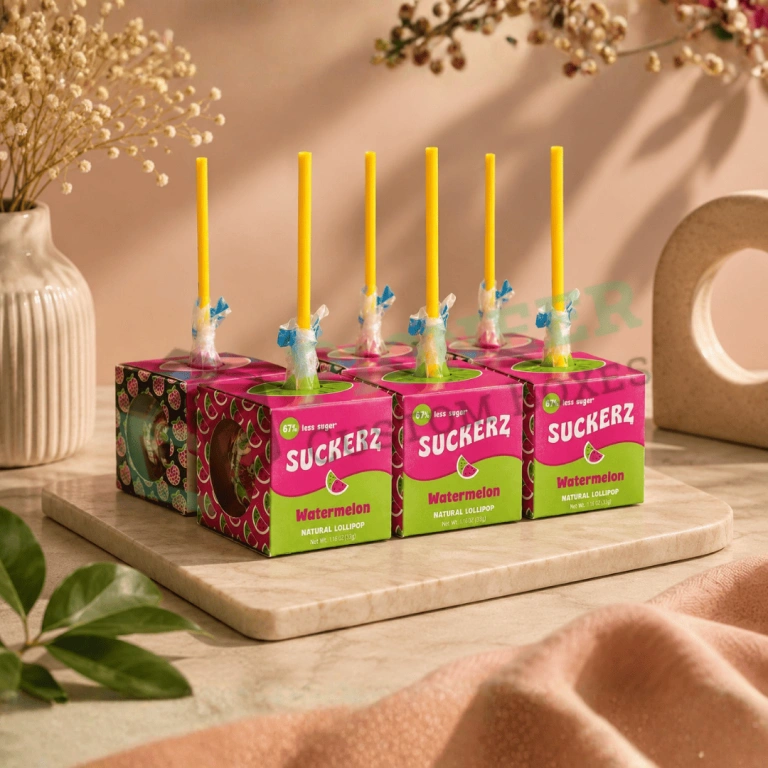
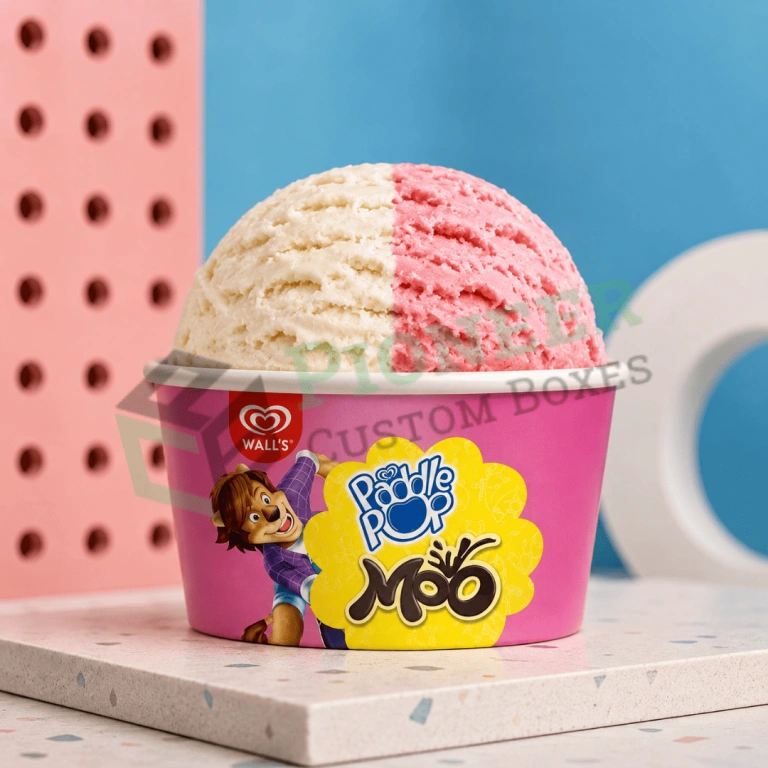
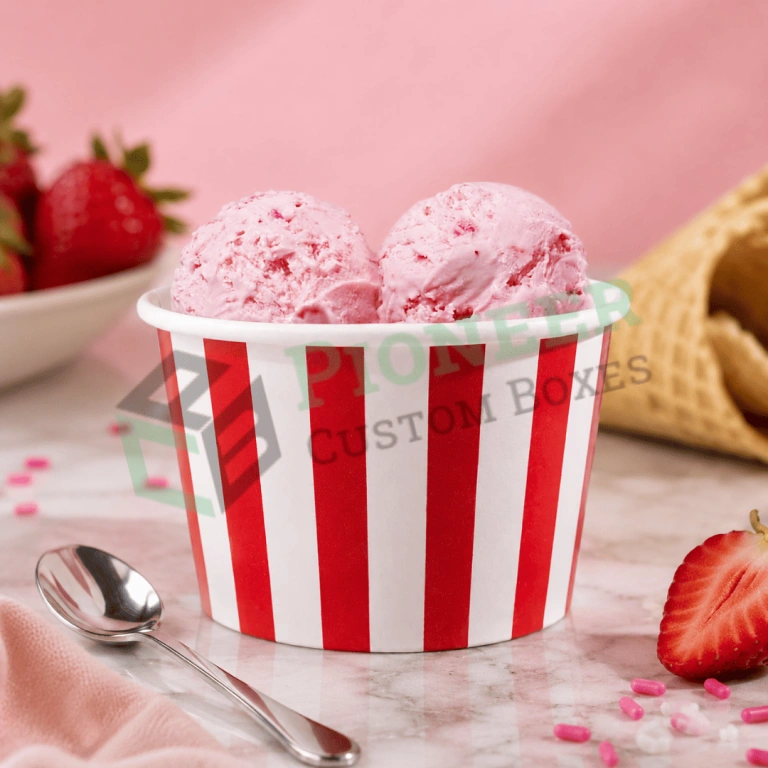
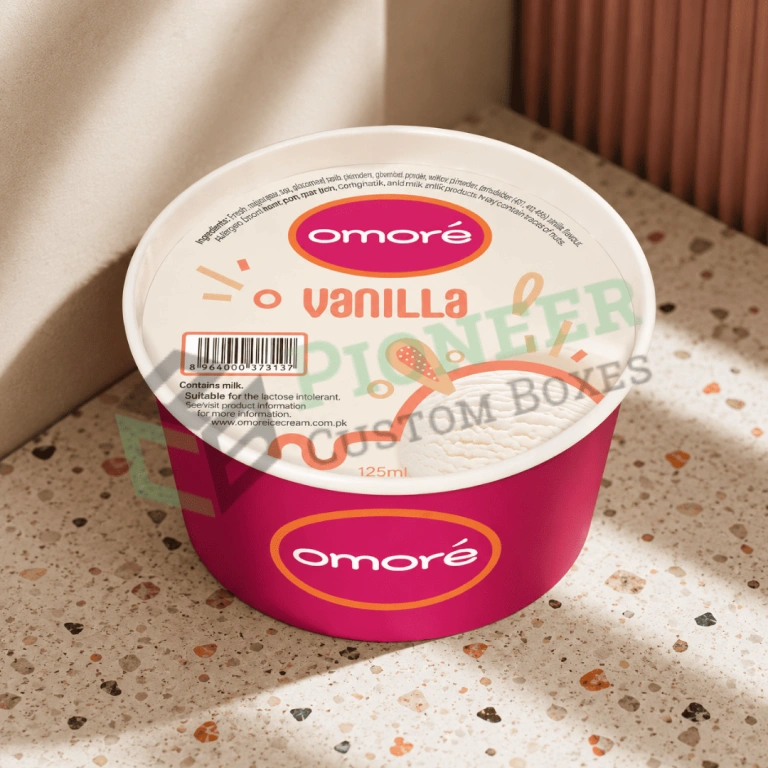
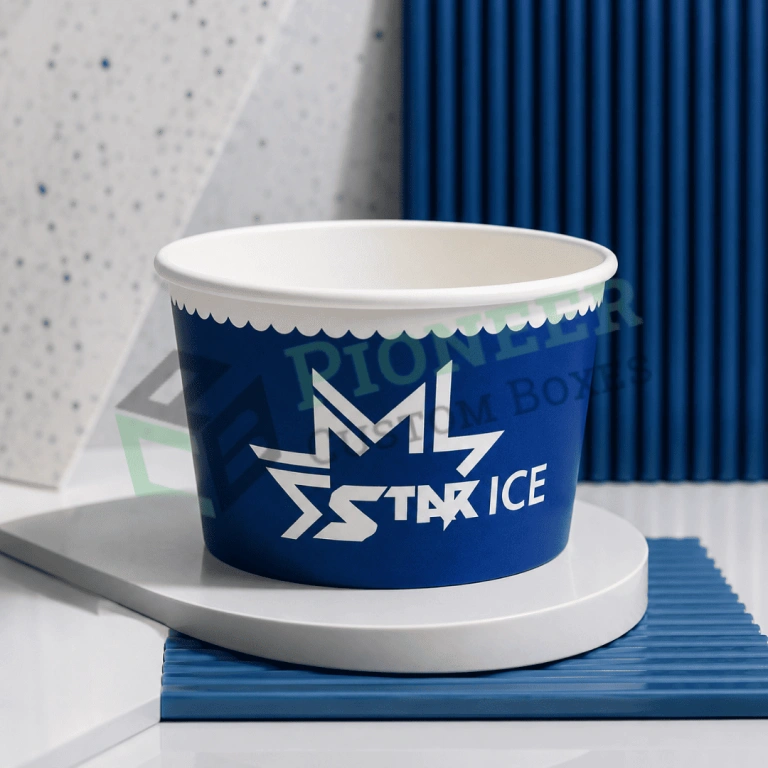
Custom sweet box packaging for mithai, chocolates, pastries, donuts, muffins, pies, dessert assortments, corporate gifts, wedding favors, bakery sweets, and celebration boxes across the USA. Get custom sizes, food-safe material guidance, inserts, window options, branded printing, premium finishes, zero MOQ, free design service, free USA shipping, and flexible lead times.
Keep your muffins moist and delicious. These boxes feature clever designs and food-safe materials. With free design support and wholesale deals, your baked goods will always look their best.
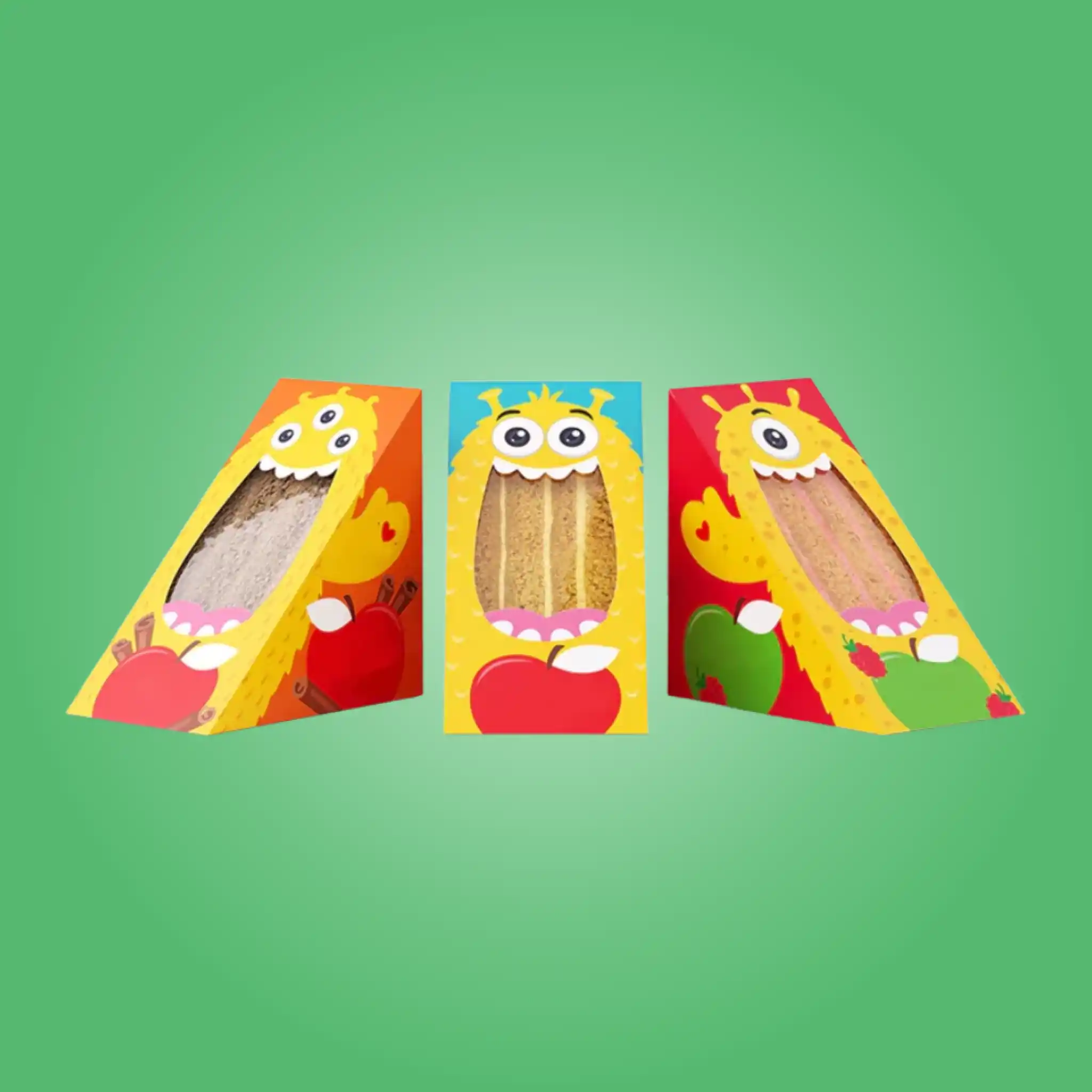
Deliver fresh sandwiches with packaging that works. Our custom boxes are designed for easy handling and freshness. Enjoy free design support and food-safe materials that keep your lunch intact.
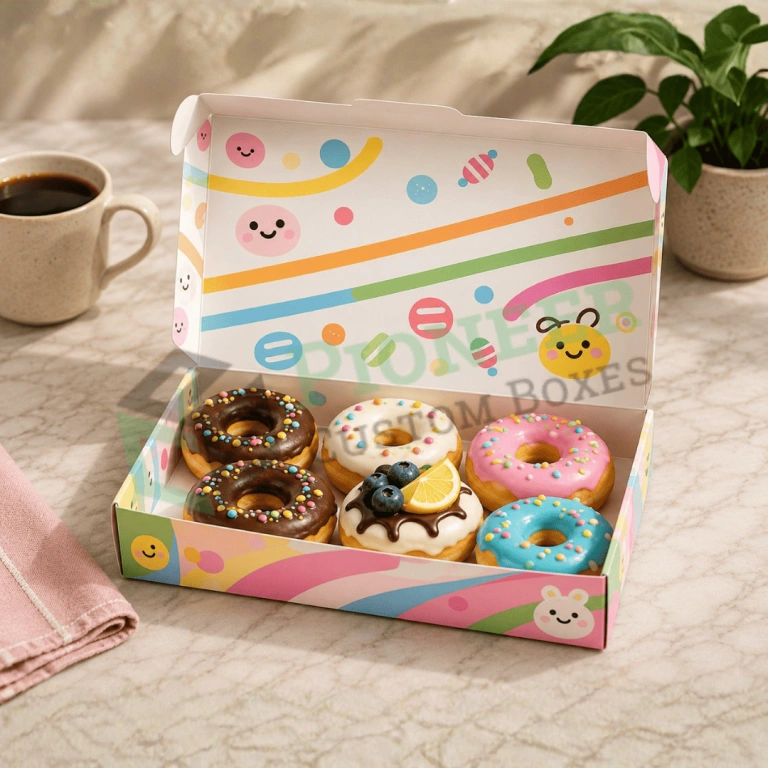
Custom donut boxes protect donuts from smudging, crushing, moisture buildup, and poor presentation. They work well for bakeries, cafes, dessert shops, delivery orders, single donut packaging, window boxes, and bulk donut boxes.
 Optimized by Seraphinite Accelerator