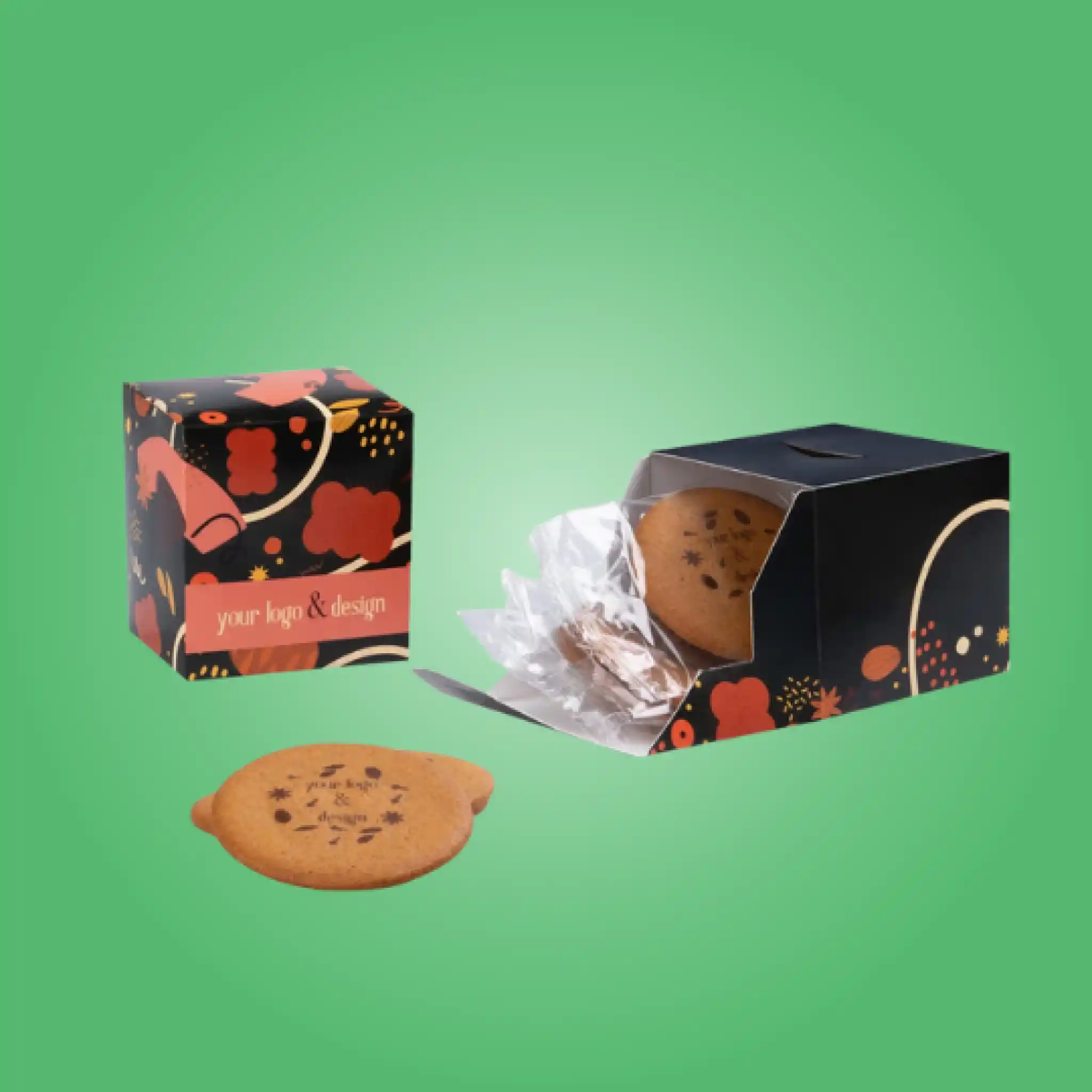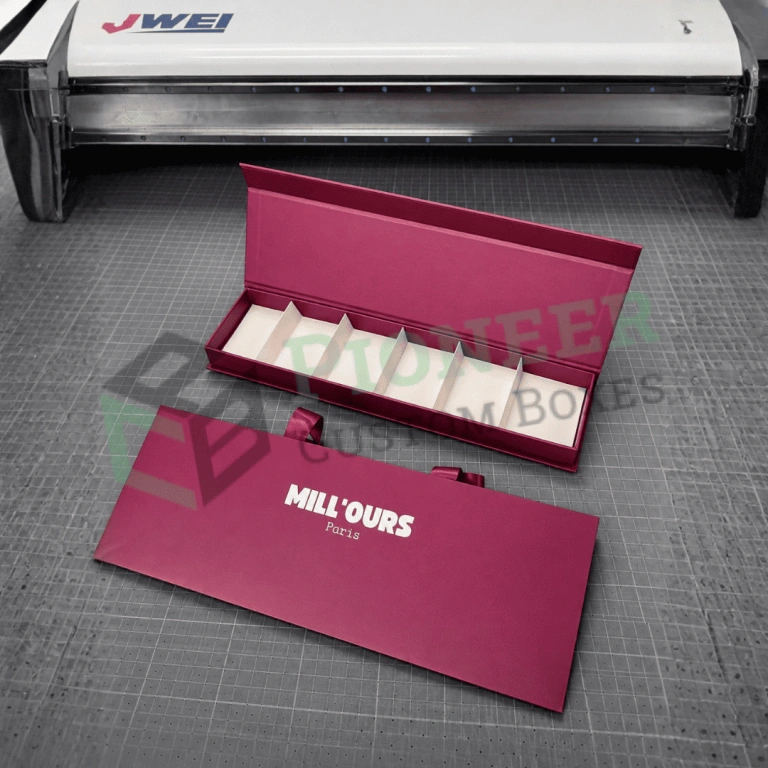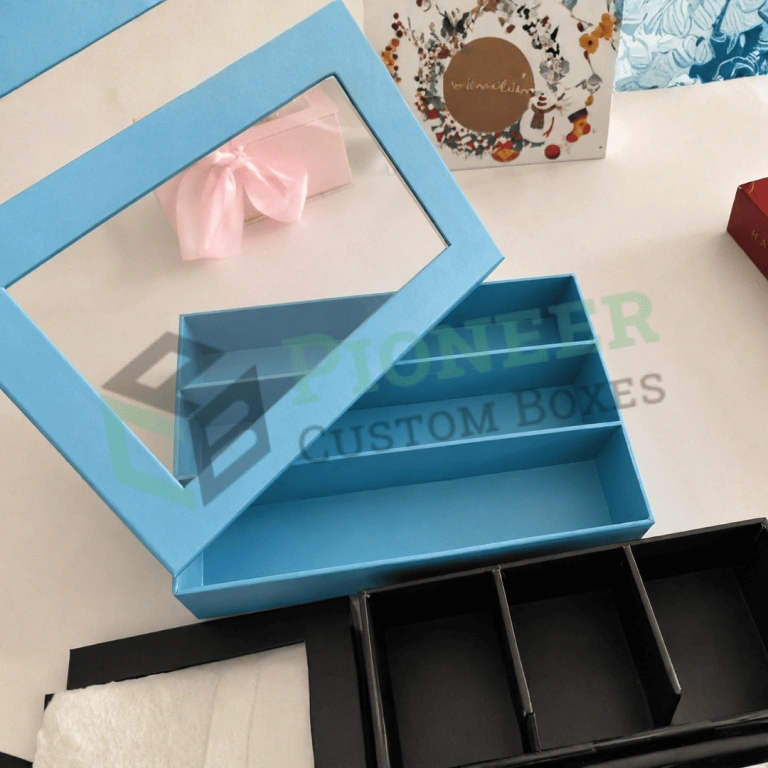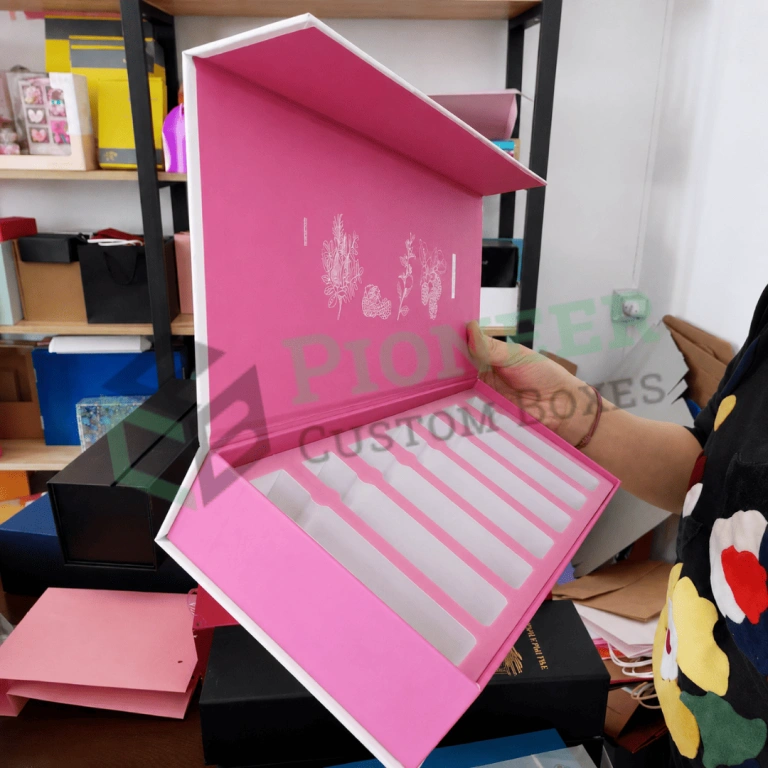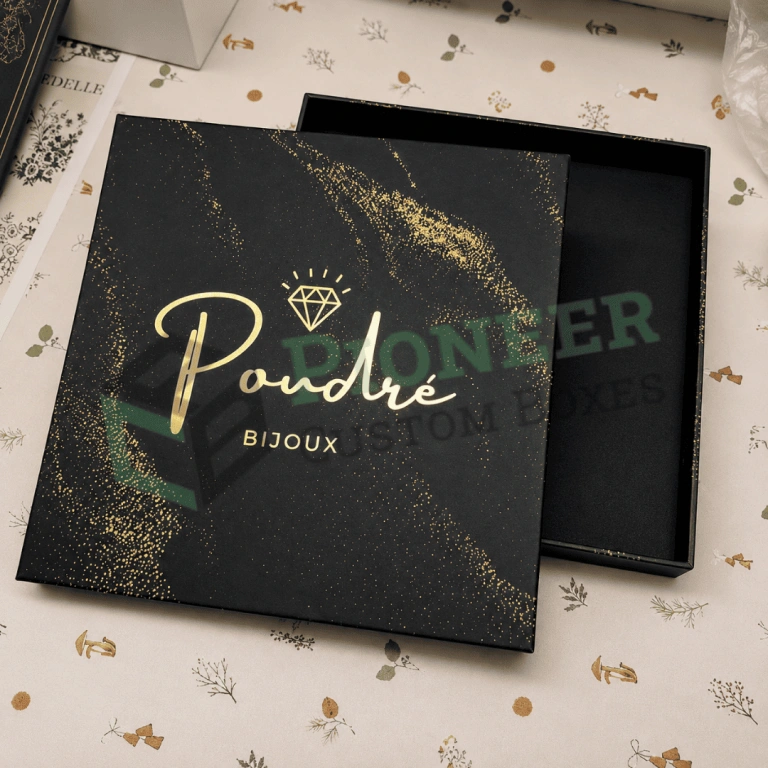
Custom cookie boxes built to your exact cookie size and count. Choose tuck end, auto lock bottom, window front, bakery tray, gable or corrugated mailer structures. We print on food safe SBS, kraft, recycled chipboard and E-flute in CMYK, PMS or metallic ink. Add grease resistant liners, dividers, molded pulp trays, windows and allergen panels. Zero minimum order quantity, free design support and free shipping across the United States. Standard production runs ten to twelve business days, with rush service available. Get a free quote or order now.
Cookies break, crumble and lose their edge faster than almost any baked good. The box therefore does real work rather than decoration alone. We manufacture custom cookie boxes directly, so you control every dimension, every board grade and every print detail. Order twenty five boxes or twenty five thousand, because we hold no minimum order quantity.
Bakeries use these boxes for counter sales and holiday gift sets. Subscription brands use them for shipping. Home bakers use them at farmers markets and craft fairs. Each buyer needs a different structure, and we build all of them on the same food safe lines here in the United States.
Below we explain every specification separately. Read the section that matches your product, then request a free quote. Our design team prepares your dieline at no charge, whatever quantity you order.
Structure decides whether your cookies arrive whole. It also decides how the box behaves on a shelf. Here are the styles we produce most often, with the use case that fits each one.
The simplest retail format, closing with a flap tucked into the top panel. It suits packaged cookie assortments sold from a shelf. Assembly takes seconds, so counter staff can build stock quickly during a rush.
Flaps tuck from opposite directions, which strengthens the closure slightly. Bakeries choose this style when boxes get handled repeatedly before sale. The structure also holds shape better in a crowded display.
The base folds into a locked panel that snaps flat when you open the box. Heavy cookie assortments sit safely on that reinforced bottom. Choose it whenever your filled weight passes two pounds.
A die-cut window reveals the cookies inside while the board protects them. Impulse buyers respond strongly to visible product. We fit food grade PET film to the window, or leave it open for short counter sales.
A shallow tray with a separate lid, used for decorated or iced cookies. The lid lifts straight off, so nothing drags across the icing. Custom bakeries rely on this format for special orders.
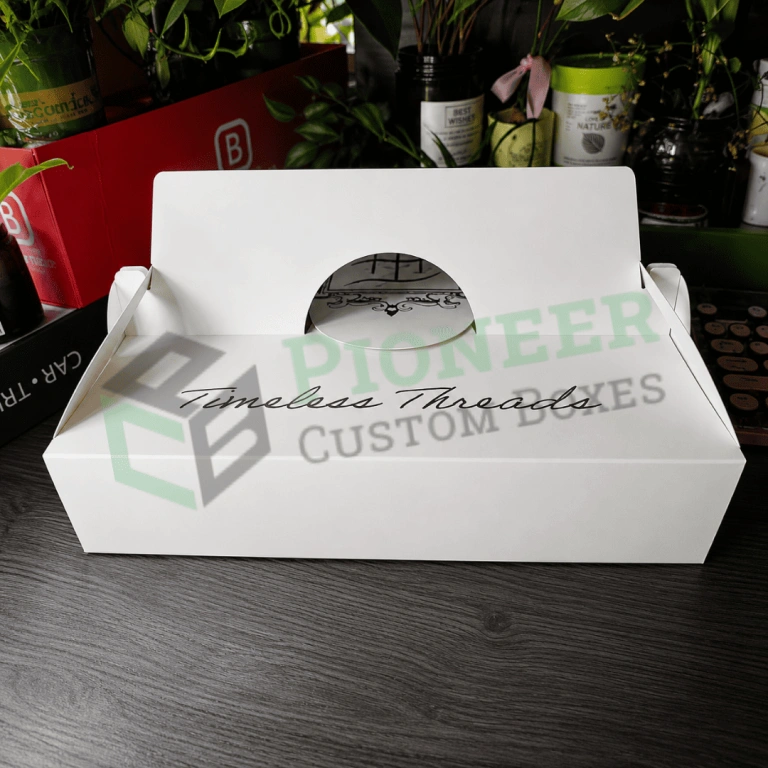
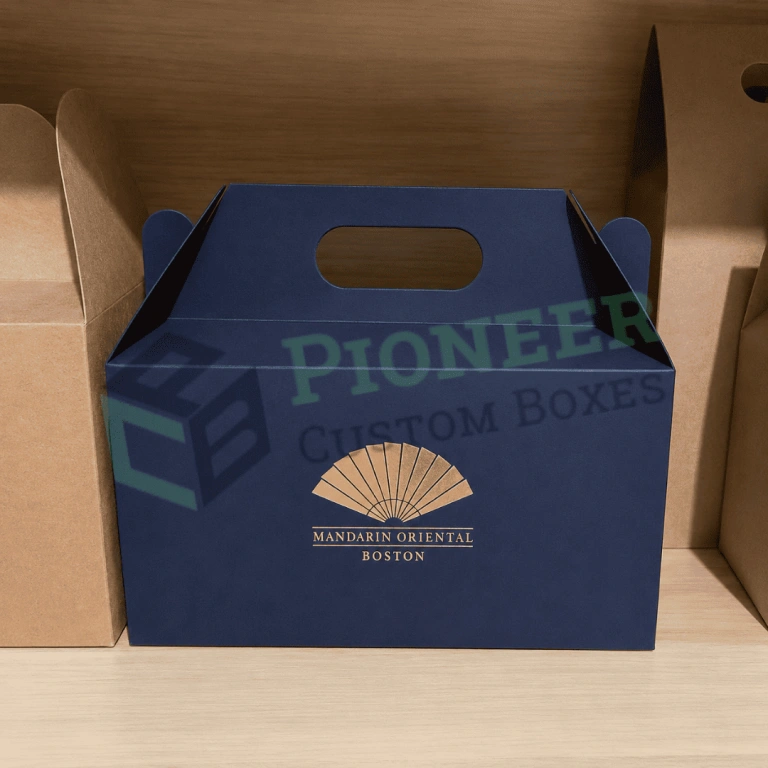
A carry handle formed into the top panel turns the box into a gift. Corporate gifting programs and holiday sets use gable boxes constantly. They also photograph well, which helps social selling.
A corrugated mailer with a hinged lid and a self-locking front. Subscription brands ship cookies nationwide inside this structure. Add an insert and breakage drops sharply.
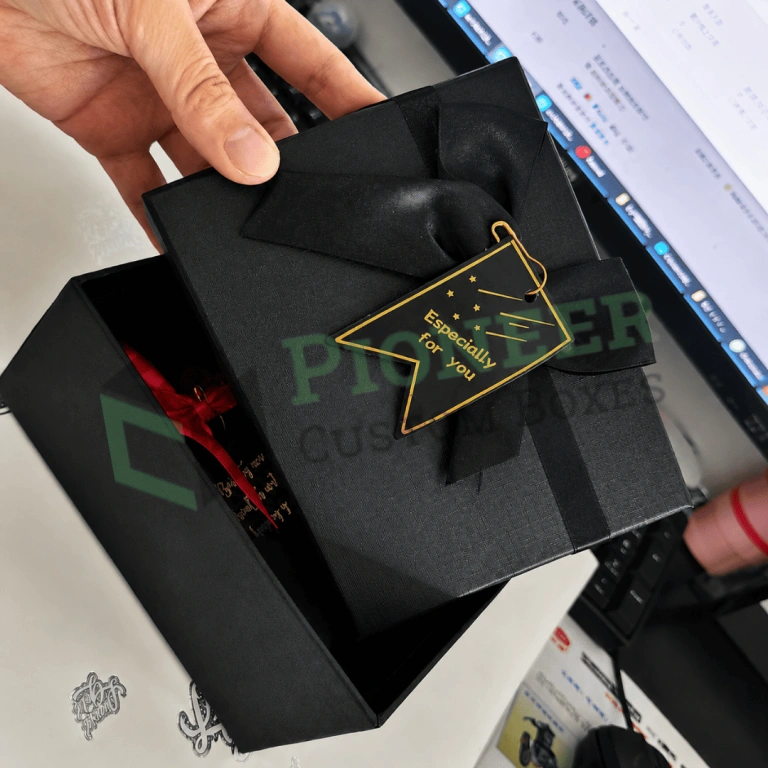
A wrapped chipboard box with a lift-off lid and no folding. Premium cookie brands use rigid boxes for luxury gift sets. The structure costs more, and it signals value instantly.
A narrow sleeve holding one large cookie for grab and go sales. Coffee shops and convenience retail move volume through this format. It prints on very little board, so unit cost stays low.
,,,,,,,,,
| Box Style | Closure | Typical Contents | Best Channel |
|---|---|---|---|
| Straight tuck end | Top and bottom tuck flaps | 6 to 12 standard cookies | Retail shelf |
| Reverse tuck end | Opposing tuck flaps | 6 to 12 standard cookies | Bakery counter |
| Auto lock bottom | Snap-lock base panel | 12 to 24 cookies, 2 lb and up | Grocery and club |
| Window front | Tuck or lock base with PET film | Assortments and decorated sets | Impulse display |
| Bakery tray and lid | Separate lift-off lid | Iced and decorated cookies | Custom orders |
| Gable box | Formed carry handle | Gift sets of 8 to 16 | Corporate gifting |
| Corrugated mailer | Hinged lid with front lock | Shipped assortments | Ecommerce |
| Rigid gift box | Lift-off wrapped lid | Premium gift sets | Luxury retail |
| Single sleeve | Open ends or tuck flap | One large cookie | Grab and go |
Tell us the cookie diameter, the thickness and the count per box. Those three numbers drive the whole dieline. Our team then recommends a structure and sends the drawing free of charge.
Many bakeries order these alongside the rest of their counter packaging. Our wider bakery boxes range shares the same boards, inks and dielines, so a whole product line can match visually. Ask for a combined quote and the setup work happens once.
Every box here is cut to your cookie, not to a catalog. These dimensions cover the orders we run most often, so use them as a starting point. Send us your cookie diameter and we adjust from there.
,,,,,,,,,,,
| Size (L x W x H, inches) | Typical Capacity | Common Use |
|---|---|---|
| 4 x 4 x 2 | 2 to 4 standard cookies | Favors, samples, wedding giveaways |
| 6 x 4 x 2 | 4 to 6 cookies | Bakery counter packs |
| 7 x 5 x 2 | 6 to 8 cookies | Retail shelf assortments |
| 8 x 6 x 2 | 8 to 12 cookies | Half dozen to dozen packs |
| 9 x 9 x 2 | 12 decorated cookies flat | Iced sugar cookie sets |
| 10 x 8 x 2.5 | 12 to 16 cookies | Gift sets and corporate orders |
| 12 x 9 x 3 | 18 to 24 cookies | Party trays and catering |
| 8 x 8 x 4 | Stacked assortment with insert | Ecommerce shipping |
| 12 x 12 x 3 | Large decorated platter | Holiday and event orders |
| 3 x 3 x 1.5 | 1 large cookie | Single serve grab and go |
| 5 x 5 x 5 | Cookie cube gift | Subscription and gifting |
Measure the baked cookie rather than the dough ball. Cookies spread during baking, and that spread ruins more dielines than any other factor. Add roughly a quarter inch of clearance in length and width, so the cookies slide in without scraping the walls.
A box that fits loosely lets cookies slide and chip. A box that fits tightly cracks them during closing. Getting this balance right is the whole job, and it comes down to three decisions.
Height is the first decision. Cookies stacked without separation transfer grease and break under their own weight. Two inches of interior height suits a single flat layer of standard cookies. Four inches suits two layers with a divider between them.
Interior support is the second decision. A paperboard divider costs very little and prevents most breakage. Molded pulp trays cradle decorated cookies individually, which matters for iced sugar cookies. Corrugated inserts handle shipping loads where drop impact becomes the real risk.
Closure strength is the third decision. A tuck flap opens under vibration during transit. Auto lock bottoms and glued mailers hold. If your cookies travel by carrier, choose a structure that stays shut without tape.
Weight also changes the math. Twelve standard cookies weigh roughly one pound, while twelve thick bakery cookies can pass two pounds. Board caliper must rise with that weight, otherwise the base bows and the cookies shift. Our team calculates this for you when you send the cookie weight.
Board choice affects grease resistance, print quality and shelf appeal at the same time. Cookies carry butter, and butter migrates into uncoated fiber within hours. We match the board to your recipe rather than to a default. Every substrate we run is food safe, and our suppliers follow the FDA food contact substance requirements for direct contact packaging.
Solid bleached sulfate is the workhorse of bakery packaging. The bright white surface prints photographs cleanly, and the fiber stays strong. A clay coating on one side handles ink while the reverse stays absorbent. Most retail cookie boxes run on 16pt or 18pt SBS.
A grease barrier coating stops butter from darkening the box exterior. High-fat cookies such as shortbread and chocolate chip need this protection. Without it, the box looks stained within a day on the shelf.
Natural brown kraft signals homemade and artisanal immediately. Farmers market sellers and craft bakeries lean this way. Kraft prints best with one or two spot colors, since photographs sink into the brown surface. Add a grease liner when your cookies are rich.
Chipboard uses post-consumer fiber and costs less than virgin board. It works well for outer gift boxes that never touch food directly. Pair it with a food safe liner or a wrapped cookie whenever contact matters.
E-flute adds a fluted layer between two liners, giving real crush resistance at a thin profile. Shipping cookies demands that protection. The flute absorbs drop impact that flat paperboard simply transmits to the product.
Rigid boxes use thick greyboard wrapped in printed paper. Nothing else feels as substantial in a gift context. Premium cookie brands use rigid construction for holiday and corporate sets.
Molded pulp cradles each cookie in its own recess. Decorated cookies survive shipping because nothing slides. The material is fiber based, so it recycles alongside the box.
Window boxes need film rated for food contact. We fit PET, which stays clear and resists fogging. Cellulose film is available when a fully compostable pack is the goal.
,,,,,,,,
| Material | Typical Caliper | Grease Resistance | Best Application |
|---|---|---|---|
| SBS paperboard | 14pt to 20pt | Moderate with coating | Retail cookie boxes |
| Grease resistant coated SBS | 16pt to 20pt | High | High-fat and buttery cookies |
| Kraft paperboard | 14pt to 18pt | Low without liner | Artisan and market sales |
| Recycled chipboard | 16pt to 24pt | Low | Outer gift boxes |
| Corrugated E-flute | 1.5 mm wall | Moderate | Ecommerce shipping |
| Rigid chipboard, wrapped | 1.5 mm to 3 mm | Not in direct contact | Luxury gift sets |
| Molded pulp insert | Formed tray | Moderate | Decorated cookie protection |
| PET window film | Clear film | Full barrier | Window front boxes |
We print in house on both digital and offset equipment. That choice matters for cost, color and turnaround, so we explain each method separately.
Digital printing skips plates entirely, which removes setup cost. Short runs therefore become affordable, and a bakery can order two hundred boxes without penalty. Variable data also becomes possible, so each box can carry a different flavor name. Color accuracy is very good, though solid brand colors need a check against your PMS reference.
Offset transfers ink from plate to blanket to board. It holds the finest detail and the steadiest color across long runs. Once quantity passes roughly a thousand boxes, offset usually costs less per unit. Photographic cookie imagery looks its best on this press.
Flexo runs from flexible plates and suits corrugated surfaces well. Shipping mailers print efficiently this way. Detail resolution is lower than offset, so keep flexo artwork bold and graphic.
Screen printing lays a thick ink film onto wrapped rigid board. Solid colors look dense and rich. Luxury cookie gift boxes often combine screen printing with foil for maximum contrast.
Brown board behaves differently under ink than white board does, and that lesson carries across our kraft boxes range too. Ask our prepress team for a printed kraft sample before you commit to a design.
Finishing changes how the box survives a bakery case and how it reads on a shelf. Each option solves a different problem, so we explain them one at a time. All of them run on our own equipment.
Gloss lamination seals the printed surface under a clear film. Colors deepen and photographs gain snap. The film also repels condensation inside a refrigerated case. Bakeries with chilled displays should start here.
Matte lamination kills glare and gives the board a modern, understated surface. Artisan brands and premium gift lines prefer it. Remember that matte softens bright reds slightly, so we raise saturation during prepress.
Soft touch feels like suede under the fingers. Gift recipients notice it immediately, and that moment builds brand memory. Corporate cookie gifting programs use soft touch more than any other finish.
Aqueous is a water based sealer applied on press. It protects against scuffing while keeping the box fully recyclable. Choose aqueous whenever a retailer or a municipality requires repulpable packaging.
This coating sits on the inside surface rather than the outside. Butter and oil stay in the cookie instead of migrating into the fiber. Any high-fat recipe benefits, and the coating remains food safe.
Spot UV cures glossy varnish over selected artwork only. A glossy logo against a matte field looks deliberate and expensive. Designers often outline a cookie illustration this way.
Foil presses metallic leaf into the board with heat and pressure. Gold and copper foils suit holiday cookie packaging beautifully. Because a die carries the image, keep foil shapes bold rather than hairline thin.
Embossing raises your logo above the surface, while debossing presses it below. Both add shadow, and shadow adds perceived value. Blind embossing on kraft looks especially confident.
A window turns the product itself into the advertisement. Shapes can follow your logo, a cookie silhouette or a simple rectangle. We fit food grade film behind the opening, or leave it open for same-day counter sales.
Color drives recognition on a crowded bakery shelf. We support three systems, and each serves a different goal. Our prepress team advises which one fits your artwork, free of charge.
CMYK mixes cyan, magenta, yellow and black on press to build full color. Photographic cookie imagery needs this system, because gradients and skin tones require four color blending. Cost stays low, since four plates cover unlimited colors. Slight variation can occur between runs, so we proof anything brand critical.
PMS stands for the Pantone Matching System, where each ink arrives premixed to one formula. Your brand color therefore prints identically in every order. Franchise bakeries and packaged goods brands depend on that repeatability. Spot inks also reach shades CMYK cannot produce, including true orange and deep navy.
RGB describes light, so design software and screens use it natively. We accept RGB files and convert them during prepress. Bright greens and electric blues shift most during conversion. Send artwork early and we show you the converted proof before printing.
Metallic inks carry real pigment flake, so they catch light across the whole panel. Fluorescent inks push brightness past normal process range. Both run as spot colors and both lift a holiday cookie box instantly.
Add-ons solve the specific complaints bakeries bring us. Review the table, then read the notes that follow. Our design team includes any of these at no extra design charge.
,,,,,,,,,
| Add-On | What It Does | Best Suited For | Lead Time Impact |
|---|---|---|---|
| Paperboard divider | Separates cookies into individual cells | Assortments and flavor packs | None |
| Molded pulp tray | Cradles each cookie in a formed recess | Decorated and iced cookies | Adds two days |
| Corrugated shipping insert | Absorbs drop impact inside a mailer | Ecommerce subscriptions | Adds one day |
| Food grade window film | Seals a die-cut window against air and dust | Retail shelf display | None |
| Grease resistant liner | Blocks butter migration into the board | High-fat and buttery recipes | None |
| Carry handle or gable top | Turns the box into a gift carrier | Corporate gifting and events | Adds one day |
| Ribbon or twine closure | Adds a hand-finished gift detail | Wedding favors and holiday sets | Adds two days |
| Tamper evident seal | Shows whether the box was opened | Delivery and third-party sales | None |
| Ingredient and allergen panel | Prints required label copy on the box | Retail and wholesale sales | None |
Dividers pay for themselves on the first order. Cookies that cannot slide cannot chip, and chipped cookies generate refunds. A simple paperboard grid costs pennies per box at production quantity.
Molded pulp trays go further for decorated cookies. Royal icing scratches against any hard surface it touches. A formed recess holds the cookie by its edge, so the decorated face never contacts board.
Tamper evident seals matter more every year. Delivery apps and third-party couriers handle your product between the bakery and the customer. A seal proves the box arrived untouched, which protects your reputation.
Ingredient and allergen panels belong on any box sold through retail. We print the panel directly on the box rather than applying a sticker. That saves labor and looks far more professional on shelf.
Packaging that touches food carries real legal requirements. We build compliance into the specification rather than leaving it to you. Here is what actually applies to cookie boxes.
Any surface touching the cookie must use food grade fiber, coating and ink. Our boards, adhesives and inks all meet that standard. We supply documentation with your order whenever a retailer or auditor asks for it.
Cookies commonly contain wheat, eggs, dairy, soy and tree nuts. Federal labeling rules require major allergens to appear clearly on packaged food. Send us your ingredient copy and our team sets it at a legible size in the correct place.
Packaged retail food needs a statement of identity and a net quantity declaration. Both belong on the principal display panel. Our designers position them so they satisfy the rules without hurting your artwork.
Ink should never migrate through board into the product. We print on the outside surface and specify low migration inks for food packaging. Where a recipe is especially oily, we add an interior barrier coating as well.
Grocery chains and club stores ask for material declarations before they list a product. We prepare those documents at quote stage, so your listing paperwork never waits on us.
These same rules govern every package that touches food. You will find the same materials and documentation behind our broader food boxes line. Nothing changes except the structure.
Two quotes for the same box can differ by half. The gap almost always sits in one of five places. Understand them and you control your own unit price.
Caliper is the biggest single lever. Moving from 14pt to 18pt raises material cost meaningfully, yet it also stops a heavy box from bowing. Match caliper to filled weight rather than to habit. Our team calculates the minimum that will hold your product safely.
Two spot colors cost less than full process printing, because each plate adds setup. Heavy solid coverage also uses more ink and slows the press. Many strong cookie designs use two colors plus the natural board texture, and that combination looks intentional rather than cheap.
Every finish adds a pass through a machine. Lamination, spot UV and foil each add handling. Stacking three finishes triples that handling and the cost with it. Pick one hero finish and let it carry the design.
Standard tuck boxes run on dies we already own, so tooling costs you nothing. A custom shape or a shaped window needs new tooling. We keep that die on file afterward, so reorders skip the charge completely.
Digital printing wins below roughly five hundred boxes, since it skips plates entirely. Offset wins above that point, because plate cost spreads across the run. We price both ways and show you where the crossover falls for your design. Zero minimum order quantity means you can still start small.
Every order moves through a fixed inspection sequence. We built that sequence around the failures that actually generate complaints.
First, prepress compares your file against the dieline. We check bleed, resolution, allergen copy placement and fold clearance. Artwork that crosses a score line is the most common issue we catch, and we adjust it before plates go on press.
Second, the press operator pulls a sheet at startup and matches it to the approved proof. Spot colors get read with a spectrophotometer. Process work gets compared under standardized lighting. The operator repeats that check at regular intervals through the run.
Third, the die-cutting team checks registration between print and cut. A window that sits an eighth of an inch off center ruins the whole panel. We measure rather than eyeball.
Fourth, our finishing team folds and glues a sample from each skid. They test the glue bond by hand and confirm the box squares up properly. A box that racks out of square will not stack on a shelf, so we stop the run and correct it.
Fifth, we load a finished box with test weight equal to your filled product. The base must hold without bowing. If it flexes, the caliper was wrong and we upgrade it before shipping.
Finally, packing counts, wraps and labels every carton. Boxes travel flat with board separators, so laminated surfaces never rub. You receive the count you ordered, and often a small overage at no charge.
The same product serves very different businesses. Knowing which pattern matches yours helps you specify correctly the first time.
Counter sales move fast, so assembly speed matters more than anything. Bakeries choose tuck end boxes with a window and a grease resistant liner. Staff can build a box in seconds during a morning rush. Branding on the lid turns every sale into a small advertisement.
Cottage food rules let home bakers sell directly, and packaging is often their first professional step. Small runs make sense here, and our zero minimum policy fits perfectly. Kraft boxes with a one color logo look handmade and cost very little.
Shipping changes every requirement. These brands need corrugated mailers, structural inserts and closures that survive a carrier network. Unboxing also becomes part of the product, so interior printing earns its keep.
Companies send cookies to clients, staff and prospects throughout the year. Rigid boxes, soft touch lamination and foil logos dominate this segment. Orders often carry a custom message printed inside the lid.
Favor boxes run small and highly personalized. Names, dates and monograms change per order, which suits digital printing and variable data. Four inch square boxes handle two to four cookies comfortably.
Shelf presence and compliance both matter here. Buyers expect ingredient panels, barcodes and consistent color across every reorder. PMS printing and documented materials therefore become non-negotiable.
Single cookie sleeves move volume at the register. Cost per unit drives the decision, so these run on lightweight board with one or two colors. Speed of assembly matters again, since staff build them between orders.
Most of these buyers eventually expand beyond cookies. Bakeries add pastry boxes for croissants and danishes, using the same brand artwork. Running both through one supplier keeps color identical across the counter.
Customers ask about packaging waste constantly, and retailers now audit it. We answer with specifications rather than slogans. Paperboard already recycles well, and clear on-pack guidance helps it get there. Many of our clients add How2Recycle labeling so shoppers know exactly what to do with the box.
Start with the board. Recycled content grades print well and cost less than virgin fiber in most weights. Where a bright white surface matters, a recycled SBS alternative usually gets close enough.
Then look at the coating. Aqueous keeps the box repulpable, so it enters standard paper recycling without trouble. Plastic lamination does not, because the film separates poorly at the mill. Choose aqueous whenever recyclability outranks gloss.
Windows deserve a decision of their own. PET film is recyclable in some streams but not all. Cellulose film composts fully, and a simple die-cut opening with no film removes the question entirely for same-day counter sales.
Finally, order what you need. Overordering wastes more material than any coating choice. Because we hold no minimum order quantity, you can print a season at a time and reorder when the artwork changes.
Most problems start in the specification, not on the press. We catch them during prepress, yet catching them earlier saves you days. Read this list before you send artwork.
The first mistake is measuring the dough instead of the baked cookie. Cookies spread, and a box sized to the raw portion will not close. Bake a batch, measure the widest cookie, then add a quarter inch of clearance.
The second mistake is skipping a grease liner on a buttery recipe. Shortbread and chocolate chip cookies darken plain board within hours. The box then looks stale even when the product is fresh. A liner or a coated board removes the problem entirely.
The third mistake is shipping retail tuck boxes without an outer carton. A tuck flap opens under carrier vibration, and cookies arrive as crumbs. Ship inside a corrugated mailer, or switch to a locking structure.
The fourth mistake is placing artwork across a score line. Ink cracks where the board folds, so logos land split and rough. Keep critical elements at least an eighth of an inch clear of every fold.
The fifth mistake is forgetting the allergen panel until after printing. Reprints cost far more than planning does. Send your ingredient copy with the artwork and our designers place it correctly the first time.
The sixth mistake is ordering thousands before testing the design. Print a small run first, since we set no minimum. Fill it, close it, ship one to yourself and see what happens.
A real pattern explains this better than theory does. Here is a job we run constantly for growing cookie brands.
A regional bakery needs 2,000 boxes for a twelve cookie retail pack. Each cookie measures three inches across and half an inch thick. The recipe is high in butter. Branding calls for two PMS colors on white board with a window.
Our team specifies an 18pt SBS board with an interior grease resistant coating. The window sits on the front panel with PET film. An auto lock bottom carries the filled weight, which lands near one and a half pounds. A paperboard divider splits the box into twelve cells.
At 2,000 units the job runs offset, because two plates spread efficiently across the quantity. We send a digital proof within twenty four hours and a physical sample on request. The bakery approves on day three.
Production and die cutting run across days four through nine. Gluing, window fitting and packing take days ten and eleven. Free shipping moves the cartons on day eleven, inside the standard ten to twelve business day window. The reorder six weeks later ships faster, since prepress and tooling are already done.
We manufacture in the United States and ship to every state with no freight charge. That matters for bakery packaging, because boxes are bulky and freight adds up quickly.
East Coast bakeries in New York, Boston, Philadelphia, Washington and Atlanta usually receive orders within two transit days. Midwest clients in Chicago, Detroit, Minneapolis, Columbus and Kansas City see similar timing. Texas and Southeast markets including Dallas, Houston, Austin, Miami, Charlotte and Nashville also fall inside that window.
West Coast delivery to Los Angeles, San Francisco, Seattle, Portland, Phoenix, Denver, San Diego and Las Vegas typically runs three to four transit days. Alaska and Hawaii we quote individually, because carriers price those lanes differently.
Seasonal planning matters more in this category than most. Holiday cookie demand peaks in November, and press capacity tightens across the whole industry. Order your holiday boxes by early October and you avoid rush pricing completely.
Holiday programs often pair cookies with other treats in one presentation. Our gift boxes range covers the outer presentation while the cookie box protects the product. We build both to the same finish so the set looks deliberate.
Ordering takes four steps and very little of your time. Most clients complete the whole sequence within two business days.
Start by telling us the cookie size, the count per box and roughly how many boxes you need. That single message gives our team enough to quote. Send it through the quote form or call us at +1 440 262 2345.
Next, our designers build a free dieline and a layout proof. You pay nothing for design work, whatever your quantity. Send a logo and a rough idea, and our team handles the rest. Revisions stay free until you approve.
Then approve the digital proof, or ask for a physical sample first. A sample lets you fill the box with real cookies and test the fit. We strongly recommend it whenever the product ships to customers.
Finally, we print, cut, glue and ship. Standard production runs ten to twelve business days, and rush service compresses that to six to eight days when your deadline demands it. Shipping is free anywhere in the United States, with no fuel surcharge and no handling fee.
We hold no minimum order quantity at all. Order fifty boxes for a farmers market or fifty thousand for a national launch. Home bakers use that flexibility to start small. Established brands use it to test a seasonal design before committing to a full run.
Our in house design team works on your artwork at no charge. They fix bleed, place allergen copy, convert color spaces and rebuild low resolution logos. You receive print ready files you can keep. Nothing about that service depends on order size.
Tell us what your cookies are and how they travel. We will price the box honestly and show you exactly where to save. Get a free quote now, or order now and let our team handle everything from dieline to doorstep.
We manufacture directly, so nothing about your order passes through a broker. That control shows up in ways you can measure.
First, pricing stays honest because no middleman margin sits on top. Second, quality stays consistent because our own operators run every press, die and gluer. Third, timelines hold because we schedule your job on our own equipment rather than someone else floor.
Add the practical commitments and the picture completes itself. Zero minimum order quantity, free nationwide shipping, free design support, food safe materials and ten to twelve day standard production. Rush service covers the weeks when a holiday arrives faster than planned. Every order also carries a full reprint guarantee if a box leaves here wrong.
Thousands of American bakeries and food brands already package with us. Call +1 440 262 2345 and speak with a real production specialist today.
| Box Style | Custom Cookie Boxes |
| Dimension (L + W + H) | All Custom Sizes & Shapes |
| Quantities | No Minimum Order Required |
| Paper Stock | 10pt to 28pt (60lb to 400lb) Eco-Friendly Kraft, E-flute Corrugated, Bux Board, Cardstock |
| Printing | No Printing, CMYK, CMYK + 1 PMS color, CMYK + 2 PMS colors |
| Finishing | Gloss Lamination, Matte Lamination, Gloss AQ, Gloss UV, Matte UV, Spot UV, Embossing, Foiling |
| Included Options | Die Cutting, Gluing, Scored, Perforation |
| Additional Options | Eco-Friendly, Recycled Boxes, Biodegradable |
| Proof | Flat View, 3D Mock-up, Physical Sampling (On request) |
| Turnaround | 4 – 8 Business Days, RUSH |
| Shipping | FLAT |
Every great product deserves packaging that turns heads. Here's how we make it happen — step by seamless step.
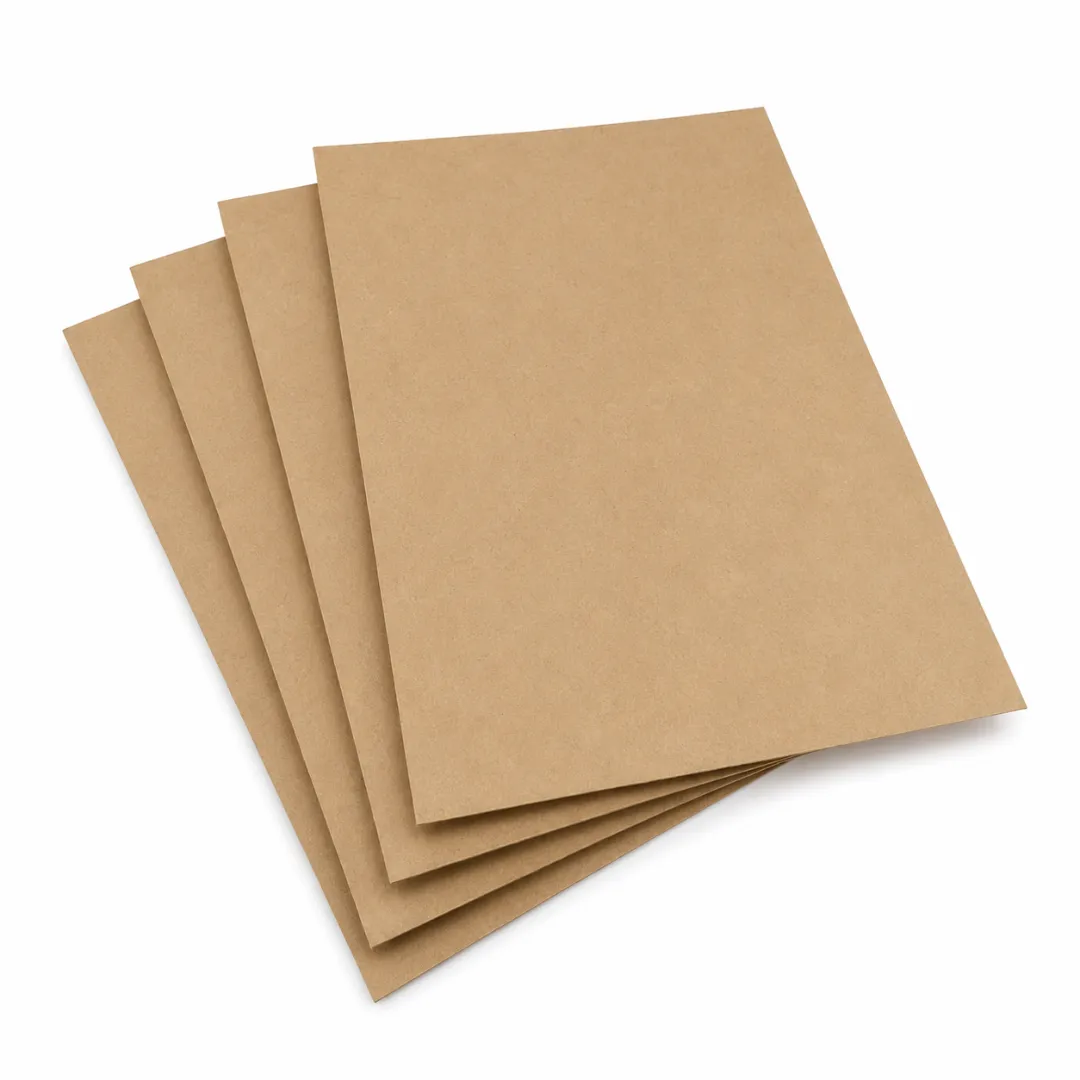
Kraft paper is a strong, durable and reliable material that is widely used across many different industries.
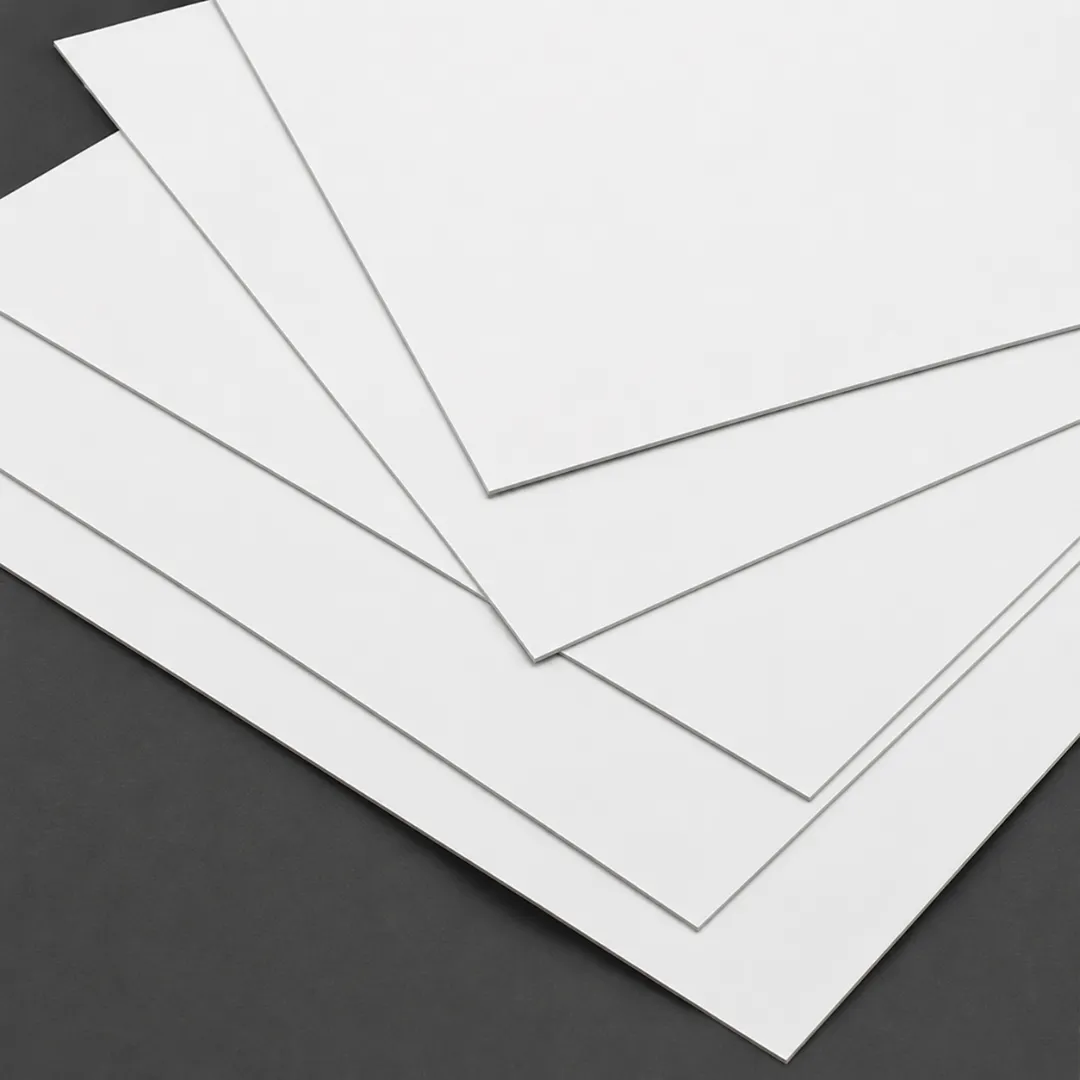
We use cardboard material with the least environmental impact and minimizes waste generation.
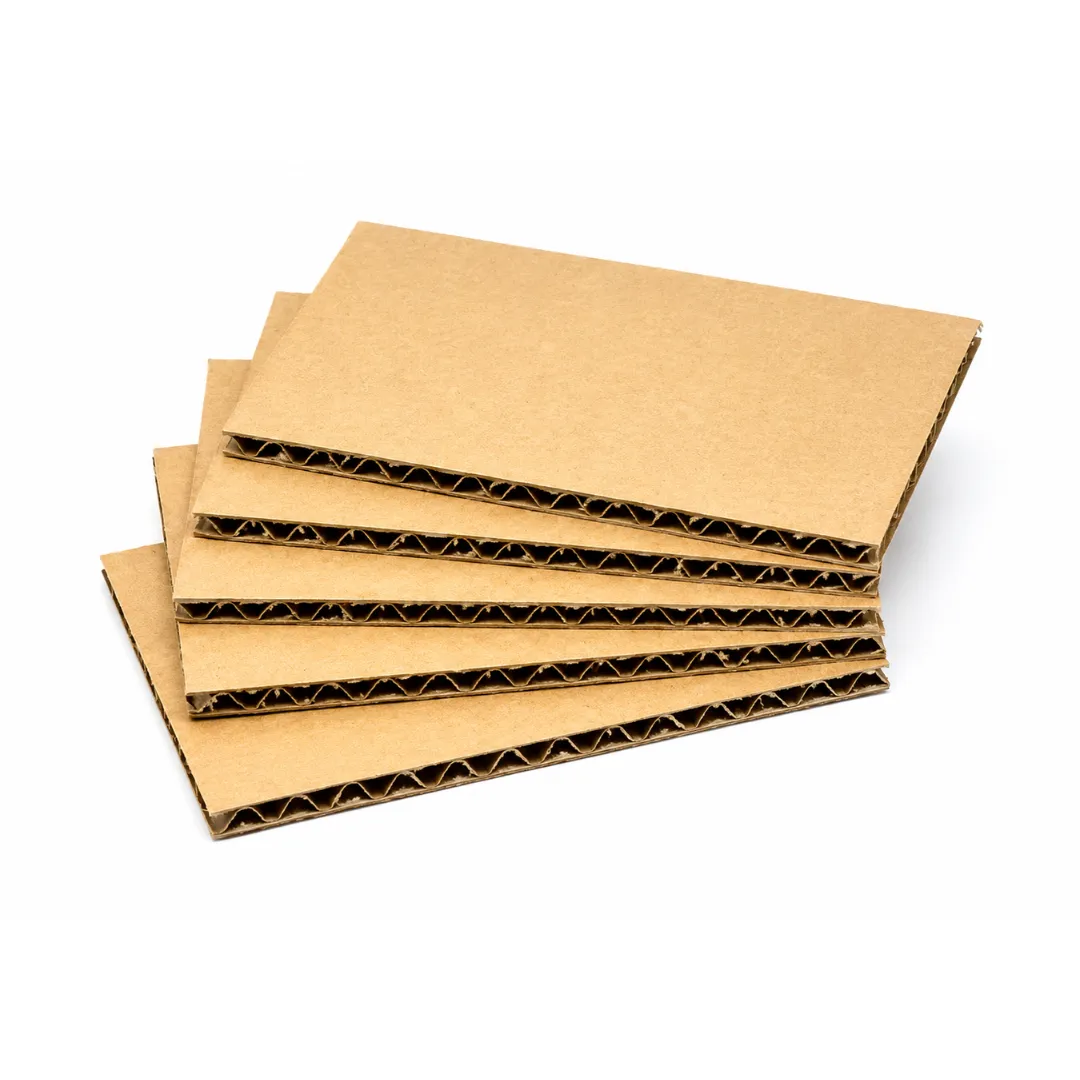
Corrugated material is easy to customize, cost effective and sustainable. It is also great for branding purposes.
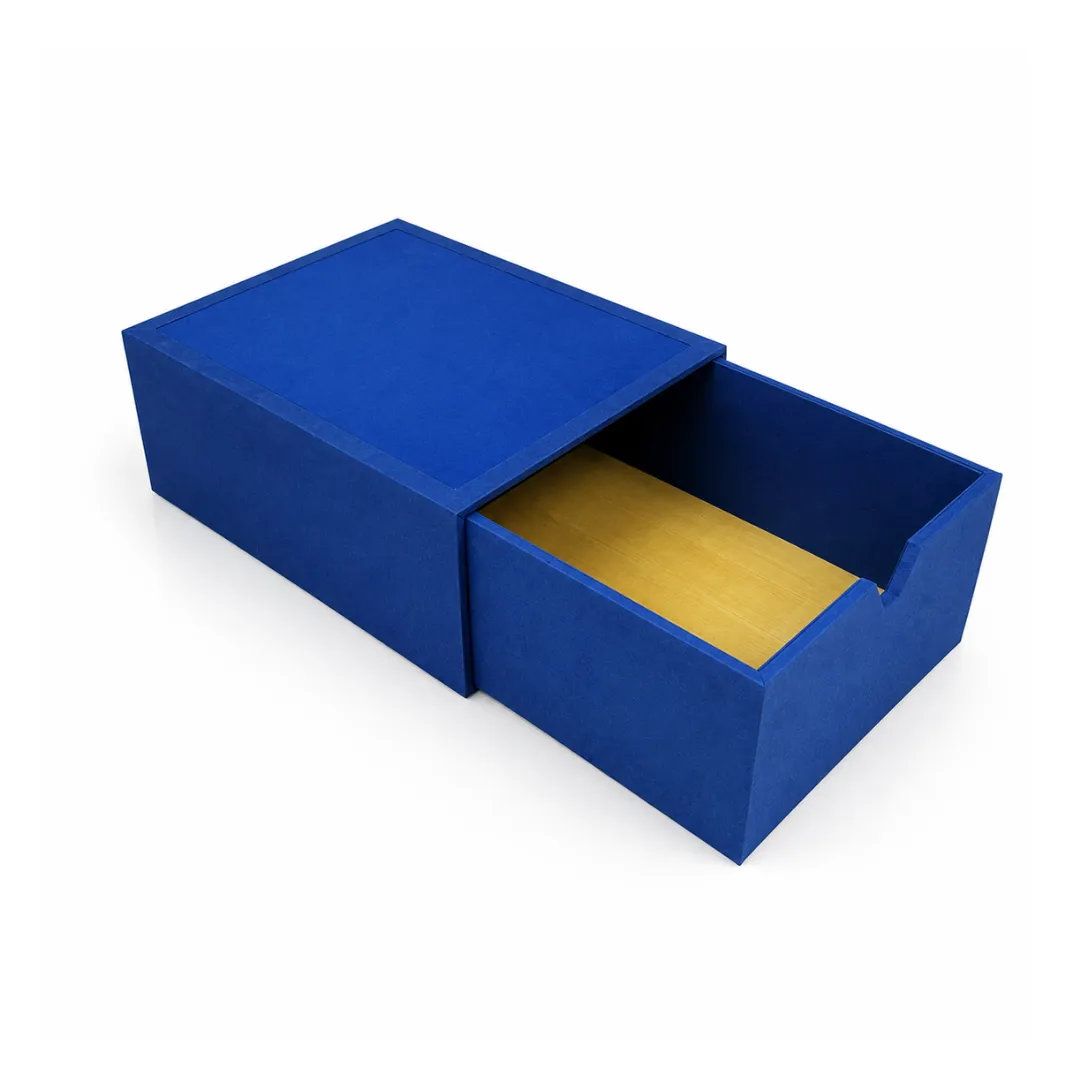
Rigid is highly protective, affordable and recyclable material. These boxes provide maximum protection.
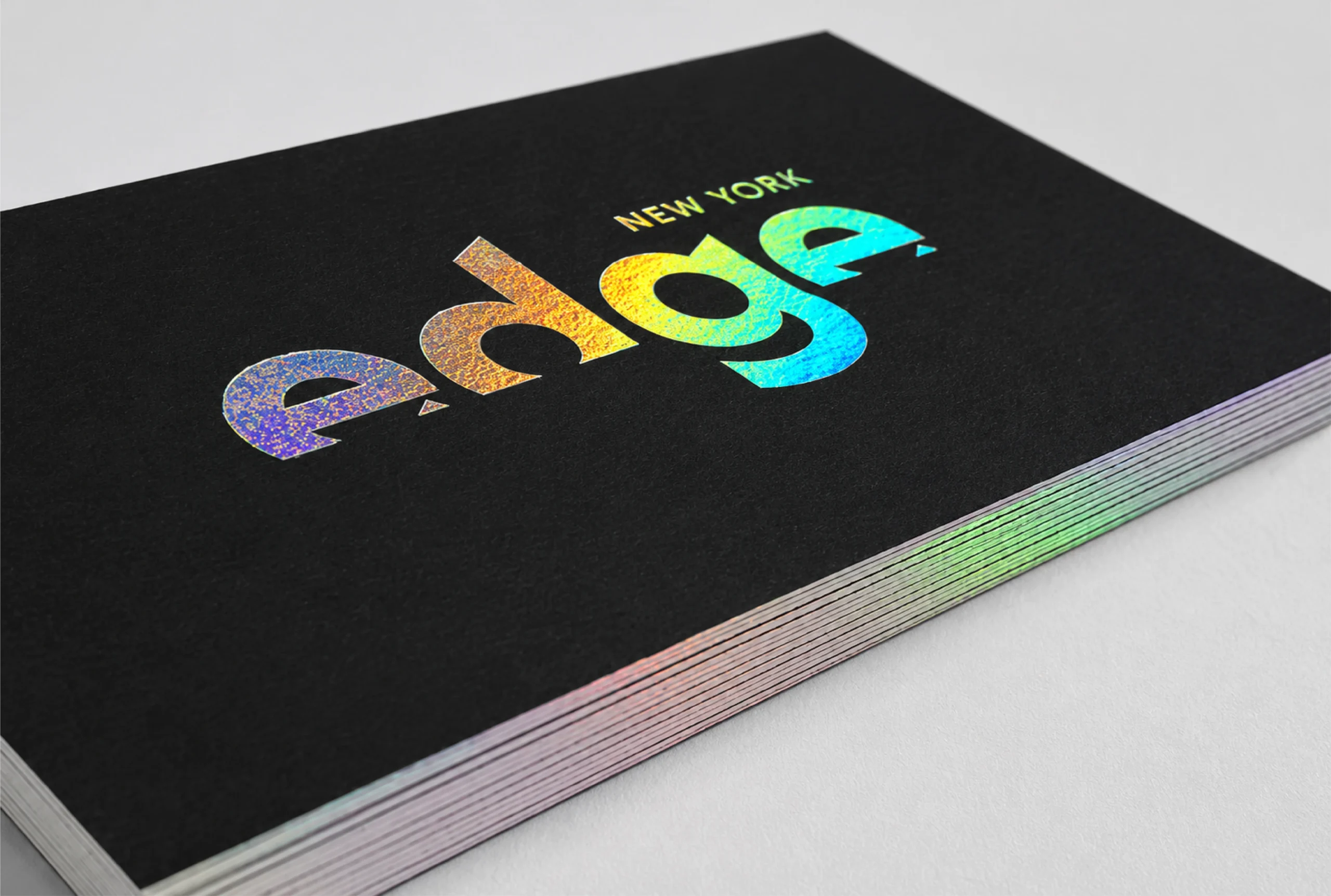
Holographic foil diffracts light and reveals the colors of the rainbow at various angles.
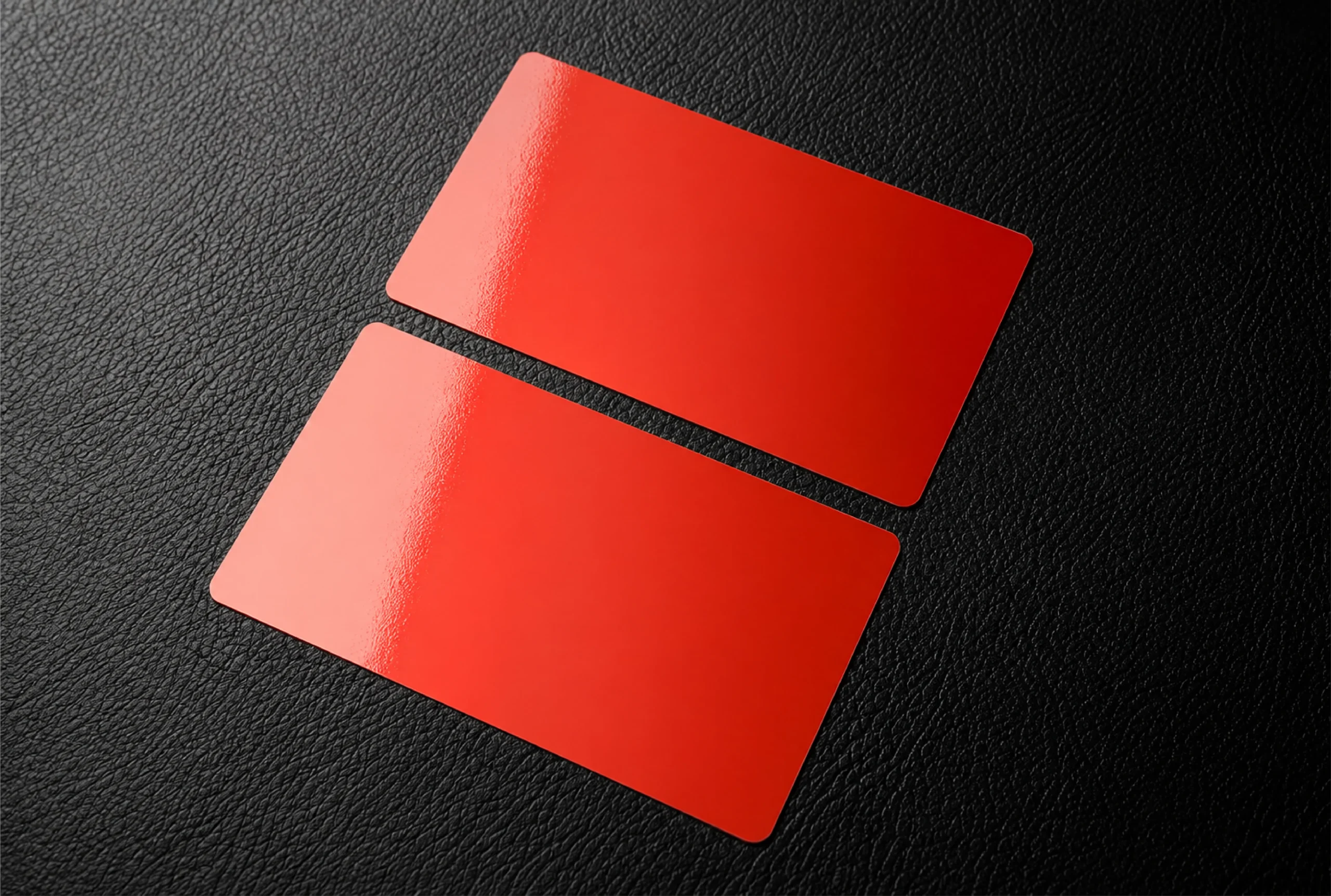
Our glossy finishing gives your packaging an extra layer of shine.
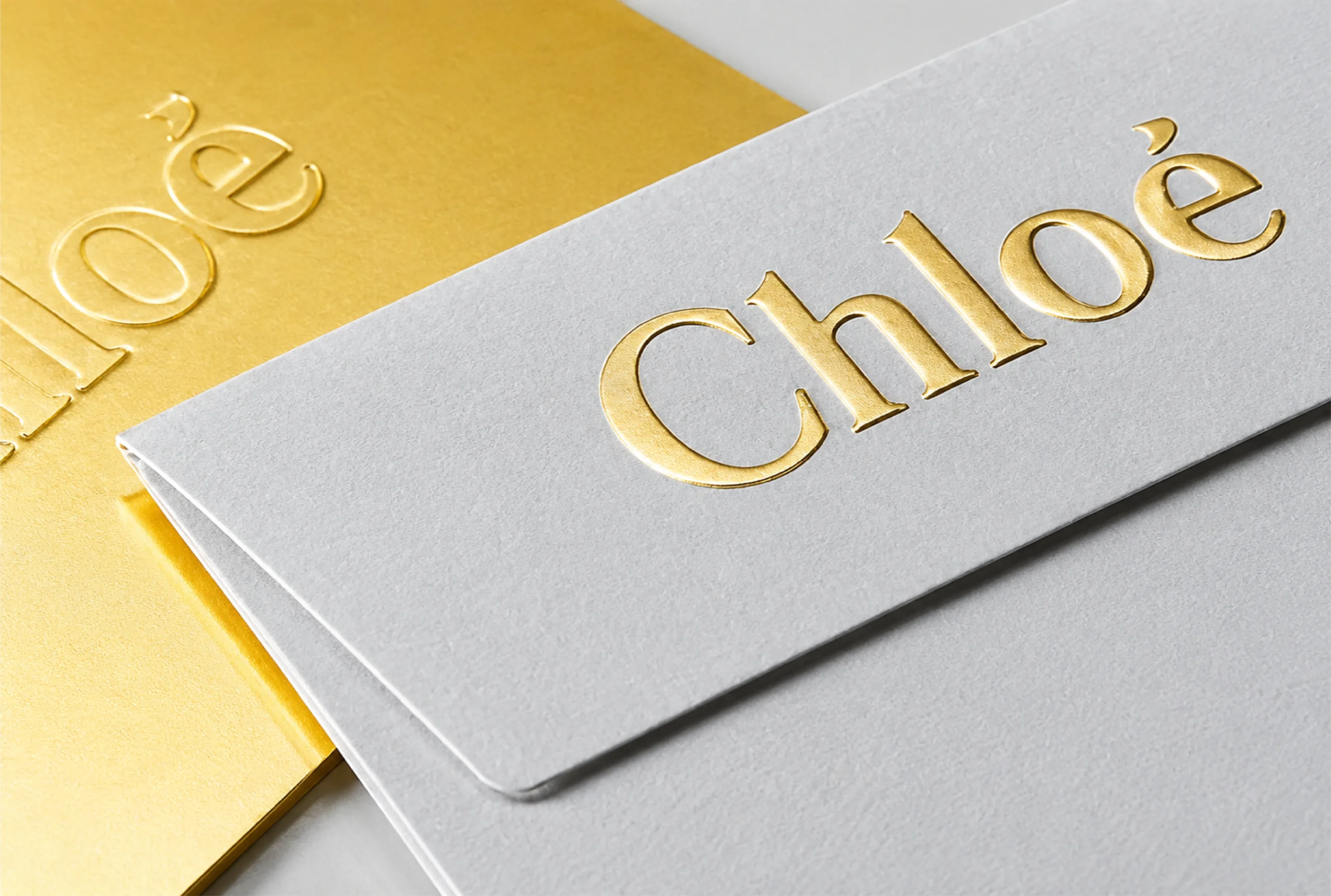
Decorate a wide range of your product packaging with our foil stamping.

With our embossing technique, we transfer the finest details of your product on packaging.
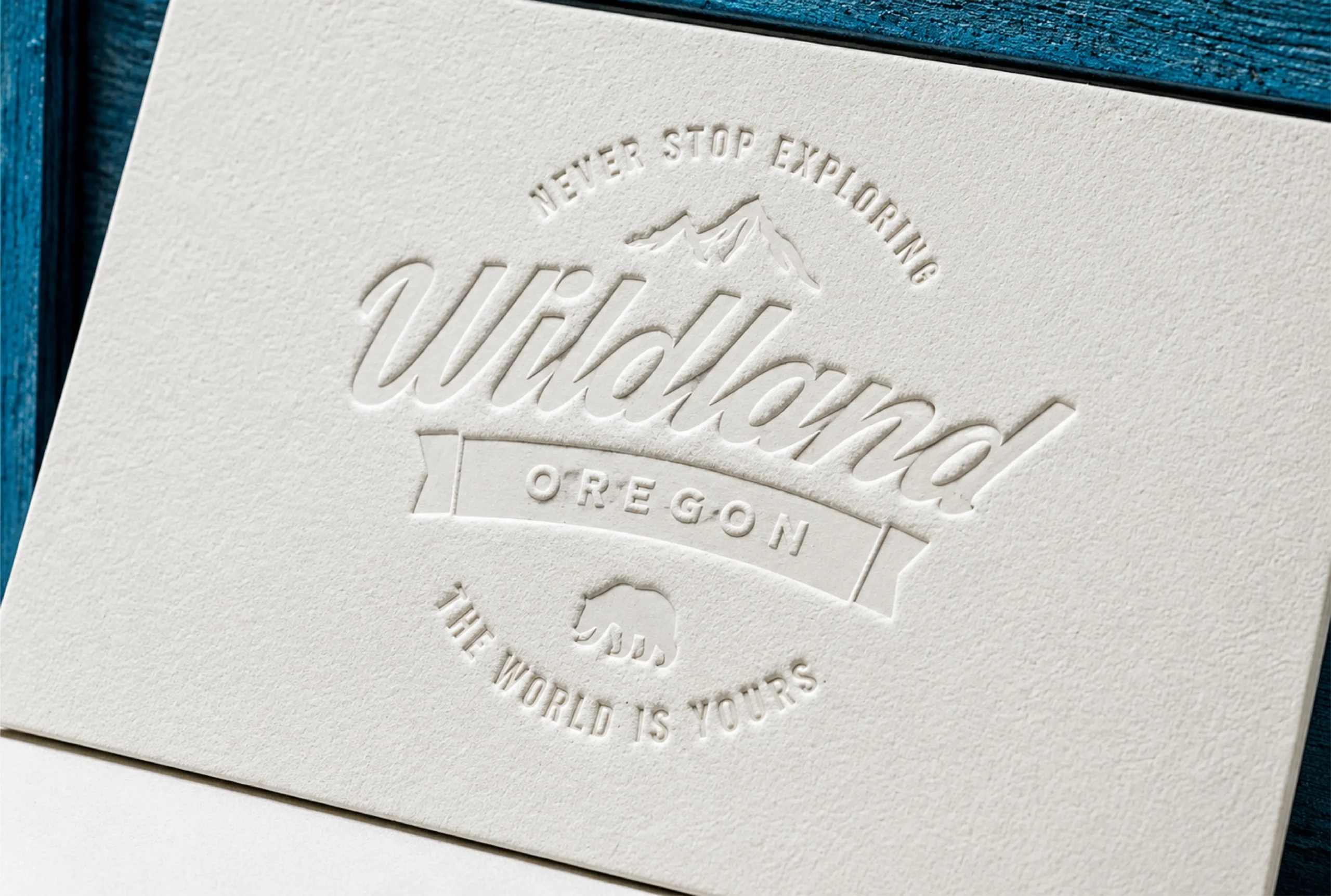
We use debossing technique to add unique graphics into your packaging.
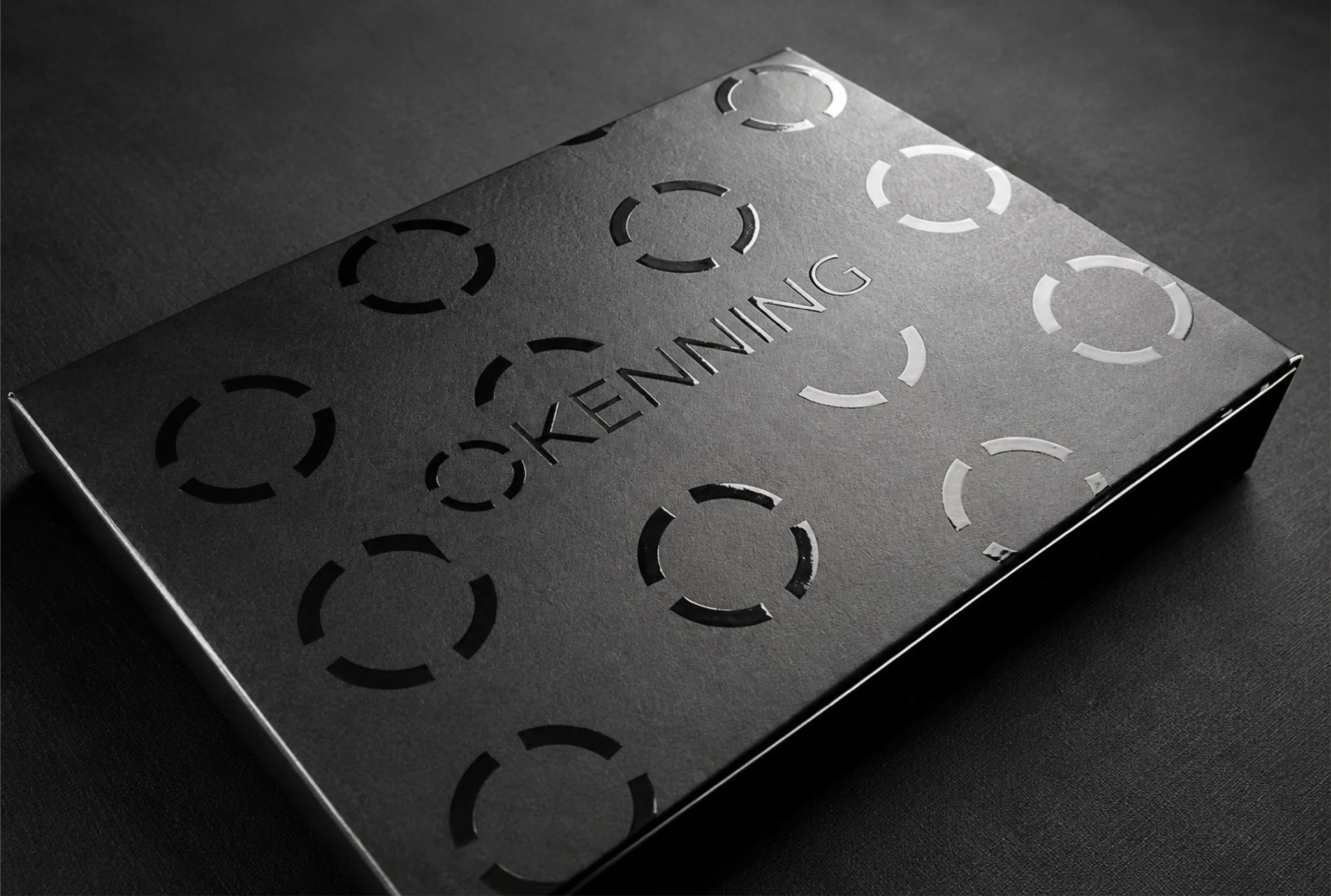
Our high-gloss UV coating gives light and shine to cure the printed material's varnish.
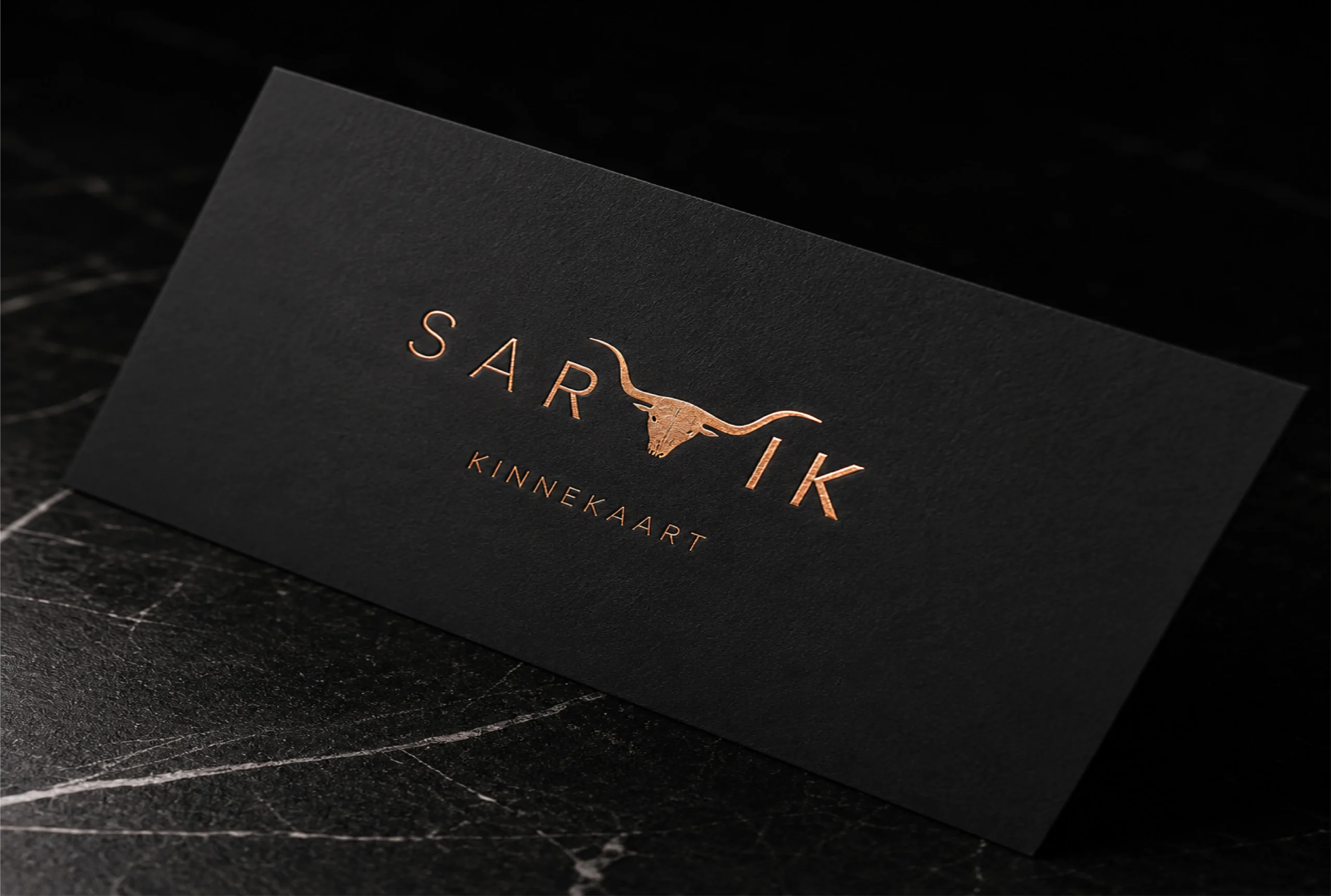
We add additional layer of protection with soft touch lamination from toner chipping.
With our matte finish, fingerprints and smudges will now be less visible on the packaging.
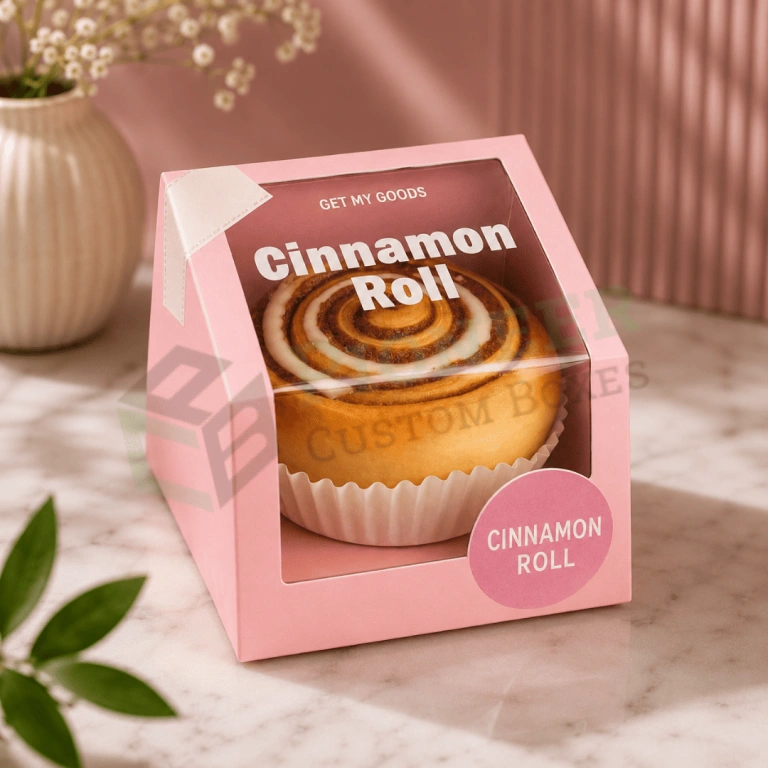
Custom cinnamon roll boxes are bakery packaging boxes made for cinnamon rolls, cinnamon buns, frosted rolls, sticky buns, breakfast pastries, bakery gift packs, café desserts, retail roll packs, catering trays, and delivery-ready baked goods. Pioneer Custom Boxes can customize cinnamon roll box size, paperboard stock, grease-resistant direction, inserts, trays, windows, handles, sleeves, tuck styles, kraft finishes, printed branding, barcode panels, frosting clearance, and shipping cartons for single rolls, two-packs, four-packs, six-packs, dozen boxes, and wholesale bakery packaging.
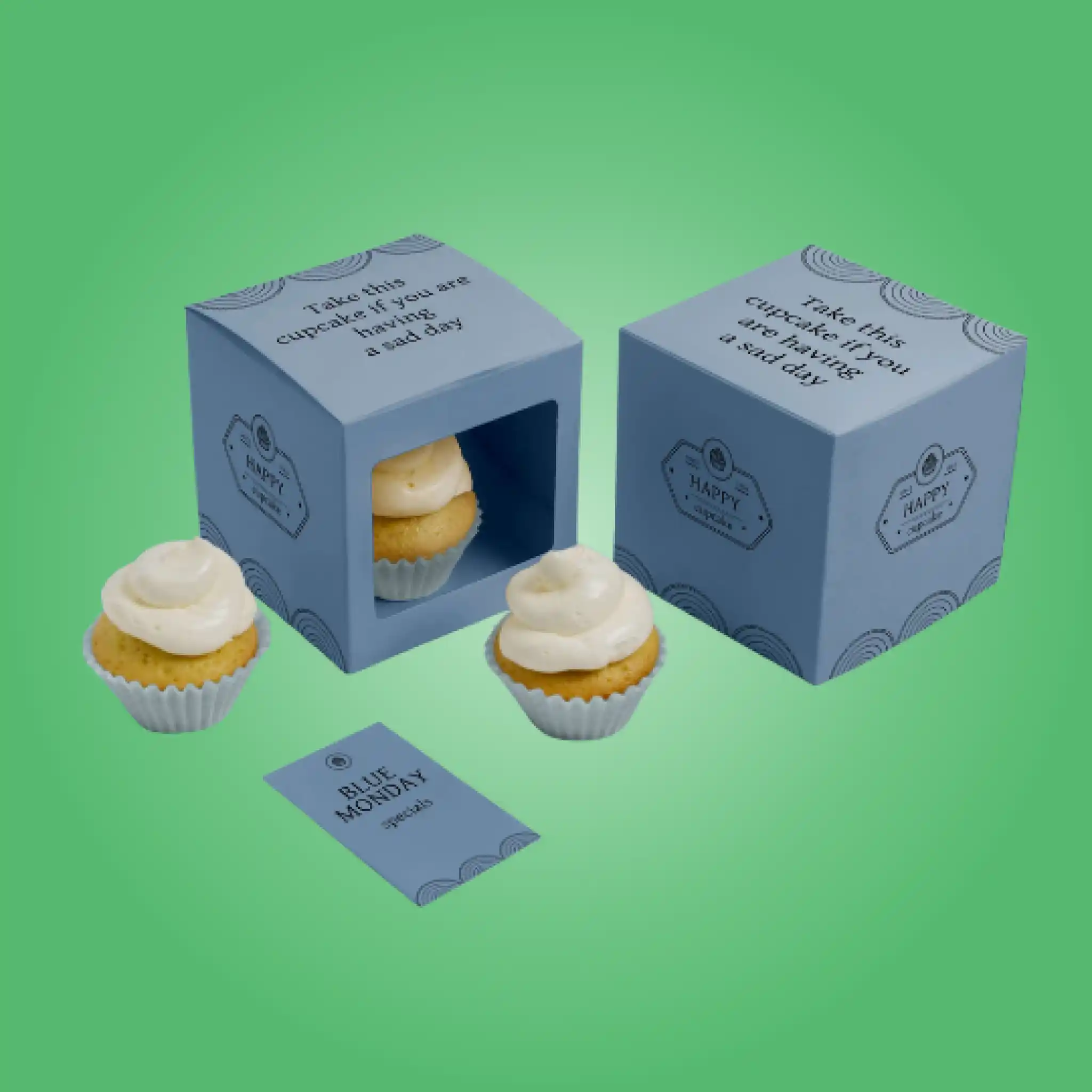
Custom cupcake boxes from Pioneer Custom Boxes hold each cake upright and keep frosting untouched for retail bakeries, home bakers, wedding suppliers, grocery bakeries and dessert delivery brands. Choose one to twenty-four cavity formats in grease-resistant SBS, kraft or E-flute board, with fitted inserts, windows, tall swirl clearance, free design support, zero MOQ and free USA shipping.
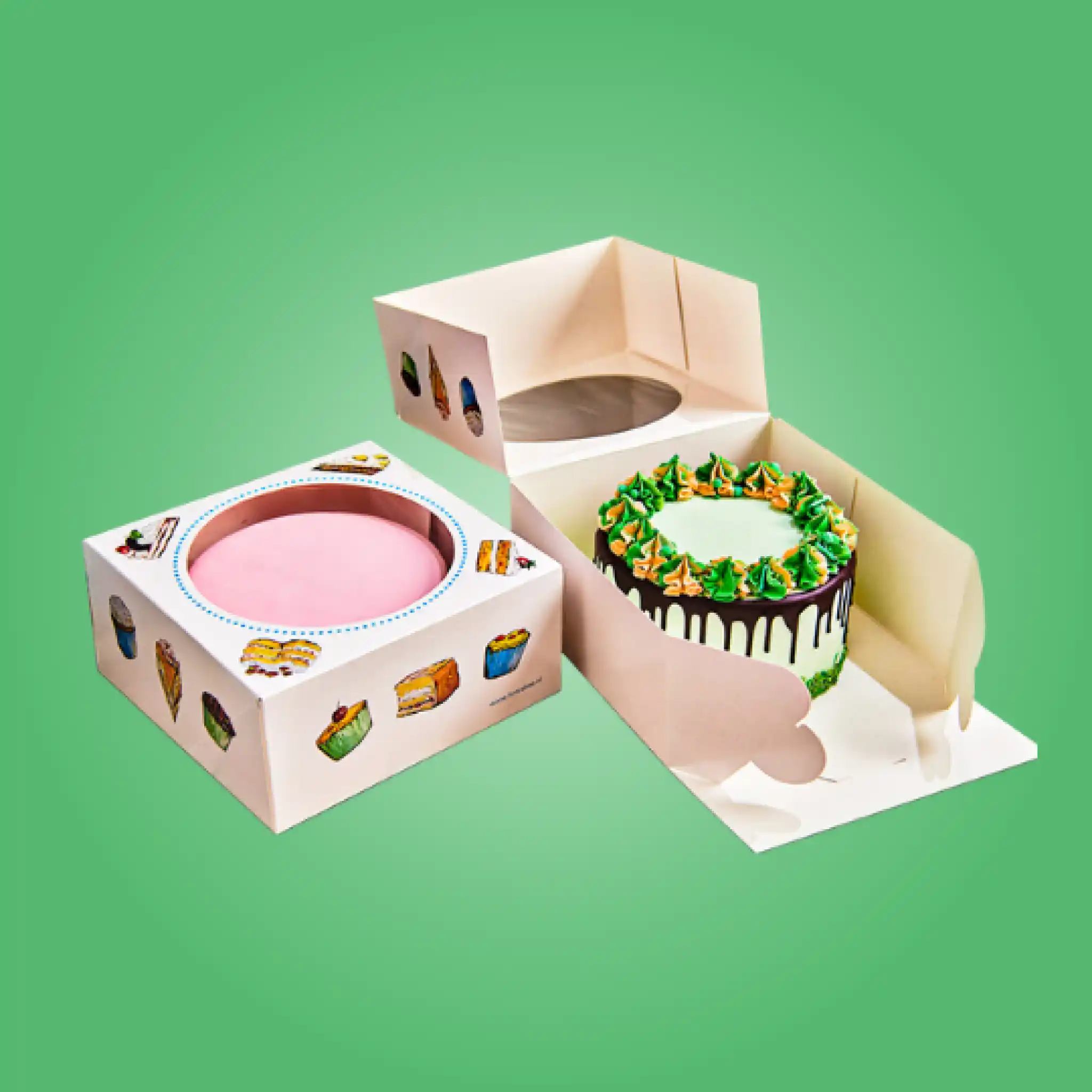
Perfect for US bakeries, Custom Cake Boxes keep cakes stable, clean, and photo-ready during pickup and delivery. Every box protects frosting, supports height, and strengthens branding across all major US cities. These boxes help bakeries deliver flawless cakes with confidence.

Custom Macaron Boxes keep delicate macarons safe, stable, and vibrant across the USA. These boxes protect shells from cracks, control humidity, and upgrade presentation for bakeries in every major US city. Each box supports clean branding, smooth delivery, and a premium unboxing experience.