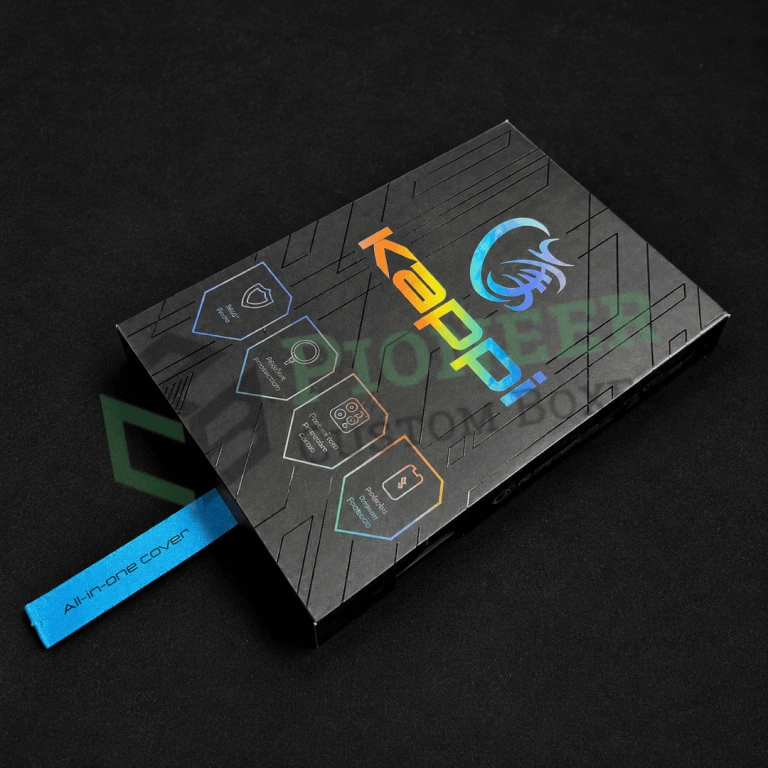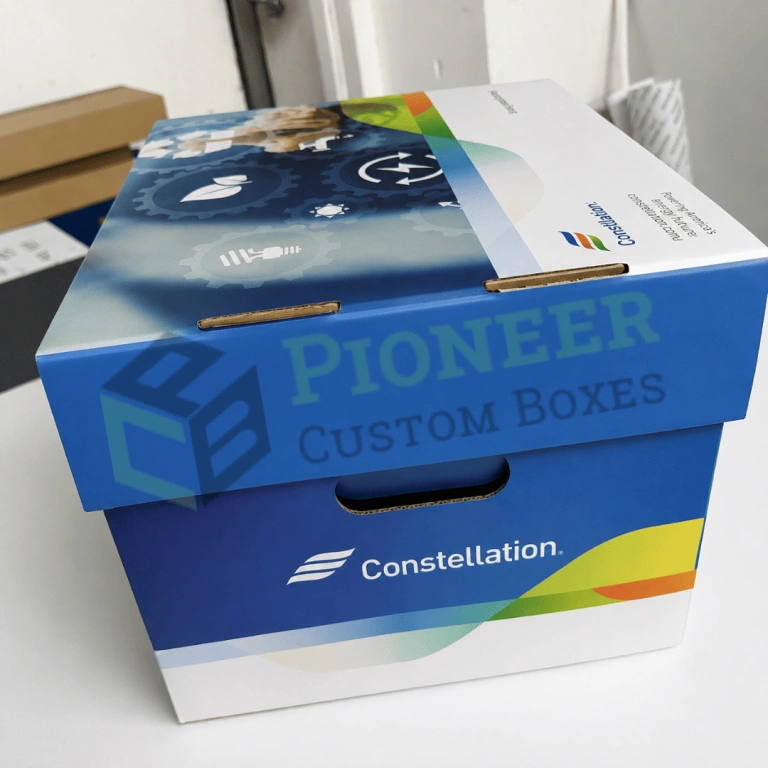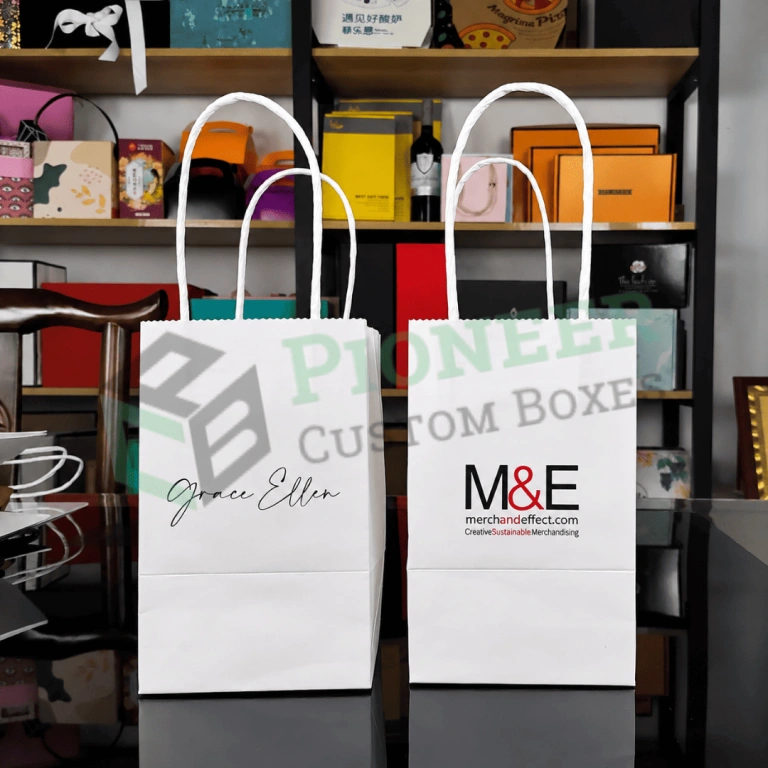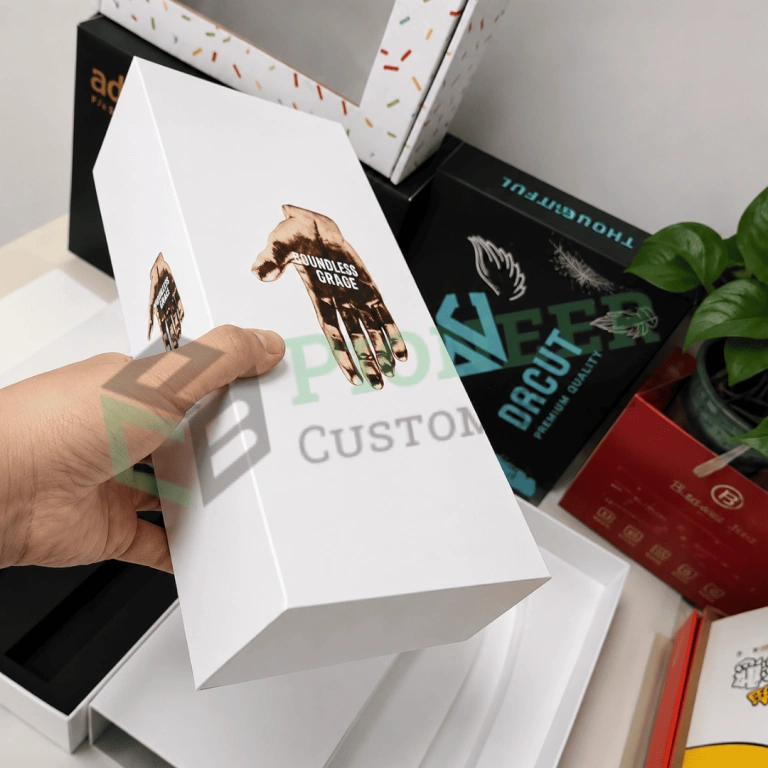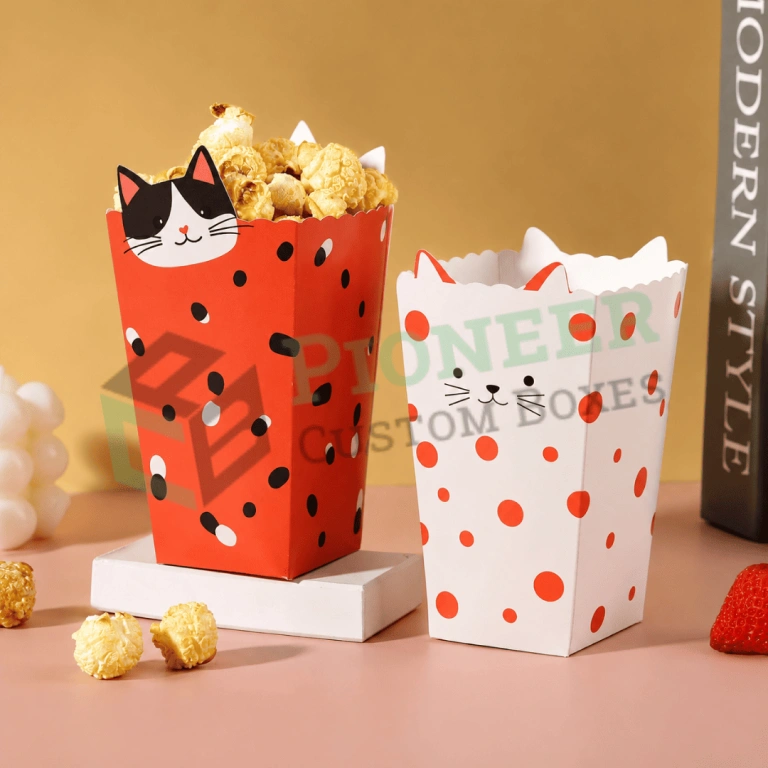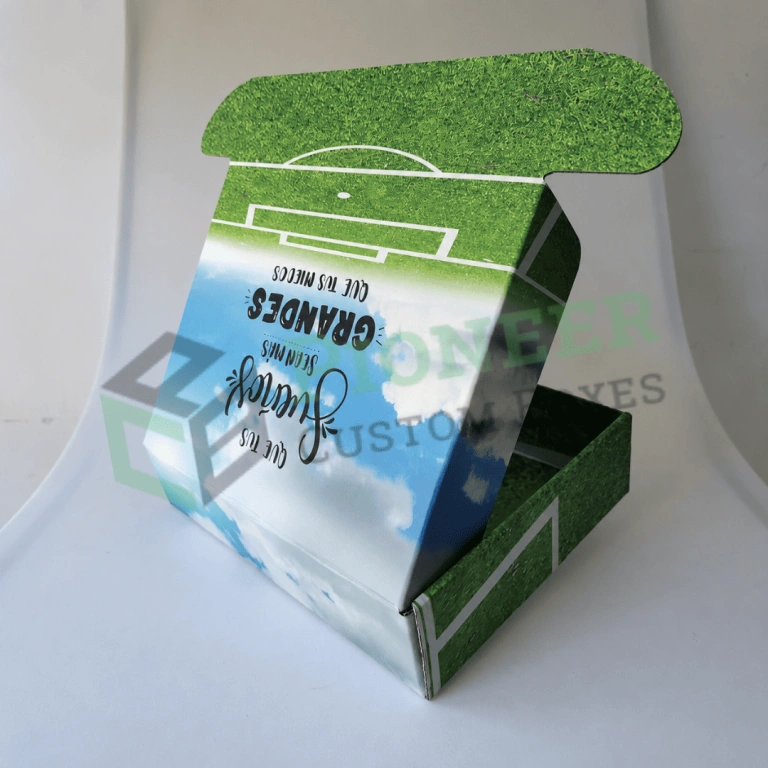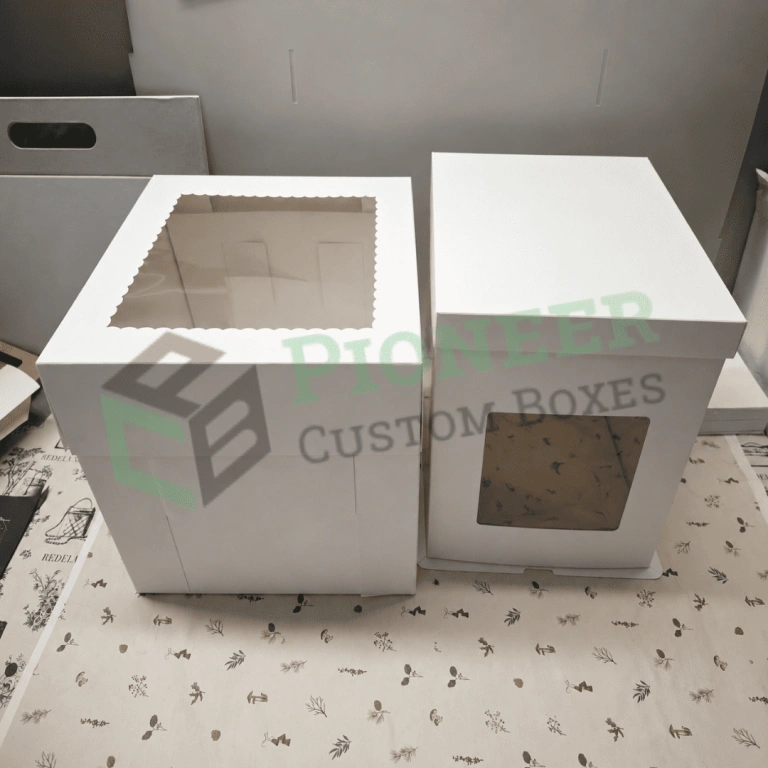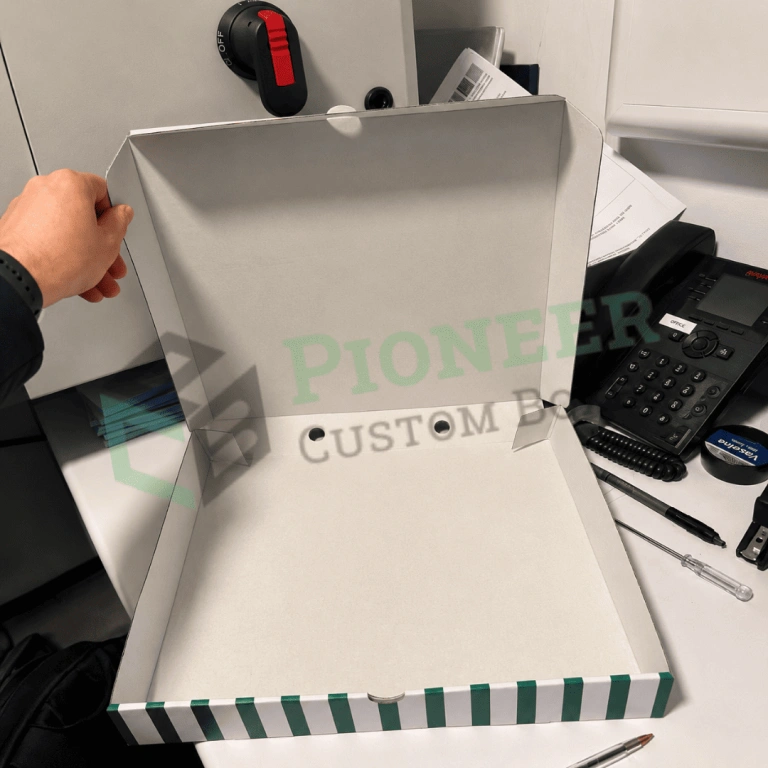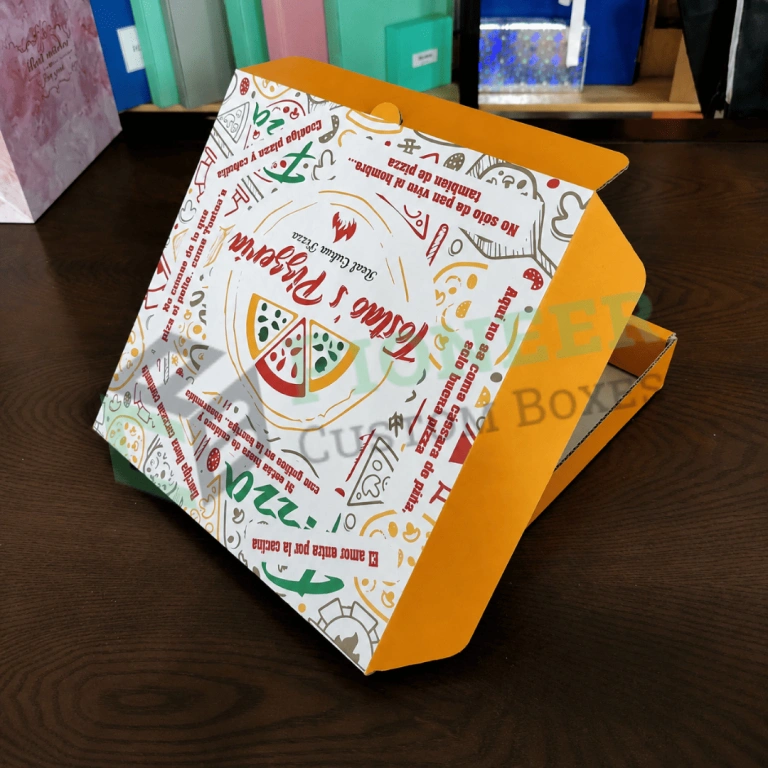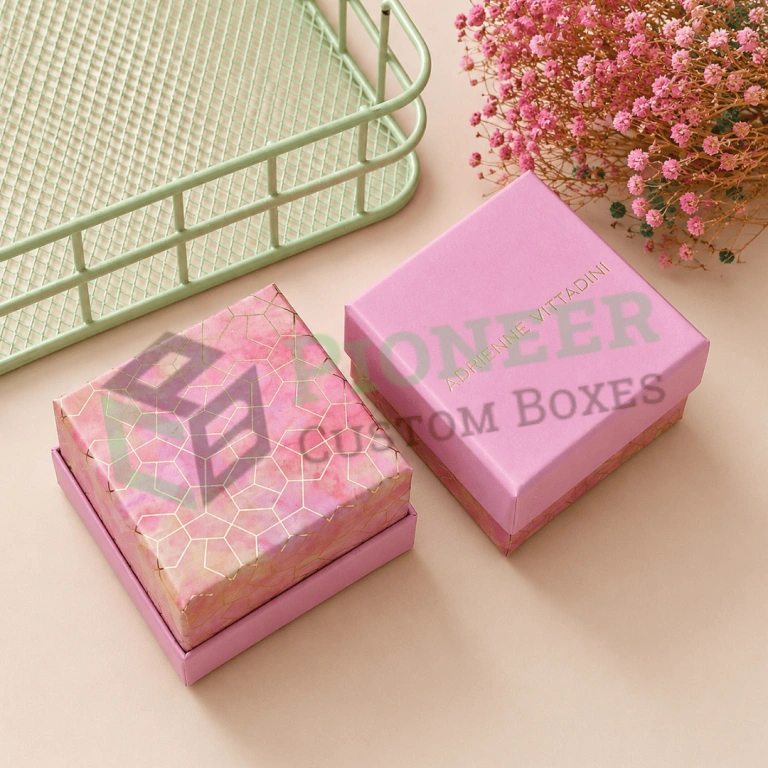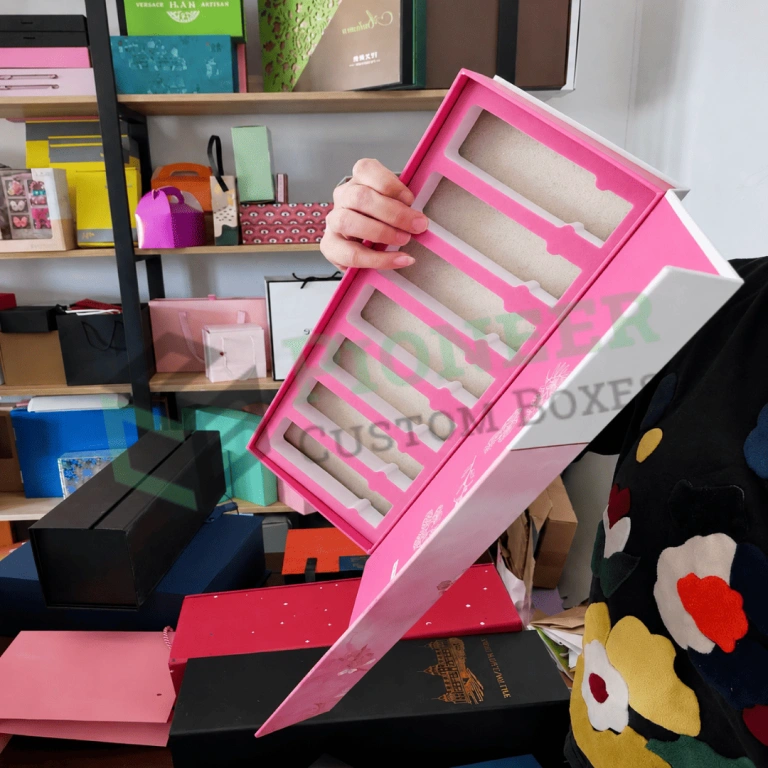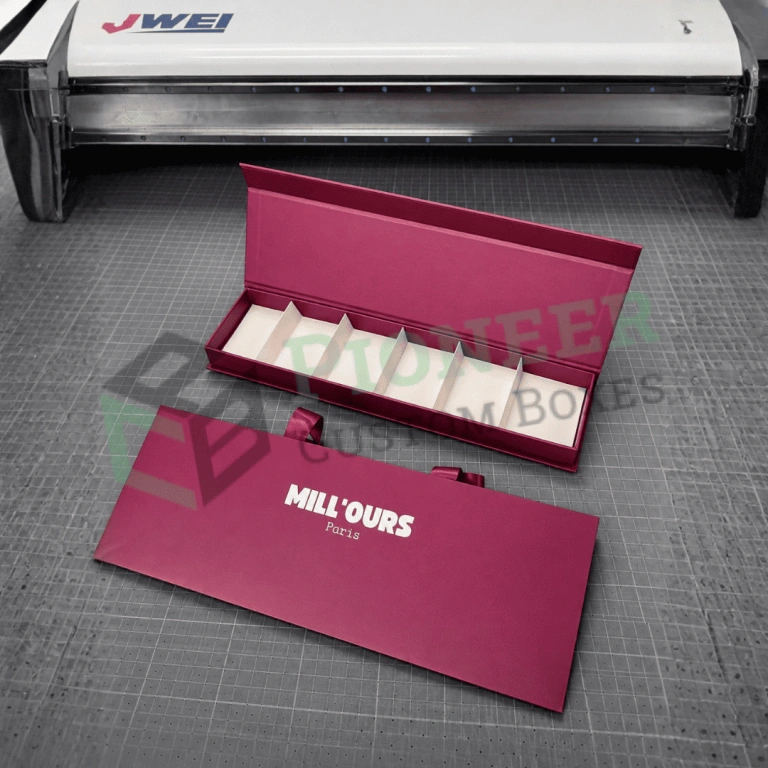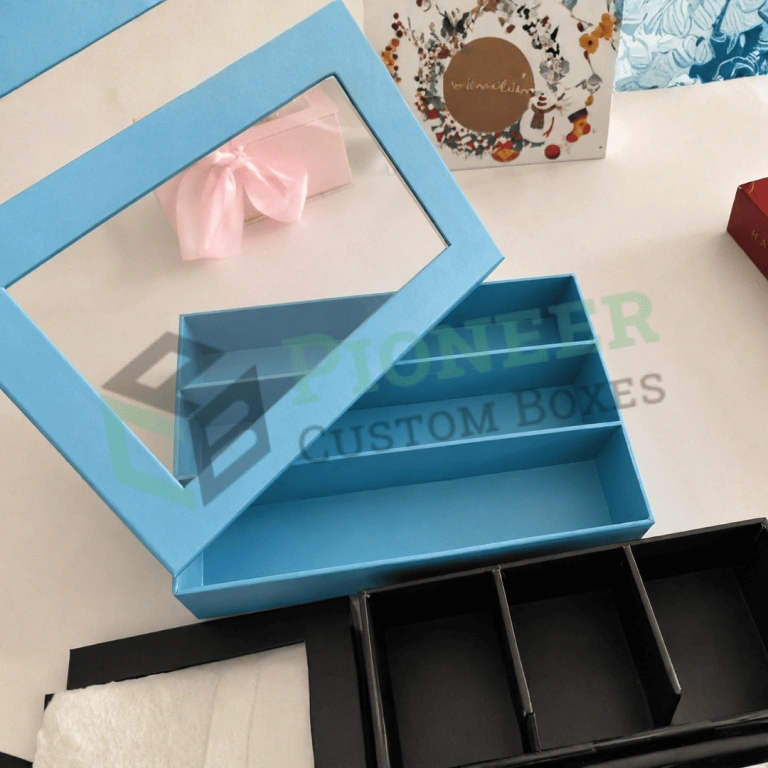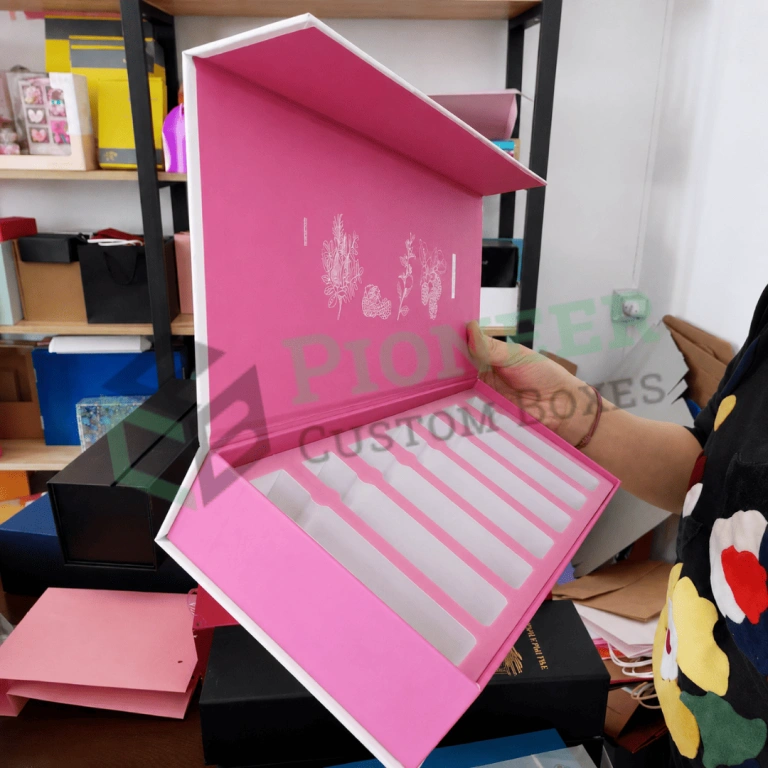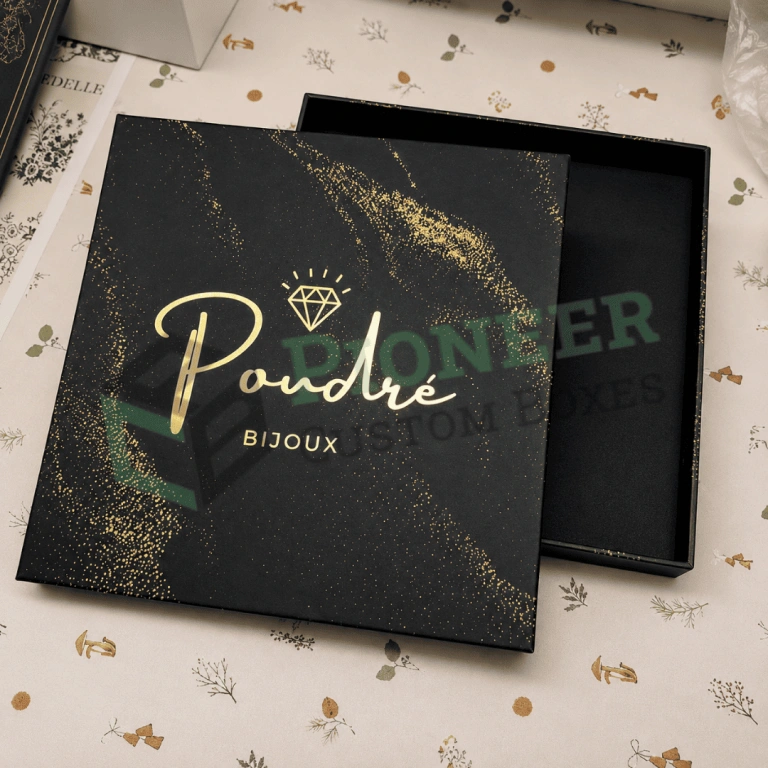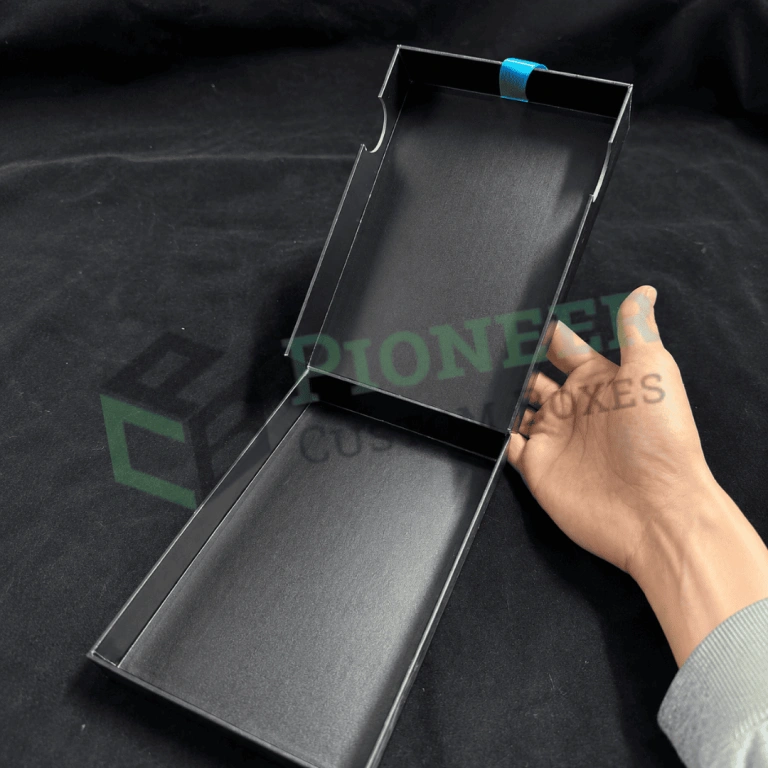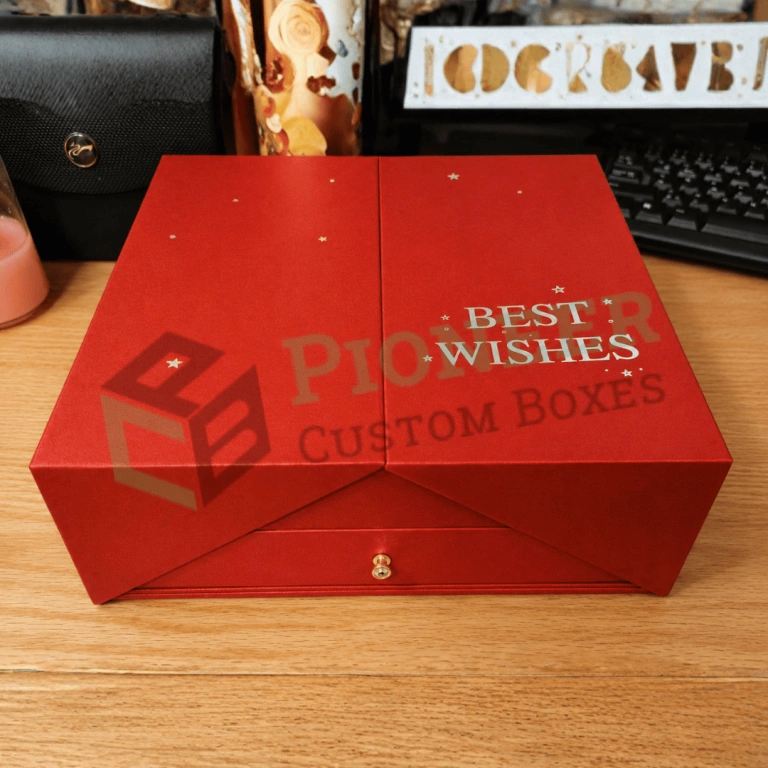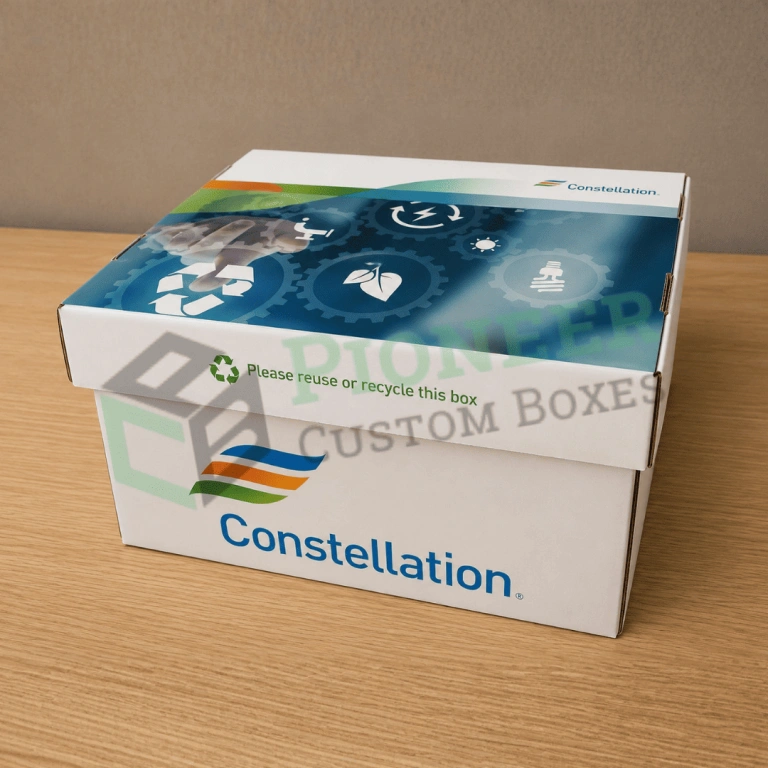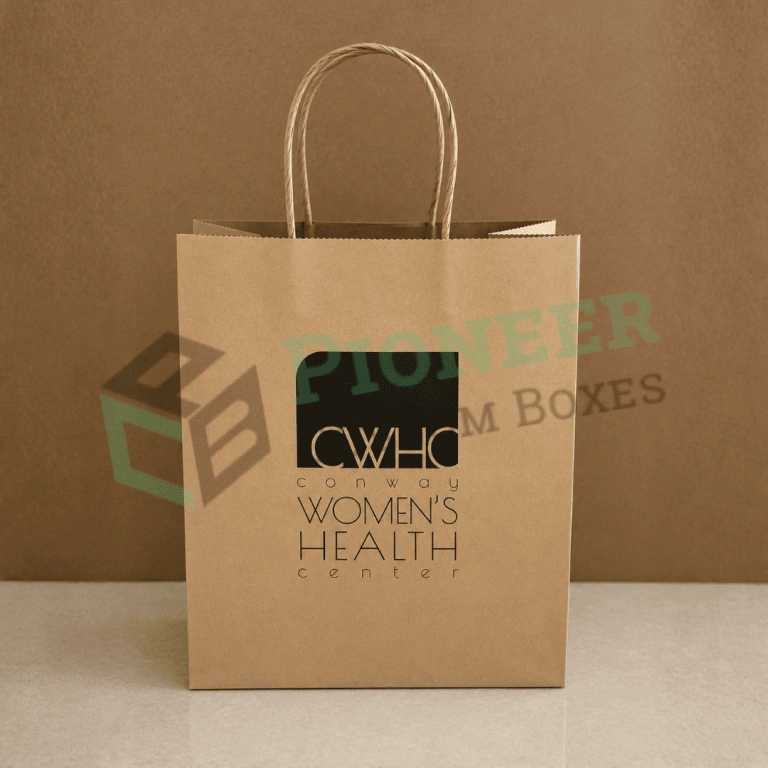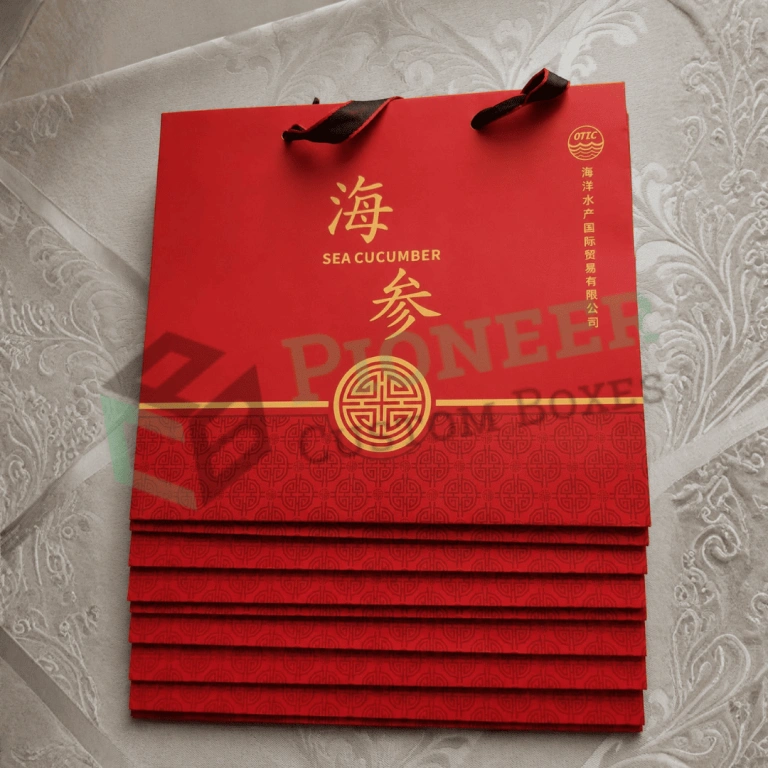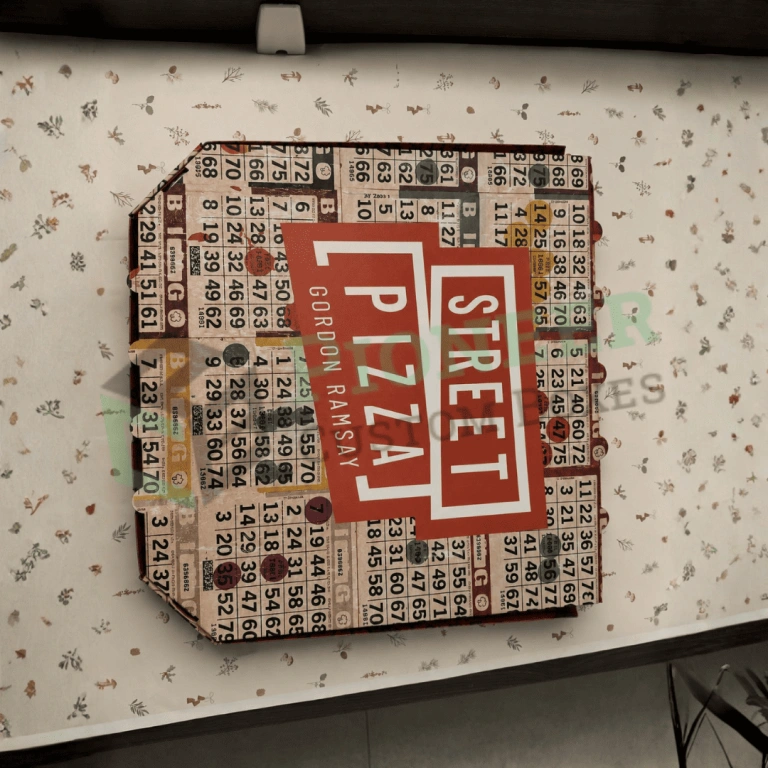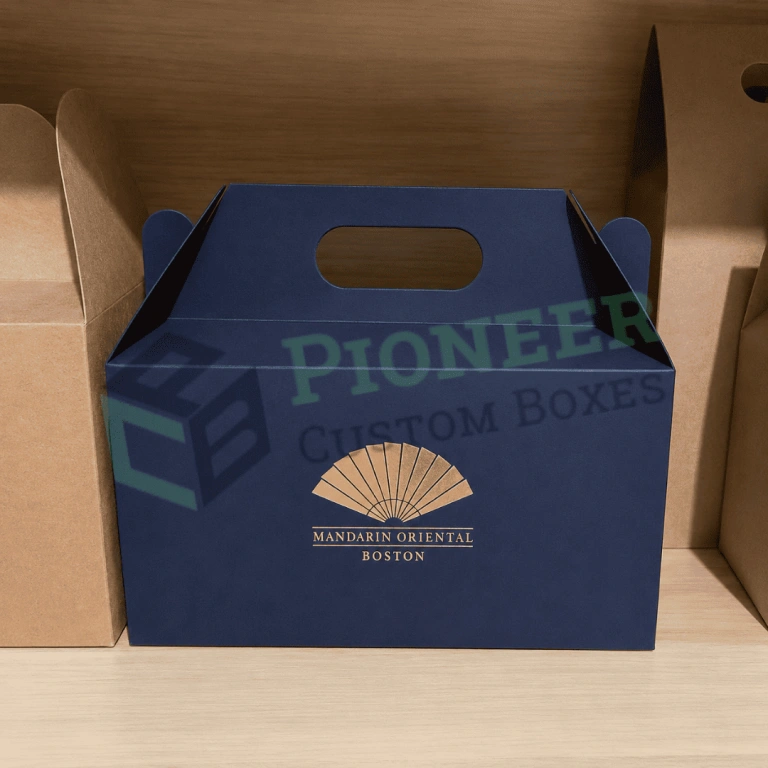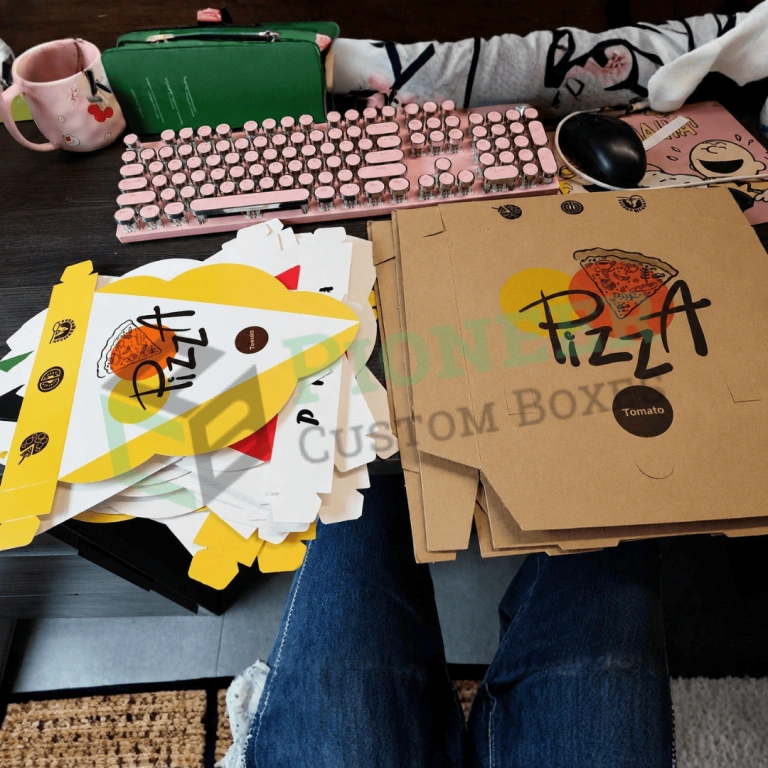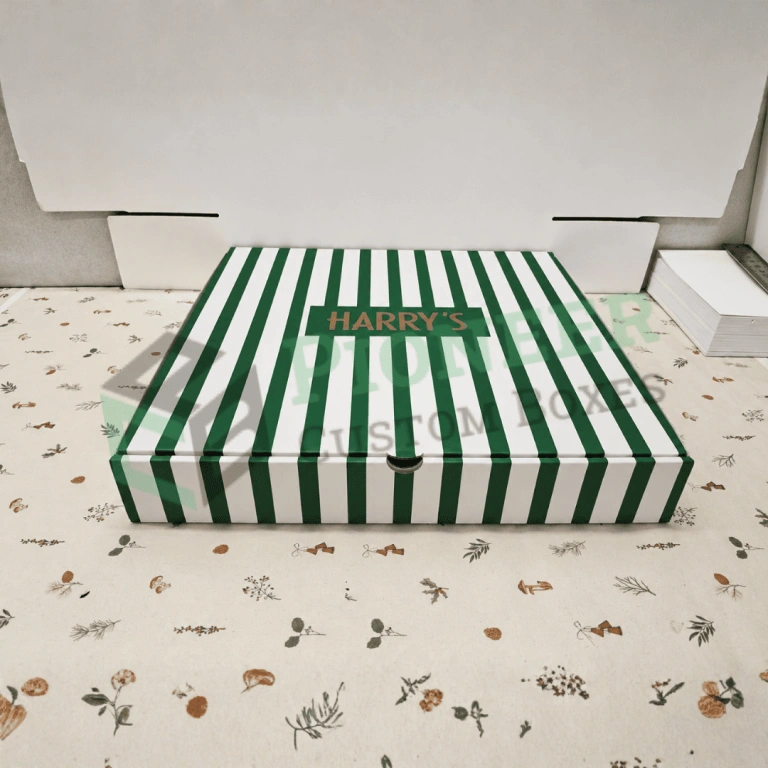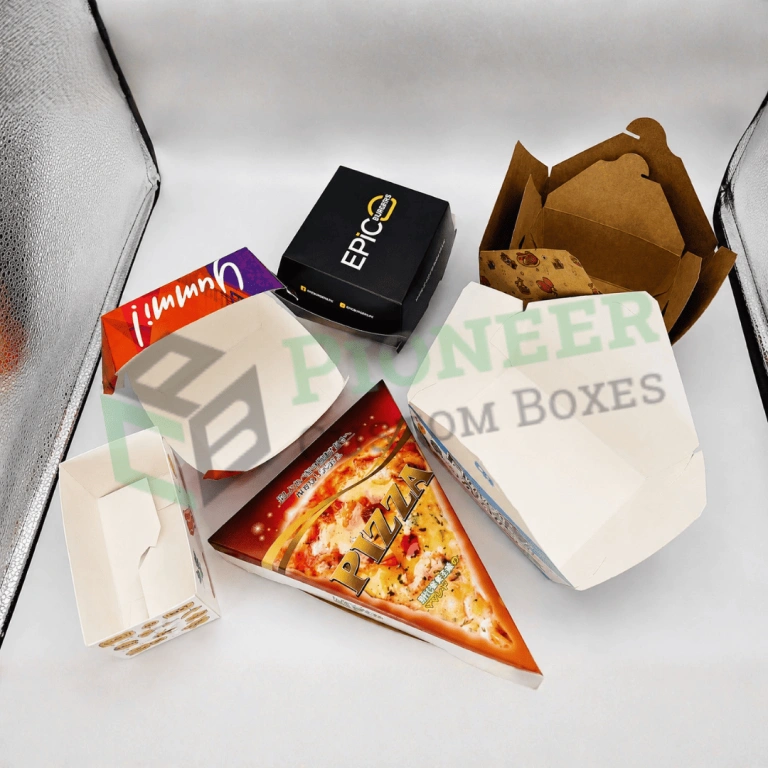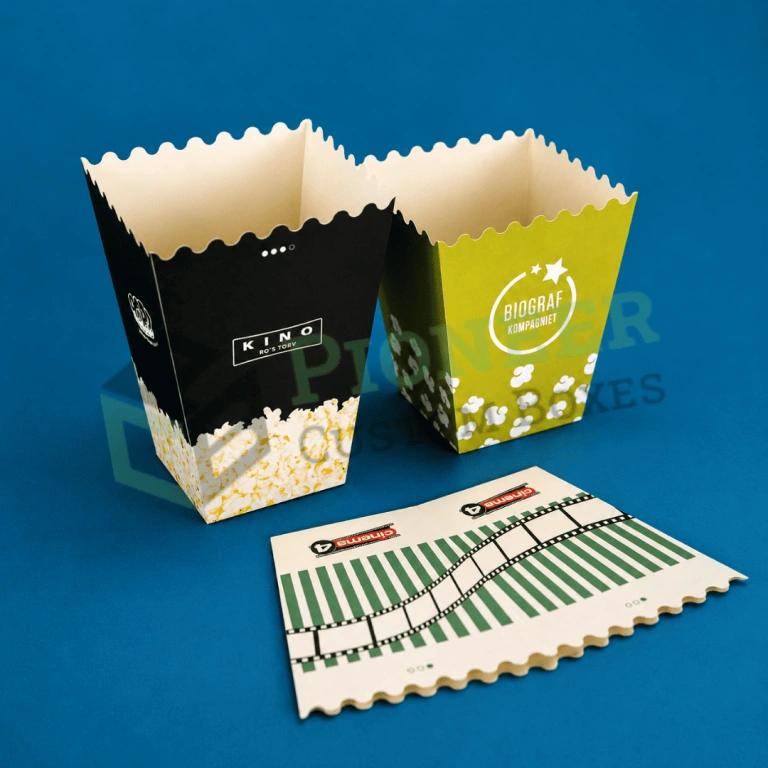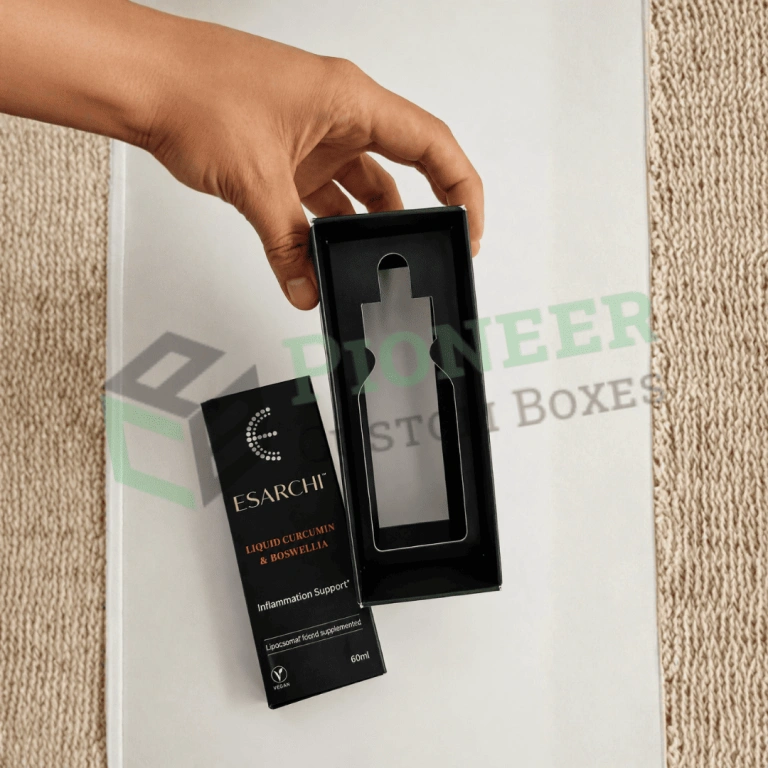
Custom die cut kraft boxes cut to any shape you can draw, with the dieline built around your product rather than a catalog. Choose roll end tuck top, locking front mailer, auto lock bottom, window front, gable handle, pillow box, sleeve and tray or a fully custom silhouette. We print digital, offset or flexo on natural kraft, bleached kraft back, recycled chipboard and kraft E or B flute. Add windows, hand holes, euro hanging slots, tear strips, inserts, interior printing and grease resistant liners. Zero minimum order quantity, free structural design and free shipping across the United States. Standard production runs ten to twelve business days, with rush service available. Get a free quote or order now.
A die cut turns flat kraft board into any structure you can draw. That freedom is the whole point of this category. You are not choosing from a catalog of stock cartons, you are specifying a shape that fits your product exactly. We manufacture custom die cut kraft boxes directly in the United States, so you control the die, the board and the print. Order fifty boxes or fifty thousand, because we hold no minimum order quantity.
Ecommerce brands use these for mailers that assemble without tape. Retailers use them for shelf ready packaging with built-in windows and hangers. Food businesses use them for takeout structures that stock cartons cannot match. Each pattern needs a different die, and we cut all of them on the same lines.
Every specification below is explained separately. Read the section that matches your product, then request a free quote. Our design team draws your dieline at no charge, whatever quantity you order.
The die decides the structure, and the structure decides how the box assembles, closes and presents. Here are the formats we cut most often in kraft.
A die-cut tray with a hinged lid tucking into the front panel. It assembles without tape in a single motion, which speeds a pack bench dramatically. This is the most requested die cut structure we produce.
The same tray with a locking tab that grips the front wall. The closure survives carrier vibration far better than a simple tuck, so shipped goods use this version.
The base folds into a locked panel that snaps flat when opened. Staff build the box in one motion, and the reinforced base carries real weight. Retail and takeaway both use it.
A die-cut opening reveals the product while the board protects it. Windows cut to any shape, including logo outlines and product silhouettes. We fit film behind the opening or leave it bare.
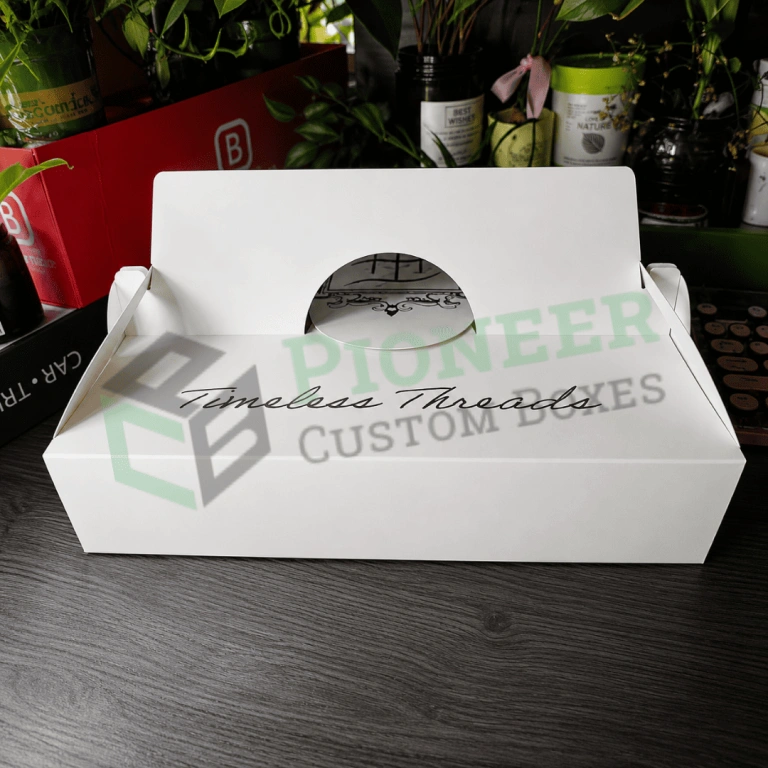
A carry handle forms into the top panel when the box closes. Gift programs, takeaway meals and event favors all use gable structures.
A curved die cut that folds into a soft pillow shape with tucked ends. It uses very little board, ships flat and looks far more considered than its cost suggests.
An inner tray slides out of a printed outer sleeve. The reveal creates an unboxing moment, and the sleeve carries artwork across a large flat panel.
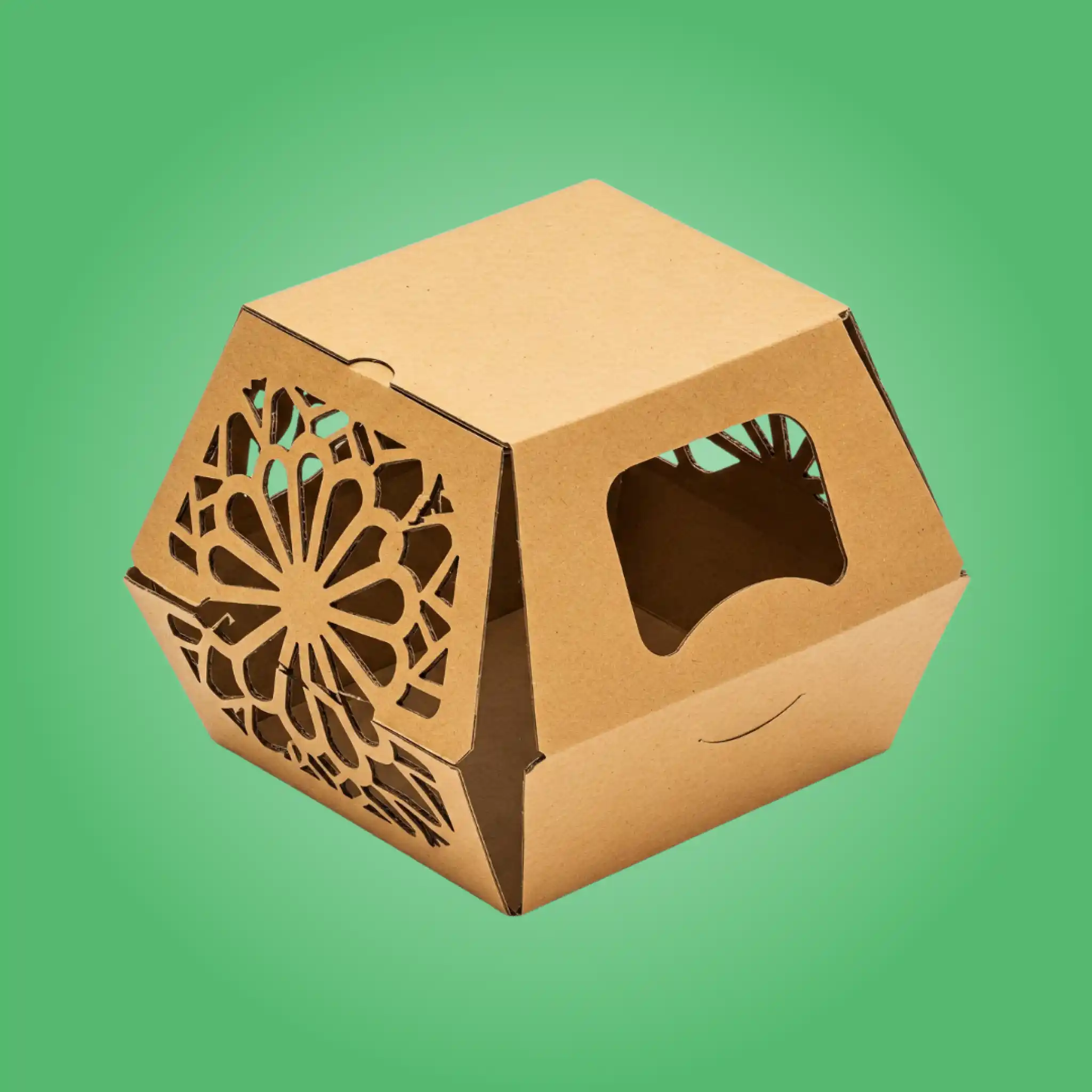
Hexagons, pyramids, hearts, houses and custom silhouettes all cut from flat kraft. Seasonal programs and premium gifting use shaped dies to stand out on a crowded table.
,,,,,,,,
| Box Style | Closure | Assembly | Best Application |
|---|---|---|---|
| Roll end tuck top | Hinged lid, front tuck | No tape, one motion | Ecommerce mailers |
| Roll end locking front | Hinged lid, locking tab | No tape, one motion | Shipped goods |
| Auto lock bottom | Snap-lock base | One motion, glued base | Retail and takeaway |
| Window front box | Tuck or lock base | Fast, film optional | Shelf display |
| Gable handle box | Formed carry handle | Two motions | Gifting and takeaway |
| Pillow box | Tucked curved ends | Very fast | Favors and accessories |
| Sleeve and tray | Sliding inner tray | Two pieces | Premium unboxing |
| Shaped and novelty die | Varies by design | Varies by design | Seasonal and gifting |
Tell us the product dimensions, the filled weight and how the box gets opened. Those three inputs drive the die. Our team then draws the structure and sends the dieline free of charge.
Every structure above is available in bleached and coated board as well. The same dies run across our kraft boxes range, so a brand can switch substrate between product lines without paying for new tooling.
Every box here is cut to your product rather than to a catalog. These dimensions cover the orders we run most often, so use them as a starting point.
,,,,,,,,,,
| Size (L x W x H, inches) | Typical Contents | Common Use |
|---|---|---|
| 4 x 4 x 2 | Jewelry, candles, small accessories | Gift and favor boxes |
| 6 x 4 x 2 | Cosmetics, soap, small kits | Retail and subscription |
| 8 x 6 x 2 | Apparel single item, prints | Flat goods mailers |
| 9 x 6 x 3 | Supplements, mugs, small bundles | Standard ecommerce mailer |
| 10 x 8 x 4 | Two to three item orders | General merchandise |
| 12 x 9 x 4 | Apparel multipacks, kits | Subscription boxes |
| 12 x 12 x 5 | Home goods and glassware | Fragile products with inserts |
| 14 x 10 x 6 | Larger bundles and gift sets | Holiday and corporate |
| 5 x 5 x 5 | Cube presentations | Gifting programs |
| 7 x 3 x 1 | Slim products and cards | Pillow boxes and sleeves |
Give us interior dimensions rather than exterior ones. Board thickness eats into usable space, and a box quoted to outside dimensions will hold less than you expect. Add roughly a quarter inch of clearance around the product so it slides in without forcing.
Understanding the process removes most of the mystery from the quote, and it explains where your money actually goes.
A die is a wooden board with steel rules embedded along every cut and crease line. The press stamps that die into flat board, cutting the outline and scoring the folds in one stroke. Everything about your structure lives in that one tool.
Cutting rules slice all the way through the board, creating the outline and any windows. Creasing rules do not cut at all, they compress the board so it folds cleanly along a defined line. Getting crease depth right matters enormously, because a shallow crease cracks the surface and a deep one weakens the panel.
Tooling is a one-time cost. A standard structure runs on a die we already own, so it costs you nothing. A custom shape needs a new die, and we keep that die on file afterward so every reorder skips the charge entirely.
Nesting decides material efficiency. Our prepress team arranges as many blanks as possible on each sheet, and a small dimension change sometimes lets an extra blank fit. We will tell you when a quarter inch adjustment meaningfully drops your unit cost.
Kraft is not one material. The name covers several grades with very different surfaces, strengths and costs. Our paper suppliers hold Forest Stewardship Council chain of custody certification, and we supply that documentation whenever a buyer asks for it.
Unbleached brown board with a visible fiber texture. It signals honest and handmade instantly, which is why craft brands gravitate to it. Calipers from 14pt to 24pt cover most folding carton work.
A white printing surface on one side with a natural kraft reverse. You get clean photographic print outside and the kraft look inside, which many brands prefer for cost reasons.
Post-consumer fiber pressed into a rigid sheet. It costs less than virgin kraft and carries a genuine recycled story. The surface runs slightly rougher, which suits rustic positioning.
A fine fluted layer between two kraft liners at roughly a sixteenth of an inch. It die cuts cleanly, folds crisply and adds real crush resistance. Ecommerce mailers use this grade constantly.
A thicker flute at about an eighth of an inch with noticeably more protection. Heavier shipped goods move to B-flute once E stops being enough.
A barrier coating on the interior surface stops oil migrating into the fiber. Food applications need it, and the coating stays food safe and largely recyclable.
Ribbed, laid and felt finished kraft papers add tactile interest before any ink is considered. Premium brands use texture to signal quality at very low cost.
A white inner surface brightens the unboxing while the exterior stays natural brown. Subscription brands use this pairing to print interior artwork that actually reads.
,,,,,,,,
| Material | Typical Caliper | Strength | Best Application |
|---|---|---|---|
| Natural kraft paperboard | 14pt to 24pt | Light to moderate | Retail and gift boxes |
| Bleached kraft back | 16pt to 24pt | Light to moderate | Photographic exterior print |
| Recycled kraft chipboard | 18pt to 28pt | Moderate | Rustic and budget conscious |
| Kraft E-flute | 1.5 mm wall | Moderate | Ecommerce mailers under 10 lb |
| Kraft B-flute | 3 mm wall | High | Shipped goods up to 20 lb |
| Grease resistant kraft | 16pt to 20pt | Moderate | Food and takeaway |
| Textured specialty kraft | 16pt to 22pt | Light to moderate | Premium gifting |
| Kraft with white liner | 1.5 mm wall | Moderate | Interior printed unboxing |
Kraft behaves differently under ink than white board does, so method choice matters more here than elsewhere. We print in house on digital, offset and flexo equipment.
Digital skips plates entirely, which removes setup cost and makes short runs affordable. A new brand can order two hundred printed kraft boxes without penalty. Variable data also becomes possible, so each box can carry a different name or code within one run.
Offset holds the finest detail and the steadiest color across long runs. Once quantity passes roughly a thousand boxes, offset usually costs less per unit. Fine line work and small type both survive better on this press.
Flexo prints directly onto corrugated kraft from flexible plates. It is by far the most economical method for mailers, handling one to three spot colors well. Keep flexo artwork bold, since fine detail softens against the flute.
Kraft absorbs ink and warms every color underneath it. Printing a white base layer first restores accuracy for light artwork, at the cost of an extra pass. Our prepress team will show you the same design with and without it.
Flat folding cartons cover the majority of die cut work we produce. Those run on the same presses as our wider paperboard packaging range, which keeps color consistent between a kraft mailer and a coated retail carton in the same family.
Kraft already carries a strong surface character, so finishing here works differently than on white board. The best results usually come from restraint rather than layering. Each option below solves a different problem.
Embossing without ink raises your logo out of the kraft surface using shadow alone. Nothing suits this material better. The effect looks confident and expensive, and it costs less than most buyers assume.
Debossing presses the mark into the board instead of raising it. On thicker kraft the impression reads as a stamp, which suits heritage and craft positioning perfectly.
Metallic leaf pressed into brown kraft gives the strongest contrast available in this category. Gold, copper and black foil all work beautifully. Because a die carries the image, keep foil artwork bold rather than hairline thin.
Spot UV cures glossy varnish over selected artwork only. On uncoated kraft the contrast between matte fiber and glossy varnish is dramatic. Designers often outline a logo or a pattern this way.
Aqueous is a water based sealer that adds scuff resistance without blocking recycling. It preserves the natural kraft feel, unlike film lamination which flattens the texture entirely.
Matte film protects the surface and deepens the brown slightly. It does remove the tactile fiber quality, so use it where handling durability outranks feel. Recycling also becomes harder.
An interior barrier coating stops oil migrating into the fiber. Food and cosmetic applications both need it. The coating stays food safe and does not change the exterior appearance at all.
Windows, hand holes and hanging tabs all cut in the same pass as the outline, so they add no press time. Only the die changes. These features are structural rather than decorative, and they usually pay for themselves.
Kraft changes every color you print on it, which is the first thing to understand about this category. We support three systems, and our prepress team advises which fits your artwork at no charge.
CMYK mixes cyan, magenta, yellow and black to build full color. On kraft the brown substrate shows through, so every color lands warmer and darker than it appears on screen. Photographic work needs either a white base layer or an acceptance that the result will look vintage.
PMS refers to the Pantone Matching System, where each ink arrives premixed to one formula. Spot colors sit more opaquely on kraft than process builds do, so brand colors hold better. One or two spot colors on natural kraft is the most reliable combination in this whole category.
RGB describes light, so screens and design software use it natively. We accept RGB artwork and convert it during prepress. Bright greens, electric blues and pale pastels shift most, and kraft pushes them further still. Send files early and we show you a converted proof on your actual substrate.
White ink is not optional on kraft when artwork includes light tones. A white underlay restores color accuracy, and white line work alone creates strong contrast against brown. Ask our team to quote both versions.
Because everything here starts with a die, most add-ons cost nothing extra once the tooling exists. Review the table, then read the notes below it.
,,,,,,,,,
| Add-On | What It Does | Best Suited For | Lead Time Impact |
|---|---|---|---|
| Die-cut window | Reveals the product through the panel | Retail and gift display | None once tooled |
| Food grade window film | Seals the opening against air and dust | Food and cosmetics | None |
| Die-cut hand hole | Makes a filled box liftable | Larger retail and takeaway | None once tooled |
| Euro hanging slot | Lets the box hang on a retail peg | Hardware and accessories | None once tooled |
| Tear strip | Opens the box without a blade | Ecommerce and subscription | None |
| Paperboard insert or divider | Holds contents in fixed positions | Fragile and multipack goods | Adds one day |
| Interior print | Carries artwork inside the lid | Unboxing focused brands | None |
| Ribbon or twine closure | Adds a hand finished gift detail | Favors and gifting | Adds two days |
| Grease resistant liner | Blocks oil migration into the board | Food applications | None |
Windows are the clearest example of why die cutting pays off. Once the die exists, the window costs nothing per unit, because it cuts in the same stroke as the outline. A shaped window that matches your logo therefore costs the same as a plain rectangle.
Euro hanging slots matter if you sell into hardware, pet or accessory retail. Buyers in those channels expect peg compatibility, and a box without a slot simply will not merchandise. Adding it at dieline stage costs nothing.
Inserts remove movement, and movement causes most transit damage. A simple kraft divider costs pennies at production quantity while replacing loose void fill entirely. Your pack bench gets faster and your packaging spend often falls.
Interior printing changes the whole opening for very little money. On kraft with a white interior liner, a printed message or pattern inside the lid reads beautifully and gives customers something to photograph.
A die cut box succeeds or fails at dieline stage, long before anything reaches a press. Here is what our design team actually checks.
Every fold consumes board, so panels have to be sized with thickness compensation built in. Skip that and the lid will not close on a finished box even though the drawing looked correct.
Board fiber runs in one direction, and folds made across the grain crack while folds along it stay clean. We orient your dieline so the critical scores run with the grain.
A glue tab needs enough surface area to bond reliably and has to sit where the gluer can reach it. Tabs placed for drawing convenience rather than production reality cause real problems.
A locking front tab must grip firmly without tearing after repeated opening. The tolerance between too loose and too tight is small, and it changes with board caliper. We adjust it per specification rather than reusing one shape.
Artwork crossing a cut or a score prints split and rough. Keep critical elements an eighth of an inch clear of every line, and our prepress team flags anything that does not.
Two quotes for the same box can differ by half. The gap sits in a handful of places, and each one is under your control.
A standard structure runs on a die we already own, so tooling costs you nothing. A custom shape needs a new die, priced against how much rule the shape requires. Intricate silhouettes cost more than simple rectangles. We keep every die on file, so the charge never repeats on a reorder.
Caliper is the largest recurring cost. Moving from 16pt to 22pt raises material cost meaningfully, yet it stops a filled box from bowing. Match caliper to filled weight rather than to habit, and our team will calculate the minimum that holds your product safely.
One or two spot colors on natural kraft is the economical baseline. Adding a white underlay for color accuracy adds a whole extra pass, which can double the printing portion of your quote. Design around the kraft rather than against it and you avoid that cost entirely.
Foil needs a die and a pass. Embossing needs a brass die and a pass. Spot UV needs a plate and a pass. Each one adds handling, so stacking three triples it. Pick one hero finish and let it carry the design.
Digital printing wins below roughly five hundred boxes, because it skips plates. Offset wins above that point, since plate cost spreads across the run. Die cutting itself scales well, so quantity moves printing cost more than cutting cost. Zero minimum order quantity means you can still start small.
Simple tuck structures need no custom tooling at all. Our tuck boxes run on dies we already own, which removes the setup charge entirely. Ask our team whether a stock die covers your product before you commission a custom one.
Every order moves through a fixed inspection sequence built around the failures that actually generate complaints.
First, prepress compares your artwork against the dieline. We check bleed, resolution, fold clearance and material thickness allowance. Artwork crossing a score is the most common issue we catch, and we adjust it before plates reach the press.
Second, the press operator pulls a sheet at startup and matches it to the approved proof. Spot colors get read with a spectrophotometer, and we verify every color on actual kraft rather than on white paper, because the substrate shifts everything.
Third, the die-cutting team checks registration between print and cut. A window sitting an eighth of an inch off center ruins the whole panel, so we measure rather than eyeball. Crease depth gets checked in the same pass, since a shallow crease cracks and a deep one weakens.
Fourth, finishing folds and assembles a sample from each skid. Locking tabs must grip without tearing, and roll end lids must close flush. Anything that binds or gapes stops the run.
Fifth, we load a finished box with test weight matching your filled product. The base must hold without bowing. If it flexes, the caliper was wrong and we upgrade it before anything ships.
Finally, packing counts, wraps and labels every carton. Boxes travel flat with separators, so printed surfaces never rub. You receive the count you ordered, and often a small overage at no charge.
The same material and process serve very different businesses. Knowing which pattern matches yours helps you specify correctly the first time.
Roll end tuck top mailers dominate here, because they assemble without tape and look intentional on camera. Kraft with a printed interior gives the unboxing moment customers photograph. Right-sizing matters, since dimensional weight hits every order.
Bakeries, coffee roasters and specialty food brands lean on kraft because it signals small batch immediately. Grease resistant liners and windows both appear constantly. One spot color keeps cost low and looks deliberate.
Natural positioning and kraft board go together closely. Tuck end cartons with blind embossing carry the brand without shouting. Inserts hold bottles upright through shipping.
Rigid enough to protect glass, cheap enough to ship in volume. Die cut kraft with a formed insert is the default structure in this category, usually with a window or a foil logo.
Euro hanging slots, shelf ready panels and printed retail faces all cut in the same pass. Peg compatibility is often a buyer requirement rather than a preference.
Pillow boxes, shaped dies and gable handles all serve favors and corporate gifts. Digital printing and variable data let each box carry a different name, which matters for weddings and events.
Early stage brands need packaging that looks established before volumes justify plate charges. Digital printing and our zero minimum policy solve exactly that. Start with a hundred boxes and scale when demand is real.
Kraft carries a genuine environmental advantage, not just a visual one. Unbleached fiber skips the bleaching stage entirely, and the material recycles readily wherever paper is collected. The EPA publishes containers and packaging recycling data that documents how large that recovered paper stream has become.
Start with the board. Recycled kraft chipboard uses post-consumer fiber and costs less than virgin grades. Where a smoother surface matters, virgin kraft still prints better, but most applications never need it.
Then look at the finish. Aqueous coating keeps a box fully repulpable and preserves the kraft texture. Plastic lamination blocks recycling and flattens the tactile quality that made you choose kraft in the first place, so it rarely makes sense here.
Inks matter too. Soy and vegetable based inks deink cleanly during repulping, while metallic and fluorescent inks do not. Since kraft designs usually run one or two colors, keeping them deinkable is easy.
Finally, order what you need. Overordering wastes more material than any coating decision. Because we hold no minimum order quantity, you can print a season at a time and reorder when the artwork changes.
Most problems start at dieline stage rather than on the press. We catch them during prepress, yet catching them earlier saves you days.
The first mistake is designing light artwork for kraft without a white underlay. Pale colors disappear into brown board, and pastels turn muddy. Either design for the substrate or budget the extra white pass, but decide before artwork is finished.
The second mistake is quoting exterior dimensions when you meant interior. Board thickness eats into usable space, so the product may not fit a box that measured correctly on paper. Tell us which you measured.
The third mistake is placing artwork across a score or a cut. Ink cracks where the board folds, so logos land split and rough. Keep critical elements an eighth of an inch clear of every line.
The fourth mistake is choosing a caliper too light for the filled weight. A 14pt box holding two pounds bows within a week and looks cheap on arrival. Send us the weight and we specify the minimum that holds.
The fifth mistake is over-finishing. Lamination on kraft removes the tactile fiber quality that made you choose kraft, and it blocks recycling too. Blind embossing or foil usually delivers more impact for less money.
The sixth mistake is committing to a custom die before seeing a sample. A structure that looks right on a drawing can assemble awkwardly in a real pack bench. Order a sample, build it a few times and confirm the workflow.
Brands shipping directly to customers usually want the mailer format rather than a retail carton. Our mailer boxes assemble without tape and carry interior printing, which is exactly what turns a shipping step into a brand moment.
A real pattern explains this better than theory. Here is a job we run constantly for growing brands.
A candle brand needs 3,000 boxes for a single wick nine ounce jar. The jar measures three and a quarter inches across and four inches tall with a lid. Branding calls for natural kraft with a blind embossed logo and a small die-cut window.
Our team specifies an E-flute kraft mailer with a roll end locking front, sized with a quarter inch of clearance around the jar. A formed kraft insert holds the jar upright through transit. A blind emboss carries the logo, and the window sits on the front panel with no film so the box stays fully recyclable.
At 3,000 units the job runs offset for the outer print, with a new die cut for the window and outline. We send a digital proof within twenty four hours and a physical sample before production. The brand ships samples to two cities and confirms zero breakage.
Printing and die cutting run across days four through nine. Gluing, insert production and packing take days ten and eleven. Free shipping moves the cartons on day eleven, inside the standard ten to twelve business day window. The reorder skips tooling entirely, because we keep the die on file.
We manufacture in the United States and ship to every state with no freight charge. That matters for die cut work, because tooling and freight are exactly where brokers add margin.
East Coast brands in New York, Boston, Philadelphia, Washington and Atlanta usually receive orders within two transit days. Midwest clients in Chicago, Detroit, Minneapolis, Columbus and Kansas City see similar timing. Texas and Southeast markets including Dallas, Houston, Austin, Miami, Charlotte and Nashville also fall inside that window.
West Coast delivery to Los Angeles, San Francisco, Seattle, Portland, Phoenix, Denver, San Diego and Las Vegas typically runs three to four transit days. We quote Alaska and Hawaii individually, because carriers price those lanes differently.
Third party fulfillment centers create their own receiving requirements, and we ship directly to them on your behalf. Send us the address, the pallet specification and any labeling the warehouse requires. Our team handles the rest, so your inventory arrives ready to receive.
Ordering takes four steps and very little of your time. Most clients finish the whole sequence inside two business days.
Start by telling us the product dimensions, the filled weight and roughly how many boxes you need. That single message gives our team enough to quote. Send it through the quote form or call us at +1 440 262 2345.
Next, our designers build a free dieline and a layout proof. You pay nothing for structural design, whatever your quantity. Send a logo and your measurements, and our team handles thickness allowance, grain direction and tab geometry. Revisions stay free until you approve.
Then approve the digital proof and request a physical sample. We strongly recommend a sample on any custom die, because a structure that reads well on a drawing can assemble awkwardly in practice.
Finally, we print, cut, glue and ship. Standard production runs ten to twelve business days, and rush service compresses that to six to eight days when your deadline demands it. Shipping is free anywhere in the United States, with no fuel surcharge and no handling fee.
We hold no minimum order quantity at all. Order a hundred boxes to test a structure or a hundred thousand for a national launch. New brands use that flexibility to look established before their volumes justify plate charges, and established brands use it to pilot a seasonal shape.
Our in house design team works on your artwork and your structure at no charge. They build the dieline, compensate for board thickness, set grain direction, place glue tabs and verify every clearance. You receive print ready files you can keep, and nothing about the service depends on order size.
Tell us what your product is and how you want the box to open. We will price it honestly and show you exactly where to spend and where to save. Get a free quote now, or order now and let our team handle everything from dieline to doorstep.
Food businesses need the same structures with a barrier inside. Our food boxes range uses food safe boards, coatings and inks throughout, with documentation supplied whenever a retailer or auditor asks for it.
We manufacture directly, so nothing about your order passes through a broker. That control shows up in ways you can measure.
First, pricing stays honest because no middleman margin sits on top. Second, quality stays consistent because our own operators run every press, die and gluer. Third, timelines hold because we schedule your job on our own equipment rather than someone else floor.
Add the practical commitments and the picture completes itself. Zero minimum order quantity, free nationwide shipping, free structural design, stored dies for reorders and ten to twelve day standard production. Rush service covers the weeks when a launch date moves. Every order carries a full reprint guarantee if a box leaves here wrong.
Thousands of American brands already package in our die cut kraft boxes. Call +1 440 262 2345 and speak with a real production specialist today.
| Box Style | Custom Die Cut Kraft Boxes |
| Dimension (L + W + H) | All Custom Sizes & Shapes |
| Quantities | No Minimum Order Required |
| Paper Stock | 10pt to 28pt (60lb to 400lb) Eco-Friendly Kraft, E-flute Corrugated, Bux Board, Cardstock |
| Printing | No Printing, CMYK, CMYK + 1 PMS color, CMYK + 2 PMS colors |
| Finishing | Gloss Lamination, Matte Lamination, Gloss AQ, Gloss UV, Matte UV, Spot UV, Embossing, Foiling |
| Included Options | Die Cutting, Gluing, Scored, Perforation |
| Additional Options | Eco-Friendly, Recycled Boxes, Biodegradable |
| Proof | Flat View, 3D Mock-up, Physical Sampling (On request) |
| Turnaround | 4 – 8 Business Days, RUSH |
| Shipping | FLAT |
Every great product deserves packaging that turns heads. Here's how we make it happen — step by seamless step.
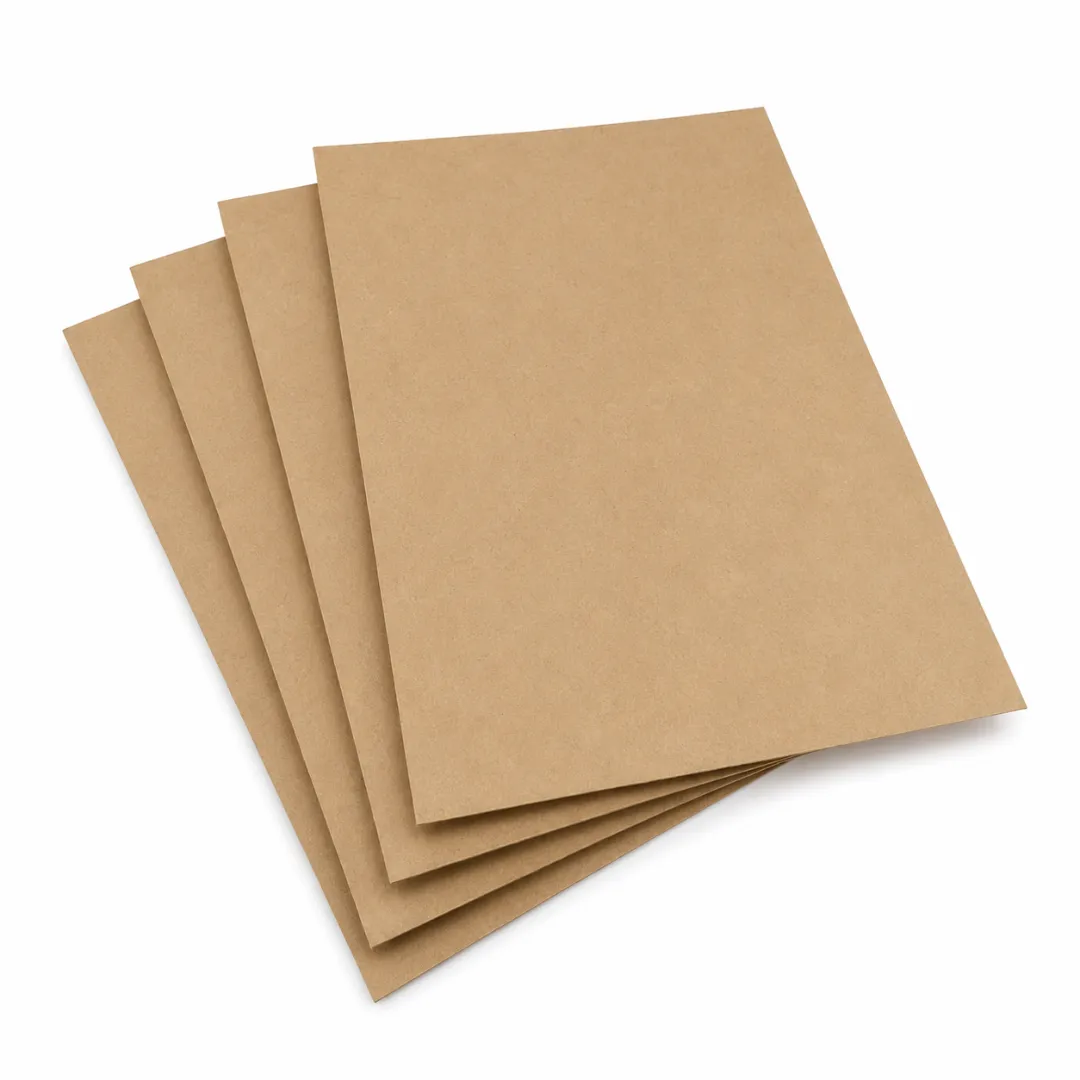
Kraft paper is a strong, durable and reliable material that is widely used across many different industries.
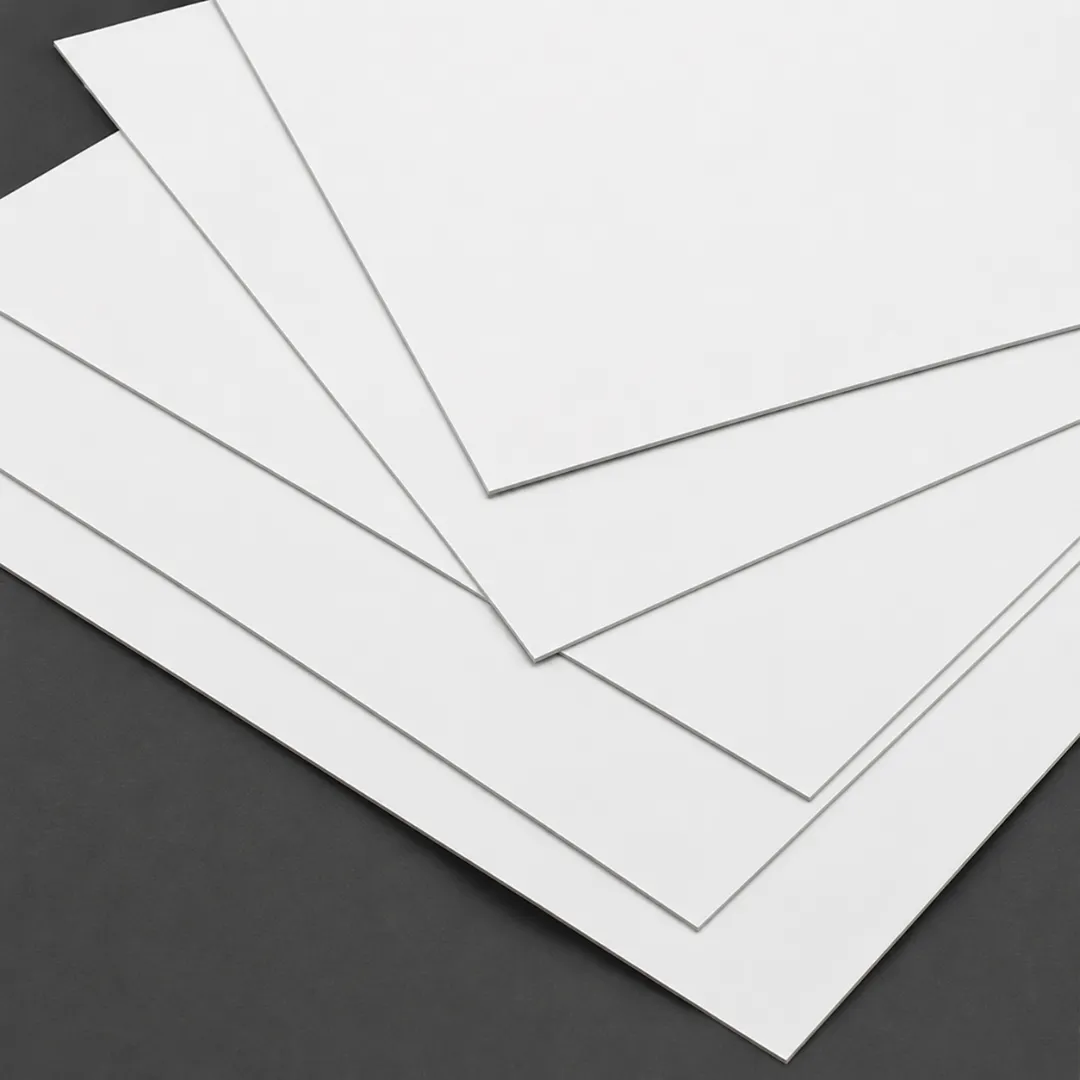
We use cardboard material with the least environmental impact and minimizes waste generation.
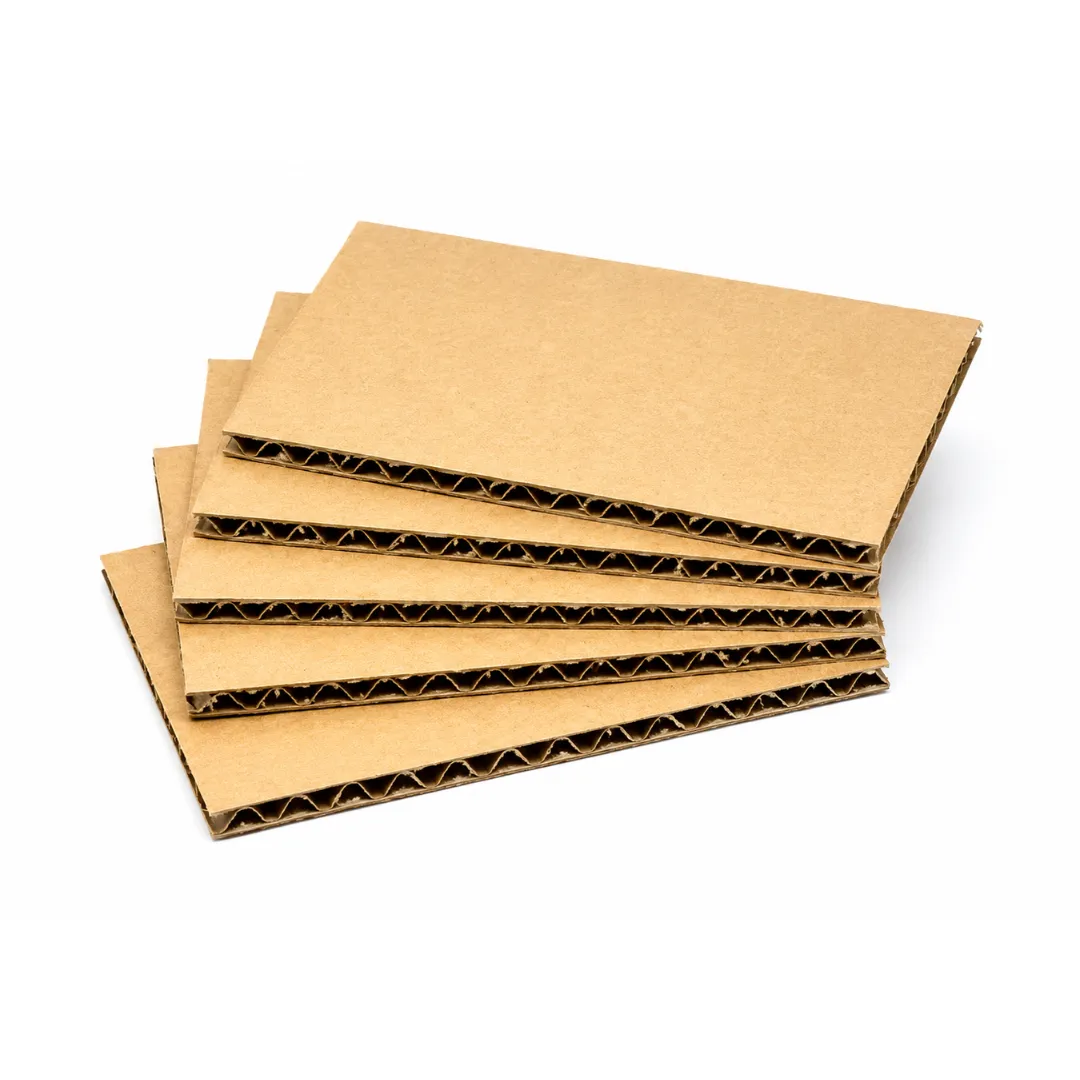
Corrugated material is easy to customize, cost effective and sustainable. It is also great for branding purposes.
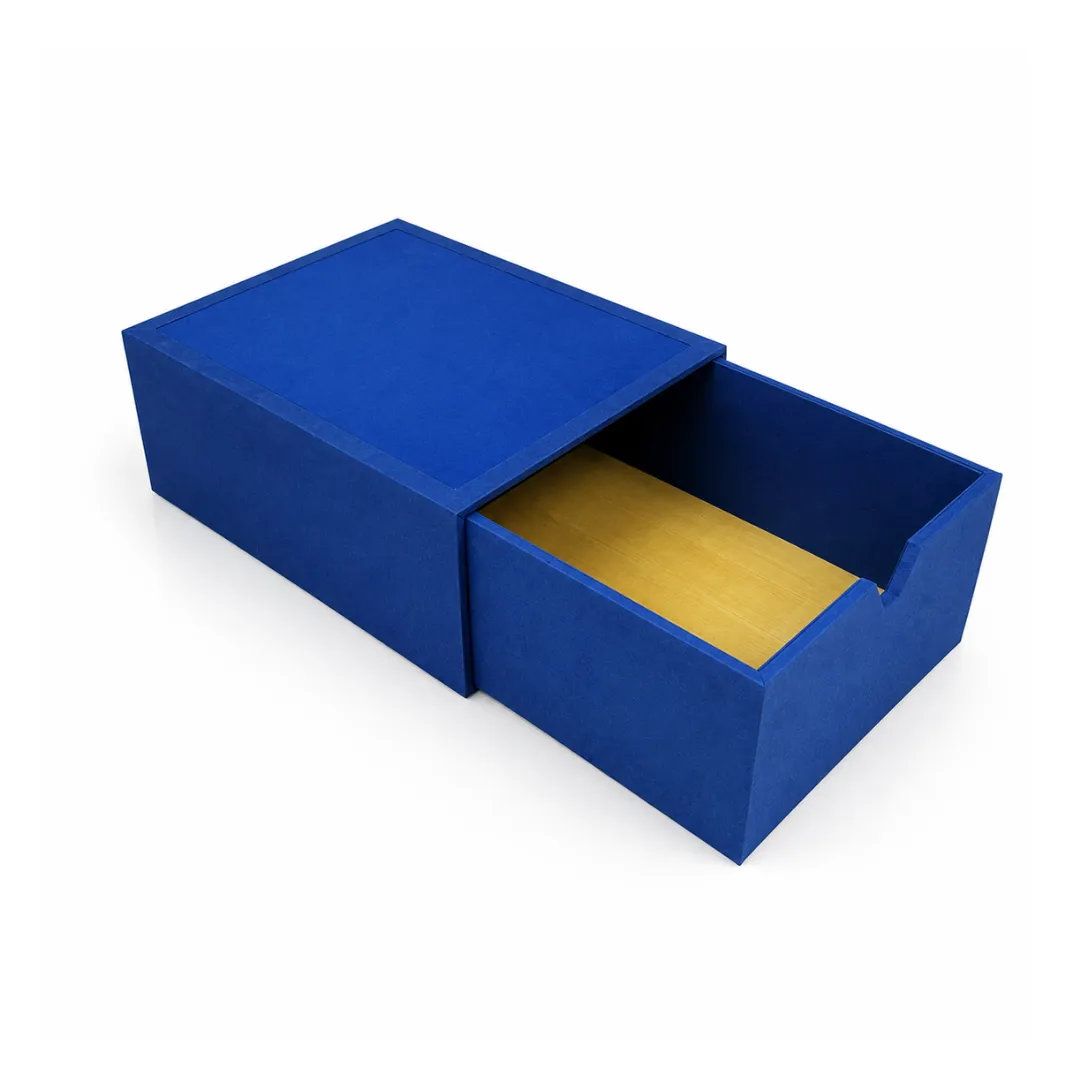
Rigid is highly protective, affordable and recyclable material. These boxes provide maximum protection.
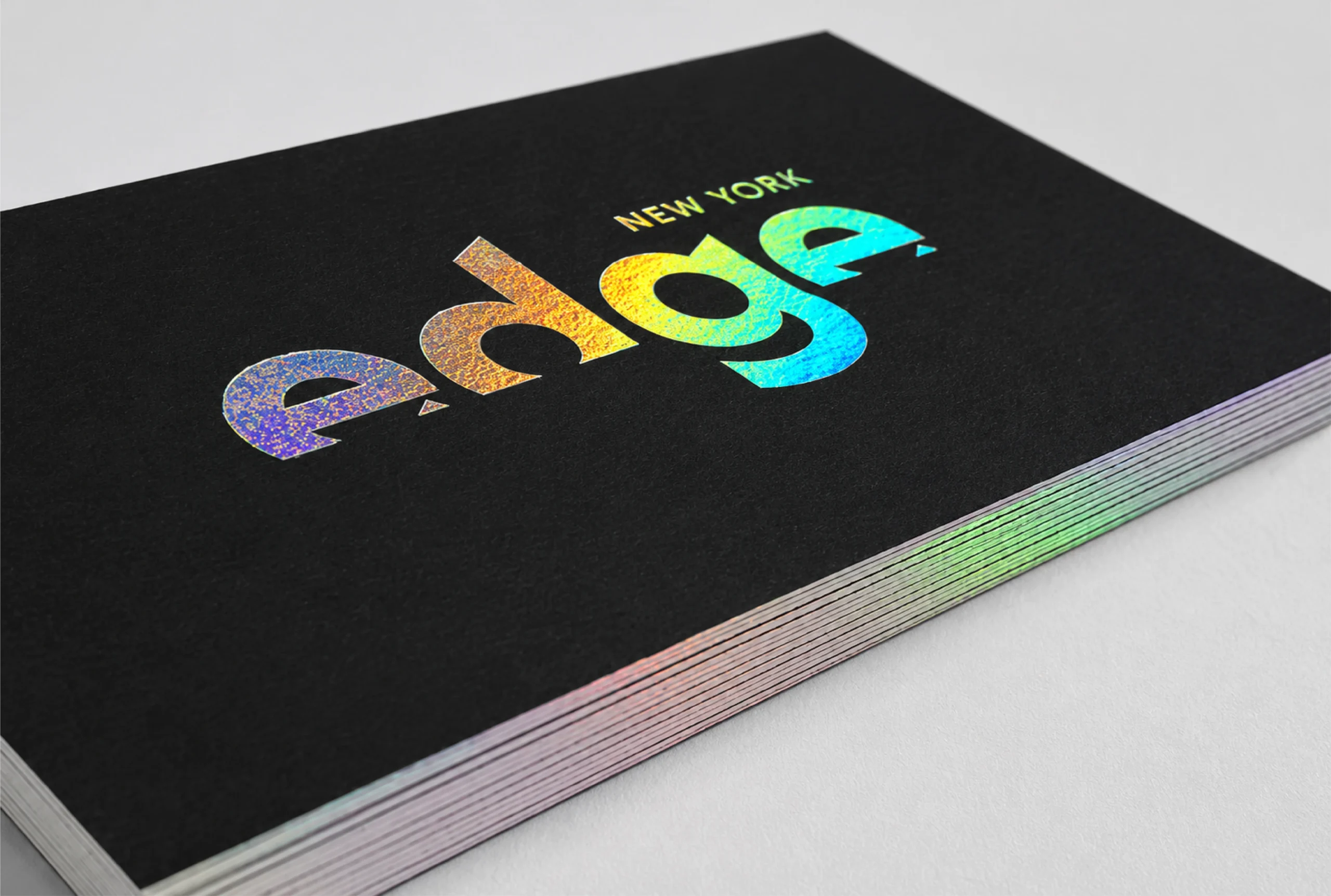
Holographic foil diffracts light and reveals the colors of the rainbow at various angles.
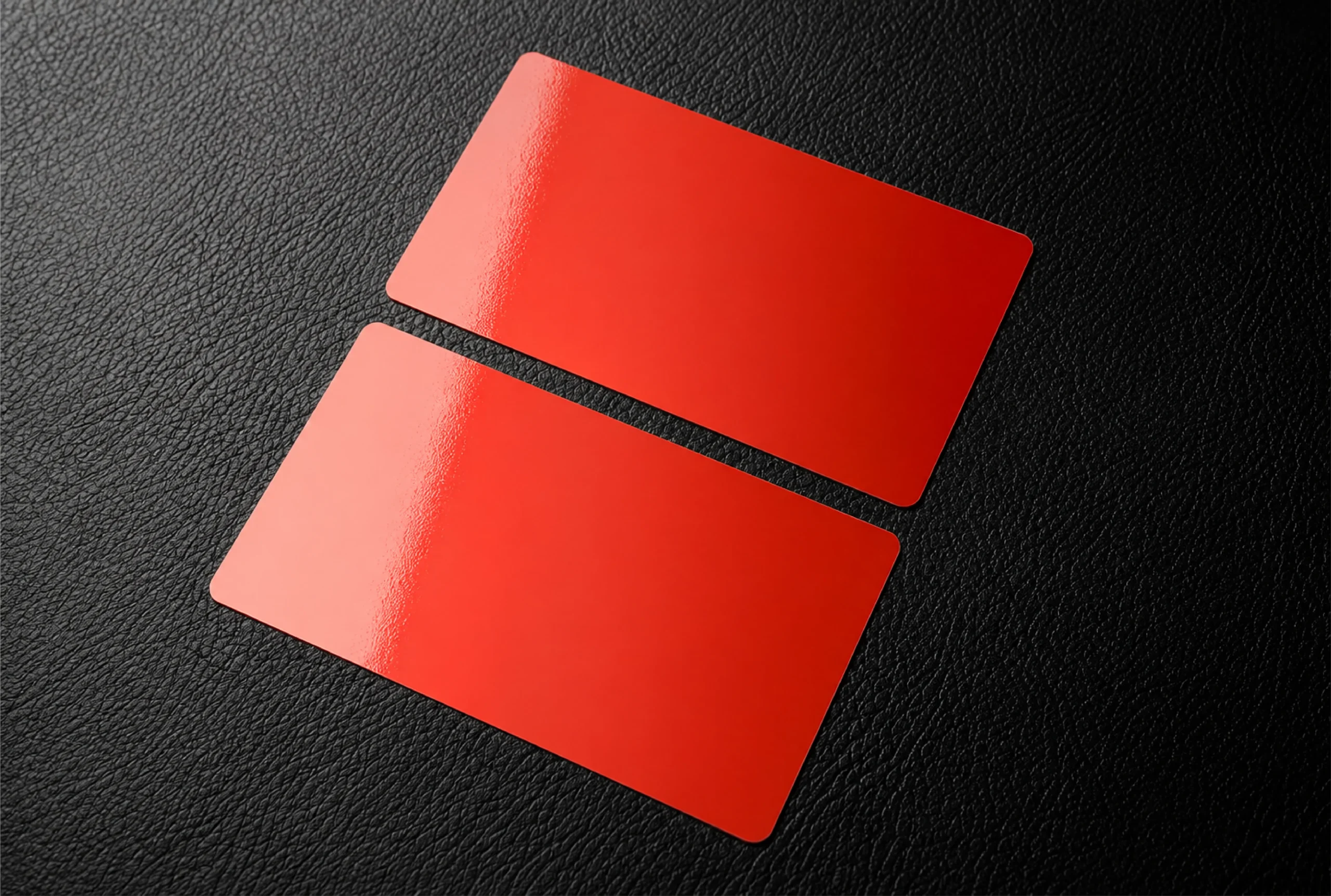
Our glossy finishing gives your packaging an extra layer of shine.
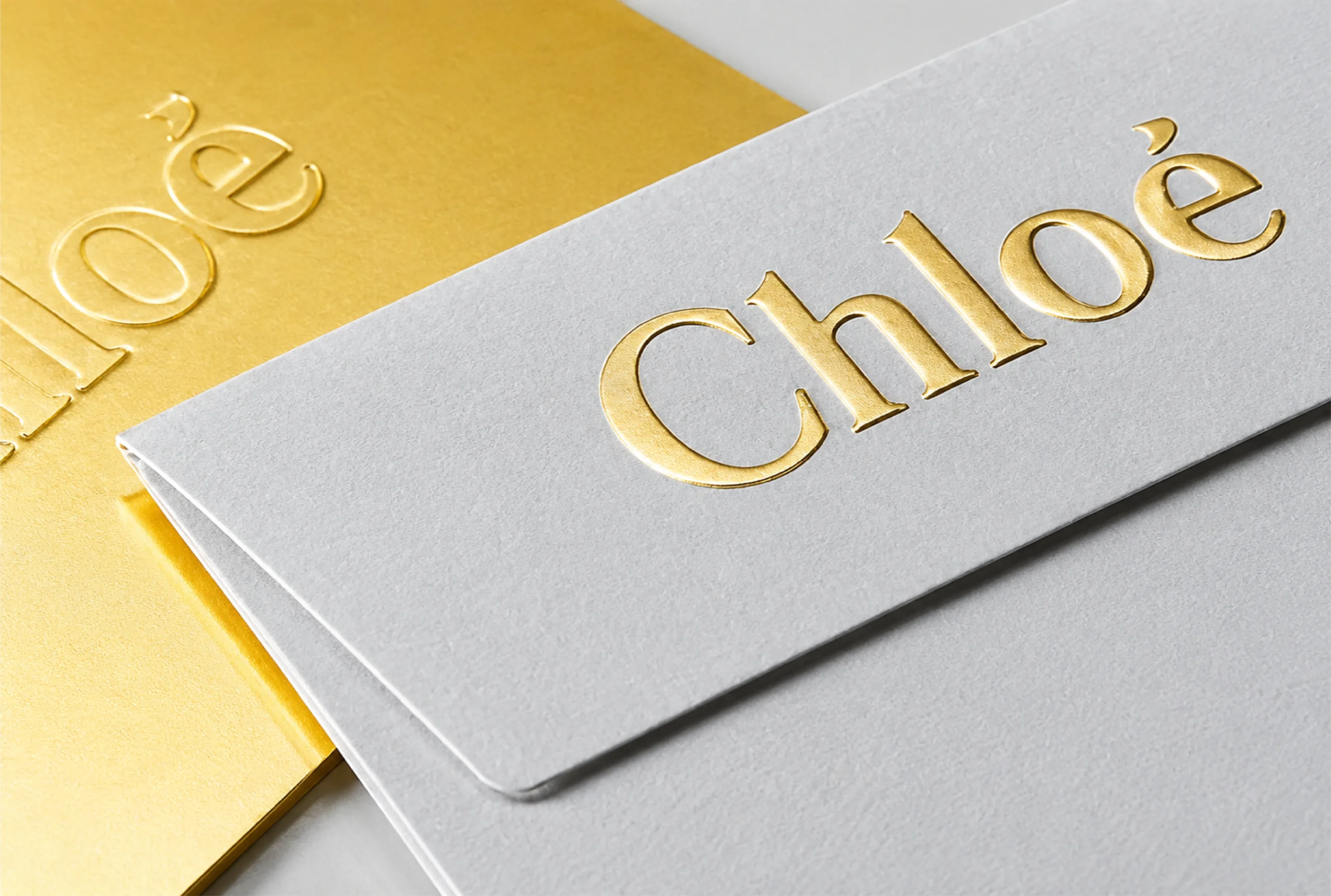
Decorate a wide range of your product packaging with our foil stamping.
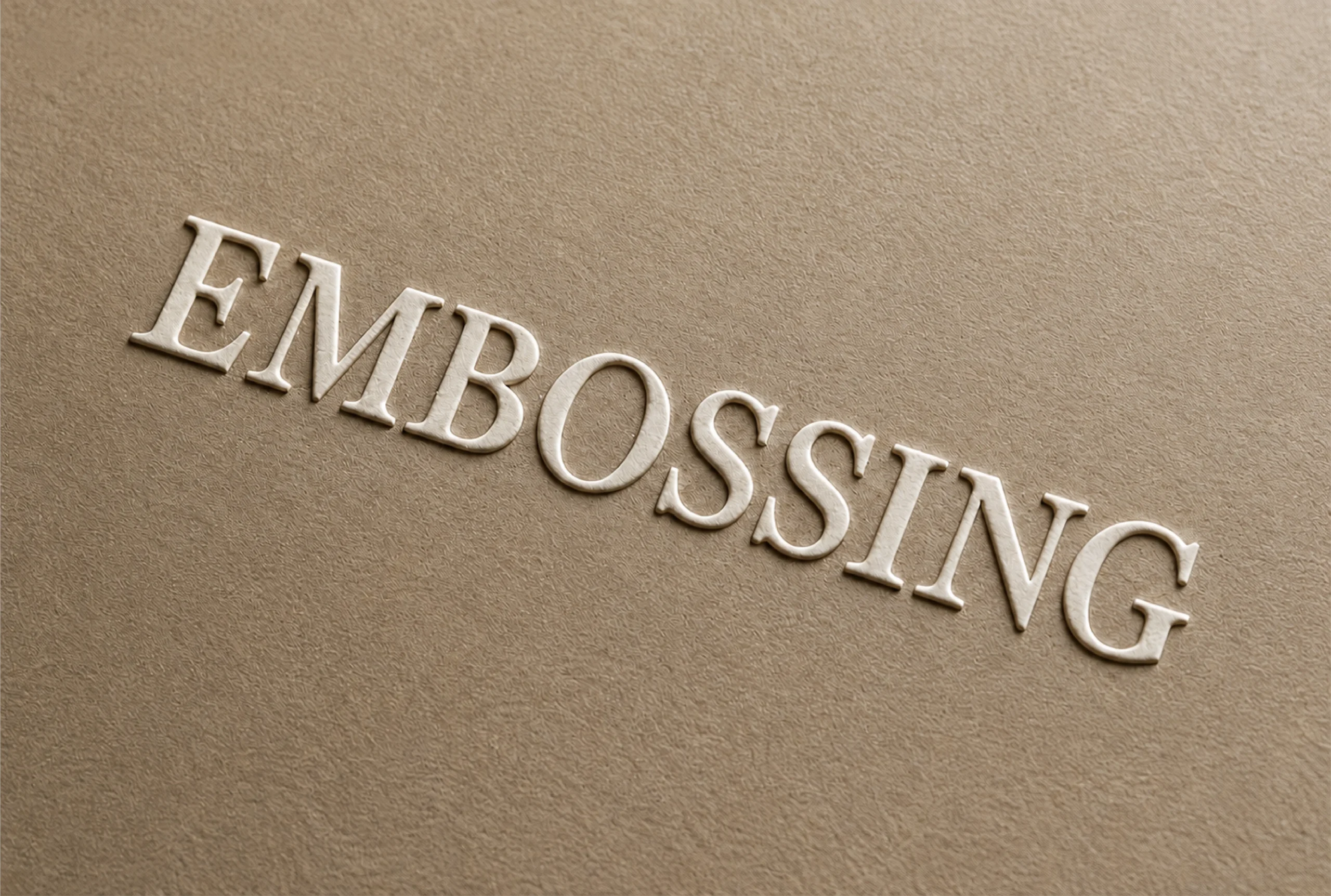
With our embossing technique, we transfer the finest details of your product on packaging.
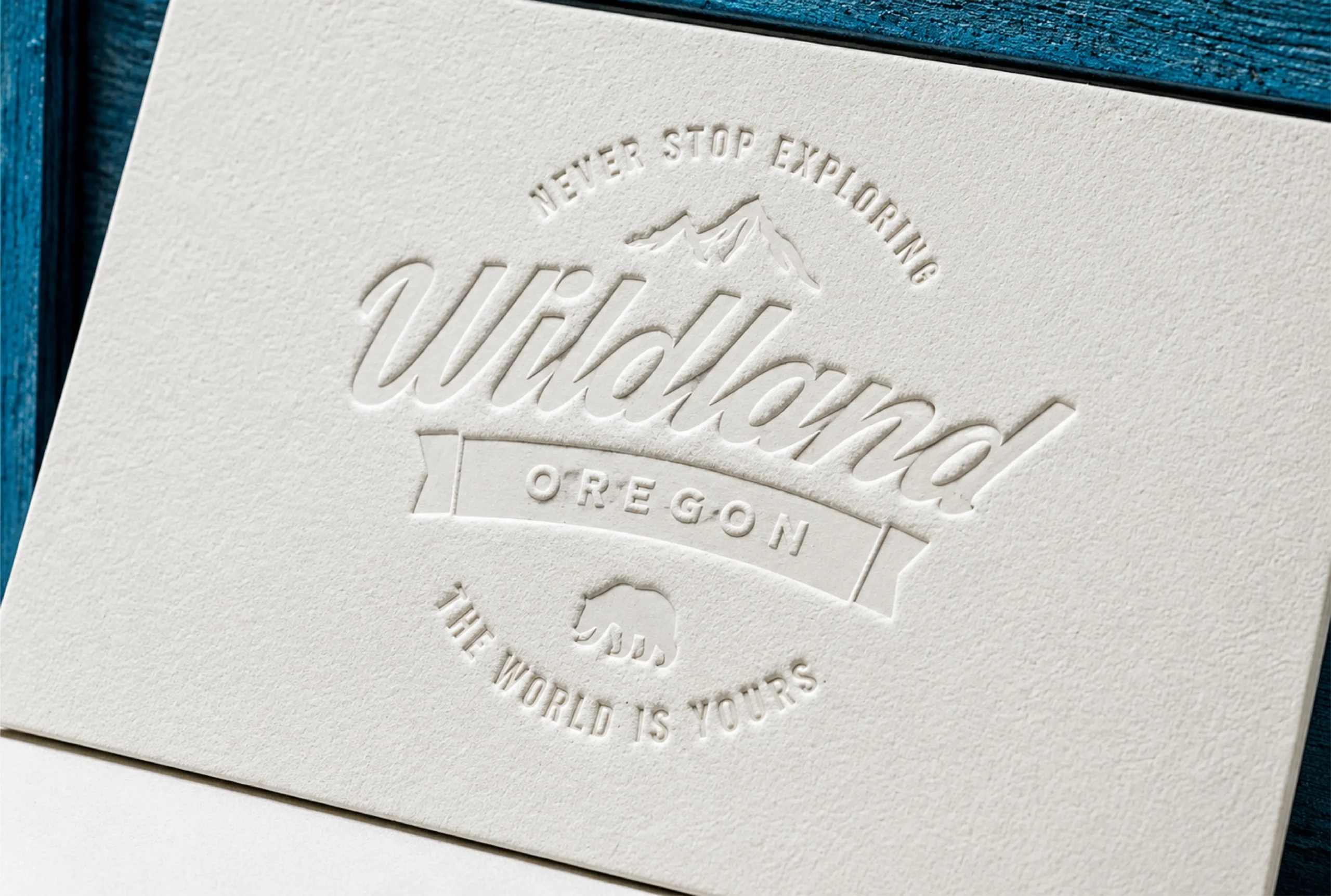
We use debossing technique to add unique graphics into your packaging.
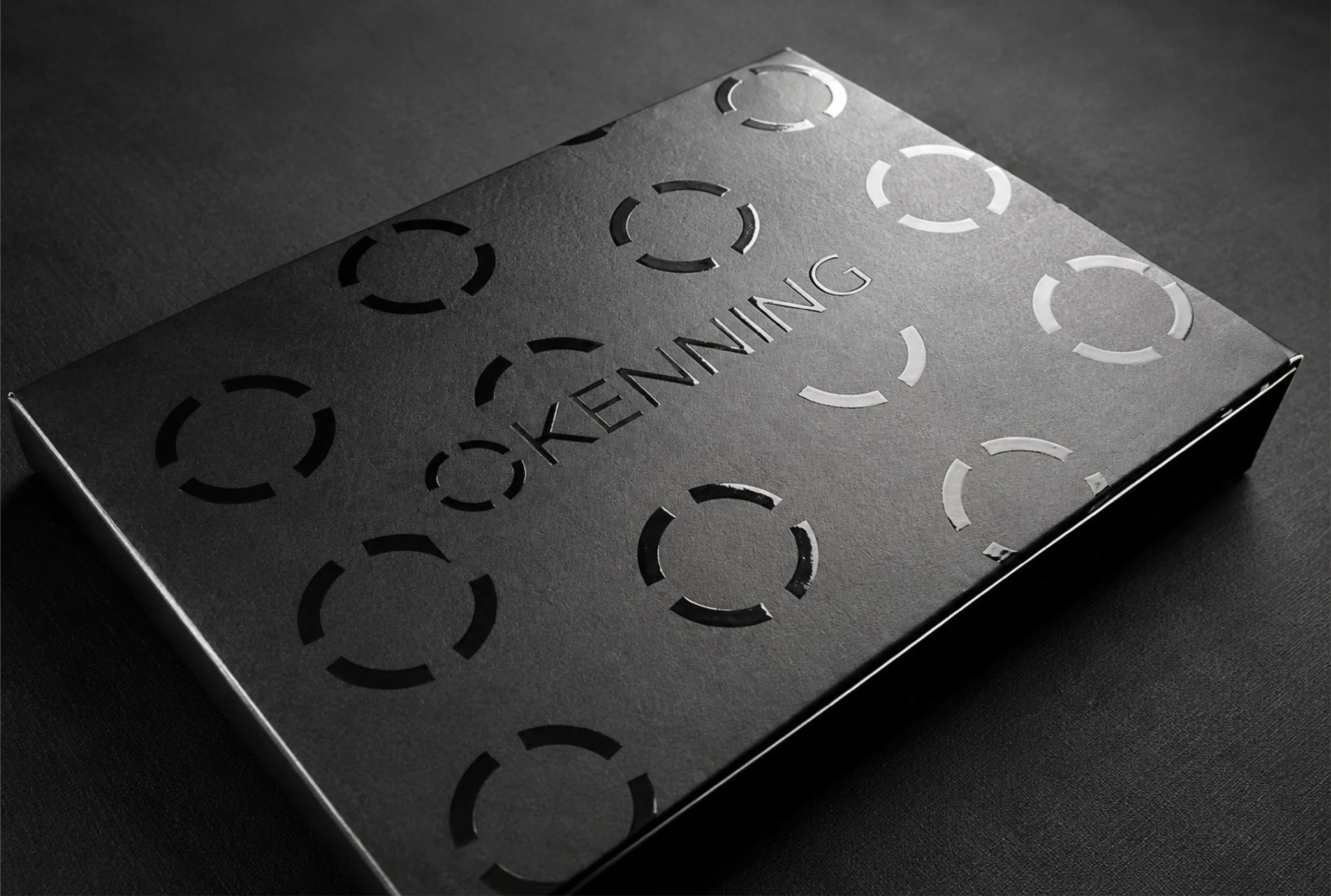
Our high-gloss UV coating gives light and shine to cure the printed material's varnish.
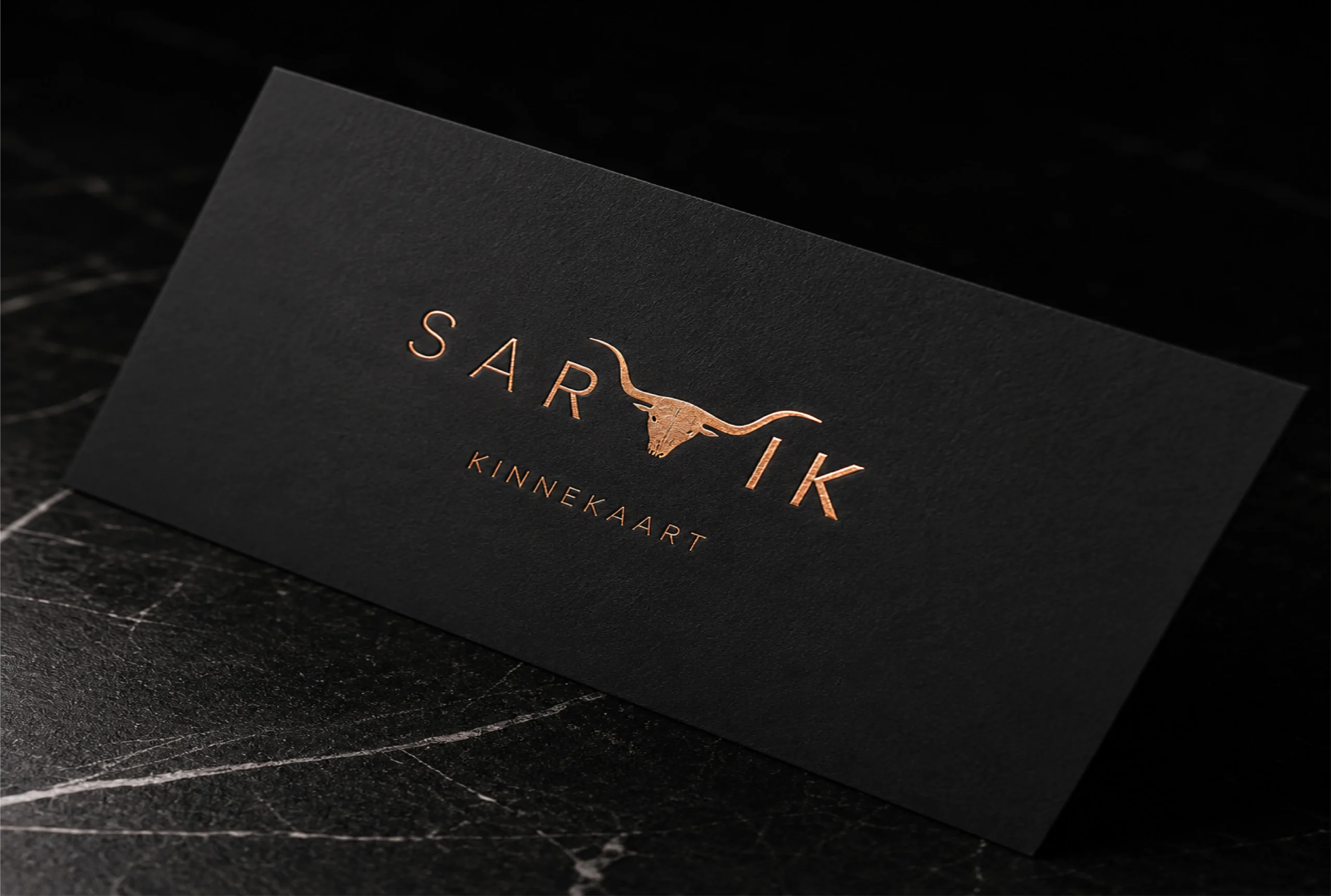
We add additional layer of protection with soft touch lamination from toner chipping.
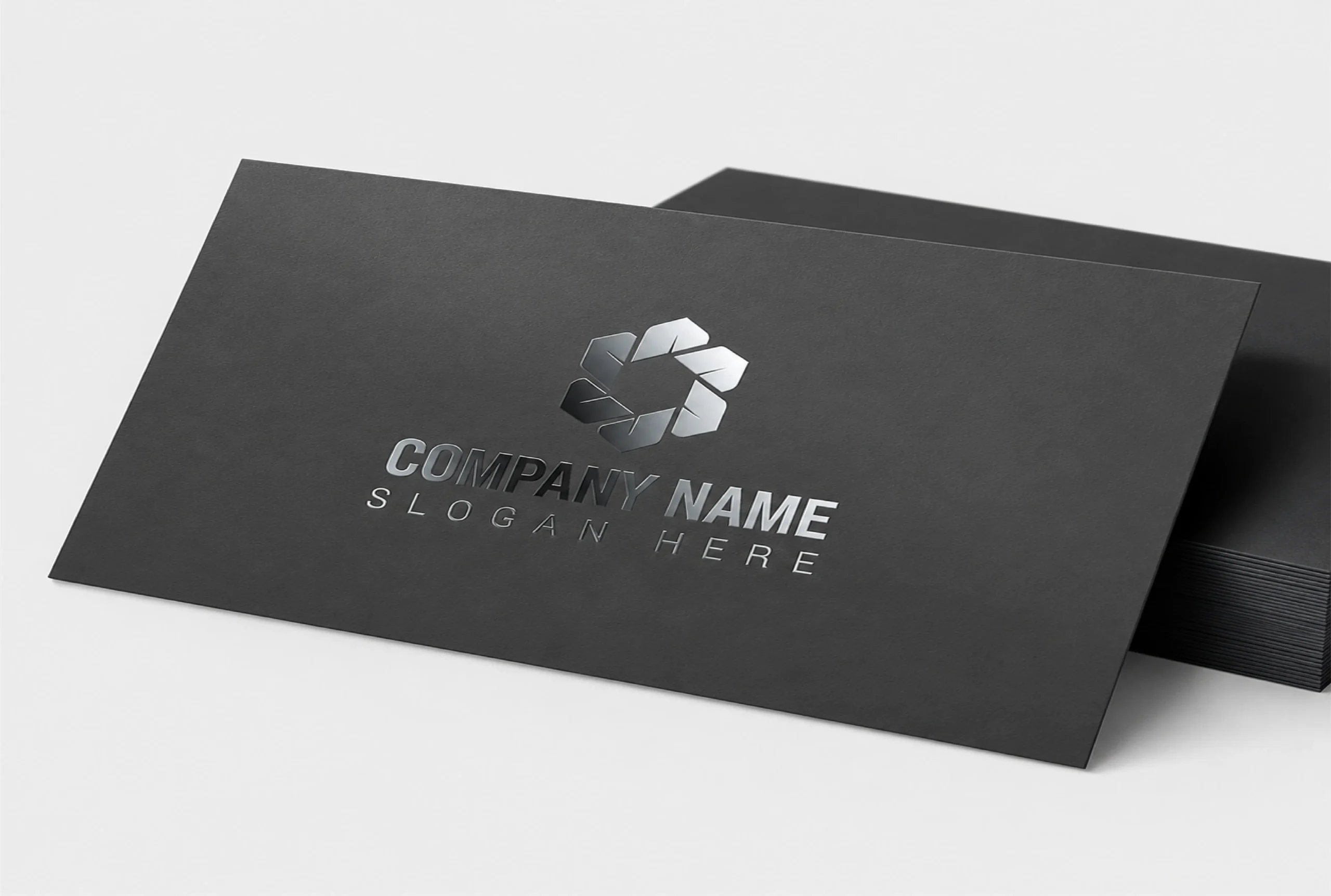
With our matte finish, fingerprints and smudges will now be less visible on the packaging.
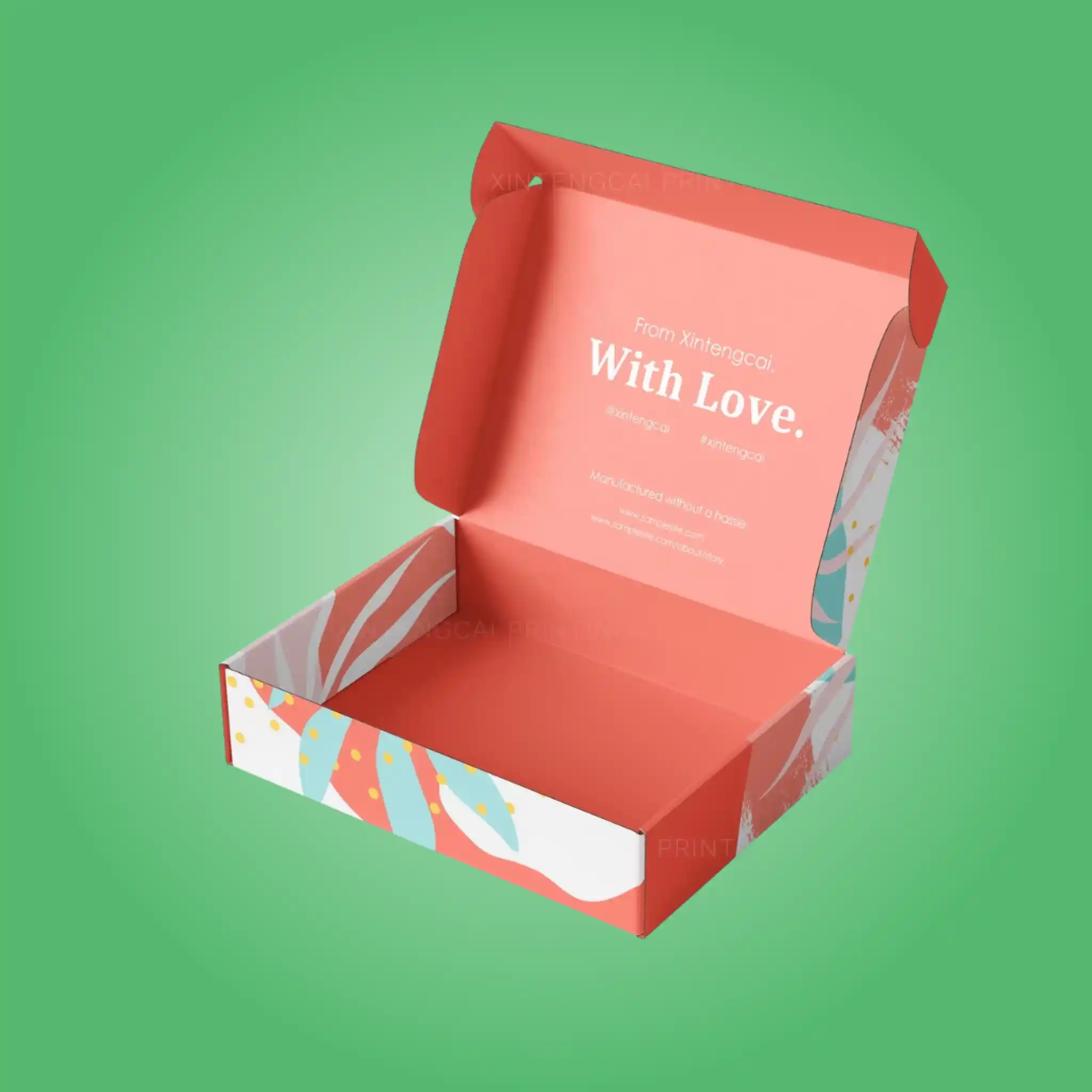
Custom Eco Friendly Boxes are packaging solutions designed to reduce waste while keeping structure strong for retail display and shipping. These boxes use kraft and corrugated materials, efficient sizing, and clean print layouts to deliver premium presentation without excess packaging. Ideal for ecommerce brands, gifting products, and packaging supplies that need sustainability with real performance.
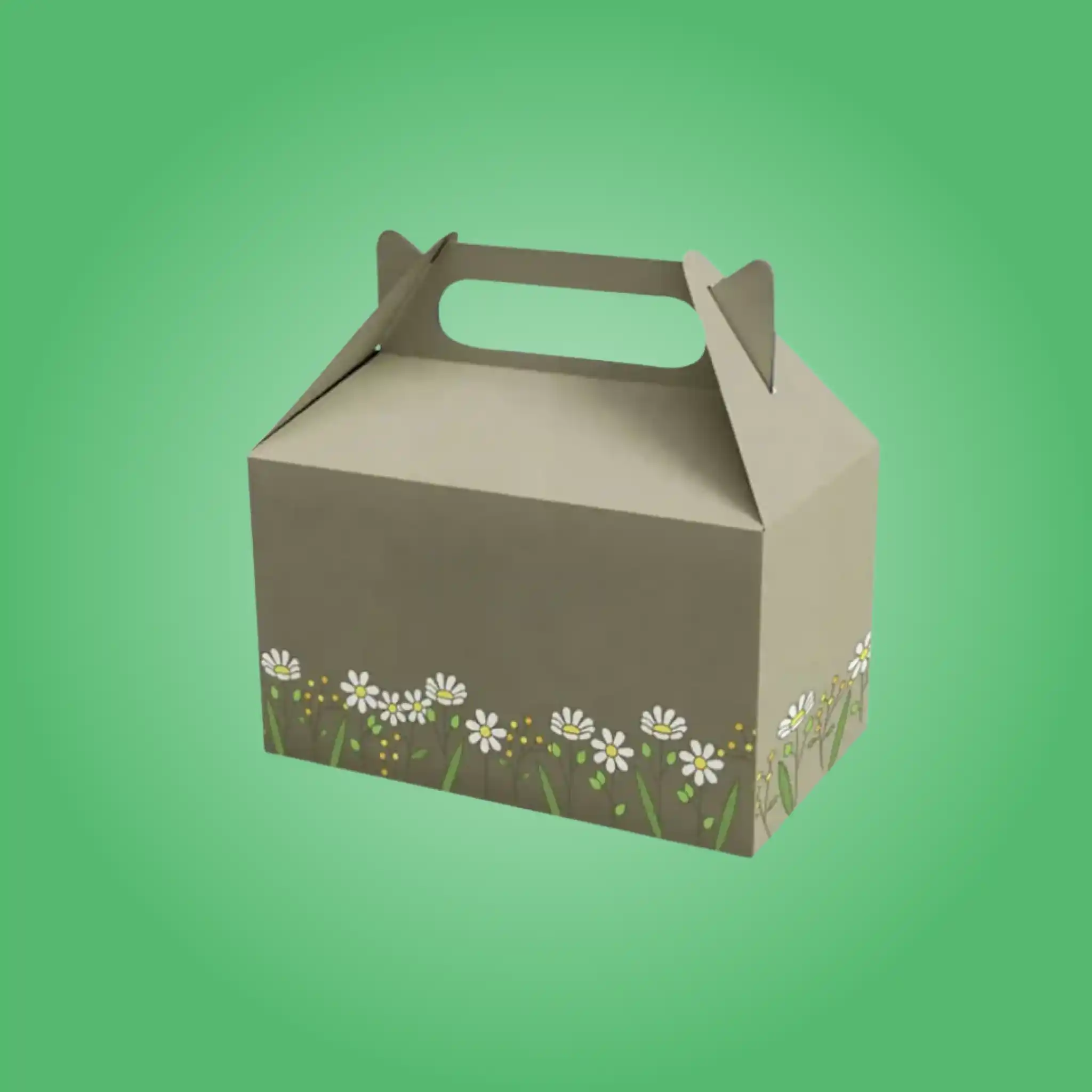
Custom kraft gable boxes with a handle formed from the box itself, so your customer carries the purchase without a bag. Choose standard, window, wide body, tall, mini, insulated or divided versions in 16pt to 24pt kraft or E-flute corrugated. We print digital, offset or flexo in one or two spot colors, or full CMYK with a white underlay. Add die-cut windows, vent holes, grease resistant liners, dividers, insulating liners, reinforced handle strips and ribbon finishing. Every gable order is load tested by hand before it ships. Zero minimum order quantity, free structural design and free shipping across the United States. Standard production runs ten to twelve business days. Get a free quote or order now.

Custom kraft boxes with lids from Pioneer Custom Boxes help gift, artisan food, bakery, candle, soap, cosmetic, apparel and subscription brands present products in unbleached natural board. Choose two-piece, hinged, telescoping or roll end lids in kraft paperboard, white top kraft or kraft corrugated, with trays, windows, foil, blind debossing, free design support, no MOQ and free USA shipping.

Custom kraft pillow boxes create a sleek, gift-ready presentation with a curved pillow shape that closes fast and looks premium on display. They work well for small retail products, accessories, and lightweight kits while keeping packaging neat and cost-smart. Choose kraft paper pillow boxes with custom sizes, printing, and finishes to match your brand and elevate unboxing.