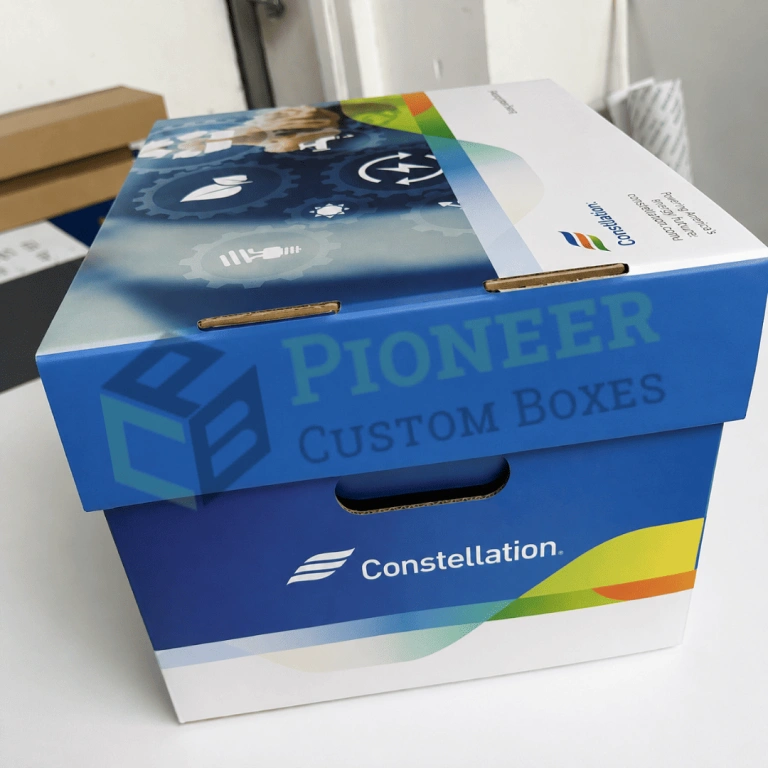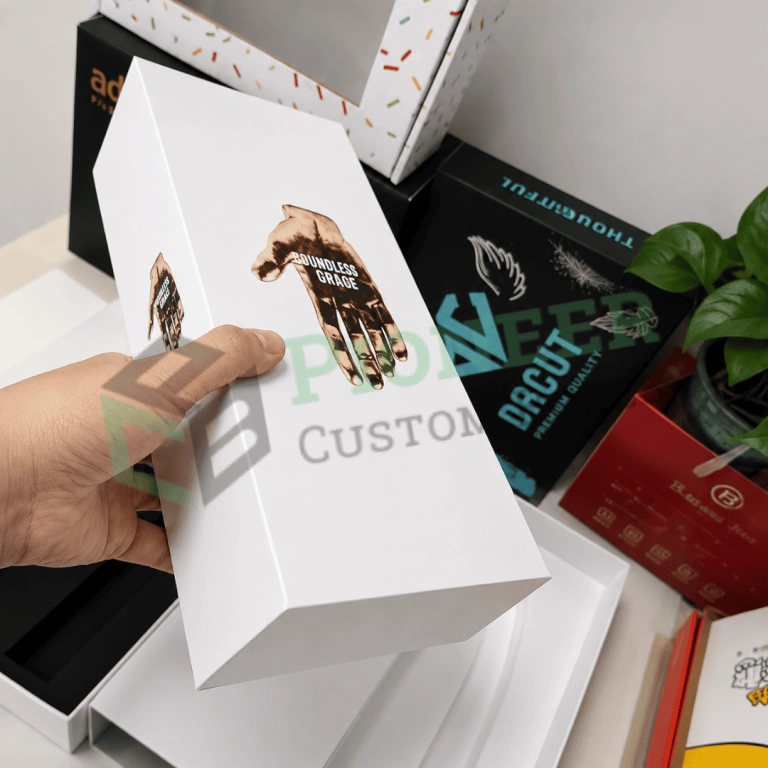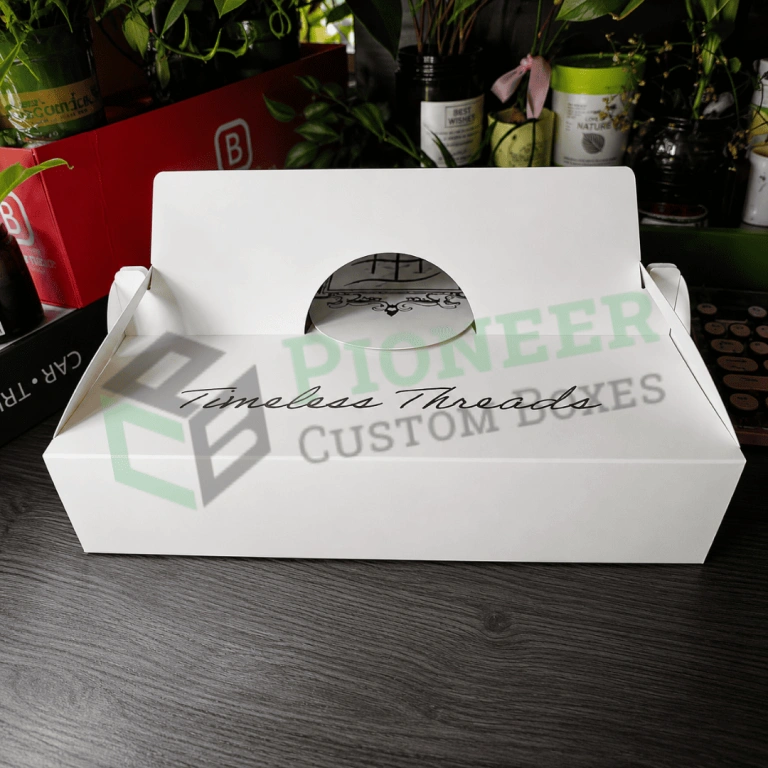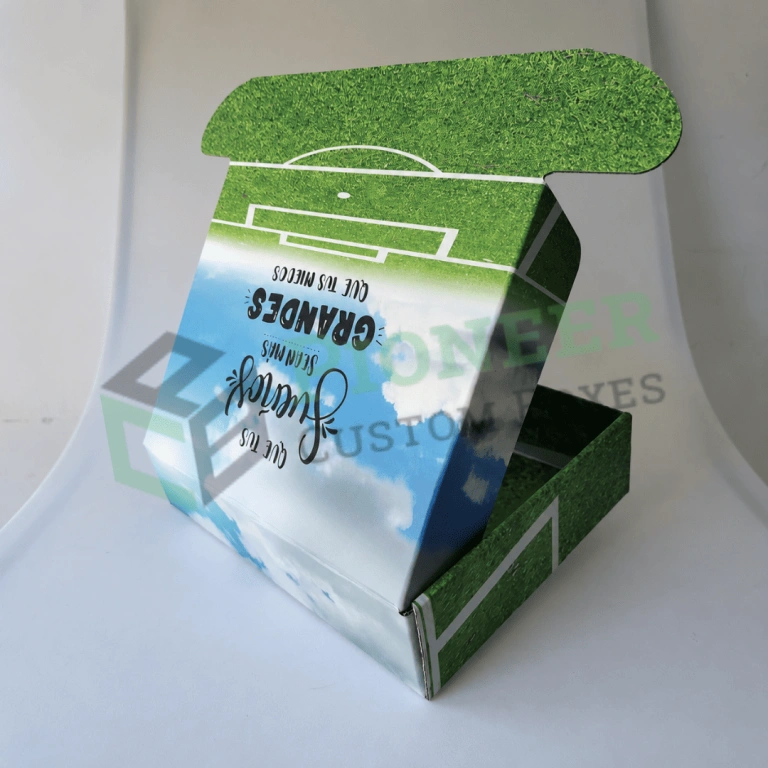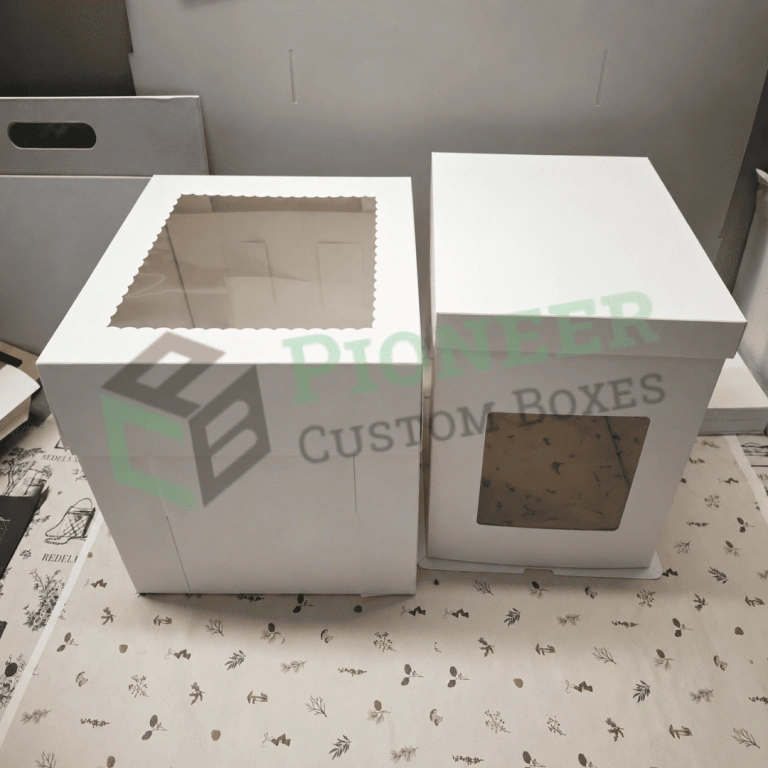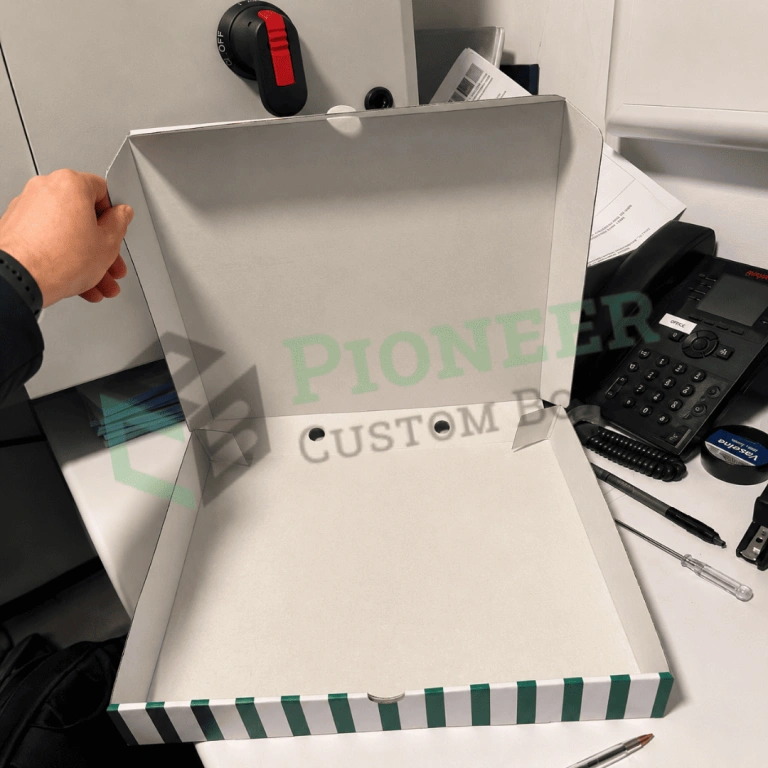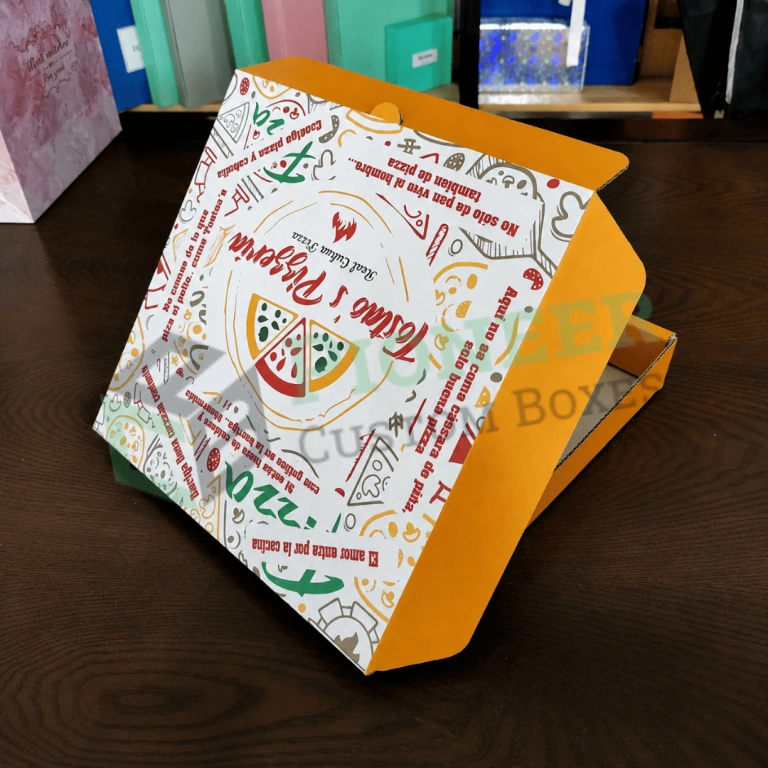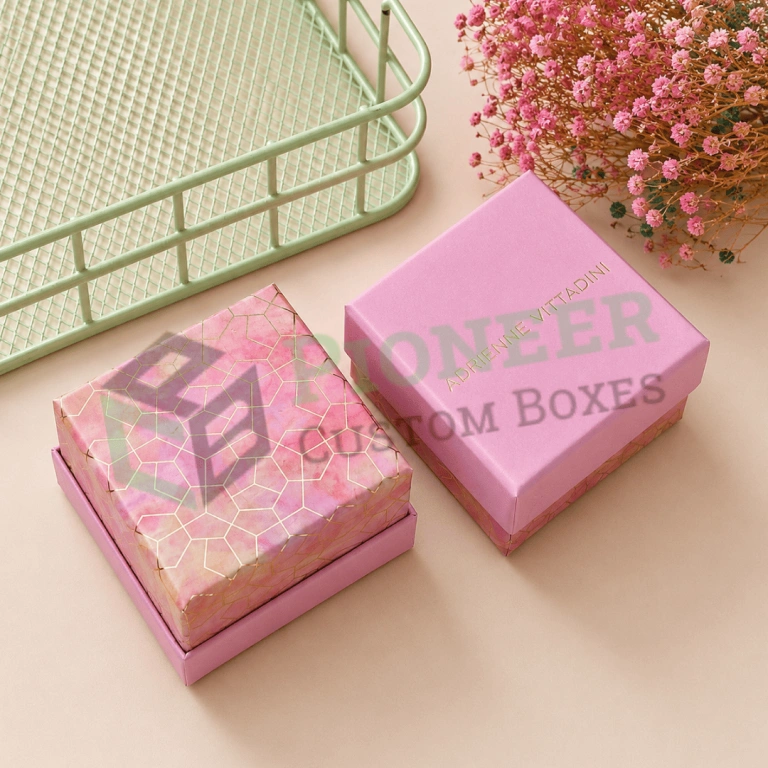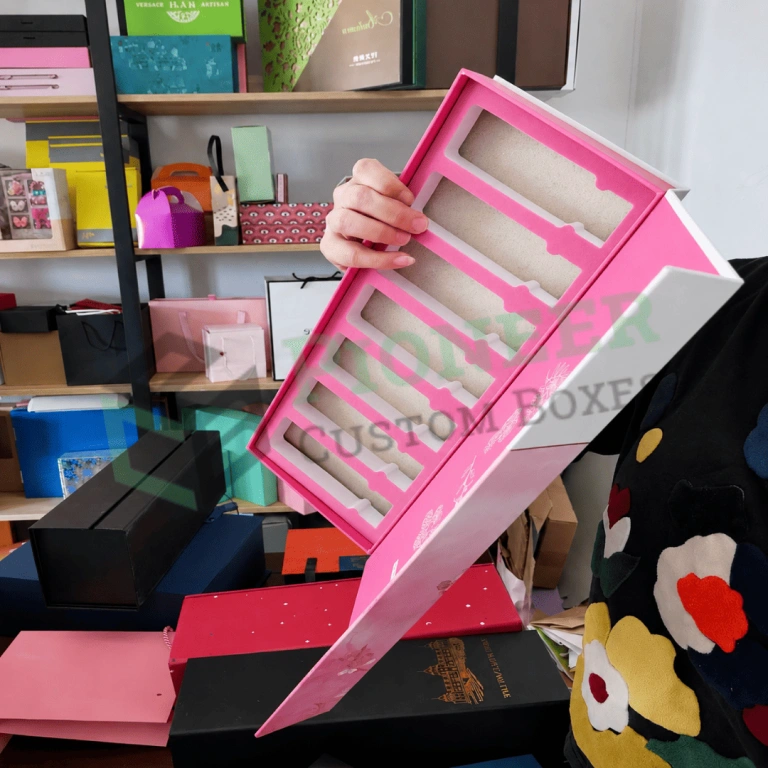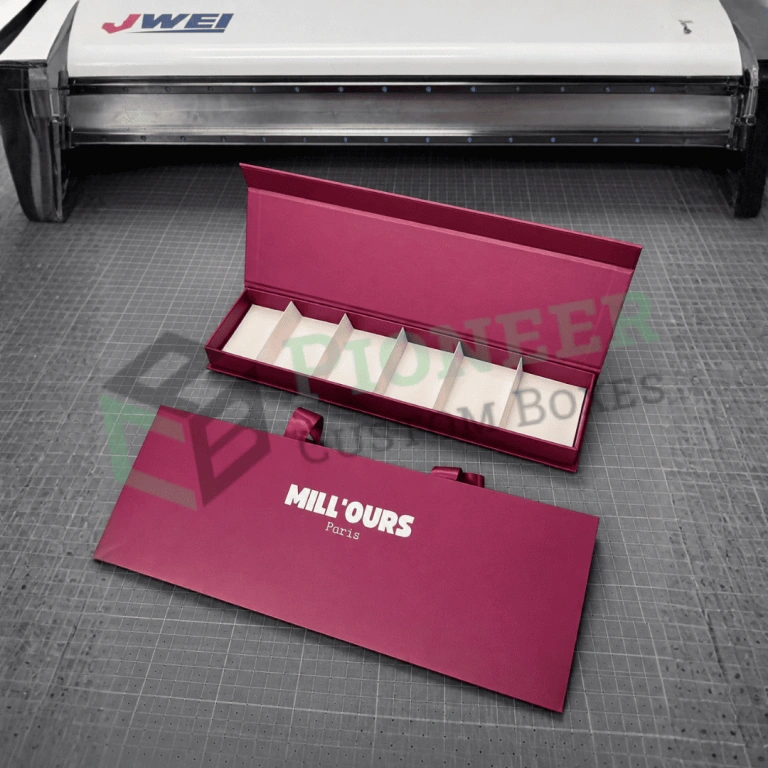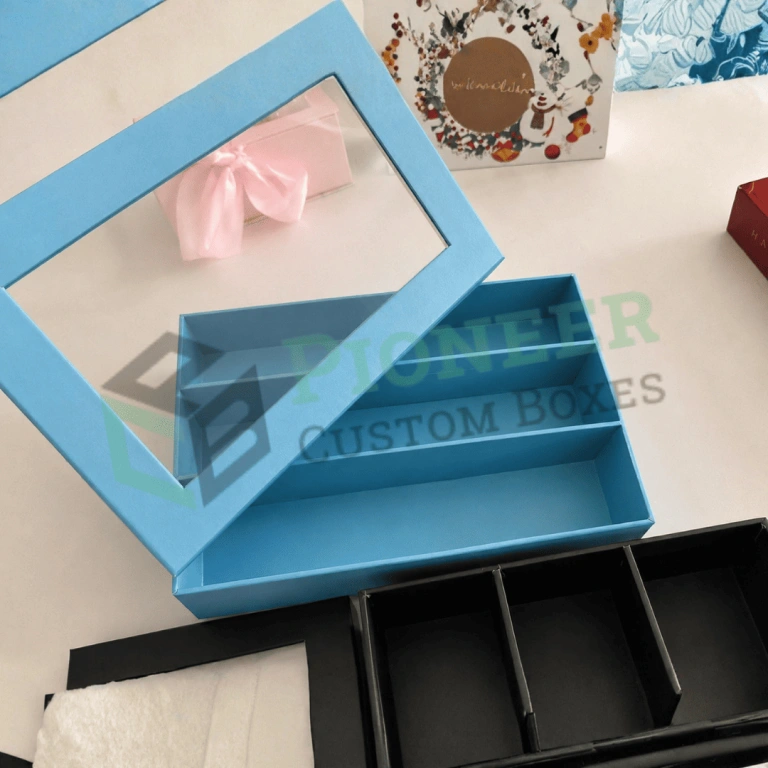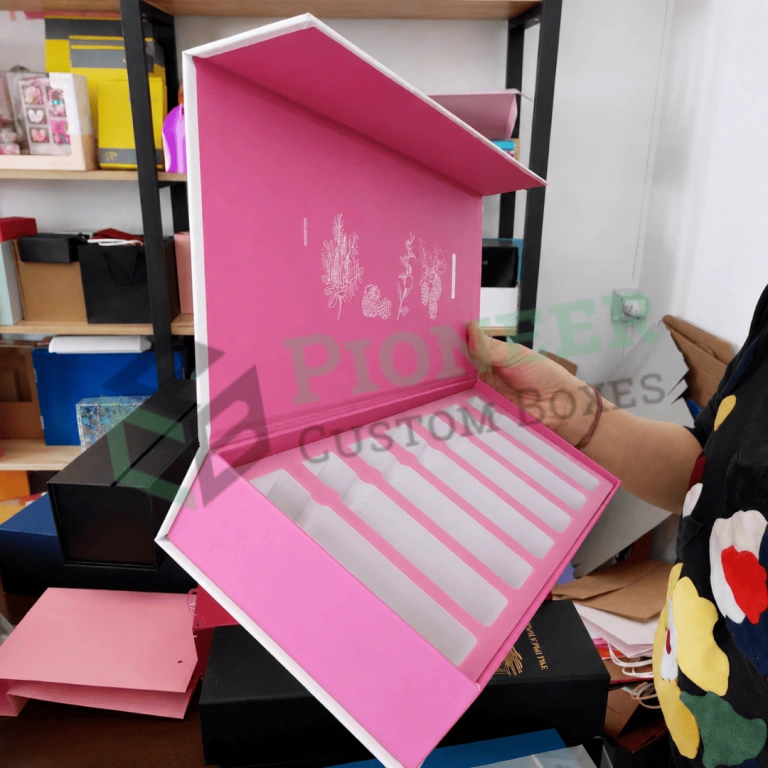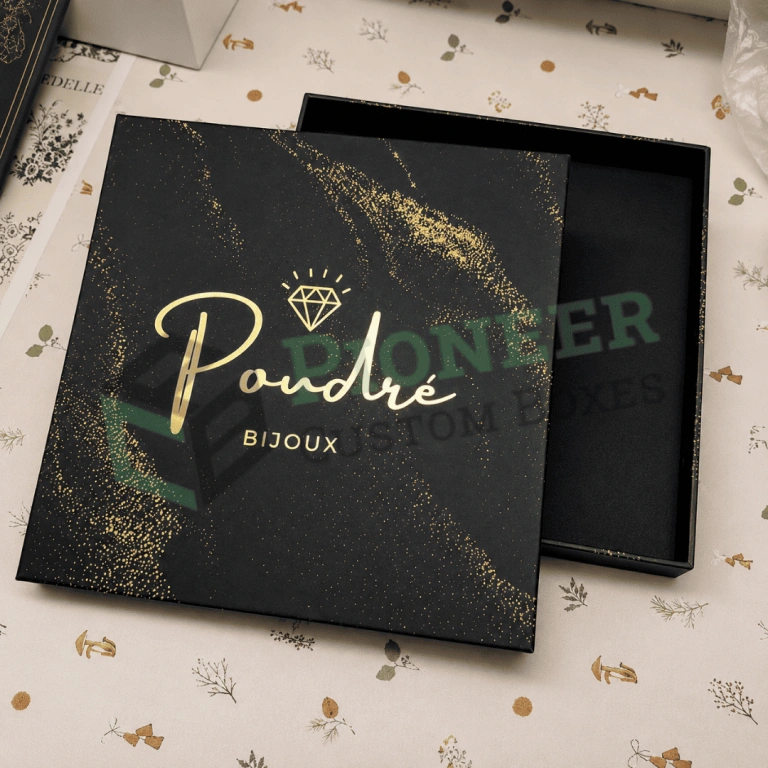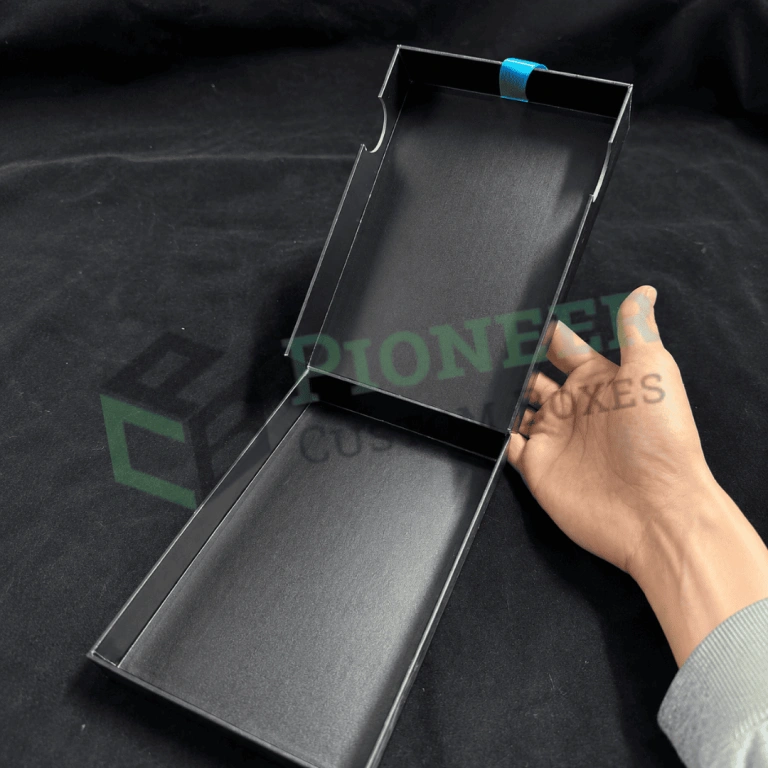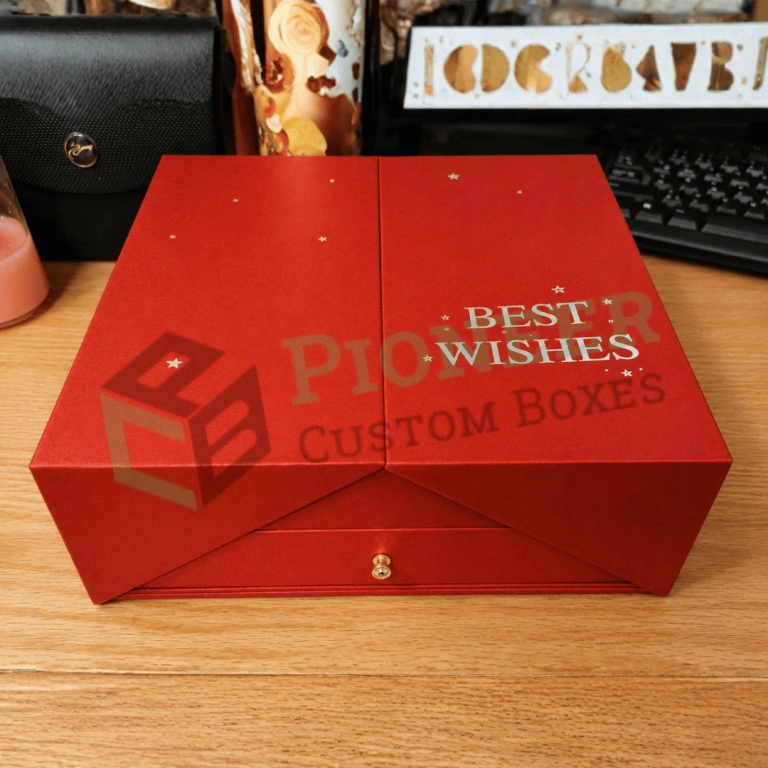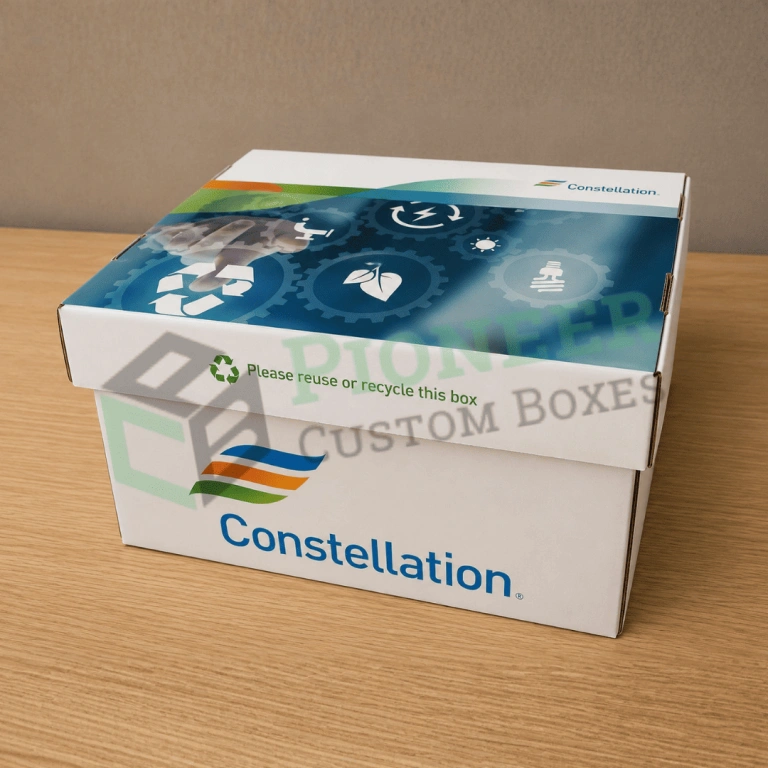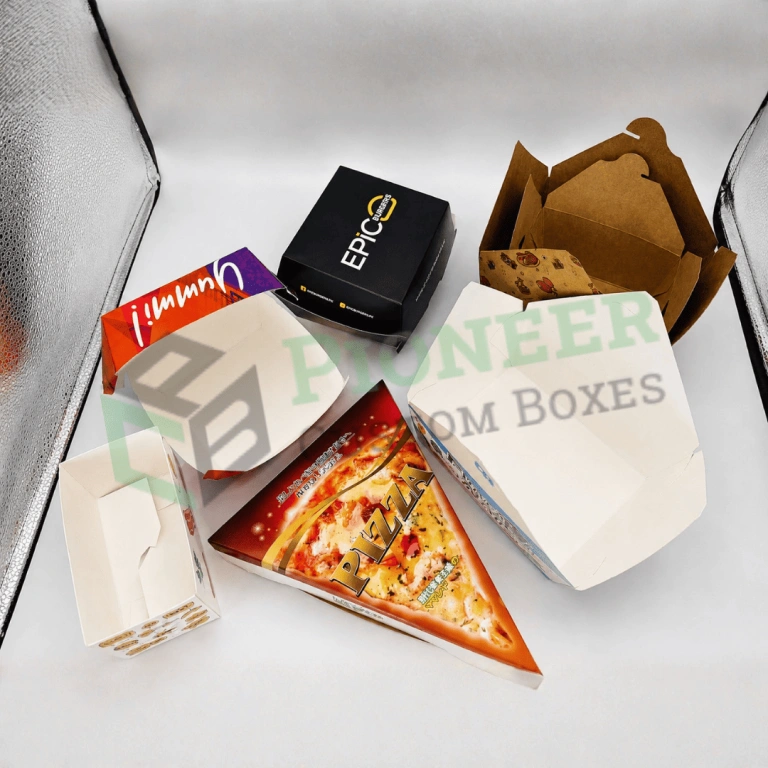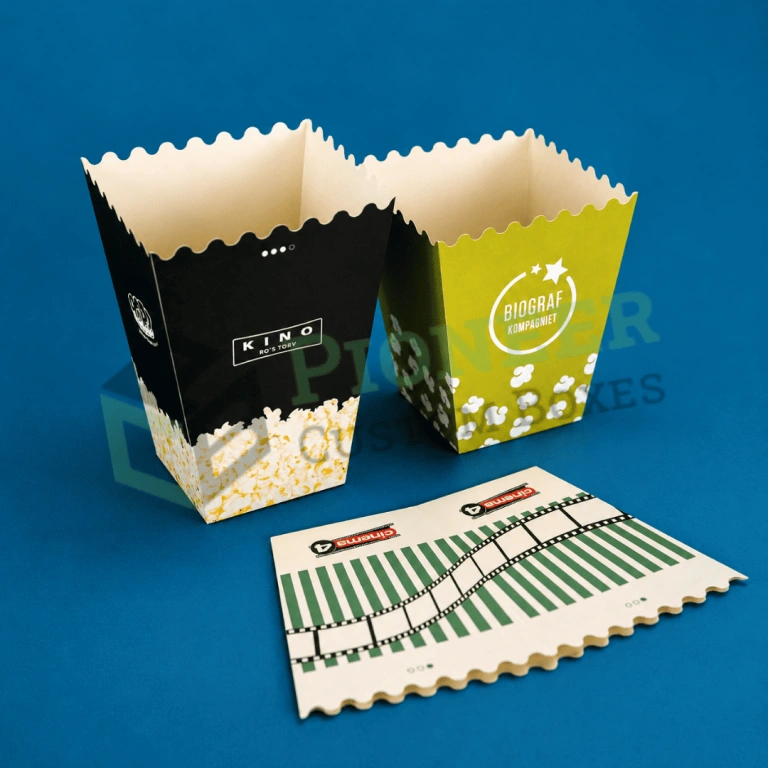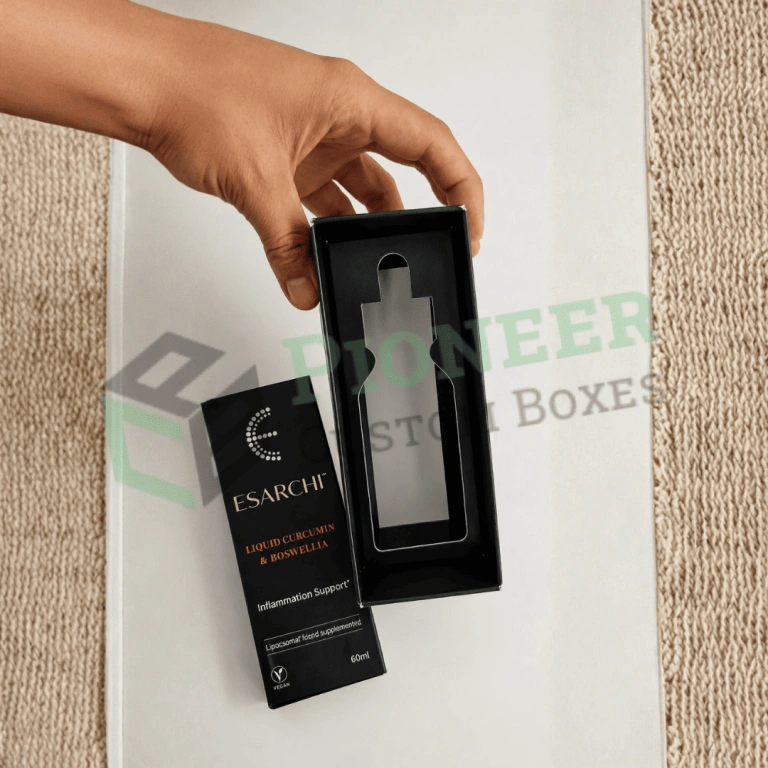
Custom kraft boxes with lids from Pioneer Custom Boxes help gift, artisan food, bakery, candle, soap, cosmetic, apparel and subscription brands present products in unbleached natural board. Choose two-piece, hinged, telescoping or roll end lids in kraft paperboard, white top kraft or kraft corrugated, with trays, windows, foil, blind debossing, free design support, no MOQ and free USA shipping.
Custom kraft boxes with lids pair a natural brown board with a separate or hinged lid, and the combination does something a tuck carton cannot. The lid lifts away or opens fully, so the contents are revealed all at once, arranged as you packed them. That reveal is why gift, subscription and premium retail brands keep choosing this format.
Kraft carries a specific message before anyone reads a word. Unbleached brown board reads as natural, considered and unfussy, which is exactly the positioning artisan food, handmade cosmetics, candles and sustainable brands want. It also costs less than bleached board, so the look and the budget point the same direction for once.
The lid format spans a wide range. A two-piece lid and base gives the most premium presentation. A hinged lid stays attached so nothing gets lost. A telescoping lid accommodates contents of varying height. Each suits a different job and we will recommend the one that fits yours.
Pioneer Custom Boxes manufactures kraft boxes with lids in the United States with zero minimum order quantity, free dielines, free design support and free shipping nationwide. We cut our own dies and run our own presses.
The lid decides how the box is experienced, how it stores and what it costs. These are the versions we produce most often.
A separate lid lifts completely away from a separate base. It gives the most premium presentation of any paperboard structure, because the contents are fully exposed and nothing is hinged behind them. The lid can be a shallow tray covering only the top few inches, or a full telescoping lid reaching most of the way down for a more substantial feel. Both pieces ship flat and assemble separately.
The lid stays attached along the back edge and folds open. Nothing gets separated or lost, which matters for products customers reopen repeatedly and for anything that will be reused for storage. It also assembles as a single piece, which halves assembly time compared with a two-piece box.
The lid slides down over the base and can stop at any depth, so one lid accommodates contents of varying height. Framed goods, apparel and mixed sets use this where a fixed depth would waste space or fail to close.
A hinged lid with a front tuck flap that holds it closed. It is the shipping-capable member of this family, since the rolled side panels create double-thickness walls. Subscription boxes almost always use this version.
An inner base with a raised collar that the lid sits against, creating a flush profile and a slight resistance as the lid closes. It is the most premium option here and the most expensive, since it involves three assembled components.
| Lid Style | Assembly | Presentation | Best For |
|---|---|---|---|
| Two-piece lid and base | Two pieces, separate | Highest | Gifting and premium retail |
| Hinged lid, one piece | Single piece, fastest | High | Reusable and repeat-open products |
| Telescoping lid | Two pieces, adjustable depth | High | Variable height contents |
| Roll end tuck front | Single piece, ships alone | Good | Subscription and ecommerce |
| Shoulder box | Three components | Highest | Luxury and collector items |
Every die is cut to your contents. These formats show what we produce most often across gifting, retail and subscription work.
| Application | Typical Size (inches) | Material | Lid Style |
|---|---|---|---|
| Jewelry and small gifts | 4 x 4 x 1.5 | 20pt kraft | Two-piece lid and base |
| Soap and bath set | 6 x 4 x 2 | 18pt kraft | Hinged lid |
| Candle gift box | 4.5 x 4.5 x 5 | 24pt kraft | Two-piece lid and base |
| Cosmetic and skincare set | 9 x 6 x 2.5 | E-flute kraft | Roll end tuck front |
| Apparel single item | 12 x 9 x 2 | E-flute kraft | Telescoping lid |
| Subscription box | 10 x 8 x 3 | E-flute kraft | Roll end tuck front |
| Bakery and confectionery | 8 x 8 x 3 | 18pt kraft food board | Hinged lid |
| Corporate gift set | 12 x 10 x 4 | E-flute kraft | Two-piece with tray |
| Food hamper | 11 x 8 x 5 | B-flute kraft | Telescoping lid |
| Stationery and print goods | 10 x 7 x 1.5 | 20pt kraft | Two-piece lid and base |
| Keepsake and storage box | 12 x 9 x 4 | 24pt kraft or E-flute | Hinged lid |
Lay your contents out as you want them to appear when the lid opens, then send those measurements with the combined weight. We return a free dieline within one business day.
Lidded boxes have one sizing consideration that tuck cartons do not: two components have to fit each other as well as fitting your contents.
On a two-piece box the lid must clear the base with a controlled tolerance. Too tight and the lid binds or tears the base wall when lifted. Too loose and it slides off in a bag. We set that tolerance against the board caliper you choose, because a heavier board needs a slightly larger gap.
Every dimension we quote is internal, measured to the inside faces of the base. Board has real thickness and on E-flute that thickness is meaningful, so sending external dimensions produces a box your contents will not fit.
Depth is decided by the tallest item plus enough clearance for the lid to seat fully. On a telescoping lid you have flexibility here, which is exactly why that style suits mixed contents.
Leave room for the insert. A tray or divider adds material thickness on every wall it touches, and a box sized to bare contents will not accept it once it exists. We design the box, the lid and the insert on one dieline so all three are matched.
For gifting, resist the temptation to oversize for a sense of occasion. A box with too much empty space reads as under-filled rather than generous, and it costs more in board and in shipping.
Kraft is a family of boards rather than one material, and the differences between them are visible and worth understanding.
Unbleached brown board with a smooth printing surface. It is the classic look for this category and the most economical. We rarely go below 18pt on lidded boxes, because a lid needs enough stiffness to hold its shape and lift cleanly. Gift and candle boxes usually sit at 20pt to 24pt.
A white outer liner over a kraft structure. You get accurate color reproduction on the printed face while the interior and edges keep the kraft character. It costs more than plain kraft and considerably less than fully bleached board, and it is the right answer when your artwork needs photographic accuracy but your positioning needs the kraft look.
Fluted board with kraft liners. It adds real crush resistance while still printing acceptably, and it is the default once the box ships alone through a parcel network or holds contents heavy enough to bow paperboard. Subscription boxes and multi-item gift sets almost always land here.
Thicker and stronger than E-flute, for food hampers, multi-bottle sets and anything genuinely heavy. It prints more coarsely, so bold graphics work better than fine detail.
Most kraft we run carries post-consumer recycled content, and FSC-certified options are available across every grade. Because this format is chosen partly for sustainability positioning, we document exactly what your board contains so claims you publish are accurate rather than assumed.
One characteristic worth planning for. Kraft shade varies slightly between mill batches because the fiber itself varies. Two runs six months apart can differ enough to notice when boxes sit side by side. We record your specification and match reorders against a retained sample from your previous run rather than a generic standard.
| Kraft Grade | Typical Spec | Print Behavior | Best For | Relative Cost |
|---|---|---|---|---|
| Natural brown kraft paperboard | 18pt to 24pt | Colors print warmer, white will not read | Retail lidded boxes and gifting | Lower |
| White top kraft | 18pt to 24pt | White print face over a kraft body | Print quality with kraft economics | Moderate |
| Kraft E-flute corrugated | 32 ECT typical | Good for solids and line work | Shipping-ready lidded boxes | Moderate |
| Kraft B-flute corrugated | 200 lb test typical | Similar, thicker wall | Heavier contents and stacking | Higher |
| Recycled kraft and FSC-certified | Any grade above | As per base grade | Brands audited on sourcing | Small premium |
Kraft behaves unlike white board, and designing with that rather than against it is the whole art of this category.
The brown base tints every ink printed on it. A bright blue turns muted and warmer, a red shifts toward brick, and pale yellows nearly disappear. None of that is a defect. Designers who plan for it produce far better results than those who send white-board artwork unchanged.
White ink cannot be printed on standard kraft in a way that reads as pure white. Where a logo depends on white, we either print a white underbase first, which adds a pass, or move to white top kraft. We quote both and send samples so the decision is made by eye.
Offset gives the finest detail and the most consistent color across a long run, and it is the right economics past roughly a thousand boxes. For lidded gift boxes where the lid carries most of the artwork, offset holds color tightly across reorders.
Digital prints without plates, so short runs, seasonal editions and multi-variant ranges become affordable. For a maker with several products sharing one die, digital lets the whole range run together with no plate cost per variant.
Flexo suits kraft corrugated versions, handling bold graphics economically on a fluted surface. Fine detail reproduces better through litho lamination if the box needs photographic quality.
Bold simple marks reproduce beautifully on kraft, while fine detail and small reversed type soften because the fiber absorbs ink. That constraint is why kraft branding tends toward strong simple graphics, and why those designs age well.
| Method | Best Quantity | Strengths on Kraft | Limitations | Use It For |
|---|---|---|---|---|
| Offset printing | 1,000 and above | Sharpest detail the substrate allows | Plate cost, kraft absorbs ink | Core retail runs |
| Digital printing | 1 to 1,000 | No plates, easy variants | Lower opacity on brown board | Launches and short runs |
| Flexographic printing | 5,000 and above | Most economical on kraft and fluted | Coarser gradients | One and two color designs |
Color behaves differently on brown board than on white, so these three systems need slightly different handling here.
CMYK builds color from cyan, magenta, yellow and black separations. On white top kraft it reproduces photography and gradients accurately. On natural brown kraft it shifts warmer and loses brightness across the whole image, which is why kraft designs usually avoid full-color photography and use flat graphics instead.
Pantone inks arrive pre-mixed and print far more predictably on kraft than a CMYK build does. A single strong spot color on brown board is both the most economical and the most effective route, and it is what most successful kraft packaging uses. We store your references permanently and match against a draw-down printed on your actual board rather than on white paper.
RGB is a screen color space and cannot be printed. Your website and product photography live in RGB, and conversion onto kraft shifts colors twice, once for the conversion and again for the substrate. We handle both and show you the printed outcome on your real board before the full run.
A practical rule for this category. Choose two colors that look intentional against brown, rather than trying to reproduce a palette designed for white. Deep greens, terracottas, blacks and metallics all sit beautifully on kraft. Pale pastels rarely do.
Kraft needs less finishing than white board to look finished, which is part of its appeal. The finishes that do work on it, work very well.
Gold and copper foil on bare kraft is close to a signature look for artisan and gift packaging, and it is one of the most cost-effective premium effects available. The metallic sits against matte brown with real contrast. A single hit on the lid is usually enough, and full coverage rarely improves it.
A deboss with no ink at all is extremely effective on kraft. It reads as understated and expensive, costs less than foil, and customers notice it through touch before they consciously see it. On a lidded gift box, a debossed mark centered on the lid is one of the strongest and cheapest choices available.
Matte film protects the surface and deepens the brown tone slightly. It reduces the raw tactile quality kraft is chosen for, and it complicates recyclability, so we recommend it only where the box faces real handling or moisture.
A water-based coating protects the printed surface at low cost while keeping the box fully recyclable and preserving the kraft texture. For most lidded kraft boxes this is the right protective choice.
Gloss varnish on selected areas creates contrast against the matte brown. It works well on a repeated pattern or a wordmark, and it needs a coated or laminated surface underneath to look clean rather than absorbed.
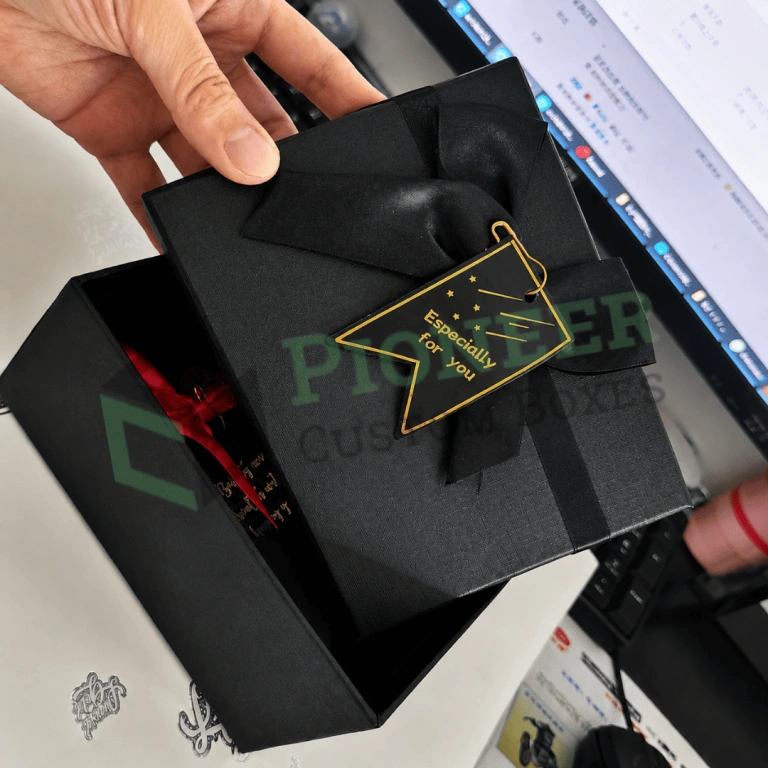
Natural twine, grosgrain ribbon and magnetic closures all suit this format. Twine in particular matches the material honesty kraft communicates, and it costs very little.
Over-laminating kraft is the most common finishing mistake in this category. A heavy gloss film cancels the tactile honesty customers chose kraft for, and it compromises recyclability at the same time.
A lidded box reveals everything at once, so what the customer sees when the lid lifts matters as much as the box itself.
The additions worth specifying on a lidded kraft box are the ones that protect the product or slow the opening down in a good way.
A die-cut paperboard tray is the most useful, because it holds the contents still and recycles with the box rather than being pulled out and discarded separately. Molded pulp does the same job on heavier or oddly shaped items.
A ribbon pull tab solves the practical problem of lifting a snug product out of a deep base, and it costs very little. Tissue and crinkle fill add presentation but no real protection, so we recommend them only where the product is already secure.
On the branding side, a foil stamped logo reads well against uncoated kraft, a printed inner lid gives a moment of surprise that plain board never will, and a belly band lets a brand change seasonal messaging without reprinting the box itself.
Kraft inserts cut from the same board as the box recycle alongside it and cost less than foam. For nearly every product we package in this format, a paperboard or pulp insert achieves what foam would.
Kraft is chosen partly to control cost, so it is worth knowing which variables still move the number.
Lid style leads. A two-piece lid and base uses two separate blanks and two assembly operations, so it costs meaningfully more than a one-piece hinged lid covering the same contents. A shoulder box adds a third component again. Choose on the experience you want rather than by default.
Box dimensions follow, because board is priced by area and lidded boxes are relatively large for their contents. Laying out your contents efficiently before we cut the die usually produces a smaller box than the one you had in mind.
Ink coverage is third and behaves differently on kraft than on white board. Kraft absorbs ink, so heavy coverage costs more and still reads muted. Two well-chosen colors on bare kraft look better and cost less than a fully printed panel, which is an unusually happy alignment.
Caliper, finishing and quantity finish the list. Over-laminating is the most common quiet waste, since aqueous coating protects nearly as well for far less.
A blind deboss on bare kraft is the single best value decision available in this category. It costs less than foil, needs no ink, and reads as more considered than most printed treatments.
A lidded box is judged the moment the lid lifts, so inspection tests fit and behavior rather than appearance alone.
Kraft boxes with lids are bought for a clean unboxing, so lid behavior and wrap quality carry most of the checking.
Lid fit is the defining property and the hardest to get right. A lid that drops too quickly feels cheap and one that binds feels faulty, and the difference between those outcomes is fractions of a millimeter. We seat and lift every new sample repeatedly to confirm the air escapes at the right rate.
Corners get inspected closely, because that is where a lidded box fails first. A corner that is not fully turned shows as a pale line along the edge, and on kraft that line is far more visible than it would be on a coated wrap.
Base strength is loaded to the intended weight and held rather than tested once, since a base that holds on day one can deform on a shelf within weeks.
We invert and shake loaded boxes to confirm any fitment holds the product still, and we stack filled boxes as a warehouse would. Print gets checked against a draw-down on the actual kraft stock too, because brown liner warms every color and artwork approved on white looks noticeably different once it prints.
Barcode contrast deserves particular attention on kraft. A black code on brown board has less contrast than the same code on white, and some scanners struggle. We measure it and, where needed, print a small white panel behind the code so retail scanning never fails.
Gift and hamper businesses use them constantly, because the lid reveal is the entire product experience and kraft signals thoughtfulness rather than expense. A two-piece lid with a paperboard tray turns several items into one considered set.
Artisan food, bakery and confectionery brands use them for the material honesty as much as the structure. A kraft box with a window in the lid shows the product while keeping the natural positioning, and food-grade kraft handles direct contact where the product needs it.
Candle and home fragrance makers use them for gift sets and premium single candles, usually with a collar insert holding the vessel. Kraft with a copper foil mark is close to a category standard.
Soap, bath and natural cosmetics brands use them because their customers actively look for unbleached materials. The lid format suits multi-bar sets and gift boxes better than a tuck carton.
Subscription businesses use kraft roll end tuck front boxes for the combination of shipping strength, sustainability positioning and a printed interior at the moment of opening.
Apparel and accessory brands use telescoping kraft lids for folded garments, where depth flexibility matters and a printed tissue layer adds a reveal before the product.
Corporate gifting programs use them at seasonal scale, since they ship flat, assemble quickly during a fulfillment push, and read as considered without looking extravagant.
A lidded box that presents beautifully and assembles slowly costs money on every order, so it is worth understanding the trade-off before you choose.
A one-piece hinged lid assembles in a few seconds. A two-piece lid and base takes roughly twice as long, because you are building two components rather than one. For a business assembling a few dozen gift boxes that difference is irrelevant. For one packing several hundred a day during a seasonal peak, it is real labor.
Flat storage is a genuine advantage of this format over rigid boxes. Kraft lidded boxes ship and store flat, taking a fraction of the space assembled rigid boxes occupy, so you can hold seasonal stock without renting more room.
Pre-assembly suits this structure well. Most teams build a batch of bases first, then fill and lid them, which works because an assembled base holds its shape open.
Where volume justifies it, we can pre-glue certain panels so assembly drops further. We will tell you honestly whether that is worth the cost at your volume rather than adding it by default.
Tell us your peak daily volume and how many people pack, and we will time an assembly sample and give you a real figure rather than a claim.
Most brands choose kraft partly for its environmental positioning, so it matters that the claims hold up under scrutiny.
Kraft paperboard and kraft corrugated both recycle through standard curbside programs across the United States. Unbleached board skips the bleaching stage entirely, which lowers its processing footprint relative to white board, and most kraft we run carries post-consumer recycled content.
What undermines recyclability is what gets added. Plastic lamination complicates the recycling stream, so where protection is genuinely needed we prefer aqueous coating, which preserves both recyclability and the tactile quality kraft is chosen for.
Inserts are the other common weak point. Kraft paperboard trays and molded pulp recycle with the box, while foam does not. For almost every product suited to a lidded box, a paperboard or pulp insert achieves what foam would.
We document exactly what your board contains, including recycled content percentage and FSC certification where it applies, so your marketing claims are accurate rather than aspirational. Soy-based inks are available on request, and we print correct disposal guidance so customers act on it.
These errors recur across brands of every size, and each is avoidable before a die is cut.
Sending white-board artwork unchanged leads the list. Colors that looked vivid on screen arrive muted on brown board, and the brand then blames the printer for a substrate behaving exactly as it should. Design for kraft and it rewards you.
Relying on white in a logo is second. Without an underbase or white top kraft, white simply does not print, and this usually surfaces at proof stage with a deadline approaching.
Getting the lid tolerance wrong is specific to this format. A lid cut without allowance for board caliper either binds and tears the base or slides off in a bag. We set that tolerance against your chosen board rather than to a fixed number.
Over-laminating cancels the tactile quality kraft was chosen for and compromises recyclability. If protection is genuinely needed, aqueous coating achieves most of it while preserving both.
Ignoring barcode contrast on brown board causes intermittent scan failures at retail, which are worse than obvious ones because nobody traces them.
Finally, assuming kraft always means recycled or compostable. Those are separate specifications, and claims must match what we actually supply. We document your board so your marketing stays accurate.
A small-batch food brand came to us with a white rigid gift box that was eating their margin. It looked good, cost several dollars per unit, arrived assembled and took enormous space in their storeroom.
They were spending premium money for a premium impression, which is reasonable, but the rigid construction was doing very little that their customers valued. Their positioning was artisan and local, and a glossy white box was arguing against it.
We moved them to a 24pt kraft two-piece lid and base with a blind deboss of their mark on the lid, a kraft paperboard tray inside, and natural twine. No printing at all beyond the deboss.
Unit cost fell by roughly seventy percent. The boxes shipped and stored flat, which freed most of a storeroom, and the assembly added about fifteen seconds per box during their seasonal push. Their customers responded better to the kraft than to the rigid box, because it matched what the brand had been saying all along.
Ordering runs through four steps and our team carries the technical work in each one.
First, send your contents rather than only a size. Photographs of the items laid out as you want them to appear, plus their combined weight, tell us more than dimensions alone and usually produce a smaller and cheaper box.
Second, we return a free dieline covering the base, the lid and the insert, plus a written quote, within one business day. If you are undecided between lid styles, we will quote two so you can see the cost and assembly difference.
Third, you approve a digital proof, and we strongly recommend a physical sample on kraft. Ink density and foil contrast both look different on brown board than on a screen, and lid fit is something you need to feel. Samples take three to five business days.
Fourth, we produce and ship. Standard production runs eight to twelve business days, rush production runs four to six, and shipping across the United States costs nothing. Reorders run against your stored specification and are matched to a retained sample for shade consistency.
Three things make custom kraft boxes with lids workable at any scale, and none carry a hidden charge.
Zero minimum order quantity means a maker selling at markets can order fifty gift boxes rather than committing to a pallet. Digital printing covers short runs with no plate cost, and a blind deboss needs no plates at all beyond the die.
Free design support covers the base, the lid, the insert, your contents layout and artwork preparation. We build the dieline, set the lid tolerance for your board, and prepare print-ready files. If you work with a designer, we supply a layered template marked with fold lines, bleed and safety margins.
Free shipping applies across the United States on every order, rush production included. We manufacture domestically, so a seasonal gifting program never waits at a port.
We are a direct manufacturer rather than a broker. We cut our own dies, run our own presses and finish every order in house, which is why we can quote quickly, adjust a specification mid-conversation and stand behind what leaves our floor.
On kraft that control matters for a specific reason. Board shade varies between mill batches, and we manage that by recording your specification and matching reorders against a retained sample rather than a generic standard.
Send us your contents, their weight and the lid style you have in mind, and we will return a free dieline and a written quote for custom kraft boxes with lids within one business day. Order now, or get a free quote and we will size the box around what you are actually packing.
| Box Style | Custom Kraft Boxes with Lids |
| Dimension (L + W + H) | All Custom Sizes & Shapes |
| Quantities | No Minimum Order Required |
| Paper Stock | 10pt to 28pt (60lb to 400lb) Eco-Friendly Kraft, E-flute Corrugated, Bux Board, Cardstock |
| Printing | No Printing, CMYK, CMYK + 1 PMS color, CMYK + 2 PMS colors |
| Finishing | Gloss Lamination, Matte Lamination, Gloss AQ, Gloss UV, Matte UV, Spot UV, Embossing, Foiling |
| Included Options | Die Cutting, Gluing, Scored, Perforation |
| Additional Options | Eco-Friendly, Recycled Boxes, Biodegradable |
| Proof | Flat View, 3D Mock-up, Physical Sampling (On request) |
| Turnaround | 4 – 8 Business Days, RUSH |
| Shipping | FLAT |
Every great product deserves packaging that turns heads. Here's how we make it happen — step by seamless step.
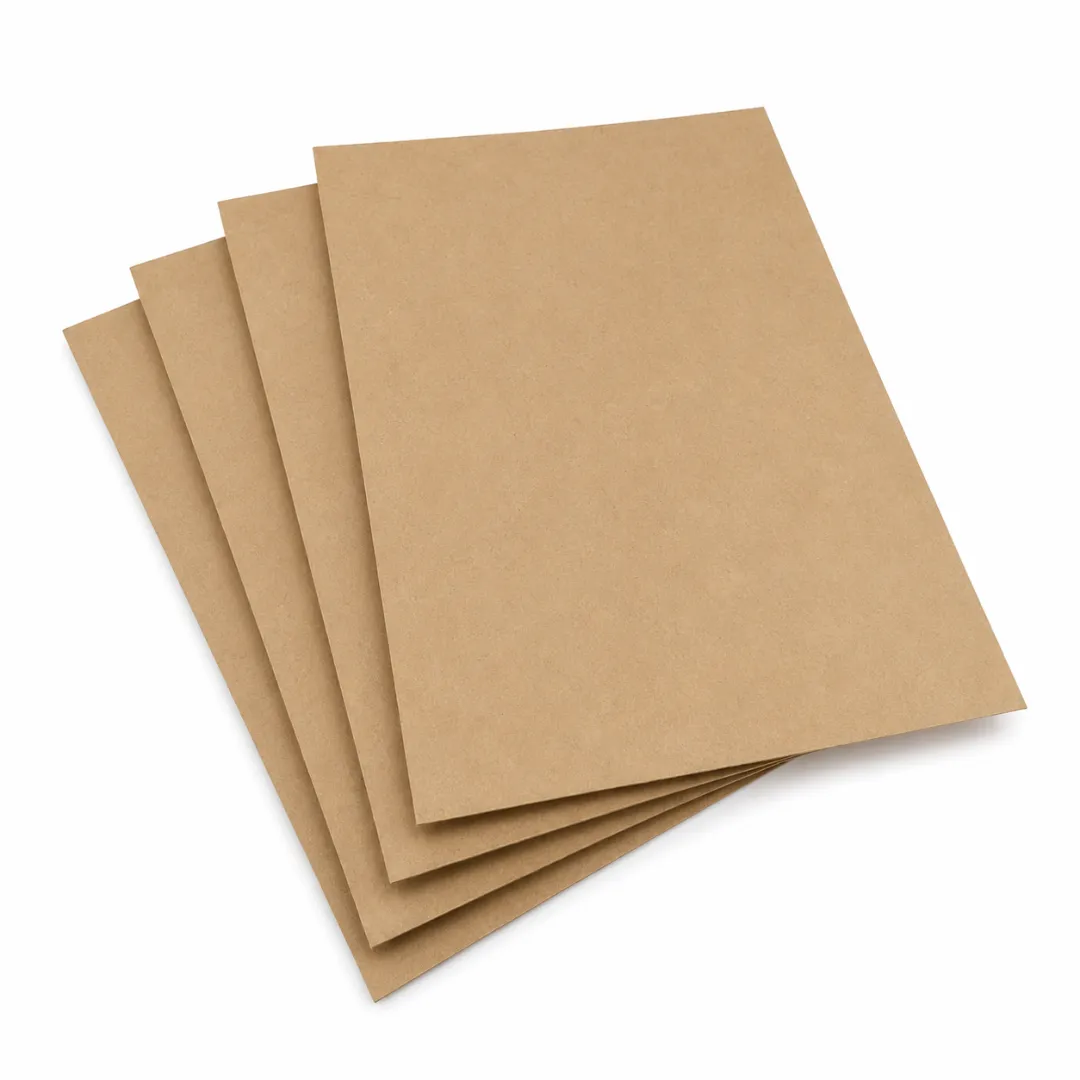
Kraft paper is a strong, durable and reliable material that is widely used across many different industries.
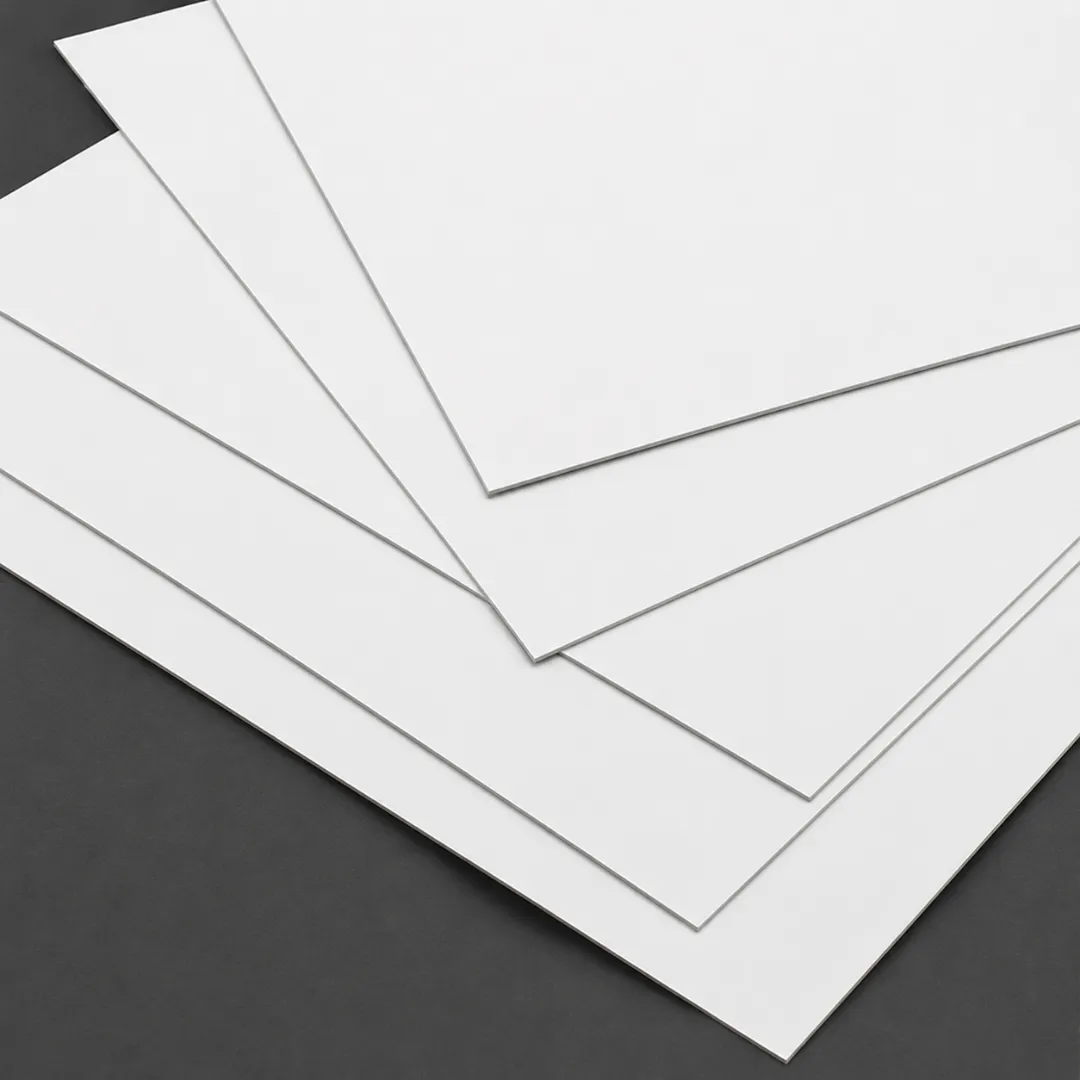
We use cardboard material with the least environmental impact and minimizes waste generation.
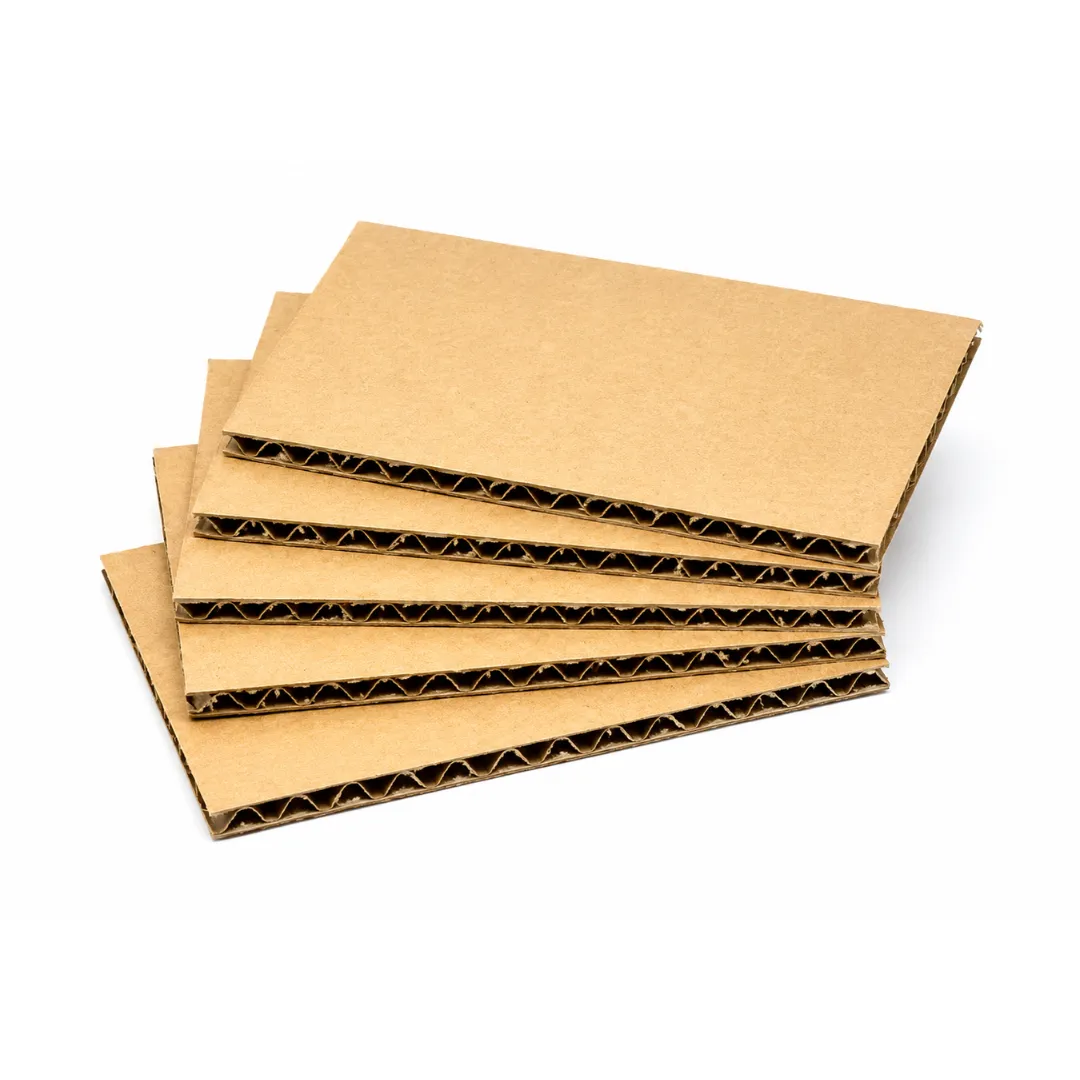
Corrugated material is easy to customize, cost effective and sustainable. It is also great for branding purposes.
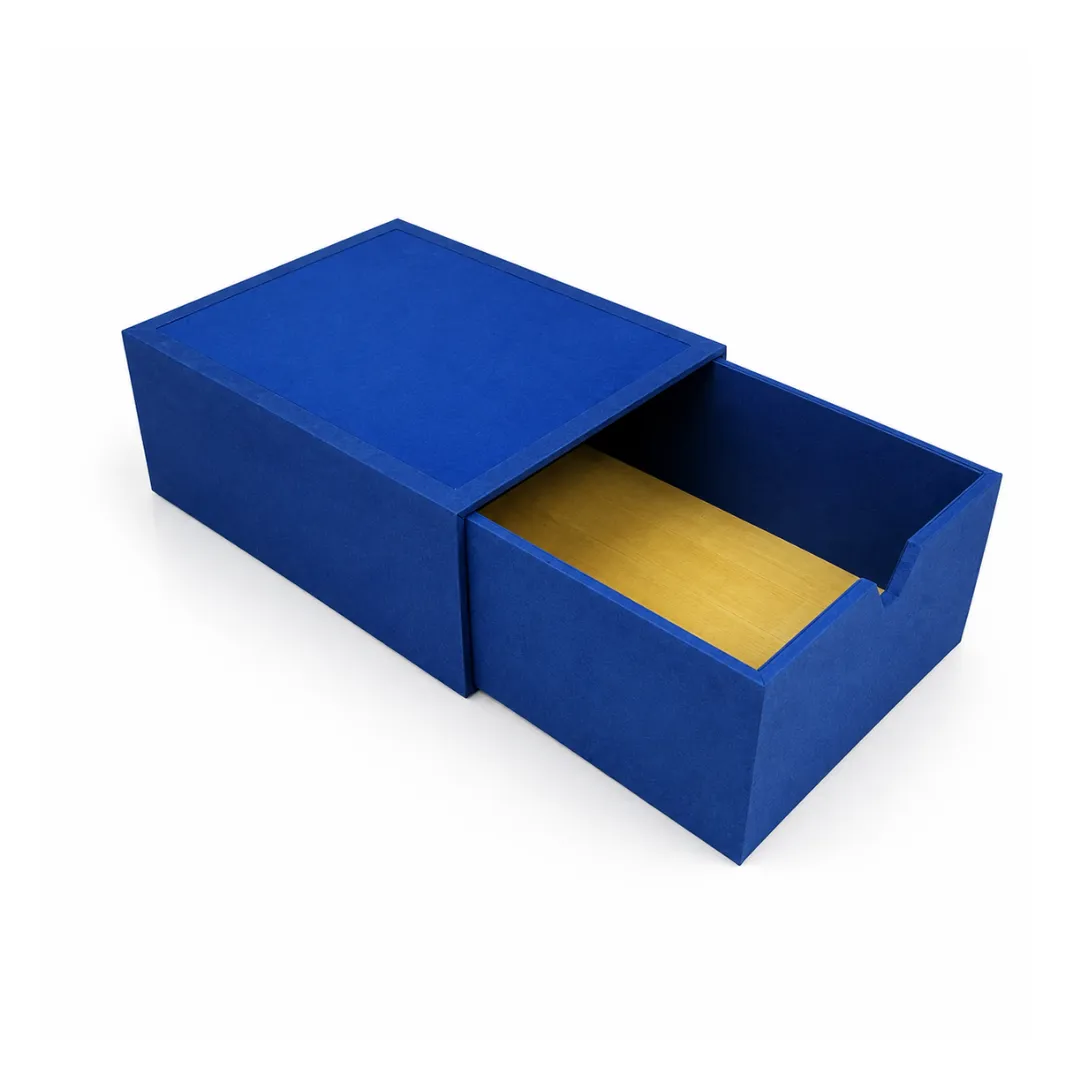
Rigid is highly protective, affordable and recyclable material. These boxes provide maximum protection.
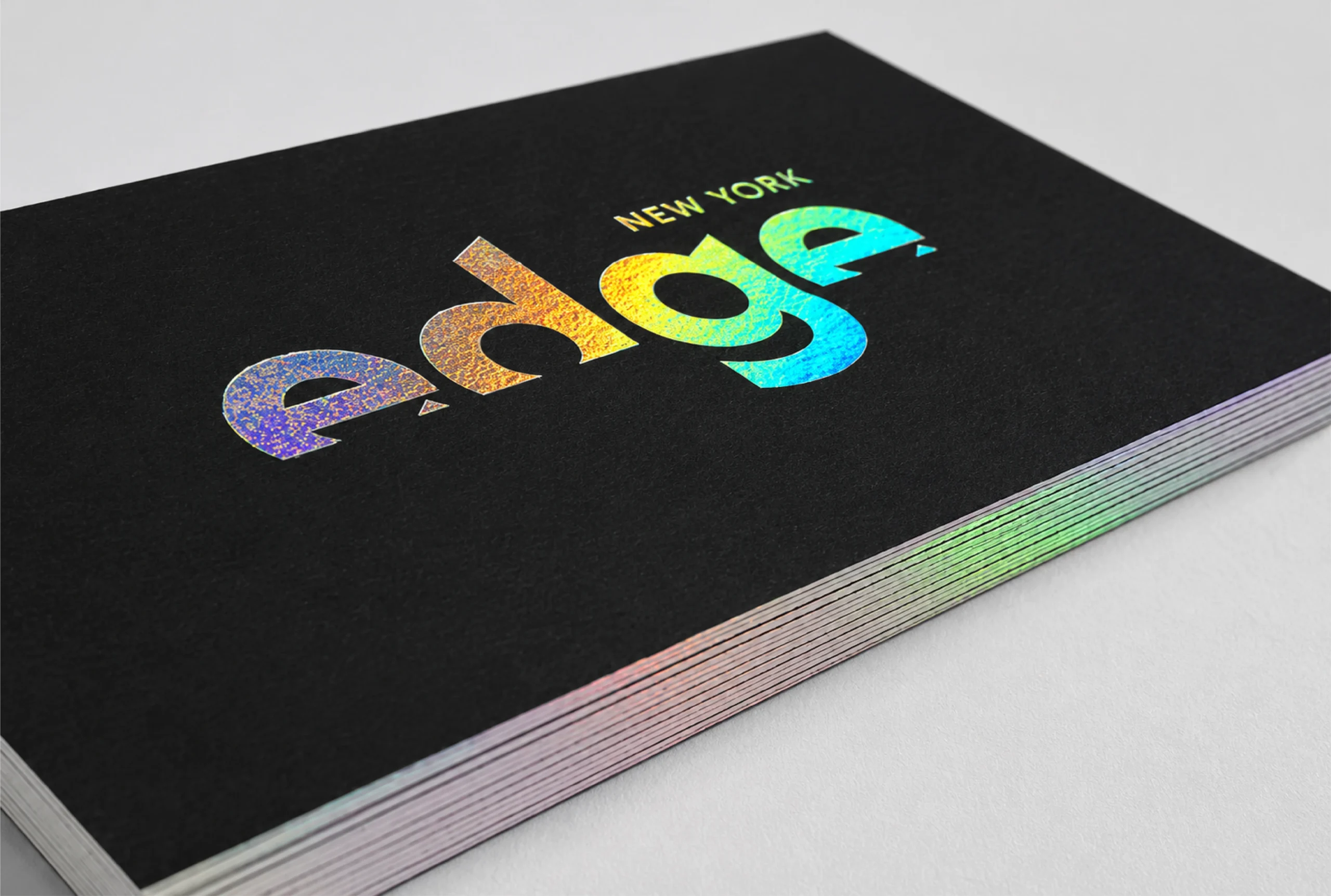
Holographic foil diffracts light and reveals the colors of the rainbow at various angles.
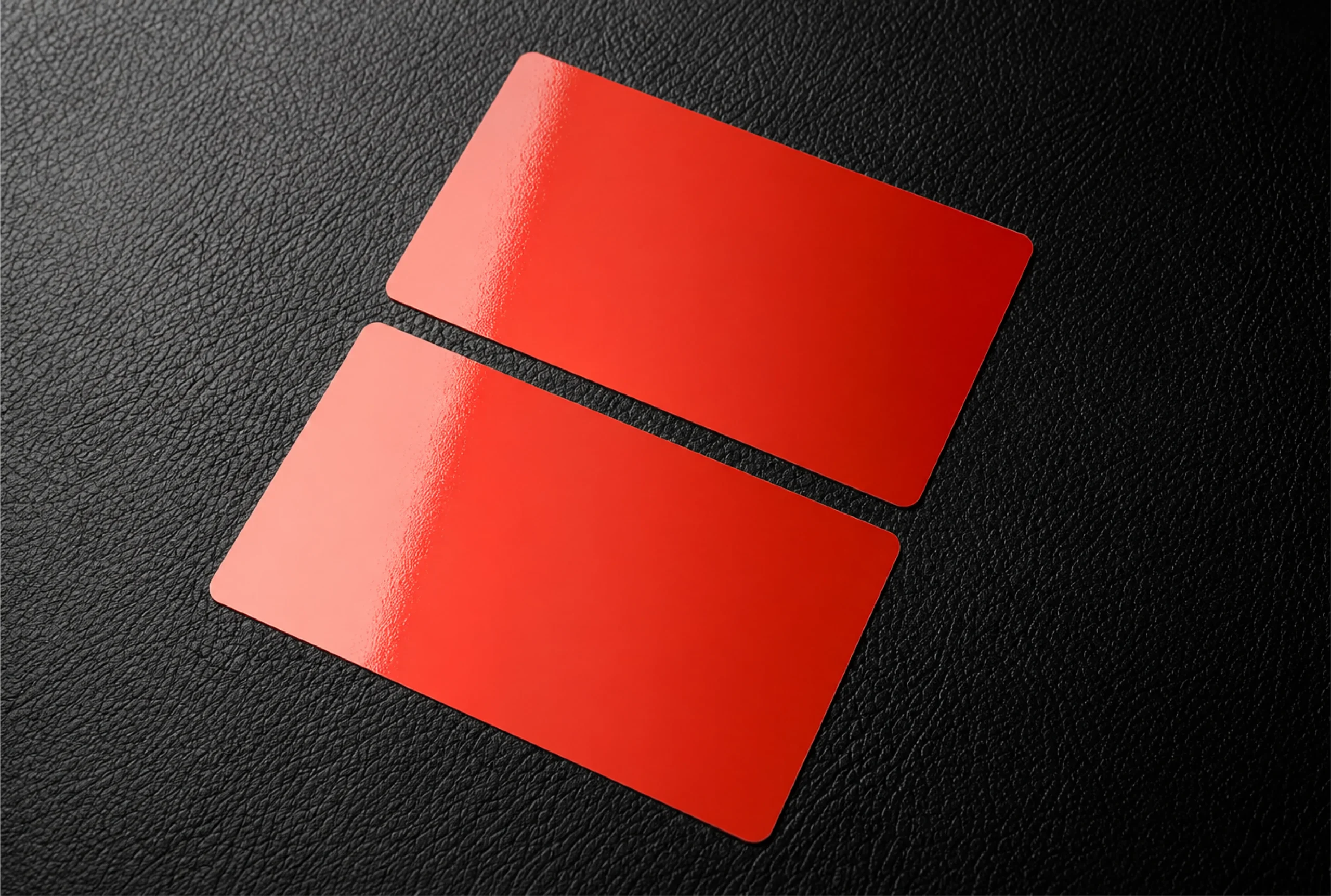
Our glossy finishing gives your packaging an extra layer of shine.
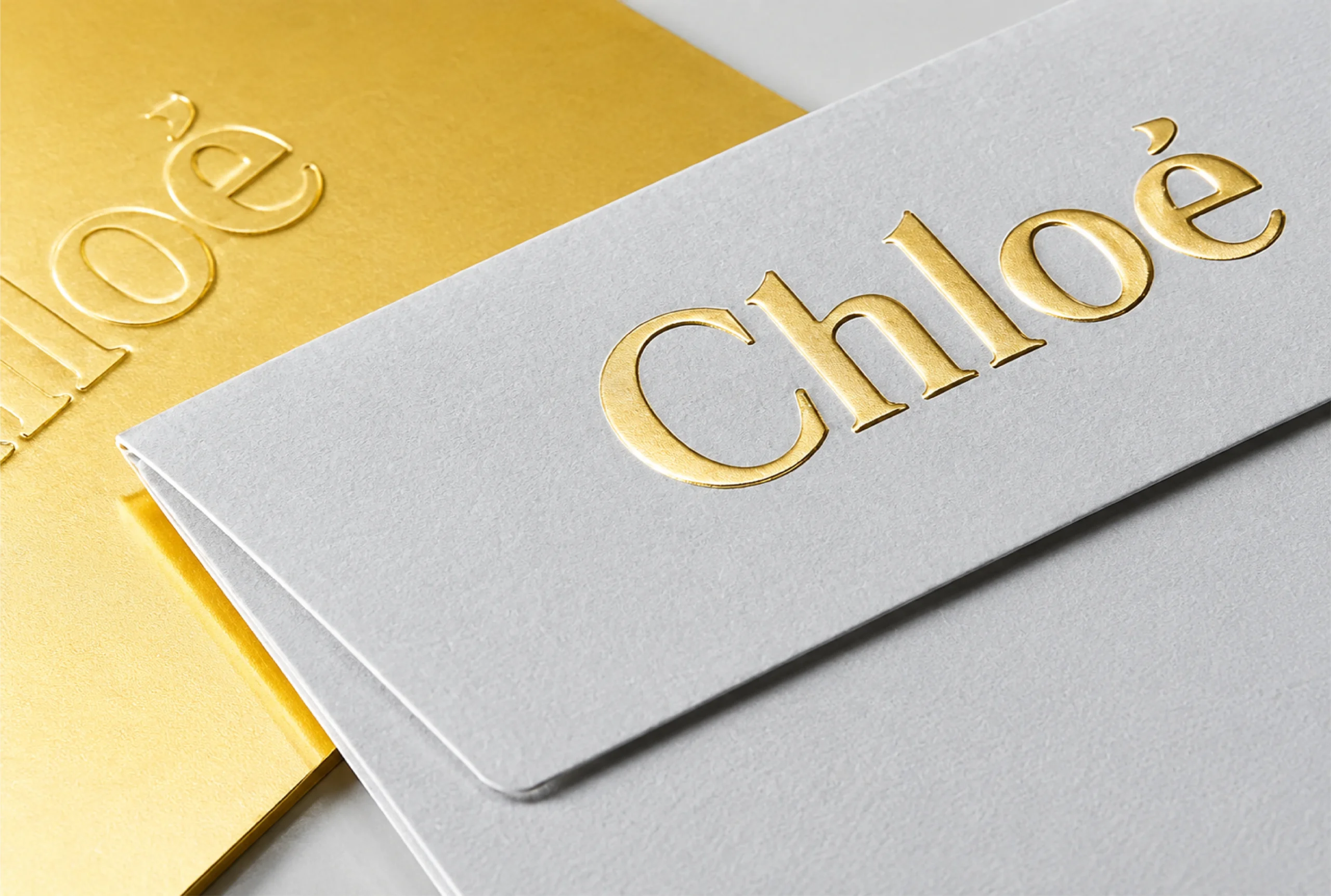
Decorate a wide range of your product packaging with our foil stamping.
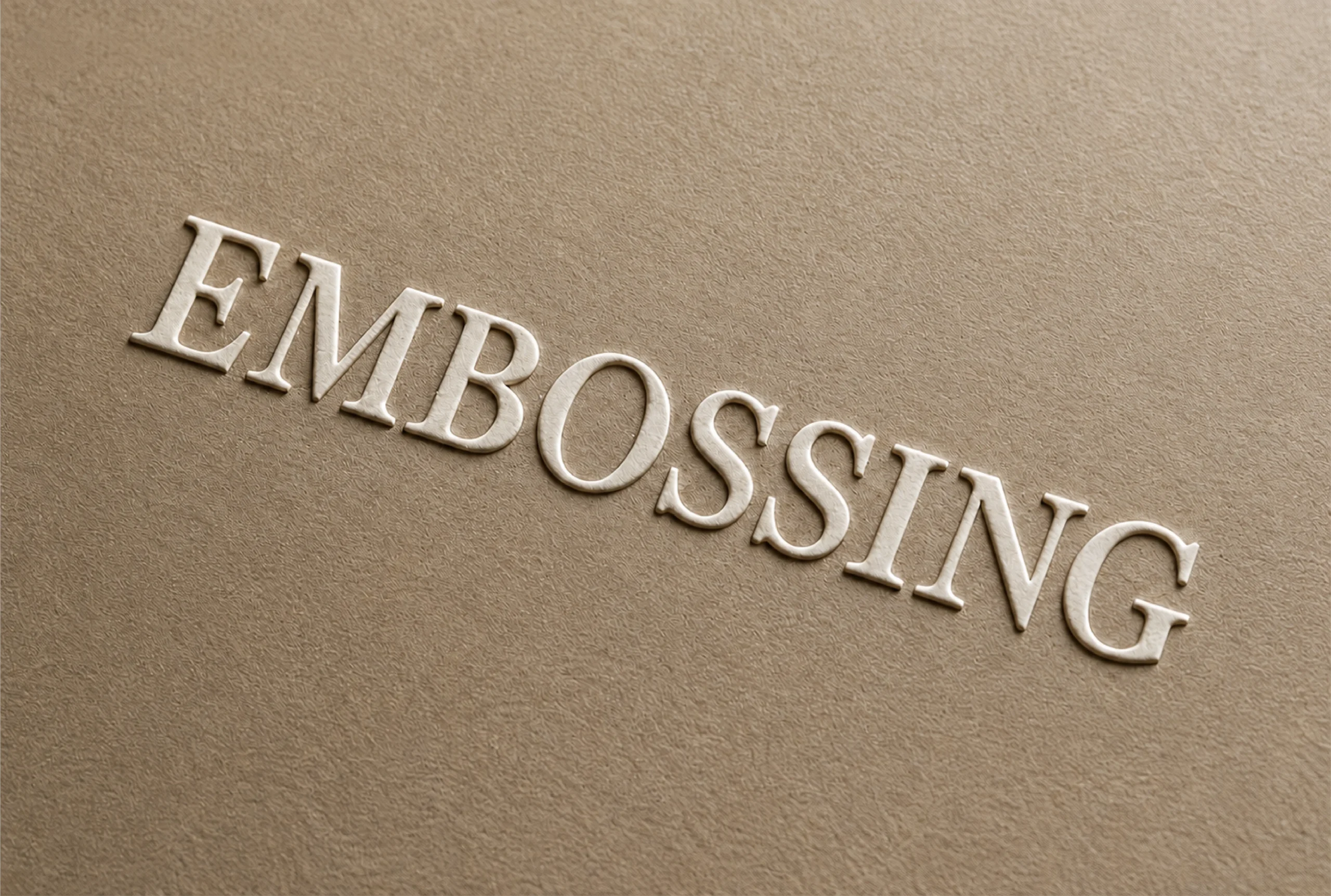
With our embossing technique, we transfer the finest details of your product on packaging.
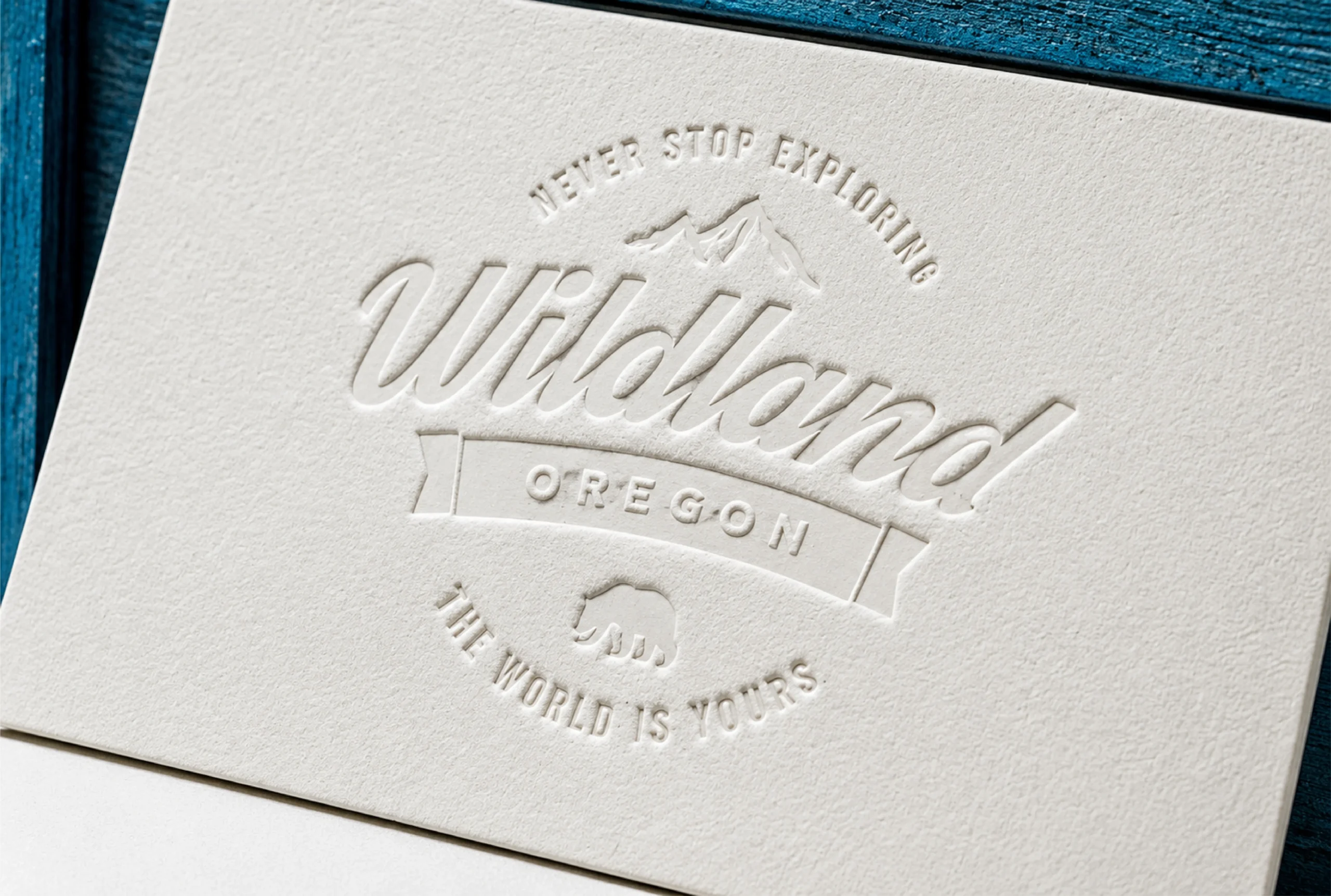
We use debossing technique to add unique graphics into your packaging.
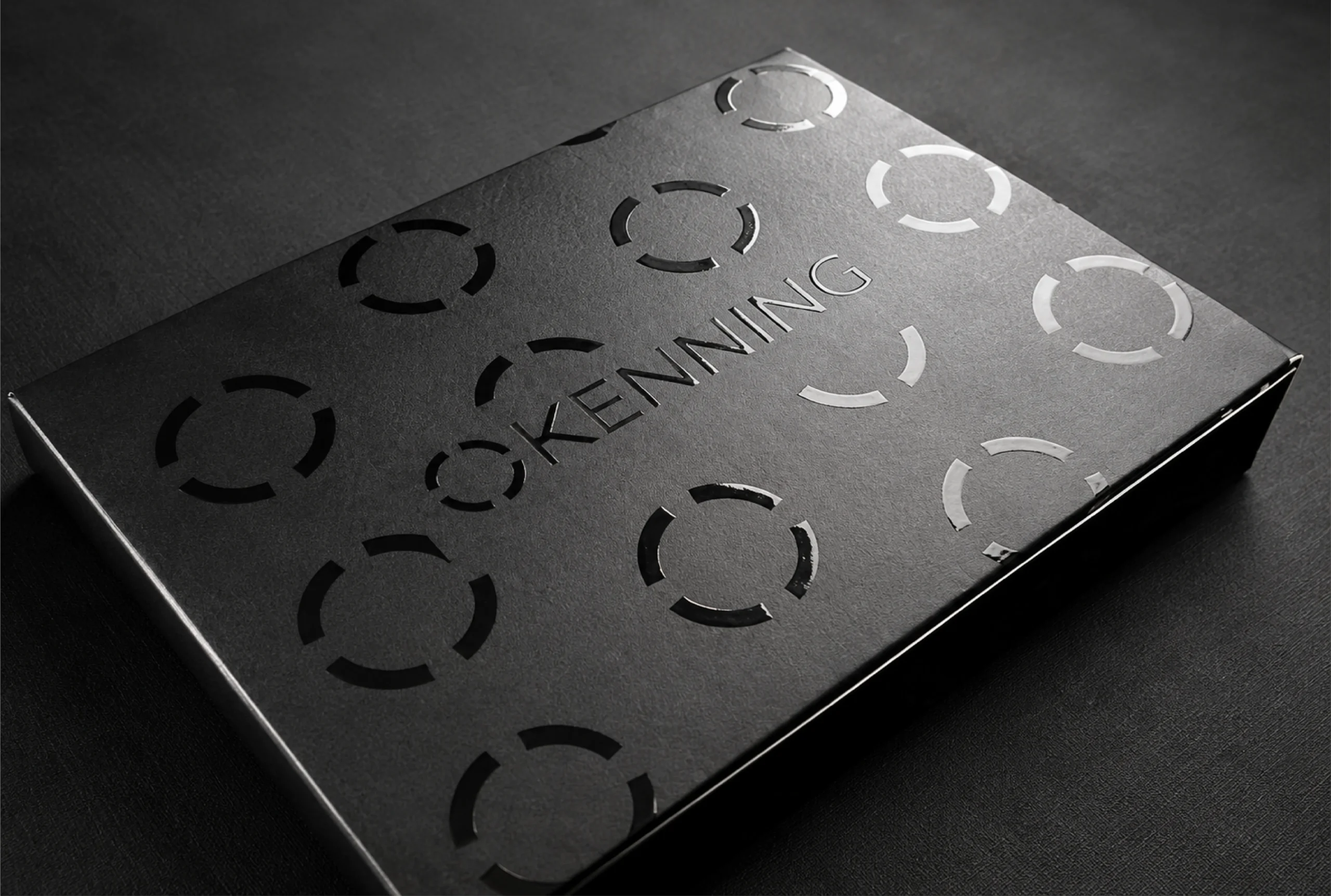
Our high-gloss UV coating gives light and shine to cure the printed material's varnish.
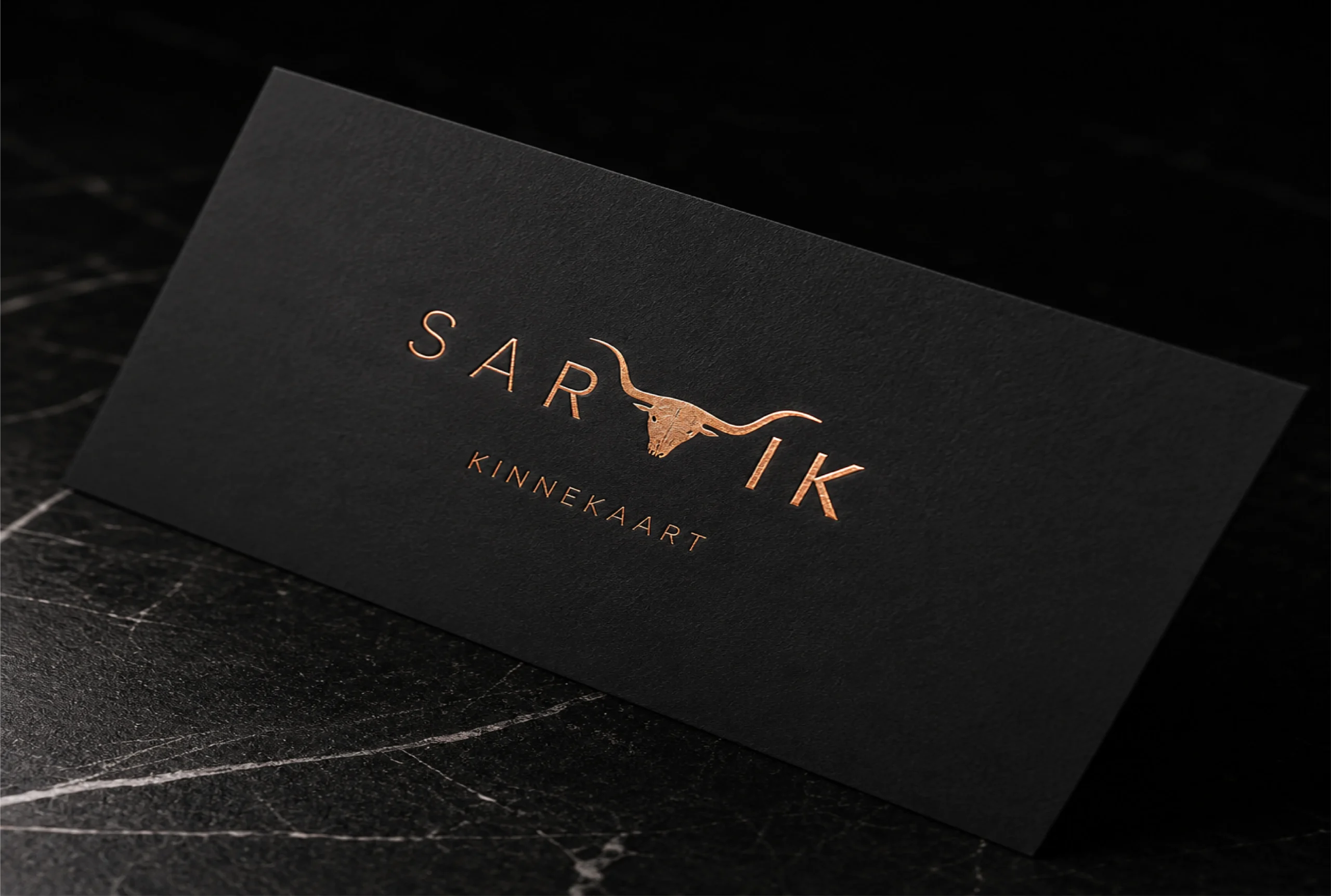
We add additional layer of protection with soft touch lamination from toner chipping.
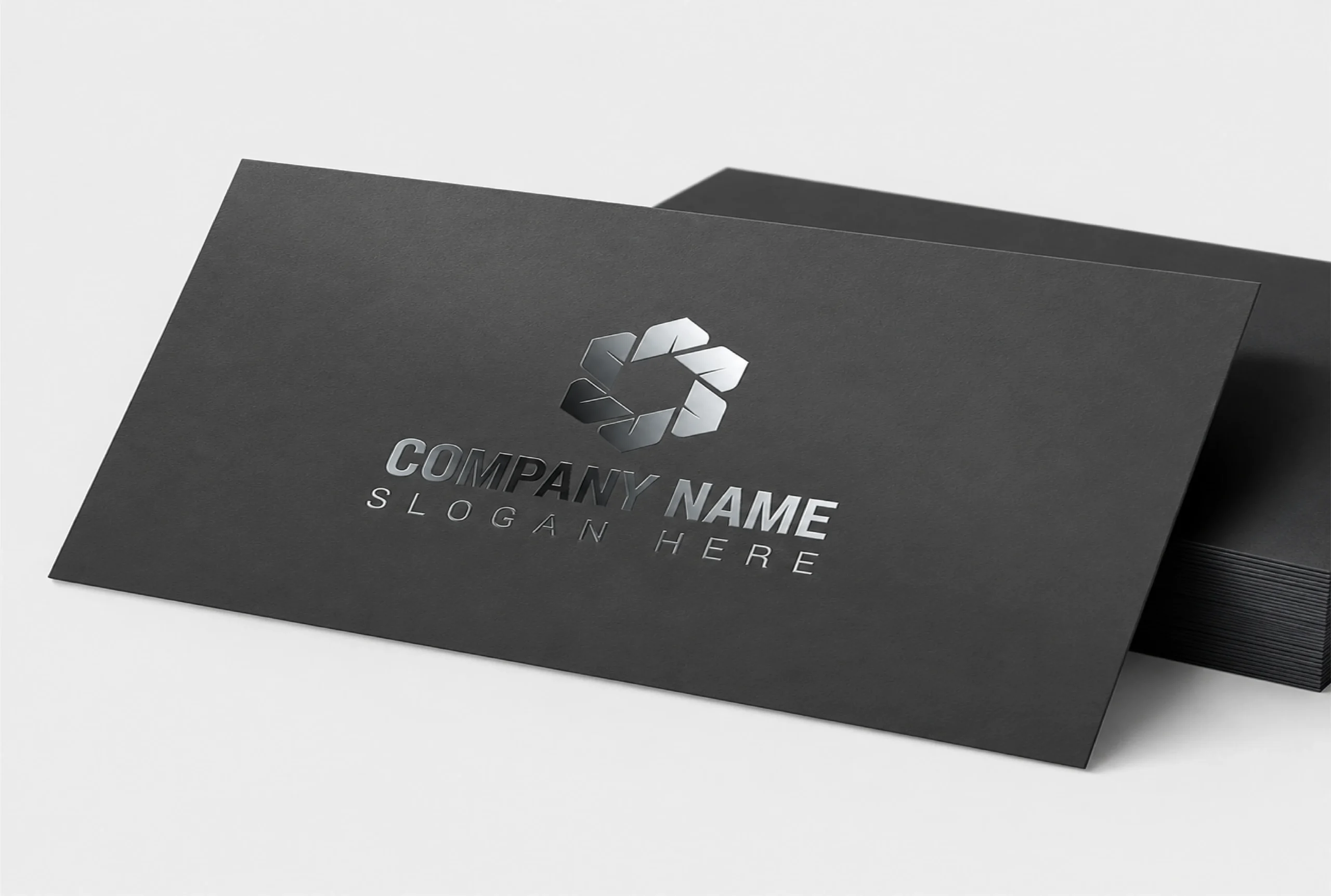
With our matte finish, fingerprints and smudges will now be less visible on the packaging.
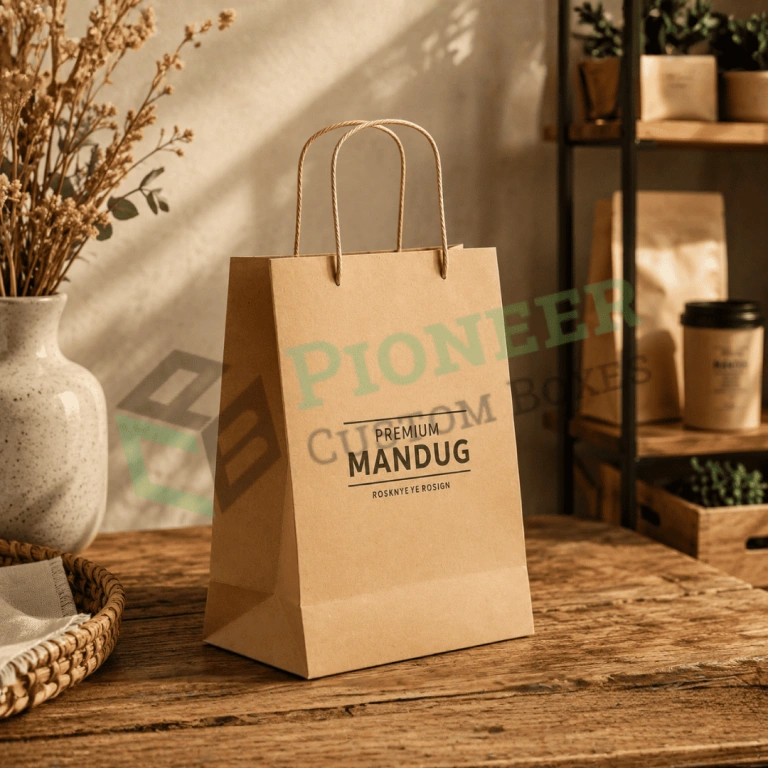
Kraft Landscape Paper Bag packaging from Pioneer Custom Boxes helps nurseries, plant shops, florists, garden centers, farmers markets, landscaping companies, and garden retailers package plants, seeds, floral gifts, plant care kits, and garden products with textured kraft paper, custom printing, gusset support, reinforced bases, handle options, and natural retail presentation.
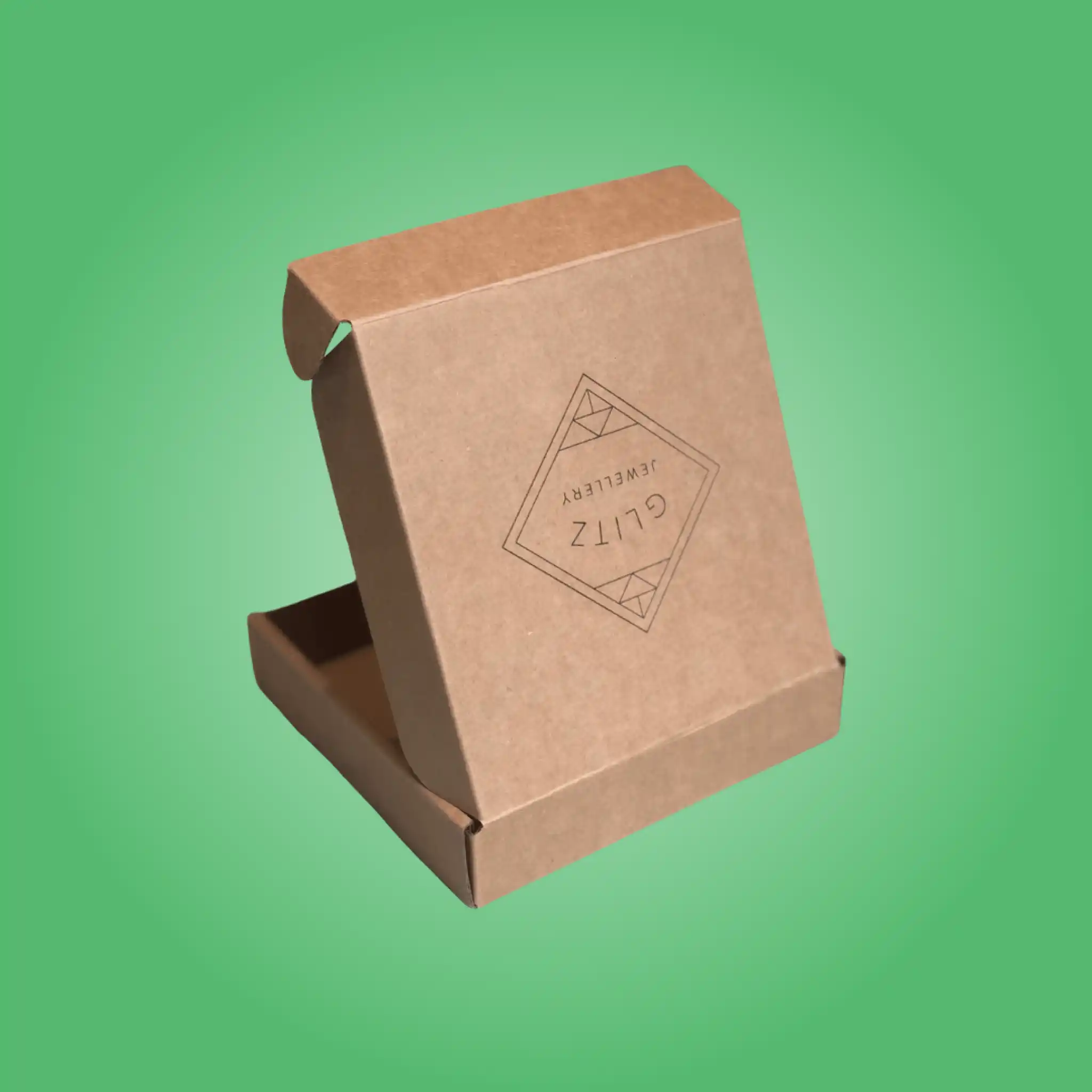
Custom brown boxes from Pioneer Custom Boxes are right-sized kraft corrugated cartons for ecommerce sellers, wholesalers, subscription brands, manufacturers and fulfillment operations. Choose RSC, full overlap, die-cut mailer or double wall builds in 32 ECT to 48 ECT kraft, with flexo or digital printing, moisture-resistant treatment, free design support, zero MOQ and free USA shipping.
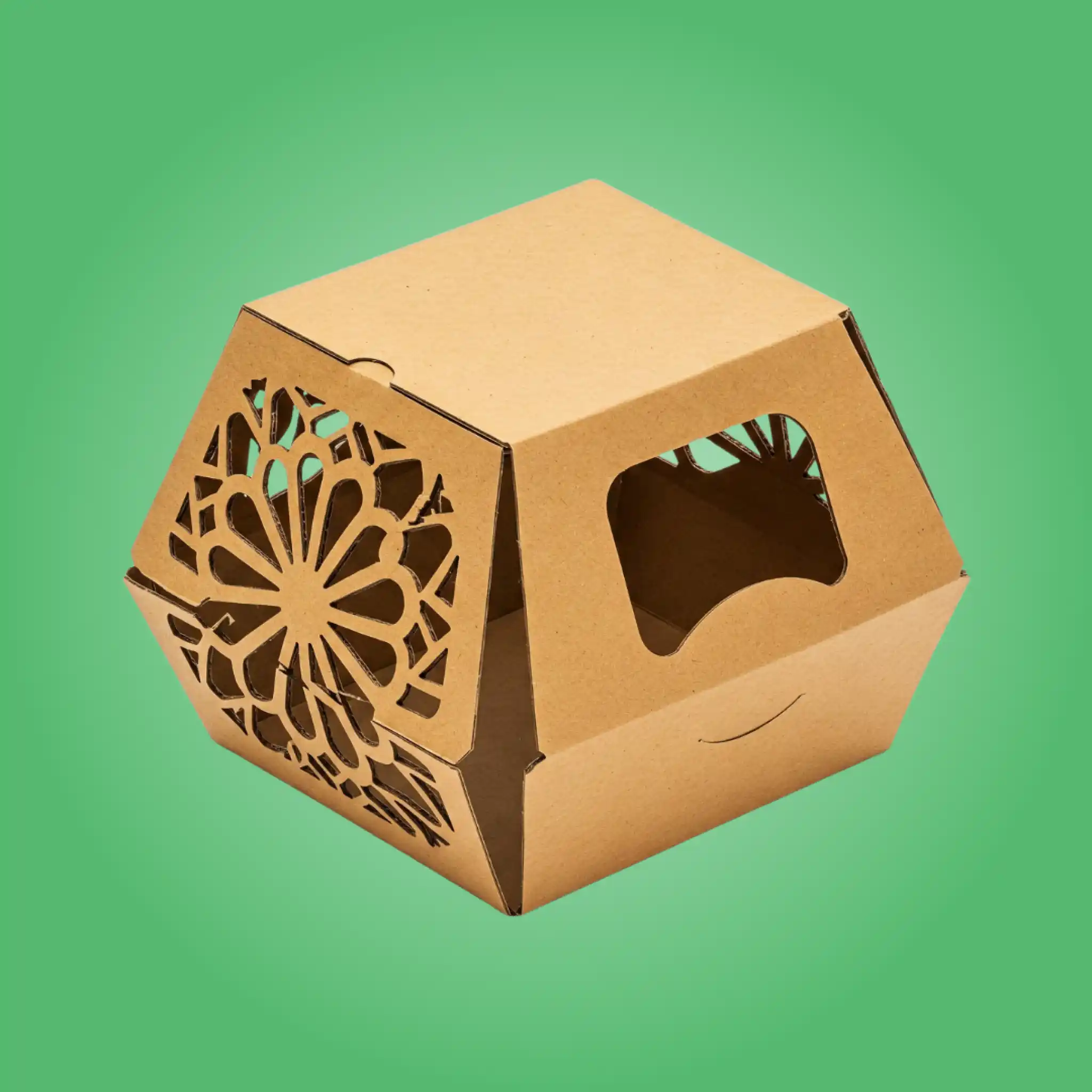
Custom die cut kraft boxes cut to any shape you can draw, with the dieline built around your product rather than a catalog. Choose roll end tuck top, locking front mailer, auto lock bottom, window front, gable handle, pillow box, sleeve and tray or a fully custom silhouette. We print digital, offset or flexo on natural kraft, bleached kraft back, recycled chipboard and kraft E or B flute. Add windows, hand holes, euro hanging slots, tear strips, inserts, interior printing and grease resistant liners. Zero minimum order quantity, free structural design and free shipping across the United States. Standard production runs ten to twelve business days, with rush service available. Get a free quote or order now.
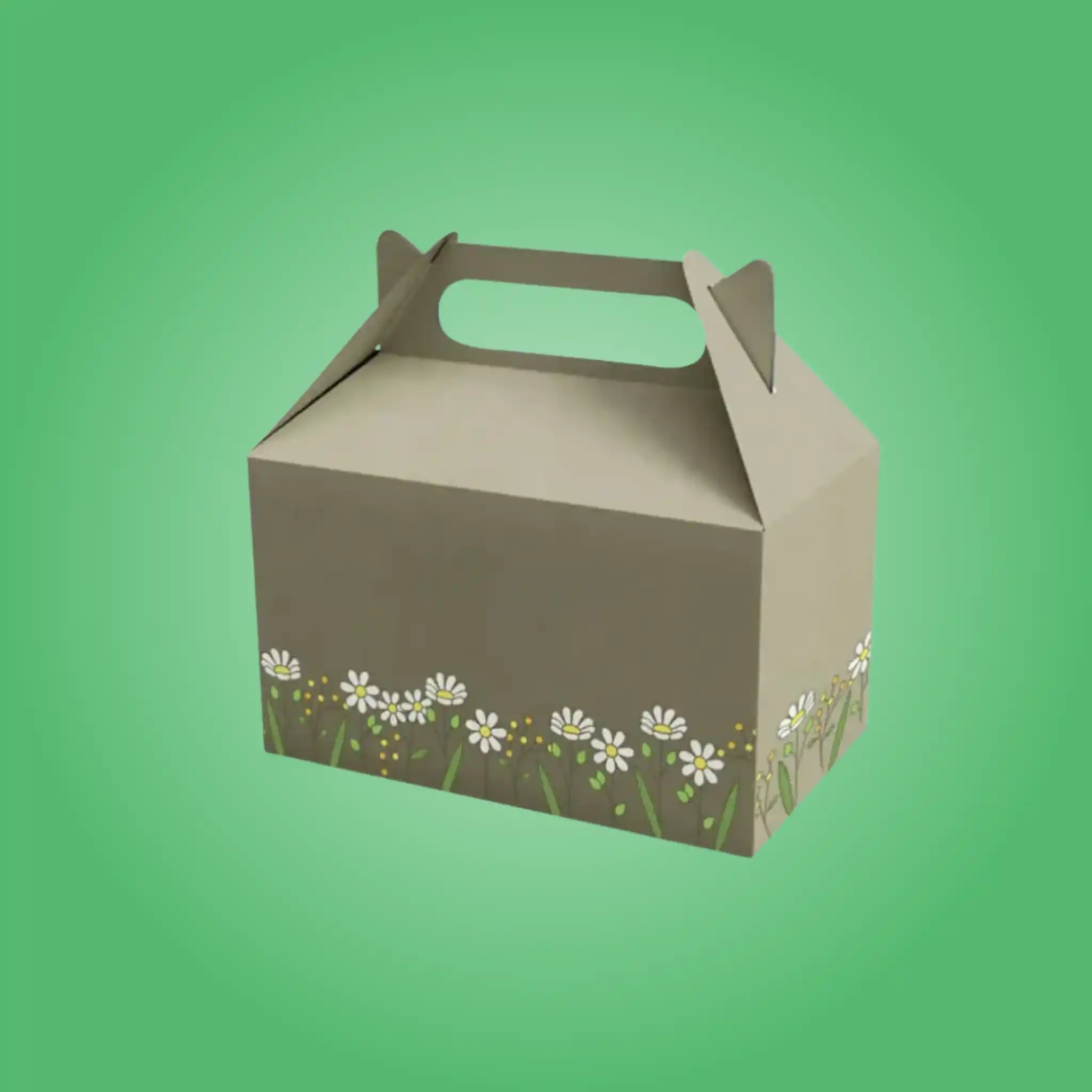
Custom kraft gable boxes with a handle formed from the box itself, so your customer carries the purchase without a bag. Choose standard, window, wide body, tall, mini, insulated or divided versions in 16pt to 24pt kraft or E-flute corrugated. We print digital, offset or flexo in one or two spot colors, or full CMYK with a white underlay. Add die-cut windows, vent holes, grease resistant liners, dividers, insulating liners, reinforced handle strips and ribbon finishing. Every gable order is load tested by hand before it ships. Zero minimum order quantity, free structural design and free shipping across the United States. Standard production runs ten to twelve business days. Get a free quote or order now.