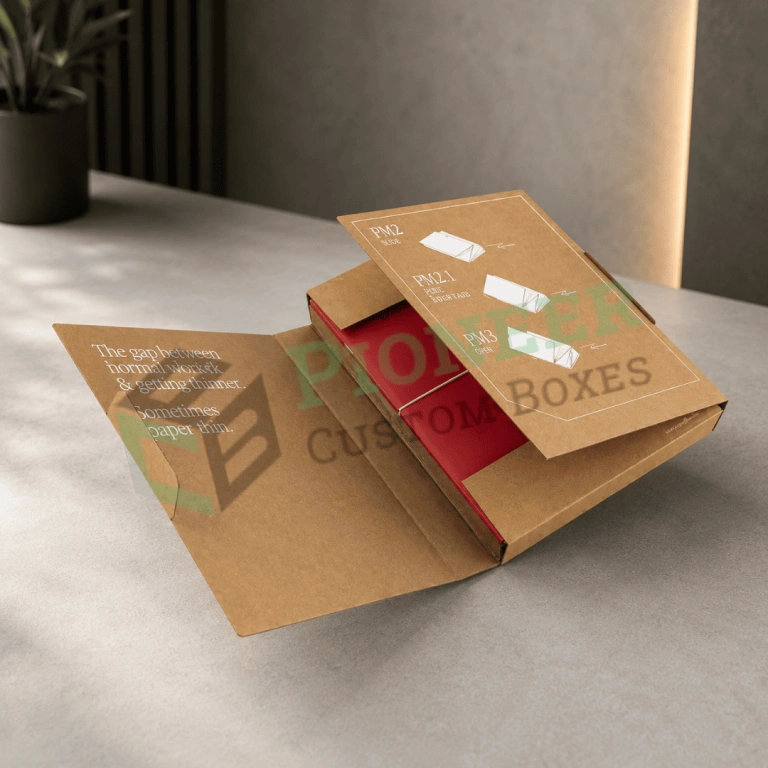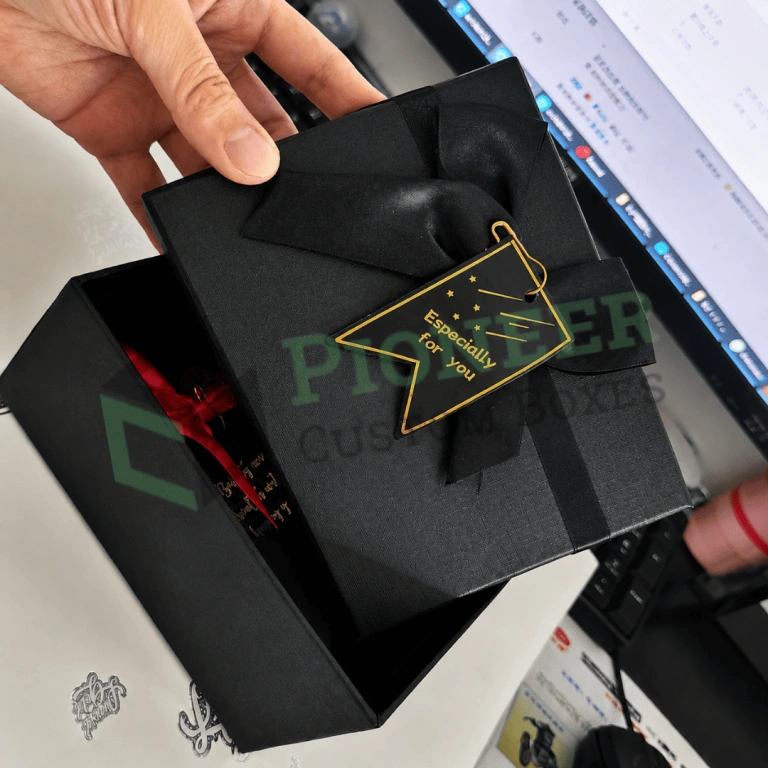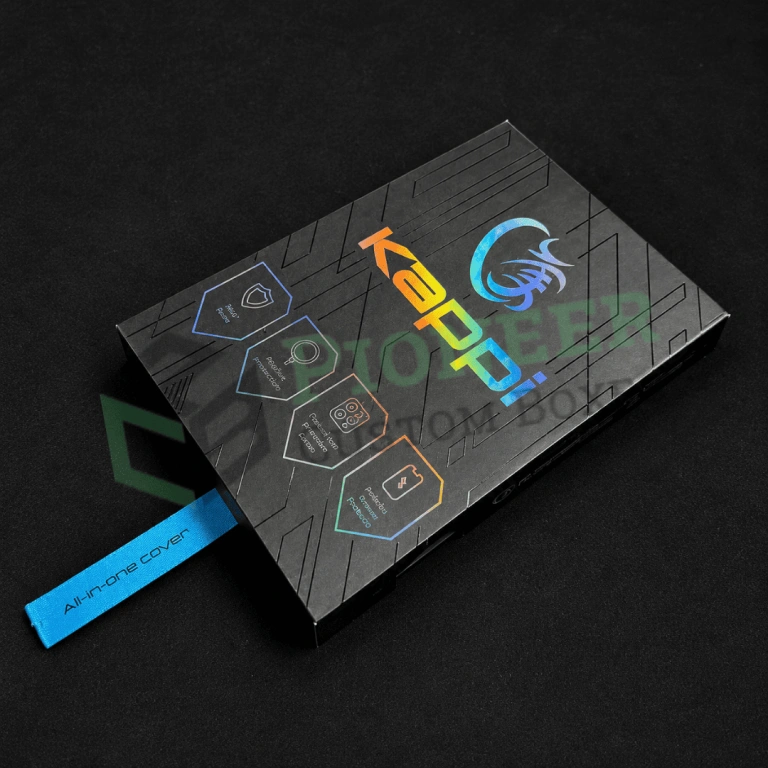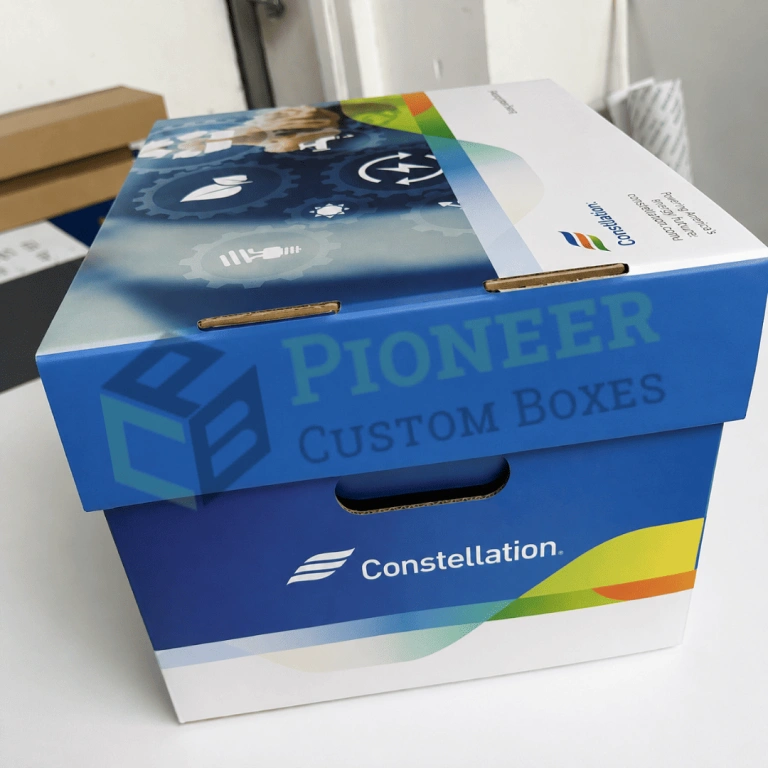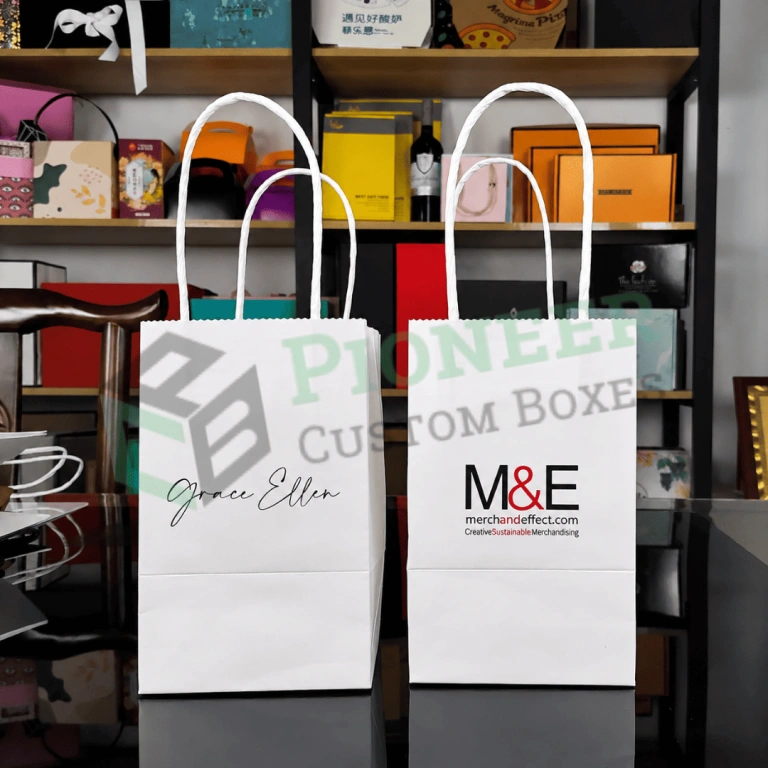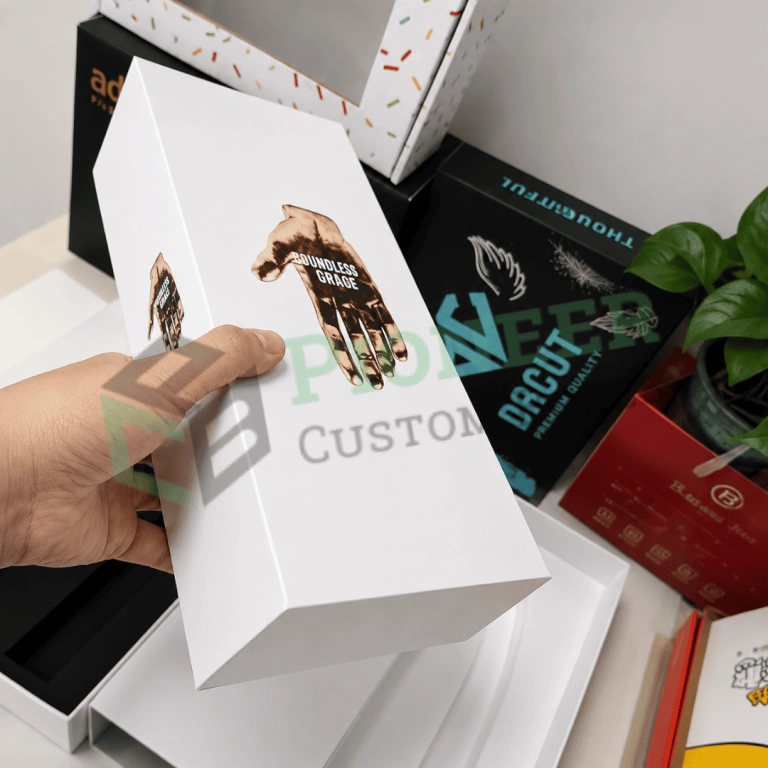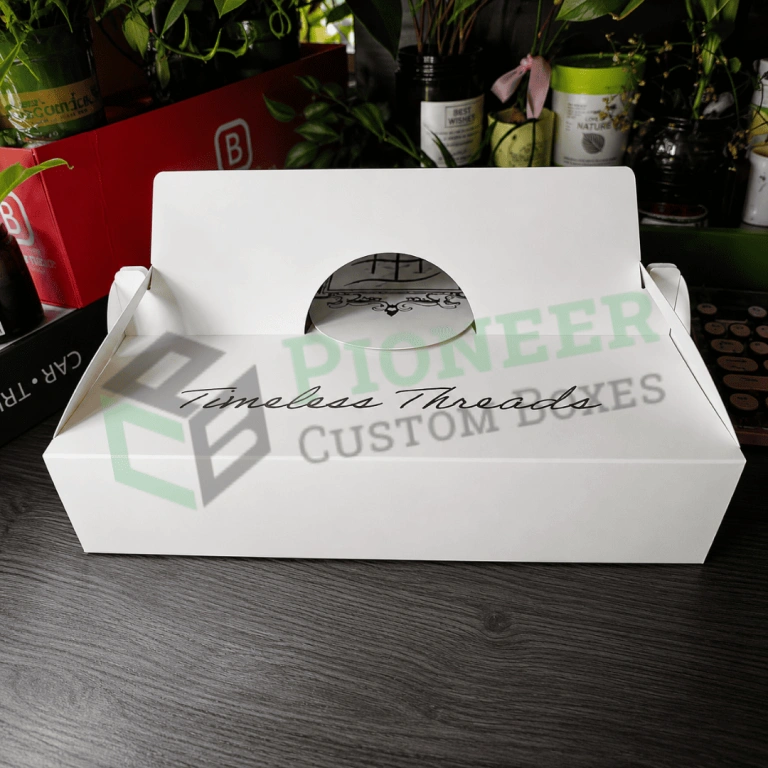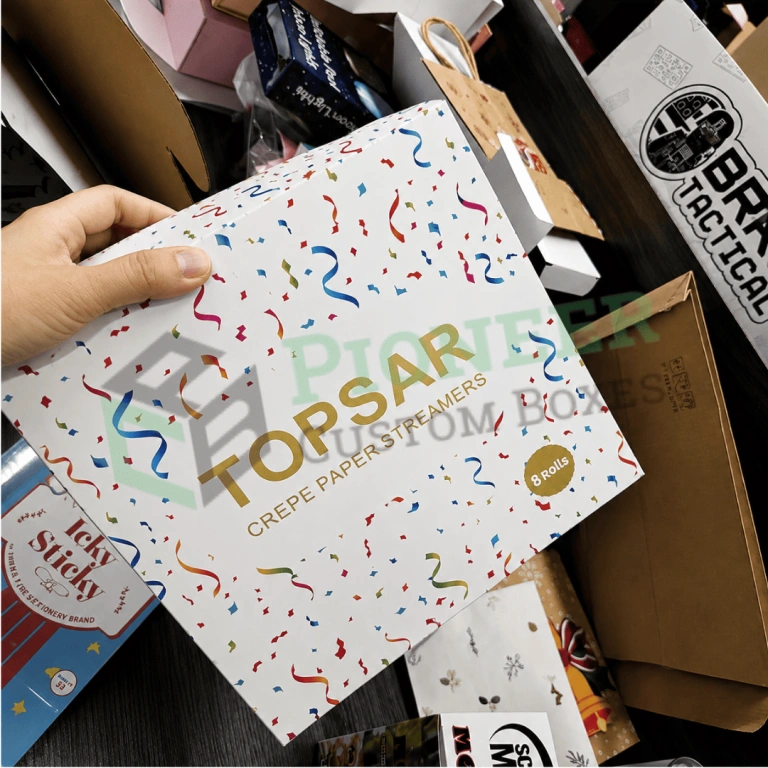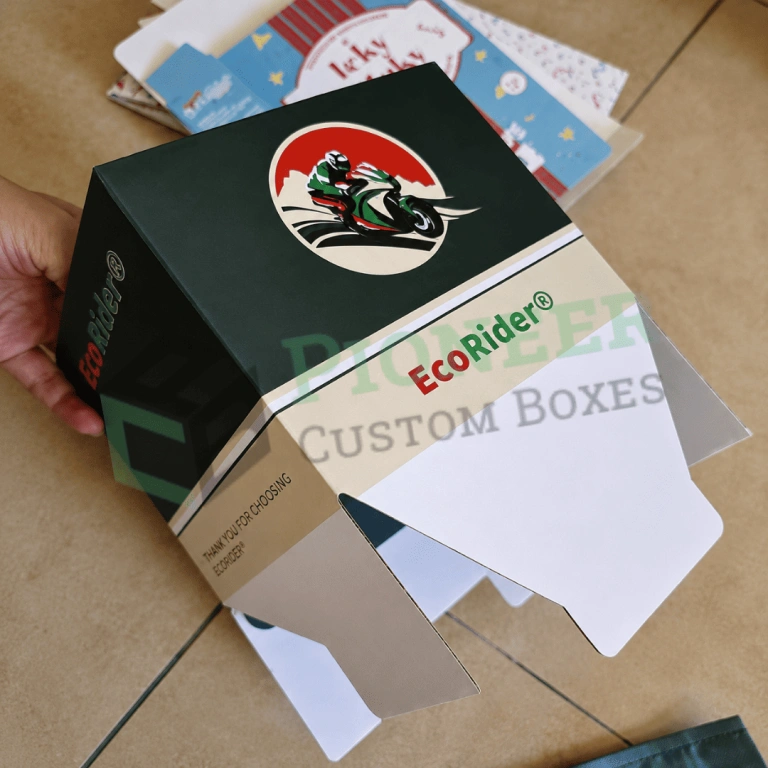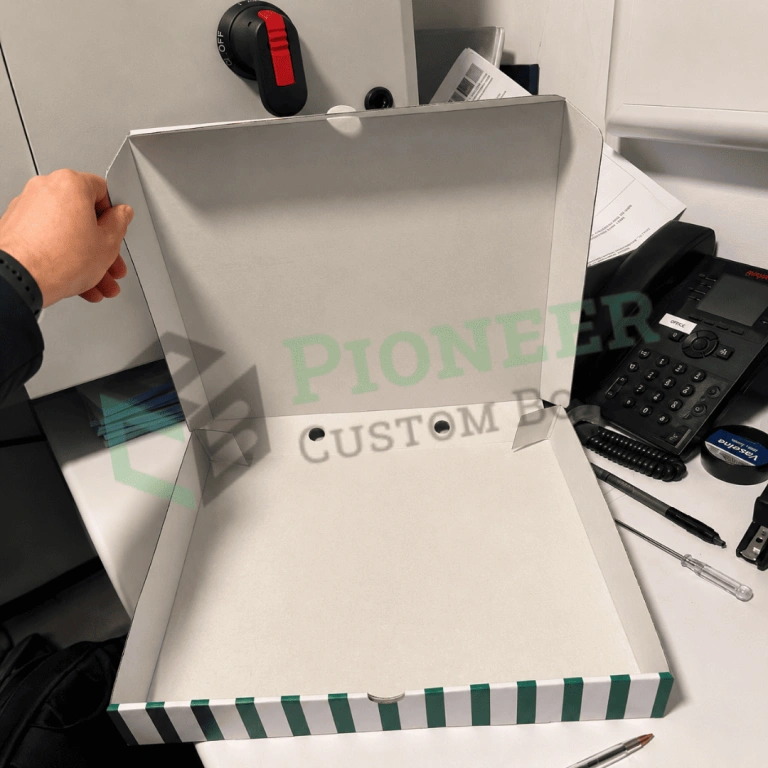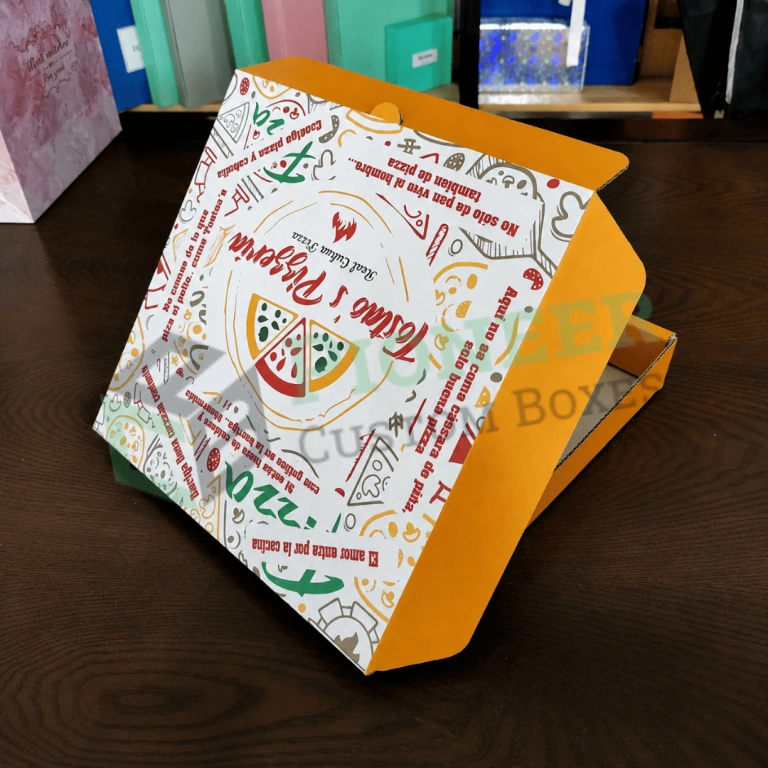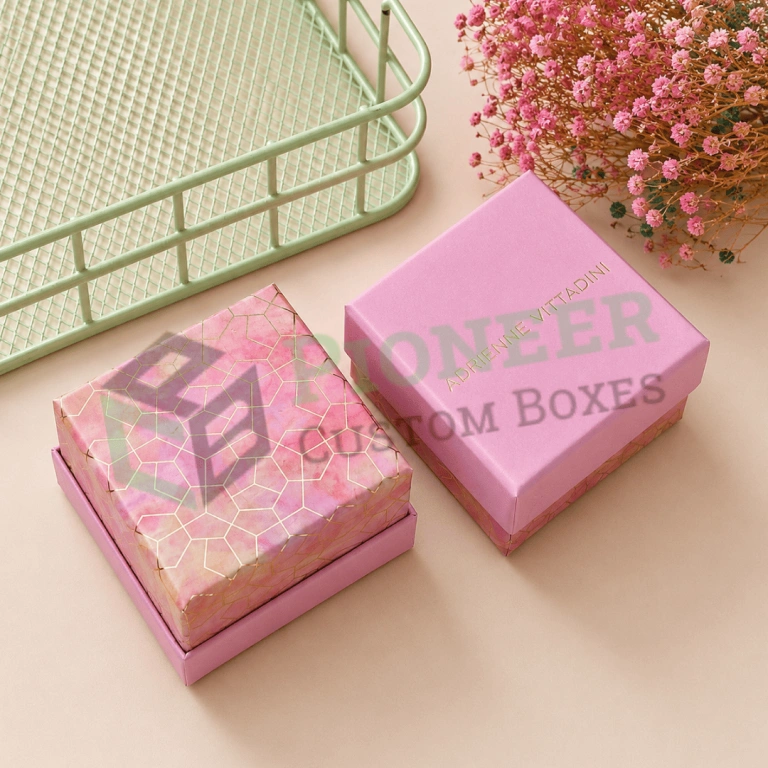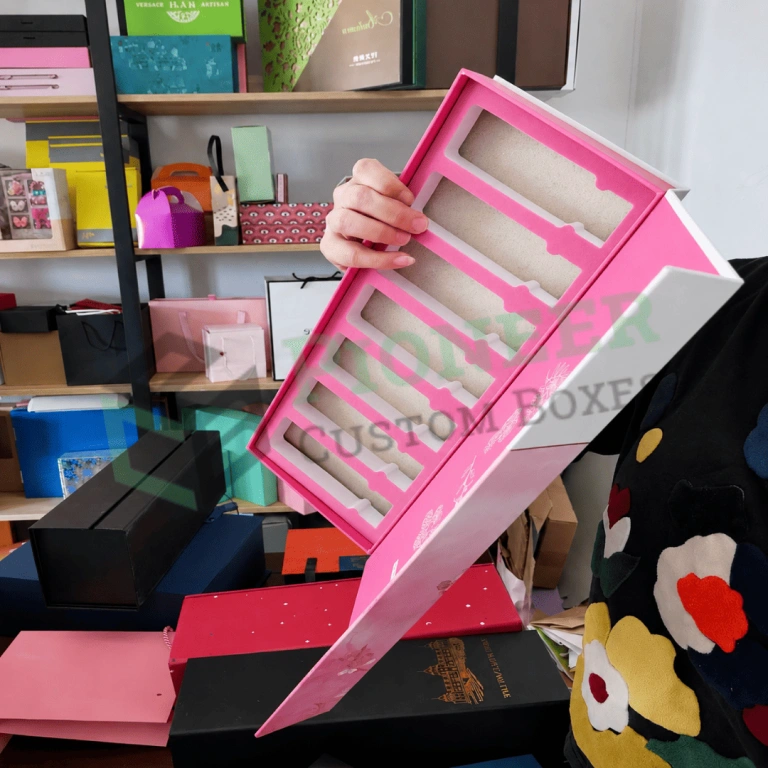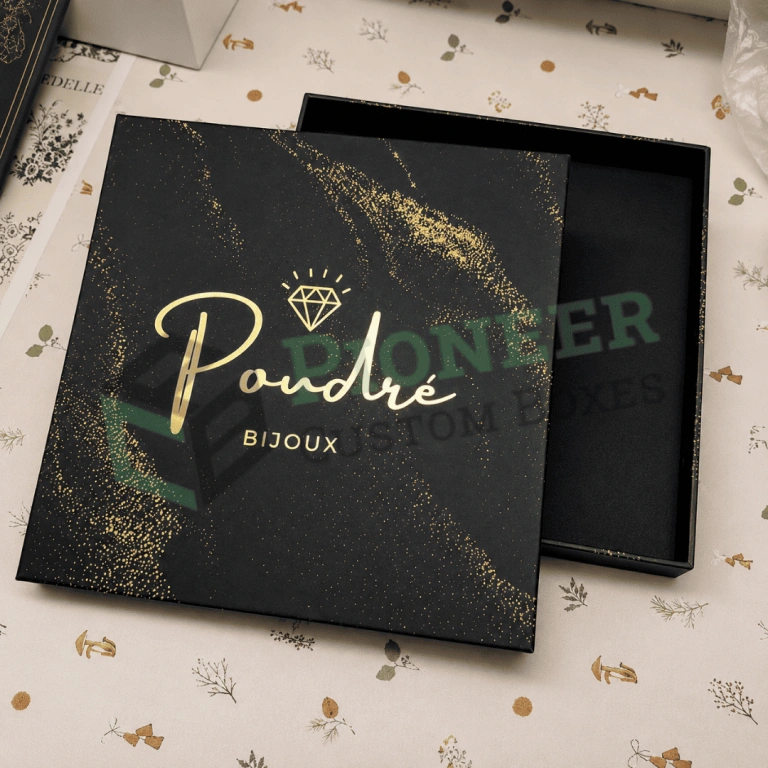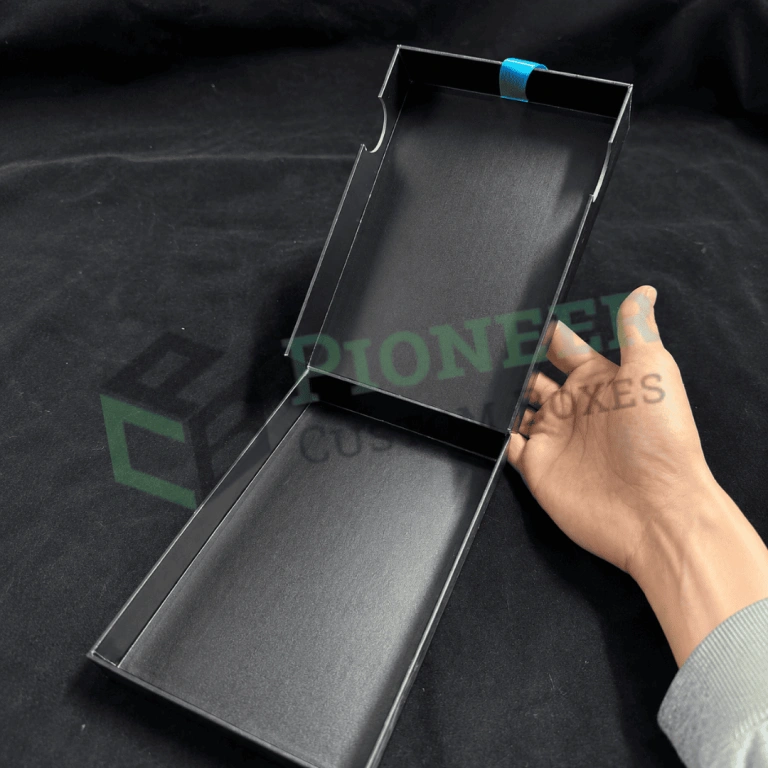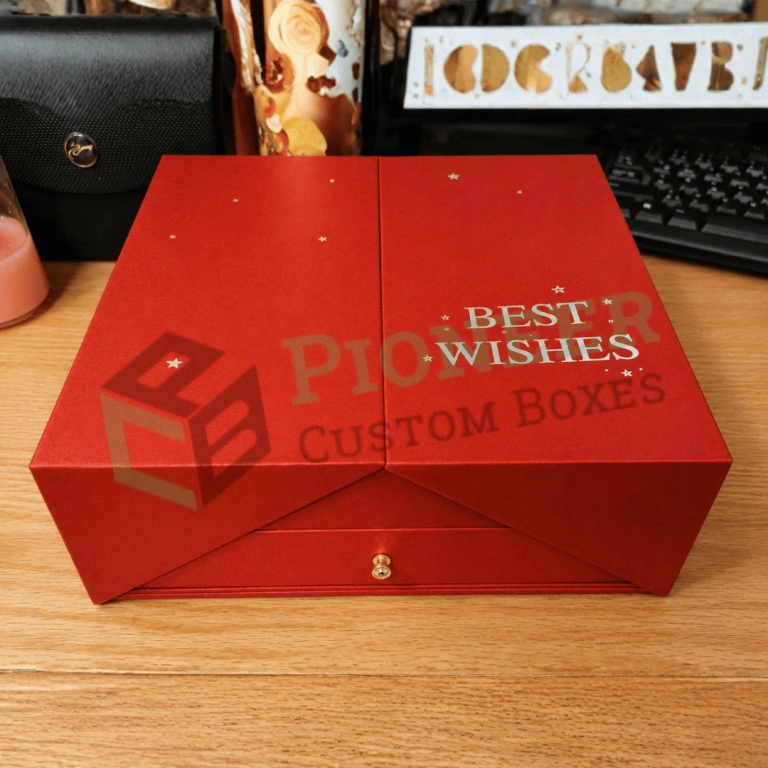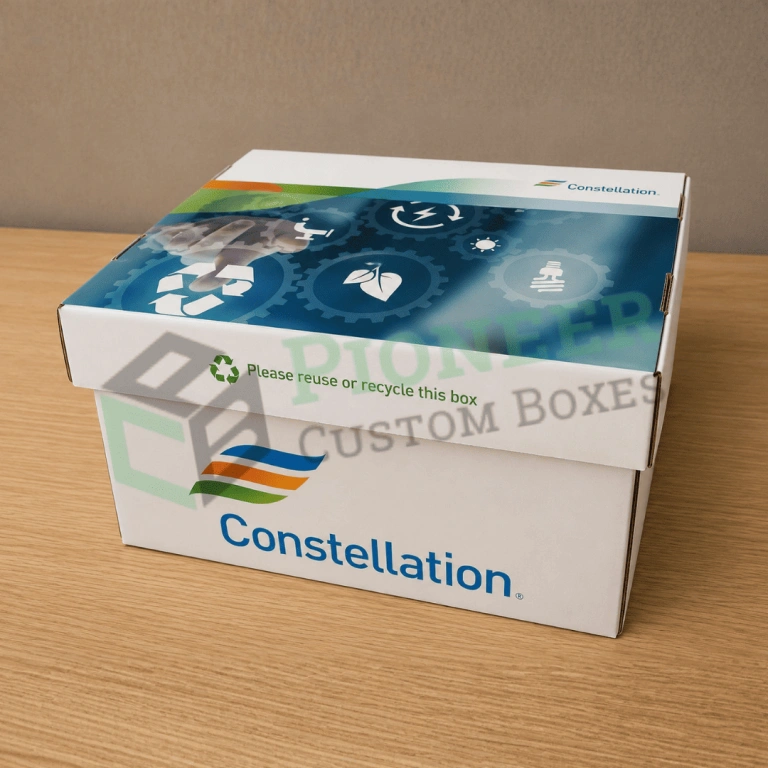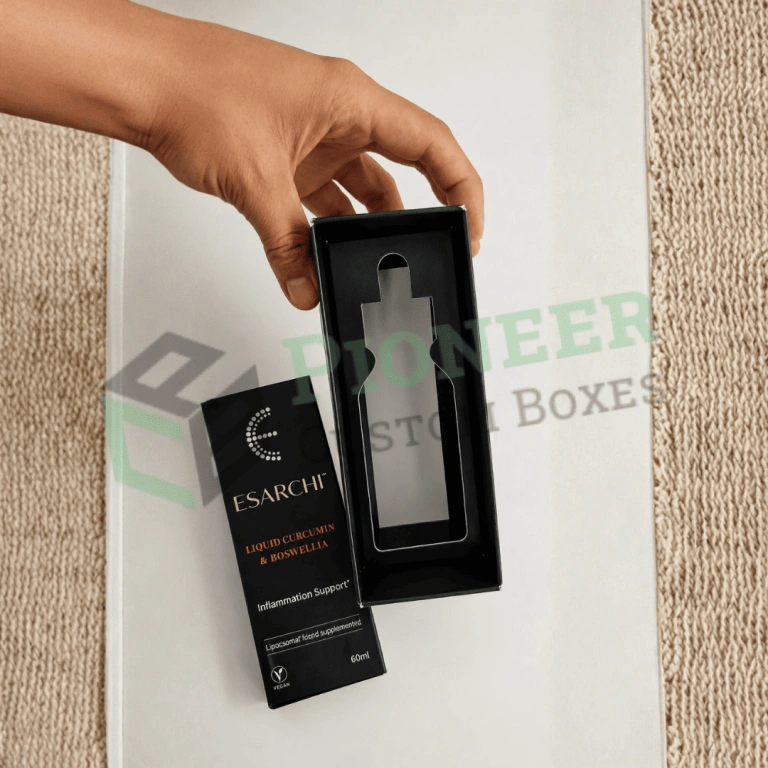
Custom booklet boxes from Pioneer Custom Boxes pair a printed carton with a folded leaflet engineered as one component, so required information fits without crowding the front panel. Choose glued booklets, die-cut pockets, multi-page labels, concertina or map folds and saddle-stitched manuals, with free fold planning, free design support, zero MOQ and free USA shipping.
Custom booklet boxes are printed cartons paired with a folded leaflet, built to carry dense information that will never fit on the panels alone. Pioneer Custom Boxes manufactures them across the United States with zero minimum order quantity and free shipping.
Every regulated product eventually runs out of panel space. Dosage instructions, ingredient lists, multilingual copy, warnings and usage guidance all compete with the branding that actually sells the product, and the branding usually loses.
A booklet resolves that conflict directly. It multiplies the available surface several times over, and it moves obligatory text off the face a customer sees first.
Attachment method is the first real decision. A booklet can be glued to the carton, tucked into a die-cut pocket, applied as a multi-page label or folded inside as a loose insert, and each behaves differently once a filling line is involved.
Line compatibility is the constraint brands underestimate most. A booklet a machine cannot place reliably slows a packing operation, and an insert that shifts during filling fouls the closing flaps rather than simply looking untidy.
We manufacture custom printed booklet boxes for pharmaceutical and supplement brands, cosmetics and skincare companies, medical device manufacturers, electronics brands, specialty food producers and private label packers. Moreover we cut our own dies and print our own leaflets, so the carton and the booklet are engineered as one component rather than sourced separately and hoped for.
Order wholesale booklet packaging in any quantity you need. There is no minimum order, design support costs nothing, and shipping across the United States stays free on every order. Searching for booklet boxes near me usually returns brokers, and we are the factory those brokers buy from.
Structure follows how much information you carry, how it has to be presented and whether a machine places it.
A folded leaflet glued to an outer panel. The information travels with the pack permanently, which suits any product where the leaflet must not become separated from the item it describes.
A die-cut pocket holding a removable leaflet. The customer takes it out and reads it comfortably, and the pack still presents cleanly on a shelf.
A multi-page label applied to the carton, opening like a small book and resealing flat. It is the neatest answer where panel space is tight and the copy is relatively short.
A loose folded insert packed alongside the product. It is the least expensive route and the standard across pharmaceuticals, though it needs sizing carefully so it cannot shift during filling.
A leaflet folded in parallel panels that opens in a single motion. It suits step-by-step instructions, because the whole sequence stays visible across one spread.
A leaflet folded in two directions, reaching a very large open area from a small closed size. Multilingual documentation depends on this fold constantly.
A stapled multi-page booklet for genuinely long documentation. Medical devices and electronics use it where a folded leaflet cannot carry the page count.
A printed sleeve over a base carton with the booklet captured between them. It reads as premium and keeps the information accessible without a visible pocket.
| Format | Information Volume | Line Compatibility | Why Choose It |
|---|---|---|---|
| Glued booklet | Moderate to high | Good with the right equipment | Leaflet never separates from the pack |
| Booklet pocket | Moderate | Good | Removable and comfortable to read |
| Booklet label | Low to moderate | Excellent | Neatest solution on tight panels |
| Leaflet inside carton | Moderate to high | Excellent | Lowest cost, industry standard |
| Concertina fold | Moderate | Good | Step sequences stay visible |
| Cross or map fold | Very high | Moderate | Large open area from a small fold |
| Saddle-stitched booklet | Highest | Manual or specialist | Real page count for long documents |
| Sleeve with booklet | Moderate | Manual or semi-automatic | Premium presentation with access |
Send us your finished copy rather than a word count. Fold planning depends on where the text actually breaks, and a leaflet designed around an assumed page count almost always needs refolding later.
Every carton and leaflet pair is made to your product and your copy volume. These formats cover the booklet packaging we produce most often.
| Configuration | Carton Size (inches) | Leaflet Closed Size | Fold and Pages |
|---|---|---|---|
| 30ml bottle with insert | 1.8 x 1.8 x 3.3 | 1.5 x 3 | Concertina, 6 panels |
| 60ml bottle with insert | 2 x 2 x 4 | 1.75 x 3.5 | Concertina, 8 panels |
| Blister wallet with leaflet | 3.5 x 2.5 x 0.5 | 3 x 2 | Cross fold, 12 panels |
| Skincare carton with pocket | 1.6 x 1.6 x 5 | 1.4 x 2.5 | Parallel fold, 6 panels |
| Cosmetic carton with booklet label | 1.5 x 1.5 x 4 | Label 1.2 x 1.8 | Multi-page label, 8 pages |
| Supplement bottle carton | 2.3 x 2.3 x 4.5 | 2 x 4 | Concertina, 10 panels |
| Medical device carton | 8 x 5 x 2 | 5 x 7 | Saddle-stitched, 16 pages |
| Electronics carton with manual | 9 x 6 x 2.5 | 5.5 x 4 | Saddle-stitched, 24 pages |
| Multilingual pharmaceutical insert | 3 x 2 x 4 | 2.5 x 3.5 | Map fold, 24 panels |
| Sleeve and base with booklet | 7 x 5 x 1.5 | 4.5 x 4.5 | Parallel fold, 8 panels |
| Specialty food carton with recipe leaflet | 5 x 3 x 7 | 4 x 6 | Single fold, 4 panels |
Closed leaflet size matters more than open area. A leaflet a few millimeters too wide will not seat in its pocket, and one a few too narrow slides out during transit and arrives loose in the box.
This is the technical heart of the category, and it is where most booklet projects run into trouble long after the artwork was approved.
Start with paper weight, because it governs everything downstream. A leaflet printed on stock that is too heavy will not hold a tight fold, and one printed too light tears at the crease under machine handling.
The workable range for multi-panel inserts sits roughly between 40 and 60 gsm. Below that the paper wrinkles as it folds, and above it the folded stack becomes too thick for the pocket it has to enter.
Fold count drives thickness faster than brands expect. Each fold doubles the stack, so a leaflet folded four times is sixteen layers deep at the spine and will not sit flat inside a carton sized without allowing for it.
Grain direction is the detail almost nobody specifies, and it decides fold quality outright. Folding along the grain produces a clean crease, while folding across it gives a cracked, fibrous edge that reads as cheap on an otherwise careful pack.
Ink coverage matters at the fold as well. Heavy solid coverage across a crease cracks and exposes white paper underneath, so we keep fold lines clear of dense areas wherever the layout allows it.
Attachment method then determines line speed. Glued booklets need equipment that can apply and position them accurately, while loose inserts drop into almost any line, which is precisely why pharmaceutical operations standardized on inserts decades ago.
Insert sizing relative to the carton interior is a genuine failure point. A leaflet noticeably smaller than the space it occupies shifts during filling and can foul the closing flaps, which stops a line rather than merely looking untidy.
Legibility under regulation closes the picture. Minimum type sizes apply to much of this content, and a leaflet that shrinks type to fit a chosen fold has solved a layout problem by creating a compliance one.
This category needs two material decisions rather than one, because the carton and the leaflet have almost nothing in common technically.
Solid bleached sulphate is the default carton stock. Its bright clay-coated face reproduces the type-led artwork these categories rely on, and it accepts a glued booklet cleanly without adhesive showing through the panel.
CRB carries recycled fiber beneath a coated printing surface and prices below SBS. High-volume pharmaceutical and supplement programs use it constantly, and it supports a recycled content claim at effectively no cost.
Natural brown board for botanical and natural positioning. It reads as unprocessed, and it pairs well with matte leaflet stock where a brand wants the whole package to feel uncoated rather than clinical.
Thin uncoated stock engineered specifically for folding. It holds a tight crease, it stacks thin enough to enter a pocket, and it is the standard for multi-panel pharmaceutical inserts worldwide.
Very light stock in the 28 to 40 gsm range. Multilingual documentation depends on it, because it reaches high page counts while staying thin enough to fit inside a small carton.
A light coated paper for leaflets carrying photography or color diagrams. It folds less crisply than uncoated, so we specify it only where images genuinely carry information.
A multi-layer self-adhesive construction that opens and reseals. It carries several pages within a label footprint and suits tight panels better than any folded insert can.
Available across every carton and leaflet grade above. Regulated-sector buyers increasingly request sourcing documentation, so we document what your materials contain under recognized Forest Stewardship Council chain of custody rather than leaving you to assume it.
| Material | Weight or Caliper | Fold Quality | Best For |
|---|---|---|---|
| SBS paperboard | 18pt to 24pt | Carton scoring | Most printed booklet cartons |
| Coated recycled board | 18pt to 22pt | Carton scoring | High-volume regulated programs |
| Kraft paperboard | 18pt to 24pt | Carton scoring | Natural and botanical positioning |
| Lightweight leaflet paper | 40 to 60 gsm | Excellent | Standard multi-panel inserts |
| Bible and onion skin | 28 to 40 gsm | Excellent | Multilingual documentation |
| Coated leaflet stock | 60 to 90 gsm | Moderate | Leaflets carrying photography |
| Booklet label facestock | Multi-layer adhesive | Not folded | Tight panels and short copy |
| FSC-certified stock | Any of the above | As per base | Documented sustainable sourcing |
One point on pairing the two. A substantial carton with a flimsy leaflet feels mismatched the moment a customer handles both, and people read that as a corner cut even when the information itself is impeccable.
Carton and leaflet usually print by different methods, and the leaflet is where the harder constraints sit.
Offset holds the finest detail and the steadiest color across a run. Leaflets carry very small regulated type, and offset keeps the counters open where coarser methods fill them in. It suits both carton and leaflet past roughly a thousand units per design.
Reel-fed offset printing folded inline. It is how high-volume pharmaceutical inserts are produced, and it delivers folded leaflets ready for a filling line at a unit cost nothing else approaches.
Digital prints without plates, which suits short runs, clinical trial packs and frequent copy revisions. Regulated text changes more often than brands anticipate, and digital removes the plate penalty every time it does.
Digital presses change content between individual units. Batch numbers, market-specific copy, expiry dates and language variants all print inline rather than requiring separate runs or a second labeling step.
Flexo prints booklet labels and self-adhesive constructions economically, and it handles the multi-layer formats that fold-out labels depend on.
One practical note on revisions. Regulated copy changes while carton artwork rarely does, so we keep the two as separate print items rather than committing both to a single long run that one wording change would obsolete entirely.
Finish decisions differ sharply between the carton and the leaflet, and the leaflet tolerates far less than most brands assume.
A water-based protective layer applied inline. It seals the carton print surface, resists scuffing through distribution and stays compatible with paper recycling. It is our default on regulated cartons for exactly those reasons.
A flat, low-glare carton surface that reads as clinical and considered. It hides handling marks on packs that move through pharmacy and retail handling repeatedly before reaching a customer.
High shine with deep color saturation on the carton. It suits mainstream and value ranges, and it reads as noticeably less premium than matte within regulated categories.
Selective gloss against a matte field. Used behind a logo it adds depth without adding a color to the run, and it must stay clear of any area a booklet will be glued to.
Hot foil on the carton for premium ranges. It has to sit away from the booklet attachment zone entirely, because adhesive does not bond reliably to foil and the booklet lifts within weeks.
No coating on the leaflet at all. This is the correct default rather than a compromise, since uncoated stock folds crisply and accepts a pen annotation where a pharmacist or clinician needs to make one.
Less a finish than a discipline. We keep coating and heavy ink off every fold line, because both crack at the crease and expose white paper along the one edge a reader looks at most.
The mistake we correct most often in this category is a carton laminated without anyone mentioning that a booklet would be glued to it. Adhesive bonds poorly to film, and the booklet starts lifting within a few weeks in a warm warehouse.
Regulated packaging often mandates specific colors for warning elements, which raises the stakes on color accuracy well above ordinary brand work.
CMYK builds every shade from cyan, magenta, yellow and black. It reproduces photography and diagrams accurately and costs the least. Very small regulated type is usually printed as solid black rather than built from process inks, because process registration blurs fine counters at those sizes.
Pantone inks arrive pre-mixed and print identically every time. Where a warning panel or a category color is mandated, spot ink is the only reliable way to reproduce it consistently across runs and across two different substrates.
RGB is a screen color space and no press prints it directly. Regulatory submissions, retailer listings and artwork approvals all circulate as screen files, and conversion shifts color noticeably. We convert with proper profiles before anything reaches approval.
One point specific to this category deserves emphasis. Carton board and leaflet paper are different substrates, so identical ink reads differently on each, and we proof both together rather than approving the carton and assuming the leaflet will follow.
Each option below either carries information, protects the pack or serves a requirement the printed panels cannot.
| Feature | What It Does | Best Suited To |
|---|---|---|
| Glued booklet attachment | Keeps the leaflet permanently with the pack | Products where information must not separate |
| Die-cut booklet pocket | Holds a removable leaflet neatly | Consumer-facing regulated products |
| Multi-page booklet label | Several pages in a label footprint | Very tight panel space |
| Concertina folded insert | Step sequences visible in one spread | Usage and dosing instructions |
| Map folded insert | Large area from a small closed size | Multilingual documentation |
| Braille embossing | Accessible product identification | Pharmaceutical and medical packs |
| Tamper-evident seal | Shows the carton was never opened | Every regulated retail product |
| Batch and expiry panel | Clear area for variable coding | Every regulated product |
| Child-resistant construction | Restricts access where required | Specified pharmaceutical products |
| QR code panel | Links to full documentation online | Reduces printed page count |
| Barcode panel | Scannable code for pharmacy systems | Retail and distributor supply |
| Serialization area | Space for unique identifier coding | Track and trace requirements |
Choose deliberately rather than comprehensively. Most booklet cartons need the right fold, a clean attachment, a legible batch panel and a tamper seal, and very little beyond that returns its cost.
Booklet packaging exists because of regulation, so the requirements shape the format rather than decorating it afterward.
Minimum type size is the constraint that decides the fold. Regulated leaflets carry legibility standards, and a fold plan that forces type below the minimum has failed regardless of how neatly the paper folds.
That is why page count rises rather than type shrinking. When copy grows, the correct answer is another fold or another page, and never a smaller point size, however tempting the layout makes it.
Food contact suitability applies wherever a leaflet sits inside a carton against unwrapped product. Ink and paper selection matter there, and FDA guidance on packaging and food contact substances sets the framework for anything the product actually meets.
Pharmaceutical and supplement content carries prescribed formats of its own. Dosage, contraindications, ingredient statements and warnings all have defined presentation requirements, and those consume space before a single line of brand copy is placed.
Multilingual markets multiply every one of those obligations. A pack sold across several countries needs each language in full, which is precisely what drives brands toward map folds and very light stock.
Serialization and track-and-trace add another layer. Unique identifiers need a defined clear area on the carton, and retrofitting one into approved artwork is among the more expensive corrections in this category.
Accessibility requirements apply in several markets too. Braille on pharmaceutical cartons is expected in some jurisdictions and optional in others, and it has to sit where embossing will not crush a booklet glued nearby.
We lay leaflets out to meet legibility requirements as part of free design support and flag anything that looks tight before tooling is committed. We manufacture packaging rather than provide regulatory advice, so confirm your own obligations with qualified counsel.
Two components mean two cost structures, and the leaflet behaves very differently from the carton wrapped around it.
Attachment method leads. A loose insert drops into almost any line at minimal cost, while a glued booklet needs equipment and setup that raise the unit price noticeably from the first order onward.
Page count drives the leaflet more than anything else does. Each additional fold adds paper and adds a folding operation, and both compound at volume in a way a single extra panel never suggests.
Print method matters differently on each component. The carton follows ordinary offset economics, while a high-volume leaflet moves to web offset with folding inline, which changes the arithmetic entirely once quantities are large enough.
Copy revisions are a real recurring cost in regulated sectors and the one brands budget for least. Wording changes, and every change obsoletes whatever leaflet stock remains, so we recommend ordering leaflets on shorter cycles than cartons.
Paper weight is a quiet lever with an outsized effect. Moving from 60 gsm to 45 gsm on a multi-panel insert reduces material cost and folded thickness together, and that thickness saving can remove the need for a larger carton entirely.
Language count multiplies leaflet cost while leaving the carton untouched. Adding two markets can double a page count without changing a single dimension of the box.
Consolidating across your wider range helps as well. Brands ordering booklet cartons alongside the rest of their paperboard boxes usually secure better pricing on both, because the runs share stock and press setup.
The saving we recommend most often is decoupling the two orders entirely. Cartons rarely change and leaflets change often, so ordering them on the same cycle wastes leaflet stock every single time wording moves.
Two components and regulated content mean we check these against a filling line rather than only against a proof.
Folded thickness is measured at the spine, because folds double the stack faster than anyone expects and a leaflet that measures fine flat can refuse to enter its pocket once folded.
Pocket and insert fit follows directly from that. We seat a folded leaflet in the actual carton, since a few millimeters in either direction decides between a clean fit and an insert that fouls the closing flaps.
Fold quality gets inspected for cracking and fiber along every crease, because grain direction decides that outcome and it is invisible until the paper is actually folded. We check ink coverage at the creases in the same pass, since heavy solids crack and expose white paper along the edge a reader looks at most.
Regulated type is measured at final printed size rather than assessed on screen, because minimum sizes are a compliance matter rather than a design preference.
Where a booklet is glued, we peel test the bond after it has cured rather than immediately, since adhesive failures on laminated surfaces appear days later. Finally we simulate the line itself, dropping an insert and closing the carton the way production would, because a shifting insert stops a filling line rather than merely looking untidy.
Booklet cartons appear wherever information volume beats panel space, and each sector pulls the specification in a different direction.
Pharmaceutical packaging is the origin of the format and still its largest user. Loose inserts dominate because they drop into any line at minimal cost, and page counts run high because prescribed content leaves no room to edit.
Supplements and nutraceuticals sit just behind. Supplement facts panels and structure and function disclaimers consume most of a small carton, so a booklet buys back the space a brand needs to say anything of its own.
Cosmetics and skincare use booklet labels more than folded inserts. Panels are narrow, copy is moderate rather than enormous, and a multi-page label keeps the pack looking clean where a pocket would interrupt the design.
Medical devices need genuine page counts and often saddle-stitched booklets. Instructions for use run to dozens of pages, and a folded leaflet simply cannot carry that much without becoming unreadable.
Electronics brands face the same page count with a different priority. The manual is expected rather than regulated in most cases, so the decision is usually about how much can move to a QR code without frustrating the customer.
Specialty food producers use the format for recipes and provenance rather than compliance. That content sells rather than merely informs, which makes a visible pocket more attractive than a hidden insert.
Multi-market exporters face the hardest version of every constraint. Each language must appear in full, and that is what drives map folds, very light stock and page counts that would look absurd in a single-market pack.
A booklet adds paper to a pack by definition, so this format attracts fair questions about waste that deserve honest answers.
Paperboard and paper both recover well through existing programs, and EPA figures for paper and paperboard recovery show paper and paperboard as the most recovered packaging stream in the country. A leaflet is among the easier components to recycle rather than one of the harder ones.
The genuine improvement available is reducing what gets printed at all. A QR code linking to full documentation can replace pages of secondary content where regulation permits it, and that removes paper rather than merely relocating it.
Regulation limits how far that can go, and we say so plainly rather than overselling it. Required content generally has to appear in print, so the honest target is removing the optional material and keeping the obligatory pages legible.
Paper weight is the other lever. Moving a multi-panel insert from 60 gsm to 45 gsm reduces material across every unit while improving fold quality at the same time, which is unusual among sustainability changes.
Booklet labels deserve a caveat. They are convenient and they combine paper with adhesive layers, which complicates recovery compared with a plain folded insert. Where recyclability matters more than panel space, a loose leaflet is the cleaner choice.
These errors repeat across regulated sectors of every size, and each one is avoidable before tooling is committed.
Laminating a carton that a booklet will be glued to leads the list. Adhesive bonds poorly to film, the booklet lifts within weeks in a warm warehouse, and by then the whole run is printed.
Designing the fold around a page count rather than the actual copy is second. Text never breaks where a planner assumes it will, and a leaflet designed backward from a panel count almost always needs refolding once the real content arrives.
Shrinking type to make a fold work is the error with genuine consequences. Minimum sizes are a compliance requirement, so a layout solved that way has traded a design problem for a regulatory one.
Ignoring grain direction produces cracked, fibrous creases that make an otherwise careful pack look cheap. It costs nothing to specify and it cannot be corrected after printing.
Sizing an insert loosely relative to the carton interior causes line stoppages rather than untidiness. A leaflet with room to move shifts during filling and fouls the closing flaps.
Ordering cartons and leaflets on the same cycle wastes money every time regulated wording changes, which in most sectors is more often than brands plan for.
Finally, forgetting to reserve a clear area for serialization or batch coding. Both get retrofitted into approved artwork at considerable cost, and both were entirely predictable.
A supplement brand approached us after a new carton stalled on its filling line during the first production run.
The carton was correct and the leaflet was correct, individually. Both had been approved from flat proofs, and neither supplier had seen the other component before the run.
The leaflet had been printed on 70 gsm stock for perceived quality, then folded four times to reach the required panel count. Sixteen layers at the spine made it noticeably thicker than the pocket depth allowed.
We moved the leaflet to 45 gsm and changed the fold pattern from four parallel folds to a cross fold, which reached the same open area with less thickness at any single point.
The carton itself never changed. The pocket that had been rejecting the old leaflet accepted the new one with room to spare, and fold quality improved because the lighter stock creased cleanly rather than resisting.
Their line ran at full speed from the next batch onward, and the leaflet cost slightly less than the version that had failed.
We manufacture domestically and ship free to every state, so filling schedules hold and nothing waits at a port.
Our booklet packaging customers include pharmaceutical and supplement brands, cosmetics and skincare companies, medical device manufacturers, electronics brands, specialty food producers and private label packers.
We produce for brands in New Jersey, Salt Lake City, Los Angeles, Boston, Chicago, Raleigh, Minneapolis and San Diego, and we supply smaller operations across Utah, California, Massachusetts, North Carolina, Texas, Florida and the Northeast.
Proximity to your filling operation matters more than climate in this category. We would rather send samples that your own line has run than approve a fit from a drawing, and shorter distances make that practical.
Where a brand fills through a contract packer, we work directly with that packer on insert dimensions and line behavior. That conversation prevents most of the problems this format is known for.
Wherever you operate, the terms stay identical. Zero minimum order quantity, free design support, free shipping and a written specification with every order.
Ordering runs through four steps, and our team handles the technical work at each one.
First, send your finished copy rather than a word count, along with the product the carton has to hold and the markets you sell into. Language count and content volume decide the fold, and both change the carton dimensions downstream.
Second, we return a free dieline for the carton, a fold plan for the leaflet and a written quote within one business day. Attachment methods are costed separately so you can see what a glued booklet actually adds over a loose insert.
Third, you approve a digital proof and we strongly recommend a physical sample of both components together. Fold the leaflet, seat it in the carton and close it the way your line will, because that is the test a flat proof cannot give you.
Fourth, we produce and ship. Standard production runs eight to twelve business days, rush production runs four to six, and shipping anywhere in the United States costs nothing.
Three commitments make custom booklet packaging workable for a startup as well as an established brand, and none carry a hidden charge.
Zero minimum order quantity means you order what you need. Digital printing carries no plate cost, which matters more here than in most categories because regulated copy changes and every change would otherwise strand a plate.
Free design support covers the carton dieline, the leaflet fold plan, panel layout for regulated content, attachment engineering and artwork preparation. If you have no artwork at all, our team can build a clean design from your existing branding.
Free shipping applies across the United States on every order, rush production included. We manufacture domestically, so a filling date never depends on a customs queue.
We are a direct manufacturer rather than a broker. We cut our own dies and print our own leaflets, which is why we quote quickly and why the two components arrive engineered to work together.
That single fact prevents most of what goes wrong in this category. Booklet problems almost always happen at the junction between a carton sourced from one supplier and a leaflet sourced from another, with neither party testing the combination.
On booklet packaging the deciding properties are physical. Folded thickness, pocket fit, adhesive bond and line behavior all have to be tested with both components together, and we test them that way before approving any run.
You also get the paperwork. Every order ships with a specification naming the board, the caliper, the leaflet stock, the fold pattern and the attachment method, so your own quality records stay accurate under audit.
Send us your copy, your product and your markets, and we will return a free dieline, a fold plan and a written quote for custom booklet boxes within one business day. Order now, or get a free quote and we will size the leaflet to the carton rather than leaving you to discover the gap on a filling line.
| Box Style | Custom Booklet Boxes |
| Dimension (L + W + H) | All Custom Sizes & Shapes |
| Quantities | No Minimum Order Required |
| Paper Stock | 10pt to 28pt (60lb to 400lb) Eco-Friendly Kraft, E-flute Corrugated, Bux Board, Cardstock |
| Printing | No Printing, CMYK, CMYK + 1 PMS color, CMYK + 2 PMS colors |
| Finishing | Gloss Lamination, Matte Lamination, Gloss AQ, Gloss UV, Matte UV, Spot UV, Embossing, Foiling |
| Included Options | Die Cutting, Gluing, Scored, Perforation |
| Additional Options | Eco-Friendly, Recycled Boxes, Biodegradable |
| Proof | Flat View, 3D Mock-up, Physical Sampling (On request) |
| Turnaround | 4 – 8 Business Days, RUSH |
| Shipping | FLAT |
Every great product deserves packaging that turns heads. Here's how we make it happen — step by seamless step.
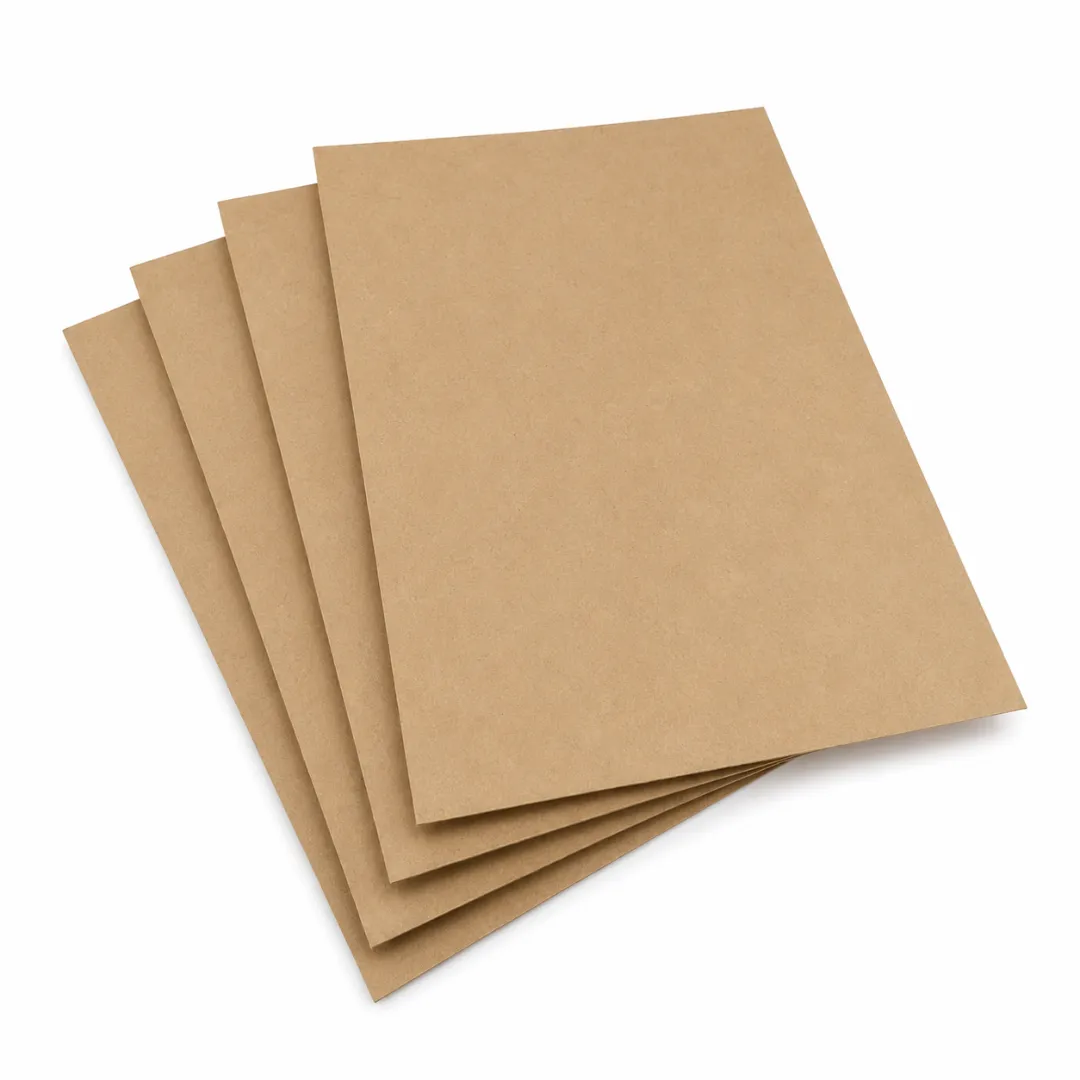
Kraft paper is a strong, durable and reliable material that is widely used across many different industries.
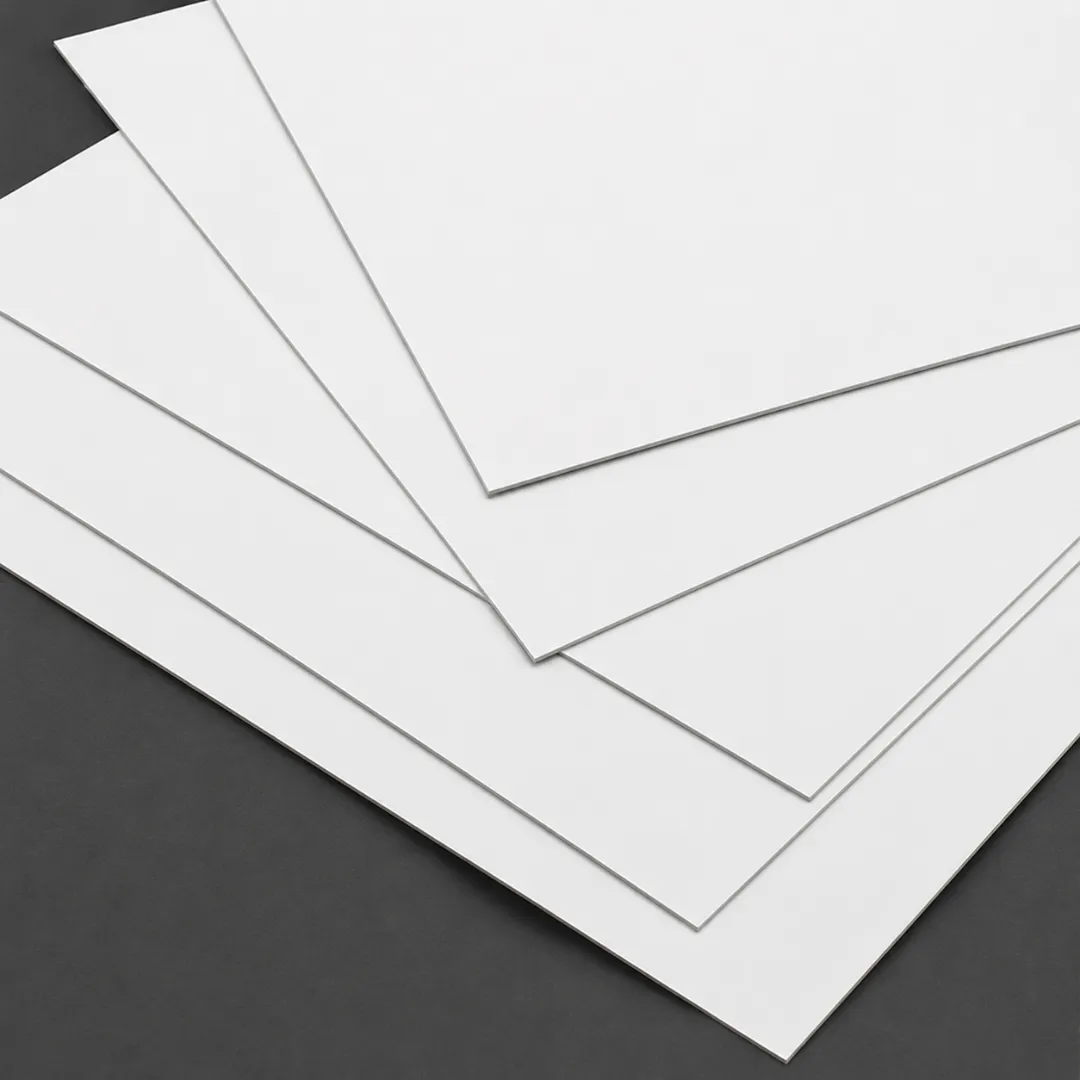
We use cardboard material with the least environmental impact and minimizes waste generation.
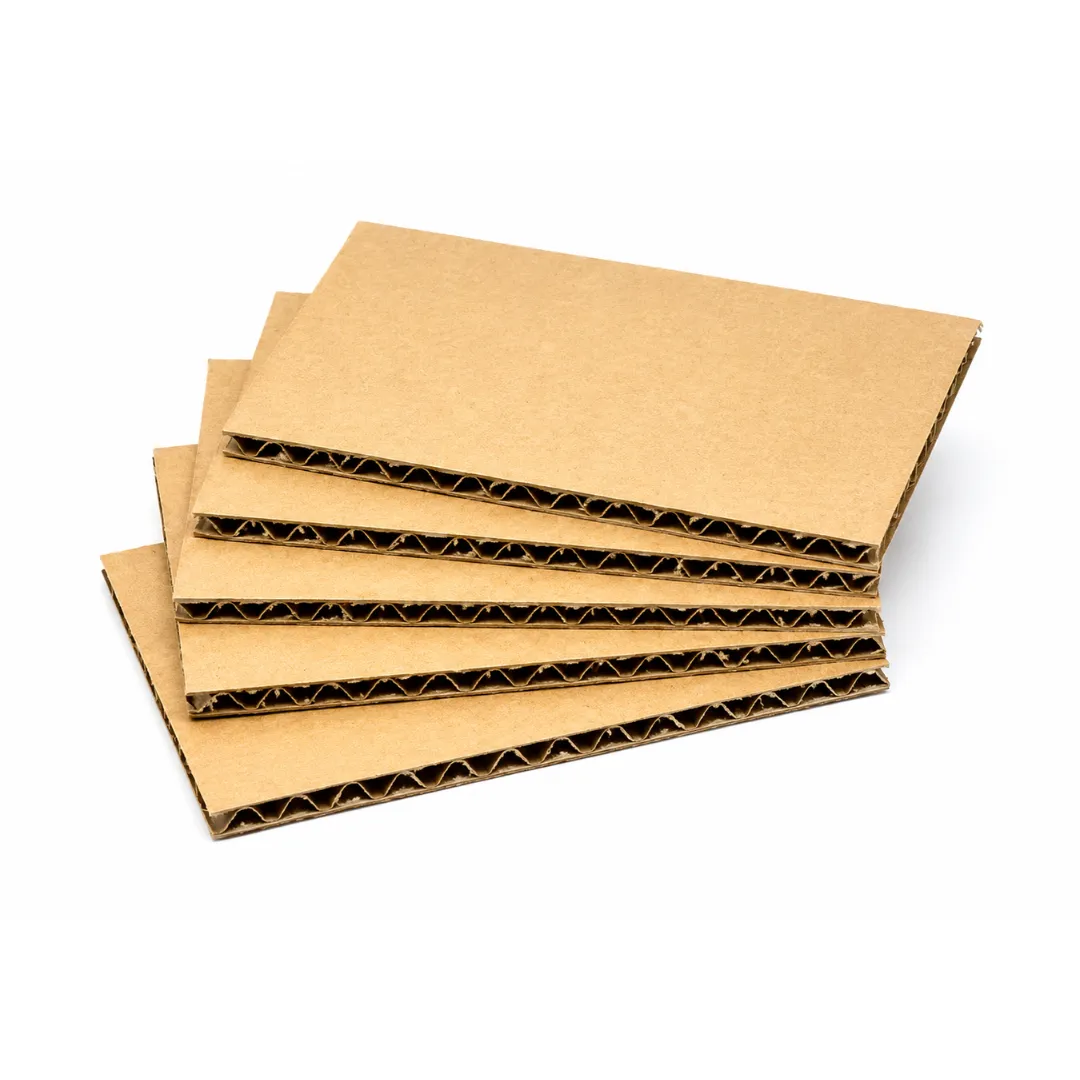
Corrugated material is easy to customize, cost effective and sustainable. It is also great for branding purposes.
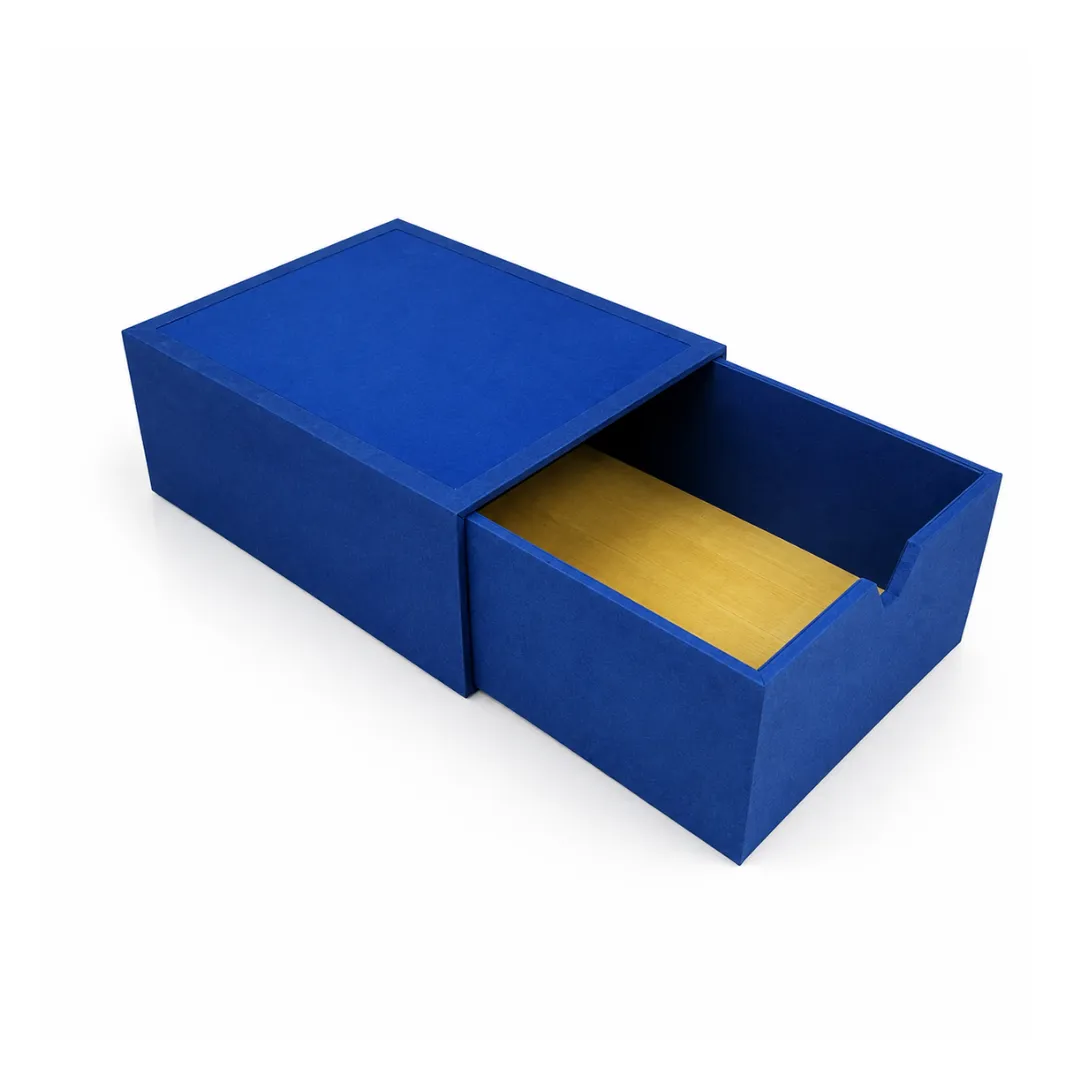
Rigid is highly protective, affordable and recyclable material. These boxes provide maximum protection.
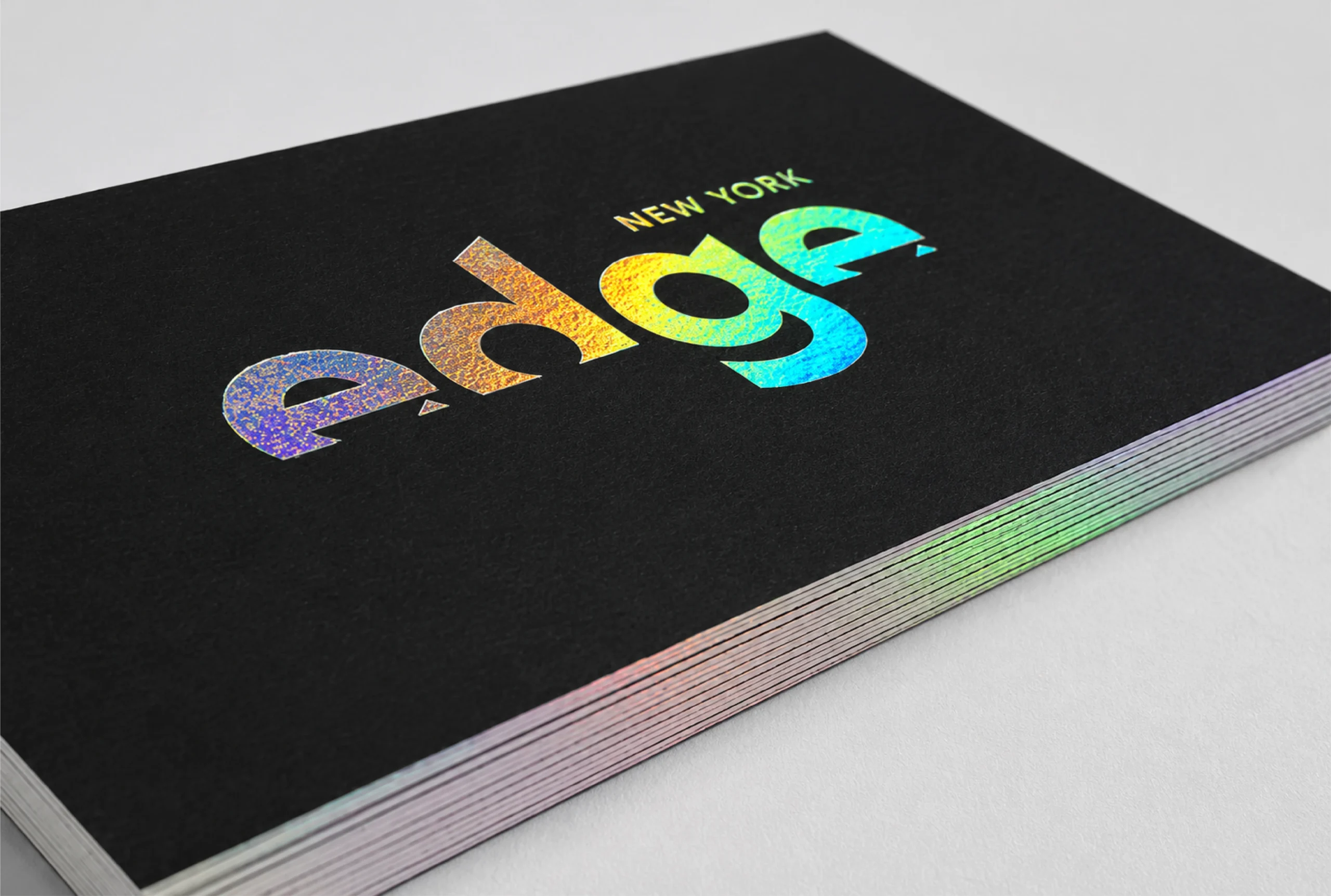
Holographic foil diffracts light and reveals the colors of the rainbow at various angles.
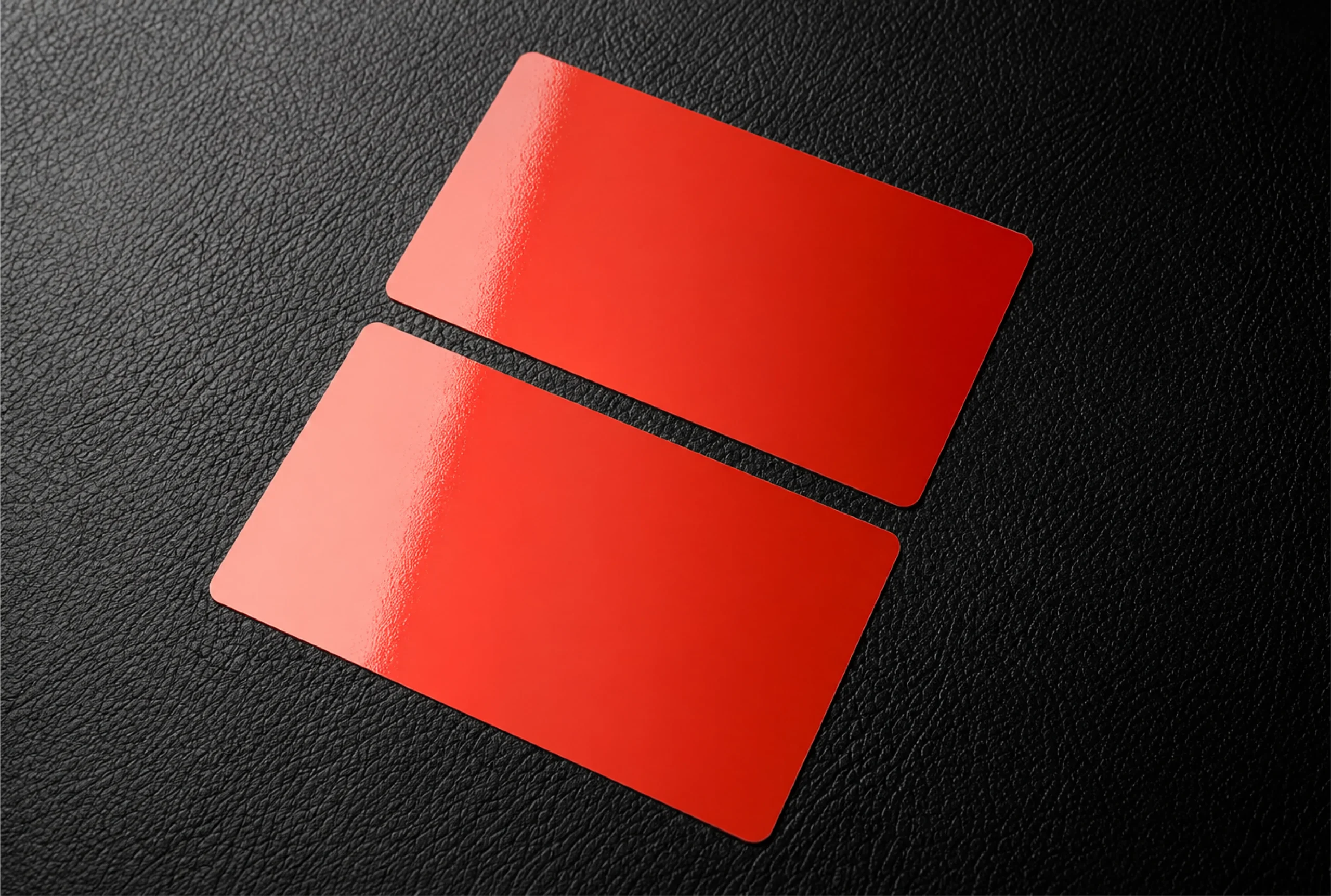
Our glossy finishing gives your packaging an extra layer of shine.
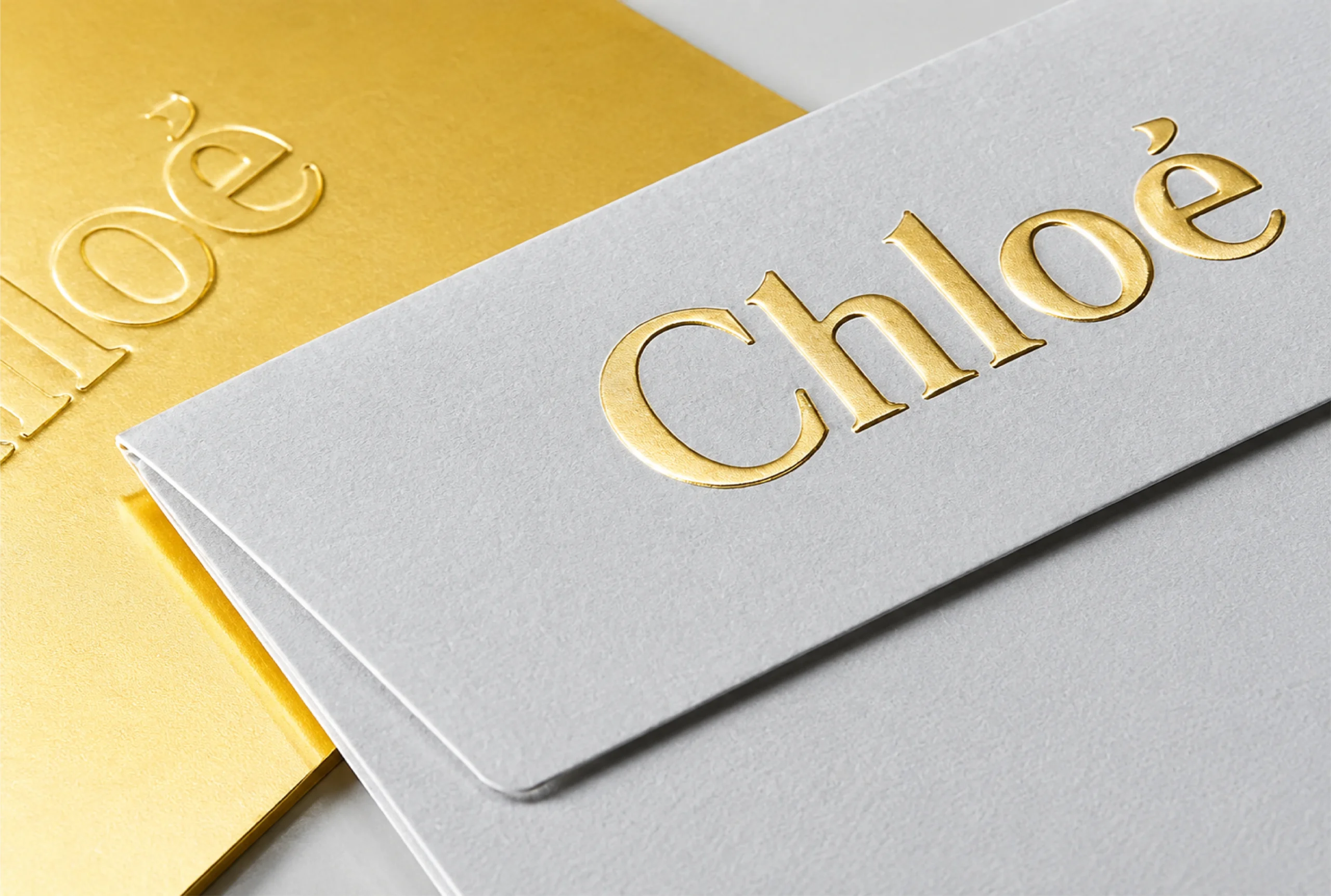
Decorate a wide range of your product packaging with our foil stamping.

With our embossing technique, we transfer the finest details of your product on packaging.
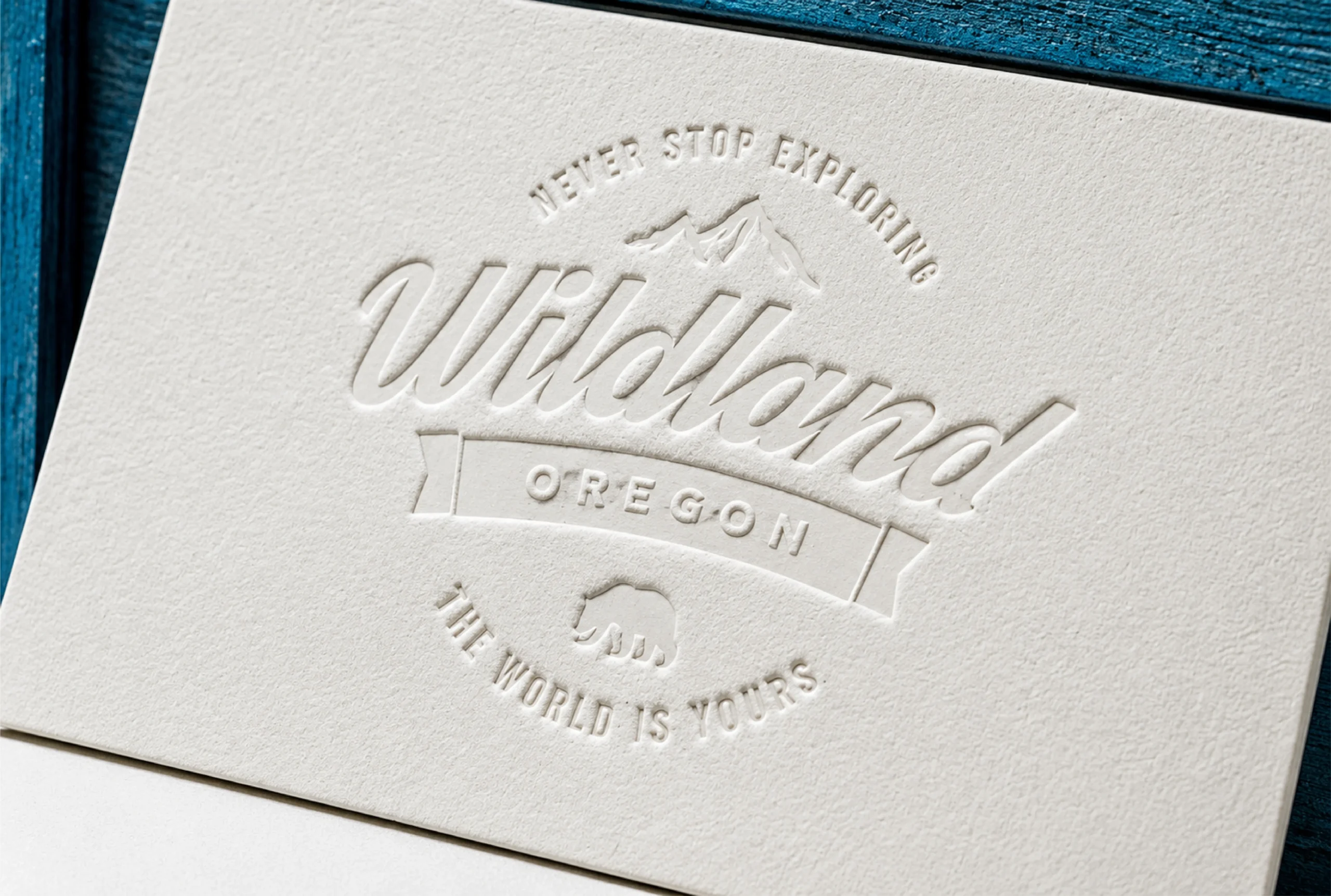
We use debossing technique to add unique graphics into your packaging.
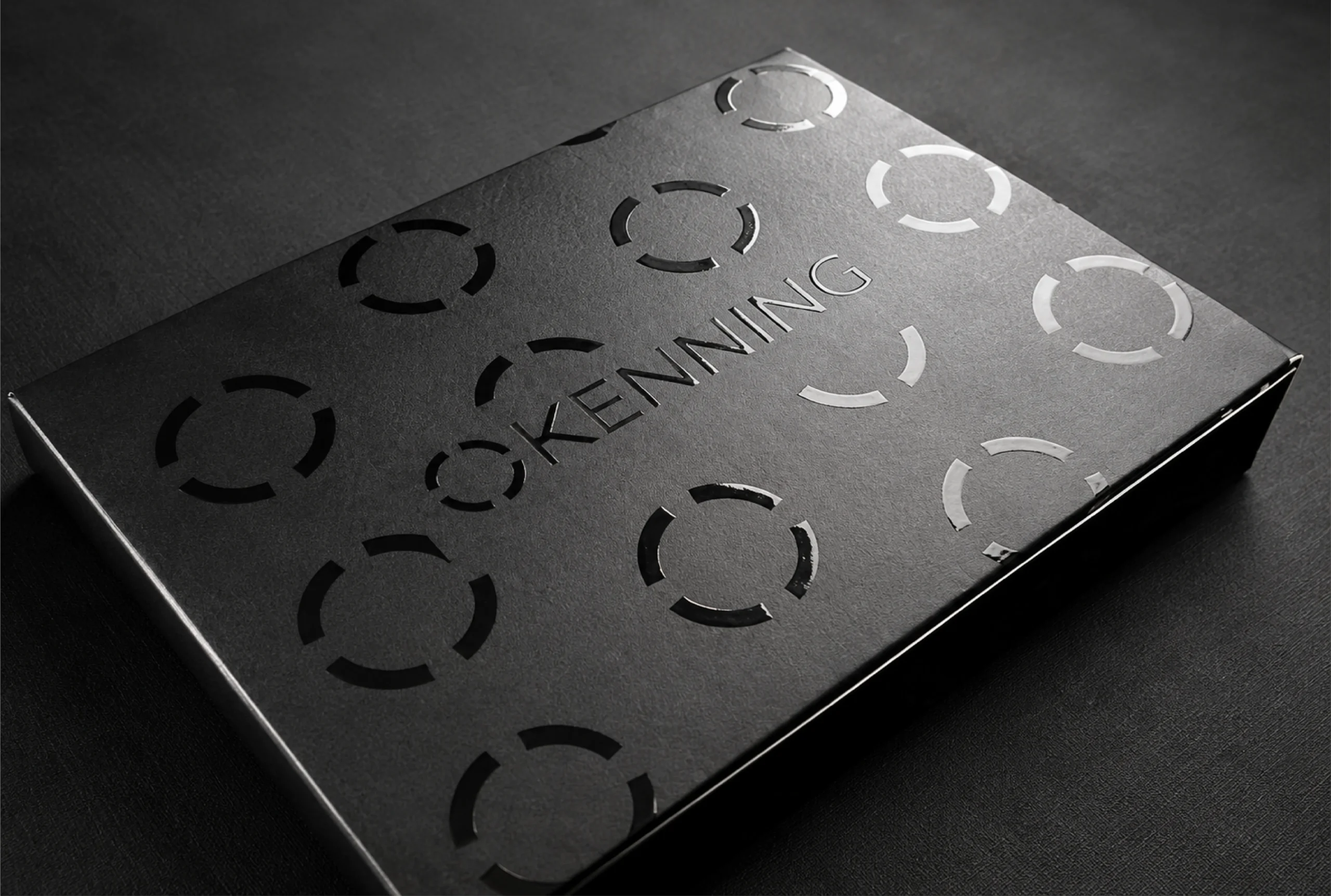
Our high-gloss UV coating gives light and shine to cure the printed material's varnish.
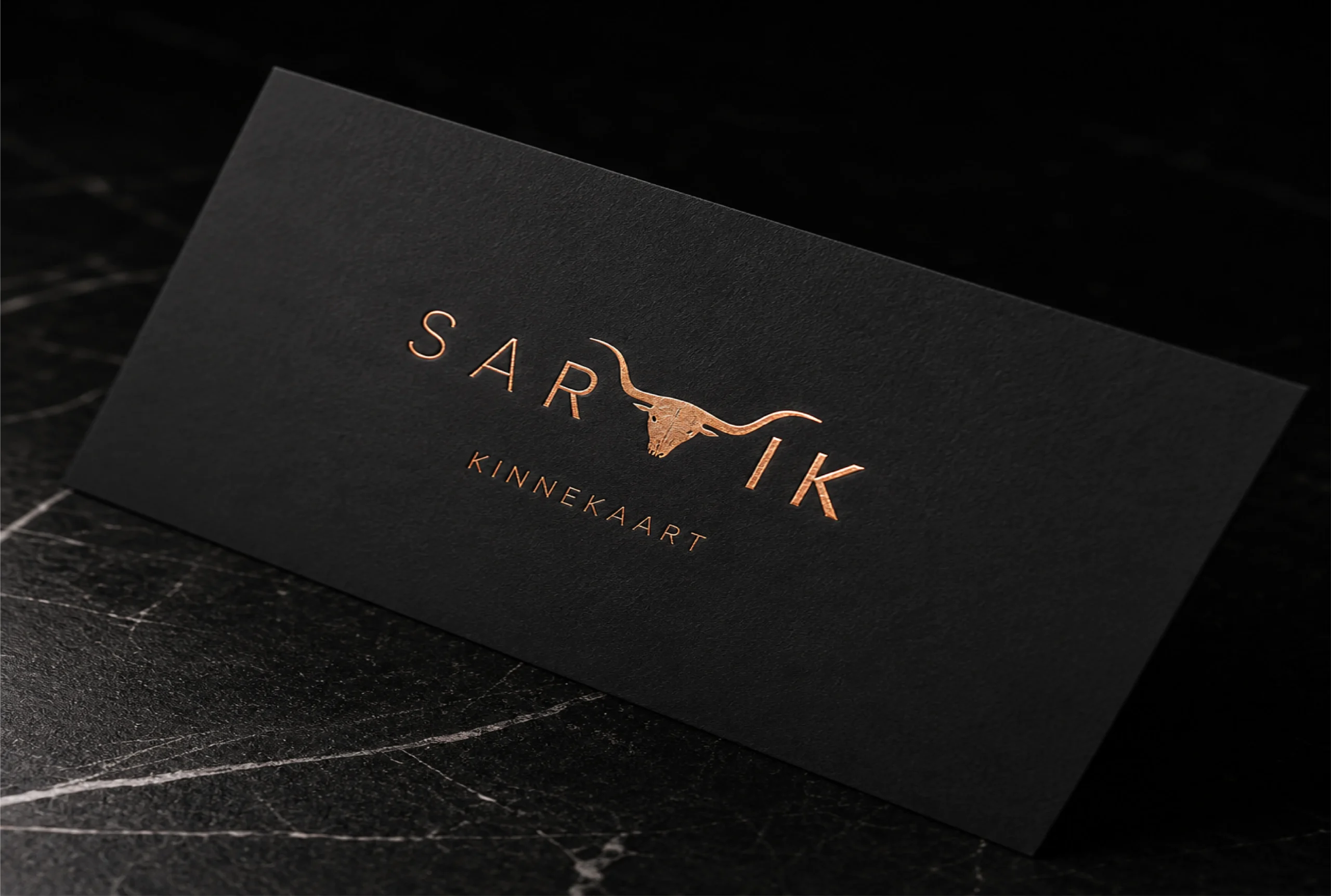
We add additional layer of protection with soft touch lamination from toner chipping.
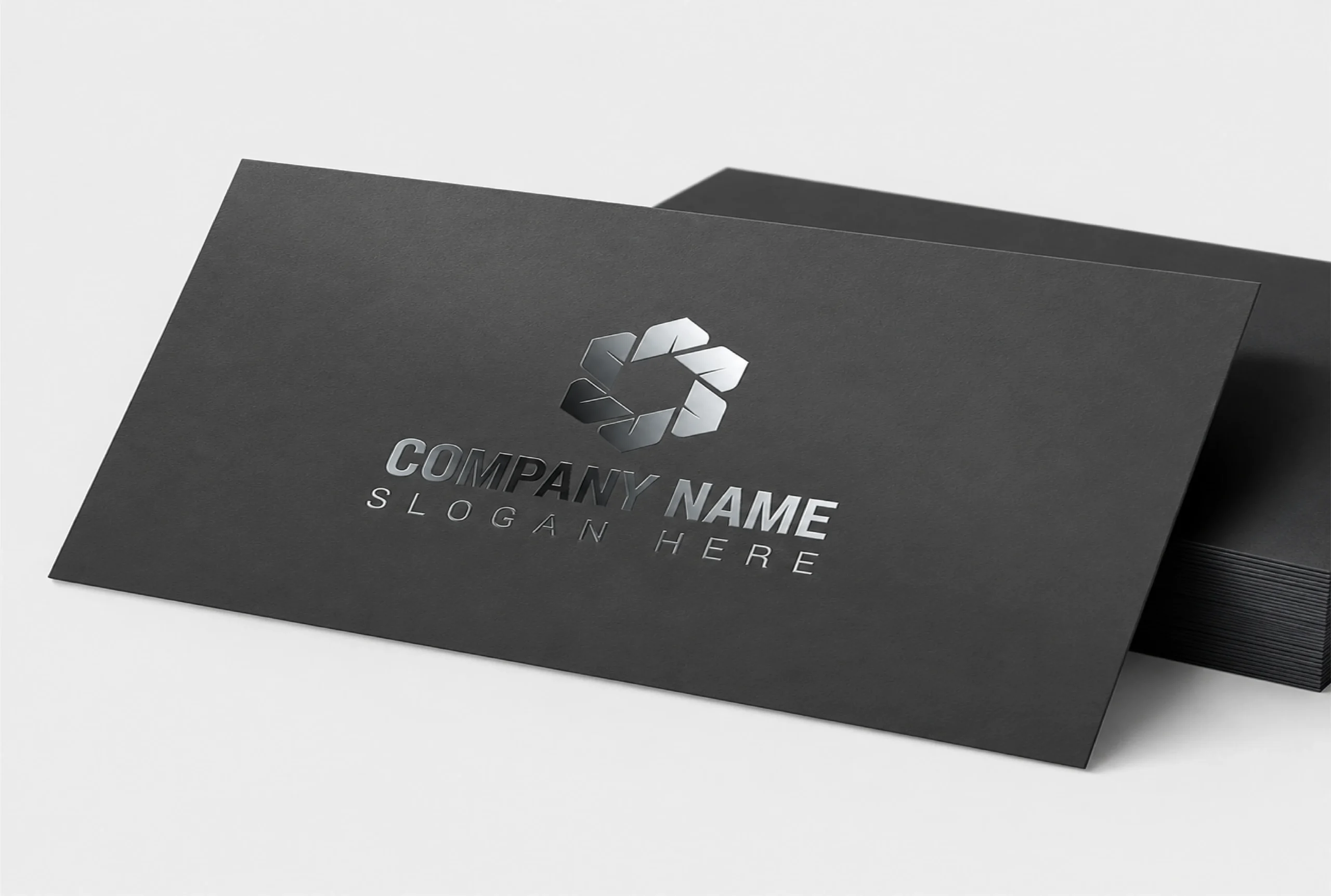
With our matte finish, fingerprints and smudges will now be less visible on the packaging.

2 piece rigid boxes from Pioneer Custom Boxes give luxury brands, apparel labels, electronics companies, jewelers and gifting programs a separate base and lid in wrapped greyboard. Choose full telescope, shoulder, magnetic or collapsible builds in 1.5mm to 3mm board, with litho or specialty wraps, foil, fitted inserts, free design support, zero MOQ and free USA shipping.
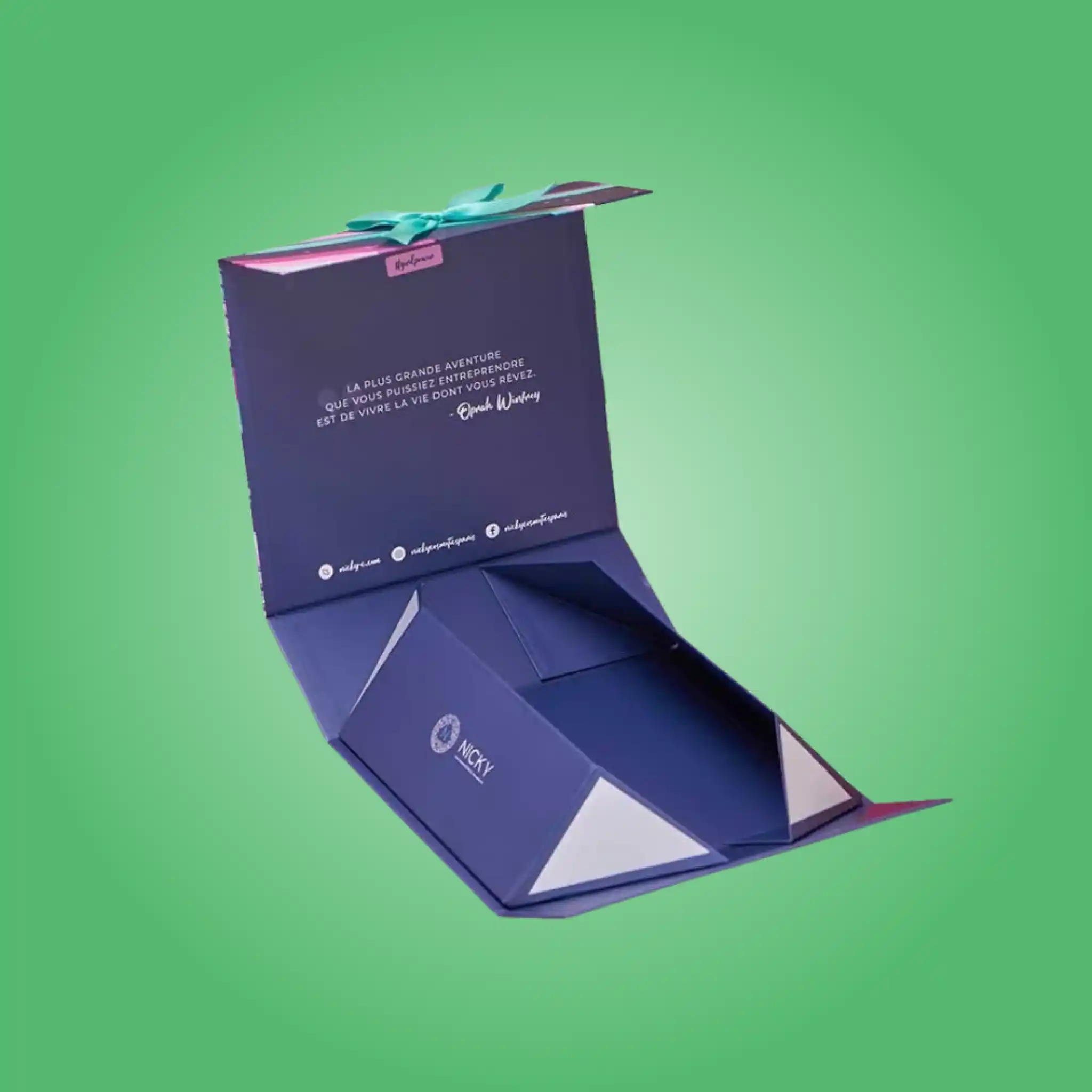
Get the luxury look without the bulk. These rigid boxes ship flat and assemble in a snap. Our premium materials and wholesale pricing help you save on both storage and budget.
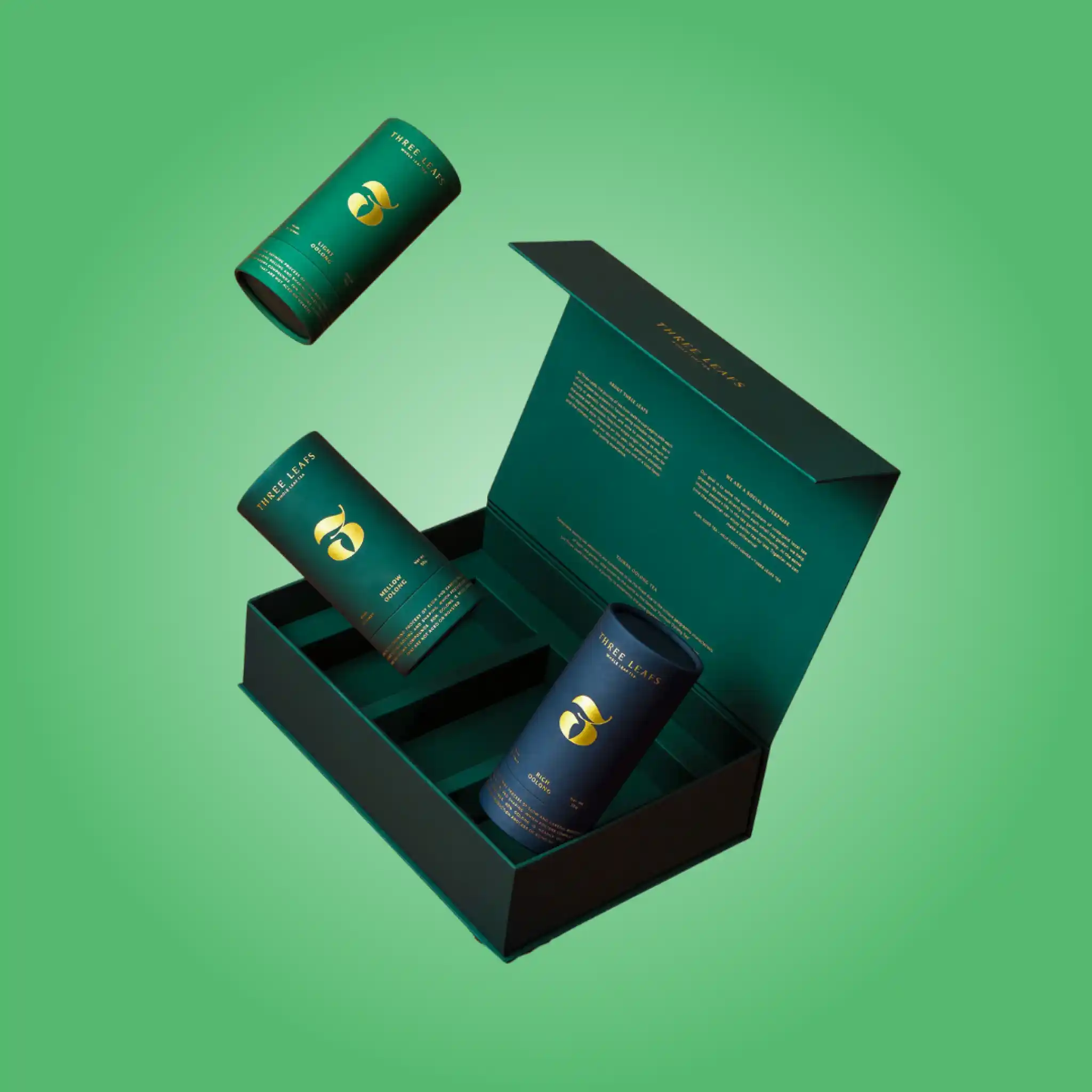
Get organized with Custom Rigid Boxes with magnetic closures. These strong boxes have custom compartments to protect your items. We offer premium finishes, speedy turnarounds, and bulk discounts for all your retail needs.
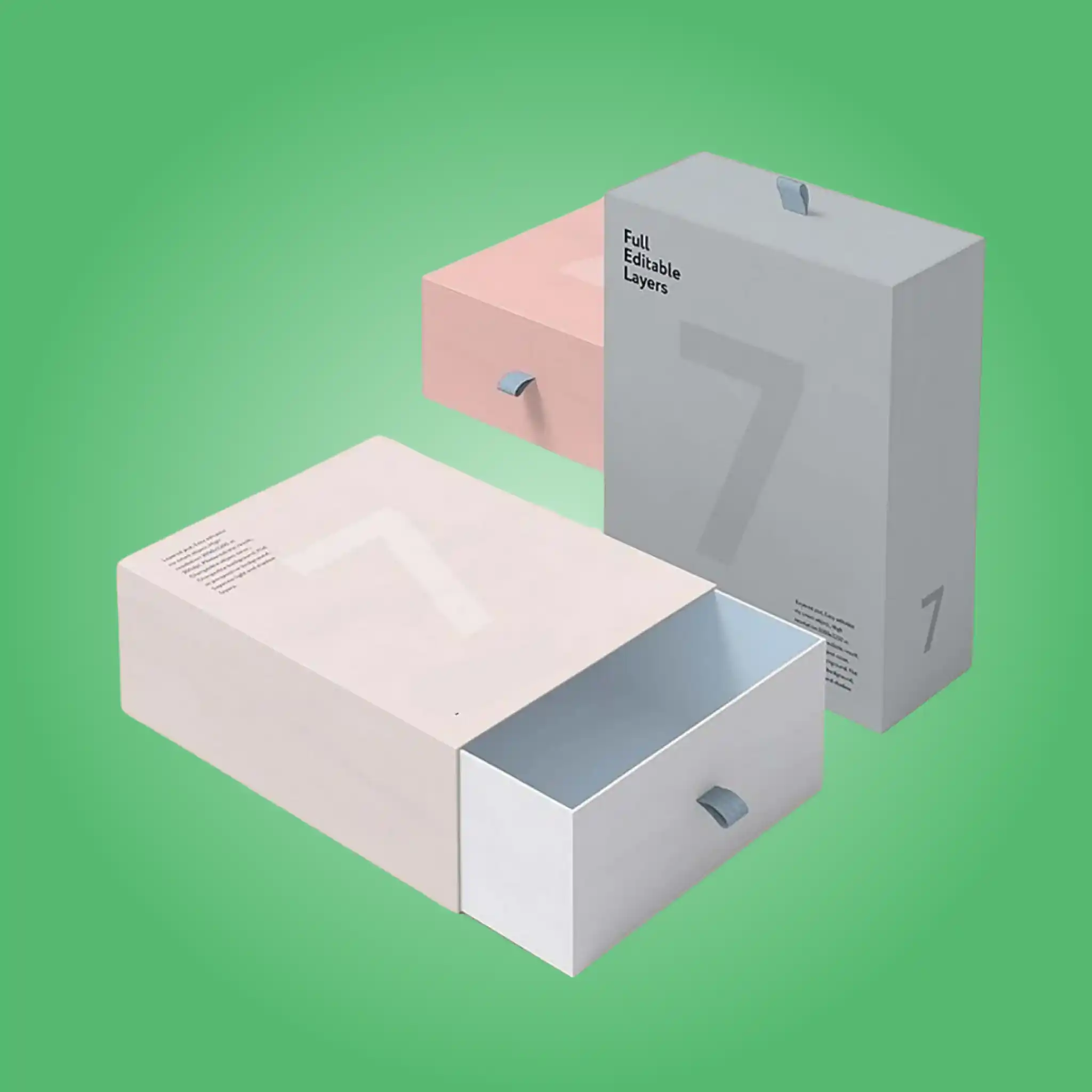
Rigid boxes with sleeve and tray from Pioneer Custom Boxes help technology, cosmetic, fragrance, jewelry, confectionery and premium gifting brands present products with a sliding reveal. Choose 2mm to 3mm greyboard trays with printed, textured or soft touch sleeves, foam, flocked or molded pulp inserts, foil stamping, free design support, no MOQ and free USA shipping.