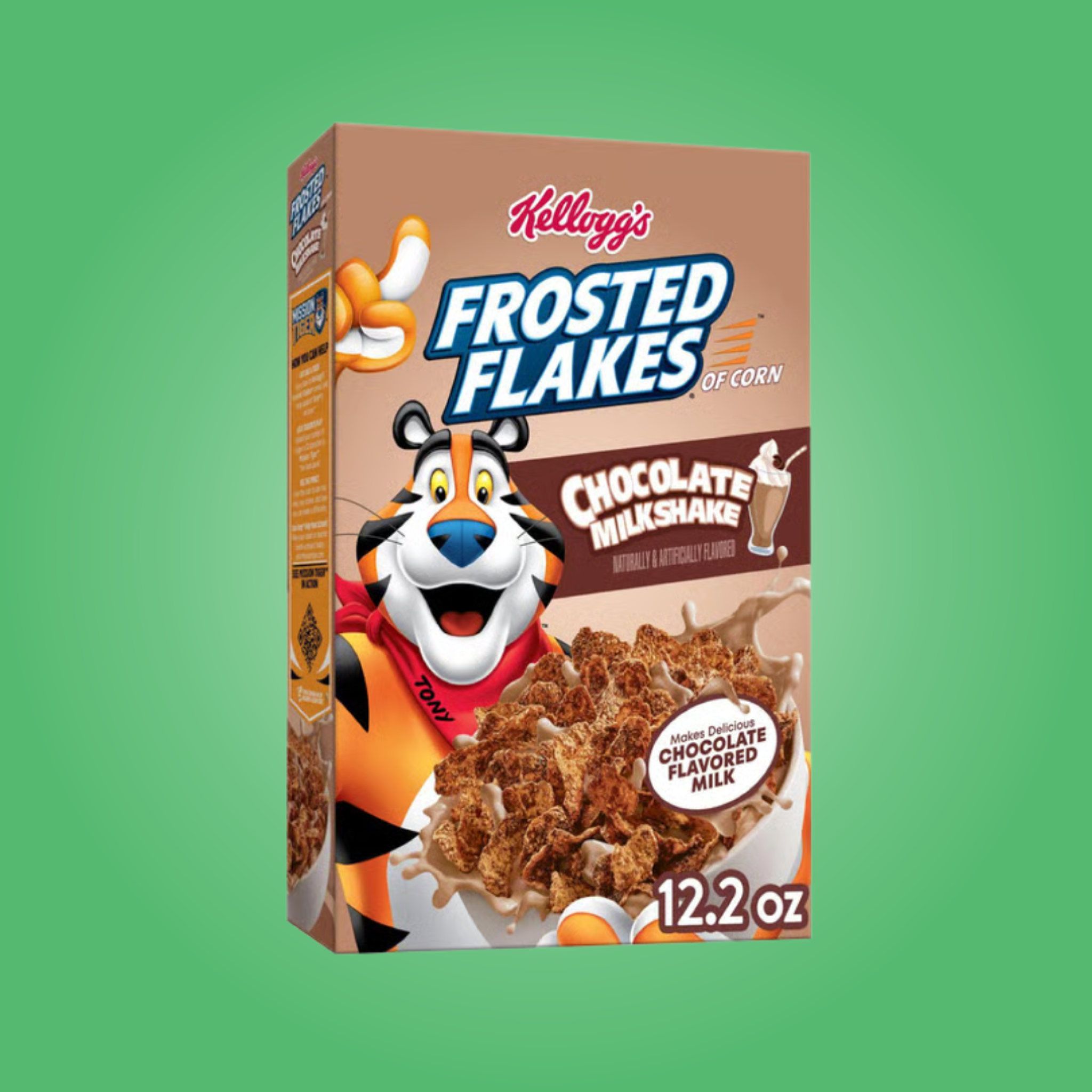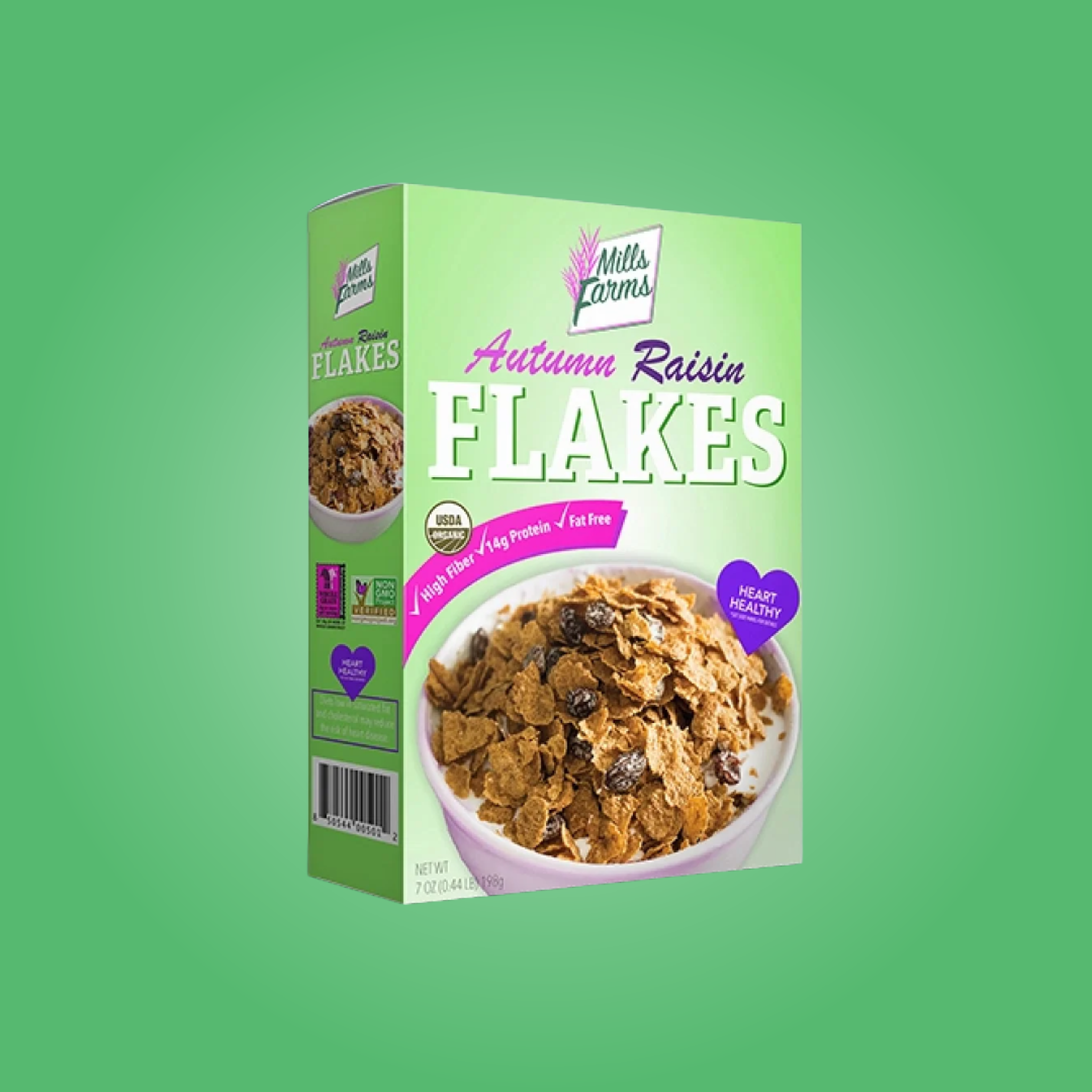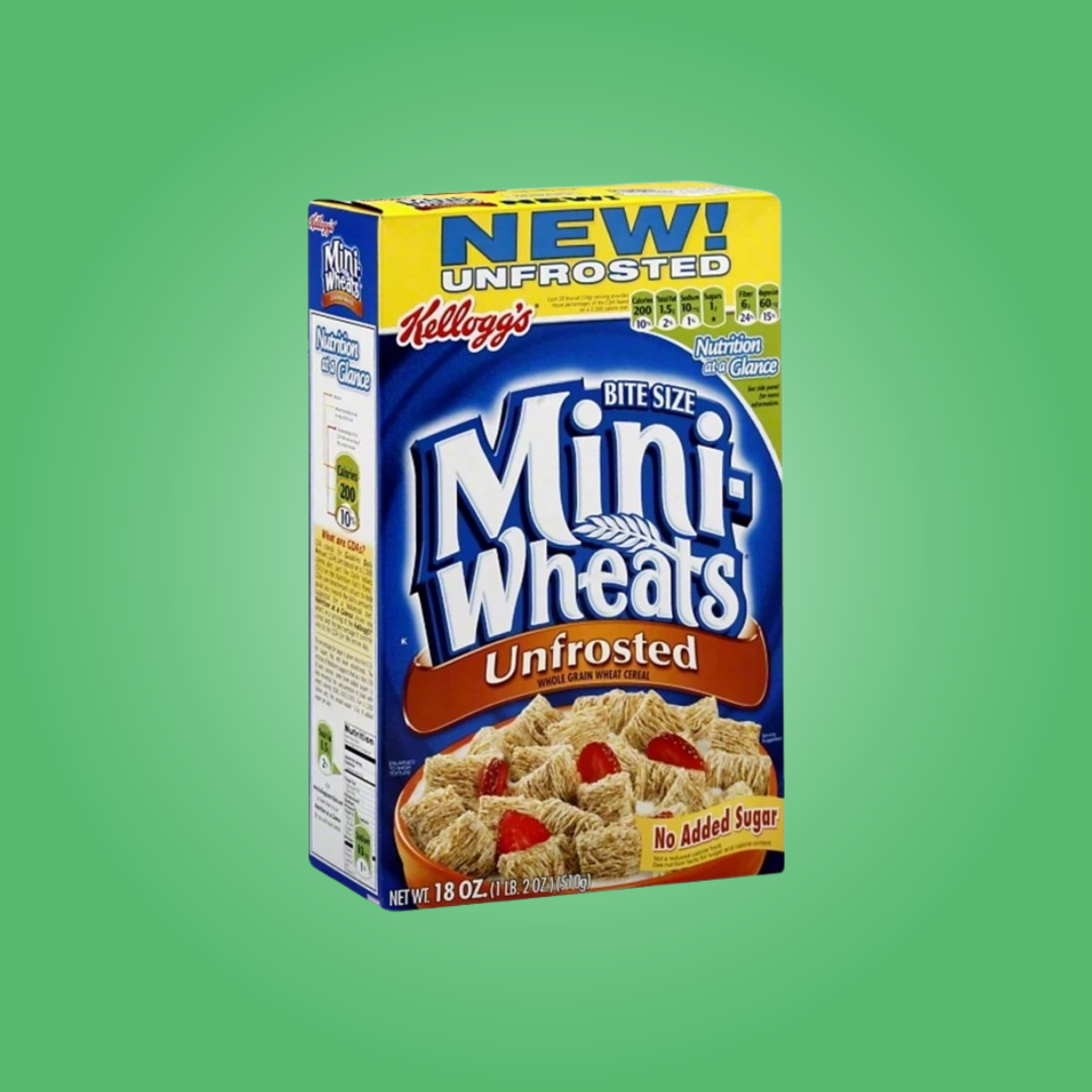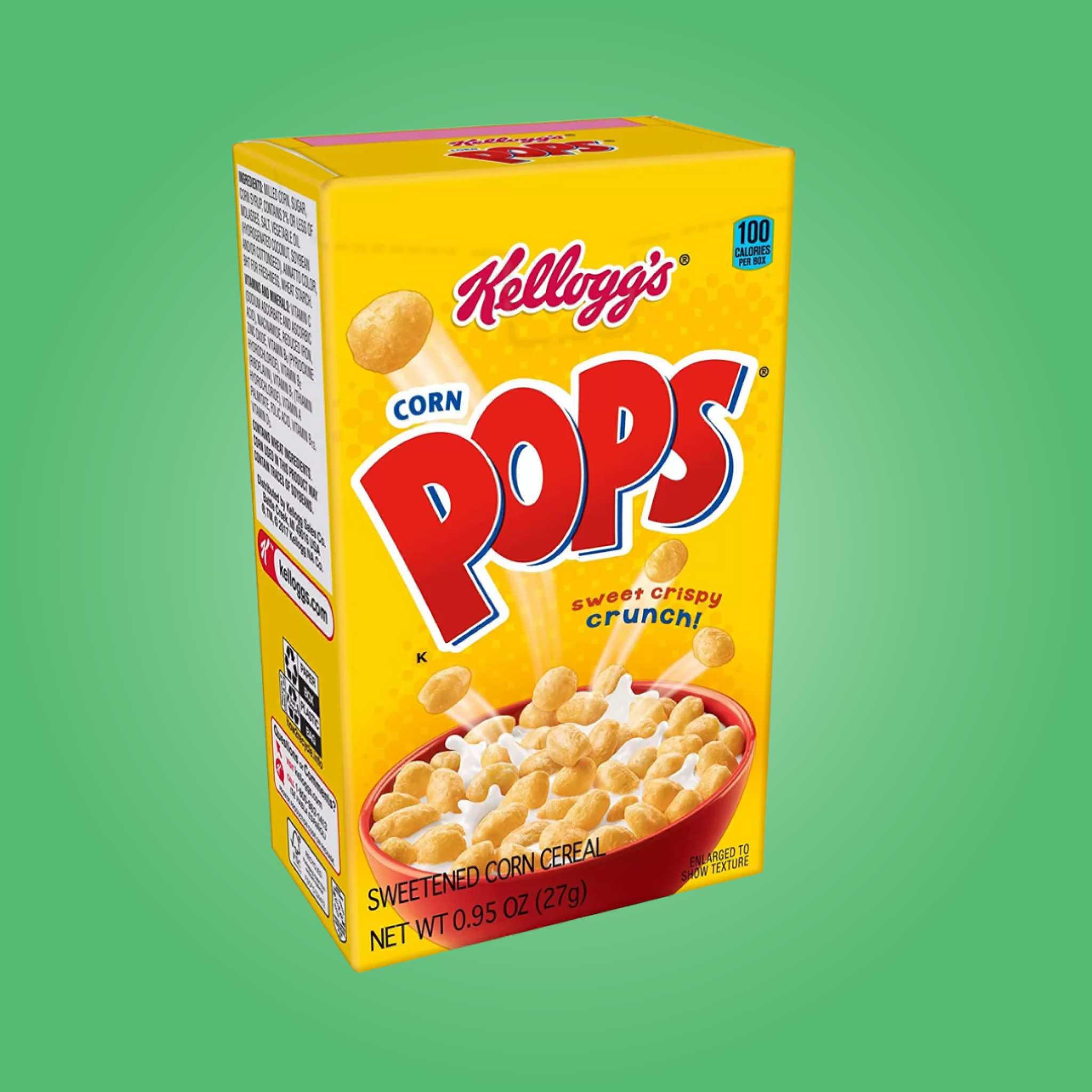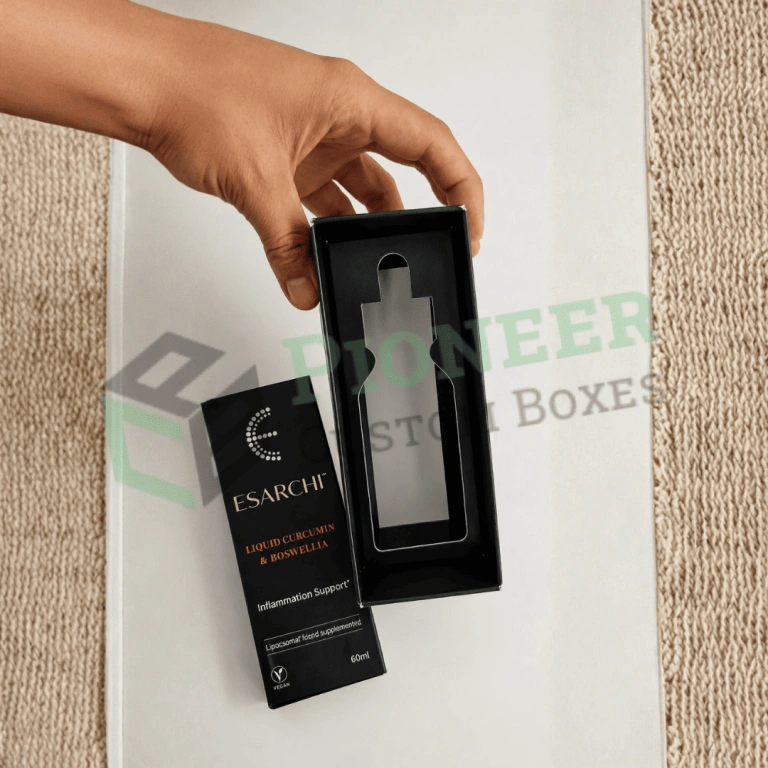
Custom mini cereal boxes sized by cereal density rather than by weight, so nothing overflows. Choose straight tuck, reverse tuck, lined tuck top, bowl pack with a perforated fold-back lid, window front, novelty favor, promotional replica or a multipack carrier. We print offset, digital or flexo on SBS, CCNB, recycled and kraft board in CMYK, PMS or metallic ink. Add sealed polypropylene, metallized or compostable liners matched to your actual shelf life, plus printed liners, die-cut windows, nutrition and allergen panels and variable data personalization. Zero minimum order quantity, free structural design and free shipping across the United States. Standard production runs ten to twelve business days. Get a free quote or order now.
A mini cereal box is a full packaging problem shrunk into a very small space. It still has to hold a moisture barrier, still has to print a nutrition panel legibly, and still has to stack on a shelf. The small footprint makes every one of those harder rather than easier. We manufacture custom mini cereal boxes directly in the United States, so you control the size, the liner and the print. Order fifty boxes or fifty thousand, because we hold no minimum order quantity.
Cereal brands use these for variety packs and sampling. Hotels and airlines use them for single serve breakfast. Schools and food service use them for portion control. Event planners use them as favors and promotional giveaways. Each pattern needs a different structure, and we build all of them on the same food safe lines.
Every specification below is explained separately. Read the section that matches your product, then request a free quote. Our design team draws your dieline at no charge, whatever quantity you order.
Structure decides how the box opens, whether the cereal stays fresh and how fast a line can fill it. Here are the formats we produce most often.
The classic cereal box shape scaled down, closing with flaps tucked top and bottom. It ships flat, assembles fast and costs the least of anything here. Most variety pack cartons use it.
Flaps tuck from opposite directions, which holds the closure more securely through handling. Choose it when boxes get shipped loose rather than inside an outer carton.
The authentic cereal construction, with a sealed film bag inside a printed carton. It is the only format that gives a genuine moisture barrier, which matters for anything sold beyond a few weeks out.
A wider, shallower box designed to be opened and eaten from directly. Hotels, airlines and schools favor it because it needs no bowl. The structure has a perforated lid that folds back cleanly.
A die-cut opening shows the cereal inside. Variety packs and gift sets sell better when buyers can see what they are getting, especially with colorful or novelty shapes.
A miniature cereal box printed with a personal message, a name or an event date. Weddings, birthdays and corporate events all use these as favors. Food safety still applies if anything edible goes inside.
A non-food display or promotional replica in miniature cereal box form. Marketing campaigns, trade show handouts and brand collectibles use them. No liner is needed when nothing edible is included.
An outer carton holding six to twelve mini boxes as a single retail unit. This is what actually sells in grocery, and it needs its own dieline alongside the minis themselves.
,,,,,,,,
| Box Style | Closure | Freshness | Best Application |
|---|---|---|---|
| Straight tuck end | Top and bottom tuck flaps | Short shelf life | Variety packs, lowest cost |
| Reverse tuck end | Opposing tuck flaps | Short shelf life | Loose shipped units |
| Tuck top with liner bag | Carton plus sealed film bag | Full moisture barrier | Retail and long shelf life |
| Bowl pack carton | Perforated fold-back lid | Moderate with liner | Hotels, airlines, schools |
| Window front | Tuck flaps with PET film | Short shelf life | Gift and variety display |
| Novelty favor box | Tuck flaps | Short shelf life | Weddings and events |
| Promotional replica | Tuck flaps, no liner | Not applicable | Marketing and trade shows |
| Multipack carrier | Auto lock or tuck | Protects the units inside | Grocery retail |
Tell us the serving weight, the cereal density and whether the box needs a moisture barrier. Those three inputs drive the whole specification. Our team then recommends a structure and sends the drawing free of charge.
Full size cereal cartons follow the same logic at a larger scale. Our cereal boxes range covers standard retail sizes, and brands running both formats get one dieline library and one consistent color standard across the whole line.
Single serve cereal sits in a fairly narrow size band, but cereal density varies enormously. A puffed rice serving occupies almost twice the volume of a dense granola at the same weight. These dimensions cover the orders we run most often.
,,,,,,,,,,
| Size (L x W x H, inches) | Typical Serving | Common Use |
|---|---|---|
| 2.5 x 1.5 x 3.5 | 0.75 to 1 oz dense cereal | Granola and muesli singles |
| 3 x 1.75 x 4 | 1 oz standard flake cereal | Classic variety pack size |
| 3.25 x 2 x 4.5 | 1.25 oz puffed cereal | Low density cereals |
| 3.5 x 2 x 5 | 1.5 oz larger single serve | Hotel breakfast service |
| 4 x 2.5 x 5.5 | 2 oz generous portion | Airline and catering |
| 4.5 x 3 x 2 | Bowl pack, eat from box | Schools and food service |
| 2 x 1.25 x 3 | Favor size, 0.5 oz | Weddings and events |
| 3 x 1.75 x 4 | Promotional replica, no food | Trade shows and marketing |
| 9 x 6 x 4.5 | Multipack carrier, 8 units | Grocery retail |
| 12 x 8 x 5 | Multipack carrier, 12 units | Club and bulk retail |
Send us the cereal itself rather than a weight alone if you can. Density is the number that actually decides the box, and it is the one buyers most often estimate wrong. A box sized by weight for a dense granola will leave a puffed cereal overflowing.
Mini cereal boxes have a problem full size boxes do not. The ratio of surface area to contents is far higher, so moisture and oxygen reach the product proportionally faster. Three decisions control it.
The liner is the first and by far the most important. A printed carton alone is not a moisture barrier, whatever the caliper. Cereal in a bare carton goes soft within days in humid conditions. A sealed film bag inside the carton is the only construction that holds genuine shelf life.
Liner material changes how long that shelf life runs. Standard polypropylene handles a few months comfortably. Metallized film extends it considerably and blocks light as well, which matters for cereals with added vitamins that degrade under UV. Tell us your target shelf life and our team specifies the film to match.
Seal integrity decides whether any of it works. A liner sealed poorly at the fin performs no better than no liner at all. We specify seal width and temperature against your film rather than using one default, and we test the seal on samples before a run continues.
Finally, consider the sales window honestly. A wedding favor eaten the same weekend needs no liner and the cost saving is real. A grocery variety pack sitting in a warehouse for four months needs metallized film. Matching the barrier to the actual timeline is where most of the savings in this category live.
Board choice decides print quality, stacking strength and whether the carton holds its shape at a small size. Small boxes rack out of square more readily than large ones, so caliper matters more than buyers expect. Every substrate we run for food use is food safe, and our suppliers follow the FDA food contact substance requirements for direct contact packaging.
Solid bleached sulfate gives a bright white surface that prints photographs and nutrition panels cleanly. Small type has to stay legible on a tiny panel, and SBS holds fine detail better than any recycled grade. Most retail mini cartons run 16pt to 20pt.
CCNB pairs a printable clay coated face with a recycled back. It costs less than SBS and performs well at volume. Full size cereal boxes have used it for decades. Print quality sits slightly below SBS, which shows most on small type.
Post-consumer fiber costs less and carries a genuine sustainability story. It suits promotional and event work well. For retail cereal we usually pair it with a liner so the recycled fiber never contacts the food directly.
Natural brown kraft suits granola, muesli and natural positioning immediately. It prints best with one or two spot colors. Add a white underlay when nutrition panels need to stay crisp.
The standard inner bag material. It gives a real moisture barrier at low cost and seals reliably. Shelf life of a few months is comfortable with a good seal.
A metallized layer blocks oxygen, moisture and light together. Cereals with added vitamins need the light barrier, because UV degrades them. This is the film for long warehouse and retail timelines.
Cellulose based films give a moisture barrier that composts rather than persisting. Barrier performance sits below metallized film, so match it to a shorter shelf life. Natural and organic brands use it often.
Window cartons need film rated for food contact. We fit PET, which stays clear and resists scratching. It does interrupt the barrier, so window cartons suit short shelf life products rather than long retail runs.
,,,,,,,,
| Material | Typical Spec | Barrier | Best Application |
|---|---|---|---|
| SBS paperboard | 16pt to 20pt | None alone | Retail cartons, best print |
| Clay coated news back | 16pt to 22pt | None alone | High volume value lines |
| Recycled content board | 18pt to 22pt | None alone | Promotional and event work |
| Kraft paperboard | 16pt to 20pt | None alone | Granola and natural brands |
| Polypropylene liner | Sealed inner bag | Moderate moisture | Few months shelf life |
| Metallized barrier film | Sealed inner bag | High, blocks light | Long retail shelf life |
| Compostable liner | Sealed inner bag | Moderate | Organic, shorter timeline |
| PET window film | Die-cut opening | None | Short shelf life display |
Cereal packaging carries a lot of mandatory small type in a very small area. Method choice therefore affects legibility as much as cost. We print in house on offset, digital and flexo equipment.
Offset holds the finest detail and the steadiest color across long runs. Nutrition panels, ingredient lists and allergen statements all stay crisp at the sizes a mini box forces. Once quantity passes roughly a thousand cartons, offset usually costs less per unit too.
Digital skips plates entirely, which removes setup cost and makes short runs affordable. This matters enormously for variety packs, because six flavors means six designs rather than one. Variable data also lets each box carry a different name for event favors.
Flexo prints economically on outer multipack carriers and on liner film. Detail resolution sits below offset, so keep flexo artwork bold and reserve the fine panels for the carton itself.
The inner bag can carry print too, and a printed liner turns the opening into part of the brand experience. It also lets you place a second batch code or a promotional message where the carton has no room left.
These cartons run on the same presses as the rest of our paperboard packaging range, which is what keeps a mini box and a full size box matching exactly when they sit beside each other on a shelf.
Finishing on a small food carton has to earn its place. Anything that hurts legibility or adds cost without lifting sales is wasted. Here is what actually works at this size.
Gloss deepens color and makes cereal photography snap, which matters because appetite appeal drives this category. The film also resists scuffing when boxes rub together inside a multipack carrier.
Matte removes glare and suits natural, organic and premium granola positioning. It reads calmer on shelf beside glossy mainstream brands, which can be exactly the differentiation you want.
Aqueous is a water based sealer that protects against scuffing while keeping the carton fully recyclable. For a box the customer discards immediately, this is usually the right answer over film.
Soft touch adds a velvet texture that stands out sharply in a category where almost nothing is laminated that way. Premium and gift oriented cereal lines use it as a point of difference.
Spot UV cures glossy varnish over selected artwork only. A glossy character or logo against a matte field creates contrast that reads well even at small size. Keep the spot areas simple rather than intricate.
Foil presses metallic leaf into the board. Limited editions, holiday packs and premium granola lines use it. Because a die carries the image, keep foil bold rather than hairline thin at this scale.
Embossing raises your logo above the surface while debossing presses it below. On a small panel the effect is subtle but tactile. Blind embossing on kraft suits natural brands particularly well.
A window shows the cereal, and a perforated fold-back lid turns a bowl pack into something a child can open unaided. Both cut in the same pass as the outline, so neither adds press time once tooled.
Cereal is one of the most color driven categories in retail, and shelf recognition happens in under a second. We support three systems, and our prepress team advises which fits your artwork at no charge.
CMYK mixes cyan, magenta, yellow and black to build full color. Cereal photography, character illustration and fruit imagery all need this system, because appetite appeal depends on realistic color. Cost stays reasonable, since four plates cover unlimited colors.
PMS refers to the Pantone Matching System, where each ink arrives premixed to one exact formula. Brand colors in this category are enormously valuable, and a shift between batches is visible when boxes sit side by side in a multipack. Established brands print their signature color as a spot alongside process.
RGB describes light, so screens and design software use it natively. We accept RGB artwork and convert it during prepress. Bright fruit reds, oranges and yellows dominate this category and they shift noticeably during conversion. Send files early and we show you the converted proof first.
A variety pack works only if a customer can tell the flavors apart instantly. Assigning a distinct color per flavor does that faster than reading the name. We build the palette so the colors stay clearly distinguishable under store lighting and at arm length.
Add-ons in this category split between keeping the cereal fresh and making the pack work harder commercially. Review the table, then read the notes below it.
,,,,,,,,,
| Add-On | What It Does | Best Suited For | Lead Time Impact |
|---|---|---|---|
| Sealed liner bag | Provides the real moisture barrier | Any retail shelf life | Adds two days |
| Metallized barrier film | Blocks oxygen, moisture and light | Vitamin fortified cereals | Adds two days |
| Printed liner bag | Carries branding inside the carton | Premium and gift packs | Adds one day |
| Perforated fold-back lid | Opens into a bowl without tearing | Schools and food service | None once tooled |
| Die-cut window | Shows the cereal inside | Variety and gift packs | None once tooled |
| Nutrition and allergen panel | Prints required label copy | All retail sales | None |
| Variable data personalization | Prints a different name per box | Wedding and event favors | None |
| Multipack carrier carton | Holds 6 to 12 units as one retail unit | Grocery distribution | Adds one day |
| QR code or promotion panel | Links to a campaign or recipe | Marketing driven brands | None |
The liner bag is the decision that separates a real cereal box from a printed carton with cereal in it. Without one the product goes soft, and a soft cereal generates a complaint that no amount of good printing offsets. Only skip it when the box is eaten within days.
Perforated fold-back lids matter more than they sound. A child at a school breakfast cannot open a tuck carton neatly, and a torn box spills. A perforation designed to fold back cleanly solves that for nothing once the die exists.
Variable data personalization is what makes mini cereal boxes work as event favors. Each box carrying a guest name or a wedding date turns packaging into the favor itself. Digital printing handles it natively within a single run.
Multipack carriers need designing alongside the minis rather than afterward. The carrier dimensions depend on how the mini boxes pack, and getting that wrong means either rattling units or a carrier that will not close.
Packaged food carries real legal requirements, and a small panel makes satisfying them harder rather than optional. We build compliance into the layout rather than leaving it to you.
Every surface touching the cereal uses food grade material. Where cereal sits directly against the carton we specify a food safe board and coating. Where a liner is used, the film carries that responsibility instead. Documentation ships with your order on request.
Packaged retail food requires a Nutrition Facts panel in a defined format. On a mini box the panel occupies a significant share of one side, and planning for that at dieline stage always looks better than shrinking it afterward. Our designers reserve the space from the start.
Cereals commonly contain wheat, milk, soy, tree nuts and peanuts, and major allergens have to appear clearly. Send us your ingredient copy and our team sets it at a legible size in the correct position.
A statement of identity and a net quantity declaration both belong on the principal display panel. At this size they compete directly with your artwork for space, which is exactly why the layout has to account for them early.
Ink should never migrate through board into food. We print on the exterior surface and specify low migration inks throughout. A liner removes the concern almost entirely, which is one more argument for including one.
Two quotes for the same mini box can differ by half. The gap sits in a handful of places, and each one is under your control.
This is the largest single lever in the category. A carton with no liner costs the least. Polypropylene adds a modest amount. Metallized film adds considerably more, because the material costs more and the sealing runs slower. Match the barrier to your actual shelf life rather than defaulting to the best available.
A six flavor variety pack is six designs, not one, and on offset that means six plate sets. This catches more buyers out than anything else here. Digital printing removes the penalty entirely, which is why most variety pack work under a few thousand units per flavor runs digital.
Small cartons rack out of square more readily than large ones, so caliper matters. Moving from 16pt to 20pt raises material cost modestly and improves how the box holds shape in a multipack. CCNB costs less than SBS at the price of some print fidelity on small type.
Each finish adds a pass through a machine. On a box this small the visual return diminishes quickly, so one finish usually does all the work two would. Aqueous coating covers scuff protection at the lowest cost.
The carrier is a second carton with its own board, print and die. Buyers quoting only the minis are often surprised by the total. Ask for both in one quote from the start and the number stops moving.
Every material touching the cereal follows the same food safe discipline as our wider food boxes line. Documentation ships with your order whenever a retailer, auditor or co-packer asks for it.
Every order moves through a fixed inspection sequence built around the failures that actually generate complaints.
First, prepress compares your artwork against the dieline. We check bleed, resolution, fold clearance and above all the legibility of the Nutrition Facts and allergen panels. Regulatory copy set too small is the most common issue at this size, and it can cost you a retail listing outright.
Second, the press operator pulls a sheet at startup and matches it to the approved proof. Spot colors get read with a spectrophotometer. On a variety pack we also check the flavor colors against each other rather than only against their individual targets, because distinguishability is the whole point.
Third, where a liner is used, we test the seal on samples from the run. A poorly sealed fin performs no better than no liner at all, and the failure only shows up weeks later when the product has gone soft in a warehouse.
Fourth, the die-cutting team confirms registration between print and cut and checks crease depth. A shallow crease cracks the surface when a small carton folds, and a deep one weakens a panel that has very little material to spare.
Fifth, we fill a sample box with your actual cereal and close it. Density decides fit more than weight does, and this is where an overflowing box gets caught rather than at the customer end.
Finally, packing counts, wraps and labels every carton. Boxes travel flat with separators so printed surfaces never rub. You receive the count you ordered, and often a small overage at no charge.
The same small carton serves very different operations. Knowing which pattern matches yours helps you specify correctly the first time.
Retail variety packs are the largest use by volume. These need liners, full nutrition panels, distinct flavor colors and a matching multipack carrier. Digital printing usually wins because a six flavor pack means six designs.
Single serve breakfast at scale. Bowl pack cartons with perforated lids dominate, because guests eat directly from the box without a bowl. Durability through a service trolley matters more than shelf appeal.
Portion control and ease of opening drive everything. A child has to open the box unaided without spilling, so a clean perforation is not a nicety. Budgets run tight, which favors CCNB board and simple printing.
Premium positioning in a small format. Kraft board, matte or soft touch finishes and compostable liners all appear. Volumes run lower than mainstream cereal, which again suits digital printing.
Personalized mini cereal boxes have become a genuine favor category. Names, dates and messages change per box, which digital printing and variable data handle within one run. No liner is needed when the favor gets eaten that weekend.
Replica cereal boxes as trade show handouts and brand collectibles. Often no food goes inside at all, which removes liner and labeling requirements entirely and makes the job much simpler and cheaper.
Sampling is how new cereals get tried, and a mini box is the format. These need real barriers because samples sit in warehouses, and they need enough panel space to carry a full product story.
Small food packaging attracts criticism for waste, and single serve formats attract more than most. There are real improvements available here rather than just better claims. Paperboard already recovers at a high rate, and the EPA publishes containers and packaging recycling data that documents it.
Start with the carton. Recycled content board and CCNB both carry high recycled fiber already, and for mini cereal boxes the print demands are modest enough that the quality difference rarely shows. Kraft skips bleaching entirely.
The liner is where the real decision sits. Conventional polypropylene and metallized films do not recycle with the carton, and they are the reason many people put the whole pack in the trash. Compostable cellulose liners give a genuine moisture barrier and break down rather than persisting. Barrier performance is lower, so match it to a shorter shelf life honestly.
Then look at the coating. Aqueous keeps a carton fully repulpable while plastic lamination does not. On a box the customer discards within minutes of opening, laminating it is difficult to justify.
Finally, think about the format itself. A multipack carrier holding twelve minis uses less board per serving than twelve individually shipped units. Where the channel allows it, the carrier is the more efficient answer as well as the more saleable one.
Most problems start in the specification rather than on the press. We catch what we can during prepress, yet catching them earlier saves you days.
The first mistake is sizing the box by weight instead of by density. A one ounce serving of puffed rice occupies nearly twice the volume of a one ounce serving of dense granola. Send us the cereal itself if you can, or at minimum tell us which it resembles.
The second mistake is skipping the liner on a product with real shelf life. A printed carton is not a moisture barrier, whatever the caliper. Cereal in a bare carton goes soft within days in humid conditions, and the complaint lands on your brand rather than on the box.
The third mistake is designing the artwork before reserving space for the Nutrition Facts panel. On a full size box the panel is a detail. On a mini box it occupies a significant share of one side, and bolting it on afterward always looks cramped.
The fourth mistake is quoting only the minis when the product actually sells as a multipack. The carrier is a second carton with its own board, print and die, and buyers are regularly surprised by the combined number. Ask for both together.
The fifth mistake is running a variety pack on offset at low volume. Six flavors means six plate sets, which destroys the economics under a few thousand per flavor. Digital removes the penalty entirely, and most buyers do not realize they have the choice.
The sixth mistake is choosing colors for a variety pack that look distinct on a screen but not on a shelf. Test them side by side at arm length under store lighting rather than at full size on a monitor.
Granola and natural brands often want the carton to look the part before a word is read. Our kraft boxes range covers unbleached board across every structure, and it pairs well with a compostable liner.
A real pattern explains this better than theory. Here is a job we run constantly for growing cereal brands.
A granola brand needs a four flavor variety pack, 2,500 boxes per flavor plus 2,500 carriers holding eight units. Servings run one and a quarter ounces of dense granola. Shelf life target is four months in retail distribution.
Our team specifies a 3 by 1.75 by 4 inch carton in 18pt SBS with a polypropylene liner, which comfortably covers four months. Each flavor carries a distinct PMS color alongside process printing for the granola photography. A separate 9 by 6 by 4.5 inch carrier holds eight units in a two by four arrangement.
At 2,500 per flavor the job runs digital rather than offset, because four designs would otherwise mean four plate sets. The carrier runs offset, since it is a single design at 2,500 units. We send digital proofs within twenty four hours and physical samples of all four flavors plus the carrier.
The brand fills the samples with real granola, checks the fit and confirms the four colors read as distinct at arm length. They approve on day four. Printing, liner production and die cutting run across days five through ten, with gluing, sealing and packing on days eleven and twelve. Free shipping moves the pallets on day twelve.
We manufacture in the United States and ship to every state with no freight charge. That matters for food packaging, because these orders run high in unit count and freight adds up quickly.
East Coast brands in New York, Boston, Philadelphia, Washington and Atlanta usually receive orders within two transit days. Midwest clients in Chicago, Detroit, Minneapolis, Columbus and Kansas City see similar timing, which matters here because so much American cereal production sits in the Midwest.
Texas and Southeast markets including Dallas, Houston, Austin, Miami, Charlotte and Nashville also fall inside that window. West Coast delivery to Los Angeles, San Francisco, Seattle, Portland, Denver, Phoenix and Las Vegas typically runs three to four transit days.
Co-packers and contract fillers create their own receiving requirements, and we ship directly to them on your behalf. Send us the address, the pallet specification and any labeling the facility requires. Our team handles the rest, so your cartons arrive ready to run on the filling line.
Ordering takes four steps and very little of your time. Most clients finish the whole sequence inside two business days.
Start by telling us the serving weight, the cereal type and your target shelf life. That single message gives our team enough to quote, because those three inputs decide the size and the barrier. Send it through the quote form or call us at +1 440 262 2345.
Next, our designers build a free dieline and a layout proof. You pay nothing for structural design, whatever your quantity. Send a logo and your cleared label copy, and our team reserves the Nutrition Facts space, sets the allergen panel and builds the flavor color system. Revisions stay free until you approve.
Then approve the digital proof and request physical samples. We strongly recommend samples on every cereal job, because density decides fit and no drawing reveals that. Fill one with your actual product before you commit.
Finally, we print, cut, glue, line and ship. Standard production runs ten to twelve business days, and rush service compresses that to six to eight days when your deadline demands it. Shipping is free anywhere in the United States, with no fuel surcharge and no handling fee.
We hold no minimum order quantity at all. Order two hundred boxes for an event or two hundred thousand for national distribution. This matters more here than in most categories, because a variety pack multiplies your design count and digital printing lets you test all of them at low volume before committing.
Our in house design team works on your artwork and your structure at no charge. They build the dieline, size the regulatory panels for legibility, check flavor colors for distinguishability, specify the liner against your shelf life and design the multipack carrier alongside the minis. You receive print ready files you can keep.
Tell us what cereal you make and how long it has to stay fresh. We will price the box honestly, tell you plainly when you do not need a metallized liner and quote the carrier alongside the minis so the number stops moving. Get a free quote now, or order now.
Multipack carriers and shipping cases are a separate structure from the minis themselves. Our corrugated boxes handle the case and pallet layer, and we design them alongside the cartons so nothing rattles.
We manufacture directly, so nothing about your order passes through a broker. That control shows up in ways you can measure.
First, pricing stays honest because no middleman margin sits on top. Second, quality stays consistent because our own operators run every press, die and sealer, and every cereal order gets filled with real product and seal tested before it ships. Third, timelines hold because we schedule your job on our own equipment rather than someone else floor.
Add the practical commitments and the picture completes itself. Zero minimum order quantity, free nationwide shipping, free structural design, food safe materials, liners matched to your actual shelf life and ten to twelve day standard production. Every order carries a full reprint guarantee if a box leaves here wrong.
Cereal brands, hospitality groups and event planners across America already package with us. Call +1 440 262 2345 and speak with a real production specialist today.
| Box Style | Mini Cereal Boxes |
| Dimension (L + W + H) | All Custom Sizes & Shapes |
| Quantities | No Minimum Order Required |
| Paper Stock | 10pt to 28pt (60lb to 400lb) Eco-Friendly Kraft, E-flute Corrugated, Bux Board, Cardstock |
| Printing | No Printing, CMYK, CMYK + 1 PMS color, CMYK + 2 PMS colors |
| Finishing | Gloss Lamination, Matte Lamination, Gloss AQ, Gloss UV, Matte UV, Spot UV, Embossing, Foiling |
| Included Options | Die Cutting, Gluing, Scored, Perforation |
| Additional Options | Eco-Friendly, Recycled Boxes, Biodegradable |
| Proof | Flat View, 3D Mock-up, Physical Sampling (On request) |
| Turnaround | 4 – 8 Business Days, RUSH |
| Shipping | FLAT |
Every great product deserves packaging that turns heads. Here's how we make it happen — step by seamless step.
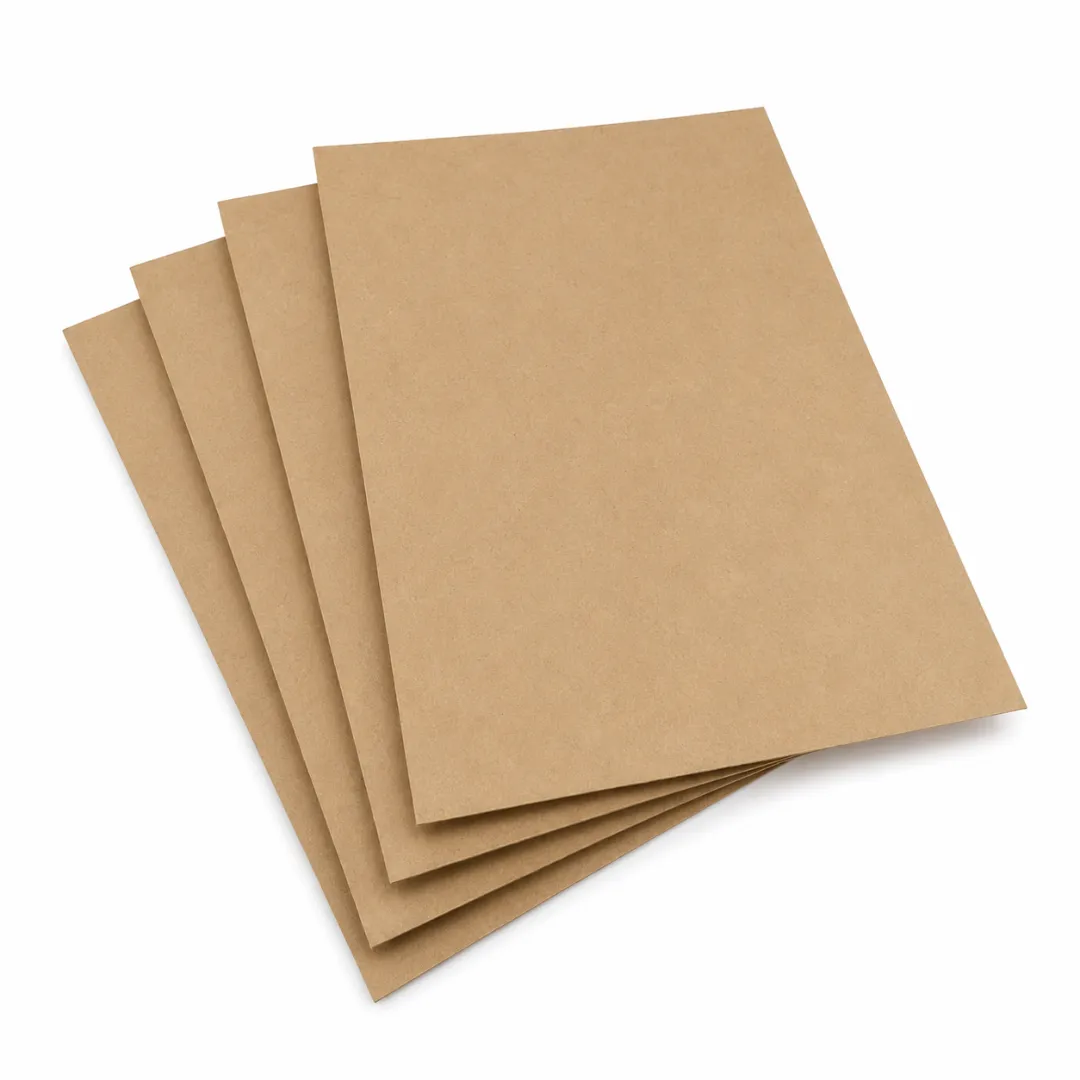
Kraft paper is a strong, durable and reliable material that is widely used across many different industries.
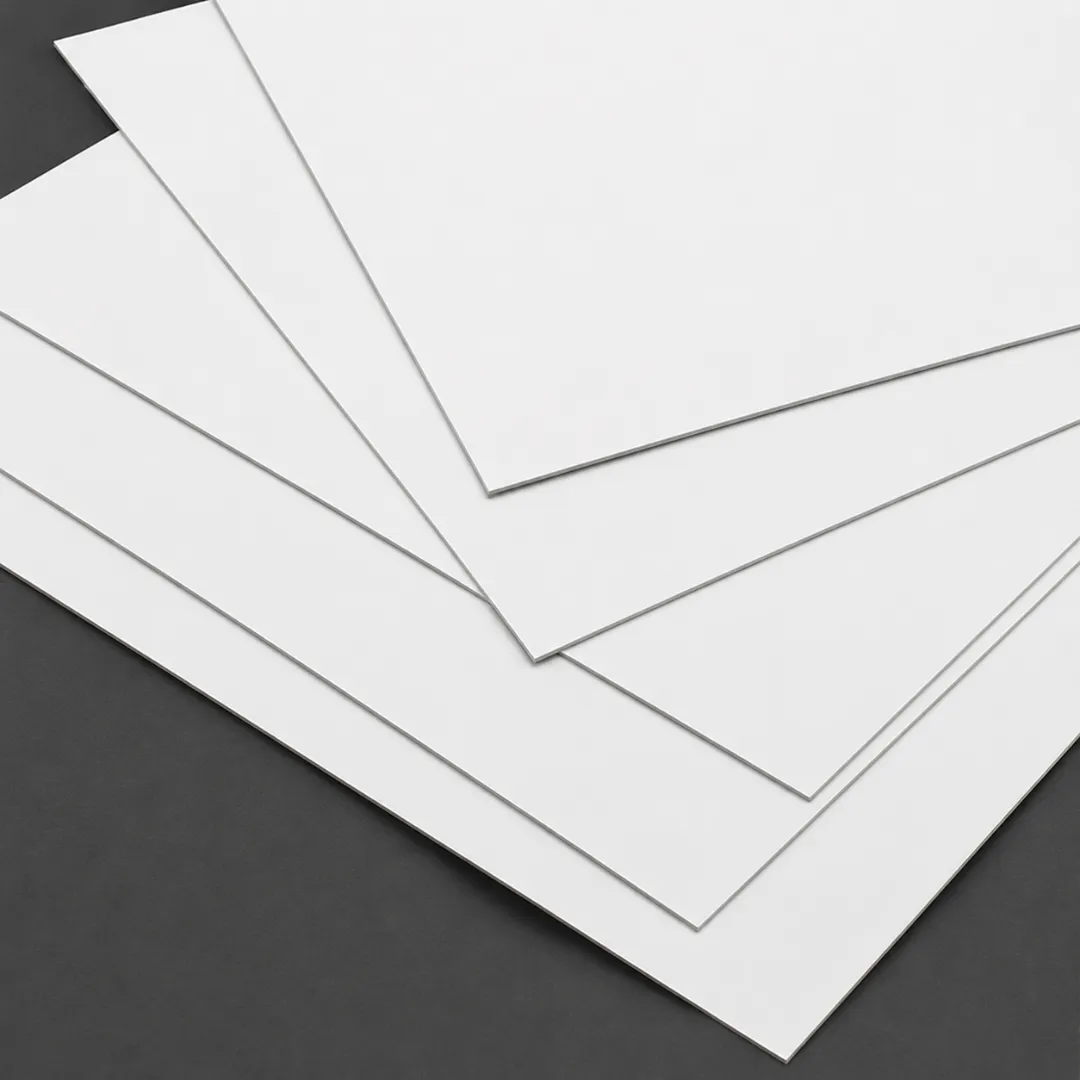
We use cardboard material with the least environmental impact and minimizes waste generation.
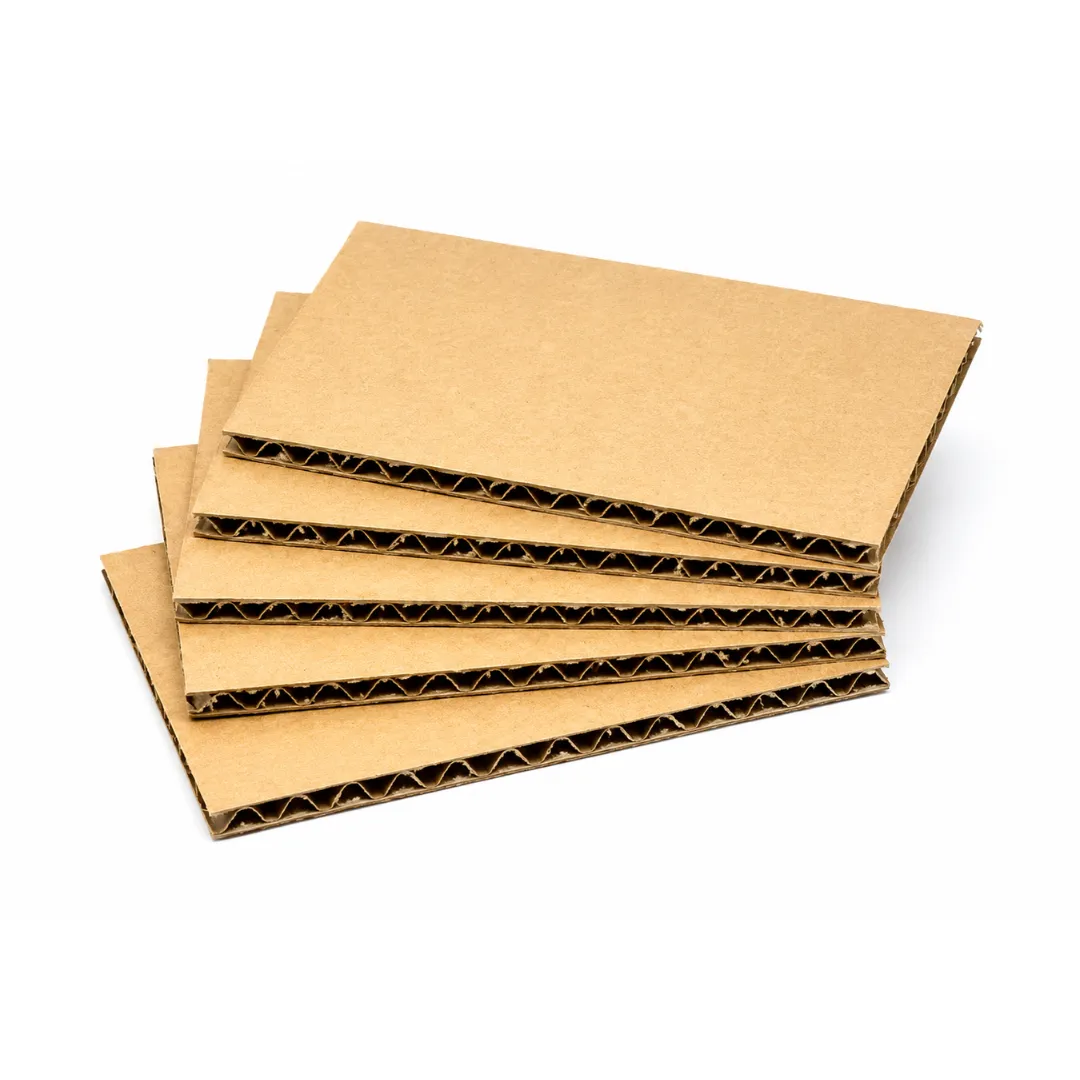
Corrugated material is easy to customize, cost effective and sustainable. It is also great for branding purposes.
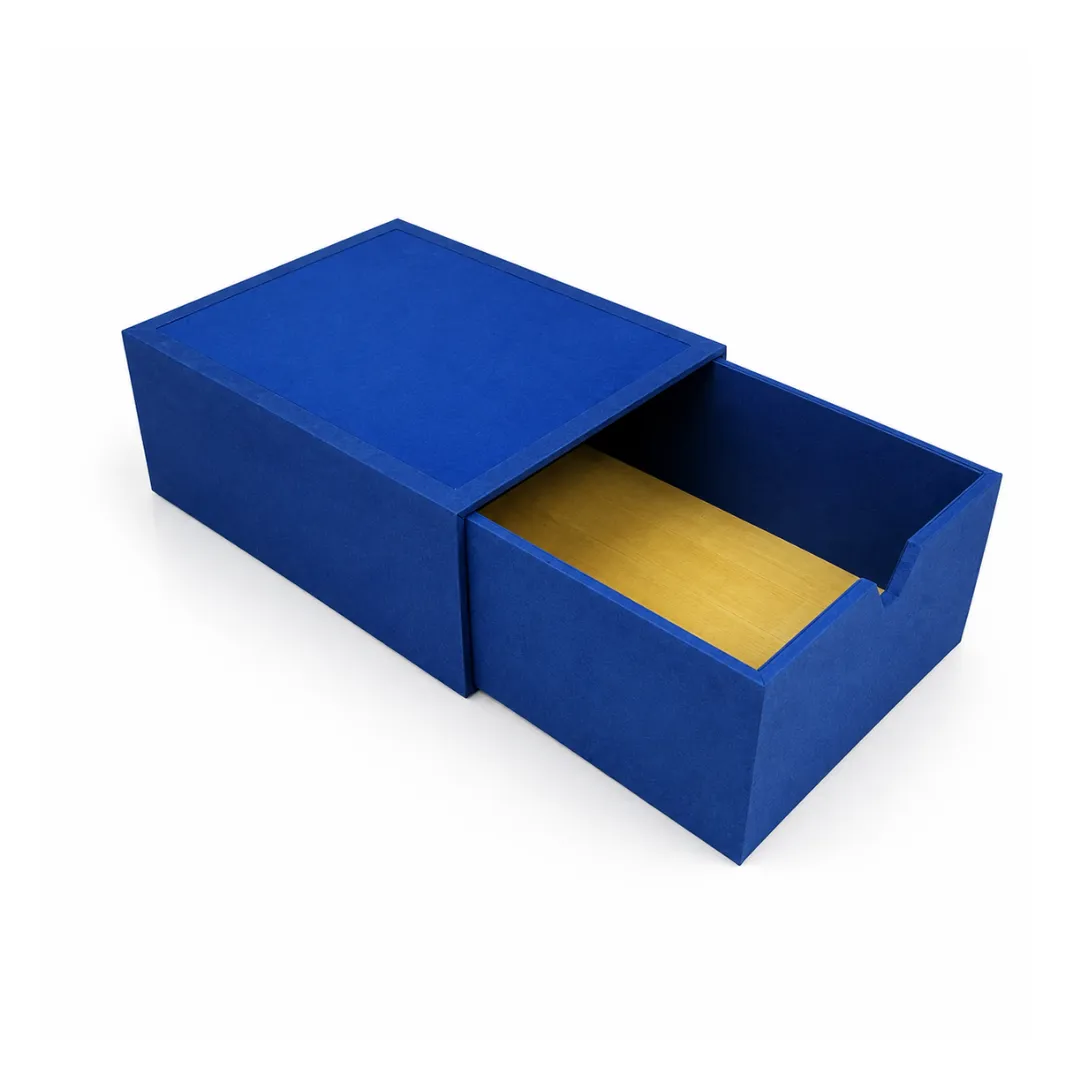
Rigid is highly protective, affordable and recyclable material. These boxes provide maximum protection.
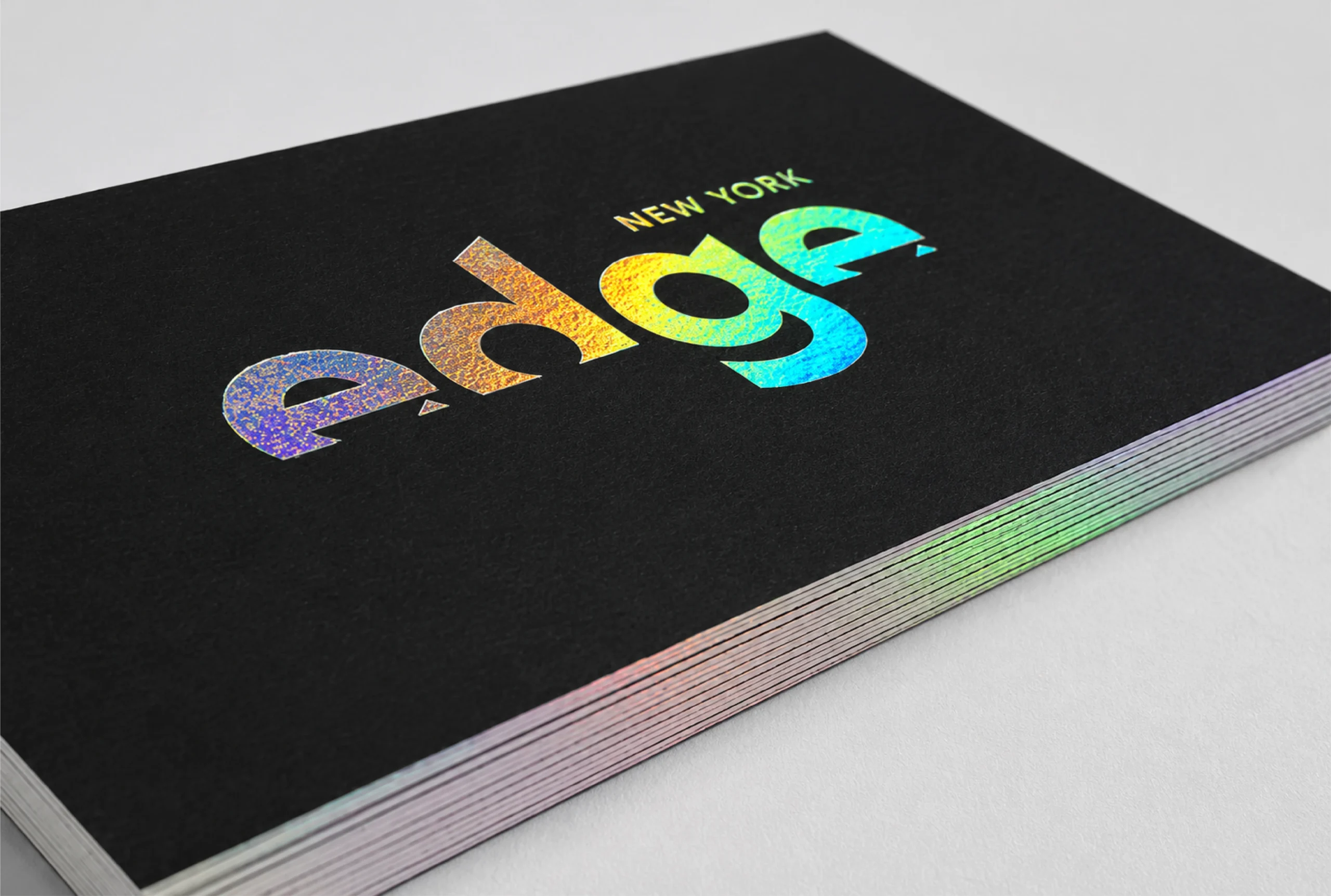
Holographic foil diffracts light and reveals the colors of the rainbow at various angles.
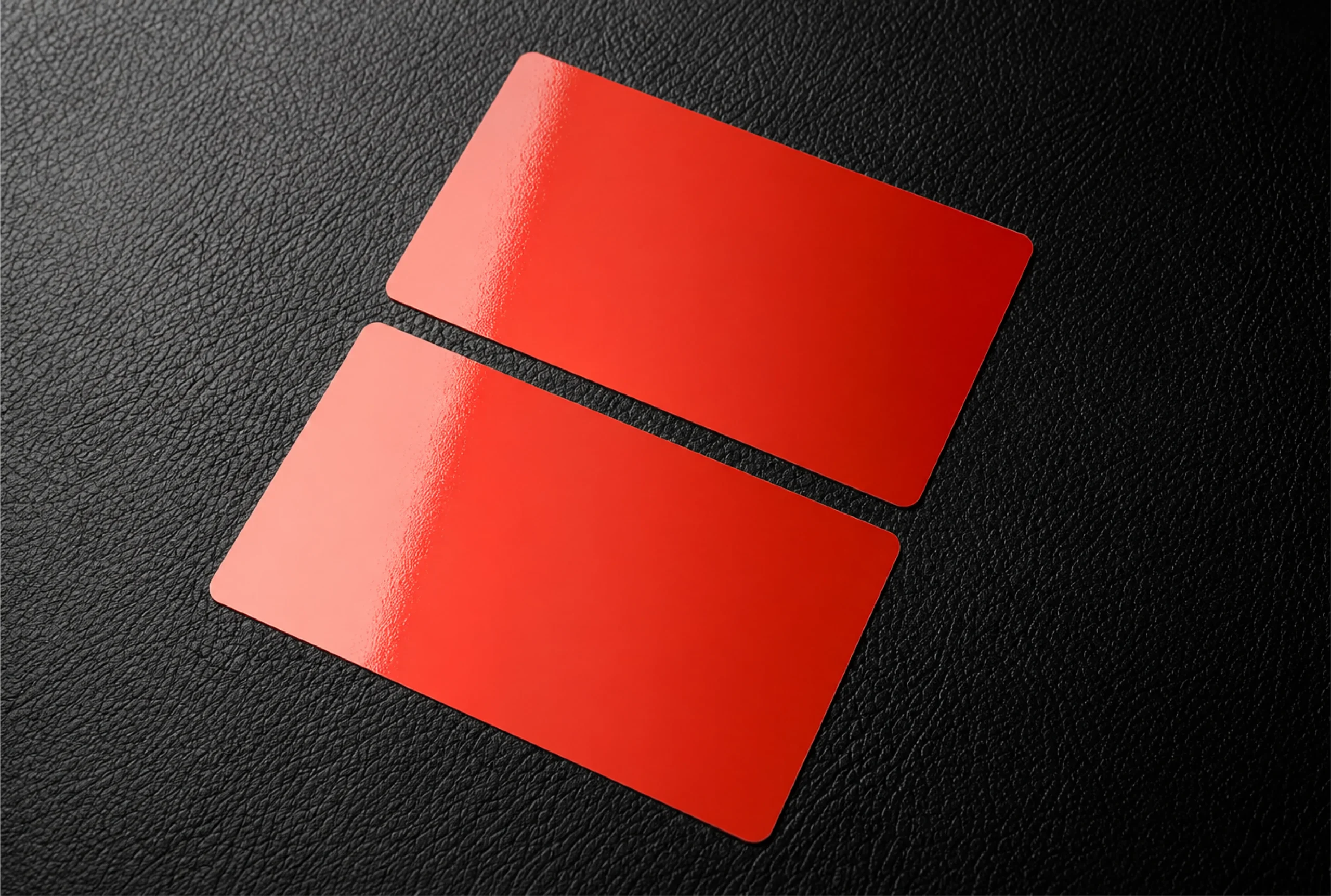
Our glossy finishing gives your packaging an extra layer of shine.
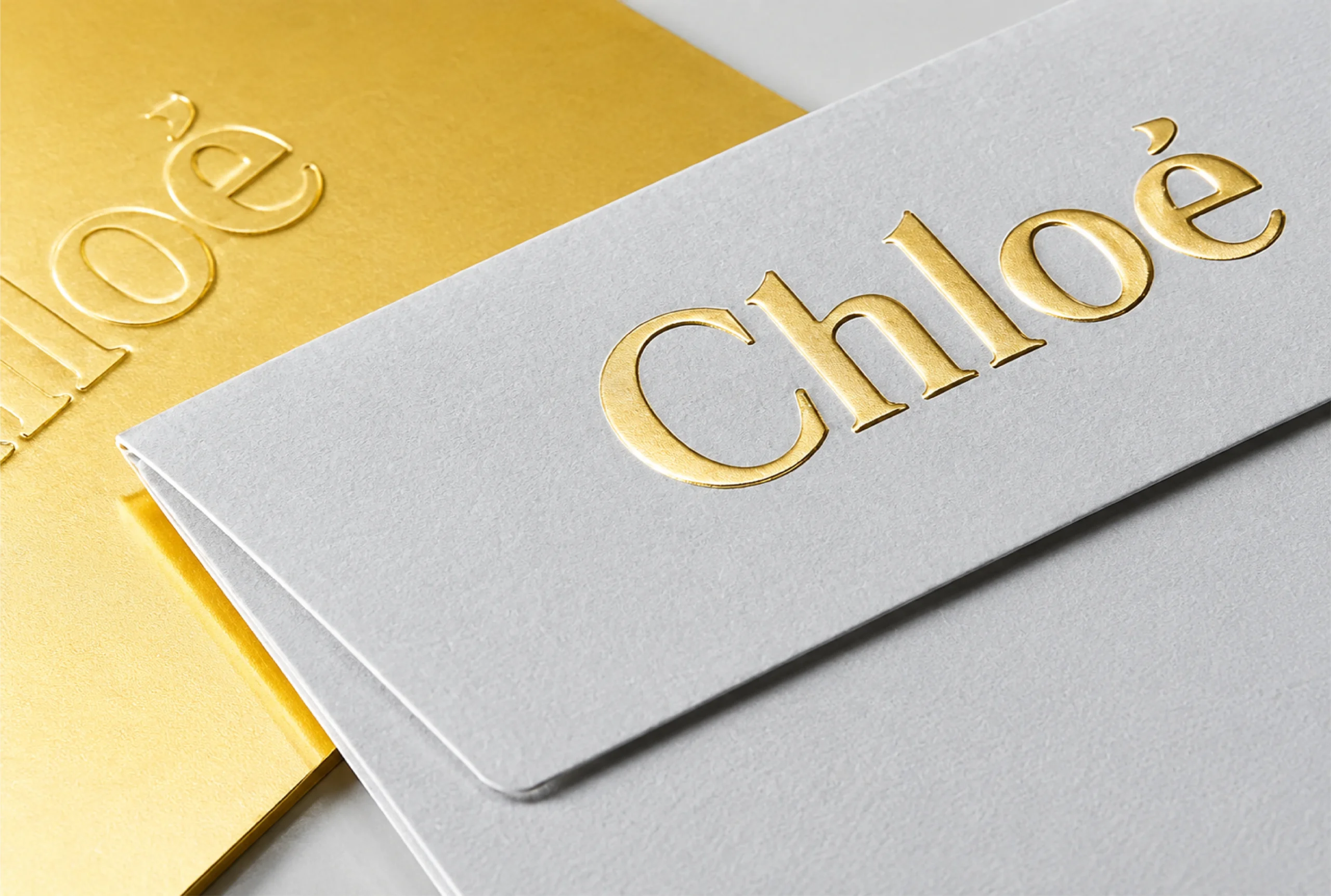
Decorate a wide range of your product packaging with our foil stamping.

With our embossing technique, we transfer the finest details of your product on packaging.
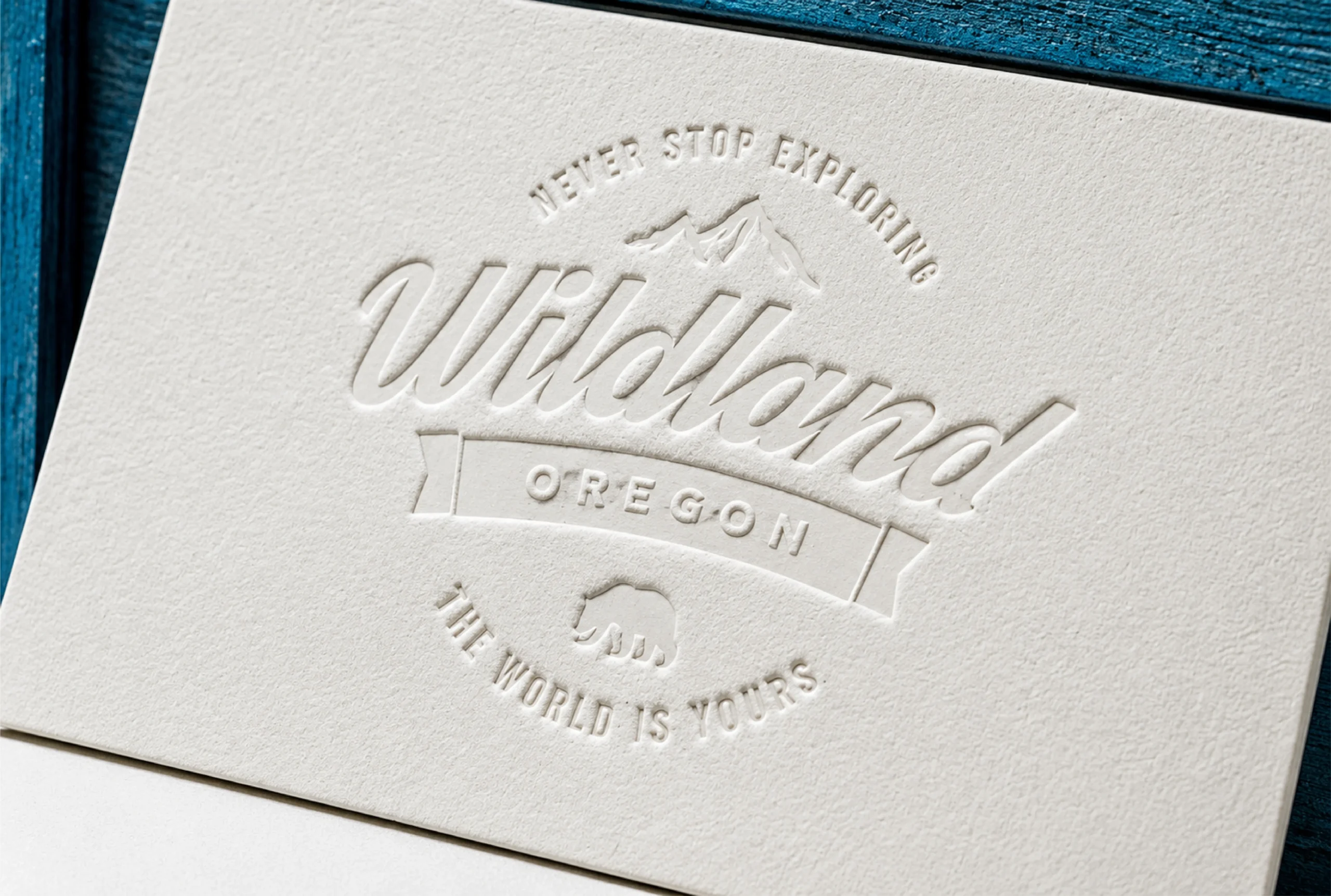
We use debossing technique to add unique graphics into your packaging.
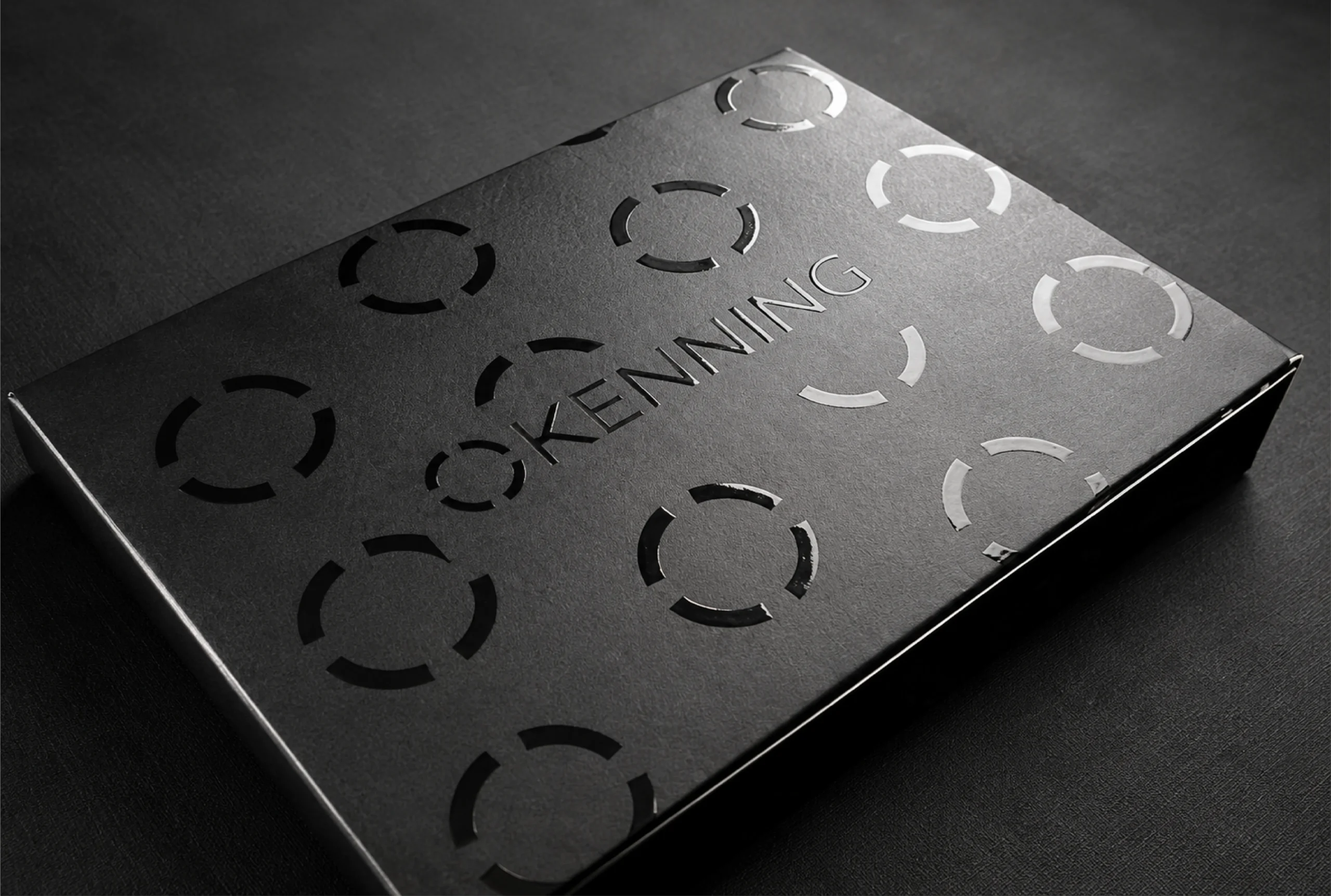
Our high-gloss UV coating gives light and shine to cure the printed material's varnish.
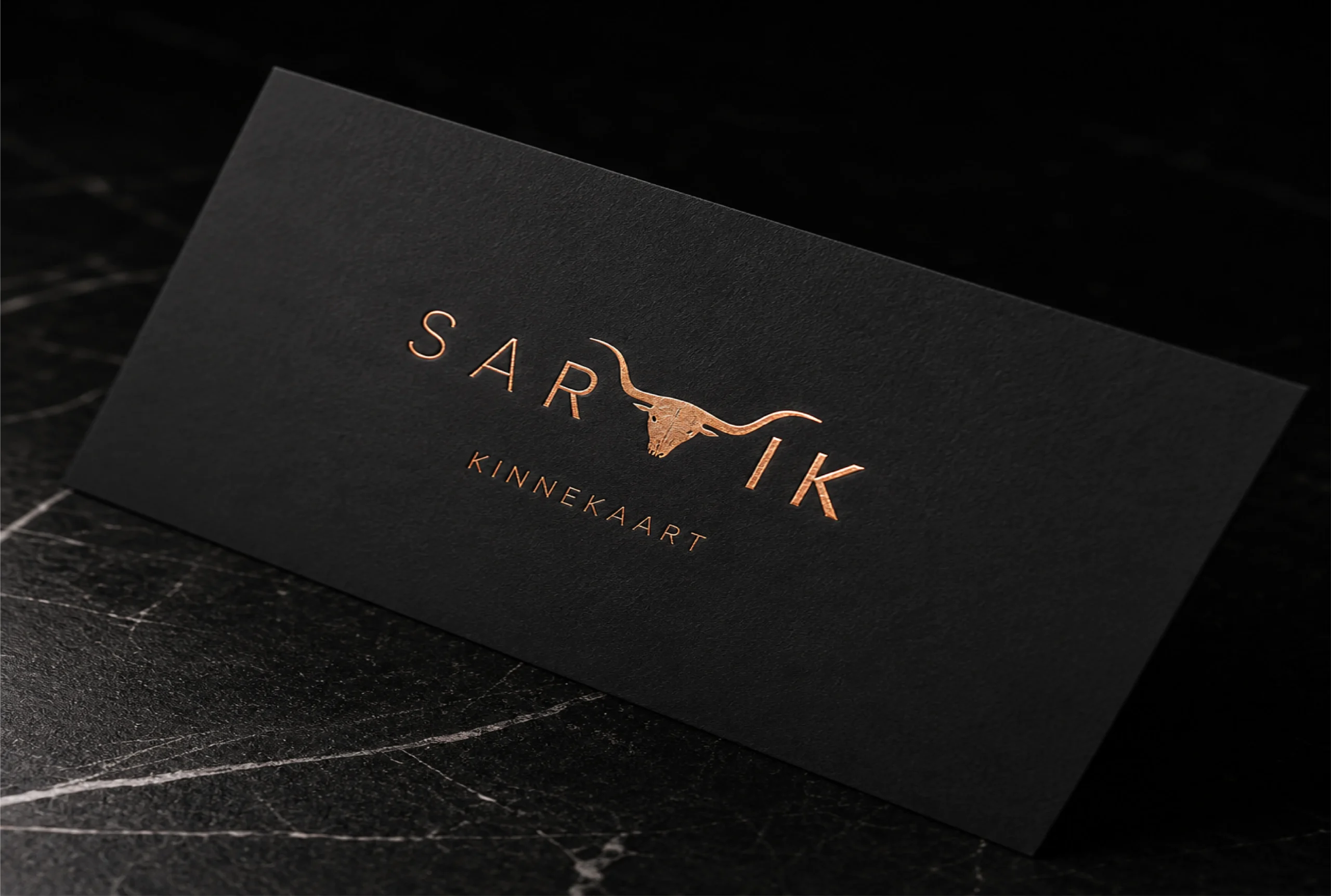
We add additional layer of protection with soft touch lamination from toner chipping.
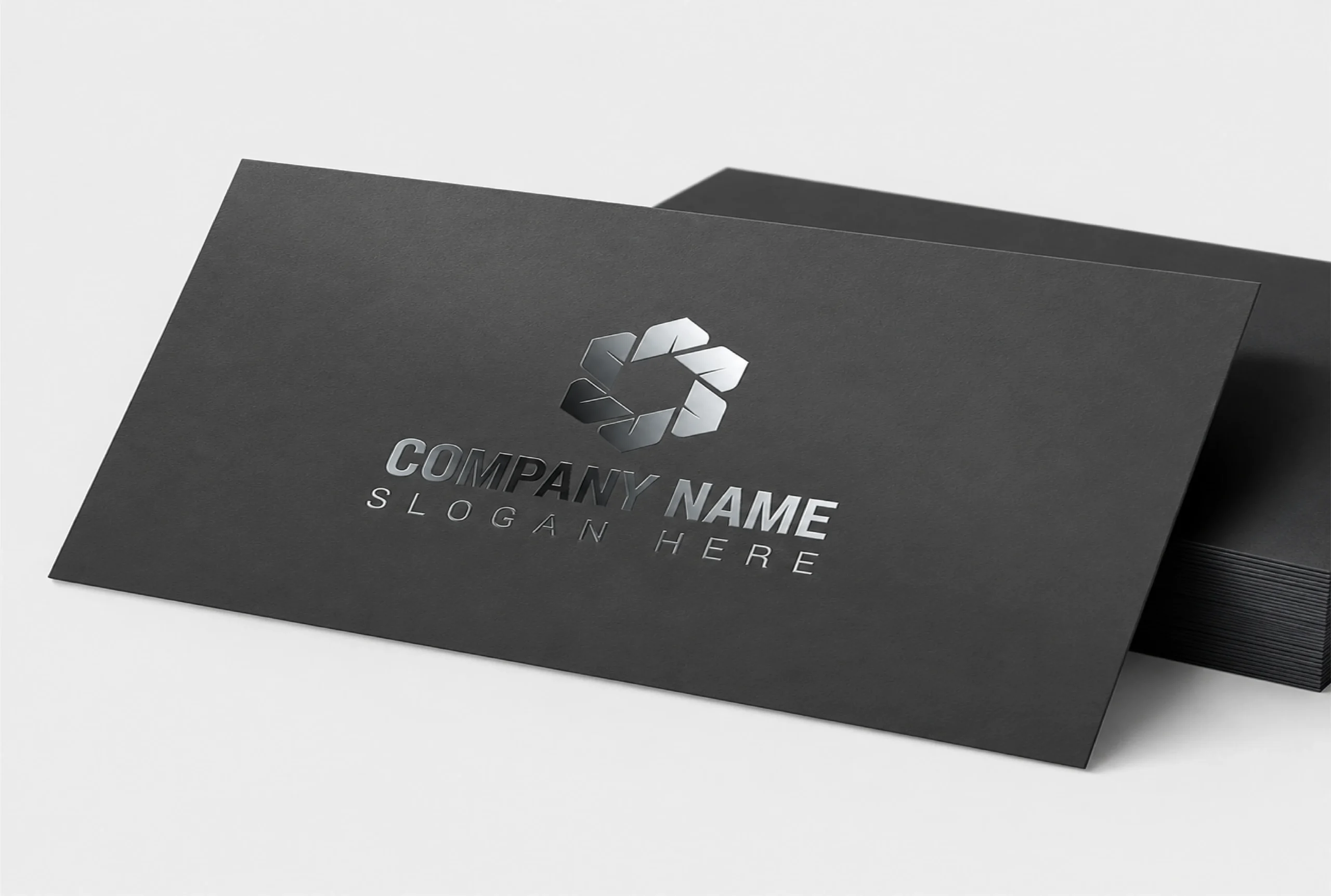
With our matte finish, fingerprints and smudges will now be less visible on the packaging.
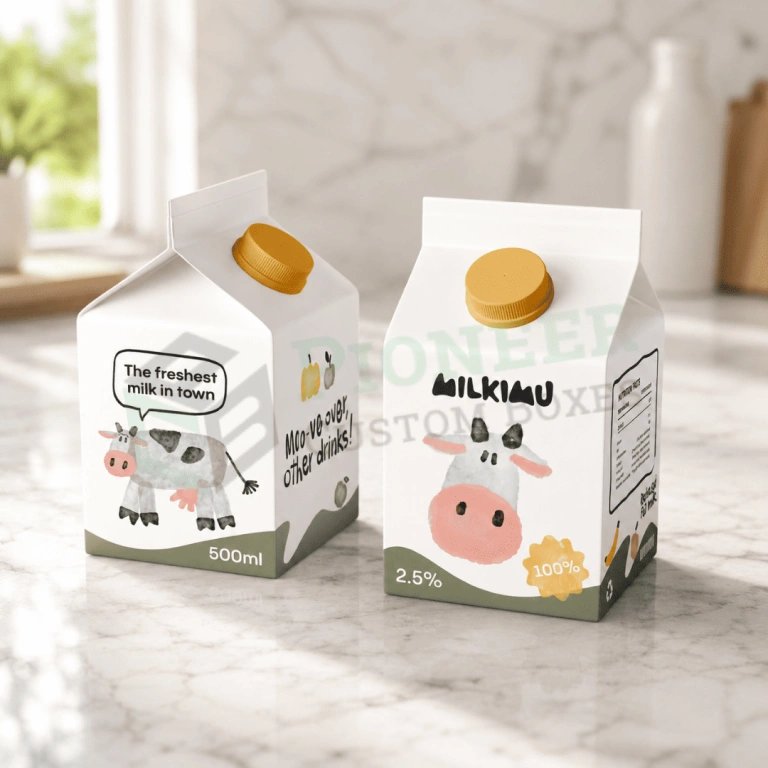
Custom Milk Carton packaging helps dairy brands, chocolate milk sellers, flavored milk companies, plant-based drink brands, school milk programs, cafés, meal-kit companies, and beverage startups create branded cartons with better shelf appeal, clear labeling, and stronger product presentation. Pioneer Custom Boxes manufactures custom milk cartons, mini milk cartons, paper milk cartons, cardboard milk carton styles, blank milk carton options, gable-top carton directions, case-pack packaging, retail cartons, and dairy transport packaging with custom sizes, CMYK printing, PMS color matching, nutrition-panel space, barcode zones, coating guidance, and food-contact material planning. Order with zero MOQ, free design support, flexible lead times, and free shipping across the USA.
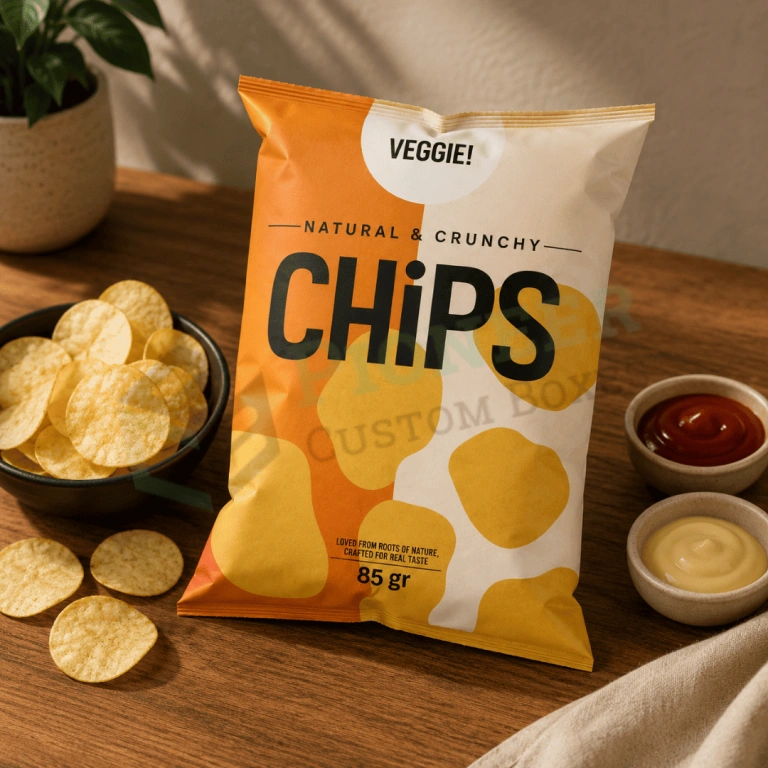
Custom chip bags are flexible snack packages made for potato chips, tortilla chips, kettle chips, veggie chips, plantain chips, corn chips, party snacks, event favors, school snacks, individual snack servings, retail food brands, and wholesale snack programs. Pioneer Custom Boxes can customize bag size, film structure, barrier layers, heat seals, gussets, tear notches, clear windows, matte or gloss printing, metallic effects, flavor panels, nutrition areas, barcode space, case-pack cartons, display boxes, and bulk packaging for small, medium, family-size, and retail-ready snack products.
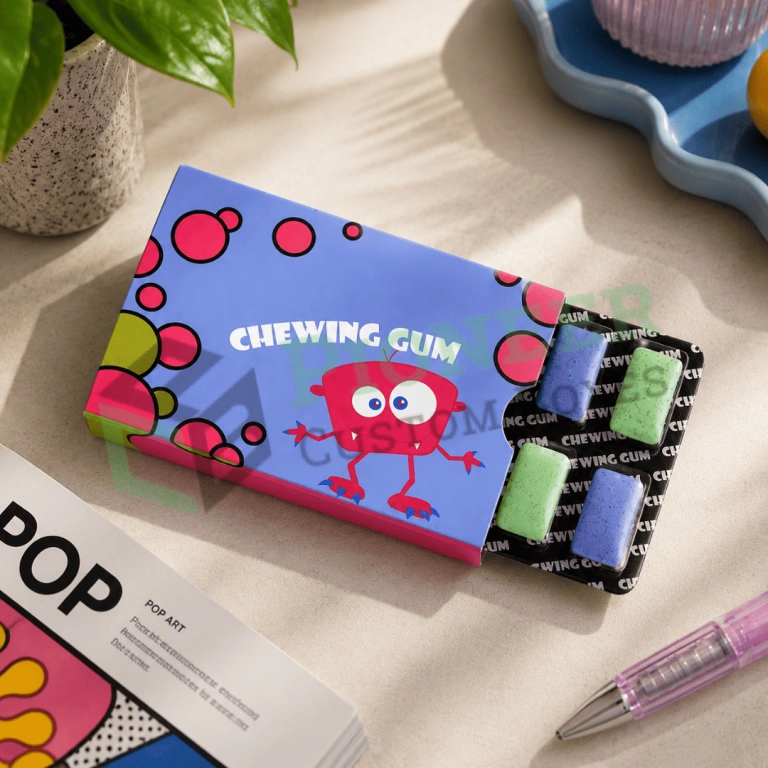
Gum packaging keeps chewing gum, bubble gum, and flavored gum products fresh, organized, and ready for retail display. Custom gum boxes, containers, sleeves, and cartons help brands protect flavor, improve shelf appeal, and create memorable packaging for everyday candy buyers.
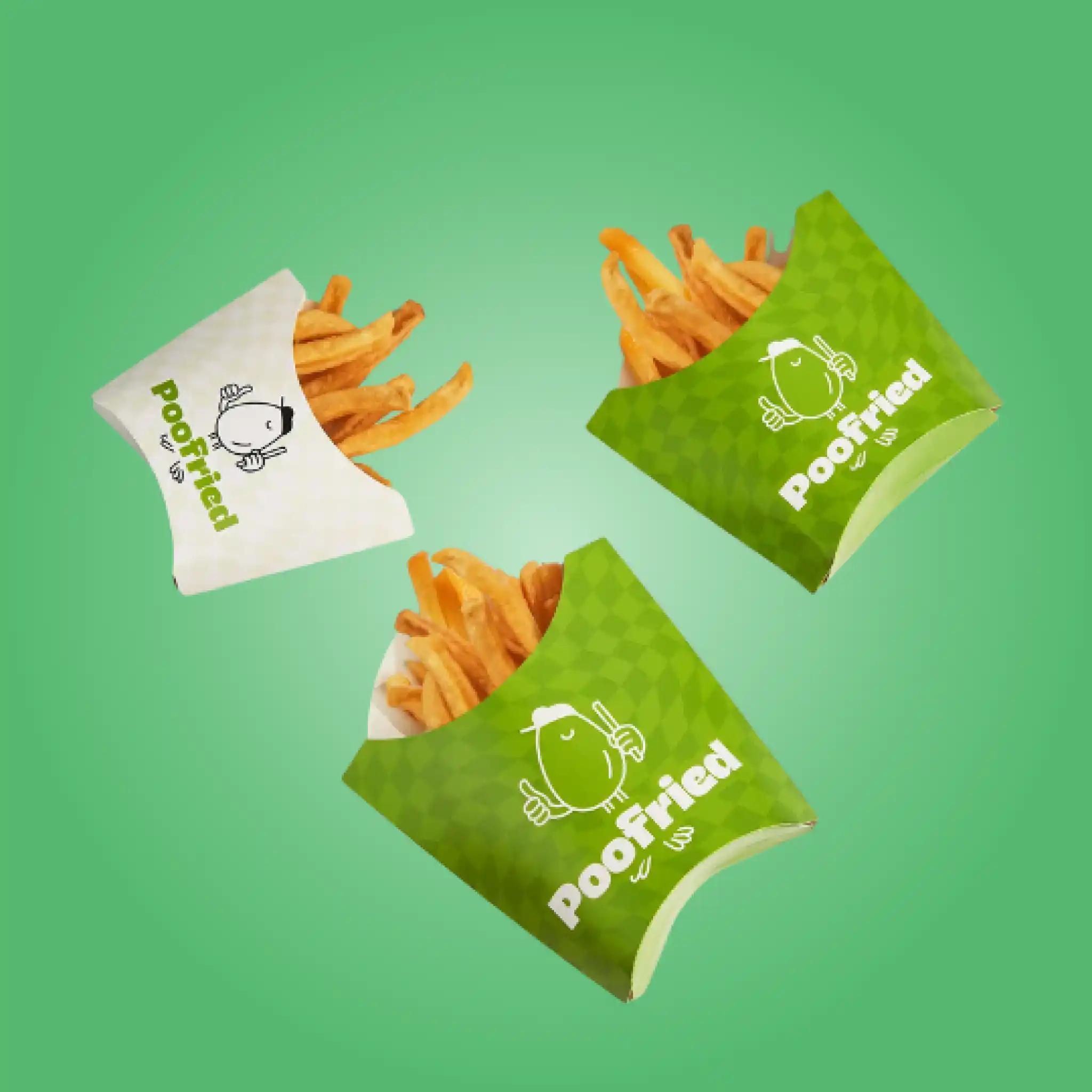
Custom French fries boxes designed for hot food service, grease control, and fast handling.
We produce food-safe fry packaging with secure folds, ventilation options, and high-quality printing for brands across the USA.
Get MOQs in the USA, accurate cost estimation in the USA, reliable lead time in the USA, and free shipping across the USA.