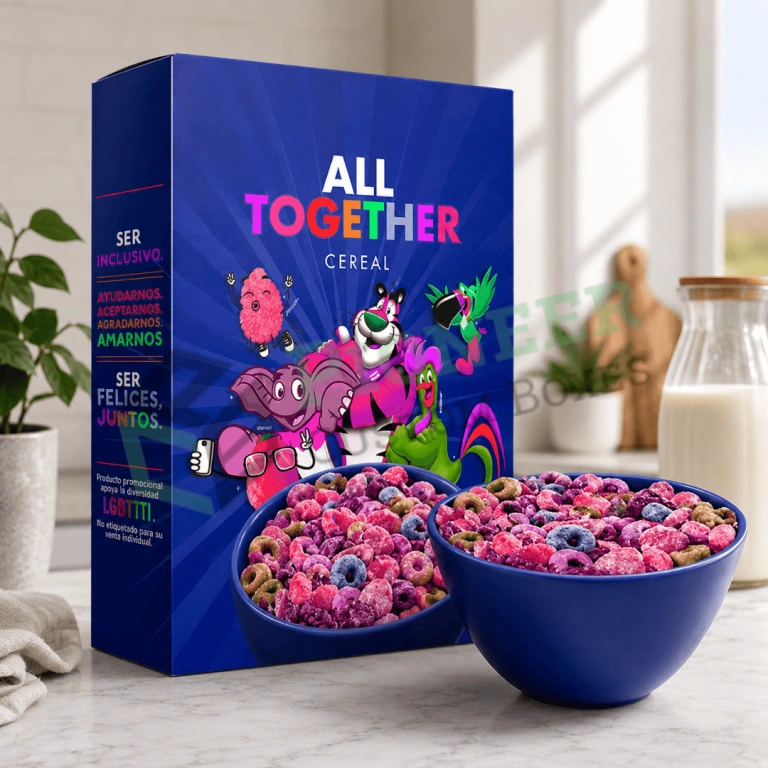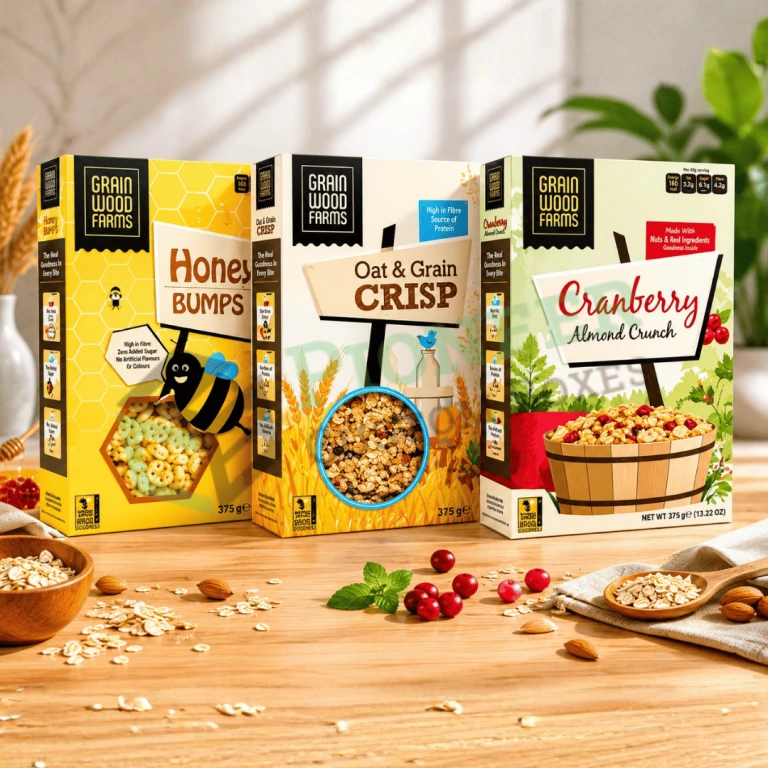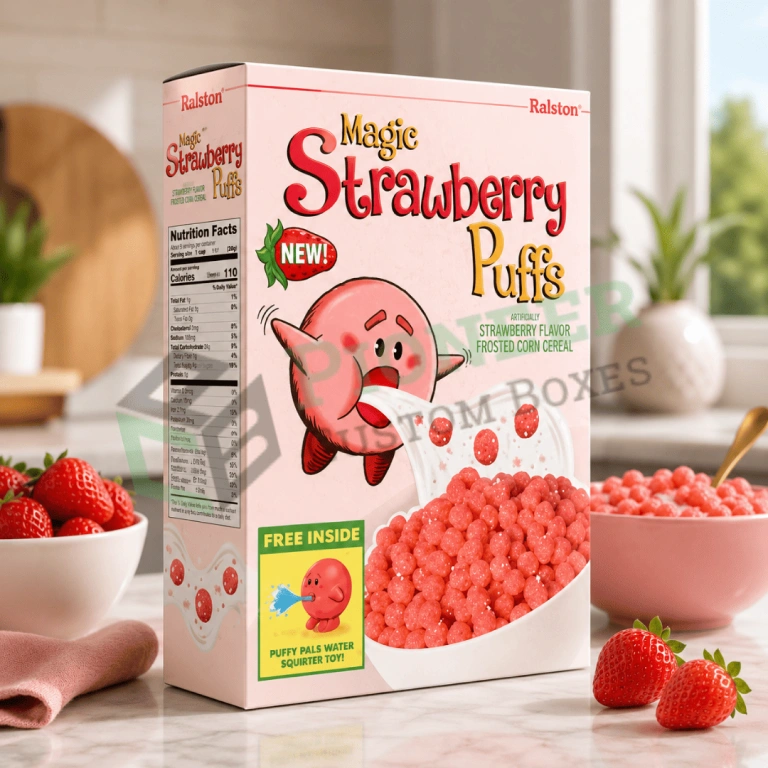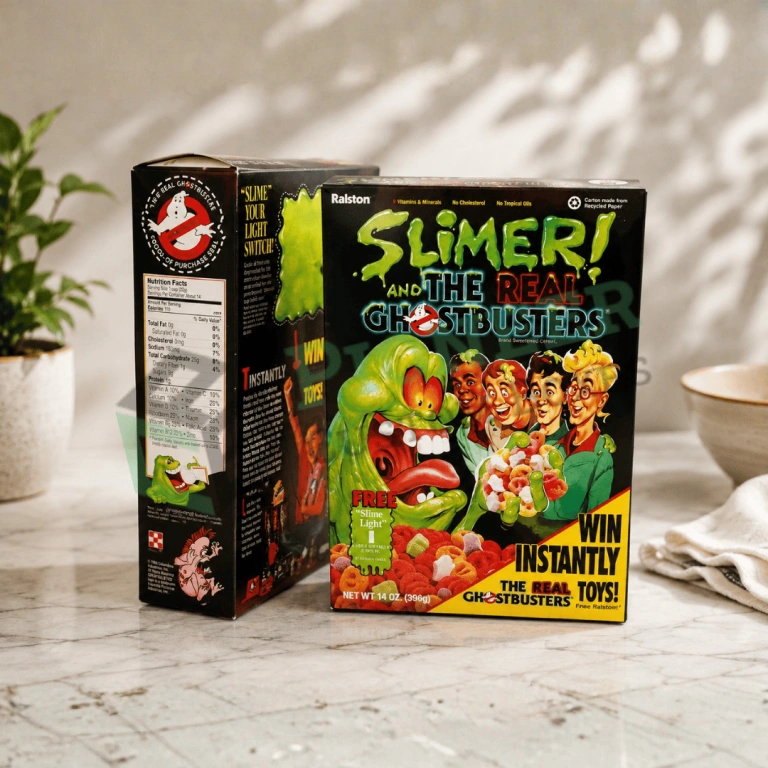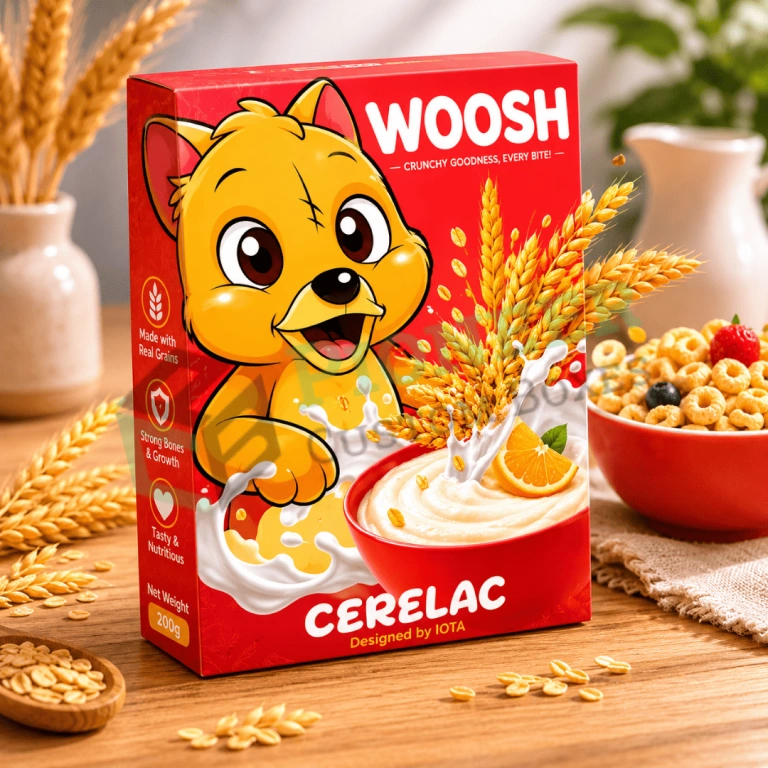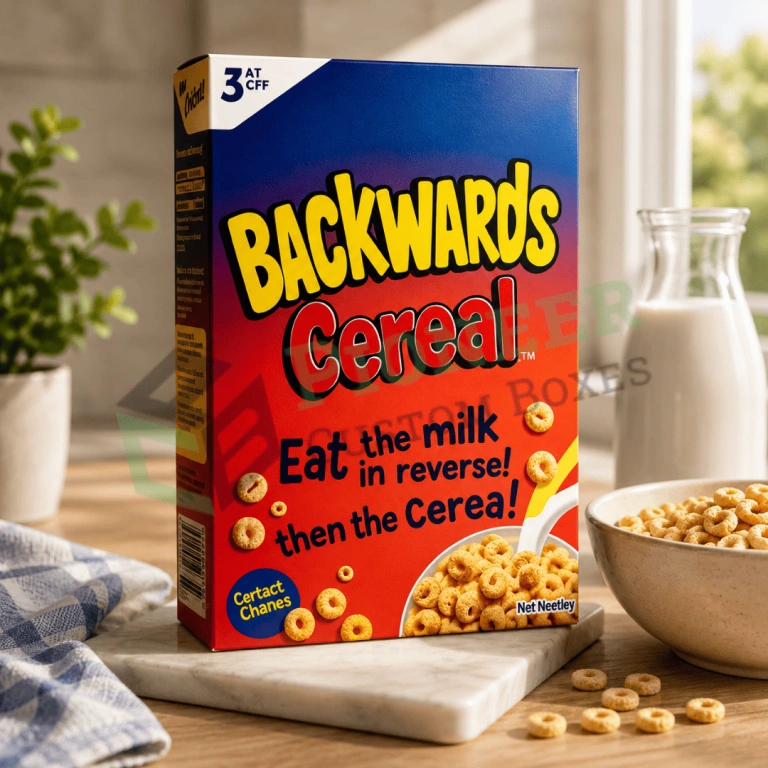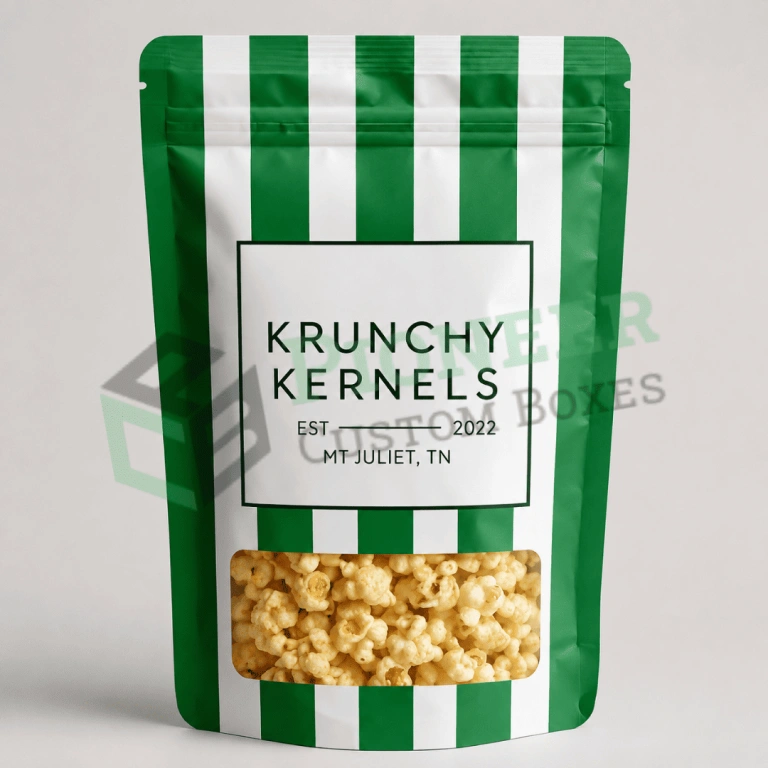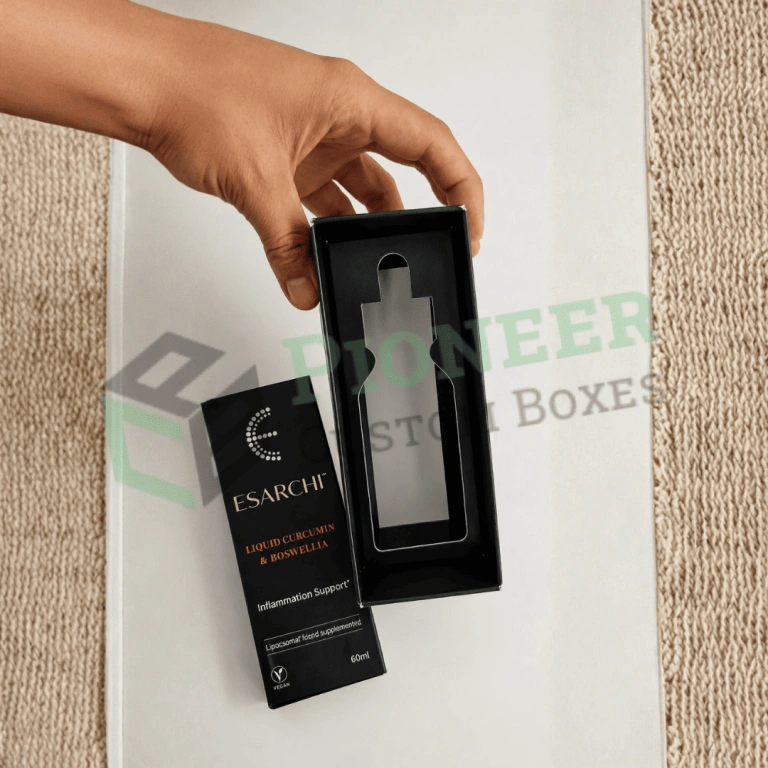
Custom cereal boxes from Pioneer Custom Boxes win a crowded grocery shelf and hold shape from the pallet to the table. Choose tuck-end cartons, auto-lock bottoms, family sizes, window cartons, multipack outers or subscription shippers in SBS, coated recycled board, kraft or E-flute, with sealed barrier liners, nutrition panel layout, free design support, zero MOQ and free USA shipping.
Custom cereal boxes are printed folding cartons that have to win a crowded shelf and then keep the product crisp for months. Pioneer Custom Boxes manufactures them across the United States with zero minimum order quantity and free shipping.
Cereal is one of the most visually competitive categories in grocery. A shopper scans a full aisle in seconds, and the front panel has perhaps a second to register before their eye moves on.
That makes the printed face unusually valuable. Cereal panels carry a brand character, a product shot, a nutrition claim and a flavor name, and all four compete for the same limited area.
Freshness is the quieter constraint and it decides repeat purchase. Cereal goes stale by absorbing moisture from the air, so the carton works together with an inner liner rather than sealing the product by itself.
Structure matters more than it appears too. A full family-size box is heavier than it looks, and a carton that bows on the shelf reads as a cheap product regardless of what is inside.
We manufacture custom printed cereal boxes for breakfast brands, granola and muesli producers, protein and functional cereal startups, private label packers, grocery house brands and subscription services. Moreover we cut our own dies and run our own presses, so we build the carton around your actual bag and fill weight.
Order wholesale cereal packaging in any quantity you need. There is no minimum order, design support costs nothing, and shipping across the United States stays free on every order. Searching for cereal boxes near me usually returns brokers, and we are the factory those brokers buy from.
Structure follows the fill weight, the shelf position and whether the product sells in grocery or direct to the customer.
The familiar tall rectangular carton with tuck flaps top and bottom. It ships flat, fills on standard equipment and gives the largest printed front panel per unit of board. This is the default for grocery.
A carton whose base locks as it is opened. It carries more weight than a tuck base and speeds up a filling line, which matters once volume climbs past a few thousand units.
A wider, taller format for larger fill weights. Board caliper becomes the deciding specification here, because the same panel that holds twelve ounces will bow under twenty-four.
A small carton for portion packs, hotel programs and lunchbox multipacks. Cost per unit dominates, since the customer buys a count rather than a weight.
A printed outer holding several single-serve cartons or bags. Club stores and grocery multipack programs use these, and the outer has to survive being opened as a display tray.
A carton with a die-cut window showing the product. Granola sells partly on visible clusters and fruit, and a window converts far better than a photograph in that subcategory.
A carton around a separately sealed inner bag. This is the standard freshness solution, and the liner rather than the carton does the moisture barrier work.
A carton engineered to travel alone by parcel. Grocery cartons crush in transit, so subscription brands need either a sturdier carton or a corrugated outer around it.
| Format | Fill Weight | Primary Channel | Why Choose It |
|---|---|---|---|
| Standard tuck-end | 8oz to 16oz | Grocery shelf | Largest print panel, lowest cost |
| Auto-lock bottom | 12oz to 24oz | Grocery and club | Carries weight, faster filling |
| Family size | 18oz to 32oz | Grocery and club | Volume value positioning |
| Single serve carton | 1oz to 3oz | Hotel, school, lunchbox | Portion control at low unit cost |
| Multipack outer | Several units | Club and grocery | Doubles as a display tray |
| Window carton | 8oz to 16oz | Granola and premium | Visible product drives the purchase |
| Bag-in-box with liner | Any | All retail | Liner carries the moisture barrier |
| Direct-to-consumer shipper | Any | Subscription and online | Survives parcel transit alone |
Send us your filled inner bag rather than a target weight. A sealed bag of cereal holds air and sits wider than a flat one, and that difference decides whether the carton closes cleanly on a filling line.
Every die is cut to your bag and fill weight. These formats cover the cereal packaging we produce most often.
| Fill Weight | Typical Carton Size (inches) | Board | Liner |
|---|---|---|---|
| 1oz single serve | 3 x 1.5 x 4 | 16pt SBS | Sealed sachet |
| 3oz portion pack | 4 x 2 x 5.5 | 16pt to 18pt | Sealed sachet |
| 8oz granola | 6.5 x 2.5 x 8.5 | 18pt SBS | Sealed inner bag |
| 10oz standard | 7.5 x 2.5 x 10 | 18pt SBS | Sealed inner bag |
| 12oz standard | 7.75 x 2.75 x 11 | 18pt to 20pt | Sealed inner bag |
| 16oz large | 8.25 x 3 x 12 | 20pt SBS | Sealed inner bag |
| 18oz family size | 9.5 x 3.25 x 12.5 | 20pt SBS | Sealed inner bag |
| 24oz family size | 10 x 3.5 x 13 | 20pt to 24pt | Sealed inner bag |
| 32oz value size | 11 x 4 x 13.5 | 24pt or CRB | Sealed inner bag |
| Six-count multipack outer | 9 x 5 x 7 | 20pt SBS | None |
| Subscription shipper | 9 x 3.5 x 12.5 | E-flute or 24pt | Sealed inner bag |
Measure the filled, sealed bag. Bag width grows with fill and with trapped air, and a die cut to the flat bag will jam a filling line rather than simply looking tight.
This is the technical heart of the category, and it is where new cereal brands most often go wrong.
Paperboard is not a moisture barrier. Cereal goes stale by absorbing water vapor from the air, and a printed carton on its own will not stop that for more than a few days.
The inner liner does that work. A sealed polymer or metallized bag inside the carton holds the moisture barrier, and the carton provides structure, print area and stacking strength around it.
That division of labor explains the whole format. A cereal box is a printed billboard wrapped around a sealed bag, and specifying it as a single sealed container is the most common beginner error.
Oxygen matters for some products more than others. Nut-heavy granolas and products with added oils can go rancid, so those benefit from a higher barrier liner than a plain corn or wheat cereal needs.
Light exposure is a real factor in granola too. Dried fruit fades under sustained retail lighting, and a large clear window that helps the sale can hurt the product if the turn is slow.
Crush resistance protects perceived quality. Cereal is light for its volume, so the carton has to hold shape rather than hold weight, and a bowed panel on the shelf reads as damaged stock.
Stacking strength matters in the warehouse rather than on the shelf. Cartons are palletized tall, and the bottom layer carries the whole stack for weeks before it reaches a store.
Reclosability is worth designing in deliberately. A tuck flap that tears on first opening leaves customers folding the bag over, and it is a small frustration that shows up in reviews.
Board selection balances print quality, stacking strength and cost across a category that runs at real volume.
Solid bleached sulphate is the premium printed stock. The bright clay-coated face reproduces food photography accurately, which matters when the product shot is doing the selling.
CRB is the traditional cereal carton stock and carries recycled fiber under a coated print surface. It costs less than SBS, it supports a recycled content claim, and the greyer base slightly mutes very bright artwork.
CCNB prints on a coated white face over a recycled back. It sits below CRB on cost and suits value ranges and multipack outers where the printed face is all that shows.
Natural brown board for organic, ancient grain and small-batch granola positioning. It signals unprocessed without a word of copy, and it prints best with dark inks or a single strong color.
Fluted board for subscription shippers and club store formats. It absorbs parcel impacts that would crush a folding carton, and litho lamination gives it full retail print quality.
The moisture barrier itself, specified separately from the carton. Options run from a basic polymer film to a metallized high-barrier laminate, chosen by product sensitivity rather than by default.
Available across the coated grades. Cereal buyers check packaging claims closely, and we document the actual recycled percentage rather than leaving a vague statement on the panel.
Available across every grade above. Grocery buyers increasingly request sourcing documentation, so we document what your board contains under recognized Forest Stewardship Council chain of custody rather than leaving you to assume it.
| Material | Caliper or Weight | Print Quality | Stacking Strength | Best For |
|---|---|---|---|---|
| SBS paperboard | 18pt to 24pt | Excellent | Good | Premium and photography-led artwork |
| Coated recycled board | 18pt to 24pt | Good | Good | Mainstream grocery cereal |
| Clay-coated news back | 18pt to 22pt | Moderate | Moderate | Value ranges and multipack outers |
| Kraft paperboard | 18pt to 24pt | Moderate | Good | Organic and small-batch granola |
| E-flute corrugated | 32 ECT typical | Good with lamination | Excellent | Subscription and club formats |
| Sealed inner liner | Film or laminate | Not a print surface | None | The actual moisture barrier |
| Recycled content stock | Any coated grade | As per base grade | As per base grade | Documented recycled claims |
| FSC-certified stock | Any of the above | As per base grade | As per base grade | Documented sustainable sourcing |
One consistency point. Cereal brands sell ranges, and flavors sit side by side on a shelf. We run every carton in a range on the same stock so the whites match, which shoppers read subconsciously as quality.
A cereal panel has about one second to work, so print has to carry photography, character and claims cleanly at speed.
Offset holds the finest detail and the steadiest color across long runs. Cereal artwork leans on food photography, brand characters and small nutrition type, and offset keeps all three sharp. The economics favor it past roughly a thousand cartons per design.
Digital prints without plates, which suits launches and wide flavor ranges. A startup can print six flavors in small quantities against one shared die, with no plate cost per variant and no minimum per flavor.
Flexo prints multipack outers, shipping cases and value ranges economically. It handles solids and line work well and reproduces fine photographic gradients less faithfully than offset.
An offset sheet laminated onto corrugated board. Club store displays and subscription shippers use it when they need fluted strength with full retail print quality outside.
Digital presses can change content between cartons. Limited editions, regional variants, promotional codes and collector panels all print inline rather than requiring separate runs.
A practical note for new brands. Print the first run digitally across your whole range, see which flavors sell, then move the winners to offset once volume justifies plates.
Finish decides how the carton reads under harsh grocery lighting and how well it survives a warehouse and a shelf.
A water-based protective layer applied inline on press. It seals the print surface, resists scuffing through palletized transit and stays compatible with paper recycling. We apply it as standard on grocery work.
High shine with deep color saturation. Food photography benefits noticeably, and gloss is the conventional choice in mainstream cereal for exactly that reason.
A flat, low-glare surface that reads as premium and considered. Granola, organic and better-for-you ranges use it to separate themselves visually from mainstream gloss.
Selective gloss against a matte field. Used behind a logo or a product shot it creates depth that catches aisle lighting without adding another color to the run.
Hot foil in gold, silver or colored finishes. It is uncommon in mainstream cereal and highly effective in premium granola, where it separates a carton from everything around it.
Raised or recessed detail, usually registered to a logo. It adds a tactile cue a shopper notices when they pick the carton up, which is the moment the purchase is usually decided.
Ink systems chosen for food packaging suitability and recycling compatibility. They print as strongly as conventional systems and de-ink more cleanly in the recycling stream.
One observation from this category specifically. A matte carton in a gloss aisle stands out more than a brighter gloss carton does, and it usually costs less than the extra ink would.
Cereal is bought on recognition at speed, so color accuracy does measurable commercial work here.
CMYK builds every shade from cyan, magenta, yellow and black. It reproduces food photography, characters and illustrated artwork accurately, and it costs the least. Very saturated brand colors sit at the edge of what CMYK holds consistently across a long run.
Pantone inks arrive pre-mixed and print identically every time. Cereal brands lean on one signature color that shoppers recognize before they read the name, and spot ink is the only way to hold it across years of reordering.
RGB is a screen color space and no press prints it directly. Retailer listings, your website and social content all live in RGB, and conversion shifts color noticeably. We convert with proper profiles and show the printed result on your actual board first.
One point specific to ranges. Flavors sit side by side on a shelf, so a shopper sees four cartons at once and spots drift that a single carton would never reveal. Any shade identifying a flavor belongs in PMS.
Each option below either protects the product, improves the shelf position or earns its place with the shopper.
| Feature | What It Does | Best Suited To |
|---|---|---|
| Sealed inner liner | Provides the actual moisture barrier | Every retail cereal carton |
| High-barrier metallized liner | Slows oxygen as well as moisture | Nut-heavy granola and added oils |
| Die-cut window | Shows clusters, fruit and texture | Granola, muesli and premium ranges |
| Resealable tuck flap | Survives repeated opening | Family size and daily-use products |
| Auto-lock bottom | Carries fill weight and speeds filling | 12oz and above |
| Nutrition panel layout | Legible required information | Every retail listing |
| Back panel activity or story | Keeps the carton on the table | Family and childrens ranges |
| QR code panel | Links to recipes, sourcing or reorder | Brand building and subscriptions |
| Barcode panel | Scannable code for shelf listings | Grocery and distributor supply |
| Limited edition variable panel | Unique artwork per carton | Promotions and collector runs |
| Multipack display outer | Converts to a shelf tray | Club store and grocery multipacks |
| Corrugated shipper | Protects cartons in parcel transit | Subscription and online sales |
Choose deliberately rather than comprehensively. Most cereal cartons need the right liner, adequate caliper, a clean nutrition panel and one strong visual idea, and very little beyond that returns its cost.
Cereal is a packaged food sold at retail, so the carton carries substantial mandatory information.
Food contact suitability applies to anything touching the product. In a bag-in-box format the liner is the contact material, and FDA guidance on packaging and food contact substances sets the framework for both the liner and any carton surface the product reaches.
The nutrition panel is the single largest layout constraint. Serving size, calories, the full nutrient table and the ingredient statement all need legible space, and discovering that after artwork approval is expensive.
Allergen declarations sit alongside it and cannot be squeezed. Wheat, milk, soy, nuts and sesame all appear routinely in this category, and the statement has to be unmissable rather than merely present.
Front-of-pack claims invite scrutiny. Whole grain, high protein, no added sugar and similar wording all carry specific definitions, and a claim that overstates the product is a recall risk rather than a marketing flourish.
Organic certification adds its own rules. Certifying bodies govern how their marks are displayed, and those requirements are separate from federal labeling obligations.
Retail listings need a scannable code positioned where the artwork will not interfere with it, and grocery buyers will check that before agreeing shelf space.
Environmental wording carries exposure too. A recyclable claim on the carton has to account for the liner, which usually is not recyclable in the same stream.
We lay out nutrition and allergen panels as part of free design support and flag anything that looks like it crosses a line before the die is cut. We manufacture packaging rather than provide legal advice, so confirm your obligations formally.
Cereal runs at volume on thin margins, so specification choices compound into substantial annual numbers.
Board grade leads. Moving from coated recycled board to SBS across a million cartons is a serious figure, and it is worth it only where photography genuinely carries the sale.
Caliper is the next lever and it is frequently over-specified. Cereal is light for its volume, so the carton needs shape retention rather than load capacity, and heavier board buys less than it appears to.
Print approach ranks third. Offset at volume costs far less per carton than digital, while digital removes plate charges entirely for a brand still testing which flavors survive.
Number of separate dies matters for wide ranges. Six flavors sharing one die cost far less than six flavors on six, and the carton size rarely needs to change between them.
Liner specification is a real cost and the wrong place to economize. A basic film costs less than a metallized barrier and will not protect a nut-heavy granola for a six-month shelf life.
Consolidating across your wider range helps too. Brands buying cereal cartons alongside the rest of their food boxes usually secure better pricing on both, because the runs share stock and setup.
Finishing sits below those. Foil and spot UV look excellent on a premium granola and are largely wasted on a value range competing purely on price.
The overspend we correct most often is heavy caliper on a light product. Cereal cartons fail by bowing rather than by collapsing, and a well-designed 18pt carton holds shape better than a poorly scored 24pt one.
Filling lines, long shelf life and palletized transit mean we test these cartons mechanically rather than visually.
Cereal cartons fail on a filling line far more often than they fail on a shelf, so that is where we test them. We square a sample, seat a filled and sealed inner bag and run it the way your equipment would, because a carton that jams stops a production line and that is the most expensive failure in this category.
Filled bag fit is the check behind most of those jams. A sealed bag holds air and sits noticeably wider than a flat one, so a die cut to the flat dimension will not close cleanly no matter how accurate the drawing was.
Compression testing matters more than it appears. Cereal is light for its volume, so these cartons fail by bowing rather than collapsing, and the bottom layer of a tall pallet carries that load for weeks before it reaches a store. We load a carton the way a pallet stack would and check the panels for deflection rather than for failure.
The nutrition panel gets checked at final printed size rather than on screen. Type that reads cleanly on a proof closes up on press, and an illegible nutrition panel is a compliance problem rather than a print complaint.
Where a carton carries a die-cut window we check its registration against the artwork, since a window a few millimeters out ruins the front panel, and we scan the barcode from the printed carton because a failed scan blocks a shelf listing outright.
We square and fill a sample of every new cereal carton before approving a run. Filling line behavior cannot be predicted from a flat proof, and a carton that jams is the most expensive failure in this category.
Cereal reaches shoppers through several routes, and each one rewrites the specification.
Grocery shelf is the demanding case. Cartons stand in tight facings under harsh lighting, so front panel clarity, shape retention and color consistency across flavors carry the sale.
Club stores push toward multipacks and display-ready outers. The outer becomes a shelf tray, so it needs print quality on the panels that remain visible once it is opened.
Natural and specialty grocery rewards restraint. Matte finishes, kraft board and visible product through a window all signal the positioning that channel expects.
Direct-to-consumer and subscription changes the priority entirely. The carton travels alone by parcel, so it needs either heavier construction or a corrugated outer around it.
Hotel, school and institutional supply runs on single-serve portions and cost per unit. Nothing sits on display, so print is functional rather than persuasive.
Private label needs fast turnaround and reliable color matching to a retailer brand standard. The retailer sets the palette, and hitting it exactly is the whole job.
Brands with a broader catalog benefit from standardizing early. Matching your cereal cartons to the rest of your retail packaging keeps board grades and print consistent across the shelf.
Most cereal brands sell through at least two of these at once. The workable answer is one carton structure per fill weight with finishing varied by channel.
Cereal cartons are consumed in enormous volume, and this category has one of the clearest sustainability stories in packaged food.
Paperboard recovers well through existing programs, and EPA figures for paper and paperboard recovery show paper and paperboard as the most recovered packaging stream in the country.
Coated recycled board makes that stronger still. It carries recycled fiber by design, it has been the category standard for decades, and it supports a genuine recycled content claim rather than an aspirational one.
The honest complication is the liner. Most high-barrier liners are multi-layer films that curbside programs do not accept, and no carton claim changes that.
We recommend saying so plainly. A carton marked recyclable with a note that the inner bag is not respects the shopper and avoids the criticism that vague claims attract.
Right-sizing is the largest practical improvement available. Headspace in a cereal carton is expected by shoppers up to a point, and beyond that it wastes board and invites accusations of slack fill.
Ink coverage matters too. Full flood coverage across every panel uses considerably more ink than a well-designed layout, costs more and complicates de-inking during recycling.
These errors repeat across breakfast brands of every size, and each one is avoidable before a die is cut.
Treating the carton as the moisture barrier leads the list. Paperboard does not seal, the product goes stale within days, and the brand blames the recipe rather than the packaging.
Designing the front panel before laying out the nutrition and allergen panels is second. Required information consumes more space than brands expect, and retrofitting it into approved artwork is the most expensive fix here.
Sizing the carton to a target weight rather than a filled bag is third. A sealed bag holds air and sits wider, and a tight die jams a filling line rather than simply looking snug.
Over-specifying caliper wastes money across every unit. Cereal cartons fail by bowing, and good scoring improves shape retention more than extra board does.
Under-specifying the liner on a nut-heavy granola causes rancidity well before the printed date. That is a product failure the customer attributes to quality.
Cutting a separate die for every flavor is an avoidable expense. Most ranges share one carton size, and flavor differentiation belongs in the print rather than the structure.
Finally, shipping a grocery carton direct to consumers without an outer. Parcel networks crush folding cartons, and a dented box arriving at a home damages the brand more than a shelf ever could.
A granola producer came to us after retailers reported customer complaints about texture within a month of delivery.
Their carton was well printed and structurally sound. The problem sat entirely inside it, because they were using a basic polypropylene liner chosen on price.
Their product was the issue as much as the film. A nut-heavy granola with added coconut oil needs an oxygen barrier as well as a moisture barrier, and a basic film provides neither adequately.
We moved them to a metallized high-barrier liner and kept the carton and artwork unchanged. We also reduced their die-cut window by about a third.
The window mattered more than they expected. Sustained retail lighting had been fading the dried fruit, so a smaller window kept the visual sell while reducing light exposure.
Texture complaints stopped across the following two quarters. Liner cost rose by roughly two cents per unit, and their largest retailer expanded the listing because the turn improved.
We manufacture domestically and ship free to every state, so filling schedules hold and nothing waits at a port.
Our cereal customers include breakfast brands, granola and muesli producers, protein and functional cereal startups, private label packers, grocery house brands and subscription services.
We produce for brands in Los Angeles, New York, Chicago, Denver, Austin, Portland, Minneapolis and Atlanta, and we supply smaller producers across California, Colorado, Oregon, Texas, Vermont, New York and the Carolinas.
Humidity genuinely changes the recommendation. Southeastern warehousing raises the barrier requirement on the liner, while dry mountain west storage is considerably more forgiving.
Retailer requirements vary by region too. Some grocery groups set their own case and pallet specifications, and we build to those rather than asking you to manage the difference.
Wherever you trade, the terms stay identical. Zero minimum order quantity, free design support, free shipping and a written specification with every order.
Ordering runs through four steps, and our team handles the technical work at each one.
First, send a filled and sealed inner bag plus your fill weights and channels. Tell us whether your product contains nuts or added oils, because both change the liner specification.
Second, we return a free dieline and a written quote within one business day. Board grades and liner options are costed separately, so you can see what each actually buys you.
Third, you approve a digital proof and we recommend a physical sample. Fill it, square it on your line if you can and check the nutrition panel at printed size before committing.
Fourth, we produce and ship. Standard production runs eight to twelve business days, rush production runs four to six, and shipping anywhere in the United States costs nothing.
Three commitments make custom cereal packaging workable for a startup as well as a national brand, and none carry a hidden charge.
Zero minimum order quantity means you order what you need. Digital printing carries no plate cost, so a new granola brand can launch four flavors in small quantities and scale only what sells.
Free design support covers the dieline, nutrition and allergen panel layout, window placement and artwork preparation. If you have no artwork at all, our team can build a clean design from your existing branding.
Free shipping applies across the United States on every order, rush production included. We manufacture domestically, so a retailer listing date never depends on a customs queue.
We are a direct manufacturer rather than a broker. We cut our own dies, run our own presses and finish every order in house, which is why we quote quickly and stand behind what leaves our floor.
On cereal packaging the deciding properties are physical. Filled bag fit, filling line behavior, compression strength and shape retention all have to be tested rather than claimed, and we test them with your actual sealed bag before approving a run.
You also get the paperwork. Every order ships with a specification naming the board, the caliper, the coating and the liner, so your own food safety and retailer records stay accurate.
Send us a filled bag, your fill weights and your channels, and we will return a free dieline and a written quote for custom cereal boxes within one business day. Order now, or get a free quote and we will specify the liner for your actual product rather than selling you a barrier you do not need.
| Box Style | Custom Cereal Boxes |
| Dimension (L + W + H) | All Custom Sizes & Shapes |
| Quantities | No Minimum Order Required |
| Paper Stock | 10pt to 28pt (60lb to 400lb) Eco-Friendly Kraft, E-flute Corrugated, Bux Board, Cardstock |
| Printing | No Printing, CMYK, CMYK + 1 PMS color, CMYK + 2 PMS colors |
| Finishing | Gloss Lamination, Matte Lamination, Gloss AQ, Gloss UV, Matte UV, Spot UV, Embossing, Foiling |
| Included Options | Die Cutting, Gluing, Scored, Perforation |
| Additional Options | Eco-Friendly, Recycled Boxes, Biodegradable |
| Proof | Flat View, 3D Mock-up, Physical Sampling (On request) |
| Turnaround | 4 – 8 Business Days, RUSH |
| Shipping | FLAT |
Every great product deserves packaging that turns heads. Here's how we make it happen — step by seamless step.
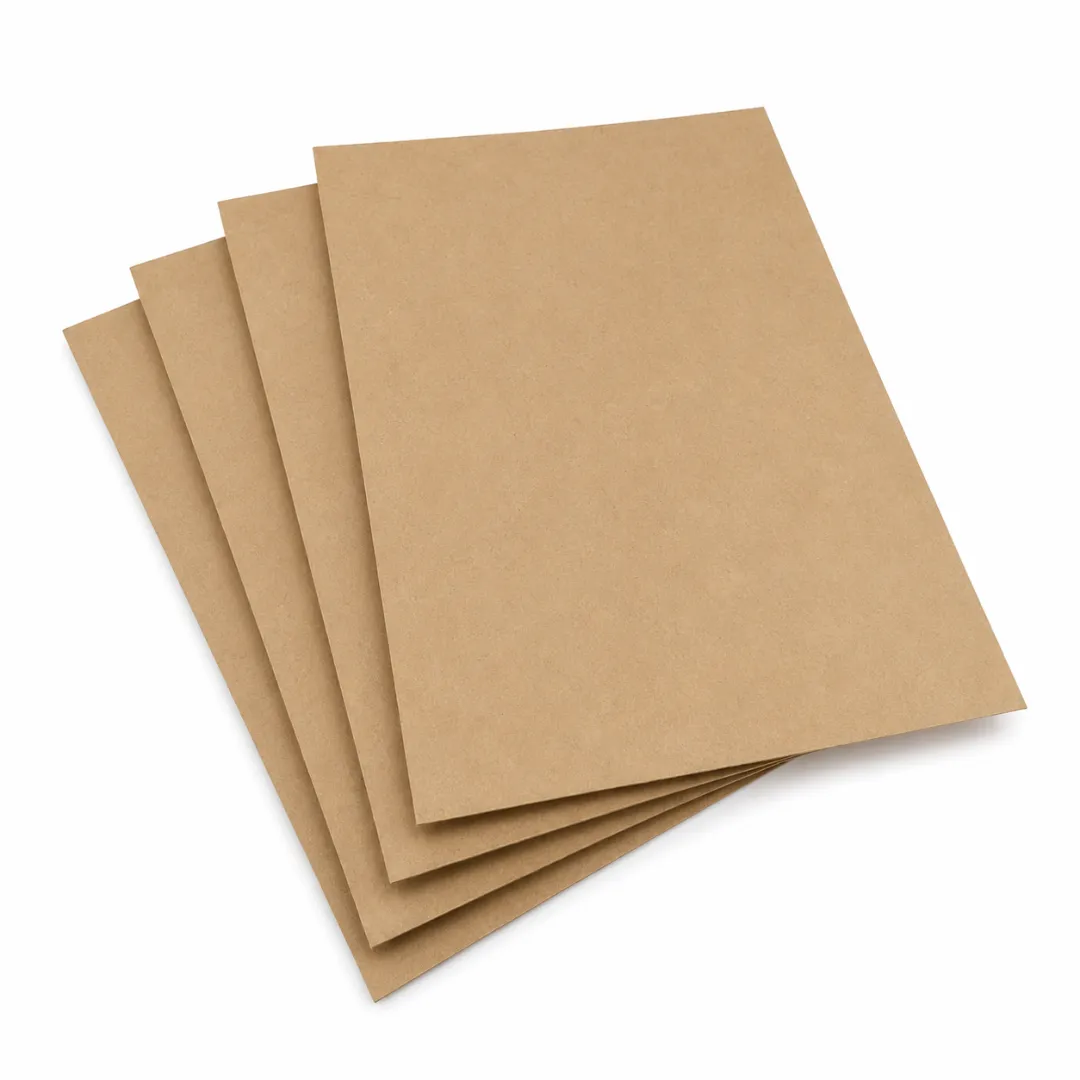
Kraft paper is a strong, durable and reliable material that is widely used across many different industries.
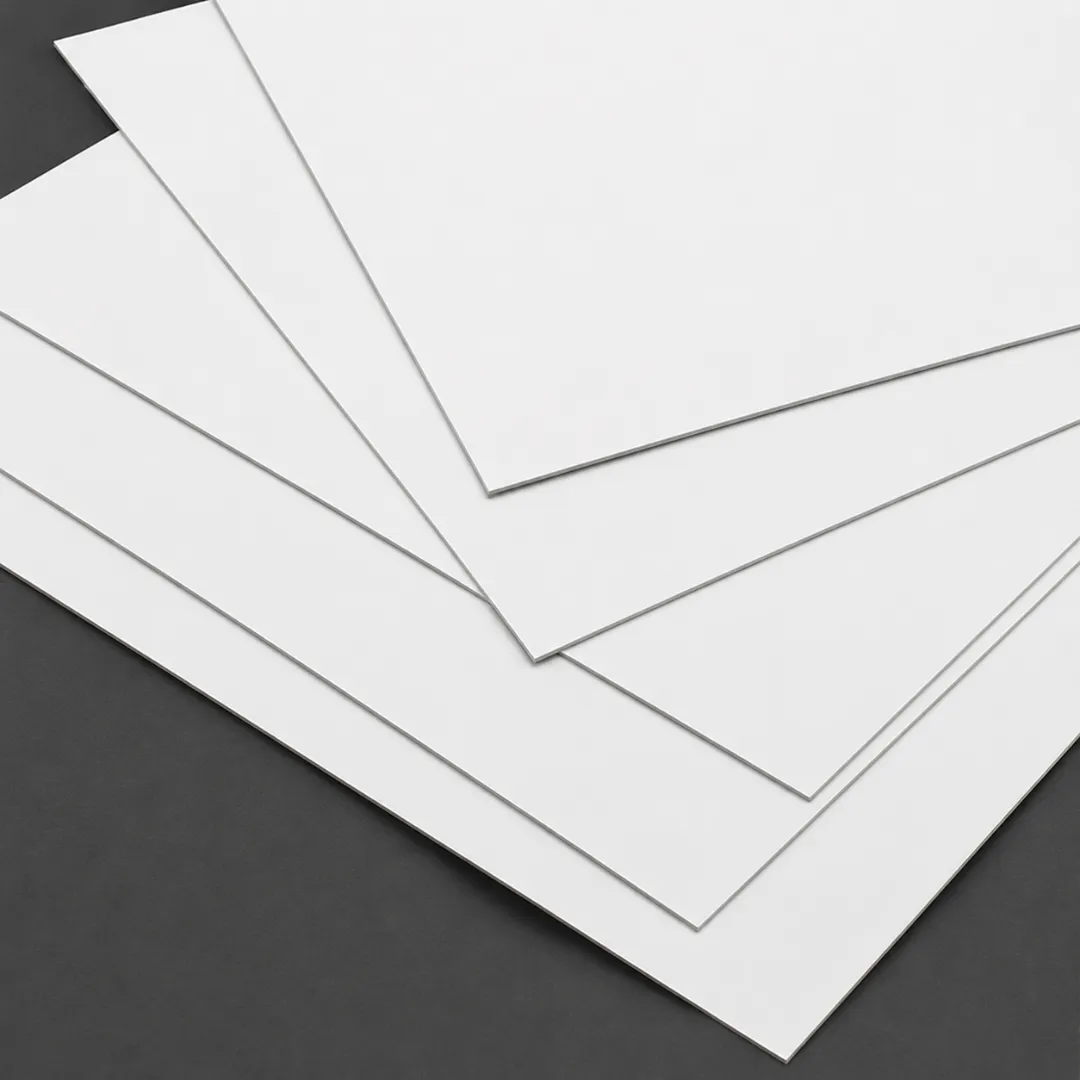
We use cardboard material with the least environmental impact and minimizes waste generation.
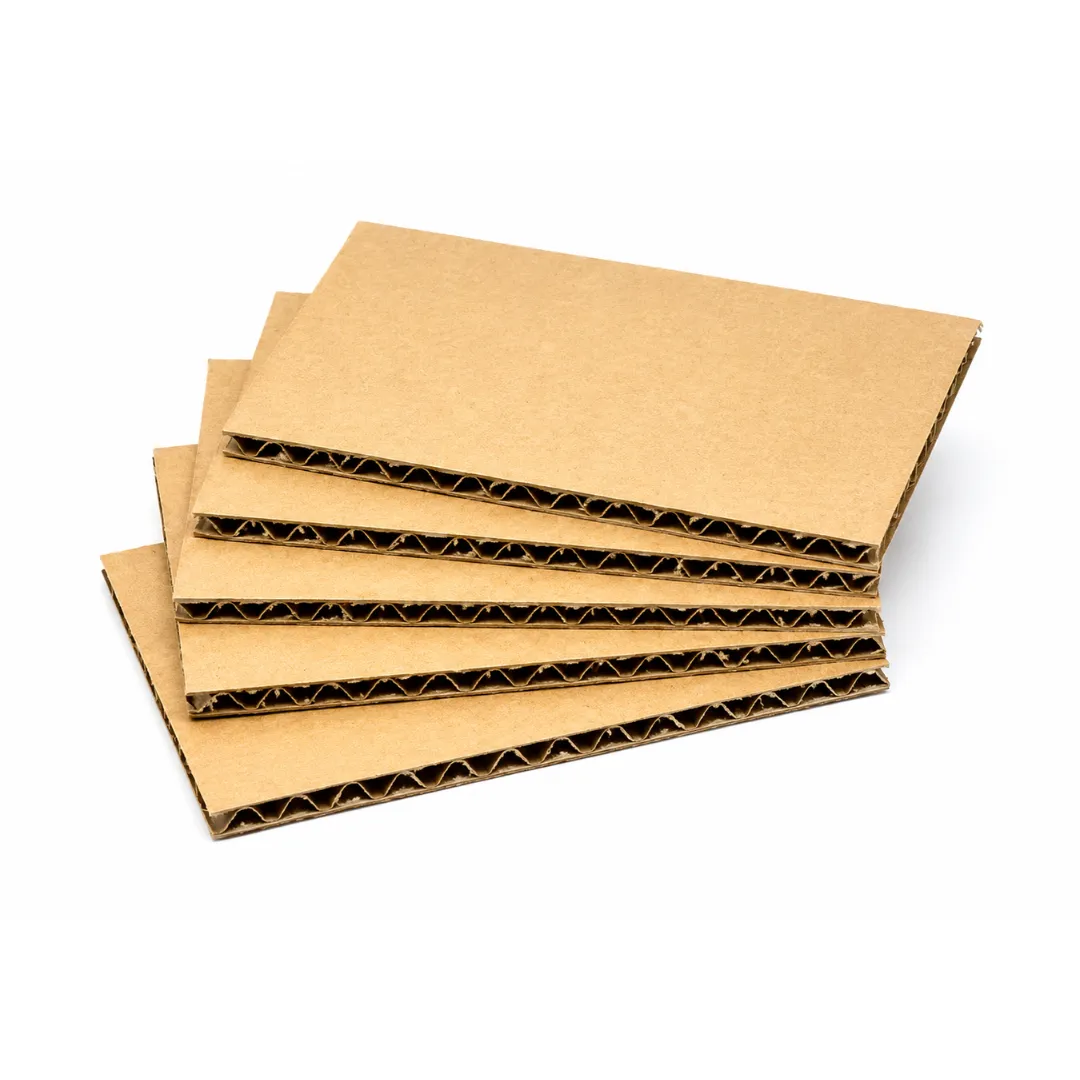
Corrugated material is easy to customize, cost effective and sustainable. It is also great for branding purposes.
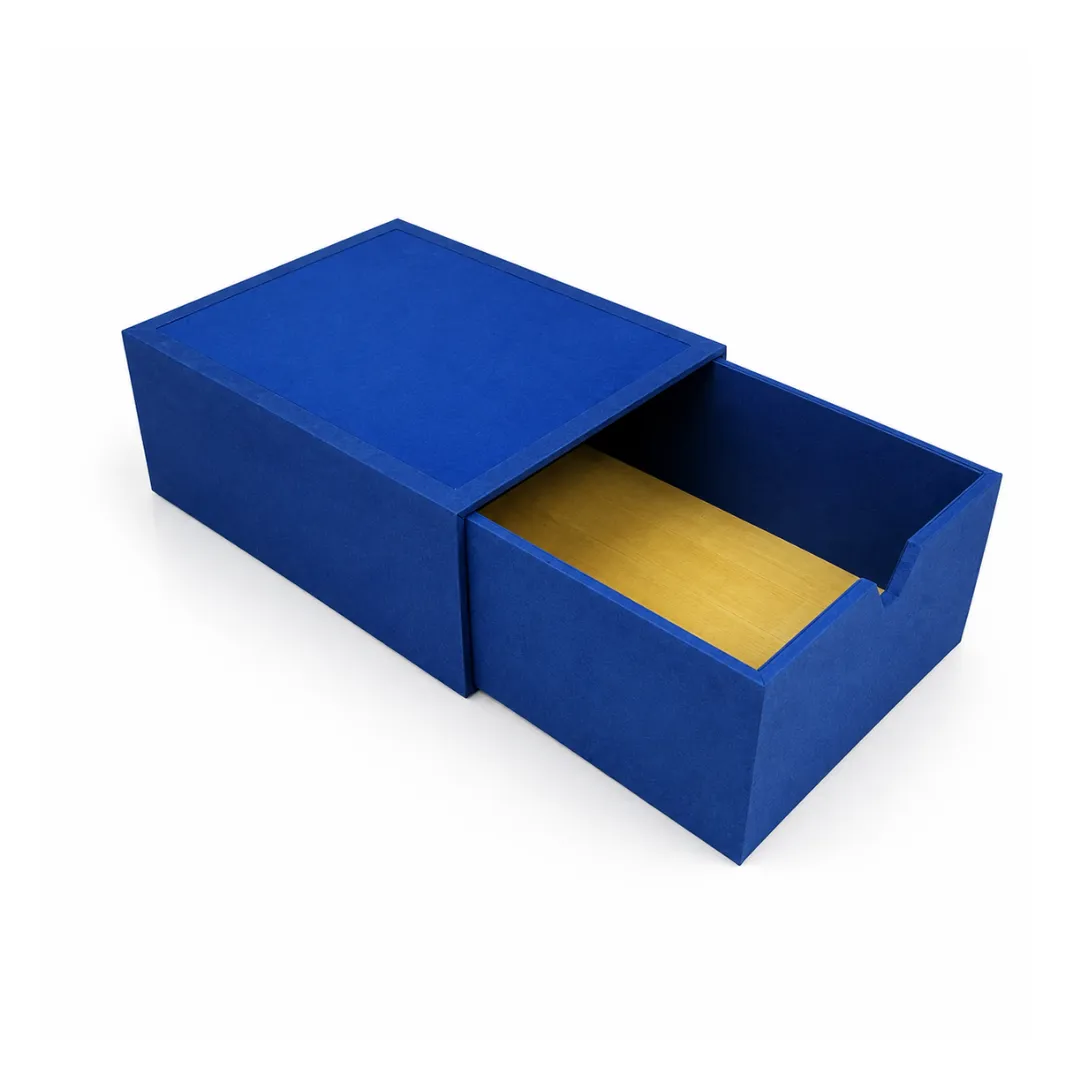
Rigid is highly protective, affordable and recyclable material. These boxes provide maximum protection.
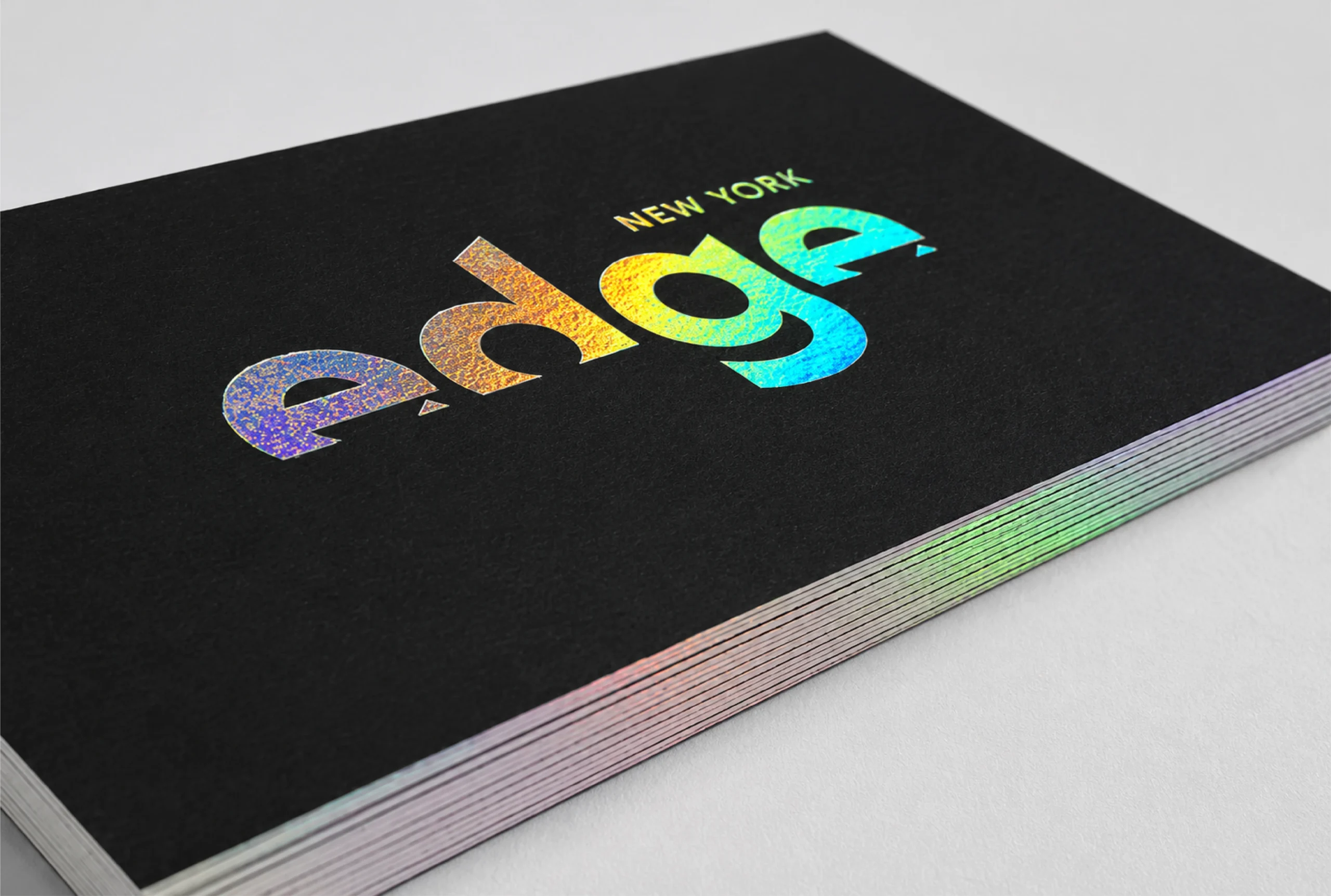
Holographic foil diffracts light and reveals the colors of the rainbow at various angles.
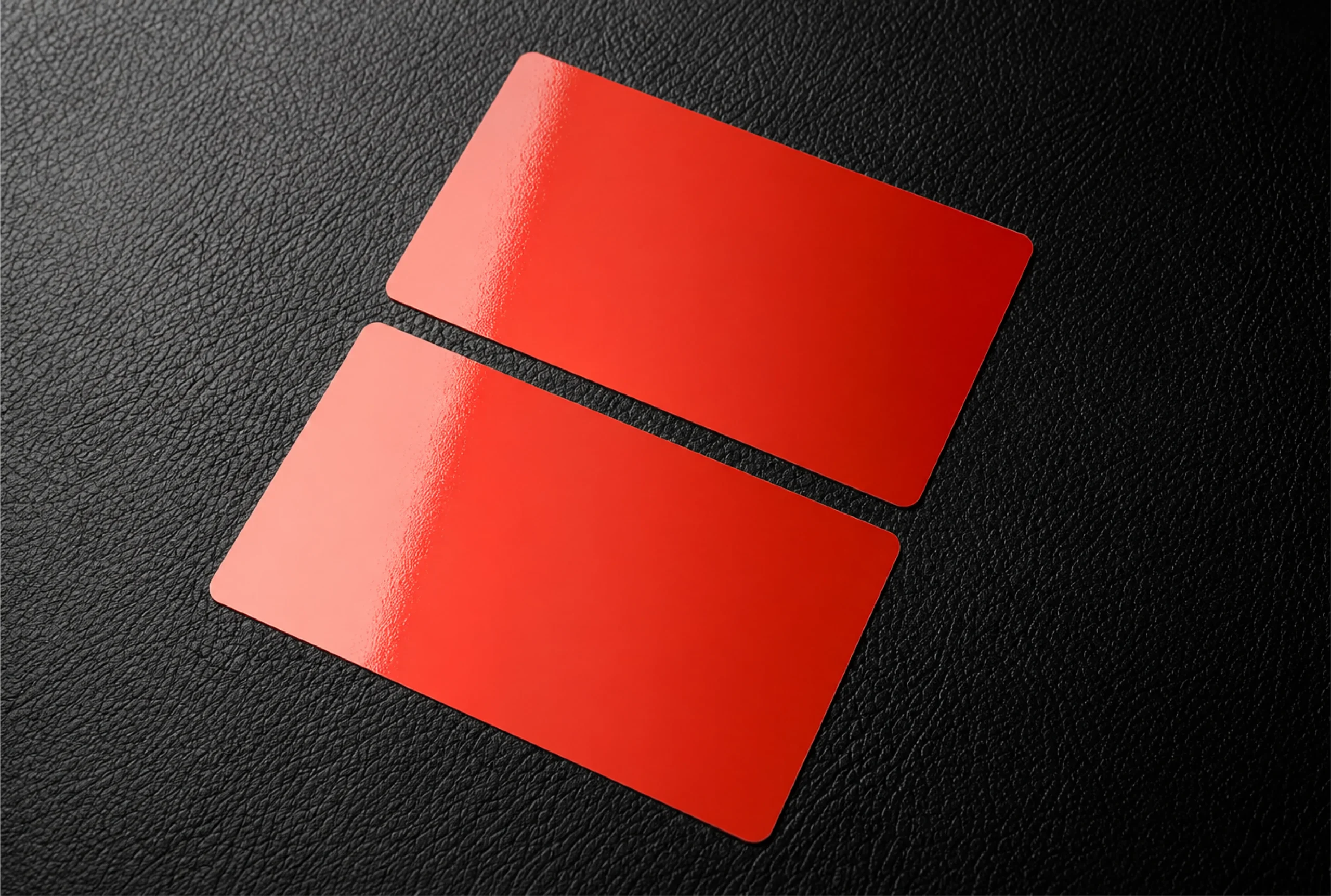
Our glossy finishing gives your packaging an extra layer of shine.
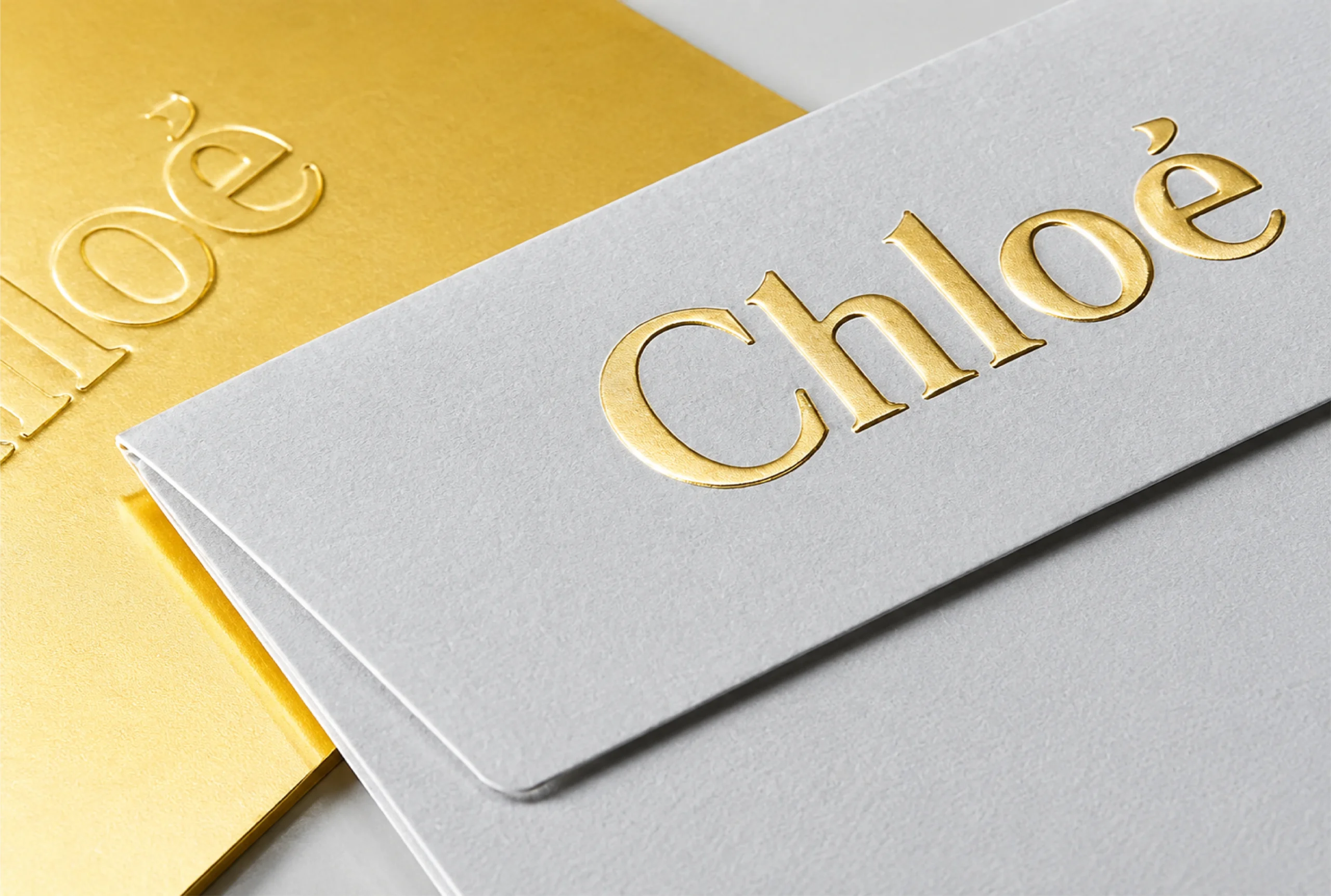
Decorate a wide range of your product packaging with our foil stamping.

With our embossing technique, we transfer the finest details of your product on packaging.
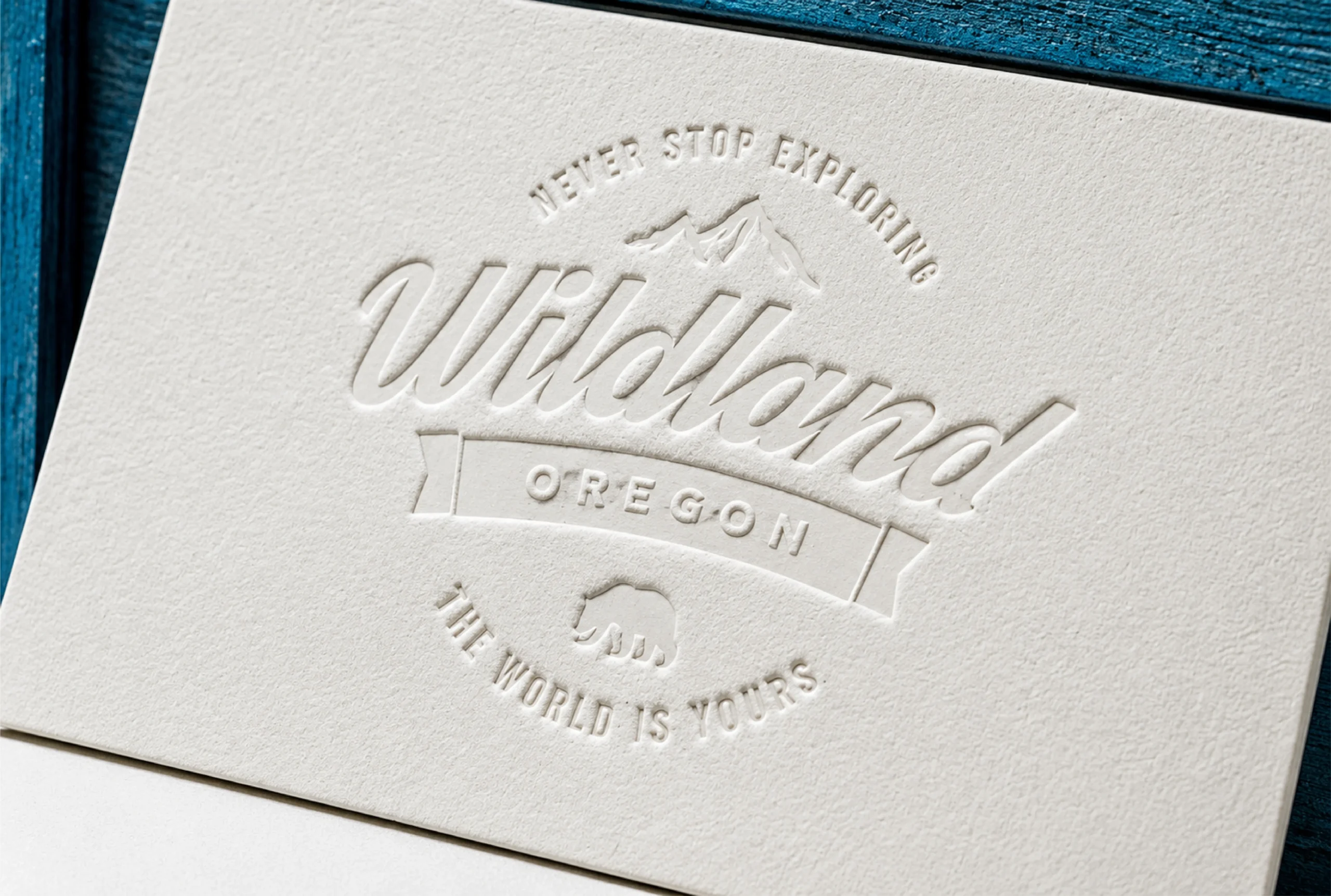
We use debossing technique to add unique graphics into your packaging.
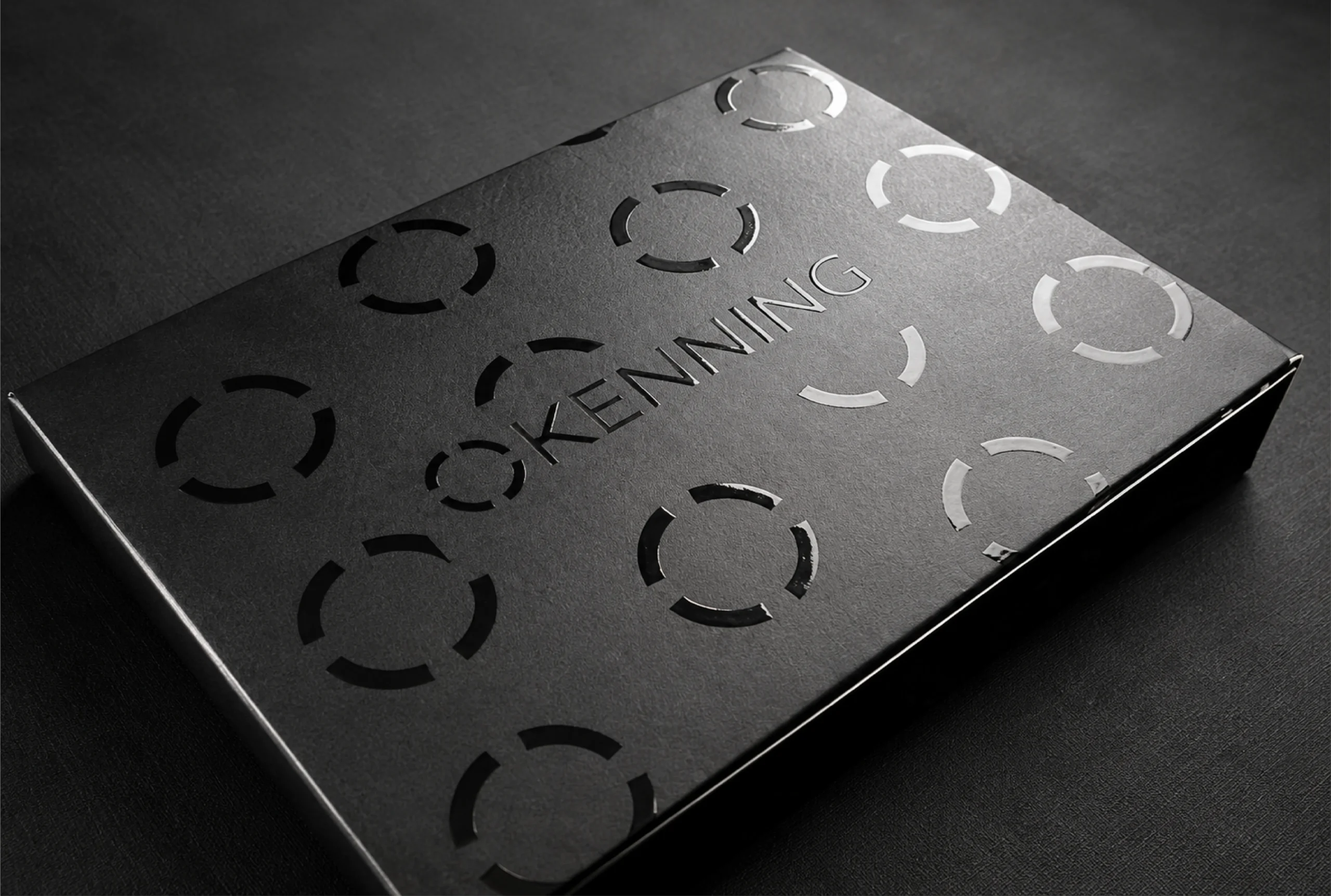
Our high-gloss UV coating gives light and shine to cure the printed material's varnish.
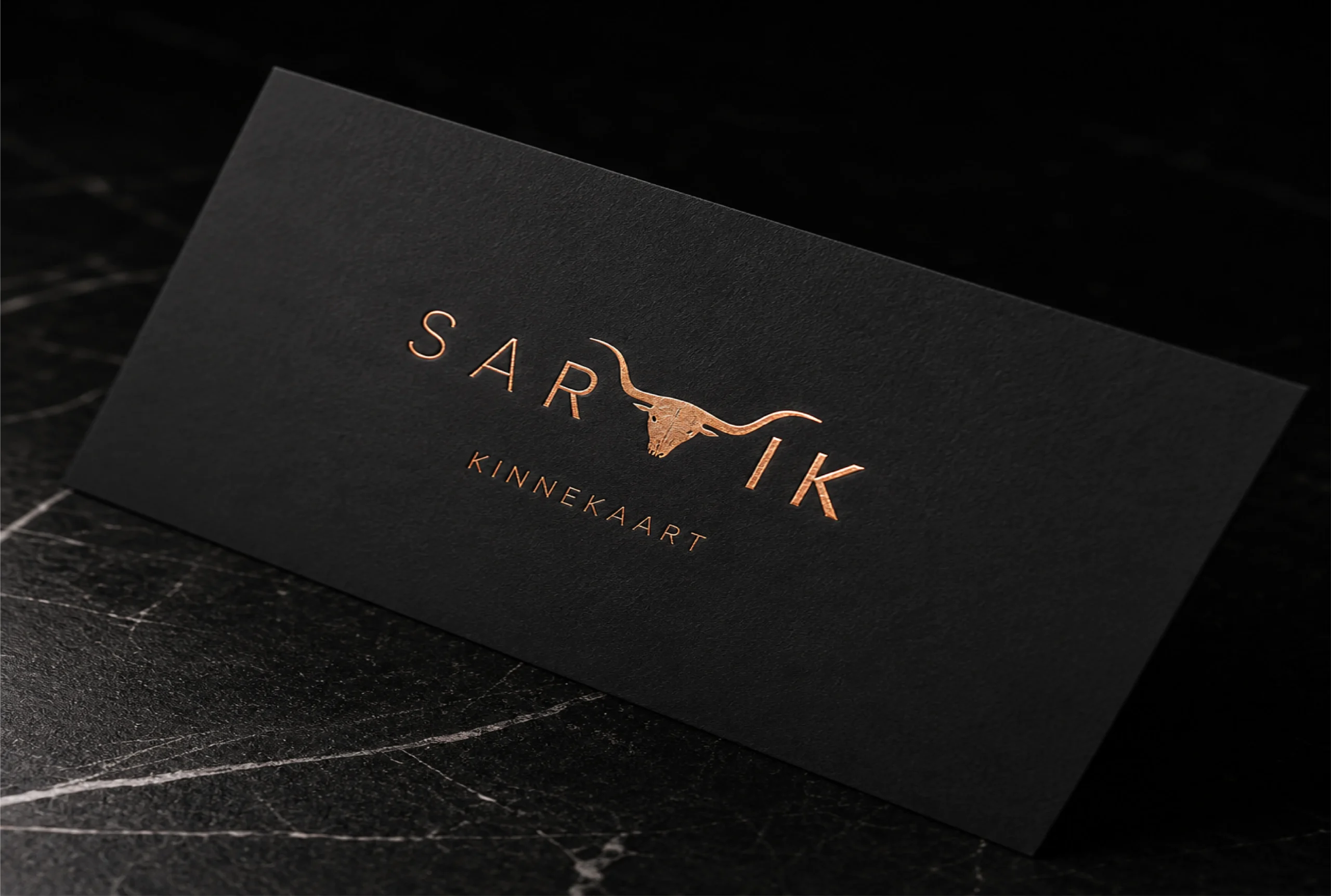
We add additional layer of protection with soft touch lamination from toner chipping.
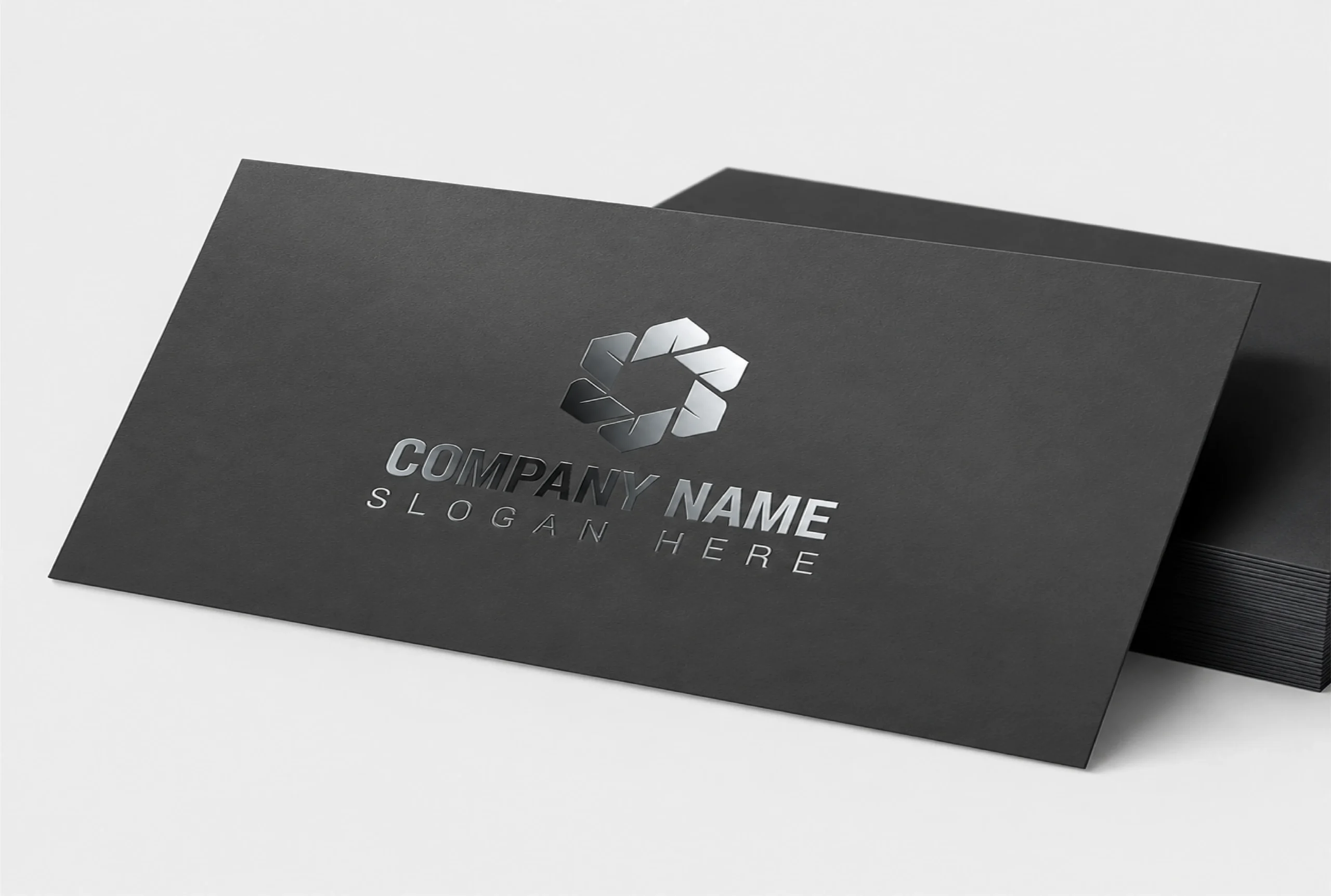
With our matte finish, fingerprints and smudges will now be less visible on the packaging.
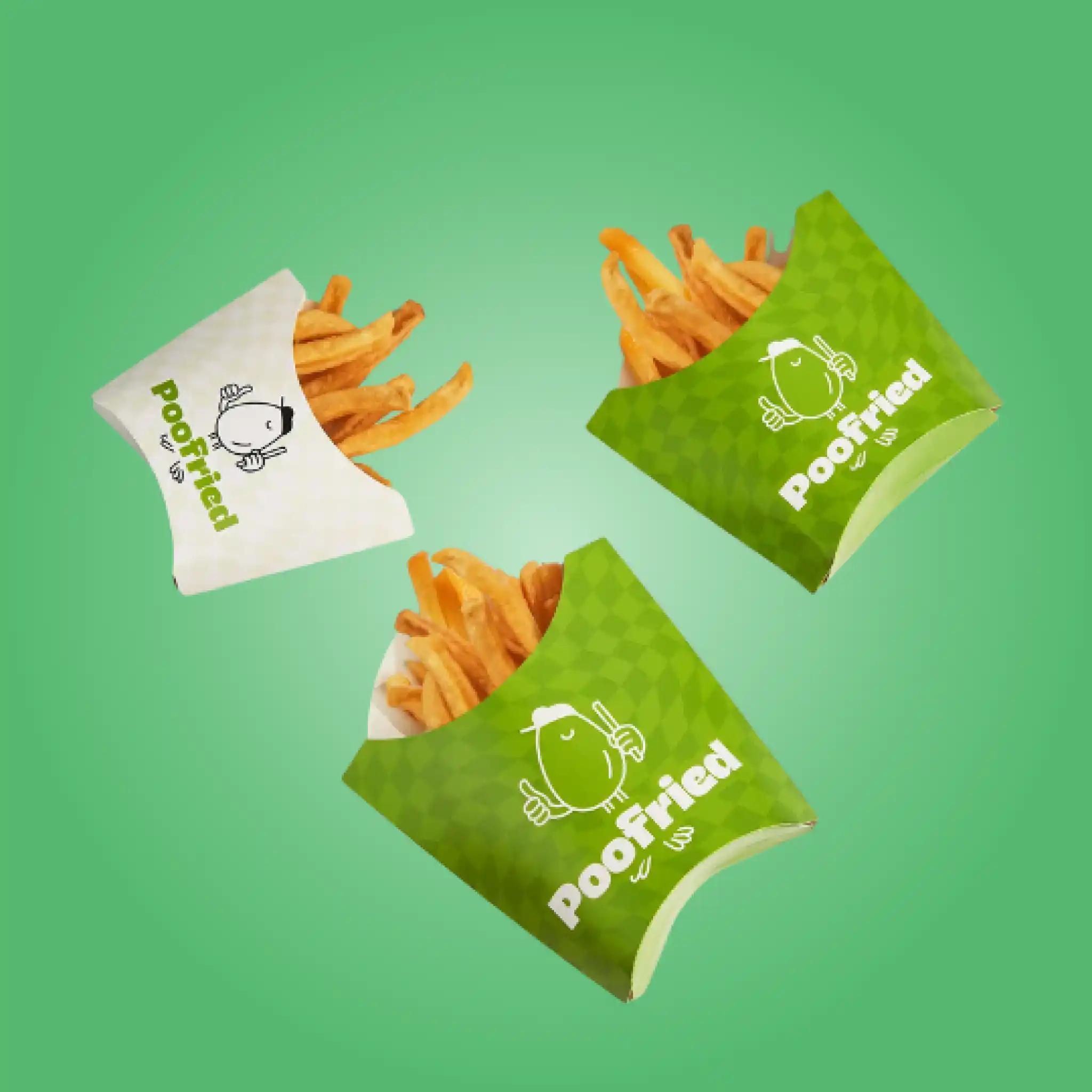
Custom French fries boxes designed for hot food service, grease control, and fast handling.
We produce food-safe fry packaging with secure folds, ventilation options, and high-quality printing for brands across the USA.
Get MOQs in the USA, accurate cost estimation in the USA, reliable lead time in the USA, and free shipping across the USA.
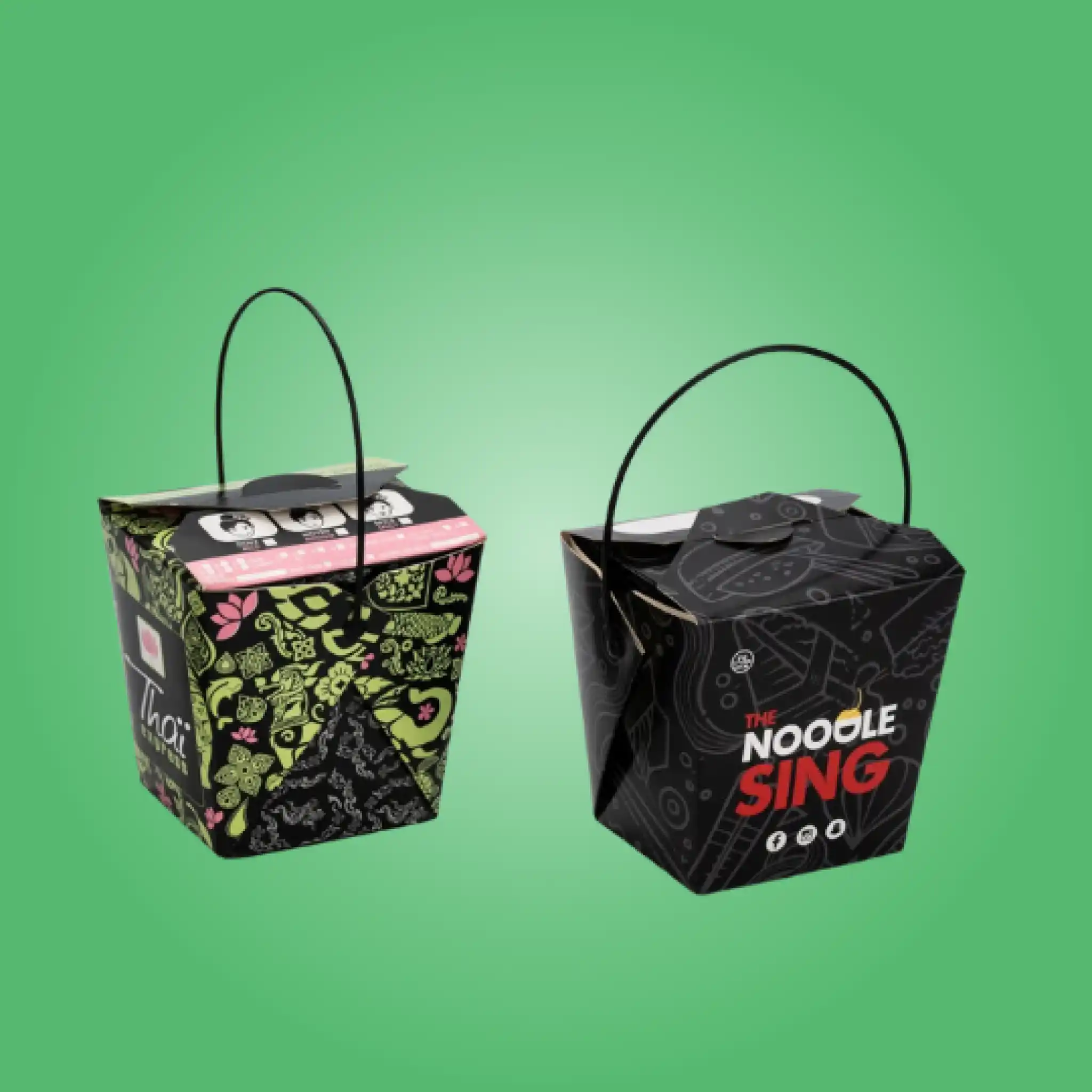
Custom takeout boxes engineered for food safety, heat retention, and spill resistance.
We produce secure, easy-to-assemble takeout packaging with food-grade materials, custom printing, and reinforced structures.
Get MOQs in the USA, accurate cost estimation in the USA, dependable lead time in the USA, and free shipping across the USA.
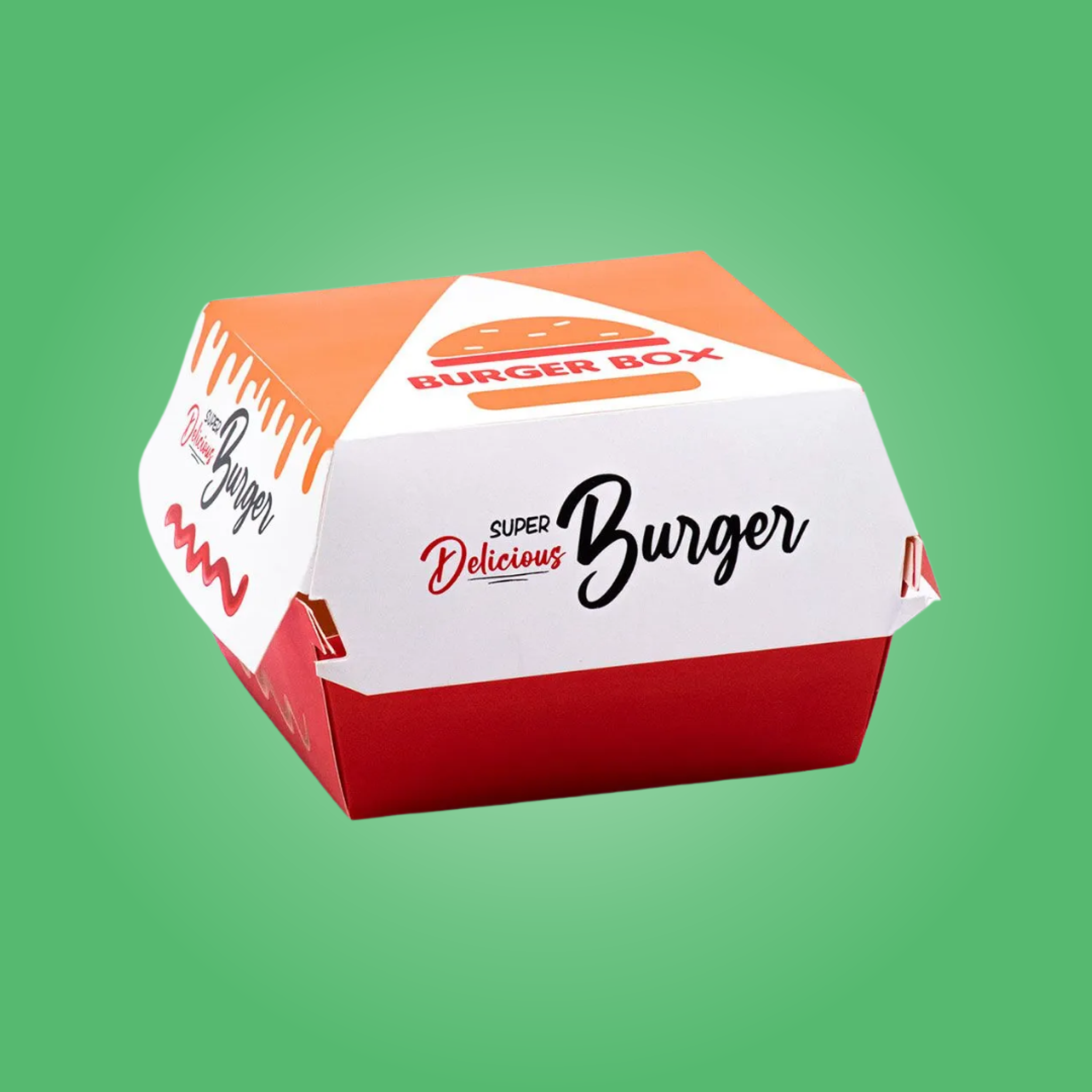
Custom burger boxes from Pioneer Custom Boxes keep the bun crisp and the build intact through counter service, delivery and catering. Choose clamshells, tuck-top cartons, tall double-stack boxes, combo meal boxes or corrugated catering cases in grease-resistant SBS, kraft, recycled board or molded fiber, with side venting, ribbed bases, PFAS-free barriers, free design support, zero MOQ and free USA shipping.
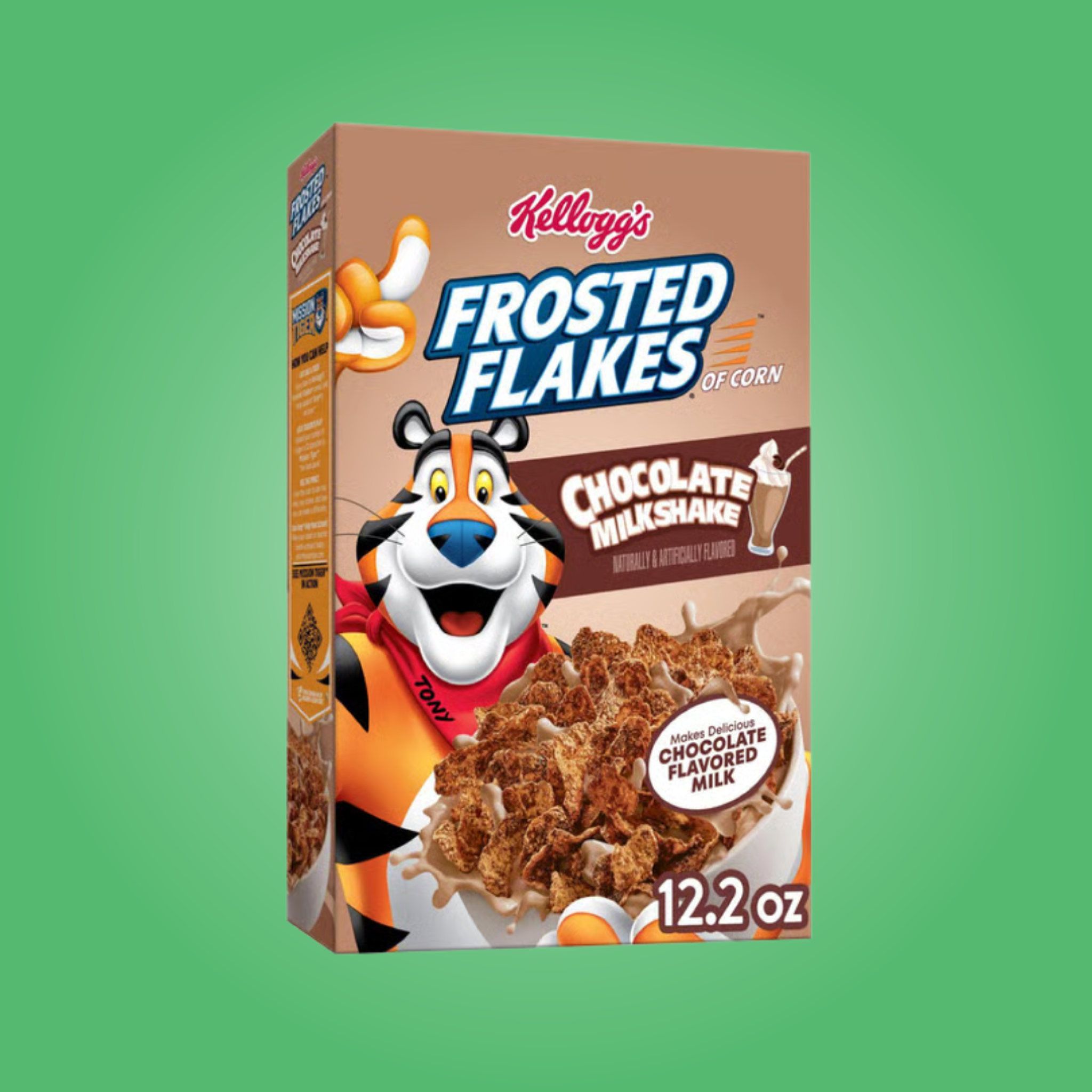
Custom mini cereal boxes sized by cereal density rather than by weight, so nothing overflows. Choose straight tuck, reverse tuck, lined tuck top, bowl pack with a perforated fold-back lid, window front, novelty favor, promotional replica or a multipack carrier. We print offset, digital or flexo on SBS, CCNB, recycled and kraft board in CMYK, PMS or metallic ink. Add sealed polypropylene, metallized or compostable liners matched to your actual shelf life, plus printed liners, die-cut windows, nutrition and allergen panels and variable data personalization. Zero minimum order quantity, free structural design and free shipping across the United States. Standard production runs ten to twelve business days. Get a free quote or order now.