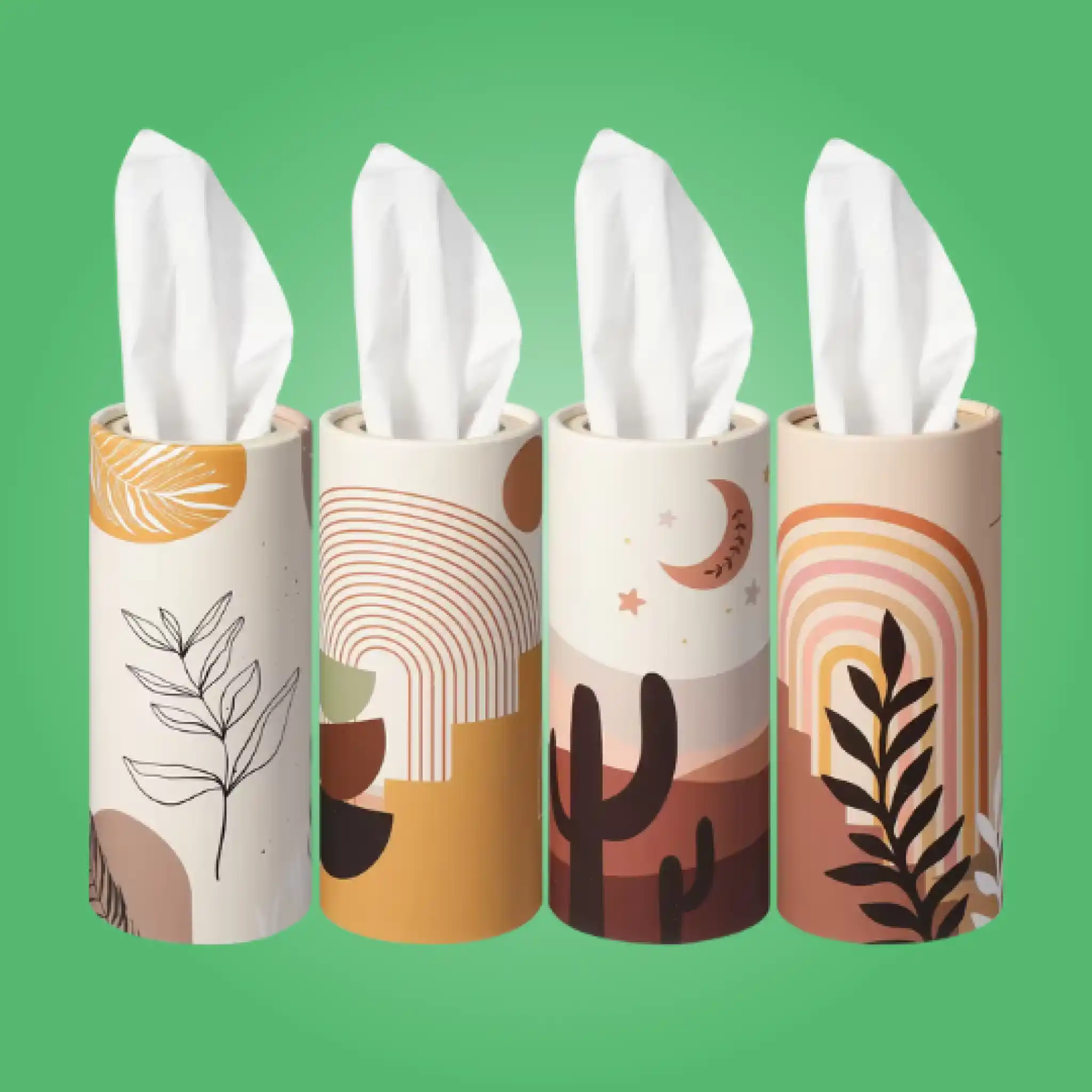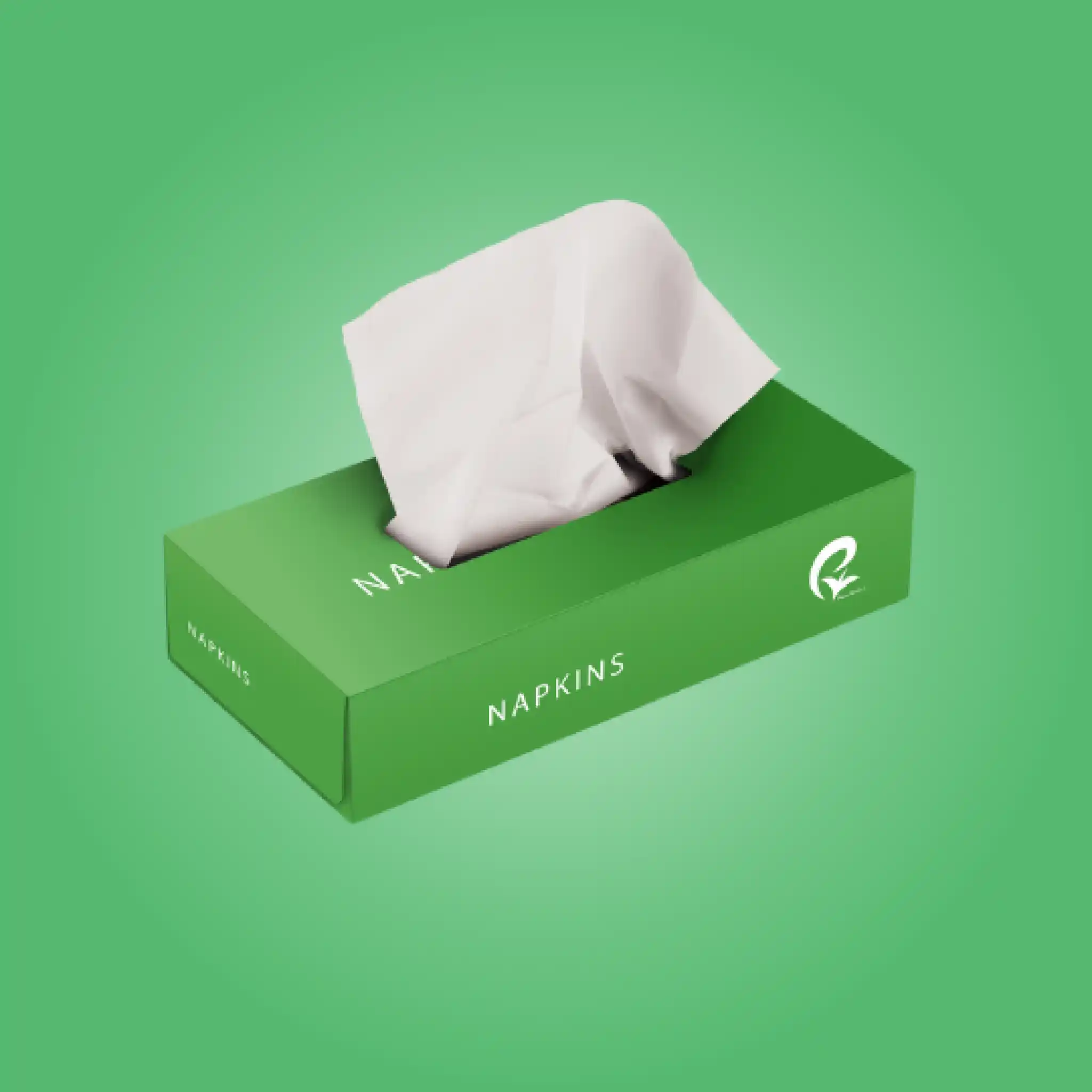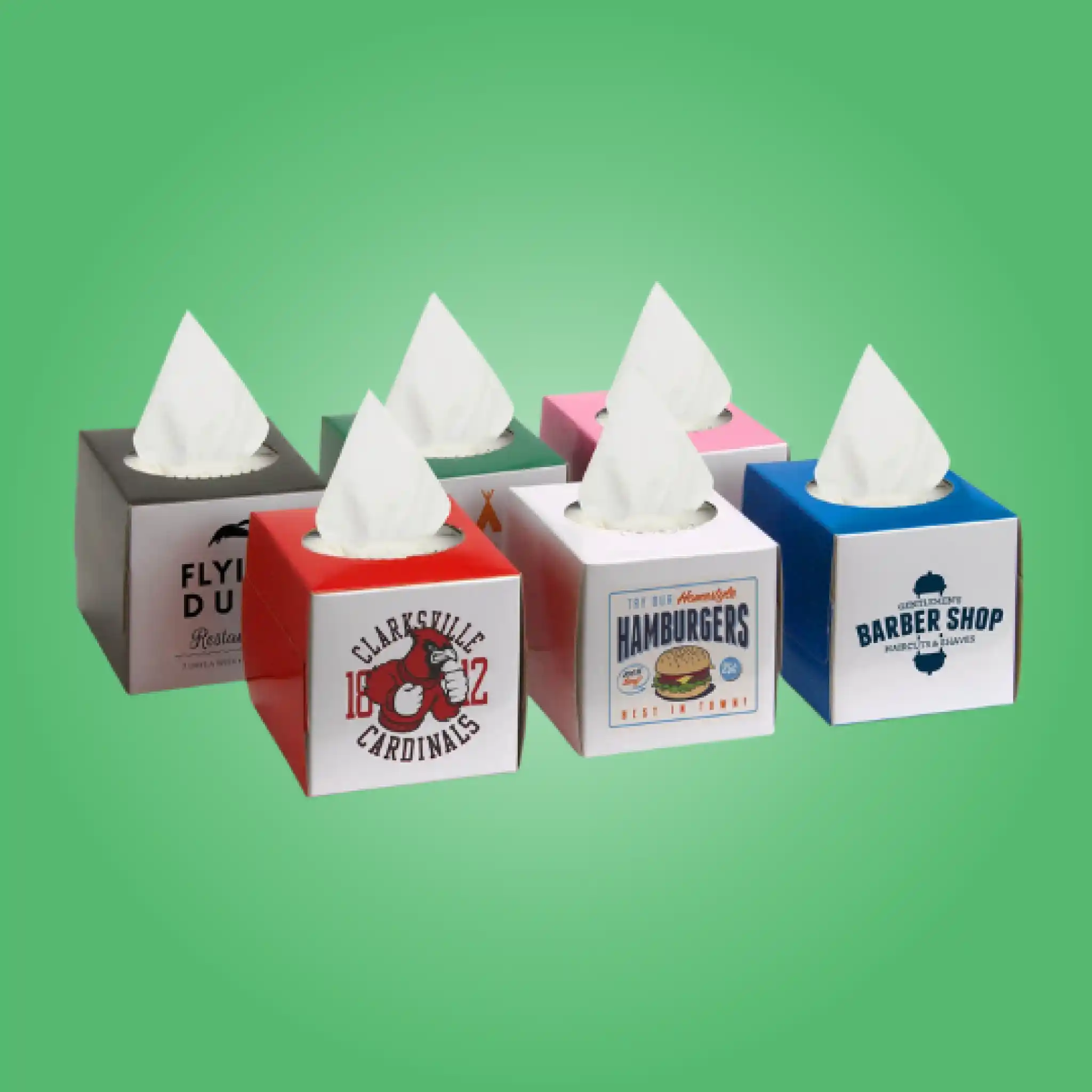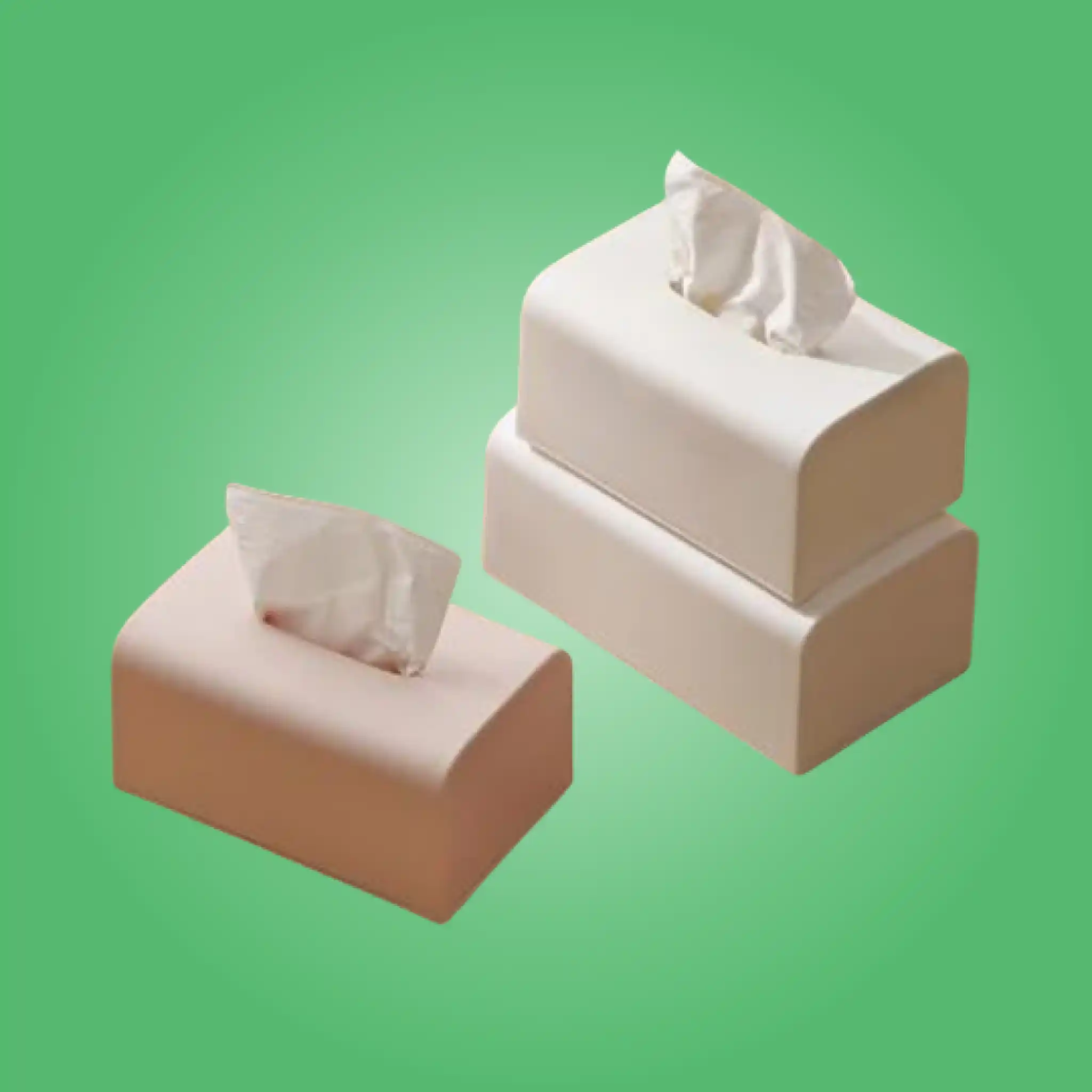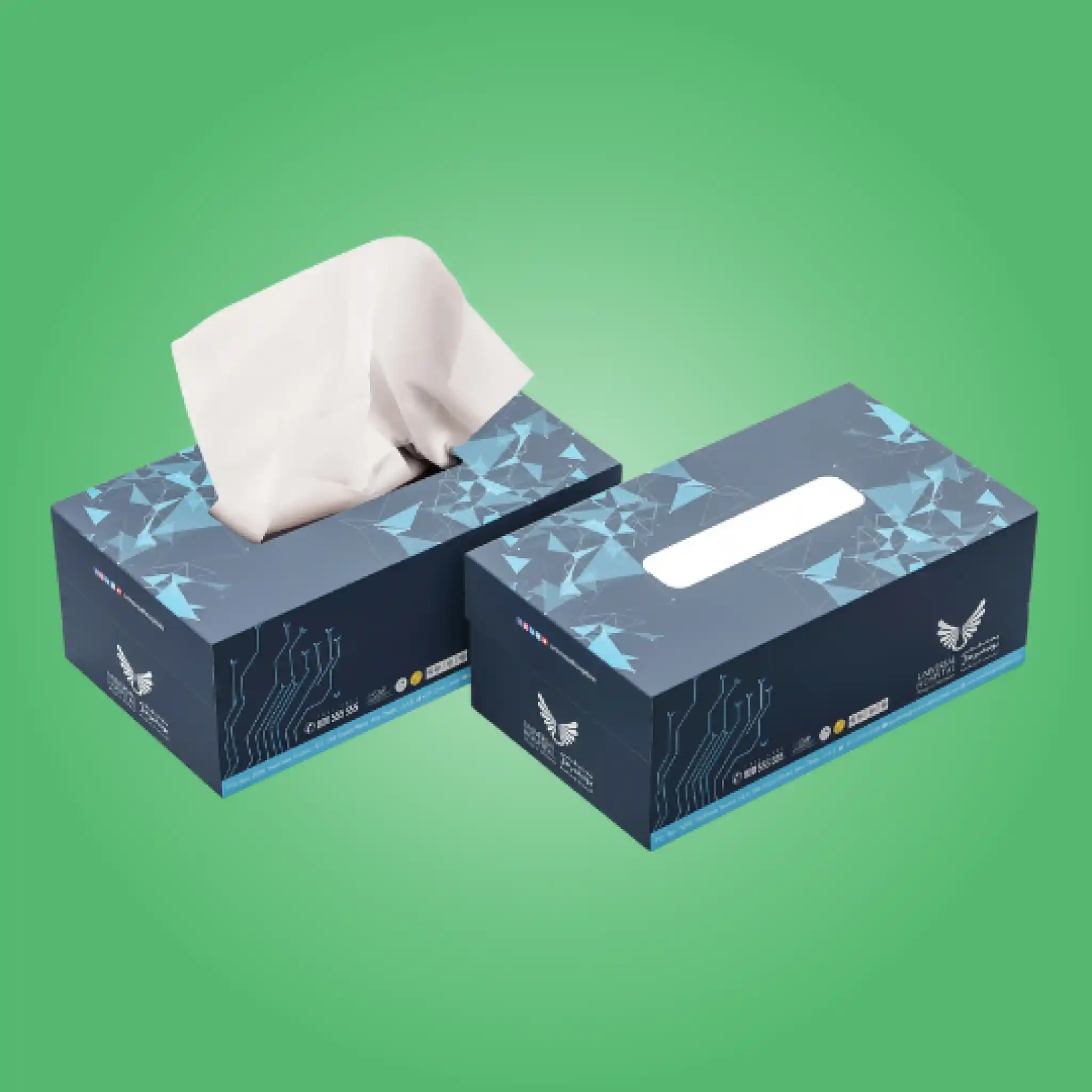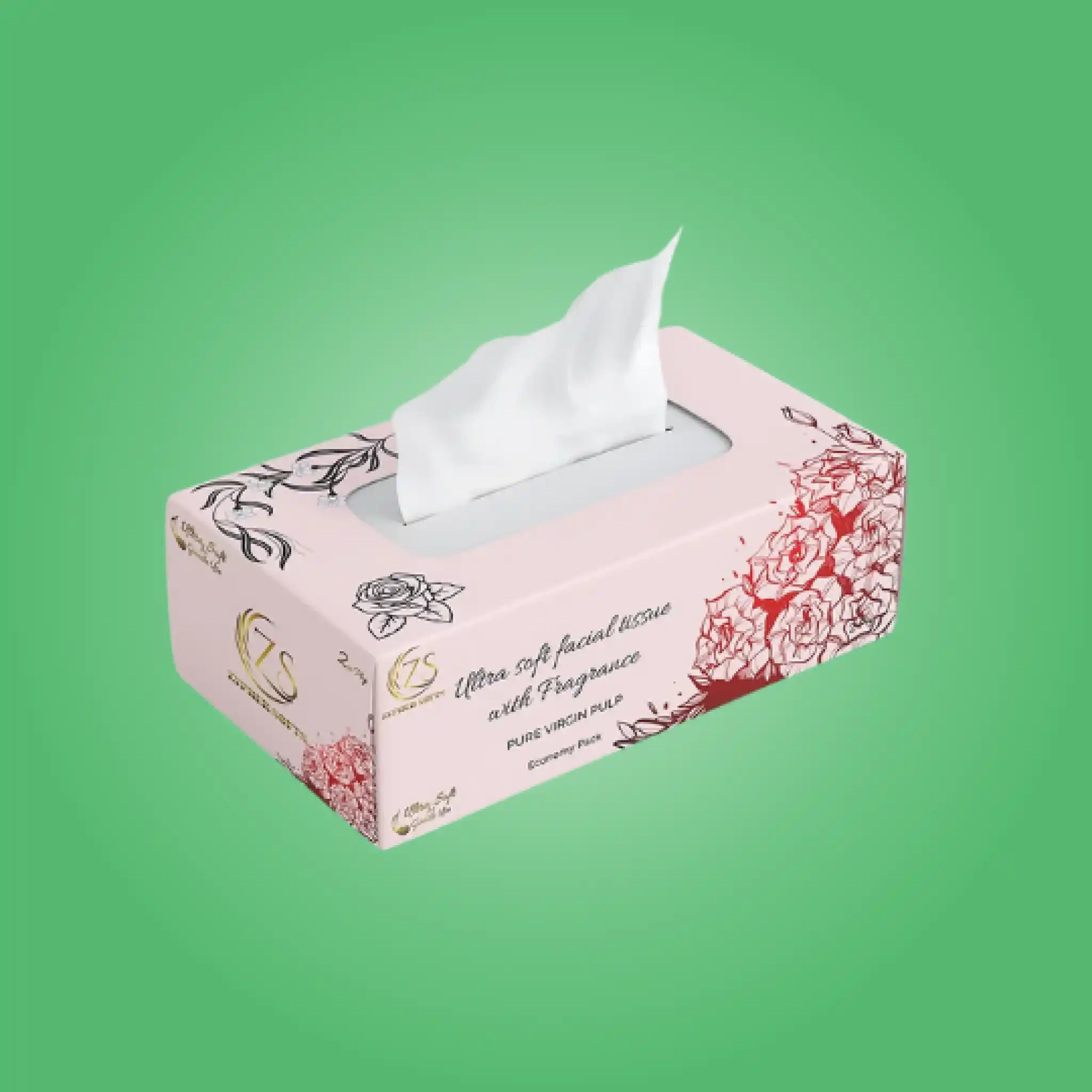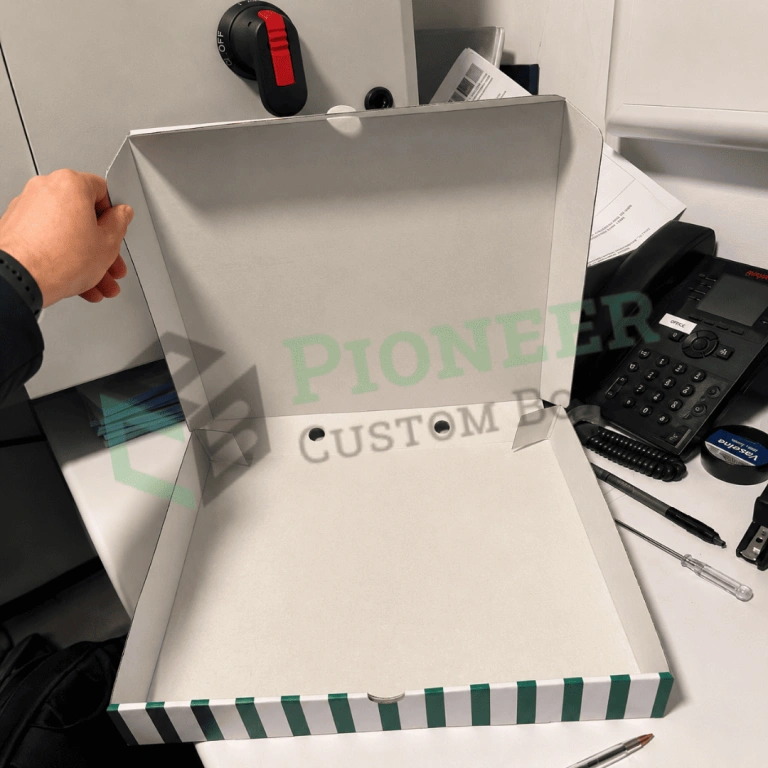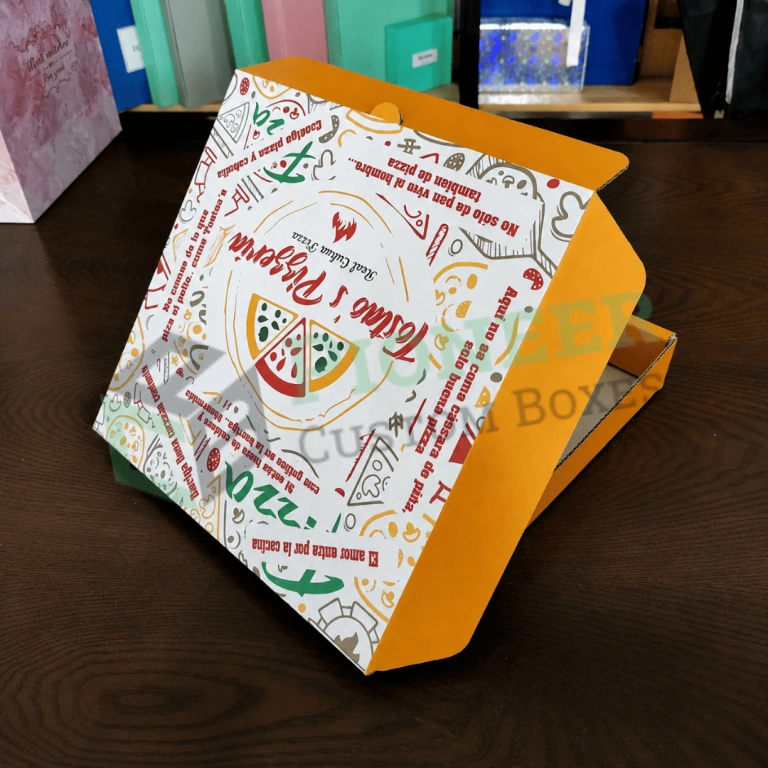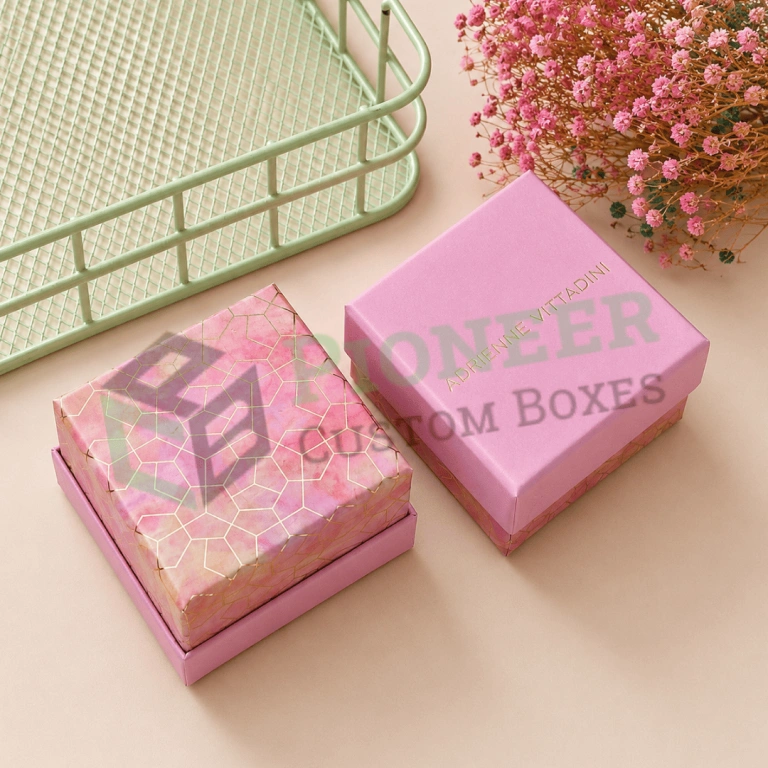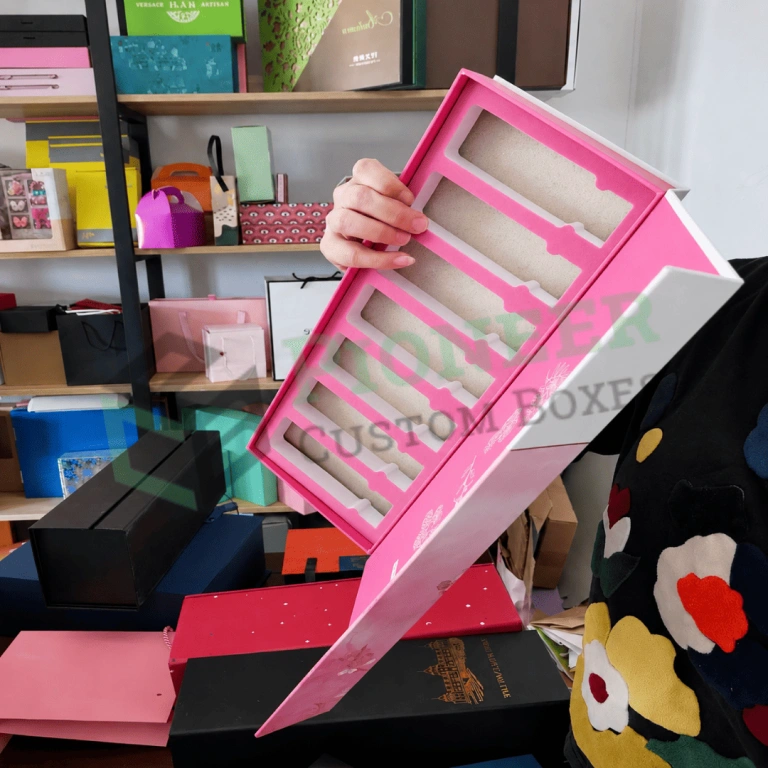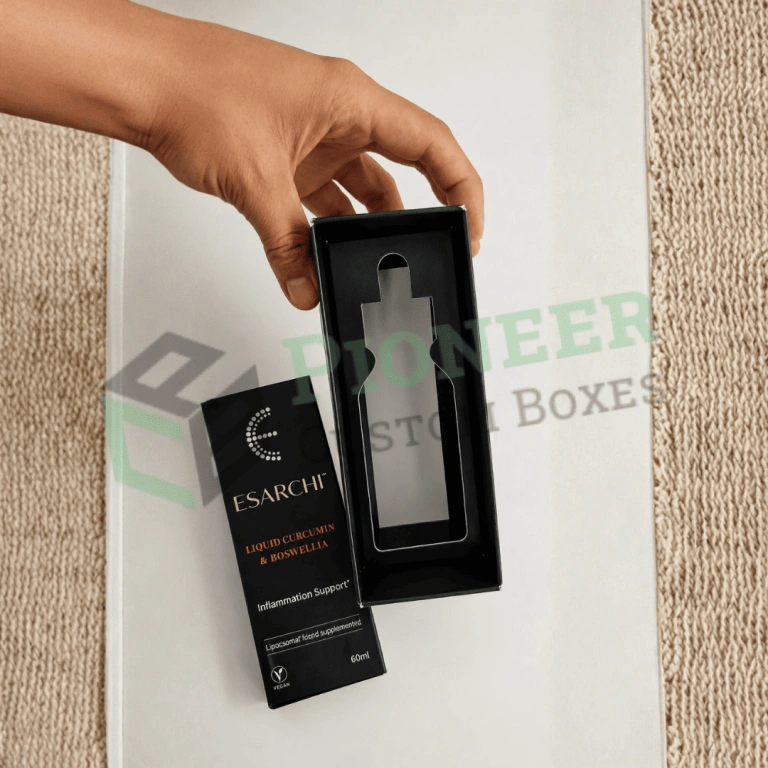
Custom tissue boxes from Pioneer Custom Boxes help household tissue brands, hotels, salons, clinics, dental practices, offices and promotional buyers create branded boxes that live in a room for weeks. Choose flat, cube, slim, tower or shaped formats in SBS, CRB or kraft board, with film-lined dispensing apertures, moisture-resistant grades, lamination, foil, free design support, no MOQ and free USA shipping.
A tissue box is a product that lives in a room. Unlike most packaging, it is not opened and discarded, it sits on a desk, a bathroom counter, a hotel nightstand or a car dashboard for weeks while the contents are used. That single fact changes every design decision.
It means the box is judged as an object rather than as a container. Print quality matters because people look at it repeatedly. Structure matters because it has to stay upright and hold its shape as it empties. The dispensing opening matters most of all, because a tissue that tears or a slot that collapses turns a product into a frustration.
It also means the box is doing brand work continuously. For hotels, salons, clinics, restaurants and corporate offices, a branded tissue box is a low-cost, high-frequency touchpoint that customers see far more often than any advertisement.
Pioneer Custom Boxes manufactures tissue packaging in the United States with zero minimum order quantity, free dielines, free design support and free shipping nationwide. We cut our own dies and run our own presses, so the dispensing opening is engineered rather than approximated.
Format follows where the box will sit and how tissues are drawn from it, and the dispensing mechanism is the part that either works or annoys.
The standard countertop format, holding folded tissues drawn upward through a central oval or slot. It is the most economical structure, stacks well in retail and storage, and suits high-volume household and hospitality use. Opening size and reinforcement are what separate a good one from a poor one.
A compact square format with a top opening, designed for a small footprint on a desk, a nightstand or a bathroom counter. It uses more board per tissue than a flat box and looks considerably better in an interior, which is why hospitality and premium retail favor it.
Narrow boxes for a car console, a handbag or a desk drawer. Structure matters most here because the reduced footprint makes them prone to tipping, and a wider base or a weighted design solves it.
Tall formats that dispense from the top and occupy minimal counter space. They need a genuinely stable base, since a tall narrow box with a diminishing load becomes unstable as it empties.
Custom silhouettes for premium retail and branded interiors. They cost more in tooling and produce packaging that reads as designed rather than functional.
Outer cases holding several boxes for retail sale and hospitality supply. These need clean opening, clear identification and stacking strength rather than presentation.
The dispensing opening deserves specific attention in every format. A plain die-cut hole tears at the corners as the box empties. A film-lined opening holds tissues in place, presents one at a time and keeps the aperture neat throughout the life of the box, and it is the single detail that most affects how the product feels to use.
Every die is cut to your tissue count and fold. These formats cover most of what we produce across retail and hospitality.
| Format | Typical Size (inches) | Caliper | Typical Count |
|---|---|---|---|
| Standard flat rectangular | 9 x 4.5 x 3 | 18pt SBS | 160 to 200 tissues |
| Large flat family box | 10.5 x 5 x 4 | 18pt to 20pt | 220 to 280 tissues |
| Cube box | 4.5 x 4.5 x 5 | 20pt SBS | 80 to 100 tissues |
| Compact cube | 4 x 4 x 4 | 18pt SBS | 60 to 80 tissues |
| Slim travel box | 8 x 3.5 x 2 | 18pt SBS | 50 to 80 tissues |
| Car console box | 9 x 3 x 2 | 20pt SBS | 60 to 90 tissues |
| Upright tower | 4 x 4 x 8 | 20pt to 24pt | 150 to 200 tissues |
| Oval or shaped box | 5 x 5 x 5 | 20pt SBS | 80 to 100 tissues |
| Hospitality nightstand box | 5 x 5 x 4 | 20pt SBS | 80 to 120 tissues |
| Retail multipack case | 14 x 10 x 10 | 32 ECT E-flute | Holds three to six boxes |
Send us your tissue dimensions, fold type and sheet count, and we return a free dieline sized precisely to them within one business day. Fold type matters as much as sheet count, since an interfolded stack behaves differently from a flat-folded one.
More tissue boxes fail on the opening than on any other element, and it is entirely decided at the dieline stage.
Aperture size sets how the product feels. Too small and tissues tear as they are pulled through. Too large and several come out at once, which wastes product and looks careless. The correct size depends on your tissue thickness and fold, so we cut it against your actual product rather than to a standard oval.
Perforation quality decides first impressions. The opening is usually removed by the customer, and a perforation that tears raggedly or lifts board fibers makes the box look damaged before it has been used once. We specify perforation pitch against your caliper so it separates cleanly.
Film lining is the upgrade worth understanding. A thin polyethylene film bonded behind the aperture holds tissues in position, presents one at a time and keeps the opening neat for the life of the box. Without it, a paperboard aperture widens and tears at the corners as the box empties.
Reinforcement around the aperture matters on larger boxes. As the stack lowers, the customer reaches further in, and an unreinforced opening distorts. A slightly heavier caliper or an internal reinforcing collar prevents that.
Compostable and recyclable film alternatives exist where the plastic window is a concern for your positioning. They cost slightly more and behave similarly, and we can supply samples of both so you can compare before deciding.
A tissue box sits in a room for weeks, so the board has to look good throughout rather than only on arrival.
Solid bleached sulfate is the standard. The bright white clay-coated surface reproduces the patterns, photography and soft palettes this category uses, and it holds a crisp fold. We run 18pt for standard flat boxes and 20pt to 24pt for cubes, towers and anything that has to stay rigid as it empties.
CRB uses recycled fiber with a coated printing surface and costs less than SBS. It suits high-volume household tissue where print surface matters more than absolute brightness, and the recycled content supports a genuine sustainability position in a category where customers look for it.
Natural brown board for unbleached, natural and eco-focused positioning. It costs less than bleached stock and reads as deliberately plain, which suits both budget and premium-natural brands. Colors print warmer and white will not print as white.
Bathroom and kitchen environments are humid, and a box that softens and sags looks poor long before the tissues run out. A moisture-resistant board or coating maintains rigidity in those rooms, and for hospitality bathrooms it is worth specifying as standard.
Available across every grade. This is a category where customers actively check, so we document exactly what your board contains rather than leaving you to assume.
Caliper is a durability decision here rather than a strength one. The box carries almost no weight, and it does have to stay square while someone repeatedly pulls upward from it in a humid room. Going too light produces a box that leans and buckles at half empty, which is when customers form their opinion of it.
Tissue boxes are looked at repeatedly rather than glanced at once, so print quality carries further here than on disposable packaging.
Offset gives the finest detail, the smoothest gradients and the most consistent color across a run. Patterns, florals and photographic designs all reproduce cleanly, and because tissue boxes usually run in volume, offset is normally the right economics. Plate cost is a one-time charge per design.
Digital prints without plates, which suits seasonal designs, hotel-specific runs, limited editions and testing a pattern before committing. It also supports variable data, so a hospitality supplier can print property-specific boxes within one production run.
Flexo suits corrugated multipack cases and outer shippers rather than the retail box itself.
CMYK reproduces patterns and photography convincingly on white board and costs the least. Very soft pastels, which this category uses heavily, sit at the edge of what CMYK holds consistently between runs, so a signature pale shade is often better as a spot ink.
Pantone inks print identically on every run. Hospitality groups and brands with a recognized house color should specify PMS, since a tissue box sitting in a room next to other branded items shows any drift clearly.
RGB is a screen color space and cannot be printed. Website and catalog imagery lives in RGB, and conversion shifts saturated colors. We convert with proper profiles and show you the printed result on your actual board first.
Because these boxes are frequently sold in coordinated ranges or multipacks, color consistency across designs matters more than usual. We match every design in a range against the same physical standards so a set looks deliberate on a shelf.
Because a tissue box is handled repeatedly and lives in a room, finishing here is about durability and appearance together.
Gloss film raises color saturation and, more importantly for this product, resists the moisture and handling a bathroom or kitchen delivers. It shows fingerprints, which matters on a box people touch daily, so it suits busy patterns better than large flat colors.
Matte gives a soft, considered surface that suits interior-focused and hospitality positioning. It reads as more expensive than gloss in a room setting, and it makes foil or spot UV stand out sharply.
A velvet surface for premium retail and luxury hospitality. On a product handled every day the tactile difference registers repeatedly rather than once, which is unusual value for the cost.
A water-based coating protecting the surface at low cost while keeping the box fully recyclable. For high-volume household tissue this is frequently the right choice, and it avoids the plastic film that complicates recycling.
A metallic accent for premium retail and hotel packaging. A single hit on a logo or a border reads as considered, and on a box customers see daily it earns its cost more than on disposable packaging.
Gloss varnish on selected areas of a matte surface, effective on a repeated pattern where the contrast catches light as someone moves past the box.
Texture on a box people touch every day is noticed. A subtle embossed pattern or a debossed logo adds a tactile dimension that photography cannot.
Restraint suits this category. A tissue box shares a room with a customer for weeks, and a design that felt striking on day one can become tiring by day twenty. The designs that perform best are usually quieter than brands initially want.
A significant share of tissue box demand is not retail at all, and those buyers have different priorities.
Hotels and resorts use branded boxes on nightstands, bathroom counters and in suites, where the box is one of the few branded objects a guest sees repeatedly. Property-specific printing is common, and digital printing makes small per-property runs viable without separate plate sets.
Salons, spas and clinics use them as part of a treatment room presentation, usually in matte or soft touch with restrained branding. Moisture resistance matters here because treatment rooms are humid.
Healthcare and dental practices need practical structures, clear infection-control-appropriate surfaces and high turnover. Cost per box and reliable dispensing outrank presentation.
Corporate offices and reception areas use branded boxes as a low-cost, high-frequency brand touchpoint. A box on every desk is seen more often by staff and visitors than most internal communications.
Automotive dealerships, real estate offices and service businesses use branded tissue boxes as promotional items, where the box remains in a customer car or home for weeks carrying the brand.
Restaurants and cafes use table and counter boxes, which need moisture resistance and a structure that survives repeated wiping.
For any of these, a shared structure with a variable printed panel is usually the right approach. One die serves every property or location, and only the artwork changes.
Tissue boxes run in high volumes at low unit prices, so small specification differences multiply substantially.
Board caliper leads, because it is the largest material variable and the temptation to reduce it is constant. Going too light produces boxes that lean and buckle at half empty, which generates complaints in a category where customers rarely complain at all. We specify the lightest board that stays rigid through the life of the box rather than the lightest board that survives delivery.
Box dimensions follow, since board is priced by area and tissue boxes are mostly area. Sizing precisely to your tissue stack rather than a rounded figure saves on every unit.
The film-lined aperture is third, and it is a genuine decision rather than an automatic upgrade. It adds a patching operation and it substantially improves how the product feels. For retail and hospitality it is usually worth it. For high-volume budget household tissue it frequently is not.
Print method, finishing and quantity finish the list. Aqueous coating instead of lamination is the easiest saving available at volume, and it improves recyclability at the same time.
| Cost Driver | Impact | How to Reduce It |
|---|---|---|
| Board caliper | Highest | Lightest board that stays rigid when half empty |
| Box dimensions | High | Size to the actual tissue stack, not a rounded figure |
| Film-lined aperture | Moderate | Plain die-cut for budget lines, film for retail |
| Print method | Moderate | Offset at volume, digital for short property runs |
| Finishing | Moderate | Aqueous coating instead of lamination |
| Spot color count | Moderate | CMYK patterns with one Pantone brand color |
| Number of designs | Moderate | One die, vary only the printed artwork |
For brands running a coordinated range of patterns, one die with varied artwork is far cheaper than separate tooling and produces a set that looks deliberate rather than assembled.
A tissue box is used hundreds of times over its life, so inspection has to test it in use rather than on delivery.
| Check | What We Verify | Why It Matters |
|---|---|---|
| Aperture perforation | Opening removes cleanly without tearing | A ragged opening spoils first use |
| Dispensing test | Tissues drawn one at a time from a full box | Multiple tissues or tearing frustrates users |
| Half-empty rigidity | Box structure tested with a reduced stack | This is when poor boxes buckle |
| Film adhesion | Aperture film bond around the whole opening | Lifting film catches tissues |
| Dimensional accuracy | Internal fit against the approved dieline | Tight boxes make tissues bind |
| Score and fold quality | Clean folds with no cracking | Cracked scores show white board edges |
| Glue bond strength | Seam pull test on assembled boxes | A failed seam opens on a counter |
| Base stability | Filled box tested for tipping | Slim and tower formats tip easily |
| Color match | Pantone against a physical draw-down | Coordinated ranges show any drift |
| Barcode readability | Scan test on a flat matte area | Retailers reject unscannable packaging |
The half-empty rigidity check is the one most suppliers skip and the one that matters most, because customers judge a tissue box during the second half of its life rather than the first. If anything fails, we remake it rather than ship it.
These errors recur, and each one is avoidable at the dieline stage.
Specifying board by delivery survival rather than by use leads the list. A box that arrives perfectly and leans at half empty has failed, because that is the state customers see it in for most of its life.
Cutting the aperture to a standard oval rather than to your tissue is second. Fold type and thickness both change the correct opening size, and a mismatch means tearing or multiple tissues on every pull.
Skipping the film lining on a retail or hospitality product is third. It is the single detail that most affects how the product feels to use, and paperboard apertures widen and tear as the stack lowers.
Ignoring moisture in bathroom and kitchen placements produces boxes that soften and sag. A moisture-resistant grade costs little and prevents a complaint that customers rarely voice and simply act on.
Over-designing is a quieter failure specific to this category. A pattern that felt striking in a proof can become tiring in a room after three weeks, and the designs that perform best commercially are usually calmer than brands initially want.
Finally, approving without testing dispensing on a real filled sample. Everything about this product is experienced through pulling a tissue from it, and no drawing shows that.
A household tissue brand came to us after a retailer flagged customer complaints. Their boxes arrived in perfect condition and were being returned to shelves looking collapsed.
Their specification was 14pt board, chosen on cost, with a plain die-cut aperture. Full boxes held their shape because the tissue stack was supporting the walls from inside. Once roughly half the tissues were used, that internal support disappeared and the sides bowed inward, and the unlined aperture had widened and torn at both corners from repeated reaching.
We moved them to 18pt CRB, which kept cost close because recycled board is less expensive than SBS, added a film-lined aperture and reinforced the opening area slightly. Artwork stayed identical.
Complaints stopped. Unit cost rose by under two cents, and their retailer moved them from a single facing to two at the following review, which was worth considerably more than the packaging difference.
Ordering runs through four steps and our team carries the technical work in each one.
First, send your tissue dimensions, fold type and sheet count, along with where the box will be used. Fold type matters as much as count, and a bathroom placement changes the board specification.
Second, we return a free dieline and a written quote within one business day, including the aperture sized to your actual tissue and options costed for lined and unlined openings.
Third, you approve a digital proof, and for this product we strongly recommend a filled physical sample. Pull tissues from it, use it down to half empty, and see how it behaves. Samples take three to five business days.
Fourth, we produce and ship. Standard production runs eight to twelve business days, rush production runs four to six, and shipping across the United States costs nothing. Reorders and new designs run against your stored die.
Three things make custom tissue boxes practical for a hotel group as well as a national brand, and none carry a hidden charge.
Zero minimum order quantity means a single property, clinic or office can order branded boxes rather than settling for generic stock. Digital printing covers those runs with no plate cost, so property-specific designs are viable at low volumes.
Free design support covers structural work, aperture sizing against your tissue, artwork preparation and pattern layout. If you have no artwork, we can lay out a clean design from your existing brand materials.
Free shipping applies across the United States on every order, rush production included. We manufacture domestically, so a seasonal range or a new property launch never waits at a port.
We are a direct manufacturer rather than a broker. We cut our own dies, run our own presses and finish every order in house, which is why we can quote quickly and stand behind what leaves our floor.
On this product the detail that matters most is the aperture, and it is a manufacturing decision rather than a design one. Perforation pitch, film patching and opening size all have to be set against your actual tissue and tested on a filled sample, which is work we do before you commit.
Send us your tissue dimensions, fold type and where the box will be used, and we will return a free dieline and a written quote for custom tissue boxes within one business day. Order now, or get a free quote and we will build a filled sample you can actually use.
| Box Style | Custom Tissue Boxes |
| Dimension (L + W + H) | All Custom Sizes & Shapes |
| Quantities | No Minimum Order Required |
| Paper Stock | 10pt to 28pt (60lb to 400lb) Eco-Friendly Kraft, E-flute Corrugated, Bux Board, Cardstock |
| Printing | No Printing, CMYK, CMYK + 1 PMS color, CMYK + 2 PMS colors |
| Finishing | Gloss Lamination, Matte Lamination, Gloss AQ, Gloss UV, Matte UV, Spot UV, Embossing, Foiling |
| Included Options | Die Cutting, Gluing, Scored, Perforation |
| Additional Options | Eco-Friendly, Recycled Boxes, Biodegradable |
| Proof | Flat View, 3D Mock-up, Physical Sampling (On request) |
| Turnaround | 4 – 8 Business Days, RUSH |
| Shipping | FLAT |
Every great product deserves packaging that turns heads. Here's how we make it happen — step by seamless step.
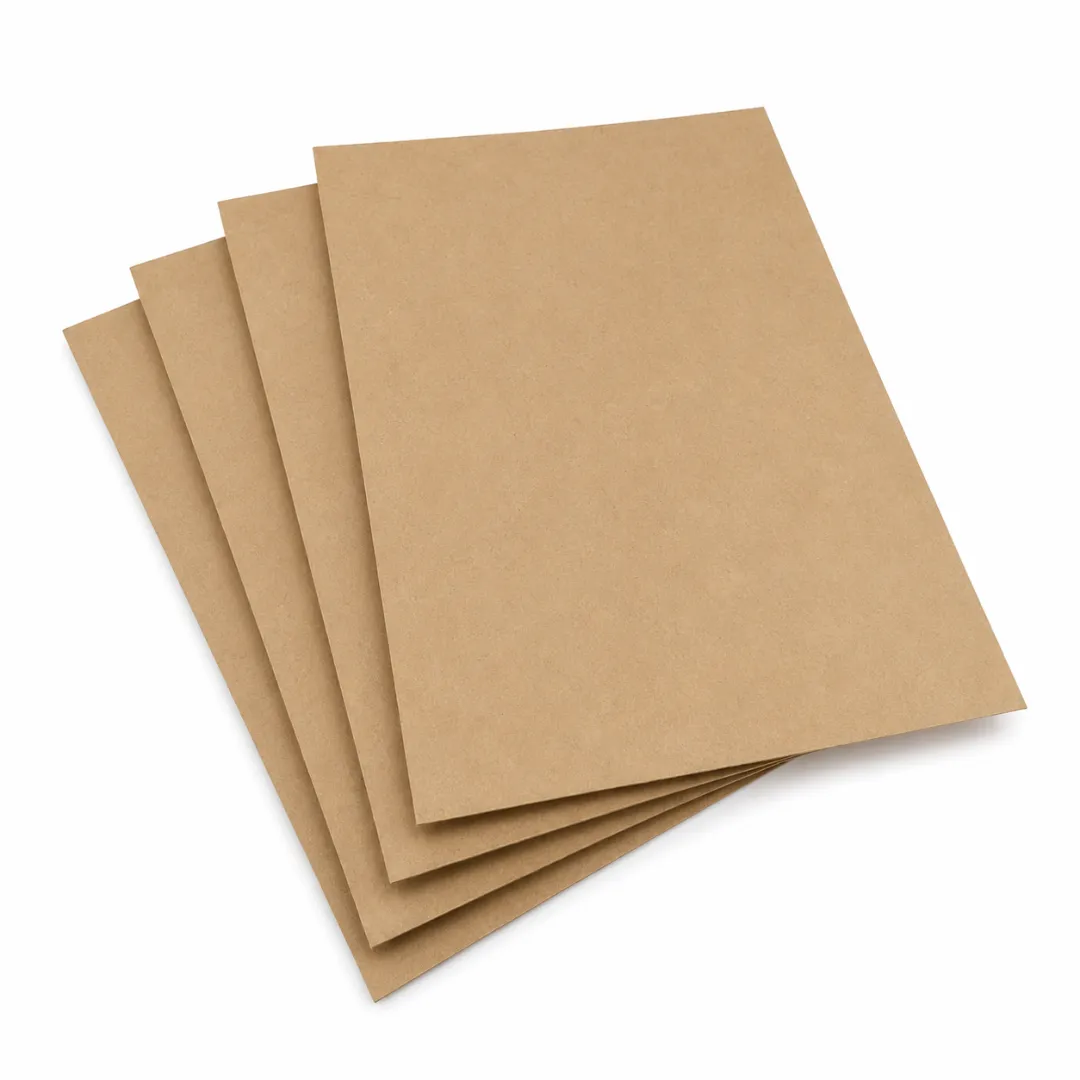
Kraft paper is a strong, durable and reliable material that is widely used across many different industries.
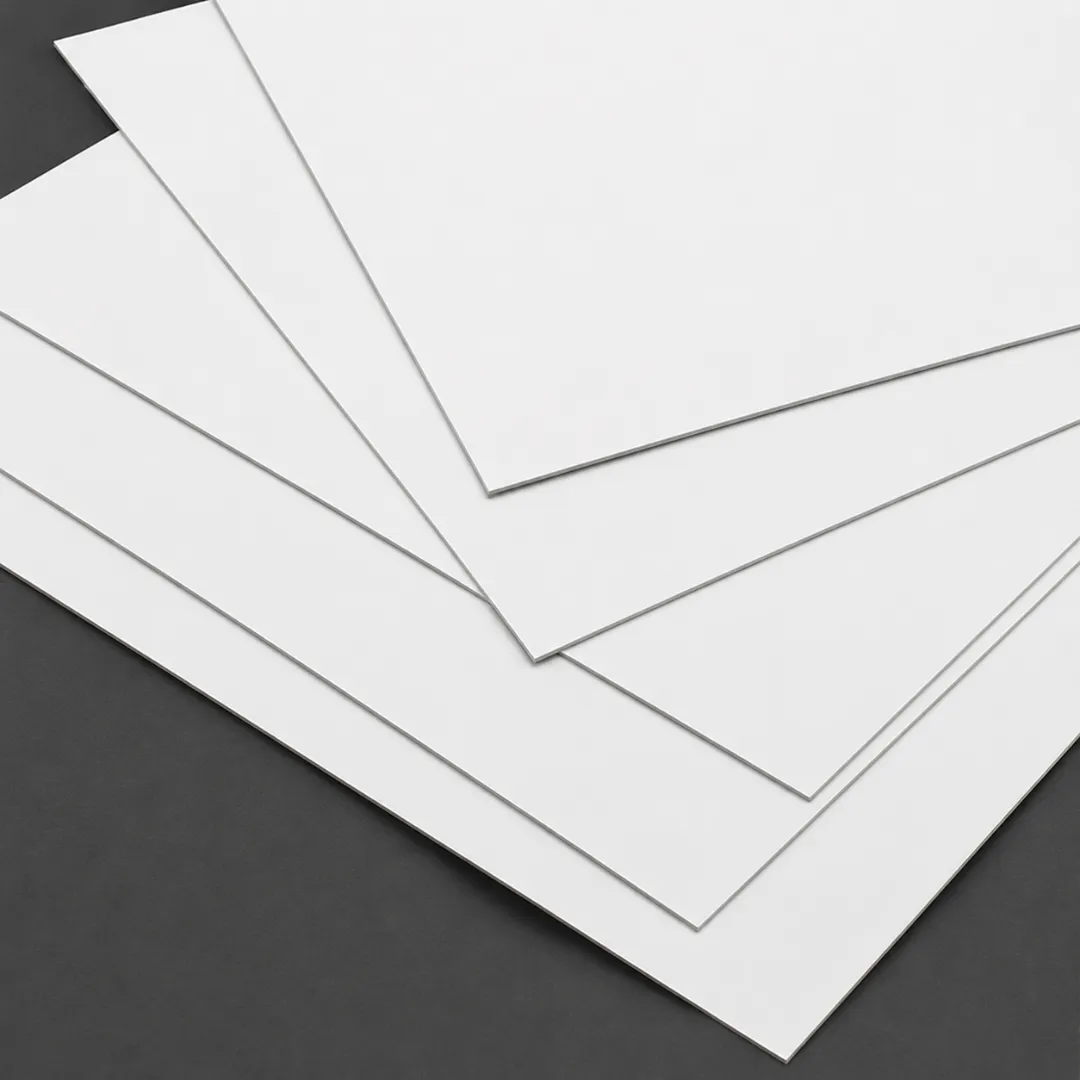
We use cardboard material with the least environmental impact and minimizes waste generation.
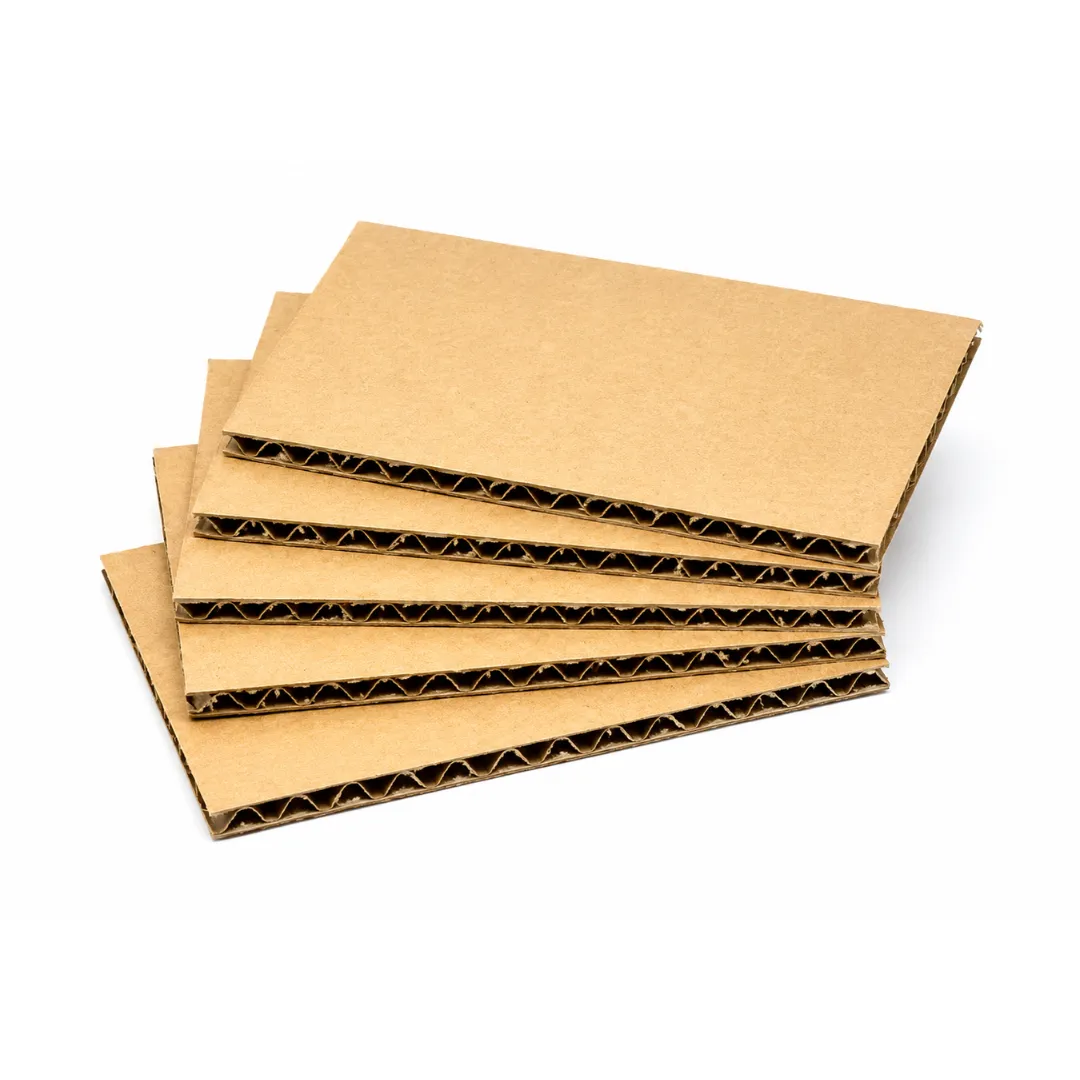
Corrugated material is easy to customize, cost effective and sustainable. It is also great for branding purposes.
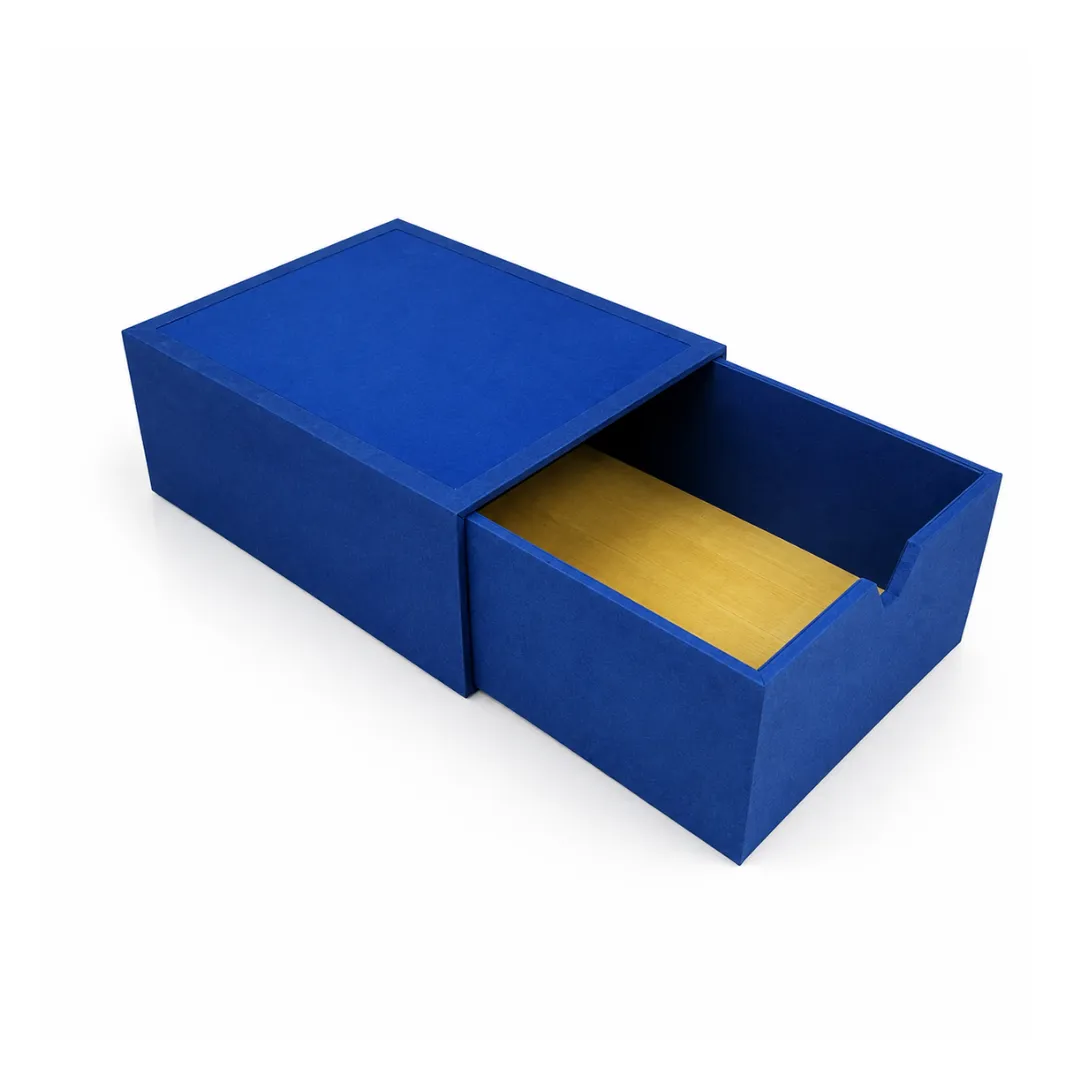
Rigid is highly protective, affordable and recyclable material. These boxes provide maximum protection.
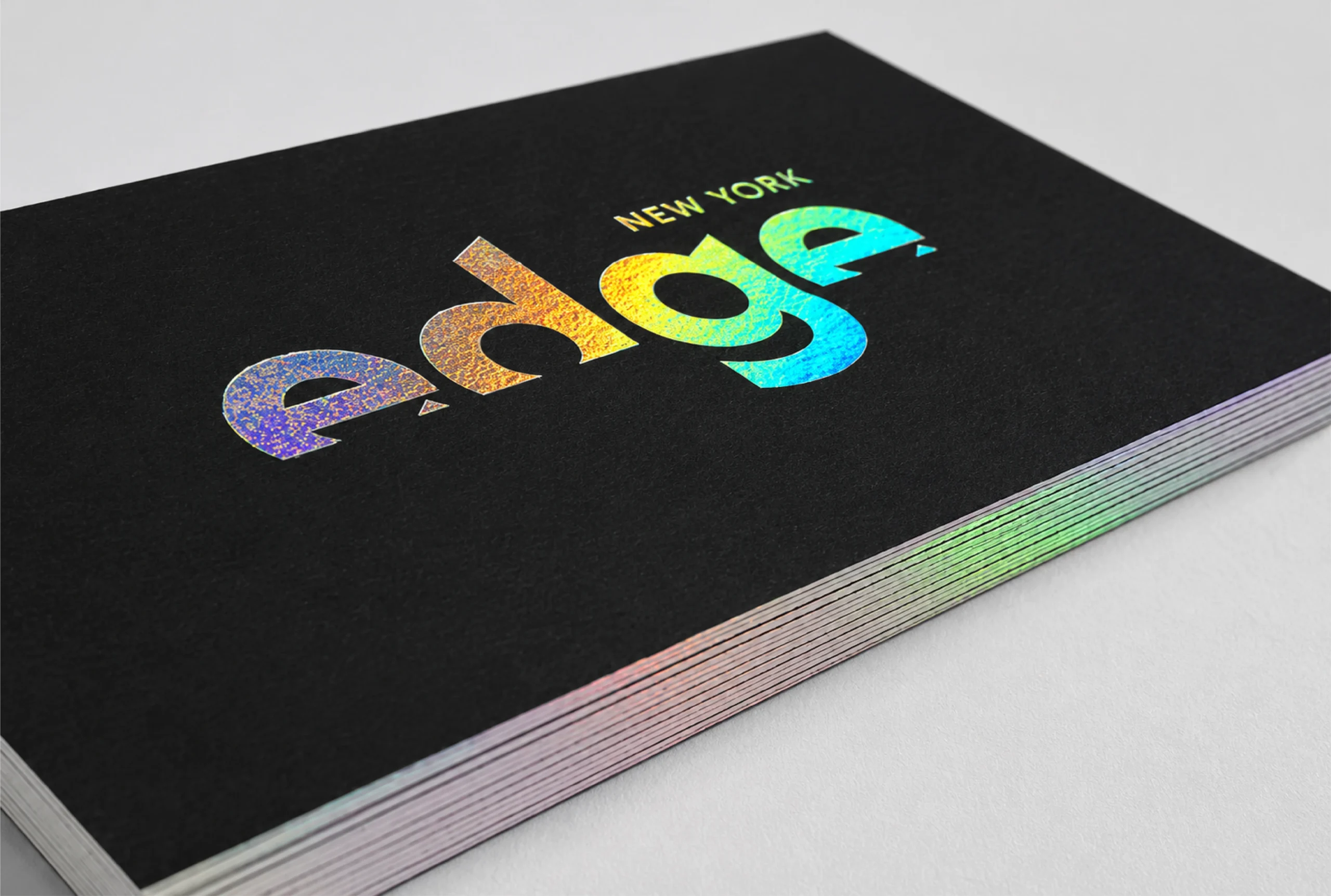
Holographic foil diffracts light and reveals the colors of the rainbow at various angles.
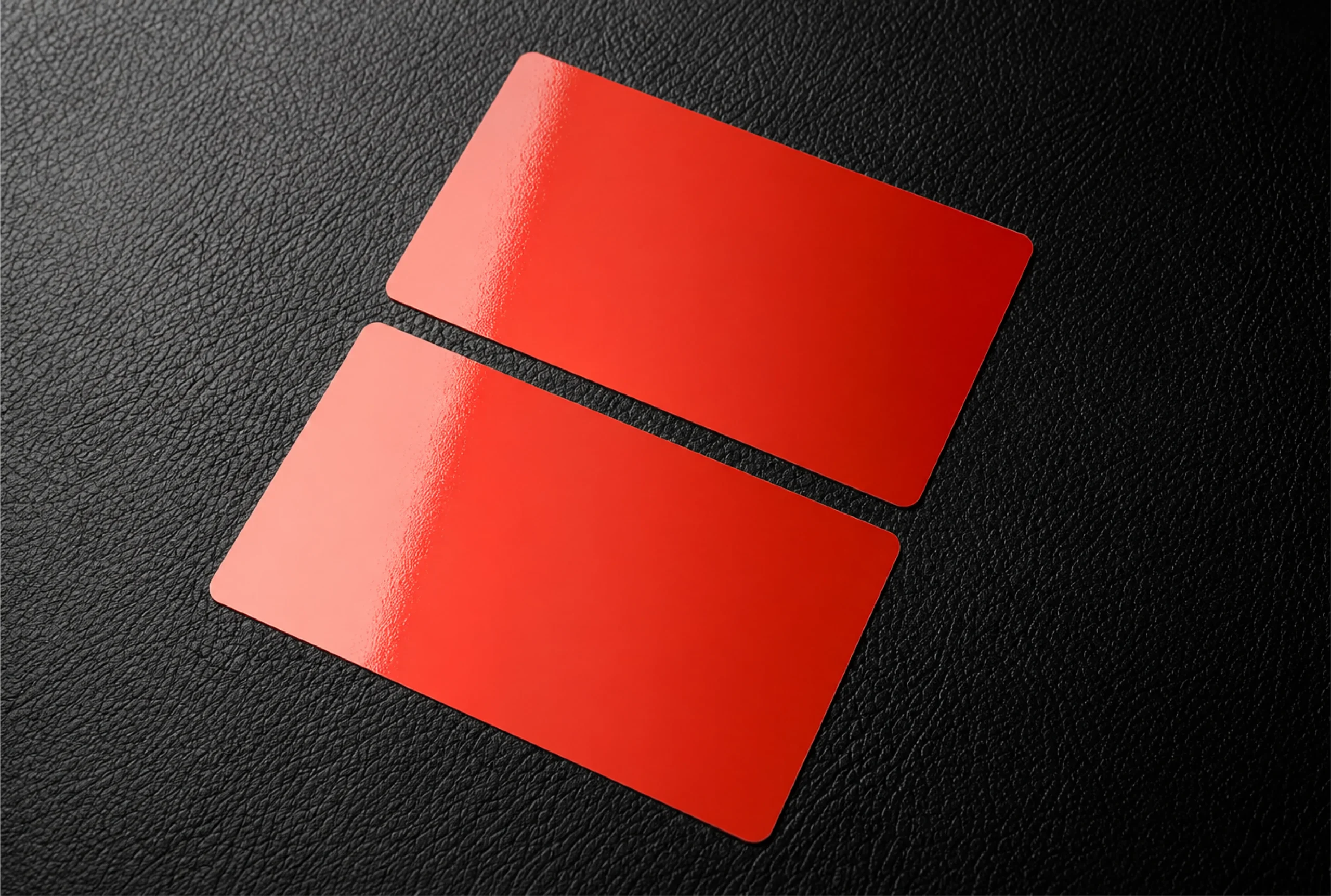
Our glossy finishing gives your packaging an extra layer of shine.
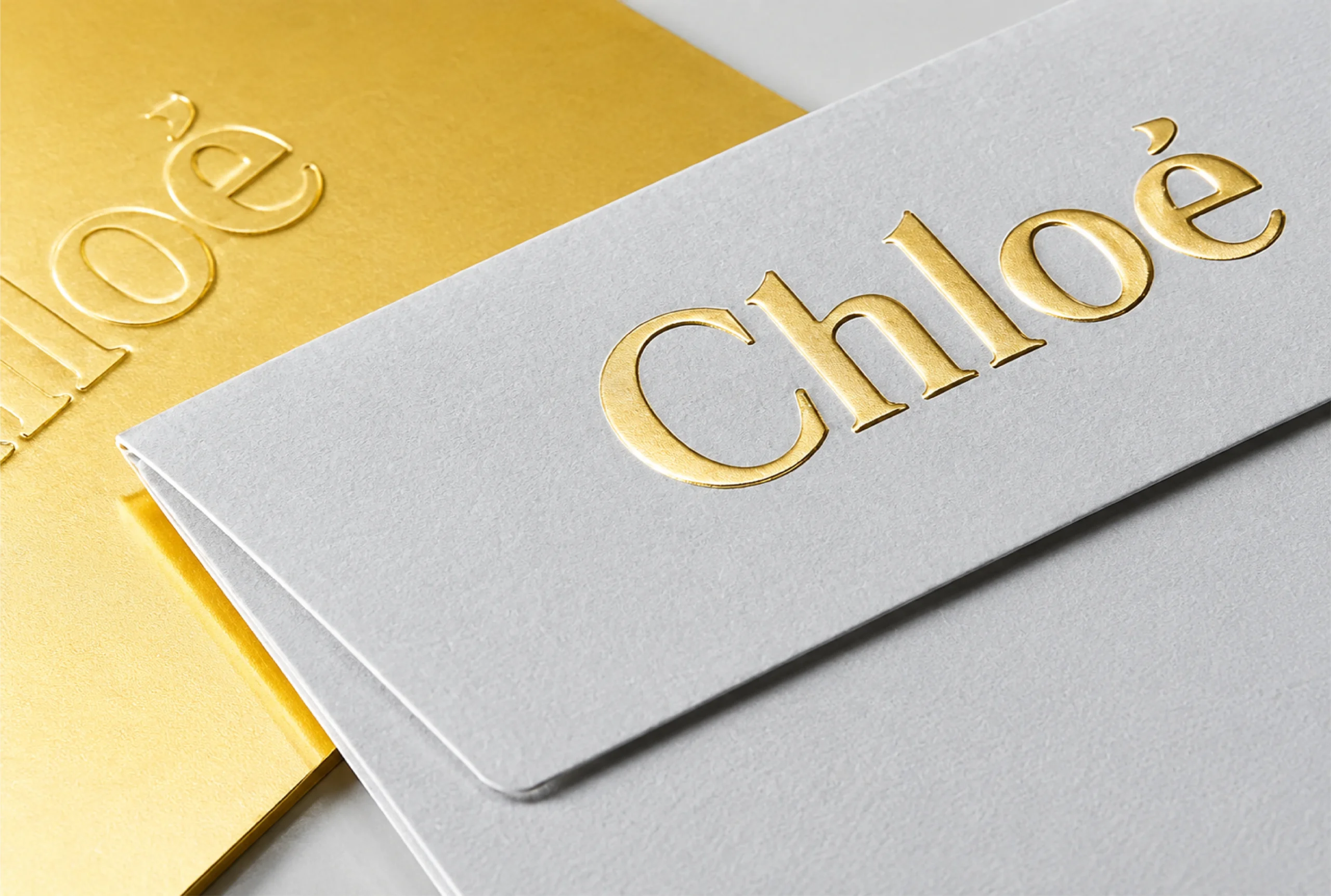
Decorate a wide range of your product packaging with our foil stamping.
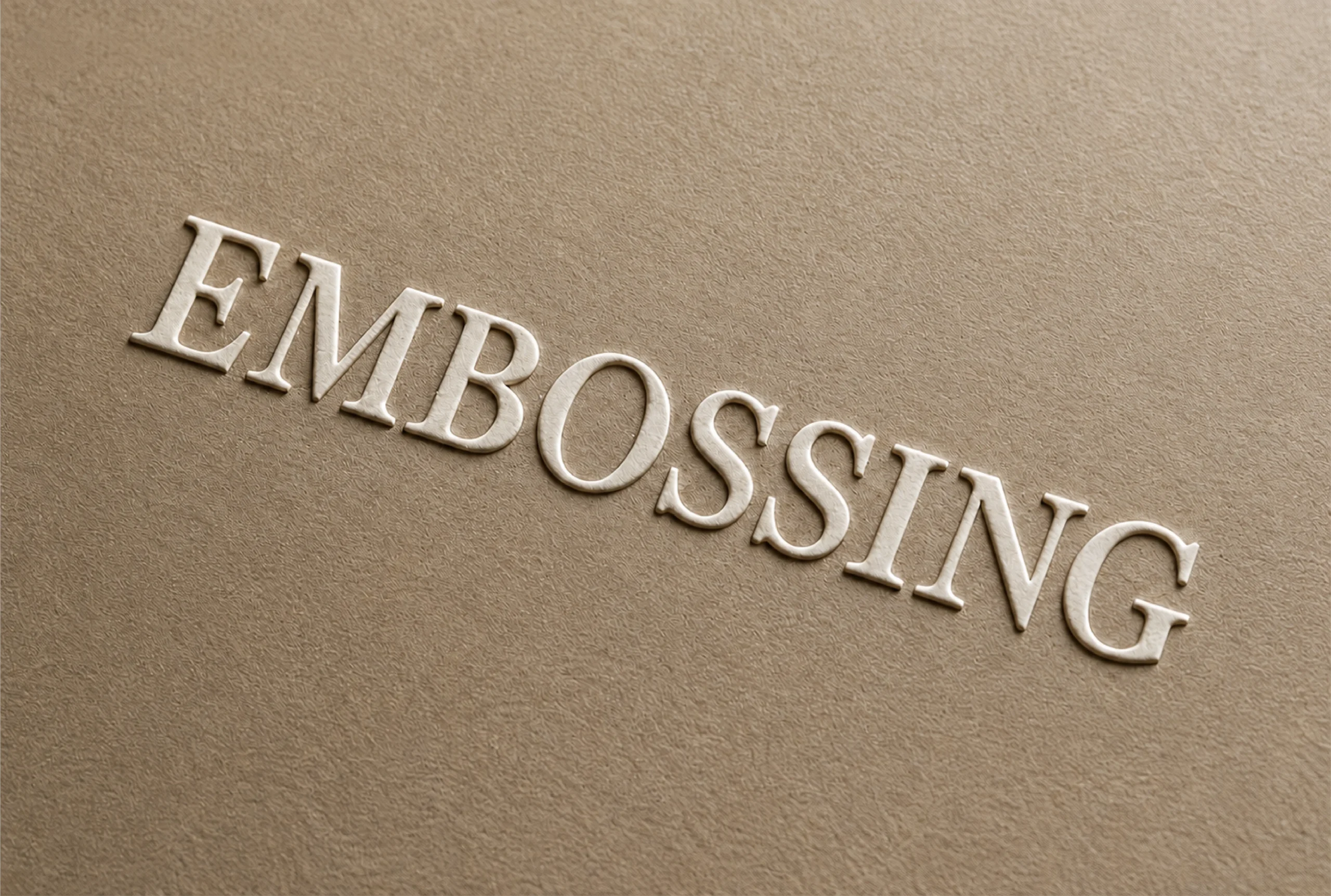
With our embossing technique, we transfer the finest details of your product on packaging.
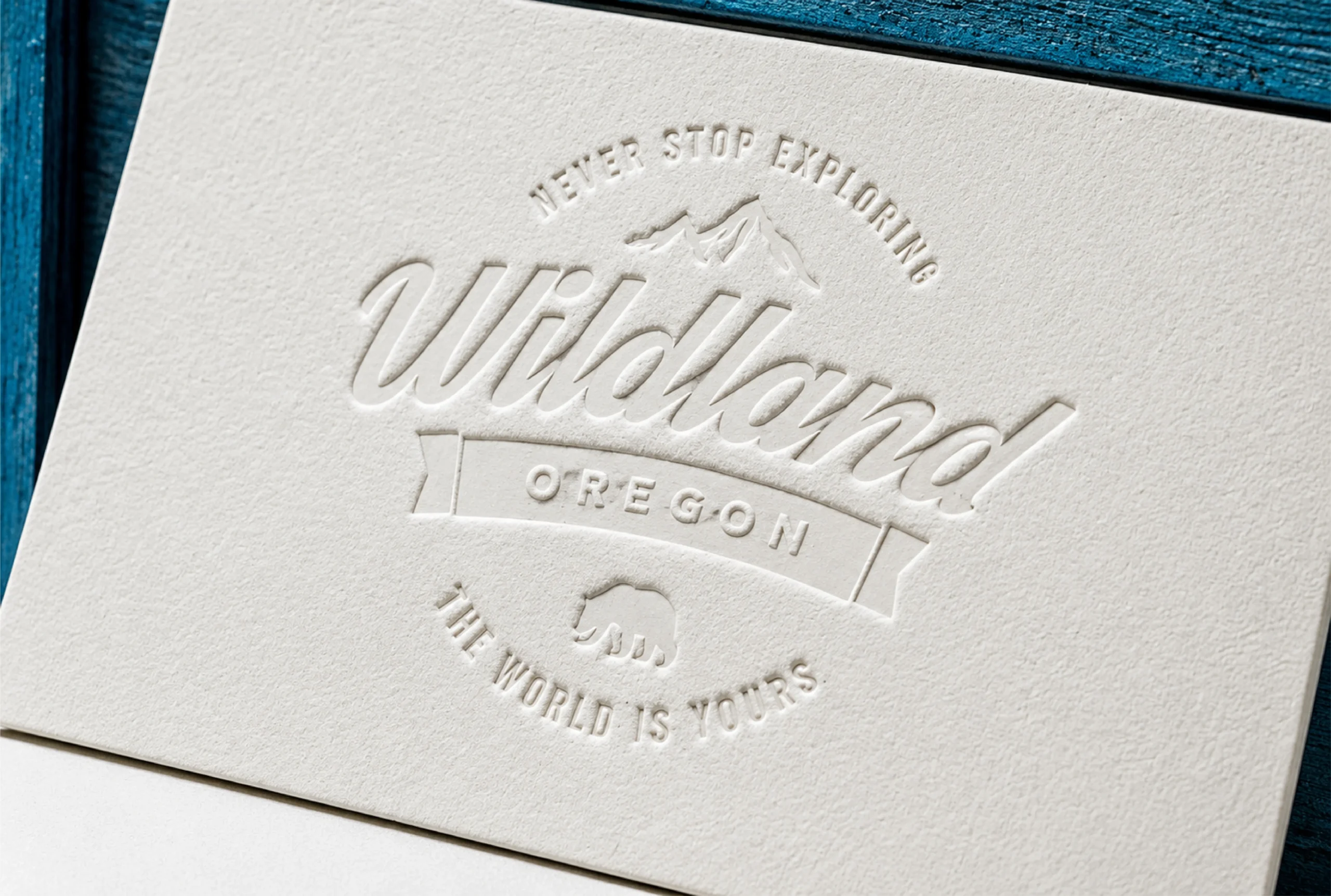
We use debossing technique to add unique graphics into your packaging.
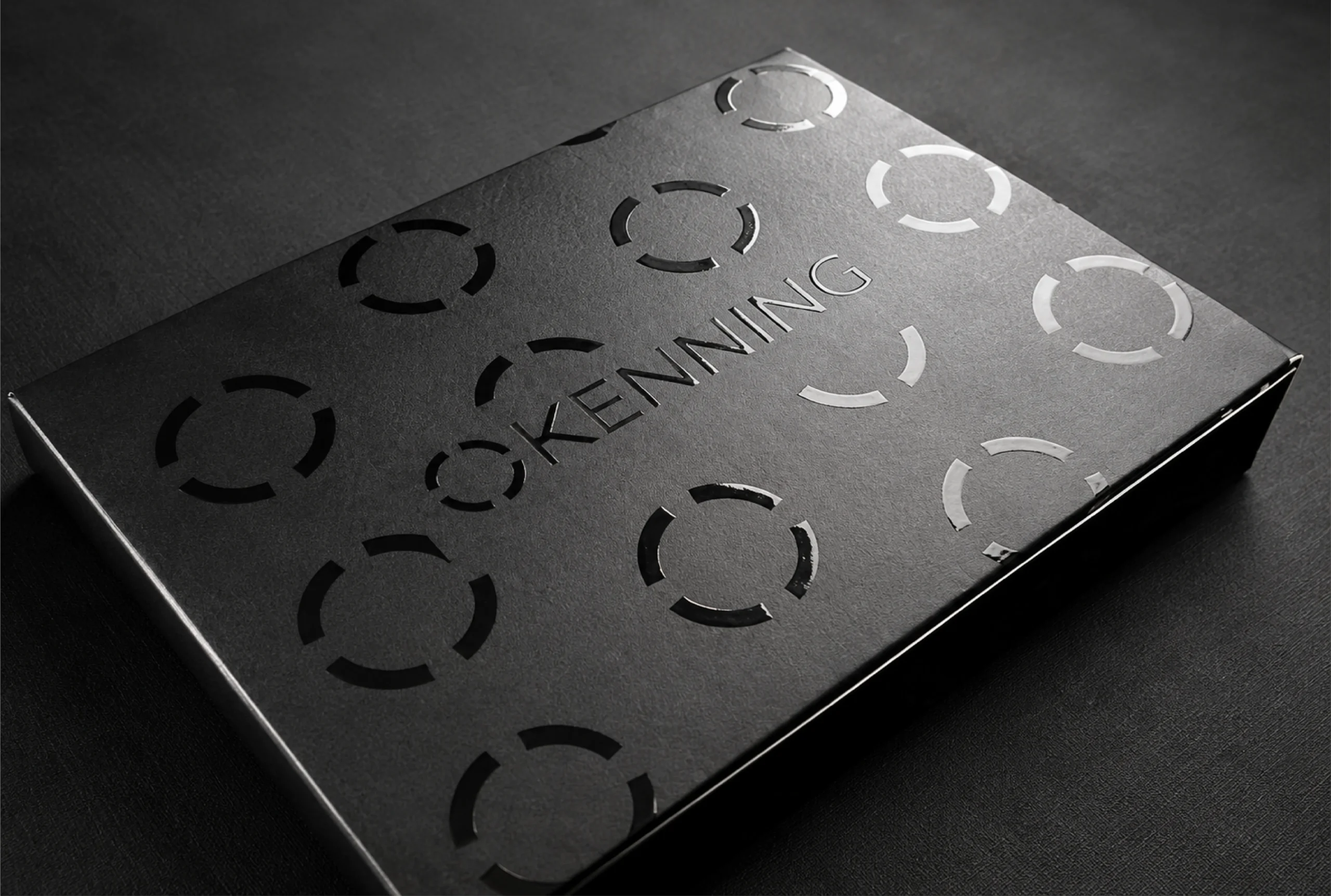
Our high-gloss UV coating gives light and shine to cure the printed material's varnish.
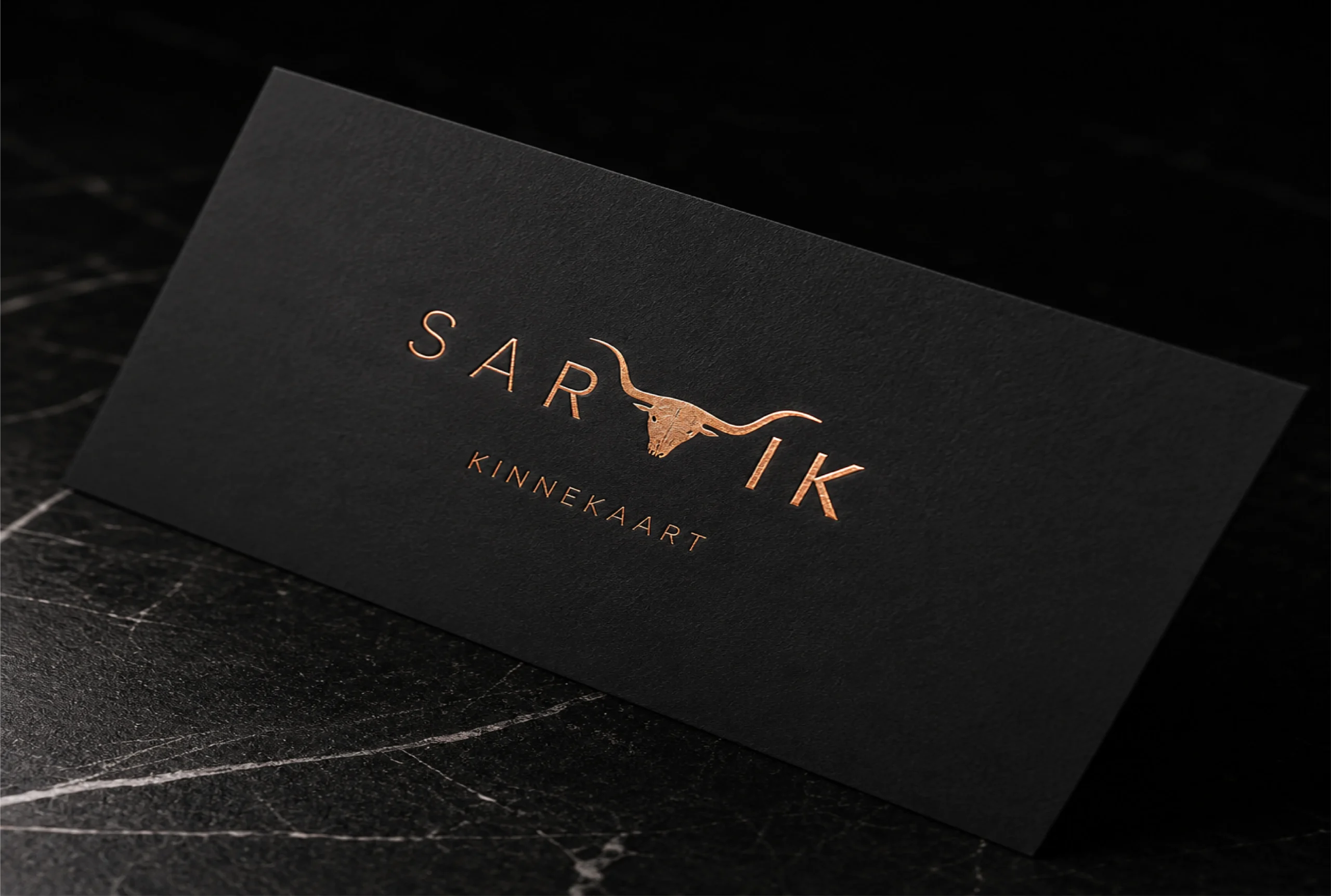
We add additional layer of protection with soft touch lamination from toner chipping.
With our matte finish, fingerprints and smudges will now be less visible on the packaging.
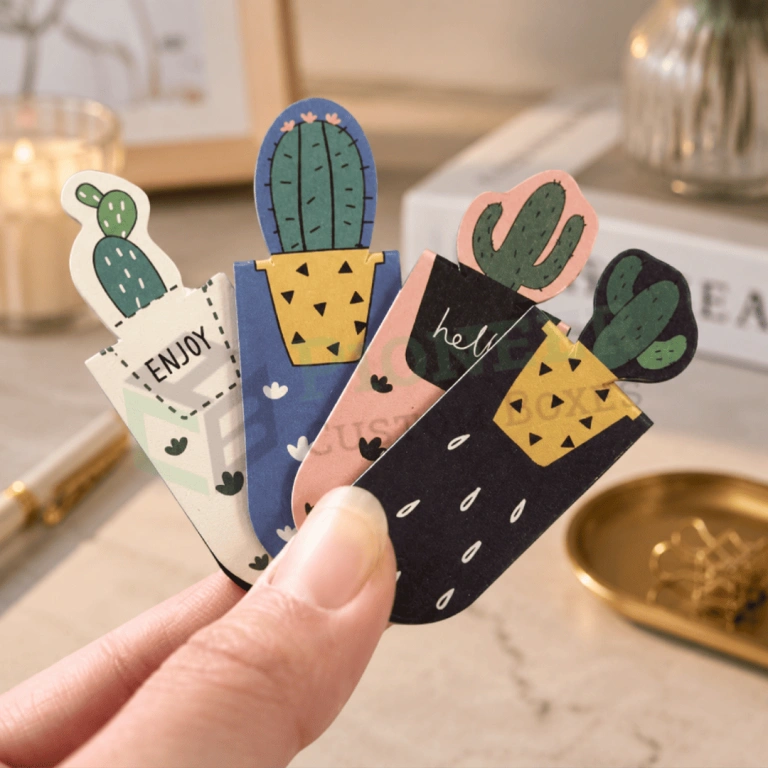
Custom Magnetic Bookmarks from Pioneer Custom Boxes help authors, schools, bookstores, publishers, libraries, stationery brands, gift shops, and promotional teams create branded magnetic bookmarks with custom artwork, premium print finishes, strong paperboard options, clean magnet placement, zero MOQ, free design support, and free USA shipping.
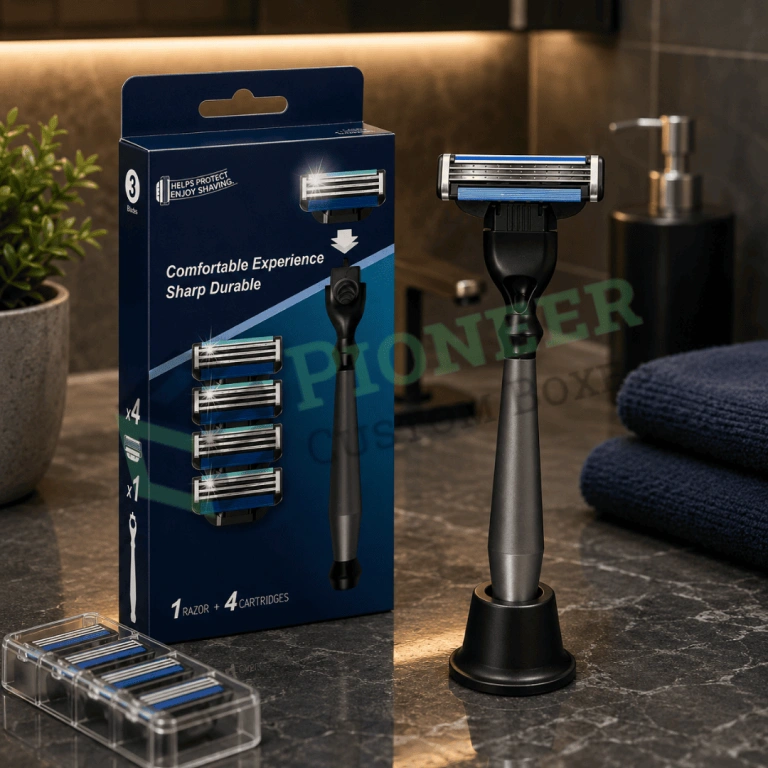
Custom razor boxes from Pioneer Custom Boxes hold the blade still, protect the carton from the edge inside it and make a grooming product look worth its price. Choose cartridge cartons, rigid safety razor boxes, blade refill cartons, gift sets or subscription mailers in SBS, rigid board, recycled stock or E-flute, with die-cut trays, foil stamping, free design support, zero MOQ and free USA shipping.
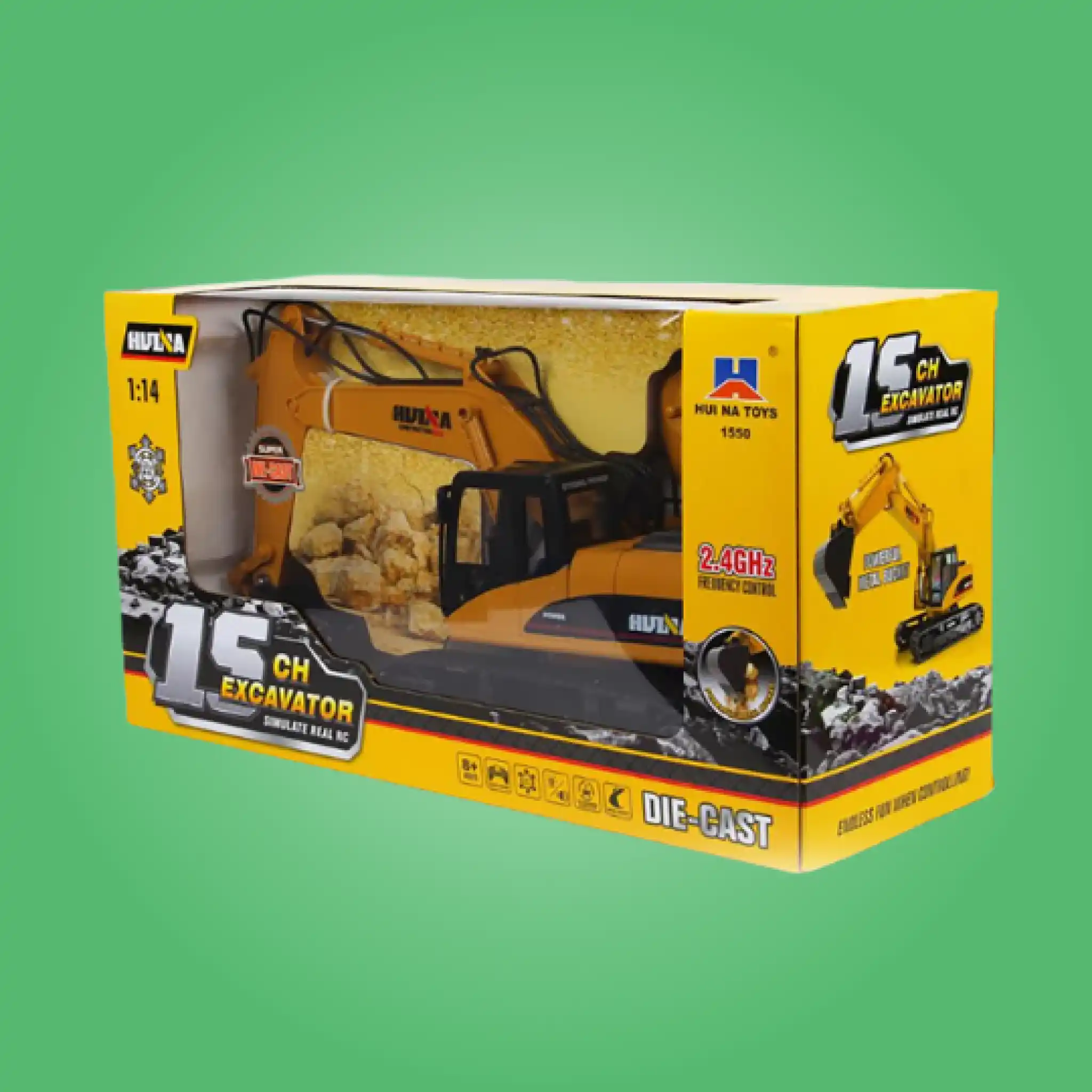
Pioneer Custom Boxes manufactures custom toy boxes for toy brands, dog toy companies, plush makers, educational kits, collectibles, baby toys, board games, subscription toy sets, and retail toy lines that need accurate sizing, protective inserts, window panels, hang tabs, warning-label space, colorful printing, shelf-ready structure, and free USA shipping.
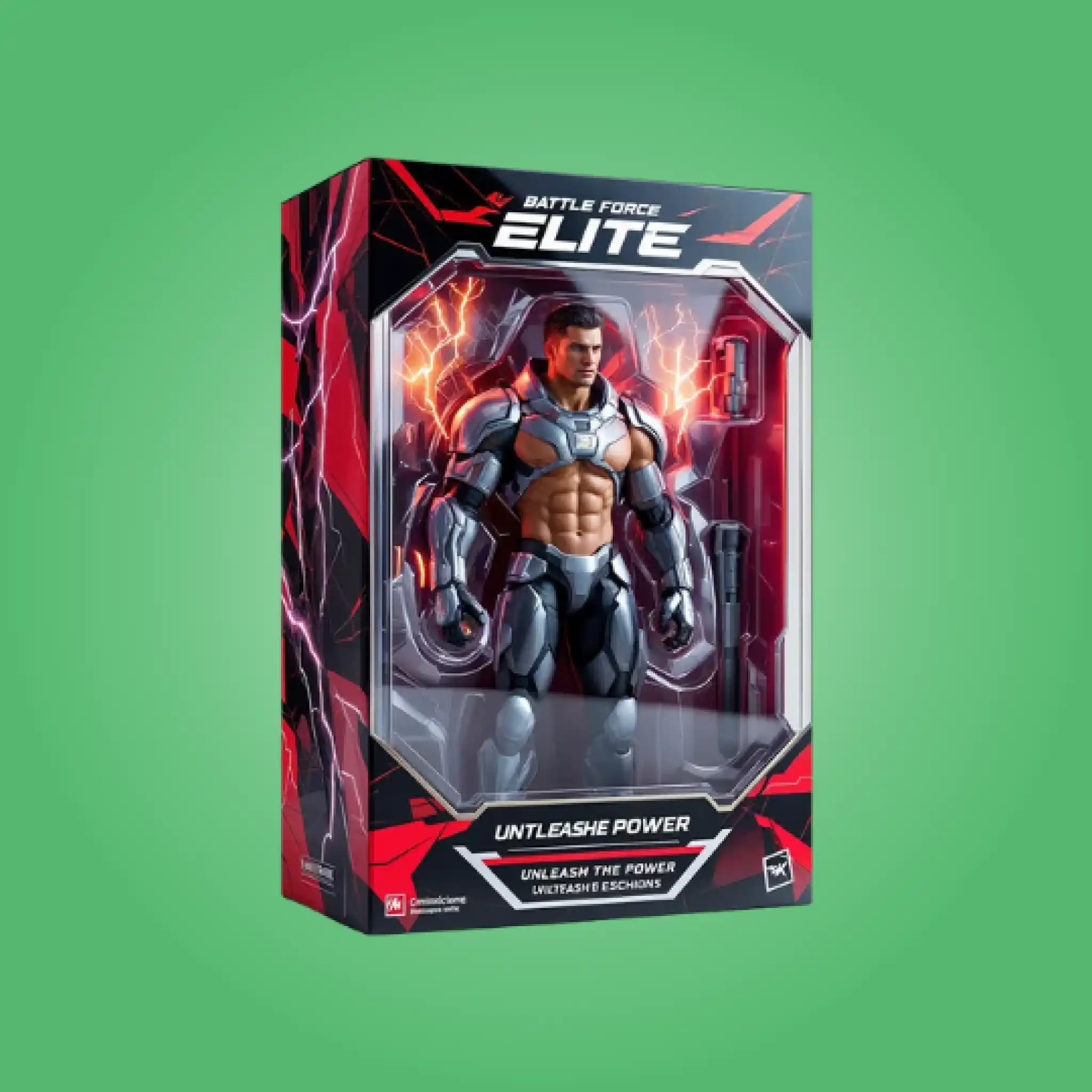
Our custom action figure boxes deliver collector-grade strength, sharp visibility, and premium US display value. Each box protects sculpt details, accessories, and artwork through nationwide shipping. With custom sizes, durable materials, and advanced printing, your figures look outstanding on every US shelf.