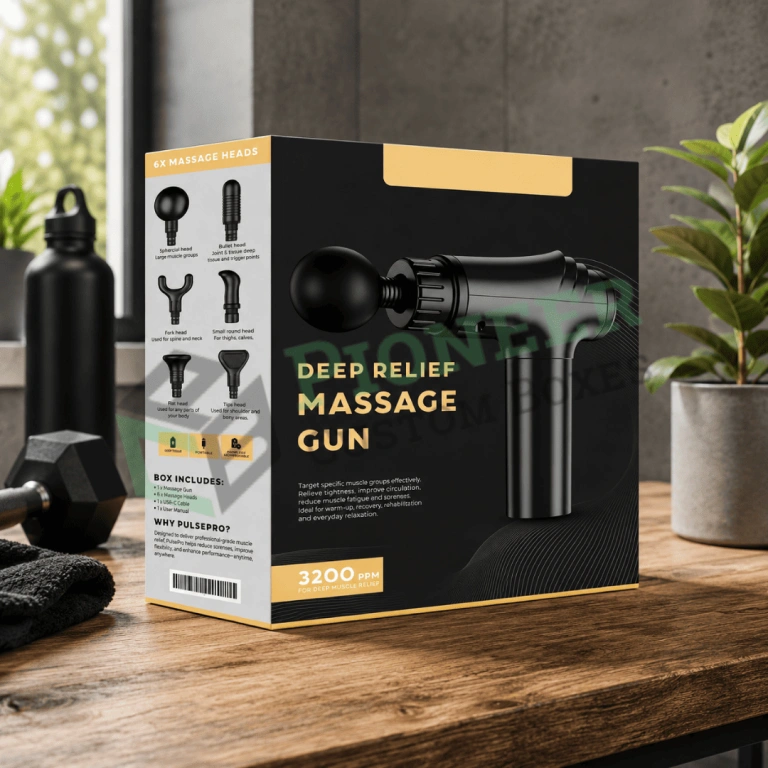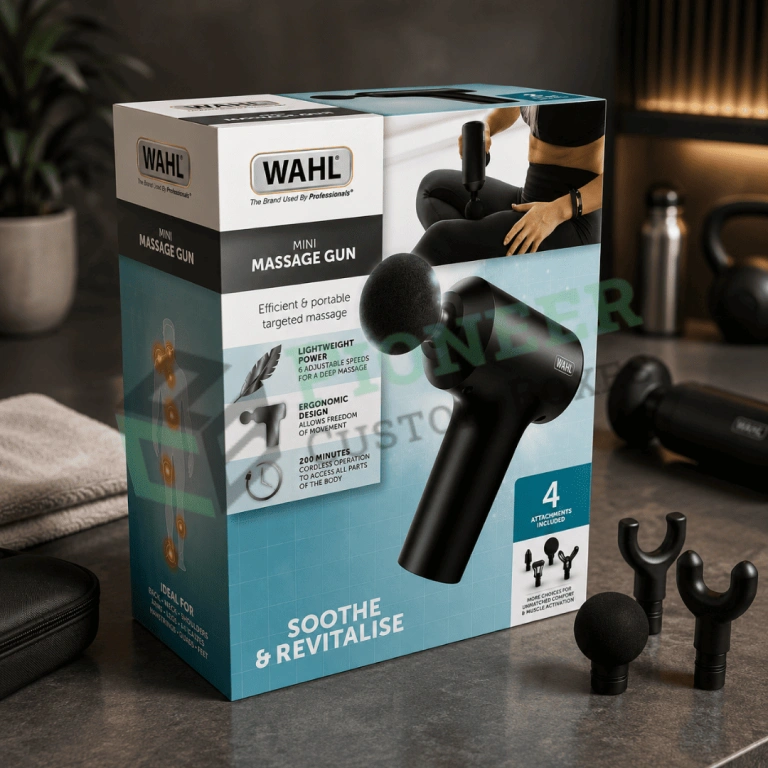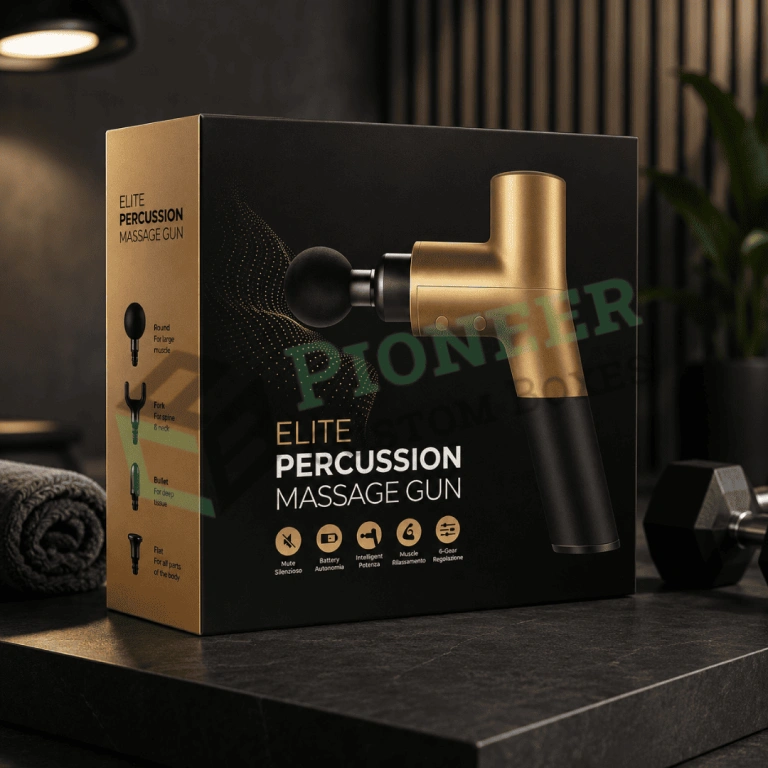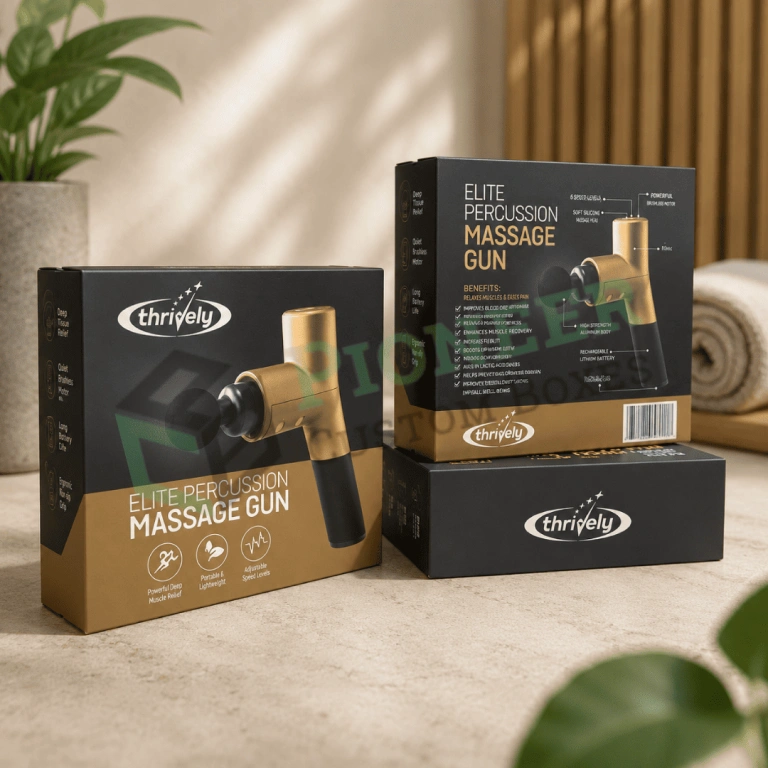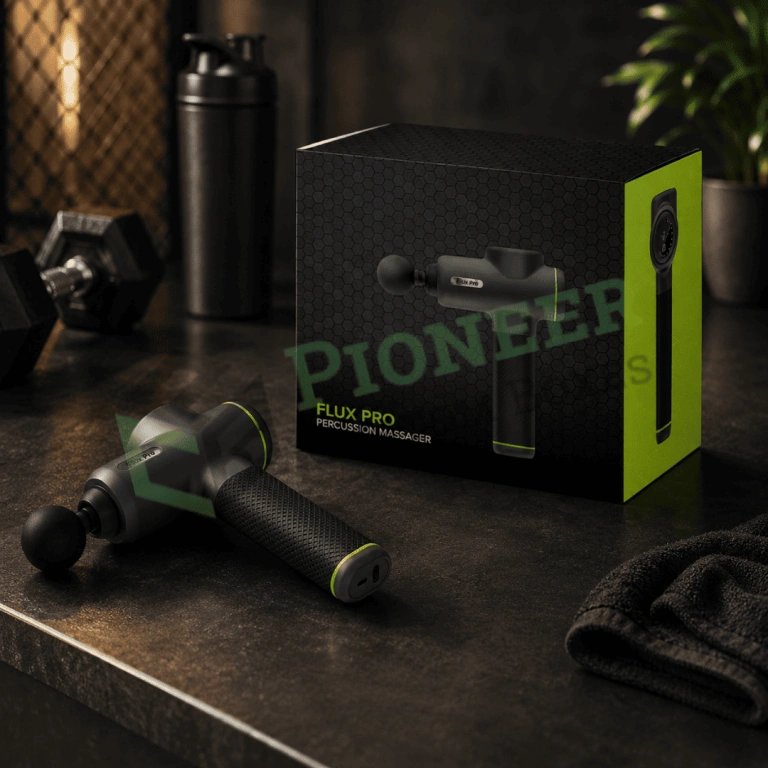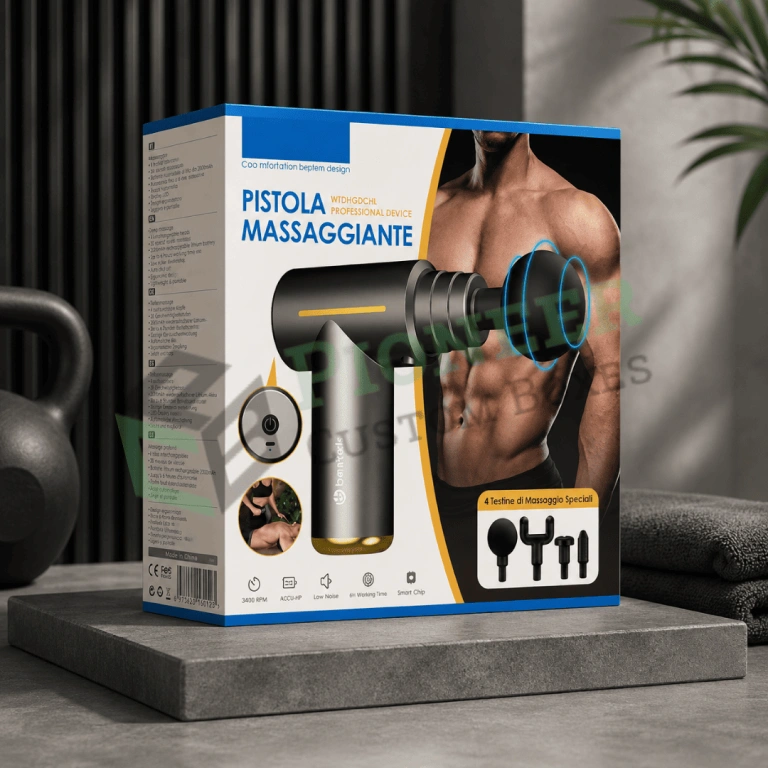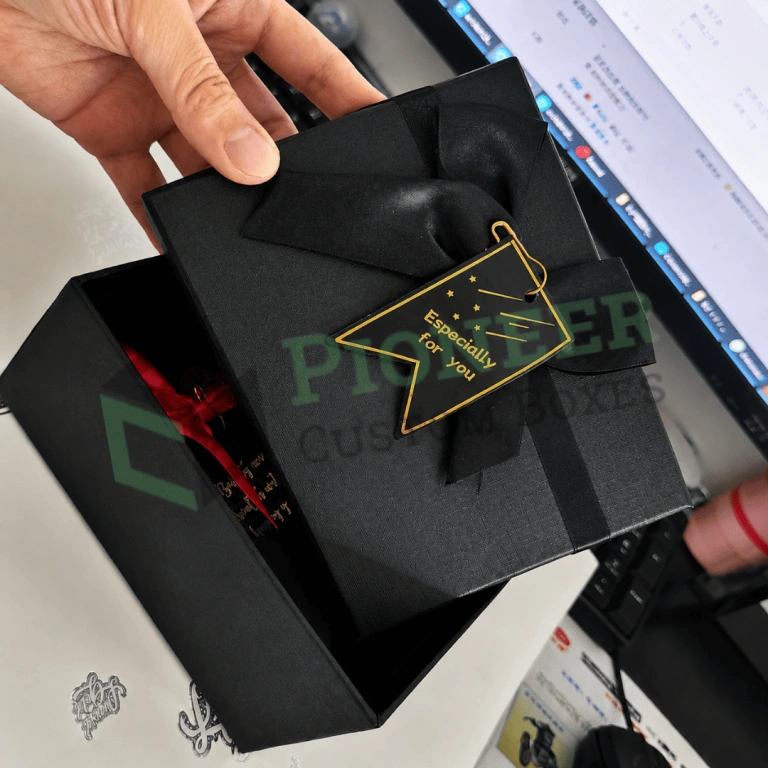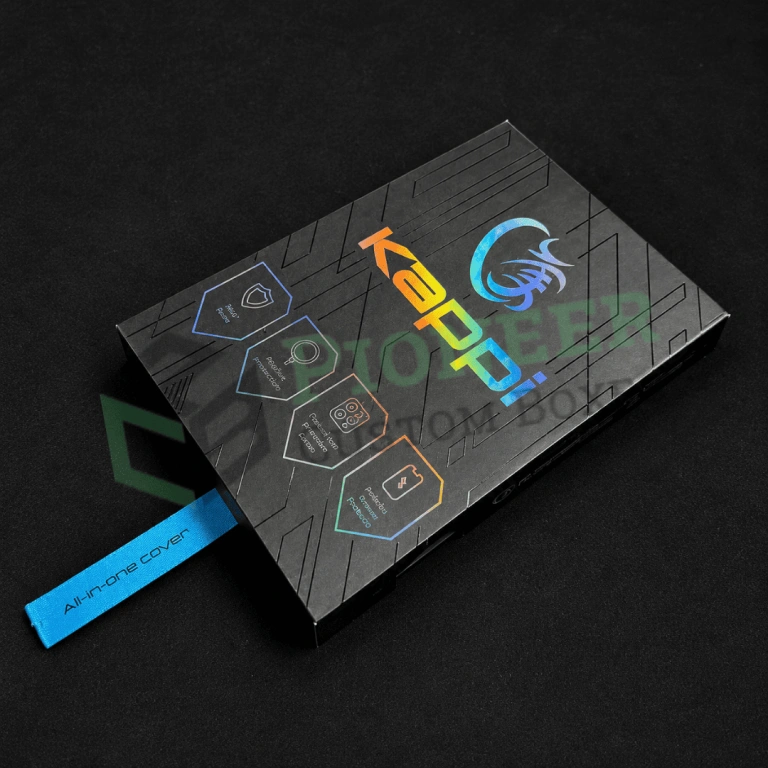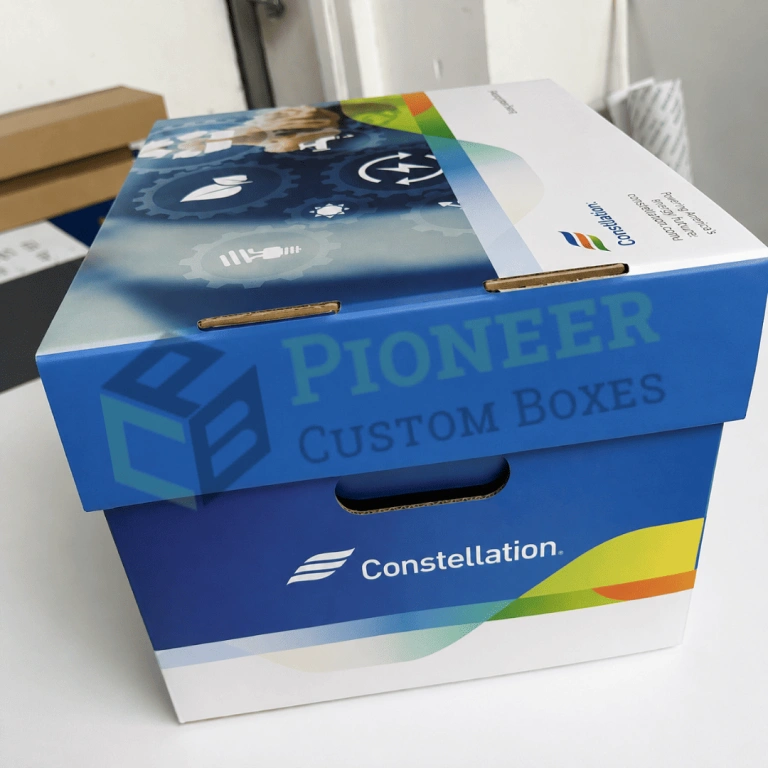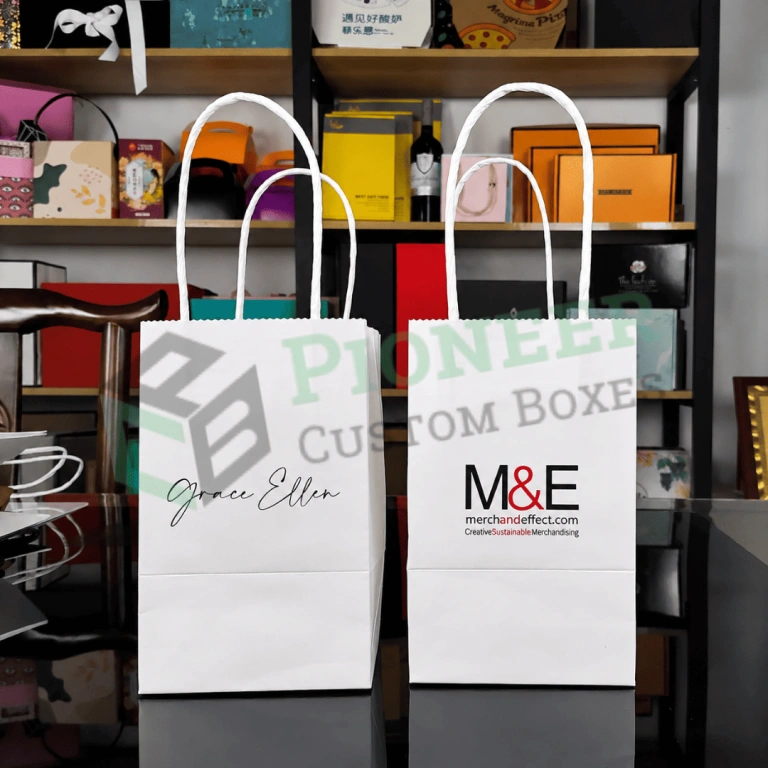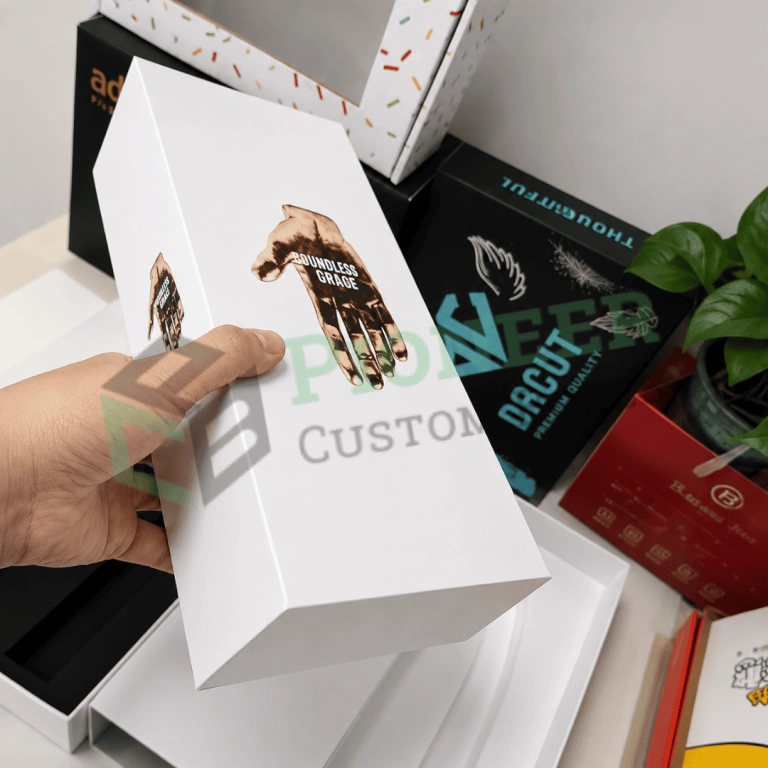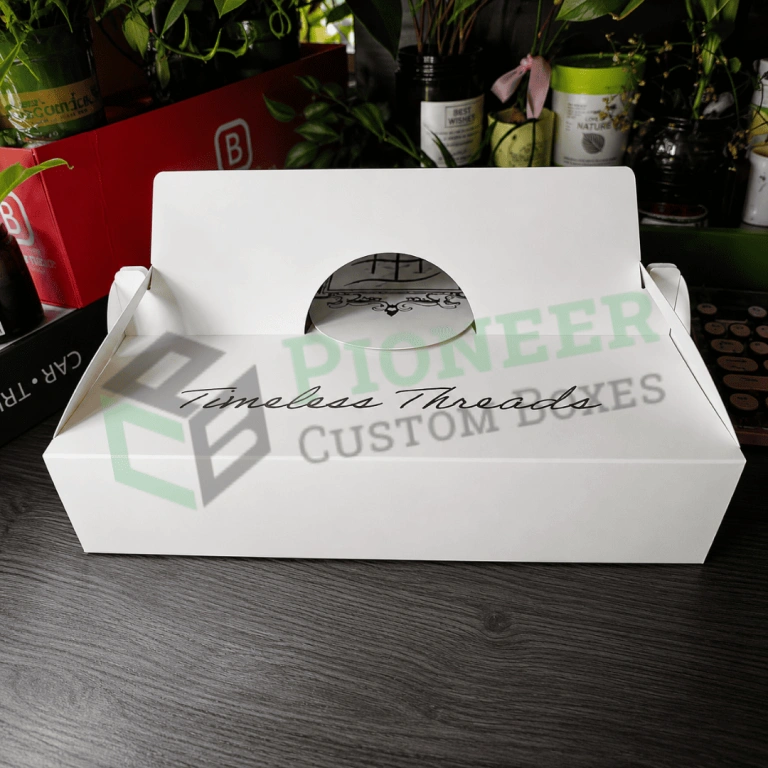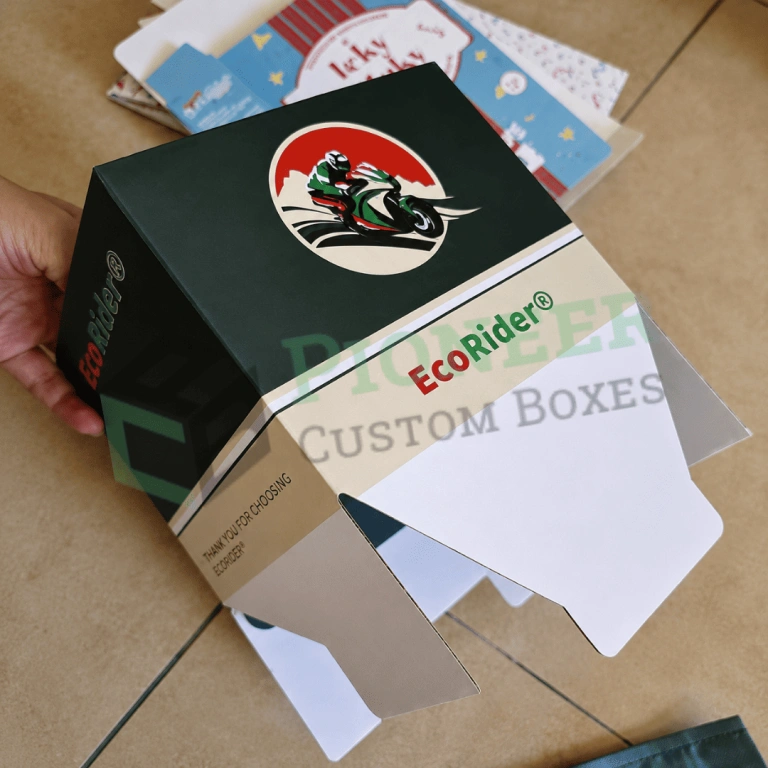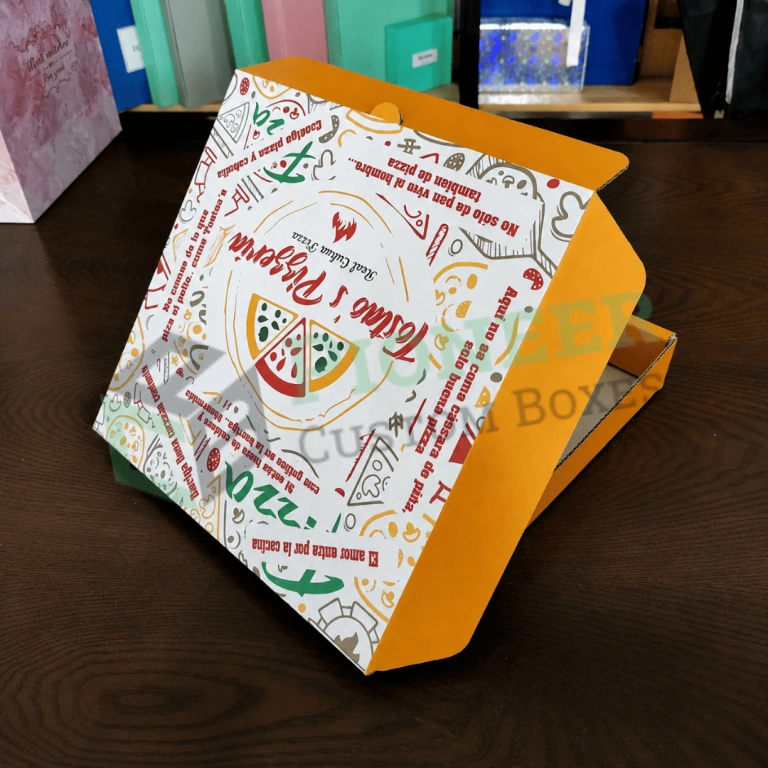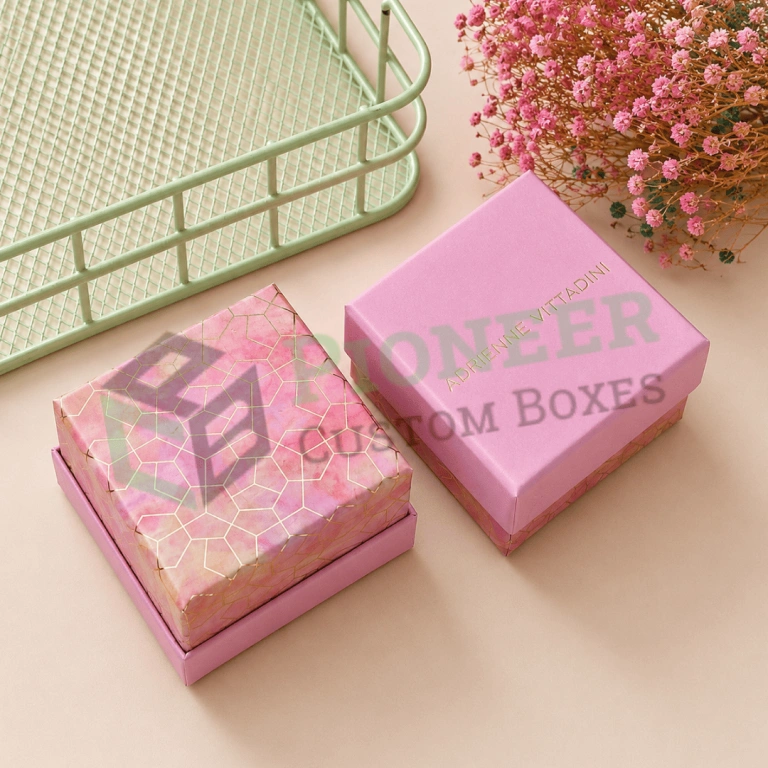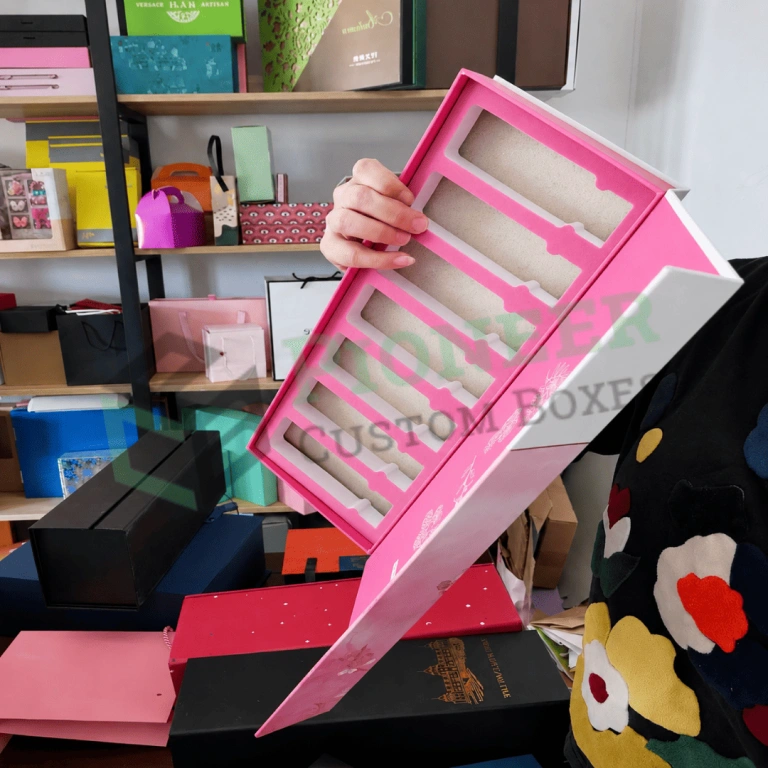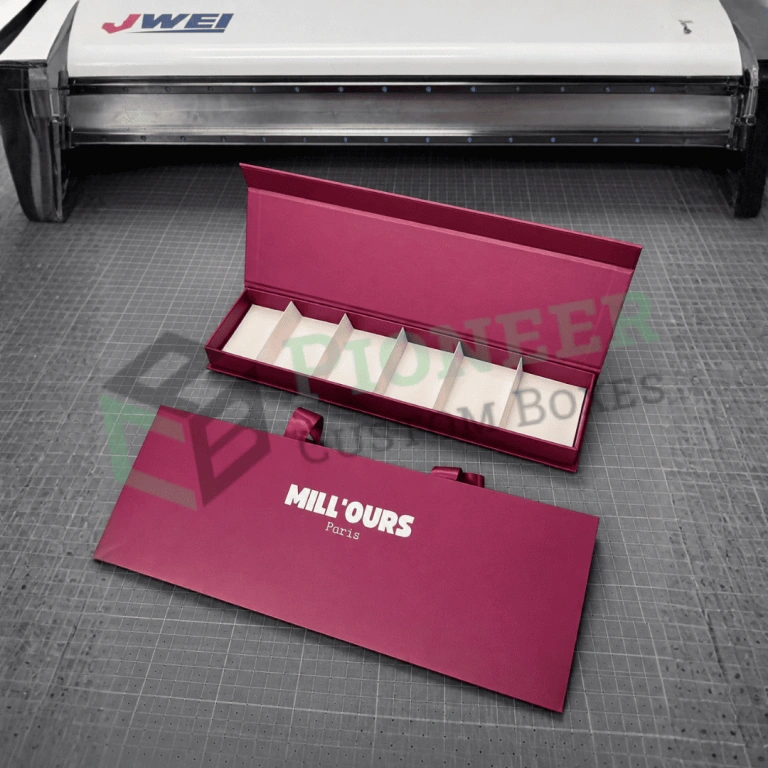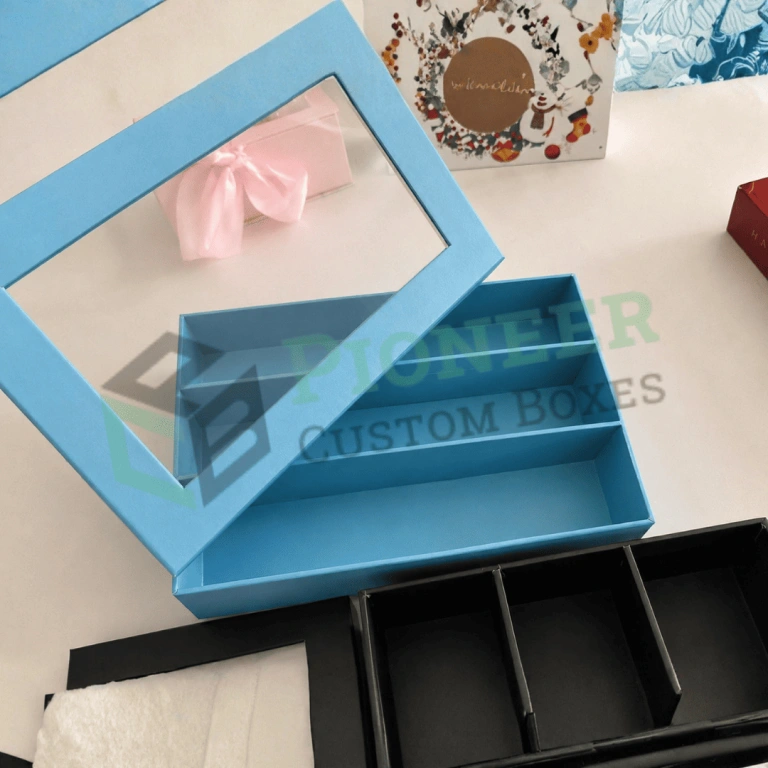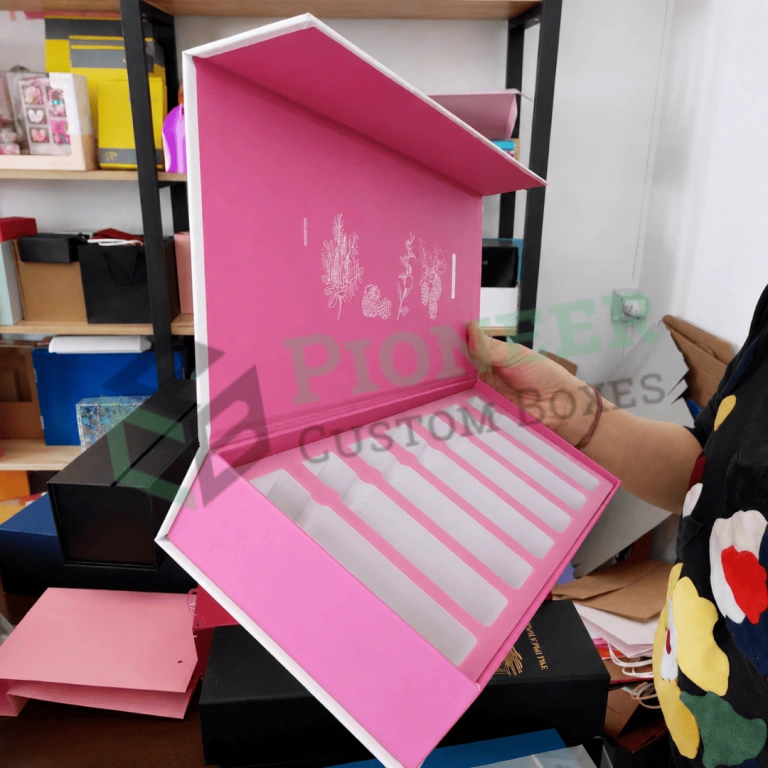
Custom massage gun packaging from Pioneer Custom Boxes cradles a dense device end to end, seats every attachment head below the bed surface and keeps the charger from swinging loose. Choose rigid boxes, magnetic closures, window cartons or corrugated mailers with molded pulp or die-cut bedding, plus free design support, zero MOQ and free USA shipping.
Custom massage gun packaging is printed boxes engineered around a dense motorized device, a set of loose attachment heads and a lithium battery that carries shipping obligations. Pioneer Custom Boxes manufactures them across the United States with zero minimum order quantity and free shipping.
Percussion therapy devices sit in an awkward place for packaging. They are heavy for their size, they arrive with several separate components, and they sell at a price point where the unboxing has to justify the spend.
Weight is the first constraint and it is easy to underestimate. A mid-range massage gun with its battery runs between two and three pounds, and a carton sized by dimension alone will bow at the base long before it reaches a customer.
Component control is the second. The device ships with four to six attachment heads, a charger and usually a manual, and every one of those pieces becomes a projectile inside the box if the insert does not hold it.
The battery carries the third constraint, and it is the one brands discover late. A lithium cell inside the device brings labeling and transport requirements that shape the outer packaging rather than the retail box.
We manufacture custom printed massage gun packaging for recovery and wellness brands, fitness equipment companies, physical therapy suppliers, direct-to-consumer startups, gift and retail programs, and private label manufacturers. Moreover we cut our own dies and run our own presses, so we build the box around your actual device and head count.
Order wholesale massage gun packaging in any quantity you need. There is no minimum order, design support costs nothing, and shipping across the United States stays free on every order. Searching for massage gun packaging near me usually returns brokers, and we are the factory those brokers buy from.
Structure follows the price point, the number of components and whether the box travels alone through a parcel network.
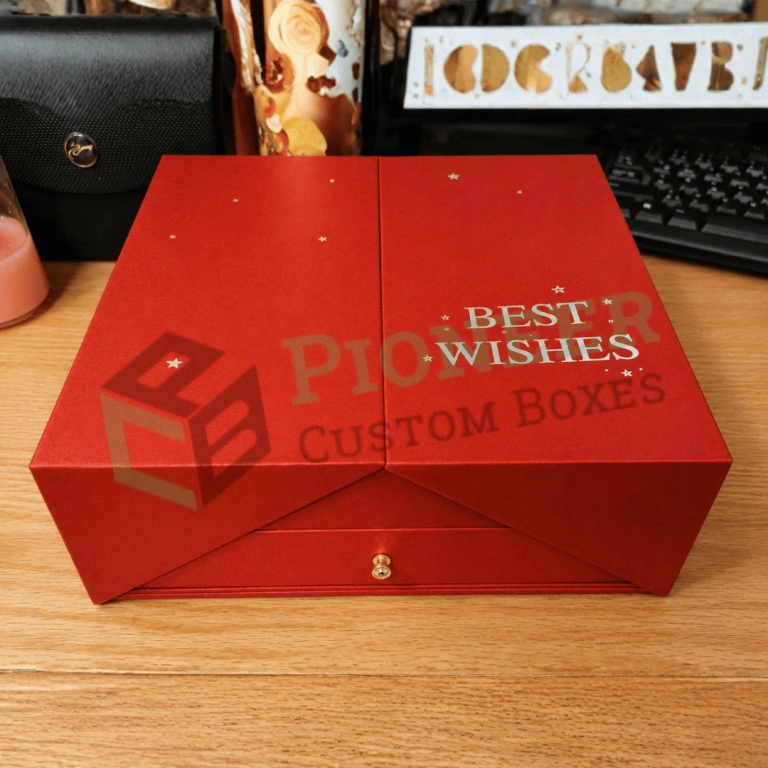
A base and lid in wrapped greyboard with a fitted bed. This is the standard above roughly one hundred fifty dollars, because the weight of the device demands it and the lid lift carries the premium impression.
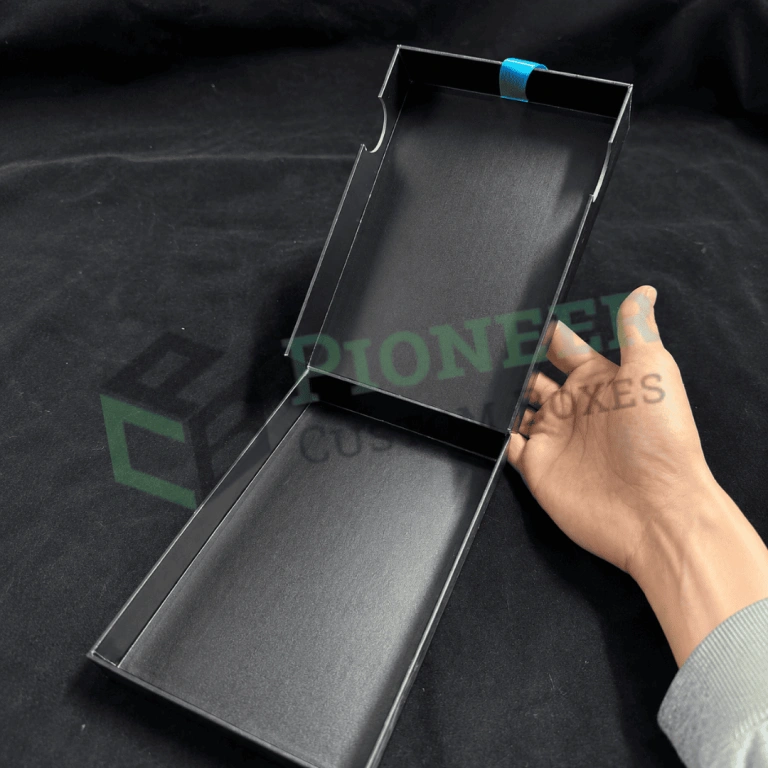
A rigid box whose lid folds over and snaps shut. It reads as the most considered format available, and it doubles as the storage the customer keeps the device in between uses.
A fluted shipping box with cavities cut for the device and every head. It is built for direct-to-consumer shipping, and it prints well enough to serve as the retail presentation too.
A folding carton over a formed bed. It costs less than rigid, it handles the weight adequately at mid price points, and the bed does the component control.
A carton with a die-cut window showing the device. Fitness retail rewards it, since customers buy partly on how substantial the device looks in the hand.
A zippered EVA case holding the device, wrapped in a printed board sleeve. Travel and professional programs use this, and the case becomes the packaging after first open.
A larger fitted box holding several devices for physical therapy practices and gyms. Case handling and count clarity matter more than presentation here.
A printed tray or floor display holding several boxed units. Sporting goods retail responds well to it, and it turns a shelf allocation into a branded block.
| Format | Device Price Point | Primary Channel | Why Choose It |
|---|---|---|---|
| Two-piece rigid box | 150 dollars and above | Premium retail and gifting | Weight and lid lift signal quality |
| Magnetic closure rigid | 200 dollars and above | Premium direct and gifting | Doubles as long-term storage |
| Corrugated mailer with insert | Any | Direct to consumer | Survives parcel transit alone |
| Carton with foam or pulp bed | 60 to 150 dollars | Mid-market retail | Component control at lower cost |
| Window carton | 60 to 150 dollars | Sporting goods retail | Device visibility drives the sale |
| Case in a printed sleeve | 100 dollars and above | Travel and professional | Case becomes the packaging |
| Professional multi-pack | Any | Clinics and gyms | Count clarity and case durability |
| Retail display unit | Any | Sporting goods floors | Turns a facing into a branded block |
Send us the device with every attachment head and the charger. Head count decides the insert far more than the device dimensions do, and it is the figure brands most often change late.
Every die is cut to your device and its head count. These formats cover the massage gun packaging we produce most often.
| Configuration | Typical Box Size (inches) | Board | Insert |
|---|---|---|---|
| Mini gun, 2 heads | 7 x 5 x 3 | 20pt or rigid | Die-cut tray |
| Mini gun, 4 heads | 8.5 x 6 x 3 | Rigid 2mm | Fitted bed |
| Standard gun, 4 heads | 10 x 8 x 3.5 | Rigid 2mm | Fitted bed |
| Standard gun, 6 heads | 11 x 8.5 x 3.5 | Rigid 2mm | Fitted bed |
| Professional gun, 6 heads | 12 x 9 x 4 | Rigid 2.5mm | Molded pulp bed |
| Gun plus charging dock | 12.5 x 9.5 x 4.5 | Rigid or E-flute | Two-level tray |
| Gun in a zip case | 11 x 8 x 4 | Printed sleeve | Case is the fitment |
| Direct-to-consumer mailer | 12 x 9 x 4.5 | 32 ECT E-flute | Die-cut fitment |
| Heavy device mailer | 13 x 10 x 5 | 44 ECT B-flute | Die-cut fitment |
| Four-unit clinic pack | 19 x 13 x 9 | 44 ECT B-flute | Dividers |
| Retail display, six units | 20 x 12 x 14 | 32 ECT litho laminated | Shelf tray |
Measure the device with a head fitted rather than bare. The attachment adds real length at the business end, and a bed cut to the bare gun will not seat a packed unit.
This is the technical heart of the category, and it explains most of the damage reports brands receive.
Start with mass, because it drives everything else. A massage gun concentrates two to three pounds into a compact body, and that load lands on a small footprint at the base of the box.
A folding carton handles that adequately when the bed spreads the load. A rigid base handles it comfortably, which is why the premium end of this category standardized on rigid rather than as a styling choice.
Loose heads are the second and more common failure. Four to six silicone or foam attachments sit in their own cavities, and a shallow cavity lets them escape during a drop and knock against the device.
Cavity depth matters more than cavity shape. A head seated below the bed surface stays put under an inverted drop, while one sitting proud will lift out no matter how snug the outline.
The charger is the component brands forget. A cable coiled loose in a void becomes a weight swinging against the device, and a dedicated channel or a paper band solves it for almost nothing.
Battery weight shifts the center of mass toward the handle. A bed that supports only the motor housing lets the handle end pivot during an end drop, which is exactly where cracked housings come from.
Vibration during transit is a genuine factor with this product. The device is rigid and dense, so it transmits impact rather than absorbing it, and molded pulp or foam performs noticeably better than plain board cavities.
Lithium cells add transport obligations rather than structural ones. The cell is usually installed inside the device, which is the least restrictive category, though the outer packaging still carries marking requirements.
Board selection balances a premium technology aesthetic against real weight and genuine impact risk.
Greyboard at 2mm or heavier, wrapped in litho-printed paper. This is the default above one hundred fifty dollars, because it carries the device weight without deforming and the lid resistance signals quality immediately.
Solid bleached sulphate at heavier calipers for mid-market cartons. The bright coated face reproduces the clean technical artwork this category uses, and at 24pt over a formed bed it handles a lighter device well.
Fluted board for mailers and lighter shipping. The flute absorbs impact rather than transmitting it, which matters for a dense product that does not cushion itself.
Heavier flutes for professional multi-packs and any heavier device shipping alone. A four-unit clinic pack is a genuinely heavy parcel and single wall flexes under it.
CRB carries recycled fiber beneath a coated printing surface and prices below SBS. Value and high-volume programs use it, and it supports a recycled content claim buyers increasingly look for.
Recycled fiber pressed into a formed bed with cavities. It cradles a heavy device along its full length, holds attachment heads below the surface and replaces foam entirely.
Formed foam beds offering the highest impact protection available. It performs best and recycles worst, so we present molded pulp wherever it will achieve a similar result.
Available across every grade above. Wellness and recovery buyers scrutinize sourcing closely, so we document what your board contains under recognized Forest Stewardship Council chain of custody rather than leaving you to assume it.
| Material | Caliper or Weight | Weight Capacity | Impact Protection | Best For |
|---|---|---|---|---|
| Rigid chipboard with wrap | 2mm and above | Excellent | Good with a bed | Premium devices and gifting |
| SBS paperboard | 20pt to 24pt | Good | Moderate | Mid-market retail cartons |
| E-flute corrugated | 32 ECT typical | Very good | Very good | Direct-to-consumer mailers |
| B-flute and double wall | 44 ECT and above | Highest | Excellent | Clinic packs and heavy devices |
| Coated recycled board | 20pt to 24pt | Good | Moderate | Value and high-volume programs |
| Molded pulp | Formed bed | Excellent | Excellent | Plastic-free premium bedding |
| EVA and die-cut foam | Formed bed | Excellent | Highest | Maximum protection, recycling tradeoff |
| FSC-certified stock | Any of the above | As per base | As per base | Documented sustainable sourcing |
One note on rigid construction here. The device weight concentrates at the handle, so we specify a base deep enough that the whole unit sits below the lid line rather than pressing up into it.
Recovery devices compete on looking engineered rather than decorative, so print has to convey precision.
Offset holds the finest detail and the steadiest color across a run. This packaging carries fine technical type, specification tables and often a product photograph, and offset keeps all three sharp. The economics favor it past roughly a thousand units per design.
An offset-printed sheet laminated onto corrugated board. Mailers and display units use it when they need fluted strength with full retail print quality outside, which is common in this category.
Digital prints without plates, which suits launches and colorway variants. A brand running three finishes can print each in small quantities against one shared die with no plate cost per variant.
Flexo prints shipping cases and clinic outers economically. It handles solids and line work well and reproduces photographic detail less faithfully than offset.
Digital presses can change content between boxes. Serial numbers, colorway names, regional variants and warranty codes all print inline rather than being applied as labels afterward.
A practical note on colorways. Most brands run one box size across every finish of the same device, so one die with digital or offset print covers the entire lineup.
Finish decides how the package reads at the moment a customer lifts it, and this category is judged on engineered feel.
A velvet hand feel with immediate premium signal. Recovery brands use it heavily, because the customer holds the box while deciding whether a two hundred dollar device was justified.
A flat, low-glare surface that reads as technical and modern. It hides fingerprints on a box handled repeatedly at retail, and it costs a fraction of soft touch.
High shine with deep color saturation. It photographs strongly for marketplace listings, though it shows handling marks faster than matte does.
Selective gloss against a matte field. Used behind a logo or along a device silhouette it adds depth without adding another color to the run.
Hot foil in silver, gunmetal, gold or colored finishes. Silver foil on a matte charcoal box is the signature look of premium recovery equipment.
Raised or recessed detail, usually registered to a logo. A debossed mark on a rigid lid survives repeated handling and reads as confident.
A water-based protective layer applied inline. It seals the print surface, resists scuffing through distribution and stays compatible with paper recycling.
Restraint wins here as elsewhere. Silver foil on a matte charcoal box reads as more expensive than four finishes stacked together, and it costs a fraction as much.
Recovery brands lean on charcoal, black and a single accent, and those are the hardest colors to hold consistently.
CMYK builds every shade from cyan, magenta, yellow and black. It reproduces device photography and illustrated artwork accurately, and it costs the least. Deep blacks and neutral charcoals sit right at the edge of what CMYK holds run to run.
Pantone inks arrive pre-mixed and print identically every time. Most recovery brands run one signature accent color across a whole range, and spot ink is the only way to hold it across years of reordering.
RGB is a screen color space and no press prints it directly. Your website, marketplace listings and ad creative all live in RGB, and conversion shifts color noticeably. We convert with proper profiles and show the printed result on your actual board first.
One point specific to this category. A rich matte black is genuinely difficult in CMYK, so we print it as a spot black with a supporting screen rather than building it from four process inks.
Each option below either holds a component still, protects the device or earns its place in the unboxing.
| Feature | What It Does | Best Suited To |
|---|---|---|
| Molded pulp bed | Cradles the device along its full length | Premium and plastic-free programs |
| Die-cut paperboard tray | Seats the device and heads in cavities | Mid-market cartons |
| Recessed head cavities | Holds attachments below the bed surface | Every multi-head configuration |
| Charger channel | Stops a coiled cable swinging loose | Every device shipping with a charger |
| Two-level tray | Separates accessories from the device | Six-head and dock configurations |
| Handle-end support | Stops the heavy end pivoting on a drop | Devices with battery in the handle |
| Ribbon pull tab | Lifts a seated device out of a deep bed | Rigid boxes with a tight fit |
| Magnetic closure | Lid snaps shut and reopens cleanly | Premium boxes kept as storage |
| Manual and warranty slot | Seats printed matter without loose paper | Every regulated consumer device |
| Battery marking panel | Carries required transport marking | Outer shipping packaging |
| Window cut-out | Shows the device on a retail shelf | Sporting goods and fitness retail |
| Corrugated shipping outer | Absorbs impact around the retail box | Anything shipping alone |
Choose deliberately rather than comprehensively. Most configurations need a proper bed, recessed head cavities, a charger channel and one premium cue, and little beyond that returns its cost.
A massage gun contains a lithium cell, which puts the packaging inside a transport regime most consumer products never encounter.
The governing distinction is how the cell travels. A battery installed inside the device sits in the least restrictive category, while spare batteries shipped alongside it carry considerably heavier requirements.
Transport rules sit with the Department of Transportation, and PHMSA guidance on transporting lithium batteries sets out the marking, packaging and documentation expectations that apply to shipments.
Those requirements land on the outer shipping packaging rather than the retail box. Brands routinely design a beautiful retail carton and then discover the shipper needs marking they had not planned for.
Air freight is stricter than ground and carriers apply their own overlay on top of federal rules. A brand shipping internationally should confirm requirements with its carrier before finalizing the outer specification.
Consumer safety information belongs on the retail package. Charging guidance, temperature limits and a do-not-disassemble warning all need legible space, and they are the panel brands compress first.
Electrical certification marks carry their own usage rules. Testing and certification bodies govern how their marks appear, and those requirements sit separately from transport regulation.
Environmental wording needs care as well. Battery disposal guidance is expected on a device like this, and a recyclable claim on the carton should not imply the device or its cell recycles with it.
We build outer packaging that accommodates required marking and lay out safety panels as part of free design support. We manufacture packaging rather than provide regulatory advice, so confirm your transport obligations with your carrier and counsel.
These boxes are larger and heavier than most consumer packaging, so several drivers compound at once.
Rigid versus folding carton leads by a wide margin. A wrapped rigid box and a printed carton for the same device sit at completely different price points, and rigid earns its cost above roughly one hundred fifty dollars retail.
Bedding comes second and it is the line worth protecting. Molded pulp costs more than a die-cut tray and far less than the returns a loose attachment head generates.
Box volume is a real driver here because the product is bulky. Every extra half inch across three dimensions adds board and adds dimensional weight on every parcel you ship.
Finishing ranks next. Soft touch lamination is the most expensive common option, and a matte laminate with a foil logo usually delivers a stronger impression for considerably less.
Head count drives insert tooling more than device size does. Moving from four heads to six changes the bed entirely, so lock the accessory list before cutting a die.
Shipping protection is the cost most often underestimated. A dense device in a retail box without a corrugated outer produces damage rates that dwarf the cost of the outer.
Consolidating across your wider range helps too. Brands ordering device packaging alongside the rest of their rigid boxes usually secure better pricing on both, because the runs share stock and setup.
The saving we recommend most often is right-sizing. Recovery device boxes are routinely an inch larger than they need to be in every direction, and that costs board on every unit and freight on every parcel.
A dense device with loose components means we test these boxes physically with a real unit rather than visually.
We test device packaging with a real unit inside it, and the decisive test is an end drop from waist height. A massage gun concentrates two to three pounds into a compact body with most of that mass toward the handle, so an end impact pivots the heavy end straight into the base.
That drop is where handle cracks come from, and it is why the bed has to support the device along its full length rather than just under the motor housing. If the grip end moves at all during the test, the bed gets recontoured before anything else changes.
Attachment heads get their own check. We invert the box and shake it, then confirm every head is still seated, because a cavity that lets an attachment sit proud of the bed surface will release it under impact and a loose silicone head striking the device is the most common damage report in this category.
The charger is the component brands forget, so we load the cable channel and shake it too. A coiled cable in an open void becomes a weight swinging against the housing for the whole journey.
We close every sample with the device fully seated and check clearance under the lid, since a lid pressing down on the device marks the finish. Filled boxes then get stacked the way a warehouse would, because retail cases carry real weight and these boxes are bulky.
We drop every new device box on its end with a real unit inside. That single test finds handle-end failures no dieline review will reveal, and it is the most common damage pattern in this category.
Recovery devices reach customers through several very different routes, and each one rewrites the specification.
Direct-to-consumer is the demanding case and the dominant one. The device travels alone, the customer never handles it before buying, and the unboxing is the entire first physical impression the brand makes.
Marketplace selling adds a durability requirement on top of that. Fulfillment networks handle parcels harder than a brand ships them, and packaging that survives one does not automatically survive the other.
Sporting goods and fitness retail rewards visible product. Customers judge a massage gun on how substantial it looks, so a window carton frequently converts better than a photograph.
Gifting concentrates sharply into the fourth quarter and justifies rigid construction. The price point supports it and the recipient expects weight and ceremony.
Physical therapy and clinical supply cares about count and durability rather than presentation. Cases move through back rooms, and a case that splits creates a problem for the practice.
Gym and corporate wellness programs buy in volume at lower presentation standards. Cost per unit decides it, and nothing sits on display.
Travel and professional users value the carry case above the box. Where a zip case is included, the printed sleeve becomes the packaging and the case becomes the product.
Most recovery brands sell through at least three of these at once. The workable answer is one bed design per device with outer packaging varied by channel.
Recovery devices ship in large, heavily protected boxes, so the packaging footprint here is bigger than in most consumer categories.
Paperboard and corrugated recover well through existing programs, and EPA data on containers and packaging puts packaging waste in context against every other stream.
The decisive choice is the bed. Die-cut foam performs best on impact and is not accepted in curbside programs, while molded pulp holds a heavy device just as securely and recycles with the box.
That swap is the single clearest improvement available in this category. It costs about the same, it protects as well in our drop testing, and customers visibly recognize pulp as a non-plastic choice.
Right-sizing matters more here than almost anywhere. These boxes are bulky, so an inch saved in each direction cuts board, cuts dimensional weight on every parcel and reduces the void that lets a dense device build momentum.
Rigid boxes deserve honesty. A wrapped rigid box mixes greyboard with a paper wrap and often a laminate, and laminated stock is harder to recover. An unlaminated wrap with a matte coating keeps both the weight and the recyclability.
The device itself is the larger story and worth stating plainly. A recovery device lasts years and its battery does not recycle with the carton, so disposal guidance serves the customer better than a broad environmental claim.
These errors repeat across device brands of every size, and each one is avoidable before a die is cut.
Cutting head cavities too shallow leads the list. Attachments seated proud of the bed lift out under an inverted drop and strike the device, and that damage arrives looking like a manufacturing fault.
Sizing to the bare device is second. A packed unit usually has a head fitted, and a bed cut to the bare gun will not close over the assembled product.
Leaving the charger loose is third and almost universal on first attempts. A coiled cable in a void is a weight swinging against the housing for the whole journey.
Supporting only the motor housing invites cracked handles. Battery weight sits toward the grip, so a bed that ignores the handle lets it pivot on every end drop.
Shipping a retail box without a corrugated outer produces damage rates that surprise brands. A dense device transmits impact rather than absorbing it.
Designing the retail carton before checking battery transport marking causes late rework. Those requirements land on the shipper, and discovering them after tooling is expensive.
Finally, oversizing the box. An extra inch in each direction feels harmless and costs board on every unit plus dimensional weight on every parcel, all year.
A recovery device brand approached us after return rates climbed on a new model, with customers reporting cracked handles out of the box.
The device had not changed materially from their previous model. The packaging had, because a new supplier had simplified the bed to reduce cost.
The new bed supported the motor housing and left the handle unsupported over a void. On an end drop the heavy battery end pivoted and the grip took the full impact against the base.
We moved them to a molded pulp bed that cradled the device end to end, with the handle seated in its own contoured channel. The artwork and box size stayed exactly as they were.
We also deepened their attachment cavities so every head sat below the bed surface, since two of the six had been working loose in transit and adding to the impacts.
Handle cracks stopped across the following two production runs. Packaging cost rose by roughly eighteen cents per unit while returns fell by several dollars per unit shipped.
We manufacture domestically and ship free to every state, so launch dates hold and nothing waits at a port.
Our device customers include recovery and wellness brands, fitness equipment companies, physical therapy suppliers, direct-to-consumer startups, gift and retail programs and private label manufacturers.
We produce for brands in Los Angeles, San Diego, Austin, Denver, Miami, New York, Chicago and Seattle, and we supply smaller companies across California, Texas, Colorado, Florida, Arizona, Utah and the Carolinas.
Distance from your fulfillment center matters more than climate in this category. Longer parcel routes mean more handling events, so we specify the outer from your actual shipping lanes rather than a national average.
Marketplace fulfillment deserves its own consideration. Those networks handle parcels harder than most brands expect, and packaging built only for direct shipping often needs strengthening before it enters one.
Wherever you trade, the terms stay identical. Zero minimum order quantity, free design support, free shipping and a written specification with every order.
Ordering runs through four steps, and our team handles the technical work at each one.
First, send the device with every attachment head, the charger and any case, plus your channels. Head count decides the bed, and it is the detail that changes most often late in a project.
Second, we return a free dieline and a written quote within one business day. Rigid and folding options are costed separately, and pulp and foam bedding are quoted side by side so you can see the real difference.
Third, you approve a digital proof and we recommend a physical sample. Load a real device, close it, and drop it on its end from waist height before you commit to a run.
Fourth, we produce and ship. Standard production runs eight to twelve business days, rush production runs four to six, and shipping anywhere in the United States costs nothing.
Three commitments make custom device packaging workable for a startup as well as an established brand, and none carry a hidden charge.
Zero minimum order quantity means you order what you need. Digital printing carries no plate cost, so a new brand can launch one device in small quantities and scale as demand builds.
Free design support covers the dieline, bed engineering, cavity depths, charger channel, safety panel layout and artwork preparation. If you have no artwork at all, our team can build a clean design from your existing branding.
Free shipping applies across the United States on every order, rush production included. We manufacture domestically, so a launch date never depends on a customs queue.
We are a direct manufacturer rather than a broker. We cut our own dies, run our own presses and finish every order in house, which is why we quote quickly and stand behind what leaves our floor.
On device packaging the deciding property is retention under impact. A dense product with loose accessories fails in ways a dieline review never predicts, so we test with a real unit and a real end drop.
You also get the paperwork. Every order ships with a specification naming the board, the caliper, the bedding, the coating and the finishing, so your own quality records stay accurate.
Send us a device with all its heads and your shipping lanes, and we will return a free dieline and a written quote for custom massage gun packaging within one business day. Order now, or get a free quote and we will build the bed that holds the handle as well as the housing.
| Box Style | Custom Massage Gun Packaging |
| Dimension (L + W + H) | All Custom Sizes & Shapes |
| Quantities | No Minimum Order Required |
| Paper Stock | 10pt to 28pt (60lb to 400lb) Eco-Friendly Kraft, E-flute Corrugated, Bux Board, Cardstock |
| Printing | No Printing, CMYK, CMYK + 1 PMS color, CMYK + 2 PMS colors |
| Finishing | Gloss Lamination, Matte Lamination, Gloss AQ, Gloss UV, Matte UV, Spot UV, Embossing, Foiling |
| Included Options | Die Cutting, Gluing, Scored, Perforation |
| Additional Options | Eco-Friendly, Recycled Boxes, Biodegradable |
| Proof | Flat View, 3D Mock-up, Physical Sampling (On request) |
| Turnaround | 4 – 8 Business Days, RUSH |
| Shipping | FLAT |
Every great product deserves packaging that turns heads. Here's how we make it happen — step by seamless step.
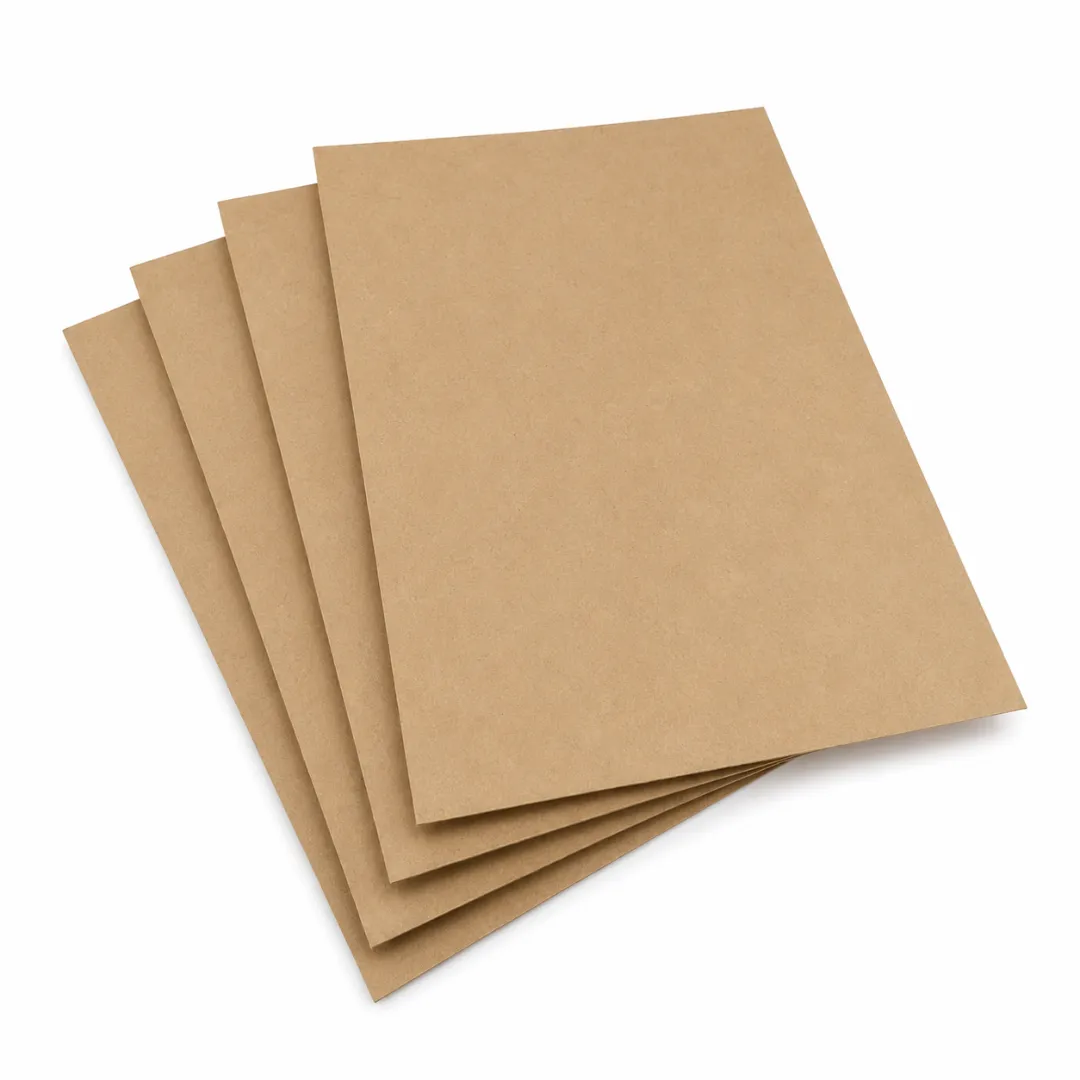
Kraft paper is a strong, durable and reliable material that is widely used across many different industries.
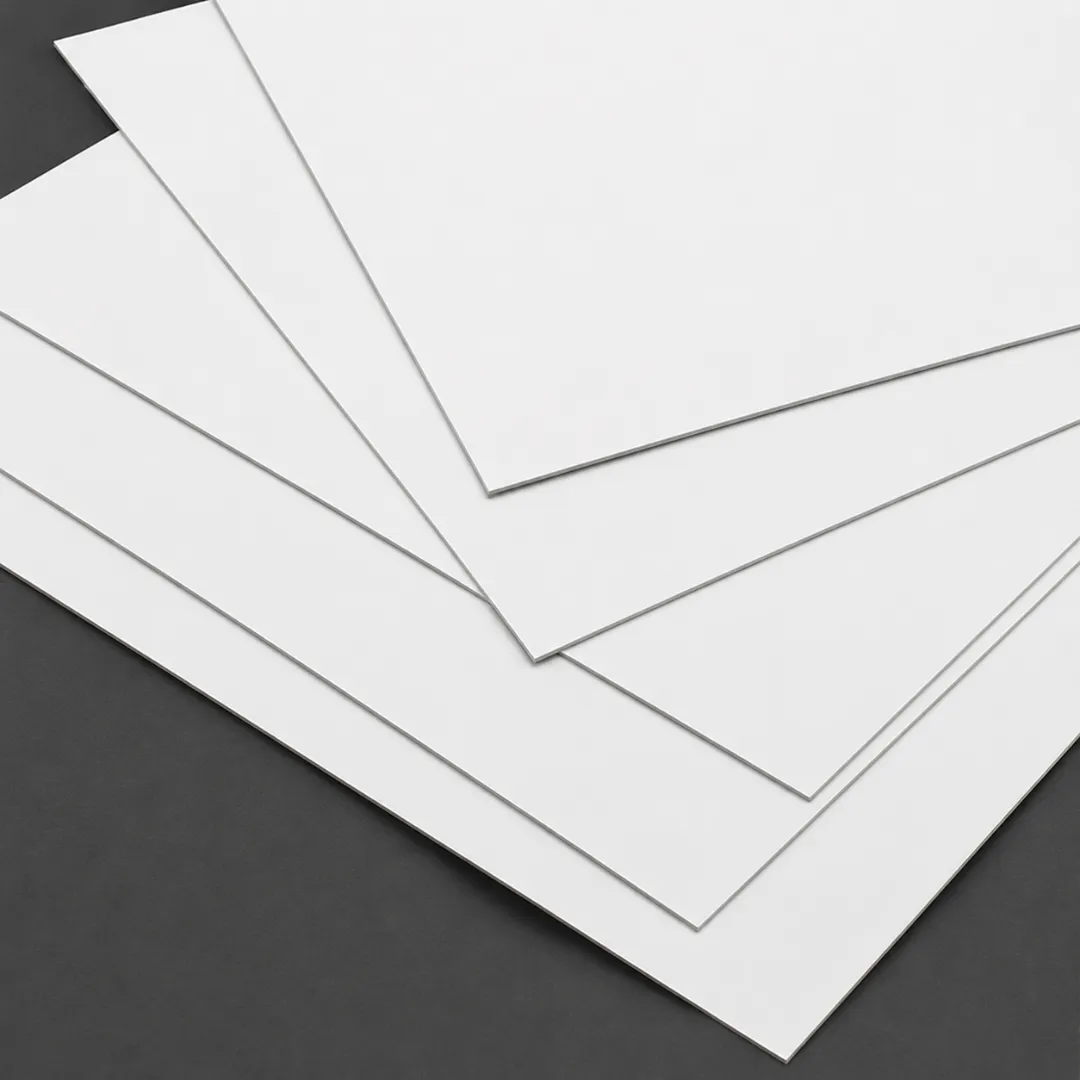
We use cardboard material with the least environmental impact and minimizes waste generation.
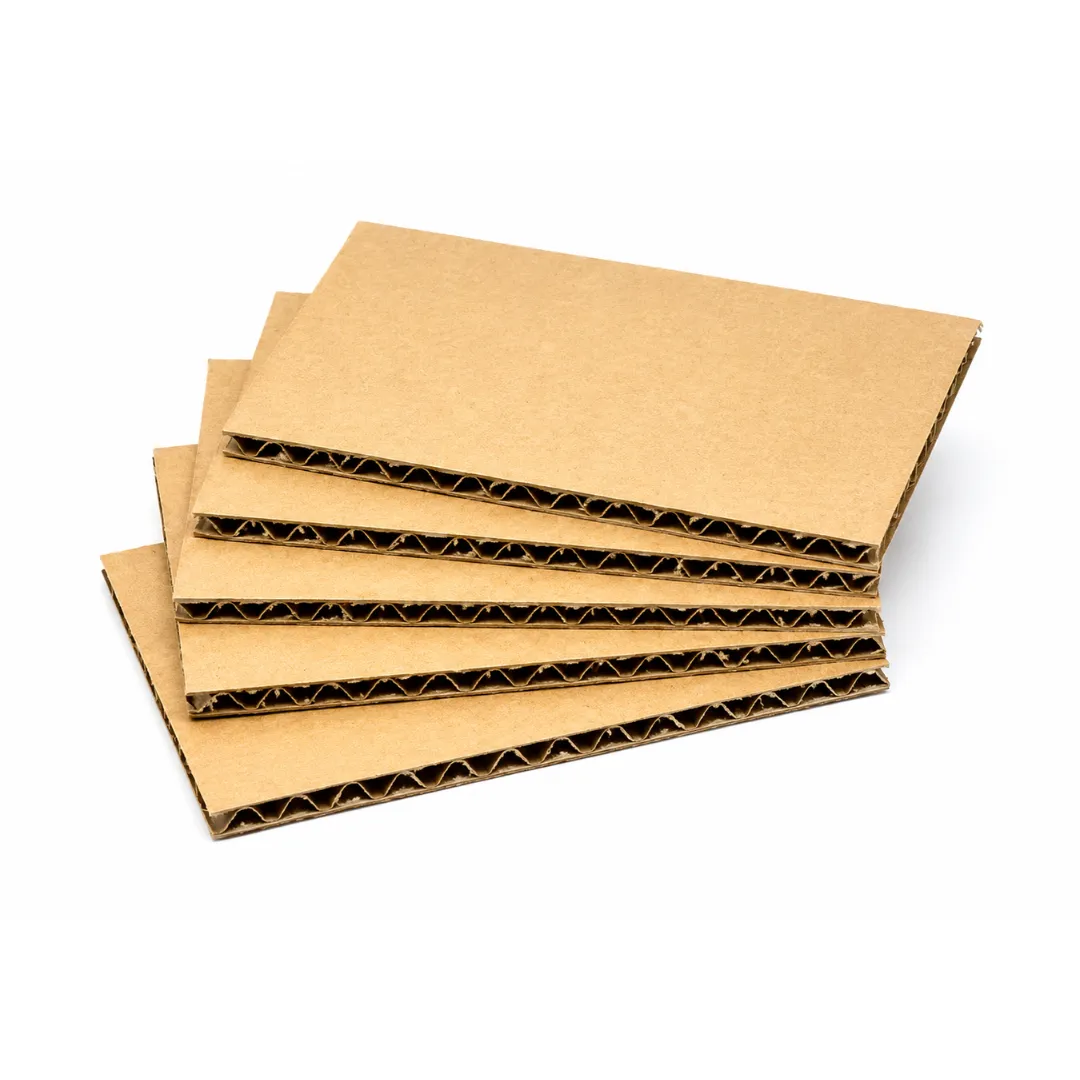
Corrugated material is easy to customize, cost effective and sustainable. It is also great for branding purposes.
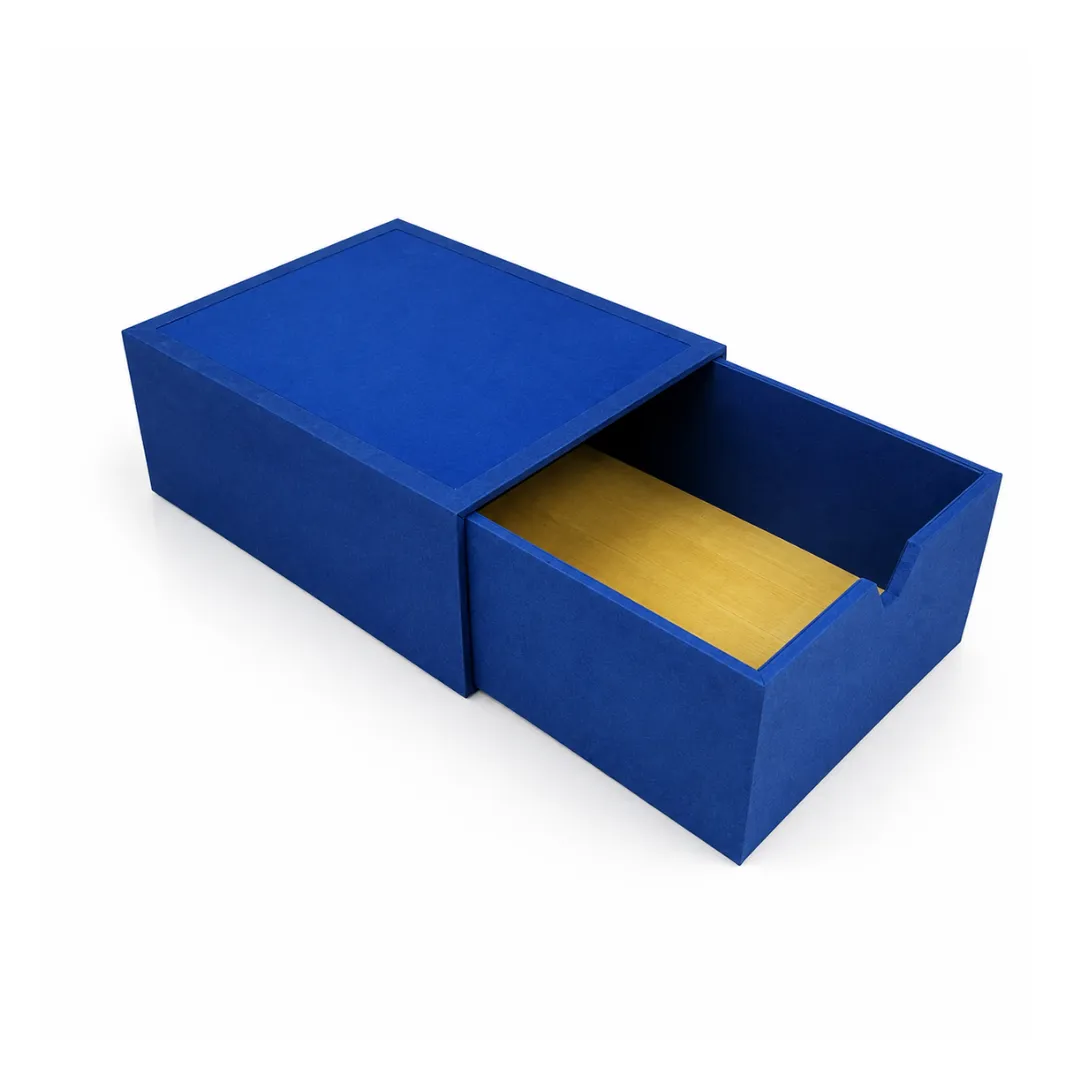
Rigid is highly protective, affordable and recyclable material. These boxes provide maximum protection.
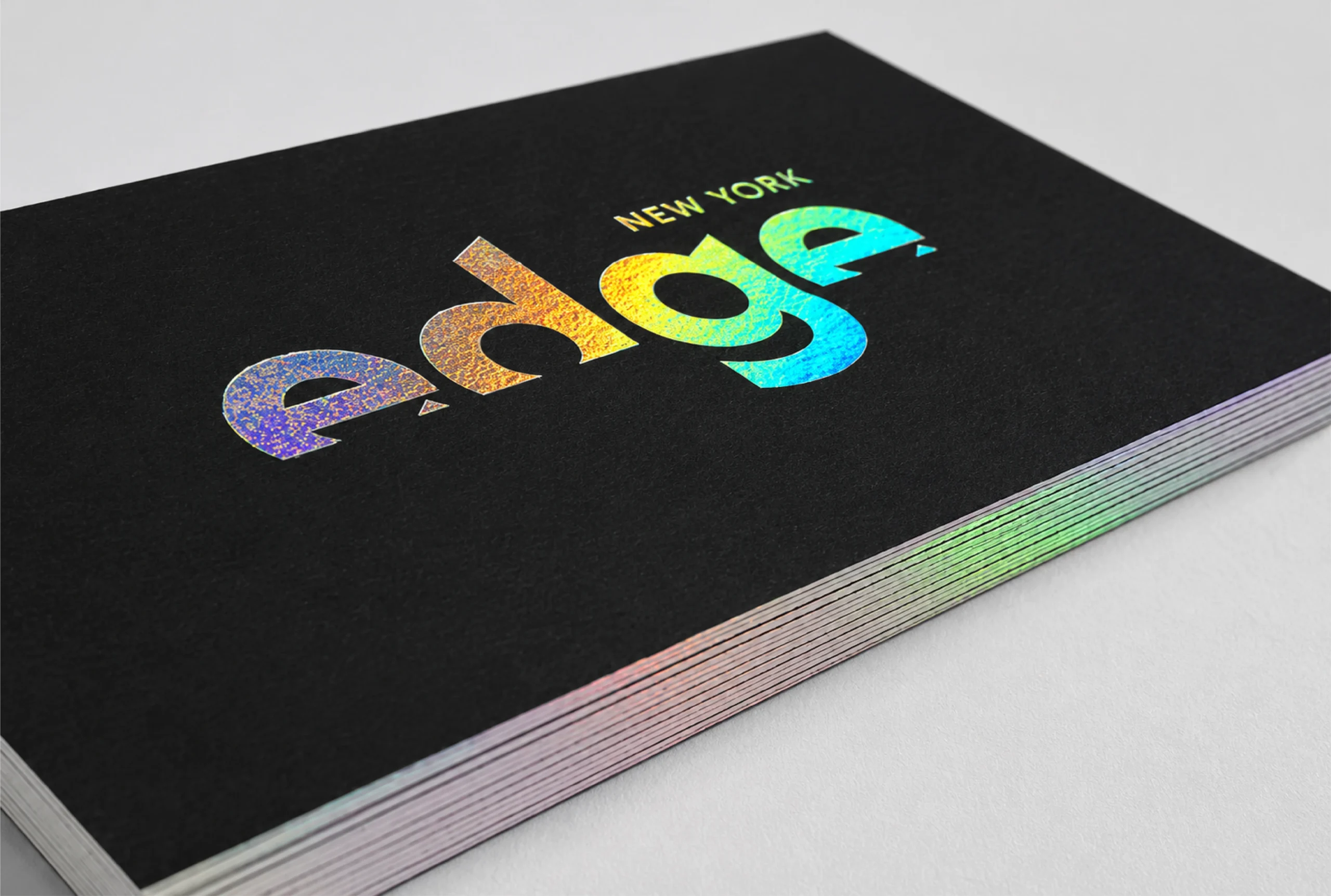
Holographic foil diffracts light and reveals the colors of the rainbow at various angles.
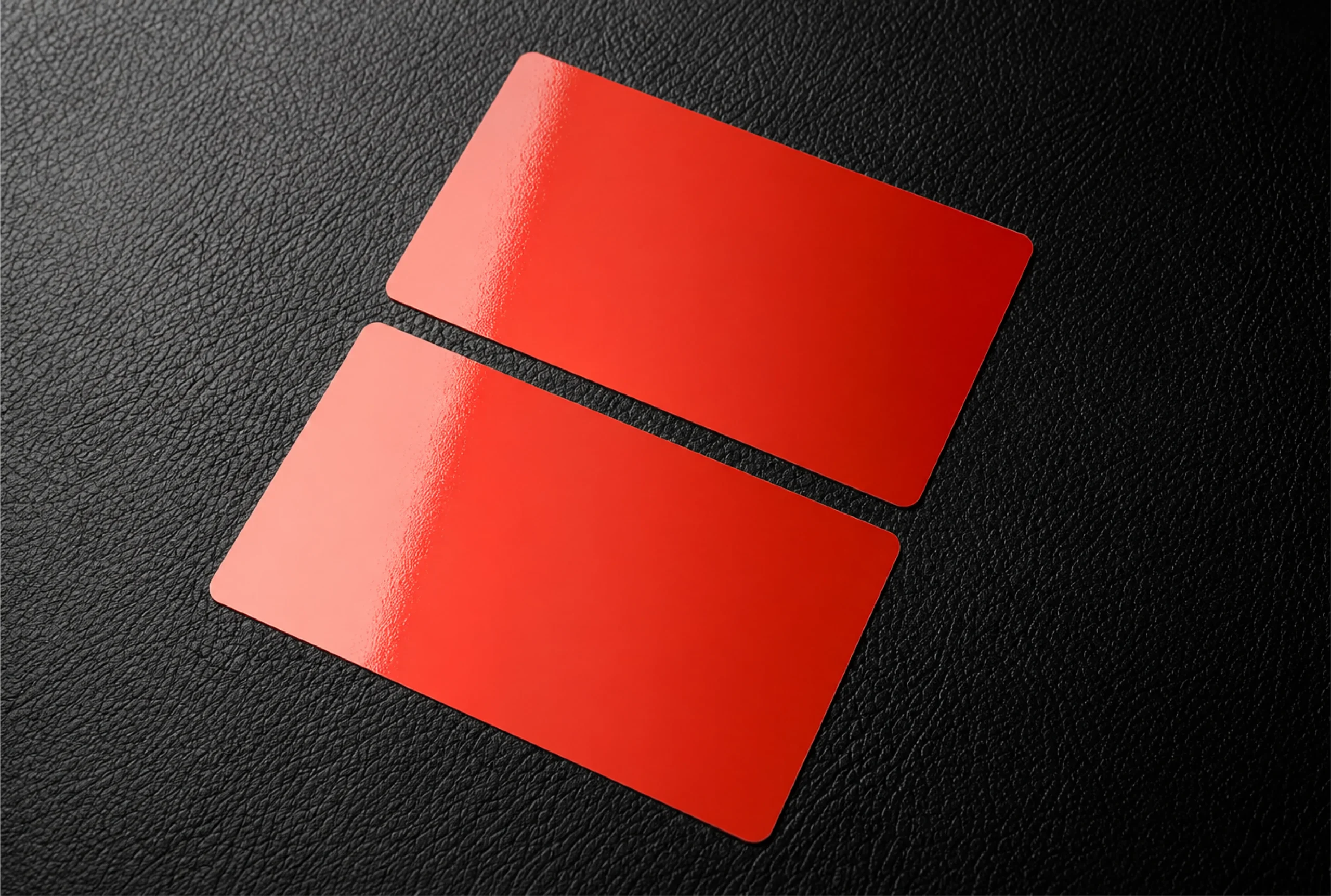
Our glossy finishing gives your packaging an extra layer of shine.
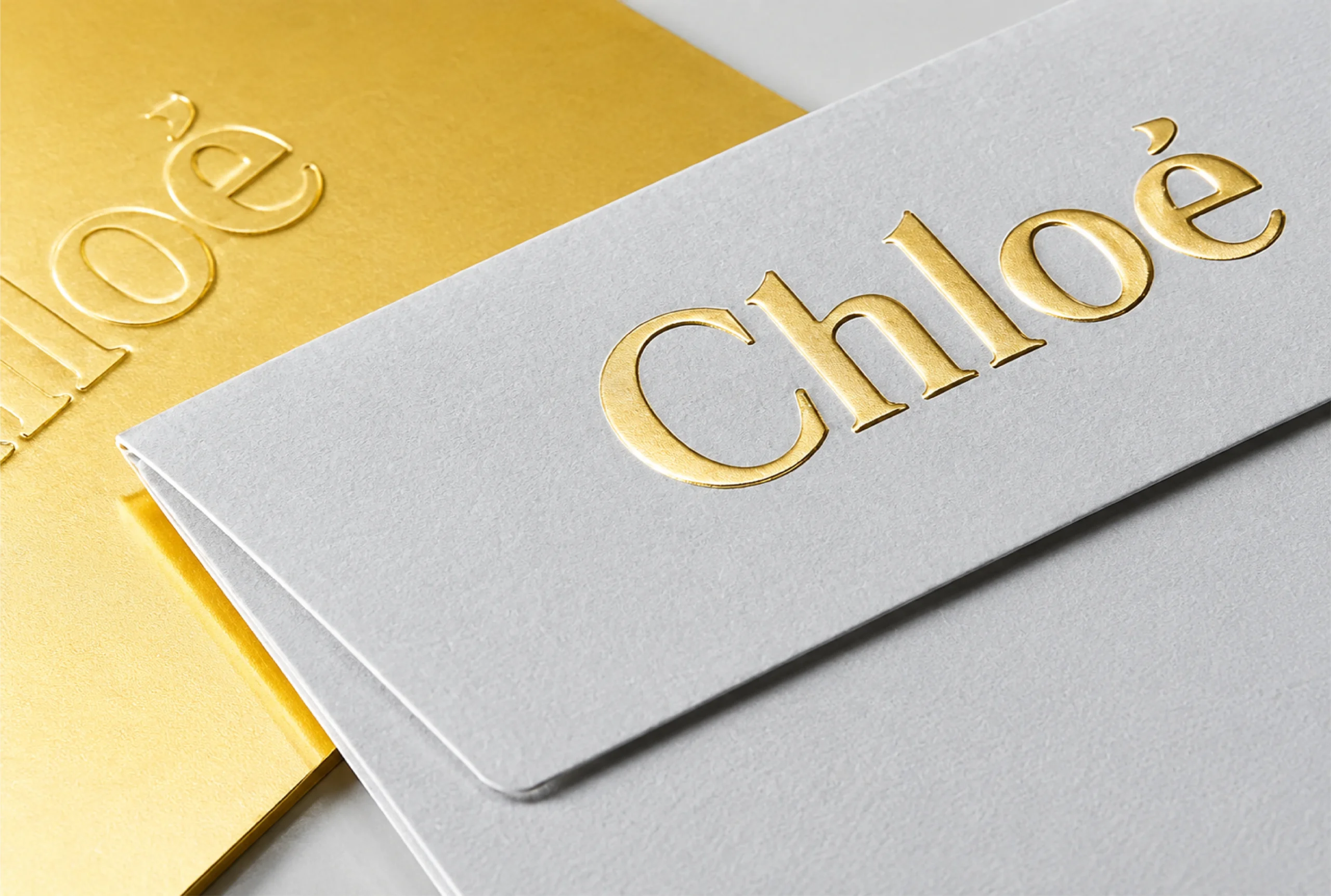
Decorate a wide range of your product packaging with our foil stamping.

With our embossing technique, we transfer the finest details of your product on packaging.
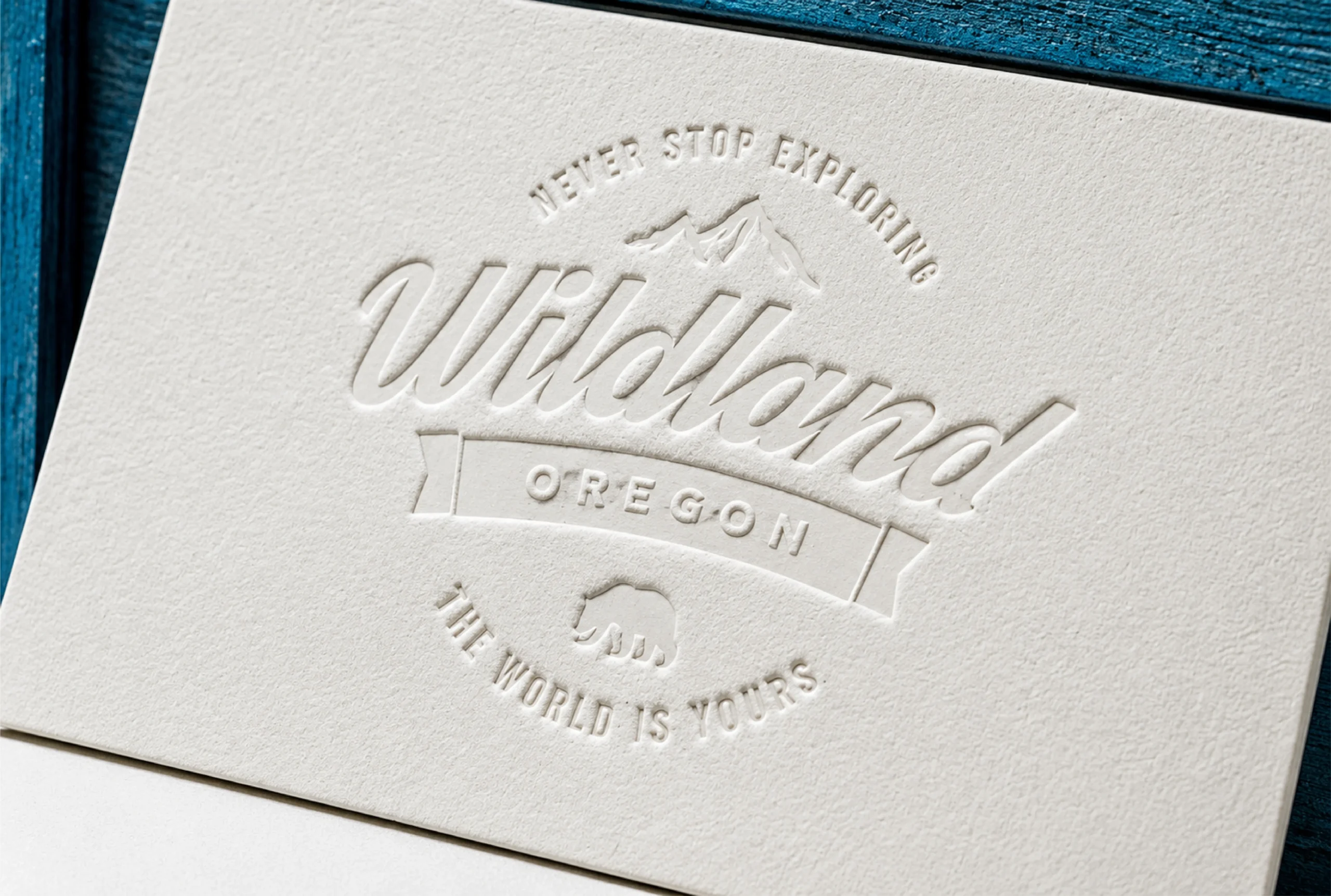
We use debossing technique to add unique graphics into your packaging.
Our high-gloss UV coating gives light and shine to cure the printed material's varnish.
We add additional layer of protection with soft touch lamination from toner chipping.
With our matte finish, fingerprints and smudges will now be less visible on the packaging.
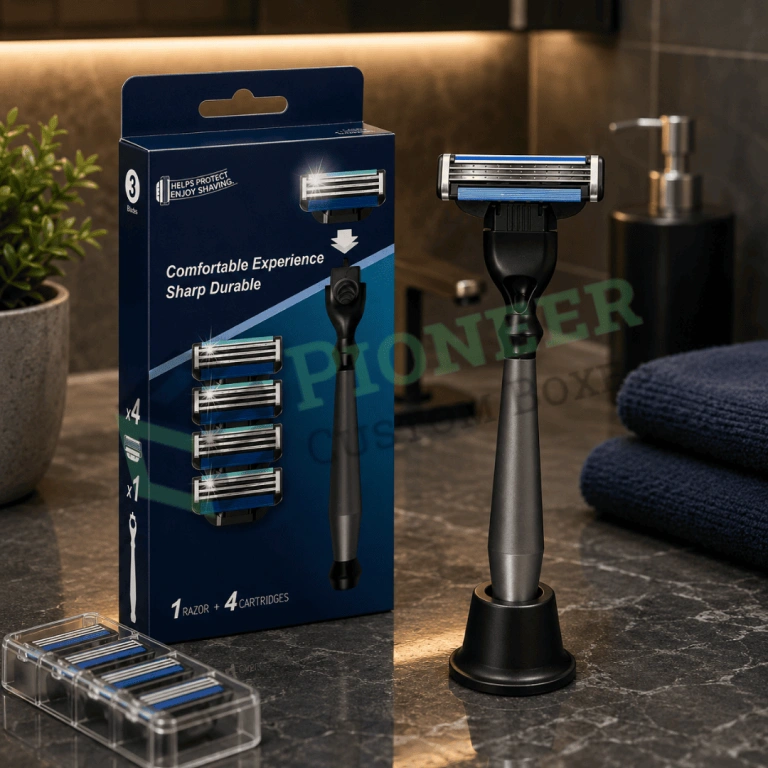
Custom razor boxes from Pioneer Custom Boxes hold the blade still, protect the carton from the edge inside it and make a grooming product look worth its price. Choose cartridge cartons, rigid safety razor boxes, blade refill cartons, gift sets or subscription mailers in SBS, rigid board, recycled stock or E-flute, with die-cut trays, foil stamping, free design support, zero MOQ and free USA shipping.
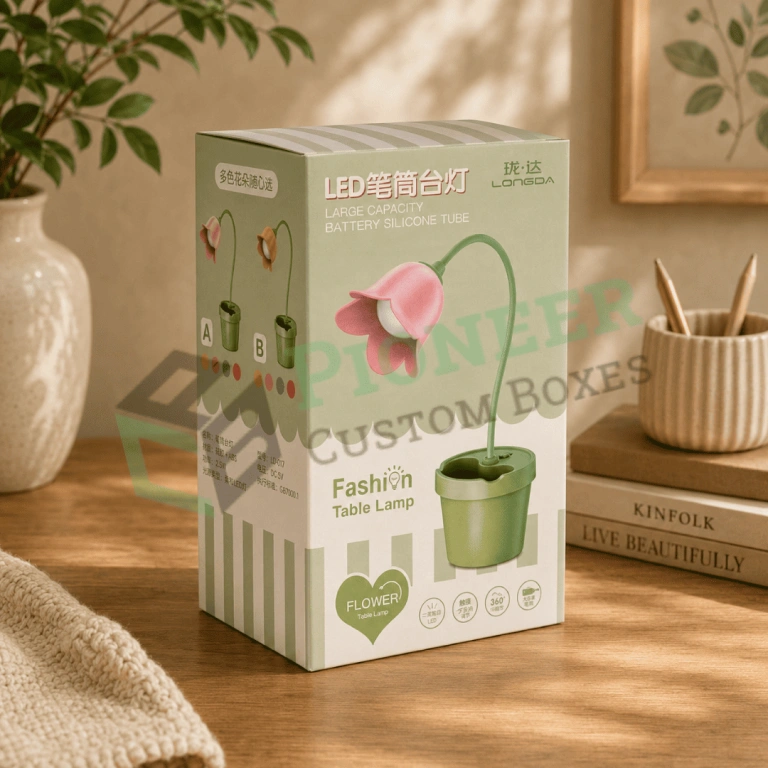
Custom table lamp packaging box solutions from Pioneer Custom Boxes help lighting brands, home décor sellers, ecommerce stores, furniture retailers, and gift suppliers package lamp bases, lamp shades, bulbs, cords, and accessories with protective inserts, corrugated strength, custom printing, and free shipping across the USA.
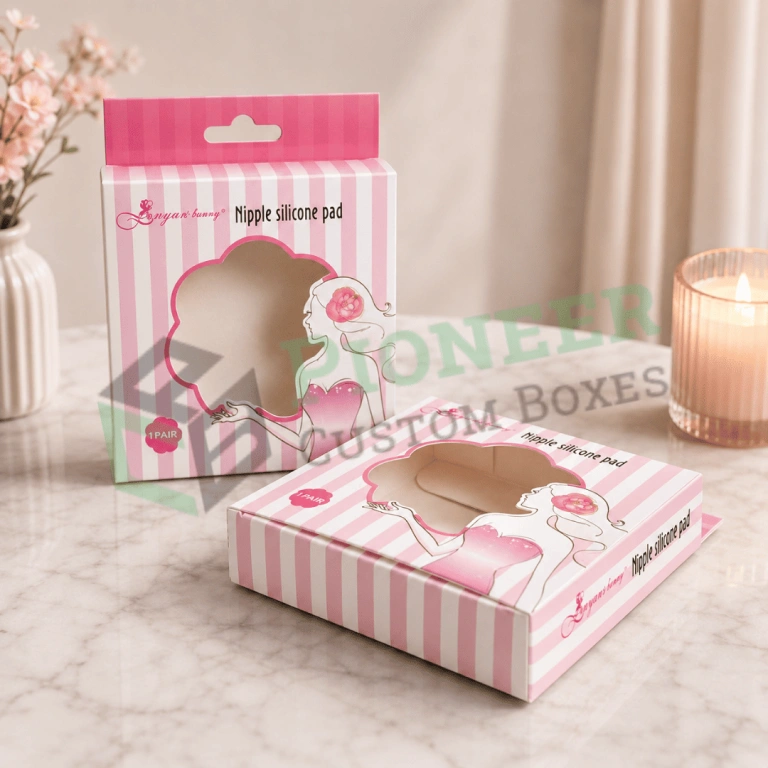
Custom bra boxes protect delicate lingerie with proper cup depth, smooth interiors, durable materials, and premium inserts. Designed for bras, sports bras, retail displays, gift packaging, and ecommerce shipping, they help preserve product shape, prevent fabric damage, and create a stronger unboxing experience.
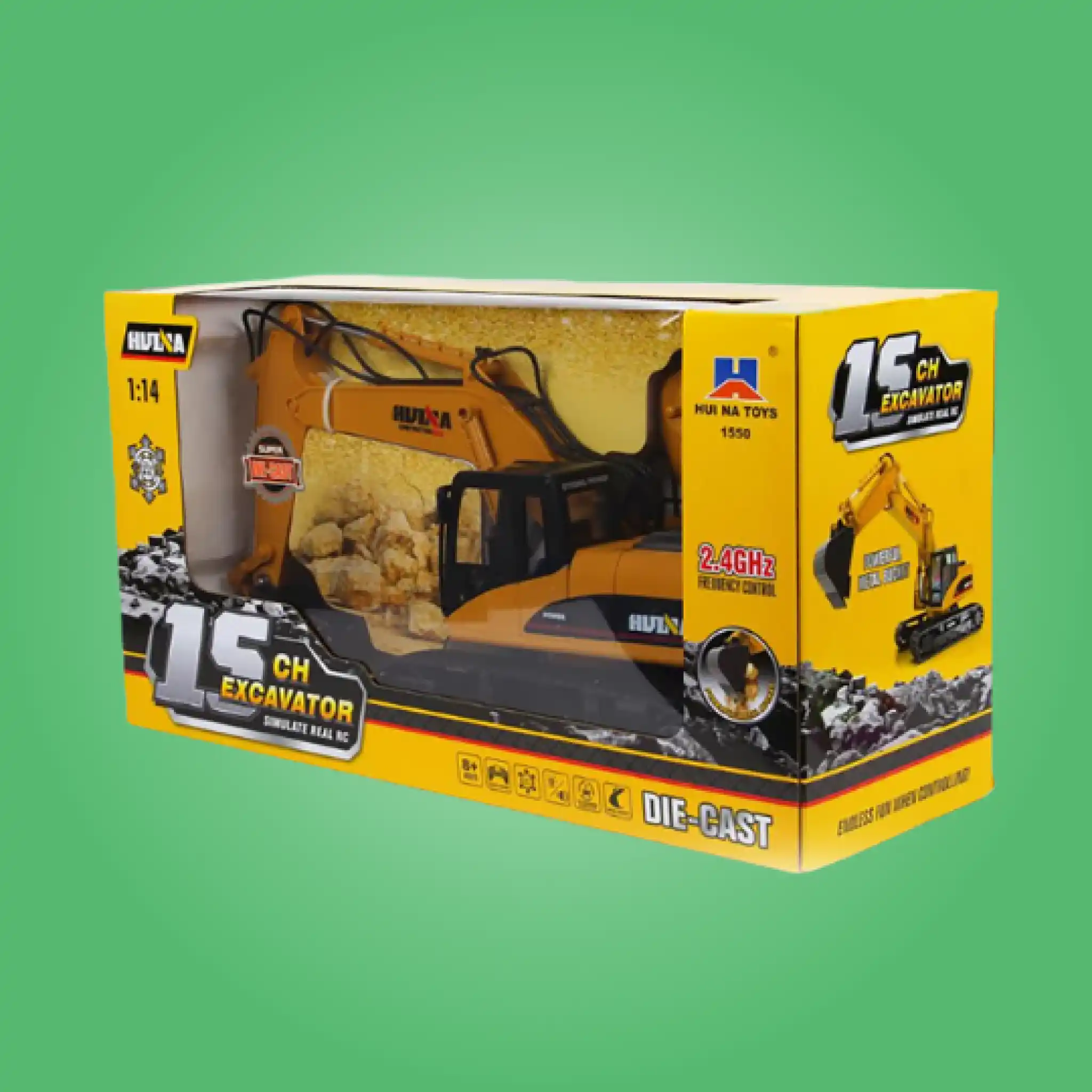
Pioneer Custom Boxes manufactures custom toy boxes for toy brands, dog toy companies, plush makers, educational kits, collectibles, baby toys, board games, subscription toy sets, and retail toy lines that need accurate sizing, protective inserts, window panels, hang tabs, warning-label space, colorful printing, shelf-ready structure, and free USA shipping.