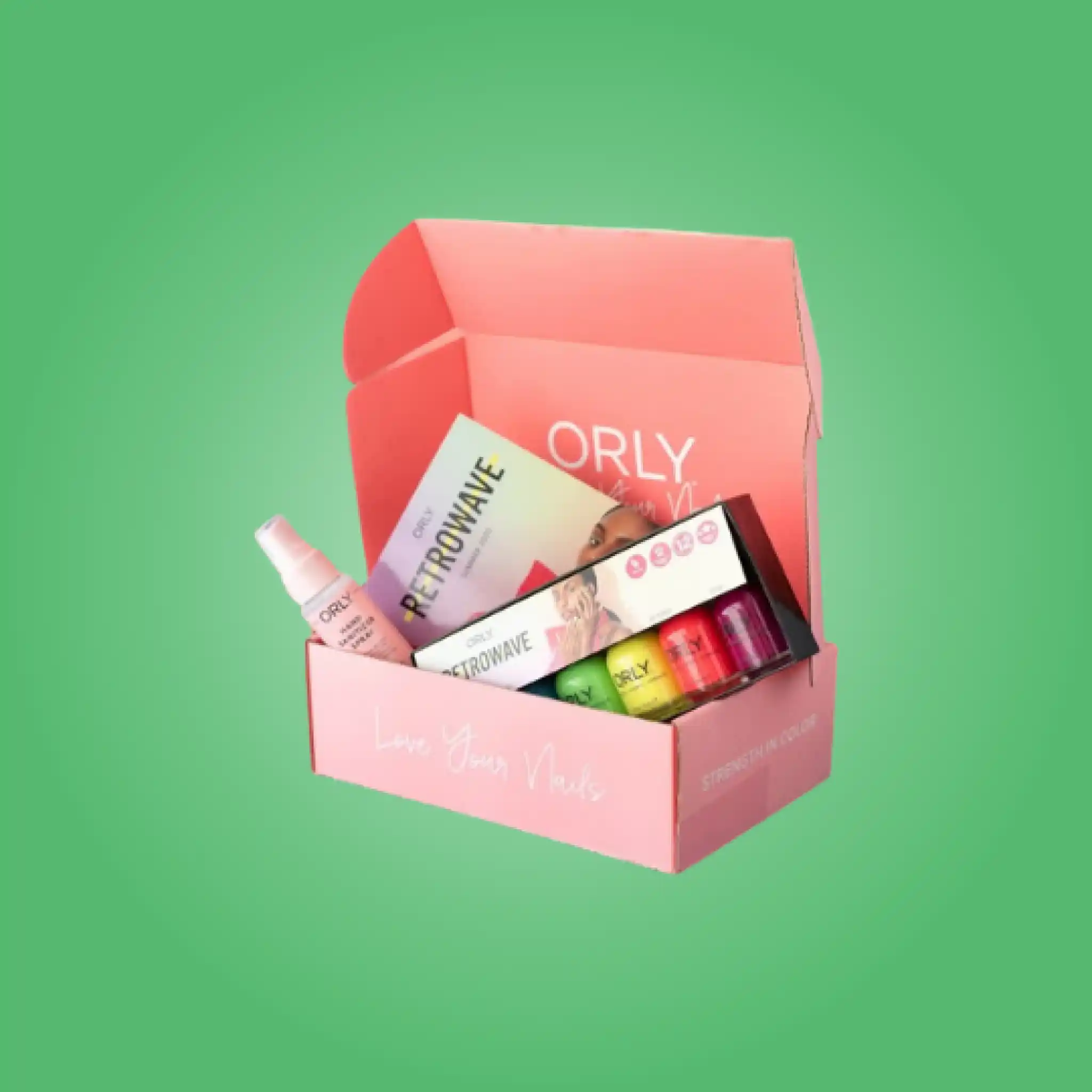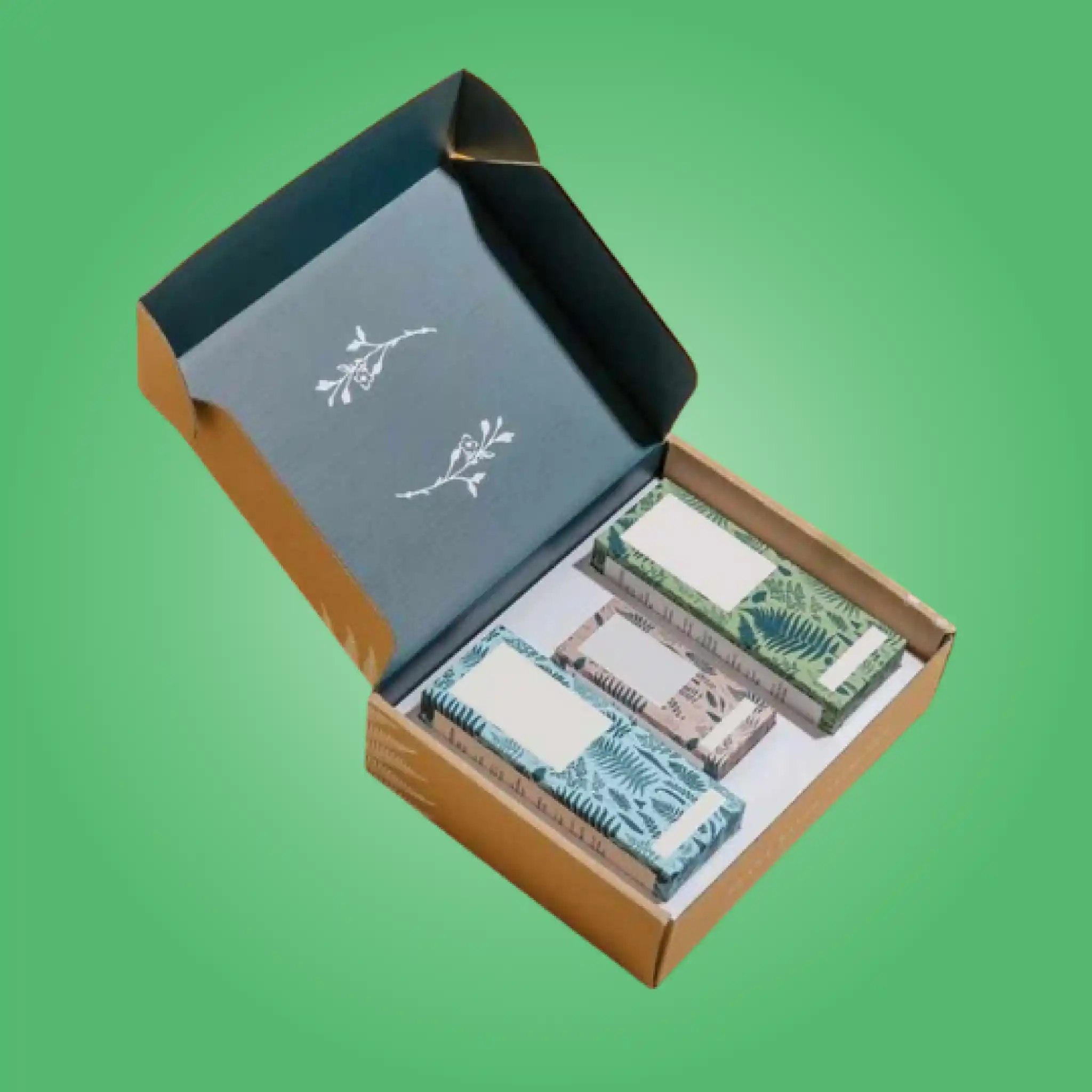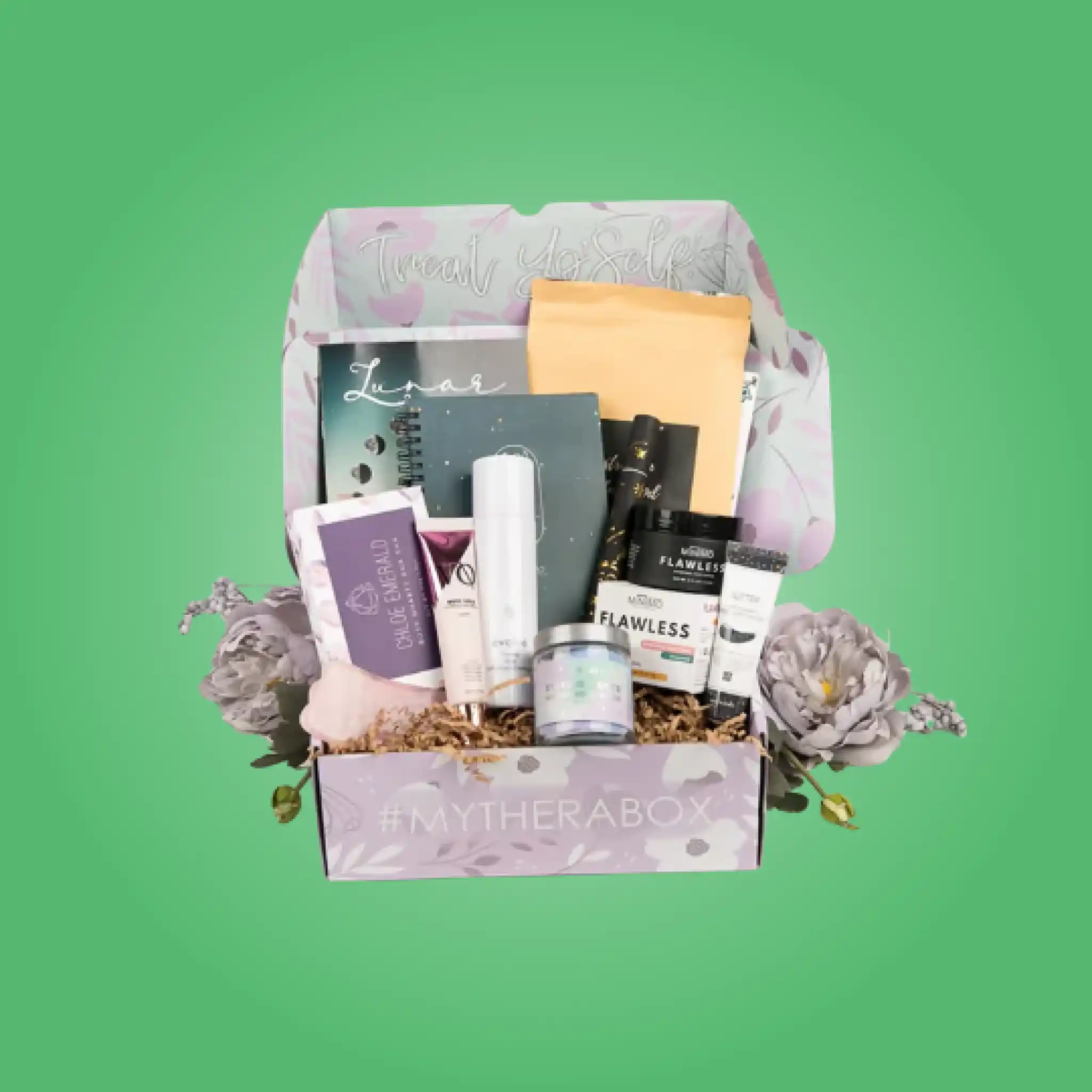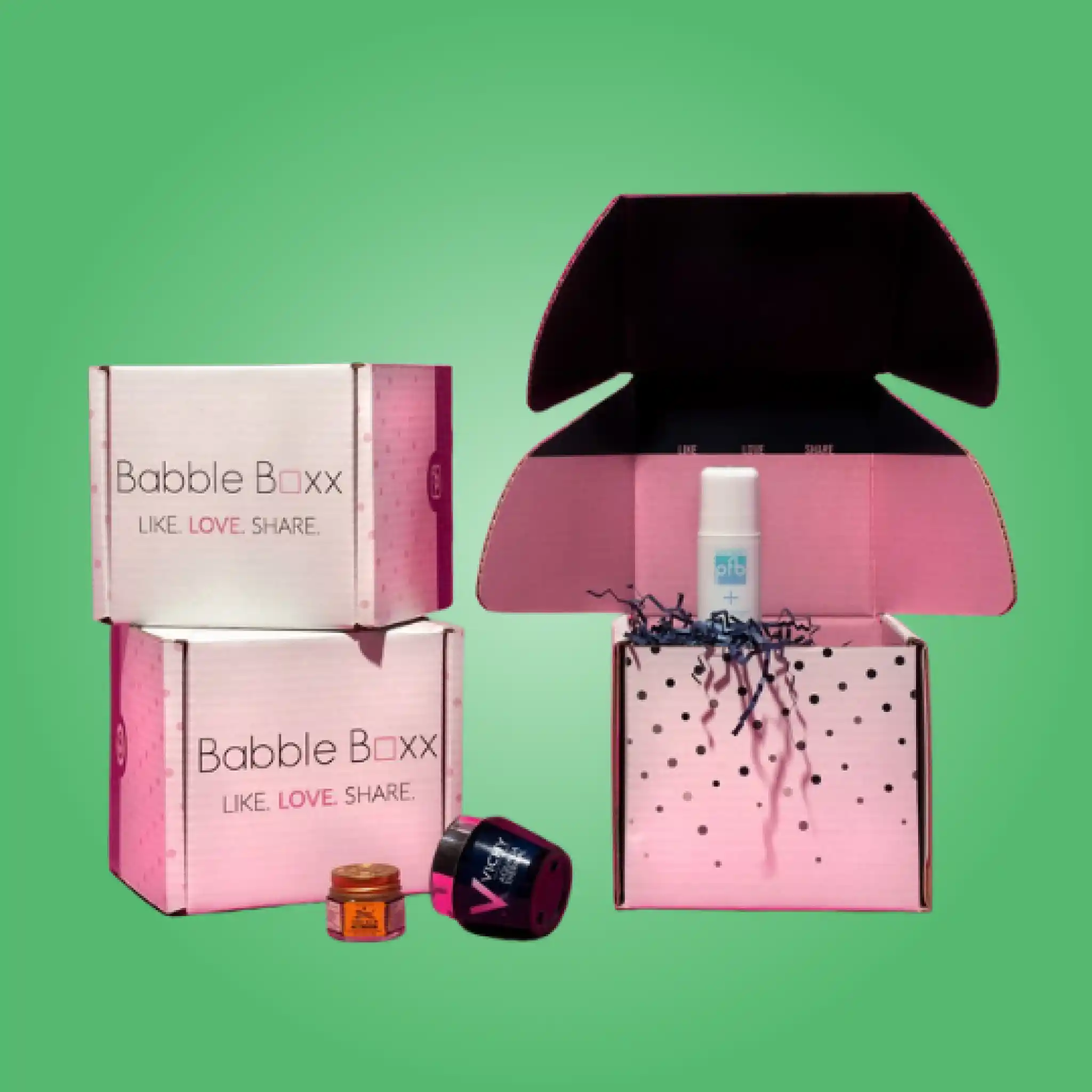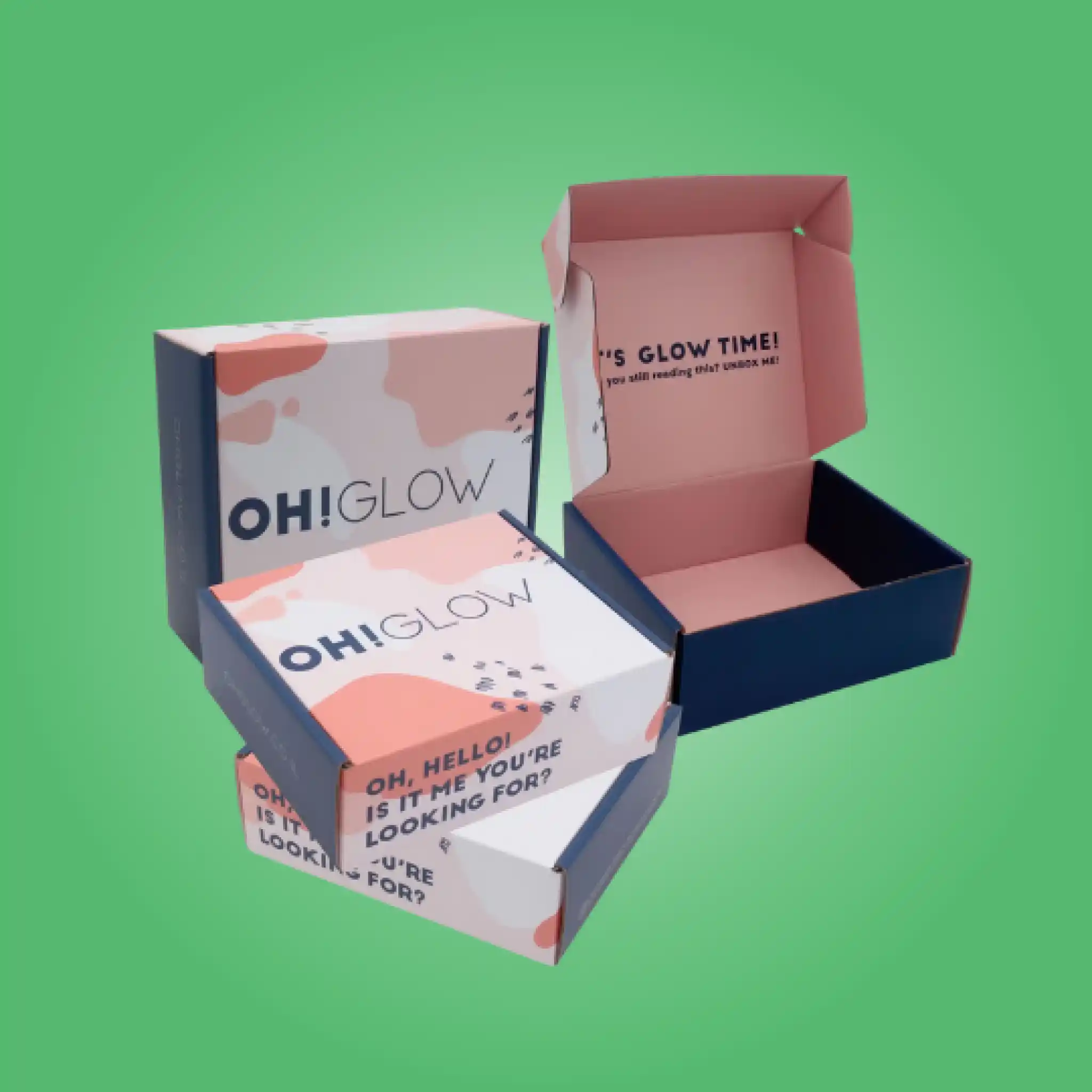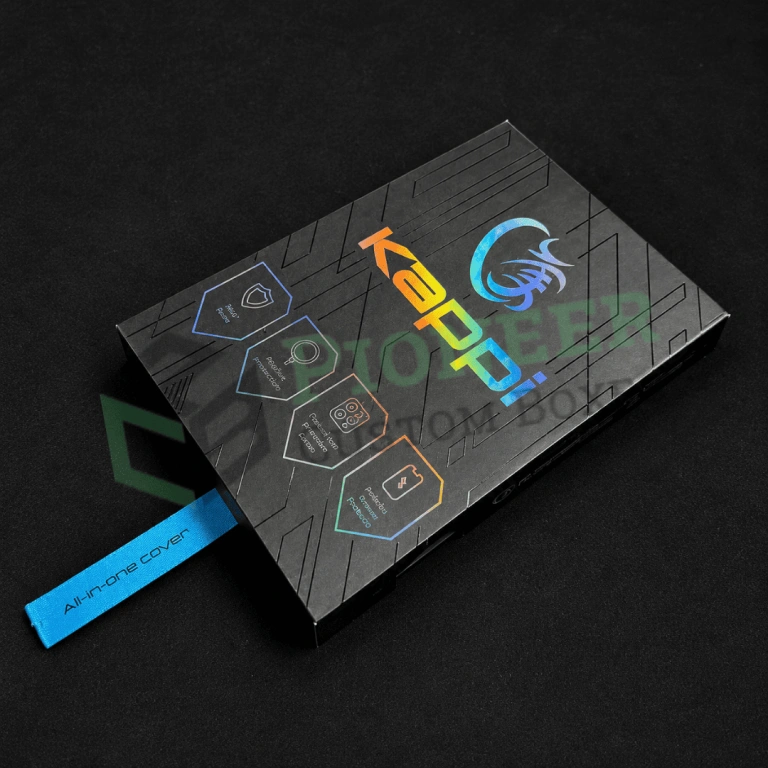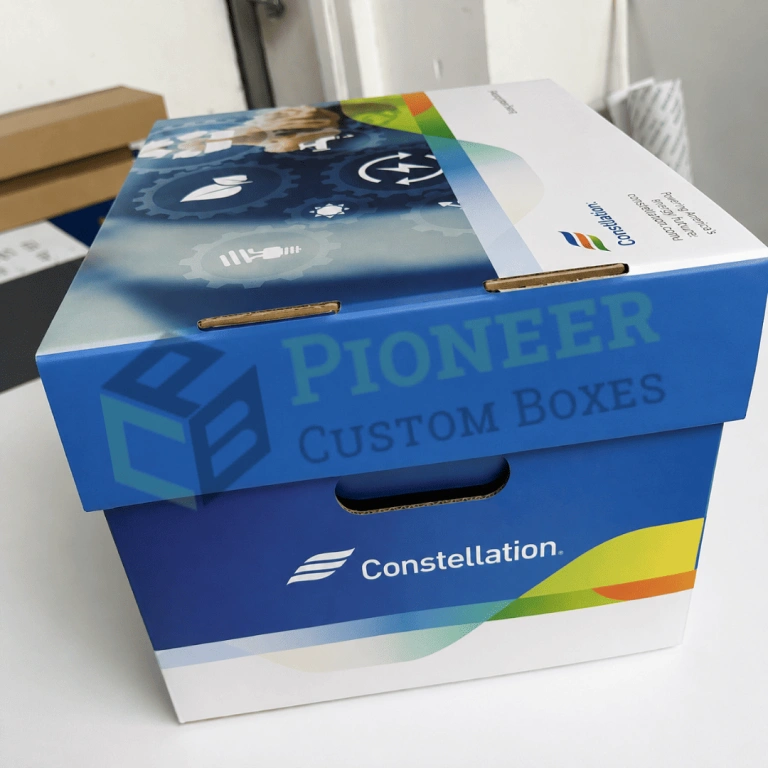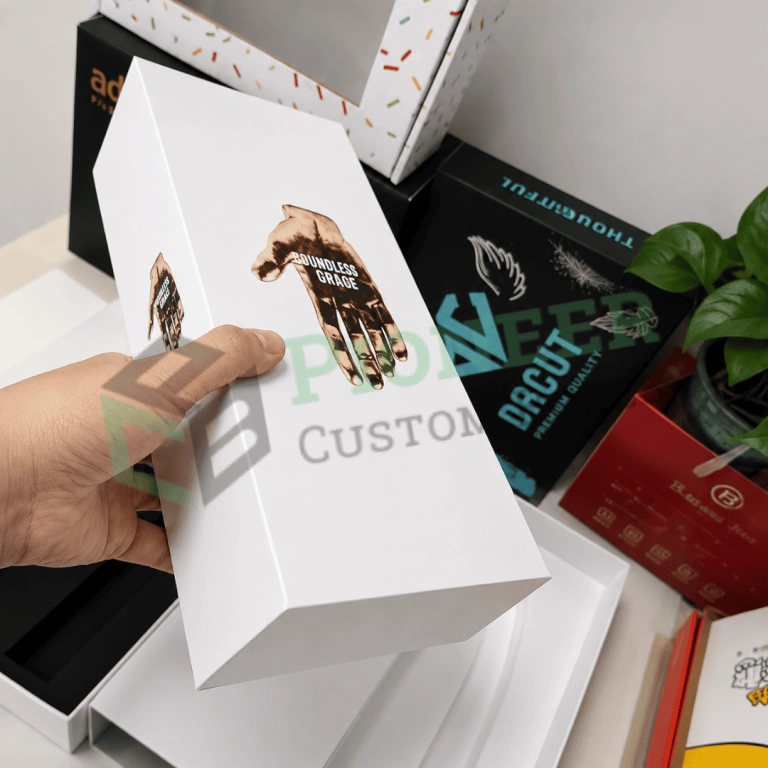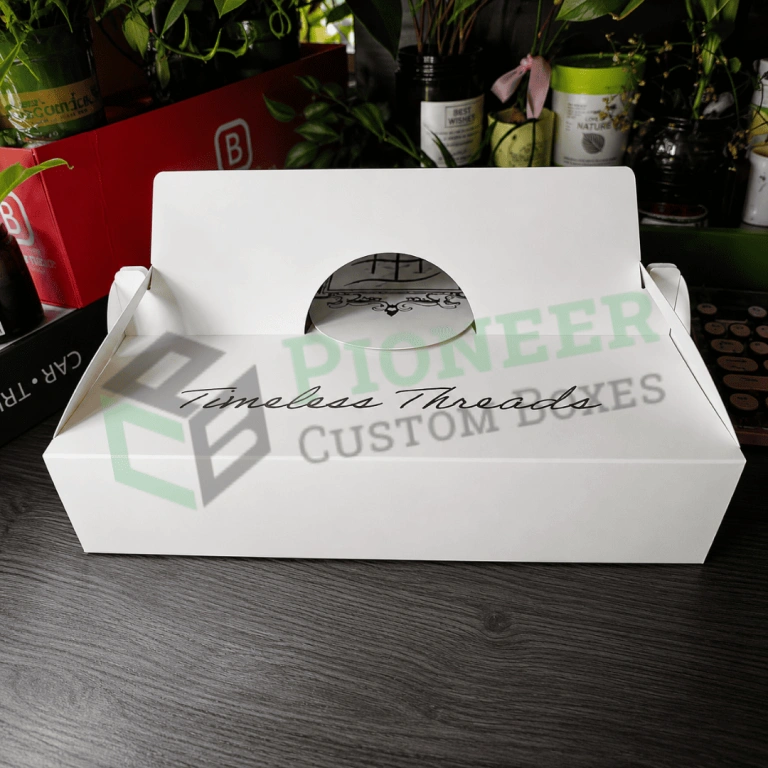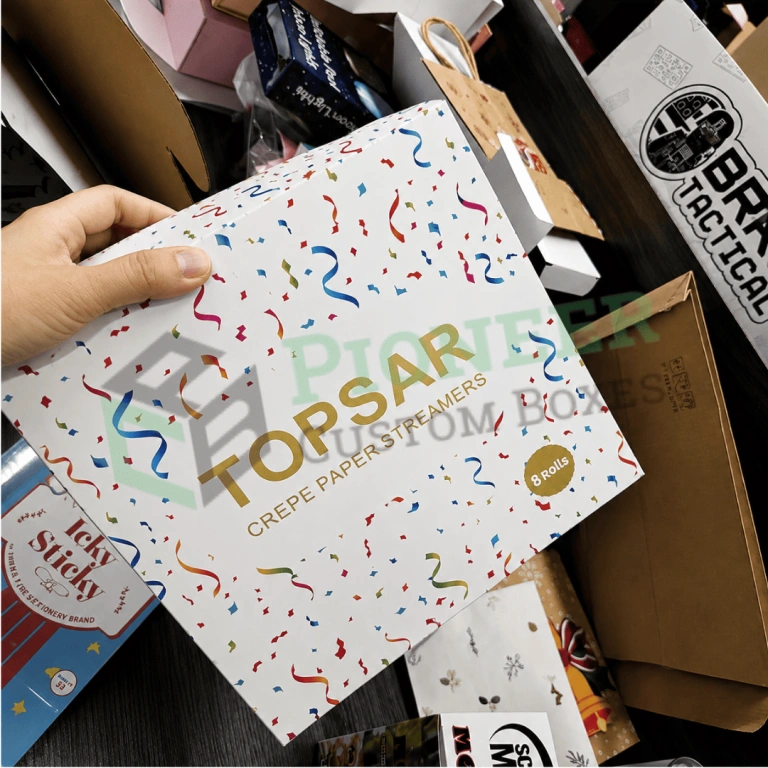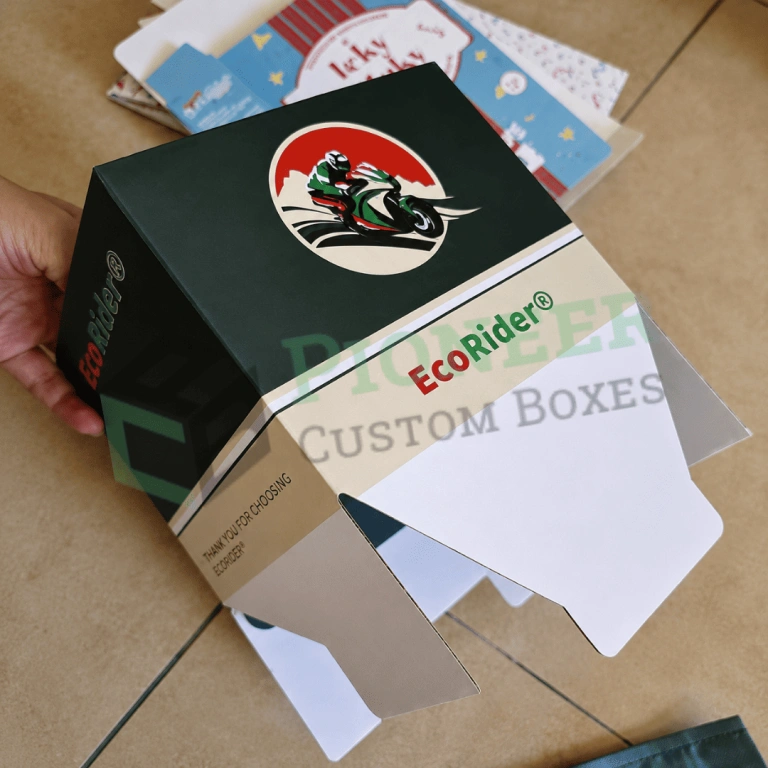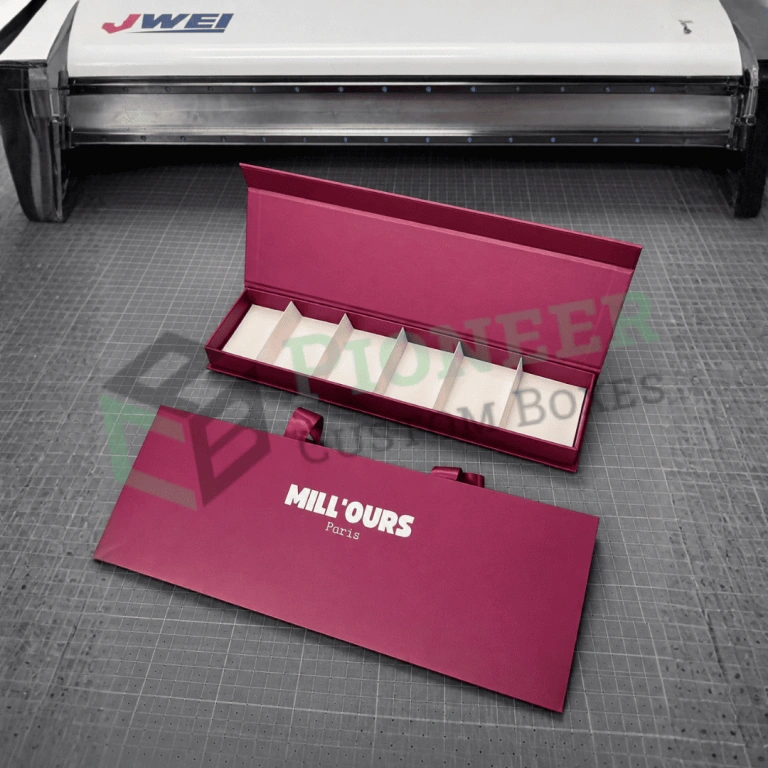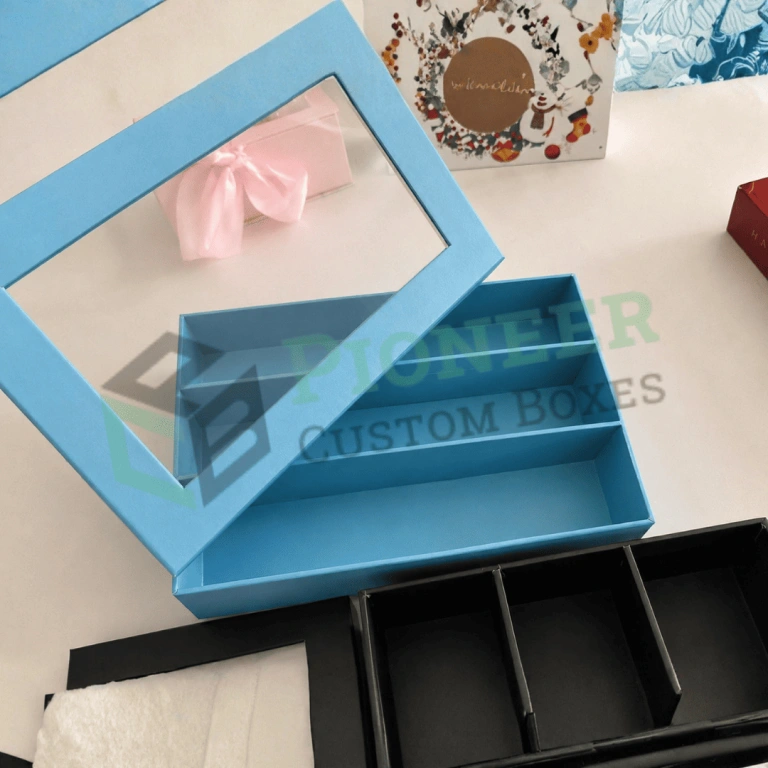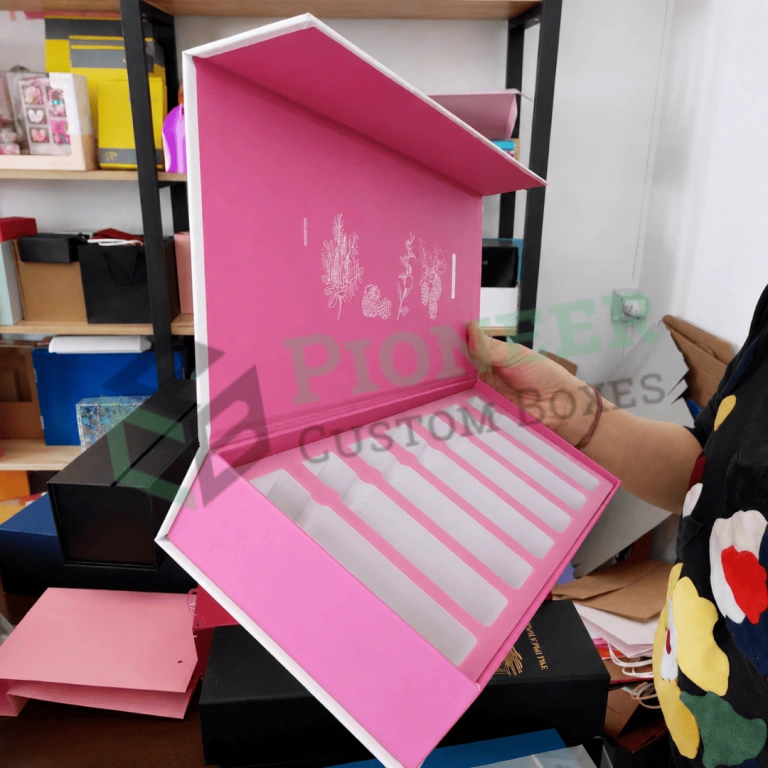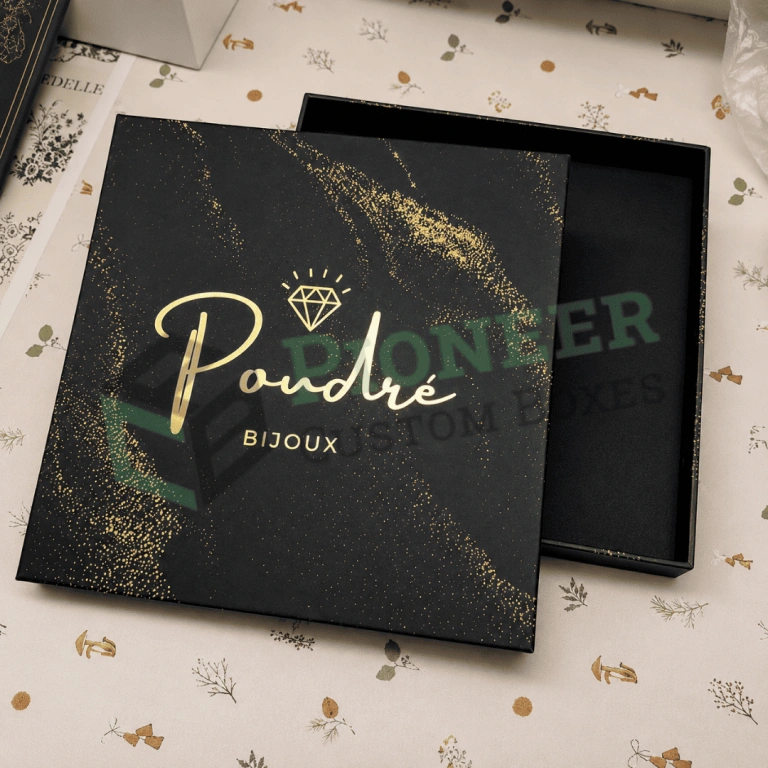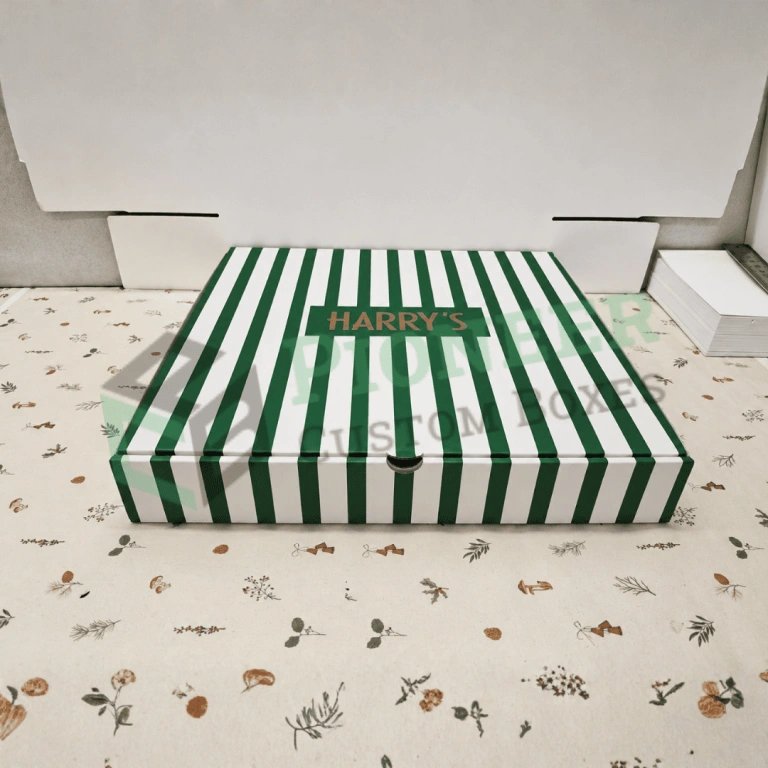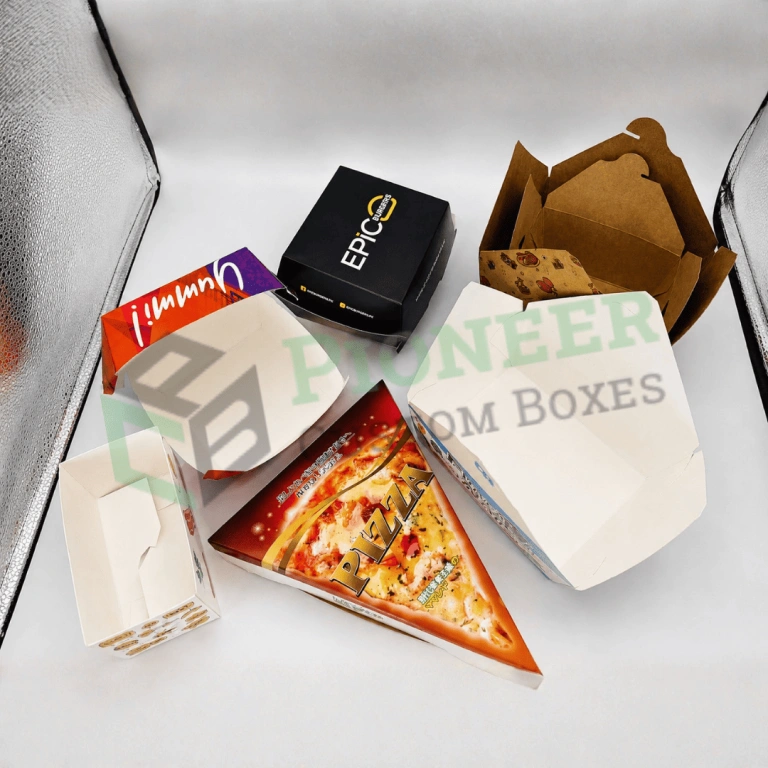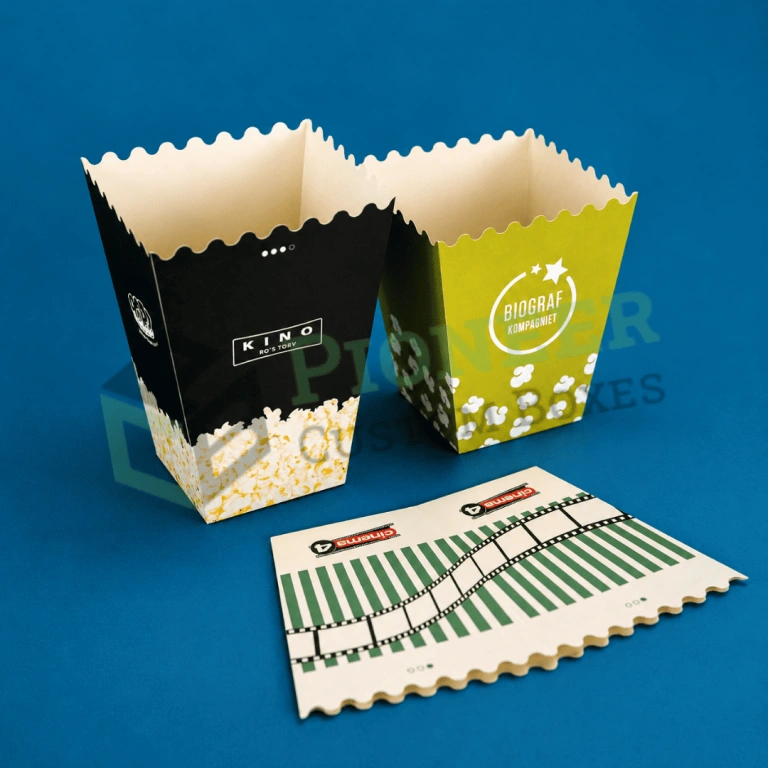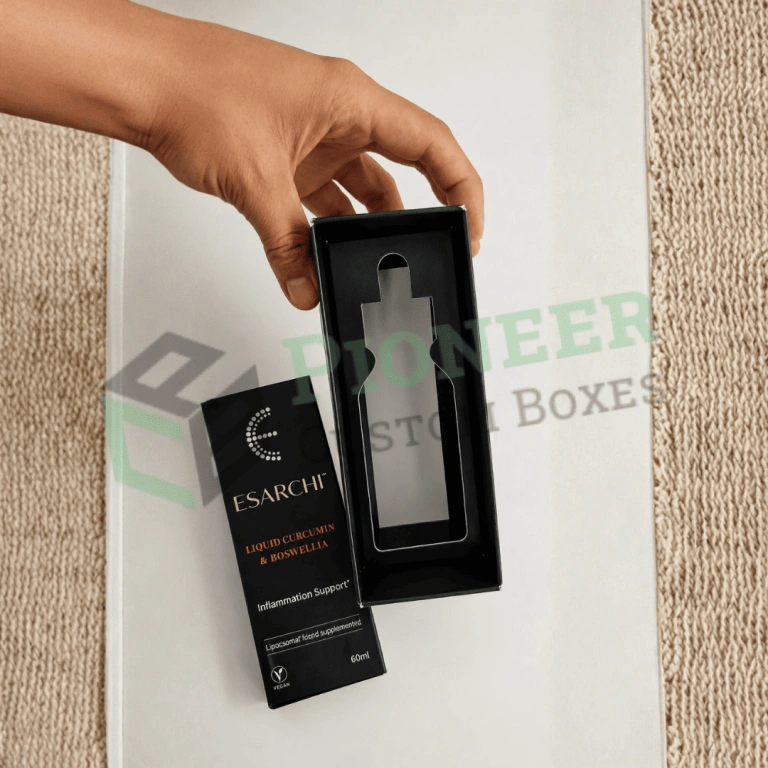
Custom subscription boxes right-sized to your curation, so you stop paying dimensional weight on air every month. Choose roll end tuck top, locking front, full flap, magnetic rigid, drawer and sleeve, book style, shipper with retail insert or multi-depth construction in E or B flute, kraft or white top liner. We print flexo, digital or litho-laminated inside and out, in CMYK or PMS. Add die-cut inserts, molded pulp trays, tear strips, return adhesive strips, printed cards, belly bands and multi-depth scoring. Zero minimum order quantity, free structural and insert design, and free delivery straight to your fulfillment center. Get a free quote or order now.
A subscription box is judged twice. Once when it survives the carrier network, and again when the customer films themselves opening it. Most packaging only has to do the first job. This one has to do both, every month, without the cost creeping past what a recurring margin can carry. We manufacture custom subscription boxes directly in the United States, so you control the structure, the print and the insert. Order fifty boxes or fifty thousand, because we hold no minimum order quantity.
Beauty and grooming brands use these for monthly curations. Food and snack brands use them for tasting boxes. Hobby and craft brands use them for kits. Pet brands use them for treat and toy boxes. Each pattern needs a different interior, and we build all of them on the same lines.
Every specification below is explained separately. Read the section that matches your program, then request a free quote. Our design team draws your dieline at no charge, whatever quantity you order.
Structure decides the pack bench speed, the unboxing sequence and the freight cost. Here are the formats we produce most often.
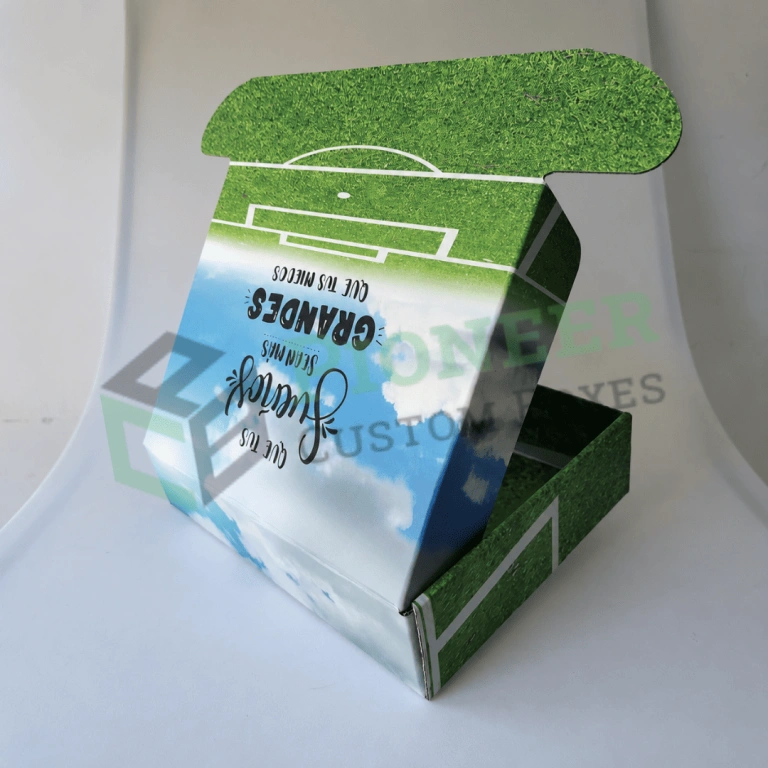
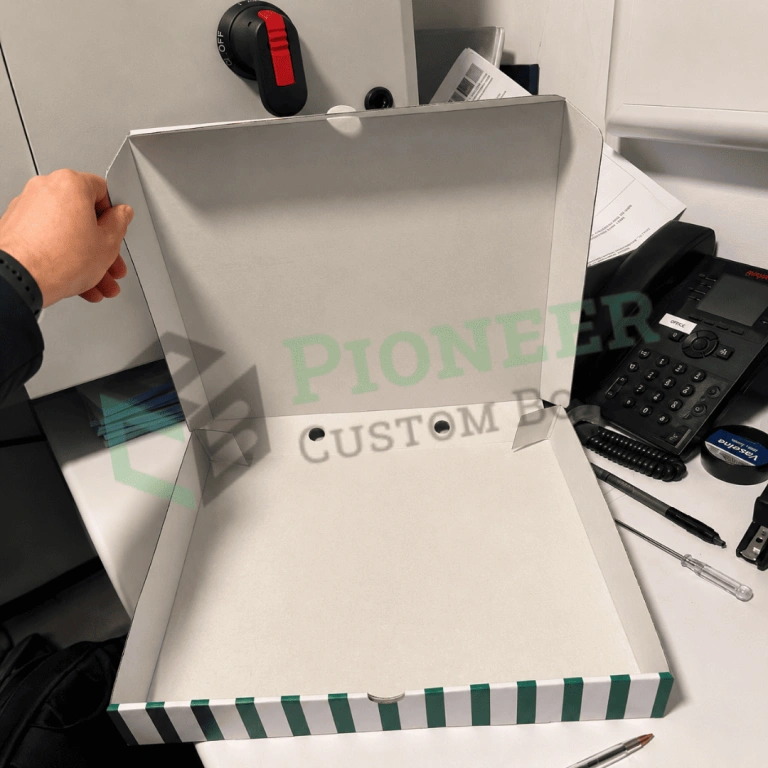
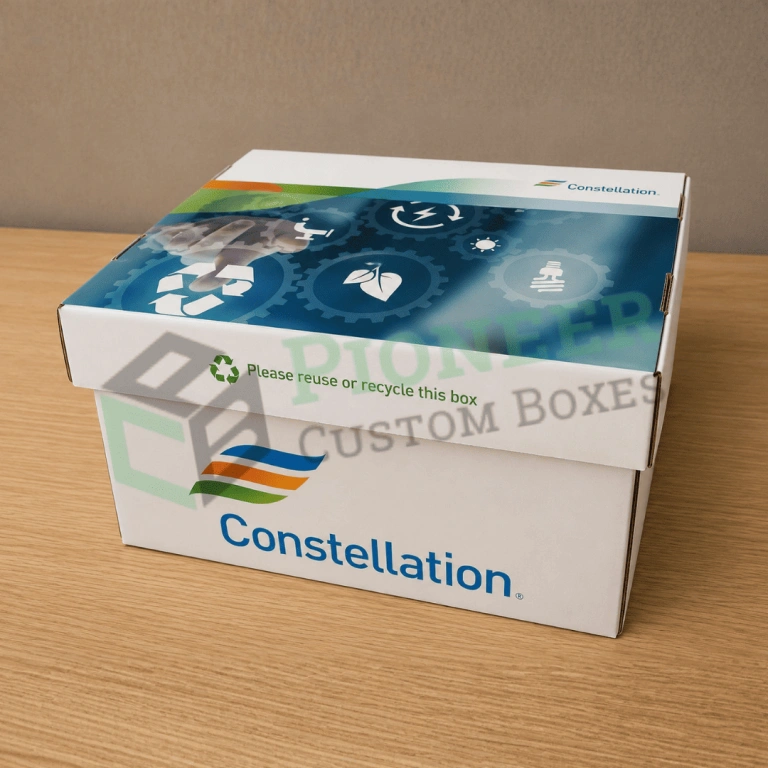
A die-cut tray with a hinged lid tucking into the front. It assembles without tape in one motion, which matters enormously when someone packs four hundred of them in a shift. This is the default subscription structure and it earns that position.
The same tray with a locking tab gripping the front wall. The closure survives carrier vibration better than a plain tuck, so heavier boxes and longer transit routes use this version.
Side flaps fold in before the lid closes, which doubles the wall thickness at the corners. Heavier curations benefit, and the interior looks more finished because no raw edges show.
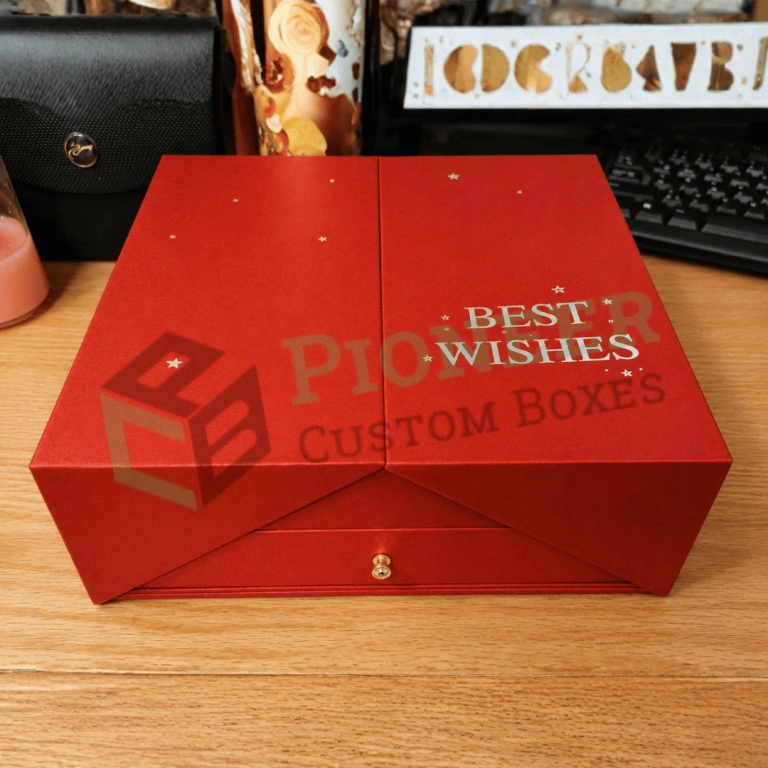
A wrapped rigid box with concealed magnets. It costs several times a corrugated mailer, so it suits high ticket quarterly boxes rather than monthly ones. Customers keep these, which extends the brand impression for years.
An inner tray slides out of a printed sleeve. The two stage reveal films beautifully, which is why unboxing focused programs choose it. It does need two components rather than one.
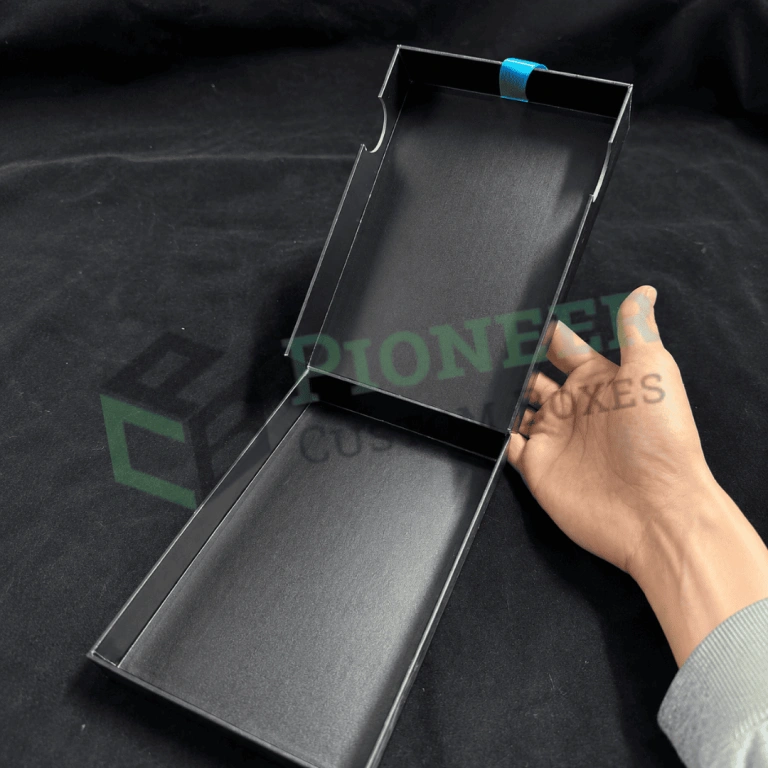
A hinged rigid box opening like a cover, giving a large interior panel facing the contents. Programs that include a printed card, a letter or a curation story use that panel well.
An outer mailer protecting a printed inner box. Brands selling the same curation through retail and subscription use one retail pack and swap only the shipper.
Score lines at two or three heights let one box serve several curation sizes. Programs where the box contents vary month to month cut SKU count and void fill this way.
,,,,,,,,
| Box Style | Closure | Pack Speed | Best Application |
|---|---|---|---|
| Roll end tuck top | Front tuck, no tape | Fastest | Standard monthly boxes |
| Roll end locking front | Locking tab, no tape | Fast | Heavier or long transit |
| Full flap mailer | Folded side flaps | Moderate | Premium monthly curations |
| Magnetic rigid box | Concealed magnets | Slow, hand packed | Quarterly and high ticket |
| Drawer and sleeve | Sliding tray in sleeve | Moderate | Unboxing focused programs |
| Book style box | Hinged cover | Moderate | Curations with printed story |
| Shipper with retail insert | Taped outer, printed inner | Moderate | Dual channel brands |
| Multi-depth mailer | Front tuck, scored heights | Fast | Variable monthly contents |
Tell us the curation dimensions, the filled weight and how many boxes your team packs per shift. Those three inputs drive the structure more than aesthetics do. Our team then recommends a format and sends the drawing free of charge.
The roll end structures above are the same ones our mailer boxes range is built on. A subscription program and a one-off ecommerce order share the same dielines, so a brand running both keeps one tooling library rather than two.
Subscription boxes cluster around a few footprints, because carrier pricing and shelf storage both reward certain shapes. These dimensions cover the orders we run most often.
,,,,,,,,,,
| Size (L x W x H, inches) | Typical Curation | Common Category |
|---|---|---|
| 6 x 4 x 2 | 3 to 5 small items | Jewelry, stationery, samples |
| 8 x 6 x 2 | Flat items and sachets | Tea, coffee, skincare samples |
| 9 x 6 x 3 | 5 to 7 mixed items | Standard beauty box |
| 10 x 8 x 3 | 6 to 8 items with an insert | Grooming and wellness |
| 12 x 9 x 3 | Apparel plus accessories | Fashion and sock clubs |
| 12 x 9 x 4 | 8 to 12 items | Snack and food boxes |
| 12 x 12 x 4 | Bulkier curations | Hobby and craft kits |
| 14 x 10 x 4 | Large monthly curation | Pet and family boxes |
| 10 x 8 x 6 | Tall or stacked contents | Beverage and bottle clubs |
| 16 x 12 x 5 | Quarterly or premium box | High ticket programs |
Design the box around your largest recurring item rather than around an average month. A curation that mostly fits leaves one item forcing the lid every quarter, and a forced lid splits corners in transit. If the range is genuinely wide, multi-depth scoring solves it better than an oversized box does.
Subscription is the one packaging category where a single specification decision repeats every month for years. That changes the math completely, and it is where most programs quietly lose margin.
Carriers bill on dimensional weight, which converts box volume into a billable weight and charges whichever is higher. A light curation in a generous box means paying for air, every box, every month. Multiply a small overcharge by twelve shipments and a few thousand subscribers and the number stops being small.
Run the calculation before you commit to a size. Multiply length by width by height in inches, divide by the carrier divisor, then compare that to actual filled weight. Shrinking a box by one inch in each direction frequently changes which figure wins.
Void fill is the second recurring cost. Paper, pillows and crinkle all cost money and labor on every single box. A box cut to the curation removes most of that spend, and a structural insert removes the rest while protecting the contents better.
Pack bench time is the third, and it is the one buyers forget entirely. A structure that assembles in one motion rather than three saves seconds per box. At four hundred boxes a shift those seconds are a real labor line, and tape is both slower and an extra consumable.
Send us your curation dimensions and your current box size. Our team will model the dimensional weight difference across a year of shipments and show you whether a custom size pays for its tooling in the first quarter.
Board choice decides whether the box survives a carrier network and how it photographs when the customer opens it. Those two demands pull in different directions, and the balance is the whole craft of this category. Our board specifications follow the corrugated standards the Fibre Box Association publishes for the industry.
A fine fluted layer between two liners at roughly a sixteenth of an inch. It prints well, folds crisply and takes interior printing beautifully. This is the standard subscription material for curations under about ten pounds.
Thicker than E-flute with noticeably more crush resistance. Heavier curations and programs shipping glass or bottles move to B-flute. Print quality stays acceptable, though fine detail softens slightly against the flute.
Natural brown kraft is the default subscription surface and signals practical sustainability. It costs less than bleached liner, hides scuffing well and pairs perfectly with one or two color flexo printing.
A bleached outer liner gives a clean white surface for photographic printing. Beauty and premium programs use it when the exterior carries a full color design. Cost sits above kraft and scuffs show more readily.
An offset printed sheet laminates onto corrugated, combining retail print quality with shipping strength. Photographic imagery, gradients and fine type all survive. This is how premium subscription boxes get magazine quality exteriors.
Thick compressed chipboard wrapped in printed paper. It does not flex, and customers keep these boxes for storage long after the contents are gone. Quarterly and high ticket programs justify the cost.
Most corrugated already carries substantial recycled fiber, and higher recycled grades cost less. Subscription audiences respond well to it, and for a box that gets recycled within minutes of opening the trade-off is easy.
Printing the inside of the box is the cheapest dramatic upgrade in this category. A single interior color on a kraft mailer transforms the reveal for very little money.
,,,,,,,,
| Material | Typical Spec | Max Filled Weight | Best Application |
|---|---|---|---|
| Single wall E-flute | 1.5 mm wall | Up to 10 lb | Standard monthly mailers |
| Single wall B-flute | 3 mm wall | Up to 20 lb | Heavier and glass curations |
| Kraft liner | Surface layer | Scuff tolerant | Default subscription look |
| White top liner | Surface layer | Print focused | Full color exteriors |
| Litho-laminated board | 1.5 mm to 3 mm | Up to 10 lb | Premium photographic print |
| Rigid greyboard | 1.5 mm to 2.5 mm | Hand packed | Quarterly and high ticket |
| Recycled content board | 1.5 mm to 3 mm | Matches equivalent grade | Sustainability led brands |
| Interior printed liner | Single or full color | Not structural | Unboxing experience |
A subscription box gets photographed more than almost any other package, so print quality carries real marketing weight. We print in house on flexo, digital and litho-lamination lines.
Flexo prints directly onto corrugated from flexible plates. It is by far the most economical route, and it handles one to three spot colors well. Most kraft subscription mailers are printed this way, inside and out.
Digital skips plates entirely, which removes setup cost and makes short runs affordable. It also unlocks something this category values highly. A program can print a different design every month, or a seasonal variant, without paying for new plates each time.
An offset sheet prints at full retail quality then laminates onto corrugated. Photographic imagery and gradients survive intact. Cost sits highest here, so reserve it for programs where the exterior is genuinely part of the product.
Printing the inside changes the unboxing completely, and it is where subscription brands get the most marketing return per dollar. Flexo handles a single interior color economically. Digital allows full color, including a different interior message each month.
Natural brown liner is the default surface across this whole category, and our kraft boxes range covers it in every structure. Ask our prepress team for a printed kraft sample before approving artwork, because the liner warms every color.
Finishing on a subscription box has to justify itself twelve times a year. Anything that adds cost without lifting retention or shareability is a recurring leak rather than a one-time spend. Here is what actually earns its place.
A water based sealer that adds scuff resistance without blocking recycling. For a monthly box the customer breaks down and recycles within minutes, this is almost always the right answer over film.
Matte film gives a premium surface and resists the fingerprints a box collects across a carrier network. Premium programs use it. It does add cost per box every month and it complicates recycling, so weigh it against retention rather than against looks alone.
Soft touch creates a velvet surface customers notice the instant they lift the box. On a quarterly or high ticket program that moment is worth real money. On a low margin monthly box it rarely is.
Spot UV cures glossy varnish over selected artwork only. A glossy logo against a matte lid reads as deliberate and photographs well. It works best on litho-laminated surfaces rather than directly on kraft liner.
Foil presses metallic leaf into the surface. Anniversary boxes, limited editions and premium tiers use it as a signal that this month is different. Foil on corrugated needs a flat laminated surface to register cleanly.
Not a finish in the traditional sense, but the highest return visual upgrade available here. A printed interior is what turns an opening into content a subscriber posts, and a single flexo color costs very little.
A tear strip lets customers open the box without a knife, which removes the risk of a blade reaching the contents. It also speeds the reveal, which is exactly what you want when someone is filming.
Handles help with heavier quarterly boxes. Windows preview one item without opening. Both cut in the same pass as the outline, so neither adds press time once the die exists.
Color is how a subscriber recognizes the box on a doorstep before reading a word. We support three systems, and our prepress team advises which fits your artwork at no charge.
PMS refers to the Pantone Matching System, where each ink arrives premixed to one exact formula. Subscription is the category where this matters most, because customers see the same box every month and any drift between batches is obvious. Flexo on kraft handles one to three spot colors economically.
CMYK mixes cyan, magenta, yellow and black to build full color. Photographic imagery needs it, and litho lamination delivers it at retail quality. Cost stays reasonable since four plates cover unlimited colors, though slight variation between runs is normal.
RGB describes light, so screens and design software use it natively. We accept RGB artwork and convert it during prepress. Kraft liner warms every color further on top of the conversion shift. Send files early and we show you a proof on your actual substrate.
Digital printing lets a program run a different color or design each month within the same dieline. Subscribers notice that the November box looks like November, and it gives your social channel something to post about twelve times a year rather than once.
Add-ons here split between protecting the curation and shaping the unboxing. Review the table, then read the notes below it.
,,,,,,,,,
| Add-On | What It Does | Best Suited For | Lead Time Impact |
|---|---|---|---|
| Corrugated insert | Holds items in fixed positions | Fragile and multi-item curations | Adds one day |
| Molded pulp tray | Cradles formed products in recesses | Glass, jars, electronics | Adds two days |
| Tear strip | Opens the box without a blade | Every subscription program | None |
| Interior printing | Turns the reveal into brand content | Unboxing focused programs | None |
| Printed card or insert sheet | Carries the curation story | Programs with a monthly theme | None |
| Double adhesive return strip | Lets customers reseal for returns | Apparel and footwear clubs | None |
| Multi-depth scoring | One box serves several curation sizes | Variable monthly contents | None |
| Custom crinkle or tissue | Fills space and frames the contents | Premium and gift tiers | Adds one day |
| Belly band or sleeve | Adds a second branded layer | Seasonal and limited editions | Adds one day |
Inserts are the highest return add-on in this category and they solve two problems at once. Items that cannot move cannot break, and an insert replaces loose void fill, which means your pack bench gets faster and your consumable spend falls. Programs that switch from crinkle to a die-cut insert often find total cost drops rather than rises.
Tear strips deserve to be standard rather than optional. Subscribers open boxes with knives, and knives reach contents. A tear strip removes that risk entirely and makes the opening faster and more satisfying, which matters when the opening is the product experience.
Interior printing is where subscription packaging earns its marketing keep. A printed interior costs a fraction of a paid social impression and it generates organic posts every single month. Very few brands exploit this as hard as they should.
Multi-depth scoring is underused. If your curation size genuinely varies, score lines at two or three heights let one box serve all of them, cutting SKU count and removing the void fill that an oversized box demands.
A box that works on your pack bench can still fail in a sorting facility, and in subscription that failure repeats every month until you fix it. Testing early is far cheaper than replacing damaged shipments.
Standardized transit protocols simulate the drops, vibration and compression a parcel actually experiences. We can build your pack to a recognized profile such as the ISTA test procedures used across the parcel industry. For a recurring program this is worth doing once properly.
A plain tuck flap opens under vibration more often than buyers expect, and a box that arrives open reads as tampered with. Locking front tabs and tear strips both hold far better. If your program ships long routes, specify the locking version.
Parcels sit under other parcels in trailers. Edge crush resistance decides whether your corners survive, and crushed corners are the single most common cosmetic complaint in subscription. Board grade gets specified against that rather than against the contents alone.
Items that shift during transit strike each other and arrive scuffed even when nothing breaks. A snug insert stops migration entirely, which is why it outperforms void fill for protection as well as for cost.
We produce physical samples before any large run. Fill one with the real curation, seal it, ship it across the country and open it on camera. That single test tells you more than any specification review, and in subscription you only want to learn it once.
Subscription is the category where cost decisions compound, because every choice repeats monthly for the life of the program. A few cents multiplied by twelve shipments and your subscriber count is the whole margin conversation.
You pay for board area, and then you pay again for the air inside it through dimensional weight. Right-sizing is the single biggest lever available to a subscription program, and it is the one most brands leave untouched after launch.
E-flute costs less than B-flute. Over-specifying board is common and expensive at recurring volume. Match the grade to your actual filled weight and transit route rather than to a general feeling about durability.
Flexo with one or two colors on kraft is the economical baseline, and it covers interior printing too. Each additional color adds a plate. Litho lamination multiplies cost several times over because it adds an offset print and a lamination step, so reserve it for programs where the exterior is genuinely part of the product.
This one surprises people. A die-cut insert has a higher unit cost than a handful of crinkle, but it removes the crinkle spend, cuts pack bench time and reduces damage claims. Across a year the insert frequently costs less in total. Ask us to model both.
Corrugated rewards volume, and subscription programs have predictable volume, which is an advantage. The complication is monthly design variants. On flexo each variant means new plates. Digital removes that penalty entirely, which is why many programs run digital despite steady volume.
Board grade, flute choice and edge crush ratings work identically across every structure we build. Our wider corrugated boxes range uses the same specification logic, so a monthly mailer and the case that ships it can share one board decision.
Every order moves through a fixed inspection sequence built around the failures that actually generate complaints.
First, prepress compares your artwork against the dieline. We check bleed, resolution, fold clearance and interior print alignment. Interior artwork that lands crooked relative to the fold is the issue we catch most here, and it shows up clearly in a customer photograph.
Second, the press operator pulls a sheet at startup and matches it to the approved proof. Spot colors get read with a spectrophotometer, and we verify color on your actual liner rather than on white paper because kraft shifts everything.
Third, the converting team folds and locks a sample from each skid. A subscription mailer must close without force and stay closed under a pull test. A lock tab that pops open in the plant will certainly pop open in a van.
Fourth, we load a finished box with test weight matching your curation and apply compression. Corners must hold, because crushed corners are the most common cosmetic complaint subscribers report even when nothing inside is damaged.
Fifth, where an insert is used, we seat the actual items and shake the closed box. Nothing should migrate. Items that shift arrive scuffed even when they do not break, and scuffed products generate replacement requests.
Finally, packing counts, bands and labels every bundle. You receive the count you ordered, and often a small overage at no charge, which matters when your subscriber count moves between months.
The same structure serves very different programs. Knowing which pattern matches yours helps you specify correctly the first time.
The most photographed category in subscription. Interior printing, tissue and a considered reveal all pay for themselves in organic posts. Curations run small and light, which keeps dimensional weight manageable and makes E-flute the obvious grade.
Heavier curations with more items, so B-flute and locking closures appear. Food safe considerations apply to anything unwrapped. These programs often carry the widest month to month size variation, which makes multi-depth scoring genuinely useful.
Glass bottles and jars dominate, which makes the insert the most important component in the box. Molded pulp or die-cut corrugated seats prevent the breakage that otherwise defines this category.
Many small components that must arrive sorted rather than jumbled. Compartmented inserts do the real work, and a printed interior card explaining the month project earns its place.
Treats and toys, often heavy for their size, shipped to a highly engaged audience that shares unboxing content constantly. Durability and interior printing both matter, and kraft suits the category visually.
Soft goods rarely break, so priorities shift to dimensional weight and returns. Flat mailers with return adhesive strips fit this pattern, and freight savings usually outweigh protection concerns.
Higher ticket, lower frequency, much higher expectations. Rigid construction, magnetic closures and soft touch lamination all become justifiable because the margin carries them and customers keep the box.
Early programs need packaging that looks established before subscriber counts justify plate charges. Digital printing and our zero minimum policy solve exactly that. Start with two hundred boxes and scale as the program proves out.
Subscription packaging attracts more scrutiny than almost any other format, because a subscriber sees the waste arrive every month rather than once. That repetition cuts both ways. It also means a genuinely better pack gets noticed twelve times a year.
Corrugated is the strong starting point. It recovers at one of the highest rates of any packaging material and curbside programs accept it almost everywhere. Keeping the box plain kraft with water based ink keeps it in that stream, and the EPA publishes containers and packaging recycling data that documents how large the recovered stream is.
Void fill is where most subscription programs fail their own sustainability claims. Plastic air pillows and foam do not recycle with the box, and crinkle made from coated paper often does not either. A die-cut corrugated insert recycles with the carton and protects better.
Coatings matter next. Aqueous keeps a box fully repulpable while plastic lamination does not. For a monthly box broken down within minutes of opening, laminating it is genuinely hard to justify on anything but a premium tier.
Right-sizing remains the largest lever, environmentally as well as financially. A smaller box uses less board, needs less fill and burns less fuel, every month, forever. Because we hold no minimum order quantity, you can introduce a new size without committing to a year of inventory.
Most problems start in the specification rather than on the press, and in subscription a specification mistake repeats every month until you reprint. That makes getting it right the first time unusually valuable.
The first mistake is sizing the box to an average month. One oversized item every quarter means a forced lid and split corners, and forcing a lid is how subscribers end up photographing damage. Size to your largest recurring item, or use multi-depth scoring if the range is genuinely wide.
The second mistake is ignoring dimensional weight at launch. A generous box feels safe, and then you pay for that air on every shipment for years. Run the calculation before you commit to tooling, not after your first freight invoice.
The third mistake is choosing crinkle over an insert on cost. The insert usually wins on total cost once you count the crinkle spend, the pack bench time and the damage claims. Ask for both modeled rather than assuming.
The fourth mistake is skipping interior printing. It is the cheapest marketing surface a subscription brand owns, and leaving it blank wastes an impression that arrives in a customer home every single month.
The fifth mistake is over-finishing a monthly box. Soft touch lamination on a box that gets broken down and recycled within minutes adds recurring cost and removes recyclability for very little return. Save it for a quarterly or premium tier.
The sixth mistake is committing to twelve months of inventory before testing the pack. Print a small run first, since we set no minimum. Ship a hundred real boxes and let the damage rate and the pack bench tell you the truth before you scale.
Quarterly and luxury tiers usually move to wrapped construction. Our rigid boxes carry a weight and finish a corrugated mailer cannot match, and subscribers keep them, which extends the brand impression well past the month they arrived.
A real pattern explains this better than theory. Here is a job we run constantly for growing subscription programs.
A skincare subscription ships 3,000 boxes a month. The curation runs five to seven items including two glass dropper bottles. Their current box is 12 by 9 by 4 inches filled with crinkle, damage sits near three percent and roughly half the volume is air.
Our team specifies a 10 by 8 by 3 inch roll end locking front mailer in E-flute kraft, sized to the actual curation rather than the old box. A die-cut corrugated insert holds the two bottles upright and separates the remaining items. Printing runs flexo, two spot colors outside and a single color interior message. A tear strip opens the box without a blade.
At 3,000 units a month the job runs flexo, since plate cost spreads across a year of predictable volume. We send a digital proof within twenty four hours and physical samples before production. The brand ships samples to four cities, opens them on camera and confirms zero breakage.
Production runs across days four through nine, with converting and bundling on days ten and eleven. Free shipping moves the pallets on day eleven. The smaller footprint drops dimensional weight on every shipment, the insert removes the crinkle line entirely, and breakage falls from three percent to under half a percent. The tooling paid for itself inside the first quarter.
We manufacture in the United States and ship to every state with no freight charge. That matters enormously for a recurring program, because packaging freight is itself a monthly cost line.
East Coast brands in New York, Boston, Philadelphia, Washington and Atlanta usually receive orders within two transit days. Midwest clients in Chicago, Detroit, Minneapolis, Columbus and Kansas City see similar timing. Texas and Southeast markets including Dallas, Houston, Austin, Miami, Charlotte and Nashville also fall inside that window.
West Coast delivery to Los Angeles, San Francisco, Seattle, Portland, Phoenix, Denver, San Diego and Las Vegas typically runs three to four transit days. We quote Alaska and Hawaii individually, because carriers price those lanes differently.
Most subscription programs ship from a third party fulfillment center rather than their own space, and those facilities have their own receiving requirements. Send us the address, the pallet specification and any labeling the warehouse needs, and we deliver directly there on your behalf.
Standing schedules are worth asking about. A program with predictable monthly volume can have production scheduled ahead against a release calendar, so boxes arrive at your fulfillment center before each cycle rather than being ordered reactively.
Ordering takes four steps and very little of your time. Most clients finish the whole sequence inside two business days.
Start by telling us the curation dimensions, the filled weight and your monthly subscriber count. That single message gives our team enough to quote and to model the freight difference. Send it through the quote form or call us at +1 440 262 2345.
Next, our designers build a free dieline and a layout proof. You pay nothing for structural design, whatever your quantity. Send a logo and your item list, and our team designs the insert, positions the interior print and sizes the box against dimensional weight. Revisions stay free until you approve.
Then approve the digital proof and request a physical sample. We recommend a sample on every subscription job without exception. Fill it with the real curation, seal it, ship it to yourself and open it on camera before you commit to a year.
Finally, we print, convert and ship. Standard production runs ten to twelve business days, and rush service compresses that to six to eight days when a release date moves. Shipping is free anywhere in the United States, with no fuel surcharge and no handling fee.
We hold no minimum order quantity at all. Order two hundred boxes to launch a program or two hundred thousand for an established one. New programs use that flexibility to look established from the first shipment, while scaled programs use it to pilot a new size or a seasonal variant without committing inventory.
Our in house design team works on your artwork and your structure at no charge. They build the dieline, design the insert around your actual items, model dimensional weight against your current box, position interior printing and convert color spaces. You receive print ready files you can keep.
Tell us what you curate and how many subscribers you ship to. We will price the box honestly, model whether right-sizing pays for its tooling and tell you plainly when a finish is not worth its recurring cost. Get a free quote now, or order now and let our team handle everything from dieline to doorstep.
Programs that also sell through physical retail need a shelf ready version of the same curation. Our retail boxes handle that side, and running both through one supplier keeps your brand color identical in a store and on a doorstep.
We manufacture directly, so nothing about your order passes through a broker. That control shows up in ways you can measure.
First, pricing stays honest because no middleman margin sits on top, and on a recurring program that margin compounds. Second, quality stays consistent because our own operators run every press, die and converting line, and every subscription order gets the real curation seated and shaken before it ships. Third, timelines hold because we schedule your job on our own equipment rather than someone else floor, which matters when a release date cannot move.
Add the practical commitments and the picture completes itself. Zero minimum order quantity, free nationwide shipping, free structural and insert design, delivery direct to your fulfillment center, stored dies for reorders and ten to twelve day standard production. Every order carries a full reprint guarantee if a box leaves here wrong.
Subscription brands across America already ship in our boxes. Call +1 440 262 2345 and speak with a real production specialist today.
| Box Style | Custom Subscription Boxes |
| Dimension (L + W + H) | All Custom Sizes & Shapes |
| Quantities | No Minimum Order Required |
| Paper Stock | 10pt to 28pt (60lb to 400lb) Eco-Friendly Kraft, E-flute Corrugated, Bux Board, Cardstock |
| Printing | No Printing, CMYK, CMYK + 1 PMS color, CMYK + 2 PMS colors |
| Finishing | Gloss Lamination, Matte Lamination, Gloss AQ, Gloss UV, Matte UV, Spot UV, Embossing, Foiling |
| Included Options | Die Cutting, Gluing, Scored, Perforation |
| Additional Options | Eco-Friendly, Recycled Boxes, Biodegradable |
| Proof | Flat View, 3D Mock-up, Physical Sampling (On request) |
| Turnaround | 4 – 8 Business Days, RUSH |
| Shipping | FLAT |
Every great product deserves packaging that turns heads. Here's how we make it happen — step by seamless step.
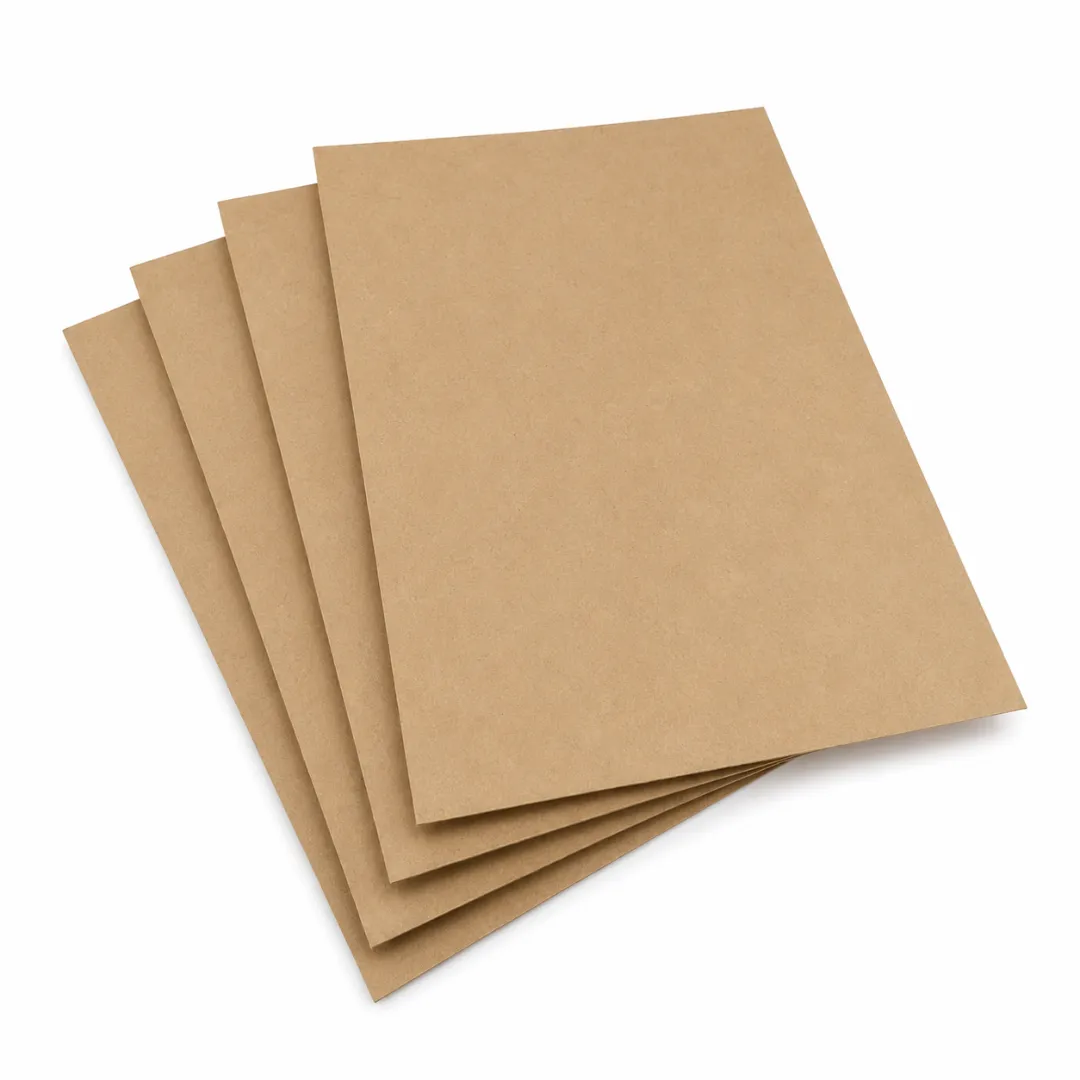
Kraft paper is a strong, durable and reliable material that is widely used across many different industries.
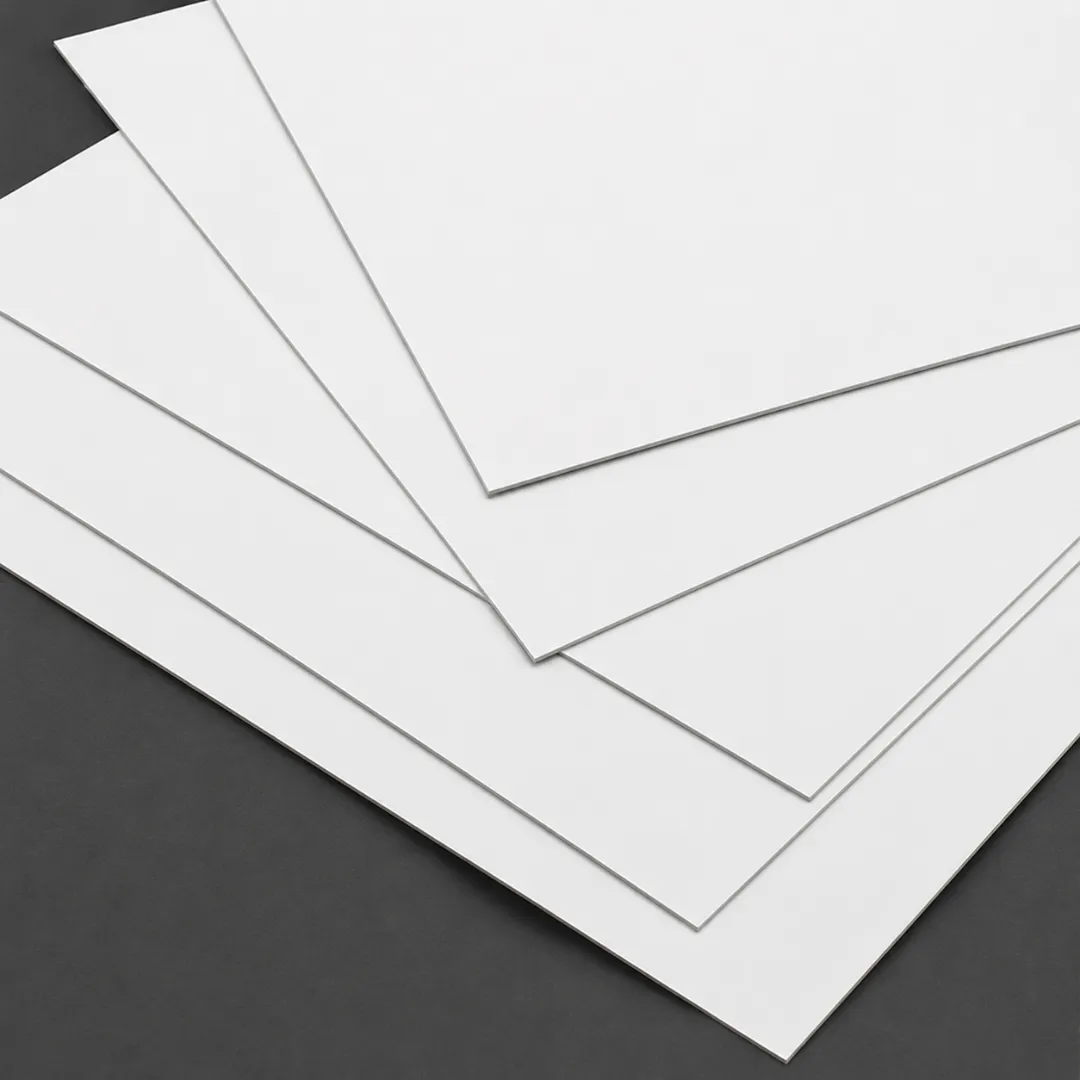
We use cardboard material with the least environmental impact and minimizes waste generation.
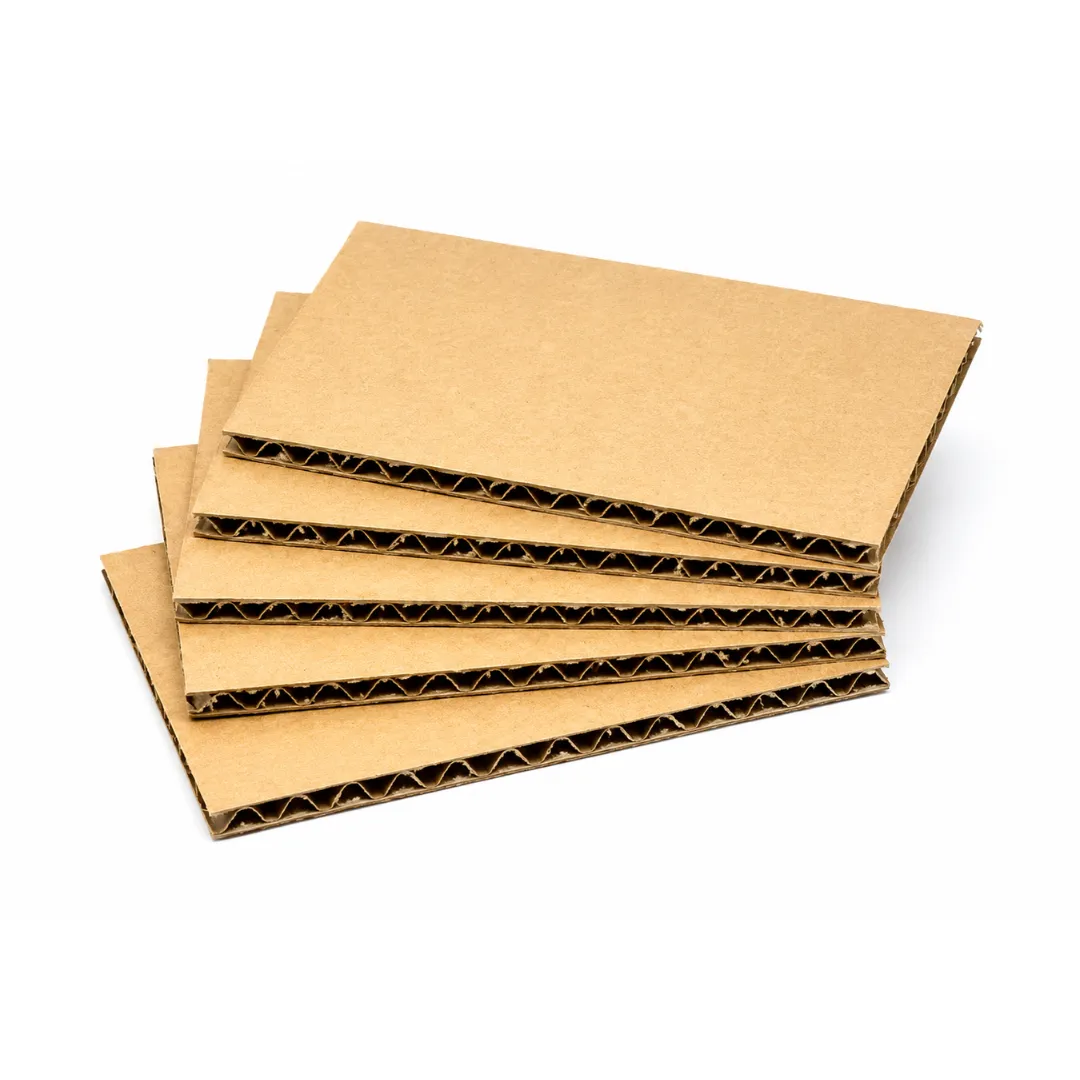
Corrugated material is easy to customize, cost effective and sustainable. It is also great for branding purposes.
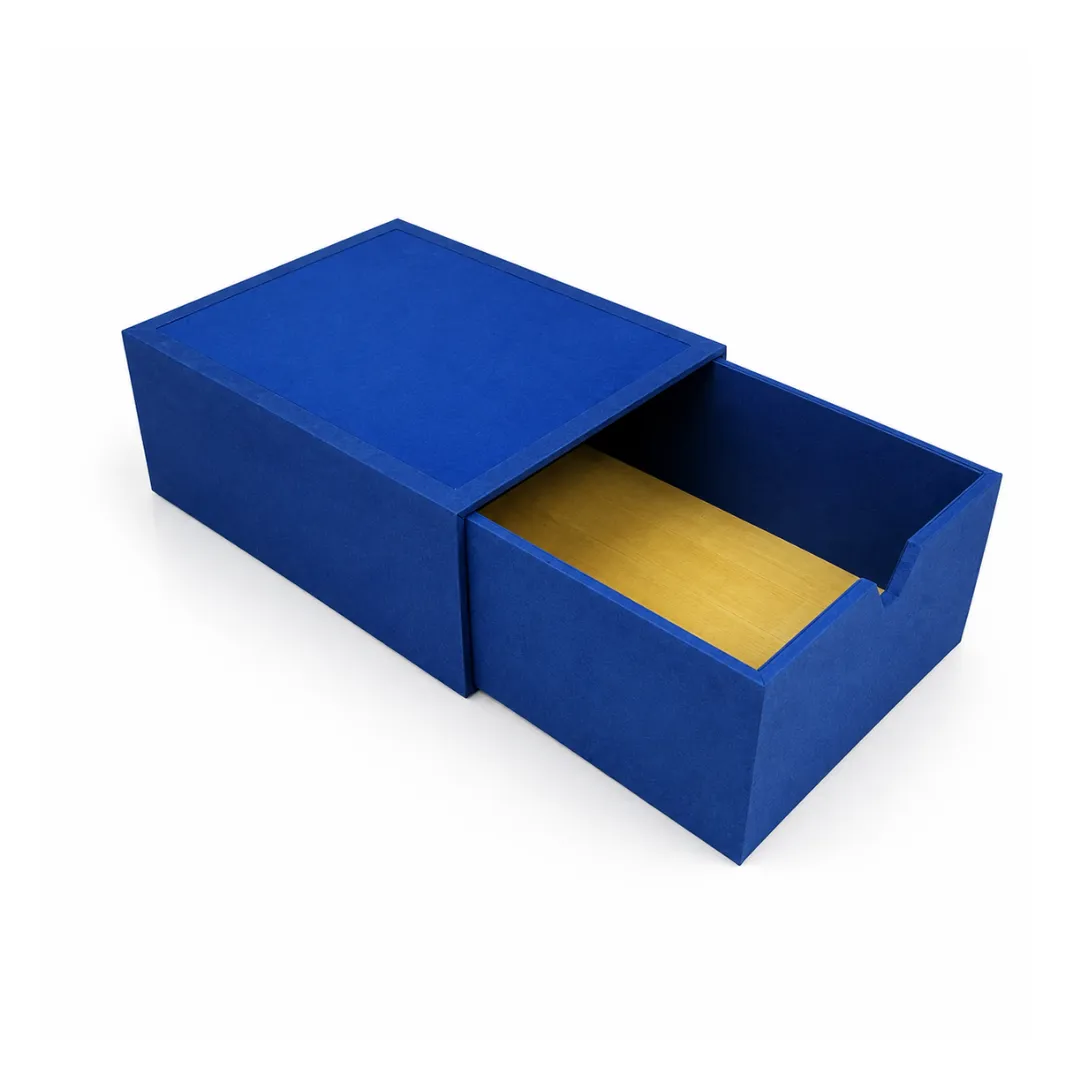
Rigid is highly protective, affordable and recyclable material. These boxes provide maximum protection.
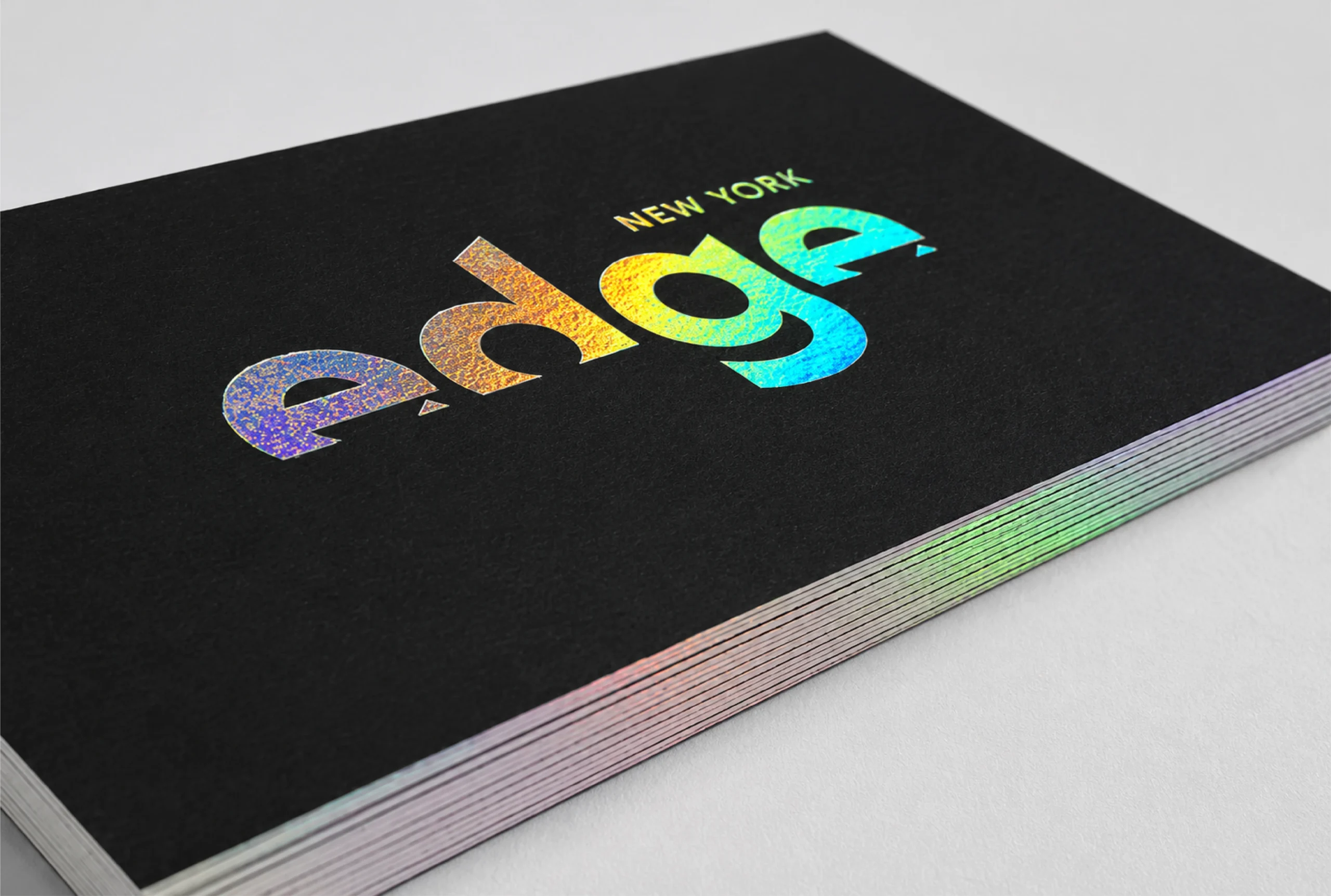
Holographic foil diffracts light and reveals the colors of the rainbow at various angles.
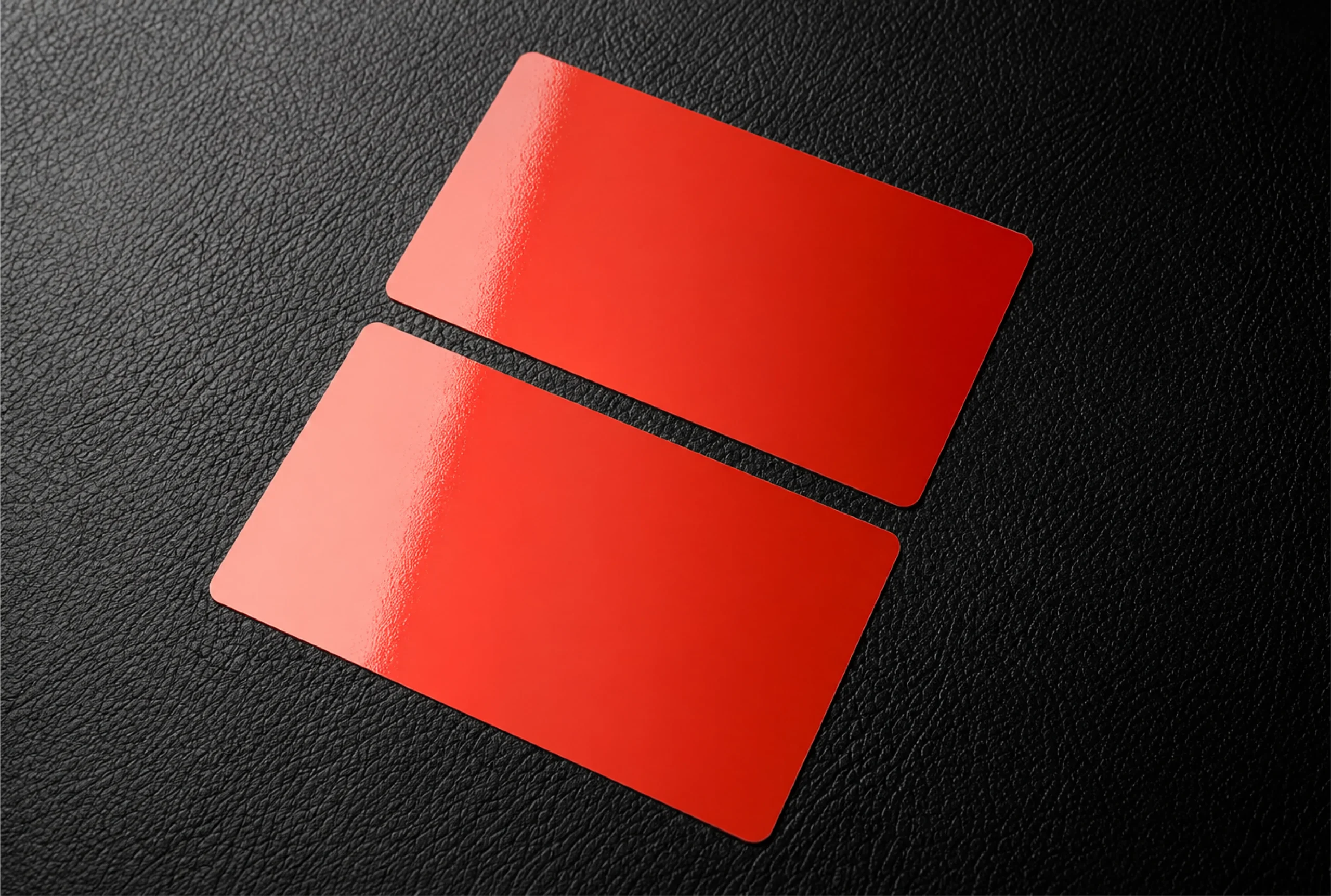
Our glossy finishing gives your packaging an extra layer of shine.
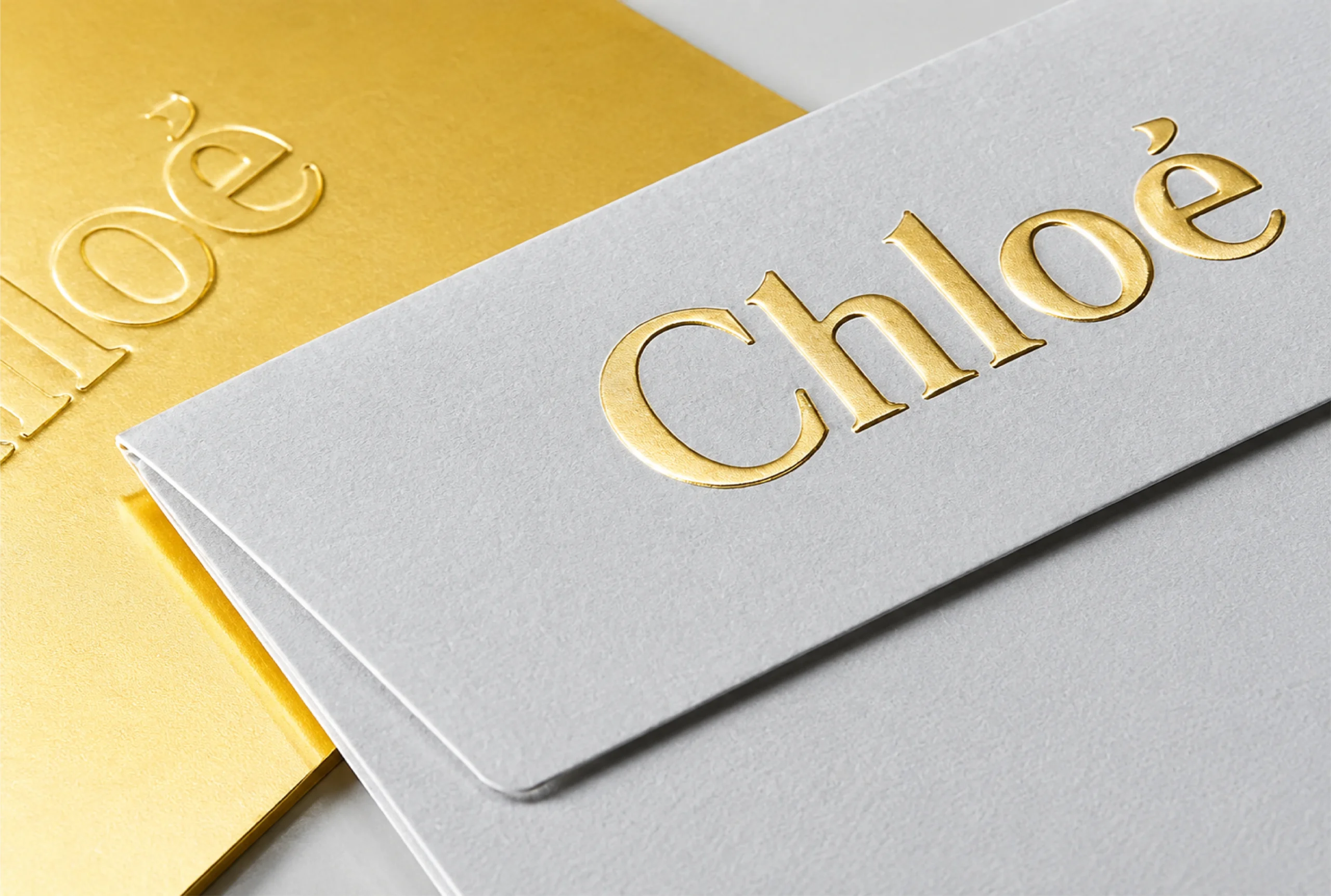
Decorate a wide range of your product packaging with our foil stamping.
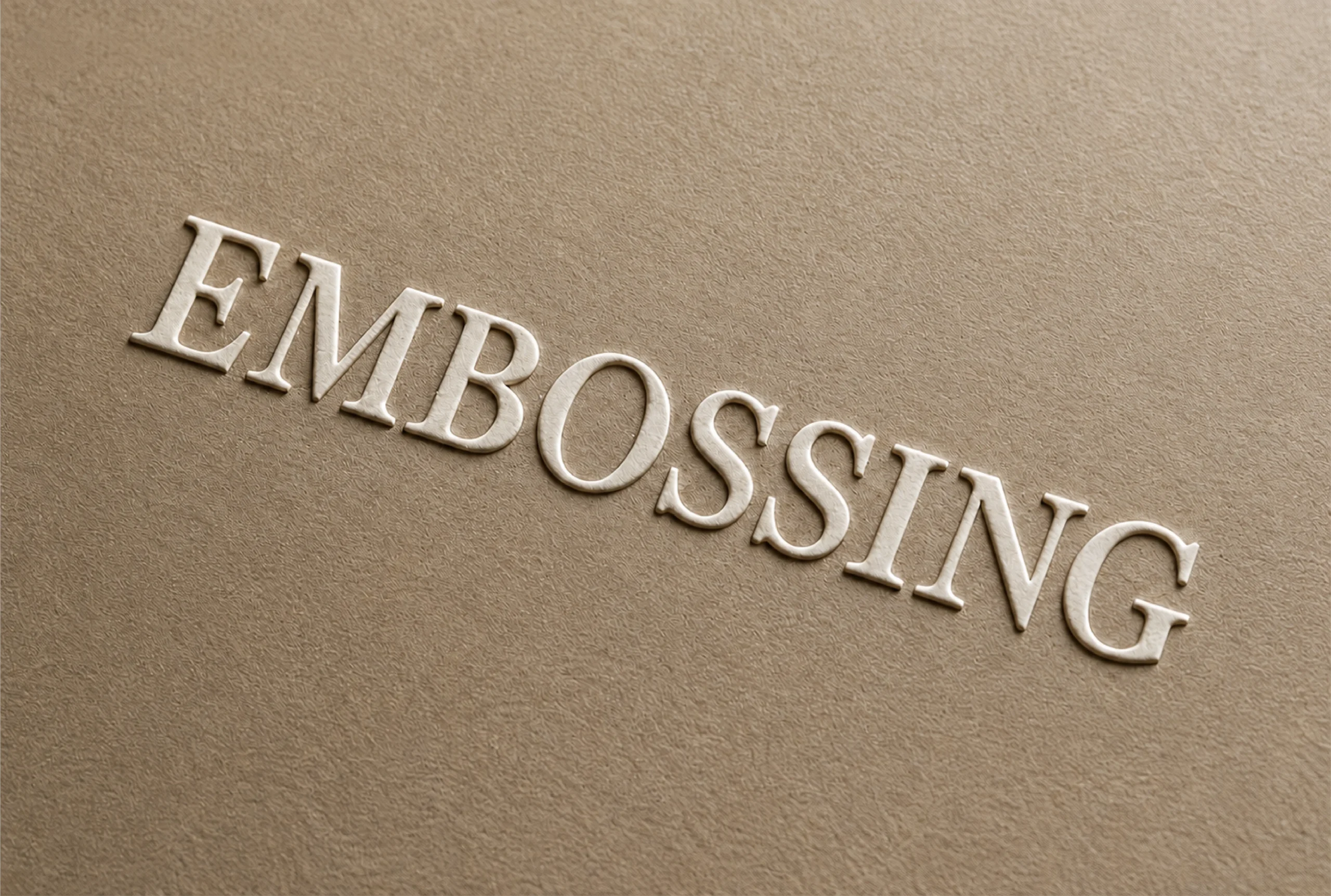
With our embossing technique, we transfer the finest details of your product on packaging.
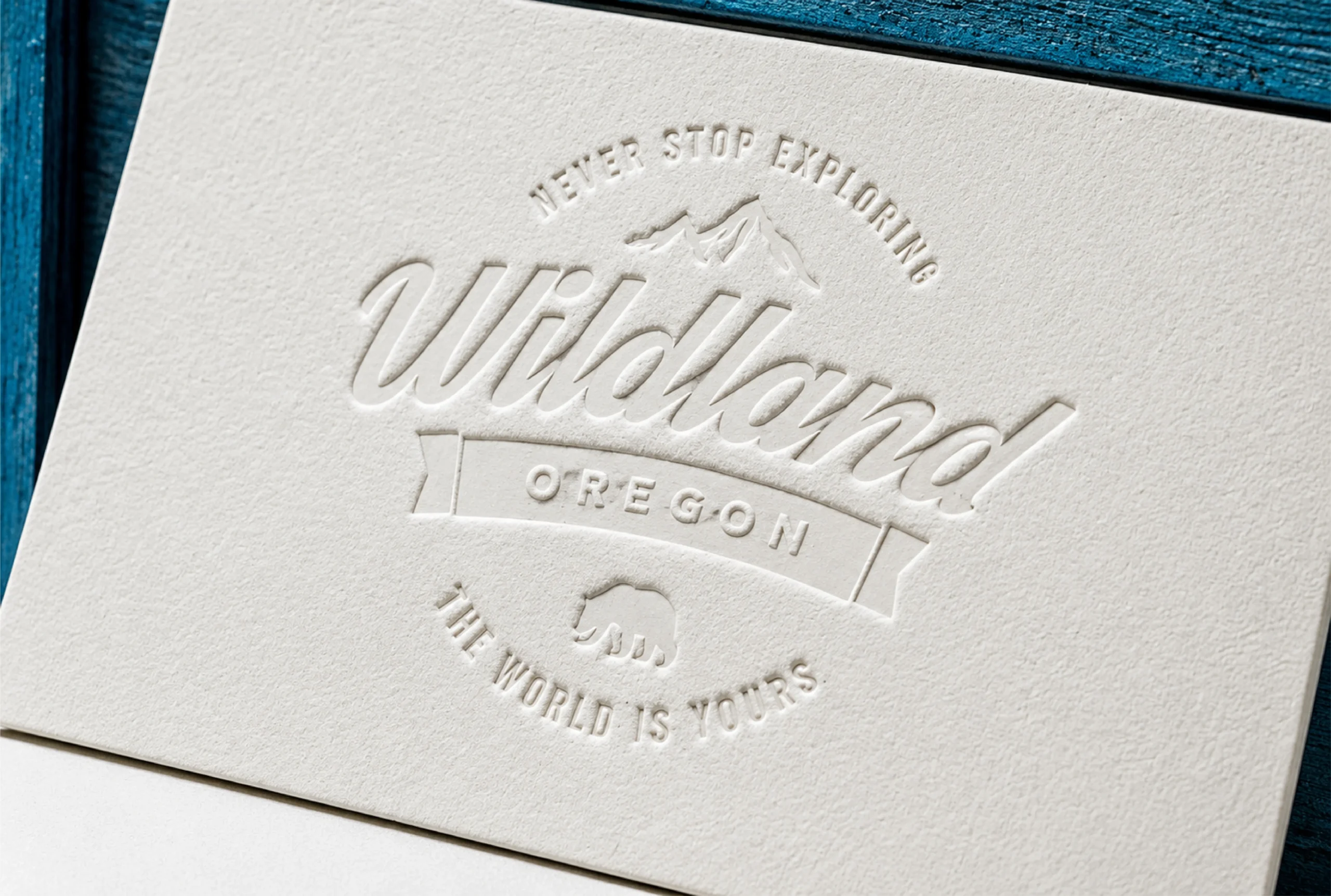
We use debossing technique to add unique graphics into your packaging.
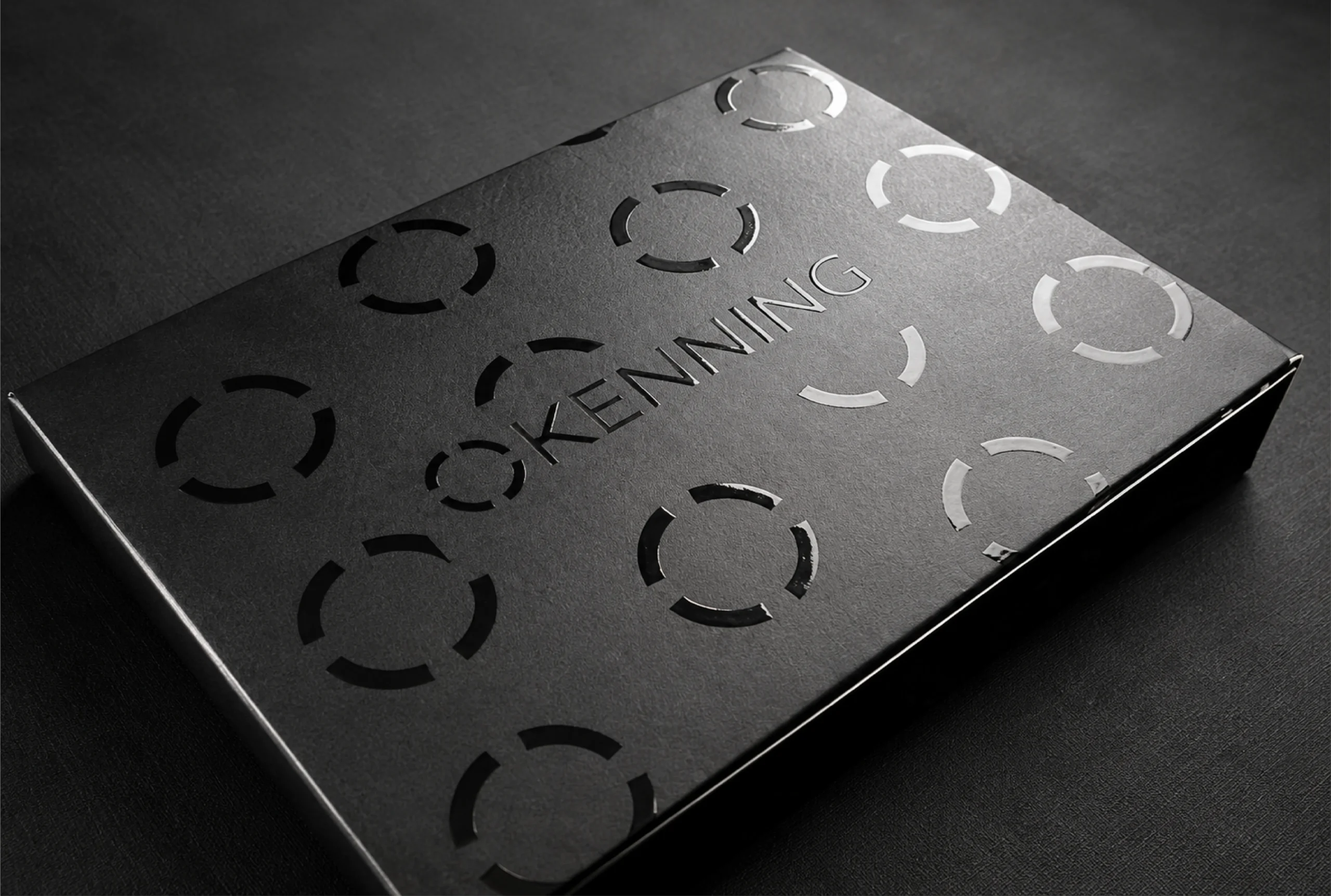
Our high-gloss UV coating gives light and shine to cure the printed material's varnish.
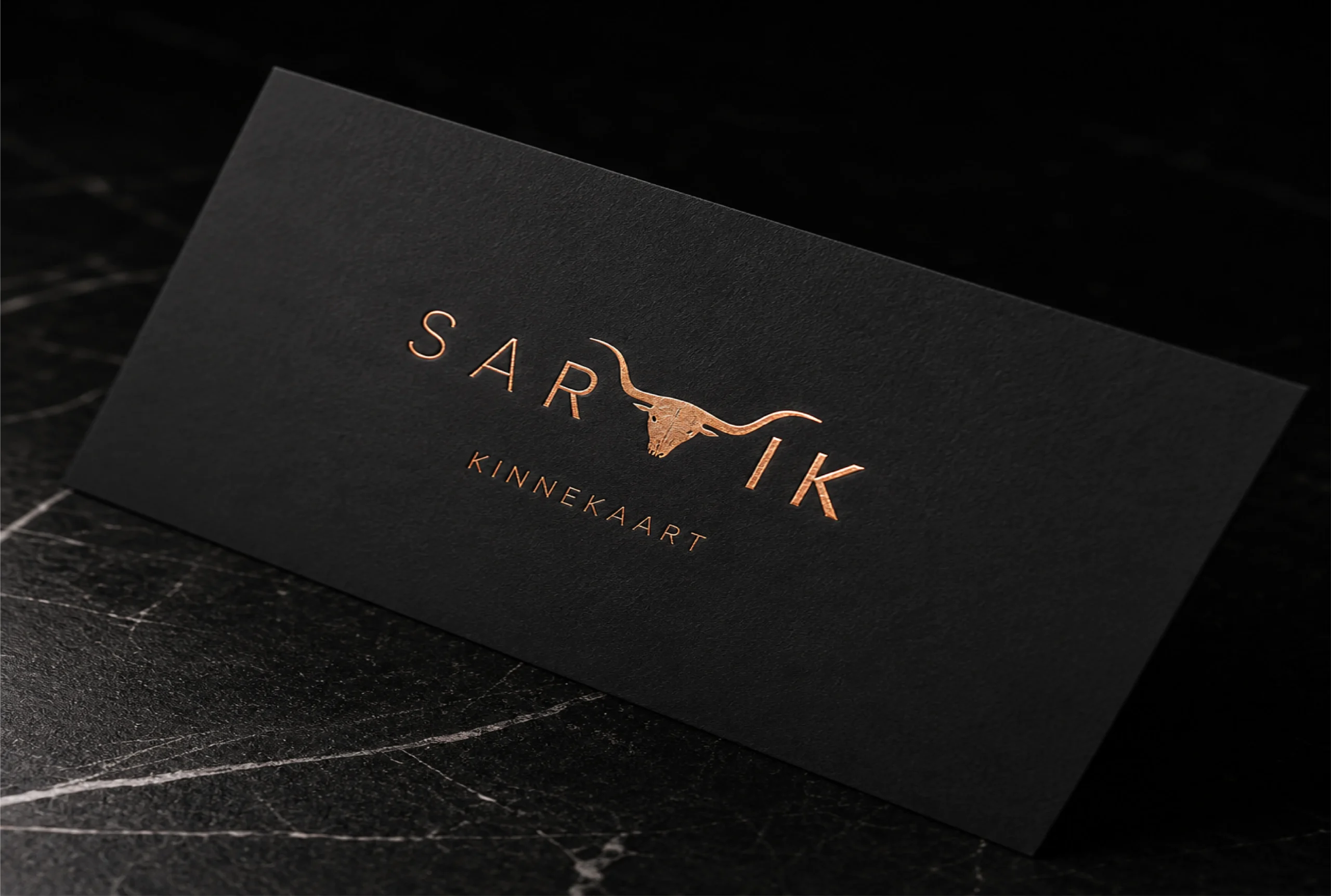
We add additional layer of protection with soft touch lamination from toner chipping.
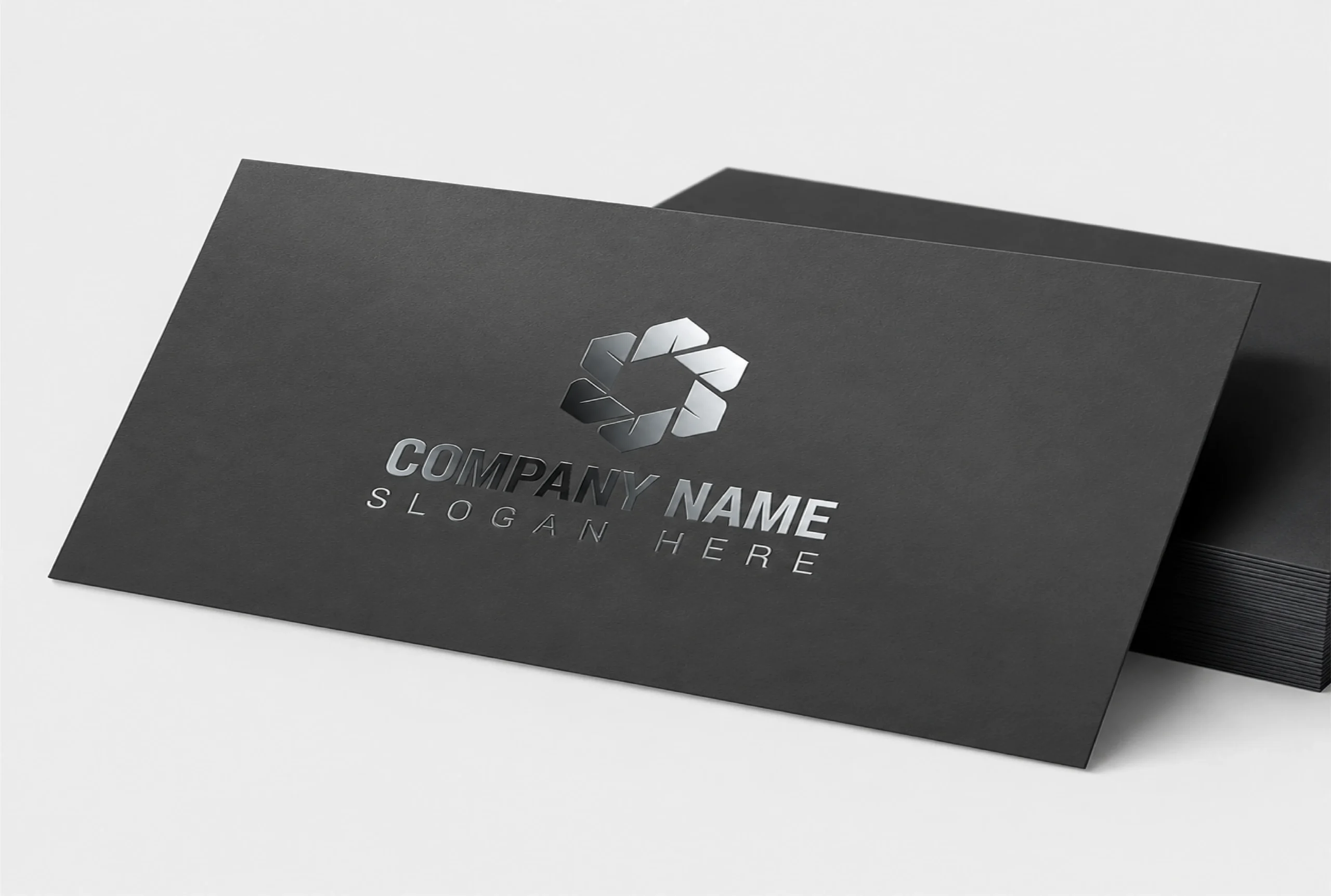
With our matte finish, fingerprints and smudges will now be less visible on the packaging.
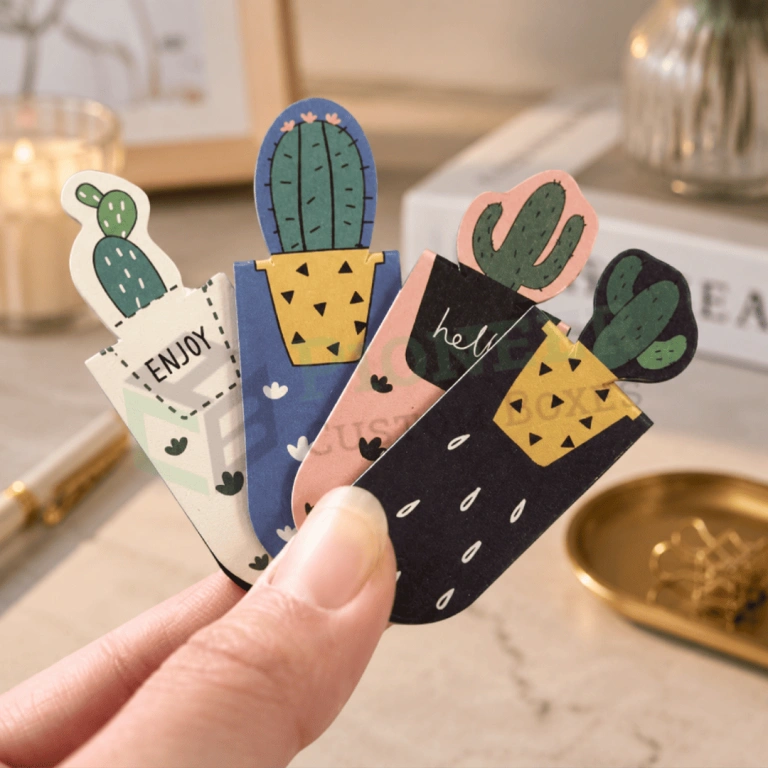
Custom Magnetic Bookmarks from Pioneer Custom Boxes help authors, schools, bookstores, publishers, libraries, stationery brands, gift shops, and promotional teams create branded magnetic bookmarks with custom artwork, premium print finishes, strong paperboard options, clean magnet placement, zero MOQ, free design support, and free USA shipping.
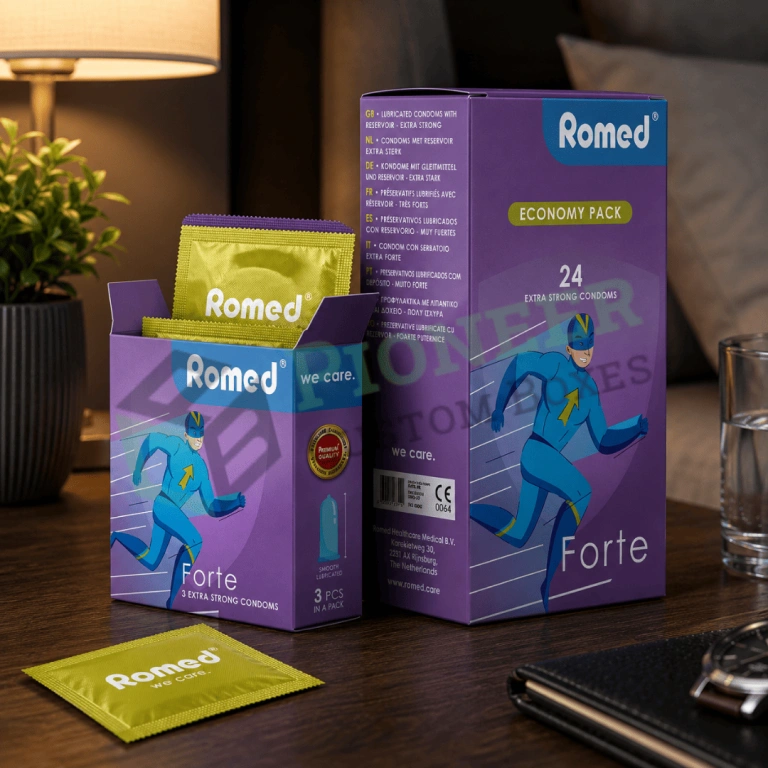
Custom condom boxes from Pioneer Custom Boxes help wellness, pharmacy, healthcare, retail, ecommerce, and promotional brands package condoms, condom wrappers, multipacks, sample packs, white condom wrapper designs, personalized condom packaging, and bulk condom retail boxes with custom sizing, durable stock, sharp printing, barcode zones, and free shipping across the USA.
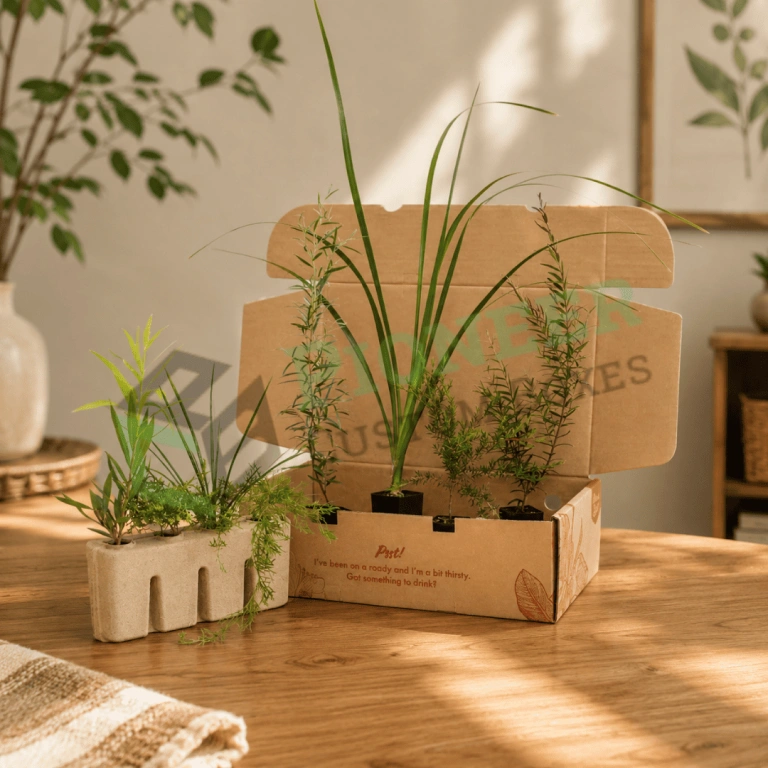
Custom plant packaging from Pioneer Custom Boxes helps nurseries, ecommerce plant shops, garden centers, seed brands, subscription plant clubs, and botanical retailers ship and display live plants, potted plants, seedlings, succulents, herbs, and seed products with custom sizing, ventilation, inserts, corrugated strength, kraft stock, and free shipping across the USA.
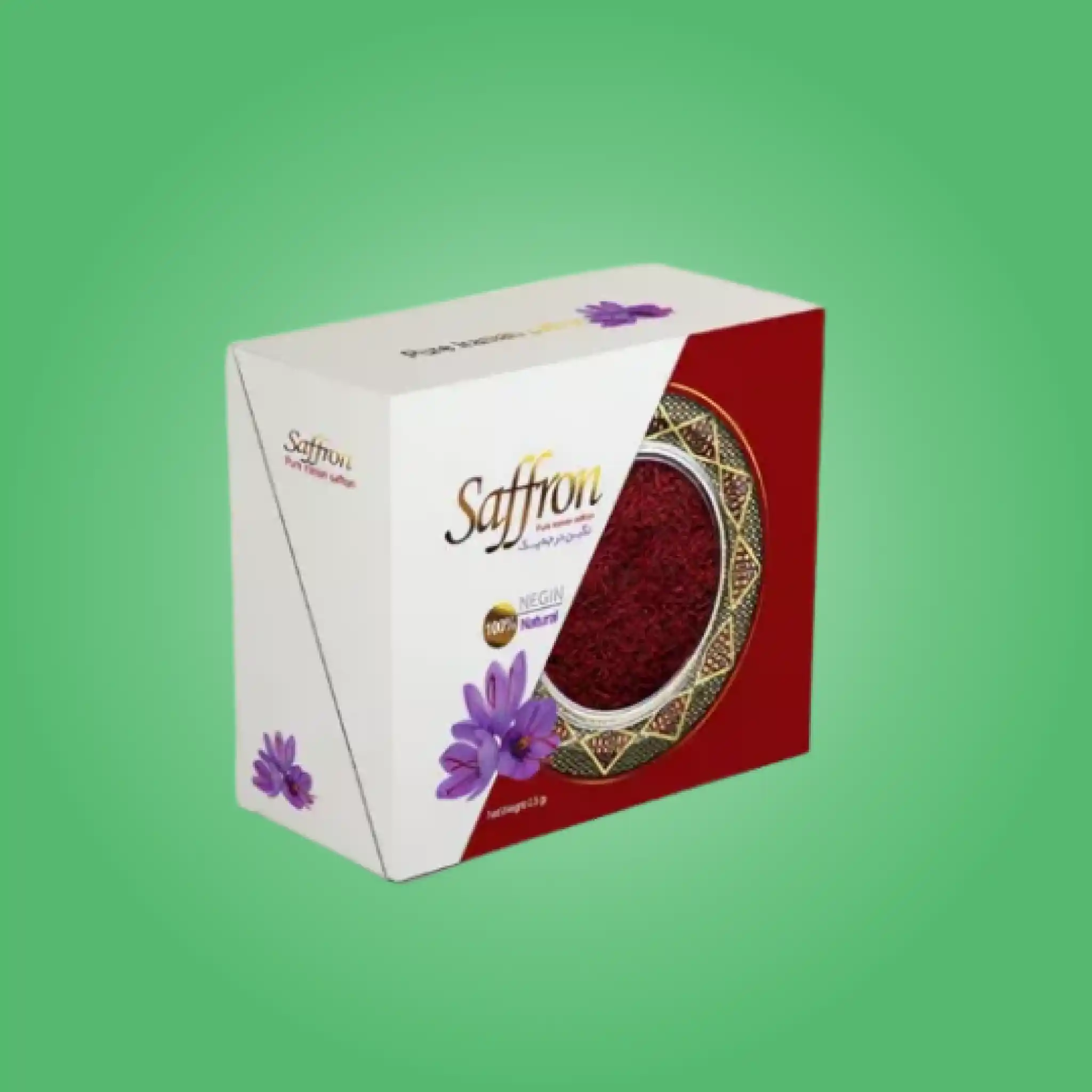
Protect your saffron’s aroma, color, and purity with premium custom saffron boxes engineered for US climates. Each box supports glass jars, vials, and gift sets with moisture barriers, UV protection, and luxury finishes. With tailored sizing and fast USA delivery, your saffron looks as valuable as it truly is.