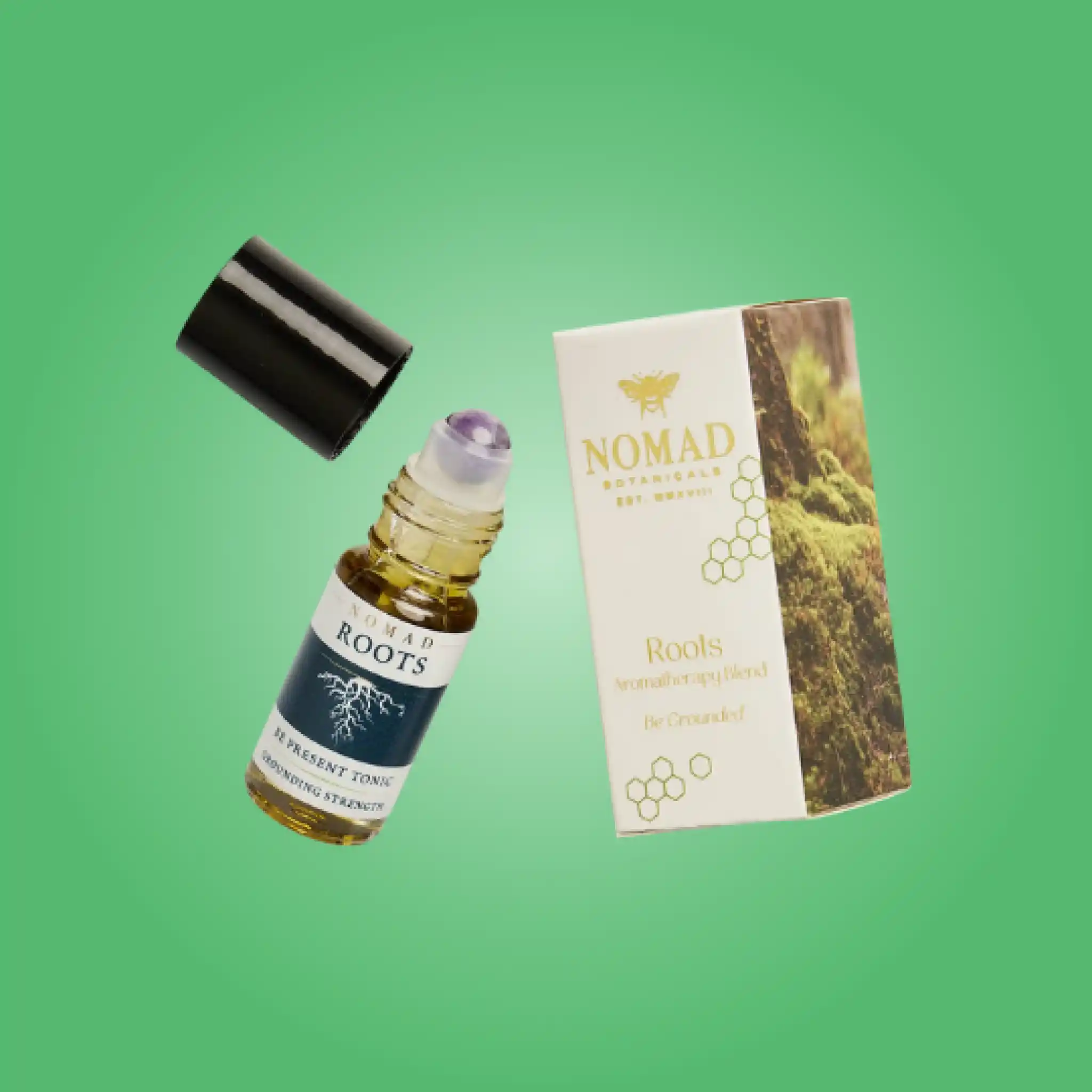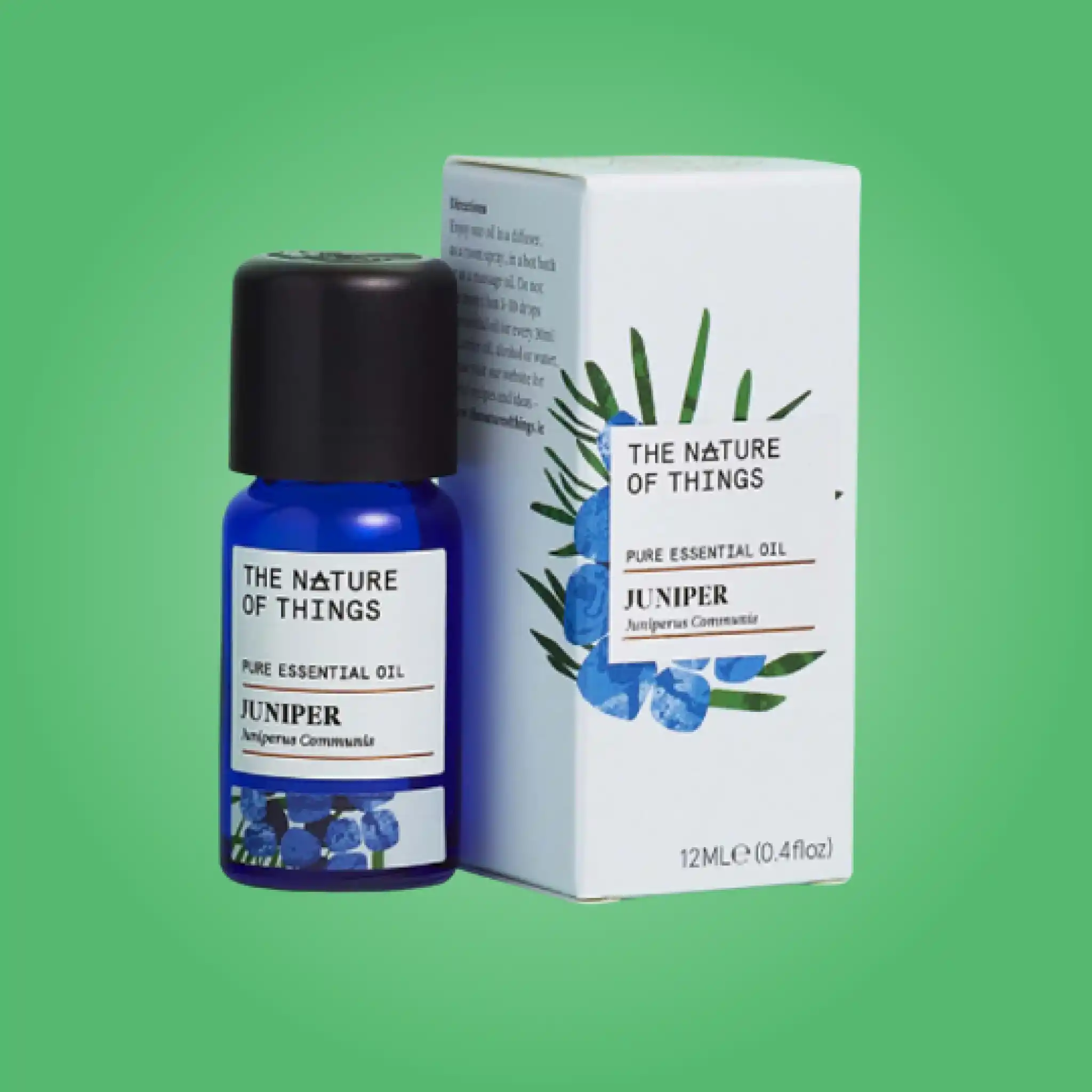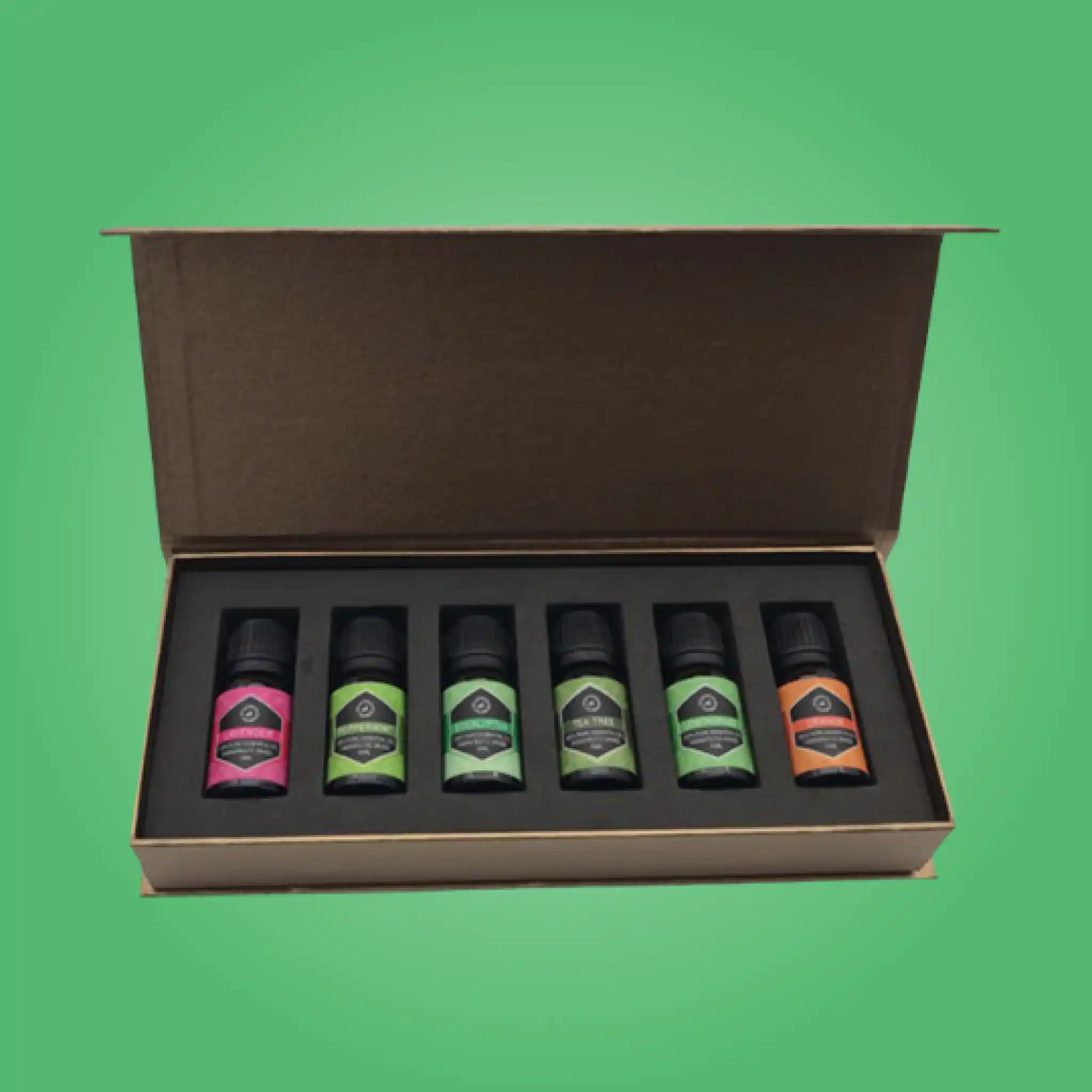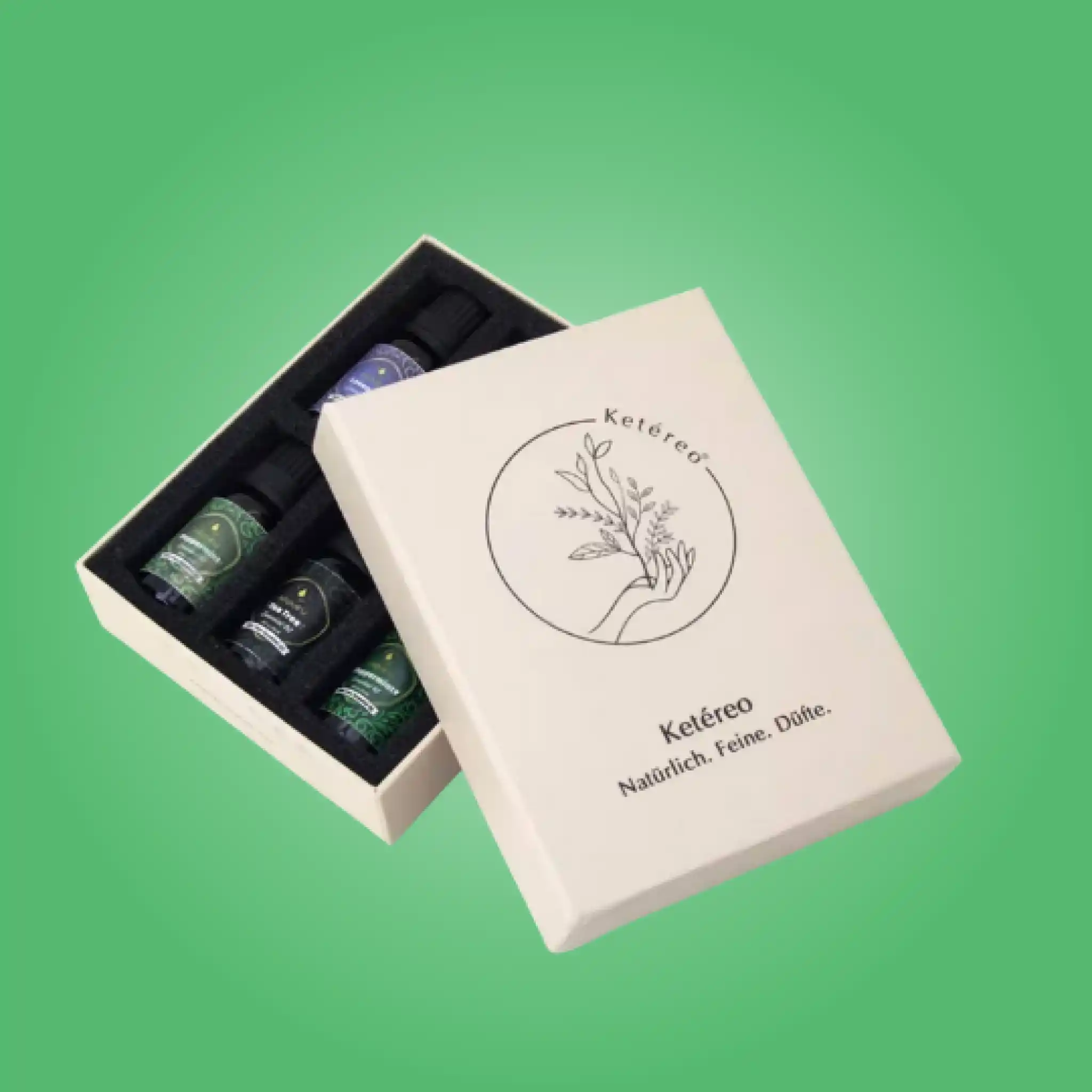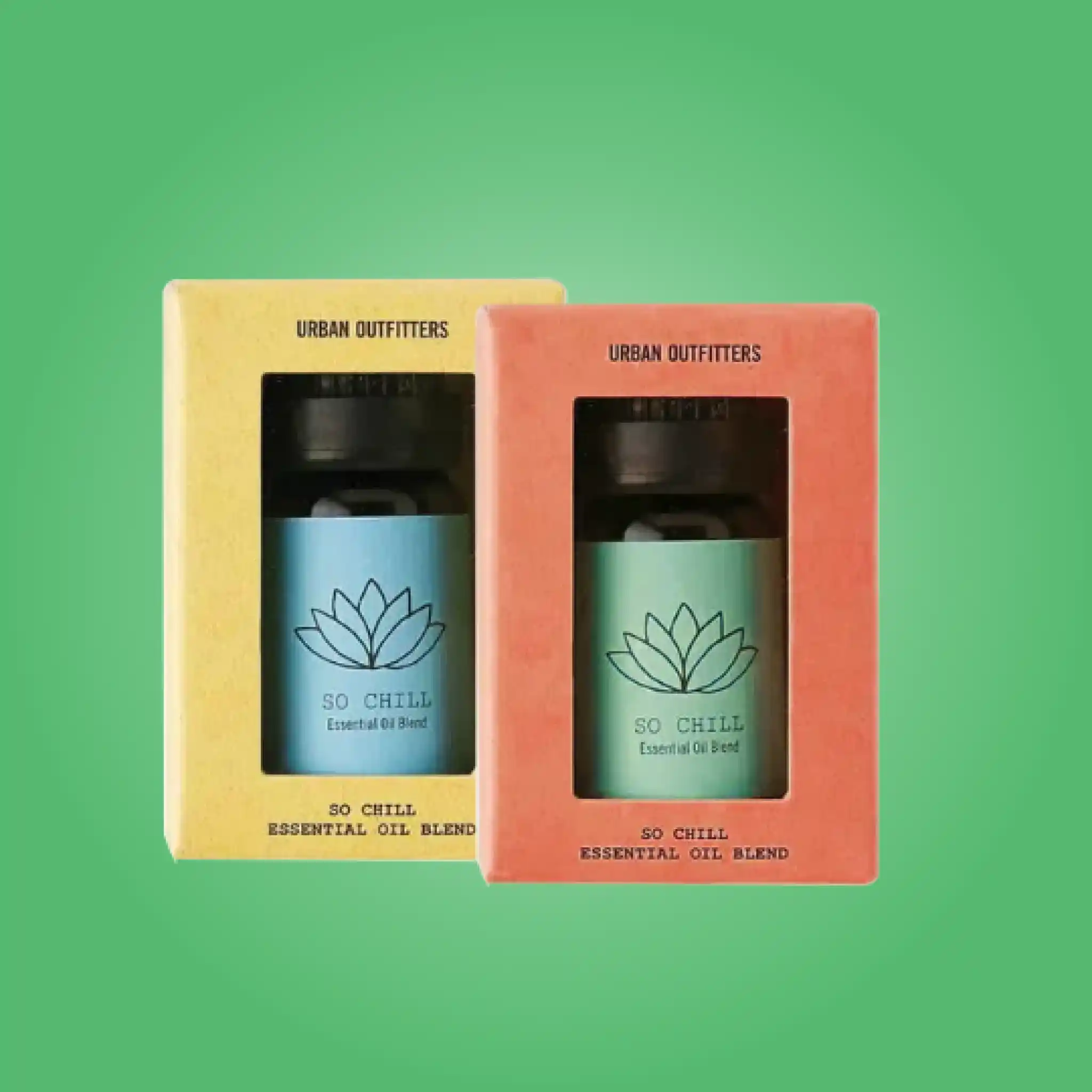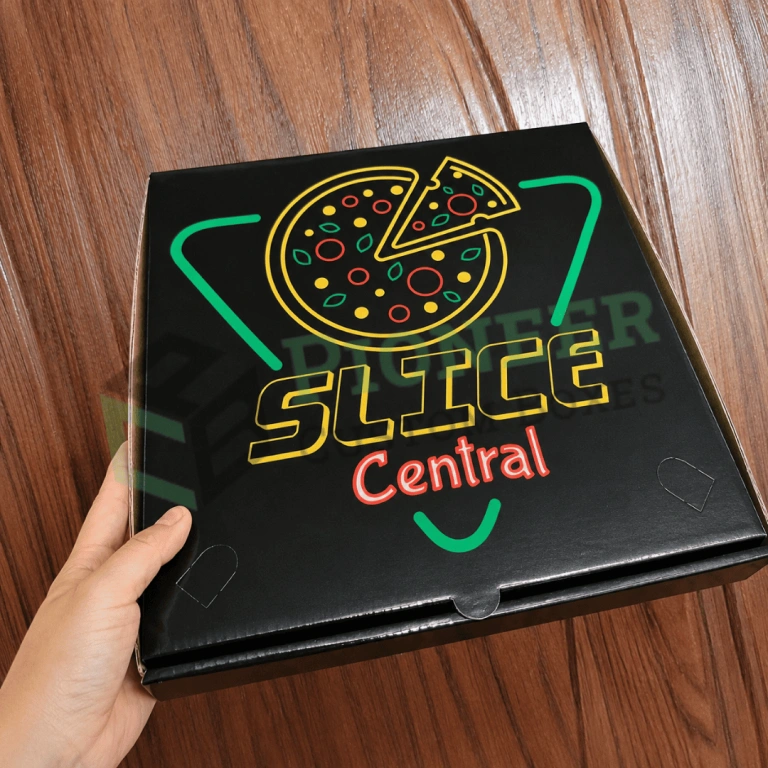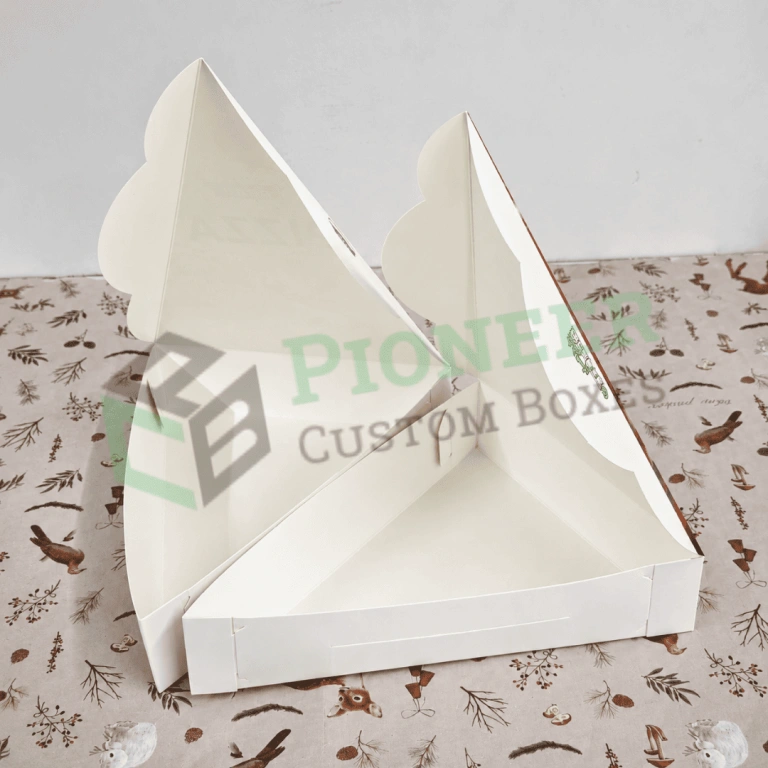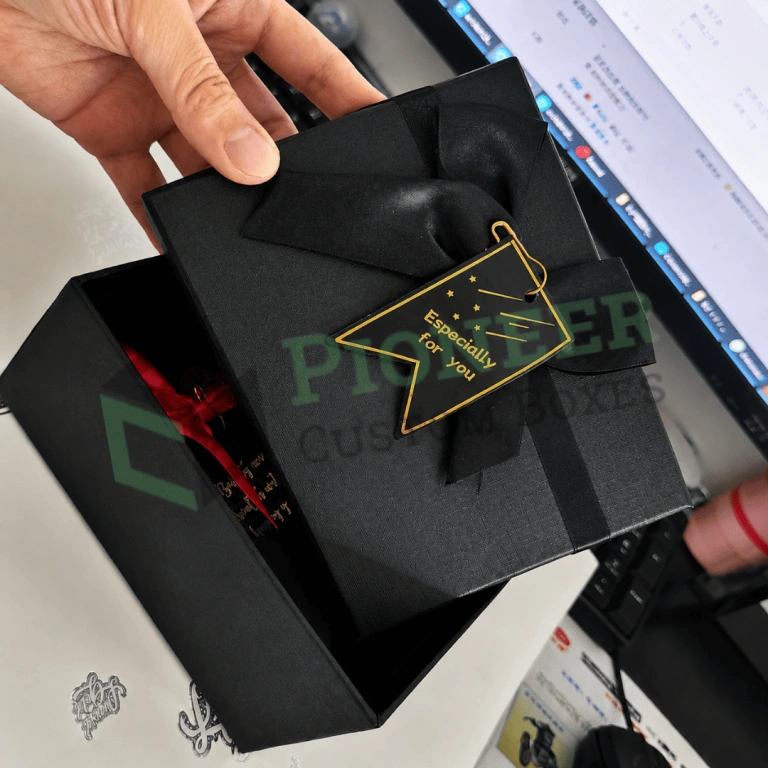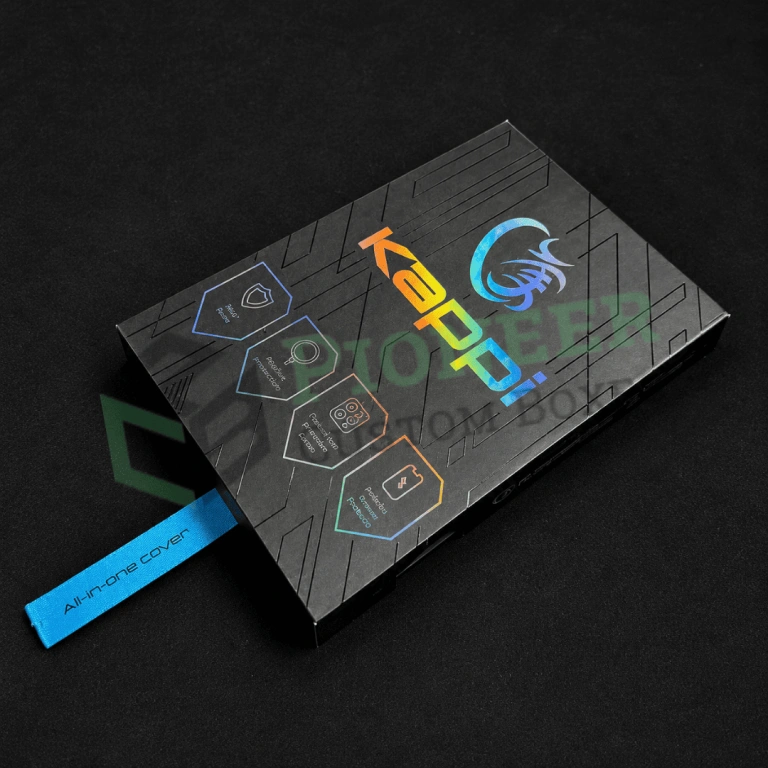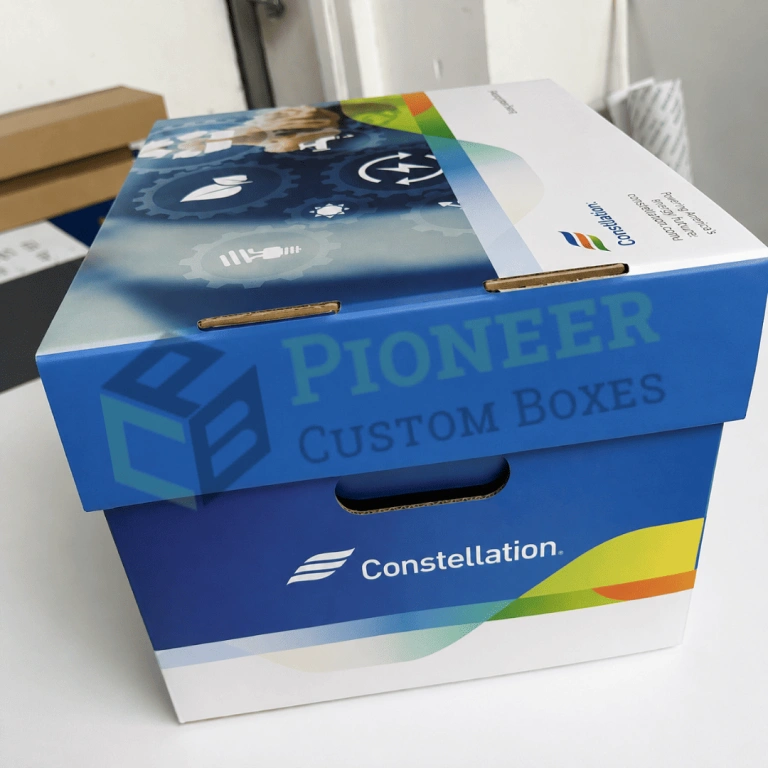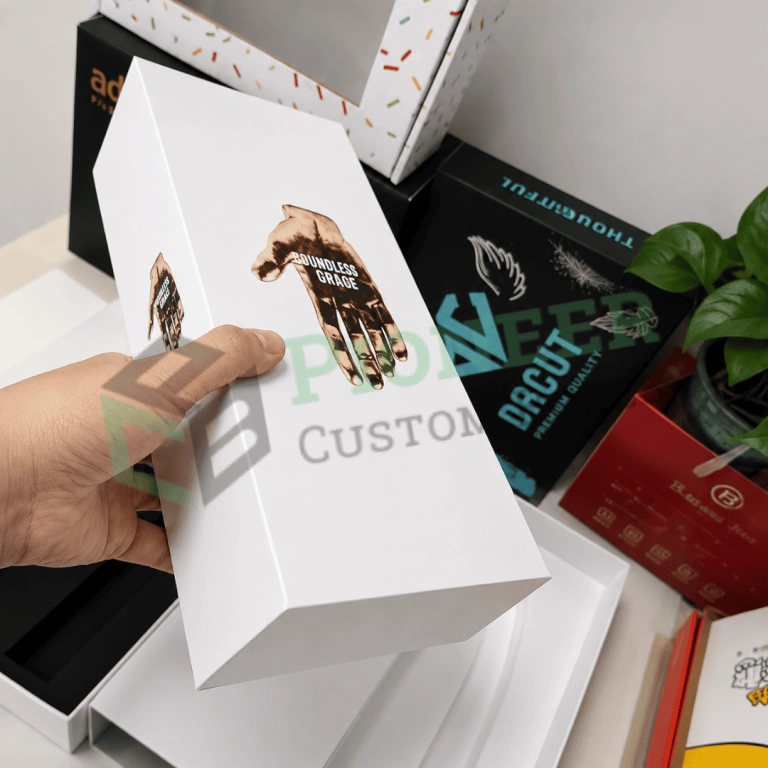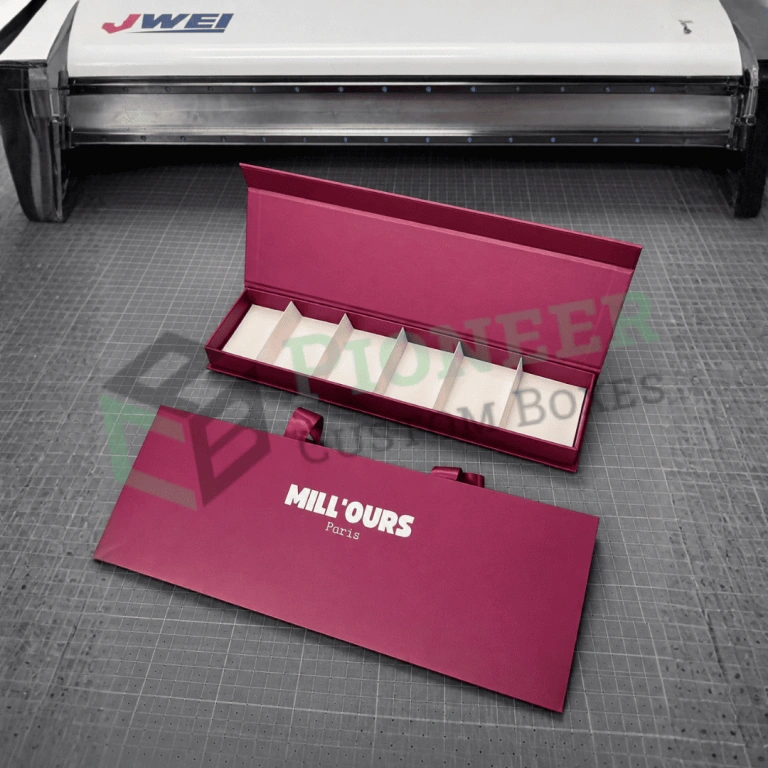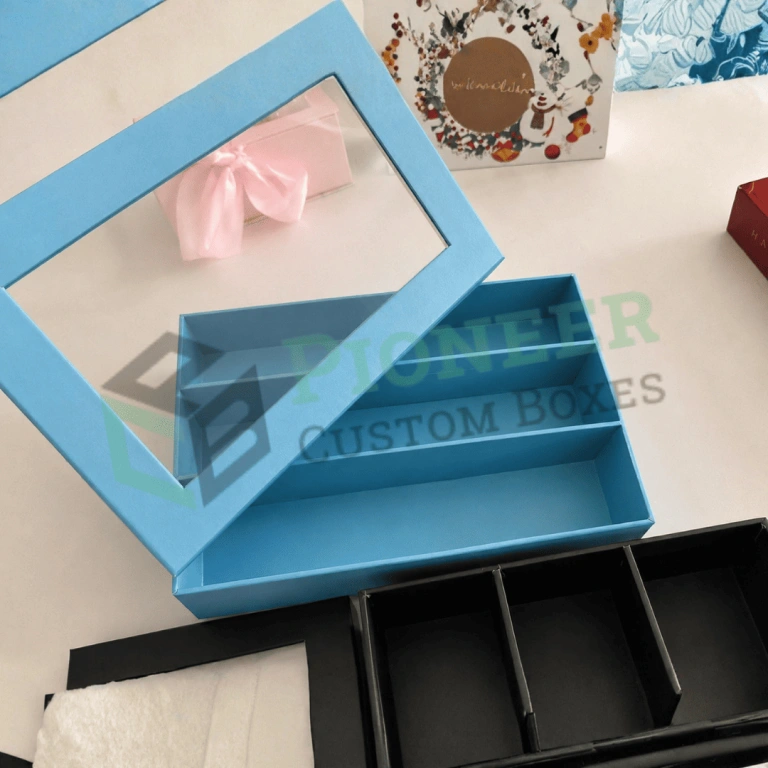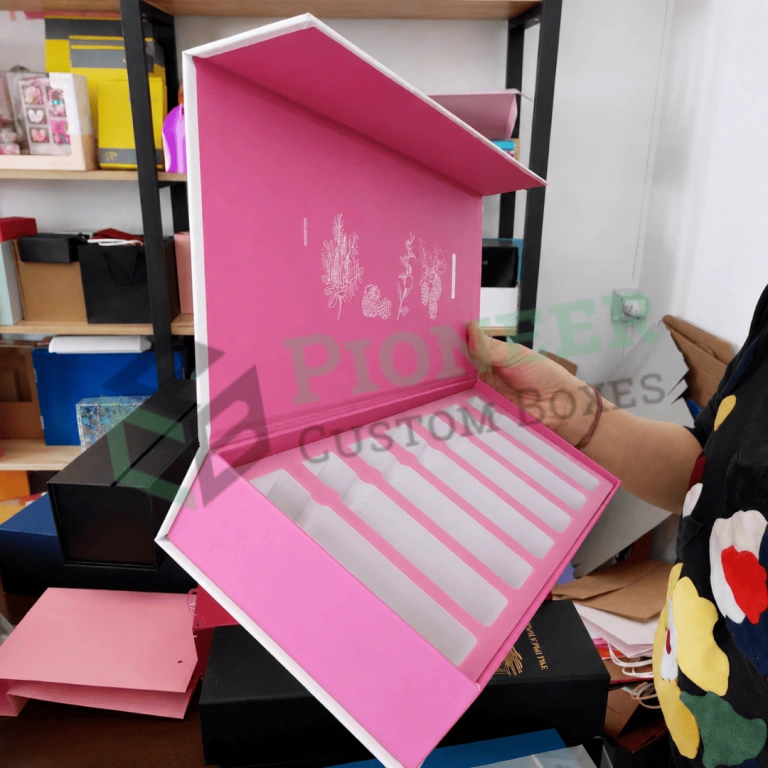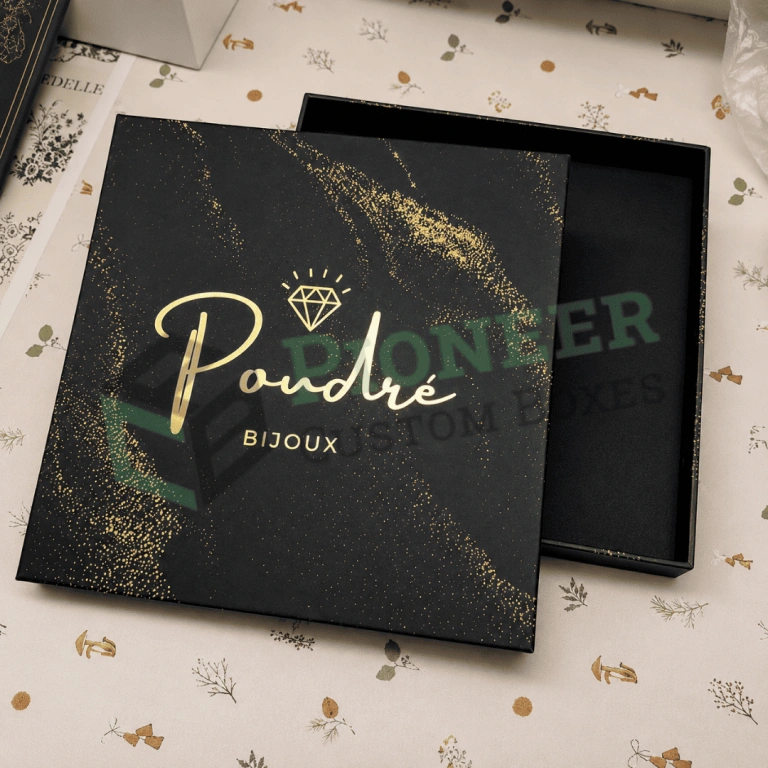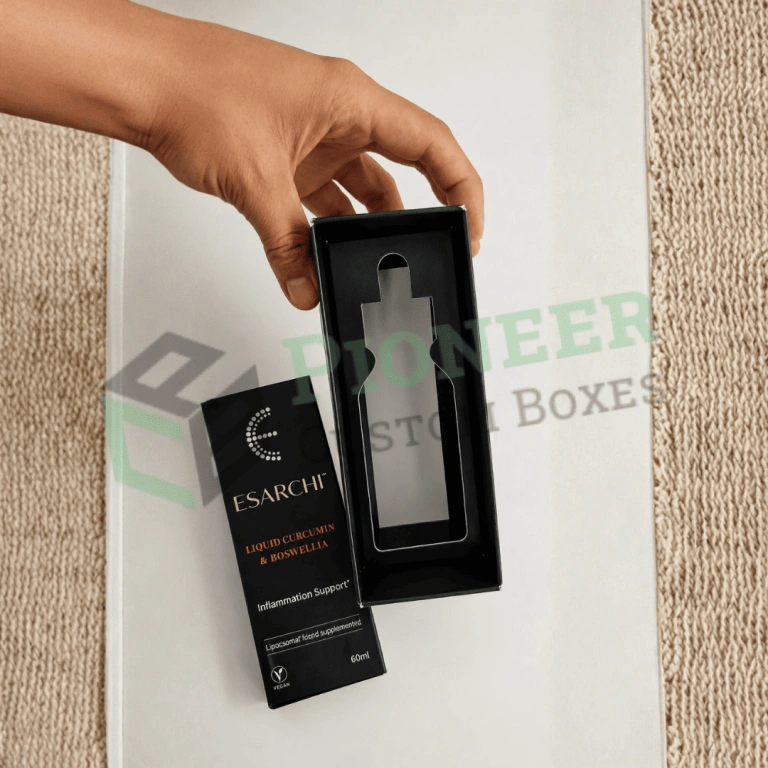
Custom essential oil boxes from Pioneer Custom Boxes protect small glass bottles for aromatherapy brands, wellness retailers, spas, direct sales sellers and private label fillers. Choose single-bottle tucks, rigid kit boxes or fitted trays in SBS, kraft or rigid board, with oil-resistant coatings, foil stamping, child-resistant options, free design support, zero MOQ and free USA shipping.
Custom essential oil boxes are printed cartons built to hold small glass bottles, block light and resist the oils themselves. Pioneer Custom Boxes manufactures them across the United States with zero minimum order quantity and free shipping.
This category punishes packaging that looks fine on paper. The bottles are small, heavy for their size and made of glass. Furthermore the product inside actively attacks the materials around it.
Light is the first constraint. Essential oils degrade under ultraviolet exposure, which is why the industry standardized on amber and cobalt glass. The carton then adds a second barrier, and a well-specified box extends shelf life in a way customers never see but always benefit from.
The second constraint surprises most brands. Citrus oils carry d-limonene, a genuine solvent. It softens some varnishes, lifts certain adhesives and can bleed through low-grade inks. A leaked bottle in a poorly specified carton stains the print from the inside.
We manufacture custom printed essential oil boxes for aromatherapy brands, wellness retailers, spas, direct sales sellers and private label fillers. Moreover we cut our own dies and run our own presses, so we build the carton around your actual bottle and cap.
Order wholesale essential oil packaging in any quantity you need. There is no minimum order, design support costs nothing, and shipping across the United States stays free on every order. Searching for essential oil boxes near me usually returns brokers, and we are the factory those brokers buy from.
Structure follows the bottle count and the price point, and this category spans both extremes.
The workhorse format for a 5ml to 15ml bottle. A straight tuck or reverse tuck in 18pt board, sized tightly so the bottle cannot rattle. Tight sizing matters more here than elsewhere, because a loose glass bottle chips its own neck against the board.
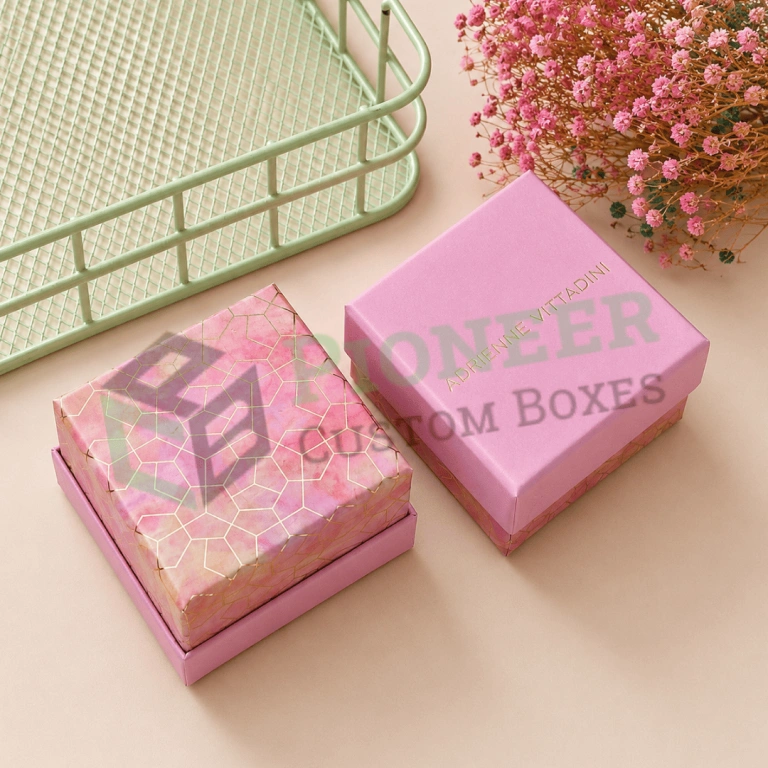
A lidded rigid box for premium single oils and signature blends. It reads as expensive the moment a customer lifts the lid, and it protects the bottle far better than any folding carton. Rigid suits oils selling above roughly forty dollars.
A slim carton for 10ml roll-on bottles. Roller balls sit proud of the neck, so height clearance has to account for the applicator rather than the glass alone.
A carton holding two or three bottles side by side in a fitted insert. Sets carry higher basket value, and the insert has to stop the bottles knocking together in transit.
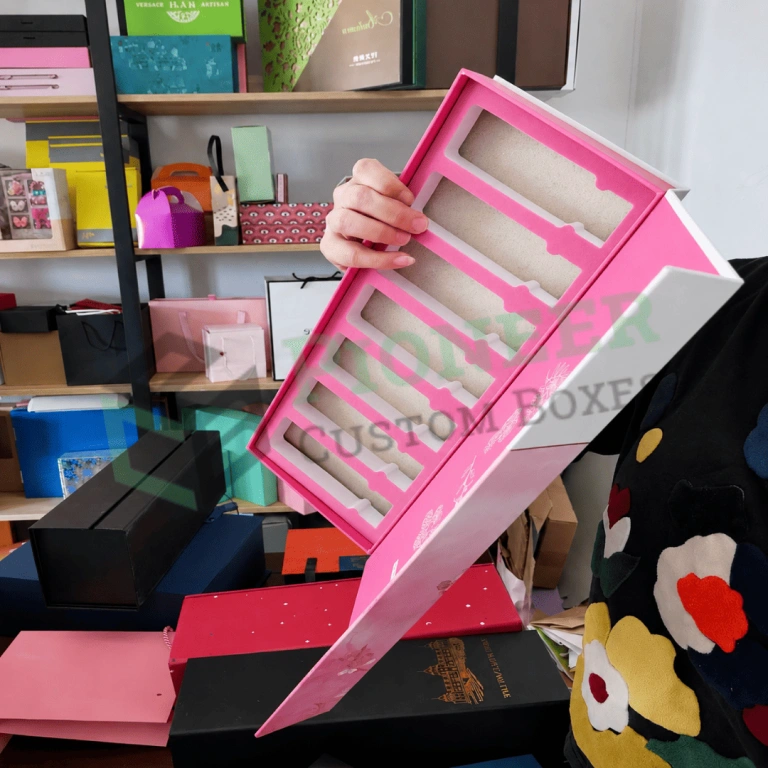
A larger fitted box holding six, ten or twelve bottles in a die-cut tray. An essential oil starter kit box drives most direct sales volume, and the tray does the presentation work when the customer first opens it.
A small carton for 1ml to 2ml sample vials, usually bought in high volume. Cost per unit dominates, since the product inside is a marketing expense rather than a sale.
A printed tray that ships flat and holds a dozen or more cartons at retail. It turns a shelf allocation into a branded block, which independent health stores respond to well.
| Box Type | Bottles Held | Typical Retail Price Point | Why Choose It |
|---|---|---|---|
| Single bottle tuck | One 5ml to 30ml | Under 40 dollars | Lowest cost, fastest to reorder |
| Two-piece rigid | One 15ml to 30ml | Above 40 dollars | Weight and lid resistance signal quality |
| Roller bottle carton | One 10ml roll-on | Under 30 dollars | Sized around the applicator height |
| Trio or set box | Two to three bottles | 40 to 80 dollars | Raises average order value |
| Starter kit box | Six to twelve bottles | Above 100 dollars | Unboxing carries the brand impression |
| Sample vial carton | One to five vials | Free or under 15 dollars | Customer acquisition at low unit cost |
| Counter display unit | Twelve or more cartons | Retail fixture | Turns a facing into a branded block |
Send us the filled bottle with its cap fitted. Measuring a real unit removes every assumption about dropper height and glass tolerance.
Every die is cut to your bottle and cap. These formats cover the essential oil packaging we produce most often, and they answer the sizing questions we are asked most.
| Bottle or Set | Typical Carton Size (inches) | Board | Insert |
|---|---|---|---|
| 5ml dropper bottle | 0.9 x 0.9 x 3 | 18pt SBS | None, tight fit |
| 10ml dropper bottle | 1.1 x 1.1 x 3.25 | 18pt SBS | None, tight fit |
| 15ml dropper bottle | 1.3 x 1.3 x 3.5 | 18pt SBS | Optional collar |
| 30ml dropper bottle | 1.6 x 1.6 x 4 | 18pt to 20pt | Collar recommended |
| 10ml roller bottle | 1.1 x 1.1 x 3.4 | 18pt SBS | None, tight fit |
| Two bottle set | 2.4 x 1.3 x 3.5 | 18pt with tray | Two-cavity fitment |
| Three bottle trio | 3.6 x 1.3 x 3.5 | 18pt with tray | Three-cavity fitment |
| Six bottle starter kit | 4.2 x 2.9 x 3.75 | Rigid or 20pt | Die-cut tray |
| Ten bottle collection | 7 x 3 x 3.75 | Rigid with tray | Fitted tray |
| Twelve bottle kit | 7.2 x 5.5 x 3.75 | Rigid or E-flute | Fitted tray |
| 2ml sample vial | 0.7 x 0.7 x 2.2 | 16pt SBS | None |
Send the bottle rather than the specification sheet. Glass tolerances vary between suppliers, and a carton cut to a catalog dimension often will not accept the bottle you actually receive.
This is the technical heart of the category, and almost nobody outside packaging manufacturing knows it.
Essential oils are concentrated aromatic compounds, and several behave as solvents. Citrus oils are the clearest example, because d-limonene dissolves a range of coatings and plastics on contact.
Varnish choice matters first. A standard gloss varnish can go tacky or cloudy where oil touches it repeatedly, which happens constantly at the point a customer handles the box. Matte varnish and aqueous coatings hold up considerably better, so we specify those by default here.
Adhesive choice matters second. Ordinary side-seam glue can soften under limonene exposure, and a carton that opens along its seam looks like a manufacturing fault to the customer. We use oil-resistant adhesive systems on essential oil work as standard.
Ink choice matters third. Some pigments bleed when oil sits against them, and metallic inks are the most vulnerable. Foil stamping behaves better than metallic ink for exactly this reason, which is worth knowing before you approve artwork.
Board absorbency is the quiet fourth factor. Uncoated stock wicks a spill straight into the fiber and holds the smell permanently. A coated inner surface contains a small leak long enough for the customer to notice and act.
None of this makes an oil resistant coating expensive. It simply makes the specification precise, and specifying it correctly costs the same as specifying it wrongly.
Board selection balances a premium wellness aesthetic against genuine oil resistance, and each grade behaves differently.
Solid bleached sulphate is the default for printed essential oil cartons. The bright clay-coated surface reproduces the soft, clean palettes this category relies on, and the coating contains minor leaks rather than absorbing them. We run 18pt for most single bottles and 20pt upward for 30ml and heavier glass.
Natural brown board for botanical, organic and small-batch positioning. It costs less than bleached stock and signals natural formulation without a word of copy. It absorbs a spill quickly though, so we specify a coated inner face wherever oils sit directly against the board.
Greyboard at 2mm or heavier, wrapped in printed litho paper. This is what premium blends and starter kits use. It carries real weight in the hand, which is exactly what a customer expects from a forty dollar bottle of oil.
CRB carries recycled fiber under a coated printing surface and sits below SBS on cost. High-volume ranges use it constantly, and it supports a genuine recycled content claim in a category where buyers actually check.
Fluted board for kits, collections and any box traveling alone through a parcel network. It absorbs the impacts that break glass and holds the span under a loaded twelve bottle tray.
Recycled fiber pressed into cavity trays. It replaces foam entirely, recycles with the carton and suits brands whose customers scrutinize plastic content.
Available across every grade above. Wellness customers scrutinize sourcing harder than most audiences, so we document what your board contains under recognized Forest Stewardship Council chain of custody rather than leaving you to assume it.
| Material | Caliper or Weight | Oil Resistance | Best For | Relative Cost |
|---|---|---|---|---|
| SBS paperboard | 18pt to 24pt | Good with coated inner face | Most printed single-bottle cartons | Moderate |
| Kraft paperboard | 18pt to 24pt | Needs a coated inner face | Organic and botanical positioning | Lower |
| Rigid chipboard with wrap | 2mm and above | Excellent, wrap protects board | Premium blends and starter kits | Highest |
| Coated recycled board | 18pt to 22pt | Good with coated inner face | High-volume ranges on cost | Lower |
| E-flute corrugated | 32 ECT typical | Good, used as outer | Kits and parcel shipping | Moderate |
| Molded pulp | Formed tray | Not a print surface | Plastic-free cavity inserts | Moderate |
| FSC-certified stock | Any of the above | As per base grade | Documented sustainable sourcing | Small premium |
One consistency point. Essential oil brands sell ranges, and cartons from a range sit together on a shelf. We run every carton in a range on the same stock so the whites match, which is far more visible than most brands expect.
These cartons are small, so print has to carry a premium impression across very little surface area.
Offset holds the finest detail and the steadiest color across a run. Essential oil panels carry small type, botanical line art and Latin plant names, and offset keeps all three crisp. The economics favor it past roughly a thousand cartons per design.
Digital prints without plates, which fits this category unusually well. A brand running forty single oils can print each one in small quantities against one shared die, with no plate cost per variant and no minimum per design.
Flexo suits corrugated outers, shipping cases and high-volume kraft sleeves rather than the retail carton itself. It prints solids and line work economically and holds fine gradients less well than offset.
An offset-printed sheet laminated onto corrugated board. Starter kits and gift collections use it when they need fluted strength with offset print quality on the outside.
Finish decides how the carton feels and, in this category, whether it survives contact with the product.
Our default on essential oil work. It resists the tackiness that citrus oils cause on gloss coatings, it hides handling marks, and it suits the calm aesthetic most wellness brands want. This is the safest finish in the category by a clear margin.
A water-based protective coating applied inline. It seals the print surface, resists scuffing through distribution and holds up well against incidental oil contact.
High shine and strong color depth. We advise against it on ranges containing citrus oils or blends, because repeated oil contact can leave it tacky exactly where customers hold the box.
Hot foil in gold, silver, copper or colored foils. Foil suits essential oil packaging better than metallic ink does, because foil resists oil contact while metallic pigment can bleed. It is the most efficient premium cue available on a small panel.
Raised or recessed detail, usually registered to a foil element. It works well on rigid kit boxes and on cosmetic packaging generally, though on a 5ml single carton the panel is often too small for the effect to register.
Gloss detail against a matte field. Used sparingly it adds depth behind a logo without adding another color, and it should not be used across panels that meet the product.
A velvet hand feel with real premium signal. It complicates recycling, so we present a matte coating as the alternative wherever it will achieve a similar result.
One rule of restraint applies here more than in most categories. One foil element on a matte carton reads as more expensive than four finishes stacked together, and it costs a fraction as much.
Wellness brands live on restrained color, and restrained color is the hardest kind to hold consistently.
CMYK builds every shade from cyan, magenta, yellow and black. It reproduces botanical photography and soft gradients accurately, and it costs the least. Very pale neutrals sit at the edge of what CMYK holds run to run, which matters when a whole range is displayed together.
Pantone inks arrive pre-mixed and print identically every time. Most essential oil ranges use a color band to separate oils, and those bands must stay distinguishable across years of reordering. Spot inks are the only reliable way to guarantee that.
RGB is a screen color space and presses cannot print it. Your website, marketplace listings and social images all live in RGB, and conversion shifts colors noticeably. We convert with proper profiles and show you the printed result on your actual board first.
One practical point specific to ranges. A customer comparing two bottles from the same brand spots color drift that a single carton would never reveal, so any shade that identifies the brand belongs in PMS.
Glass breakage is the complaint this category generates most, and inserts solve almost all of it.
A bottle only breaks when it moves. Movement comes from clearance, so the cheapest protection available is a die cut to the real bottle rather than to a rounded figure.
Height clearance above the dropper cap needs two to three millimeters. Without it, staff press the tuck flap onto the cap during packing and crack the top score. With too much, the bottle travels upward and chips its own neck.
For anything shipping alone we recommend a corrugated outer around the retail box. A rigid kit box is not a shipper, and corrugated boxes sized to hold the retail carton still are what stop breakage rates reaching double figures.
| Insert Type | How It Works | Recyclable | Best Suited To |
|---|---|---|---|
| Tight die fit, no insert | Carton walls hold the bottle directly | Yes | Single 5ml to 15ml bottles |
| Paperboard collar | A folded ring seats the bottle shoulder | Yes | 30ml bottles and heavier glass |
| Die-cut paperboard tray | Cavities hold each bottle upright | Yes | Sets, trios and starter kits |
| Corrugated fitment | Fluted cavities absorb impact | Yes | Kits shipping alone by parcel |
| Molded pulp tray | Formed fiber cavities, plastic free | Yes | Eco-positioned collections |
| Foam insert | Full cushioning around each bottle | No | Premium blends and gift kits |
| Corner post pads | Protects the box corners on a kit | Yes | Twelve bottle and larger boxes |
Paperboard trays outperform foam more often than brands expect. A die-cut tray holds a bottle just as securely, costs less, recycles with the carton and photographs better when the customer opens the kit on camera.
Each option below either protects the glass, satisfies a requirement or earns its place on the shelf.
The options worth specifying here are the ones that either protect glass or satisfy a requirement. A tamper-evident seal and a clear batch and expiry panel are effectively mandatory for retail listings, and a die-cut bottle tray earns its place on any set or starter kit.
A foil stamped logo is the one decorative feature we recommend without hesitation, because foil resists oil contact where metallic ink bleeds. Matte or aqueous coating belongs on every citrus and blend carton for the same reason.
Beyond that, a corrugated shipping outer is essential for anything traveling alone, a window cut-out suits gift and premium singles, and a counter display tray turns a shelf allocation into a branded block in independent health retail. Most single-bottle cartons need a tight die, the right coating and a tamper seal, and very little else returns its cost.
Choose deliberately rather than comprehensively. Most single-bottle cartons need a tight die, the right coating and a tamper seal, and very little beyond that returns its cost.
Essential oils sit in an unusually complicated regulatory position, and the packaging carries the consequences.
How a product is marketed decides how it is regulated. An oil sold for scent or general wellbeing is treated as a cosmetic. The moment a claim suggests treating a condition, the product moves toward drug regulation and a far heavier requirement.
That distinction drives panel layout more than most brands realize. Ingredient declarations, net contents and responsible party details all need legible space, and discovering that after artwork approval is an expensive way to learn it.
Child-resistant packaging is the requirement most often missed. Certain oils fall under the Poison Prevention Packaging Act, and wintergreen is the clearest case because it is almost entirely methyl salicylate. We build to a child-resistant closure where your formulation requires one.
Sustainability wording carries its own rules, and vague eco language creates real exposure in a category where buyers actively check. Retail listings add a practical requirement too, since shelf placement generally needs a scannable code.
We lay out compliance panels as part of free design support and flag anything that looks like it crosses a line before the die is cut. We manufacture packaging rather than provide legal advice, so we tell you what we see and recommend you confirm it formally.
These cartons are small, so board area barely moves the price. Other variables dominate instead.
Structure leads by a wide margin. A folding carton and a wrapped rigid box for the same 15ml bottle sit at completely different price points. Rigid boxes only earn their cost above roughly forty dollars retail, and below that the money is better spent on board weight and foil.
Inserts come second. A tight die fit costs nothing, a paperboard tray costs little, and foam costs several times more.
Finishing ranks third. Foil and embossing look excellent on a kit box and are largely wasted on a 5ml single, where the panel is too small to register the effect.
Number of SKUs matters more here than in most categories, because ranges are wide. Forty oils on forty dies is expensive, whereas forty oils on three shared dies with different print is not.
The overspend we correct most often is a foam insert in a single-bottle carton. A tight die does the same job, costs less and recycles with the box.
Glass, oil and small tolerances mean we test these cartons physically rather than visually.
Essential oil cartons are the one product we expose to the customer own formulation before approving a run, because coating and adhesive behavior cannot be predicted from a specification sheet.
A sample carton meets the actual oil. Citrus blends carry d-limonene, which softens some varnishes and weakens ordinary side-seam glue, so we hold a treated panel and a glued seam against the real product and check both after the exposure rather than immediately.
Bottle fit gets checked with the cap fitted. Dropper heights vary between suppliers and a carton cut to the glass alone cracks its top score the first time staff close it over a dropper.
Insert retention comes next, with the carton inverted and shaken. Small glass bottles break when they move, so a bottle that shifts inside a tight die tells us the clearance is wrong before a customer discovers it.
We check the ingredient panel at final printed size, since these cartons are small and compliance text is the first thing squeezed when artwork gets tight. Kits and collections also take a drop test on their corners and faces, because those ship alone and a twelve bottle box carries real weight.
We expose a sample of every new essential oil carton to the actual oil before approving the run. Coating and adhesive behavior cannot be predicted from a specification sheet alone.
Essential oils reach customers through several very different routes, and each one rewrites the specification.
Independent health and wellness retail rewards shelf presence. Cartons stand upright in tight facings, so panel stiffness and a clear front matter more than elaborate finishing.
Direct sales and network marketing runs on starter kits. The unboxing moment carries the whole brand impression, and a fitted tray holding ten bottles in order does more selling than any printed panel.
Spas and practitioners buy larger bottles in plainer packaging, often with space for a treatment label. Cost per unit matters more than shelf appeal, since nothing sits on display.
Online retail and marketplaces change the priority entirely, because the product travels alone and arrives without a salesperson. Carriers also price by volume as well as weight, so a right-sized outer directly reduces freight.
Subscription boxes need consistent dimensions above all, since a curator planning a monthly assortment cannot accommodate a carton that changes height between batches.
Private label and contract filling needs fast die turnaround and reliable reordering, because the brand owner is usually working to a launch date.
Most oil brands sell through at least three of these at once. The workable answer is a small set of shared structures with different print and finishing, rather than separate packaging per channel.
Wellness buyers scrutinize packaging claims harder than almost any other audience, so materials here have to survive inspection.
Paperboard recovers well through existing programs, and EPA figures for paper and paperboard recovery show it as the most recovered packaging material stream in the country.
The weak point in this category is the insert. Foam is not recyclable in curbside programs, and a foam insert quietly undermines an otherwise clean carton. Die-cut paperboard and molded pulp trays both solve that at similar or lower cost.
Rigid boxes deserve honesty. A wrapped rigid box mixes greyboard with a paper wrap and often a laminate, and laminated stock is harder to recover. Where a brand wants premium weight and clean recovery, we specify an unlaminated wrap with a matte coating.
Right-sizing remains the largest single improvement available. A die cut to your actual bottle uses less board, holds the glass more securely and reduces breakage, which is the most wasteful outcome of all.
These errors repeat across oil brands of every size, and each is avoidable before a die is cut.
Specifying gloss varnish leads the list. It looks right on the proof and goes tacky where citrus oils touch it, which is exactly where customers hold the box.
Sizing to a supplier catalog rather than a real bottle is second. Glass tolerances vary between manufacturers, and a carton cut to a published figure often will not accept the bottle that arrives.
Forgetting dropper cap height is third and produces cracked top scores on the first packing run. The bottle fits and the cap does not.
Cutting a separate die for every oil in a wide range wastes real money. Most ranges share three or four bottle sizes, so three or four dies cover forty products.
Using metallic ink instead of foil invites bleeding where oil contacts the print. Foil costs a little more and behaves far better.
Treating a rigid kit box as a shipper produces breakage rates brands find hard to believe until they measure them.
Finally, leaving no room for ingredient declarations. Compliance panels are not optional, and retrofitting them into approved artwork is the most expensive fix in this category.
An aromatherapy brand approached us after retailers reported cartons opening along the side seam.
The failures clustered entirely in their citrus oils, which pointed straight at the cause. Their previous supplier had used a standard side-seam adhesive, and d-limonene from residues on the bottle exterior was softening the glue line over weeks in a warm stockroom.
We moved them to an oil-resistant adhesive system, switched their gloss varnish to matte, and kept the artwork identical. Their range sat on natural kraft boxes, so we also added a coated inner face to stop any future spill wicking into the fiber.
We tightened the die by a millimeter per side as well, since the bottles had been moving enough to transfer oil onto the inner panels.
Seam failures stopped completely across the following two production runs. Unit cost rose by roughly a cent, and their largest stockist expanded the range because returns had been the only obstacle.
We manufacture domestically and ship free to every state, so launch dates hold and nothing waits at a port.
Our essential oil customers include aromatherapy brands, wellness retailers, spa suppliers, direct sales sellers, private label manufacturers and contract fillers.
We produce for busy wellness markets in Los Angeles, New York, Salt Lake City, Denver, Austin, Portland and Miami. We also supply smaller brands across Utah, California, Texas, Florida, Oregon, Colorado, Arizona and the Carolinas.
Utah deserves a specific mention, since a large share of the direct sales oil businesses in the country operate there and starter kit packaging drives their volume. We are set up for the fast reorder cycles that model demands.
Wherever you trade, the terms stay identical. Zero minimum order quantity, free design support, free shipping and a written specification with every order.
Ordering runs through four steps, and our team handles the technical work at each one.
First, send a filled bottle with its cap fitted, plus your bottle sizes and how the product reaches the customer. Mention any citrus or wintergreen oils, because both change the specification.
Second, we return a free dieline and a written quote within one business day. Folding carton and rigid options are costed separately, so you can see the difference rather than being defaulted to the expensive one. If you also need gift boxes for seasonal sets, say so and we will build both around one shared die.
Third, you approve a digital proof, and we recommend a physical sample. We can expose that sample to your actual oil before you commit to a run. Samples reach you in three to five business days.
Fourth, we produce and ship. Standard production runs eight to twelve business days, rush production runs four to six, and shipping anywhere in the United States costs nothing.
Three commitments make custom essential oil packaging workable for a single blender as well as a national brand, and none carry a hidden charge.
Zero minimum order quantity means you order what you need. Digital printing carries no plate cost, so a new brand can launch six oils in small quantities and scale as demand builds.
Free design support covers the dieline, insert engineering, compliance panel layout and artwork preparation. If you have no artwork at all, our team can build a clean design from your existing branding.
Free shipping applies across the United States on every order, rush production included. We manufacture domestically, so your packaging never sits in a customs queue before a launch.
We are a direct manufacturer rather than a broker. We cut our own dies, run our own presses and finish every order in house, which is why we quote quickly and stand behind what leaves our floor.
On essential oil packaging the deciding properties are chemical as much as structural. Varnish behavior under limonene, adhesive resistance and insert retention all have to be tested rather than claimed, and we test them with your actual oil before approving a run.
You also get the paperwork. Every order ships with a specification naming the board, the coating, the adhesive system and the finishing, so your own records stay accurate.
Send us a filled bottle, your range and your channels, and we will return a free dieline and a written quote for custom essential oil boxes within one business day. Order now, or get a free quote and we will specify the coating correctly rather than leaving you to discover it in a stockroom.
| Box Style | Custom Essential Oil Boxes |
| Dimension (L + W + H) | All Custom Sizes & Shapes |
| Quantities | No Minimum Order Required |
| Paper Stock | 10pt to 28pt (60lb to 400lb) Eco-Friendly Kraft, E-flute Corrugated, Bux Board, Cardstock |
| Printing | No Printing, CMYK, CMYK + 1 PMS color, CMYK + 2 PMS colors |
| Finishing | Gloss Lamination, Matte Lamination, Gloss AQ, Gloss UV, Matte UV, Spot UV, Embossing, Foiling |
| Included Options | Die Cutting, Gluing, Scored, Perforation |
| Additional Options | Eco-Friendly, Recycled Boxes, Biodegradable |
| Proof | Flat View, 3D Mock-up, Physical Sampling (On request) |
| Turnaround | 4 – 8 Business Days, RUSH |
| Shipping | FLAT |
Every great product deserves packaging that turns heads. Here's how we make it happen — step by seamless step.
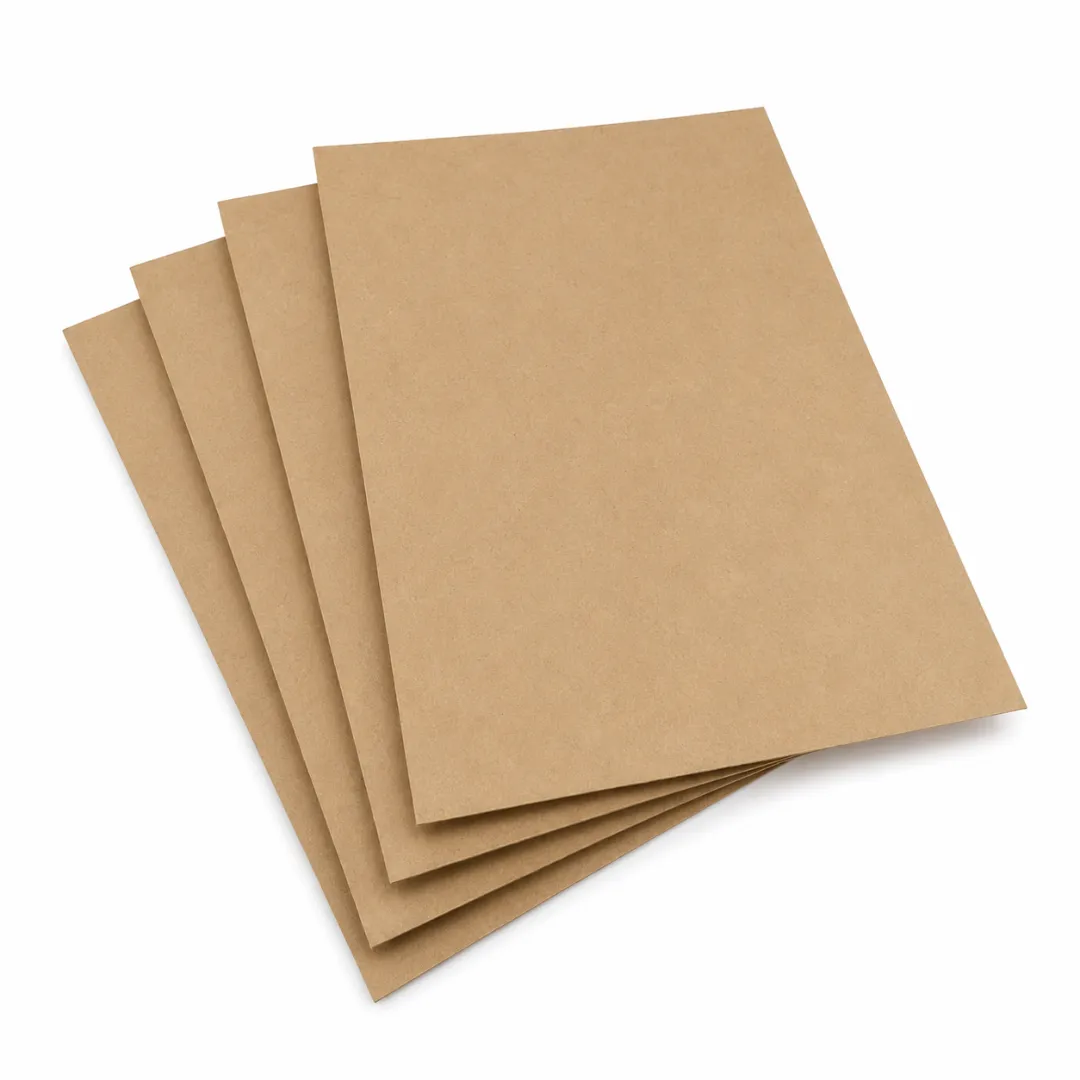
Kraft paper is a strong, durable and reliable material that is widely used across many different industries.
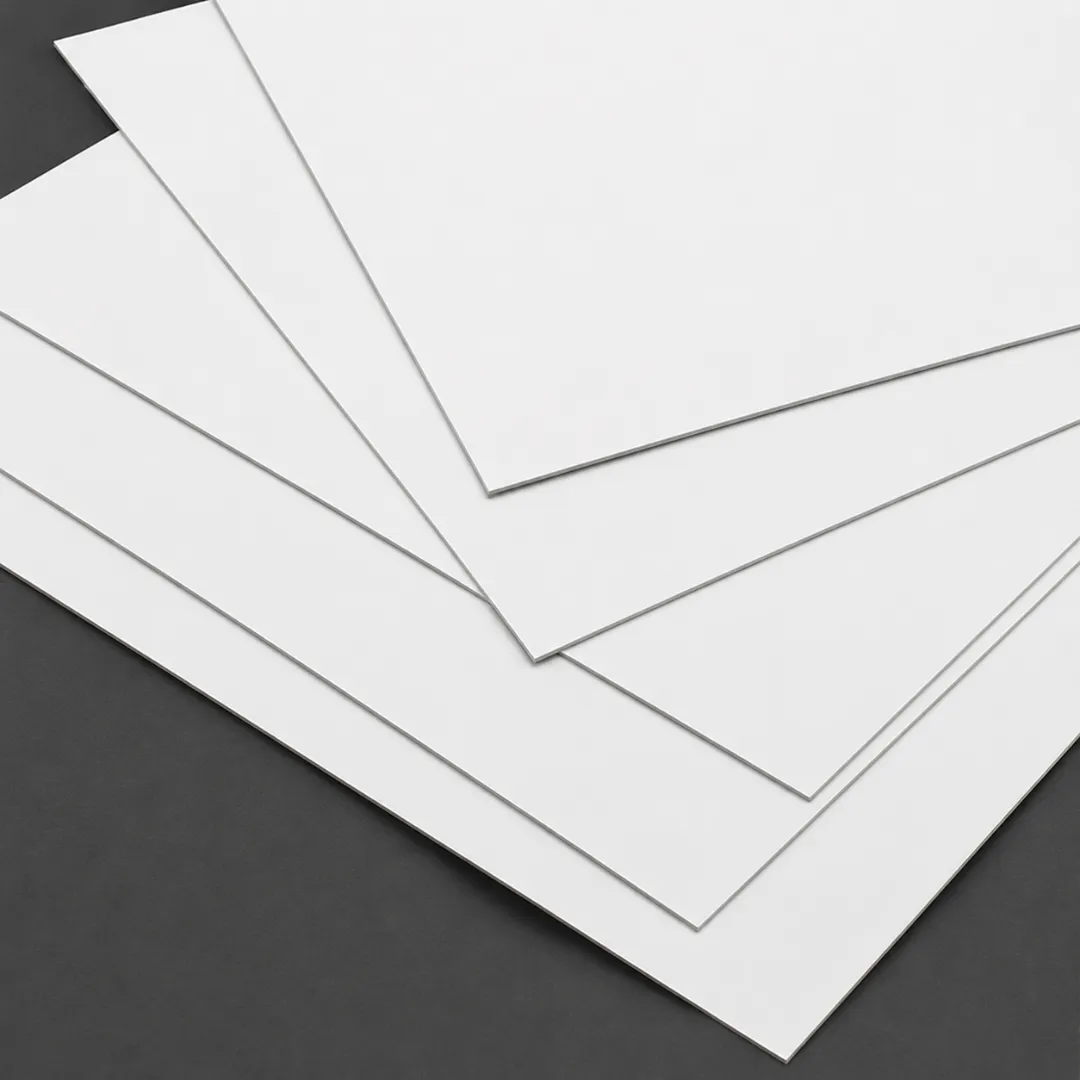
We use cardboard material with the least environmental impact and minimizes waste generation.
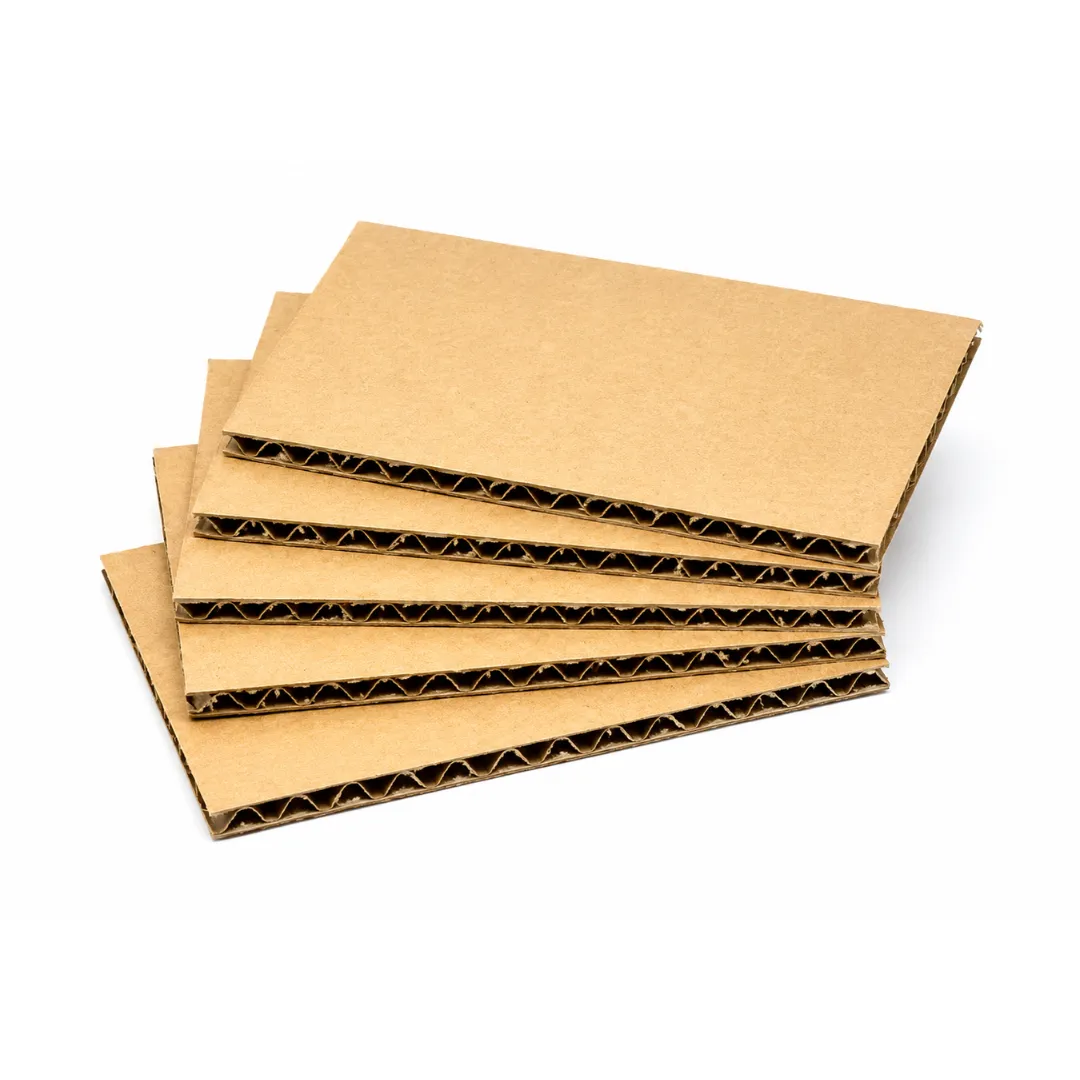
Corrugated material is easy to customize, cost effective and sustainable. It is also great for branding purposes.
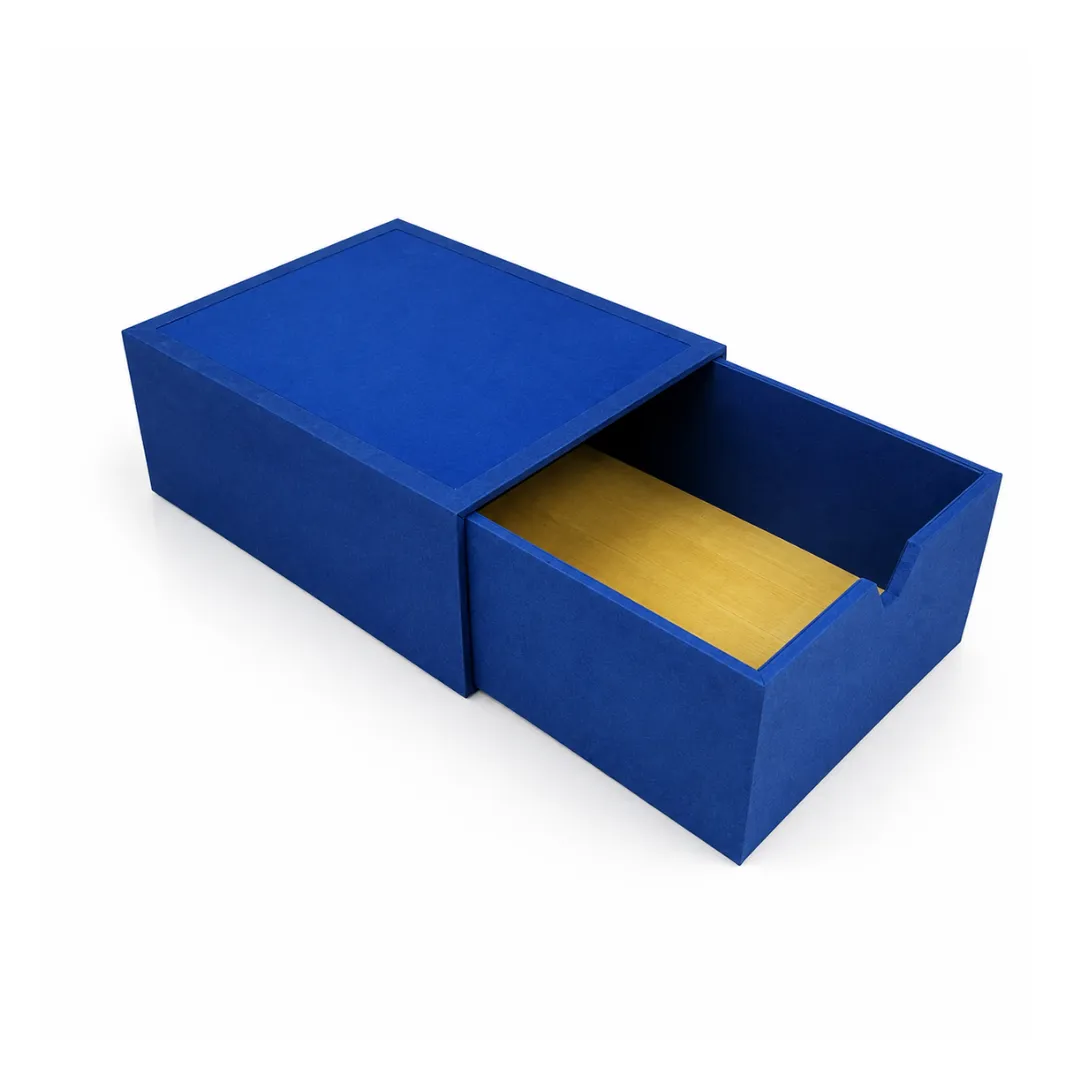
Rigid is highly protective, affordable and recyclable material. These boxes provide maximum protection.
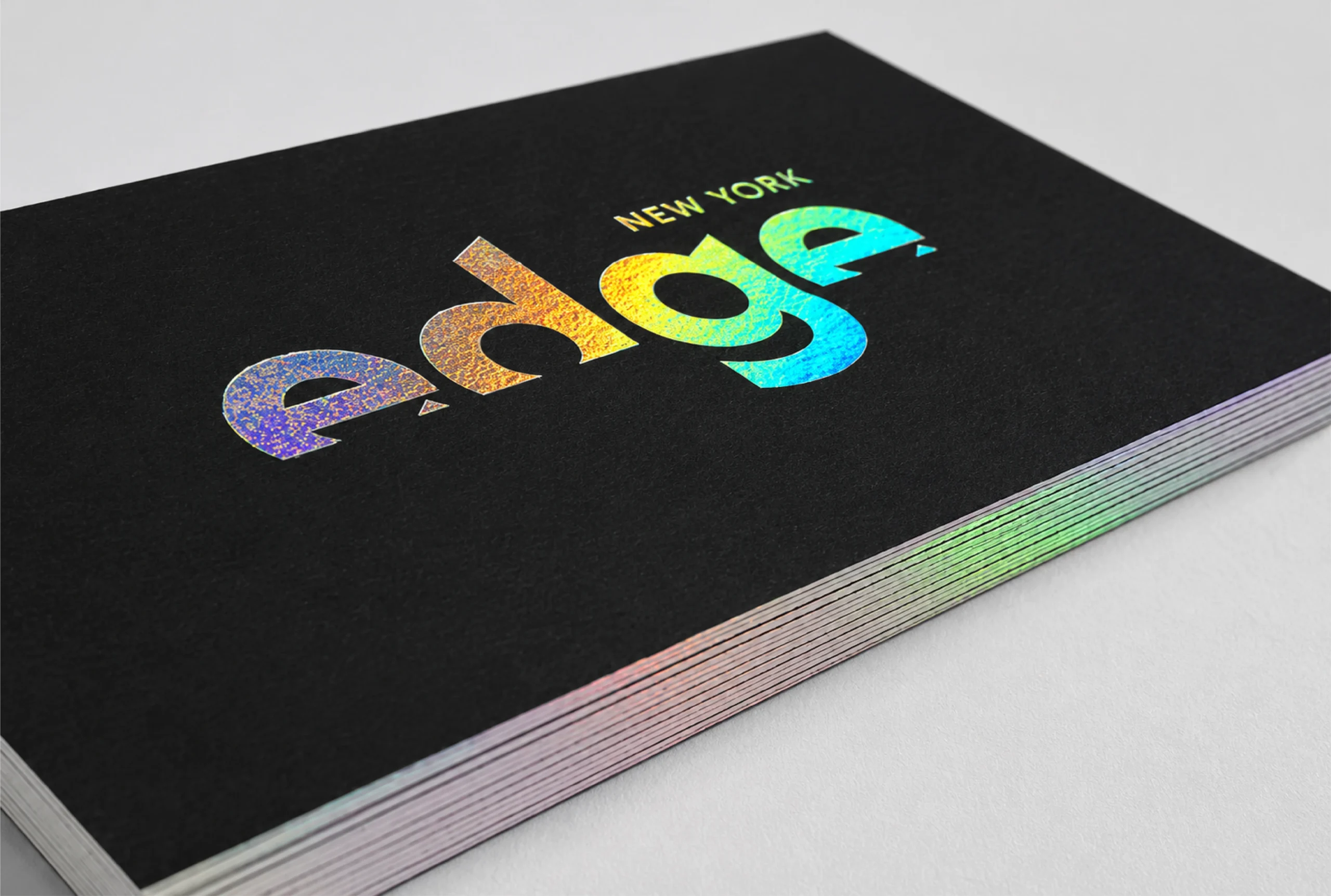
Holographic foil diffracts light and reveals the colors of the rainbow at various angles.
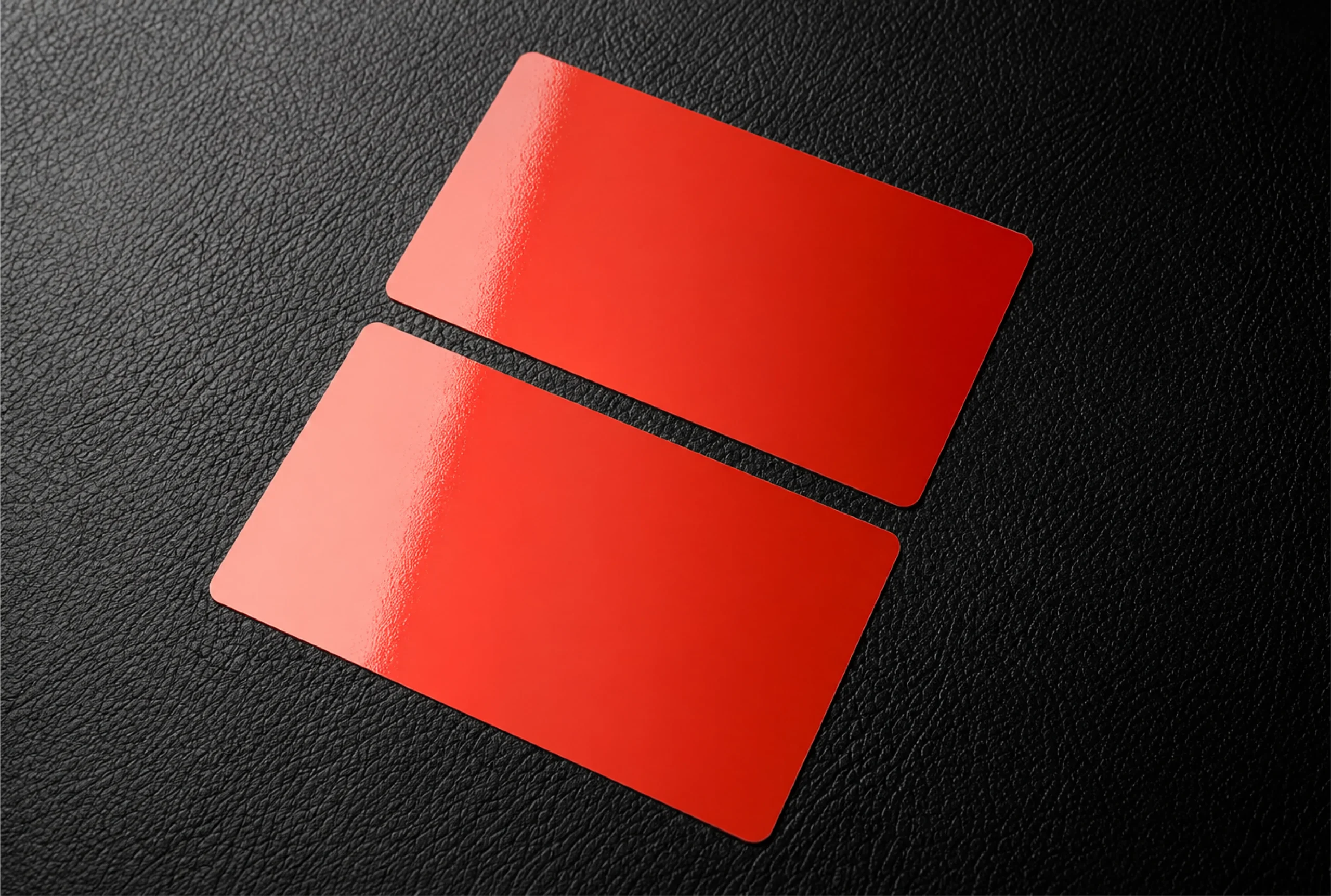
Our glossy finishing gives your packaging an extra layer of shine.
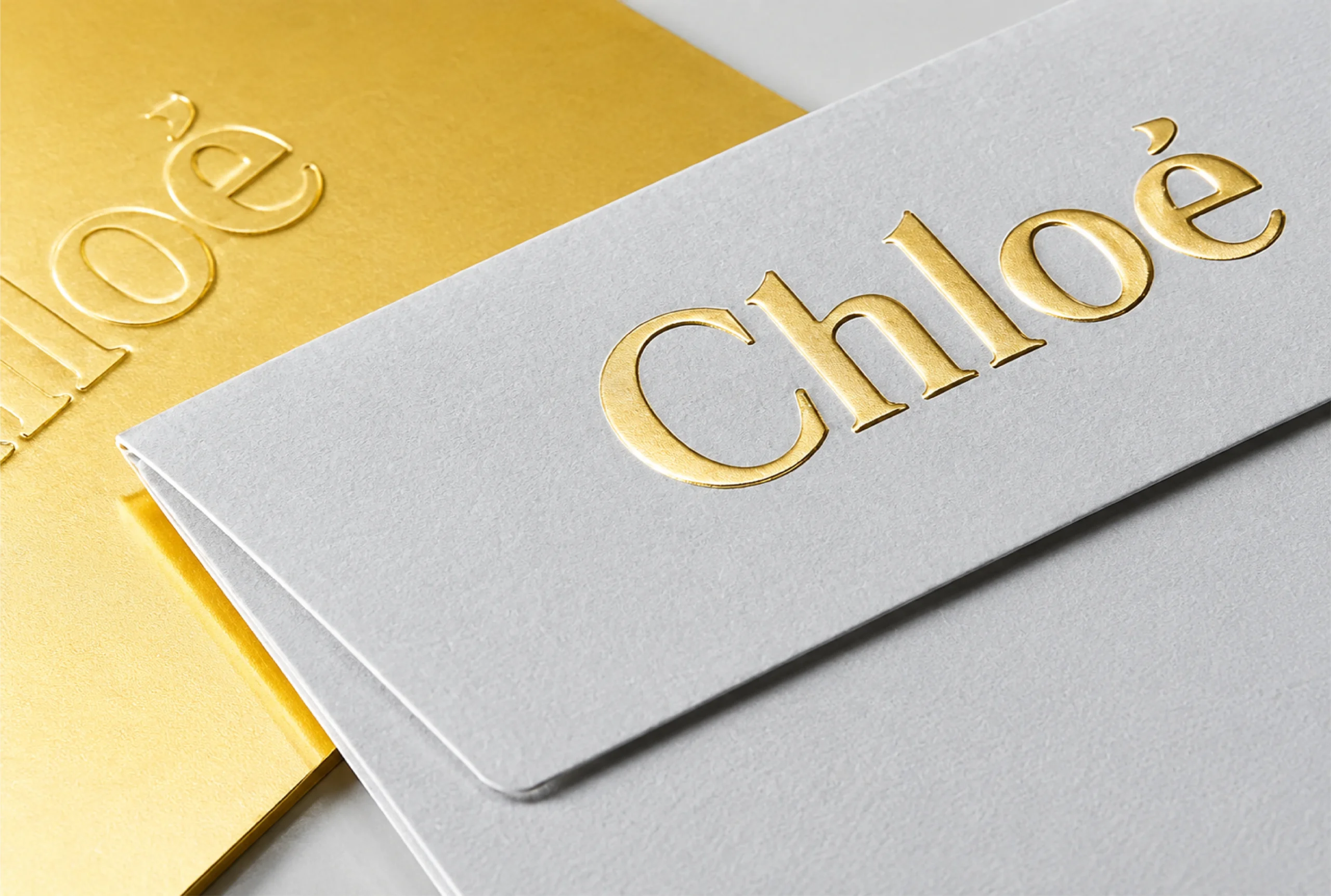
Decorate a wide range of your product packaging with our foil stamping.

With our embossing technique, we transfer the finest details of your product on packaging.
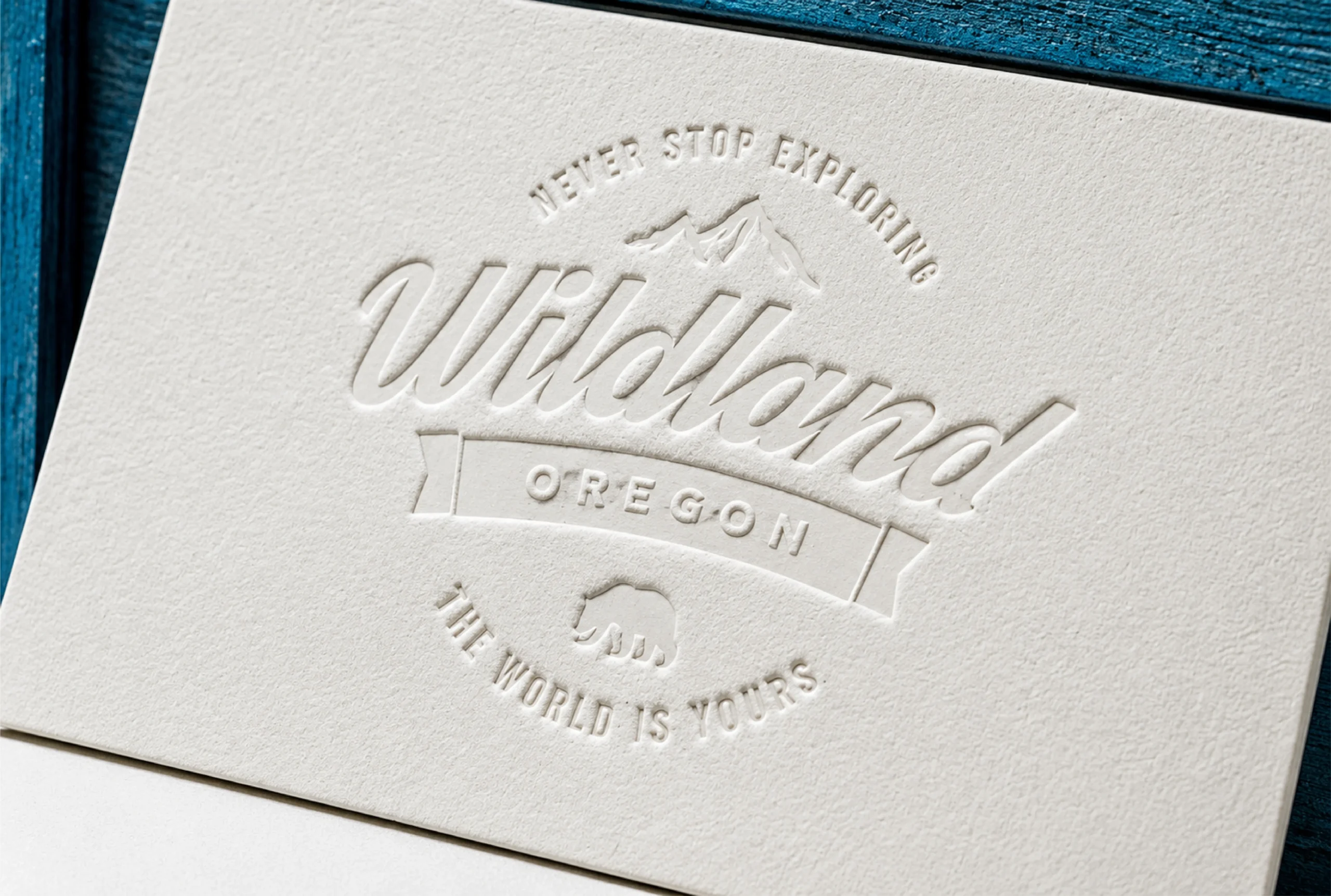
We use debossing technique to add unique graphics into your packaging.
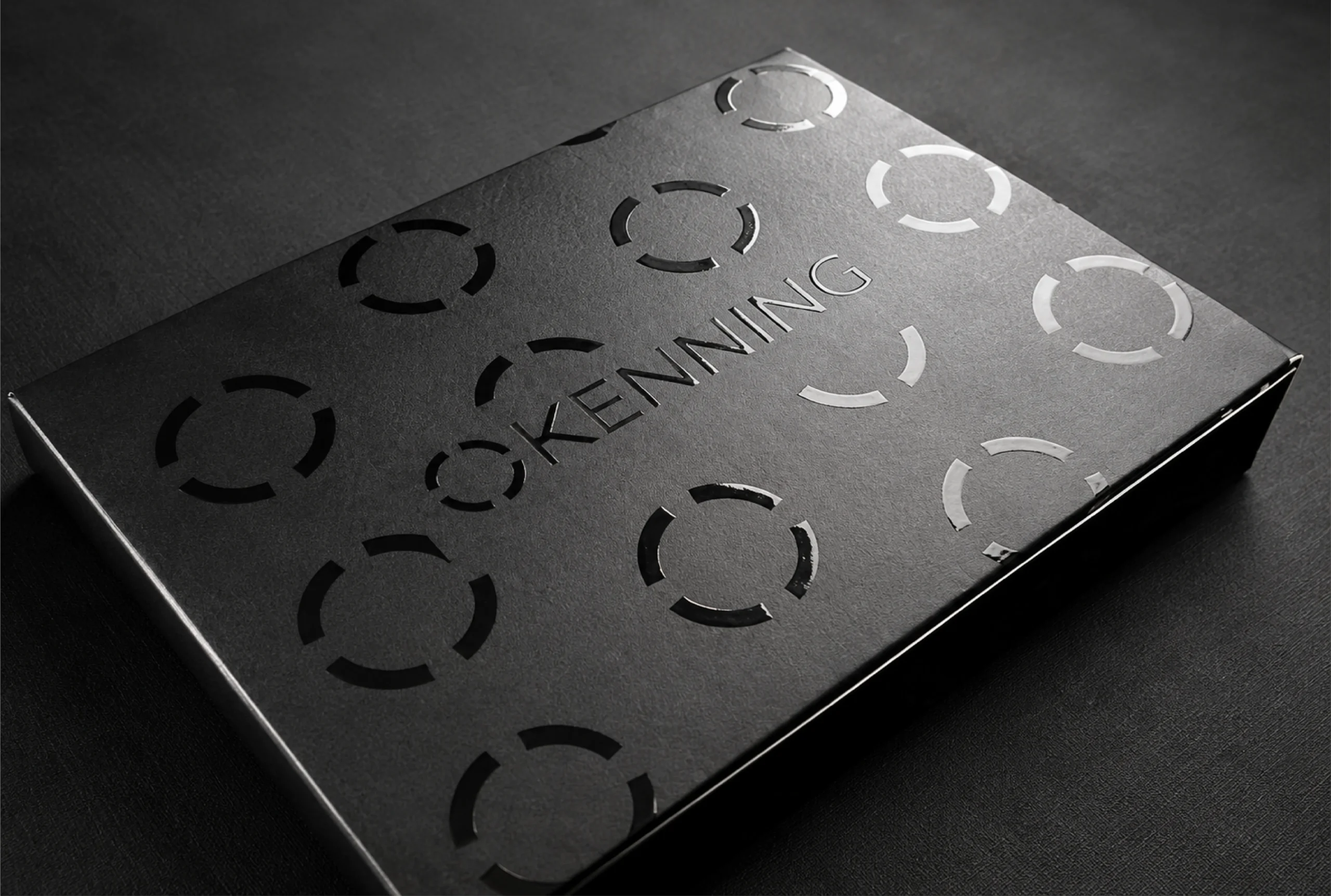
Our high-gloss UV coating gives light and shine to cure the printed material's varnish.
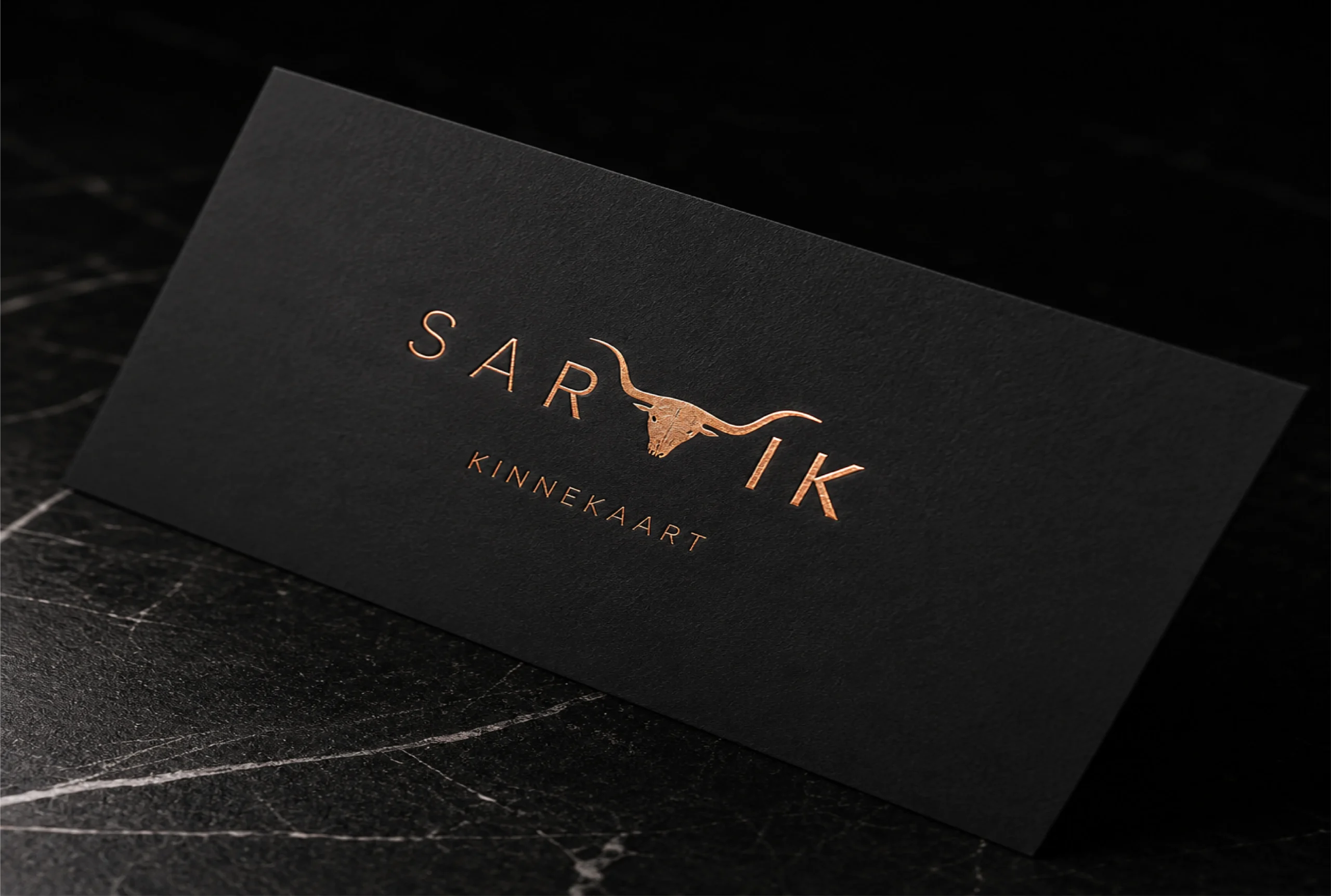
We add additional layer of protection with soft touch lamination from toner chipping.
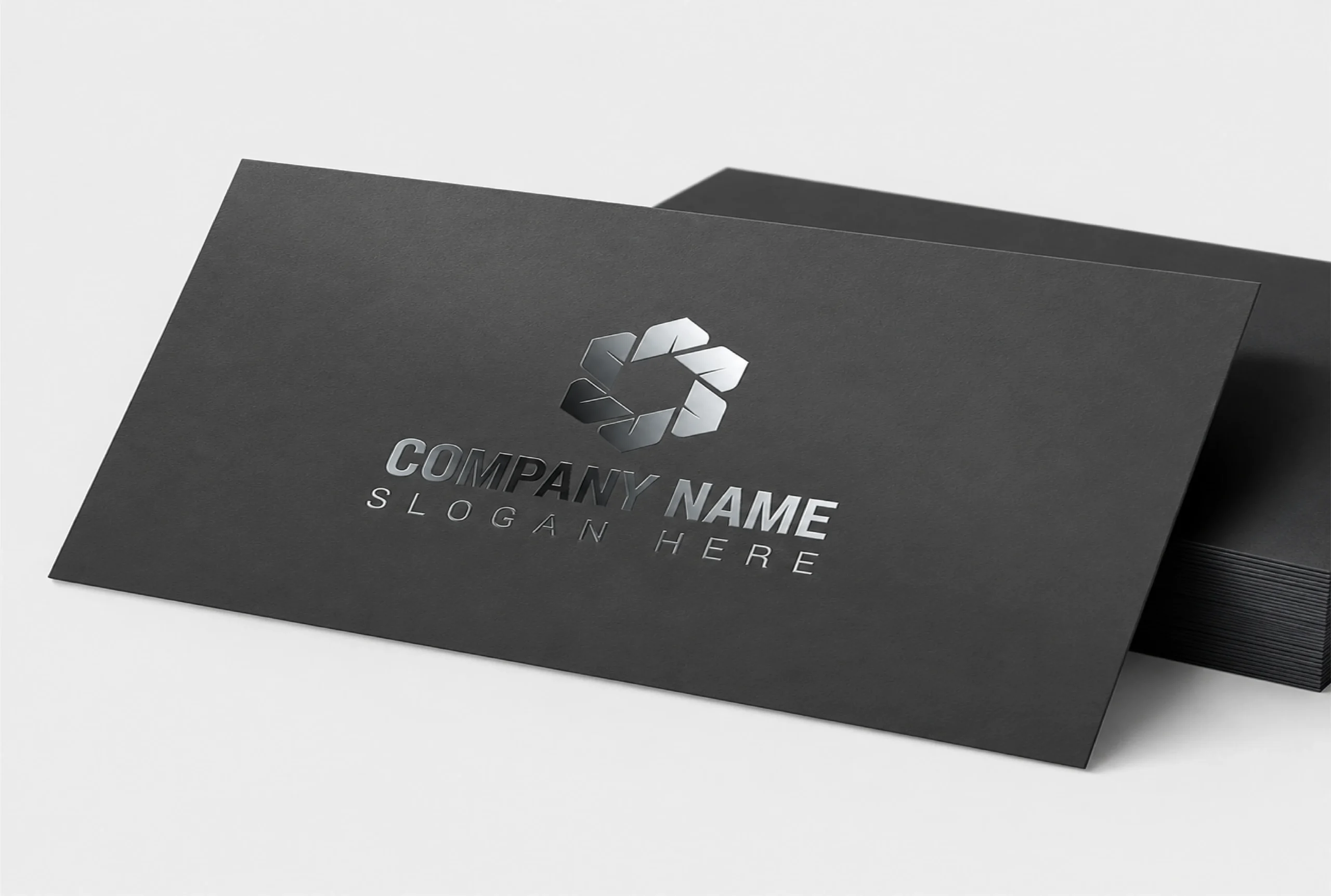
With our matte finish, fingerprints and smudges will now be less visible on the packaging.
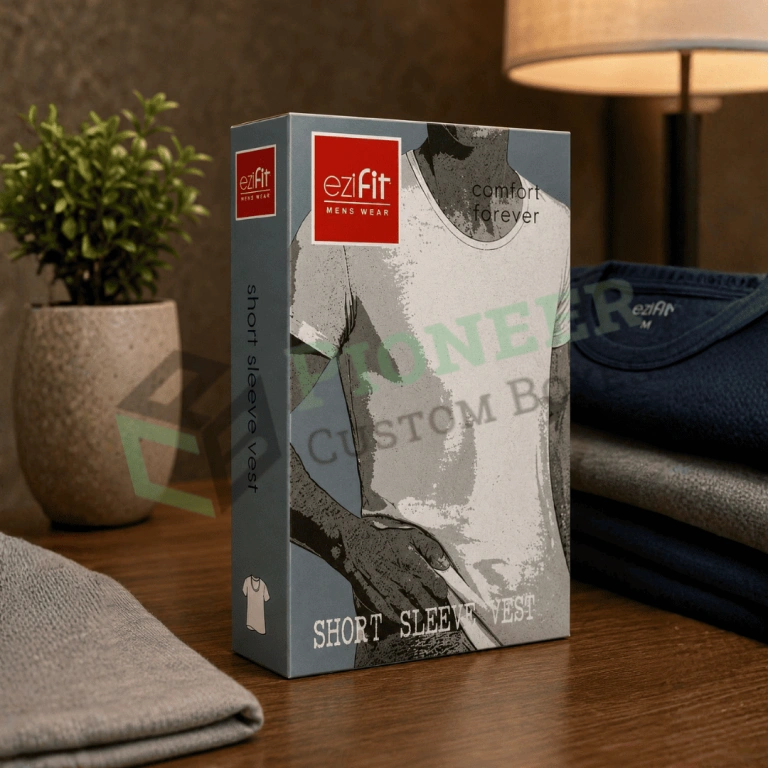
Custom vest packaging from Pioneer Custom Boxes helps apparel brands package puffer vests, fleece vests, safety vests, tactical vests, denim vests, sweater vests, sports vests, and retail vest collections with accurate sizing, durable stock, custom printing, inserts, sleeves, mailer-ready structures, and free shipping across the USA.
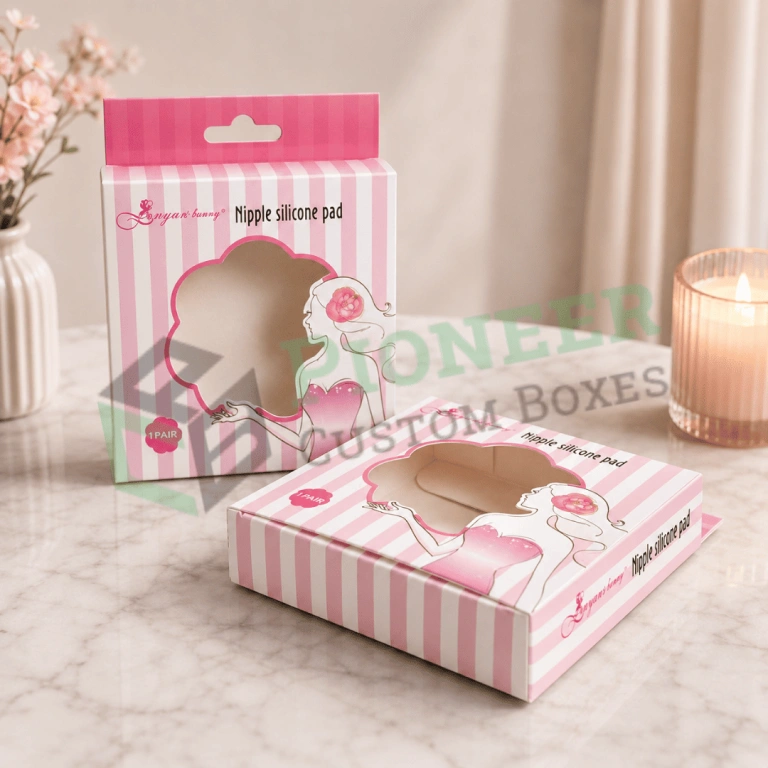
Custom bra boxes protect delicate lingerie with proper cup depth, smooth interiors, durable materials, and premium inserts. Designed for bras, sports bras, retail displays, gift packaging, and ecommerce shipping, they help preserve product shape, prevent fabric damage, and create a stronger unboxing experience.
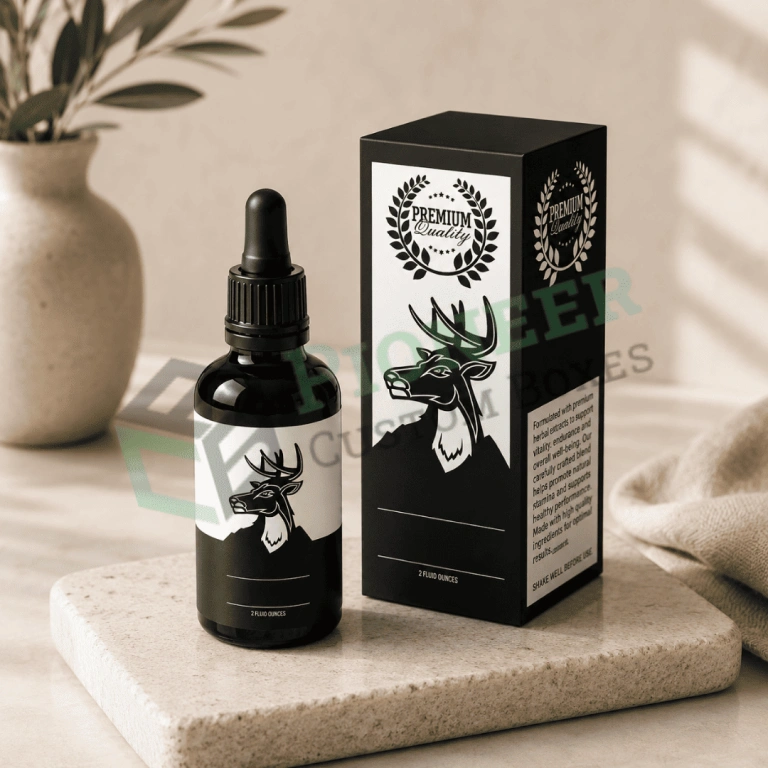
Custom beard oil boxes from Pioneer Custom Boxes help grooming brands package dropper bottles, glass oils, CBD beard oils, gift sets, and retail grooming products with accurate sizing, protective inserts, custom printing, durable stock, luxury finishes, and free shipping across the USA.
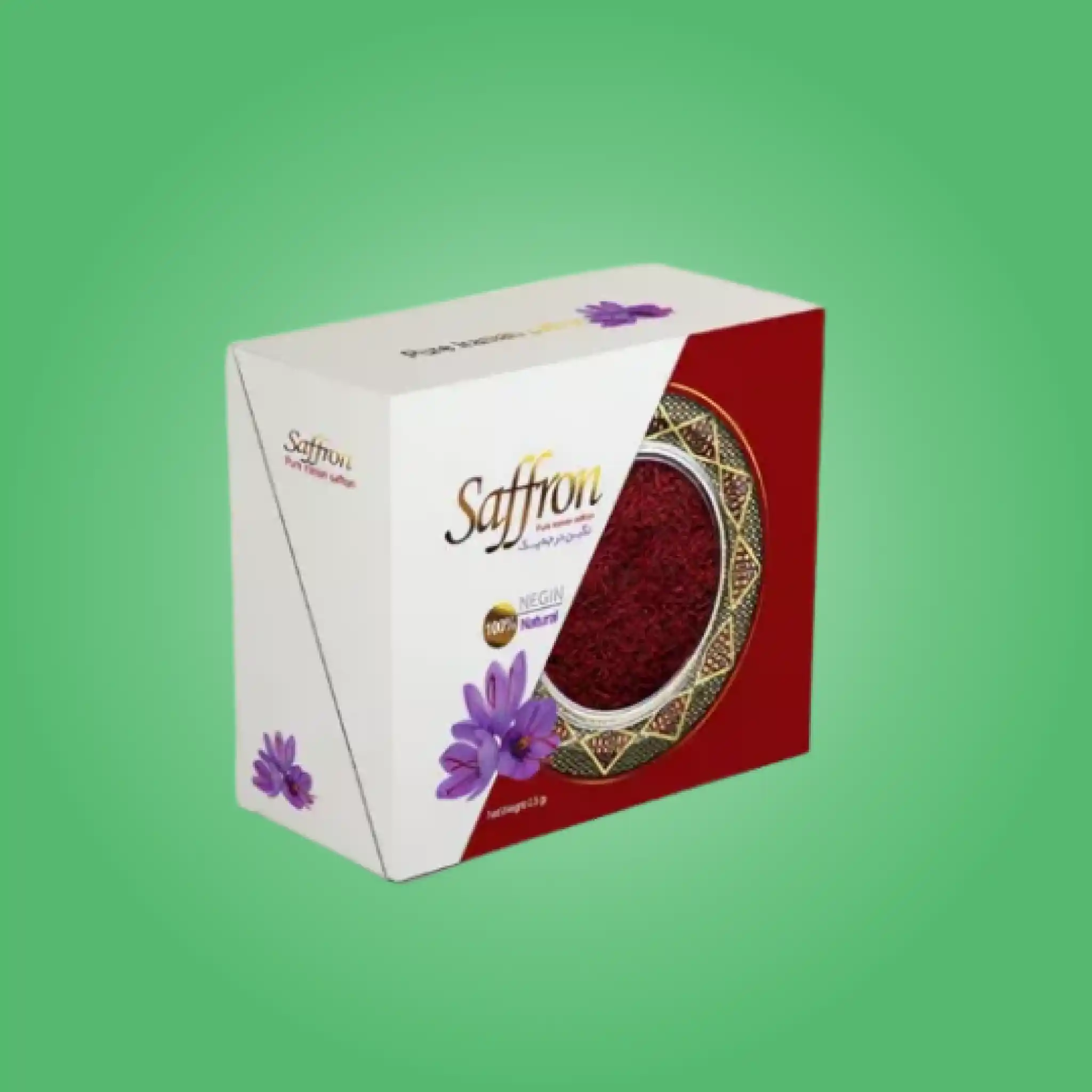
Protect your saffron’s aroma, color, and purity with premium custom saffron boxes engineered for US climates. Each box supports glass jars, vials, and gift sets with moisture barriers, UV protection, and luxury finishes. With tailored sizing and fast USA delivery, your saffron looks as valuable as it truly is.