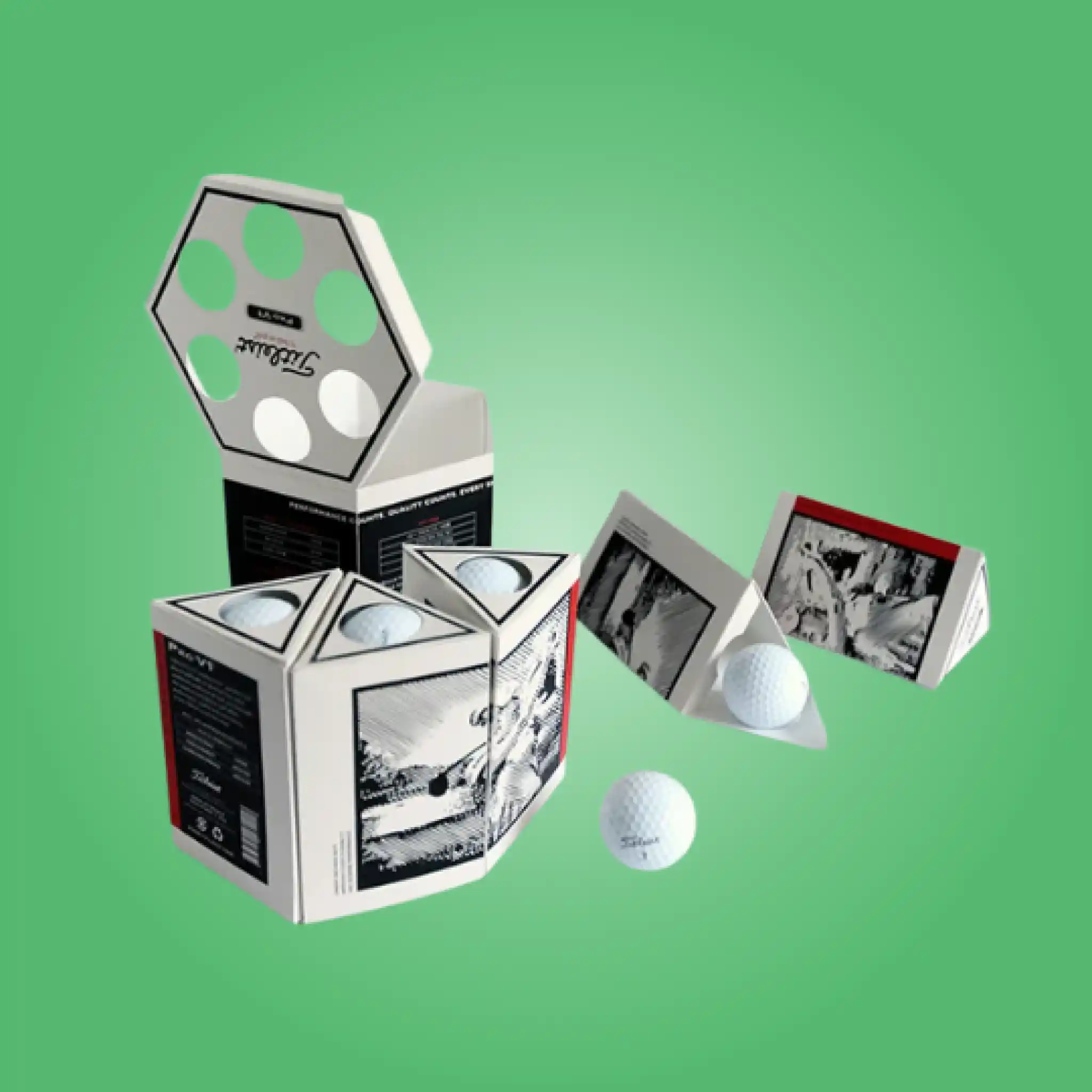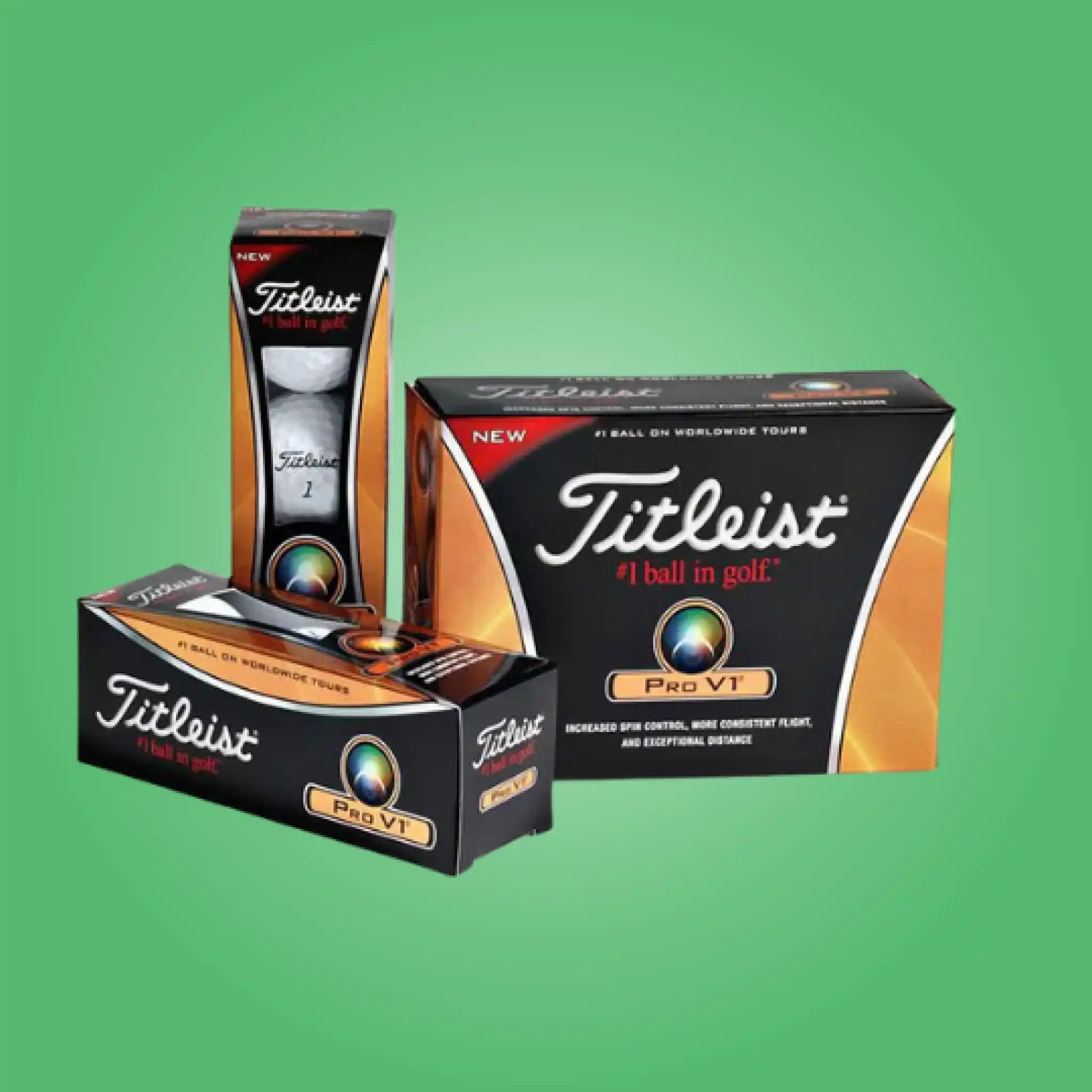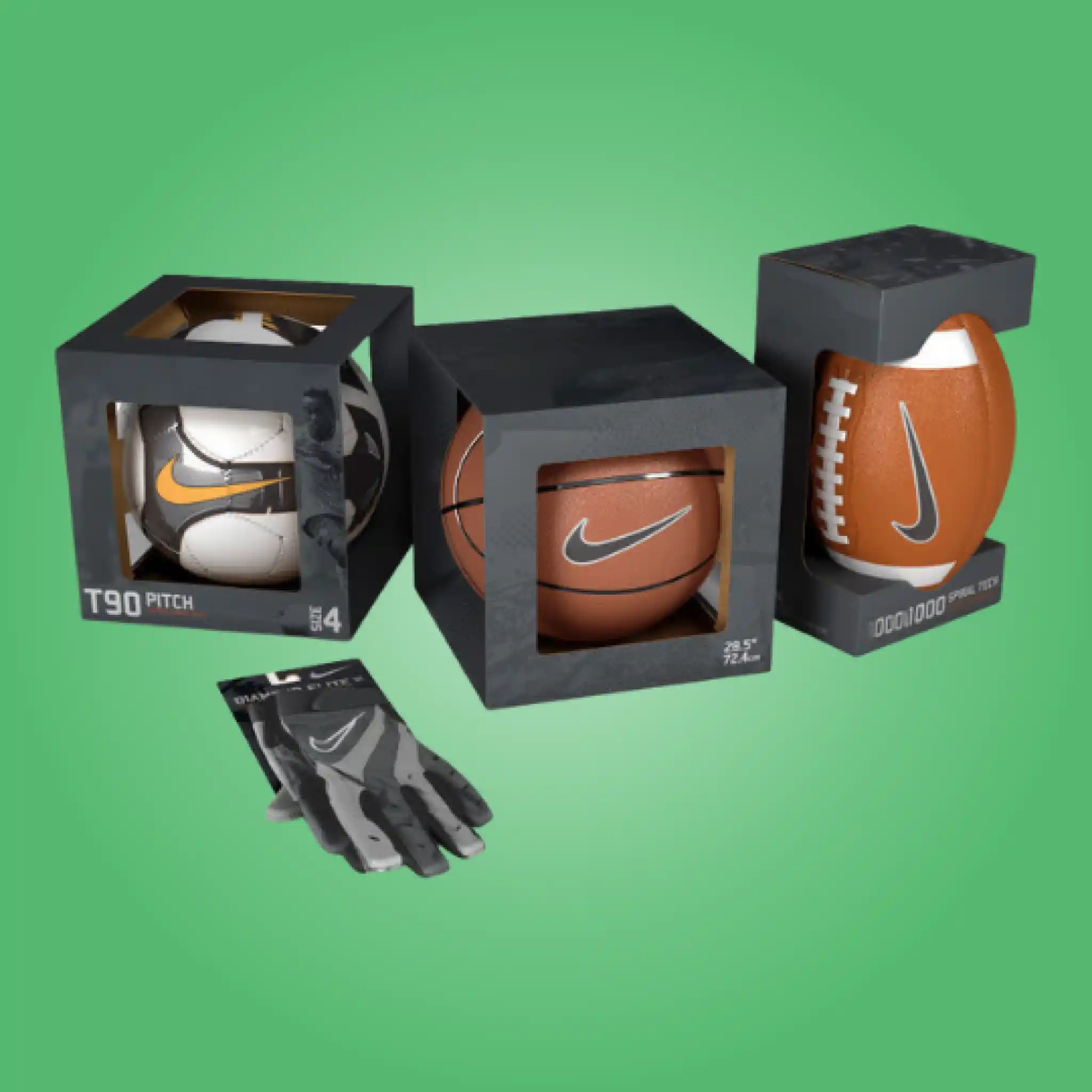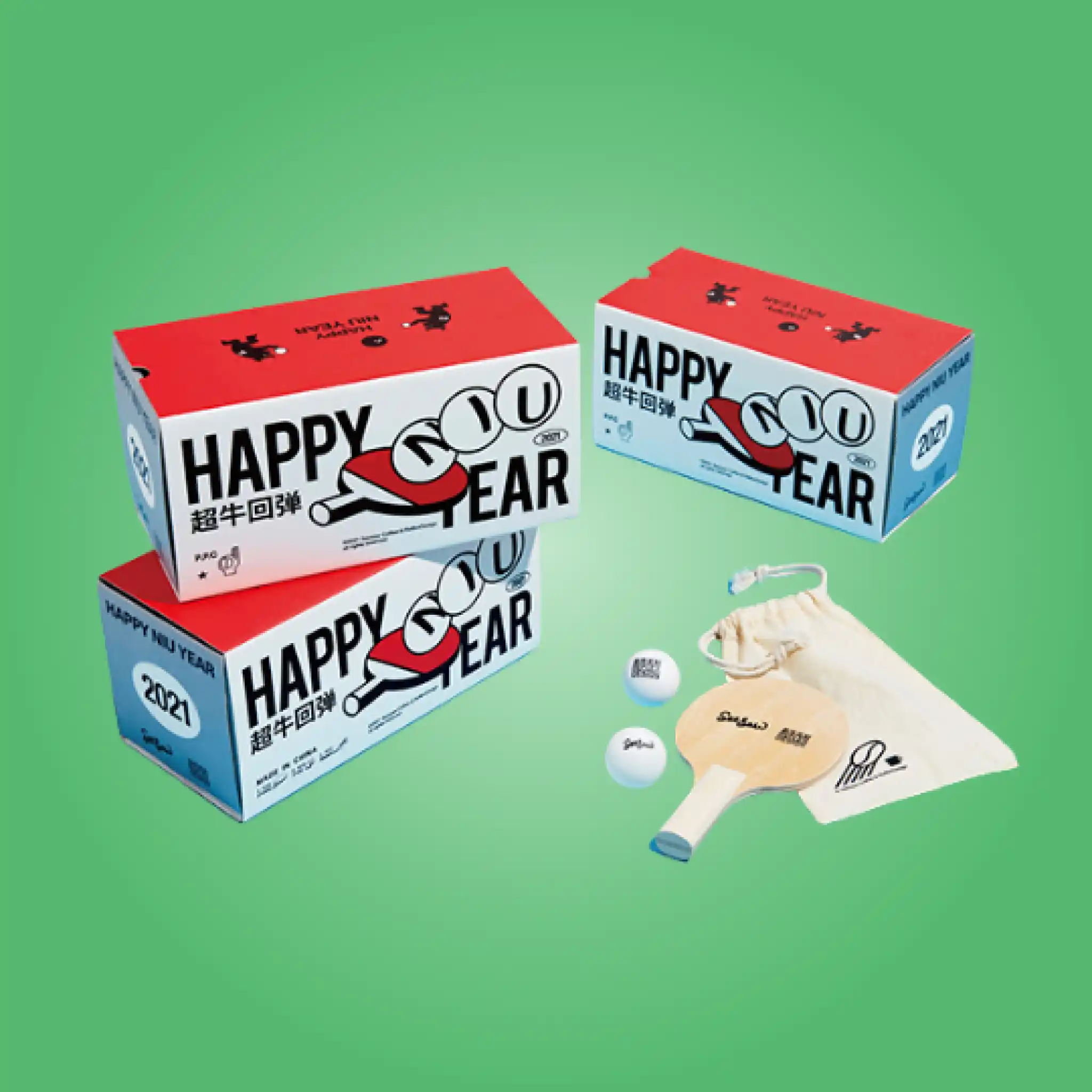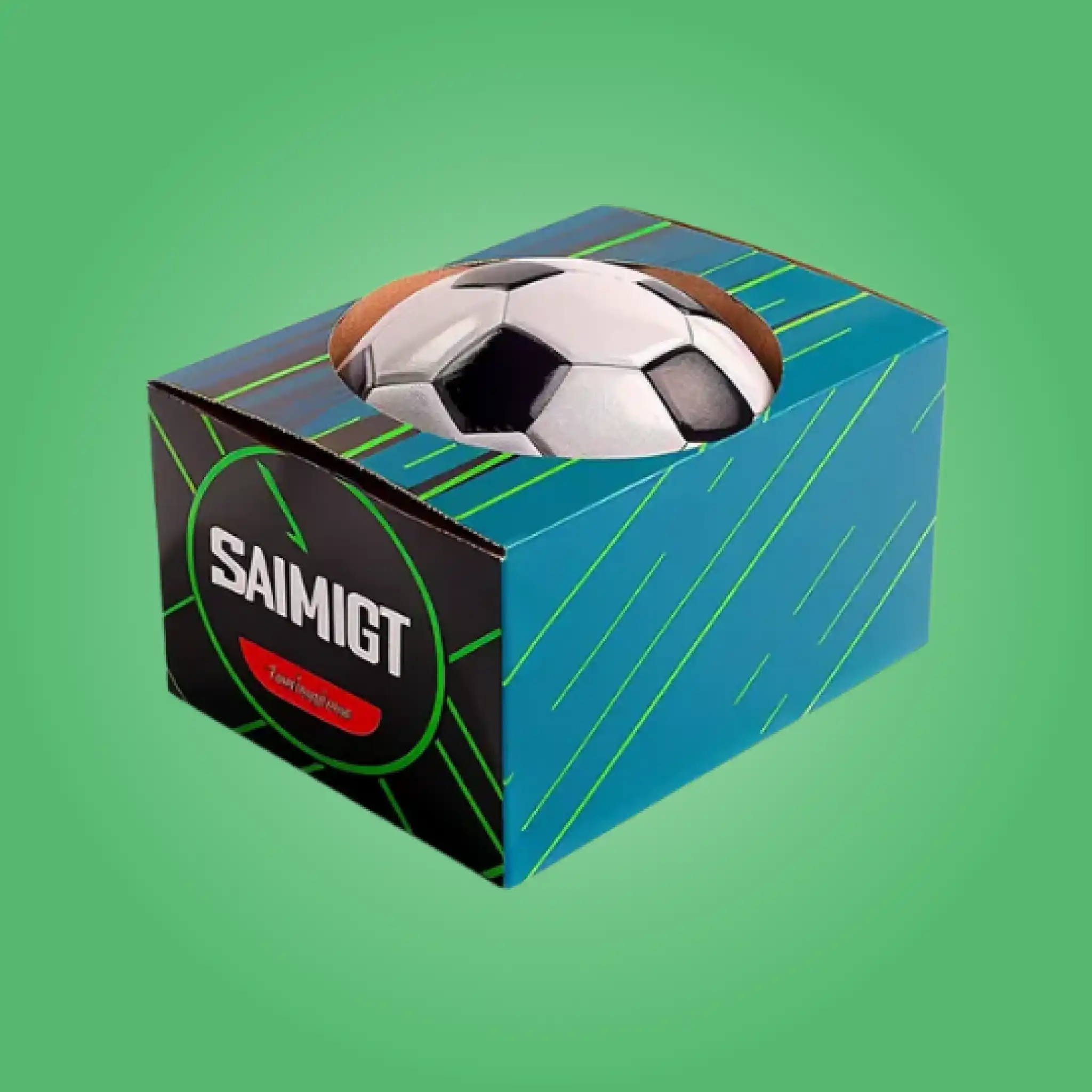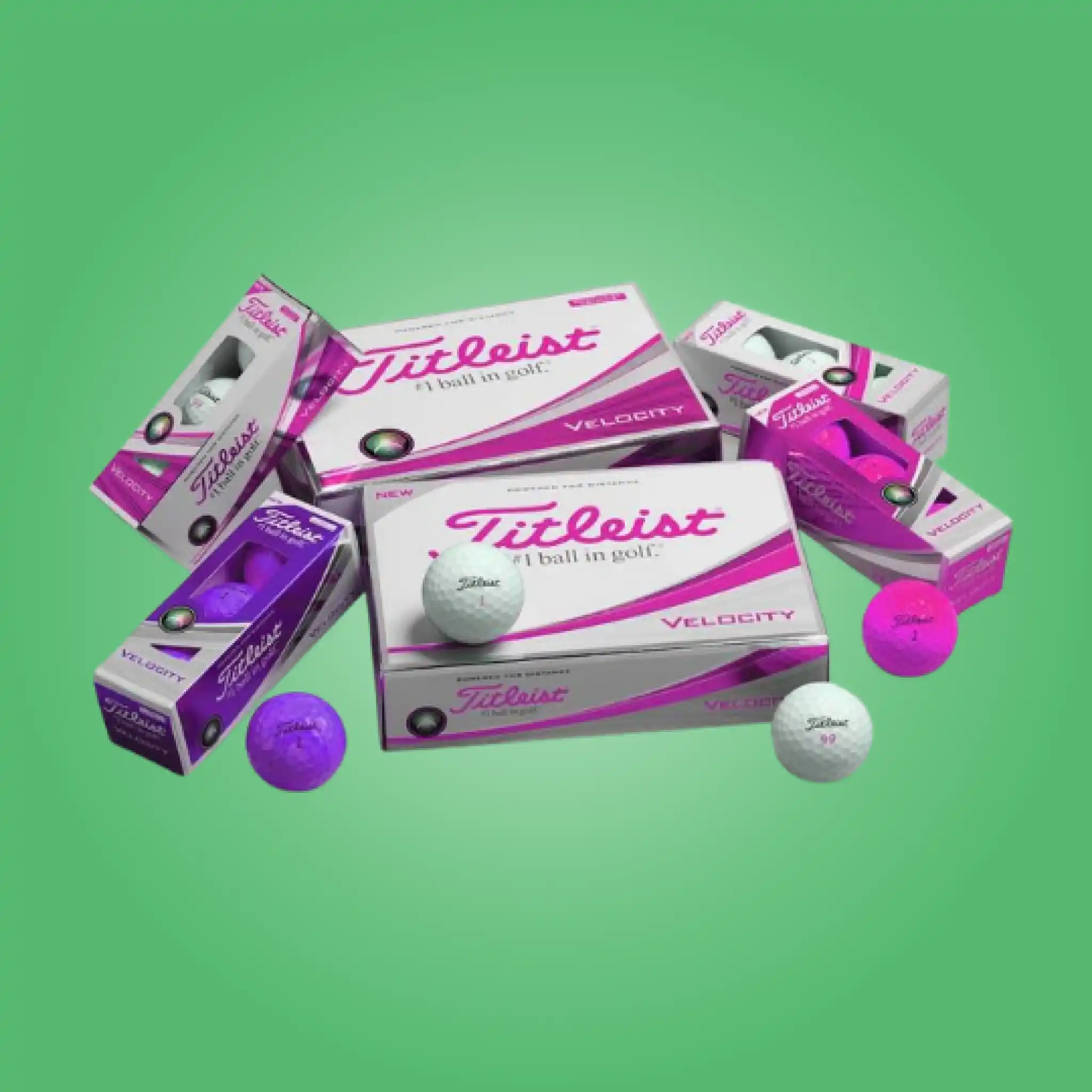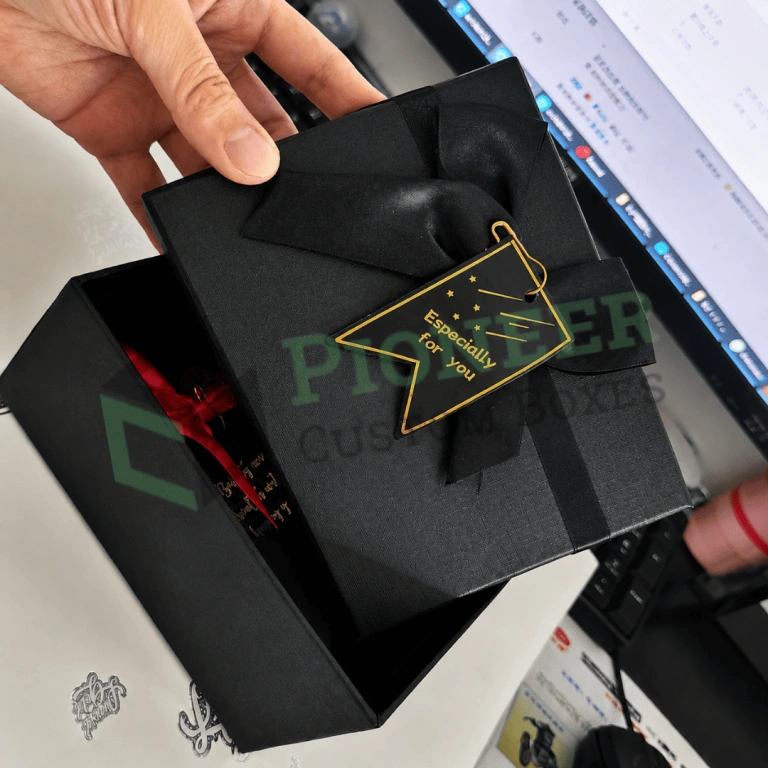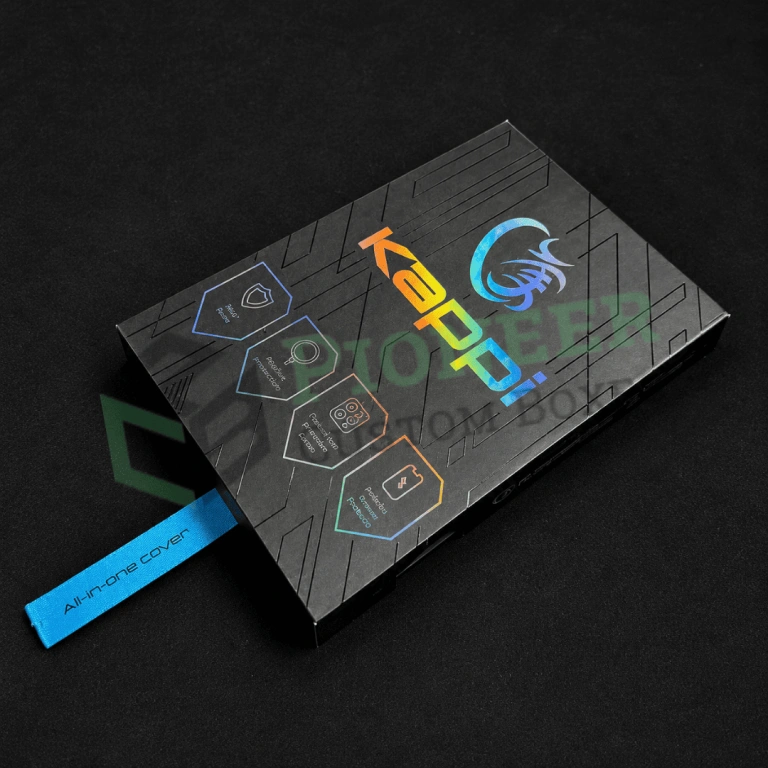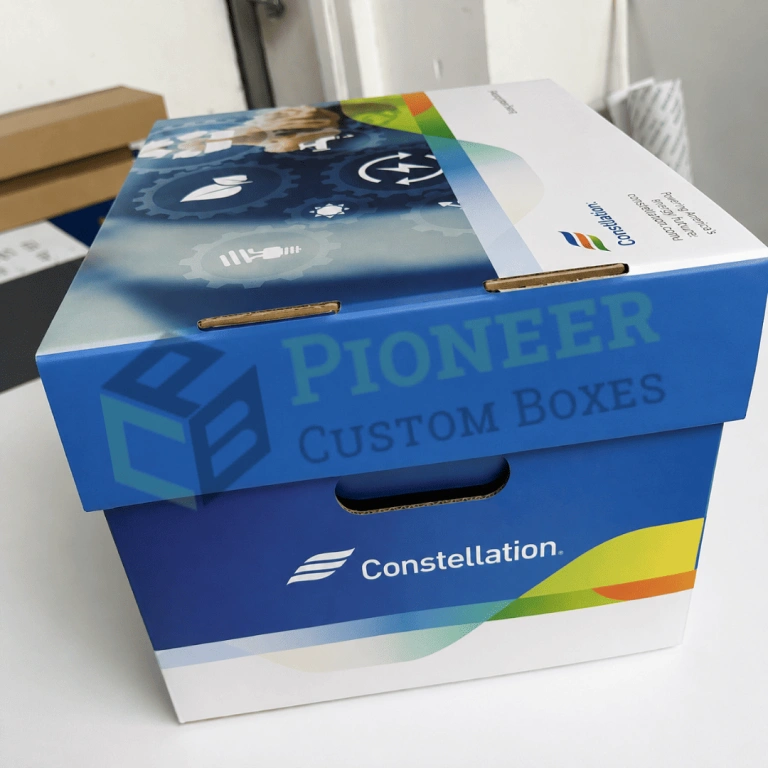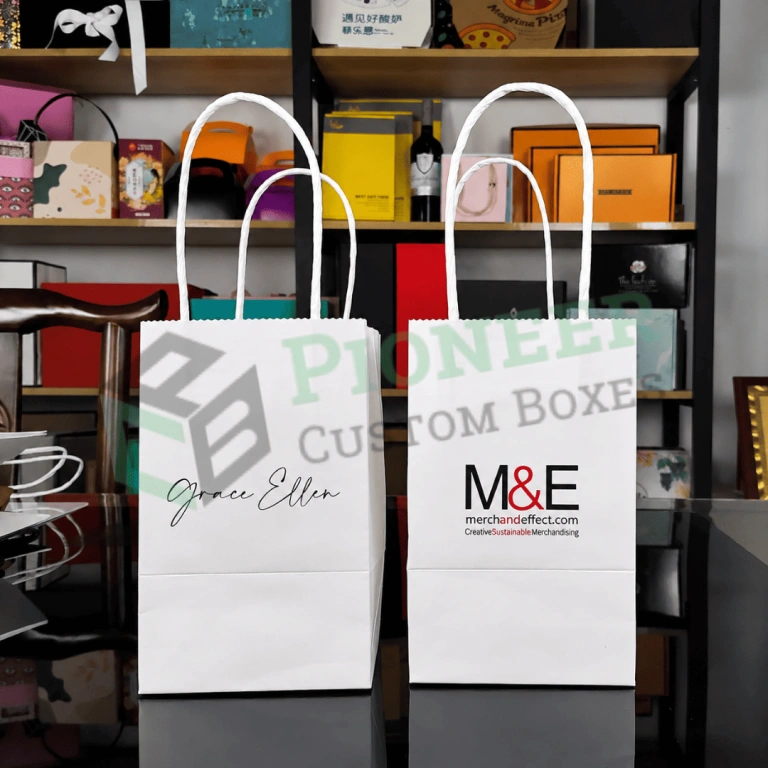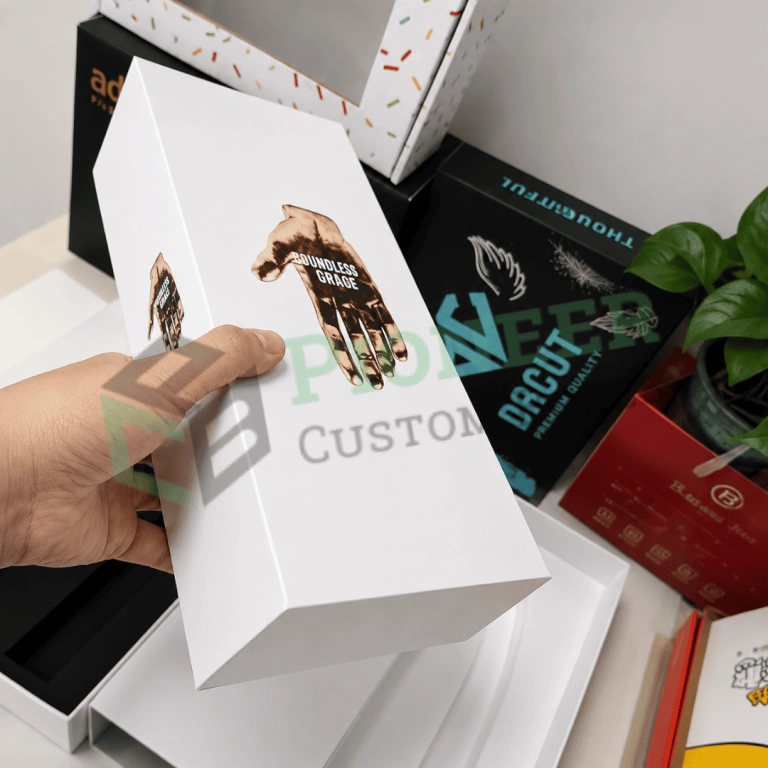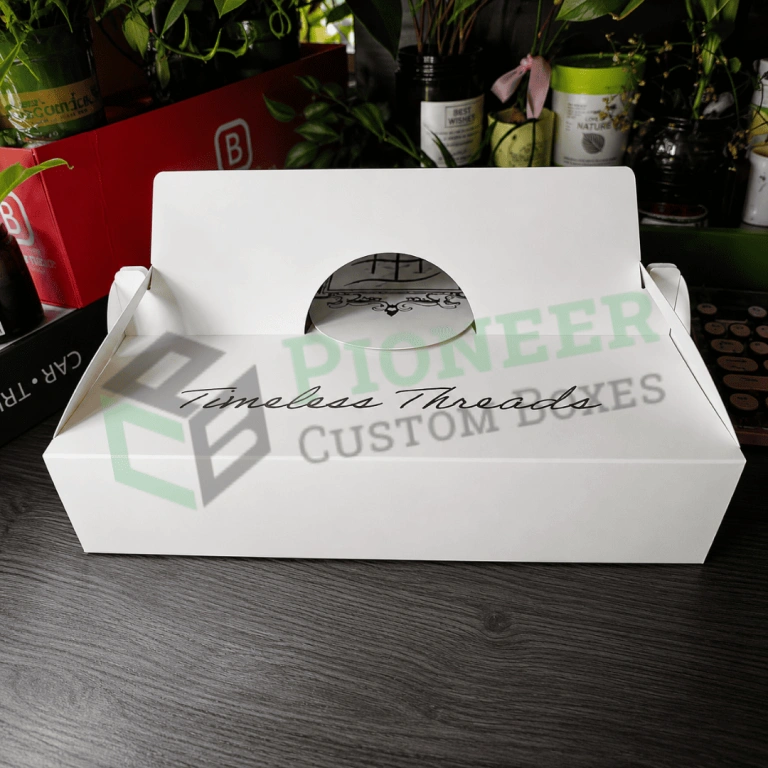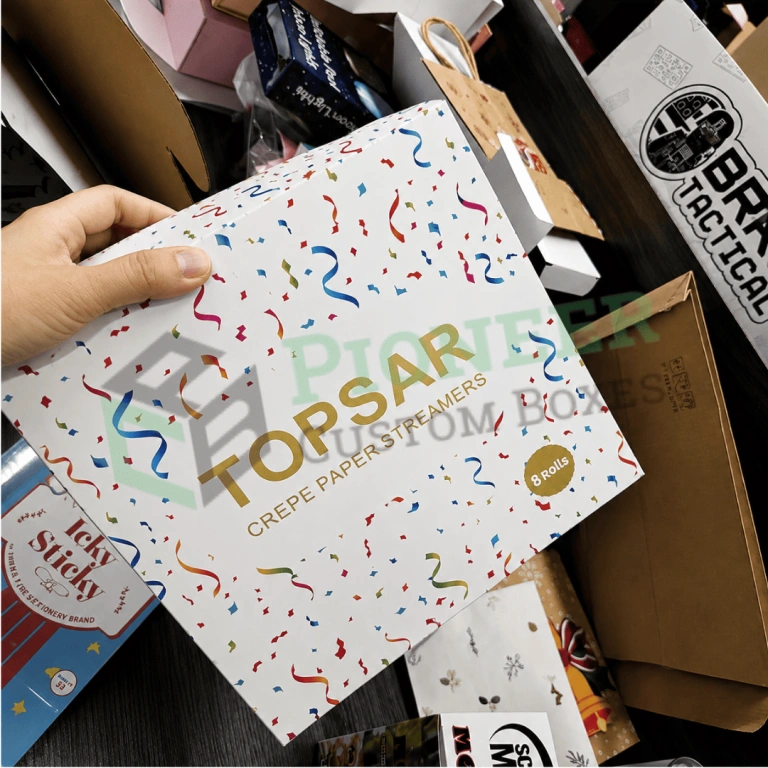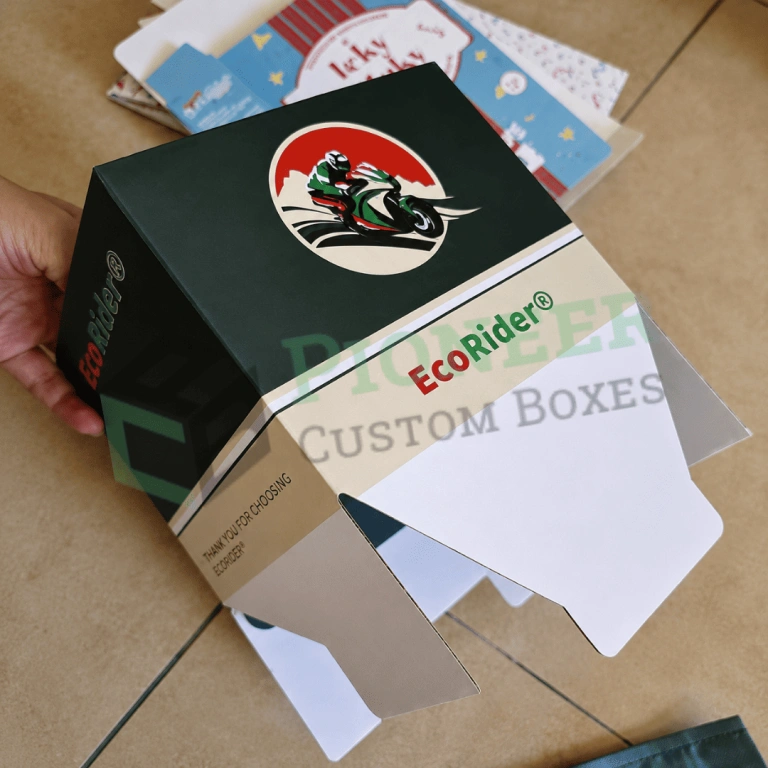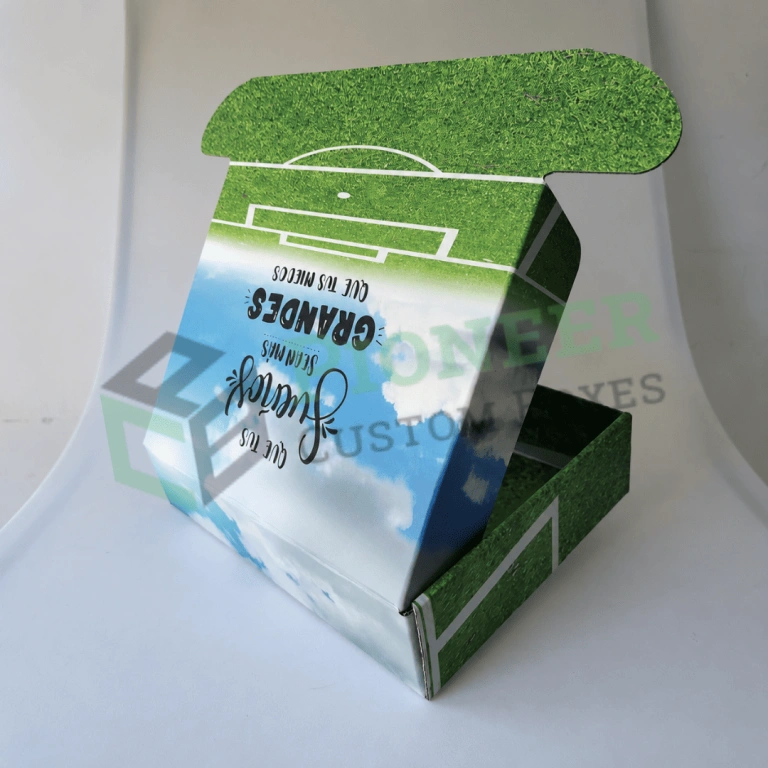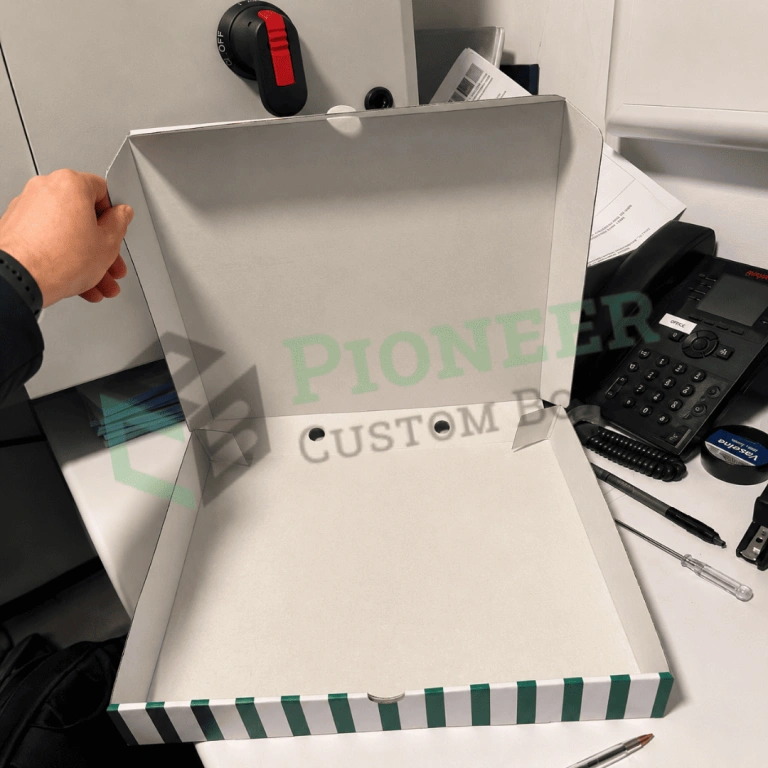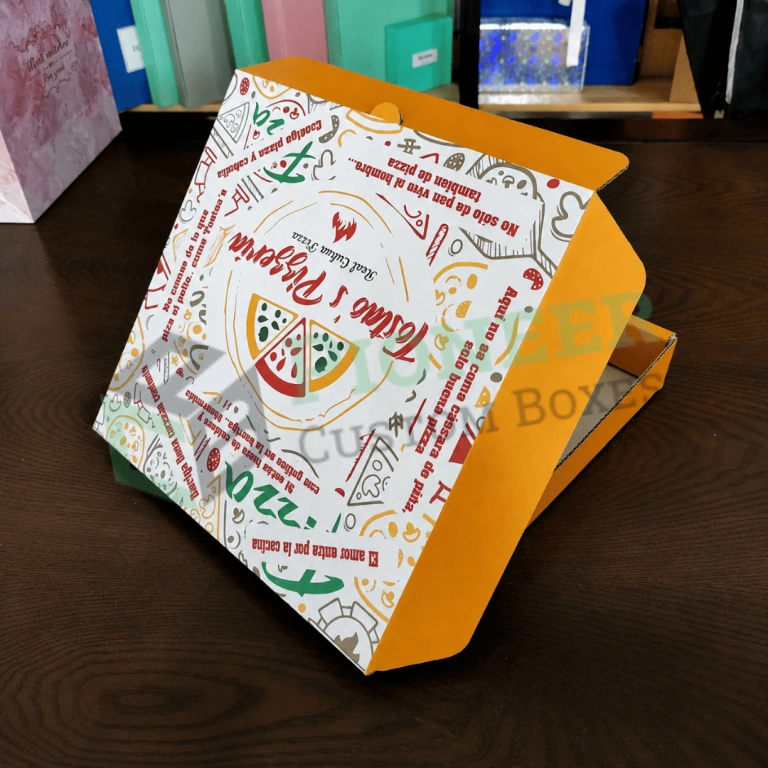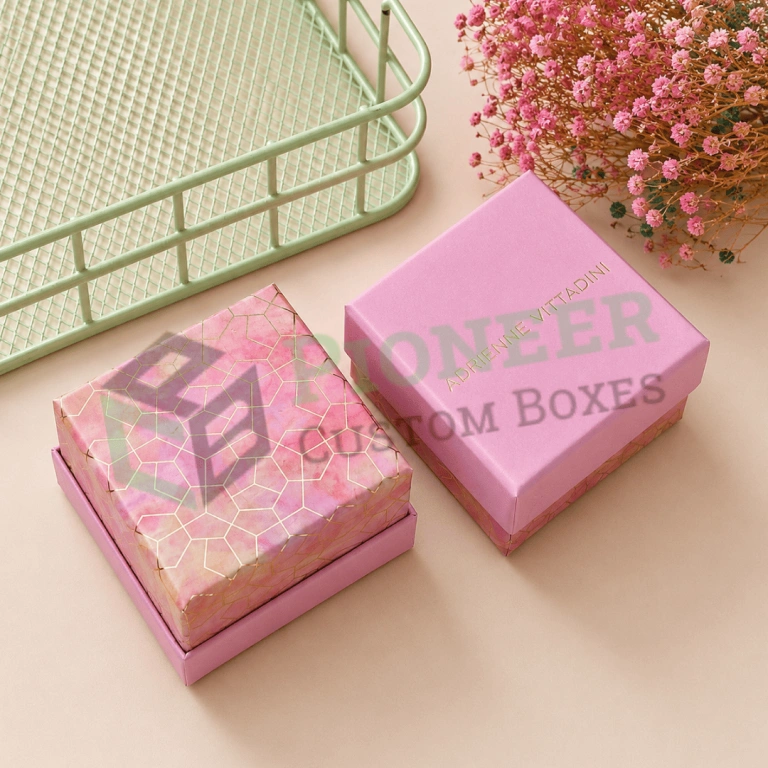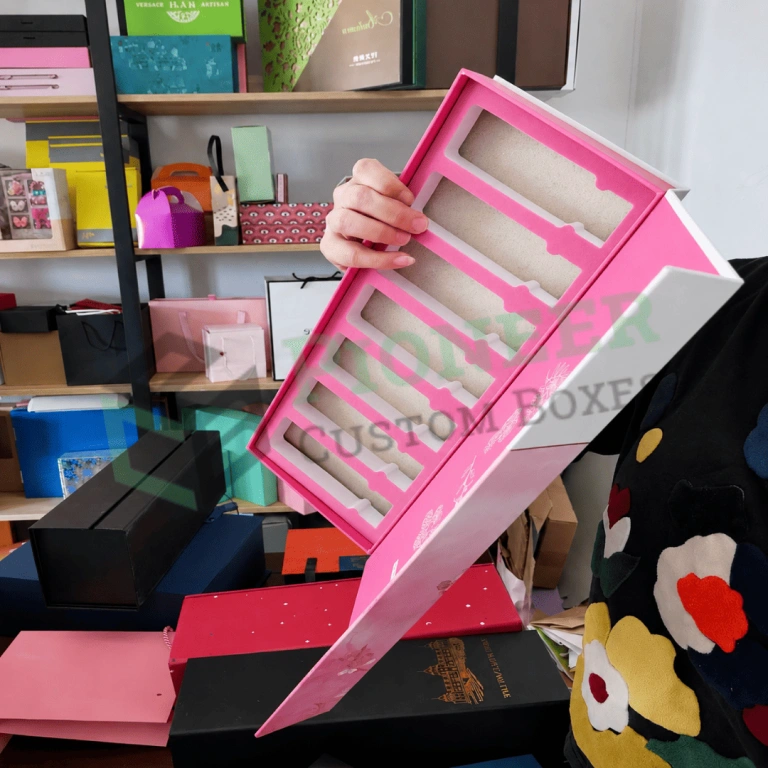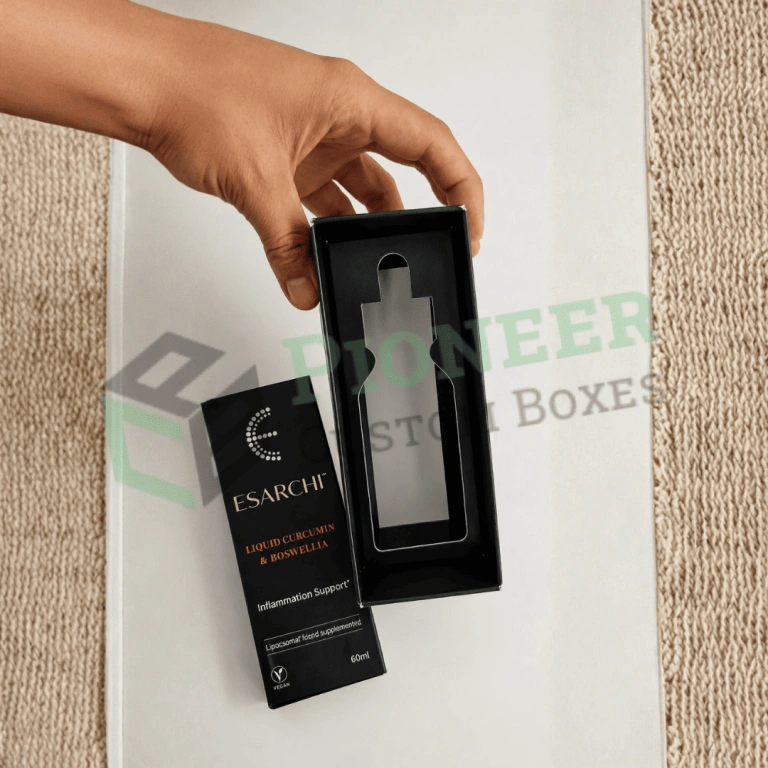
Custom sports boxes from Pioneer Custom Boxes help sportswear, footwear, protective equipment, supplement, accessory and memorabilia brands package products that are heavy, bulky or awkwardly shaped. Choose 32 to 51 ECT corrugated, SBS or kraft board with pulp cradles, partitions, protective liners, hang tabs, exact Pantone team color matching, free design support, no MOQ and free USA shipping.
Sporting goods break most of the assumptions ordinary retail packaging is built on. Products are heavy for their size, awkwardly shaped, sold in wildly different sizes across one brand, and increasingly shipped direct to a customer rather than to a shelf. A box that suits a folded jersey is wrong for a pair of cleats and useless for a set of dumbbells.
That variety is the real problem to solve. Most sports brands do not need one box, they need a small family of boxes sized to genuine product clusters, sharing artwork so the range still looks like a brand. Getting that structure right controls cost far more effectively than negotiating a lower unit price on the wrong box.
Weight is the second constraint. Sporting goods concentrate mass in a small footprint more often than most categories, and a base specified for appearance rather than load gives way at exactly the wrong moment.
Pioneer Custom Boxes manufactures sports packaging in the United States with zero minimum order quantity, free dielines, free design support and free shipping nationwide. We cut our own dies and run our own presses, so a box is built around your actual product rather than forced into a stock size.
Each product type in this sector needs something different, and grouping them correctly is the first decision worth making.
Jerseys, shorts and training wear are light and bulky, so dimensional weight rather than protection drives the cost. A shallow mailer or a lidded box with a printed interior suits them, and depth is the dimension to cut hard. Team orders arrive in bulk and get split by size, so cases that open cleanly matter more than crush ratings.
Shoe boxes are their own discipline. They need enough rigidity to survive stacking in a stockroom, a lid that opens repeatedly without wearing, and dimensions that suit both a shelf and a shipping carton. Cleats add a specific problem, since studs press against board and can pierce a light liner.
Helmets, pads and guards are bulky, irregular and often expensive. Molded pulp cradles or die-cut corrugated inserts hold them without excess void fill, and the box needs to accommodate a shape that is rarely a neat rectangle.
Bats, rackets, weights and training gear concentrate real weight. Double wall corrugated with a full overlap base is frequently necessary, and long items need telescope or two-piece boxes rather than a single carton.
Powders, bars and drinks need moisture-resistant board, sift-proof seals on tubs, and panel space for supplement facts. These behave more like food packaging than sporting goods and we specify them accordingly.
Grips, laces, tape, mouthguards and similar items sell on a peg or in a counter display. Small tuck cartons with reinforced hang tabs and clear windows cover most of this.
Signed items, cards and commemorative goods need rigid or shoulder construction, protection against bending, and packaging intended to be kept rather than recycled.
Tell us which of these you sell and in what proportions, and we will propose a family of two or three structures rather than one compromise box.
Every die is cut to your product. These formats cover most of what we produce across sporting goods.
| Product | Typical Size (inches) | Board | Structure |
|---|---|---|---|
| Jersey or training top | 12 x 9 x 2 | 32 ECT E-flute | Mailer or lidded box |
| Full team kit set | 14 x 11 x 4 | 32 ECT E-flute | Roll end tuck front |
| Athletic footwear | 13 x 9 x 5 | 32 ECT single wall | Lid and base |
| Cleats with studs | 13 x 9 x 5 | 32 ECT with pad | Lid and base, protective liner |
| Helmet | 12 x 11 x 10 | 44 ECT single wall | RSC with pulp cradle |
| Shin guards and pads | 14 x 10 x 4 | 32 ECT E-flute | Tuck top with insert |
| Racket or bat | 32 x 6 x 4 | 44 ECT single wall | Telescope box |
| Dumbbell or weight set | 14 x 10 x 8 | 51 ECT double wall | Full overlap container |
| Protein tub | 7 x 7 x 10 | 20pt with liner | Sift-proof carton |
| Bar and snack retail box | 9 x 6 x 3 | 18pt SBS | Display carton |
| Grips and accessories | 5 x 3 x 1 | 18pt SBS | Tuck with hang tab |
| Signed memorabilia | 16 x 12 x 3 | Rigid or 24pt | Lid and base, rigid backing |
Send us your product list with weights and we will cluster them into the smallest sensible number of sizes rather than quoting a box for each one.
Sporting goods concentrate weight more than most retail products, so board specification here follows load rather than appearance.
Edge crush test measures vertical stacking strength and is the figure that matters when cases sit on a pallet or a stockroom rack. 32 ECT single wall handles apparel, footwear and lighter accessories comfortably. 44 ECT covers heavier equipment and protective gear. Double wall at 48 to 51 ECT is where weights, machines and bulk hard goods belong.
Mullen burst measures resistance to puncture, which matters more in this category than in most. Cleats, studs, buckles, straps and metal fittings all press outward against board, and a box specified only for compression can be punctured from inside.
Stack height is the number brands forget. A box that holds fine in a hand can bow under four identical boxes on a pallet, and team and seasonal orders arrive palletized. We ask how high your cases stack before recommending anything.
| Board Specification | Typical Max Load | Sports Application |
|---|---|---|
| 32 ECT single wall | Up to 65 lb | Apparel, footwear, accessories |
| 44 ECT single wall | Up to 95 lb | Protective gear, equipment, bulk apparel |
| 48 ECT double wall | Up to 120 lb | Weights, machines, heavy hard goods |
| 51 ECT double wall | Up to 140 lb | Palletized freight and bulk equipment |
| 275 lb burst double wall | Up to 95 lb | Items with studs, buckles or protrusions |
| E-flute, printed | Light | Retail-facing boxes inside an outer case |
Where a product has protruding hardware, we specify a protective liner or a pulp cradle alongside the board grade rather than simply going heavier, because a thicker box does not stop a stud pushing through from the inside.
Material choice follows the product and the channel, and sports brands usually need more than one.
The workhorse for apparel, accessories and anything shipping direct. It prints well enough for brand artwork and adds real crush resistance, so one box can be both the retail-facing piece and the shipper.
44 ECT single wall for protective gear and equipment, double wall for weights and bulk hard goods. Print quality drops as flute thickness increases, so bold graphics work better than fine detail on these grades.
For retail cartons that sit inside an outer case: supplements, accessories, small goods and display packaging. It prints beautifully and has no crush resistance, so it belongs on a shelf rather than in a parcel network alone.
Natural brown suits performance and outdoor brands positioning around durability and sustainability, and it costs less than bleached stock. Colors print warmer and white will not read as white.
A white outer liner for accurate color on corrugated, at a premium over natural kraft and well below fully bleached board. Team colors and licensed artwork usually need it, since a club color reproduced warm is immediately wrong.
For memorabilia, collector editions and premium equipment. It cannot be flat-packed, so it belongs where the box is intended to be kept.
One consideration specific to this sector. Sports brands frequently run licensed team colors that customers know precisely, and a shade that drifts is noticed in a way a generic brand color would not be. That pushes most sports packaging toward white top liners and spot color printing rather than CMYK on kraft.
Color matters more in sports packaging than in most categories, because team and club colors are recognized precisely by the people buying.
Flexo prints directly onto corrugated and handles bold graphics and solid colors economically. Most sports packaging is bold rather than photographic, so flexo suits the category well and plates last across many runs.
A sheet printed offset then bonded to corrugated, for packaging carrying photography or fine detail. Retail-facing footwear and premium equipment boxes use it.
Digital prints with no plates, which suits team-specific runs, seasonal editions and club orders where each variant is small. A brand supplying twenty clubs can print each in its own colors without twenty plate sets.
For SBS retail cartons, offset gives the finest detail and the most consistent color across a long run.
CMYK reproduces photography and action imagery convincingly on a white surface. It struggles with the saturated, vivid colors many teams use, which is why a four-color build alone rarely holds a club color accurately.
Pantone inks arrive pre-mixed and print identically on every run. For team and licensed colors this is not optional. Specify the exact Pantone reference, and we match against a physical draw-down before every run and store it permanently so next season matches this one.
RGB is a screen color space and cannot be printed. Team colors published online are RGB values, and converting them naively produces a visible shift. We convert with proper profiles and show you the printed result on your actual board.
For licensed products, the license holder usually specifies exact Pantone references and tolerances. Send us that specification and we will work to it and document the match rather than approximating.
Sports packaging is handled hard in stockrooms and by customers, so finishing here is about durability as much as appearance.
Lamination protects printed panels from the scuffing that stockroom handling and parcel networks deliver. Gloss lifts saturated team colors noticeably, which is why it appears on sports packaging more than on premium categories. Matte suits performance brands positioning around restraint.
A water-based coating protects the surface at low cost and keeps the box fully recyclable. For high-volume shipping boxes discarded after one use, this is usually the sensible choice.
Reserved for premium and collector editions rather than everyday sports packaging. A single foil hit suits limited releases and signed memorabilia.
| Add-On | What It Does | Best Suited To |
|---|---|---|
| Reinforced hang tab | Peg display without tearing | Accessories, grips, tape |
| Die-cut window | Shows the product without opening | Apparel, footwear, accessories |
| Molded pulp cradle | Holds irregular protective gear | Helmets, pads, guards |
| Corrugated partition | Separates multiple hard items | Ball sets, weight plates |
| Protective inner liner | Stops studs and hardware piercing | Cleats, spikes, buckled gear |
| Integrated handle | Lets customers carry bulky items | Equipment and team kit boxes |
| Size and color panel | Shows variant clearly for picking | Team orders split by size |
| Printed interior | Extends the unboxing moment | Direct-to-consumer sports brands |
| Auto-lock base | Assembles in one motion | High-volume fulfillment |
The size and color identification panel is worth highlighting. Team orders arrive as bulk cases that someone has to sort by size in a clubhouse or a stockroom, and a clear variant panel on the case end turns a slow job into a fast one. It costs nothing and clubs notice.
Sporting goods are disproportionately affected by dimensional weight, because so many products are bulky relative to their weight.
Carriers bill on volume whenever it implies more than actual weight. A jersey in a generous box is charged as though it were heavy, on every order. For apparel and light equipment, the box size decides your shipping cost far more than the product does.
Depth is the dimension to attack first. Folded apparel needs remarkably little depth, and most brands specify more than the product requires. Reducing depth by an inch across an apparel program frequently moves parcels into a lower rate band.
Oversize thresholds matter more here than in most sectors, because equipment, rackets and bats approach the limits by their nature. Once length plus girth crosses a published threshold a surcharge applies to every parcel. We check finished dimensions against current carrier limits during dieline review and tell you when a small change avoids a permanent fee.
Heavy items work in the opposite direction. Weights and equipment exceed dimensional weight on actual mass, so for those the priority shifts entirely to board strength and pallet fit rather than to volume.
Send us your product mix and your carrier, and we will size the apparel boxes against rate bands and the equipment boxes against load, because those are genuinely different problems.
Sports brands usually carry more packaging variety than they need, and that variety is where the money goes rather than the unit price.
The number of separate dies leads. A brand tooling a distinct box for every product pays a setup for each and never reaches a quantity where unit cost improves. Clustering products into two or three shared sizes is almost always the largest available saving.
Board grade comes second, and over-specifying is common in this sector because the products feel heavy. Match ECT to the loaded weight and stack height rather than to how the product feels in a hand.
Box dimensions are third and cost twice for light bulky goods, once in board and again in dimensional weight on every shipment.
Print method and finishing follow, then quantity. For most sports packaging, two bold spot colors on white top liner is the right combination and costs a fraction of full-color litho.
| Cost Driver | Impact | How to Reduce It |
|---|---|---|
| Number of separate dies | Highest across a range | Cluster products into two or three shared sizes |
| Board grade | High | Match ECT to real load and stack height |
| Box dimensions | High for light bulky goods | Cut depth on apparel, size to the product |
| Print method | Moderate | Two flexo spot colors rather than litho lamination |
| Insert type | Moderate | Pulp or corrugated instead of foam |
| Finishing | Moderate | Aqueous coating rather than lamination at volume |
| Order quantity | Moderate | Run the whole range in one production order |
Sports brands with seasonal peaks should also consider ordering ahead. Setup costs spread across a larger quantity, and boxes ship and store flat, so a full season ordered in one run costs less than three reorders through the year.
Sports packaging is judged in stockrooms, on shelves and by customers, and it fails under load. Inspection tests function rather than appearance.
| Check | What We Verify | Why It Matters |
|---|---|---|
| Board grade verification | Delivered stock against the specification | Substituted board fails under load |
| Loaded compression test | Filled boxes under stacking weight | Team orders arrive palletized |
| Puncture resistance | Board tested against protruding hardware | Studs and buckles pierce from inside |
| Dimensional accuracy | Internal fit against the approved dieline | Bulky products need real clearance |
| Insert and cradle fit | The actual product seated in the insert | Irregular gear must not move |
| Team color match | Pantone against a physical draw-down | Club colors are recognized precisely |
| Score and fold quality | Clean folds with no cracked liner | Cracked scores collapse under load |
| Assembly test | Boxes built by hand from the run | Assembly speed is real labor cost |
| Hang tab strength | Tab tested under repeated hanging | Unreinforced tabs tear on the first hook |
| Barcode readability | Scan test on a flat matte area | Retailers reject unscannable packaging |
For licensed products we also document the color match against the specification the license holder supplied, so you have a record if it is ever questioned. If anything fails, we remake it rather than ship it.
Sports has a demand pattern that most retail categories do not, and packaging planning has to match it.
Seasons concentrate volume. Pre-season ordering, tournament runs and holiday gifting all produce sharp peaks, and production capacity across the industry fills during those windows. We ask seasonal clients to confirm structures well ahead and hold capacity for existing accounts through peak periods.
Team and club orders arrive in bulk and get broken down by size and by player. Cases that open cleanly, carry a clear size and color panel, and stack safely make that job fast. Suppliers who make a kit manager job easier get reordered, which is a smaller detail with a larger commercial effect than most brands assume.
Personalization is increasingly expected. Player names, numbers and club identifiers can be printed by variable data within a single production run, so a case can carry a specific player designation without a separate setup. That capability turns a generic kit into something a club values.
Licensed product adds approval steps. Color references, logo placement and legal marks are usually specified by the license holder, and changes need re-approval. We build to the supplied specification and document the match so approvals move quickly rather than becoming a bottleneck.
For brands supplying many clubs, one structure with a variable printed panel is the standard approach. Tooling is shared, the fit is proven across the range, and each club still receives packaging in its own colors.
Sporting goods retailers apply rules that brands often discover after a rejection at receiving.
Shelf dimensions come first. Sporting goods retailers publish planogram specifications, and a box exceeding shelf height or facing width does not get placed regardless of how well it is designed. Send us your target retailer specification and we design inside it.
Barcode placement follows. Codes need a flat matte area, strong contrast and an adequate quiet zone, away from folds and gloss. Sports packaging often carries heavy ink coverage, which makes a reserved barcode panel more important here than in lighter categories.
Case configuration matters for wholesale. Retailers want cases that match how they order, open cleanly, and present product without full unpacking. Shelf-ready cases that tear open along a perforation save store staff real time.
Size and variant identification is specific to this sector. Apparel and footwear ship in size runs, and a case that clearly shows its contents saves receiving staff opening it. That detail alone reduces handling damage.
Required content varies by product. Supplements need supplement facts panels, protective equipment often carries safety certification marks, and licensed goods carry legal notices. We reserve those zones at the dieline stage rather than fitting them in after artwork approval.
Sports customers increasingly expect packaging to match the values performance brands market around, and the material choices here are straightforward.
Corrugated and paperboard both recycle through standard curbside programs. Recycled content liners cost less than virgin board and lower footprint, which is an unusual case of the greener option also being cheaper.
Inserts are where sports packaging most often loses recyclability. Foam is common in protective equipment packaging, and molded pulp achieves comparable protection for most helmet and pad shapes while recycling alongside the box. We produce samples in both so you can compare retention directly.
Right-sizing is the largest lever, particularly for bulky apparel and equipment where oversized boxes are visible and customers comment. A box cut to the product uses less board, needs no void fill and occupies less trailer space.
Aqueous coating preserves recyclability where lamination would compromise it, and soy-based inks are available on request. We document exactly what your board, coating and inserts are so any claim you publish is accurate rather than assumed.
These errors recur across sporting goods brands, and each is avoidable before a die is cut.
Tooling a separate box for every product leads the list. Sports ranges are broad by nature, and most products cluster into two or three size groups. Ten dies where three would serve is the largest avoidable cost in this category.
Specifying board by feel rather than by load is second. Sporting goods feel heavy in a hand, which pushes brands toward double wall on products that stack fine on 32 ECT, while genuinely heavy equipment gets under-specified because it ships infrequently.
Ignoring puncture risk from hardware is third and is specific to this sector. Studs, buckles, straps and metal fittings press outward, and a box rated for compression can still be pierced from inside. A protective liner solves it for a fraction of a heavier board grade.
Approximating a team color instead of specifying a Pantone reference produces packaging a club immediately identifies as wrong, and licensed products can fail approval entirely.
Over-specifying depth on apparel adds dimensional weight to every single order, which is the most expensive habit available in this category.
Finally, approving a design without loading and stacking a physical sample. Compression, puncture and assembly speed are all physical properties that a drawing cannot show.
A team sportswear brand came to us running eleven separately tooled boxes across jerseys, shorts, socks, training tops and accessories. Their packaging cost per unit was noticeably higher than competitors selling similar volumes.
The problem was fragmentation rather than price. Eleven dies meant eleven setups, none of the runs reached a quantity where unit cost improved, and their stockroom carried eleven flat-packed lines taking space that could have held product.
We measured their range and found the products clustered into three genuine size groups. We cut three dies on 32 ECT E-flute with white top liner, printed each in their two club-accurate Pantone colors, and added a size and color identification panel on the case end for club orders.
Unit cost fell by roughly thirty-five percent across the range. Their stockroom simplified, ordering became a single production run instead of eleven staggered ones, and their club customers commented specifically on the size panel because it cut sorting time in the clubhouse.
Ordering runs through four steps and our team carries the technical work in each one.
First, send your product list with dimensions and loaded weights rather than asking for one box. That list is what lets us cluster your range into the smallest sensible number of structures, which is where most of the saving in this category lives.
Second, we return free dielines and a written quote within one business day, showing the clustered option alongside individual boxes so you can see the difference directly. We check carrier thresholds and pallet fit at the same time.
Third, you approve a digital proof, and we recommend physical samples for anything heavy or irregular. Load them, stack them and have your team assemble a few. Samples take three to five business days.
Fourth, we produce and ship. Standard production runs eight to twelve business days, rush production runs four to six, and shipping across the United States costs nothing. Reorders and new team variants run against your stored specification.
Three things make custom sports packaging workable for a club supplier as well as a national brand, and none carry a hidden charge.
Zero minimum order quantity means a small brand or a single club order can be produced properly rather than settling for blank stock boxes. Digital printing covers short runs with no plate cost, so club-specific colors are achievable at low volumes.
Free design support covers structural work, product clustering, insert design and artwork preparation. We will tell you where your range can share a die, which is advice that reduces our order value and saves you more than it costs us.
Free shipping applies across the United States on every order, rush production included. We manufacture domestically, so a pre-season order or a tournament run never waits at a port.
We are a direct manufacturer rather than a broker. We cut our own dies, run our own presses and finish every order in house, which is why we can quote quickly, adjust a specification mid-conversation and stand behind what leaves our floor.
For sports brands the practical benefit is color and speed. Team and licensed colors are matched against physical draw-downs and stored permanently, so next season matches this one, and a die adjustment after a first sample happens in days rather than weeks.
Send us your product list with weights and your team color references, and we will return free dielines, a written quote and a clustering recommendation for custom sports boxes within one business day. Order now, or get a free quote and we will show you how few boxes your range actually needs.
| Box Style | Custom Sports Boxes |
| Dimension (L + W + H) | All Custom Sizes & Shapes |
| Quantities | No Minimum Order Required |
| Paper Stock | 10pt to 28pt (60lb to 400lb) Eco-Friendly Kraft, E-flute Corrugated, Bux Board, Cardstock |
| Printing | No Printing, CMYK, CMYK + 1 PMS color, CMYK + 2 PMS colors |
| Finishing | Gloss Lamination, Matte Lamination, Gloss AQ, Gloss UV, Matte UV, Spot UV, Embossing, Foiling |
| Included Options | Die Cutting, Gluing, Scored, Perforation |
| Additional Options | Eco-Friendly, Recycled Boxes, Biodegradable |
| Proof | Flat View, 3D Mock-up, Physical Sampling (On request) |
| Turnaround | 4 – 8 Business Days, RUSH |
| Shipping | FLAT |
Every great product deserves packaging that turns heads. Here's how we make it happen — step by seamless step.
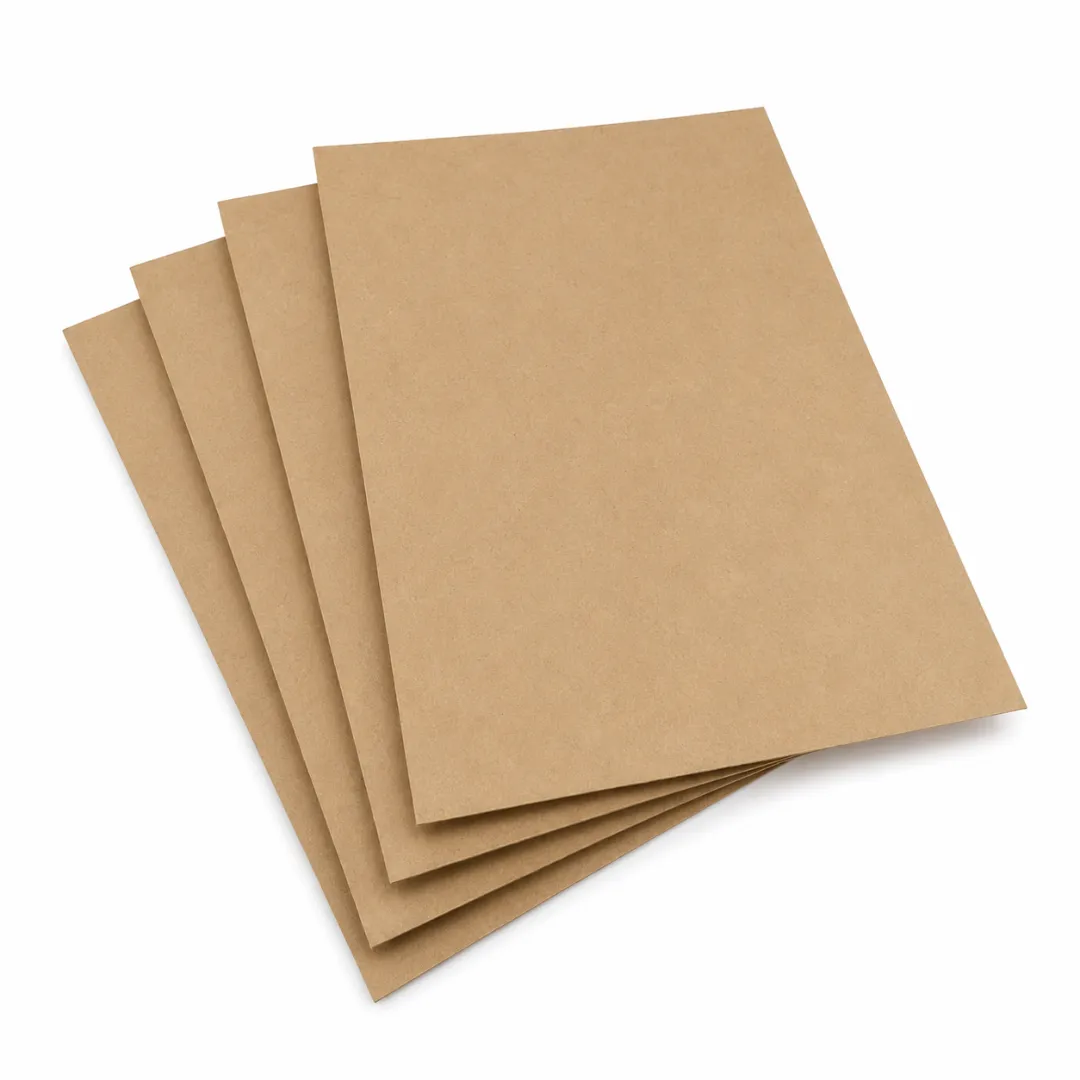
Kraft paper is a strong, durable and reliable material that is widely used across many different industries.
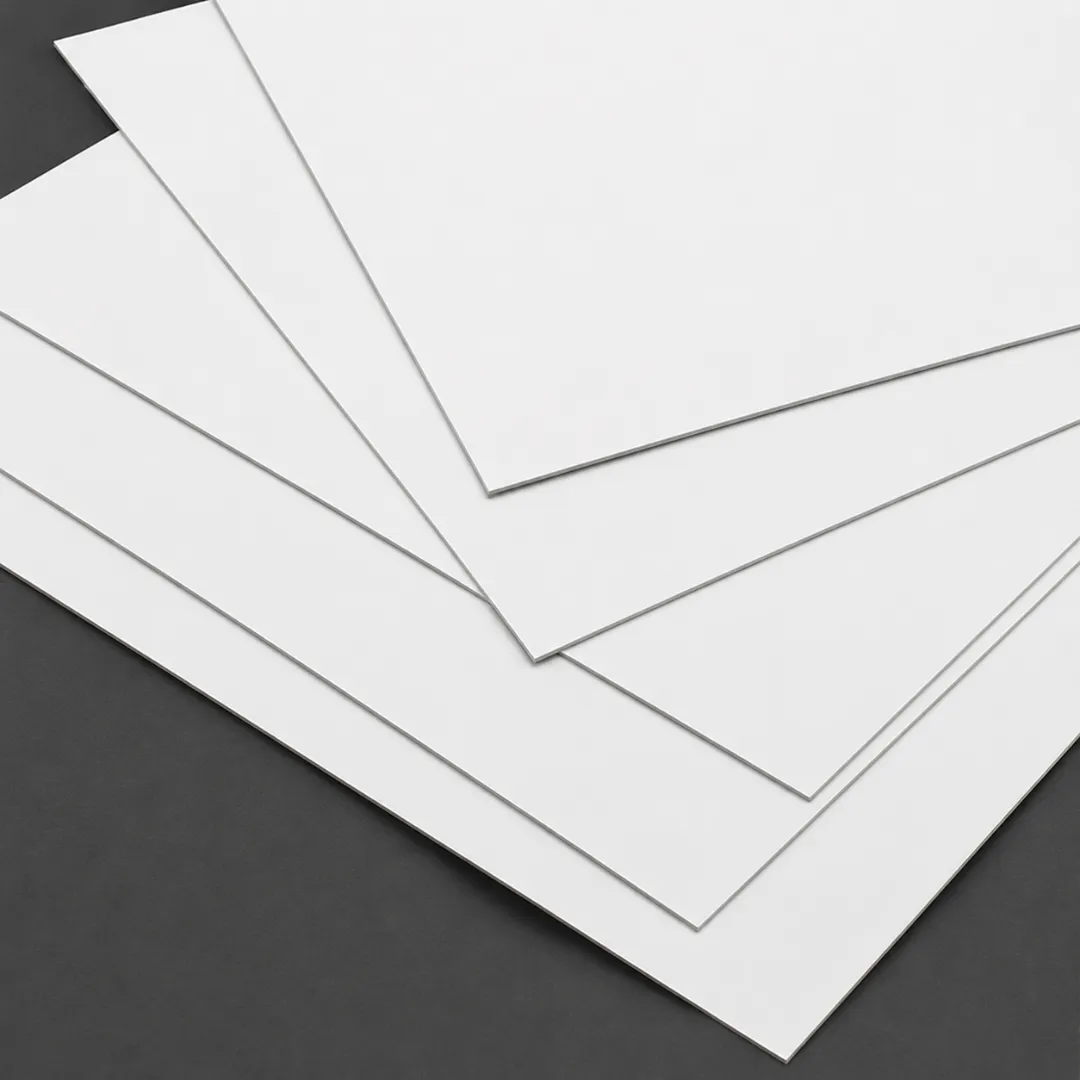
We use cardboard material with the least environmental impact and minimizes waste generation.
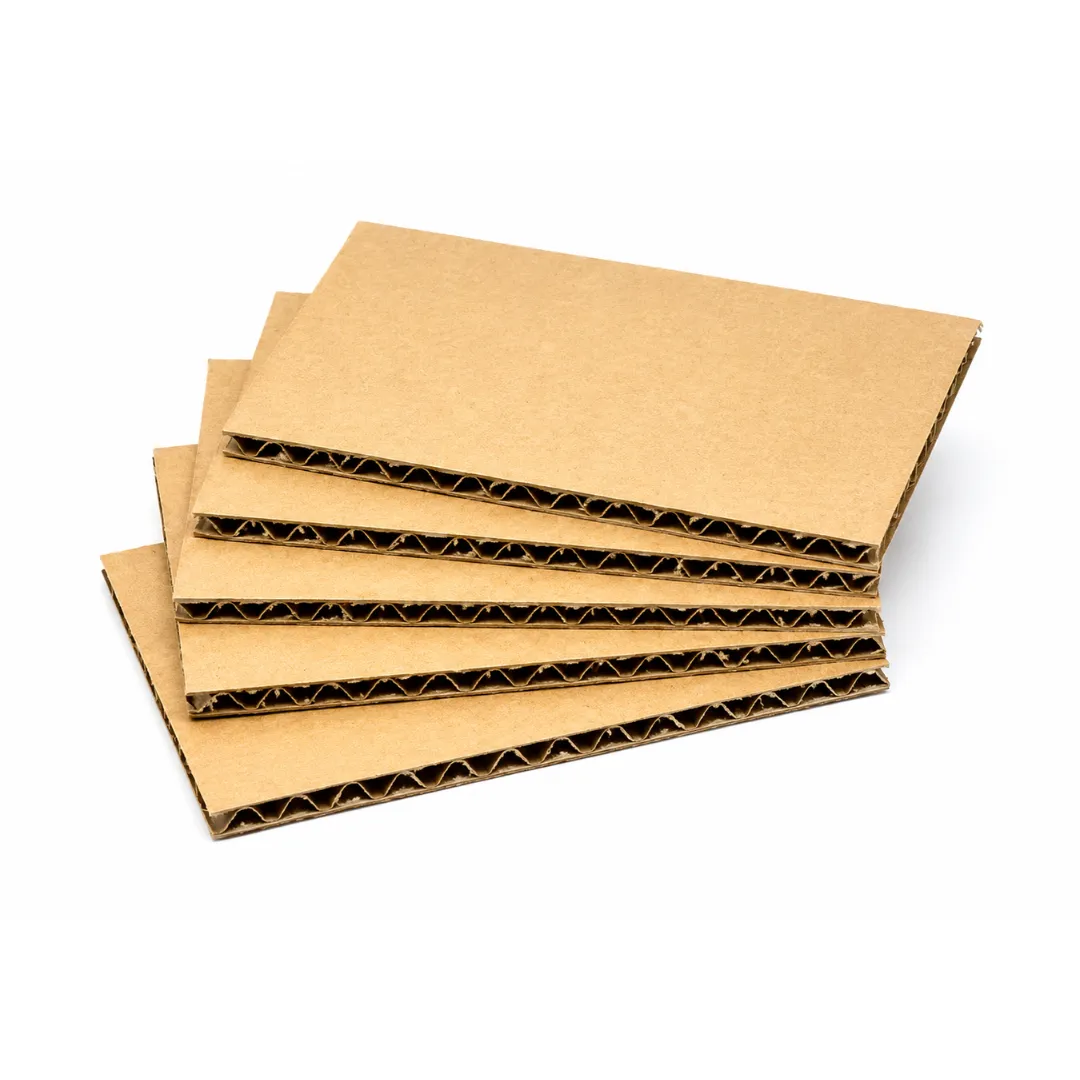
Corrugated material is easy to customize, cost effective and sustainable. It is also great for branding purposes.
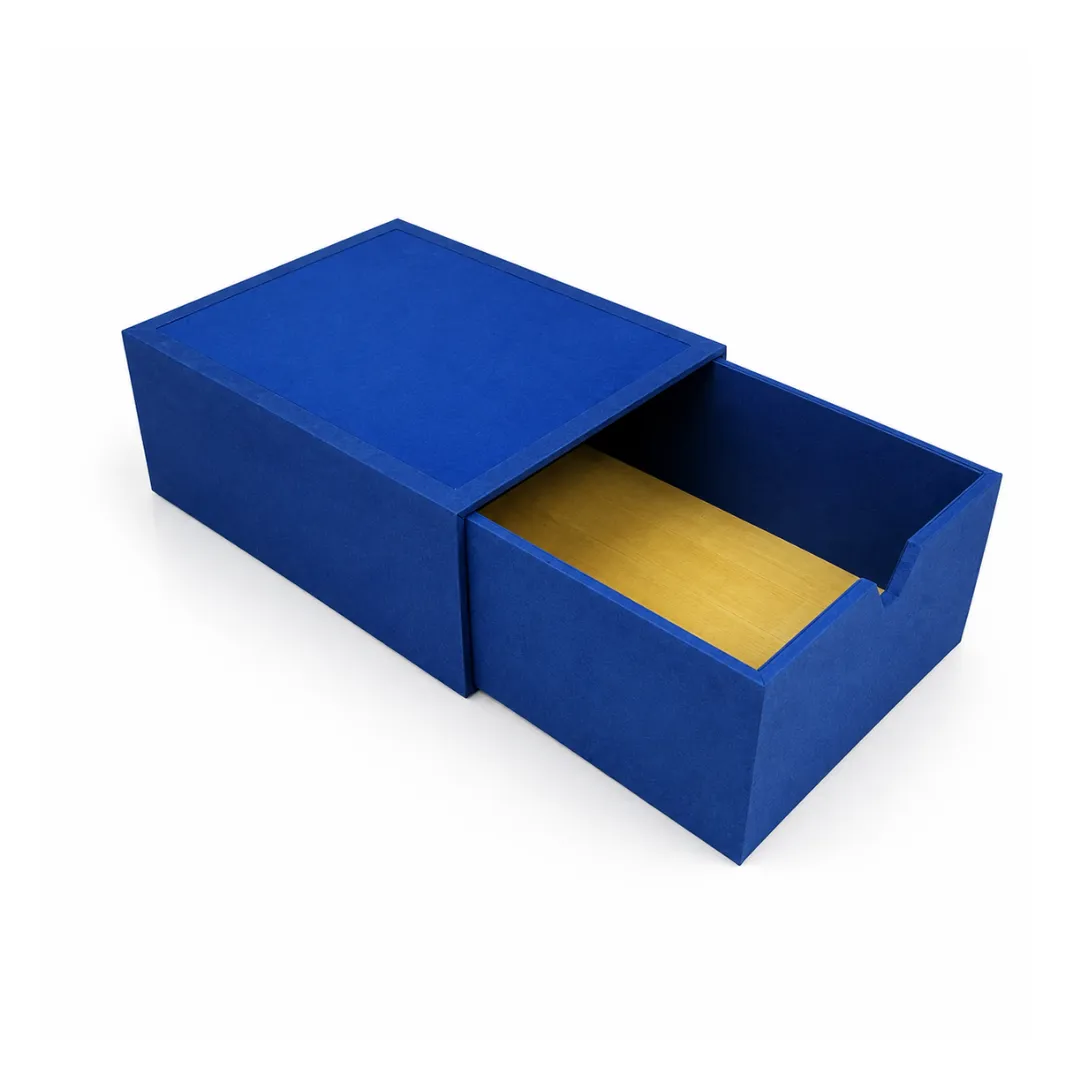
Rigid is highly protective, affordable and recyclable material. These boxes provide maximum protection.
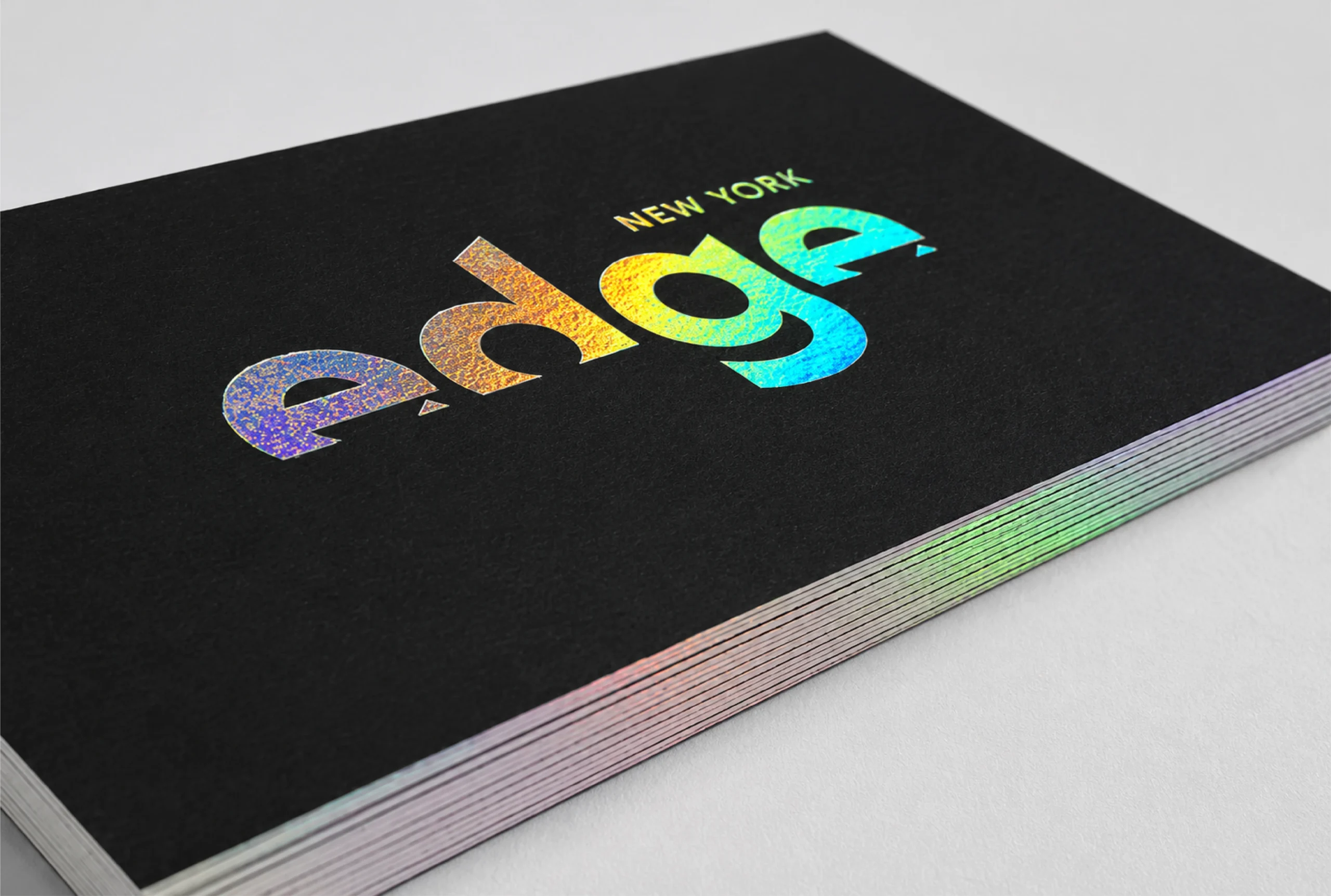
Holographic foil diffracts light and reveals the colors of the rainbow at various angles.
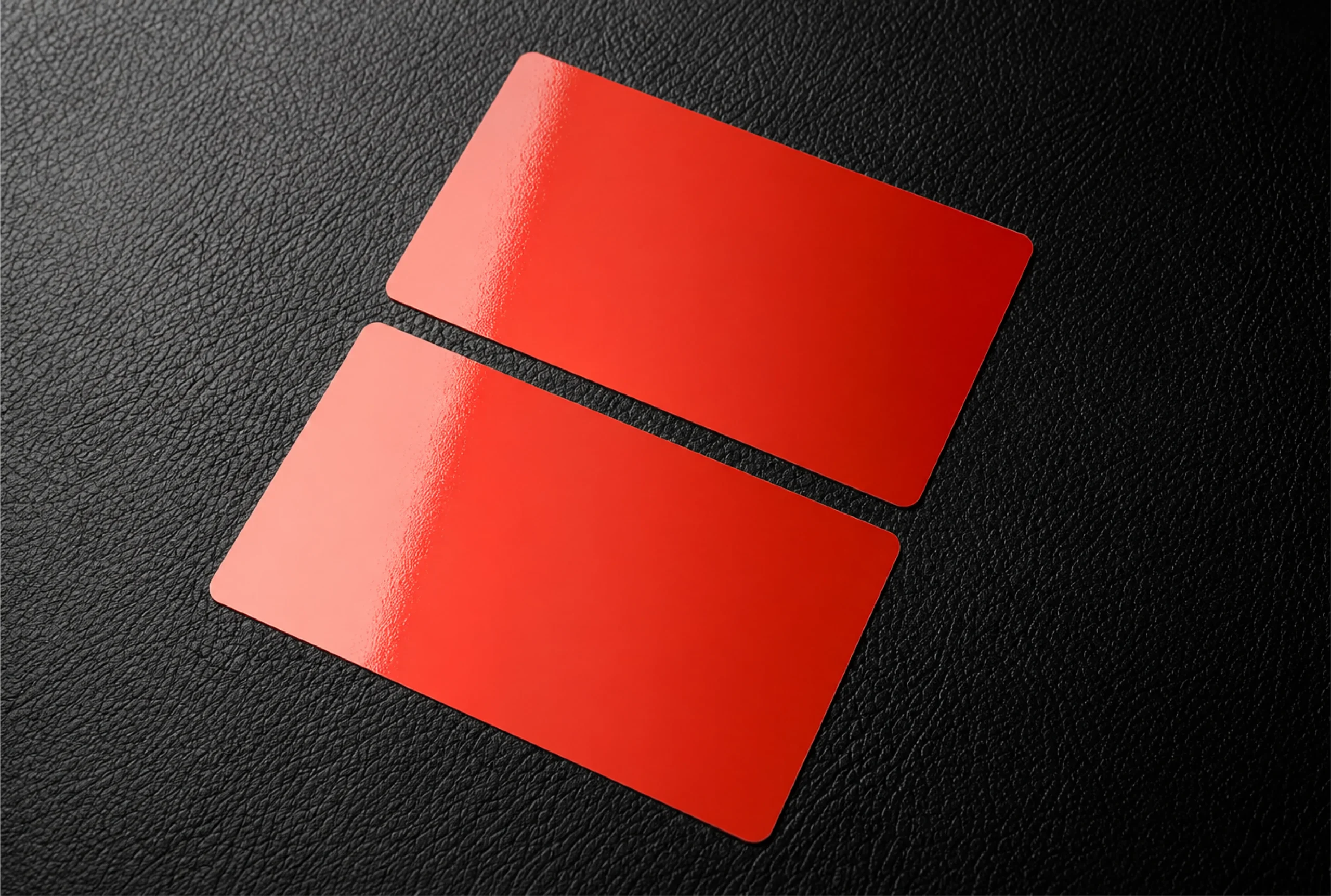
Our glossy finishing gives your packaging an extra layer of shine.
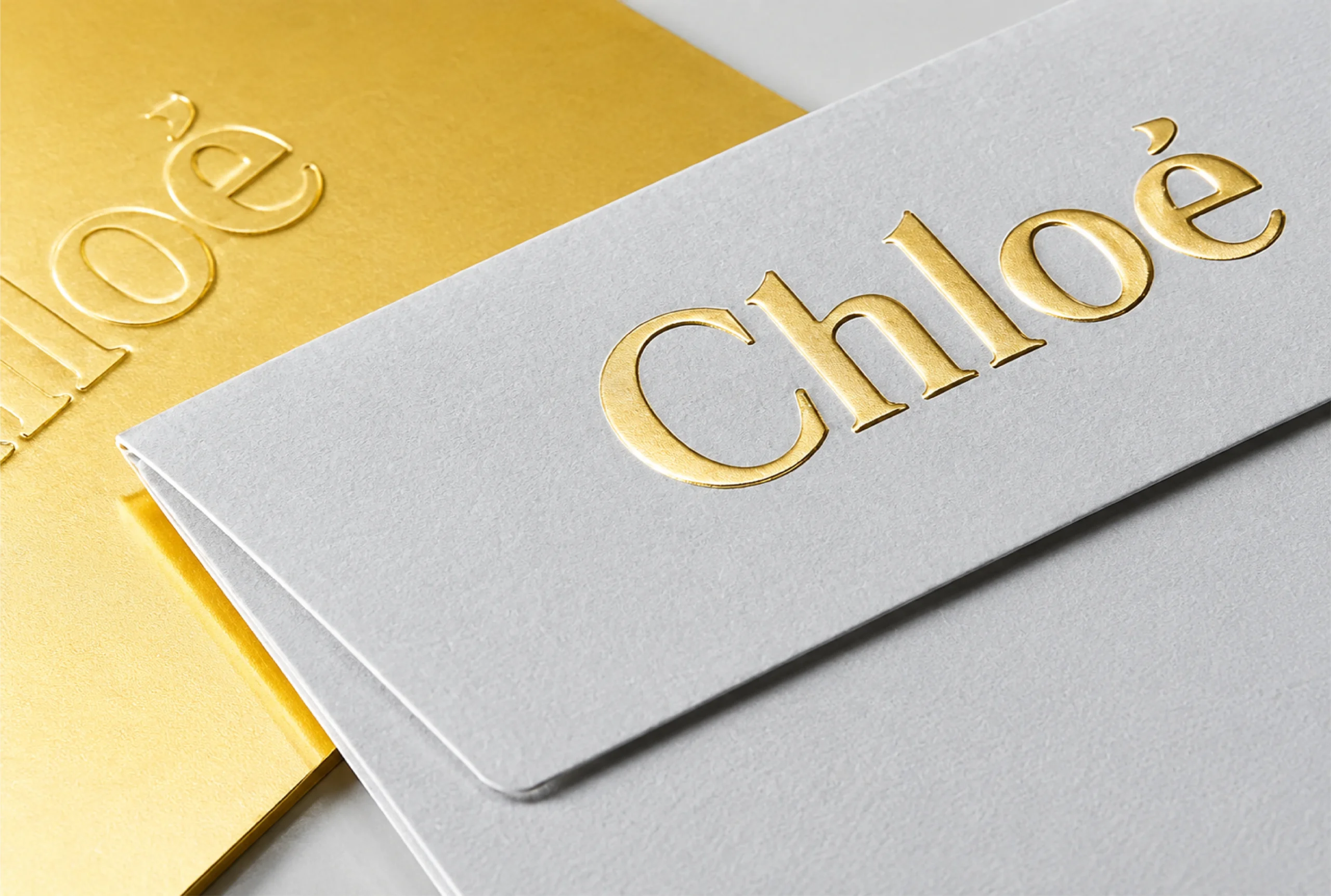
Decorate a wide range of your product packaging with our foil stamping.

With our embossing technique, we transfer the finest details of your product on packaging.
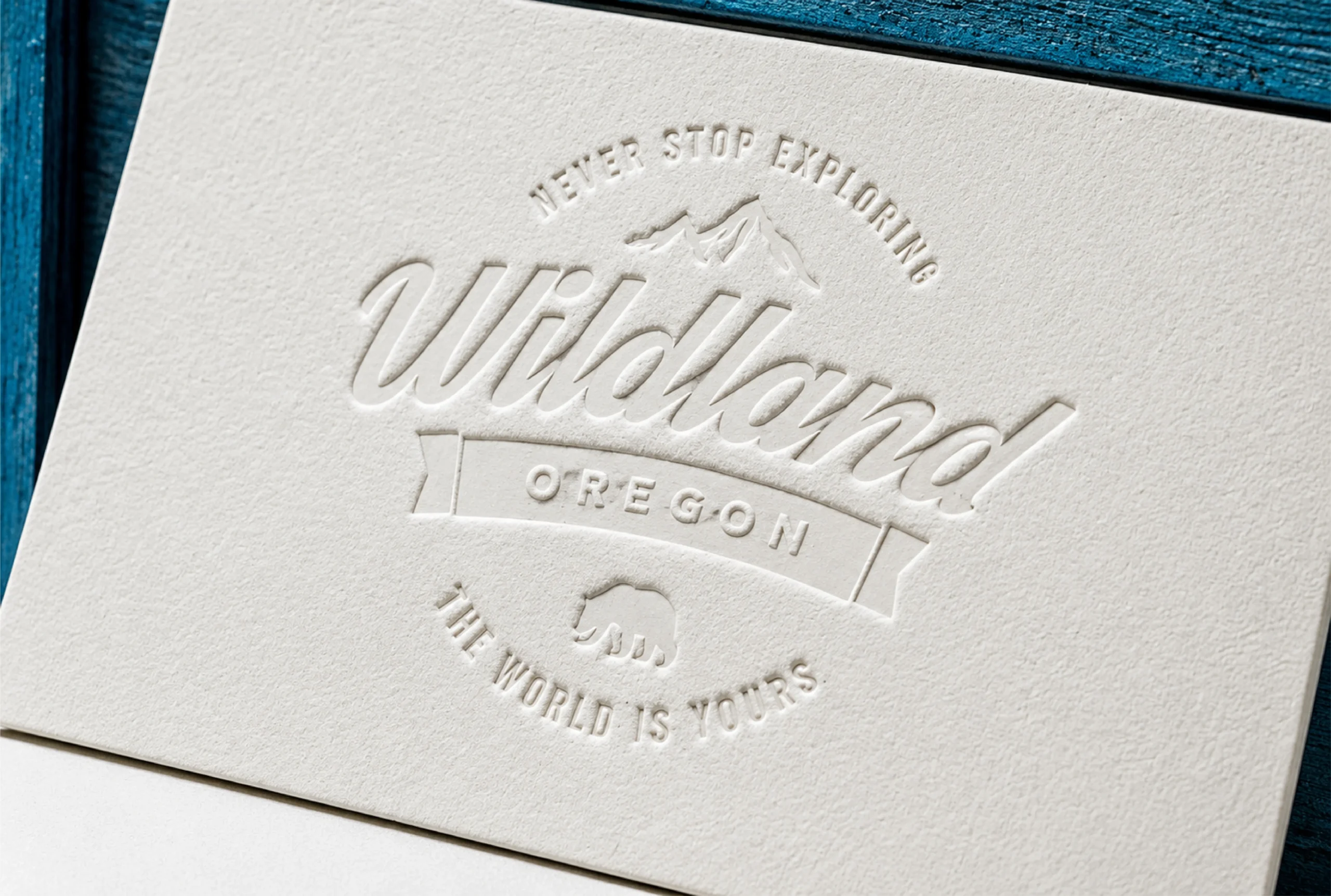
We use debossing technique to add unique graphics into your packaging.
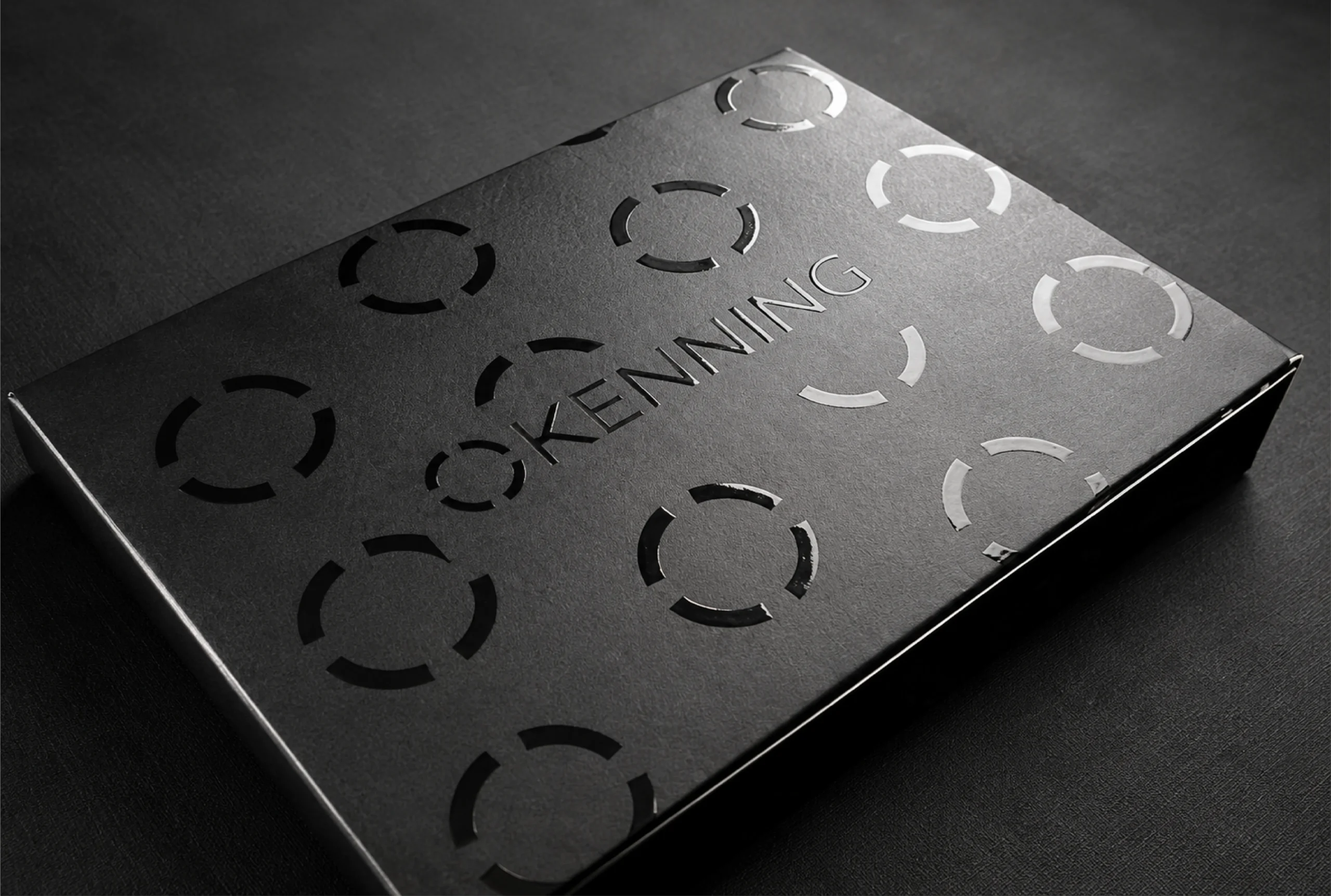
Our high-gloss UV coating gives light and shine to cure the printed material's varnish.
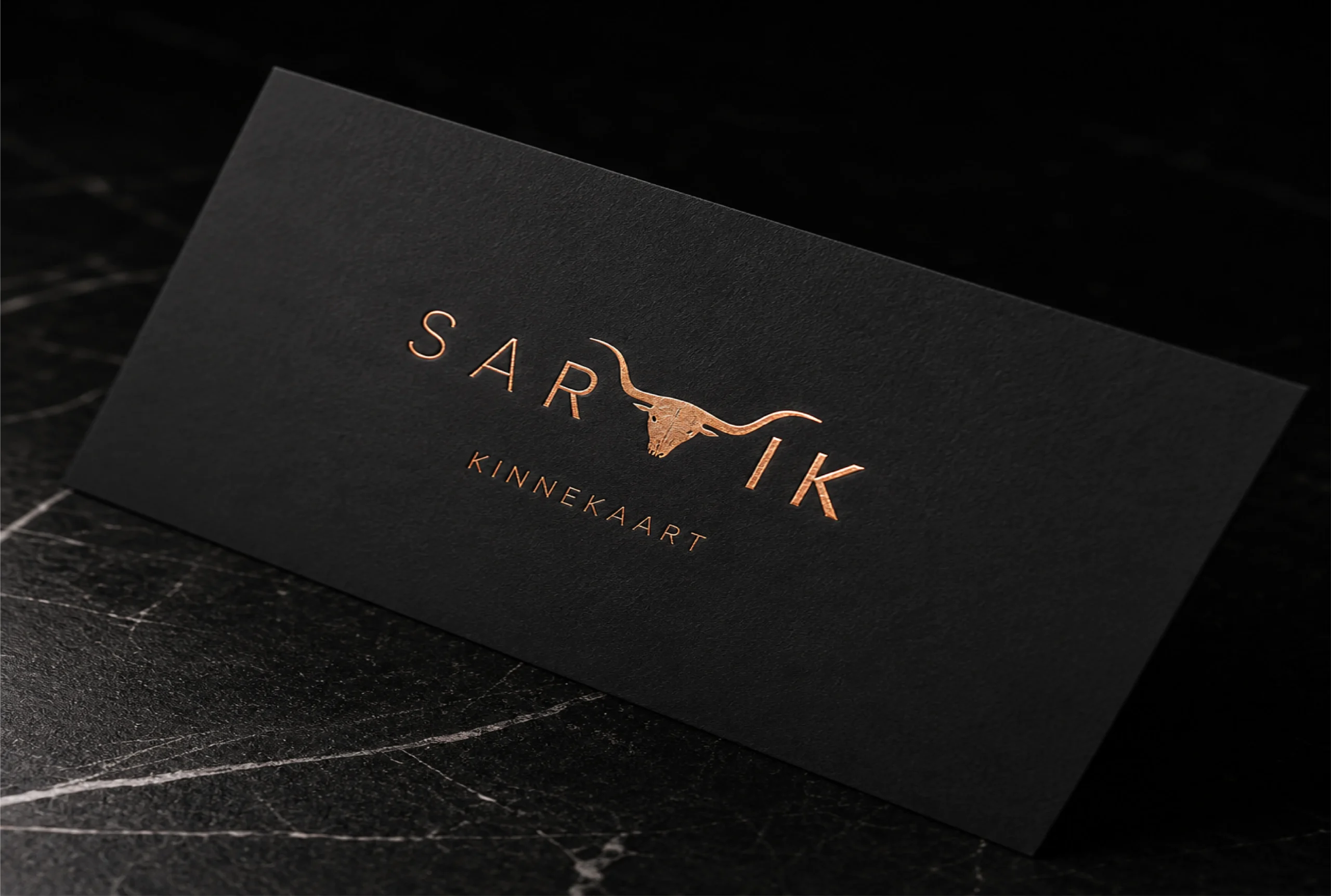
We add additional layer of protection with soft touch lamination from toner chipping.
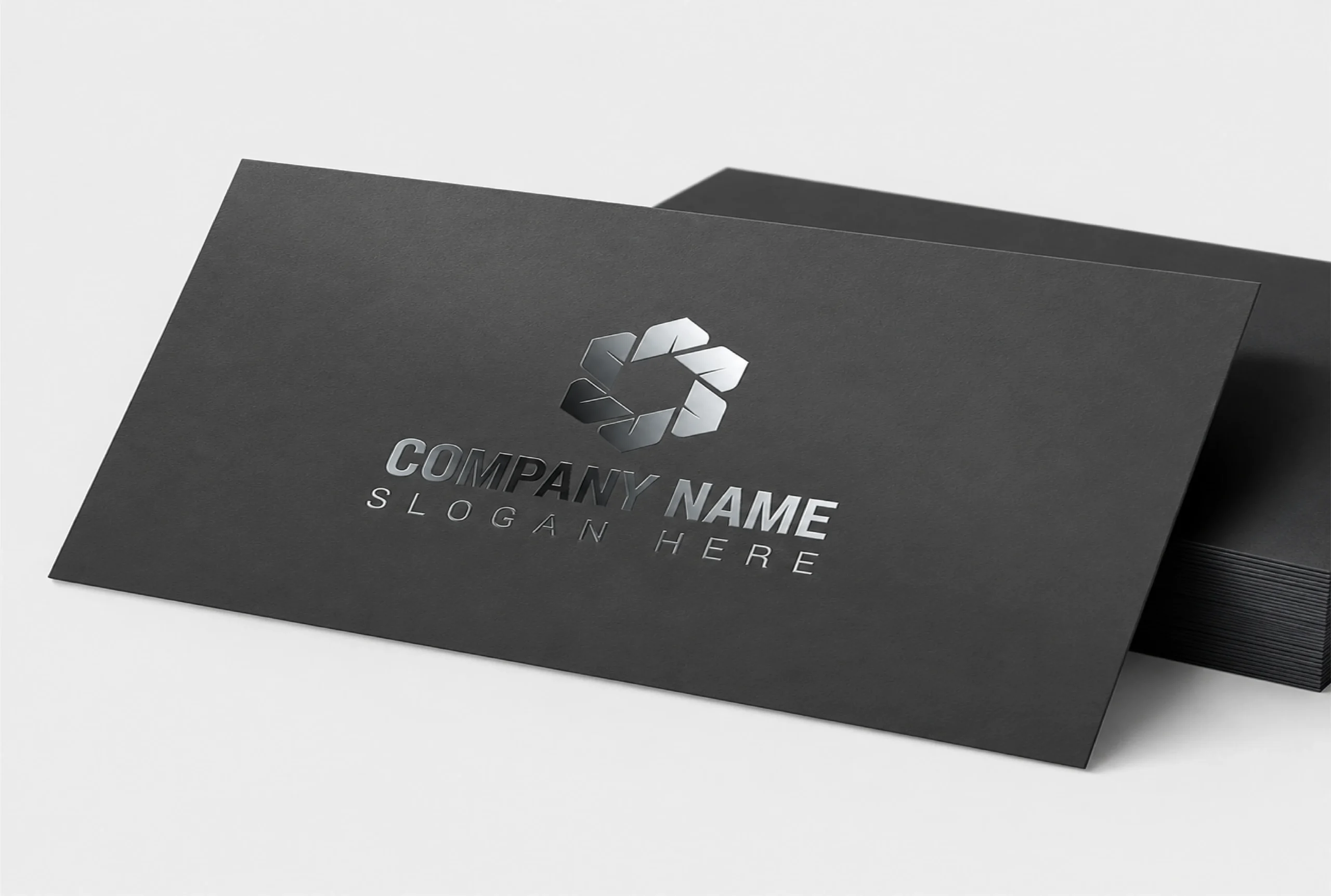
With our matte finish, fingerprints and smudges will now be less visible on the packaging.
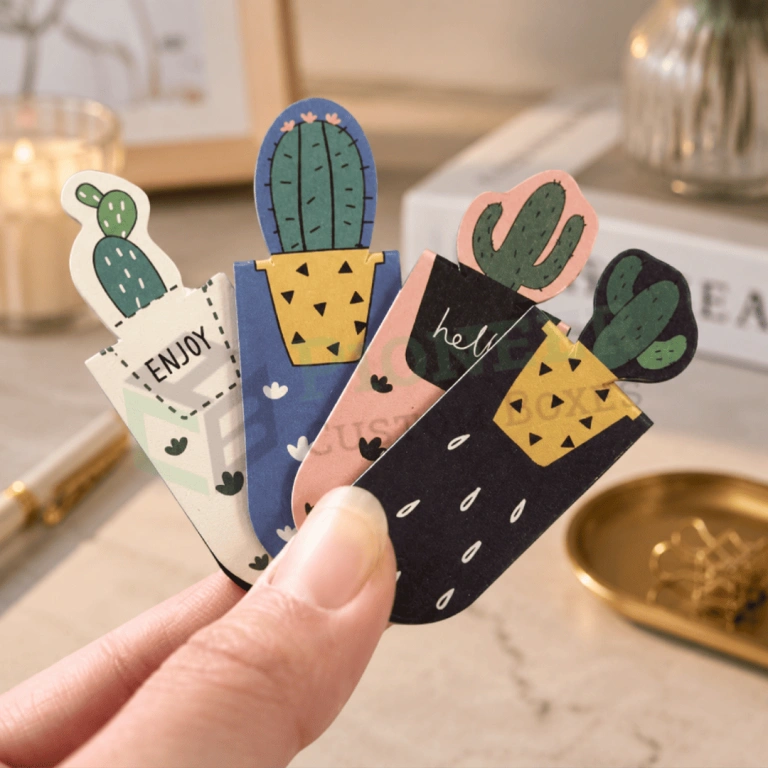
Custom Magnetic Bookmarks from Pioneer Custom Boxes help authors, schools, bookstores, publishers, libraries, stationery brands, gift shops, and promotional teams create branded magnetic bookmarks with custom artwork, premium print finishes, strong paperboard options, clean magnet placement, zero MOQ, free design support, and free USA shipping.
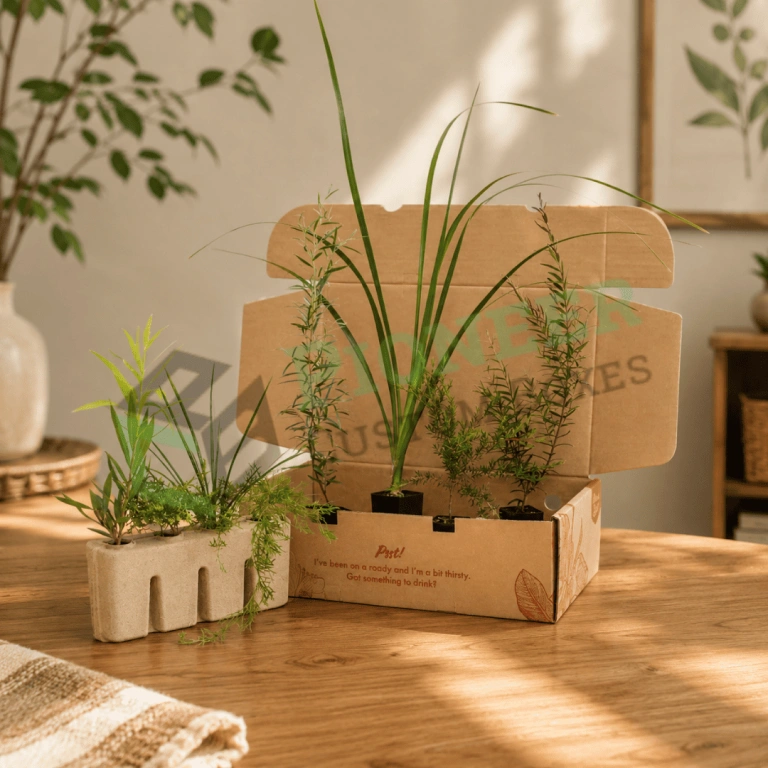
Custom plant packaging from Pioneer Custom Boxes helps nurseries, ecommerce plant shops, garden centers, seed brands, subscription plant clubs, and botanical retailers ship and display live plants, potted plants, seedlings, succulents, herbs, and seed products with custom sizing, ventilation, inserts, corrugated strength, kraft stock, and free shipping across the USA.
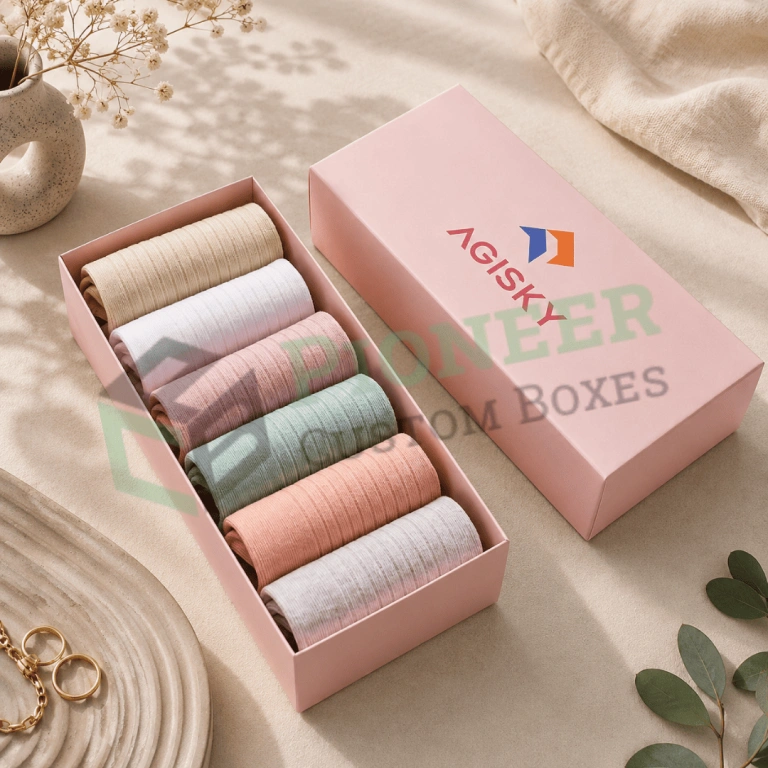
Custom towel boxes help towel brands, spas, hotels, salons, and ecommerce sellers package bath towels, hair towels, bow towels, hand towels, microfiber towels, and towel gift sets with clean folds, better protection, and stronger presentation. They support custom sizes, printing, inserts, windows, mailer structures, kraft finishes, and retail-ready towel packaging.
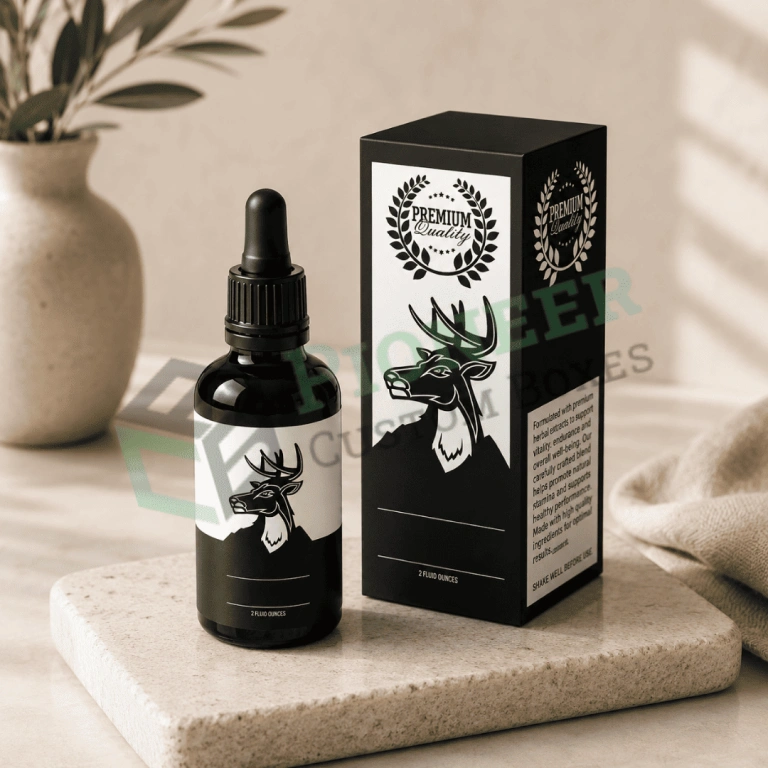
Custom beard oil boxes from Pioneer Custom Boxes help grooming brands package dropper bottles, glass oils, CBD beard oils, gift sets, and retail grooming products with accurate sizing, protective inserts, custom printing, durable stock, luxury finishes, and free shipping across the USA.