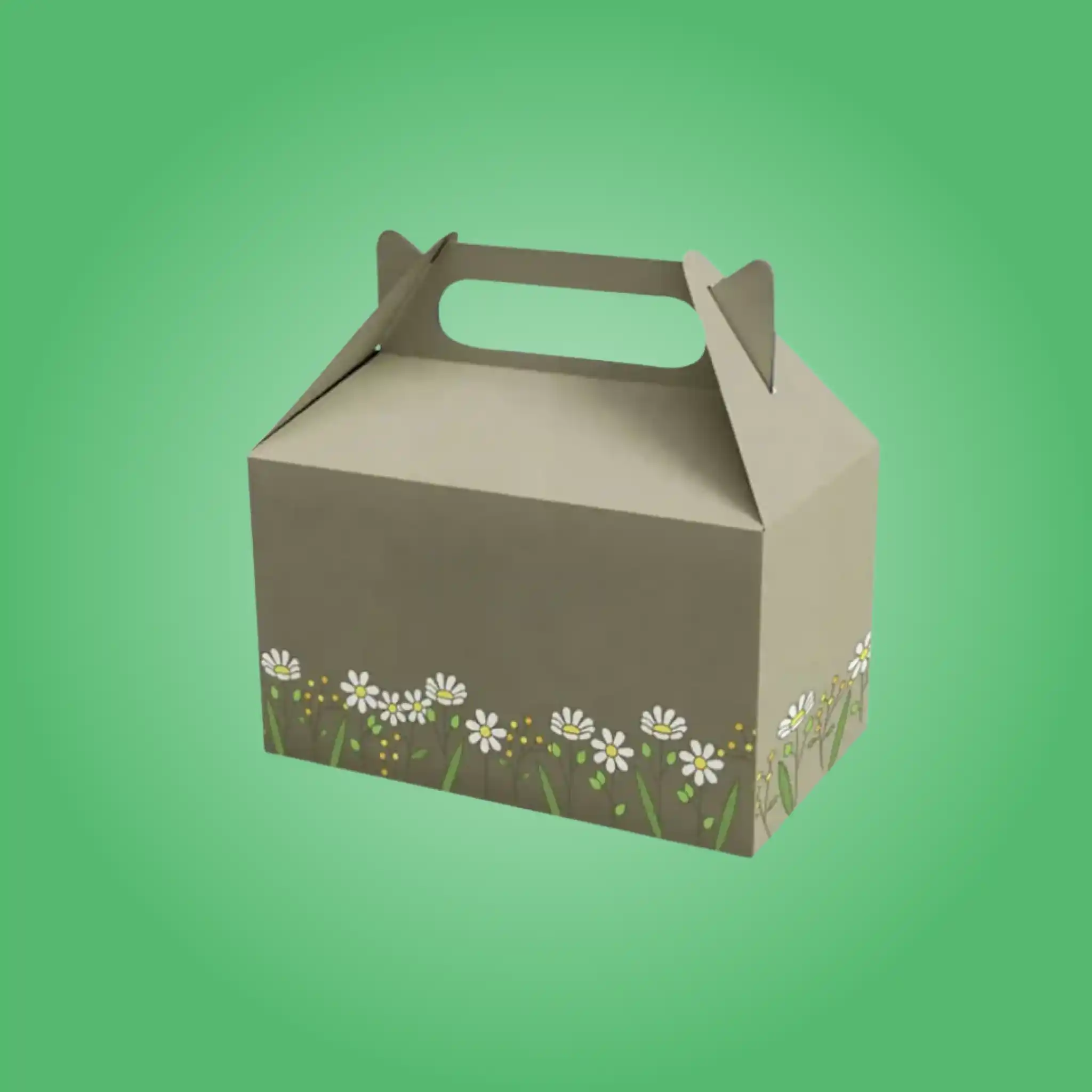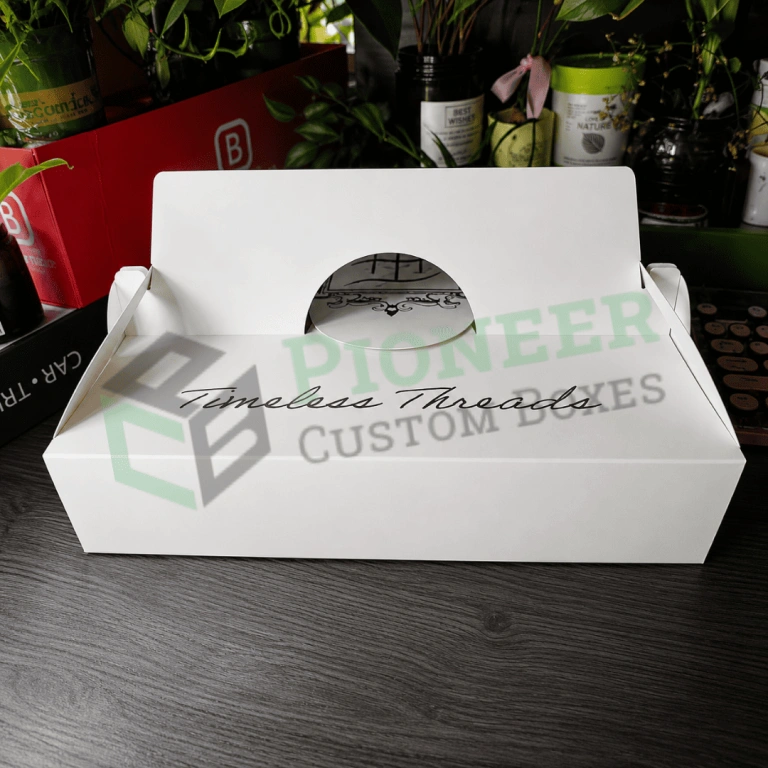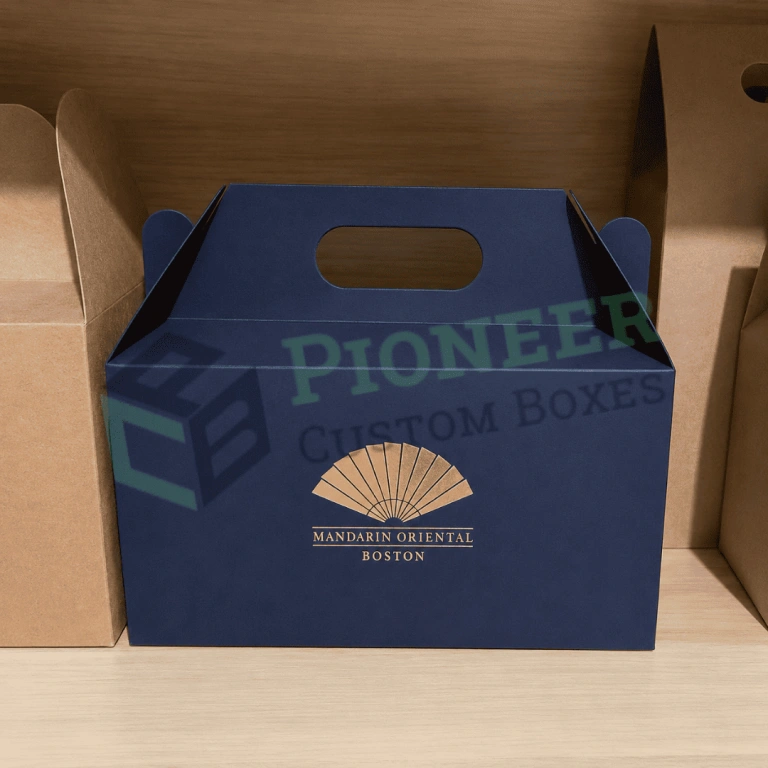
Custom kraft gable boxes with a handle formed from the box itself, so your customer carries the purchase without a bag. Choose standard, window, wide body, tall, mini, insulated or divided versions in 16pt to 24pt kraft or E-flute corrugated. We print digital, offset or flexo in one or two spot colors, or full CMYK with a white underlay. Add die-cut windows, vent holes, grease resistant liners, dividers, insulating liners, reinforced handle strips and ribbon finishing. Every gable order is load tested by hand before it ships. Zero minimum order quantity, free structural design and free shipping across the United States. Standard production runs ten to twelve business days. Get a free quote or order now.
A gable box solves one problem no other structure solves as neatly. The handle forms from the box itself, so a customer carries their purchase without a bag. Nothing is added, nothing is glued on and nothing costs extra. We manufacture custom kraft gable boxes directly in the United States, so you control the size, the board and the print. Order fifty boxes or fifty thousand, because we hold no minimum order quantity.
Restaurants use these for takeaway meals and catering. Bakeries use them for gift assortments. Event planners use them for favors and welcome bags. Retailers use them as packaging and carrier in one piece. Each pattern needs a different size and board, and we build all of them on the same lines.
Every specification below is explained separately. Read the section that matches your product, then request a free quote. Our design team draws your dieline at no charge, whatever quantity you order.
The gable shape has more variations than most buyers realize. Here are the formats we produce most often in kraft.
The classic peaked top with a die-cut hand hole where the two panels meet. It folds flat for storage and assembles in one motion. This structure covers the majority of orders we run.
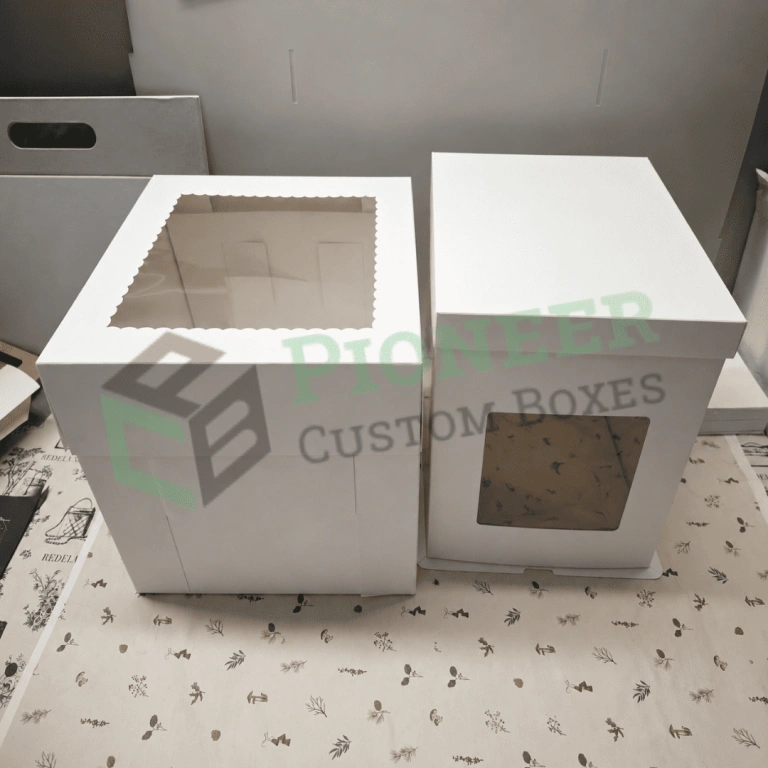
A die-cut opening on the front or side panel reveals the product inside. Bakery assortments and gift sets both sell better when the contents are visible. We fit film behind the opening or leave it bare.
A deeper footprint for meals, multipacks and bulkier contents. The handle stays the same while the base widens, which keeps the carry comfortable under more weight.
Extra height for bottles, jars and stacked items. Wine, sauces and candle sets all travel well in this proportion.
A small footprint for favors, treats and sample sets. Weddings and events order these in large quantities, usually with a name or date printed on the side.
An insulating liner keeps hot food hot through a delivery run. Restaurants shipping meals through third-party couriers need this version.
A paperboard insert splits the interior into cells. Mixed assortments and meal components stay separated rather than sliding together in transit.
An interior barrier coating stops oil migrating into the board. Any food with fat in it needs this, otherwise the box stains within an hour.
,,,,,,,,
| Box Style | Key Feature | Typical Contents | Best Application |
|---|---|---|---|
| Standard gable | Formed hand hole | Meals, gifts, treats | Takeaway and retail |
| Window gable | Die-cut front or side opening | Baked goods, gift sets | Impulse and display |
| Wide body gable | Deeper footprint | Full meals and multipacks | Restaurants and catering |
| Tall gable | Extra height | Bottles, jars, candles | Beverage and home goods |
| Mini gable | Small footprint | Favors and samples | Weddings and events |
| Insulated gable | Thermal liner | Hot food deliveries | Third-party delivery |
| Gable with divider | Paperboard insert | Mixed assortments | Meal kits and samplers |
| Grease resistant gable | Interior barrier coating | Fried and buttery food | All hot food service |
Tell us the contents, the filled weight and whether the box carries hot food. Those three inputs drive the size, the caliper and the coating. Our team then recommends a structure and sends the dieline free of charge.
Every one of these structures is available in bleached and coated board as well. The same dies run across our kraft boxes range, so a brand can switch substrate between product lines without paying for new tooling.
Every box here is cut to your contents rather than to a catalog. These dimensions cover the orders we run most often, so use them as a starting point.
,,,,,,,,,,
| Size (L x W x H, inches) | Typical Capacity | Common Use |
|---|---|---|
| 3 x 3 x 3 | Small favors and treats | Wedding and party favors |
| 4 x 4 x 4 | Cupcakes, cookies, samples | Bakery singles and gifting |
| 5 x 5 x 5 | Small meal or gift assortment | Cafes and retail |
| 6 x 6 x 6 | Standard takeaway meal | Restaurant service |
| 8 x 5 x 6 | Wide body meal box | Full plate meals |
| 9 x 6 x 6 | Family portion or multipack | Catering and family orders |
| 6 x 6 x 9 | Tall format for bottles | Wine, sauces, candles |
| 10 x 7 x 7 | Large assortment or meal kit | Corporate catering |
| 4 x 4 x 8 | Slim tall gifting | Single bottle presentation |
| 12 x 9 x 8 | Bulk assortment with divider | Event and conference boxes |
Measure the tallest item rather than an average, because the gable peak narrows as it rises. An item that fits the base footprint can still catch on the closing panels. Add roughly half an inch of clearance above the tallest contents.
The handle is the entire point of a gable box, and it is also where these boxes fail. Getting it right comes down to three decisions.
Board caliper is the first. The hand hole concentrates the whole filled weight into a narrow strip of board. An 18pt box carrying four pounds tears at that strip, sometimes on the first lift. Heavier contents need 22pt or corrugated E-flute rather than folding carton stock.
Hole geometry is the second. A rounded hand hole distributes stress evenly, while a sharp cornered slot concentrates it at the corners and starts a tear. We cut rounded holes as standard, and we can add a reinforced strip along the handle line for heavy loads.
Grain direction is the third and it is the one most suppliers ignore. Board fiber runs one way, and a handle cut across the grain tears far more readily than one cut along it. We orient the dieline so the handle line runs with the grain.
Weight guidance helps you specify honestly. An 18pt gable comfortably carries up to about three pounds. A 22pt carries five. Kraft E-flute corrugated handles eight to ten. Beyond that, a gable box is the wrong structure and we will tell you so rather than sell you a failure.
Board choice decides whether the handle holds and whether the box stains. Food contact adds a second set of requirements on top. Every substrate we run for food use is food safe, and our suppliers follow the FDA food contact substance requirements for direct contact packaging.
Unbleached brown board with a visible fiber texture that signals honest and handmade. Calipers from 16pt to 24pt cover most gable work. It prints best with one or two spot colors.
A barrier coating on the interior stops oil migrating into the fiber. Fried food, buttery pastry and anything with sauce all need it. The coating stays food safe and does not change the exterior appearance.
A white printing surface outside with a natural kraft reverse. You get photographic print quality on the panels while the interior keeps the kraft look and cost.
A fine fluted layer between two kraft liners. It adds real strength at the handle line and resists crushing under stacked delivery bags. Heavier meals and multipacks move to this grade.
Post-consumer fiber pressed into a rigid sheet, costing less than virgin kraft. It suits gifting and dry goods well. For food contact we specify a food safe liner or a virgin grade instead.
A laminated thermal layer holds temperature through a delivery run. Restaurants using third-party couriers rely on it, because a meal that arrives cold generates a refund.
Window gable boxes need film rated for food contact. We fit PET, which stays clear and resists fogging from warm contents. Cellulose film is available for fully compostable packs.
Ribbed, laid and felt finished kraft papers add tactile interest before any ink is considered. Premium gifting programs use texture to signal quality at low cost.
,,,,,,,,
| Material | Typical Caliper | Max Carry Weight | Best Application |
|---|---|---|---|
| Natural kraft paperboard | 16pt to 24pt | Up to 5 lb | Gifting and dry goods |
| Grease resistant coated kraft | 18pt to 22pt | Up to 4 lb | Hot and fried food |
| Bleached kraft back | 18pt to 24pt | Up to 5 lb | Photographic exterior print |
| Kraft E-flute | 1.5 mm wall | Up to 10 lb | Heavy meals and multipacks |
| Recycled kraft chipboard | 20pt to 28pt | Up to 5 lb | Budget conscious gifting |
| Insulating liner board | Laminated layer | Up to 6 lb | Hot food delivery |
| PET window film | Clear film | Not structural | Window gable boxes |
| Textured specialty kraft | 18pt to 22pt | Up to 4 lb | Premium gifting |
Kraft behaves differently under ink than white board does, so method choice matters more here than elsewhere. We print in house on digital, offset and flexo equipment.
Digital skips plates entirely, which removes setup cost and makes short runs affordable. A restaurant can order three hundred printed boxes without penalty. Variable data also becomes possible, so each box can carry a different name or event date within one run. Weddings rely on that capability.
Offset holds the finest detail and the steadiest color across long runs. Once quantity passes roughly a thousand boxes, offset usually costs less per unit. Fine line work and small type both survive better on this press.
Flexo prints directly onto corrugated kraft from flexible plates, which makes it the most economical route for E-flute gable boxes. Keep artwork bold, since fine detail softens against the flute.
Kraft absorbs ink and warms every color underneath it. A white base layer restores accuracy for light artwork at the cost of an extra pass. White line work alone also creates strong contrast against brown, and it costs far less.
Restaurants rarely order one structure alone. The same coatings, inks and food safe boards run through our wider food boxes line, so a gable box and a takeout carton can match exactly across a whole menu.
Kraft already carries a strong surface character, so finishing works differently here than on white board. Restraint usually beats layering. Each option below solves a different problem.
Aqueous is a water based sealer that adds scuff resistance without blocking recycling. It preserves the natural kraft feel, unlike film lamination which flattens the texture completely.
This coating sits on the interior rather than the exterior. Oil stays in the food instead of migrating into the fiber, so the box still looks fresh when the customer gets home. Every hot food application needs it.
Embossing without ink raises your logo out of the kraft surface using shadow alone. Nothing suits this material better, and it costs less than most buyers assume.
Metallic leaf pressed into brown kraft gives the strongest contrast available in this category. Gold and copper suit gifting programs beautifully. Keep foil artwork bold, because a die carries the image.
Spot UV cures glossy varnish over selected artwork only. On uncoated kraft the contrast between matte fiber and glossy varnish is dramatic, which suits a logo or a repeating pattern.
Matte film protects the surface and deepens the brown slightly. It does remove the tactile fiber quality and complicates recycling, so reserve it for gifting rather than food service.
A ribbon threaded through the handle turns a plain gable box into a finished gift. Event and wedding programs use this constantly, and it needs no tooling at all.
Windows reveal the contents and vents let steam escape from hot food. Both cut in the same pass as the outline, so neither adds press time once the die exists.
Kraft changes every color you print on it, which is the first thing to understand here. We support three systems, and our prepress team advises which fits your artwork at no charge.
CMYK mixes cyan, magenta, yellow and black to build full color. On kraft the brown substrate shows through, so every color lands warmer and darker than it appears on screen. Photographic work needs a white base layer or an acceptance that the result reads vintage.
PMS refers to the Pantone Matching System, where each ink arrives premixed to one formula. Spot colors sit more opaquely on kraft than process builds do, so your brand color holds better. One or two spot colors on natural kraft is the most reliable combination in this category.
RGB describes light, so screens and design software use it natively. We accept RGB artwork and convert it during prepress. Bright greens, electric blues and pale pastels shift most, and kraft pushes them further. Send files early and we show you a converted proof on your actual substrate.
White ink is not optional on kraft when artwork includes light tones. A white underlay restores accuracy, and white line work alone creates strong contrast against brown at much lower cost. Ask our team to quote both.
Because everything here starts with a die, most add-ons cost nothing per unit once the tooling exists. Review the table, then read the notes below it.
,,,,,,,,,
| Add-On | What It Does | Best Suited For | Lead Time Impact |
|---|---|---|---|
| Die-cut window | Reveals contents through the panel | Bakery and gift assortments | None once tooled |
| Food grade window film | Seals the opening against air and dust | Food service | None |
| Vent holes | Releases steam from hot food | Fried and baked items | None |
| Grease resistant liner | Blocks oil migration into the board | All hot food | None |
| Paperboard divider | Separates contents into cells | Meal kits and samplers | Adds one day |
| Insulating liner | Holds temperature through delivery | Third-party courier meals | Adds two days |
| Reinforced handle strip | Doubles board along the hand hole | Loads above four pounds | Adds one day |
| Ribbon or twine finish | Adds a hand finished gift detail | Weddings and events | Adds two days |
| Tamper evident seal | Shows whether the box was opened | Delivery and third-party apps | None |
Reinforced handle strips solve the single failure that generates complaints in this category. Doubling the board along the hand hole roughly doubles tear resistance at that line. Any load above four pounds should carry one.
Vent holes matter more than most restaurants expect. Steam trapped in a sealed gable box turns a crisp fried item soft within minutes, and the customer blames the kitchen rather than the packaging. Two small punches cost nothing.
Tamper evident seals have become close to mandatory for delivery. Couriers handle your food between the kitchen and the customer, and a seal proves the box arrived untouched. That protects your reputation when something goes wrong.
Ribbon finishing turns a functional box into a gift for almost no money. Event planners thread a ribbon through the handle and the whole presentation changes. No tooling is involved at all.
Packaging that touches food carries real legal requirements. We build compliance into the specification rather than leaving it to you.
Every surface touching food uses food grade fiber, coating and ink. Our boards, adhesives and inks all meet that standard. Documentation ships with your order whenever a retailer, auditor or health inspector asks.
Packaged retail food has to declare major allergens clearly. Send us your ingredient copy and our team sets it at a legible size in the correct position on the panel.
Ink should never migrate through board into food. We print on the exterior surface and specify low migration inks throughout. Where a product is especially oily, we add an interior barrier as well.
Barrier coatings have temperature limits, and food above those limits degrades them. Tell us how hot your product goes into the box and we specify a coating rated for it.
Grocery chains and delivery platforms sometimes request material declarations before approving a supplier. We prepare those documents at quote stage, so your onboarding never waits on us.
Two quotes for the same box can differ by half. The gap sits in a handful of places, and each one is under your control.
Caliper is the largest recurring cost and the one that decides whether the handle holds. Moving from 18pt to 22pt raises material cost meaningfully, yet it stops a filled box tearing at the hand hole. Match caliper to carry weight rather than to price, and our team will calculate the minimum that works.
A grease resistant coating adds modest cost and is non-negotiable for hot food. An insulating liner costs considerably more, because it is a laminated layer rather than a surface treatment. Only delivery operations usually need it.
One or two spot colors on natural kraft is the economical baseline. Adding a white underlay for color accuracy introduces a whole extra pass, which can double the printing portion of your quote. Designing with the kraft rather than against it avoids that entirely.
Standard gable sizes run on dies we already own, so tooling costs you nothing. A custom footprint or a shaped window needs a new die. We keep it on file afterward, so reorders skip the charge completely.
Digital printing wins below roughly five hundred boxes, because it skips plates. Offset wins above that point, since plate cost spreads across the run. Zero minimum order quantity means a restaurant can test a design at two hundred units before committing to ten thousand.
Loads above ten pounds outgrow this structure entirely, whatever the caliper. At that point a handled carton in our corrugated boxes range carries the weight properly. Our team will tell you plainly which side of that line your order sits on.
Every order moves through a fixed inspection sequence built around the failures that actually generate complaints.
First, prepress compares your artwork against the dieline. We check bleed, resolution, fold clearance and handle placement relative to grain direction. Artwork crossing a score is the most common issue we catch, and we fix it before plates reach the press.
Second, the press operator pulls a sheet at startup and matches it to the approved proof. Spot colors get read with a spectrophotometer, and we verify every color on actual kraft rather than on white paper.
Third, the die-cutting team checks registration between print and cut, and measures crease depth. A shallow crease cracks the surface when the gable closes, and a deep one weakens the panel. Both get corrected before the run continues.
Fourth, and most importantly in this category, we load a finished box to its rated weight and lift it by the handle twenty times. Any tearing at the hand hole stops the run immediately. This is the test that matters most, and it is the one cheap suppliers skip.
Fifth, finishing folds and assembles a sample from each skid. The gable peak must close cleanly and the handle panels must align. Anything that gapes or binds gets corrected.
Finally, packing counts, wraps and labels every carton. Boxes travel flat with separators, so printed surfaces never rub. You receive the count you ordered, and often a small overage at no charge.
The same structure serves very different businesses. Knowing which pattern matches yours helps you specify correctly the first time.
Speed and grease resistance decide everything here. Staff need a box that assembles in one motion during a rush, and the interior coating has to stop oil staining the panels. Wide body gables in 20pt coated kraft cover most menus.
Courier handling adds requirements a counter sale never has. Insulating liners, tamper evident seals and reinforced handles all earn their cost. A meal that arrives cold or spilled generates a refund and a bad review.
Window gables sell baked goods better than any closed box. Customers buy with their eyes, and a visible assortment lifts basket size. Grease resistance still matters, because butter stains board quickly.
Individual boxed meals have replaced buffets across much of corporate catering. Gable boxes with dividers keep components separated, and printed branding turns every lunch into visible marketing.
Mini gables dominate favors and welcome bags. Names, dates and monograms change per order, which suits digital printing and variable data perfectly. Ribbon finishing completes the presentation.
A gable box is packaging and carrier bag in one piece, which saves buying both. Retailers who switch often find their per transaction packaging cost falls rather than rises.
Corporate gifting runs seasonal and highly branded. Tall gables for bottles and wide bodies for assortments both appear. Foil on kraft carries the brand without needing full color printing.
Kraft carries a genuine environmental advantage, and a gable box carries one more. It replaces two items with one, since the customer needs no separate carrier bag. The EPA publishes containers and packaging recycling data that documents how large the recovered paper stream has become.
Start with the board. Unbleached kraft skips the bleaching stage entirely, and recycled kraft grades cost less than virgin fiber while performing well for dry goods. Food contact applications need a food safe grade, which limits recycled content in the layer touching the product.
Then look at coatings. Aqueous keeps a box fully repulpable and preserves the kraft texture. Grease resistant barrier coatings have replaced traditional wax and stay recyclable in most streams, which is a real improvement over what this industry used a decade ago.
Windows deserve a decision of their own. PET film recycles in some streams but not all, cellulose film composts fully, and a bare die-cut opening removes the question entirely for same-day counter sales.
Finally, order what you actually need. Overordering wastes more material than any coating choice. Because we hold no minimum order quantity, you can print a season at a time and reorder when the menu or artwork changes.
Most problems start in the specification rather than on the press. We catch them during prepress, yet catching them earlier saves you days.
The first mistake is under-specifying caliper for the carry weight. The hand hole concentrates the entire load into a narrow strip, and an 18pt box holding four pounds tears on the first lift. Send us the filled weight and we specify honestly.
The second mistake is skipping the grease resistant coating on hot food. Oil darkens plain kraft within an hour, so the box looks old before the customer gets home. The coating costs very little and removes the problem entirely.
The third mistake is forgetting vents on fried food. Trapped steam softens a crisp item within minutes, and customers blame the kitchen rather than the box. Two punches solve it for free.
The fourth mistake is measuring the base footprint only. The gable peak narrows as it rises, so a tall item that fits the base can still catch on the closing panels. Measure the tallest contents and add half an inch.
The fifth mistake is designing light artwork for kraft without a white underlay. Pale colors sink into brown board and pastels turn muddy. Either design for the substrate or budget the extra pass.
The sixth mistake is ordering thousands before testing. Print a small run first, since we set no minimum. Fill it, close it, carry it by the handle across a parking lot and see what happens.
Bakeries usually pair gable boxes with flat presentation packaging for the counter. Our bakery boxes cover that side of the range, and running both through one supplier keeps your brand color identical across the whole display.
A real pattern explains this better than theory. Here is a job we run constantly for growing food businesses.
A fast casual restaurant group needs 10,000 boxes for a boxed lunch program across four locations. Each box carries a sandwich, a side and a cookie, with a filled weight near two pounds. Branding calls for one spot color on natural kraft with a side window.
Our team specifies a 20pt natural kraft with an interior grease resistant coating and a rounded hand hole cut along the grain. A paperboard divider separates the three components. The window sits on the side panel with no film, which keeps the box fully recyclable and cuts cost.
At 10,000 units the job runs offset, because a single plate spreads across the quantity very efficiently. We send a digital proof within twenty four hours and a physical sample before production. The group loads a sample to weight, carries it and approves on day three.
Printing and die cutting run across days four through nine. Gluing, divider production and packing take days ten and eleven. Free shipping moves the pallets on day eleven, split across the four locations at no extra freight cost, inside the standard ten to twelve business day window.
We manufacture in the United States and ship to every state with no freight charge. That matters for gable boxes, because they ship flat but in large volumes and freight adds up quickly.
East Coast operators in New York, Boston, Philadelphia, Washington and Atlanta usually receive orders within two transit days. Midwest clients in Chicago, Detroit, Minneapolis, Columbus and Kansas City see similar timing. Texas and Southeast markets including Dallas, Houston, Austin, Miami, Charlotte and Nashville also fall inside that window.
West Coast delivery to Los Angeles, San Francisco, Seattle, Portland, Phoenix, Denver, San Diego and Las Vegas typically runs three to four transit days. We quote Alaska and Hawaii individually, because carriers price those lanes differently.
Multi-location groups often ask about split shipments. We ship one order to several addresses at no extra freight cost, which saves restaurant groups and franchise operators from redistributing pallets themselves. Send us the location list with your order.
Ordering takes four steps and very little of your time. Most clients finish the whole sequence inside two business days.
Start by telling us the contents, the filled weight and whether the box carries hot food. That single message gives our team enough to quote. Send it through the quote form or call us at +1 440 262 2345.
Next, our designers build a free dieline and a layout proof. You pay nothing for structural design, whatever your quantity. Send a logo and your measurements, and our team handles caliper, grain direction and handle geometry. Revisions stay free until you approve.
Then approve the digital proof and request a physical sample. We strongly recommend a sample on every gable order, because the handle has to be tested at real weight rather than assumed.
Finally, we print, cut, glue and ship. Standard production runs ten to twelve business days, and rush service compresses that to six to eight days when your deadline demands it. Shipping is free anywhere in the United States, with no fuel surcharge and no handling fee.
We hold no minimum order quantity at all. Order a hundred boxes for a single event or a hundred thousand for a restaurant group. Event planners use that flexibility for one-off weddings, while restaurants use it to test a design before rolling it across every location.
Our in house design team works on your artwork and your structure at no charge. They build the dieline, set grain direction for handle strength, size the hand hole, place allergen copy and verify every clearance. You receive print ready files you can keep, and nothing depends on order size.
Tell us what goes in the box and how far it travels. We will price it honestly and tell you plainly if a gable box is the wrong structure for your weight. Get a free quote now, or order now and let our team handle everything from dieline to doorstep.
Corporate and holiday programs often build a larger presentation around the carried box. Our gift boxes range handles that outer layer, and we build both to the same finish so the set reads as one piece.
We manufacture directly, so nothing about your order passes through a broker. That control shows up in ways you can measure.
First, pricing stays honest because no middleman margin sits on top. Second, quality stays consistent because our own operators run every press, die and gluer, and every gable order gets load tested by hand before it ships. Third, timelines hold because we schedule your job on our own equipment rather than someone else floor.
Add the practical commitments and the picture completes itself. Zero minimum order quantity, free nationwide shipping, free structural design, food safe materials, split shipments for multi-location groups and ten to twelve day standard production. Every order carries a full reprint guarantee if a box leaves here wrong.
Restaurants, bakeries and event planners across America already package with us. Call +1 440 262 2345 and speak with a real production specialist today.
| Box Style | Custom Kraft Gable Boxes |
| Dimension (L + W + H) | All Custom Sizes & Shapes |
| Quantities | No Minimum Order Required |
| Paper Stock | 10pt to 28pt (60lb to 400lb) Eco-Friendly Kraft, E-flute Corrugated, Bux Board, Cardstock |
| Printing | No Printing, CMYK, CMYK + 1 PMS color, CMYK + 2 PMS colors |
| Finishing | Gloss Lamination, Matte Lamination, Gloss AQ, Gloss UV, Matte UV, Spot UV, Embossing, Foiling |
| Included Options | Die Cutting, Gluing, Scored, Perforation |
| Additional Options | Eco-Friendly, Recycled Boxes, Biodegradable |
| Proof | Flat View, 3D Mock-up, Physical Sampling (On request) |
| Turnaround | 4 – 8 Business Days, RUSH |
| Shipping | FLAT |
Every great product deserves packaging that turns heads. Here's how we make it happen — step by seamless step.
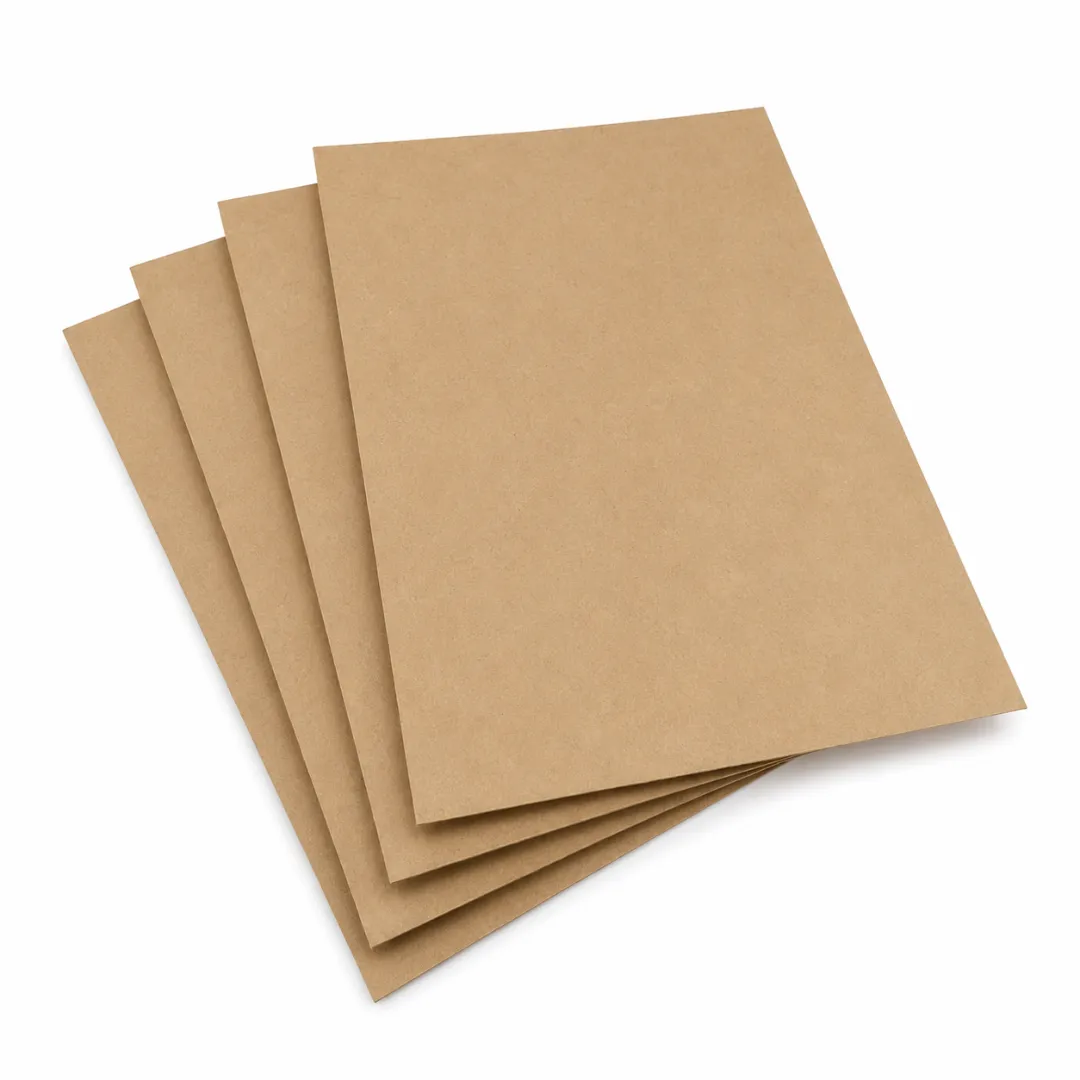
Kraft paper is a strong, durable and reliable material that is widely used across many different industries.
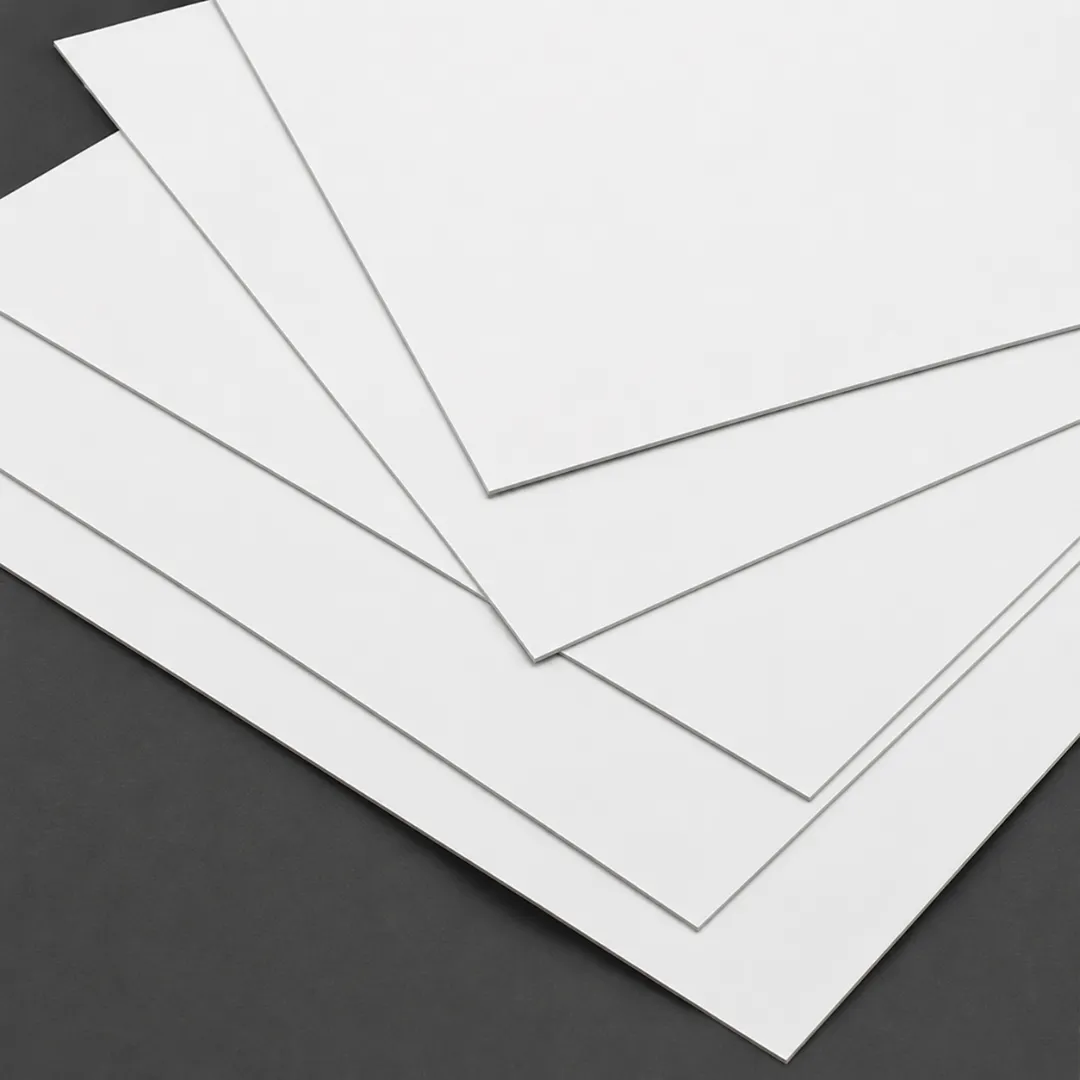
We use cardboard material with the least environmental impact and minimizes waste generation.
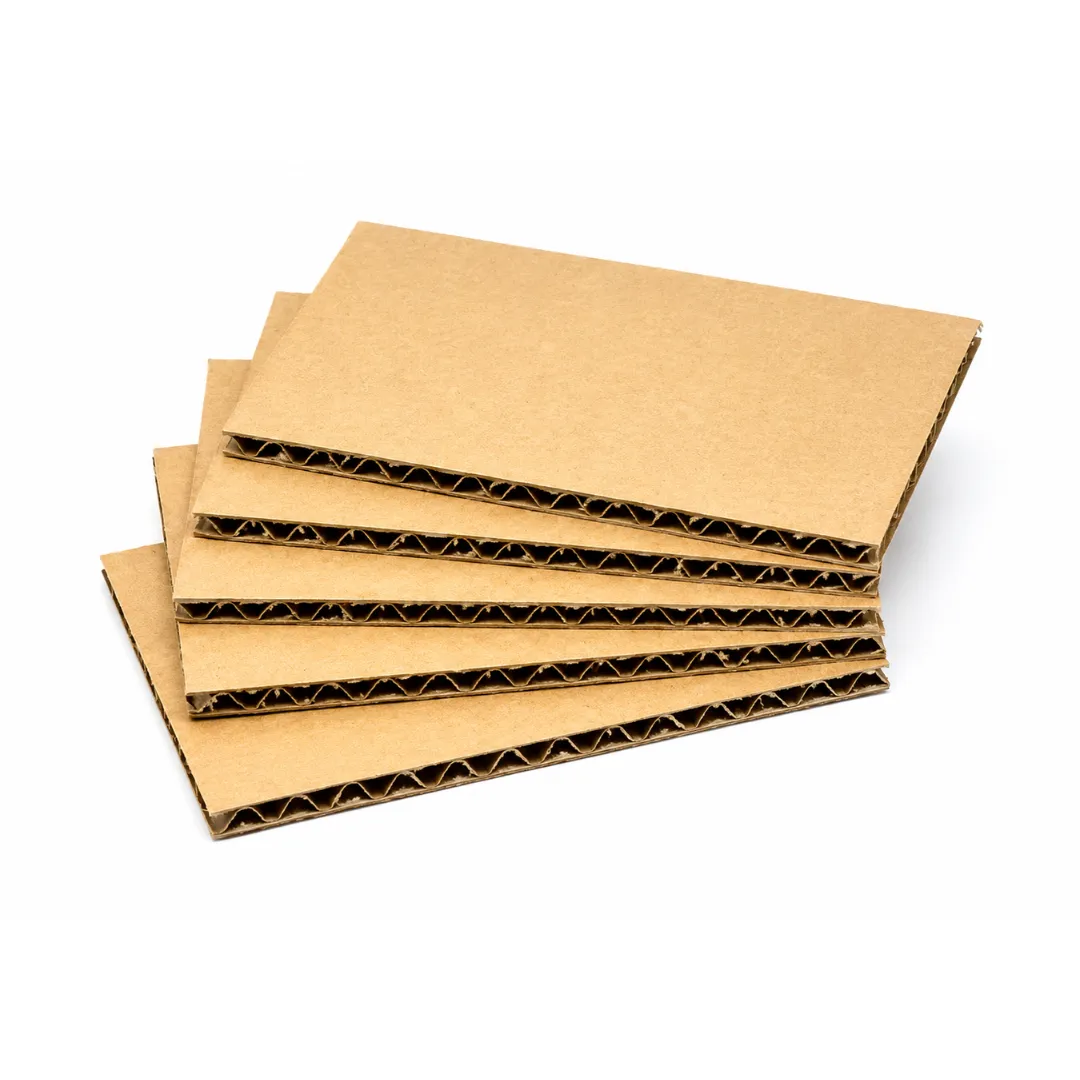
Corrugated material is easy to customize, cost effective and sustainable. It is also great for branding purposes.
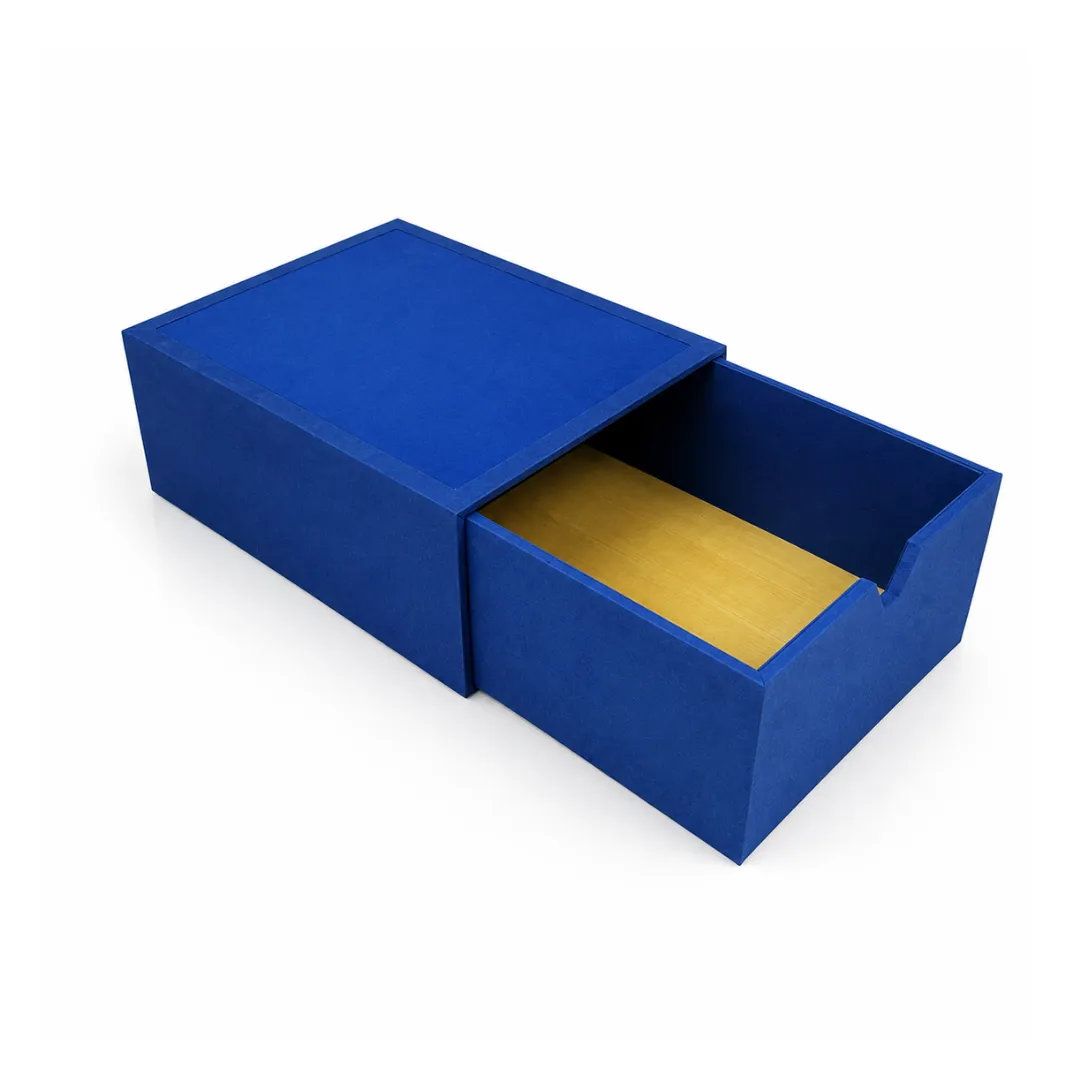
Rigid is highly protective, affordable and recyclable material. These boxes provide maximum protection.
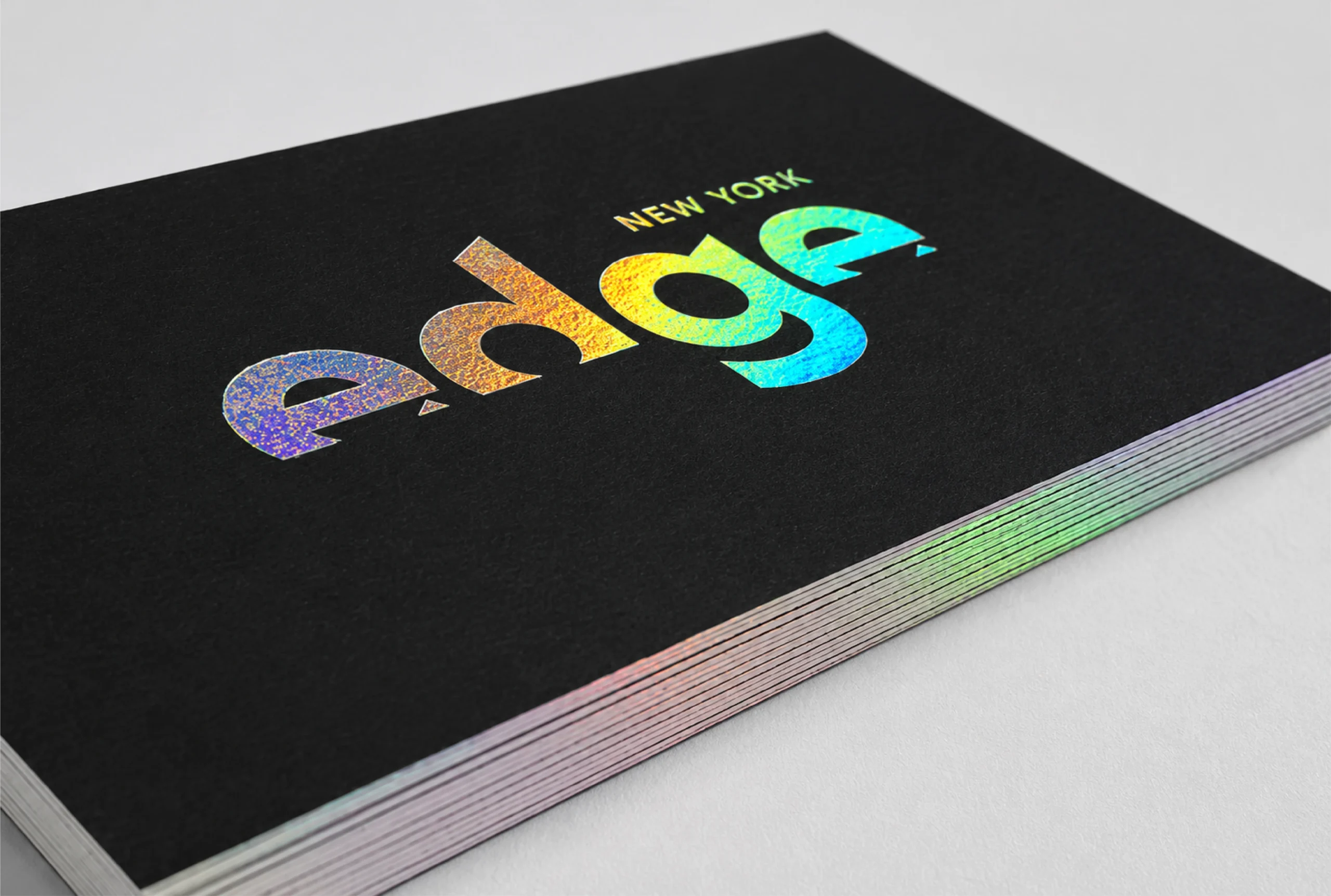
Holographic foil diffracts light and reveals the colors of the rainbow at various angles.
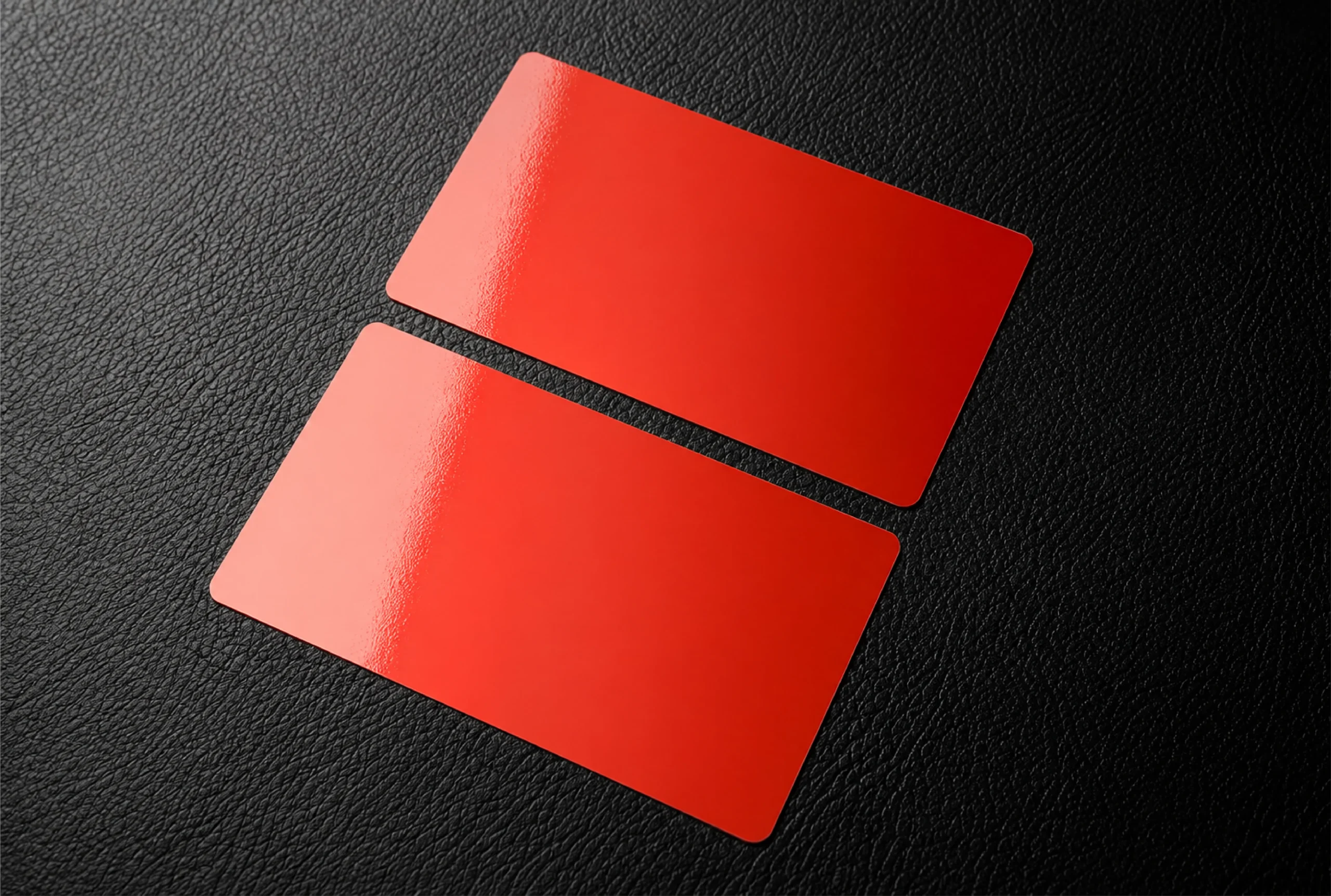
Our glossy finishing gives your packaging an extra layer of shine.
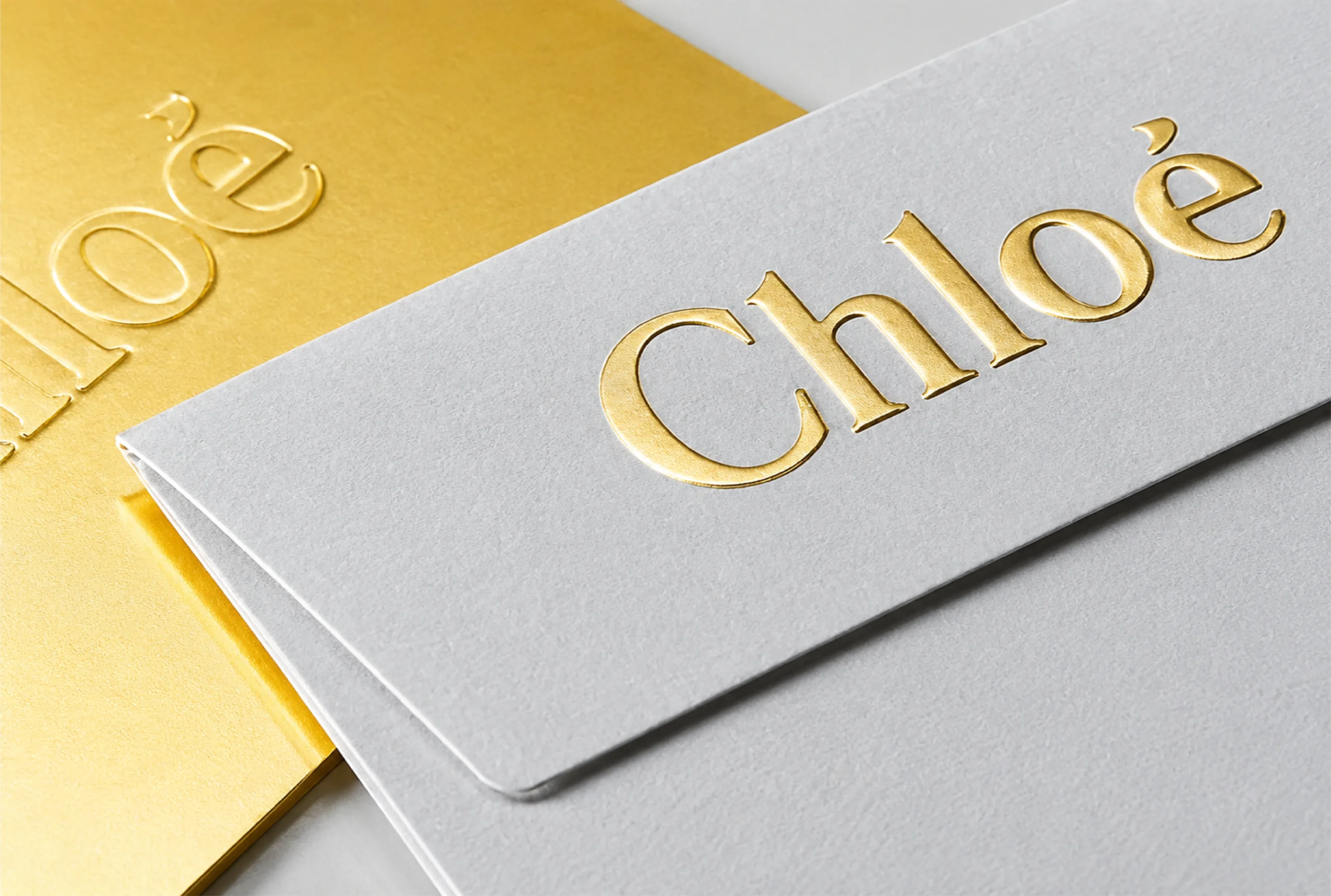
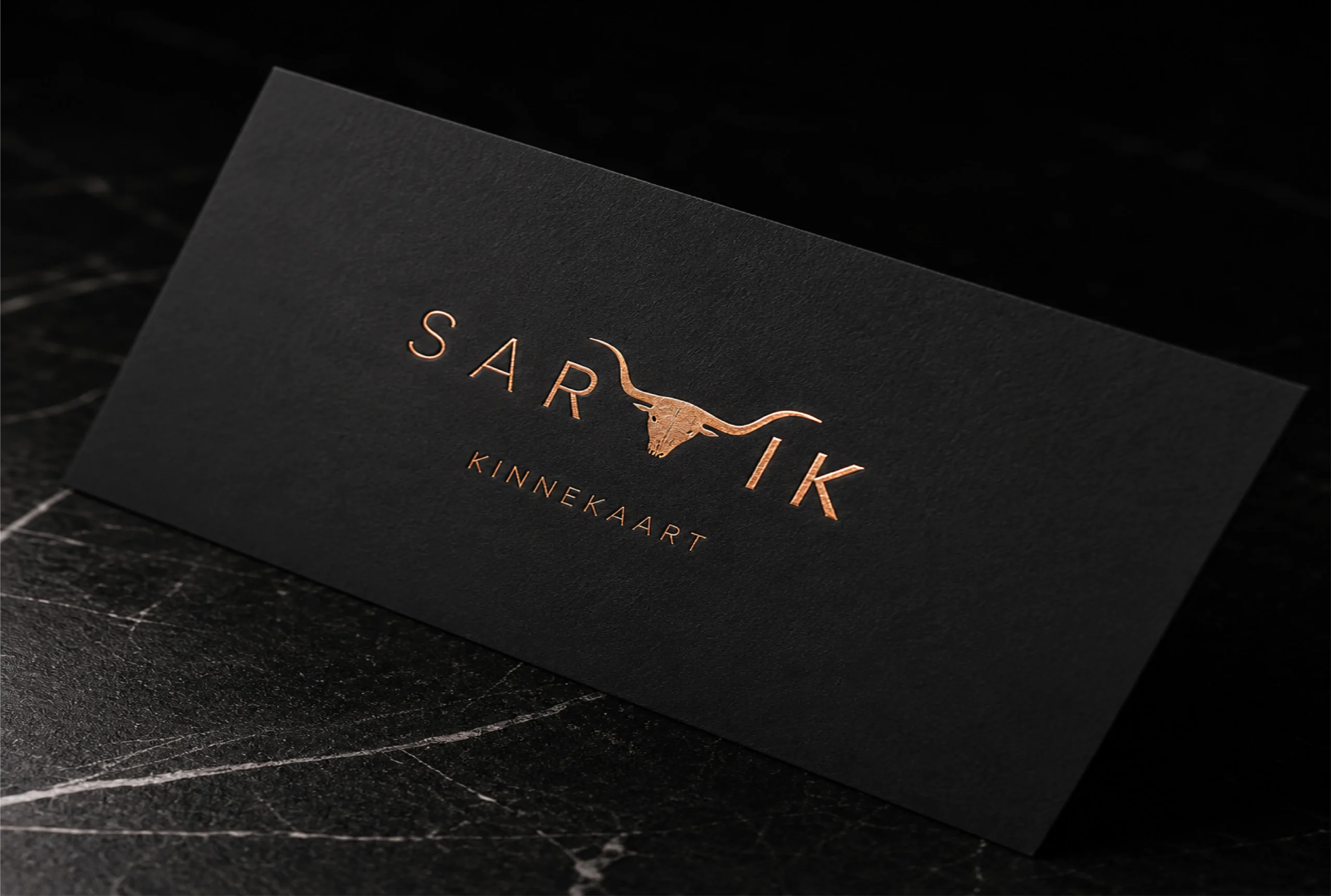
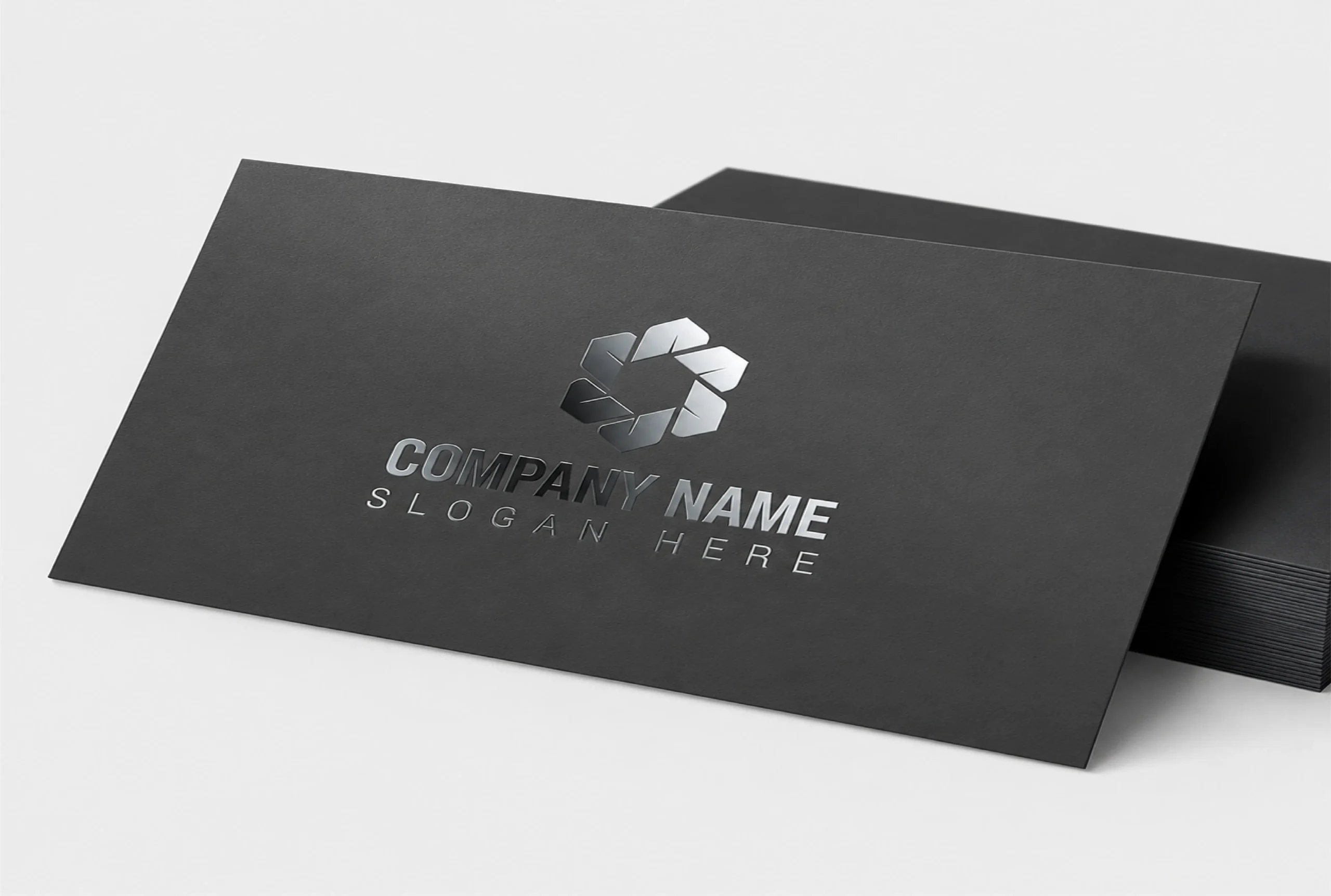
Decorate a wide range of your product packaging with our foil stamping.
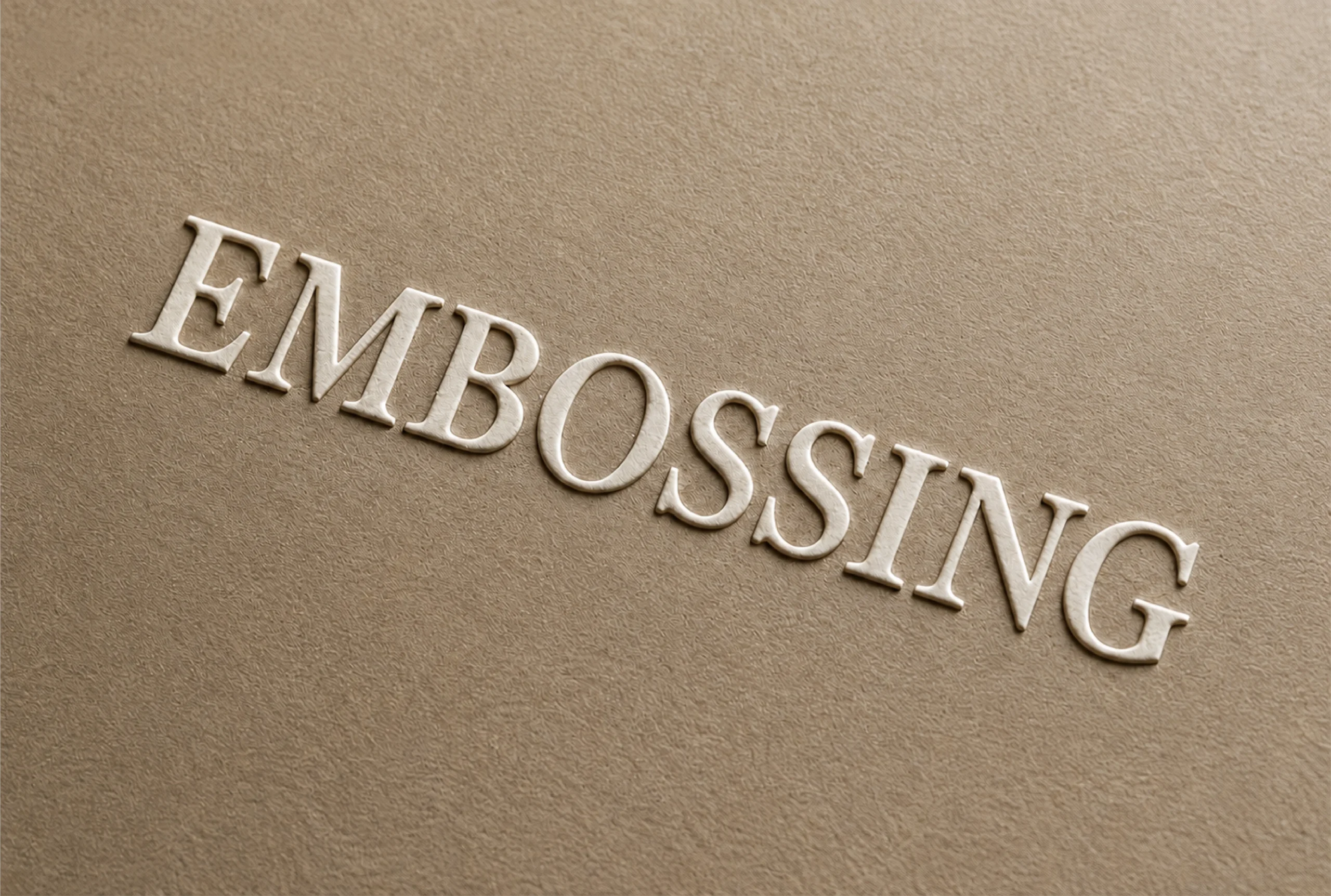
With our embossing technique, we transfer the finest details of your product on packaging.
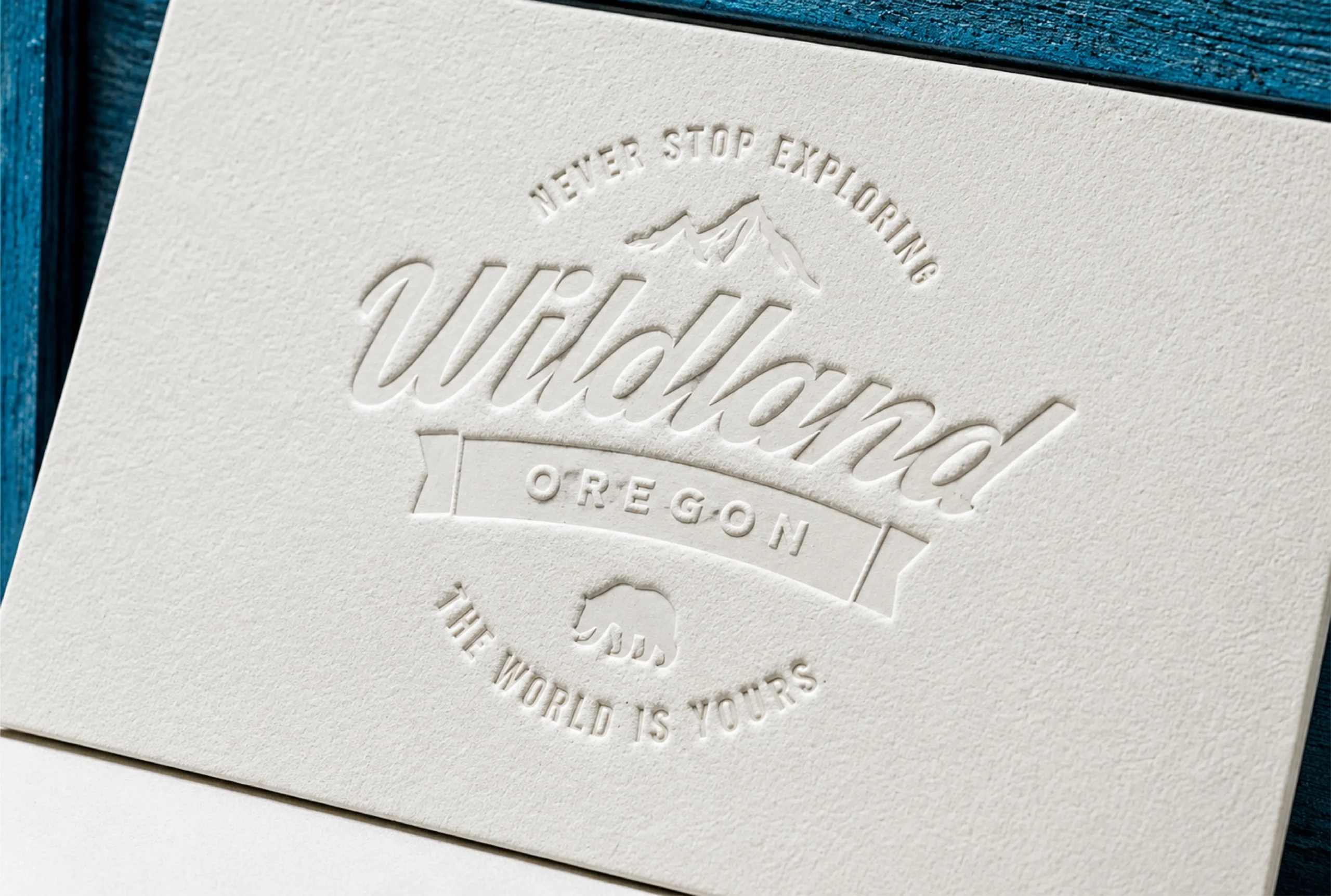
We use debossing technique to add unique graphics into your packaging.
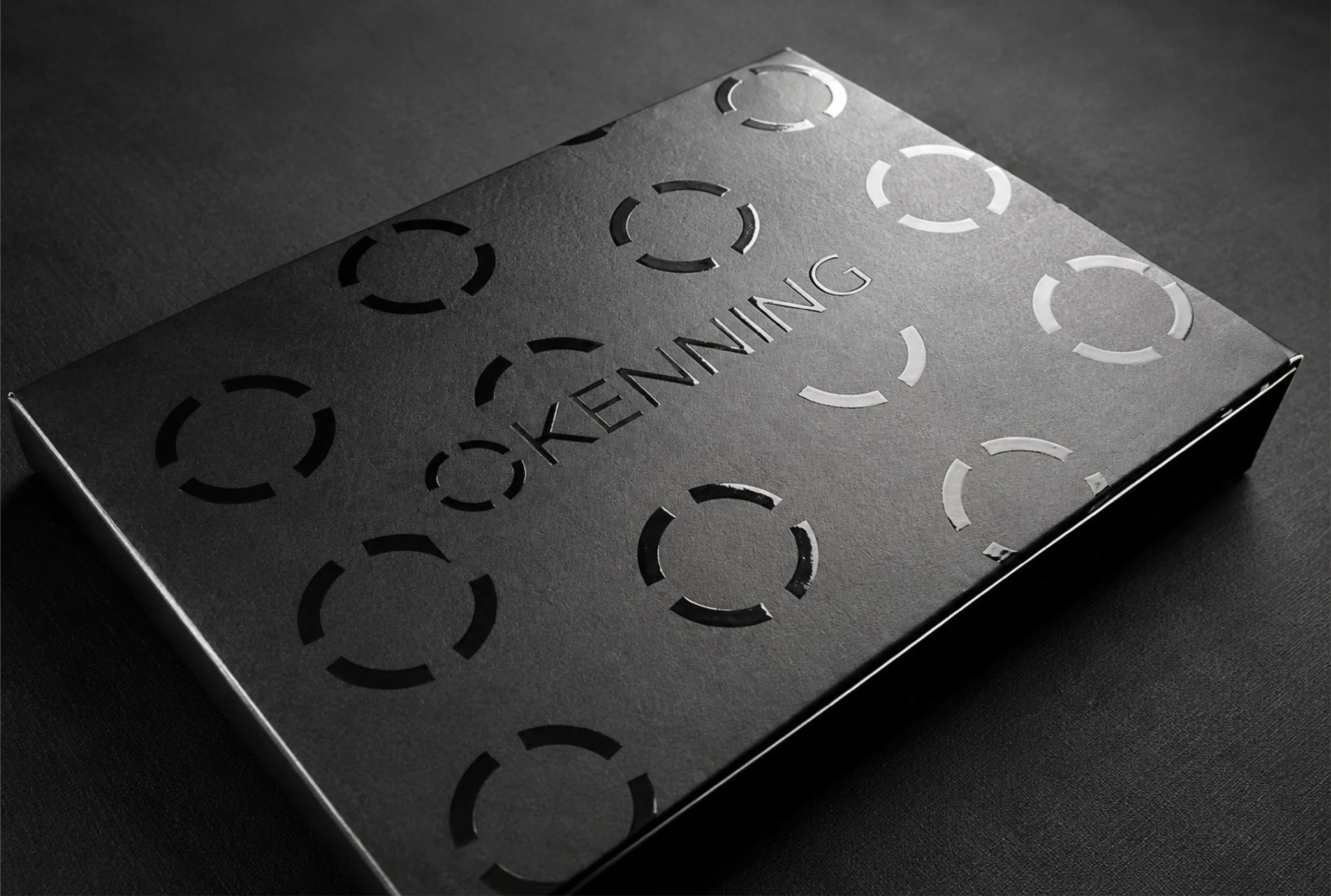
Our high-gloss UV coating gives light and shine to cure the printed material's varnish.
We add additional layer of protection with soft touch lamination from toner chipping.
With our matte finish, fingerprints and smudges will now be less visible on the packaging.
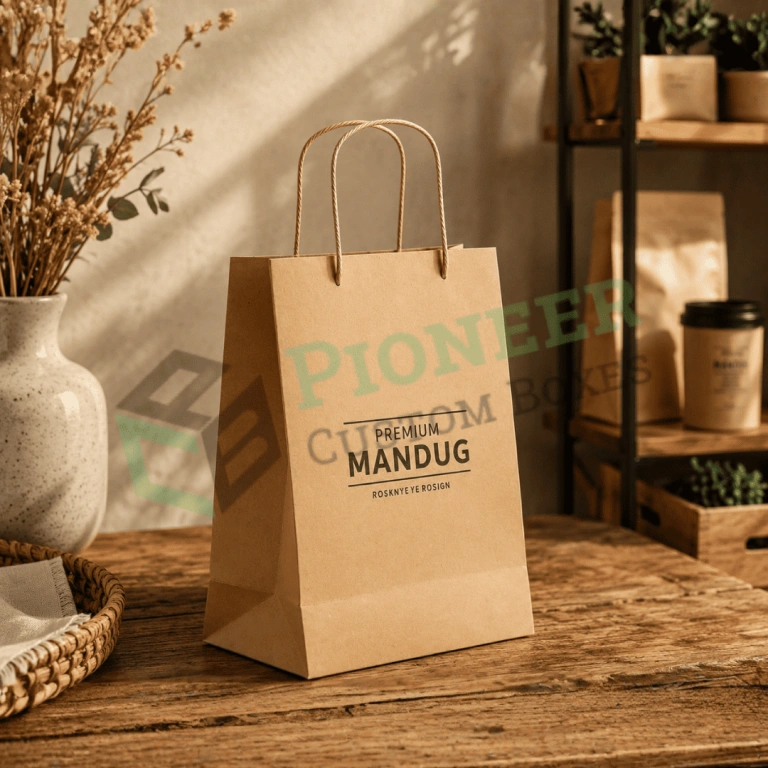
Kraft Landscape Paper Bag packaging from Pioneer Custom Boxes helps nurseries, plant shops, florists, garden centers, farmers markets, landscaping companies, and garden retailers package plants, seeds, floral gifts, plant care kits, and garden products with textured kraft paper, custom printing, gusset support, reinforced bases, handle options, and natural retail presentation.

Custom biodegradable boxes are eco-focused packaging solutions built to protect products while reducing plastic dependence. With options like kraft-based boards, plant-fiber materials, and corrugated biodegradable builds, these boxes support retail, food, and shipping use-cases. They also allow custom sizing, clean branding, and reliable structure for modern sustainable packaging needs.
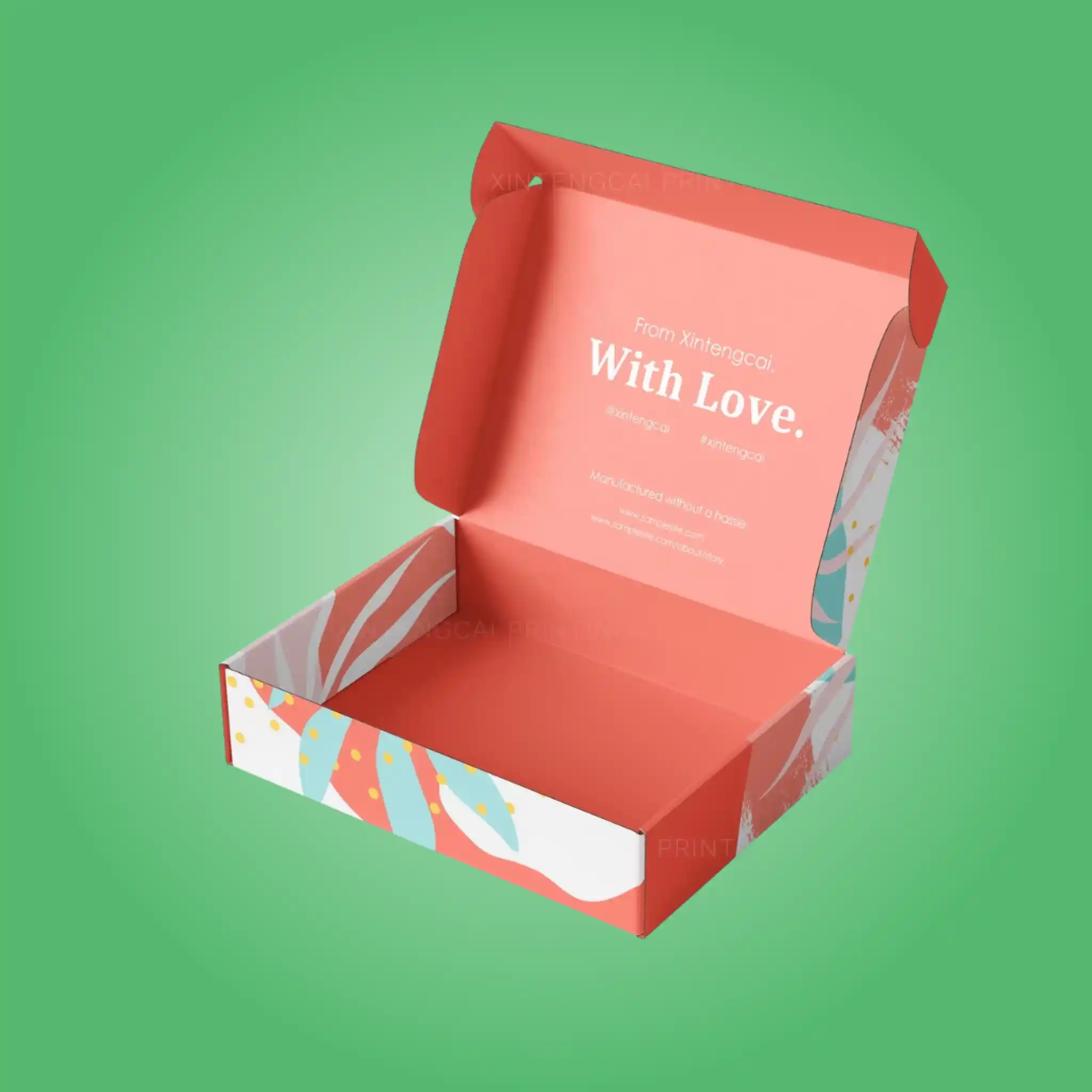
Custom Eco Friendly Boxes are packaging solutions designed to reduce waste while keeping structure strong for retail display and shipping. These boxes use kraft and corrugated materials, efficient sizing, and clean print layouts to deliver premium presentation without excess packaging. Ideal for ecommerce brands, gifting products, and packaging supplies that need sustainability with real performance.
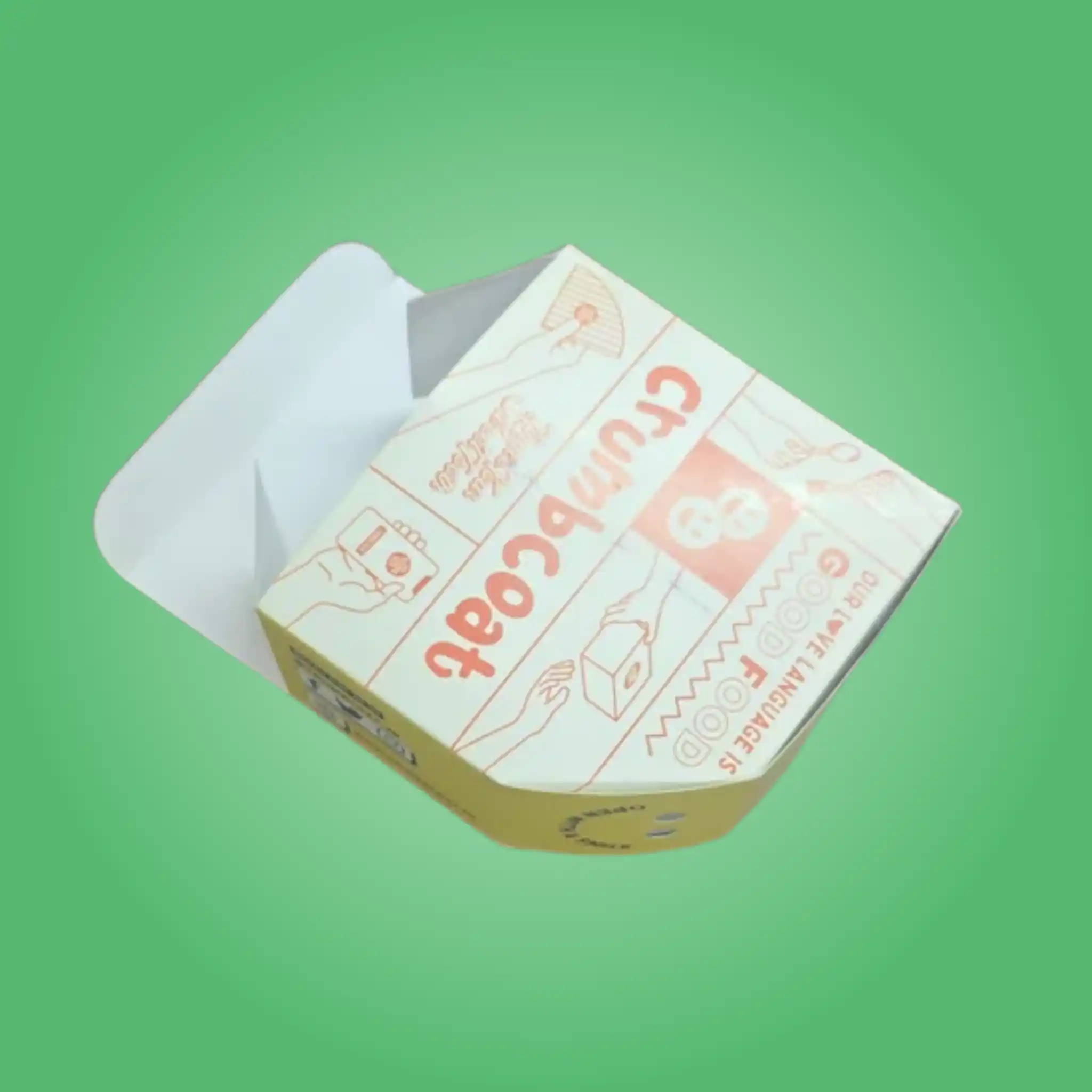
Custom kraft food boxes are built to handle hot meals, steam, grease, and delivery stacking without collapsing or leaking. With size planning, barrier-lined kraft options, secure closures, and performance upgrades like ventilation and tamper-evident features, these boxes keep food looking clean on arrival. Ideal for takeaway, catering, and retail-ready food packaging that needs both strength and premium presentation.