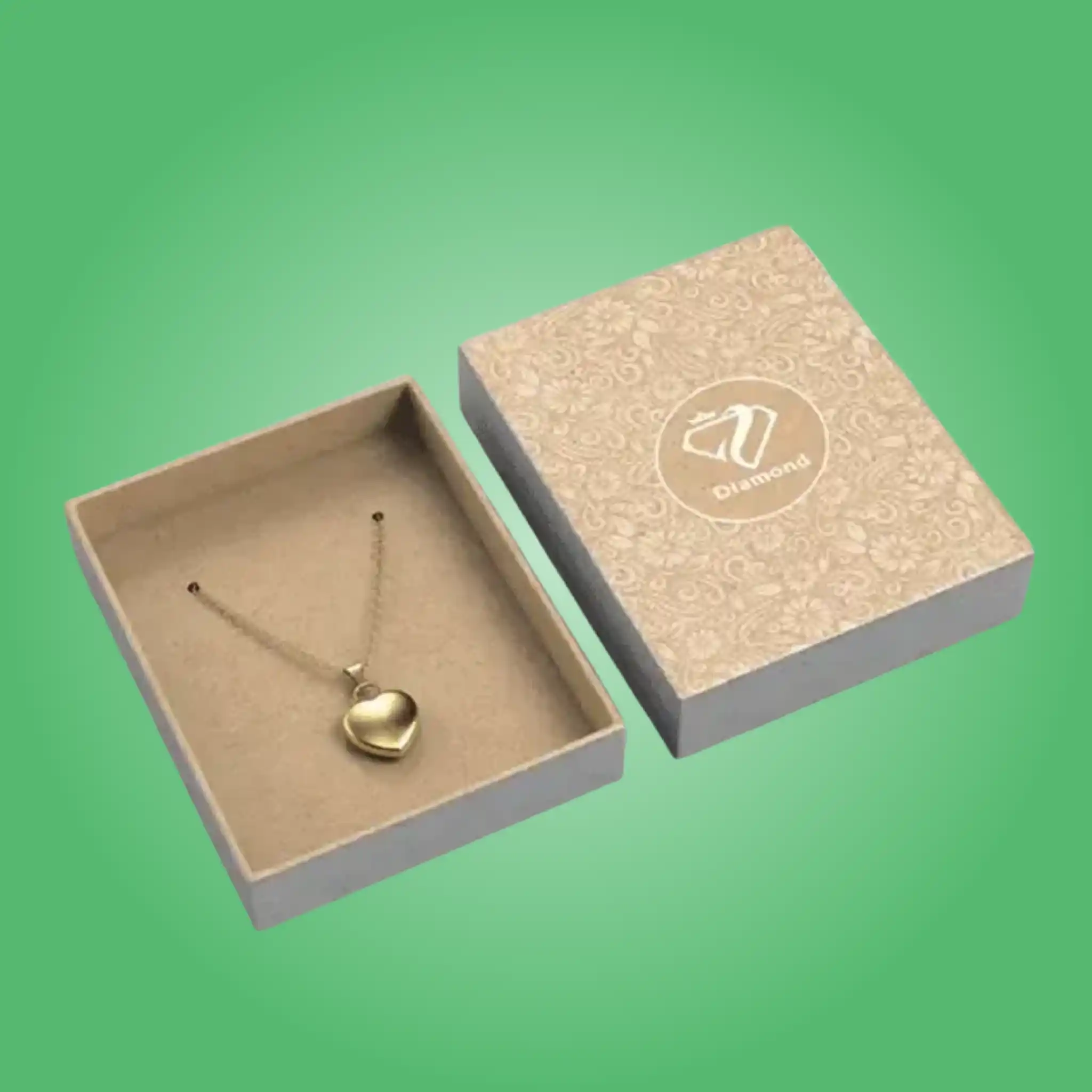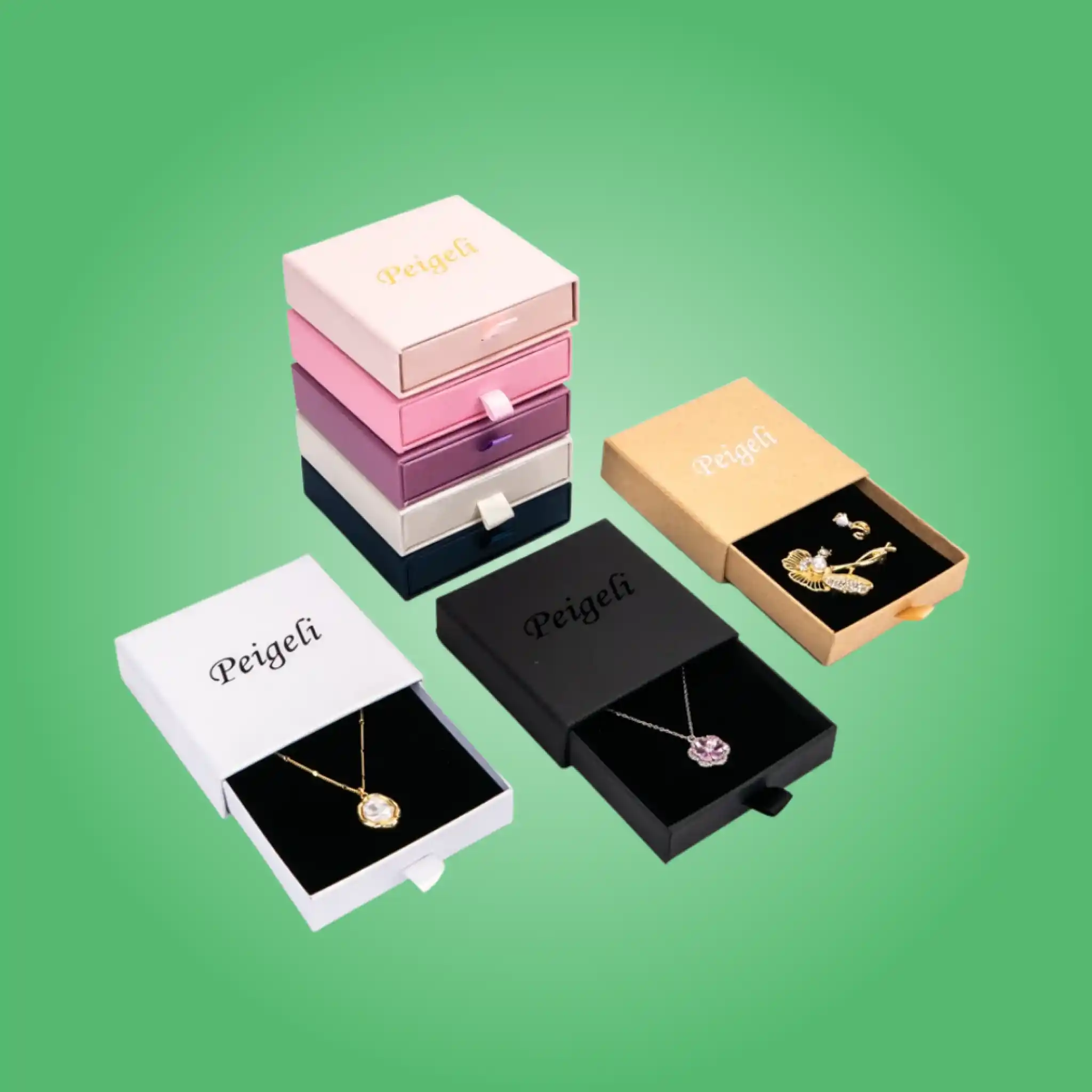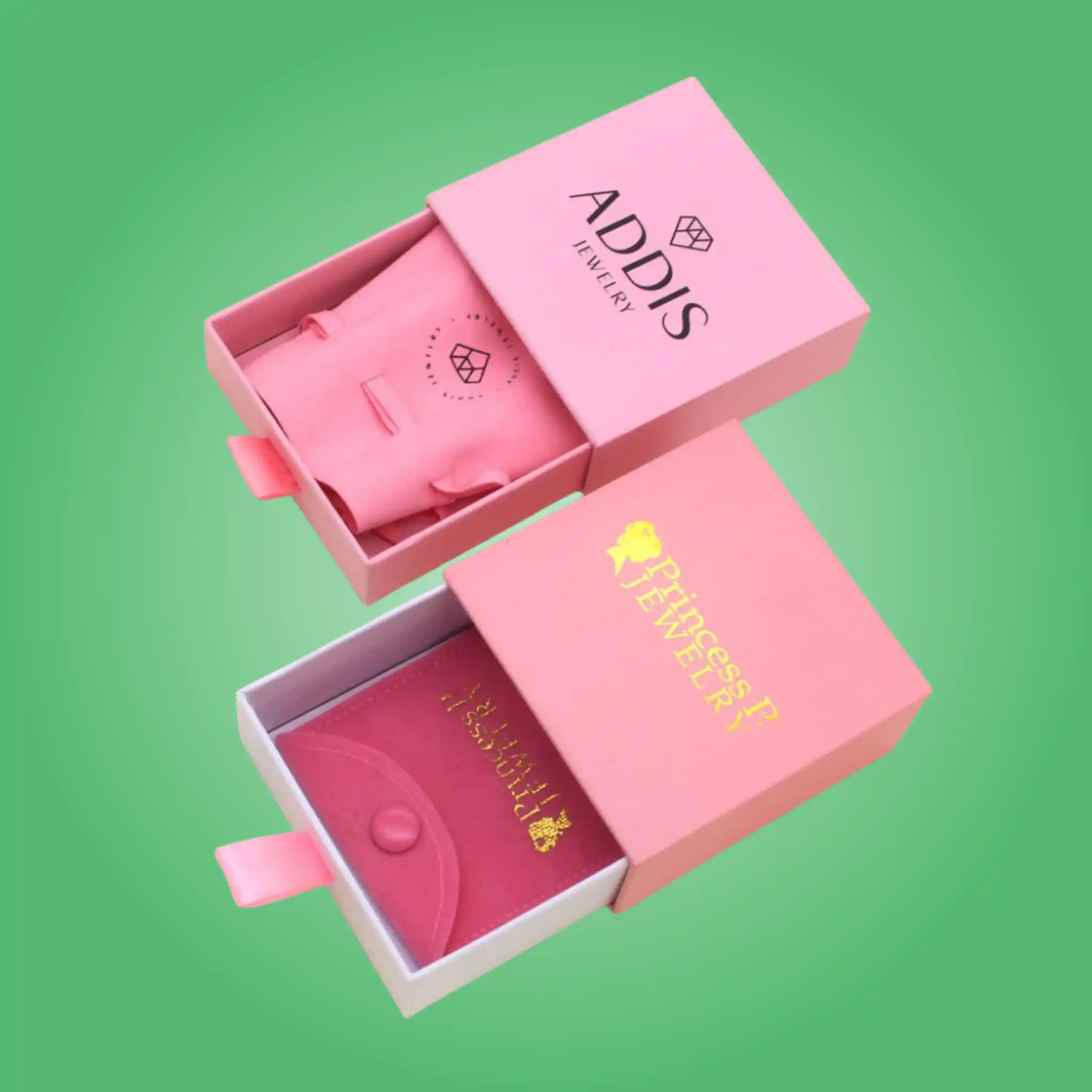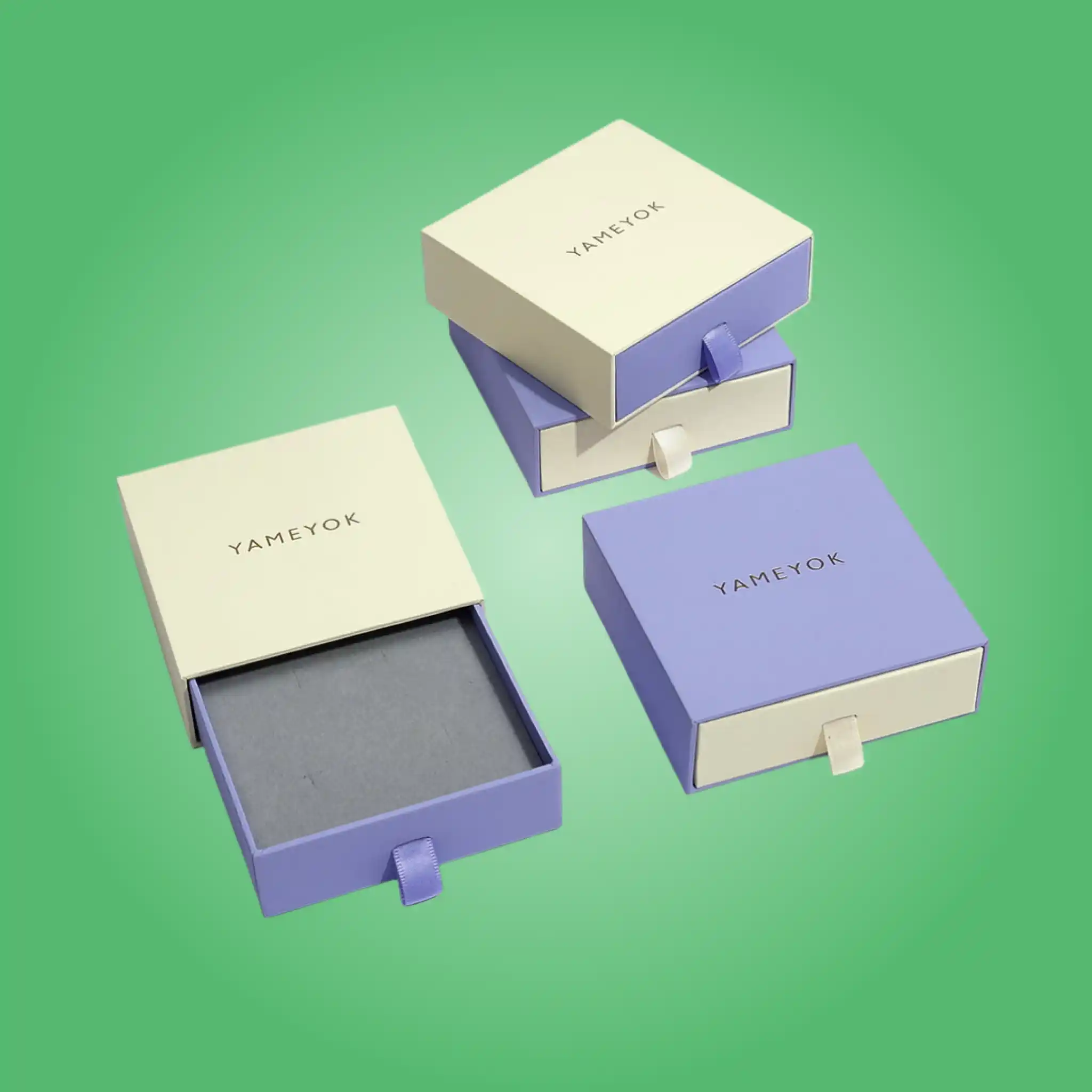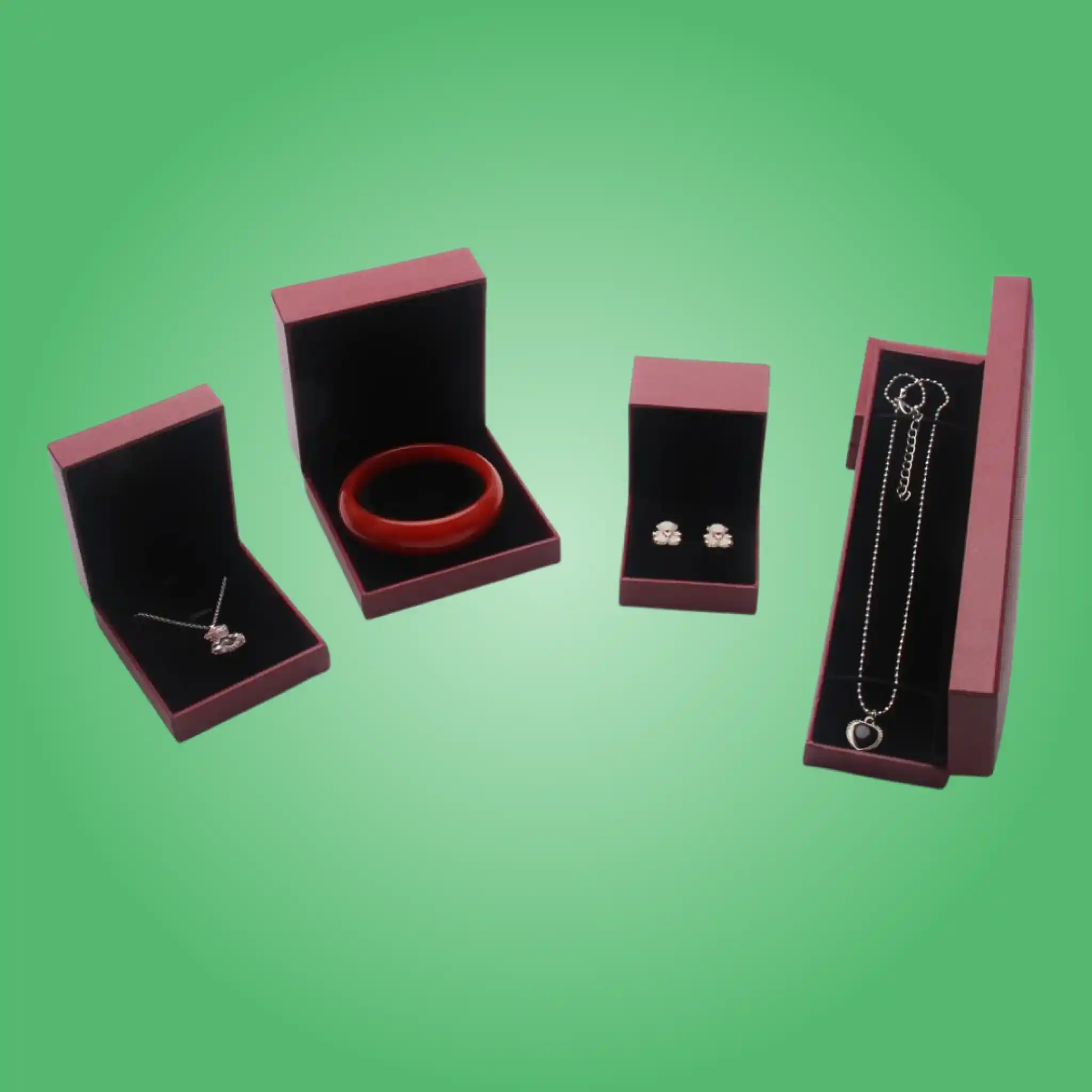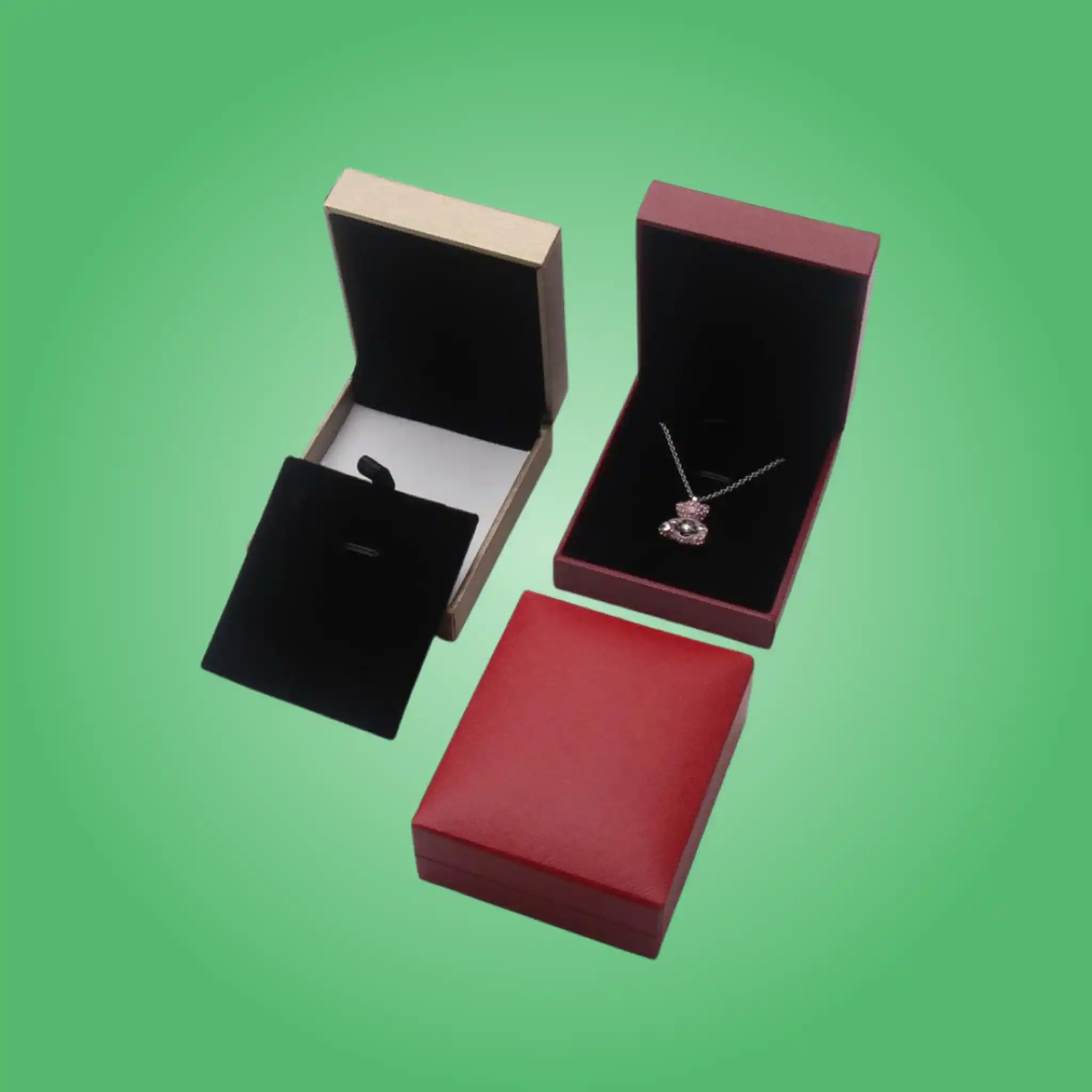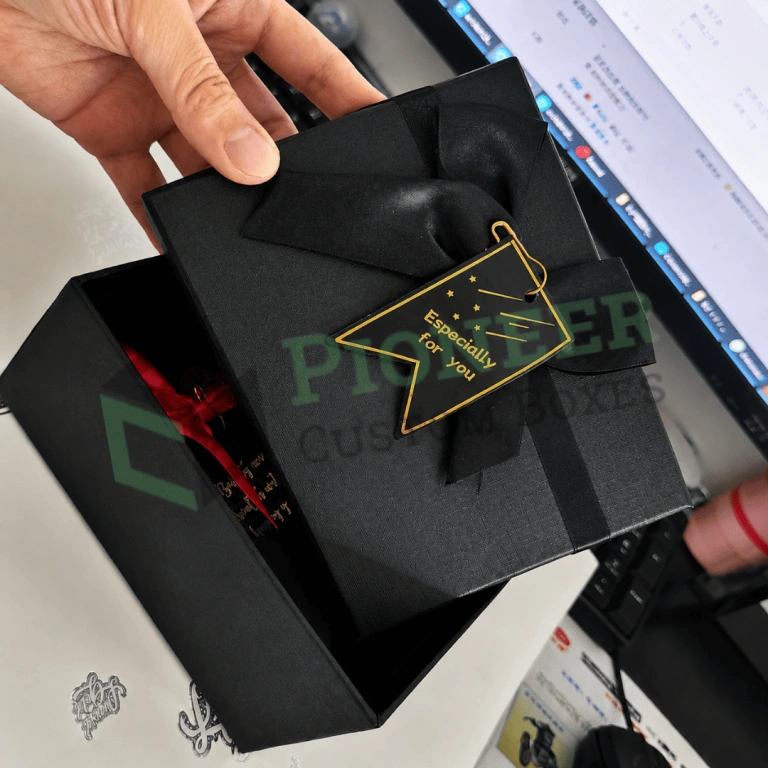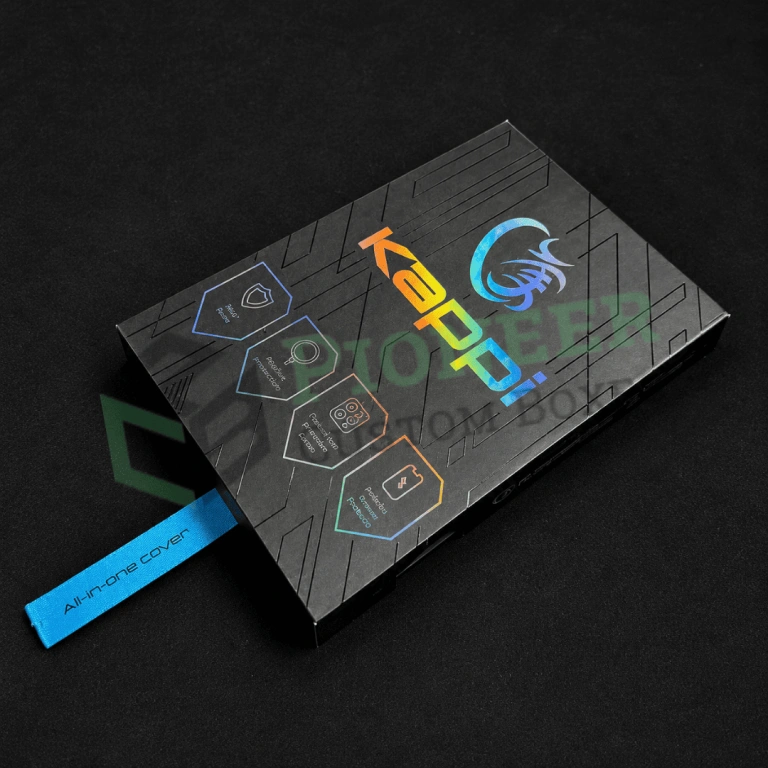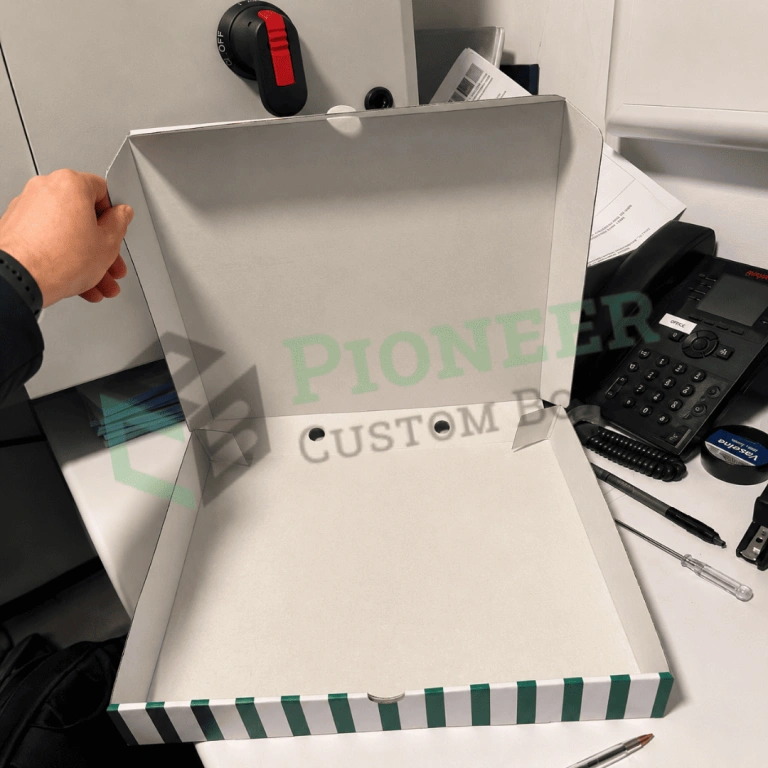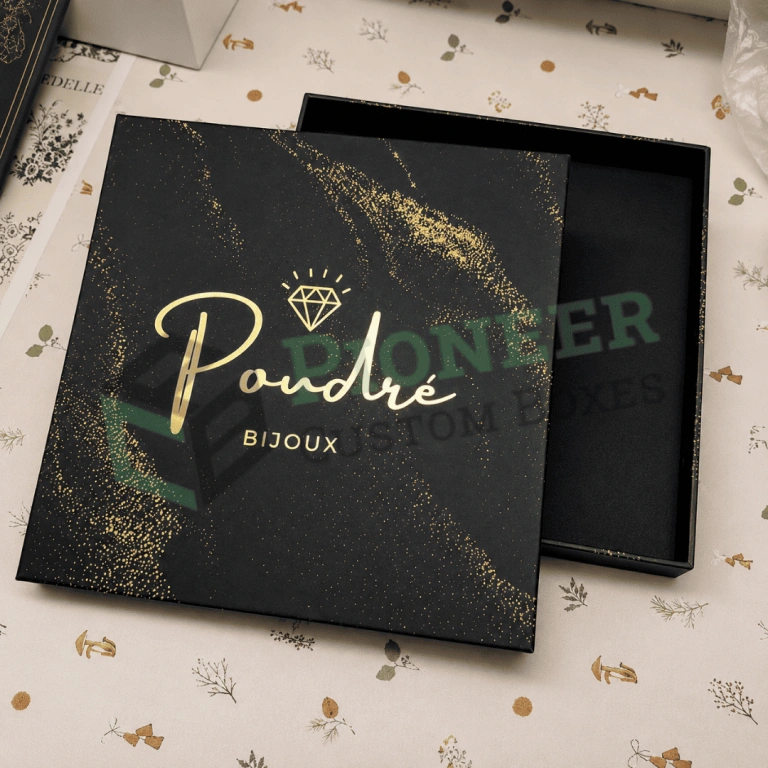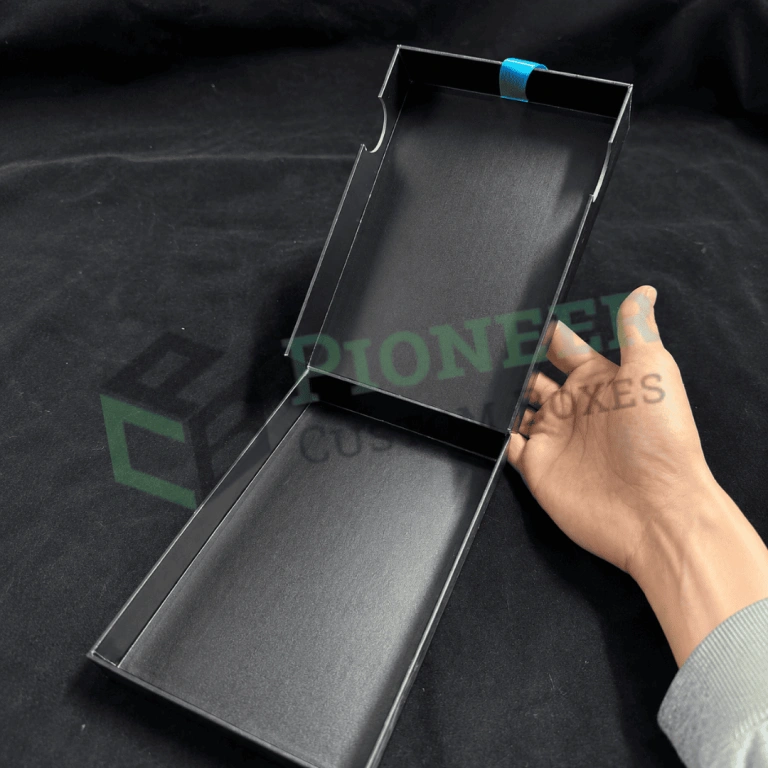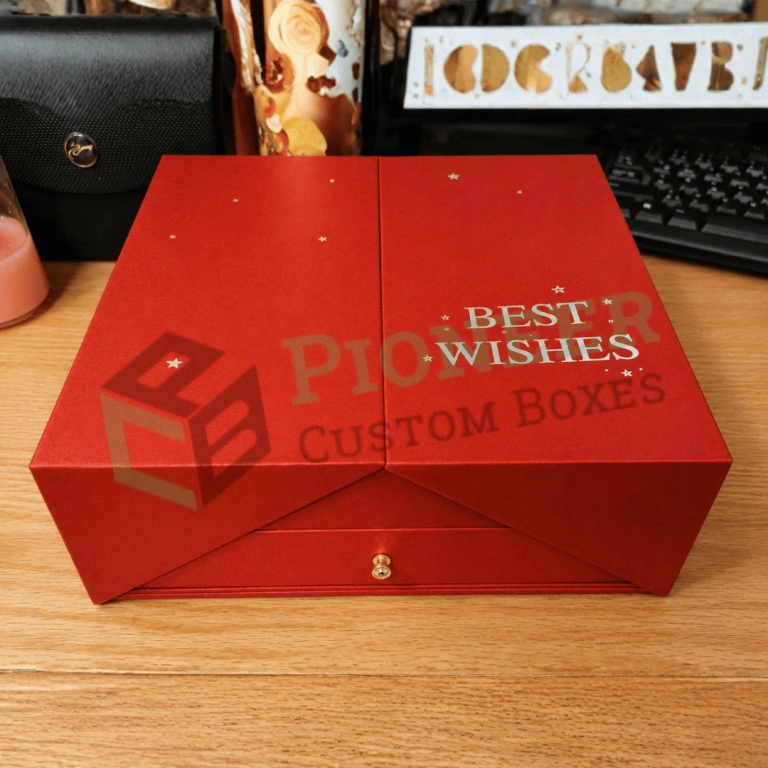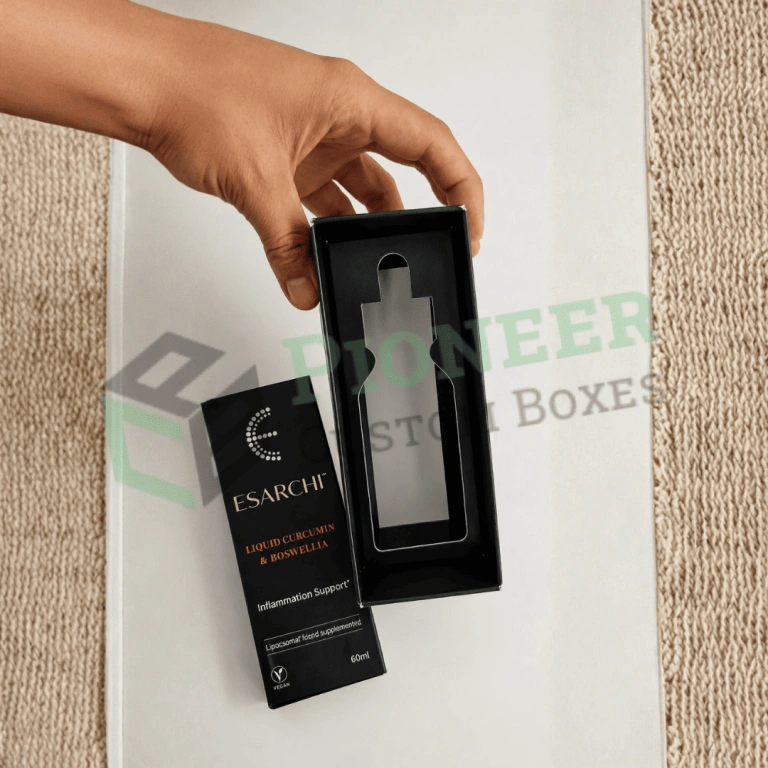
Custom pendant boxes built around the chain as well as the pendant, so nothing arrives tangled. Choose hinged lid rigid, lift-off lid, drawer and sleeve, magnetic closure, folding carton, book style, travel or pendant and earring set construction. Wraps include printed specialty paper, leatherette, velvet and kraft over 1.5 mm to 2.5 mm greyboard. Every interior gets a die-cut chain slot, a fabric covered foam pad and a thumb notch so the piece lifts out cleanly. Add chain hooks for long chains, printed interior lids, ribbon pulls, microfiber pouches and separate earring recesses. Zero minimum order quantity, free structural and pad design, and free shipping across the United States. Get a free quote or order now.
A pendant box has one job most packaging never faces. It has to hold a chain without letting it tangle, and it has to look worth the piece inside. Get either wrong and the customer opens a knot instead of a moment. We manufacture custom pendant boxes directly in the United States, so you control the structure, the insert and the finish. Order twenty five boxes or twenty five thousand, because we hold no minimum order quantity.
Independent jewelers use these at the counter. Online brands use them as the whole unboxing experience. Designers use them at markets and trunk shows. Each pattern needs a different structure, and we build all of them on the same lines.
Every specification below is explained separately. Read the section that matches your piece, then request a free quote. Our design team draws your dieline at no charge, whatever quantity you order.
Structure decides how the box opens, how the chain sits and what the moment feels like. Here are the formats we produce most often.
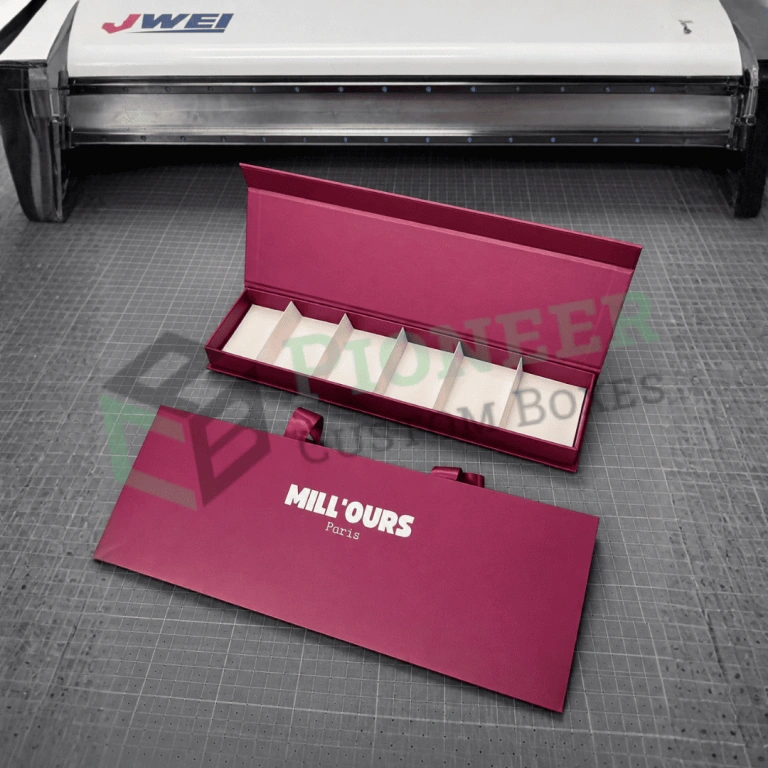
A wrapped rigid box with a hinge along the back, so the lid stays attached and opens to reveal the pendant upright. This is the classic jewelry presentation and it still outsells everything else we make.
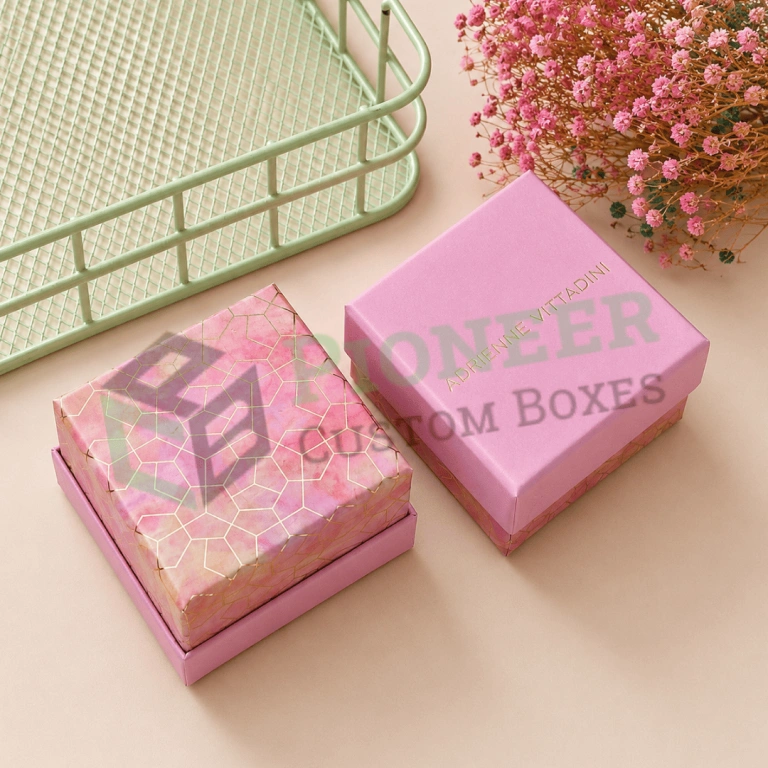
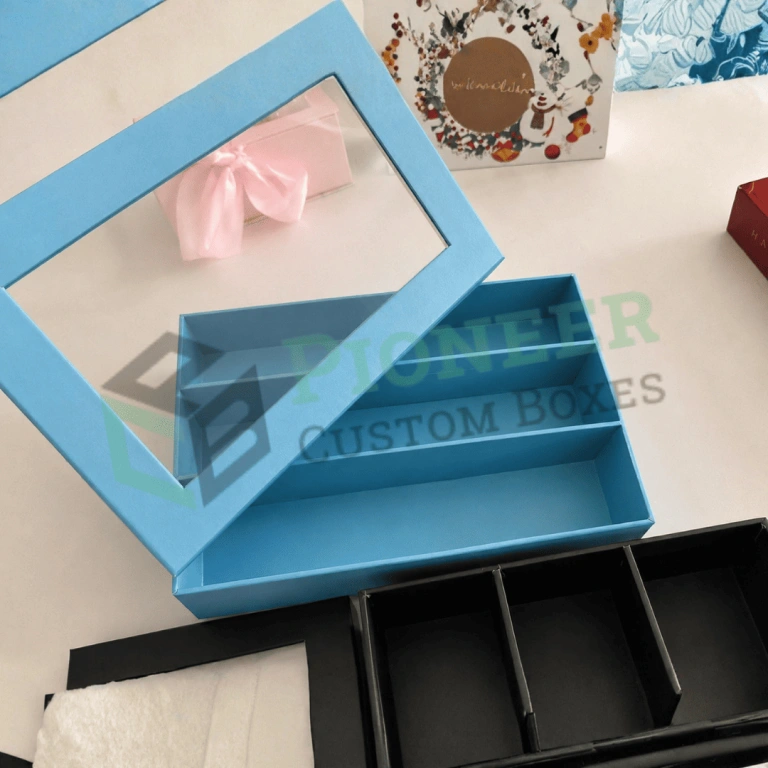
A separate lid lifts straight off a matching base. Nothing hinges, so construction stays simple and cost stays lower. It also photographs well with the lid set beside the base.
An inner tray slides out of a printed outer sleeve. The reveal builds anticipation, and the sleeve carries branding across a large uninterrupted panel. Online brands favor this for unboxing video.
Hidden magnets pull the lid shut with an audible click. That sound does real work on a premium piece. Gift and engagement purchases use this structure constantly.
A printed paperboard carton with a die-cut insert holding the pendant. It ships flat, assembles quickly and costs a fraction of rigid construction. Market sellers and volume lines rely on it.
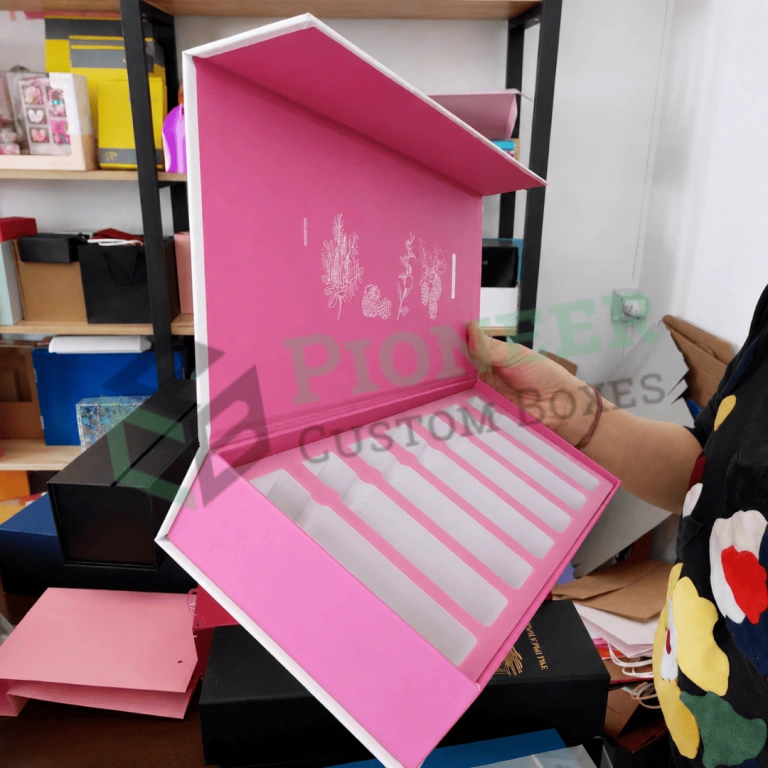
A rigid box that opens like a book with a wrapped spine. It gives a large interior surface for a message or a brand story printed opposite the piece.
A slim structure sized for a handbag or a carry-on, often paired with a microfiber pouch. Brands selling everyday pieces rather than occasion pieces use it.
A wider footprint holding a pendant plus matching earrings in separate recesses. Set purchases carry a higher average order value, and the box has to present both pieces at once.
,,,,,,,,
| Box Style | Closure | Chain Handling | Best Position |
|---|---|---|---|
| Hinged lid rigid | Attached hinge | Slot or bar above the recess | Classic jewelry retail |
| Lift-off lid two piece | Separate lid | Slot in the pad | Lower cost rigid |
| Drawer and sleeve | Sliding inner tray | Recessed channel | Unboxing focused brands |
| Magnetic closure | Concealed magnets | Slot or hook | Gift and engagement |
| Folding carton with insert | Tuck flap | Die-cut chain slot | Volume and market sales |
| Book style box | Hinged, wrapped spine | Slot with facing panel | Storytelling brands |
| Travel and pouch box | Slim lid or flap | Pouch rather than slot | Everyday jewelry |
| Set box | Hinged or lift-off | Separate pendant and earring recesses | Higher value sets |
Tell us the pendant dimensions, the chain length and whether the chain stays attached. Those three inputs drive the whole interior. Our team then recommends a structure and sends the drawing free of charge.
Pendants rarely sit alone in a collection. The same shells, wraps and pad techniques run across our wider jewelry boxes range, so rings, bracelets and pendants can share one visual system and one supplier.
Pendant boxes run small, which makes precision matter more rather than less. A quarter inch error that would vanish on a shipping carton ruins the fit here. These dimensions cover the orders we run most often.
,,,,,,,,,,
| Size (L x W x H, inches) | Typical Contents | Common Use |
|---|---|---|
| 2 x 2 x 1 | Small pendant, chain coiled | Minimal and everyday pieces |
| 2.5 x 2.5 x 1.25 | Standard pendant with 18 inch chain | Most common retail size |
| 3 x 3 x 1.25 | Larger pendant or statement piece | Designer and occasion jewelry |
| 3.5 x 3.5 x 1.5 | Pendant with thick or long chain | Heavy chains and layered pieces |
| 4 x 4 x 1.5 | Pendant and earring set | Set purchases |
| 3.5 x 2.5 x 1.25 | Rectangular presentation | Modern and minimal branding |
| 5 x 3 x 1.5 | Pendant with extended chain laid flat | Long chains without coiling |
| 2.75 x 2.75 x 2 | Deeper box for bulky pendants | Gemstone and sculptural pieces |
| 6 x 4 x 1.5 | Book style presentation | Storytelling and gifting |
| 4.5 x 3.5 x 2 | Travel box with pouch | Everyday and travel lines |
Measure the pendant at its widest and thickest point, then tell us the chain length separately. A thick bail or a domed stone needs interior depth that a flat drawing never reveals. Add roughly an eighth of an inch of clearance so nothing presses against the lid.
Almost every complaint in this category traces back to the chain rather than the box. Three interior decisions solve it.
A chain slot is the first and simplest. A narrow cut in the pad lets the chain pass through and sit beneath, so it cannot loop back over the pendant. Without one the chain coils loose and arrives tangled, which turns a gift into a chore.
Chain length changes the solution. An eighteen inch chain coils neatly in a two and a half inch box. A thirty inch chain does not, and forcing it creates exactly the knot you were avoiding. Longer chains need either a wider footprint that lets the chain lie in a channel, or a hook that holds it doubled.
Pad material is the third decision. Foam wrapped in velvet grips a chain gently and holds the pendant upright. A bare board pad lets everything slide as soon as the box tilts. The cost difference is small and the presentation difference is large.
Weight matters more than buyers expect. A heavy gemstone pendant pulls against its recess during shipping, and a shallow foam seat lets it work loose. Tell us the piece weight and our team cuts a deeper recess or specifies a firmer foam density.
Finally, think about how the customer removes the piece. A recess with no finger relief means fingernails scraping at velvet. A small thumb notch cut into the pad solves it for nothing.
Material choice decides how the box feels in the hand, which in this category is most of the job. Jewelry buyers assess value by weight and surface before they look at anything else. Our paper suppliers hold Forest Stewardship Council chain of custody certification, and we supply that documentation on request.
Thick compressed chipboard forms the structural shell of every rigid box we build. It does not flex, and that solidity is exactly what communicates value. Calipers from 1.5 mm to 2.5 mm cover pendant work comfortably.
A printed or textured paper wraps the greyboard shell. Linen, felt, soft touch and pearlescent finishes all suit jewelry. This wrap carries your artwork, your foil and your embossing.
A textured synthetic wrap that reads as leather at a fraction of the cost. It resists fingerprints, survives counter handling and photographs richly. Traditional jewelers use it constantly.
A flocked surface applied over the shell. It feels expensive immediately and it hides minor handling marks. Cost sits above paper wraps, and printing on it is limited to foil and embossing.
Solid bleached sulfate builds folding cartons for volume lines. The bright white surface prints photographs cleanly, and calipers from 18pt to 24pt hold shape well for small structures.
Natural brown kraft suits handmade, artisan and sustainable positioning. It pairs beautifully with blind embossing and twine. Market sellers and independent designers choose it often.
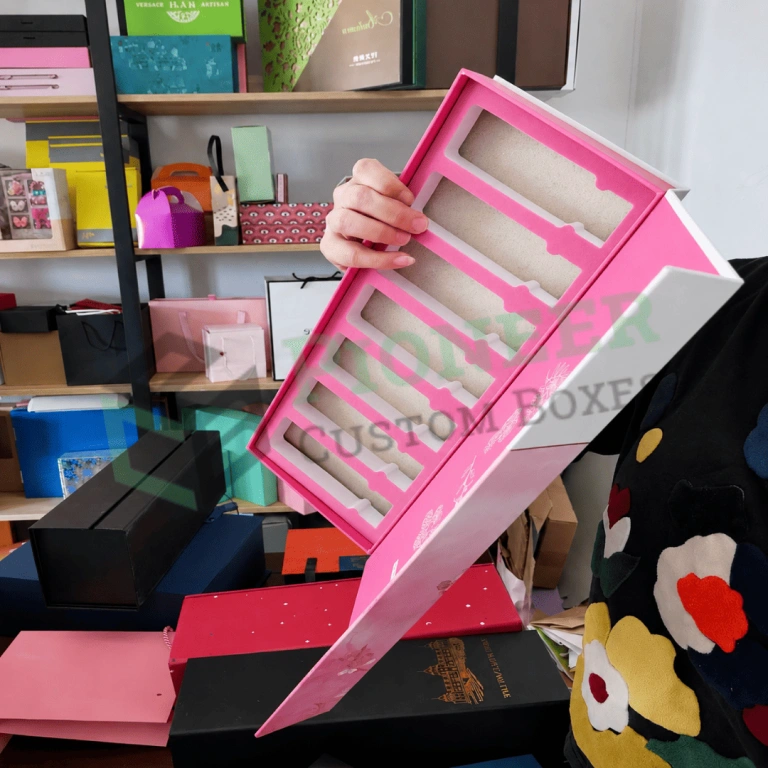
Die-cut foam wrapped in velvet or satin forms the interior pad. It grips the chain, holds the pendant upright and defines the whole opening experience. Density matters as much as shape.
A fiber based alternative to foam for brands avoiding plastics entirely. It cradles the piece in a formed recess and recycles with the box. Presentation is more rustic than velvet, which suits some brands exactly.
,,,,,,,,
| Material | Typical Spec | Perceived Value | Best Application |
|---|---|---|---|
| Rigid greyboard | 1.5 mm to 2.5 mm | High | Shell of all rigid boxes |
| Wrapped specialty paper | Surface layer | High | Printed and foiled branding |
| Leatherette wrap | Surface layer | Very high | Traditional jewelry retail |
| Velvet or suedette wrap | Flocked surface | Very high | Premium and bridal |
| SBS paperboard | 18pt to 24pt | Moderate | Volume folding cartons |
| Kraft paperboard | 18pt to 22pt | Moderate | Artisan and sustainable lines |
| Fabric covered foam insert | Die-cut, varied density | Critical to the moment | Interior of most boxes |
| Molded fiber insert | Formed recess | Moderate | Plastic free brands |
Small boxes carry small artwork, so method choice affects legibility as much as cost. We print in house on offset, digital and screen equipment.
Offset prints the wrap sheet at the highest available detail before lamination onto greyboard. Fine monograms, hairline rules and small type all survive. Jewelry branding leans heavily on that kind of delicacy.
Digital skips plates entirely, which removes setup cost and makes short runs affordable. An independent jeweler can order a hundred boxes without penalty. Variable data also lets each box carry a different name, which matters for bridal party and corporate gifting orders.
Screen printing lays a thick ink film that sits visibly proud of the surface. Solid colors look dense on textured and dark wraps where offset would sink. Luxury lines often combine screen printing with foil.
Foil and embossing run on separate equipment after printing. This category uses both more than almost any other, because metallic detail signals precious material instantly. We schedule those passes in house.
Every wrapped structure here is built the same way our other rigid boxes are, on the same greyboard shells and assembly lines. Techniques proven in one category carry straight across to another.
Finishing carries more weight here than in almost any other category, because the box is part of the gift rather than a wrapper around it. Each option below solves a different problem.
Soft touch feels like suede under the fingers. On a jewelry box that tactile moment arrives before the lid even opens, and it does more for perceived value than any printed effect. Premium lines use it more than anything else.
Matte removes glare and gives a restrained, contemporary surface. Minimal and modern jewelry brands prefer it. Matte also hides fingerprints, which matters on a box customers handle in a store.
Gloss deepens color and makes photographic or gemstone imagery snap. It suits brighter, more playful brands. Fingerprints show, so pair it with a mid-tone palette.
Foil presses metallic leaf into the wrap under heat. Nothing else matches real foil for signalling precious metal, and customers read the two as connected. Match the foil to the metal of the piece inside and the effect doubles.
Embossing raises your mark above the surface while debossing presses it below. Both create shadow, and shadow reads as craftsmanship. Blind embossing on a textured wrap looks confident without any ink at all.
Spot UV cures glossy varnish over selected artwork only. A glossy monogram against a soft touch field creates contrast you can feel as well as see. It is the cheapest way to add hierarchy to a small panel.
The exposed edge of a rigid box can carry a color of its own. A gold edge against a deep navy wrap looks finished in a way most buyers notice without being able to name it.
A ribbon tab helps a tight fitting drawer slide open. A magnetic closure adds an audible click. Both are structural touches that customers experience as luxury rather than engineering.
Color positions a jewelry brand faster than typography does. We support three systems, and our prepress team advises which fits your artwork at no charge.
PMS refers to the Pantone Matching System, where each ink arrives premixed to one exact formula. Jewelry brands live on signature colors, and a shift between batches undermines exactly the consistency that builds recognition. Most of the work we run in this category is one or two PMS colors plus foil.
CMYK mixes cyan, magenta, yellow and black to build full color. Photographic imagery, gemstone close-ups and detailed illustration need this system. Cost stays reasonable, since four plates cover unlimited colors, though small type prints crisper in a single spot color.
RGB describes light, so screens and design software use it natively. We accept RGB artwork and convert it during prepress. Deep jewel tones are exactly the colors this category relies on, and they shift most during conversion. Send files early and we show you the converted proof first.
Printing light artwork on a deep navy or black wrap needs either a white underlay or a switch to foil and embossing. Foil almost always looks better on dark stock than white ink does, and it usually costs less than an extra printing pass.
Add-ons in this category shape the opening moment and protect the piece. Review the table, then read the notes below it.
,,,,,,,,,
| Add-On | What It Does | Best Suited For | Lead Time Impact |
|---|---|---|---|
| Die-cut chain slot | Stops the chain looping back and tangling | Every pendant box | None once tooled |
| Fabric covered foam pad | Grips the chain and holds the piece upright | Rigid and premium boxes | Adds two days |
| Thumb notch in the pad | Lets fingers lift the piece cleanly | All recessed pads | None |
| Chain hook or bar | Holds a long chain doubled without coiling | Chains over 24 inches | Adds one day |
| Printed interior lid | Carries a message or brand story | Gifting and storytelling | None |
| Ribbon pull tab | Helps a tight drawer slide open | Drawer and sleeve boxes | Adds one day |
| Magnetic closure | Seals the lid with an audible click | Premium and engagement | Adds one day |
| Microfiber pouch | Protects the piece for travel and storage | Everyday jewelry lines | Adds three days |
| Separate earring recesses | Presents a matching set together | Set purchases | Adds one day |
The chain slot is the single highest return feature in this category and it costs nothing once the die exists. A chain that cannot loop back over the pendant cannot tangle, and untangling a delicate chain is the fastest way to sour a gift.
Thumb notches solve a problem customers feel but rarely articulate. A pendant seated flush in velvet with no finger relief means scraping at the pad to free it. A small crescent cut into the foam removes that entirely and costs nothing.
Printed interior lids convert a box into a keepsake. A care instruction, a founder note or a simple thank you gives the customer a reason to keep the box rather than discard it, and kept boxes keep your brand in a drawer for years.
Microfiber pouches change the product rather than the packaging. Everyday jewelry travels, and a brand that provides the pouch gets remembered every time the customer packs a bag.
A box that presents beautifully on a counter can still fail in a carrier network. The two jobs are different and worth separating.
A wrapped rigid box dents at the corners under parcel handling, and a dented jewelry box reads as damaged goods whatever the piece inside looks like. Ship rigid boxes inside a corrugated mailer, always.
A pad that holds a piece adequately on a shelf may not hold it through a drop. Heavier pendants need deeper recesses and firmer foam. We test the fit by inverting and shaking a loaded sample before any run continues.
Soft touch and velvet surfaces mark easily when they rub against each other. We pack rigid boxes individually with separators rather than loose in a carton, so they arrive as they left.
Sulfur compounds in some board and adhesive accelerate tarnish on silver. We specify low sulfur materials for silver jewelry work and can include an anti-tarnish strip inside the box on request.
A box that sits under retail lighting for months fades unevenly if the wrap is unprotected. Laminated and coated wraps hold color far longer, which matters for jewelers holding stock rather than shipping it.
Two quotes for the same box can differ by three times over. The gap sits in a handful of places, and each one is under your control.
Rigid construction costs several times more than a folding carton, because it is assembled by hand rather than folded flat. That cost buys the weight and solidity customers read as value. A twenty dollar pendant rarely justifies it, while a three hundred dollar piece almost always does.
A standard coated paper wrap costs far less than leatherette, velvet or a specialty textured stock. Texture is the cheapest route to perceived value, yet the premium materials still carry a real price difference. Our team will show you the same design on three wraps before you commit.
A flat printed pad costs very little. A die-cut foam pad wrapped in velvet with a chain slot and thumb notch costs considerably more, because it is several operations rather than one. This is also where the customer experience lives, so cutting here is usually a false economy.
Each specialty pass adds a die and a machine cycle. Foil needs tooling, embossing needs a brass die, and stacking both doubles that setup. We keep every die on file, so your reorder skips those charges entirely.
Rigid assembly labor stays fairly flat per unit, so quantity moves printing cost far more than construction cost in this category. That means the economics of a hundred boxes are not as punishing here as buyers expect. Zero minimum order quantity means you can launch small and reorder as pieces sell.
If the numbers point you toward a folding carton instead, our tuck boxes ship flat and cost a fraction of rigid construction. Many brands run rigid for the signature line and printed cartons for everything below it.
Every order moves through a fixed inspection sequence built around the failures that actually generate complaints.
First, prepress compares your artwork against the dieline. We check bleed, resolution and foil registration, and we confirm small monograms will hold their detail at the size specified rather than filling in.
Second, the press operator pulls a sheet at startup and matches it to the approved proof. Spot colors get read with a spectrophotometer, and deep jewel tones get checked twice because they drift fastest.
Third, the finishing team checks foil and emboss registration under magnification. On a two inch panel a hair of misregistration is plainly visible, and it reads as cheap instantly.
Fourth, assembly builds a sample from each batch and checks the lid action. A hinged lid must close flush along its whole length, and a drawer must slide without binding or falling open.
Fifth, and most importantly here, we seat an actual pendant and chain in the insert, close the box, invert it and shake. The piece must not move and the chain must not escape the slot. If either fails, we correct the pad before the batch continues.
Finally, packing wraps each rigid box individually and cartons them with separators, so soft touch and velvet surfaces never rub in transit. You receive the count you ordered, and often a small overage at no charge.
The same box serves very different businesses. Knowing which pattern matches yours helps you specify correctly the first time.
Counter sales and repeat local customers drive this segment. Hinged lid rigid boxes in leatherette dominate, usually with a foil logo. Volumes run modest and consistency across years matters, because customers recognize the box before they recognize the storefront.
The box is the entire physical brand experience, since there is no store. Drawer and sleeve constructions with printed interiors perform best, because they create a sequence rather than a single reveal. Shipping protection becomes a first order concern.
Small batches, high personality, tight budgets. Kraft folding cartons with blind embossing or a printed sticker deliver a considered look at a workable price. Our zero minimum policy exists for exactly this buyer.
Emotional weight justifies real spend. Magnetic closures, velvet interiors and printed inner messages all appear. Orders often carry names or dates, which suits digital printing and variable data.
Companies award pendants for milestones and service anniversaries. Presentation has to look institutional rather than romantic, and a book style box with a printed message panel handles that well.
Consistency and compliance matter more than flourish. Buyers expect identical color on every reorder, barcodes in place and cartons that pack efficiently for distribution. PMS printing becomes non-negotiable.
Cost per unit dominates, and boxes need to ship flat and assemble fast on a stall. Folding cartons with a die-cut chain slot cover this perfectly at a fraction of rigid cost.
Jewelry buyers increasingly ask where the materials come from, and the category has a real problem with plastic foam and non-recyclable wraps. We can build you a genuinely better pack without losing the presentation. Paperboard already recovers at a high rate, and the EPA publishes containers and packaging recycling data that documents it.
Start with the shell. Rigid greyboard is largely recycled fiber already, which is a quiet advantage of this construction. Recycled content wrap papers print well and most buyers cannot tell by eye.
The insert is where the real decision sits. Conventional jewelry pads use plastic foam, which recycles nowhere. Molded fiber inserts cradle a pendant just as securely and go into the paper stream with the box. Presentation is more natural than velvet, which suits a growing part of this market exactly.
Then look at the wrap. Aqueous coating keeps a box repulpable while plastic lamination does not. Velvet flocking and leatherette both complicate recycling too, so reserve them for pieces where the customer keeps the box for years, which in jewelry is genuinely common.
Finally, remember that a kept box is the most sustainable outcome available. Jewelry packaging gets reused as storage far more than any other category, so building something worth keeping does more environmental good than any coating choice.
Most problems start in the interior specification rather than on the press. We catch what we can during prepress, yet catching them earlier saves you days.
The first mistake is specifying the box without specifying the chain. A box sized to the pendant alone leaves a thirty inch chain to coil wherever it likes, and it will arrive knotted. Tell us the chain length and whether it stays attached.
The second mistake is skipping the chain slot to save tooling. It costs nothing once the die exists and it prevents the single most common complaint in this category. There is no good reason to leave it out.
The third mistake is choosing a pad with no thumb relief. A pendant seated flush in velvet cannot be lifted without scraping, and customers notice that friction even if they never mention it.
The fourth mistake is shipping rigid boxes without an outer mailer. Corners dent under parcel handling, and a dented jewelry box reads as damaged goods regardless of what is inside.
The fifth mistake is printing light artwork on a dark wrap without budgeting a white underlay. Light ink sinks into deep navy and black stock. Foil almost always looks better on dark wraps anyway, and often costs less than the extra pass.
The sixth mistake is ordering rigid construction for a price point that cannot carry it. A twenty dollar pendant in a leatherette magnetic box destroys your margin without selling a single extra unit. Match construction to price honestly, and we will tell you when it does not fit.
The outer shipping layer is a separate decision from the presentation box. Our mailer boxes absorb the parcel handling that dents rigid corners, and we design the pair together so the fit is snug rather than improvised.
A real pattern explains this better than theory. Here is a job we run constantly for growing jewelry brands.
An online brand needs 2,000 boxes for a signature pendant line. Pendants measure one and a quarter inches across with a domed stone, on an eighteen inch chain that stays attached. Branding calls for a deep green soft touch wrap with a gold foil monogram.
Our team specifies a 2 mm greyboard drawer and sleeve box at 2.5 by 2.5 by 1.25 inches. The sleeve carries the soft touch wrap and the foil monogram. Inside, a die-cut foam pad wrapped in matching velvet holds the pendant upright, with a chain slot beneath and a thumb notch at the front edge. A printed card inside the drawer carries care instructions.
At 2,000 units the wrap prints offset, because a single PMS color spreads efficiently. Foil runs as a separate pass. We send a digital proof within twenty four hours and physical samples before production.
The brand seats real pendants in the samples, inverts them and confirms nothing moves. They approve on day four. Printing, foil and die cutting run across days five through nine, with rigid assembly, pad production and packing on days ten through twelve. Free shipping moves the cartons on day twelve. The reorder skips tooling entirely.
We manufacture in the United States and ship to every state with no freight charge. That matters for rigid boxes, because they ship assembled rather than flat and freight adds up quickly.
East Coast jewelers in New York, Boston, Philadelphia, Washington and Miami usually receive orders within two transit days. New York carries particular weight in this industry, and we ship into the diamond district constantly. Midwest clients in Chicago, Detroit, Minneapolis and Columbus see similar timing.
Texas and Southeast markets including Dallas, Houston, Austin, Atlanta, Charlotte and Nashville also fall inside that window. West Coast delivery to Los Angeles, San Francisco, San Diego, Las Vegas, Seattle and Denver typically runs three to four transit days.
We quote Alaska and Hawaii individually, because carriers price those lanes differently. For brands using a fulfillment center, send us the receiving address and any labeling the warehouse requires, and we ship directly there on your behalf.
Ordering takes four steps and very little of your time. Most clients finish the whole sequence inside two business days.
Start by telling us the pendant dimensions, the chain length and whether the chain stays attached. That single message gives our team enough to quote. Send it through the quote form or call us at +1 440 262 2345.
Next, our designers build a free dieline and an interior layout. You pay nothing for structural or pad design, whatever your quantity. Send a logo and a rough direction, and our team handles the recess depth, the chain slot and the thumb relief. Revisions stay free until you approve.
Then approve the digital proof and request a physical sample. We strongly recommend a sample on every jewelry job, because weight, texture and lid action never read accurately on screen.
Finally, we print, foil, assemble and ship. Standard production runs ten to twelve business days, and rush service compresses that to six to eight days when your deadline demands it. Shipping is free anywhere in the United States, with no fuel surcharge and no handling fee.
We hold no minimum order quantity at all. Order fifty boxes for a market stall or fifty thousand for a chain rollout. Independent designers use that flexibility to look established from day one, while established brands use it to test a seasonal wrap before committing.
Our in house design team works on your artwork and your interior at no charge. They build the dieline, cut the pad to your piece, position the chain slot, add thumb relief and convert color spaces. You receive print ready files you can keep, and nothing depends on order size.
Tell us what you make and how it reaches your customer. We will price the box honestly, tell you plainly when rigid construction does not fit your price point and show you where to spend. Get a free quote now, or order now and let our team handle everything from dieline to doorstep.
Seasonal and corporate programs often build a larger presentation around the piece. Our gift boxes range covers that outer layer, and we build both to the same finish so the set reads as one piece.
We manufacture directly, so nothing about your order passes through a broker. That control shows up in ways you can measure.
First, pricing stays honest because no middleman margin sits on top. Second, quality stays consistent because our own operators run every press, foil stamper and assembly line, and every jewelry order gets a real piece seated in the pad and shaken before it ships. Third, timelines hold because we schedule your job on our own equipment rather than someone else floor.
Add the practical commitments and the picture completes itself. Zero minimum order quantity, free nationwide shipping, free structural and pad design, stored dies for reorders and ten to twelve day standard production. Every order carries a full reprint guarantee if a box leaves here wrong.
Jewelers, designers and online brands across America already package with us. Call +1 440 262 2345 and speak with a real production specialist today.
| Box Style | Custom Pendant Boxes |
| Dimension (L + W + H) | All Custom Sizes & Shapes |
| Quantities | No Minimum Order Required |
| Paper Stock | 10pt to 28pt (60lb to 400lb) Eco-Friendly Kraft, E-flute Corrugated, Bux Board, Cardstock |
| Printing | No Printing, CMYK, CMYK + 1 PMS color, CMYK + 2 PMS colors |
| Finishing | Gloss Lamination, Matte Lamination, Gloss AQ, Gloss UV, Matte UV, Spot UV, Embossing, Foiling |
| Included Options | Die Cutting, Gluing, Scored, Perforation |
| Additional Options | Eco-Friendly, Recycled Boxes, Biodegradable |
| Proof | Flat View, 3D Mock-up, Physical Sampling (On request) |
| Turnaround | 4 – 8 Business Days, RUSH |
| Shipping | FLAT |
Every great product deserves packaging that turns heads. Here's how we make it happen — step by seamless step.
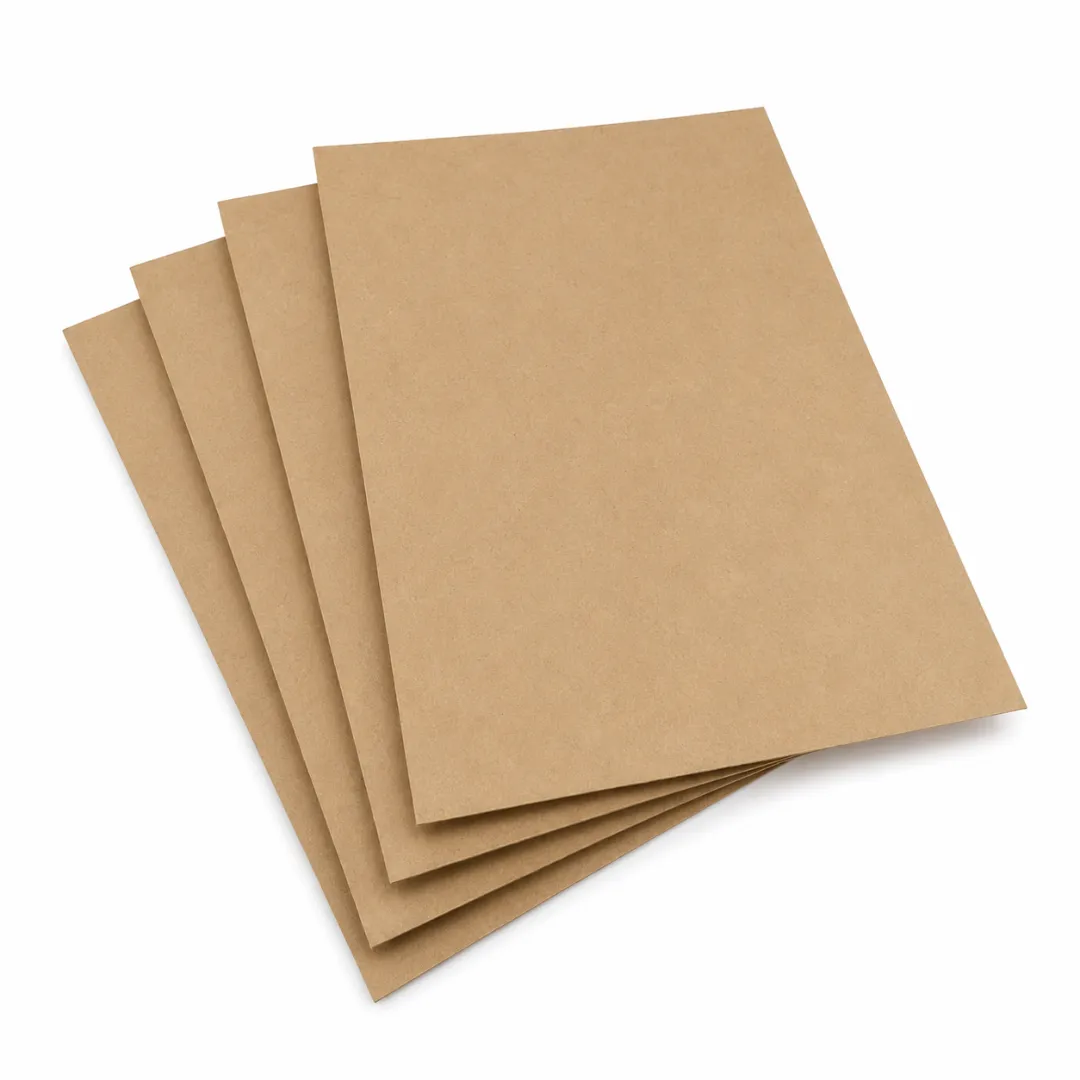
Kraft paper is a strong, durable and reliable material that is widely used across many different industries.
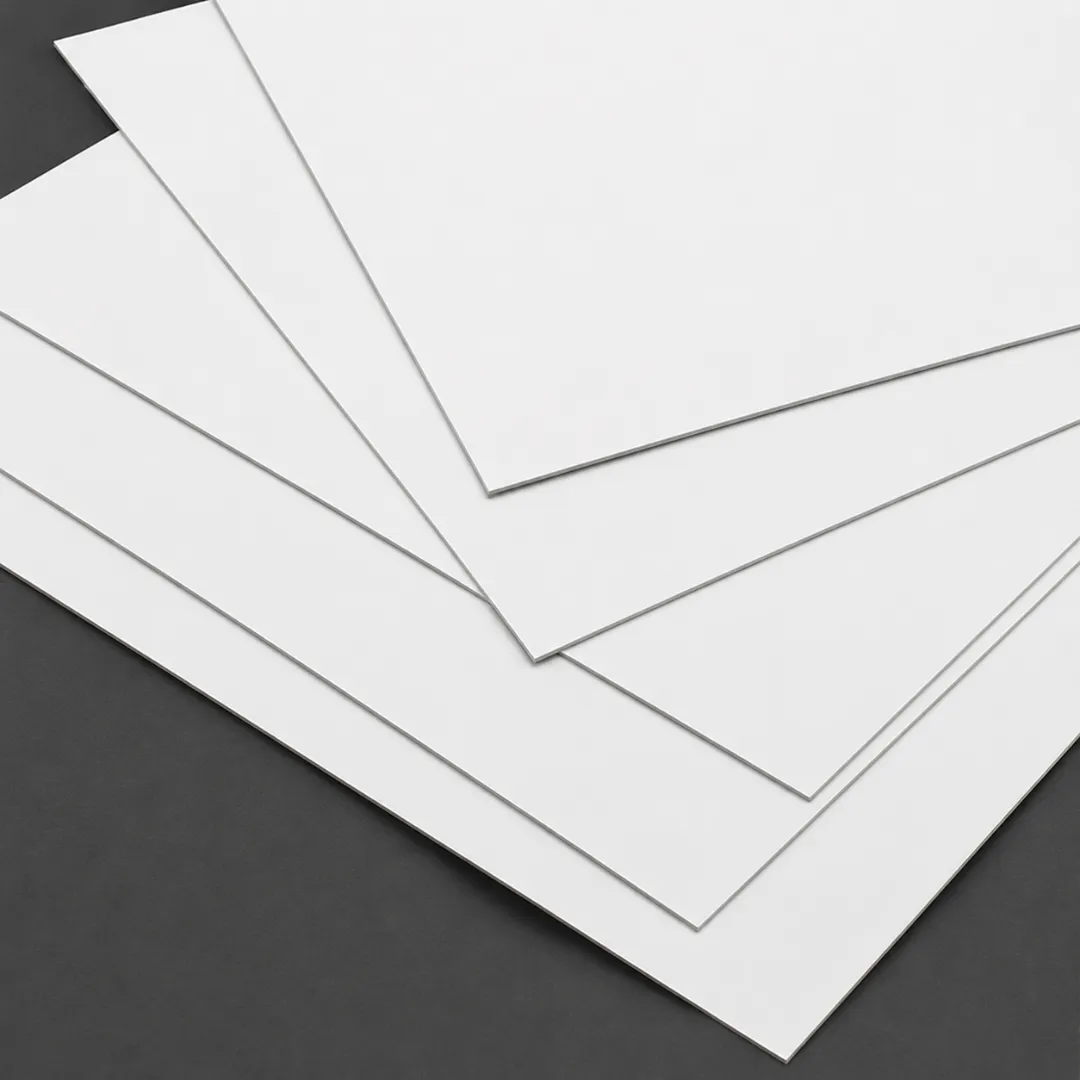
We use cardboard material with the least environmental impact and minimizes waste generation.
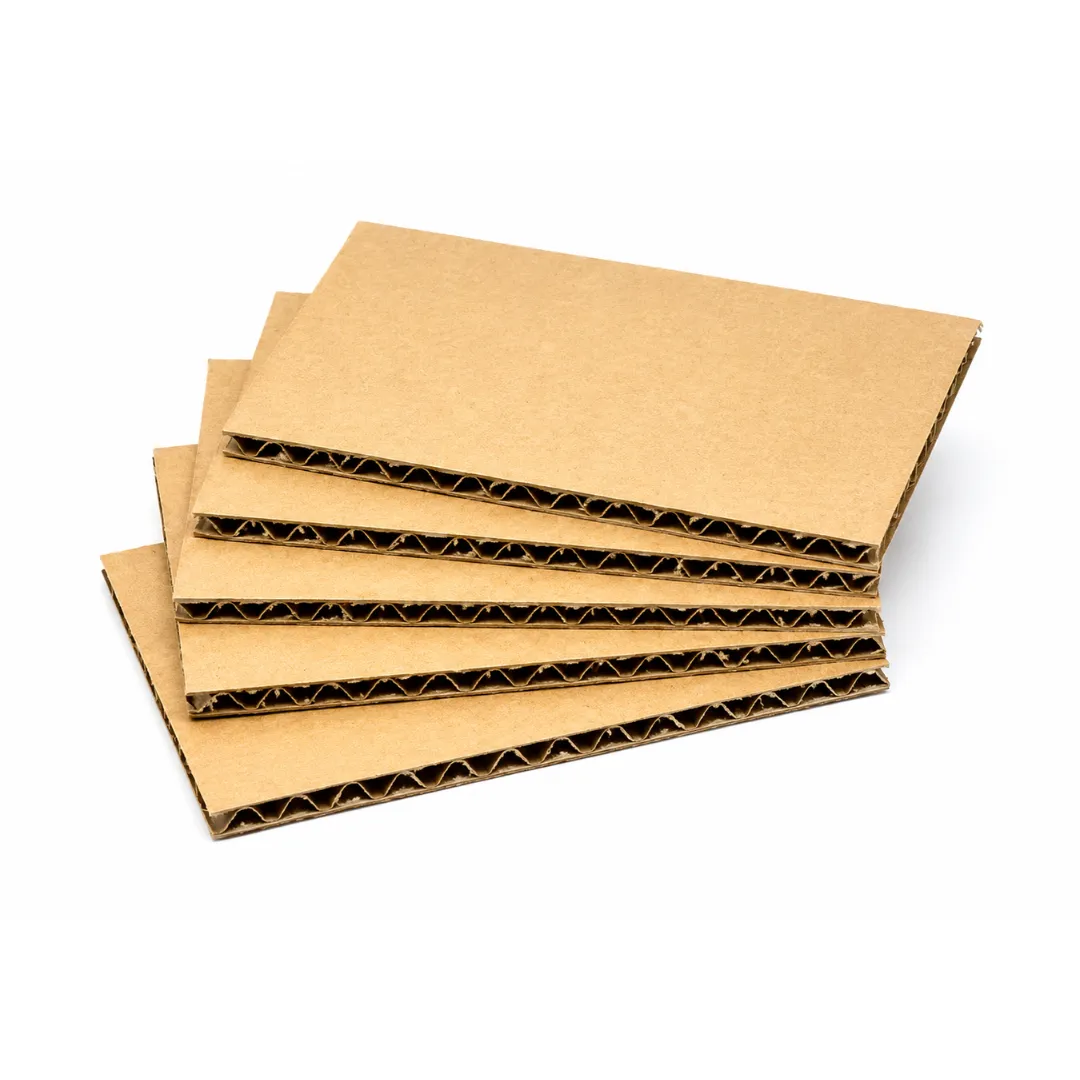
Corrugated material is easy to customize, cost effective and sustainable. It is also great for branding purposes.
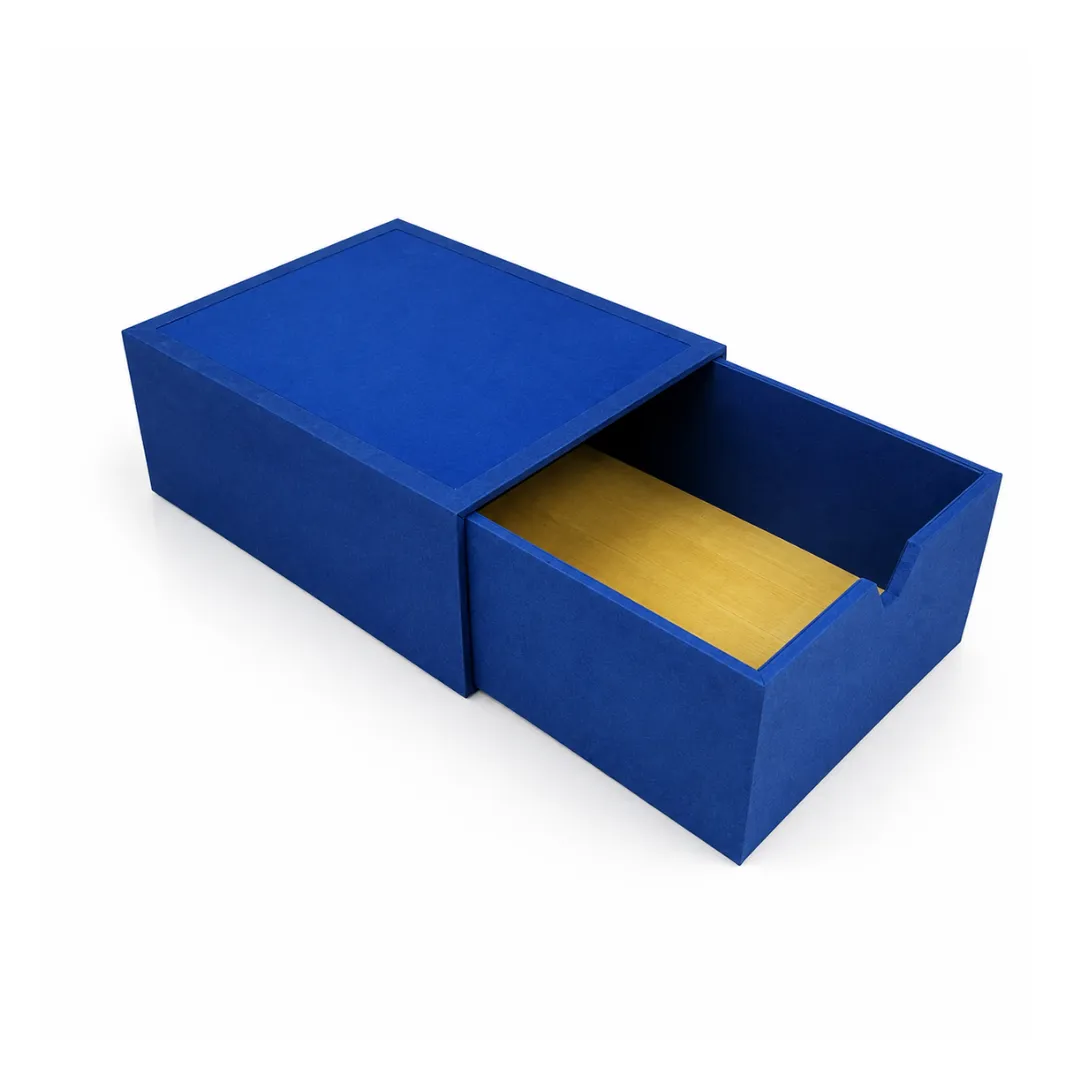
Rigid is highly protective, affordable and recyclable material. These boxes provide maximum protection.
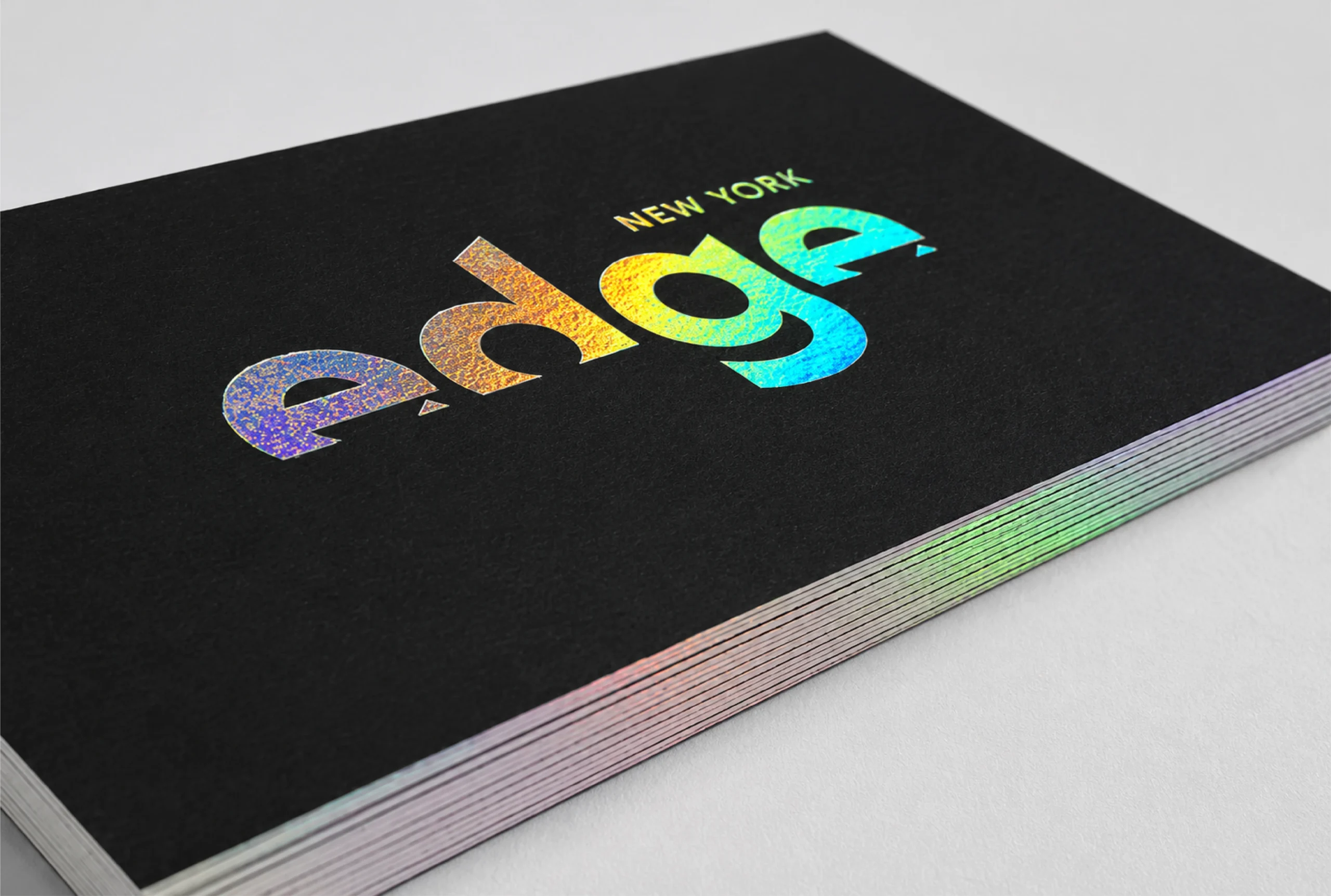
Holographic foil diffracts light and reveals the colors of the rainbow at various angles.
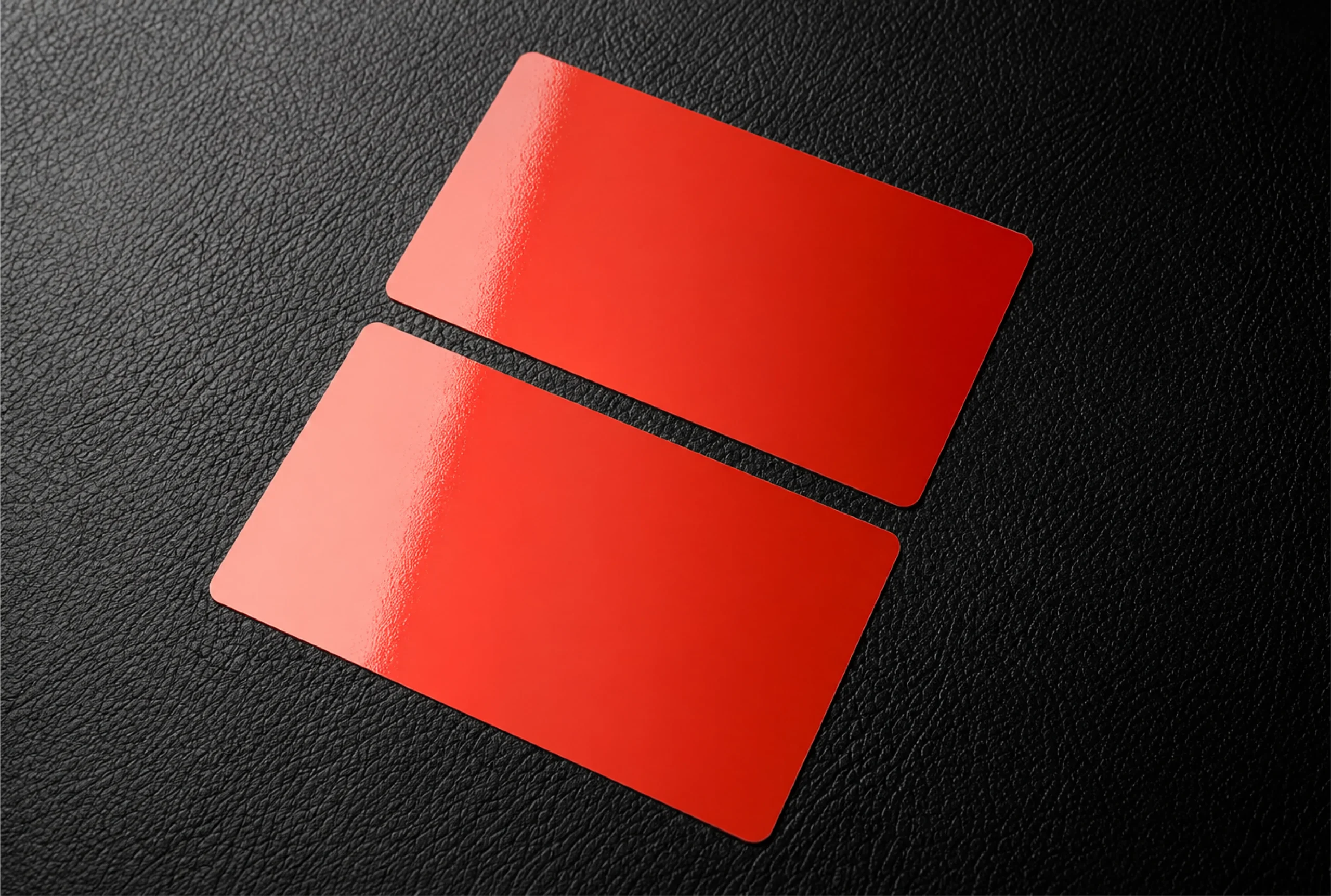
Our glossy finishing gives your packaging an extra layer of shine.
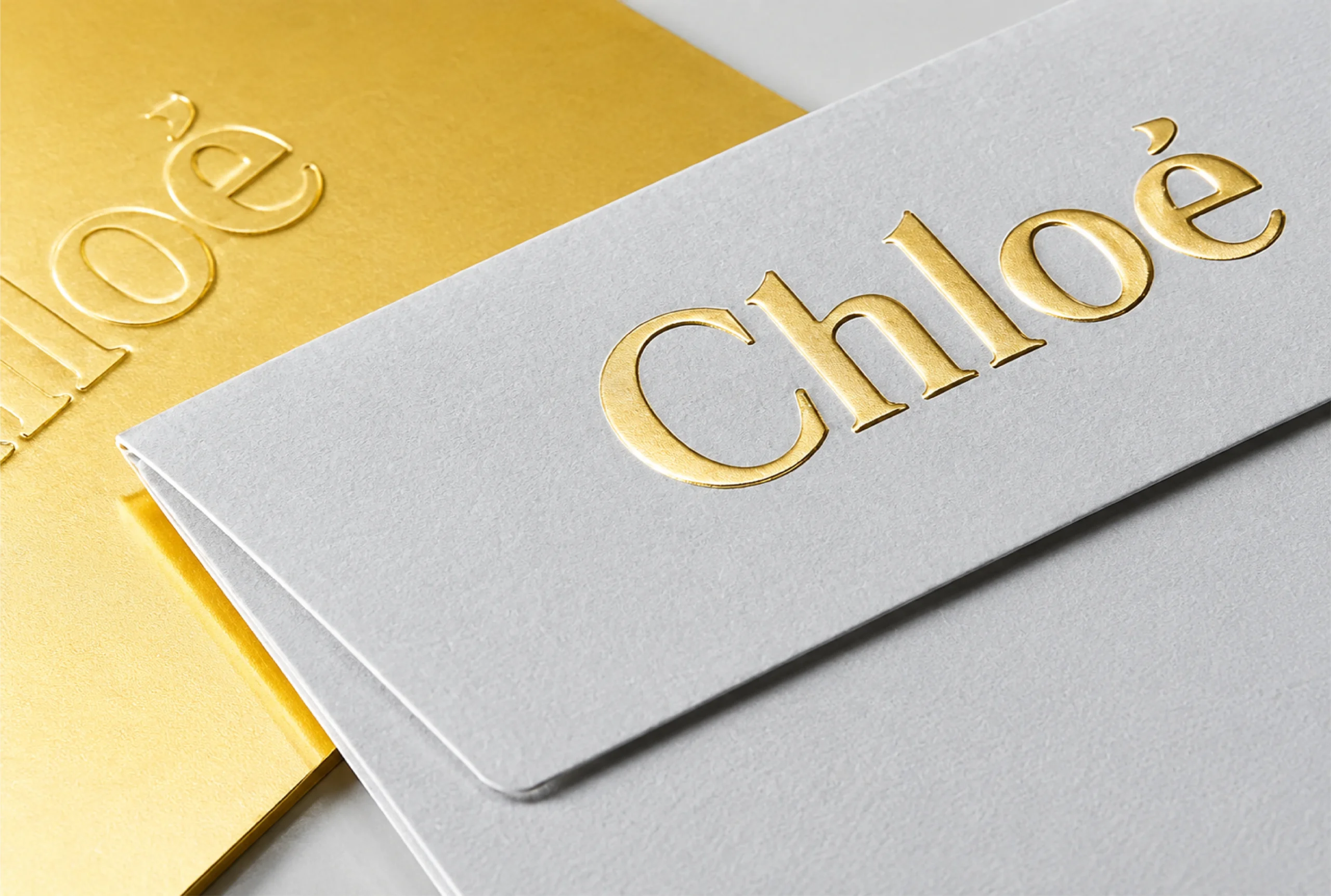
Decorate a wide range of your product packaging with our foil stamping.
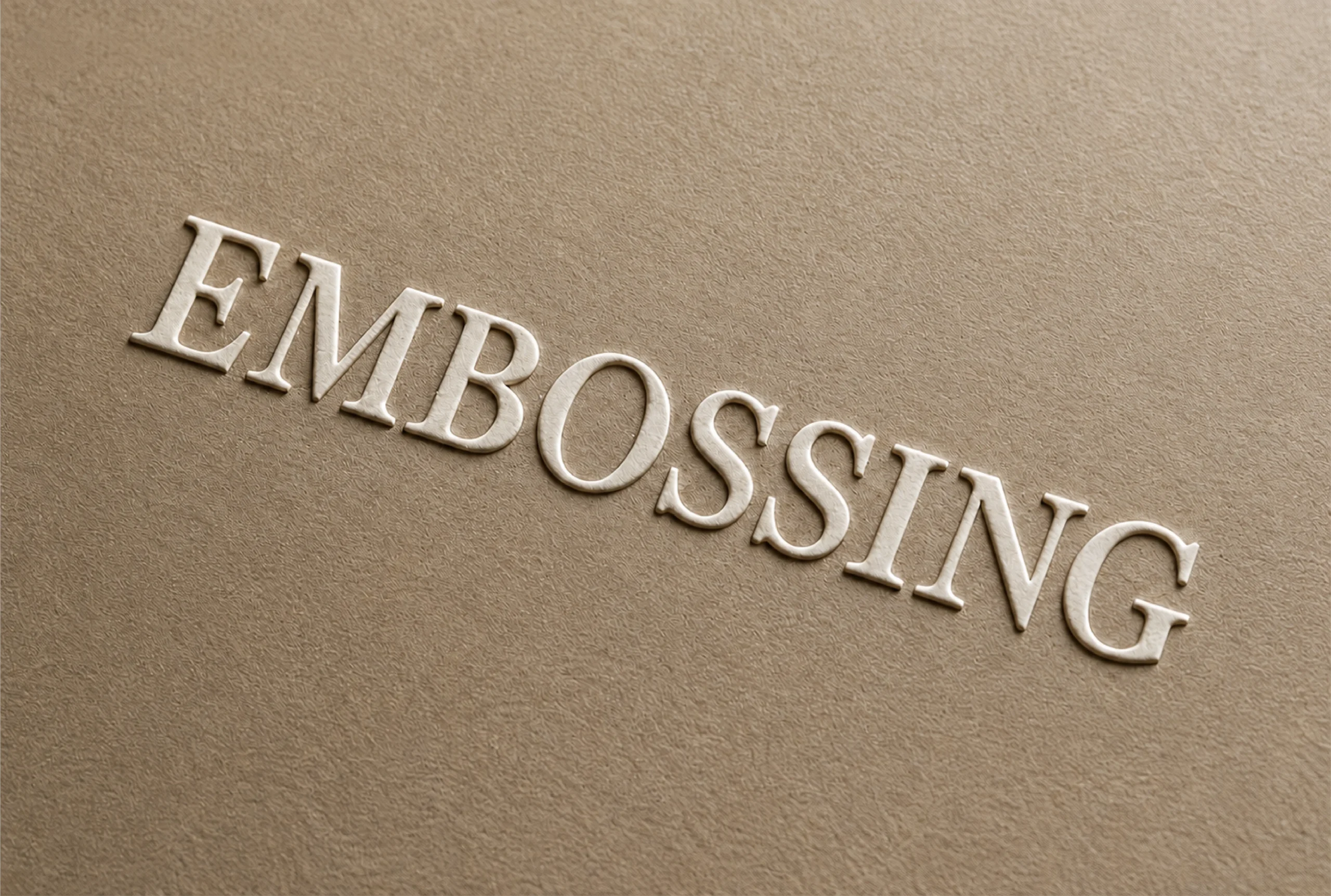
With our embossing technique, we transfer the finest details of your product on packaging.
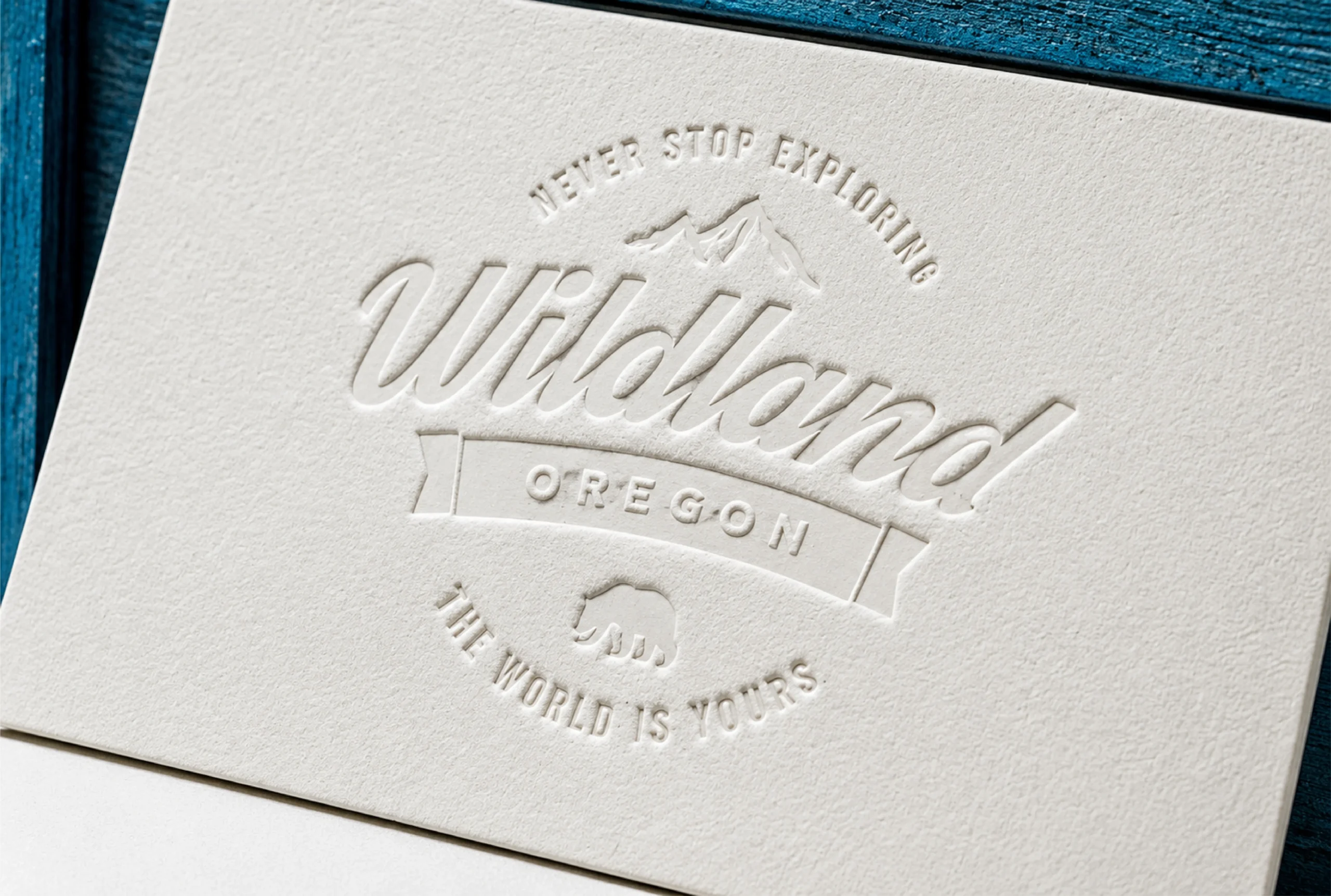
We use debossing technique to add unique graphics into your packaging.
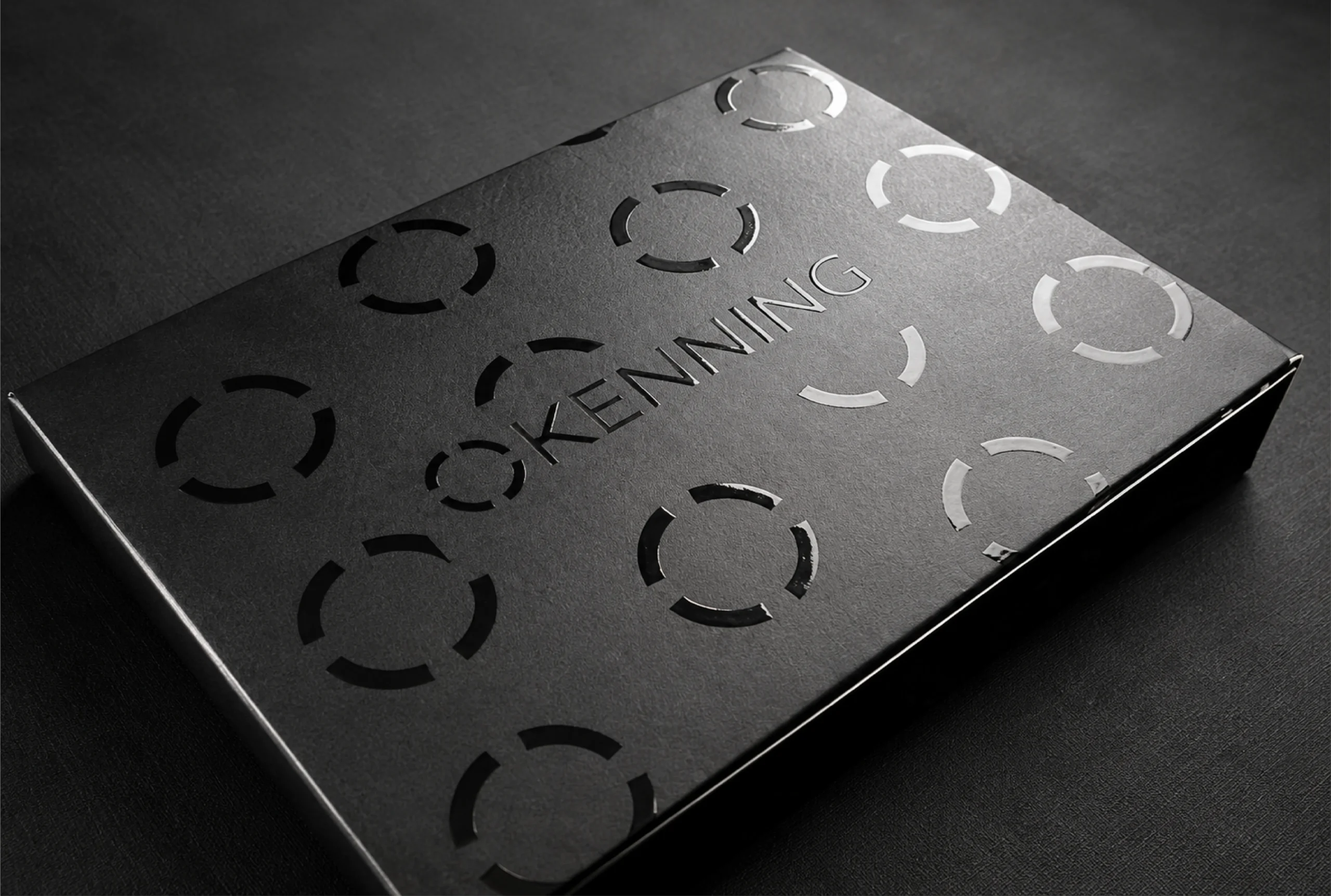
Our high-gloss UV coating gives light and shine to cure the printed material's varnish.
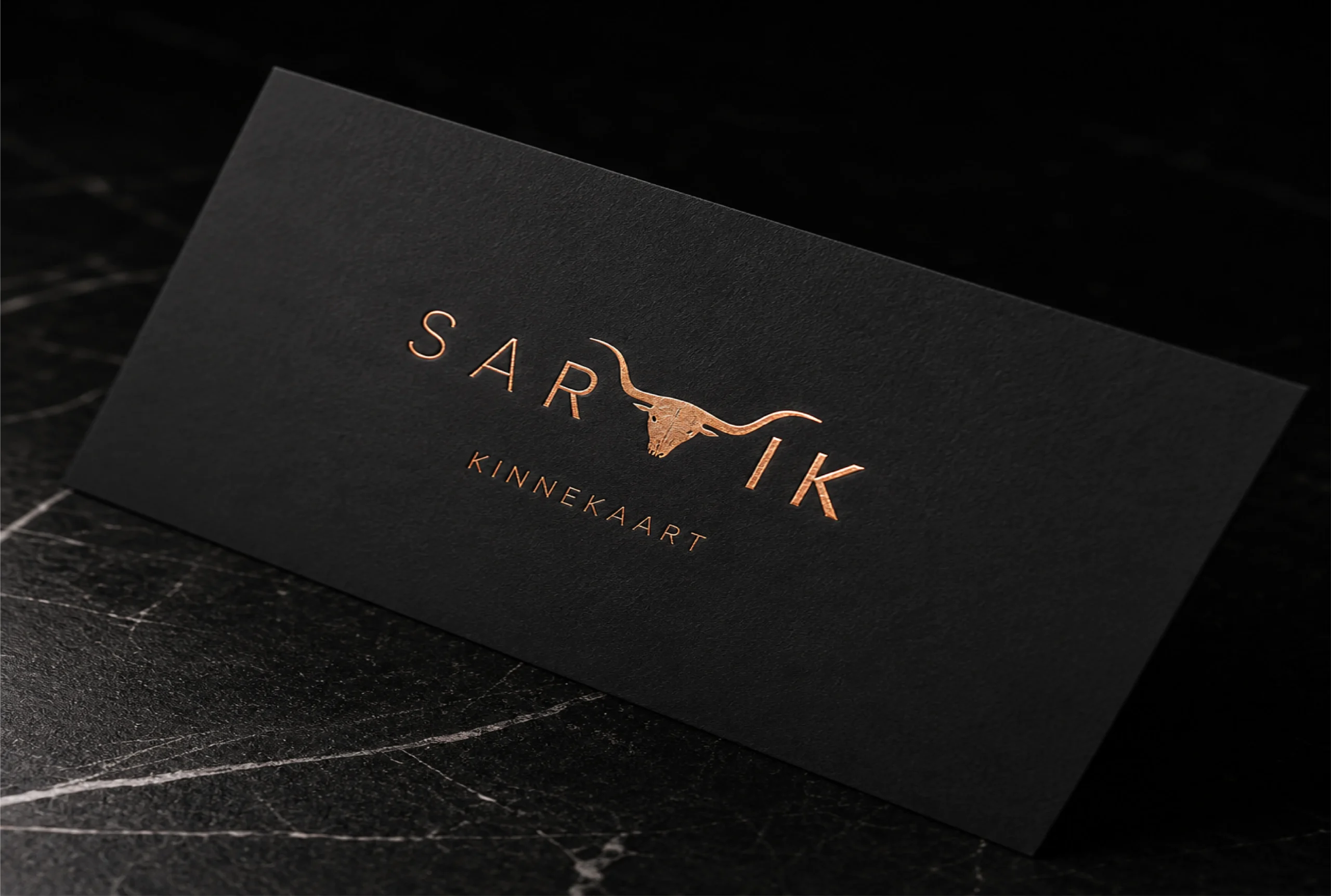
We add additional layer of protection with soft touch lamination from toner chipping.
With our matte finish, fingerprints and smudges will now be less visible on the packaging.
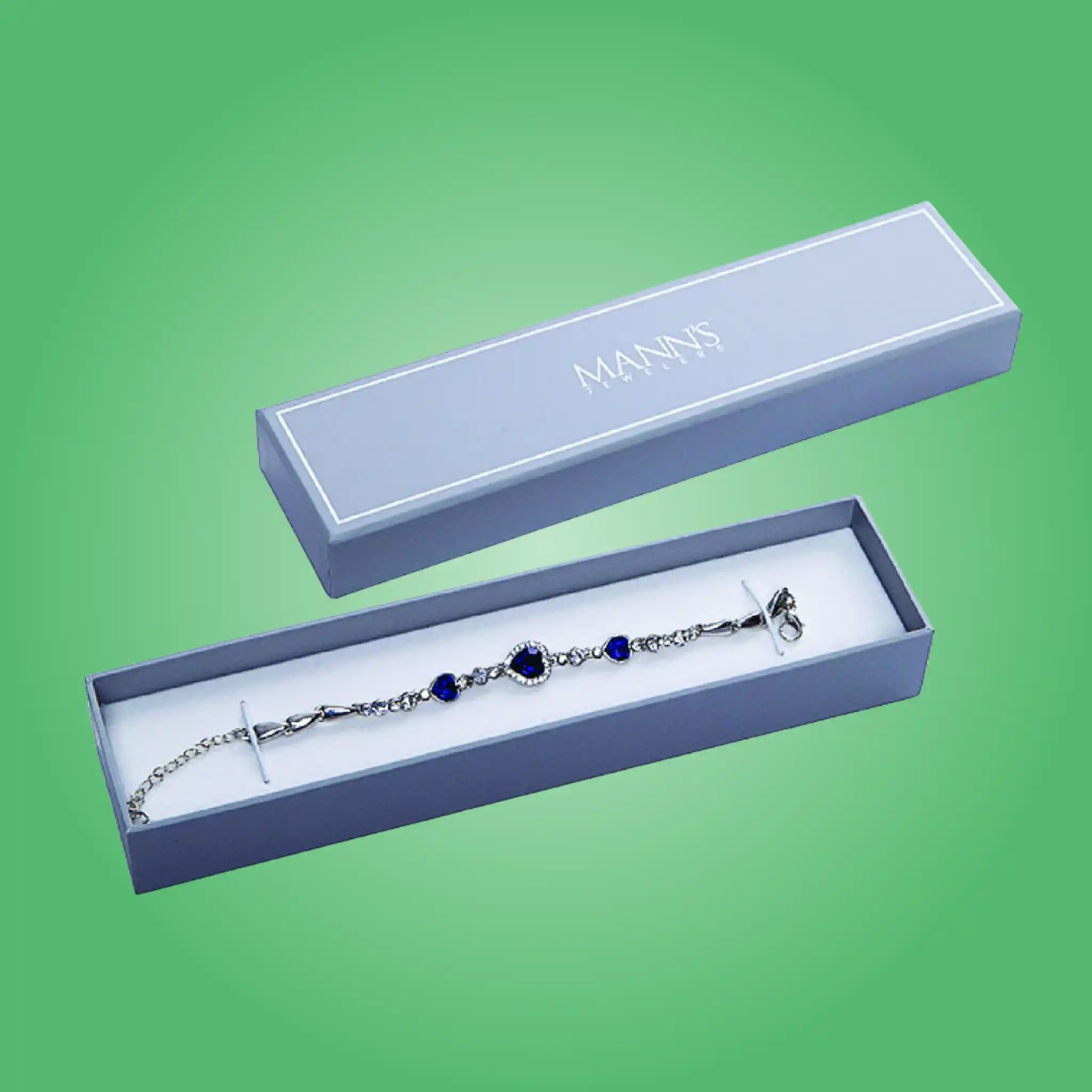
Custom printed anklet boxes designed to keep delicate anklets protected, untangled, and gift-ready at retail. Pioneer Custom Boxes manufactures tight-fit anklet packaging with premium inserts, strong materials, and sharp printing that upgrades perceived value instantly. Order custom anklet boxes wholesale built for boutique jewelry brands and consistent product-line packaging.
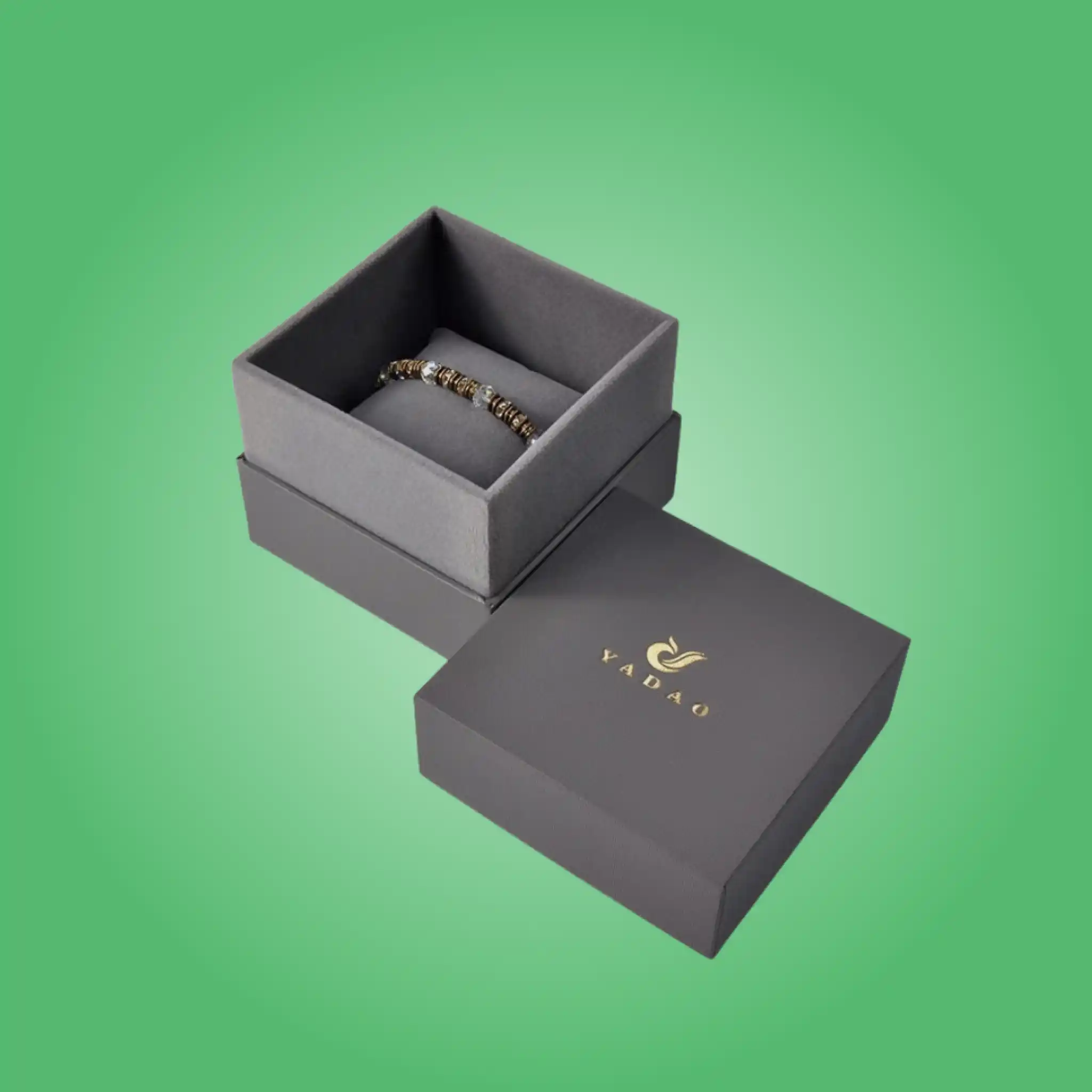
Our custom bracelet boxes are designed to make your jewelry feel more valuable before it’s even worn. From rigid packaging to soft-touch finishes and protective inserts, every detail supports a premium gifting experience. Pioneer Custom Boxes helps bracelet brands deliver packaging that feels high-end, polished, and unforgettable.
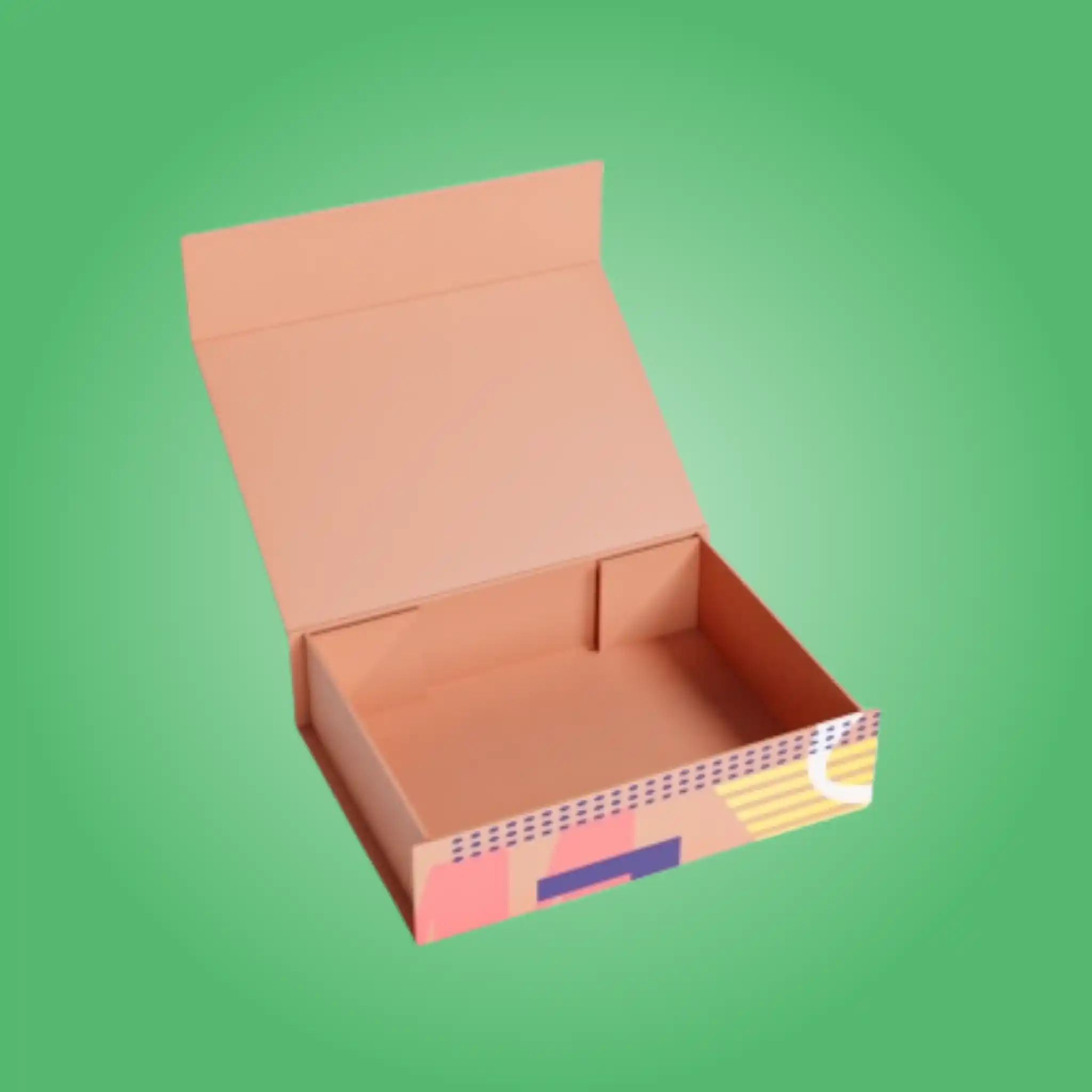
Custom jewelry rigid boxes designed to feel premium before the lid even lifts. We build luxury rigid packaging with strong structure, elegant inserts, and high-end wrap finishes that protect jewelry and elevate gifting. Get rigid jewelry boxes that look boutique, ship safely, and leave a lasting impression across the US market.
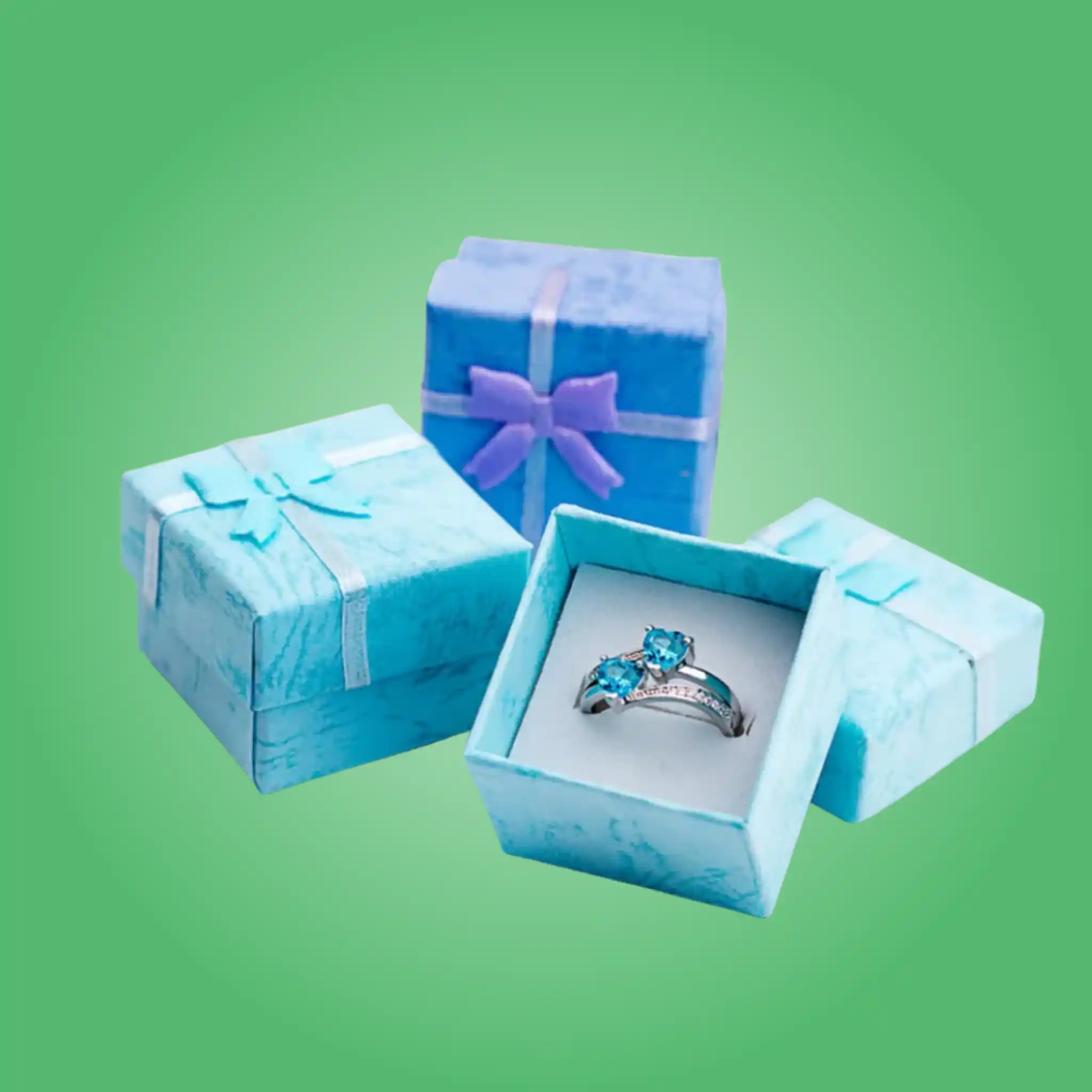
Custom ring boxes customized to make engagement, proposal, and wedding rings feel premium the instant they’re revealed. Our packaging uses tight-fit sizing, stable inserts, and luxury finishes that keep the ring centered and photo-ready. Pioneer Custom Boxes builds ring packaging that protects the moment, not just the product.