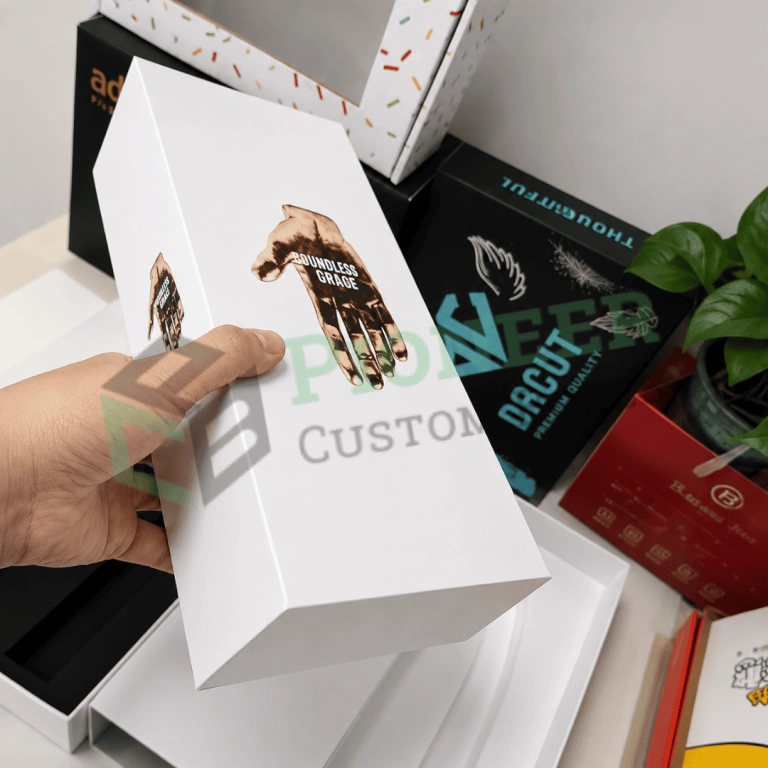
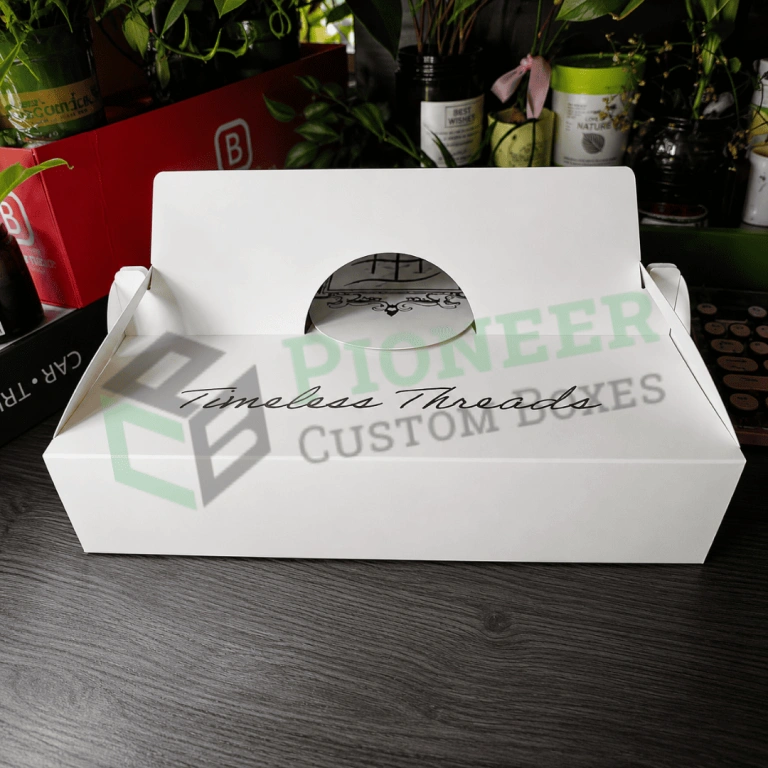
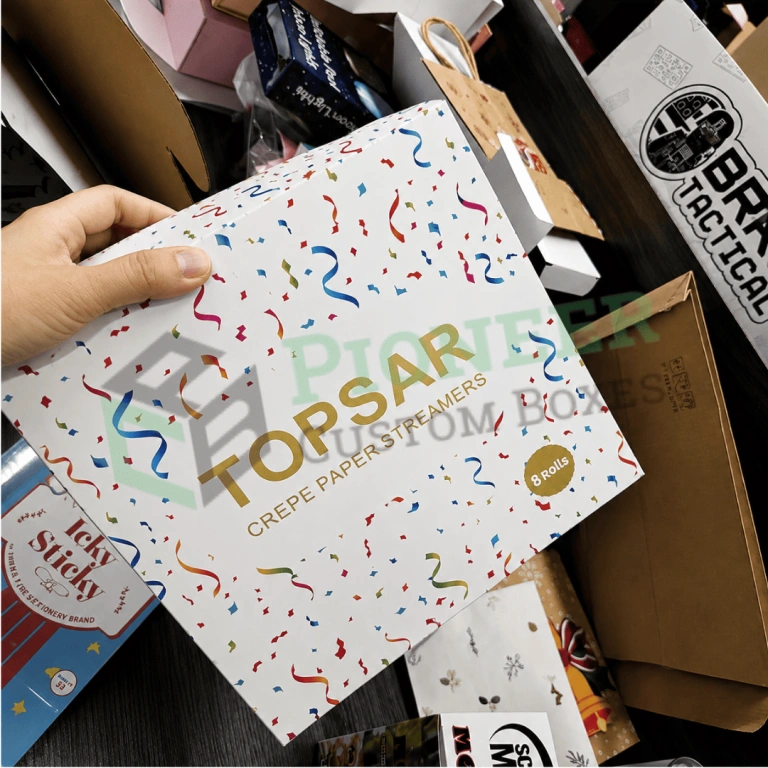
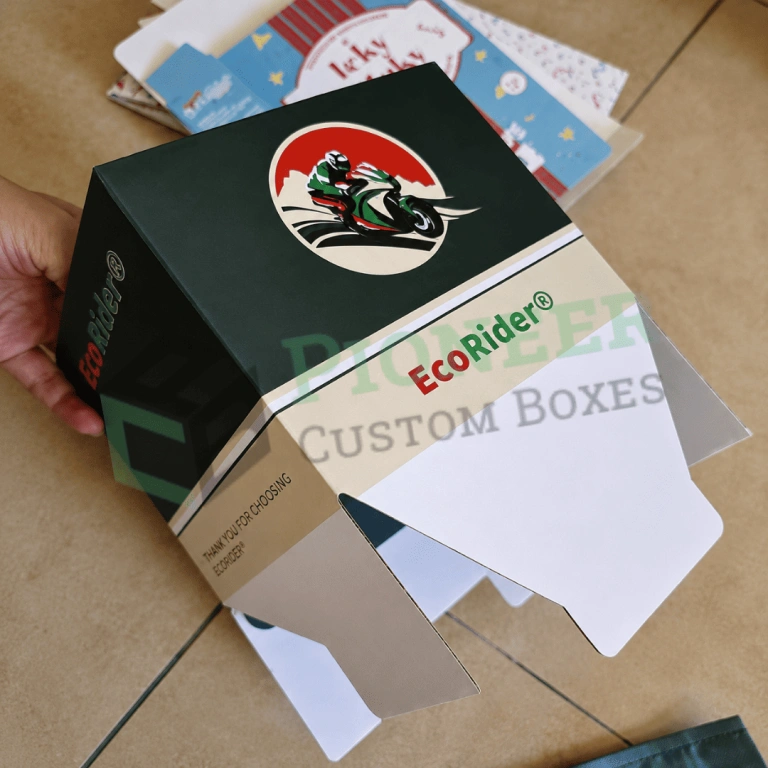
Custom Kraft Paperboard Boxes for Retail, Food, Gifts, and Ecommerce Packaging
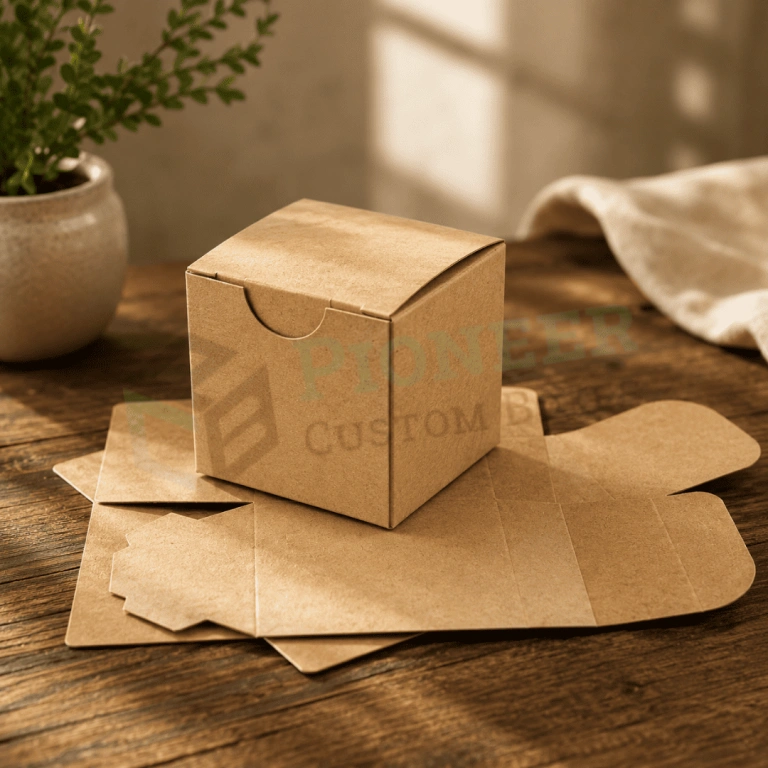
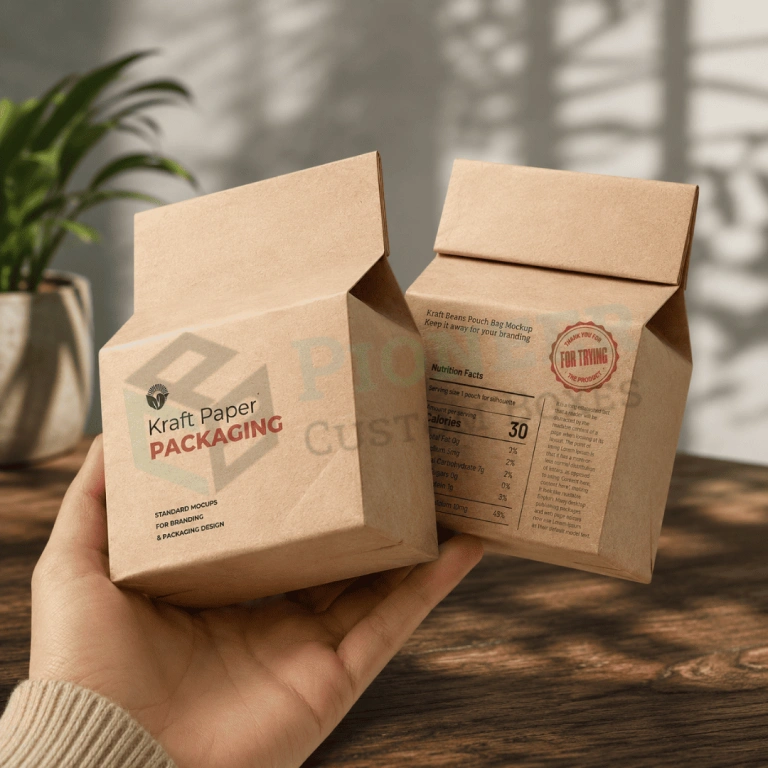
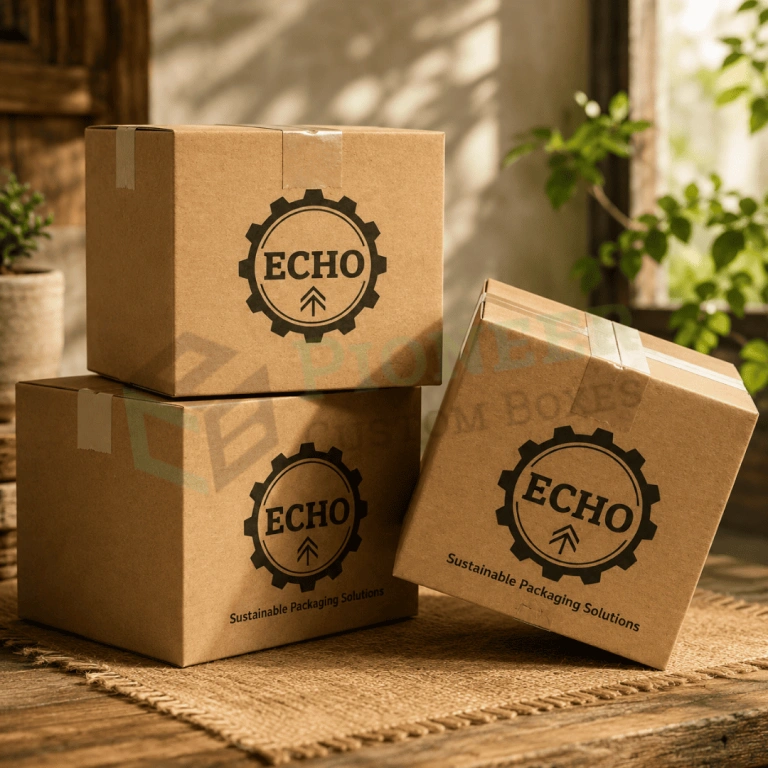
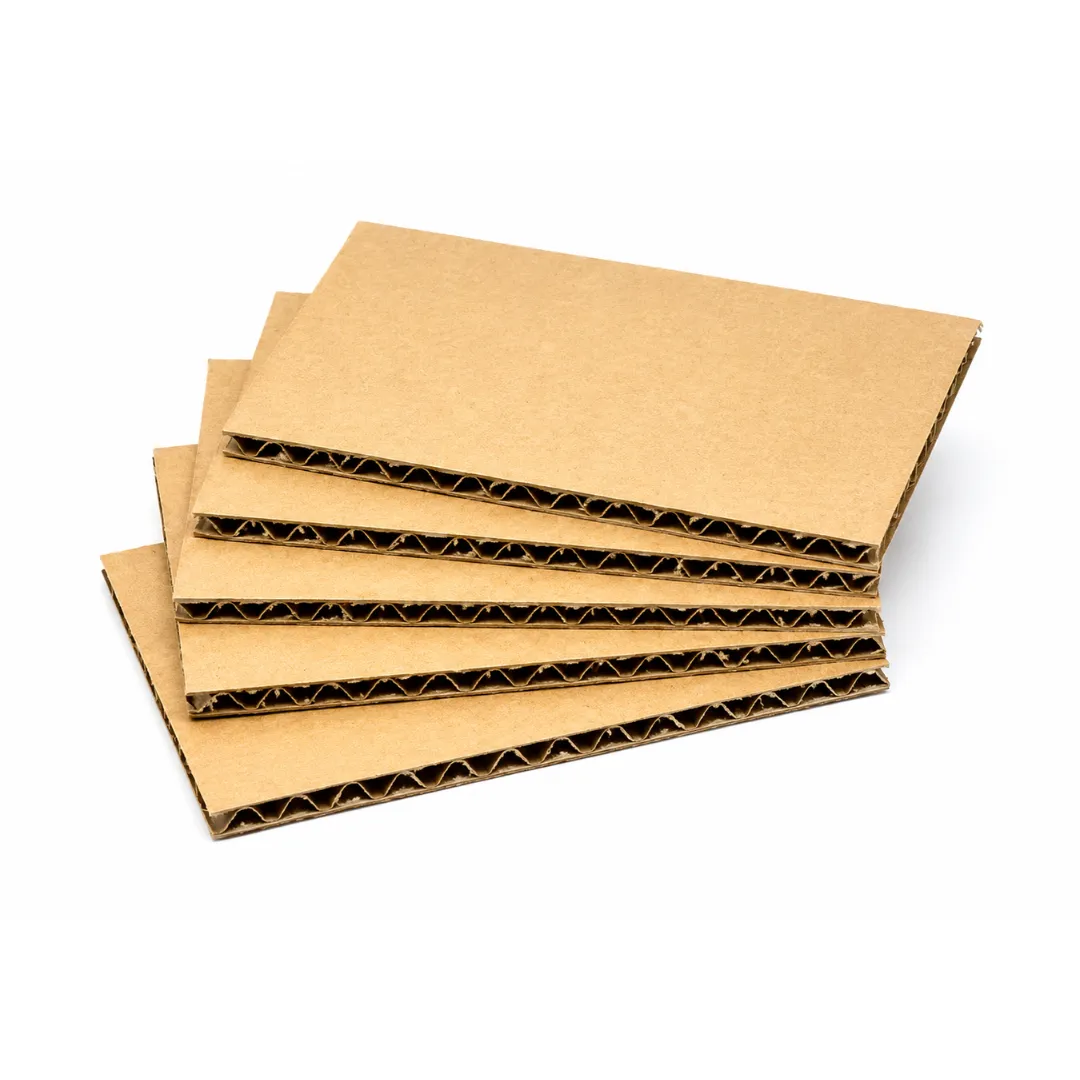
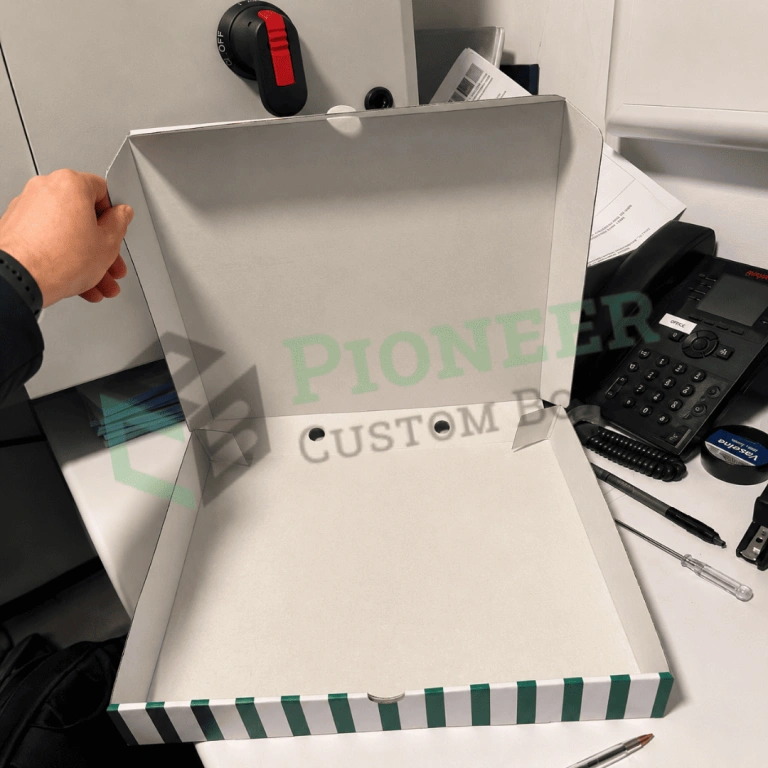
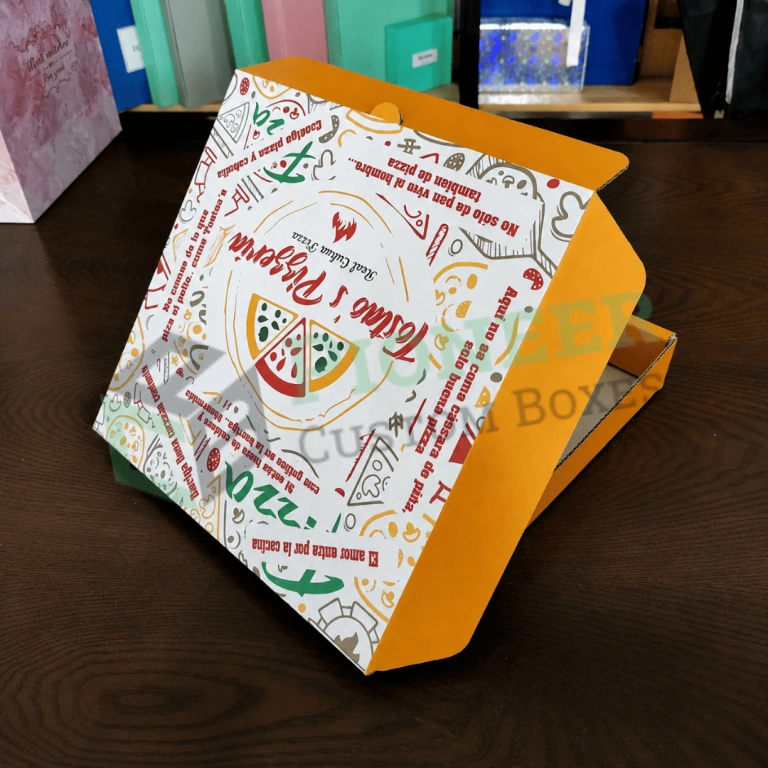
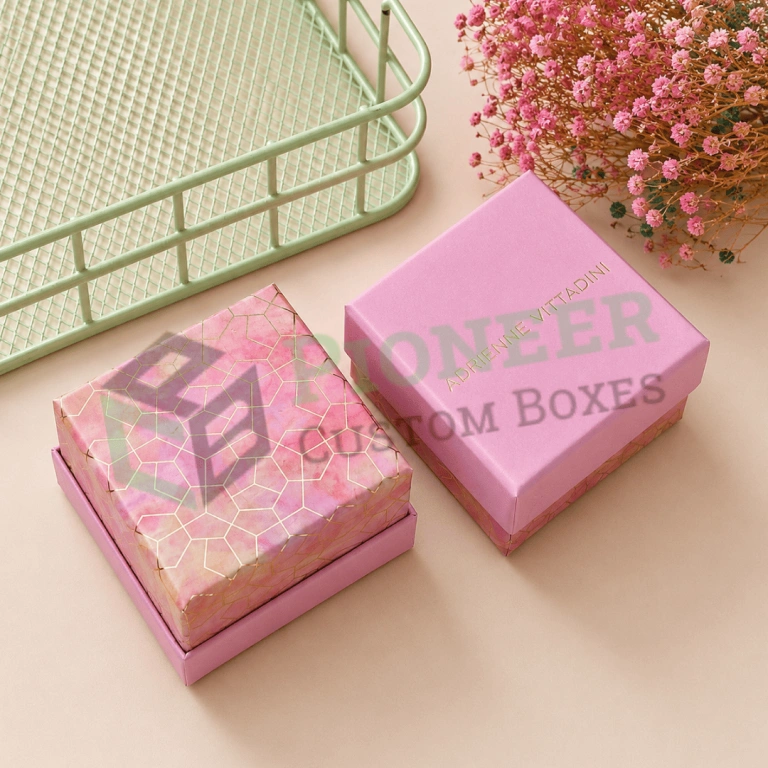
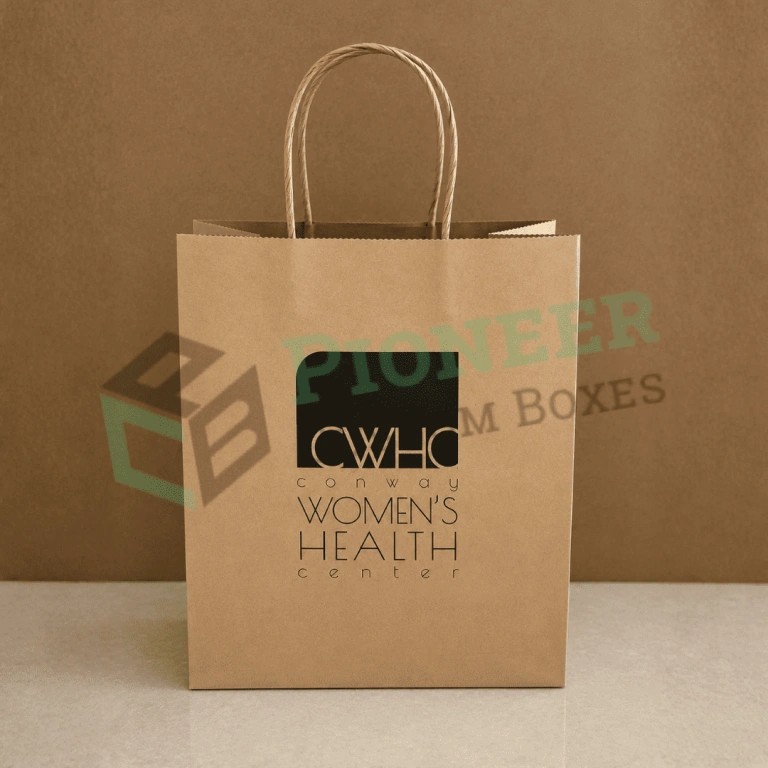
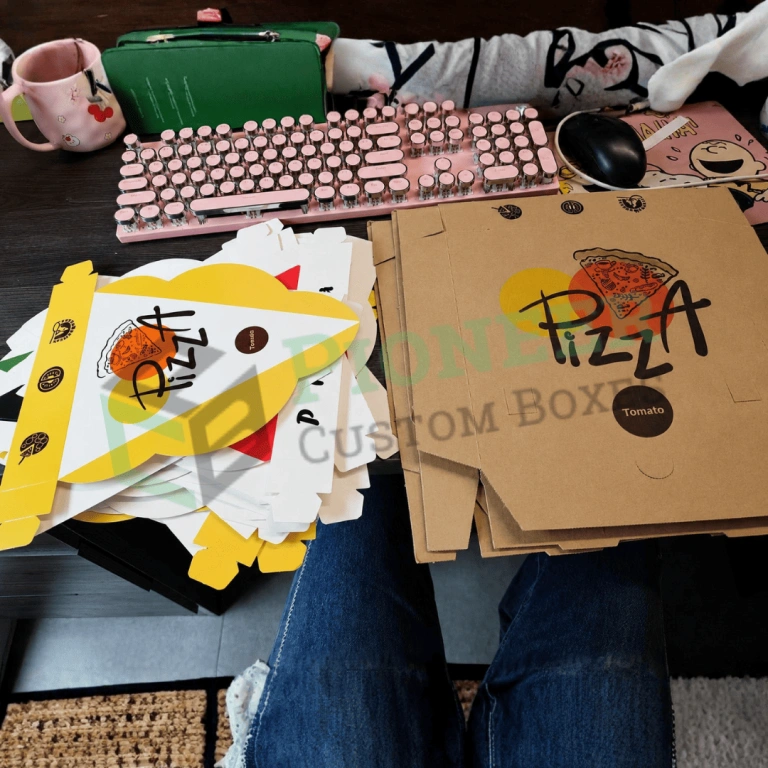
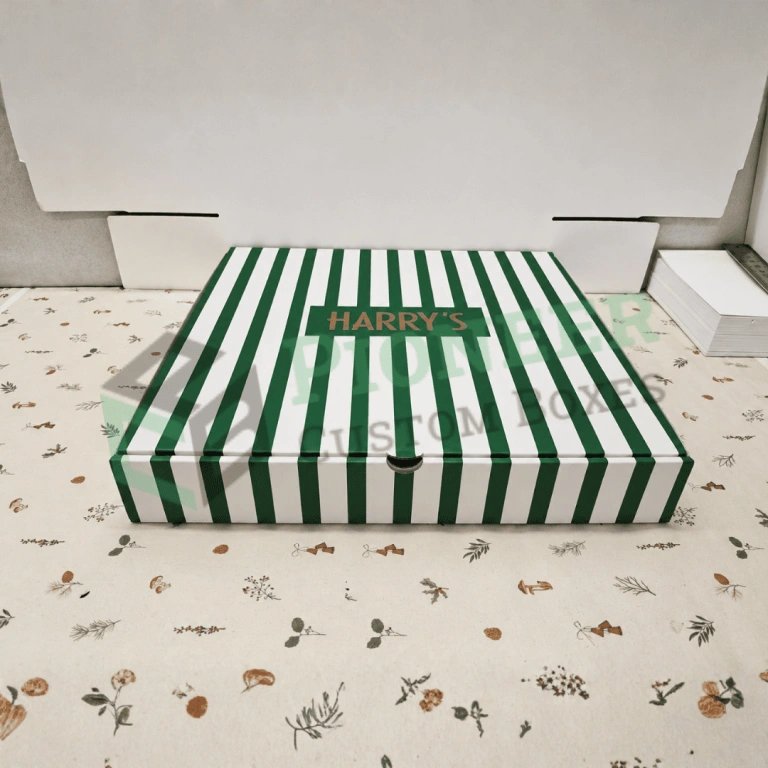
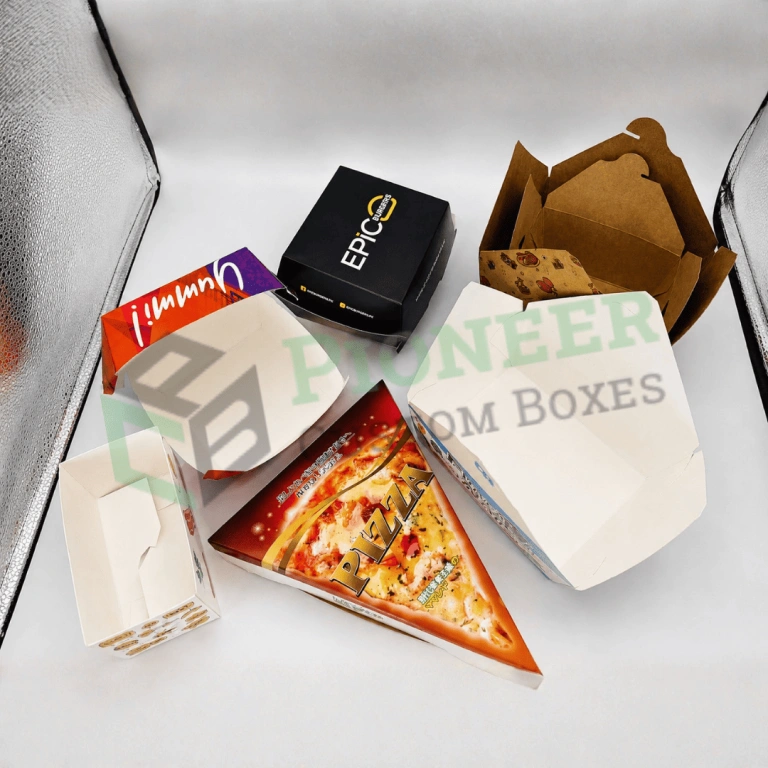
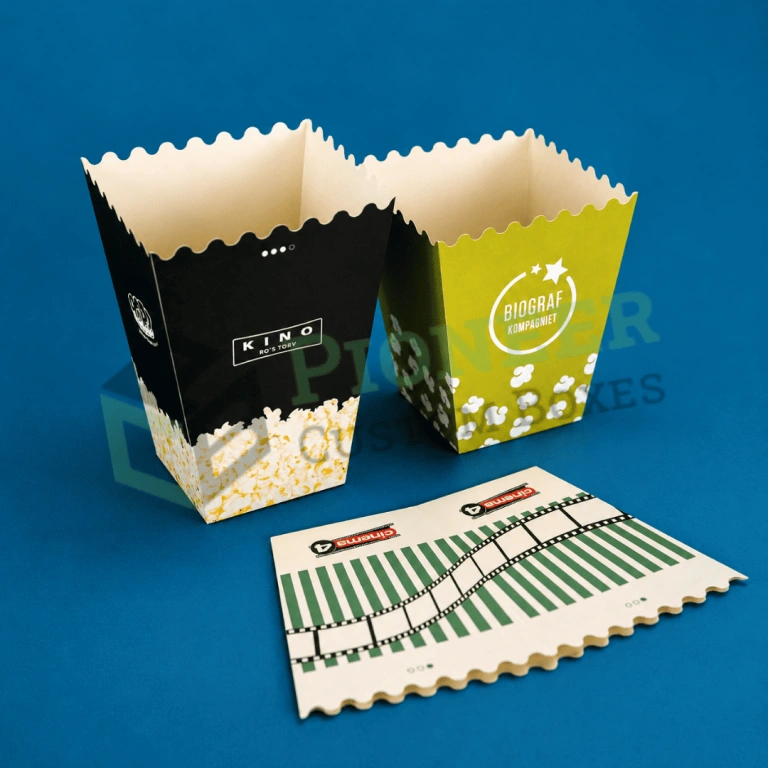
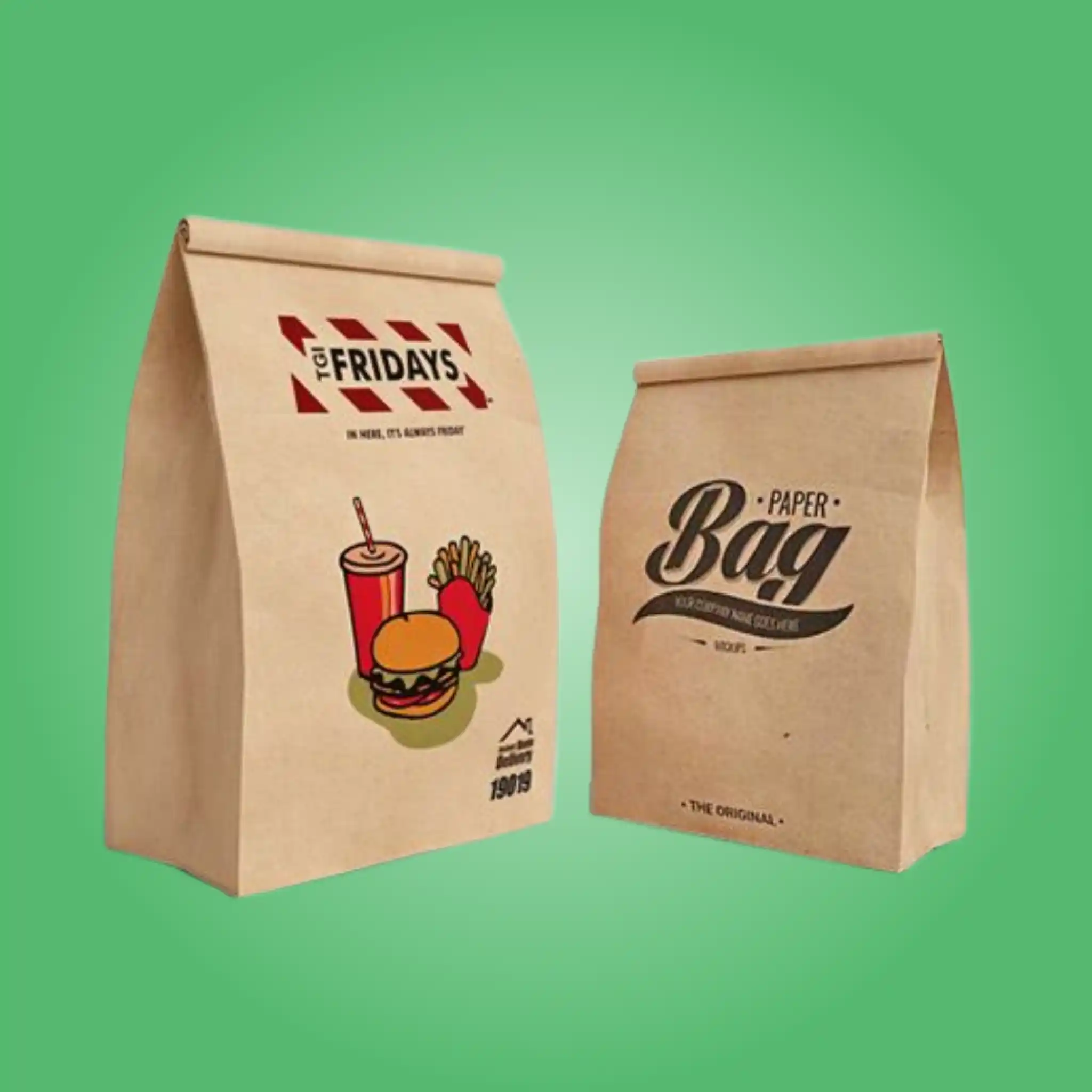
Custom kraft paperboard boxes are branded paperboard cartons made from natural brown or white kraft board. They protect products, support retail display, and give packaging a clean paper-based look.
A kraft box works best when a brand wants packaging that feels simple, practical, and natural. However, it can still support custom printing, die-cutting, coatings, inserts, and retail-ready structures.
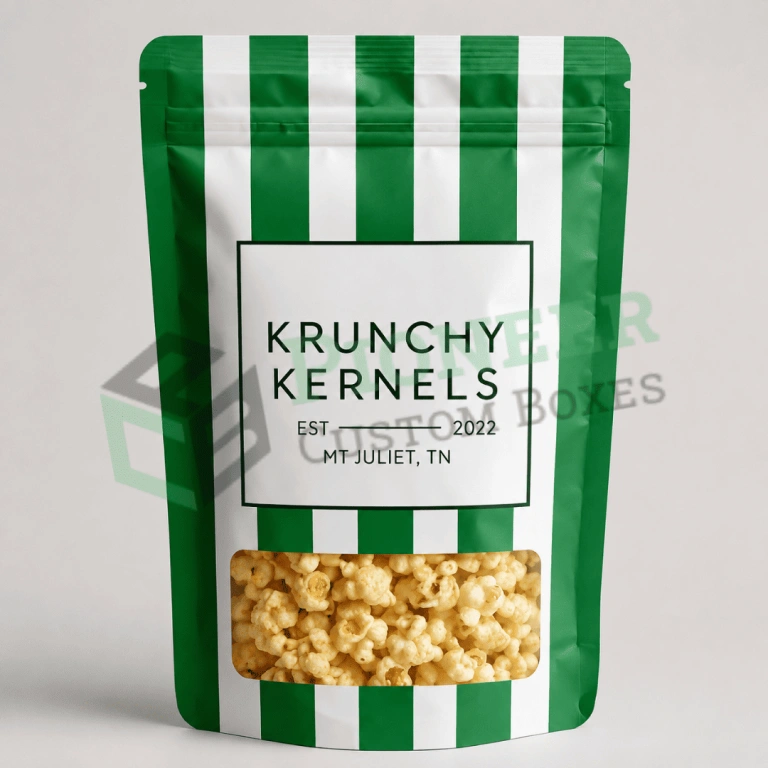
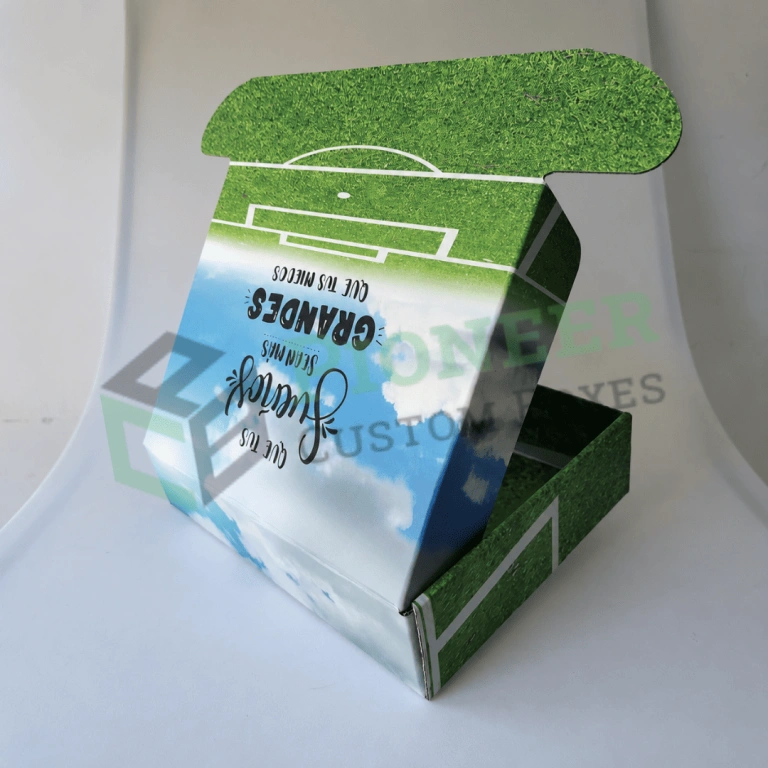
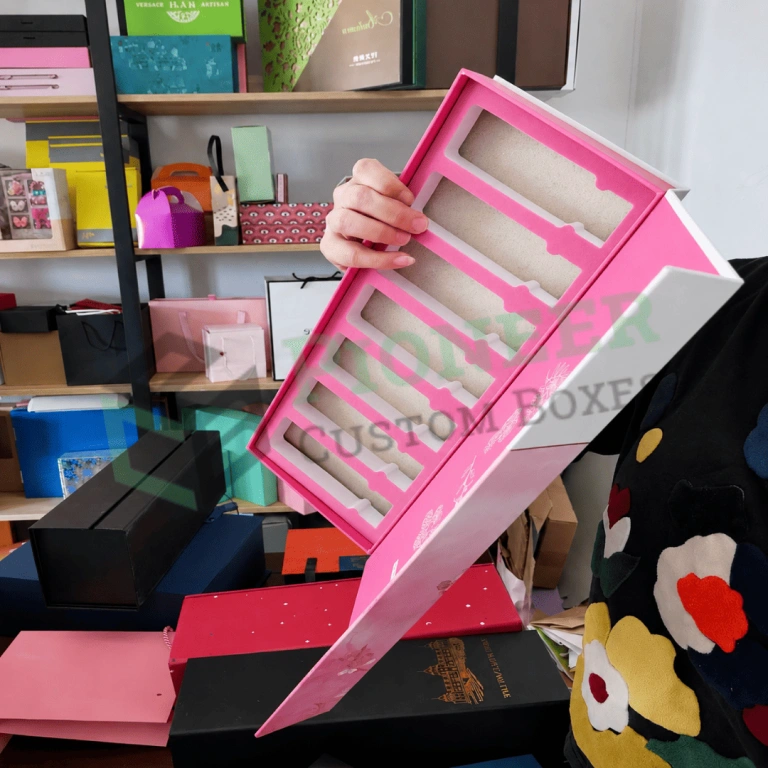
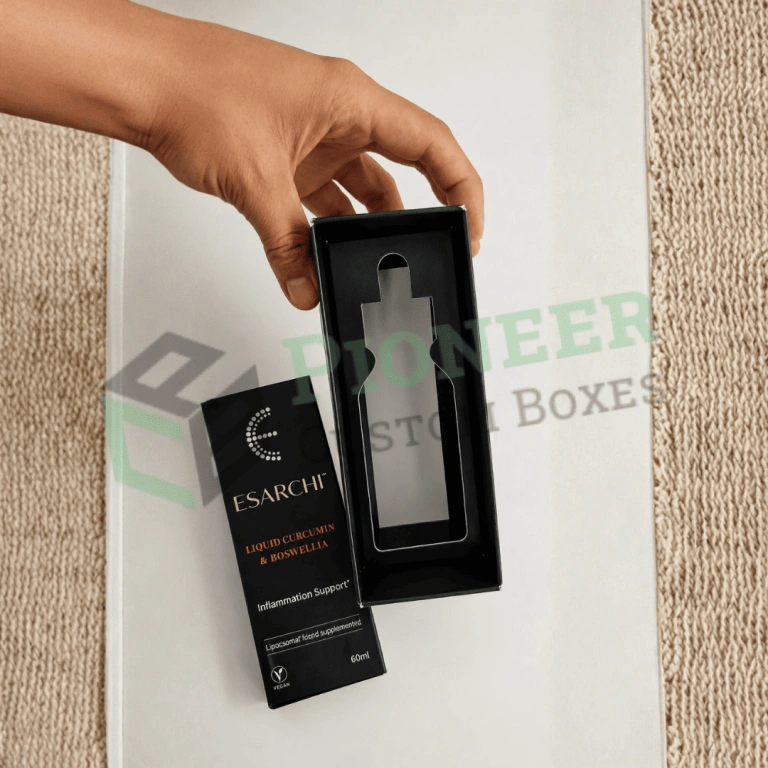
Pioneer Custom Boxes manufactures Custom Kraft Paperboard Boxes in custom sizes, board grades, and tuck styles. Options include sleeves, windows, inserts, print layouts, and finishes.
Each box is planned around product weight, shelf display, food-contact needs, and print contrast. As a result, the final structure can support both product protection and brand presentation.
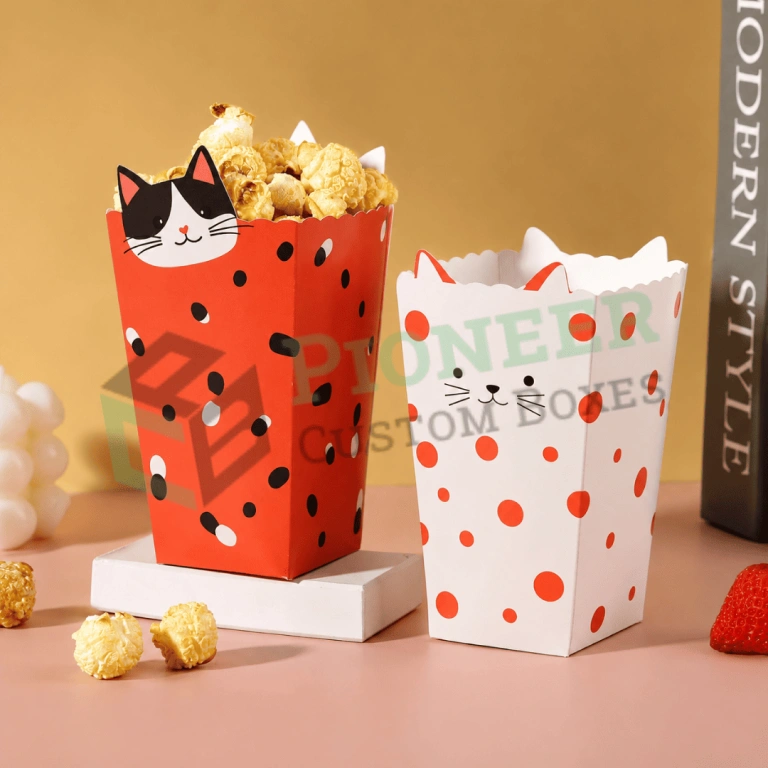
These boxes work well for soaps, candles, bakery items, dry food, cosmetics, and gifts. They also suit stationery, wellness products, apparel accessories, and handmade goods.
Natural kraft packaging boxes appeal to handmade, organic-style, wellness, and retail brands. They give the product a natural look without making the package feel unfinished.
Pioneer offers no MOQ, free design support, 3D mockups, flexible lead times, one all-inclusive quote, and free USA shipping.
Call +1 440 262 2345 or email sales@pioneercustomboxes.com to request a free quote and design proof.
What Makes Kraft Paperboard Boxes Different From Standard Paper Boxes?
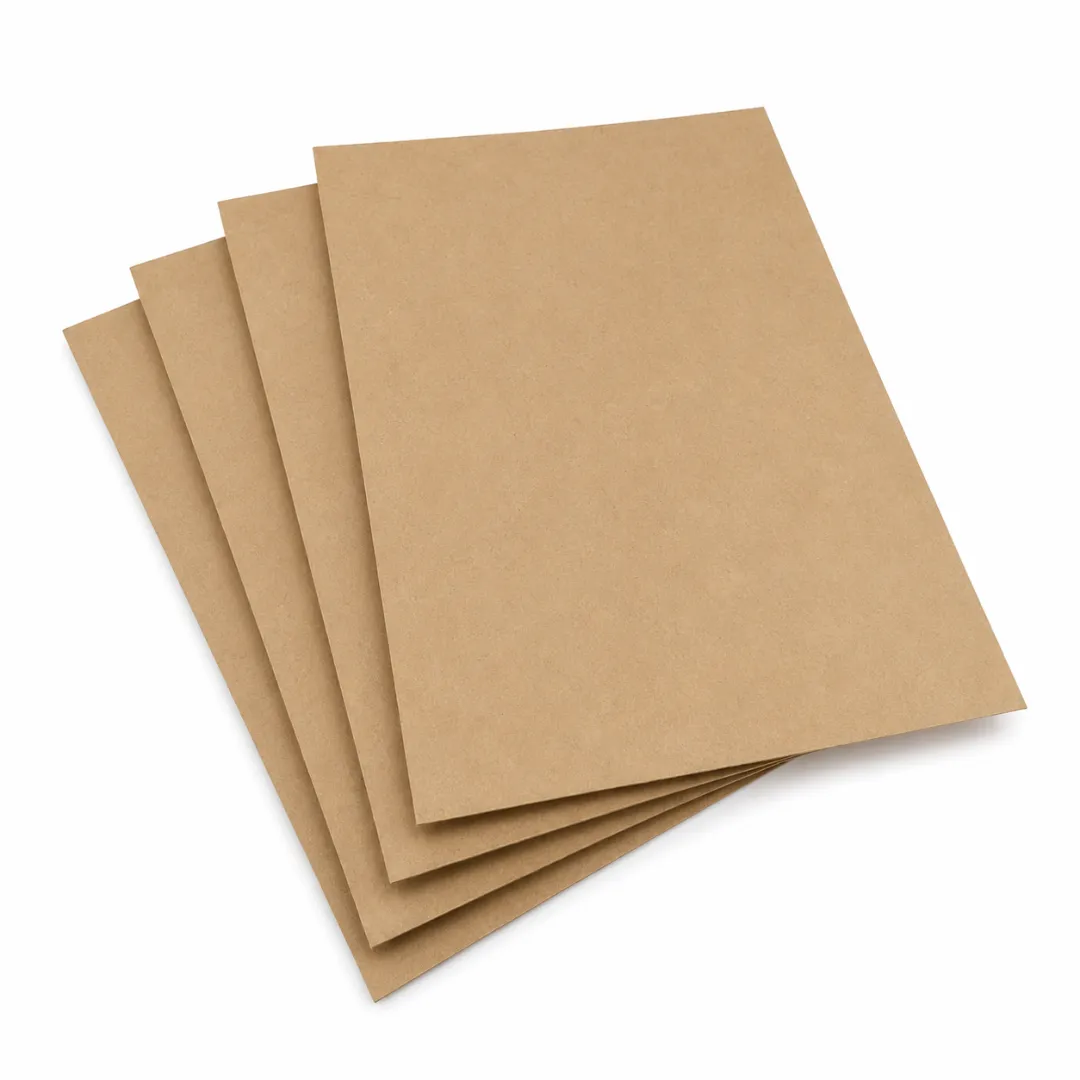
A kraft paperboard box is not only a brown carton. The surface, fiber tone, print behavior, fold strength, and product feel are different from white coated paperboard. Therefore, the material affects both shelf appearance and buyer perception.
Natural kraft has a warmer and more textured appearance. This makes it useful for handmade, bakery, soap packaging, candle packaging, wellness, gift, and natural retail products. The box can feel more grounded than glossy packaging, but it still needs careful structure.
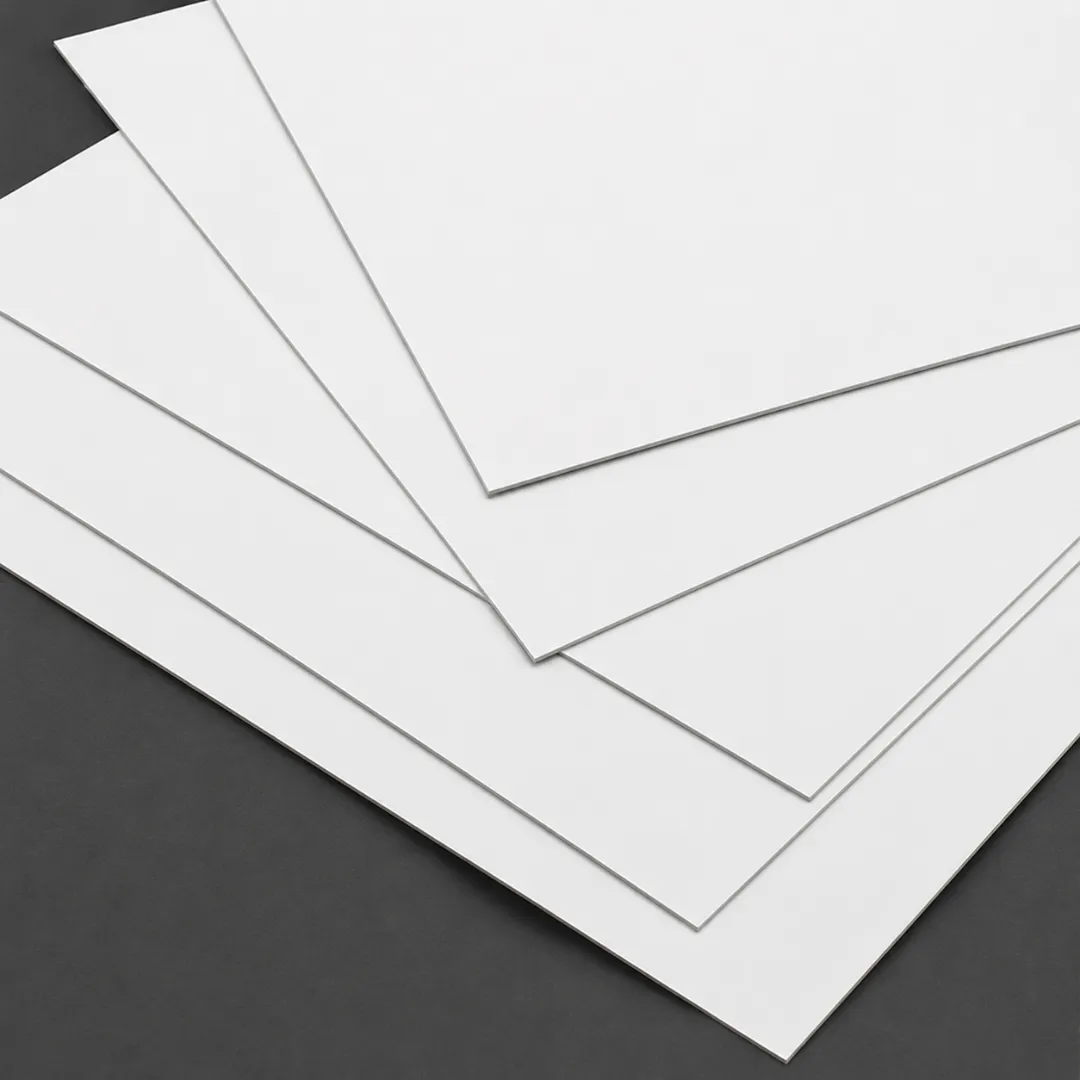
White paperboards often give brighter print. Kraft paperboard gives a more natural surface. For that reason, artwork should match the board before production begins.
A logo that looks bright on white stock may look muted on brown kraft. Small text may also lose clarity if the contrast is weak. That is why font weight, ink choice, and panel layout matter more on kraft surfaces.
The best kraft package does not depend only on natural color. It depends on correct board thickness, clean score lines, product fit, readable artwork, and honest material claims.
| Buyer Need |
Better Direction |
Why It Matters |
| Natural product look |
Brown kraft board |
Creates a simple paper-based feel |
| Cleaner print result |
White kraft or coated board |
Helps colors appear brighter |
| Retail shelf packaging |
Custom printed kraft carton |
Improves product recognition |
| Food or bakery use |
Food-grade board or liner direction |
Supports safer material planning |
| Gift presentation |
Sleeve, window, or insert style |
Improves opening experience |
| Ecommerce orders |
Kraft mailer or stronger board |
Adds shipping support |
| Handmade products |
Simple logo and kraft texture |
Matches small-batch branding |
Materials, Thickness, and Board Specs for Kraft Paperboard Boxes
Material choice should start with the packed product. A light soap bar does not need the same board strength as a candle jar. Likewise, a bakery gift set does not need the same structure as an ecommerce mailer.
Kraft paperboard is a folding paperboard material used for cartons, sleeves, tuck boxes, soap boxes, bakery boxes, and dry product packaging. It works well when the product needs a natural look and moderate protection. However, heavier products may need thicker board or corrugated support.
SBS board can also support projects that need cleaner print control. It is useful when a brand wants a kraft-style presentation but also needs sharper graphics. In some cases, white kraft or SBS paperboard gives better color accuracy than raw brown kraft.
Print quality changes by material. Natural brown kraft can mute colors. White kraft can improve brightness. Coated kraft-style board can improve print control, but it may affect eco-claim direction.
For buyers who need broader folding carton options beyond kraft, Custom Paperboard Boxes can support white paperboard, SBS board, coated cartons, retail sleeves, and product-specific structures.
| Material |
Typical Thickness or Basis Direction |
Better For |
Practical Guidance |
| Natural kraft paperboard |
14pt-20pt |
Soaps, candles, dry goods, small retail items |
Best for natural brown packaging |
| Heavy kraft board |
22pt-28pt |
Stronger retail cartons and gift boxes |
Better stiffness for compact products |
| White kraft paperboard |
14pt-24pt |
Cleaner print with paper-based feel |
Better when artwork needs more brightness |
| SBS board |
14pt-24pt |
Premium retail cartons and cleaner graphics |
Stronger surface control than raw kraft |
| Kraft cardstock |
10pt-16pt |
Sleeves, wraps, tags, and light cartons |
Best for lightweight packaging |
| E-flute kraft corrugated |
About 1.5-1.8 mm |
Mailers and ecommerce boxes |
Slim profile with more structure |
| B-flute kraft corrugated |
About 3.0-3.2 mm |
Heavier shipped products |
Better cushioning and stacking support |
| Kraft rigid-wrap direction |
Project-specific |
Premium gift packaging |
Used when presentation matters most |
These values are planning guides. Final material should match product size, weight, print coverage, inserts, closure, and delivery method.
Eco Claims for Kraft Packaging and Recyclable Paperboard
Many buyers search for recyclable kraft boxes, eco friendly kraft boxes, recycled kraft boxes, biodegradable paperboard boxes, and sustainable kraft packaging. These phrases must be used carefully. Kraft color alone does not prove that a box is recyclable, recycled, compostable, biodegradable, or sustainable.
The actual claim depends on the board, coating, ink, adhesive, window film, laminate, insert, food residue, and local recovery access. For example, a plain window-free kraft carton may support a simpler recycling direction than a box with a plastic window. On the other hand, a heavy coating can change the recovery path.
Aqueous coating can support some food and retail projects when the selected coating fits the product use. However, the exact claim must match the coating type, documentation, and recovery conditions.
The FTC’s Green Guides explain that environmental claims should be truthful, supported, and properly qualified. Brands can review the official resource here: Environmental Claims: Summary of the Green Guides.
Pioneer can discuss kraft board, recycled-content direction, window-free structures, recyclable-direction material, paper inserts, right-sized packaging, and documentation-based wording. As a result, the packaging language can stay useful without becoming misleading.
Kraft Paperboard Box Styles and Folding Structures
The structure of the box controls how the product opens, closes, stacks, and presents. A straight tuck end box works well for many retail products. A reverse tuck end box can support lightweight packaging with efficient assembly.
Brands searching for kraft tuck boxes should choose the closure based on product weight and packing speed. Straight tuck end, reverse tuck end, and auto-bottom styles each solve a different packing need.
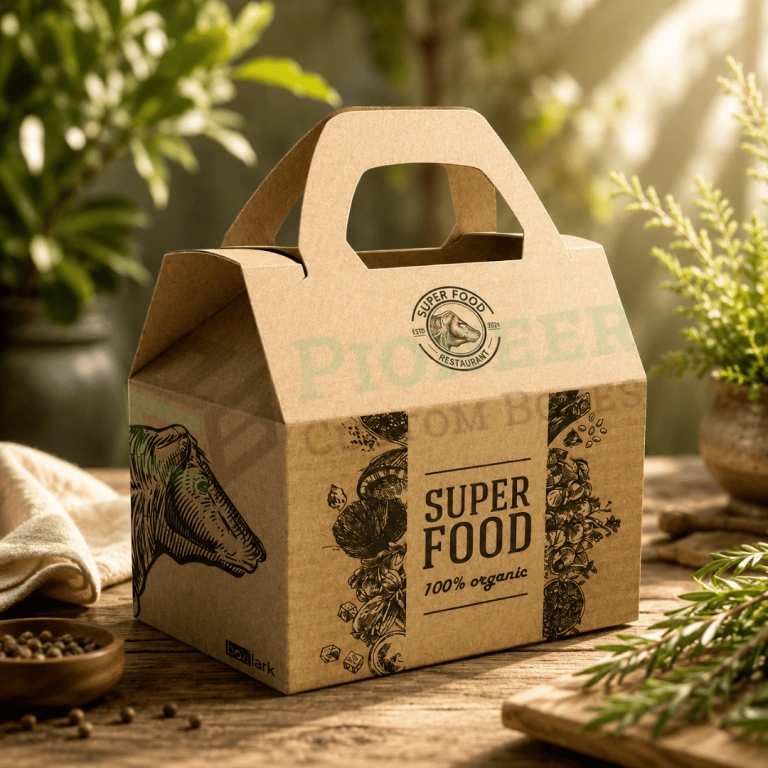
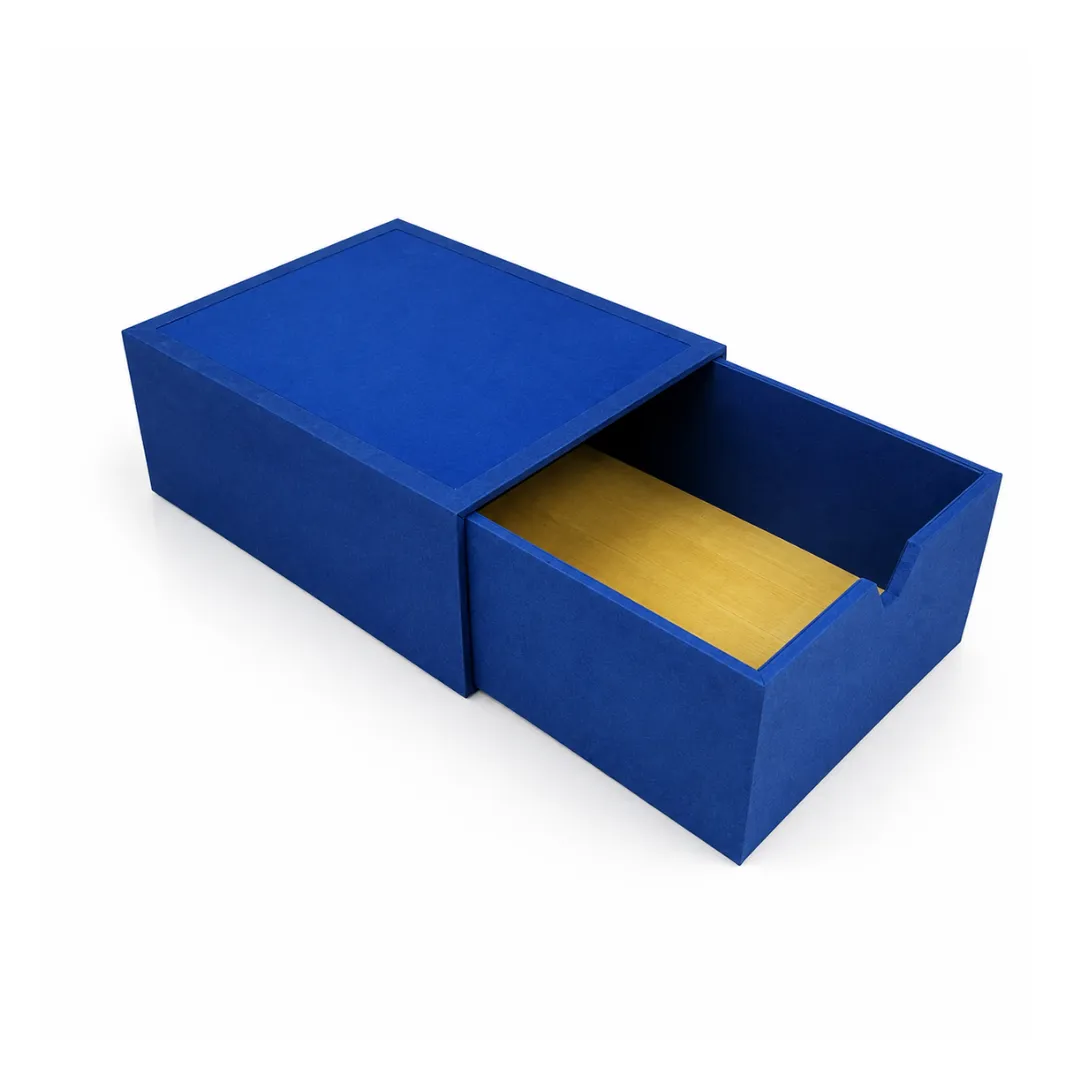
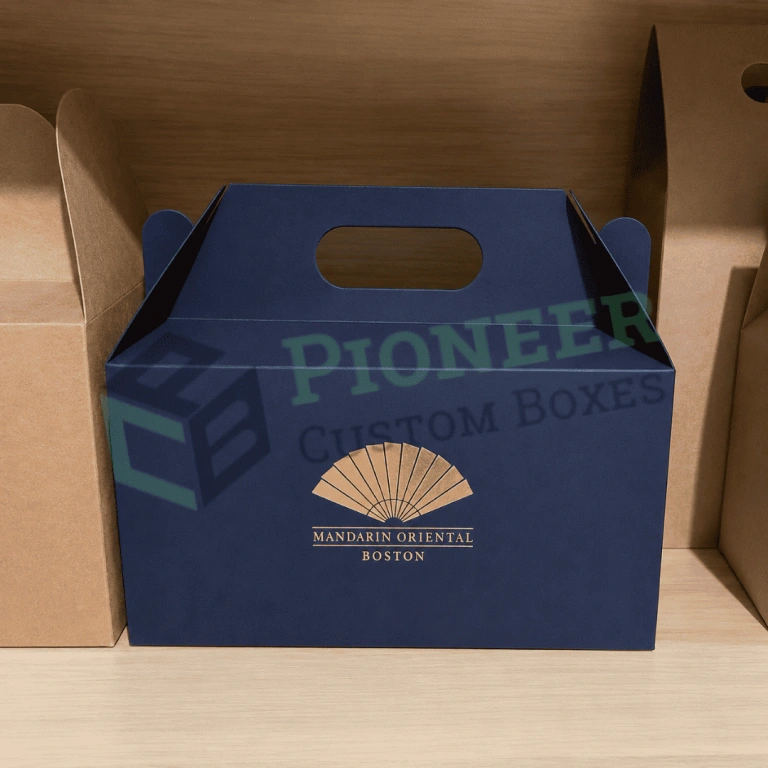
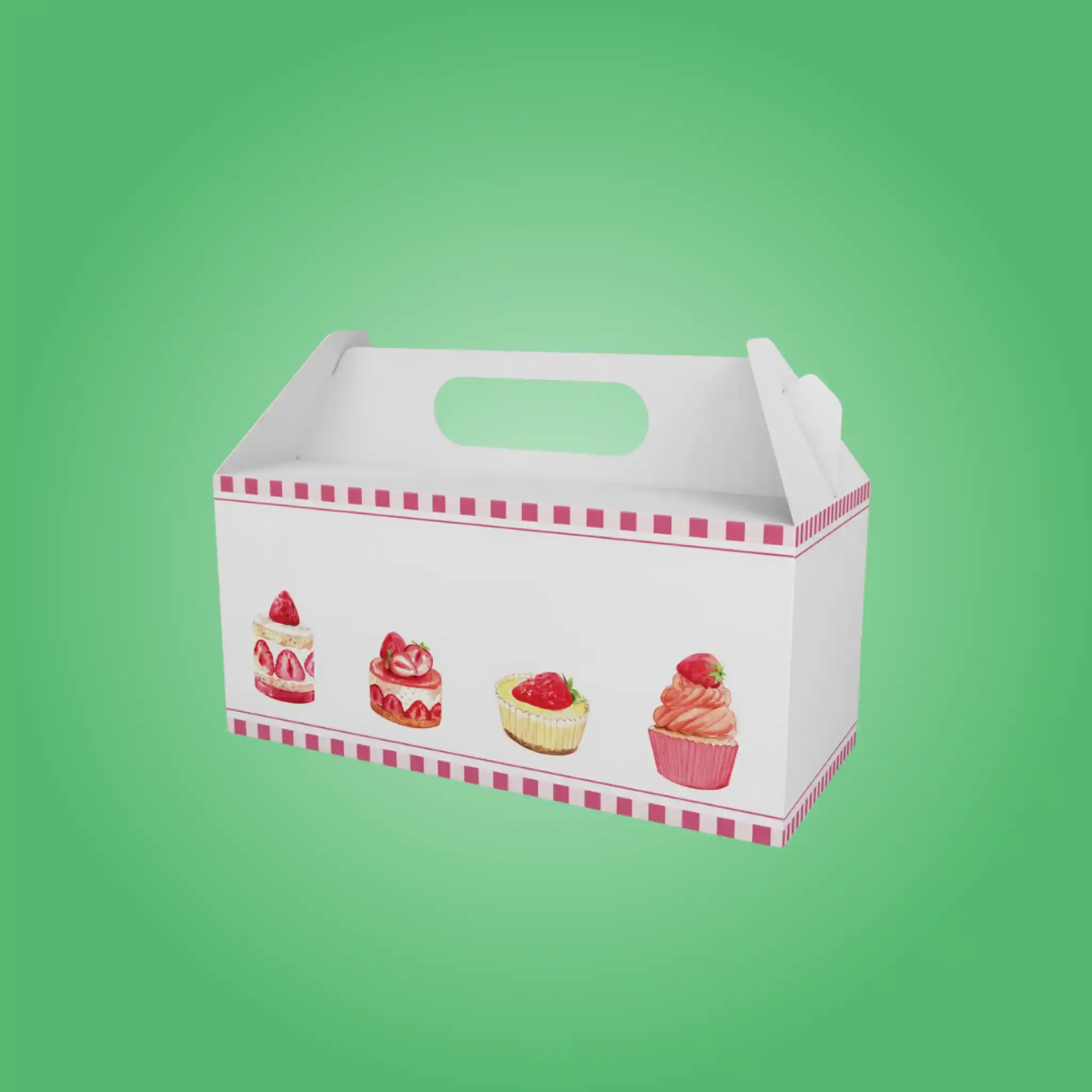
Auto-bottom cartons help when packing speed matters. A sleeve gives soaps, candles, cosmetics, and gifts a cleaner reveal. A window carton shows the product before purchase. A handle box helps bakery, gift, and carry packaging move more easily.
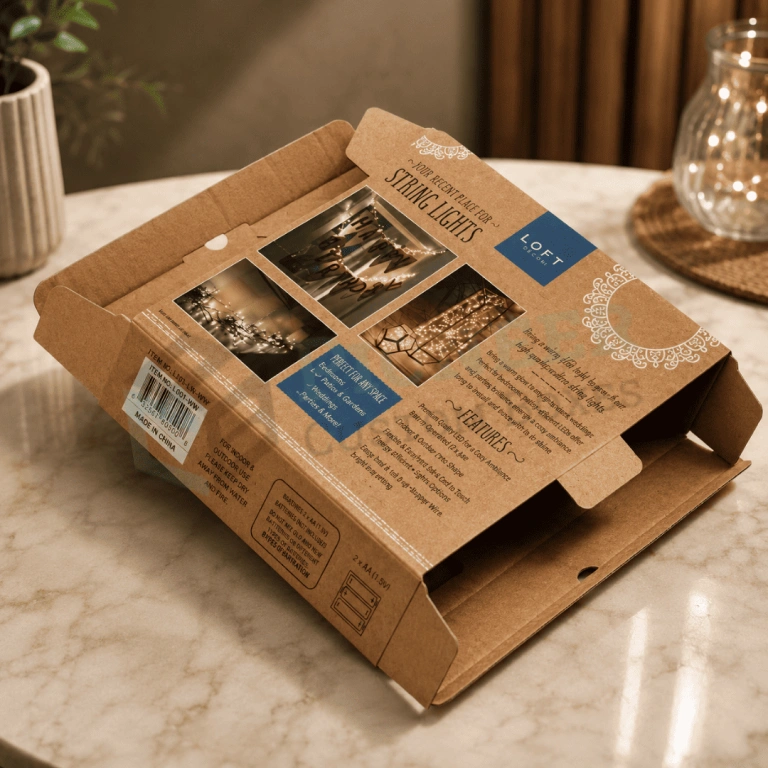
Kraft folding carton boxes use die-cut scores and fold lines that allow quick hand assembly without glue. However, the score line placement must match the board thickness. If the score is too shallow, the fold can crack. If it is too deep, the panel can weaken.
A bakery item may need food-aware material direction before Pioneer finalizes the shape. A fragile retail item may need an insert. A shelf product may need a clean front panel and barcode space. Therefore, structure should come before artwork.
Pioneer can prepare a dieline and 3D mockup so the buyer can review the structure before production. This helps confirm fold direction, window placement, closure strength, and product fit.
| Box Style |
Better For |
Why It Helps |
| Straight tuck end kraft box |
Cosmetics, soaps, small retail items |
Clean front and back closure |
| Reverse tuck end kraft box |
Lightweight cartons |
Efficient folding and packing |
| Auto-bottom kraft box |
Heavier retail goods |
Faster setup and stronger base |
| Kraft sleeve box |
Soaps, candles, gifts |
Smooth reveal and extra branding space |
| Kraft window box |
Bakery, candles, retail display |
Shows the product inside |
| Kraft handle box |
Bakery, gifts, carry packaging |
Easier customer handoff |
| Kraft mailer box |
Ecommerce and subscriptions |
Better shipping presentation |
| Kraft box with insert |
Fragile or multi-piece products |
Holds items in position |
Printing on Kraft Paperboard Without Losing Detail
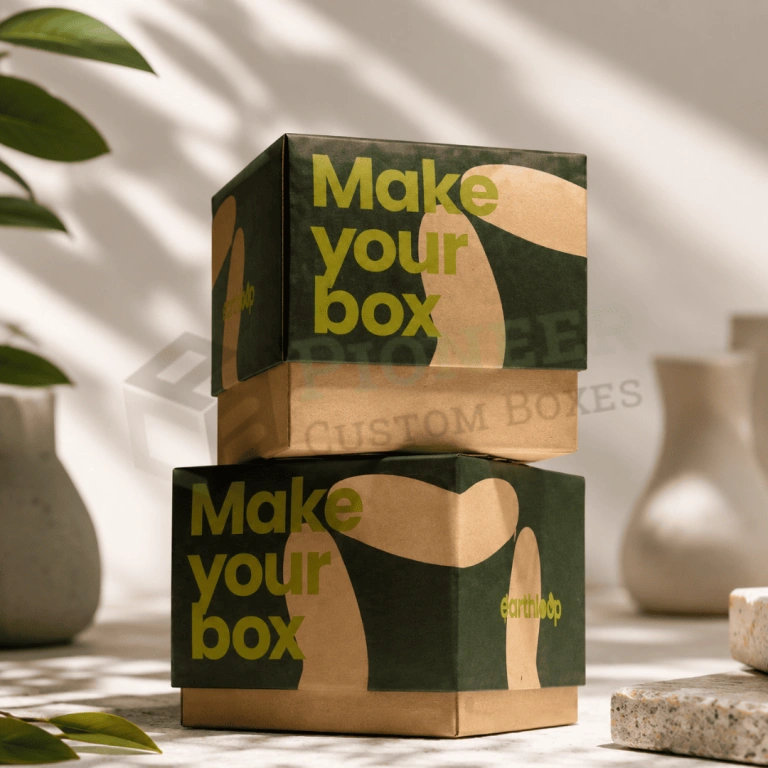
Printing on a kraft paperboard needs a different artwork approach. Brown kraft boards change color behavior because the surface is not bright white. As a result, colors often appear warmer, darker, and more muted after printing.
This is not a problem when the design uses the surface correctly. Black ink, white ink direction, earthy colors, bold typography, line art, and simple patterns often work well. Full-color artwork can also work, but it may need proofing before approval.
Handle small text carefully. Fine lines and low-contrast colors can lose clarity on natural kraft. Ingredient panels, barcode areas, QR codes, and instructions may need white space or a label-style panel.
Matte lamination can add a smoother feel when a brand wants a cleaner retail finish. Still, uncoated kraft may be better for brands that want a more natural paper texture.
The artwork should make the kraft surface feel intentional. It should not look like standard artwork placed on the wrong board.
| Print Option |
Best Use |
What to Watch |
| Black ink |
Minimal kraft branding |
Strong contrast on brown board |
| White ink direction |
Logos and clean highlights |
Helps artwork stand out |
| CMYK printing |
Color artwork and product graphics |
Colors may print warmer |
| PMS direction |
Brand color control |
May need proof testing |
| Inside printing |
Brand story or care message |
Adds unboxing value |
| QR code panel |
Reorders and digital content |
Needs clean contrast |
| Barcode area |
Retail cartons |
Needs readable placement |
| Pattern printing |
Gifts and branded lines |
Works best when not crowded |
Food-Contact Planning for Kraft Paperboard Boxes
Kraft Paperboard Boxes are often used for bakery items, dry food, sweets, snacks, and tea. They also work for coffee, sandwiches, farmers market goods, food gifts, and café products.
Food packaging needs more care than standard retail packaging. Grease, moisture, heat, aroma, and direct contact can all affect material choice.
A dry cookie carton does not need the same material direction as a greasy pastry box. For that reason, a tea box needs different planning than a sandwich carton. Bakery packaging may need a liner, window, insert, or coating direction.
Kraft paperboard boxes for bakery products often need a food-grade liner or coating before production. In some dry food cases, kraft paperboard boxes food safe for dry goods may use unlined board. However, that only works when the product has no grease or moisture risk.
Food-safe packaging depends on the actual material system. Board, coating, liner, ink placement, and direct-contact use all matter. Therefore, Pioneer reviews how the food will sit inside the box before recommending a final structure.
The FDA explains that packaging materials and other substances may come into contact with food. Brands can review the FDA’s official resource here: Food Packaging & Other Substances that Come in Contact with Food.
Pioneer can discuss food-grade kraft board, food-safe liner direction, aqueous coating, insert planning, and safe print placement. This helps buyers separate direct food-contact needs from outer retail carton needs.
Food Wrap and Liner Pairings for Kraft Boxes
Some products work better when the kraft carton includes an inner paper wrap. This is common for butter products, bakery goods, pastries, deli items, sandwiches, dry foods, and food gift sets. The outer box gives structure and branding, while the inner layer supports presentation and separation.
This pairing is useful when the product should not sit directly against the outer carton. It also helps when grease, crumbs, moisture, or surface texture could affect the box. In that case, the wrap supports the food while the carton supports the brand.
For bakeries, cafés, dairy brands, and food sellers, Custom Butter Paper can support wrapping, lining, separating, and branded food presentation inside kraft box programs.
Pioneer can help match the outer kraft box, inner paper, coating direction, and artwork. The goal is a complete food packaging system, not only a good-looking carton.
Sizing, Fit, and Product Protection
Size every kraft paperboard box around the product. Every product needs different sizing. A soap bar, candle jar, and bakery item each need different clearance. A cosmetic bottle or gift set may need different board strength and opening space.
Too much space makes the product feel loose. On the other hand, too little space can damage corners, labels, wraps, decorations, or product surfaces. For fragile items, the box may need a tray or divider. For food items, the package may need room for wraps, liners, or inserts.
Kraft paperboard boxes for soap bars work best when the sleeve matches the bar’s exact dimensions. Kraft paperboard boxes for candles often need 24pt or heavier board when they hold glass jars. This prevents the package from feeling weak in the customer’s hand.
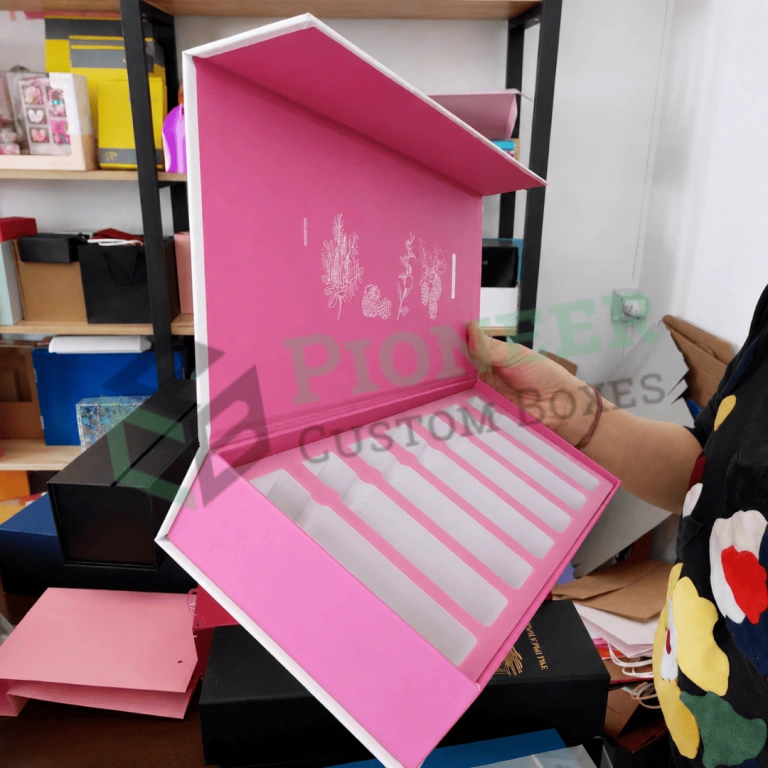
Kraft boxes with insert layouts help protect jars, bottles, gift sets, and multi-piece products. The insert should match the product shape instead of using a loose generic tray.
The lid, tuck flap, sleeve length, window position, and insert depth should be confirmed before artwork begins. This prevents logos from landing on folds. It also keeps barcodes away from bends and windows away from weak panel areas.
A good kraft box feels simple when opened. That simplicity comes from correct measurement before production.
| Product Type |
Common Size Direction |
Better Planning |
| Soap bars |
3″ × 2″ × 1″ to 4″ × 3″ × 1.5″ |
Sleeve, tuck box, or wrap-friendly carton |
| Small candles |
3″ × 3″ × 3″ to 5″ × 5″ × 4″ |
Stronger board and insert support |
| Bakery items |
Product-specific |
Food-aware board, liner, or window |
| Cosmetics |
1″ × 1″ × 4″ to 3″ × 3″ × 6″ |
Clean print panels and snug fit |
| Stationery sets |
5″ × 4″ × 1″ to 10″ × 8″ × 2″ |
Flat support and corner protection |
| Gift sets |
Custom by product count |
Divider or tray layout |
| Ecommerce items |
Custom by shipping method |
Mailer or corrugated support |
These ranges are examples. Pioneer can build custom dimensions from product measurements, photos, or dieline requirements.
Windows, Inserts, Handles, and Add-Ons
Add-ons should improve function, visibility, protection, or presentation. They should not appear only because they look good on a feature list. A window may help a candle or bakery item sell faster, but it may not fit a brand that wants a plastic-free direction.
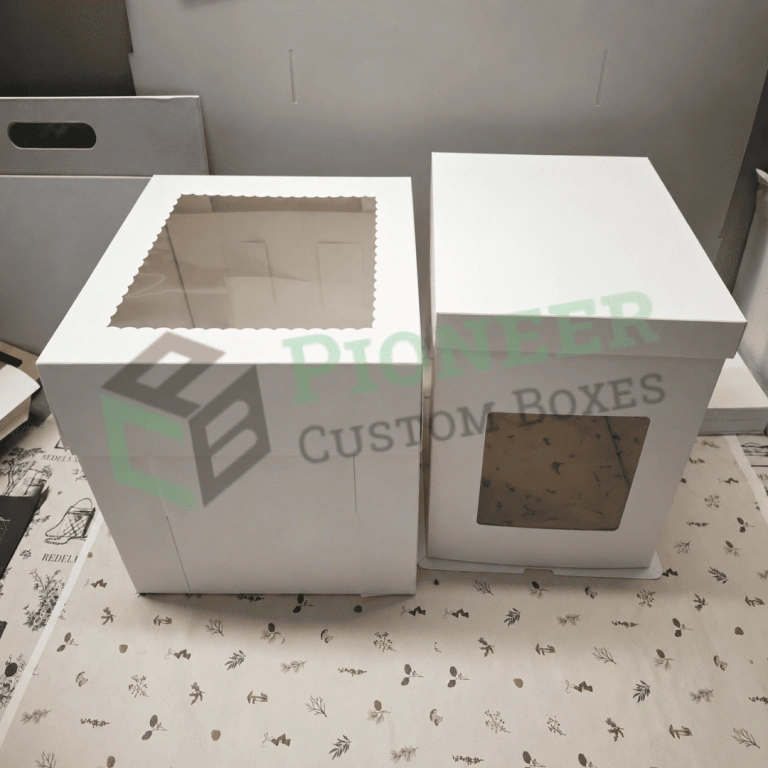
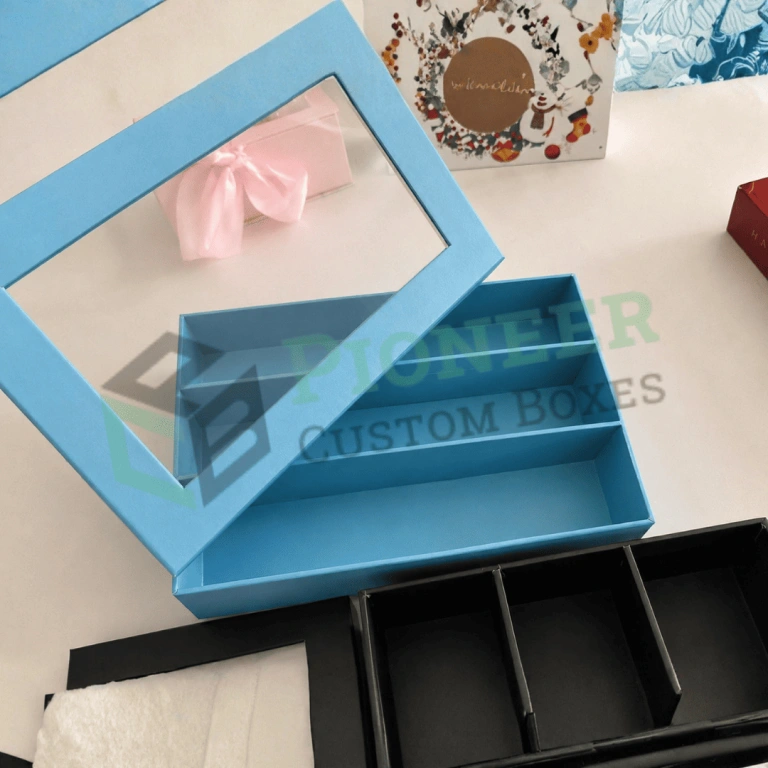
Kraft paperboard boxes with window cutouts work well for candles, soaps, and bakery items. The window can show color, texture, scent style, or product quality before purchase. However, it can also affect panel strength and eco-claim wording.
An insert can make a gift set feel more organized. A divider can stop products from touching. A handle can help bakery and gift boxes move more easily. Kraft boxes with sleeve styles can make a simple paperboard carton feel more premium.
Each add-on affects the dieline. A window changes panel strength. A handle changes load direction. An insert changes box depth. A sleeve changes opening clearance. Therefore, Pioneer reviews add-ons before final production.
| Add-On |
Better For |
Why It Helps |
| Die-cut window |
Bakery, candles, soaps, retail goods |
Shows the product inside |
| Paperboard insert |
Cosmetics, jars, bottles, gifts |
Holds items in position |
| Divider |
Multi-item boxes |
Separates products cleanly |
| Handle |
Bakery, gifts, carry packaging |
Improves handoff |
| Sleeve |
Premium retail and soaps |
Adds a clean reveal |
| QR code panel |
Instructions and reorders |
Connects packaging to digital action |
| Barcode area |
Retail shelf packaging |
Supports scanning and inventory |
| Perforation |
Samples or tear-away areas |
Adds controlled access |
Gift, Ecommerce, and Branded Unboxing Uses
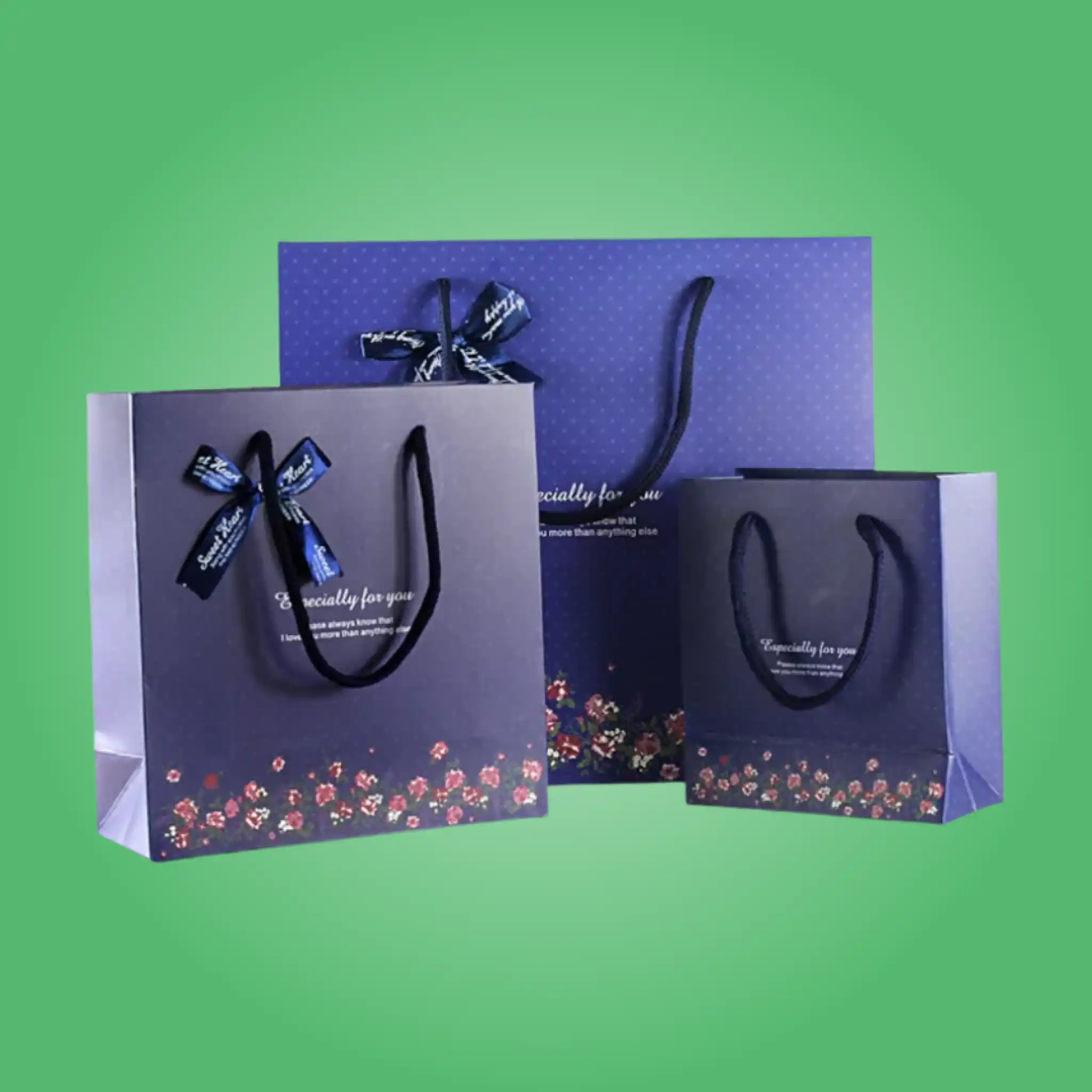
Kraft Paperboard Boxes work well for gift and ecommerce packaging because they feel simple and intentional. A plain carton may protect the product, but a custom kraft box can make the order feel more personal.
Gift buyers care about the unboxing experience. Ecommerce buyers care about protection and presentation. A kraft package can support both when the structure, insert, and wrap work together.
For brands that want a matching paper layer inside the carton, Customized Wrapping Paper can support logo patterns, seasonal artwork, gift presentation, and branded product wraps.
Kraft mailer boxes are useful when the customer receives the package directly. They combine a natural paperboard look with a cleaner delivery and opening experience.
A sleeve can add a premium reveal. Inside printing can add a short message. A paper wrap can protect the item and complete the brand system. As a result, the order feels planned from the outer box to the inner presentation.
For brands that want a paper-based inner layer, Custom Eco Friendly Wrapping Paper can support natural gift wrapping, product wrapping, seasonal wrapping, and lower-plastic unboxing direction.
The package should not feel overdecorated. The strength of kraft packaging is that it can look clean, warm, and commercial at the same time.
Retail Shelf Planning for Kraft Paperboard Boxes
Retail kraft boxes must do more than look natural. They must explain the product quickly. A shopper should understand the product name, use, size, and scent at a glance. They should not need to turn the box more than once to find key information.
The front panel should carry the strongest product message. Side panels can hold instructions, ingredients, barcode space, QR codes, warnings, or product details. The top flap can carry a short brand line or opening message.
Natural packaging still competes with bright cartons, plastic-heavy displays, and premium printed boxes. For that reason, kraft retail packaging needs a clear hierarchy. The logo, product name, and key information should not disappear into the brown surface.
For shelf products, Pioneer can help plan front-panel layout, side-panel readability, barcode space, window placement, and print contrast before production.
| Retail Detail |
Why It Matters |
Better Direction |
| Product name |
Helps fast recognition |
Clear front-panel placement |
| Logo |
Builds brand recall |
Strong contrast on kraft |
| Barcode |
Supports retail scanning |
Keep away from folds |
| Ingredients or instructions |
Supports buyer confidence |
Use readable side panels |
| Window |
Shows product when useful |
Avoid weakening the structure |
| Shelf orientation |
Controls how buyers see the product |
Match panel layout to display |
When to Choose Kraft Paperboard Over Another Packaging Style
Kraft paperboard is not always the right choice. It works best when the product needs a natural paper-based look, light-to-medium protection, custom printing, and retail or gift presentation. It is common for soaps, candles, bakery items, dry food, cosmetics, stationery, handmade goods, and wellness products.
It may not be the best option for heavy, fragile, liquid, frozen, or long-distance ecommerce items by itself. Those products may need corrugated support, liners, inserts, or a separate shipping carton. A glass jar may need more than a kraft folding carton.
This format is also different from luxury rigid packaging. A kraft box feels natural and practical. A rigid box feels heavier and more premium. A corrugated mailer feels more shipping-focused.
The right choice depends on product weight, sales channel, presentation goal, and handling conditions. Therefore, Pioneer helps buyers compare structure before artwork begins.
| If You Need |
Better Choice |
Reason |
| Natural retail carton |
Kraft paperboard box |
Strong paper-based presentation |
| Brighter color printing |
White paperboard or SBS |
Better color control |
| Heavy ecommerce shipping |
Corrugated mailer or carton |
Better transit strength |
| Premium gift reveal |
Rigid box |
Higher presentation value |
| Direct food contact |
Food-aware liner or coating |
Better material planning |
| Soap or candle display |
Kraft sleeve or tuck carton |
Natural shelf appearance |
| Multi-item gift set |
Kraft box with insert |
Better product organization |
Custom Kraft Paperboard Boxes in U.S. Markets
A Los Angeles soap brand searching for custom kraft paperboard boxes may need natural board, white ink, and clean ingredient panels. The package should look handmade but still feel retail-ready.
A New York bakery searching for custom kraft paperboard boxes may need window cartons, food-aware liners, and compact shelf presentation. Small retail counters and delivery programs make right-size packaging important.
A Texas candle brand searching for custom kraft paperboard boxes wholesale may need heavier 24pt or 28pt board. The structure should support jars, labels, and gift presentation across repeat orders.
A Florida wellness brand searching for custom printed kraft paperboard boxes may need coating guidance. Humidity, handling, and shelf conditions can affect material and finish choices.
An Ohio or Illinois retail brand searching for kraft paperboard packaging may need barcode space, clean print contrast, and flexible order quantities. Pioneer supports these buyers with custom sizing, free design support, and free USA shipping.
Wholesale kraft paperboard boxes USA brands order through Pioneer can include free design support and free USA shipping. This helps growing brands keep packaging consistent without building unnecessary stock pressure.
Pioneer helps brands across the USA create kraft packaging that fits the product, not just the search term.
Specific Kraft Packaging Application Example
A handmade soap brand preparing a retail launch may use a 3.5″ × 2.5″ × 1.25″ natural kraft sleeve. The sleeve can include black ink printing, scent labeling, and a small window cutout. This gives the bar visibility without covering the full product.
A weaker option would be a loose kraft carton with low-contrast artwork. It may look natural, but the soap could shift and the label may be hard to read. The better build holds the bar closely, keeps the scent information clear, and makes the product easier to display.
This example shows why the box must be built around the product. The natural look matters, but fit and readability make it sell.
FSC Paperboard Options and Responsible Sourcing
Some buyers ask for FSC-certified kraft paperboard, FSC paper packaging, or responsibly sourced paperboard. These requests are useful, but documentation must support every claim. Do not describe a box as FSC-certified unless the material and supply chain support that wording.
FSC explains that chain-of-custody certification helps track certified materials through the supply chain. Brands can review FSC’s official resource here: Chain of Custody Certification.
Pioneer can discuss FSC-certified kraft paperboard options when the stock and supplier documentation support the request. Order specifications and production availability are confirmed before finalizing.
This keeps sourcing claims credible and avoids promising certification before the actual material is confirmed.
Why Choose Pioneer for Custom Kraft Paperboard Boxes
Pioneer Custom Boxes does more than cut and print kraft cartons. Our team reviews board grade, fold strength, print contrast, and panel layout before production. We also check coating compatibility, food-aware needs, insert fit, and product weight.
This matters because kraft packaging can look simple while still needing careful technical planning. For natural kraft projects, Pioneer checks how the artwork will print on brown board. For food and bakery projects, we review liner, coating, and food-contact direction.
For retail products, we help plan barcode space, window placement, front-panel hierarchy, and shelf readability. This gives buyers a more complete packaging plan before production starts.
Pioneer serves soap brands, bakeries, cafés, and candle makers. We also work with cosmetic companies, gift brands, wellness businesses, ecommerce stores, stationery sellers, and retail product companies.
We offer no MOQ, free design support, 3D mockups, flexible lead times, one all-inclusive quote, and free USA shipping.
Call +1 440 262 2345 or email sales@pioneercustomboxes.com to request a free quote and design proof.
Written by: Pioneer Custom Boxes Editorial Team
Published: August 2026 | Last Updated: August 2026
Reviewed by: Pioneer Custom Boxes Packaging Specialists for kraft paperboard material direction, folding carton structure, food-aware packaging guidance, print contrast, eco-claim accuracy, retail packaging fit, and commercial packaging quality.