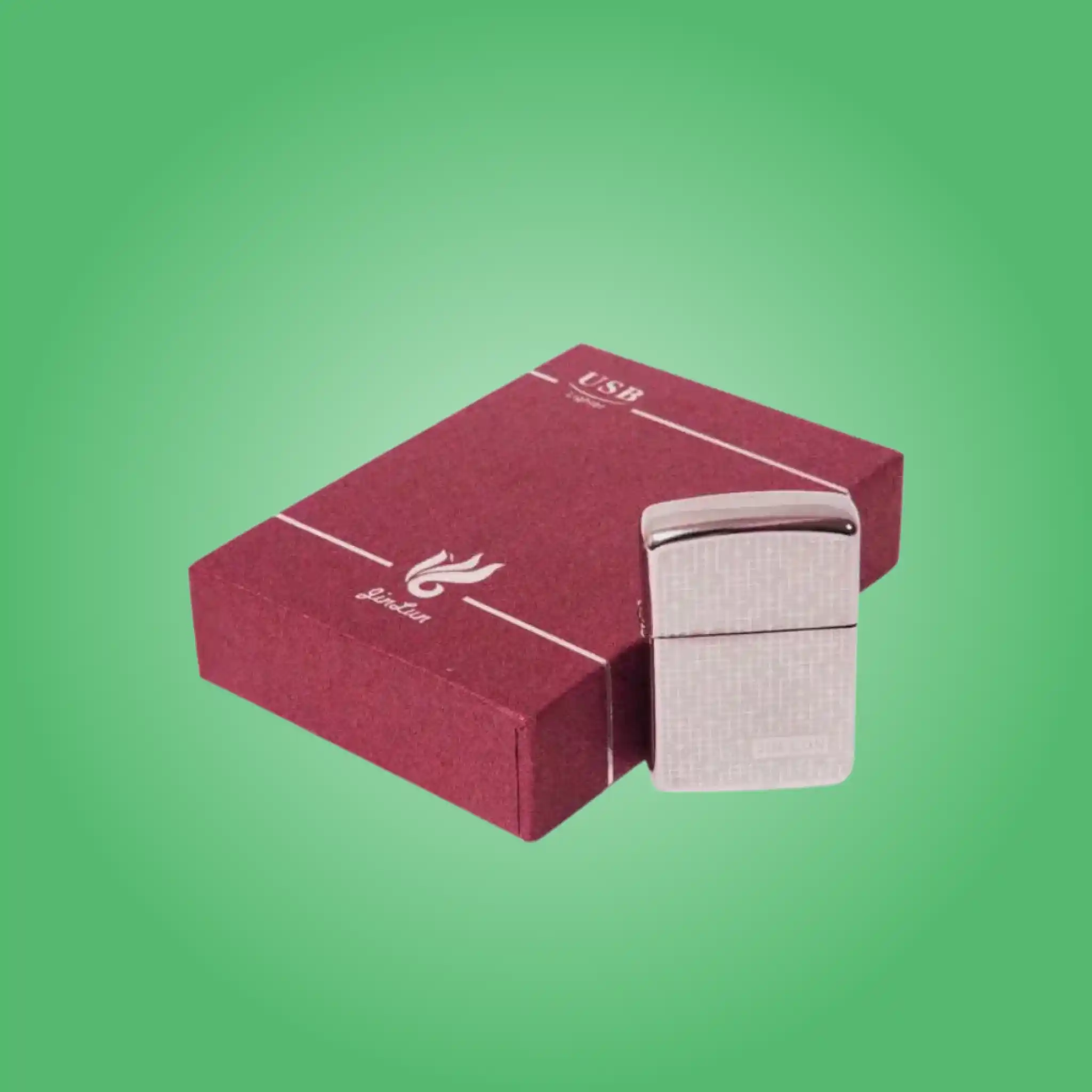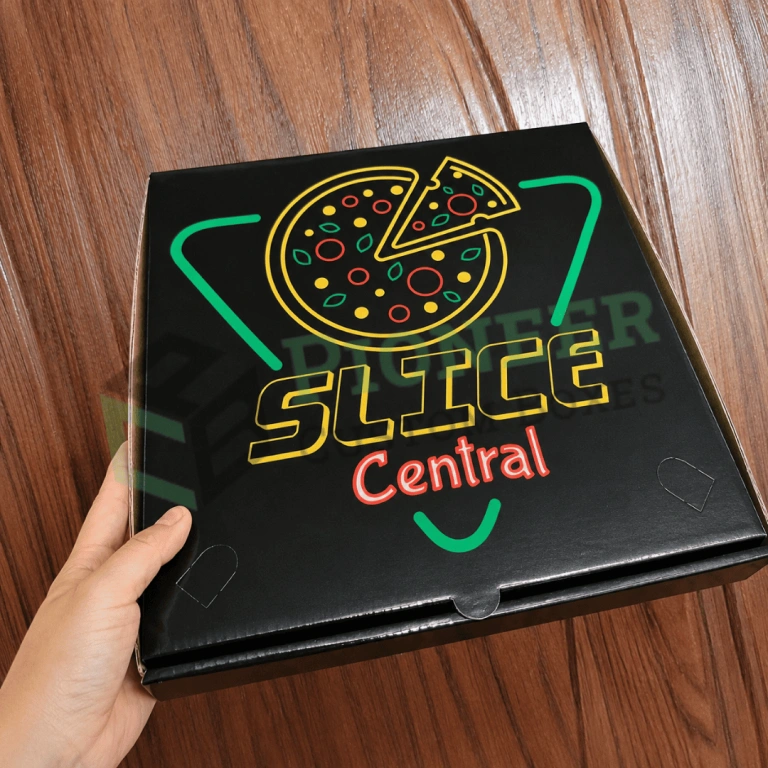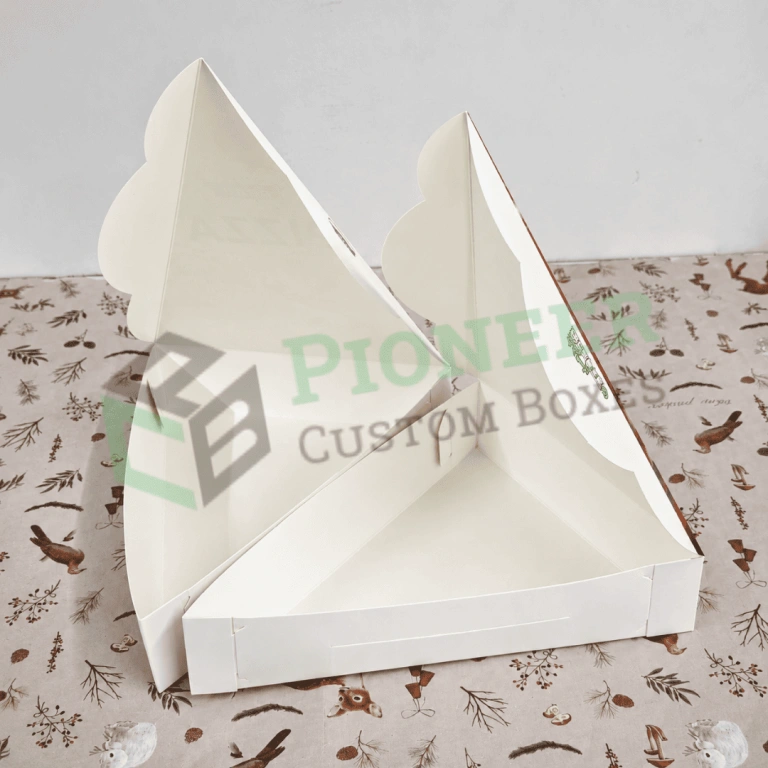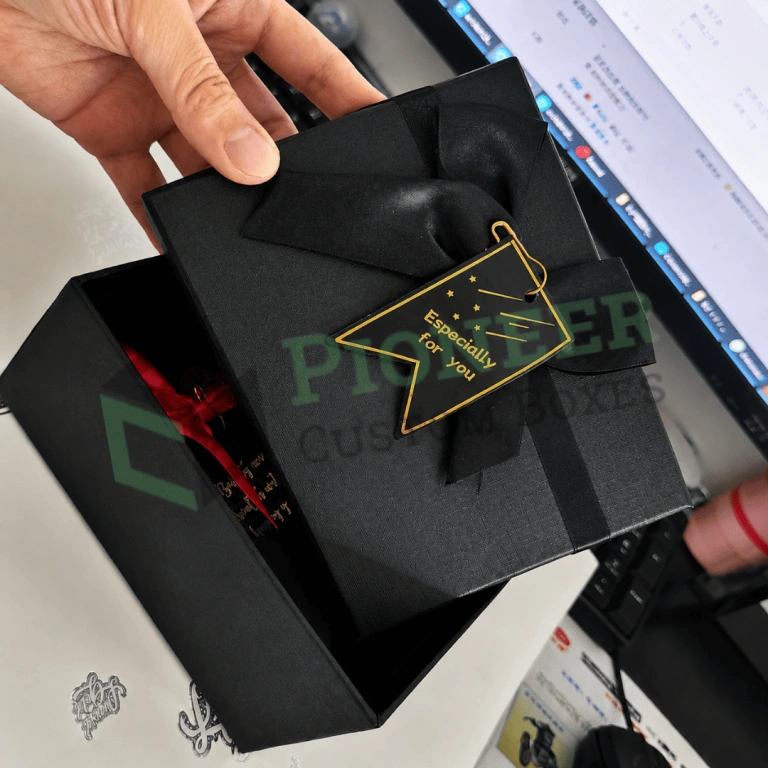
Custom lighter boxes from Pioneer Custom Boxes merchandise lighters where they actually sell, for lighter brands, promotional suppliers, convenience distributors, smoke shops and cannabis accessory brands. Choose counter display units, printed sleeves, blister cards, multi-packs or rigid gift boxes in SBS, kraft, E-flute or litho laminated board, with free design support, zero MOQ and free USA shipping.
Custom lighter boxes are printed cartons, sleeves and counter display units built to merchandise lighters at the point of sale and to satisfy the rules that govern them. Pioneer Custom Boxes manufactures them across the United States with zero minimum order quantity and free shipping.
Lighters sell differently from almost anything else we package. Almost nobody plans to buy one. The purchase happens at a counter, in the last ten seconds of a transaction, which means the display unit does more work than the individual carton.
That single fact should drive the whole packaging decision. A beautiful single sleeve sitting in a drawer sells nothing, whereas a branded fifty-count tray on a counter sells continuously.
Regulation is the second reality. Lighters are a regulated consumer product in the United States, and both the product and the way it is presented carry requirements that packaging has to respect rather than work around.
Transport is the third. Lighters contain butane, so they travel as a hazardous material, and the carton and outer case both play a part in moving them legally.
We manufacture custom printed lighter boxes for lighter brands, promotional product suppliers, convenience distributors, smoke shops, cannabis accessory brands and corporate gifting programs. Furthermore we cut our own dies and run our own presses, so the tray is built around your actual lighter.
Order wholesale lighter packaging in any quantity you need. There is no minimum order, design support costs nothing, and shipping across the United States stays free on every order.
Format follows where the lighter is sold, and in this category that is almost always a counter.
The format that matters most. A printed tray holding twenty-four, fifty or a hundred lighters upright at the till, shipped flat and erected in seconds. This is where the overwhelming majority of impulse lighter sales happen.
A slim printed sleeve around one lighter, used for promotional giveaways, branded merchandise and premium singles. It costs very little and turns a commodity item into a branded one.
A printed card backing a clear blister, suited to peg wall retail. It hangs on a hook fixture and carries barcode and warning text on a large flat panel.
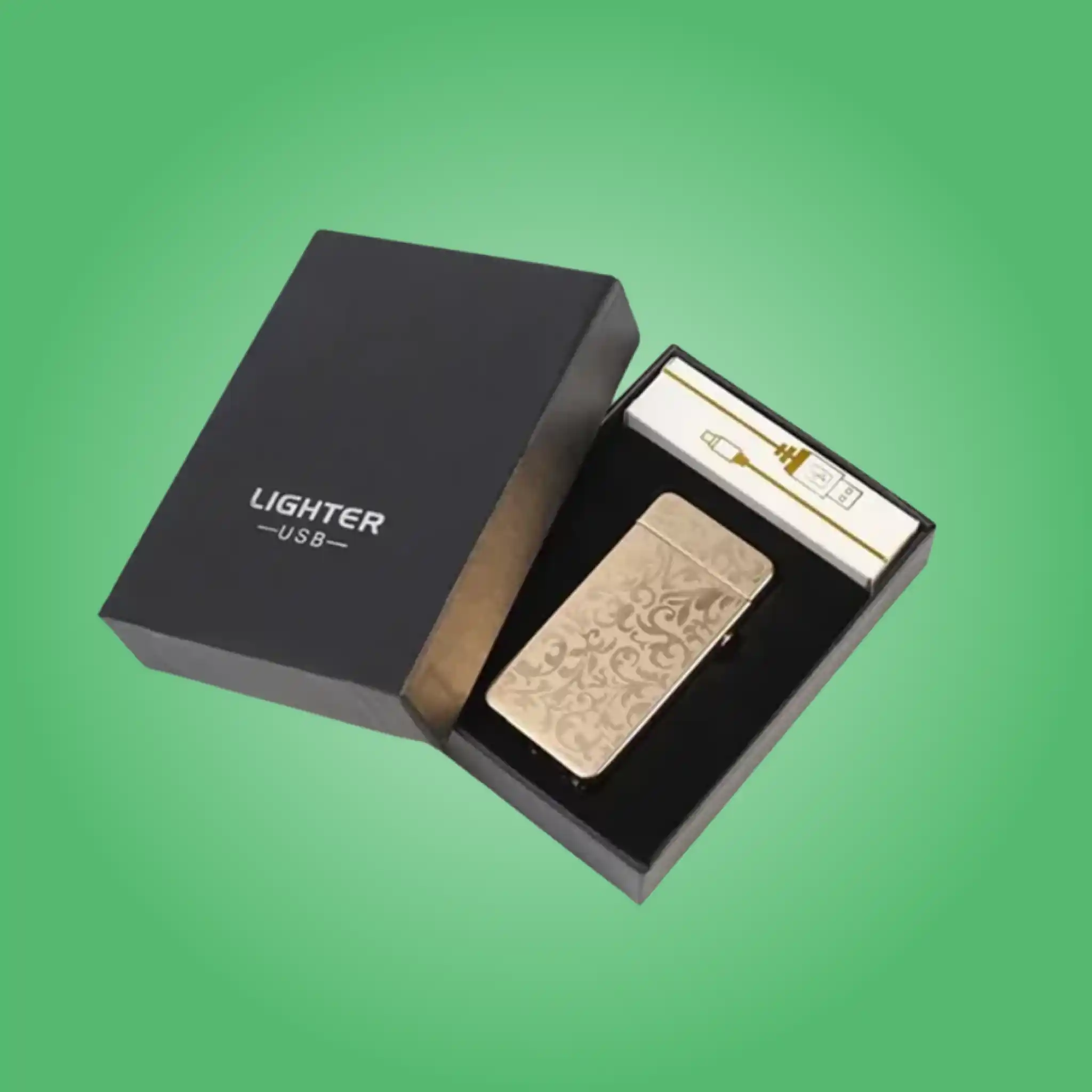
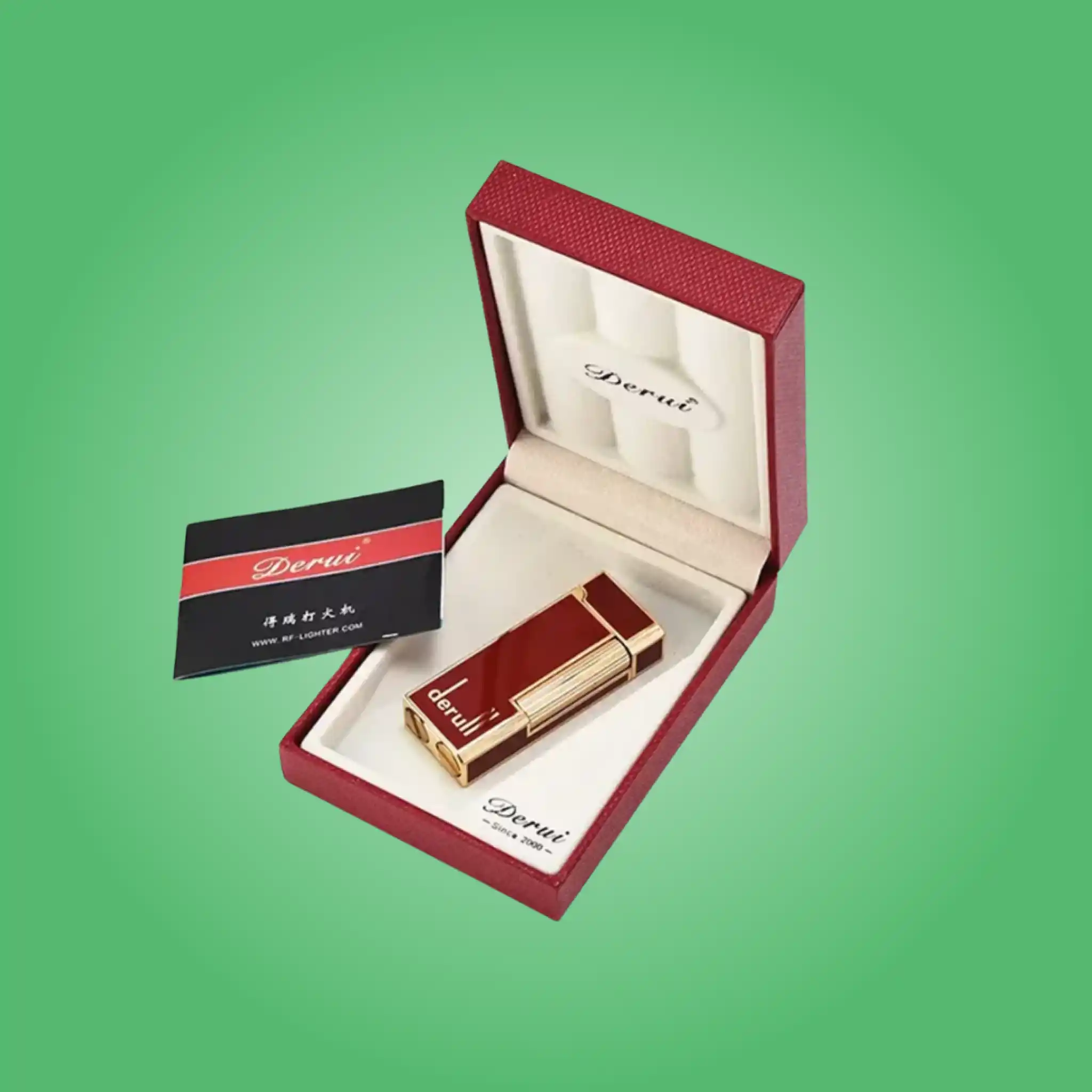
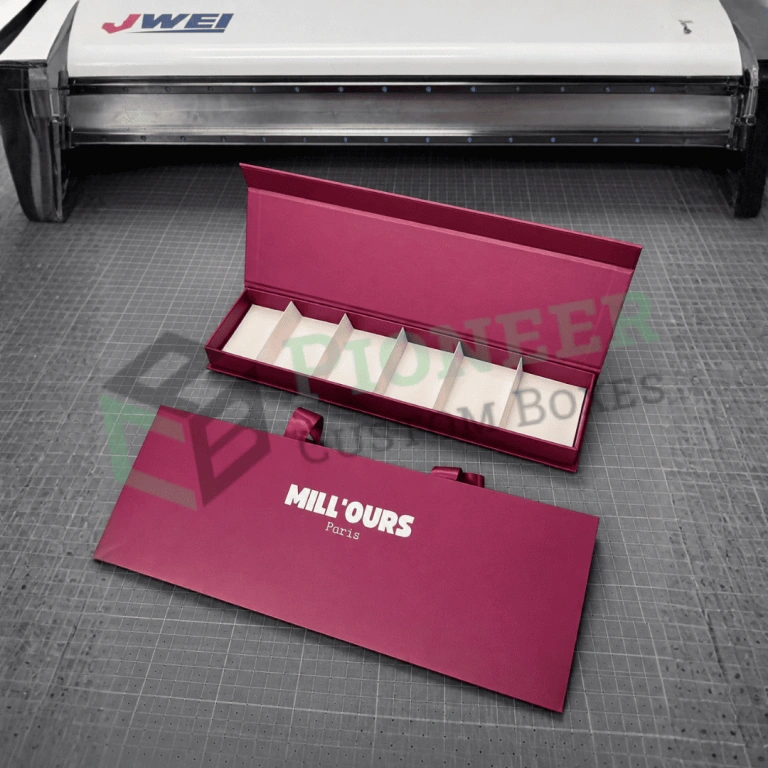
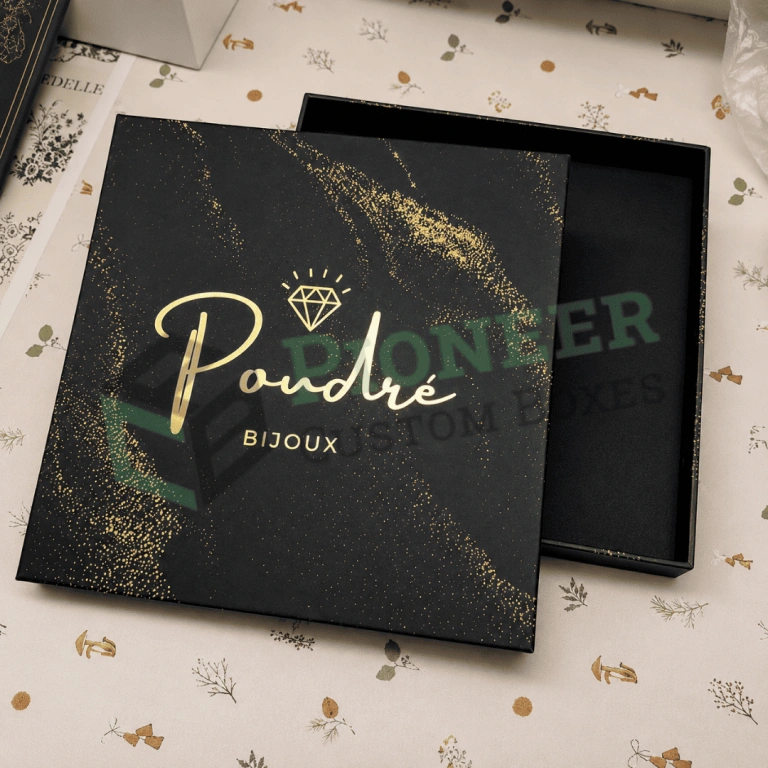
A lidded rigid box for refillable metal lighters, collector pieces and gifting. At that price point customers expect weight and a proper opening experience.
A carton holding two, three or five lighters as a value pack. Convenience retail uses these to raise the transaction value above a single purchase.
A plain or lightly printed carton holding display units for distribution. It is a logistics item rather than a retail one, and it should be specified as such.
A printed sleeve or outer for tinned and novelty lighters, used in gift retail and seasonal ranges.
| Format | Typical Quantity | Where It Sells | Primary Job |
|---|---|---|---|
| Counter display unit | 24 to 100 lighters | Convenience counters and tills | Drives impulse purchase |
| Single sleeve | One lighter | Promotional and branded merchandise | Turns a commodity into a brand |
| Blister backing card | One to three lighters | Peg wall retail | Hangs and carries required text |
| Two-piece rigid box | One refillable lighter | Gift and collector retail | Signals price and permanence |
| Multi-pack carton | Two to five lighters | Convenience and value retail | Raises transaction value |
| Bulk distributor carton | Multiple display units | Distribution and wholesale | Protects units in transit |
| Gift and collector sleeve | One tinned or novelty lighter | Seasonal and gift retail | Presentation and gifting |
Send us the actual lighter. Body width and height vary more between models than people expect, and a display tray cut to a nominal size lets the whole facing lean.
Every die is cut to your lighter model. These formats cover the lighter packaging we produce most often.
| Format | Typical Size (inches) | Board | Feature |
|---|---|---|---|
| Standard lighter sleeve | 1.0 x 0.6 x 3.2 | 16pt to 18pt SBS | Open ended sleeve |
| Mini lighter sleeve | 0.9 x 0.5 x 2.5 | 16pt SBS | Open ended sleeve |
| Torch lighter carton | 1.3 x 0.9 x 4 | 18pt SBS | Closed tuck carton |
| Blister backing card | 3 x 5 | 18pt to 24pt SBS | Euro hole, large text panel |
| 24 count display unit | 5 x 3.5 x 3 | 20pt or E-flute | Shipped flat, erected at till |
| 50 count display unit | 7.5 x 4 x 3.5 | E-flute recommended | Reinforced base, header card |
| 100 count display unit | 9 x 6 x 4 | 32 ECT E-flute | Reinforced base and header |
| Three pack carton | 3 x 1 x 3.4 | 18pt SBS | Window optional |
| Five pack carton | 5 x 1 x 3.4 | 18pt SBS | Window optional |
| Refillable lighter rigid box | 3 x 2.5 x 1.25 | Rigid with foam | Lidded, fitted insert |
| Distributor outer | 13 x 10 x 8 | 32 ECT E-flute | Holds multiple display units |
Display unit height is the number that decides sales. Too tall and the lighters disappear into the tray, too short and they fall forward. We set the front wall so roughly the top third of each lighter stays visible.
This is the part of lighter packaging that most brands underinvest in, and it is the part that actually moves units.
Lighter purchases are almost entirely unplanned. The customer is already paying for something else, sees the tray, and adds a lighter. Nothing about that decision involves reading a carton.
That makes the facing the product. A display unit that presents lighters upright at a slight angle, with the branded portion visible, converts far better than a tray that hides them or lets them lean.
Front wall height is the specific variable. Set it so the top third of each lighter shows, which lets the customer see color and brand while the tray still holds everything upright.
Counter footprint is the constraint working against you. Till space is the most contested retail real estate there is, and a tray with a large footprint gets removed no matter how well it prints. A tall narrow unit usually beats a wide shallow one.
Erecting time decides whether the unit is used at all. Staff assemble these between customers, so a tray needing tape or careful folding ends up in a stockroom. We build display units that snap square in one motion.
Base strength matters more than it looks. A hundred lighters is a real weight in a small footprint, and a base that bows lets the whole facing collapse forward.
A header card is worth adding wherever counter height allows. It raises the brand above the product line and is often the only part visible from across a counter.
Board choice here splits cleanly between small printed sleeves and load-bearing display units.
The default for sleeves, cartons and backing cards. The bright coated surface holds the saturated colors this category uses, and it takes foil cleanly on promotional work. We run 16pt for mini sleeves and 24pt for backing cards that must not bend on a peg.
The correct material for counter display units above about twenty-four count. Fluted board carries the load without the base bowing, and it still prints well enough for retail presentation.
An offset sheet laminated onto fluted board, used where a display unit needs full retail print quality with genuine structural strength. This is the standard build for a branded fifty or hundred count tray.
Natural brown board for cannabis accessory, artisan and eco-positioned lighter brands. It costs less than bleached stock and signals a different market position immediately.
CRB with a coated printing face, below SBS on cost, suited to high-volume promotional sleeve runs where unit price dominates.
Greyboard wrapped in printed paper for refillable and collector lighters. It carries the weight customers expect at that price point.
Available across every grade, and increasingly requested by promotional product buyers who have to document sourcing for corporate clients.
| Material | Typical Spec | Load Behavior | Best For | Relative Cost |
|---|---|---|---|---|
| SBS paperboard | 16pt to 24pt | Fine for sleeves and cards | Sleeves, cartons, backing cards | Moderate |
| E-flute corrugated | 32 ECT typical | Holds a loaded display unit | 24 count trays and above | Moderate |
| Litho laminated E-flute | 32 ECT with offset sheet | Excellent under load | Branded 50 and 100 count trays | Higher |
| Kraft paperboard | 16pt to 20pt | Fine for sleeves | Cannabis accessory and eco brands | Lower |
| Coated recycled board | 16pt to 18pt | Fine for sleeves | High-volume promotional runs | Lower |
| Rigid chipboard with wrap | 2mm and above | Excellent | Refillable and collector lighters | Highest |
| FSC-certified stock | Any grade above | As per base grade | Corporate and promotional buyers | Small premium |
One practical note. Brands routinely specify plain SBS for a fifty count display unit because it prints better, then discover the base bows under the load within a week on a counter. Litho laminated E-flute gives the same print surface on a structure that holds.
Lighter packaging competes for attention at a counter from about three feet away, so print has to read instantly.
Offset gives the finest detail and the steadiest color across a run. It suits established lighter brands and any design carrying artwork or photography across a display panel.
Digital prints without plates, which fits promotional work exceptionally well. A supplier producing branded lighters for fifty different corporate clients can print each design in small quantities with no plate cost per variant.
Flexo suits distributor outers and high-volume kraft sleeves, printing solids and line work economically on fluted board.
An offset sheet laminated onto corrugated. This is the standard method for a branded display unit, because it combines retail print quality with the structure a loaded tray needs.
Finish on a lighter sleeve is doing one job, which is making a low-cost item look like it came from a brand.
High shine and strong color depth. It works well here, because counter display competes on visibility rather than subtlety, and gloss reads from further away.
A flat, soft film that signals a more premium or design-led brand. It suits cannabis accessory and lifestyle lighter ranges where gloss would look cheap.
Hot foil on a small sleeve is the most efficient premium cue available in this category. On a promotional lighter it is often the entire reason the item feels like a gift rather than a giveaway.
Selective gloss on a matte field, effective on a logo or pattern where the panel is too small for embossing to register.
Raised or recessed detail, which works on rigid collector boxes and backing cards but rarely registers on a sleeve that narrow.
A water-based coating that seals and protects without film, keeping the board recyclable. Sensible on high-volume promotional runs where lamination is hard to justify.
A point worth making plainly. On a promotional lighter the packaging often costs more than the lighter, and that is usually the right call, because the packaging is what makes it a keepable branded object.
Lighter ranges are usually identified by color rather than by name, which makes color management commercially important here.
CMYK builds every shade from cyan, magenta, yellow and black. It reproduces photography and gradients accurately and costs the least, and it suits display panels carrying artwork.
Pantone inks arrive pre-mixed and print identically on every run. Lighter assortments are usually sold as a color range, and those colors must stay distinguishable from each other across years of reordering. Spot inks are the only reliable way to hold that.
RGB is a screen color space and presses cannot print it. Your website and wholesale catalog images live in RGB, and conversion shifts saturated colors noticeably. We convert with proper profiles and show the printed result first.
Corporate promotional work makes this sharper still. A client supplying branded lighters expects their corporate color matched exactly, and process color will not reliably deliver that across repeat orders.
Each option below either helps the unit sell at a counter or keeps it working through distribution.
| Feature | What It Does | Best Suited To |
|---|---|---|
| Header card | Raises branding above the product line | Counter display units |
| Auto-lock base | Snaps square in one motion at the till | Every display unit |
| Reinforced base | Carries the load of a full tray | 50 and 100 count units |
| Angled front wall | Presents lighters upright and visible | Counter display units |
| Euro hole or hang tab | Lets the pack hang on a peg fixture | Blister and peg wall retail |
| Warning text panel | Dedicated legible area for required text | Every retail format |
| Barcode panel | Scannable code for retail listing | Retail and distributor supply |
| Die-cut window | Shows lighter color and fill level | Multi-pack cartons |
| Fitted foam insert | Holds a refillable lighter presented | Collector and gift boxes |
| Shipper display outer | Ships as a case, opens as a display | Convenience distribution |
The shipper display is worth knowing about. It arrives as a sealed case, the top tears away, and what remains is a ready display unit. It removes the assembly step entirely, which is often what decides whether a unit reaches the counter at all.
Lighters are a regulated consumer product in the United States, and this is the part of the brief brands most often hand us incomplete.
Child resistance is the central requirement. Disposable and novelty cigarette lighters sold in the US fall under a CPSC safety standard, and the detail sits in 16 CFR Part 1210. That requirement lands on the lighter itself rather than on the carton, but it shapes what you may print and claim.
Novelty lighters are treated separately and more strictly, because a lighter that looks like a toy attracts children. If your product resembles a cartoon, animal or familiar object, confirm its status before you invest in packaging for it.
Warning text needs real estate, and this is where packaging is directly involved. Flame and keep-away-from-children warnings have to be legible at retail size, and a narrow sleeve gives you very little room to place them.
We lay out warning panels first on lighter work rather than last, because a sleeve that is one millimeter too narrow for legible warning text has to be retooled rather than redesigned.
Multi-purpose and utility lighters sit under a separate standard again, so a brand selling both cigarette and utility lighters is working to two sets of rules at once.
We design the panel layout and flag anything that looks tight before the die is cut, and CPSC business guidance for lighters is the starting point we work from. We manufacture packaging rather than give regulatory advice, so confirm your specific product formally.
Lighters contain butane, which makes them a hazardous material for transport rather than ordinary merchandise.
That classification changes how they move, what the outer case must show, and which carriers will accept them at all. Air transport is heavily restricted, and many carriers will not take lighters by air without a specific agreement.
Ground shipping is the practical route for most brands, and the marks belong on the outer shipping case rather than on your retail sleeve or display unit.
Your display unit is not a shipper. Trying to make one carton do both jobs is where compliance problems and crush damage meet, and it is a false economy on a product this cheap per unit.
Carrier rules differ between carriers and between ground and air, and carrier packaging and shipping rules are a sensible starting point before you promise a delivery timeframe to a retailer.
We build the retail pack and the shipping outer as one system, sizing the outer so display units cannot shift. We manufacture packaging rather than advise on transport law, so confirm your classification with your carrier.
Lighters are a low-value item, so packaging cost per unit has to stay disciplined or it overwhelms the margin.
Format leads by a wide margin. A printed sleeve and a litho laminated display unit sit at completely different price points, and the right answer depends on whether you are selling to a counter or giving the item away.
Display unit construction comes second. A plain E-flute tray with flexo print costs far less than a litho laminated one, and the difference is visible on a counter, so this is a genuine trade rather than an easy saving.
Print approach ranks third and is where promotional suppliers save most. Digital printing removes plate costs entirely, which matters when every corporate client wants a different design.
Finishing, quantity and the number of separate dies follow.
The saving most brands miss is sharing one sleeve die across an entire color assortment and varying only the print. Lighter bodies in a range are usually identical in size, so one die covers all of them.
Display units live on a counter for weeks and get handled constantly, so we test them loaded rather than flat.
Lighter packaging holds a pressurized product with a child-resistance requirement behind it, so the checks here are about the mechanism and the seal rather than about appearance.
Where a child-resistant construction is specified, we open and reclose the certified mechanism repeatedly rather than once, because a closure that loosens after a few cycles passes on day one and fails a customer in the first week.
Board caliper gets measured against the certified specification on every run. Certification attaches to the complete package rather than to the mechanism alone, so a board substitution quietly removes the basis for it.
Fit is checked with real lighters seated, and we invert and shake the pack afterward. A lighter that moves inside a carton can depress its own ignition against the board, which is the failure mode that matters most in this category.
Multipack trays take a stacking test as a retail fixture would load them, and every pack takes a drop test on corners and faces. We check required warning text at final printed size as well, since this category carries mandatory safety wording and small type closes up on press rather than on the proof.
We fill every new display unit with real lighters, erect it against a clock and then carry it before approving a run. Erecting time is the single best predictor of whether a unit actually gets used.
Lighters move through several channels, and the packaging requirement changes completely between them.
Convenience and gas station retail is the volume channel, and it runs entirely on counter display units. Footprint, erecting speed and facing visibility decide everything.
Smoke shops and cannabis accessory retail reward design-led packaging. Customers there browse rather than impulse buy, so sleeves and multi-packs with stronger branding perform better.
Promotional and corporate gifting is the highest-margin use of lighter packaging. The lighter is cheap and the packaging is what makes it feel like a gift, which inverts the usual cost logic.
Peg wall and mass retail needs blister backing cards with a euro hole, large warning panels and a barcode that scans first time.
Online and marketplace selling shifts the priority to transit. The pack travels alone, so it needs a mailer box or corrugated outer rather than shipping in its retail sleeve.
Distribution and wholesale needs case packing that protects display units and stacks on a pallet without crushing the printed faces.
Most lighter brands sell through several of these at once. The workable answer is one sleeve die, one display unit and a distributor outer, rather than bespoke packaging per channel.
Lighter packaging is discarded immediately, and the product itself is often disposable, so the packaging is where a brand can make an honest improvement.
Paperboard recovers well through existing programs, and EPA figures for paper and paperboard recovery show it as the most recovered packaging material stream in the country.
Blister packs are the obvious weak point. A PET blister on a printed card is difficult to separate and rarely recovered, and a printed carton with a small window achieves much the same presentation while staying in the paper stream.
Lamination is the other compromise. Matte and gloss films complicate recovery, and on a high-volume promotional sleeve an aqueous coating usually looks close enough at a fraction of the environmental cost.
Right-sizing matters on display units specifically. A tray cut to the real lighter uses less board across every wall, and across a hundred thousand units that is a meaningful material saving.
Refillable lighters change the conversation entirely. A brand selling refillables has a genuine sustainability story, and the packaging should carry it rather than looking identical to disposable competitors.
These errors repeat across lighter brands and promotional suppliers, and each is avoidable before tooling.
Investing in the sleeve and neglecting the display unit leads the list. The sleeve is seen after purchase and the tray is what causes the purchase, so the budget is usually the wrong way round.
Building a fifty count display in plain paperboard is second. It prints beautifully and the base bows within a week on a counter, which collapses the facing and ends the placement.
Designing the front wall too high hides the product. Customers buy lighters on color, and a tray that shows only the cap sells noticeably worse than one showing the top third.
Leaving warning text to the end forces a retool. Required text needs legible space on a very narrow panel, and it has to be laid out before the die is cut rather than squeezed in afterward.
Making the counter footprint too wide gets the unit removed. Till space is fiercely contested, and a tall narrow tray survives where a wide shallow one does not.
Shipping retail packs without a proper outer produces crushed display faces, and a crushed tray never reaches the counter.
Finally, cutting a separate die for every color in an assortment. Lighter bodies in a range are usually identical, so one die and varied print covers the whole line.
A promotional lighter supplier came to us after convenience accounts stopped reordering their fifty count trays.
The trays printed superbly, because they were built in 24pt paperboard with full color offset. Loaded with fifty lighters on a counter, the base bowed within days and the front row tipped forward against the wall.
Store staff were propping them up, then eventually putting them in the stockroom, which ended the placement without anyone complaining to the brand.
We rebuilt the tray in litho laminated E-flute, which kept the offset print quality they had paid for on a structure that carries the load. We also lowered the front wall by half an inch so the branded body of each lighter was visible.
Reorders resumed across their accounts the following quarter. Unit cost rose by around eleven cents on the tray, spread across fifty lighters, which was under a quarter of a cent per unit sold.
We manufacture domestically and ship free to every state, so promotional deadlines hold and nothing waits at a port.
Our lighter packaging customers include lighter brands, promotional product suppliers, convenience distributors, smoke shops, cannabis accessory brands and corporate gifting programs.
We supply active markets in Los Angeles, New York, Chicago, Houston, Miami, Denver and Phoenix, and we serve smaller operations across California, Texas, Florida, Colorado, Nevada, Michigan and the Carolinas.
Promotional suppliers deserve a specific mention, since they run many client designs at once and need fast turnaround with no minimum per design. Digital printing is what makes that model work, and we are set up for it.
Wherever you trade, the terms stay identical. Zero minimum order quantity, free design support, free shipping and a written specification with every order.
Ordering runs through four steps and our team handles the technical work at each one.
First, send the actual lighter and tell us the channel. A counter display, a promotional sleeve and a peg card are different products, and the channel decides which one you need.
Second, we return a free dieline and a written quote within one business day, with display unit constructions costed separately so you can compare a plain tray against a litho laminated one.
Third, you approve a digital proof and we recommend a physical sample. Erect it against a clock and load it with real lighters, because both tell you things a proof cannot.
Fourth, we produce and ship. Standard production runs eight to twelve business days, rush production runs four to six, and shipping anywhere in the United States costs nothing.
Three commitments make custom lighter packaging workable for a single promotional order as well as a national brand, and none carry a hidden charge.
Zero minimum order quantity means you order what you need. Digital printing carries no plate cost, so a promotional supplier can run two hundred sleeves for one client without committing to a pallet.
Free design support covers the dieline, display unit engineering, warning panel layout and artwork preparation. If you have no artwork, our team can build a clean design from your existing branding.
Free shipping applies across the United States on every order, rush production included. We manufacture domestically, so a corporate deadline never waits in a customs queue.
We are a direct manufacturer rather than a broker. We cut our own dies, run our own presses and finish every order in house, which is why we quote quickly and stand behind what leaves our floor.
On lighter packaging the deciding properties are physical and commercial at once. Erecting time, loaded base strength and facing visibility all determine whether a display unit reaches a counter and stays there, and we test each of them with real lighters.
You also get the paperwork. Every order ships with a specification naming the board, the construction, the print method and the finish, so your records and your retailer submissions stay accurate.
Send us your lighter, your channel and your volumes, and we will return a free dieline and a written quote for custom lighter boxes within one business day. Order now, or get a free quote and we will build the display unit to hold rather than just to print well.
| Box Style | Custom Lighter Boxes |
| Dimension (L + W + H) | All Custom Sizes & Shapes |
| Quantities | No Minimum Order Required |
| Paper Stock | 10pt to 28pt (60lb to 400lb) Eco-Friendly Kraft, E-flute Corrugated, Bux Board, Cardstock |
| Printing | No Printing, CMYK, CMYK + 1 PMS color, CMYK + 2 PMS colors |
| Finishing | Gloss Lamination, Matte Lamination, Gloss AQ, Gloss UV, Matte UV, Spot UV, Embossing, Foiling |
| Included Options | Die Cutting, Gluing, Scored, Perforation |
| Additional Options | Eco-Friendly, Recycled Boxes, Biodegradable |
| Proof | Flat View, 3D Mock-up, Physical Sampling (On request) |
| Turnaround | 4 – 8 Business Days, RUSH |
| Shipping | FLAT |
Every great product deserves packaging that turns heads. Here's how we make it happen — step by seamless step.
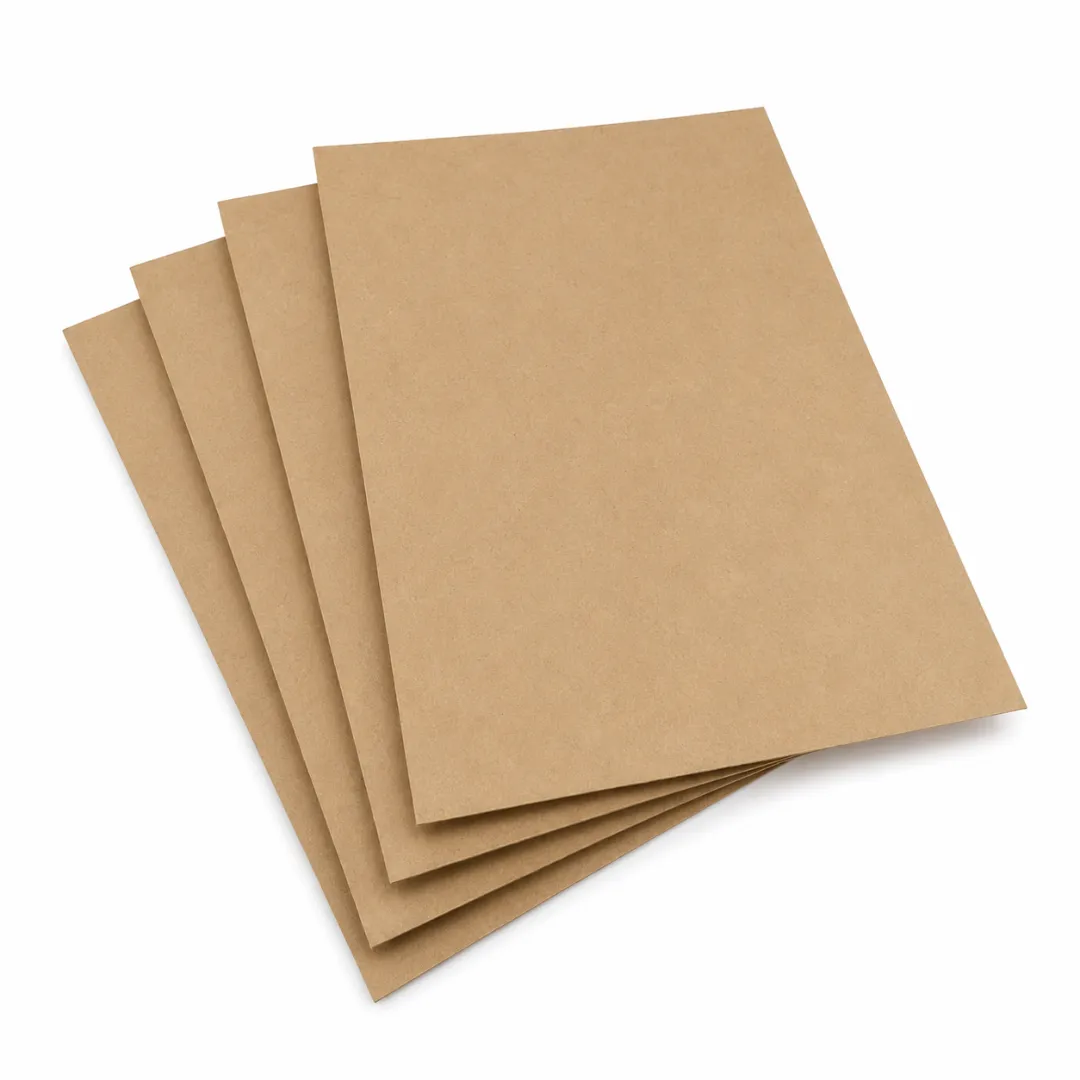
Kraft paper is a strong, durable and reliable material that is widely used across many different industries.
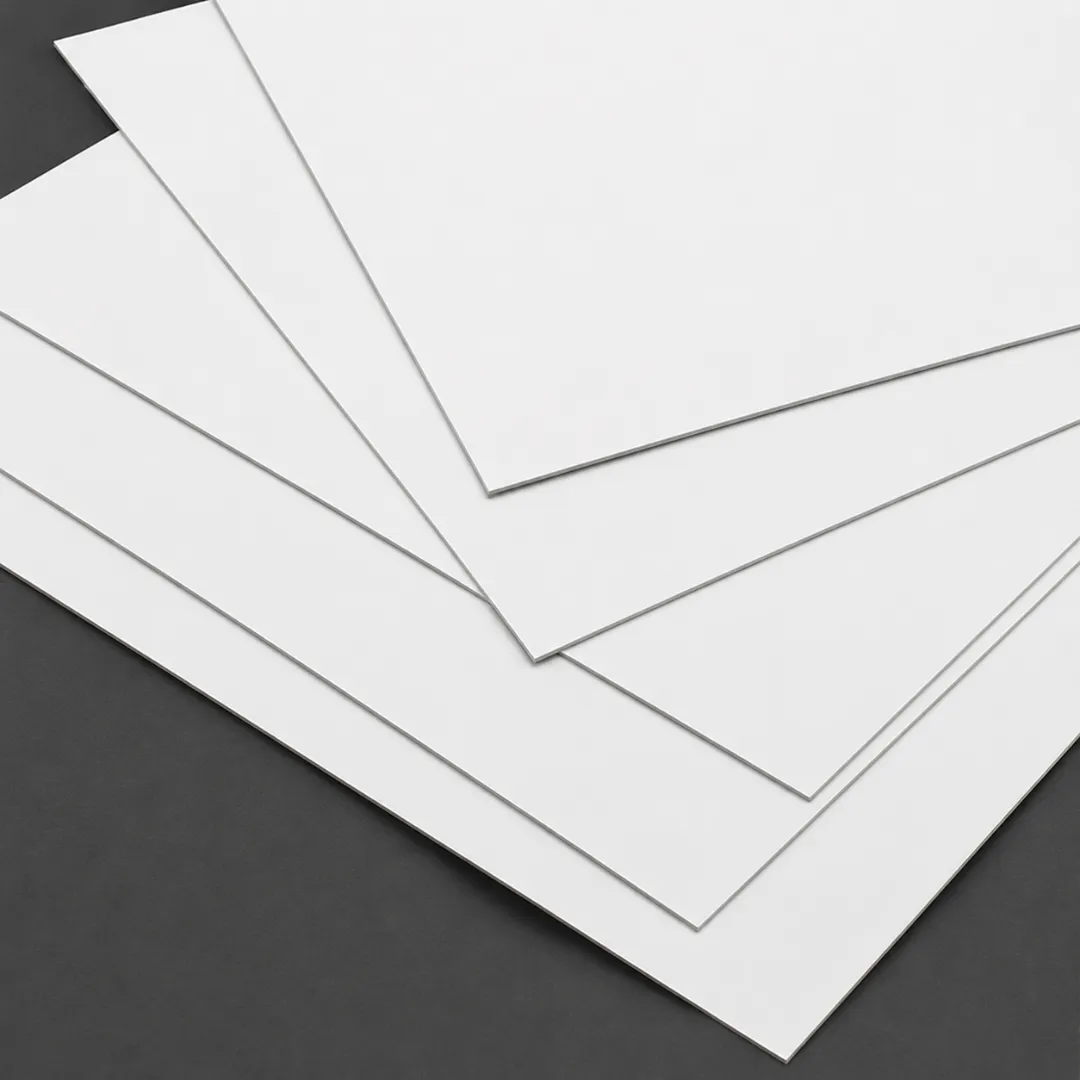
We use cardboard material with the least environmental impact and minimizes waste generation.
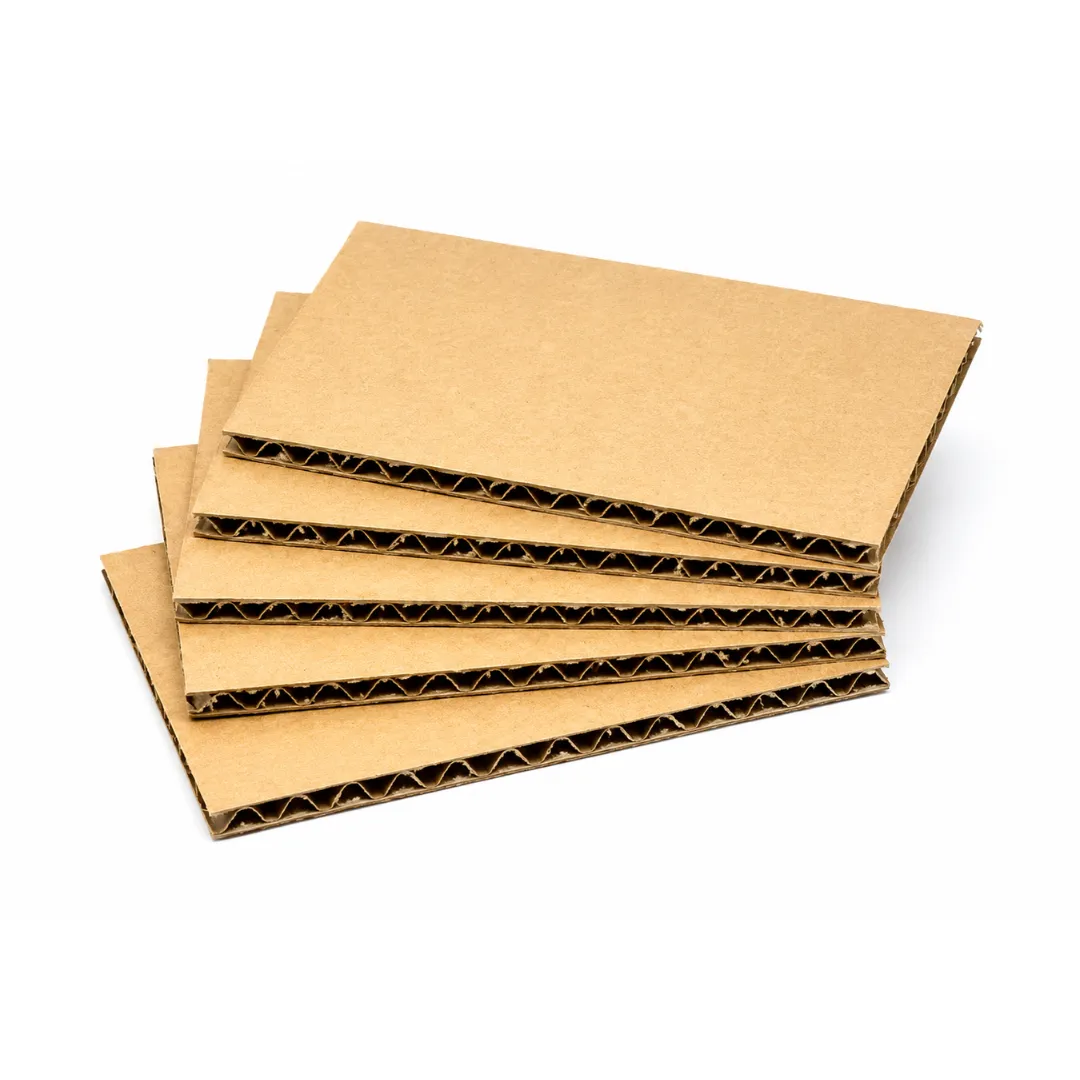
Corrugated material is easy to customize, cost effective and sustainable. It is also great for branding purposes.
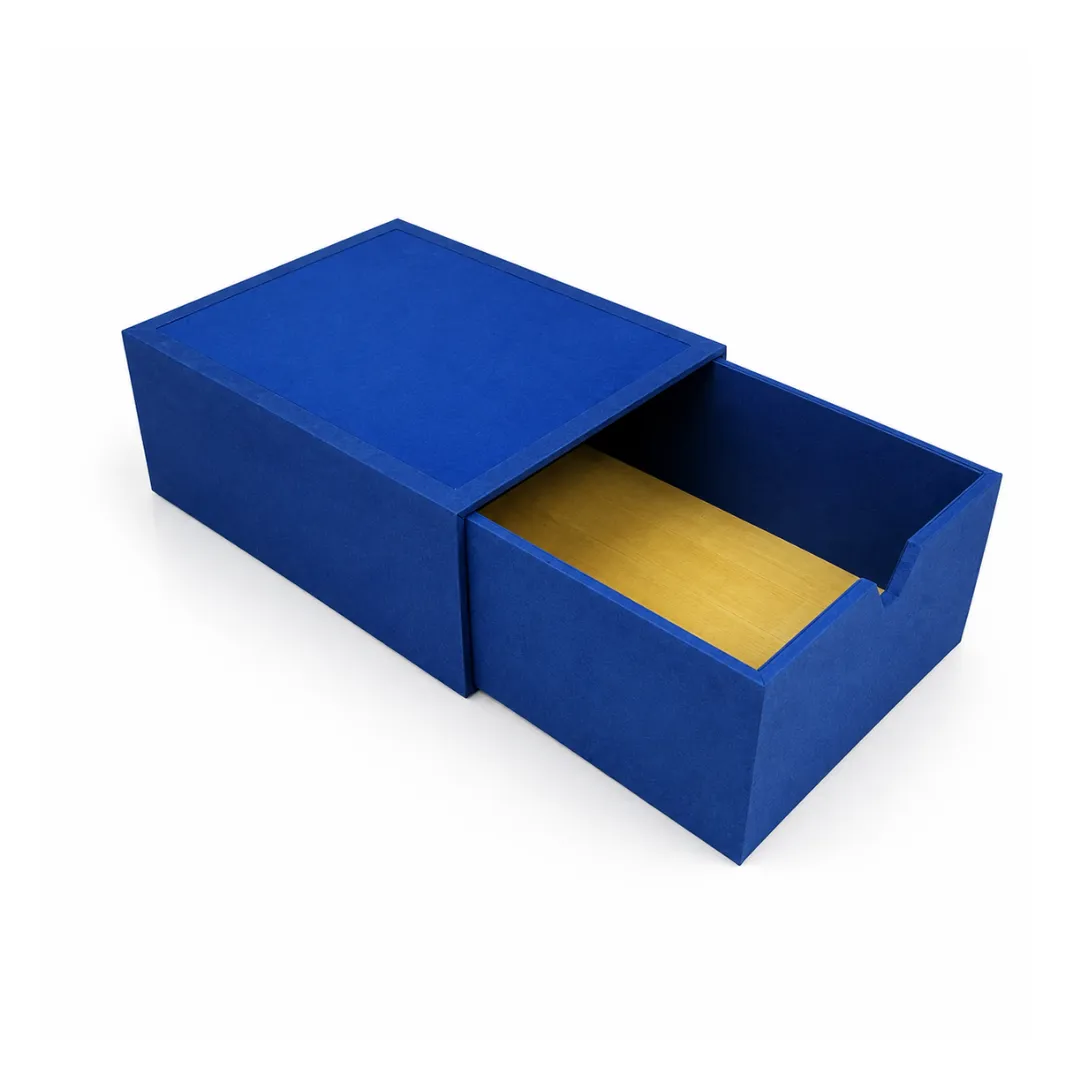
Rigid is highly protective, affordable and recyclable material. These boxes provide maximum protection.
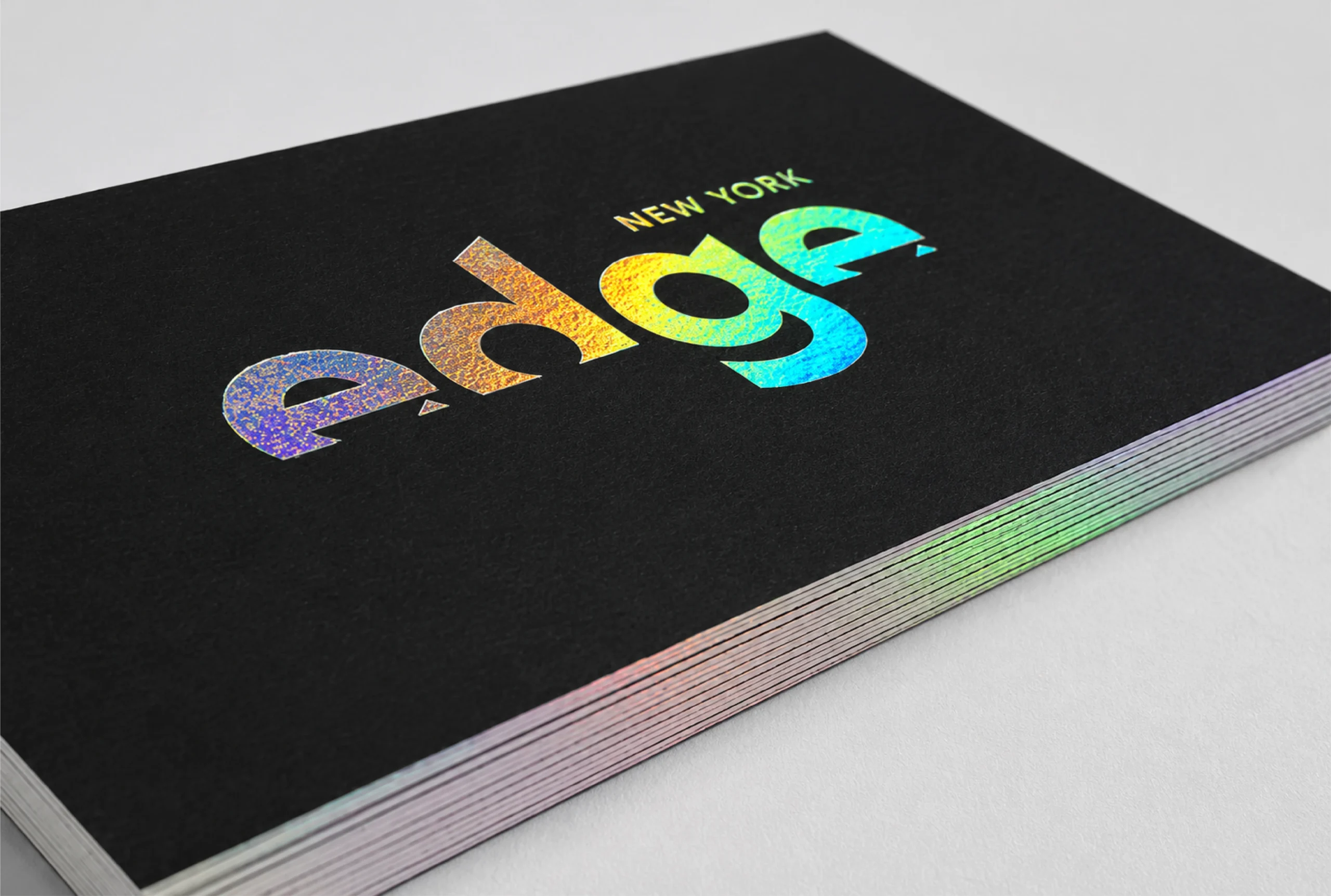
Holographic foil diffracts light and reveals the colors of the rainbow at various angles.
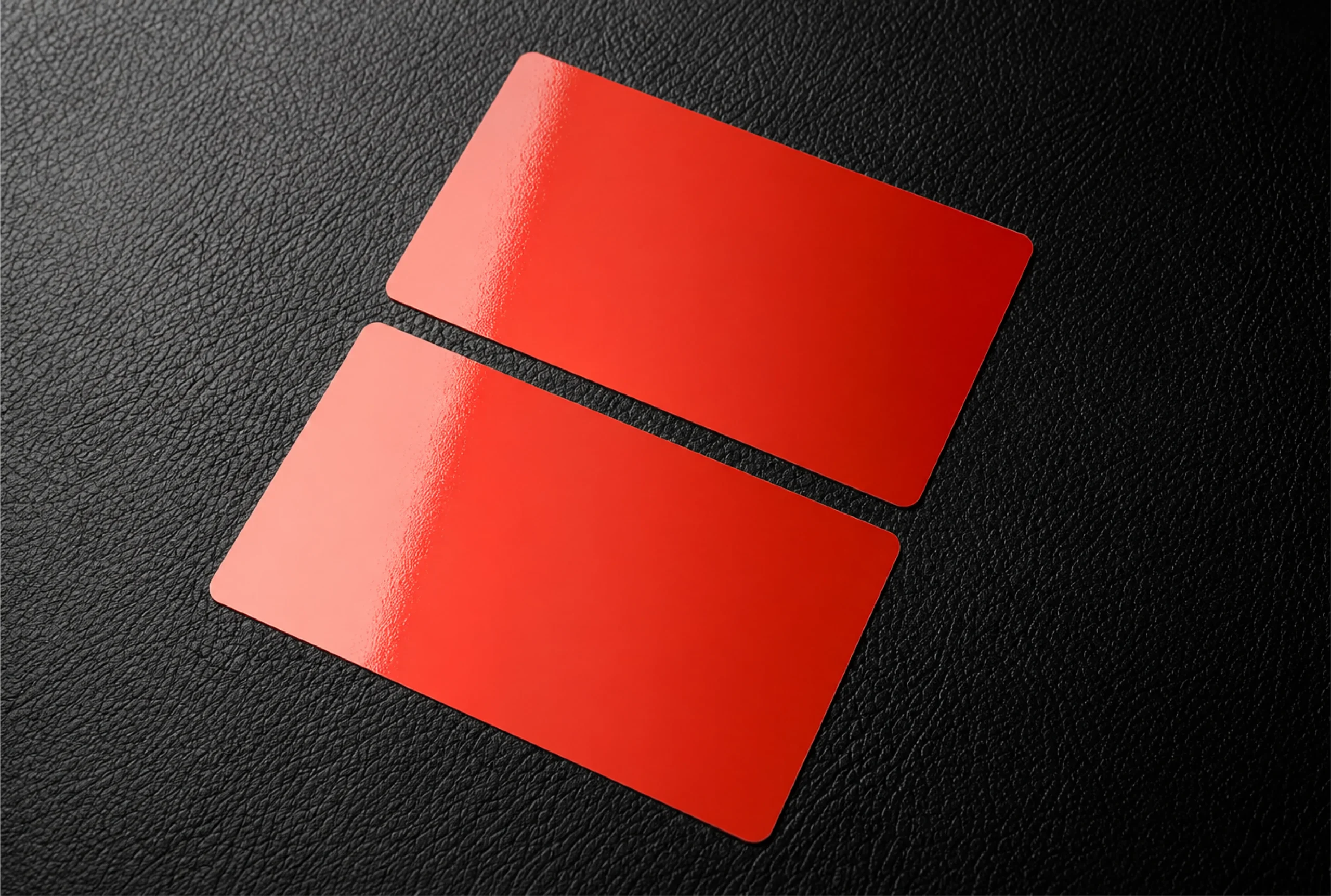
Our glossy finishing gives your packaging an extra layer of shine.
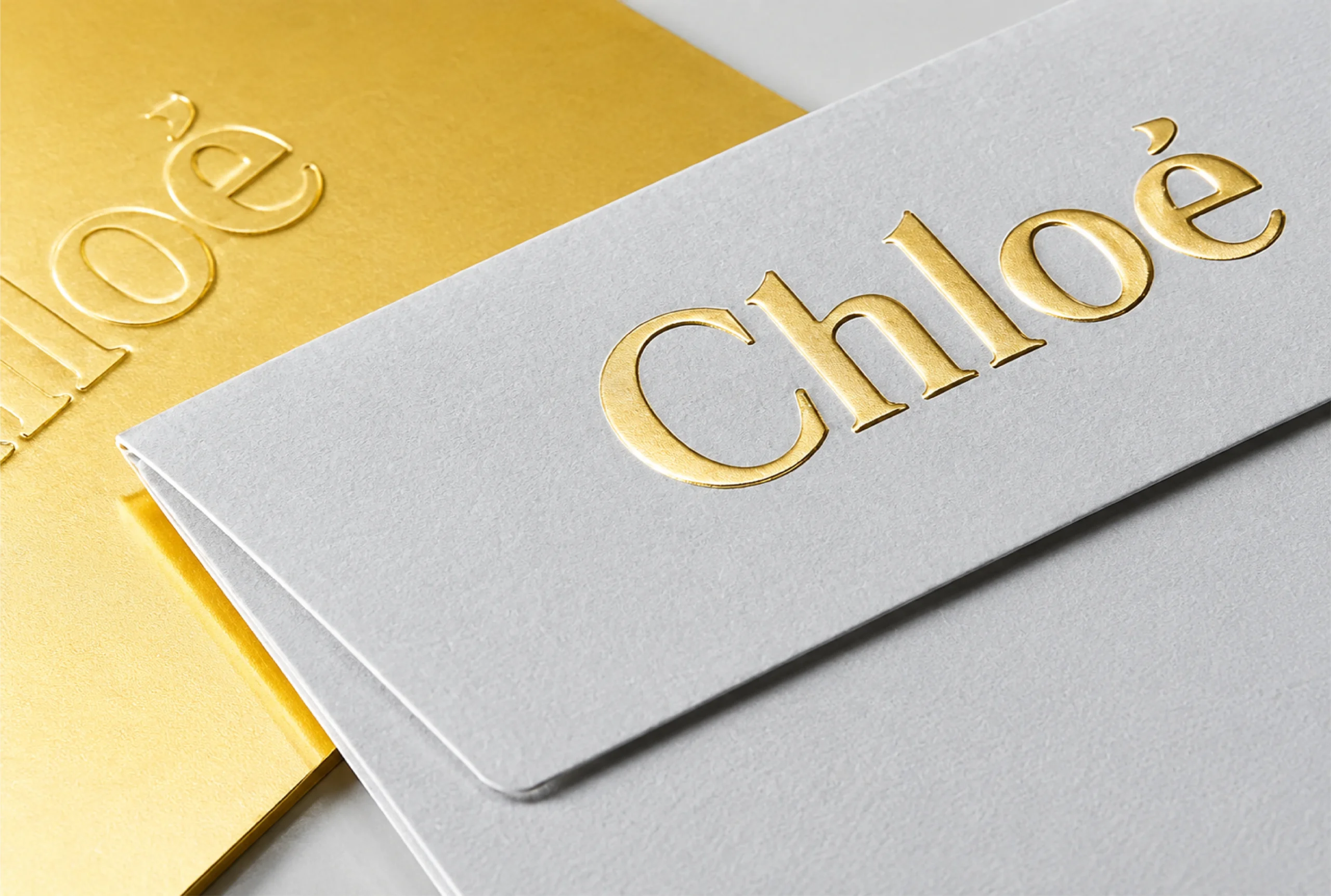
Decorate a wide range of your product packaging with our foil stamping.

With our embossing technique, we transfer the finest details of your product on packaging.
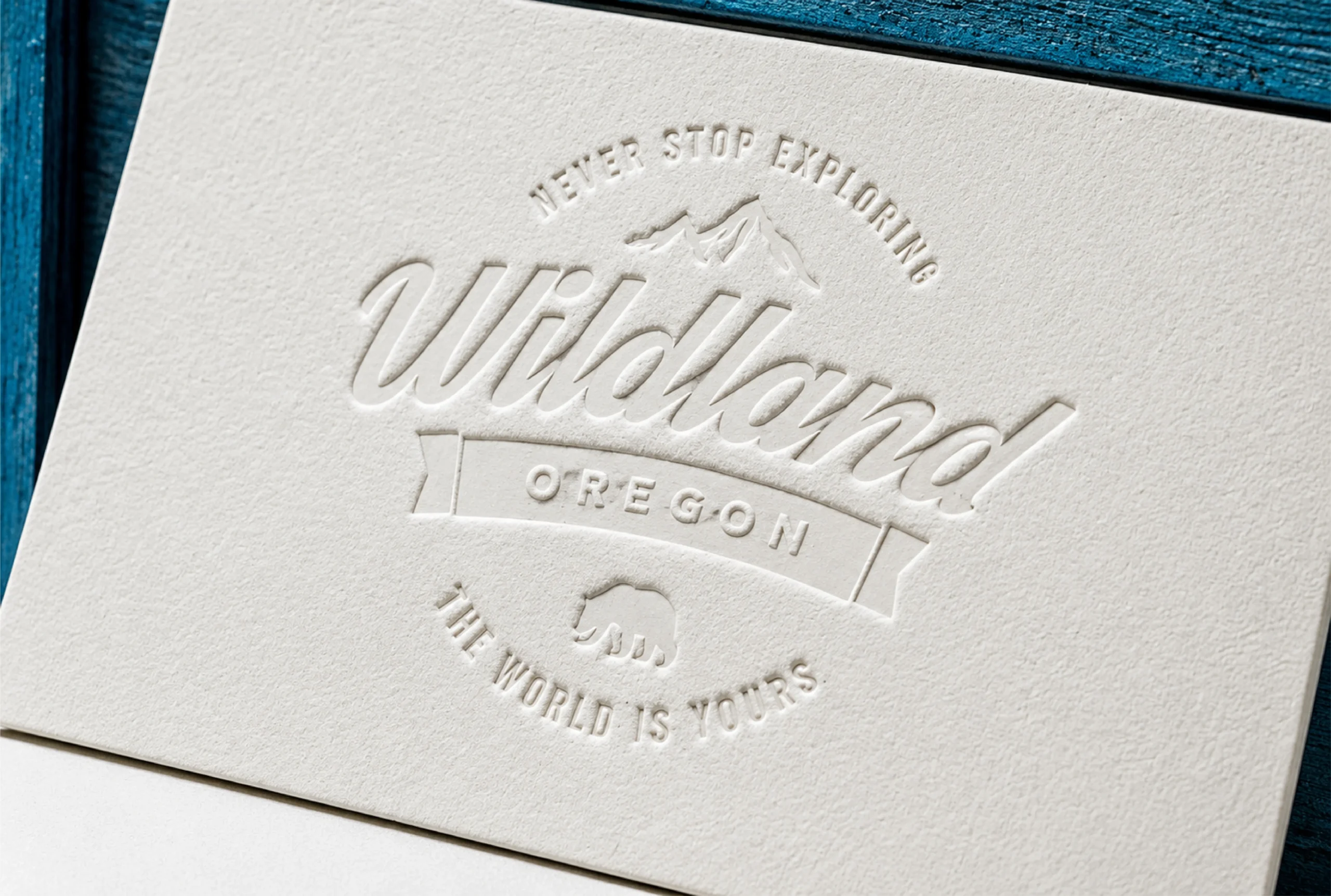
We use debossing technique to add unique graphics into your packaging.
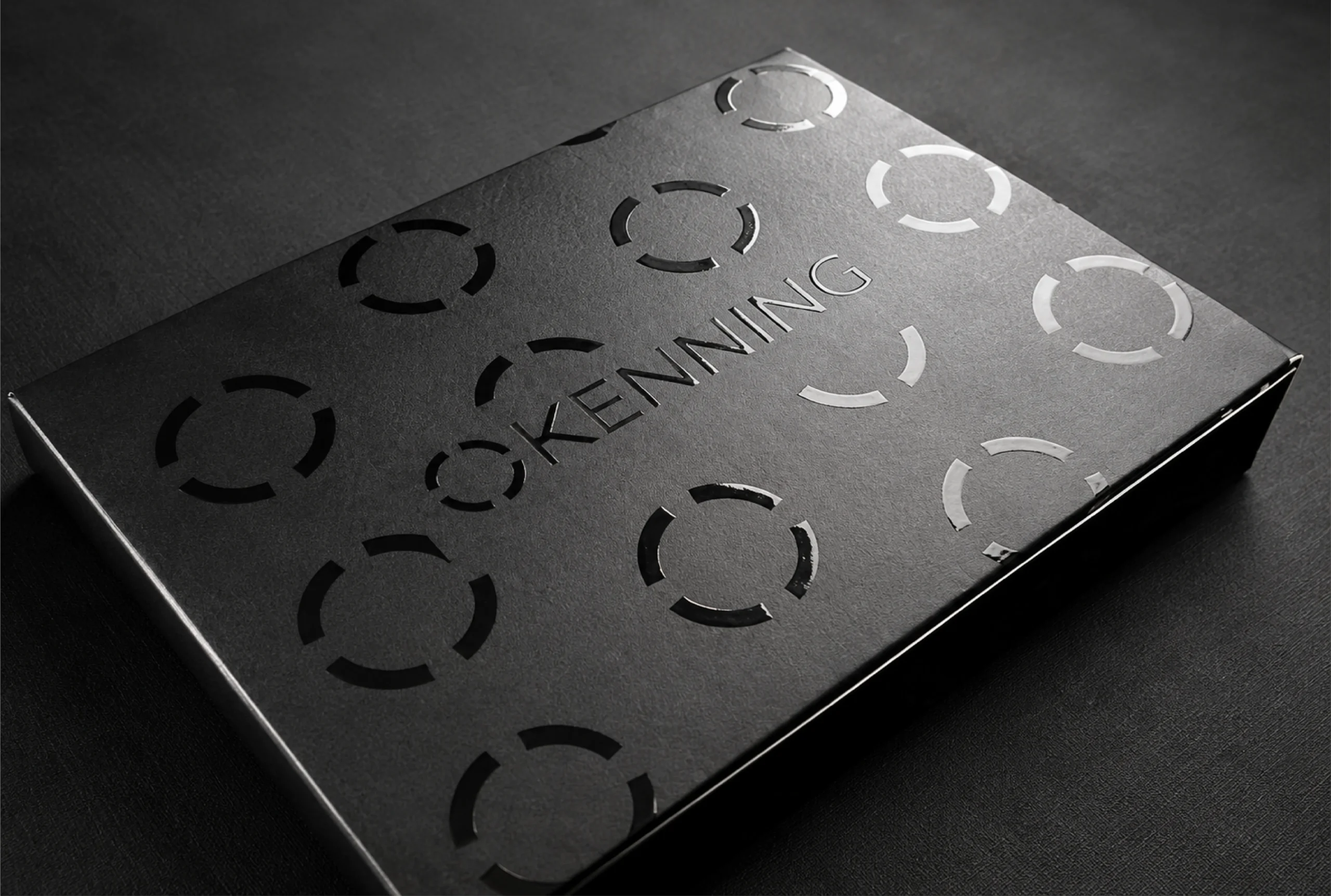
Our high-gloss UV coating gives light and shine to cure the printed material's varnish.
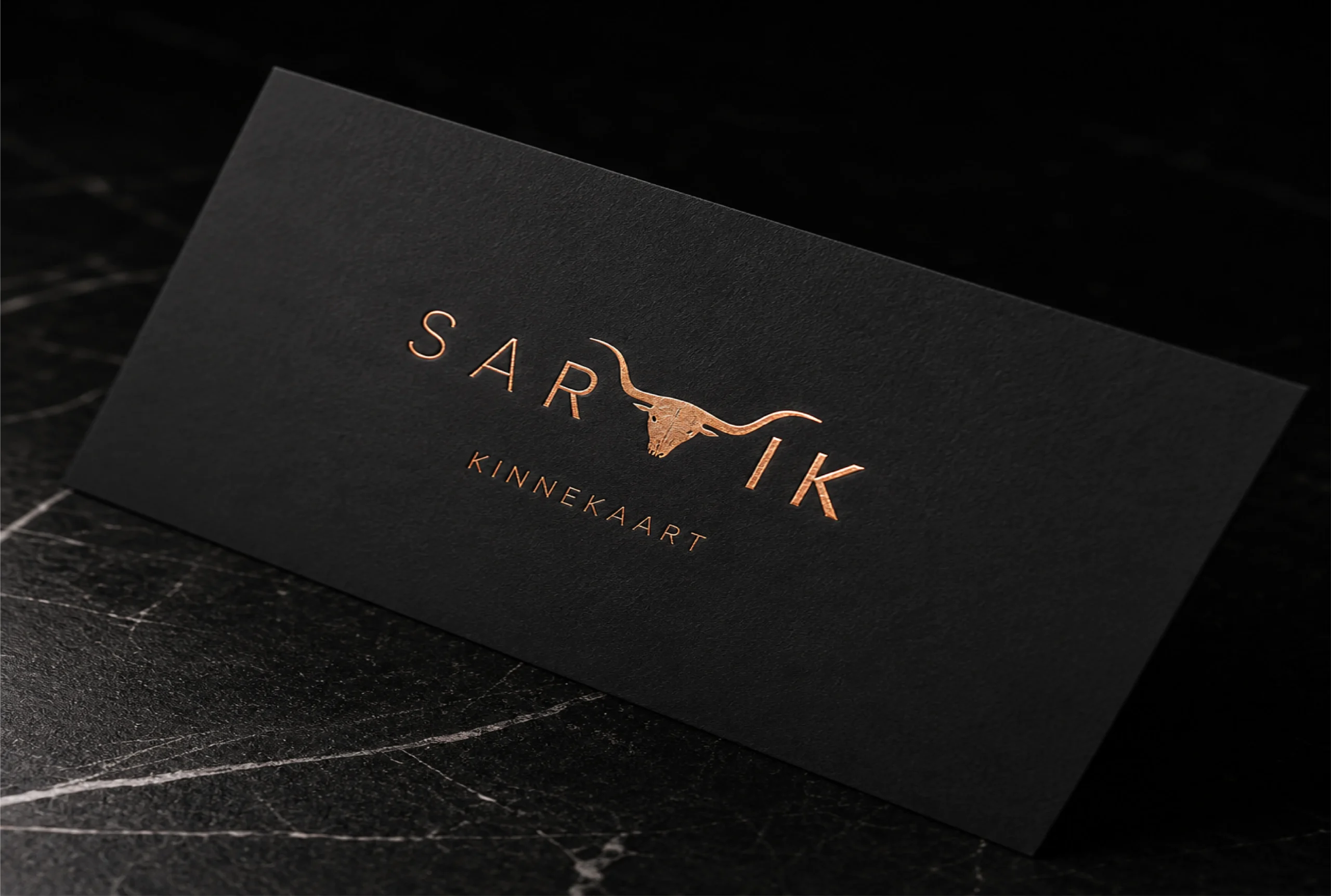
We add additional layer of protection with soft touch lamination from toner chipping.
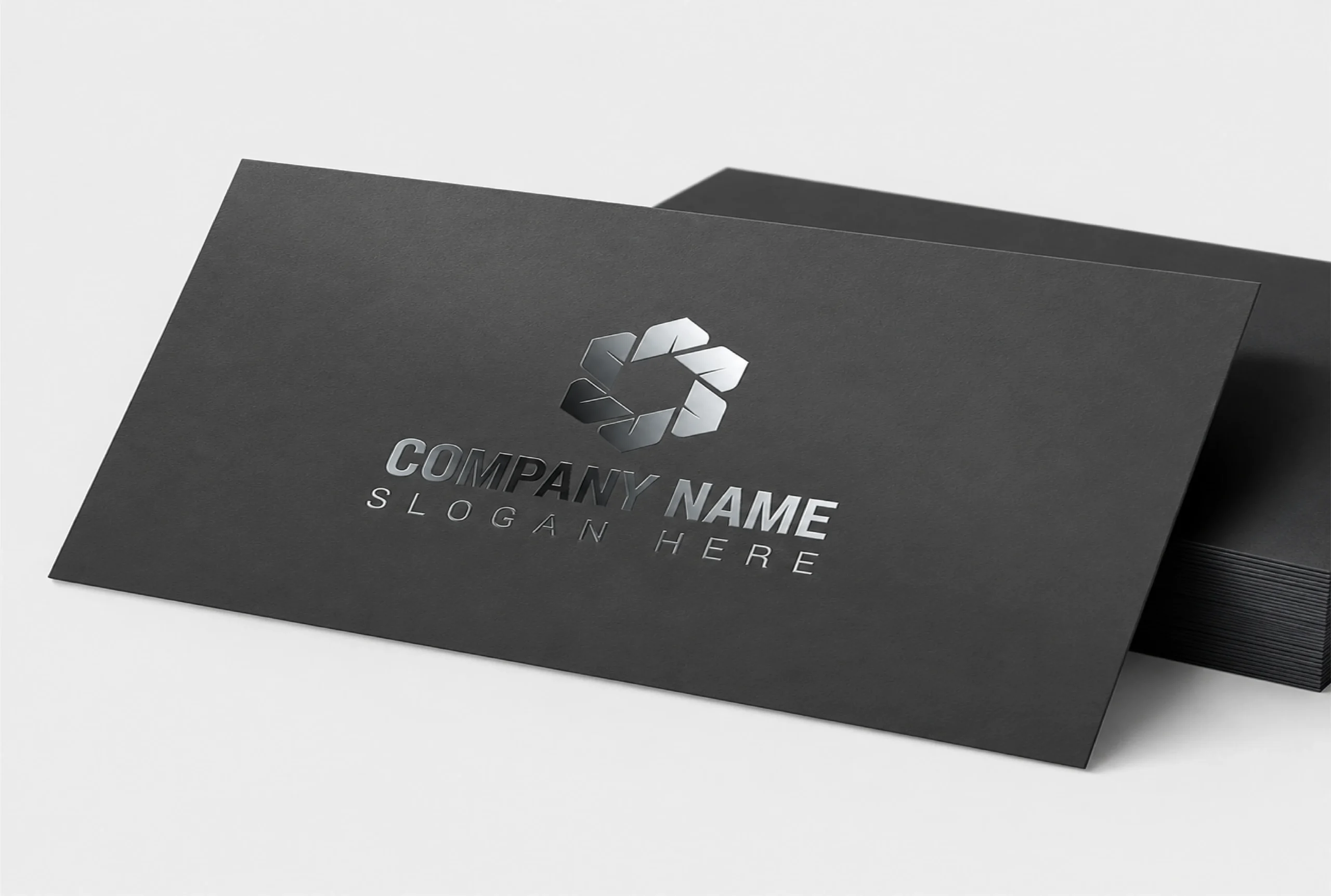
With our matte finish, fingerprints and smudges will now be less visible on the packaging.
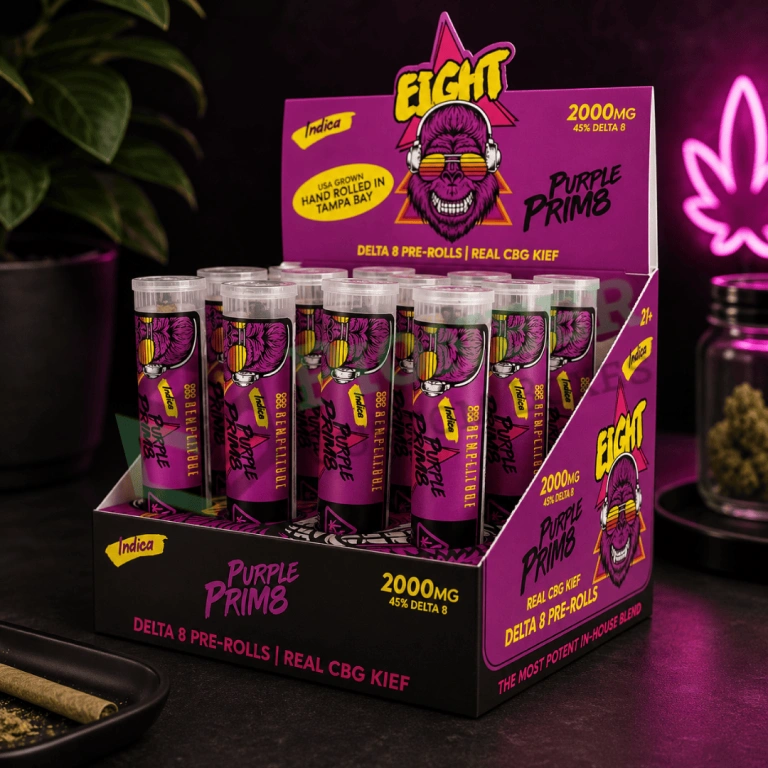
Custom Delta 8 boxes from Pioneer Custom Boxes help hemp, CBD, smoke shop, wellness, vape, edible, tincture, and retail brands package Delta 8 products with custom sizing, durable stock, sharp printing, barcode zones, QR panels, warning space, and free shipping across the USA.

Premium custom e cigarette boxes in the USA designed for brands that want stronger checkout presentation and safer shipping protection. We create structured vape packaging with sharp print quality, controlled sizing, and upgrade finishes that increase perceived value instantly. Order e cigarette boxes that look clean, modern, and retail-ready across the US market.
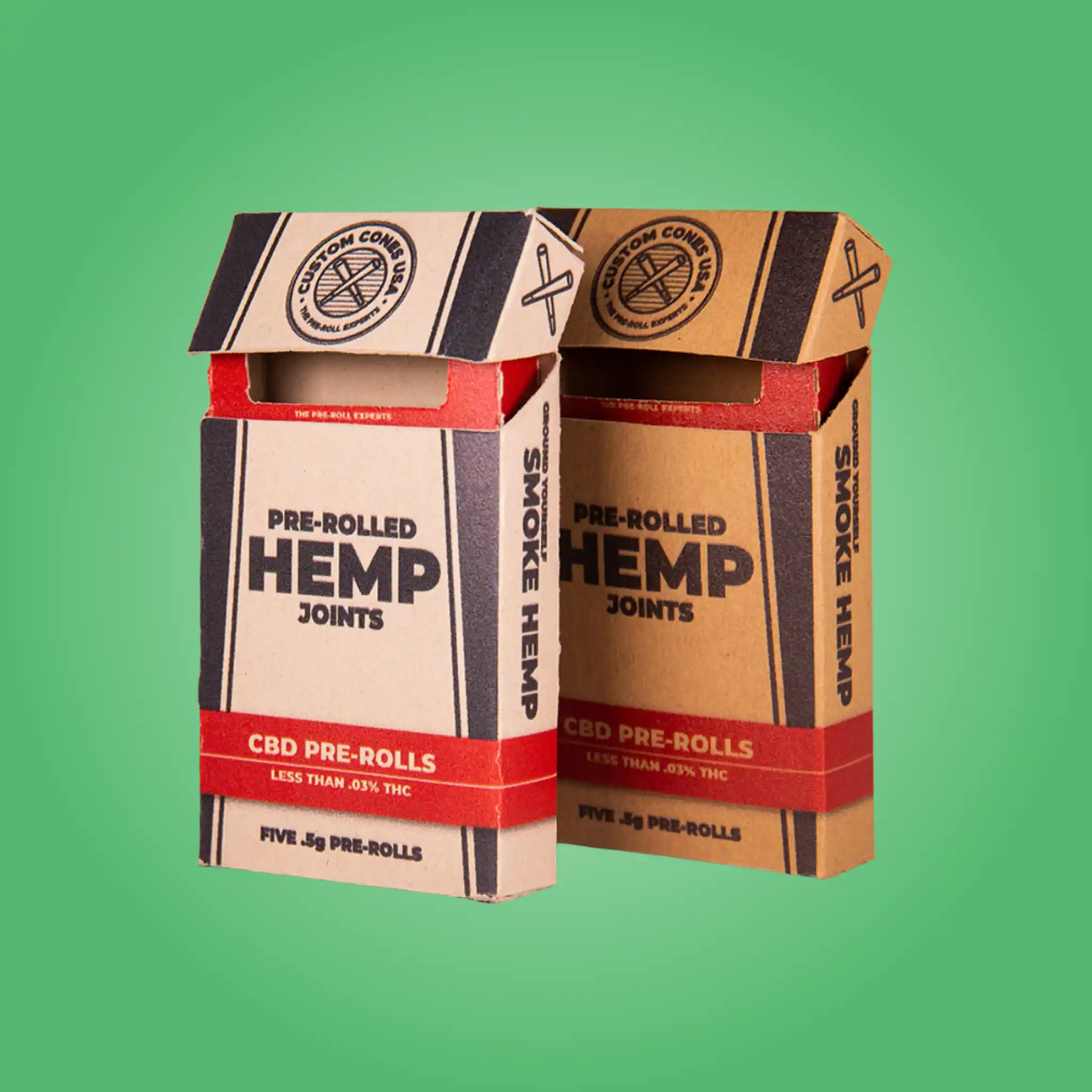
Custom kraft cigarette boxes in the USA made for brands that want a natural premium look with stronger retail presence. Pioneer Custom Boxes manufactures rigid kraft cartons with tight sizing, clean folds, and controlled printing that stays sharp during daily handling. Order kraft cigarette packaging built to feel boutique, minimal, and shelf-ready across the US market.
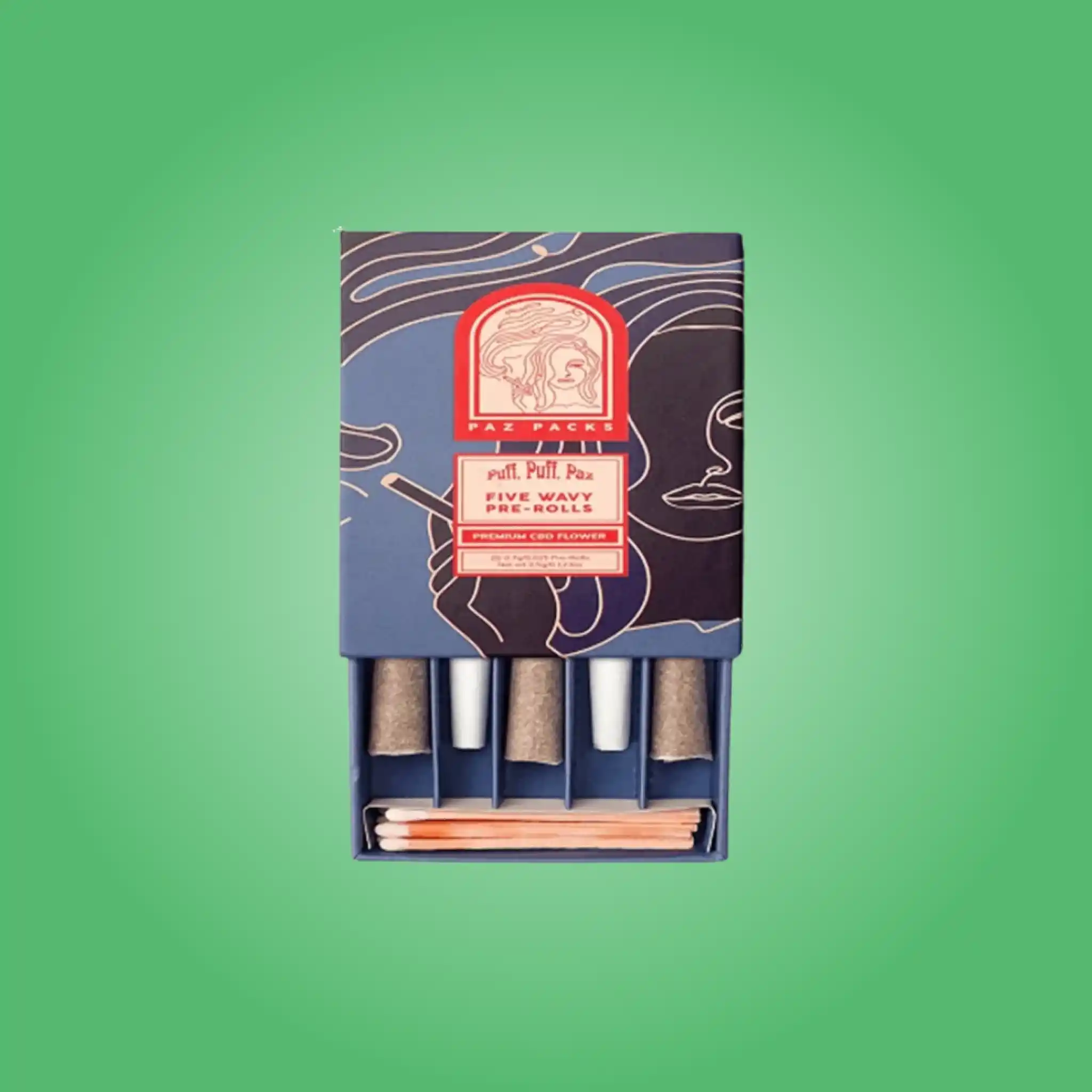
Custom sleeve cigarette boxes made to instantly upgrade your pack into a premium retail-ready presentation. Pioneer Custom Boxes manufactures tight-fit sleeve packaging with clean structure, sharp printing, and premium finishes that feel high-value in-hand. Get sleeve cigarette packaging built for boutique brands, limited drops, and stronger checkout impact.