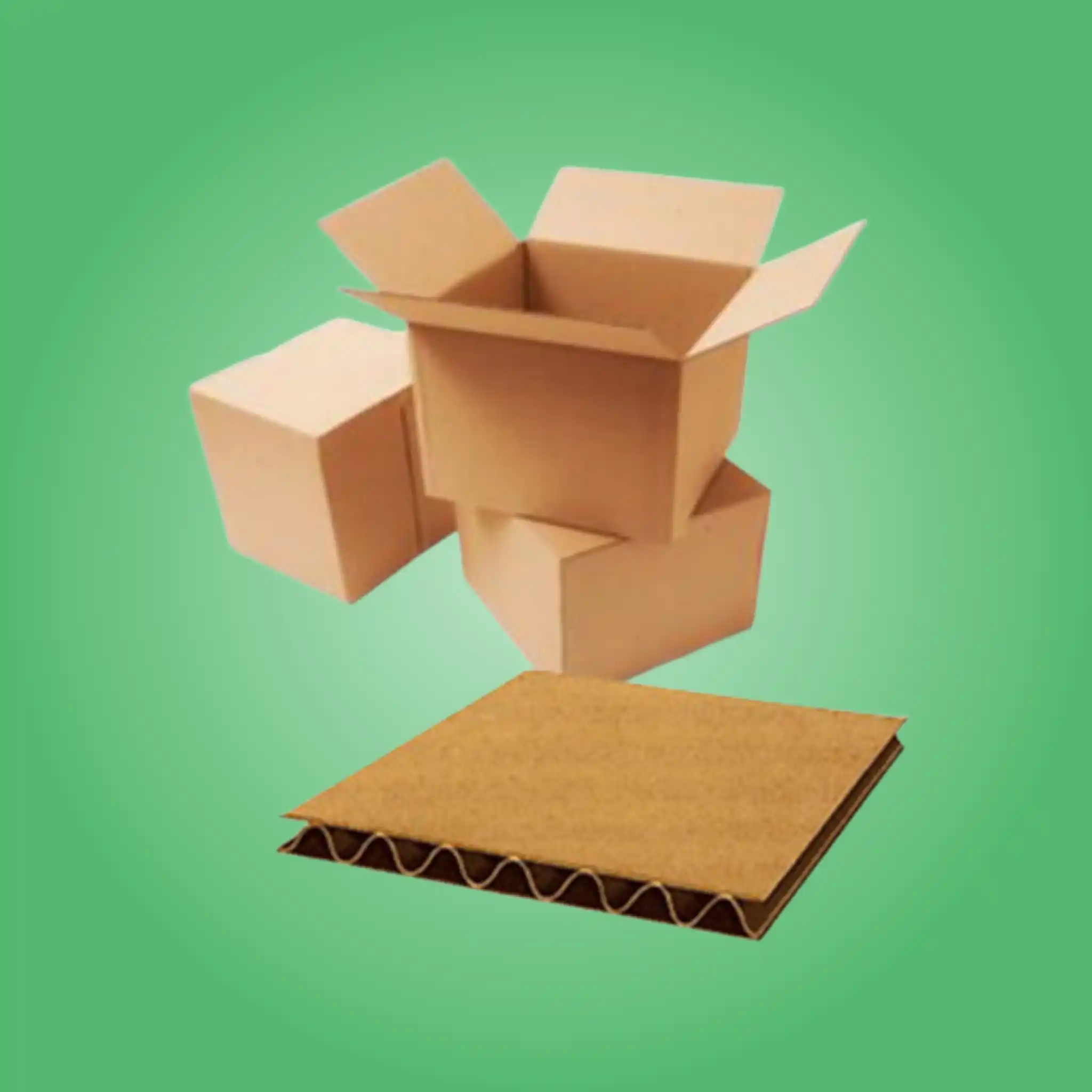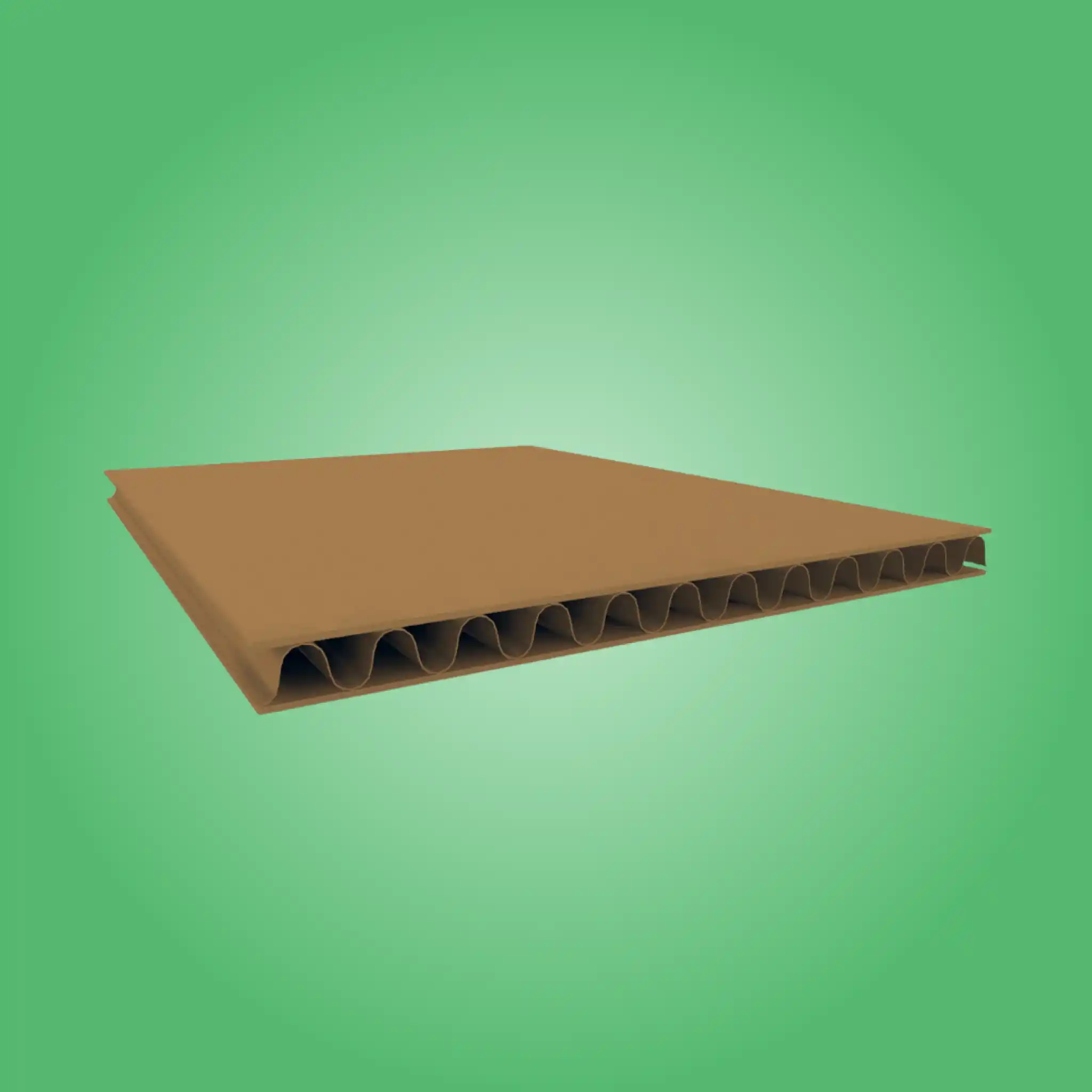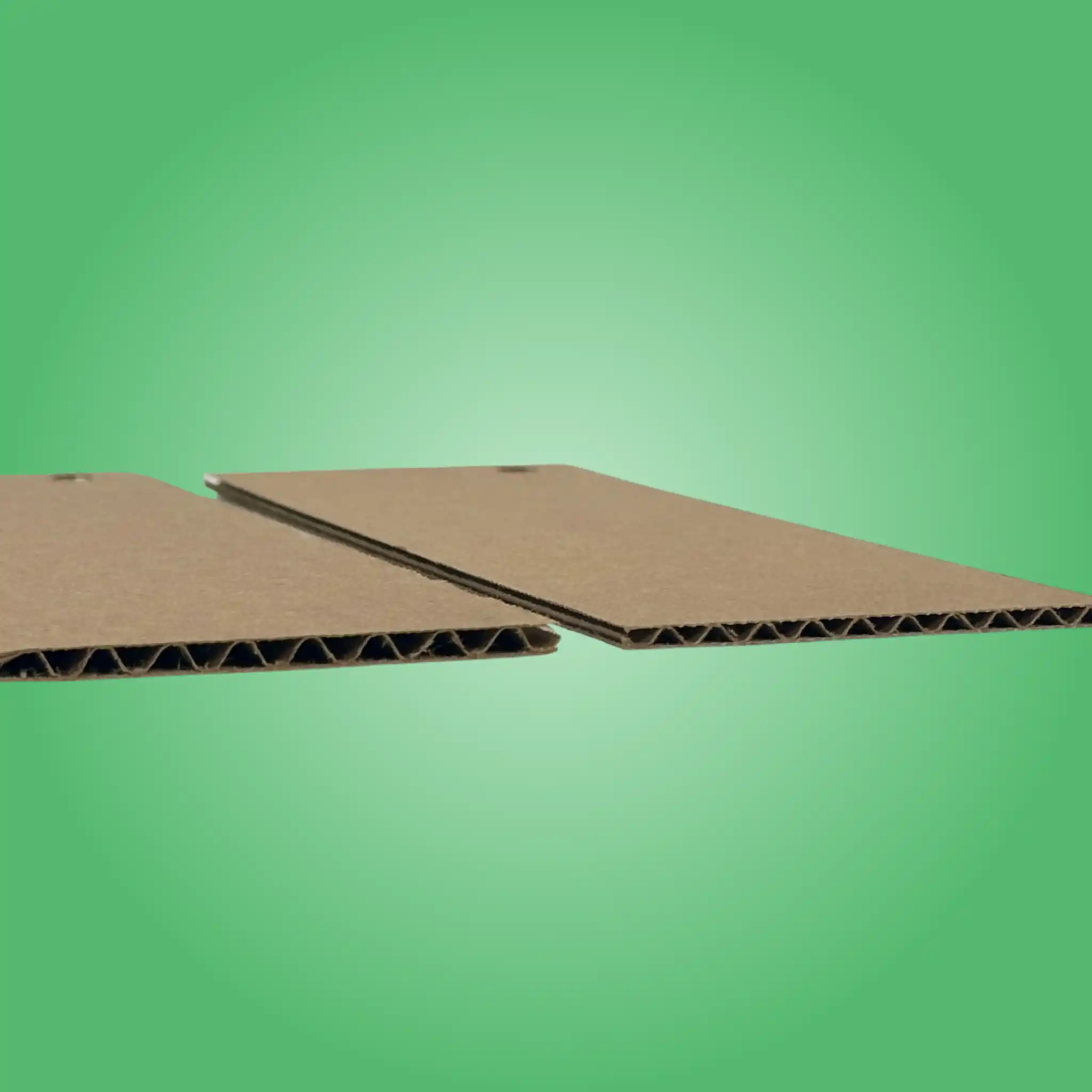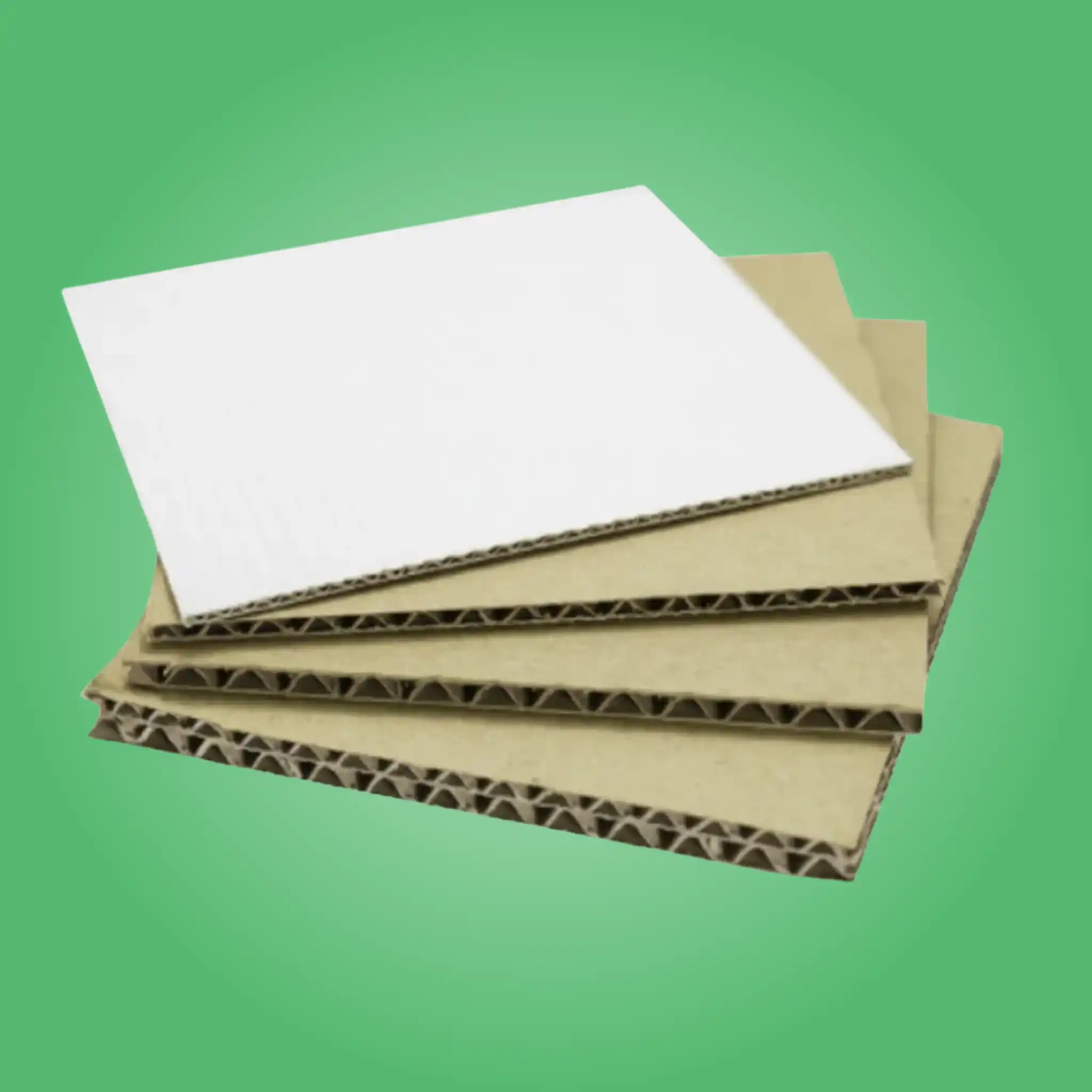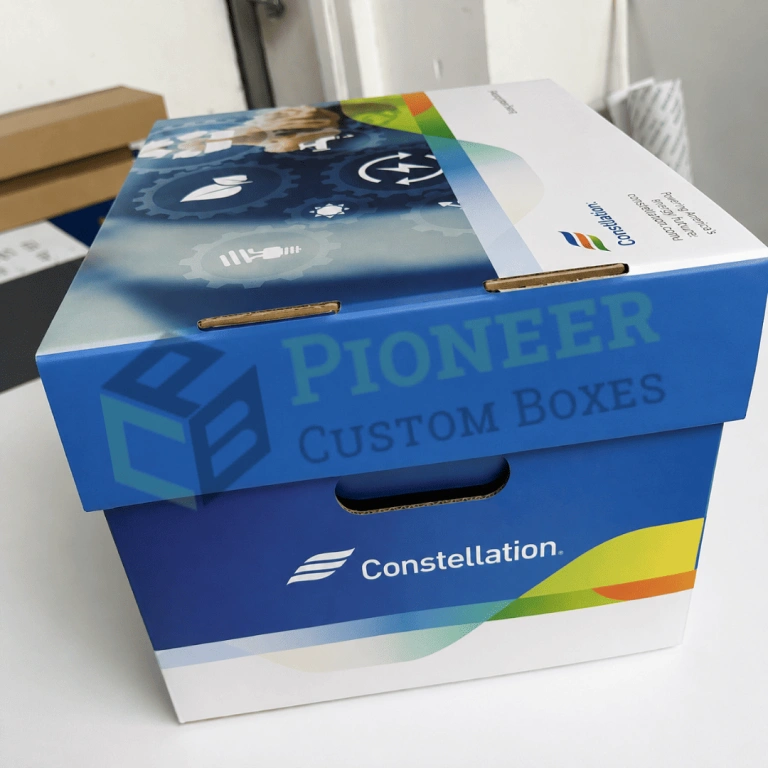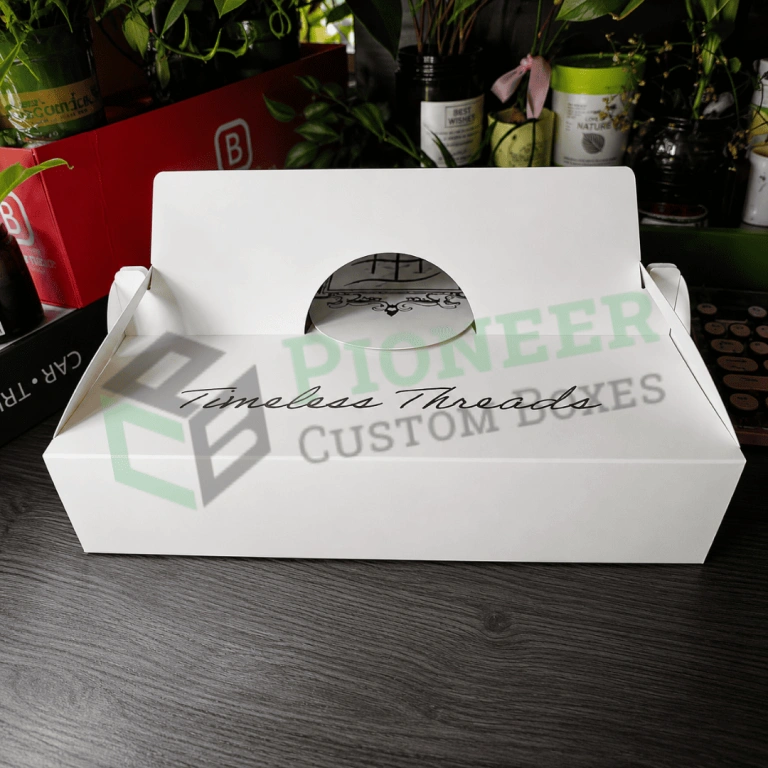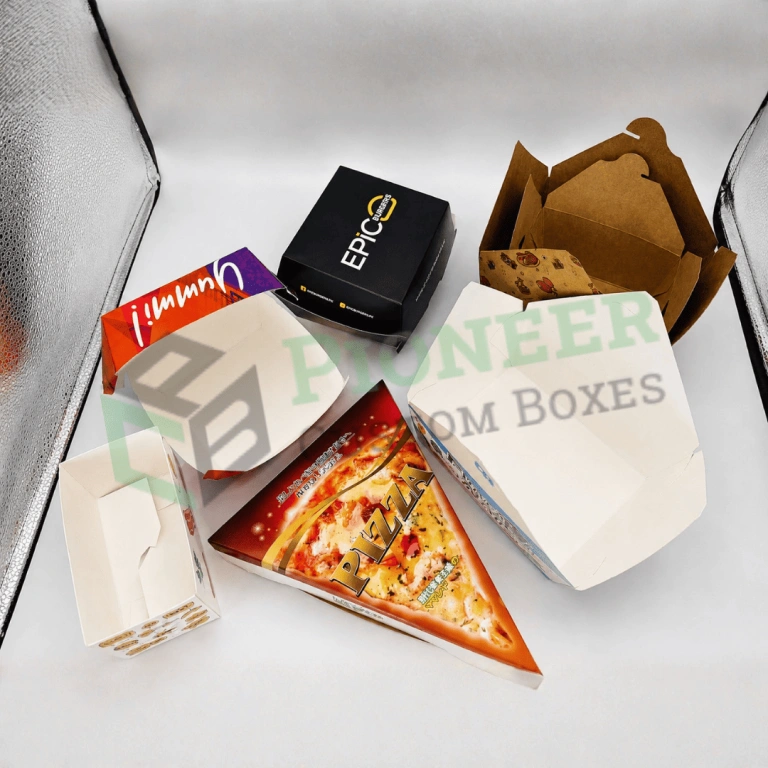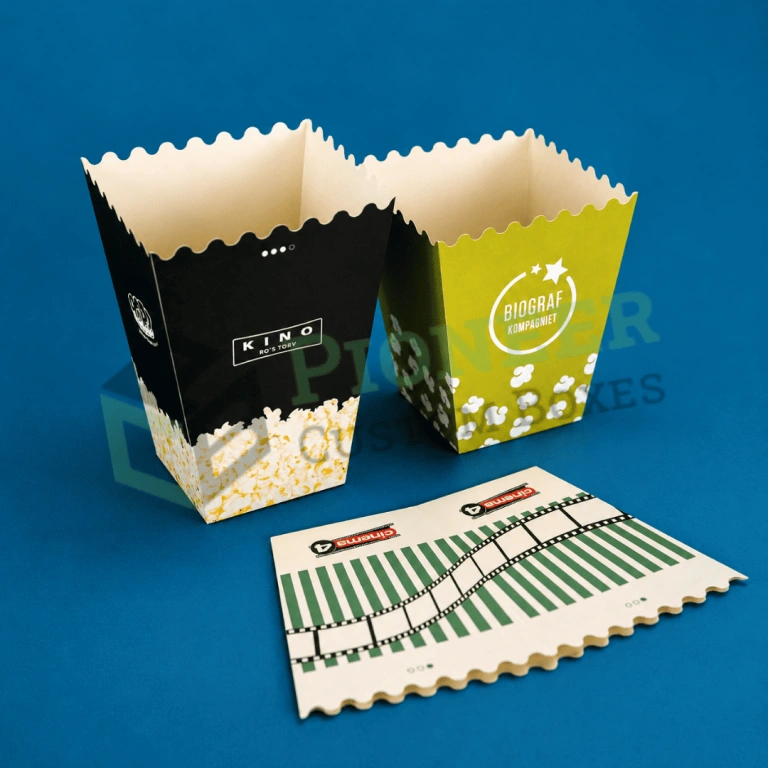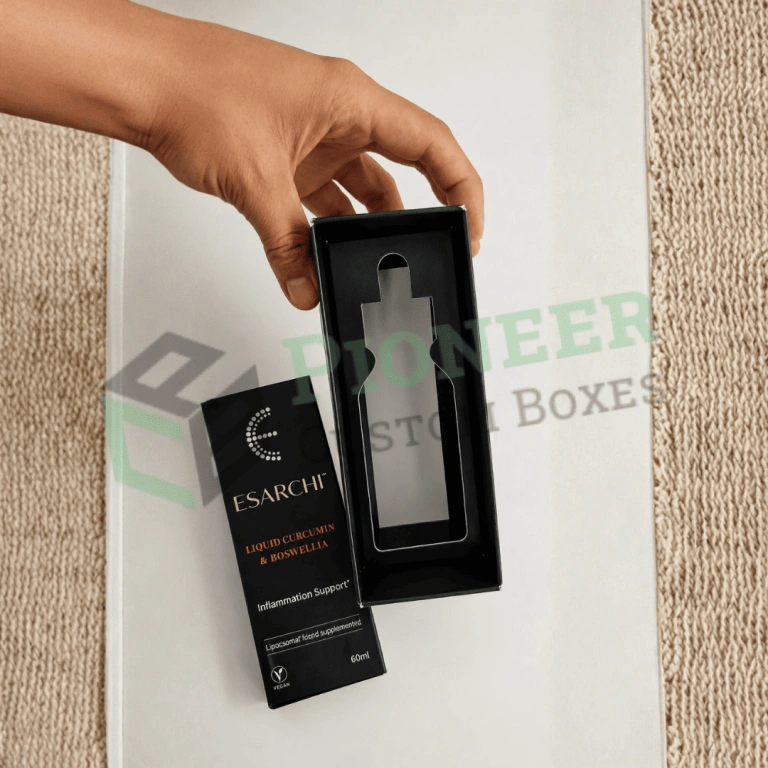
Single-wall corrugated boxes cut to your product, with the flute and board grade matched to your actual load and stack height. Choose regular slotted, half slotted, full overlap, die-cut mailer, five panel folder, roll end tuck top, telescoping or bliss construction in E, B, C or F flute from 26 to 48 ECT. We print flexo, digital or litho-laminated on kraft, mottled white or white top liner. Add inserts, dividers, hand holes, tear strips, shelf ready perforation, multi-depth scoring and water resistant coating. Zero minimum order quantity, free design support and free shipping across the United States. Standard production runs ten to twelve business days, with rush service available. Get a free quote or order now.
Single-wall corrugated is the workhorse of American packaging. One fluted layer sits between two liners, and that simple sandwich carries most of what moves through this country. We manufacture single-wall corrugated boxes directly in the United States, so you control the flute, the board grade and the print. Order fifty boxes or fifty thousand, because we hold no minimum order quantity.
Ecommerce brands use these for daily order fulfillment. Manufacturers use them for case packs moving to retail. Warehouses use them for storage and internal transfer. Each pattern needs a different flute and a different grade, and we build all of them on the same lines.
Every specification below is explained separately. Read the section that matches your product, then request a free quote. Our design team draws your dieline at no charge, whatever quantity you order.
Structure decides how the box packs, how it closes and how much it costs. Here are the formats we produce most often in single-wall board.
The standard shipping carton, with all flaps the same length and the outer pair meeting at the center. It ships flat and uses board efficiently, which makes it the cheapest structure per cubic inch. Most case packs and transit cartons run this way.
The same construction without top flaps, so the box works as an open tray. Warehouses use these for picking bins and internal transfer. A separate telescoping lid converts it to a closed box when needed.
Outer flaps overlap completely across the top and bottom, doubling the board at the two weakest points. Dense products and rough handling both justify the extra material. Choose it whenever filled weight climbs toward the top of the single-wall range.
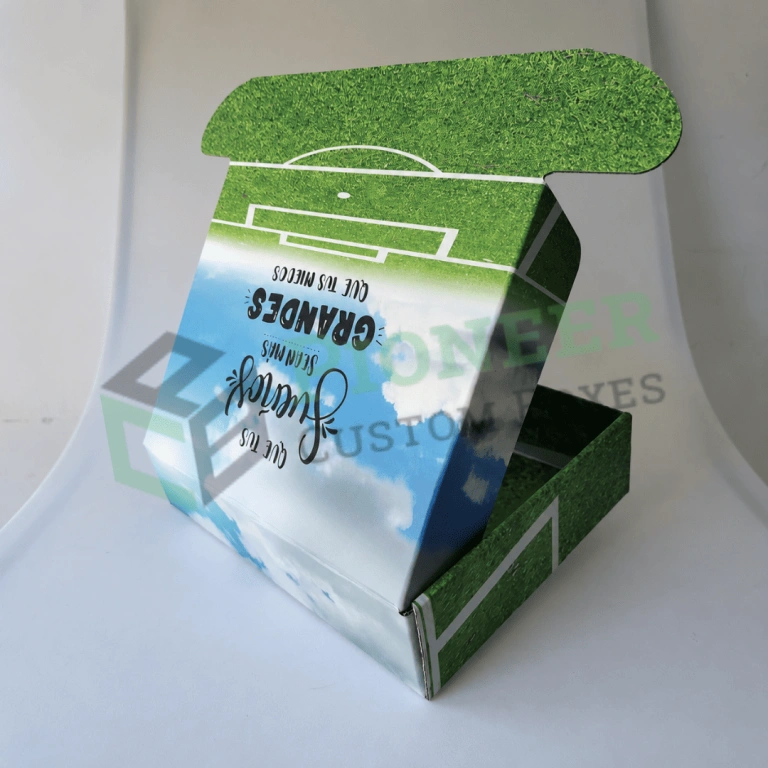
A one piece mailer with a hinged lid and a front locking tab. It assembles without tape, which speeds up a pack bench dramatically. Ecommerce brands use this format more than any other single-wall structure.
A long flat wrap that folds around the product and locks at the end. Long narrow items such as rods, tubes and frames ship safely without an oversized carton. Dimensional weight stays low.
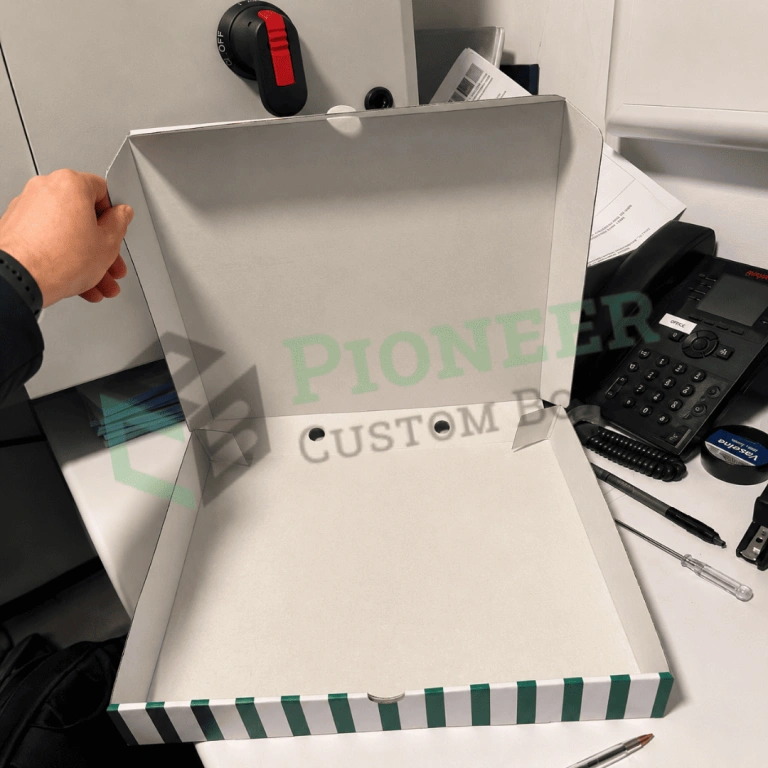
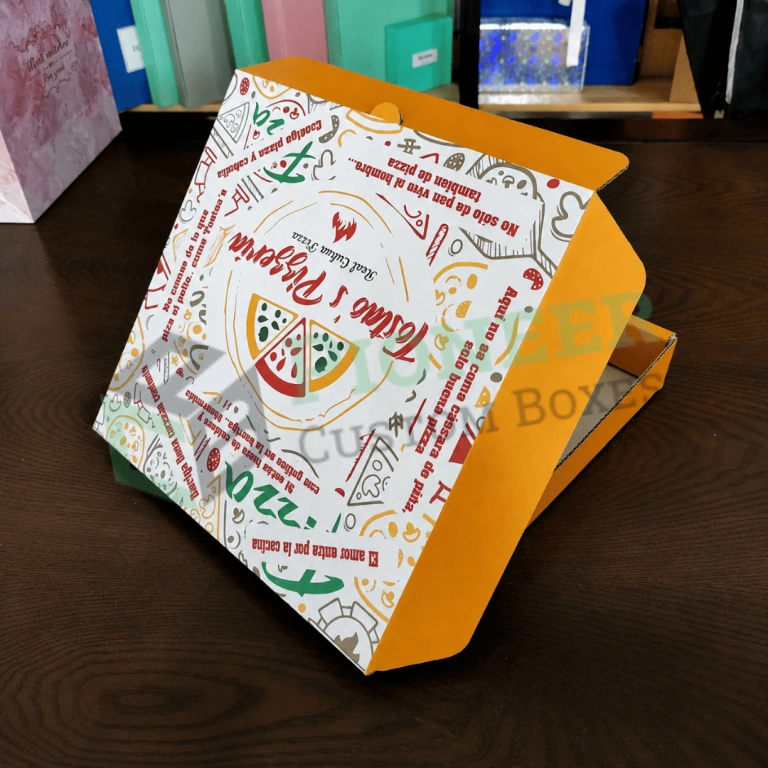
A die-cut tray with a hinged lid tucking into the front. It needs no tape, assembles in seconds and looks retail ready. Subscription and gift shipments use it constantly.
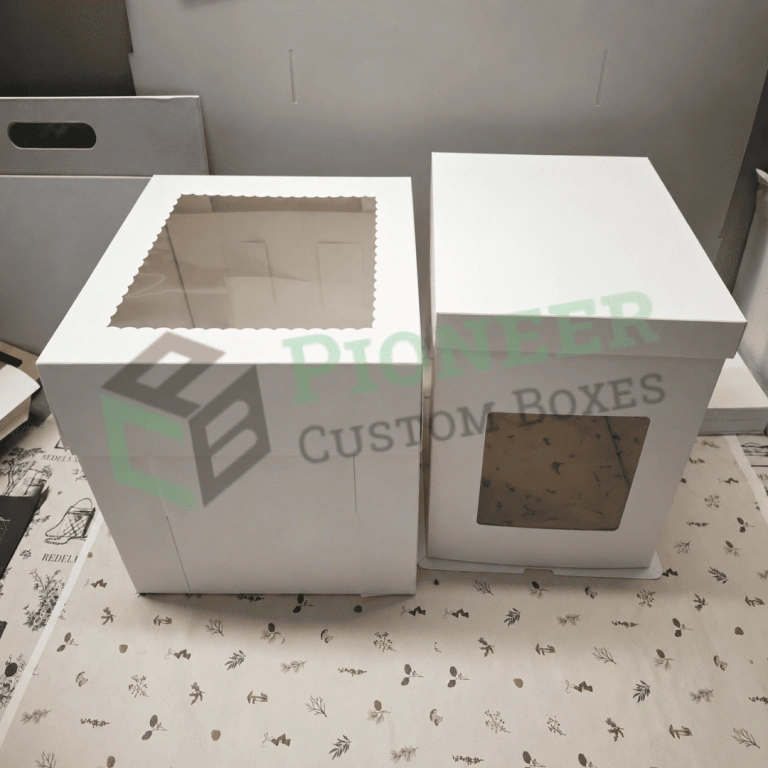
A separate lid slides over a base, which lets one box serve several product heights. Large flat items such as artwork and apparel ship well this way.
Three pieces glue into a rigid rectangular form with no slots at the corners. The construction resists compression far better than a slotted carton of the same board. Produce and heavy retail packs use it.
,,,,,,,,
| Box Style | Closure | Typical Use | Board Efficiency |
|---|---|---|---|
| Regular slotted container | Taped center seam | Case packs and transit | Highest, lowest cost |
| Half slotted container | Open top or separate lid | Picking bins and storage | High |
| Full overlap container | Taped, doubled top and bottom | Dense or heavy goods | Lower, stronger |
| Die-cut mailer | Front lock tab, no tape | Ecommerce and subscription | Moderate |
| Five panel folder | End lock fold | Long narrow items | High for the shape |
| Roll end tuck top | Hinged lid, front tuck | Retail ready shipments | Moderate |
| Telescoping two piece | Lid over base | Flat or variable height goods | Moderate |
| Bliss box | Glued three piece | Heavy retail and produce | Lower, very strong |
Tell us the product dimensions, the filled weight and how the boxes will be stacked. Those three inputs drive the flute and grade selection. Our team then recommends a structure and sends the drawing free of charge.
Loads above roughly eighty pounds outgrow this board entirely. At that point the wider corrugated boxes range covers double and triple wall construction. Send us the filled weight and our team will tell you honestly which side of that line you sit on.
Every box here is cut to your product rather than to a catalog. These dimensions cover the orders we run most often, so use them as a starting point.
,,,,,,,,,,
| Size (L x W x H, inches) | Typical Contents | Common Use |
|---|---|---|
| 6 x 6 x 6 | Small parts, accessories, samples | Light ecommerce orders |
| 8 x 6 x 4 | Single item shipments | Standard DTC parcel |
| 10 x 8 x 6 | Two to three item orders | General merchandise |
| 12 x 9 x 6 | Apparel, books, kitchenware | Multi-item parcels |
| 12 x 12 x 12 | Cube shipments and bundles | Bulky light goods |
| 14 x 10 x 8 | Small appliances and electronics | Higher value parcels |
| 16 x 12 x 10 | Case packs and gift sets | Retail distribution |
| 18 x 12 x 8 | Wholesale case quantities | B2B shipments |
| 20 x 16 x 12 | Bulk and lightweight oversize | Storage and transfer |
| 24 x 18 x 18 | Large bulky product | Furniture parts and oversize |
Give us interior dimensions rather than exterior ones. Board thickness eats into usable space, and a box quoted to outside dimensions will hold less than you expect. We convert between the two automatically, but telling us which you measured removes any ambiguity.
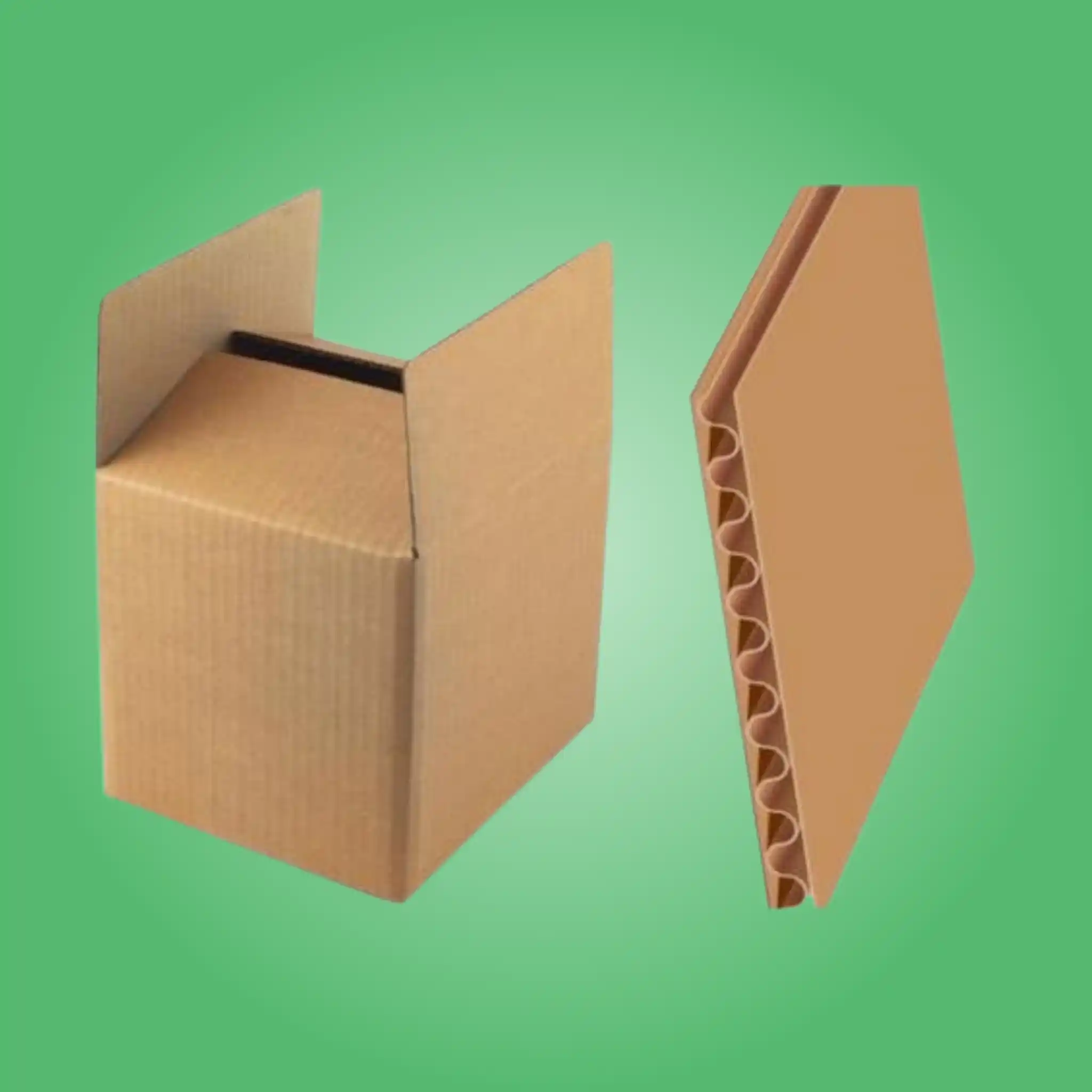
Flute choice is the single most important decision in single-wall corrugated. The flute is the wavy layer between the liners, and its height and frequency decide everything about how the box behaves.
E-flute measures roughly a sixteenth of an inch and packs the flutes tightly together. That fine profile takes print beautifully, folds crisply and suits retail ready packaging. Protection is modest, so keep E-flute under about ten pounds of filled weight.
B-flute runs around an eighth of an inch. It adds real crush resistance while still printing acceptably. Most branded mailers carrying moderate weight use B-flute, and it tolerates rough parcel handling far better than E.
C-flute measures roughly three sixteenths of an inch with taller, more widely spaced flutes. That geometry gives the best stacking strength in single-wall, which is why standard shipping cartons use it. Print detail softens against the flute, so keep artwork bold.
F-flute sits below E at about a thirty second of an inch. It exists for small retail packaging where a folding carton lacks strength but corrugated thickness would look clumsy. Cosmetics and electronics accessories use it.
Direction matters as much as profile. Flutes running vertically in a standing box carry compression load, while flutes running horizontally do not. We orient the board correctly for your stacking pattern rather than leaving it to chance.
Board grade decides how much weight the box carries and how it survives a warehouse. Two numbers describe it, and understanding them saves real money. Our board specifications follow the corrugated standards the Fibre Box Association publishes for the industry.
ECT measures how much compression the board edge withstands before it buckles. It predicts stacking strength directly, which is what matters in a trailer or a warehouse rack. Ratings from 29 ECT to 48 ECT cover almost all single-wall work.
Mullen measures how much pressure the board resists before it ruptures. It predicts resistance to puncture and rough handling rather than stacking. Ratings from 200 to 275 pounds cover most single-wall applications.
Natural brown kraft is the standard outer surface. It costs less than bleached liner, hides scuffing well and signals practical sustainability. One or two color flexo printing suits it perfectly.
A bleached outer liner gives a clean white surface for photographic printing. Retail ready and premium ecommerce packaging use it. Cost runs above kraft, and scuffs show more readily.
A partially bleached surface that sits between kraft and white top in both cost and appearance. It gives a lighter background for print without the full price of a bleached liner.
Most corrugated already carries substantial recycled fiber. Higher recycled grades cost less and perform well for storage and transit work. Where maximum strength matters, virgin fiber still wins.
Wax alternatives and water based barrier coatings protect board against humidity and condensation. Cold chain and produce applications need them, and the modern coatings stay recyclable unlike traditional wax.
An offset printed sheet laminates onto E or B flute, combining retail print quality with corrugated strength. Retail ready packaging and premium mailers use this construction.
,,,,,,,,
| Board Specification | Typical Rating | Max Filled Weight | Best Application |
|---|---|---|---|
| E-flute, 32 ECT | 32 ECT | Up to 10 lb | Branded mailers and retail |
| B-flute, 32 ECT | 32 ECT / 200 lb burst | Up to 20 lb | Ecommerce and light case packs |
| C-flute, 32 ECT | 32 ECT / 200 lb burst | Up to 30 lb | Standard shipping cartons |
| C-flute, 44 ECT | 44 ECT / 275 lb burst | Up to 65 lb | Heavy case packs and stacking |
| C-flute, 48 ECT | 48 ECT | Up to 80 lb | Maximum single-wall duty |
| F-flute, 26 ECT | 26 ECT | Up to 5 lb | Small retail packaging |
| White top B-flute | 32 ECT | Up to 20 lb | Photographic retail print |
| Litho-laminated E-flute | 32 ECT | Up to 10 lb | Premium retail ready packs |
We print in house on flexo, digital and litho-lamination lines. Each method changes cost, color and turnaround, so we explain them separately.
Flexo prints directly onto corrugated from flexible plates. It is by far the most economical method for shipping boxes, and it handles one to three spot colors well. Detail resolution sits below offset, so keep artwork bold. Most brown boxes you receive were printed this way.
Digital printing skips plates entirely, which removes setup cost and makes short runs affordable. A new brand can order two hundred printed cartons without penalty. Variable data also becomes possible, so boxes can carry regional codes or seasonal messages within one run.
An offset sheet prints at full retail quality, then laminates onto corrugated board. Photographic imagery, gradients and fine type all survive. Cost sits highest among these methods, so reserve it for packaging customers actually see on a shelf.
Plenty of applications need no print at all. An unprinted kraft carton costs the least of anything we produce, and a single color code stamp adds almost nothing. Warehouse and transfer cartons rarely justify more.
Unprinted and lightly printed cartons make up most of what leaves our floor. Those run through the same lines as our kraft boxes range, where natural brown liner and one or two spot colors do all the work at the lowest cost per unit.
Finishing on a corrugated box has to earn its place. Anything that weakens the board or slows the pack bench costs more than it returns. Here is what actually works.
Aqueous is a water based sealer that adds scuff resistance without blocking recycling. For a carton that ends up in a curbside bin or a baler, this is usually the right answer.
Matte film gives a premium surface and resists fingerprints during handling. Retail ready and subscription packaging use it. It adds cost and complicates recycling, so reserve it for boxes customers keep.
Gloss deepens color and protects against moisture during transit. Boxes shipping through humid regions benefit. The same recycling caveat applies as with matte.
A barrier coating protects the board against condensation and damp storage. Cold chain, produce and outdoor applications all need it. Modern coatings keep the carton repulpable, unlike traditional wax.
Spot UV cures glossy varnish over selected artwork only. A glossy logo against a matte field reads as deliberate. It works best on litho-laminated surfaces rather than directly on kraft liner.
A die-cut hand hole makes a heavy carton liftable and reduces dropped boxes. We reinforce the cut so the handle does not tear under load. Warehouse and retail cartons both benefit.
A tear strip lets someone open the box without a knife, which removes the risk of a blade reaching the product. Perforated shelf ready panels let a retailer convert a carton into a display in one motion.
Printing the inside of a mailer changes the unboxing completely. Flexo handles a single interior color economically, while digital allows full color. Subscription brands treat the interior as valuable advertising space.
Color drives recognition on a dock, a shelf and a doorstep. We support three systems, and each serves a different goal.
CMYK mixes cyan, magenta, yellow and black to build full color. Photographic imagery needs this system, and litho lamination delivers it at retail quality. Cost stays reasonable because four plates cover unlimited colors. Slight variation can occur between runs, so we proof anything brand critical.
PMS refers to the Pantone Matching System, where each ink arrives premixed to one formula. Your brand color therefore prints identically across every reorder. Flexo printing on kraft handles one to three spot colors economically, which covers most corrugated work.
RGB describes light, so screens and design software use it natively. We accept RGB artwork and convert it during prepress. Bright greens and electric blues shift most during conversion, and kraft liner shifts them further. Send files early and we show you a converted proof on your actual substrate.
Kraft liner absorbs ink and warms every color, so a bright blue lands muted and a white ink becomes essential for light artwork. White top or mottled white solves that at higher cost. Our prepress team will show you both before you decide.
Add-ons in this category are operational rather than decorative. Each one protects the product, speeds handling or reduces freight cost.
,,,,,,,,,
| Add-On | What It Does | Best Suited For | Lead Time Impact |
|---|---|---|---|
| Corrugated pad or insert | Holds the product in a fixed position | Fragile and multi-item packs | Adds one day |
| Corrugated divider set | Creates cells for bottles or jars | Glass and multipack goods | Adds one day |
| Die-cut hand holes | Makes heavy cartons liftable | Bulk and wholesale | Adds one day |
| Tear strip | Opens the box without a blade | Ecommerce and subscription | None |
| Shelf ready perforation | Converts the carton into a display | Grocery and club retail | Adds one day |
| Multi-depth scoring | Lets one box serve several heights | Variable order profiles | None |
| Box certificate print | Shows board grade and burst rating | Carrier and freight programs | None |
| Barcode and SKU printing | Prints carrier markings in place | Warehouse and marketplace | None |
| Water resistant coating | Protects against damp and condensation | Cold chain and produce | Adds two days |
Inserts are the highest return add-on in corrugated. Movement causes most transit damage, and an insert removes movement entirely. The insert also replaces loose void fill, so your pack bench gets faster and your packaging spend often falls rather than rises.
Multi-depth scoring deserves more attention than it gets. Score lines at two or three heights let one carton serve several order sizes, so you carry fewer SKUs and cut down to the depth you need. Warehouses with variable order profiles save real money this way.
Shelf ready perforation matters if you sell through grocery or club retail. A carton that opens into a display in one motion saves the store labor, and buyers notice that. Many retailers now require it.
Printing barcodes and carton markings directly saves a labeling step at scale. Warehouse receiving, carrier scanning and marketplace prep all go faster when the markings arrive already in place.
A box that works on your bench may still fail in a warehouse rack. Understanding how corrugated actually fails removes that risk before you commit to a run.
Cartons sit under other cartons in trailers and racks, and the bottom carton carries the entire column. Edge crush rating predicts that capacity directly. Tell us your stack height and pallet pattern, and our team specifies the grade against it rather than guessing.
Corrugated loses meaningful compression strength as it absorbs moisture. A carton rated for a dry warehouse can fail in a humid one. Where storage conditions run damp, we either raise the board grade or add a barrier coating.
Board under constant load slowly deforms, which engineers call creep. A stack that holds for a day may sag after a month. Long term storage therefore needs a higher grade than short transit does.
Cartons aligned corner to corner carry load through their strongest points. Interlocked patterns look tidier but cut compression strength significantly. Overhanging the pallet edge is worse still, because unsupported corners carry nothing.
We produce physical samples before any large run. Fill one with your actual product, ship it across the country and open it. That single test catches more problems than any specification review.
Two quotes for the same carton can differ by a third. The gap sits in a handful of places, and each one is under your control.
A 48 ECT C-flute costs meaningfully more than a 32 ECT. Over-specifying board is the most common waste we see in this category. Match the grade to your filled weight and stack height, not to a feeling about durability, and the savings compound across every reorder.
You pay for board area, so every inch counts. Right-sizing reduces material cost and freight cost at the same time. This is the single biggest lever available, and most operations leave it untouched for years.
Plain brown costs the least of anything we produce. Flexo with one or two colors adds very little. Each additional color adds a plate, and litho lamination multiplies cost several times over because it adds an offset print and a lamination step.
A regular slotted container uses board efficiently and cuts on standard tooling. Die-cut mailers, bliss boxes and shelf ready cartons all need custom dies and use more board per unit. We keep every die on file, so reorders skip the tooling charge.
Corrugated rewards volume more than most categories, because setup dominates short runs. Digital printing keeps small quantities viable, while flexo and litho reward scale. Zero minimum order quantity means you can still start small and let demand justify the bigger run.
Parcel shipping puts different demands on a carton than warehouse storage does. Our shipping boxes range is specified around carrier handling rather than stack height, and our team will tell you which set of rules governs your order.
Every order moves through a fixed inspection sequence built around the failures that actually generate complaints.
First, prepress compares your artwork against the dieline. We check bleed, resolution, barcode quiet zones and fold clearance. Artwork crossing a score is the most common issue we catch, and we adjust it before plates reach the press.
Second, the press operator pulls a sheet at startup and matches it to the approved proof. Spot colors get read with a spectrophotometer, and we verify color on your actual liner rather than on white paper.
Third, we test board caliper and edge crush on samples pulled from the run. A grade that reads light gets rejected at the mill stage rather than discovered by your warehouse three weeks later.
Fourth, we scan every printed barcode with a verifier. A barcode that fails at a receiving dock can reject an entire shipment, so this check is never skipped.
Fifth, the converting team folds and closes a sample from each bundle. Slots must align, flaps must meet correctly and scores must fold without cracking the liner. Anything out of square gets corrected before the run continues.
Finally, we load a finished carton with test weight and apply compression. The box must hold without buckling. If it flexes, the grade was wrong and we upgrade it before anything ships.
The same board serves very different operations. Knowing which pattern matches yours helps you specify correctly the first time.
Daily order fulfillment drives everything here. Die-cut mailers in E or B flute dominate, because they assemble without tape and protect moderate weights. Right-sizing matters more than any other decision, since dimensional weight hits every single order.
Case packs move to distribution centers rather than consumers, so stacking strength outranks branding. C-flute regular slotted containers with clear carton markings do the job. Board grade gets specified against pallet height.
Shelf ready packaging is often a requirement rather than a preference. Perforated display panels, printed retail faces and accurate case counts all matter. Litho-laminated or high quality flexo carries the shelf impression.
Internal transfer, picking bins and storage all run on plain kraft cartons. Cost per unit dominates, and print rarely extends beyond a code stamp. Half slotted containers work well as reusable bins.
Humidity destroys ordinary corrugated strength, so barrier coatings and higher grades become necessary. Bliss boxes and vented designs appear often. We specify against the storage environment rather than the product weight alone.
Large flat items need telescoping boxes and five panel folders rather than standard cartons. Board grade rises to handle the leverage a long box experiences. Corner protection usually gets added.
Early stage operations need proper cartons before their volumes justify plate charges. Digital printing and our zero minimum policy solve exactly that. Start with a hundred boxes and scale when the demand is real.
Corrugated is one of the genuine environmental success stories in packaging. It recycles at one of the highest rates of any material in the country, and curbside and commercial programs accept it almost everywhere. The EPA publishes containers and packaging recycling data that documents how large that recovered stream has become.
Recycled content is already high in most corrugated board. Choosing a higher recycled grade often costs less rather than more, and it performs well for transit and storage work. Where maximum compression strength matters, virgin fiber still has an edge.
Coatings change the picture. Aqueous keeps a carton fully repulpable, while plastic lamination does not, because film separates poorly at the mill. Modern water resistant barrier coatings have replaced traditional wax and stay recyclable, which matters enormously for produce shippers.
Right-sizing remains the largest environmental lever available to you. A smaller carton uses less board, needs less void fill and burns less fuel per shipment. Because we hold no minimum order quantity, you can introduce a new size without committing to a warehouse full of it.
Finally, consider reuse. Half slotted containers and telescoping boxes survive many internal cycles before recycling. A carton used six times before it enters the recycling stream beats a recyclable carton used once.
Most problems start in the specification rather than on the press. We catch them during prepress, yet catching them earlier saves you days and sometimes an entire shipment.
The first mistake is quoting exterior dimensions when you meant interior. Board thickness eats into usable space, so a box ordered to outside dimensions holds less than you expect. Tell us which you measured and the ambiguity disappears.
The second mistake is choosing single-wall for a load that needs double. Filled weights above roughly eighty pounds exceed what single-wall handles safely, and a failure in a trailer damages far more than one carton. Send us the weight and we tell you honestly which side of the line you sit on.
The third mistake is ignoring humidity. Corrugated loses real compression strength as it absorbs moisture, so a grade specified for a dry warehouse can fail in a damp one. Describe your storage environment, not just your product.
The fourth mistake is interlocking the pallet pattern for tidiness. Corner to corner alignment carries load through the strongest points of every carton, while interlocking cuts that strength substantially. Overhanging the pallet edge is worse still.
The fifth mistake is over-specifying board out of caution. A 48 ECT carton holding five pounds wastes money on every unit forever. Match the grade to the actual load and stack height.
The sixth mistake is skipping a physical sample. Cartons behave differently when filled, sealed and stacked. A sample costs almost nothing and catches problems a drawing never will.
Brands that ship directly to customers usually need a mailer rather than a slotted carton. Our mailer boxes assemble without tape and carry interior printing, which turns a shipping step into a brand moment.
A real pattern explains this better than theory. Here is a job we run constantly for growing operations.
A houseware brand ships 8,000 parcels a month and stores inventory four pallets high. Their current carton is a single 32 ECT C-flute size used for everything, and roughly half of shipments carry heavy void fill. Crushed bottom cartons appear regularly in storage.
Our team specifies two sizes rather than one, both in B-flute for the lighter SKUs and C-flute at 44 ECT for the heavier line. The higher grade solves the storage crushing, while the second size removes most of the void fill. Printing runs flexo in two spot colors on kraft.
At 24,000 total units the job runs flexo, because plate cost spreads efficiently. We send digital proofs within twenty four hours and physical samples before production. The brand stacks a test pallet for two weeks and confirms no deformation.
Production runs across days four through nine, with converting and bundling on days ten and eleven. Free shipping moves the pallets on day eleven, inside the standard ten to twelve business day window. Their void fill spend drops sharply, and the storage crushing stops entirely.
We manufacture in the United States and ship to every state with no freight charge. That matters enormously for corrugated, because cartons are bulky and freight often rivals material cost.
East Coast operations in New York, Boston, Philadelphia, Washington and Atlanta usually receive orders within two transit days. Midwest clients in Chicago, Detroit, Minneapolis, Columbus and Kansas City see similar timing. Texas and Southeast markets including Dallas, Houston, Austin, Miami, Charlotte and Nashville also fall inside that window.
West Coast delivery to Los Angeles, San Francisco, Seattle, Portland, Phoenix, Denver, San Diego and Las Vegas typically runs three to four transit days. We quote Alaska and Hawaii individually, because carriers price those lanes differently.
Third party fulfillment centers create their own receiving requirements, and we ship directly to them on your behalf. Send us the address, the pallet specification and any labeling the warehouse requires. Our team handles the rest, so your inventory arrives ready to receive.
Peak season planning matters more here than in most categories. Corrugated capacity tightens sharply from September onward as the whole industry builds for the holidays. Place fourth quarter orders by August and you avoid both rush pricing and stockouts.
Ordering takes four steps and very little of your time. Most clients finish the whole sequence inside two business days.
Start by telling us the product dimensions, the filled weight and how high the cartons will stack. That single message gives our team enough to quote. Send it through the quote form or call us at +1 440 262 2345.
Next, our designers build a free dieline and a layout proof. You pay nothing for design work, whatever your quantity. Send a logo and your measurements, and our team handles the rest including flute and grade selection. Revisions stay free until you approve.
Then approve the digital proof and request a physical sample. We recommend a sample on every corrugated job without exception. Fill it, seal it, stack it and ship one to yourself before you commit.
Finally, we print, convert and ship. Standard production runs ten to twelve business days, and rush service compresses that to six to eight days when your deadline demands it. Shipping is free anywhere in the United States, with no fuel surcharge and no handling fee.
We hold no minimum order quantity at all. Order a hundred cartons to test a new size or a hundred thousand for a national program. Digital printing keeps short runs viable, so a new brand can look established long before volumes justify plate charges.
Our in house design team works on your artwork at no charge. They build the dieline, select the flute and grade against your load, fix bleed, verify barcode quiet zones and convert color spaces. You receive print ready files you can keep, and nothing about the service depends on order size.
Tell us what you ship, how heavy it is and how it stacks. We will price the carton honestly and show you exactly where right-sizing pays for itself. Get a free quote now, or order now and let our team handle everything from dieline to doorstep.
Retail ready packaging sits at the other end of this same material. Our retail boxes range uses litho-laminated corrugated to carry a shelf impression, while the transit carton underneath stays plain and cheap.
We manufacture directly, so nothing about your order passes through a broker. That control shows up in ways you can measure.
First, pricing stays honest because no middleman margin sits on top. Second, quality stays consistent because our own operators run every press, die and converting line. Third, timelines hold because we schedule your job on our own equipment rather than someone else floor.
Add the practical commitments and the picture completes itself. Zero minimum order quantity, free nationwide shipping, free design support, stored dies for reorders and ten to twelve day standard production. Rush service covers the weeks when demand arrives faster than planned. Every order carries a full reprint guarantee if a carton leaves here wrong.
Thousands of American businesses already ship and store in our cartons. Call +1 440 262 2345 and speak with a real production specialist today.
| Box Style | Single-wall Corrugated Boxes |
| Dimension (L + W + H) | All Custom Sizes & Shapes |
| Quantities | No Minimum Order Required |
| Paper Stock | 10pt to 28pt (60lb to 400lb) Eco-Friendly Kraft, E-flute Corrugated, Bux Board, Cardstock |
| Printing | No Printing, CMYK, CMYK + 1 PMS color, CMYK + 2 PMS colors |
| Finishing | Gloss Lamination, Matte Lamination, Gloss AQ, Gloss UV, Matte UV, Spot UV, Embossing, Foiling |
| Included Options | Die Cutting, Gluing, Scored, Perforation |
| Additional Options | Eco-Friendly, Recycled Boxes, Biodegradable |
| Proof | Flat View, 3D Mock-up, Physical Sampling (On request) |
| Turnaround | 4 – 8 Business Days, RUSH |
| Shipping | FLAT |
Every great product deserves packaging that turns heads. Here's how we make it happen — step by seamless step.
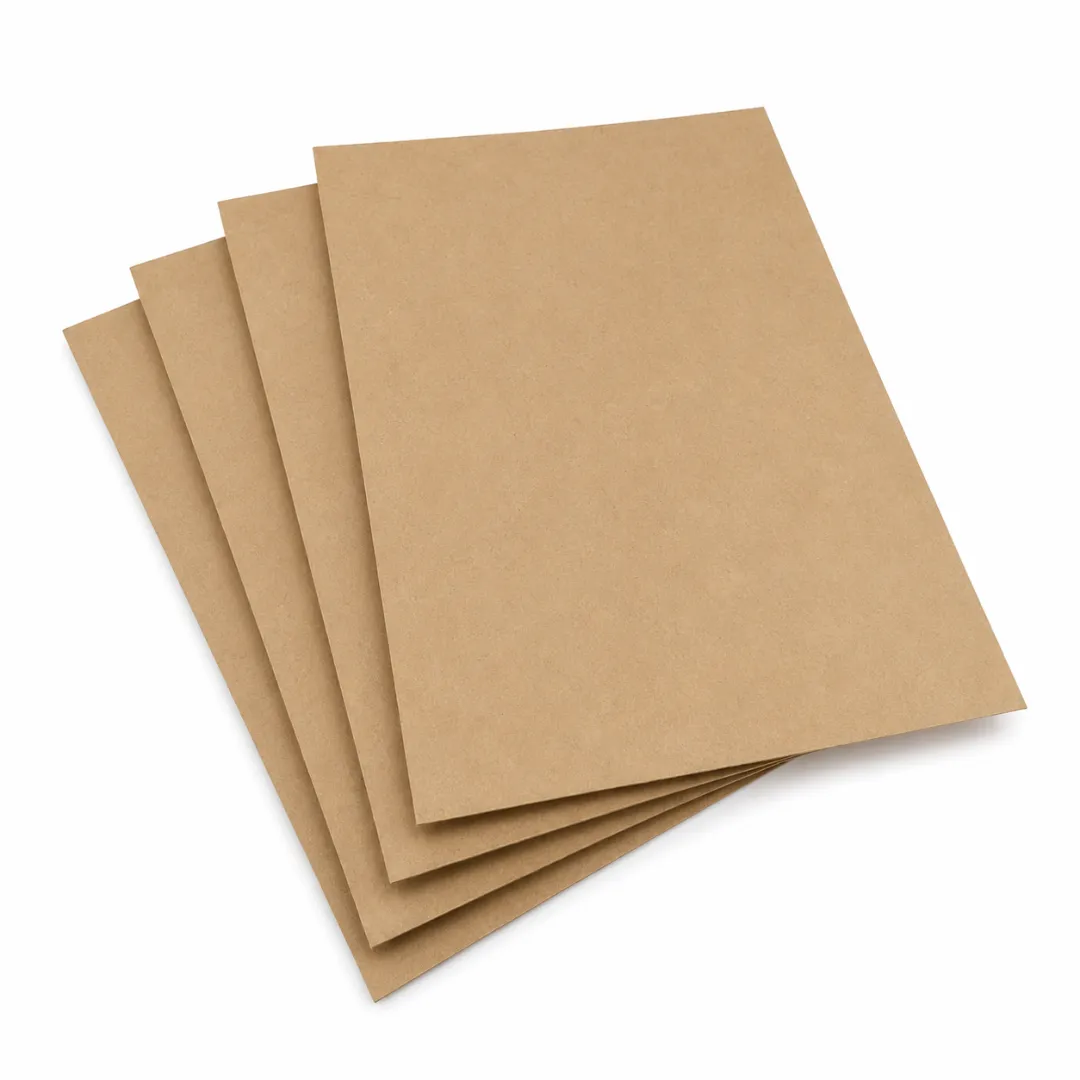
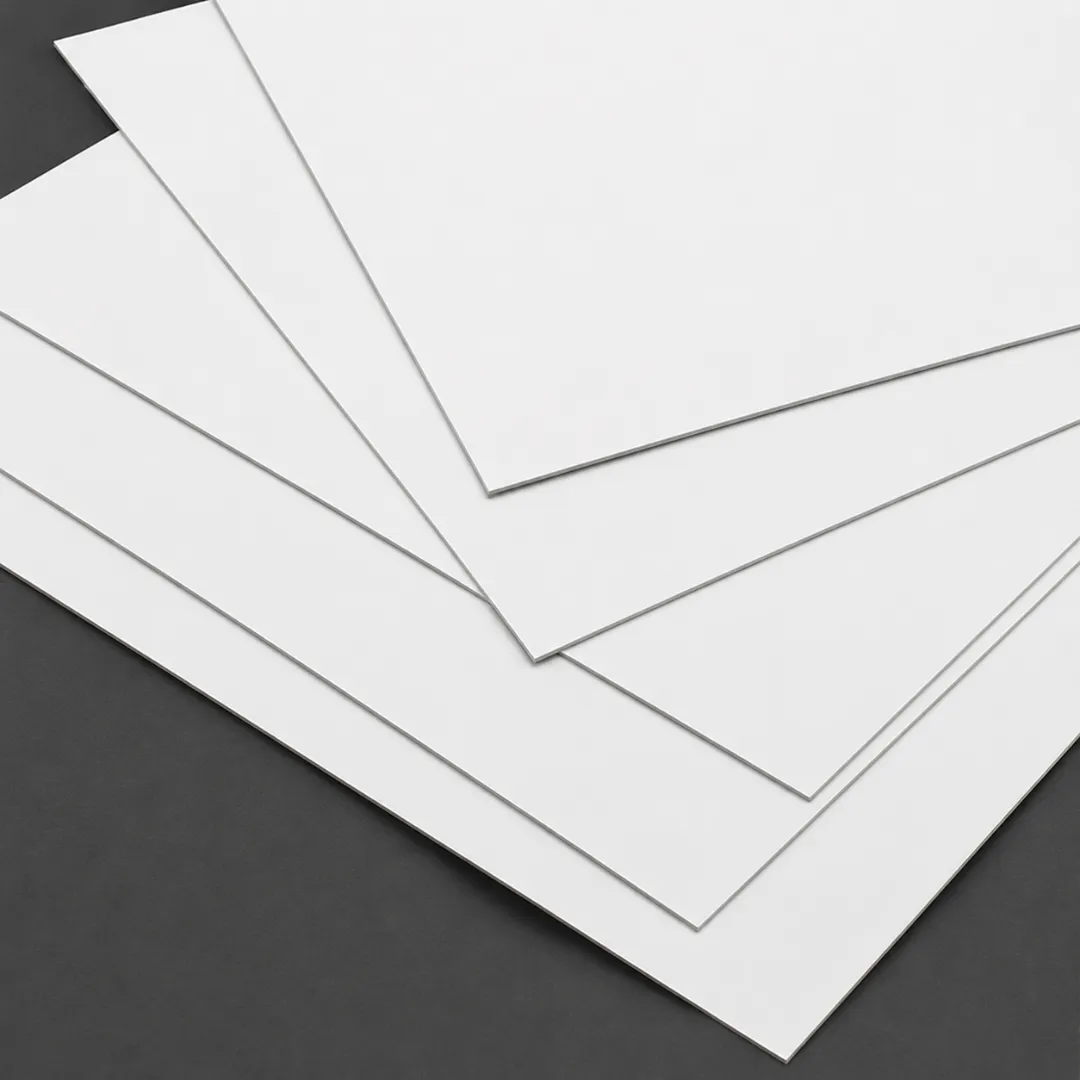
Kraft paper is a strong, durable and reliable material that is widely used across many different industries.
We use cardboard material with the least environmental impact and minimizes waste generation.
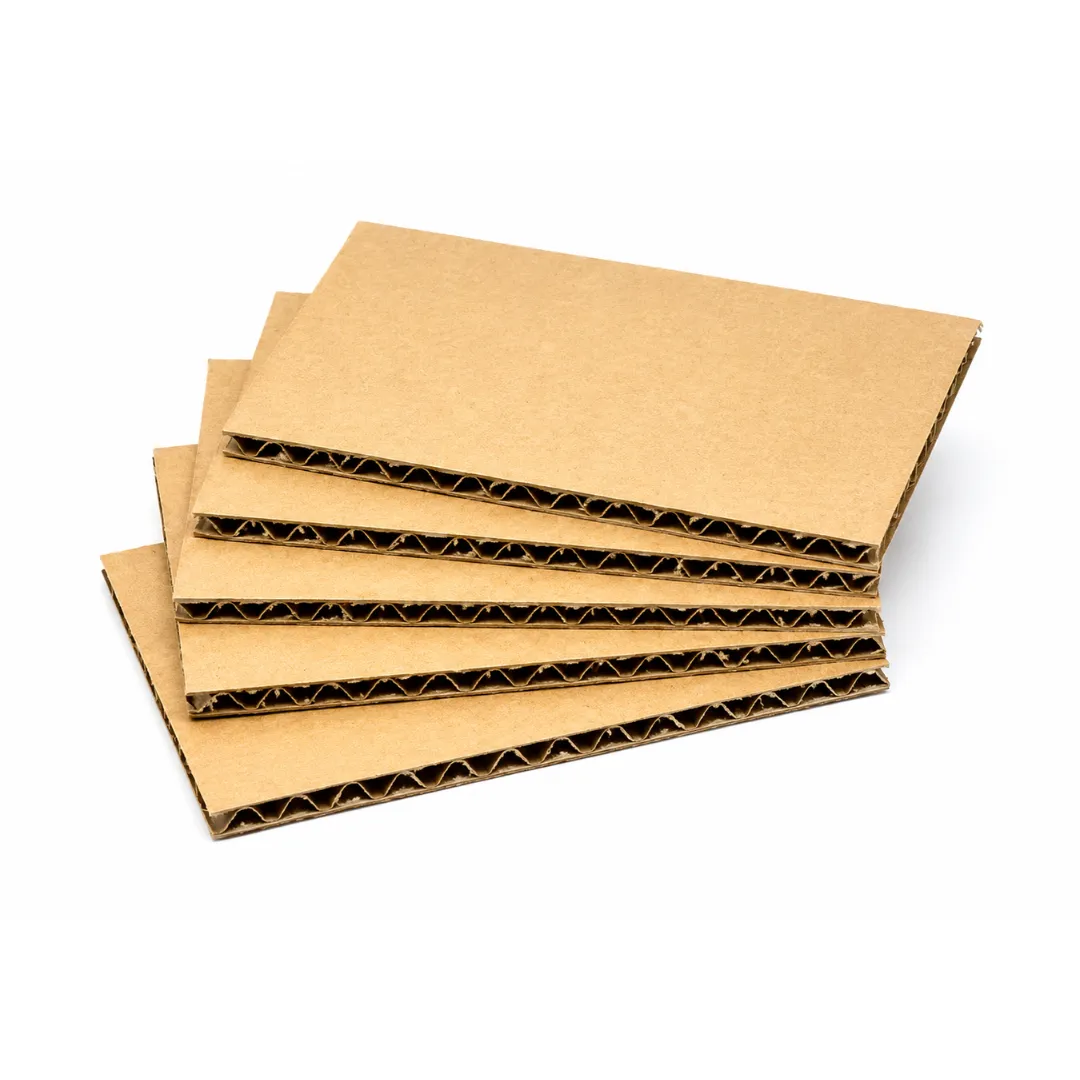
Corrugated material is easy to customize, cost effective and sustainable. It is also great for branding purposes.
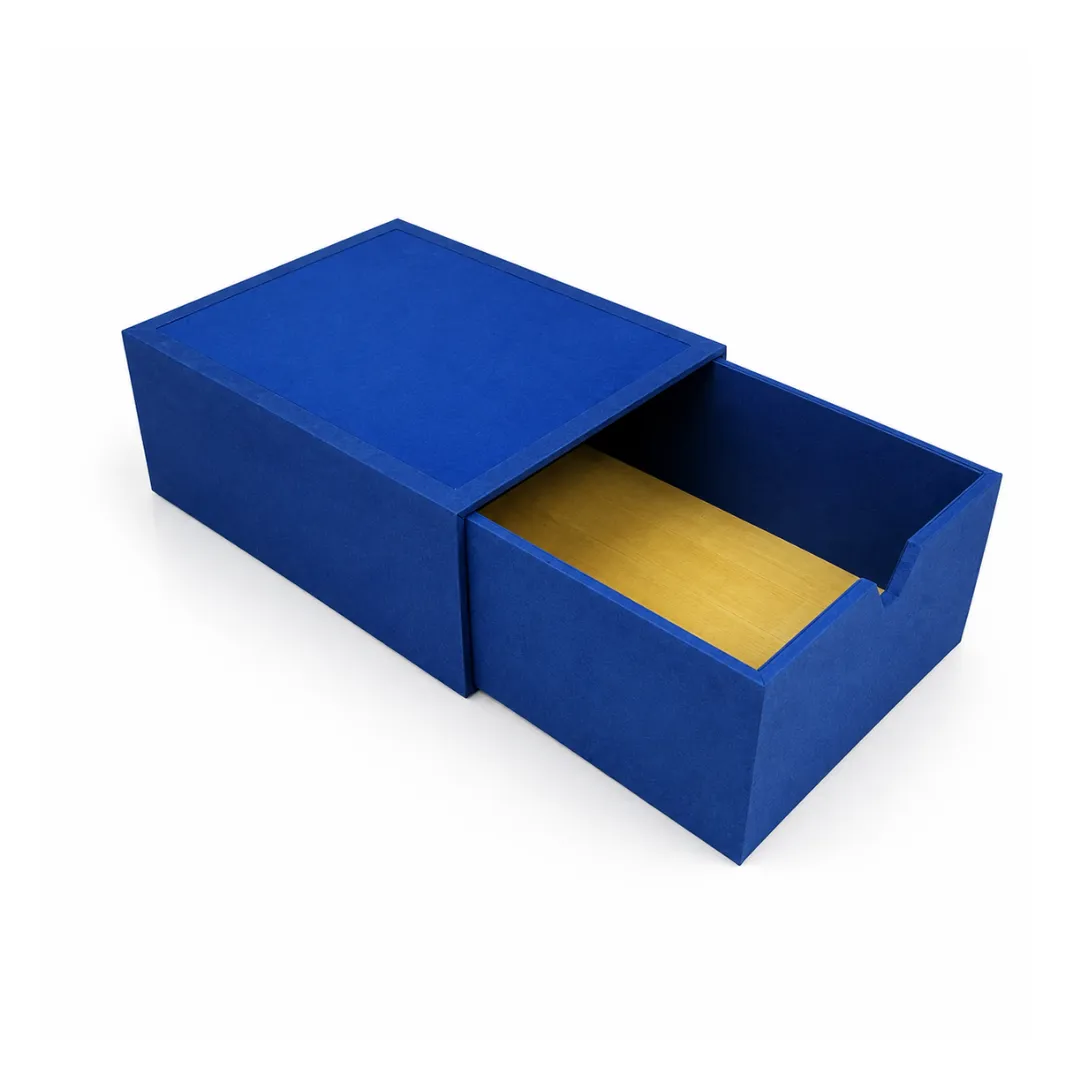
Rigid is highly protective, affordable and recyclable material. These boxes provide maximum protection.
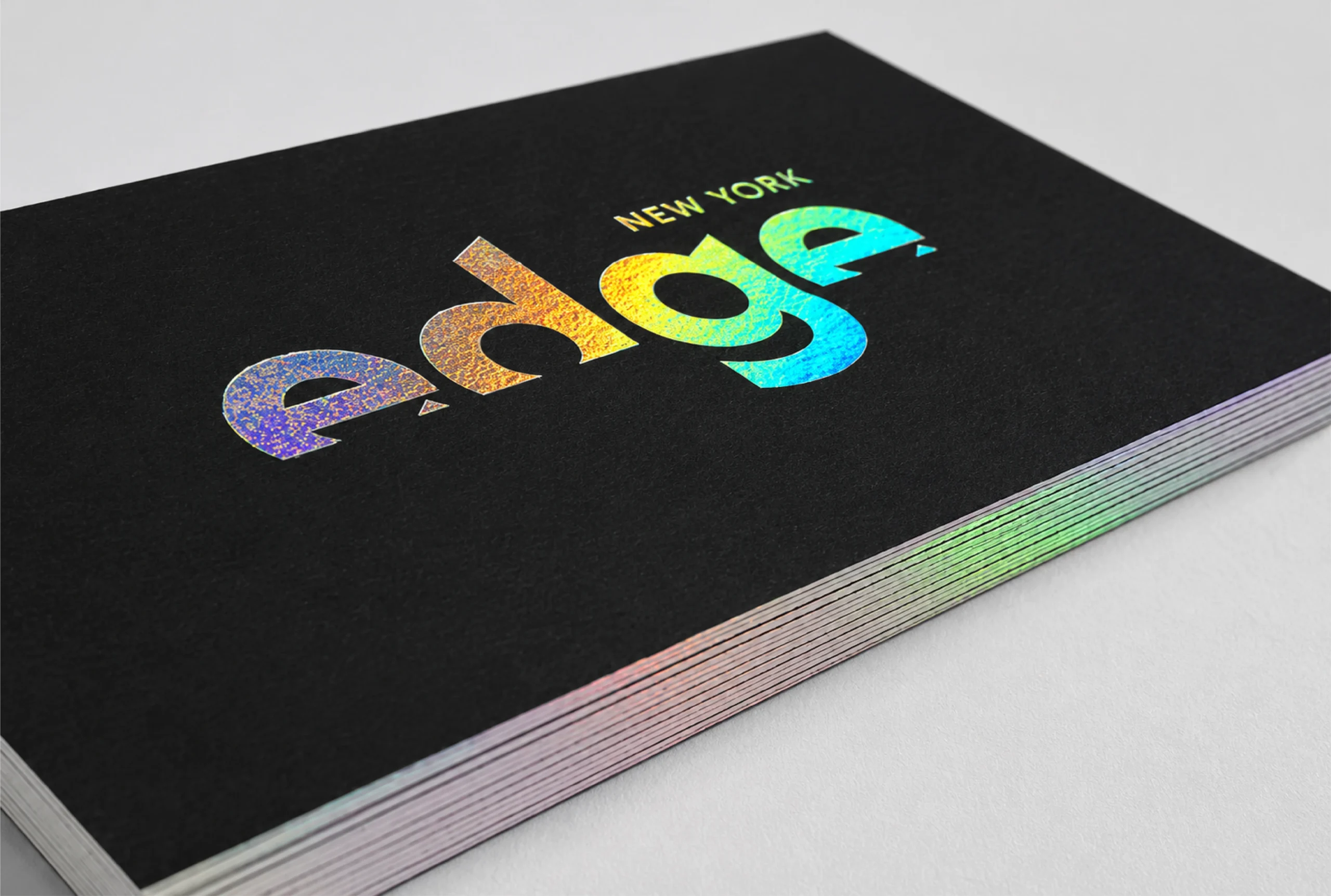
Holographic foil diffracts light and reveals the colors of the rainbow at various angles.
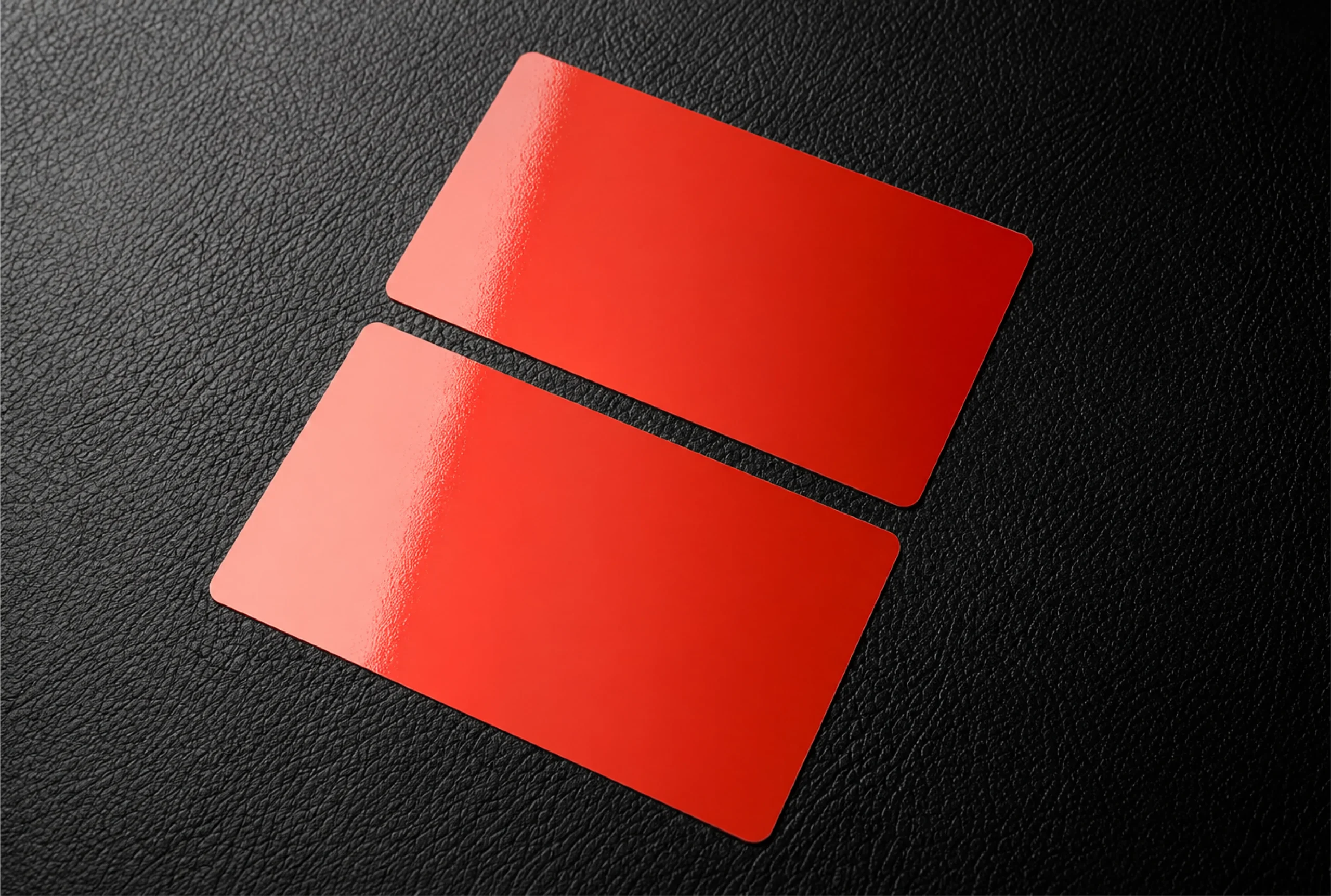
Our glossy finishing gives your packaging an extra layer of shine.
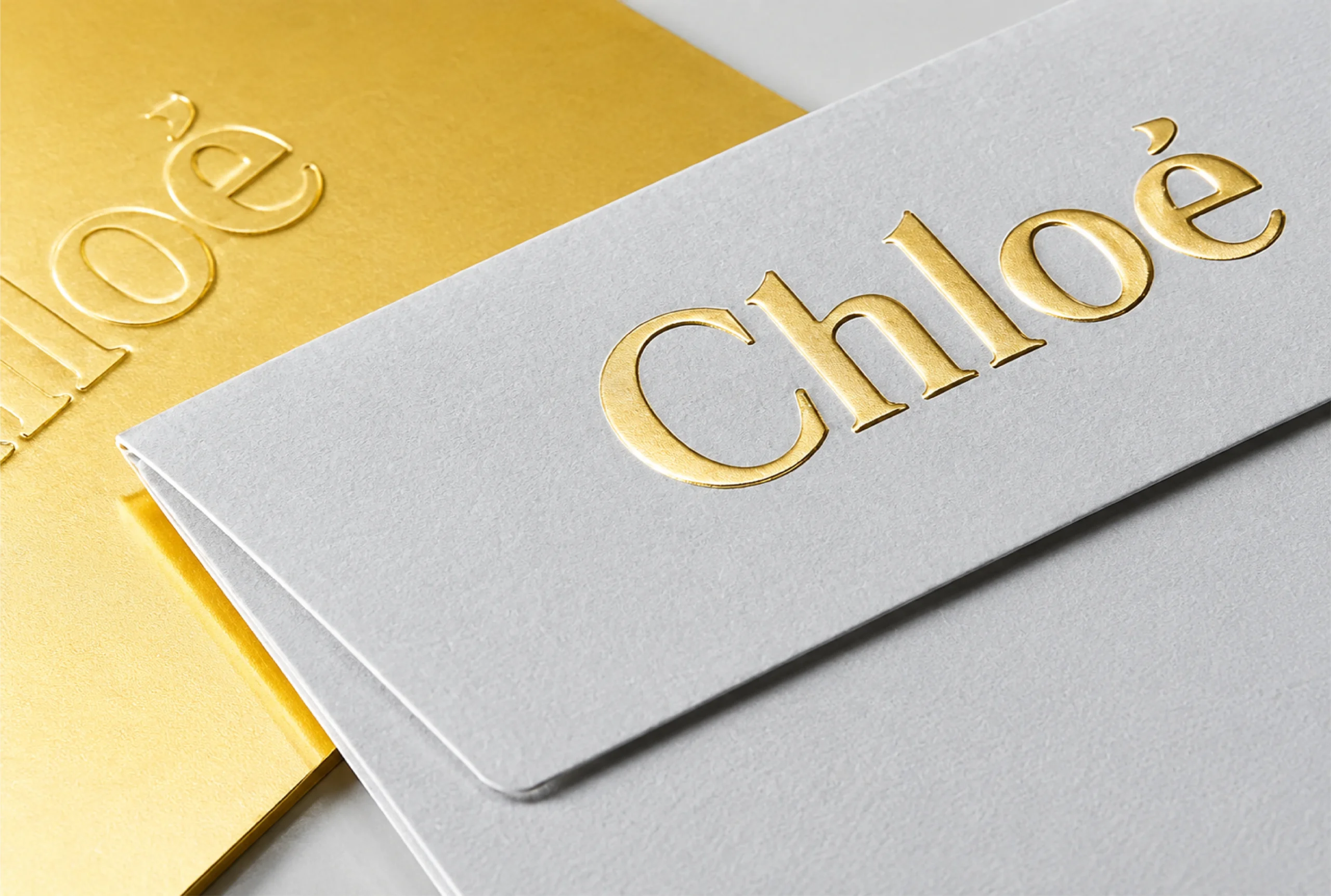
Decorate a wide range of your product packaging with our foil stamping.

With our embossing technique, we transfer the finest details of your product on packaging.
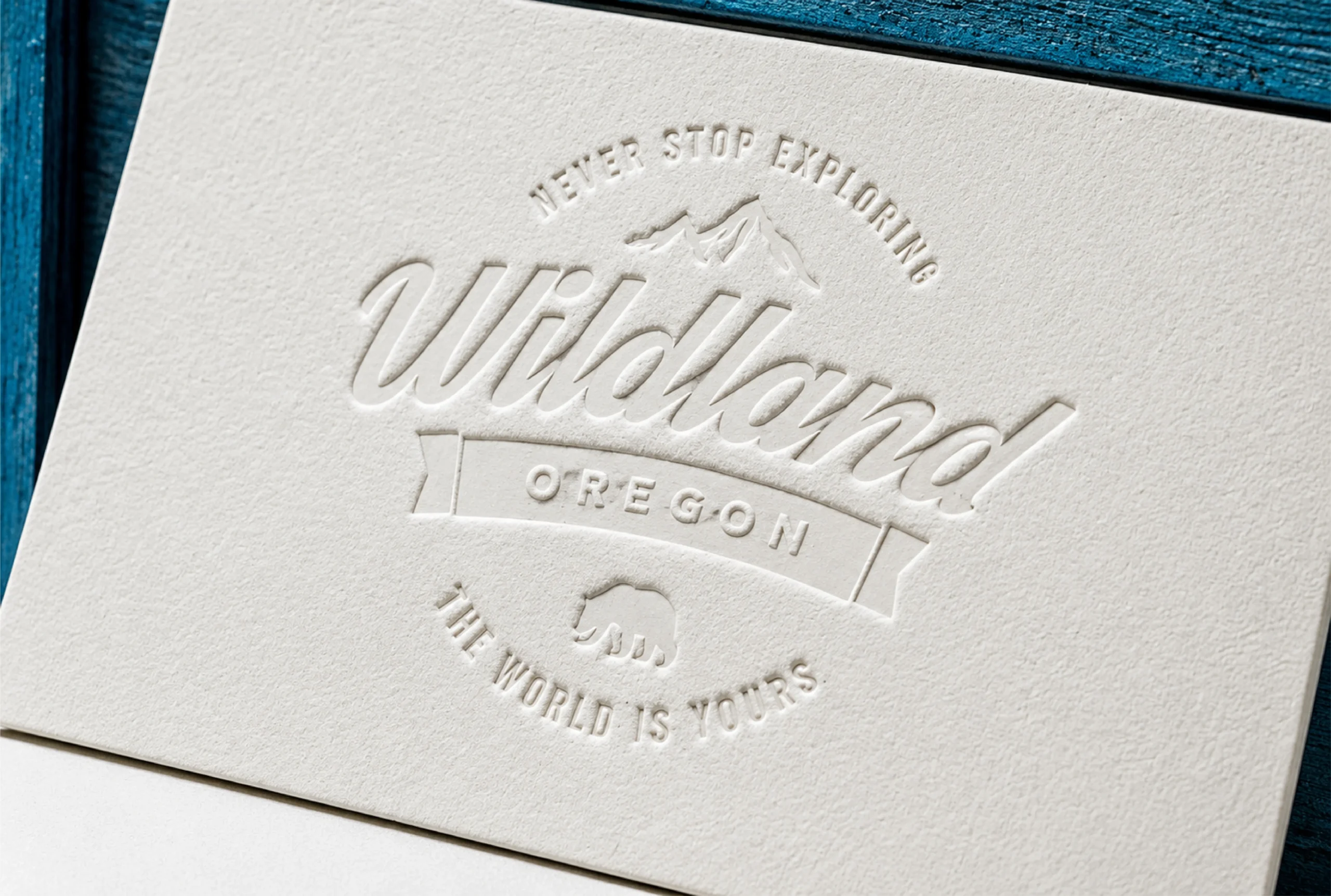
We use debossing technique to add unique graphics into your packaging.
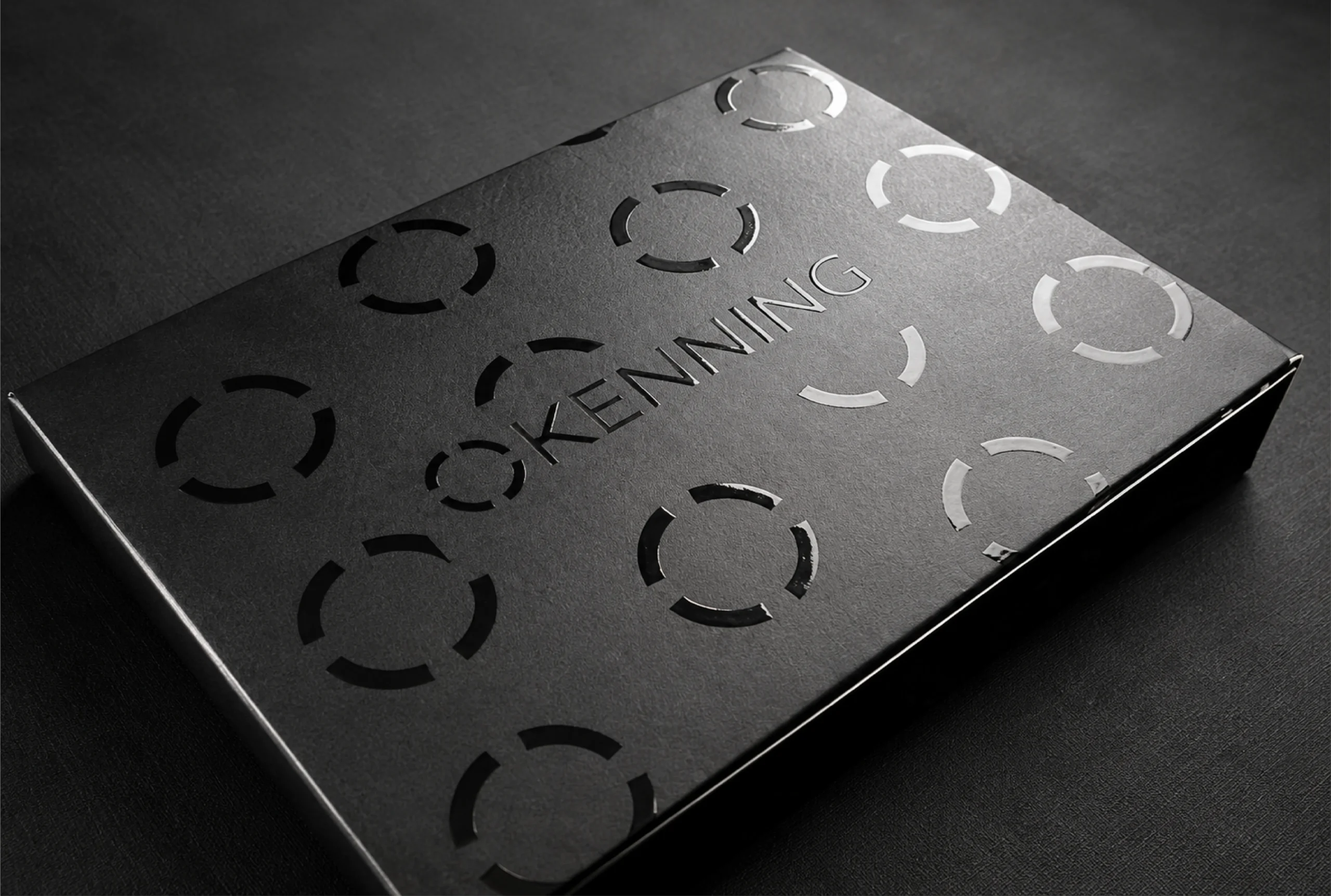
Our high-gloss UV coating gives light and shine to cure the printed material's varnish.
We add additional layer of protection with soft touch lamination from toner chipping.
With our matte finish, fingerprints and smudges will now be less visible on the packaging.
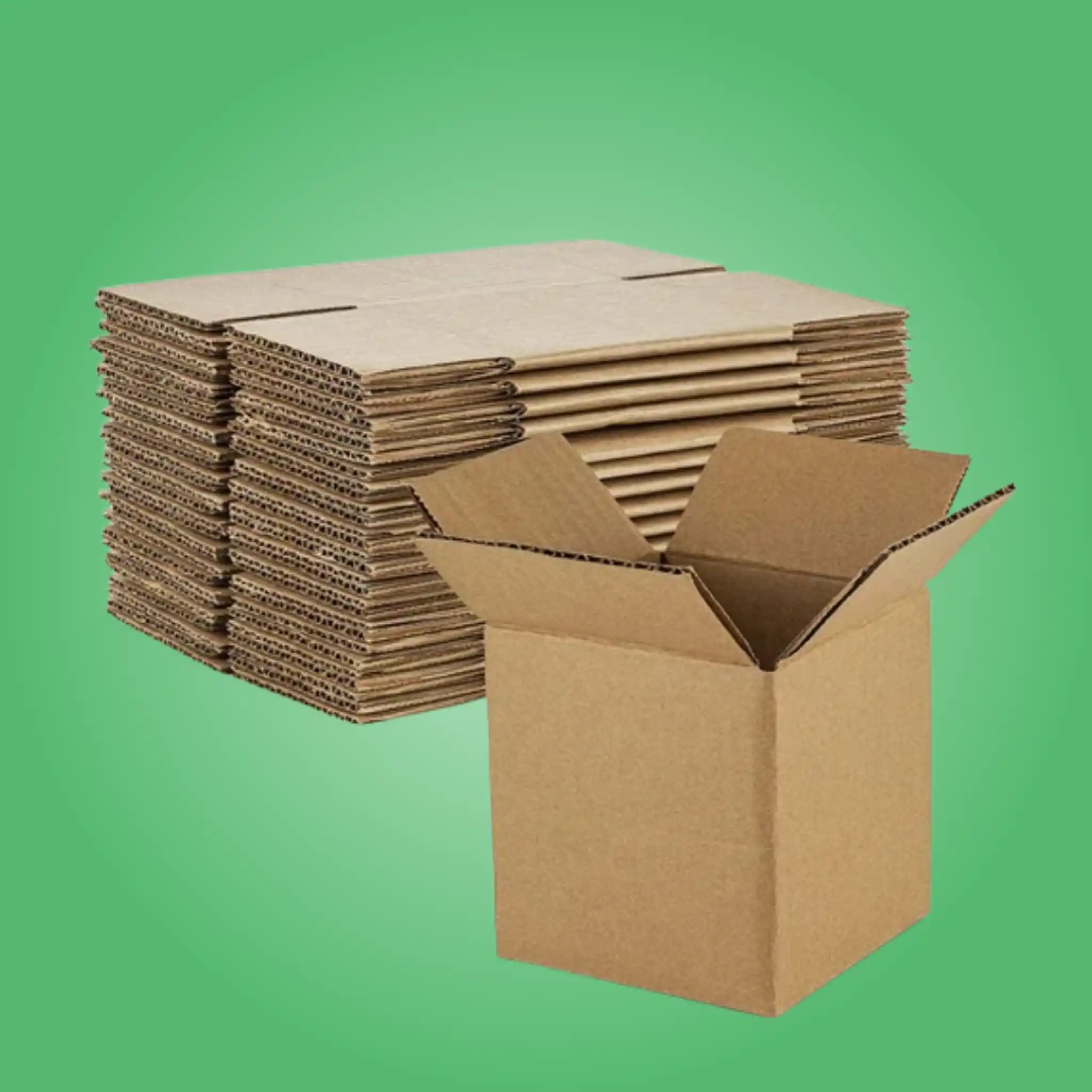
Custom 7 ply corrugated boxes deliver maximum strength for heavy-duty shipping and industrial storage. They protect high-value and oversized products from crushing, impact, and stacking pressure. Fully customizable with zero MOQ, free design support, and free shipping across the USA.
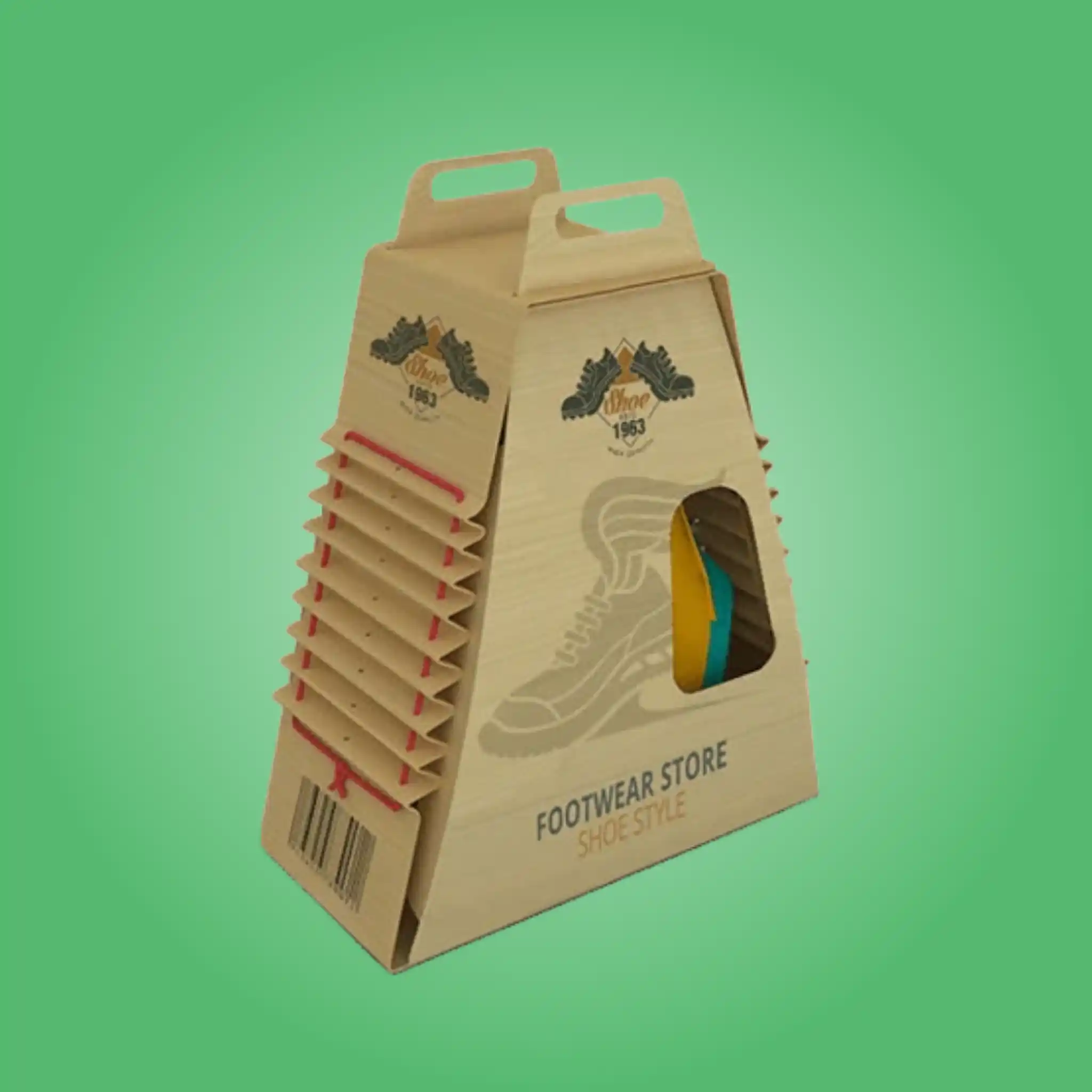
Custom die cut corrugated boxes provide precise structure and a secure fit for products with unique shapes. They reduce excess material, improve protection, and streamline packing and shipping processes. Fully customizable with free design support, zero MOQ, and free shipping across the USA.
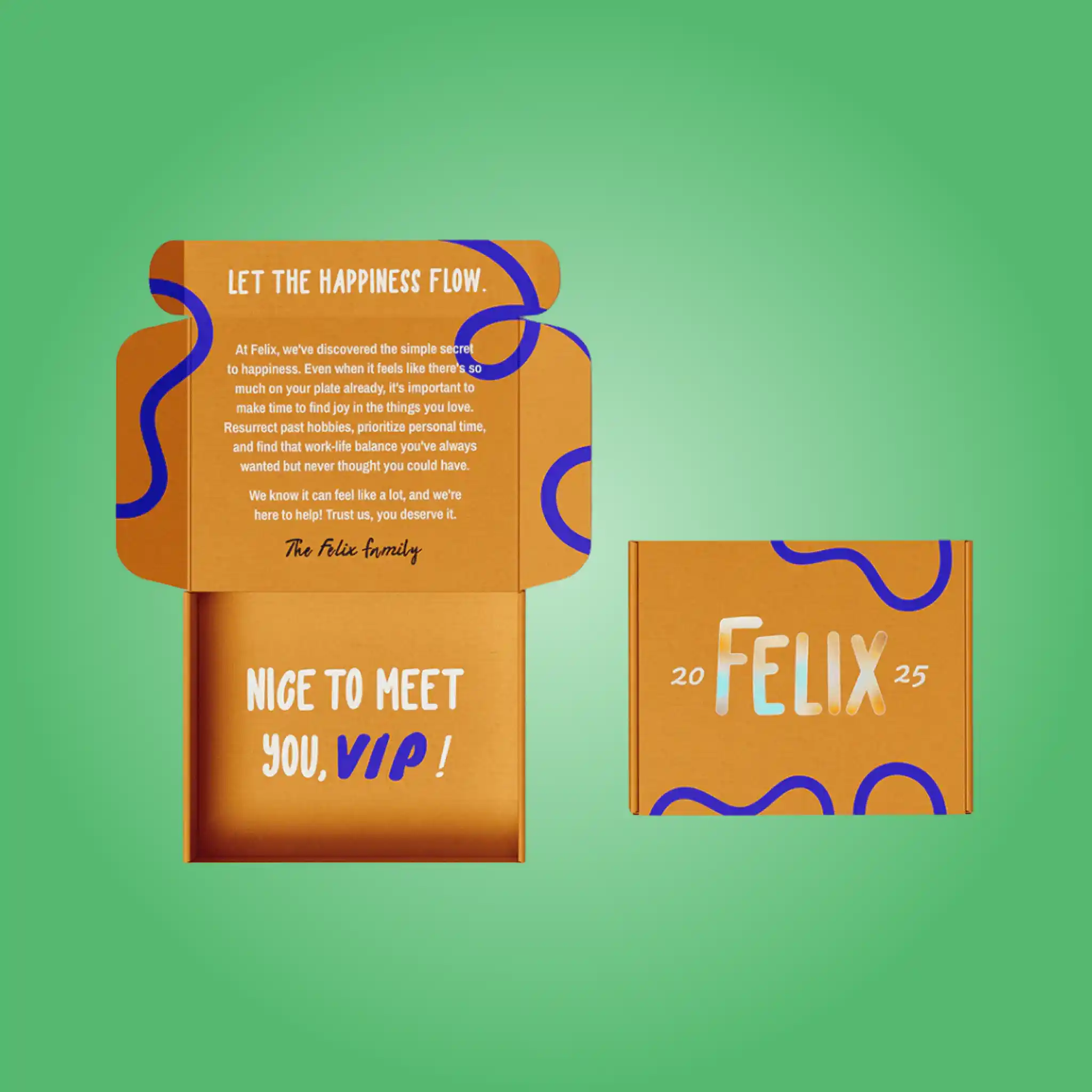
Custom printed corrugated boxes are sturdy shipping boxes made with fluted corrugated board and printed branding, designed to protect products during storage, handling, and domestic or international shipping.
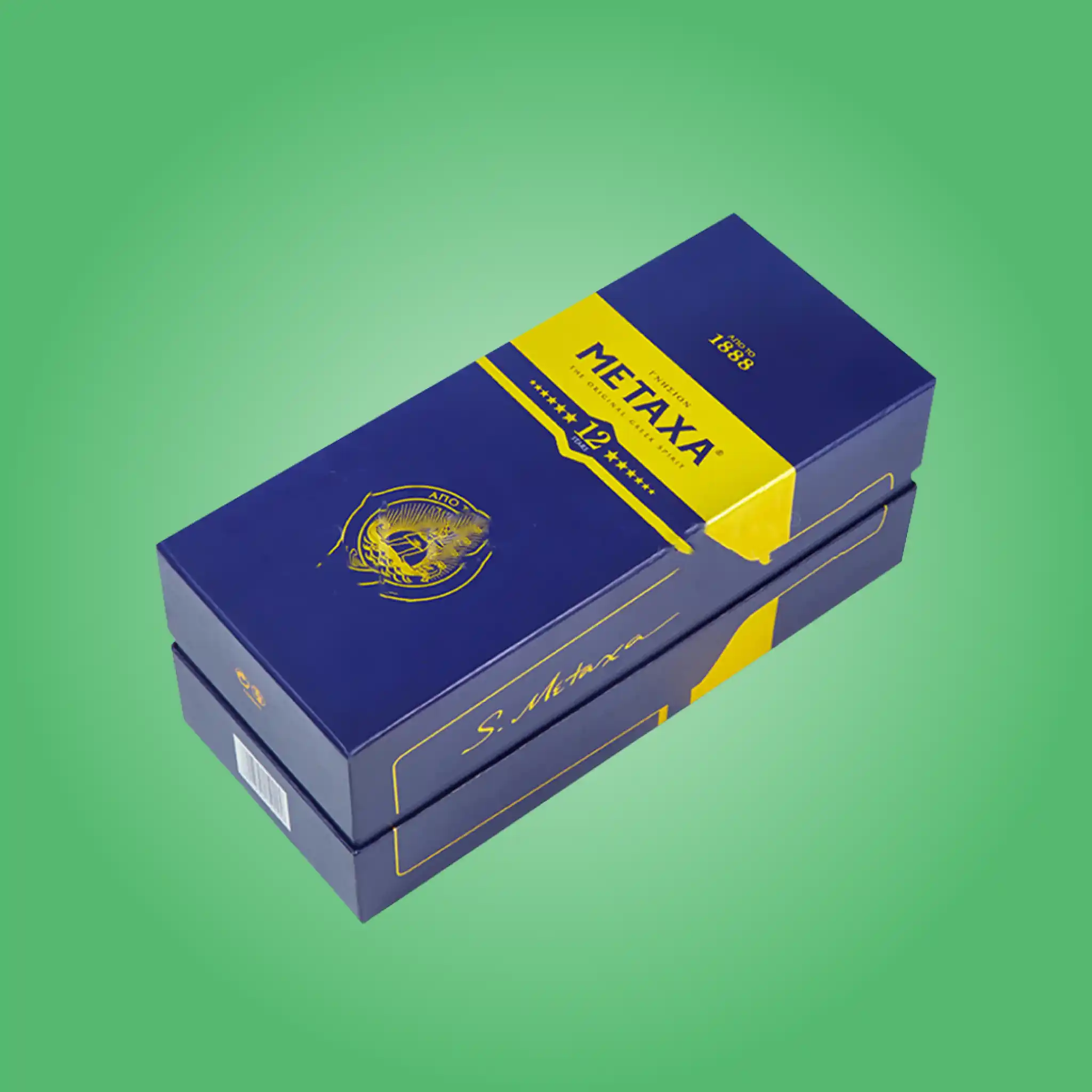
Custom telescopic boxes are two-piece packaging solutions with a separate base and lid that slide together, allowing adjustable height, reinforced protection, and a premium presentation for products of varying depths.