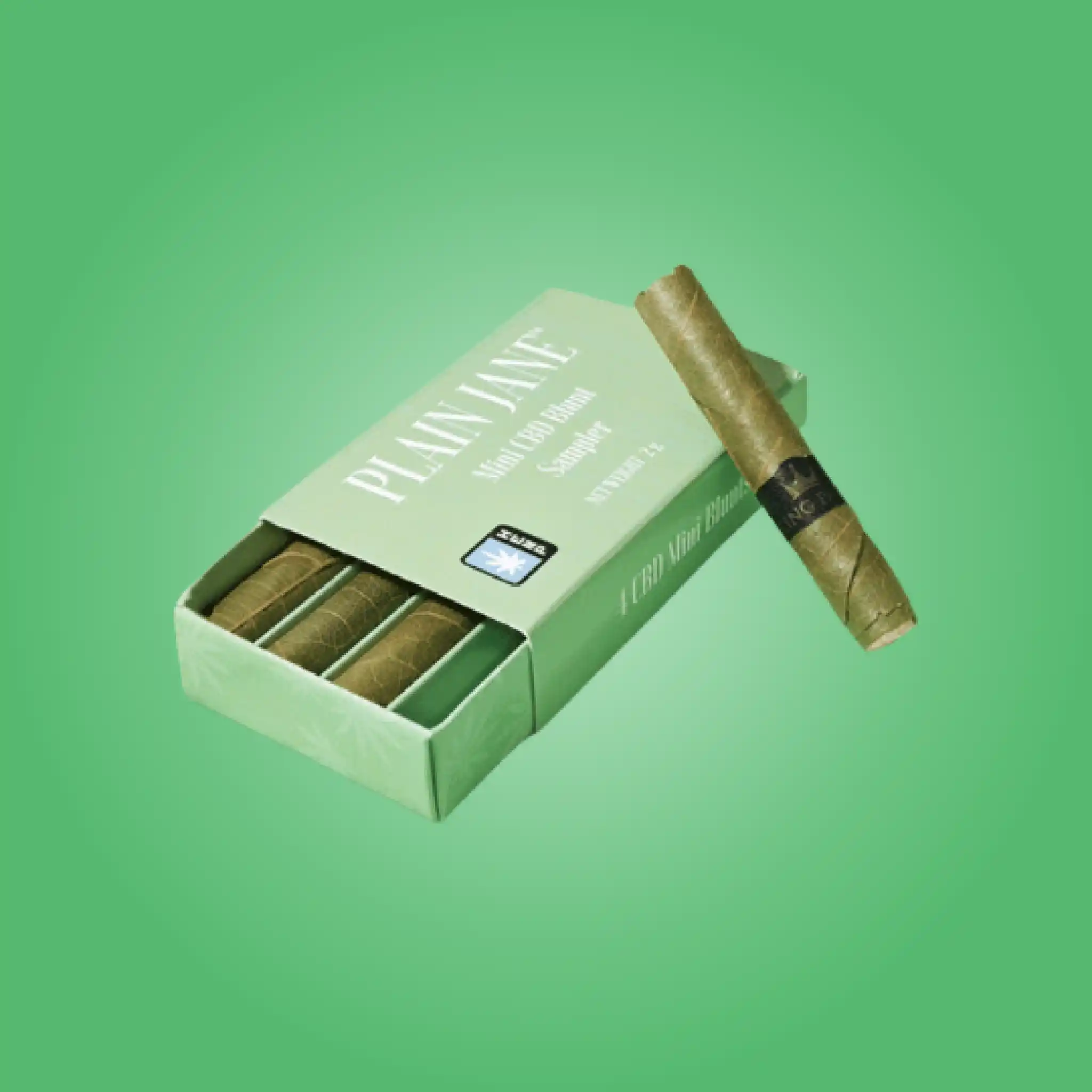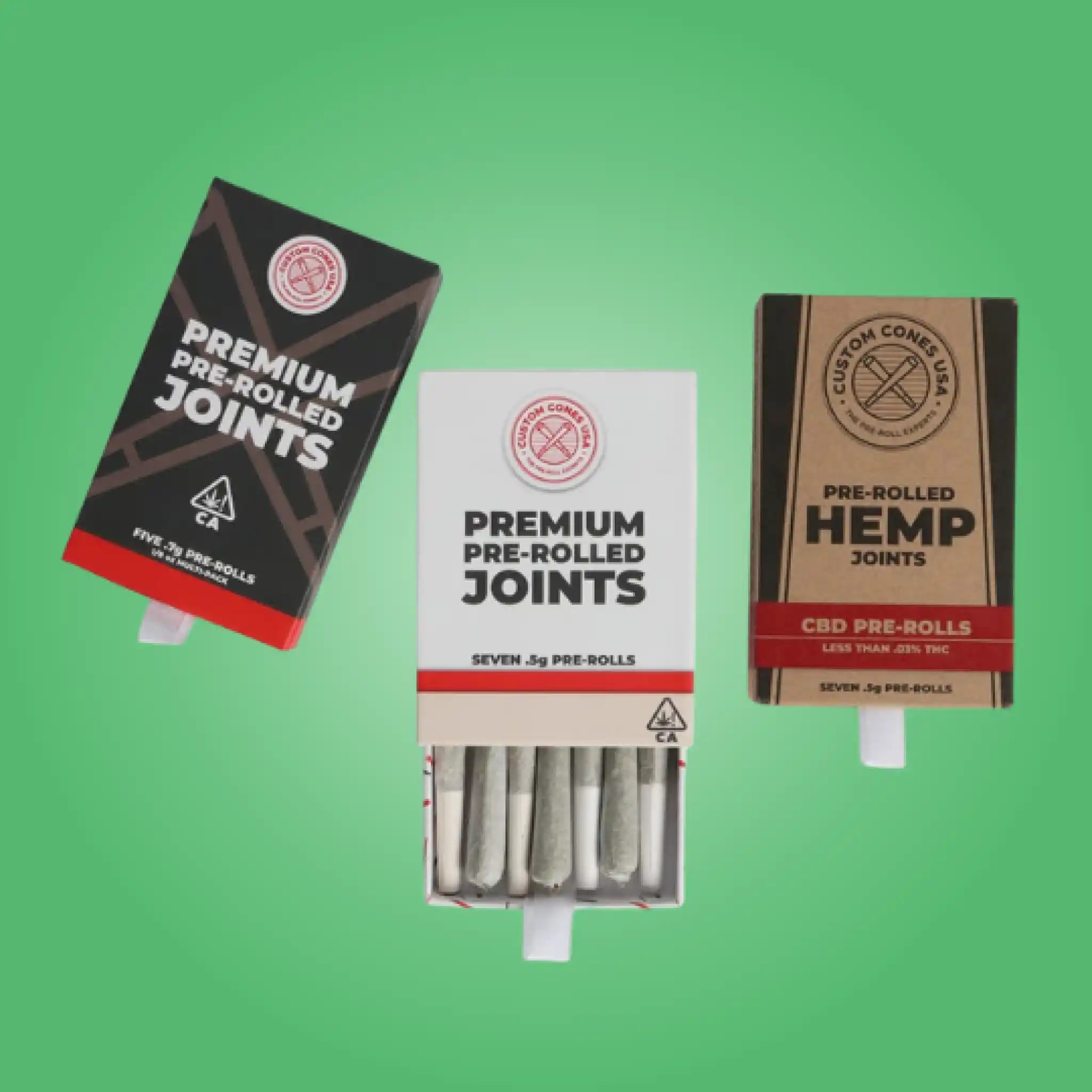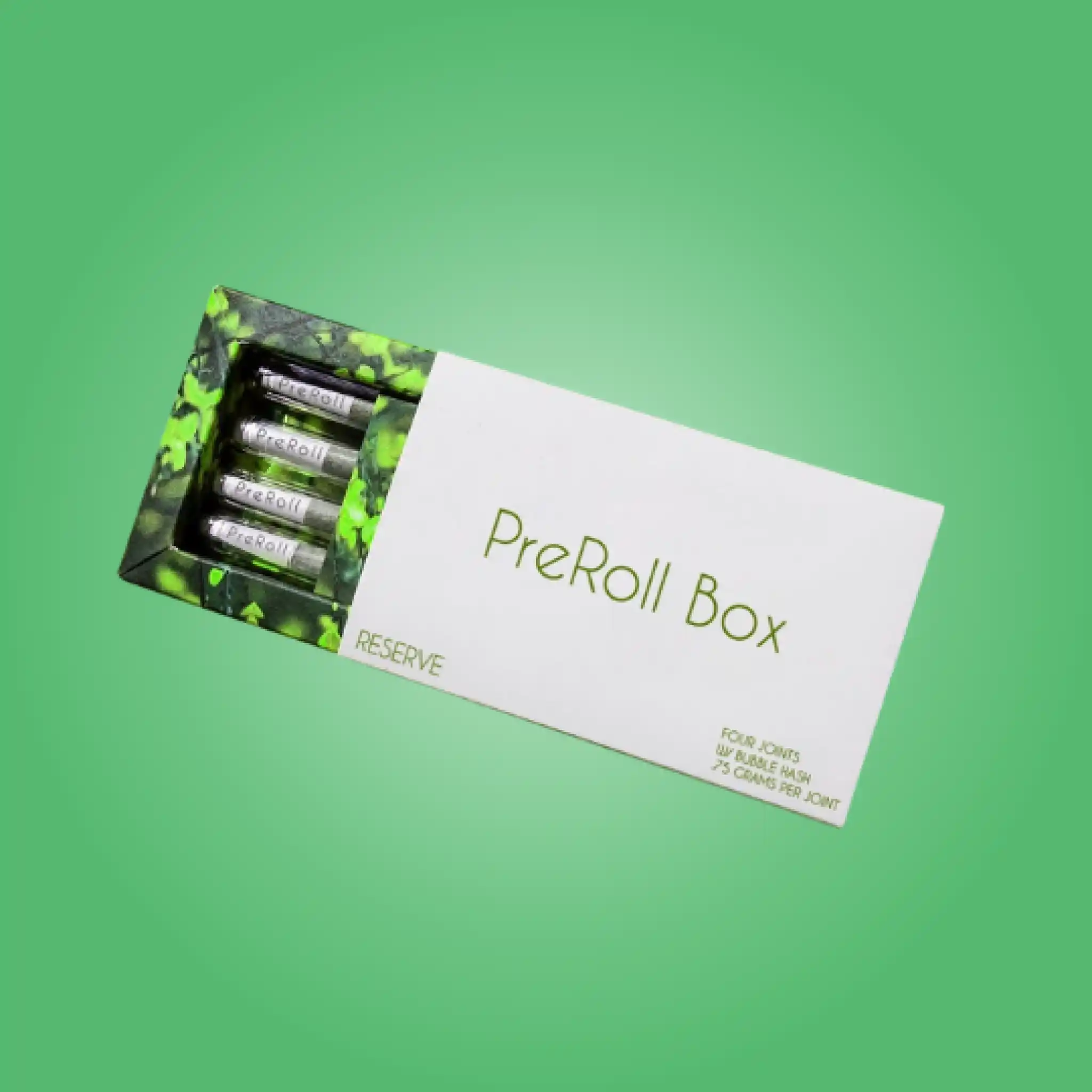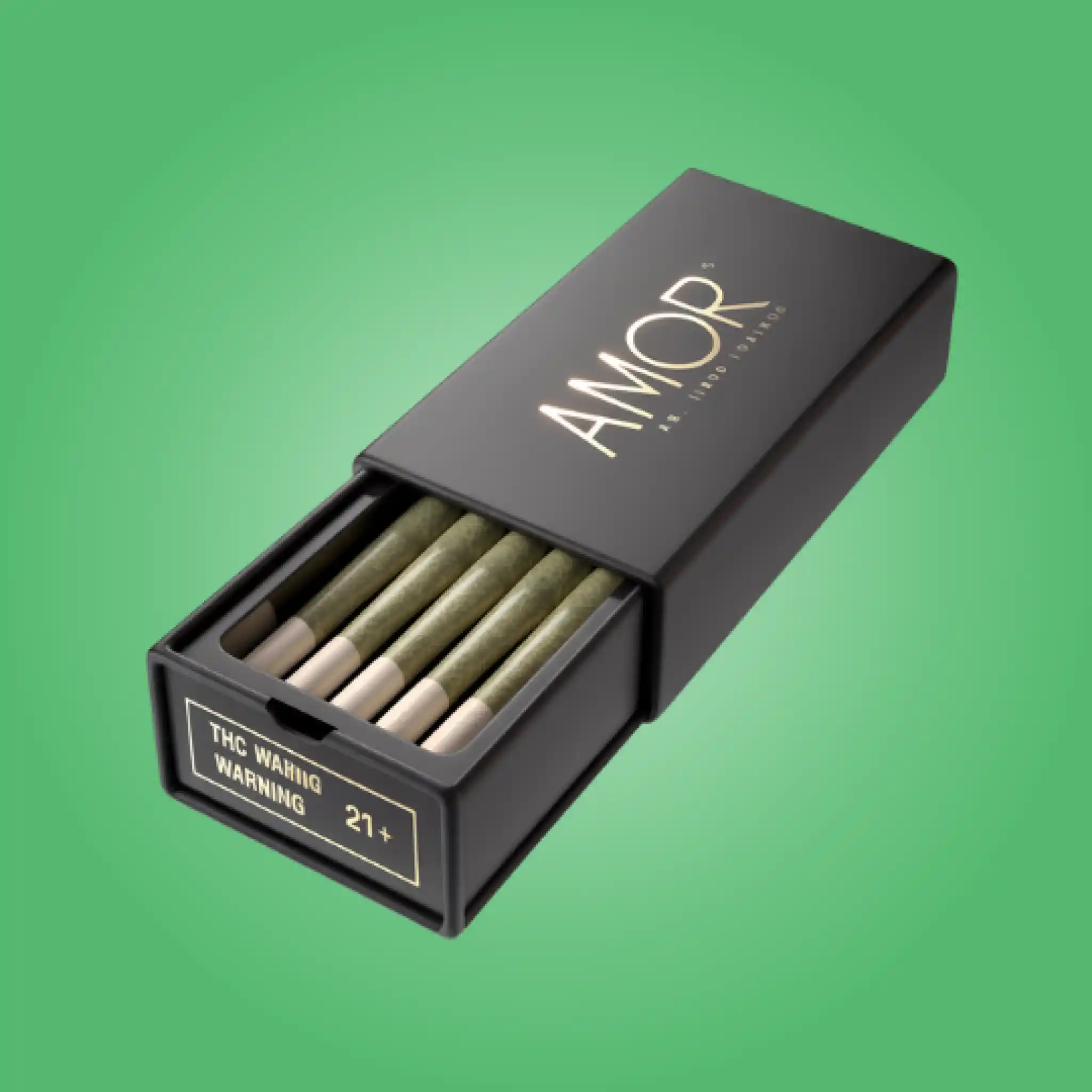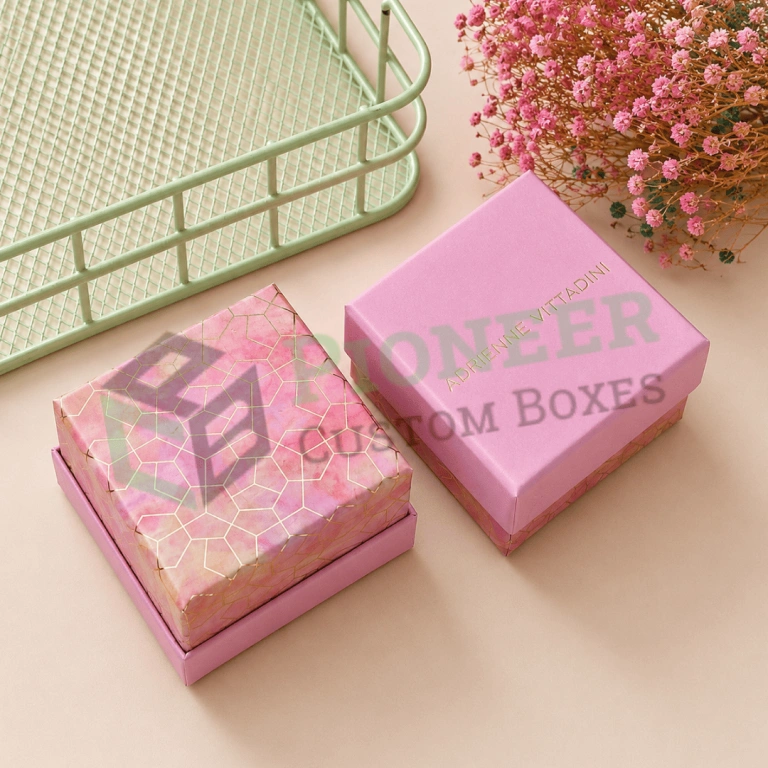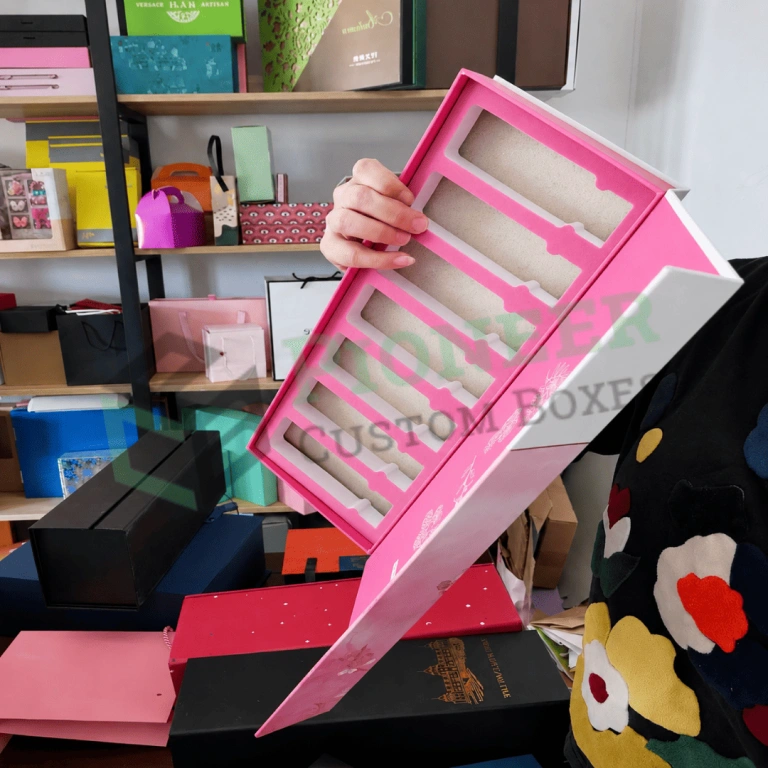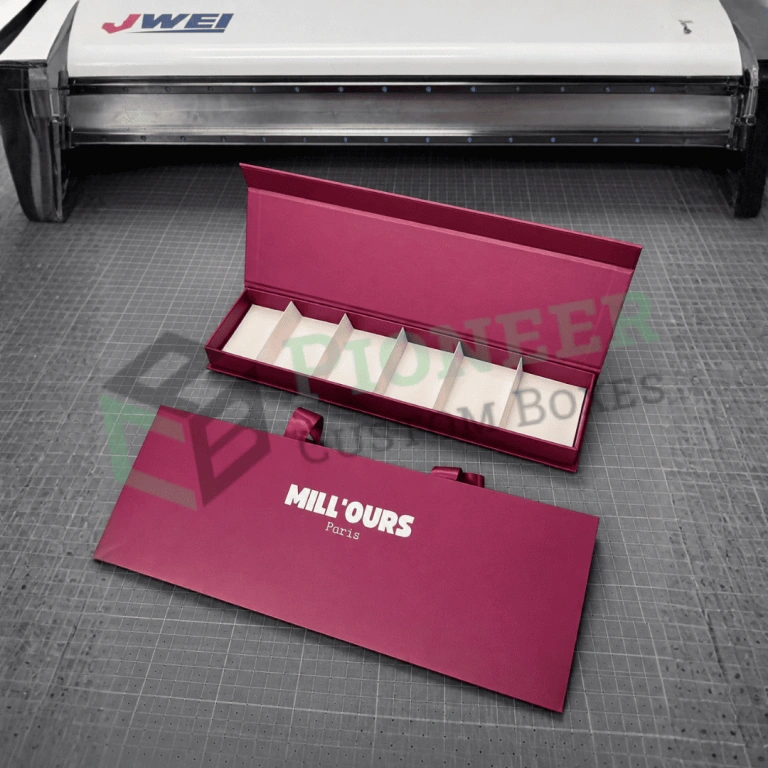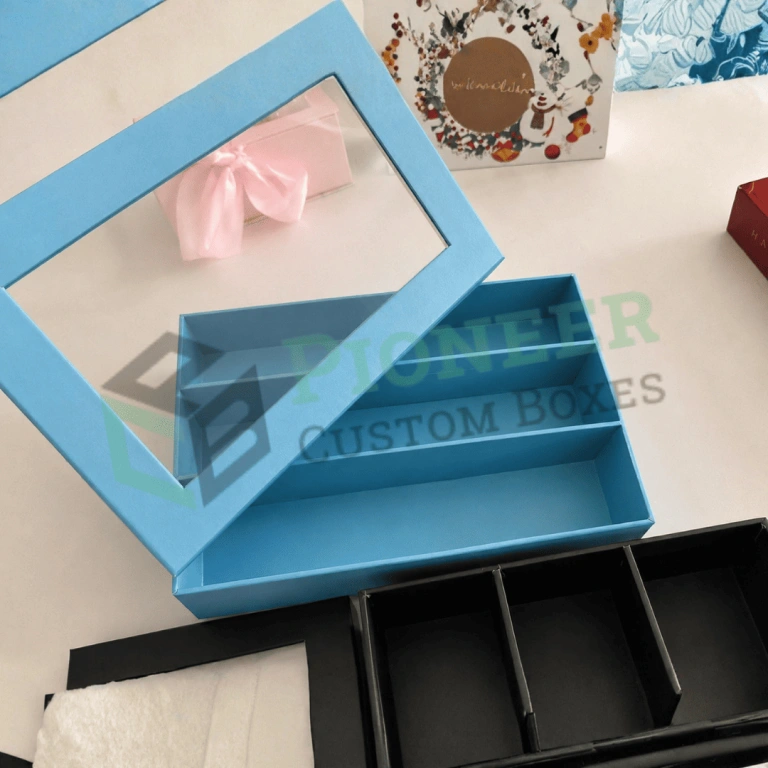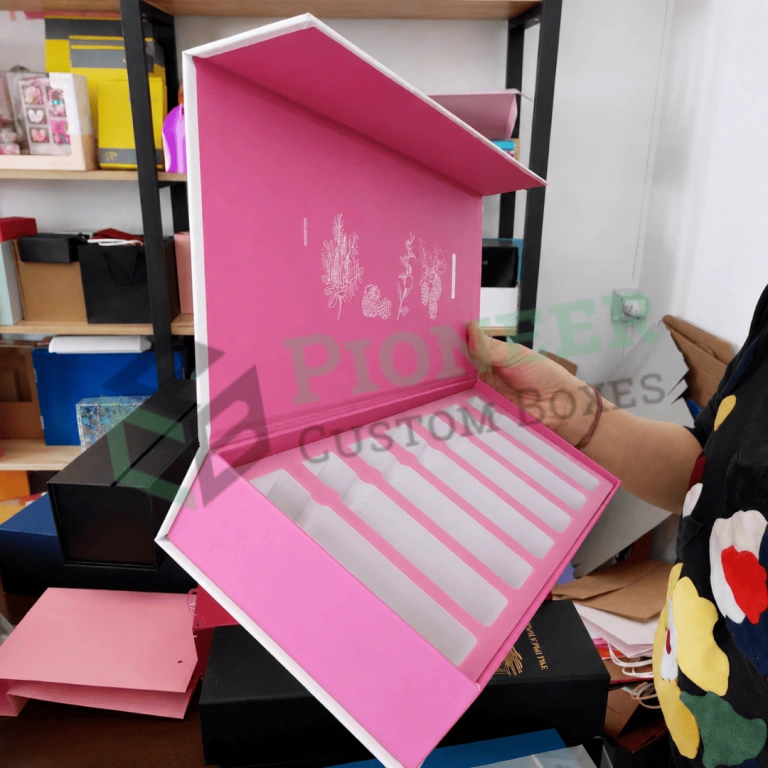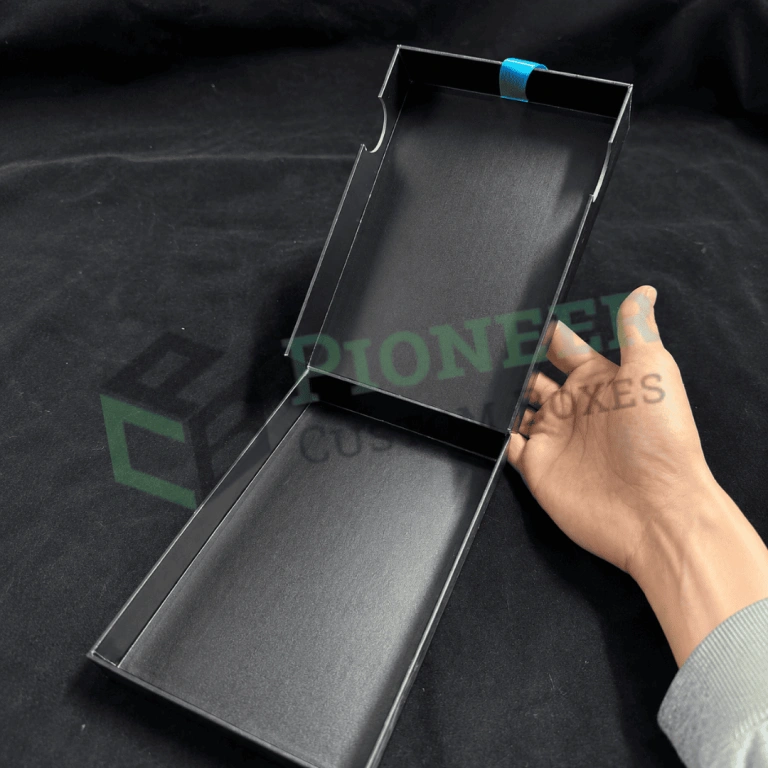
Custom pre roll joints boxes from Pioneer Custom Boxes protect fragile cones and carry every required compliance panel for licensed cannabis brands. Choose single tube cartons, slim joint boxes, multi-packs or rigid presentations in SBS, kraft, recycled or barrier-lined board, with certified child-resistant constructions, die-cut cone trays, tamper seals, free design support, zero MOQ and free USA shipping.
Custom pre roll boxes are printed cartons built around child-resistant primary containers, sized to protect fragile joints and to carry the state labeling that cannabis packaging demands. Pioneer Custom Boxes manufactures them across the United States with zero minimum order quantity and free shipping.
Cannabis packaging is the most heavily constrained work we produce. Almost every design decision here is downstream of a regulatory requirement rather than a brand preference.
Child resistance is the first of those and it is not optional. Every legal state requires it, the requirement is tested rather than declared, and it usually sits on the tube or pouch rather than on the printed carton around it.
Label real estate is the second constraint and it catches new brands hardest. Warning symbols, THC content, batch and lot numbers, license numbers, testing dates and health statements all compete for space on a very small panel.
Product fragility is the third and it is the one brands think about least. A pre roll crushes if it can move, so the cavity fit inside the carton matters as much as the printing on it.
We manufacture pre roll packaging for licensed cultivators, processors, dispensary house brands, white label producers and multi-state operators. Furthermore we cut our own dies and run our own presses, so the cavity is built around your actual tube or joint.
Order pre roll packaging in any quantity you need. There is no minimum order, design support costs nothing, and shipping across the United States stays free on every order. Regulations differ by state, so confirm your requirements with your own regulator and compliance adviser.
Format follows the count and the price tier, and the primary container usually decides the carton.
A slim printed carton around one child-resistant tube. It turns a plain tube into a branded product and gives you a printable panel that a tube label cannot match.
A narrow carton holding one pre roll directly, used where the carton itself carries the child-resistant certification rather than an inner tube.
A small multi-pack with a cavity insert. This is the volume format in most mature markets, because it lifts basket value without reaching a premium price point.
A larger carton with a fitted tray holding joints in a row. Presentation matters more here, since the customer sees the arrangement when the lid opens.
A deeper carton for value multi-packs and dispensary house brands. Cavity separation matters most, because ten joints loose in a box arrive as debris.
A lidded rigid box for premium and craft pre rolls. At higher price points customers expect weight and a proper opening, and rigid delivers both.
An inner tray sliding out of an outer sleeve. The sliding action can itself be engineered as a child-resistant mechanism, which removes the need for a separate tube.
| Format | Joints Held | Child Resistance Usually Sits On | Best For |
|---|---|---|---|
| Single tube carton | 1 | The inner tube | Branding a standard CR tube |
| Single joint slim box | 1 | The carton itself | Lower cost single units |
| Two and three pack carton | 2 to 3 | Inner tubes or the carton | Volume multi-packs |
| Five and seven pack carton | 5 to 7 | The carton or a tray mechanism | Mid-tier and presentation |
| Ten pack multi-pack | 10 or more | The carton or inner pouch | Value and dispensary brands |
| Two-piece rigid box | 1 to 7 | A tray or inner mechanism | Craft and premium tiers |
| Slide and shell carton | 1 to 7 | The sliding mechanism itself | Removing the inner tube |
Tell us your primary container and your state before anything else. Those two facts decide the structure, and design work done before them is usually wasted.
Every cavity is cut to your tube or joint. These formats cover the pre roll packaging we produce most often.
| Format | Typical Size (inches) | Board | Insert |
|---|---|---|---|
| Single 98mm tube carton | 1 x 1 x 4.5 | 18pt SBS | None, snug fit |
| Single 116mm tube carton | 1 x 1 x 5.25 | 18pt SBS | None, snug fit |
| Single joint slim box | 0.75 x 0.75 x 4.25 | 18pt to 20pt | CR mechanism |
| Two pack carton | 1.75 x 1 x 4.5 | 18pt SBS | Two cavity insert |
| Three pack carton | 2.5 x 1 x 4.5 | 18pt SBS | Three cavity insert |
| Five pack carton | 4 x 1.25 x 4.5 | 18pt with tray | Five cavity tray |
| Seven pack carton | 5 x 1.25 x 4.5 | 20pt with tray | Seven cavity tray |
| Ten pack carton | 5 x 2.5 x 4.5 | 20pt with tray | Ten cavity tray |
| Premium rigid, three joints | 4 x 3 x 1.25 | 1.5mm rigid | Fitted foam or board tray |
| Slide and shell, five joints | 4.25 x 1.5 x 4.75 | 20pt, CR mechanism | Integrated tray |
| Dispensary display outer | 9 x 6 x 5 | E-flute | Holds retail cartons |
Cavity diameter is the number that decides whether joints arrive intact. A standard pre roll runs a little over a quarter inch across, and a cavity even slightly oversized lets the joint roll and shed at the ends.
This is where cannabis packaging differs most from every other category we produce, and where brands most often have to redesign.
Required information is extensive and it varies by state. Warning symbols, THC and CBD content, net weight, batch and lot identifiers, license numbers, testing laboratory details, harvest or packaging dates and health warnings all have to appear legibly.
Several states also mandate a specific universal symbol at a minimum size, which cannot be scaled down to fit a design that was laid out without it.
On a single pre roll carton that is a great deal of information on a panel about one inch wide. It is the most demanding label-to-surface ratio in packaging.
We therefore lay out the compliance panels first and design around them, which is the reverse of how most packaging is developed. Brands that design the artwork first almost always have to redo it.
Opacity is a separate requirement in some states, where product must not be visible through the packaging. That rules out windows entirely and affects material choice rather than just artwork.
Multi-state operators face the hardest version of this. Requirements differ between states, so the practical answer is usually a shared structure with state-specific print rather than one universal design.
We build the compliance layout as part of free design support. We are a packaging manufacturer rather than a compliance adviser, so we show you what fits and you confirm the content with your regulator.
Board choice decides whether the joint arrives intact and whether the carton survives a child-resistant test. Each grade behaves differently under those two pressures.
Solid bleached sulphate is the default for printed pre roll cartons. Its clay-coated face holds fine type, which matters because compliance panels run small. We specify 18pt for single tube cartons and 20pt upward for multi-packs, since heavier contents flex thin board at the score lines.
Natural brown board suits craft and small-batch flower brands. It costs less than bleached stock and signals an unbleached, plainer product. Print reads softer on kraft, so dark inks and foil outperform pale artwork here.
Greyboard at 2mm or heavier, wrapped in litho-printed paper. Premium multi-packs and infused pre rolls use it. The weight reads as expensive, and a deep base protects fragile cones far better than any folding carton.
CRB carries recycled fiber beneath a coated print surface and prices below SBS. High-volume dispensary programs use it constantly, and it supports a recycled content claim that cannabis buyers genuinely respond to.
Fluted board for shipping outers and large display cases. It absorbs the impacts that crush cones in transit between a licensed producer and a dispensary.
Board with a foil or film liner on the inner face. It slows moisture migration, which keeps flower from drying out during long dispensary shelf cycles. Brands selling premium indoor flower usually specify it.
Available across every grade above. Cannabis consumers scrutinize sourcing closely, so we document what your board contains under recognized Forest Stewardship Council chain of custody rather than leaving you to assume it.
| Material | Caliper or Weight | Strength | Best For | Relative Cost |
|---|---|---|---|---|
| SBS paperboard | 18pt to 24pt | Good | Most printed single and multi-packs | Moderate |
| Kraft paperboard | 18pt to 24pt | Good | Craft and small-batch flower | Lower |
| Rigid chipboard with wrap | 2mm and above | Excellent | Premium and infused pre rolls | Highest |
| Coated recycled board | 18pt to 22pt | Good | High-volume dispensary programs | Lower |
| E-flute corrugated | 32 ECT typical | Very high | Shipping outers and display cases | Moderate |
| Barrier-lined board | 18pt plus liner | Good | Moisture retention on shelf | Higher |
| FSC-certified stock | Any of the above | As per base grade | Documented sustainable sourcing | Small premium |
One point on child-resistant construction. A certified closure depends on board stiffness as much as on the mechanism, so we never downgrade caliper on a certified die without retesting the carton.
Pre roll cartons are small and crowded. Print has to carry brand personality and a dense compliance panel across very little surface.
Offset holds the finest detail and the steadiest color across long runs. Warning text, cannabinoid percentages and batch panels all sit at small point sizes, and offset keeps them legible. The economics favor it past roughly a thousand cartons per design.
Digital prints without plates, which suits cannabis unusually well. Strain names change constantly, and a brand running thirty strains can print each in small quantities against one shared die. There is no plate charge per variant and no minimum per strain.
Flexo prints corrugated outers and shipping cases economically. It handles solids and line work well, though it holds fine gradients less faithfully than offset does.
An offset sheet laminated onto corrugated board. Dispensary display cases and premium multi-pack outers use it when they need fluted strength with retail print quality outside.
Digital presses can change text between individual cartons. Strain name, harvest date, batch code and test results can print inline rather than being applied as a sticker later, which removes a labeling step from the packaging room.
A practical note on strain menus. Most producers rotate strains faster than they reorder packaging, so we build one die and print variants digitally rather than cutting a die per strain.
Finish decides how the carton feels in a dispensary and how well it survives a customer opening it every day for a week.
A flat, low-glare coating that hides fingerprints and handling marks. Pre roll boxes get opened repeatedly rather than once, so a finish that stays clean through a week of handling earns its place.
A water-based protective layer applied inline on press. It seals the print surface, resists scuffing through distribution and costs very little. We apply it as standard on high-volume dispensary work.
High shine with deep color saturation. It photographs strongly on menu listings, though it shows fingerprints quickly on a carton the customer reopens daily.
Hot foil in gold, silver, copper or colored finishes. On a slim tube carton a foil logo is often the only premium cue that registers, because the panel is too narrow for elaborate artwork.
Raised or recessed detail, usually registered to a foil element. It works well on rigid multi-pack lids and reads poorly on a narrow single tube carton.
Selective gloss against a matte field. Used behind a logo it adds depth without adding a color, and it should never sit under the required warning symbols.
A velvet hand feel with genuine premium signal. It complicates recycling, so we offer a matte coating wherever it would achieve a similar result at lower environmental cost.
Restraint wins here. One foil element on a matte carton reads as more expensive than four stacked finishes, and it costs a fraction as much.
Cannabis brands compete on a crowded dispensary shelf, so color consistency does real commercial work. Three systems govern it.
CMYK builds every shade from cyan, magenta, yellow and black. It reproduces photography, gradients and illustrated strain artwork accurately, and it costs the least. Very saturated brand colors sit at the edge of what CMYK holds run to run.
Pantone inks arrive pre-mixed and print identically every time. Many producers use a color band to separate indica, sativa and hybrid, and budtenders rely on those bands to grab the right pack. Spot inks are the only way to keep them stable across years of reordering.
RGB is a screen space and no press prints it directly. Your dispensary menu images, website and social posts all live in RGB, and conversion shifts color noticeably. We convert with proper profiles and show the result on your actual board first.
One point specific to regulated markets. Required warning symbols often carry a mandated color, so we print those as spot inks to avoid any drift that an inspector could question.
Each option below either protects the cone, satisfies a state requirement or earns its place on a dispensary shelf.
| Feature | What It Does | Best Suited To |
|---|---|---|
| Certified child-resistant closure | Meets special packaging protocol | Most regulated adult-use markets |
| Tamper-evident seal | Shows the pack was never opened | Retail dispensary and delivery |
| Paperboard cone tray | Holds each joint separate and upright | Multi-packs of three and above |
| Humidity pack pocket | Seats a two-way humidity control pack | Premium flower and long shelf cycles |
| Barrier liner | Slows moisture loss through the board | Indoor flower and infused pre rolls |
| Batch and test result panel | Clear area for variable coding | Every regulated retail listing |
| Foil stamped logo | Premium cue on a narrow panel | Craft and premium lines |
| Window cut-out | Shows the cone and the crutch | Markets that permit product visibility |
| Barcode and QR panel | Scannable code linking to lab results | Compliance and menu integration |
| Display outer case | Turns a shelf allocation into a branded block | Dispensary counter placement |
Choose deliberately rather than comprehensively. Most single pre roll cartons need a certified closure, a tamper seal and a clean compliance panel, and little beyond that returns its cost.
Child resistance is the single requirement that most often forces a pre roll brand to rebuild its packaging, so it deserves a section of its own.
The federal benchmark sits in 16 CFR Part 1700, which defines the special packaging protocol and the testing panels used to prove it. Most state cannabis programs point back to that same protocol rather than writing their own.
Certification attaches to a complete package, not to a concept. The board, the caliper, the die, the closure mechanism and the adhesive are all part of what passed. Change any one of them and the certification no longer describes what you are selling.
That principle catches brands out constantly. A producer switches to a cheaper board to save a fraction of a cent, keeps the same die, and quietly loses the basis of its certification.
Two construction routes dominate in folding cartons. A push-and-slide sleeve requires a deliberate squeeze on two tabs before the tray moves. A locking tuck end needs a specific finger sequence that testing shows young children rarely complete.
Rigid formats take a different path, usually a magnetic or friction lid combined with a certified inner tray. These suit premium multi-packs where the package doubles as storage.
Reclosability is the detail brands forget. A multi-pack is opened many times before it empties, so the mechanism has to keep working after repeated use rather than only on the first open.
Senior-friendliness sits inside the same protocol. A closure that adults over sixty cannot open will fail testing just as surely as one a child defeats, so the mechanism has to balance both.
We build to certified constructions and we tell you plainly what the certification covers. We manufacture packaging rather than provide regulatory advice, so confirm your state requirements with your own regulator or counsel before a run.
These cartons are small, so board area barely moves the price. Other variables dominate the quote entirely.
Certification leads by a wide margin. A certified child-resistant construction carries tooling and testing behind it, and that cost sits in the die rather than in the board.
Structure comes second. A slim single tuck carton and a wrapped rigid multi-pack for the same product sit at completely different price points, and the gap widens as volume falls.
Number of separate dies matters more here than in most categories. Producers run wide strain menus, and forty strains on forty dies is expensive where forty strains on three shared dies is not.
Inserts rank next. A tight die costs nothing, a die-cut cone tray costs little, and molded or foam fitments cost several times more.
Finishing sits below those. Foil and embossing look excellent on a rigid multi-pack and are largely wasted on a narrow single tube carton where the panel cannot show them.
The overspend we correct most often is a separate certified die for every pack count. Three dies usually cover a full menu, and the savings fund better board.
Fragile contents and a certified closure mean we test these cartons physically rather than visually.
Pre roll packaging carries a certified closure and a fragile product, so we test the mechanism and the cone together rather than separately.
The closure gets opened and reclosed repeatedly rather than once. An eighth or a multi-pack is opened many times before it empties, and a certified mechanism that loosens after a few cycles fails the customer in the first week while still technically passing on day one.
Cone fit is checked with real filled joints seated in the tray. A loose cone crushes and sheds flower, and the crutch end is where that damage starts, so the tray has to grip without compressing.
Board caliper gets measured against the certified specification every run. Certification covers the complete package rather than the closure alone, so a stock substitution quietly invalidates the basis of it, and that is the failure with real regulatory consequence.
Compliance panels are checked at final printed size, since required warning text sits small and closes up on press rather than on the proof. Mandated symbol colors are matched against a physical draw-down, because a regulator comparing a pack to a published swatch will notice drift that a screen never shows.
Filled packs then take a drop test on corners and faces, because delivery and van transit break fragile cones far more often than shelf handling does.
We hold a retained sample of every certified die we cut. If a state inspector ever questions a pack, we can show precisely what was produced and on which stock.
Pre rolls reach consumers through several routes, and each one rewrites the specification in a different direction.
Dispensary shelf retail rewards vertical presence. Cartons stand upright in tight facings, so panel stiffness and a clear strain name matter more than elaborate finishing does.
Budtender counter sales work differently, because the product sits behind glass and the staff member does the selling. A pack that opens cleanly in front of a customer converts better than one that fights the budtender.
Delivery services add transit stress. Packs travel in bags through vehicles, so a tamper seal and a crush-resistant structure matter far more than shelf appeal.
Multi-state operators need one structure that satisfies the strictest state on their list. Running different packaging per state multiplies tooling cost and creates compliance risk at every border.
Craft and single-location producers compete on story rather than scale. Kraft board, foil detail and a genuinely distinctive shape return their cost here in a way they would not at volume.
Infused and premium lines justify rigid construction, because the price point supports it and the customer expects weight in the hand.
Most producers sell through at least three of these routes at once. The workable answer is a small set of shared certified structures with different print, not separate packaging per channel.
Cannabis packaging attracts real criticism for waste, largely because child-resistant formats historically leaned on plastic. Paperboard changes that calculation.
Fiber-based cartons recover through existing programs, and EPA figures for paper and paperboard recovery show paperboard as the most recovered packaging stream in the country.
The weak point is the insert. A molded plastic cone fitment quietly undermines an otherwise clean carton, while a die-cut paperboard tray holds the same joints and recycles with the box.
Certified closures no longer require plastic. Push-and-slide sleeves and locking tuck constructions achieve certification in board alone, which removes the single largest plastic component from most packs.
Right-sizing remains the biggest improvement available. A die cut to your actual cone length uses less board, holds the joint more securely and reduces the crushed product that customers complain about.
We keep claims accurate as well. Where a pack carries a laminate or a barrier liner we say so plainly, because overstated recyclability creates exposure a cannabis brand does not need.
These errors repeat across cannabis producers of every size, and every one is avoidable before a die is cut.
Changing board stock on a certified die leads the list. The saving is a fraction of a cent and the consequence is a package whose certification no longer matches what shipped.
Designing artwork before laying out the compliance panel comes second. Required text and symbols consume more space than brands expect, and retrofitting them into approved artwork is the most expensive fix in this category.
Sizing to a nominal cone length rather than a real filled joint is third. Cones vary between suppliers, and a carton that grips the crutch too tightly crushes the tip during packing.
Cutting a separate certified die for every strain wastes real money. Most menus share two or three pack counts, so two or three dies cover thirty products.
Ignoring reclosability on multi-packs produces returns. A closure that works once and loosens afterward fails the customer on day two.
Treating a retail carton as a shipper produces crush damage that brands find hard to believe until they measure it.
Finally, printing mandated warning colors in process rather than spot ink invites drift. An inspector comparing a pack against a published swatch will notice.
A multi-state operator approached us carrying nine separate certified dies across two states and a thirty-strain menu.
Their packaging spend looked structural rather than variable. Every new strain triggered a new die, new plates and a new minimum order, so slow sellers left them holding obsolete cartons.
We rebuilt the program around three certified structures covering single, three-pack and five-pack counts. Both states accepted the same construction, since we built to the stricter of the two requirements.
Strain artwork then moved to digital printing on one shared die per count. Their menu could rotate weekly without touching tooling, and reorders dropped to whatever each strain actually needed.
We also moved their cone fitment from molded plastic to a die-cut paperboard tray. The tray held the joints more securely and removed the only non-fiber component from the pack.
Tooling spend fell by roughly two thirds in the first year. More importantly, obsolete packaging effectively disappeared, because no carton was tied to a strain that might not survive the season.
We manufacture domestically and ship free to every state, so licensed producers never wait on packaging and nothing sits at a port.
Our pre roll customers include licensed cultivators, processors, multi-state operators, dispensary house brands, craft flower producers and white label packers.
We supply high-volume programs in Los Angeles, Denver, Seattle, Portland, Detroit, Phoenix, Chicago and Boston. We also serve smaller producers across California, Colorado, Michigan, Oregon, Nevada, Massachusetts, New Jersey and New York.
State requirements differ sharply, and that difference drives the specification more than any design preference does. We build to the strictest market a brand serves, so one carton travels across a footprint rather than fragmenting into separate runs.
Wherever you operate, the terms stay identical. Zero minimum order quantity, free design support, free shipping and a written specification with every order.
Ordering runs through four steps, and our team handles the technical work at each one.
First, send a real filled pre roll with its crutch, plus your pack counts and the states you sell into. State requirements shape the structure, so tell us your full footprint rather than one market.
Second, we return a free dieline and a written quote within one business day. Certified and standard constructions are costed separately, so you can see the difference rather than being defaulted to the expensive option.
Third, you approve a digital proof and we recommend a physical sample. Load it with real joints, open and reclose it repeatedly, and hand it to a budtender before you commit to a run.
Fourth, we produce and ship. Standard production runs eight to twelve business days, rush production runs four to six, and shipping anywhere in the United States costs nothing.
Three commitments make custom pre roll packaging workable for a single-location grower as well as a multi-state operator, and none carry a hidden charge.
Zero minimum order quantity means you order what you need. Digital printing carries no plate cost, so a new strain can launch in small quantities and scale only if it sells.
Free design support covers the dieline, compliance panel layout, cone tray engineering and artwork preparation. If you have no artwork at all, our team can build a clean design from your existing branding.
Free shipping applies across the United States on every order, rush production included. We manufacture domestically, so a harvest drop never waits behind a customs queue.
We are a direct manufacturer rather than a broker. We cut our own dies, run our own presses and finish every order in house, which is why we quote quickly and stand behind what leaves our floor.
On pre roll packaging the deciding properties are physical. Closure function after repeated opening, cone retention and crush resistance all have to be tested rather than claimed, and we test them with real filled joints before approving a run.
You also get the paperwork. Every order ships with a specification naming the board, the caliper, the construction and the finishing, so your own compliance records stay accurate under inspection.
Send us a filled pre roll, your pack counts and the states you serve, and we will return a free dieline and a written quote for custom pre roll joints boxes within one business day. Order now, or get a free quote and we will specify the construction correctly the first time.
| Box Style | Custom Pre Roll Joints Boxes |
| Dimension (L + W + H) | All Custom Sizes & Shapes |
| Quantities | No Minimum Order Required |
| Paper Stock | 10pt to 28pt (60lb to 400lb) Eco-Friendly Kraft, E-flute Corrugated, Bux Board, Cardstock |
| Printing | No Printing, CMYK, CMYK + 1 PMS color, CMYK + 2 PMS colors |
| Finishing | Gloss Lamination, Matte Lamination, Gloss AQ, Gloss UV, Matte UV, Spot UV, Embossing, Foiling |
| Included Options | Die Cutting, Gluing, Scored, Perforation |
| Additional Options | Eco-Friendly, Recycled Boxes, Biodegradable |
| Proof | Flat View, 3D Mock-up, Physical Sampling (On request) |
| Turnaround | 4 – 8 Business Days, RUSH |
| Shipping | FLAT |
Every great product deserves packaging that turns heads. Here's how we make it happen — step by seamless step.
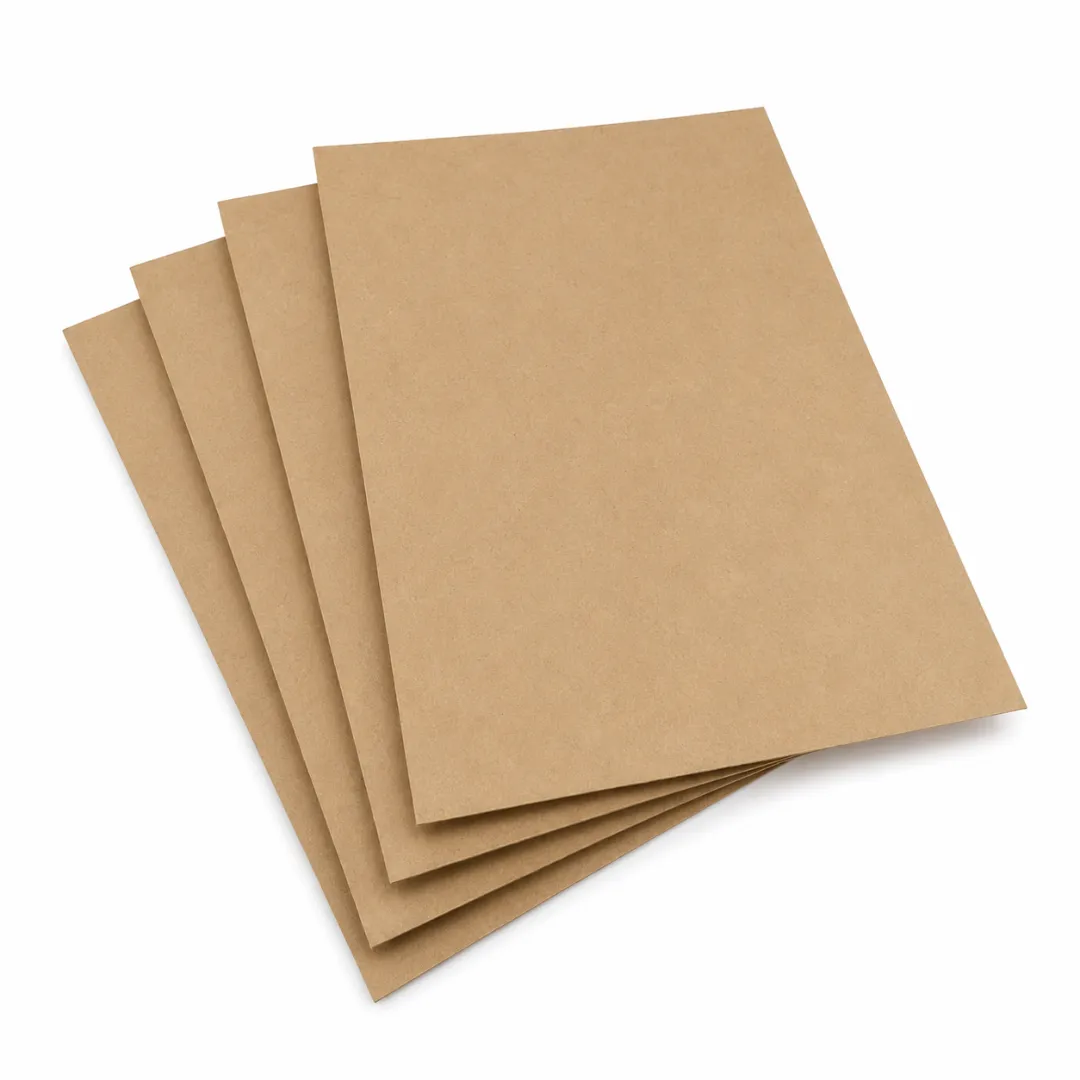
Kraft paper is a strong, durable and reliable material that is widely used across many different industries.

We use cardboard material with the least environmental impact and minimizes waste generation.
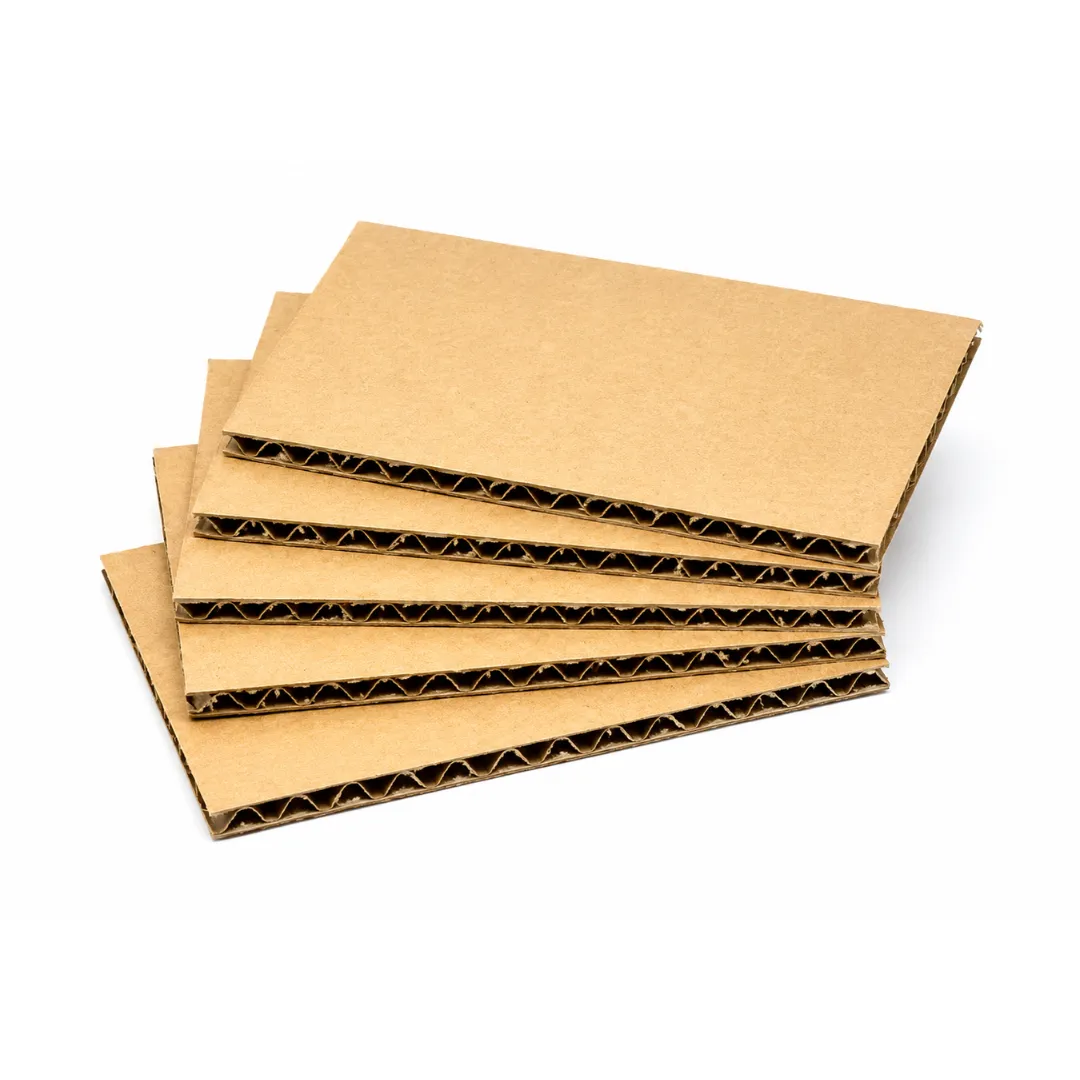
Corrugated material is easy to customize, cost effective and sustainable. It is also great for branding purposes.
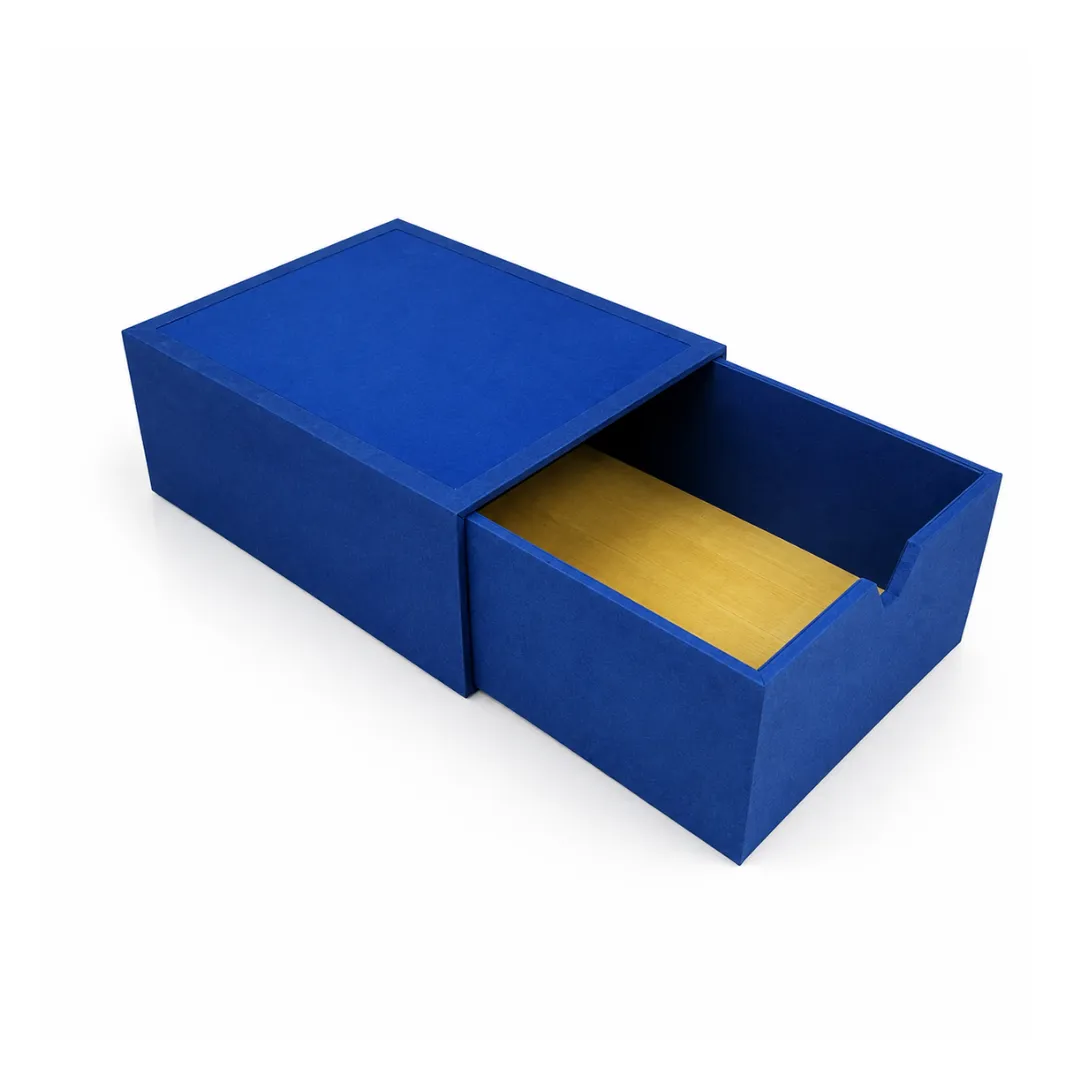
Rigid is highly protective, affordable and recyclable material. These boxes provide maximum protection.
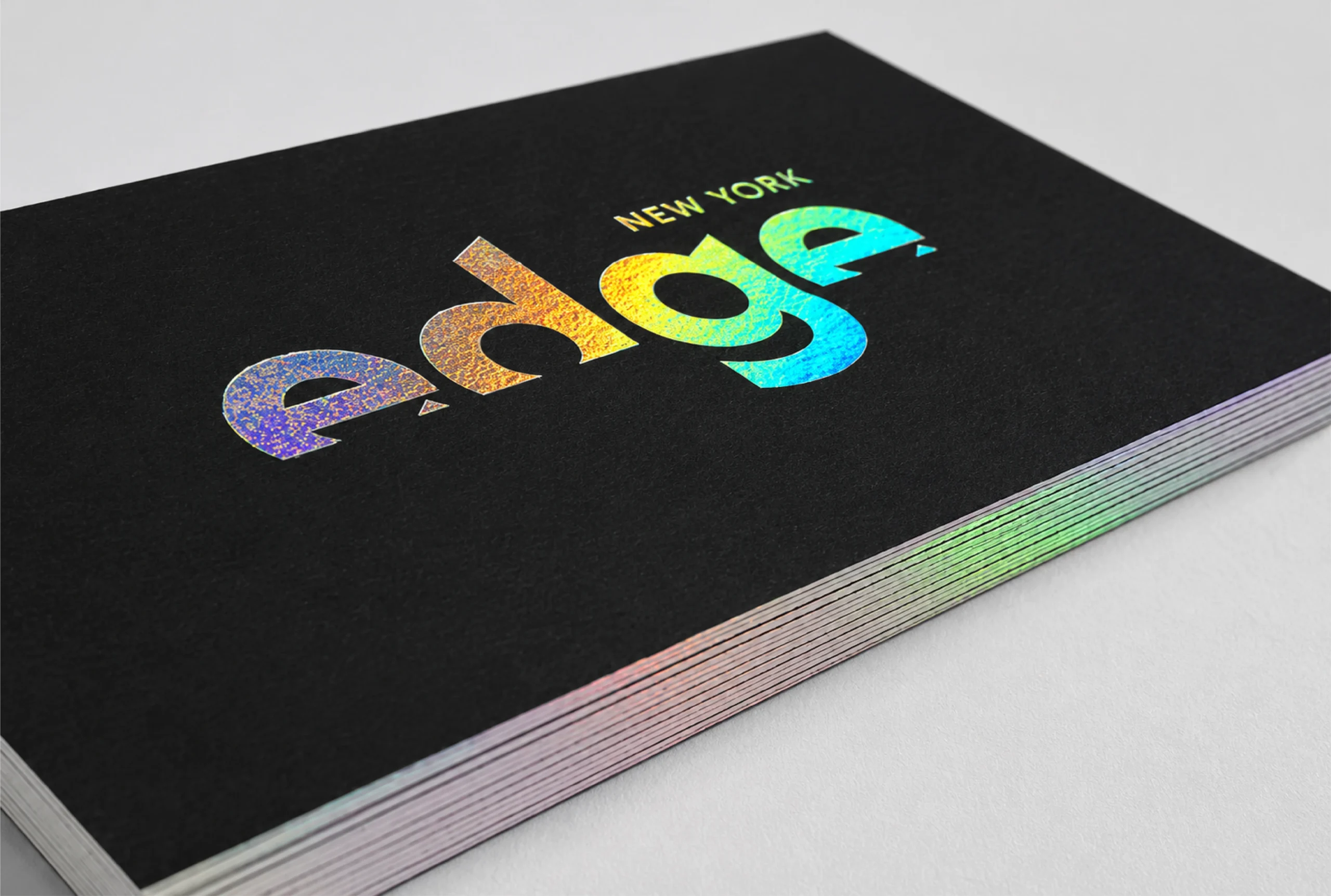
Holographic foil diffracts light and reveals the colors of the rainbow at various angles.

Our glossy finishing gives your packaging an extra layer of shine.
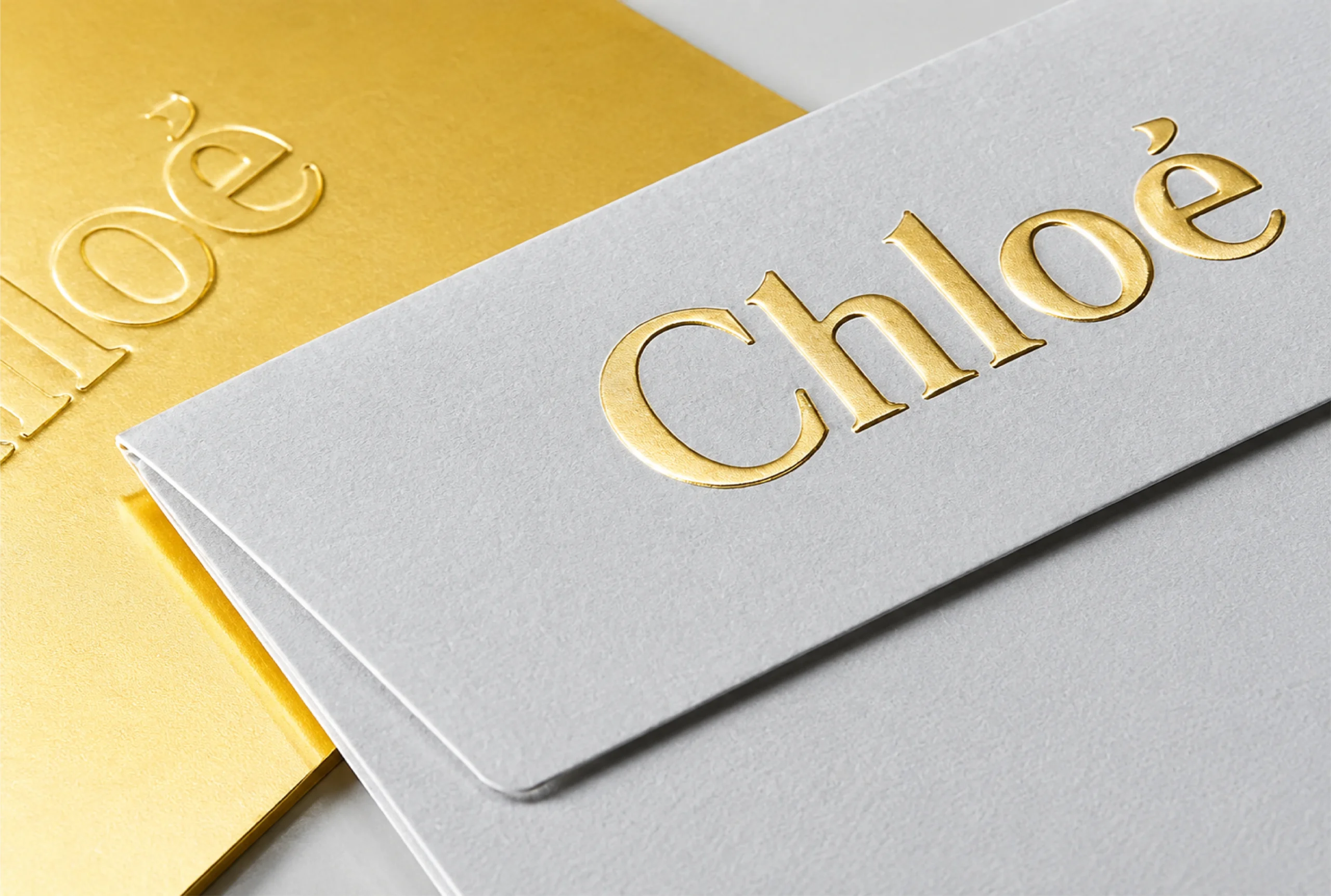
Decorate a wide range of your product packaging with our foil stamping.

With our embossing technique, we transfer the finest details of your product on packaging.
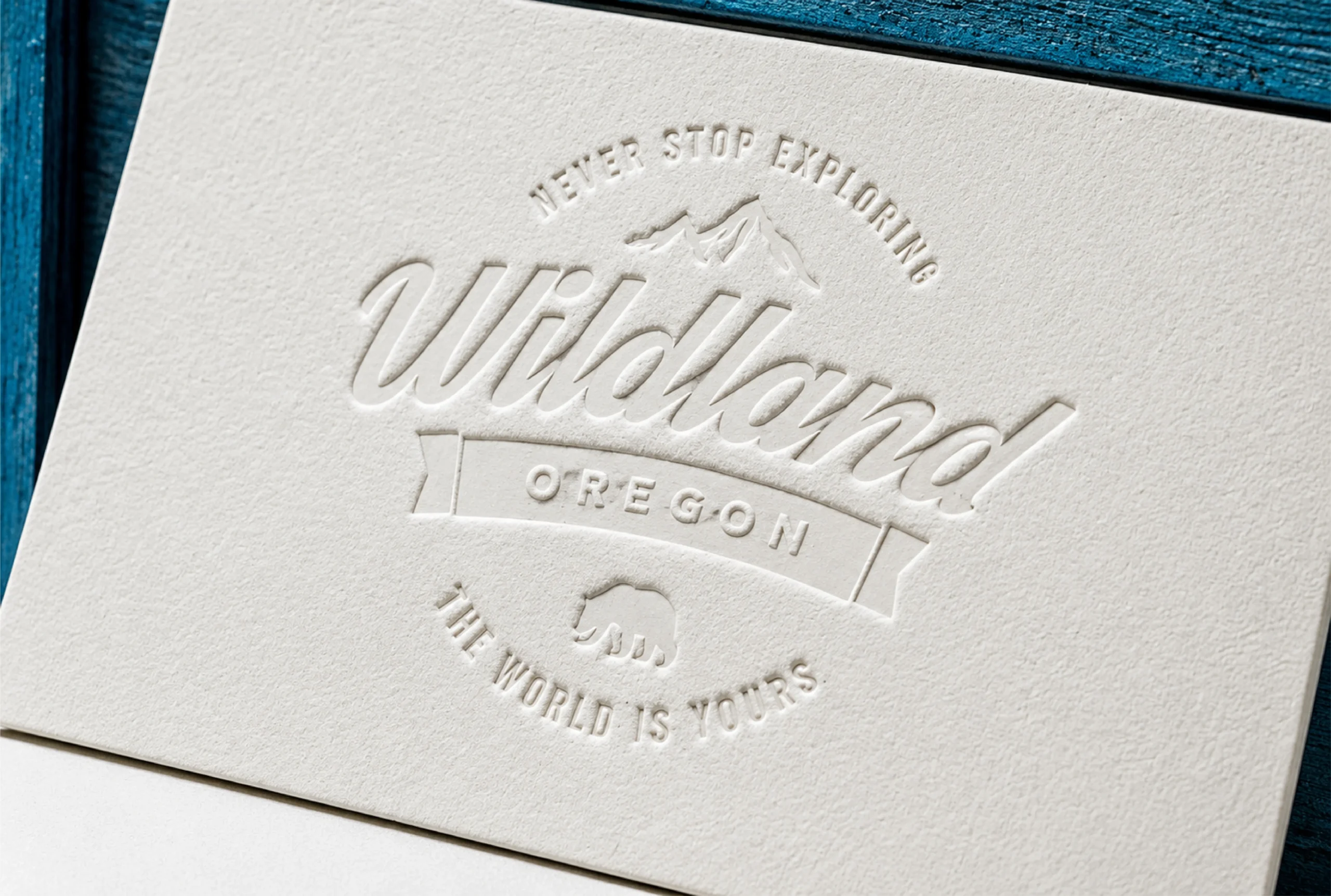
We use debossing technique to add unique graphics into your packaging.
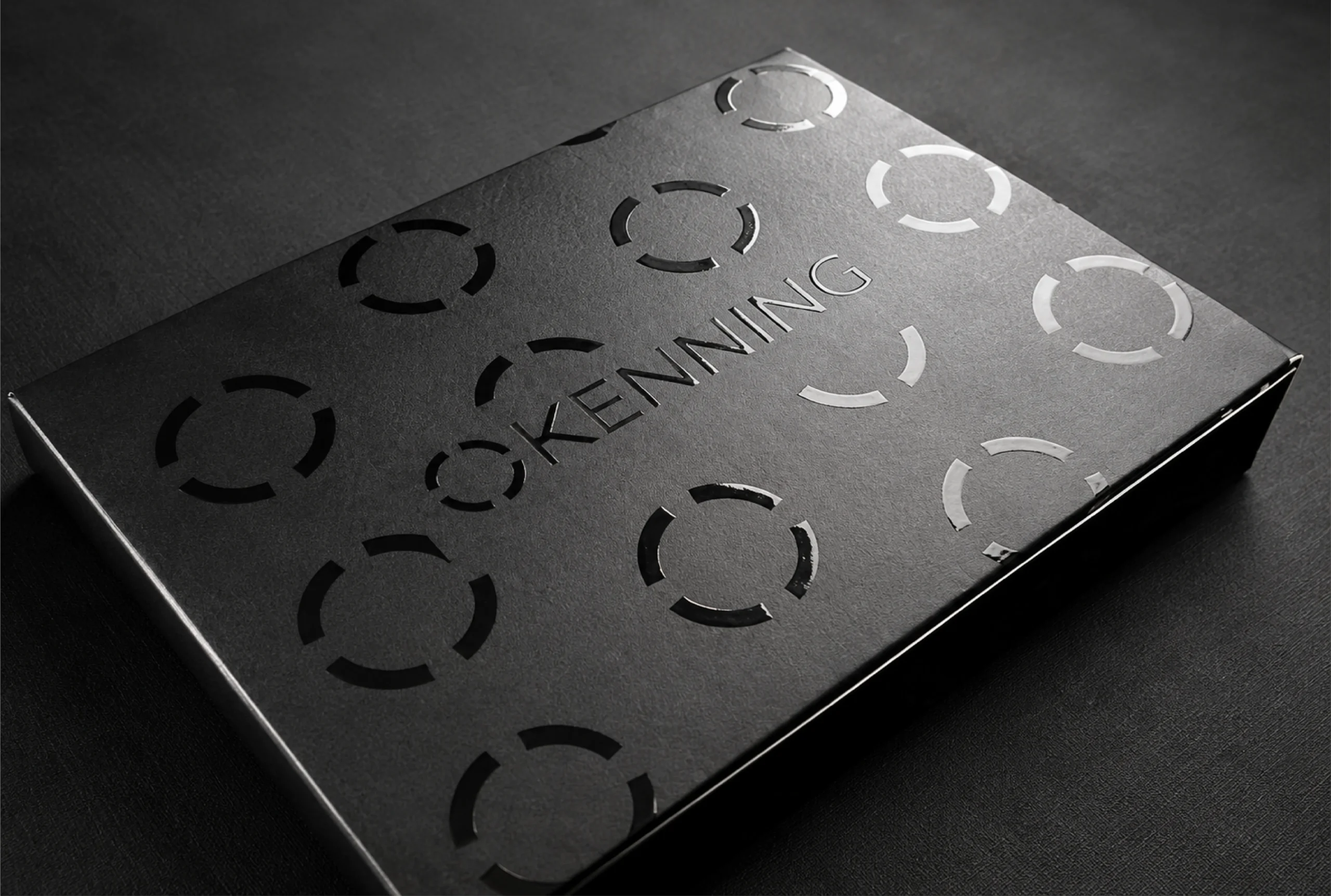
Our high-gloss UV coating gives light and shine to cure the printed material's varnish.
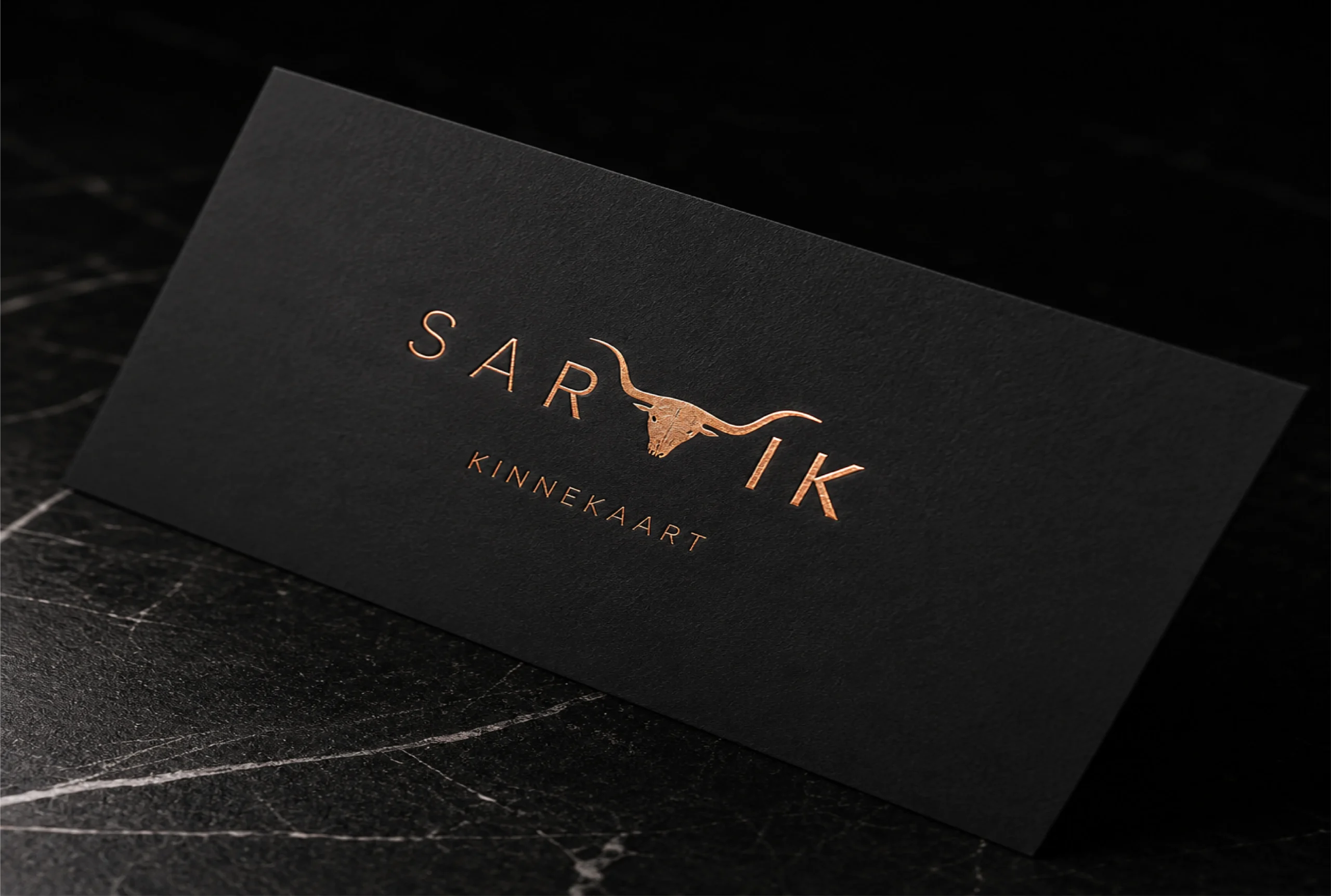
We add additional layer of protection with soft touch lamination from toner chipping.
With our matte finish, fingerprints and smudges will now be less visible on the packaging.
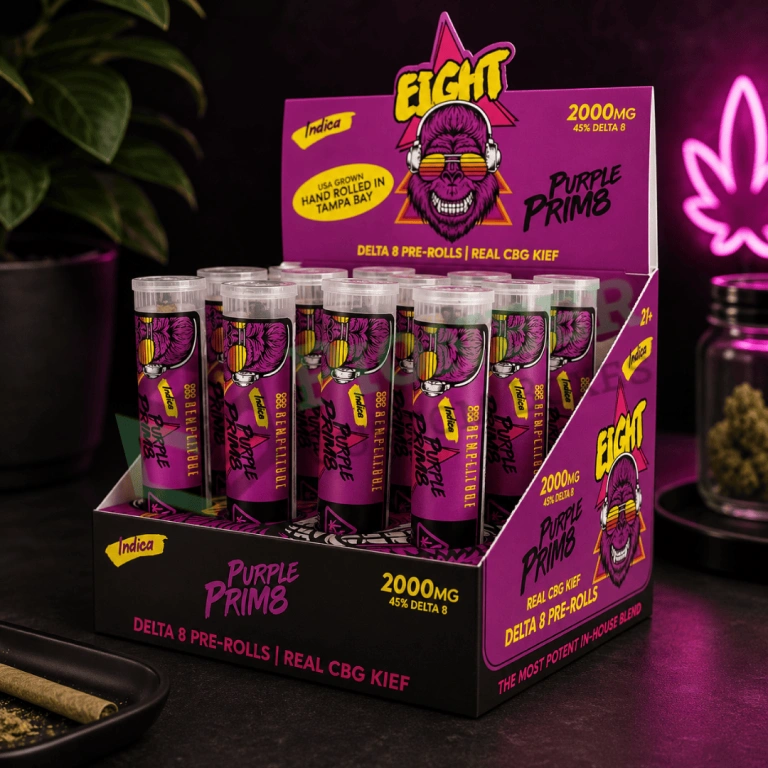
Custom Delta 8 boxes from Pioneer Custom Boxes help hemp, CBD, smoke shop, wellness, vape, edible, tincture, and retail brands package Delta 8 products with custom sizing, durable stock, sharp printing, barcode zones, QR panels, warning space, and free shipping across the USA.

Premium custom e cigarette boxes in the USA designed for brands that want stronger checkout presentation and safer shipping protection. We create structured vape packaging with sharp print quality, controlled sizing, and upgrade finishes that increase perceived value instantly. Order e cigarette boxes that look clean, modern, and retail-ready across the US market.
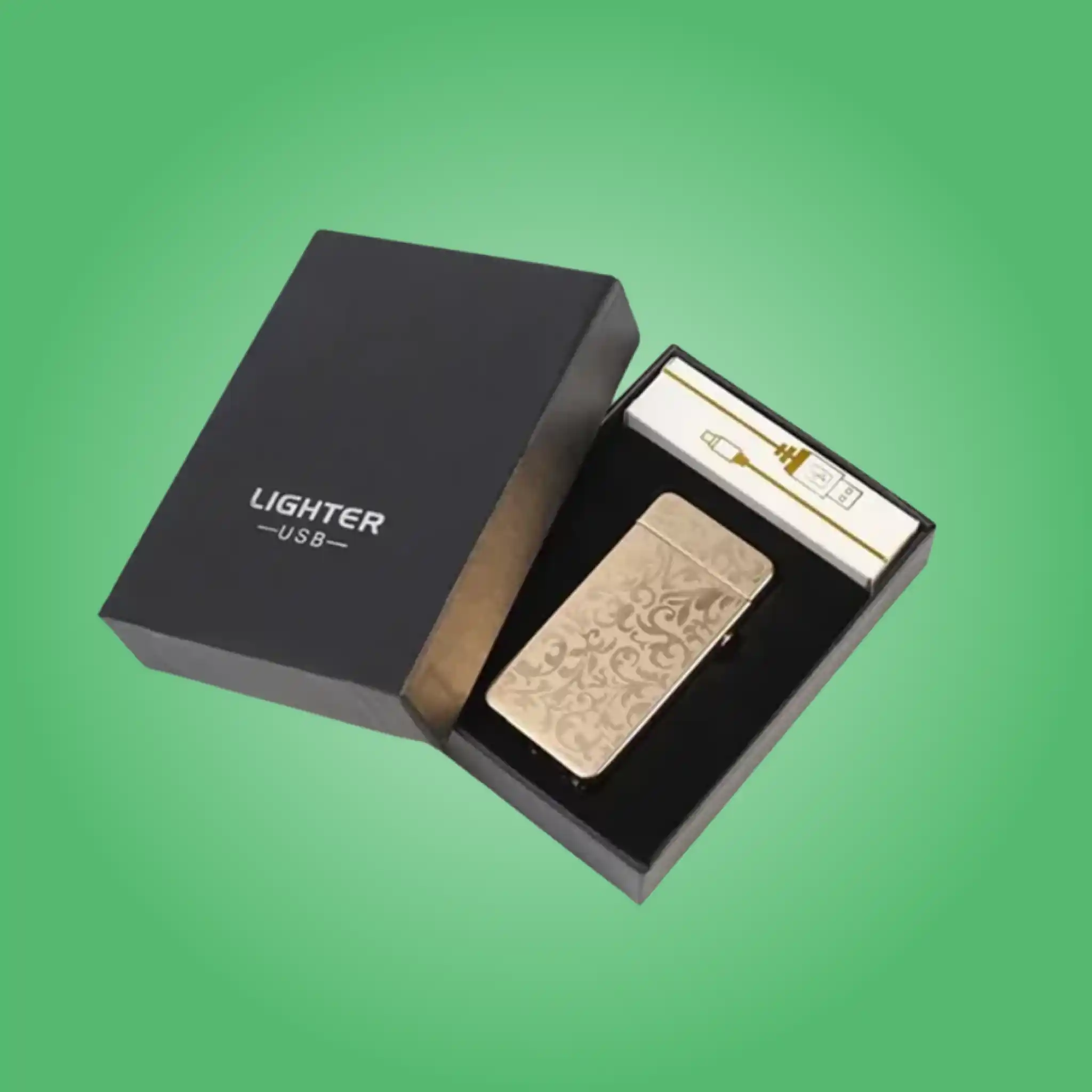
Custom lighter boxes from Pioneer Custom Boxes merchandise lighters where they actually sell, for lighter brands, promotional suppliers, convenience distributors, smoke shops and cannabis accessory brands. Choose counter display units, printed sleeves, blister cards, multi-packs or rigid gift boxes in SBS, kraft, E-flute or litho laminated board, with free design support, zero MOQ and free USA shipping.

Blank cigarette boxes made for brands that want clean packaging now and full customization later. Pioneer Custom Boxes delivers rigid, retail-ready cartons that hold shape, stack cleanly, and feel premium in-hand. Get blank cigarette packaging built for labels, stamps, wraps, and fast inventory needs.